,regionOfInterest=(2200,1237.5))
,regionOfInterest=(2200,1237.5))
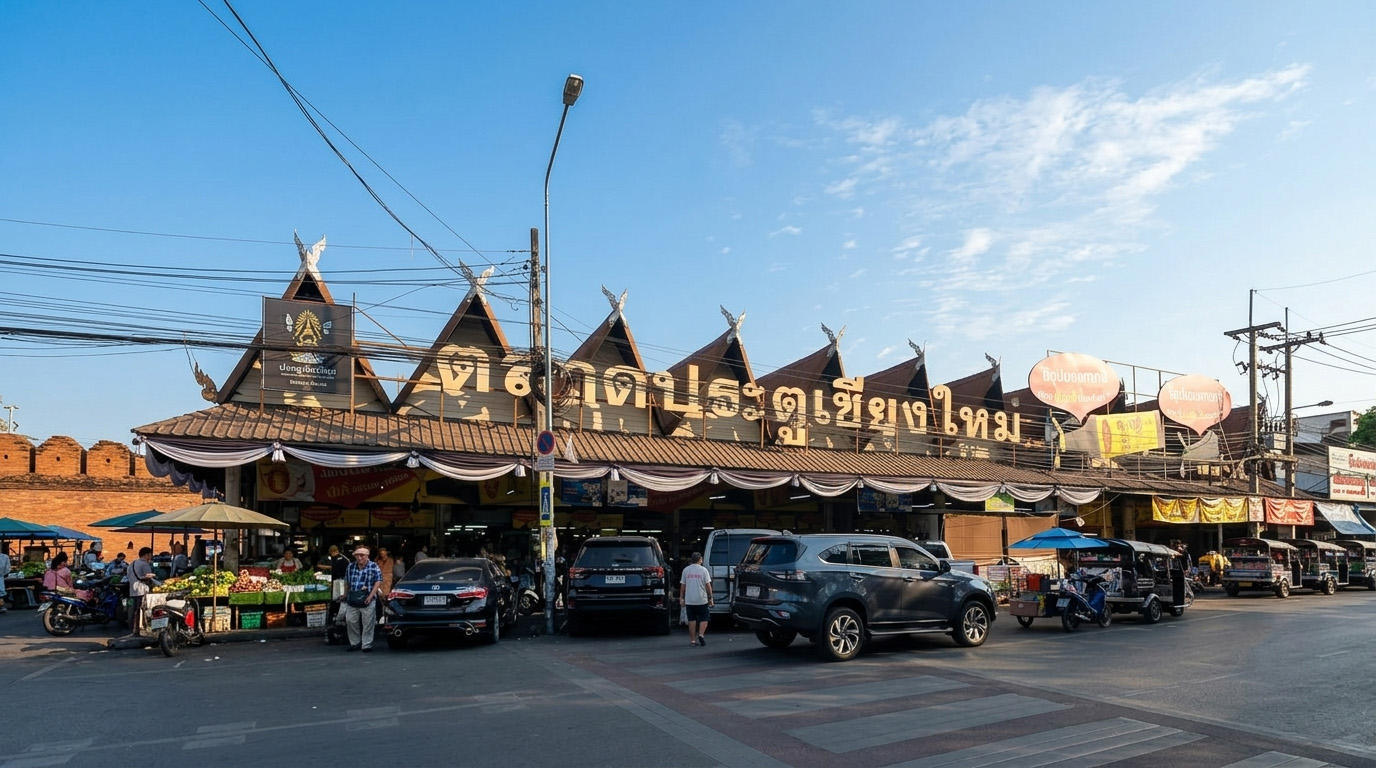
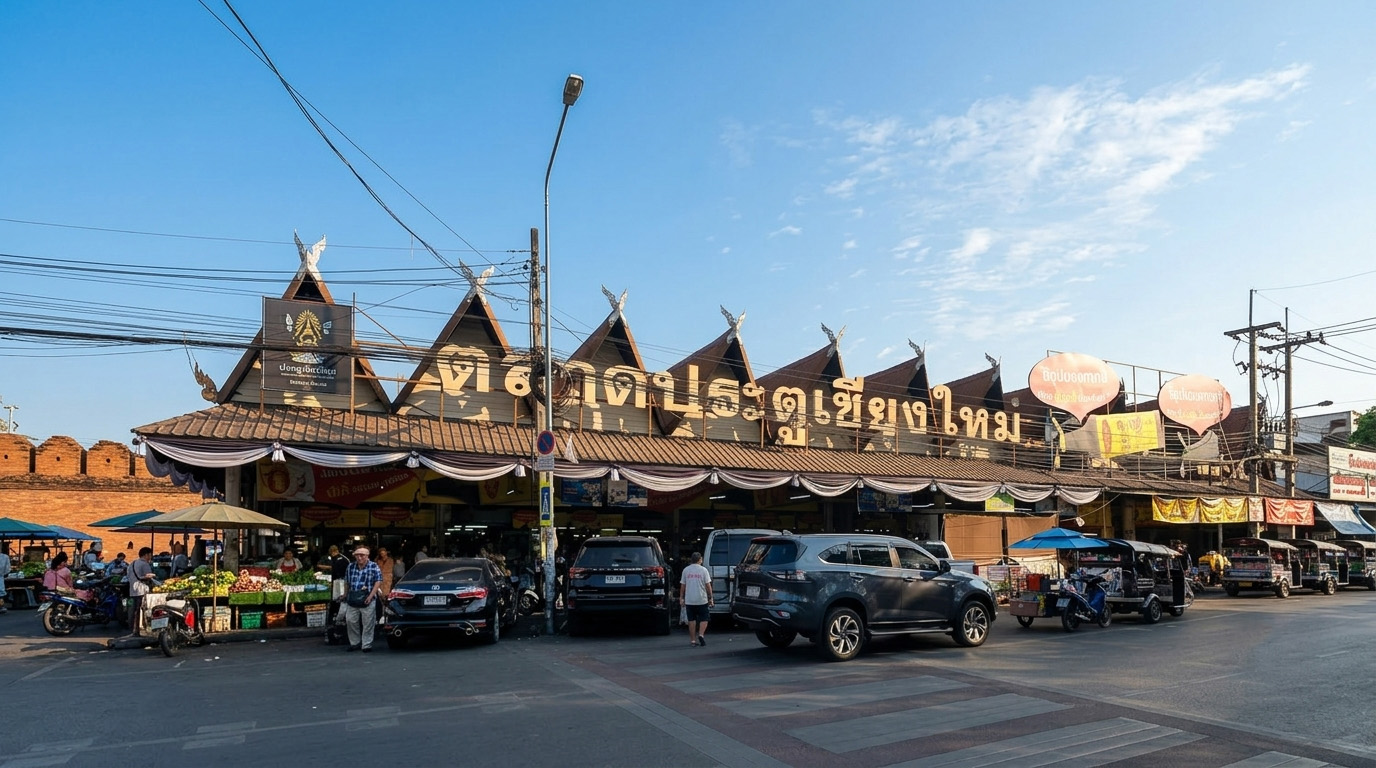
Chiang Mai Gate Night Market 2026: Complete Visitor Guide
,regionOfInterest=(688,384))
,regionOfInterest=(688,384))
Culture
,regionOfInterest=(2969.5,1982.5))
,regionOfInterest=(2969.5,1982.5))
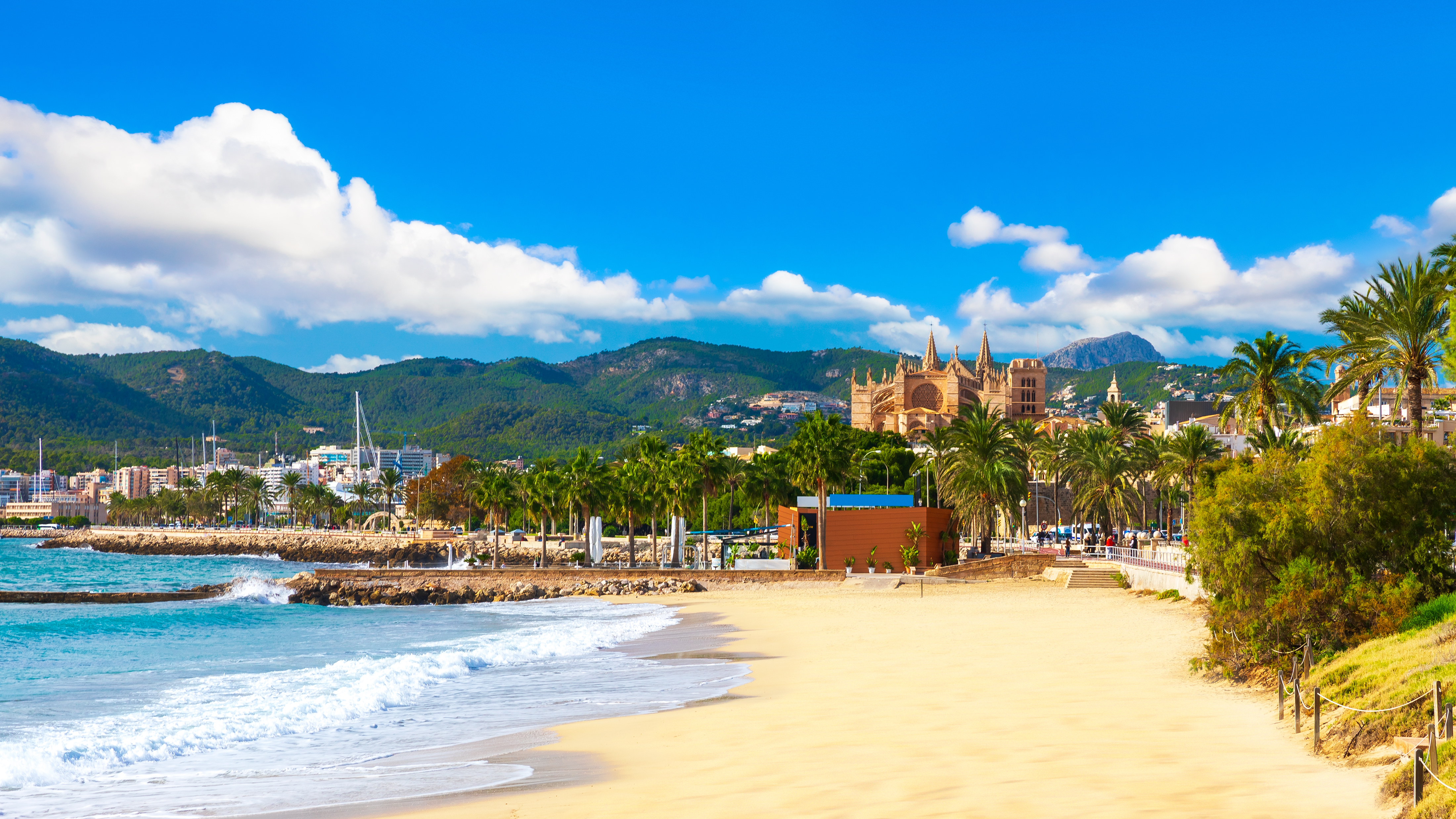
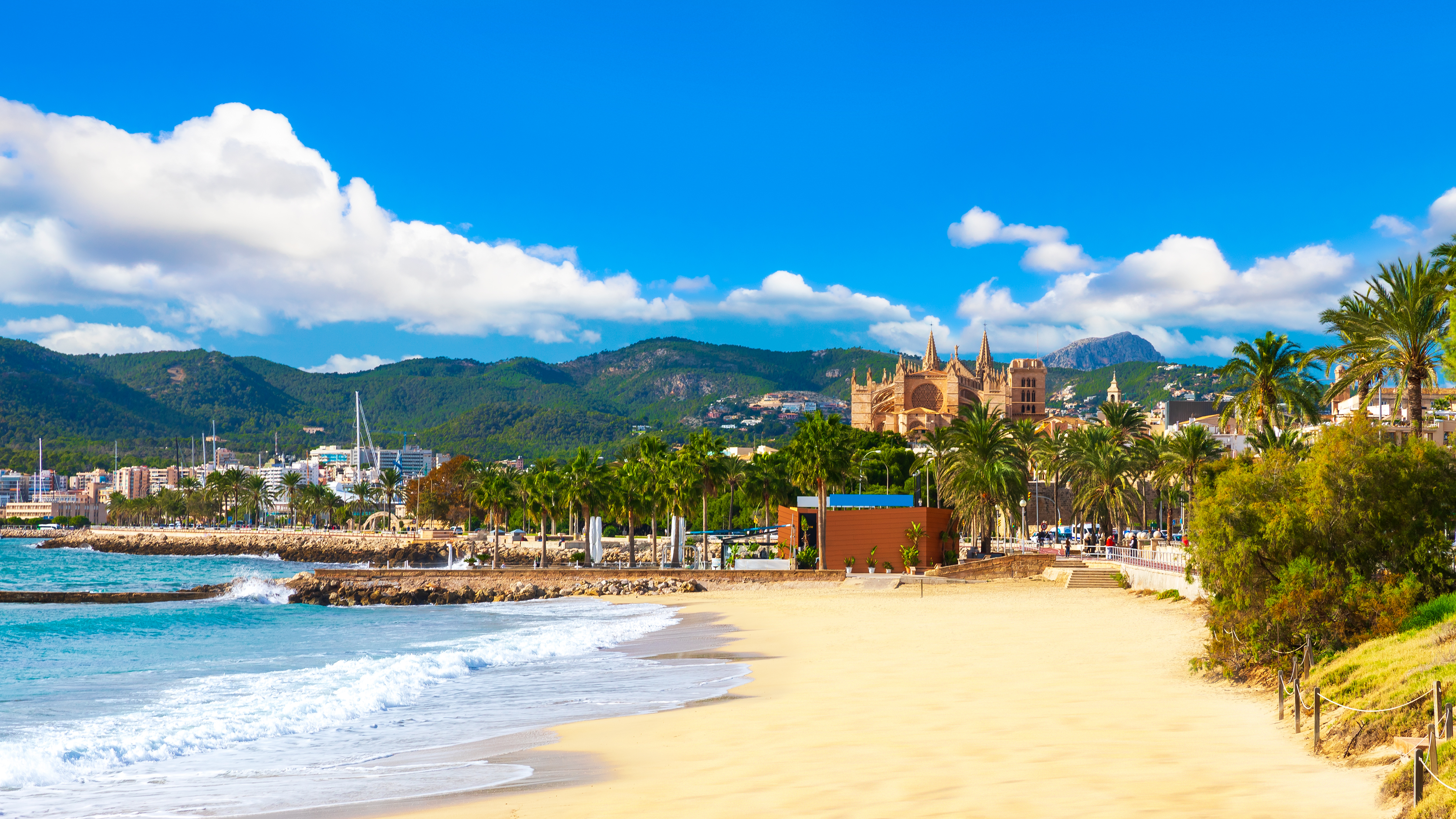
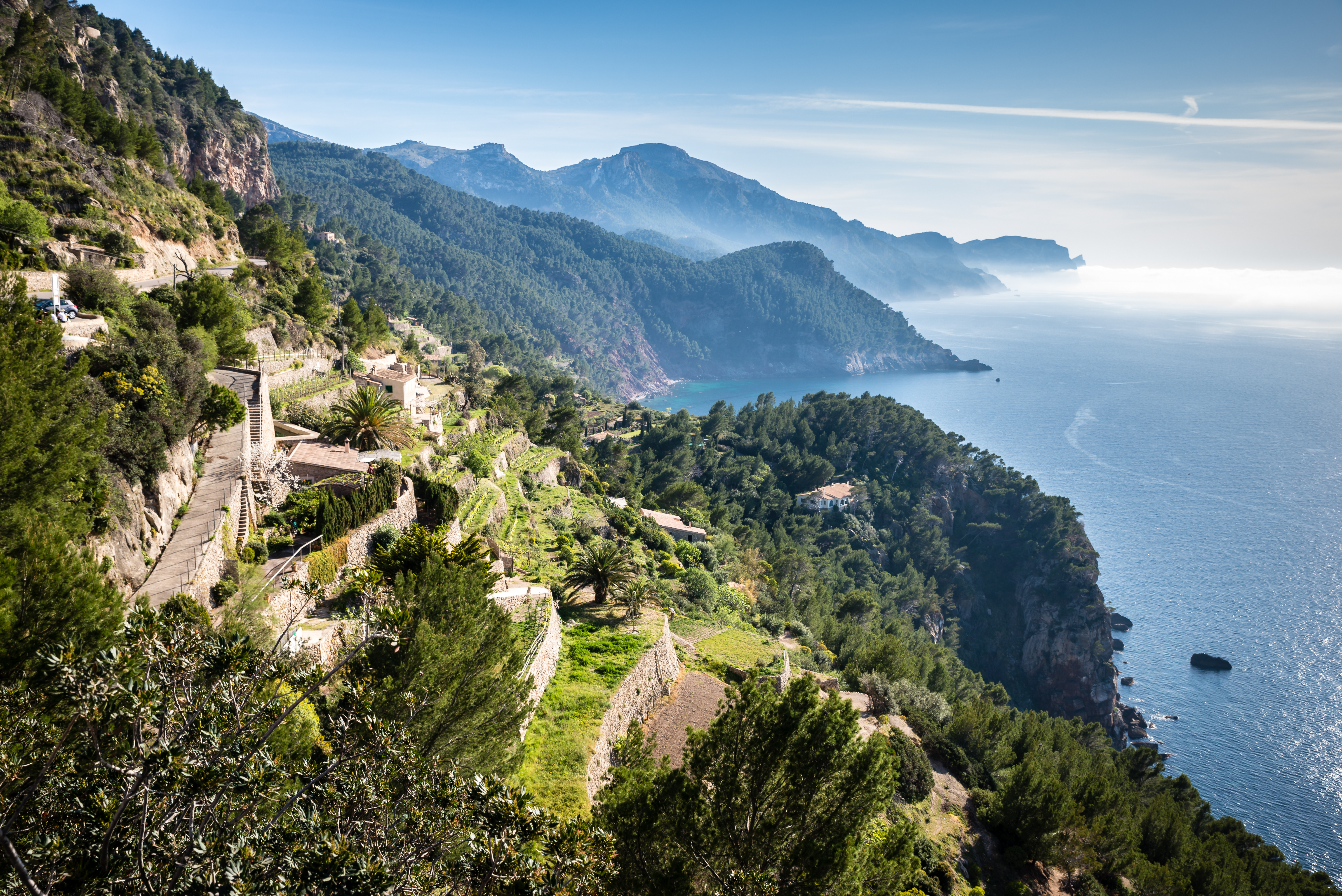
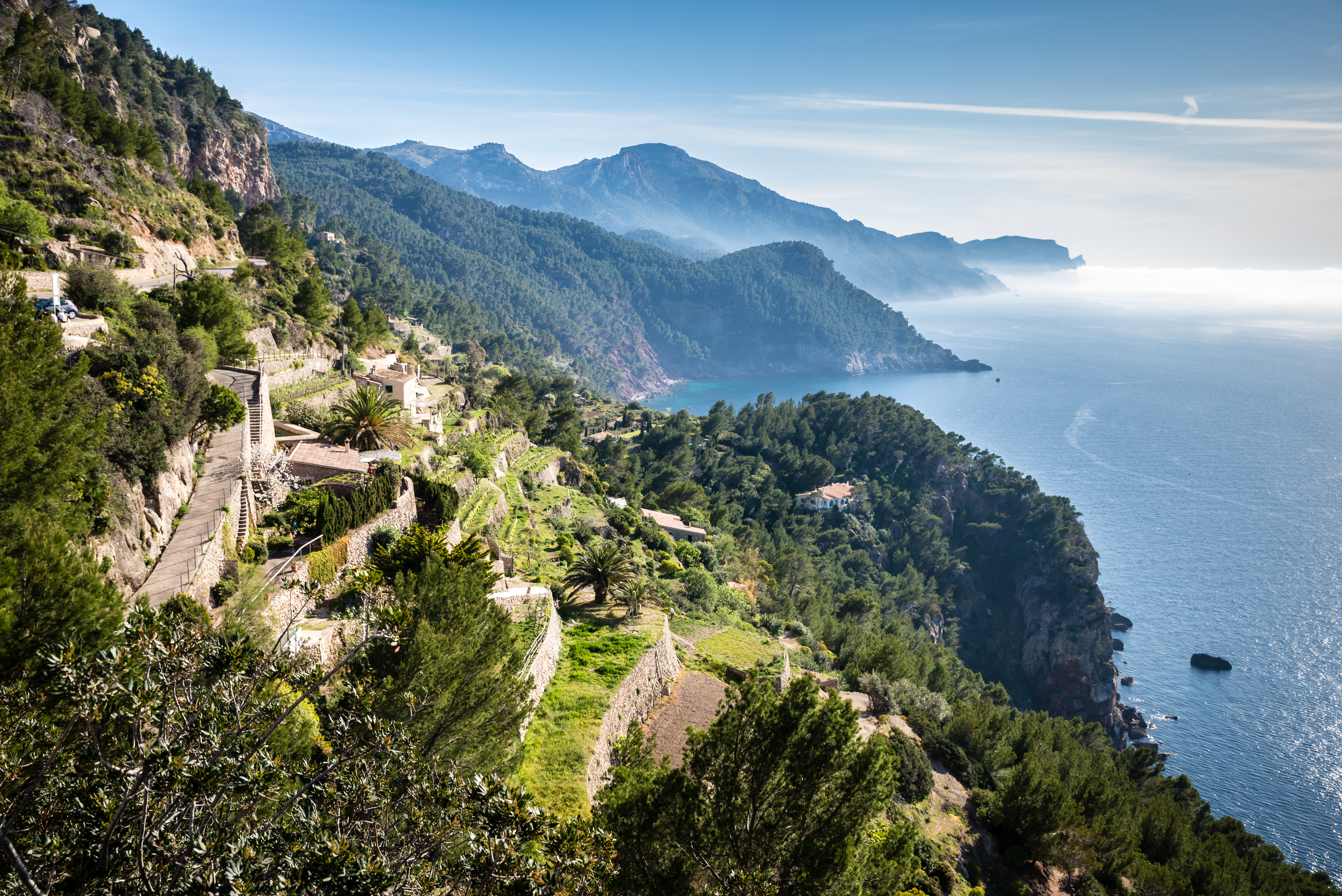
The Serra de Tramuntana is the place that defines the true geographical, cultural, and natural identity of the Balearic Islands. Located in the north and northwest of the island, this majestic mountain range stretches for almost ninety kilometres, featuring mountains, cliffs, stone villages, and winding roads with incredible sea views.
It is one of the most impressive places to visit in Mallorca and one of the most special corners if you want to discover a completely different image of the island, much more natural and tranquil.
The Serra de Tramuntana in Mallorca was declared a UNESCO World Heritage Site in the Cultural Landscape category, a title that already hints at what you are about to discover. You'll only need a few minutes exploring the area to understand why.
Much more than just a mountain to photograph from afar, I'm going to tell you, based on my experience, what to see in the Serra de Tramuntana and its surroundings. I'll give you a heads-up that the area offers a huge range of possibilities for lovers of adventure, history, photography, and good local gastronomy.
,regionOfInterest=(600,399))
,regionOfInterest=(600,399))
A journalist by training, restless and creative by nature, she always writes with a personal touch to convey nuances that enrich the reading experience and share her enthusiasm for travel. In her writing, the culture, history, and essence of each place intertwine with personal experiences and feelings that transport the reader to the destination she is describing.
Culture
,regionOfInterest=(1758,891))
,regionOfInterest=(1758,891))
,regionOfInterest=(1508.5,1005.5))
,regionOfInterest=(1508.5,1005.5))
,regionOfInterest=(2500,1666.5))
,regionOfInterest=(2500,1666.5))
,regionOfInterest=(3976,2652))
,regionOfInterest=(3976,2652))
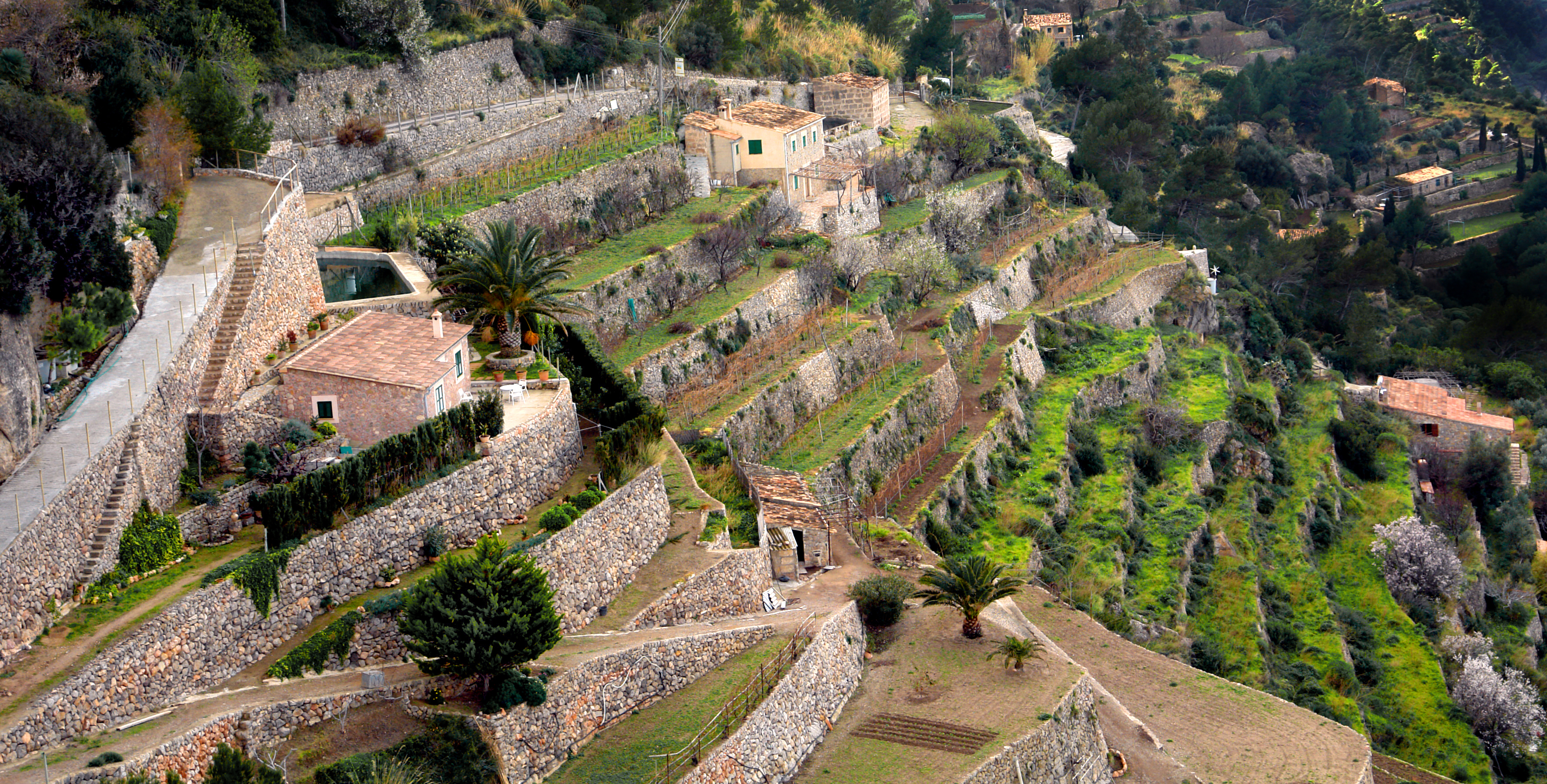
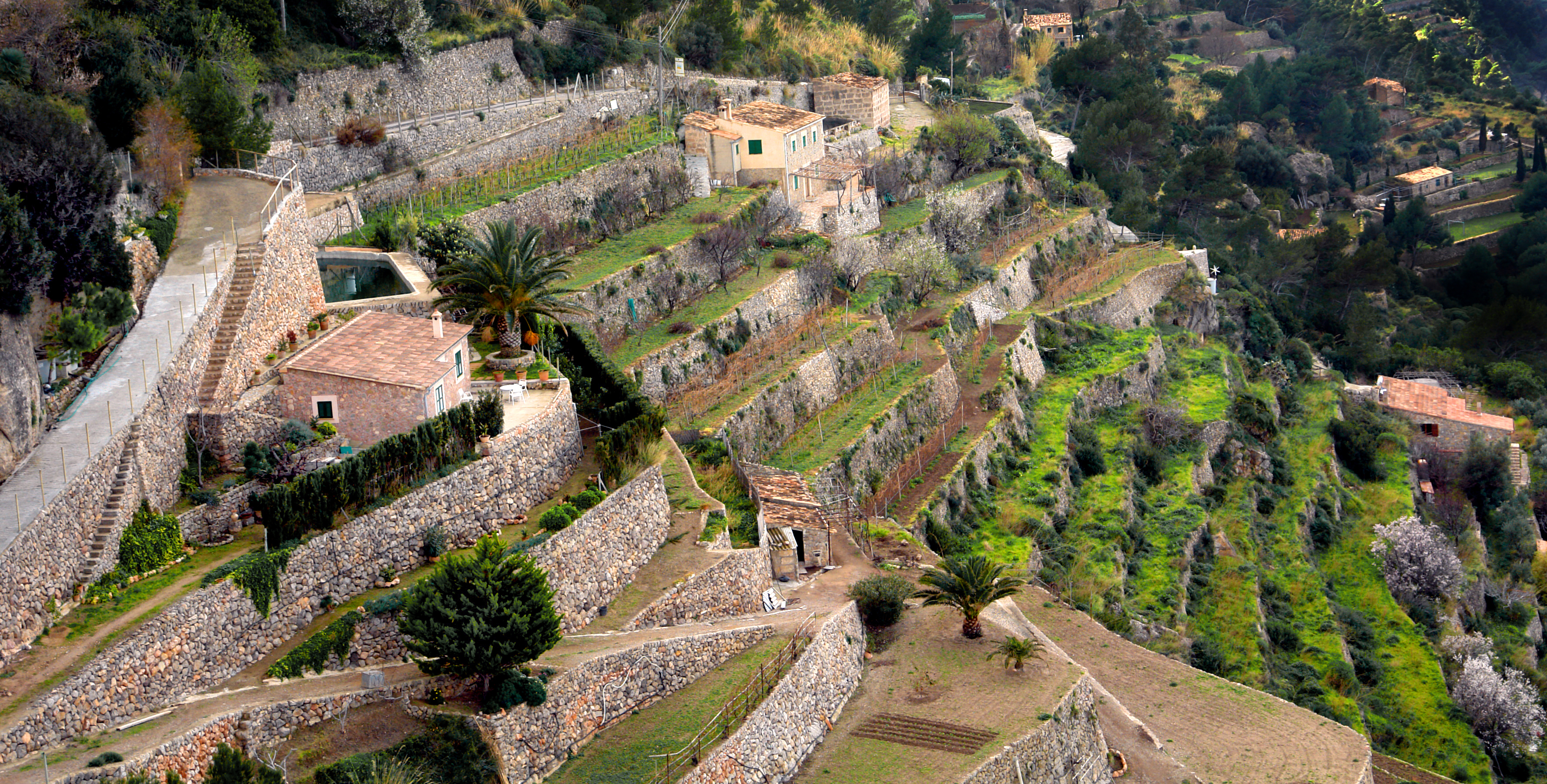
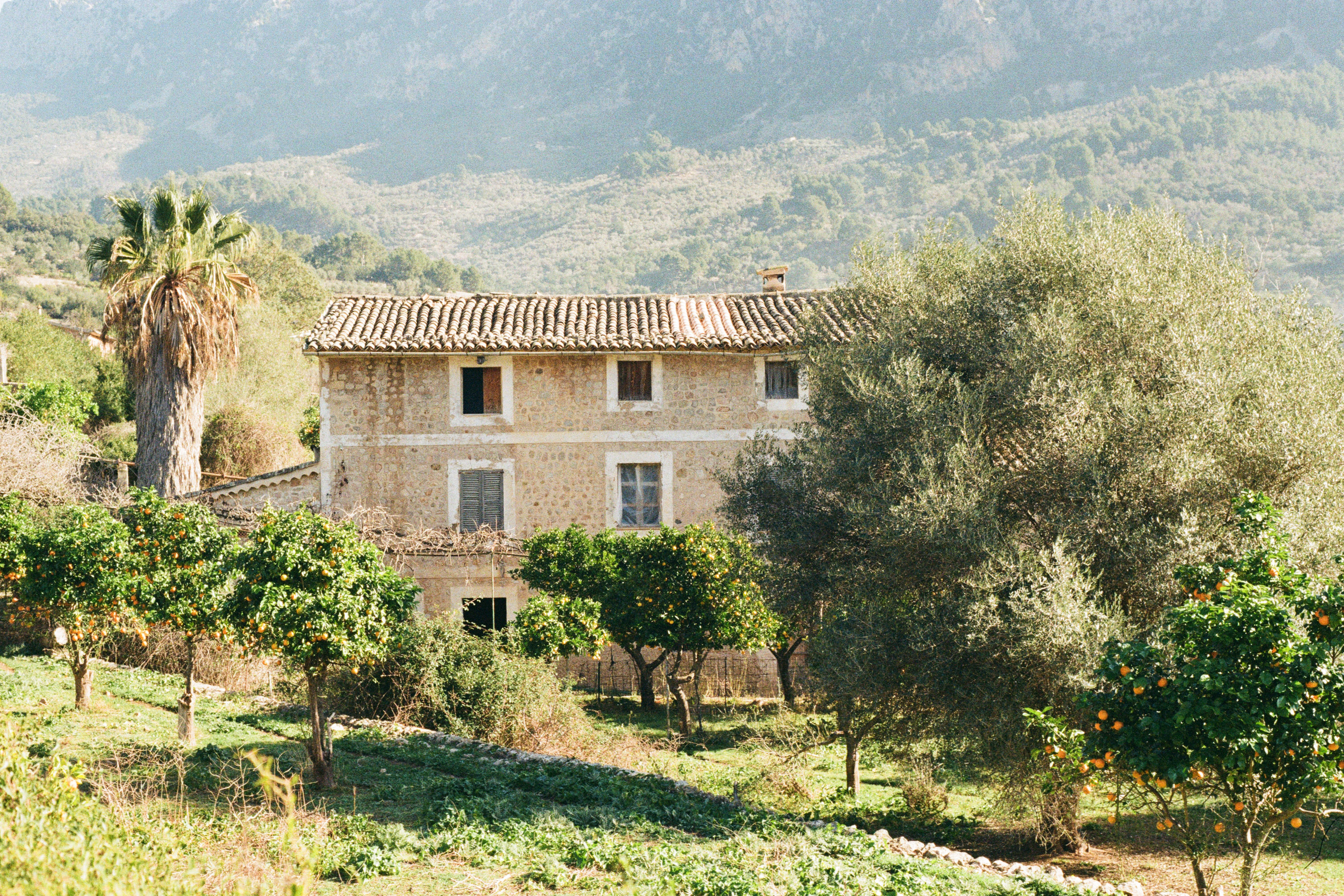
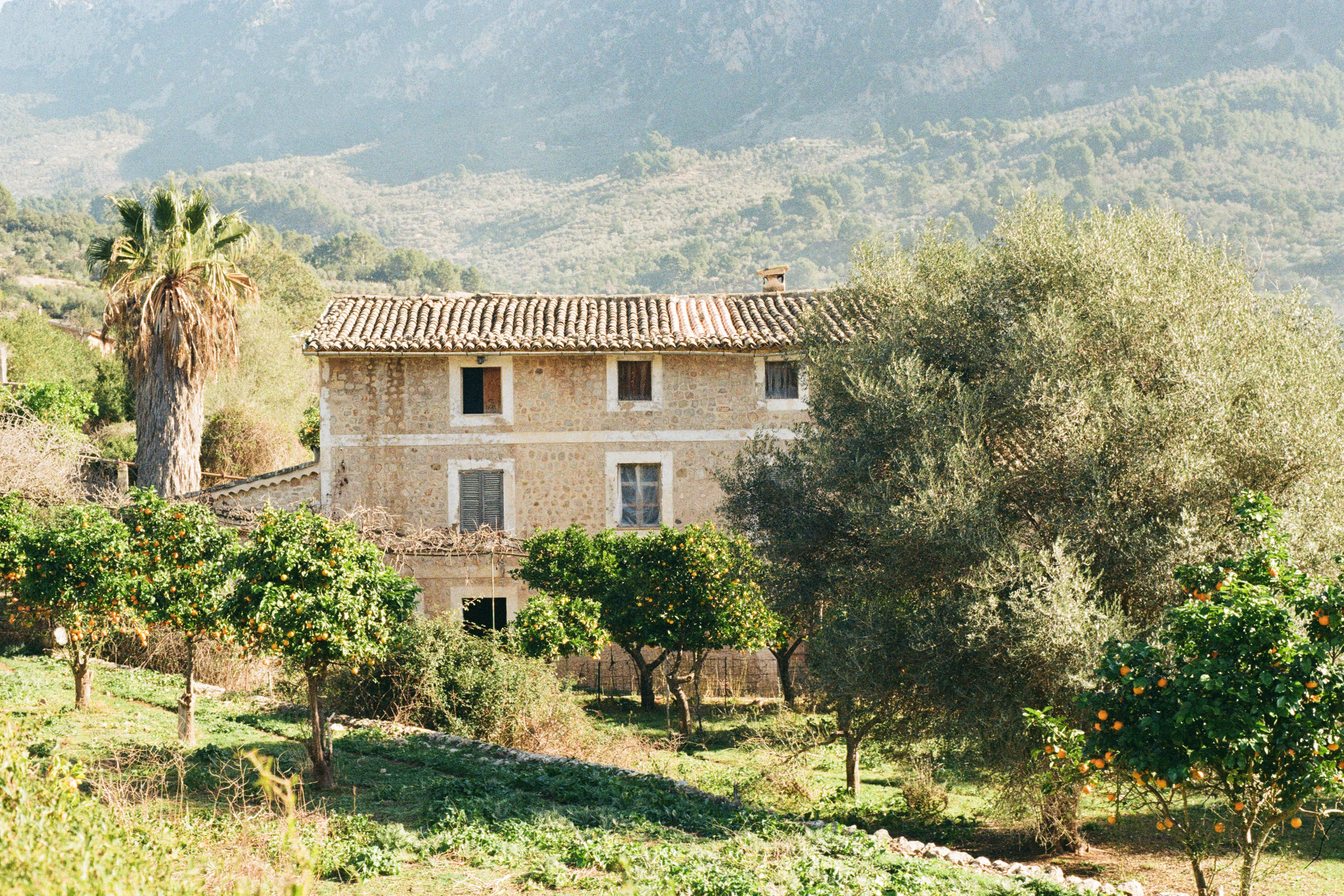
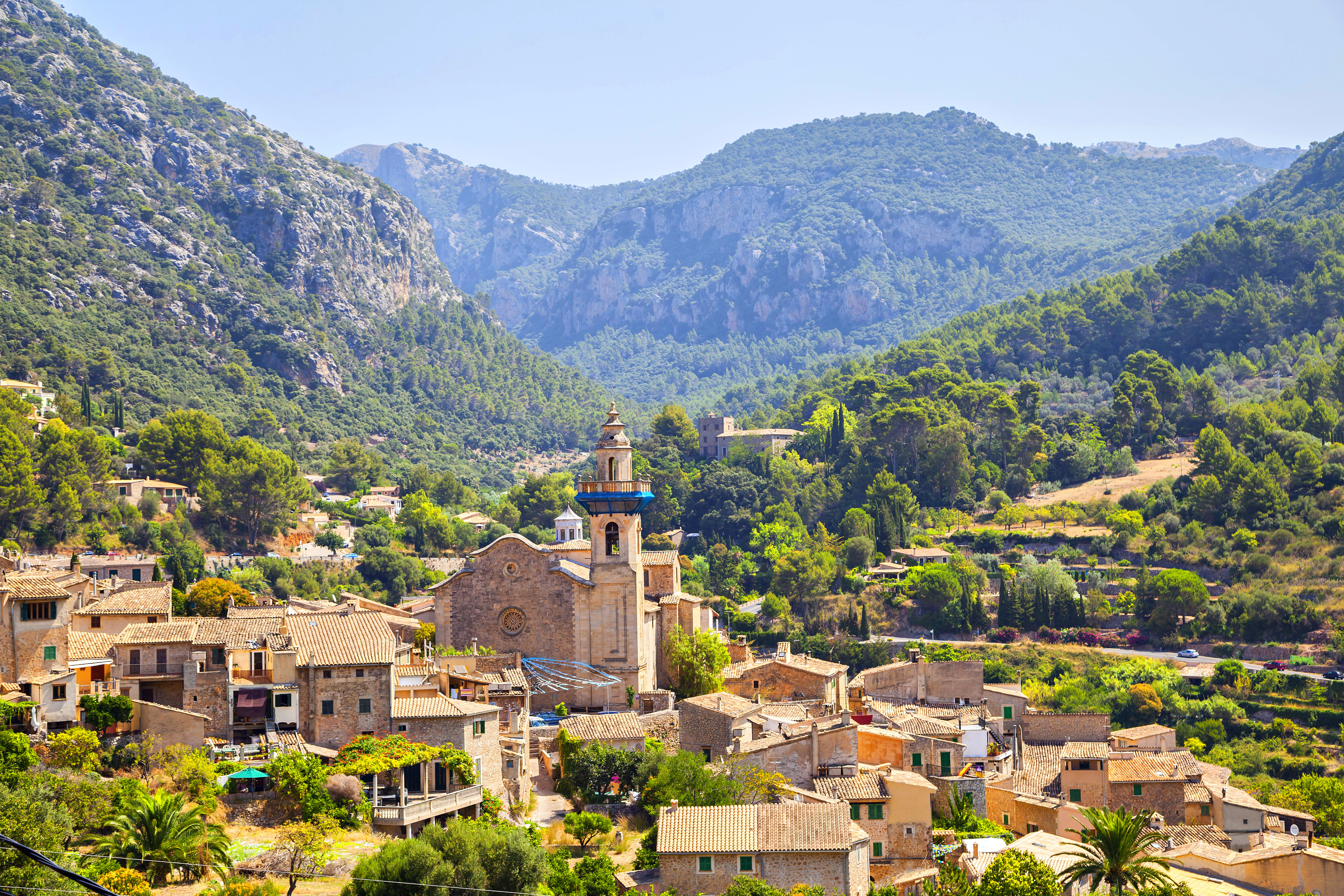
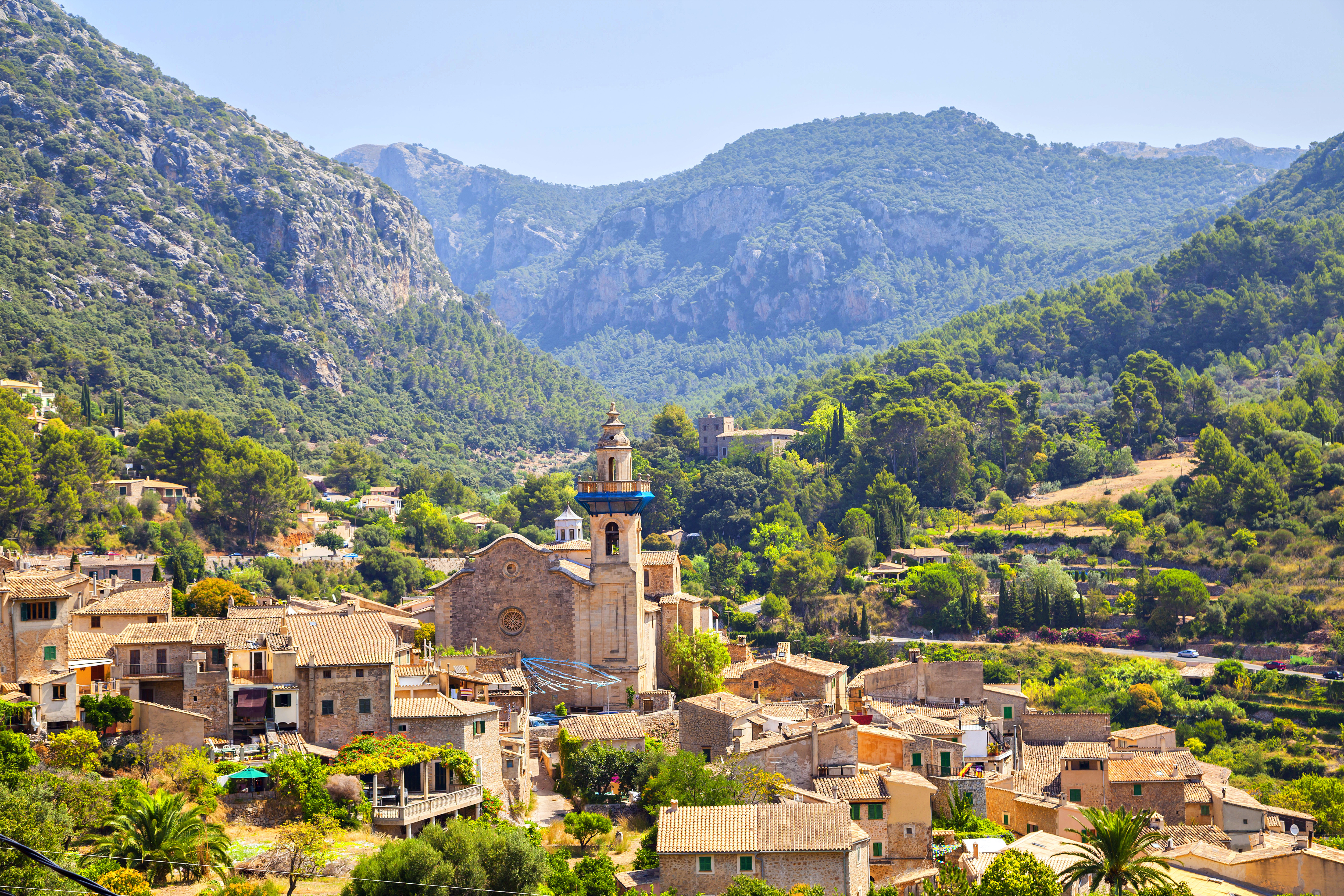
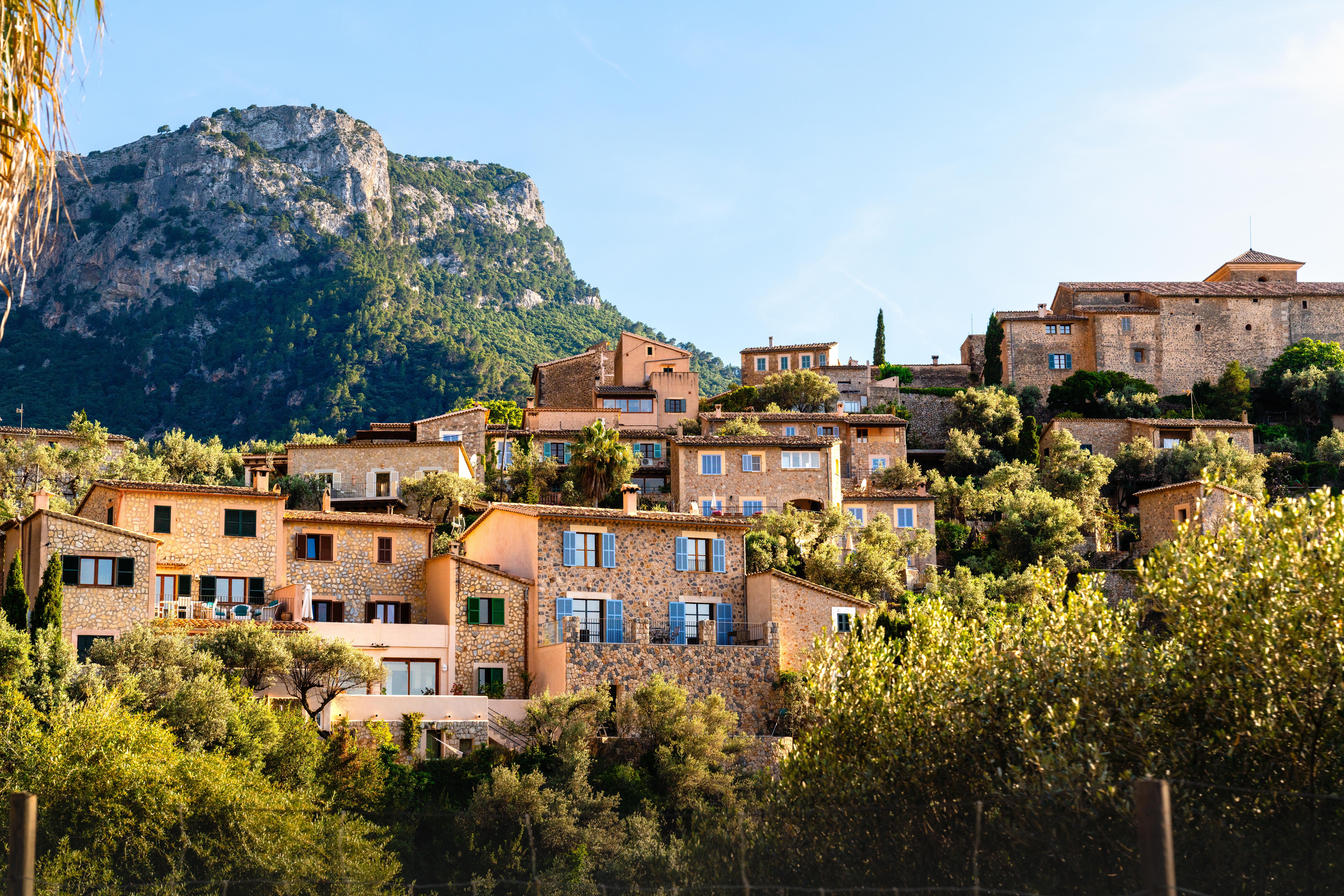
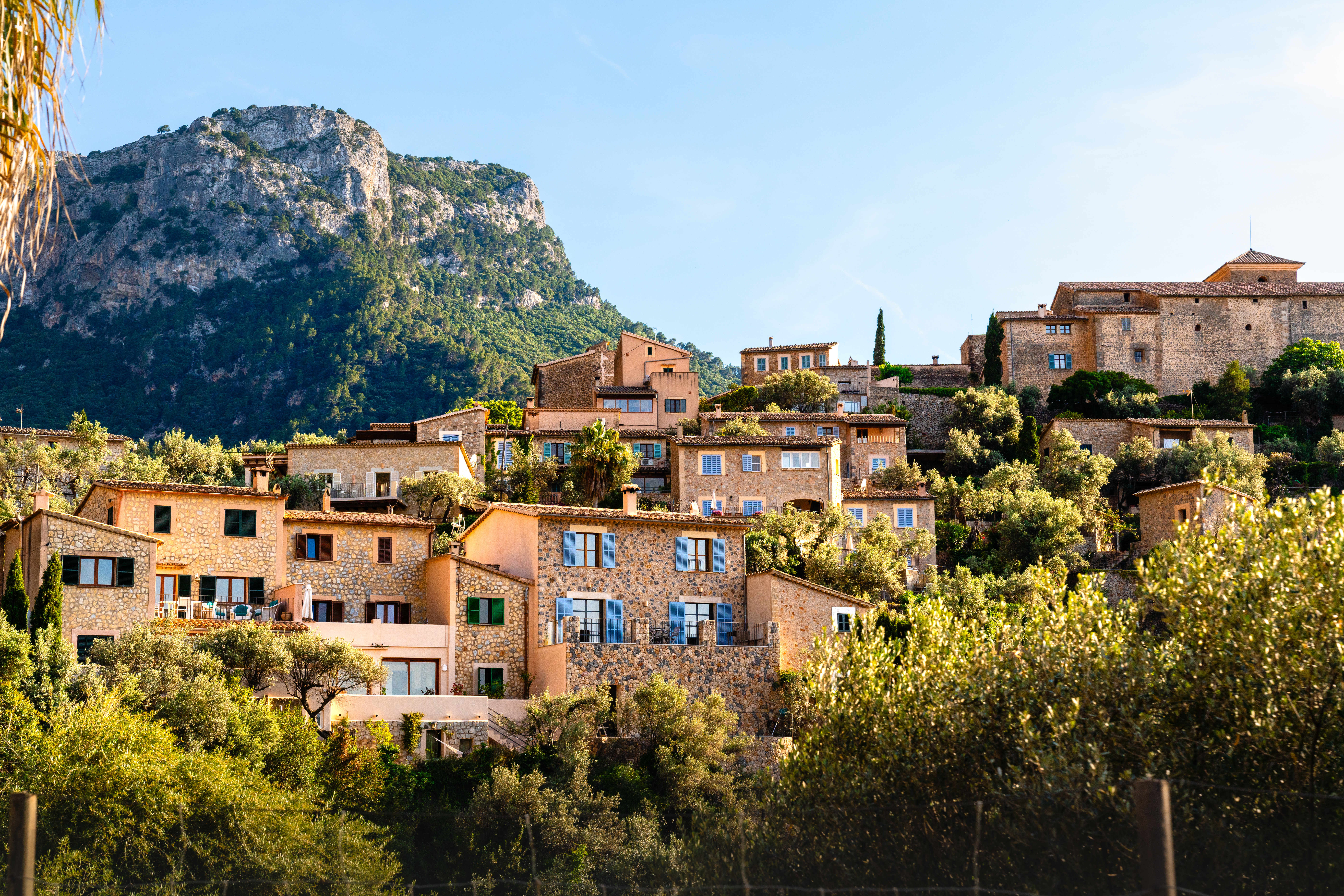
What makes the Serra de Tramuntana so special is the blend of nature, history, and landscape. It's not just a mountain range. The entire area is full of charming little villages, paths, cultivated terraces, and roads that traverse some of Mallorca's most spectacular landscapes.
One of the things that often surprises people is the contrast. In just a few kilometres, you can go from a viewpoint overlooking enormous cliffs to a valley full of olive trees or a hidden cove nestled among the mountains.
The reality is that there are many interesting sites scattered throughout the mountain range. Some of the most notable are Valldemossa, Deià, Fornalutx, Sóller, and Sa Calobra, famous for their stone houses, narrow streets adorned with flower pots, and a special light.
One of my favourite places in the Tramuntana is the Santuario de Lluc, considered the spiritual heart of the mountain range. It's a beautiful monastery hidden amongst valleys and mountains, offering absolute peace, walking routes, and the chance to hear the famous choirboys, 'Els Blauets', sing.
Furthermore, the Serra de Tramuntana is home to unique species found nowhere else in the world. If you're lucky and look up at the sky, you might see the impressive flight of the black vulture, Europe's largest bird of prey, or encounter the 'ferreret', a small native toad that only lives in the most hidden and deep torrents of these mountains.
Before packing your bags and lacing up your hiking boots, I recommend you carefully review the location of the Serra de Tramuntana to understand the vast area it covers and thus be able to organise your exploration days without spending the entire day driving.
Northwest of Mallorca, Balearic Islands, Spain.
The entire mountain range extends along the northwest coast of the island of Mallorca, encompassing almost twenty municipalities from Cap de Formentor in the north to the municipality of Andratx in the southwest.
The landscape of the Serra de Tramuntana is characterised by the highest peaks in the Balearic Islands, notably Puig Major, standing at 1,445 metres high.
Before asking yourself how to get to the Serra de Tramuntana, the first thing you need to be clear about is which area you want to visit, as the access point will depend on your choice.
The journey from Palma de Mallorca is quite quick and will allow you to reach the first mountains in just 25 or 30 minutes by following these directions:
Parking in the Serra de Tramuntana varies greatly depending on whether you decide to visit the urban centres of the villages or if you prefer to venture into nature for a free walk.
In the most touristy villages like Valldemossa or Deià, parking is regulated by blue zones (paid) and spaces are quite limited, so they fill up quickly during high season.
For hiking routes or visiting viewpoints, it's best to look for authorised lay-bys on the sides of the Ma-10 road or free public car parks provided by some town halls on the outskirts of the urban areas.
As I always say, remember to always park your car without obstructing the road to avoid being towed.
When looking for reviews of the Serra de Tramuntana to see if it's really worth dedicating one or several days to exploring this part of the island, you'll find that the vast majority agree that it is one of the most complete and surprising experiences one can have in Mallorca.
Many highlight the radical change in landscape the island offers within just a few kilometres, moving from flat beaches to rugged peaks reminiscent of the Pyrenees. The small villages, mountain trails, and coastal viewpoints are also frequently praised.
The roads of the Serra de Tramuntana receive very mixed reviews. Some thoroughly enjoy driving, while others prefer to avoid certain stretches with many curves.
,regionOfInterest=(2576,3864))
,regionOfInterest=(2576,3864))
If you want to know what to do in the Serra de Tramuntana, I'll tell you that the area offers many outdoor activities, perfect for nature and hiking lovers, suitable for all levels and tastes. Here are some of my favourites:
You can dedicate a whole day to driving along the Ma-10 road, stopping at the island's most famous viewpoints, such as the Mirador de Ses Ànimes (in the municipality of Banyalbufar), with its iconic medieval defence tower on the cliff, or the Mirador de Sa Foradada (in Deià), a place to admire a giant rock with a natural hole in the middle while enjoying one of the best sunsets in the Mediterranean.
This is the quintessential route in the Serra de Tramuntana (the GR-221 long-distance path). It's divided into several perfectly signposted stages that cross the entire mountain range, allowing you to walk on ancient stone paths of charcoal burners and snow wells, sleep in mountain refuges, and discover the island's rich rural culture.
If you want to take an iconic excursion in the Serra de Tramuntana, this circular route will take you through an imposing canyon carved by water. The path ascends via thousands of dry stone steps, offering a traditional agricultural landscape that will leave you speechless.
This historic path was created by Archduke Louis Salvador of Austria in the late 19th century and is today an essential route on the island (and one of the locals' favourites). It's a circular itinerary that starts from Valldemossa and ascends demanding routes along the ridges. The reward is incredible: walking along a cobbled path literally perched on the cliffs, offering brutal panoramic views of the north coast and the picturesque village of Deià.
,regionOfInterest=(1476.5,981.5))
,regionOfInterest=(1476.5,981.5))
,regionOfInterest=(1312.5,1750))
,regionOfInterest=(1312.5,1750))
,regionOfInterest=(2240,3360))
,regionOfInterest=(2240,3360))
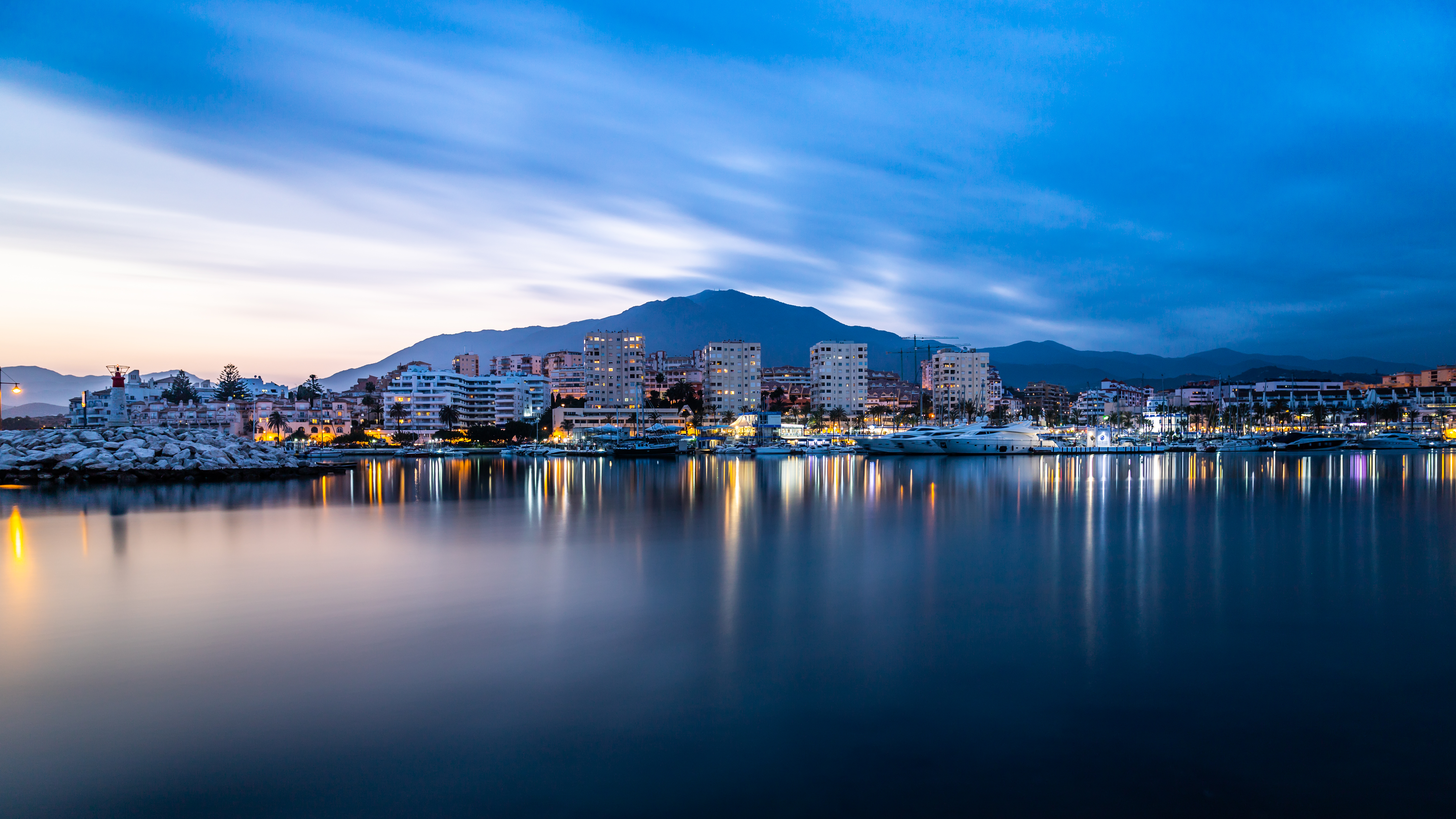,regionOfInterest=(3120,1755))
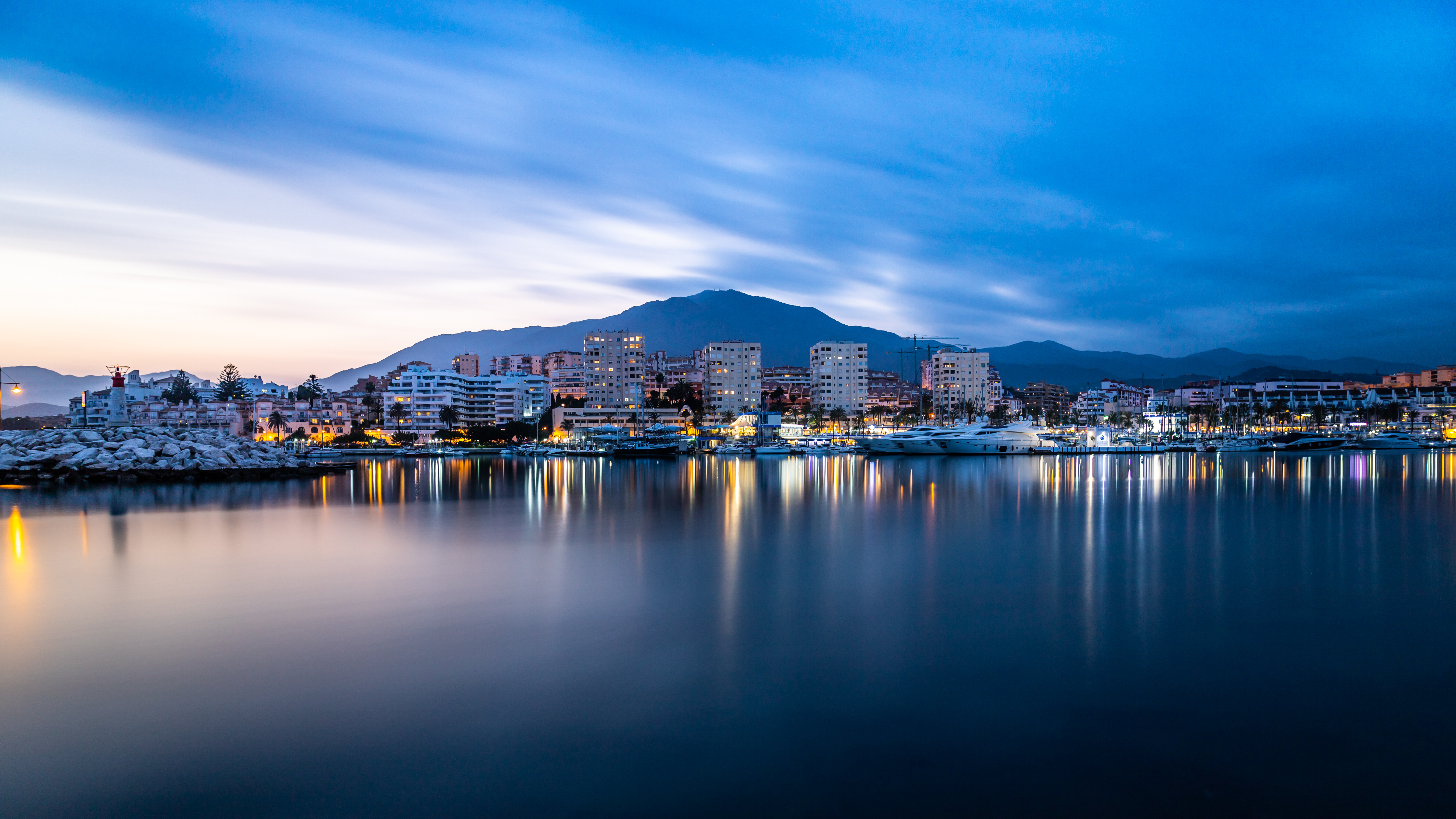,regionOfInterest=(3120,1755))
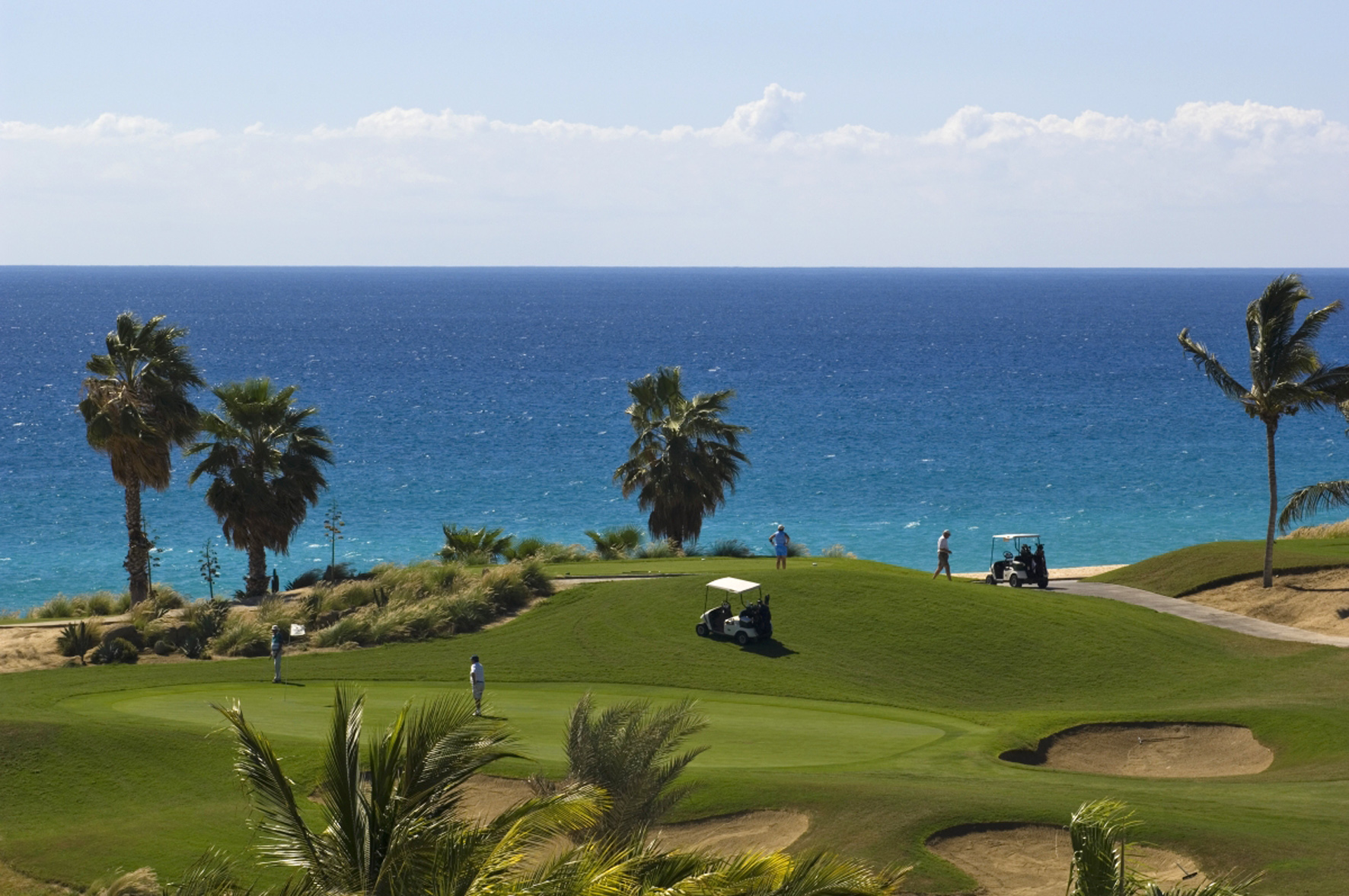,regionOfInterest=(886,588.5))
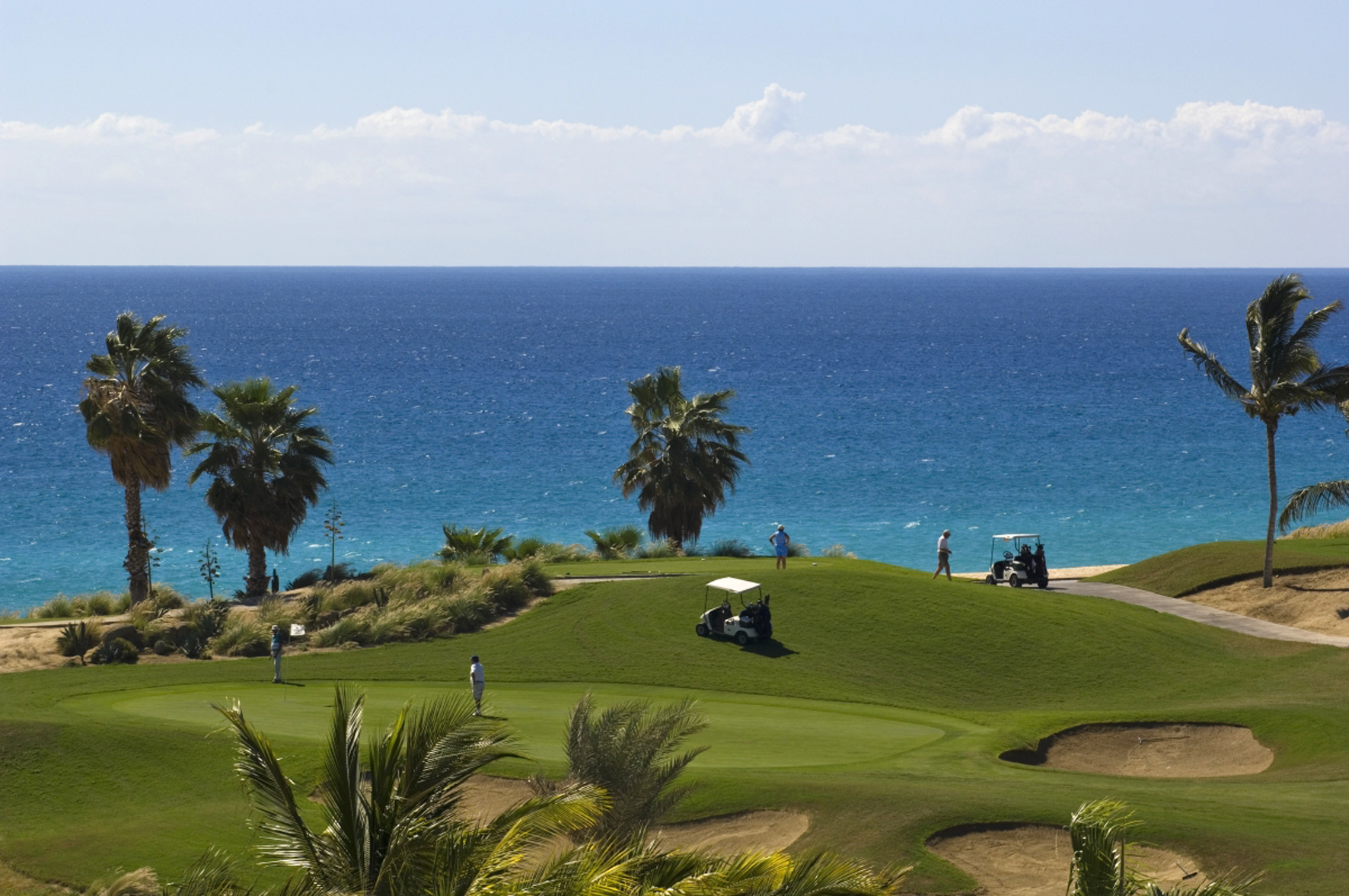,regionOfInterest=(886,588.5))