,regionOfInterest=(1728,1152))
,regionOfInterest=(1728,1152))
Hoyo Azul: a hidden cenote in Cap Cana
,regionOfInterest=(2808,1872))
,regionOfInterest=(2808,1872))
Holidays
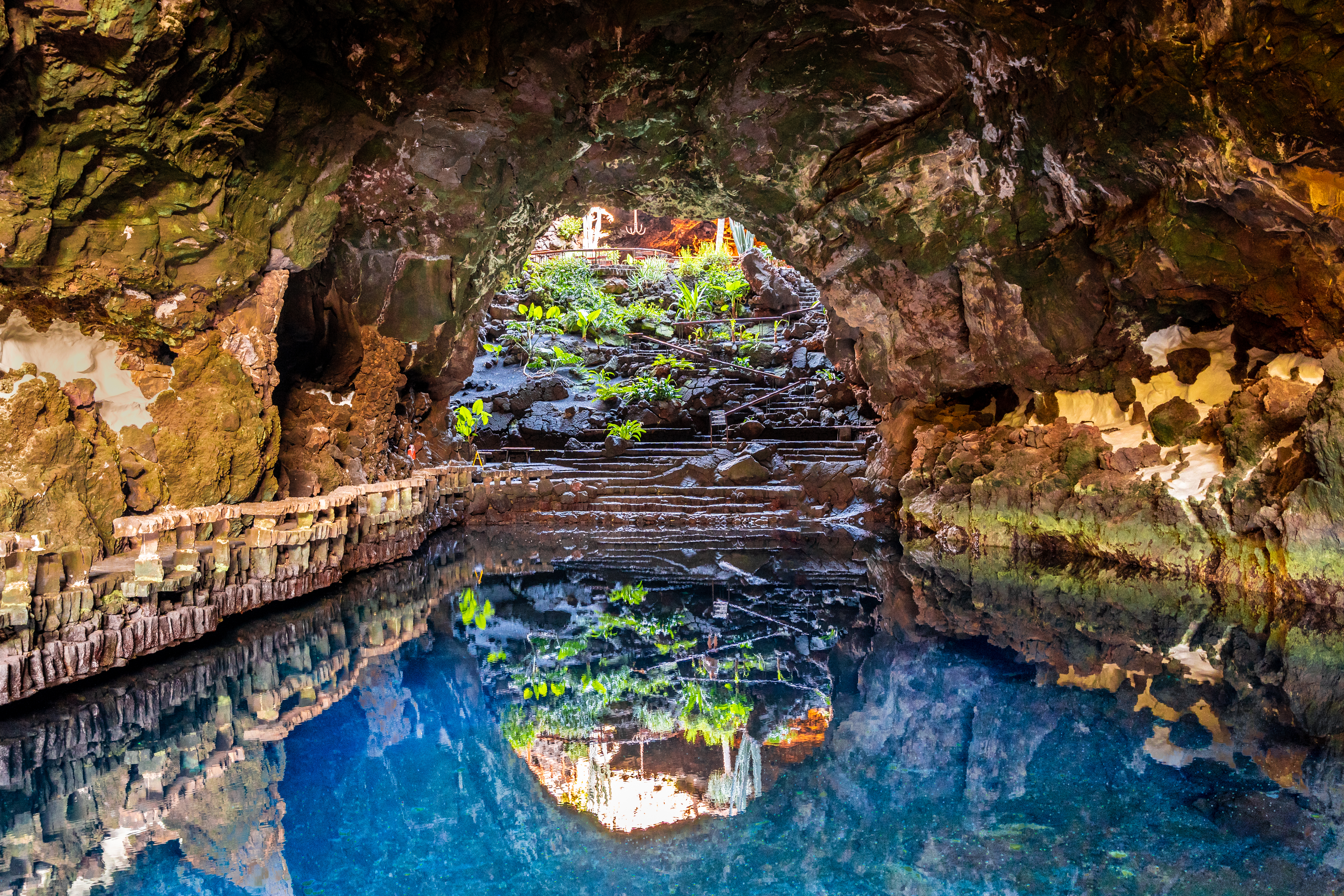,regionOfInterest=(2121,1414))
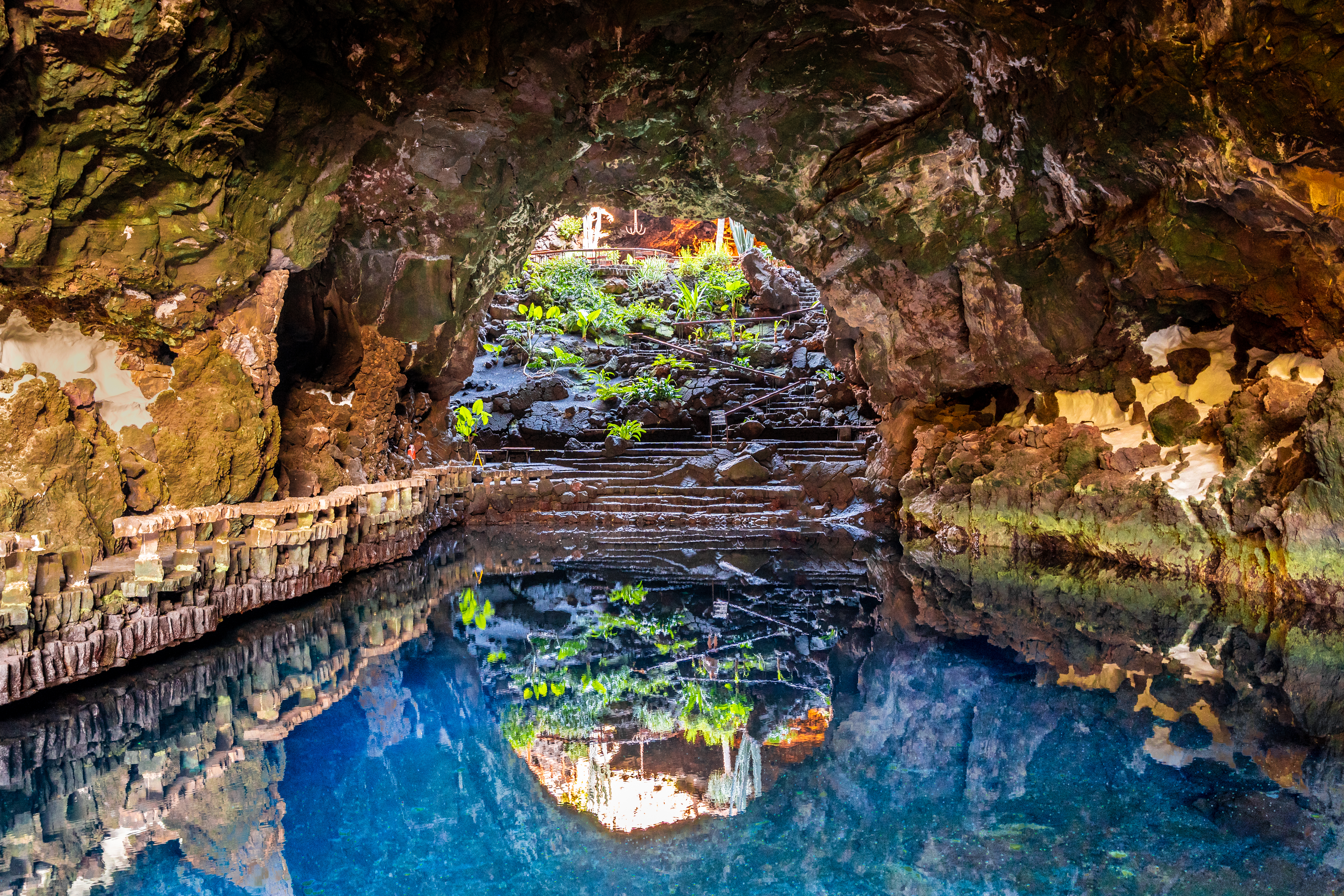,regionOfInterest=(2121,1414))
,regionOfInterest=(500,500))
,regionOfInterest=(500,500))
All-terrain writer specialising in tourism, fashion and trends. A curious soul, traveller, reader and sports enthusiast, keen to discover every corner of the world.
The cenote Zací is just a few steps from the historic centre of Valladolid, proving that you don't need to leave the city to discover one of the most surprising natural landscapes in Yucatán.
Surrounded by limestone, vegetation and crystal-clear waters, if there is one place that shows that nature and city life can coexist in perfect harmony, it is the cenote Zací. A 100% recommended visit if you are travelling through the interior of Mexico.
While most cenotes require travelling along secondary roads or heading into the jungle, the most curious thing about the cenote Zací in Valladolid is that it is part of the urban fabric itself. Imagine walking through the centre of this colonial city surrounded by shops, churches and cafes and, suddenly, stumbling upon a huge open-air cave where the fresh water invites you to jump in from the rocks.
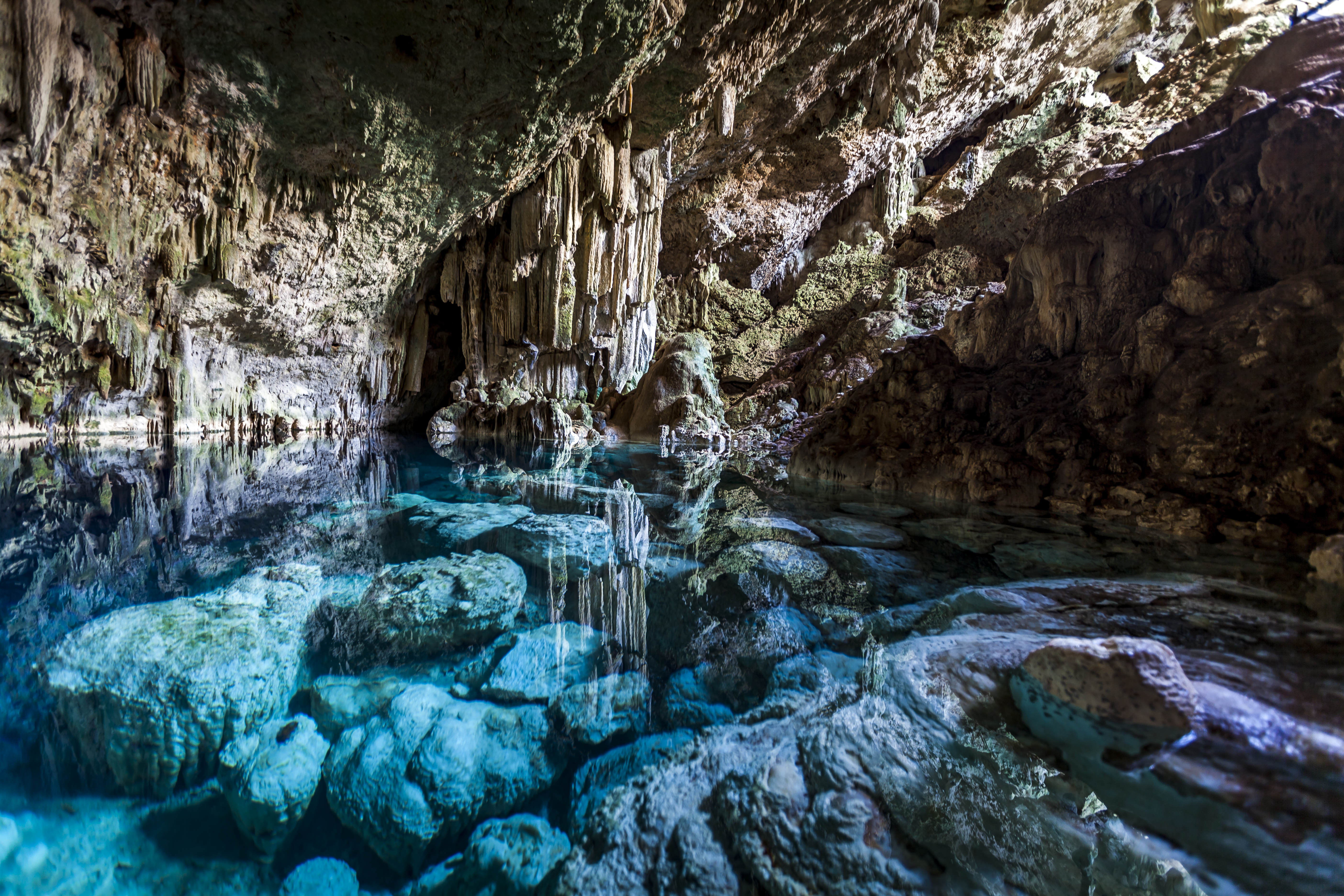
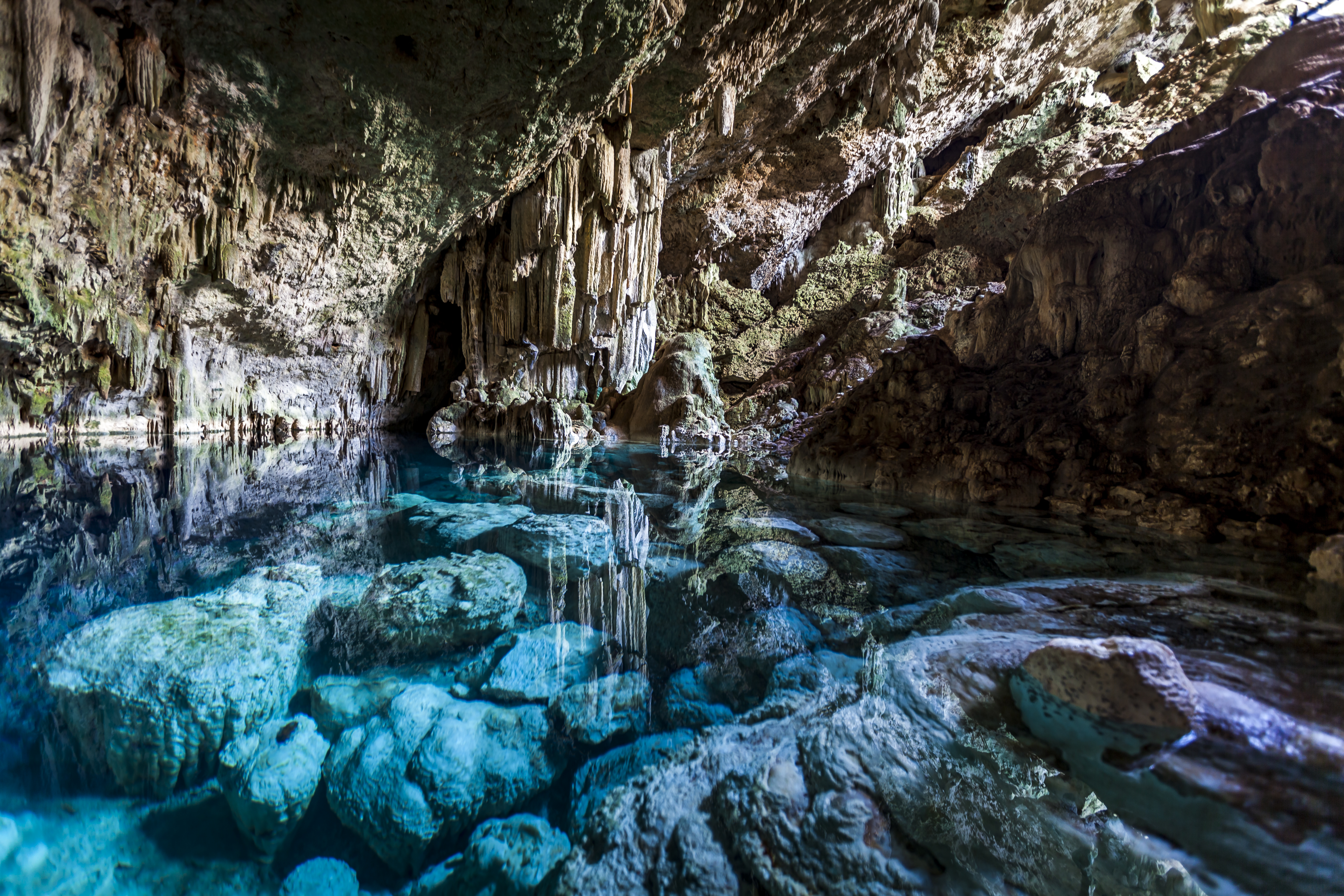
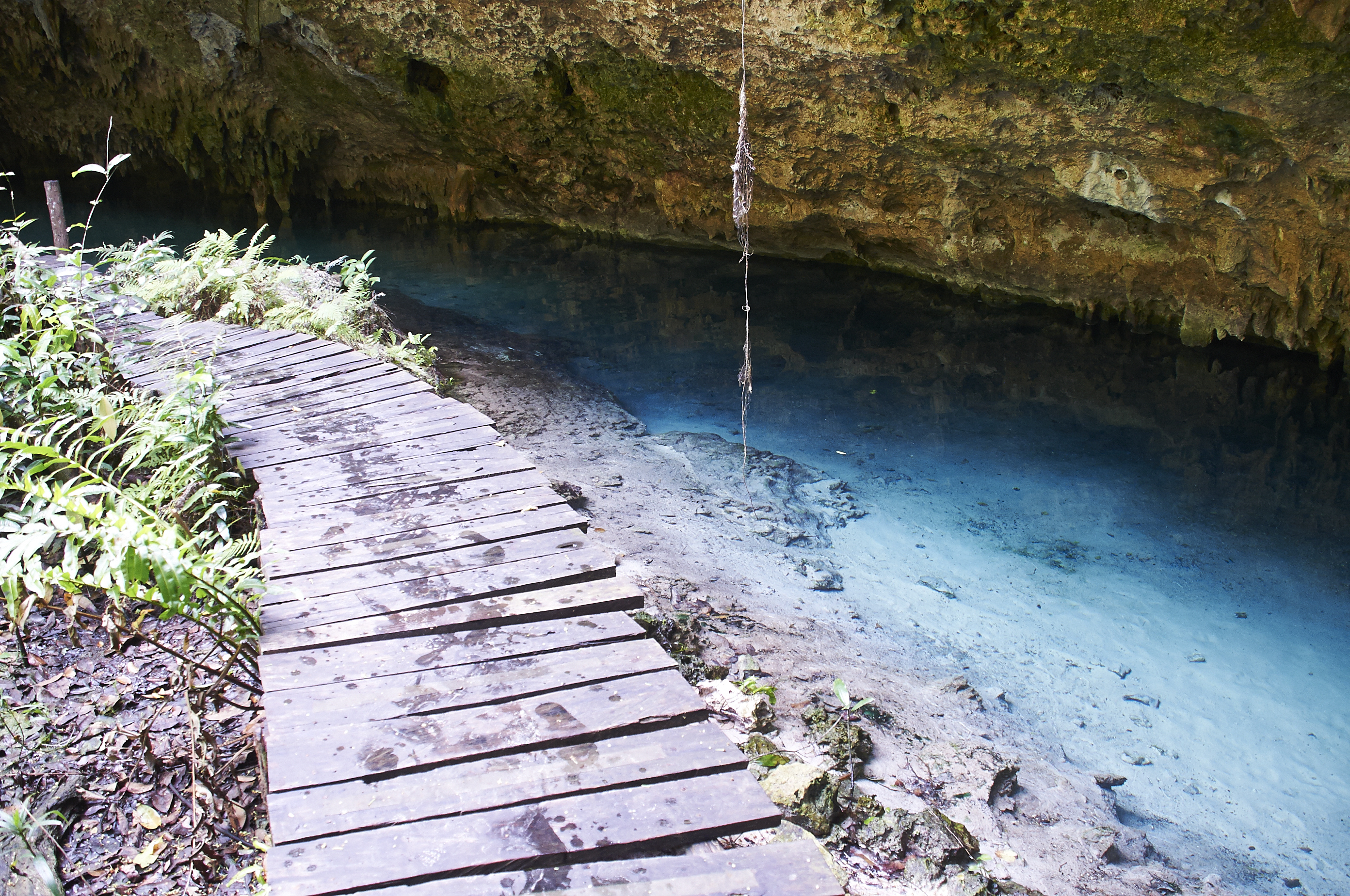
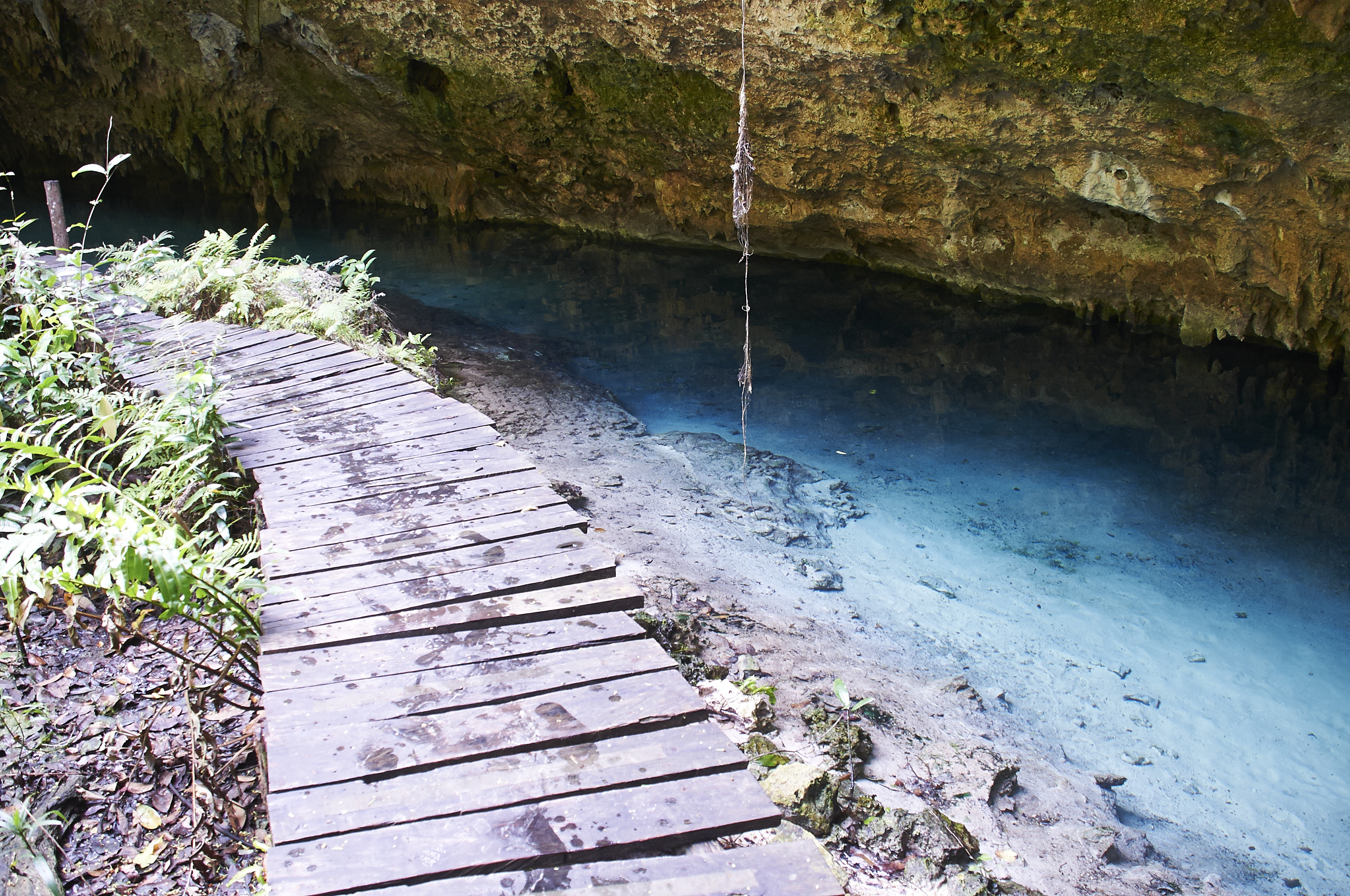
It is one of the most impressive and accessible cenotes in the whole state of Yucatán, with a huge partially collapsed dome that lets in sunlight, illuminating a stone wall full of stalactites and vegetation that hangs down to brush the water.
Its name comes from Zací, the ancient Mayan city upon which Valladolid was later founded, so this place not only stands out for its beauty, but also for its enormous historical value. For centuries it was an essential source of water for the inhabitants of the area and today it remains one of the most representative symbols of the city.
Whether you are making a quick stop on your way to Chichén Itzá or spending several days touring the Magic Towns of the peninsula, in this guide I will tell you where it is and how to visit the cenote Zací, what to expect from its depths and how to make the most of it.
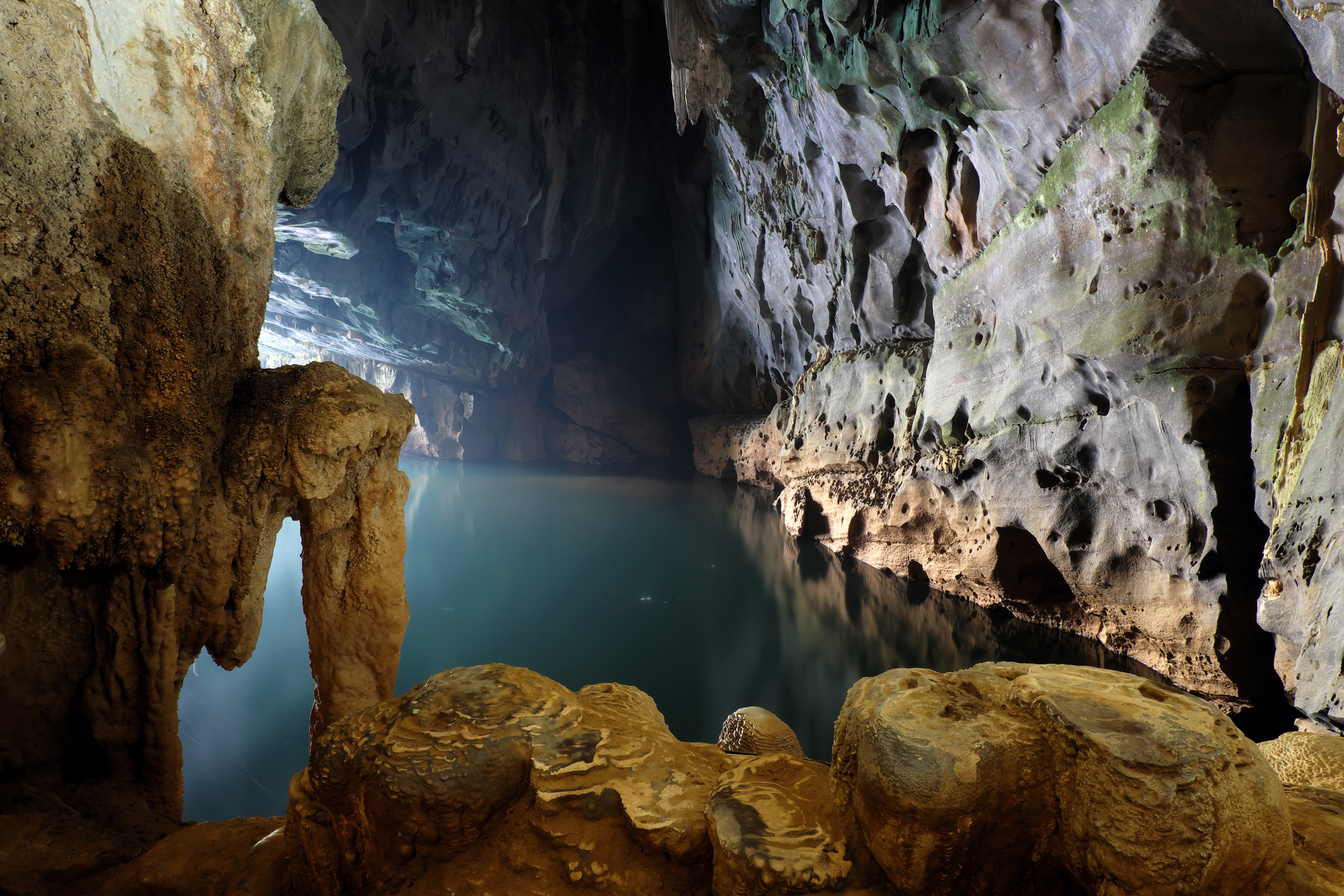,regionOfInterest=(2000,1333.5))
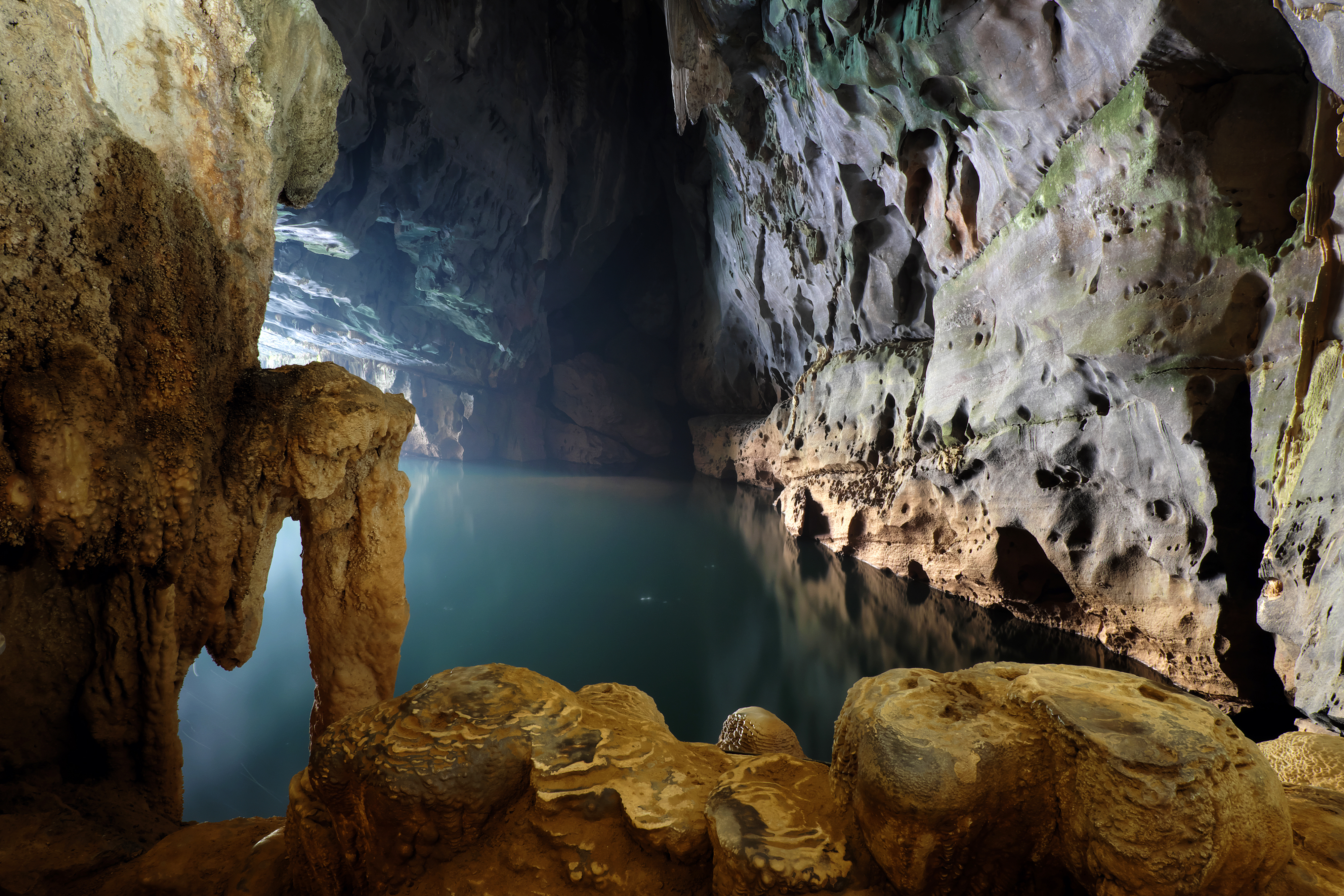,regionOfInterest=(2000,1333.5))
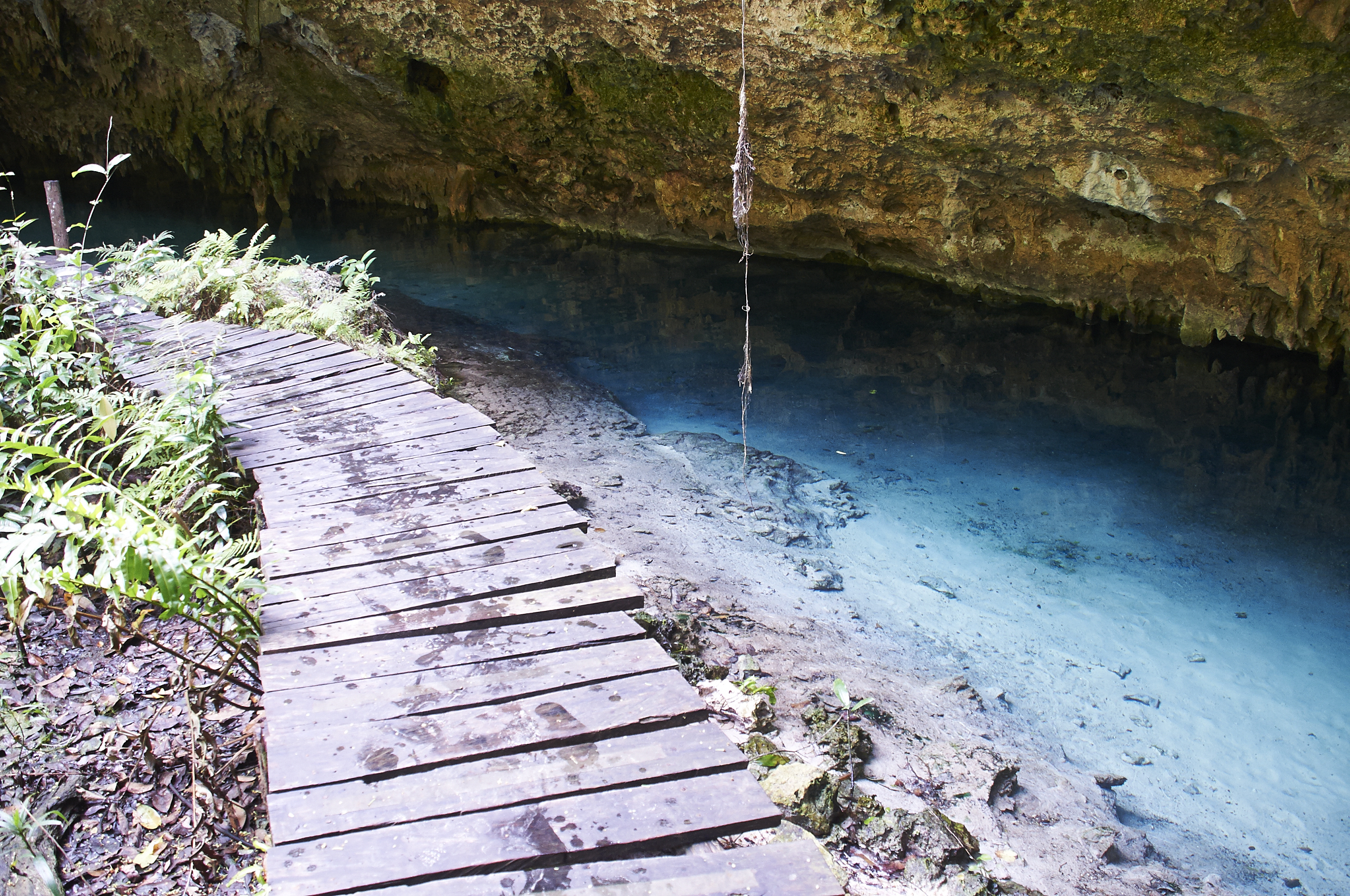,regionOfInterest=(1392,924))
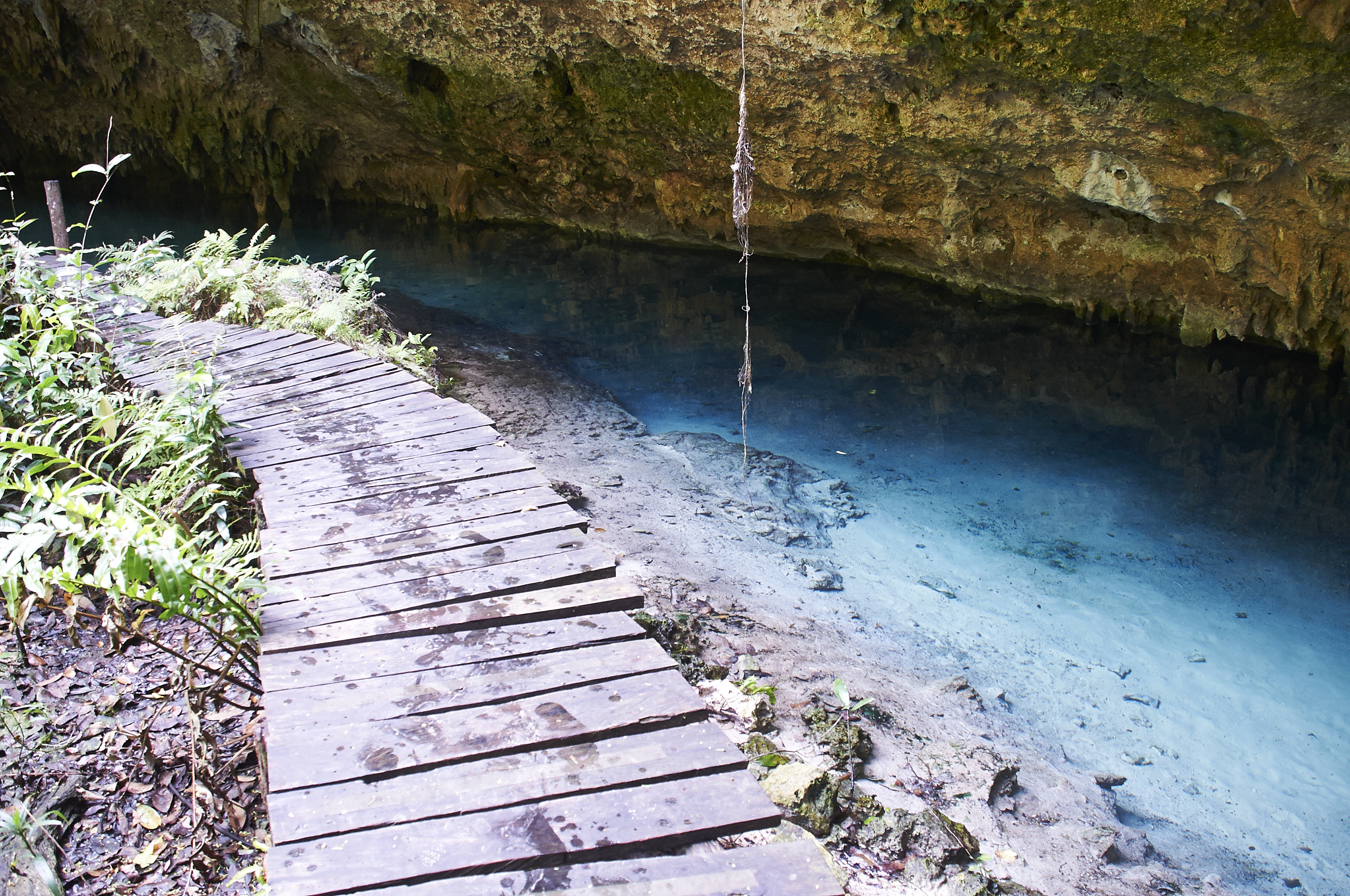,regionOfInterest=(1392,924))
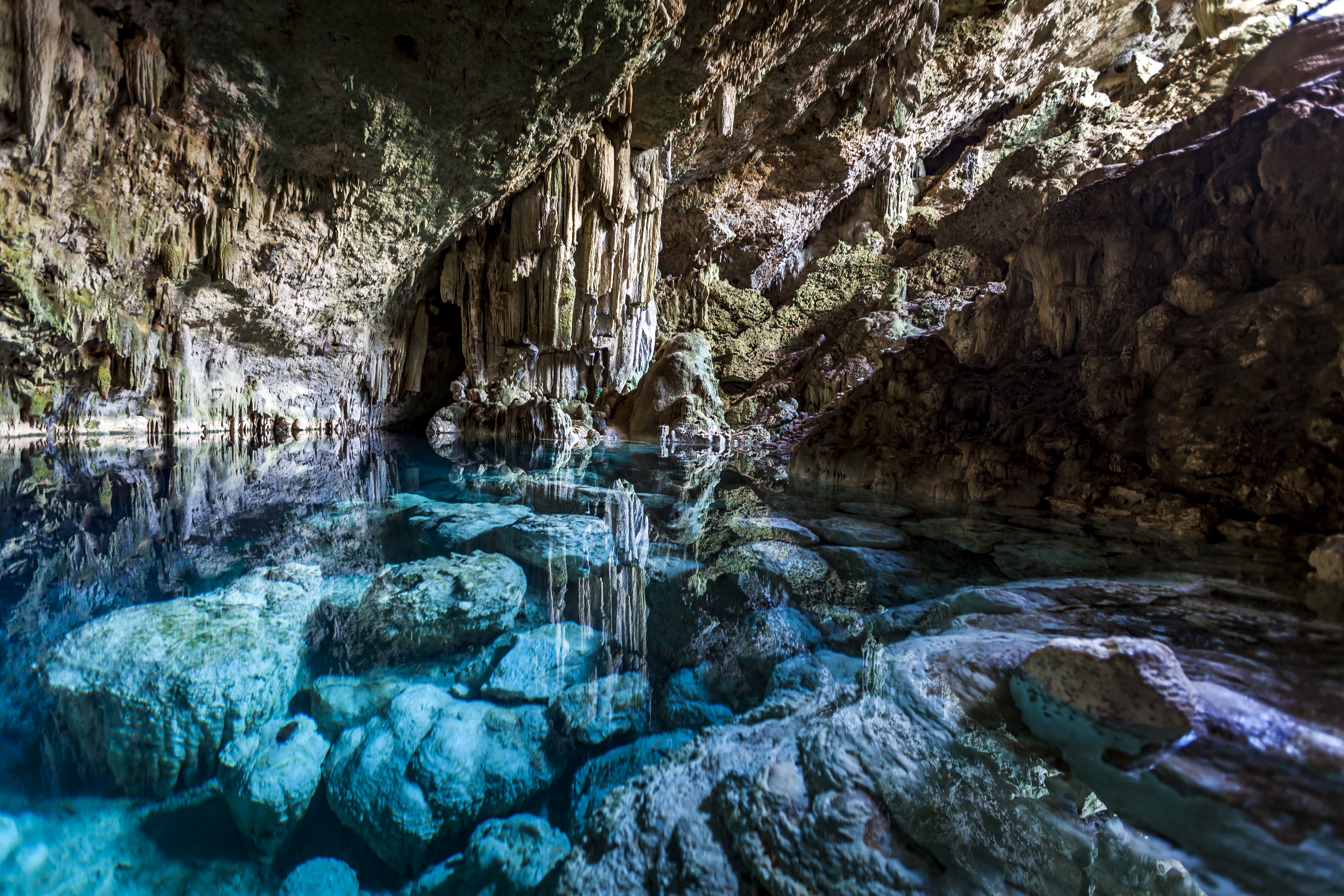,regionOfInterest=(2808,1872))
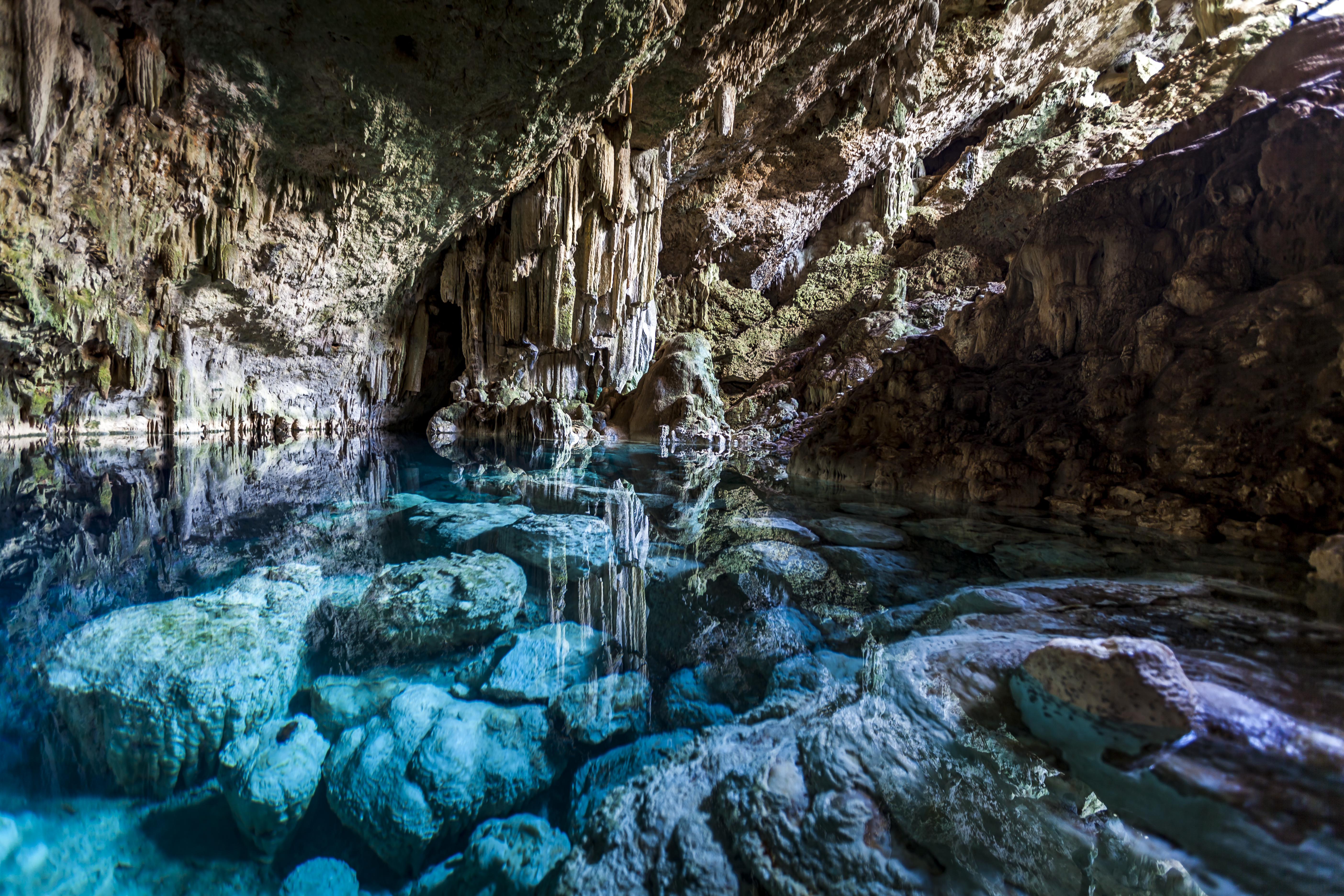,regionOfInterest=(2808,1872))
If the cenote Zací stands out for anything, it is for being one of the few large cenotes in Mexico that you can visit without leaving a city, which makes the experience very different from the very first moment. After walking through streets full of colonial buildings and squares, an access excavated into the rock takes you to a huge cavity where the landscape changes completely.
In fact, the first thing that will strike you when you look out from the cenote Zací viewpoint is its imposing size. It is a semi-closed cenote about 45 metres in diameter with rocky walls that rise around the water. Part of the old cave roof collapsed thousands of years ago, allowing natural light to enter, while another part remains covered by a large rock vault with stalactites. This large opening of the partially collapsed structure highlights the contrast between the rock, the vegetation and the water, creating a truly striking image between the illuminated and darker areas.
And to this, we must add the abundant vegetation that grows on the walls of the cenote, where vines, roots and small tropical plants descend towards the water, giving it a very natural appearance despite being in the heart of the city.
The depth of the cenote Zací ranges from 25 metres in the shallowest areas to over 100 metres in its deepest points. This spectacular pit gives the water shades that vary between intense dark blue and green; a palette of colours that, when combined with the dimness of the deepest areas, gives the environment an especially mysterious atmosphere. Different species of wildlife inhabit this underground ecosystem, highlighting some unique black, blind fish known locally as lub (a type of siluriform catfish), which swim peacefully around the site, capturing the attention of visitors.
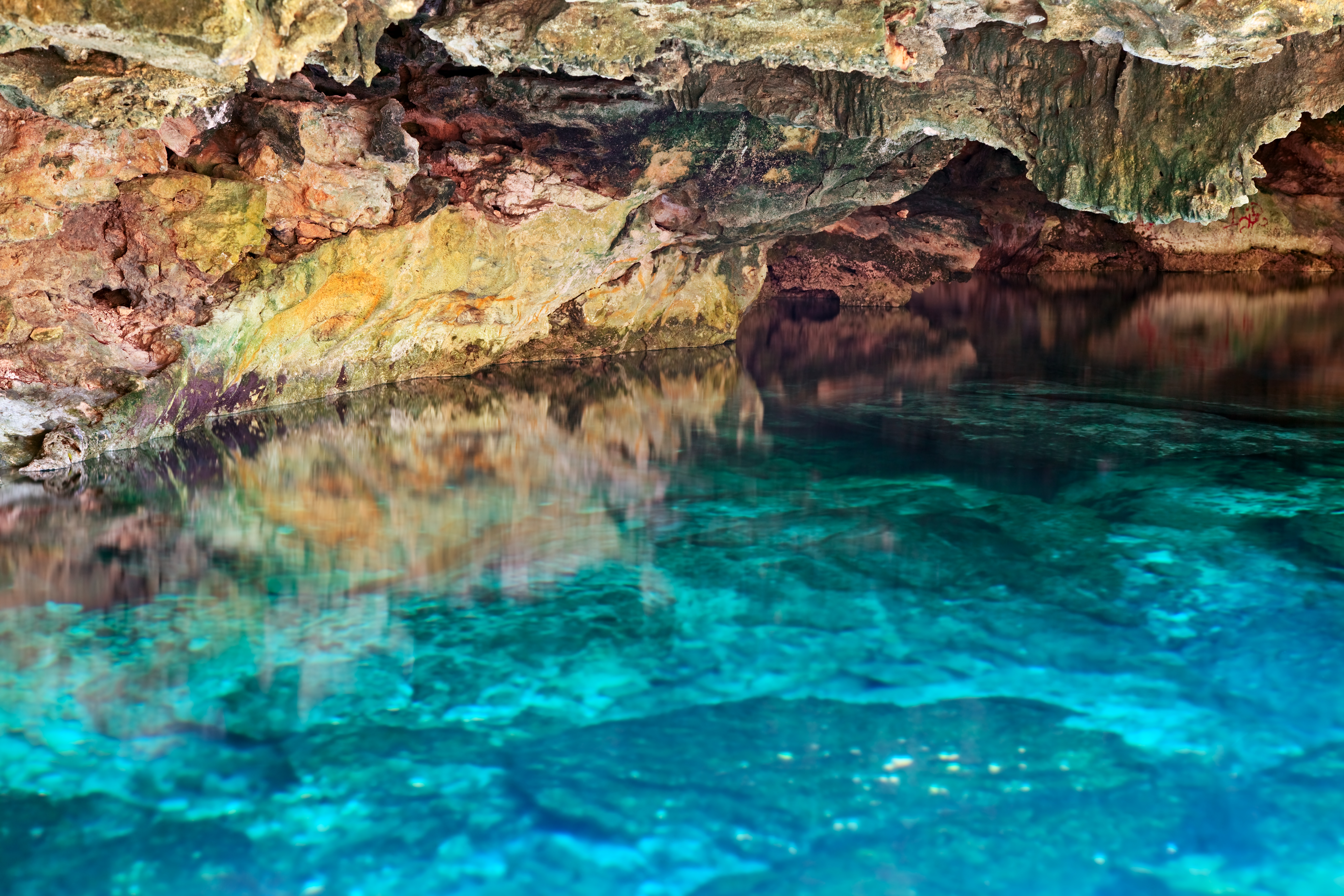,regionOfInterest=(2808,1872))
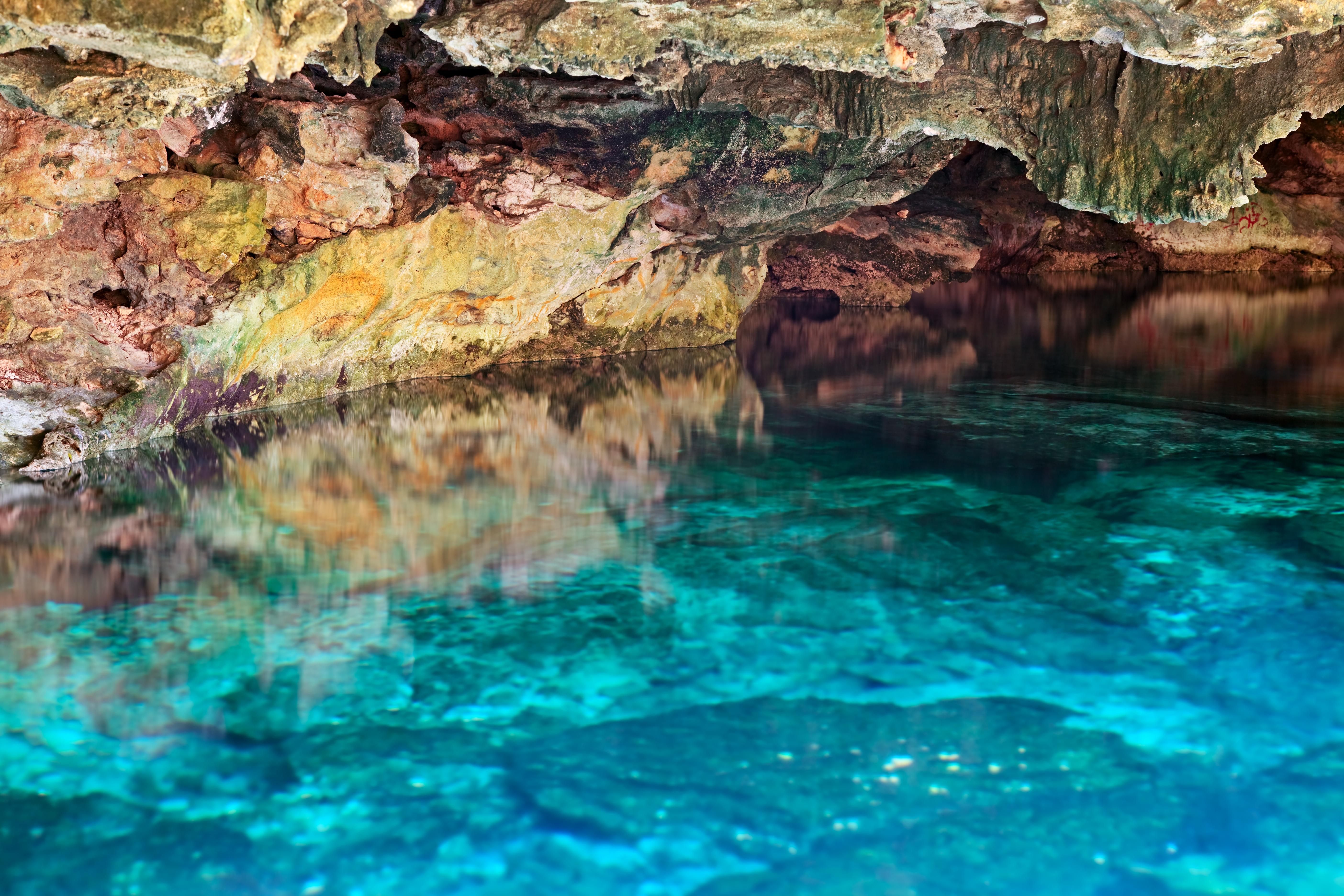,regionOfInterest=(2808,1872))
One of the great advantages of the cenote Zací is that you do not need to travel long distances to visit it thanks to its excellent location, which allows you to combine the visit with a walk through the city while you try the local gastronomy and continue the route to other iconic places such as Chichén Itzá or Ek Balam.
Address:
Unlike most cenotes in Yucatán, Zací is located in the heart of the urban area of Valladolid, so you can reach it on foot from practically anywhere in the city.
Calle 36 (between Calle 37 and Calle 39), Colonia Centro, CP 97780, Valladolid, Yucatán, Mexico.
How to get to the cenote Zací:
To know how to get to the cenote Zací, everything will depend on where you are, although I assure you that wherever you start from, it is very simple.
If you are already in Valladolid, you can walk there perfectly. From the main square, you will need less than five minutes to reach the entrance while passing through some of the main streets of the historic centre.
If you are coming by car from Chichén Itzá, the journey takes about forty minutes along the federal highway. From Cancún, Playa del Carmen or Tulum it usually takes between two and two and a half hours, depending on traffic.
Parking at the cenote Zací:
The site has its own free parking area next to the main entrance of the stop, located on Calle 39 (between Calle 34 and Calle 36), so arriving by car is extremely simple. It is a fairly large and monitored space where you can leave your vehicle sheltered in the shade of the trees. However, as it is in the heart of the historic centre of Valladolid, it is recommended to arrive with some time to spare if you visit during peak holiday periods or weekends; this way you will easily secure your spot and will be able to enjoy the waters of the cenote with absolute peace of mind.
Opening hours of the cenote Zací:
The cenote is open to the public from Monday to Sunday, with continuous opening hours from 9:00am to 5:00pm. The last time to enter the water is usually around 4:30pm.
Price of the cenote Zací:
The price of admission to the cenote Zací is one of the aspects that have traditionally made it one of the most popular visits in Valladolid. Currently, the general ticket price is 150 Mexican pesos per adult (about €7.50) and 75 pesos for children (about €3.75), an official amount that already includes the rental of the mandatory life jacket. Although the rates have been updated compared to previous years, it remains a fairly economical alternative compared to other cenotes in the region. Even so, because municipal taxes can change over time, it is always worth checking the current price at the ticket office before starting the visit.
Map of the cenote Zací:
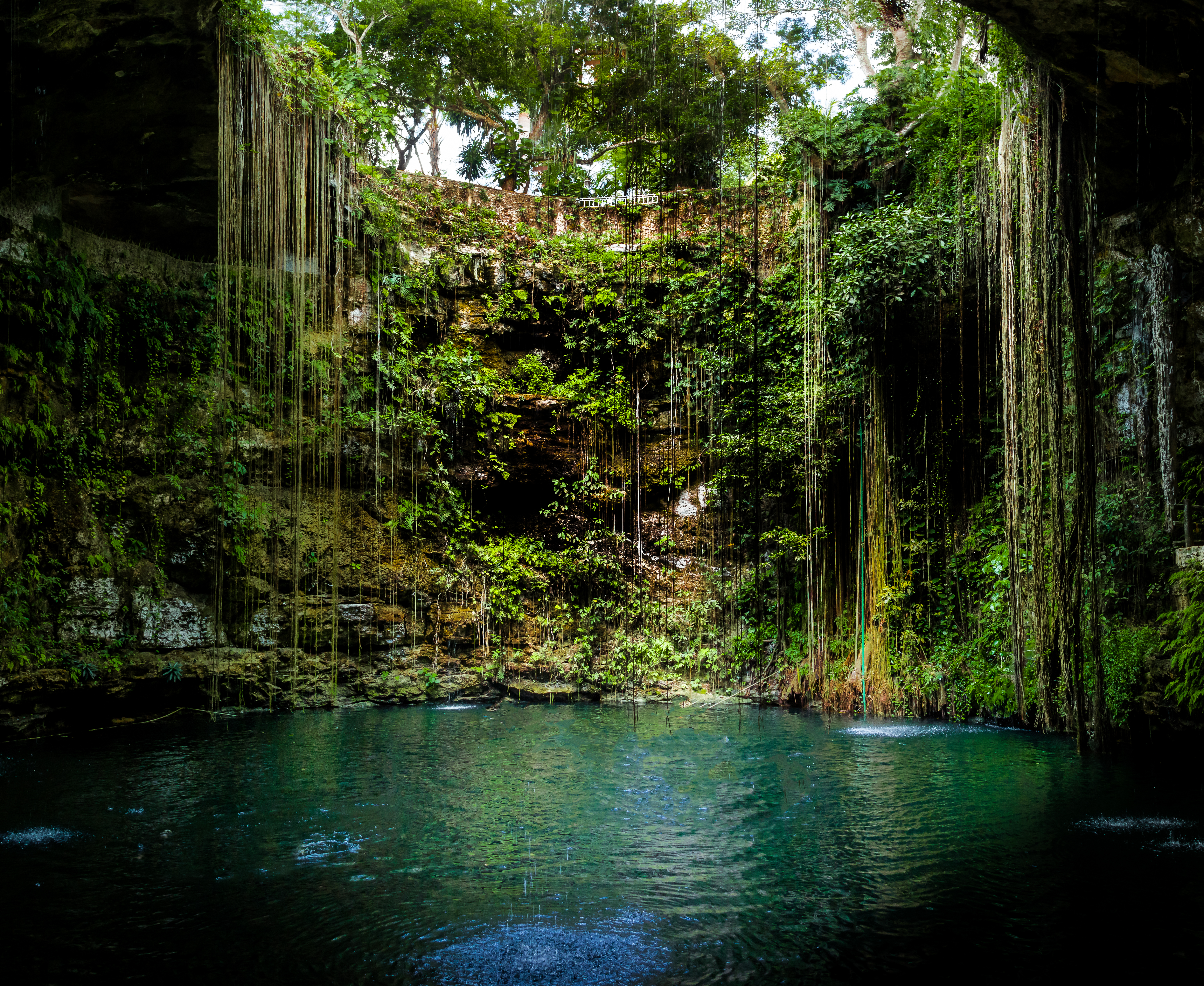,regionOfInterest=(3096.5,2536))
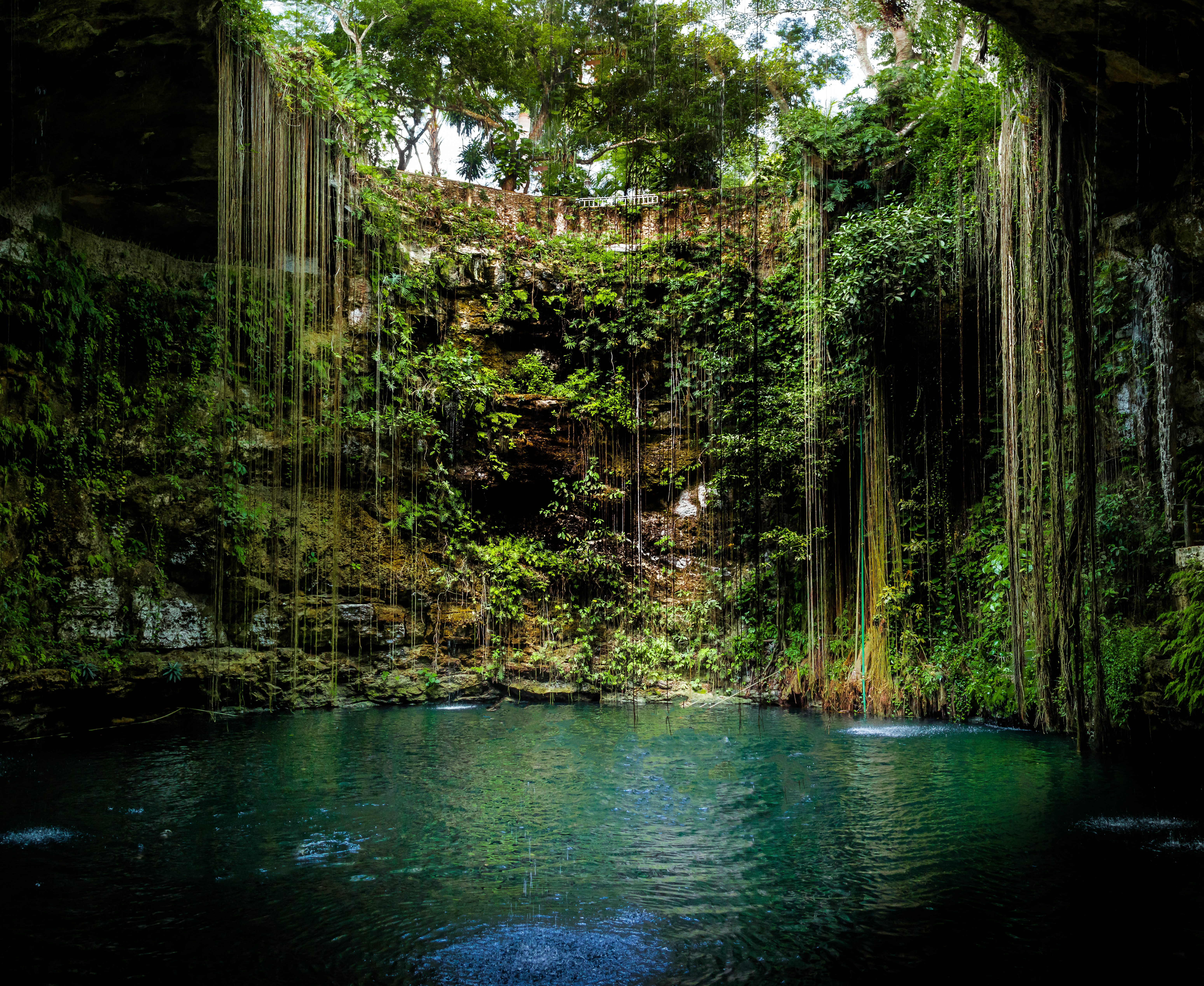,regionOfInterest=(3096.5,2536))
The most recent opinions and reviews from travellers agree that its excellent value for money is unbeatable when compared to other private cenotes in the region. Users unanimously highlight how comfortable it is to access on foot from the centre of Valladolid, the majesty of its vertical walls and the great thrill of jumping into the water from its stone platforms of different heights. In addition, visitors especially appreciate the convenience of being able to savour typical Yucatecan dishes, such as cochinita pibil or poc chuc, in the restaurant on the premises just after swimming. However, current comments recommend visiting it first thing in the morning to avoid the crowds of tourist groups and suggest wearing water shoes or aquatic footwear, as the rock paths around the water are often very slippery. They also remind visitors that the facilities are basic and do not have lockers to store valuables.
Although visiting the cenote Zací is very simple thanks to its excellent location, here are some practical tips to keep in mind before your visit that will make your experience perfect:
,regionOfInterest=(3000,2000))
,regionOfInterest=(3000,2000))
Thanks to its privileged location in the heart of Valladolid, when you leave the cenote you will be at the perfect starting point to explore the colonial and gastronomic wealth of the city:
Just a few streets away is the Francisco Cantón Rosado Main Park, which houses the central square of the city. It is a mandatory stop to sit in its traditional ‘tú y yo’ chairs (also called confidants). These double white masonry seats are designed in an "S" shape so that two people sit facing each other, allowing them to converse while looking each other in the eye but maintaining a prudent distance; a structure that, according to popular belief, was devised by a jealous father in the colonial era to monitor his daughter's courtships. While you rest in them, you must taste a crispy marquesita, an iconic street dessert of Yucatán that consists of an elongated and toasted wafer —similar to an ice cream cone— rolled up and filled with grated Dutch Edam cheese, which creates a unique contrast if combined with cajeta, chocolate or jam. From there you can see the facade of the Church of San Servacio, the most important historic temple in the town. As a curious fact, it is popularly known as “the punished church”: after a bloody political murder occurred inside in 1703 (the “crime of the mayors”), the bishop ordered it partially demolished and rebuilt, exceptionally orienting its entrance towards the north as a sign of penance, breaking the colonial rule of facing west.
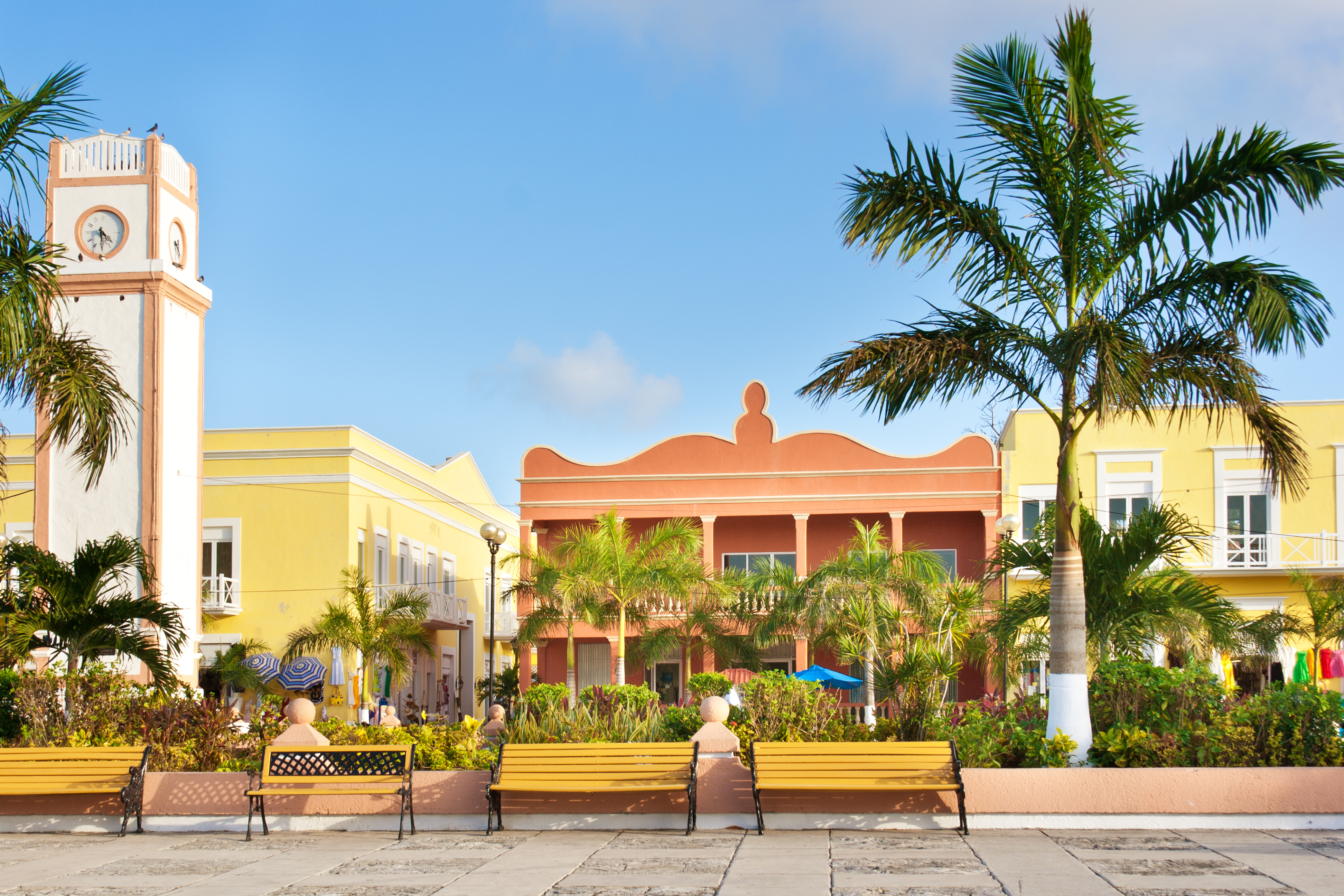
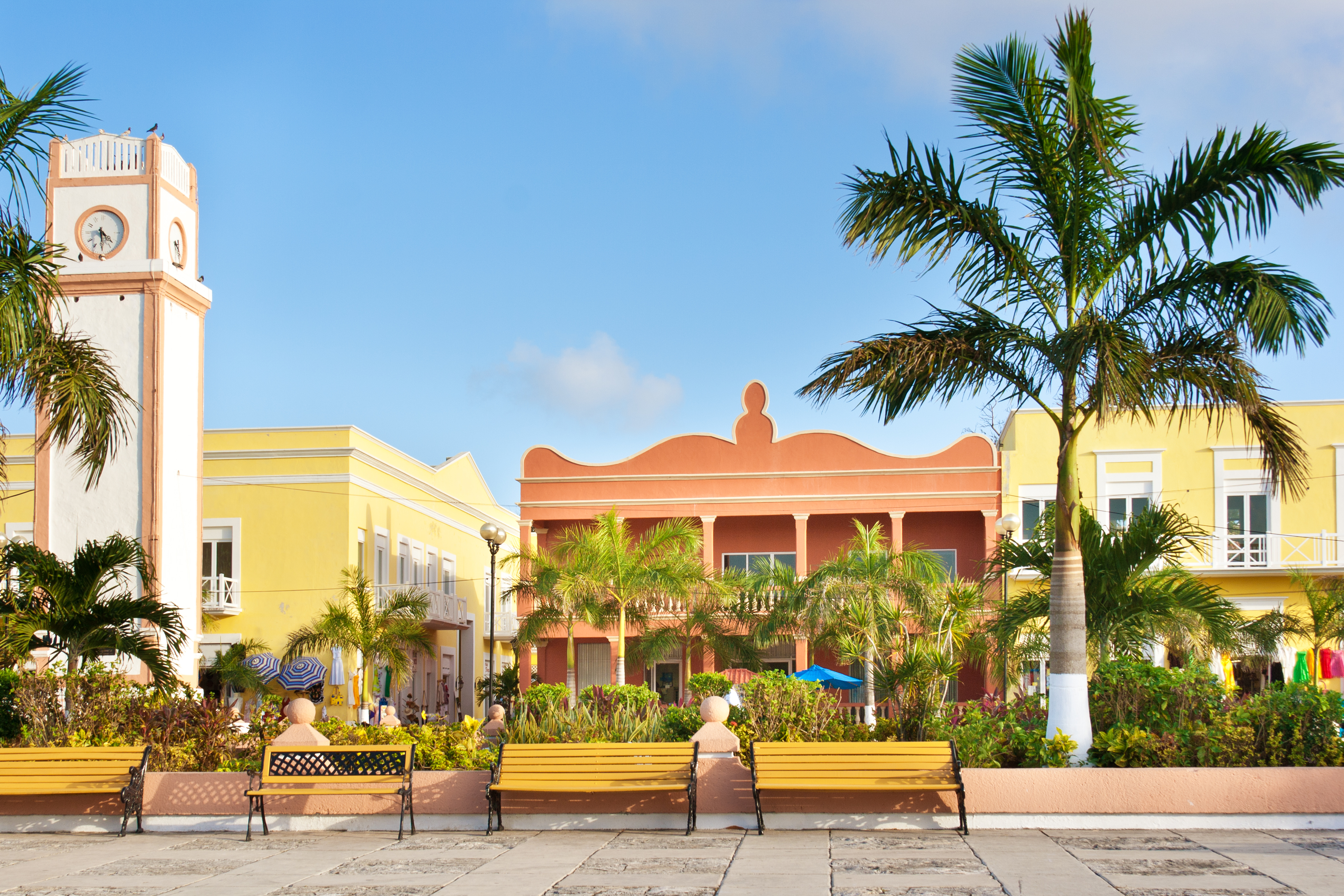
The Calzada de los Frailes is a pedestrian avenue considered the most beautiful street in Valladolid. Its historic facades painted in pastel tones feature designer boutiques, speciality cafes, art galleries and mezcalerías with an incredible atmosphere.
At the end of the Calzada de los Frailes is the Ex-Convent of San Bernardino de Siena, an imposing fortified complex from the 16th century. Visiting its interior allows you to learn about the history of evangelisation in Mayan lands, and at nightfall you can enjoy its light and sound show projected on the facade.
If you want to experience the most authentic atmosphere of the city, at the Don Candelario Aguilar Municipal Market you can try local ingredients such as recado negro, melipona bee honey or artisanal sausages.
,regionOfInterest=(1944,1296))
,regionOfInterest=(1944,1296))
,regionOfInterest=(1476.5,980.5))
,regionOfInterest=(1476.5,980.5))
,regionOfInterest=(1496,1996))
,regionOfInterest=(1496,1996))
,regionOfInterest=(2732,1820))
,regionOfInterest=(2732,1820))
,regionOfInterest=(1392,924))
,regionOfInterest=(1392,924))
,regionOfInterest=(4001.5,2732))
,regionOfInterest=(4001.5,2732))