,regionOfInterest=(1728,1152))
,regionOfInterest=(1728,1152))
Hoyo Azul: a hidden cenote in Cap Cana
,regionOfInterest=(2808,1872))
,regionOfInterest=(2808,1872))
Holidays
,regionOfInterest=(2464,1640))
,regionOfInterest=(2464,1640))
Crystal-clear waters, flooded caves and one of the most impressive underground river systems on the planet. The cenote Dos Ojos is one of the great natural treasures of the Riviera Maya and a must-visit stop on your route through Quintana Roo.
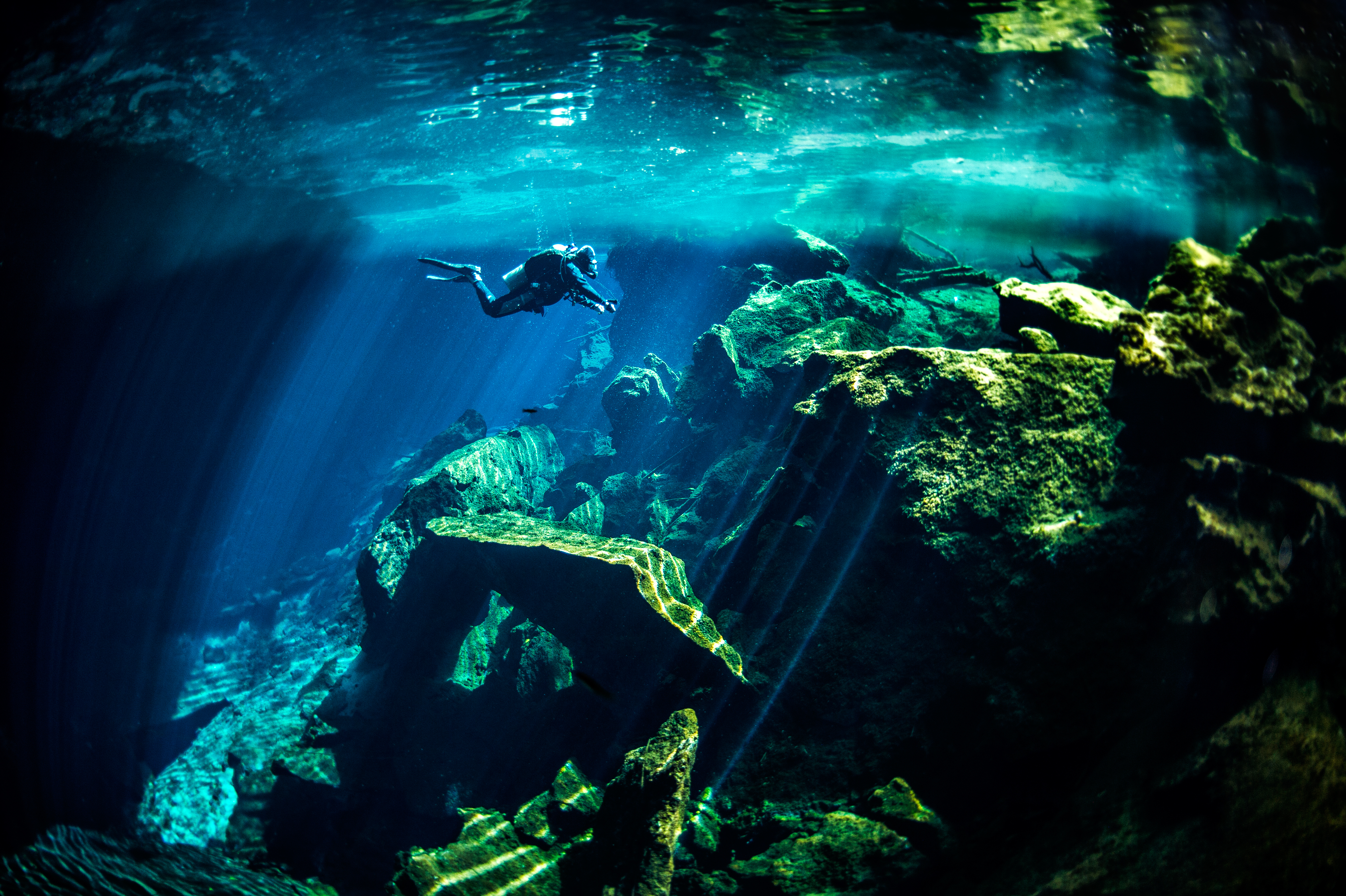
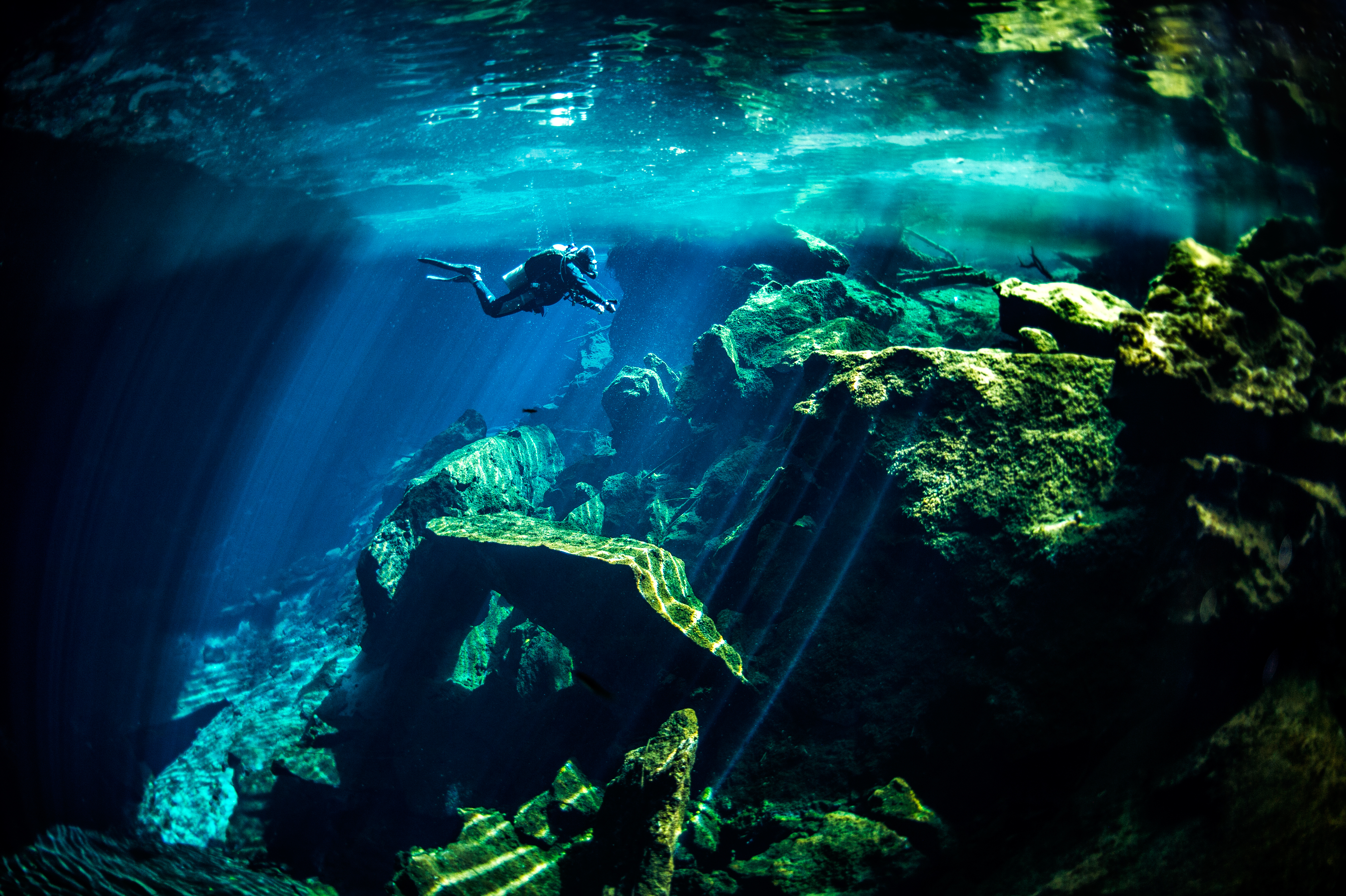
There are cenotes where the landscape is the main attraction, and others where the colour of the water is particularly surprising. But at the cenote Dos Ojos, the real attraction is beneath the surface. Surrounded by tropical jungle, this system of flooded caves combines large cavities, galleries and limestone formations that can be explored by snorkelling or diving in the designated areas, always following the routes and the instructions provided by the guides.
Far from being a simple open pool, the cenote Dos Ojos is part of a complex system of flooded caves located beneath the jungle of Quintana Roo. Its name refers to the two large main entrances, known as Ojo Azul and Ojo Negro, which are connected by underground galleries. This unique configuration is what gives the cenote its name and allows you to enjoy two spaces with very different environments.
Located just a few kilometres from Tulum, diving in the cenote Dos Ojos is one of the most well-known experiences in the area thanks to the clarity of the water, the cave formations and its famous routes, such as the Barbie Line and the Bat Cave. For those who do not dive, the open areas allow you to enjoy the water by snorkelling, while dives in the cavern areas must be carried out with the proper equipment, experience and supervision.
The cenote is part of the Sistema Sac Actun, one of the largest known flooded cave systems. The connection between the Sac Actun and Dos Ojos systems was identified in 2018, creating an underground network of hundreds of kilometres. Beneath the surface lies a complex network of galleries, chambers and passages formed in the limestone of the Yucatán Peninsula.
,regionOfInterest=(500,500))
,regionOfInterest=(500,500))
All-terrain writer specialising in tourism, fashion and trends. A curious soul, traveller, reader and sports enthusiast, keen to discover every corner of the world.
,regionOfInterest=(1280,960))
,regionOfInterest=(1280,960))
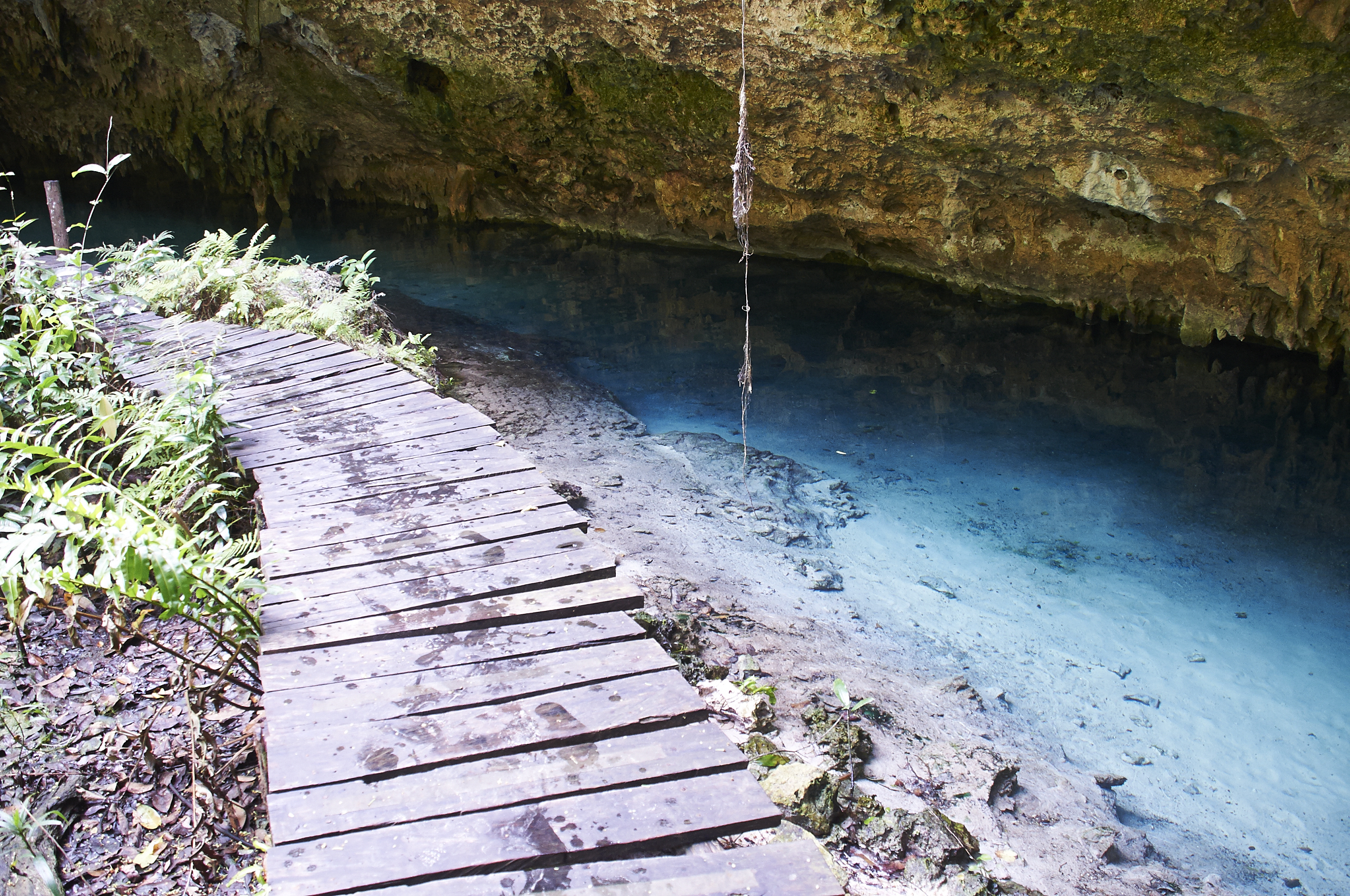,regionOfInterest=(1392,924))
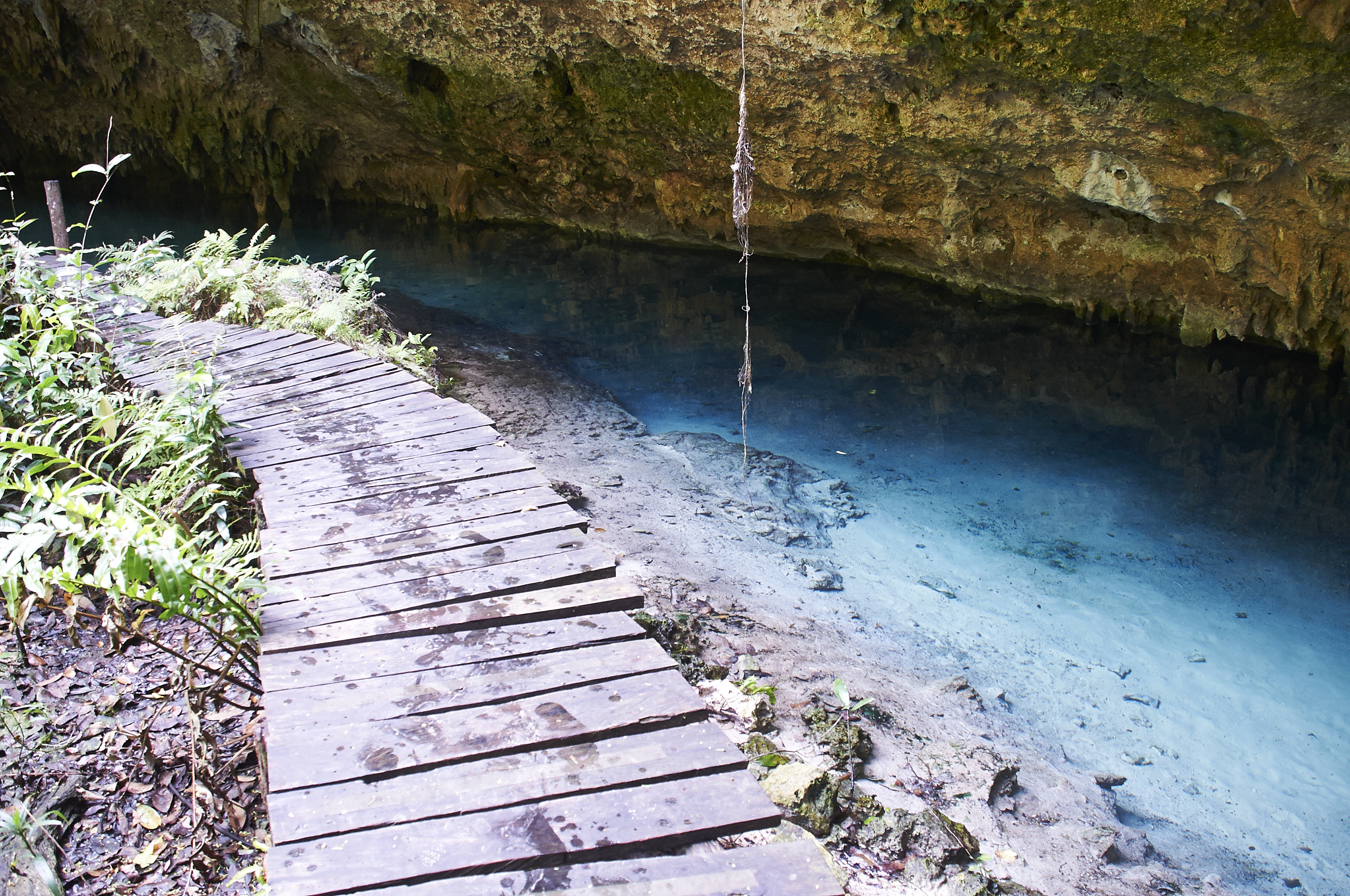,regionOfInterest=(1392,924))
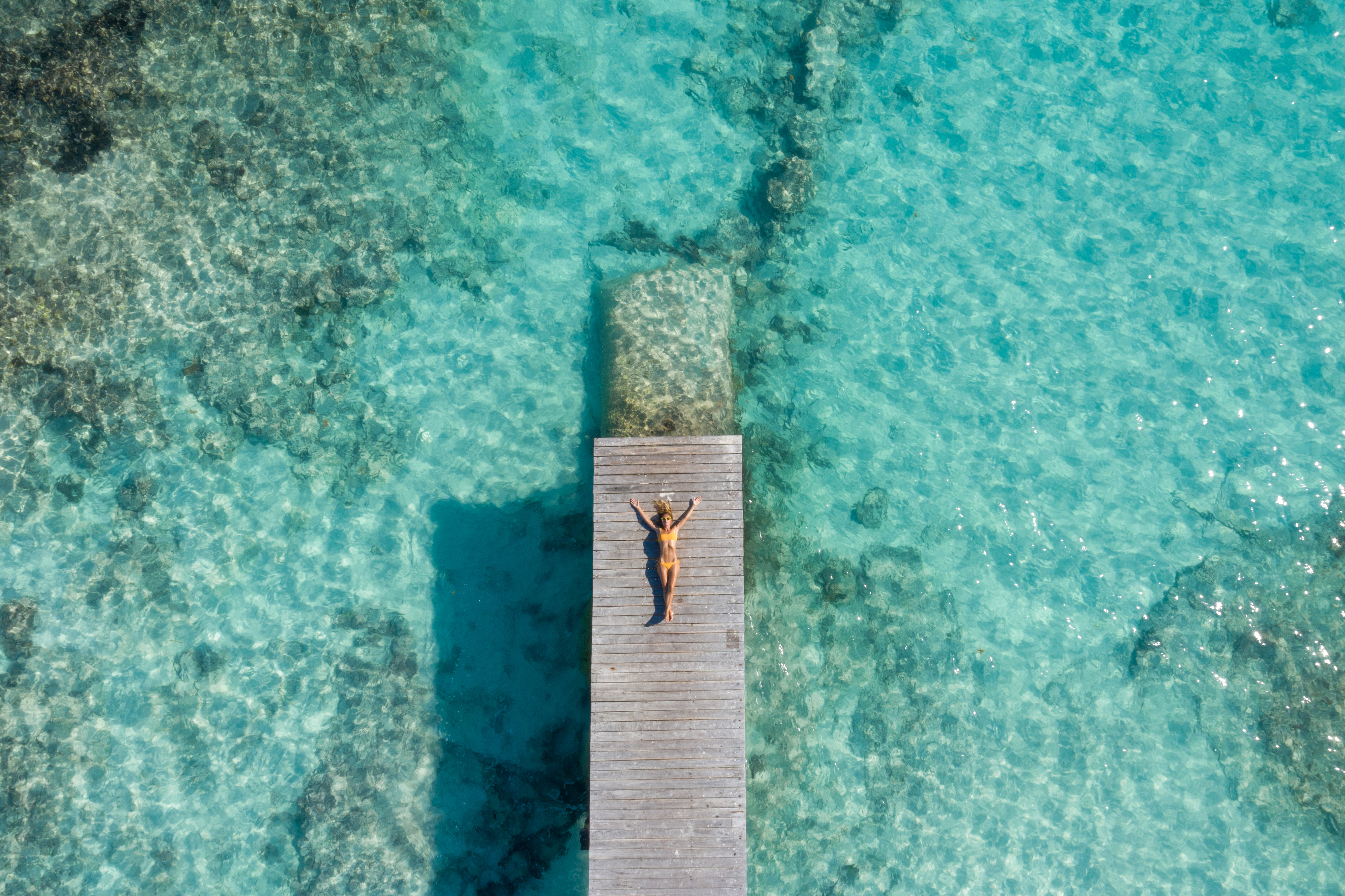,regionOfInterest=(2649.5,1765))
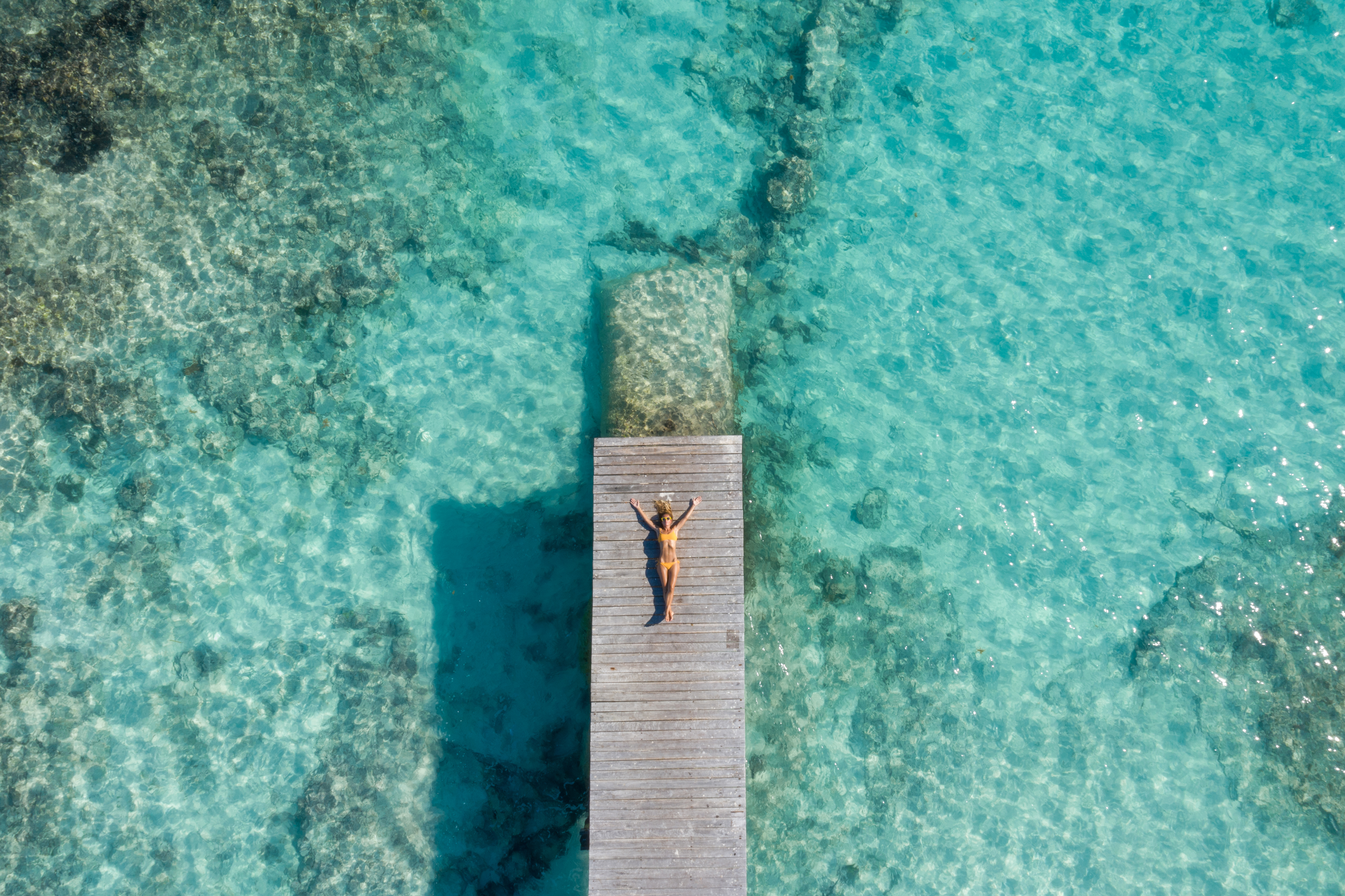,regionOfInterest=(2649.5,1765))
At first glance, the cenote Dos Ojos may look like just another of the many cenotes that exist on the Yucatán Peninsula, but as soon as you submerge yourself in its waters, you will discover that it is a completely different place. Here, the main attraction is not just the cenote itself, but the enormous underground world hidden beneath the jungle.
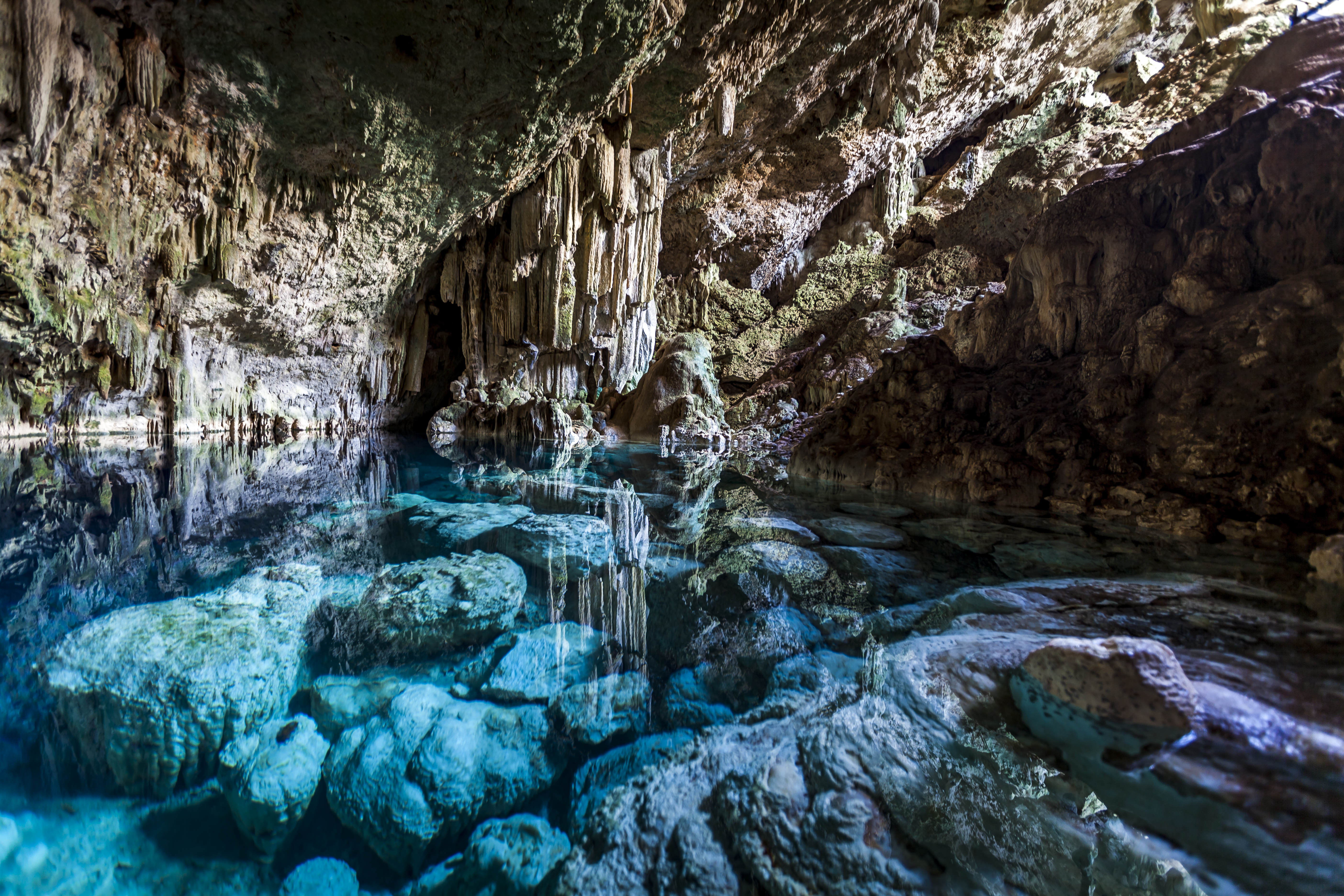
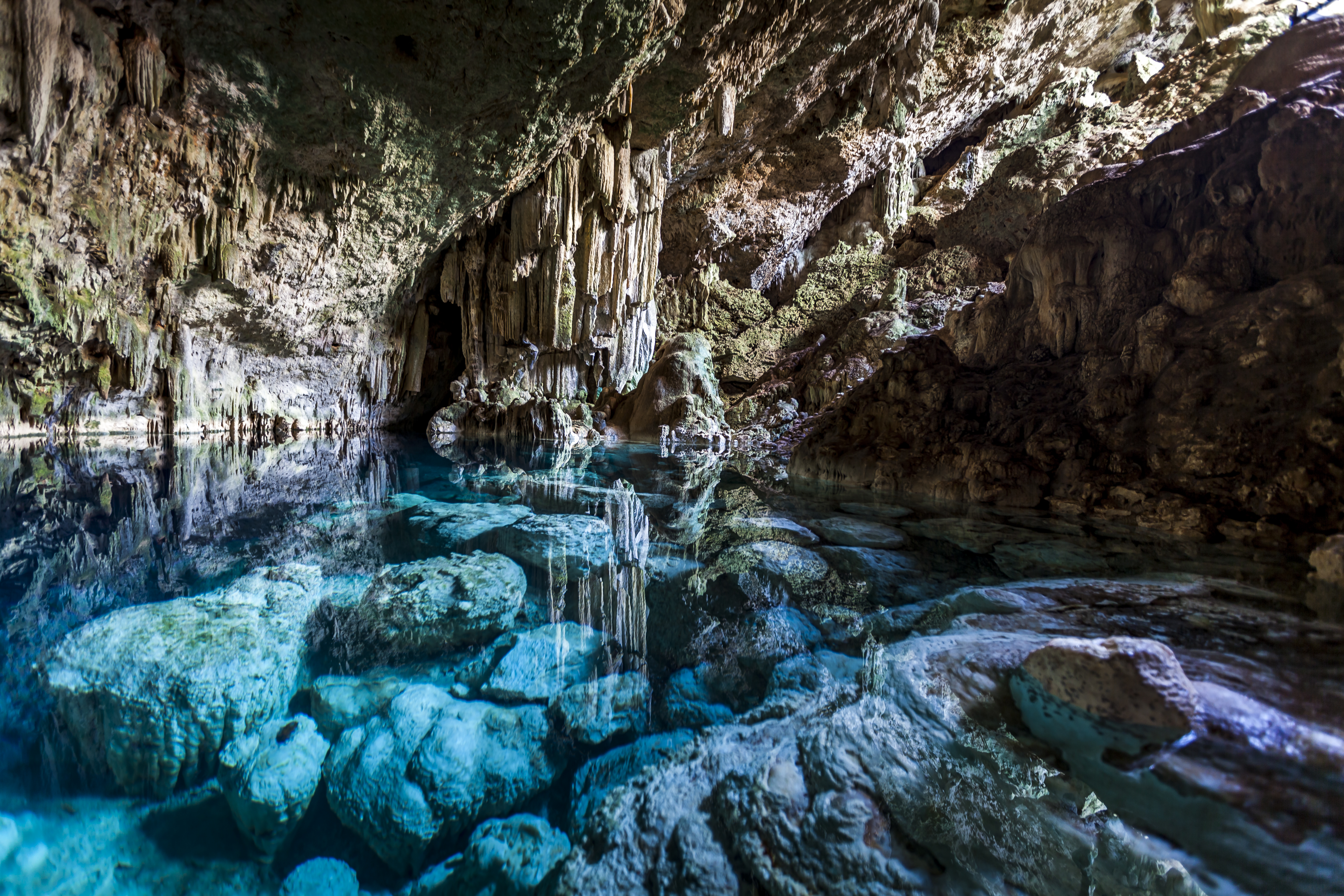
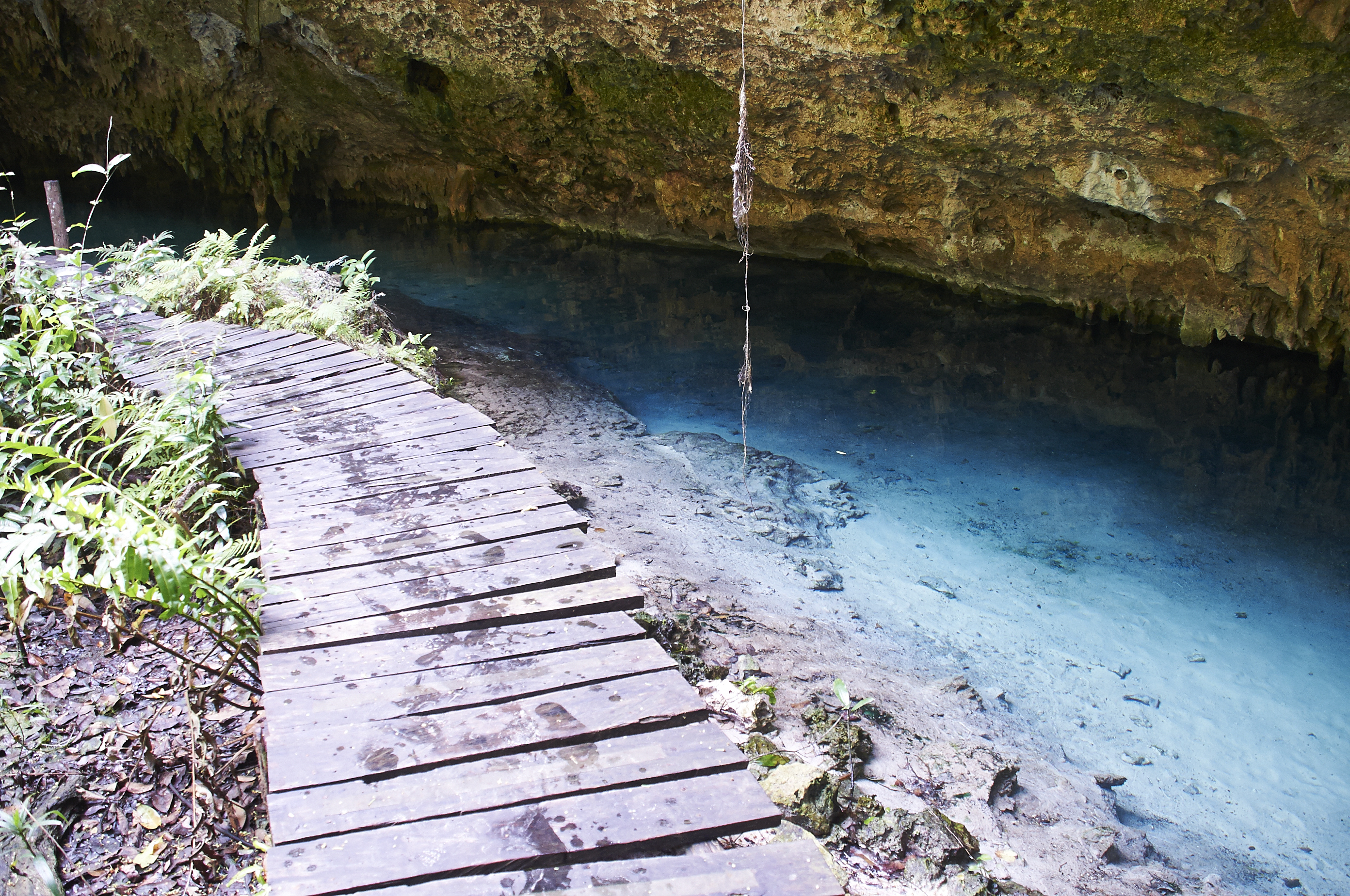
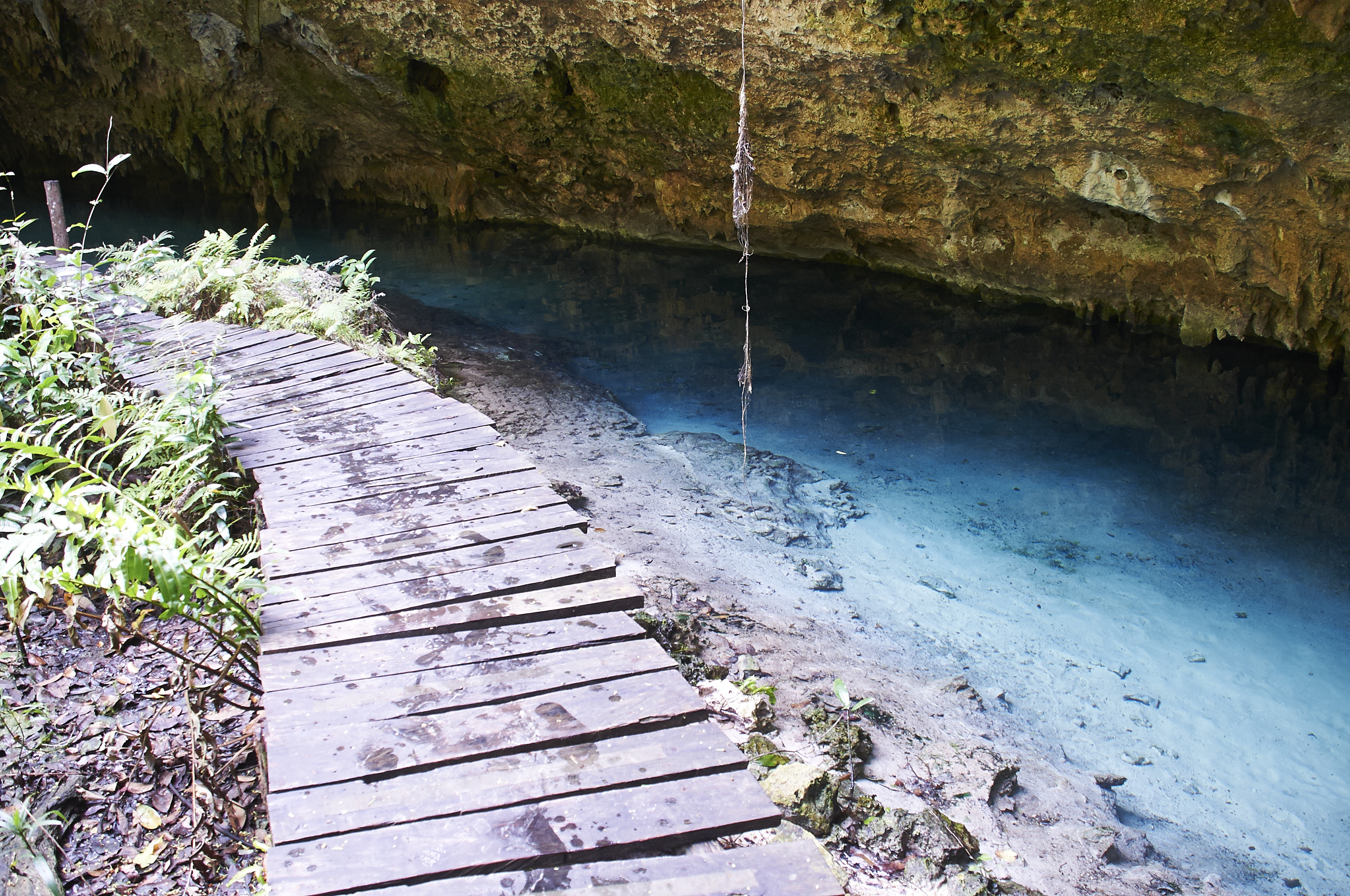
One of the great attractions of Dos Ojos is precisely the extraordinary clarity of the water, which offers excellent visibility for swimming, snorkelling and diving. The transparency makes it easy to appreciate the limestone formations beneath the surface, while the changes in light between the open areas and the more sheltered parts of the cave create some of the most characteristic underground landscapes of the cenote.
The two main entrances, Ojo Azul and Ojo Negro, offer different environments. Ojo Azul is the most open and luminous area, with intense blue water and good natural light, while Ojo Negro leads towards a darker, more cavernous environment where the rock formations take centre stage. Both are part of the same system and can be enjoyed in different ways depending on the chosen activity.
For snorkelling and diving enthusiasts, Dos Ojos offers different routes through galleries and rock formations. Among the most well-known is the Bat Cave, a darker area of the system that is part of some of the cavern diving routes. It is important to explore these areas with the proper supervision and equipment, always following the established routes and safety instructions.
But, beyond diving, the cenote Dos Ojos also has enormous scientific value, and has allowed for the discovery of archaeological and palaeontological remains of great importance, as well as helping us to understand how the ancient Mayans lived, who considered these places to be authentic gateways to the underworld and a sacred source of fresh water.
The best part of all is that, despite its international fame, the surrounding area still retains much of its natural charm. The access path crosses a stretch of jungle full of vegetation where it is common to hear the sound of tropical birds, making the experience begin long before you even arrive.
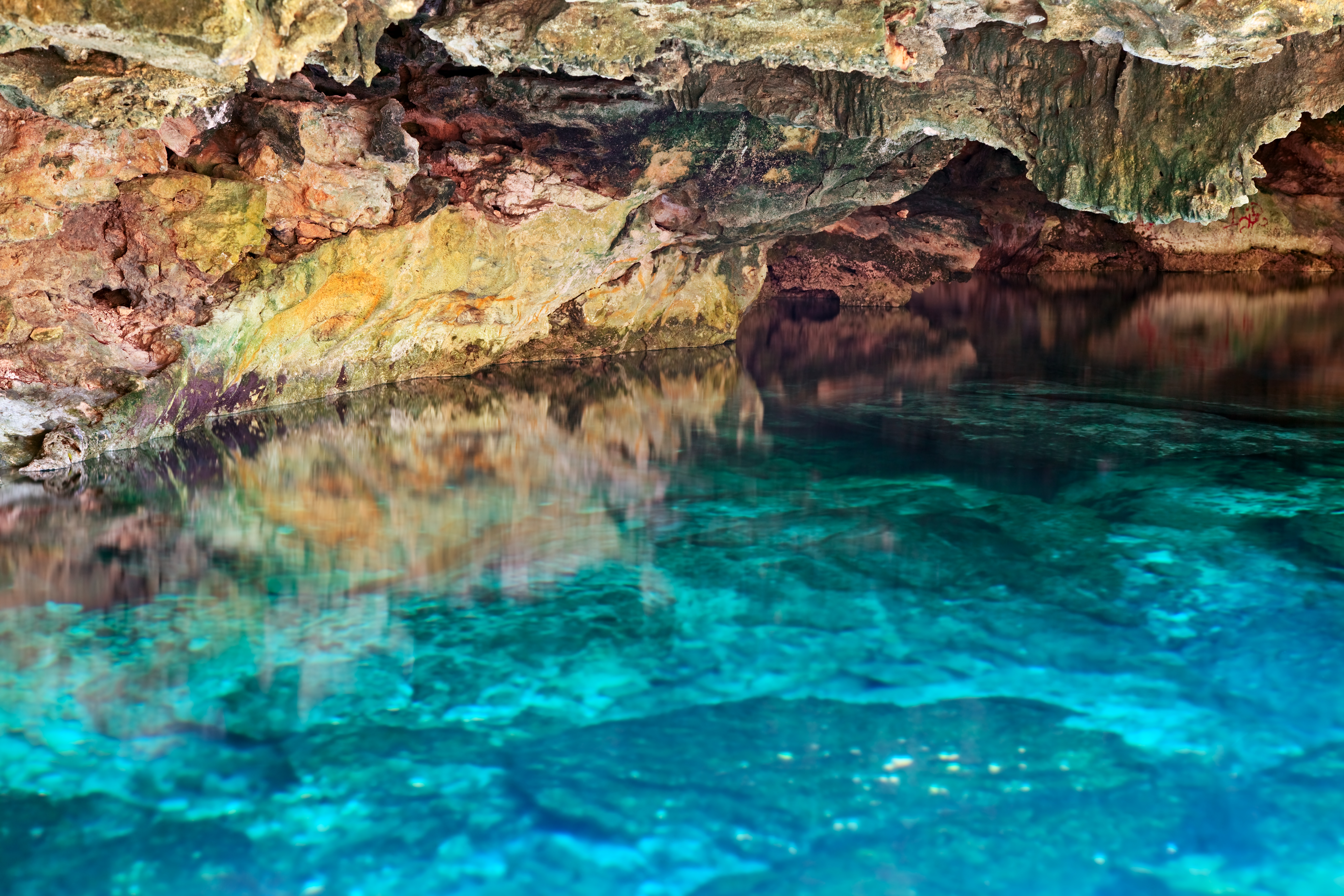,regionOfInterest=(2808,1872))
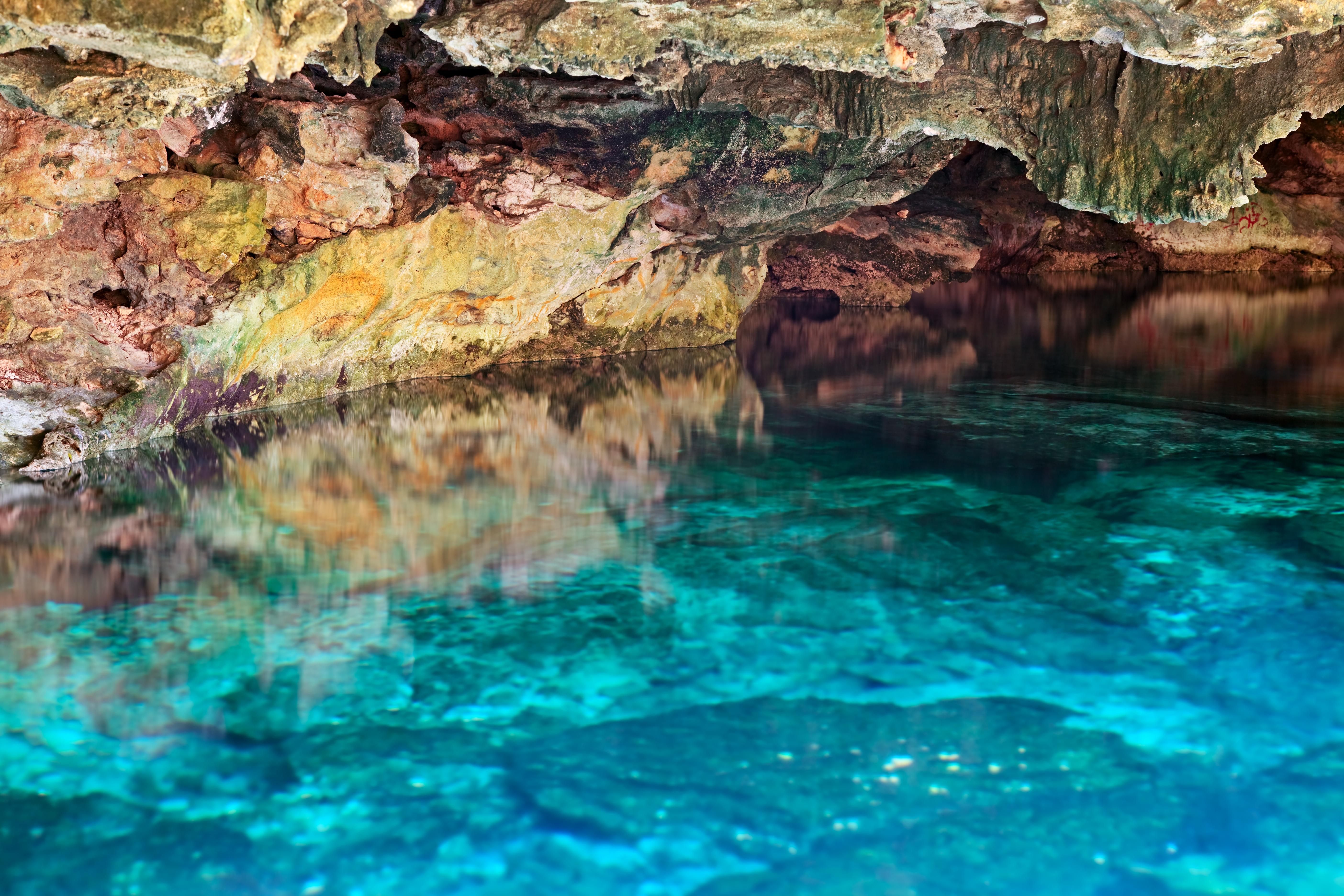,regionOfInterest=(2808,1872))
Thanks to its proximity to some of the main tourist destinations in the Mexican Caribbean, getting there is much easier than you might imagine. Even so, I recommend checking the location of the cenote Dos Ojos to help you organise your trip, mark the main access points on your GPS and better prepare for your visit.
Address:
The Dos Ojos Park is located in the heart of the Riviera Maya, surrounded by tropical jungle and close to other cenotes, natural parks and archaeological sites. Although it is located north of Tulum and for years has been commonly associated with this destination, it is currently located within the municipality of Tulum, in the state of Quintana Roo.
Carretera Federal 307, Riviera Maya, Quintana Roo, Mexico.
How to get to the cenote Dos Ojos:
If you are wondering how to get to the Cenote Dos Ojos, the most comfortable option is to rent a car. Leaving from the town of Tulum, drive north along the federal highway and in about 15 or 20 minutes you will find the entrance to the park. If you are coming from Playa del Carmen, the journey takes about 35 minutes heading south.
Another option is to come by the colectivos that run continuously along the highway between Playa del Carmen and Tulum. You just have to tell the driver that you want to get off at the entrance to Dos Ojos Park.
When you arrive, once you pass the main ticket office, you will have to walk along a path of about 3 kilometres to reach the changing areas and access to the water.
Parking at the cenote Dos Ojos:
The complex has a large parking area located next to the main access to the cenote. From there, the path leads to the different areas of the park.
Although you shouldn't have any problems parking, my recommendation is to arrive early so you can enjoy the cenote with fewer people and take advantage of the best natural light entering through the cave openings during the early morning hours.
Map of the cenote Dos Ojos:
,regionOfInterest=(1500,1947))
,regionOfInterest=(1500,1947))
Most reviews of the cenote Dos Ojos agree that it is one of the most striking experiences on the Yucatán Peninsula, highlighting the transparency of the water and the contrast between the illuminated environment of the first pool and the semi-darkness of the second.
Divers often value Dos Ojos for its excellent visibility, the cave formations and the variety of routes available, including the well-known Barbie Line and the Bat Cave. Visitor reviews also highlight the clarity of the water and the possibility of taking guided tours to discover the deepest areas of the system.
As a practical point, some visitors note that the walk from the entrance can be long. The water, meanwhile, remains at around 24-25°C all year round, a cool temperature but common in the cenotes of the region, which may feel cold if you are going to spend a long time in the water.
Here are some small details that are worth keeping in mind before you arrive, as I believe they can completely change your visit to the cenote.
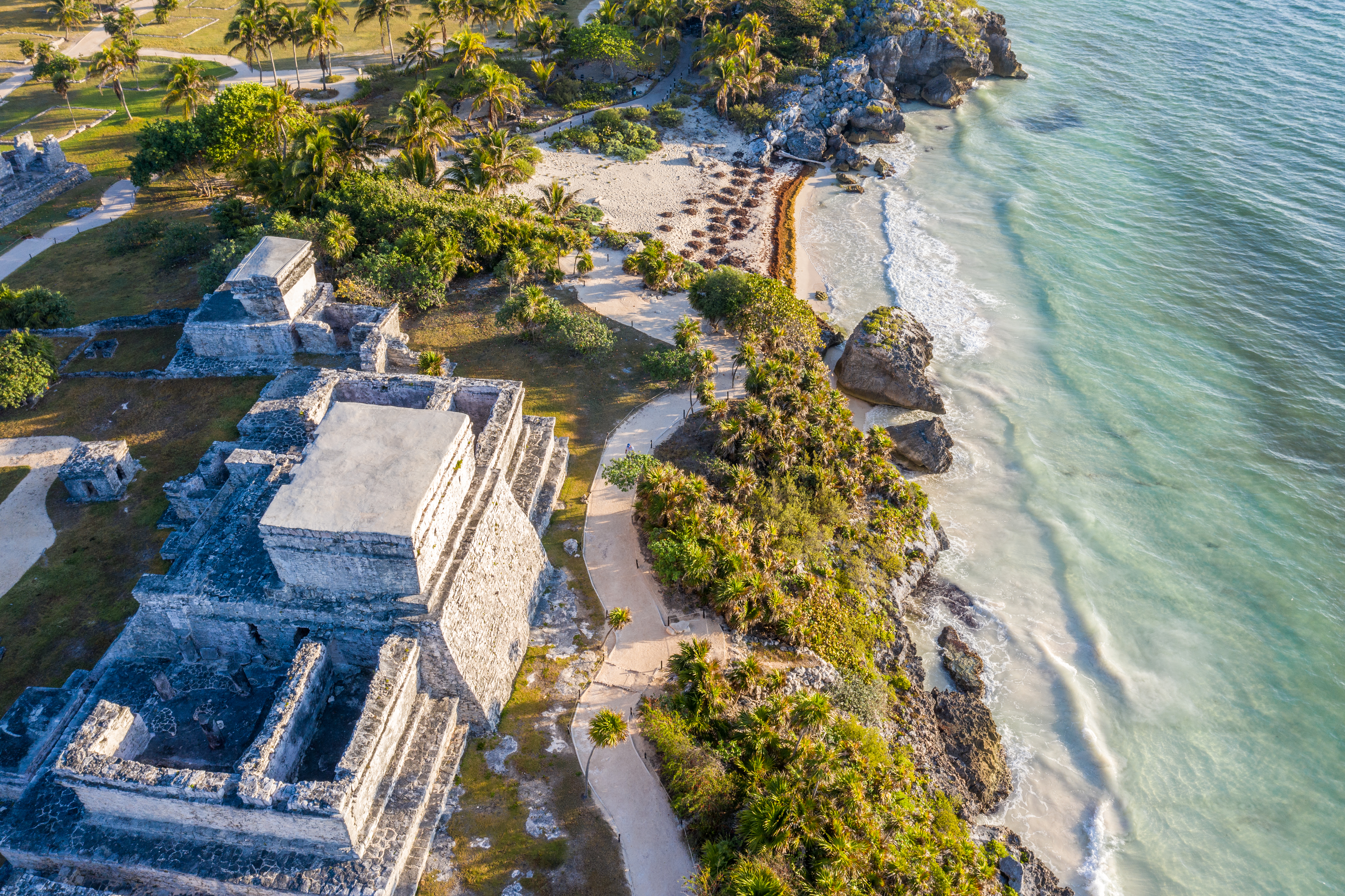,regionOfInterest=(2732,1820))
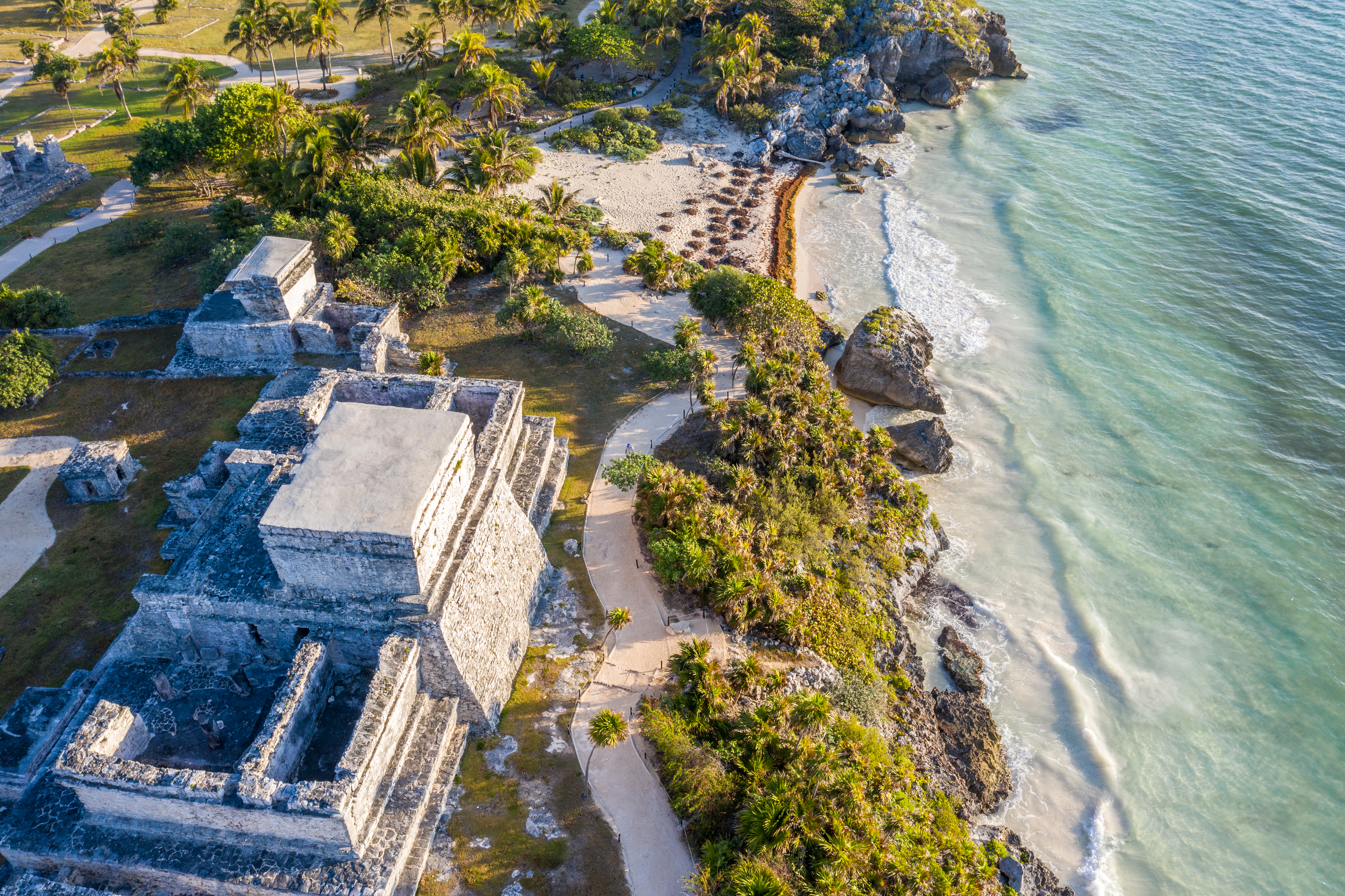,regionOfInterest=(2732,1820))
Being in this area, you have idyllic beaches, other cenotes and some of the most important archaeological sites of the Riviera Maya just a few kilometres away. These are some of my favourites to visit:
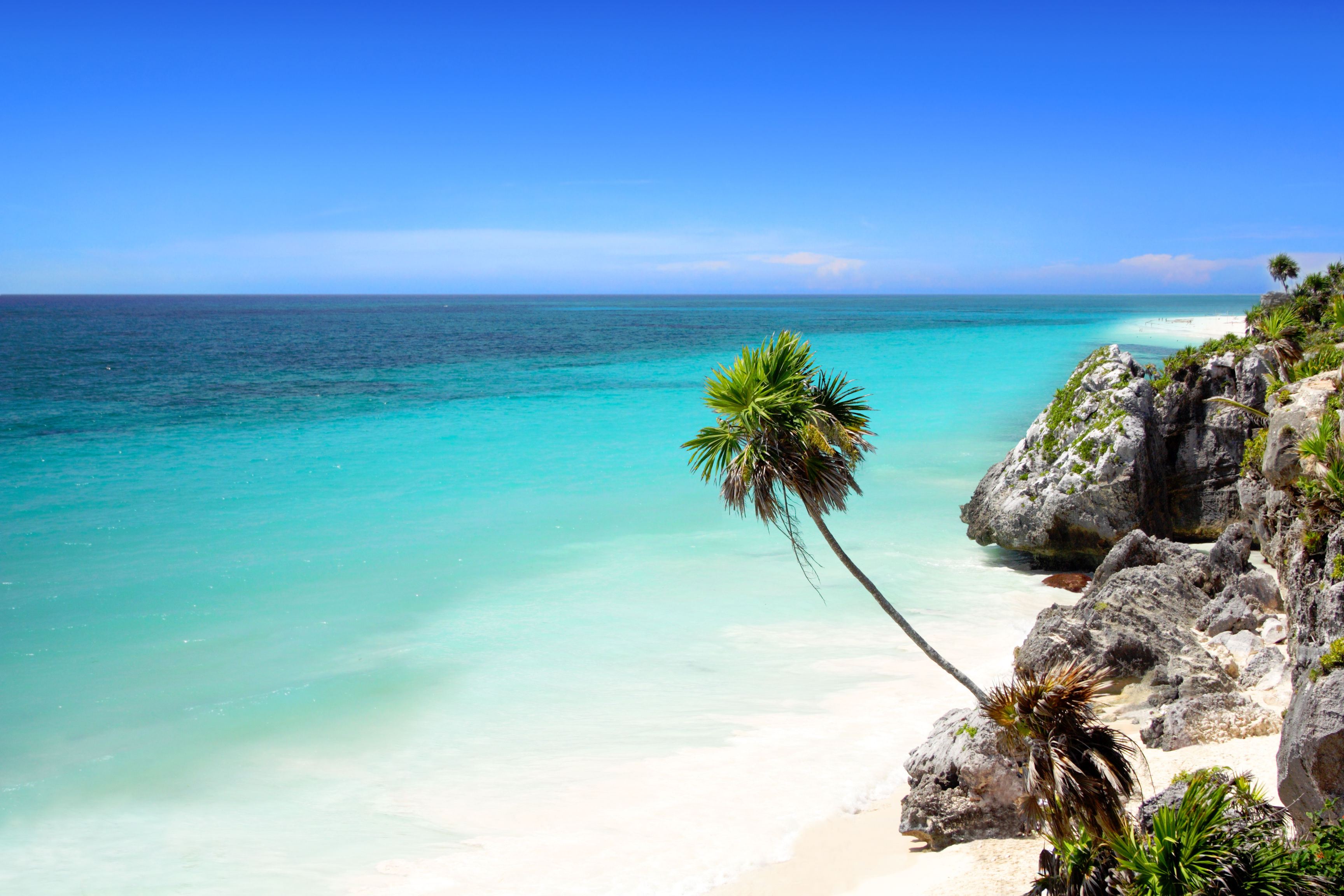
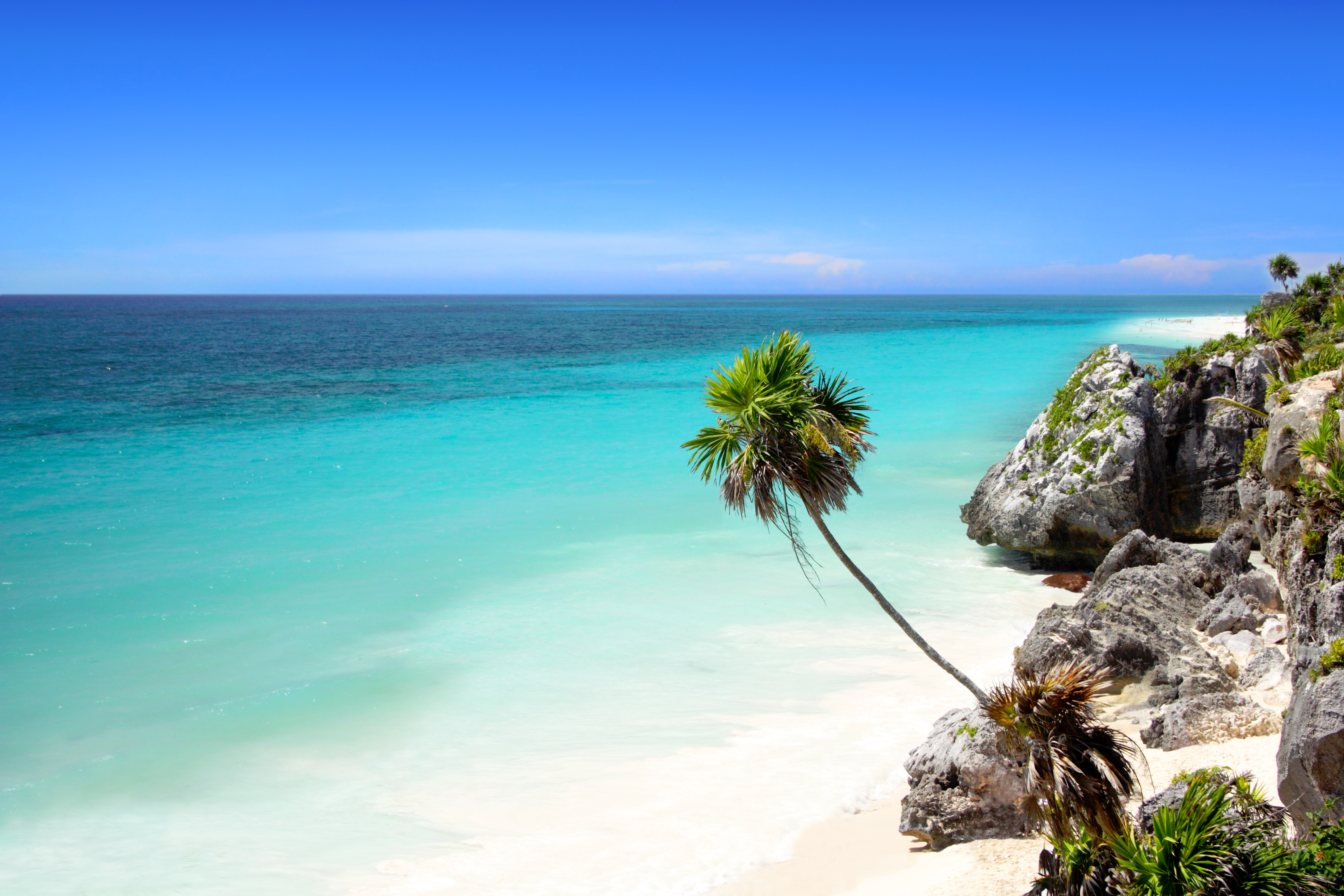
Less than twenty minutes away is Tulum, one of the star destinations of the Mexican Caribbean, whose main attraction is the Tulum Archaeological Zone, an ancient walled city built by the Mayan civilisation on a cliff overlooking the Caribbean Sea.
The Gran Cenote is another of the most well-known visits in the surroundings of Tulum and offers a different experience to Dos Ojos. Its open and semi-covered areas are connected by small galleries, with transparent waters and limestone formations that can be enjoyed by snorkelling and swimming. It is a good option to combine two cenotes with different characteristics during the same route.
Very close to Dos Ojos Park is the cenote Taak Bi Ha, an interesting option if you want to continue exploring the underground landscape of this part of the Riviera Maya. Unlike the more open cenotes, its main attraction is the cave environment, where the stalactite and stalagmite formations take centre stage.
About twenty minutes to the south you will find the Xel-Há Natural Park, where water is once again the protagonist, although in a completely different setting. The large natural cove where fresh water and the sea mix offers excellent conditions for snorkelling surrounded by tropical fish.
If you continue a few kilometres along the road you will reach Akumal, a small coastal town famous for its crystal-clear waters and the possibility of observing sea turtles in the wild.
Akumal is especially known for the presence of sea turtles in its waters, although access to the observation areas is subject to rules and conservation measures designed to reduce disturbance to the animals. If you want to go snorkelling there, it is important to do so through authorised access points and operators and always respect the established distances.
,regionOfInterest=(2880,1920))
,regionOfInterest=(2880,1920))
,regionOfInterest=(1476.5,980.5))
,regionOfInterest=(1476.5,980.5))
,regionOfInterest=(1496,1996))
,regionOfInterest=(1496,1996))
,regionOfInterest=(2732,1820))
,regionOfInterest=(2732,1820))
,regionOfInterest=(1392,924))
,regionOfInterest=(1392,924))
,regionOfInterest=(2121,1414))
,regionOfInterest=(2121,1414))