,regionOfInterest=(2732,1820))
,regionOfInterest=(2732,1820))
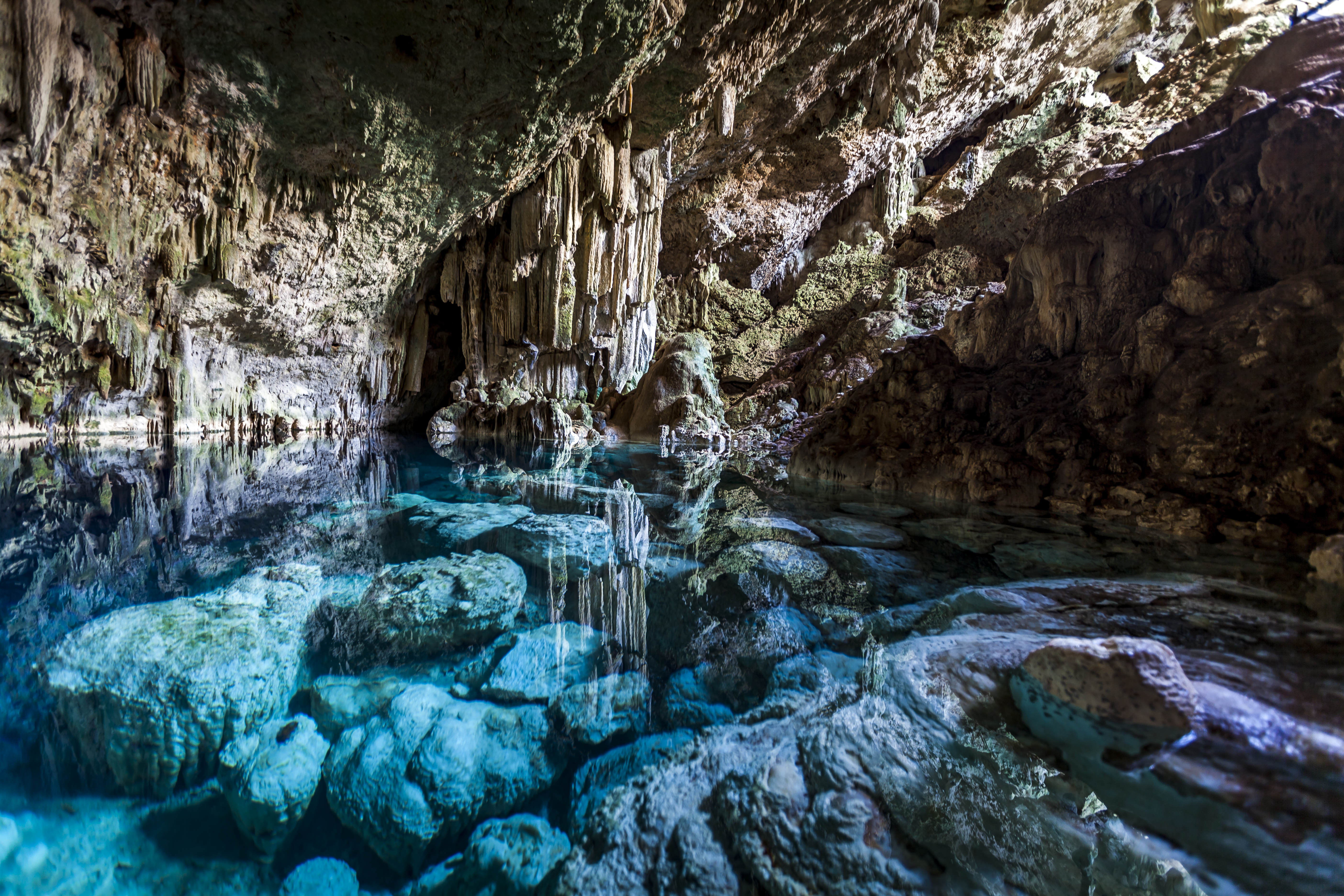
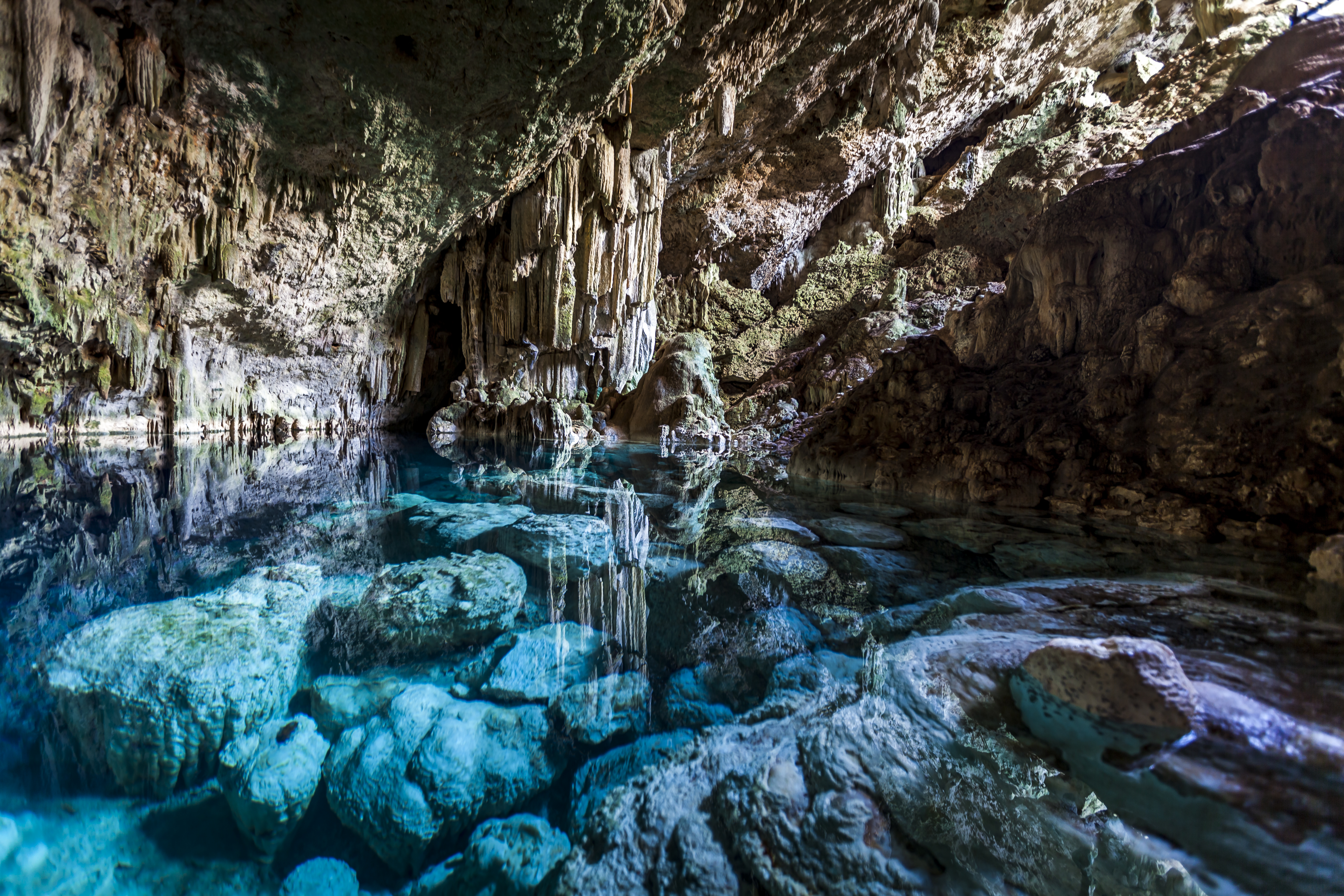
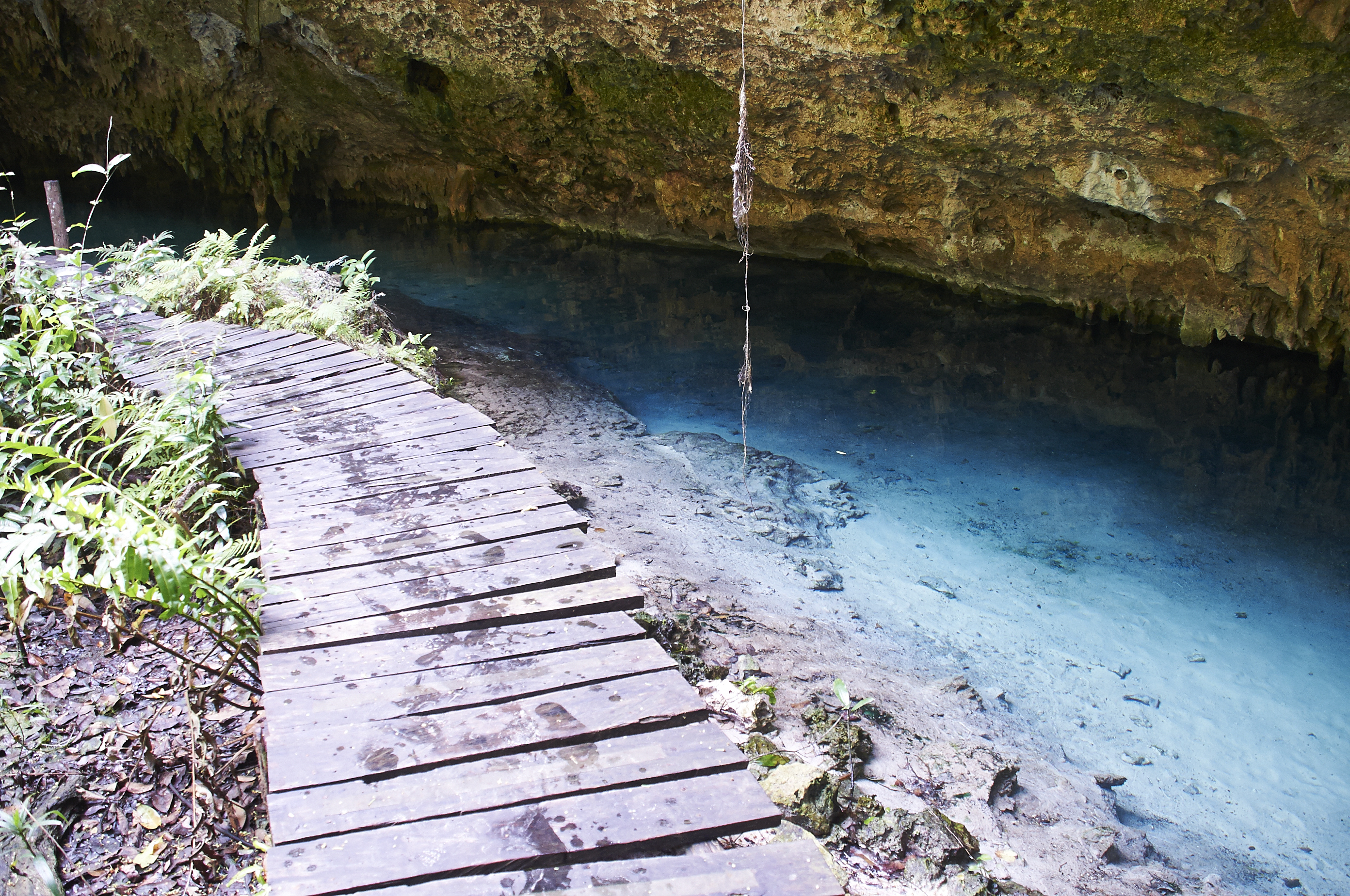
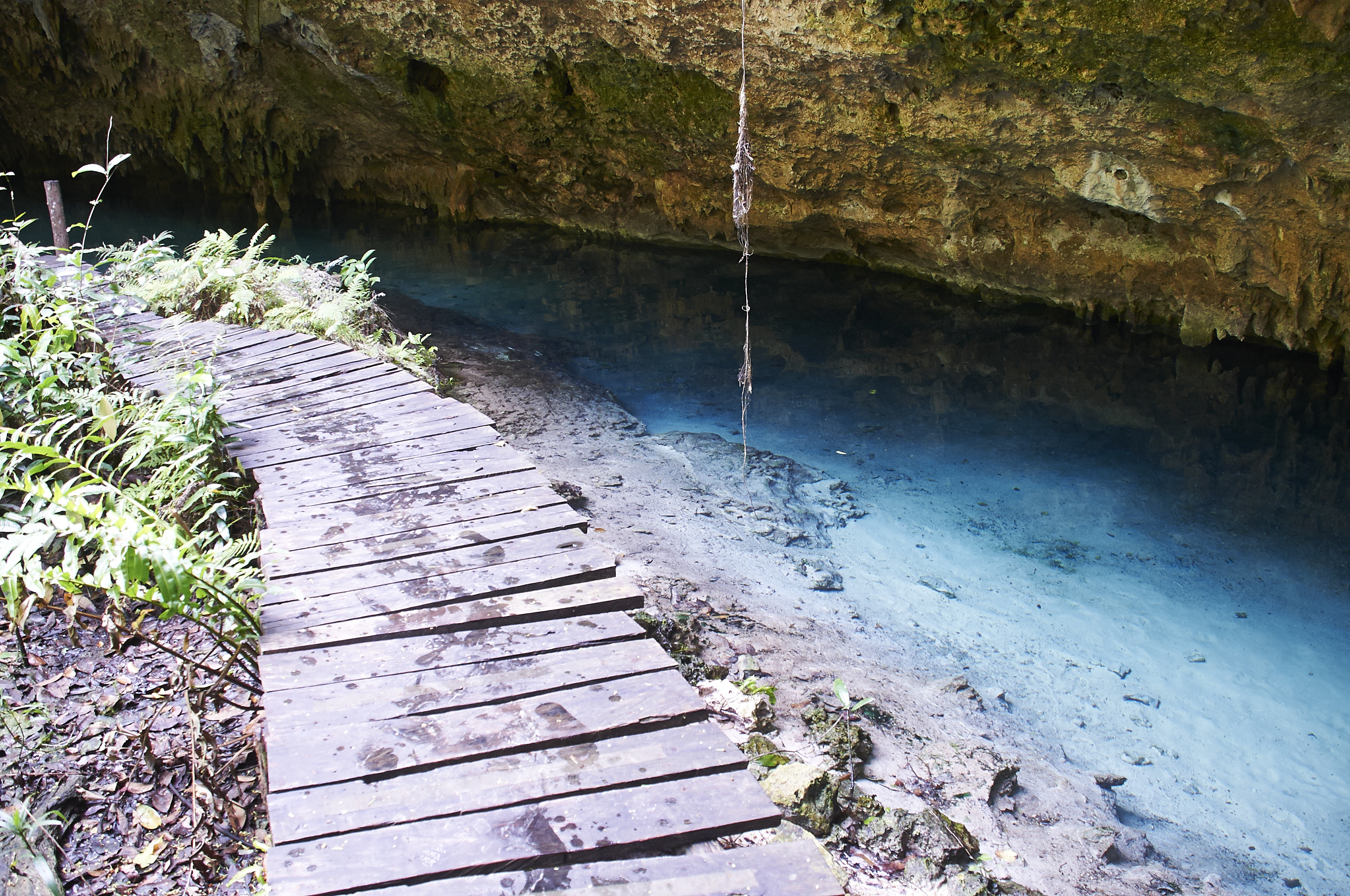
Hoyo Azul: a hidden cenote in Cap Cana
,regionOfInterest=(2808,1872))
,regionOfInterest=(2808,1872))
Holidays
,regionOfInterest=(2732,1820))
,regionOfInterest=(2732,1820))
,regionOfInterest=(500,500))
,regionOfInterest=(500,500))
All-terrain writer specialising in tourism, fashion and trends. A curious soul, traveller, reader and sports enthusiast, keen to discover every corner of the world.
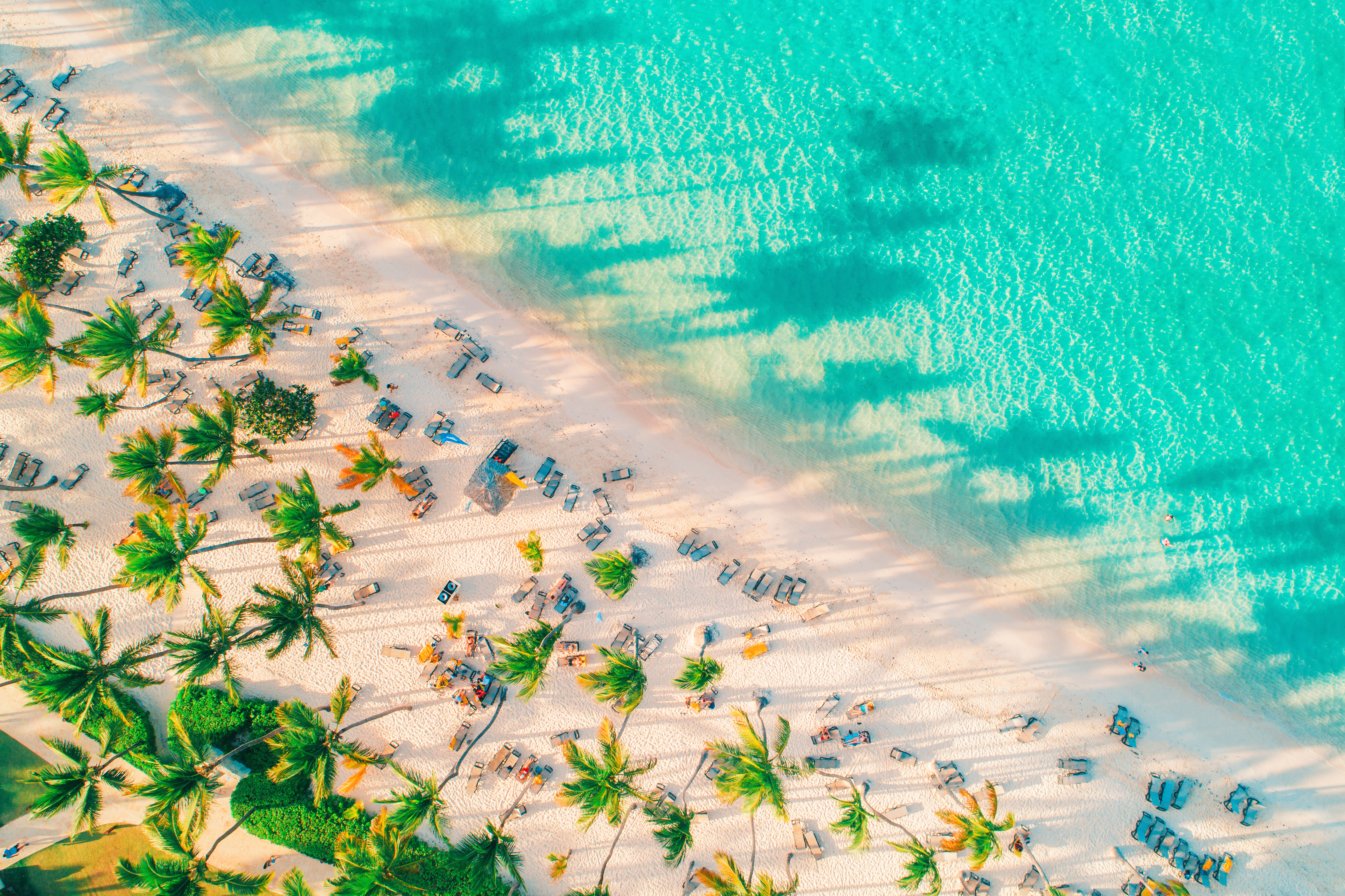
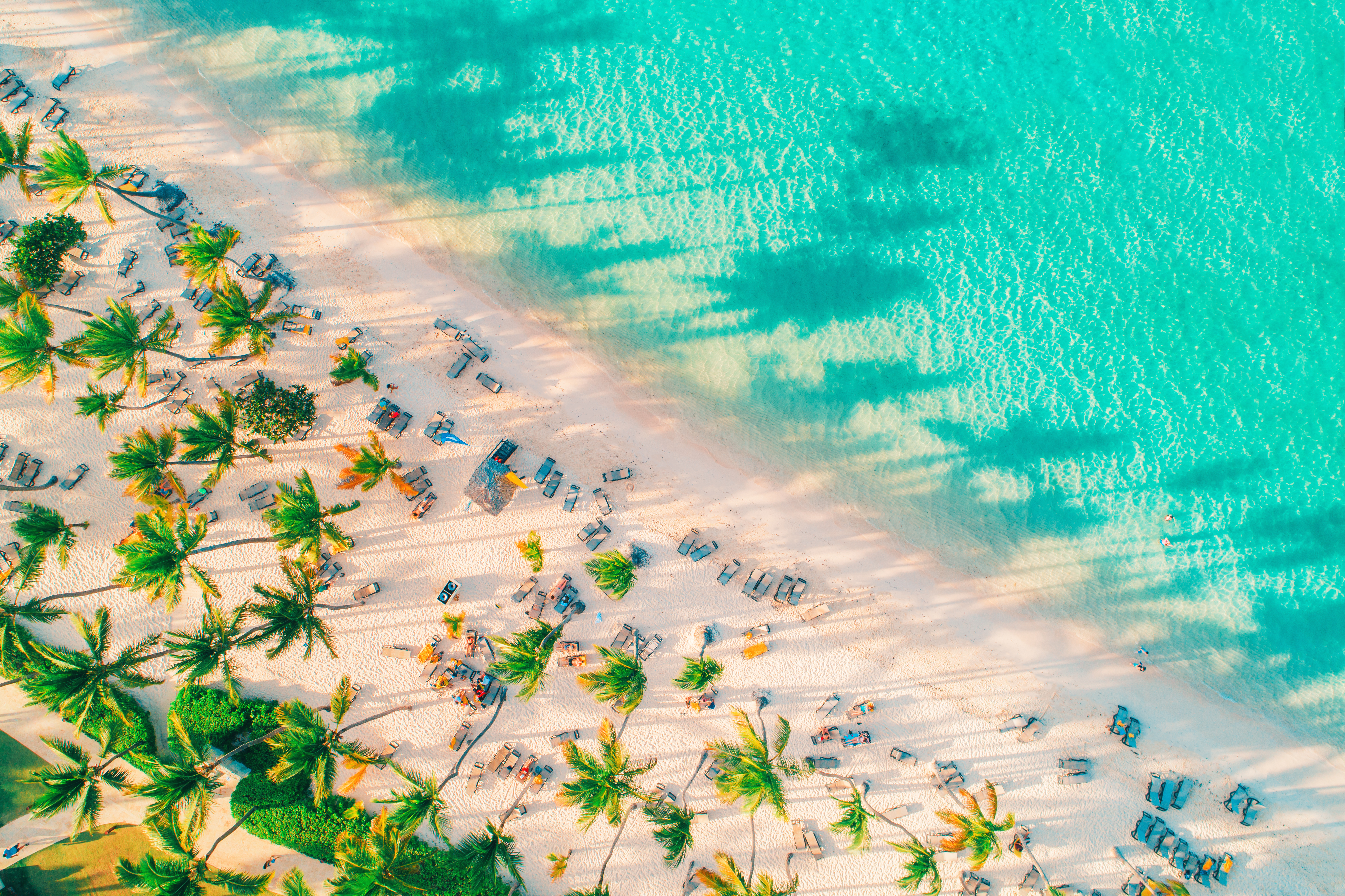
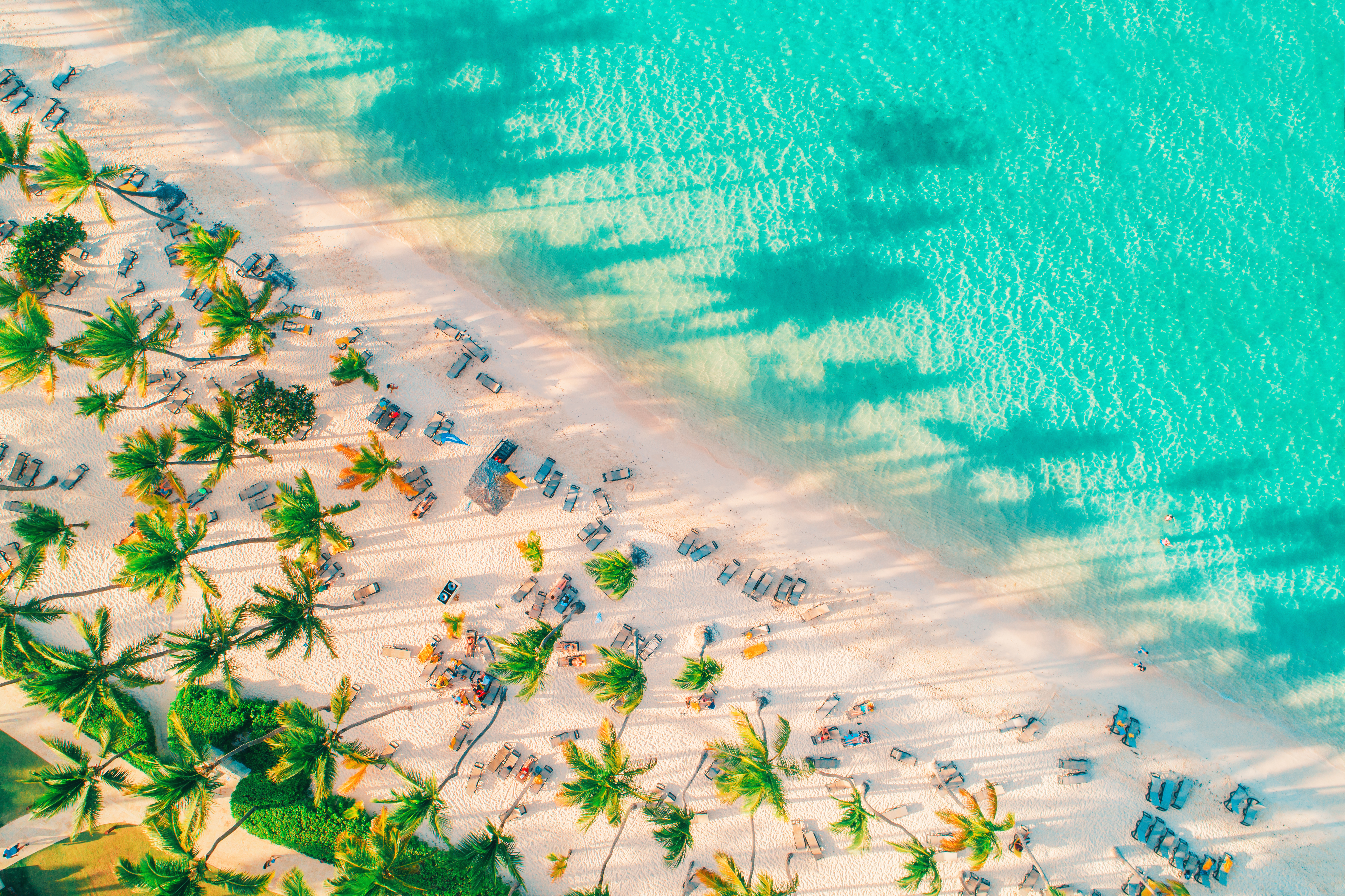
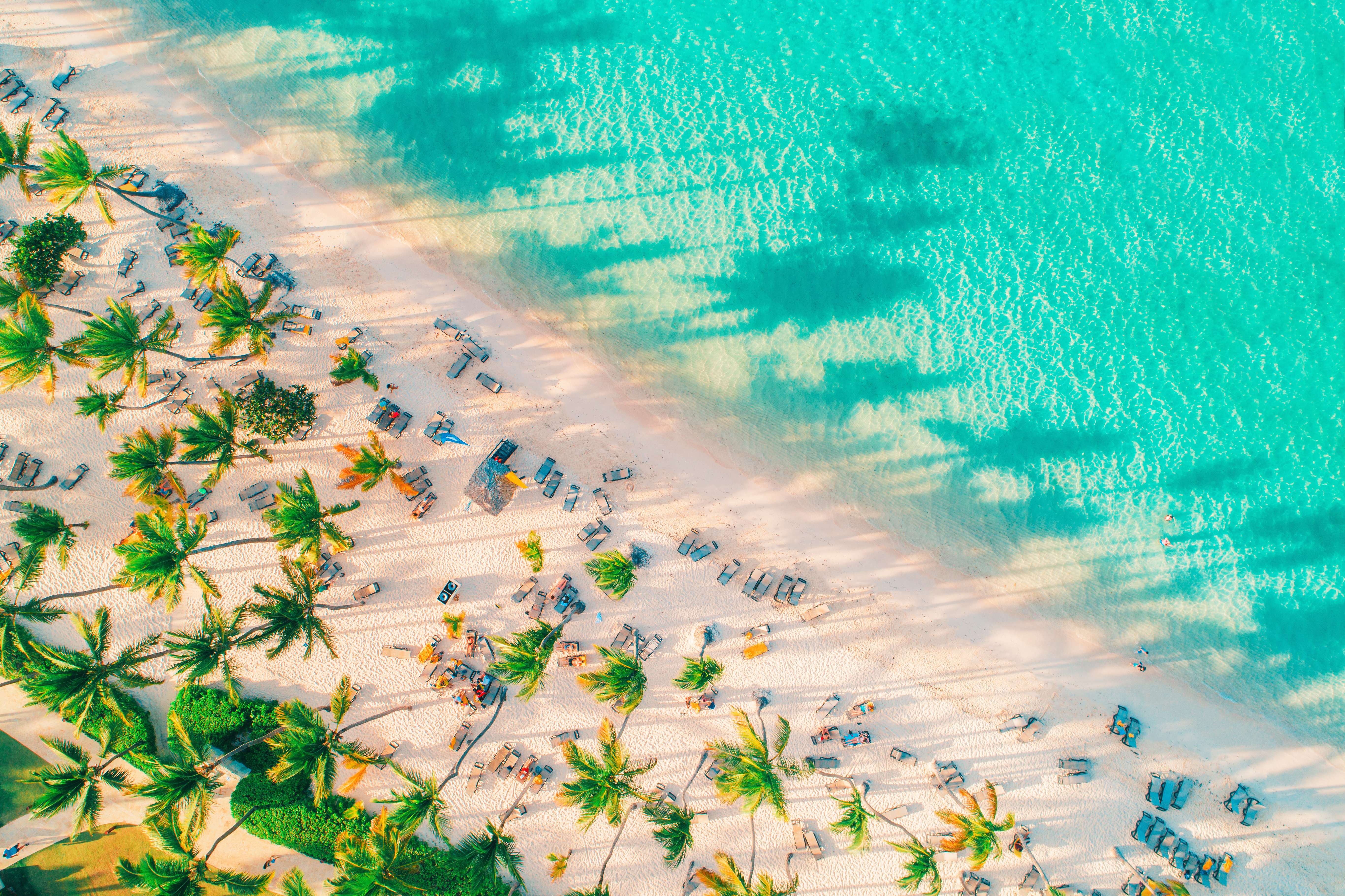
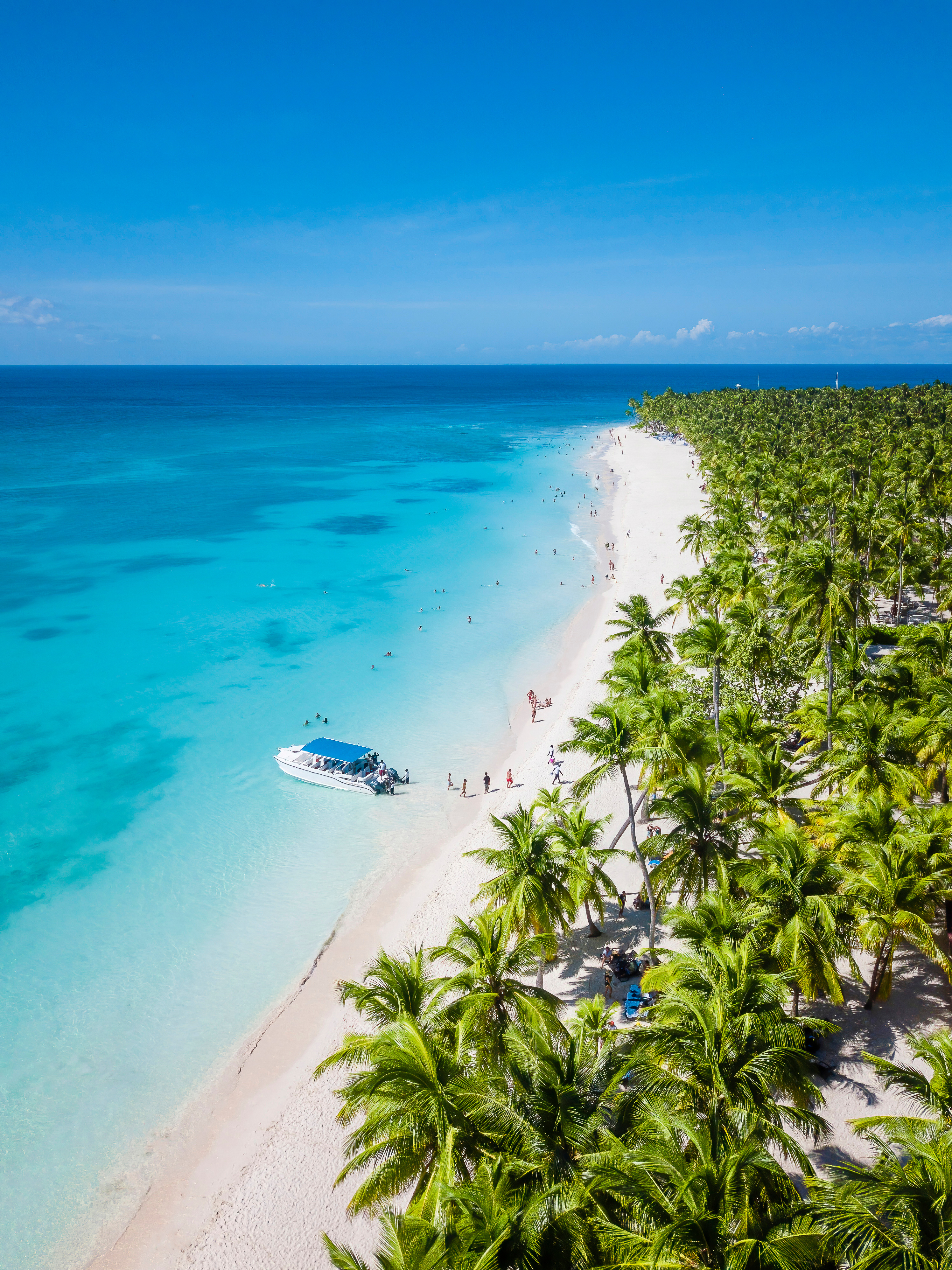
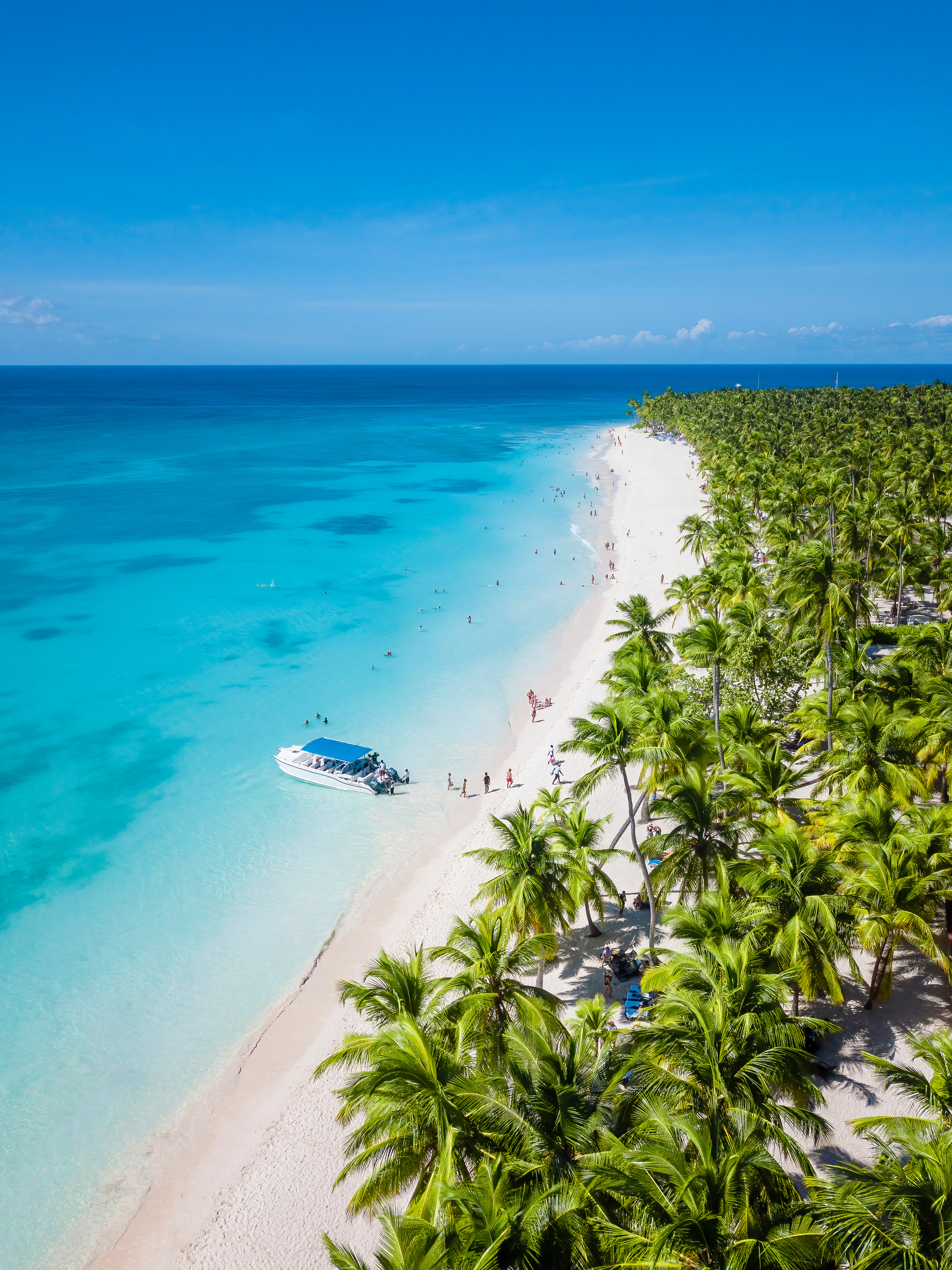
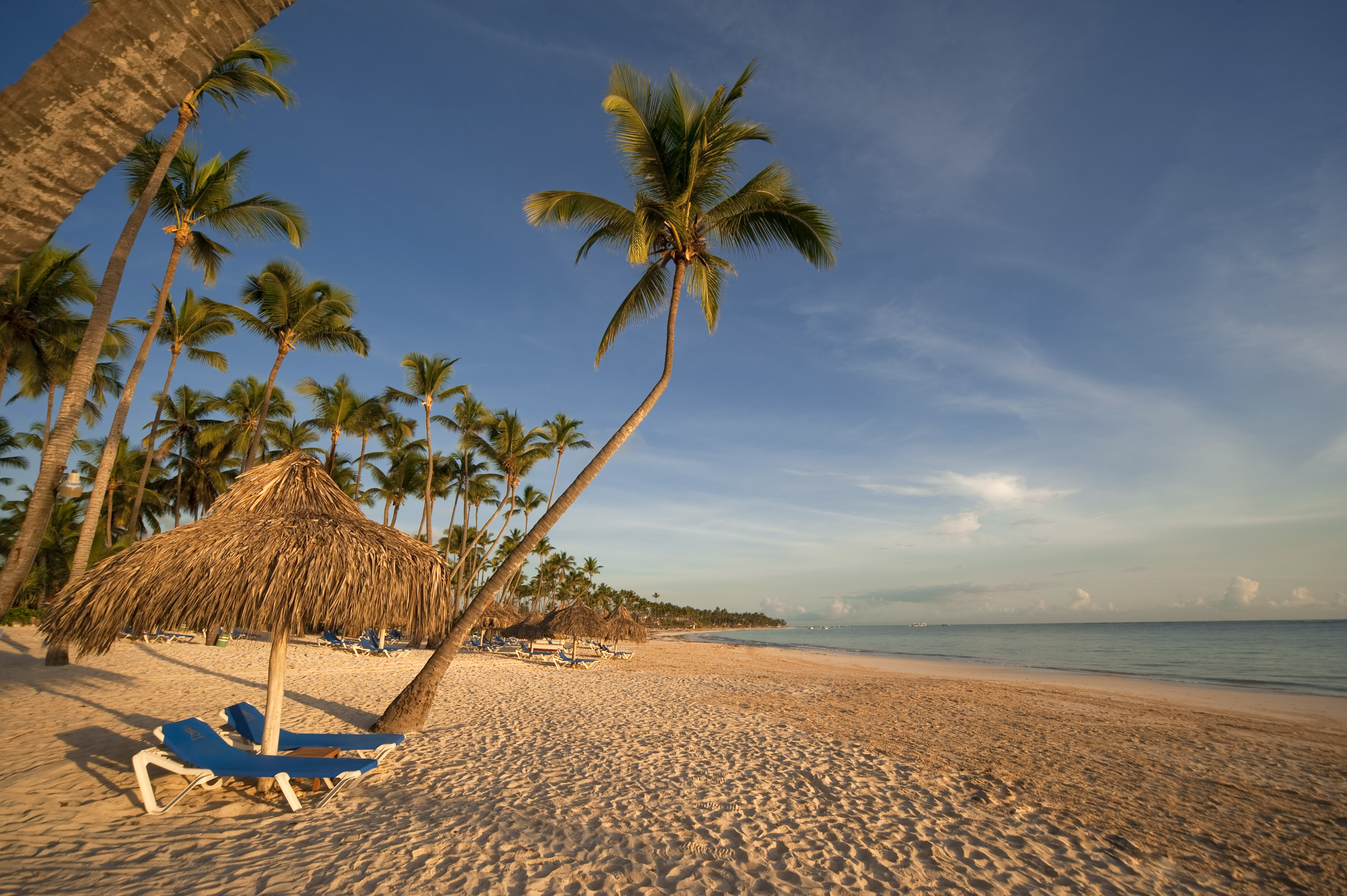
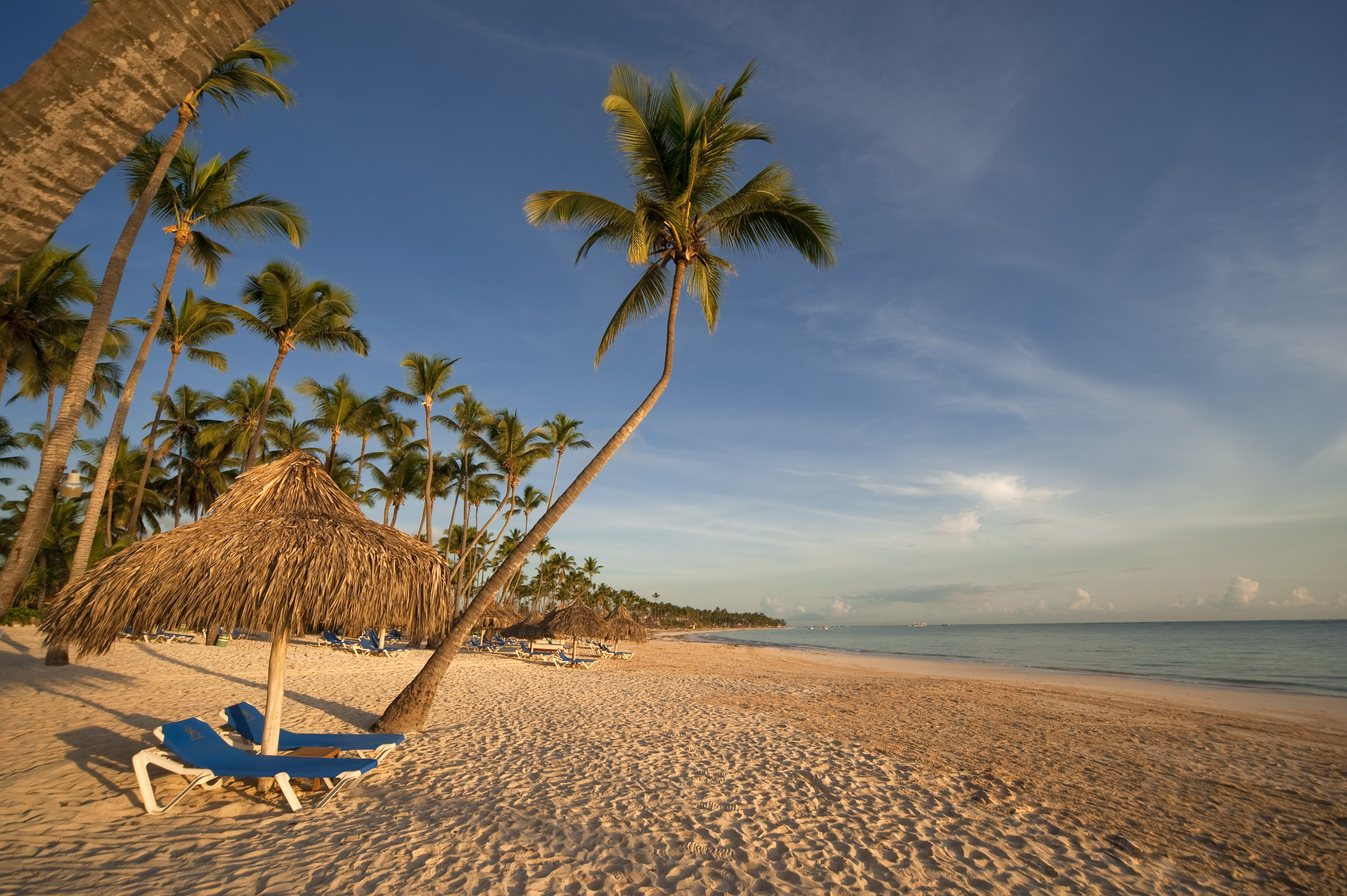
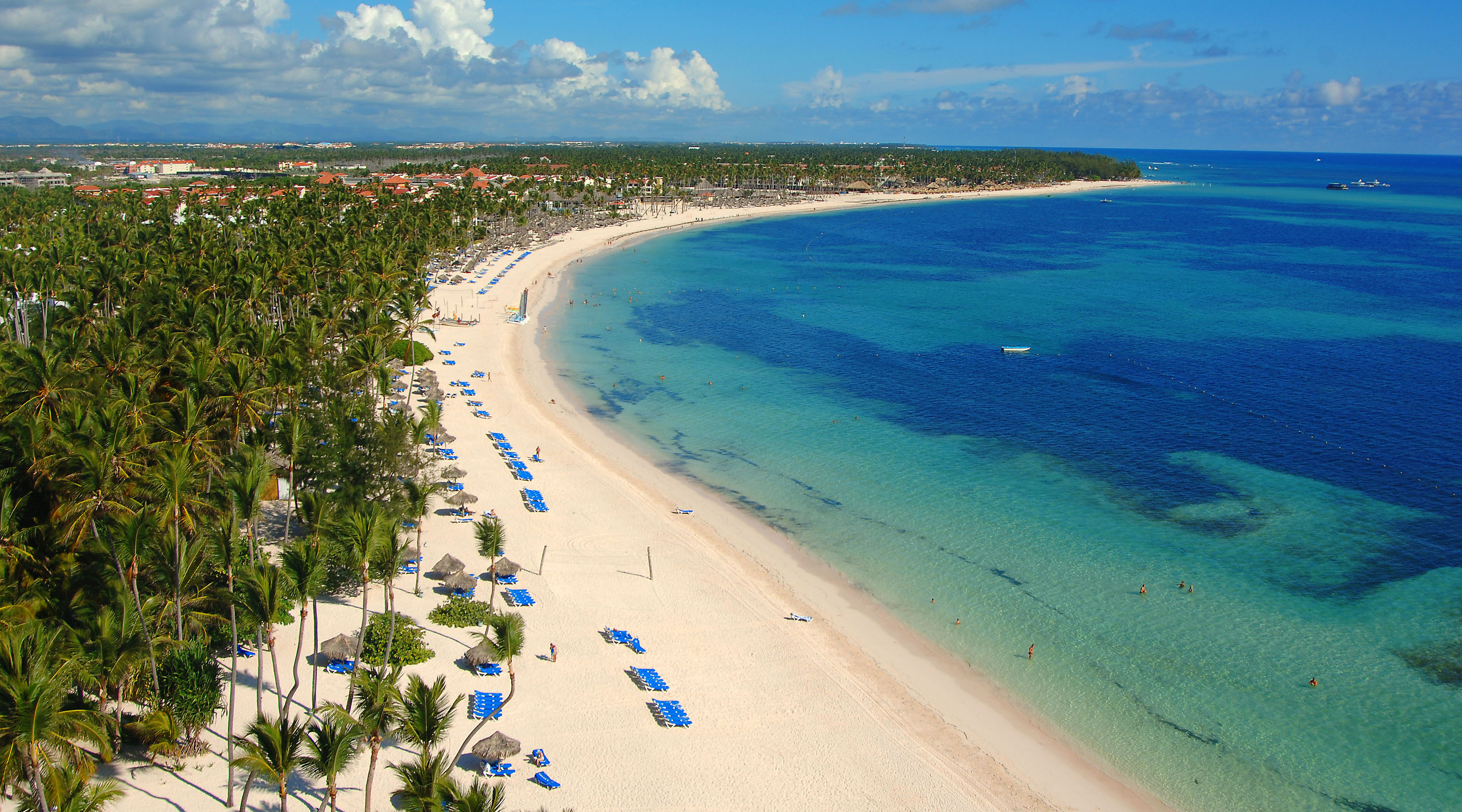
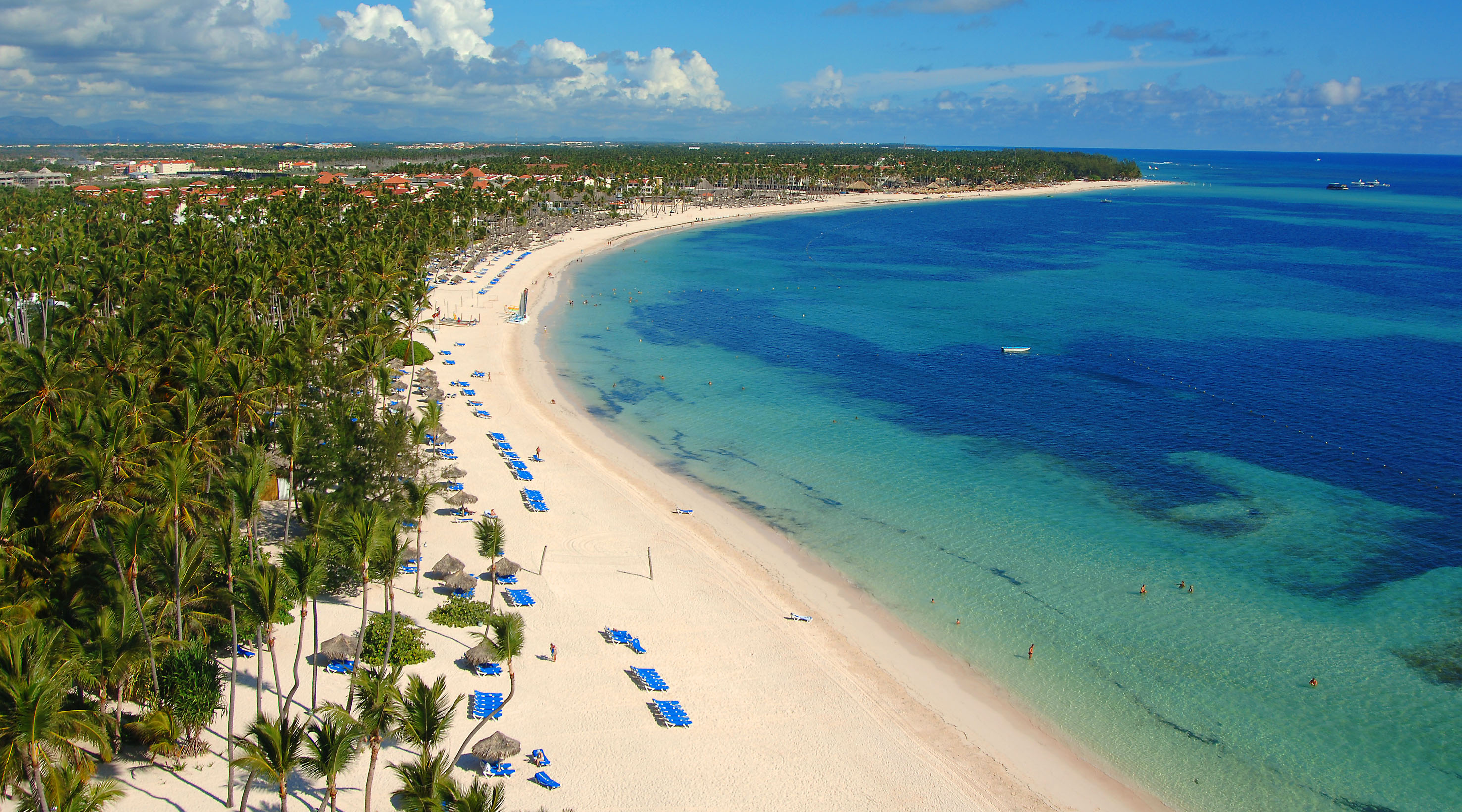
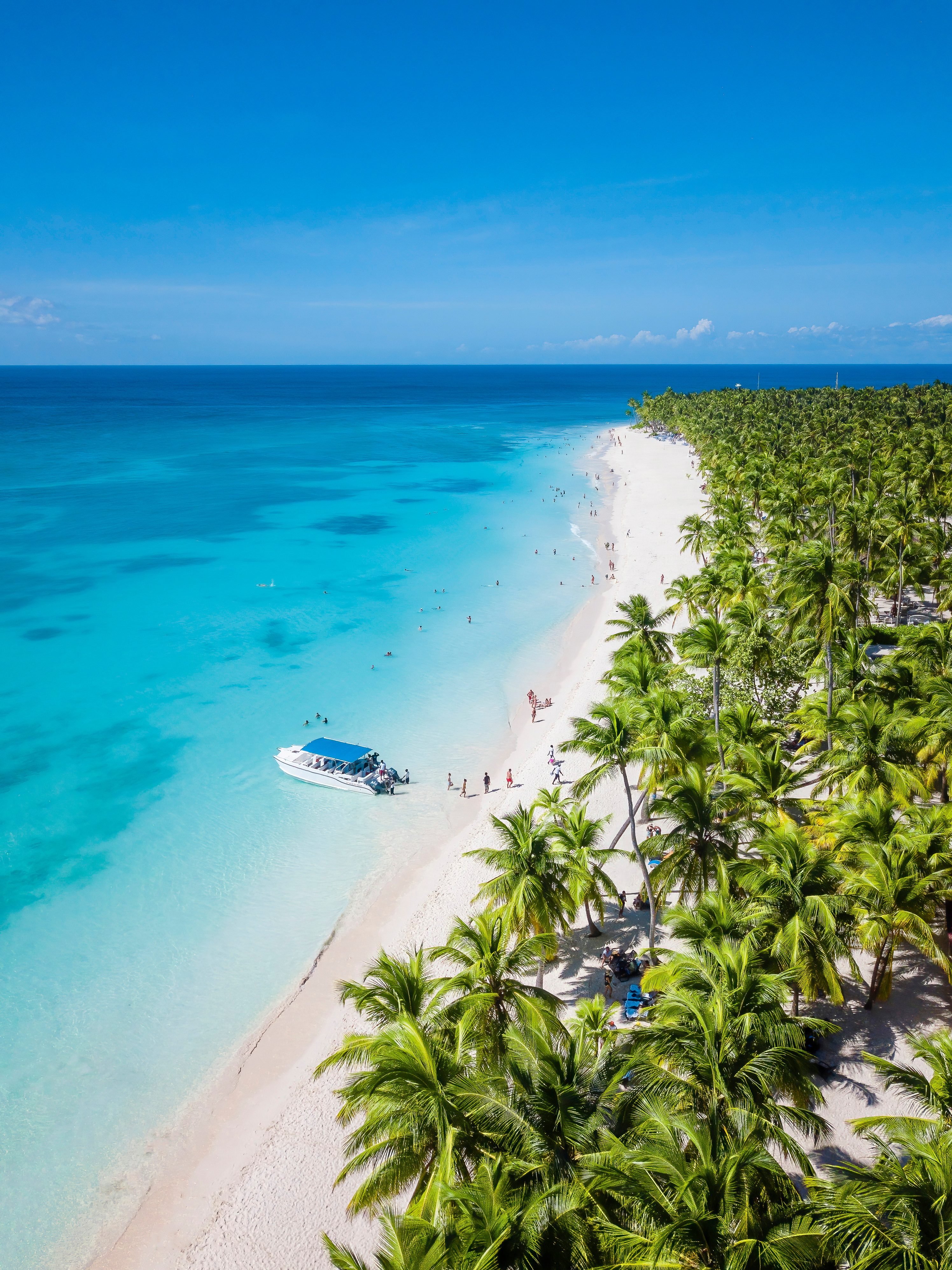
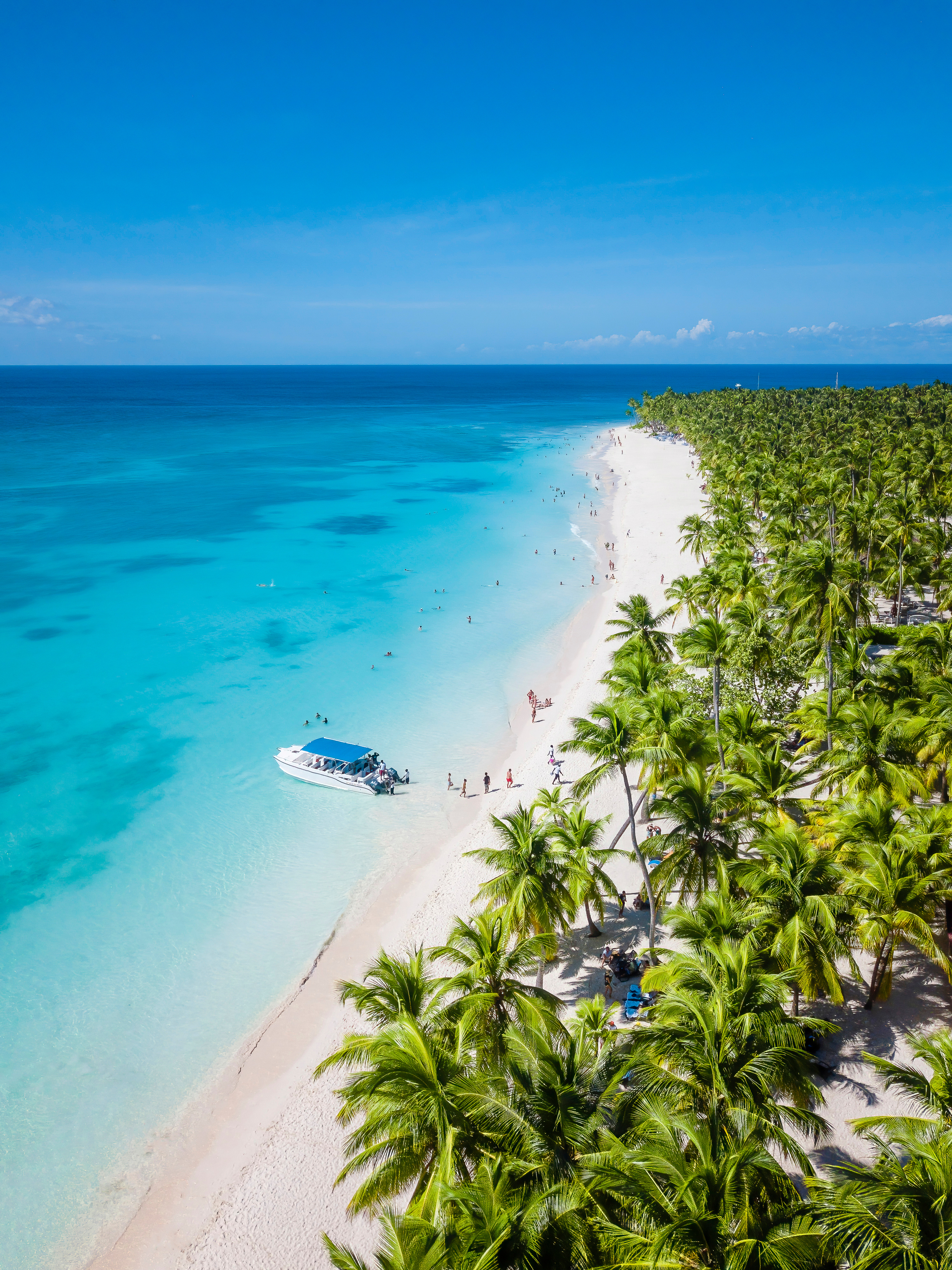
Few places represent the image of the Caribbean paradise as well as Playa Bávaro*, an essential stop for anyone wondering* what to see in Punta Cana. Here, kilometres of fine sand, coconut palms by the shore, and a sea with turquoise waters that, protected by the coral reef, usually remains calm, await you.
When planning a trip to Punta Cana, there are destinations that always appear in every guidebook. One of them is Playa Bávaro, one of the most famous beaches in the Dominican Republic and one of those places that almost everyone dreams of visiting at least once.
If you are thinking of travelling to Playa Bávaro, you should know that this is not just any coastal strip. Internationally recognised as one of the best beaches in the world, this jewel of the Costa del Coco stands out for its turquoise waters, white sand, and natural coral reef, establishing itself as the true tourist heart of Punta Cana.
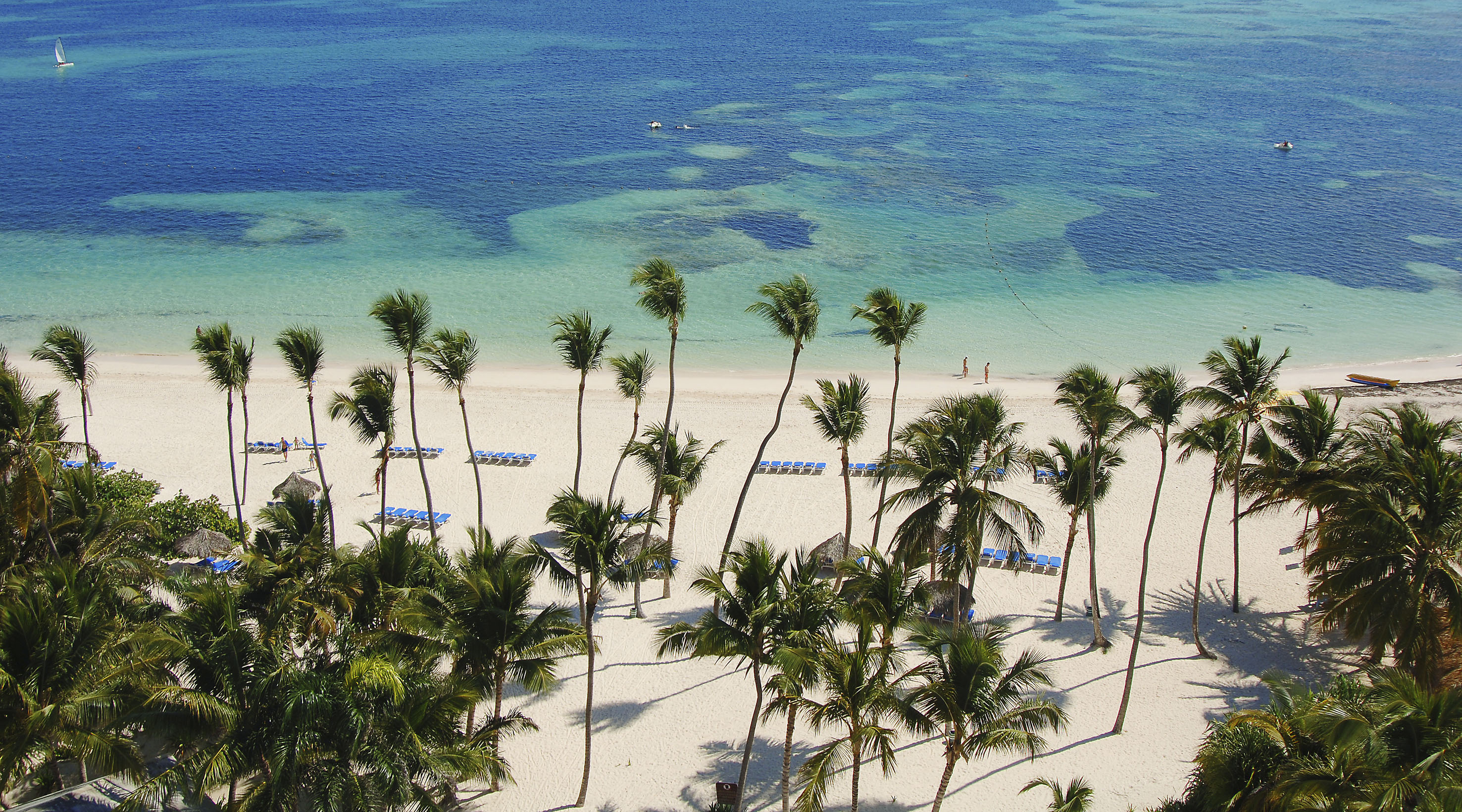
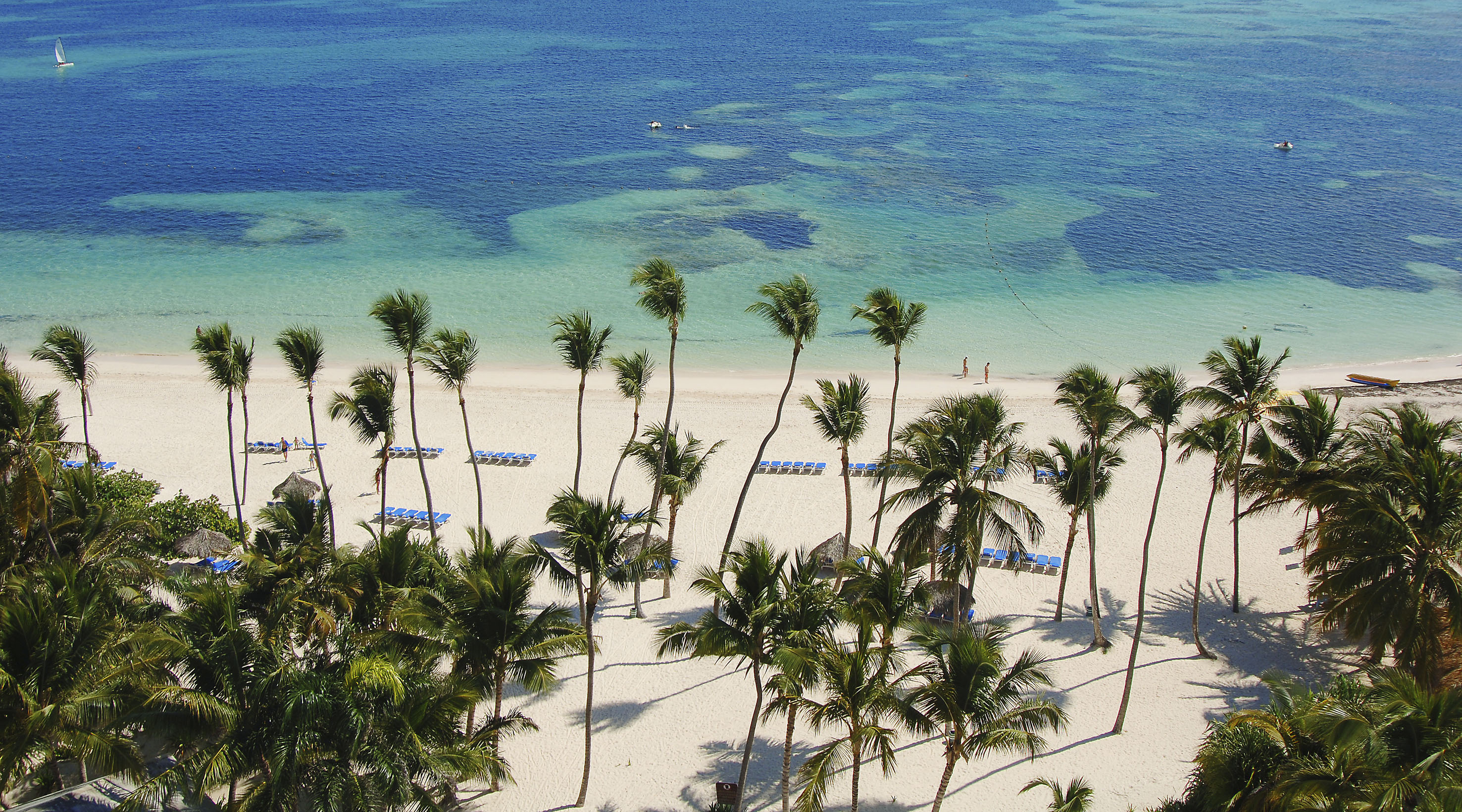
Unlike other Caribbean beaches with more intense waves, in Bávaro, the reef barrier that protects the coast helps the sea generally arrive calmer at the shore. The result is warm, transparent waters with the ideal temperature, which invite you both to swim and to enjoy water activities.
Holidays
,regionOfInterest=(1496,1996))
,regionOfInterest=(1496,1996))
,regionOfInterest=(1476.5,820))
,regionOfInterest=(1476.5,820))
,regionOfInterest=(1476.5,982.5))
,regionOfInterest=(1476.5,982.5))
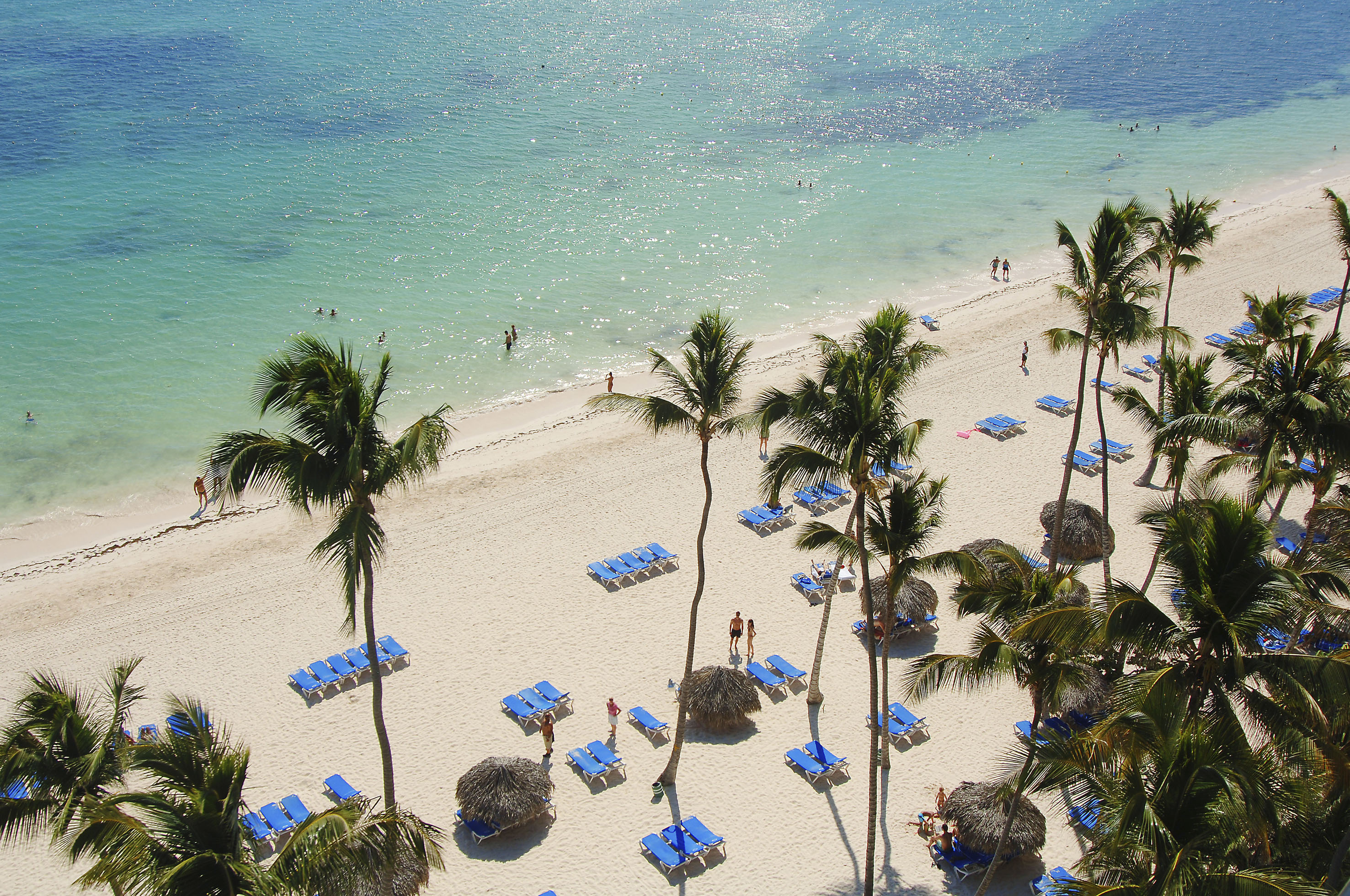
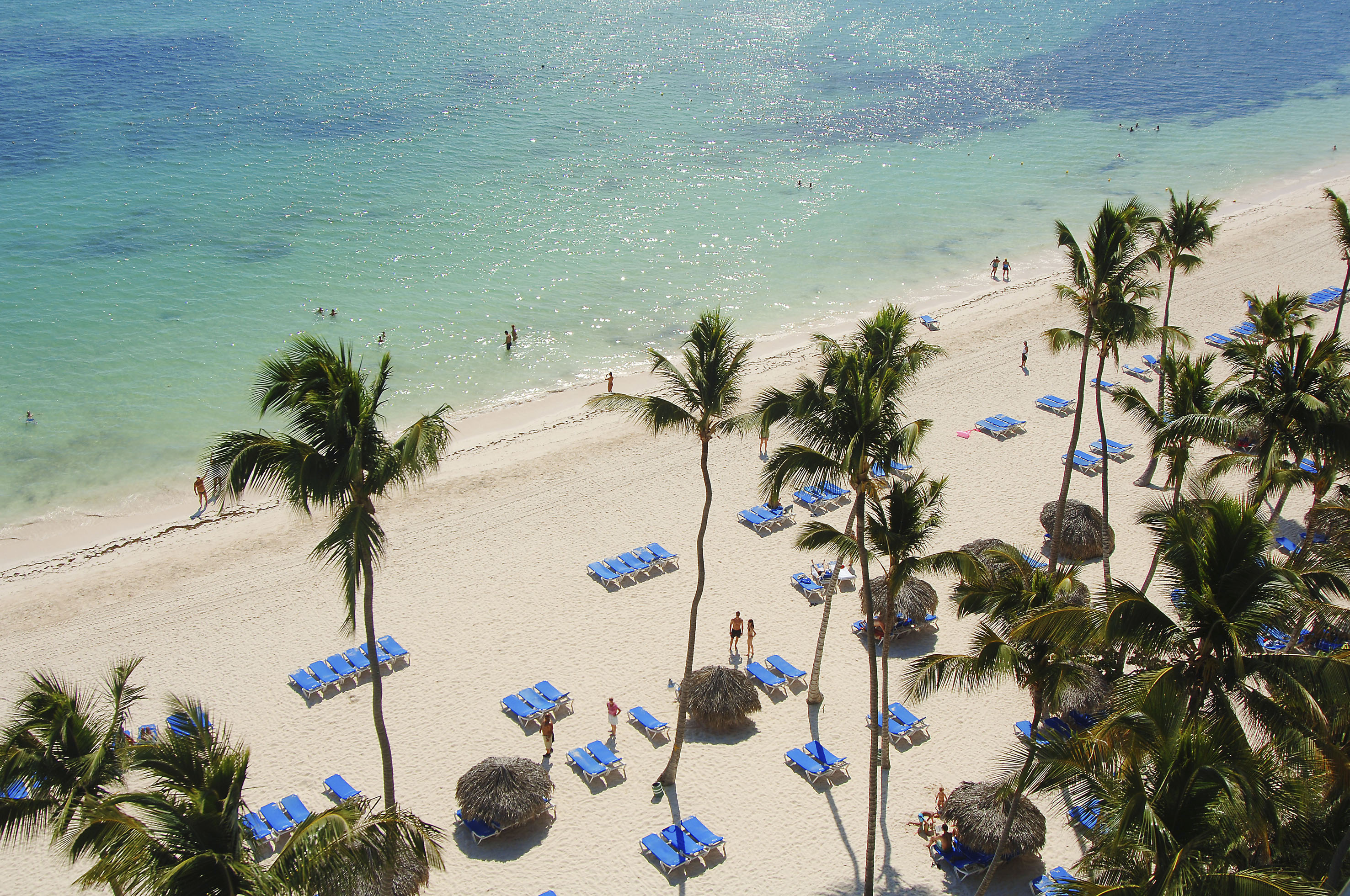
What really makes Playa Bávaro unique is the incredible contrast between the brilliant white of the sand and the different shades of blue of the sea. As it is protected by a coral reef, the water remains calm almost all year round, which makes swimming a delight without having to worry about waves, making it perfect if you are travelling with small children.
Despite being a very touristy place, which concentrates some of the most famous all inclusive resorts in the world along its coastline, it still has a fairly quiet atmosphere, ideal for disconnecting. If you move a little away from the busiest areas, the only sound will be that of the waves breaking on the sand.
Walking along some of its stretches at sunrise, when the sun starts to appear on the horizon and the atmosphere is much calmer, is one of those memorable experiences that stays with you forever.
As for what to do in Playa Bávaro, the range of available activities is huge. You can get on a catamaran, rent a jet ski, go parasailing, or book a snorkelling excursion to the nearby reef barrier, where you will swim among hundreds of tropical fish. There are options for all tastes.
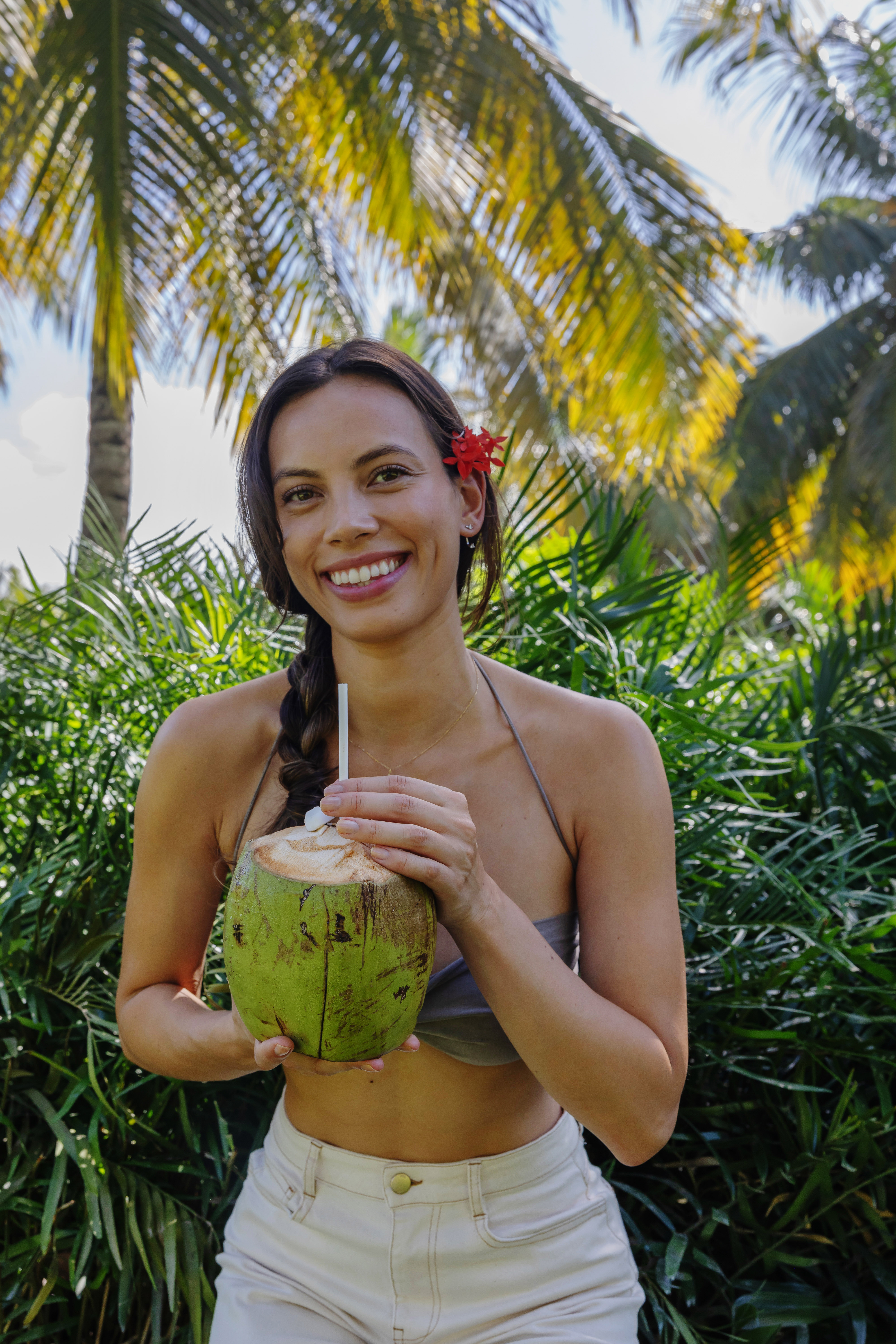
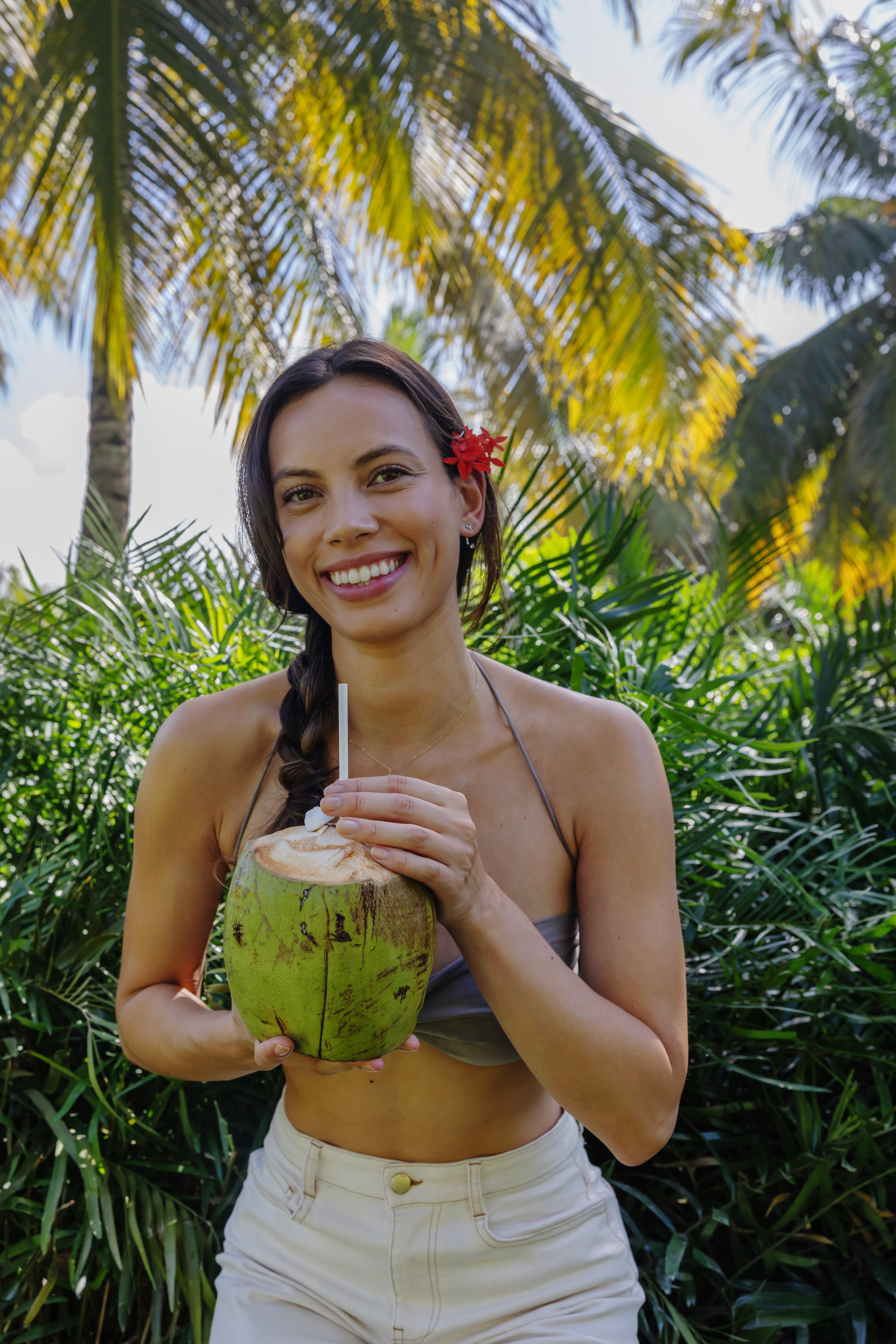
In addition, right on the beach is Plaza Bibijagua, a local market where you can buy Dominican coffee, traditional mamajuana, and hand-carved wooden crafts. It is a good option for a walk after the beach and to try fried fish, Creole-style, at the beach bars in the area.
,regionOfInterest=(2000,3000))
,regionOfInterest=(2000,3000))
The location of Playa Bávaro is excellent and there are no problems getting there, but I will give you some key information so you know exactly where it is and do not confuse public access points with the private entrances of the resorts.
Address:
Bávaro is located on the east coast of the Dominican Republic, within the province of La Altagracia, very close to the Punta Cana International Airport, and is perfectly connected to the rest of the beaches and attractions in the region.
Bávaro, Punta Cana, province of La Altagracia, Dominican Republic.
How to get to Playa Bávaro:
The answer to how to get to Playa Bávaro will depend on where you are. Regardless of this, the best-known and most convenient public access is Plaza Bibijagua.
If you are travelling from the Punta Cana International Airport (PUJ), the distance is about 25 kilometres. By car or taxi, it will take between 20 and 30 minutes depending on the area where you are staying.
If you are coming from the centre of Santo Domingo, the country's capital, the journey takes about 2 and a half hours by car via the Autopista del Coral.
And if you are already in other parts of Punta Cana, such as Cap Cana, Cabeza de Toro, or Uvero Alto, you can easily get there by car, bus, or taxi.
Parking at Playa Bávaro:
Although much of the coastline is occupied by hotel complexes, if you have rented a car during your holidays, there are outdoor parking areas at the main public access points, such as the Bibijagua or El Cortecito entrances.
Climate of Playa Bávaro in Punta Cana:
The climate of Playa Bávaro in Punta Cana is warm tropical all year round, with average temperatures ranging between 27°C and 31°C.
From December to April, the weather is drier and more pleasant. Between May and November, humidity and the probability of rain increase, which usually occurs in the form of brief tropical showers that give way to the sun in a few minutes.
Sargassum in Playa Bávaro:
The presence of sargassum (the characteristic floating brown seaweed that sometimes reaches the Caribbean coast) in Playa Bávaro varies according to the time of year, ocean currents, and wind. The arrival of this seaweed is usually more frequent during the warmer months, while in winter the coast remains clean. To mitigate its impact, the area has protective nets in the sea and brigades that clean the sand daily in the mornings.
Map of Playa Bávaro:
Reviews of Playa Bávaro usually agree on one aspect: it is one of the most spectacular beaches in the Dominican Republic. It represents the image of the Caribbean that most of us have in mind before arriving there.
Those who visit it especially highlight the colour of the water and the quality of the sand. Also the water temperature, which is quite high throughout the year, as well as the wide variety of beach bars and the many activities that can be done without having to leave the coastal area.
Visiting Playa Bávaro is an incredible experience that does not require much planning, but there are some details that can help you enjoy this spectacular Caribbean paradise even more:
,regionOfInterest=(1476.5,820))
,regionOfInterest=(1476.5,820))
Many people who decide to travel to Playa Bávaro also take the opportunity to rent a car and tour other areas of the east coast of the island, as the main roads allow you to move comfortably between the different tourist destinations, among which I would choose the following:
Located to the north of the Punta Cana tourist area, Playa Macao offers a different landscape to Playa Bávaro, with a more open environment and generally more present waves. It is a good alternative if you are looking to swap the calm and protected waters of Bávaro for a beach with a more natural and dynamic character.
Next to Bávaro, Playa El Cortecito preserves part of its fishing village essence. It has small shops and restaurants by the sea, which makes it a good area for walking, getting to know a side of Punta Cana outside the large resorts, and dining on fresh seafood directly on the sand.
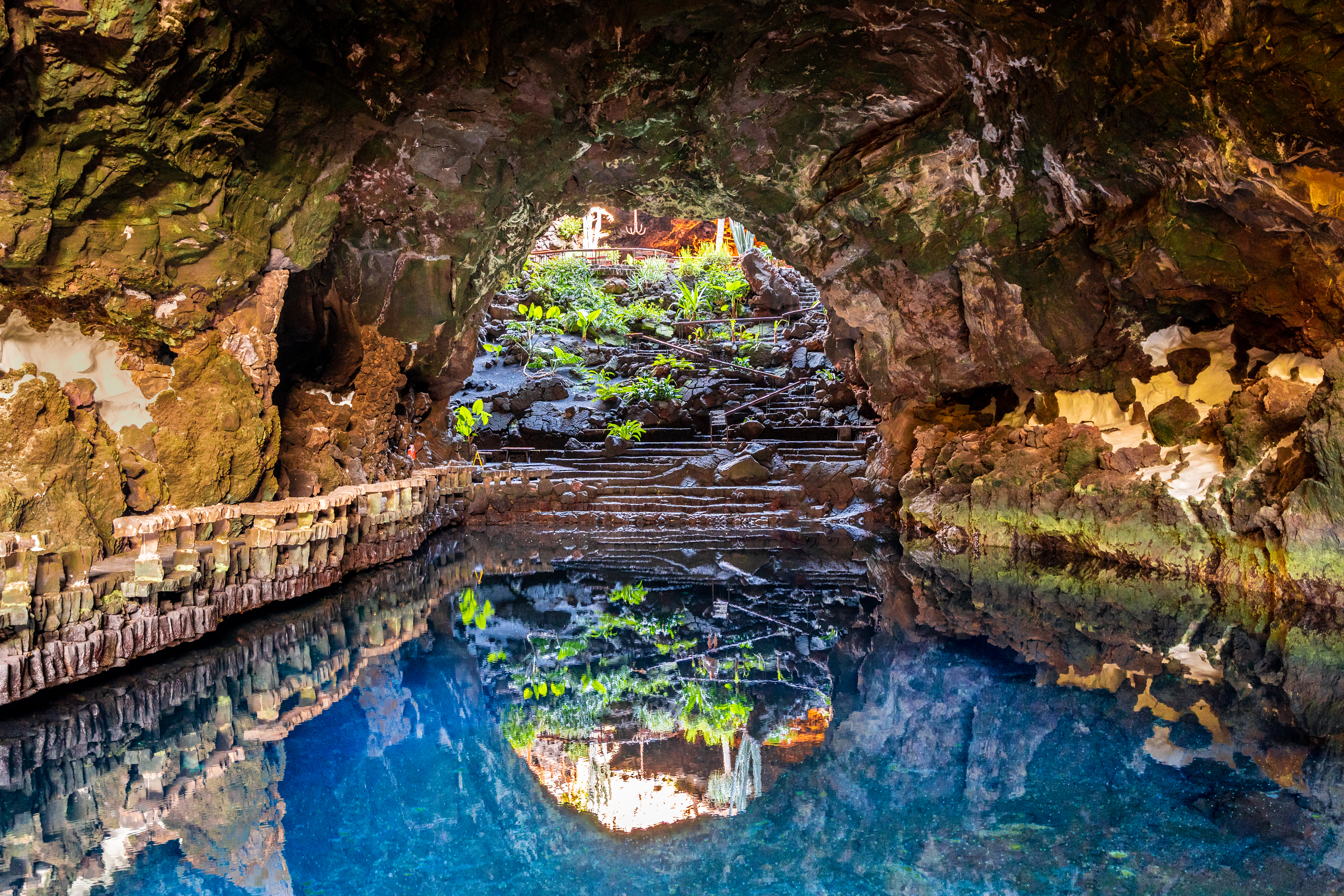
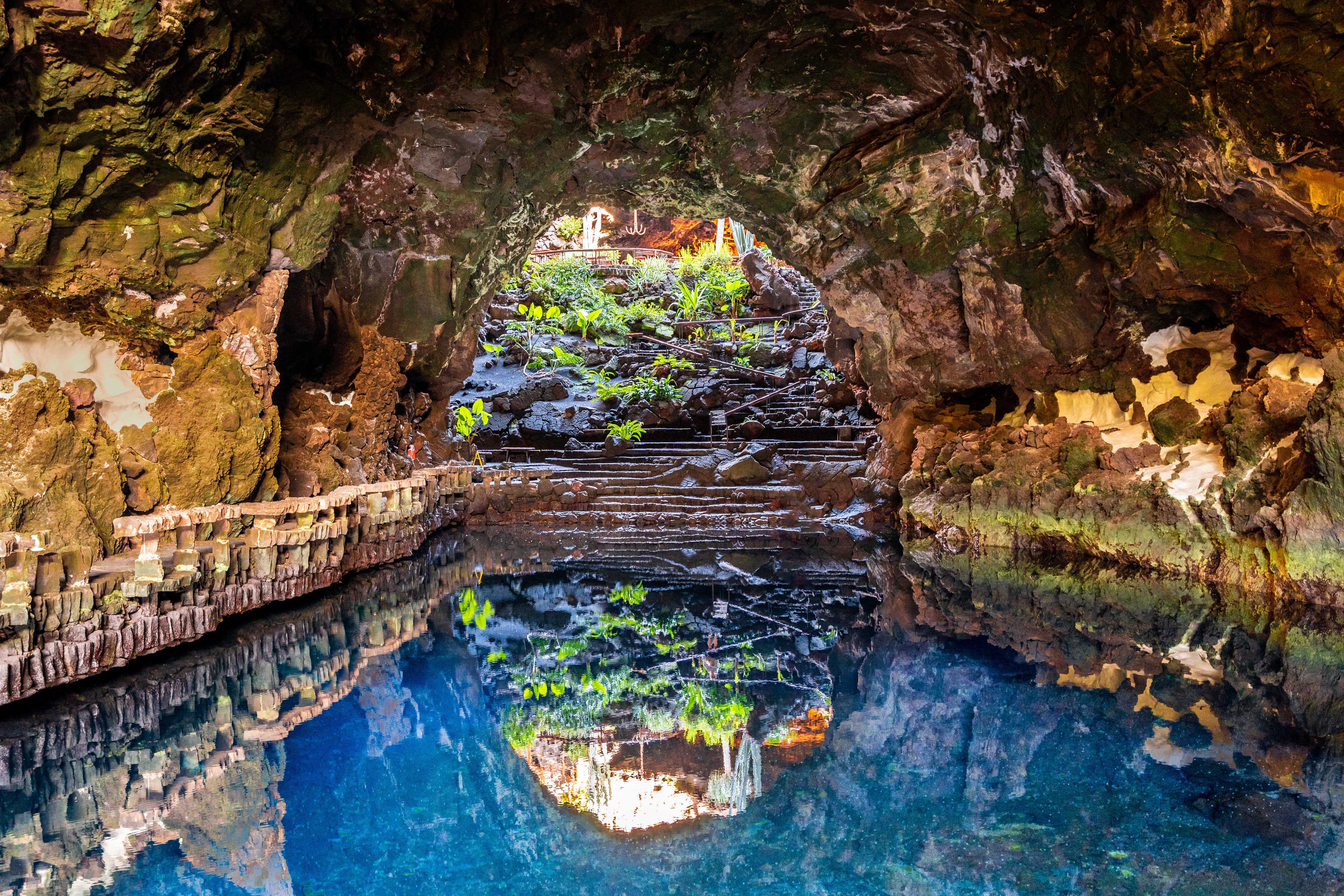
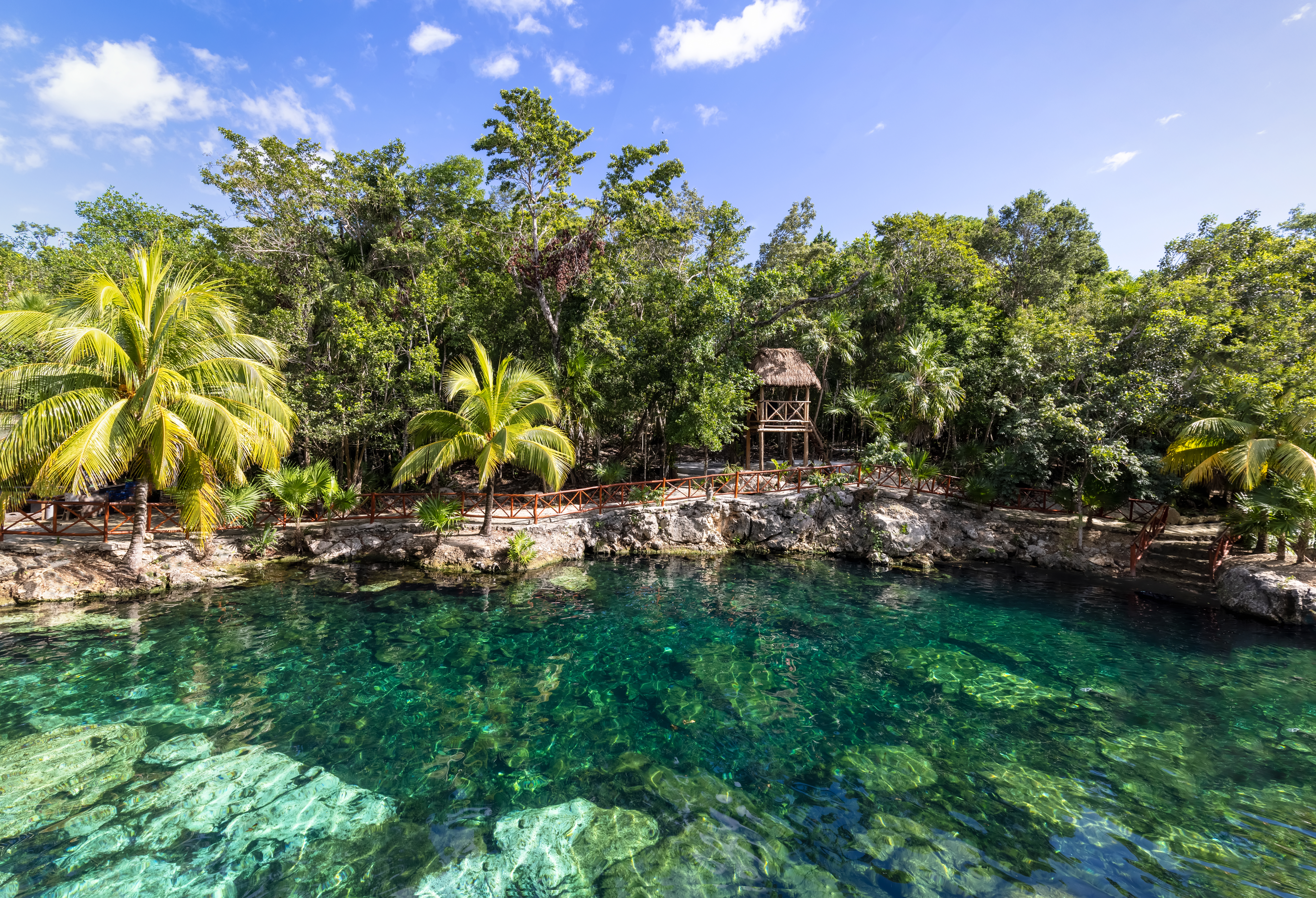
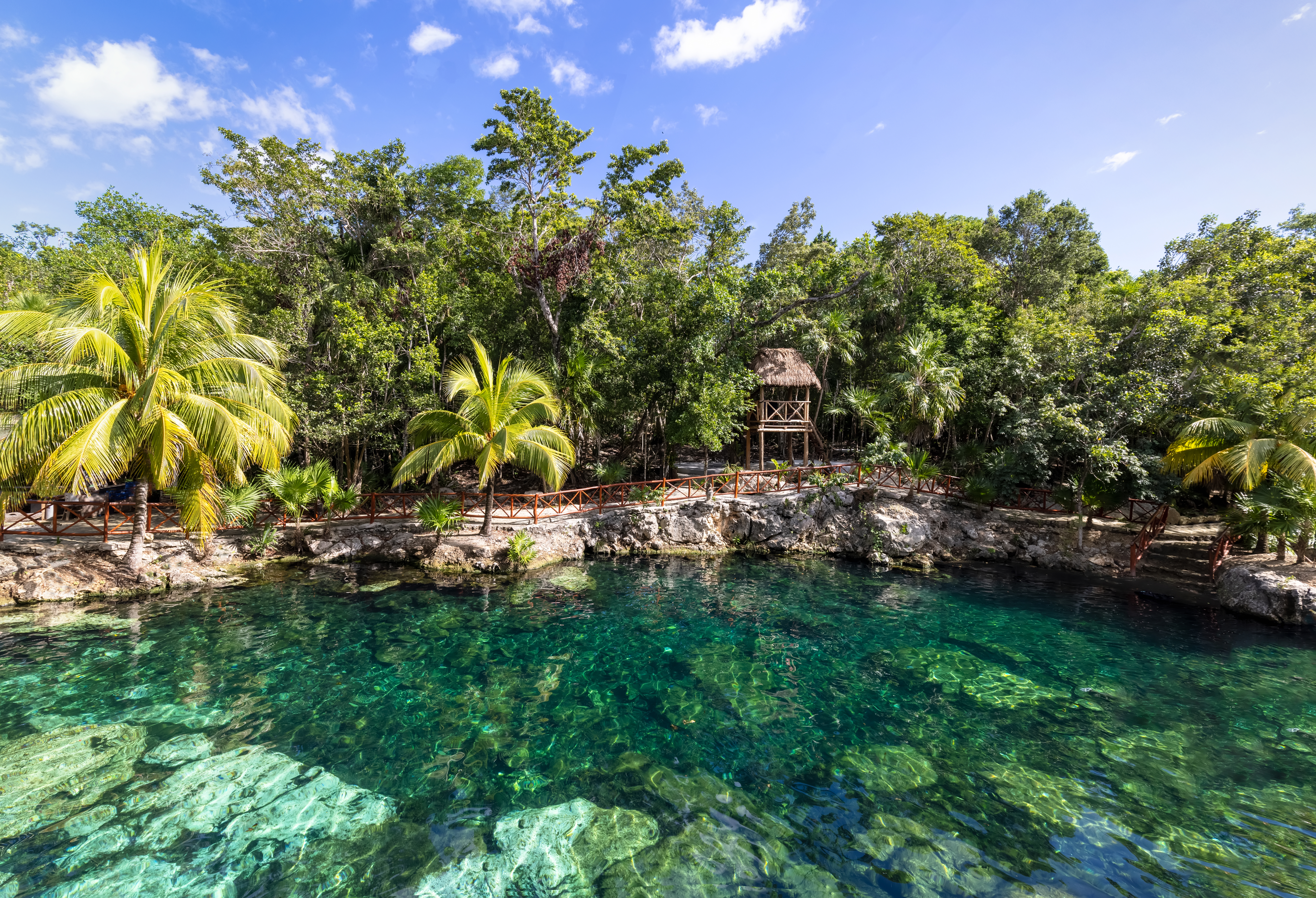
About twenty minutes from Bávaro is Scape Park, one of the most famous adventure spaces in Cap Cana, highly recommended for combining beach days with an experience in the heart of nature.
Its main attraction is Hoyo Azul, an impressive turquoise water cenote hidden at the foot of a limestone cliff and surrounded by tropical jungle.
Also in Cap Cana is Playa Juanillo, considered by many to be one of the most beautiful beaches in Punta Cana. Its white sand, turquoise water, and the tranquillity that is breathed there create an ideal environment for disconnecting, walking by the sea, or enjoying a swim in a more relaxed setting.
One of the most interesting natural spaces in Punta Cana, the Ojos Indígenas Ecological Reserve is a protected area with trails that cross the coastal forest and lead to several freshwater lagoons. Some of them are suitable for swimming, offering a completely different experience to the beaches in the area.
Located within the Cotubanamá National Park, Isla Saona is famous for its virgin beaches, its natural pools with shallow waters, and the extraordinary transparency of the Caribbean Sea
,regionOfInterest=(1476.5,980.5))
,regionOfInterest=(1476.5,980.5))
,regionOfInterest=(1496,1996))
,regionOfInterest=(1496,1996))
,regionOfInterest=(1392,924))
,regionOfInterest=(1392,924))
,regionOfInterest=(2121,1414))
,regionOfInterest=(2121,1414))
,regionOfInterest=(4001.5,2732))
,regionOfInterest=(4001.5,2732))