,regionOfInterest=(2200,1237.5))
Chiang Mai Gate Night Market 2026: Complete Visitor Guide
,regionOfInterest=(688,384))
,regionOfInterest=(688,384))
Culture
,regionOfInterest=(4504,2775))
,regionOfInterest=(4504,2775))
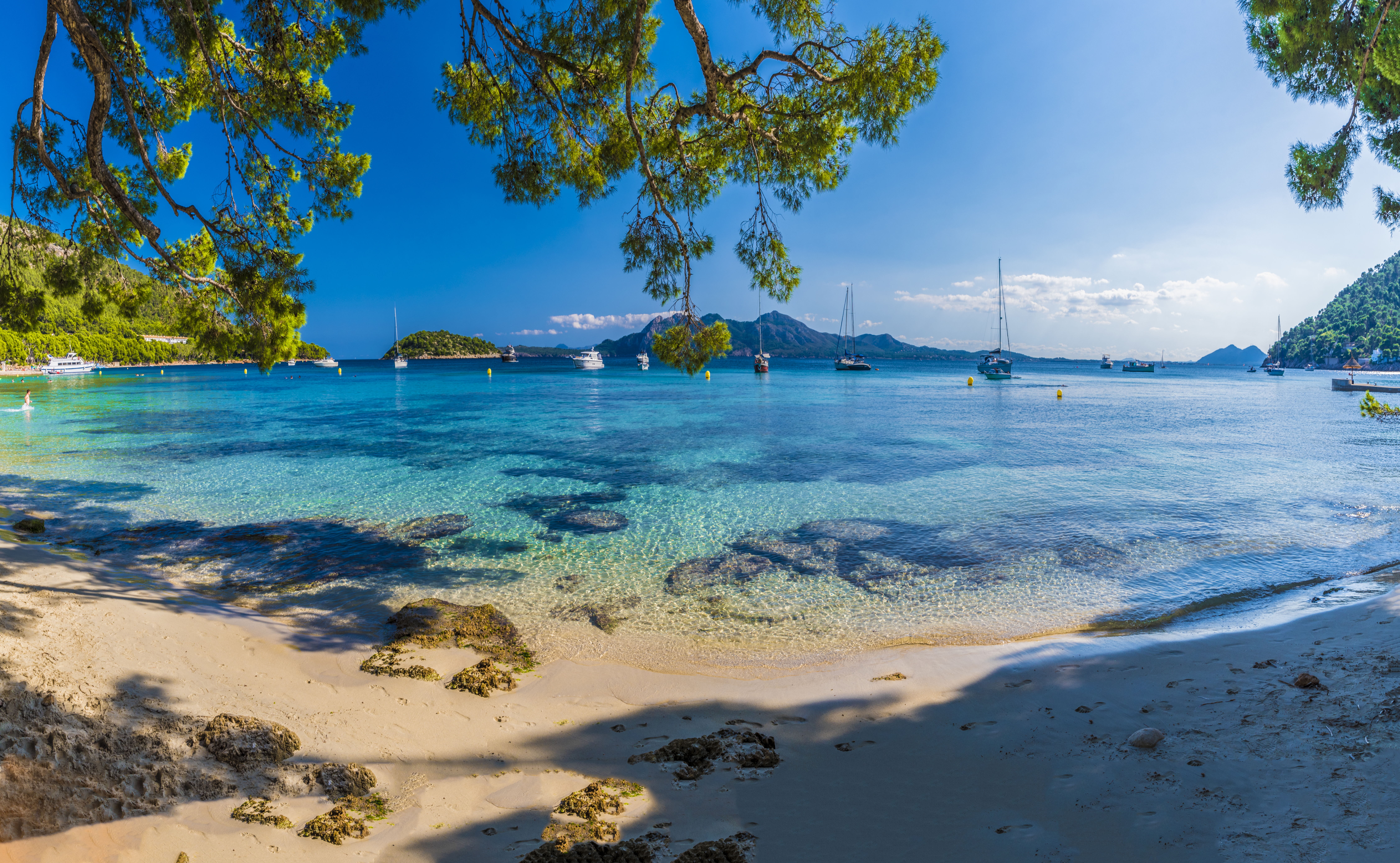
When planning what to see in Mallorca in 3 days, the key is to organise your time well and know how to combine the island's most iconic places with lesser-known spots. Because, as you'll discover, there are plenty of things to do in Mallorca in just 72 hours.
In this guide, I propose a complete itinerary to explore the island in three days: from the historical heritage of Palma de Mallorca to the landscapes of the Serra de Tramuntana, without forgetting the beaches of the northeast and the spectacular Cuevas del Drach in Porto Cristo.
Whether it's your first time on the island or you're returning to rediscover it, this route is designed for you to make the most of your stay, grouping places by area and with clear instructions on how to get around comfortably between them.
Culture
,regionOfInterest=(200,200))
,regionOfInterest=(200,200))
,regionOfInterest=(2200,1237.5))
,regionOfInterest=(2200,1237.5))
,regionOfInterest=(1878,1502.5))
,regionOfInterest=(1878,1502.5))
,regionOfInterest=(2846.5,1913.5))
,regionOfInterest=(2846.5,1913.5))
| Day | Area / Theme | Main sights |
|---|---|---|
| 1 | Historic and monumental Palma | Palma Cathedral, Almudaina Palace, old town, Bellver Castle and Paseo Marítimo. |
| 2 | Serra de Tramuntana and surrounding villages | Valldemossa, Deià, Sa Foradada viewpoint, Sóller and Port de Sóller. |
| 3 | Beaches, caves and northeast coast | Cuevas del Drach, Caló des Moro, Cala Figuera, Alcúdia and Es Colomer viewpoint. |
,regionOfInterest=(2721.5,1800))
,regionOfInterest=(2721.5,1800))
The first day begins with a route through Palma that combines history, cultural heritage, and local tradition, ideal for a first contact with the island.
The points of interest are grouped by nearby areas within the capital, allowing you to make good use of your time without having to travel long distances between sites.
If you want to delve deeper, this guide on what to see in Palma de Mallorca has much more information on what to see in the capital to complete your visit.
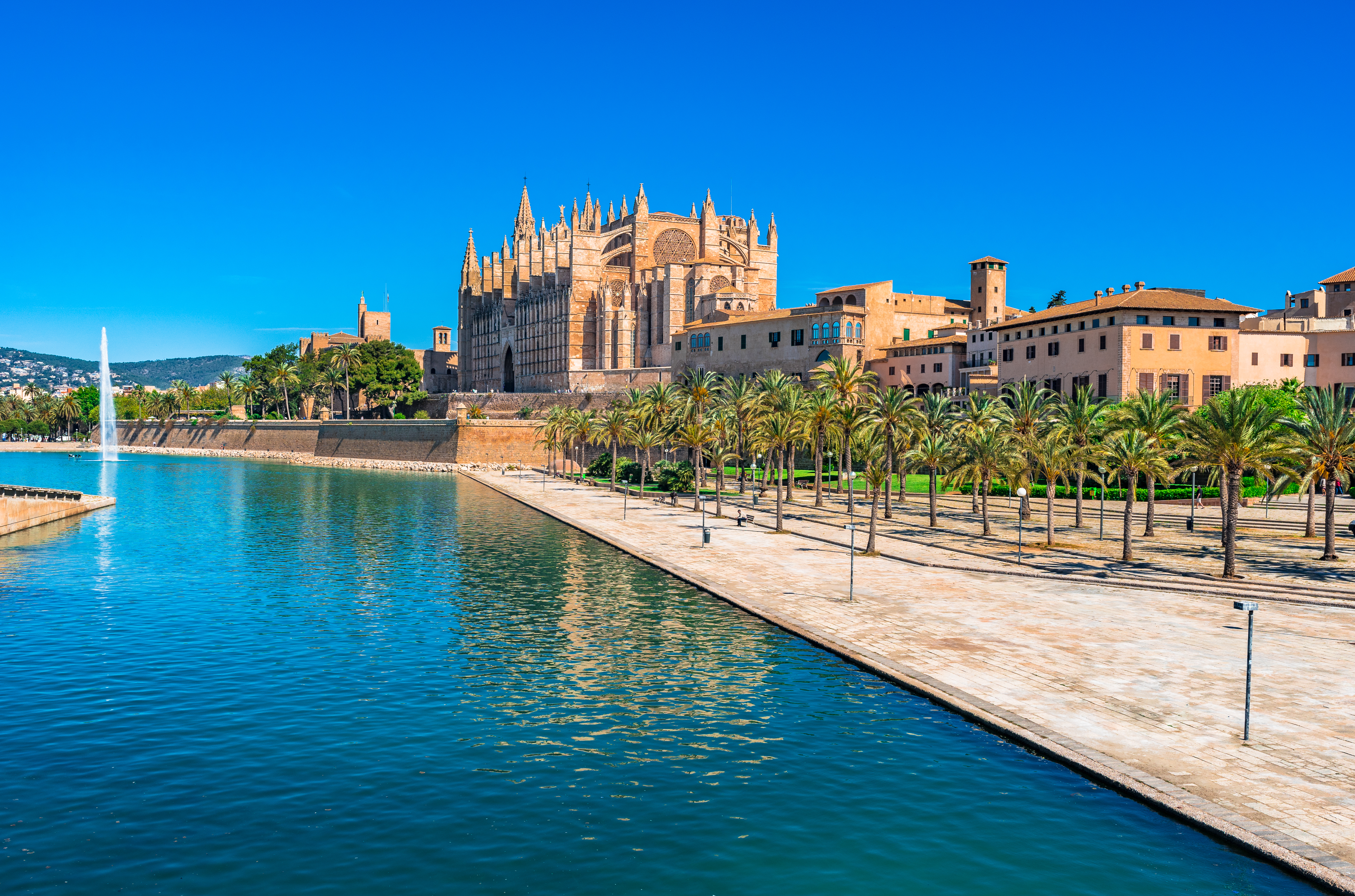
The morning of the first day focuses on the most emblematic sites in the centre of Palma. They are perfect for starting with energy and discovering the essence of Mallorca in 3 days.
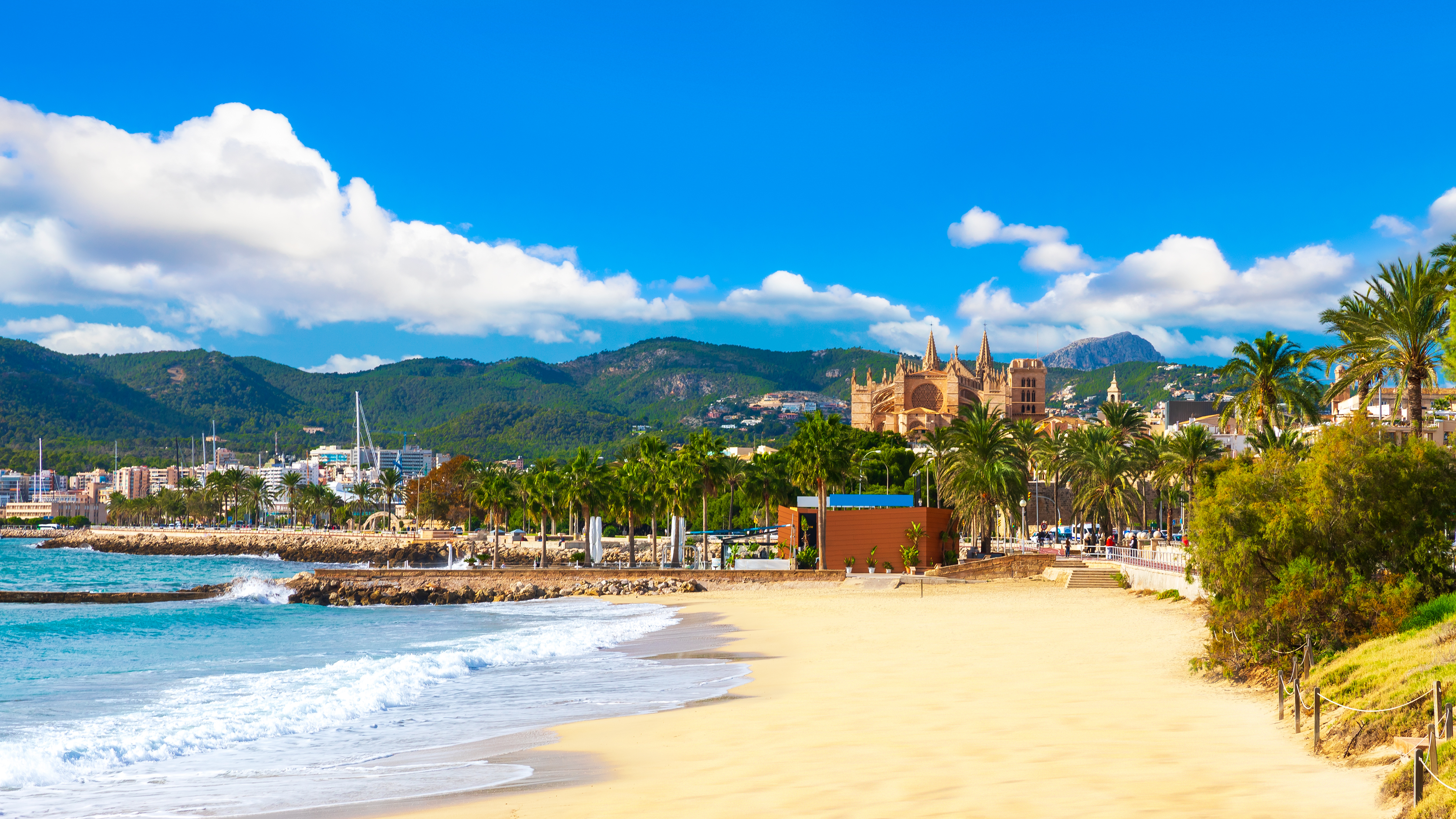
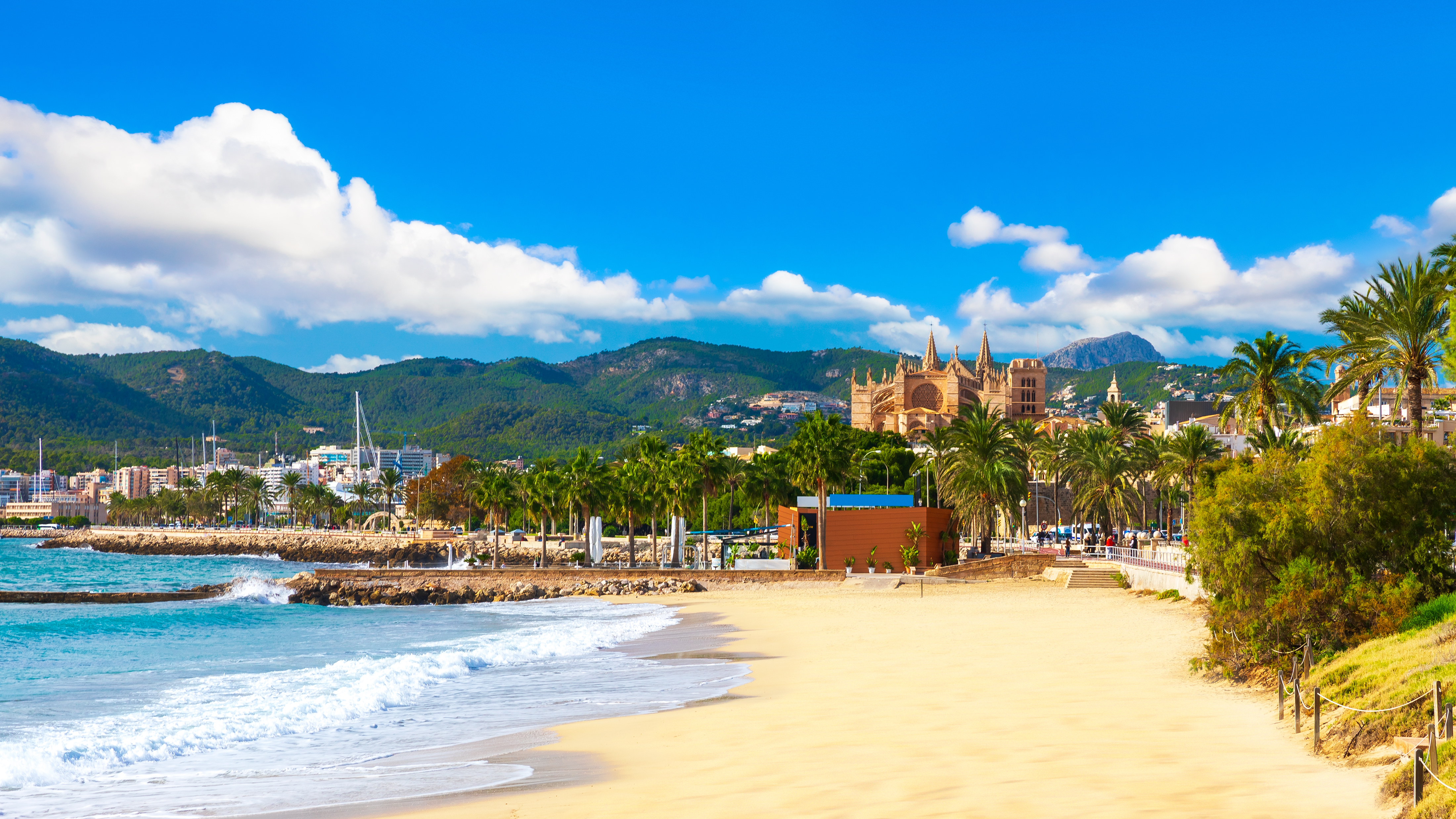
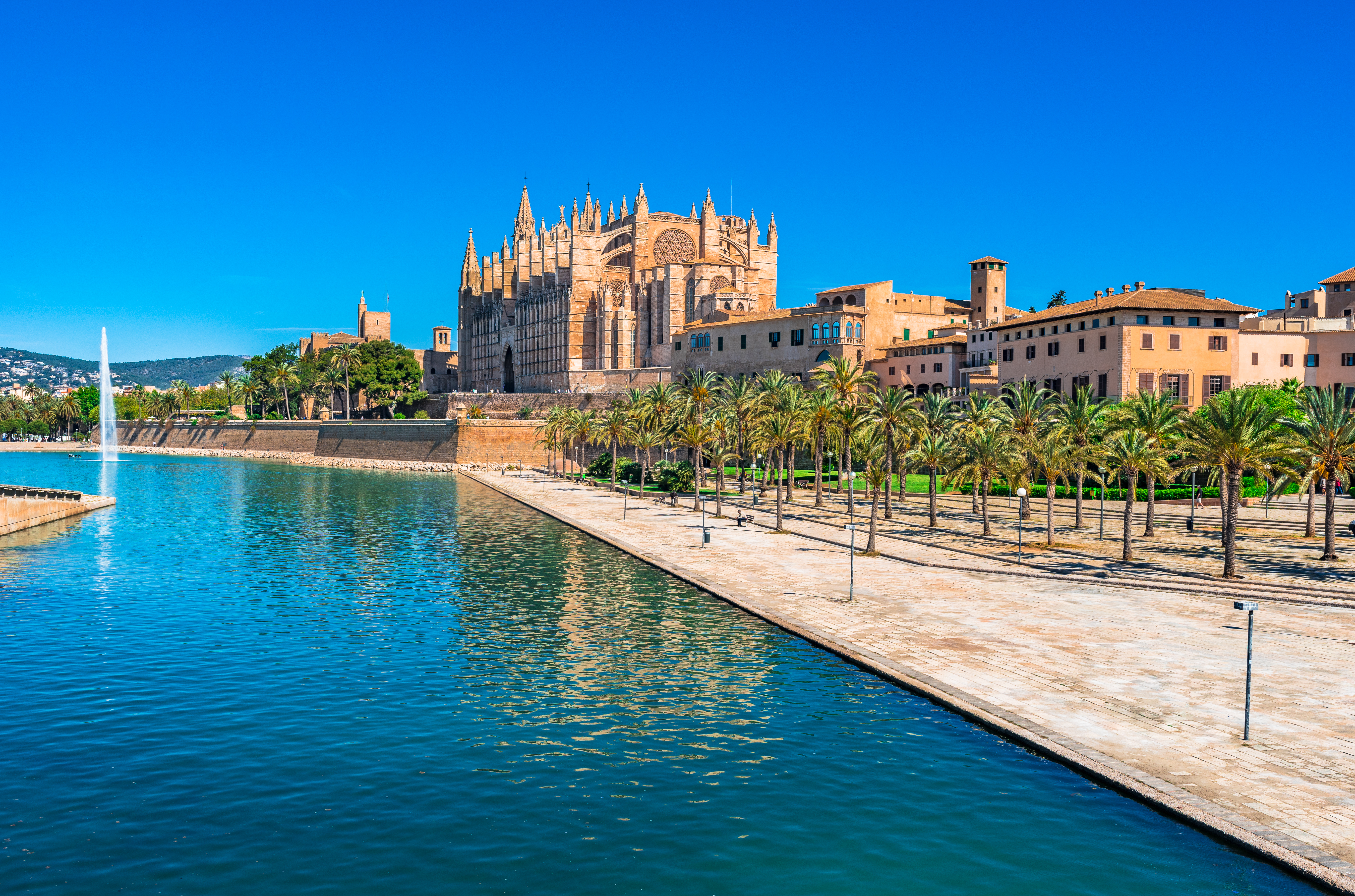
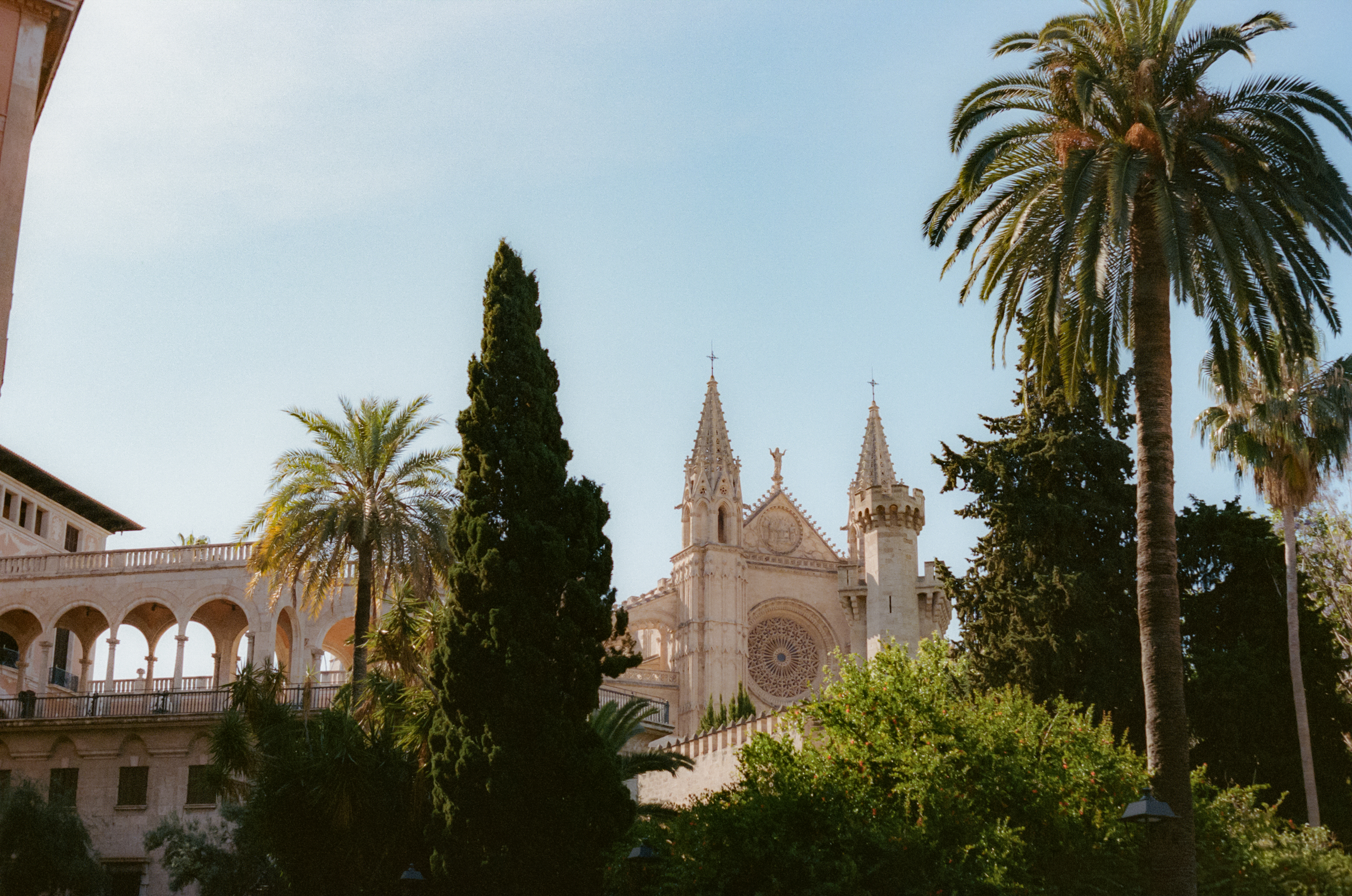
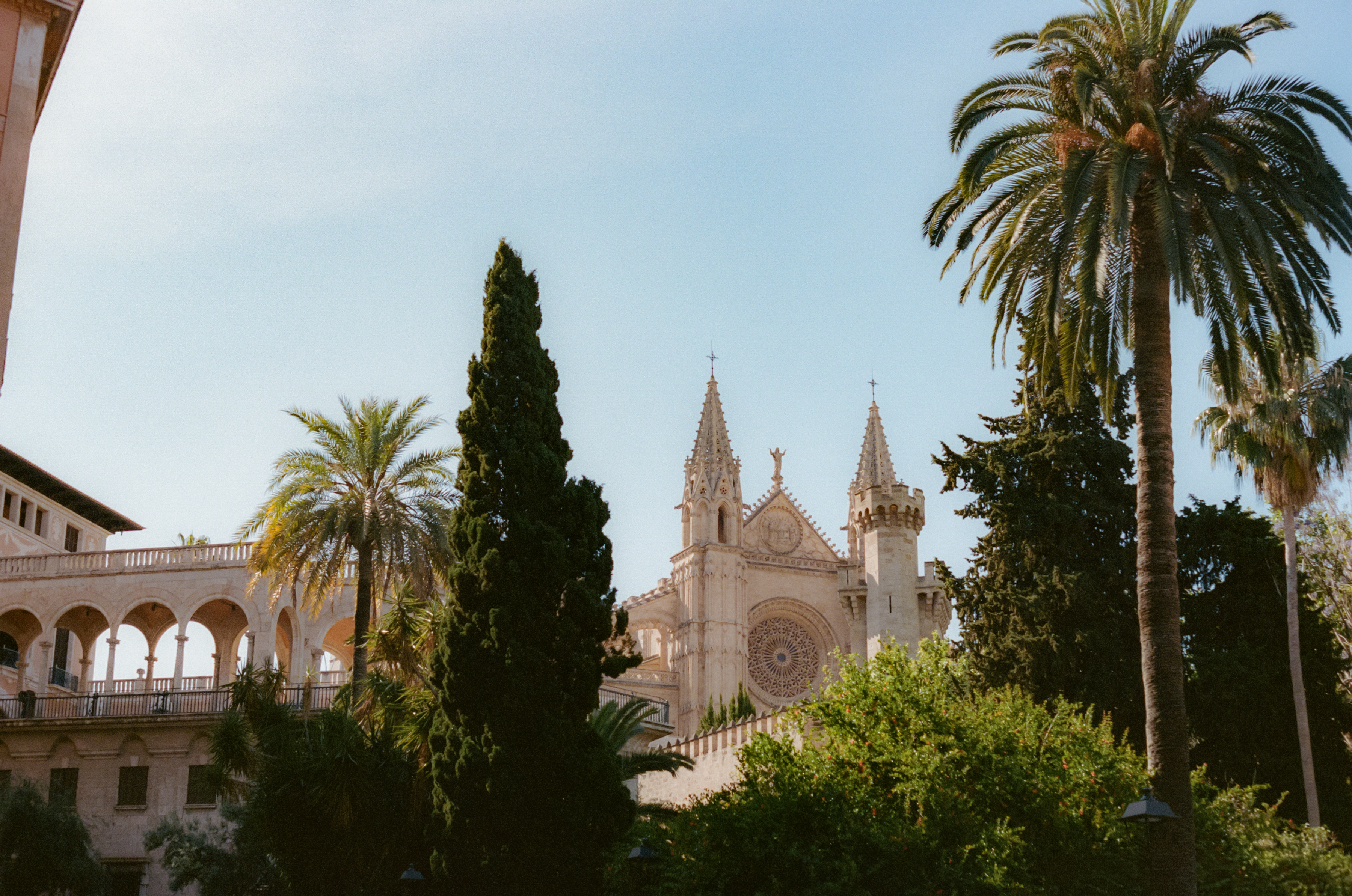
The Basilica of Santa María de Palma, known as La Seu, is an imposing Gothic cathedral and the main icon of Palma de Mallorca. It stands facing the sea, and its rose window is one of the largest in the world. Inside, you'll find works by Gaudí and a chapel redesigned by the Mallorcan painter Miquel Barceló.
📍 Check timetables and prices.
From here, you can walk to the next point in less than 5 minutes.
Next, you can visit the Royal Palace of La Almudaina, a fortress steeped in history that has been the residence of kings for centuries.
Its architecture reflects the influence of Arab and Christian cultures, making it a key place for understanding the island's history.
📍 Check timetables and prices.
From here, you can continue on foot to the old town in a few minutes.
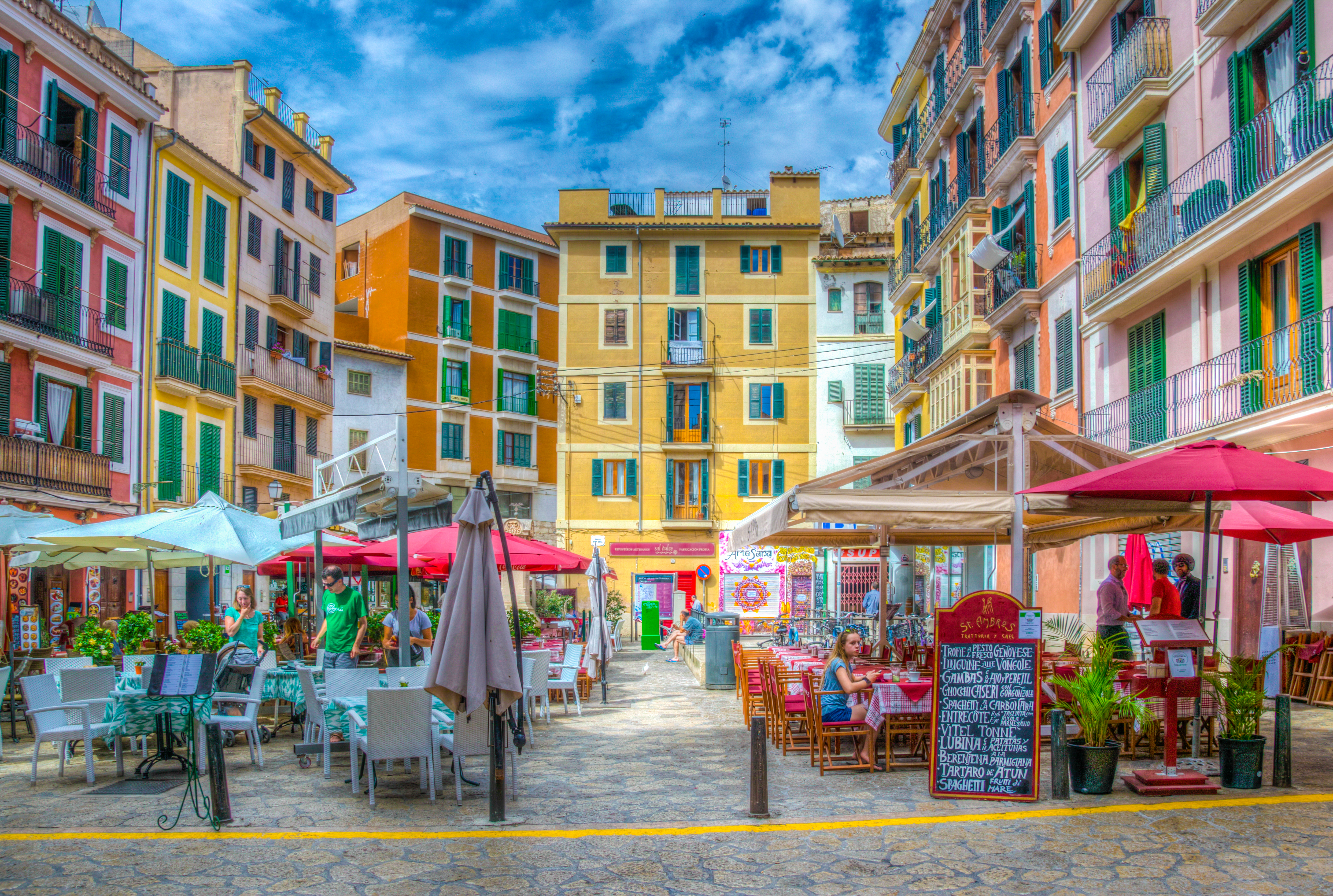
Getting lost in the old town of Palma is like travelling back in time. Its cobbled streets, Mallorcan patios, charming squares, and modernist buildings intertwine, creating a journey full of history.
Among the most recommended stops are:
You can continue the tour on foot or, if you prefer, use the tourist bus for more comfortable travel.
After lunch and a short rest, dedicate the afternoon to visiting cultural spaces and other quieter areas of Palma de Mallorca, ideal for enjoying at your own pace.
Atop a hill stands Bellver Castle, with its unique circular design and spectacular views over the bay. It is one of the few circular castles in Europe and houses the city's History Museum inside.
📍 Check timetables and prices.
From here, you can reach the next location by taxi or, if you prefer, by walking downhill.
The Paseo Marítimo is perfect for a leisurely end to the afternoon on your 'What to see in Mallorca in 3 days' route. Here you can enjoy views of the port, see the yachts, and have a drink at one of its terraces.
The area has a wide range of bars and restaurants, ideal for taking a break and enjoying this moment to dine with sea views.
After dinner, you can continue the night in the lively Santa Catalina neighbourhood, just a few minutes' walk away.
End the day by immersing yourself in the nightlife of Palma. Walk through its illuminated streets, enjoy the local atmosphere, and why not? Have a drink at one of the many bars or terraces.
This bohemian neighbourhood is one of the liveliest and busiest in Palma de Mallorca at night. Its squares, streets, and venues offer varied leisure options, from cocktails in charming bars to live music, all within walking distance.
It's a good area to end the night without needing long journeys.
,regionOfInterest=(1800,1193.5))
,regionOfInterest=(1800,1193.5))
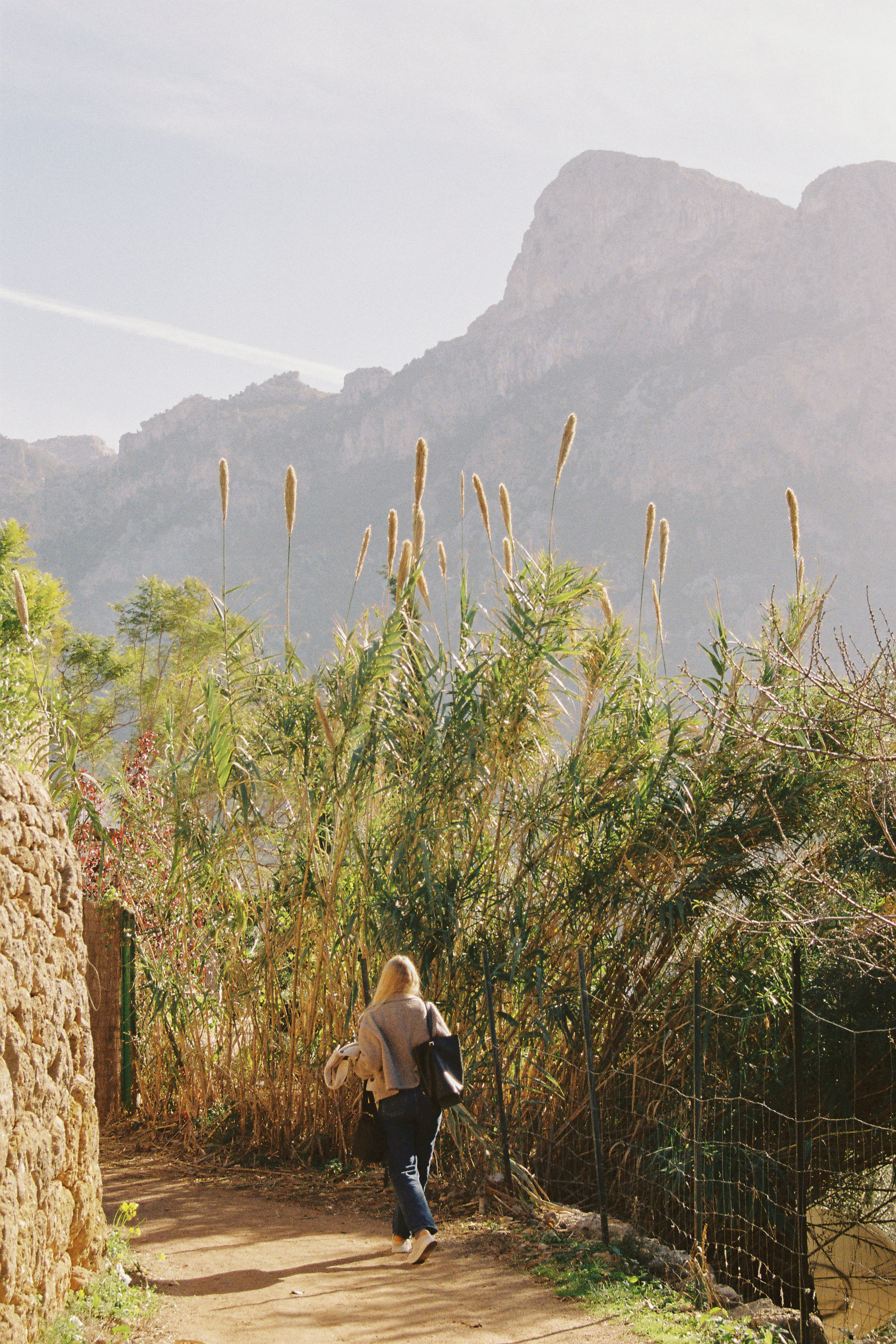
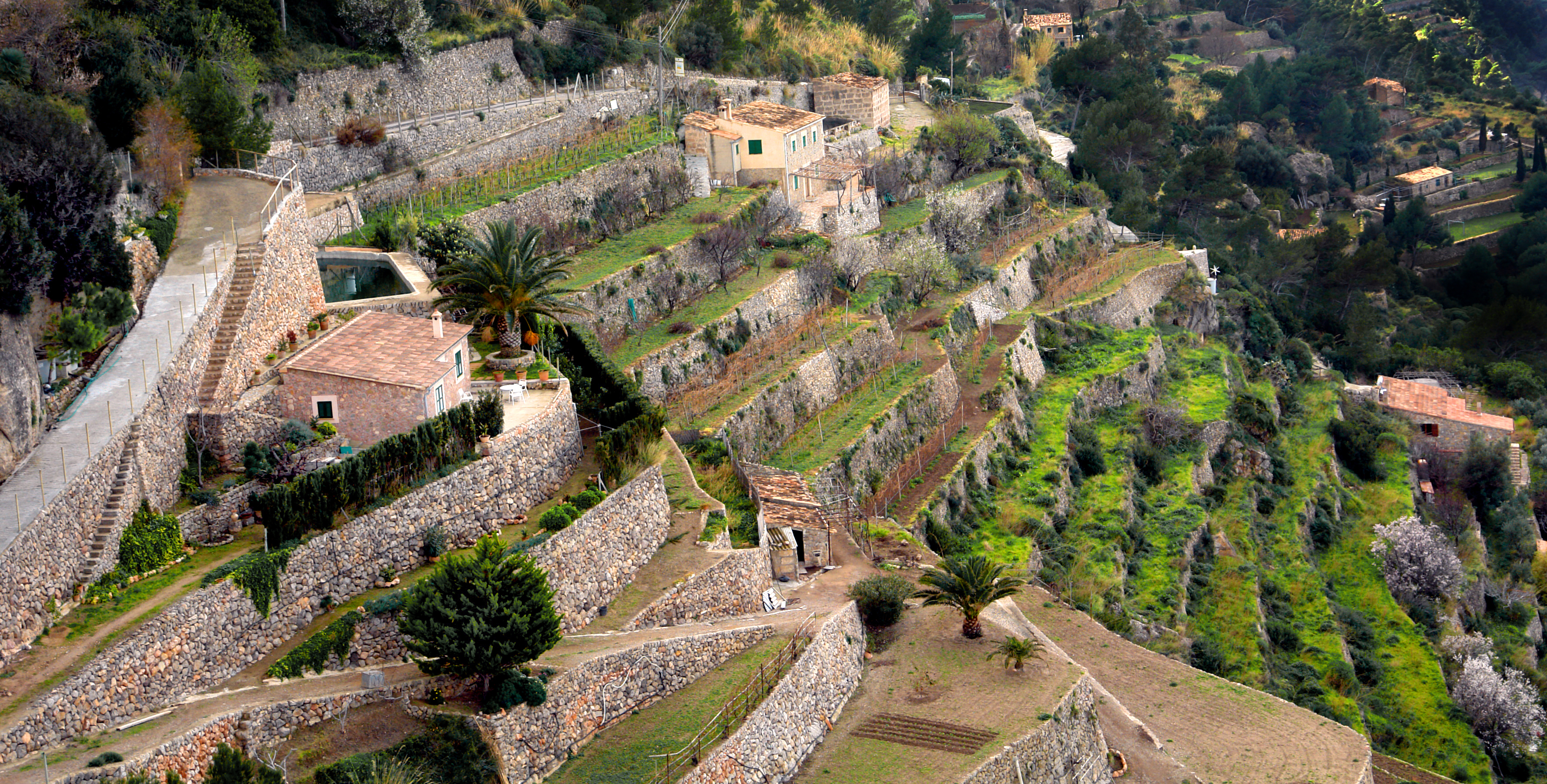
After a first day exploring Palma, the second day focuses on the Serra de Tramuntana, one of Mallorca's most spectacular areas for its landscape and picturesque villages, declared a UNESCO World Heritage Site.
The points of interest for this day are grouped by proximity to avoid unnecessary travel and make the most of the day.
Start the day enjoying nature and rural heritage to change the pace from the previous day.
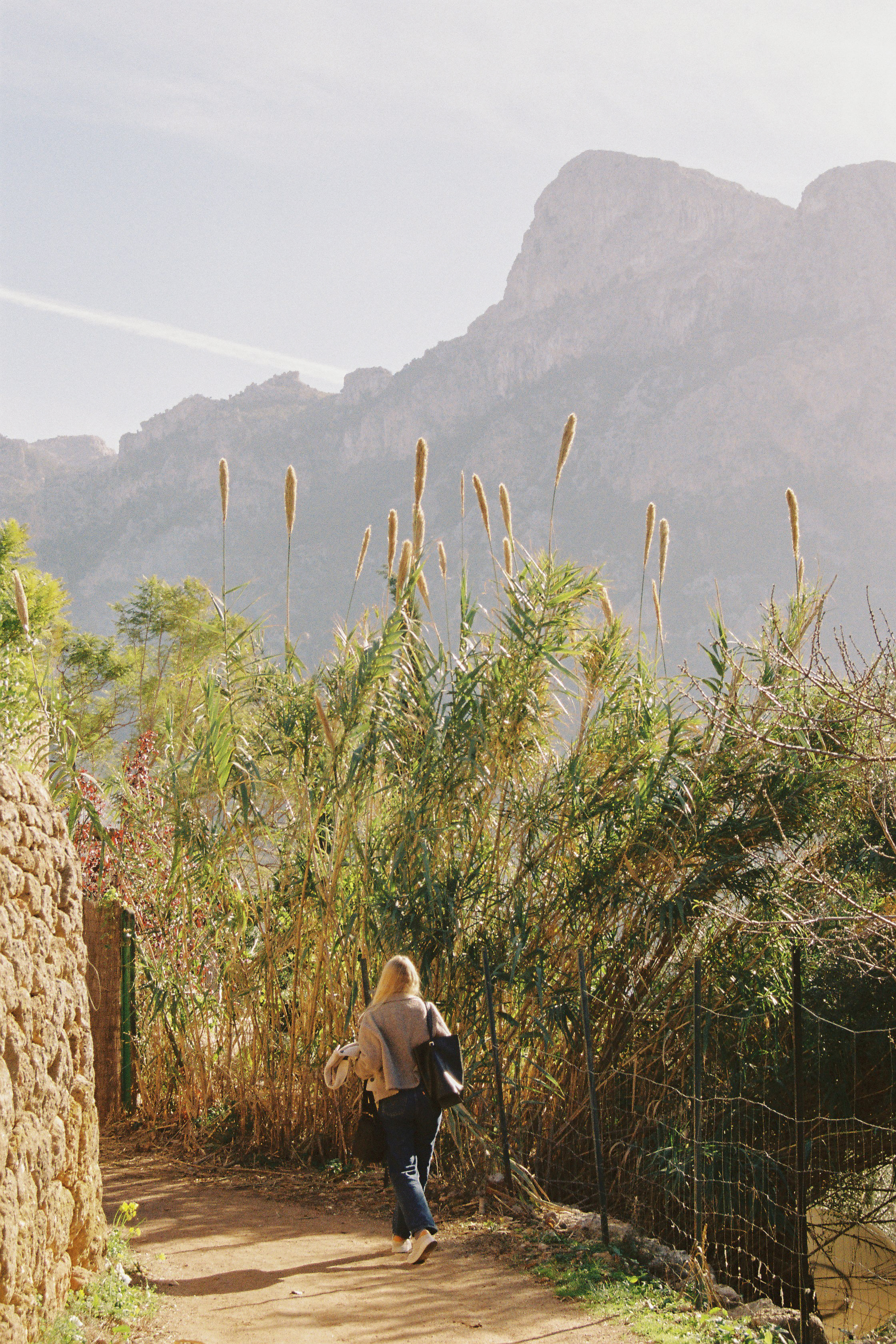
Surrounded by the imposing Serra de Tramuntana, Valldemossa is one of the most charming villages in Mallorca, with an air that seems straight out of a fairy tale.
The Royal Carthusian Monastery, the cobbled streets, and the mountain setting are part of its most characteristic image, creating a magical atmosphere that will transport you to another era. It's also the ideal place to try the famous coca de patata, a typical local sweet that you must taste.
From Valldemossa, head to Deià by car, a journey of about 15 minutes.
Picturesque and bohemian, Deià has been a refuge for artists and writers. From the village, you'll have incredible views of the sea and the mountains. You can visit the Robert Graves House-Museum or simply stroll through its quiet streets.
This is the perfect time for lunch before continuing the route through the Serra de Tramuntana.
The afternoon of this second day is dedicated to different cultural experiences or scenic coastal routes.
On the way to Sóller, a stop at the Sa Foradada Viewpoint is essential. This perforated rock that juts into the sea is one of the most recognisable symbols of Mallorca's west coast and a privileged spot to observe the vastness of the horizon. The views are incredible.
Following the same coastal road by car, you'll reach the next point in a few minutes.
The town of Sóller, located in the heart of the well-known "Valley of the Oranges", combines agricultural tradition and modernist architecture. Its main square is an excellent place to take a break and calmly enjoy the charm of the place.
If you want to extend this stop, you can consult a specific guide on what to do in Sóller.
From the centre of Sóller, you can take the historic tram that will take you to the port.
📍 Check timetables and prices.
Port de Sóller is ideal for a stroll by the sea or a bite to eat at one of its restaurants overlooking the bay. It's a much-loved spot for its tranquility and beauty.
You can return to the centre of Sóller by taking the historic tram or by car.
To cap off the second day, finish the day with a special suggestion: a different evening plan that shows you another side of Mallorca.
From this viewpoint, you'll enjoy a privileged view of Mallorca's west coast at sunset.
If you're travelling by car, it's an unforgettable stop to end the day with a postcard-perfect image that will remain etched in your memory. You'll see the lights of Port de Sóller begin to twinkle under the shadow of the mountains.
The viewpoint is located about a 10-minute drive from Sóller.
,regionOfInterest=(1120,1680))
,regionOfInterest=(1120,1680))
This itinerary to explore Mallorca in 3 days culminates with caves, coastal landscapes, and part of northern Mallorca. It's the most intense day of the route, so it's advisable to get up early and plan your journeys well.
The day begins by exploring the east coast, where some of the island's best-known caves are located.
Located near Porto Cristo, the Cuevas del Drach are a must-see in eastern Mallorca. Inside is Lake Martel, one of the main highlights of the tour.
The visit includes a boat trip on the lake, as well as the well-known live concert that is part of the usual tour of the caves.
📍 Check timetables and prices.
Afterwards, you can continue by car to Cala Figuera. Keep in mind that the journey is long, so it's advisable to plan the day's schedule carefully.
In the municipality of Santanyí, Cala Figuera retains the image of a small traditional fishing port. Seeing the nets drying in the sun and the llaüts moored at the jetties gives an idea of the Mallorca most closely linked to the sea.
From here, you can reach the next point by car in about 30 minutes.
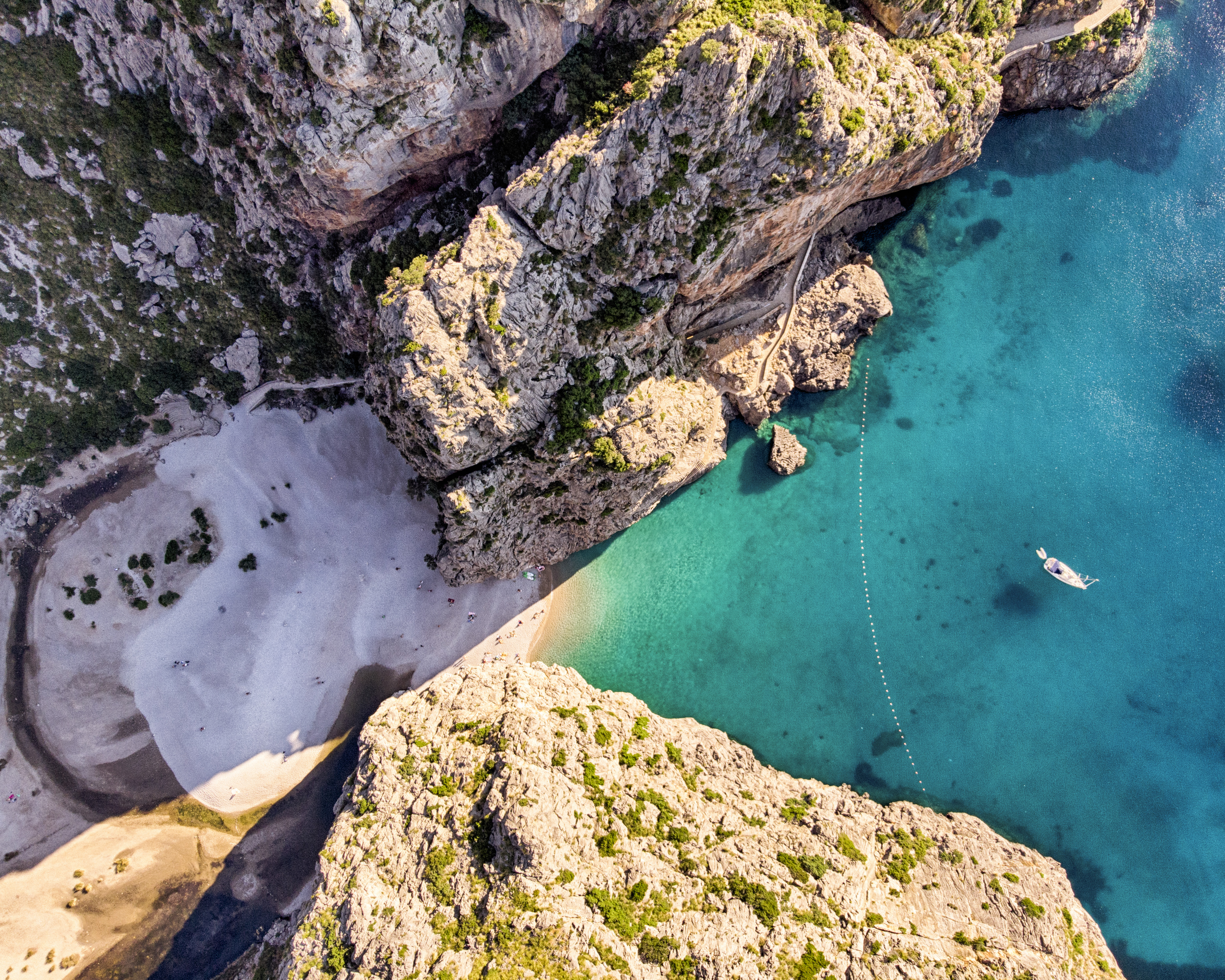
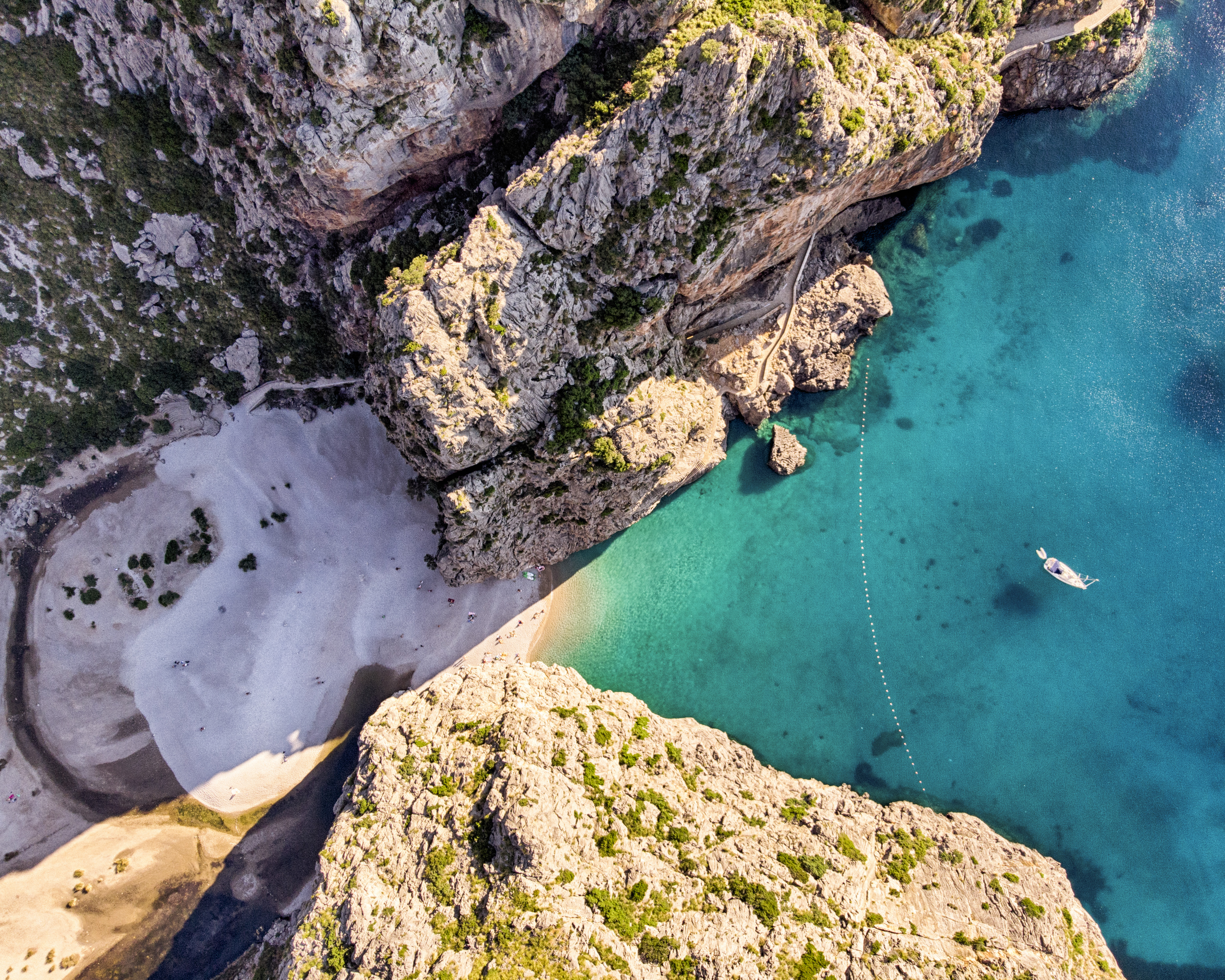
Without leaving Santanyí, Caló des Moro is one of Mallorca's most famous coves. Its turquoise waters and rocky surroundings have made it one of the most photographed images in the south of the island.
Access requires a walk, so comfortable footwear is recommended.
This is a good option to spend the late morning at the beach before continuing the route.
After exploring the coastal area, this route to see Mallorca in 3 days moves to the north of the island.
The historic centre of Alcúdia preserves its medieval wall and Roman amphitheatre, which bear witness to the island's rich past. Strolling through its cobbled streets is a pleasure for the senses, especially if it coincides with market day, which is held on Tuesdays and Sundays and will allow you to experience its local atmosphere more authentically.
If you want to extend your visit, consult this specific guide on what to do in Alcúdia.
From here, you can continue by car to the Formentor peninsula.
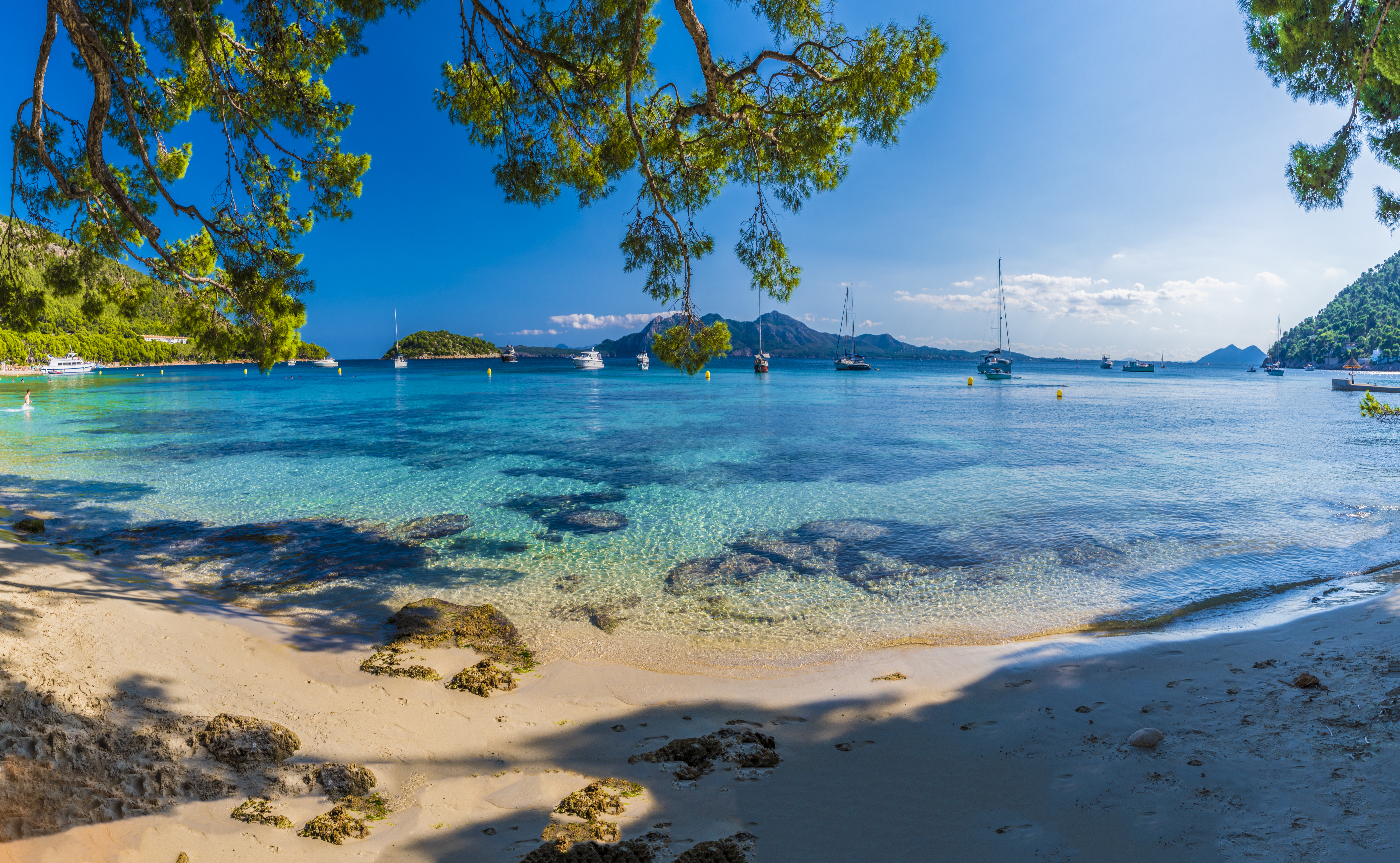
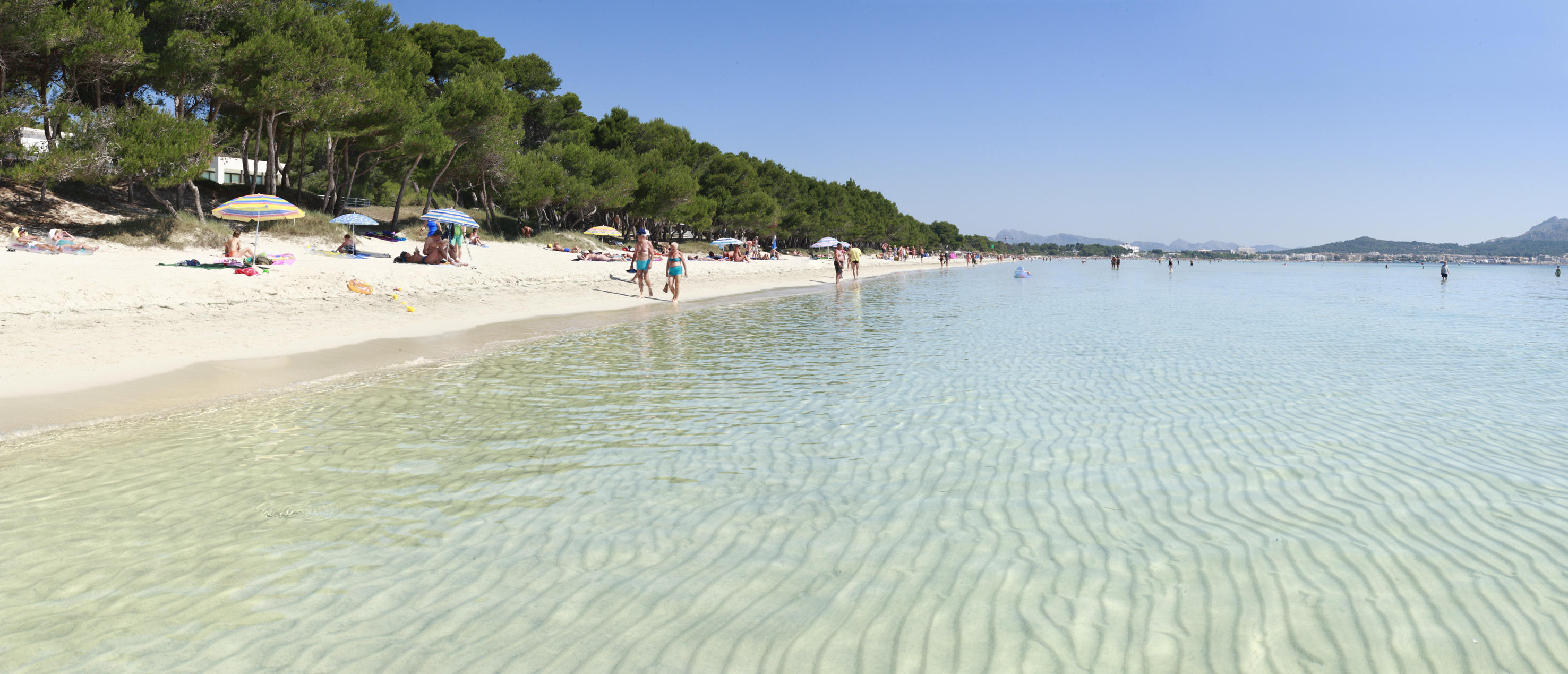
Drive along the Formentor peninsula until you reach Es Colomer, a viewpoint offering one of the most spectacular views of Mallorca.
Located more than 200 metres above the sea, it's ideal for watching the sunset, where the cliffs of the Serra meet the sea.
It's one of the best stops to close the day's route with a very wide panorama of the northern coastline.
After such an intense day, a good option is a quiet dinner in Port de Pollença or Alcúdia, especially if you decide to sleep in the northern area.
Both places are relatively close to the viewpoint and allow you to end the day without adding long journeys.
,regionOfInterest=(1476.5,634.5))
,regionOfInterest=(1476.5,634.5))
You can consult the following maps to follow the proposed order and see all the marked points.
📍View full route on Google Maps.
📍 View full route on Google Maps.
,regionOfInterest=(1758,891))
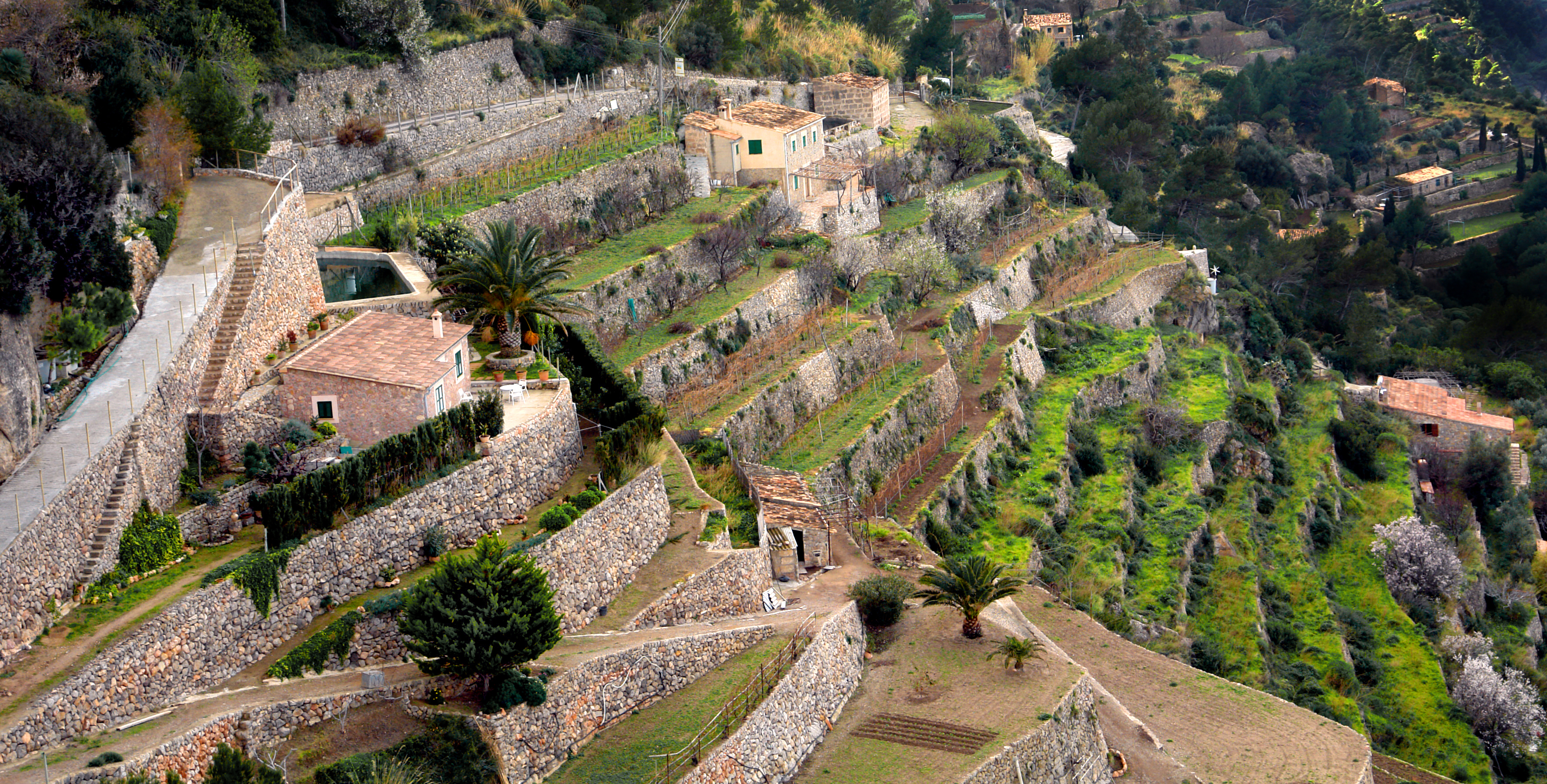,regionOfInterest=(1758,891))
If you're following this 3-day Mallorca route, it's advisable to plan your travel well. The island is larger than it seems and has quite a bit of traffic, especially during high season, so set off early to make the most of each day.
Wear comfortable shoes for walking around Palma and for descending to coves like Caló des Moro. Use transport apps and don't forget to bring water, especially if you're travelling in summer.
And above all, don't just see; savour Mallorca. Try an authentic wood-fired ensaimada, the famous Mallorcan sobrasada, order a plate of tumbet or arròs brut, and accompany your dinners with a local wine to fully enjoy the island's gastronomy.
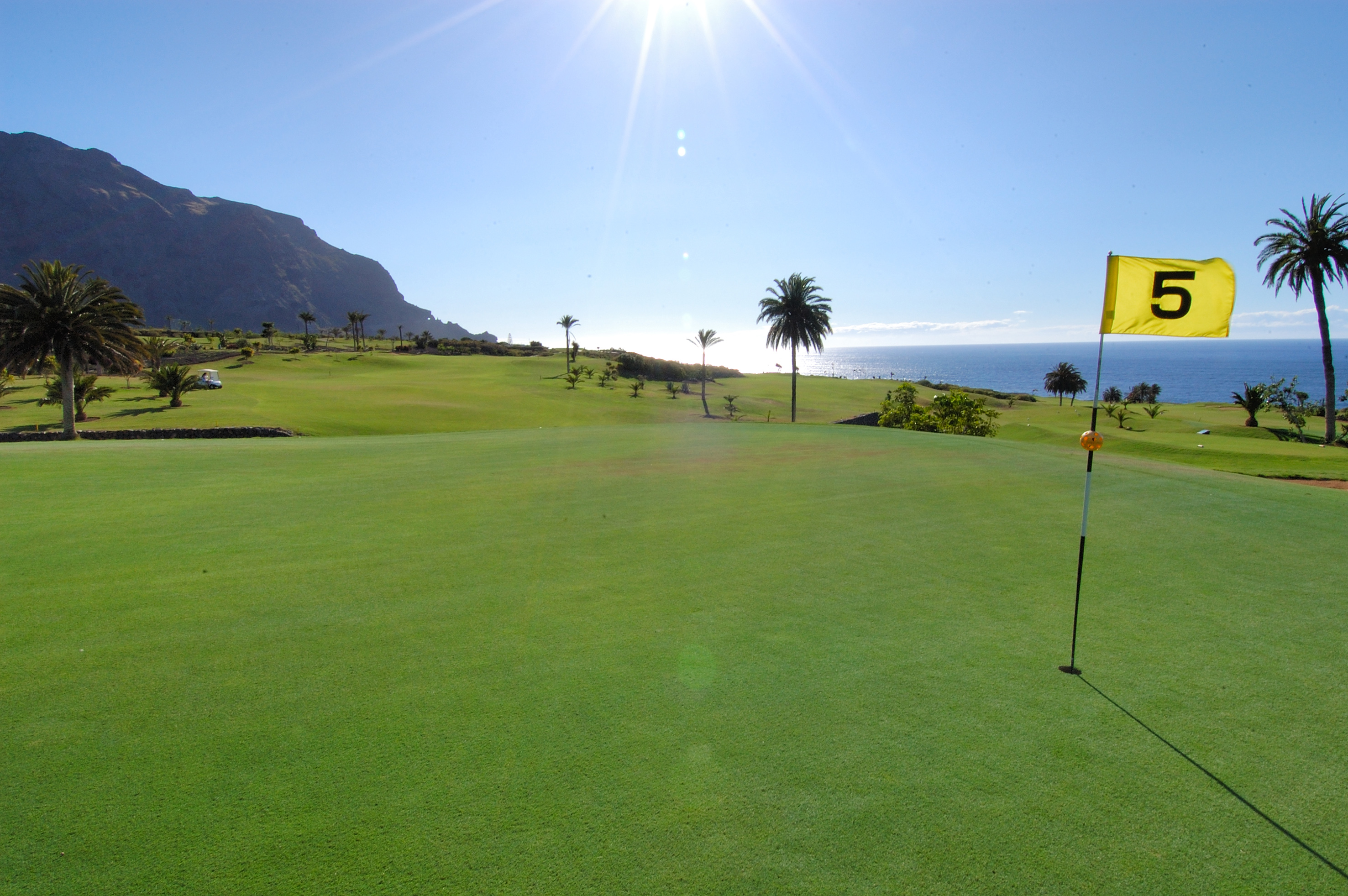,regionOfInterest=(1476.5,981.5))
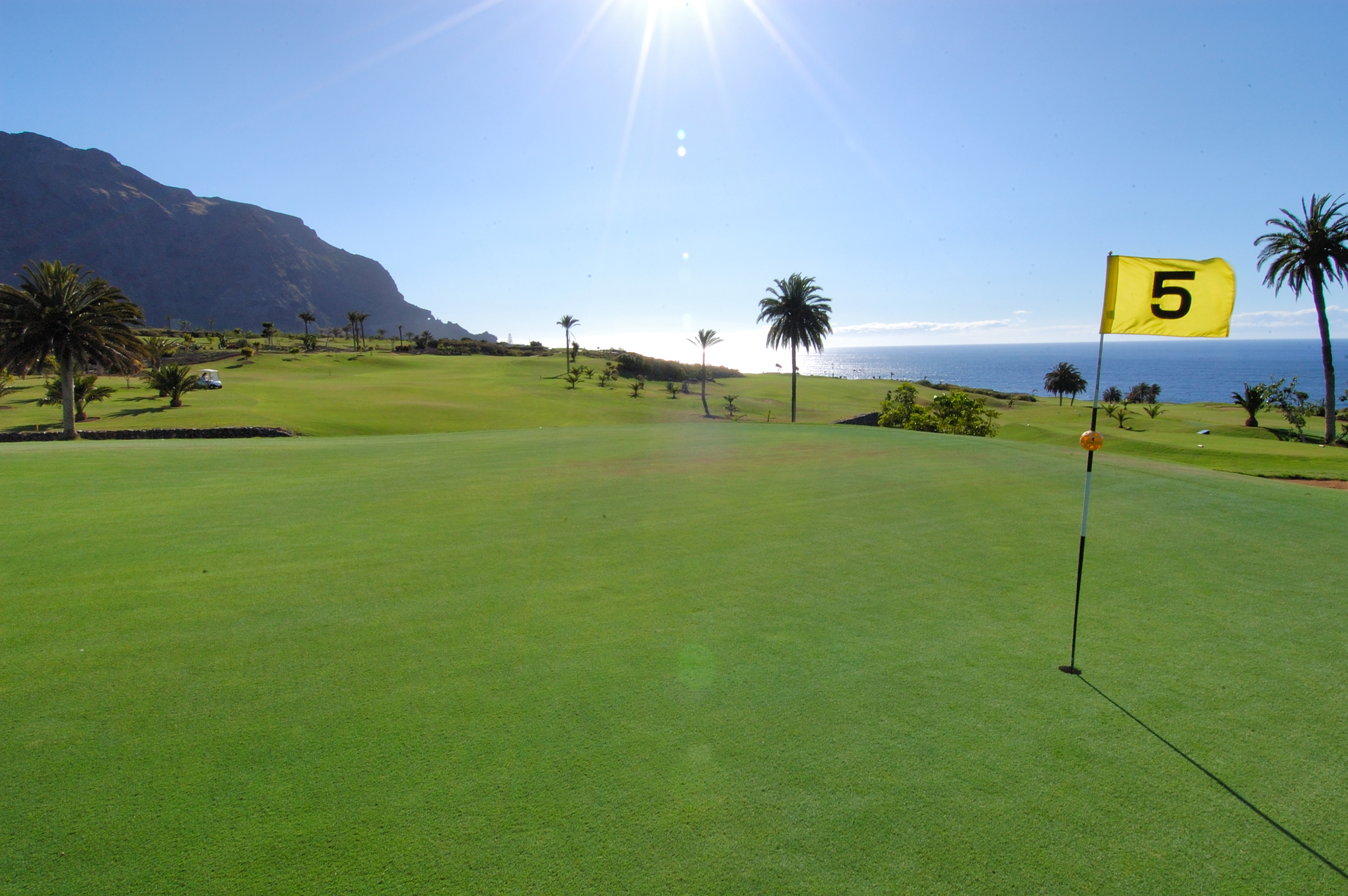,regionOfInterest=(1476.5,981.5))
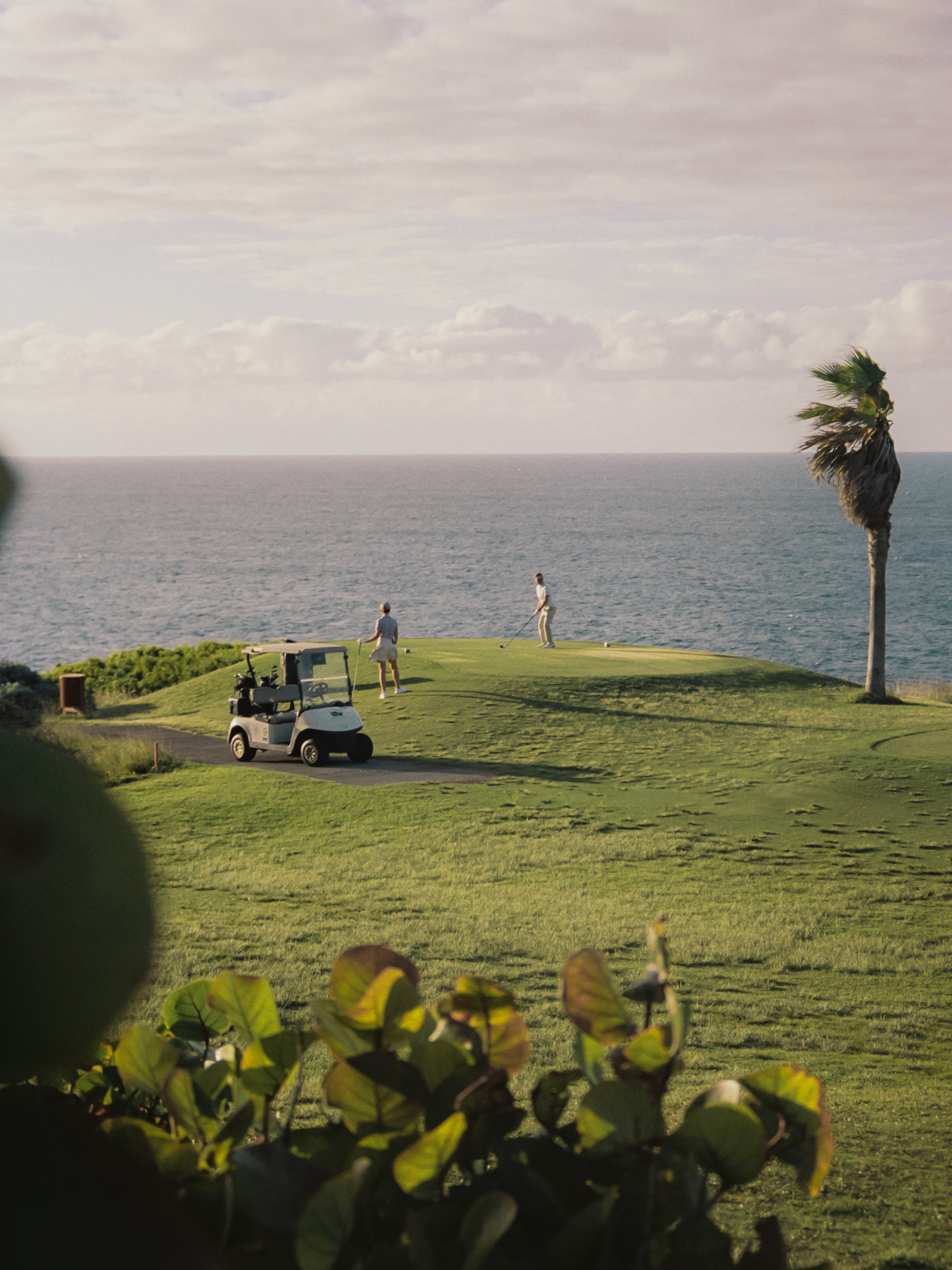,regionOfInterest=(1312.5,1750))
,regionOfInterest=(1312.5,1750))
,regionOfInterest=(2240,3360))
,regionOfInterest=(2240,3360))
,regionOfInterest=(3120,1755))
,regionOfInterest=(3120,1755))
,regionOfInterest=(886,588.5))
,regionOfInterest=(886,588.5))