,regionOfInterest=(1060.5,707))
,regionOfInterest=(1060.5,707))
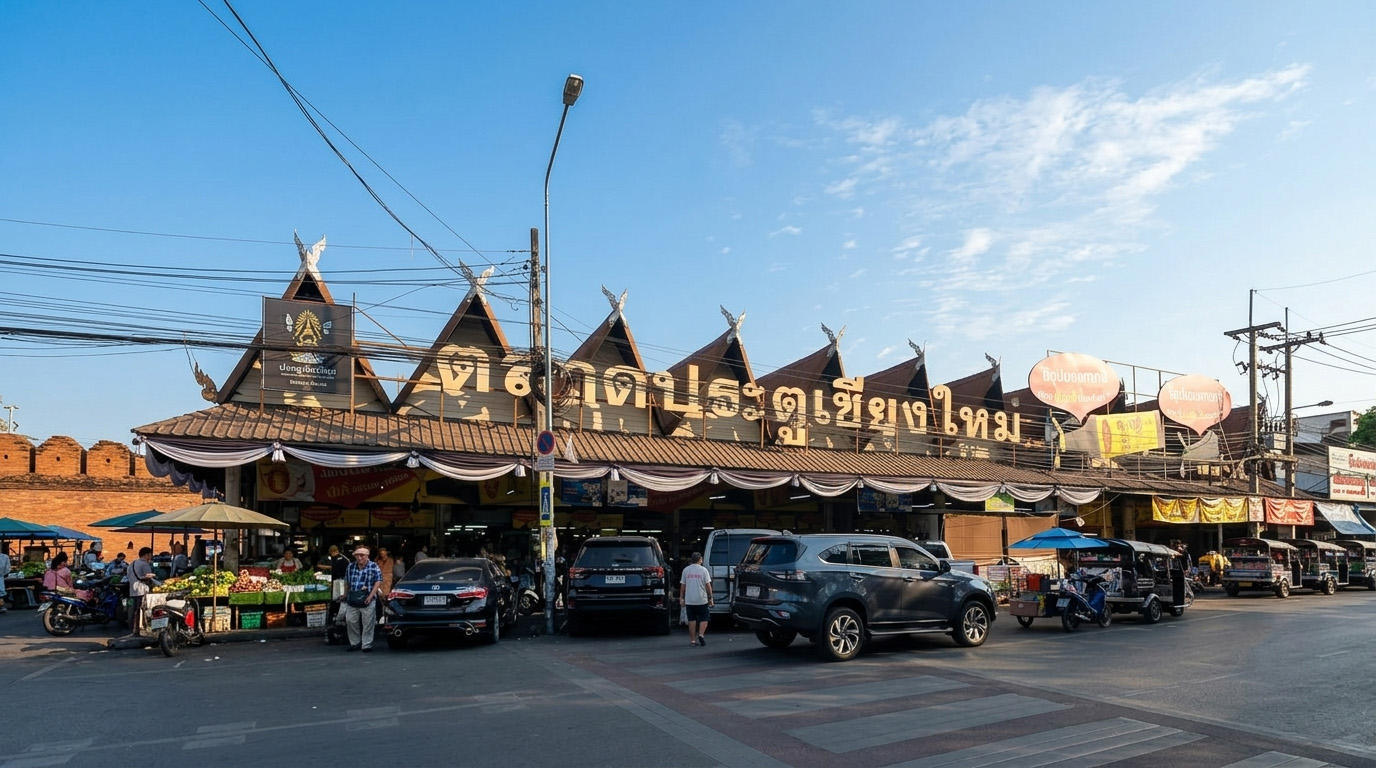
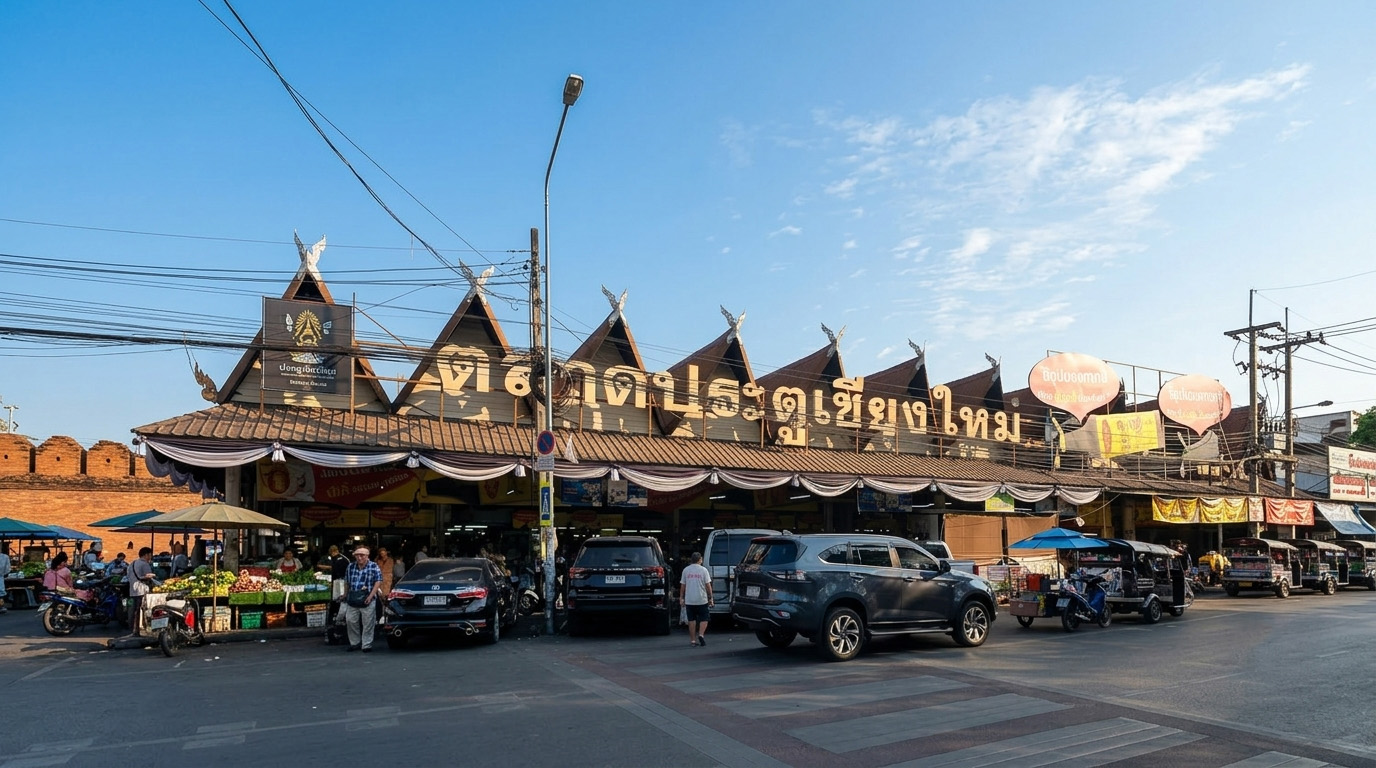
Chiang Mai Gate Night Market 2026: Complete Visitor Guide
,regionOfInterest=(688,384))
,regionOfInterest=(688,384))
Culture
,regionOfInterest=(2500,1669))
,regionOfInterest=(2500,1669))
Although there are always corners left to discover after every visit, four days in London is enough time to get to know and enjoy the city at your own pace, allowing you to take in its vastness, seeing its most famous icons, but also vibrant neighbourhoods, historic markets, museums and viewpoints.
In this itinerary, I have prepared a route with the most recommended places to visit in London in four days, designed in great detail, optimising each day so that you can make the most of your stay in the British capital.
If you would like to know what to see in London in 4 days, keep reading because in this guide I tell you how to explore the city on the Thames efficiently, enjoying it without rushing or feeling overwhelmed.
,regionOfInterest=(189,208))
,regionOfInterest=(189,208))
A journalist by training and digital at heart, she tells stories through what she sees, experiences, and feels, drawing inspiration from what unfolds in hotels, airports, and conversations.
,regionOfInterest=(2150,1433.5))
,regionOfInterest=(2150,1433.5))
,regionOfInterest=(3000,2000))
,regionOfInterest=(3000,2000))
,regionOfInterest=(1997.5,2996.5))
,regionOfInterest=(1997.5,2996.5))
| Day | Route focus | Main areas |
| Day 1 | London icons | Westminster, London Eye and South Bank |
| Day 2 | History and culture | Tower of London, City and Tower Bridge |
| Day 3 | Museums and neighbourhoods | Kensington, Notting Hill and Hyde Park |
| Day 4 | Markets and alternative areas | Camden, Soho and Covent Garden |
I begin this 4-day London itinerary with the great symbols that define its skyline, ideal for a first contact with one of the most wonderful cities in the world.
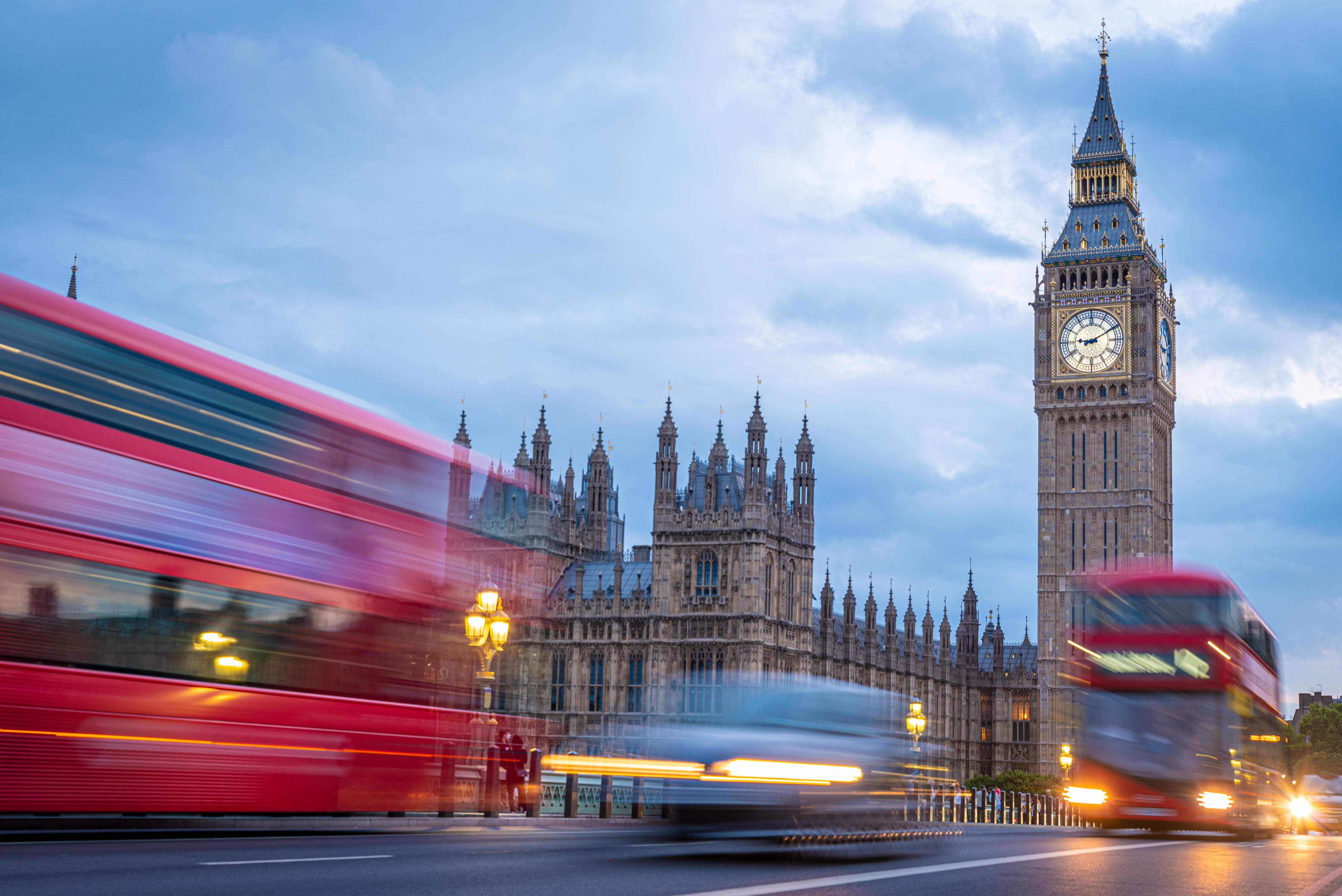
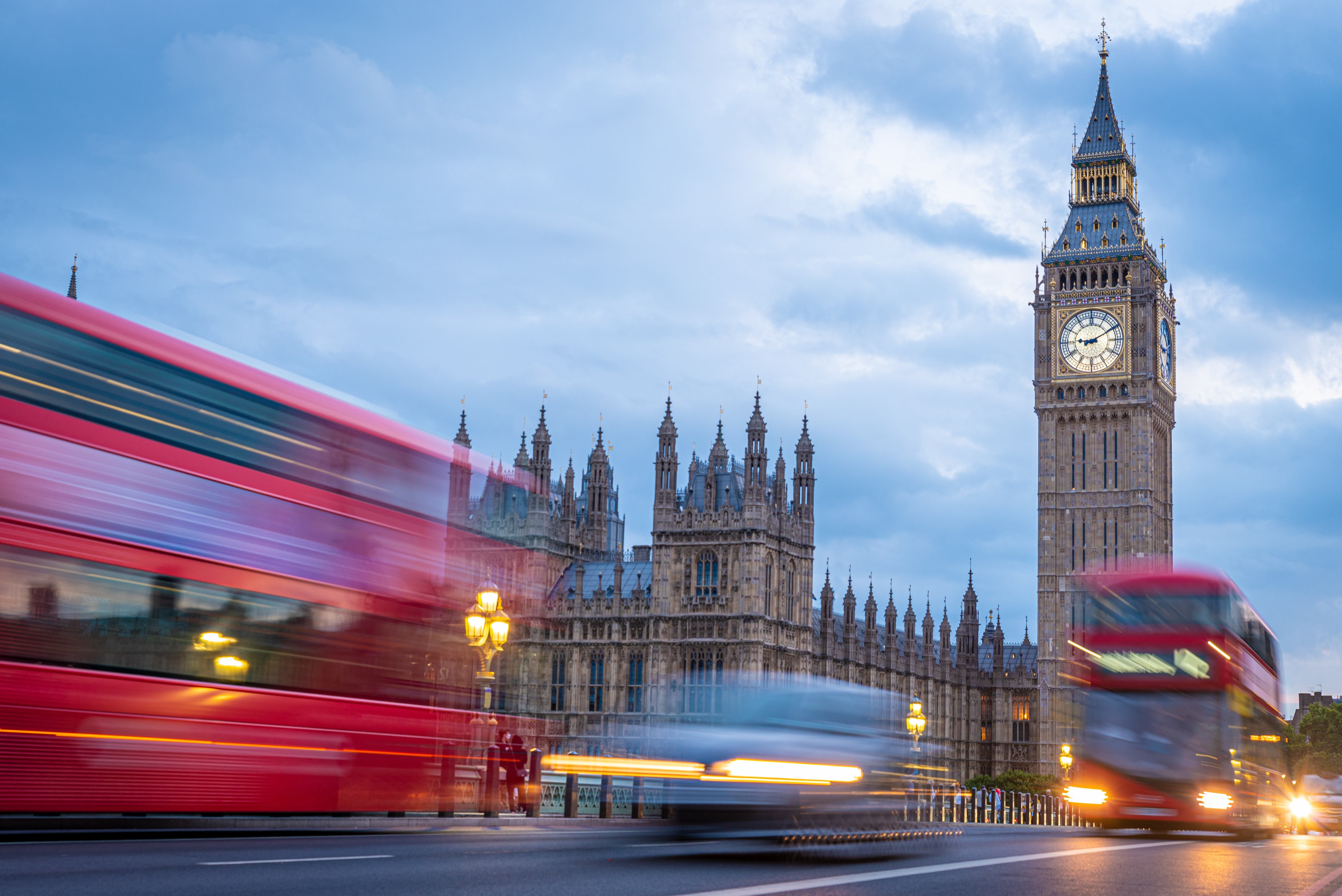
Big Ben is one of the most recognisable icons on the planet and, in my opinion, the first place you should go after landing in London. Although we popularly call the tower this, the reality is that the name belongs to the huge 13-tonne bell that it houses inside.
After its recent restoration, the Elizabeth Tower shows off its golden dials and bluish spires with a spectacular shine, marking the rhythm of the city since the mid-19th century.
You will arrive at the next point by walking in less than 2 minutes.
The Palace of Westminster is the imposing seat of the British Parliament. This Victorian neo-Gothic building, a World Heritage Site, sits majestically on the banks of the Thames. Contemplating its pinnacles and carved facades is to understand the historical importance of the oldest democracy in the world.
Go around the palace to the south along Abingdon St. to reach the temple entrance in about 5 minutes on foot.
Westminster Abbey is the most important temple in the United Kingdom and the setting for all royal coronations since 1066. Inside, charged with mysticism, rest monarchs, statesmen and geniuses of literature in the famous Poets' Corner. It is a Gothic jewel that is a must-visit if you want to understand the British identity.
You will reach the London Eye in about 10-12 minutes walking, crossing Westminster Bridge.
The London Eye (Millennium Wheel) offers one of the best panoramic views of the city from its 135 metres in height. Its glass capsules provide a 360-degree perspective, ideal for understanding the dimension of London and even, on clear days, seeing Windsor Castle on the horizon.
When you get off the wheel, walk to your left along the River Thames to reach South Bank.
The South Bank is the cultural and recreational soul of London. It is a lively promenade full of street musicians, second-hand book markets, theatres like the National Theatre and an unbeatable gastronomic offer. Walking here is feeling the most dynamic and creative heartbeat of the city next to the Thames.
Retrace your steps to return to Westminster Bridge.
From Westminster Bridge you will have one of the most beautiful images of Parliament and Big Ben. It is the perfect place to see how the iconic red double-decker buses cross the river, creating the perfect photograph of your trip.
From Westminster, take the Jubilee underground line to Green Park and change to the Piccadilly Line, or simply walk for about 15-20 minutes along Whitehall and Haymarket.
With its famous giant LED screens, the statue of Eros and the constant flow of people, Piccadilly Circus is the London "Times Square". A place full of energy that serves as the meeting point par excellence, where entertainment and the nightlife of the West End coexist.
,regionOfInterest=(1750,1166.5))
,regionOfInterest=(1750,1166.5))
This second day is dedicated to the city's medieval roots and the financial centre that defines the most global London.
The Tower of London is a fortress with a thousand years of history that has served as a royal palace, prison and armoury. It is famous for housing the dazzling Crown Jewels and for its guardians, the Beefeaters, who are in charge of guarding this World Heritage Site full of legends and ravens.
Walk towards the river and you will arrive in 5 minutes.
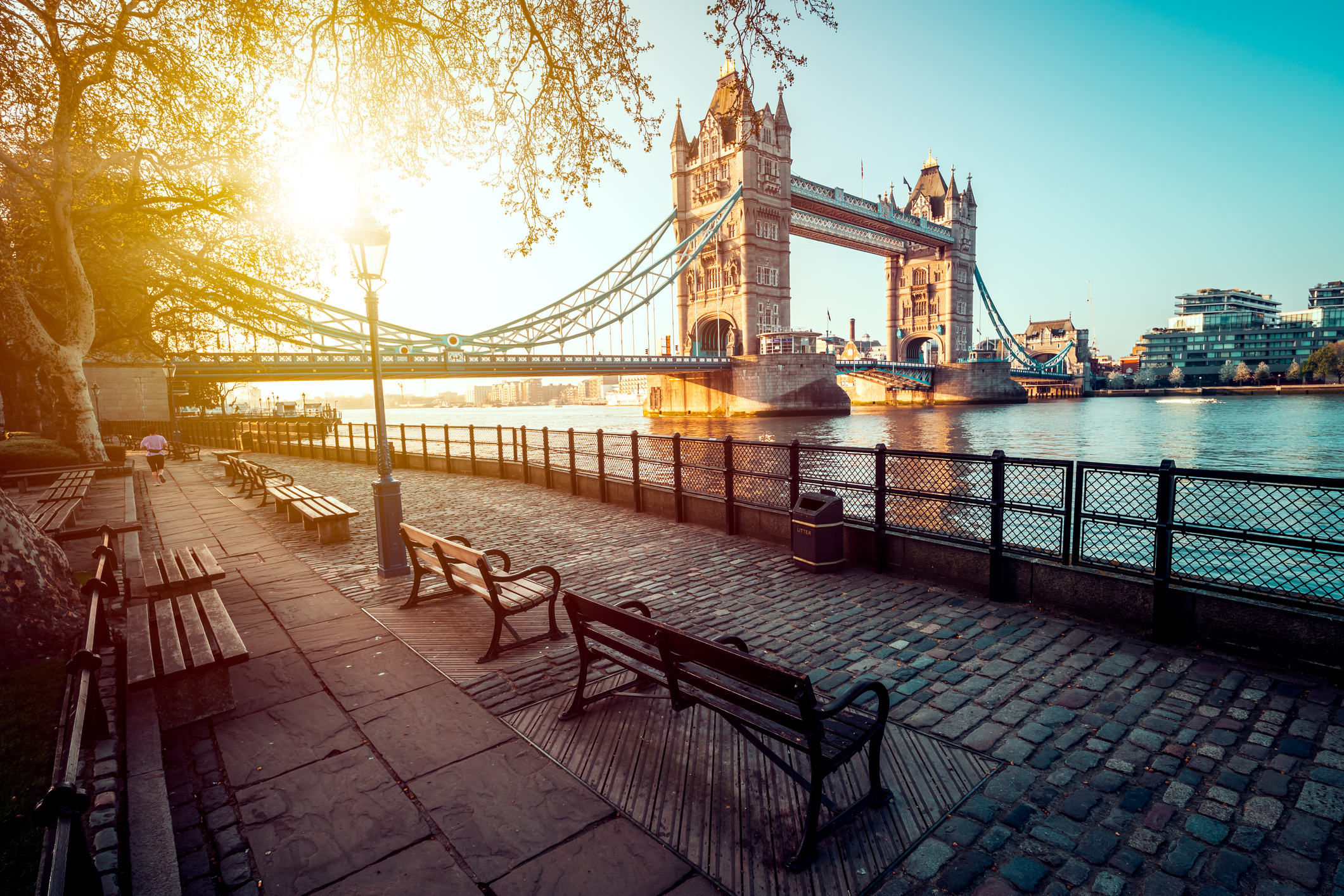
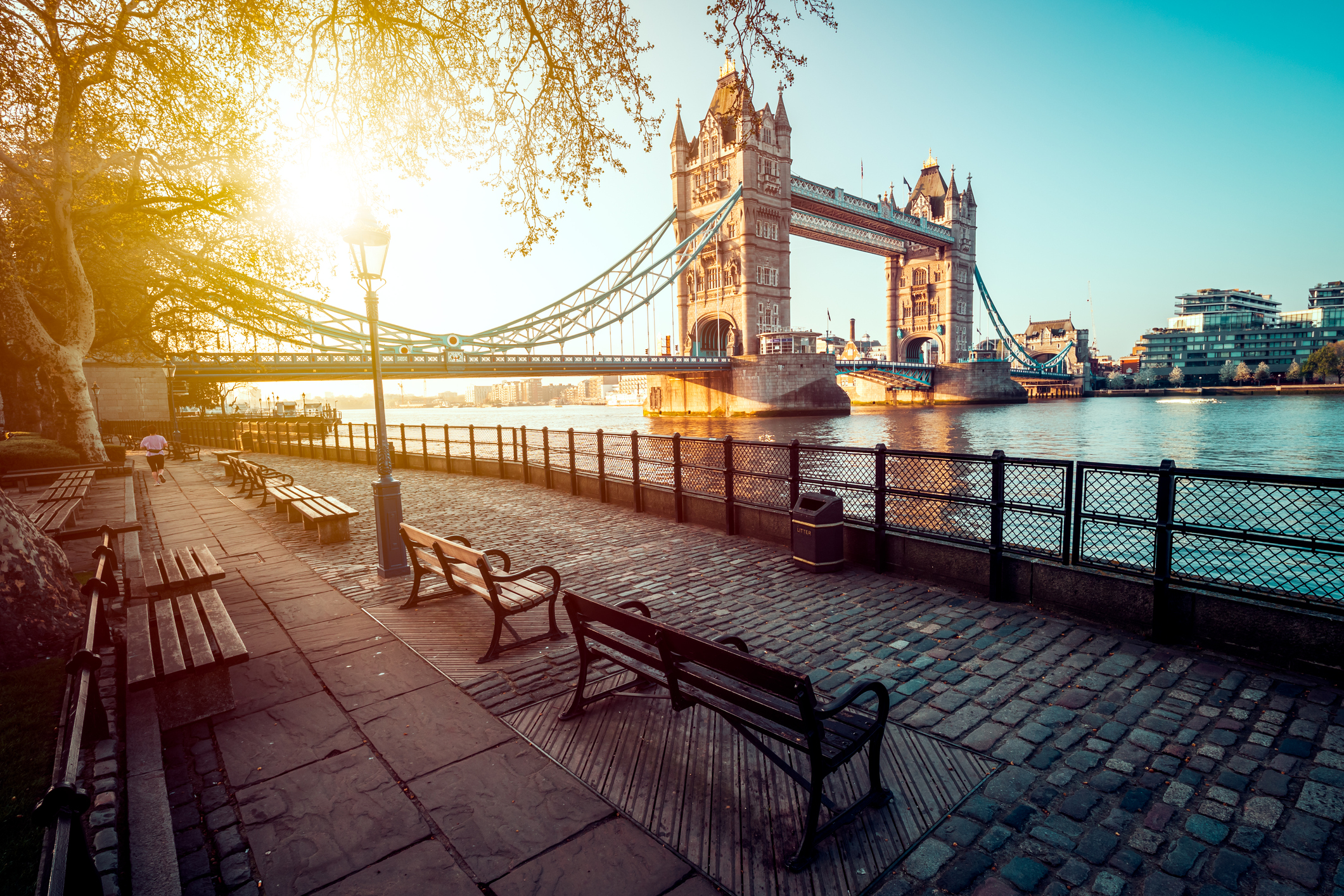
Tower Bridge is probably one of the most famous bridges in the world, along with the Golden Gate and the Brooklyn Bridge. With its neo-Gothic towers and glass walkways (if you dare to go up), it is a masterpiece of Victorian engineering. Seeing it rise to let a ship pass is one of the most exciting spectacles in the city that you shouldn't miss.
To enter the City, cross the bridge to the north bank (if you are not already there) and walk for about 10-12 minutes along Tower Hill street in a westerly direction.
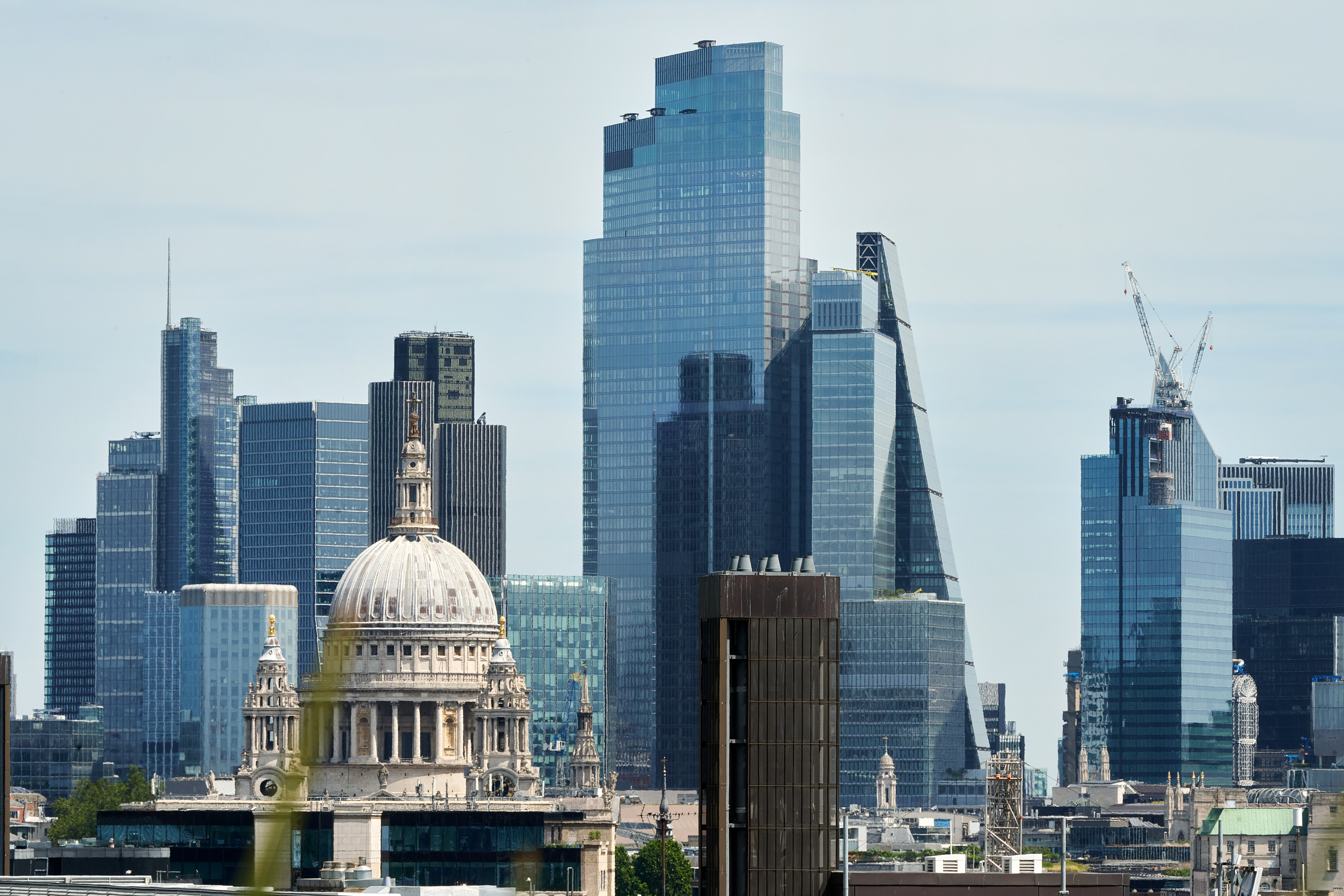
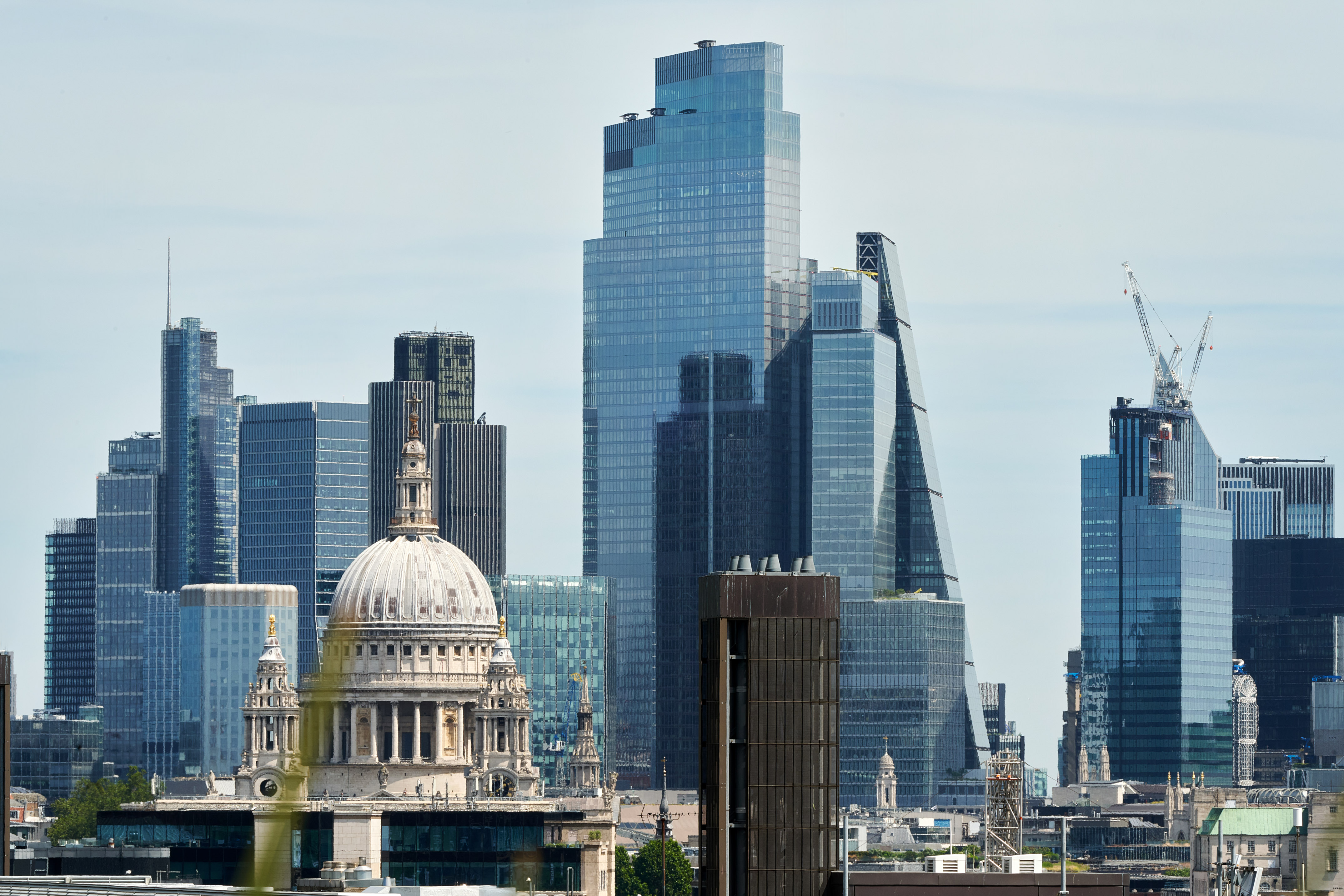
The City is the city's financial district, where the world's most avant-garde skyscrapers, such as the Gherkin or the Walkie-Talkie, coexist in perfect harmony with centuries-old churches and medieval alleys. This is where the Roman city of Londinium was born.
You can walk for about 15 minutes along Cannon St or take bus number 15.
With its iconic white dome, St. Paul's Cathedral is a masterpiece by Christopher Wren, which has witnessed important historical events such as the wedding of Prince Charles and Lady Di. Its acoustics in the Whispering Gallery and the views from its dome are simply spectacular.
Walk for about 10 minutes along Cannon St to the east.
The Sky Garden is the highest public garden in London. Located in the 20 Fenchurch Street building, it offers 360-degree views of the city for free (with mandatory prior reservation). Dining or having a drink surrounded by exotic plants as the sun sets over the Thames is the perfect finishing touch to this second day.
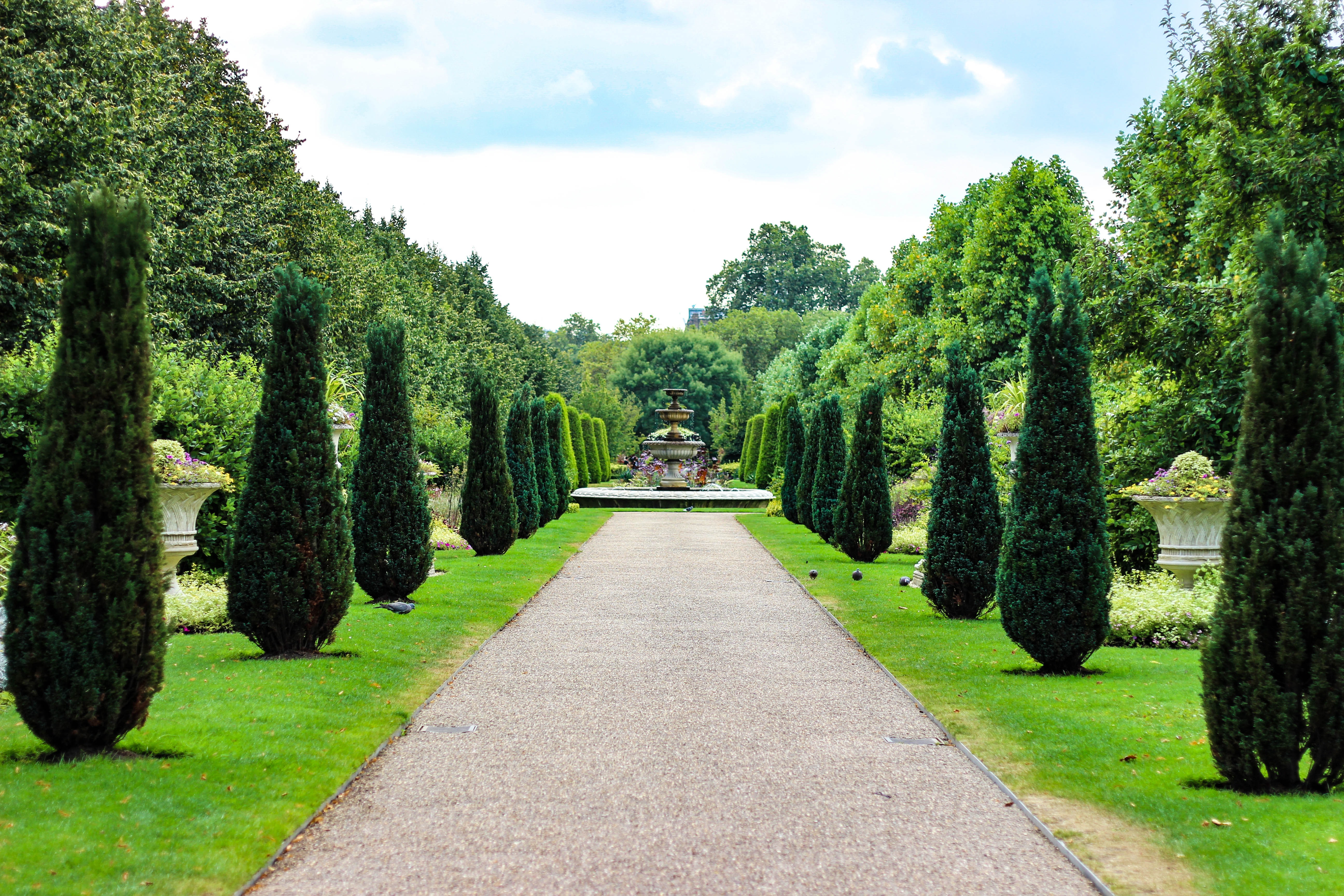,regionOfInterest=(2592,1728))
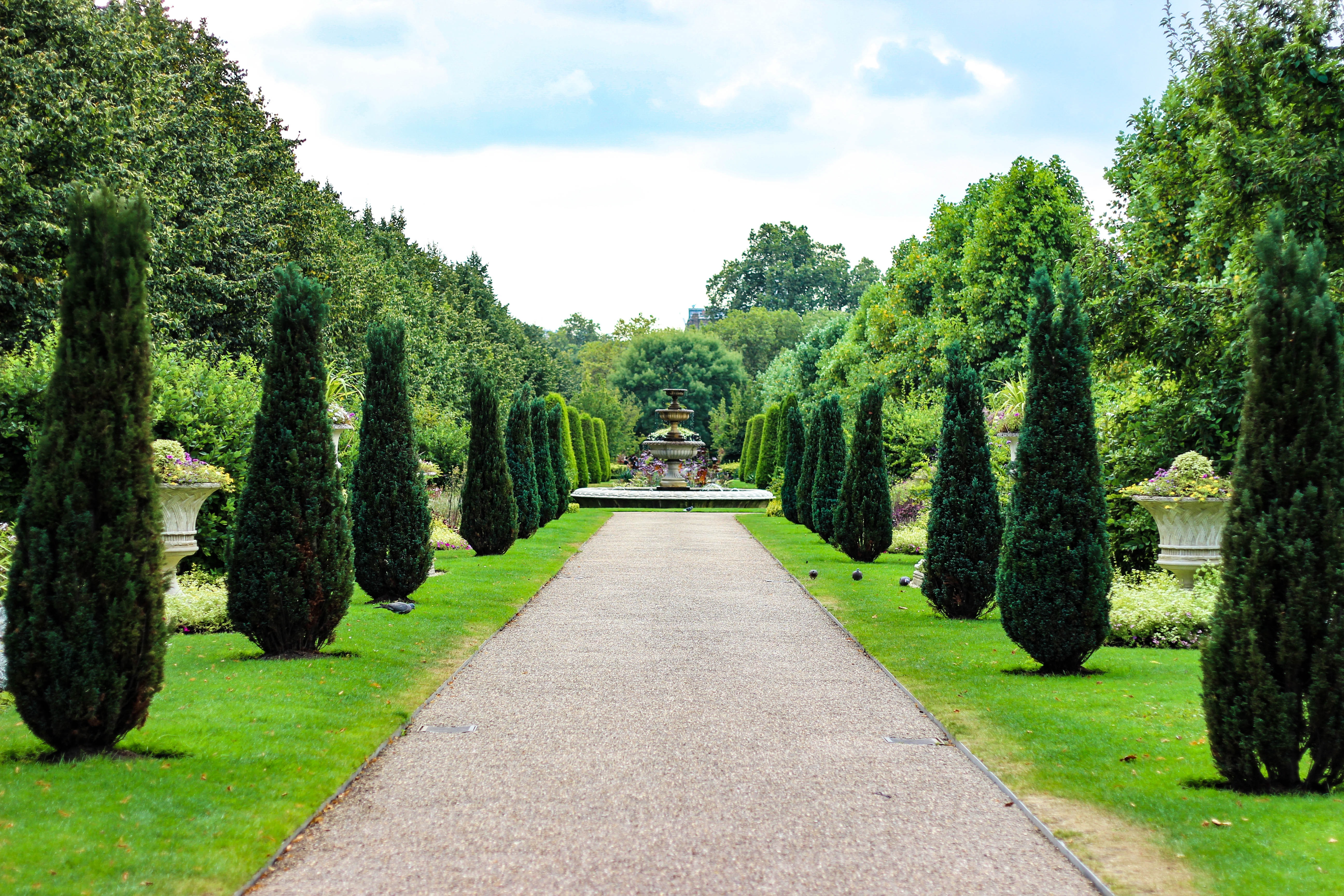,regionOfInterest=(2592,1728))
I have designed the third day so that you can enjoy the most elegant, cultural and picturesque side of the British capital.
Located in an impressive Romanesque-Victorian building, the Natural History Museum is a sanctuary of science. Its dinosaur exhibitions and the skeleton of the huge blue whale that presides over the Hintze Hall make it a highly recommended experience both for its scientific value and for its architecture.
Leave the museum and walk just 3 minutes to the adjacent building on the same street (Exhibition Road).
The V&A is the largest art and design museum in the world. Its collections span 5,000 years of human creativity, from classical sculptures to contemporary fashion. Its central courtyard is also one of the best corners of the city to rest.
Upon leaving the museum, walk north along Exhibition Road until you reach Hyde Park in just 8 or 10 minutes.
The true green lung of the city, Hyde Park, with its vastness and its famous navigable lake (The Serpentine), the Diana, Princess of Wales Memorial and the Speakers' Corner, is the ideal place to disconnect from the noise of the city and enjoy a walk among swans and squirrels.
Cross the park to the northwest or take the Central Line from Queensway to Notting Hill Gate (2 stops).
Famous for its pastel-toned houses and antique markets, Notting Hill is a neighbourhood world-renowned for the eponymous film. Walking along Portobello Road is to let yourself be seduced by its bohemian and romantic air. For me, it is the most photogenic area of London.
Walk towards Kensington with a beautiful stroll of about 15-20 minutes along Kensington Church Street.
Known as the district of sophistication, Kensington, with its tree-lined streets that house embassies, royal residences (Kensington Palace) and some of the most select restaurants in the city, is the perfect place for a quiet dinner in an impeccable Georgian architectural setting.
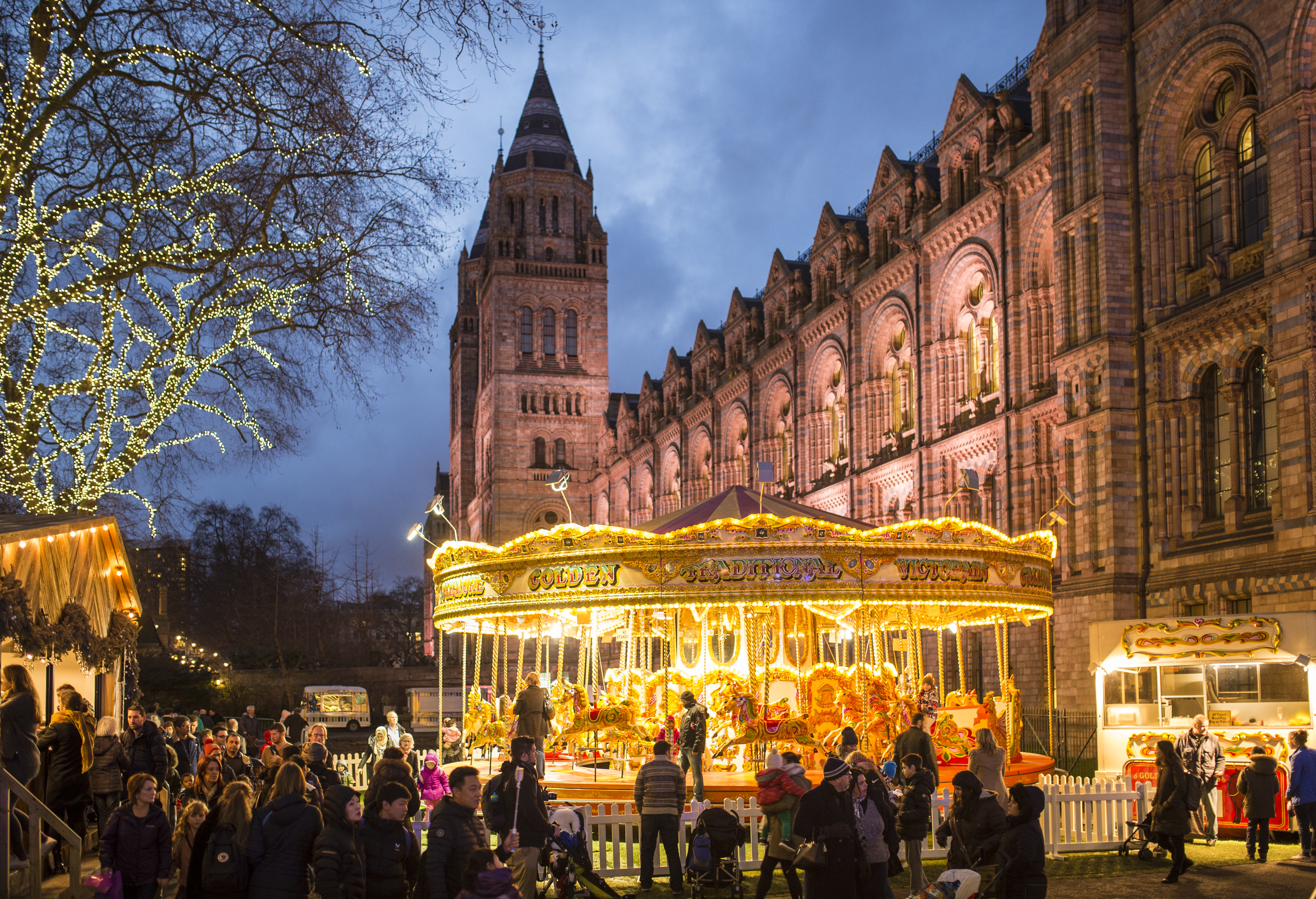,regionOfInterest=(2344,1601))
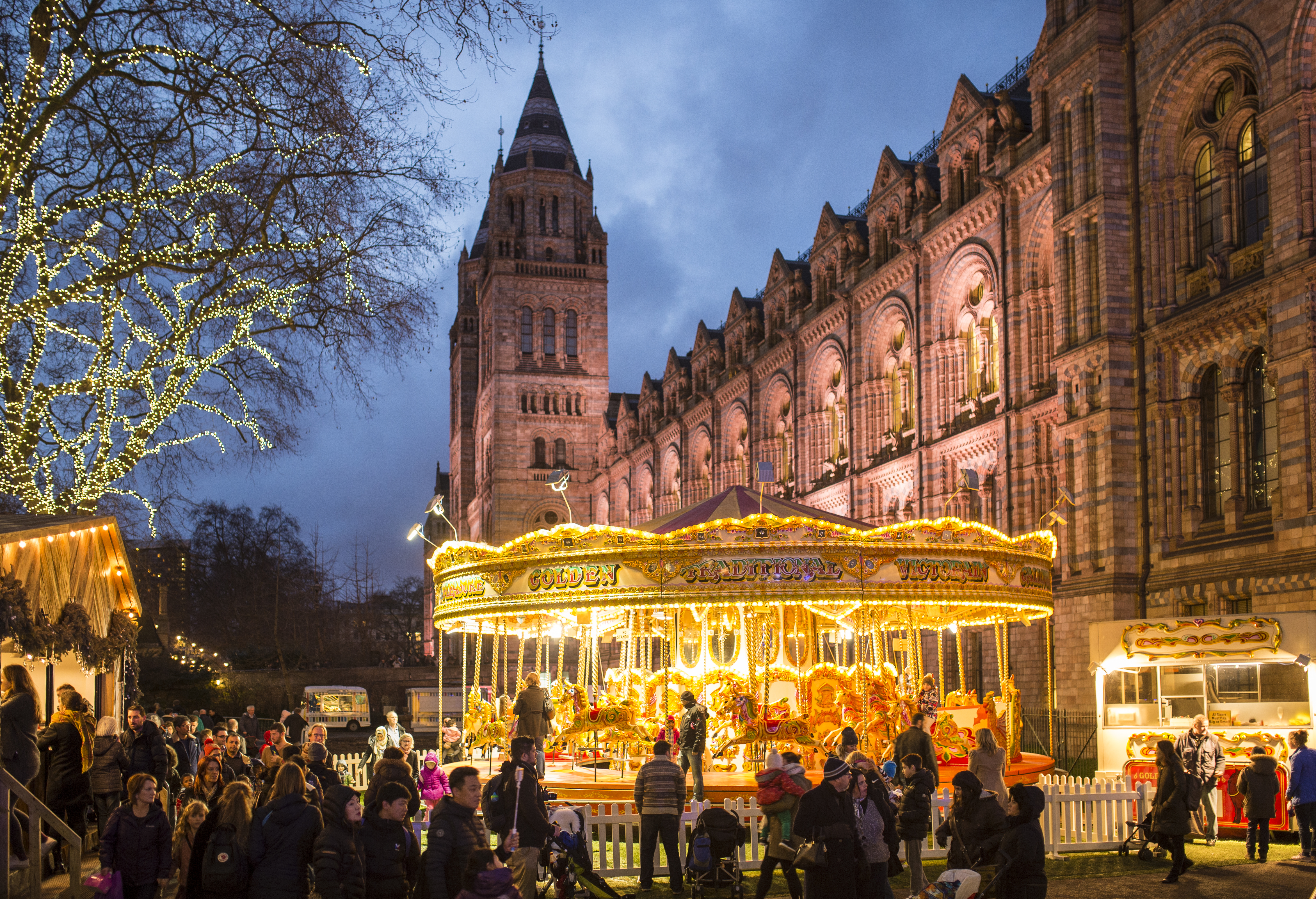,regionOfInterest=(2344,1601))
This 4-day London guide ends with the most rebellious, creative and vibrant side of the city.
The epicentre of alternative culture, Camden Town is famous for its facades decorated with giant boots and dragons. Its markets offer everything from vintage fashion to gastronomy from every corner of the world. A walk along the Regent's Canal will allow you to see a side of London that never sleeps.
Take the Northern Line (black line) south to Tottenham Court Road or Leicester Square station (about 15 minutes).
Covent Garden is a former flower market that has become a benchmark shopping and entertainment centre in the city. Its top-tier street performers and its covered market (Apple Market) offer an atmosphere as lively as it is elegant that always surprises.
You can reach the next point by walking in less than 10 minutes crossing the lively Long Acre street.
Soho is the creative heart and the most eclectic neighbourhood in London. Full of theatres, jazz bars, film studios and the famous Carnaby Street, it is the place where trends are born and diversity is celebrated on every corner.
You just have to cross to the east to enter the cinema area.
The centre of cinematic entertainment par excellence, Leicester Square is where the big premieres are held. An exclusive area, surrounded by casinos, themed shops (such as M&M's World) and theatres, it is the liveliest place to end your trip with a dinner or a West End show.
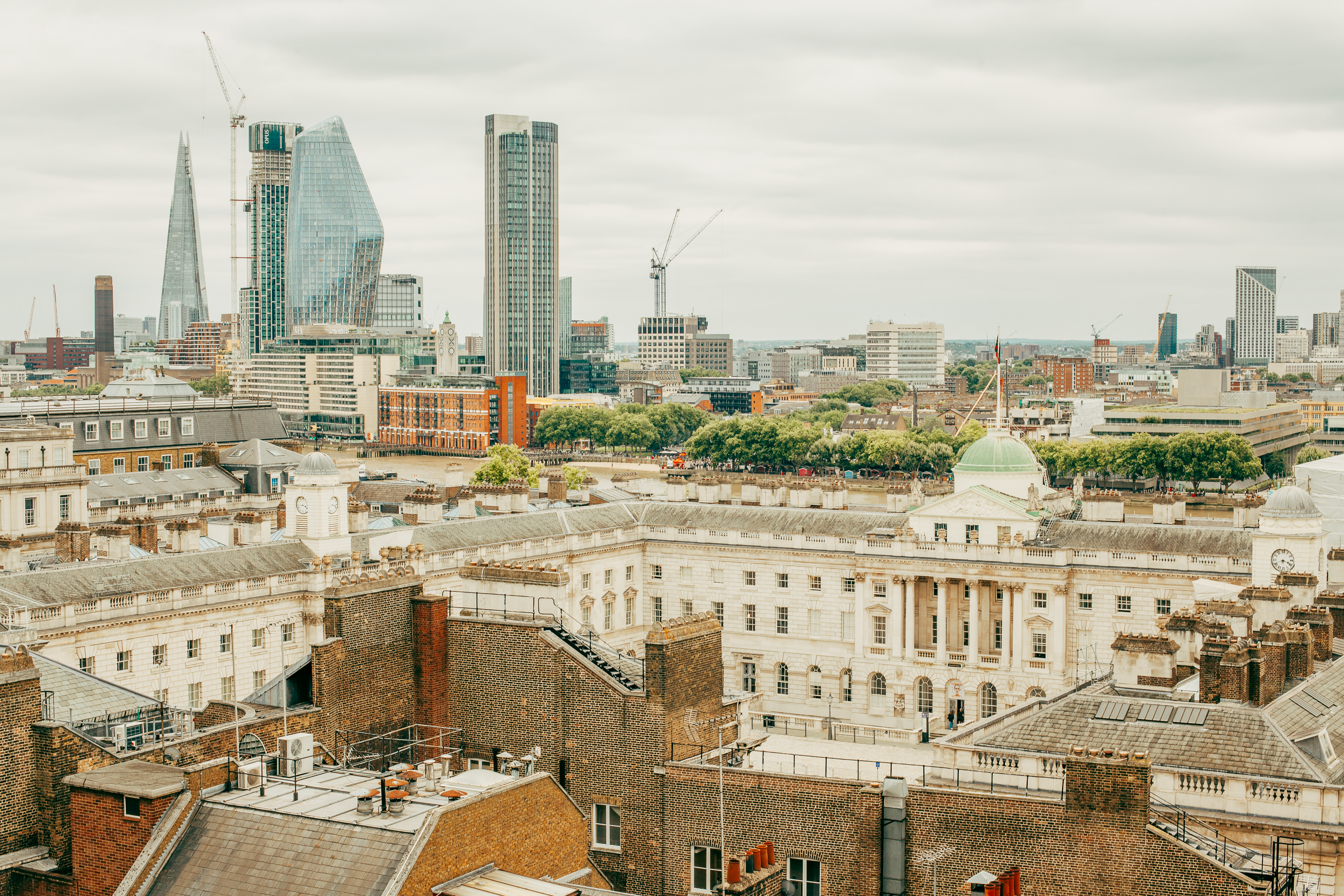,regionOfInterest=(1560,1040))
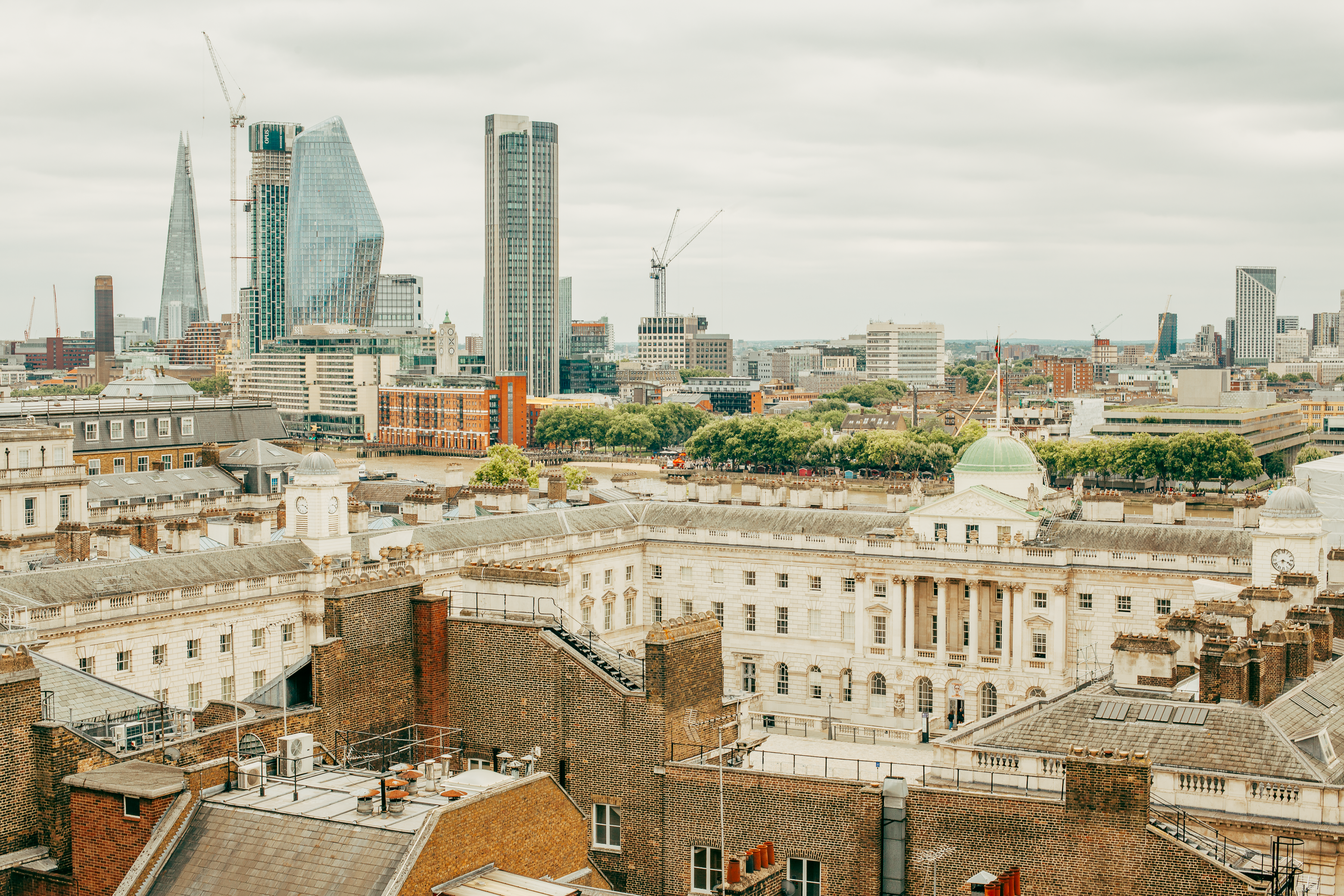,regionOfInterest=(1560,1040))
So that you don't waste a single minute, these maps group the points of this 4-day London itinerary by proximity:
📍See full route on Google Maps
📍See full route on Google Maps
📍See full route on Google Maps
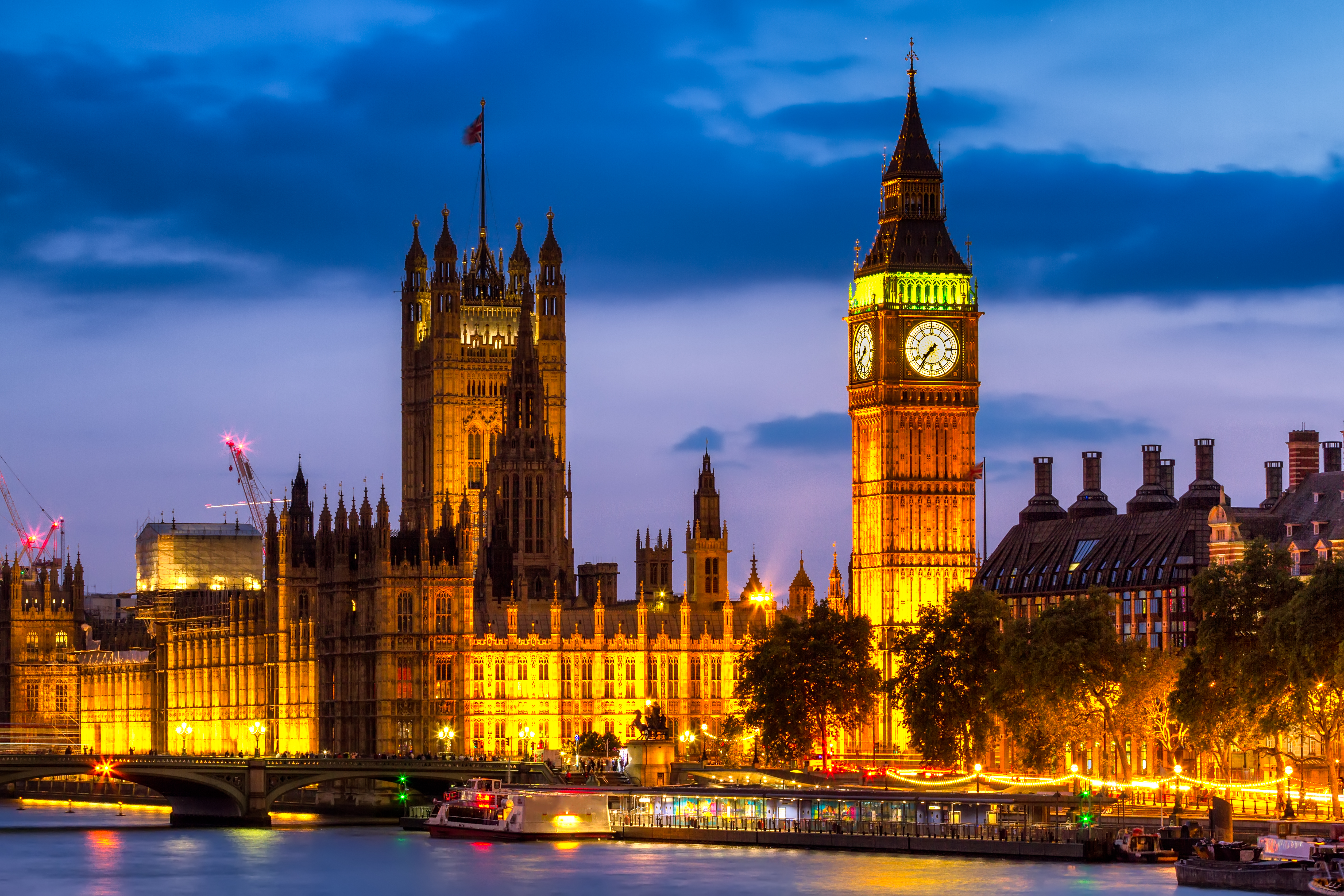,regionOfInterest=(2514,1676))
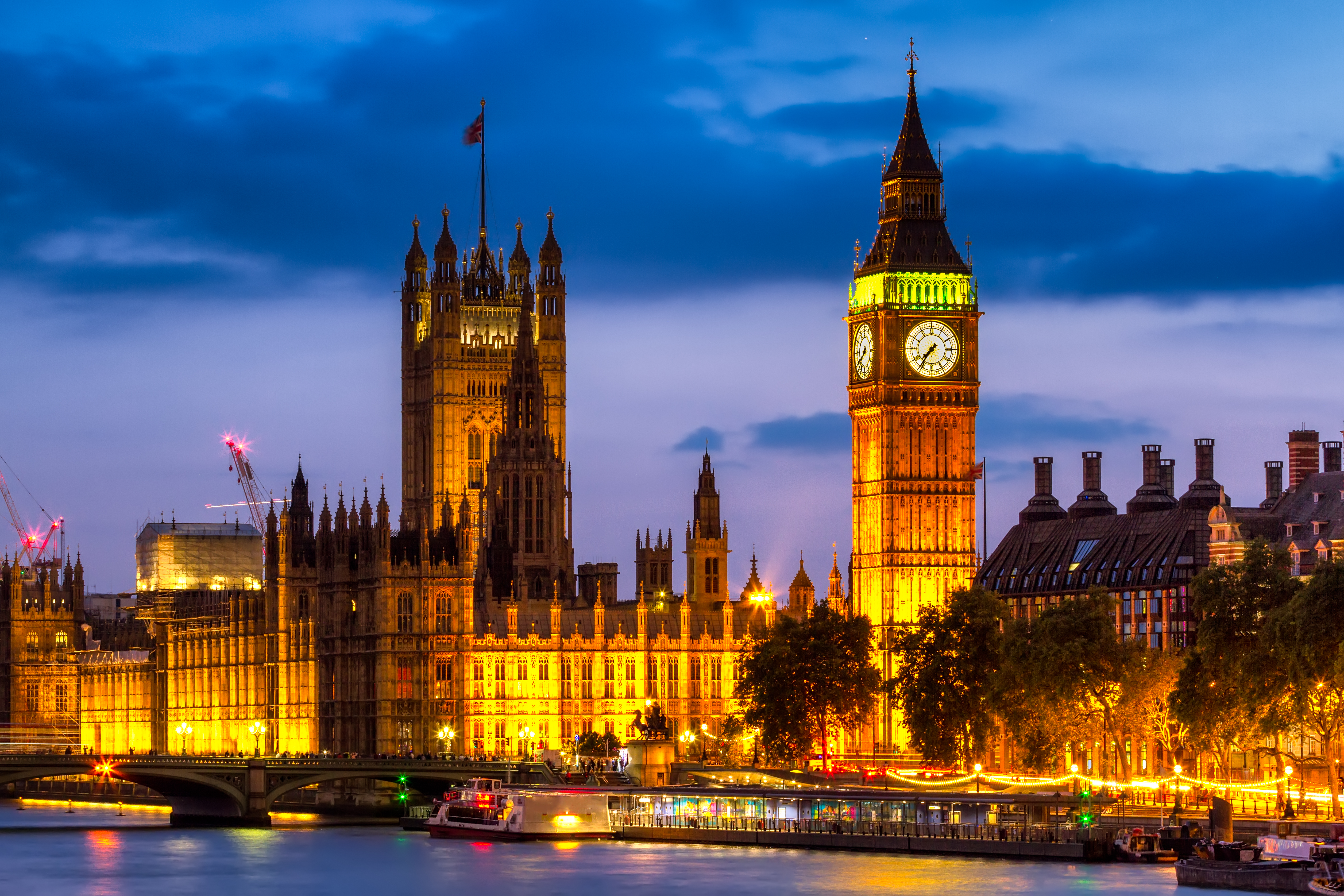,regionOfInterest=(2514,1676))
To make the most of your 4-day trip to London, my advice is to alternate walking with the excellent public transport system, and above all, to plan each journey in advance. Keep in mind that London is an immense city, and no matter how well you organise yourself, you will end up walking a lot every day.
Other London day-by-day guides:
Culture
,regionOfInterest=(1476.5,981.5))
,regionOfInterest=(1476.5,981.5))
,regionOfInterest=(1312.5,1750))
,regionOfInterest=(1312.5,1750))
,regionOfInterest=(2240,3360))
,regionOfInterest=(2240,3360))
,regionOfInterest=(3120,1755))
,regionOfInterest=(3120,1755))
,regionOfInterest=(886,588.5))
,regionOfInterest=(886,588.5))