,regionOfInterest=(1060.5,707))
,regionOfInterest=(1060.5,707))
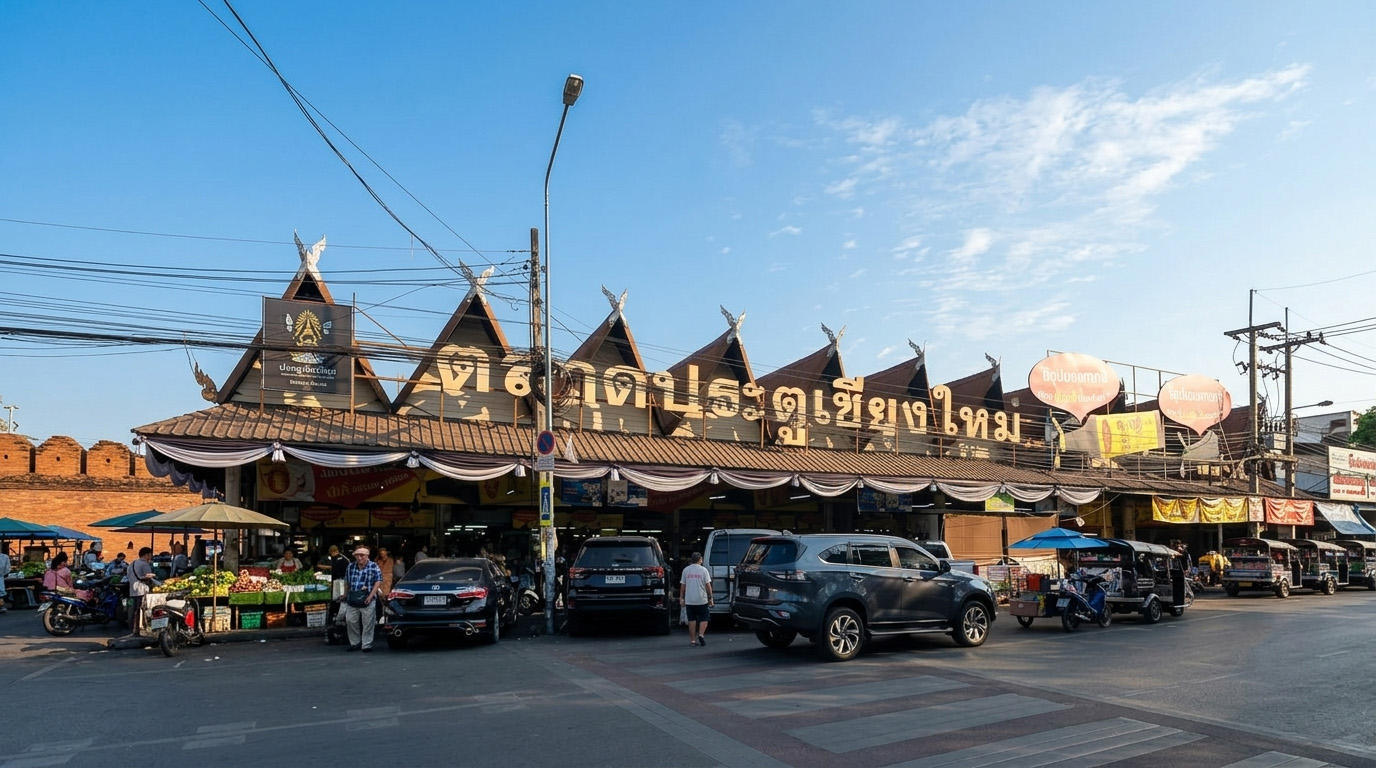
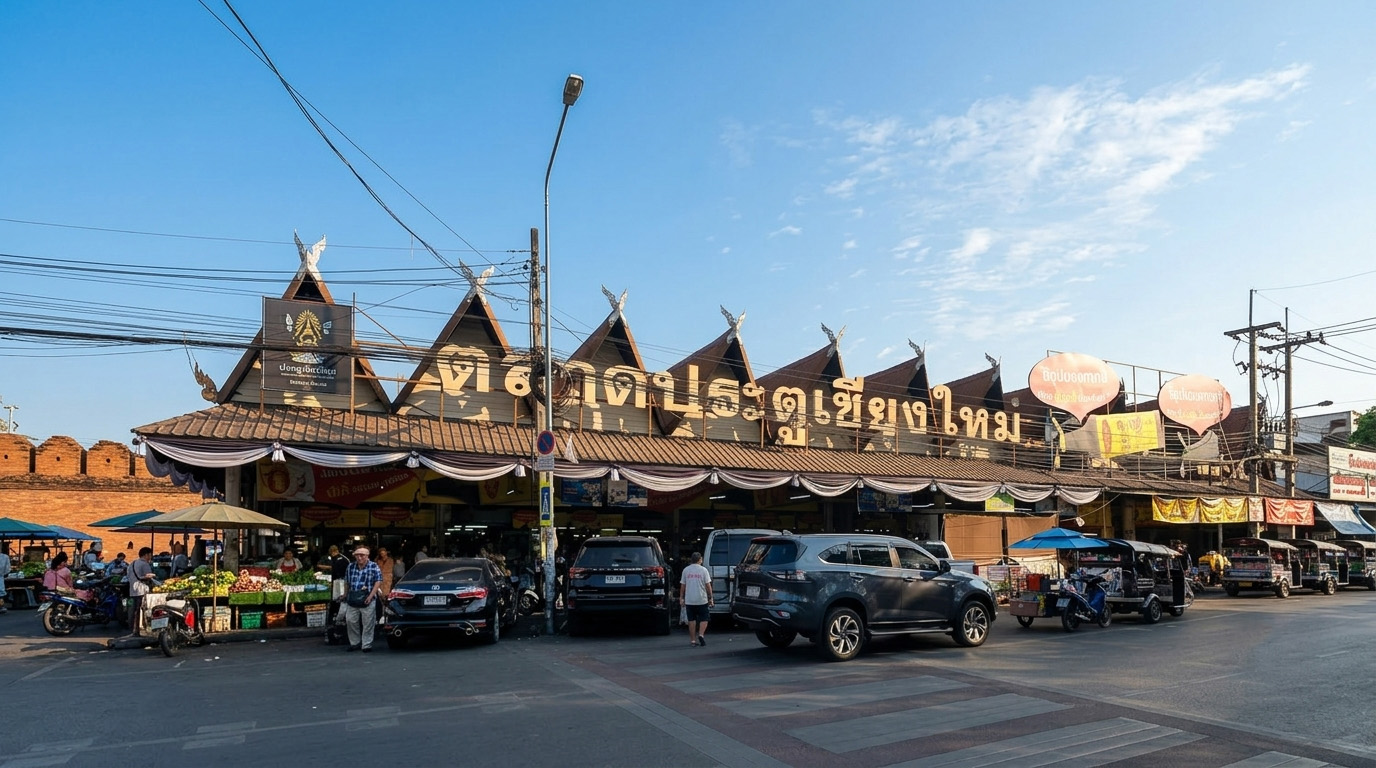
Chiang Mai Gate Night Market 2026: Complete Visitor Guide
,regionOfInterest=(688,384))
,regionOfInterest=(688,384))
Culture
,regionOfInterest=(4145.5,2714.5))
,regionOfInterest=(4145.5,2714.5))
If you are planning a 72-hour trip to the British capital and are wondering what to see in London in 3 days, I have prepared a complete and optimised guide so you can discover the best of one of the most fascinating cities in the world.
A place where every street has a thousand-year-old history behind it, this 3-day itinerary in London combines essential monuments, charming neighbourhoods and more alternative areas so you can live an experience that is as balanced as it is exciting.
Below, I am going to explain how to see London in three days efficiently, grouping each itinerary by geographical area to minimise travel. In this way, you will be able to enjoy the city to the fullest with a highly detailed plan of the different places to see in London.
Culture
,regionOfInterest=(2905.5,1937.5))
,regionOfInterest=(2905.5,1937.5))
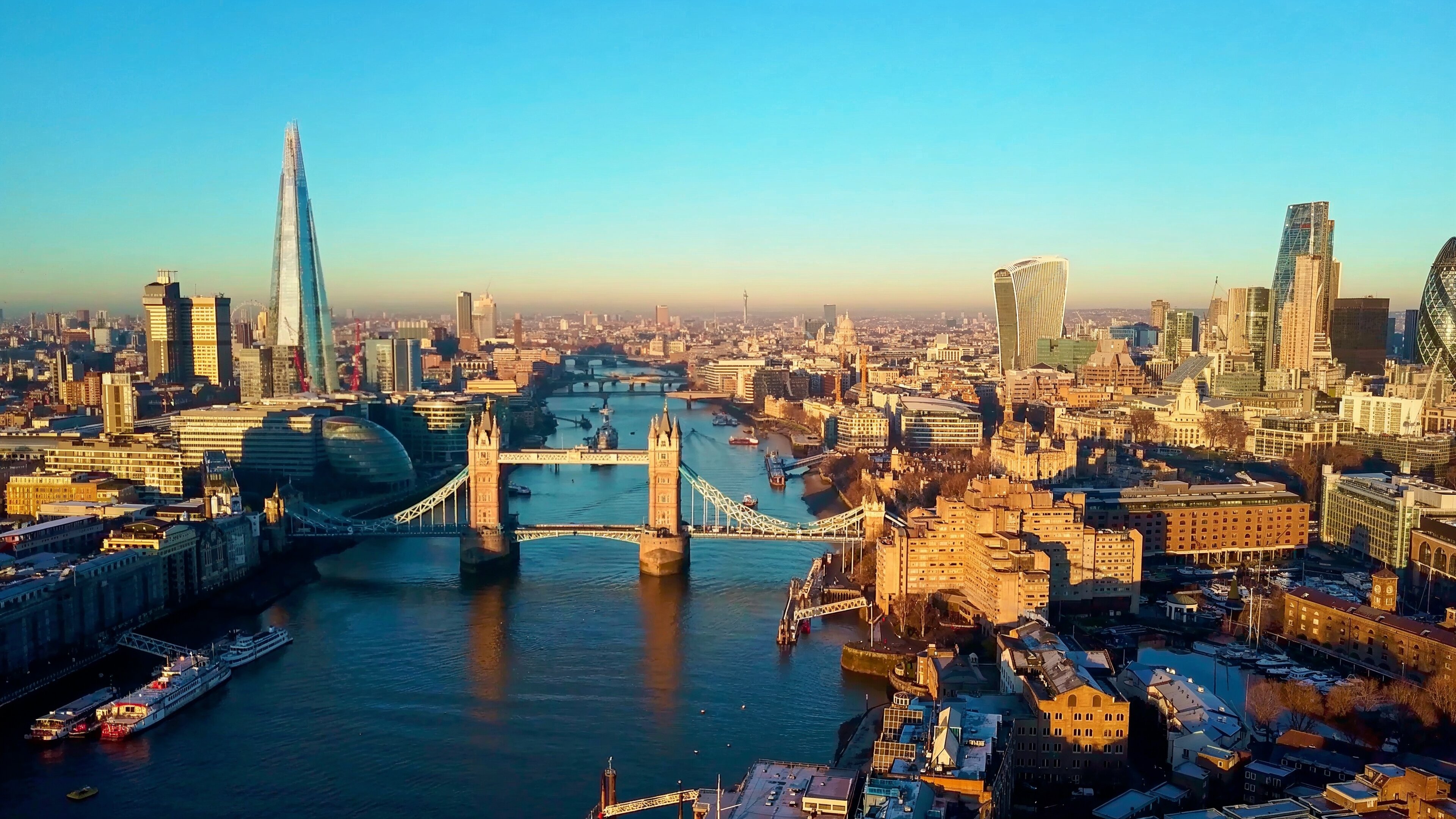,regionOfInterest=(1920,1080))
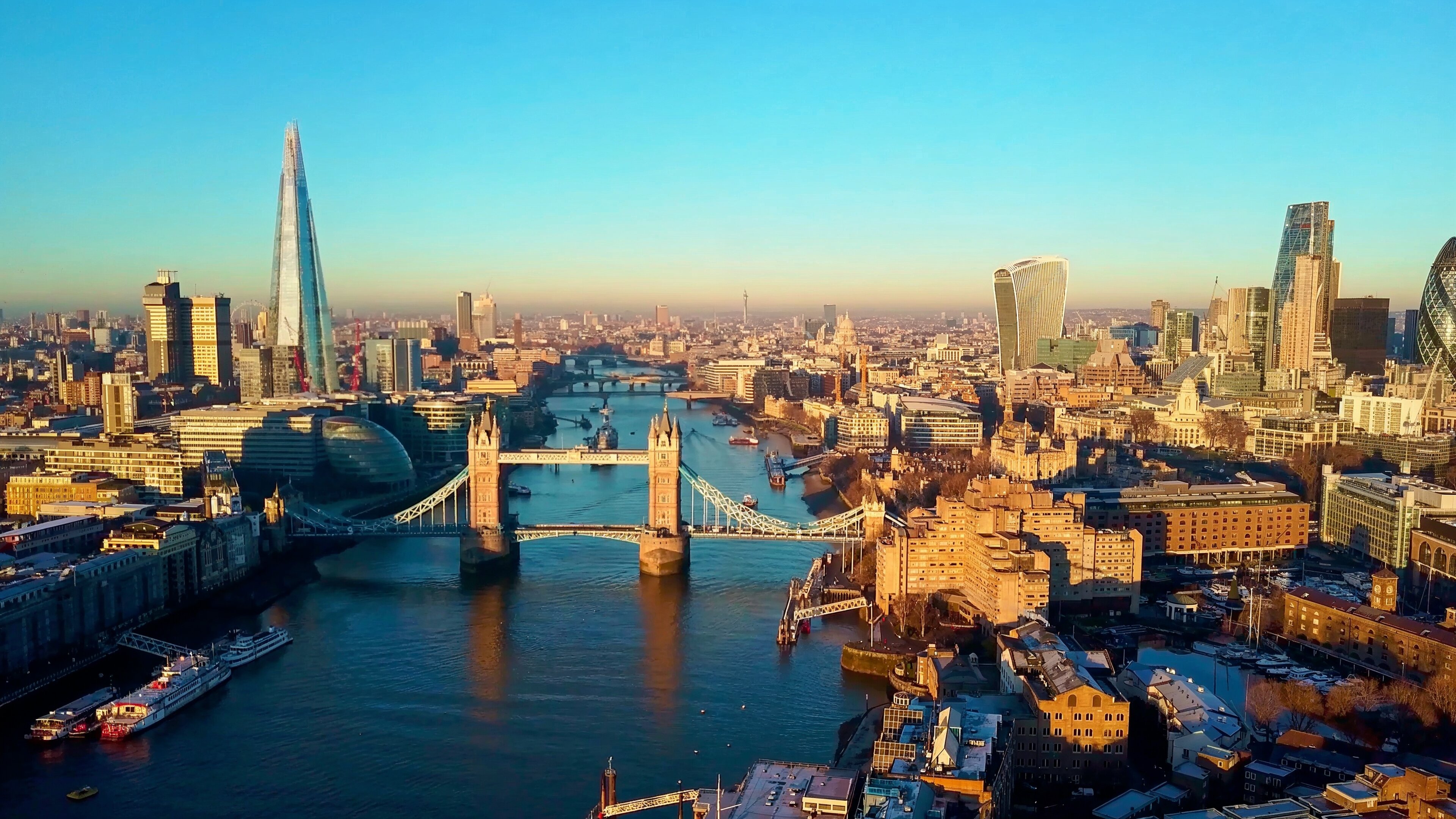,regionOfInterest=(1920,1080))
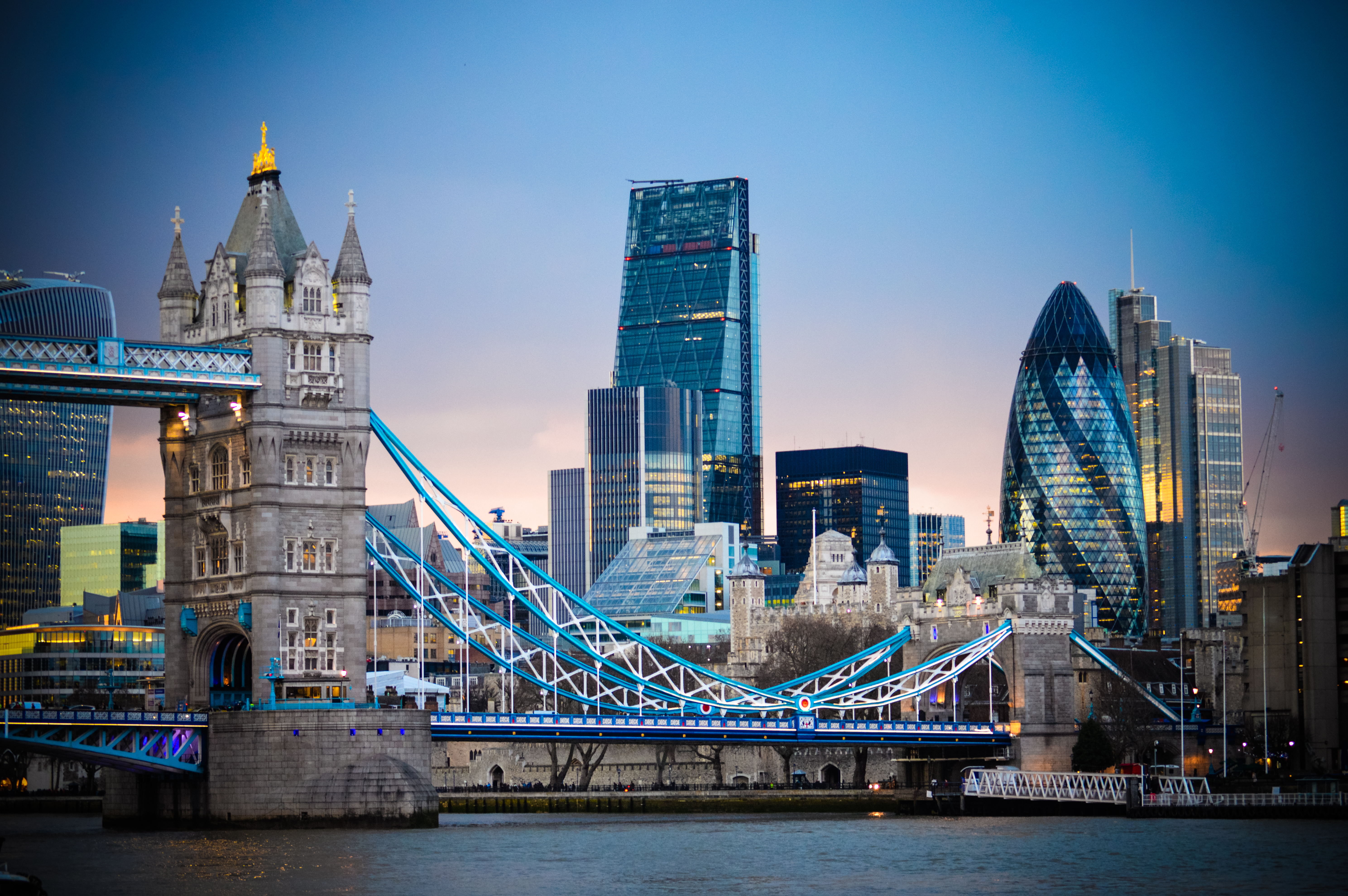,regionOfInterest=(2977,1979.5))
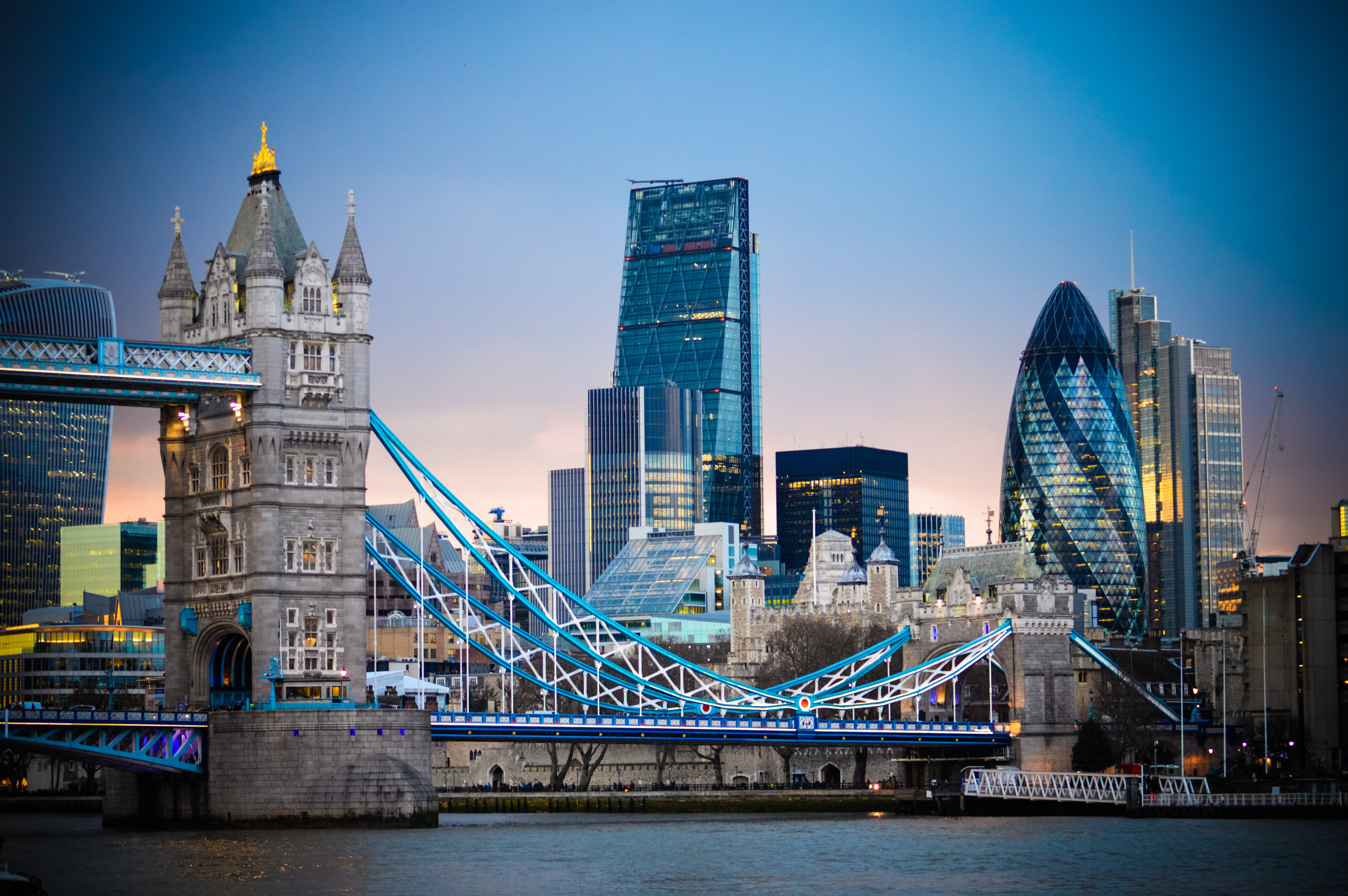,regionOfInterest=(2977,1979.5))
| Day | Area | Main places |
| Day 1 | Westminster and city centre | Big Ben, London Eye, Buckingham Palace, Trafalgar Square, Covent Garden and Soho |
| Day 2 | City and Thames | Tower of London, Tower Bridge, Sky Garden, Borough Market and St Paul's Cathedral |
| Day 3 | Museums and neighbourhoods | British Museum, Camden Town, Notting Hill and Hyde Park |
I dedicate this first day to the great symbols that have given the city worldwide fame. It is the perfect starting point to begin your London in 3 days guide with the most representative and monumental aspects of the capital.
The Palace of Westminster is one of the key points of any itinerary. This imposing Victorian neo-Gothic building is the seat of the British Parliament and a World Heritage Site. Contemplating its facade reflected in the waters of the Thames is one of the most breathtaking experiences the city offers, especially when remembering that decisions that have shaped modern history have been made here.
From here you can reach the next point on foot in less than 2 minutes.
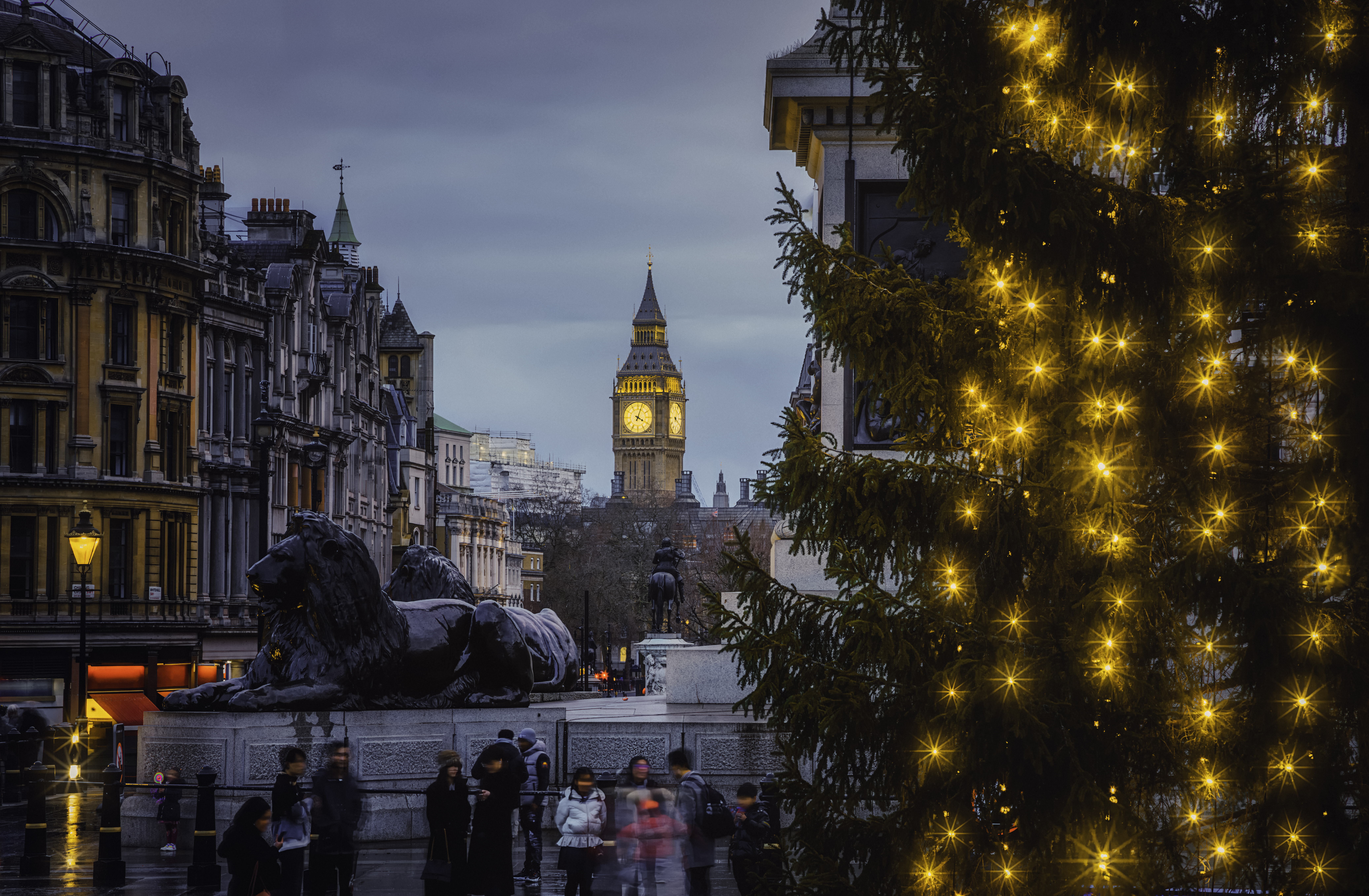
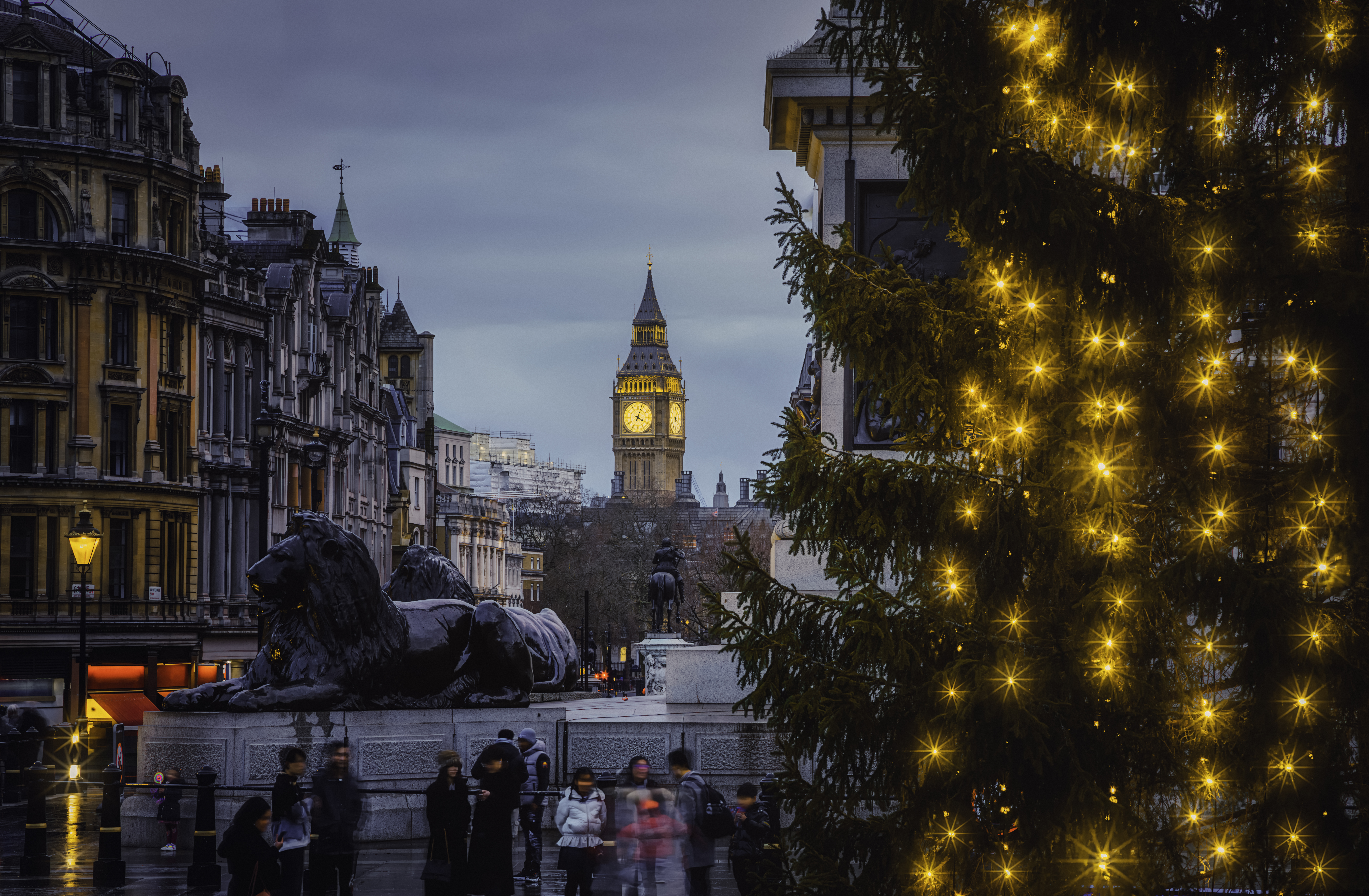
Big Ben is the most recognisable symbol of the capital and an essential stop. After a recent restoration, the Elizabeth Tower shines like never before with its golden details and deep blue glass dials. Hearing its famous chimes as the sun rises over the river is a moment that cannot be missing from your 3-day trip to London.
Cross Westminster Bridge on foot in about 5 minutes.
The London Eye offers unique panoramic views from its 135-metre height. Also known as the Millennium Wheel, its glass capsules allow you to see up to 40 kilometres away on clear days, enjoying an aerial perspective of the Abbey and the royal parks that you will not get from anywhere else.
Walk back towards Westminster in about 10 minutes.
An essential architectural gem, Westminster Abbey is a Gothic temple that has been the setting for royal coronations since 1066. Inside, you can discover the Poets' Corner and the tombs of legendary figures such as Charles Darwin or Isaac Newton.
Head to the next point by crossing St. James’s Park in about 15 minutes.
Buckingham Palace is the official residence of the British monarchy in London and an absolutely mandatory stop. Although the main facade is the most imposing, the surroundings of the parks that surround it and the Victoria Memorial create an atmosphere of unparalleled royalty. Walking here is to feel up close the protocol and tradition that so characterise the British.
Walk to the next point along The Mall in about 15 minutes.
Trafalgar Square is one of the liveliest and most significant places in the city. Guarded by the iconic bronze lions and Nelson's Column, it is the epicentre of London celebrations.
Furthermore, the National Gallery is located here, which has free entry and houses some of the most important works of art in Europe.
The next destination is just a 10-minute walk away.
The perfect place to enjoy afternoon tea or simply let yourself be carried away by its unique cultural and artistic atmosphere. Covent Garden is an old flower market full of life thanks to its street performers, its designer shops and its iconic covered market "Apple Market", which you won't be able to resist entering.
You can continue walking towards Soho without needing transport.
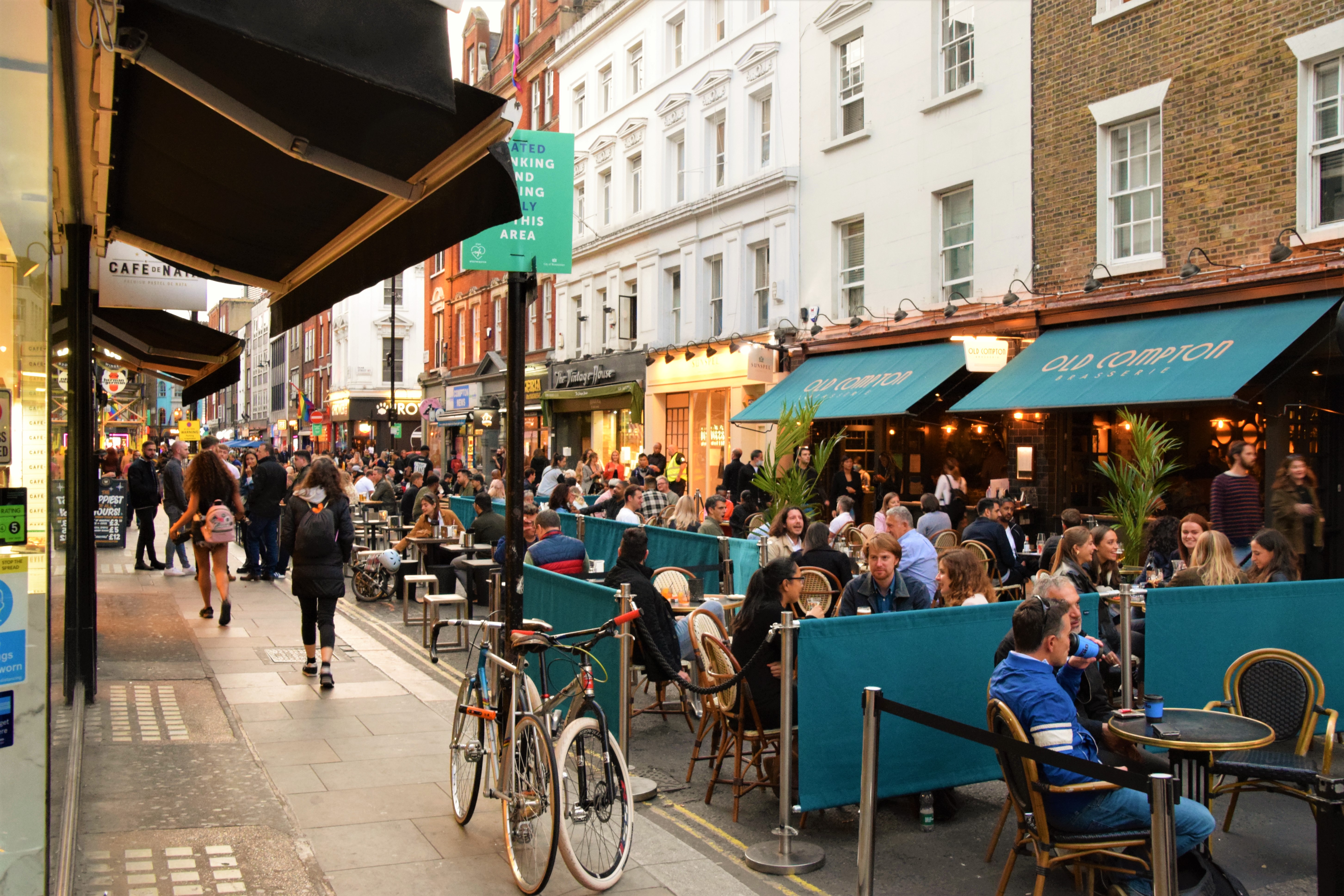
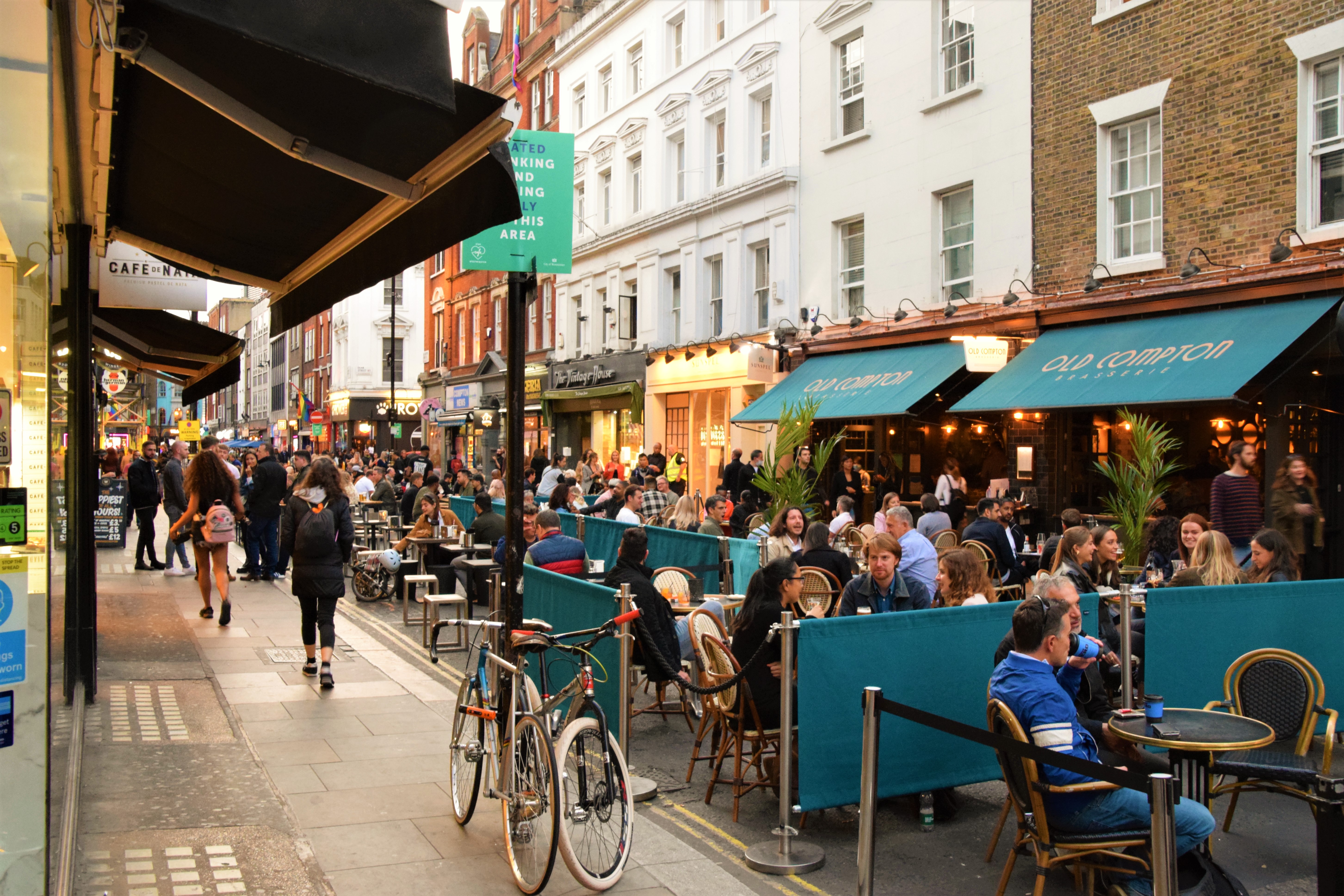
The Soho neighbourhood is my choice to close the first day seeing the face of London nightlife. Its narrow streets house everything from the best West End theatres to international restaurants and historic bars. It is the perfect area to have dinner and experience the most cosmopolitan and eclectic side of London. In this guide you will find what to see in Soho in detail.
Don't leave without crossing the iconic Chinatown arch or strolling through the photogenic Carnaby Street, the epicentre of fashion in the 60s.
,regionOfInterest=(4200,2800))
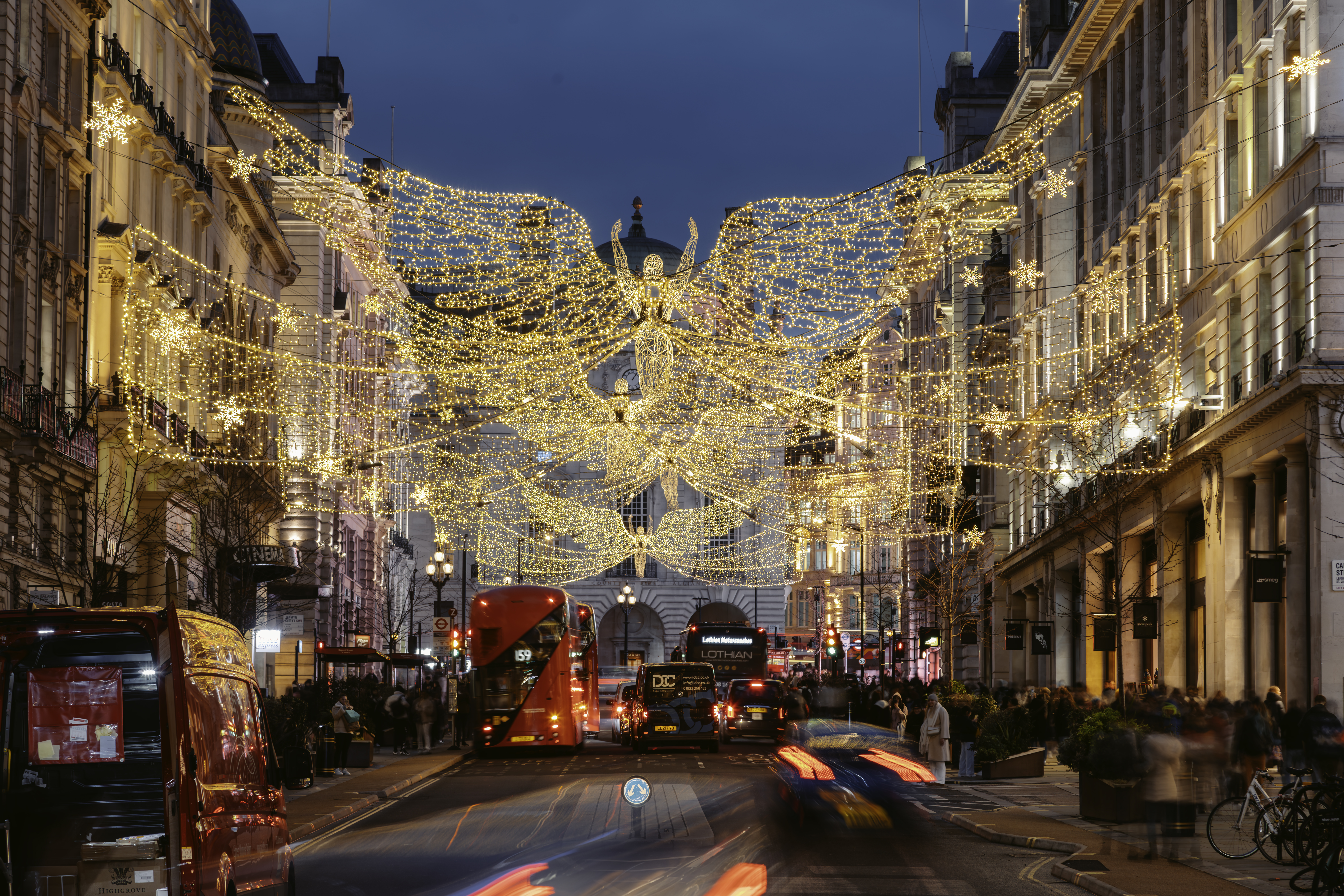,regionOfInterest=(4200,2800))
This second day focuses on the City and river area, where medieval history merges with the city's most cutting-edge skyscrapers.
The Tower of London is a thousand-year-old fortress that has served as a royal palace, prison and armoury. Today, it is famous for guarding the Crown Jewels. Walking through its walls accompanied by a Beefeater (the iconic guardians in Tudor uniforms who guard the fortress) is to step back in time to an era of medieval intrigue and legends.
Just a 5-minute walk away you will find the next point.
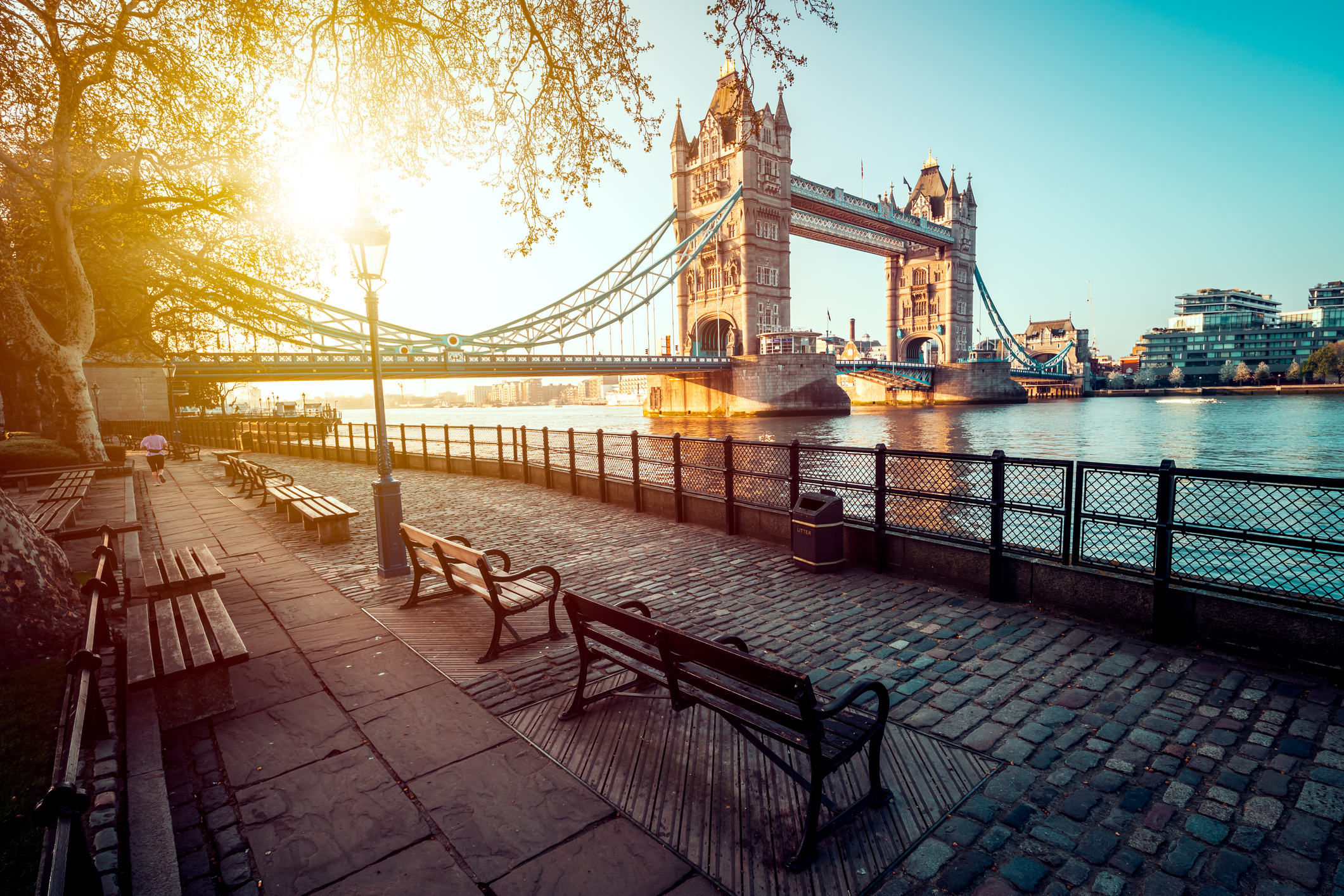
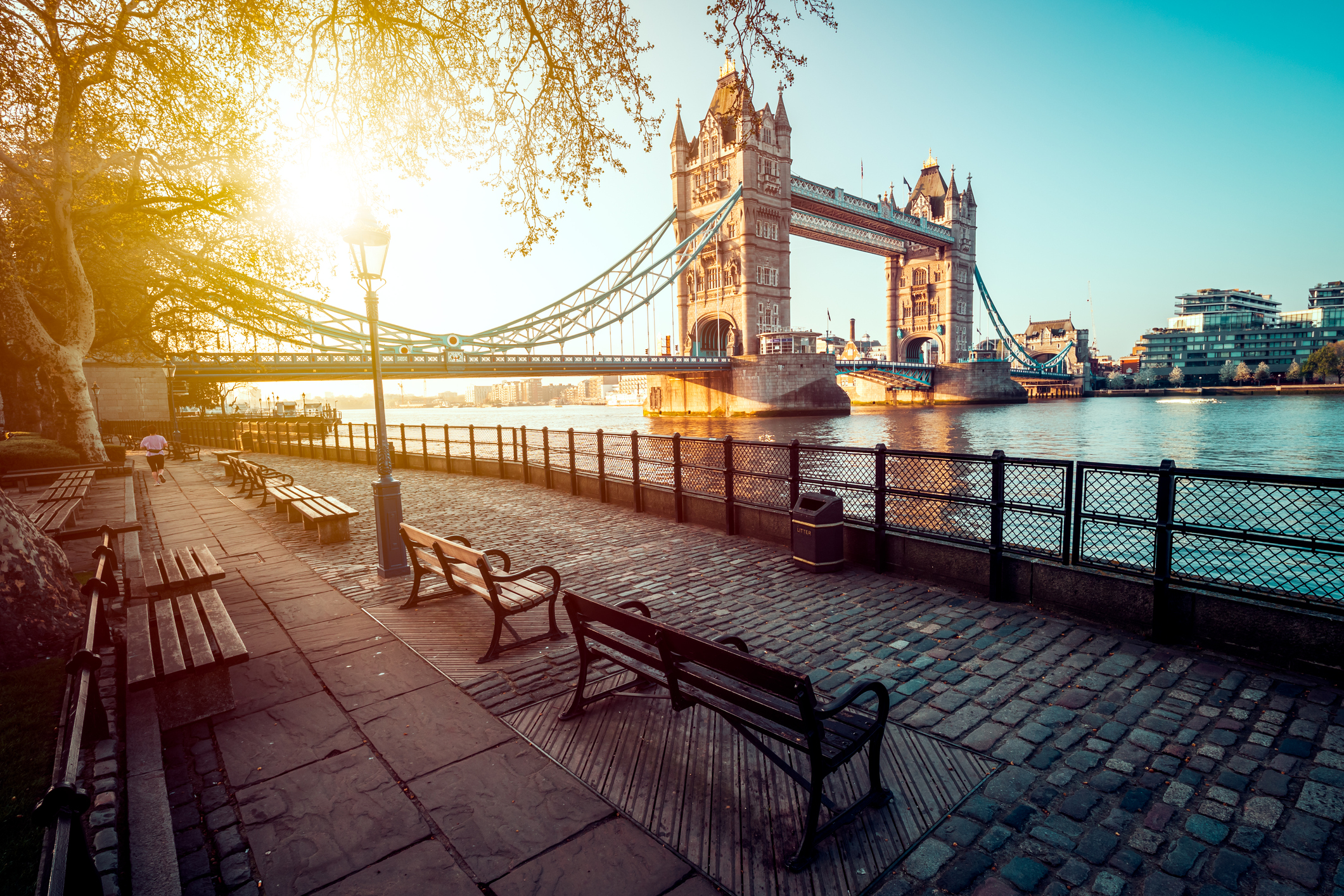
Tower Bridge is, without a doubt, one of the most iconic bridges in the world that you cannot miss crossing. Its Victorian neo-Gothic towers and glass walkways offer an impressive view over the river. Crossing it on foot while watching the river traffic is an experience that cannot be missing from your 3-day itinerary in London.
Continue walking by the river for about 15 minutes.
Located at the top of the Walkie-Talkie building, the Sky Garden offers incredible panoramic views in a tropical garden setting. It is a privileged viewpoint (and free, with mandatory prior reservation) that allows you to see the city from the heights surrounded by vegetation.
You can walk to the next point in about 15 minutes.
A paradise for food lovers, Borough Market, with centuries of history under its metal structures, is a market where you can try fresh local produce and street food from all over the world. It is the perfect place to grab a bite to eat and enjoy the most authentic and sensory atmosphere in the city.
Cross the river on foot in about 15 minutes via London Bridge.
St Paul's Cathedral, with its iconic white dome, is a masterpiece by the architect Christopher Wren. It is a symbol of London's resilience and its interior, which houses the Whispering Gallery and an imposing crypt, makes it one of the most iconic and breathtaking temples in all of Europe.
You can travel by metro to the next point in about 20 minutes.
A walk along the South Bank is perfect for closing the second day with unparalleled views of the illuminated Thames. Walking along the bank allows you to see the city skyline shining over the water, while you enjoy the street musicians and the atmosphere of the terraces by the river.
You can walk along it leisurely after dinner.
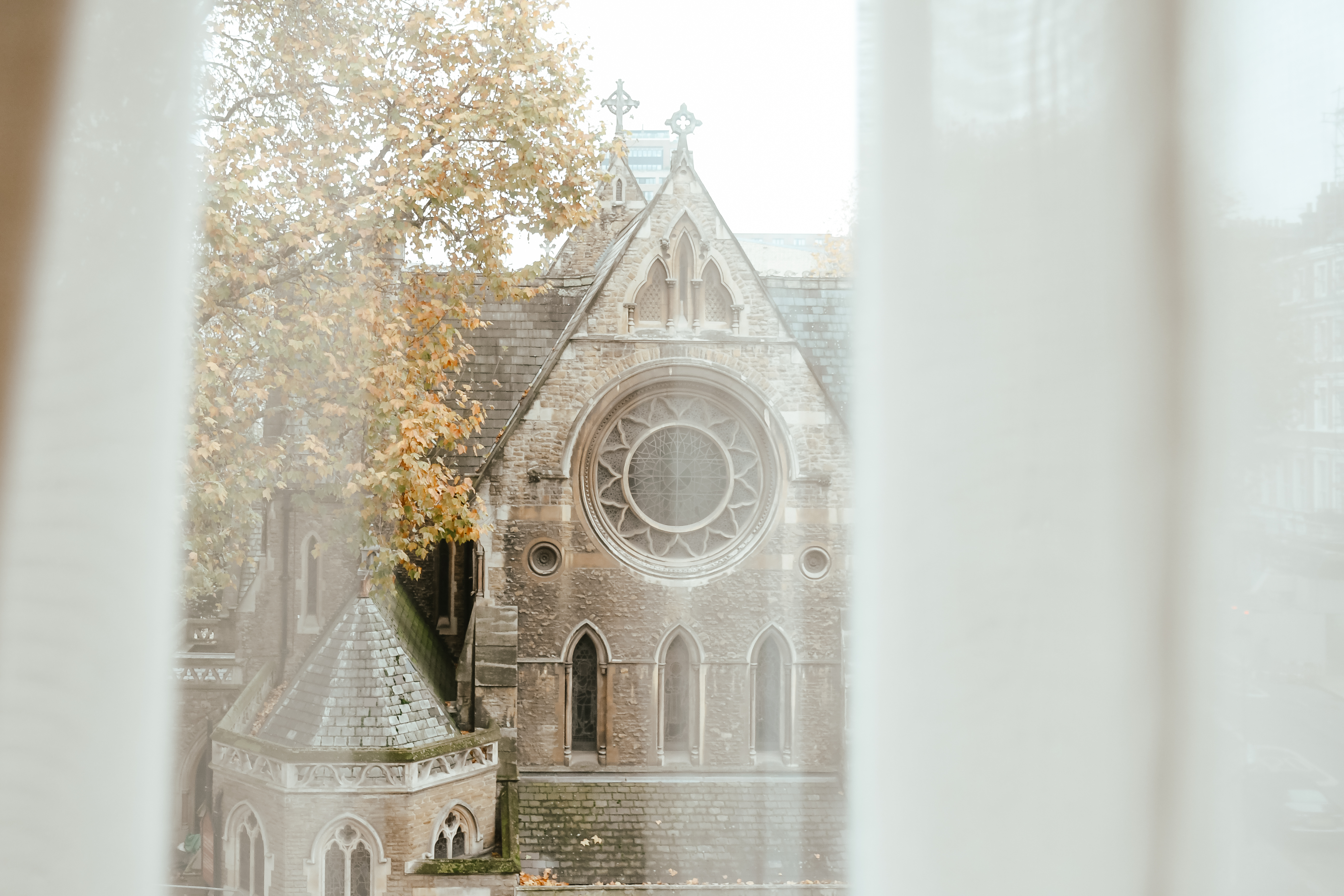,regionOfInterest=(2784,1856))
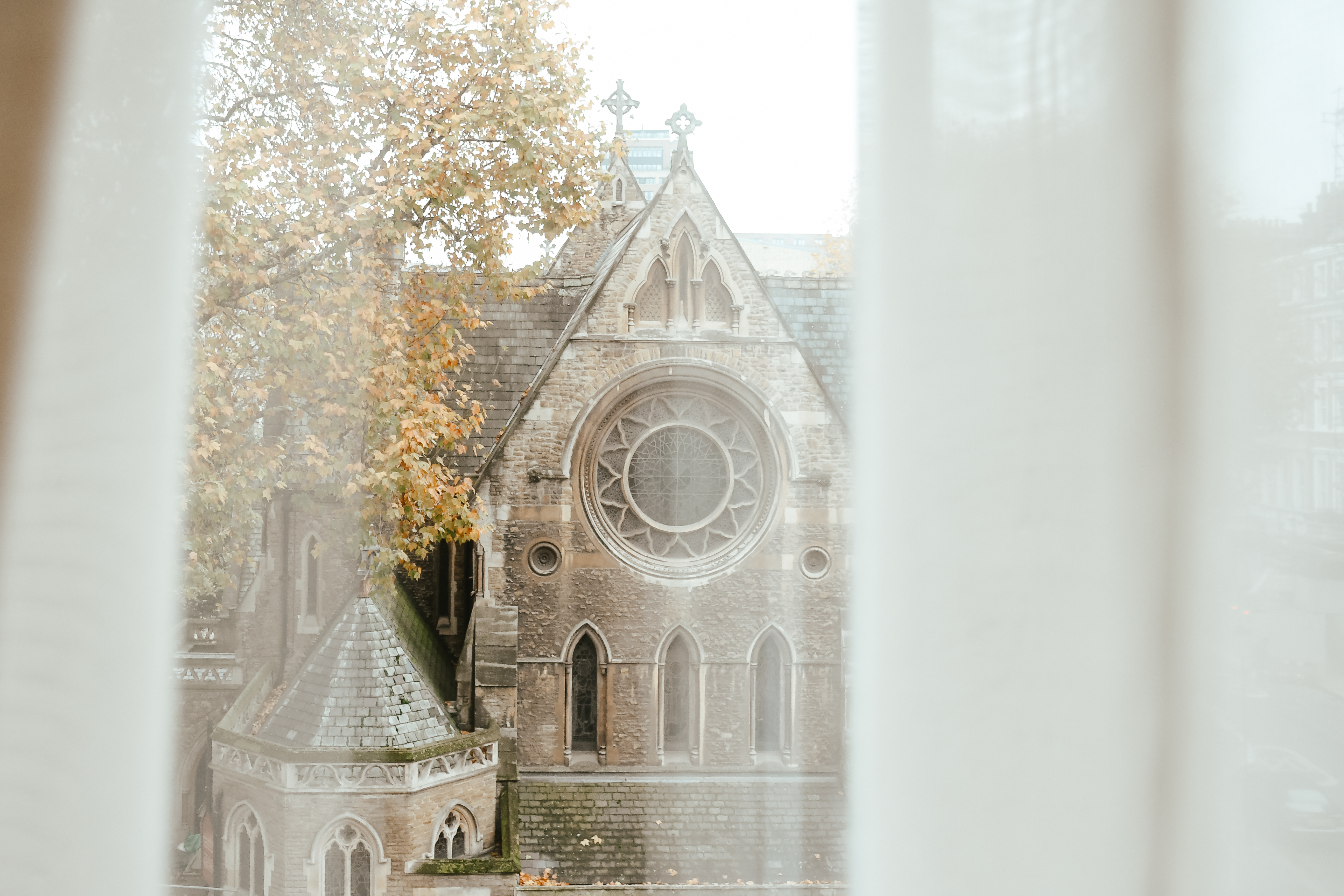,regionOfInterest=(2784,1856))
The last day of this 3-day guide to London combines culture, alternative leisure and residential neighbourhoods with a unique aesthetic.
The British Museum is one of the oldest and most important museums in the world. It houses incalculable treasures such as the Rosetta Stone or the Parthenon Marbles. It is an essential (and free) visit that allows you to travel through the history of humanity in just a few hours.
You can go to the next point by metro (Northern Line) in about 20 minutes.
The epicentre of alternative culture, Camden Town, with its markets, facades decorated with giant sculptures and its rebellious atmosphere, is a unique place.
Getting lost among the stalls of Camden Lock or trying exotic food by the canal is an experience that breaks with the elegance of the city centre and shows the most diverse side of the city.
You can travel to the next point by metro in about 25 minutes combining the Northern and Central lines.
One of the most picturesque and photogenic neighbourhoods in the capital, Notting Hill is famous for Portobello Road and its pastel-toned facades. Strolling through its streets will make you feel like you are on a film set, being the perfect place to look for antiques or simply enjoy its bohemian and well-kept aesthetic. If you want to know what to see in Notting Hill, you have it all here.
You can walk or take public transport in about 15 minutes.
An ideal place to relax and disconnect after three intense days of sightseeing, Hyde Park is the green lung of London. You can stroll around the Serpentine lake, visit the Princess Diana Memorial or simply sit on the grass to observe local life in one of the most famous parks in the world.
A few minutes' walk away you can end the route.
The Kensington neighbourhood is the perfect setting to end this 3-day itinerary in London in total tranquillity. Its stately streets and huge gastronomic offer will allow you to say goodbye to the city with a leisurely dinner, surrounded by the most exclusive buildings in the capital.
Don't leave without seeing Kynance Mews, one of the most beautiful and "secret" residential streets in London, located a few minutes' walk away.
To complete this London in 3 days itinerary and facilitate your organisation, you can use these maps with the points to see each day grouped by proximity:
📍See full route on Google Maps
📍See full route on Google Maps
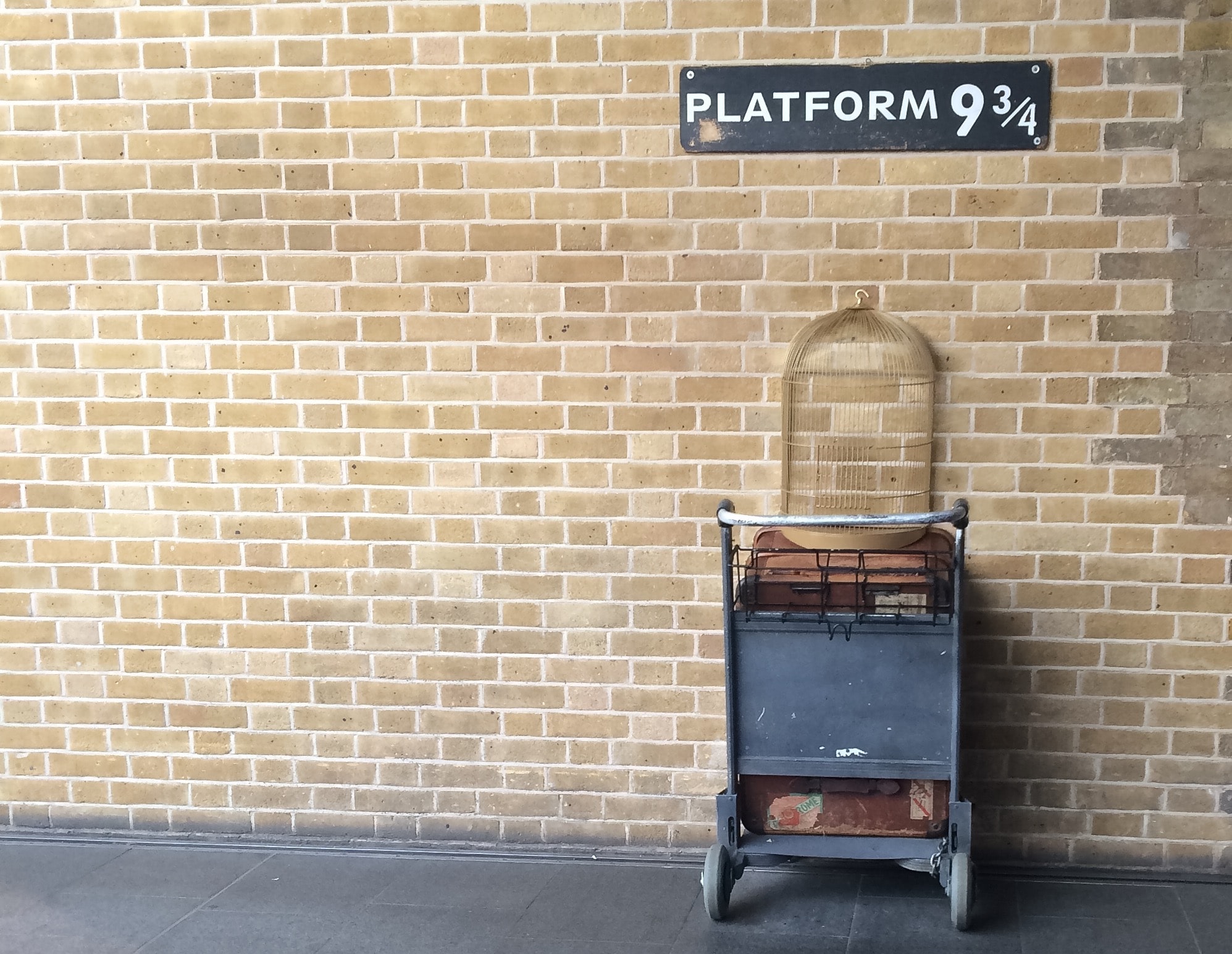,regionOfInterest=(997.5,772.5))
,regionOfInterest=(997.5,772.5))
To ensure your experience in the British capital is a success, the best advice I can give you is that planning is your best ally, but always leaving a small margin for improvisation.
London is an immense city and, although 3 days allow you to see the most important and essential things, it is fundamental to organise visits well by geographical area as we have done in this guide.
Other London guides by days:
,regionOfInterest=(1476.5,981.5))
,regionOfInterest=(1476.5,981.5))
,regionOfInterest=(1312.5,1750))
,regionOfInterest=(1312.5,1750))
,regionOfInterest=(2000,3000))
,regionOfInterest=(2000,3000))
,regionOfInterest=(886,588.5))
,regionOfInterest=(886,588.5))
,regionOfInterest=(3120,1755))
,regionOfInterest=(3120,1755))