,regionOfInterest=(2200,1237.5))
,regionOfInterest=(2200,1237.5))
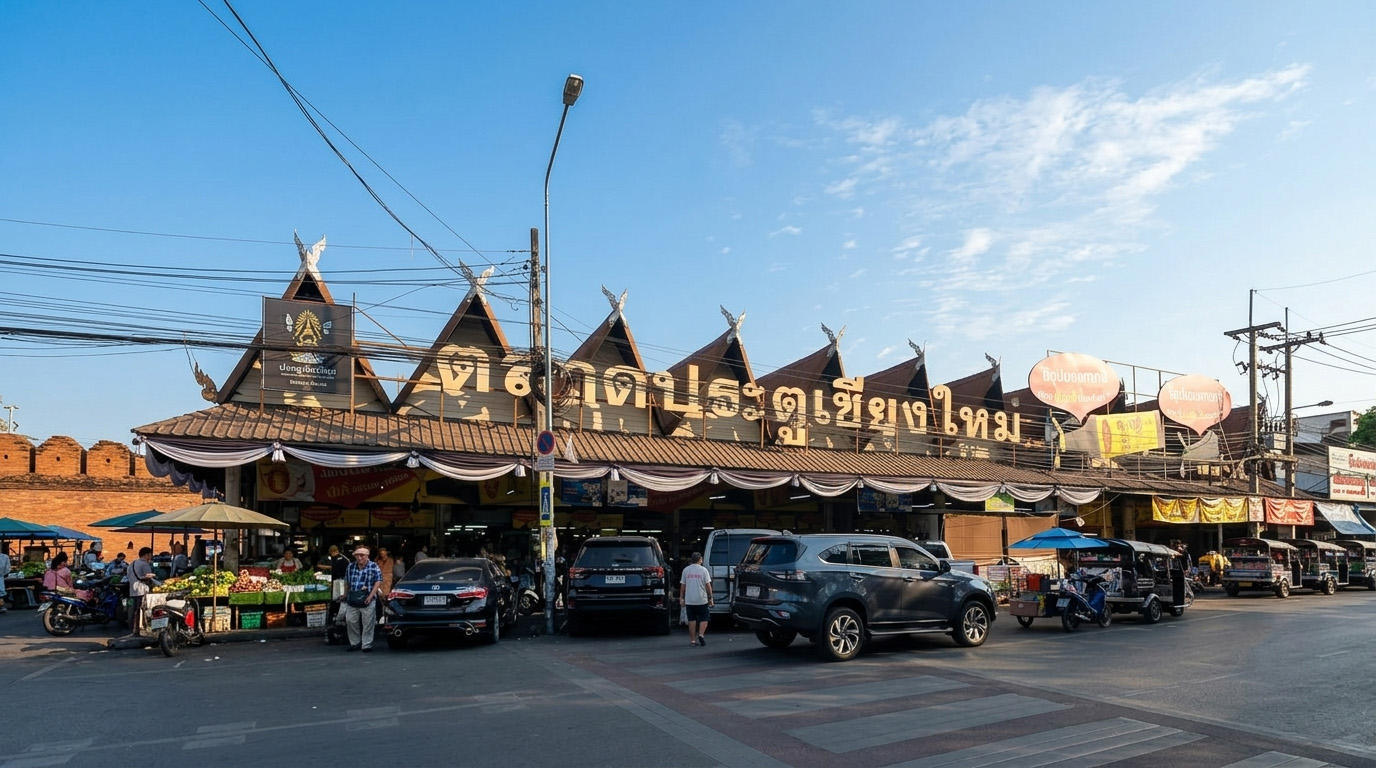
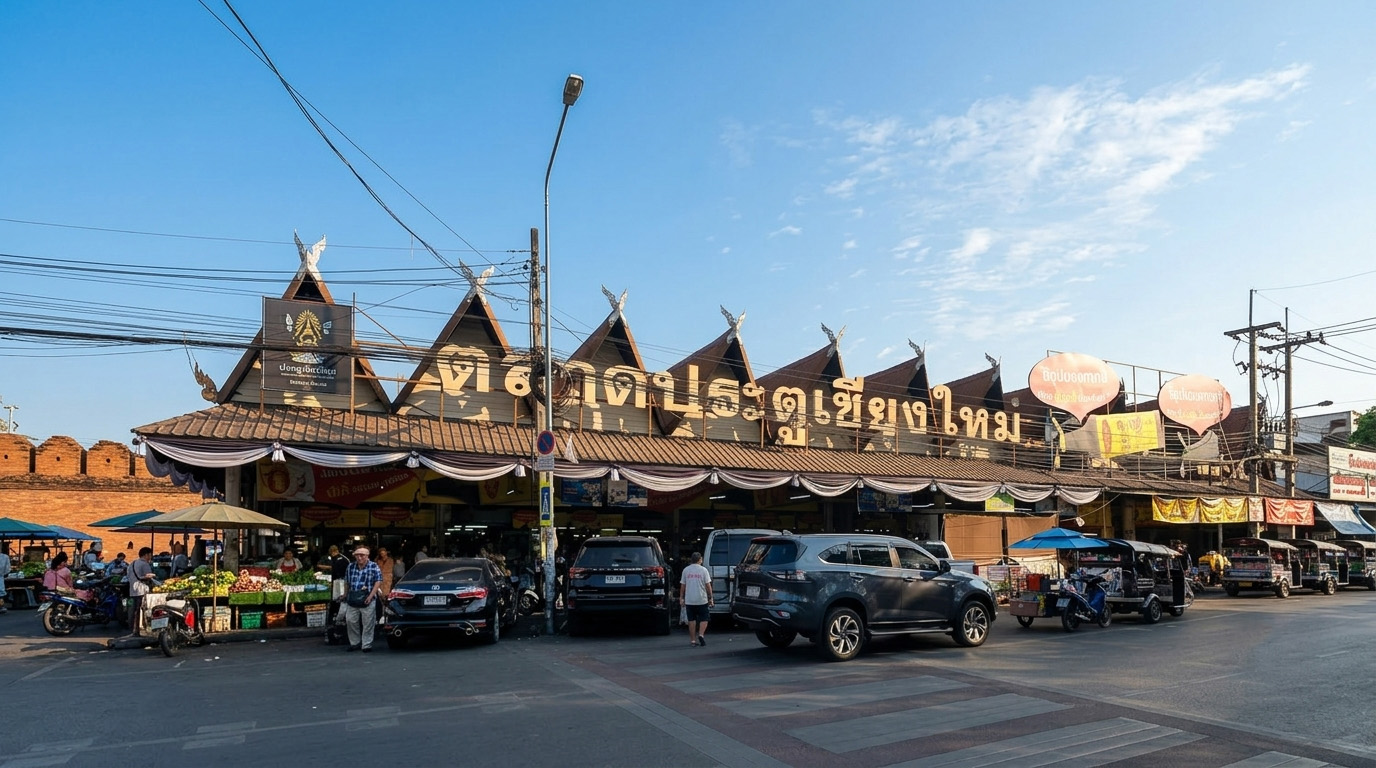
Chiang Mai Gate Night Market 2026: Complete Visitor Guide
,regionOfInterest=(688,384))
,regionOfInterest=(688,384))
Culture
,regionOfInterest=(2658,1772))
,regionOfInterest=(2658,1772))
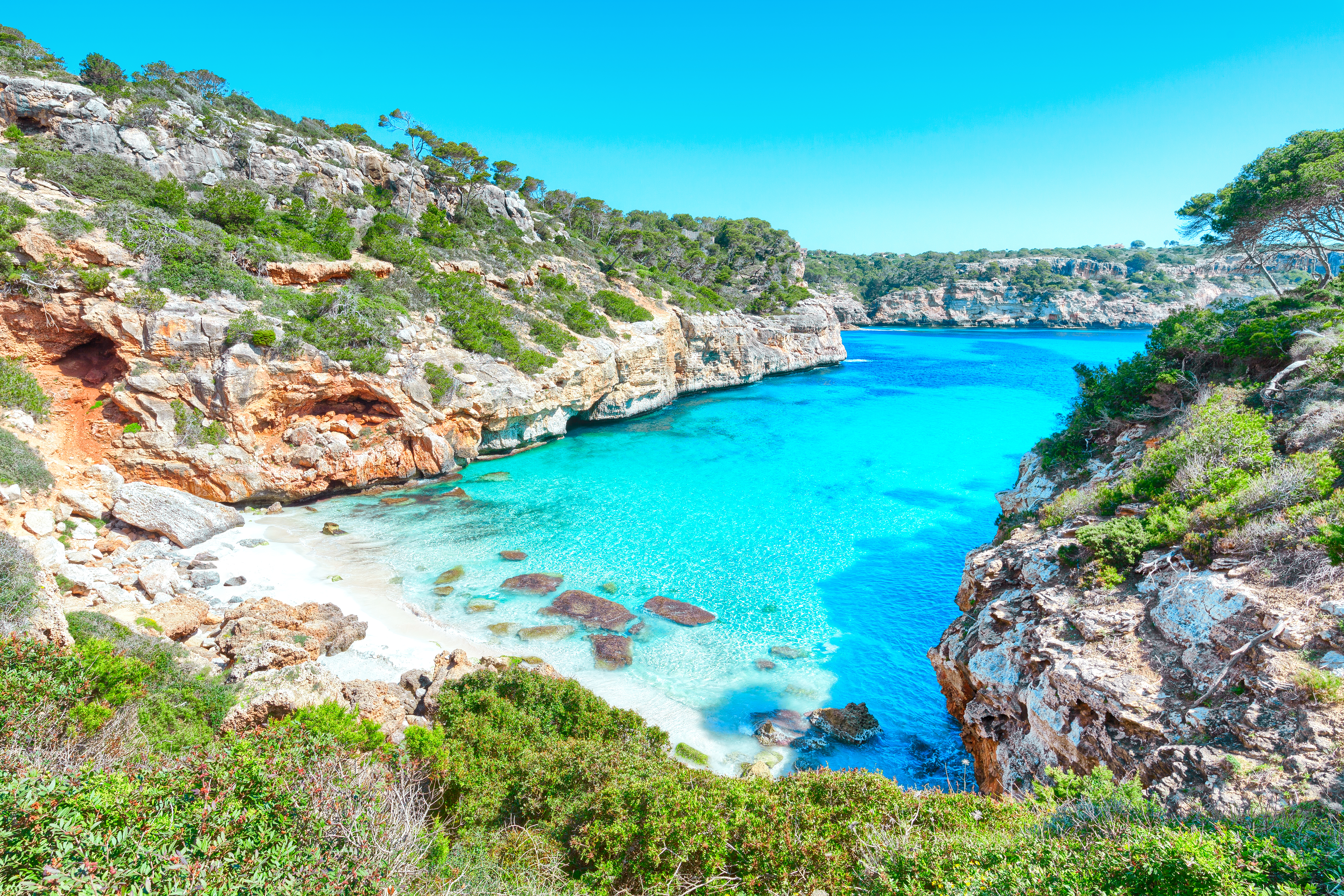
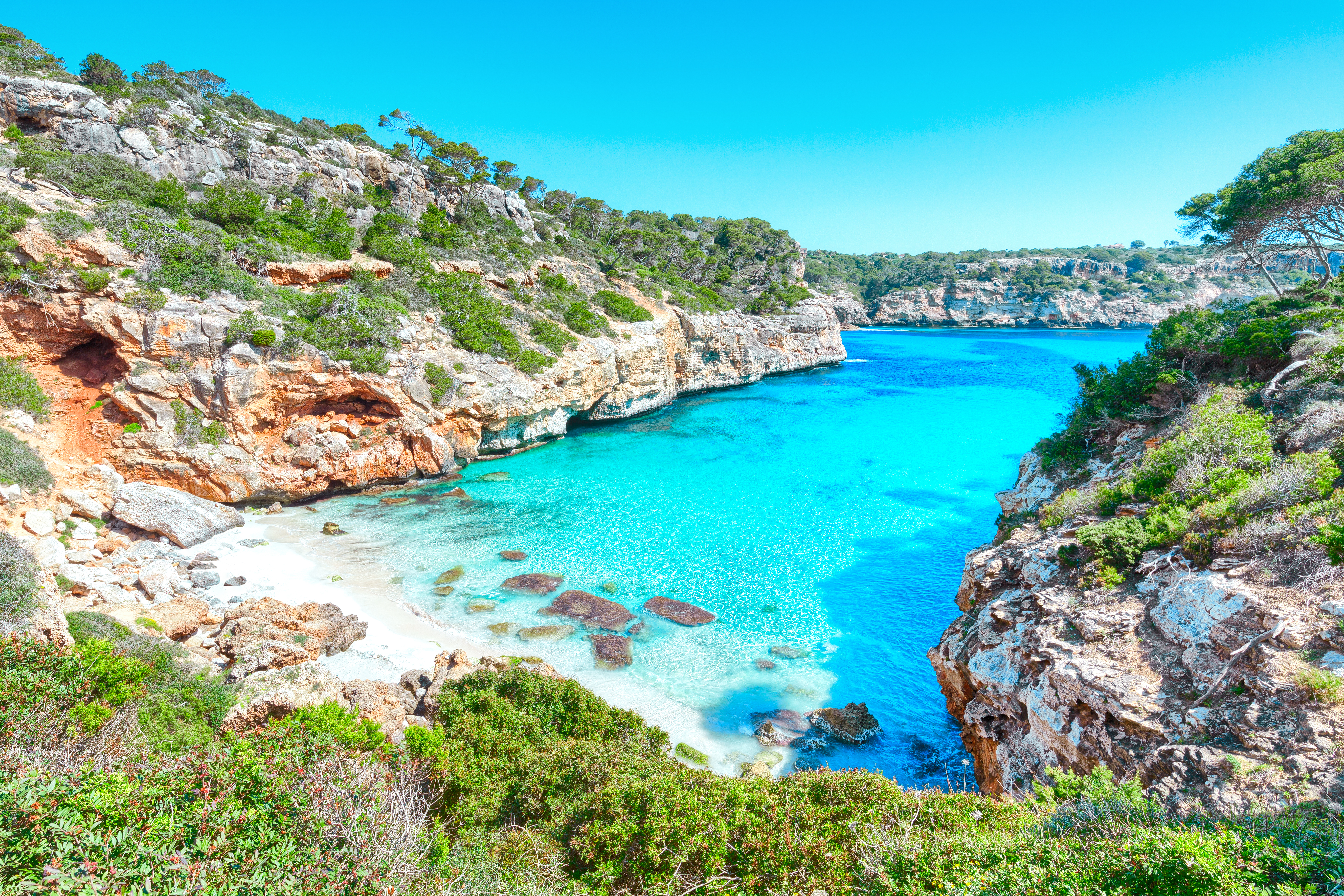
Mallorca offers much more than a quick getaway, and five days allow you to explore the island extensively. In that time, you can calmly combine heritage, mountain villages, small harbours, coves, and some of the most famous landscapes of the Serra Tramuntana.
This 5-day Mallorca itinerary is designed to help you organise your trip logically, grouping visits by area and minimising long journeys. Check out how extensive the list of places to visit in Mallorca can be, make the most of each day, and discover all the variety the island has to offer.
,regionOfInterest=(200,200))
,regionOfInterest=(200,200))
Culture
,regionOfInterest=(2500,1667))
,regionOfInterest=(2500,1667))
,regionOfInterest=(1132,844.5))
,regionOfInterest=(1132,844.5))
,regionOfInterest=(3008,2008))
,regionOfInterest=(3008,2008))
,regionOfInterest=(2969.5,1982.5))
,regionOfInterest=(2969.5,1982.5))
| Day | Area | Main sights | |
| 1 | Palma | Palma Cathedral (La Seu), Almudaina Royal Palace, Plaça Major, Bellver Castle, and Palma's Lonja. | |
| 2 | Serra de Tramuntana | Valldemossa, Deià, Sóller, and Port de Sóller. | |
| 3 |
|
Caves of Drach, Porto Cristo, Manacor, and Caves of Hams. | |
| 4 | Southeast | Caló des Moro, Cala Llombards, Cala Mondragó, and Cala Varques. | |
| 5 | North | Alcúdia, Pollença, and Es Colomer Viewpoint. |
,regionOfInterest=(950,950))
,regionOfInterest=(950,950))
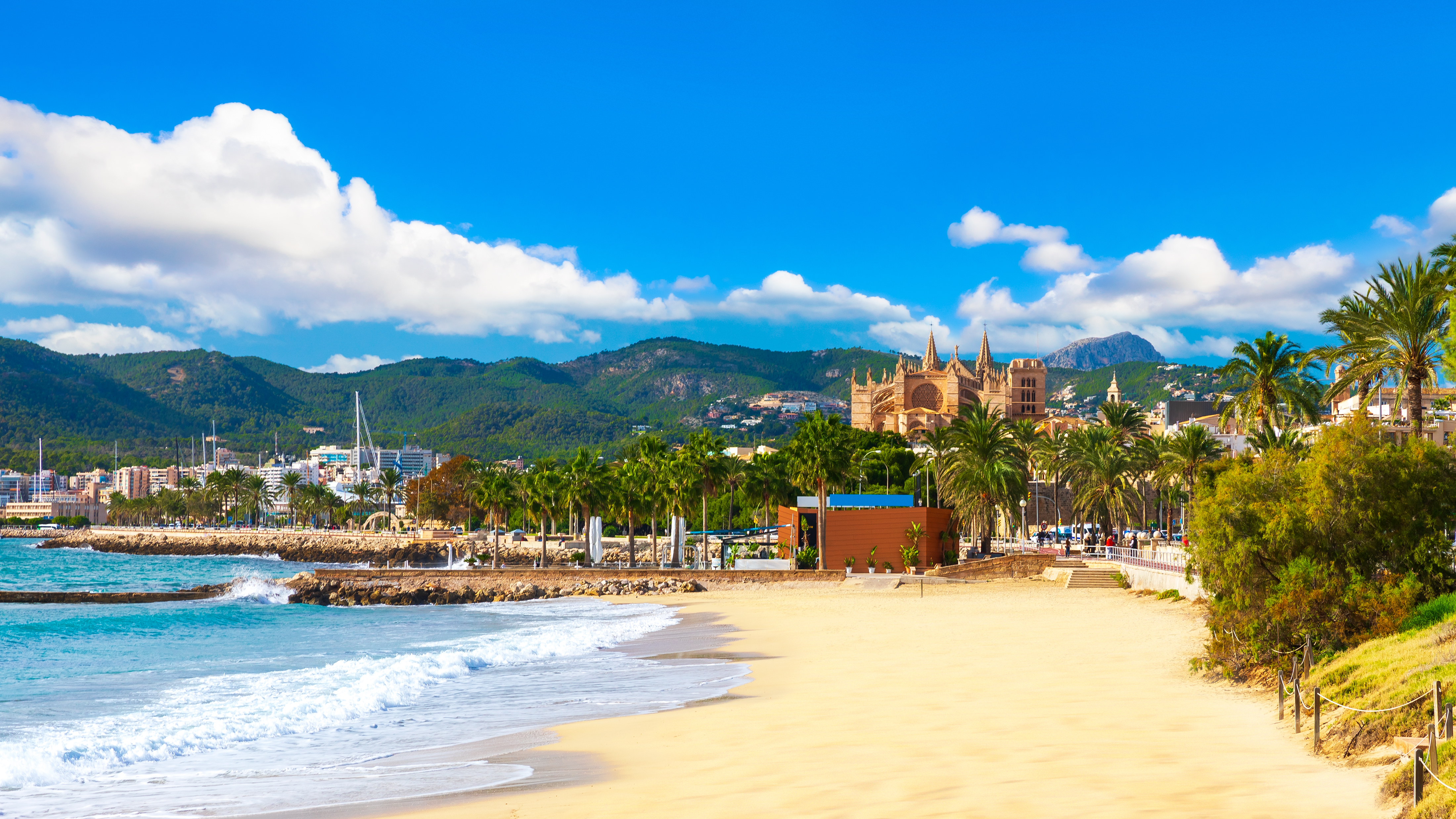
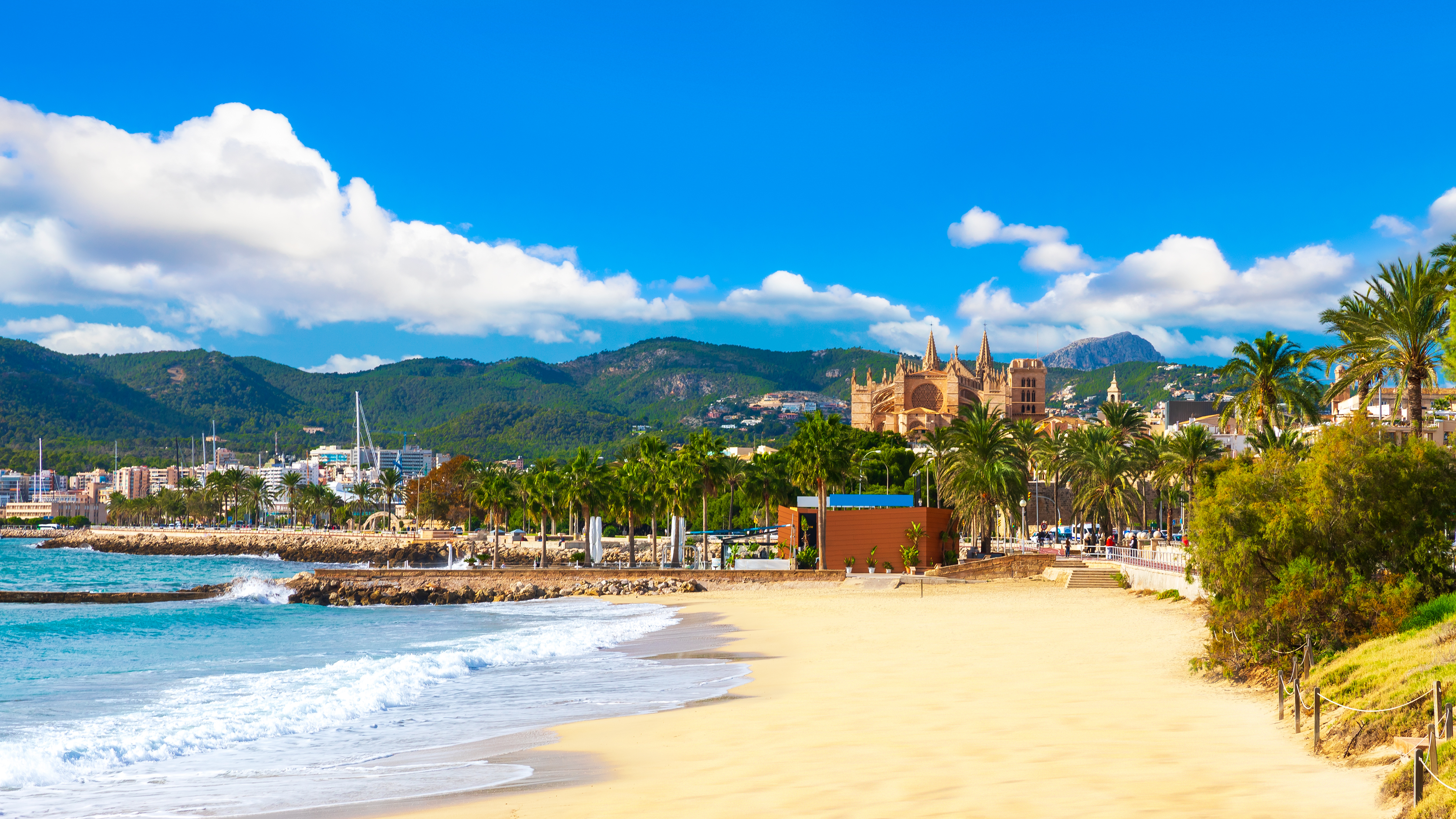
The guide begins with what to see in Palma de Mallorca, the capital. This first day can largely be done on foot and includes some of the island's most important monuments.
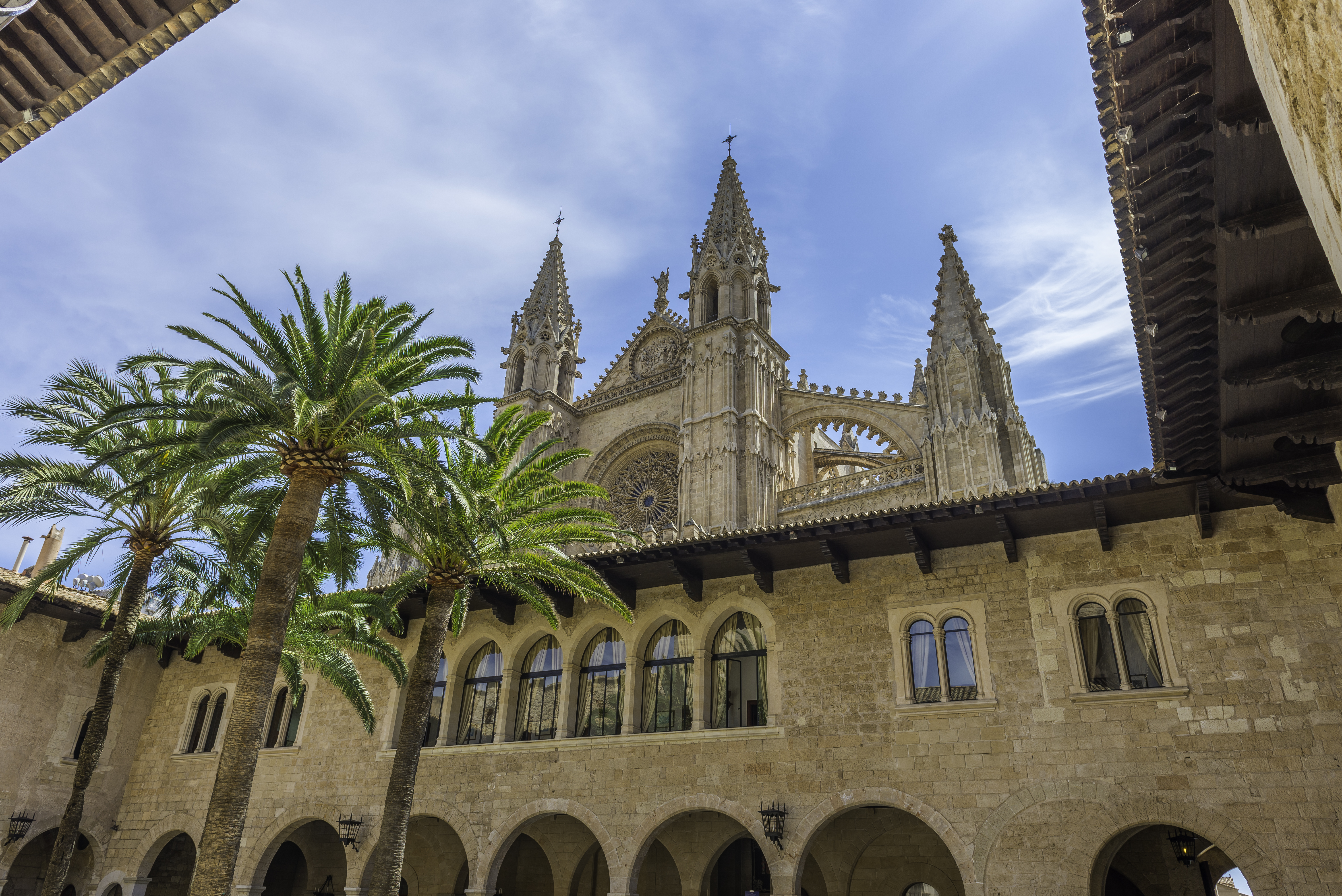
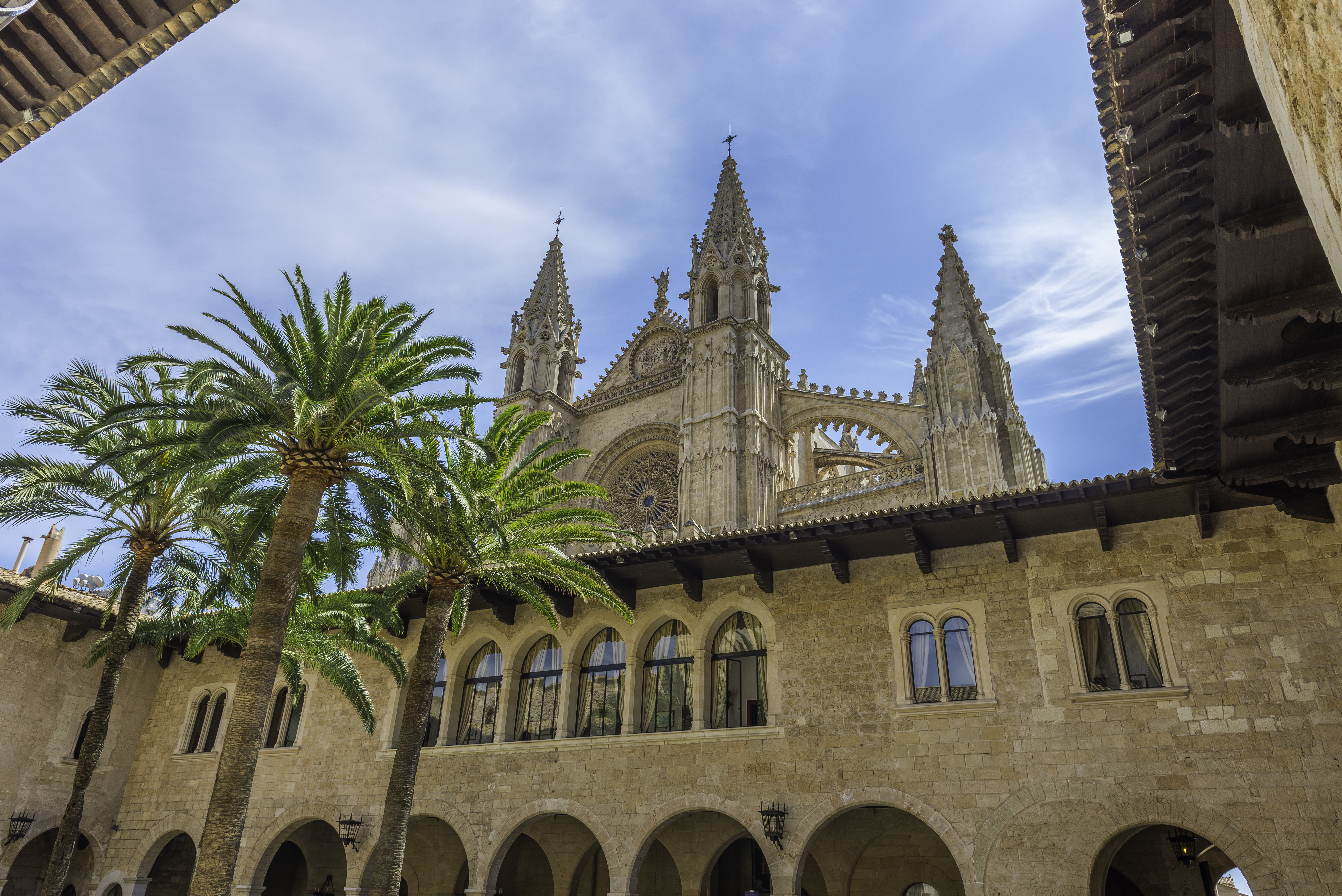
Known as La Seu, the impressive Palma Cathedral is much more than an architectural symbol: it represents the historical identity of the island. Its Gothic facade facing the sea is one of the most recognisable images of the city.
Additionally, if you travel on February 2nd or November 11th, you can witness the 'Vuit de la Seu' light phenomenon. Inside the basilica, when the first rays of the sun pass through the main rose window of the Cathedral and its reflection aligns beneath the opposite rose window on the main facade, it creates the shape of a luminous eight.
📍Check opening hours and prices
From here, you can reach the next point on foot in less than 3 minutes.
The historic Almudaina Royal Palace allows you to travel back to Mallorca's Muslim and medieval past.
Its walls overlook the bay, and its interior reflects centuries of political and cultural transformation. Walking through its courtyards helps you understand the island's strategic importance in the Mediterranean.
📍Check opening hours and prices
You can continue the tour on foot towards the historic centre in about 10 minutes.
Strolling through the streets of Palma's historic centre allows you to discover some of its most well-known stately courtyards, such as Can Vivot or Can Oleza. The Plaça de Cort, where the City Hall is located, houses the famous 'Olivera de Cort', a centuries-old olive tree that has become a symbol of the city.
The Plaça Major, built over the former convent of San Felipe Neri, connects to shopping streets like Sant Miquel or Sindicat. It's a good area to take a break and try an ensaimada at the legendary café Ca'n Joan de S'Aigo.
Take a taxi or bus to Bellver Castle. You'll be there in about 15 minutes.
The unique Bellver Castle is one of the few circular castles in all of Europe. From its elevated position, it offers a wide panoramic view of the Bay of Palma and helps to understand the city's geography and its relationship with the sea.
📍Check opening hours and prices
From here, you can take a taxi down to the Paseo Marítimo in about 10 minutes.
Back at sea level, visit Palma's Lonja, the work of Guillem Sagrera and one of the great examples of Mallorcan civil Gothic architecture.
As you leave, the Paseo Marítimo invites you to walk among the palm trees, observing how luxury yachts contrast with traditional fishing boats (llaüts).
Just a 5-minute walk away, you can return to the old town for dinner.
The evening in Palma combines heritage, a pleasant stroll, and an urban atmosphere. You can dine in the historic centre and then head to areas like the Santa Catalina neighbourhood or La Lonja, known for their lively atmosphere without long journeys.
,regionOfInterest=(3976,2652))
,regionOfInterest=(3976,2652))
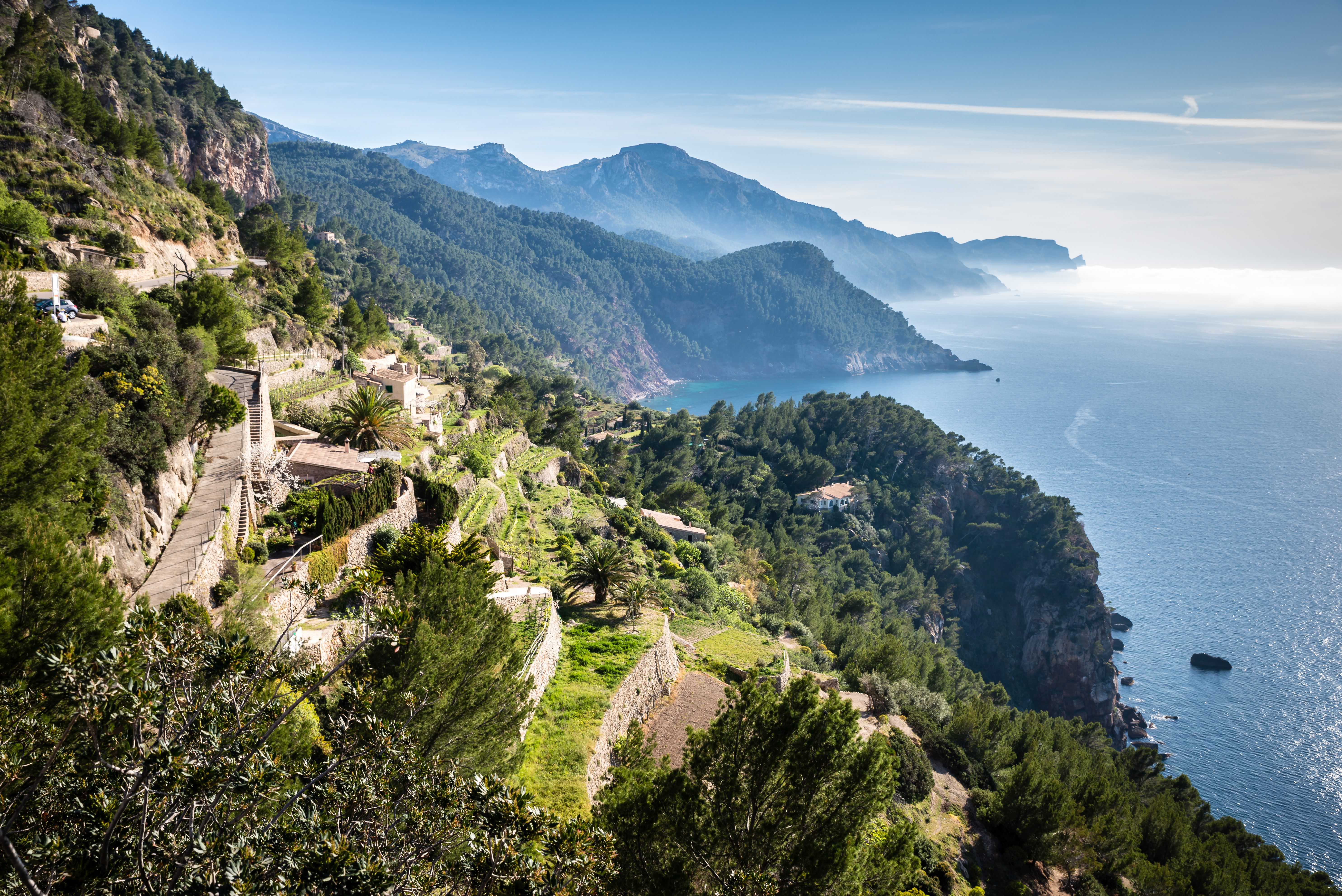
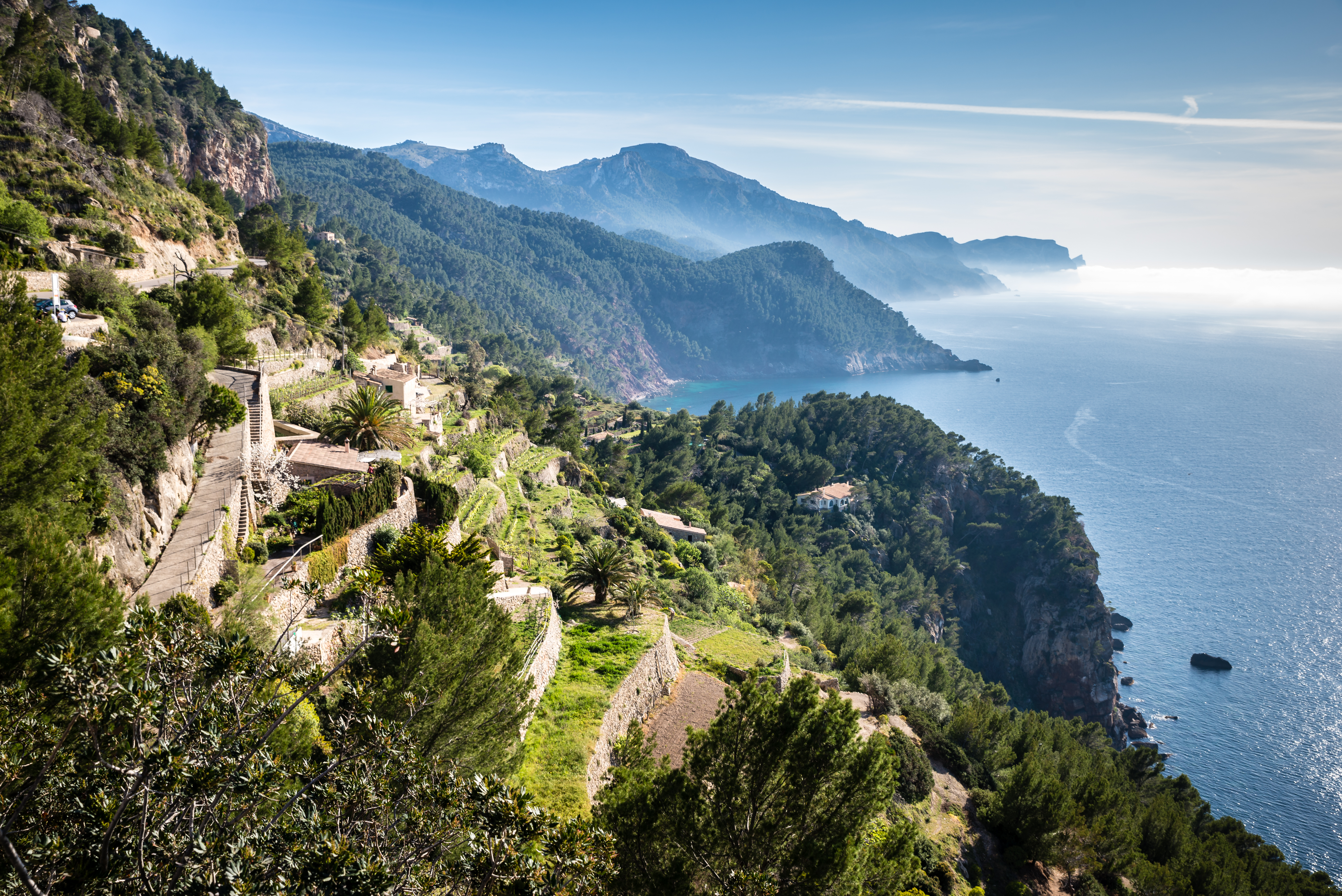
The second day of this 5-day Mallorca route takes you to the Serra de Tramuntana, a UNESCO World Heritage site for its ingenious system of agricultural terraces and water management.
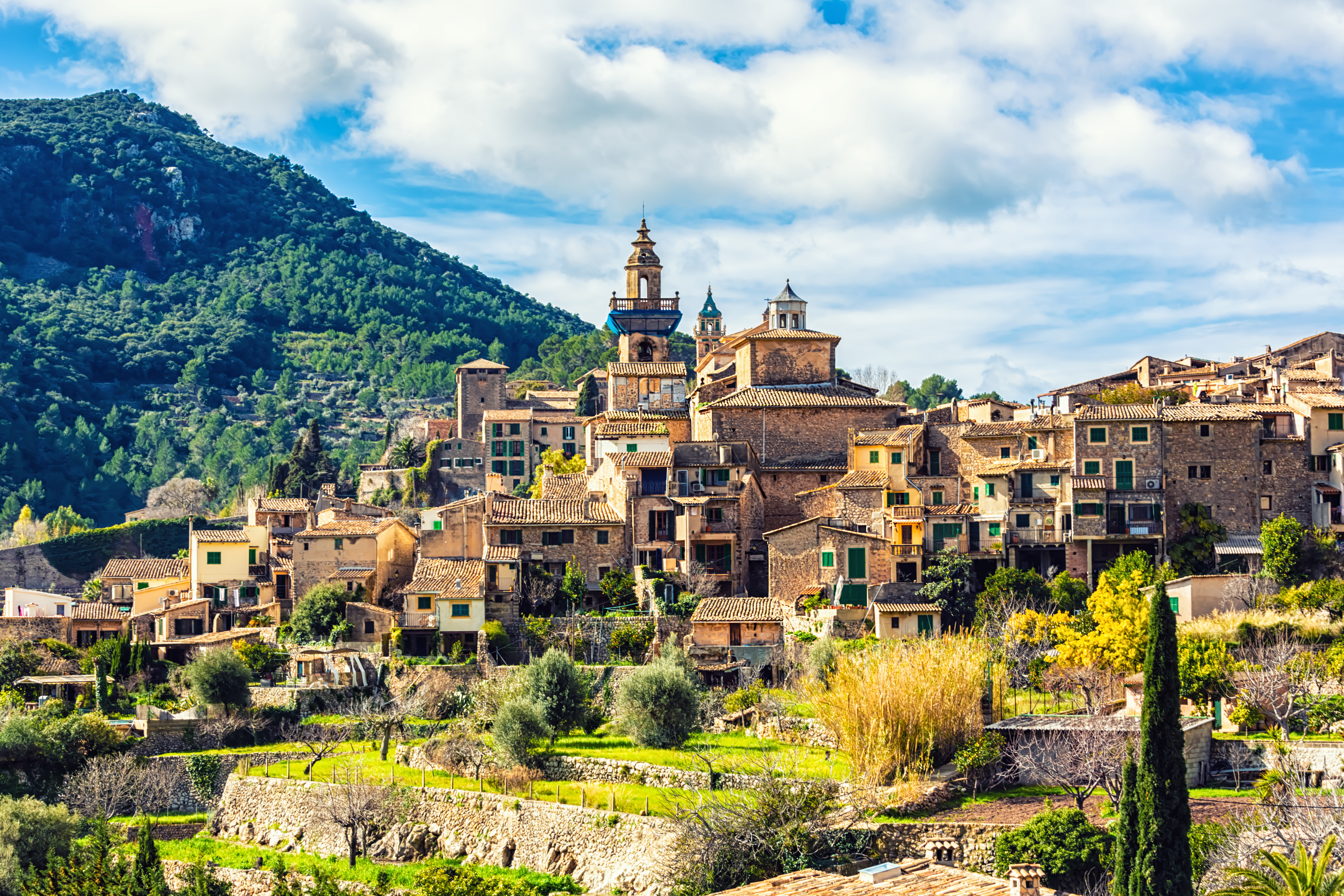
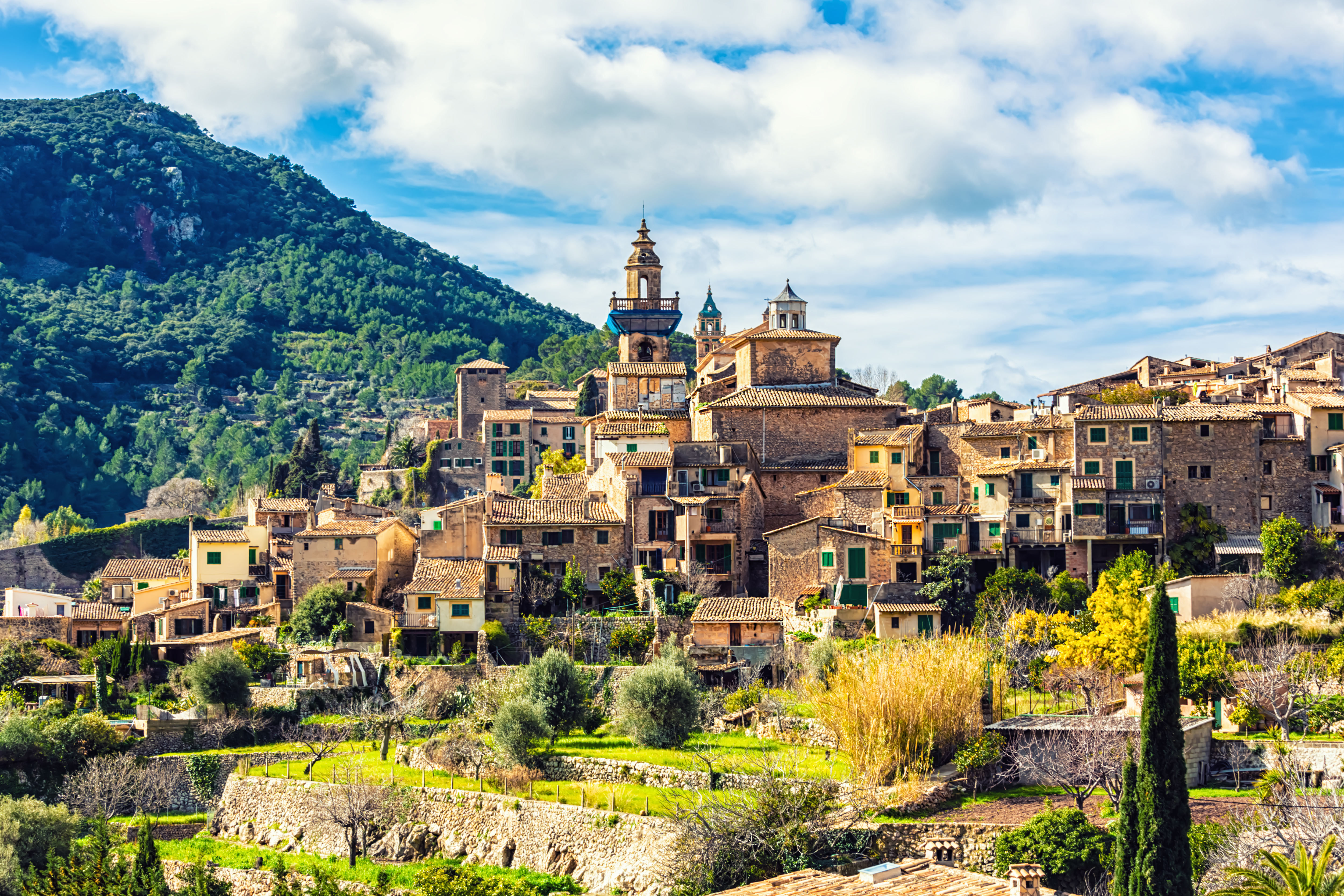
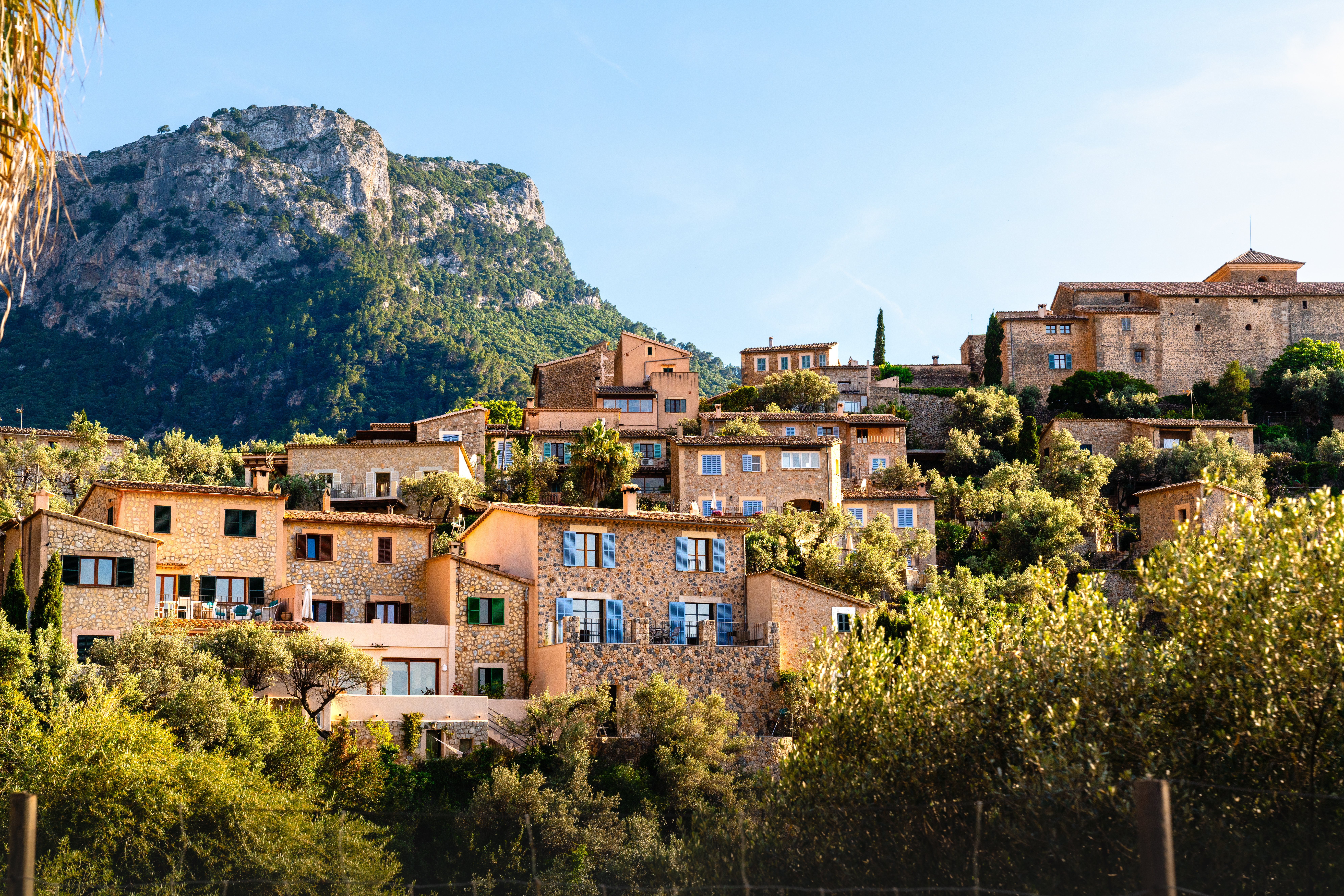
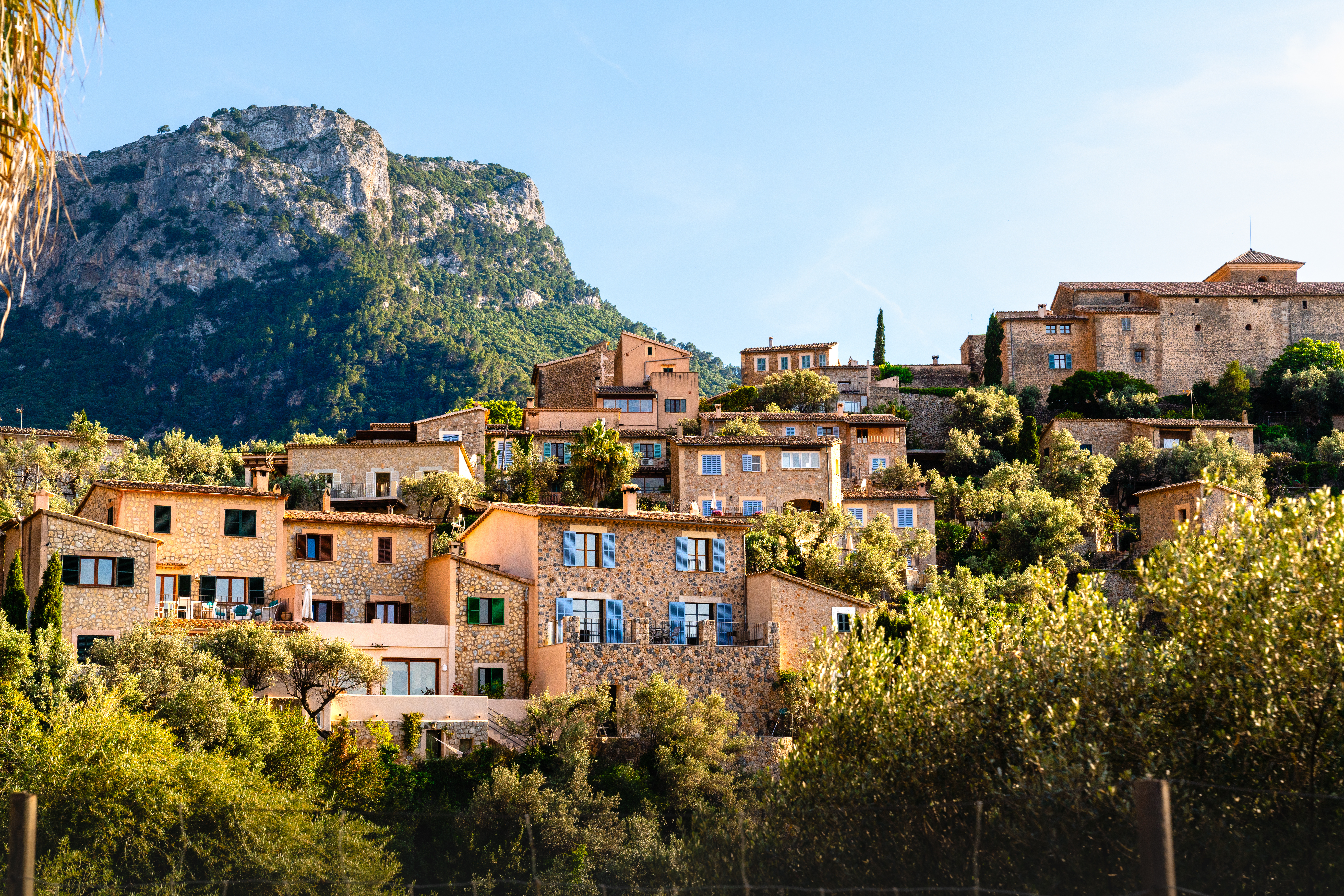
About 20 minutes from Palma is Valldemossa, one of the most famous villages in the Tramuntana. Its cobbled streets, balconies overflowing with plants, and tiles honouring Santa Catalina Thomàs are part of its most characteristic image.
You can't leave without visiting the Royal Carthusian Monastery, where composer Frédéric Chopin and writer George Sand spent the winter of 1838, adding a cultural dimension to the visit.
Finish by trying the famous coca de patata (potato cake) accompanied by a hot chocolate or almond ice cream.
Take the car from Valldemossa and you can reach the next point in 15 minutes.
Following the coastal road, you'll reach Deià, a village perched on a hillside that has captivated celebrities and artists, such as the writer Robert Graves.
In a privileged setting, it's a place to stroll leisurely to its cemetery, which offers one of the best views of the Mediterranean.
If you have time, you can visit Cala Deià, a rocky cove with crystal-clear waters and a beach bar famous for its fresh fish.
Continue by car for about 20 minutes towards Sóller via the scenic road.
In the central valley of the mountain range, Sóller is famous for its orange and lemon groves. The Plaça de la Constitució and the Church of Sant Bartomeu are the main points of monumental interest in the centre.
It's a pleasure to sit at a terrace and watch the wooden tram that crosses the square.
You can go down to Port de Sóller by the historic tram or by car.
Located in an almost circular bay protected by two lighthouses, Port de Sóller is an excellent place for a stroll along the sea at the end of the day.
Enjoying the sunset on Passeig Es Través and the docks, with the Tramuntana mountains in the background, provides a unique visual experience.
You can drive to one of the nearby viewpoints on the road to enjoy a different perspective of the illuminated bay.
You can choose to dine in Port de Sóller overlooking the sea or return to Palma. The night in the Tramuntana is tranquil, perfect for enjoying a relaxed atmosphere after an intense day in nature.
The third day completely changes the landscape of the route. The east of Mallorca awaits you to discover its caves, coast, and several villages closely linked to the sea.
Very close to Porto Cristo, the impressive Caves of Drach extend over 1,200 metres and descend to a depth of 25 metres.
The underground tour includes Martel Lake and some of the most recognisable geological formations on the island.
📍Check opening hours and prices
In just an 8-minute drive (20 on foot), you can reach Porto Cristo.
After this visit, it's worth taking a stroll through the port of Porto Cristo, a coastal area with a tranquil atmosphere and strongly linked to maritime tradition.
Then, it's time to go to Manacor, a city with a more urban profile, known for its connection with Majorica Pearls. You can visit its factory and museum, an excellent option if you are interested in the manufacturing process of these famous organic pearls.
It is also the hometown of Rafa Nadal, and his sports centre (Rafa Nadal Academy) is a must-visit for sports enthusiasts.
From this location, take a car or taxi, and in about 15 minutes, you'll be at the next destination on this route to visit Mallorca in 5 days.
A short distance from the Caves of Drach are the Caves of Hams, discovered in 1905. They are famous for their hook-shaped formations ('hams' in Mallorcan) that defy gravity. They are less crowded than the Caves of Drach, allowing for a more intimate and peaceful visit.
📍Check opening hours and prices
The visit includes a light and music show inside, which is part of the tour experience.
Porto Cristo is an excellent place for dinner. It's a calmer area than Palma, where you can easily find restaurants to enjoy delicious fish and local cuisine.
,regionOfInterest=(2808,1872))
,regionOfInterest=(2808,1872))
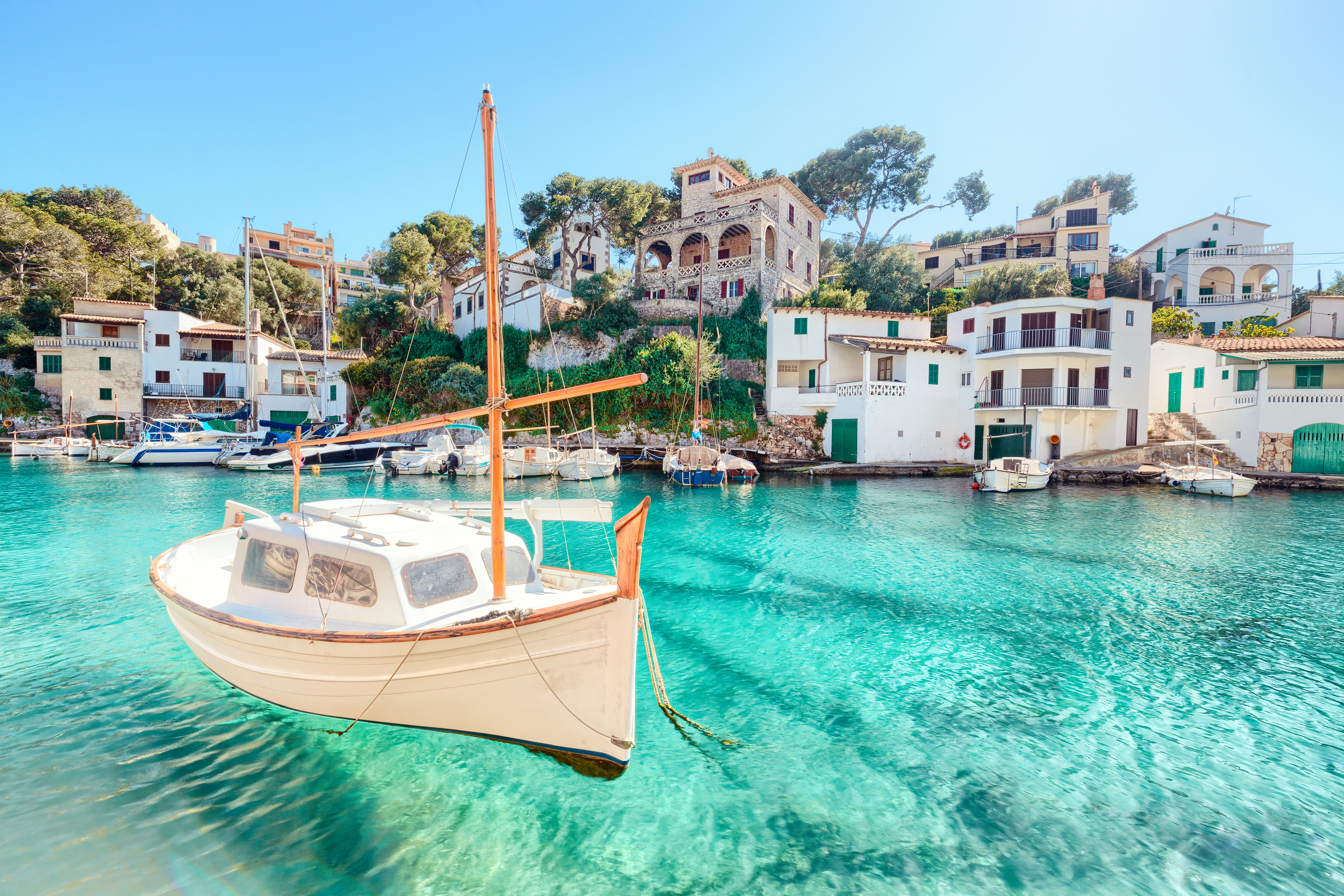
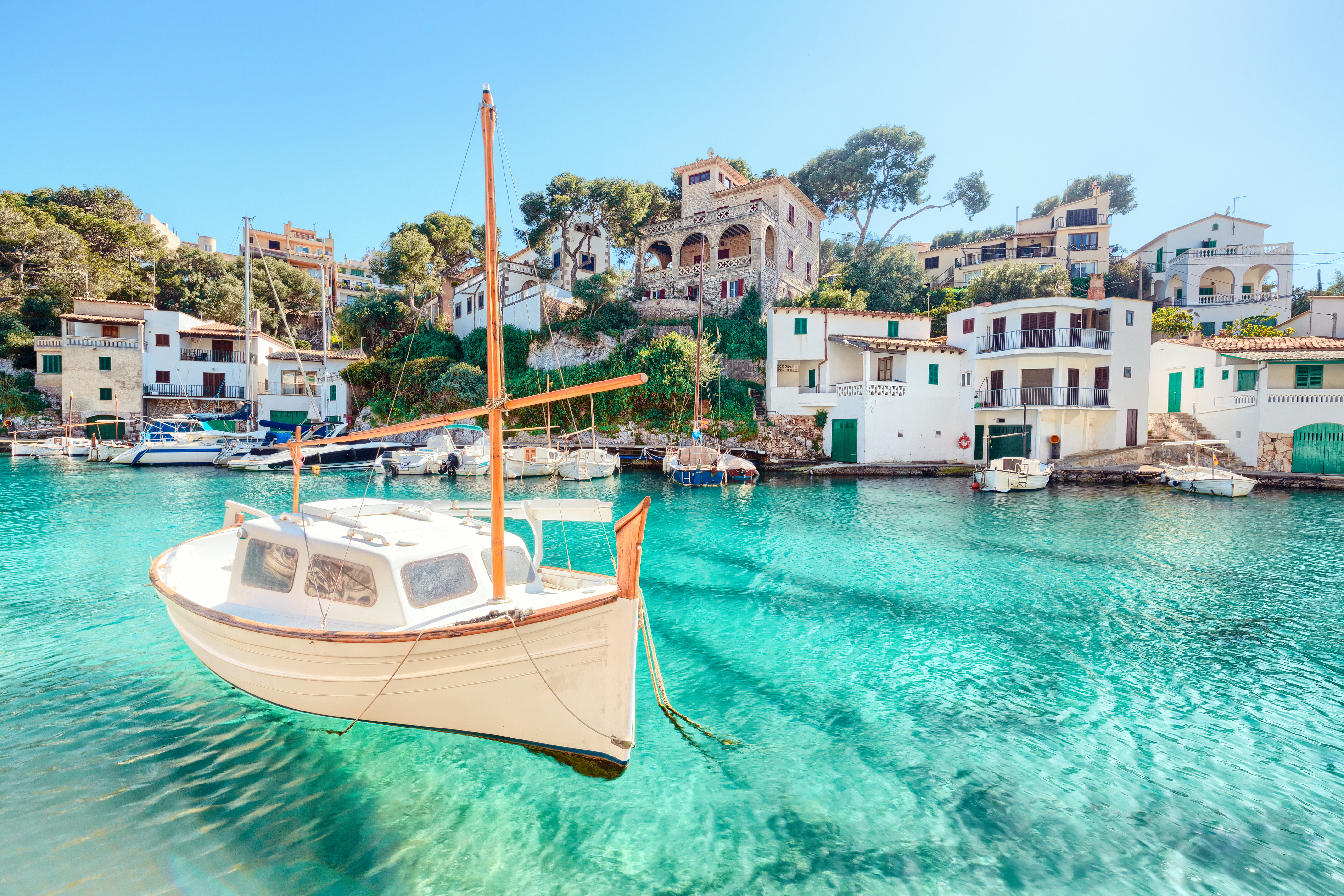
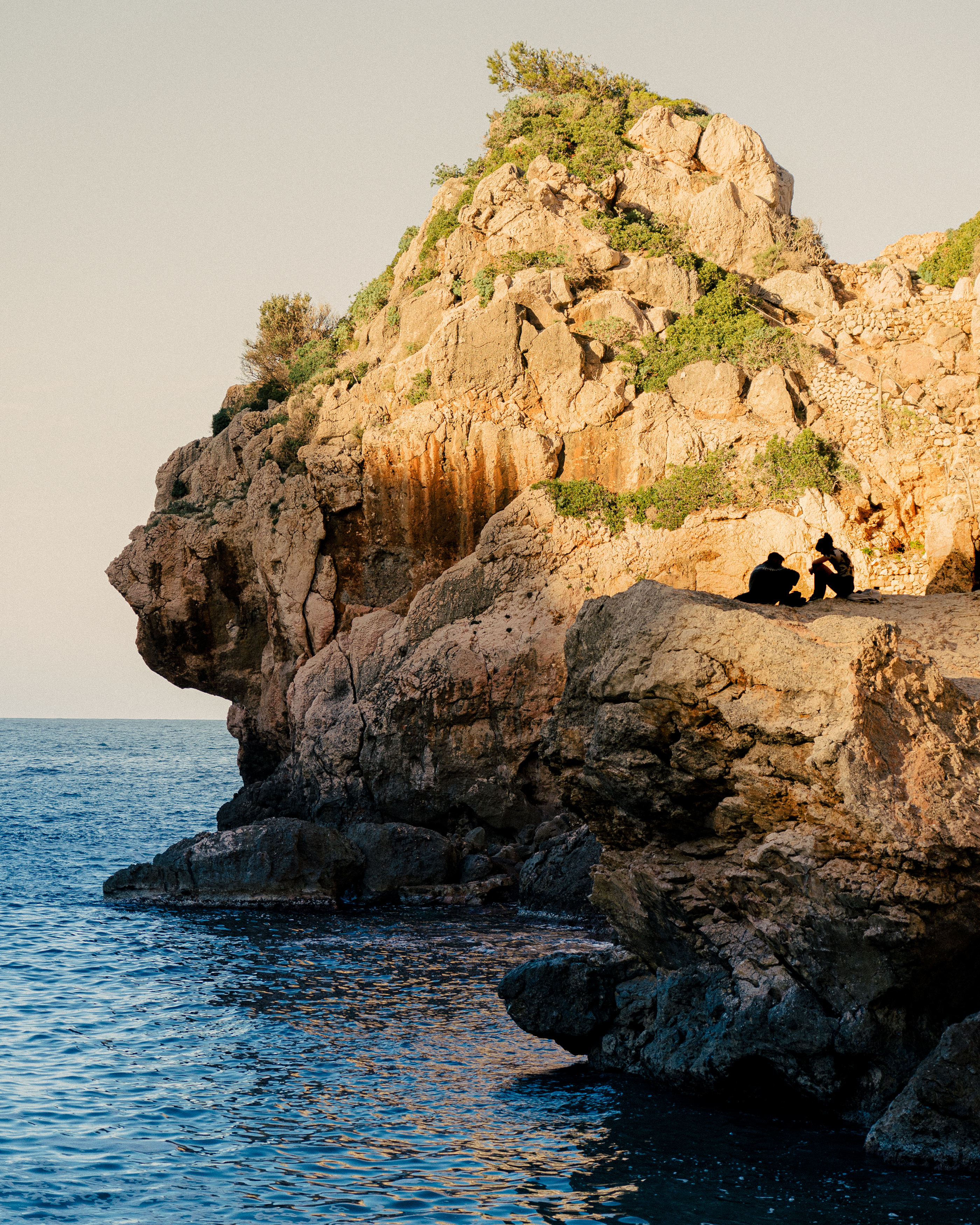
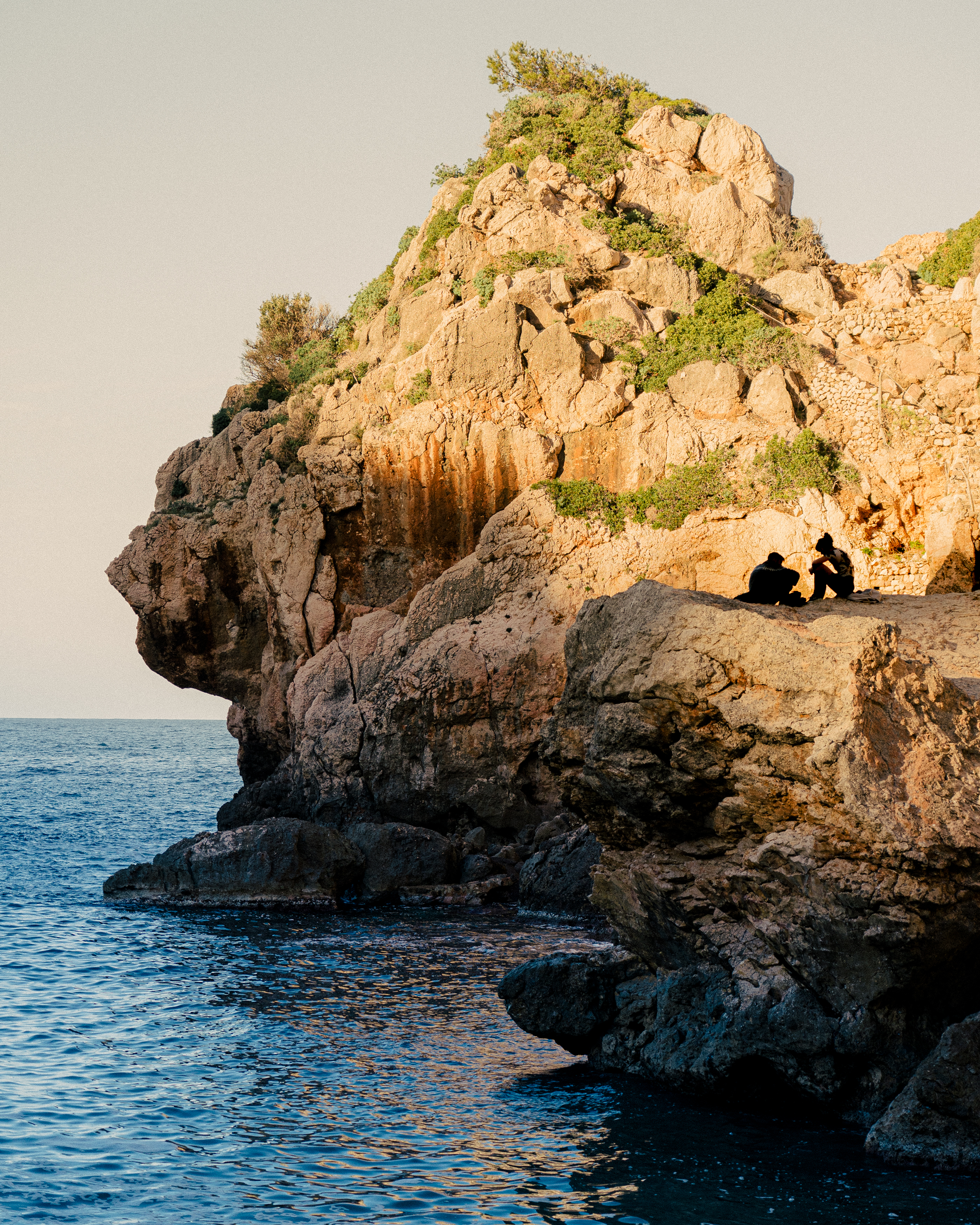
In the municipality of Santanyí, this is one of Mallorca's most famous coves. Its small size and high visitor numbers in peak season mean it's advisable to arrive early. Access requires a walk of about 15-20 minutes along dirt paths, so wearing appropriate footwear is recommended.
The next stop is Cala Llombards, about a 10-minute drive away.
Very close to Caló des Moro is Cala Llombards, a much more convenient cove for swimming.
It is highly valued for its calm waters and the presence of 'escars', small boat shelters carved into the rock, which give it a charming traditional air.
To enjoy the next destination, take the car along the Ma-19 for 25 minutes.
This park, located in the municipality of Santanyí, is one of the most interesting protected areas in the southeast of the island. Here you'll find Cala Mondragó and s'Amarador, connected by a coastal path.
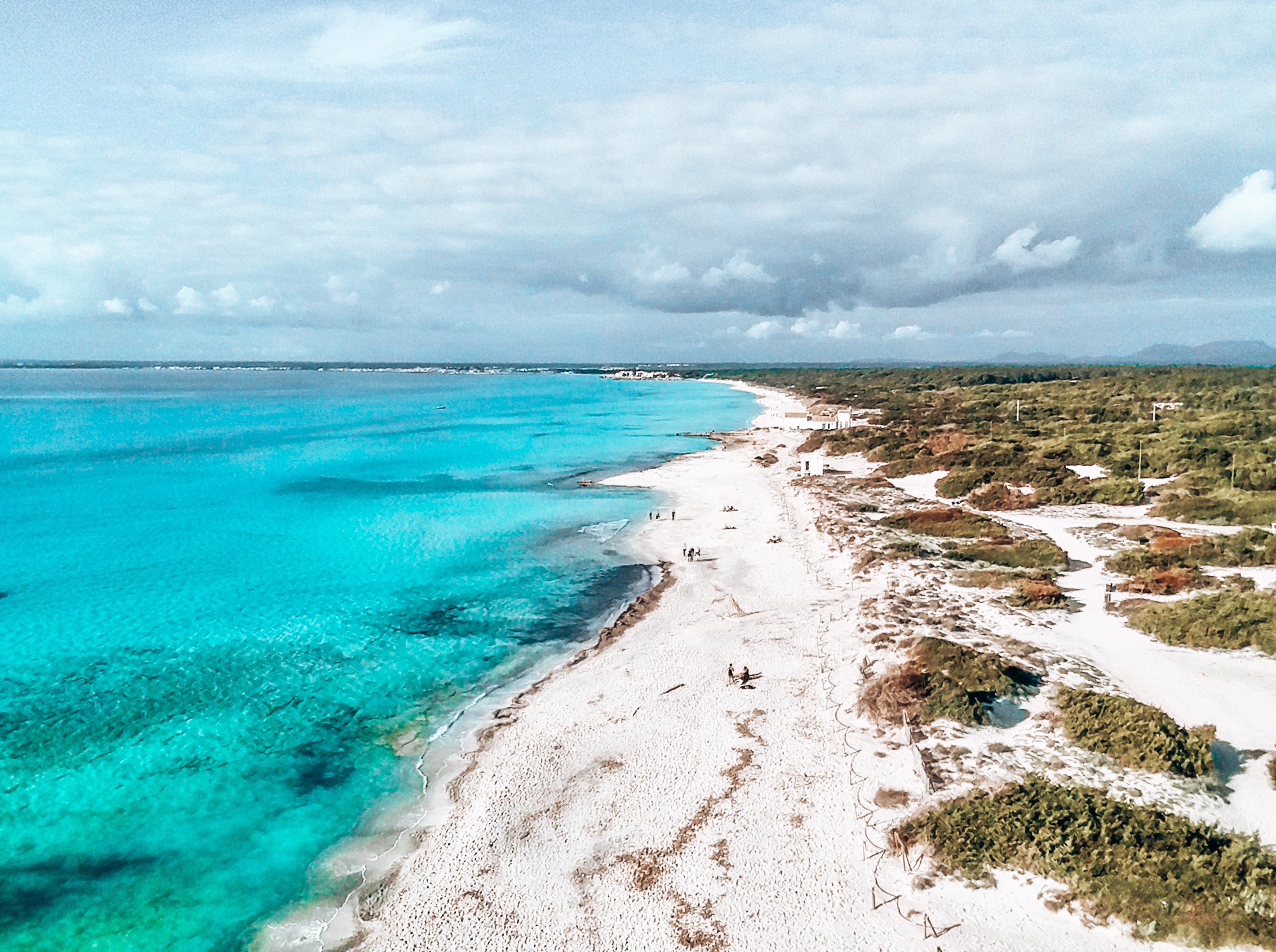
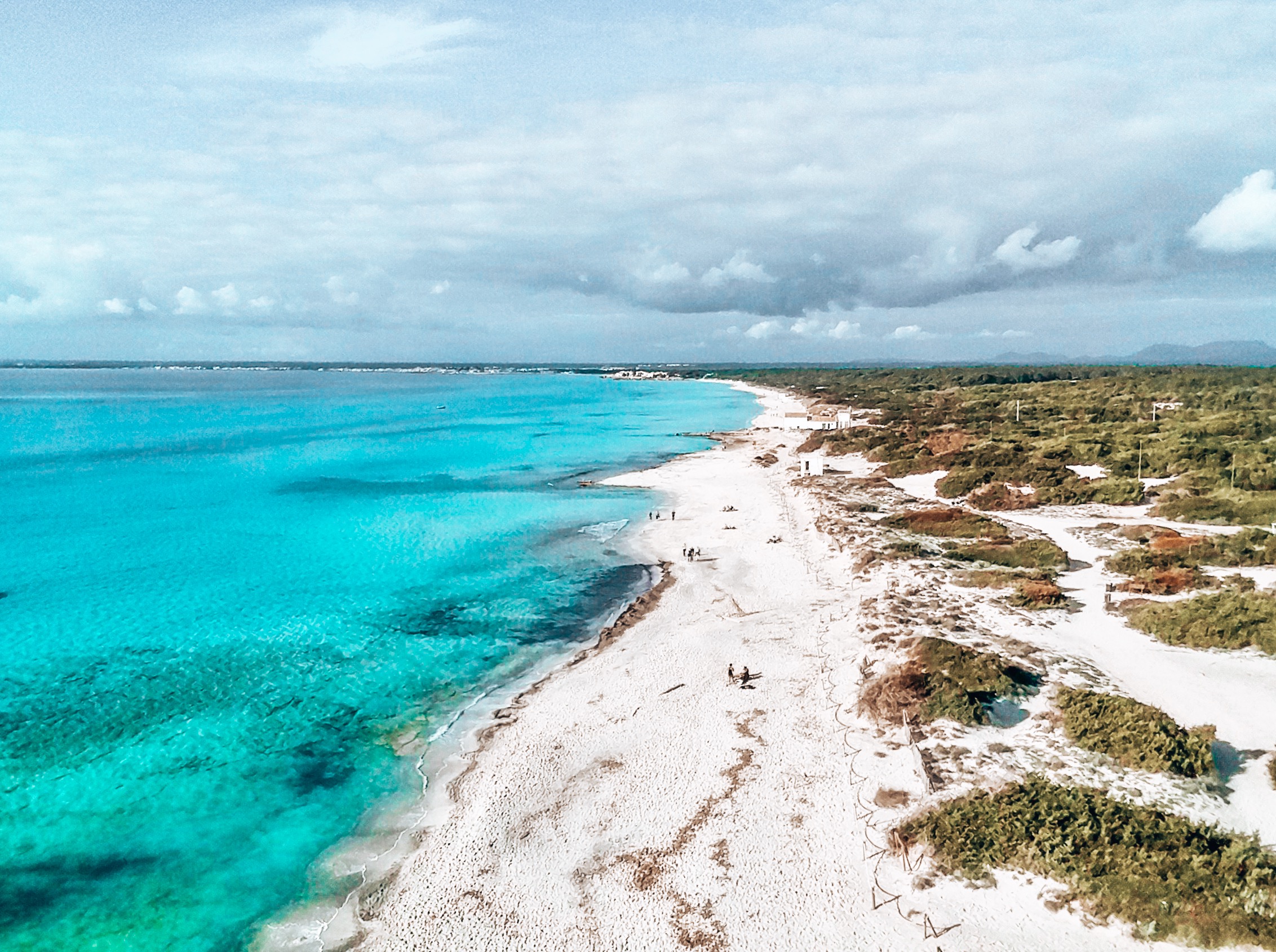
As it is a protected area, it is an ideal place for walking among pine trees, dunes, and white sand.
Afterwards, you can drive to Cala Varques for about 30 minutes.
On the coast of Manacor, this more secluded cove awaits you, accessed after a walk of about 30-40 minutes along a private path. It is known for its natural rock arch and sea caves.
There are no services, so it is advisable to bring water, food, and everything you need for the visit.
After a day by the sea, a good option is to return to your accommodation to rest or dine in a quiet area in the southeast of the island.
This five-day Mallorca itinerary concludes in the far north, combining historical heritage with some of the island's most renowned panoramic views.
The historic old town of Alcúdia, surrounded by a well-preserved medieval wall, is one of the most recommended visits in northern Mallorca.
Discover the archaeological site of Pollentia, the ancient Roman capital of the Balearic Islands. If your visit falls on a Tuesday or Sunday, you can enjoy the local market, one of the island's most famous, where you can buy cheeses, cured meats, and espadrille crafts.
You can find out more about what to see in Alcúdia in this guide.
Just a 15-minute drive away is Pollença.
A town with an artistic soul and deep roots, the challenge in Pollença is to climb the 365 steps of El Calvari (one for each day of the year). The effort is worthwhile: from the small chapel at the summit, you get a panoramic view stretching from the mountains to the Bay of Pollença.
Less than a 20-minute drive away, you can stop to enjoy one of the most spectacular views of this trip.
The road leading up to Formentor Cape starts from Pollença. The Es Colomer Viewpoint is one of the first major stops. The views of the islet of the same name and the 200-metre vertical cliffs plunging into the sea are the most striking image of northern Mallorca.
In just a 6-minute drive, take the opportunity to take a dip at the next destination on this route.
Head down to Formentor Beach, a narrow beach lined with pine trees by the sea. It has been a refuge for Hollywood stars and great writers for decades.
Relax, take a dip if the weather is good, and enjoy the natural surroundings before continuing to the lighthouse.
If car access is open (in summer it is restricted and you must take a shuttle bus), drive to the Lighthouse.
It is the northernmost point of the island, and on clear days, you can see the silhouette of Menorca on the horizon. It is the most emblematic place to end your trip by watching the sunset.
Sit back, relax, and enjoy one of the most stunning sunsets on the island.
If this is where you end your trip to see Mallorca in 5 days, return to the historic centre of Alcúdia for dinner. It's magical at night, as the walls are illuminated, highlighting their medieval grandeur. Try the Porcella (roast suckling pig) here, the island's quintessential celebratory dish.
,regionOfInterest=(1400,1750))
,regionOfInterest=(1400,1750))
View full route on Google Maps
View full route on Google Maps
View full route on Google Maps
View full route on Google Maps
,regionOfInterest=(950,950))
,regionOfInterest=(950,950))
If you're planning this route, it's advisable to plan the distances well and get up early to avoid traffic, especially in summer.
Wear comfortable shoes as you'll be doing a lot of walking, particularly in villages like Valldemossa or Pollença. If it's hot, combine cultural visits in the morning with the coast or beach in the afternoon.
These are particularly recommended months because the weather is still suitable for swimming and the crowds are usually smaller than in the height of summer.
This is the almond blossom season, a unique visual spectacle, ideal for hikers.
,regionOfInterest=(1476.5,981.5))
,regionOfInterest=(1476.5,981.5))
,regionOfInterest=(1312.5,1750))
,regionOfInterest=(1312.5,1750))
,regionOfInterest=(2240,3360))
,regionOfInterest=(2240,3360))
,regionOfInterest=(3120,1755))
,regionOfInterest=(3120,1755))
,regionOfInterest=(886,588.5))
,regionOfInterest=(886,588.5))