,regionOfInterest=(2200,1237.5))
,regionOfInterest=(2200,1237.5))
Chiang Mai Gate Night Market 2026: Complete Visitor Guide
,regionOfInterest=(688,384))
,regionOfInterest=(688,384))
Culture
,regionOfInterest=(1878,1502.5))
,regionOfInterest=(1878,1502.5))
,regionOfInterest=(200,200))
,regionOfInterest=(200,200))
This guide on what to see in Mallorca in 6 days has been designed to help you discover the island with a much broader and more relaxed perspective. Keep reading if you want to know what to see in Mallorca.
When you have little time, you normally have to focus only on the essentials, but a six-day tour of Mallorca provides enough leeway to visit lesser-known spots without the stress of constantly checking the clock.
The 6-day Mallorca itinerary is structured by geographical areas to optimise travel and explore the island sensibly, avoiding unnecessary journeys and combining days of intense cultural immersion with others of complete relaxation.
Culture
,regionOfInterest=(1750,1159))
,regionOfInterest=(1750,1159))
Finally, here are some tips to better organise your 6-day Mallorca tour and travel with more peace of mind:
Although Palma has a good transport network, renting a car is essential to complete this itinerary. Many of the best coves (like Caló des Moro) or natural sites (like Sa Calobra or Formentor) have very limited or no public transport access.
Mallorca is a paradise for food lovers. During your tour, don't miss trying these typical dishes:
Mallorca experiences significant tourist pressure in the summer.
If you can choose, the months of May, June, and September are particularly recommended. The weather is perfect for swimming, the days are long, and you'll avoid the massive crowds of July and August. If you prefer hiking, February is magical thanks to the almond blossoms.
Other day-by-day guides to Mallorca:
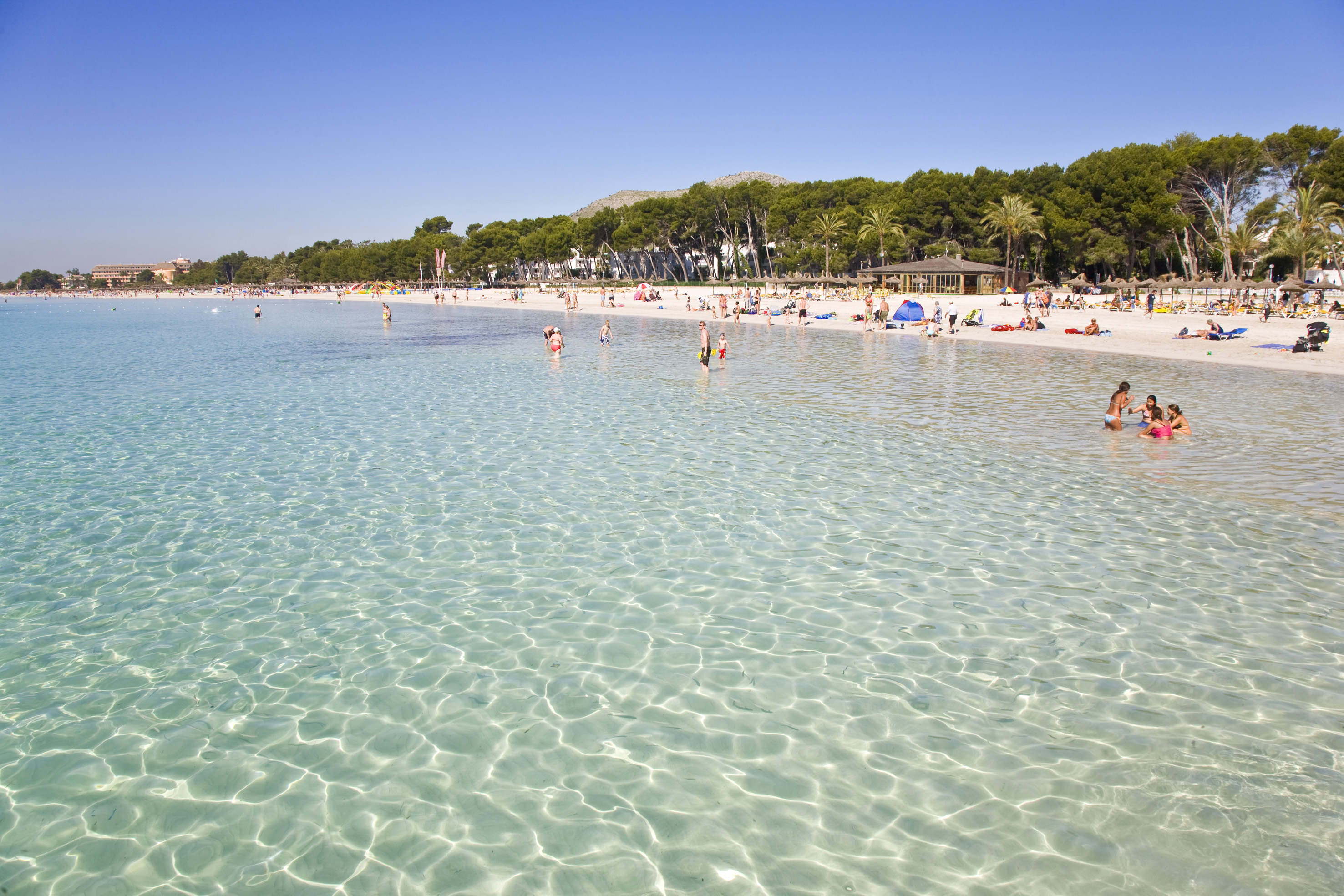,regionOfInterest=(1476.5,984.5))
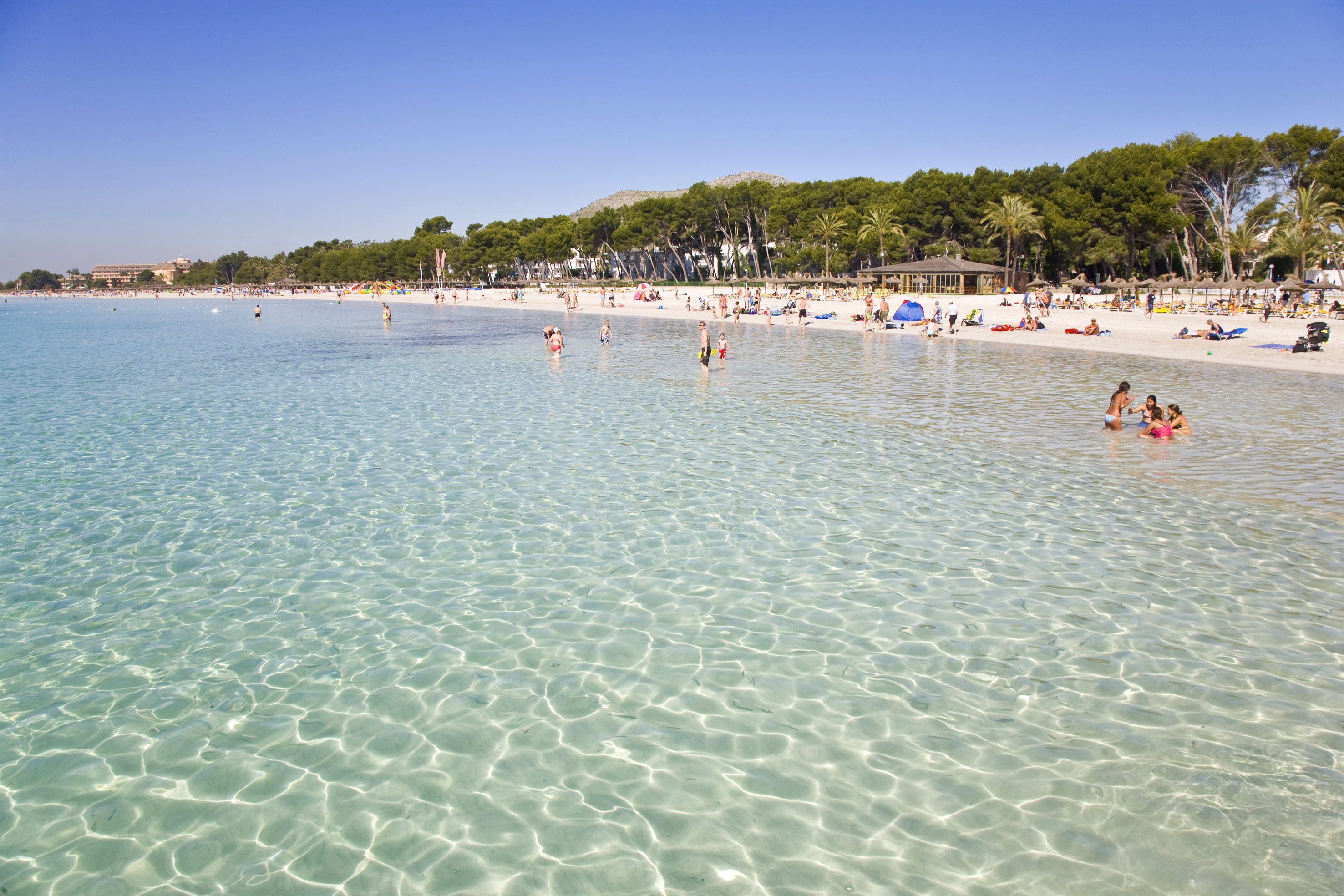,regionOfInterest=(1476.5,984.5))
,regionOfInterest=(2808,1872))
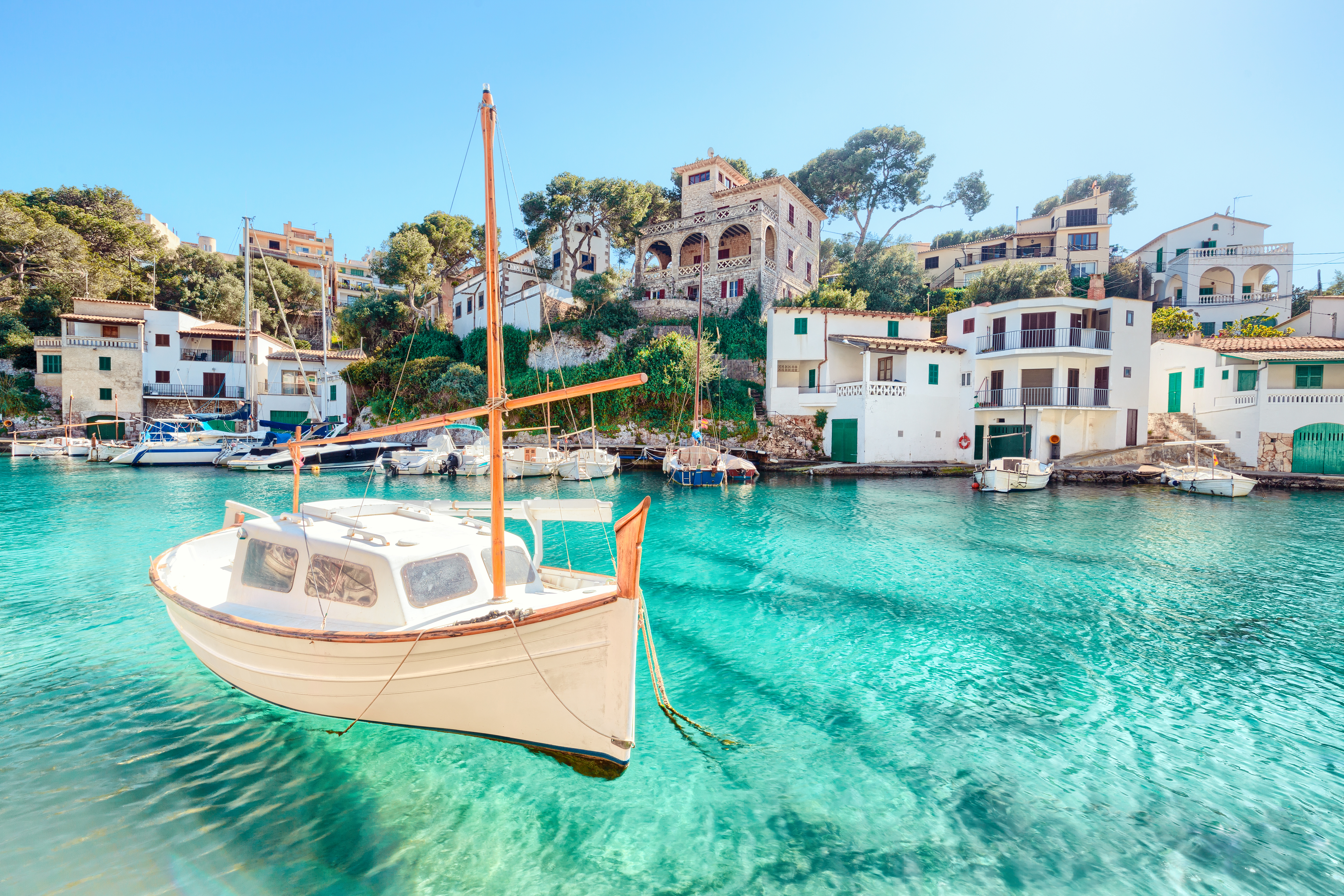,regionOfInterest=(2808,1872))
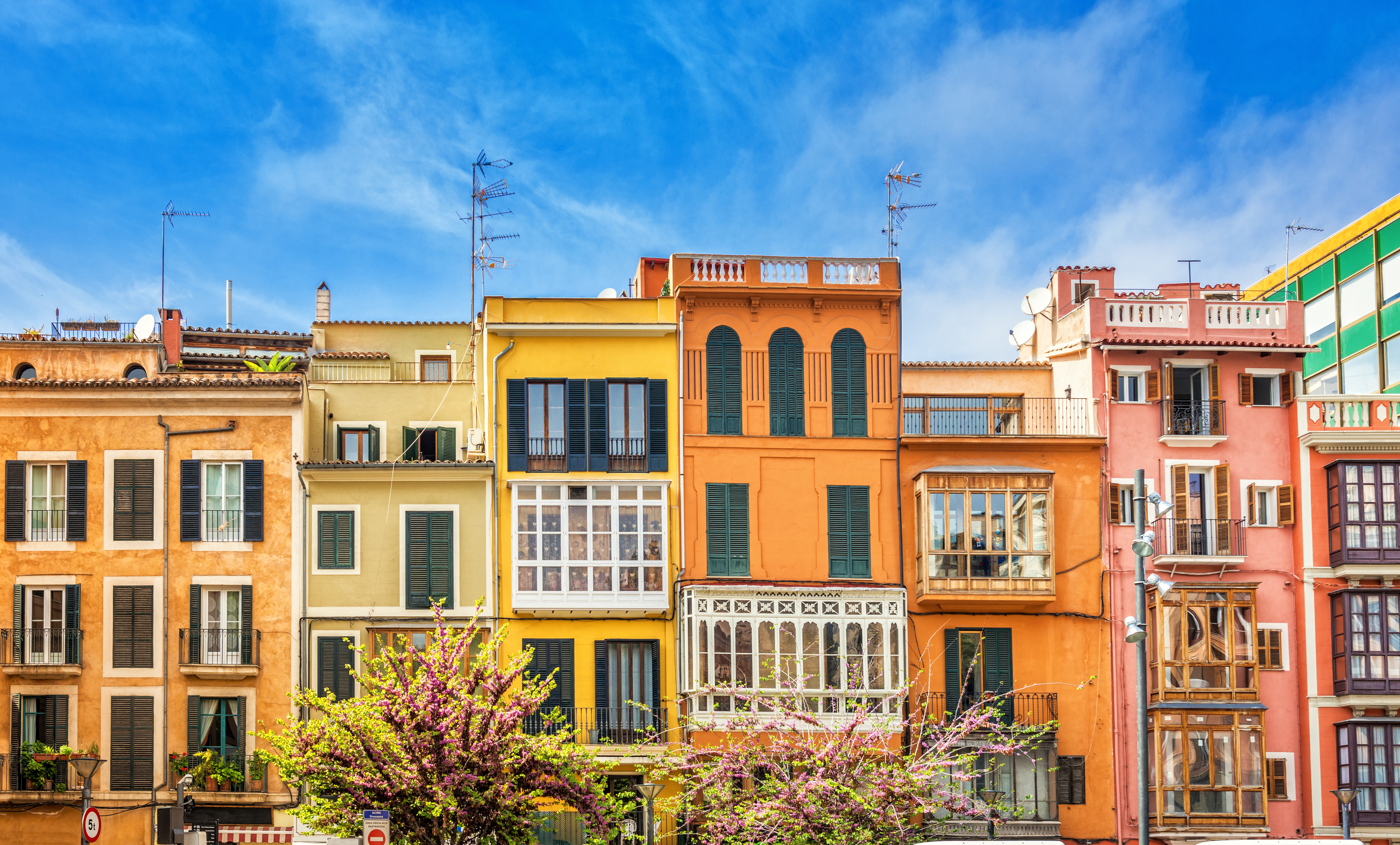,regionOfInterest=(3500,2112.5))
,regionOfInterest=(3500,2112.5))
| Day | Area | Main Places |
| 1 | Palma | Palma de Mallorca Cathedral (La Seu), Almudaina Palace, historic centre, Génova Caves and Bellver Castle. |
| 2 | Western Serra de Tramuntana | Valldemossa, Deià, Sóller and Port de Sóller. |
| 3 | Northern Serra de Tramuntana | Fornalutx, Sa Calobra and Torrent de Pareis. |
| 4 | East | Drach Caves, Porto Cristo and Cala Varques. |
| 5 | Southeast | Portocolom Arch, Caló des Moro, Cala Llombards and Mondragó. |
| 6 | North | Alcúdia, Pollença and Mirador Es Colomer. |
,regionOfInterest=(2960.5,1951.5))
,regionOfInterest=(2960.5,1951.5))
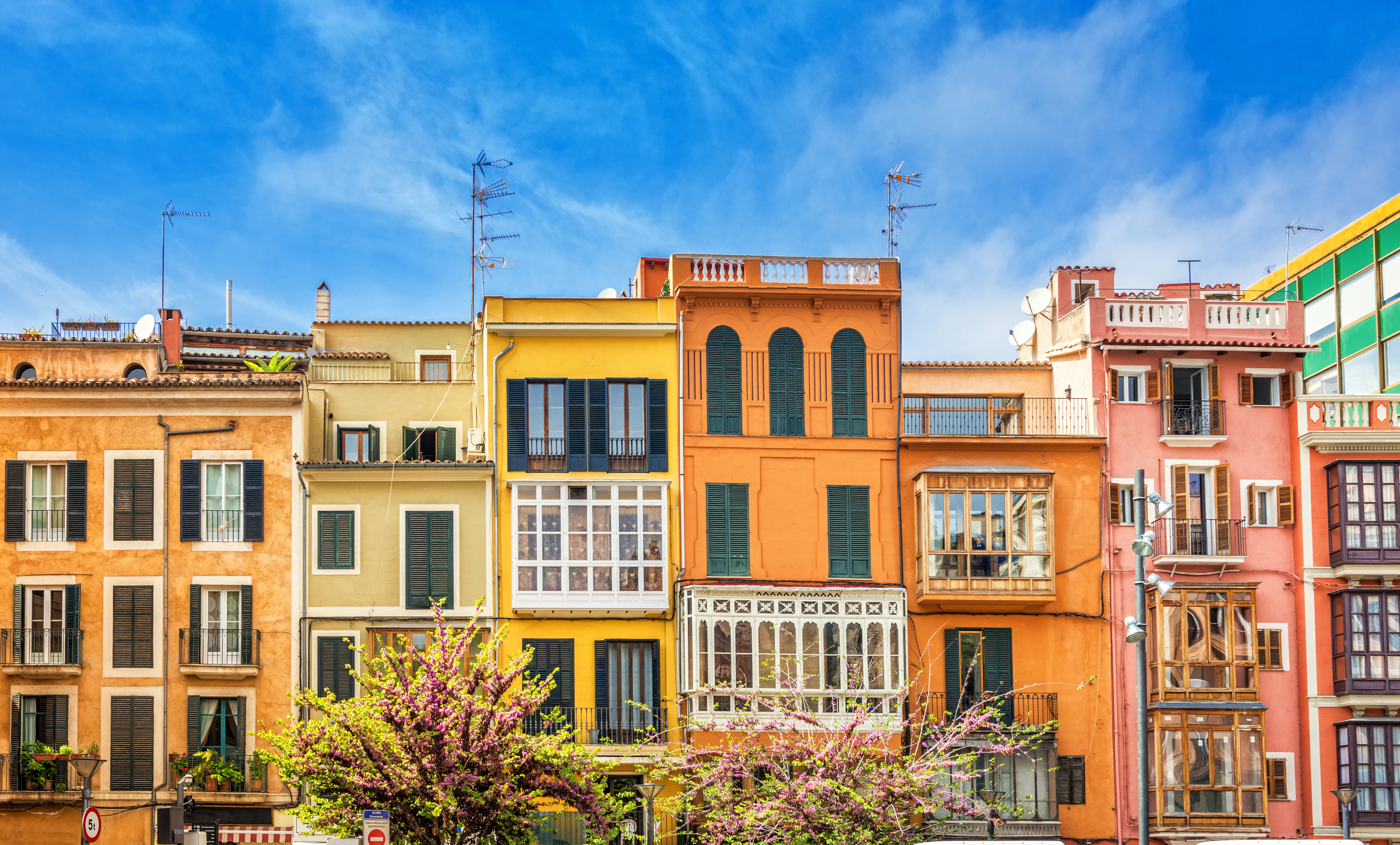
This route begins in its capital, one of the most interesting cities on the island to start the journey. Centuries of history and some of Mallorca's main monuments are concentrated here.
And if you want to discover more attractions in the city, this guide offers more ideas on what to do in Palma de Mallorca during your trip.
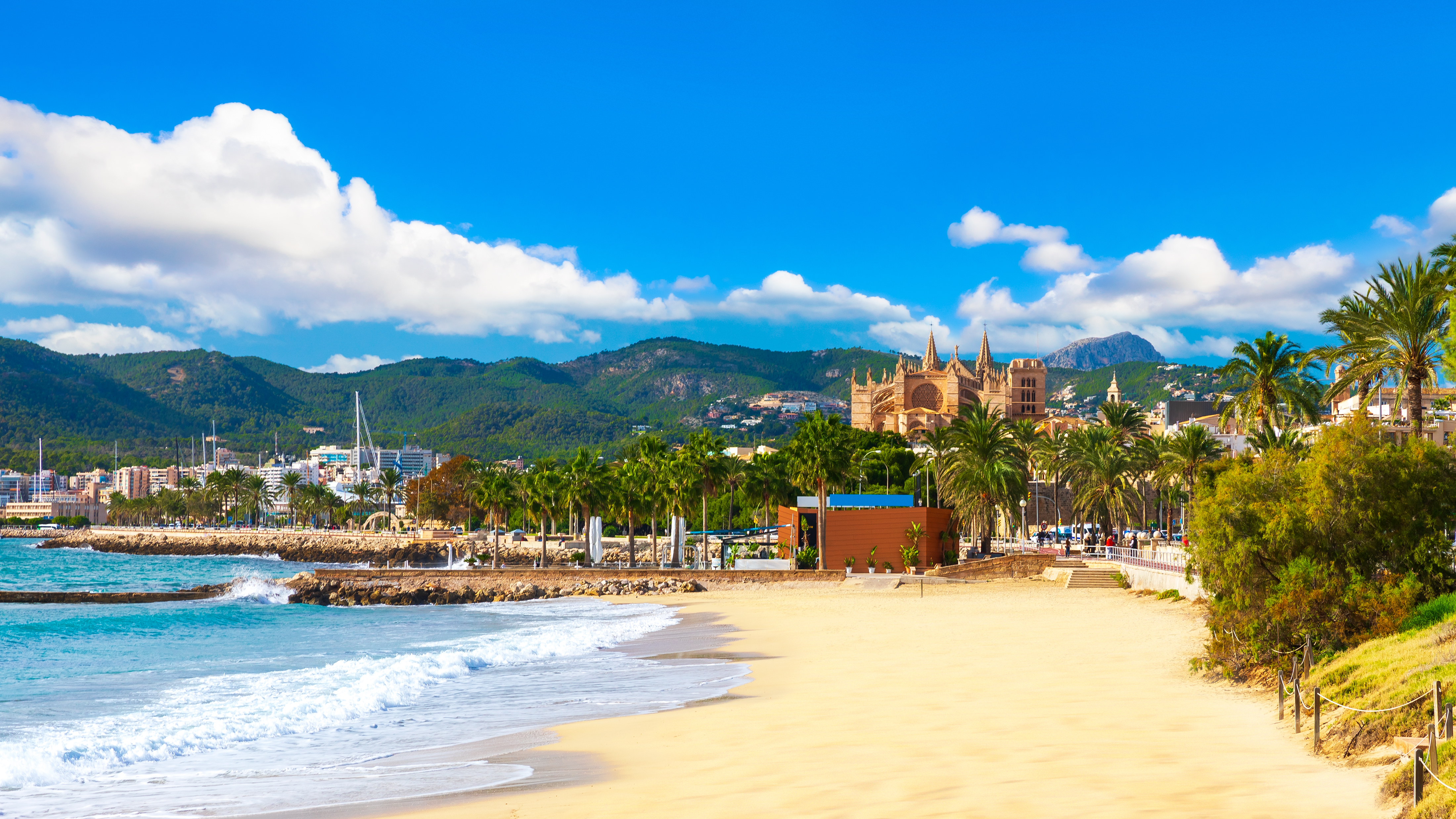
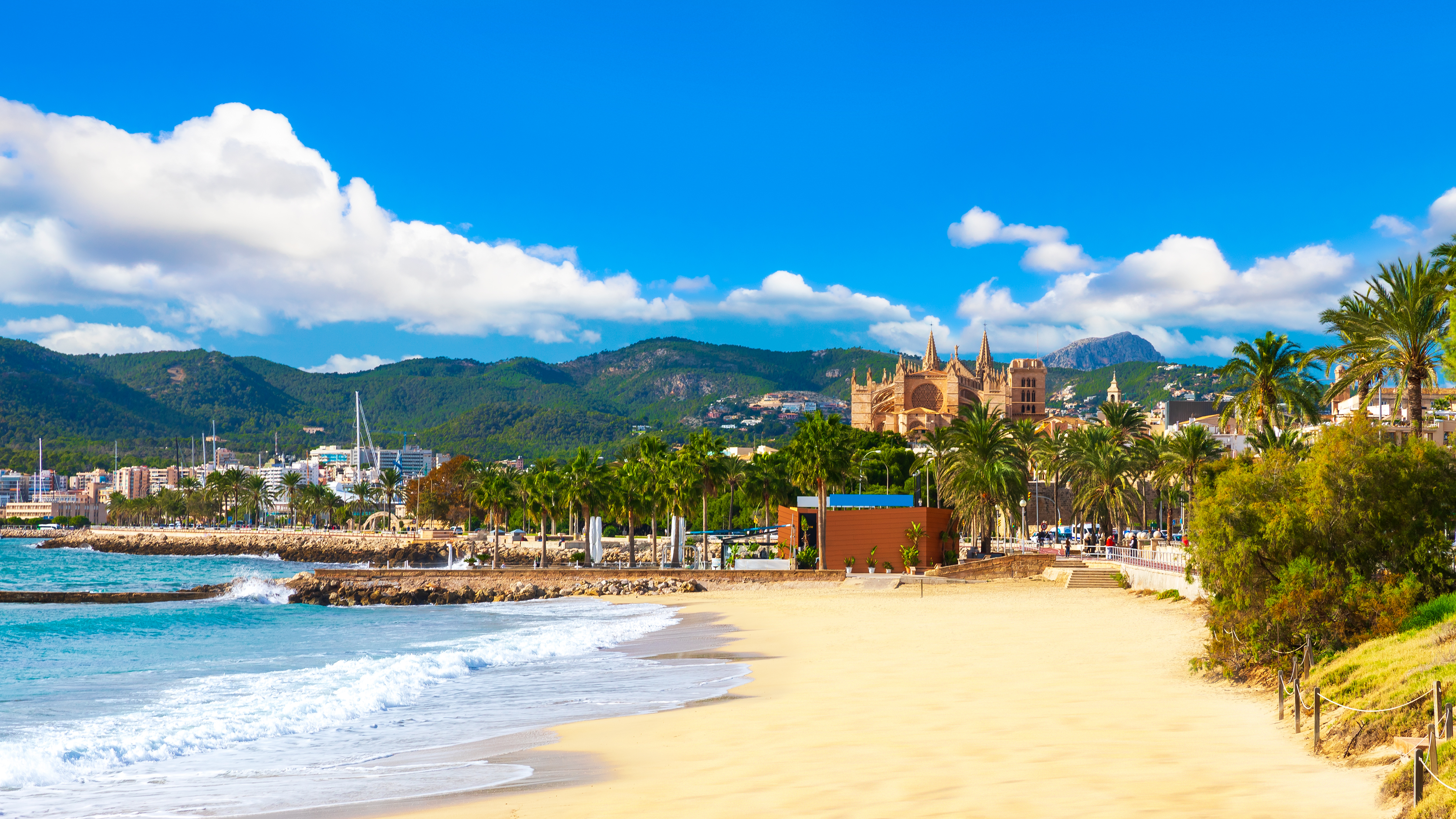
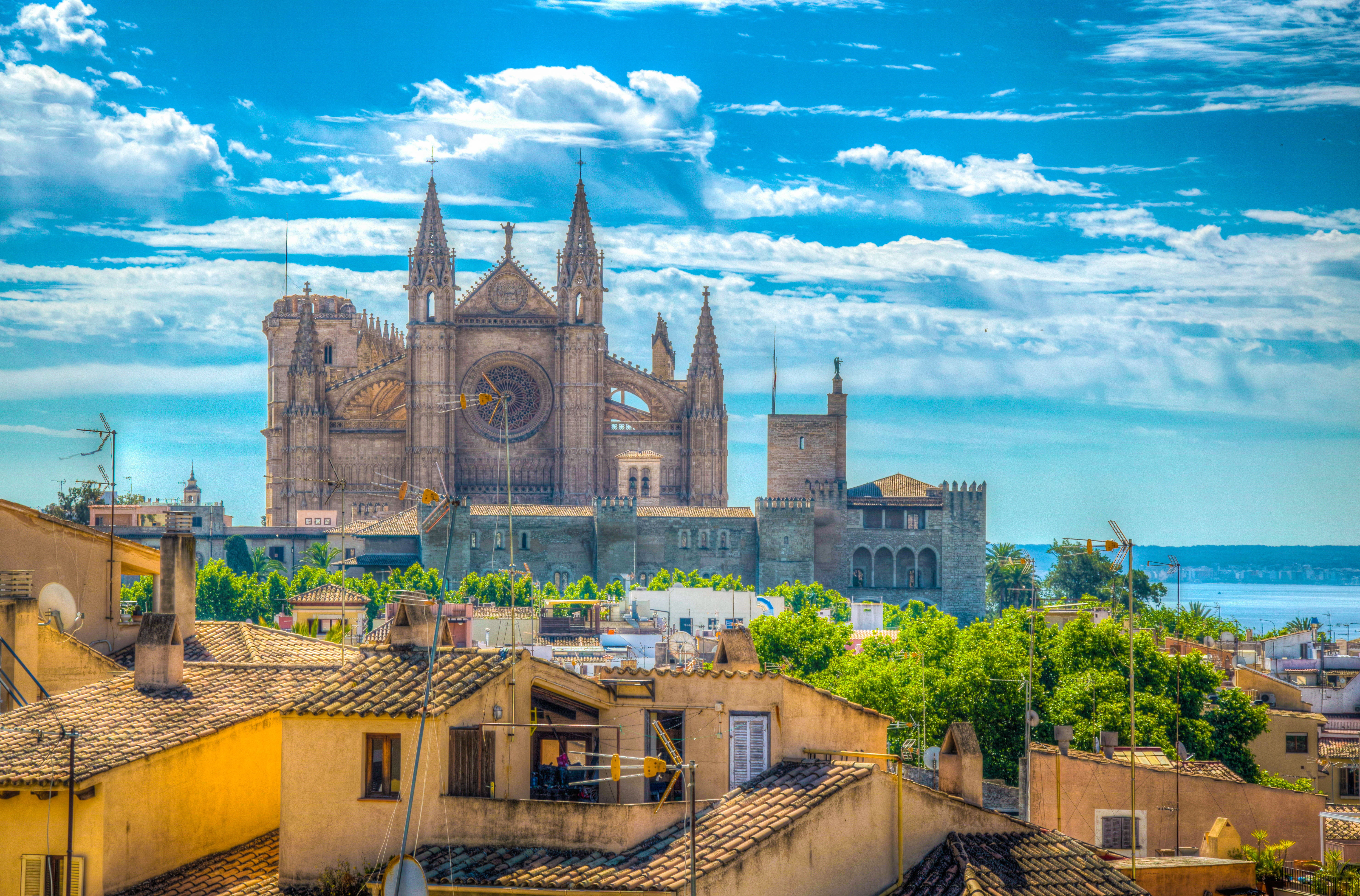
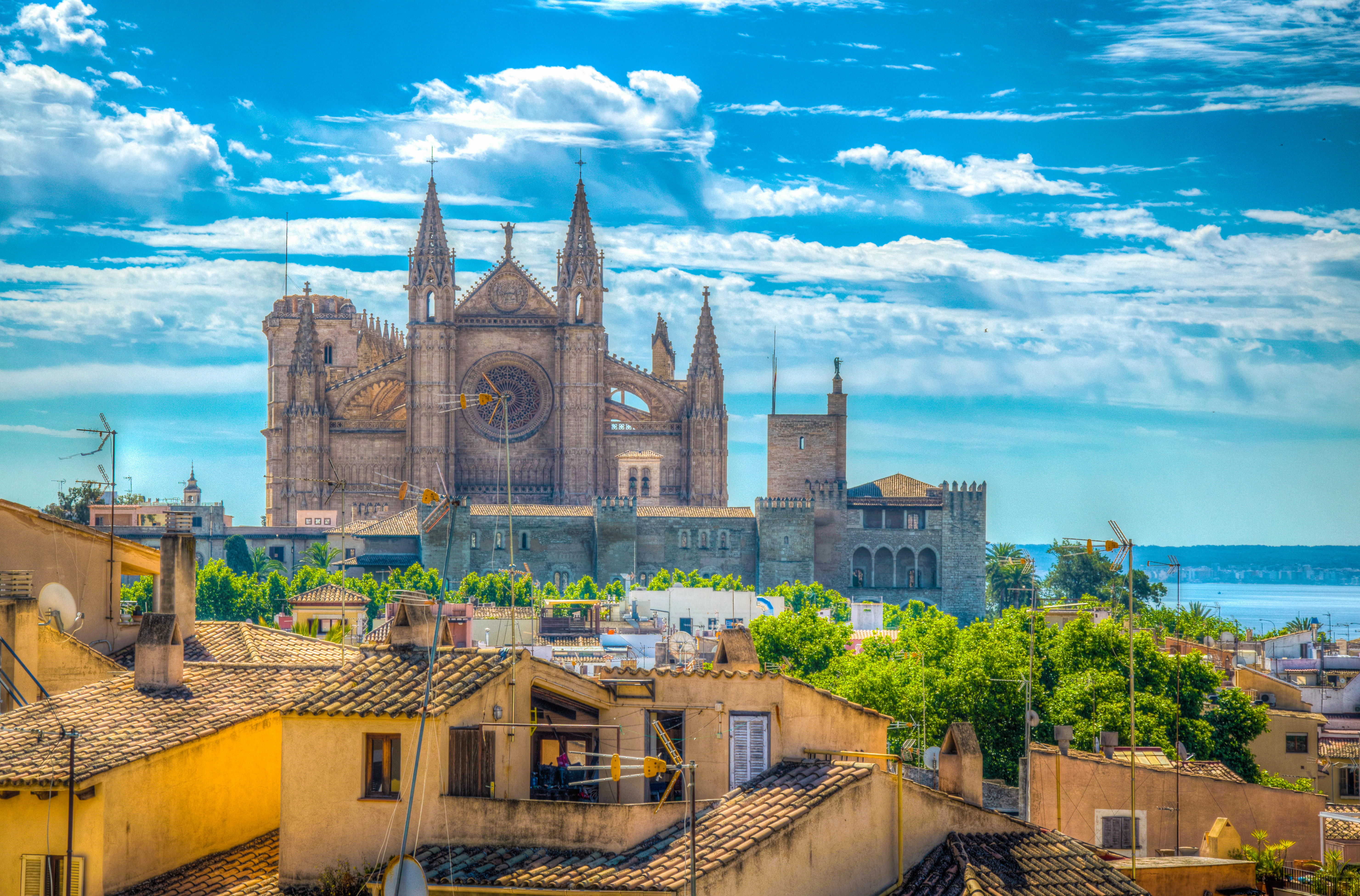
Known as La Seu, Palma de Mallorca Cathedral is one of Palma's great symbols. Its location, built on the Roman wall and facing the sea, is unique.
Its main rose window, known as 'the eye of the Gothic', is one of the largest in the world. Inside, Antoni Gaudí's modernist renovation and Miquel Barceló's ceramic mural create a fascinating dialogue between eras.
📍Check opening hours and prices
From here, you can walk just 2 minutes to the next point.
A few steps from the Cathedral is the historic Royal Palace of Almudaina, reflecting the island's Muslim and medieval past. Its courtyards, halls, and walls explain Mallorca's strategic importance in the Mediterranean.
📍Check opening hours and prices
Continue on foot towards the old town in less than 10 minutes.
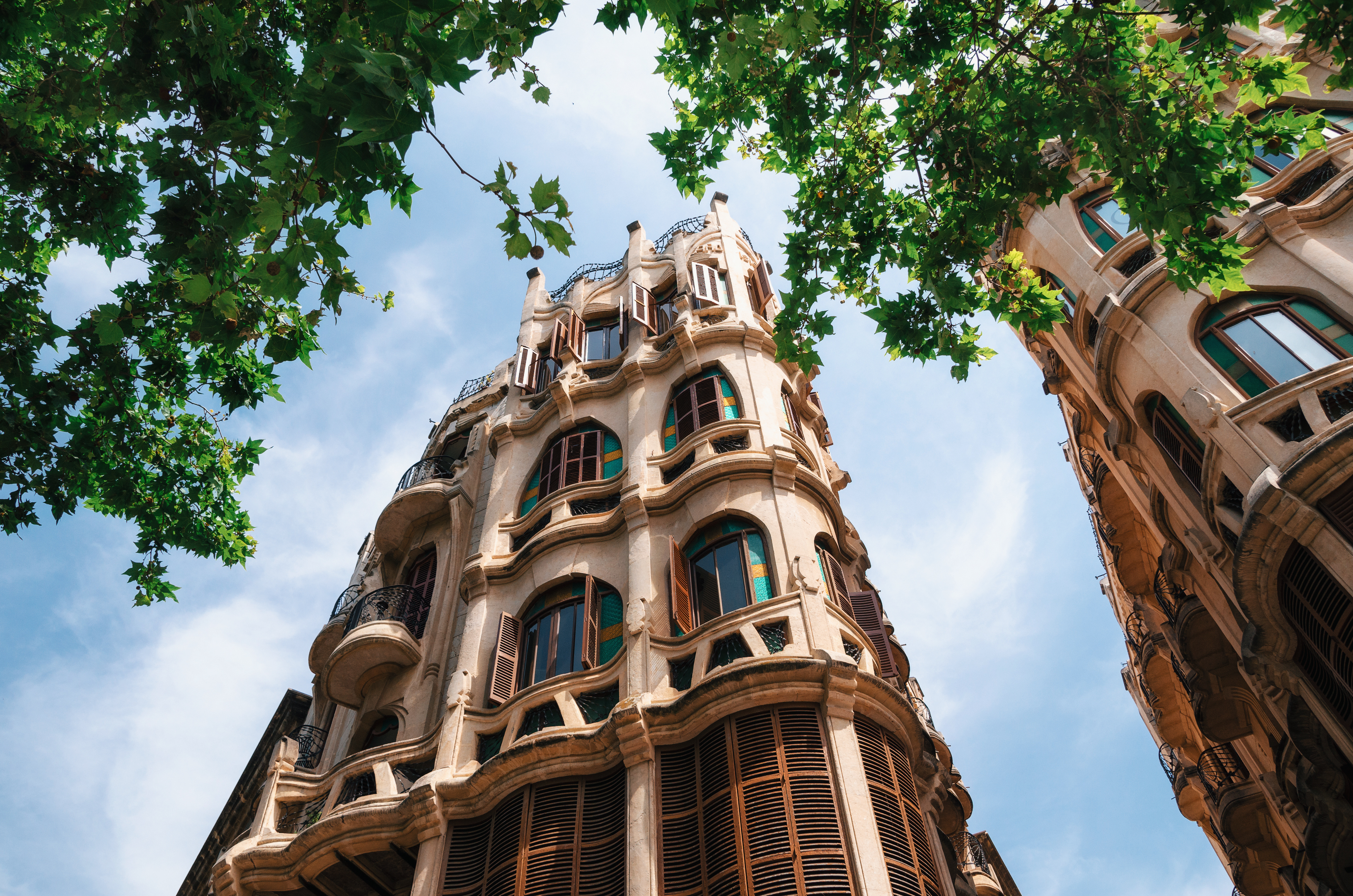
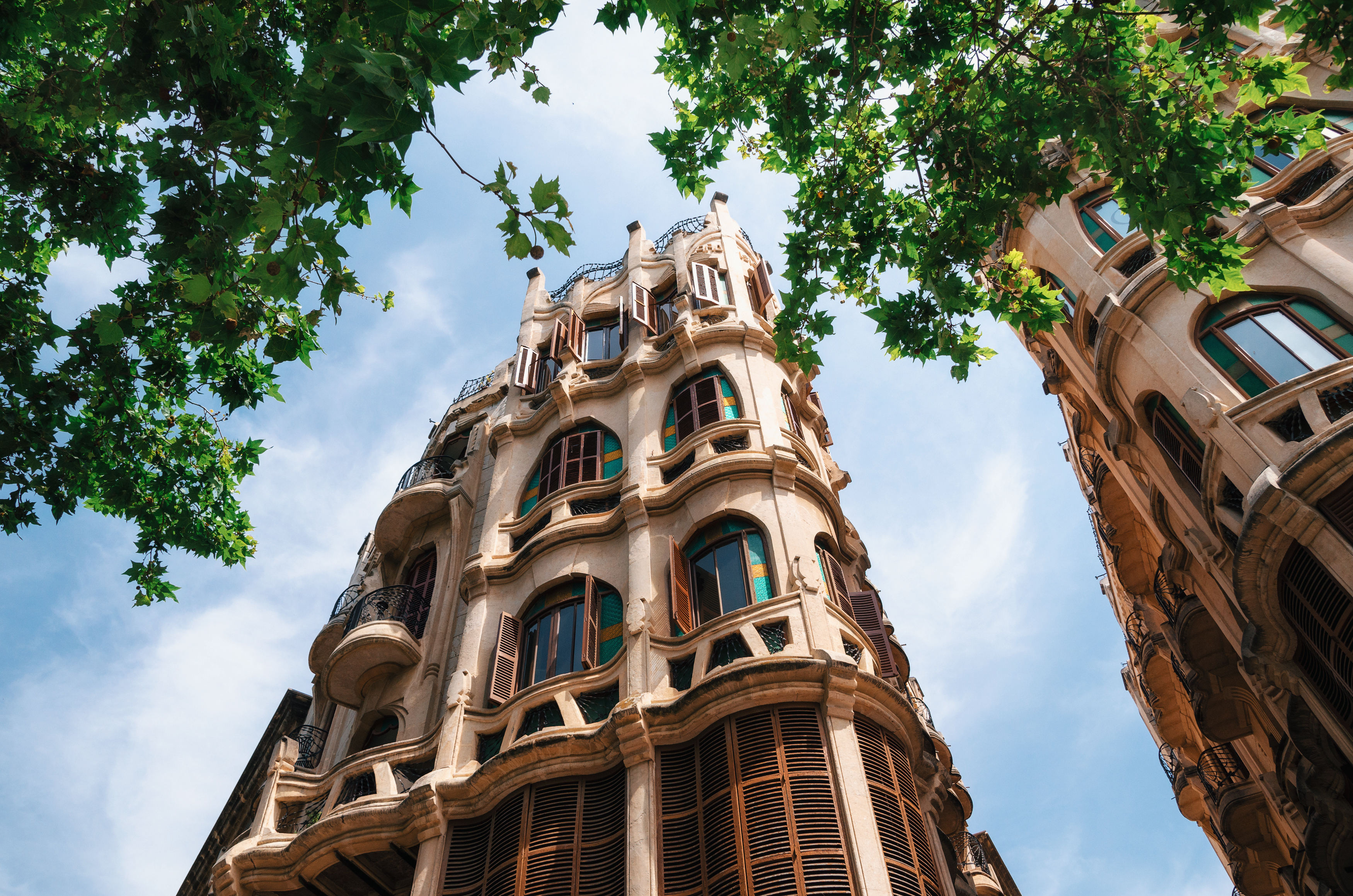
Strolling through the centre reveals the famous 'patios'. Walking through streets like Can Savellà or Sant Roc allows you to see, through the railings, these stately spaces that define the city's noble architecture.
The Plaça Major and the Plaça de Cort (where the town hall and its ancient olive tree are located) are must-visit spots.
To get to the next point, the most convenient way is to take a taxi or drive. The journey to the Génova Caves takes about 15 minutes.
Less known than those in the east, the Génova Caves are surprising due to their location within the city, specifically in the residential neighbourhood of Génova. Their geological formations and tranquil atmosphere add a natural experience without leaving Palma.
In 15 minutes by car, you'll reach the next point.
The afternoon ends at this 14th-century fortress. Bellver Castle is one of the few circular castles in Europe, offering one of the best panoramic views of the Bay of Palma from its upper terrace.
📍Check opening hours and prices
After your visit, you can drive or take a taxi down to Santa Catalina in just 10 minutes.
The Santa Catalina neighbourhood, a former fishing district, is now the most vibrant area and a key spot at night. Its pedestrian streets are full of cosmopolitan restaurants.
If you're looking for something more bohemian, the La Lonja area offers jazz bars and charming taverns under the shadow of Mallorcan civil Gothic architecture.
,regionOfInterest=(2969.5,1982.5))
,regionOfInterest=(2969.5,1982.5))
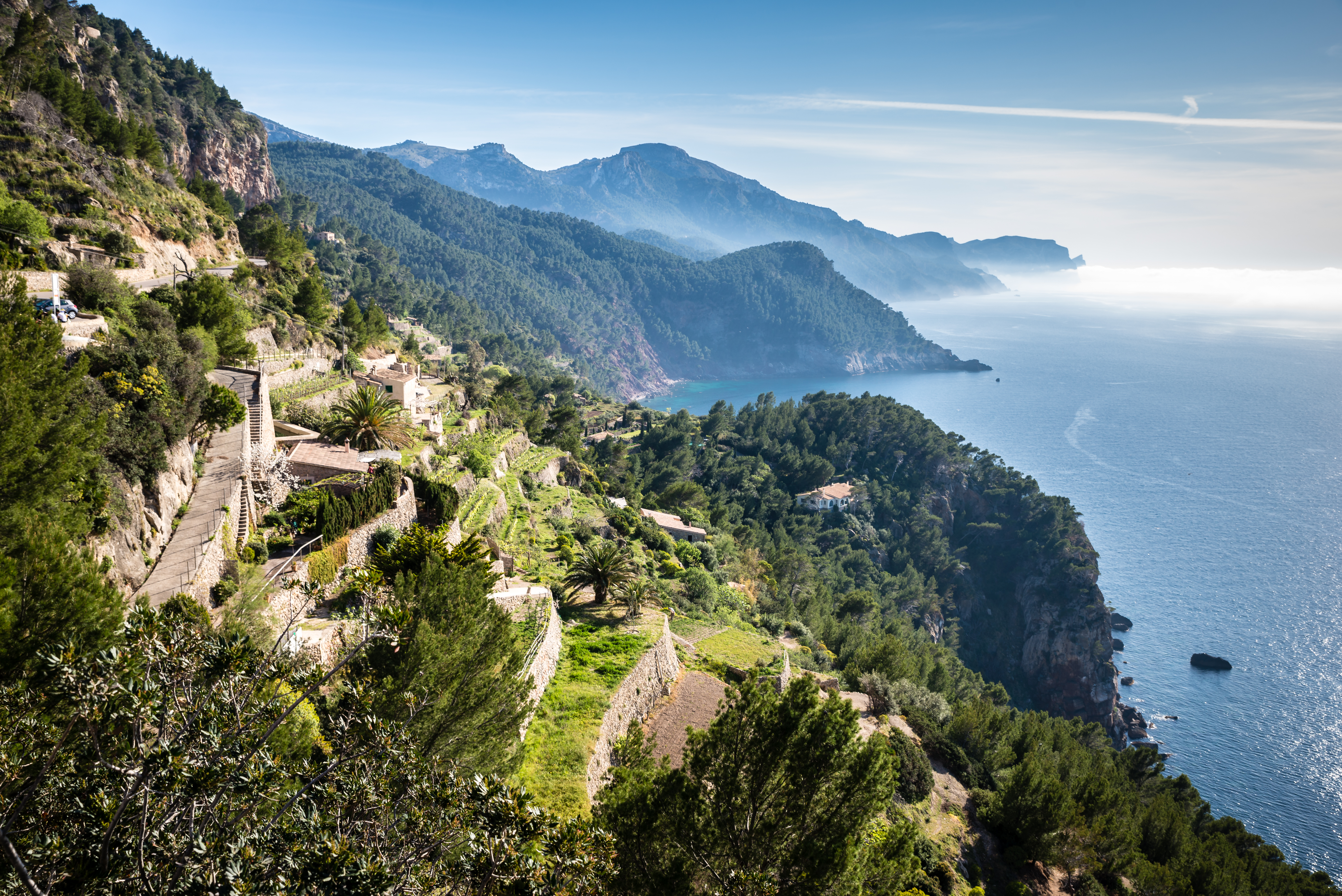
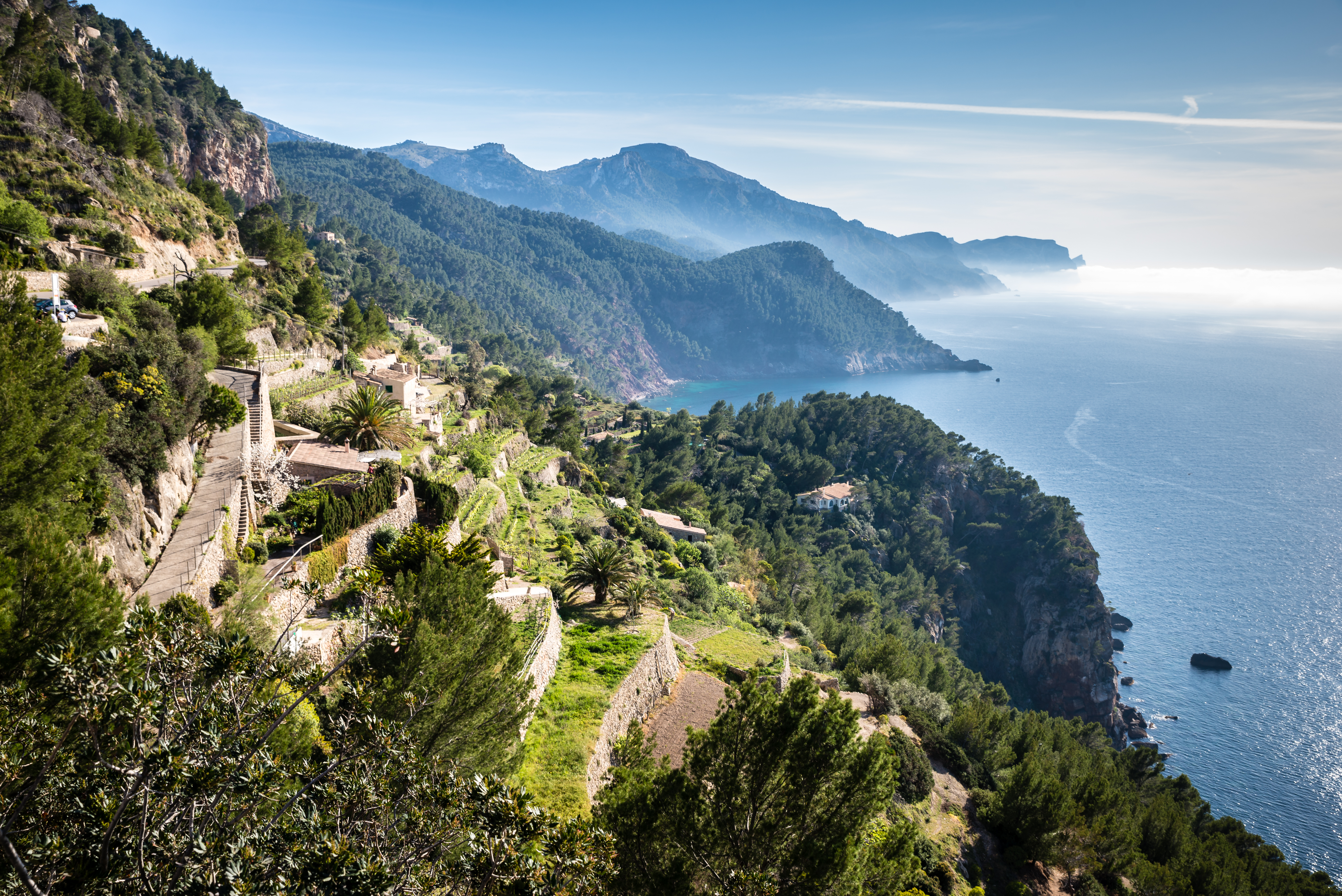
Today it's time for the Serra de Tramuntana, a UNESCO World Heritage site, which is the backbone of Mallorca.
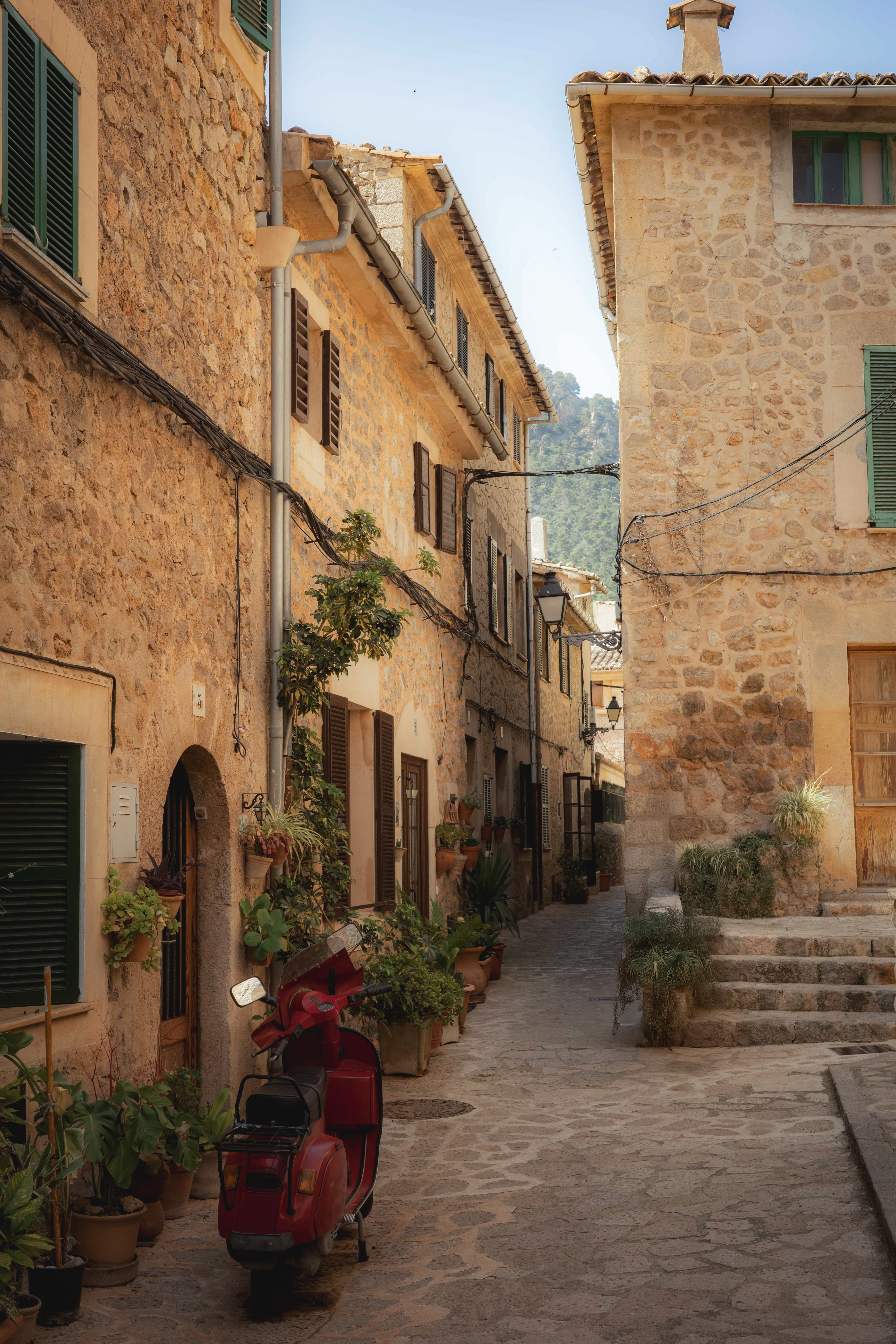
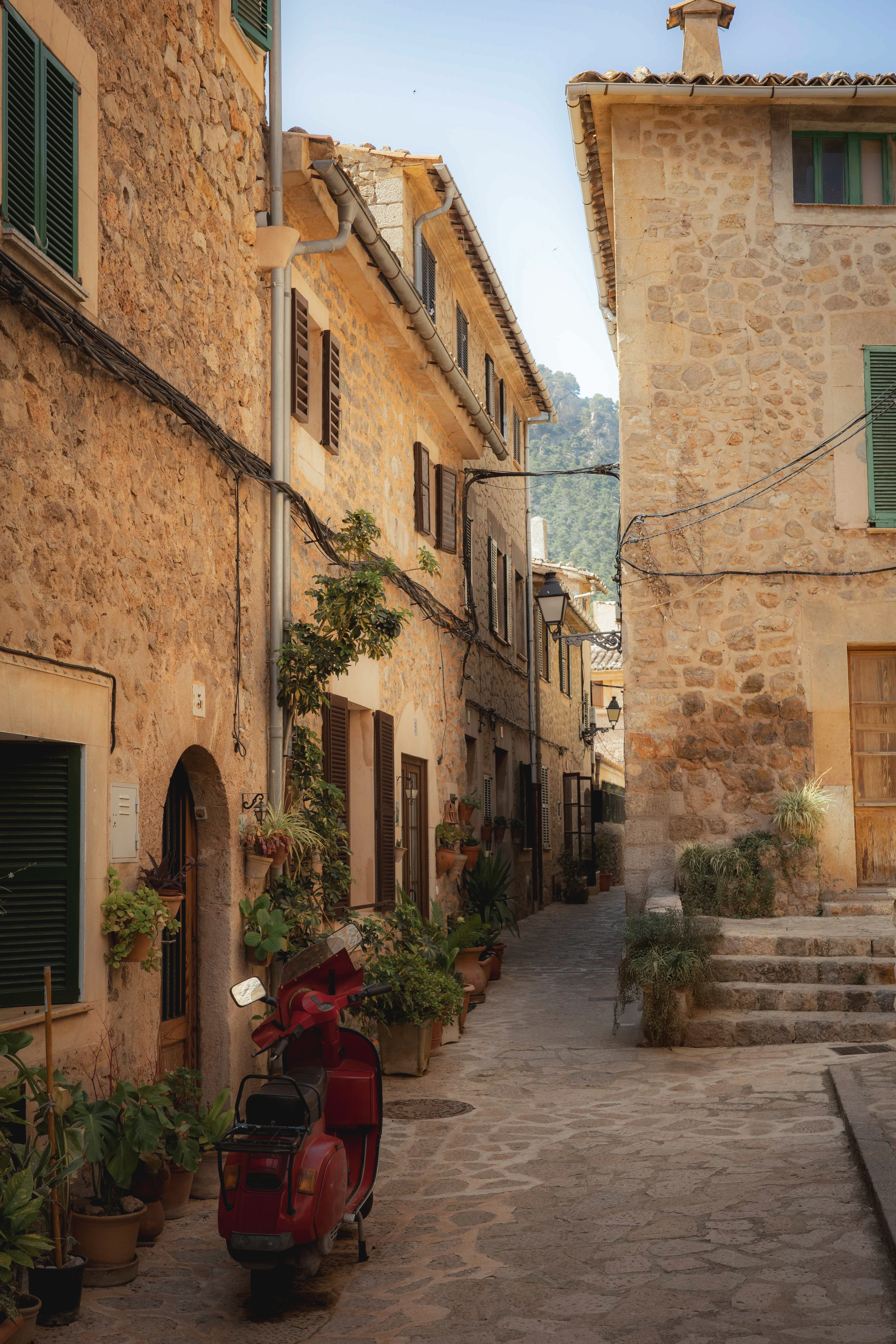
Valldemossa is a must-visit when you think about what to see in Mallorca in 6 days. Probably the most photographed village on the island, its cobbled streets are adorned with colourful flowerpots and tiles in honour of Santa Catalina Thomàs.
Visiting the Royal Carthusian Monastery, where Frédéric Chopin and George Sand resided, helps to understand the historical and cultural significance of Valldemossa.
Don't leave without trying the coca de patata with hot chocolate or almond ice cream.
The next destination is a 15-minute drive away.
Following the coastal road, Deià awaits you, a picturesque village nestled between the mountains and the sea, combining art, landscape, and Mediterranean panoramas. A refuge for writers like Robert Graves, its cemetery, located at the highest point, offers a very tranquil atmosphere and good sea views.
The journey to Sóller is by car along the coast road and takes about 25-30 minutes.
Surrounded by orange trees, the centre of Sóller stands out for the Church of Sant Bartomeu and an elegant modernist-style square. The town retains a somewhat French atmosphere, linked to the 19th-century citrus trade.
You can take the tram or car to the port and be there in 10 minutes.
An almost circular bay protected by two lighthouses, Port de Sóller is ideal for a stroll along the seafront and watching the sunset while local fishermen prepare their nets. You can arrive on the historic wooden tram that crosses the orange groves.
Although its Port is a recommended visit, check out more suggestions on what to do in Sóller during your stay here.
It's a good time to sit on the promenade and enjoy the peaceful atmosphere as the sun sets over the bay.
Dining by the sea in Port de Sóller is a very pleasant way to end the day. Take the opportunity to try the famous Sóller prawn, world-renowned for its intense flavour. The nightlife here is more relaxed and sophisticated, away from the city noise.
Today it's time to discover the most spectacular side of the mountains and drive along one of the most beautiful roads in all of Spain.
Fornalutx is considered one of the most beautiful villages in Mallorca for its traditional architecture. Its sloping streets and dry stone terraced surroundings are a perfect example of the harmony between man and nature.
Continue by car to Sa Calobra for 1 hour, depending on traffic and road conditions.
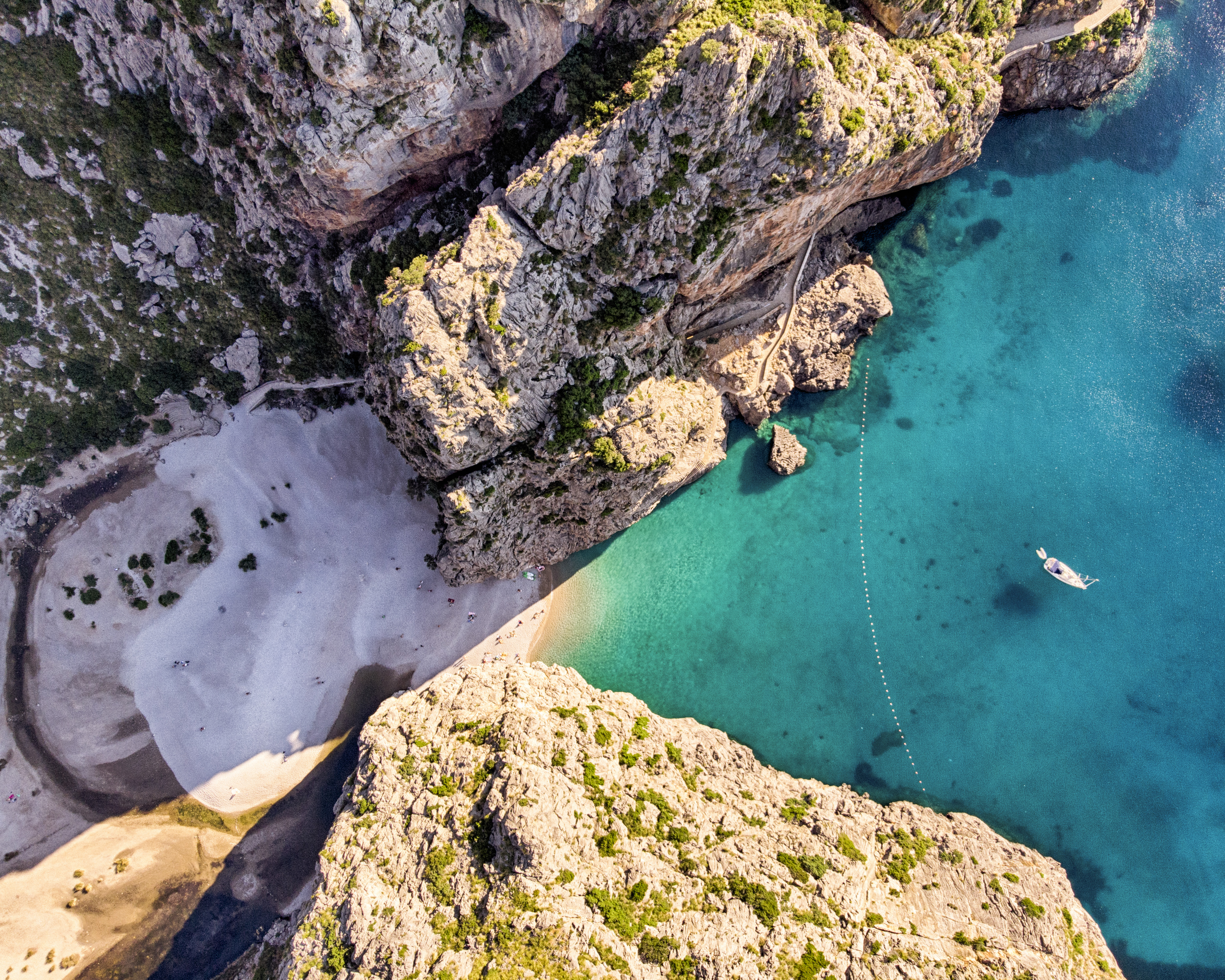
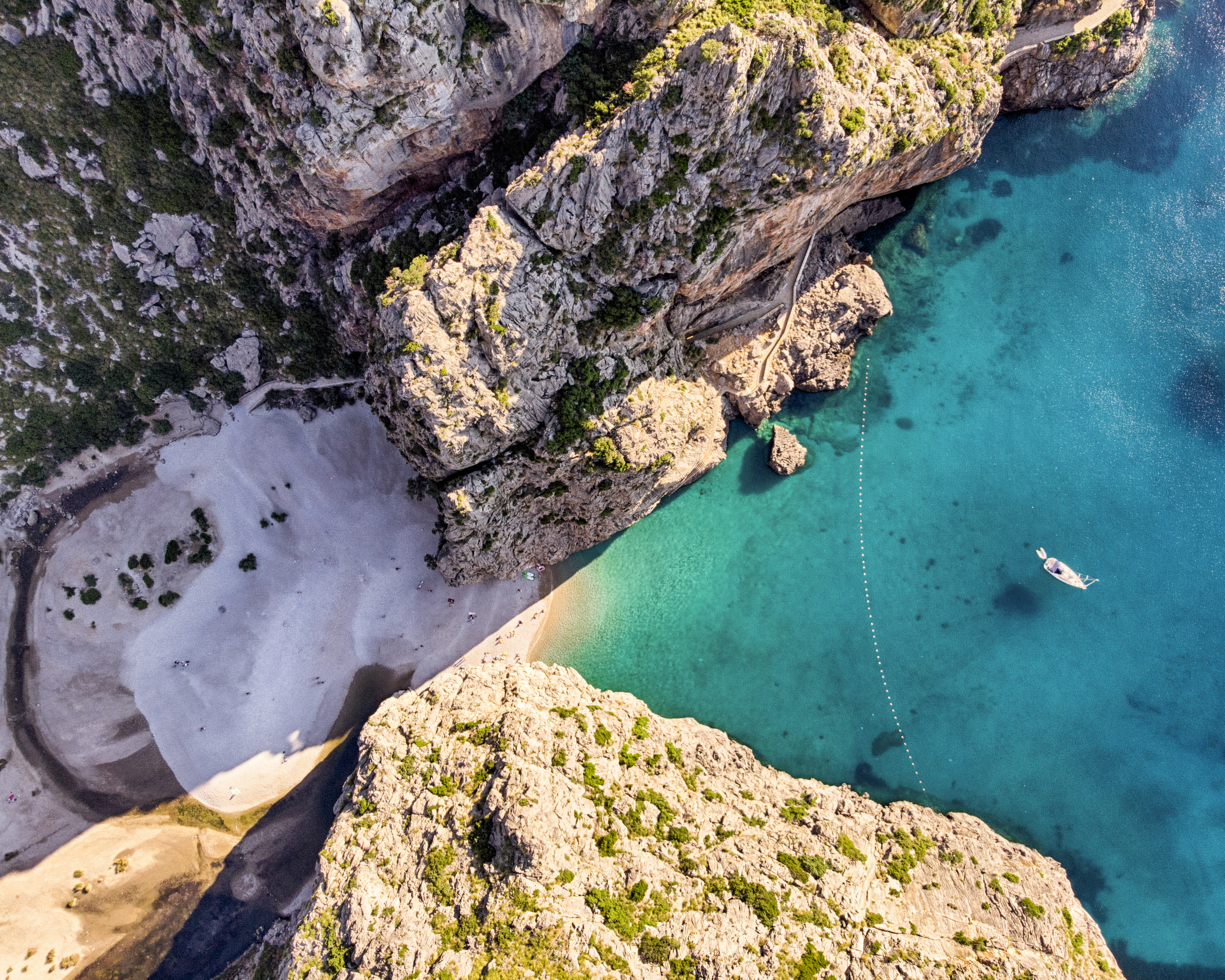
Sa Calobra is a natural enclave in the Serra de Tramuntana known as the entrance to Torrent de Pareis, an impressive canyon that leads to a small cove between cliffs.
To reach Sa Calobra, you must drive its famous road, an engineering feat full of curves, like the well-known 'Nus de sa Corbata' (a 360-degree turn). The descent between karstic rocks is an experience in itself.
After the road, access to Torrent de Pareis is on foot through tunnels carved into the rock in a few minutes.
At the end of the road, after passing through pedestrian tunnels carved into the rock, you reach the mouth of the Torrent de Pareis. It is a small pebble beach nestled between two vertical cliffs 200 metres high. It stands out as one of the most striking landscapes in this part of the mountains.
It is advisable to wear comfortable footwear and avoid visiting if rain is forecast.
After a day of curves and walks, returning to Sóller or Palma is a wise decision. A light dinner of pamboli (bread with oil, tomato, and local cured meats) is the perfect way to recharge your batteries for tomorrow.
,regionOfInterest=(1844.5,2767))
,regionOfInterest=(1844.5,2767))
On the fourth day, I suggest heading east to explore the island's underground.
Located in Porto Cristo, these caves are famous for housing Lake Martel, one of the largest underground lakes in the world. The tour ends with a live classical music concert performed from illuminated boats gliding over the water.
This concert is included in the general admission price and is one of the best-known and most appreciated parts of the tour.
📍Check opening hours and prices
The next destination is just a few minutes away.
After visiting the caves, a stroll through the port of Porto Cristo is ideal. It's a natural harbour that has managed to maintain its charm despite tourism, with an excellent gastronomic offering focused on fresh fish.
To continue to Cala Varques, the car journey takes about 15 minutes, plus the walk to access it.
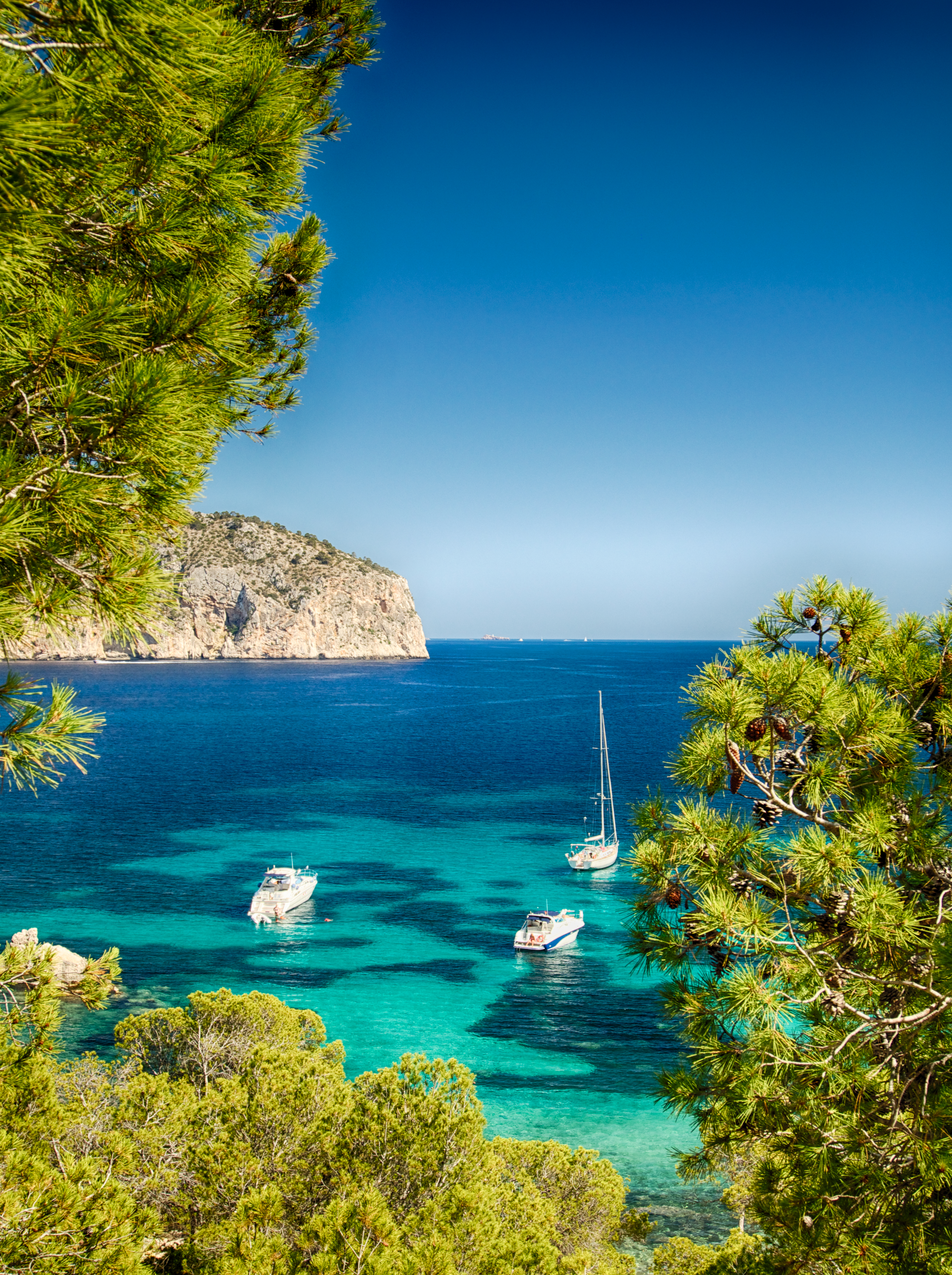
If you're looking for a pristine cove away from urbanisations, Cala Varques is an excellent choice. It is accessed after a walk of about 20-30 minutes along a path. It has no services (neither beach bars nor sun loungers), which has allowed it to retain its natural and bohemian spirit. It is famous for its natural rock arch and its sea caves that can be explored by swimming.
It is advisable to bring water, food, and everything necessary for the visit, as the cove has no services and access requires a walk.
The east coast offers a much calmer pace than Palma. Dining on a terrace overlooking the boats in Porto Cristo is ideal for those seeking complete disconnection.
A must-do on this 6-day Mallorca itinerary is to dedicate a day to the southeast to balance your route perfectly and enjoy some of the most famous beaches and coves in the Balearic Islands.
Before heading down to the coves, visit this natural arch carved into the rock facing the sea. It's a quick stop but will surprise you with the shape of the rock and its seaside location.
Caló des Moro is a 20-minute drive away.
This is one of Mallorca's most famous coves. A strip of crystal-clear water between low cliffs. It's a very small beach and fills up quickly; it's essential to arrive before 9 am in high season to enjoy it to the fullest.
The next stop on the route is a 10-minute drive away.
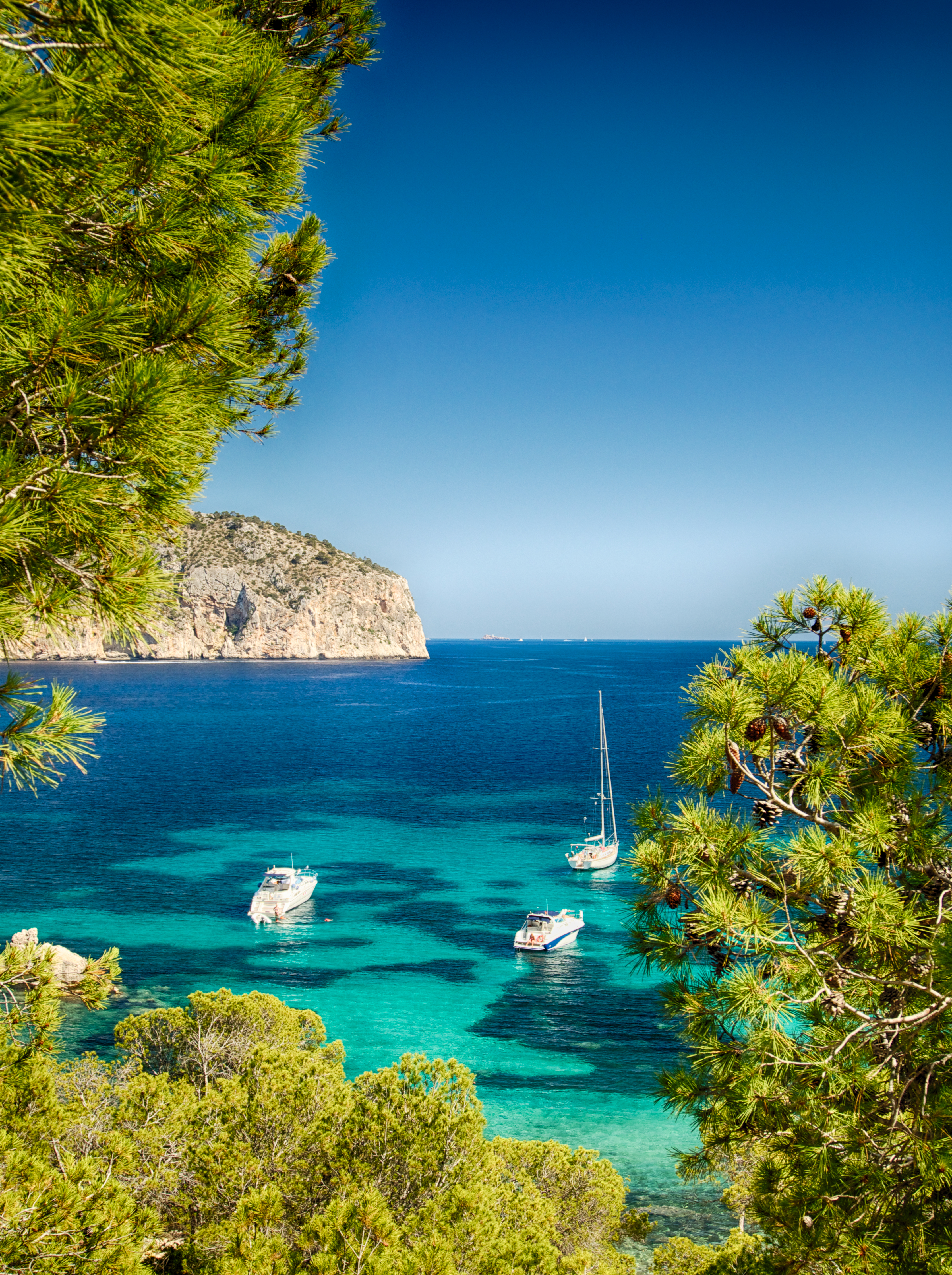
Very close to the previous one, this cove is much more comfortable for swimming, with fishermen's huts and calm waters ideal for snorkelling.
Your next destination is just a 20-minute drive away.
End the afternoon in this protected area. Here you'll find two main beaches, Cala Mondragó and S'Amarador, connected by a coastal path. It's a perfect place to combine a last swim with a stroll among pine trees and protected dunes.
If you end the day in Santanyí, the drive takes about 10 minutes.
The village of Santanyí, with its buildings constructed from the characteristic local golden stone, has a lively main square. Dining here, surrounded by art galleries and local designer shops, adds a cultural and sophisticated touch to the day.
,regionOfInterest=(1674,2241))
,regionOfInterest=(1674,2241))
The route concludes at the northernmost tip, where the landscape becomes more rugged and open to the sea.
The historic centre of Alcúdia is surrounded by a perfectly preserved medieval wall that you can walk along. Also, don't forget to visit the ruins of the Roman city of Pollentia.
Getting lost in its pedestrian streets is like stepping back in time. If your trip coincides with a Tuesday or Sunday, you can enjoy its artisan market.
If you want to extend your visit, review this specific guide on what to see in Alcúdia for more tourist attractions.
Drive 15 minutes to the next destination.
A few kilometres away is this town with an artistic soul. The challenge of the day is to climb the 365 steps of El Calvari. Each step represents a day of the year, and the reward at the top is a spectacular view of Port de Pollença and the mountains.
The car journey to Mirador Es Colomer takes about 25 minutes, depending on traffic accessing Formentor.
The Mirador Es Colomer is one of the island's most famous panoramic viewpoints. From here, you can see the islet of Es Colomer and the vertical cliffs of the Formentor peninsula.
After the viewpoint, you can drive down to Port de Pollença in about 20 minutes.
Port de Pollença, with its famous 'Pine Walk', is a very pleasant area for the last dinner of the trip. A toast with local wine (like those from Binissalem or Santa Maria) overlooking the sea will be the perfect memory of this 6-day Mallorca trip.
You can consult the following maps to follow the proposed order and see all the marked points.
📍View full route on Google Maps
📍View full route on Google Maps
📍View full route on Google Maps
📍View full route on Google Maps
📍View full route on Google Maps
,regionOfInterest=(1476.5,981.5))
,regionOfInterest=(1476.5,981.5))
,regionOfInterest=(1312.5,1750))
,regionOfInterest=(1312.5,1750))
,regionOfInterest=(2240,3360))
,regionOfInterest=(2240,3360))
,regionOfInterest=(3120,1755))
,regionOfInterest=(3120,1755))
,regionOfInterest=(886,588.5))
,regionOfInterest=(886,588.5))