,regionOfInterest=(2200,1237.5))
,regionOfInterest=(2200,1237.5))
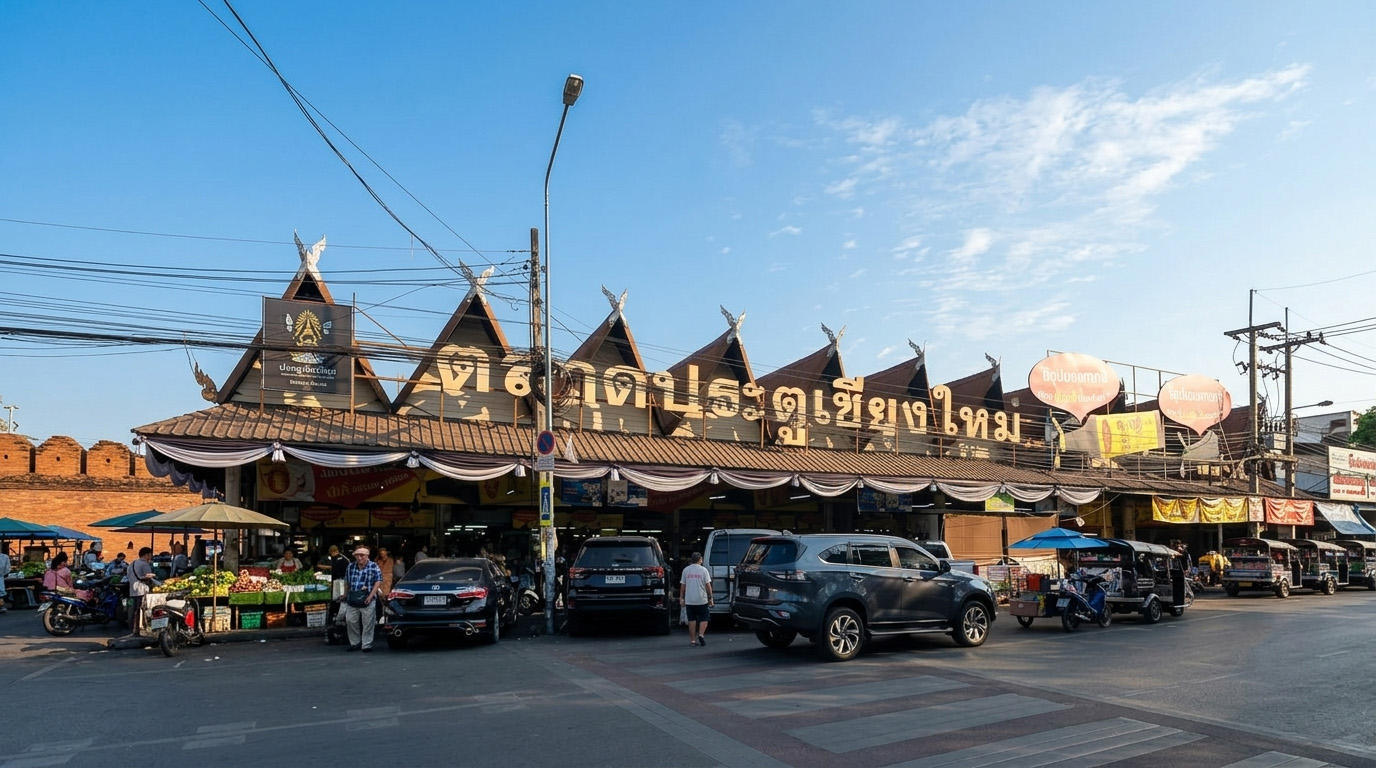
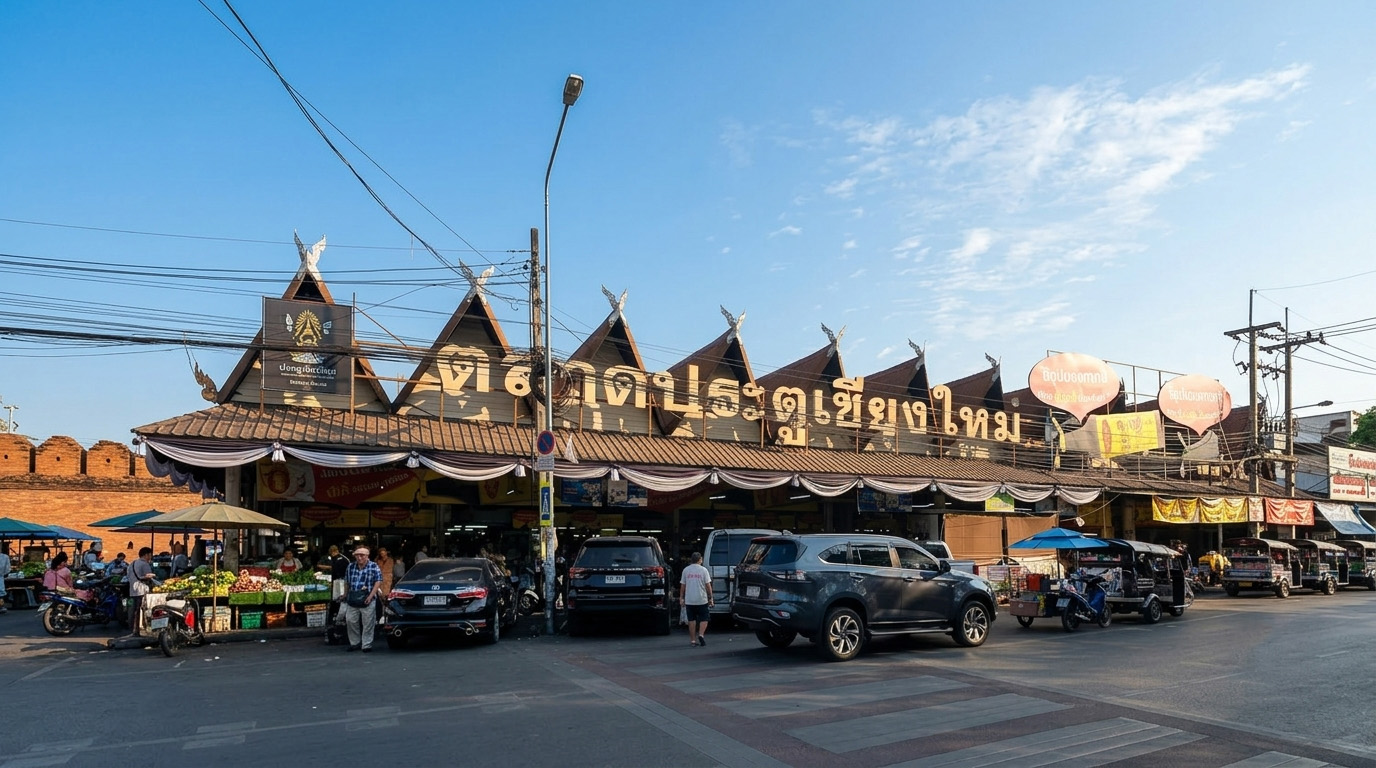
Chiang Mai Gate Night Market 2026: Complete Visitor Guide
,regionOfInterest=(688,384))
,regionOfInterest=(688,384))
Culture
,regionOfInterest=(2500,1667))
,regionOfInterest=(2500,1667))
Culture
,regionOfInterest=(2969.5,1982.5))
,regionOfInterest=(2969.5,1982.5))
📍See the full route on Google Maps.
To better organise your visit, divide the municipality into:
This way, you can clearly plan what to visit in Valldemossa according to the time you have available.
,regionOfInterest=(2128,1416))
,regionOfInterest=(2128,1416))
,regionOfInterest=(1674,2241))
,regionOfInterest=(1674,2241))
,regionOfInterest=(500,333.5))
,regionOfInterest=(500,333.5))
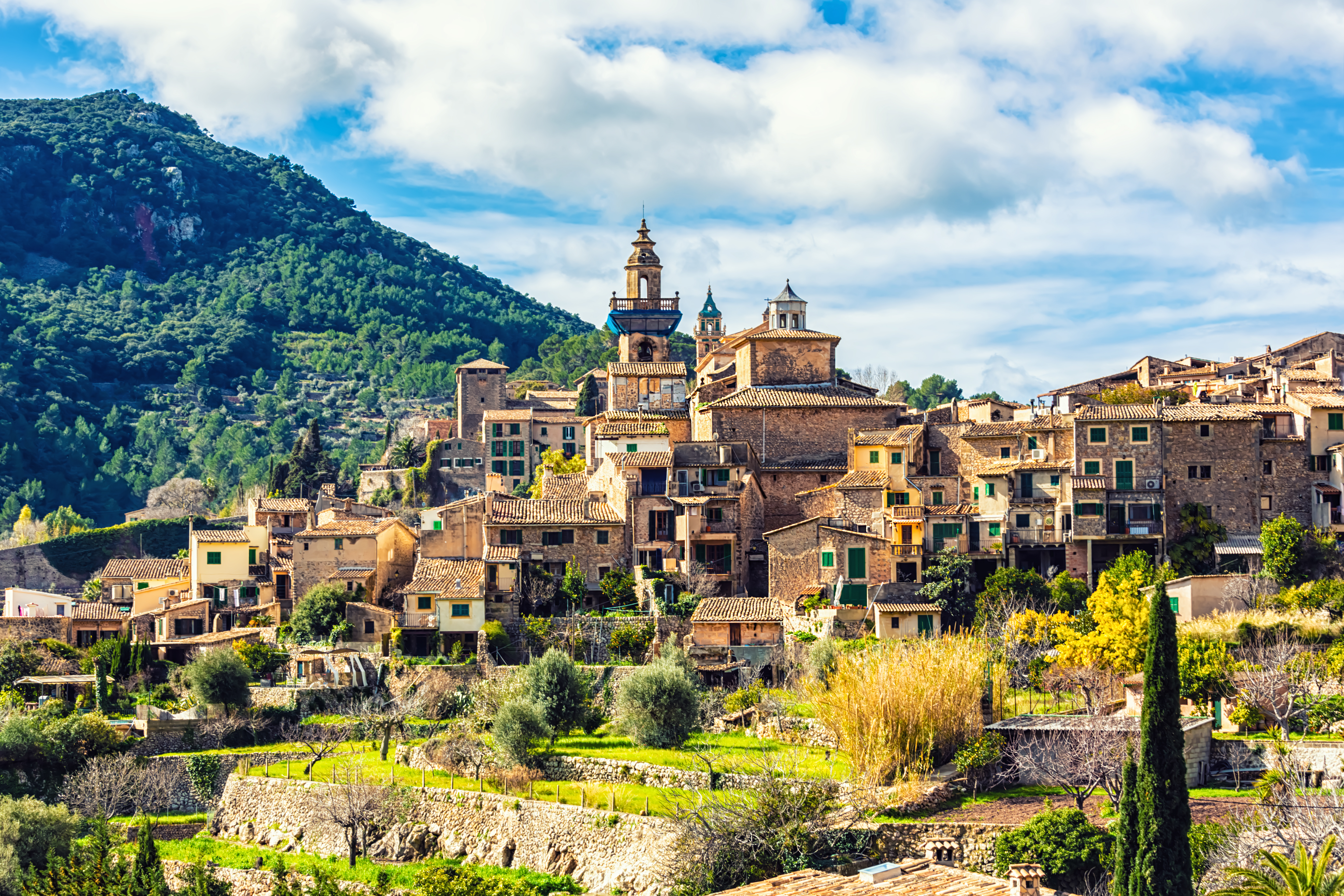
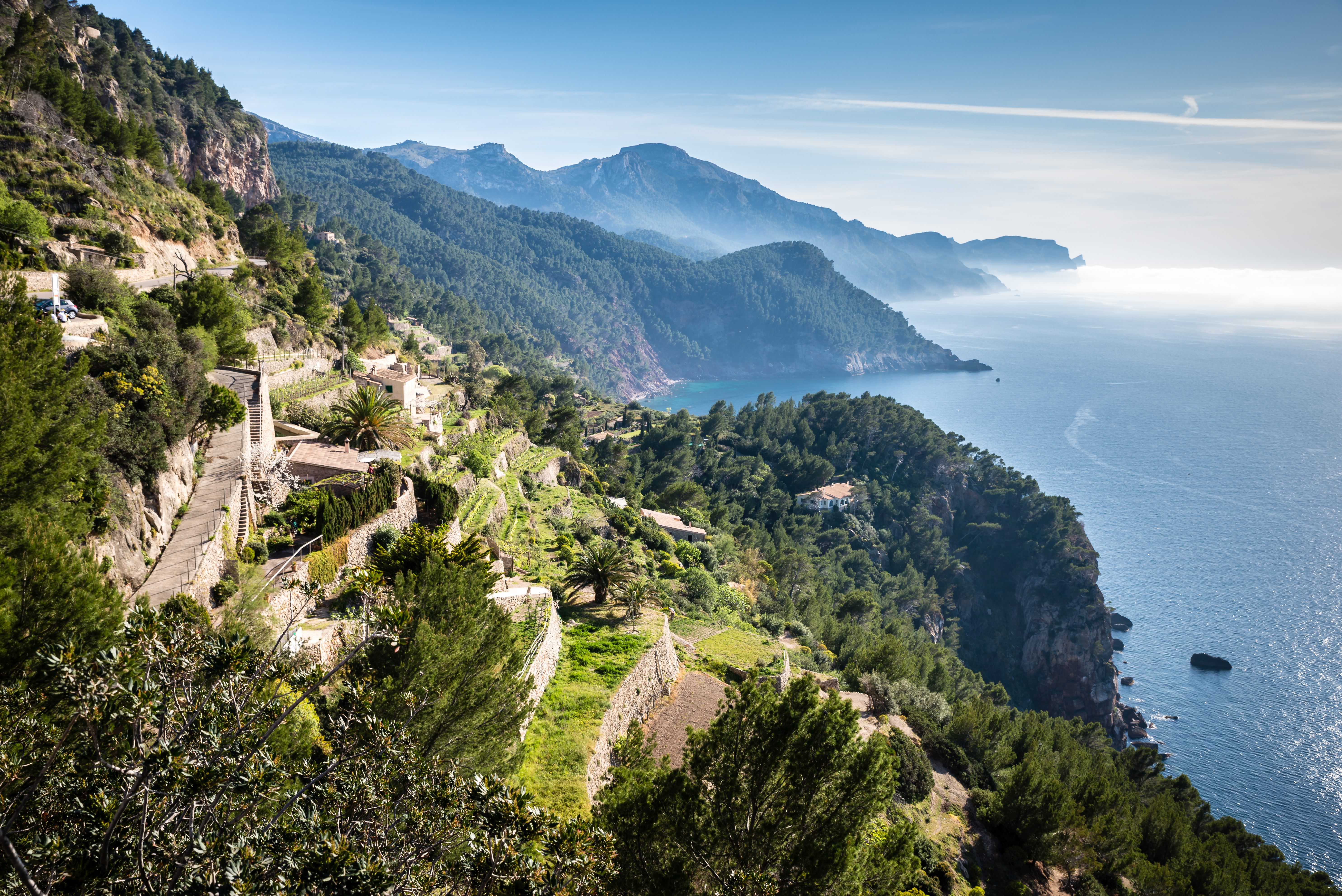
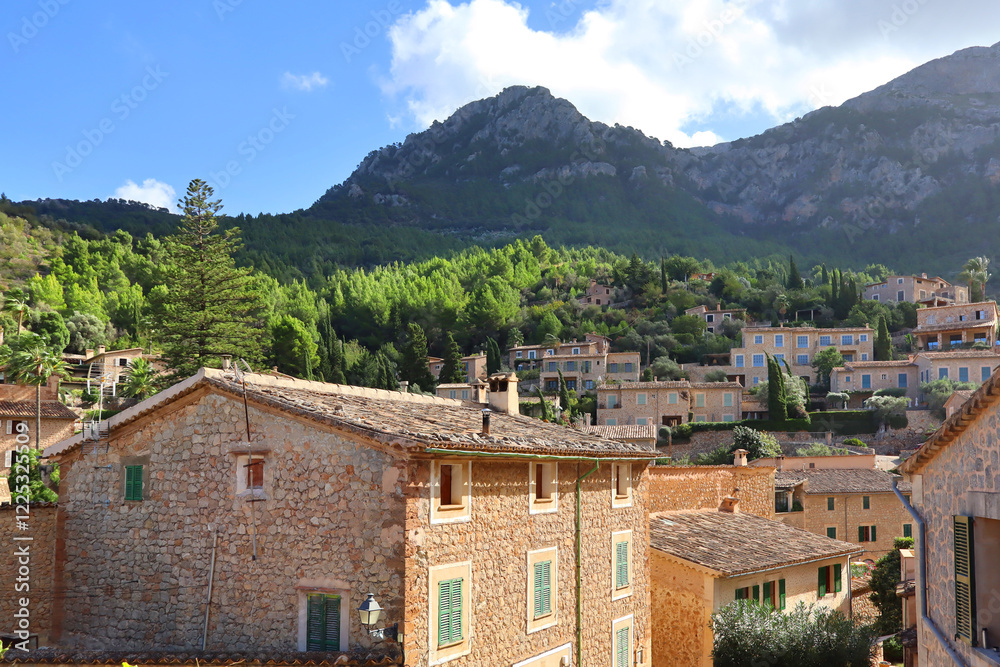
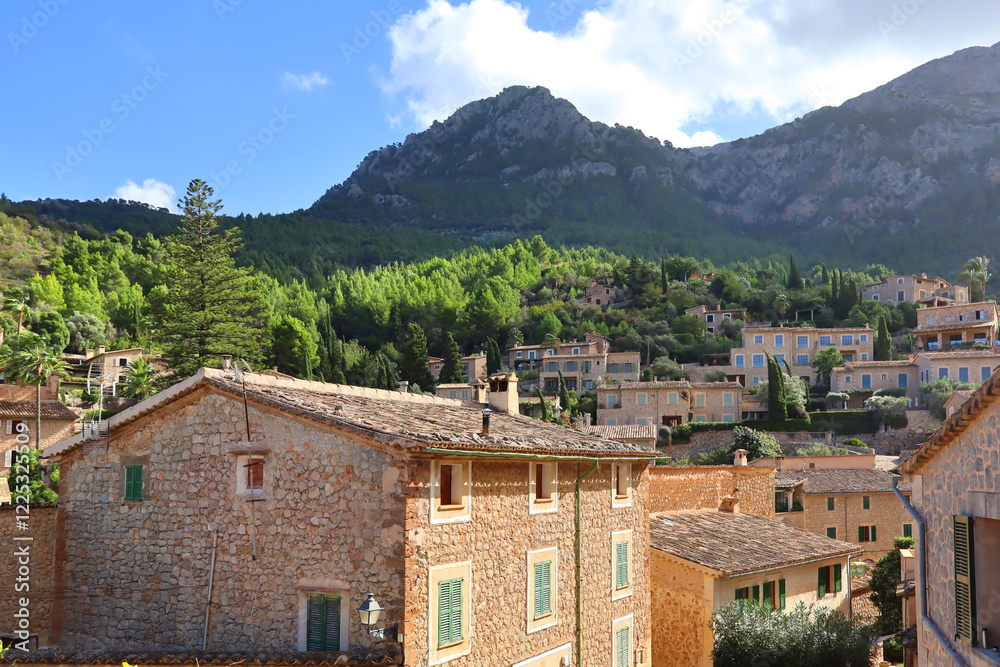
This small municipality in the Serra de Tramuntana, a UNESCO World Heritage site, combines history, nature, and viewpoints offering some of the most spectacular vistas in the area. Nestled between mountains and stone terraces, Valldemossa invites you to discover a landscape full of nuances.
If you're wondering what to do in Valldemossa, one of the best plans is to take a leisurely stroll through its historic centre: narrow, cobbled streets, and facades adorned with flower pots tended by the locals themselves.
Besides visiting the Charterhouse, this village is also a good starting point for discovering ancient stone paths, hiking routes, and viewpoints from which to admire the valley.
Whether you're looking for a comprehensive *tourist guide to Valldemossa* or just clear ideas to plan your visit, this destination is perfect for a romantic getaway, a cultural trip, or a route through the Tramuntana to calmly enjoy the surroundings.
,regionOfInterest=(1776,2664))
,regionOfInterest=(1776,2664))
The Royal Charterhouse of Valldemossa is the municipality's main monumental complex. In this ancient monastery surrounded by gardens, figures like Frédéric Chopin and George Sand stayed, reinforcing the site's cultural and historical value.
It's an essential visit if you're looking for what to see in Valldemossa in one day. Its courtyards, old cells, and valley views allow you to better understand the village's history and cultural essence.
📍Check opening hours and prices.
Within the Charterhouse complex lies the Palace of King Sancho, a royal residence built in the Middle Ages by order of King James II. With medieval architecture and high historical value, it stands out for its coffered wooden ceilings and its rooms.
Admission to the Charterhouse includes access to the Palace of King Sancho, thus offering a complete experience to learn about the history and royal life in Mallorca.
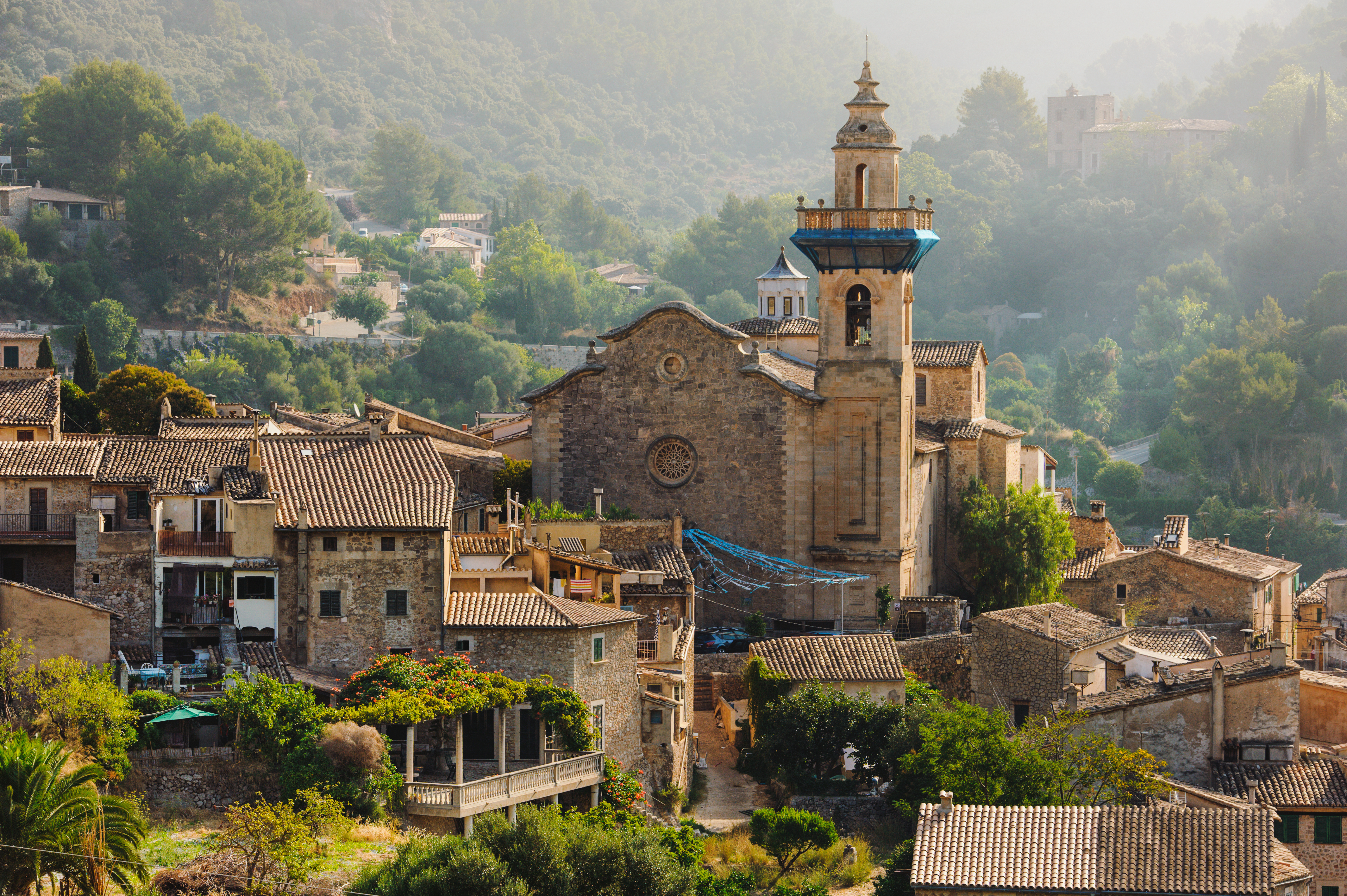
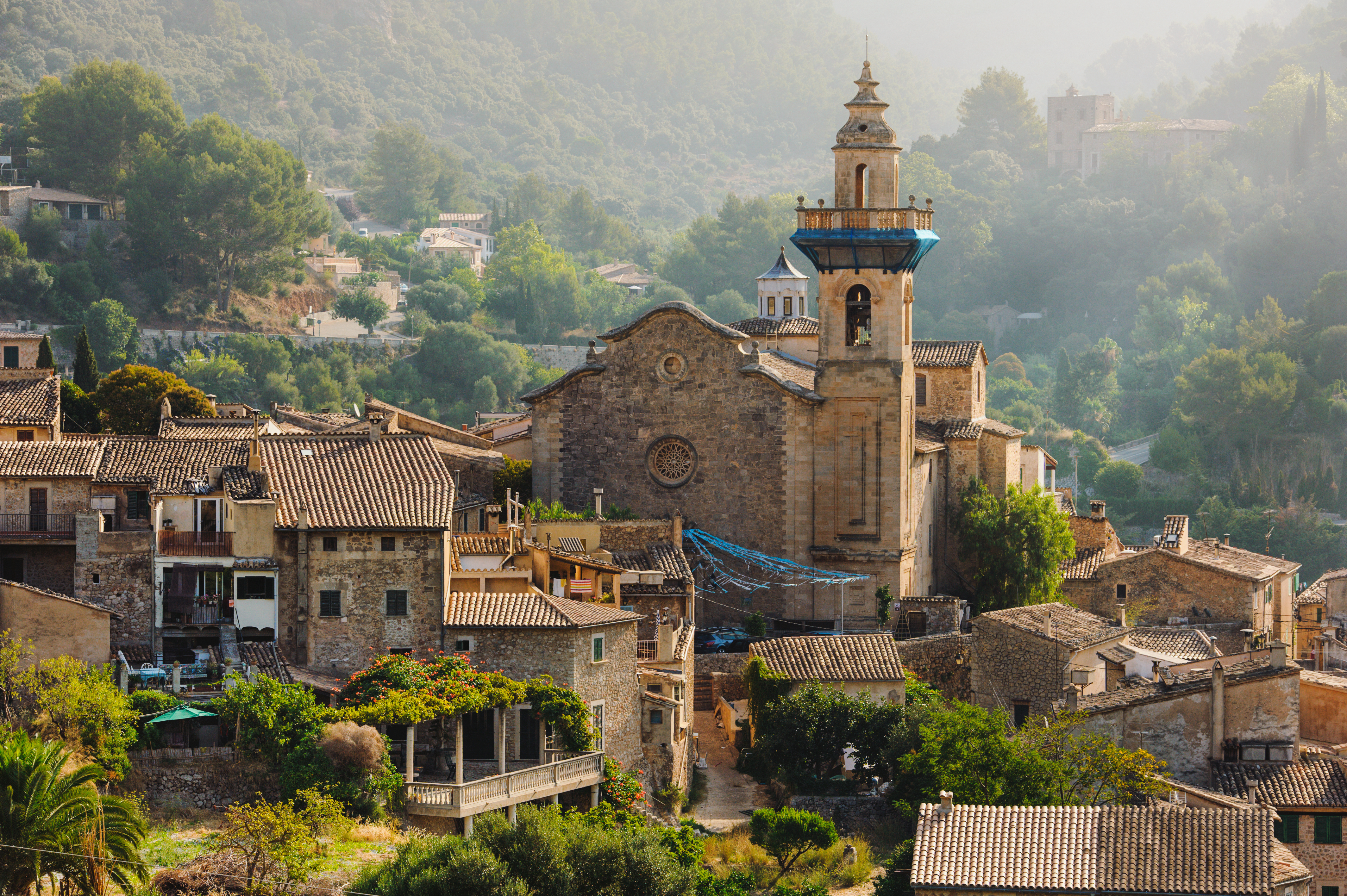
Located in the centre of the village, the Church of Sant Bartomeu is one of Valldemossa's most representative buildings. It combines Gothic elements with later renovations and is notable for its blue-tiled bell tower.
It is an essential part of any route through Valldemossa and a regular stop for those exploring the historic centre.
,regionOfInterest=(1181,787.5))
,regionOfInterest=(1181,787.5))
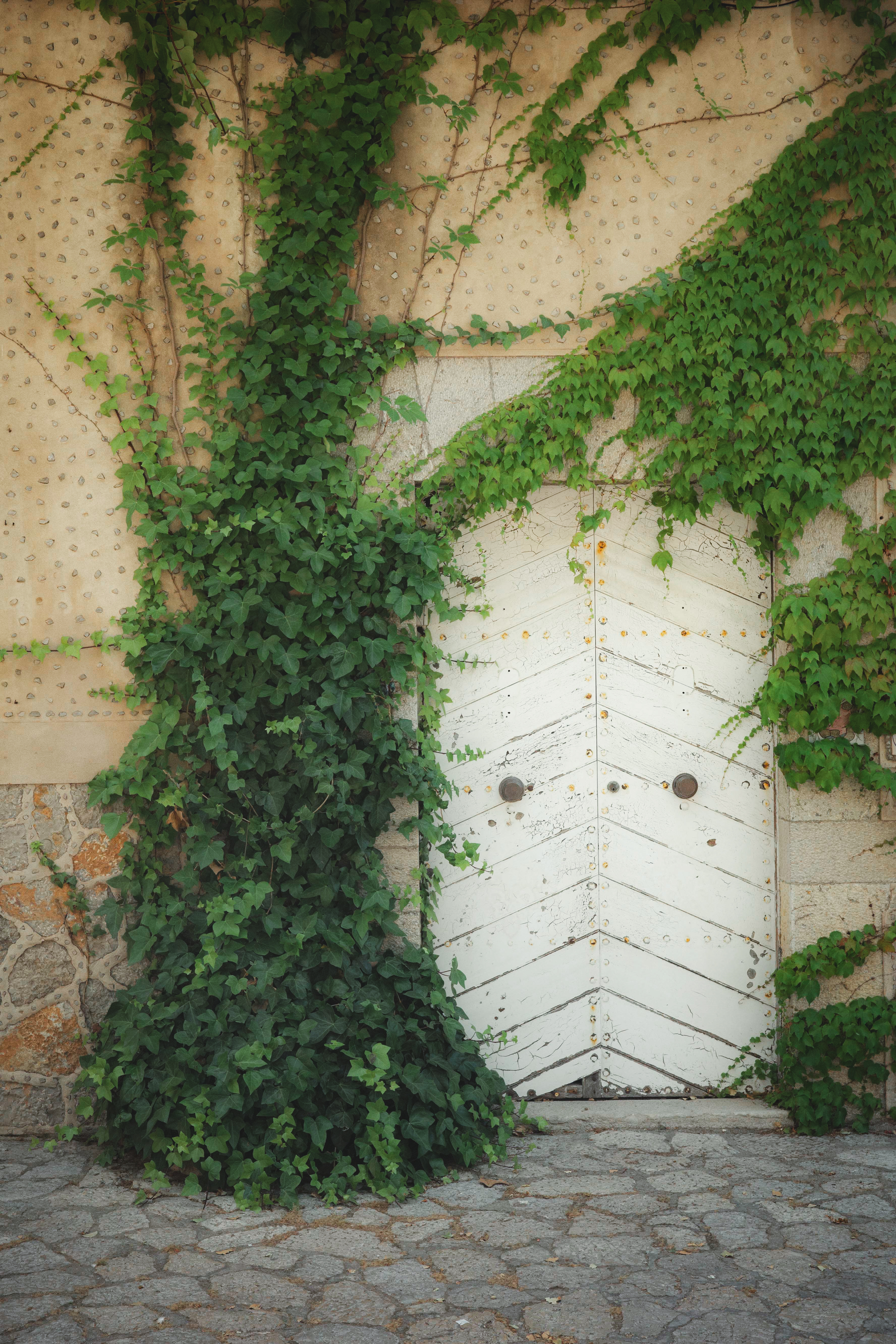
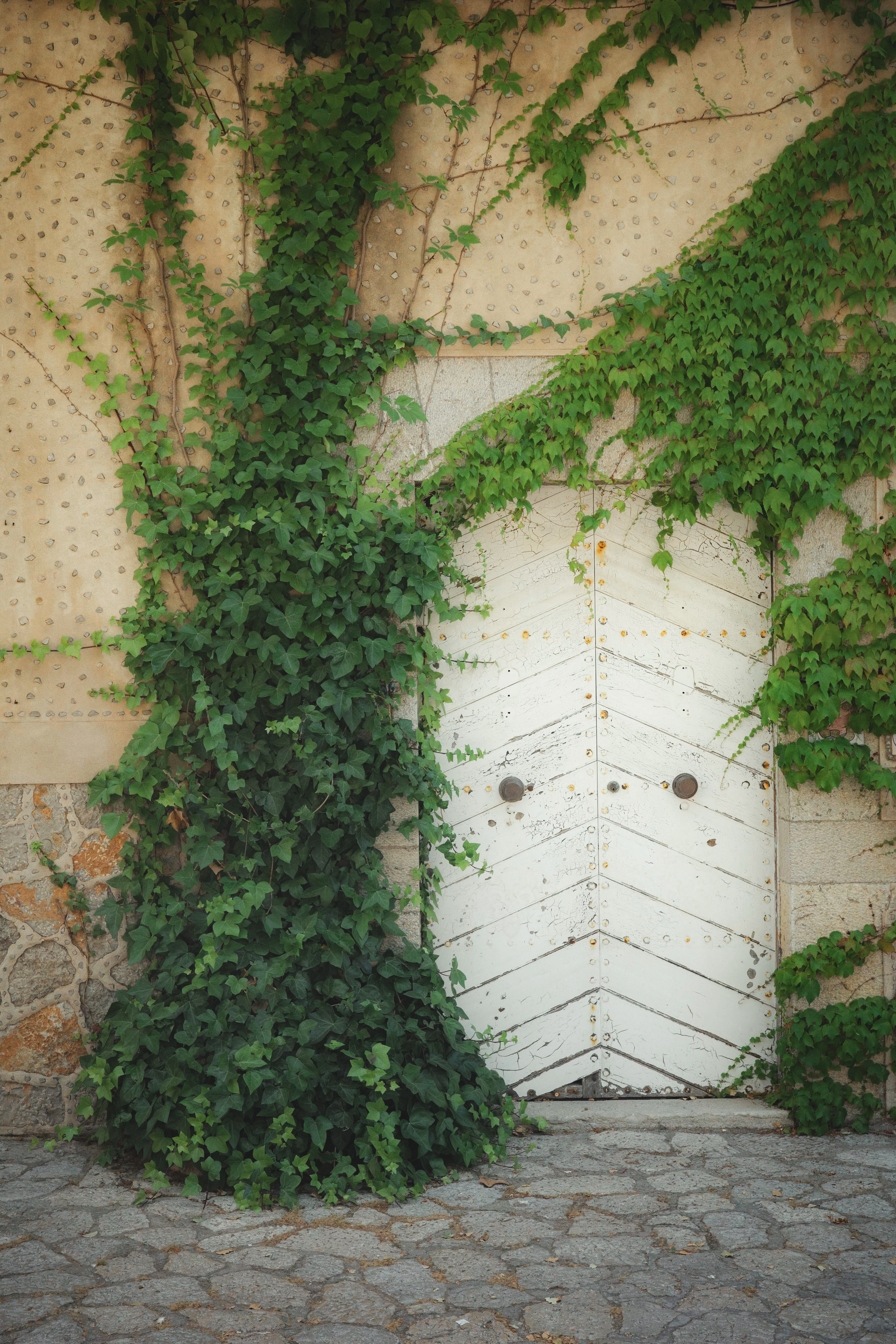
The historic centre of Valldemossa is one of the village's main attractions. A harmonious ensemble of narrow streets, stone facades, and flower pots decorating many of its corners. Wandering aimlessly through this area is one of the best ways to discover and experience the village.
Here you'll find small squares, unexpected viewpoints, and details that demonstrate why Valldemossa is one of Mallorca's most photographed municipalities. Furthermore, right in the centre is the birthplace of Saint Catalina Thomàs, one of the island's most beloved figures.
The lower part, known as the Barrio de la Vall, is one of the most authentic and photographed areas. Its narrow, steep streets, such as Via de Blanquerna, are the perfect example of what to explore in Valldemossa to feel like a local.
In this area, each facade pays homage to Saint Catalina Thomàs, the patron saint of Valldemossa, with tiles narrating scenes from her life. This detail makes the walk a very enriching cultural experience.
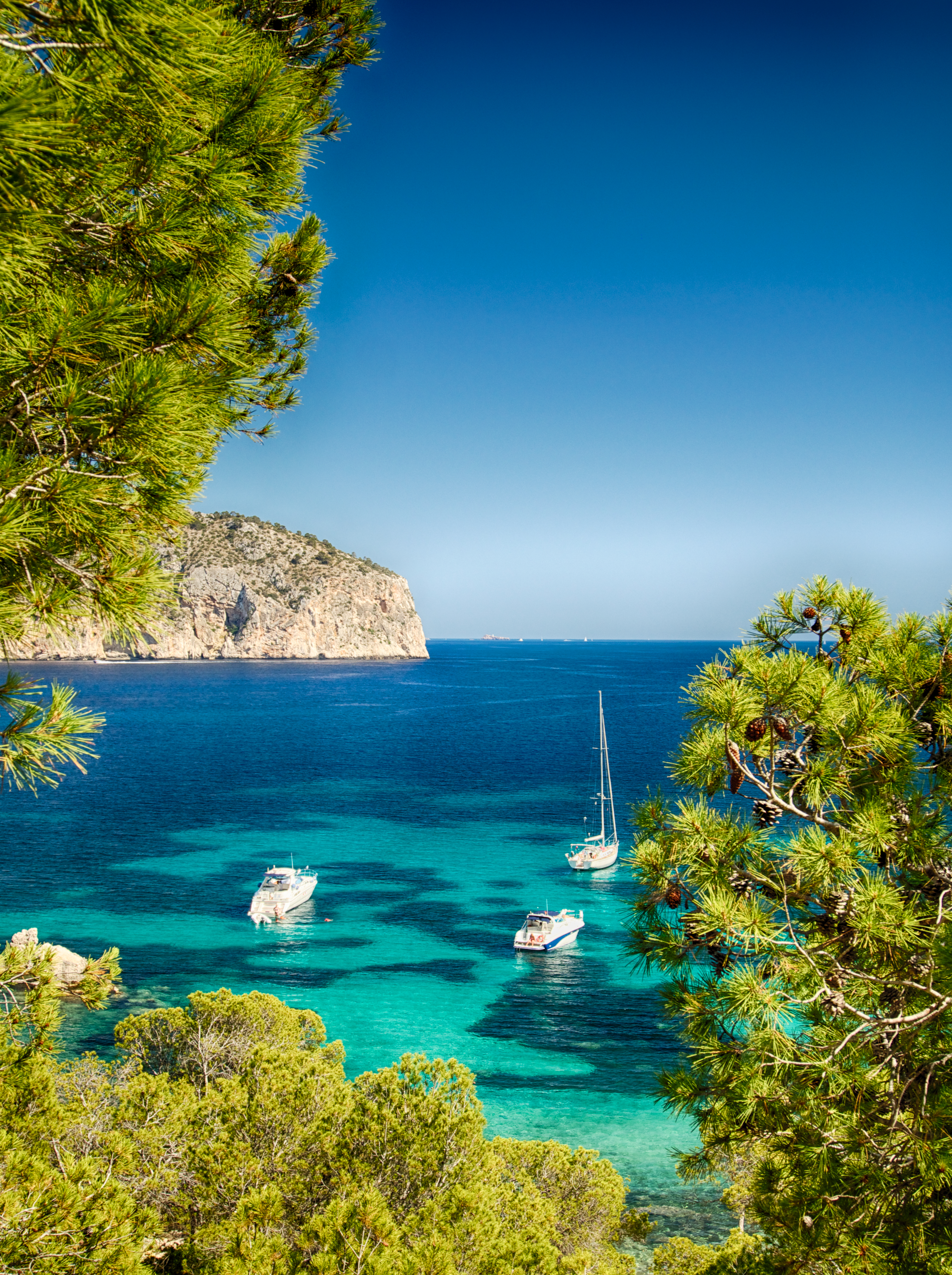
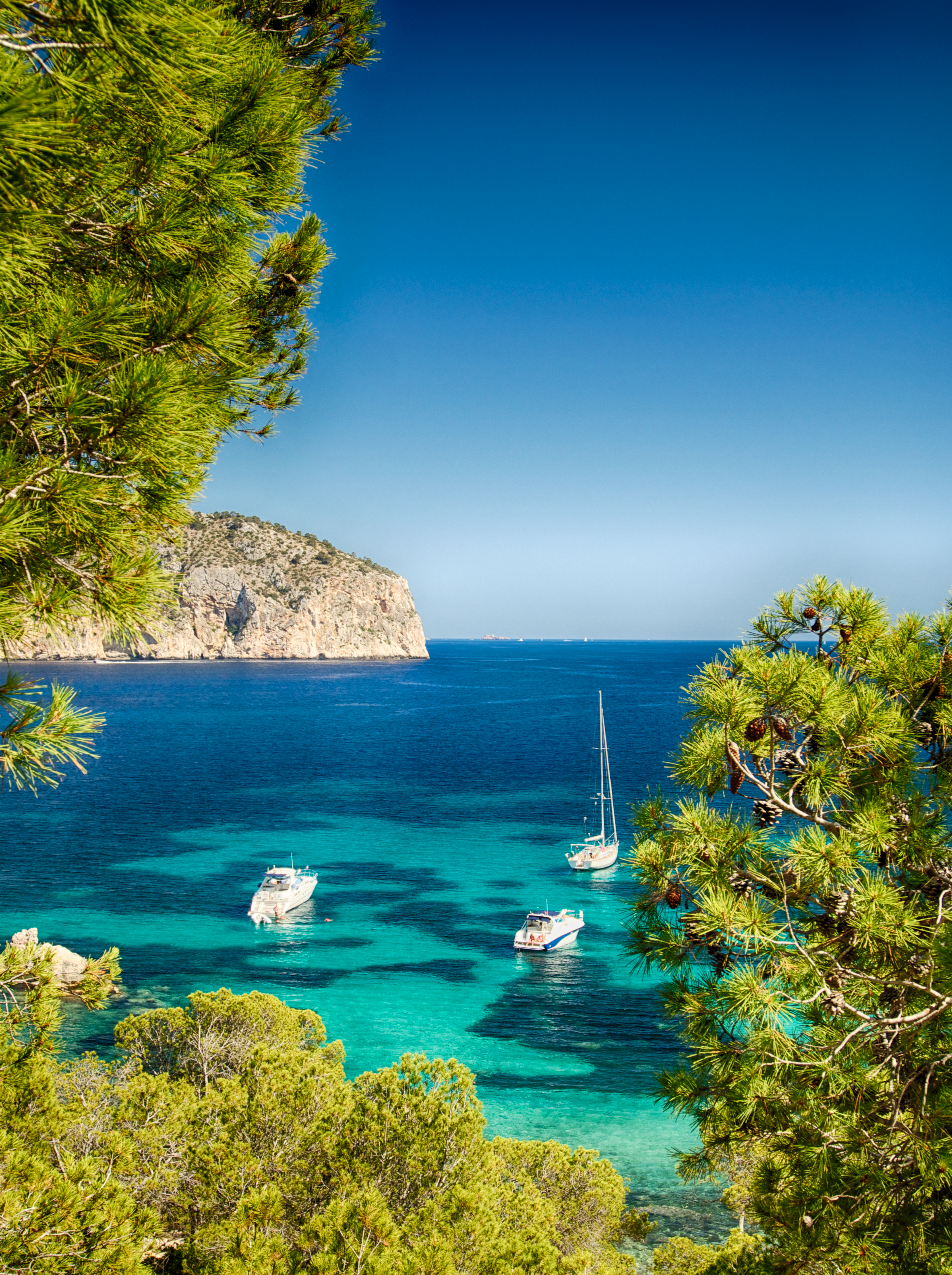
Another less central option is to head down to Port de Valldemossa, also known as Sa Marina, a small fishing hamlet located on the municipality's coast. It's a much quieter area than the historic centre, with sea views and a landscape very different from the village's interior.
It's a good alternative if you're looking for things to see in Valldemossa beyond the centre or want to combine mountains and sea in the same visit.
Beyond the urban centre, the old cobbled paths connect farms, terraces, and viewpoints overlooking the Serra de Tramuntana. Walking these trails is a perfect way to get closer to the area's most authentic landscape.
Plaça de Ramon Llull is the bustling heart of the village. Surrounded by historic buildings and terraces, it's a perfect place to take a break, have a drink, and enjoy the local atmosphere.
The Mirador des Lledoners viewpoint offers one of the most beautiful views of the valley. From here, you can contemplate the stone rooftops of the village and the intense green mountainous landscape that surrounds the municipality.
It's a highly recommended stop if you want to take photos or simply pause to observe the surroundings calmly.
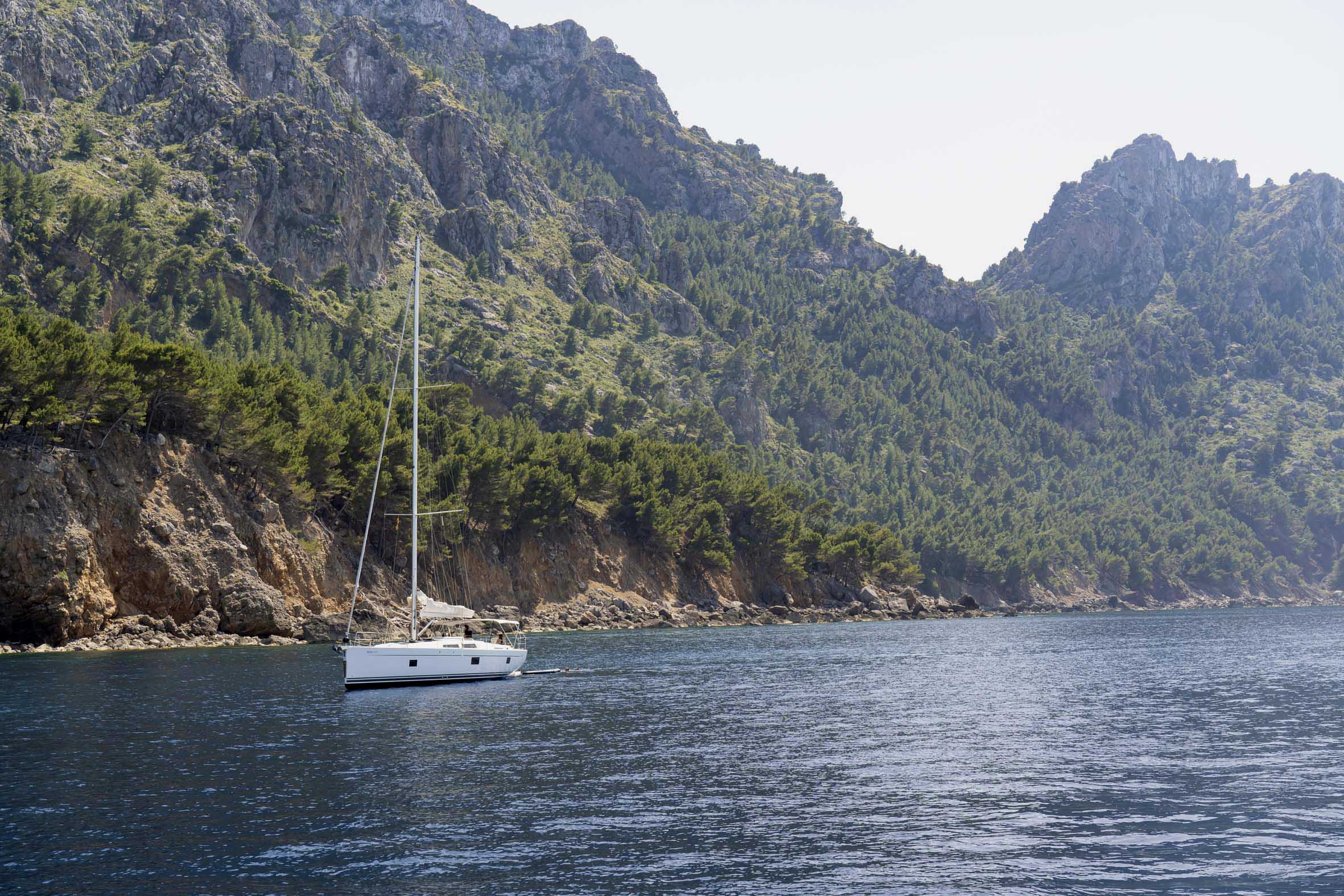
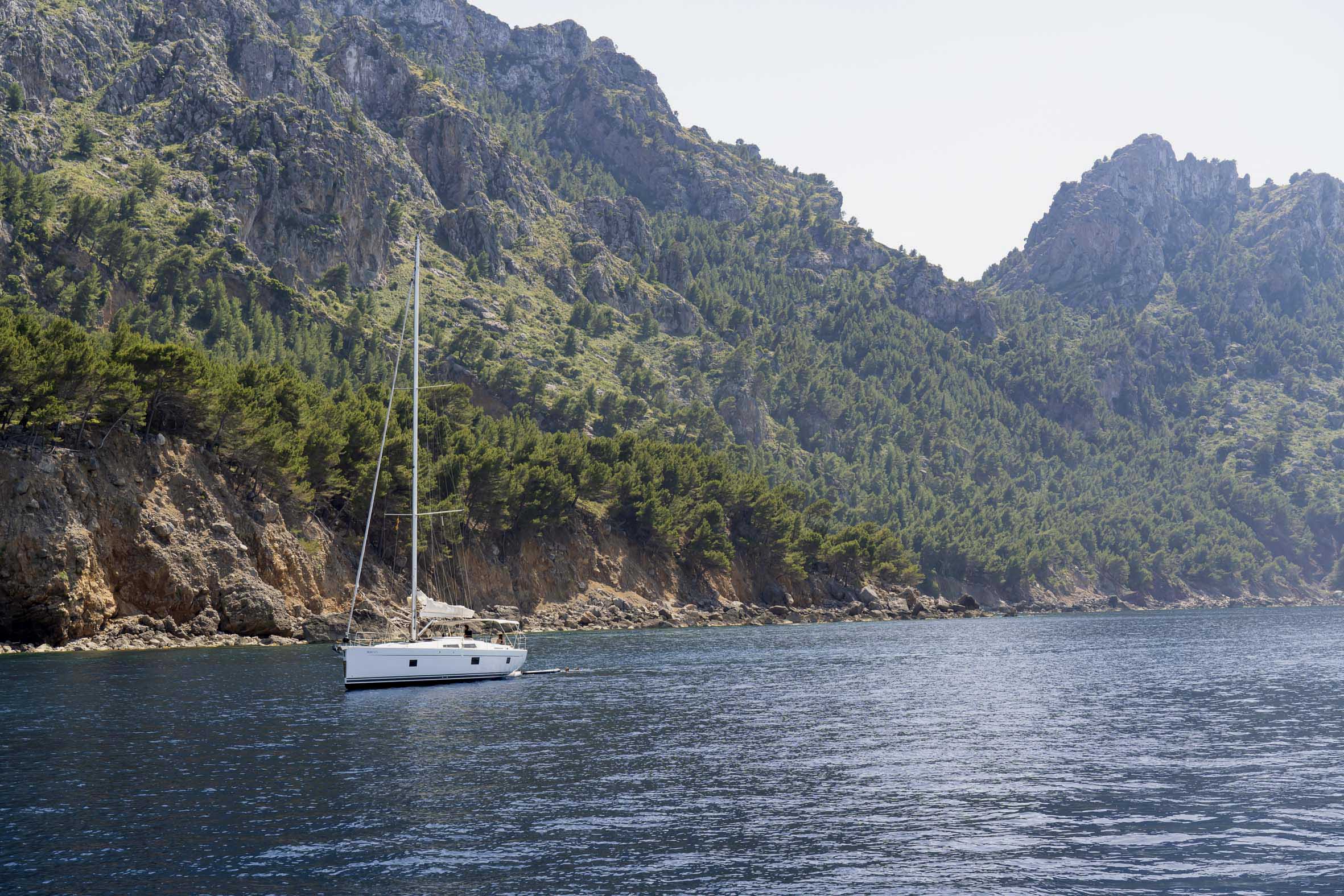
The natural environment of the Serra de Tramuntana, within the municipality of Valldemossa, is a fundamental part of the visit. This enclave offers hiking routes, country paths, and panoramic views overlooking the Mediterranean.
It's an area particularly recommended for those looking for outdoor activities in Valldemossa or wanting to connect with nature.
Strolling through these free-access gardens is one of the most rewarding ways to complete your visit to the Charterhouse. Among cypresses and busts of artists, you'll find the ideal spot to sit and read or simply breathe in the fresh mountain air.
The Municipal Museum of Valldemossa, located within the Charterhouse, offers an in-depth look at the artistic and cultural history of the municipality.
It's a good option if you want to expand your tourist guide to Valldemossa and discover the historical context of the village beyond its streets and monuments.
The well-known Chopin's Cell is one of the most visited spaces on the entire island and one of Valldemossa's main cultural attractions. It preserves the memory of the Polish composer and his stay in the village with George Sand.
Visiting this place helps to better understand why Valldemossa became a source of inspiration for artists.
📍Check opening hours and prices.
Once promoted by actor Michael Douglas, this centre helps to better understand the relationship between Archduke Ludwig Salvator of Austria and Mallorca. It offers a clear and modern perspective on the history and nature of the Serra de Tramuntana.
If you fancy adding a less common plan to your visit, a great option is to head towards the Mirador de ses Puntes viewpoint. The hike, approximately 45 minutes, requires some effort, but the reward is well worth it.
From this point, you get a wide panoramic view of the cliffs on Mallorca's north coast. It's a highly recommended suggestion if you want to complement your visit with a different experience within the Valldemossa area.
,regionOfInterest=(1200,1791))
,regionOfInterest=(1200,1791))
You can't say you've visited Valldemossa without trying the famous coca de patata. It's a fluffy, tender sweet treat that, accompanied by a hot chocolate or an almond granita, will transport you to one of the village's most typical and recognisable products.
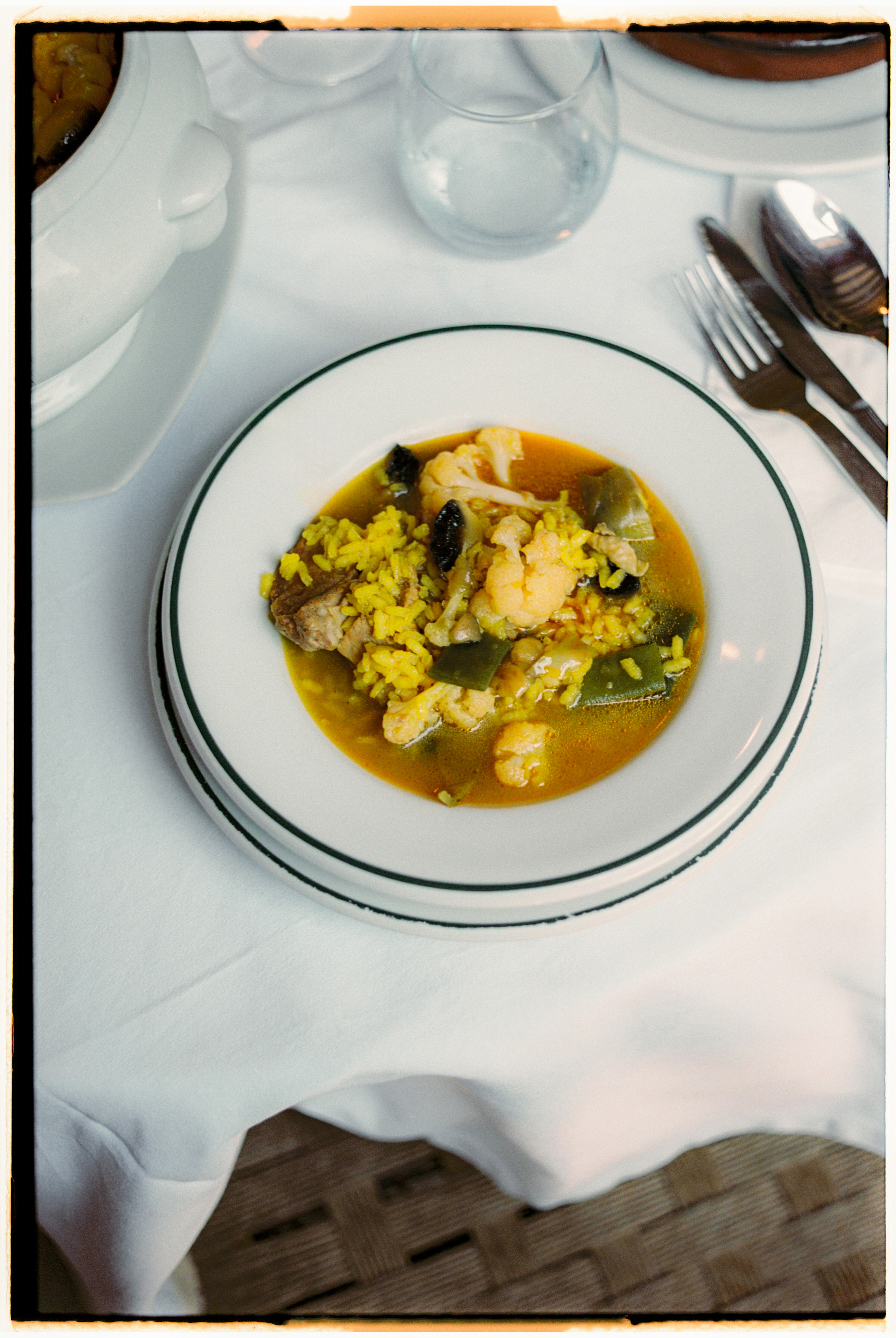
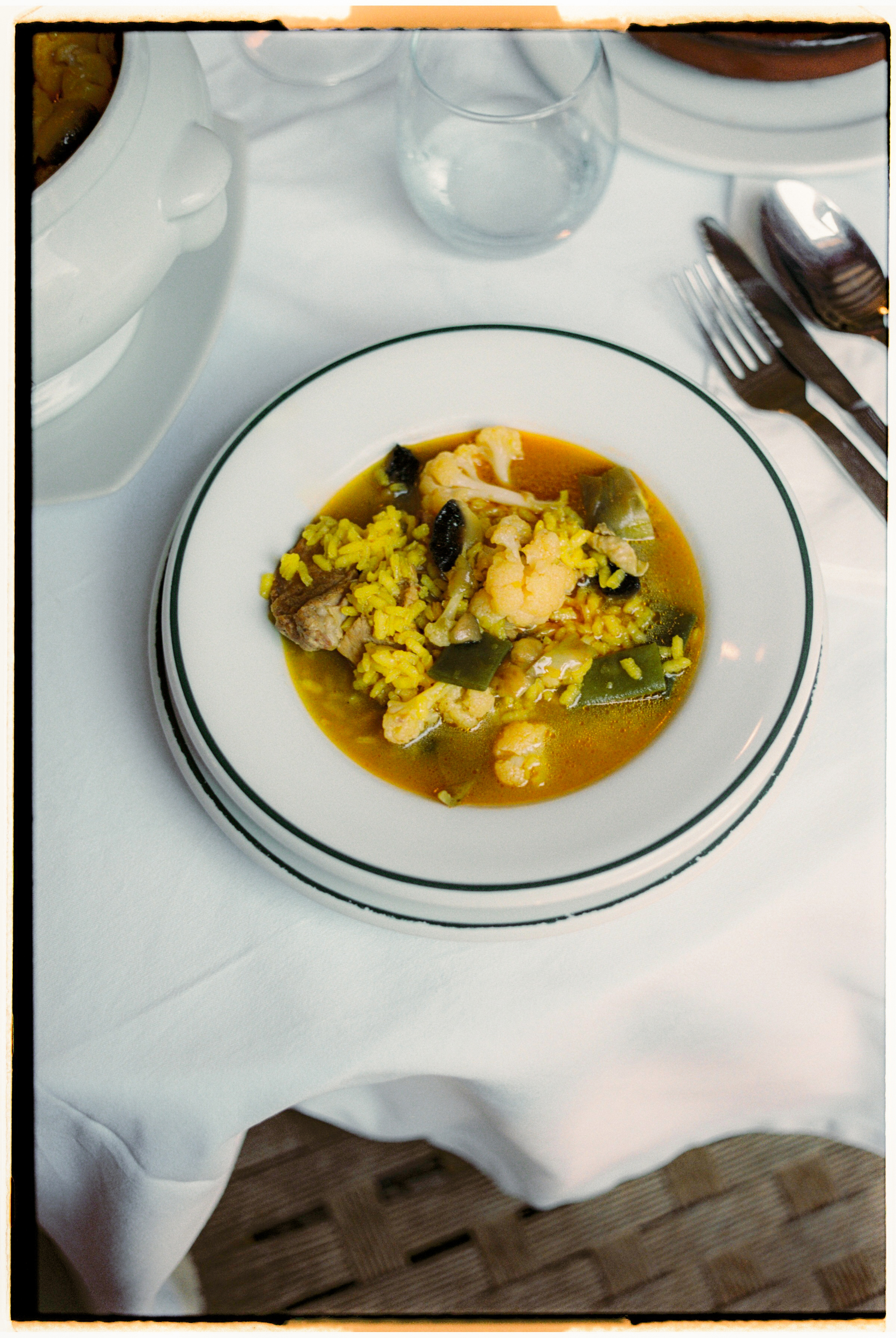
Additionally, the village's gastronomy offers other traditional dishes worth discovering. The pa amb oli with local products like cured meats, cheeses, or tomato, the ensaimada de Valldemossa, highly appreciated for its artisanal preparation; or the arròs brut, a flavourful soupy rice with spices, are a small sample of the essence of Mallorcan cuisine and should not be missed on your gastronomic route through the village.
Among the most notable celebrations are the festivals in honour of Saint Catalina Thomàs, the patron saint of the municipality. Also known as the festivals of La Beata, they are held at the end of July and fill the village with music, tradition, and a festive atmosphere.
During these dates, the historic centre transforms into a living stage where processions, cultural activities, and local gastronomy combine, offering visitors an authentic experience of Valldemossa's culture and traditions.
Additionally, a local market is held every Sunday, with fresh produce, crafts, and a traditional atmosphere.
Valldemossa is a pleasant destination to visit with children, especially if you're looking for a peaceful walk in a mountain setting. Exploring its cobbled streets can become a discovery game: looking for the tiles of Saint Catalina Thomàs on the facades or exploring the Charterhouse gardens are simple but very entertaining activities for the little ones.
Furthermore, a gentle excursion along the surrounding trails allows children to discover the flora and landscape of the Serra de Tramuntana in an engaging way.
If you're planning a two-day getaway, you can structure your Valldemossa itinerary like this:
Additionally, you can extend your experience with these additional routes on what to see in Mallorca by days:
Valldemossa is one of the most emblematic villages in the Serra de Tramuntana. A place where time seems to stand still amidst cobbled streets, stone facades, and the aroma of Mediterranean nature.
Its rich historical heritage and unique surroundings make it one of the most unmissable destinations in western Mallorca.
In this guide, you'll discover what to see in Valldemossa, why this village captivated so many artists and travellers over the centuries, and how to enjoy one of the best things to do in Mallorca today.
Strolling through Valldemossa means letting yourself be swept away by the charm of its traditional houses with green Mallorcan shutters, balconies overflowing with flowers, and alleyways that invite you to wander without haste. Its natural setting, right in the heart of the mountains, makes visiting Valldemossa a wonderful way to discover a different side of Mallorca – a more tranquil one, far from the hustle and bustle, deeply connected with the landscape.
Here, I propose a route through the most essential places to see in Valldemossa so you can experience the destination with all your senses.
,regionOfInterest=(512,482))
,regionOfInterest=(512,482))
Digital marketing specialist with a passion for travel, writing, and discovering what makes every destination unique.
,regionOfInterest=(1476.5,981.5))
,regionOfInterest=(1476.5,981.5))
,regionOfInterest=(1312.5,1750))
,regionOfInterest=(1312.5,1750))
,regionOfInterest=(2240,3360))
,regionOfInterest=(2240,3360))
,regionOfInterest=(3120,1755))
,regionOfInterest=(3120,1755))
,regionOfInterest=(886,588.5))
,regionOfInterest=(886,588.5))