,regionOfInterest=(2279,1519.5))
,regionOfInterest=(2279,1519.5))
Hoyo Azul: a hidden cenote in Cap Cana
,regionOfInterest=(2808,1872))
,regionOfInterest=(2808,1872))
Holidays
,regionOfInterest=(900,600))
,regionOfInterest=(900,600))
From experience, 72 hours is more than enough time to get a fairly complete and unhurried overview of this Mediterranean archipelago. However, to achieve this, it is essential to have a solid guide on what to see in Malta in 3 days that allows you to make the most of every single minute of your stay.
There are many places to see in Malta, from walled cities with history and a personality of their own, to incredible cliffs, ancient temples, or relaxing coastal spots. Therefore, knowing what to see and, above all, knowing how to move between the points of interest is key to enjoying your visit and not missing a thing.
Here is a 3-day Malta itinerary that includes the country's main tourist attractions, organised by proximity to keep travel time to an absolute minimum.
,regionOfInterest=(512,482))
,regionOfInterest=(512,482))
Digital marketing specialist with a passion for travel, writing, and discovering what makes every destination unique.
Culture
,regionOfInterest=(2350,1567.5))
,regionOfInterest=(2350,1567.5))
,regionOfInterest=(2732,1820))
,regionOfInterest=(2732,1820))
,regionOfInterest=(500,332.5))
,regionOfInterest=(500,332.5))
| Day | Route focus | Main Areas |
| Day 1 | Must-sees and historic centre | Valletta and the Three Cities |
| Day 2 | Culture, viewpoints, and nature | Mdina, Rabat, and the Dingli Cliffs |
| Day 3 | Charming spots and landscapes | Gozo |
,regionOfInterest=(1854.5,1618))
,regionOfInterest=(1854.5,1618))
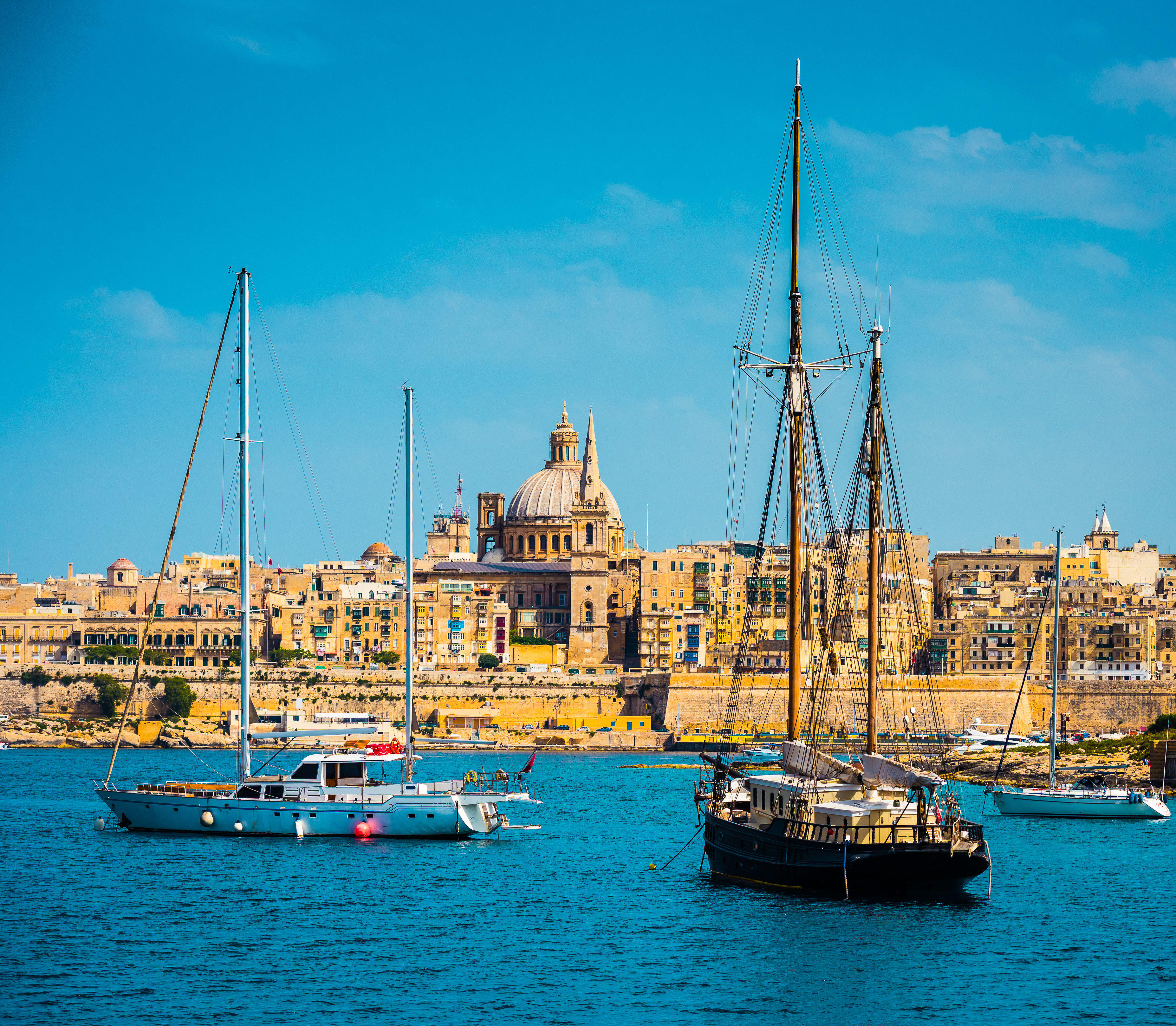
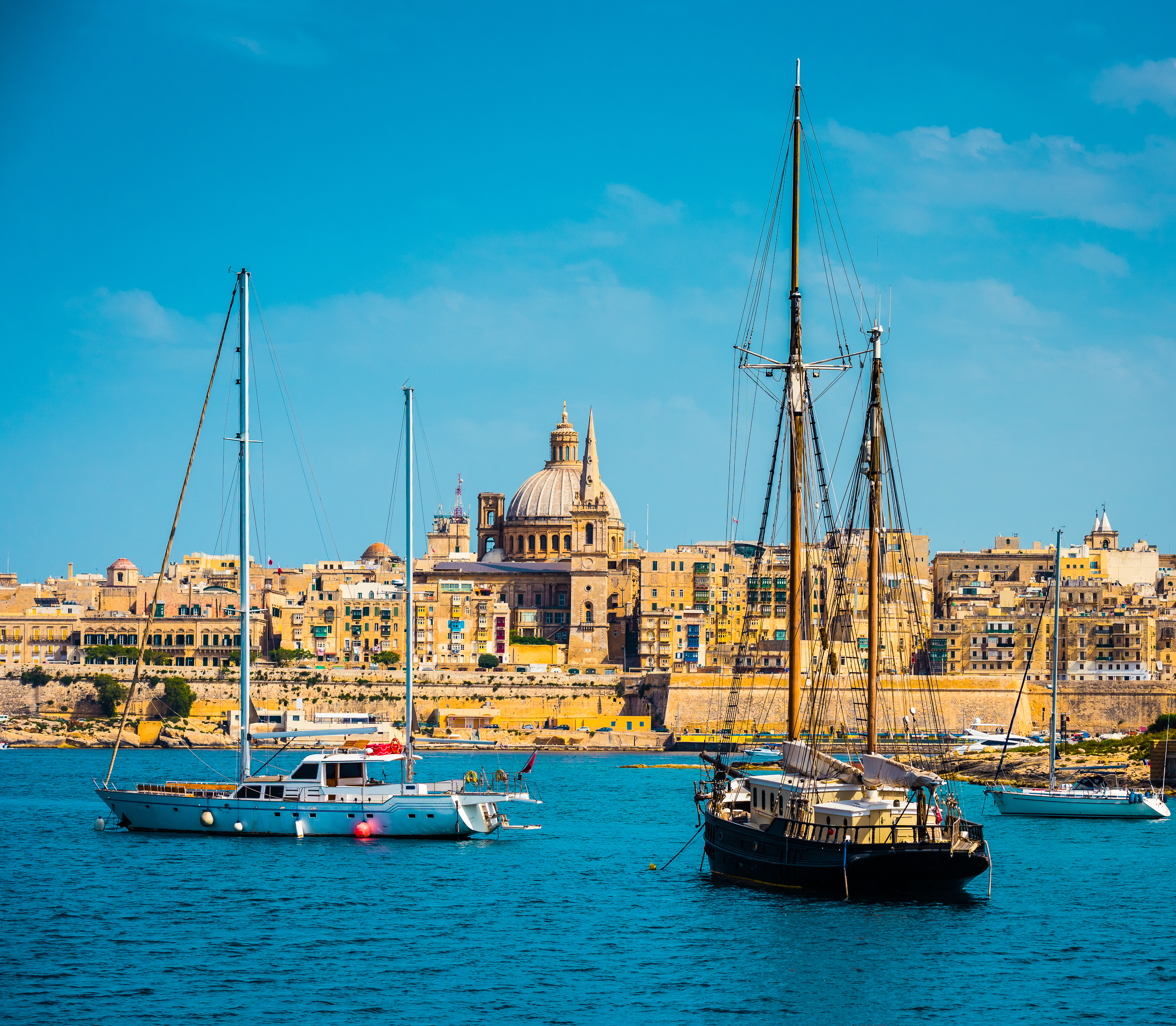
The first day of this guide on what to visit in Malta in 3 days is dedicated to the major architectural icons and the historical origins of the island. It is the best way to get a first introduction to the contrast between the Baroque capital and the ancient harbour settlements.
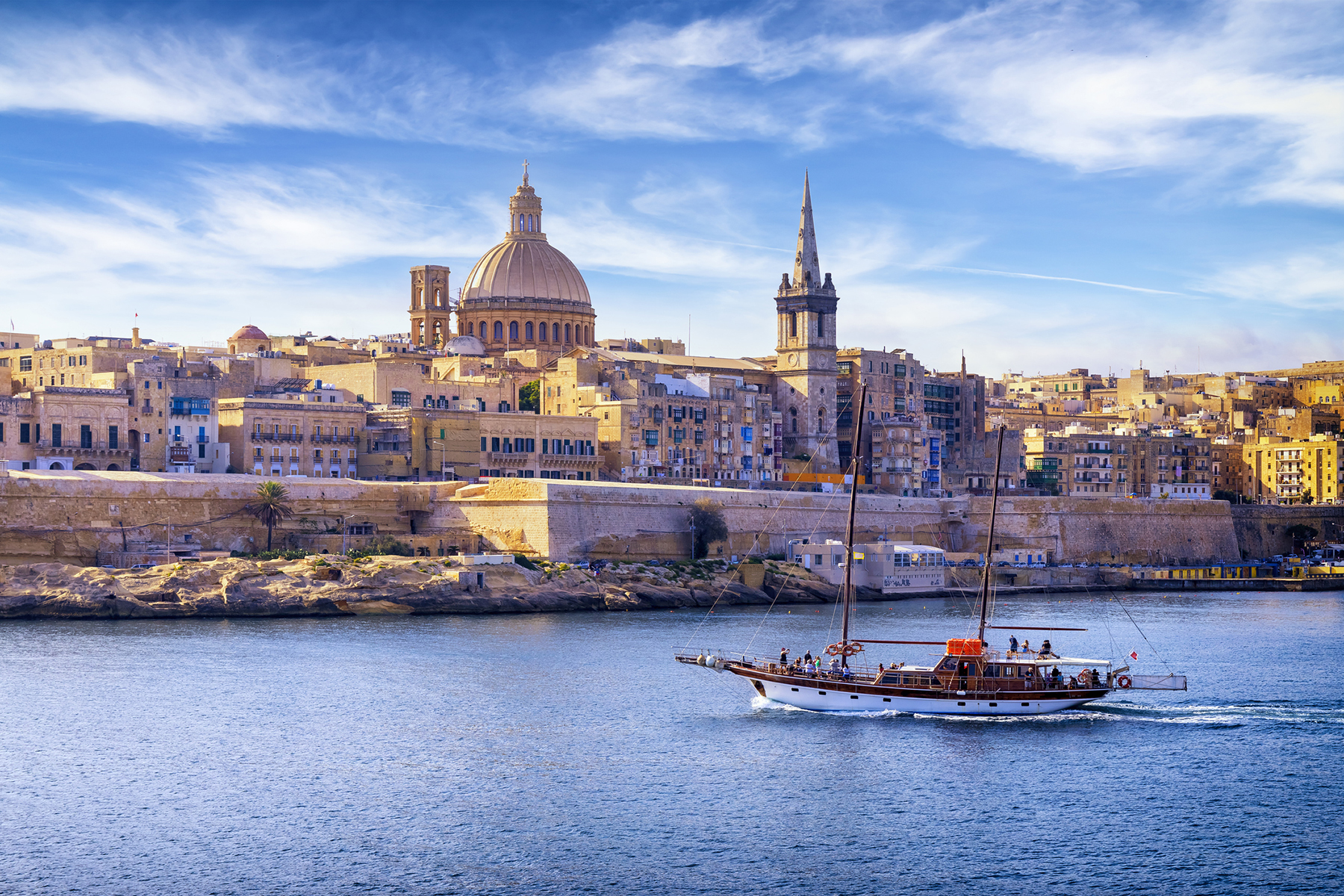
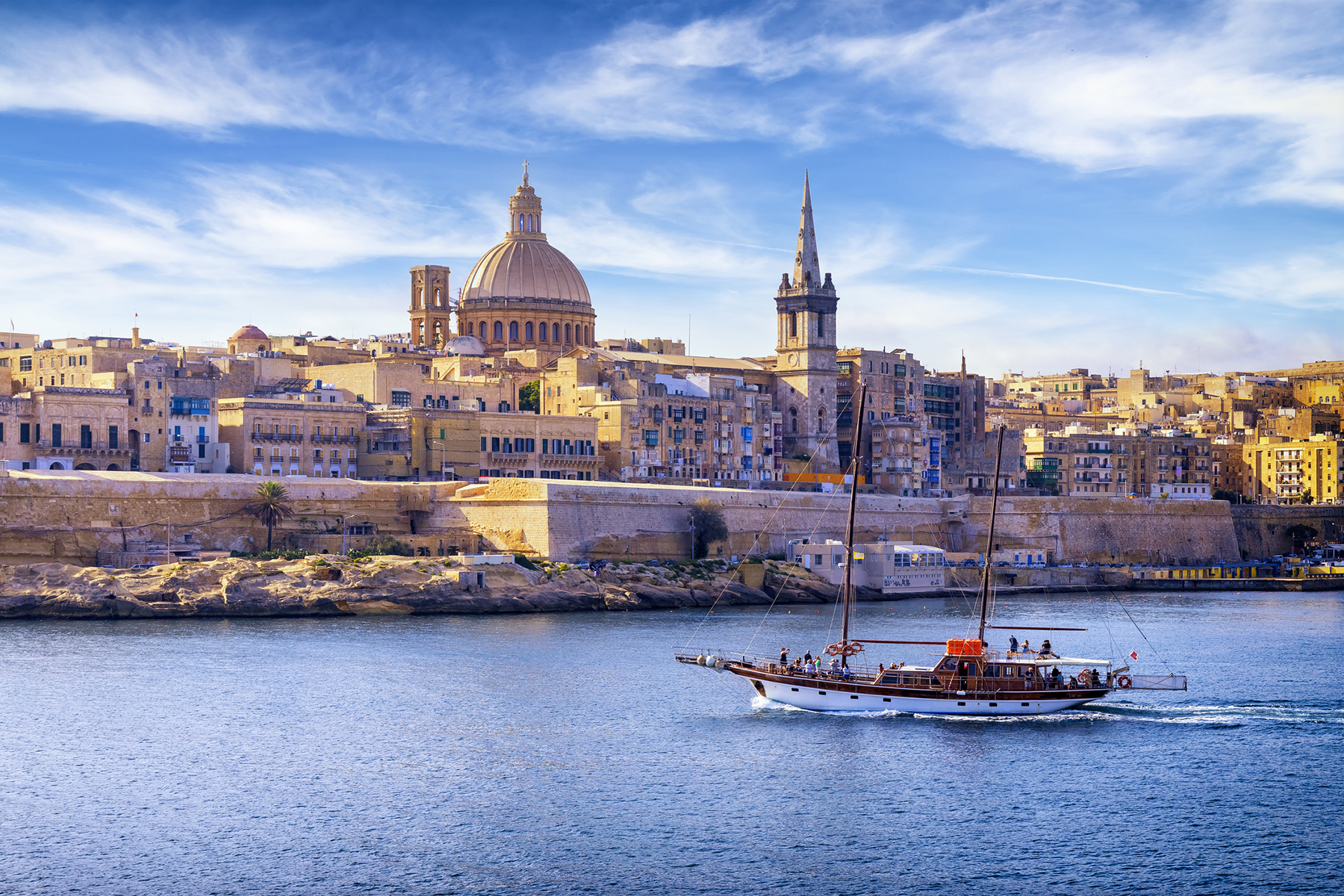
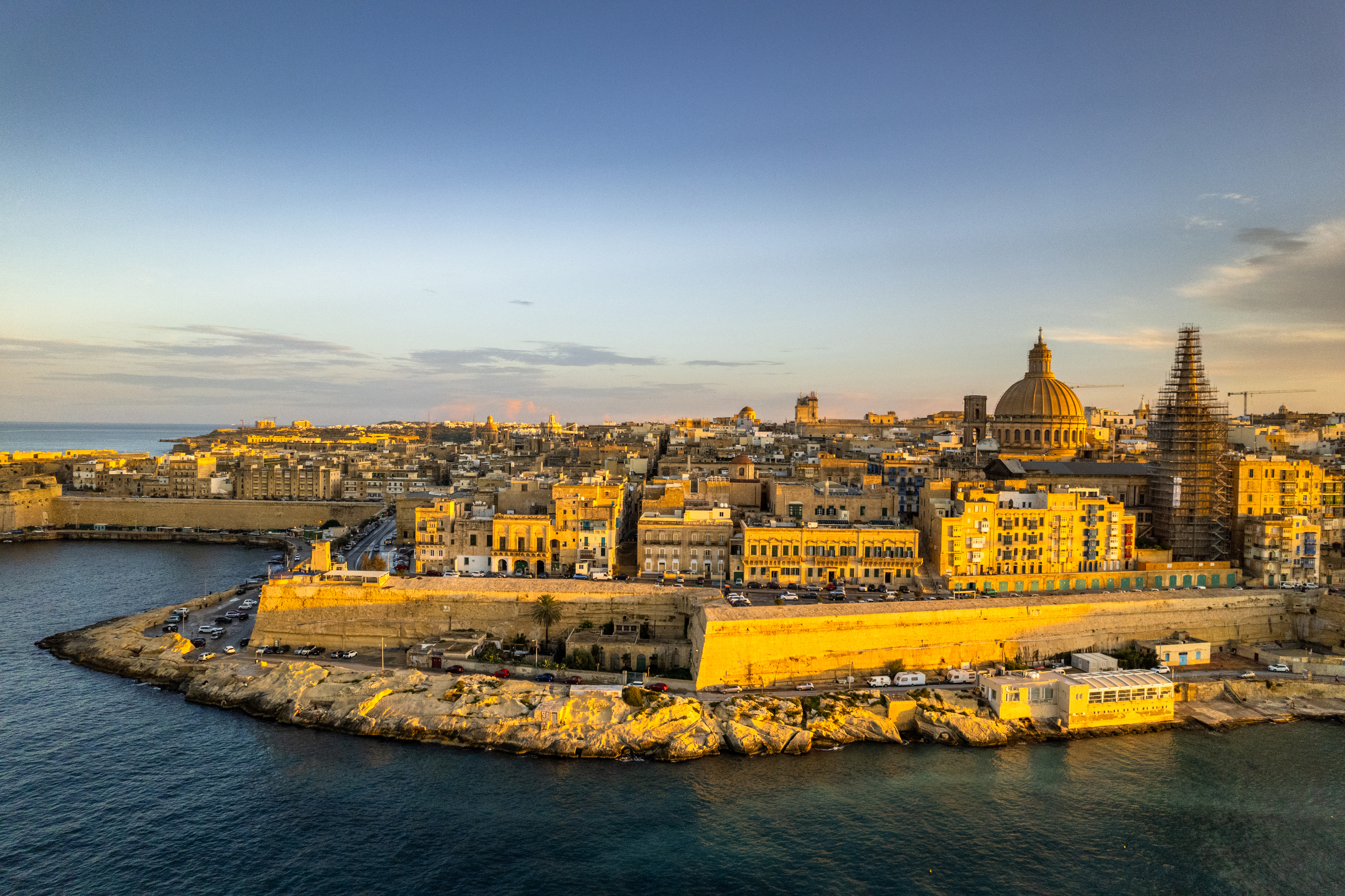
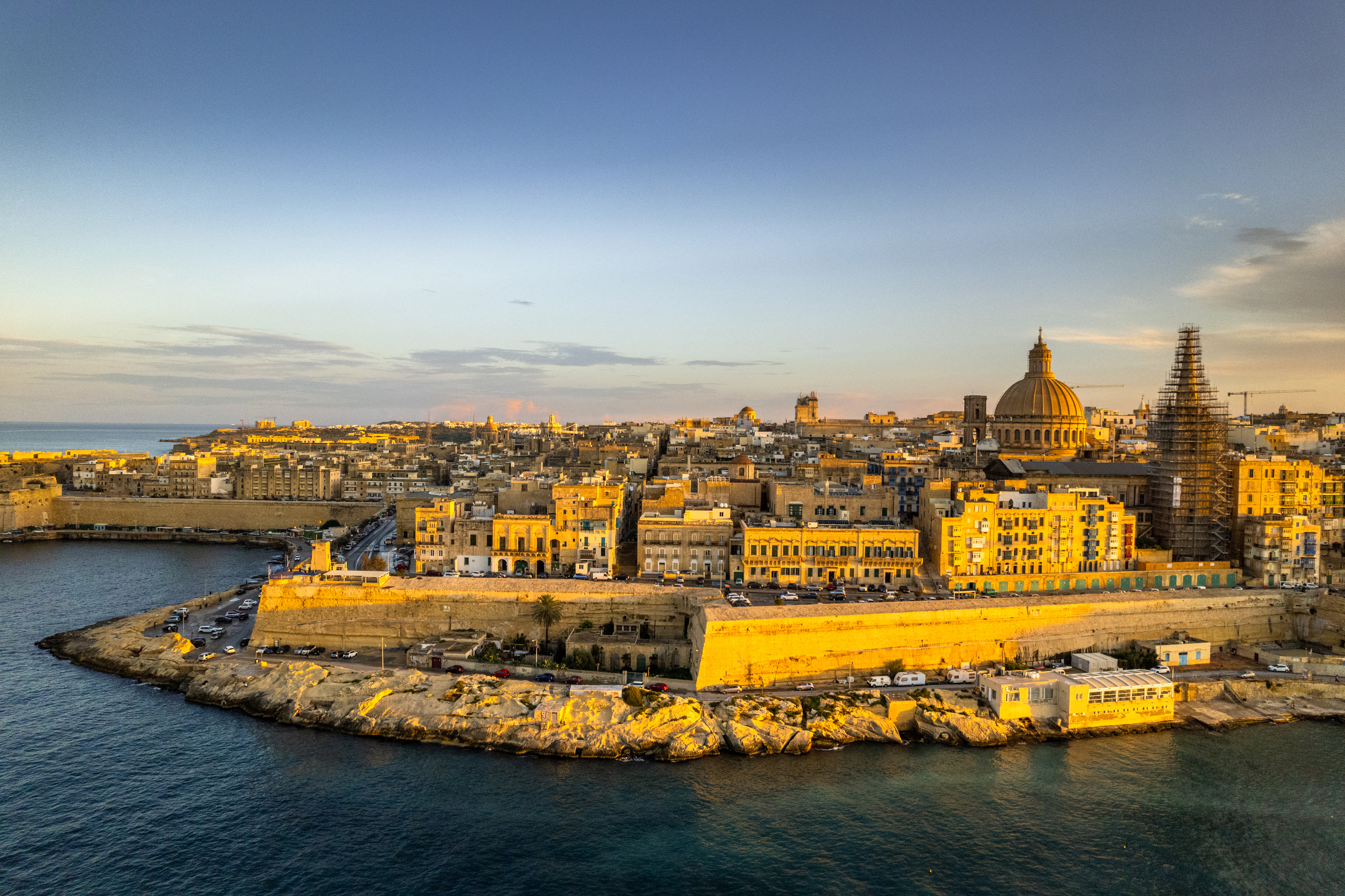
Much more than a simple capital, Valletta is a living heritage of the Order of the Knights of St. John. This walled city, whose grid-like streets slope up and down toward the sea, is a marvel of Baroque architecture, highlighted by the iconic colourful wooden balconies on its limestone facades.
Inside St. John's Co-Cathedral, you will be awed by the opulent gold leaf decoration and floors covered with polychrome marble tombstones. The lighting in its naves allows you to fully appreciate the masterpieces by Caravaggio housed in its oratory, creating a visual and historical spectacle that justifies the trip all on its own.
You can reach the next point on foot from here, crossing toward the city gardens in about 5–10 minutes.
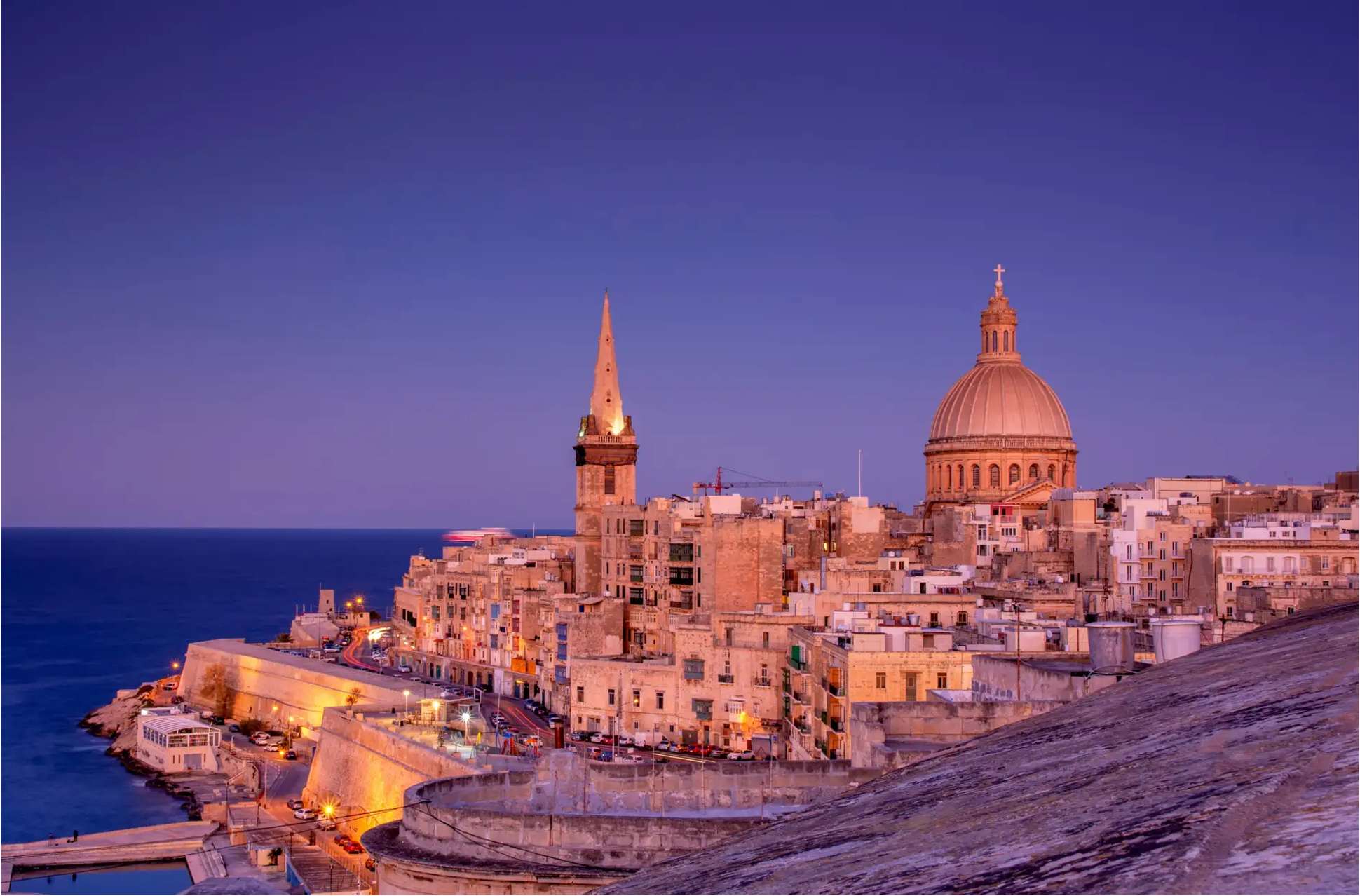
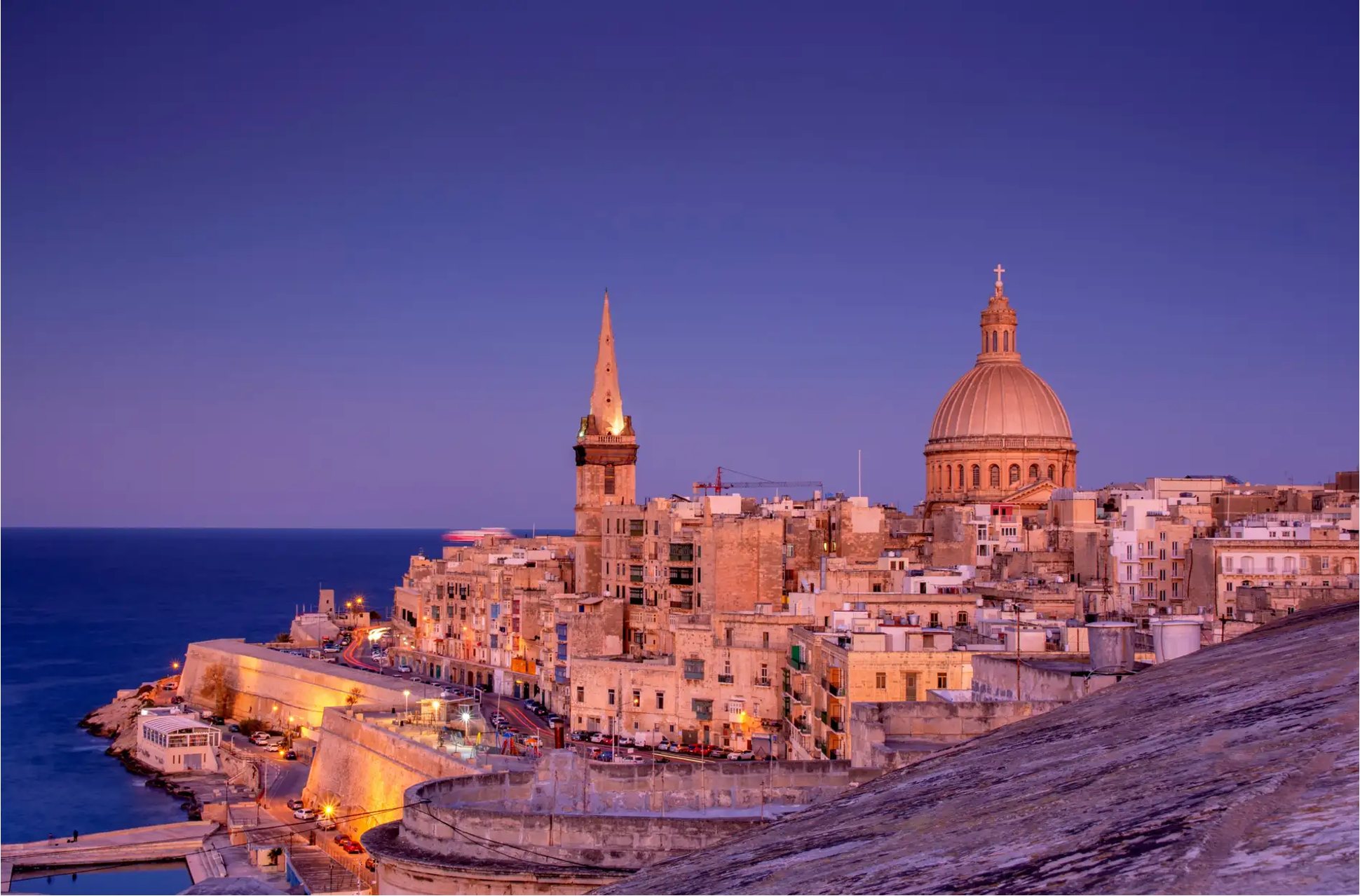
The Upper Barrakka Gardens are the best showcase for panoramic views of the island. As you walk through its stone archways and terraced gardens, you will come across the Saluting Battery, where the traditional cannon salute takes place every day, recalling the capital's defensive past.
Just a few steps away is the main balcony, which offers a spectacular panoramic view over the Grand Harbour and the fortified silhouettes rising on the other side of the water. It is a UNESCO World Heritage site that showcases the military and historical might of Malta during that era.
You can continue your route by taking the panoramic lift down to the harbour to catch a traditional boat to the Three Cities, which takes about 15 minutes.
,regionOfInterest=(970,639))
,regionOfInterest=(970,639))
The medieval heart of the Three Cities, Vittoriosa is a labyrinth of narrow, cobblestone streets where it is easy to lose your sense of direction and suddenly stumble upon flower-filled squares and historic facades.
Here you will find Fort St. Angelo, a prime example of defensive military architecture with walls steeped in legends of the Great Siege. You cannot miss the Inquisitor's Palace, where ecclesiastical power resided in an unparalleled historic building, nor the shores of the historic harbour, where traditional boats rest by the sea.
From here, you can reach the next point in less than a 10-minute walk, crossing over to the neighbouring fortified town.
Completing the rest of the Three Cities, Senglea and Cospicua are ancient seafaring towns of artisans that are now quiet, authentic areas filled with local workshops and small taverns that preserve traditional life.
A major highlight here is the Safe Haven Gardens at the tip of Senglea, famous for its watchtower (the Gardjola), carved with an eye and an ear that symbolize the protection of the coast against invaders.
These towns also feature the imposing Cottonera Lines, the defensive fortifications that protected the landfronts of these harbour cities.
Both places are very close to each other within the same urban core, so you can easily visit them on foot.
The umbilical cord that crosses the capital from one end to the other, strolling along Republic Street at night allows you to observe Valletta's constant heartbeat: from the modern Parliament building to the bustle of the illuminated restaurants. It is a sensory experience of sounds, lights, and people that represents the most cosmopolitan and open side of the Maltese capital before enjoying dinner by the sea.
,regionOfInterest=(2618,1754))
,regionOfInterest=(2618,1754))
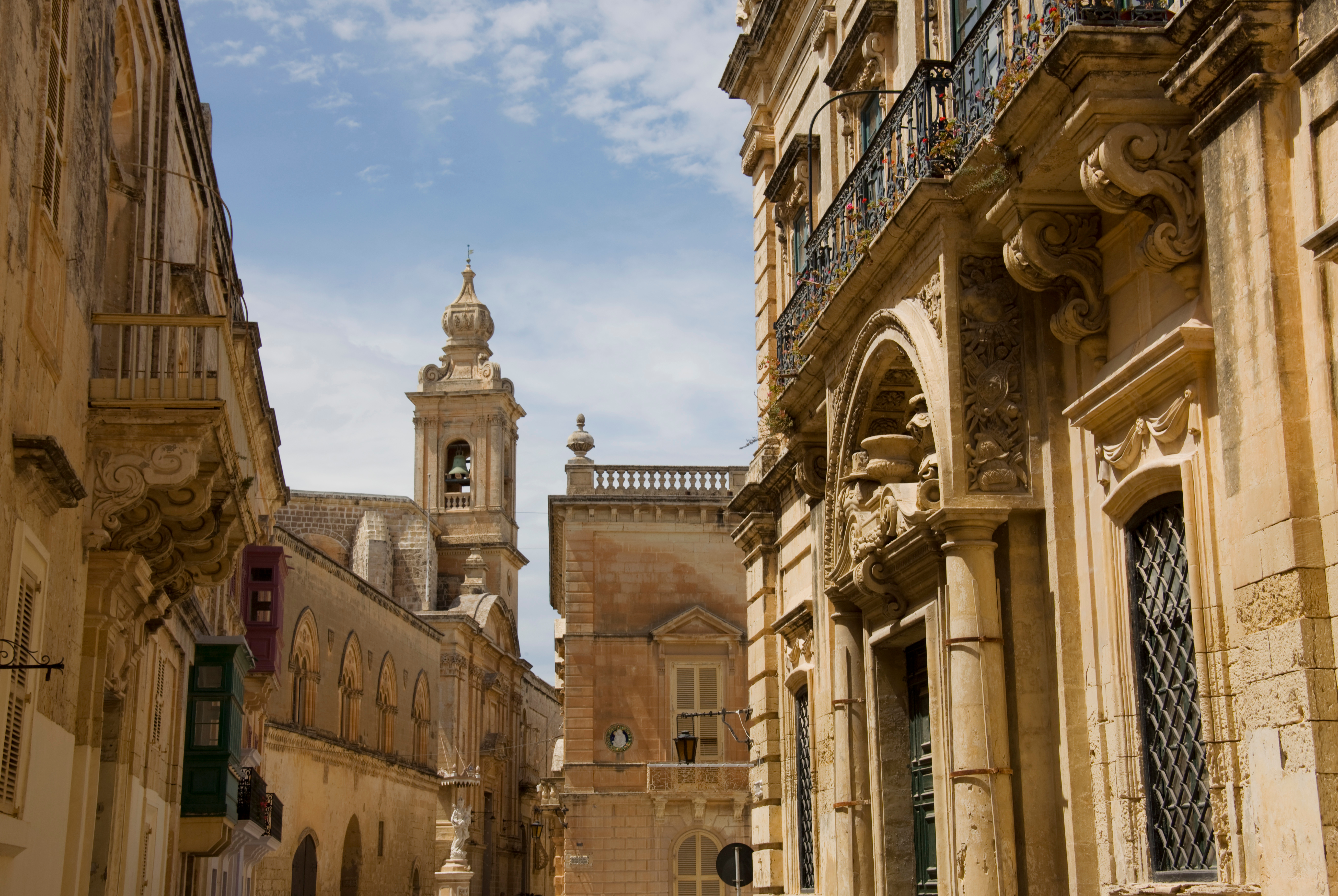
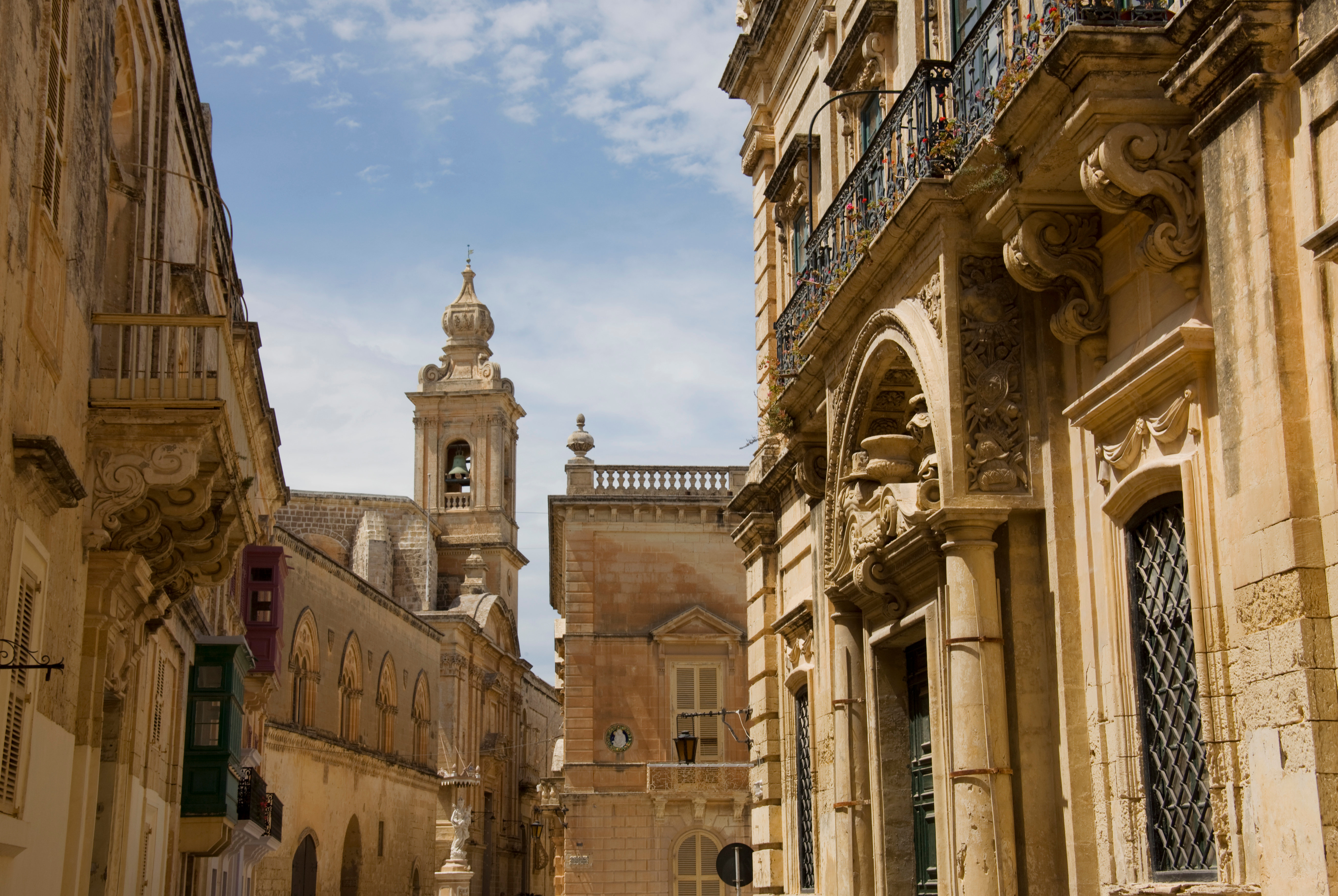
On the second day of this guide on what to do in Malta in 3 days, you will combine the majesty of the ancient city of silence, the pulse of medieval catacombs, and the fresh breeze over the highest cliffs in the country.
The fortified city of Mdina is an oasis of history and aristocratic tranquillity. At its peak stands the imposing St. Paul's Cathedral, a Baroque temple with a majestic dome whose views allow you to see a large part of the island's geography on clear days.
Halfway up its walls are medieval palaces such as Palazzo Falson, famous for housing art and history collections that preserve the heritage of the island's noble families. It is an ideal area for strolling among winding stone streets and alleys that guard the city's mysterious spirit.
From here, you can cross the ancient entrance gate and reach the next point on foot in about 5–10 minutes.
Rabat is one of the most traditional and authentic gateways to the interior area. Its Baroque churches and houses with typical balconies flank the access from Mdina, creating one of the most classic images of rural Malta. From here, you can venture into the archaeological underground to appreciate the magnitude of St. Paul's Catacombs and the complex subterranean labyrinth of Roman-era burials.
You can head to the next point by bus (line 201) or by enjoying a 10-minute taxi ride.
,regionOfInterest=(3000,2000))
,regionOfInterest=(3000,2000))
An imposing and powerful natural environment, the Dingli Cliffs are the highest point in Malta, where the tiny chapel of St. Mary Magdalene marks the horizon over the abyss. Here you can discover panoramic trails overlooking the sea and contemplate the vastness of the Mediterranean crashing against the limestone walls—a pristine landscape far removed from the urban bustle.
You can travel to the next point in about 20 minutes by public transport or taxi towards the nearby valleys.
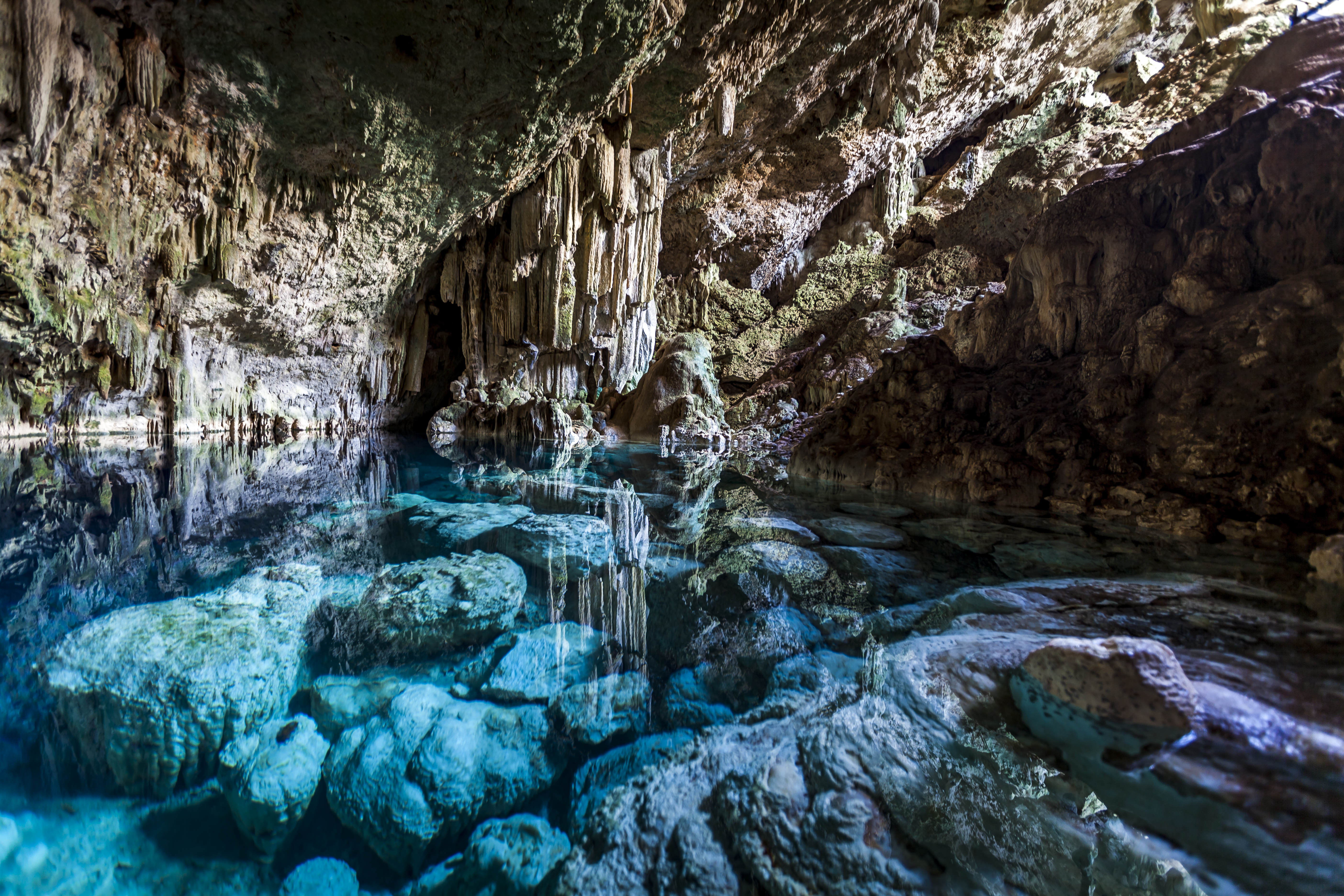
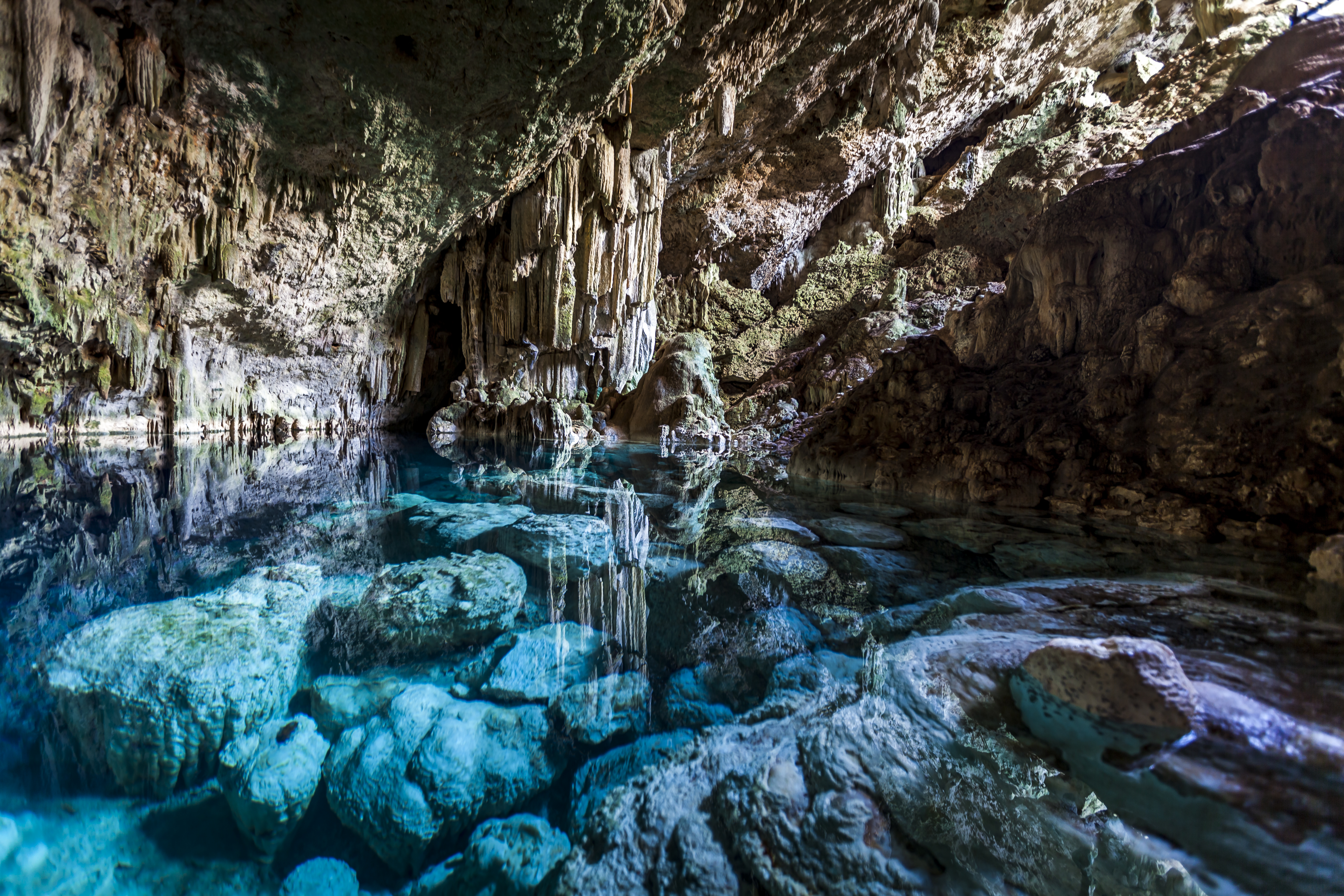
The maritime soul of southern Malta, the Blue Grotto is a coastal area famous for its natural caves and turquoise waters. Taking a ride in the small, traditional fishermen's boats inside the grottoes or contemplating the majestic stone arch from its viewpoint is an essential stop on any 3-day Malta route, allowing you to experience the wildest side of the coast.
You can continue hugging the coast heading east to wrap up the day while enjoying the sunset over the sea.
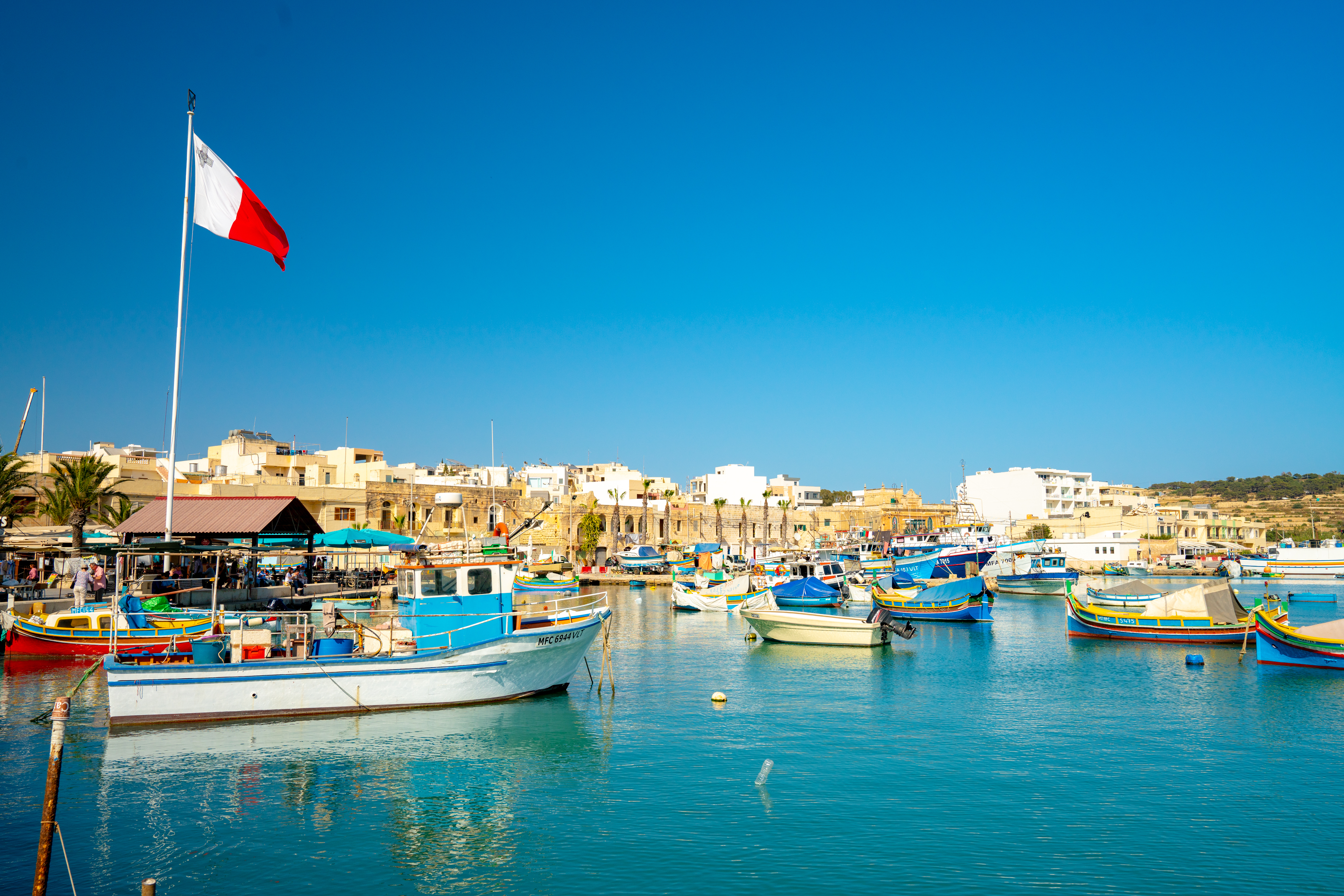
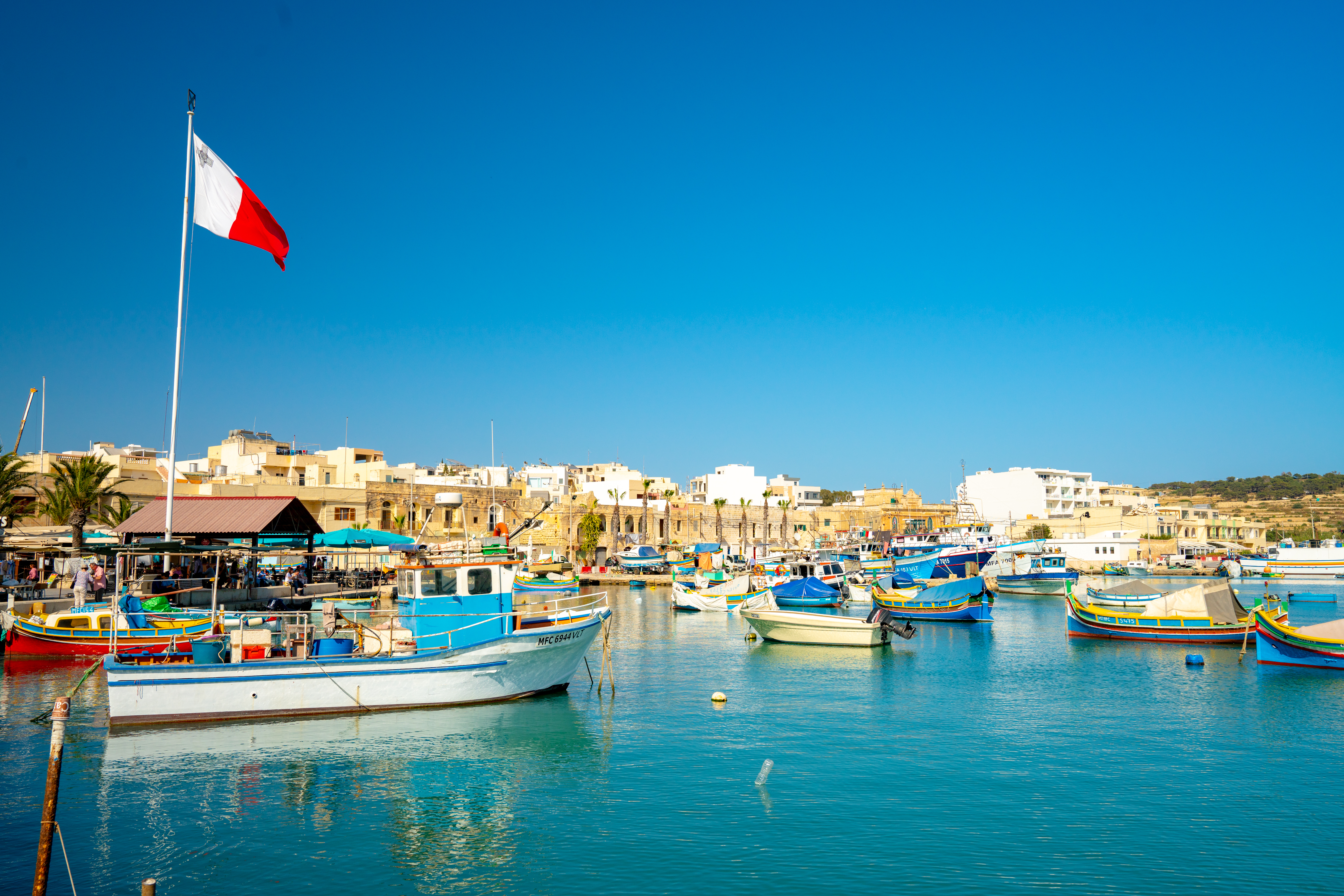
The village of Marsaxlokk offers a relaxed yet traditional atmosphere that is different from the rest of the island. It is ideal for an evening stroll, enjoying its terraces across from the colourful traditional boats (luzzus), and contemplating the peaceful, illuminated bay, with fresh seafood gastronomy taking centre stage to close out the day.
,regionOfInterest=(2951,1967.5))
,regionOfInterest=(2951,1967.5))
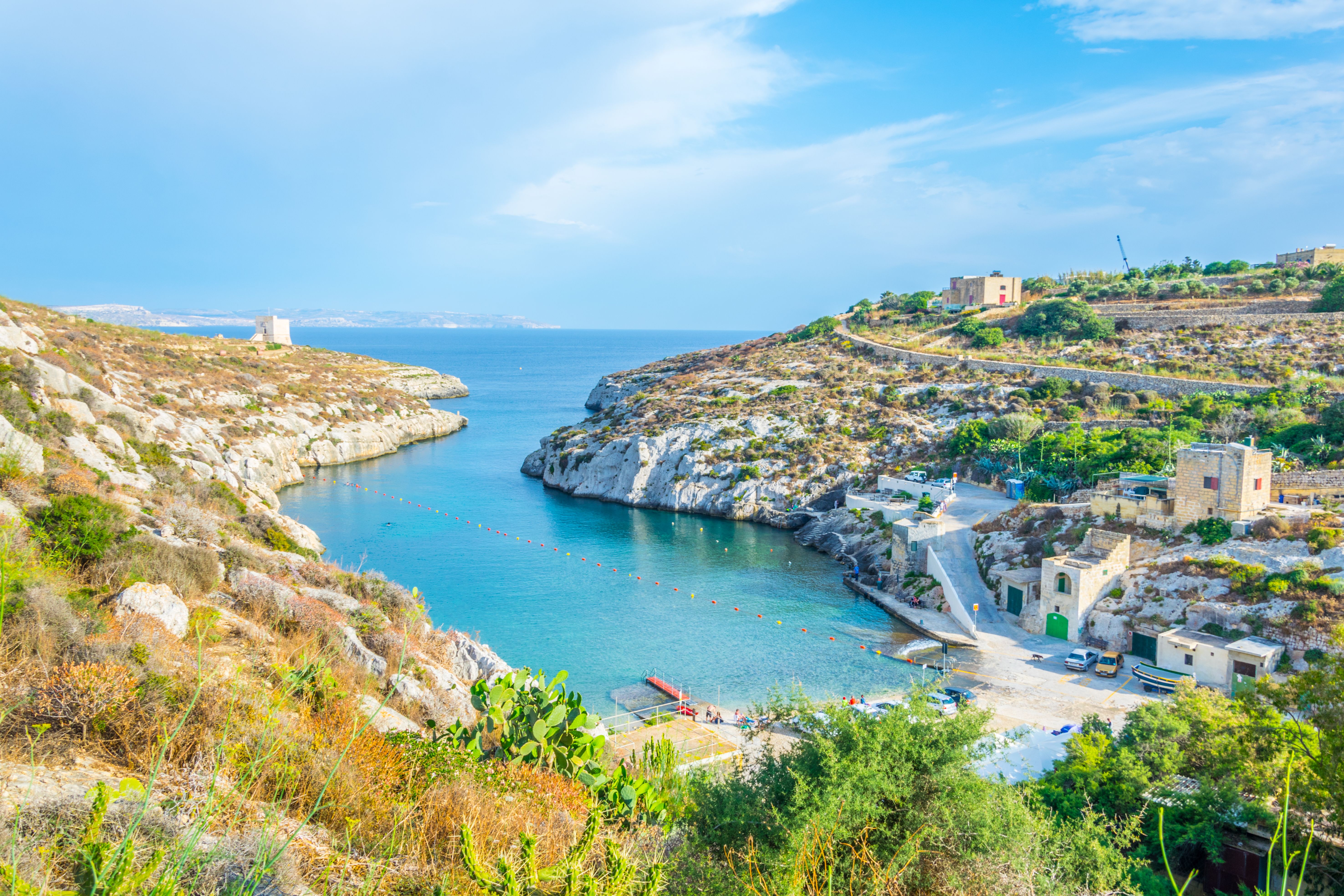
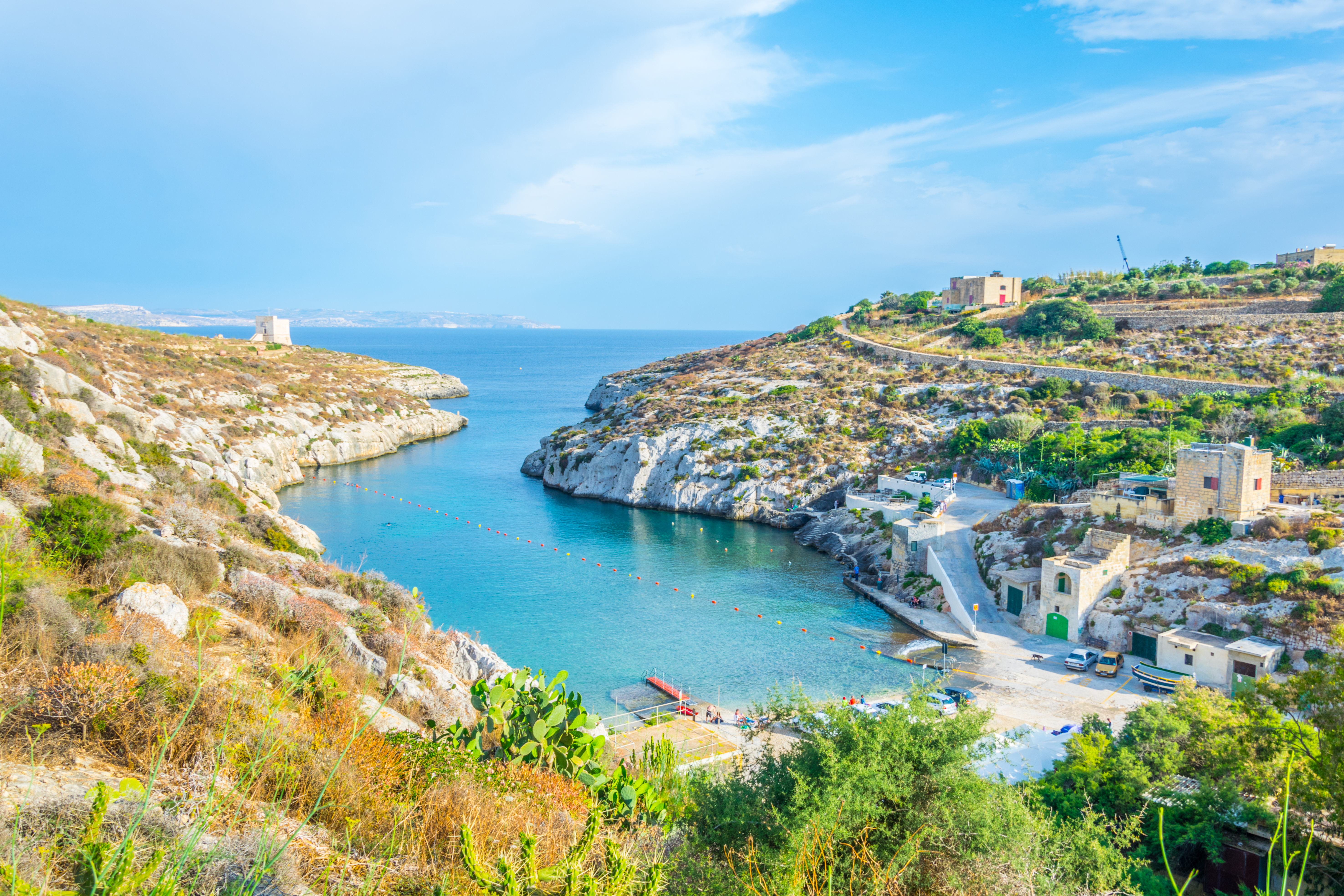
The final stage of this 3-day Malta itinerary is dedicated to the neighbouring island of Gozo, a much greener and more rural area where you can say goodbye with the best photos of your trip.
The Citadel of Victoria is the place where the ancient Gozitans protected themselves from pirate attacks in total safety. Its defensive walls, the famous Gozo Cathedral dominating the complex, and the iconic 360-degree panoramic view spanning the entire island from coast to coast look straight out of a medieval movie.
You will be able to enjoy one of the most famous images of Gozo, with farmland and villages stretching out toward the sea. Coming all the way here is well worth it after crossing over on the ferry.
From here, you can head to the next point by bus (line 310) or taxi in about 15 minutes, heading toward the northern coast.
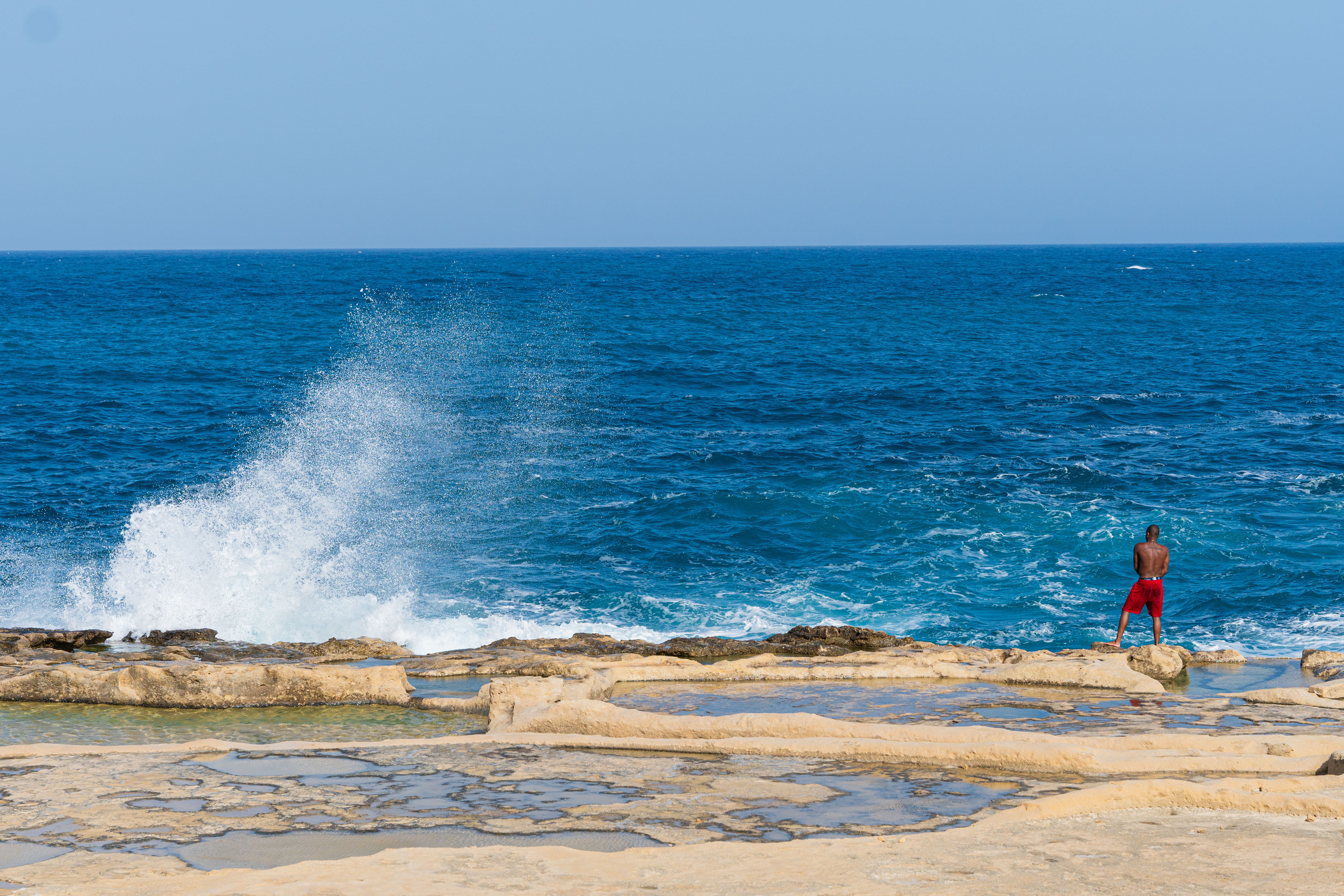
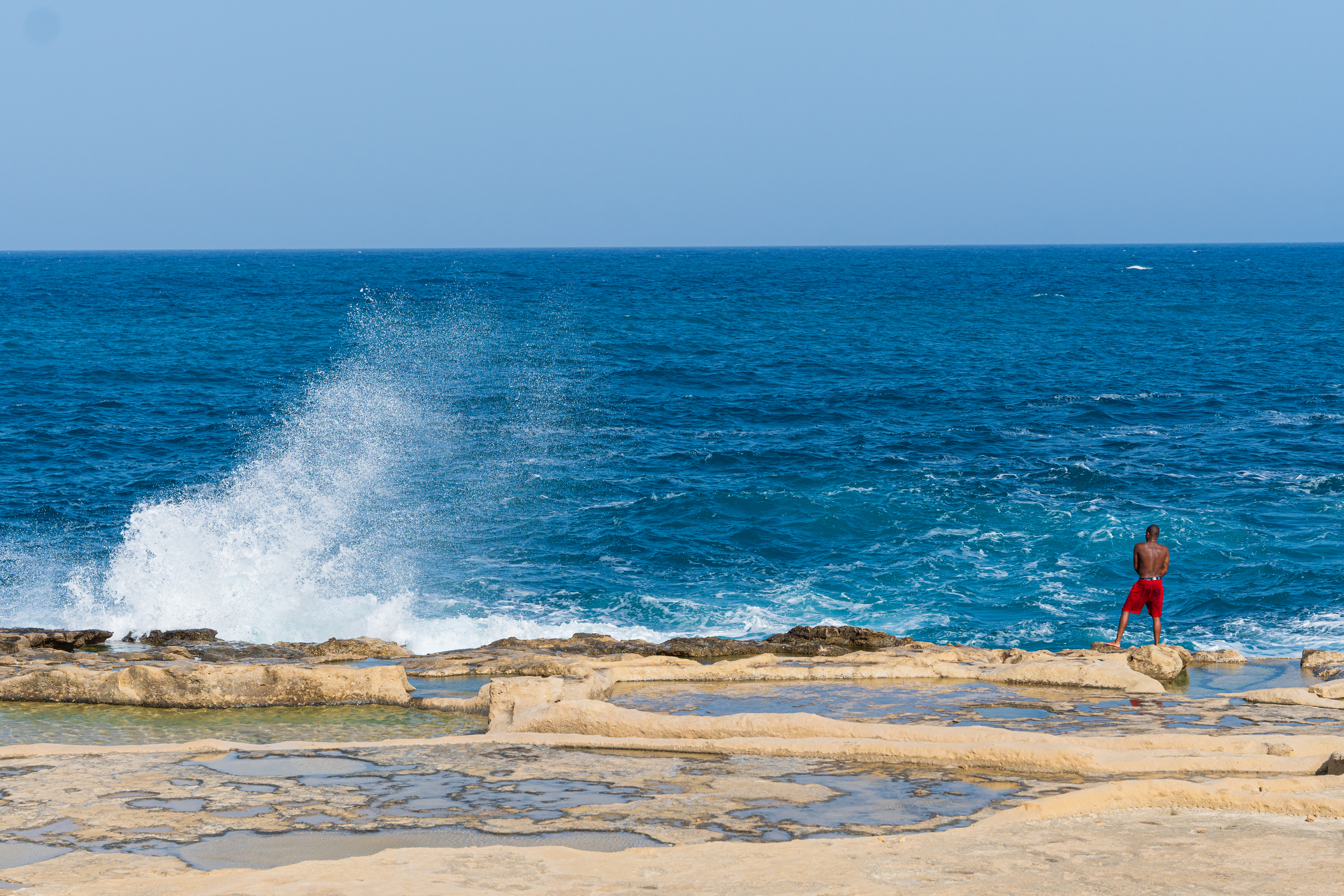
The coastal area of Marsalforn has successfully preserved a millenary system for extracting sea salt from the rock. It has a local, unique, and very photogenic atmosphere, carved directly into the limestone at the water's edge. Its grids dug into the stone, which form a golden checkerboard under the sun, are the heart of Gozo's salt-making tradition—ideal for a peaceful walk to watch the sea wash over the coast.
This is an area designed to be explored easily on foot, while paying attention to the rocky contours.
,regionOfInterest=(2766,1840.5))
,regionOfInterest=(2766,1840.5))
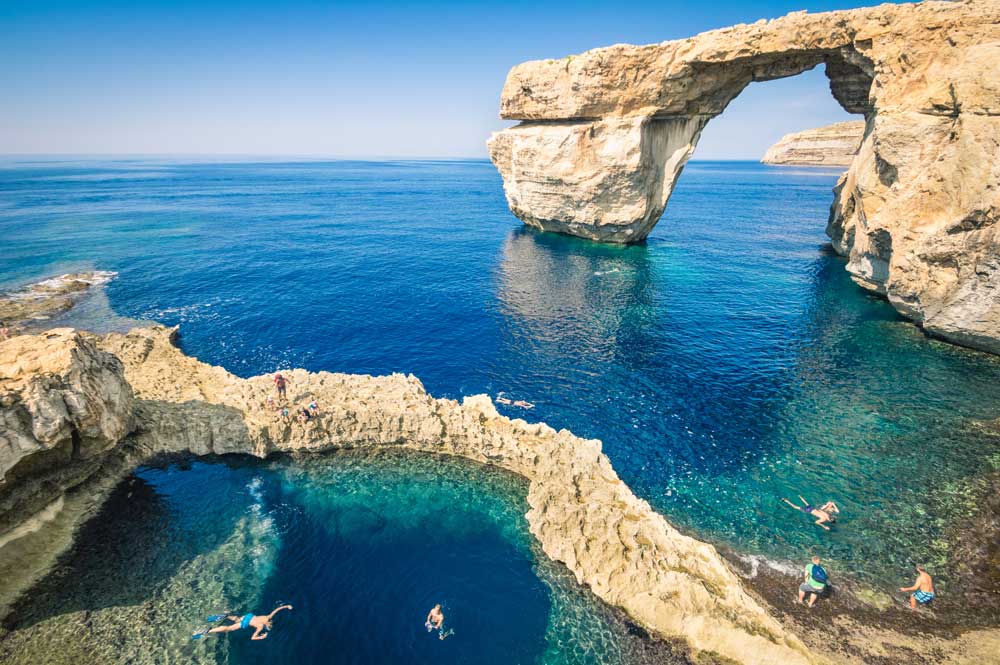
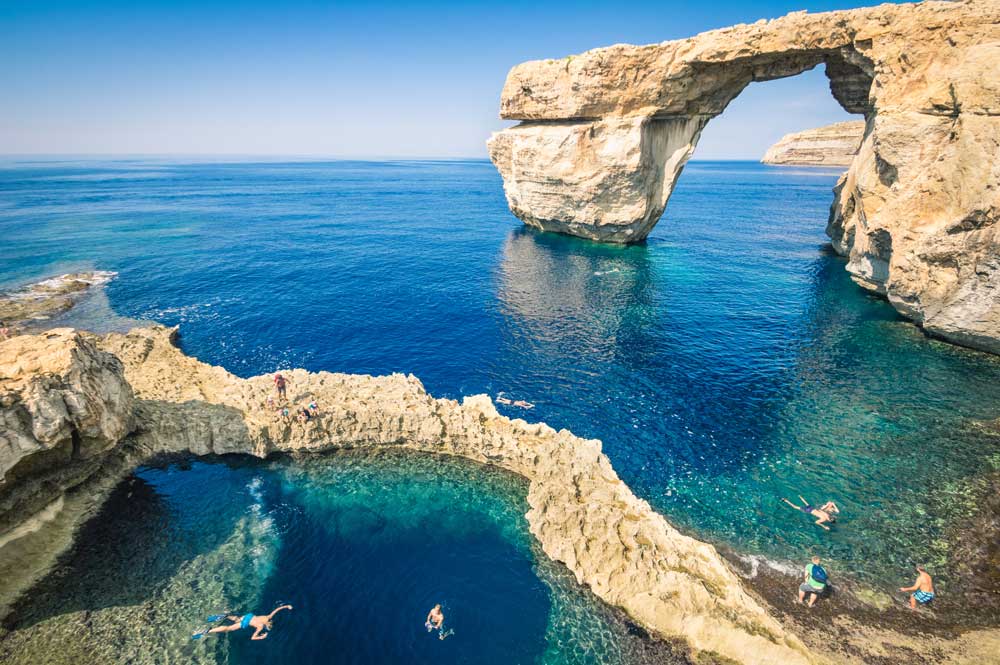
Located on the west coast of Gozo, Dwejra Bay offers an impressive geological landscape of rock formations and cliffs. It is the go-to spot to witness the power of the sea, where the Inland Sea connects to the ocean through a natural tunnel in the rock, and the imposing Fungus Rock stands out above the water.
You can reach the next destination by bus or taxi in about 15–20 minutes, crossing into the interior of the island.
The archaeological complex of the Ġgantija Temples, built in prehistoric times, is a historical gem that is much older than the pyramids of Egypt. Its immense limestone blocks, megalithic structures, and passageways make it one of the oldest free-standing religious monuments in the world.
You can easily travel back to the ferry port by bus or taxi from this area.
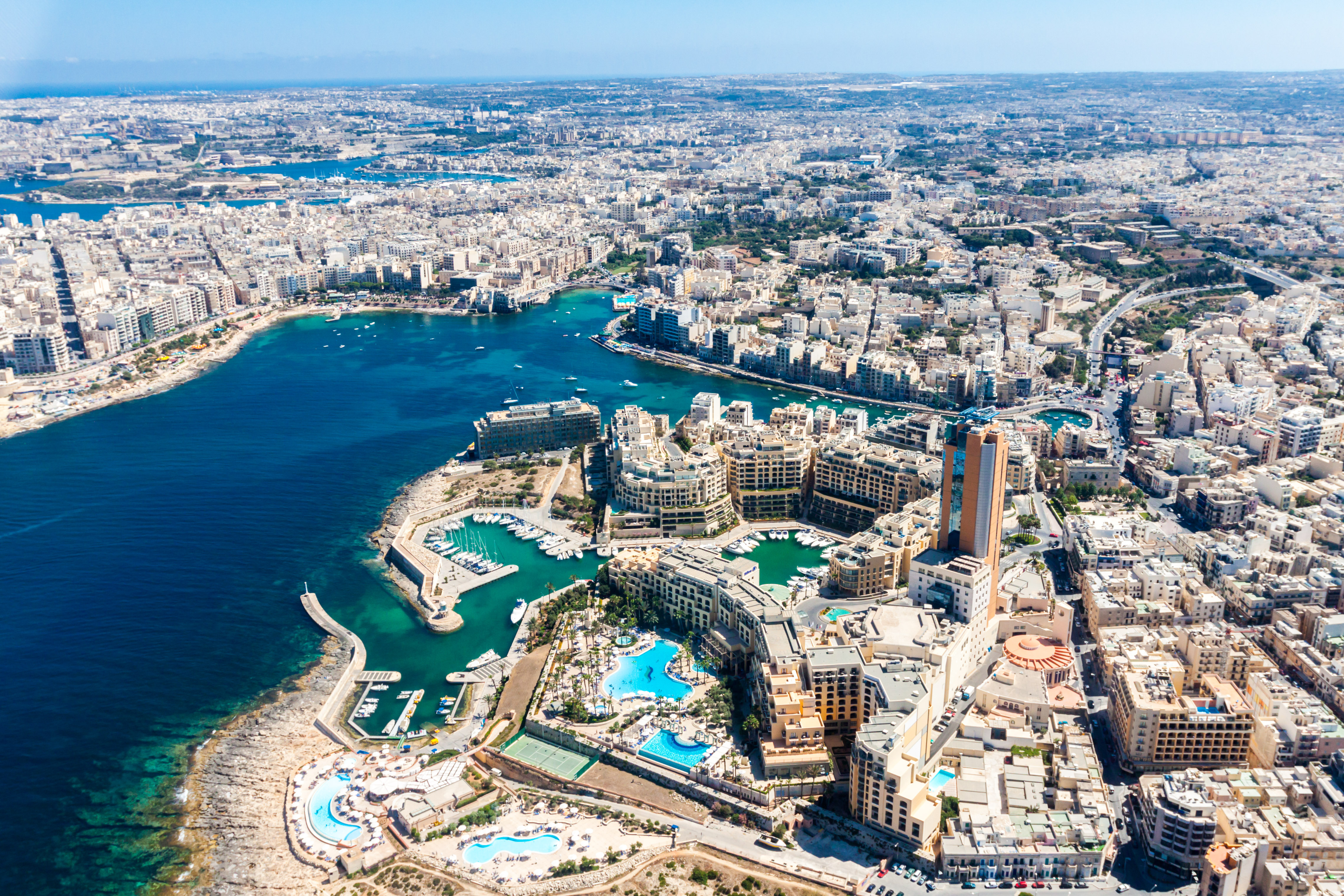
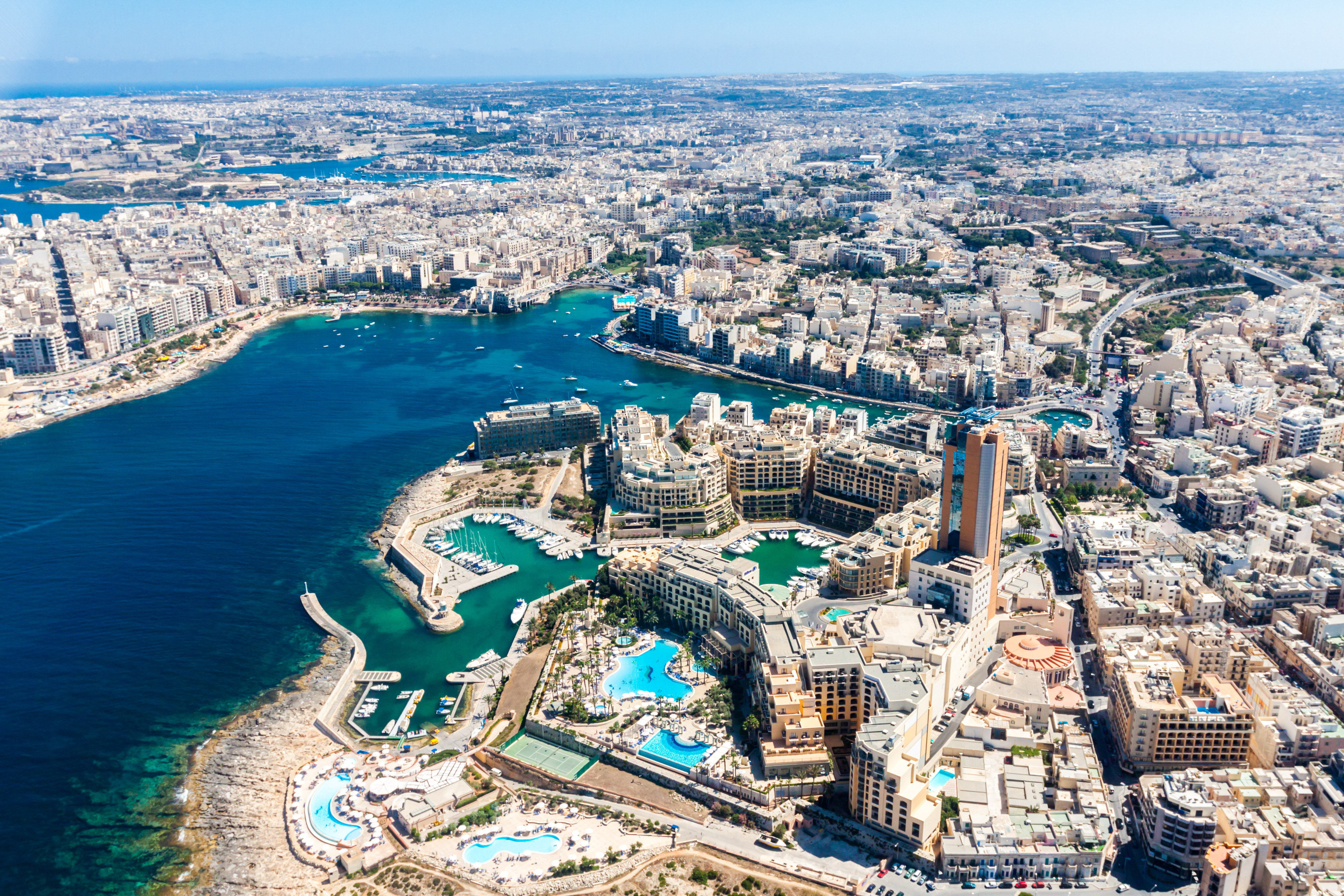
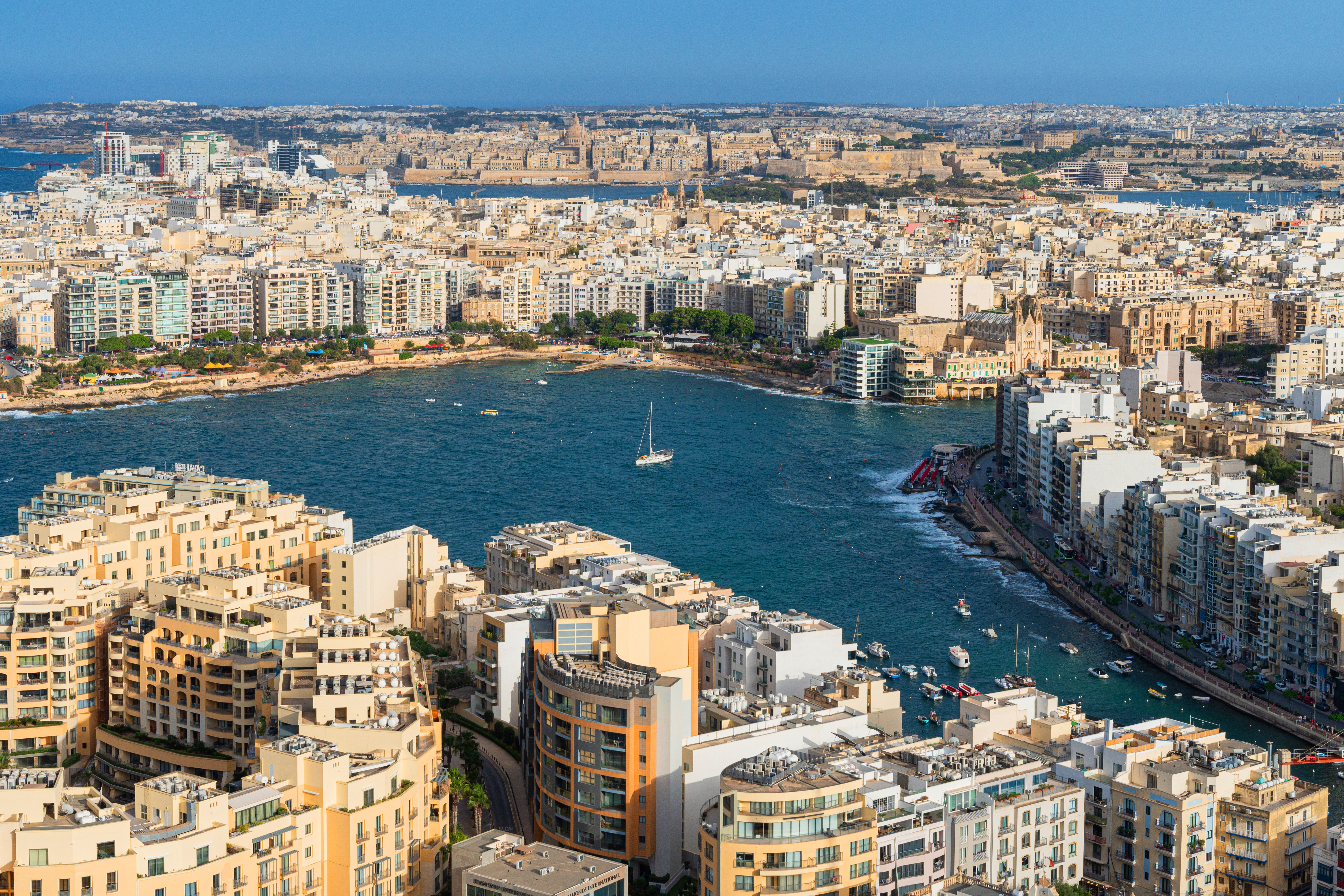
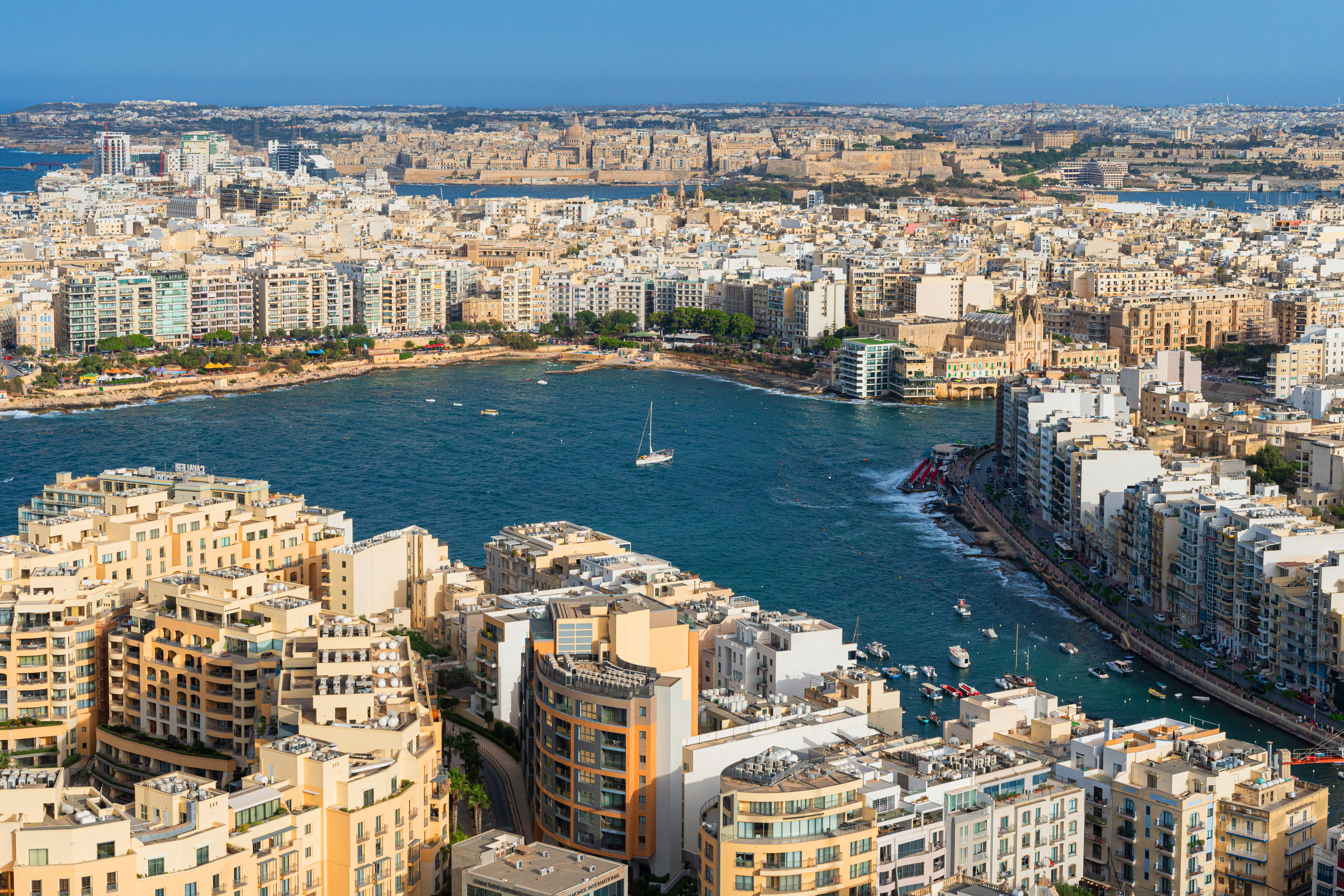
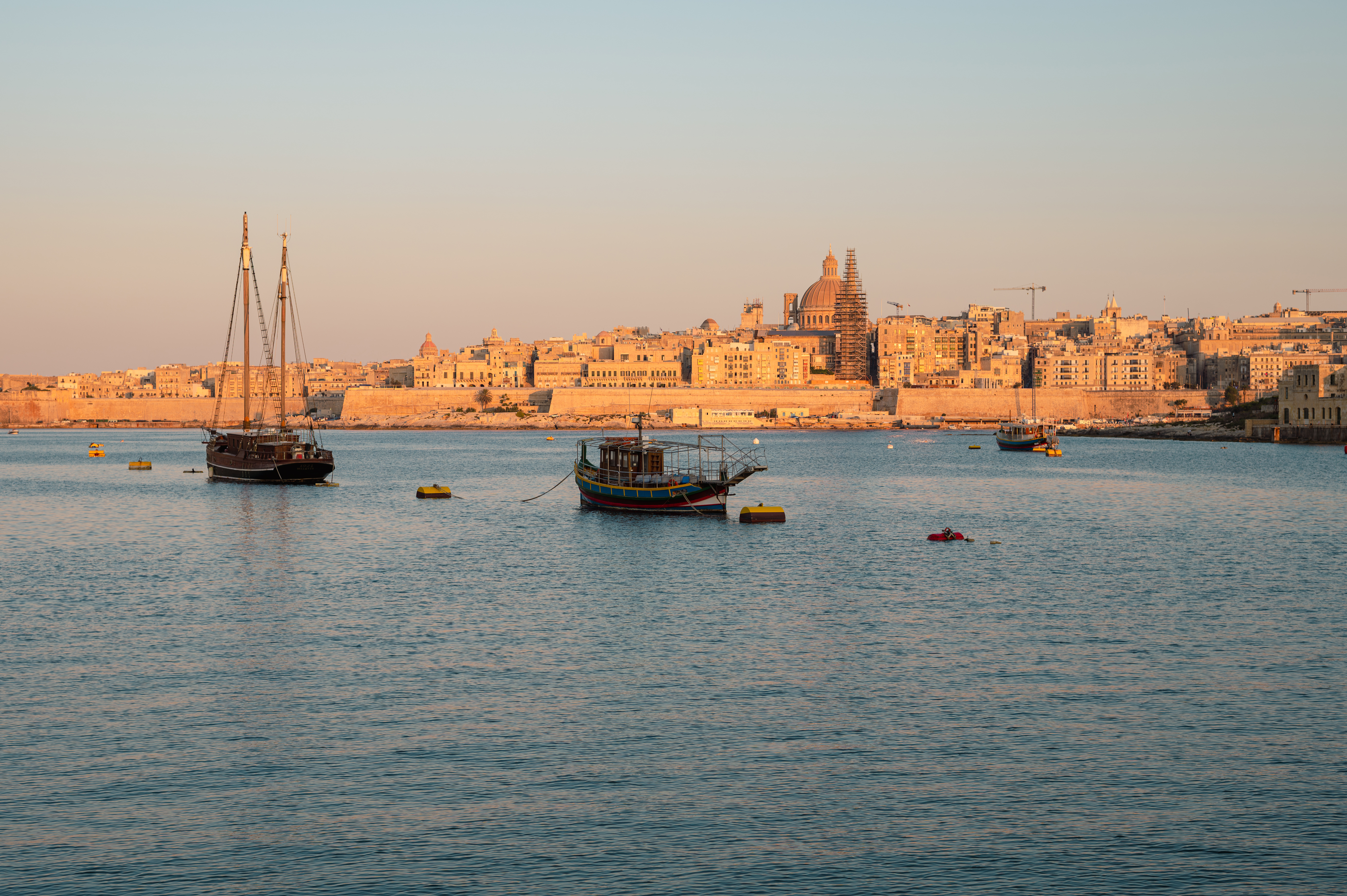
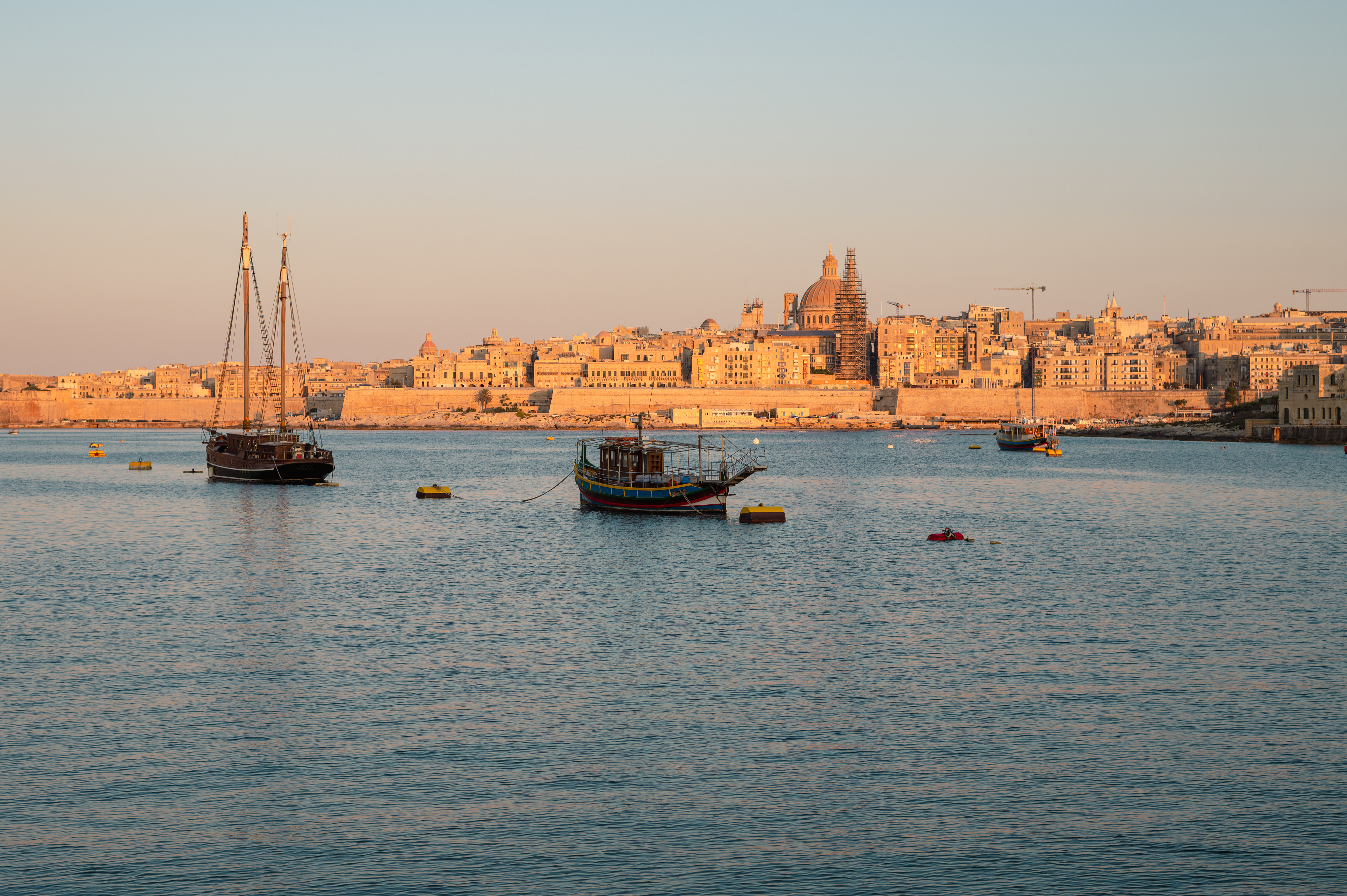
Back on Malta’s main island, Spinola Bay is the perfect spot to end your trip in style. Strolling along its lively promenades and dining at one of the restaurants overlooking the illuminated boats allows you to enjoy the most elegant and vibrant nightlife.
For the ultimate finishing touch, ascend to the spectacular Radio Rooftop at the ME Malta hotel—the ideal setting to wind down the night with a signature cocktail in a sophisticated atmosphere while taking in the finest panoramic views of the glowing bay.
,regionOfInterest=(1434,2150))
,regionOfInterest=(1434,2150))
To follow this 3-day Malta itinerary, I recommend organising your time with these area maps:
In my opinion, three days in Malta is an ideal amount of time to fall head over heels in love with the archipelago without finishing the trip exhausted from rushing. Through this itinerary, you will have travelled back in time from the prehistoric ruins of Gozo to the cutting-edge style of Valletta, passing through the silent medieval corners of Mdina.
You will leave Malta having seen its main tourist attractions but also having felt the flavour of its fishing villages and contemplated its coastal profile from the cliffs. An island that always keeps a new secret waiting for your next visit.
,regionOfInterest=(2972,1981.5))
,regionOfInterest=(2972,1981.5))
,regionOfInterest=(1476.5,980.5))
,regionOfInterest=(1476.5,980.5))
,regionOfInterest=(1496,1996))
,regionOfInterest=(1496,1996))
,regionOfInterest=(2732,1820))
,regionOfInterest=(2732,1820))
,regionOfInterest=(1392,924))
,regionOfInterest=(1392,924))
,regionOfInterest=(2121,1414))
,regionOfInterest=(2121,1414))