,regionOfInterest=(2279,1519.5))
,regionOfInterest=(2279,1519.5))
Hoyo Azul: a hidden cenote in Cap Cana
,regionOfInterest=(2808,1872))
,regionOfInterest=(2808,1872))
Holidays
,regionOfInterest=(2246,3387))
,regionOfInterest=(2246,3387))
Culture
A full week is the perfect amount of time to explore the Maltese archipelago without missing a thing and without having to worry about rushing. However, to truly immerse yourself in its millenary historical trajectory, explore natural landscapes, and enjoy entire days dedicated to relaxation, you need to be clear about what to see in Malta in 7 days from the moment you arrive.
Aware of this, I have prepared a perfectly structured 7-day travel guide to Malta from start to finish, so you can maximise each day to discover all the faces hidden within this Mediterranean corner.
When putting together a list of things to do in Malta, you must consider that the charm of this destination lies in its astonishing diversity. Within just a few kilometres, it is possible to stroll between imposing Baroque walls built by the Knights Hospitaller, descend into mysterious Roman-era catacombs, contemplate prehistoric sanctuaries older than the pyramids of Egypt, and navigate lagoons of turquoise waters that look like they were pulled straight from a Caribbean postcard.
The key to making the most of the trip is to group visits with geographical logic and master the transport options between the islands. That is exactly what I propose in this seven-day itinerary in Malta, in which I divide the days into coastal and inland zones, aiming to achieve a balance between cultural walks, outdoor activities, and moments of absolute disconnection by the sea.
,regionOfInterest=(512,482))
,regionOfInterest=(512,482))
Digital marketing specialist with a passion for travel, writing, and discovering what makes every destination unique.
,regionOfInterest=(2000,1500))
,regionOfInterest=(2000,1500))
,regionOfInterest=(3000,2000))
,regionOfInterest=(3000,2000))
,regionOfInterest=(3000,2000))
,regionOfInterest=(3000,2000))
| Day | Route focus | Main areas |
| Day 1 | The Baroque bastion and capital of the Order | Valletta |
| Day 2 | Maritime cradles and viewpoints of the Grand Harbour | The Three Cities (Vittoriosa, Senglea, and Cospicua) |
| Day 3 | Aristocratic silence, subsoil, and living history | Mdina, Rabat, and The Crafts Village |
| Day 4 | Adventures in nature and northern coasts | Northern beaches (Countryside walk or Horse riding) |
| Day 5 | Island essence, temples, and untamed cliffs | Gozo Island |
| Day 6 | Paradisiacal sailing and dream coves | Boat tour to Comino (Blue Lagoon) |
| Day 7 | Seafaring tradition, sea caves, and megaliths | Marsaxlokk, Blue Grotto, and Prehistoric Temples |
,regionOfInterest=(1854.5,1618))
,regionOfInterest=(1854.5,1618))
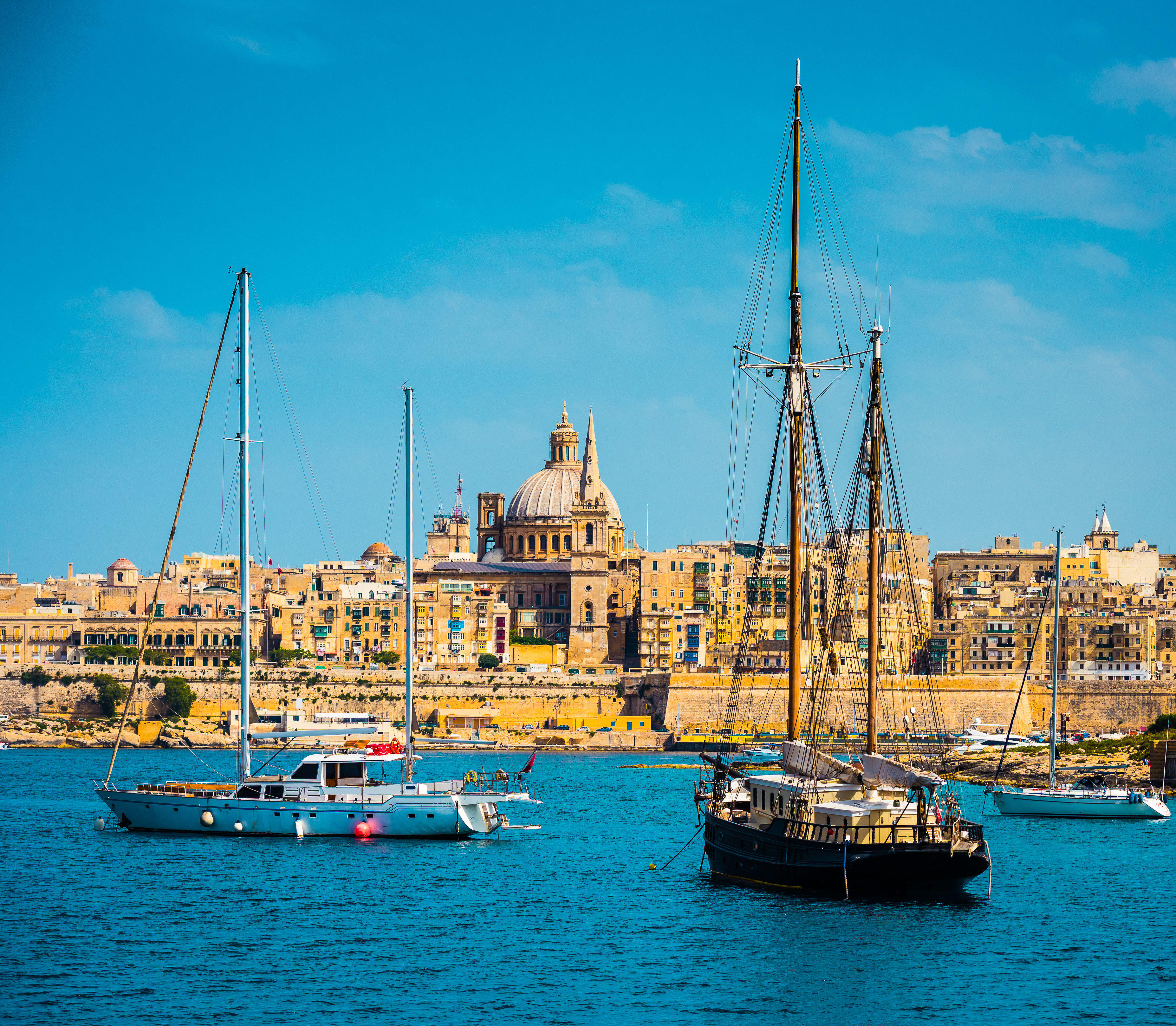
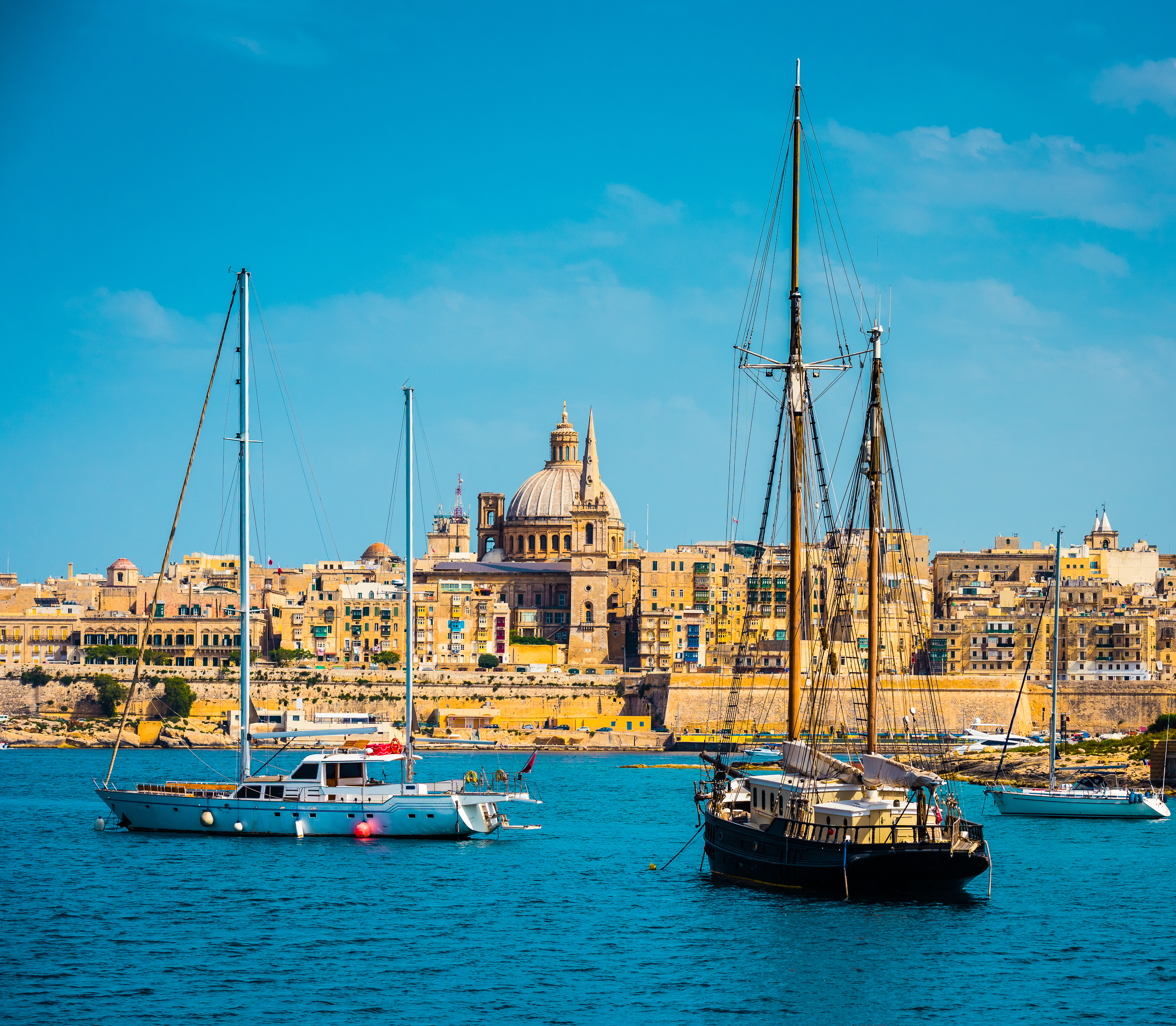
The first day of this 7-day route in Malta will be dedicated entirely to its capital. An ideal day to be captivated by the superb monumental architecture and palatial atmosphere of a city declared a UNESCO World Heritage Site.
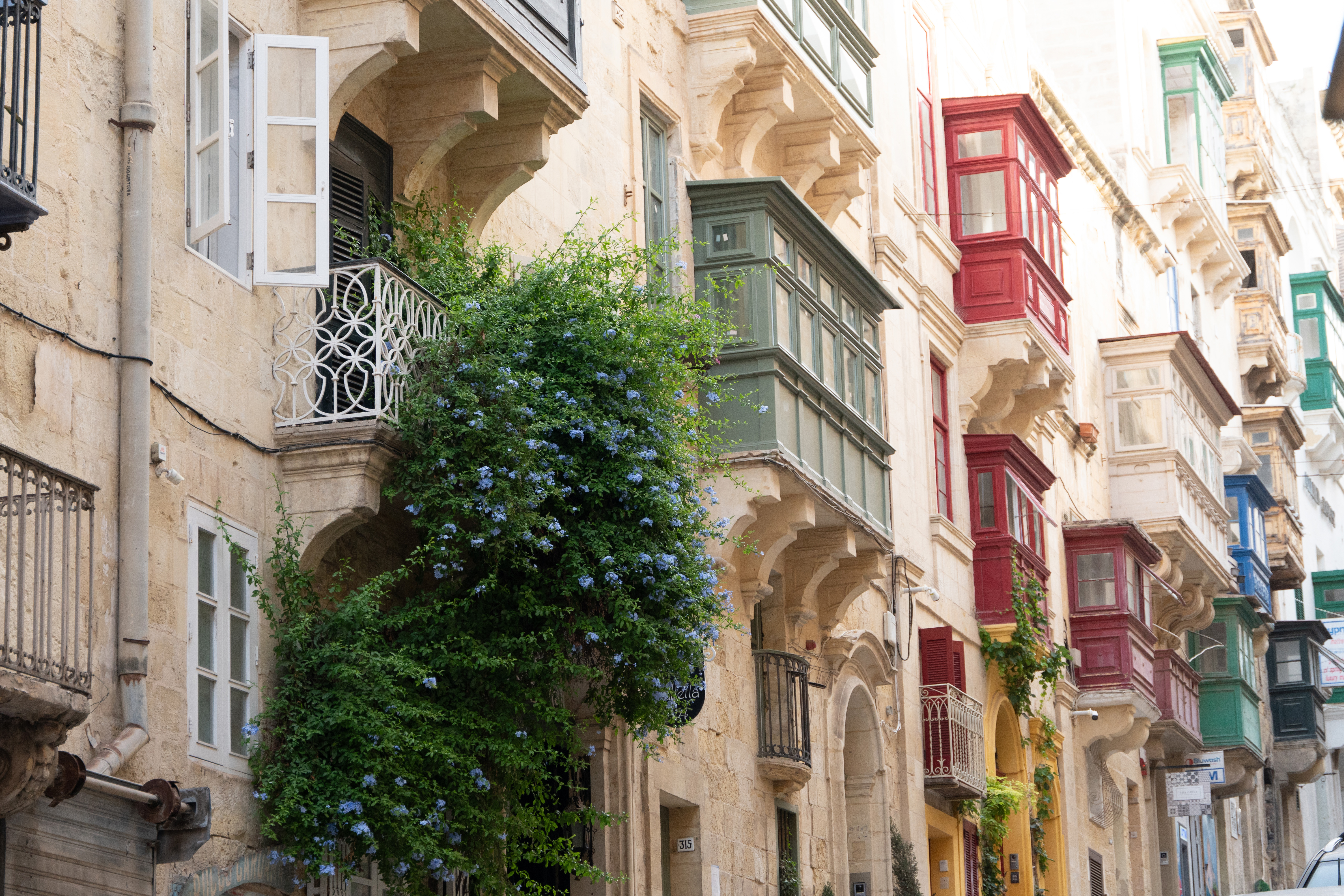
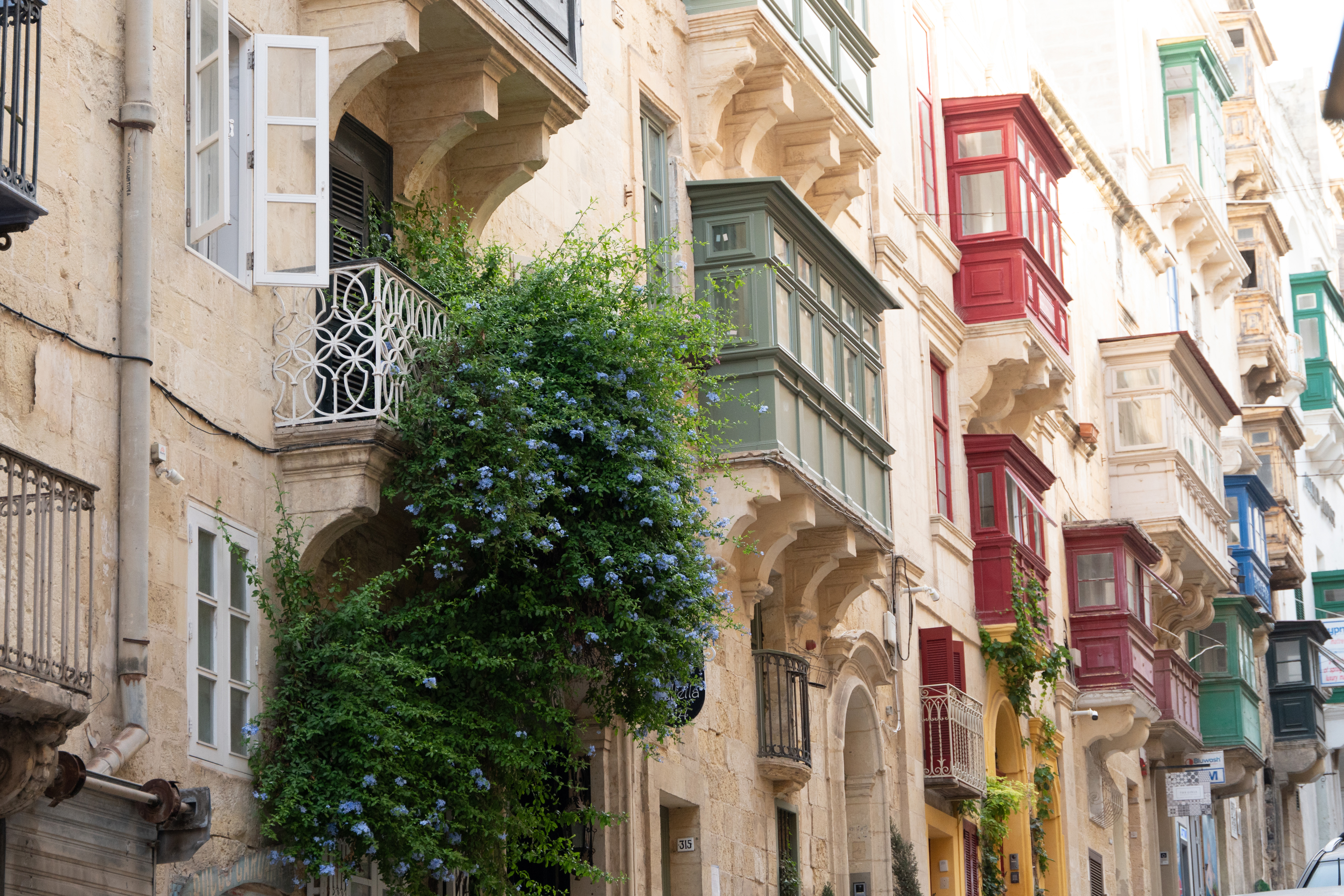
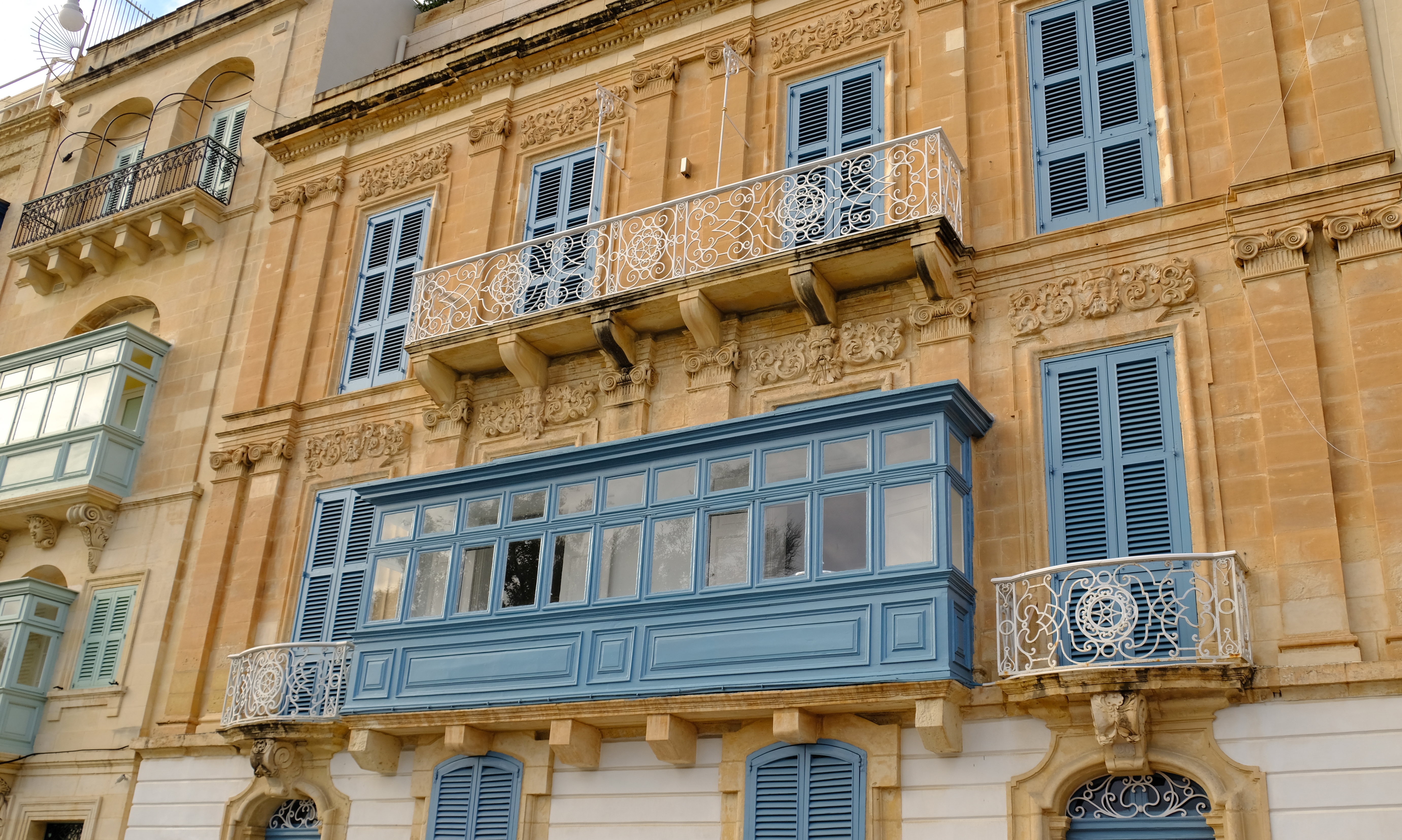
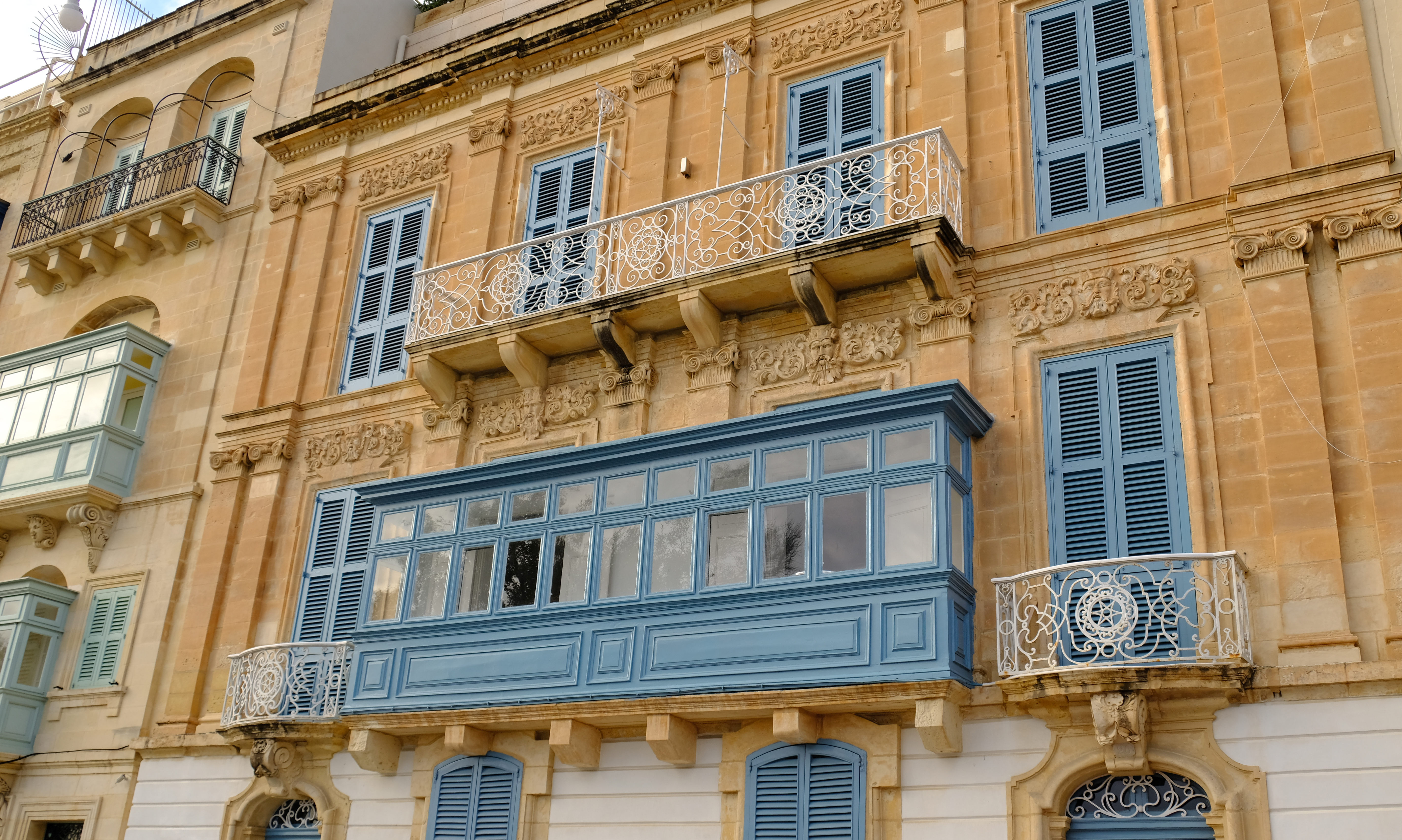
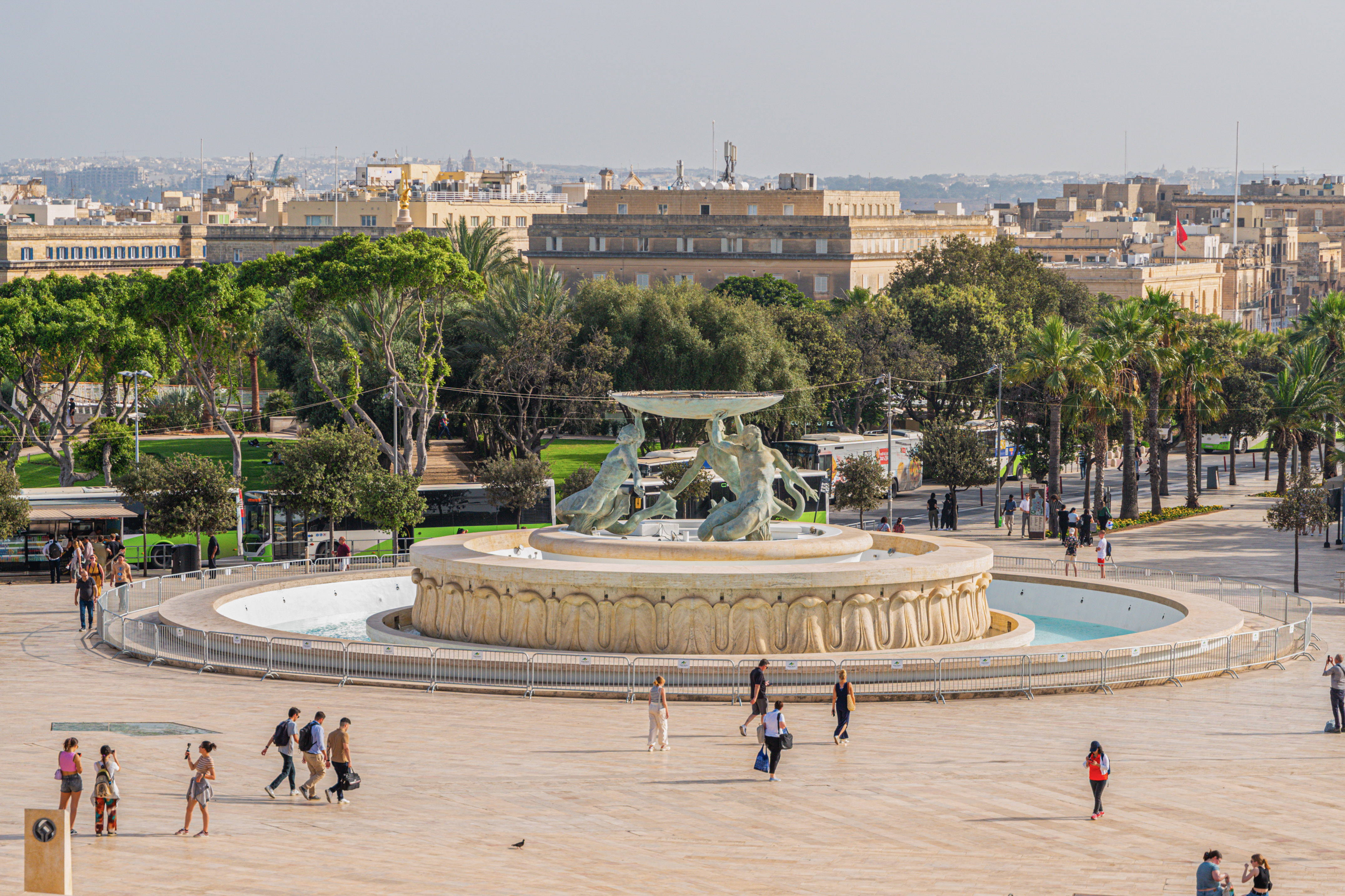
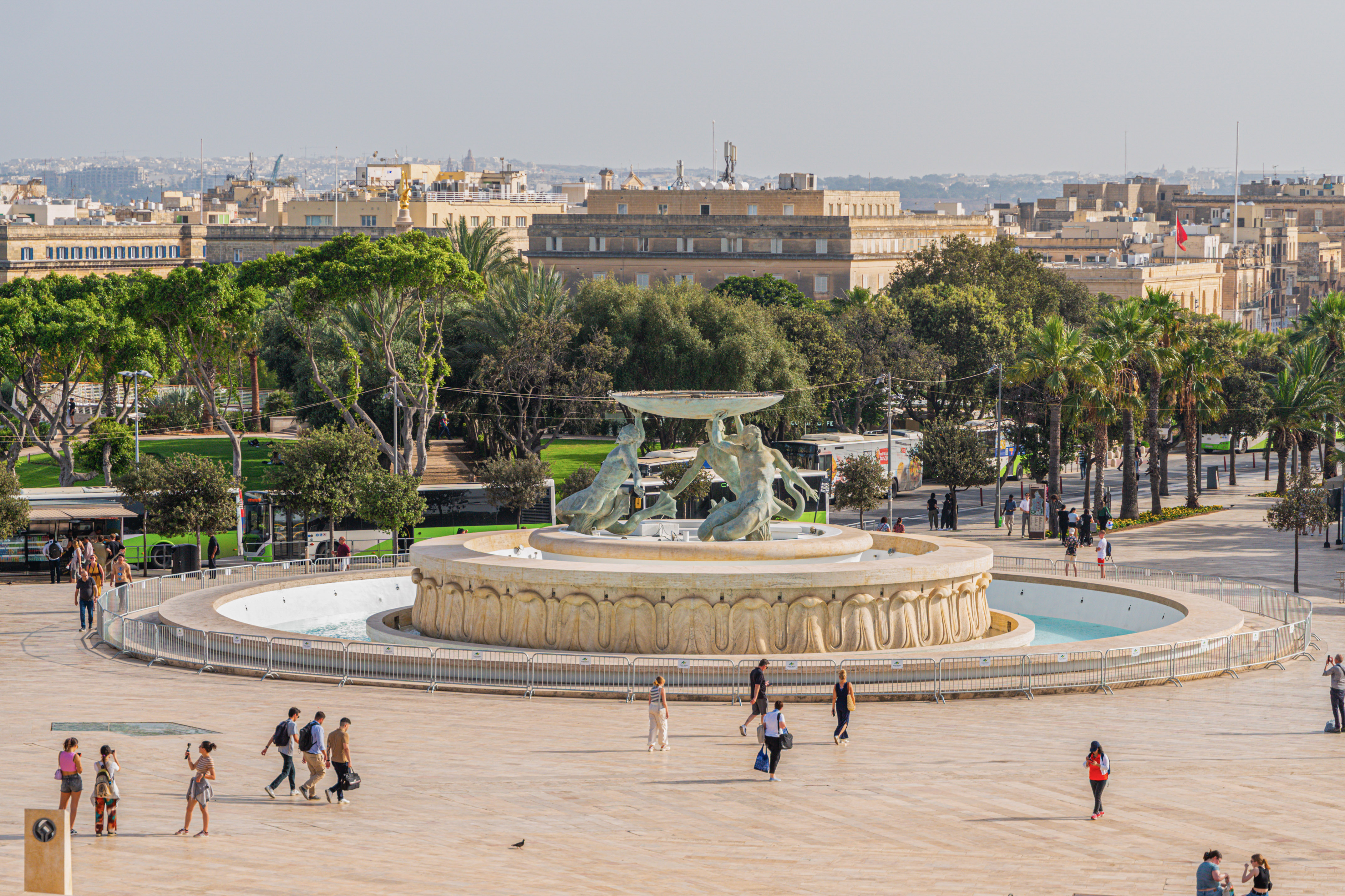
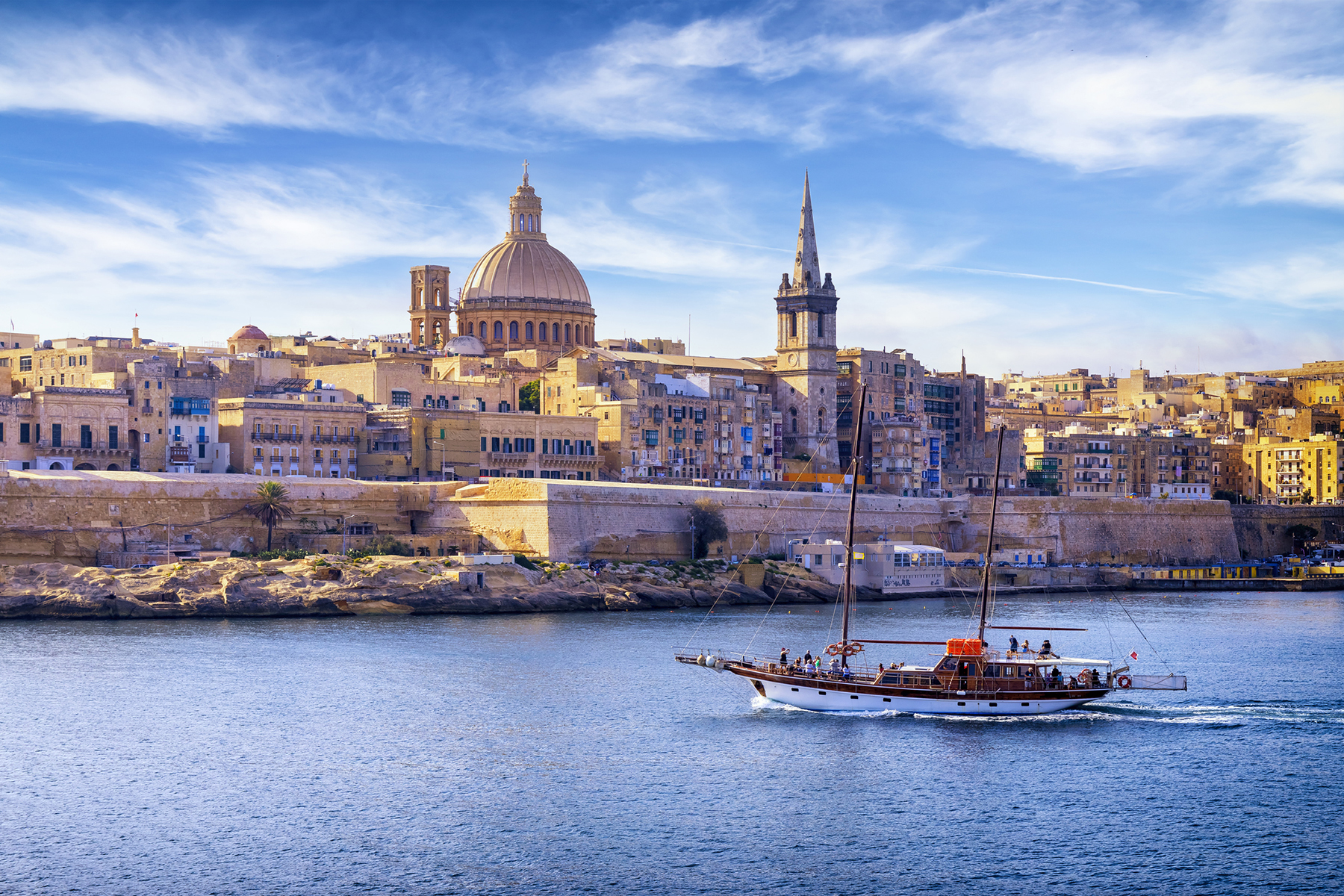
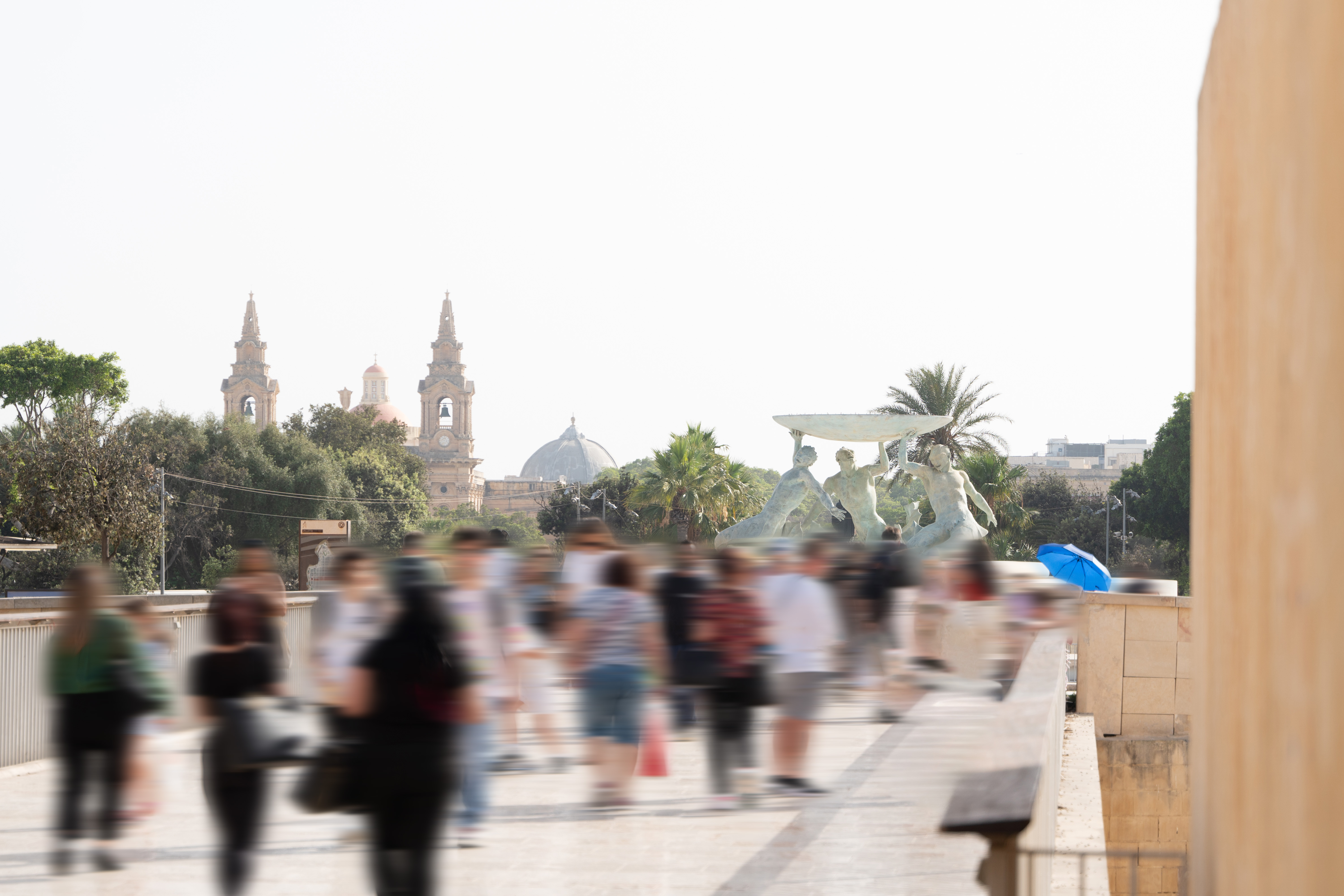
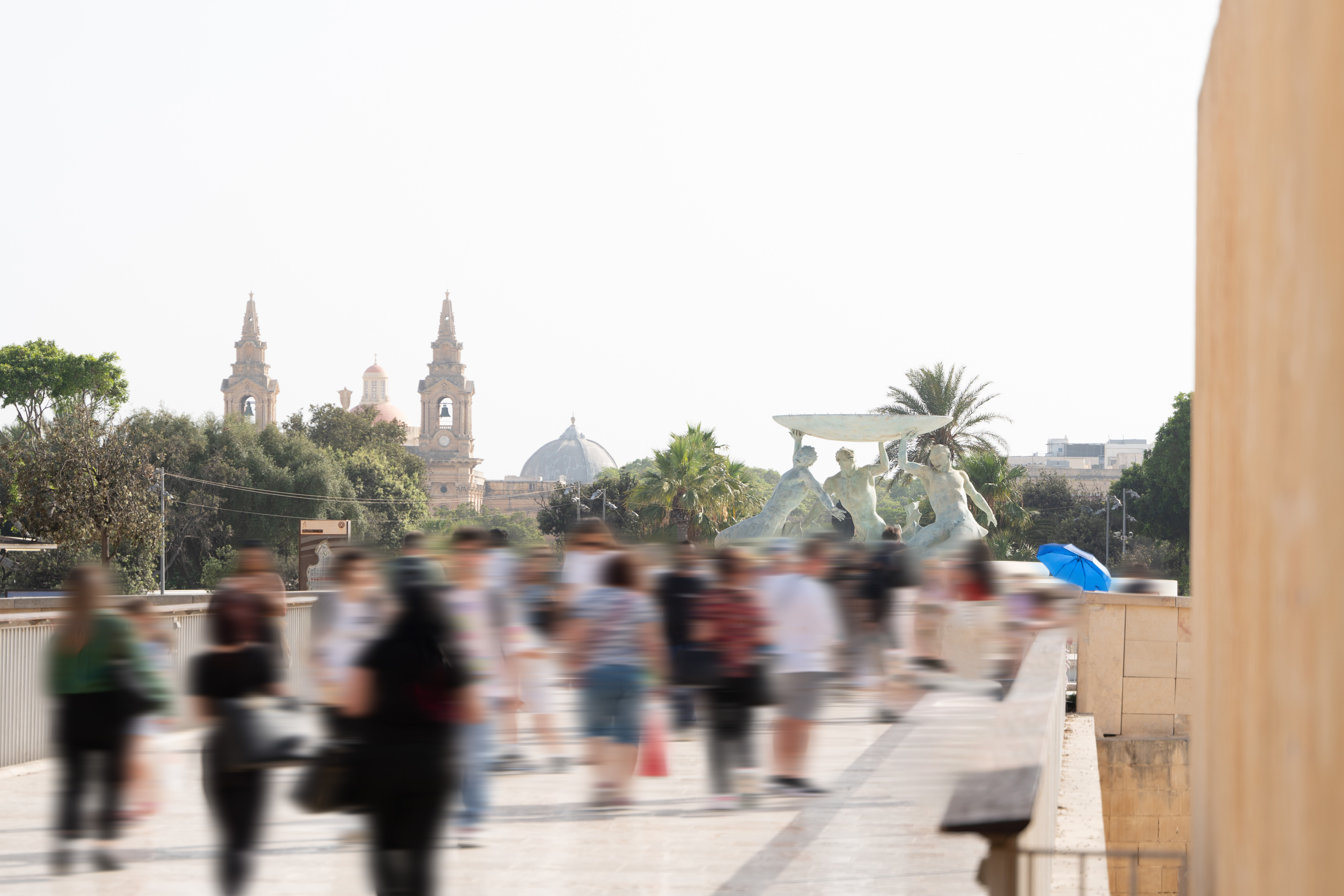
I suggest your seven-day trip to Malta begins by crossing the imposing and innovative Valletta Gate, a contemporary architectural project that contrasts harmoniously with the colossal golden limestone walls. Upon crossing the threshold, you will enter Republic Street, the main artery of the city that serves as the commercial and social axis of the historic centre, flanked by majestic palaces with their iconic colourful wooden balconies.
Walking along this pedestrian axis will allow you to contemplate emblematic buildings like the Grandmaster's Palace and vibrant squares where local life buzzes from the early hours of the morning. It is an unbeatable introduction to familiarise yourself with the capital's grid urban planning.
From the middle of this main street, you will reach your next cultural stop on foot in just 3 minutes.
The sober and severe exterior facade of this temple does not anticipate at all the astonishing Baroque spectacle it guards inside. St. John's Co-Cathedral is one of the greatest masterpieces of sacred art in the world, featuring limestone walls hand-carved with ornamental motifs and covered in dazzling gold leaf, alongside an impressive marble floor composed of tombstones of the knights of the Order.
The high point of the visit is found in the oratory, where the imposing work "The Beheading of St. John the Baptist" by Caravaggio is exhibited—the only canvas signed by the celebrated Italian painter. Take your time to admire the expressiveness and use of chiaroscuro in this historic piece.
Upon leaving the temple, a pleasant 10-minute pedestrian walk through neighbouring streets will lead you to the most famous viewpoint in the city.
,regionOfInterest=(2818.5,1879))
,regionOfInterest=(2818.5,1879))
Located on the highest defensive bastions of the capital's southern flank, the Upper Barrakka Gardens are beautiful public gardens that offer a haven of peace decorated with stone arches, fountains, and tree-lined walkways. It is the perfect space to rest after the morning walks.
The main draw of the Upper Barrakka Gardens is its spectacular panoramic terrace, from which you can enjoy an unrivalled view of the Grand Harbour and the fortified silhouettes of the Three Cities. If you plan your visit at 12:00 or 16:00, you can witness the traditional cannon salute fired from the lower battery.
After enjoying the views, you can descend toward the eastern coast by walking for about 12 minutes through the steep and picturesque streets of the city.
Following the line of the eastern walls, you will reach the Lower Barrakka Gardens, a more secluded and quiet spot presided over by a small neoclassical temple dedicated to Sir Alexander Ball. From its balustrade, you get a clean perspective of the harbour entrance and the Siege Bell War Memorial.
A few steps from there stands the imposing Fort St. Elmo, a key fortification that heroically resisted during the Great Siege of 1565. It currently houses the National War Museum, which displays a rich collection narrating the military conflicts that have shaped Malta's strategic destiny.
The area is perfectly connected, allowing you to return to the city centre via a 10-minute walk.
As night falls, the mythical Strait Street comes alive with its charming restaurants and live music set up in stepped alleys full of history. To top off the evening, you can head to the Valletta Waterfront for a stroll next to the old 18th-century Baroque warehouses, today converted into a lively promenade ideal for dining by the sea.
,regionOfInterest=(2762.5,1655.5))
,regionOfInterest=(2762.5,1655.5))
The second day of this Malta in 7 days itinerary crosses the waters of the harbour to venture into the Three Cities, the true original home of the Knights of St. John before the foundation of the capital. A day to savour the most authentic, historic, and seafaring Malta.
To start the day with an unforgettable experience, head to the lower pier of Valletta and step aboard a dgħajsa, the traditional Maltese boat that shares similarities with Venetian gondolas. Crossing the calm waters of the Grand Harbour aboard this wooden boat will give you a spectacular perspective of the colossal walls protecting the coast.
The maritime journey takes barely 15 minutes and will drop you directly off at the Vittoriosa waterfront, surrounded by luxury yachts that contrast with ancient golden stone medieval palaces.
Upon disembarking, entry to the historic centre is made immediately on foot.
Entering Vittoriosa is travelling back in time. Its most unique corner is the Collachio, the network of narrow, labyrinthine streets where the knights resided, organised by languages. Here, the facades are filled with plants, religious niches, and excellently preserved old doorways.
During the walk, it is essential to visit the Inquisitor's Palace, one of the few buildings of its kind to survive in Europe, where you can tour its official rooms, tribunals, and ancient prison cells. A walk packed with fascinating historical details.
From the centre of Vittoriosa, you will reach the end of the peninsula by walking for about 8 minutes.
,regionOfInterest=(2150,1433))
,regionOfInterest=(2150,1433))
Strategically located at the tip of Vittoriosa, Fort St. Angelo is the crown jewel of Maltese military architecture. This colossal fortress served as the headquarters of the Order during its early years and played an absolutely crucial role in repelling the assault of the Ottoman troops.
Touring its ramps, looking through its embrasures, and walking along its imposing defensive terraces will reward you with one of the most complete and beautiful panoramic views of the entire harbour of Malta. A place loaded with epic lore and history.
To cross to the next fortified city, simply cross the pedestrian bridge at the pier in a 10-minute walk.
Cospicua welcomes visitors with its imposing Cottonera Lines, a colossal outer fortified front conceived to shelter the surrounding rural populations during times of siege.
Walking a bit further you will reach Senglea, where you should head to the Safe Haven gardens at the tip of the peninsula. There you will find the highly famous Gardjola, a stone watchtower sculpted with an eye and an ear that symbolised alert eyes and ears facing any enemy vessel that dared approach the coast.
Both districts maintain an extremely quiet and local residential atmosphere, ideal for disconnecting from the bustle.
To conclude the day, nothing beats returning to the Vittoriosa (Birgu) waterfront. The terraces of its restaurants facing the pier light up dimly, offering an unbeatable evening to taste local dishes made with fresh fish while contemplating the reflection of the lights on the water.
,regionOfInterest=(215,172))
,regionOfInterest=(215,172))
The third day of the route ventures into the geographical heart of the country to discover the nobility of the old medieval capital, the paleochristian mysteries of its subsoil, and the deep-rooted artisanal tradition of its inhabitants.
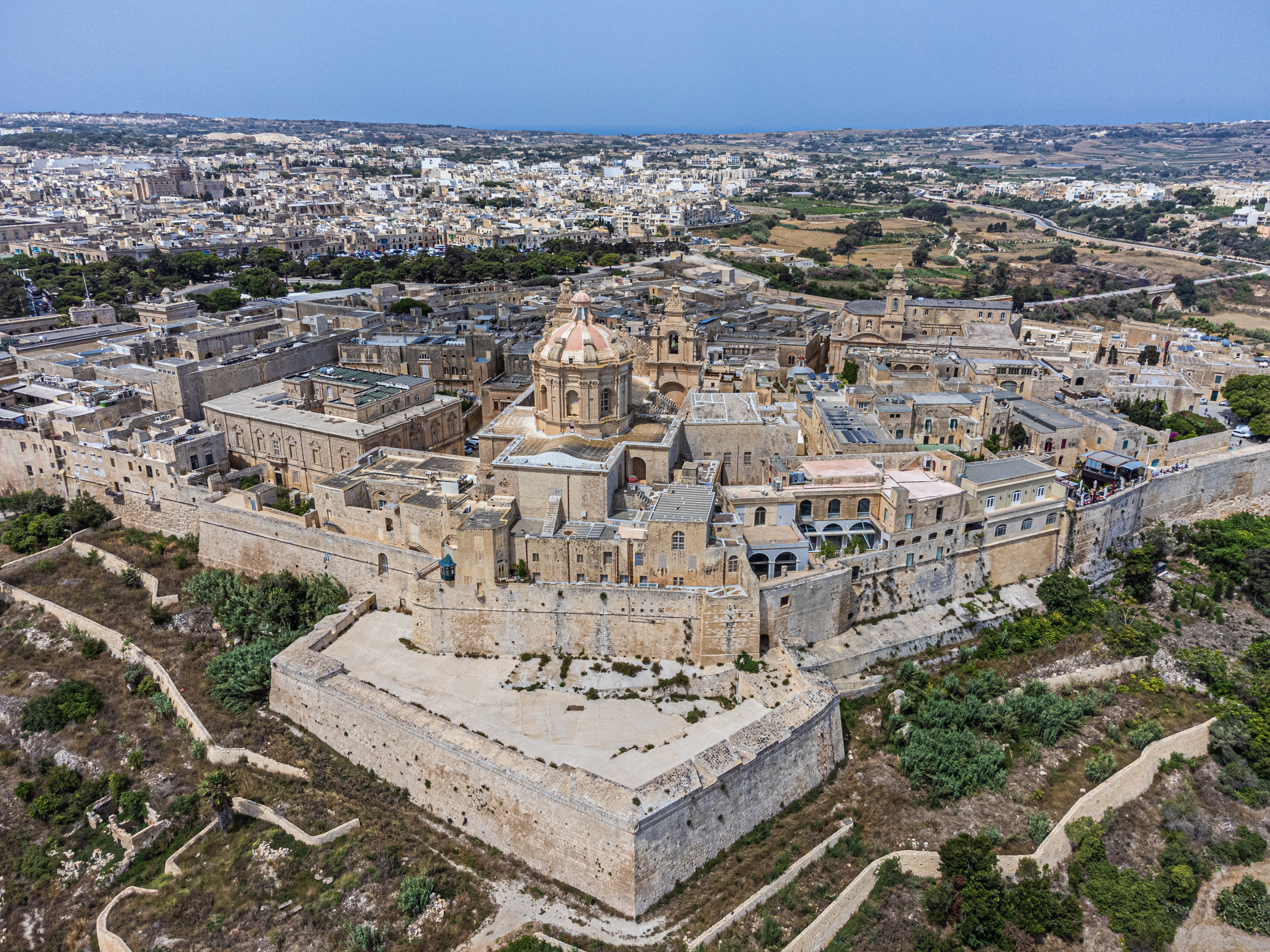
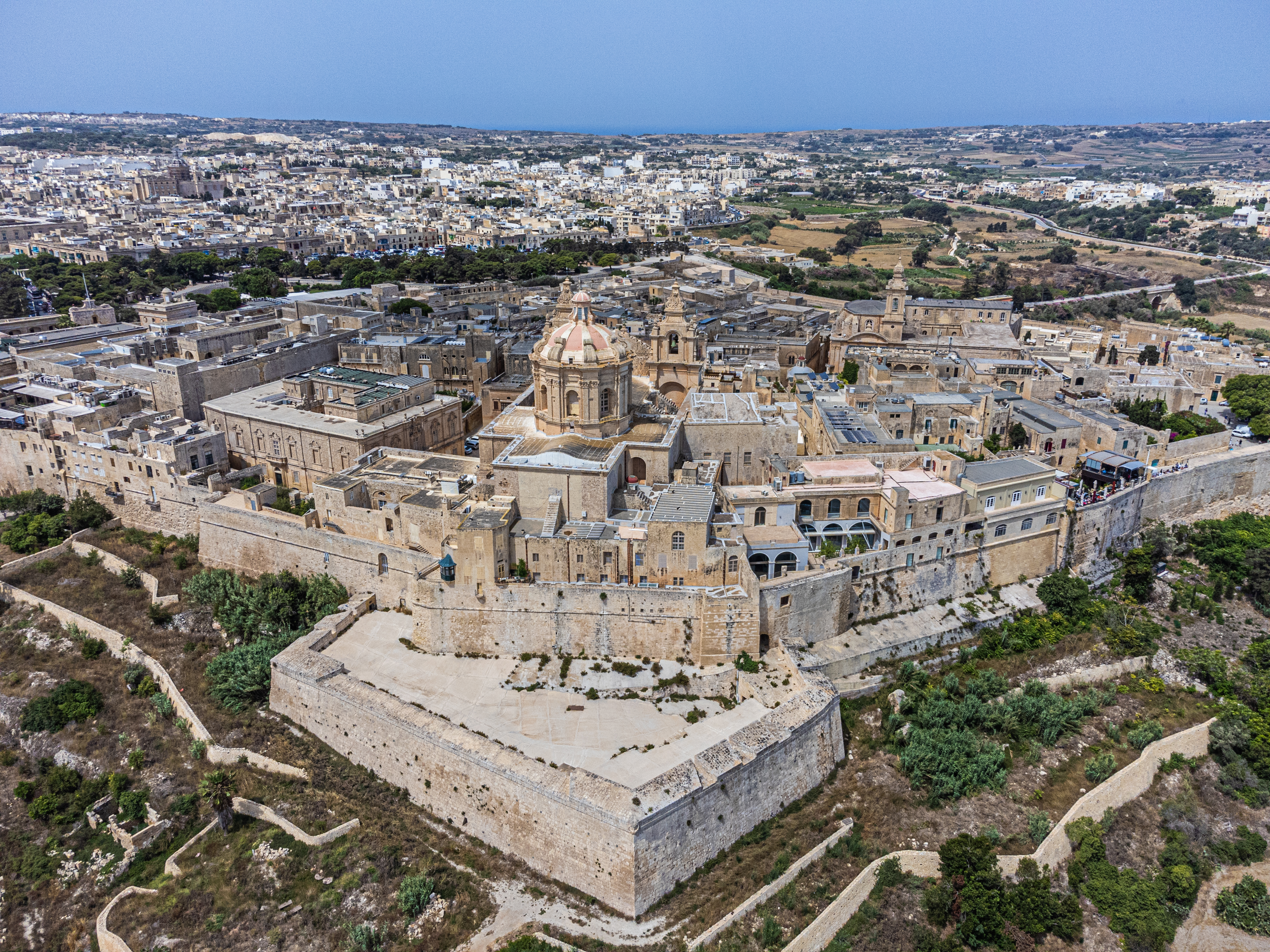
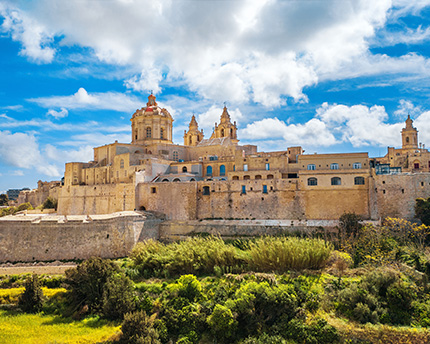
Proudly perched atop an interior elevation, the millenary Mdina captivates travellers with its atmosphere of peace and its purely aristocratic layout. Stepping through its main gate is accessing a labyrinth of stone alleys where silence is the true protagonist.
During the walk, you can admire noble palaces like Palazzo Falson and visit the superb St. Paul's Cathedral, a gem of Maltese Baroque whose back walls offer one of the cleanest and most extensive panoramic views of the fields in the centre of the island.
Crossing the landscaped moat of the pedestrian entrance, you will reach the neighbouring core on foot in just 5 minutes.
Right next to Mdina appears Rabat, a city that shows a much more residential, traditional, and commercial character. Its narrow streets are lined with local shops and colonial homes with stone balconies.
Beneath its soil hide St. Paul's Catacombs, an extensive network of underground crypts and tombs excavated into the sandstone rock during the Roman period that illustrates paleochristian funerary rites, making for an awe-inspiring historical treasure.
To travel to the next point of interest, you can take a direct bus (line 186 or 202) or a taxi in a journey of barely 10 minutes.
Located on the grounds of a former World War II military airfield, the artisan village of Ta' Qali is the nerve centre of traditional Maltese craftsmanship. The old hangars have been transformed into bright workshops and shops open to the public.
Strolling through this space will allow you to watch master artisans live, practising glassblowing with ancestral techniques, shaping decorative ceramics, or weaving intricate lace and silver filigree threads. It is the ideal place to purchase a purely locally manufactured souvenir and appreciate handmade work.
To return to your accommodation area, you have excellent bus connections that connect the complex with the main urban hubs in about 20 minutes.
I advise you to return to Mdina at dusk, when the lighting from the forged-iron lampposts highlights the monumental beauty of its historic palaces. Dining inside an old stately courtyard or on the terraces of its walls will guarantee a gastronomic experience loaded with romance and medieval magic.
,regionOfInterest=(900,600))
,regionOfInterest=(900,600))
The fourth day of this list of things to see in Malta in 7 days focuses on exploring the north coast with a dynamic and active approach. A day designed to combine the spectacular nature of the most famous sandy beaches with outdoor routes among the beautiful rural landscapes of the island's interior.
Golden Bay welcomes travellers with its immense beach of fine golden sand and excellent tourist services. Walking just 15 minutes along the natural path that crowns the adjacent cliff, you reach Ghajn Tuffieha Bay, a coastal gem with a much more pristine and wild appearance that is sheltered behind a long staircase of about 200 stone steps.
This inlet stands out for its reddish sand, its greyish clay hills, and its green ridges. You can walk to the rocky cape that separates both bays to take impressive photographs of the waves gently breaking against the rock formations of this protected environment.
Access to the starting points of the nature routes is made immediately from the upper parking lot.
For the afternoon, the northern area offers two magnificent alternatives to connect with the inland landscape. The first option is to go on a hiking route on foot (Country Side Walk) through the Majjistral Nature Park, walking along trails bordered by dry-stone walls that wind between Mediterranean brush, old traditional farming huts (giren), and spectacular viewpoints at the edge of the cliffs.
The second alternative is to book a guided horseback excursion at one of the prestigious equestrian centres in the area (near Manikata). Riding at a walking pace while contemplating the immensity of the marine horizon and the local vegetation will give you a unique connection with the island's natural environment.
To travel toward the main northern town, it will be enough to catch bus lines 101 or 225 in a journey of about 12 minutes.
To end the afternoon, head over to Mellieha Bay, the most extensive sandy shoreline in the entire archipelago. Its waters are extremely calm, clean, and very shallow, allowing you to wade tens of metres out with the water at knee level in an extremely relaxing environment.
The promenade is packed with kiosks where you can have a cool drink while enjoying the breeze. On the upper hills that watch over the bay, you can spot the imposing Baroque silhouette of the town's parish church.
Connection to the town centre of Mellieha is made directly by bus in just 5 minutes.
Go up to the town centre of Mellieha, majestically settled on an elevated ridge. The viewpoints located next to the Santuario de la Virgen de Mellieha offer a spectacular panoramic view of the entire north of the island under the twilight skies. Enjoy a quiet dinner based on traditional dishes in the restaurants of the old centre.
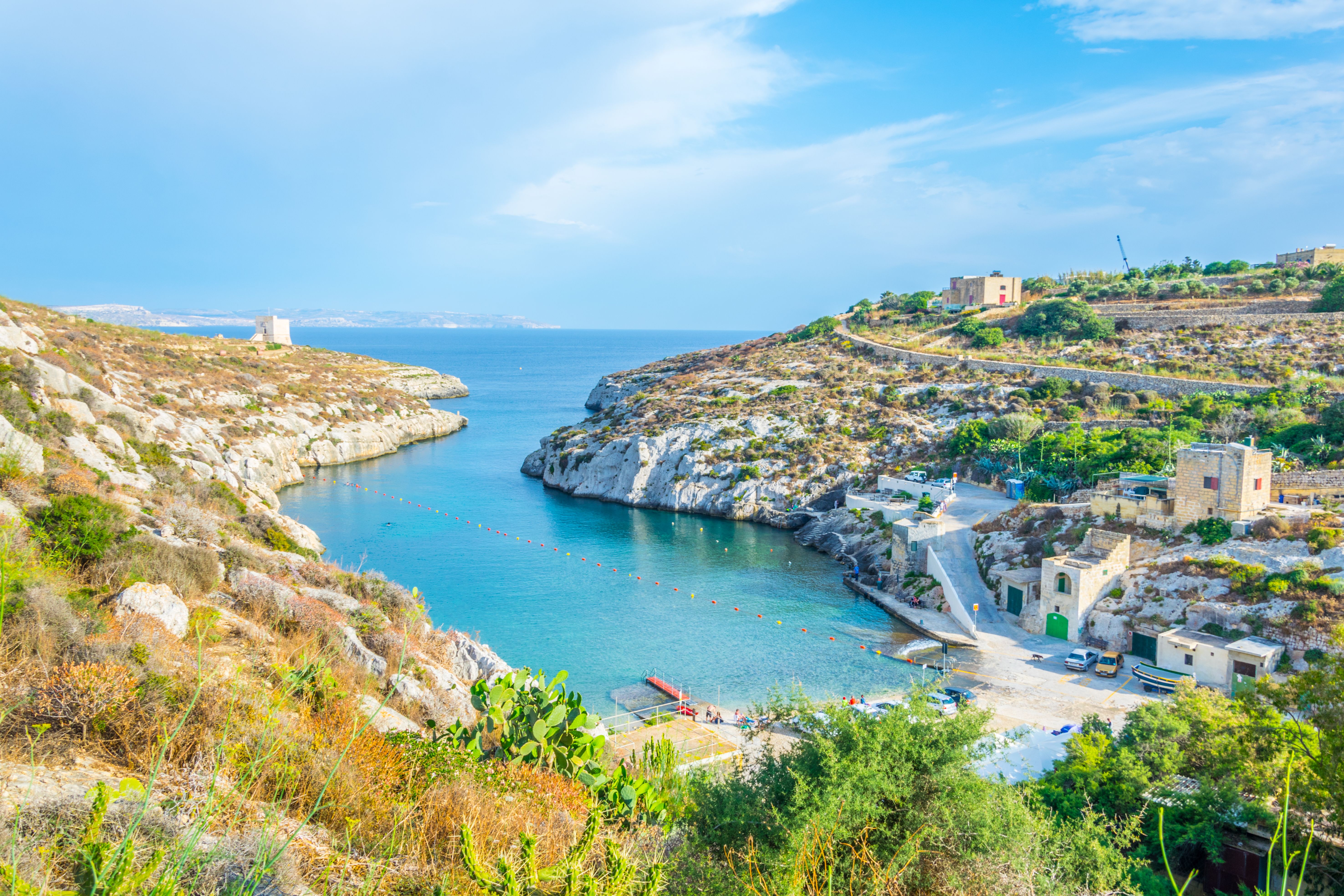,regionOfInterest=(2951,1967.5))
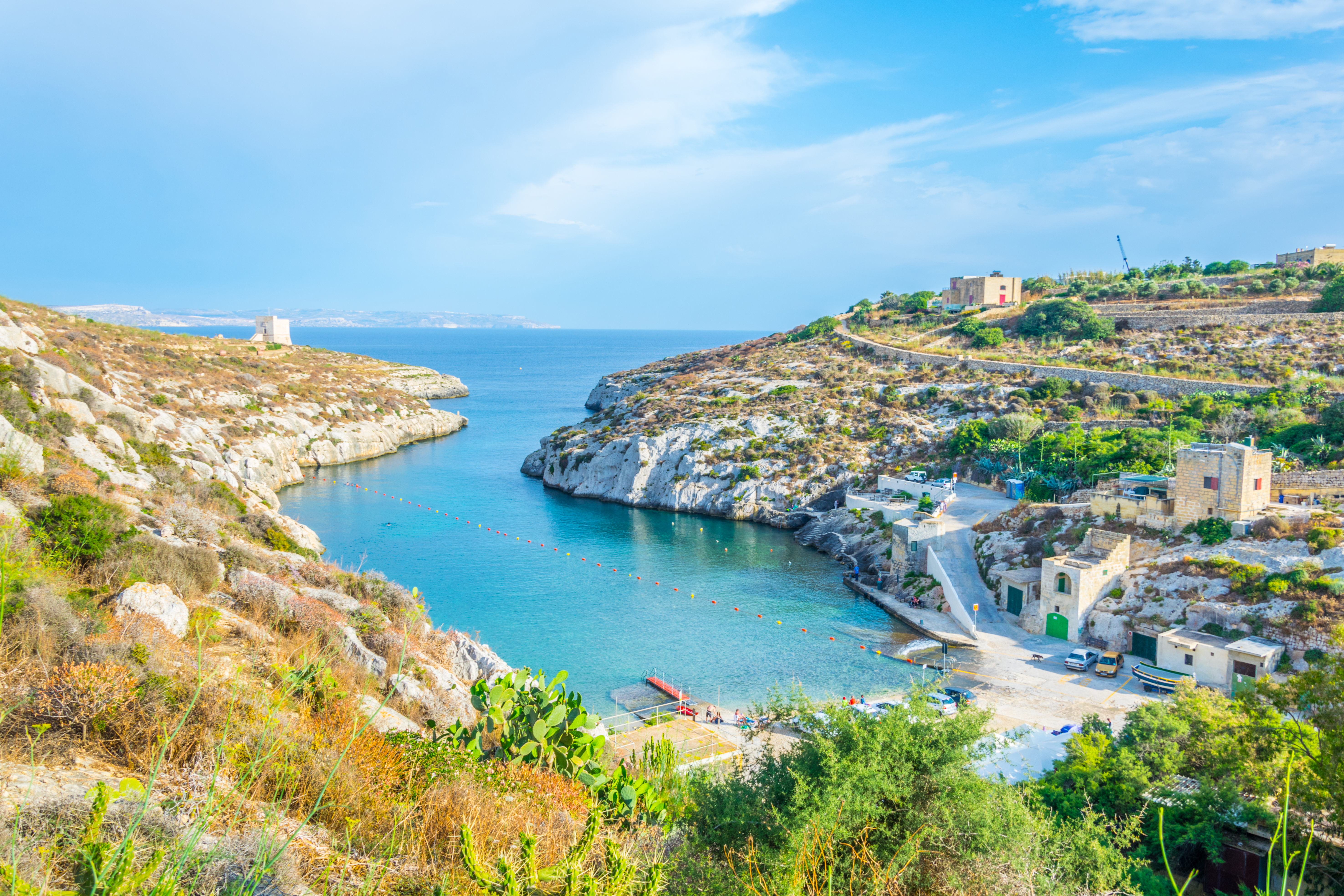,regionOfInterest=(2951,1967.5))
On the fifth day, I encourage you to cross the northern waters to discover Gozo, an island that treasures its own personality with greener landscapes, a leisurely pace of life, and some of the oldest free-standing monuments of humanity.
The day begins by boarding the modern ferry that departs from Cirkewwa harbour bound for Mgarr harbour in Gozo, in a pleasant 25-minute maritime crossing. Once there, head to the heart of the island to explore the spectacular Citadel of Victoria (Rabat of Gozo), an imposing fortification that historically served as a refuge against pirate incursions.
Strolling through its medieval limestone alleys will lead you before the Gozo Cathedral and, above all, toward its upper bastions, from which you can contemplate an absolute 360-degree panoramic view of all the villages and farming fields of the island.
From the Victoria terminal, you can take bus 307 to reach the next historic landmark in about 10 minutes.
Located in the town of Xaghra, the Ġgantija Temples constitute a megalithic archaeological site of unquestionable world relevance. These colossal Copper Age structures were raised centuries before the famous Stonehenge complex or the pyramids of Giza themselves.
The exterior walls, formed by gigantic blocks of coralline limestone weighing several tonnes, astonish by their longevity and the ingenuity of their prehistoric builders. The visit is completed with a modern interpretation centre displaying figurines and tools found in the excavations.
To travel toward the northern coastline, you can take bus 310 or a taxi in a journey of a quarter of an hour.
On the north coast, the Marsalforn Salt Pans await you—a spectacular geometric board carved directly into the limestone of the shore that stretches for several kilometres. This unique coastal landscape reflects a tradition of artisanal sea salt extraction inherited from Roman times.
Next, travel toward the west of Gozo to see the mythical Dwejra Bay. In this fascinating karst geological spot, you can contemplate the Inland Sea, a saltwater lagoon connected to the open ocean through a spectacular natural tunnel in the cliff, and the large limestone rock of Fungus Rock peaking over the waves.
At the conclusion of the visit, returning to Mgarr harbour to take the ferry back to Malta is very simple via local lines.
Back on the main island, relax by strolling along the lively Sliema promenade. The wide sidewalks of its coastline will allow you to enjoy a spectacular panoramic view of the illuminated walled silhouette of Valletta across the bay, closing the day with an excellent gastronomic offer in the local venues.
,regionOfInterest=(2880,1920))
,regionOfInterest=(2880,1920))
The sixth day of this list of things to do in Malta in 7 days will be dedicated exclusively to enjoying the sea at its finest. A day to embark toward the small, idyllic, uninhabited islet of Comino, home to the most spectacular sea beds in the Mediterranean.
To make the most of your beach day, embark early in the morning on one of the frequent excursion boats (Comino boat tours) or water taxis that sail from the northern piers of the island. The navigation skirts the country's northern cliffs before entering the inlet of the Blue Lagoon.
This arm of water, sheltered from open sea currents by small rocky islets, stands out for its clean white sand bottom that dyes the waters an intense, transparent turquoise blue that simulates an immense natural pool. Arriving early will guarantee you can swim, snorkel, or sunbathe on the rocks with total serenity.
The island lacks vehicular traffic, so you can explore its natural paths on foot with total comfort.
Taking advantage of your stay in Comino, most excursion boats will allow you to get closer to Crystal Lagoon, an adjacent cove surrounded by spectacular vertical cliffs where the waters are even deeper and more crystalline, making it the favourite corner for fans of diving and snorkelling among sea caves.
If you feel like walking a bit, I recommend following the dirt paths of the island's interior until you reach the imposing St. Mary's Tower, a 17th-century defence fortification that guards the maritime channel. The panoramic views from its base over the open sea and the profiles of Malta and Gozo are truly memorable.
At the end of the afternoon, the boats will return you to the main piers of Malta island in a journey of about 20 minutes.
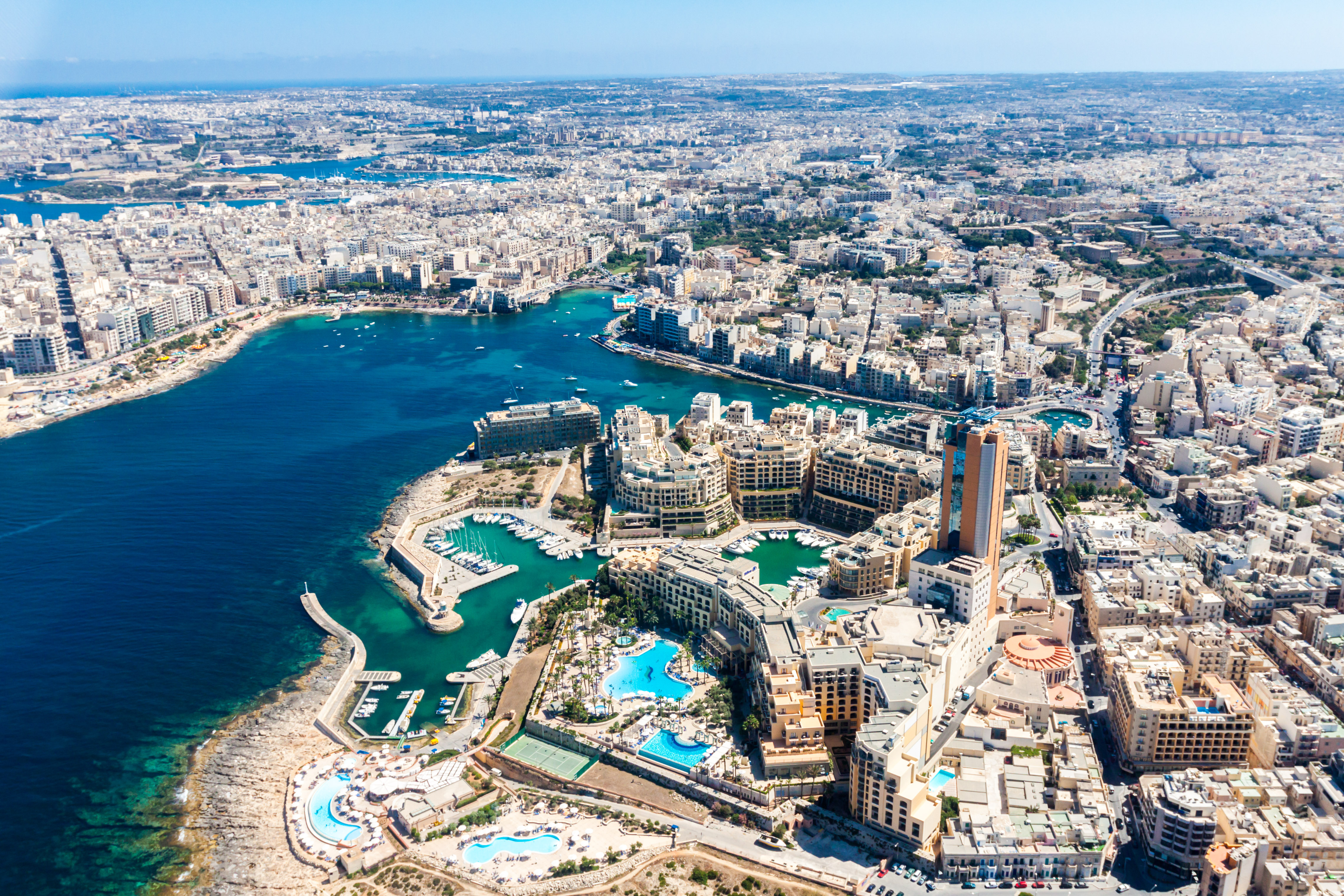
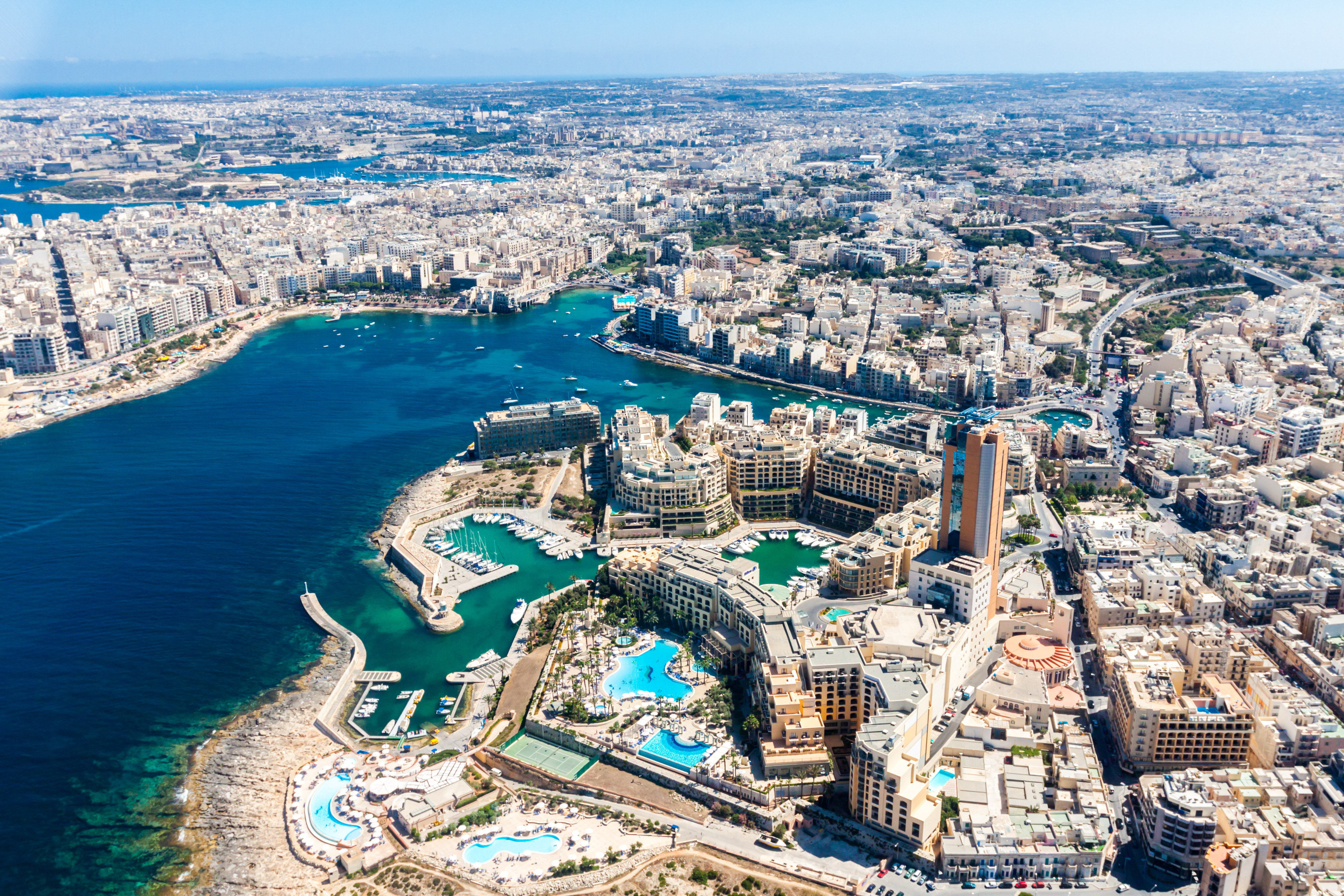
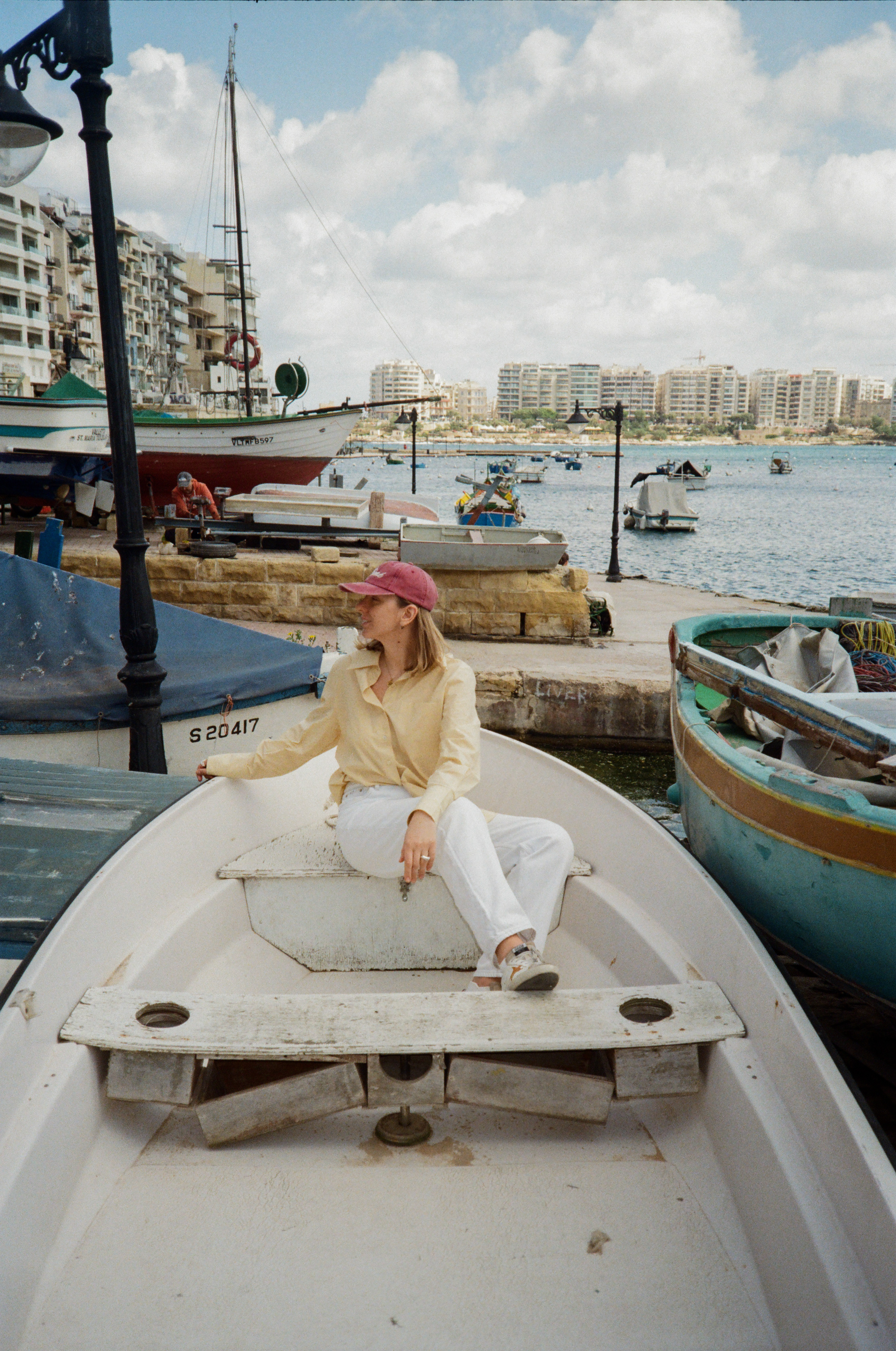
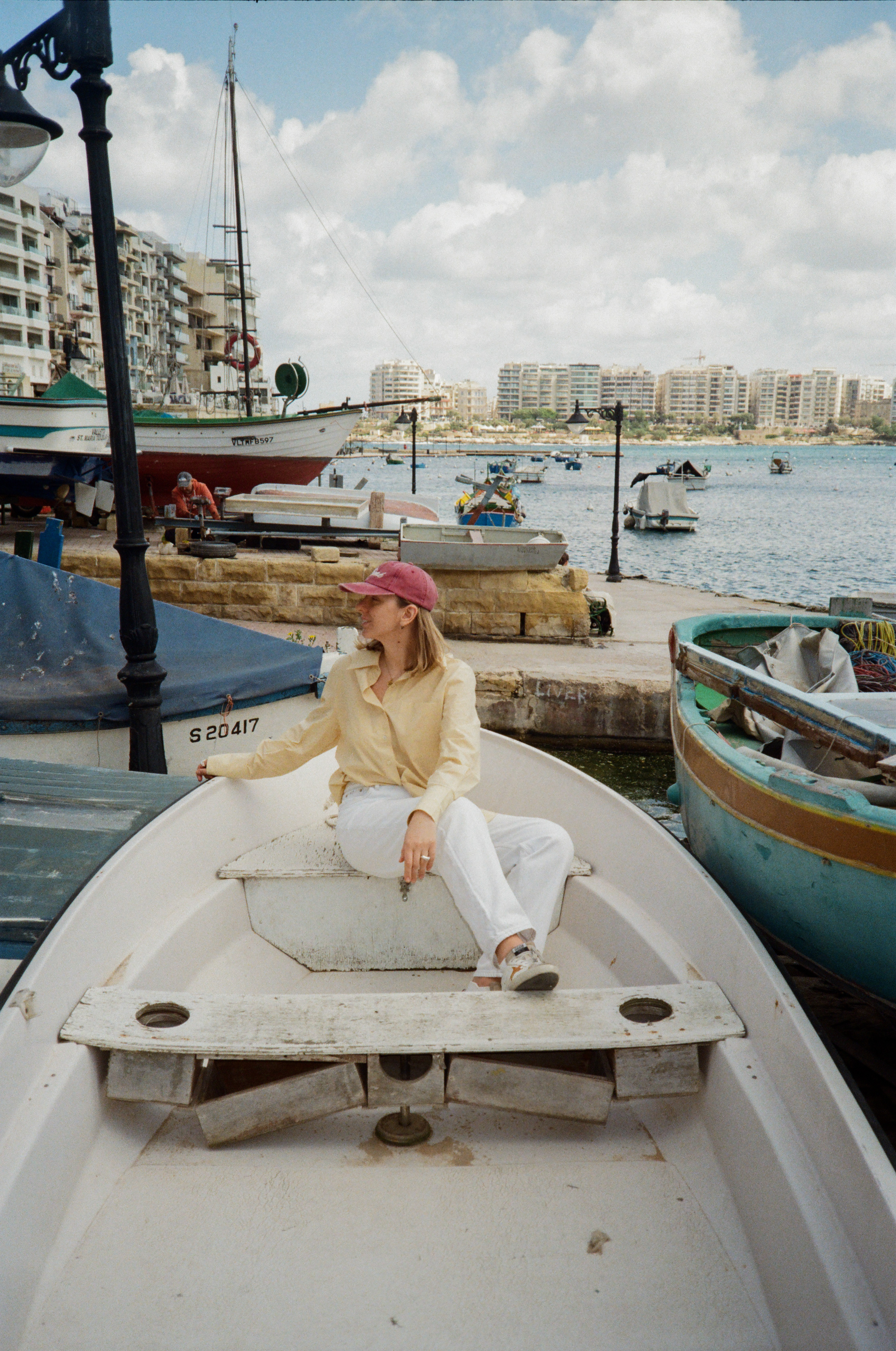
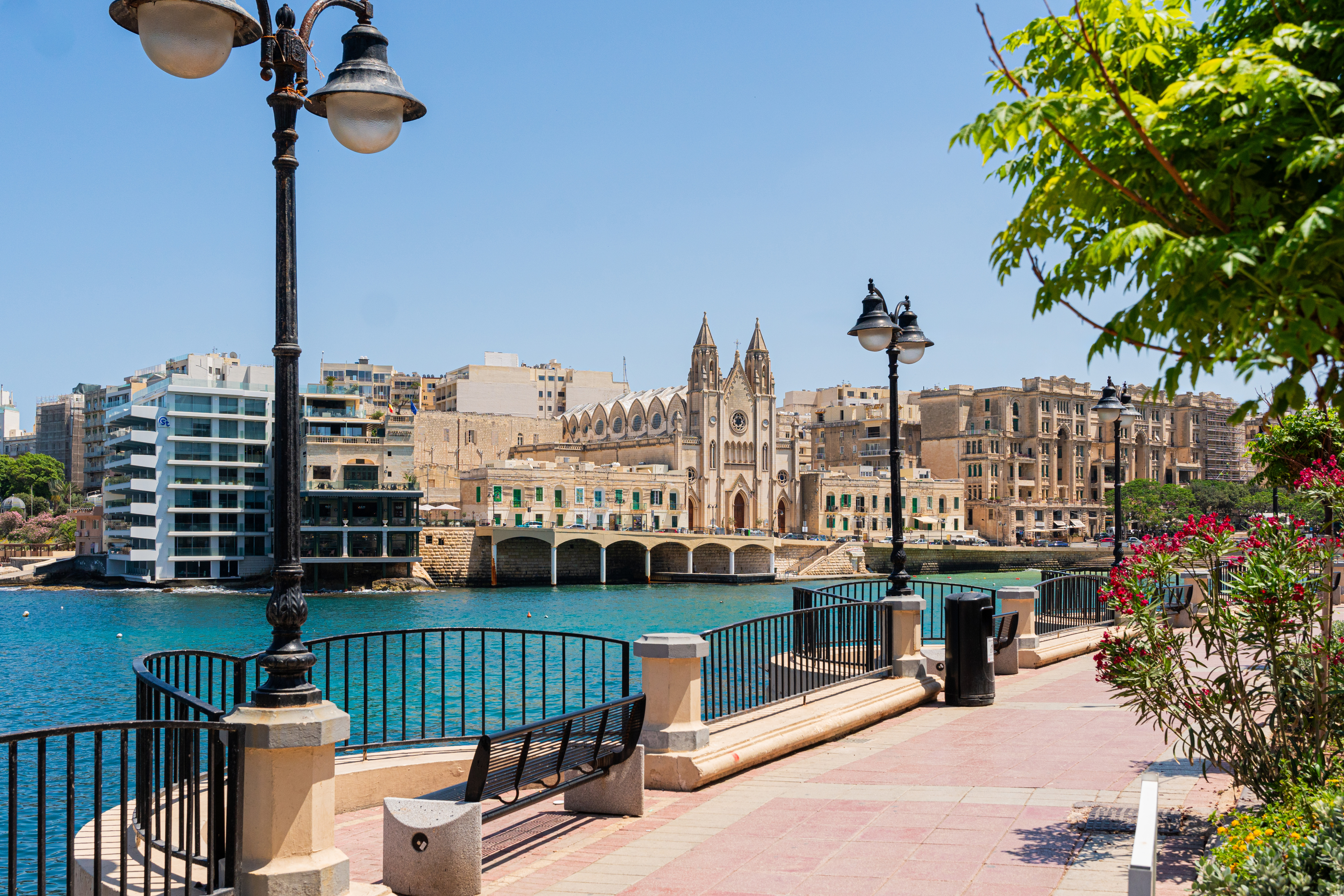
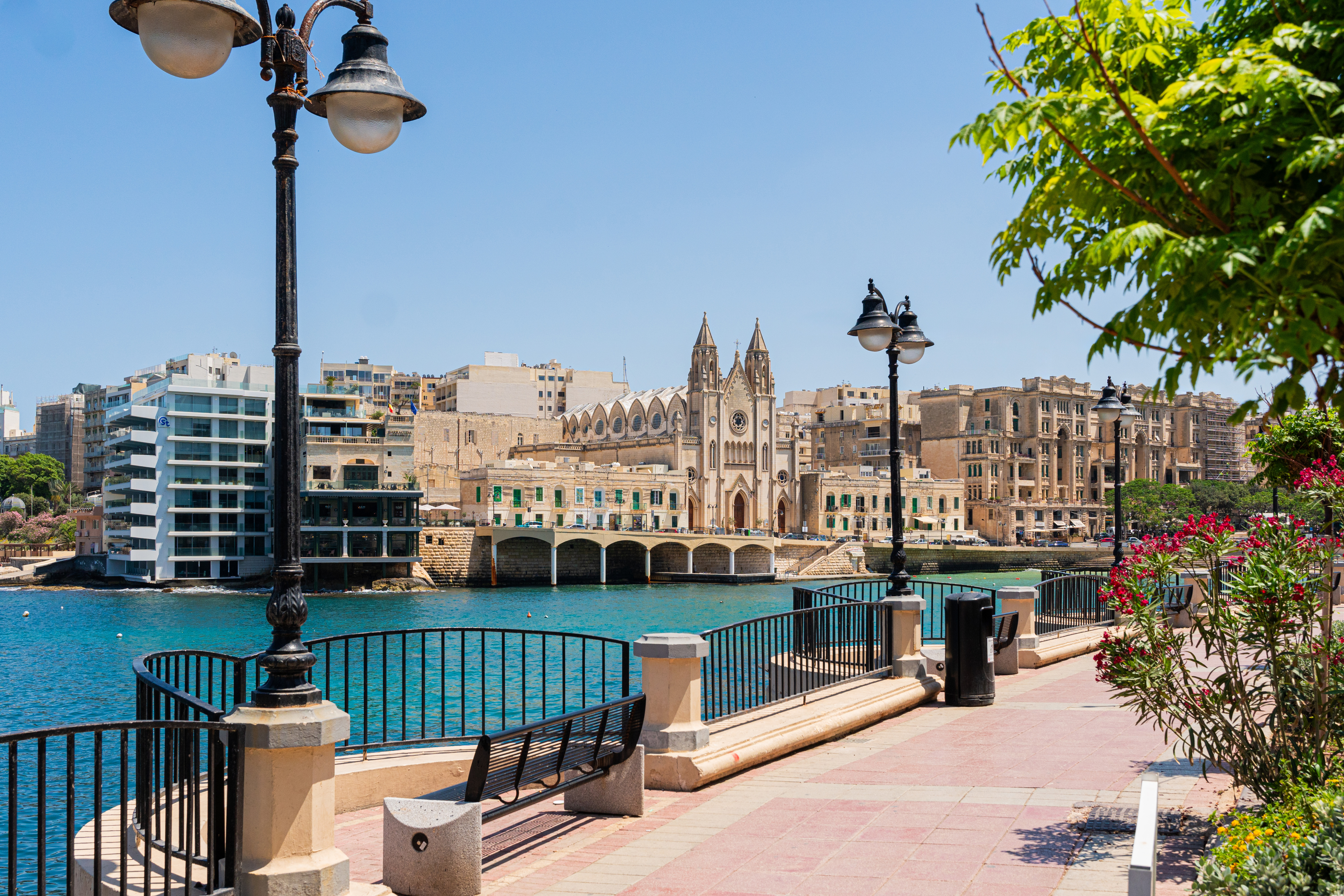
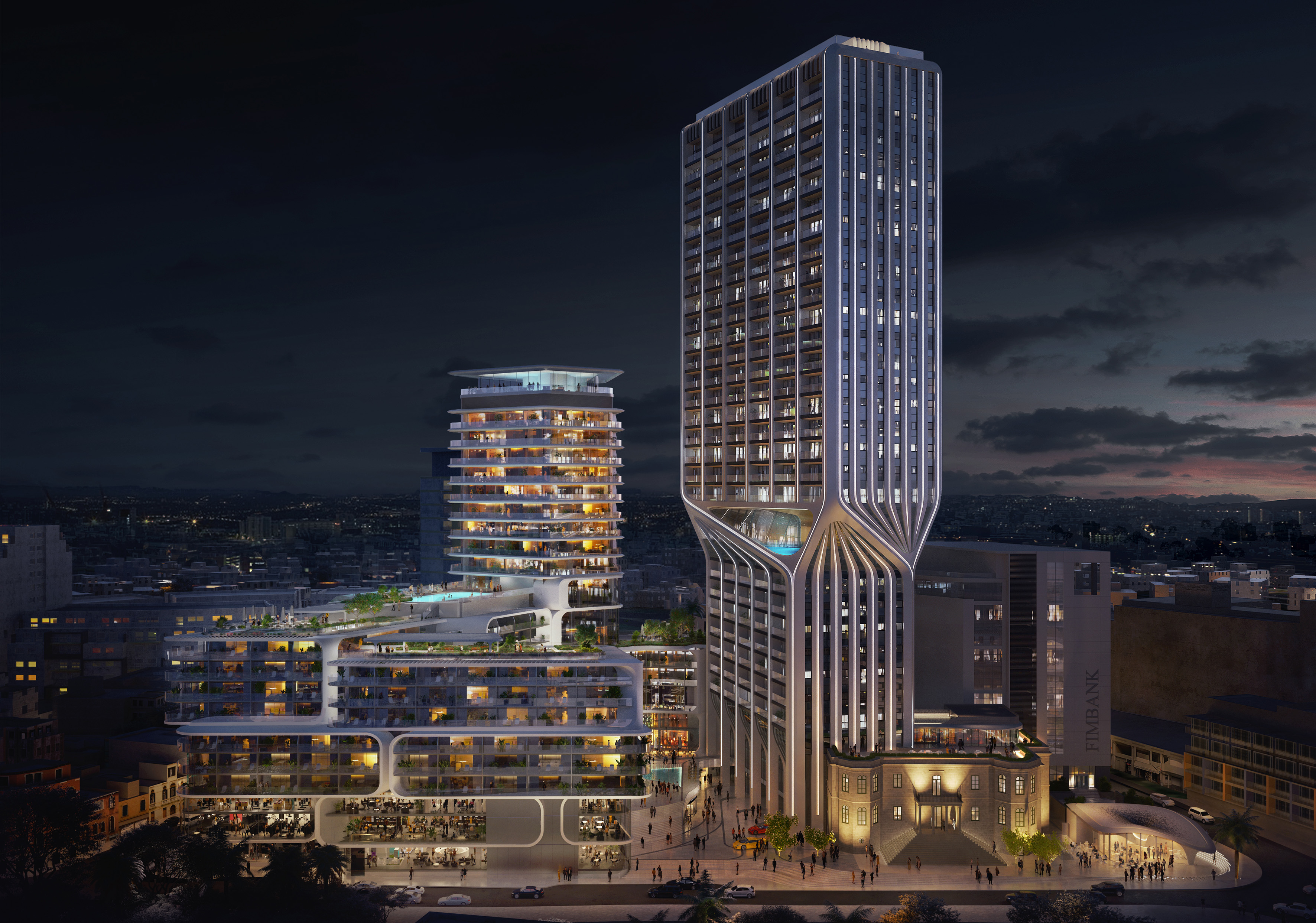
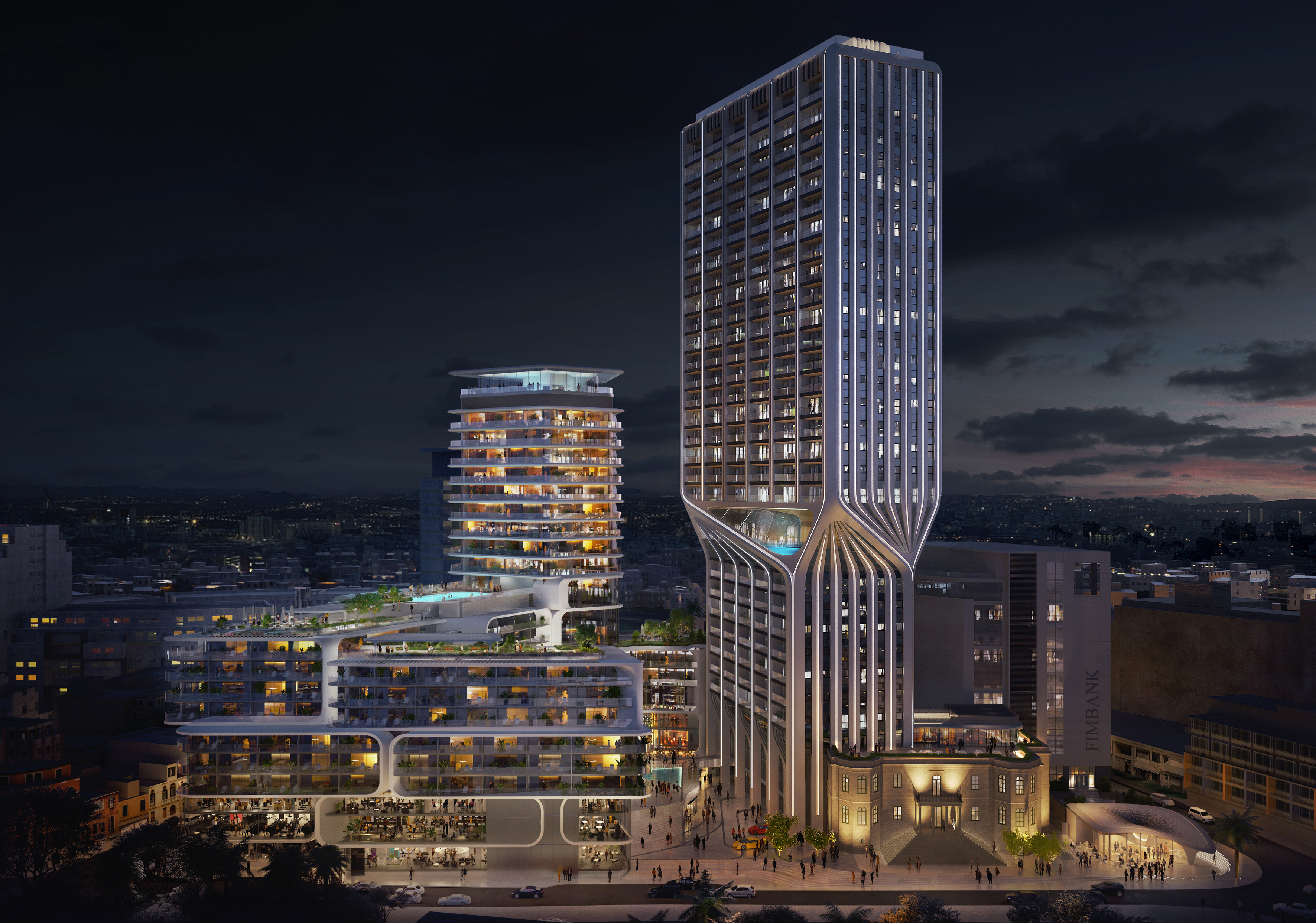
For dinner, immerse yourself in the vibrant atmosphere of Spinola Bay in St. Julian's. Strolling along its inlet decorated with illuminated traditional fishing boats and dining at one of its terraces with direct sea views will allow you to enjoy the most cosmopolitan side of the island.
Alternatively, if you prefer a more sophisticated way to wrap up the day, head to the exclusive ME Malta hotel in St. Julian's. For an upscale dining experience, enjoy a Mediterranean-inspired dinner at the poolside Cabana Club on the 8th floor. To round off the evening, head up to the stylish Radio Rooftop Bar and savour premium cocktails while admiring panoramic night views over the Maltese coastline and urban skyline.
,regionOfInterest=(1771.5,1242.5))
,regionOfInterest=(1771.5,1242.5))
The farewell day of this seven-day itinerary in Malta heads toward the southern coast of the country. An exceptional tour designed to capture the essence of the most traditional seafaring life and the natural monuments sculpted by the force of the sea.
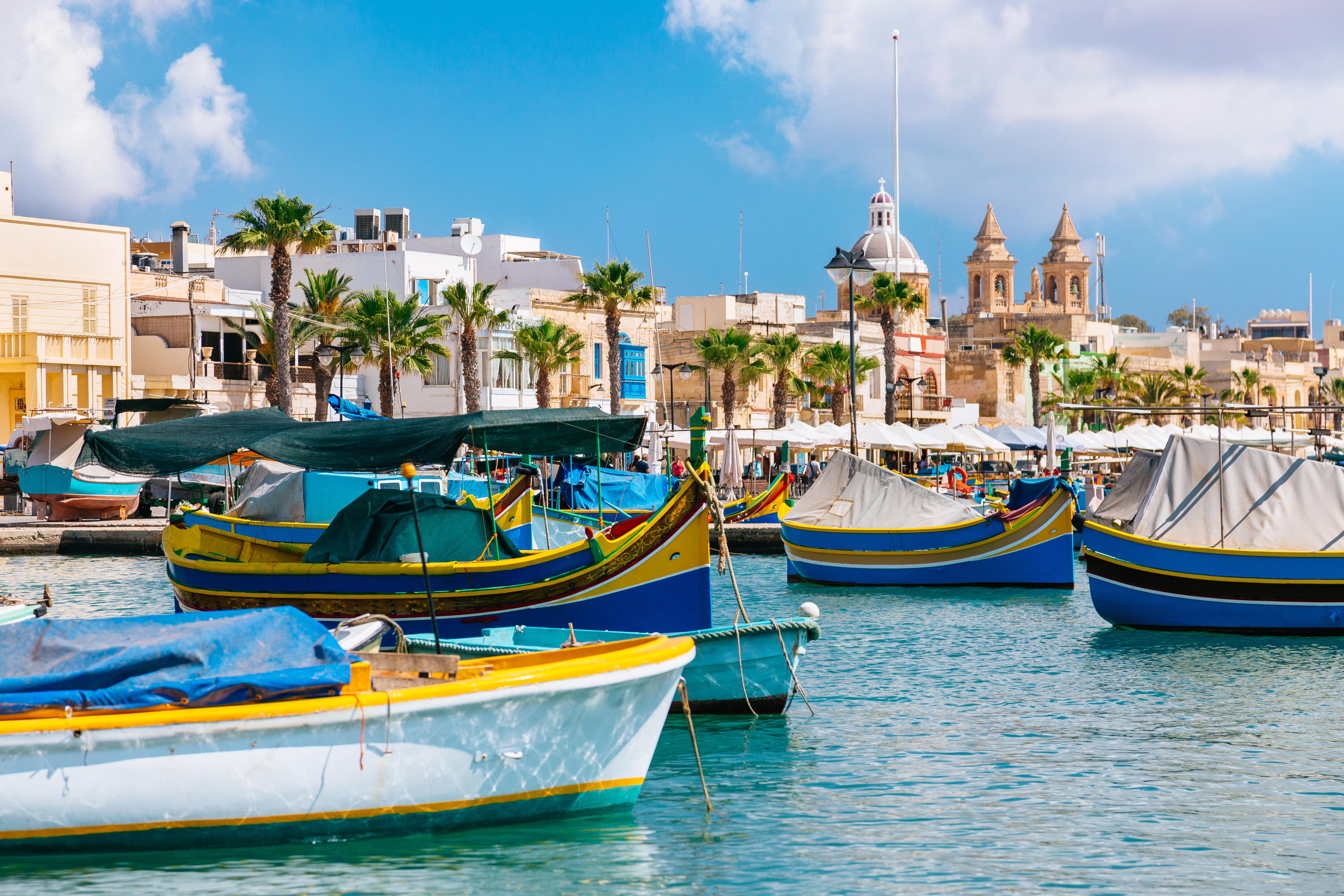
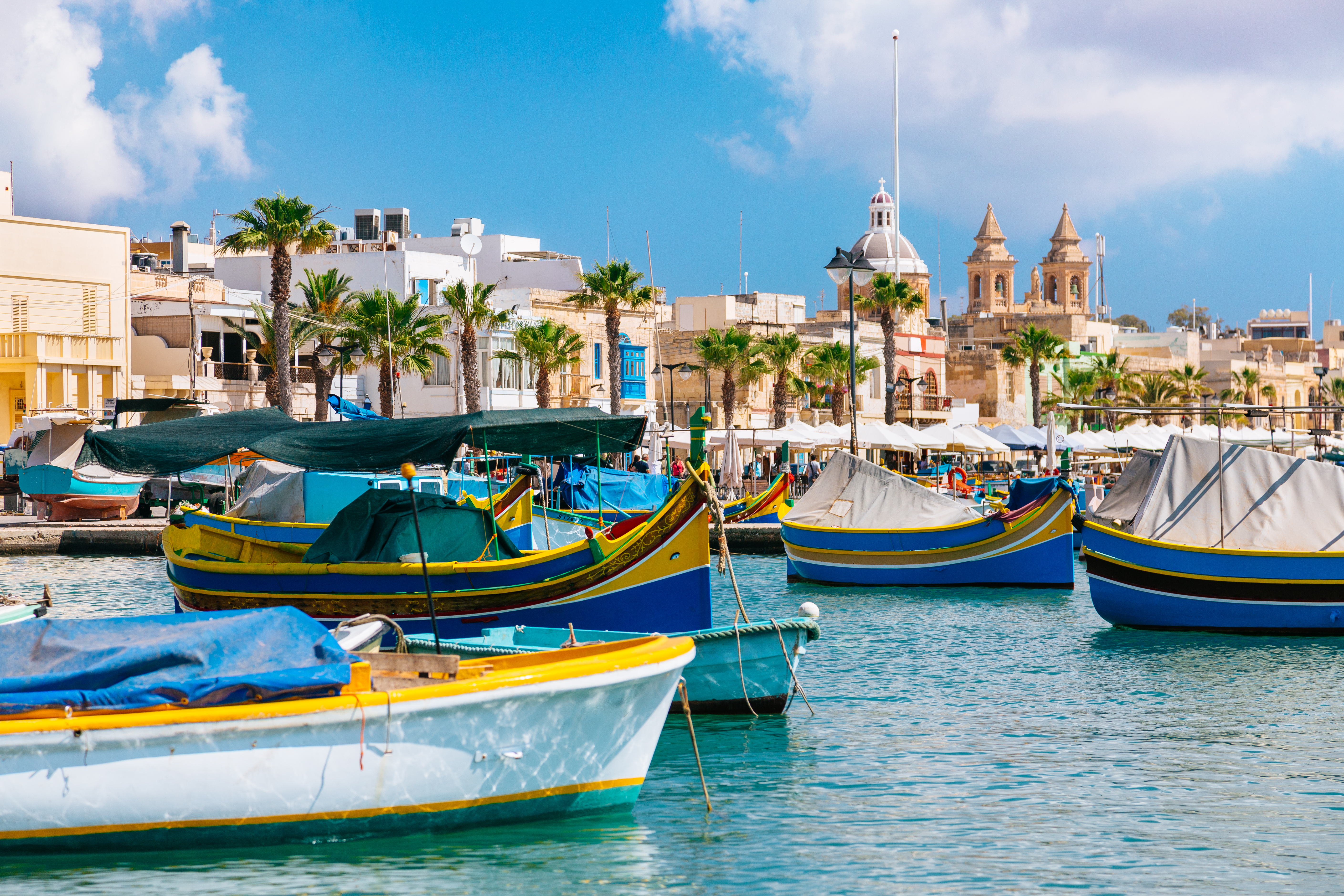
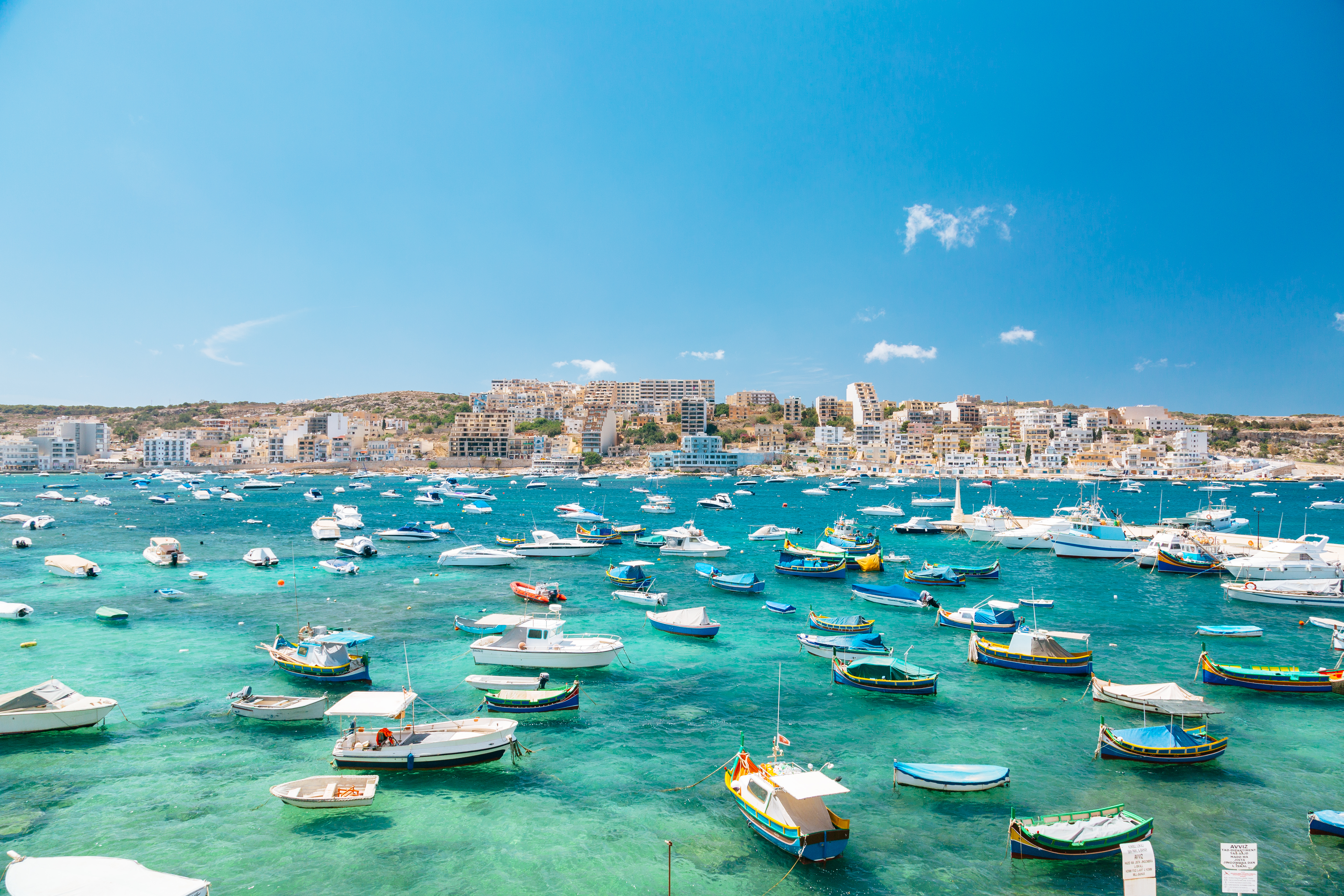
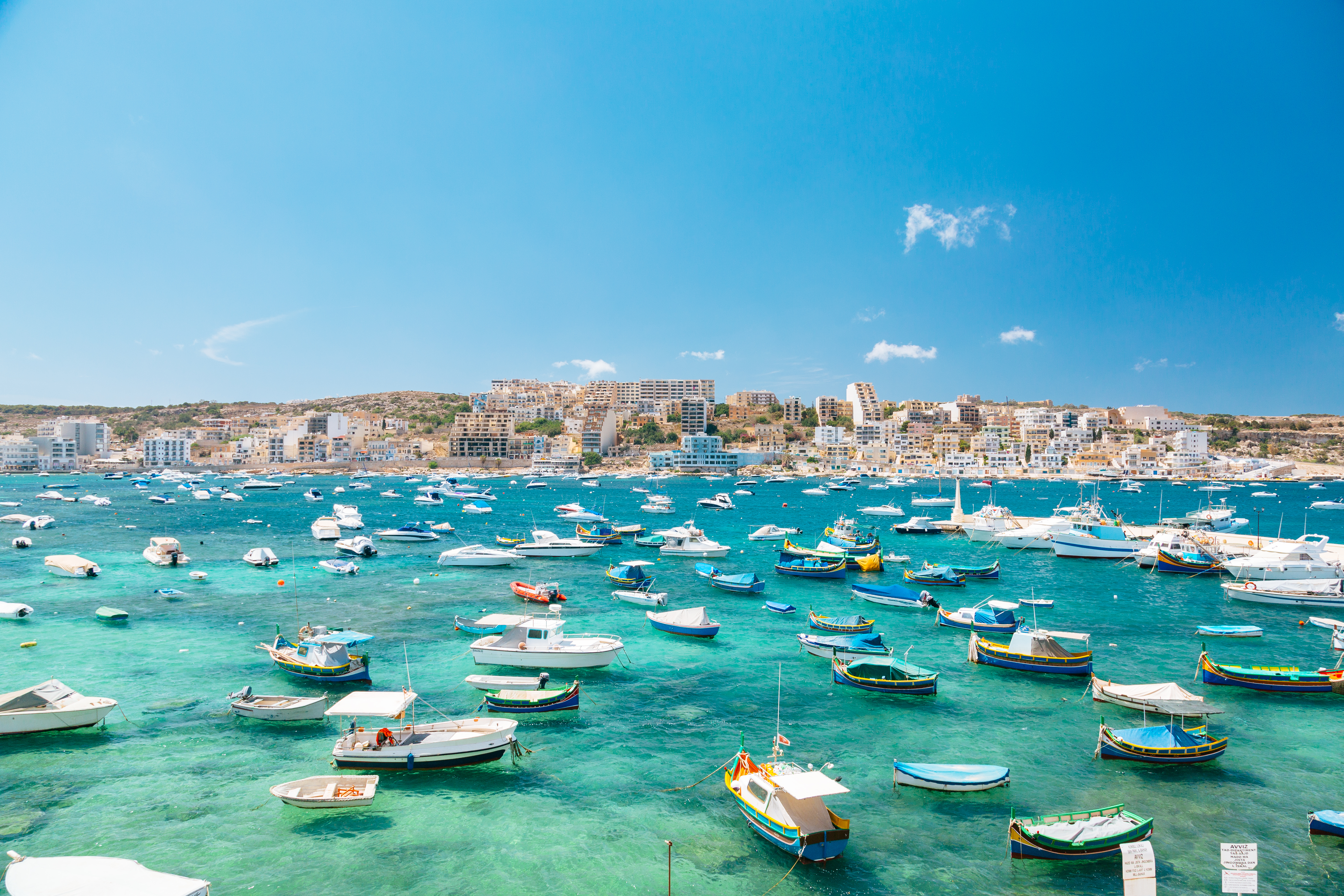
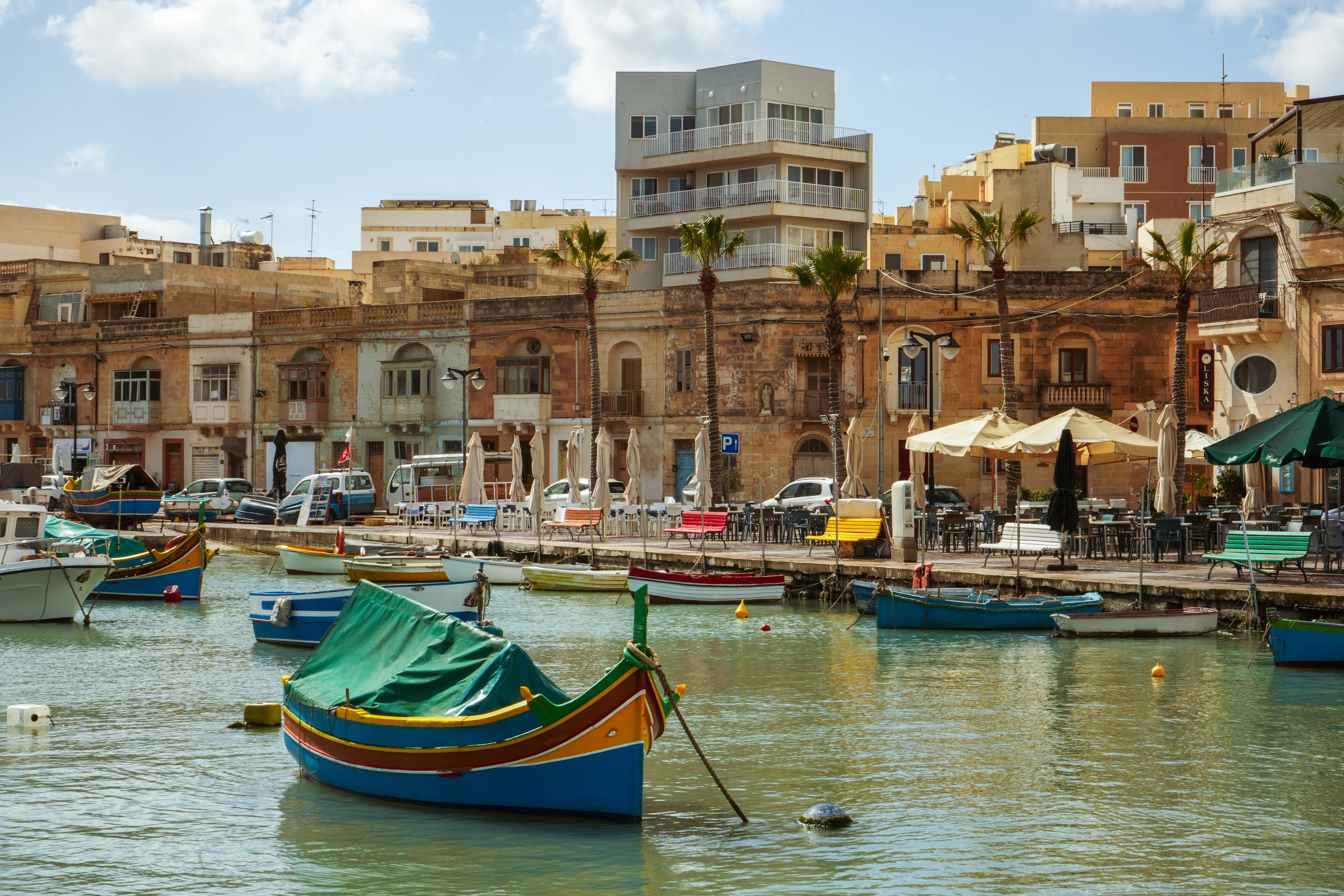
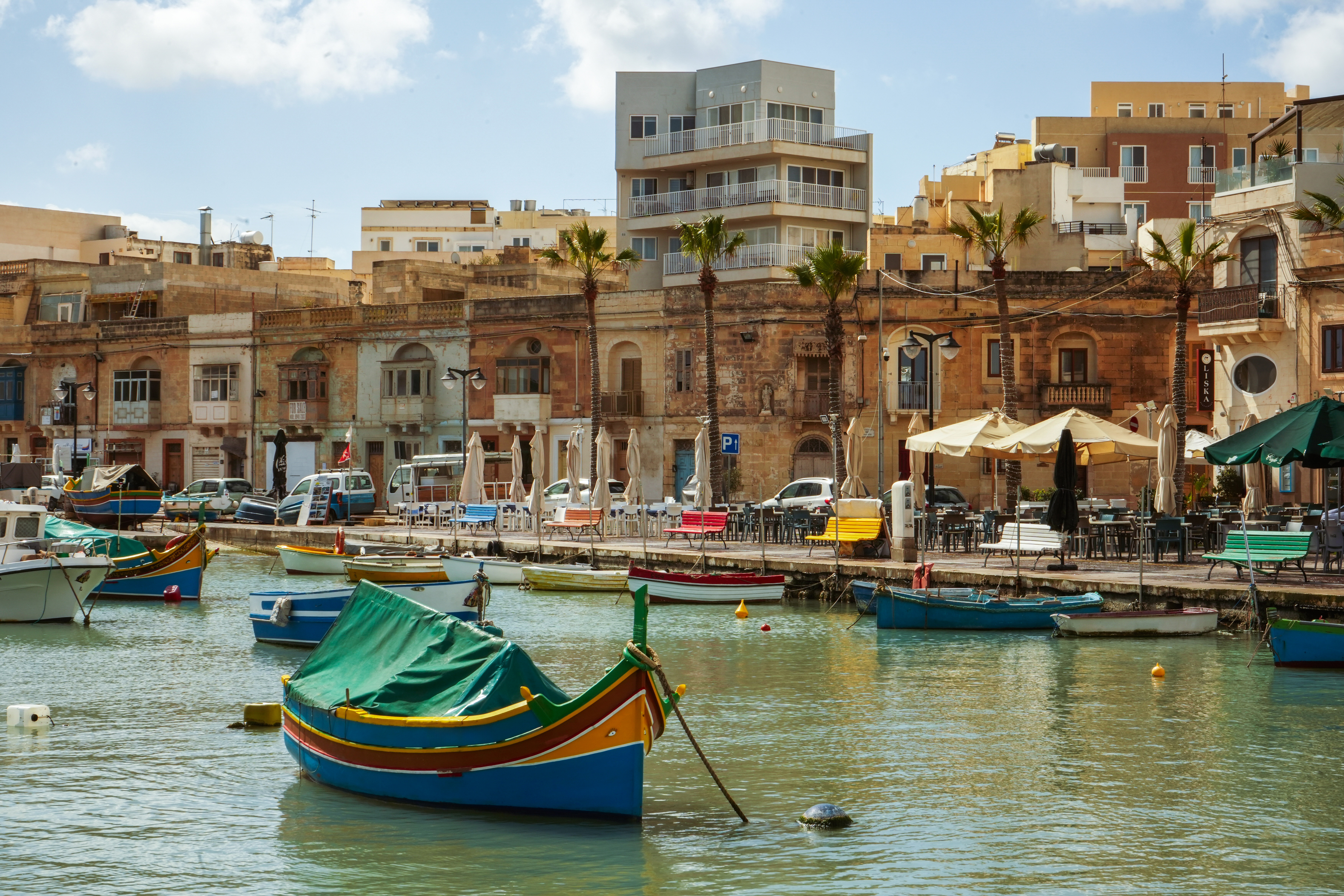
The fishing village par excellence of the archipelago, Marsaxlokk is structured around a wide and protected natural bay. The great visual draw of this picturesque town is its numerous fleet of luzzus, traditional wooden boats painted in bright primary colours that proudly sport the eye of Osiris on their bows—an ancient Phoenician amulet designed to protect sailors from the dangers of the sea.
Exploring the docks will allow you to contemplate the daily routine of local fishermen mending nets and organising their tackle next to the coastal market. The multicoloured reflection of the boats on the calm water composes a simply unforgettable seafaring postcard.
To travel toward the west of the south coast, you can take bus 201 or request a taxi in a comfortable journey of about 15 minutes.
Considered one of the most breathtaking natural monuments in Malta, the Blue Grotto is a majestic set of sea caves hollowed out of the cliff. Admiring the colossal natural stone arch over thirty metres high from the upper viewpoint will offer you an imposing perspective of the southern coastline.
To enjoy the experience to the full, descend to the picturesque jetty of Wied iż-Żurrieq and hop onto one of the local fishermen's boats adapted for tours; the excursion will take you inside the caverns to observe how the angle of the sun's rays and the clarity of the sea bed create an amazing show of bluish and phosphorescent reflections in the water.
After the boat excursion, you can rest for a few minutes at the viewpoints in the coastal area.
A very short distance from the Blue Grotto rises the prehistoric archaeological complex of Hagar Qim and Mnajdra, located facing the sea in front of the lonely and inhospitable islet of Filfla. These megalithic temples from the Copper Age stand out for their excellent state of conservation and their surprising astronomical alignments, designed to channel sunlight precisely during the solstices and equinoxes.
Walking among these immense limestone slabs cut against the blue horizon of the Mediterranean will allow you to connect deeply with the most remote and mysterious past of the archipelago.
The return to the main urban districts is made fluidly by bus or taxi in about 25 minutes.
To put the finishing touch to this incredible week-long trip to Malta, nothing beats getting lost one last time among the steep pedestrian streets of Valletta. Walking up its illuminated stone steps when the commercial bustle has ceased reveals the true nocturnal magic of the capital, ideal for enjoying a great signature dinner in the long-standing venues of Strait Street.
,regionOfInterest=(3845,2263))
,regionOfInterest=(3845,2263))
To help you orient yourself perfectly during this Malta in 7 days itinerary, I provide interactive maps with detailed routes day by day:
,regionOfInterest=(3000,2000))
,regionOfInterest=(3000,2000))
I believe that seven days in Malta is the perfect amount of time to get to know this destination in its entirety without having to constantly look at the clock. Throughout this complete route, you will have travelled from the enigmas of the prehistoric sanctuaries of Gozo and the south to the Baroque display of Valletta, experiencing the absolute peace of the Blue Lagoon of Comino and the coastal beauty of the north.
You will leave the archipelago having ticked its main must-see tourist attractions off the list, but also having enjoyed rural walks, traditional workshops, and memorable sunsets over the cliffs. A compact, highly multifaceted, and surprising destination that will always invite you to return in the future.
,regionOfInterest=(3504,2336))
,regionOfInterest=(3504,2336))
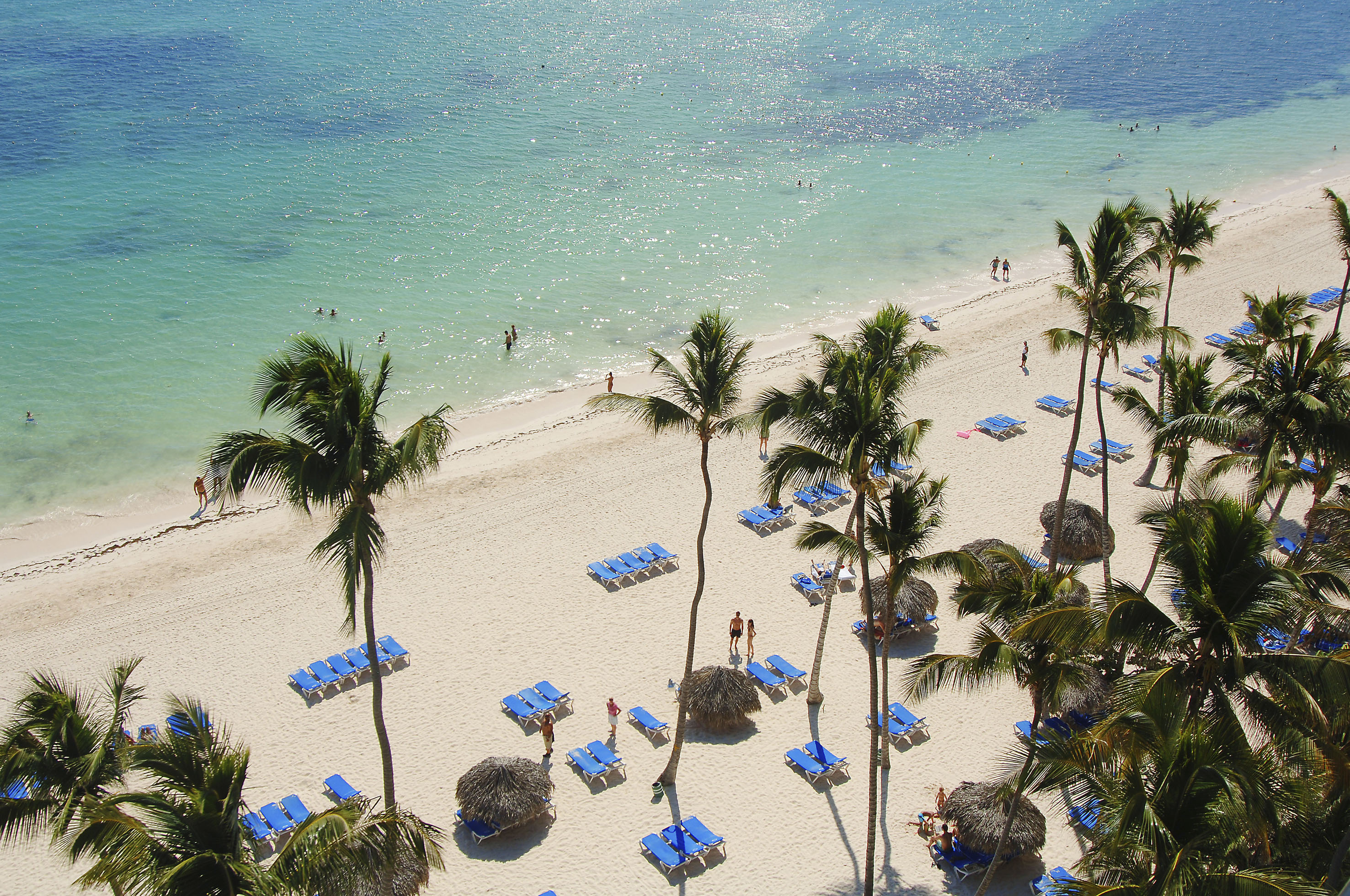,regionOfInterest=(1476.5,980.5))
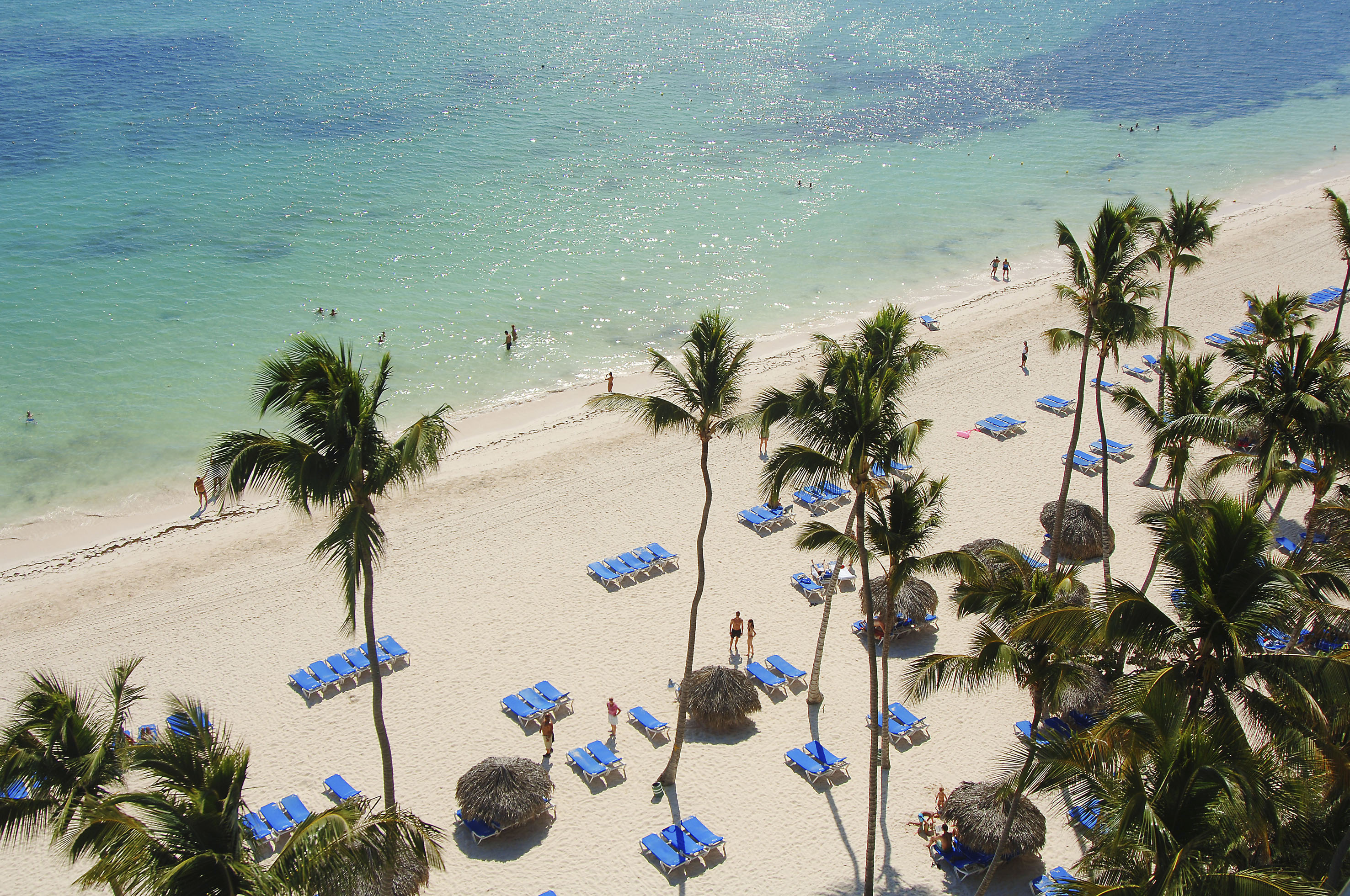,regionOfInterest=(1476.5,980.5))
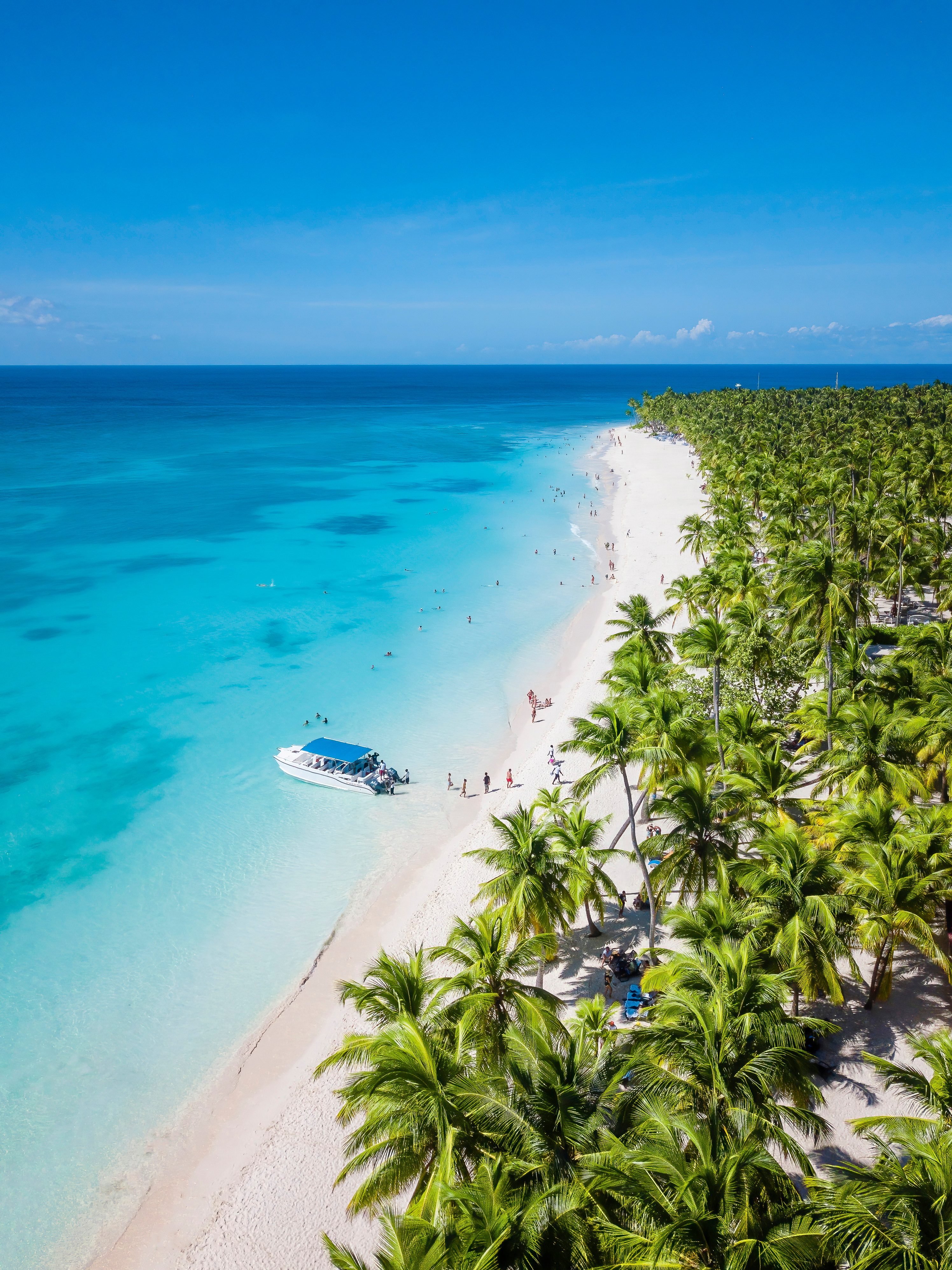,regionOfInterest=(1496,1996))
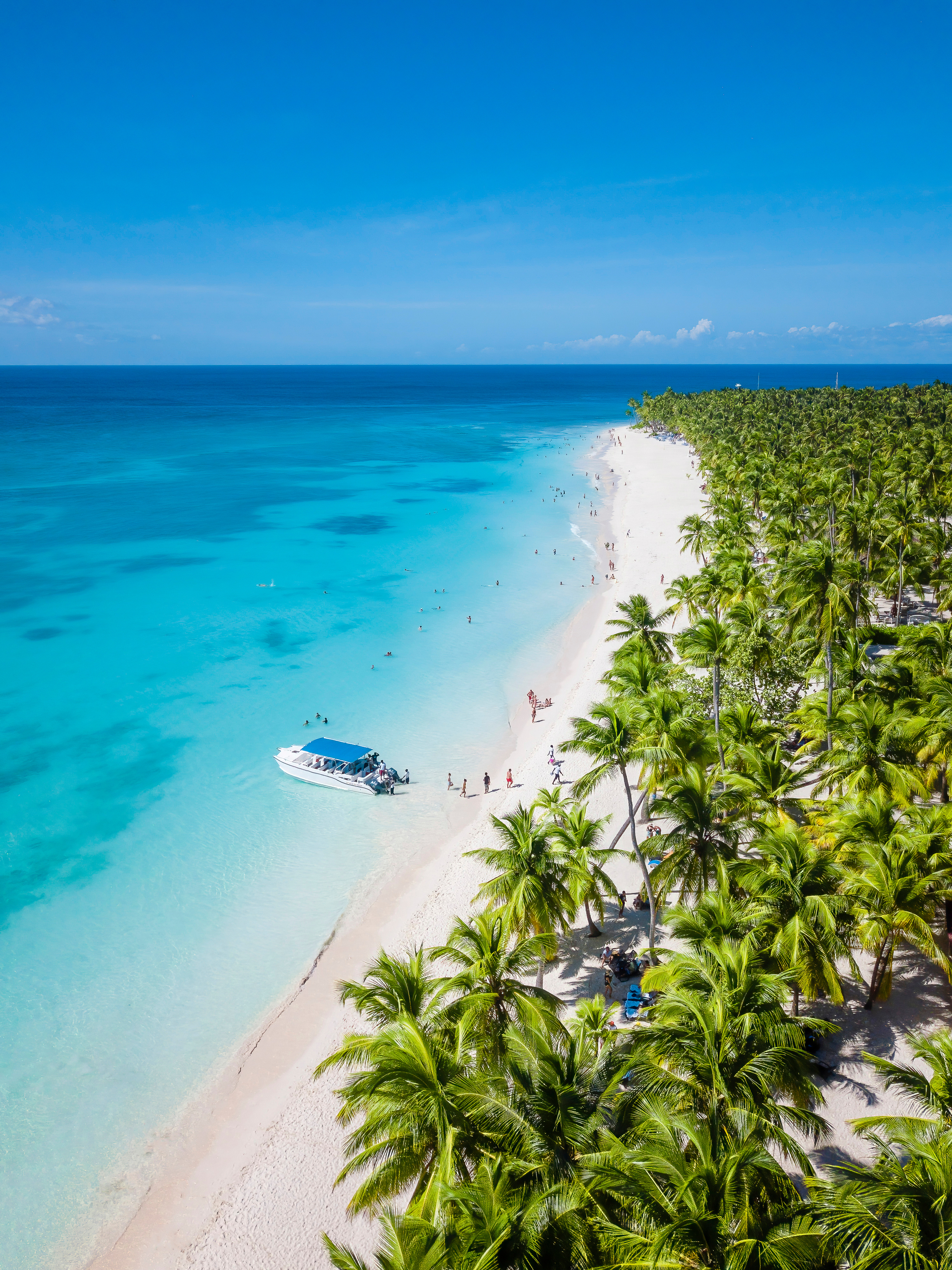,regionOfInterest=(1496,1996))
,regionOfInterest=(2732,1820))
,regionOfInterest=(2732,1820))
,regionOfInterest=(1392,924))
,regionOfInterest=(1392,924))
,regionOfInterest=(2121,1414))
,regionOfInterest=(2121,1414))