,regionOfInterest=(2279,1519.5))
,regionOfInterest=(2279,1519.5))
Hoyo Azul: a hidden cenote in Cap Cana
,regionOfInterest=(2808,1872))
,regionOfInterest=(2808,1872))
Holidays
,regionOfInterest=(3000,2000))
,regionOfInterest=(3000,2000))
,regionOfInterest=(500,500))
,regionOfInterest=(500,500))
All-terrain writer specialising in tourism, fashion and trends. A curious soul, traveller, reader and sports enthusiast, keen to discover every corner of the world.
Culture
There are archipelagos in the heart of the Mediterranean that seem to have been sculpted by history itself, and Malta is, without a doubt, the best-kept and most surprising secret of them all.
This small yet magnetic country, made up of the islands of Malta, Gozo, and Comino, rises above turquoise waters like a floating museum where over seven millennia of civilizations have left an indelible mark. From the enigmatic builders of time-defying megalithic temples to the famous Knights of the Order of St. John, every corner of this land breathes epics, mysticism, and an unmatched Mediterranean charm.
If you are planning to visit these beautiful Mediterranean islands and are wondering what to see in Malta, you have come to the right place. I want to show you a vibrant destination, bathed in sunshine for more than 300 days a year, where imposing golden stone fortresses guard natural harbours of overwhelming beauty, and dramatic cliffs plunge into incredibly clear seabeds.
I have prepared this detailed Malta travel guide so you can discover the archipelago's main attractions, where in just a few kilometres you can journey from a Baroque city to a medieval walled town, and down to secluded fishing coves where time seems to have stood still years ago.
,regionOfInterest=(2880,1920))
,regionOfInterest=(2880,1920))
,regionOfInterest=(2296,1724))
,regionOfInterest=(2296,1724))
,regionOfInterest=(3000,2000))
,regionOfInterest=(3000,2000))
When thinking about what to do in Malta, the first thing you need to know is that this corner of the Mediterranean demands a dynamic journey, with your eyes wide open and all your senses awakened. You set the pace of the island, but the geography itself constantly pushes you into action, inviting you to island-hop and explore both by land and sea.
This is not a place to just lie on a resort sunbed. It is a constant invitation to hike trails along the edges of sheer cliffs, step inside prehistoric temples, and immerse yourself in the warm hospitality of its people.
The variety of activities to do in Malta is as vast as it is fascinating, uniquely blending culture with active adventure in nature. The region's tourist infrastructure allows you to go from sailing on a traditional wooden boat to deciphering the secrets of ancient astronomy, or savouring local cuisine on a seafront terrace, all in a single day.
The dynamism of tourism in Malta lies precisely in that versatility, offering memorable experiences for archaeology enthusiasts, photography lovers, and hikers alike.
My main recommendation for your Malta itinerary is to find a balance between visiting the great monumental bastions and enjoying moments of disconnection in the small inland villages and wild coves. Above all, don't rush, because the true essence of Malta is hidden in the small details.
Now, keep reading, because I am going to tell you which places to visit in Malta cannot be missed on your trip.
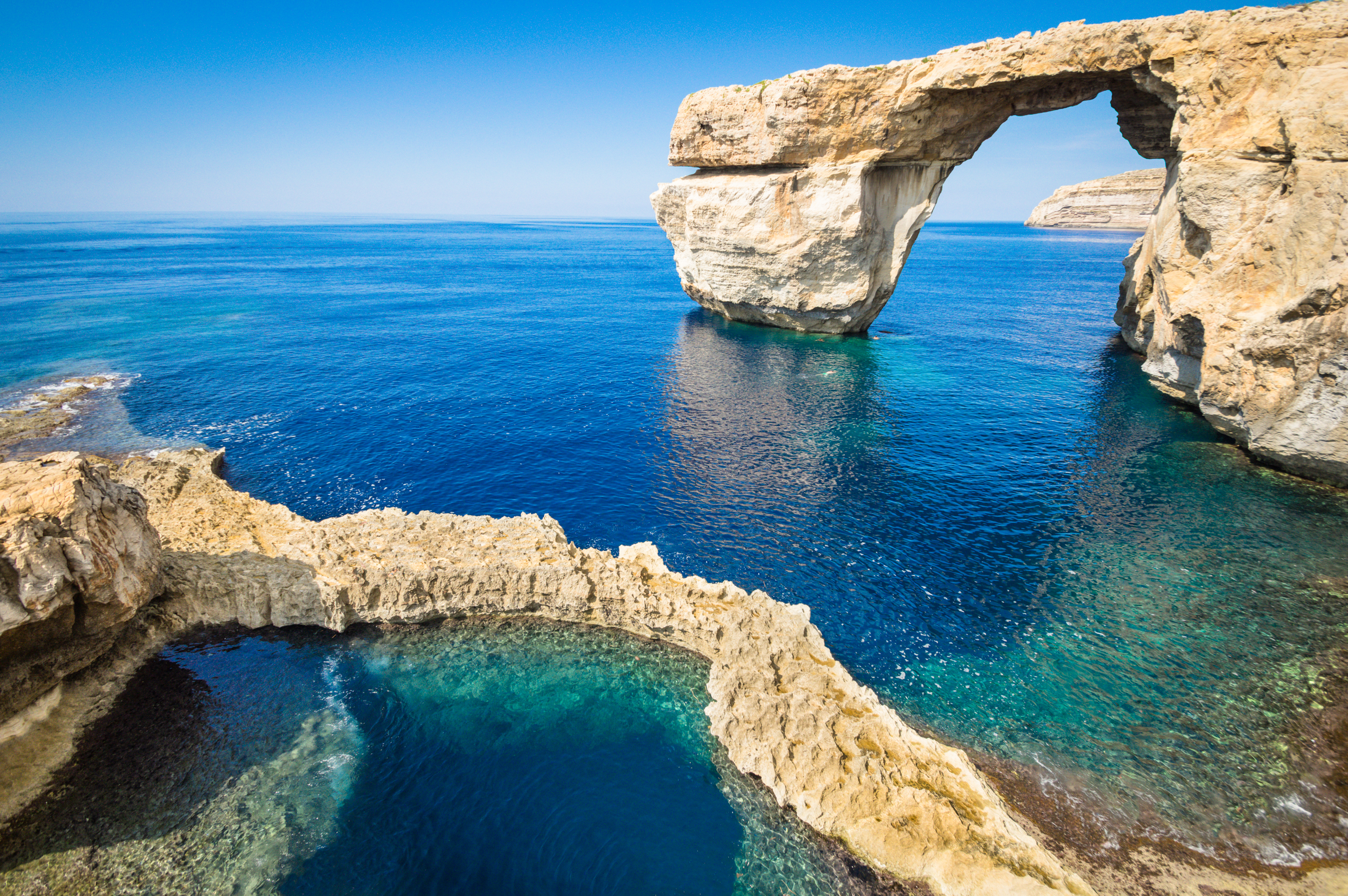,regionOfInterest=(1384.5,920.5))
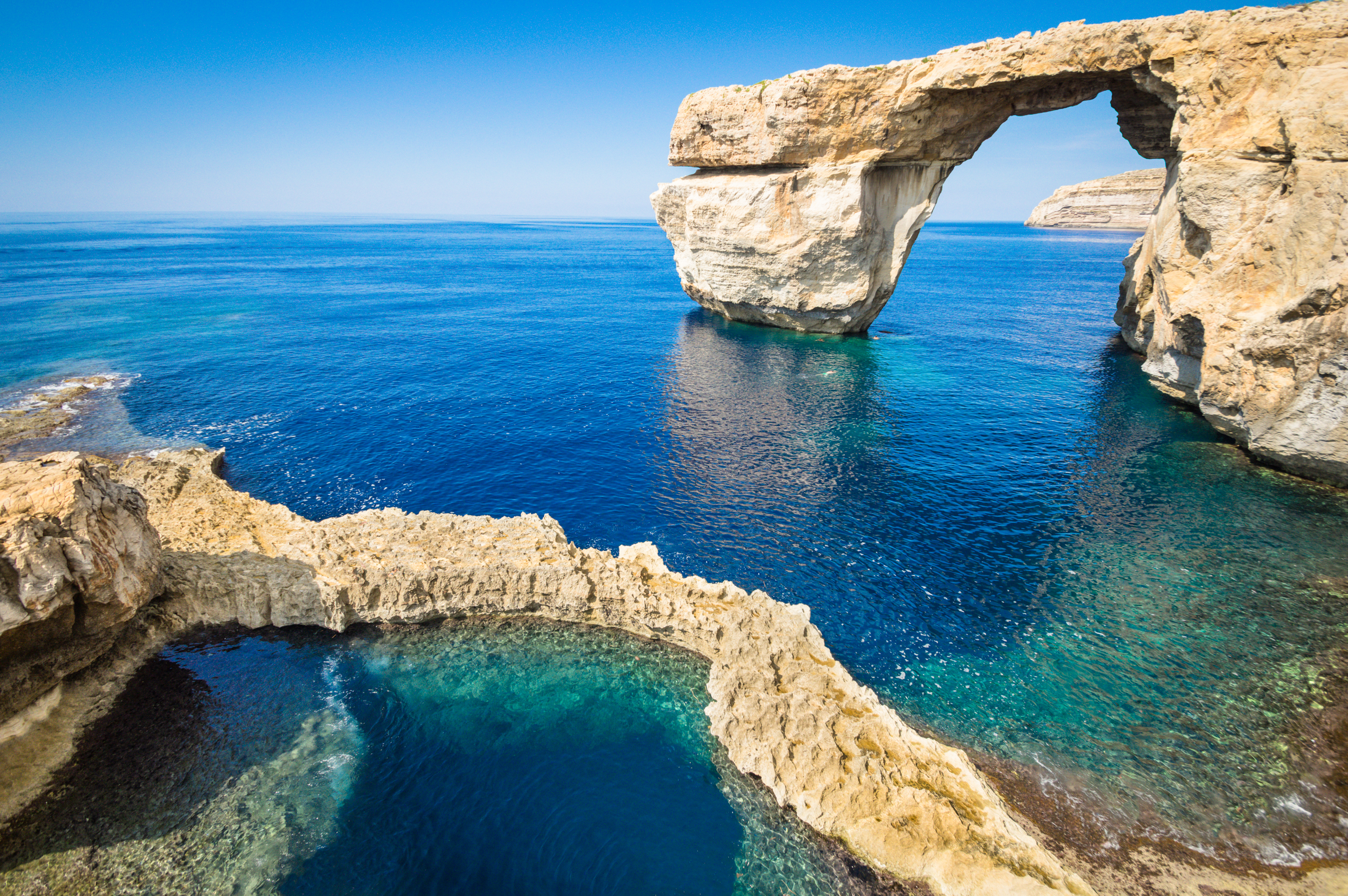,regionOfInterest=(1384.5,920.5))
St. John's Co-Cathedral is one of the absolute pinnacles of Baroque art worldwide. Located in the beating heart of Valletta, it stands out for its sober, military-style exterior facade.
Built by the Knights of the Order of St. John as their conventual church, its interior is a display of pure opulence. It features stone-carved ceilings covered in gold leaf, polychrome marble floors that house the tombs of the most illustrious knights, and side chapels of dazzling ornamental richness.
The temple's greatest treasure is kept in the Oratory, which proudly displays "The Beheading of Saint John the Baptist", the masterpiece and largest signed painting by the Italian master Caravaggio.
The Ħal Saflieni Hypogeum is an absolutely unique underground archaeological monument and one of the most enigmatic places to visit in Malta.
Discovered by chance in 1902, this prehistoric sanctuary and necropolis was carved directly into the living limestone from around 3600 BC to 2500 BC. This underground complex yielded the remains of more than 7,000 individuals alongside numerous artefacts.
It is structured across three overlapping levels that descend dramatically into the earth, perfectly mimicking the architecture of outdoor megalithic temples. It also houses the famous "Oracle Room," world-renowned for its astonishing acoustic resonance properties.
Spectacularly located on a barren hill on the southern coast of the main island, gazing out at the blue waters of the Mediterranean, the Ħaġar Qim Temples represent one of the oldest free-standing religious architectural structures on Earth, dating back to between 3600 and 3200 BC.
What makes this megalithic complex truly monumental is the unbelievable size of the limestone blocks used in its construction. Its largest megalith measures over six metres in length and weighs around twenty-tonnes, while the main temple features complex architectural elements like porthole doorways and internal oracle chambers. To protect these fragile Globigerina limestone structures from weathering, a protective tent-like canopy was installed over the site in 2009.
Just 500 metres from Ħaġar Qim, following a path that slopes down toward the edge of the coastal cliffs, lies its sister archaeological complex, Mnajdra. This superb monumental site consists of three perfectly distinct prehistoric temples, built using different varieties of local limestone to withstand marine erosion.
The lower temple possesses an astronomical alignment so precise that during the spring and autumn equinoxes, the first rays of the sunrise pass directly through the main axis, illuminating the holy stone altar.
Officially known as the Basilica of the Assumption of Our Lady, the Mosta Dome is a church located in the geographic centre of the island. It proudly boasts one of the largest unsupported domes in Europe, inspired by the architectural design of the Pantheon in Rome.
An engineering milestone of the 19th century, its international fame is also tied to a miraculous event during World War II. In April 1942, a 500-kilogram Luftwaffe bomb pierced the dome and fell right into the middle of a congregation of over 300 worshippers awaiting mass, bouncing across the floor without ever exploding. Today, a replica of this bomb is displayed in the church's sacristy as a testament to the event.
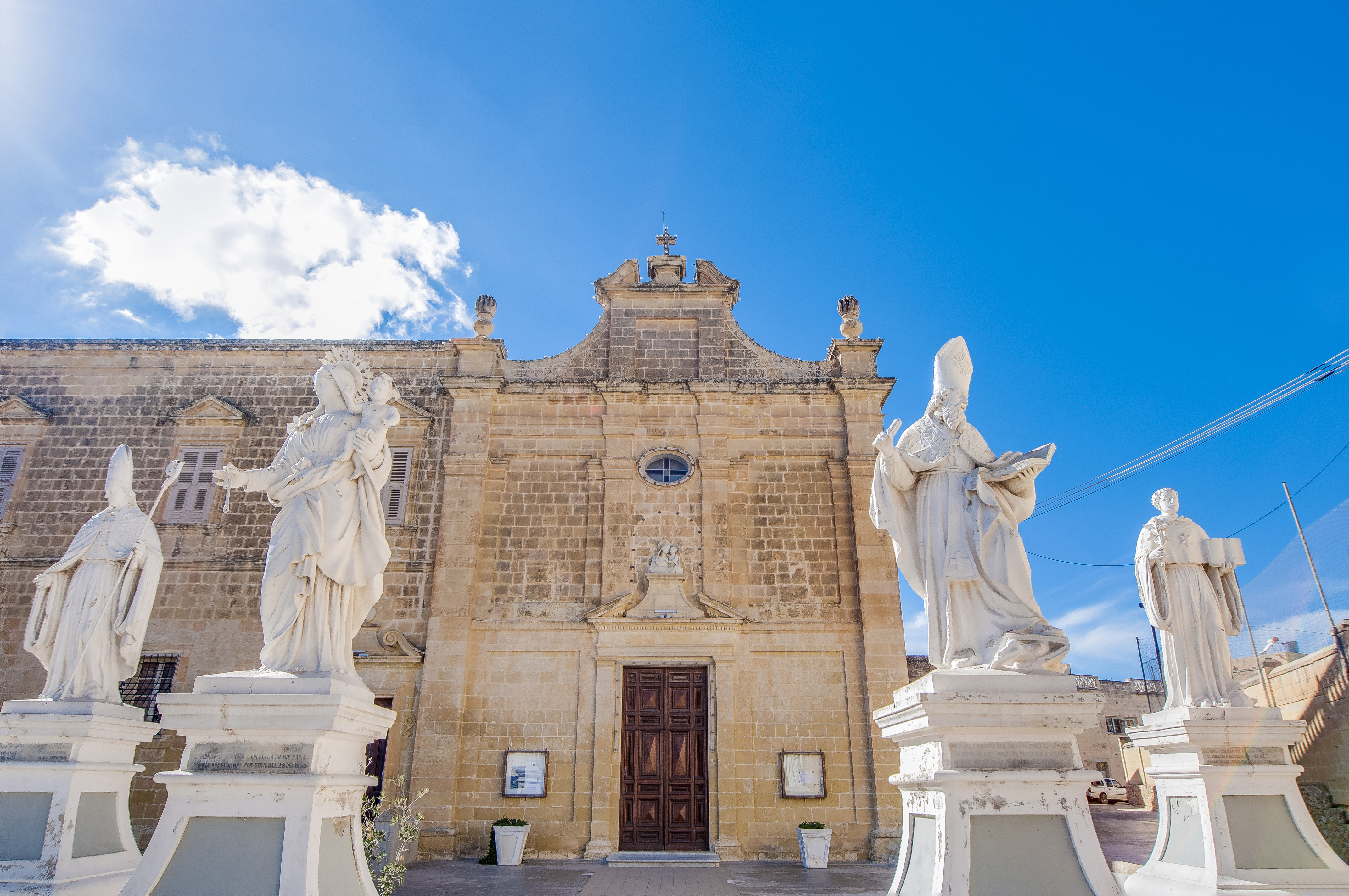,regionOfInterest=(2144,1424))
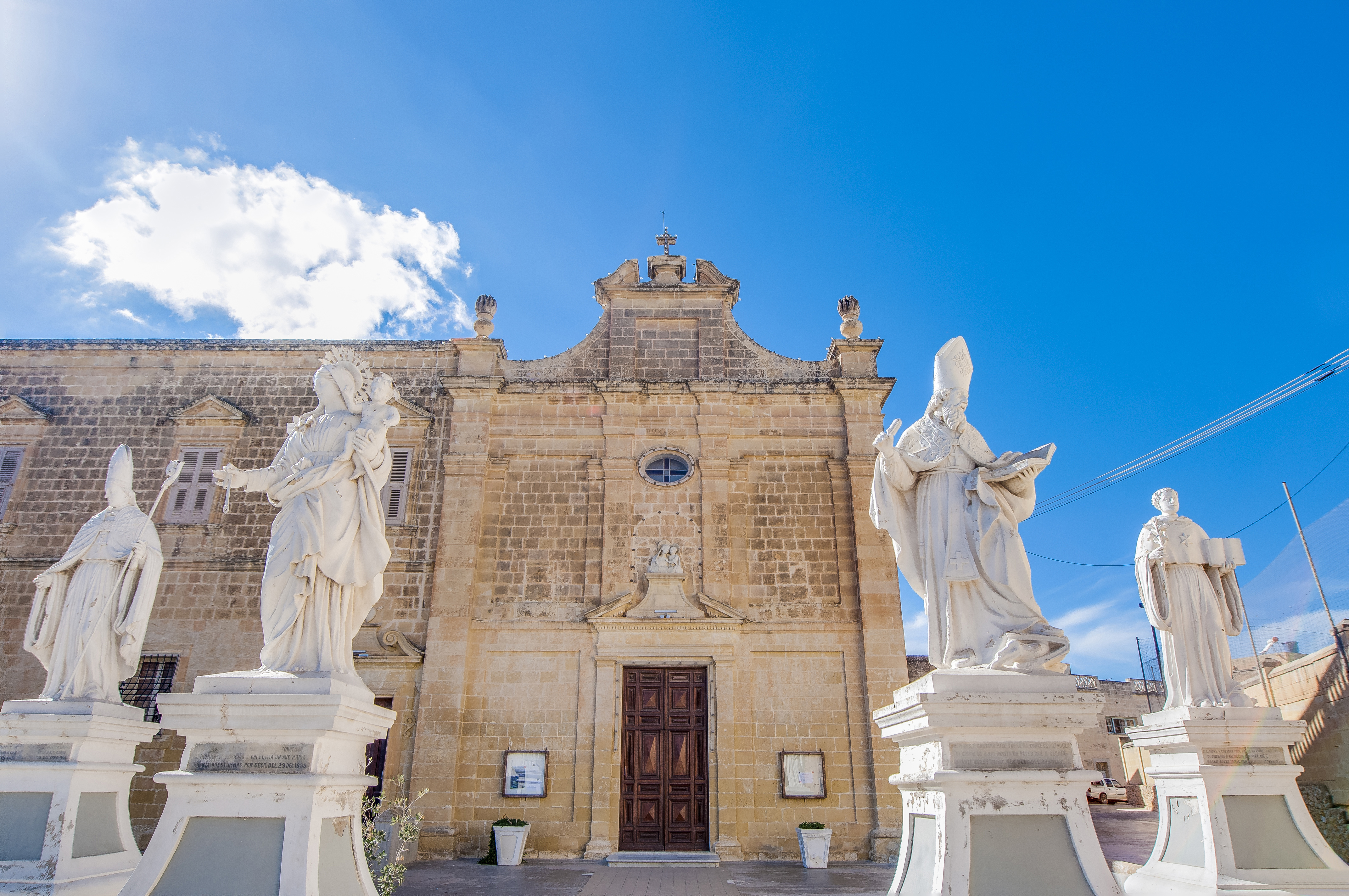,regionOfInterest=(2144,1424))
Aside from being the country's capital, Valletta is one of the densest historic urban areas on the planet, declared a UNESCO World Heritage Site in its entirety.
Founded by Grand Master Jean Parisot de la Valette after the Great Siege of 1565, this imposing fortified city is a masterpiece of Baroque urban planning. Its steep, grid-like streets, flanked by iconic colourful wooden balconies, majestically lead down toward the two great natural harbours that guard it.
Exploring it on foot, while taking in the grandeur of its ramparts and the palaces of the Order, makes it unanimously one of the best places to visit in Malta.
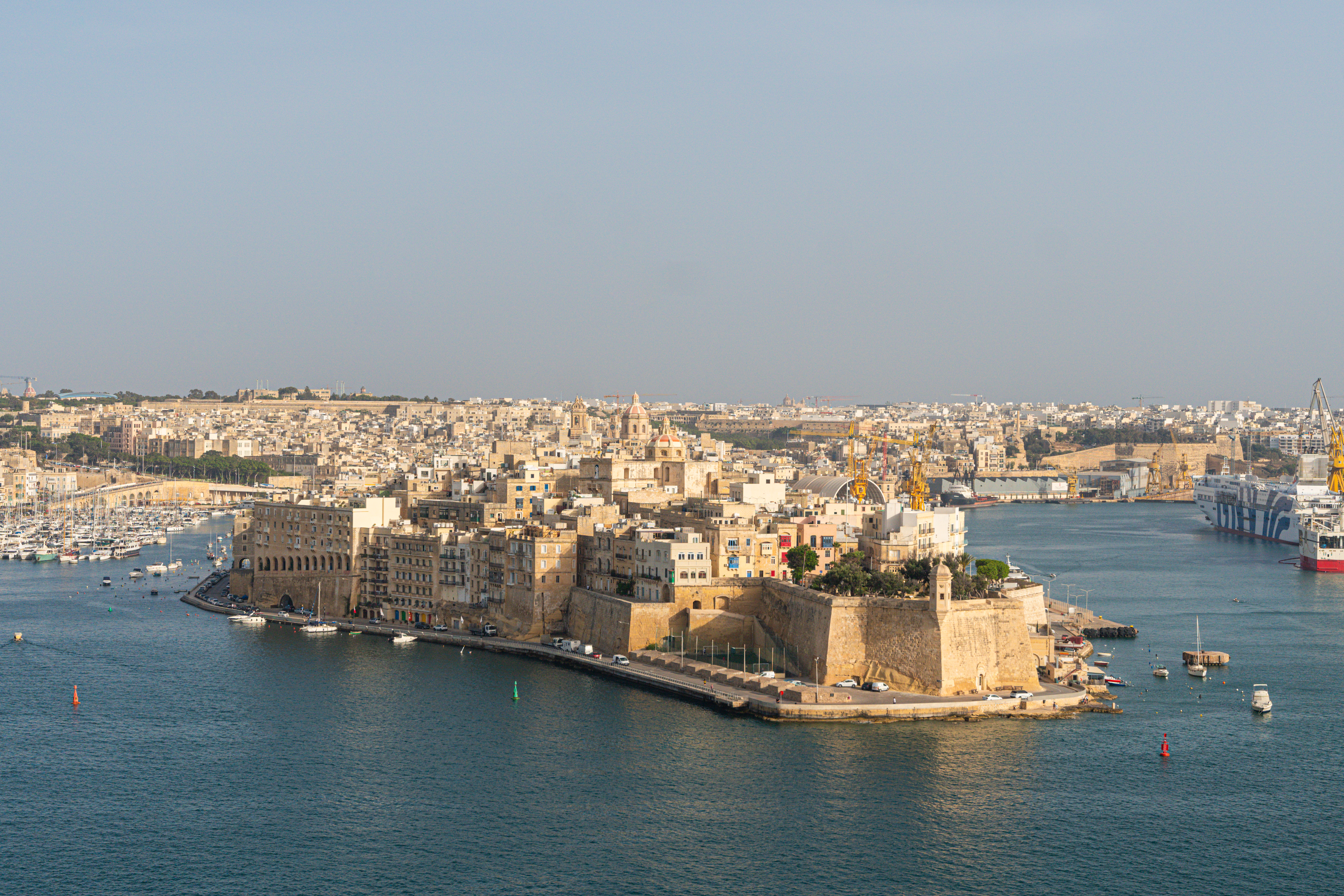
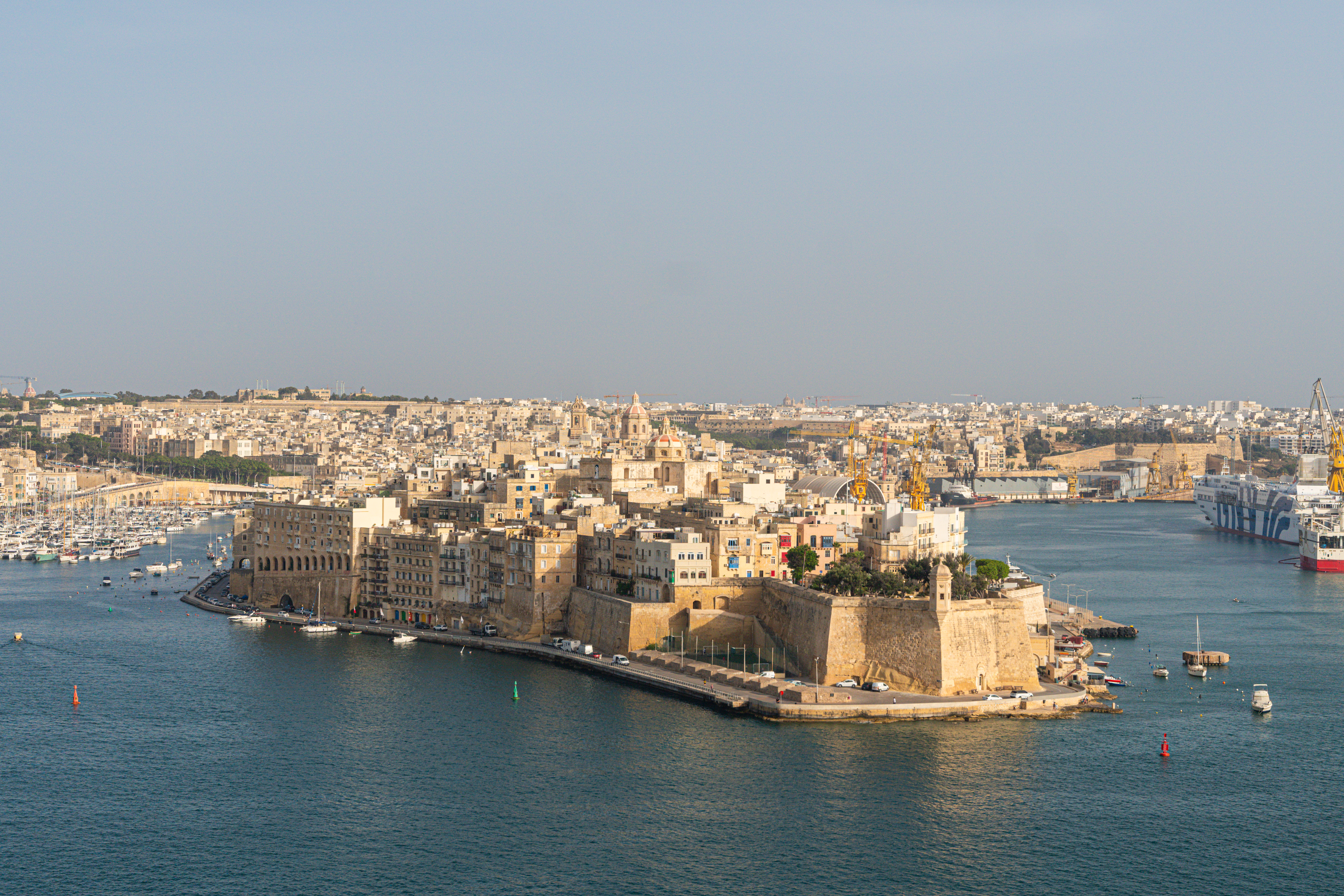
Located right across the Grand Harbour from Valletta rise Vittoriosa (Birgu), Cospicua (Bormla), and Senglea (Isla), collectively known as The Three Cities. These charming, historic urban districts served as the first home and defensive stronghold for the Knights of the Order upon their arrival in the archipelago in 1530.
Strolling through their quiet, cobblestone residential alleys—untouched by commercial bustle—is one of the finest things to see in Malta. Birgu, in particular, preserves an exquisite medieval atmosphere with its imposing limestone noble palaces, flowering plants on doorsteps, and the majestic Fort St. Angelo guarding the harbour entrance.
Poetically and accurately known as "The Silent City," Mdina is the ancient medieval capital of Malta. Perched regally atop a central hill overlooking the entire island horizon, this walled gem offers an unparalleled journey back in time.
Crossing its monumental Baroque entrance gate brings you into a labyrinth of shaded alleys, Norman palaces, and sand-coloured stately facades. Since vehicular traffic is strictly forbidden for non-residents, walking through Mdina at dusk—when gas lamps illuminate the centuries-old stones—is an experience of absolute peace.
Just outside the walls of Mdina lies Rabat, a famous and endearing residential neighbourhood that developed commercially outside the city gates, carrying its own fascinating personality.
Characterised by an authentic, deep Maltese daily rhythm, its main streets are home to small grocery shops, local artisan workshops, and vibrant community cafés. It is also a highly significant archaeological epicentre, housing the famous St. Paul's and St. Agatha's Roman Catacombs—an underground maze of galleries and early churches carved into the rock that served as paleochristian burial grounds during the 3rd and 4th centuries.
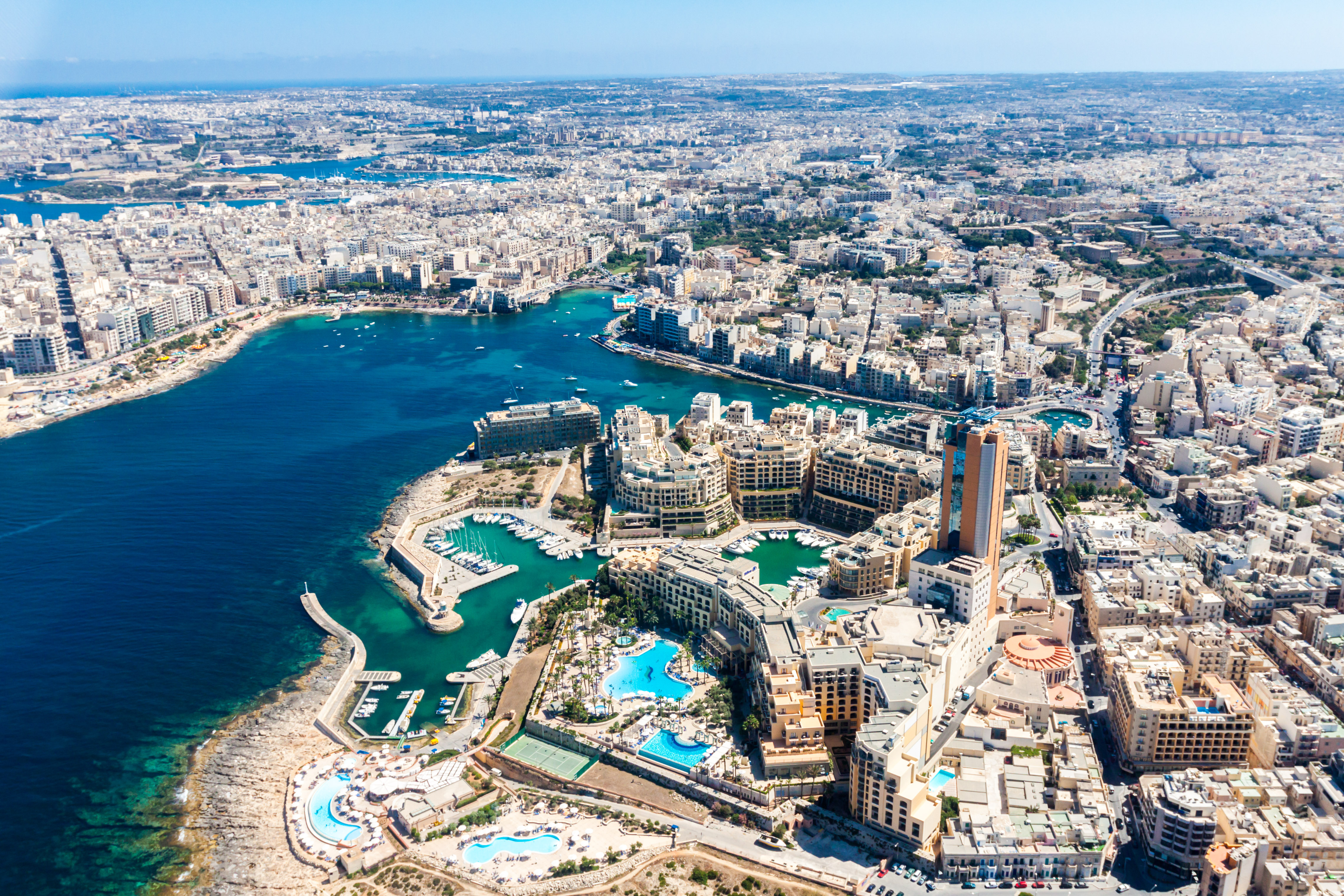
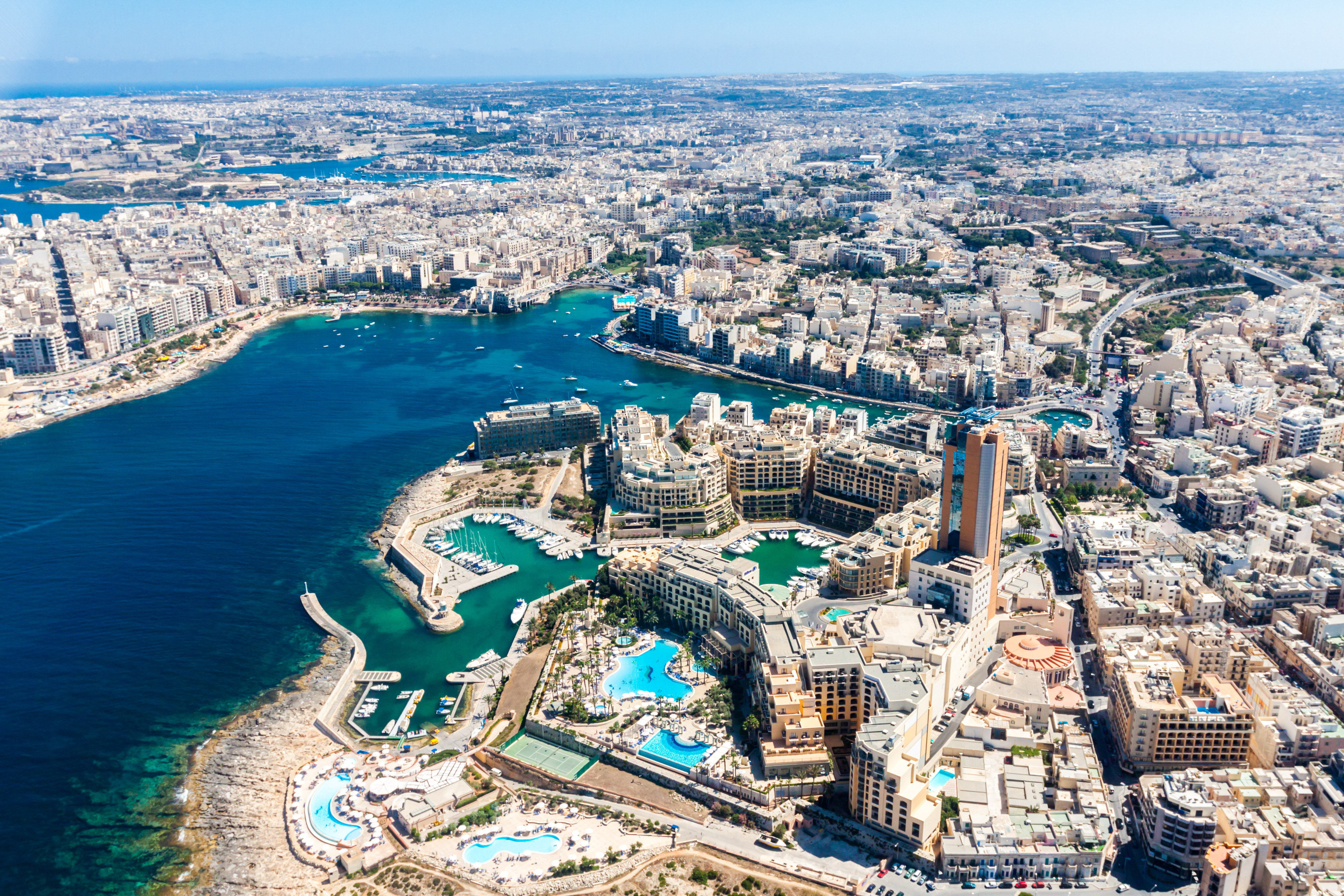
You will find the most modern, cosmopolitan, commercial, and vibrant face of the country in Sliema. This coastal residential area, which originally started as a modest seaside holiday resort for Valletta's bourgeoisie, has evolved into the island's major commercial hub. Its extensive seafront promenade stretches for several kilometres, packed with trendy open-air cafes, restaurants, and shopping complexes. It is also the main departure point for scenic harbour cruises and offers a pristine rocky coastline like Qui-Si-Sana, highly popular for sunbathing and swimming in crystal-clear waters.
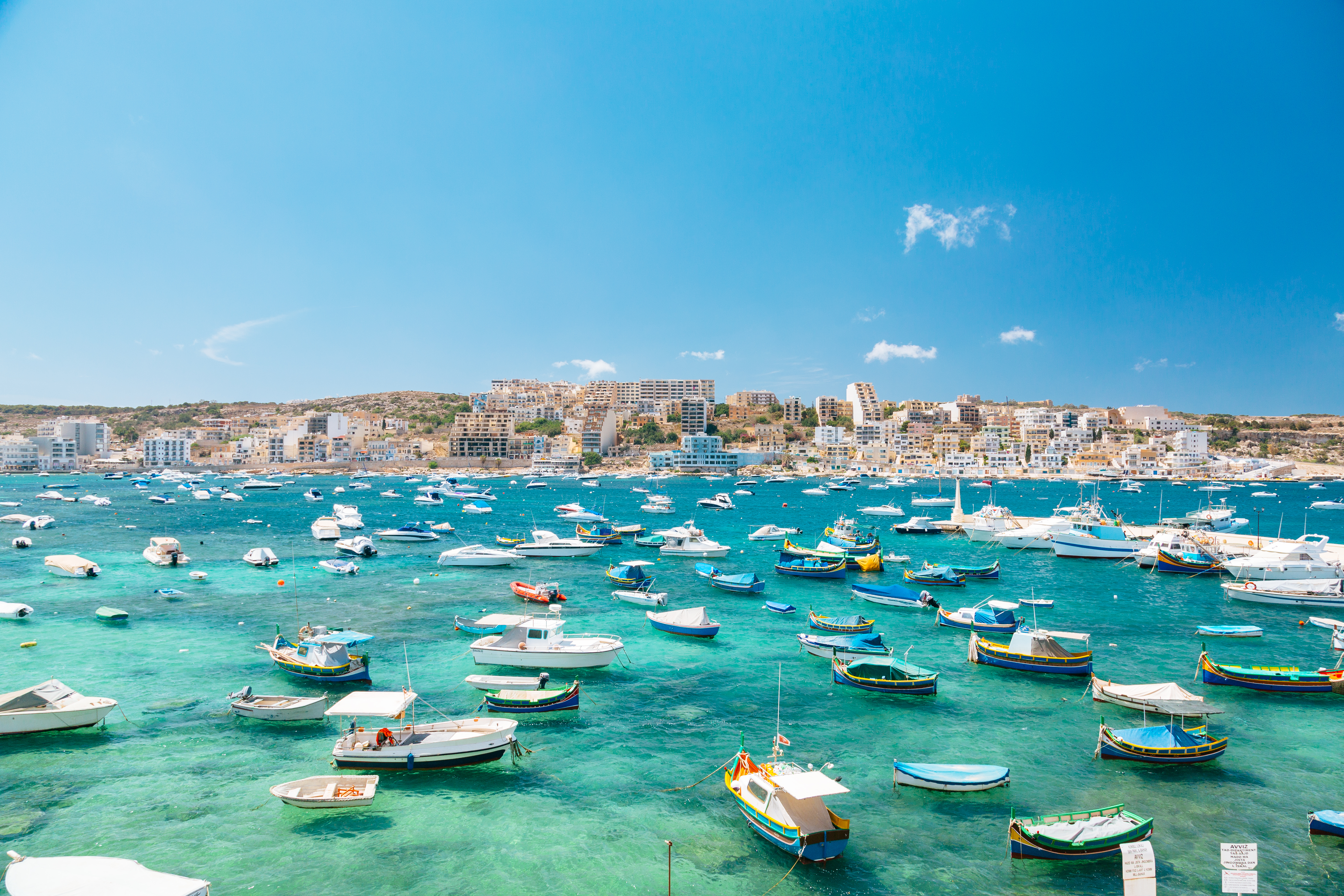
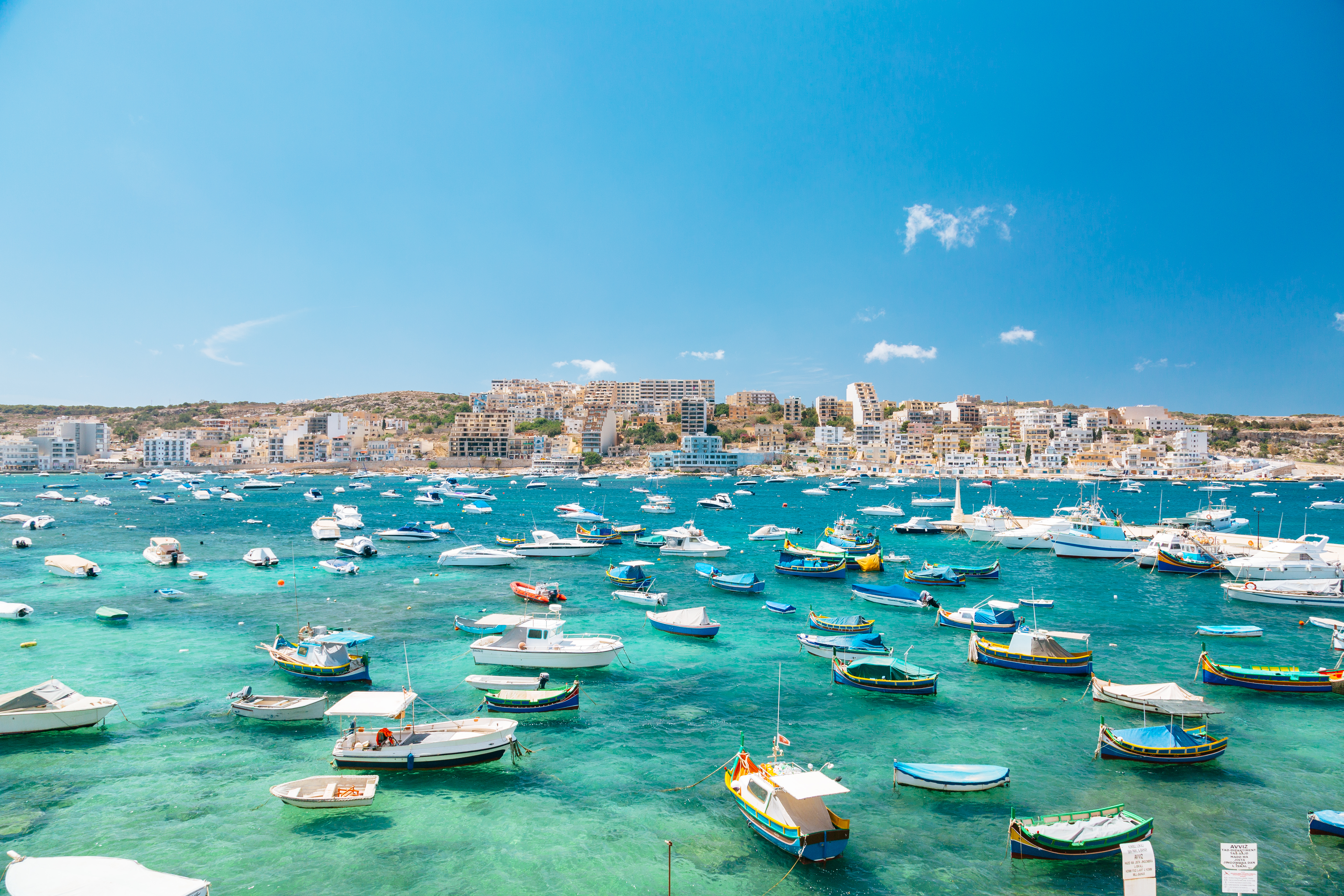
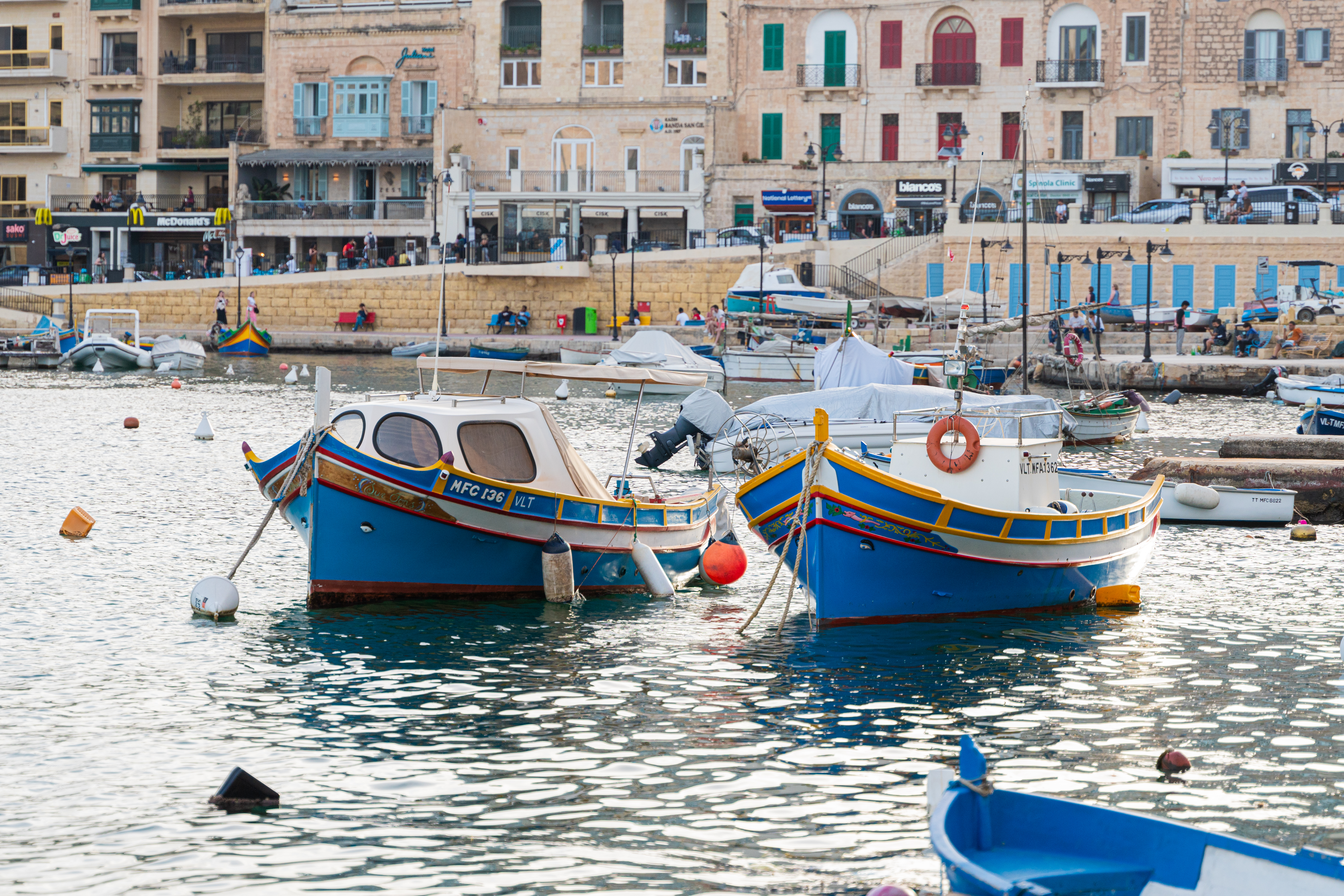
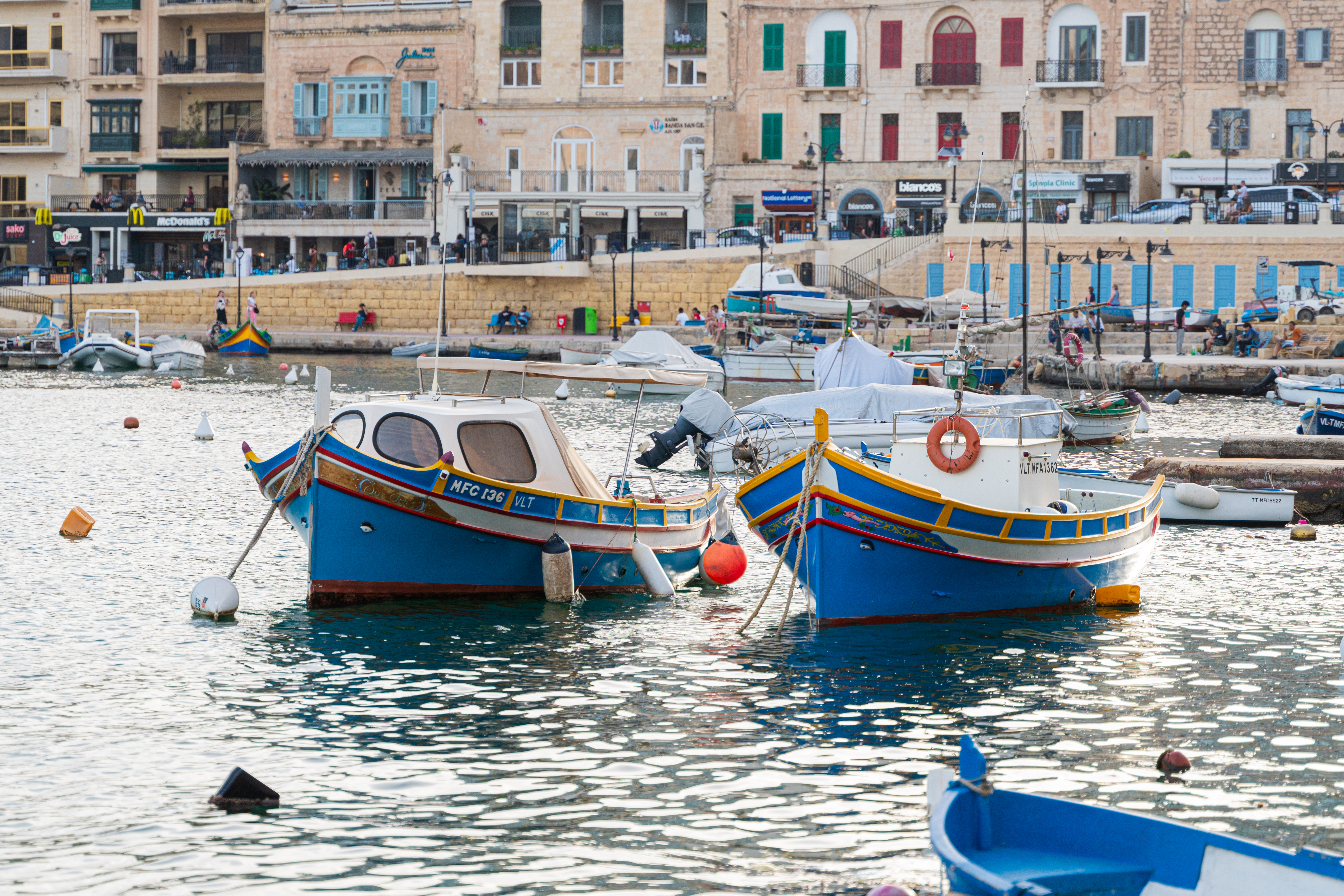
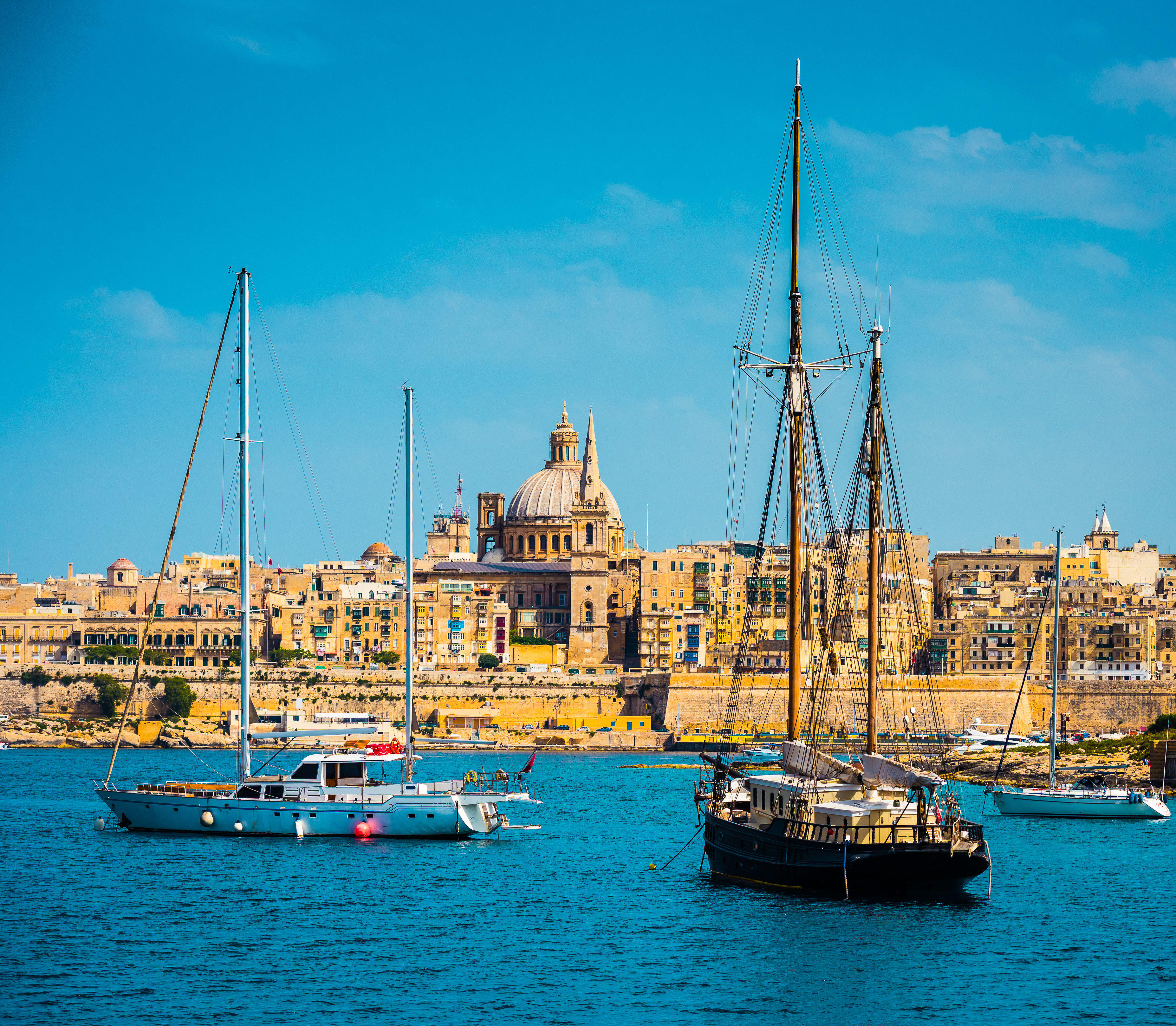
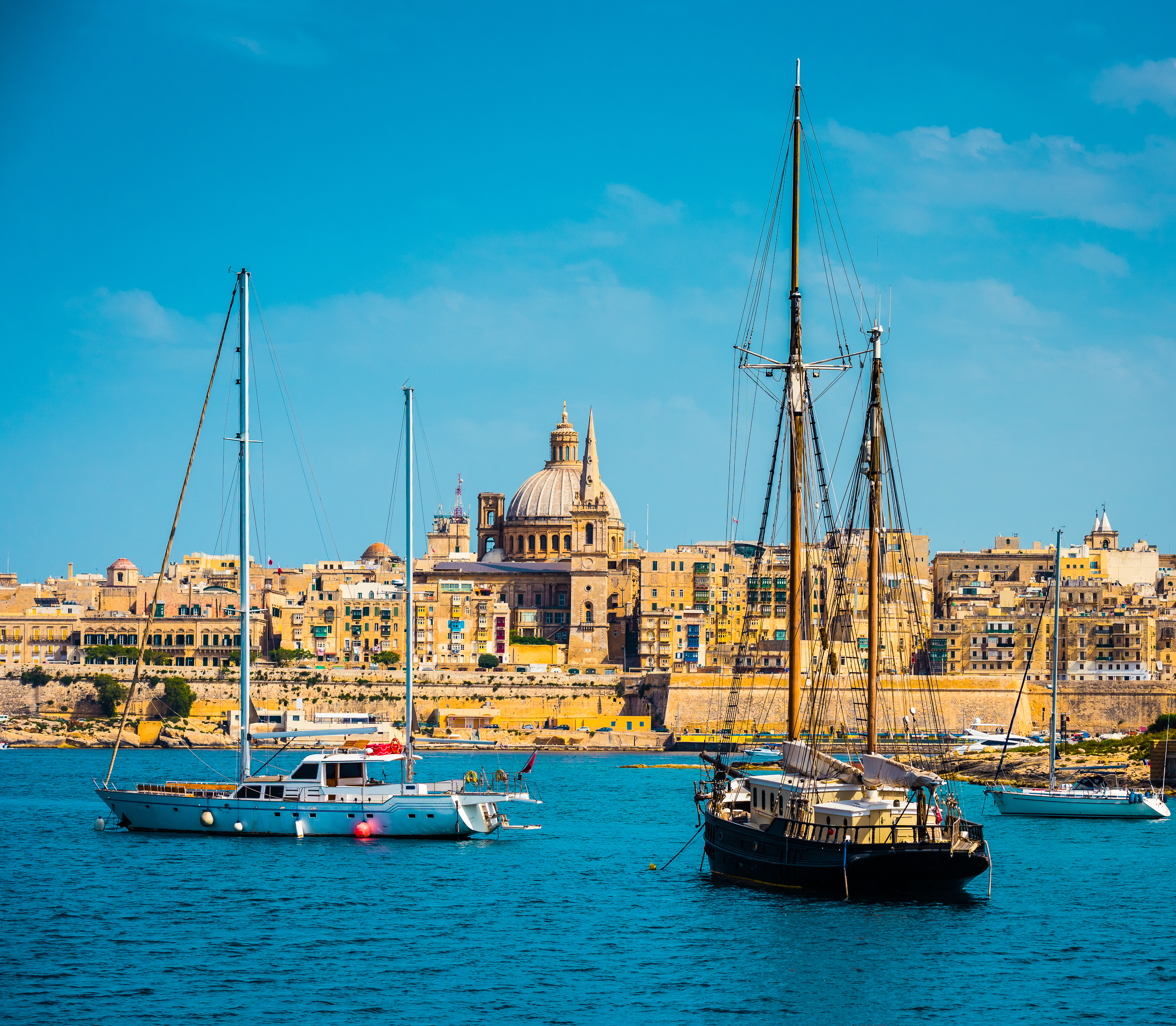
Situated at the southeastern tip of the island, Marsaxlokk is a lovely fishing village celebrated as the most important and picturesque fishing port in the archipelago. It is world-famous for its sheltered bay, where hundreds of luzzus (the traditional, brightly-coloured local wooden boats) float peacefully.
For me, visiting the village during its famous Sunday market is one of the best plans in Malta, allowing you to wander among stalls filled with ultra-fresh fish, traditional lace, and local agricultural produce from the inland farms.
,regionOfInterest=(1854.5,1618))
,regionOfInterest=(1854.5,1618))
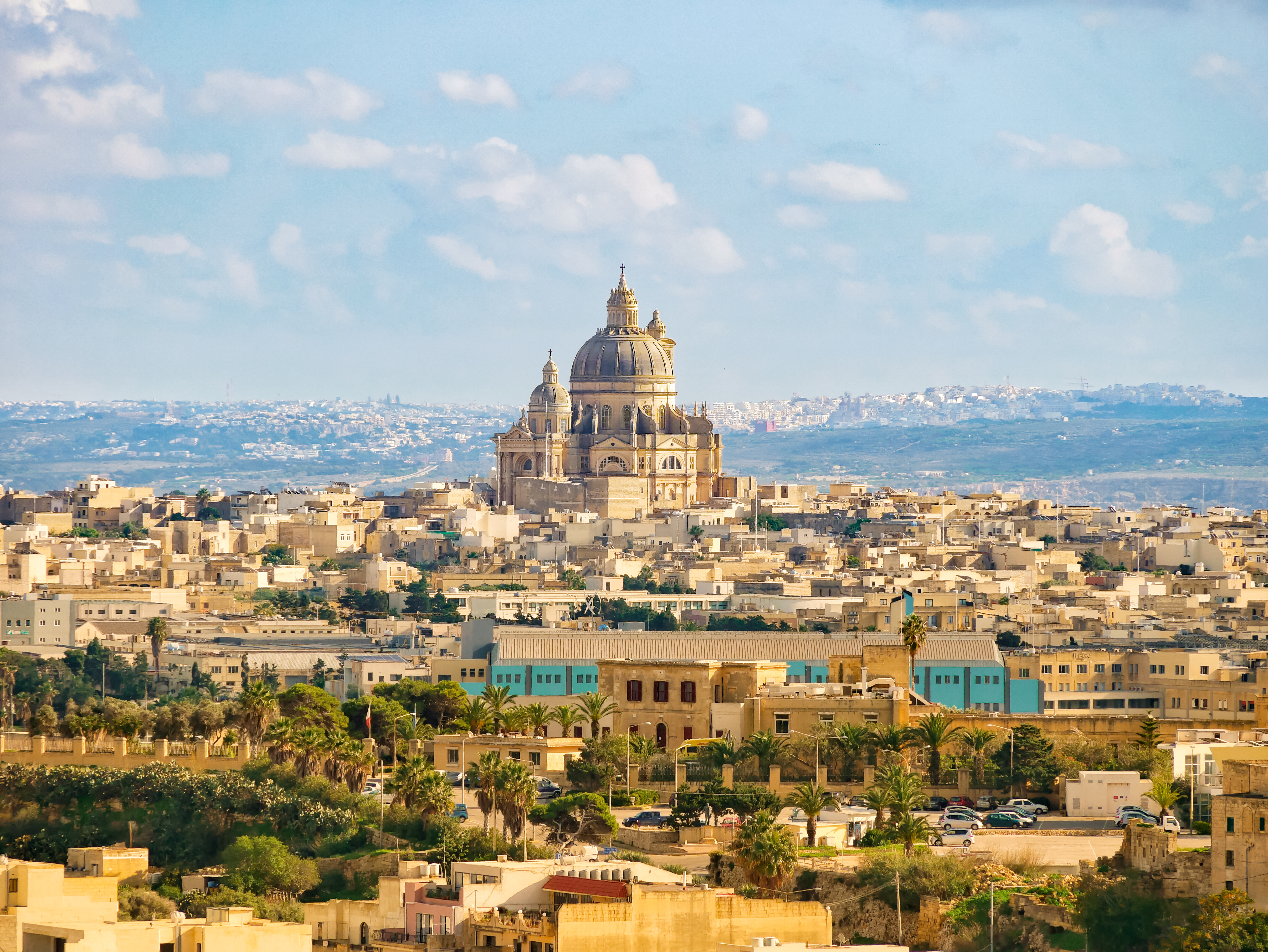
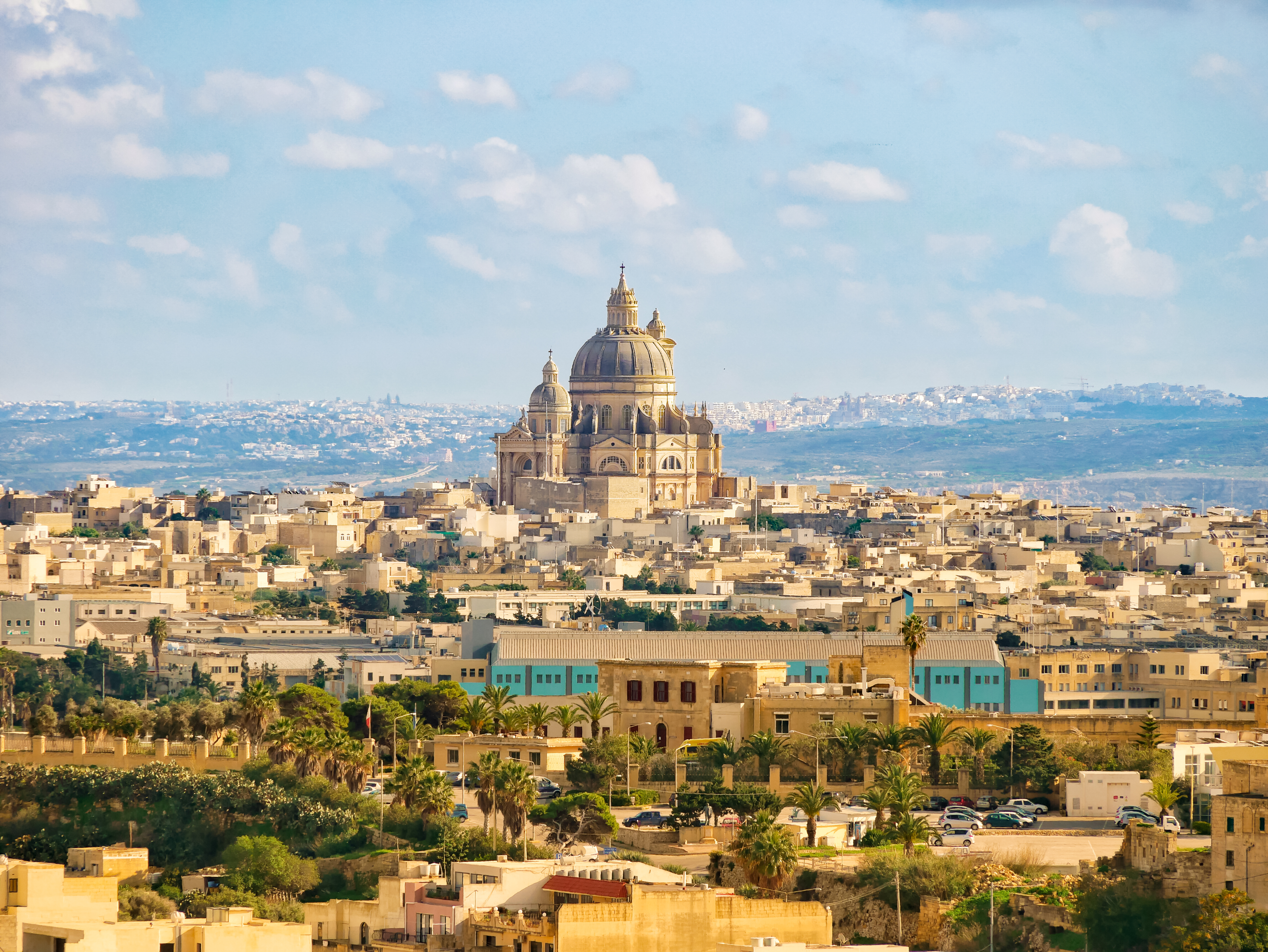
The second-largest island in the archipelago and a natural, green, and rural open-air haven, Gozo is a destination that belongs on every Malta itinerary.
With a noticeably calmer and more traditional pace of life than the main island, Gozo Island unfolds a landscape of rolling hills crowned by monumental Baroque churches, terraced farmland, and dramatic cliffs facing the open sea. Its capital, Victoria (Rabat), is presided over by the Citadel, an impressive medieval fortress offering 360-degree views of the entire island, cementing Gozo as one of the great natural and scenic landmarks you must explore.
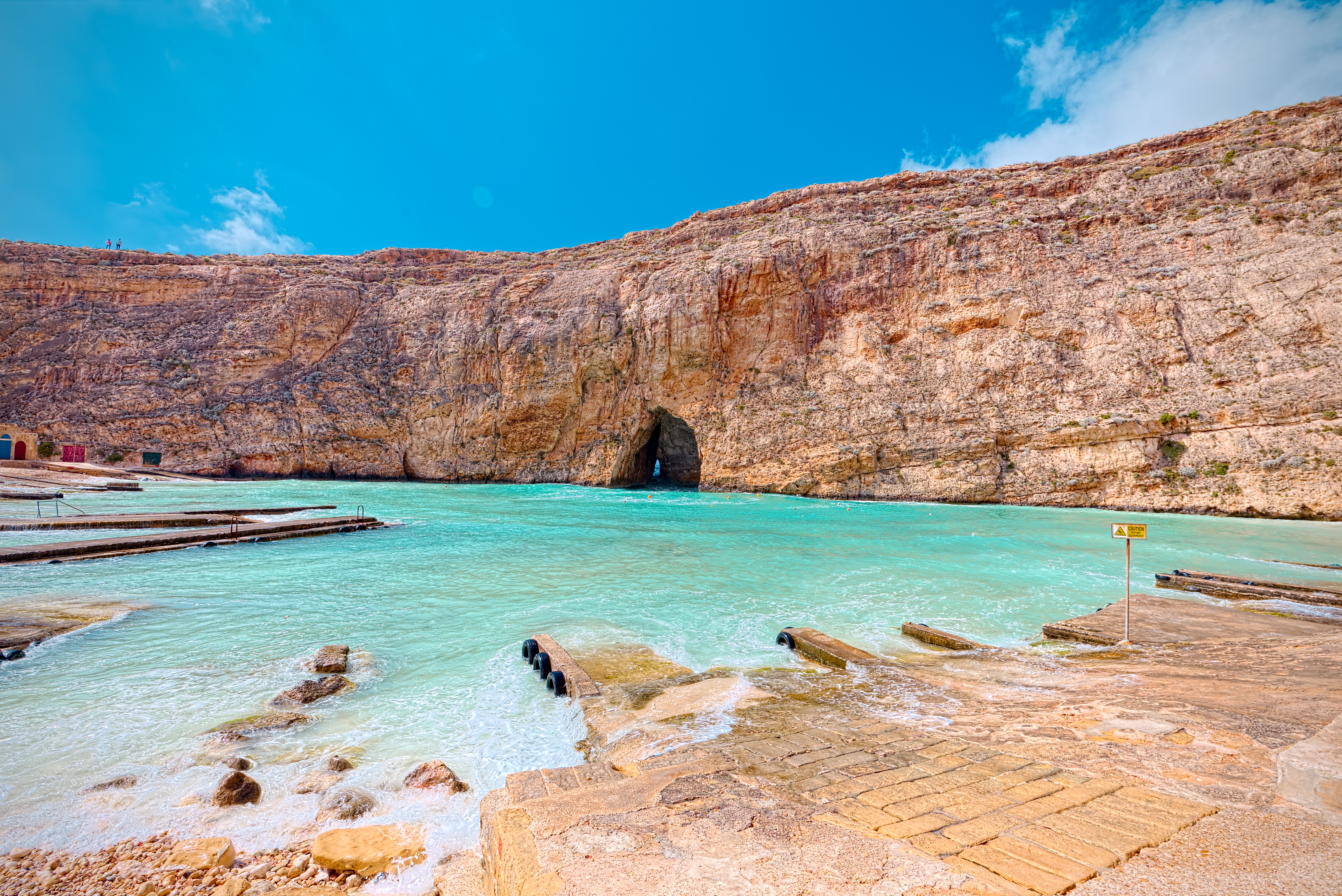
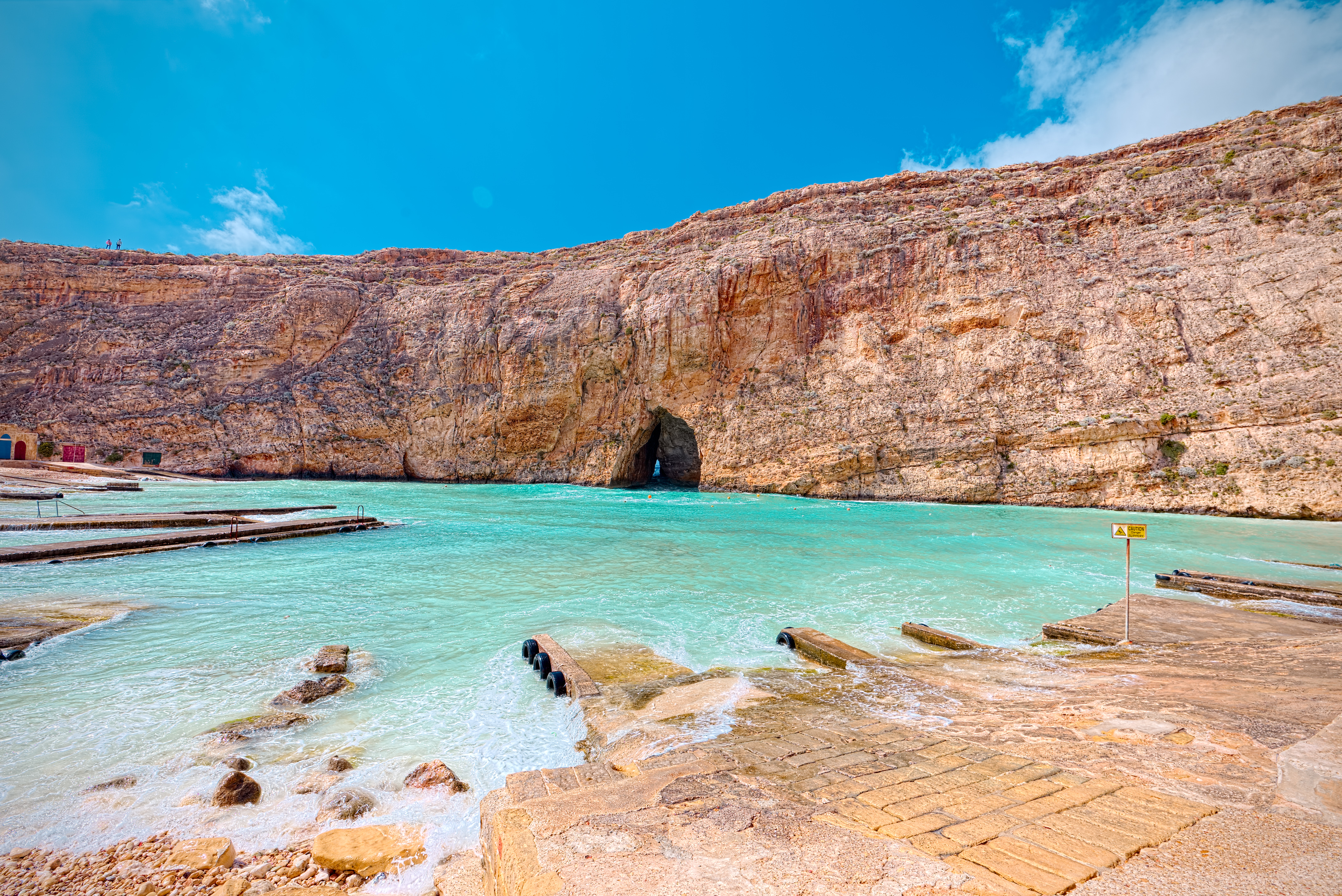
Floating peacefully in the narrow sea channel separating Malta from Gozo is Comino Island, the most pristine and uninhabited open space in the country, spanning just three square kilometres and completely free of motorised vehicles.
An idyllic natural sanctuary for solitary hikers and snorkelers alike, Comino is home to the world-renowned Blue Lagoon. This stunning coastal inlet, with its fine white sands and transparent, neon-turquoise waters, resembles a gigantic natural paradise pool that captivates everyone who sails to its rocky shores.
,regionOfInterest=(2136,1426.5))
,regionOfInterest=(2136,1426.5))
Located near Attard in the geographic centre of the island, Ta' Qali is a massive public park occupying the grounds of a former Royal Air Force military airfield from World War II.
Today, Ta' Qali has been transformed into the main green lung of the main island, featuring immense family gardens, open-air amphitheaters, and safe recreational paths. The park also hosts the famous "Ta' Qali Crafts Village," a picturesque settlement of local artisans where travellers can watch master glassblowers shape multicoloured pieces live and see silversmiths weave traditional, ultra-fine silver filigree.
Located in Attard, San Anton Gardens are the most elegant botanical spaces in Malta. Built in the 17th century as part of the presidential palace grounds, this green oasis features exotic plants, stone fountains, and peaceful ponds. It is highly popular for its relaxed, family-friendly atmosphere, where peacocks and turtles roam freely among the walkways.
Perched high on Valletta's bastions, the Lower Barrakka Gardens serve as the capital's quiet, romantic sanctuary. While less crowded than their upper twin, these gardens offer spectacular panoramic views over the Grand Harbour. The space is famous for its peaceful pathways and a majestic neoclassical temple dedicated to Sir Alexander Ball.
Tucked away inside the medieval streets of Mdina, Pjazza Mesquita is one of the most charming open-air squares in the country. This quiet stone courtyard features ancient facades, traditional balconies, and a central historic well. Its timeless architecture was even used as a prominent filming location for the series Game of Thrones.
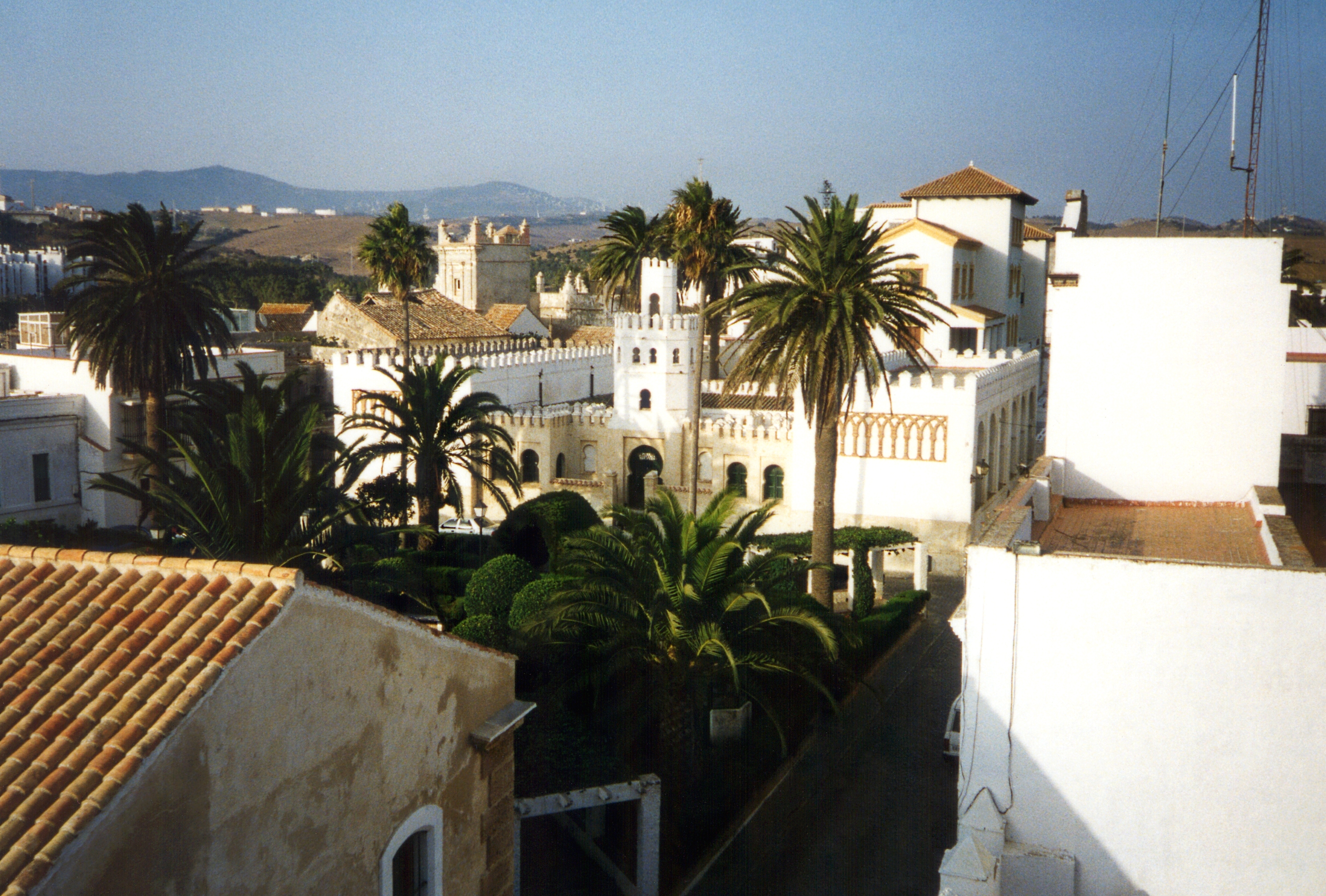,regionOfInterest=(1703.5,1151.5))
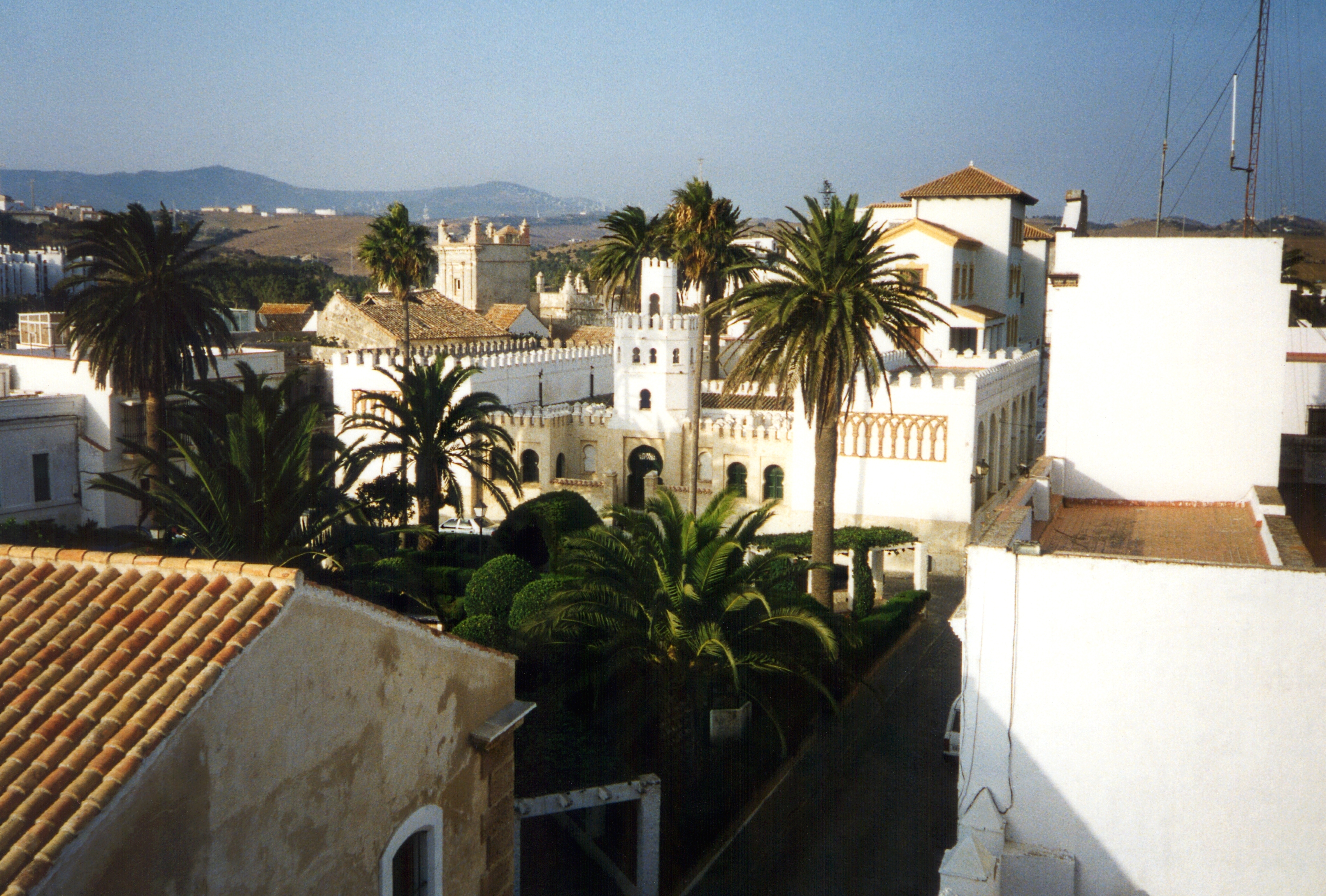,regionOfInterest=(1703.5,1151.5))
Situated on the northwestern coast of the main island, Golden Bay is one of the few and most spectacular fine natural sand beaches in the entire archipelago. Its poetic name honours the beautiful golden hue its sand takes on under the Mediterranean sun.
Framed by protected dunes and rocky headlands crowned by ancient watchtowers built by the knights, the beach offers a safe environment with clean waters and moderate waves, making it ideal for families. It is also one of the island's most famous spots to witness spectacular sunsets that paint the horizon in deep reddish tones.
For a completely different swimming experience, St. Peter's Pool is a stunning natural pool carved over millennia by marine erosion into smooth, flat white limestone.
Located on the southeast coast near Marsaxlokk, its crystal-clear emerald-green waters are bound to win you over. Additionally, the surrounding flat rocks serve as a perfect natural solarium where you can lie down and relax under the sun.
Odyssey Malta is located within the modern Mercury Towers complex in St. Julian's and is one of the island's premier indoor multi-sensory attractions. This innovative venue features Malta's first-ever 5D Flying Theatre, an immersive history dark walk, and breathtaking panoramic rooftop views from the 33rd floor overlooking the Maltese archipelago.
The culinary offerings of Malta are a flavourful reflection of its complex historical crossroads, sublimely fusing the roots of Sicilian cuisine, British influences, and the intense aromas of Middle Eastern spices with excellent local produce from the land and sea.
Star Dishes and Products of Maltese Gastronomy:
,regionOfInterest=(2822.5,1881.5))
,regionOfInterest=(2822.5,1881.5))
To fully immerse yourself in the rich folklore and discover some of the unique stories that define the country's identity, take a look at these Maltese festivals and traditions:
📍 To help you easily navigate the archipelago, this tourist map with points of interest includes the exact locations of all the historic monuments, coastal towns, hidden natural pools, and traditional villages mentioned throughout this travel guide.
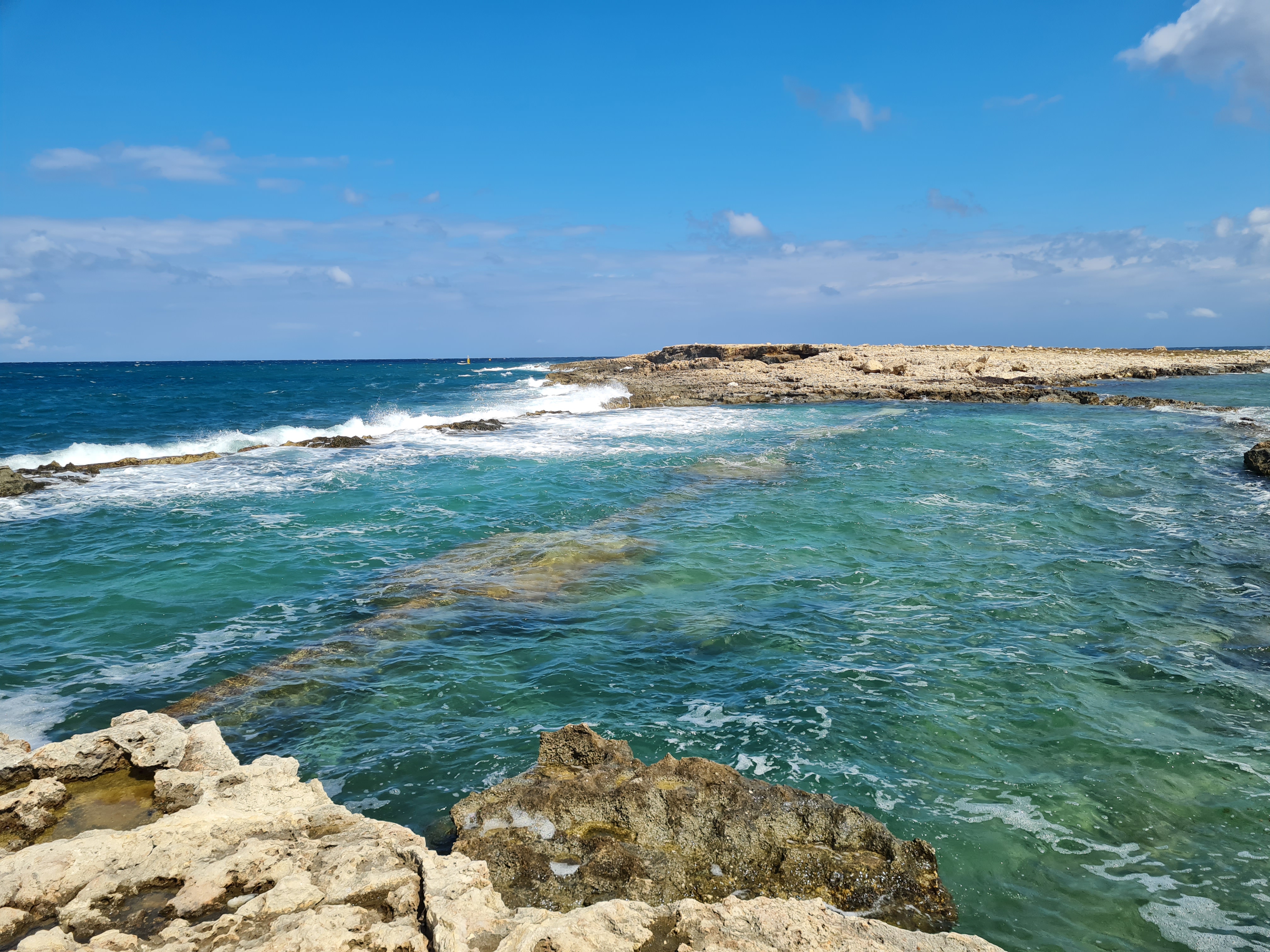,regionOfInterest=(2016,1512))
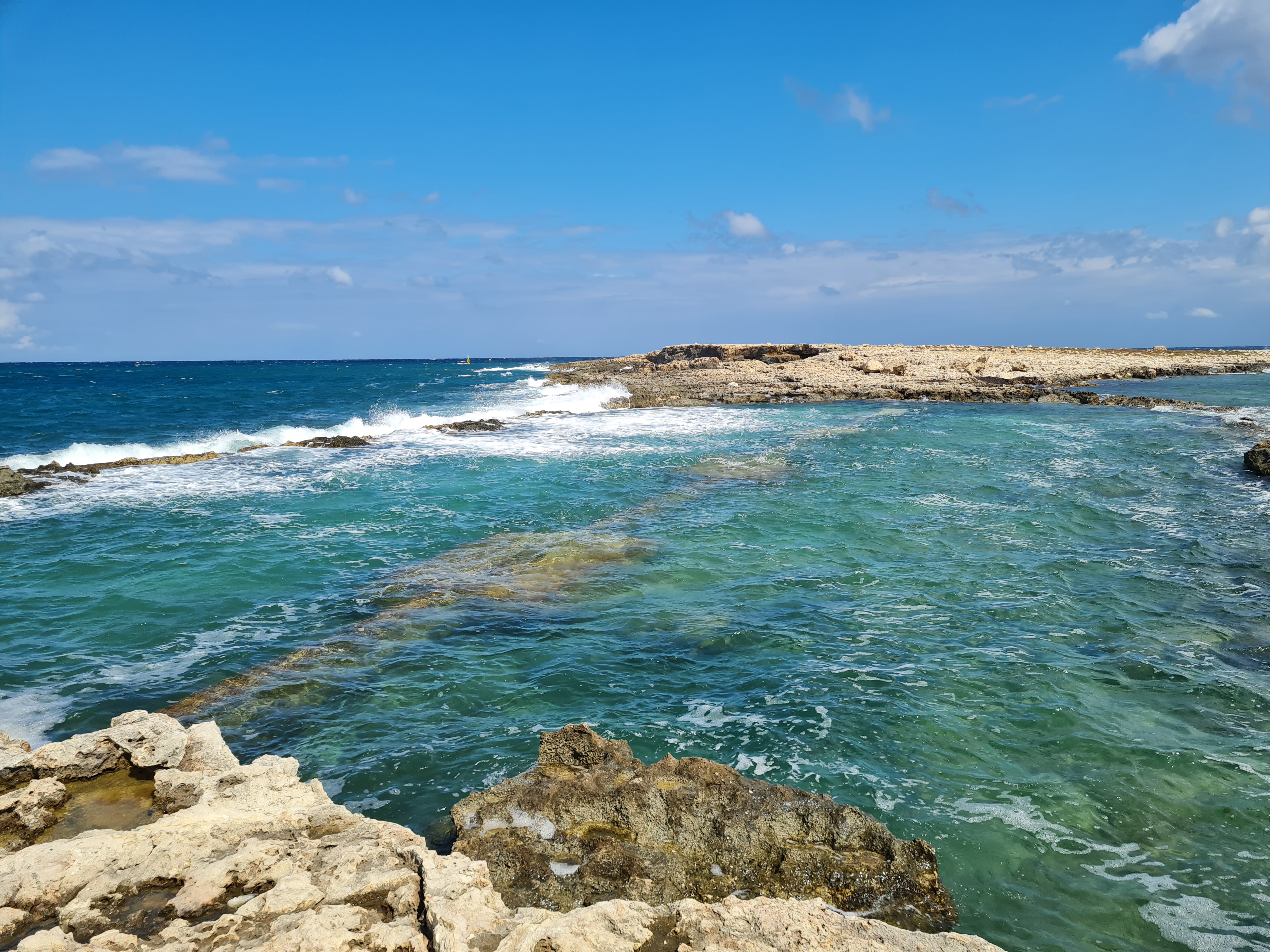,regionOfInterest=(2016,1512))
,regionOfInterest=(1476.5,980.5))
,regionOfInterest=(1476.5,980.5))
,regionOfInterest=(1496,1996))
,regionOfInterest=(1496,1996))
,regionOfInterest=(2732,1820))
,regionOfInterest=(2732,1820))
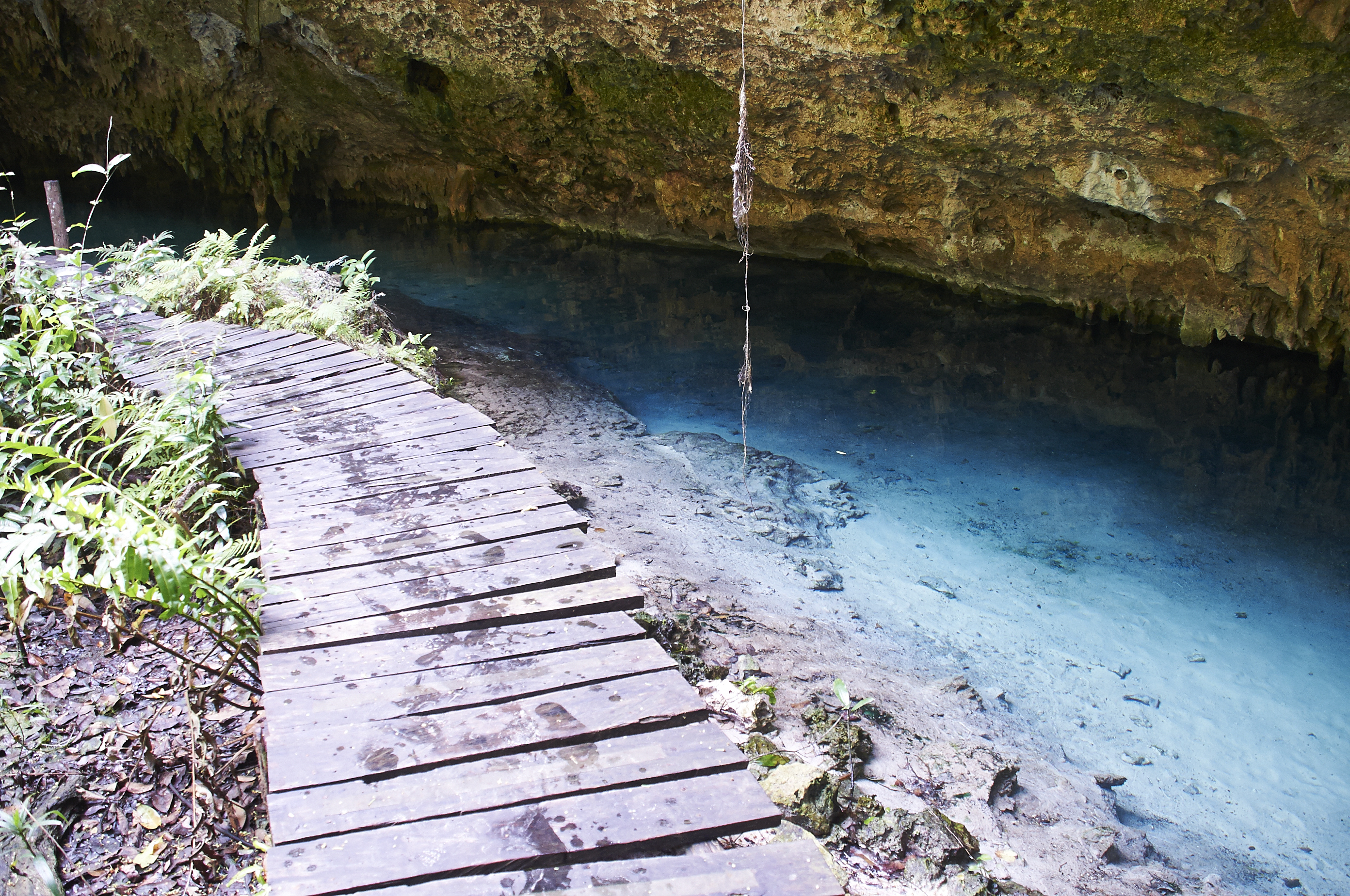,regionOfInterest=(1392,924))
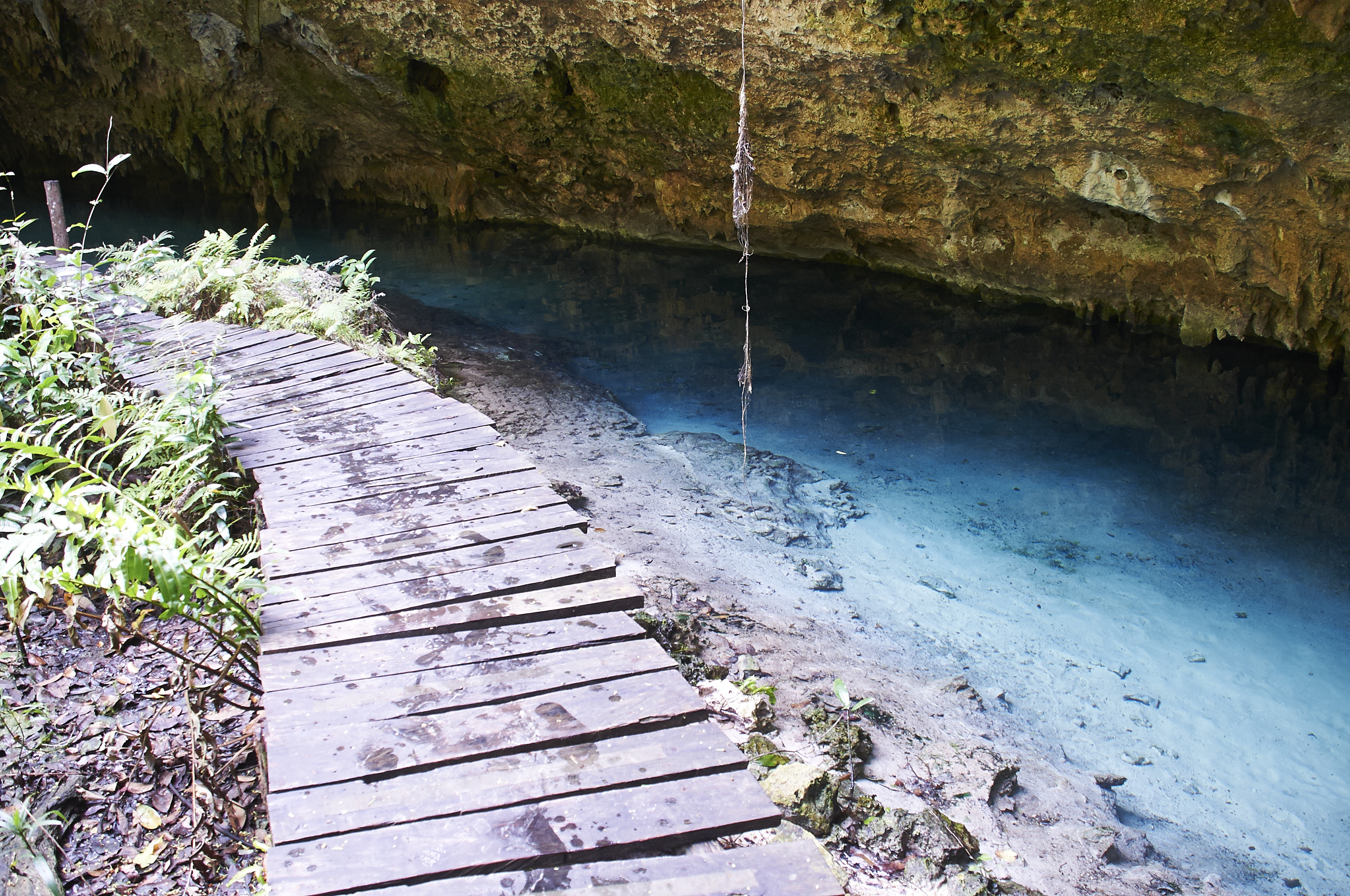,regionOfInterest=(1392,924))
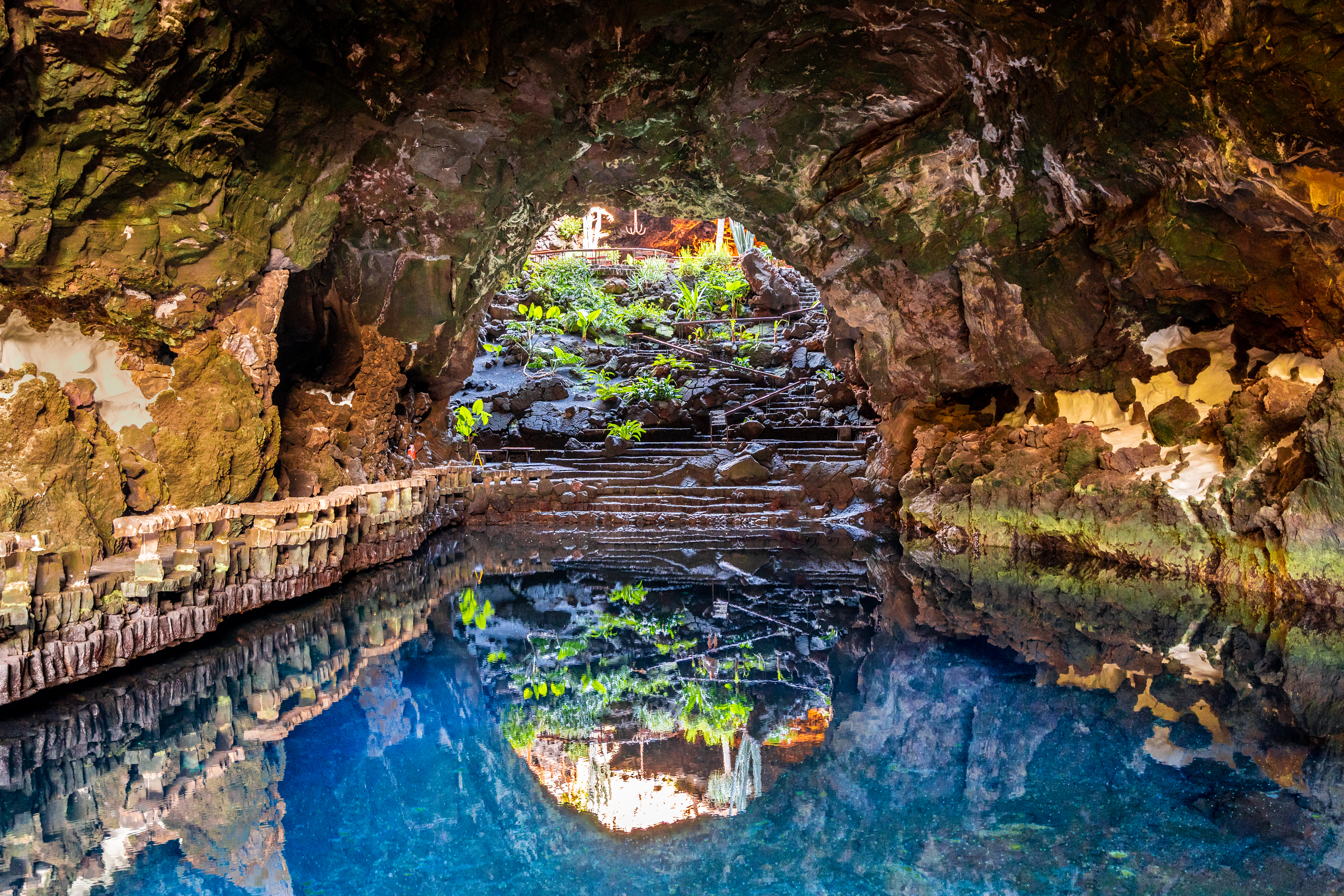,regionOfInterest=(2121,1414))
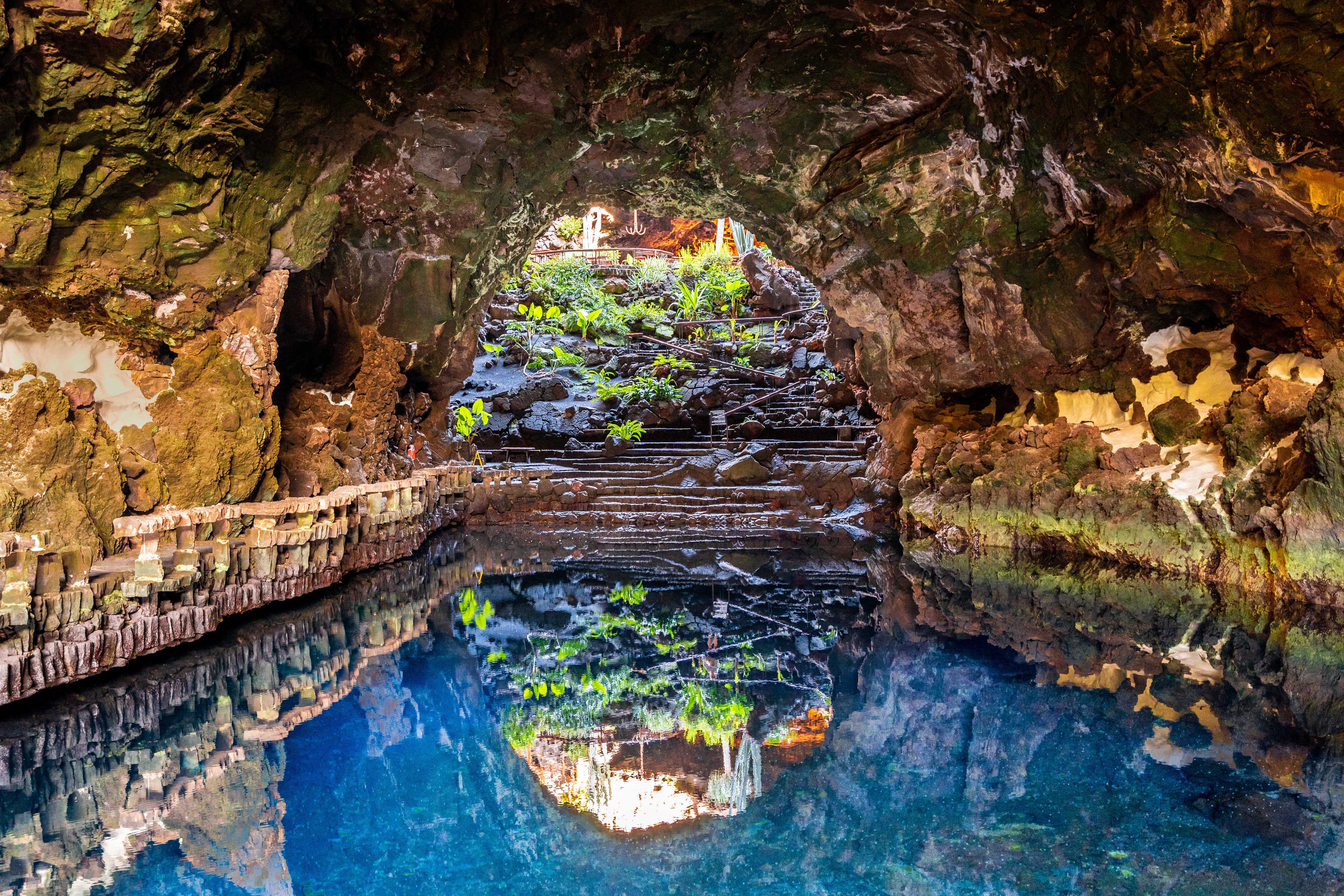,regionOfInterest=(2121,1414))