,regionOfInterest=(2279,1519.5))
,regionOfInterest=(2279,1519.5))
Hoyo Azul: a hidden cenote in Cap Cana
,regionOfInterest=(2808,1872))
,regionOfInterest=(2808,1872))
Holidays
,regionOfInterest=(2732,1820))
,regionOfInterest=(2732,1820))
,regionOfInterest=(500,500))
,regionOfInterest=(500,500))
All-terrain writer specialising in tourism, fashion and trends. A curious soul, traveller, reader and sports enthusiast, keen to discover every corner of the world.
Culture
From my point of view, spending 5 days in Malta is the ideal option to fully absorb its essence at a perfect pace, alternating the most important cultural visits with entire days of disconnection in idyllic natural environments.
To ensure that your trip to this beautiful corner of the Mediterranean is a resounding success, it is important to know what to see in Malta in 5 days and to have a solid plan that allows you to enjoy every minute without the feeling of rushing from one place to another.
When thinking about what to do in Malta, you must keep in mind that this is a destination that stands out for its incredible cultural heritage, where fortifications that seem straight out of a historical novel coexist with hidden coves of transparent water and millenary vestiges. Achieving a balance between these visits and, in a special way, knowing how to optimally move across the three main islands, will completely transform your holiday experience.
This journey to get to know Malta in 5 days groups points of interest by proximity and transport logic, reducing repetitive transfers to a minimum so you can focus entirely on enjoying yourself.
,regionOfInterest=(2350,1567.5))
,regionOfInterest=(2350,1567.5))
,regionOfInterest=(2880,1920))
,regionOfInterest=(2880,1920))
,regionOfInterest=(900,600))
,regionOfInterest=(900,600))
,regionOfInterest=(2934,1956))
,regionOfInterest=(2934,1956))
| DAYS | ROUTE FOCUS | MAIN AREAS |
|---|---|---|
| Day 1 | Origins of the Order and harbour bastions | Valletta and the Three Cities |
| Day 2 | Medieval legacy and rock horizons | Mdina, Rabat, and the Dingli Cliffs |
| Day 3 | Rural essence and island mythology | Gozo |
| Day 4 | Traditional pictures and coastal wonders | Marsaxlokk and the Blue Grotto |
| Day 5 | Turquoise paradises and relaxation by the sea | Comino and northern beaches |
,regionOfInterest=(2818.5,1879))
,regionOfInterest=(2818.5,1879))
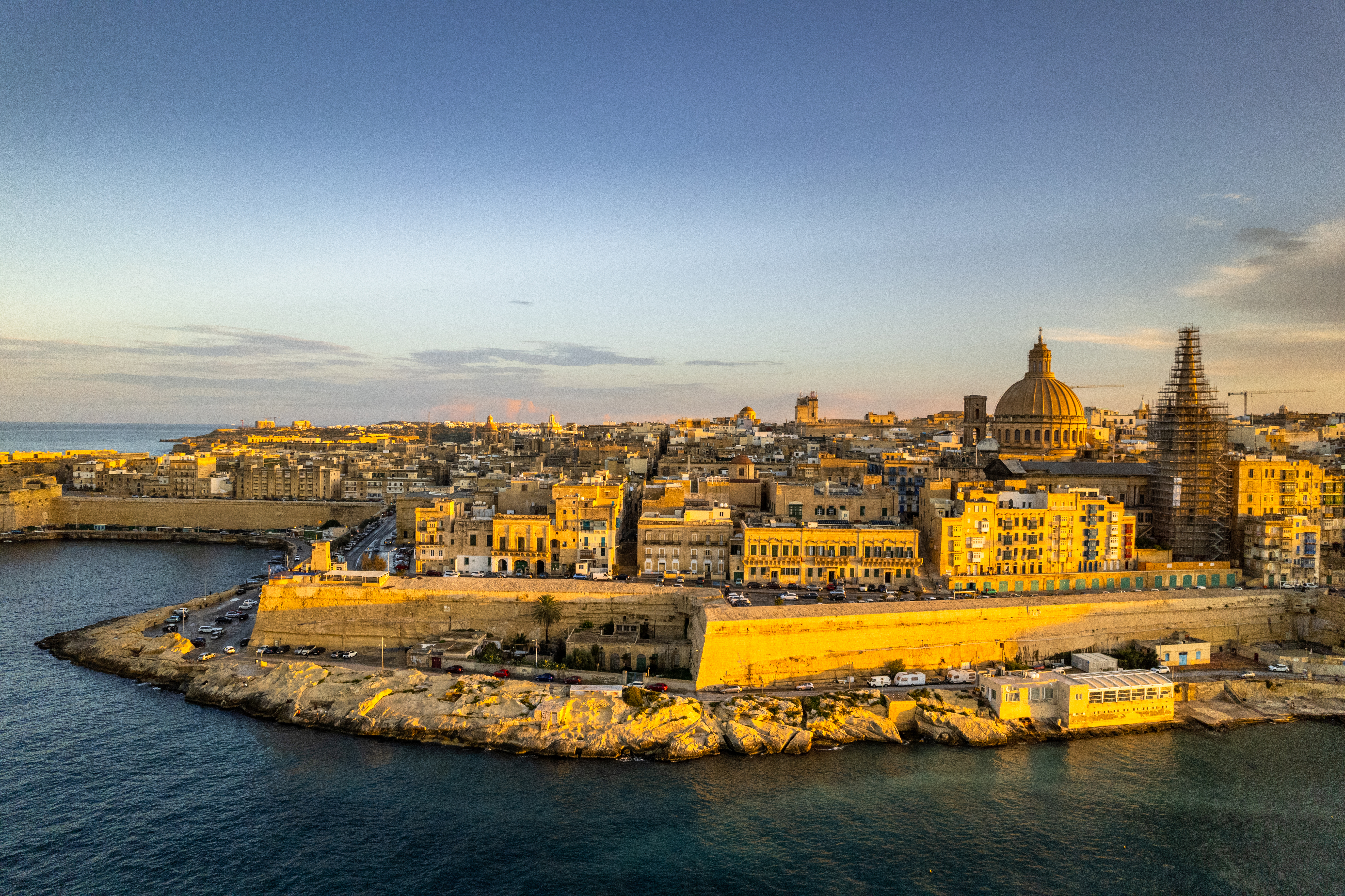
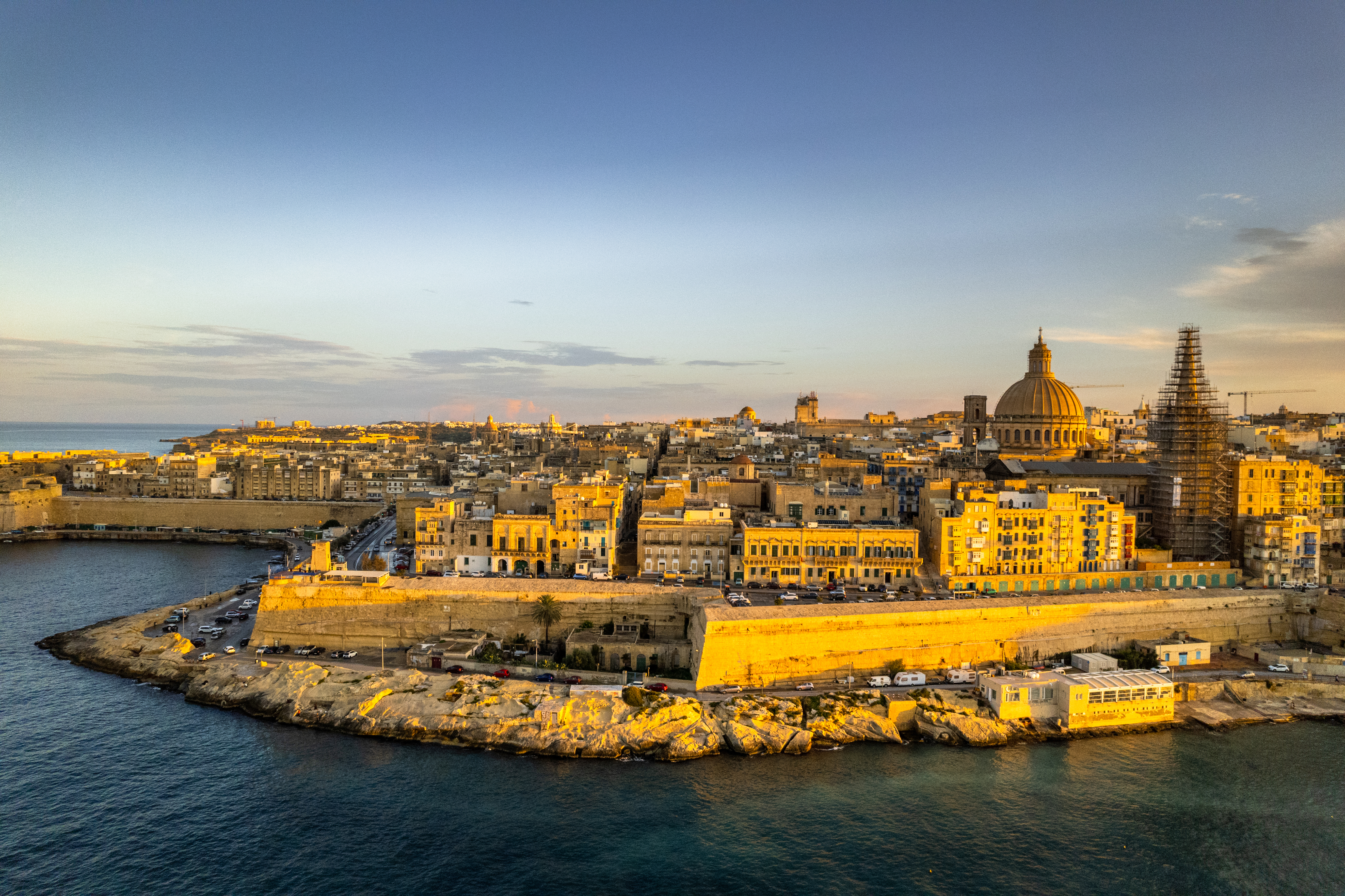
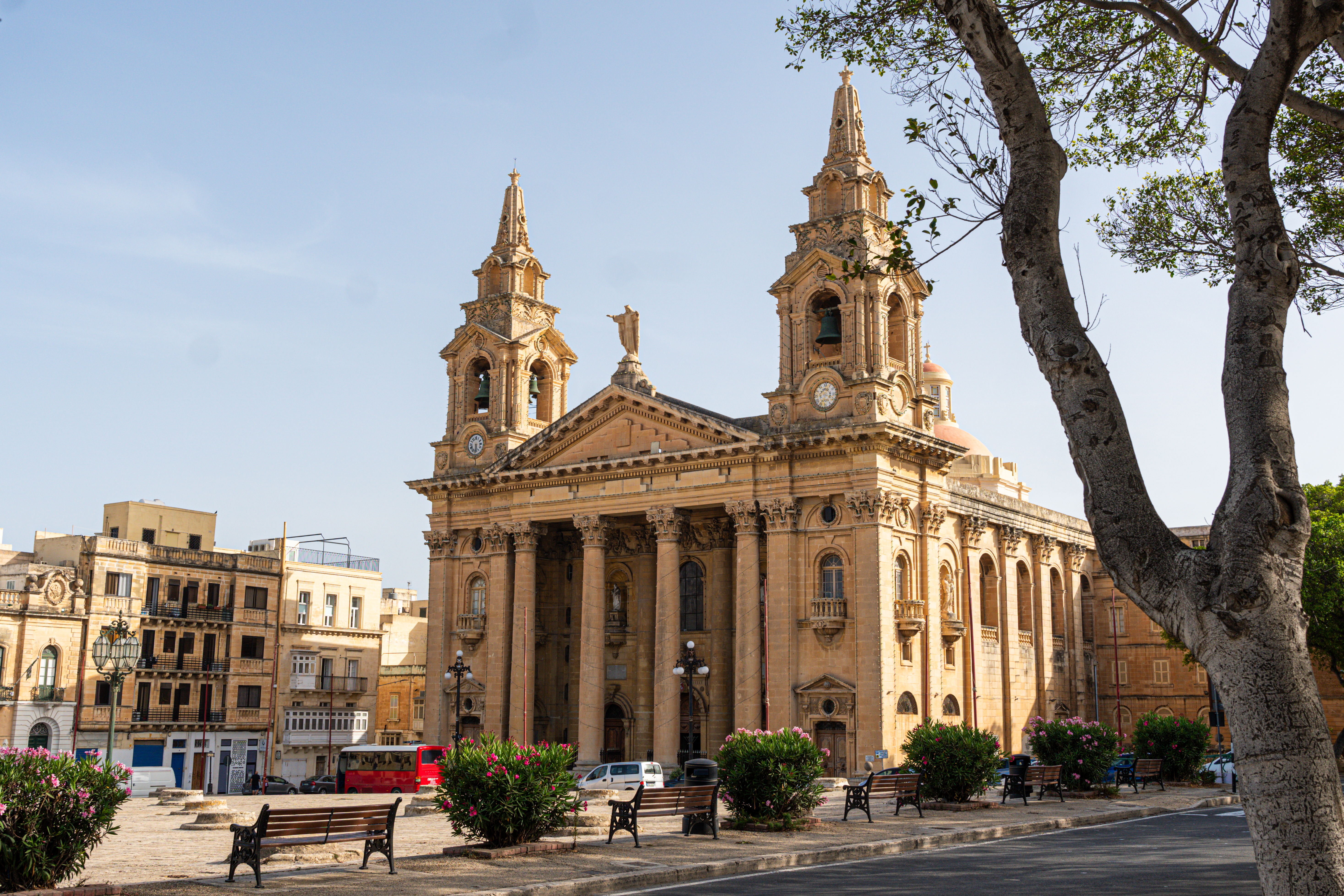
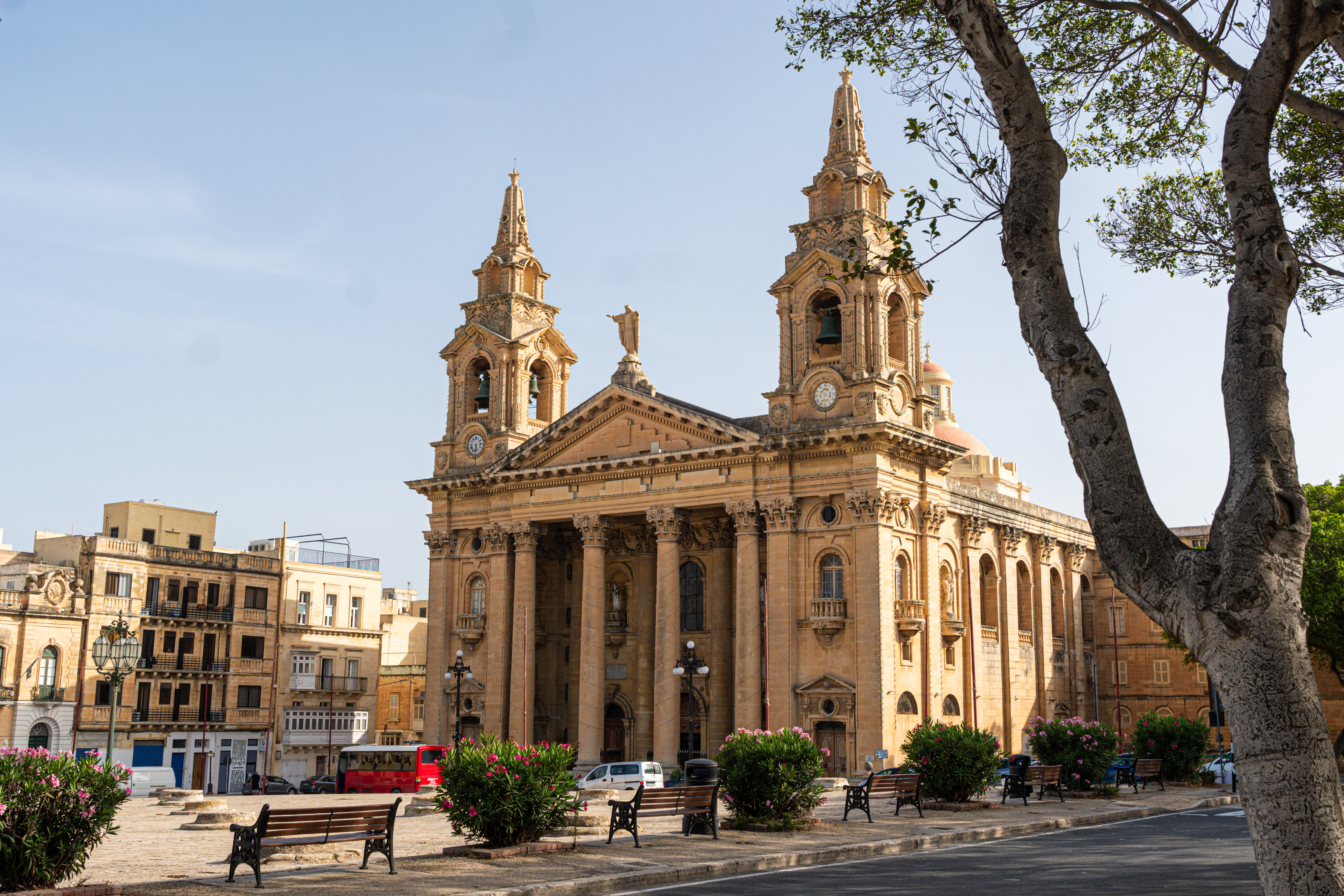
The first day of this guide on what to visit in Malta in 5 days focuses on the historic nerve centres flanking the majestic Grand Harbour. It serves as the perfect introduction to marvel at the superb defensive military architecture and the rich Baroque heritage of the country.
Valletta and St. John's Co-Cathedral
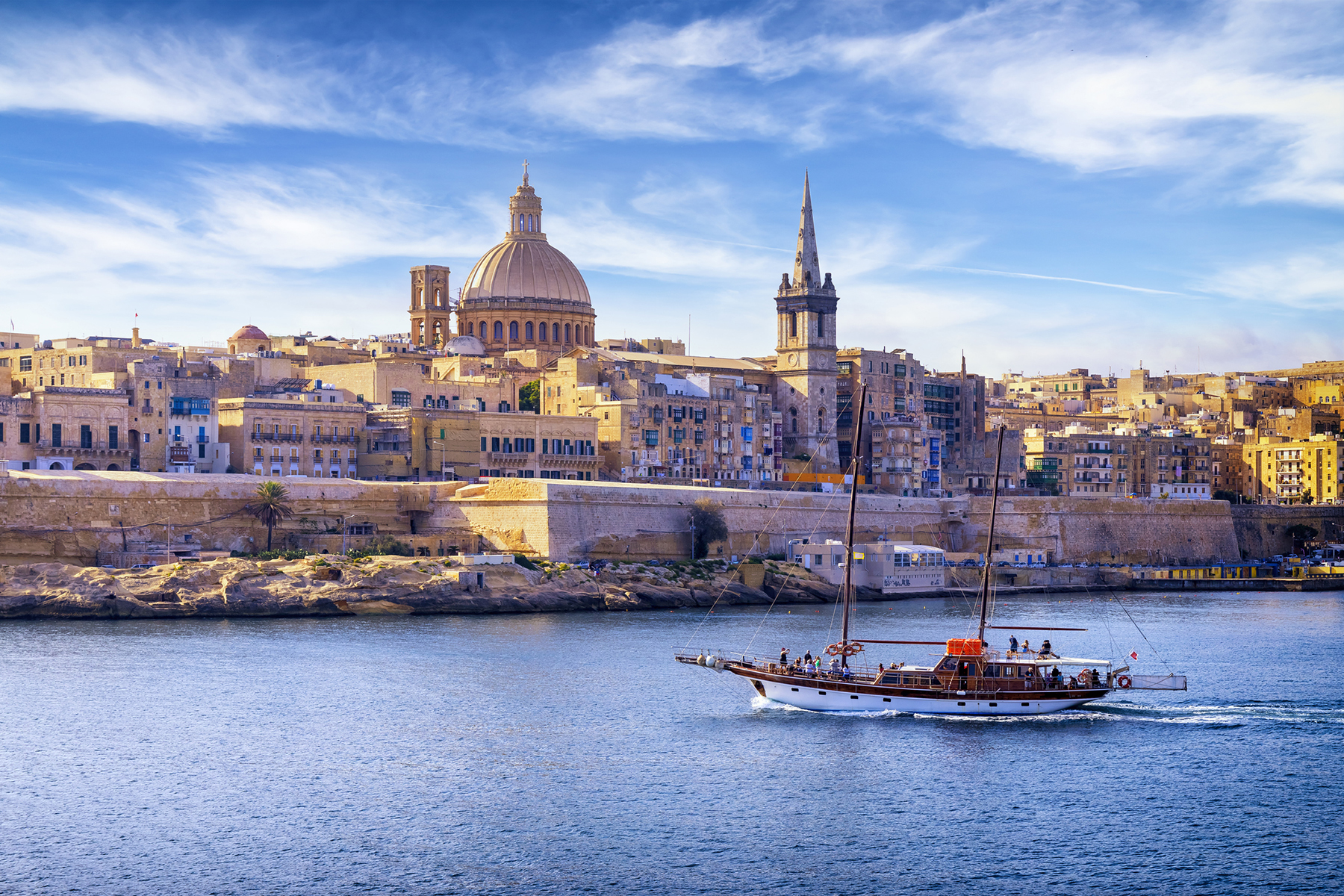
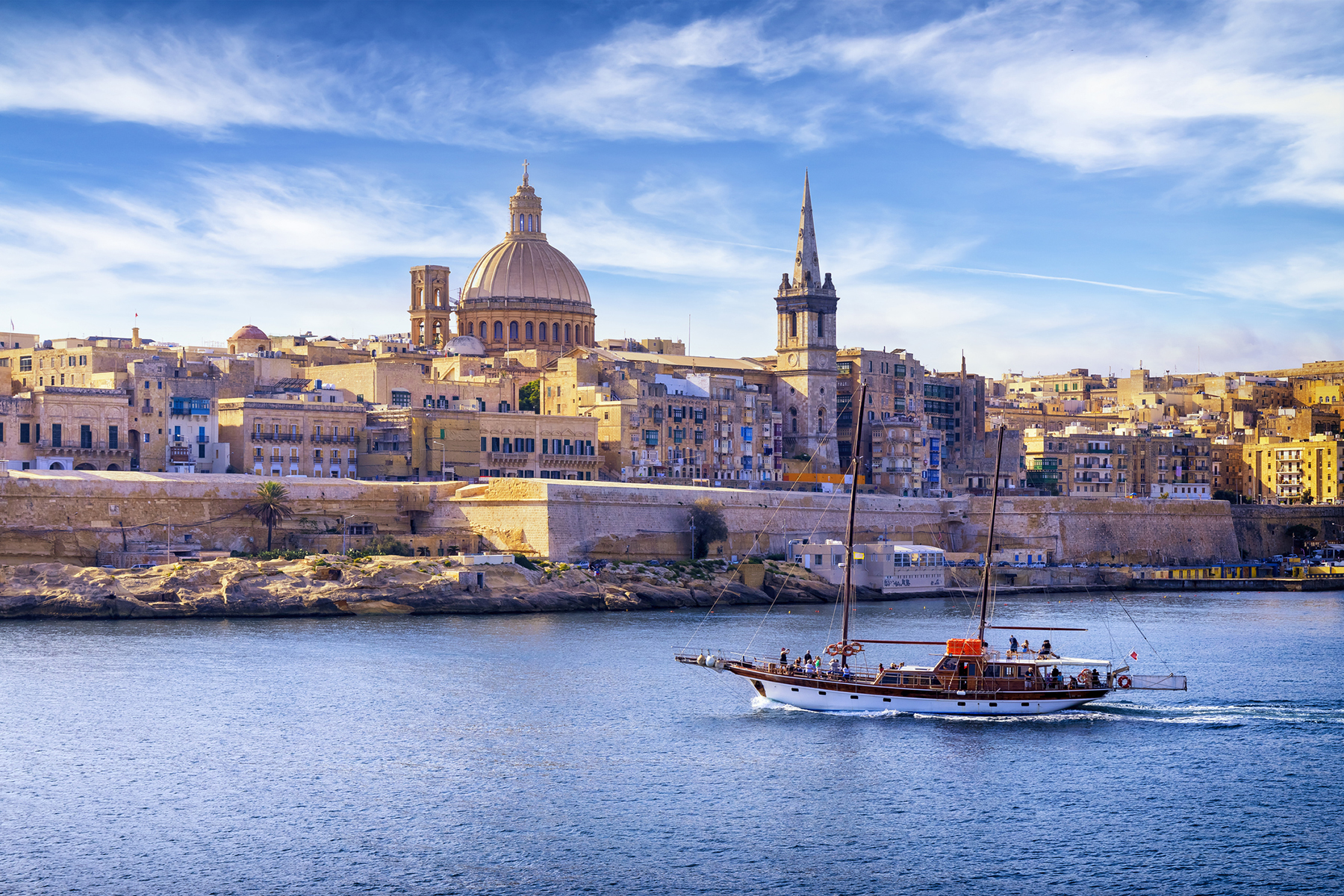
Originally built by the Knights Hospitaller as an impenetrable fortress city, Valletta stretches across the Mount Sciberras peninsula, flanked by two natural harbours. Its streets, organised in a perfect grid system designed to let the sea breeze cool the city, configure a stunning open-air museum where iconic colourful wooden balconies (gallarijas) beautifully disrupt the uniformity of the golden Globigerina limestone walls.
Upon entering St. John's Co-Cathedral, the stark contrast with its sober, military exterior will leave you speechless. The interior features breathtaking barrel vaults painted by Mattia Preti, intricate hand-carved stone walls covered in 24k gold leaf, and a floor that forms a spectacular tapestry of nearly 400 inlaid marble tombstones of knights. The tour culminates in the Oratory, home to Caravaggio’s largest and only signed masterpiece, The Beheading of St. John the Baptist (1608), along with his acclaimed St. Jerome Writing.
Upon leaving, a pleasant 10-minute walk down the pedestrianised Republic Street will lead you directly to the next landmark.
Upper Barrakka Gardens
Perched atop the St. Peter and Paul Bastion, the Upper Barrakka Gardens offer a peaceful, green oasis. As you stroll among its stone colonnades and fountains, you can look down onto the Saluting Battery, where the centuries-old tradition of firing ceremonial cannons takes place daily at 12:00 pm and 4:00 pm.
Leaning out over its main terrace gifts you the most iconic panoramic view of Malta, overlooking the Grand Harbour and the fortified silhouettes of the Three Cities. This breathtaking viewpoint is located within Valletta’s UNESCO World Heritage perimeter, underscoring the vital strategic value the island held across the centuries.
To continue your journey, take the Upper Barrakka Lift down to the waterfront. From the pier, hop onto a traditional Maltese boat (dgħajsa) or the local ferry to cross over to the opposite shore in less than 10 .
Vittoriosa (Birgu)
The most charming historic core of the Three Cities, Vittoriosa is a network of small pedestrian passages where time seems to have stopped among flower pots and old doorways.
At the tip of the town rises the colossal Fort St. Angelo, a key piece of defensive architecture whose walls keep the deeds of the Great Siege. During the stroll, it is essential to approach the Inquisitor's Palace, the ancient seat of religious judicial power, and walk along the remodelled waterfront, where recreational boats rest next to the water.
To reach the next point, it will be enough to walk about 10 minutes crossing the pedestrian bridges that link the harbour districts.
Senglea (Isla) and Cospicua (Bormla)
Completing this fortified harbour belt, Senglea and Cospicua are two historic maritime neighbourhoods that preserve an authentic local atmosphere, remaining largely untouched by mass tourism and ideal for witnessing genuine Maltese daily life.
The main highlight of Senglea is found at the tip of the peninsula in the Safe Haven Gardens (Gnien il-Gardjola). On the bastion's edge stands The Gardjola, an iconic 17th-century watchtower sculpted with a sculpted eye, ear, and a crane bird, symbolising the constant vigilance and loyalty required to guard against maritime threats.
From this vantage point, you can look inland to spot the imposing Cottonera Lines, a colossal defensive wall system conceived to shelter thousands of rural inhabitants during wartime. These neighbouring towns blend seamlessly into one another, allowing you to explore their historic steps and streets easily on foot.
Stroll along Republic Street and the Waterfront
The commercial and social axis of the historic centre, walking down Republic Street at sunset will allow you to immerse yourself in the capital's atmosphere, appreciating everything from the modernity of the Parliament designed by Renzo Piano to the illuminated palaces. Ending the day strolling next to the old Baroque warehouses of the Waterfront will provide you with an excellent culinary offer to enjoy a quiet dinner facing the sea.
,regionOfInterest=(2732,1820))
,regionOfInterest=(2732,1820))
The second day of this 5-day route through Malta heads into the inland highlands. A day designed to contrast the silent nobility of palaces, the mysteries of the Roman subsoil, and the imposing force of the wildest coast.
Mdina (The Silent City)
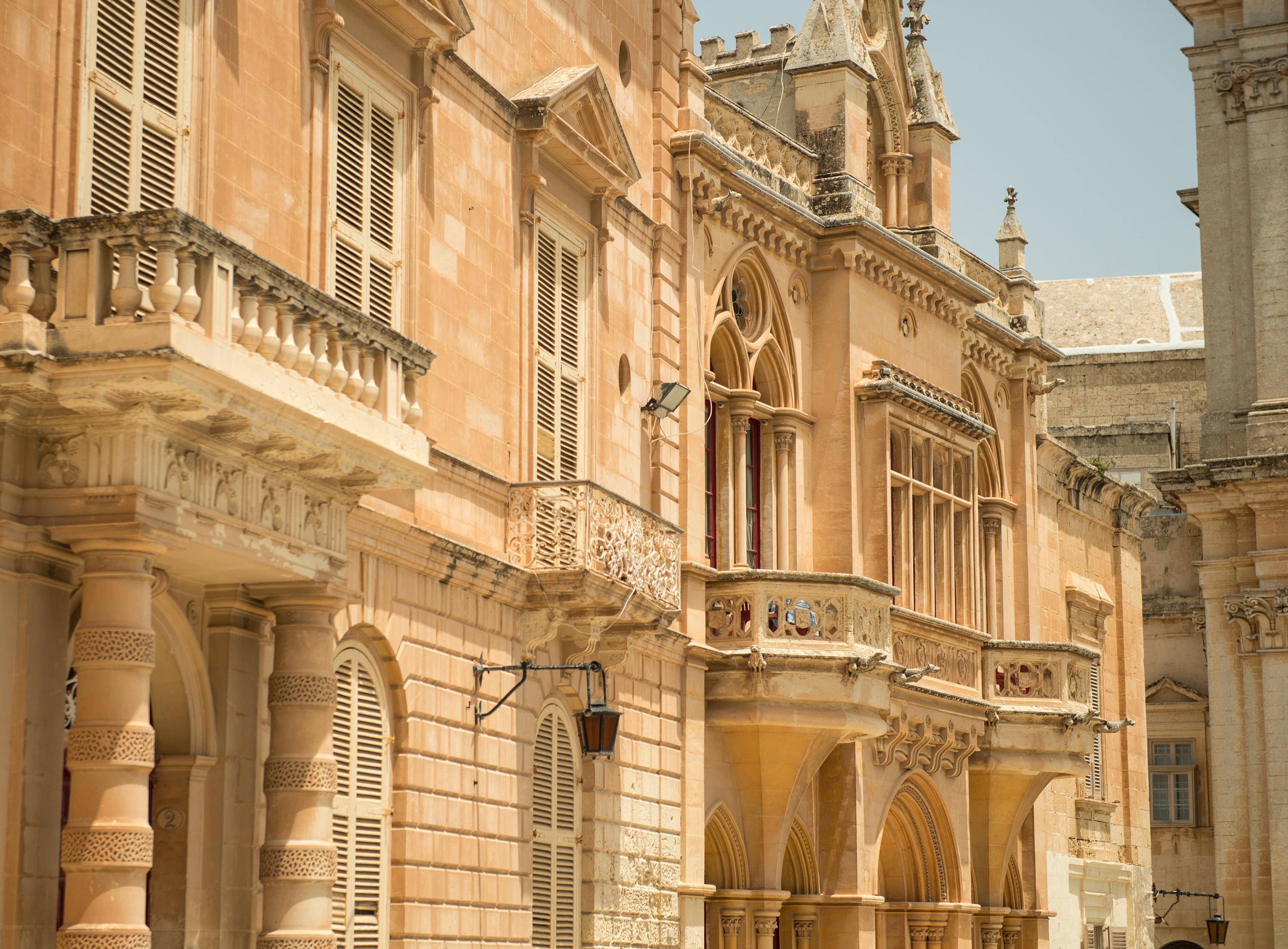
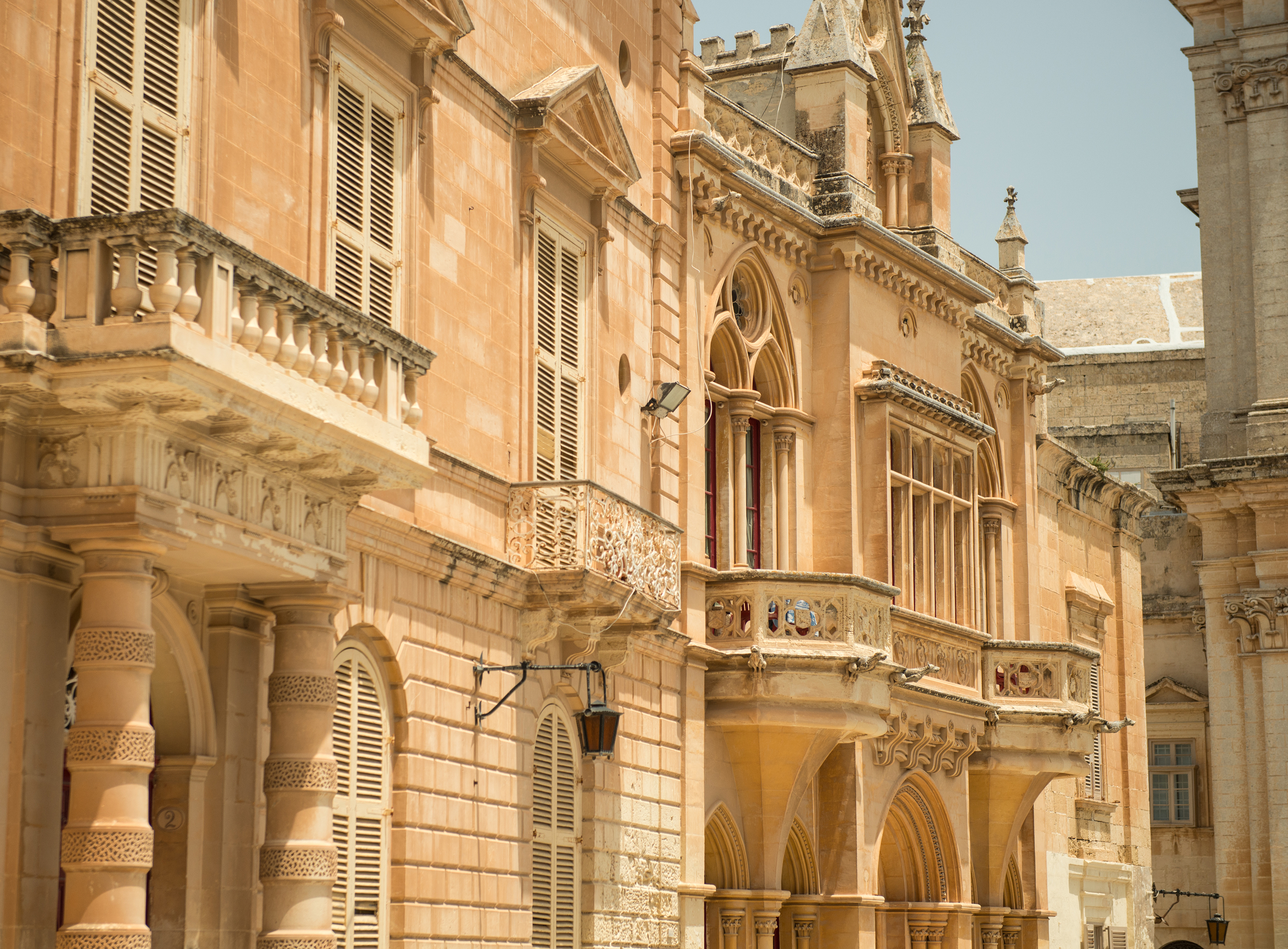
Proudly perched atop a hill, the millenary city of Mdina captivates with its peace and its purely aristocratic layout. Crowning the profile of the city is St. Paul's Cathedral, a Baroque temple with an elegant dome, though it is the nearby bastion view point at the end of Villegaignon Street that offers a crystal-clear panoramic view of the fields in the center of the island. Known as The Silent City, walking through its stone alleys allows you to admire the superb preservation of medieval palaces like Palazzo Falson, which houses rich historical collections of the noble families that inhabited the old capital.
Crossing the historic moat of the pedestrian entrance, you will reach the next destination on foot in just 5 minutes.
Rabat and St. Paul's Catacombs
Next to Mdina stretches Rabat, which shows a much more residential and traditional character, with narrow streets decorated with niches and stone balconies. In its subsoil hides a valuable historical treasure: the Catacombs of St. Paul, an extensive labyrinth of tombs excavated in the sandstone rock during the Roman era that reveals the funerary practices of the early centuries.
To travel toward the coast, it is recommended to take the bus (line 201) or use a taxi, completing the journey to the cliffs in about 15 to 20 minutes.
Dingli Cliffs
A natural space of breathtaking spectacularity, the Dingli Cliffs mark the highest point of Malta's geography. Next to the modest chapel of St. Mary Magdalene, the terrain cuts off sharply to give way to an impressive vertical drop into the blue waters of the Mediterranean.
It is an ideal spot to stroll while breathing the pure sea air, contemplating the immensity of the horizon and the force of the waves crashing against the limestone walls, far from any city noise.
To return to your accommodation area, you can connect with the bus lines or request a taxi/ride-sharing app transfer. Please note that buses from this remote area can be infrequent, running roughly once per hour, so checking schedules in advance is essential.
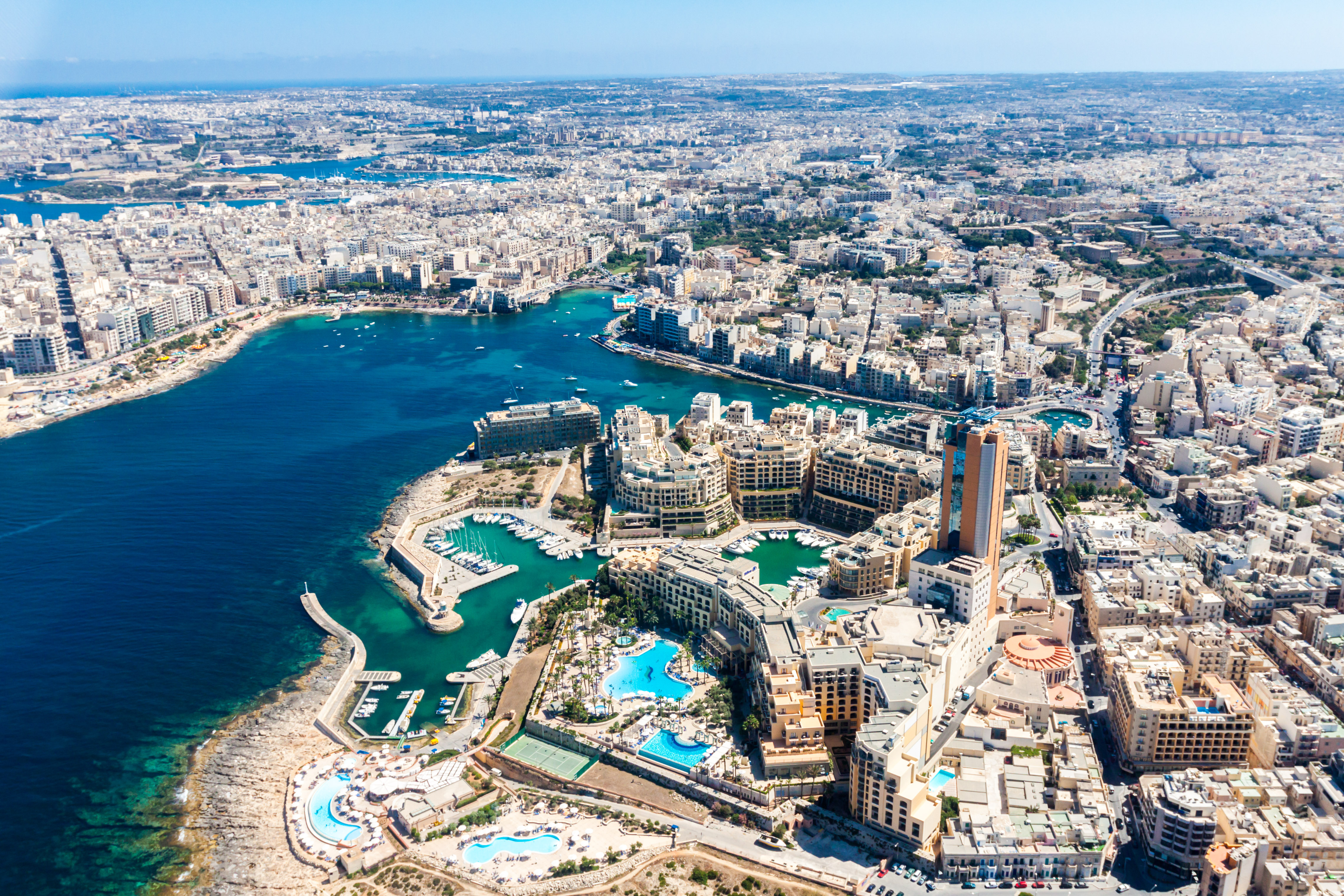
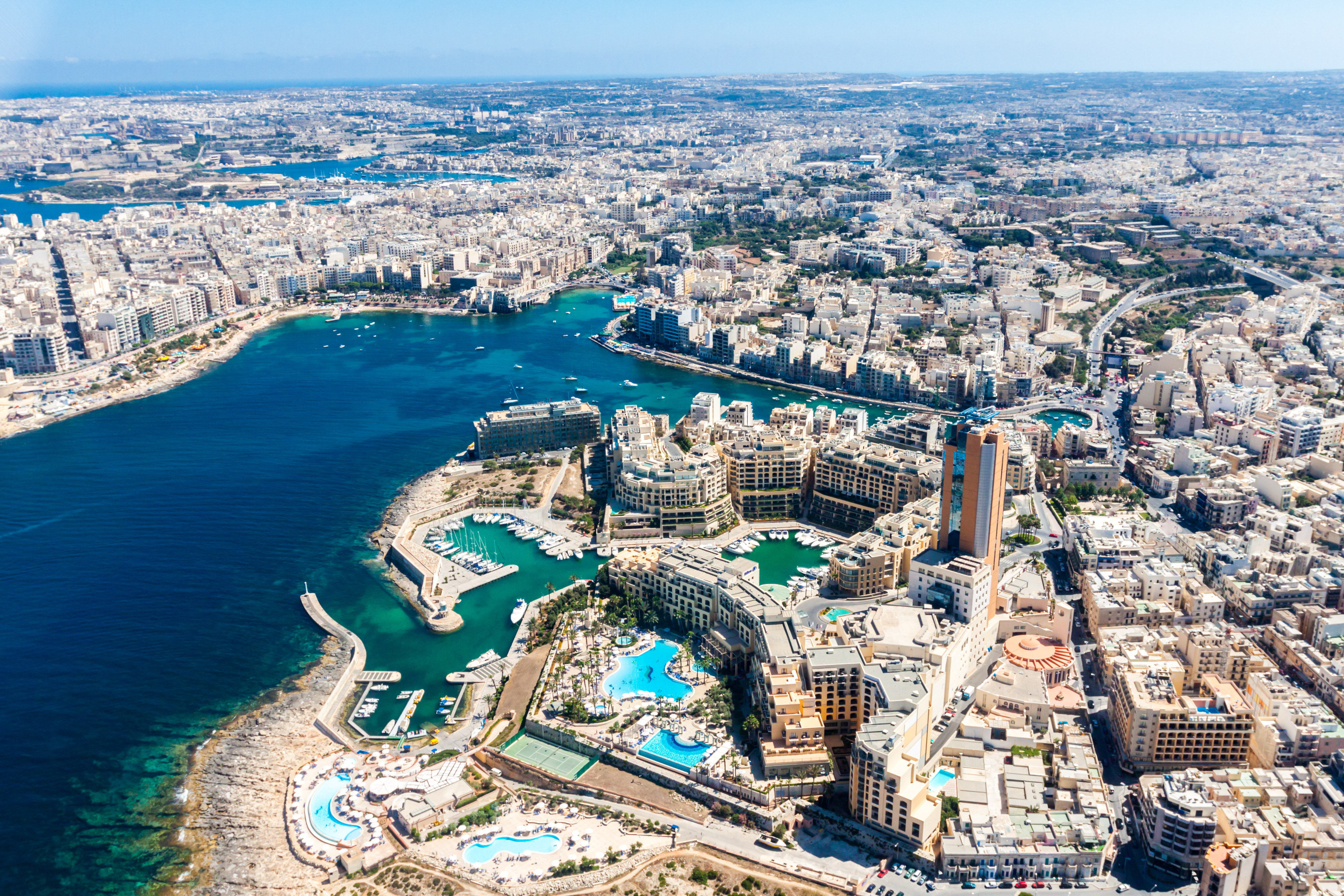
Dinner and stroll around Spinola Bay (St. Julian's)
To top off the day, nothing beats the lively atmosphere of Spinola Bay. Strolling along its illuminated promenade, contemplating the fishing boats resting on the shore, and sitting down for dinner on one of its terraces facing the sea will allow you to connect with the most modern and gastronomic side of the archipelago.
,regionOfInterest=(2136,1426.5))
,regionOfInterest=(2136,1426.5))
In this list of things to do in Malta, we set sail for the neighbouring island of Gozo, a destination that stands out for its greener landscapes, a leisurely pace of life, and some of the oldest monuments in the world.
The Citadel of Victoria (Rabat of Gozo)
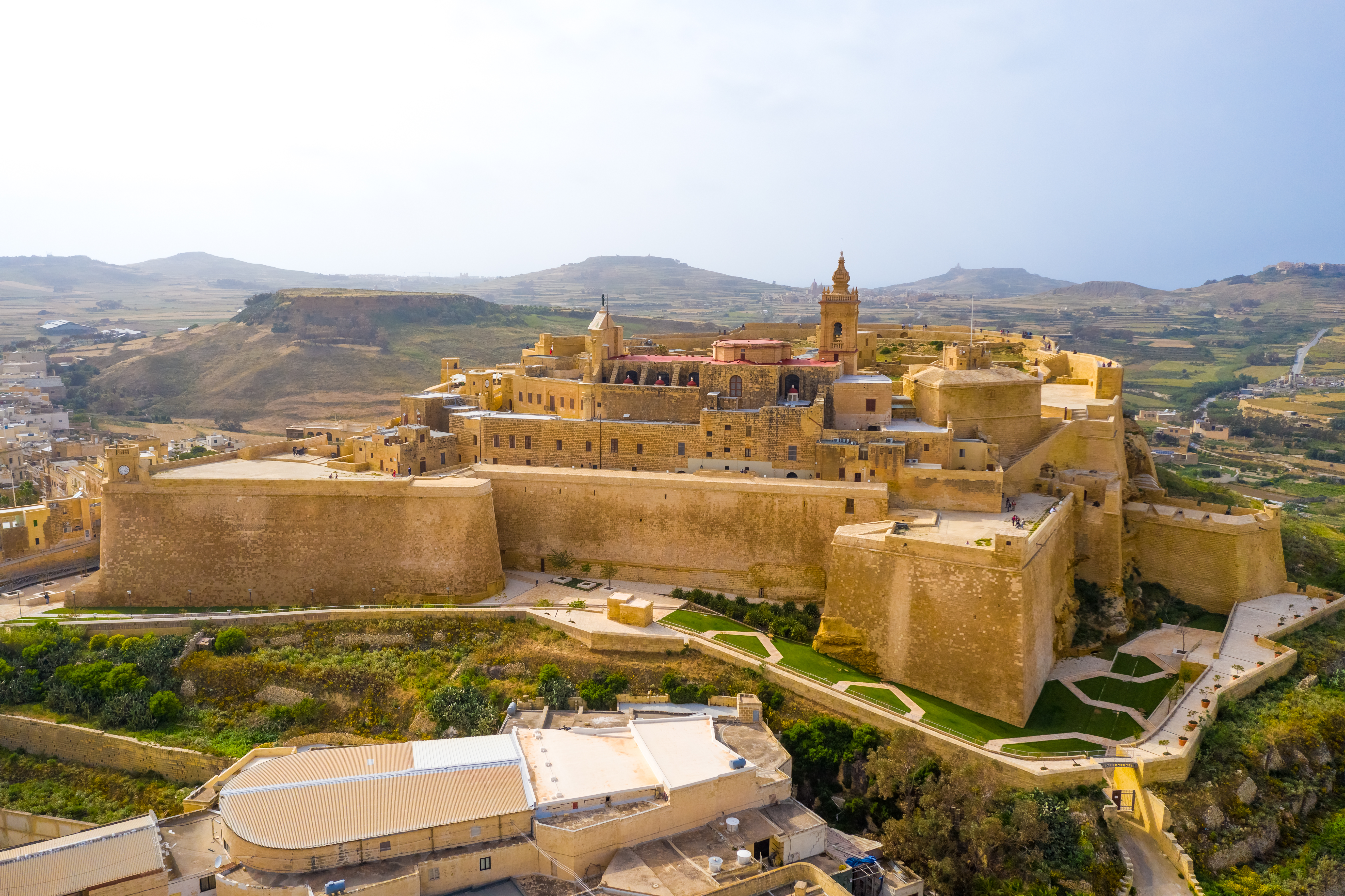
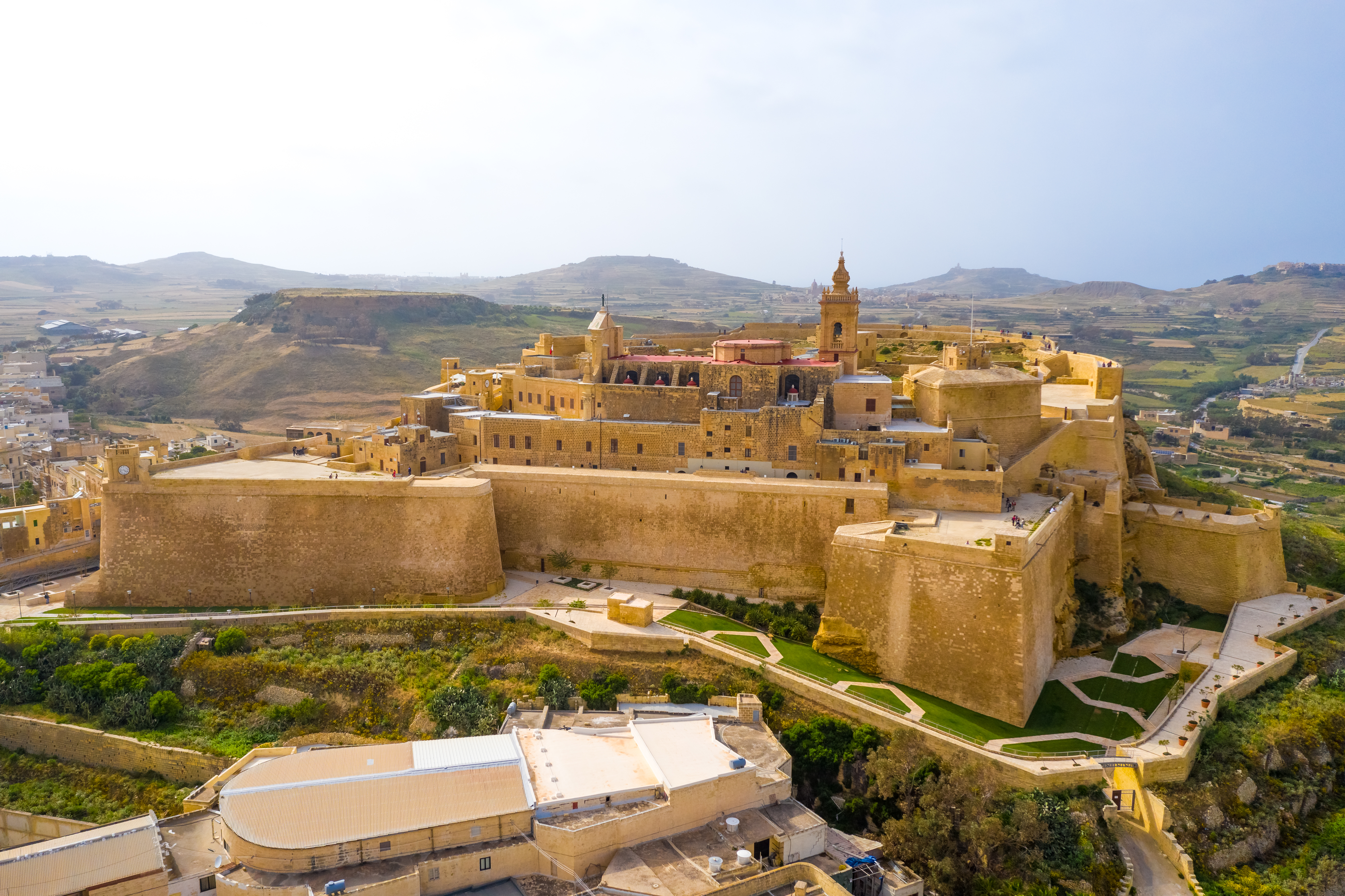
Strategically located in the heart of the island, the Citadel of Victoria served for centuries as a defensive refuge against attacks by Barbary pirates. It houses inside the Gozo Cathedral and a set of medieval streets surrounded by walls that offer a spectacular 360-degree panoramic view over the small villages and fields of Gozo.
The view from its limestone bastions and the historical charm of its passages configure an essential visit that impresses as soon as you arrive on the island after a brief ferry ride.
From the Victoria bus terminal, you can take public transport (line 310 to Marsalforn) or a taxi to reach the northern coast in a quarter of an hour.
The Marsalforn Salt Pans
The coastline near Marsalforn surprises with a spectacular coastal landscape where hundreds of geometric pools intended for salt extraction have been carved directly into the rock on the shore. It is a photogenic and unique picture where human tradition coexists in perfect harmony with the sea.
These ancient salt pans, which shine intensely under the Mediterranean sun, reflect an artisanal custom inherited from Roman times. An ideal place to take a stroll along the shore listening to the sound of the waves.
The area is perfectly set up to explore on foot without any difficulty.
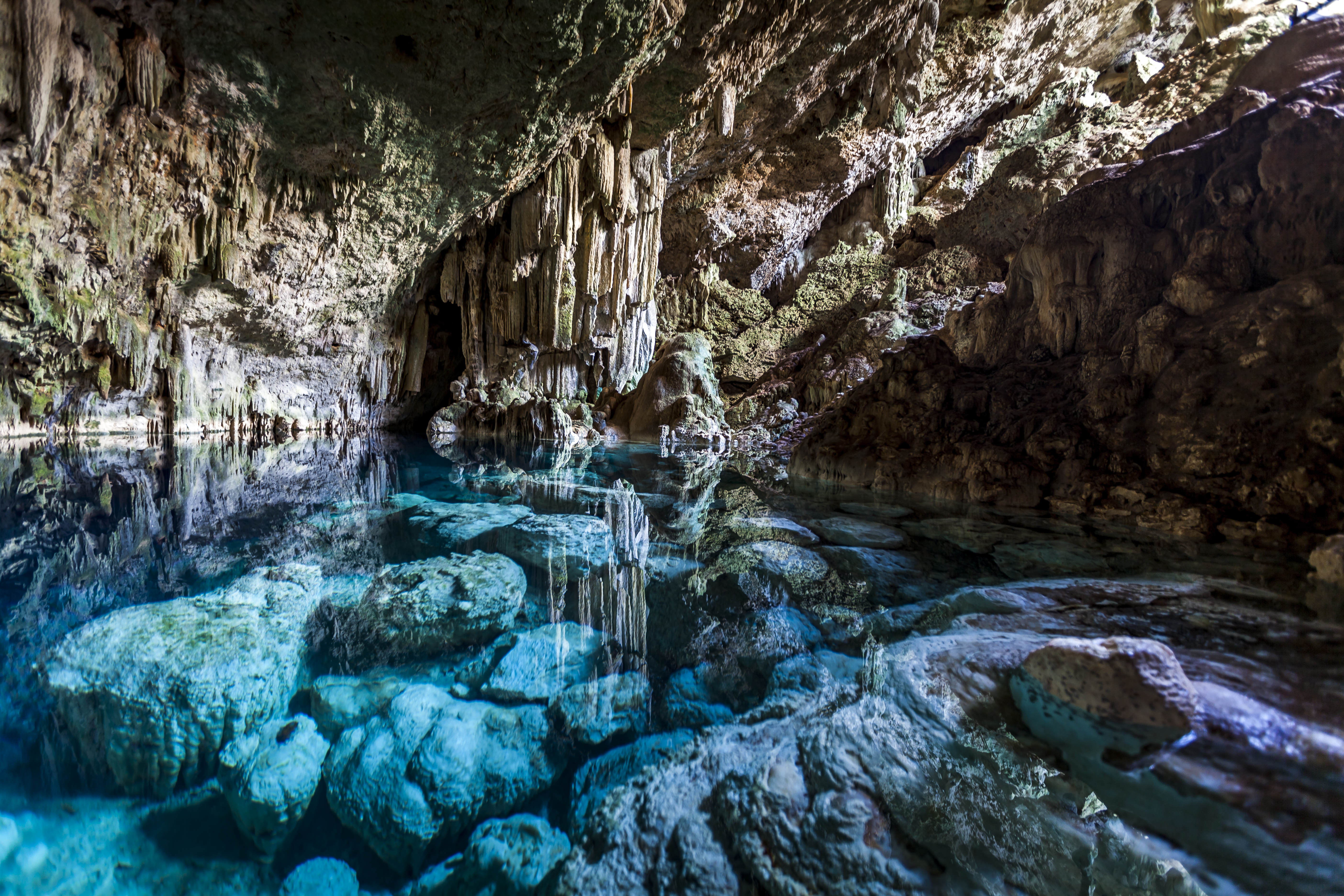
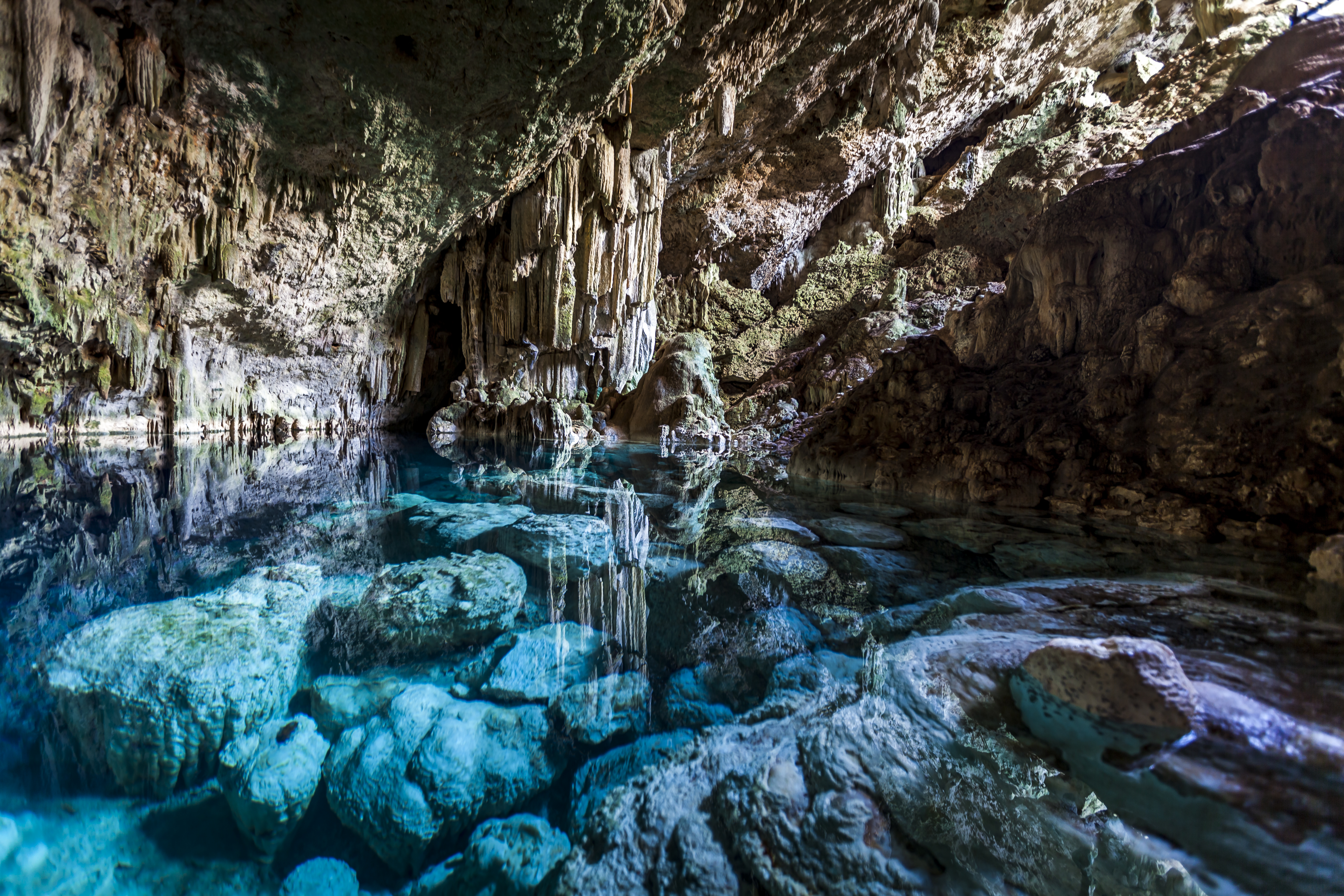
Dwejra Bay and the Inland Sea
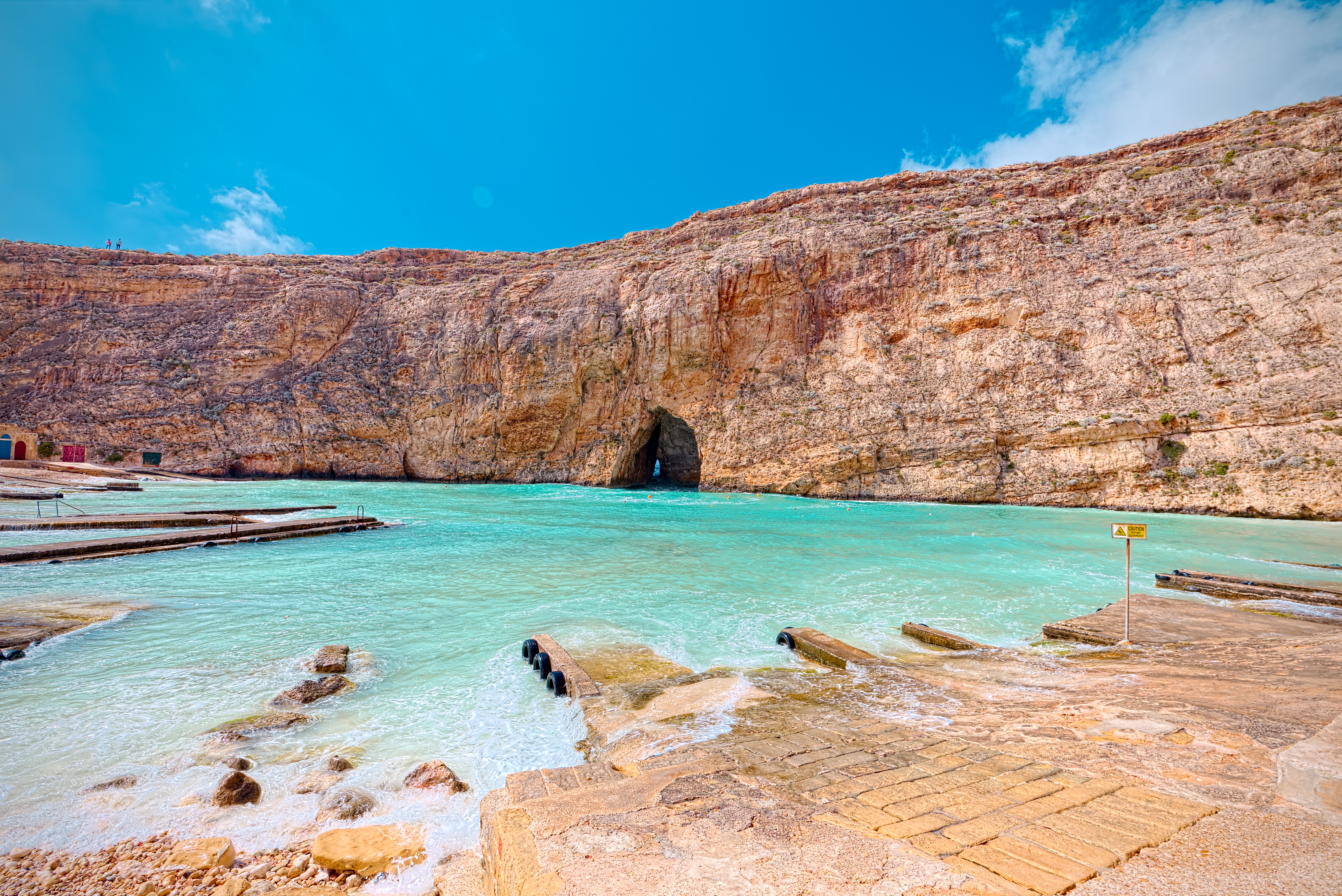
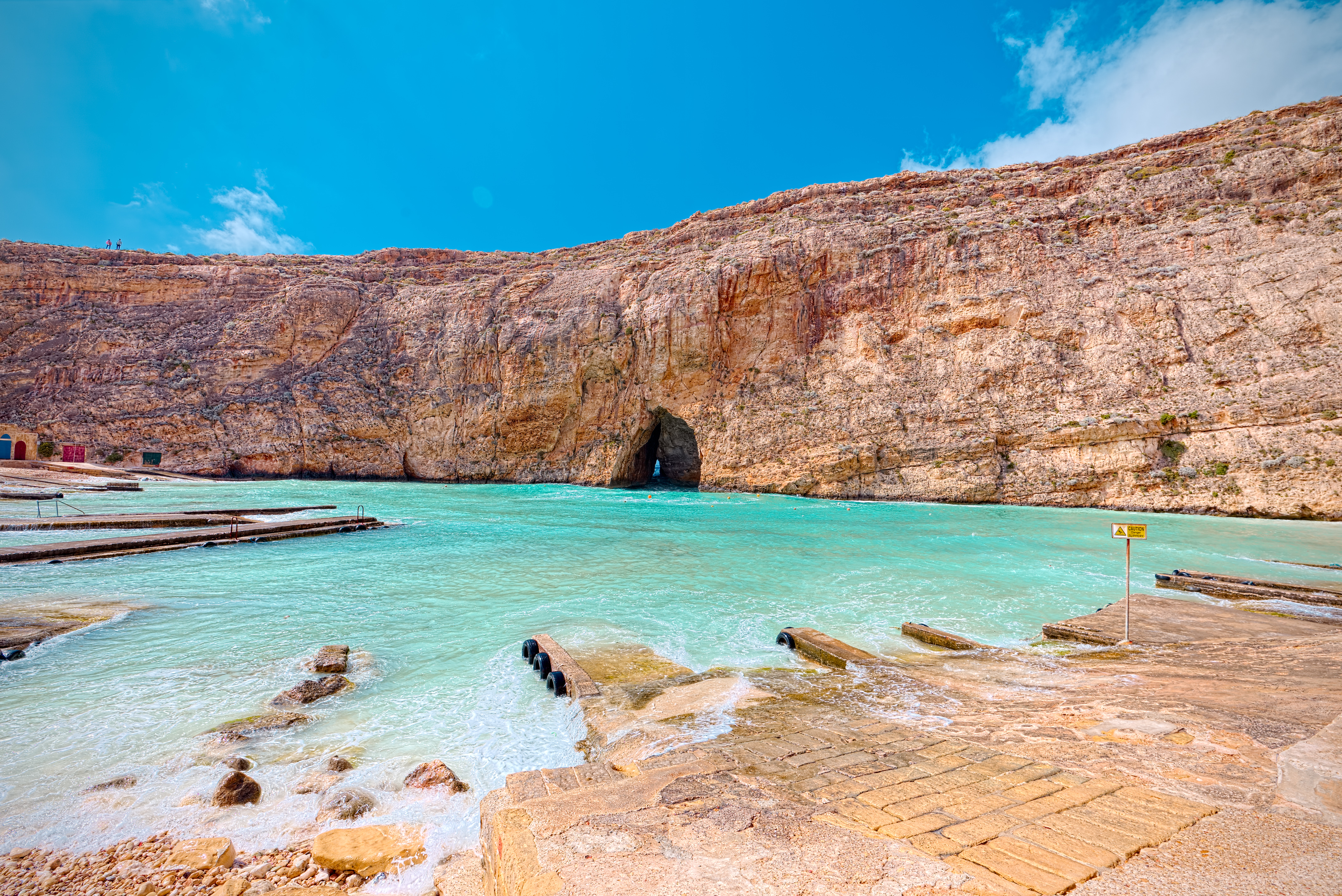
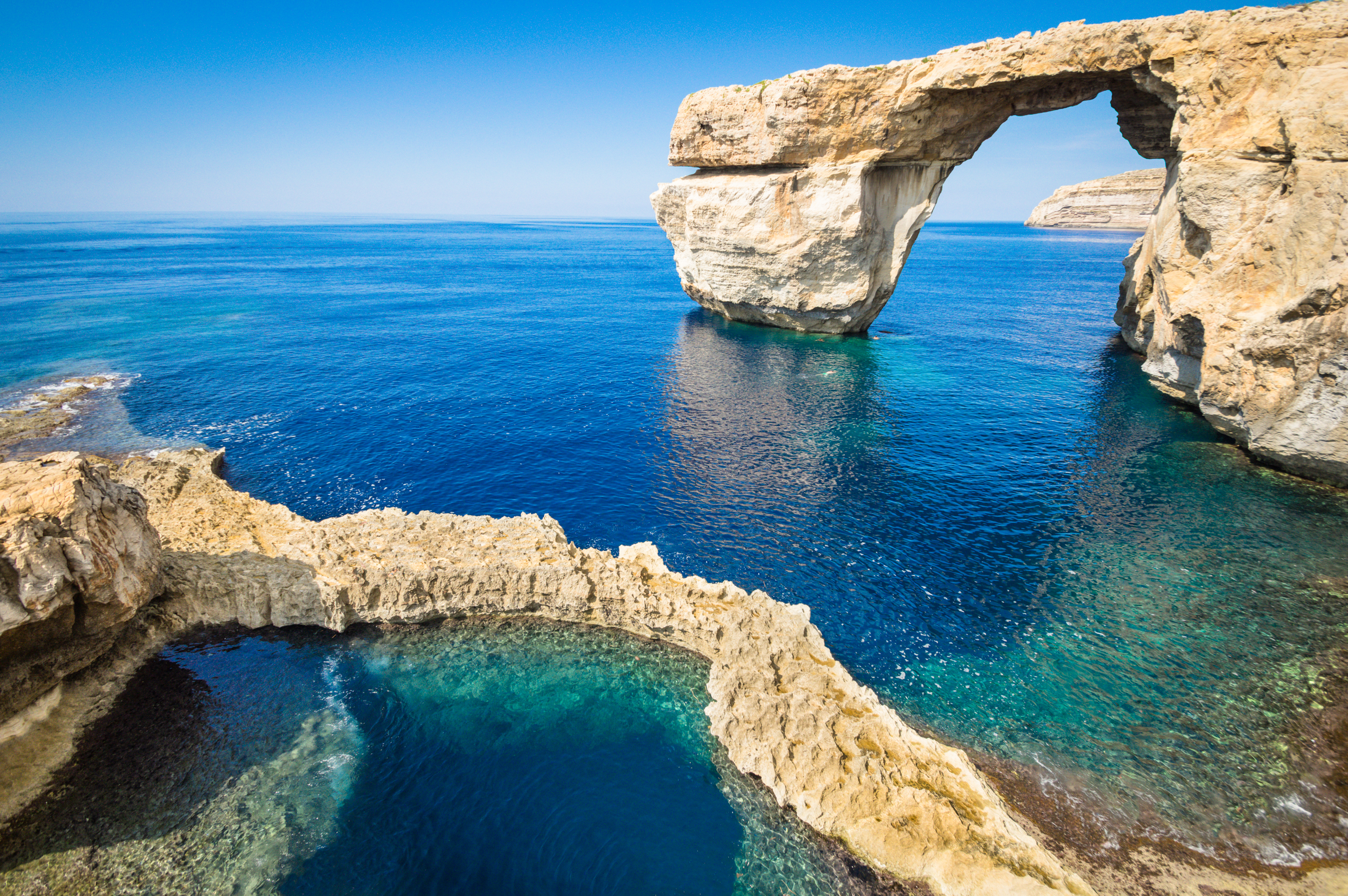
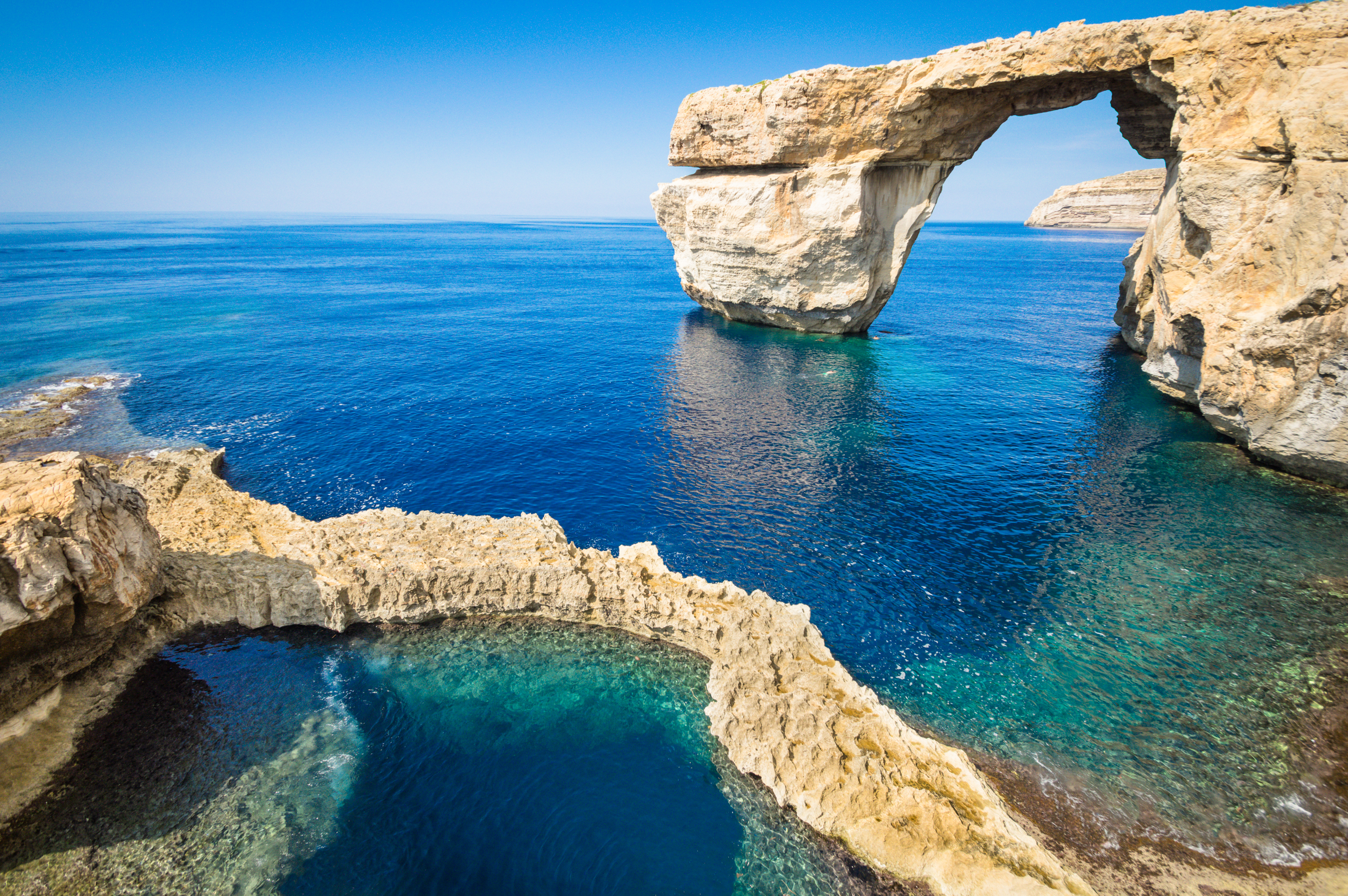
Located on the west coast of Gozo, Dwejra Bay stands out for its unique geological formations of karst origin. The area is globally known for the Inland Sea, a quiet saltwater lagoon connected to the ocean through an impressive 80-metre tunnel in the cliff, and for the large rock mass of Fungus Rock that juts out of the water. While the famous Azure Window collapsed in 2017, the nearby Blue Hole remains a premier diving site.
To cross toward the east of the island in search of the next landmark, you can take a bus or a taxi in a journey of about 20 minutes.
Ġgantija Temples
The archaeological site of the Ġgantija Temples guards two imposing megalithic structures raised centuries before the Stonehenge monument or the pyramids of Giza. Its colossal blocks of coralline limestone form lobed walls that astonish by their longevity, being one of the oldest examples of free-standing architecture on the planet.
Upon concluding, returning to the port of Mġarr to take the ferry back to the main island is very simple thanks to local transport (such as bus lines 307 or 322).
Stroll and dinner in Sliema
Back on the island of Malta, the wide Sliema promenade is the perfect place to relax. Its wide sidewalks invite you to walk calmly enjoying the spectacular views of the illuminated walled silhouette of Valletta across the bay, crowning the day with an excellent dinner in the surroundings.
,regionOfInterest=(2880,1920))
,regionOfInterest=(2880,1920))
The fourth day of the 5-day itinerary in Malta is dedicated to exploring the seafaring soul and treasures of the southern coast. An ideal journey to capture the most traditional side of fishermen's life and the natural monuments excavated by the sea.
Marsaxlokk and its traditional port
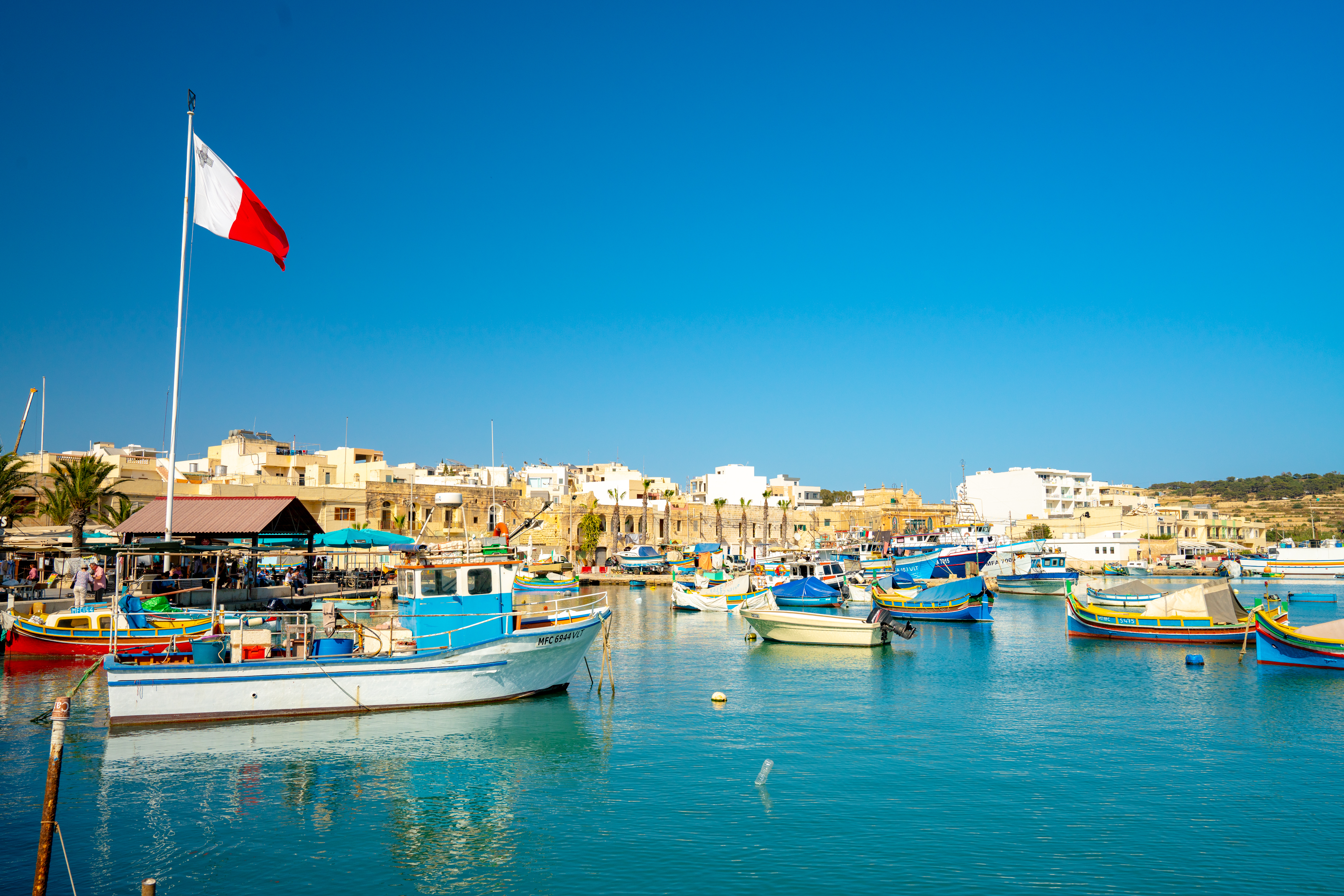
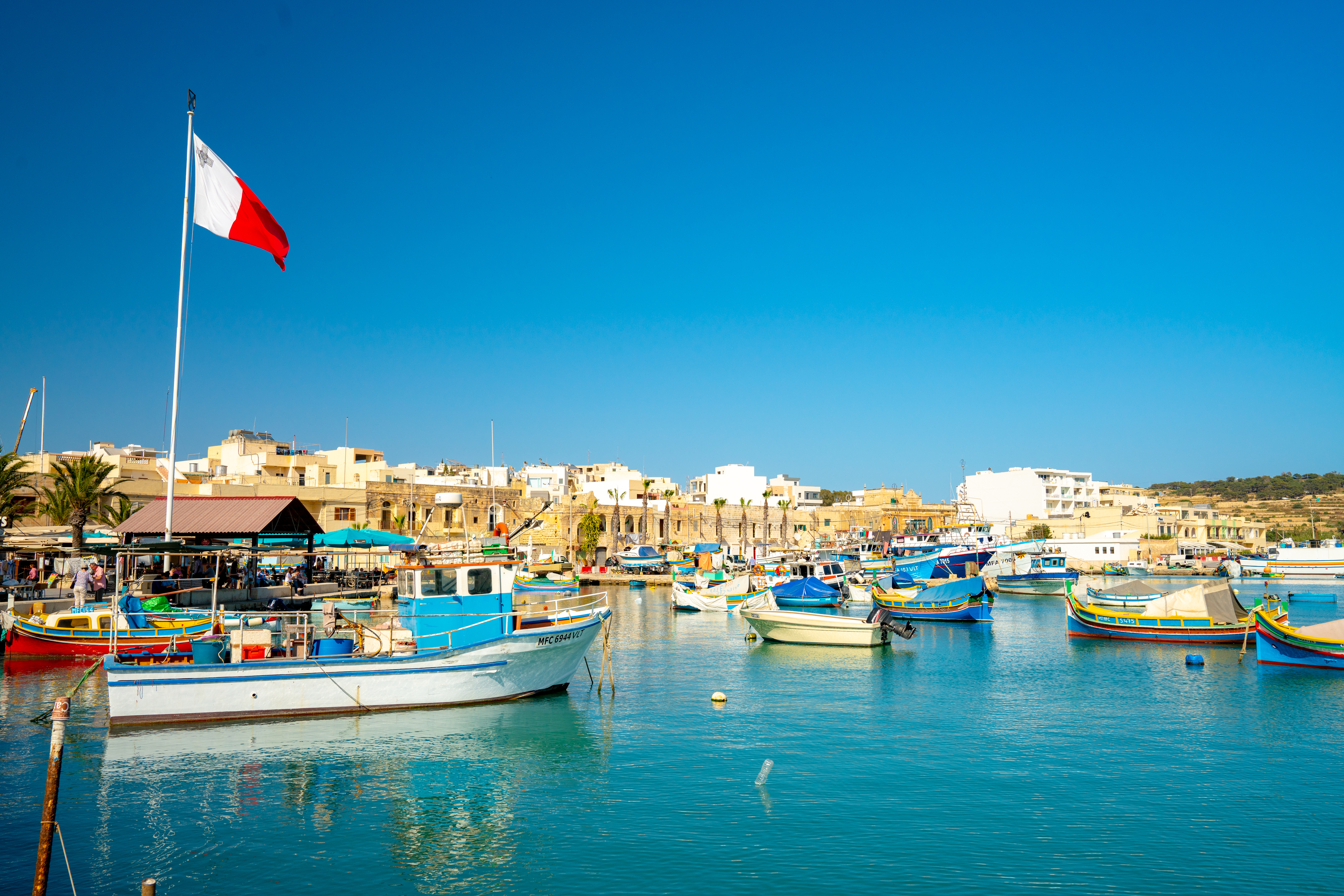
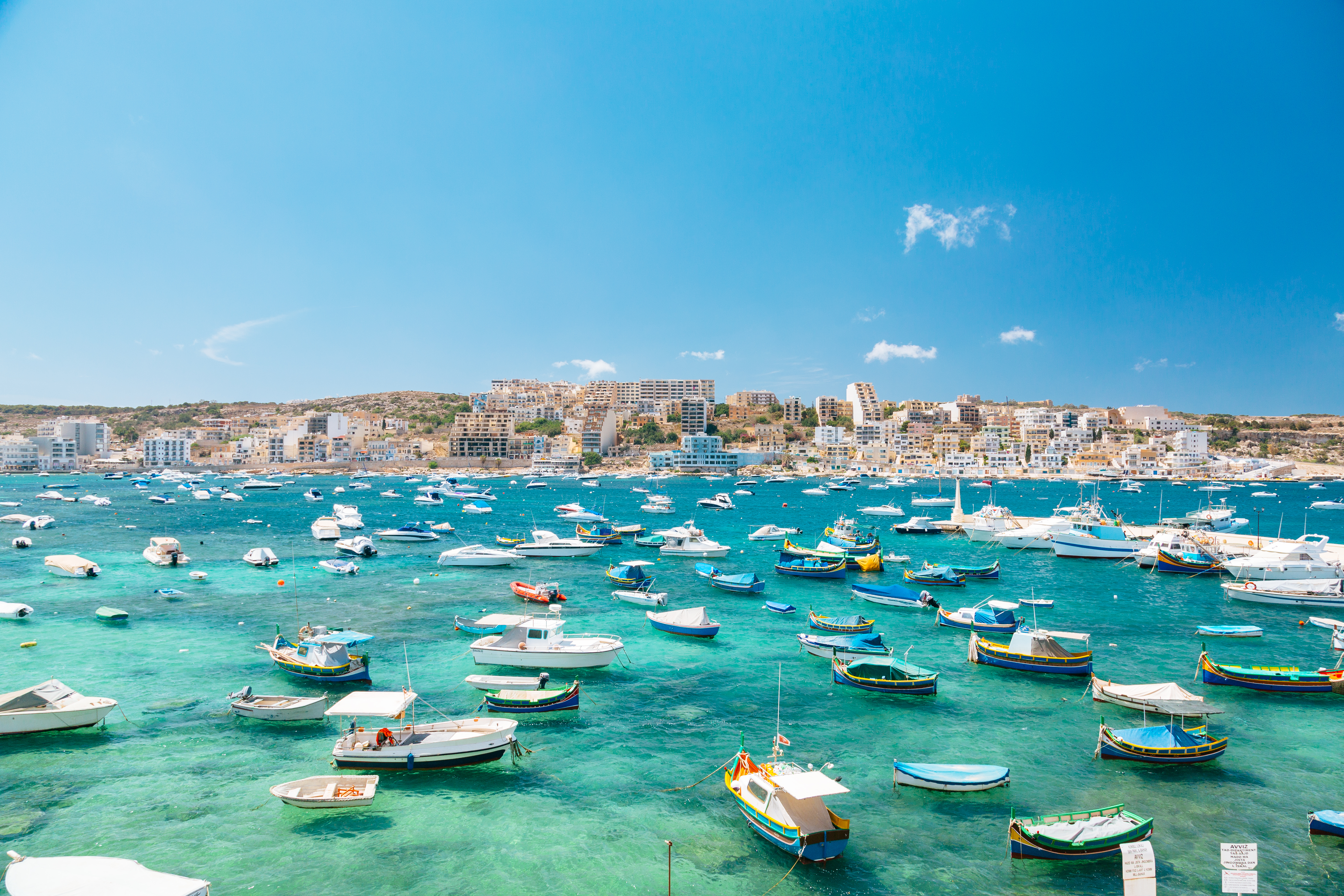
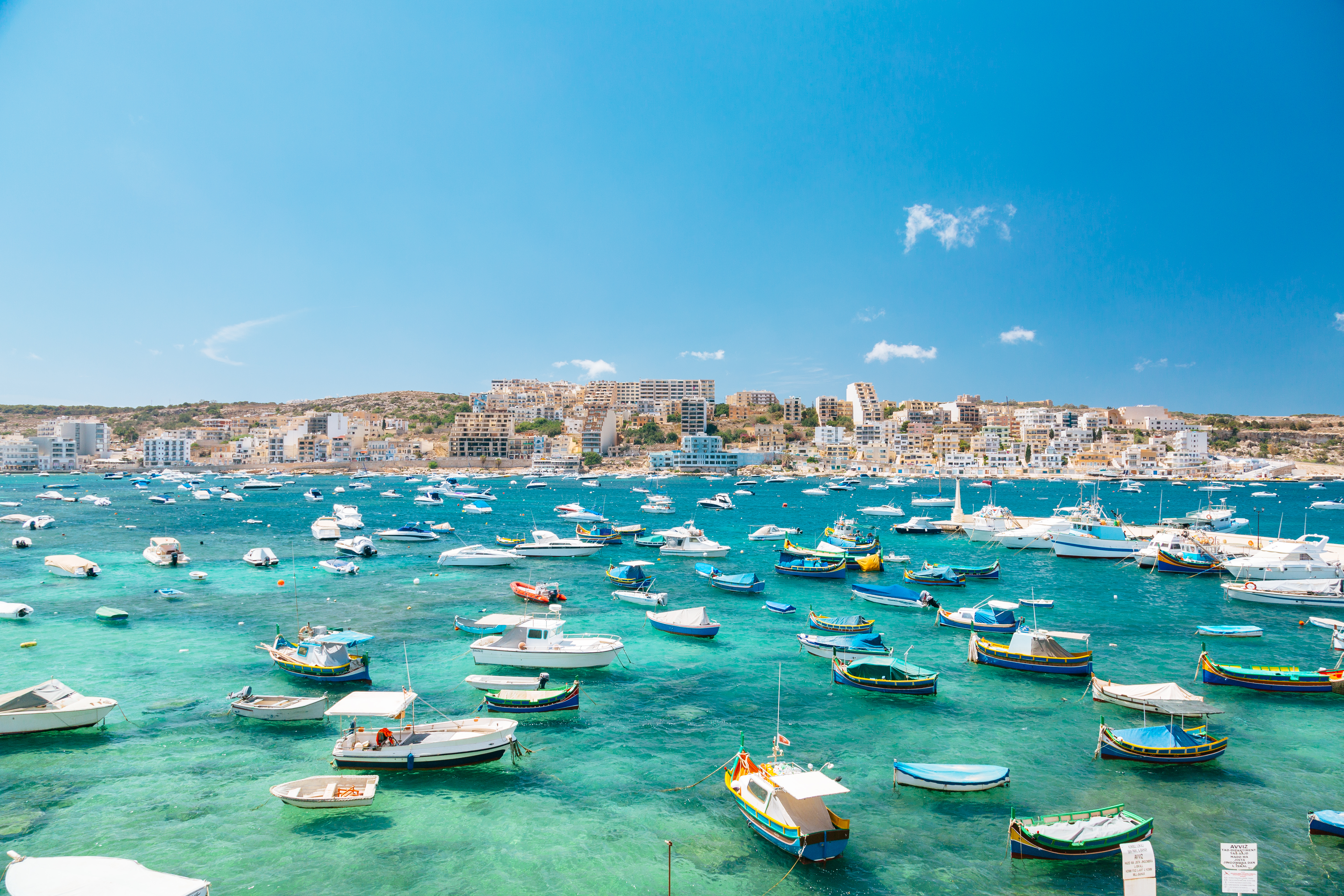
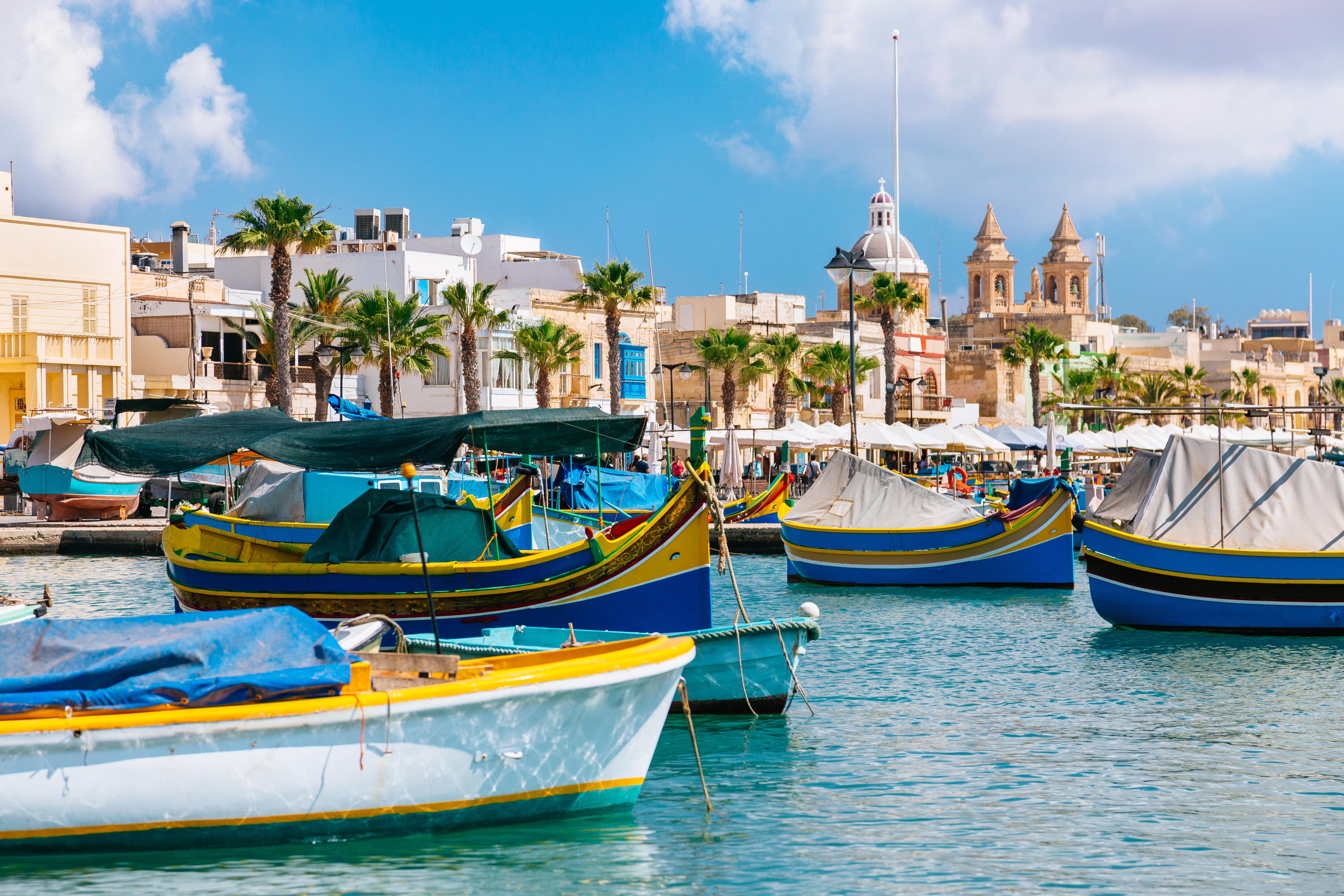
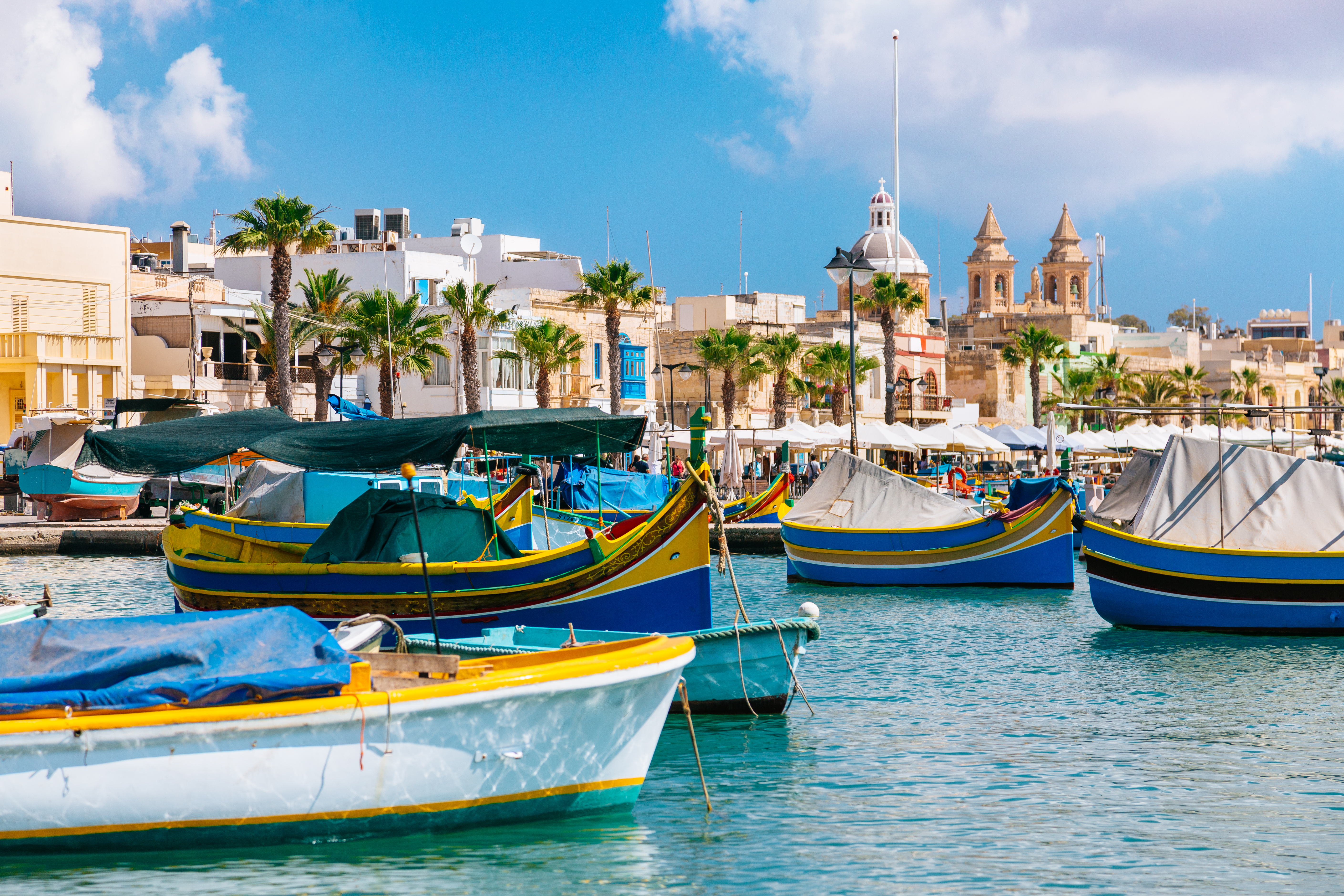
The fishing village par excellence of the country, Marsaxlokk is structured around a spacious natural bay. The great visual appeal of this corner is its immense fleet of luzzus, the colourful traditional wooden vessels that proudly sport the eye of Osiris on their bows, an ancient amulet of Phoenician origin to protect sailors.
Strolling along the docks will allow you to observe the routine of fishermen organising their tackle and selling fresh catches. The reflection of the bright colours of the boats on the calm water composes one of the most beautiful postcards of the trip.
To transfer to the southwestern coastal viewpoint, you can take a taxi for a 20 to 25-minute journey, or use public transport, which requires catching bus 119 to the airport and then transferring to line 201.
Blue Grotto
Considered an essential natural monument, the Blue Grotto is a majestic set of marine caverns famous for the impressive clarity of their waters. Admiring the colossal limestone arch from the upper viewpoint located at the edge of the cliff offers a magnificent perspective of the southern geography.
To fully enjoy the experience, it is highly advisable to descend to the small jetty of Wied iż-Żurrieq and board one of the local fishermen's boats; the tour will take you inside the caves to observe how the sun's rays create an amazing spectacle of turquoise light in the water.
After the boat excursion, you can relax contemplating the maritime profile from the terraces in the area.
Archaeological sites of Hagar Qim and Mnajdra
A very short distance from the Blue Grotto rise the prehistoric temples of Hagar Qim and Mnajdra, located facing the sea in front of the uninhabited islet of Filfla. These megalithic sanctuaries from the Neolithic period (specifically the Ġgantija and Tarxien phases) stand out for their precise astronomical orientations, perfectly aligned with the solstices and equinoxes. Strolling among their enormous stone slabs cut against the blue horizon of the sea will allow you to connect with the most remote and mysterious past of the island.
The return to the urban area (such as Valletta via bus line 74) is easily done by connecting with local transport.
Urban farewell in Valletta
To say goodbye to the night in style, nothing beats getting lost again in the illuminated streets of Valletta. Walking up its steep steps when most shops have closed reveals the monumental magic of the capital, ideal for dining on signature cuisine or local portions in the charming venues of the mythical Strait Street.
,regionOfInterest=(1500,1105.5))
,regionOfInterest=(1500,1105.5))
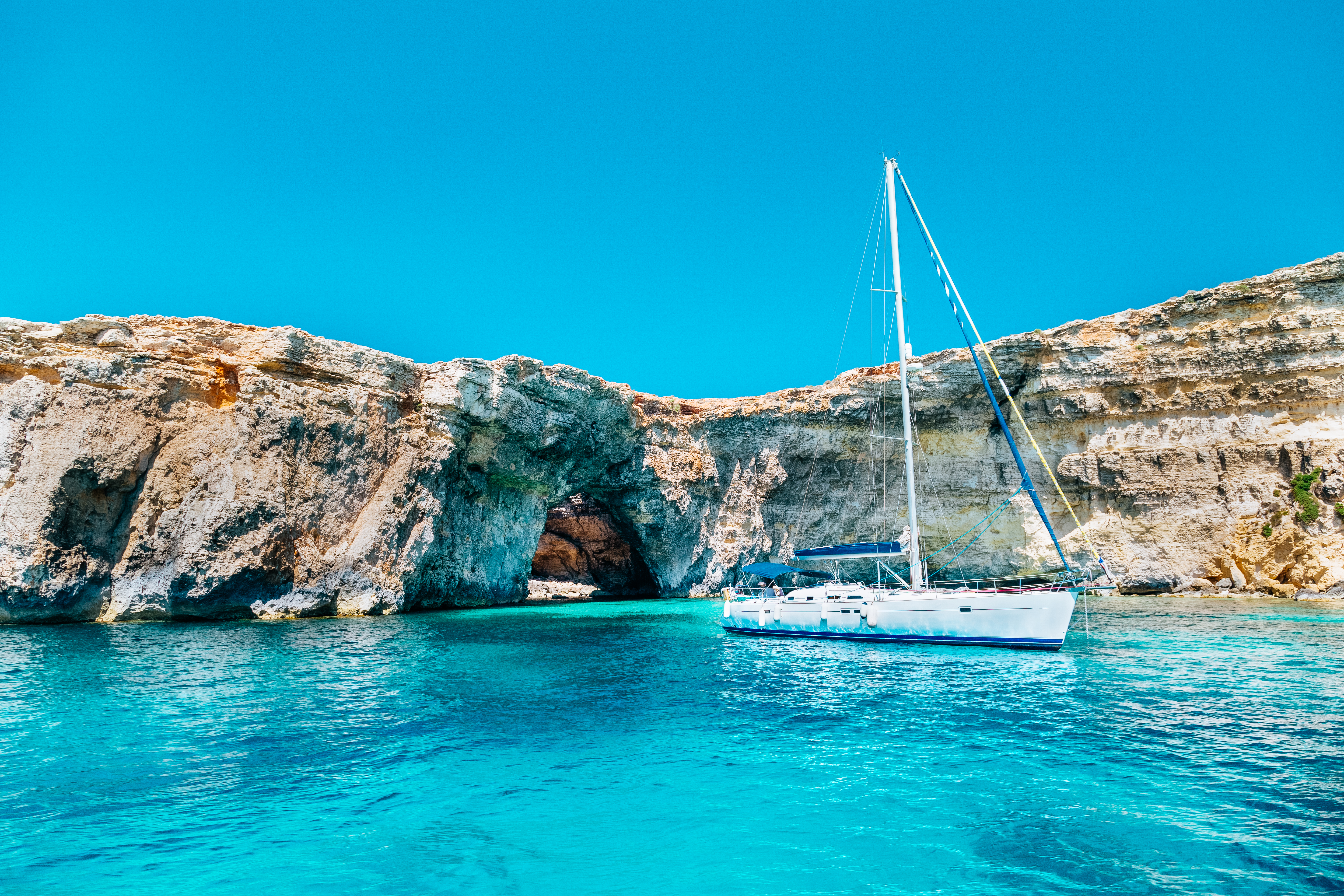
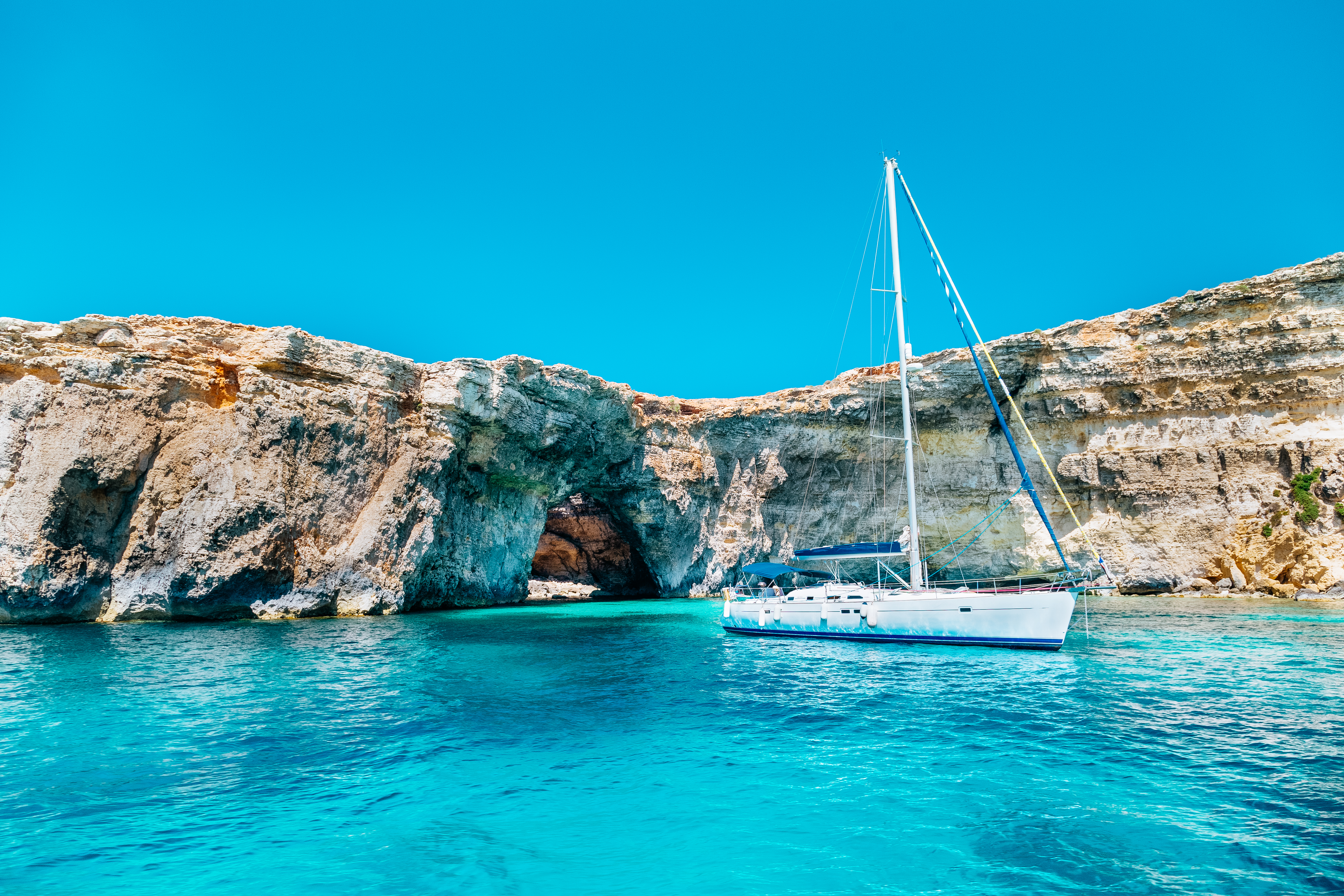
To finish this route of places to see in Malta in five days, I propose you enjoy the most idyllic and beach-focused side of the archipelago. A day entirely dedicated to swimming in paradisiacal waters and relaxing on the most beautiful sandy shores of the main island.
The Blue Lagoon of Comino
The Blue Lagoon is an authentic natural paradise located between the island of Malta and Gozo, specifically on the small and idyllic uninhabited islet of Comino. This arm of water, sheltered from open currents by rock formations, stands out for a bottom of fine white sand that dyes the water an intense turquoise blue, making it look like a natural pool.
Arriving here early in the morning will allow you to enjoy the surroundings with total tranquillity, ideal for swimming, snorkelling among colourful fish, or simply walking along the limestone paths surrounding the bay. The beauty of this corner is the kind that stays engraved forever in memory.
To get to Comino, it is enough to catch one of the frequent boats or water taxis that depart from the northern port of Ċirkewwa (or Marfa), in a maritime journey of barely 20 minutes.
Golden Bay
Back on the main island, Golden Bay is one of the widest and most comfortable sandy shores in the north of Malta. As you walk through its fine sand of golden tones (hence its name), you will come across a natural environment flanked by rocky promontories and an old medieval watchtower at the top of the hill.
Just a few steps from the shore you have excellent catering services and sun loungers to lie down and rest. It is one of the most famous blue flag beaches in the country and shows the beauty of the Maltese coast in all its splendour.
You can continue the tour toward the adjacent bay by crossing the natural path bordering the cliff in about 15 minutes of walking.
Ghajn Tuffieha Bay
A coastal gem with a much more pristine and natural character than the previous one, Ghajn Tuffieha Bay is sheltered at the bottom of a long stone staircase of about 200 steps that descends down the slope.
Here you will find a beautiful red sand beach flanked by unique clay formations and green hills. You cannot miss climbing up to the cape that separates it from the neighbouring bay—a rocky ledge ideal for taking spectacular photographs of the coast—nor sitting down to watch the waves gently break in this protected environment.
Both beaches are attached and divided by a natural path, so you can move between them on foot without problems.
Mellieha Bay (Ghadira)
The most extensive beach in the entire archipelago, Mellieha Bay stands out for its extremely calm, clean, and very shallow waters, which allows you to walk tens of metres with the water at knee level. Here we must highlight the relaxed and holiday atmosphere of its promenade, ideal for taking a walk along the water or practising gentle water sports in a safe and familiar environment. In the vicinity of the bay you will also find the Sanctuary of Our Lady of Mellieha, a historic church built on a hill overlooking the sea.
You can move from the previous beach area by bus (lines 101 or 44) or taxi in about 10–15 minutes crossing the ridge.
Sunset and dinner in Mellieha village
Majestically settled on an elevated ridge, the picturesque village of Mellieha is the ideal place to close your trip in style. Contemplating the sunset from the viewpoints of the majestic limestone Parish Church of the Nativity of the Virgin Mary will gift you a beautiful panoramic view of the entire north of the island, putting the finishing touch to your getaway with an excellent dinner in its traditional restaurants of the old town.
,regionOfInterest=(1384.5,920.5))
,regionOfInterest=(1384.5,920.5))
To follow this 5-day Malta itinerary, I recommend organising yourself using these area-specific maps:
,regionOfInterest=(1703.5,1151.5))
,regionOfInterest=(1703.5,1151.5))
From my experience, 5 days in Malta is the perfect amount of time to fall completely in love with this corner of the Mediterranean without feeling exhausted from rushing.
Through this optimised itinerary, you will have travelled back in time from the ancient megalithic temples to the Baroque splendour of Valletta, while also experiencing the absolute calm of the Comino lagoon and the traditional fishing charm of Marsaxlokk.
,regionOfInterest=(1476.5,980.5))
,regionOfInterest=(1476.5,980.5))
,regionOfInterest=(1496,1996))
,regionOfInterest=(1496,1996))
,regionOfInterest=(2732,1820))
,regionOfInterest=(2732,1820))
,regionOfInterest=(1392,924))
,regionOfInterest=(1392,924))
,regionOfInterest=(2121,1414))
,regionOfInterest=(2121,1414))