,regionOfInterest=(2279,1519.5))
,regionOfInterest=(2279,1519.5))
Hoyo Azul: a hidden cenote in Cap Cana
,regionOfInterest=(2808,1872))
,regionOfInterest=(2808,1872))
Holidays
,regionOfInterest=(970,639))
,regionOfInterest=(970,639))
,regionOfInterest=(500,500))
,regionOfInterest=(500,500))
All-terrain writer specialising in tourism, fashion and trends. A curious soul, traveller, reader and sports enthusiast, keen to discover every corner of the world.
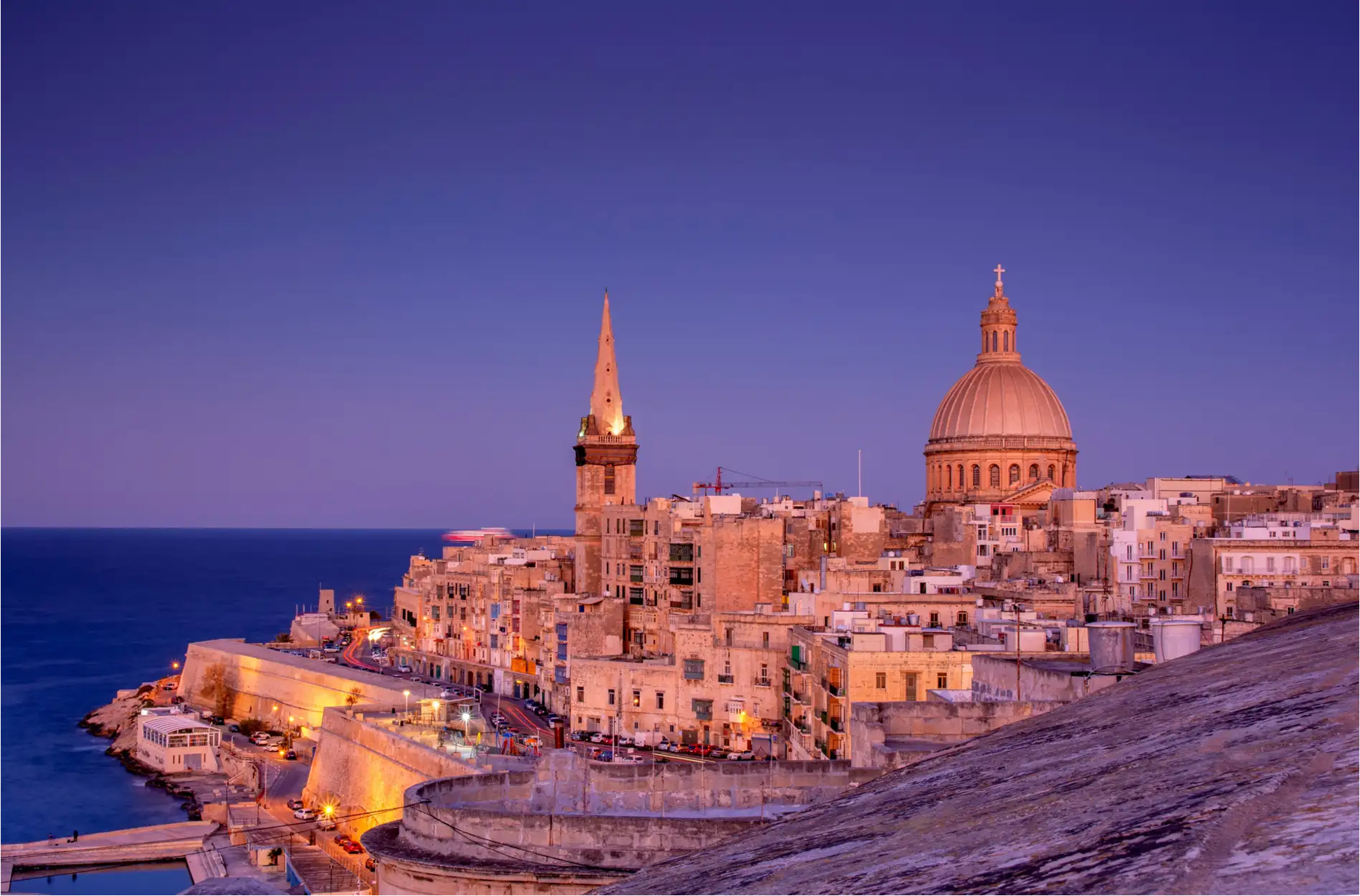
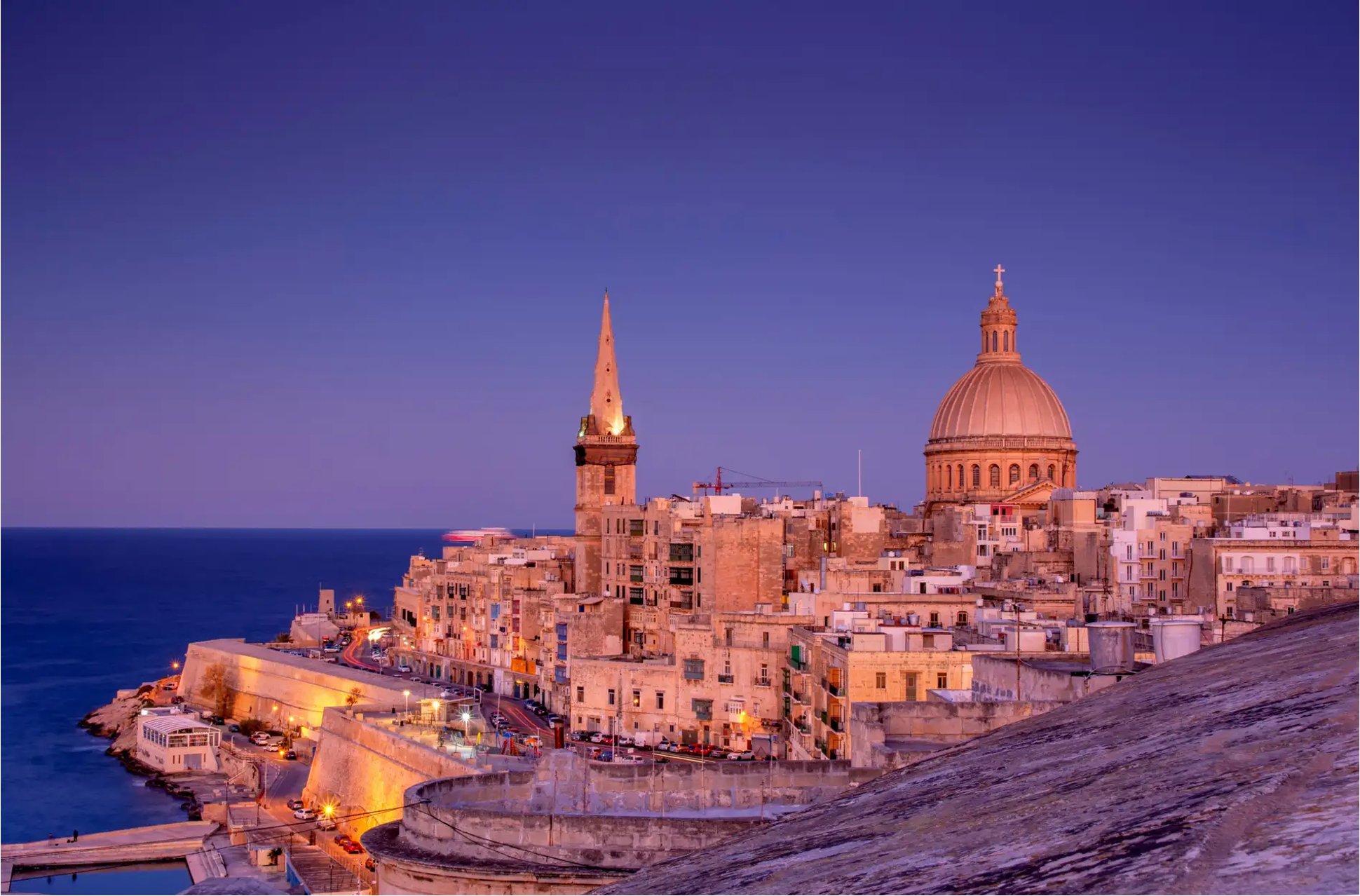
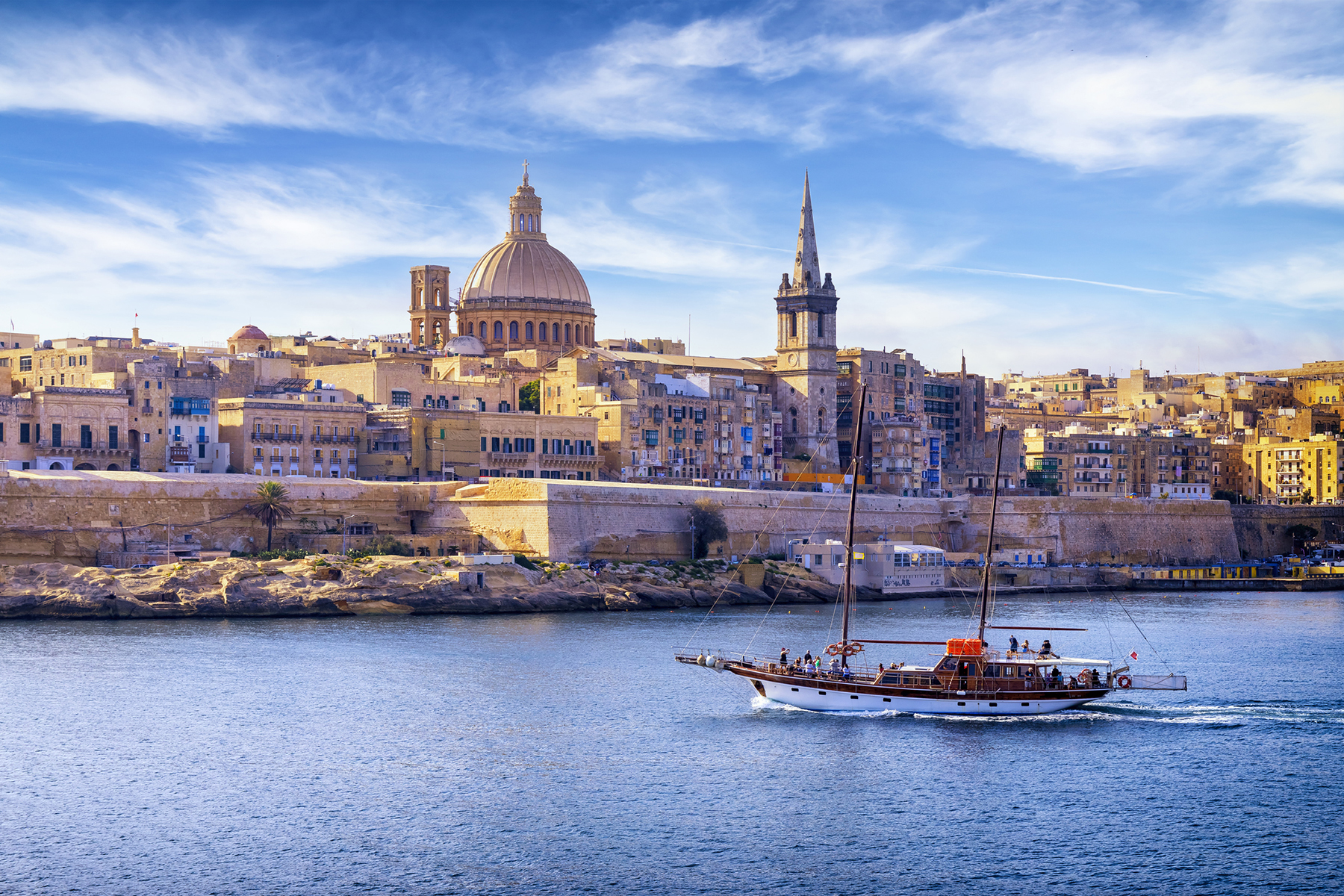
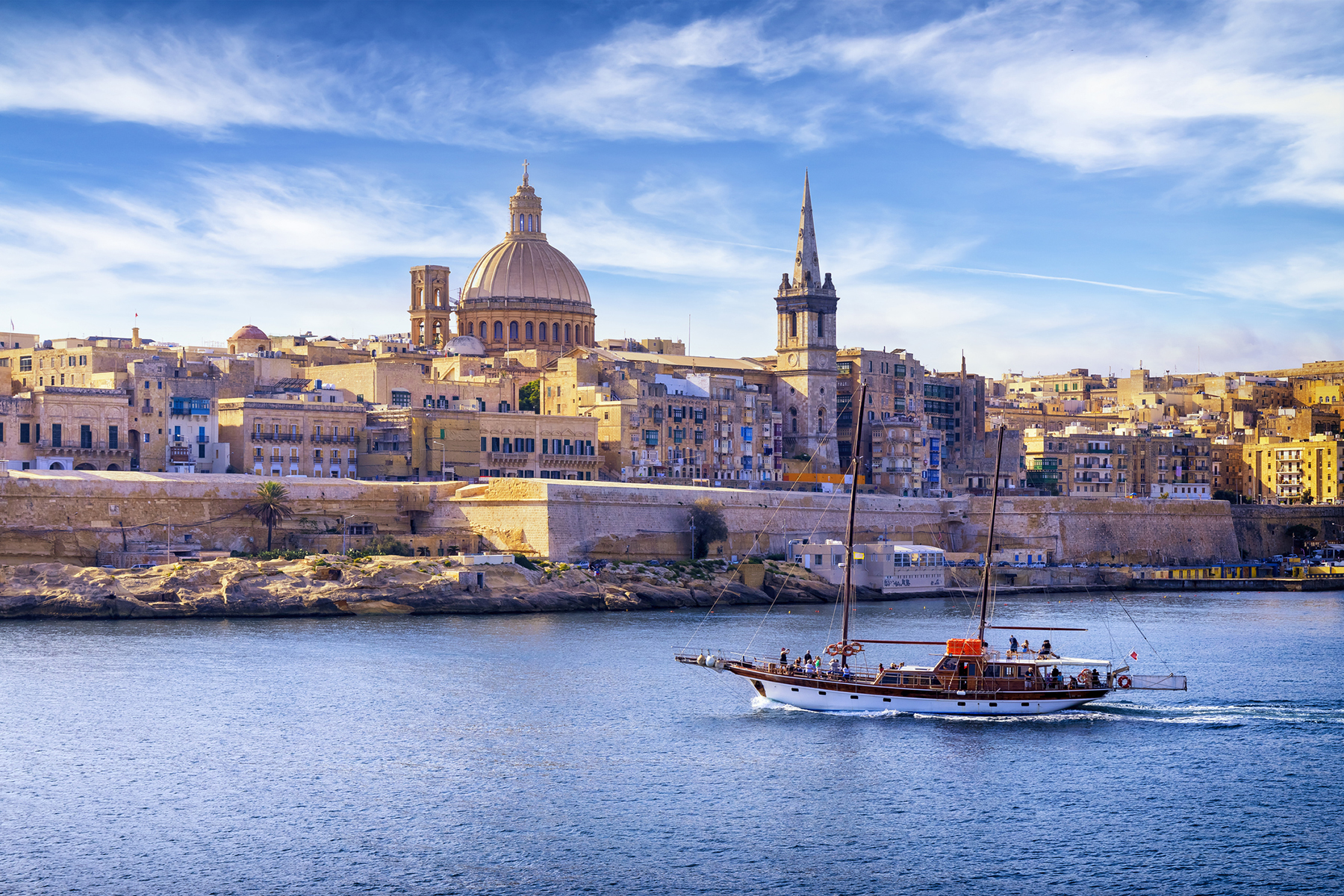
One of the smallest capitals in Europe, Valletta is one of the cities with the greatest historical and monumental wealth in the Mediterranean. Declared a UNESCO World Heritage Site, it has played a key role in the history of the archipelago.
Founded in the 16th century by the Order of St. John after the Great Siege of Malta, this guide will tell you what to see in Valletta so you can plan efficiently. This will allow you to see the most important monuments, essential locations, and enjoy the best experiences to make the most of your stay.
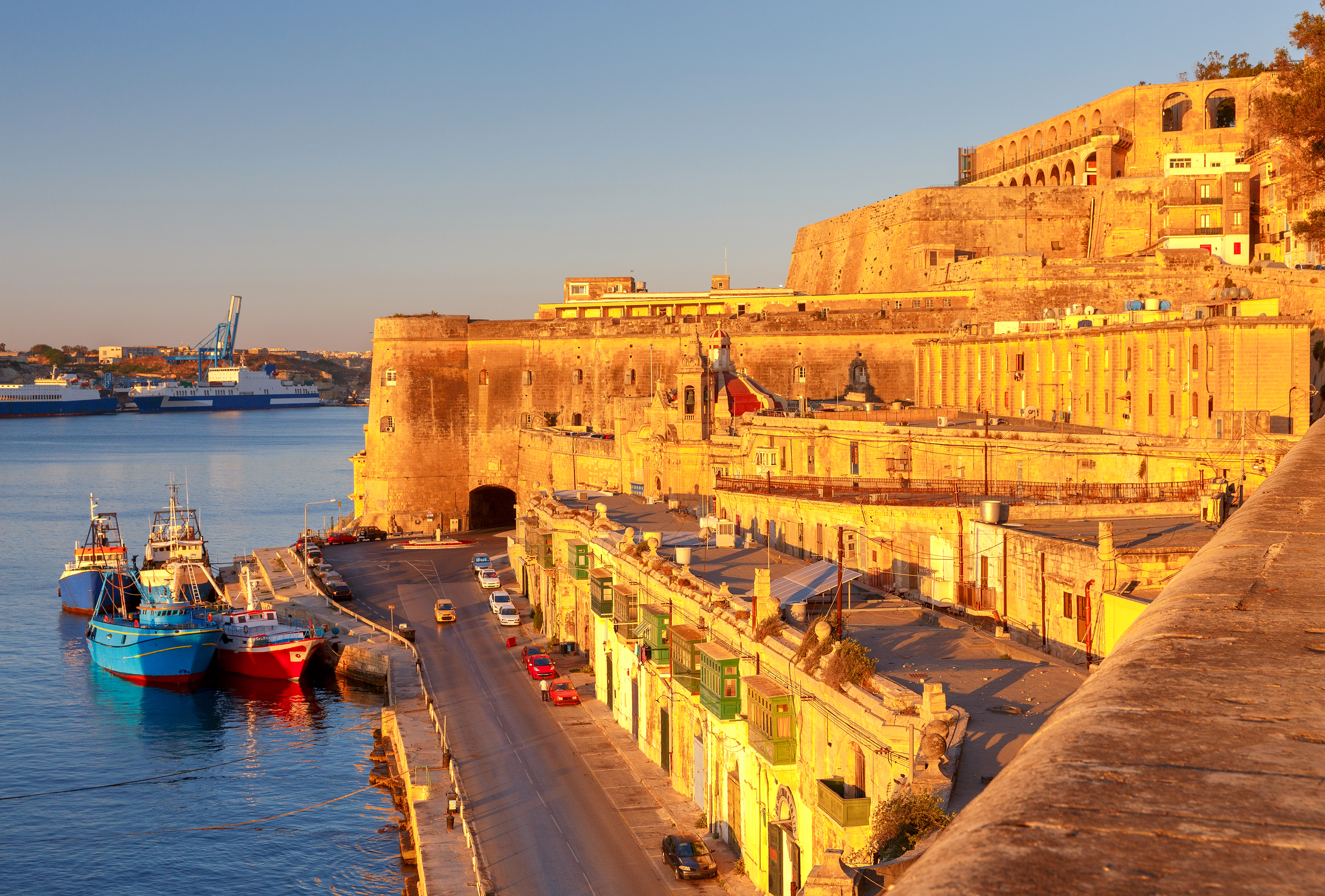
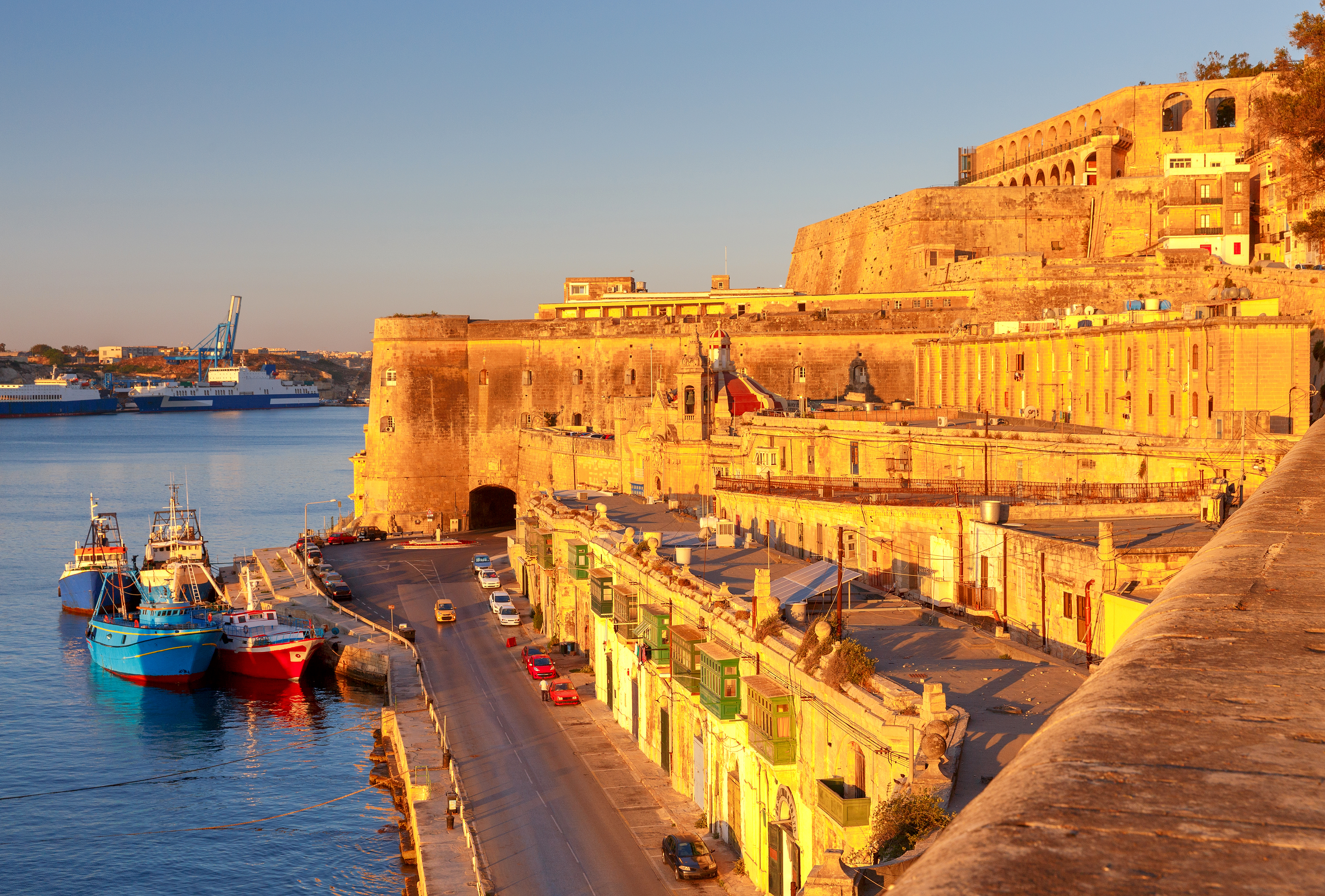
There are many places to visit in Valletta, where Baroque palaces, monumental churches, world-class museums, and spectacular fortifications coexist with cafes, vibrant squares, and some of the best viewpoints in Malta. Strolling through its streets means walking through centuries of history.
Culture
,regionOfInterest=(2500,1691.5))
,regionOfInterest=(2500,1691.5))
,regionOfInterest=(900,600))
,regionOfInterest=(900,600))
,regionOfInterest=(2656,1770.5))
,regionOfInterest=(2656,1770.5))
Despite being a city that is not overly large and can be perfectly explored on foot, there are a huge number of things to do in Valletta, offering enough attractions to dedicate a full day or even more to it.
The city concentrates some of the most important monuments in Malta, in addition to multiple museums, gardens, theaters, and historical buildings that allow you to learn about the evolution of the archipelago from the time of the Knights of St. John to the present day.
Among the main activities in Valletta, I want to highlight visiting St. John's Co-Cathedral, walking along the ancient walls, enjoying the views from the Upper Barrakka Gardens, discovering the national museums, or attending a performance at the historic Manoel Theatre.
Furthermore, its excellent geographical location makes it the ideal starting point to discover other nearby iconic places such as The Three Cities or Marsamxett Harbour.
St. John's Co-Cathedral constitutes the most important monument in Valletta and one of the most impressive Baroque temples in Europe. Its sober facade barely hints at the spectacular wealth of its interior, decorated with polychrome marble, gilding, and frescoes covering practically all its surfaces.
St. John's Co-Cathedral houses one of Caravaggio's greatest masterpieces, The Beheading of St. John the Baptist, considered one of the most important paintings of the Baroque period. The painting is displayed in the Oratory of the co-cathedral, making this one of the essential visits in Valletta for anyone who wants to discover the history and artistic heritage of Malta.
The Grandmaster's Palace was for centuries the official residence of the Grand Masters of the Order of St. John and remains one of Valletta's most emblematic buildings. Today it also serves as the Office of the President of Malta, while parts of the palace are open to visitors.
Its interior preserves elegant state rooms decorated with tapestries, paintings, and historic furniture, together with the Palace Armoury, one of the world's largest collections of arms and armour from the Hospitaller period. It represents one of the best examples of the power exercised by the Order in Malta.
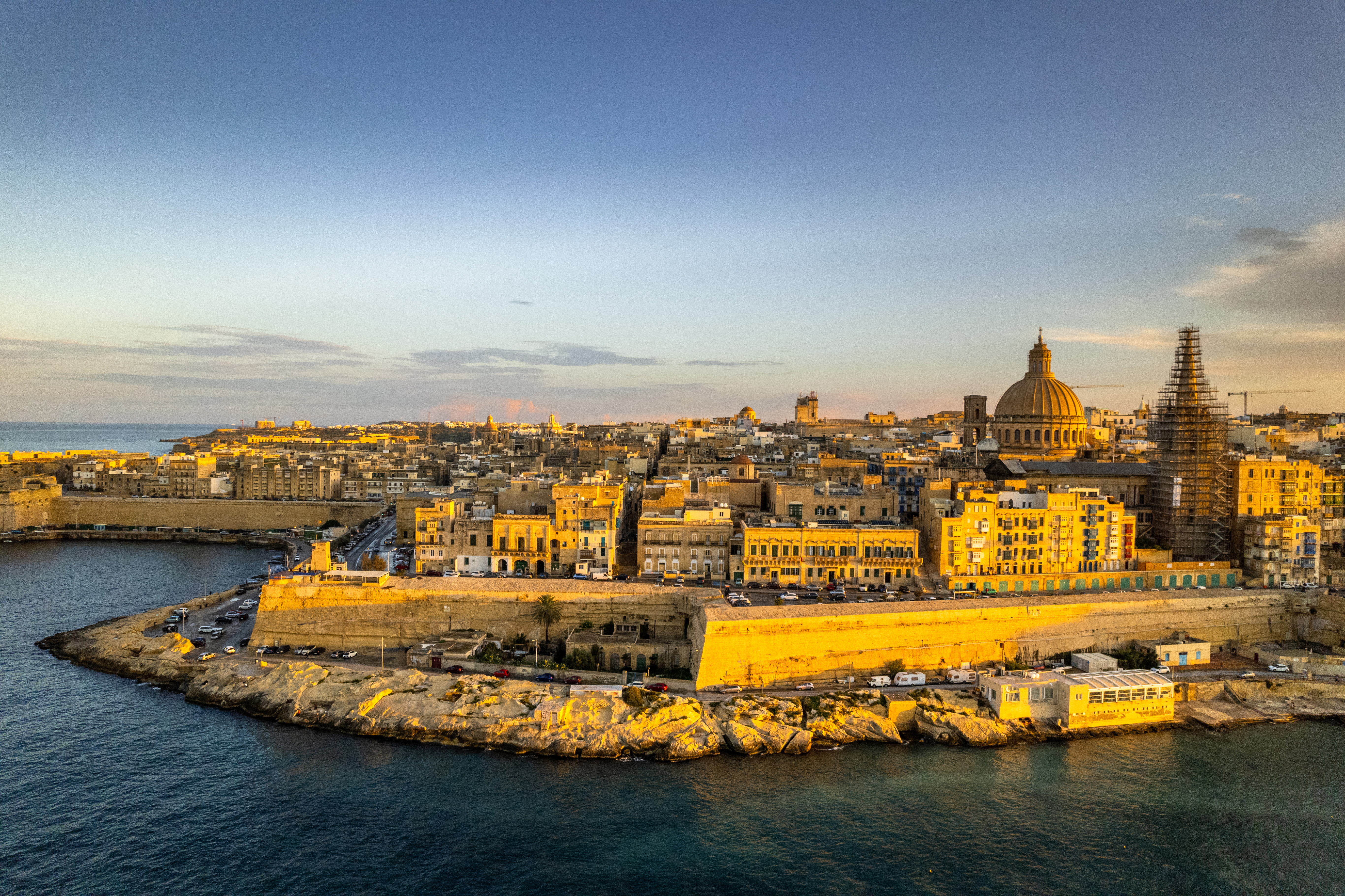
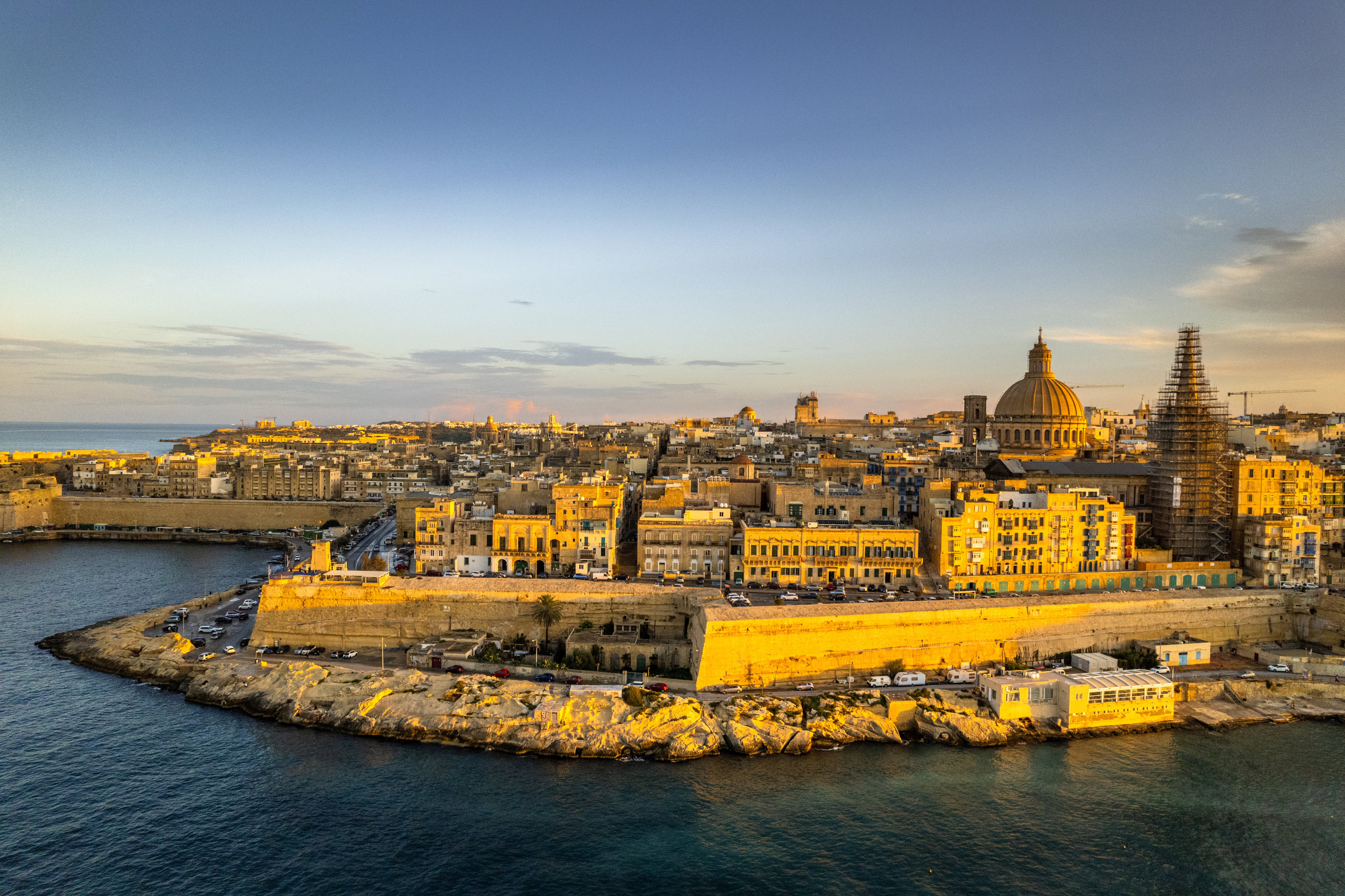
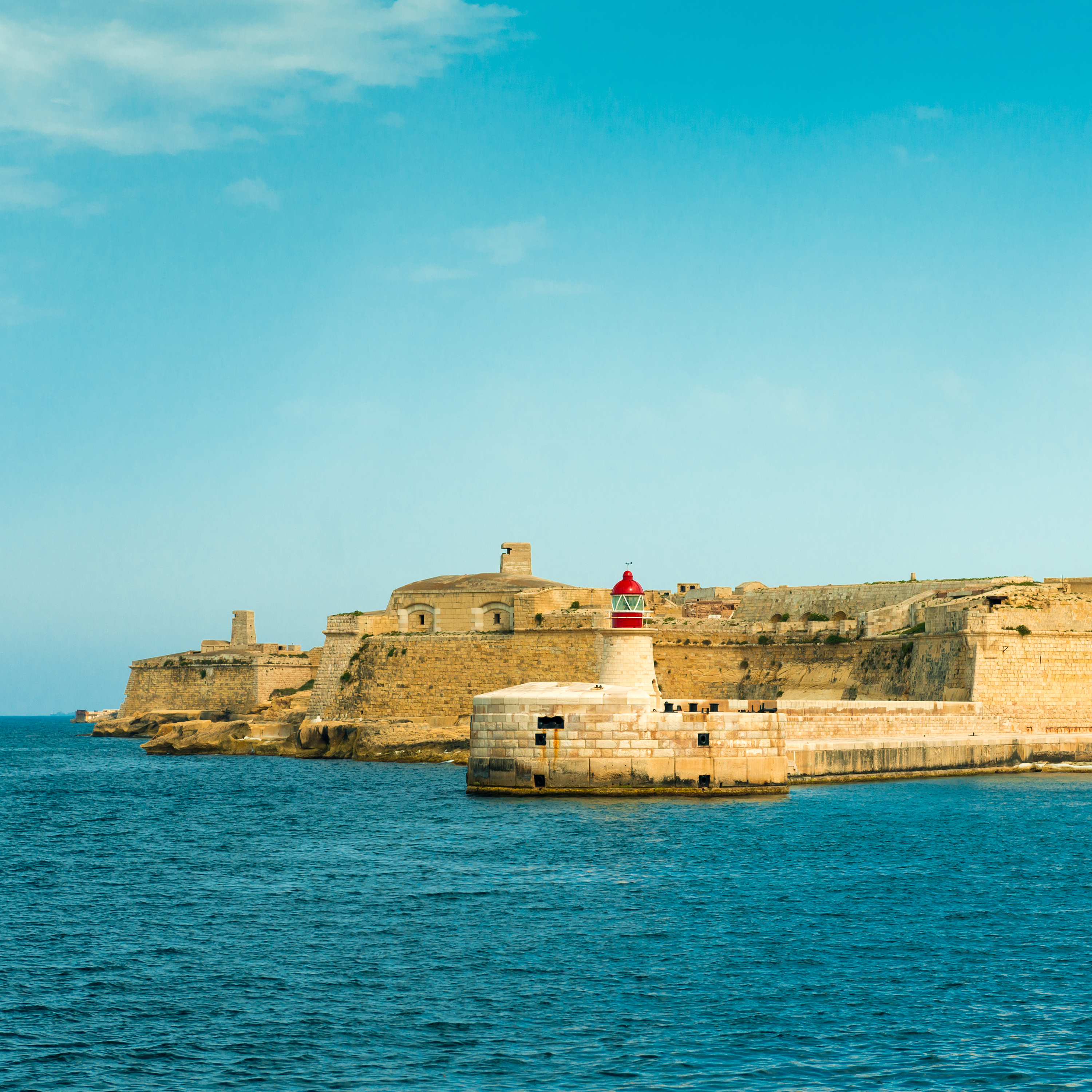
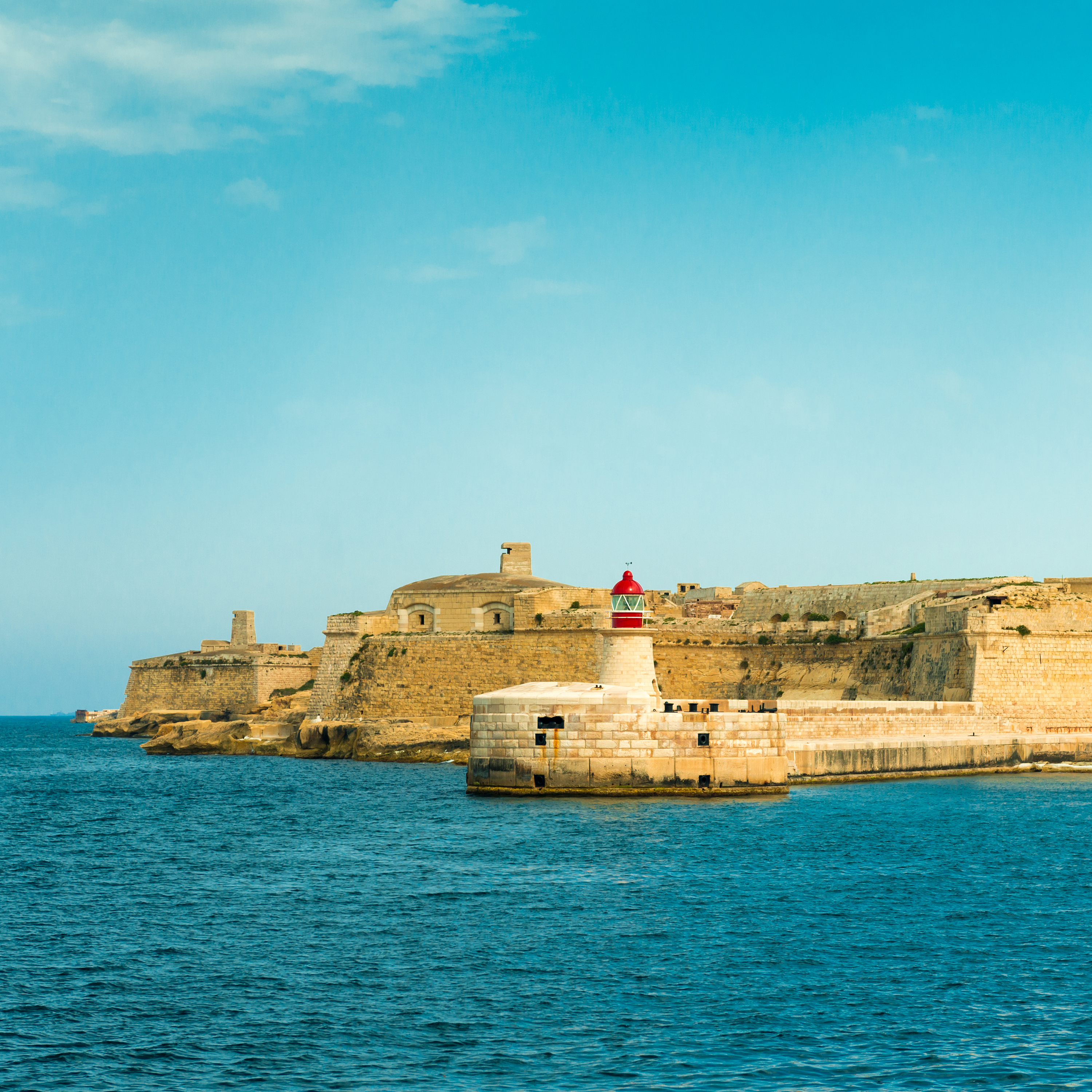
Situated at the tip of the peninsula, Fort St. Elmo is an impressive fort that originally protected the entrance to the Grand Harbour, playing a decisive role during the Great Siege of 1565.
Following several restorations, it currently houses the National War Museum, which explains the military history of Malta from the Early Modern era to World War II. From its walls, you can also obtain some of the best panoramic views of the coast.
,regionOfInterest=(2732,1820))
,regionOfInterest=(2732,1820))
Located in an ancient Baroque palace, the National Museum of Archaeology allows you to journey through thousands of years of the Maltese archipelago's history. Among its most valuable pieces, the sculptures originating from the megalithic temples of Malta and various finds from the Ħal Saflieni Hypogeum stand out. It is a highly recommended cultural visit to include in your Valletta itinerary to comprehend the extraordinary and mysterious prehistoric heritage of the islands before setting off to explore the open-air archaeological sites scattered throughout the rest of the country.
The National Museum of Fine Arts is an innovative and modern exhibition space housed in the historic Auberge d'Italie, a 16th-century palatial building fully rehabilitated under criteria of energy efficiency and contemporary museography.
MUŻA, whose acronym in Maltese stands for Mużew Nazzjonali tal-Arti, offers a tour intelligently divided into four major thematic sections (The Mediterranean, Europe, The Empire, and The Artist), gathering a remarkable collection of paintings, sculptures, and decorative arts ranging from the Renaissance to contemporary art.
Among all the places to see in Valletta, few are as spectacular as the Upper Barrakka Gardens. Built upon the city's ancient fortifications, they offer magnificent panoramic views over the Grand Harbour, The Three Cities, and a good part of the eastern coast of Malta.
Moreover, just below the gardens is the Saluting Battery, where every day at noon (12:00) and in the afternoon (16:00), you can witness the ceremonial cannon firing performed by gunners in period uniform. The tradition dates back to the time when the battery was used to salute naval vessels entering the Grand Harbour and has been preserved as one of Valletta's best-known historical ceremonies.
Much quieter than the upper gardens, the Lower Barrakka Gardens offer another magnificent natural balcony hanging directly over the waters of the Mediterranean and the harbor entrance. The landscape is dominated by a striking and elegant neoclassical temple built in honor of Sir Alexander Ball, the British admiral who led the Maltese in the insurrection against the French.
The main pedestrian street in Valletta, Republic Street extends in a straight line for a kilometer from the modern and impressive City Gate (designed by the famous architect Renzo Piano) to the vicinity of Fort St. Elmo. It is the central nerve axis that concentrates most of the commercial, administrative, and tourist activity of the entire capital.
,regionOfInterest=(1500,1500))
,regionOfInterest=(1500,1500))
Inaugurated in 1731 by order of Grand Master António Manoel de Vilhena to provide the public and young knights with "honest entertainment," the Manoel Theatre is considered one of the oldest working theaters in Europe.
Its elegant interior, decorated with gilded wood and glass chandeliers, retains practically the same appearance as it did three centuries ago. In addition to guided tours, it continues to host concerts, theatrical performances, and shows throughout the year.
Casa Rocca Piccola is a majestic 16th-century palace, situated right in the historic center of the city, which gives you the opportunity to discover how the Maltese aristocracy lived from the 16th century onward. You can tour more than fifty elegantly decorated rooms that house an unrivaled private collection of antique furniture, historic paintings, fine silver, period costumes, and traditional Maltese lace.
If you are looking for different and memorable experiences during your visit that allow you to escape conventional routes a bit, these plans to do in Valletta deserve a prominent place in your itinerary:
The gastronomy of Valletta is a faithful and tasty reflection of its history of cultural blending, fusing strong influences from Sicilian, British, Arabic, and purely Mediterranean cuisine into hearty dishes full of local flavor.
Among the most recommended and authentic specialties you must try, the following are mandatory:
The capital hosts some of the main cultural events in Malta, such as the Malta Carnival, which is celebrated every year in the month of February. During this time, the city streets completely transform, filling with parades of gigantic colorful floats, people in handmade costumes, live music, and street dances that spread joy to adults and children alike.
On the other hand, during the traditional patron saint festivities of Valletta (such as the feast of St. Paul's Shipwreck in February or St. Augustine in summer), the streets are spectacularly adorned with banners, marching bands, and a night sky that lights up with world-renowned handmade firework displays.
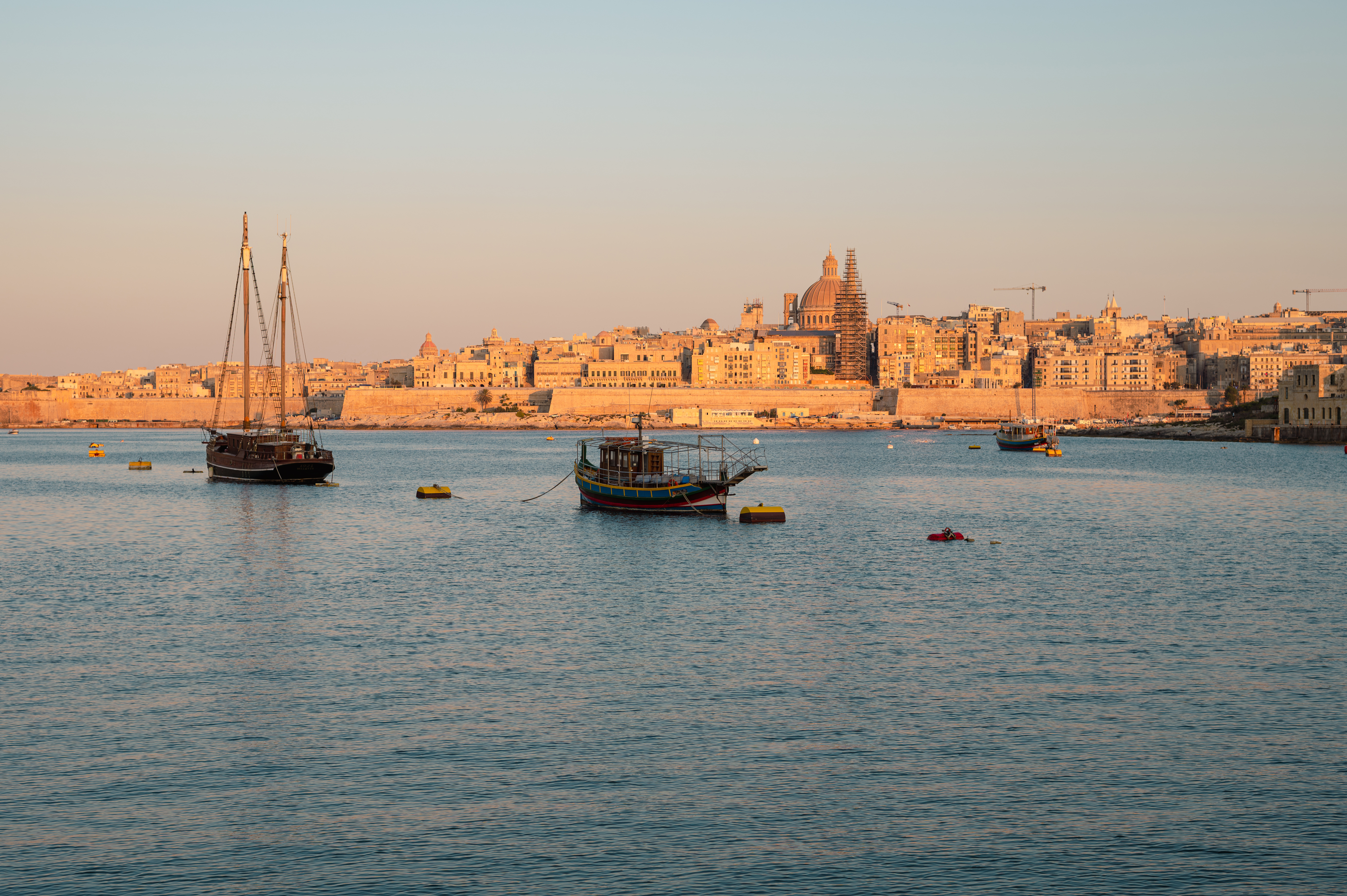,regionOfInterest=(2766,1840.5))
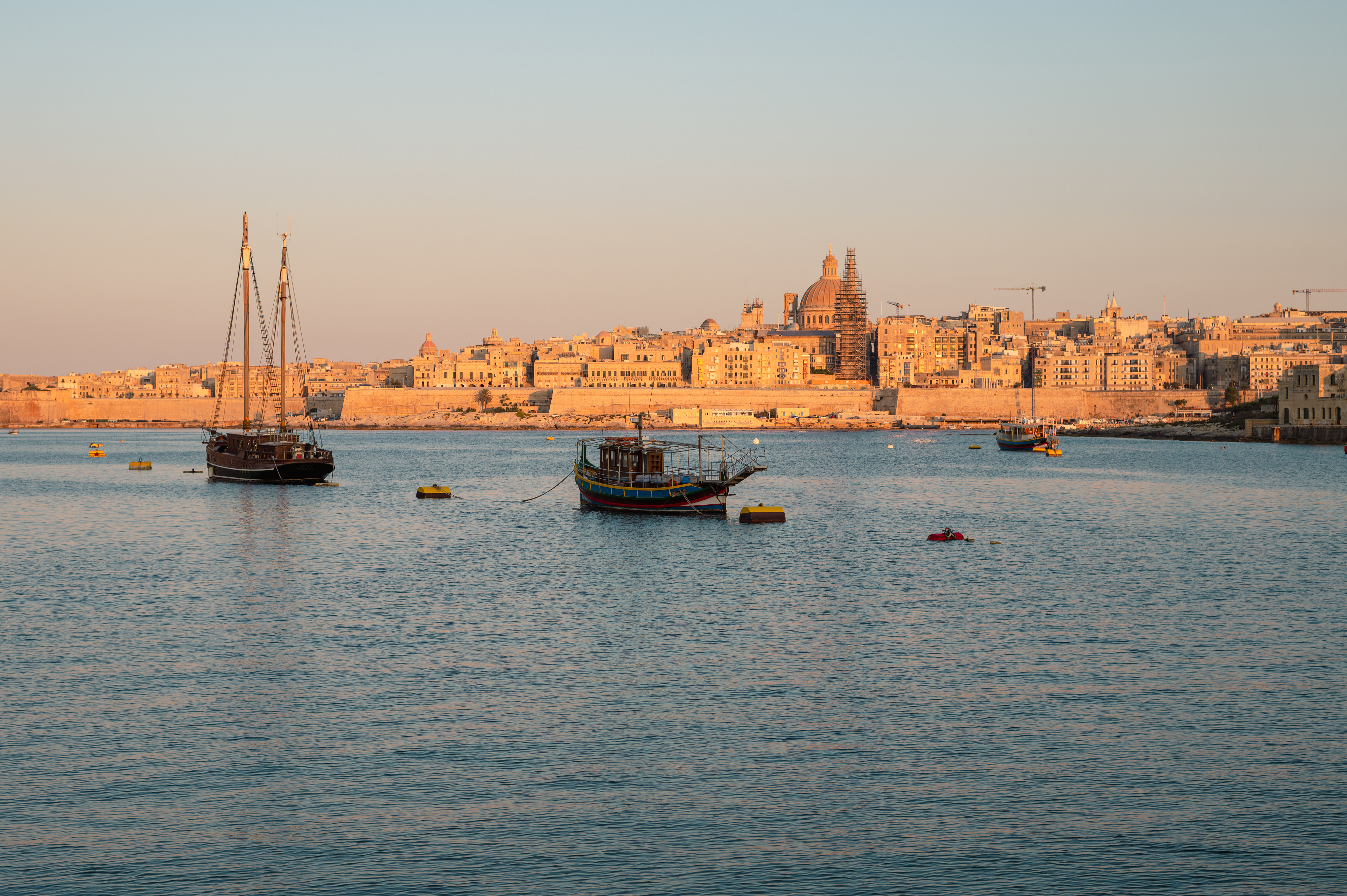,regionOfInterest=(2766,1840.5))
Despite its strong historical and monumental profile, there are plenty of things to do with children in Valletta, as the city offers numerous alternatives and very fun activities to fully enjoy a family trip.
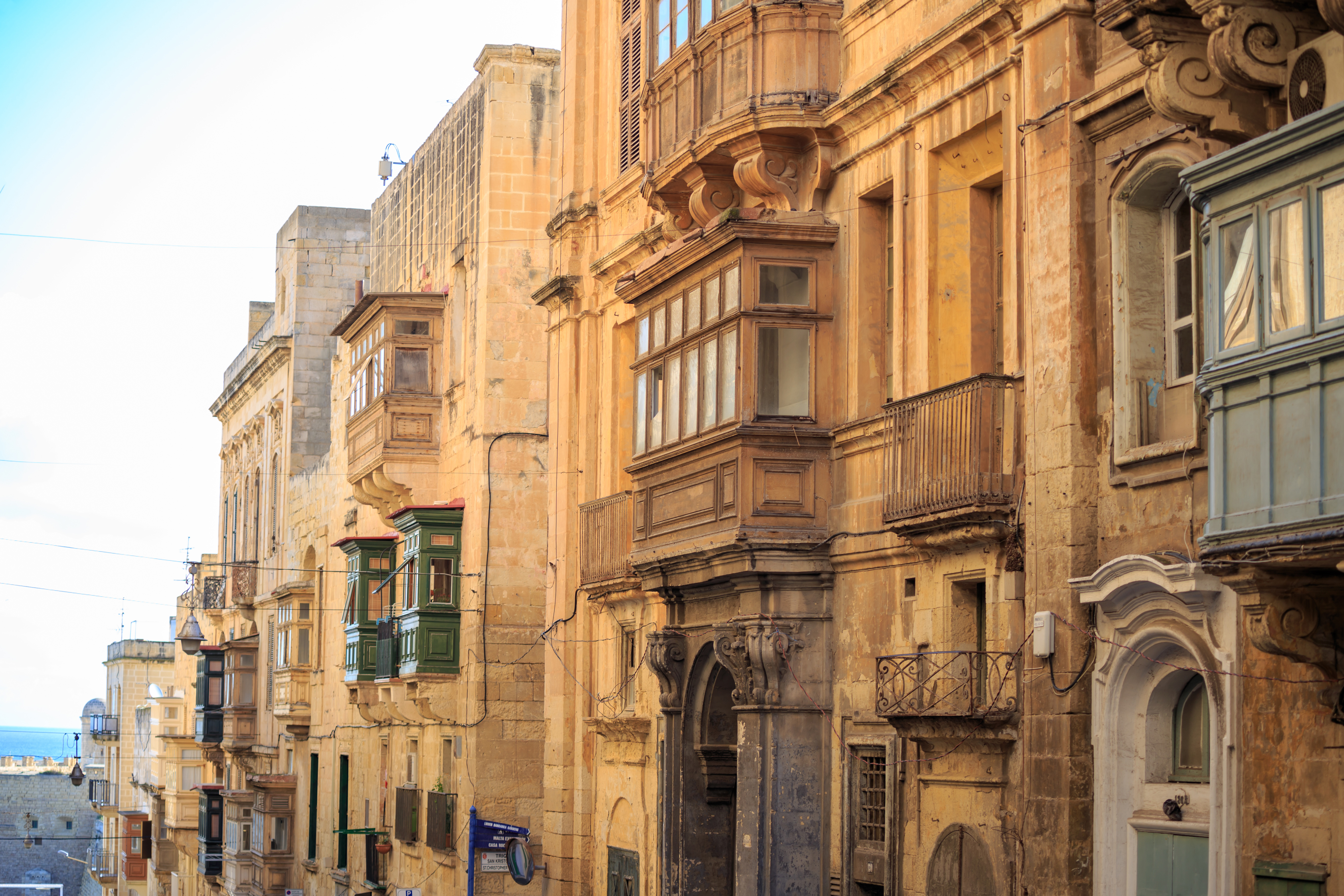
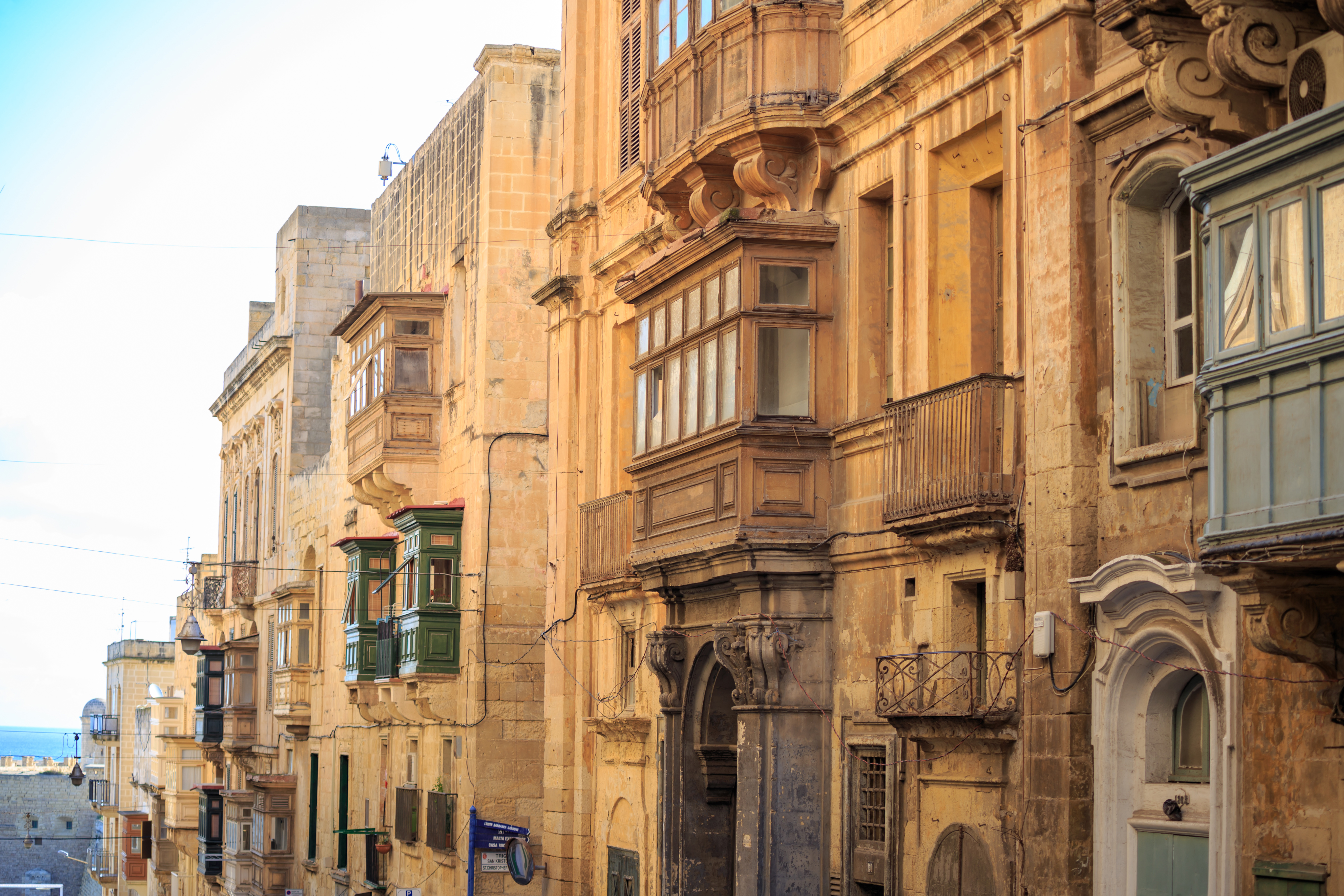
Exciting walks along the city walls imagining ancient battles, visits to the National Museum of Archaeology to discover fascinating prehistoric artifacts, or watching the daily ceremonial cannon firing at the Saluting Battery near the Upper Barrakka Gardens can all be highly entertaining experiences for children, combining history with impressive live demonstrations. Afterwards, families can continue exploring Valletta's pedestrian streets and scenic viewpoints, where the city's imposing fortifications, colorful balconies, and panoramic harbor views provide plenty of opportunities to spark the imagination of younger visitors while enjoying a relaxed walk together.
If you only have 24 hours available, here is a one-day guide to Valletta designed so you can squeeze out the time to the maximum and discover the main and essential attractions of the city:
📍 This map with all points of interest brings together Valletta's main attractions in one place, making it easy to plan your visit and organize the most efficient walking route. Use it to locate the city's top monuments, museums, viewpoints, and historic landmarks before exploring the capital.
Although it can be covered in a single day, when it comes to what to see in Valletta, it is worth taking the time to stroll aimlessly through its streets to discover small courtyards, churches, traditional balconies, and squares full of history. Beyond its grand monuments, a good part of the city's charm lies in its peaceful atmosphere and the spectacular views offered by its fortifications.
The capital constitutes the best gateway to get to know Malta and an essential stop to understand the history of the archipelago. Its extraordinary monumental heritage, combined with its cultural and gastronomic offer, makes it one of the most interesting cities in the Mediterranean.
,regionOfInterest=(2016,1512))
,regionOfInterest=(2016,1512))
,regionOfInterest=(1476.5,980.5))
,regionOfInterest=(1476.5,980.5))
,regionOfInterest=(1496,1996))
,regionOfInterest=(1496,1996))
,regionOfInterest=(2732,1820))
,regionOfInterest=(2732,1820))
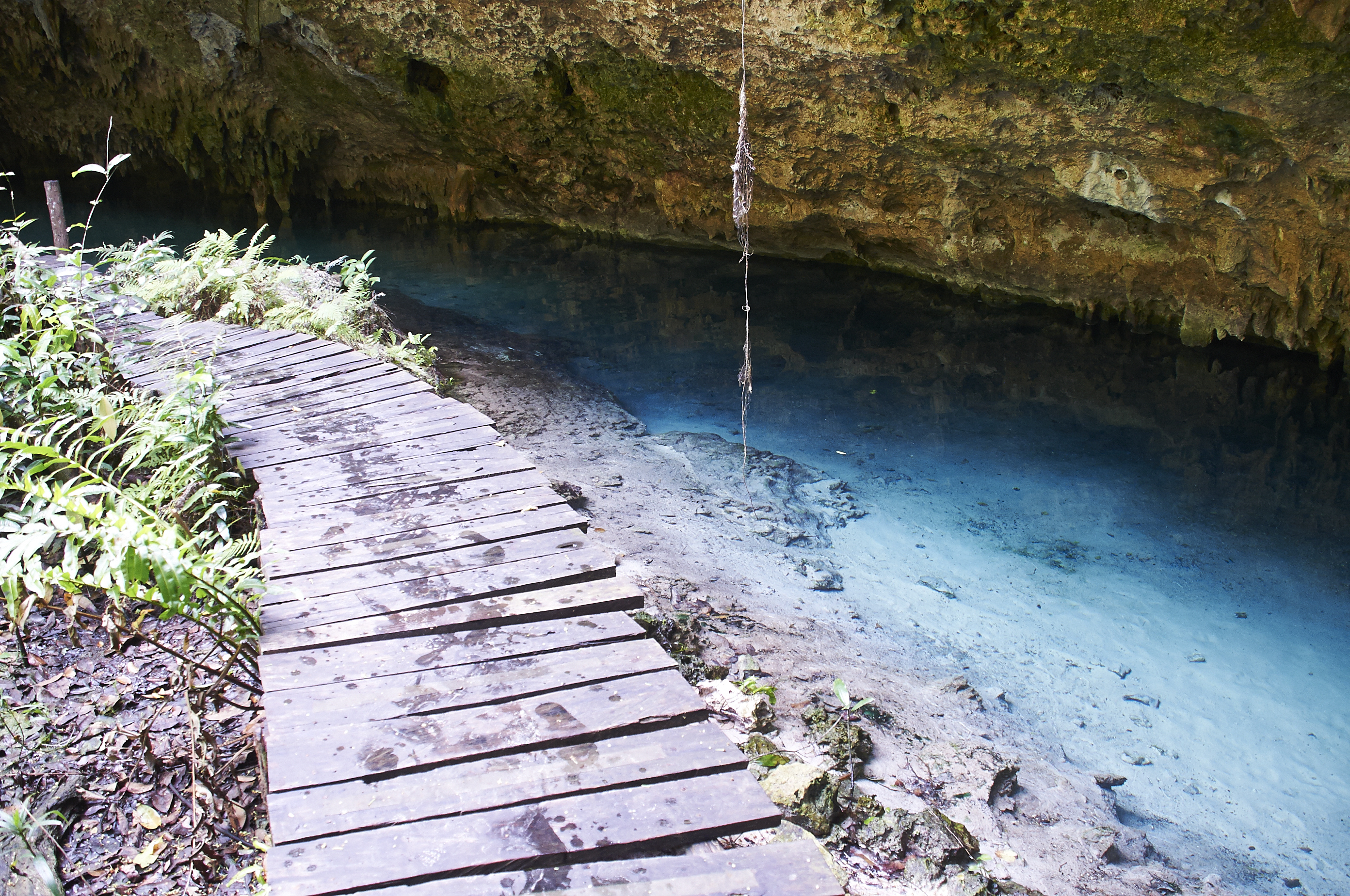,regionOfInterest=(1392,924))
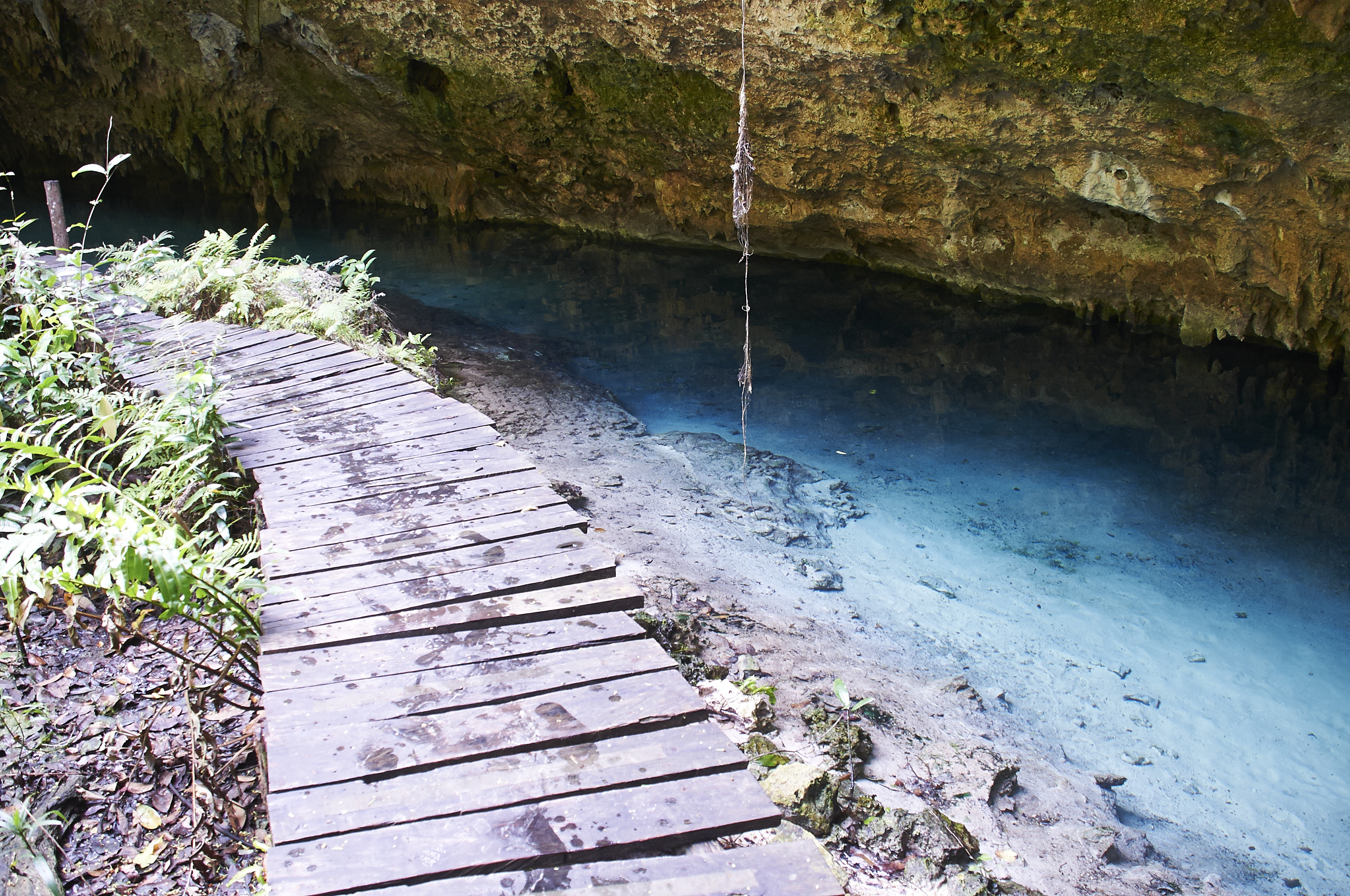,regionOfInterest=(1392,924))
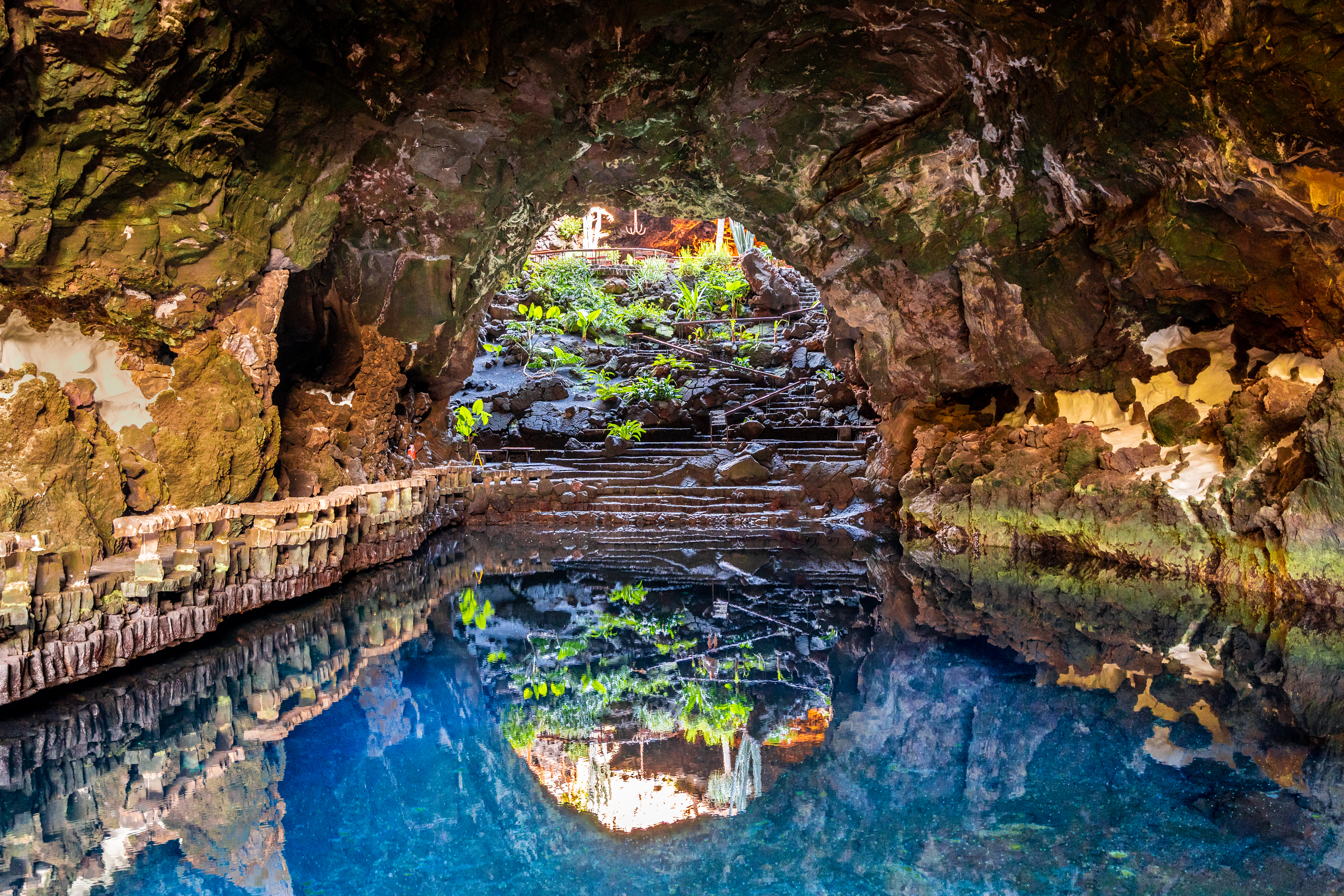,regionOfInterest=(2121,1414))
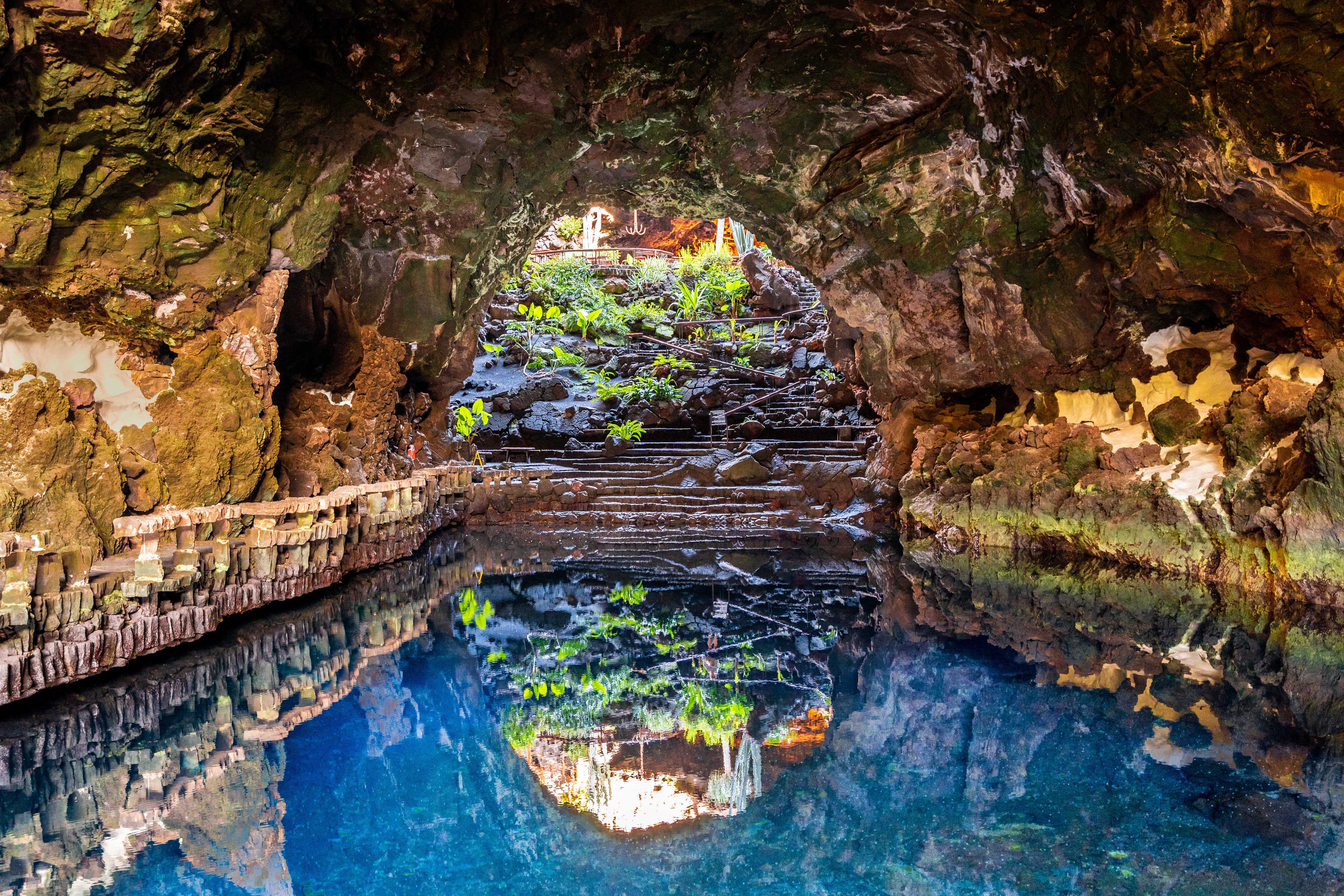,regionOfInterest=(2121,1414))