,regionOfInterest=(2279,1519.5))
,regionOfInterest=(2279,1519.5))
Hoyo Azul: a hidden cenote in Cap Cana
,regionOfInterest=(2808,1872))
,regionOfInterest=(2808,1872))
Holidays
,regionOfInterest=(2350,1567.5))
,regionOfInterest=(2350,1567.5))
In this guide, I am going to tell you what to see in Malta in 4 days; more than enough time to explore the islands of this archipelago, combining a rich heritage with the tranquillity evoked by the natural environment.
However, as always, to achieve this it is important to have a perfectly organised 4-day guide to Malta that allows you to optimise your daily logistics. The Maltese territory concentrates an enormous historical density, alternating silent citadels of golden stone with rugged landscapes and coastal villages with deep fishing roots. For this reason, coordinating your journeys well and knowing what to prioritise each day will make all the difference in getting the most out of the experience.
This 4-day itinerary through Malta groups points of interest by contiguous geographical sectors, ensuring that you minimise dead time on the road as much as possible and fully enjoy the trip.
,regionOfInterest=(500,500))
,regionOfInterest=(500,500))
All-terrain writer specialising in tourism, fashion and trends. A curious soul, traveller, reader and sports enthusiast, keen to discover every corner of the world.
Culture
,regionOfInterest=(2732,1820))
,regionOfInterest=(2732,1820))
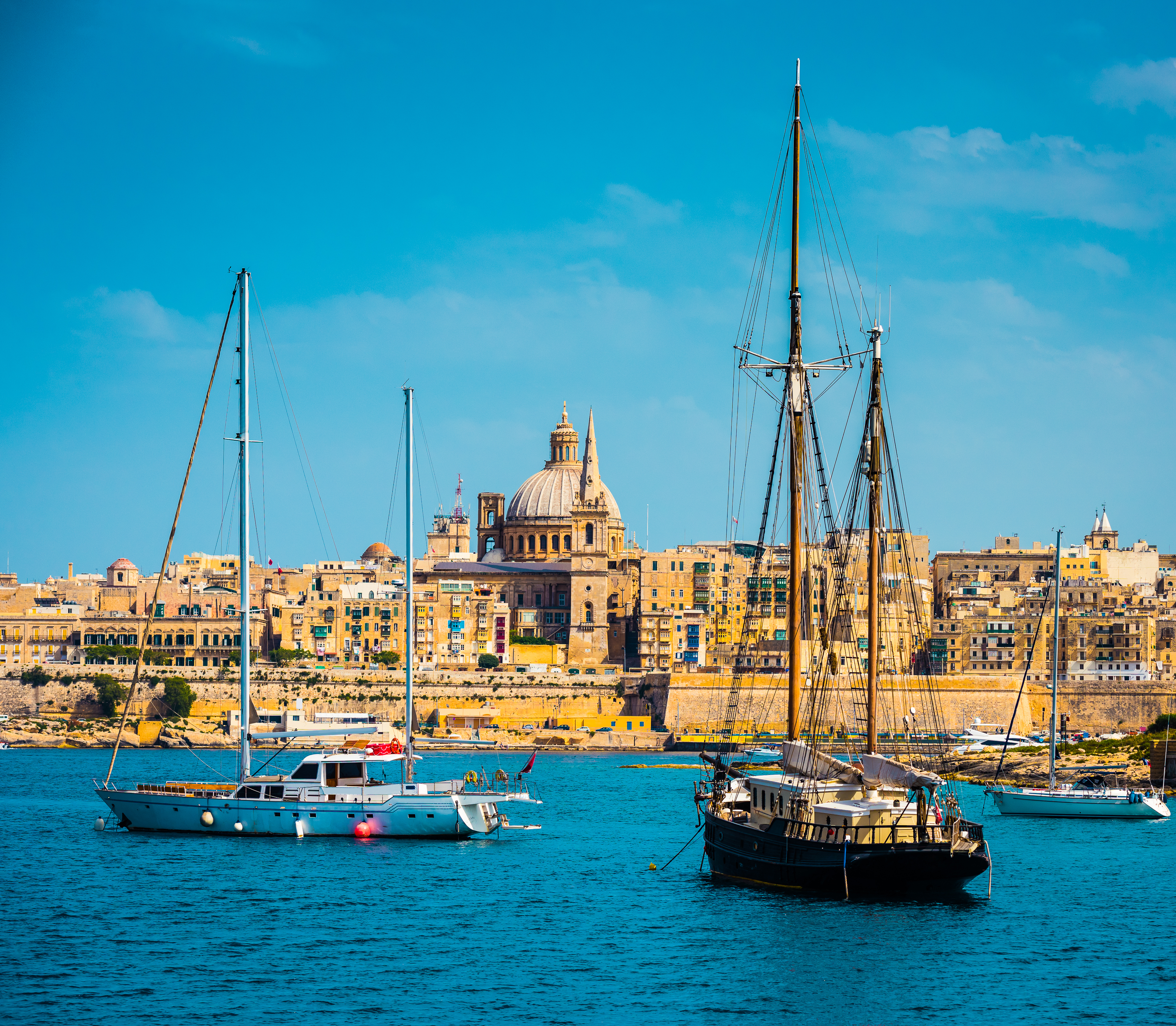,regionOfInterest=(1854.5,1618))
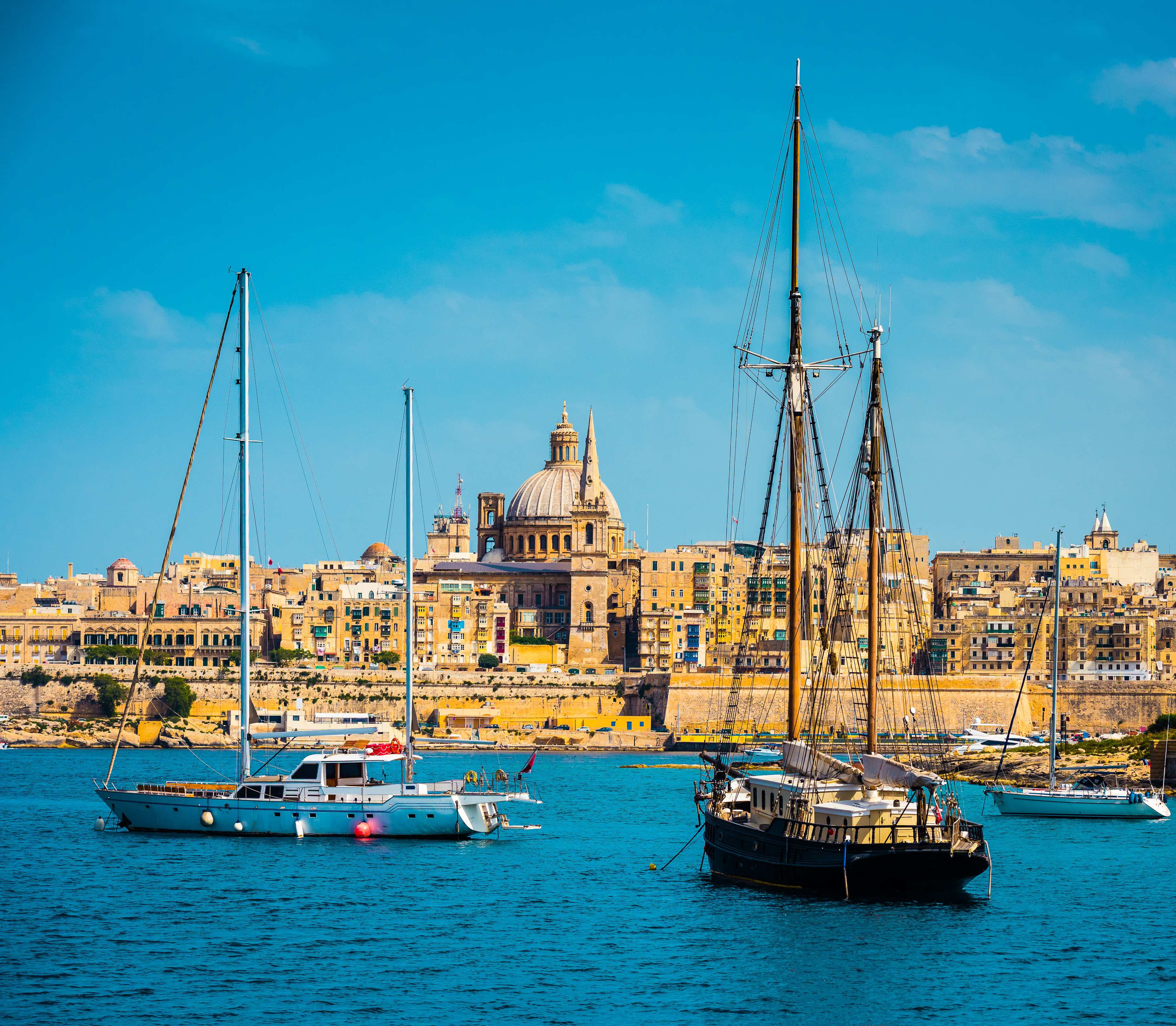,regionOfInterest=(1854.5,1618))
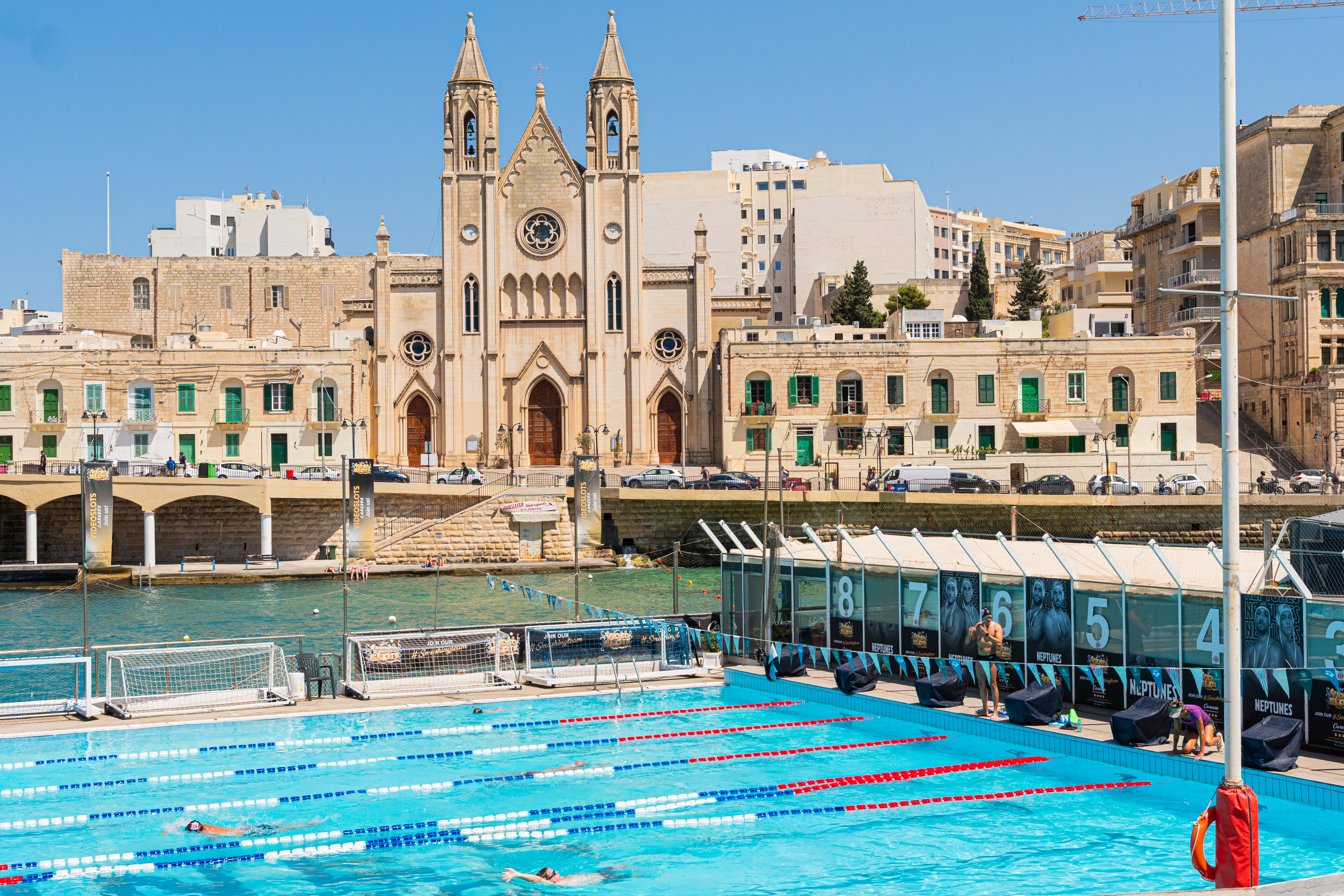,regionOfInterest=(2962,1974.5))
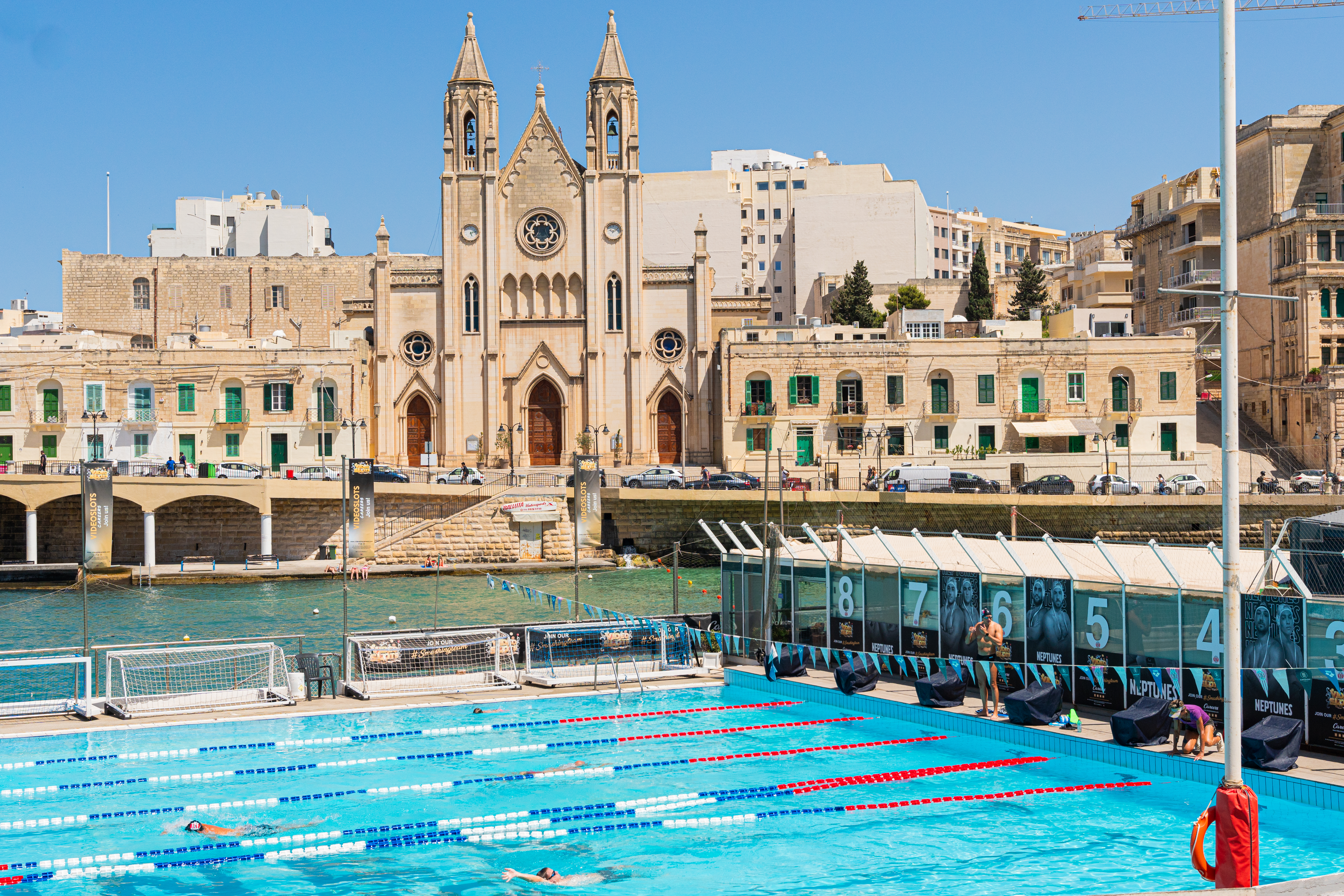,regionOfInterest=(2962,1974.5))
| DAYS | ROUTE FOCUS | MAIN AREAS |
|---|---|---|
| Day 1 | Great bastions and harbour history | Valletta and the Three Cities |
| Day 2 | Medieval aristocracy and rugged environments | Mdina, Rabat, and the Dingli Cliffs |
| Day 3 | Untamed nature and rural roots | Gozo |
| Day 4 | Seafaring tradition and coastal formations | Marsaxlokk and the Blue Grotto |
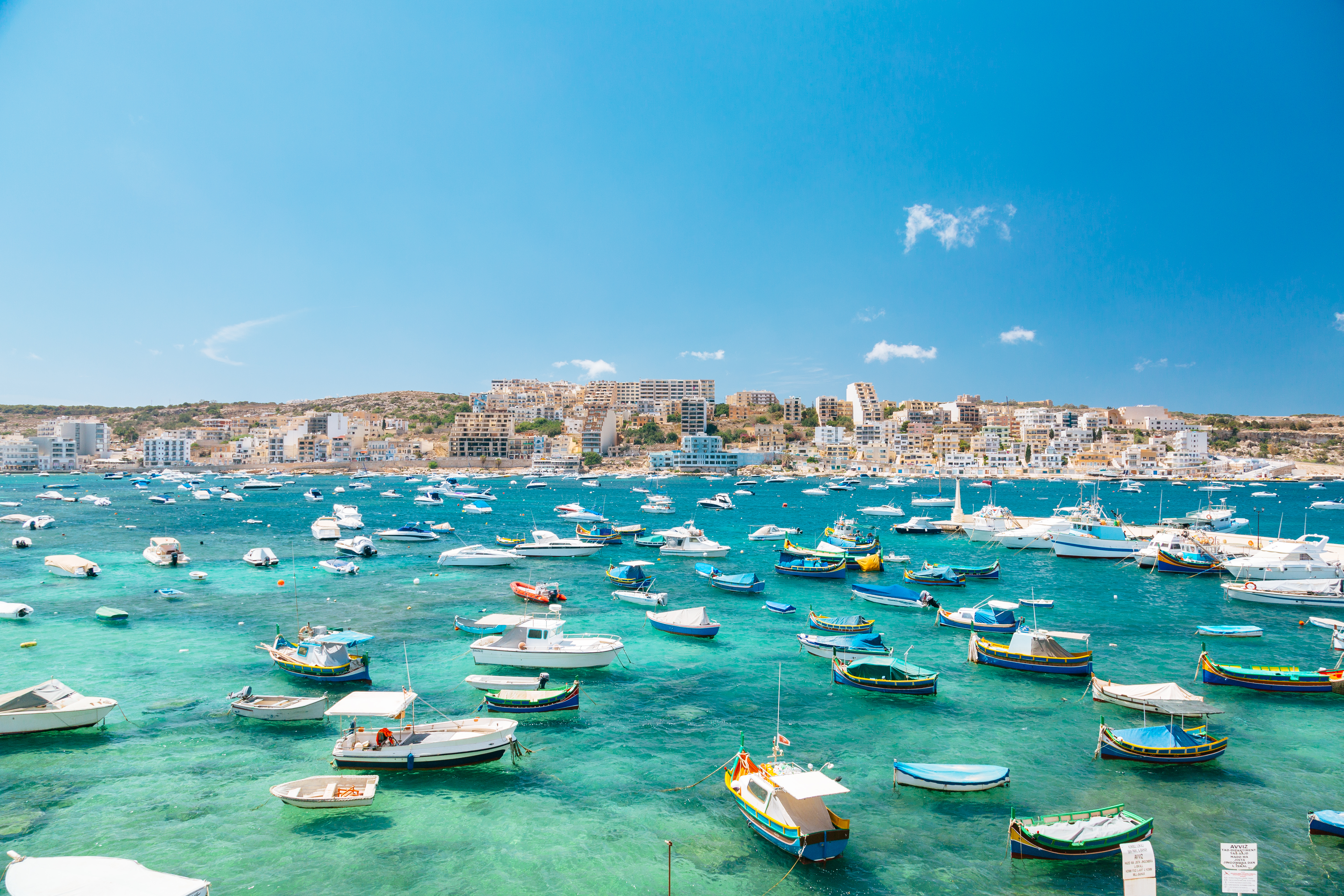,regionOfInterest=(2880,1920))
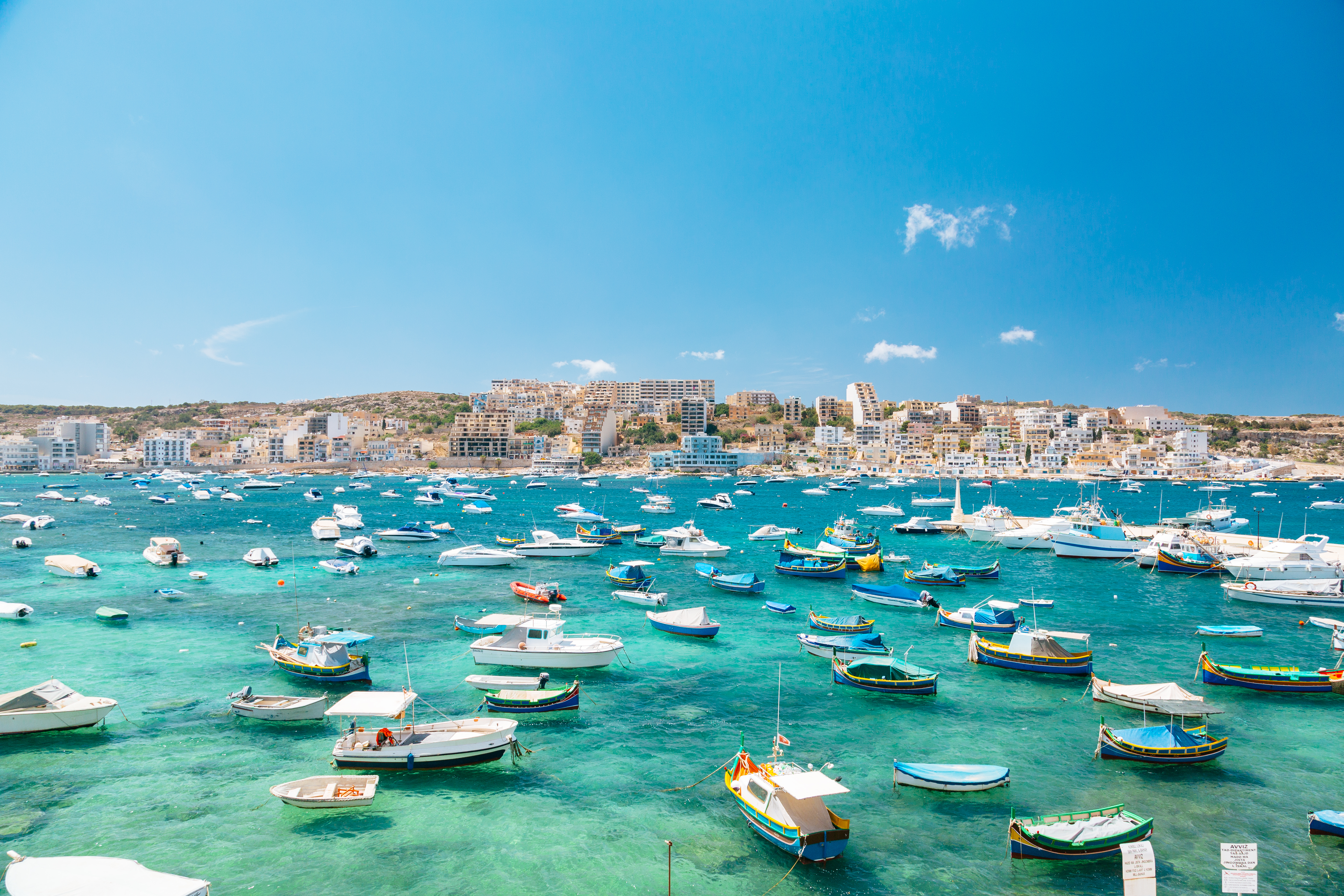,regionOfInterest=(2880,1920))
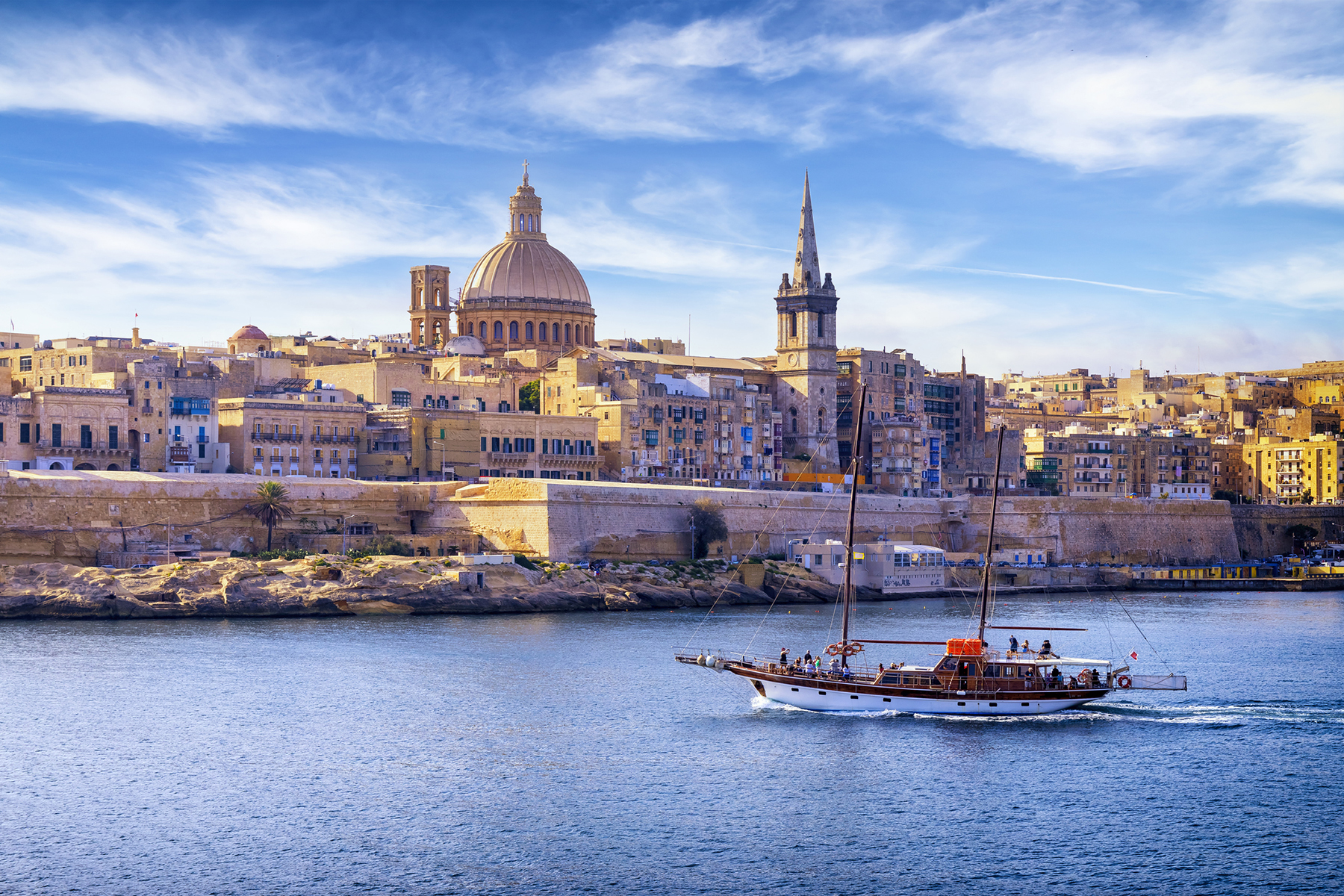
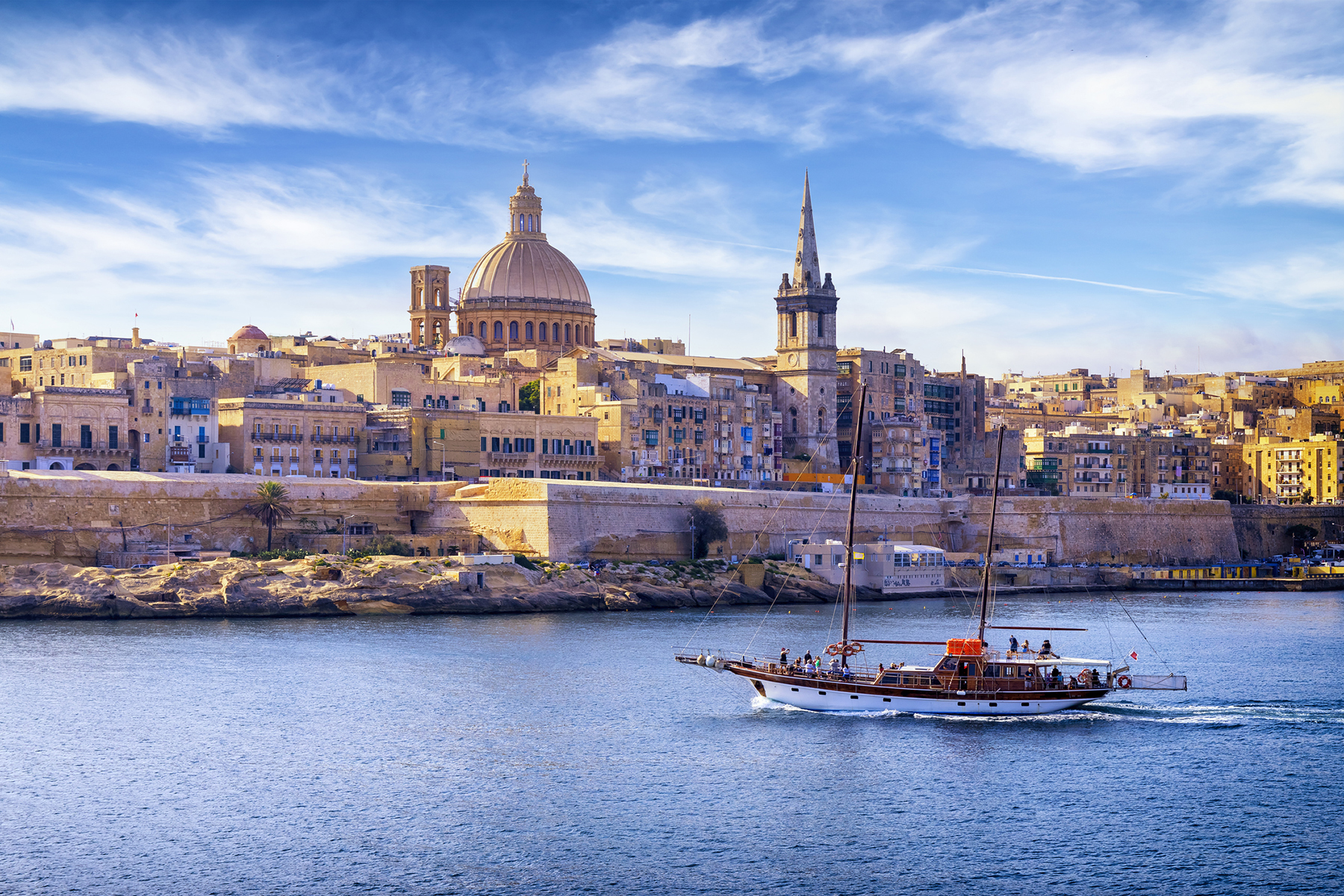
The start of this route on what to visit in Malta in 4 days is dedicated to the core where the identity of the Order of Malta was forged. An ideal initial tour to understand the monumental scale of the defences and the maritime character that defines the Grand Harbour.
Valletta and St. John's Co-Cathedral
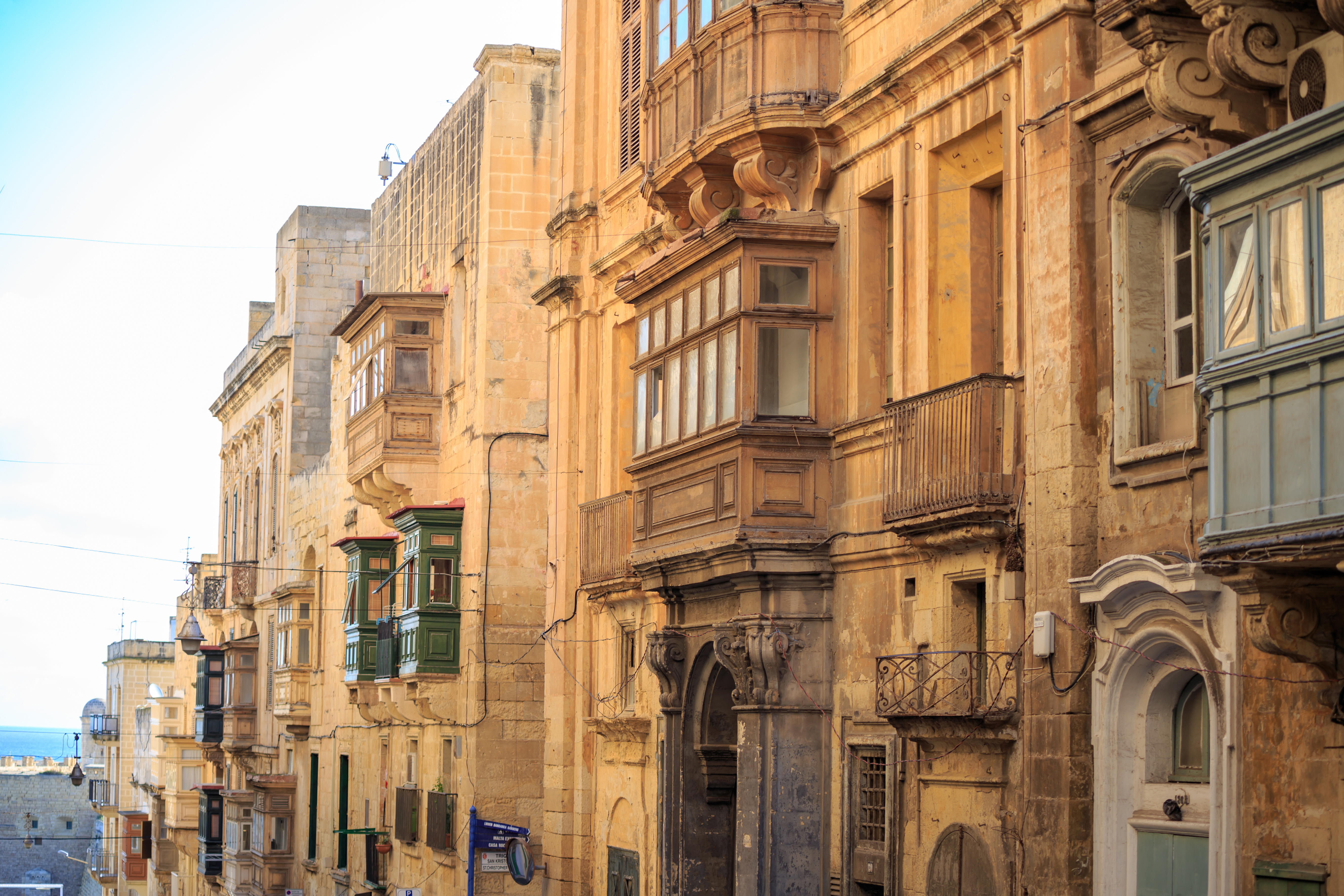
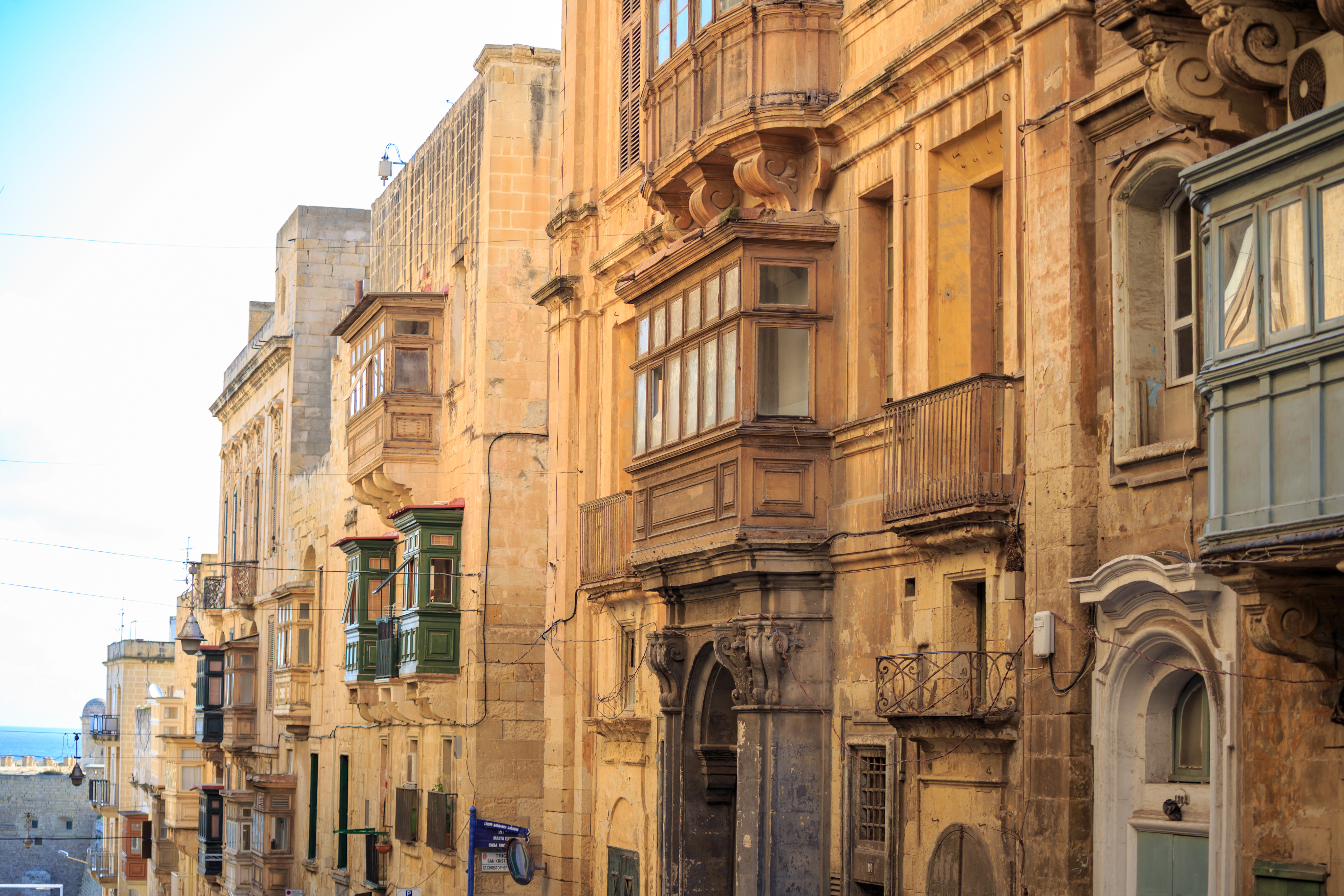
Designed as an imposing stone fortress by the Knights Hospitaller, Valletta rises majestically over the Sciberras Peninsula. Its urban arteries, laid out in a straight line to channel the sea breezes, configure a splendid Baroque showcase where traditional wooden balconies add vibrant notes of colour over the monochrome limestone.
Upon crossing the threshold of St. John's Co-Cathedral, the sober exterior design gives way to a dazzling Baroque ornamentation, full of gilded carvings on the walls and crypts covered by fine marble mosaics. The tour culminates in the oratory, where the light highlights the imposing canvases by Caravaggio—an unparalleled artistic display that justifies crossing the Mediterranean all on its own.
To continue, you only need to walk about 10 minutes, crossing the main axes toward the southern face of the walls.
Upper Barrakka Gardens
Located on the highest defensive points, the Upper Barrakka Gardens operate as a privileged viewpoint over the inlet. As you stroll beneath its monumental arcades surrounded by well-kept flowerbeds, you will contemplate the Saluting Battery, the lower bastion where historic cannons continue to detonate with precision in their daily salute of honour.
Leaning over its main railing provides the most iconic panoramic view of the island, dominating the shipyards and fortresses that safeguard the opposite shores. It is an environment overlooking a harbour declared a UNESCO World Heritage Site as part of Valletta, that evidences the strategic relevance the island held on the international stage of the era.
To move to the next point, descend in the vertical elevator to the coastal pier and take a traditional boat (dgħajsa) or the modern Valletta ferry; you will arrive after a 5-minute gentle ride.
Vittoriosa (Birgu)
Vittoriosa constitutes the historical gem of The Three Cities, configuring a labyrinth of cobblestone passages where the rumour of the outside world disappears among stately doorways and illuminated religious niches.
At the tip of the peninsula stands Fort St. Angelo, an impeccable military bastion whose walls resisted the fiercest onslaughts of the Ottoman sieges. A stroll through the neighbourhood must include stops before the Inquisitor's Palace, seat of the ancient religious tribunal, and the quiet docks of the old port, where traditional vessels sway alongside modern yachts.
Access to the next destination is done on foot in about 15 to 20 minutes, crossing the modern footbridge from Birgu to Cospicua and then moving toward Senglea, skirting the water canal that unifies the fortified neighbourhoods.
Senglea and Cospicua
Completing the layout of this walled belt, these ancient working-class and shipbuilding districts preserve a highly genuine residential character today, free from tourist bustle and full of small neighbourhood shops.
The high point of Senglea is located in the gardens of Safe Haven, at whose vertex sits the Gardjola, a famous watchtower decorated with a relief of eyes and ears that symbolised the constant alertness of the defenders facing the horizon.
From there, one can appreciate the scale of the Cottonera Lines, the complex network of concentric walls conceived to provide refuge to the population of the adjacent valleys in case of war. Both areas intertwine naturally, so you can explore their corners by taking a comfortable walk on foot.
Stroll along Republic Street and the Waterfront
Acting as the backbone of the historic centre, walking along Republic Street at dusk allows you to capture Valletta's twilight atmosphere, contemplating everything from the avant-garde lines of the new Parliament to the facades of old palaces.
Ending the day walking alongside the old port warehouses of the Waterfront offers a stimulating mix of lights, ambient music, and terraces ideal for savouring a dinner facing the sea. These beautifully restored 18th-century Baroque warehouses, originally built by Grand Master Pinto, now house a vibrant row of international and traditional Maltese restaurants.
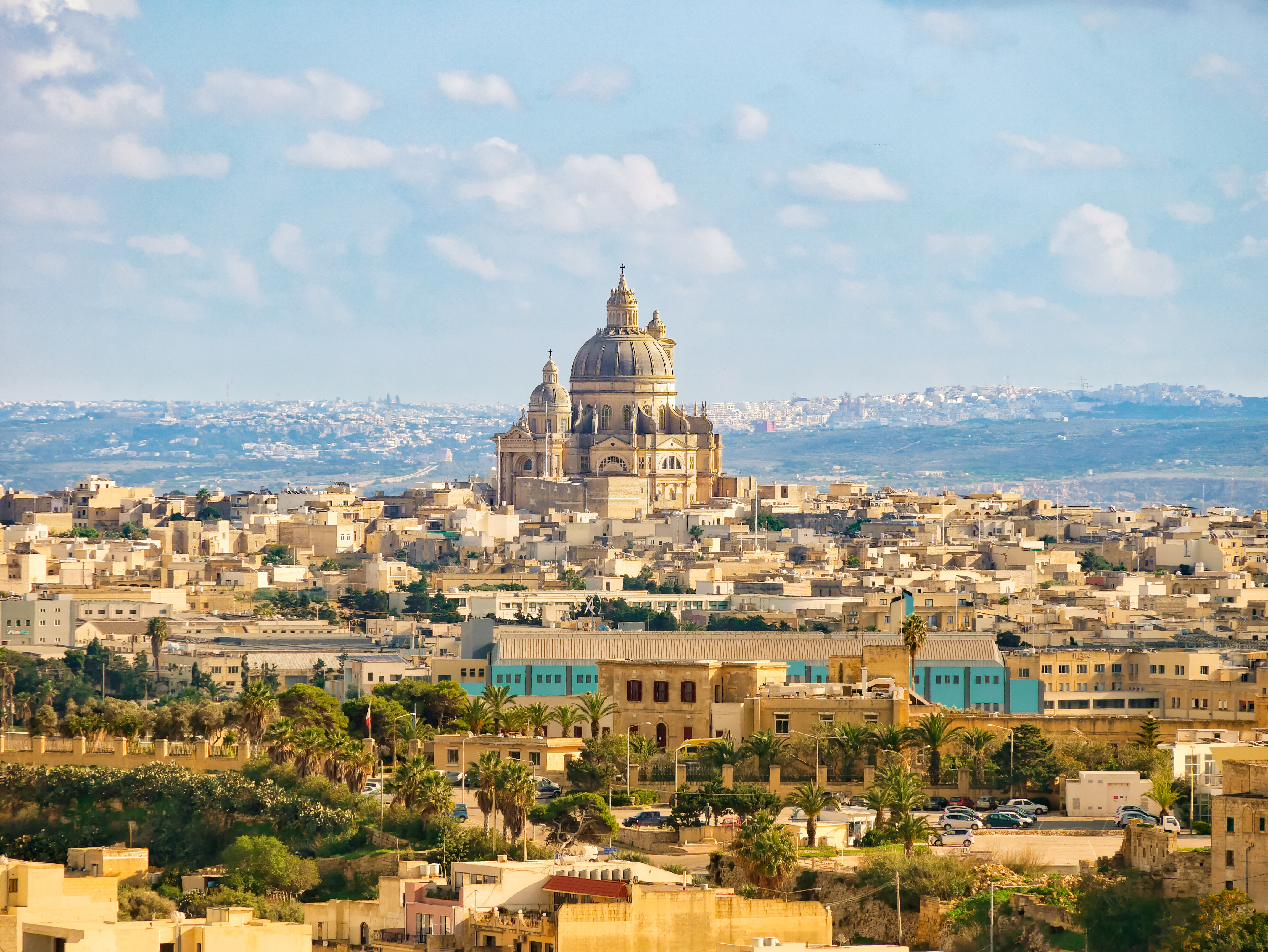,regionOfInterest=(2296,1724))
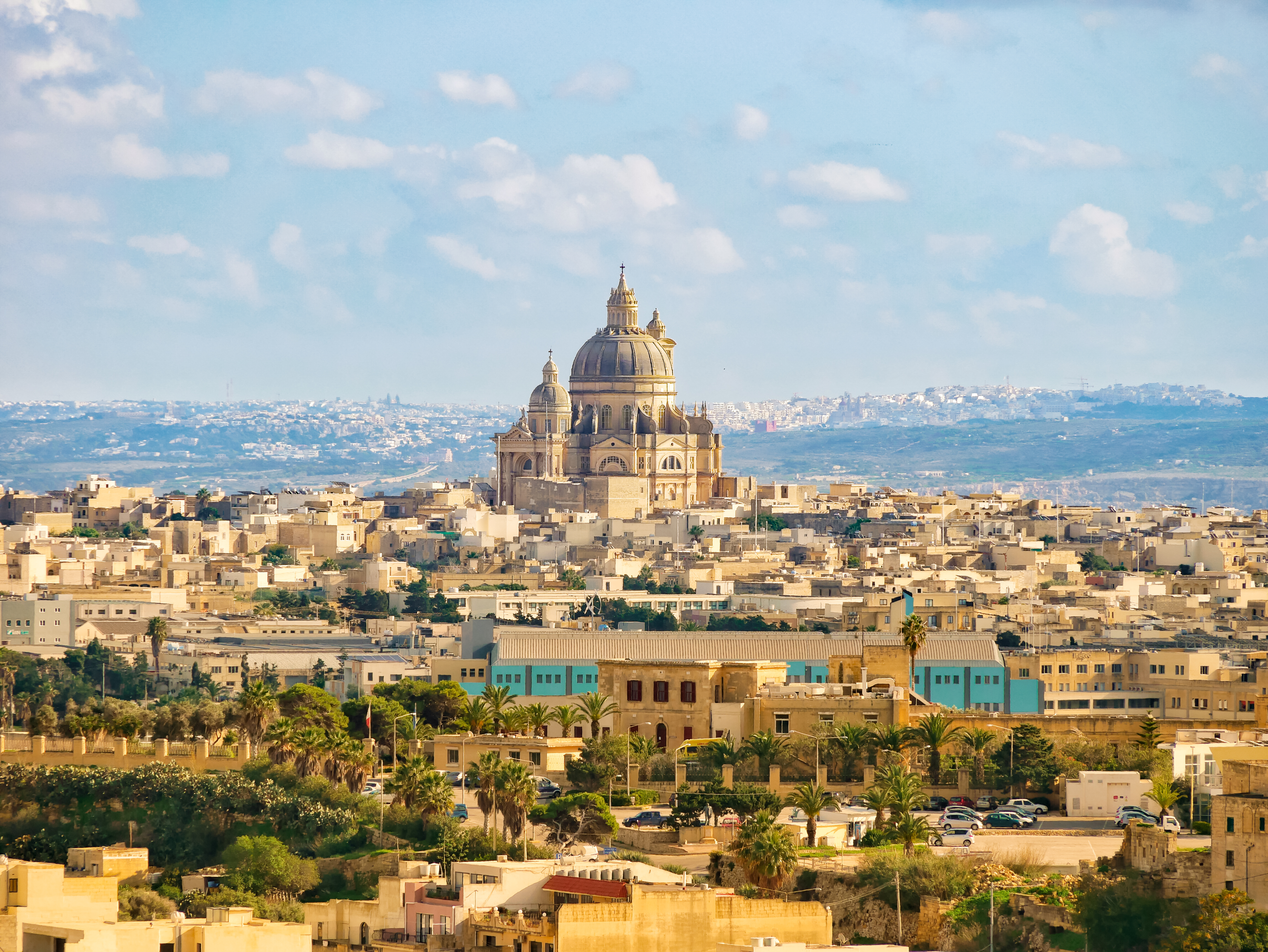,regionOfInterest=(2296,1724))
The second day is oriented toward the inland landscapes and the heights of the island. It is an itinerary designed to transit between the silence of noble palaces, subsoils of palaeochristian origin, and the most vertiginous natural viewpoints in Malta.
Mdina (The Silent City)
Set on a strategic hill, the ancient city of Mdina stands out for its tranquillity and its aristocratic appearance.
Crowning its urban network is St. Paul's Cathedral, a gem of Maltese Baroque whose imposing dome serves as a visual reference, while the city's northern bastions nearby provide a sharp view of the surrounding agricultural fields.
Exploring its streets allows you to admire the sobriety of medieval residences like Palazzo Falson, which safeguards valuable historical legacies of the ancient dynasties that ruled the destinies of the island. Walking beneath its stone arches or getting lost in its dead-end alleys immediately transports you to the noble past of the old capital.
Crossing the landscaped moats of the main gate will place you at the adjoining destination in a pedestrian walk of barely 5 minutes.
Rabat and St. Paul's Catacombs
Rabat represents the most traditional extramuros development, characterised by its churches with wide squares and homes with classic carved stone balconies. Beyond its surface charm, the town hides an impressive underground archaeological heritage; descending into St. Paul's Catacombs allows you to explore the intricate pantheons excavated directly into the rock during Roman times, revealing the oldest funerary rites on the island.
To travel to the cliffs, the optimal alternative is to take the local bus (line 201) or resort to a taxi, completing the journey in about 10 minutes.
Dingli Cliffs
A breathtaking natural balcony exposed to the winds, the Dingli Cliffs mark the highest topographical elevation of the archipelago. Next to the lonely chapel of St. Mary Magdalene, the land breaks abruptly to plunge into a vertiginous vertical drop toward the waters.
It is a landscape of great beauty where the traveller can walk the trails bordering the limestone cornice and contemplate how the open sea crashes against the rock walls, configuring a redoubt of wild nature far removed from urban centres.
For the return to the accommodation areas, you can use direct bus lines or private transport, taking around 45 to 60 minutes by public bus to reach coastal hubs like St. Julian's, or about 25 minutes by taxi.
Dinner and stroll around Spinola Bay (St. Julian's)
As a finishing touch for this second day, Spinola Bay offers a sophisticated coastal setting full of vitality. Walking along its illuminated promenade, observing the boats moored in the inlet, and dining at one of the restaurants specialising in Mediterranean cuisine represents the perfect way to delve into the most vibrant and cosmopolitan facet of the island
,regionOfInterest=(3845,2263))
,regionOfInterest=(3845,2263))
The third stage of this 4-day route in Malta takes you to the island of Gozo, a territory that preserves a slower pace of life, marine landscapes sculpted by erosion, and some of the oldest archaeological remains of humanity.
The Citadel of Victoria (Rabat of Gozo)
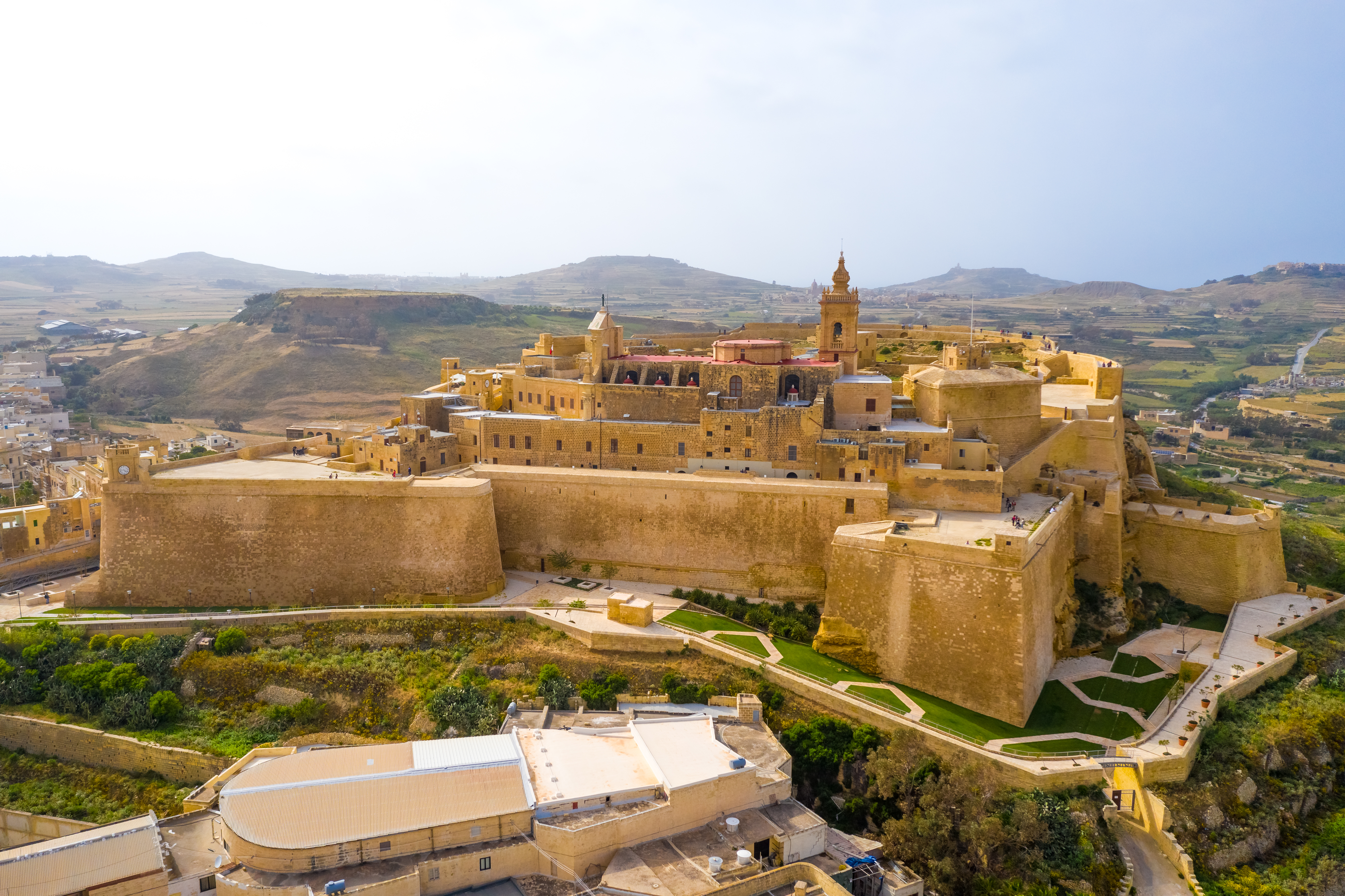
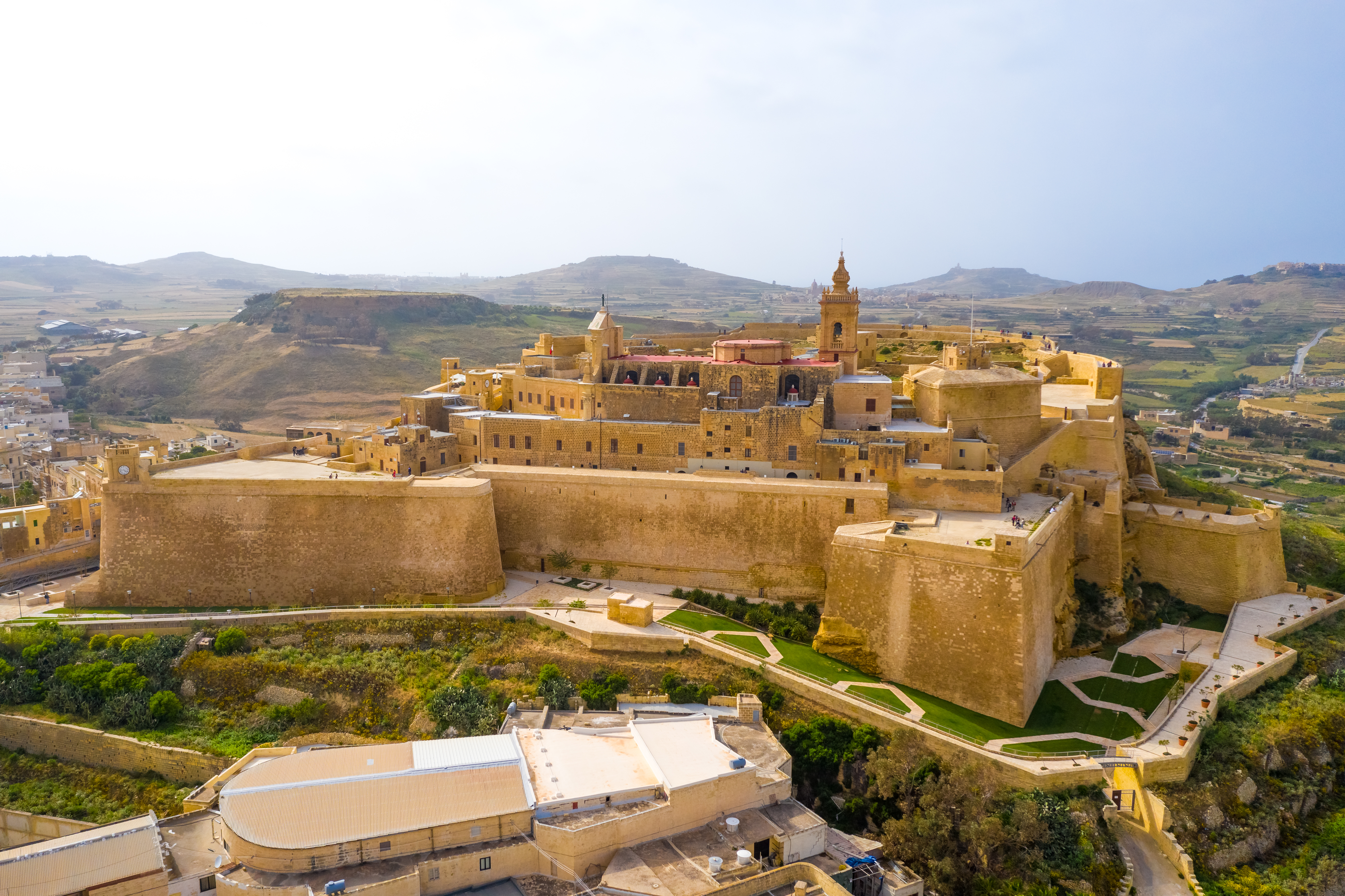
Built upon a central crag, the Citadel of Victoria functioned for centuries as the impregnable refuge of the Gozitan population against the incursions of corsairs. Standing out in its interior is the Gozo Cathedral, which dominates a monumental complex whose defensive bastions gift an insuperable 360-degree panoramic view of the entire island, sighting cultivated fields and the distant coastline.
From the Victoria central station, you can take local bus line 310 or a taxi to reach the northern coast in 15 minutes
The Marsalforn Salt Pans
The coastal stretch near Marsalforn hosts a unique piece of human ingenuity consisting of hundreds of sea salt evaporation pans carved into the globigerina limestone rock. It is a spot of enormous visual appeal, where human intervention integrates perfectly with the seashore.
These geometric pools, which compose a glittering labyrinth under the sun's rays, illustrate the persistence of an artisanal tradition that dates back to Roman times. An ideal place to walk calmly while breathing the saline air as the waves break against the rocky barrier. The space is designed to be easily explored on foot following the coastline.
Dwejra Bay and the Inland Sea
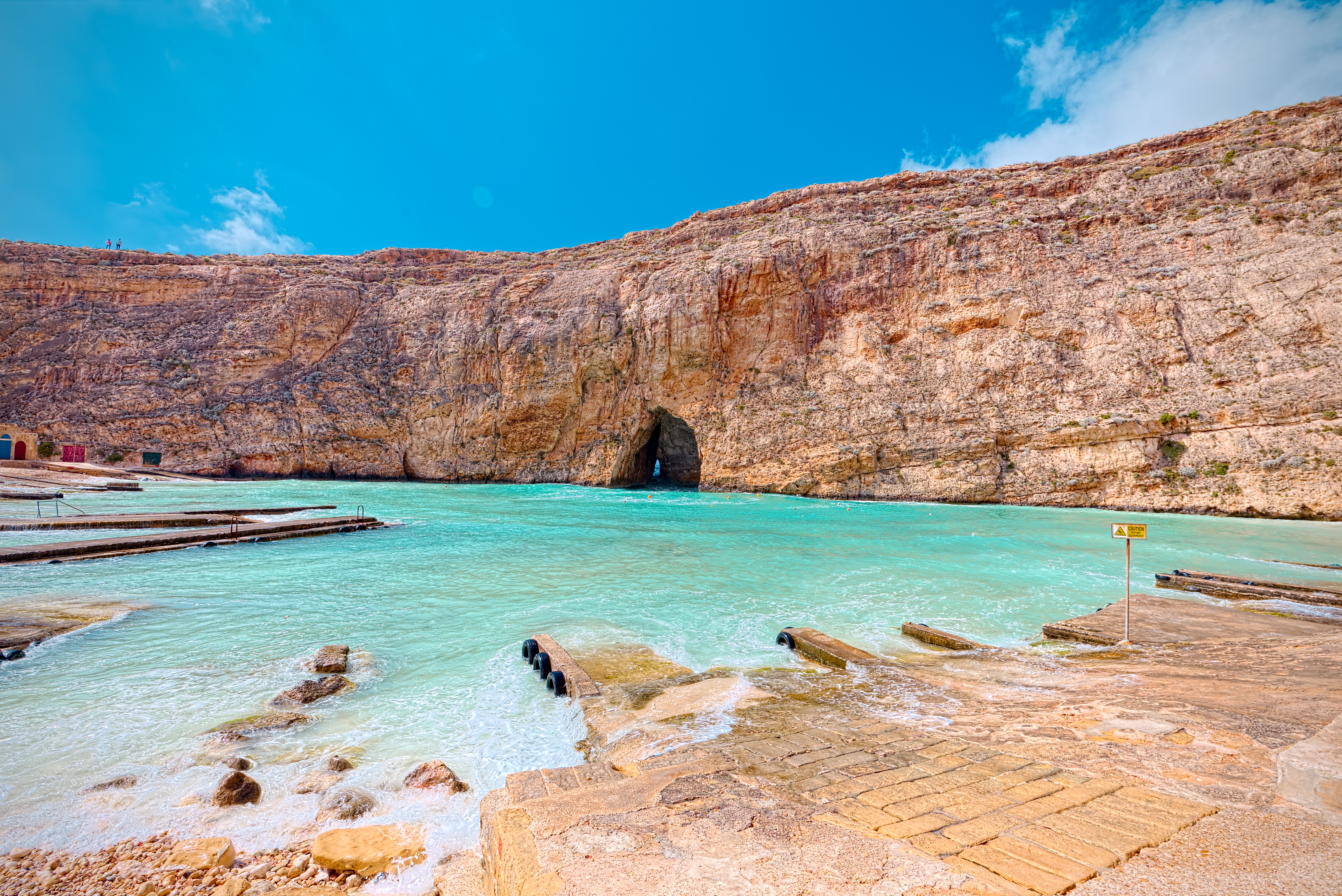
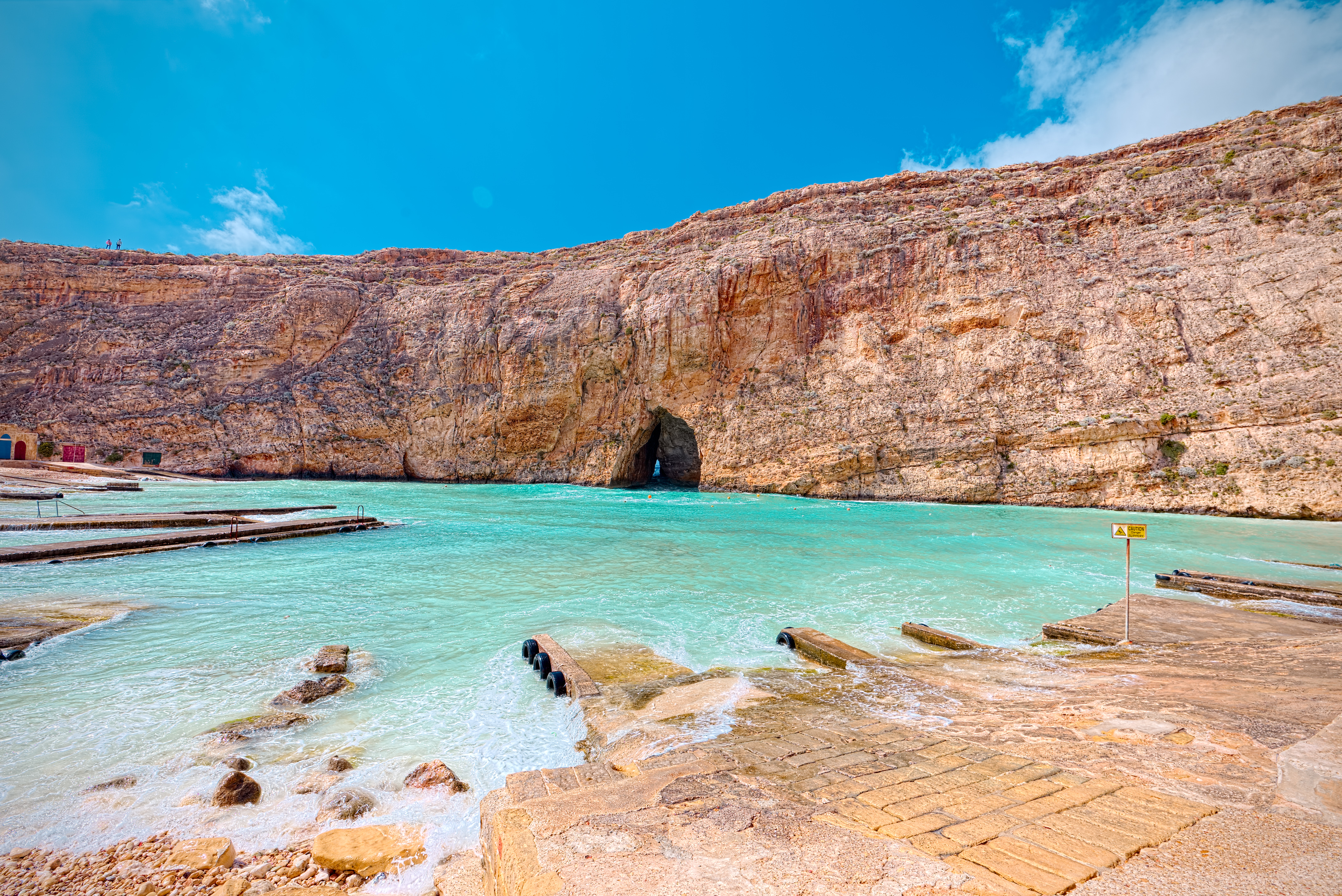
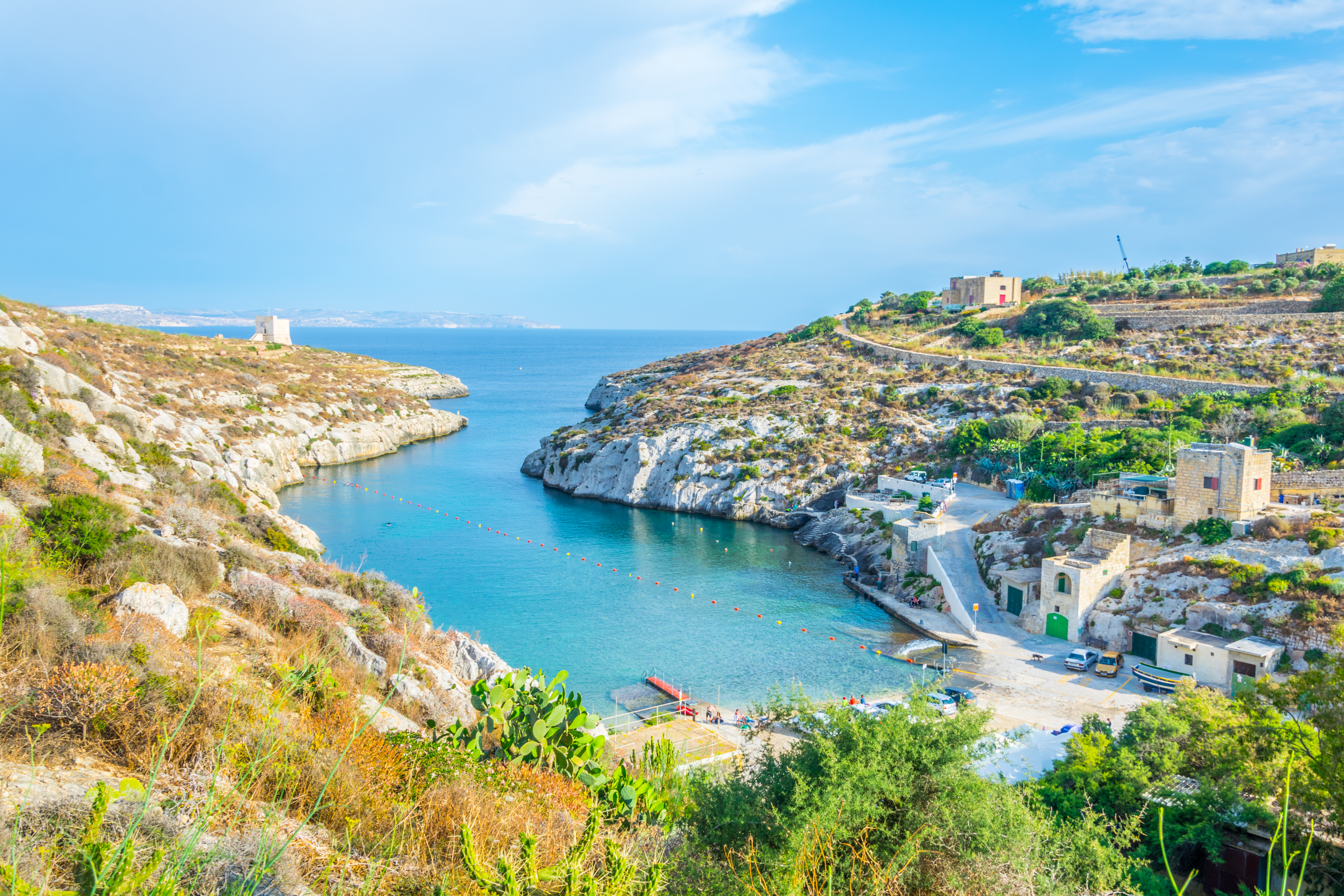
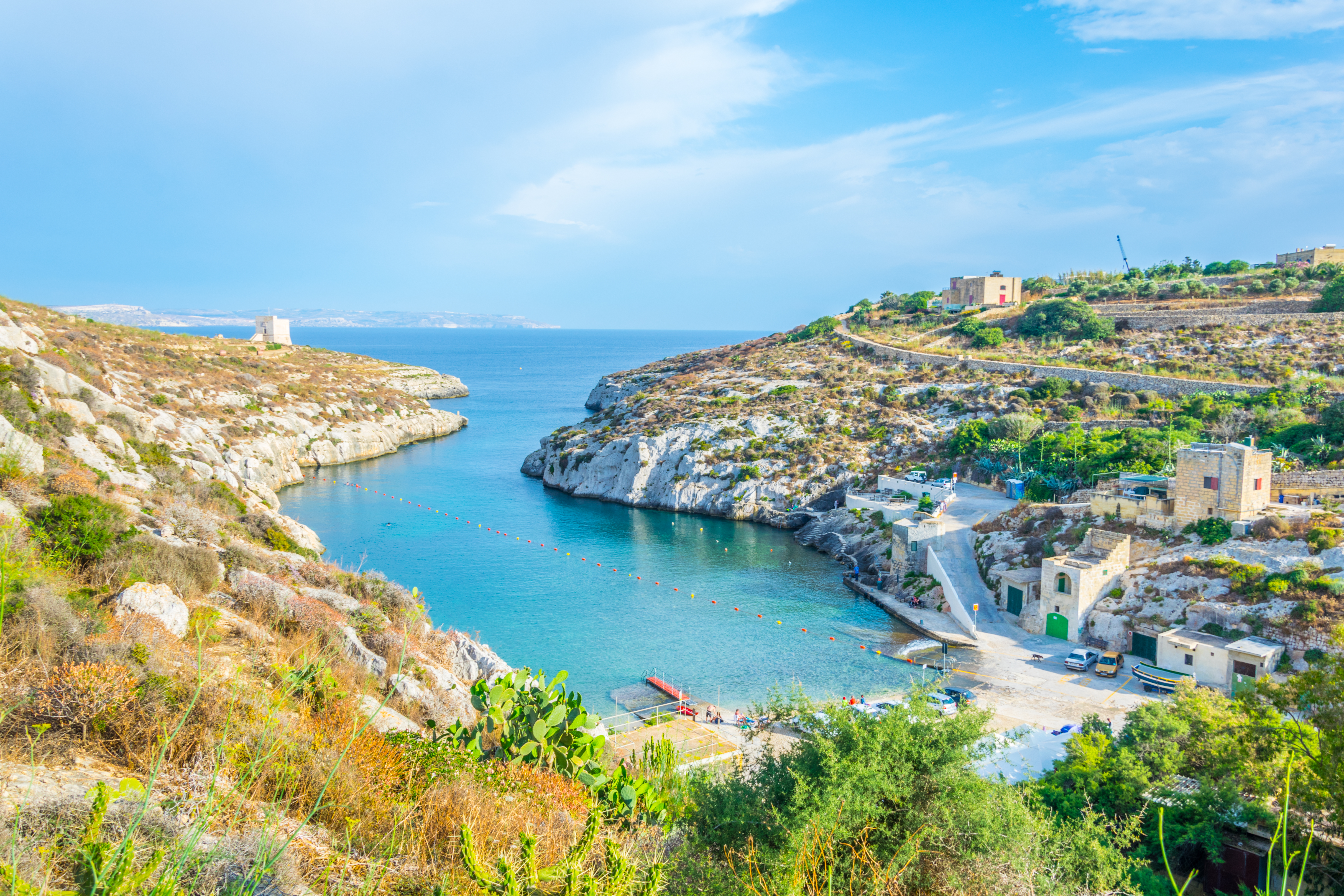
Located at the western end of Gozo, Dwejra Bay stands out for its imposing geological formations and the strength of its waves. The area is famous for the Inland Sea, a lagoon of calm waters connected to the open sea through an imposing natural fissure in the cliff, and for the majestic silhouette of Fungus Rock emerging from the waters. While the world-famous Azure Window arch tragically collapsed into the sea during a storm in 2017, the site remains an geological wonderland drawing visitors for coastal hiking and world-class scuba diving
To move to the archaeological temple, you can cross the island from west to east by bus or taxi, completing the journey in about 20 minutes.
Ġgantija Temples
The prehistoric site of the Ġgantija Temples guards megalithic monuments erected centuries before the famous pyramids of Egypt were raised. Its colossal blocks of coralline limestone, arranged in highly complex lobed structures, constitute one of the oldest testimonies of free-standing religious architecture on the planet, astonishing by the technical skill of its builders.
Once the visit is finished, the return journey to the port of Mgarr to take the ferry back to the main island is easily done by public transport.
Stroll and dinner in Sliema
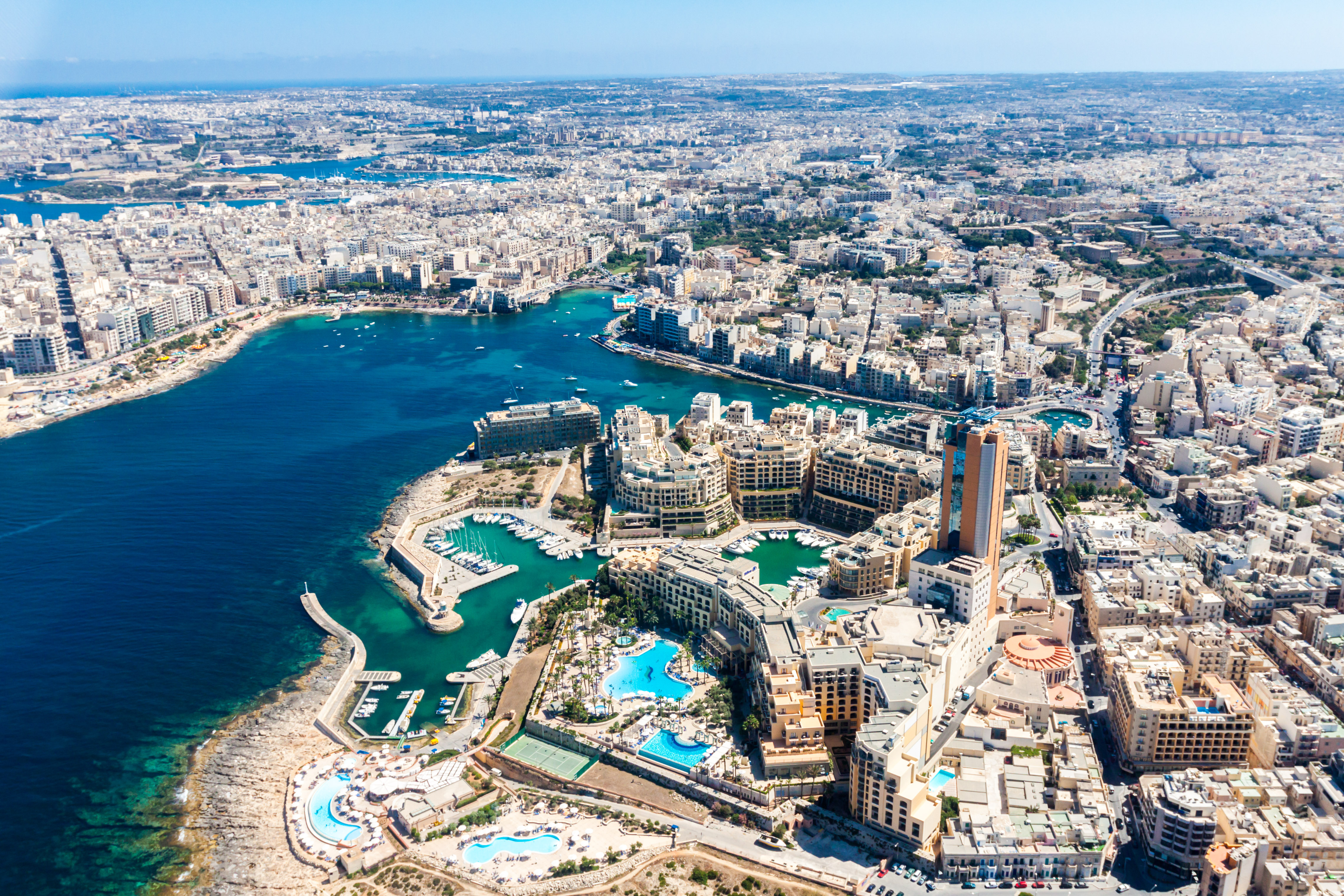
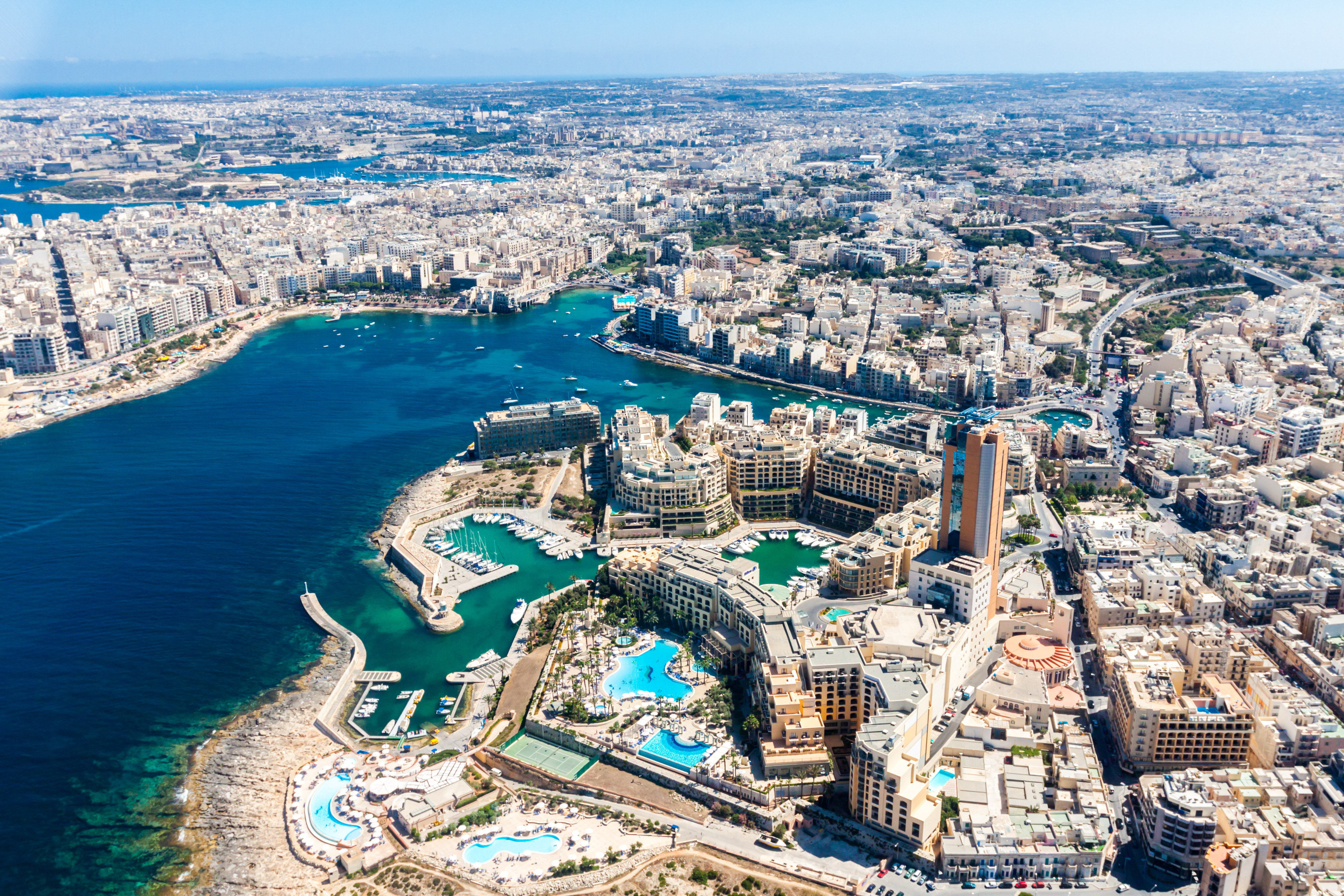
Upon returning to the main island, the Sliema promenade provides a highly pleasant framework to conclude the day. Its wide sidewalks next to the water allow you to contemplate the illuminated fortified silhouette of Valletta on the other side of the bay, offering a wide culinary selection that puts the ideal close to a day of intense exploration.
,regionOfInterest=(2136,1426.5))
,regionOfInterest=(2136,1426.5))
The final day of this 4-day tourist guide to Malta is dedicated to capturing the purest essence of the south of the island. A coastal itinerary designed to enjoy traditional fishing colour and natural gems sculpted by the Mediterranean.
Marsaxlokk and its traditional port
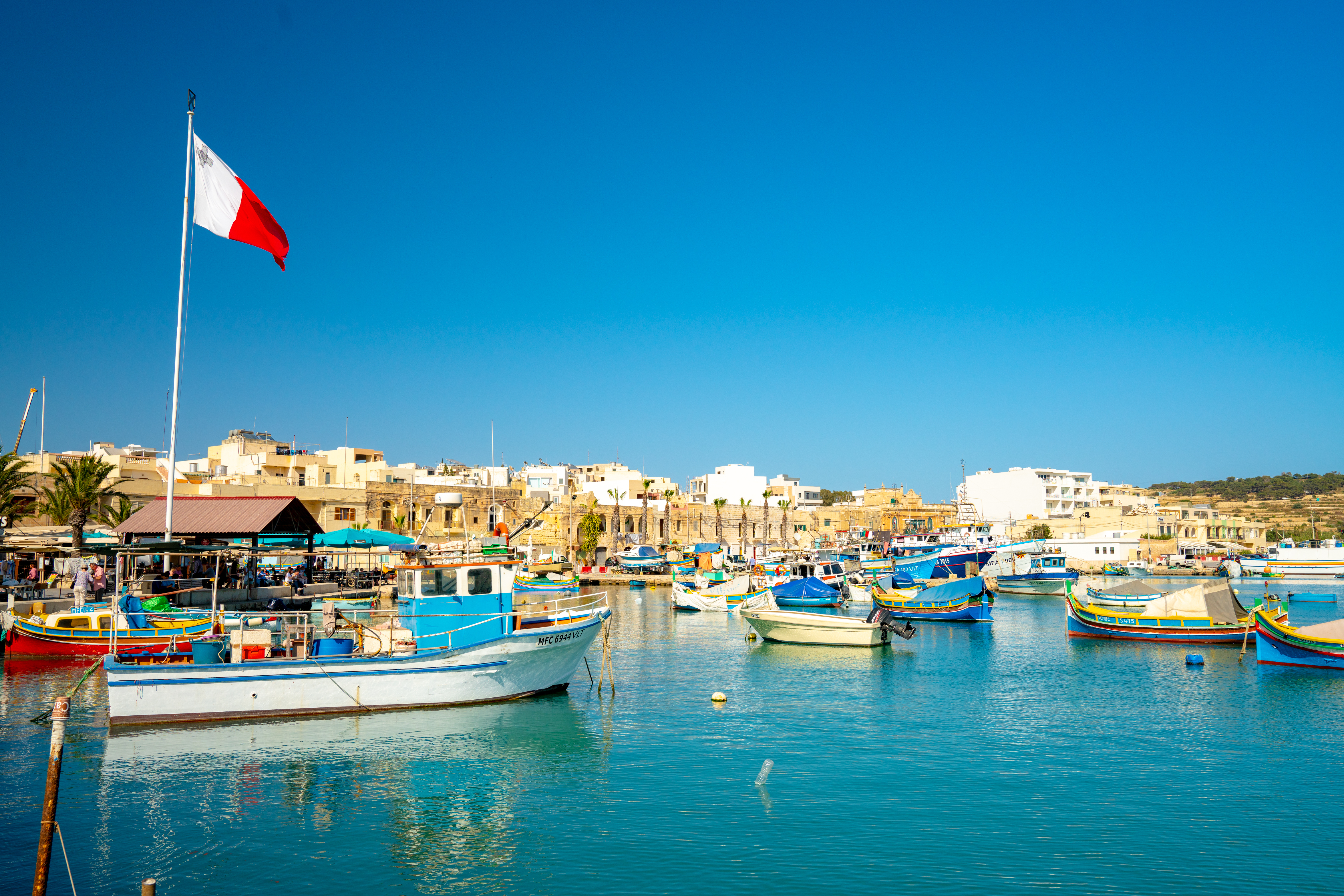
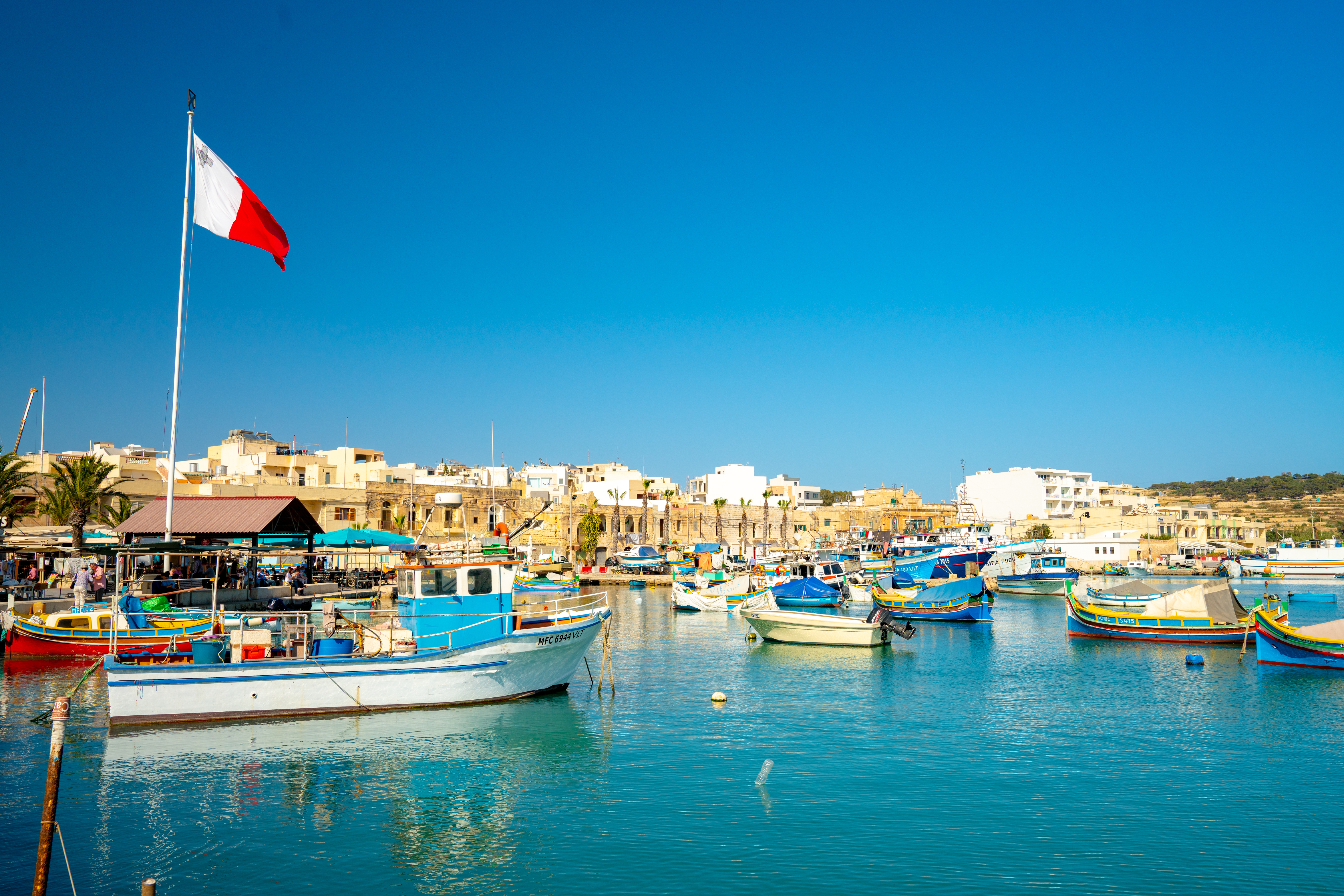
Marsaxlokk stands out as the most authentic fishing village in the archipelago, where life is organised around its wide natural inlet. The great appeal of this enclave resides in its fleet of luzzus, traditional vessels painted in vivid primary colours that sport the eye of Osiris on their bows—an ancient Phoenician amulet destined to protect sailors from the dangers of the sea.
Strolling along the pier early in the morning will allow you to observe the tasks of fishermen mending nets or unloading the day's catch. The reflection of the coloured hulls upon the calm waters of the bay composes an unforgettable coastal picture.
To head to the natural viewpoint of the south, you can take bus line 119 or resort to a taxi in a journey of approximately 15 minutes
Blue Grotto
Considered one of the greatest natural monuments in the south of Malta, the Blue Grotto forms a network of marine caverns famous for the purity and shades of their waters. Contemplating the gigantic limestone arch from the upper viewpoint over the cliff offers a striking image of the sea's erosive power.
To live the experience to the fullest, it is highly recommended to go down to the small jetty of Wied iż-Żurrieq and board one of the traditional boats of local fishermen; these boats venture into the caverns to appreciate how the sun's reflections on the sandy bottom dye the walls an intense turquoise blue.
After the marine excursion, you can relax at the viewpoints in the area, enjoying the immensity of the coastal landscape.
Archaeological sites of Hagar Qim and Mnajdra
A short distance from the cliffs of the Blue Grotto rise the megalithic temples of Hagar Qim and Mnajdra, situated on a plain facing the uninhabited islet of Filfla. These structures from the Neolithic period, protected by modern tent systems, stand out for their astronomical alignment with the solstices and equinoxes
Walking among their stone corridors and contemplating the megaliths of several tonnes outlined against the blue of the marine horizon gifts one of the deepest and most mysterious postcards of the trip.
You can return to the metropolitan area by connecting with the coastal bus lines in a trip of about 40 to 45 minutes, or around 20 minutes if using private transport.
Farewell in Valletta
To close your last night in the archipelago, there is no better plan than returning to the illuminated corners of Valletta. Strolling aimlessly when the tourist groups have withdrawn allows you to appreciate the true monumental charm of its squares, making it possible to dine in the small tapas and local wine venues hidden along the steps of Strait Street to toast to a memorable getaway.
,regionOfInterest=(900,600))
,regionOfInterest=(900,600))
To follow this 4-day Malta itinerary, I recommend organising yourself using these area-specific maps:
,regionOfInterest=(2656,1770.5))
,regionOfInterest=(2656,1770.5))
In my opinion, four days in Malta offer enough time to soak up the essence of this Mediterranean enclave, combining historical visits with memorable landscape milestones. Through this optimised planning, you will have crossed historical thresholds from the megalithic temples of Gozo to the palaces of Valletta, passing through the stony stillness of noble Mdina and the turquoise flashes of the southern coast.
,regionOfInterest=(2951,1967.5))
,regionOfInterest=(2951,1967.5))
,regionOfInterest=(1476.5,980.5))
,regionOfInterest=(1476.5,980.5))
,regionOfInterest=(1496,1996))
,regionOfInterest=(1496,1996))
,regionOfInterest=(2732,1820))
,regionOfInterest=(2732,1820))
,regionOfInterest=(1392,924))
,regionOfInterest=(1392,924))
,regionOfInterest=(2121,1414))
,regionOfInterest=(2121,1414))