,regionOfInterest=(2880,1920))
,regionOfInterest=(2880,1920))
Chiang Mai Travel Budget 2026: How Much Does a Trip Really Cost?
,regionOfInterest=(632,423))
,regionOfInterest=(632,423))
Culture
,regionOfInterest=(2326,3485))
,regionOfInterest=(2326,3485))
Culture
,regionOfInterest=(500,500))
,regionOfInterest=(500,500))
All-terrain writer specialising in tourism, fashion and trends. A curious soul, traveller, reader and sports enthusiast, keen to discover every corner of the world.
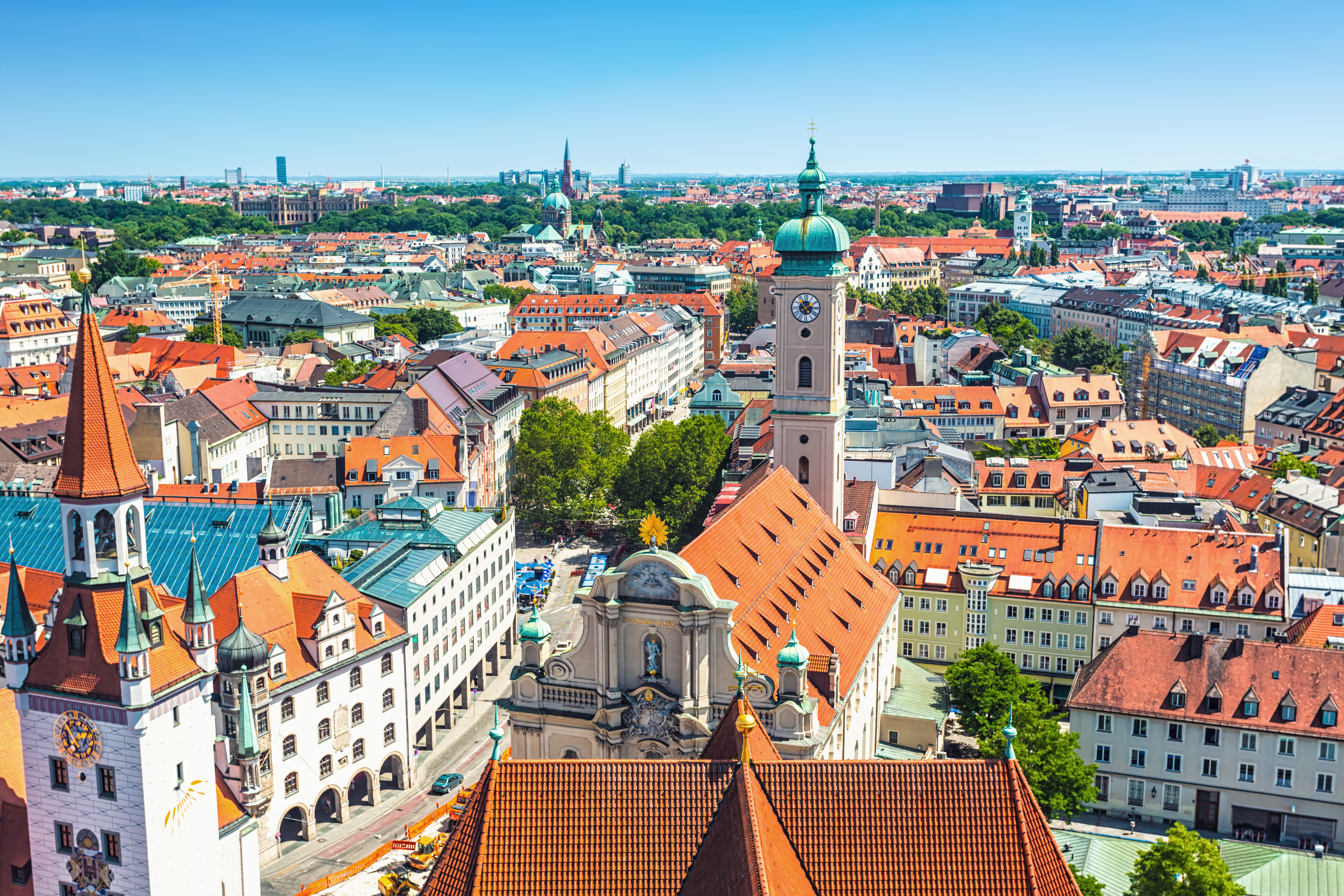
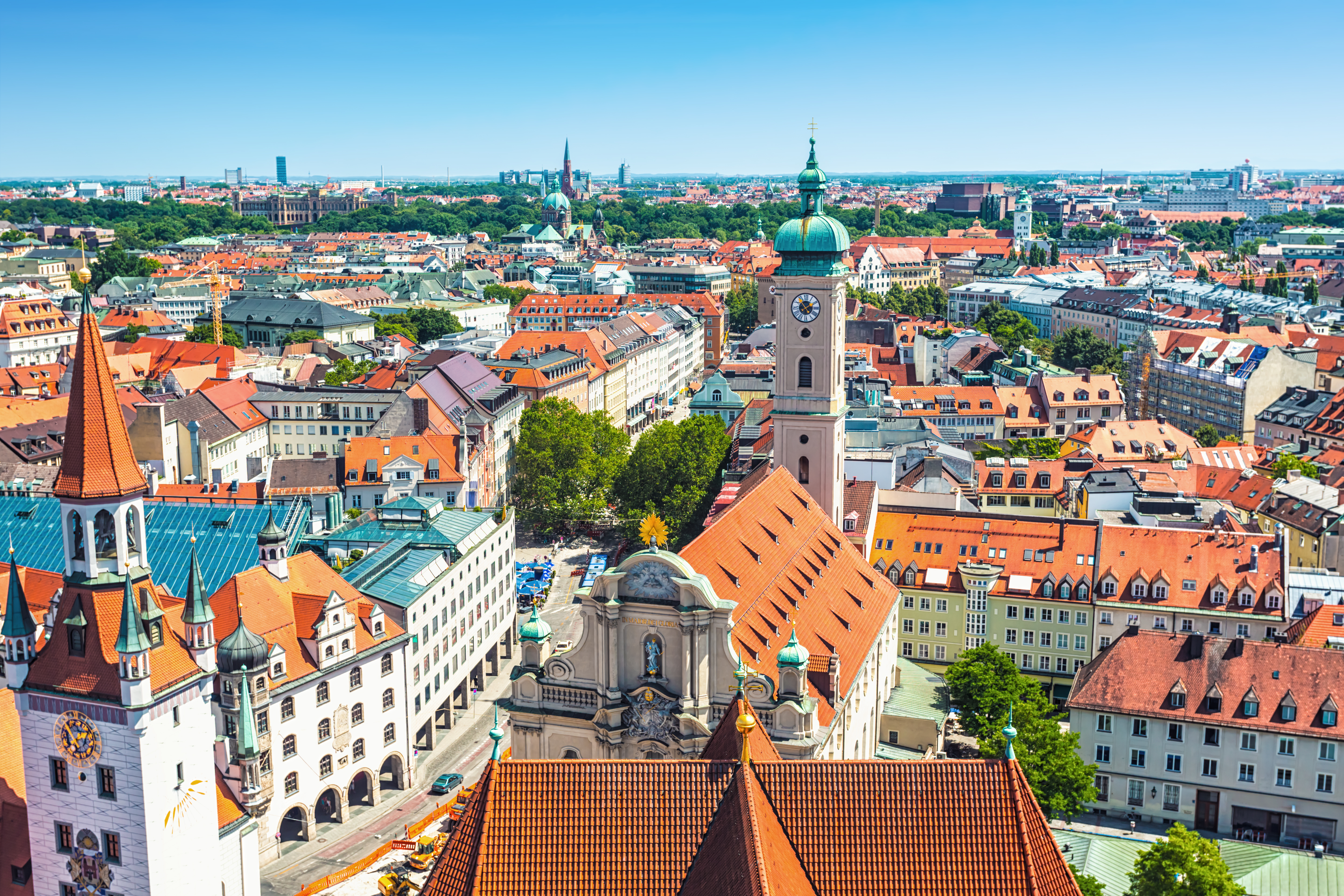
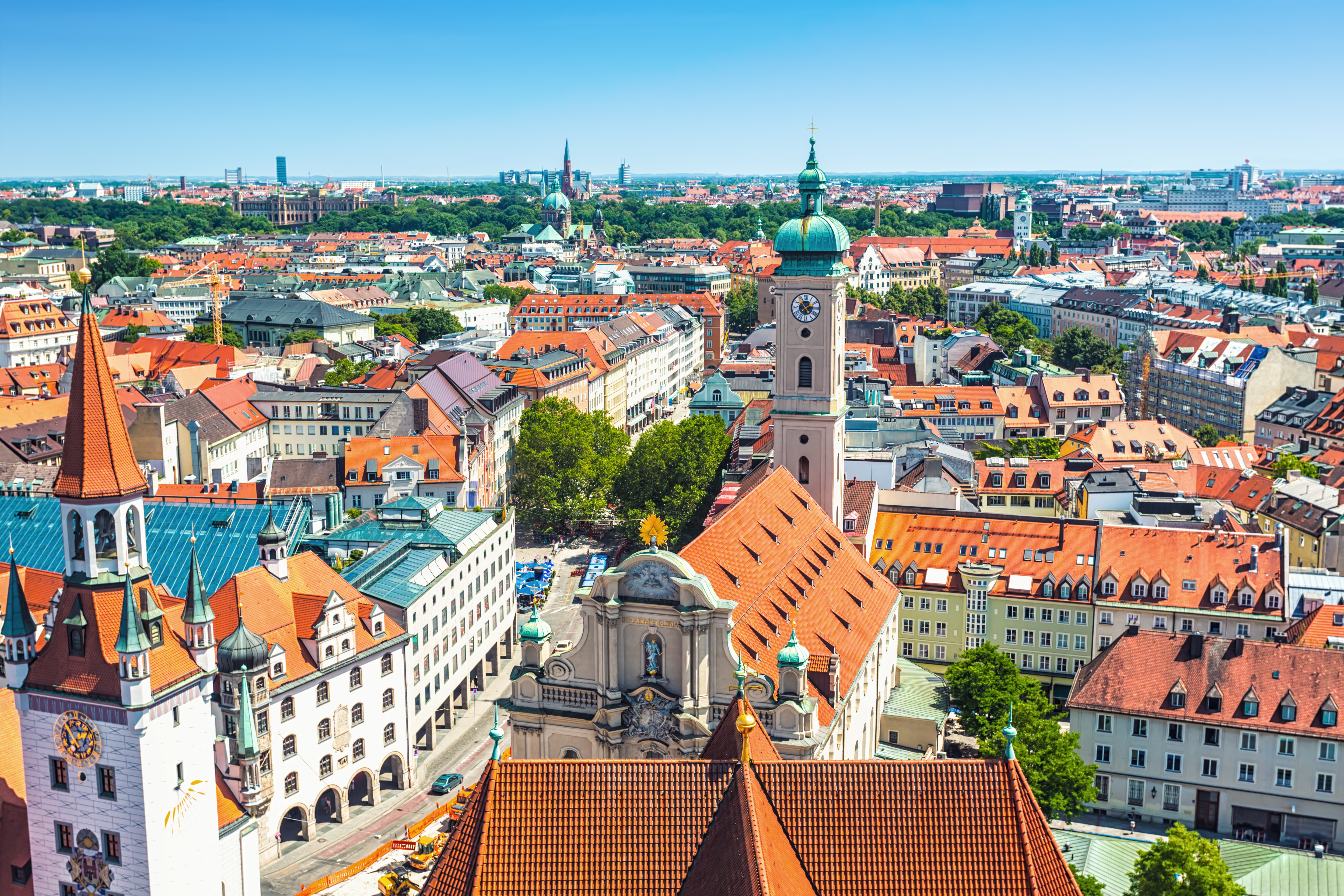
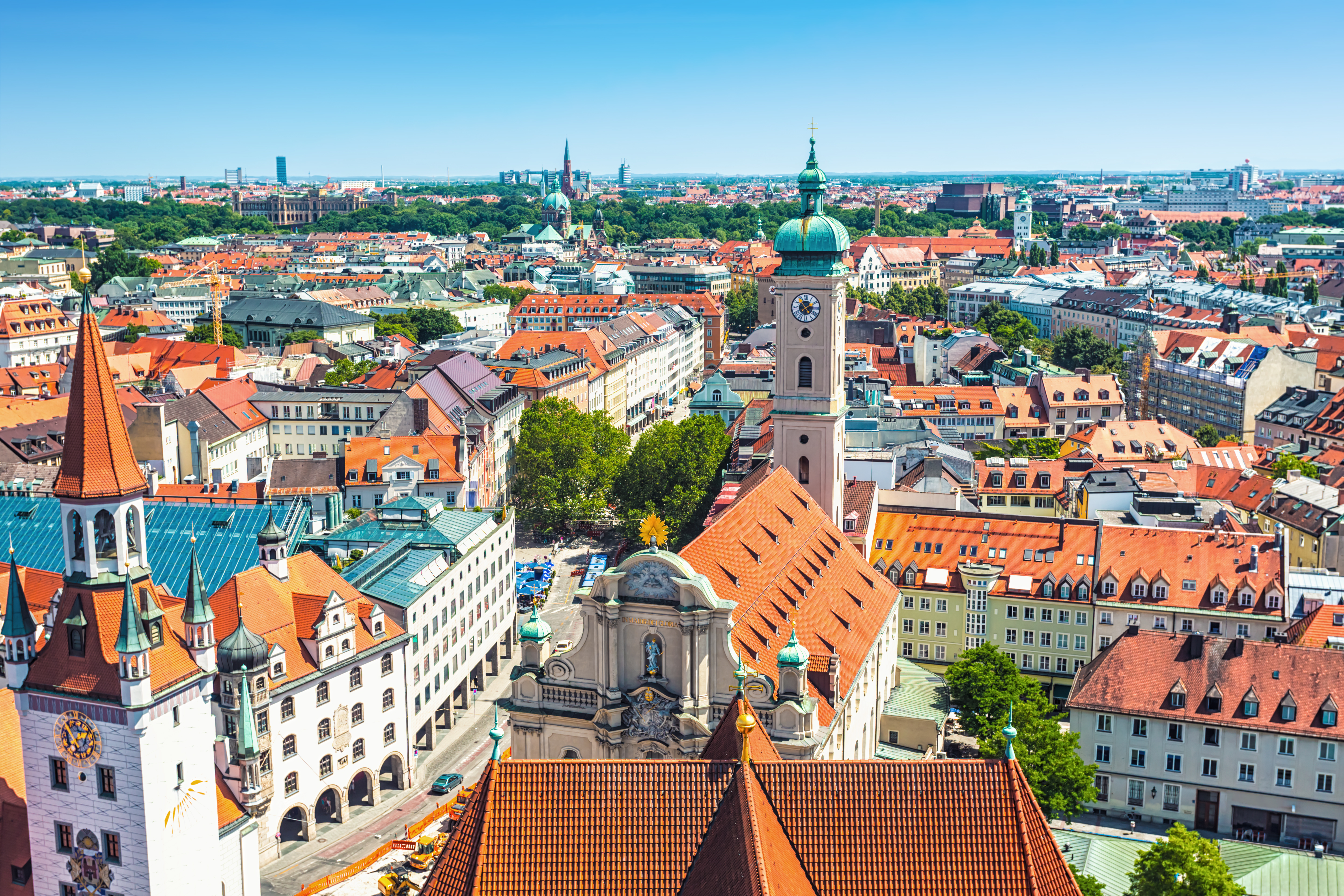
Munich is a city of great contrasts, where Bavarian traditions coexist with monumental architecture, world-class museums, lively markets, and extensive urban parks. If you are planning a getaway and want to know what to see in Munich in two days, this guide will help you make the most of your 48 hours in the Bavarian capital, touring its essential sights and avoiding unnecessary travel.
With so many monuments, neighbourhoods, and spaces to discover, deciding where to start can be complicated. For this reason, this two-day itinerary in Munich combines the city's great icons with its markets, neighbourhoods with character, palaces, and green areas. A route designed so you can get to know both its historical heritage and its more modern atmosphere, enjoy its gastronomy, and take away a fairly complete vision of the city even on a getaway of just 48 hours.
In the following lines, you will discover how to explore a good part of the city on foot, using public transport only when strictly necessary, and the best things to do in Munich during your trip.
,regionOfInterest=(1720,1418.5))
,regionOfInterest=(1720,1418.5))
,regionOfInterest=(1750,1167.5))
,regionOfInterest=(1750,1167.5))
,regionOfInterest=(2653,1747))
,regionOfInterest=(2653,1747))
| DAYS | AREA | MAIN PLACES |
|---|---|---|
| DAY 1 | Historical centre and old town | Marienplatz, Neues Rathaus, Frauenkirche, Viktualienmarkt, Residenz, Odeonsplatz, English Garden, Hofbräuhaus |
| DAY 2 | Nymphenburg and Olympic area | Nymphenburg Palace, Olympiapark, BMW Museum, Maxvorstadt, Alte Pinakothek, Schwabing |
This first day focuses on the great symbols that cannot be missed on a visit to Munich in 2 days. It is a route that concentrates a good part of its historical attractions in the centre, allowing you to get to know the essence of the city on foot.
Marienplatz
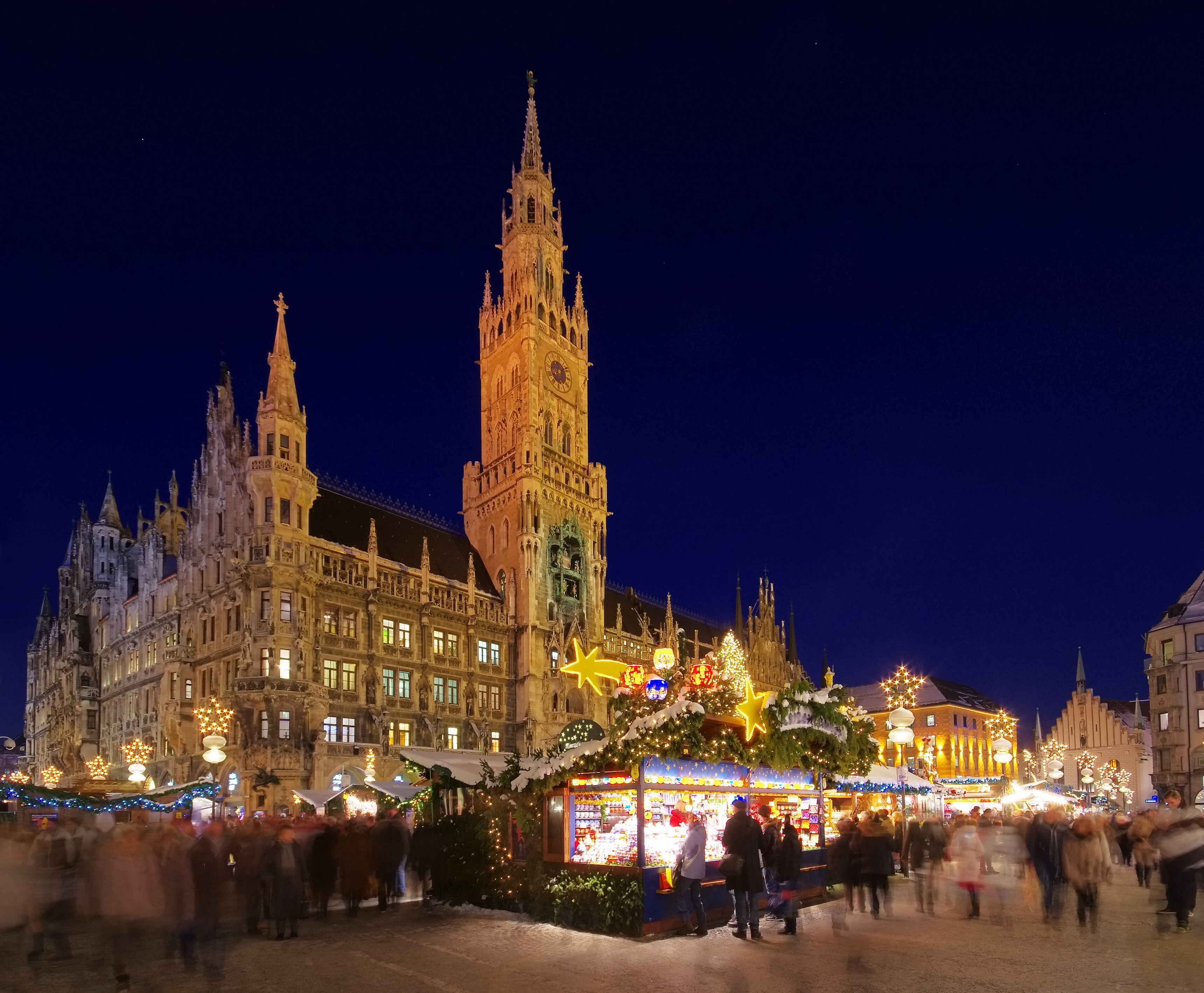
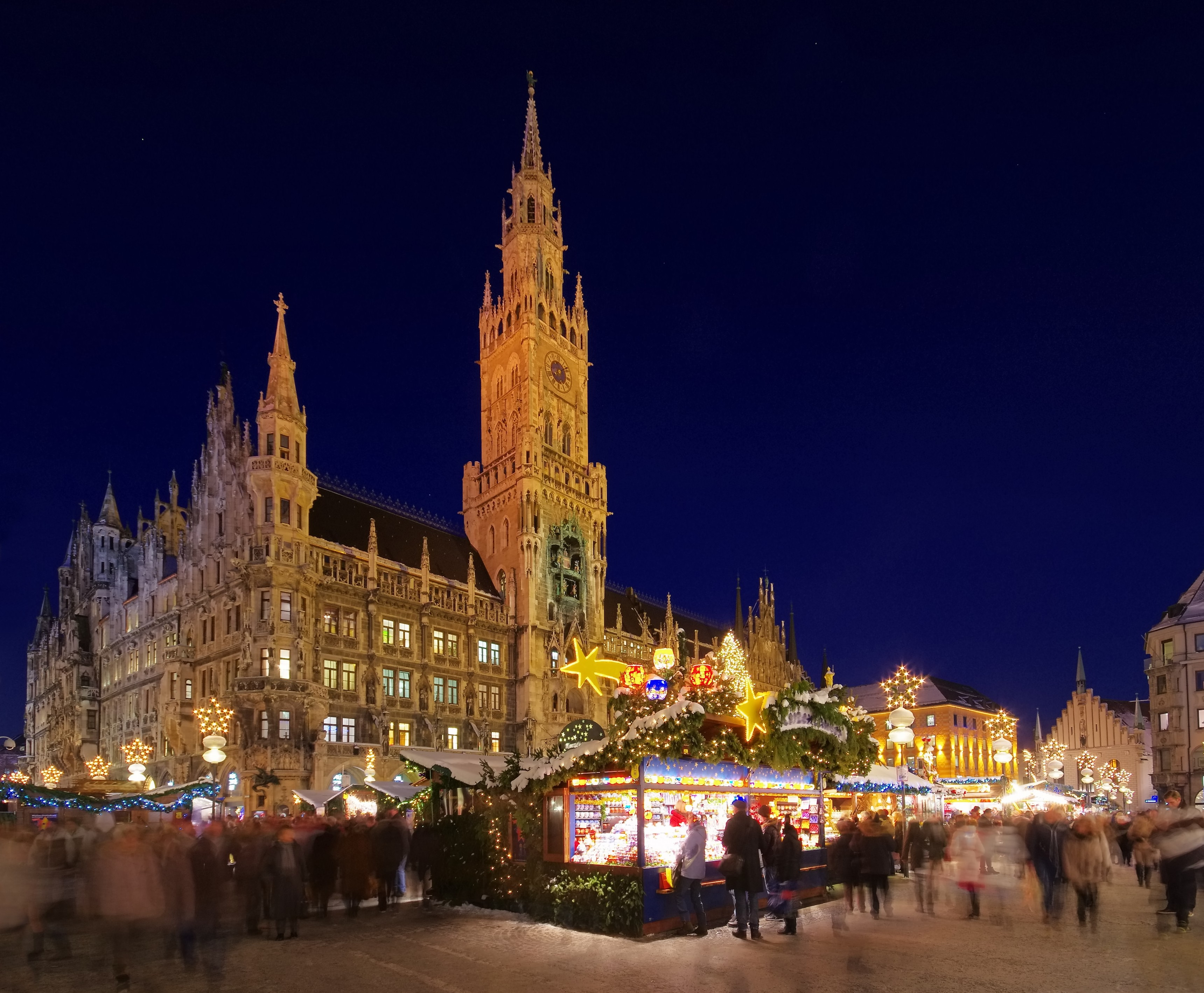
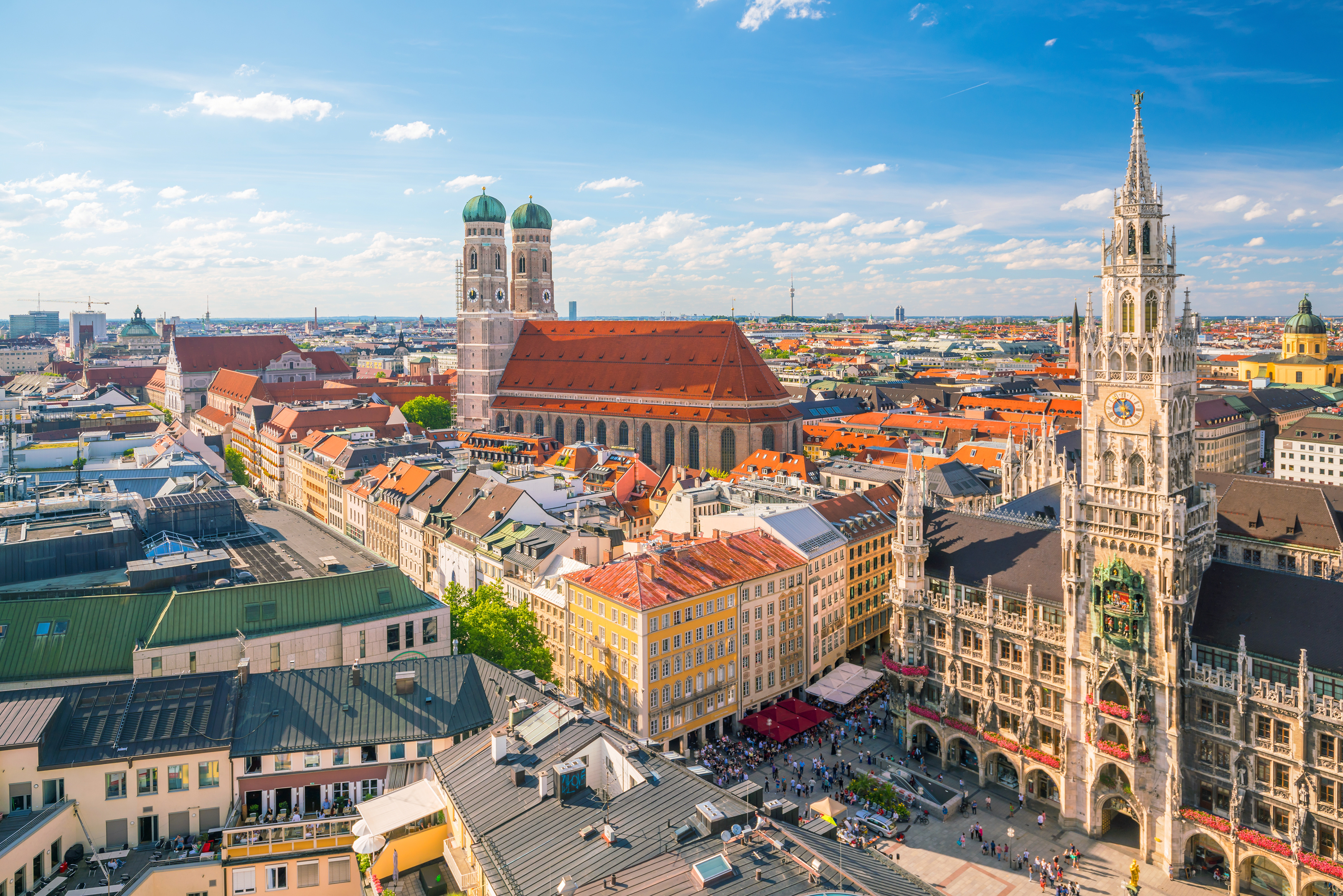
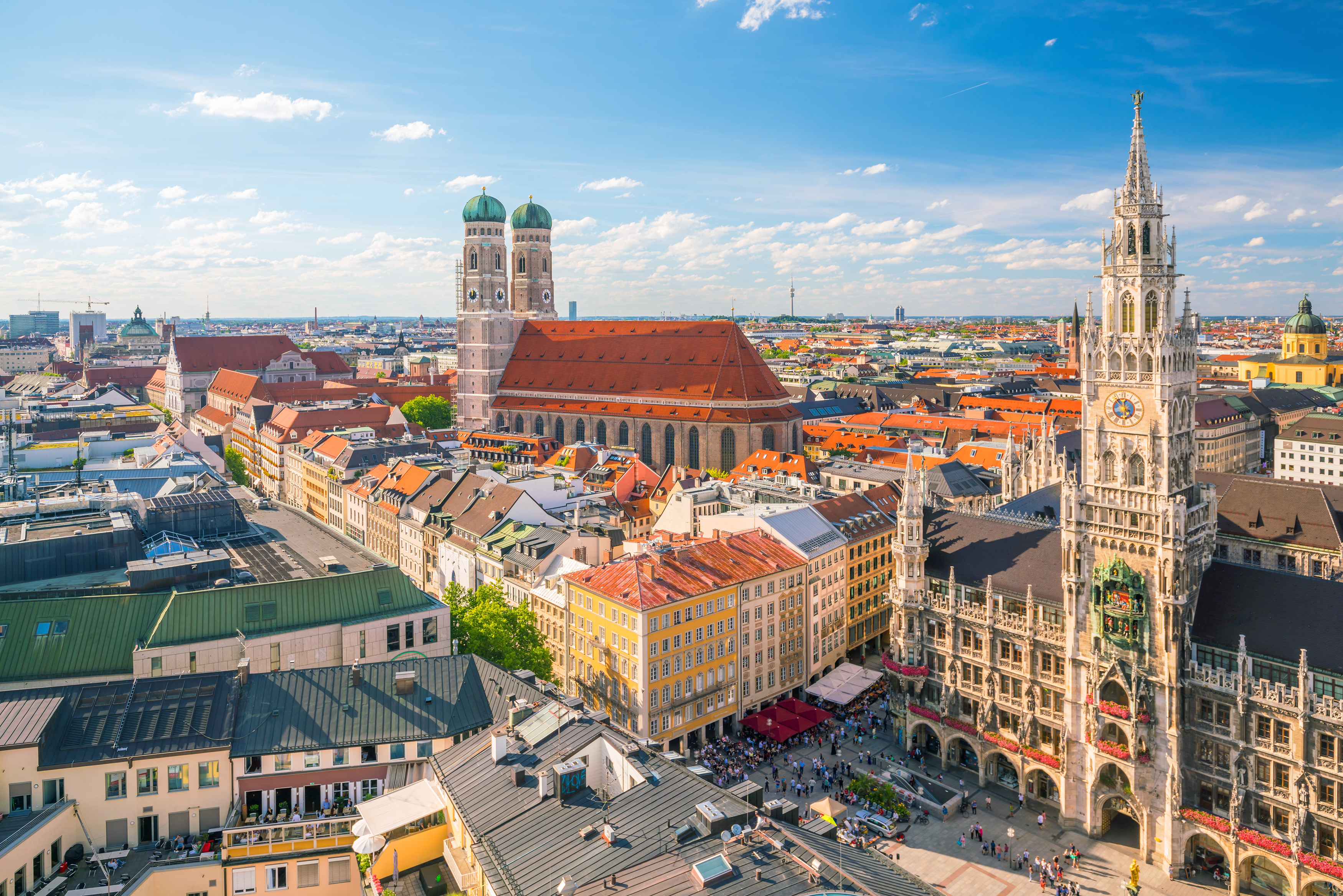
The best place to start any route to see Munich in 2 days is Marienplatz, a square that, with its historical façades, presided over by the great Column of St. Mary, constitutes the heart of the historical centre and brings together some of the most iconic buildings in the Bavarian capital.
The undisputed protagonist is the Neues Rathaus, the spectacular New Town Hall in neo-Gothic style. And if you organise your visit to coincide with any of the Glockenspiel performances, you will be able to contemplate its moving figures as they recreate scenes from the history of Munich.
From here you can reach the next point on foot in less than 5 minutes.
Frauenkirche
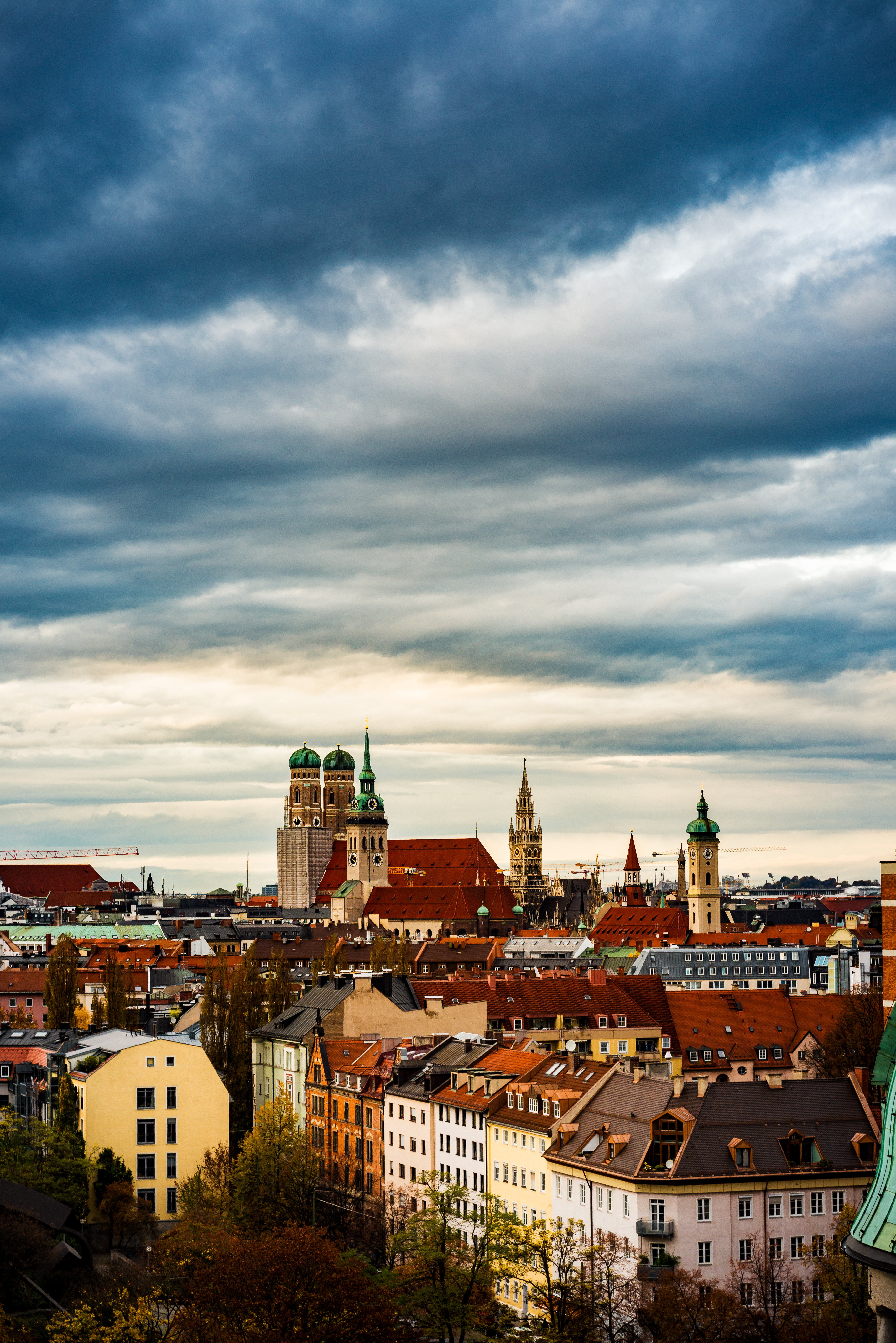
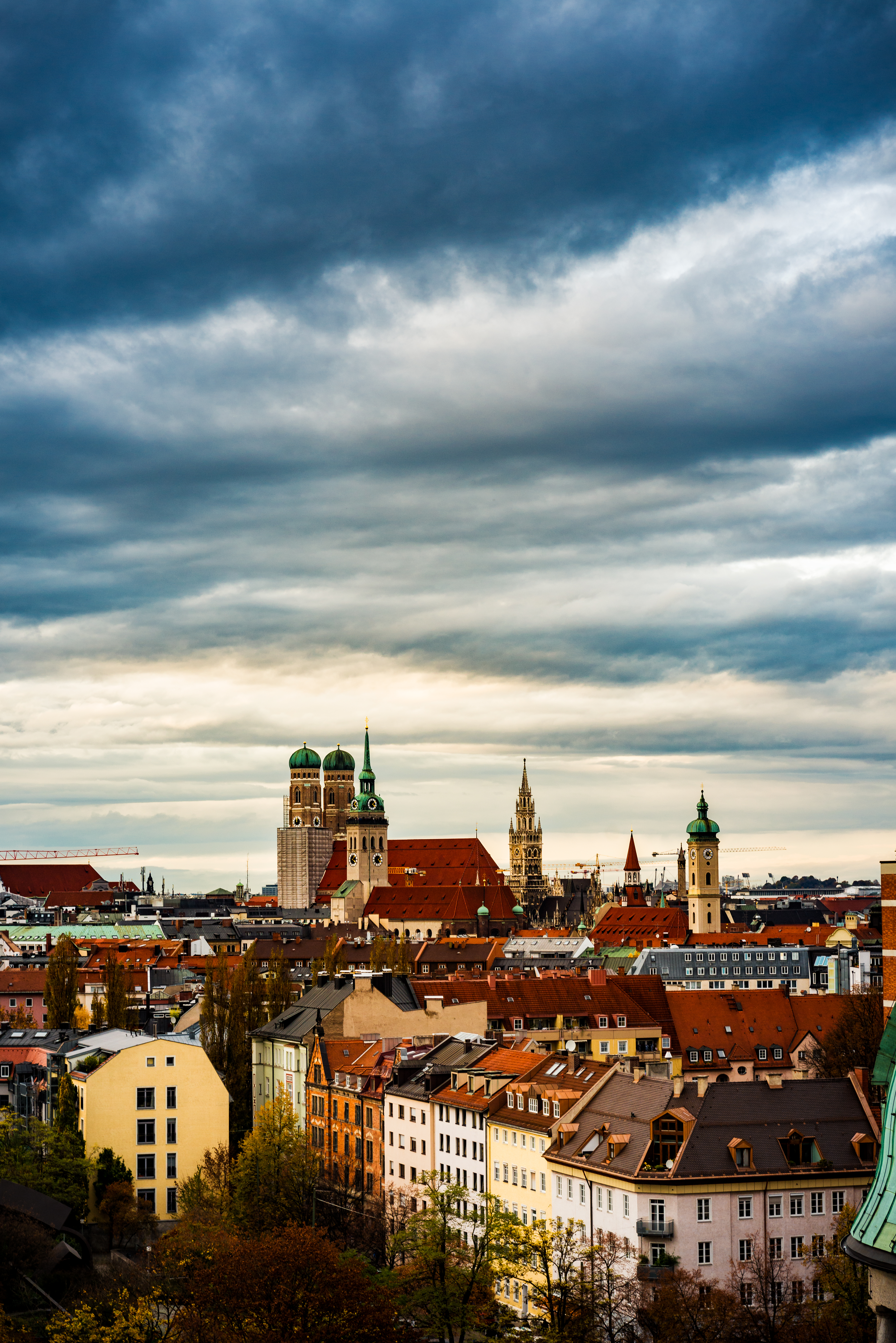
Just a few metres away is the Frauenkirche, which with its characteristic green domes, forms part of Munich's most recognisable skyline. Considered one of the most important temples in the city and all of Bavaria, it is an essential stop on any itinerary.
Inside you will find a huge nave where you can admire its Gothic scale and look for the mythical "Devil's Footprint", which is one of the best-known legends related to the temple.
You can continue walking to the next point in about 5 minutes.
Viktualienmarkt
The Viktualienmarkt is one of the liveliest places in the centre of Munich. This open-air market brings together stalls of fruit, vegetables, cheeses, sausages, breads, gourmet products, and numerous specialities of Bavarian gastronomy.
A gastronomic jewel, it is a perfect stop to take a short break during the morning. Here you can buy an authentic pretzel, try some local product, or simply sit and rest for a few minutes in the central area of the market to observe the atmosphere and connect with the lifestyle of the region.
From here you can reach the next destination on foot in about 10 minutes.
Munich Residenz
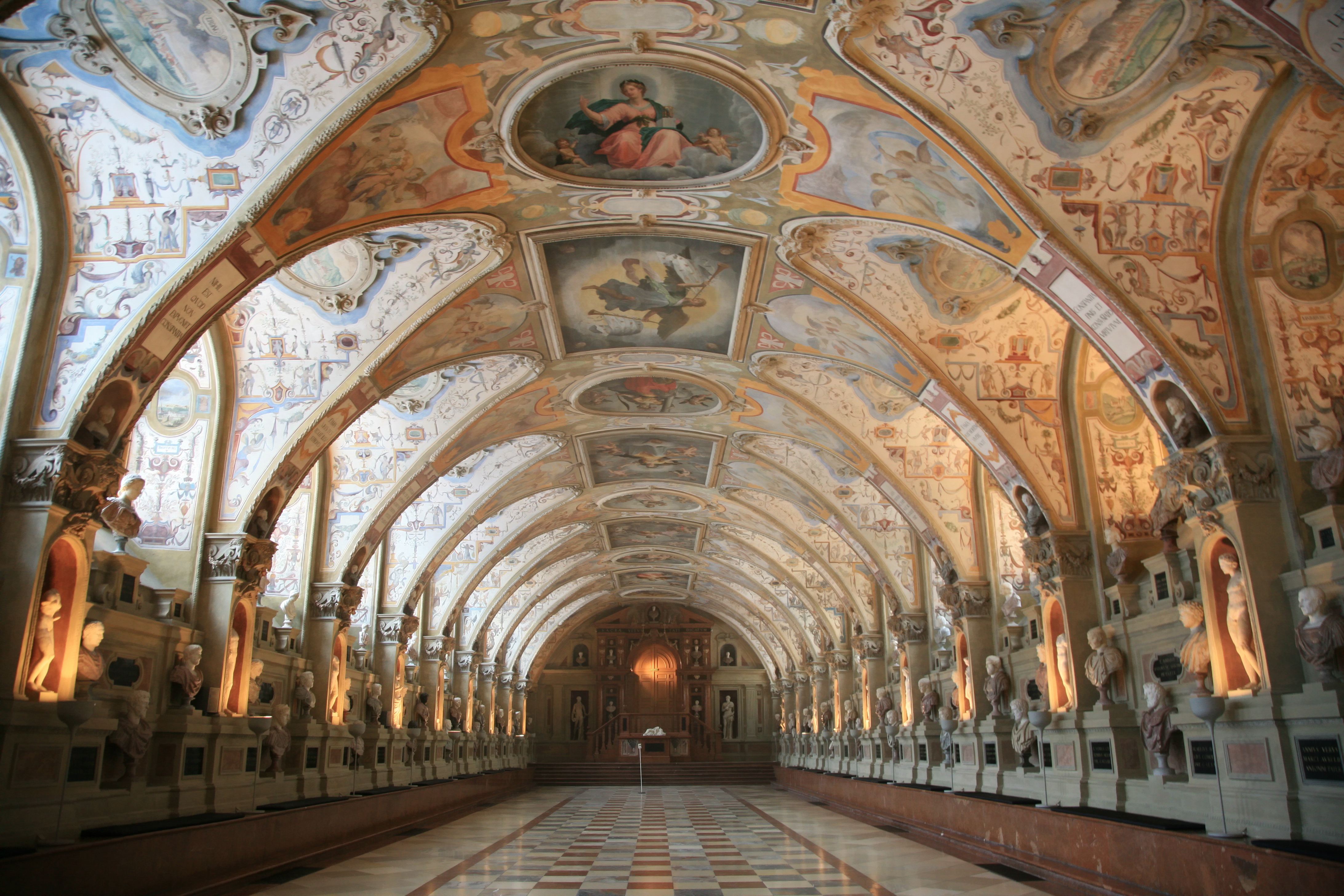
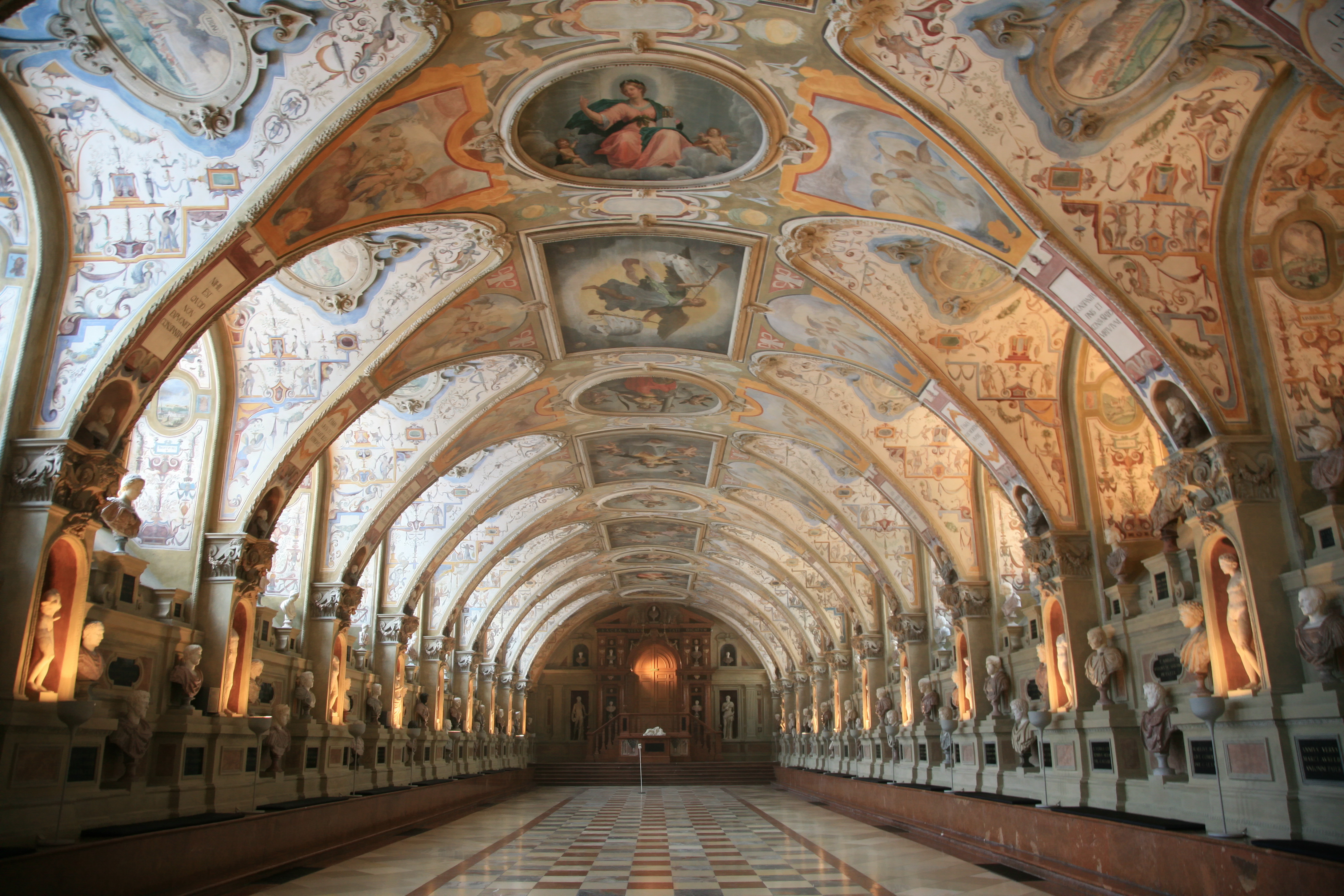
The Residenz was for centuries the residence of the rulers of Bavaria and is currently one of Munich's great cultural attractions. The complex brings together courtyards, ceremonial halls, and rooms decorated with extraordinary artistic richness.
One of the most impressive spaces is the Antiquarium, a huge Renaissance hall decorated with frescoes and sculptures.
From the Residenz you can reach the next stop on foot in about 5 minutes.
,regionOfInterest=(2880,1920))
,regionOfInterest=(2880,1920))
Odeonsplatz
With Italian inspiration, Odeonsplatz is one of Munich's most monumental squares, connecting the historical centre with some of the city's most elegant areas.
Presided over by buildings such as the Theatinerkirche and the Feldherrnhalle, its architecture and grand dimensions make it one of the most pleasant squares to walk around and feel the true pulse of the city.
Approximately 15 minutes' walk away you will find the next point.
English Garden
The Englischer Garten is one of Munich's great green lungs and one of the most extensive urban parks in the world, with 376 hectares, an area larger than New York's Central Park.
One of its most famous corners is the Eisbach stream, where you will find the famous permanent wave where you can see surfers in the heart of the city for practically the whole year.
You can travel to the next point on foot for about 20 minutes.
Hofbräuhaus
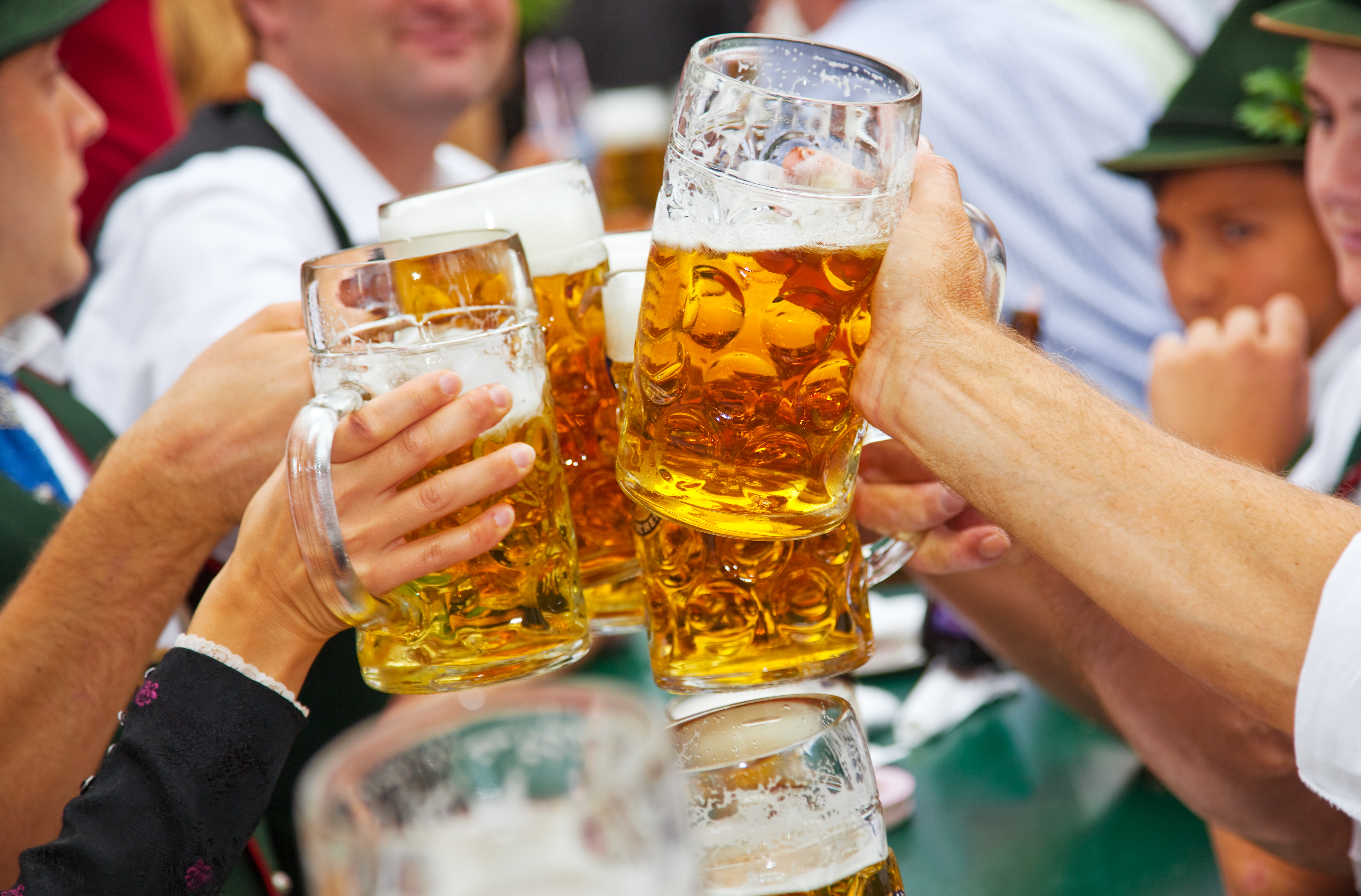
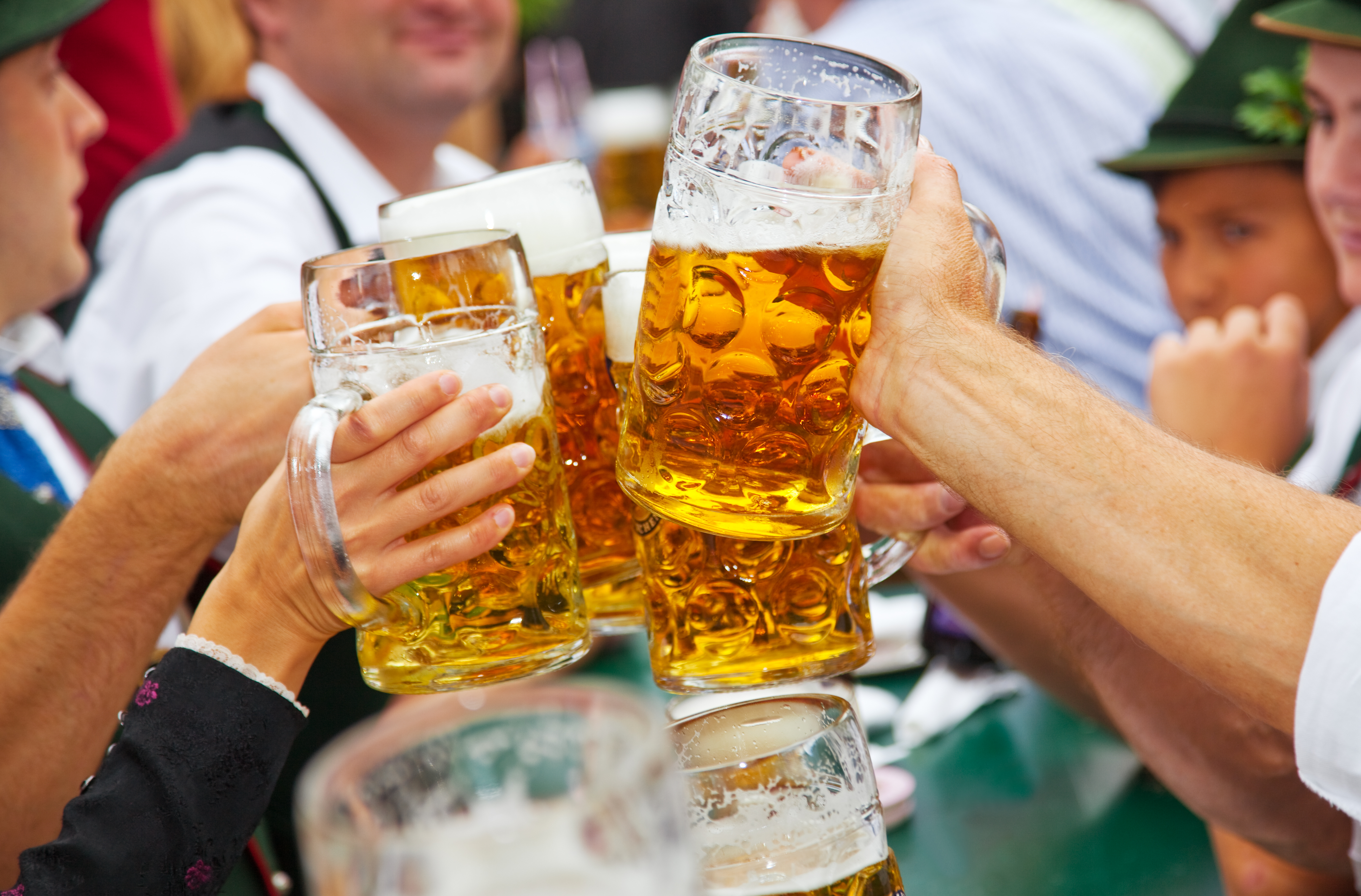
One of the most pleasant and entertaining places is the Hofbräuhaus brewery, which stands out for its interior with painted vaulted ceilings, traditional beer steins, and live music performances.
This Munich institution was founded in 1589 to supply beer to the Bavarian court and opened its doors to the public as a brewery in 1828. Today it combines a festive and welcoming atmosphere, ideal if you are looking for things to see in Munich in two days with a cultural and gastronomic touch.
From here you can continue walking through the historical centre without the need for transport.
Altstadt
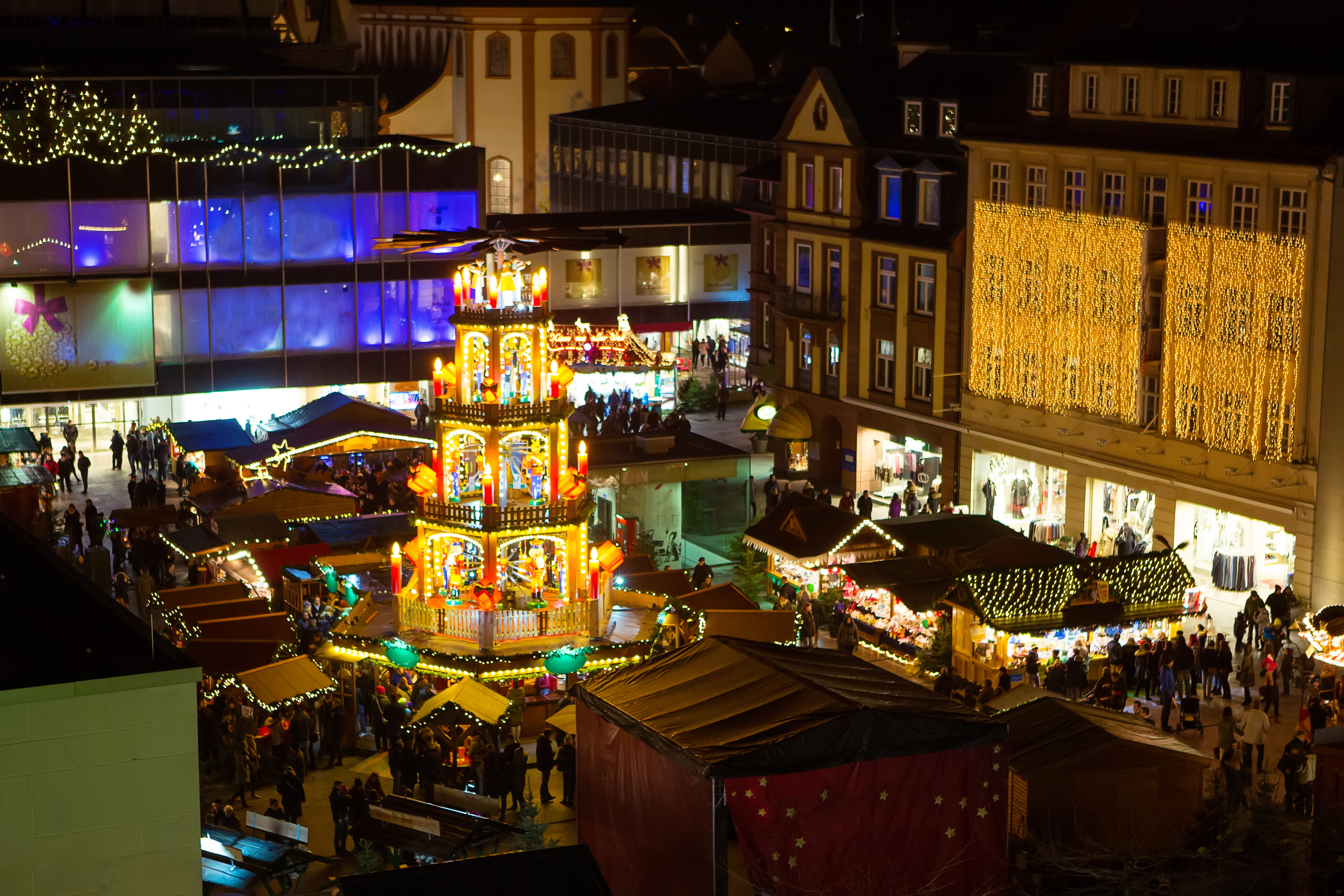
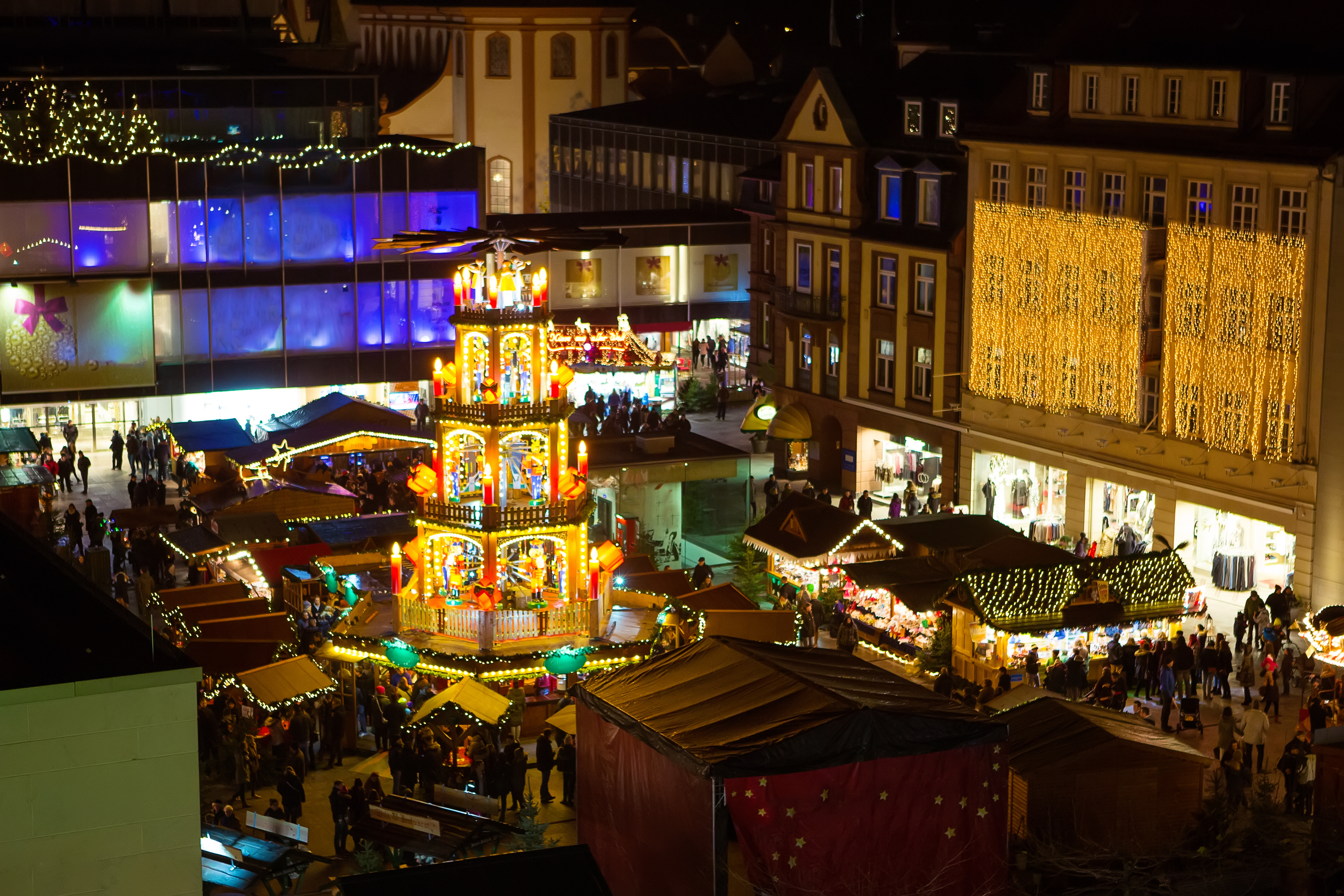
To finish this first day, there is nothing better than returning to explore the Altstadt when the streets begin to light up. The area around Marienplatz, the pedestrian streets, and the squares in the centre acquire an especially pleasant atmosphere at nightfall.
It is the perfect place to enjoy dinner in one of the traditional restaurants in the area or continue discovering the breweries and venues of the old town.
If you travel during Oktoberfest, you can change this plan for a night visit to Theresienwiese, where the largest folk and beer festival in the world is held. The large tents, Bavarian gastronomy, music, and attractions make Munich a completely different city during these dates.
The second day in Munich will allow you to leave the historical centre to get to know some of the great attractions that surround the heart of the city.
Nymphenburg Palace
Start the second day at Nymphenburg Palace, the former summer residence of the rulers of Bavaria, which stands out both for the architecture of the palace itself and for its huge gardens.
Inside you will be able to tour historical halls and discover what life was like for the Wittelsbach court. And if the weather is good, I recommend reserving a few minutes to walk through the park and discover its canals, fountains, and small pavilions.
From here you can reach the next point by public transport in about 20-25 minutes.
Olympiapark
The Olympiapark was built for the 1972 Olympic Games and remains one of Munich's most recognisable architectural spaces. Its characteristic wavy roof created a completely innovative image for its time.
A few minutes' walk away you will find the next point.
BMW Museum
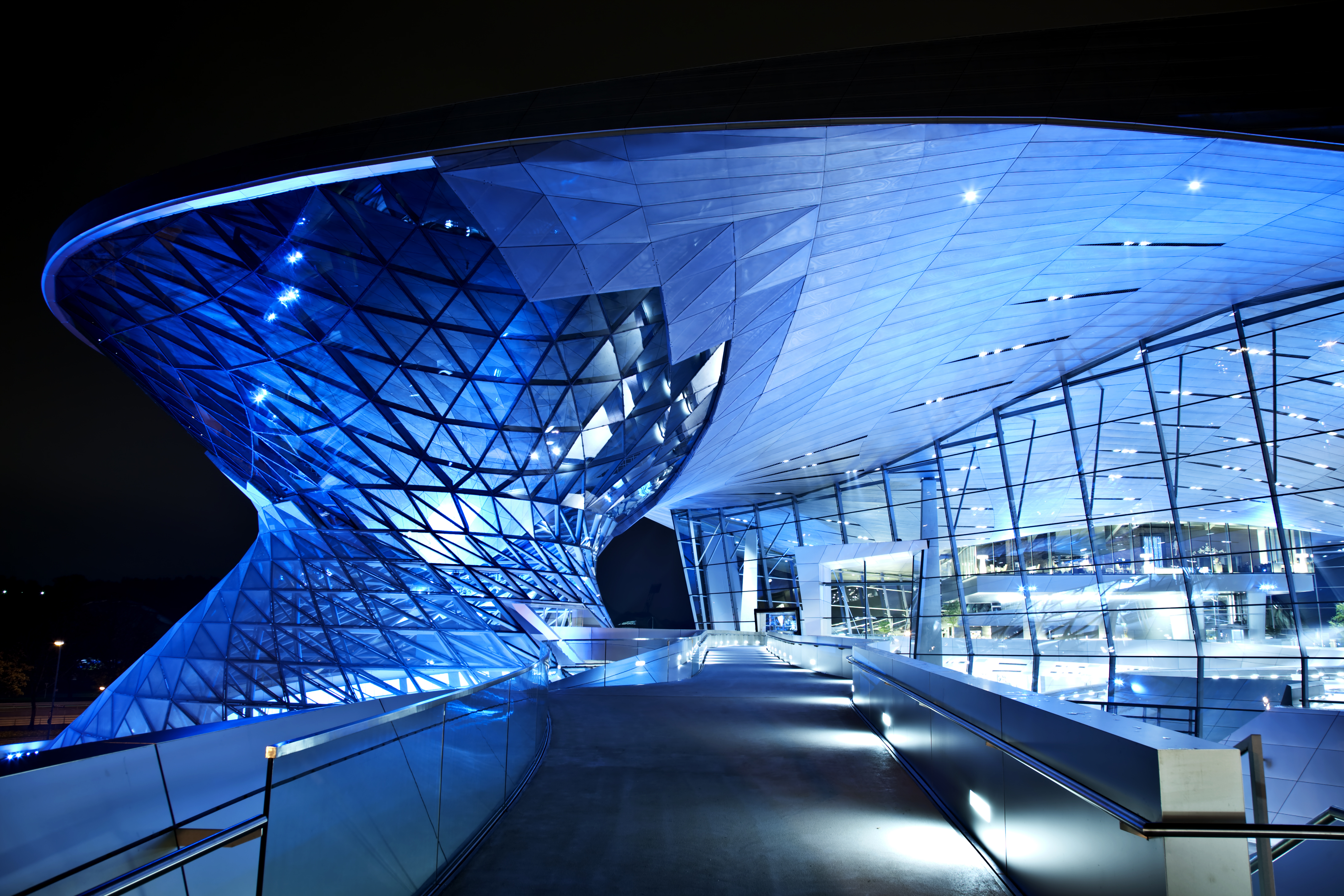
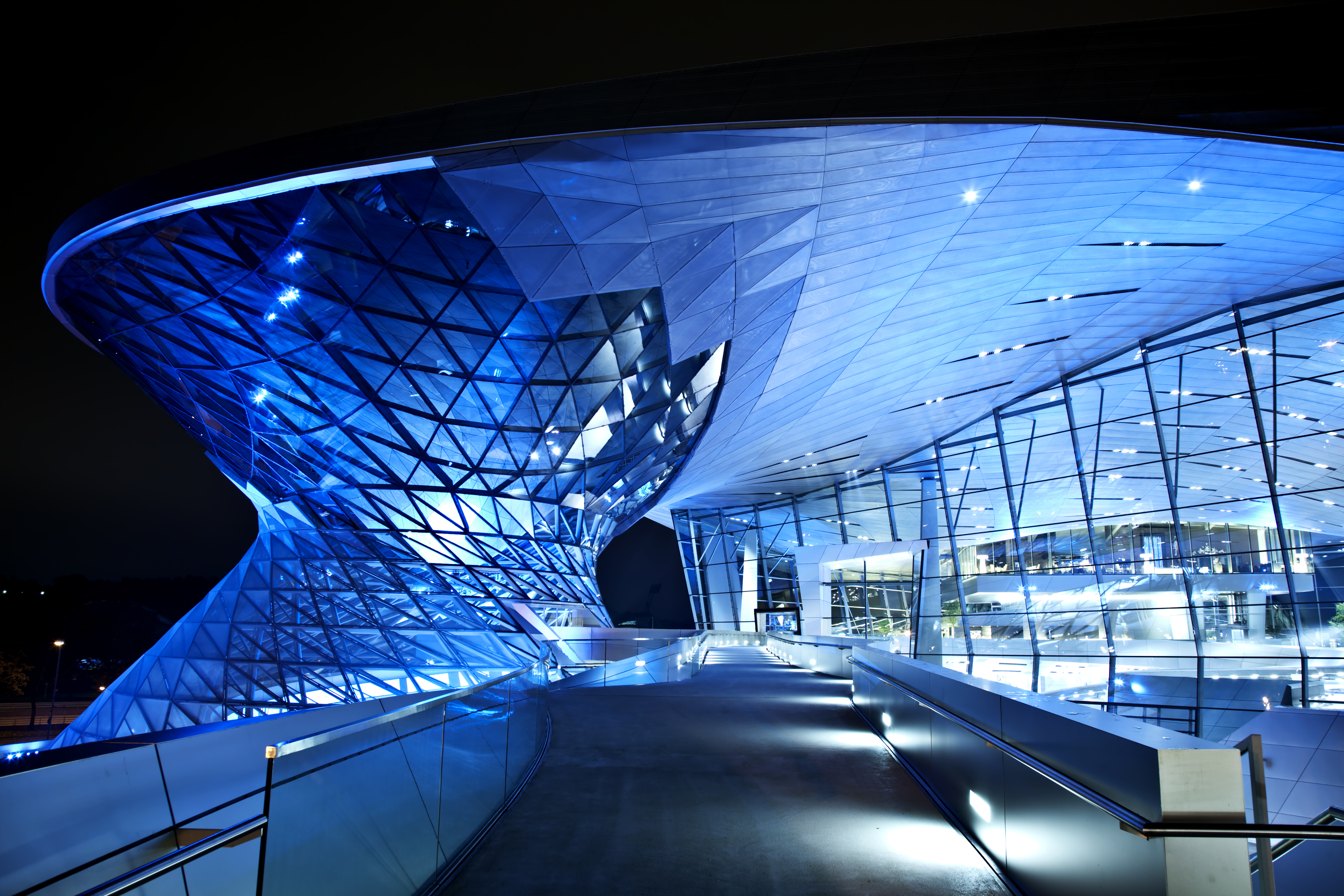
Next to the Olympiapark is the BMW Museum, a visit especially recommended for lovers of the world of motor and design. The exhibition reviews the evolution of BMW through historical vehicles, motorcycles, prototypes, and models that have marked the trajectory of the brand.
You can continue towards the next point using public transport or by walking for about 25-30 minutes.
,regionOfInterest=(2184,1456))
,regionOfInterest=(2184,1456))
Maxvorstadt
In the afternoon, you can head to Maxvorstadt, Munich's cultural and university district. Its streets are home to museums, galleries, bookshops, cafés, and university buildings, creating a much younger atmosphere than in the old town.
You can also take the opportunity to stroll along Türkenstraße and discover some of its restaurants and cafés.
A few minutes' walk away you will find the next destination.
Alte Pinakothek
The Alte Pinakothek is one of the great European art galleries and an essential visit for art lovers. Its rooms house works by some of the great masters of European painting, including Rubens, Dürer, Rembrandt, and Leonardo da Vinci.
You can reach the next point on foot in about 15-20 minutes.
Schwabing
I suggest finishing the afternoon in Schwabing, one of Munich's most characterful neighbourhoods. Historically linked to the artistic and intellectual world, it currently combines cafés, restaurants, shops, and a young and creative atmosphere.
You can walk along Leopoldstraße, head to Münchner Freiheit, or simply sit on one of its terraces to rest after two days exploring the city.
Chinese Tower Biergarten (Chinesischer Turm)
A walk through the English Garden is a perfect way to put the finishing touch to these two days in Munich. After touring monuments, palaces, and museums, you can slow down and enjoy the paths, green spaces, and relaxed atmosphere that characterises this huge urban park. At the end of the afternoon, when the pace of the city begins to slow down, it is a good time to head to one of its most iconic corners.
To top off the day, you can sit in the Biergarten of the Chinese Tower, one of the best known in Munich. Biergärten are traditional outdoor spaces, usually located in parks or next to breweries, where people gather at large shared tables to drink beer and eat typical dishes in an informal and social atmosphere. More than just a place to drink, they are part of Bavarian culture and everyday life, especially during the months of good weather.
The space is presided over by the Chinesischer Turm, a wooden pagoda about 25 metres high built between 1789 and 1790, whose peculiar architecture has become one of the symbols of the park. Around it is a huge Biergarten with a capacity for about 7,000 people, where you can sit and rest, order a Bavarian beer, and accompany it with some local specialities. It is one of those experiences that allow you to say goodbye to Munich in a very authentic way, sharing a table and enjoying the relaxed atmosphere of the city.
So that you don't waste time during your getaway, you can follow these routes to see Munich in two days, organised by area and with the main points of interest for each day:
,regionOfInterest=(1700,1133.5))
,regionOfInterest=(1700,1133.5))
The success of your trip will depend in large part on the planning and how you organise your time. Here I leave you some tips for enjoying Munich in two days:
In addition to all this, I recommend checking the Oktoberfest calendar before organising your trip. If you visit Munich between 19 September and 4 October 2026, you will coincide with one of the most important celebrations on the city's calendar. During these weeks, Munich takes on an especially lively atmosphere, but the number of visitors also increases considerably, so it is advisable to book accommodation in advance and plan your visits and travel well.
And if one thing will be clear to you after these 48 hours, it is that Munich deserves much more than a quick getaway. This itinerary will allow you to see its main attractions, but the city and its surroundings offer many more possibilities for a future visit. You can spend more time in its museums and neighbourhoods, discover places such as the palaces and lakes of Bavaria, head to the Bavarian Alps, or even return during Oktoberfest to experience one of the city's most iconic traditions up close.
,regionOfInterest=(2184,1456))
,regionOfInterest=(2184,1456))
,regionOfInterest=(1376,768))
,regionOfInterest=(1376,768))
,regionOfInterest=(2944,1656))
,regionOfInterest=(2944,1656))
,regionOfInterest=(2500,1667))
,regionOfInterest=(2500,1667))
,regionOfInterest=(1750,1575))
,regionOfInterest=(1750,1575))
,regionOfInterest=(1264,842))
,regionOfInterest=(1264,842))