,regionOfInterest=(2880,1920))
,regionOfInterest=(2880,1920))
Altos de Chavón: a village with a Mediterranean feel in the heart of the Dominican Caribbean
,regionOfInterest=(2100,1400))
,regionOfInterest=(2100,1400))
Culture
,regionOfInterest=(2880,1920))
,regionOfInterest=(2880,1920))
,regionOfInterest=(500,500))
,regionOfInterest=(500,500))
All-terrain writer specialising in tourism, fashion and trends. A curious soul, traveller, reader and sports enthusiast, keen to discover every corner of the world.
Culture
A city that knows how to combine its Bavarian past with a modern and cosmopolitan energy. In the streets of Munich, baroque churches, palaces of former monarchs, great museums, local markets, and green spaces coexist, merging tradition and innovation at every step. Behind its imposing historical façade lies a relaxed and welcoming lifestyle, where the hustle and bustle of its public squares contrasts with the peace of its immense gardens. Munich proves that you can move towards the future without losing a shred of the identity that makes it unique.
If you are planning to travel to the capital of Bavaria and are not sure what to see in Munich, let me accompany you on this journey.
I have left a guide here designed for you to discover not only its great must-sees, but also those lesser-known corners that will make you experience the most authentic side of the city.
This Munich tourist guide will help you organize your trip and decide which places are really worth including in your route through one of the most attractive cities with the highest quality of life in both Germany and all of Europe.
,regionOfInterest=(1700,1133.5))
,regionOfInterest=(1700,1133.5))
,regionOfInterest=(2732,1820))
,regionOfInterest=(2732,1820))
,regionOfInterest=(2067,1378.5))
,regionOfInterest=(2067,1378.5))
,regionOfInterest=(1750,1167.5))
,regionOfInterest=(1750,1167.5))
,regionOfInterest=(2184,1456))
,regionOfInterest=(2184,1456))
When considering what to do in Munich, surely the first thing that comes to mind are its monuments and historic buildings, but the city offers much more, allowing you to travel through the centuries. You can start the day touring a medieval square, make a stop at a traditional market, and end the day having a beer in one of its famous breweries.
Tourism in Munich revolves largely around its Bavarian identity. Tradition is still very present in its festivals, its gastronomy, and its buildings, although the city also has an important artistic, cultural, and university scene.
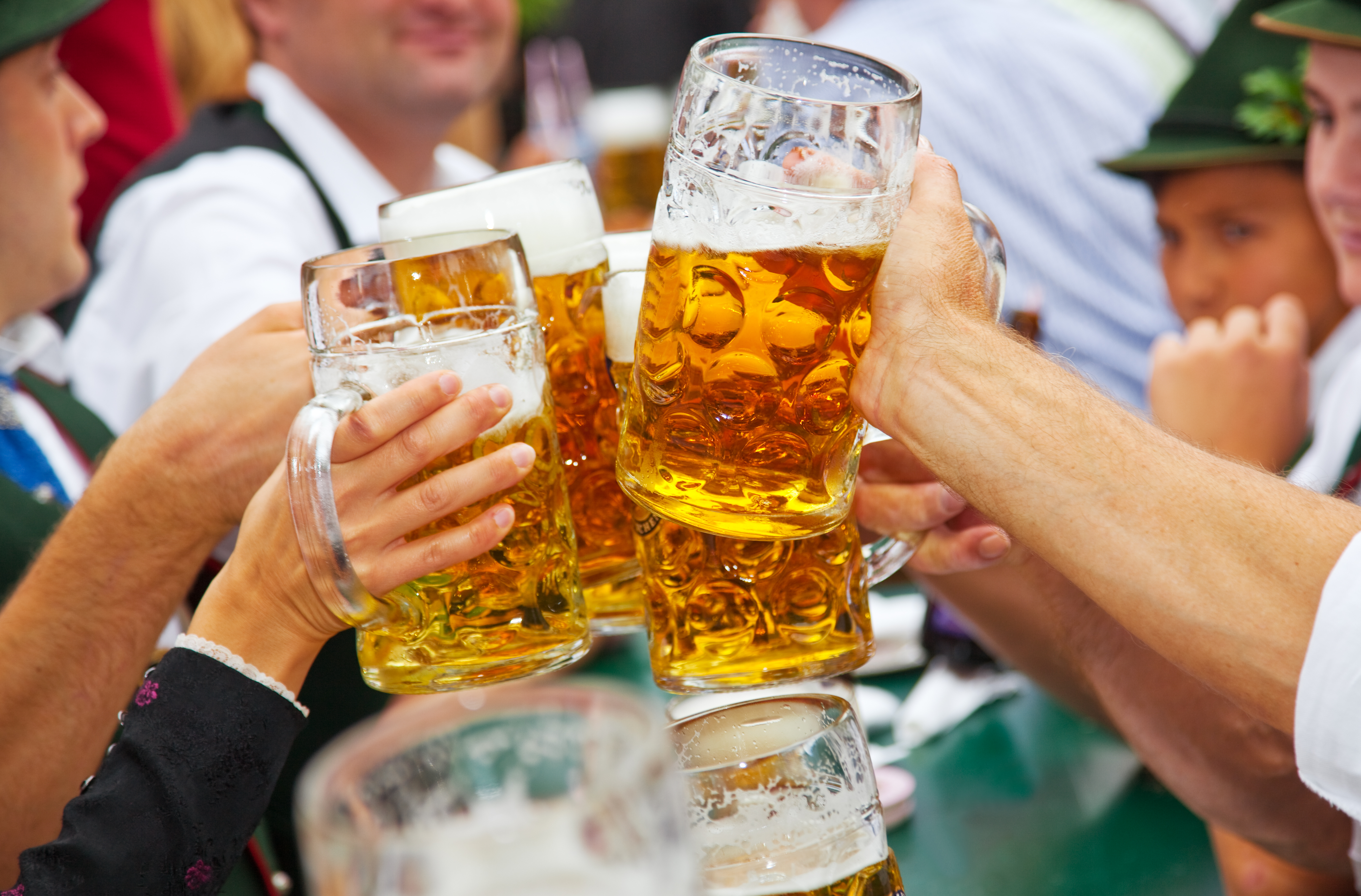
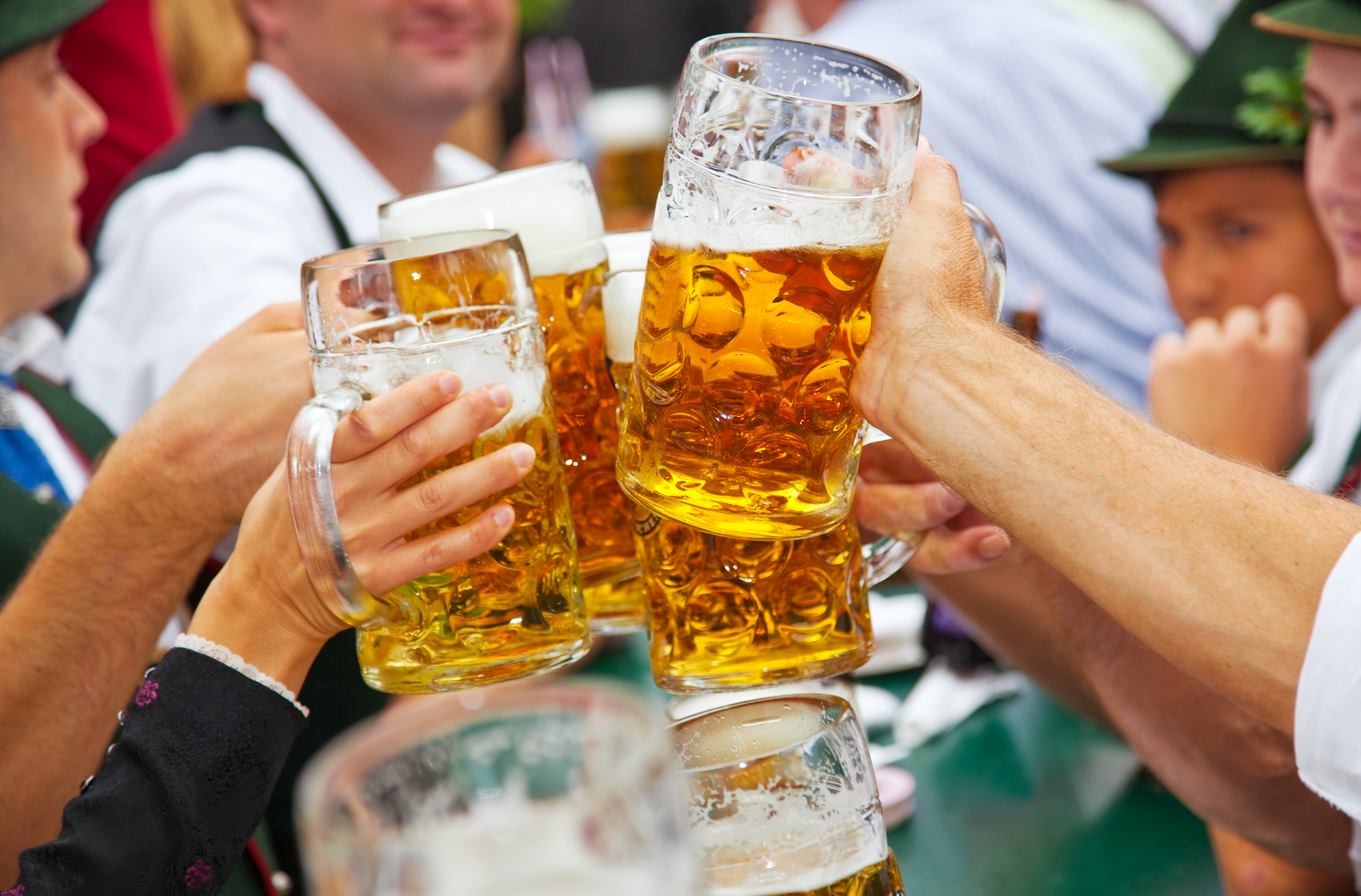
And if you visit the city during the autumn, there is an experience that deserves a separate chapter: the Munich Oktoberfest, the largest folk and beer festival in the world. It is held in Theresienwiese, and for more than two weeks it brings together huge beer tents, typical Bavarian gastronomy, music, parades, and attractions, being one of the best plans to do in the city.
In 2026, the Oktoberfest will take place from 19 September to 4 October, so it can be a perfect occasion to get to know Munich at one of its most lively moments.
My recommendation is that you do not limit your itinerary through Munich to a mere check-list of monuments, but that you leave free time to get to know its cultural contrast.
Mingle with the locals, sit in a lively Biergarten (typical Bavarian terraces where beer is served as the main product), walk through the English Garden, browse the stalls of local products in the open air, and walk without a fixed course through its main streets.
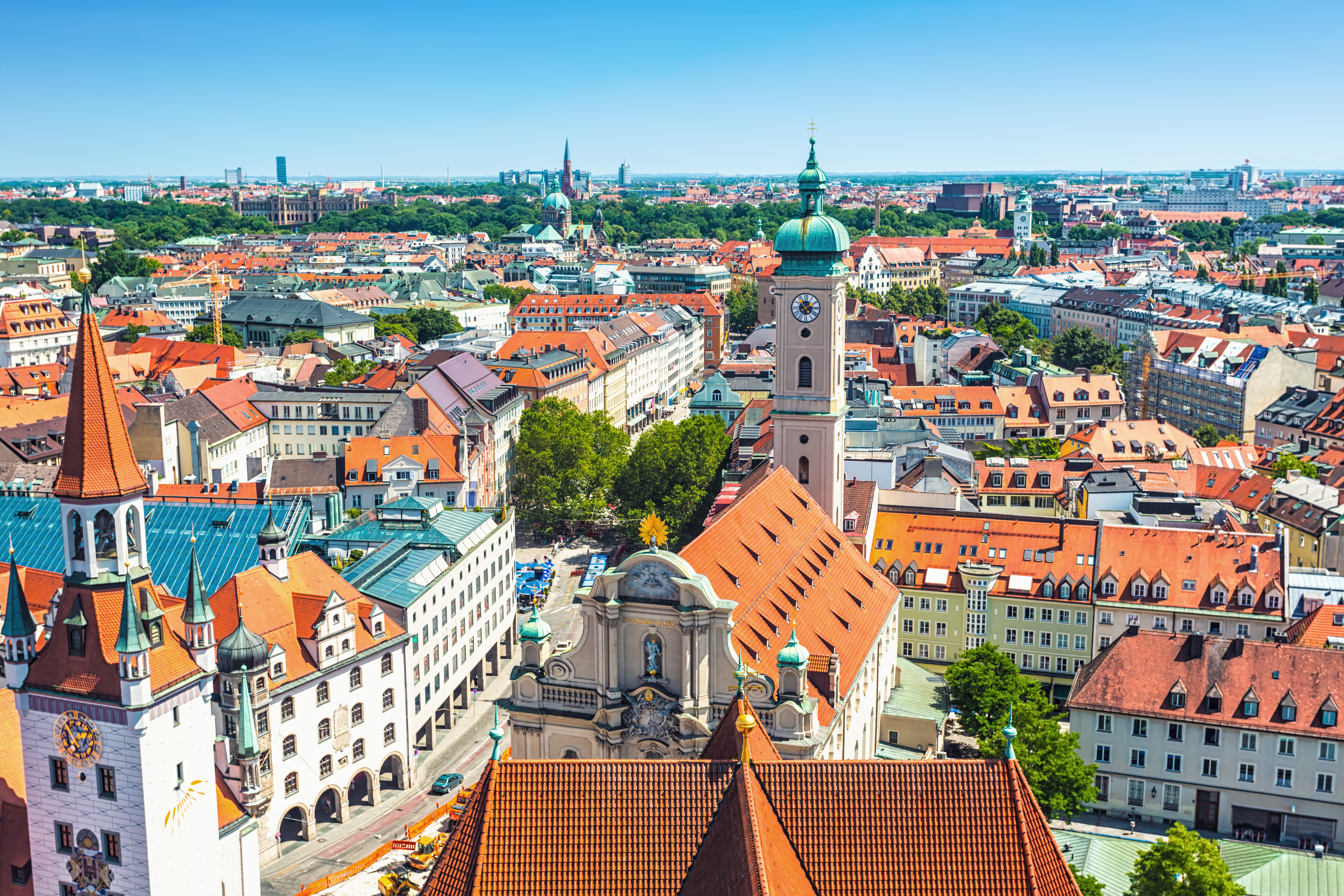
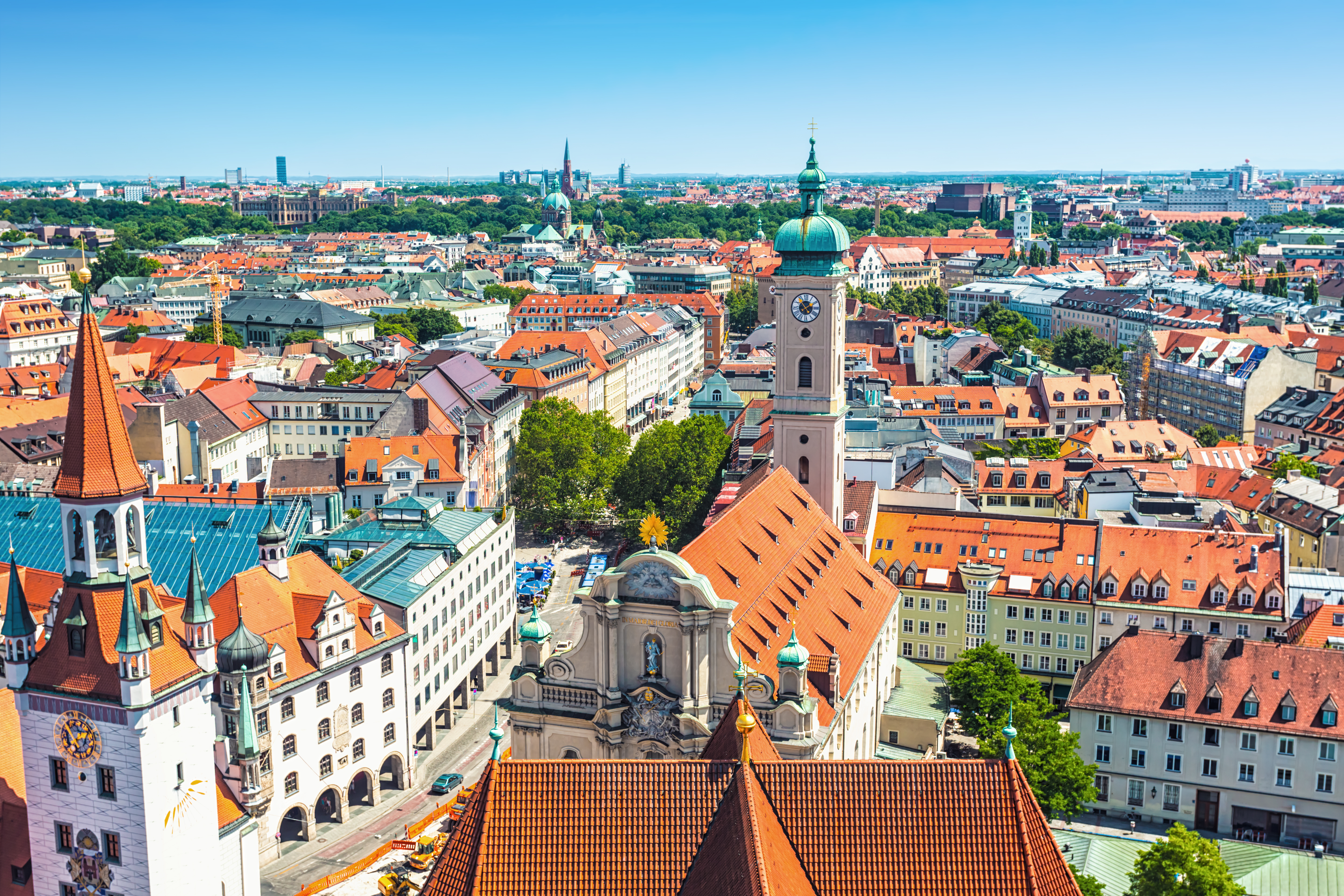
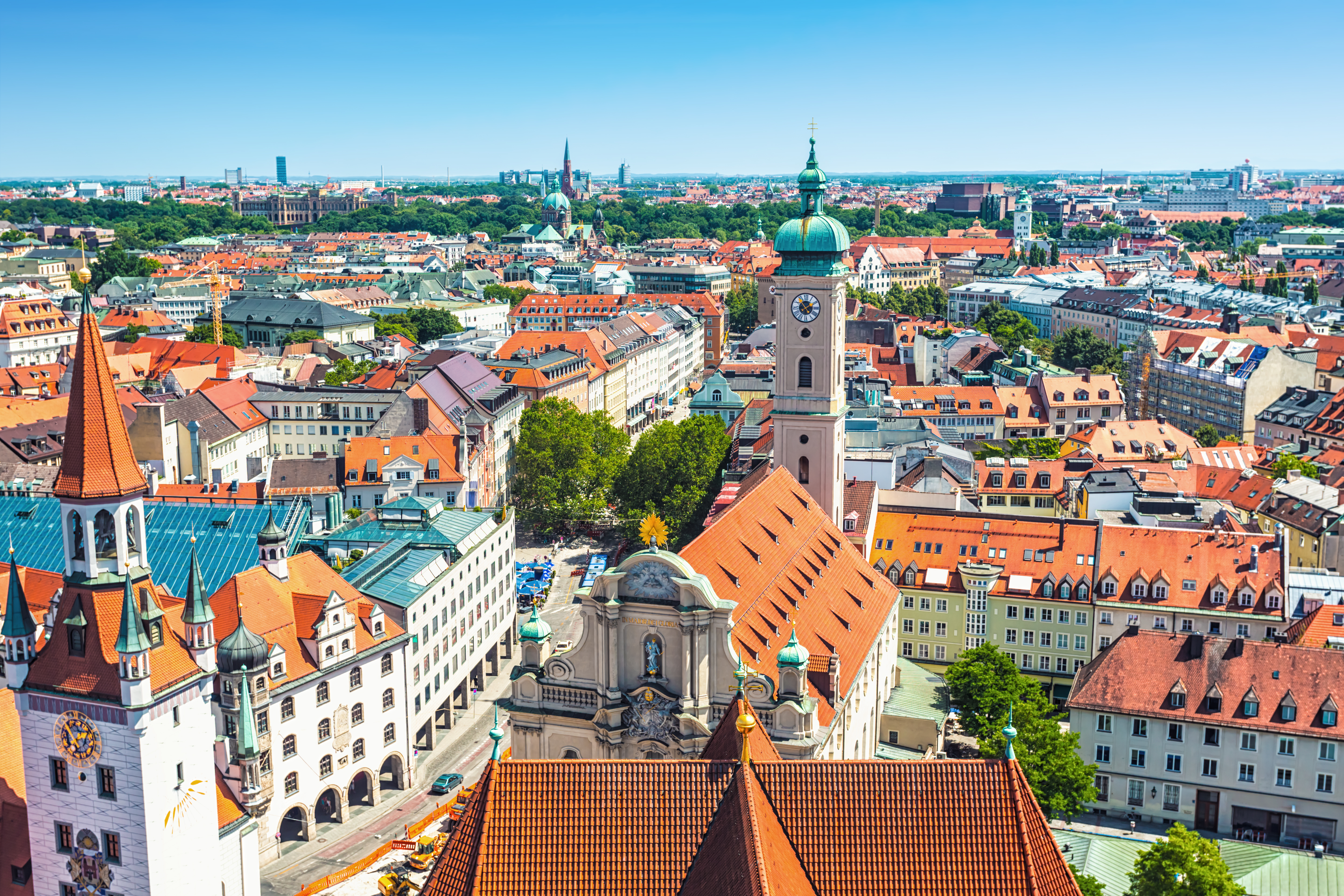
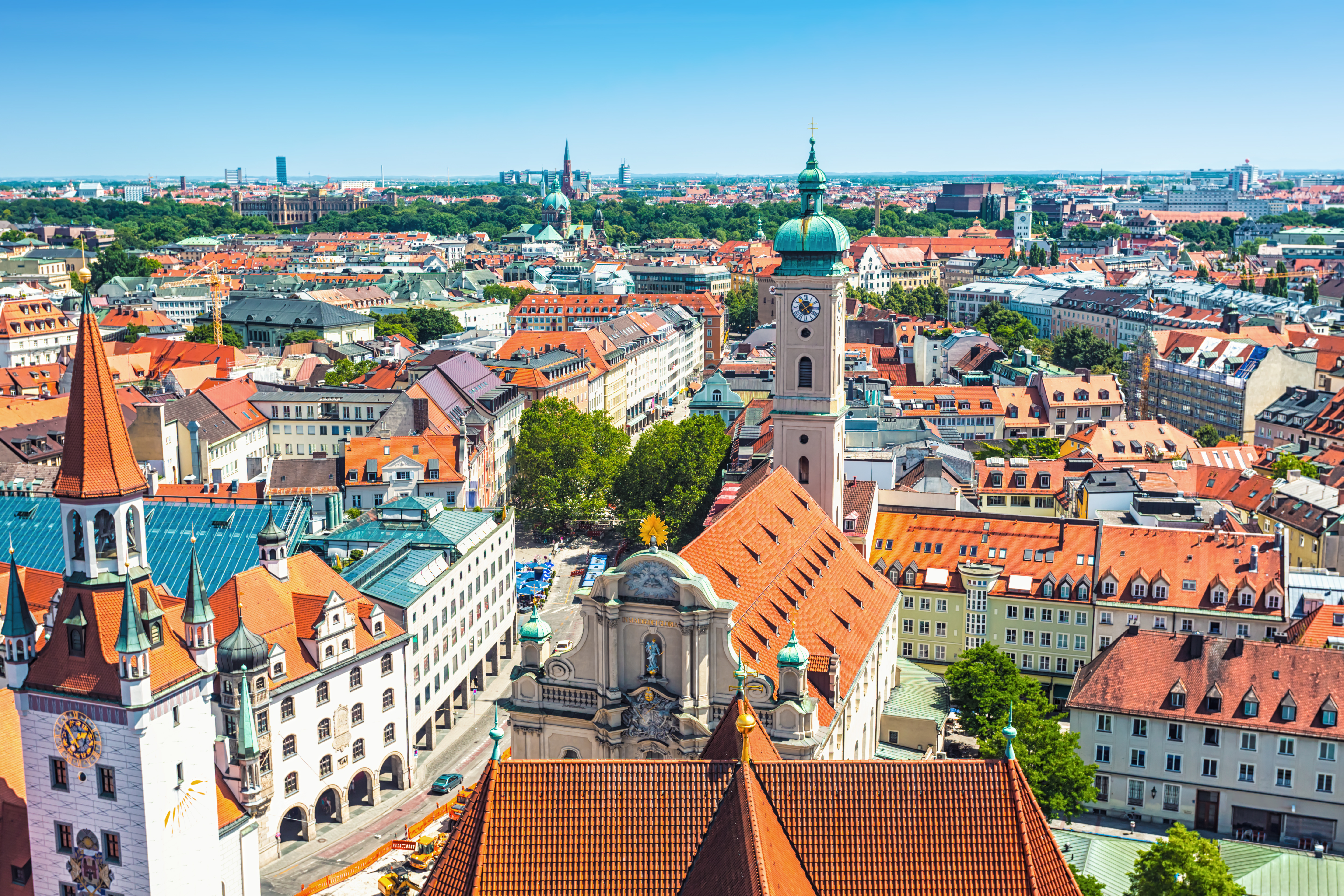
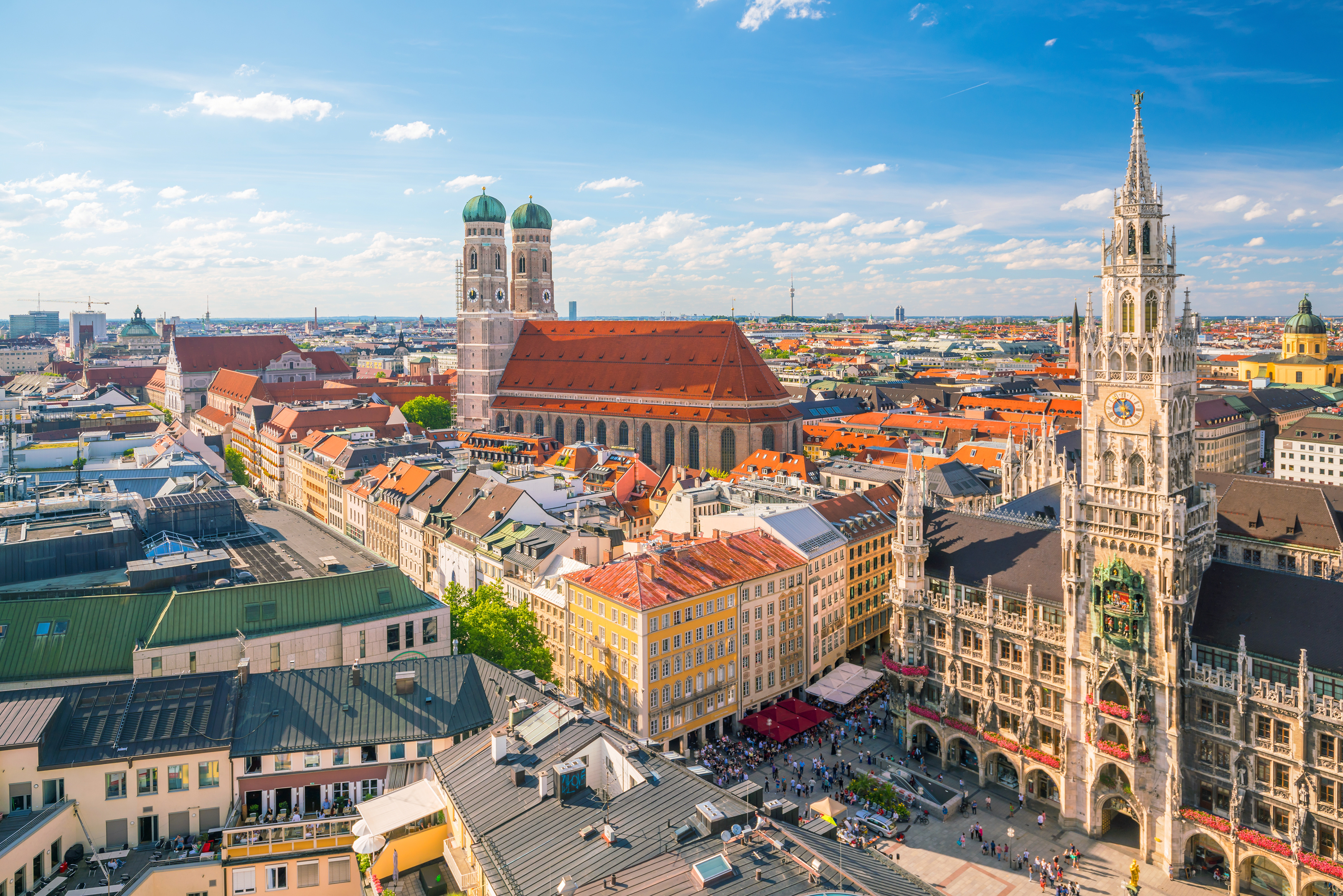
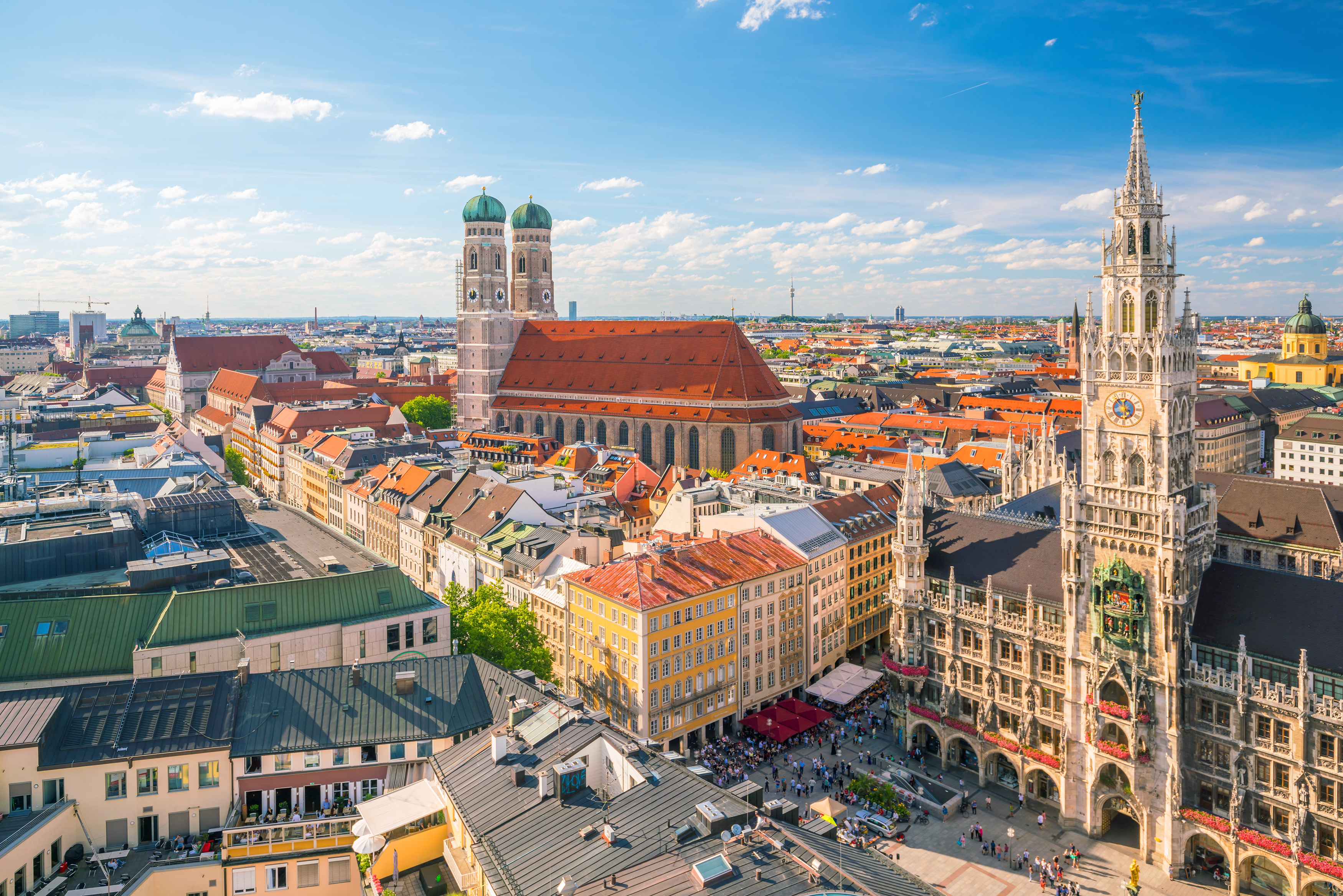
The central square known as Marienplatz is the true heart of Munich's historic centre and one of the first places you should visit. This large square is presided over by the Neues Rathaus, the spectacular New Town Hall, whose neo-Gothic facade is one of the most recognizable images of the city.
One of its great attractions is the famous Glockenspiel, a carillon with figures that recreate scenes from Bavarian history several times a day. To enjoy a panoramic view of the centre, you can climb the Town Hall tower, from where you can contemplate Munich from the heights.
A few metres away is the Frauenkirche (Cathedral of Our Lady), a Gothic cathedral with two towers crowned by characteristic green domes that are part of Munich's most recognizable profile.
One of the great religious symbols of the city, its interior stands out for the spaciousness of the nave and the simplicity of its decoration compared to other much more ornate Bavarian temples. Outside you will also find one of the most well-known legends of Munich: the so-called “Devil's Footprint”, located on the stone floor of the entrance.
The Nymphenburg Palace was the summer residence of the rulers of Bavaria and is one of the most impressive palace complexes you can visit in Munich. Its historic halls, gardens, and pavilions allow you to discover how the old Bavarian court lived.
With more than four centuries of history, the Residenz has served as a ducal palace, royal residence, and bastion of the Wittelsbach dynastic power. Upon entering its rooms, you will immerse yourself directly in the ostentation and art of Bavaria.
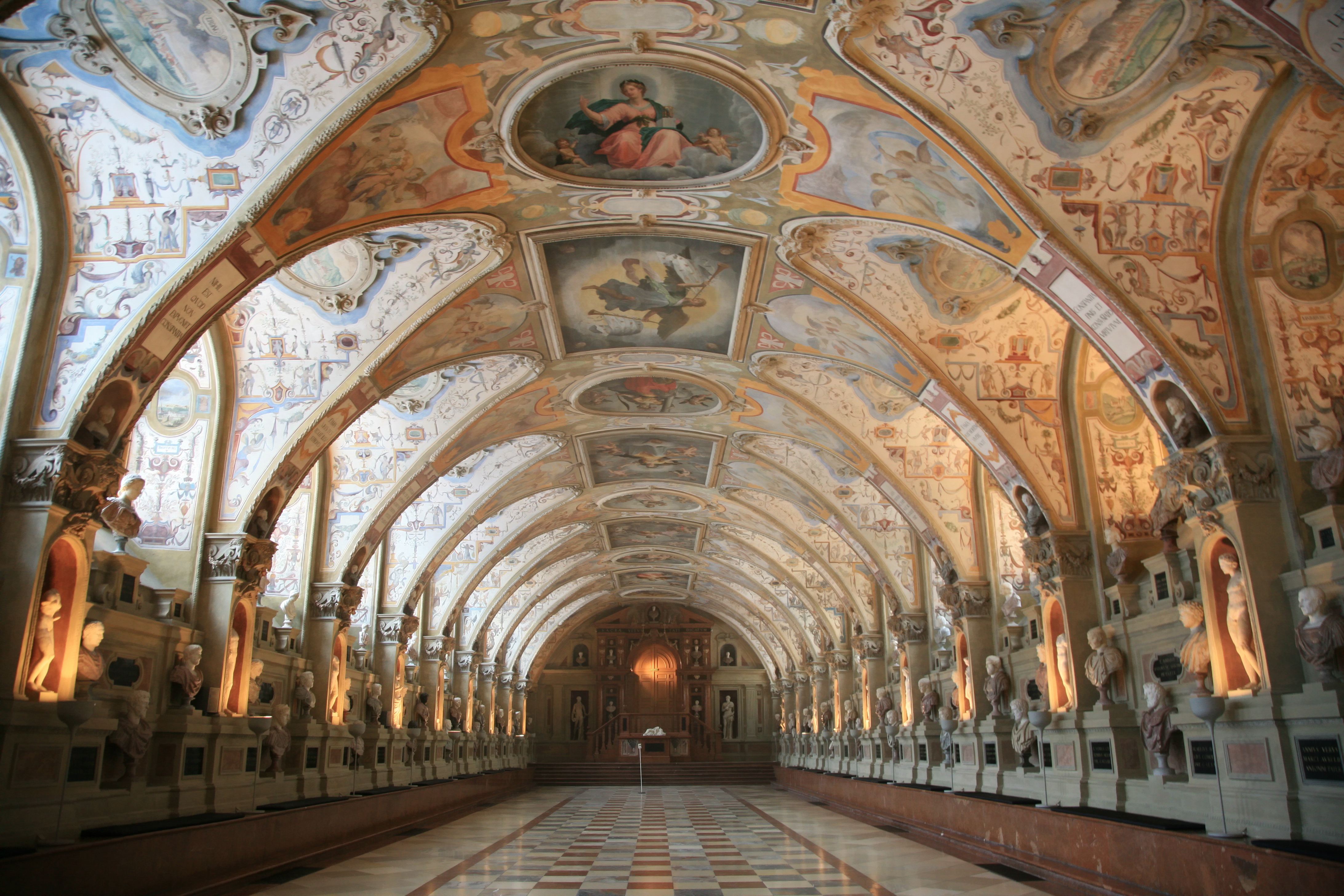
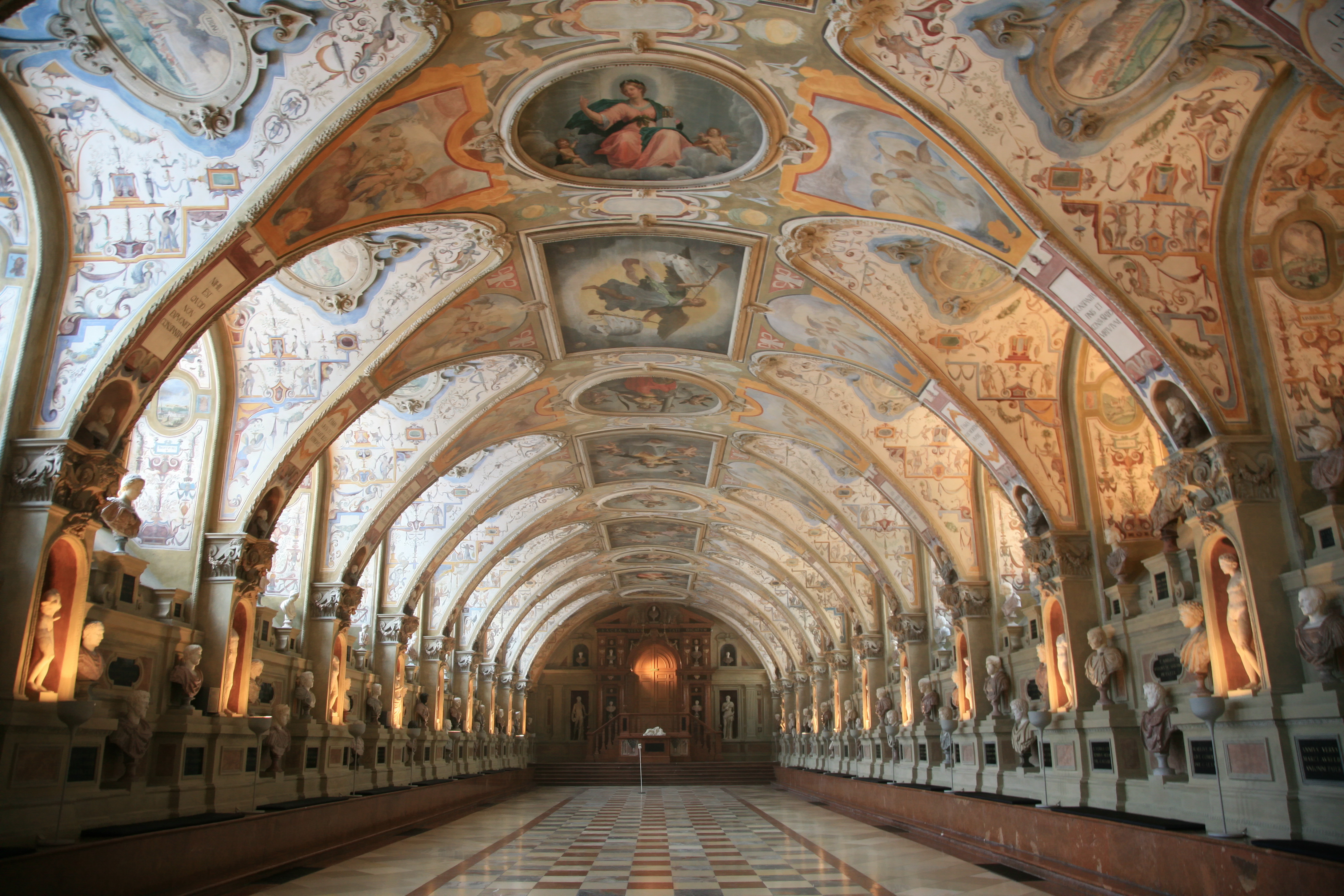
One of the spaces that attracts the most attention is the Antiquarium, a spectacular Renaissance hall decorated with paintings and sculptures. It is, without a doubt, one of the essential visits in Munich to understand the past of the Bavarian monarchy.
In the heart of the historic centre is Viktualienmarkt, the most famous food market in the Bavarian capital. Its stalls are full of fruits, vegetables, cheeses, sausages, breads, regional products, and international specialties.
Much more than a simple market, it is a place to feel the daily rhythm of the city. You can walk through its stalls, buy something to snack on, or sit down to try some Bavarian specialty accompanied by a beer.
,regionOfInterest=(2184,1456))
,regionOfInterest=(2184,1456))
The historic centre of Munich, known as Altstadt, concentrates a good part of the city's must-see places. Here you will find Marienplatz, the Frauenkirche, the Viktualienmarkt, and endless shopping streets and historic buildings.
It is best to walk around it without a fixed itinerary. Among its squares and alleys, you will find churches, courtyards, small shops, and traditional breweries that will allow you to discover the most classic character of Munich.
One of the neighbourhoods with the most personality in Munich, Schwabing is famous for its bohemian past and its stately residences, retaining a very particular artistic elegance.
Strolling along the great Leopoldstraße avenue, full of terraces and bookstores, or approaching the surroundings of Münchner Freiheit, are some of the best plans you can make in this area.
On the other side of the Isar River is Haidhausen, a neighbourhood that stands out for its historic buildings, small squares, and quiet atmosphere. Its streets with colourful facades offer a very different side of Munich.
The Wiener Platz is one of its most emblematic corners and has a small market around which you will find restaurants and terraces. It is a good area to get away for a few hours from the tourist noise of the centre.
The cultural neighbourhood par excellence of Munich, Maxvorstadt is considered the intellectual and museum engine of the city. Important museums, universities, galleries, and bookstores are concentrated in its streets, creating a young and quite different atmosphere from the historic centre.
If you are looking for a more modern and alternative area, Glockenbachviertel stands out for its diverse and creative atmosphere, with streets full of bars, restaurants, independent shops, and venues with a marked personality.
The neighbourhood also has an important tradition within the LGBTQ+ community, and today it is one of the liveliest places to go out for dinner or have a drink at night.
Although I have already mentioned it as the historic centre, Marienplatz is the point from which practically any tour of the city usually begins.
The square is especially lively during the central hours of the day and acquires a very special atmosphere during traditional markets and celebrations. Some of the most important pedestrian streets in the centre start from here.
One of the most elegant monumental squares in Munich, Odeonsplatz is surrounded by buildings such as the Theatinerkirche, the Feldherrnhalle, and the Residenz, and is one of the best places to appreciate the city's historical architecture.
Very close to Odeonsplatz walking along the Ludwigstraße, the English Garden is one of the largest urban parks in the world, with more than 370 hectares, and one of the best places in Munich to disconnect.
You can walk along the Eisbach river, watch the famous surfers who challenge its famous artificial wave, climb the Chinese Tower, or stroll along the Kleinhesseloher See. If the weather is nice, lying on the grass with a beer is one of the most authentic plans you can do in the city.
Built for the 1972 Olympic Games, the Olympiapark is one of the great symbols of Munich. Its characteristic wavy and futuristic roof continues to be one of the most recognizable architectural elements of the city. In addition to the old Olympic Stadium, the complex has large green areas, lakes, and different sports and leisure spaces that you can walk through quietly.
If you are travelling in 2026, keep in mind that both the Olympiastadion and the Olympiaturm remain closed for construction, so it is currently not possible to visit the stadium or climb the tower. The reopening of the Olympiaturm is scheduled for the fourth quarter of 2027.
Popularly known as the Theresa Meadow, the Theresienwiese is a huge open-air esplanade world-famous for being the official venue of the Oktoberfest, the largest folk festival in the world.
In addition, other major events are also held here such as the Frühlingsfest (the spring festival) or the Tollwood Winter Festival, a cultural festival that brings together organic gastronomy, crafts, music, theatre, and different shows during the winter.
,regionOfInterest=(2653,1747))
,regionOfInterest=(2653,1747))
A short distance to the northwest of Munich is Dachau, a town known internationally for the former Dachau concentration camp, now converted into a memorial that allows you to learn about and reflect on one of the darkest episodes in the history of the 20th century.
On the shores of Lake Starnberger See is Starnberg, one of the favourite destinations for locals to take a getaway. A haven of peace and tranquillity, the lake offers spectacular views towards the Alps and an environment completely different from that of the Bavarian capital, with historic villas and riverside walks.
To the south of Munich is Grünwald, a small town surrounded by forests and natural areas that allows you to see a much quieter facet of Bavaria. Its medieval castle, located above the Isar valley, is one of its main attractions.
The Deutsches Museum stands proudly as the largest science and technology museum in the world and constitutes an authentic temple of global scientific dissemination. Spectatorially located on its own island on the Isar River (the Museumsinsel), this complex houses a colossal heritage that covers human ingenuity through fields as fascinating as aeronautics, astronomy, marine navigation, primitive computing, and the great milestones of structural engineering.
Walking through its pavilions allows you to admire up close treasures of incalculable value, such as the Wright brothers' first motorized airplane, the historic 1886 Benz automobile, or the legendary U1 submarine. Although it is an ideal destination to spark the curiosity of the little ones thanks to its countless experimental and interactive stations where you are allowed to touch and learn while playing, the vastness of its more than twenty permanent exhibitions forces visitors to plan the day in advance.
It is advisable to select the most interesting rooms beforehand to avoid physical exhaustion and get the most out of one of the most enriching cultural experiences in Germany.
Located in the heart of the elegant and vibrant cultural district of Maxvorstadt, the Alte Pinakothek is one of the oldest and most influential art galleries on the entire European continent. The building itself is a masterpiece of 19th-century classical architecture, commissioned by King Ludwig I to make the lavish artistic treasures accumulated by the Wittelsbach dynasty over centuries accessible to the public. Inside, more than seven hundred essential canvases of Western European painting are kept, ranging from the mysticism of the Middle Ages to the opulence of the late Baroque.
Its majestic rooms allow the viewer to stand face-to-face with universal milestones, highlighting the famous Self-Portrait with Fur Collar by Albrecht Dürer, the moving Virgin of the Carnation —which makes this space the only German museum that possesses an original Leonardo da Vinci—, the dark and emotional religious scenes by Rembrandt, and one of the most colossal collections of the Flemish master Peter Paul Rubens. This first-rate pictorial core is integrated into the artistic complex known as Kunstareal, which offers the traveller the convenience of connecting this lesson in classical art history with the avant-gardes of the neighbouring Neue Pinakothek and Pinakothek der Moderne, located just a few steps away.
,regionOfInterest=(2184,1456))
,regionOfInterest=(2184,1456))
If you are looking for experiences that go beyond visiting monuments, here are some ideas for plans in Munich:
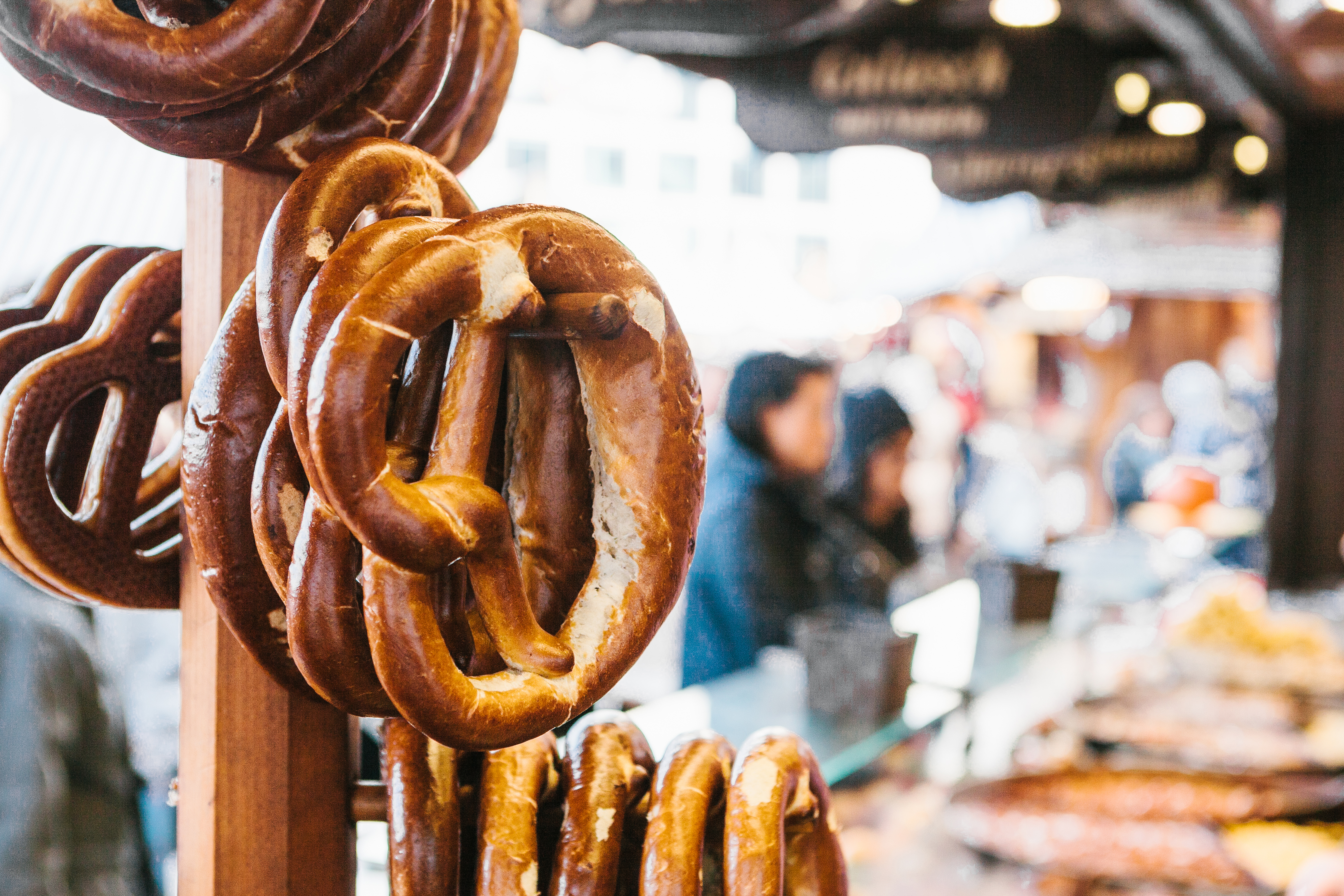
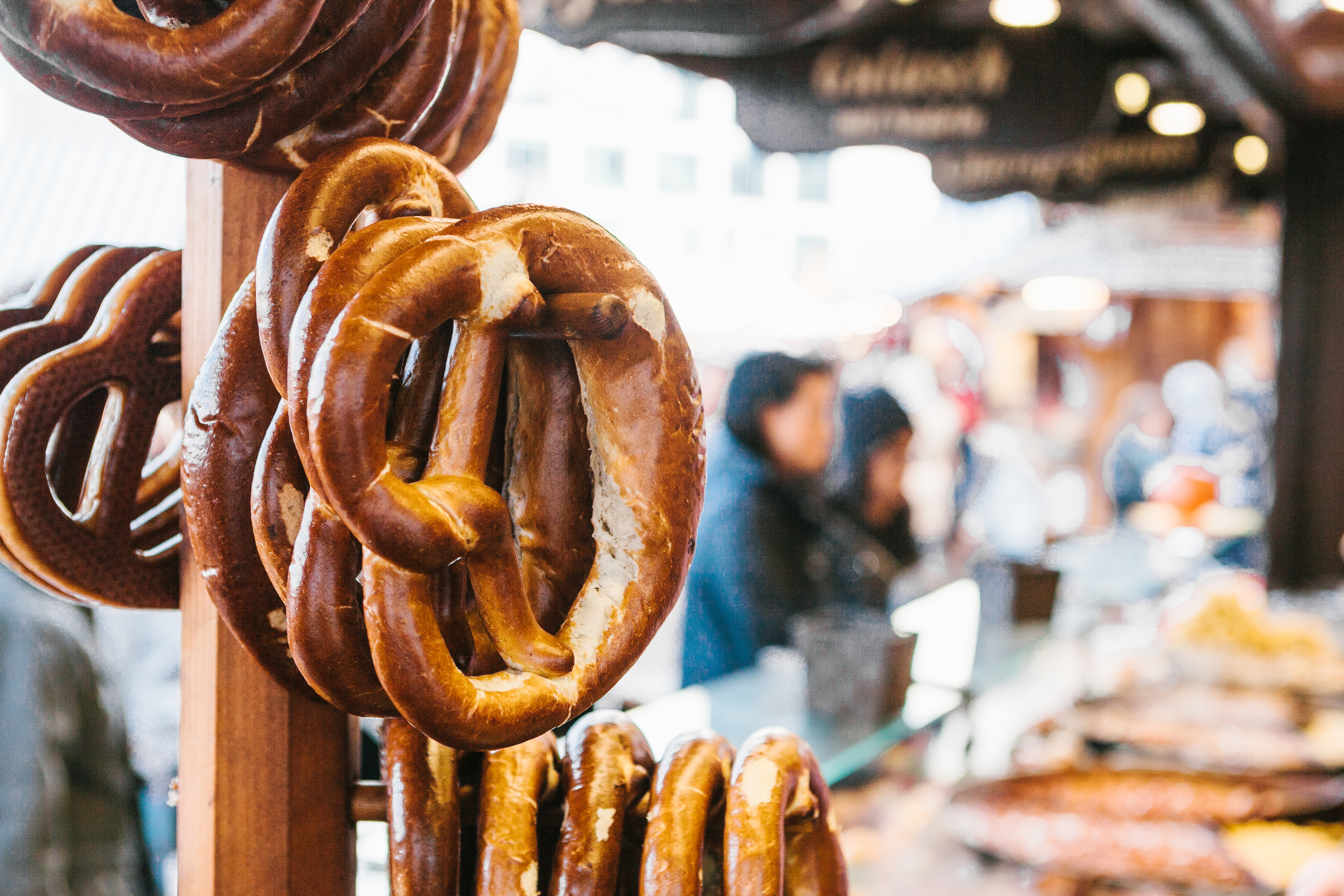
Bavarian gastronomy is hearty, tasty, and very linked to its traditions. In fact, Munich is a gastronomic benchmark in Central Europe with top-level international proposals. These are some of the dishes you cannot miss trying during your trip:
,regionOfInterest=(2313,1542))
,regionOfInterest=(2313,1542))
To get to know the most festive and traditional Munich, try to coincide your trip with one of these celebrations:
It is the largest folk and beer festival in the world and one of the great hallmarks of the Bavarian capital. It takes place in Theresienwiese and transforms this huge venue into an authentic party city.
The large beer tents, typical Bavarian gastronomy, music, parades, and mechanical attractions attract millions of visitors each year. The 2026 edition will be held from 19 September to 4 October. If you are going to travel during these dates, I recommend booking accommodation well in advance and organizing your visit taking into account the huge influx of public.
Known as the little Oktoberfest, this celebration takes place during the spring and allows you to enjoy attractions, food stalls, and breweries in an atmosphere somewhat quieter than during the great autumn festival.
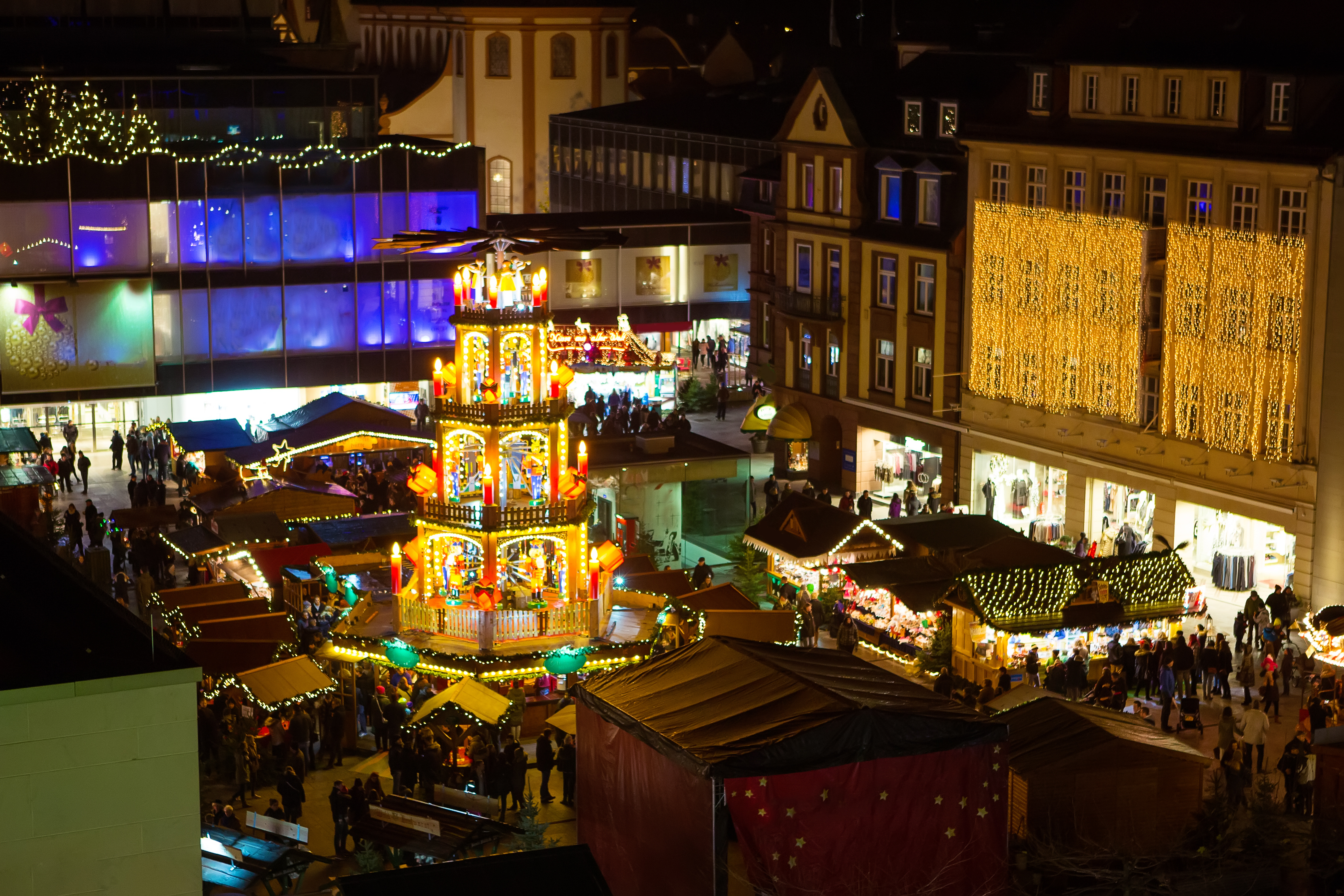
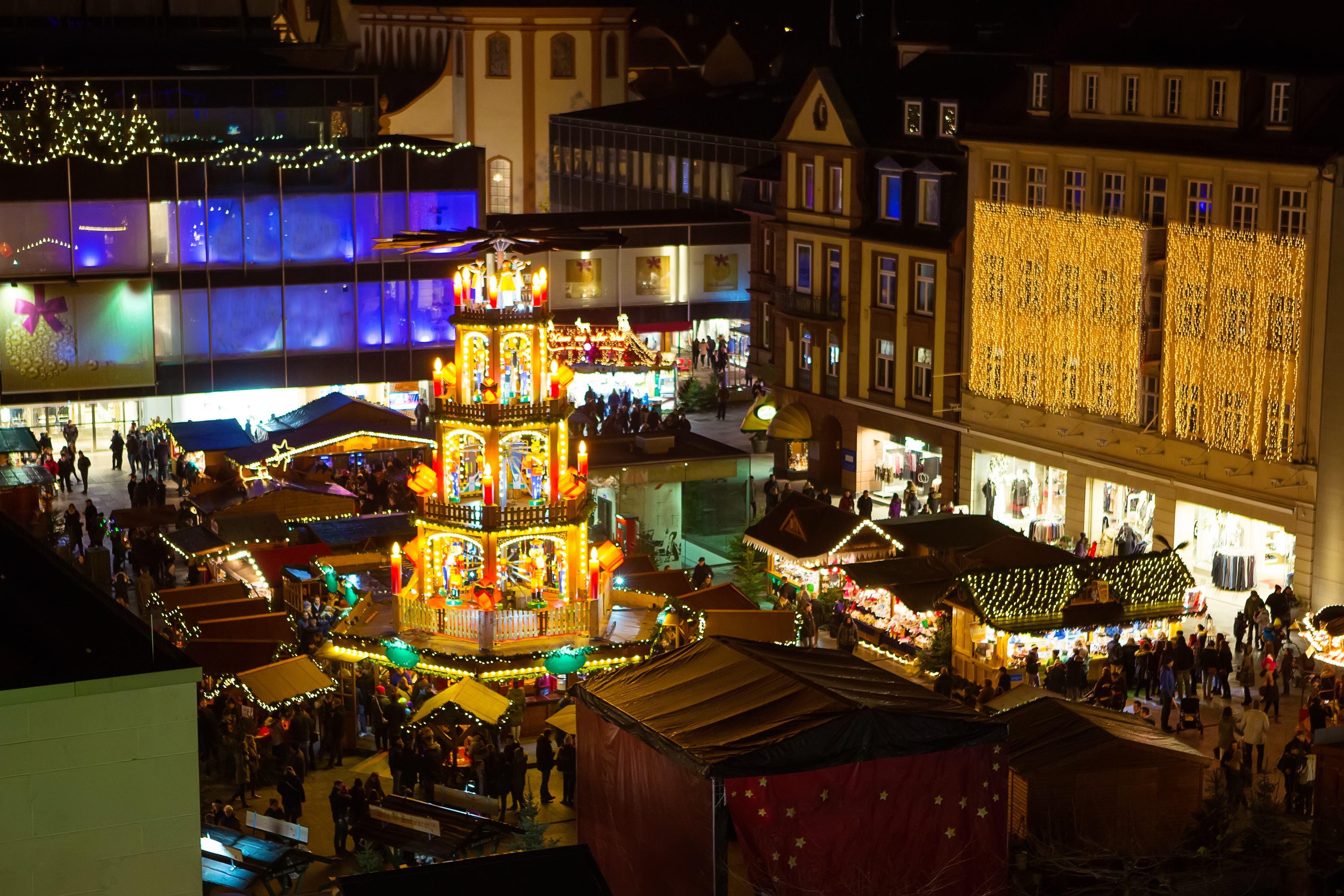
During Advent, Munich is filled with wooden stalls, lights, Christmas decorations, and aromas of mulled wine and sweets. The Christkindlmarkt in Marienplatz is one of the most traditional and turns the historic centre into an especially beautiful setting.
With the arrival of good weather in spring, the opening of the beer gardens under the shade of the chestnut trees becomes the biggest outdoor celebration in the city.
If you are planning to travel to Munich with your family, you have nothing to worry about, as it is a welcoming city full of alternatives for the little ones, among which stand out:
If you are going to be in two days in Munich, here is a proposed itinerary to make the most of your time and get to know its main attractions:
So that you can easily locate each of the places mentioned in this guide and design your own route on foot, I have prepared this map with all the points of interest. In it, you will find geolocated the essential monuments, museums, and the best corners of the city.
,regionOfInterest=(3976,2652))
,regionOfInterest=(3976,2652))
In your list of things to see in Munich, my main piece of advice is to leave room for improvisation. Although the historic centre is easily explored on foot, the city has enough neighbourhoods, parks, and museums to fill several days without having to rush from one place to another.
The secret to enjoying the city is to find balance. Combine visits to the great palaces or galleries with small daily pleasures: having a quiet breakfast in a café, buying a pretzel at a street stall, walking along the Isar River, or sitting down to eat in a Biergarten. After all, it is those everyday moments that make a trip truly enjoyable.
,regionOfInterest=(2262,1508))
,regionOfInterest=(2262,1508))
,regionOfInterest=(2565.5,1505.5))
,regionOfInterest=(2565.5,1505.5))
,regionOfInterest=(1927.5,1285))
,regionOfInterest=(1927.5,1285))
,regionOfInterest=(3976,2652))
,regionOfInterest=(3976,2652))