,regionOfInterest=(2880,1920))
,regionOfInterest=(2880,1920))
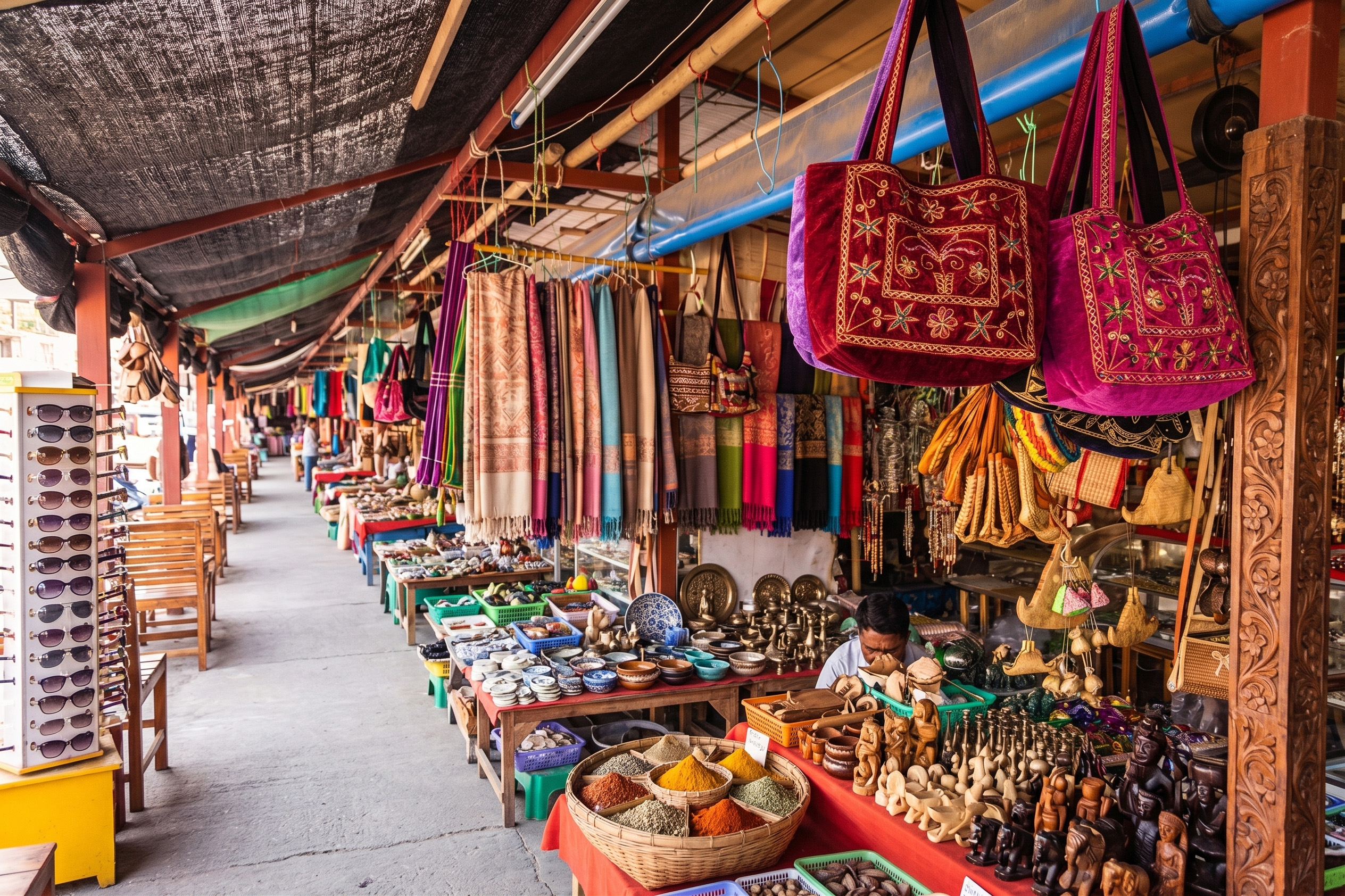
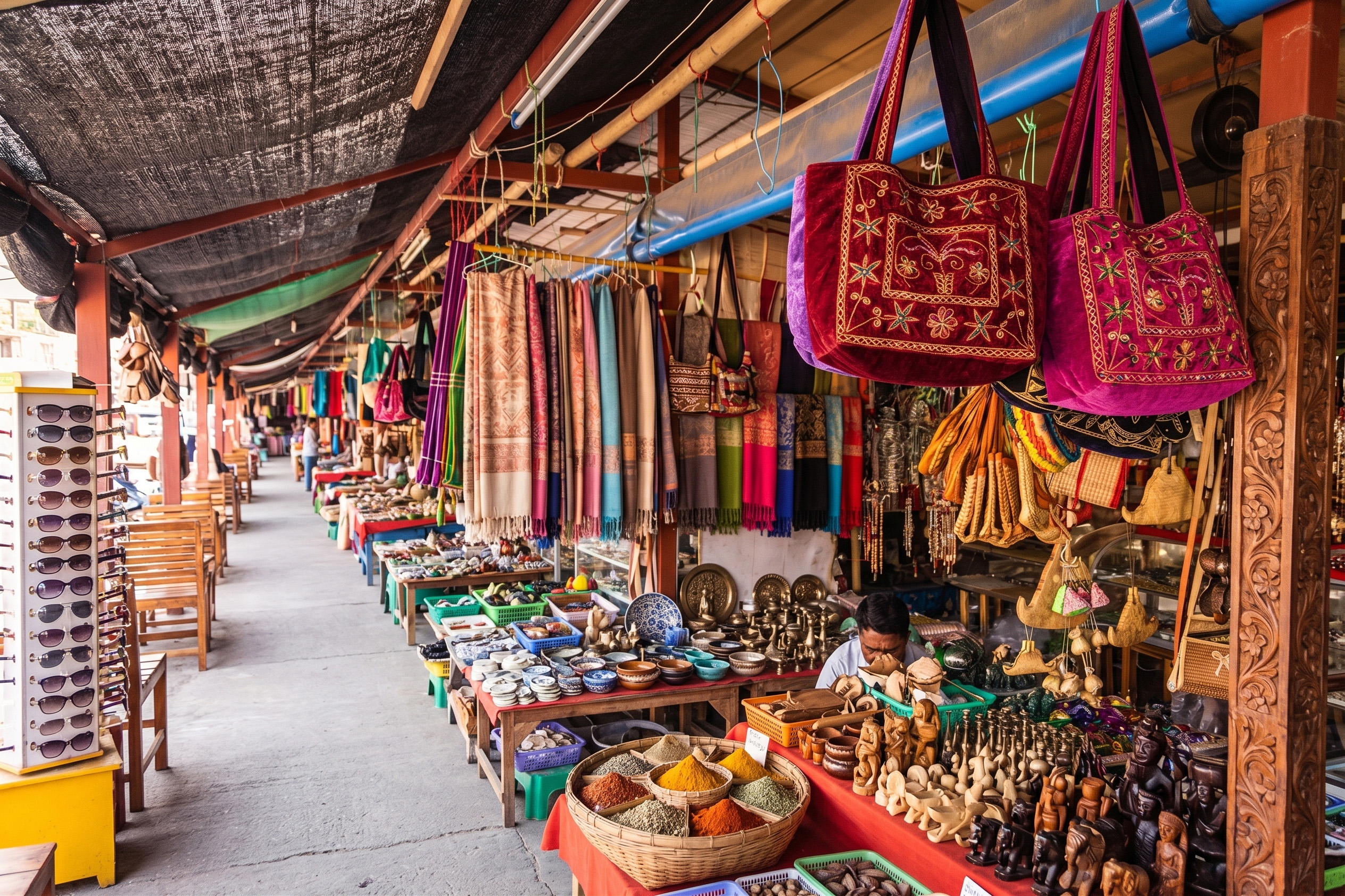
Best souvenirs to buy in Chiang Mai 2026: what to bring home
,regionOfInterest=(1264,842))
,regionOfInterest=(1264,842))
Culture
,regionOfInterest=(1750,1167.5))
,regionOfInterest=(1750,1167.5))
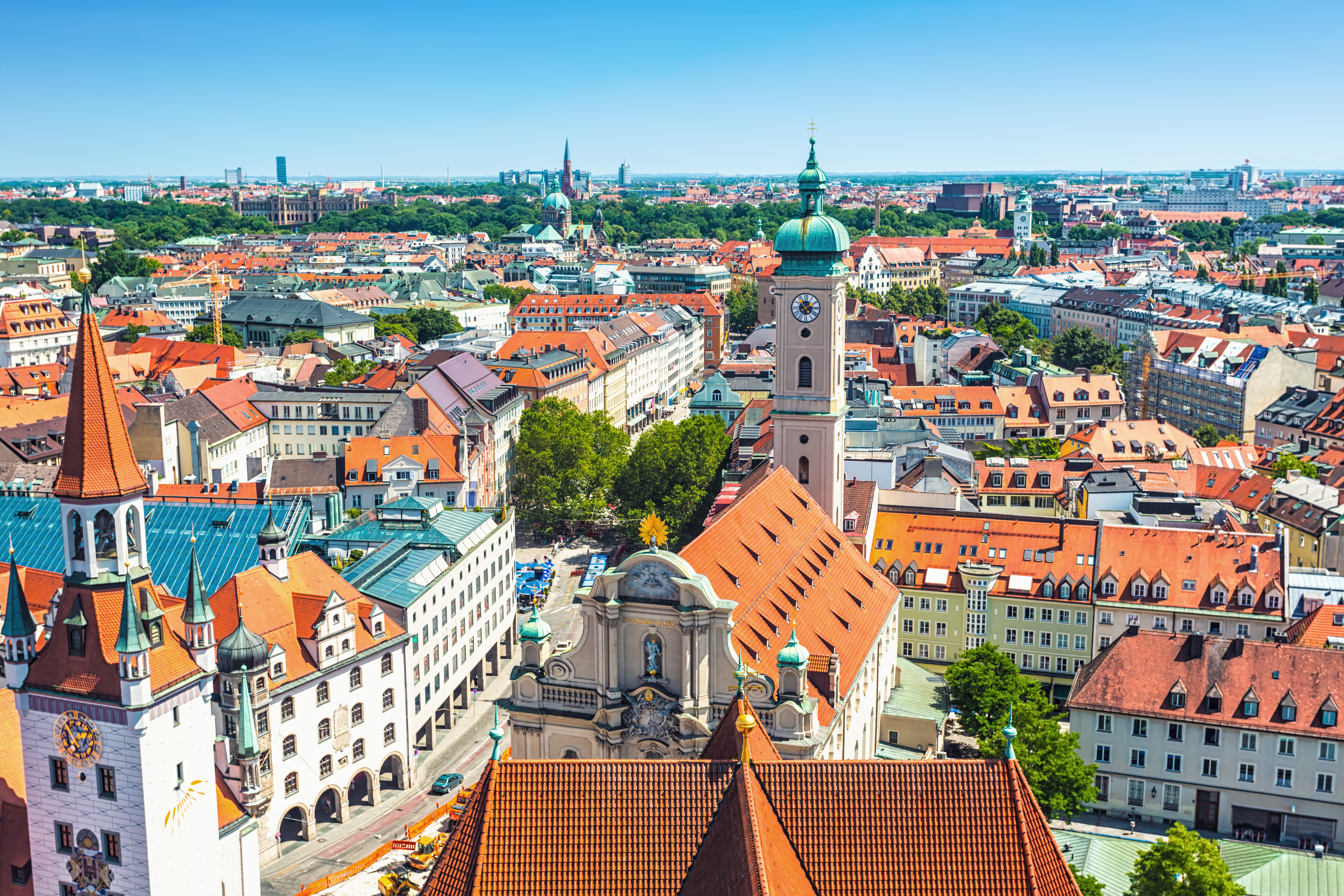
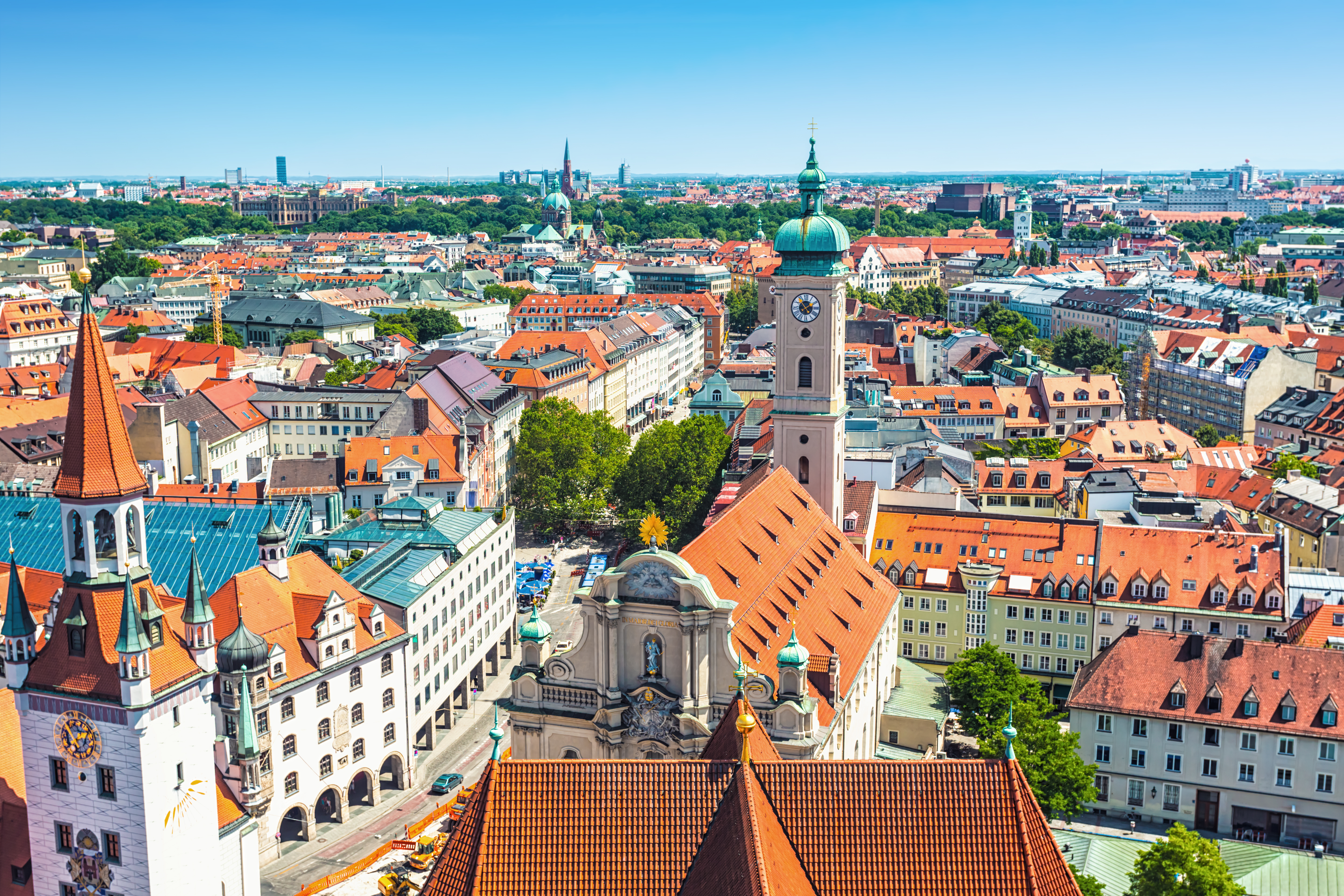
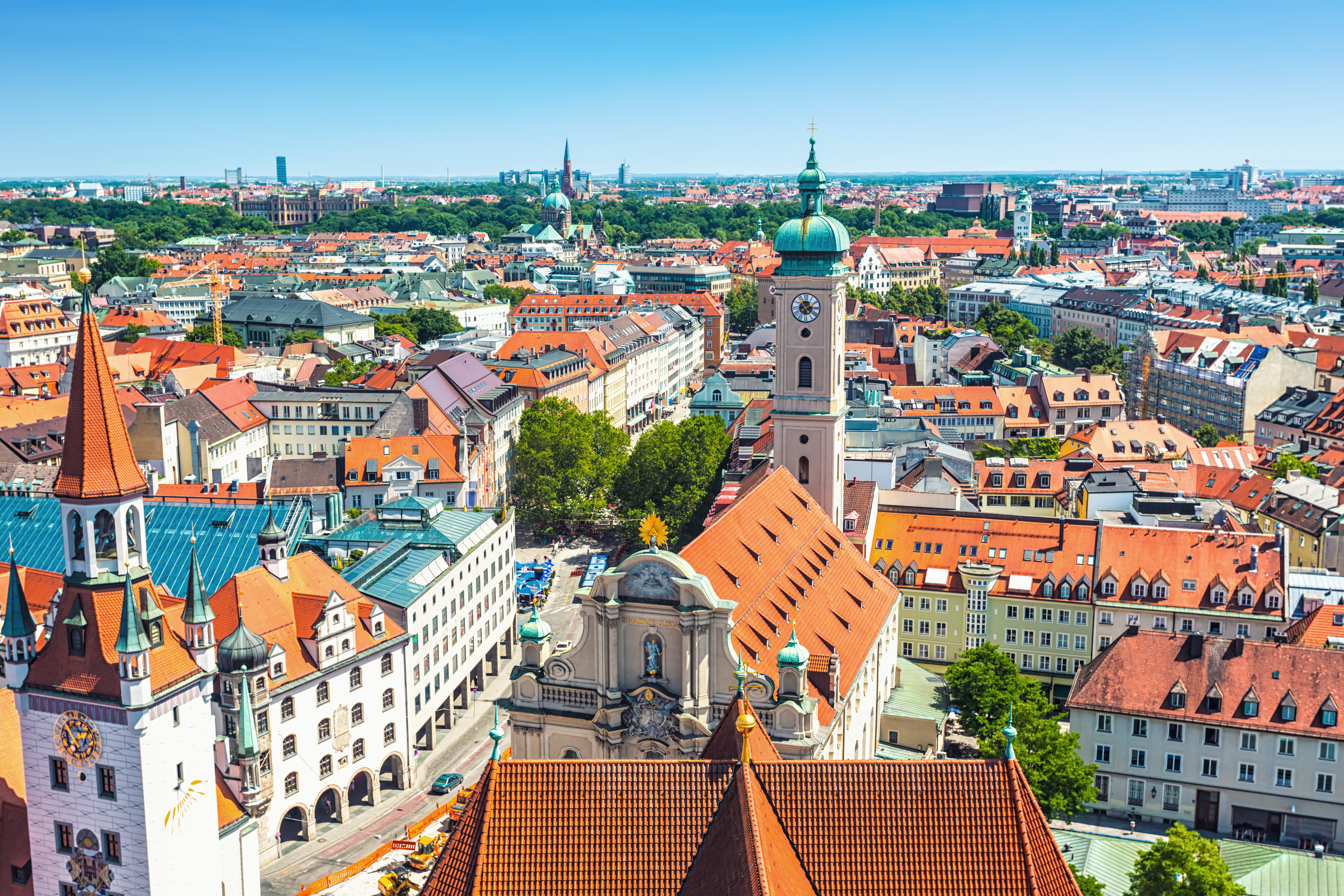
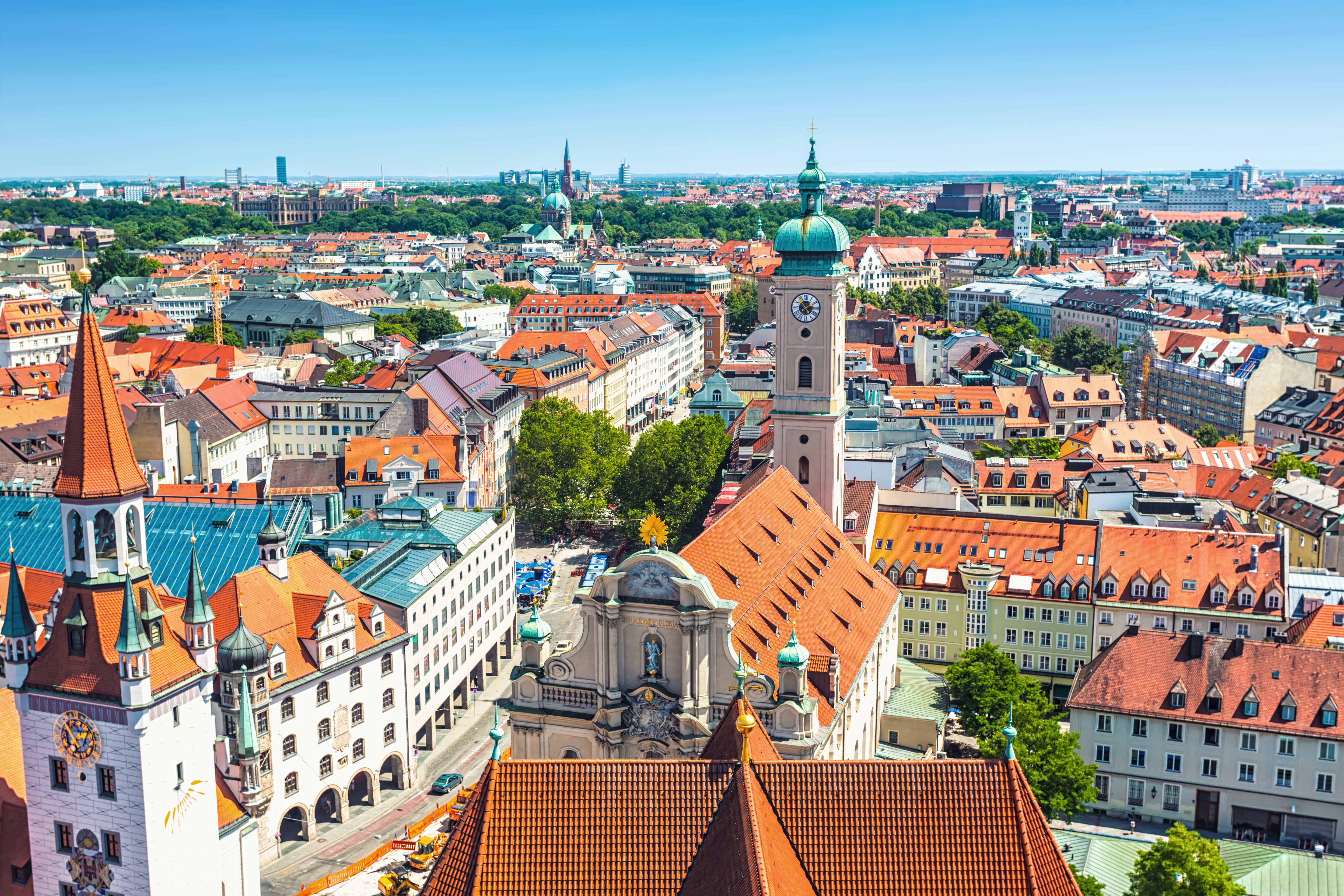
A route through Munich in 4 days allows you to get to know the capital of Bavaria in depth in a balanced way. It is the ideal amount of time to explore its historic centre, visit palaces and museums, get lost in its parks and discover both the neighbourhoods with the most personality and the places most rooted in Bavarian tradition.
If you have never been there, you will see that there are many places to visit in Munich that go beyond Marienplatz and the famous beer gardens, which are typical terraces where beer is served as the main product.
The city offers a very interesting mix of history, art, architecture, nature and gastronomy, and this guide is organised by areas close to each other to make the most of each day and reduce unnecessary travel.
Because one of the keys to enjoying Munich in four days is to find a good balance between cultural visits, outdoor walks and moments to sit and enjoy the atmosphere like a true local.
Culture
,regionOfInterest=(500,500))
,regionOfInterest=(500,500))
All-terrain writer specialising in tourism, fashion and trends. A curious soul, traveller, reader and sports enthusiast, keen to discover every corner of the world.
,regionOfInterest=(2184,1456))
,regionOfInterest=(2184,1456))
,regionOfInterest=(2880,1920))
,regionOfInterest=(2880,1920))
,regionOfInterest=(2313,1542))
,regionOfInterest=(2313,1542))
| DAYS | AREA/THEME | MAIN PLACES |
|---|---|---|
| DAY 1 | Must-sees and historic centre | Marienplatz, Frauenkirche, Viktualienmarkt, Residenz, Odeonsplatz and Hofbräuhaus |
| DAY 2 | Palaces, art and architecture | Nymphenburg Palace, Olympiapark, BMW Museum, Maxvorstadt and Pinakotheken |
| DAY 3 | Parks and charming neighbourhoods | English Garden, Schwabing, Haidhausen, Isar River and Deutsches Museum |
| DAY 4 | Bavarian tradition and iconic spaces | Theresienwiese, Sendlinger Tor, Asamkirche, Viktualienmarkt and traditional breweries |
The route begins in the historic centre, where some of the main places to visit in Munich in 4 days are concentrated, which you can go from one to another, mainly, on foot.
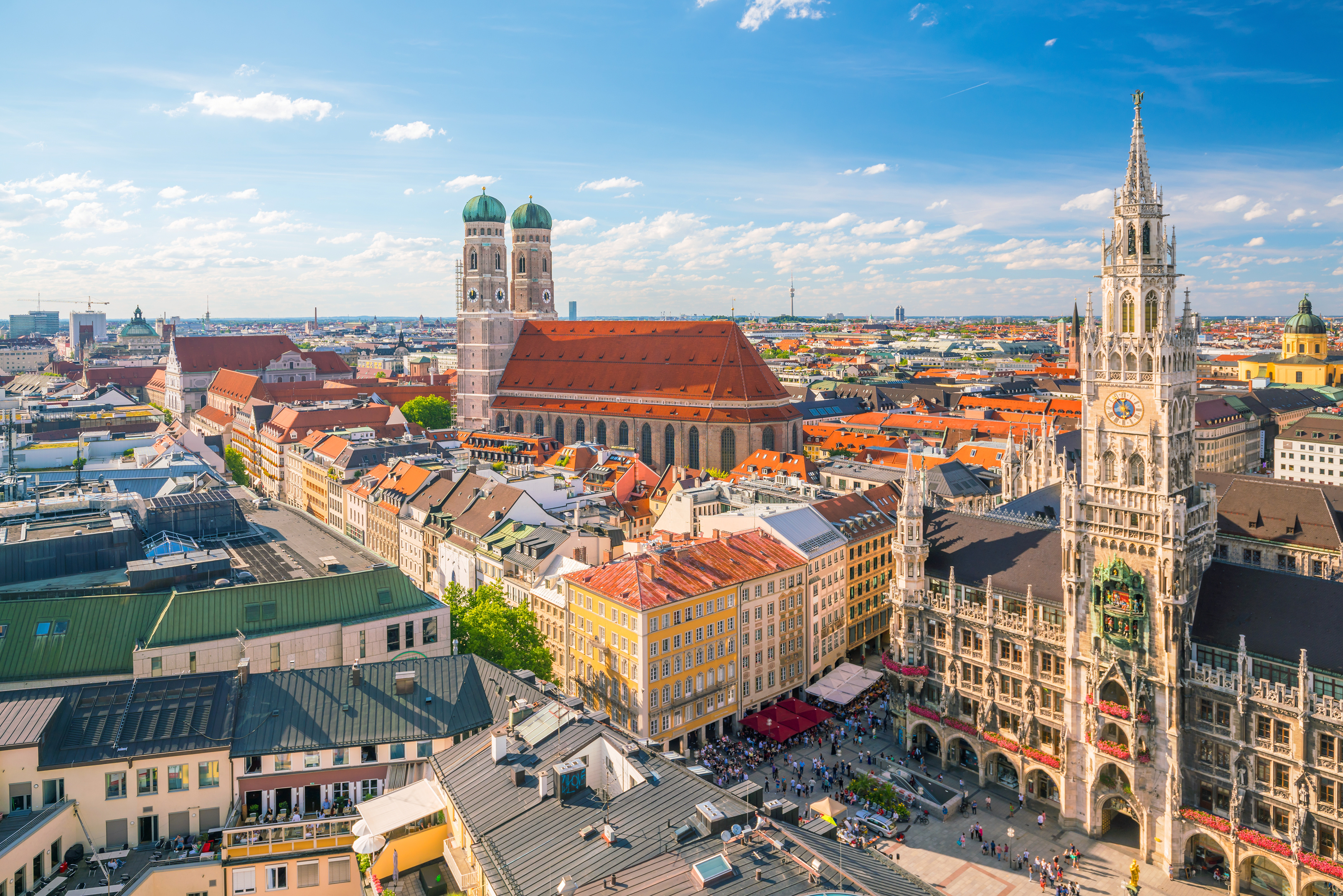
Marienplatz and Glockenspiel
Start your tour in Marienplatz, the nerve centre of Munich and one of the most recognisable spaces in Bavaria.
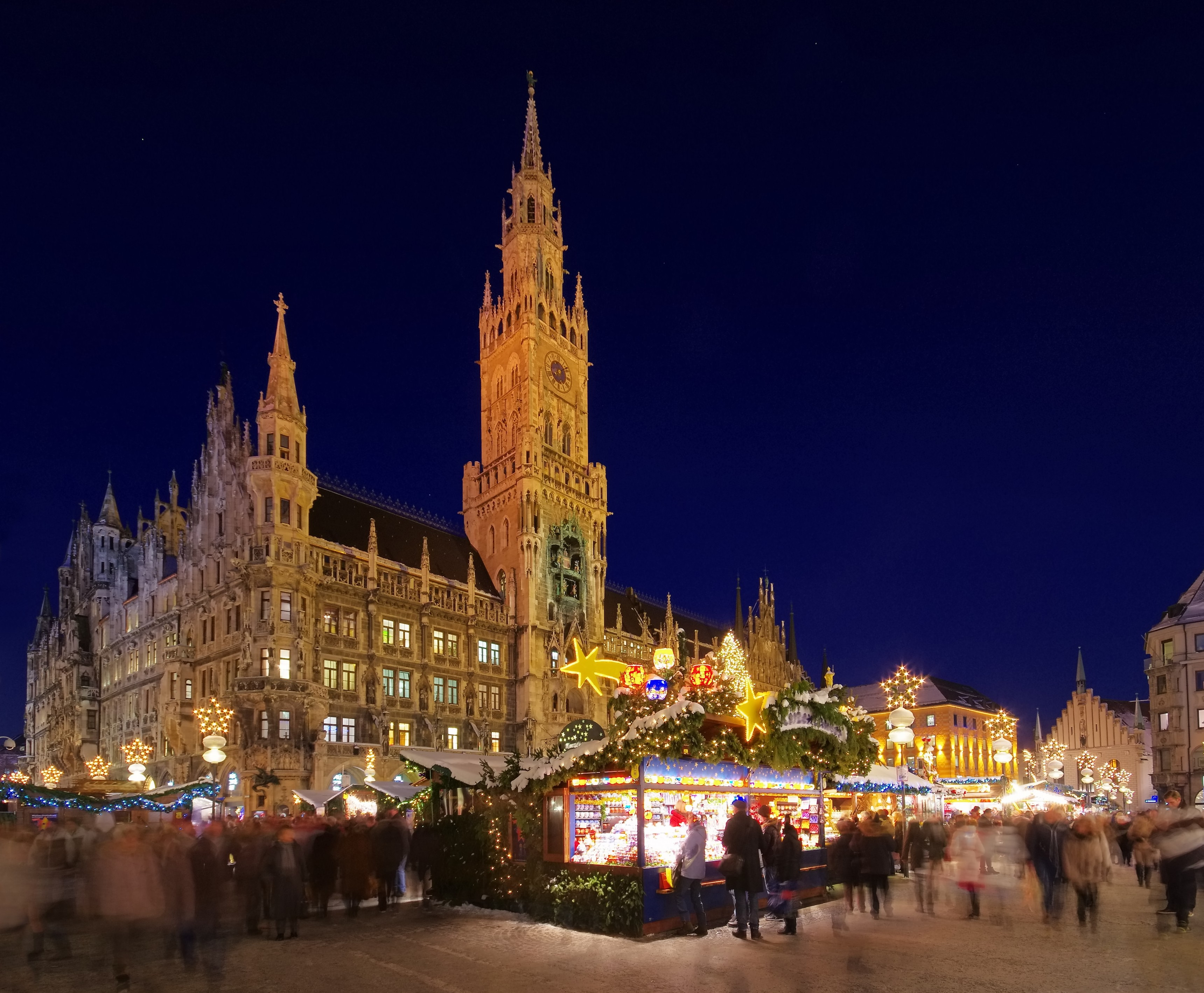
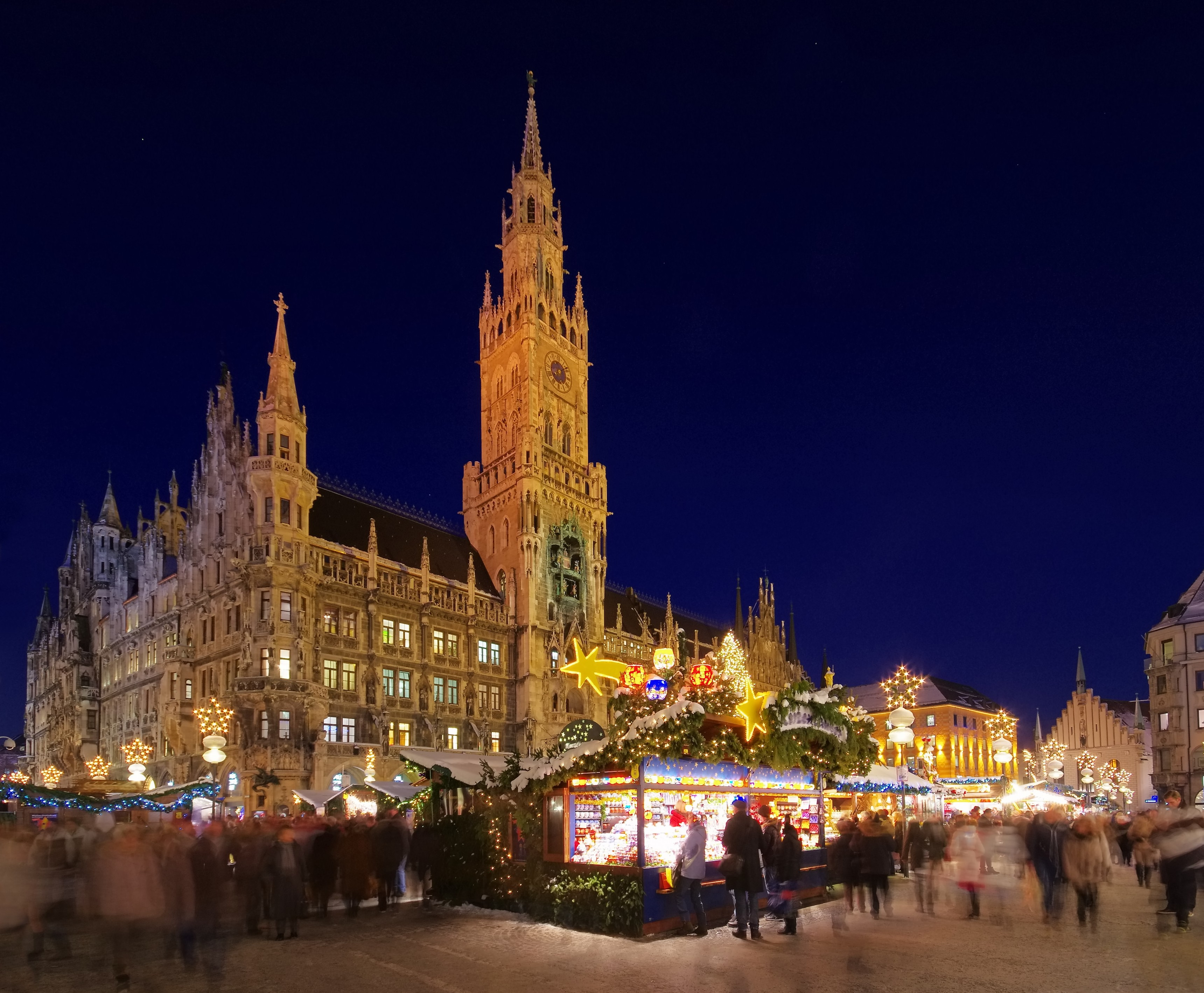
It is the central square of the city, which is presided over by the imposing Neues Rathaus, the New Town Hall, whose neo-Gothic façade is one of the great protagonists. Its famous carillon, the Glockenspiel, attracts numerous visitors every day, when its mechanical figures come to life and recreate different scenes from the city's history at specific times of the day.
From here you can reach the next stop walking in about 5 minutes.
Frauenkirche
The two towers crowned by their characteristic green domes are an inseparable part of Munich's skyline. The Frauenkirche, or Cathedral of Our Lady, is one of the main religious temples in the city.
Its huge interior nave impresses with its enormous dimensions and the feeling of spaciousness it transmits from the very first moment. On the floor at the entrance you can also find the well-known Devil's Footprint, the protagonist of one of the most popular legends in Munich.
From here you can continue on foot towards the next point in about 10 minutes.
Viktualienmarkt
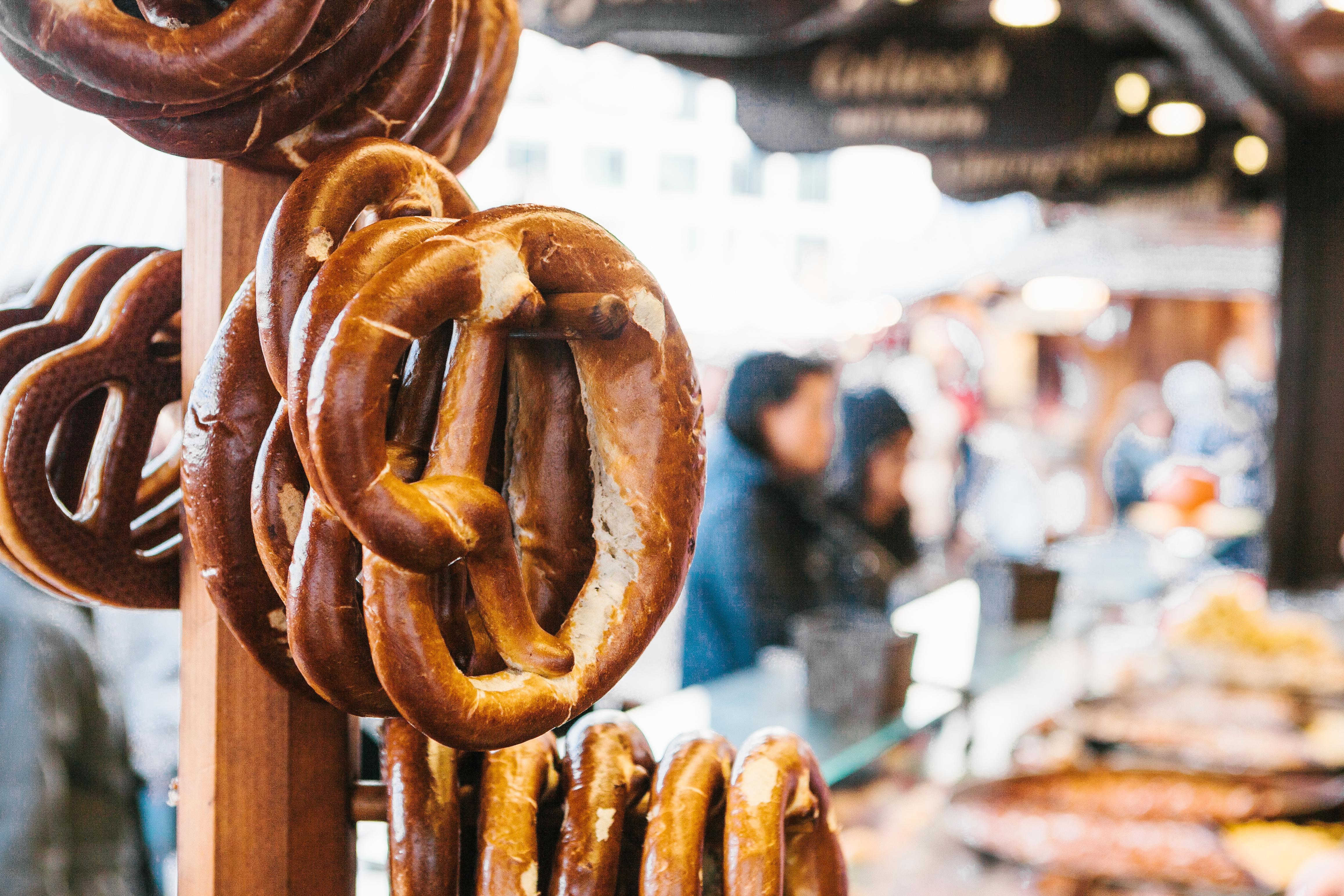
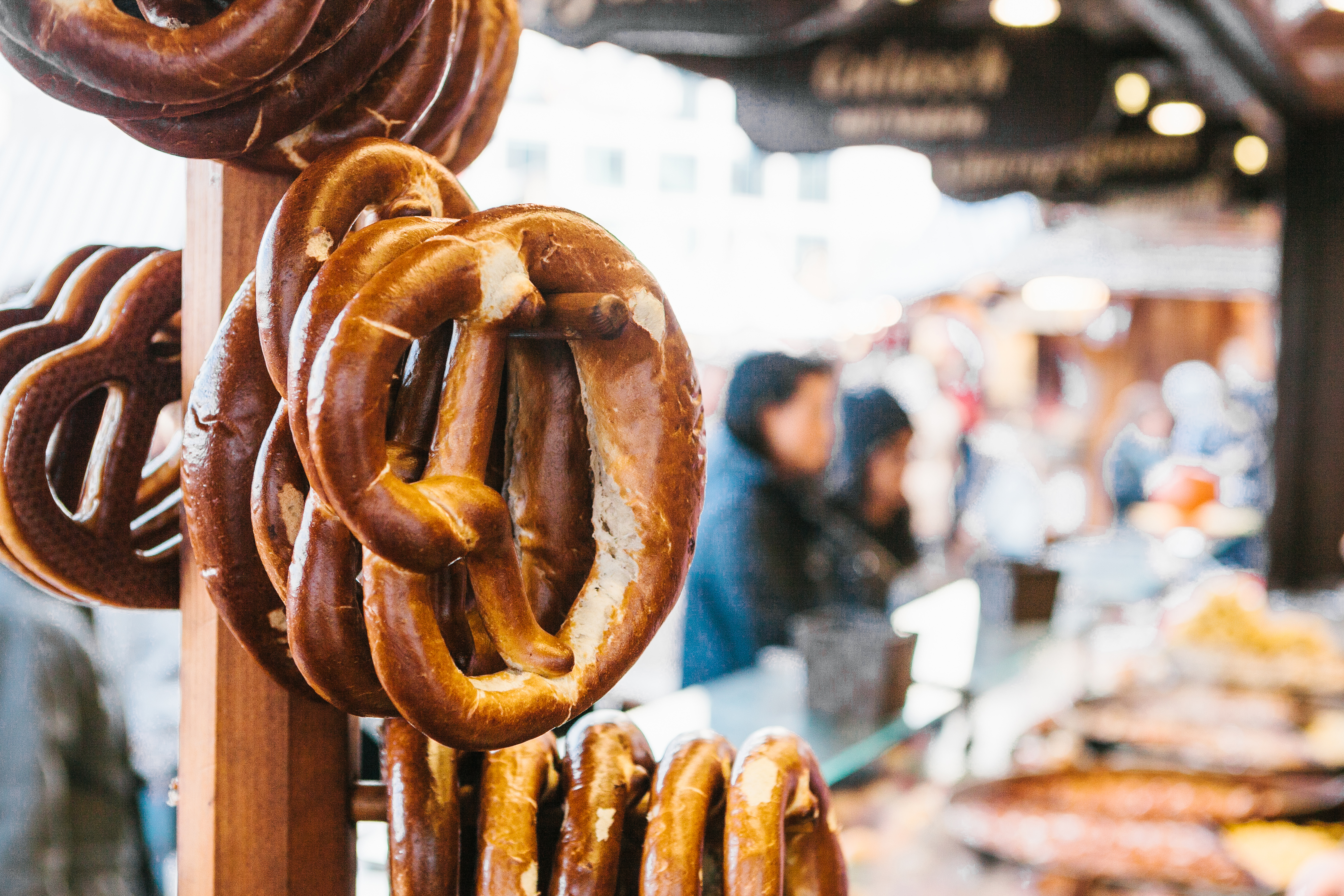
In the heart of the city, the Viktualienmarkt is a traditional open-air market that brings together a large number of stalls with fresh produce, cheeses, bread, sausages, flowers and Bavarian specialities.
It is one of the best stops to get to know the local gastronomy and try a pretzel, some traditional sausage or simply have a drink in its well-known beer garden.
From the market you can walk to the next visit in about 10 minutes
,regionOfInterest=(1720,1418.5))
,regionOfInterest=(1720,1418.5))
Munich Residenz
Without leaving the historic centre, the Munich Residenz was for centuries the home of the rulers of Bavaria and is currently one of the most important palace complexes in the city and all of Germany.
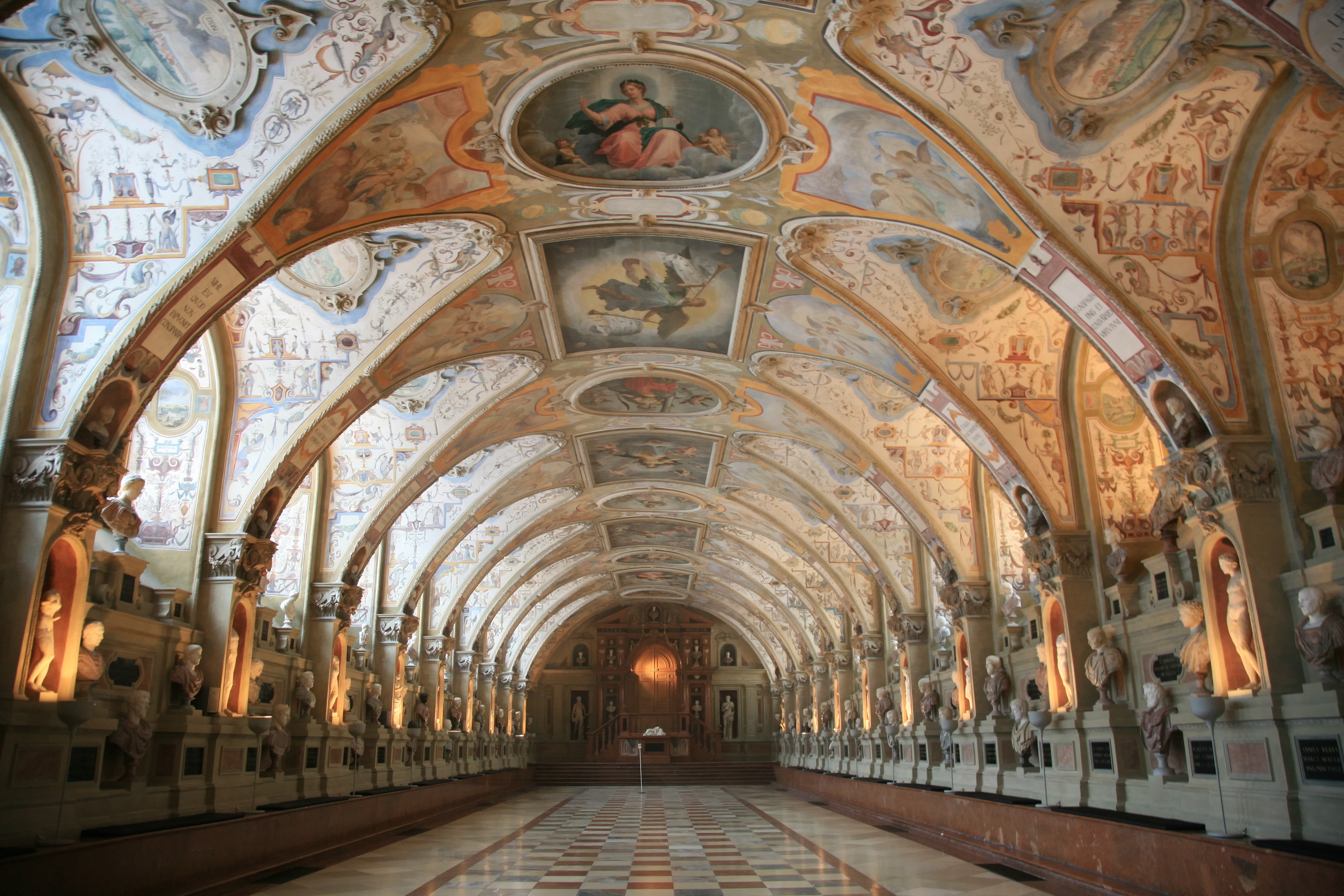
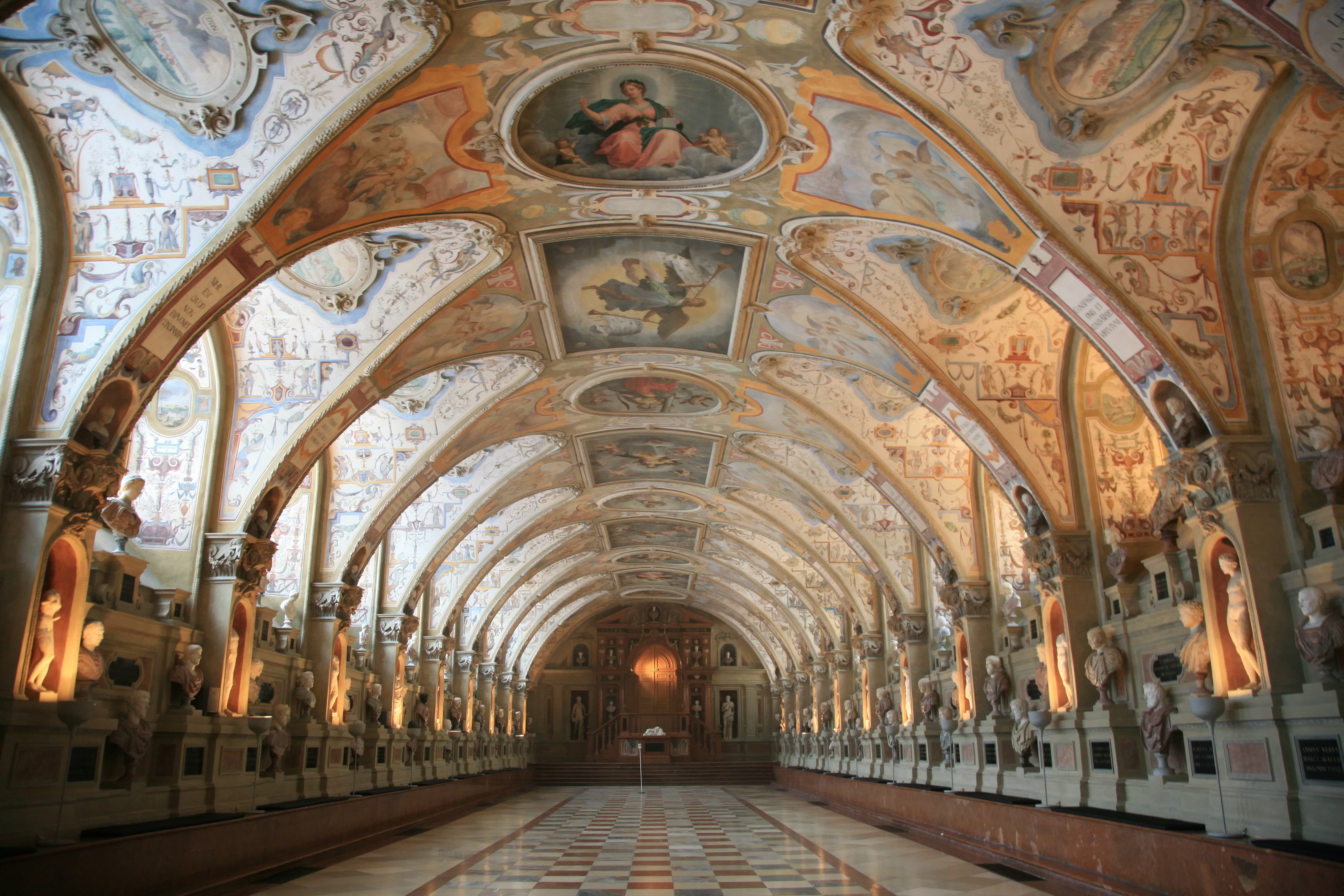
Its numerous rooms allow you to discover the enormous power of the Wittelsbach dynasty. Among its most spectacular spaces is the Antiquarium, a large Renaissance hall decorated with paintings and sculptures.
If you want to visit the complex in its entirety, I recommend setting aside several hours in the afternoon so you can explore its main rooms at your leisure.
From the Residenz you can walk to Odeonsplatz in just 5 minutes.
Odeonsplatz
The monumental Odeonsplatz brings together some of the most elegant buildings in Munich. This architecturally spectacular complex combines the unmistakable yellow façade of the Theatinerkirche (an imposing 17th-century Baroque church inspired by Italian temples) with the Feldherrnhalle (a memorial in the form of a large open gallery that pays tribute to the Bavarian army). The complex is topped off with access to the beautiful gardens of the Residenz, the city's former royal palace that served for centuries as the official residence of the monarchs of the Wittelsbach dynasty.
You can continue walking towards the centre in about 15 minutes.
Hofbräuhaus
The Hofbräuhaus is the most famous brewery in Munich. This tavern retains much of its historic character and is a highly recommended area to dine on typical Bavarian dishes (such as pork knuckle or pretzels) and enjoy live music, always accompanied by a beer.
In less than 10 minutes walking you will be in the Altstadt.
Altstadt
End this first day by walking through the Altstadt, paying special attention to the pedestrian streets that surround Marienplatz and the commercial areas of the centre, which at night acquire a completely different atmosphere to that experienced during the rest of the day.
The second day of this 3-day itinerary in Munich will take you to discover a different and more unknown side of the city.
Nymphenburg Palace
The Nymphenburg Palace was built as a summer residence for the Bavarian monarchy and is one of the most impressive Baroque complexes in Munich, surrounded by a pond with swans and huge French-style gardens, which seems to have been taken from a fairy tale.
From here you can reach the next point by public transport in about 20-25 minutes.
Olympiapark
The Olympiapark is one of the most recognisable spaces in Munich thanks to the spectacular roof built for the 1972 Olympic Games, considered one of the masterpieces of contemporary German architecture.
You can walk by the lake, tour the old sports facilities and enjoy the views of this large complex, which continues to host concerts, cultural events and sports competitions. Its innovative design continues to be one of the great symbols of the city.
From here you can reach the next point on foot in a few minutes.
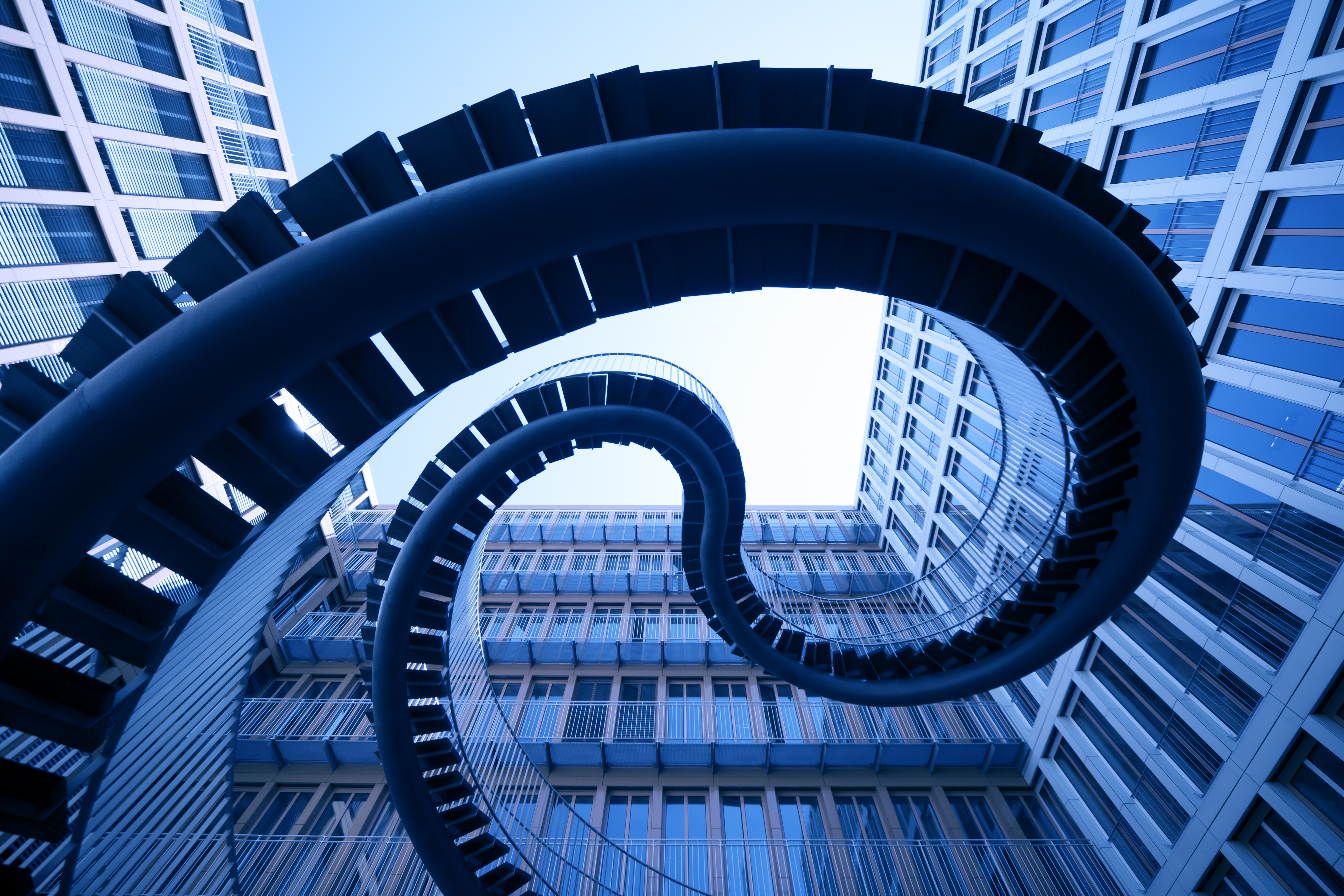
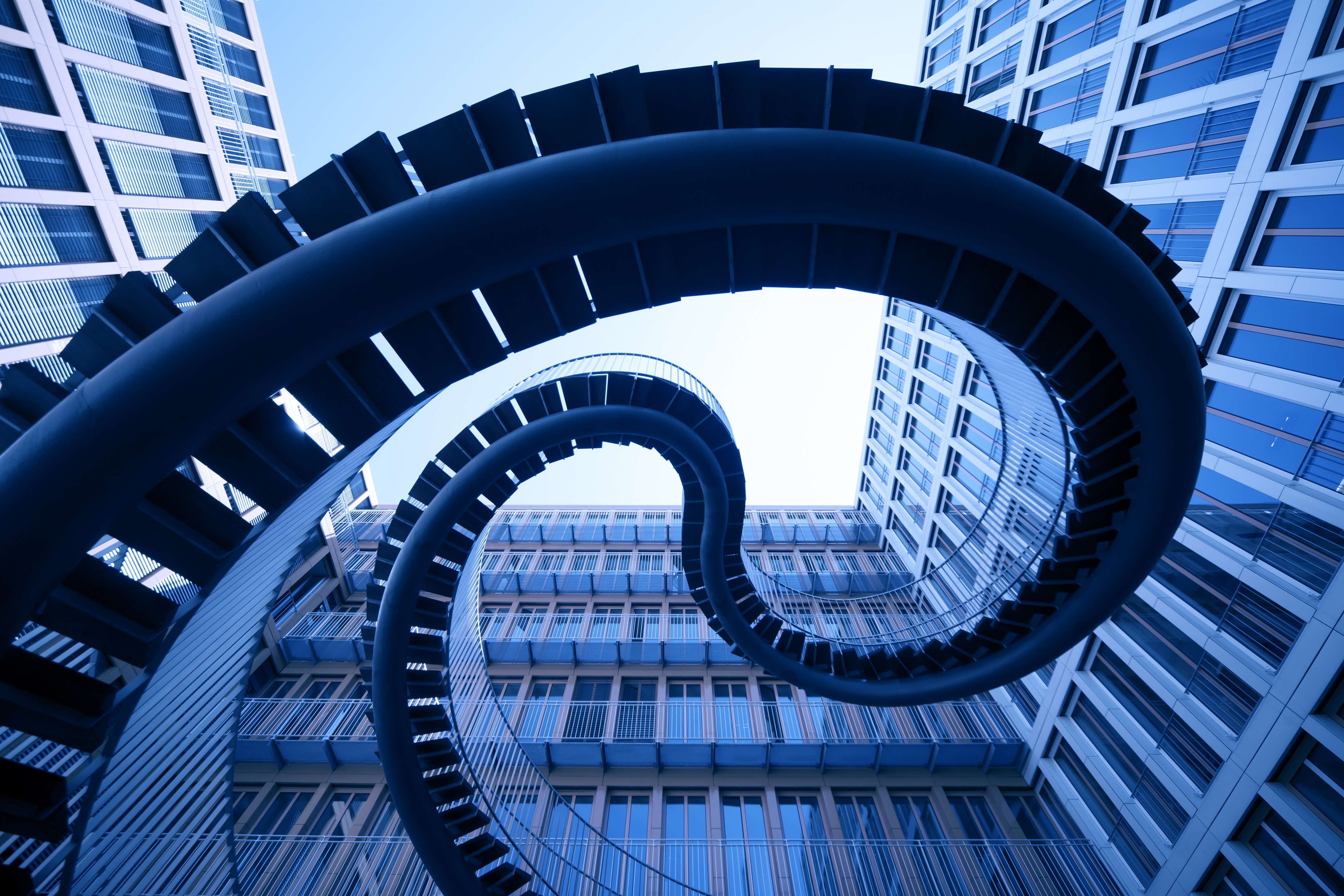
BMW Museum
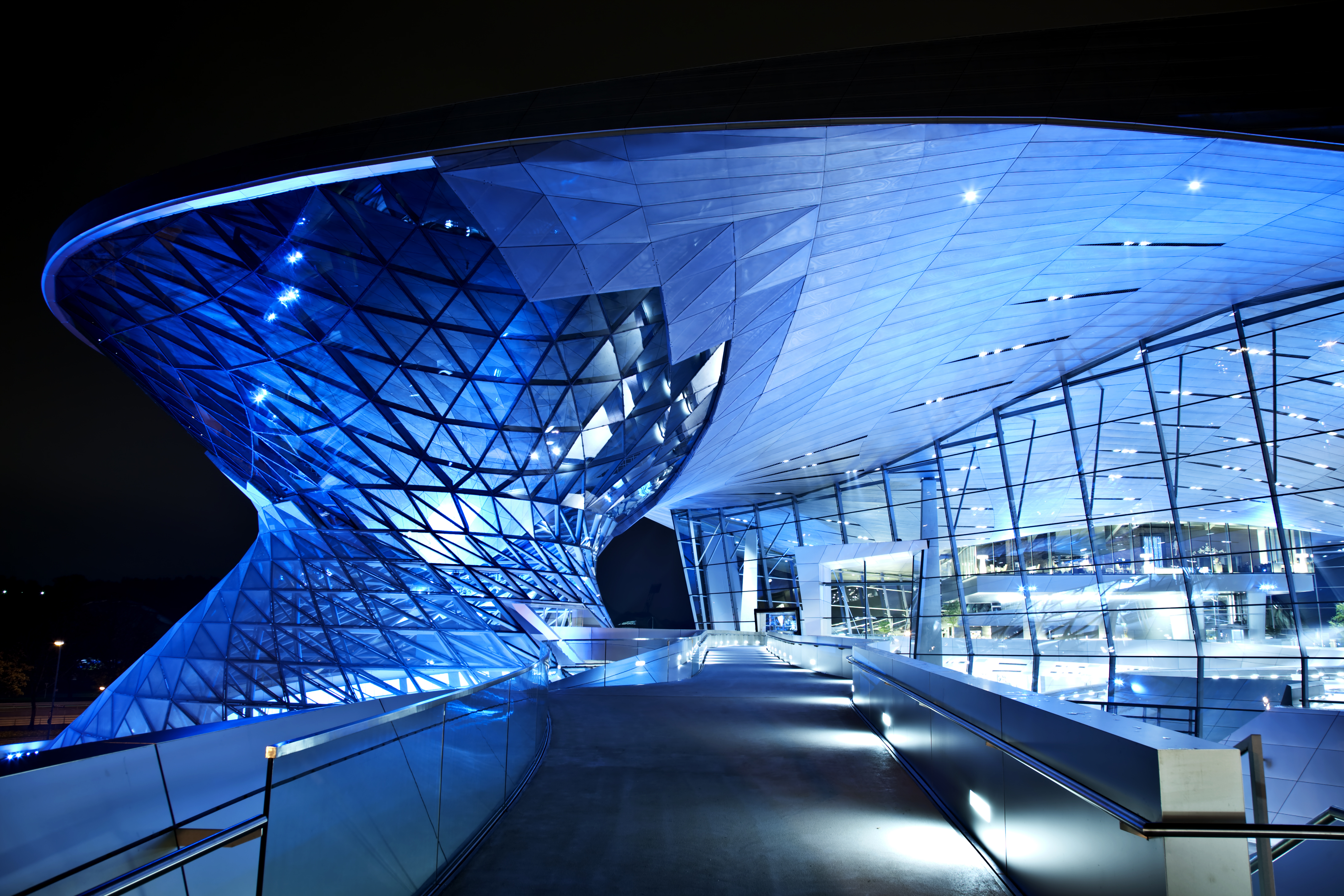
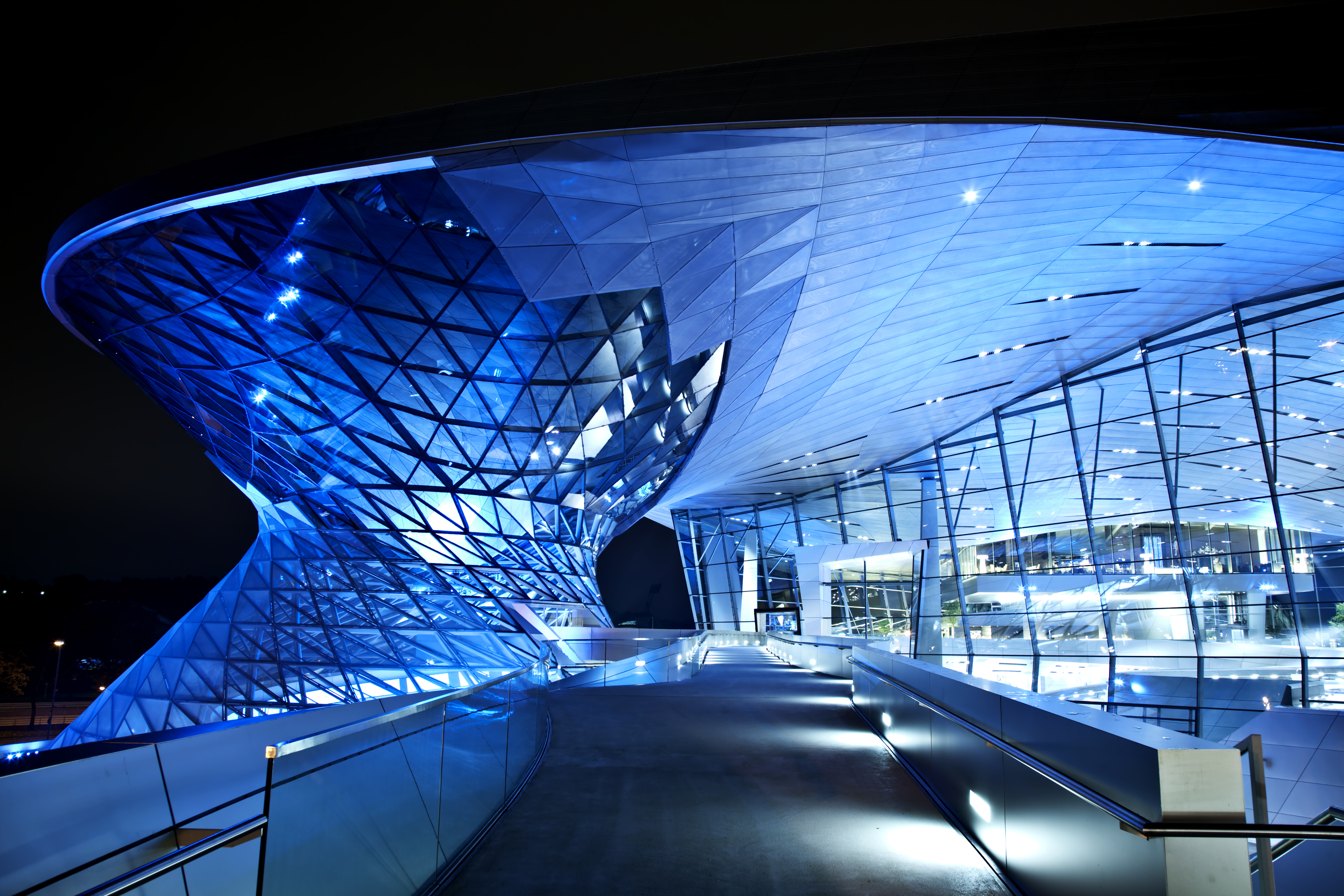
Next to the Olympiapark is the BMW Museum, a highly recommended visit if you like the world of motoring and, especially, are a fan of the designs of this prestigious German brand.
You can travel to the next point by public transport or in about 25-30 minutes on foot.
,regionOfInterest=(2184,1456))
,regionOfInterest=(2184,1456))
Maxvorstadt
In the afternoon it is time to discover Maxvorstadt, Munich's cultural and university district, with streets full of museums, galleries, bookshops, cafés and academic buildings that are a real pleasure to walk through.
It is a great area to have a bite to eat before continuing your visit, as there are various signature cuisine restaurants and traditional taverns near Königsplatz and Türkenstraße.
From here you can reach the next point on foot in a few minutes.
Alte Pinakothek
The Alte Pinakothek is one of the great art galleries in Europe, boasting an extraordinary collection of European painting. Among its works you will find pieces by artists such as Rubens, Rembrandt, Dürer, Velázquez or Leonardo da Vinci.
You can continue walking to the next point in about 15-20 minutes.
Schwabing
The Schwabing district is perfect for ending this second day, where you will find a relaxed yet sophisticated atmosphere. Historically known as the bohemian district of the city's artists and writers, it is ideal for walking at dusk, dining in one of its avant-garde trattorias or bistros and enjoying its lively terraces.
After two days dedicated mainly to monuments and museums, to end this 3-day trip to Munich I suggest slowing down a little. It is time to discover some of the green spaces and neighbourhoods that show how the locals live.
English Garden
The English Garden (Englischer Garten) is an immense urban green lung that, with its more than 400 hectares, exceeds in surface area giants like New York's Central Park. This space is the perfect reflection of the authentic Munich lifestyle, where nature is fully integrated into the day-to-day life of its inhabitants.
At the southern end of the park is its most famous corner: the Eisbach wave (Eisbachwelle). It is a curious river phenomenon where the force of the water, upon colliding with a stone step at the bottom of the channel, generates a static, continuous and permanent wave one metre high. Here, experienced surfers equipped with wetsuits defy the current all year round (even with the park covered in snow), creating one of the most surprising and photographed visual spectacles in the city.
Going a little deeper into the park, the silhouette of the Chinese Tower stands out, a striking 25-metre-high wooden structure inspired by a pagoda. At its feet unfolds one of the largest and most popular Biergärten (beer gardens) in Munich. These types of traditional outdoor terraces are the ideal place to make a stop along the way, sit at their long wooden tables and enjoy a good local beer and typical Bavarian dishes in a relaxed and neighbourly atmosphere.
To continue with the route, the design of the park itself allows you to continue walking quietly towards the next point of the itinerary on foot and surrounded by nature, without the need to use public transport.
Schwabing
Although you have already walked through Schwabing the night before, it is well worth spending time there during the day, when its streets offer a quieter perspective of the neighbourhood and, in addition, you can discover cafés, small shops and historic buildings.
One option is to walk along Leopoldstraße and continue to Münchner Freiheit, one of the main meeting points in this area.
You can continue the tour on foot towards the next neighbourhood.
,regionOfInterest=(2390,1641))
,regionOfInterest=(2390,1641))
Deutsches Museum
Located on an island in the Isar River, the Deutsches Museum is one of the most important science and technology museums not only in Munich, but in the entire world. Its exhibitions allow you to discover everything from navigation and aeronautics to astronomy, energy and various scientific advances.
From the museum you can continue towards Haidhausen walking along the river.
Haidhausen
On the other side of the Isar you will find Haidhausen, a neighbourhood with a much more residential and quiet atmosphere. Here I want to highlight Wiener Platz, one of its most pleasant corners, which has small houses, terraces and a market that helps to create an atmosphere very different from that of the historic centre.
Isar River
End the day with a walk along the banks of the Isar River, one of the spaces that best reflects Munich's outdoor lifestyle. When the weather is nice, the locals take advantage of its banks to play sports, go for a walk, meet up with friends, have picnics or simply sit by the water. It is an especially pleasant plan at the end of the afternoon, when you can enjoy a quieter atmosphere after a day spent exploring the city.
From here you can return to the centre by public transport or walk towards Haidhausen for dinner
.
,regionOfInterest=(3008,2008))
,regionOfInterest=(3008,2008))
The last day of this 4-day trip to Munich is dedicated to getting to know some places that help to understand Bavarian tradition and the city's relationship with its major celebrations.
Sendlinger Tor
Start the day at Sendlinger Tor, one of the old access gates to the historic centre of Munich, which is part of the medieval fortifications and is a good starting point for touring the southern end of the Altstadt.
From here you can reach the next point walking in about 10 minutes.
Asamkirche
The small Asamkirche, officially the Church of St. John Nepomuk, is one of the great surprises in the centre of Munich. Its façade can go unnoticed among the buildings on the street, but not its Baroque interior, which will impress you with its ornamental richness.
From here you can continue walking towards the centre in about 10 minutes.
Viktualienmarkt
Return to the Viktualienmarkt to enjoy a second visit from a different perspective. If on the first day you only had time to browse its stalls, this can be the perfect occasion to stop with more calm and try some Bavarian speciality. In the centre of the market you will find a traditional beer garden, a space with shared tables in the open air where you can sit down to eat and have a beer while enjoying the market atmosphere.
Theresienwiese
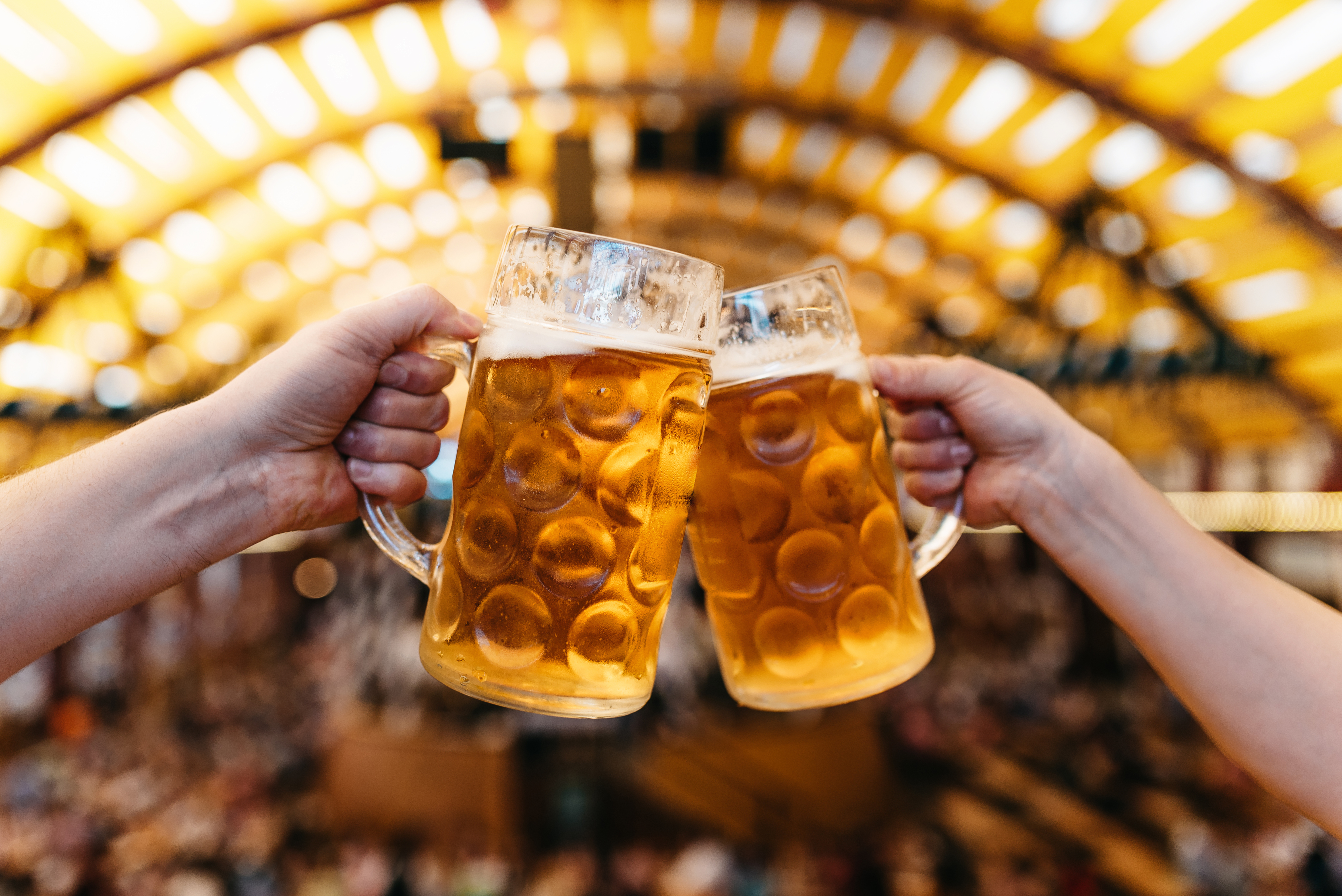
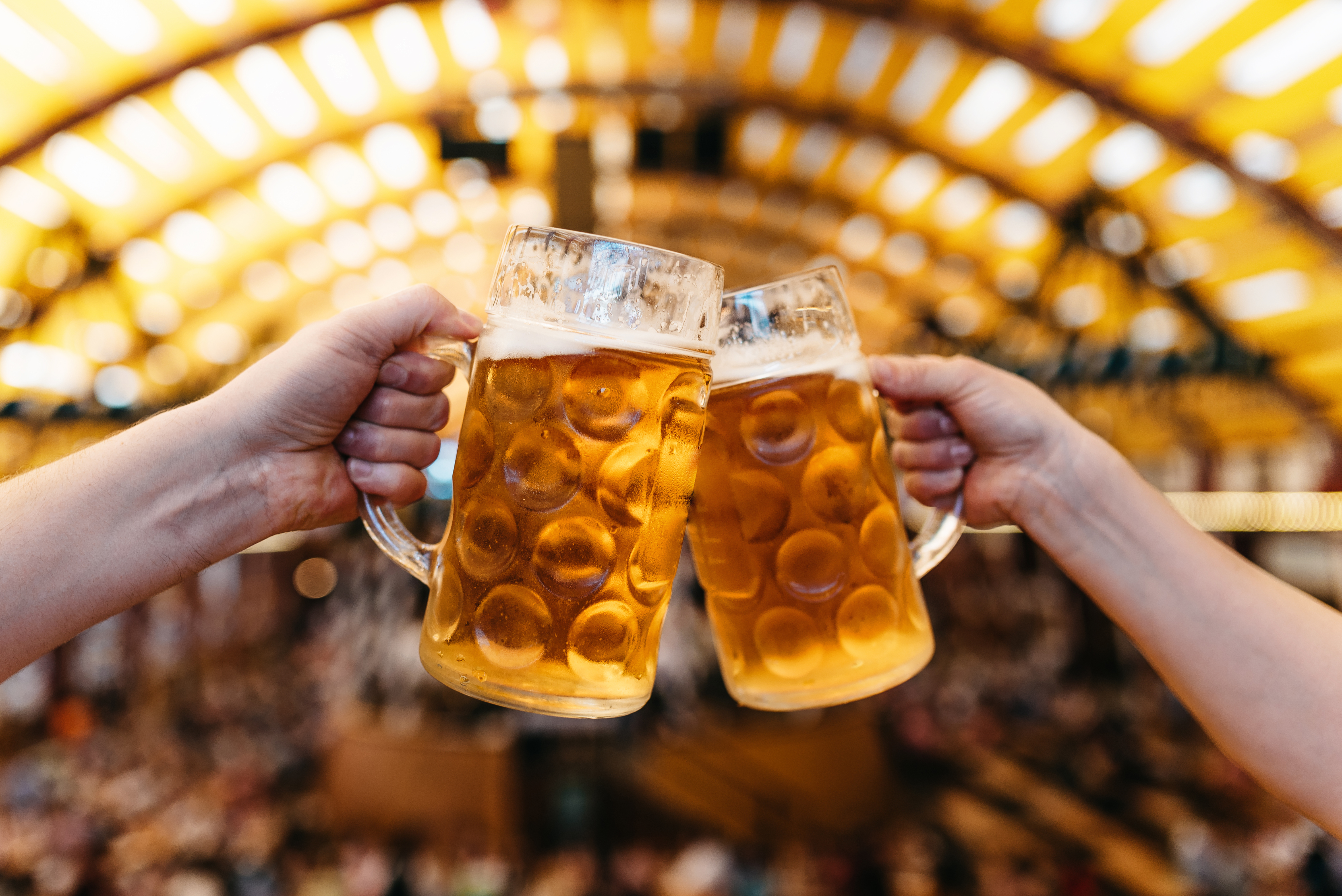
The last afternoon deserves a visit to Theresienwiese, the large esplanade located to the west of the historic centre and one of the most famous places in Munich thanks to the Oktoberfest. The site, of about 42 hectares, is transformed every autumn to host one of the most important celebrations in the city.
For several weeks, the esplanade is filled with large beer tents, Bavarian gastronomy stalls, music, parades and mechanical attractions. The 2026 edition will be held from 19 September to 4 October.
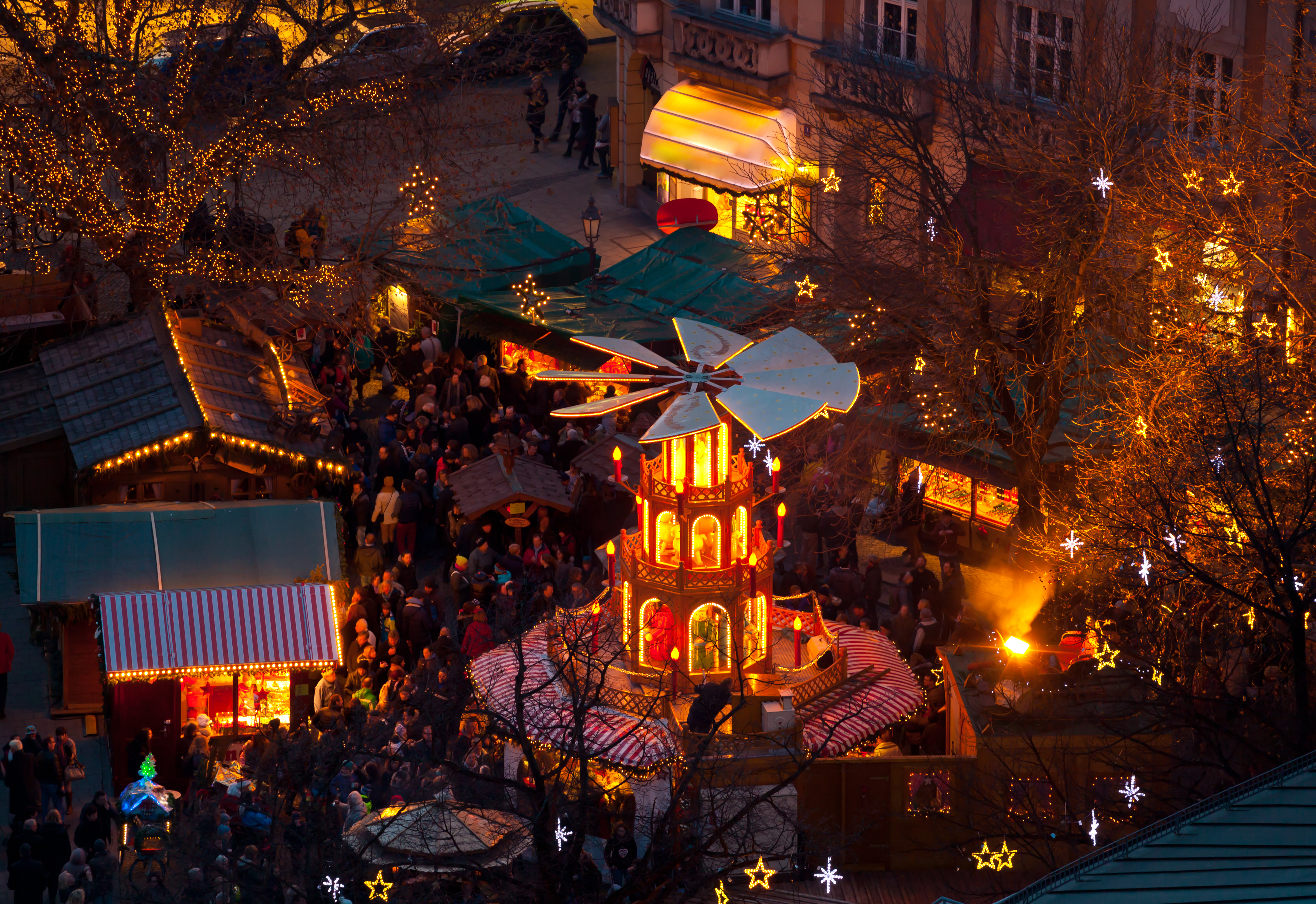
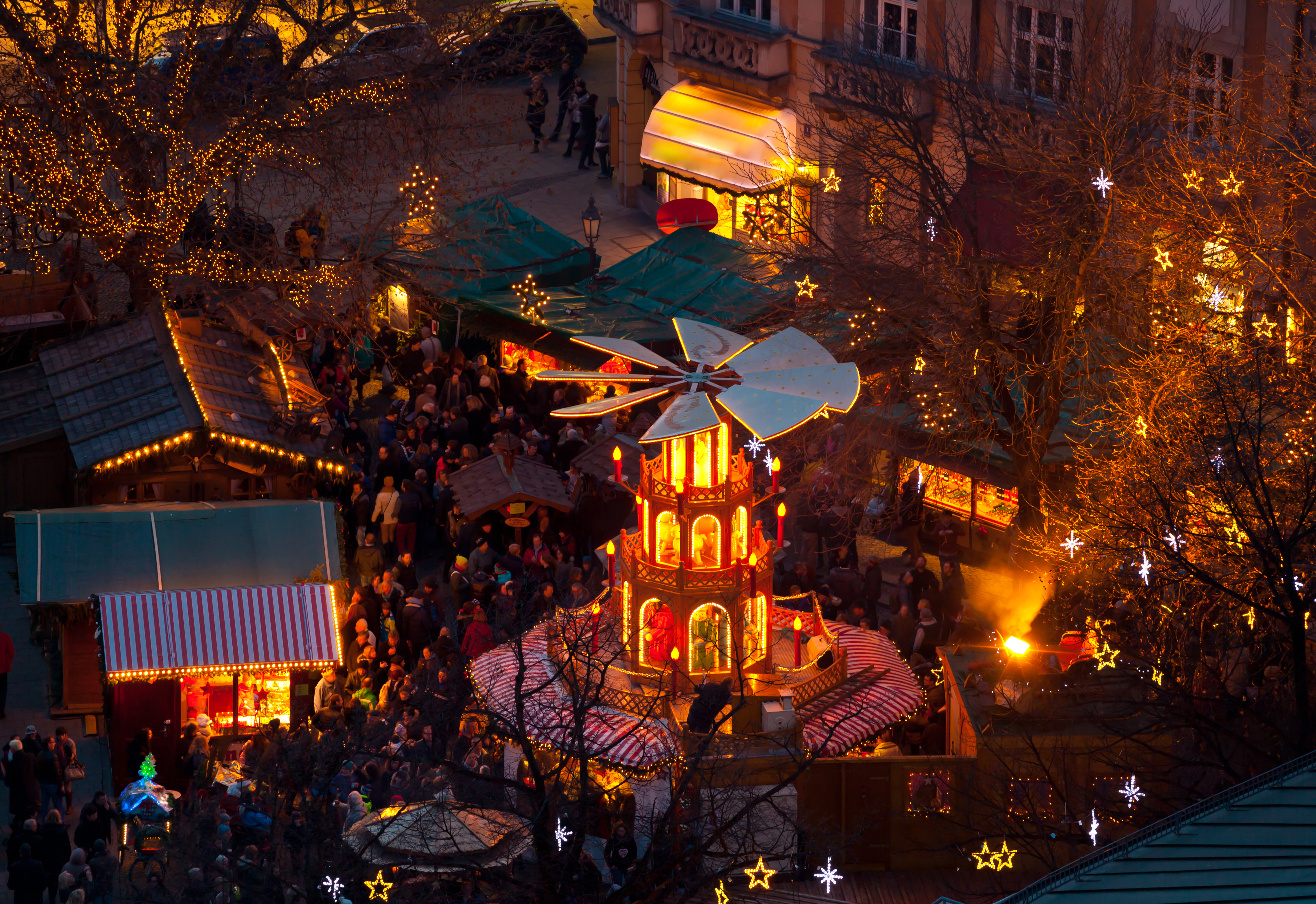
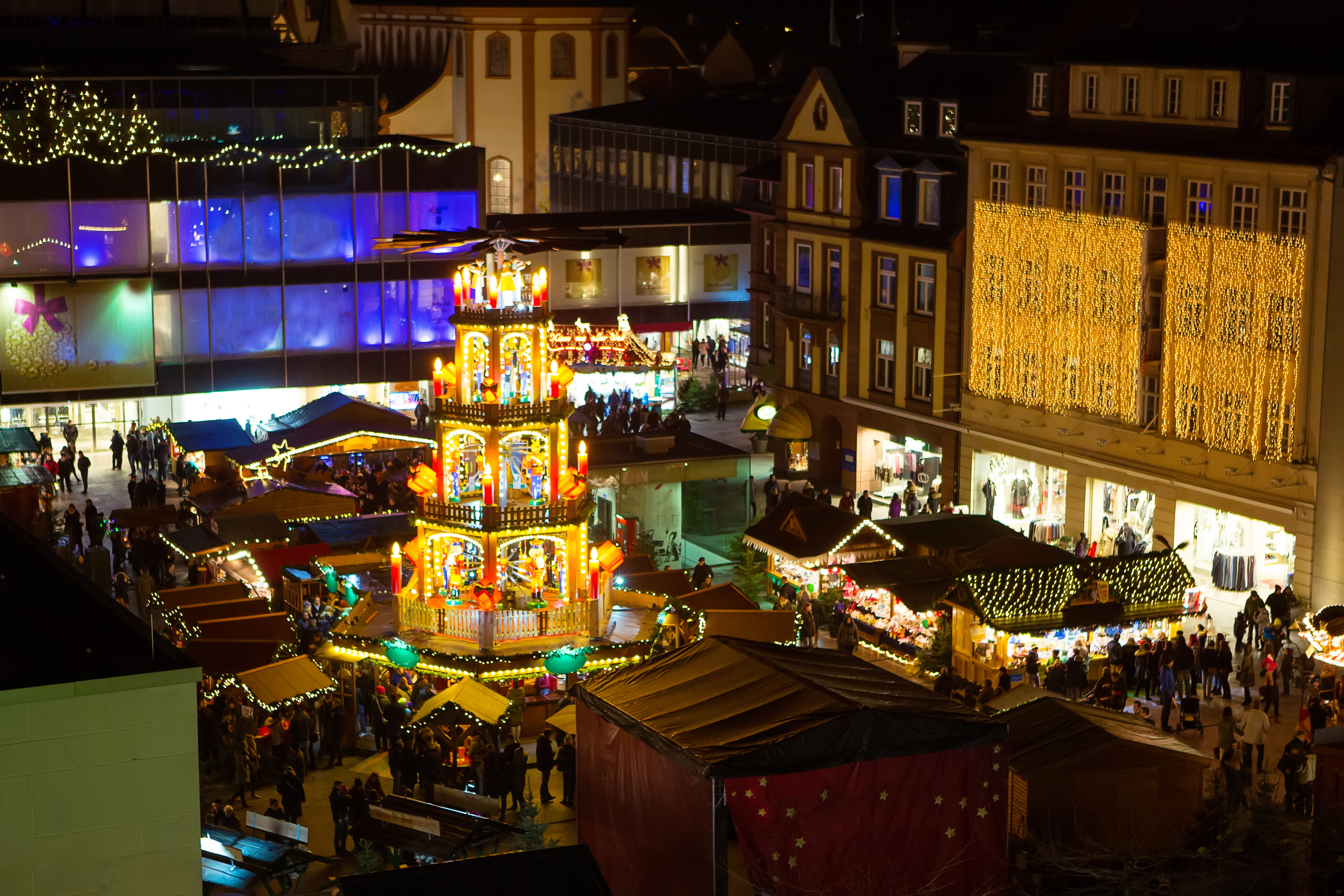
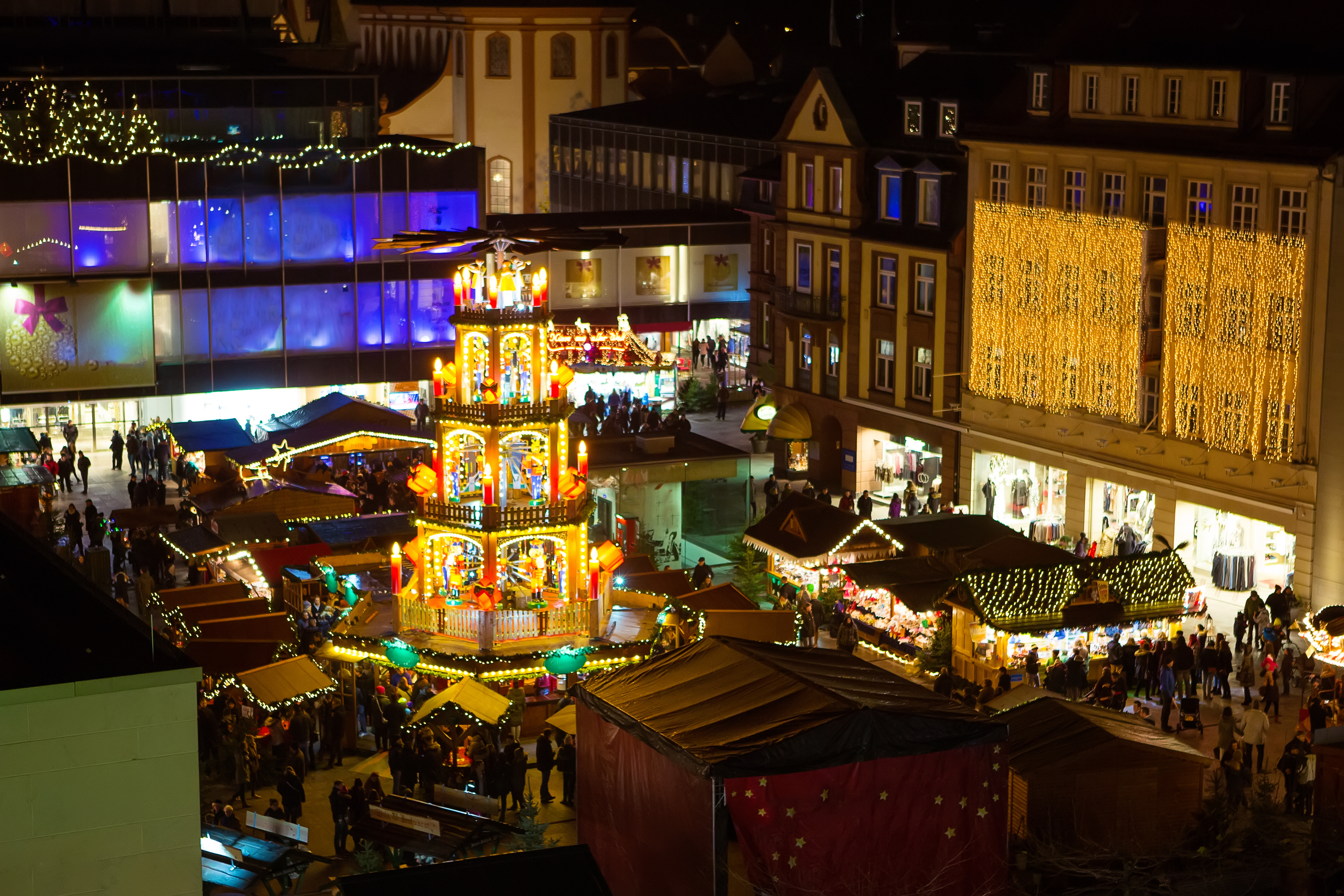
Theresienwiese also hosts other major events throughout the year that completely transform the site. Highlights include the Frühlingsfest (the lively Spring Festival, considered the little sister of the Oktoberfest) and the Tollwood Winter Festival, an event that turns this huge esplanade into a Christmas market during the Advent season, full of international crafts, organic food tents and live performances.
For its part, the summer edition of this same festival, the summer Tollwood, moves its stages, concerts and open-air markets to the surroundings of the Olympiapark, so it is very important not to confuse both locations or the dates depending on the time of year in which you make your trip.
From here you can return to the centre walking in about 15-20 minutes.
Karlsplatz and Neuhauser Straße
Continue to Karlsplatz, one of the largest, most monumental and busiest squares in the city, popularly known by the locals as Stachus. This corner stands out for its huge central fountain and for the Karlstor, one of the old medieval gates that gave access to the walled city.
Crossing this gate begins Neuhauser Straße, one of the main pedestrian and commercial avenues of the historic centre. This lively walk will take you directly towards Marienplatz, guiding you between imposing façades of historic buildings, iconic temples such as the Church of St. Michael and a wide variety of traditional restaurants. Due to its enormous offer of international brand shops and local businesses, it is an unbeatable area to do your last-minute shopping for the trip or to take home a souvenir of the city.
,regionOfInterest=(1700,1133.5))
,regionOfInterest=(1700,1133.5))
Dinner in a traditional brewery
Put the finishing touch to your 4-day trip to Munich with a final dinner in a traditional brewery, where, beyond the beer, you can enjoy some of the most representative dishes of Bavarian gastronomy, such as pork knuckle, sausages, sauerkraut, Spätzle or the famous pretzels. More than just a dinner, sitting in a traditional brewery will allow you to enjoy the relaxed and social atmosphere that is part of the local culture.
After dinner, you can take one last walk through Marienplatz to see the New Town Hall illuminated and say goodbye to the city with one of Munich's most iconic places as a backdrop.
To make it easier for you to plan each day, here are the maps with the Munich routes for each day and the recommended order of stops.
To get to know Munich in less than a week, it is important to organise each visit well and take advantage of the fact that a good part of the historic centre can be covered comfortably on foot.
These tips can help you ensure everything goes perfectly and leave as little as possible to improvisation:
This guide can serve as a base for knowing what to see in Munich during 4 days. Afterwards, you can adapt it to the type of trip you want to take, dedicating more time to museums, palaces, parks or Bavarian gastronomy.
,regionOfInterest=(2184,1456))
,regionOfInterest=(2184,1456))
,regionOfInterest=(2500,1667))
,regionOfInterest=(2500,1667))
,regionOfInterest=(1376,768))
,regionOfInterest=(1376,768))
,regionOfInterest=(632,423))
,regionOfInterest=(632,423))
,regionOfInterest=(2944,1656))
,regionOfInterest=(2944,1656))
,regionOfInterest=(1750,1575))
,regionOfInterest=(1750,1575))