,regionOfInterest=(2880,1920))
,regionOfInterest=(2880,1920))
Best golf courses in Estepona
,regionOfInterest=(3120,1755))
,regionOfInterest=(3120,1755))
Culture
,regionOfInterest=(3008,2008))
,regionOfInterest=(3008,2008))
Every autumn, Munich hosts one of the most famous popular celebrations in the world: the Oktoberfest. For just over two weeks, the Theresienwiese (meaning "Theresa's Meadow", and the large esplanade where the Oktoberfest is held, a tradition that began in 1810 with the wedding of the then Crown Prince Ludwig of Bavaria and Theresa of Saxe-Hildburghausen) becomes a huge fair where large beer tents coexist with Bavarian gastronomy, live music, attractions, and traditions that have been part of the city's identity for over two centuries. And although beer is one of its main protagonists, the Oktoberfest is also an opportunity to get closer to the culture and customs of Bavaria.
For just over two weeks, Munich is completely transformed. The city welcomes more than 6 million visitors from all over the world, the streets are filled with people dressed in dirndl and lederhosen, and the Theresienwiese becomes the setting for a huge popular festival with large tents, Bavarian gastronomy, music, attractions, and, of course, beer.
But what exactly is the Oktoberfest? When and where is it held? Why does it start in September if its name refers to October? How much does a beer cost? Is it necessary to book a table? Can you go with children?
In this guide, you will find all the information you need to prepare for your visit to the Oktoberfest, whether you are travelling specifically to Munich to enjoy the festival or if you are touring Bavaria and your trip coincides with these dates.
,regionOfInterest=(500,500))
,regionOfInterest=(500,500))
All-terrain writer specialising in tourism, fashion and trends. A curious soul, traveller, reader and sports enthusiast, keen to discover every corner of the world.
,regionOfInterest=(2313,1542))
,regionOfInterest=(2313,1542))
,regionOfInterest=(2653,1747))
,regionOfInterest=(2653,1747))
,regionOfInterest=(2150,1433))
,regionOfInterest=(2150,1433))
The Oktoberfest is the most famous popular festival in Munich and one of the most well-known traditional celebrations in Germany. Each year, millions of people come to the Theresienwiese, the large esplanade where the festival takes place and which the locals know simply as Wiesn. For just over two weeks, this space is filled with large tents, Bavarian gastronomy, music, attractions, and, of course, beer. In 2025, around 6.5 million visitors enjoyed the Oktoberfest.
Although internationally it is known as the beer festival, reducing the Oktoberfest solely to this drink would be falling quite short. The large tents combine beer and gastronomy with live music, while outside there is a huge fair with more than a hundred attractions, from Ferris wheels and traditional carousels to modern roller coasters. This mixture of tradition and entertainment is precisely one of the hallmarks of the Wiesn.
Its history dates back to 1810, when the then Crown Prince Ludwig of Bavaria married Theresa of Saxe-Hildburghausen. The celebrations ended on 17 October with a large horse race on a meadow located on the outskirts of Munich. The place was subsequently named Theresienwiese, "Theresa's Meadow", in honour of the bride, and the decision to repeat the race the following year gave rise to a tradition that continues more than two centuries later.
The name Oktoberfest literally means "October festival", although currently a good part of the celebration takes place in September. In 1872, the start of the festival was brought forward to take advantage of the milder weather of late summer and early autumn, but its original name was kept.
Today, the Oktoberfest is held at the Theresienwiese, a huge esplanade of about 42 hectares located near the centre of Munich. During the festival, this space is completely transformed with 14 large tents and 21 small ones, in addition to a historic area known as Oide Wiesn, where part of the aesthetics and traditions of the Oktoberfest from other eras are revived.
One of the most common questions about the Oktoberfest is when it is held and why, despite its name, most of the festival takes place during the month of September. The answer lies in a tradition that has been maintained for more than 150 years.
The Oktoberfest begins on the first Saturday after 15 September and ends on the first Sunday in October, so the dates change slightly each year. The reason why it was brought forward to September was, mainly, to take advantage of more pleasant temperatures and more hours of light than in October.
The official inauguration takes place at 12:00 midday in the Schottenhamel tent. There, the Mayor of Munich taps the first barrel of beer with a hammer and utters the famous "O'zapft is!", which means "It is tapped!". This moment officially marks the beginning of the festival and, from then on, the large tents can start serving beer.
In 2026, the Oktoberfest will be held from 19 September to 4 October.
,regionOfInterest=(1433.5,2150))
,regionOfInterest=(1433.5,2150))
Another frequent question is how long the Oktoberfest lasts. Usually, the festival lasts for 16 days, although some editions can reach 17 or even 18 days when the calendar makes the first Sunday in October coincide with German Unity Day, on 3 October.
The Oktoberfest is held at the Theresienwiese, a large esplanade located to the southwest of Munich's historic centre. This space gets its name from Princess Theresa of Saxe-Hildburghausen, wife of the then Crown Prince Ludwig of Bavaria. It was precisely here that the celebration that gave rise to the festival took place.
The Theresienwiese is huge and during the beer festival it is completely transformed. The large Oktoberfest tents, small gastronomic huts, sweet stalls, attractions, and different spaces dedicated to the celebration are installed there.
You will also find the Bavaria statue, a monumental figure that dominates the western end of the grounds and has become one of the symbols of this area of Munich.
The true origin of the Oktoberfest is very far from the large beer mugs and the huge tents that we associate with the festival today. It all began in 1810, with the wedding of the then Crown Prince Ludwig of Bavaria, future King Ludwig I, and Princess Theresa of Saxe-Hildburghausen. The wedding was celebrated on 12 October and the festivities lasted for several days, with different events open to the inhabitants of Munich.
The final touch came on 17 October, when a large horse race was organised on a meadow located then on the outskirts of the city. The celebration was such a success that it was decided to repeat the race the following year, beginning a tradition that would end up becoming the Oktoberfest. In honour of the bride, that meadow received the name Theresienwiese, "Theresa's Meadow", a name it currently retains.
The second Oktoberfest, held in 1811, already incorporated a novelty: an agricultural exhibition intended to showcase the advances and products of Bavarian agriculture. During the following decades, new elements appeared that today are inseparable from the festival. In 1818, the first carousel and two swings arrived, while fairground attractions gradually increased. Beer also gained prominence and, from 1896, the small beer huts were replaced by the first large tents linked to the Munich breweries.
That is how a celebration organised to commemorate a royal wedding ended up transforming, over the centuries, into one of the largest popular festivals in the world. And although today beer is one of its great symbols, the horse races, agriculture, and fairground attractions are part of a history much older than the current Oktoberfest tents.
,regionOfInterest=(2150,1433))
,regionOfInterest=(2150,1433))
This is probably one of the most curious questions about the festival: why is the Oktoberfest held in September if it is called Oktoberfest? The explanation is quite simple.
During its first editions, the celebration mainly took place in October. However, in 1872 the start was brought forward to September to take advantage of the longer days and better weather of the Bavarian autumn.
The tradition kept the original name and, since then, the Oktoberfest begins in mid-to-late September and ends during the first days of October.
The best way to understand the Oktoberfest is to imagine a huge traditional Bavarian fair that combines a popular festival with a gastronomic and beer celebration with a very lively atmosphere.
On the grounds you will find:
The good thing is that you don't have to be a big beer fan to enjoy the experience. In fact, you can simply go to learn about one of the most important traditions in Bavaria, try its gastronomy, go on an attraction, or just observe the atmosphere.
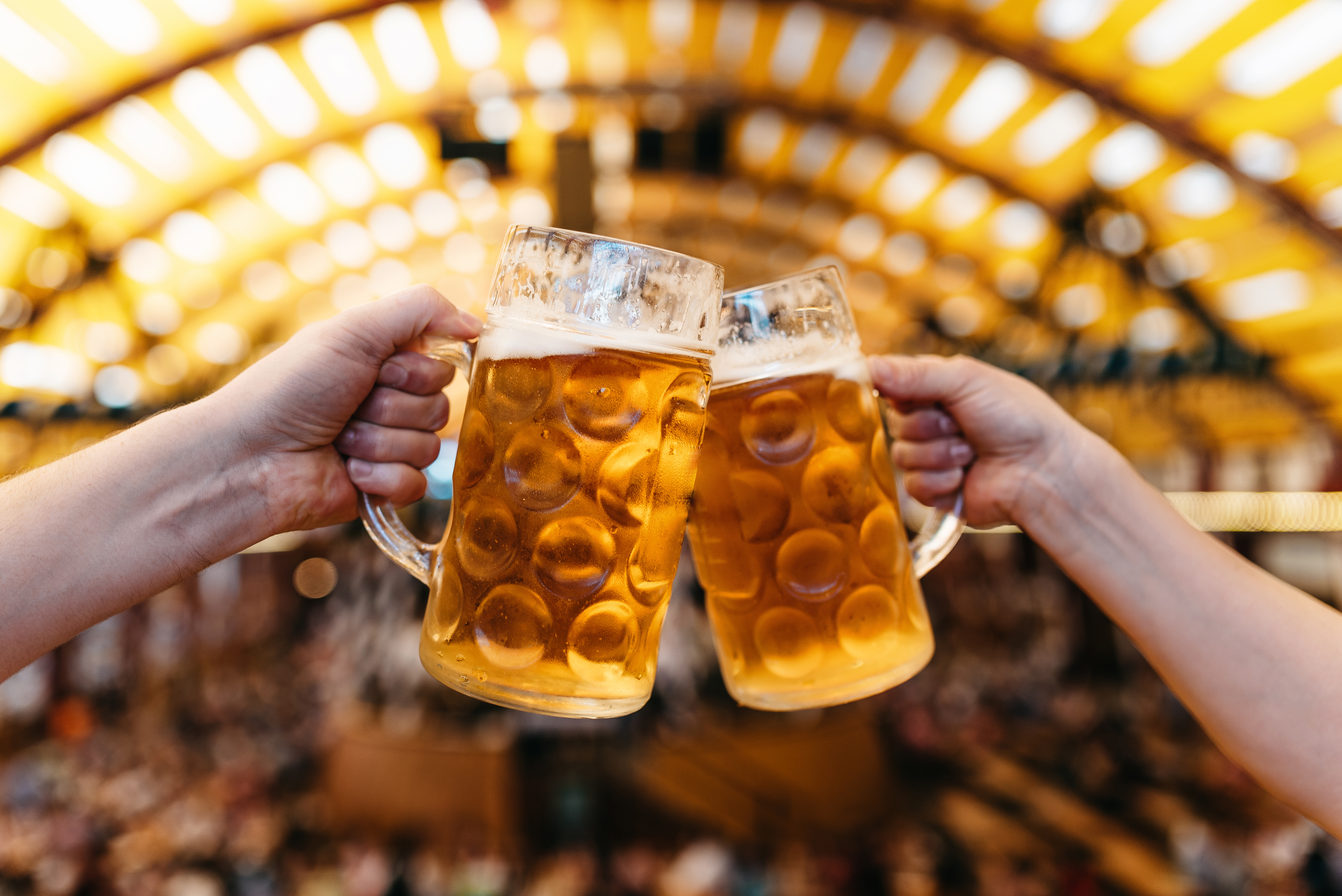
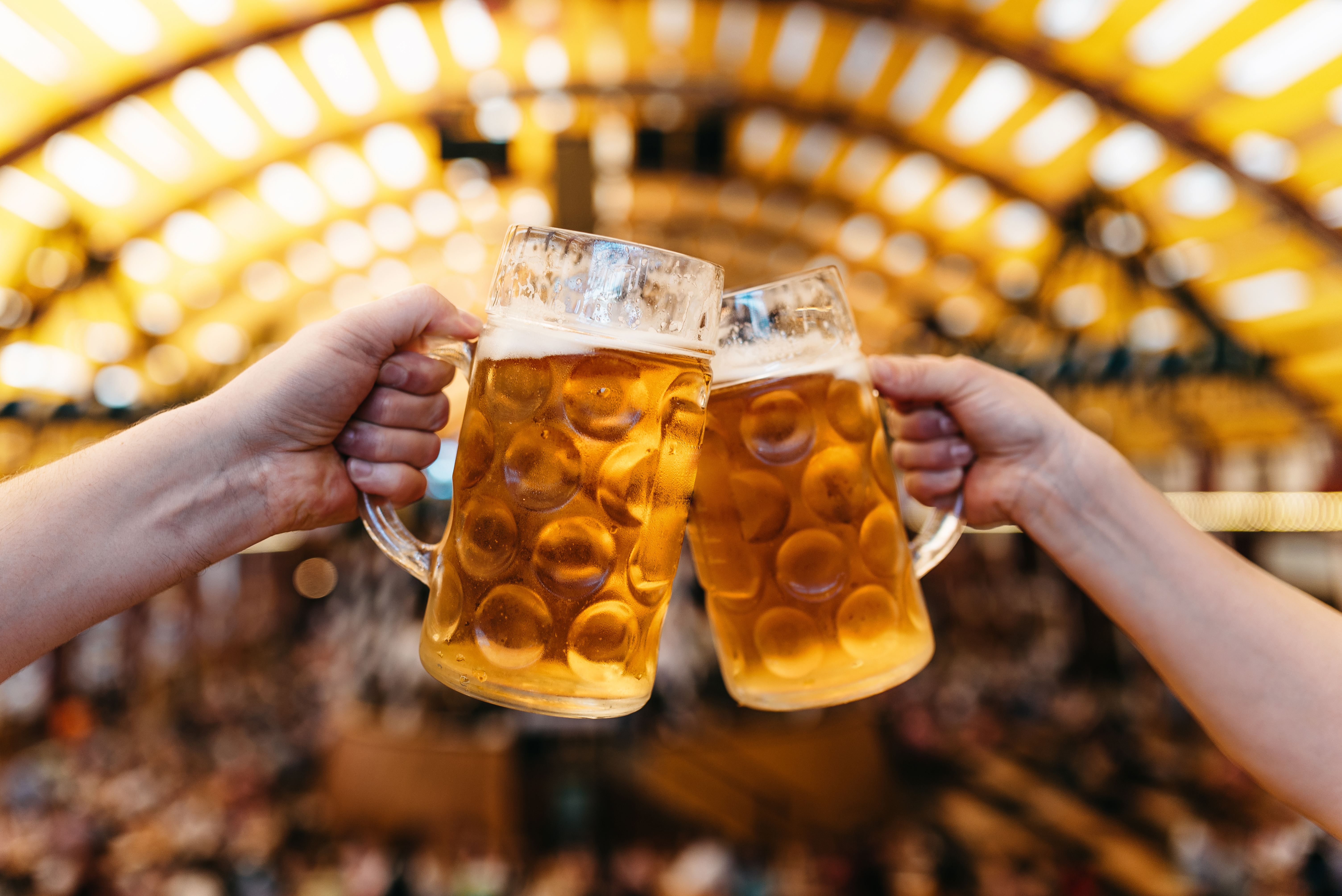
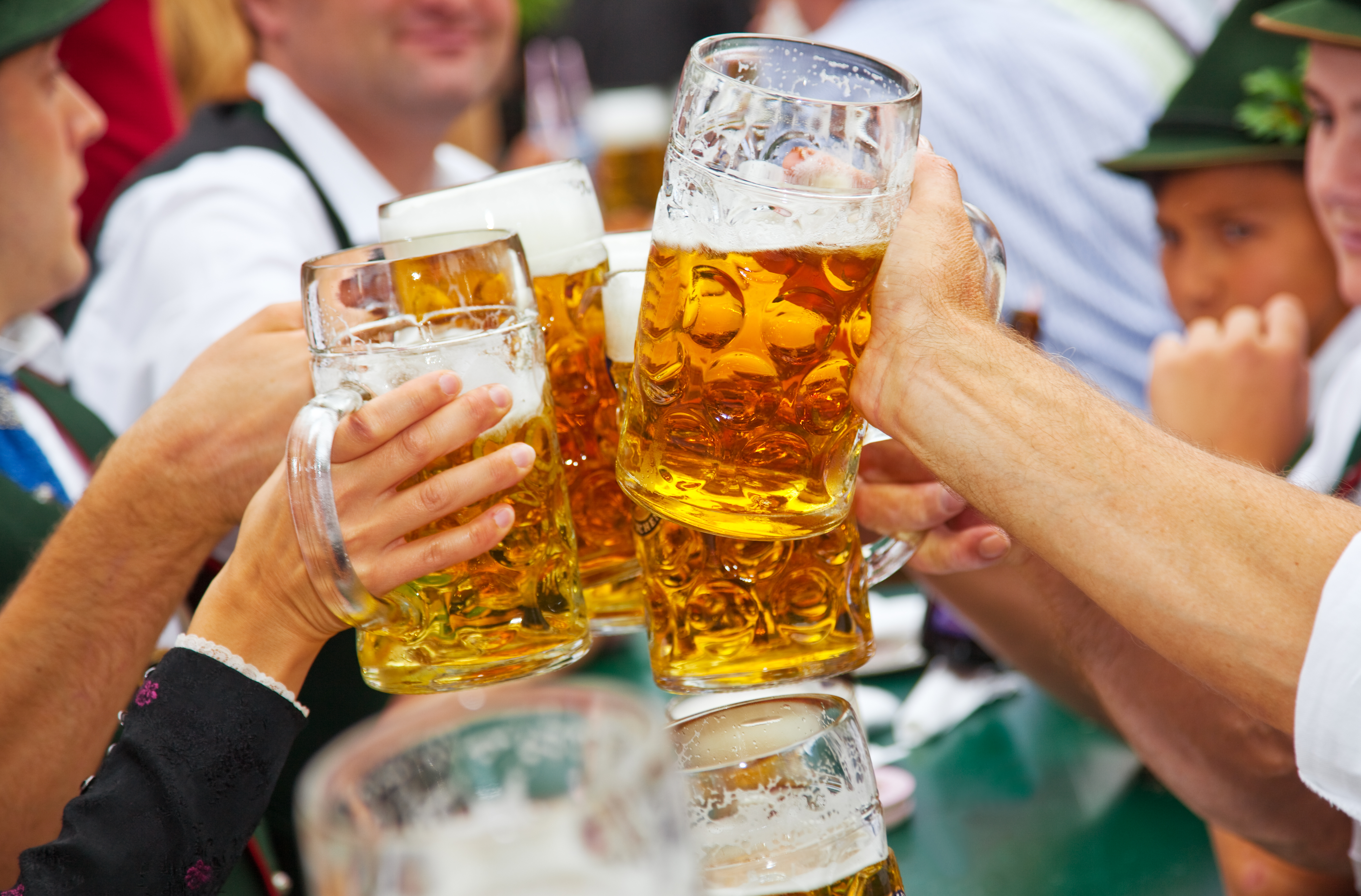
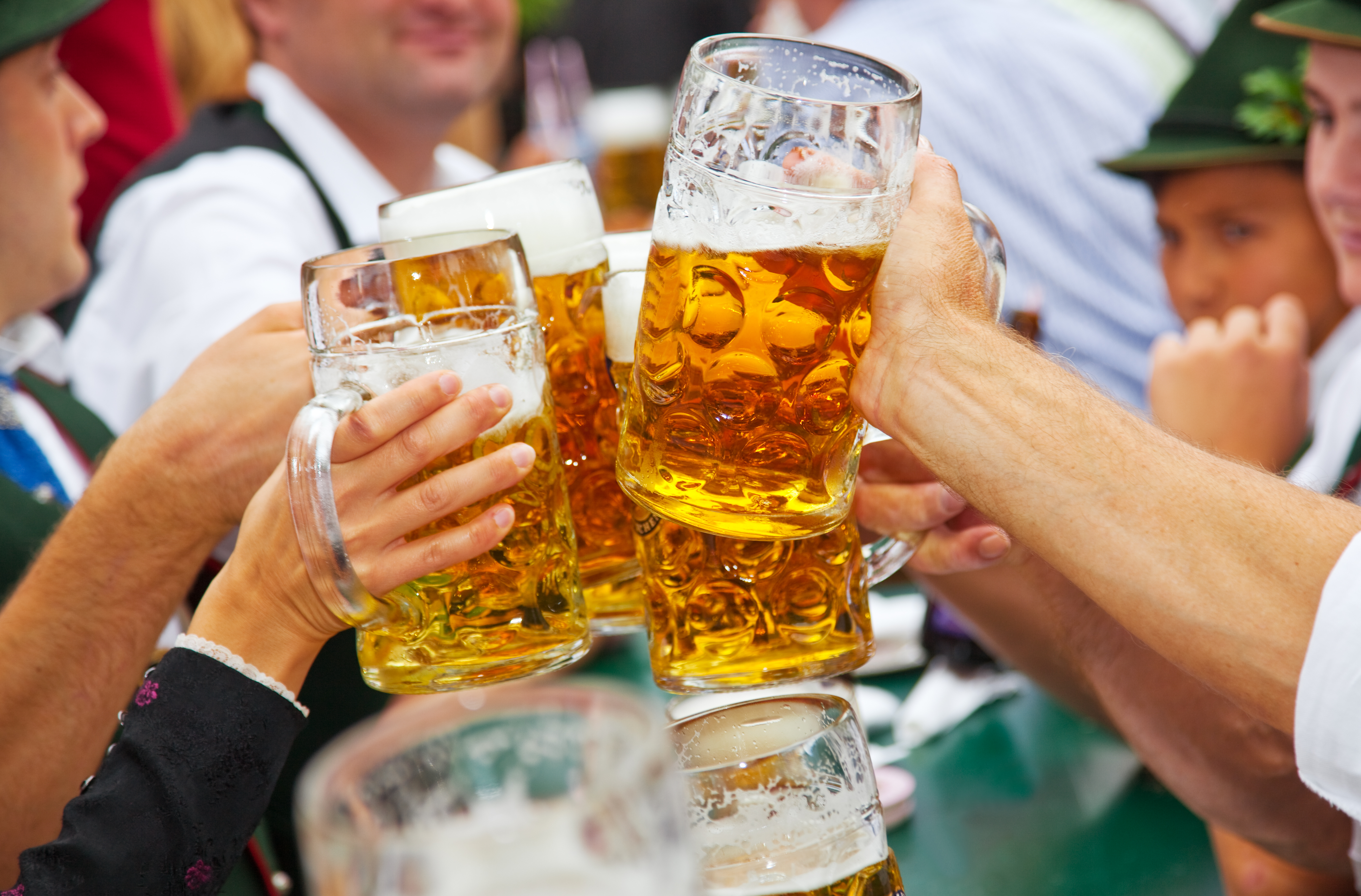
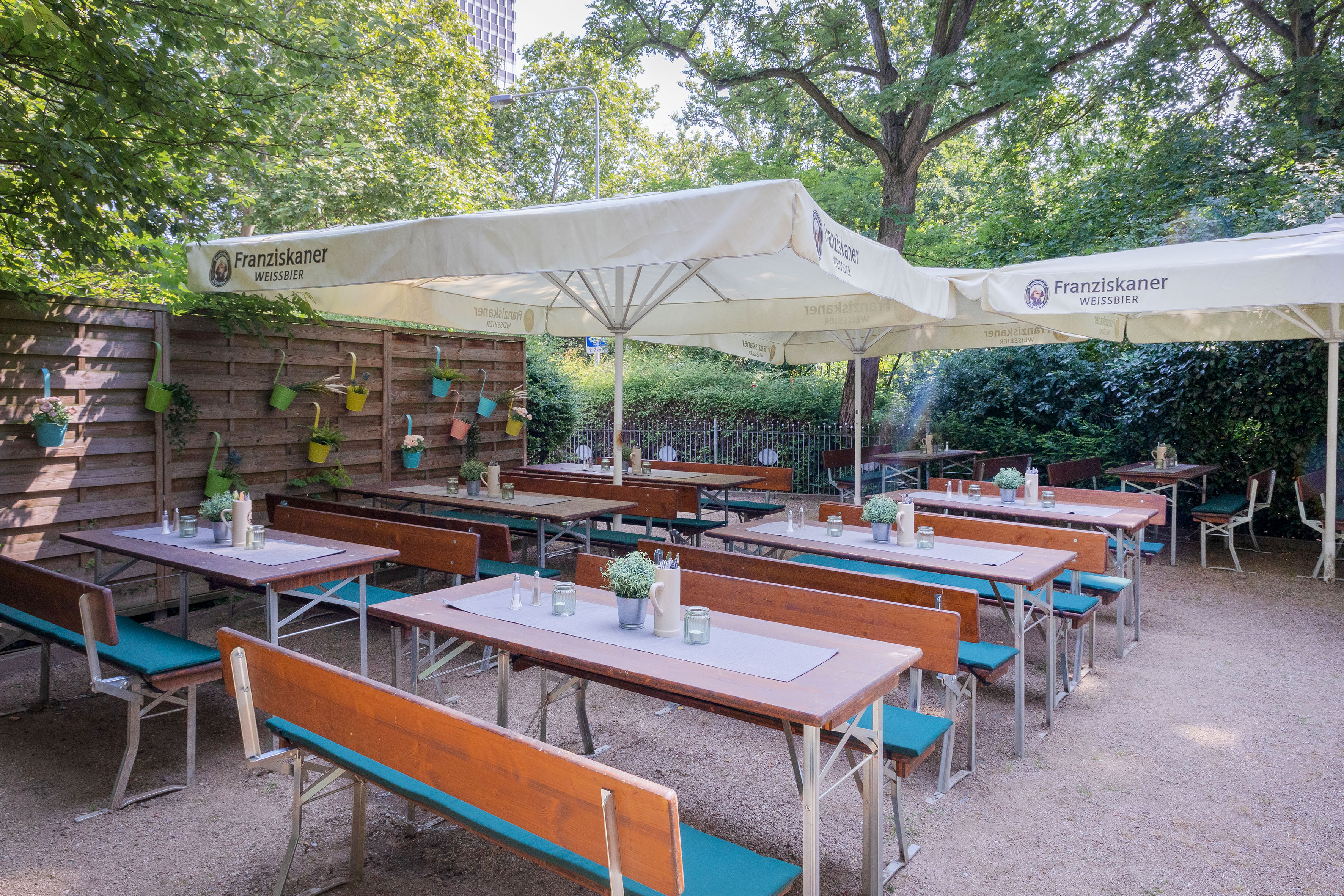
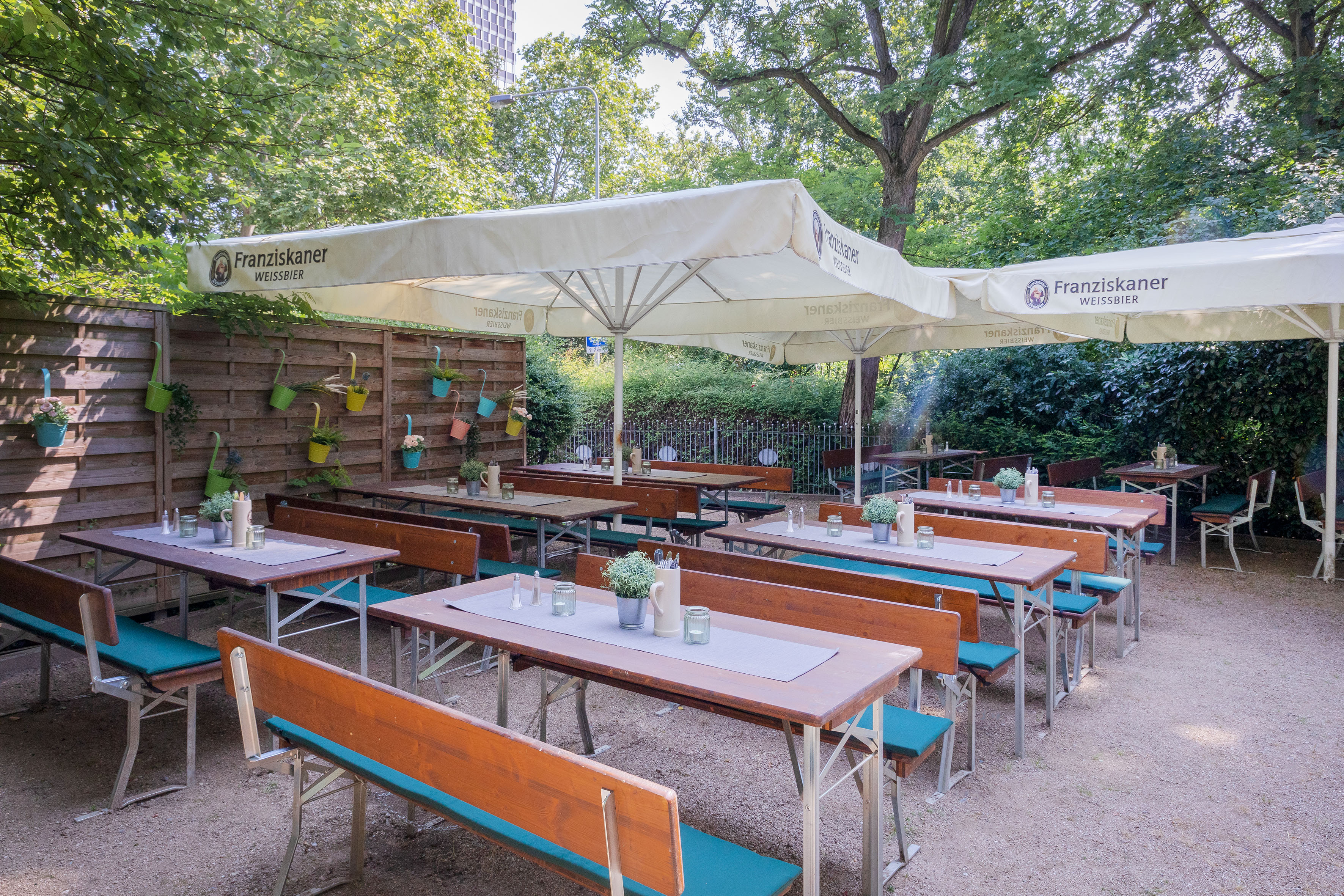
One of the most characteristic experiences of the Oktoberfest is entering one of its large tents. Although from the outside they may seem similar, each one has its own personality, from the most traditional to those that offer a particularly lively and festive atmosphere. Inside you will find long shared tables, live music, Bavarian gastronomy, and waiters who serve beer in the traditional Maß (traditional mug) of one litre.
In total, the Oktoberfest has 14 large tents and 21 small ones, to which are added three others in the historic area of the Oide Wiesn. Not all of them have the same atmosphere or offer exactly the same experience, so it is worth knowing some of the most iconic ones before deciding where to spend part of the festival.
The Schottenhamel-Festhalle is one of the most important tents at the Oktoberfest because it is here that the festival officially begins. On the first Saturday, at 12:00 midday, the Mayor of Munich taps the first barrel of beer uttering the famous "O'zapft is!", which means "It is tapped!". Only after this moment does beer service begin in the tents.
For this reason, the Schottenhamel has a particularly symbolic role during the inauguration. If you want to experience that moment, keep in mind that it is also one of the days with the highest attendance and that the tents can quickly reach their maximum capacity.
The Hofbräu-Festzelt is the second largest tent at the Oktoberfest and can accommodate around 10,000 people. It is known for its particularly lively atmosphere and its international character: visitors from all over the world gather here to enjoy the music and Hofbräu beer.
One of its most striking features is the open space that surrounds the stage, which allows you to enjoy the music and the atmosphere in a more dynamic way than in other tents. Its decoration with hop bines and the large figure of the angel Aloisius that presides over the interior also stands out. The music combines traditional songs with international hits, making it one of the most interesting options if you are looking for a particularly festive atmosphere.
The Augustiner-Festhalle is one of the large tents that best preserves the link with the brewing tradition of Munich. One of its peculiarities is that Augustiner beer is served directly from 200-litre wooden barrels, something that differentiates it from most of the other tents.
In addition to the beer, the tent stands out for its family atmosphere and its particularly careful service. It is a good option if you are looking for a somewhat more traditional experience and want to get to know one of the historic breweries of Munich in the context for which the Oktoberfest was conceived.
The Hacker-Festzelt is one of the most visually recognisable tents at the Oktoberfest. Its ceiling is decorated with a large blue sky dotted with white clouds, a set design that aims to create the feeling of celebrating the festival in the open air. The organisation itself presents it as the "Bavarian heaven".
Its decoration is not the only thing that makes it special. The Hacker-Festzelt is also known for its lively atmosphere and tends to fill up quite early, especially during the days of highest attendance. Therefore, if you want to see it, it is not advisable to wait until the last minute to try to enter.
,regionOfInterest=(1433.5,2150))
,regionOfInterest=(1433.5,2150))
You do not need to book to enter the Oktoberfest. Access to the grounds is free and you can walk around freely. Getting a table inside a tent is a different matter. My recommendation is that you book, especially if you are going in a group or if you want to guarantee a seat in a specific tent.
Access to the grounds is free, but once inside you will have to pay for food, drinks, attractions, and any other service you wish to use.
The price of beer is not exactly low either. In 2026, a Maß - the traditional one-litre mug - costs between 14.80 and 15.90 euros, depending on the tent.
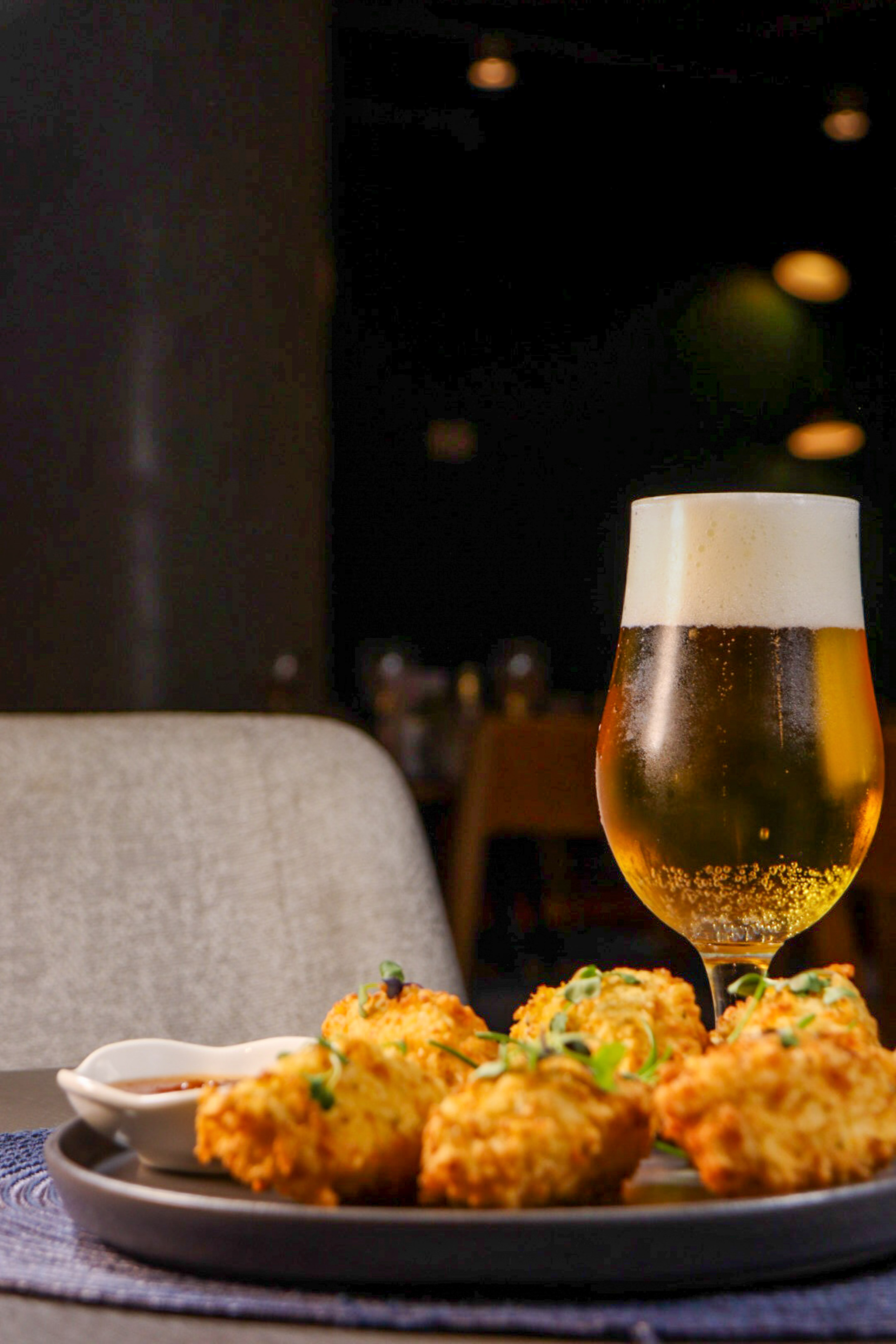
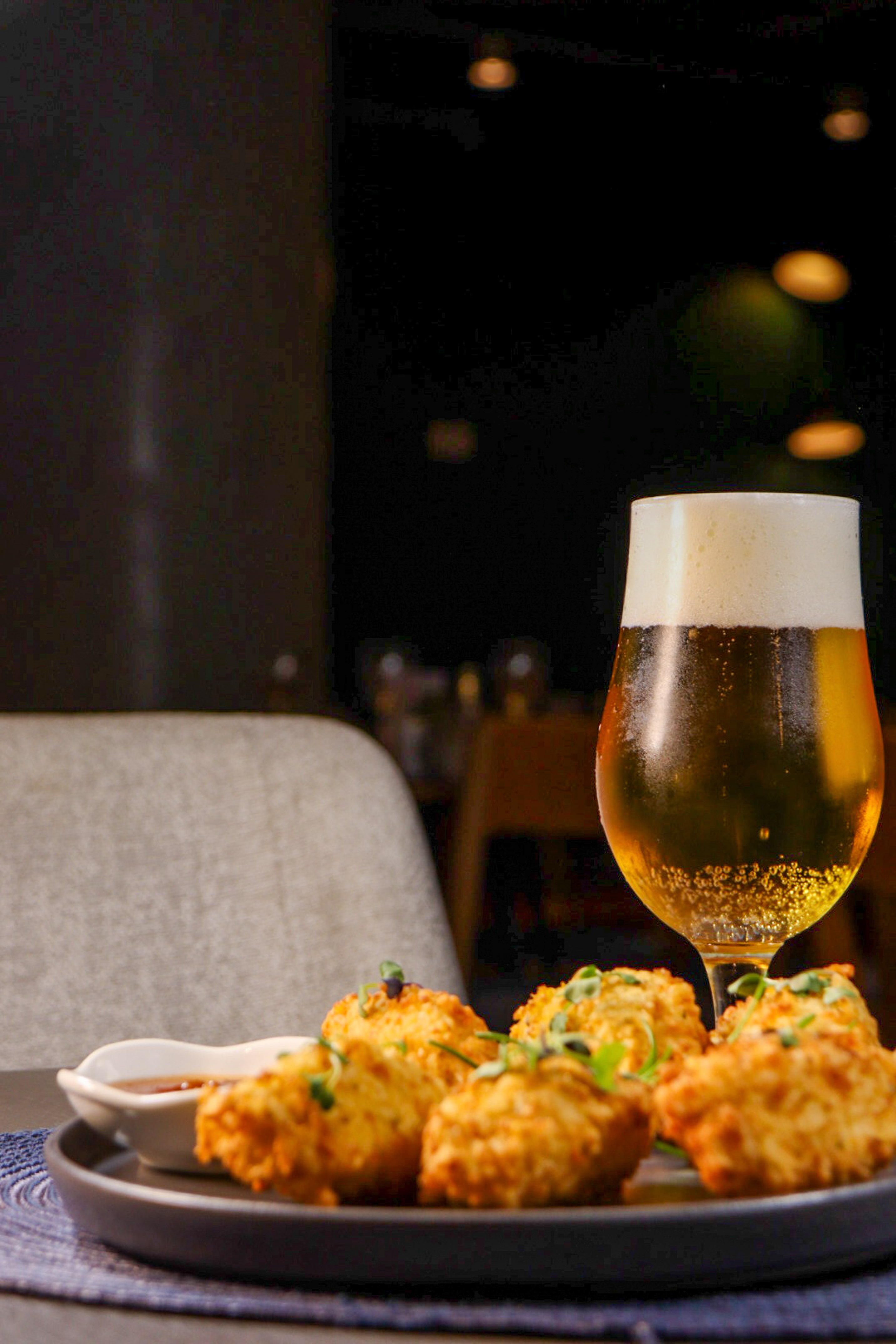
Gastronomy plays a leading role in the Munich beer festival. Oktoberfest food is hearty, traditional, and designed to accompany long hours of partying.
At the stalls and inside the tents you will find local culinary delights such as:
You don't need to sit in a large tent to eat well. Outside you will find multiple stalls where you can buy something quick and continue exploring the grounds.
,regionOfInterest=(1771.5,1181))
,regionOfInterest=(1771.5,1181))
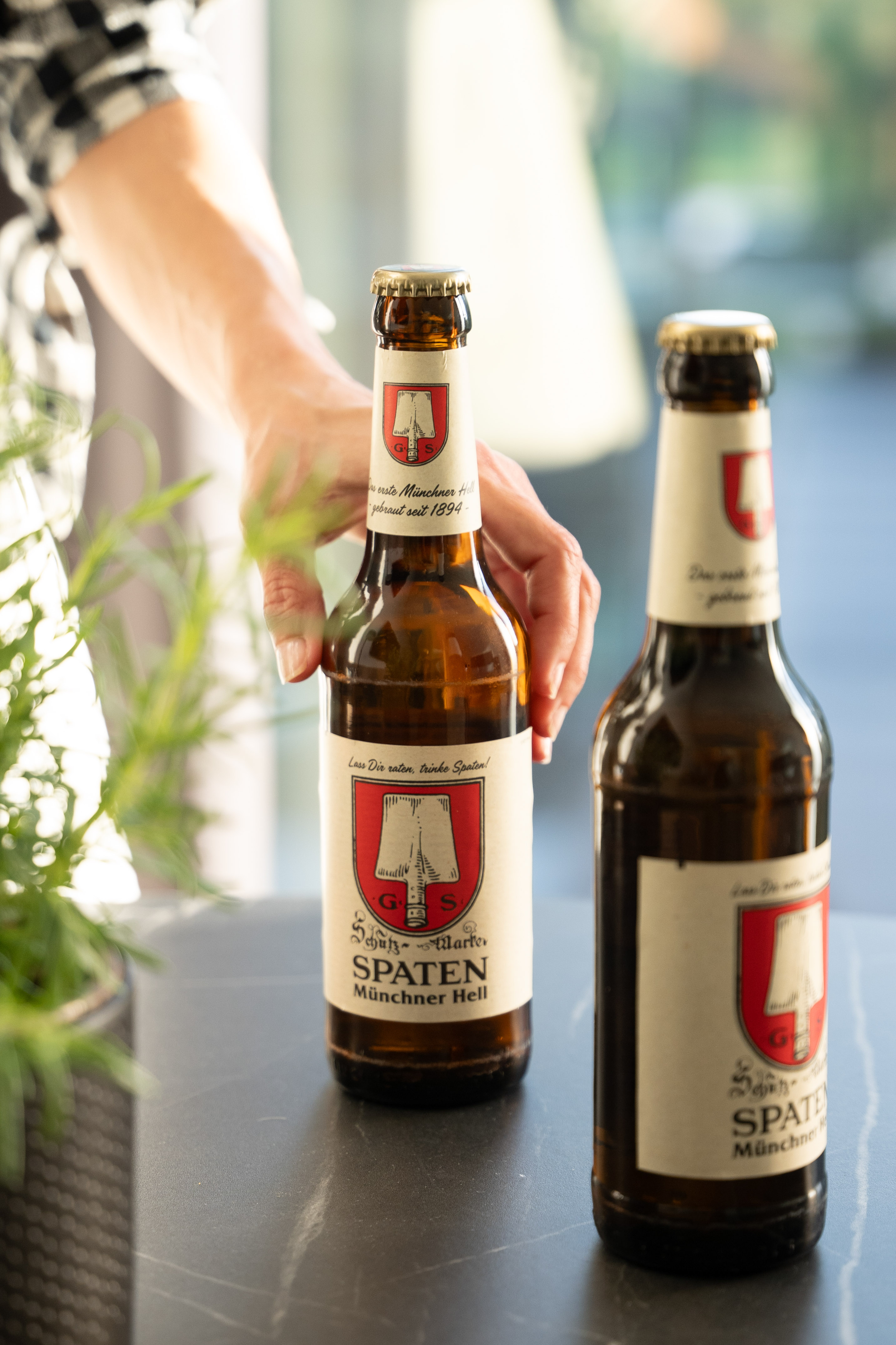
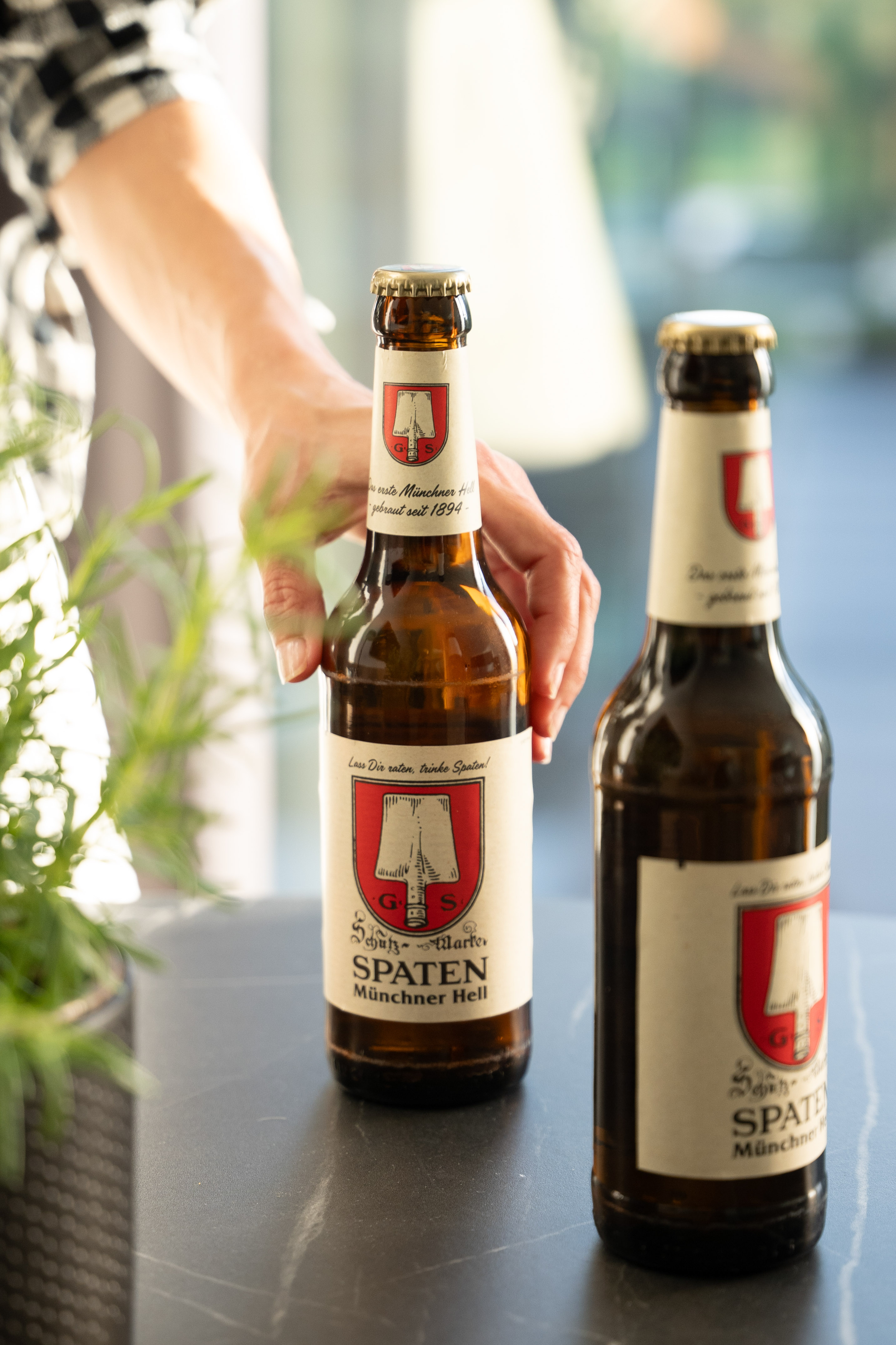
Beer is, evidently, one of the great protagonists. But not just any beer can be considered official Oktoberfest beer.
In accordance with strict municipal regulations, only the six historic breweries belonging to the select Club der Münchner Brauereien are permitted to be served at the festival:
This special beer, called Märzen or Oktoberfestbier, is brewed under the iconic Bavarian Purity Law of 1516 (Reinheitsgebot). It has a bright golden tone, a gently sweet malt flavour, and a slightly higher alcohol content than conventional lager (between 5.8% and 6.3% ABV), so I recommend enjoying it in moderation.
It is served exclusively in the famous one-litre glass mug, known locally as Maß (pronounced "mas").
Although there is no mandatory dress code and you can perfectly well attend in street clothes, the traditional Bavarian costume, known as Tracht, has become one of the most recognisable images of the Oktoberfest. During the festival, it is common to see both locals and visitors dressed in these garments, which help maintain the traditional character of the celebration and provide one of its most characteristic scenes.
For men, the most representative attire is the Lederhosen, leather trousers that were traditionally used for work and outdoor activities due to their durability. They are usually combined with a shirt, high socks, and the traditional Bavarian shoes known as Haferlschuhe. They can currently be found in different colours and with decorative embroidery.
In the case of women, the star garment is the Dirndl, a traditional dress consisting of a blouse, bodice, skirt, and apron. There are also numerous designs and styles, although all maintain this characteristic structure. A curious detail is the position of the apron bow: traditionally, wearing it on the left was associated with being single and on the right with being married or in a relationship.
,regionOfInterest=(1771.5,1186))
,regionOfInterest=(1771.5,1186))
During the two weeks of celebration, different events are organised that are part of the tradition.
This is one of the most important moments. It is held on the first Saturday and culminates with the tapping of the first barrel at the Schottenhamel.
The traditional inaugural parade travels through the streets of Munich before reaching the Theresienwiese. Floats, horses, brass bands, and participants dressed in traditional costumes are part of the celebration.
Another of the great events is the traditional regional costume parade, which brings together participants from different areas of Germany and other European territories.
The bands from the different tents participate in a large open-air concert that offers a very different image of the festival.
Although the international image of the Oktoberfest is very much related to beer, it is also a popular festival that can be enjoyed as a family. In fact, the grounds have attractions and proposals especially designed for the little ones.
Tuesdays are traditionally celebrated as the so-called family days, during which some attractions and activities offer special conditions for families.
If you are travelling with young children, also keep in mind the restrictions on access with pushchairs. Pushchairs are permitted under certain conditions, but they cannot enter the grounds on Saturdays or 3 October, and there are time restrictions on other days.
One of the greatest advantages of the celebration is that the Theresienwiese is located very close to the centre of Munich. Therefore, the most recommended option is to use public transport.
The Theresienwiese and Schwanthalerhöhe stations, connected by the U4 and U5 lines, are the most direct options. You can also use the U3 and U6 lines and get off at Goetheplatz or Poccistraße.
Another alternative is to use any of the S-Bahn lines that pass through Hackerbrücke. From there, you can walk to the grounds in approximately 10 minutes.
If you arrive in Munich by train, you don't need to take a taxi either. From München Hauptbahnhof you can walk to the Theresienwiese in about 10-15 minutes.
It is not the best option, as during the Oktoberfest there are significant traffic restrictions around the Theresienwiese and there are no specific parking spaces for the festival.
Opening hours vary depending on the day and the area of the grounds.
During 2026, the grounds are open from Monday to Thursday from 10:00 and remain open until 23:30. On Fridays, it operates until midnight, on Saturdays from 9:00 to 00:00, and on Sundays from 9:00 to 23:30.
The large tents normally operate until 23:30, although beer service ends earlier, around 22:30. Some exceptions, such as Käfer Wiesn-Schänke and Kufflers Weinzelt, may extend their activity until the early hours.
,regionOfInterest=(1433,2150))
,regionOfInterest=(1433,2150))
There is no single answer. It depends on what you are looking for.
If you want to experience the Oktoberfest in its full splendour, the weekend offers a very intense experience, although it is also when you will find the largest number of visitors.
If you prefer to enjoy it more calmly, I would choose a weekday, especially first thing in the morning.
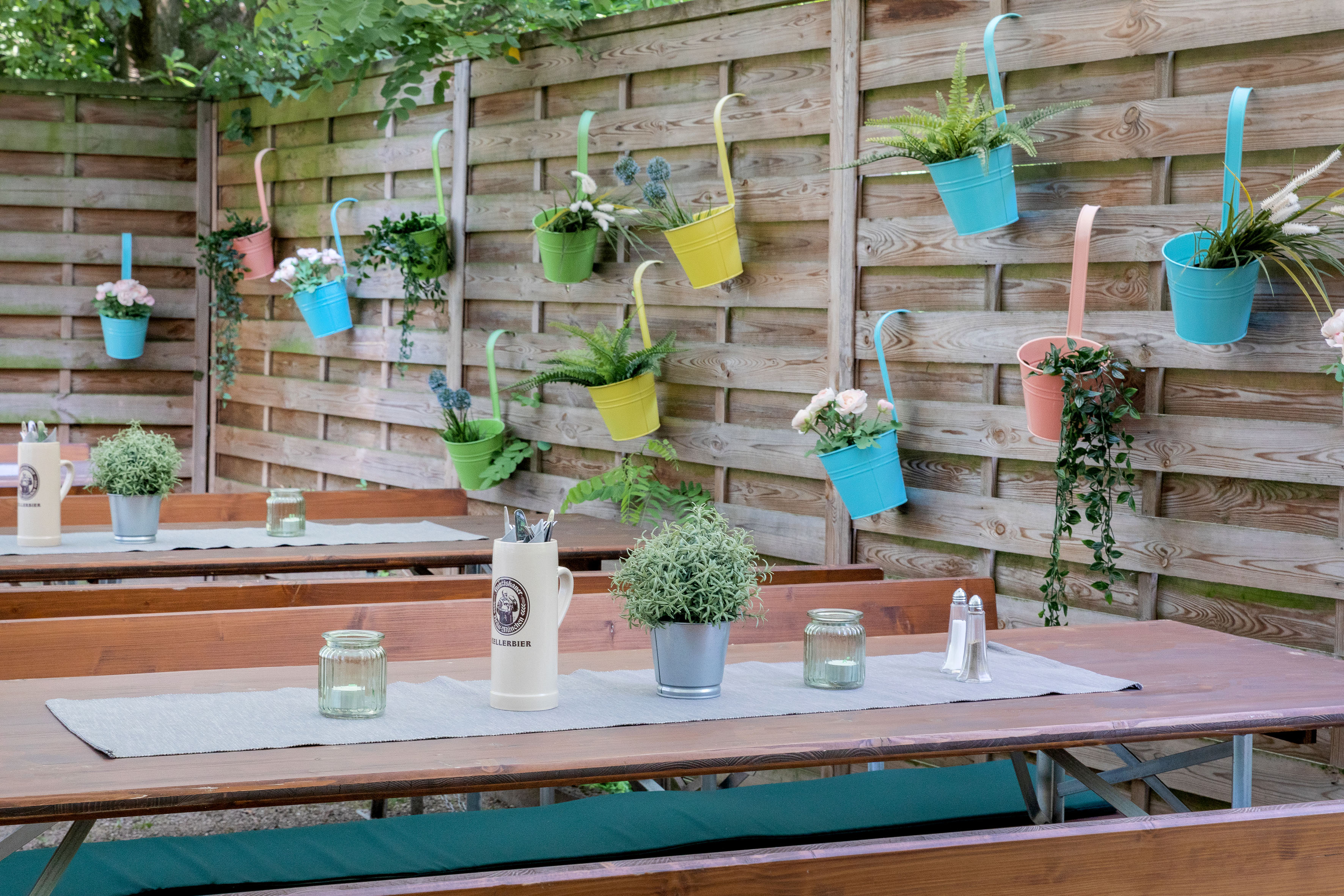
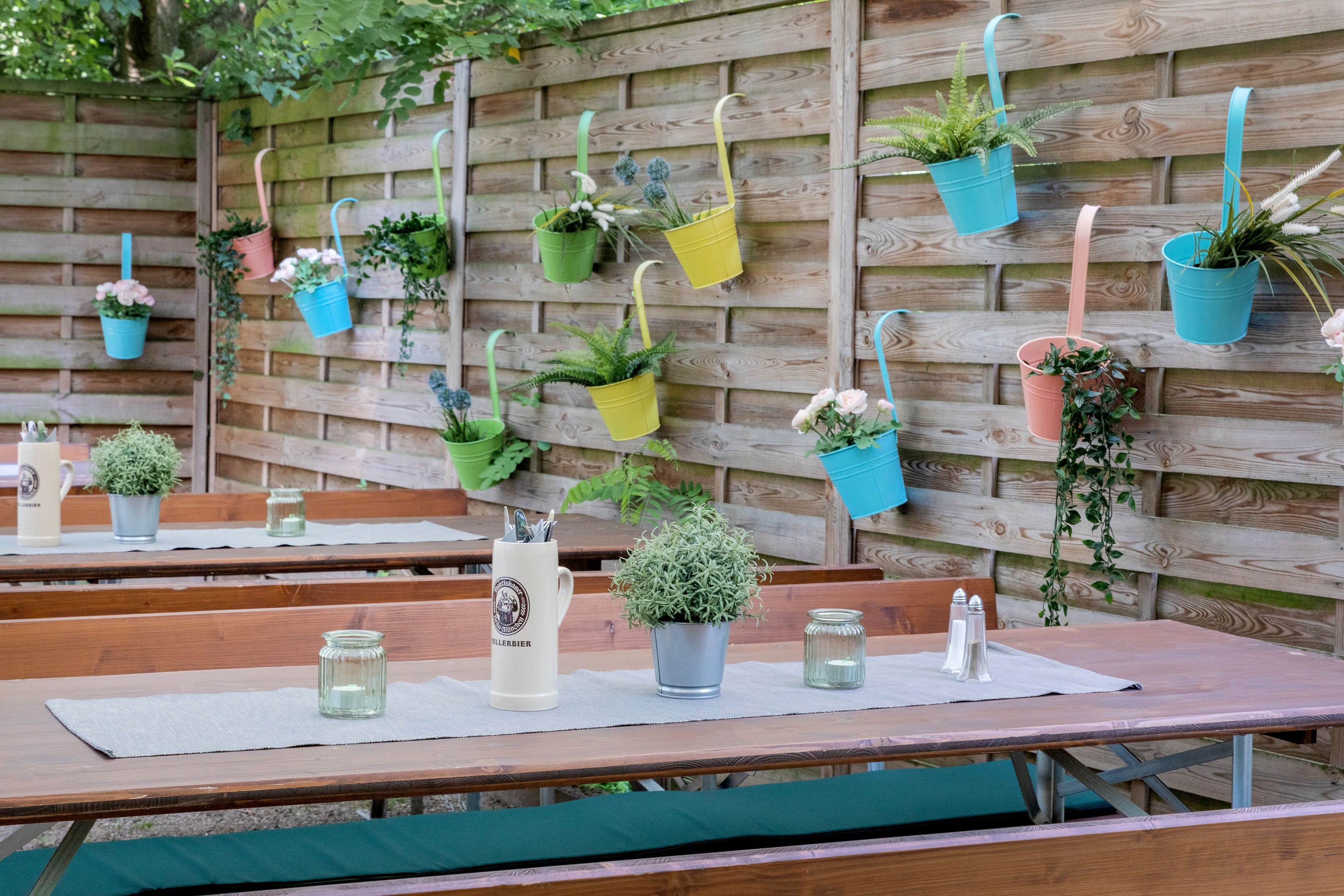
If it is your first time, here are some practical recommendations to make the most of the beer festival:
,regionOfInterest=(1771.5,1181))
,regionOfInterest=(1771.5,1181))
The history of this celebration is full of small details that are worth knowing.
If you are going to travel to Bavaria during these dates, you can take the opportunity to see other destinations in the region.
Although Munich is the most obvious starting point, other places such as Füssen, Augsburg, Memmingen, Passau, or the surroundings of the Bavarian Alps can perfectly complement your trip.
A good option is to book several days for Munich and dedicate time to discovering villages, castles, and landscapes of Bavaria.
However, keep in mind that during the Oktoberfest hotel demand increases considerably, so it is advisable to book accommodation and transport well in advance.
,regionOfInterest=(2880,1920))
,regionOfInterest=(2880,1920))
Here is the Oktoberfest map with the exact location of the Theresienwiese, the grounds where the beer festival takes place.
,regionOfInterest=(1750,1167.5))
,regionOfInterest=(1750,1167.5))
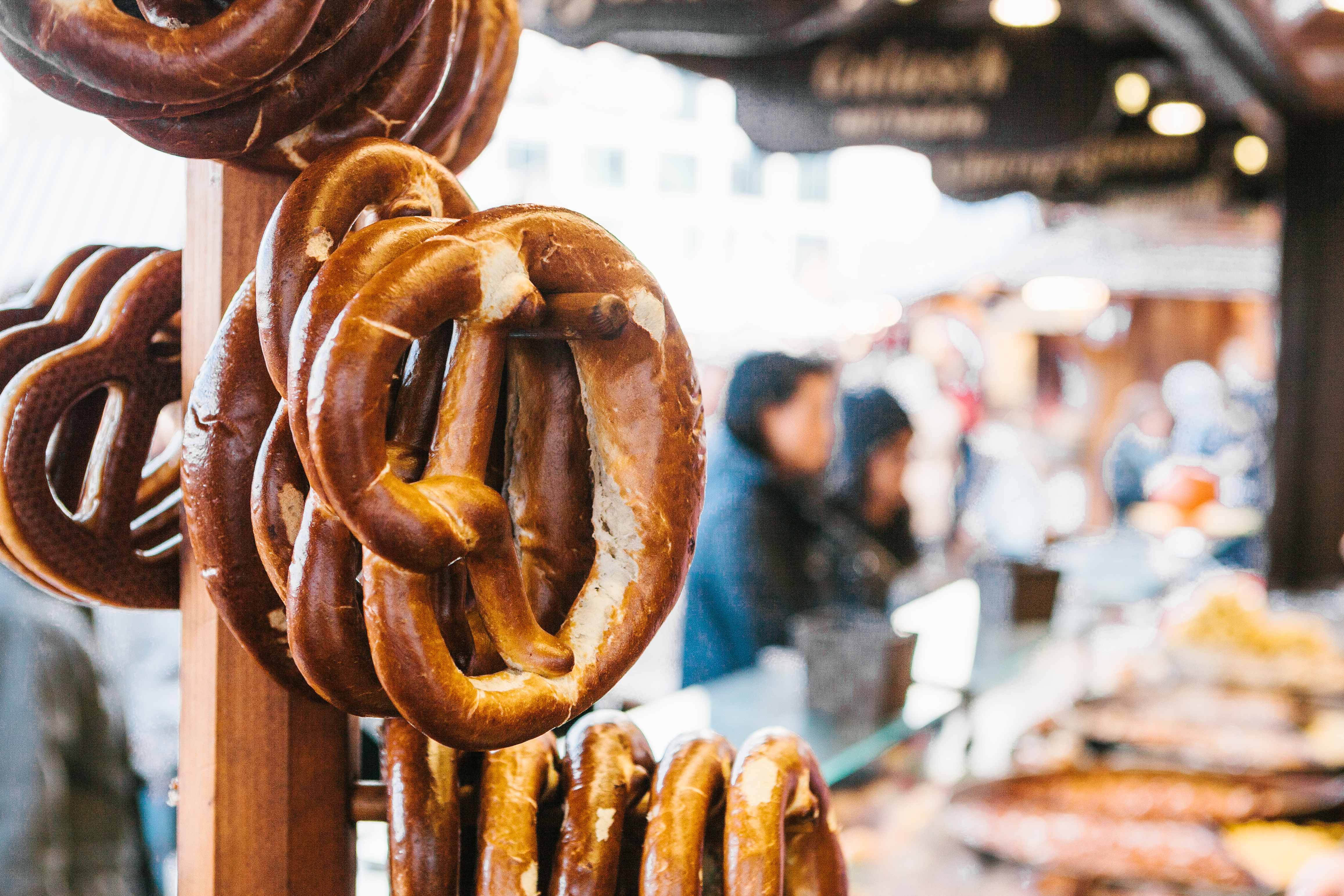
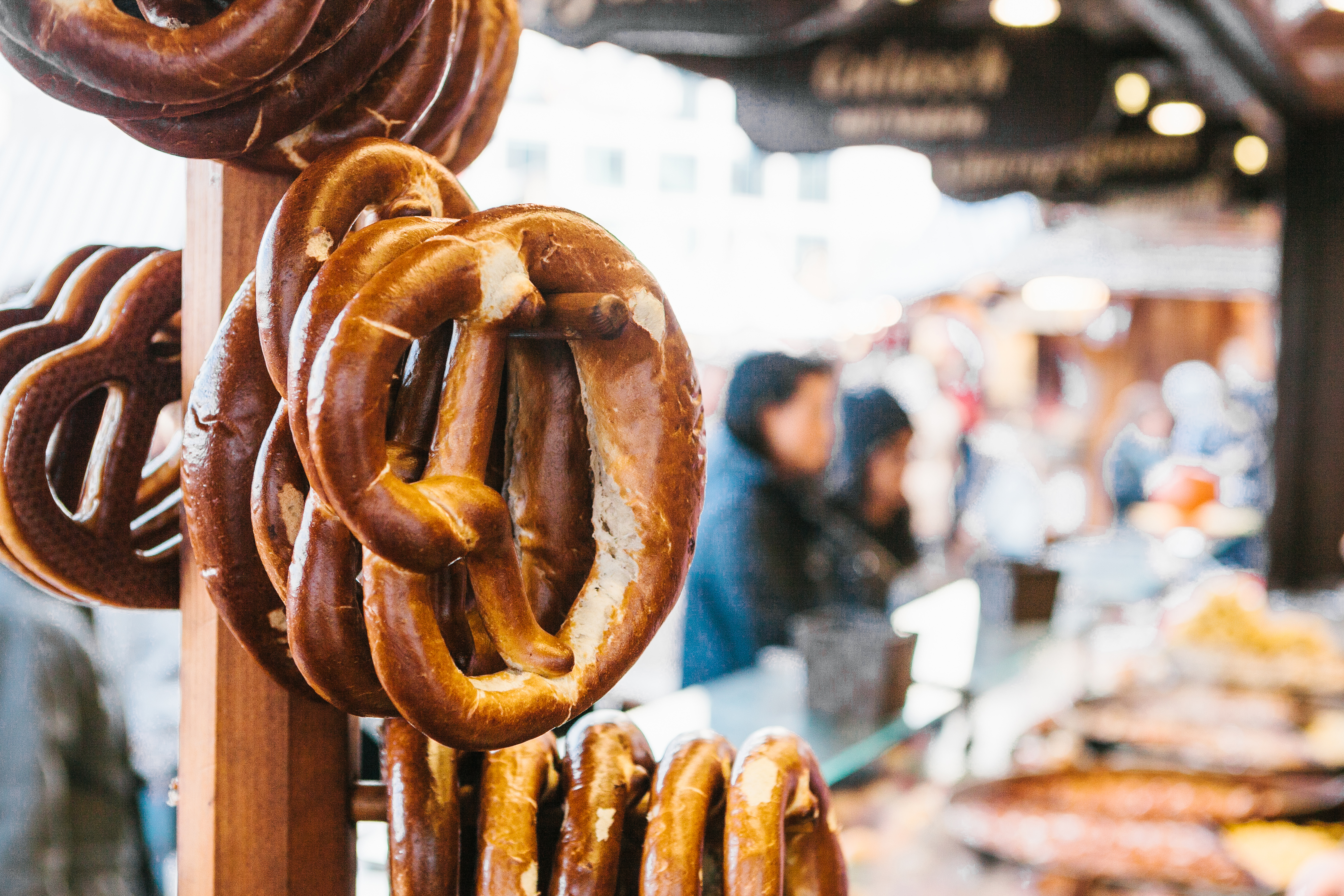
The Oktoberfest is much more than a beer festival. It is an opportunity to get closer to Bavarian culture and traditions, discover its gastronomy, enjoy the music, and get to know Munich at one of the most special times of the year. Its more than two centuries of history are reflected in every corner of the Theresienwiese, from the large tents to the traditional costumes and fairground attractions. Gastronomy also plays a prominent role, with specialities such as Wiesn-Hendl (half roast chicken), Brezen (Bavarian pretzels), Bavarian sausages, Schweinebraten (roast pork with gravy and Knödel), or Käsespätzle (egg pasta with melted cheese), perfect for accompanying beer and discovering some of the most characteristic flavours of the region.
To enjoy the experience to the fullest, it is best to explore the grounds without rushing and leave time to discover its different atmospheres. Walking between the tents, listening to the brass bands, trying a Bavarian speciality, admiring the traditional costumes, and going on one of the attractions allows you to discover a side of the Oktoberfest that goes far beyond beer.
If you have several days, it is also worth taking advantage of your visit to the Oktoberfest to discover other places in Bavaria. Füssen, with the spectacular Neuschwanstein Castle; Augsburg, one of the oldest cities in Germany; Memmingen, with its well-kept historic centre; Passau, known as the city of three rivers; or Regensburg, with its beautiful medieval historic centre, are some interesting options. You can also head to the Bavarian Alps, where you will find villages, lakes, and mountain landscapes that offer a perfect contrast to the festive atmosphere of Munich.
Culture
,regionOfInterest=(1476.5,981.5))
,regionOfInterest=(1476.5,981.5))
,regionOfInterest=(1312.5,1750))
,regionOfInterest=(1312.5,1750))
,regionOfInterest=(2000,3000))
,regionOfInterest=(2000,3000))
,regionOfInterest=(2240,3360))
,regionOfInterest=(2240,3360))
,regionOfInterest=(886,588.5))
,regionOfInterest=(886,588.5))