,regionOfInterest=(2732,1820))
,regionOfInterest=(2732,1820))
Chiang Mai solo travel guide 2026: tips, safety, and where to stay
,regionOfInterest=(1376,768))
,regionOfInterest=(1376,768))
Culture
,regionOfInterest=(2262,1508))
,regionOfInterest=(2262,1508))
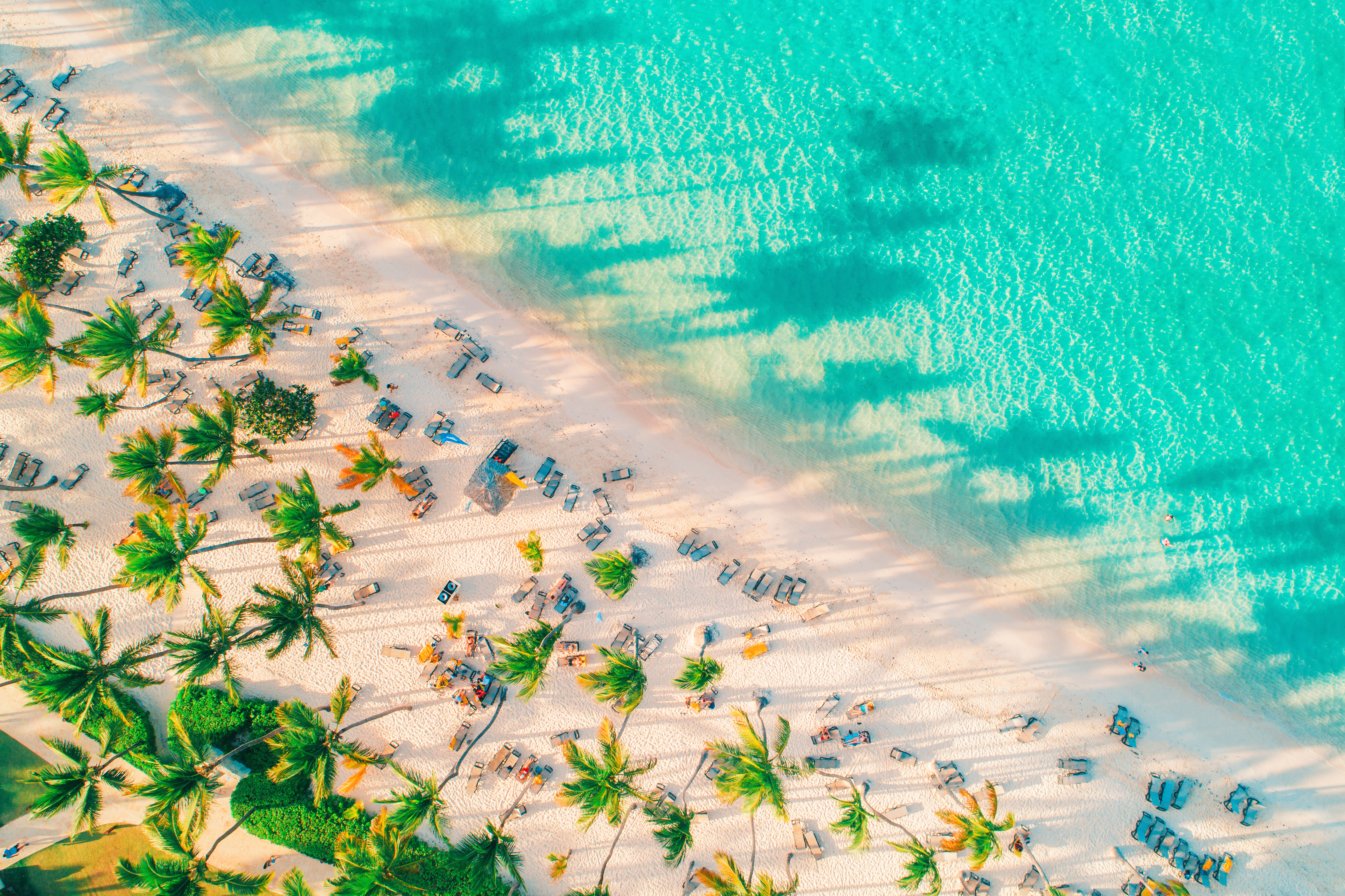
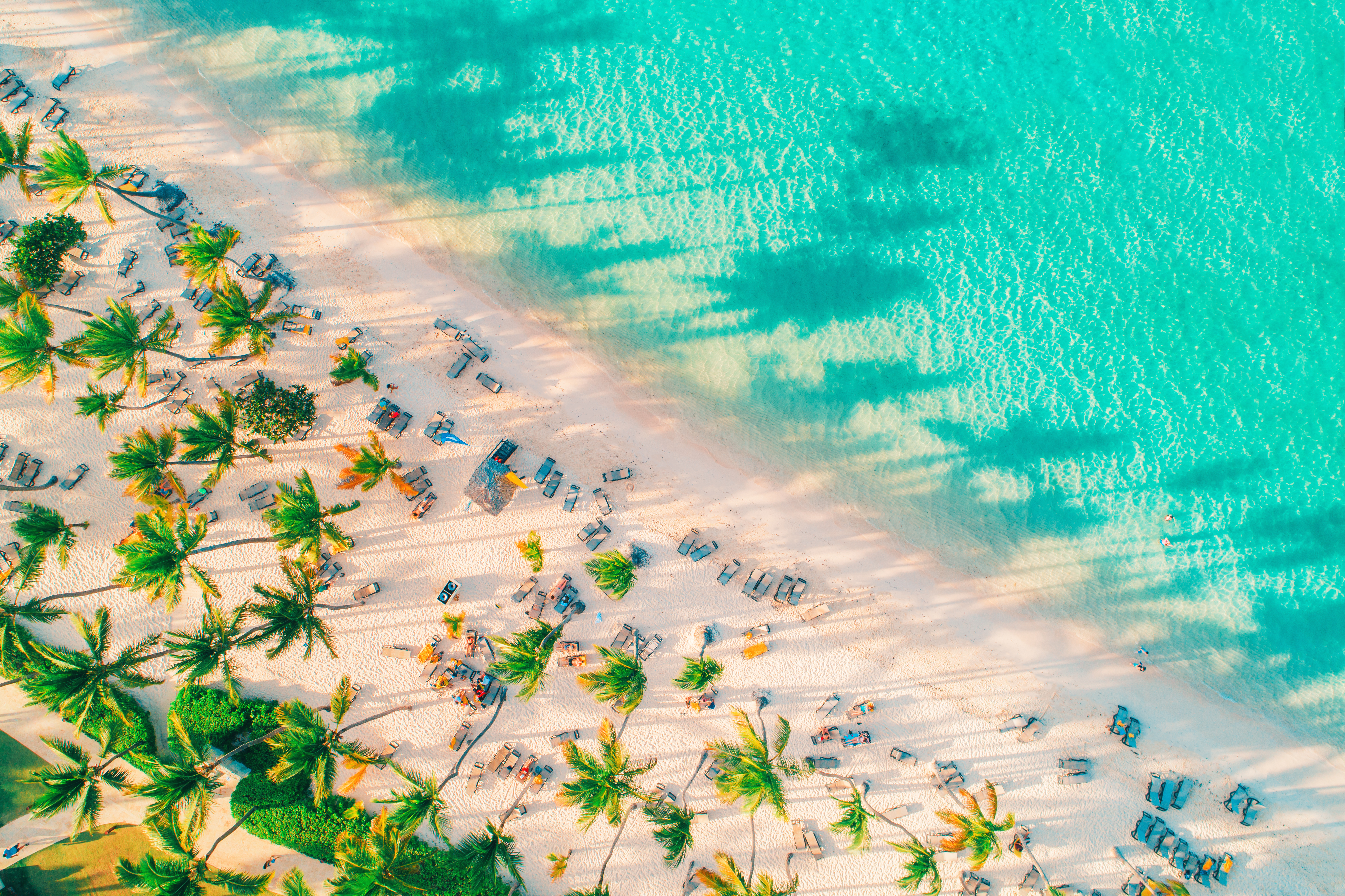
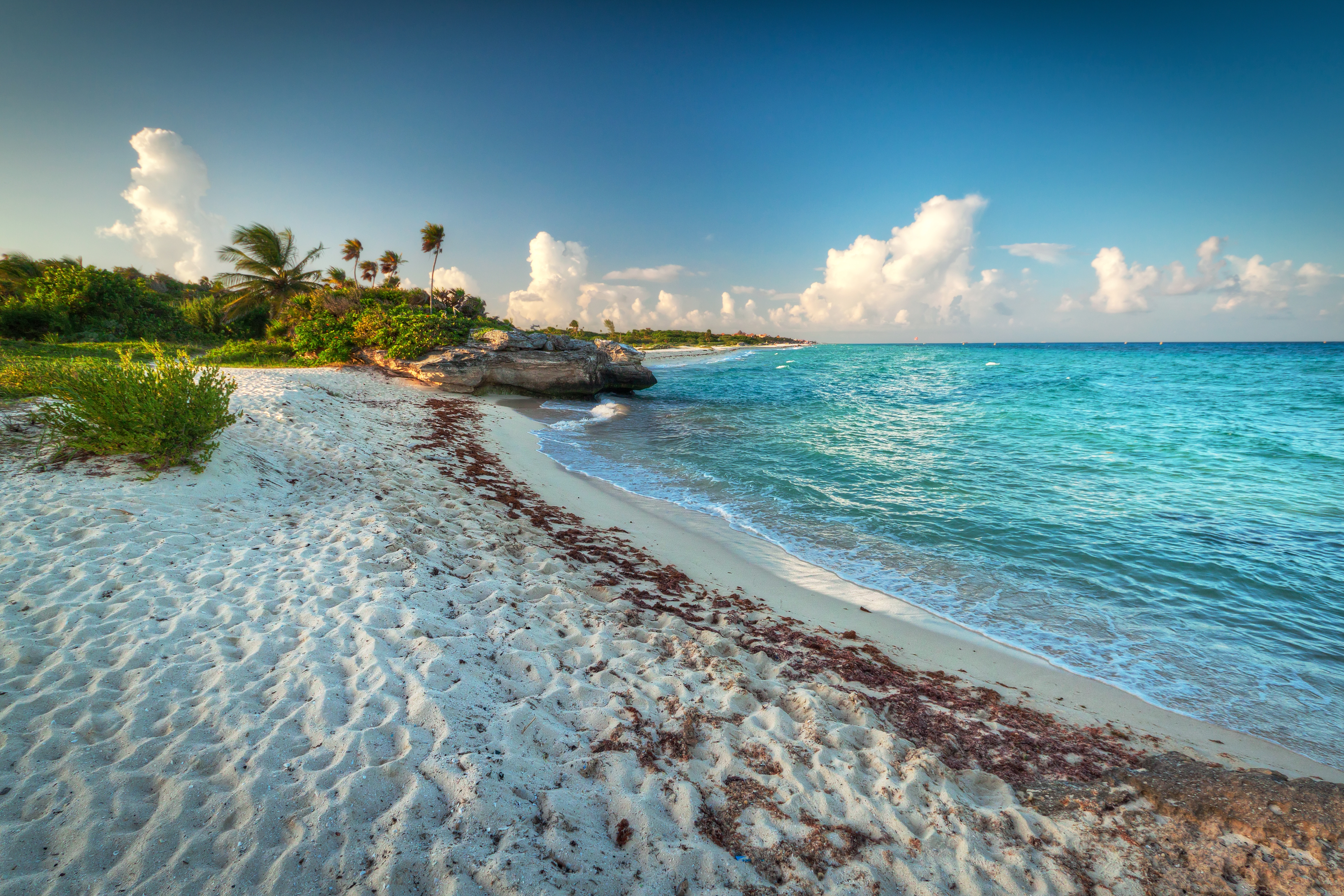
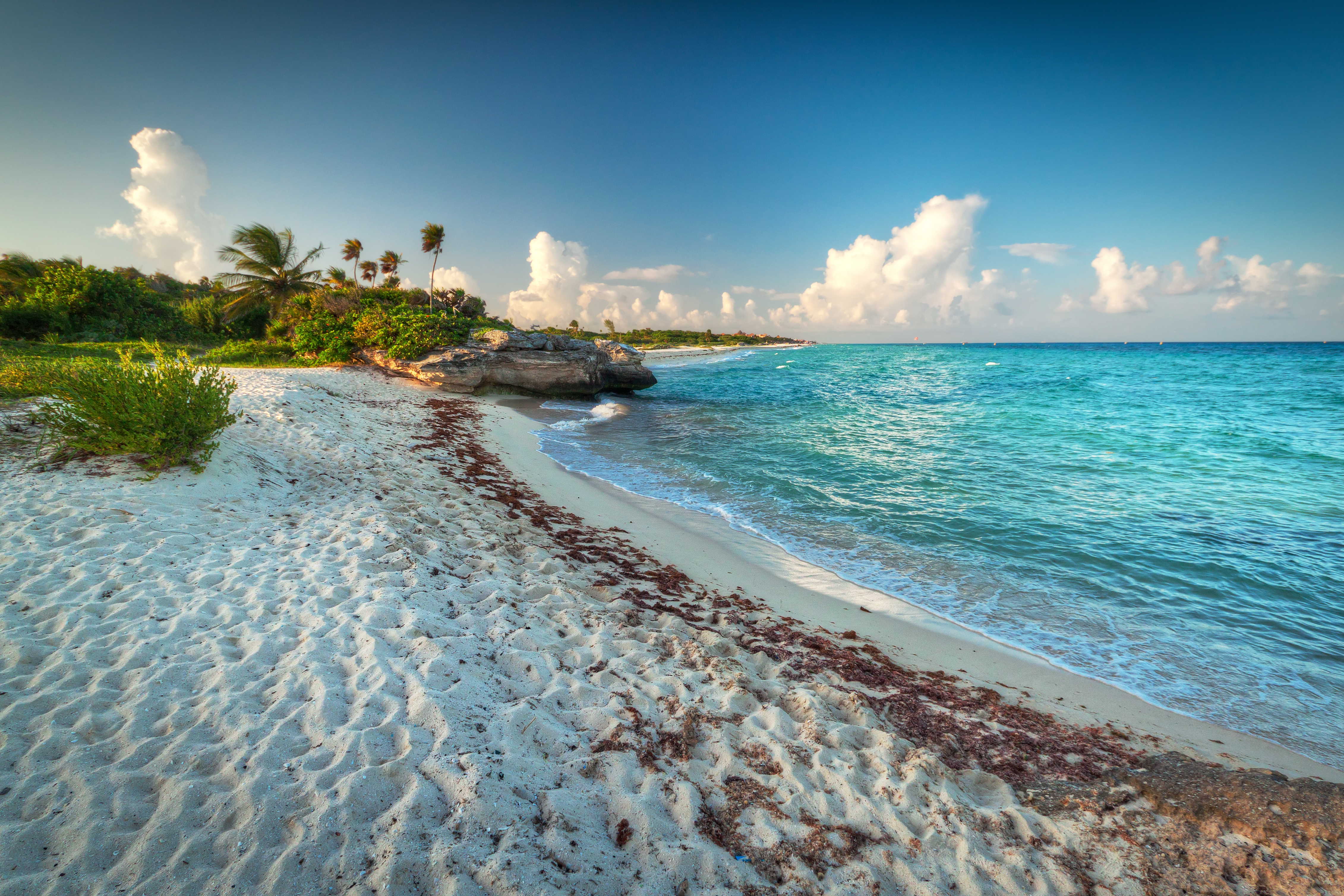
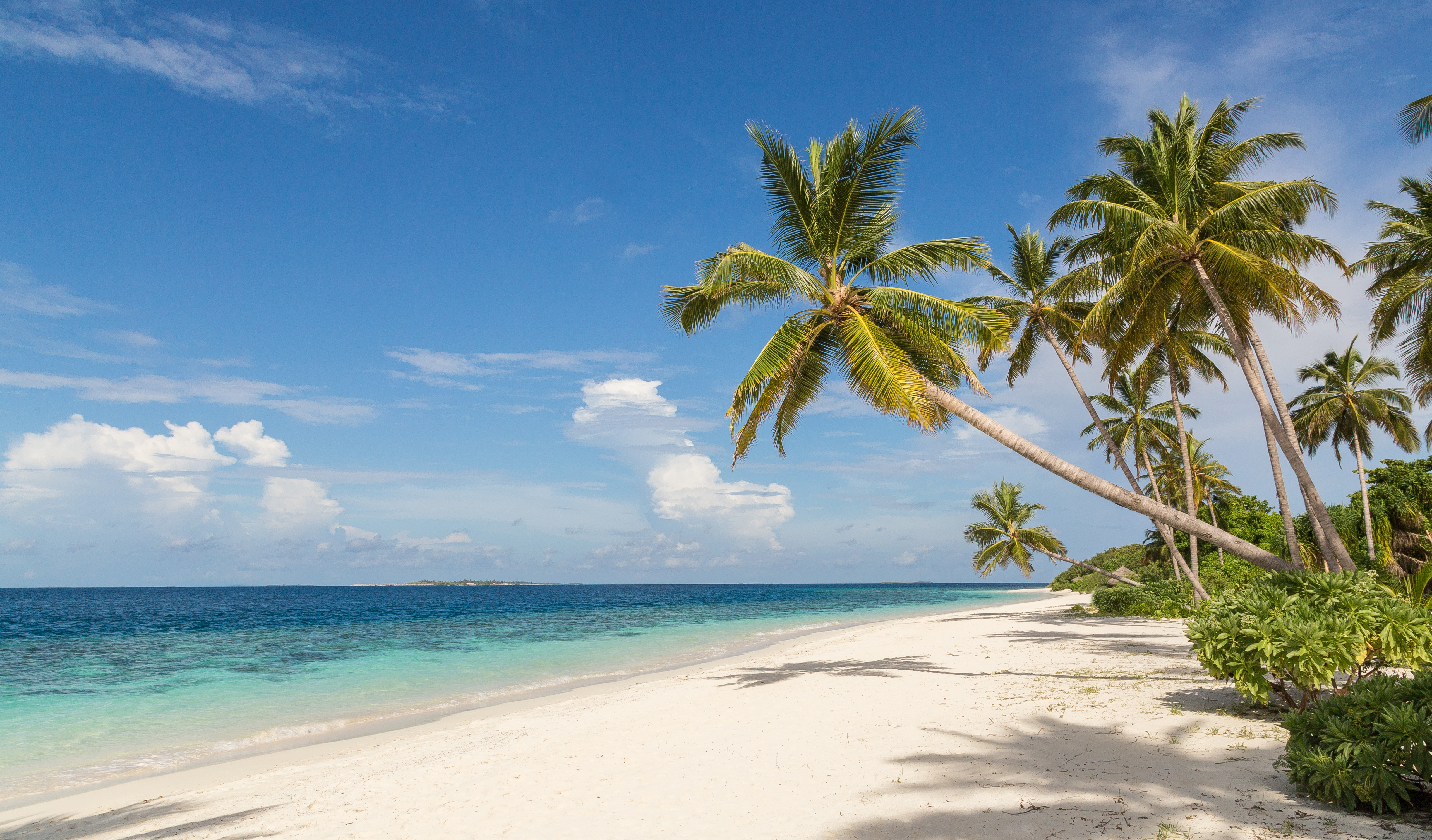
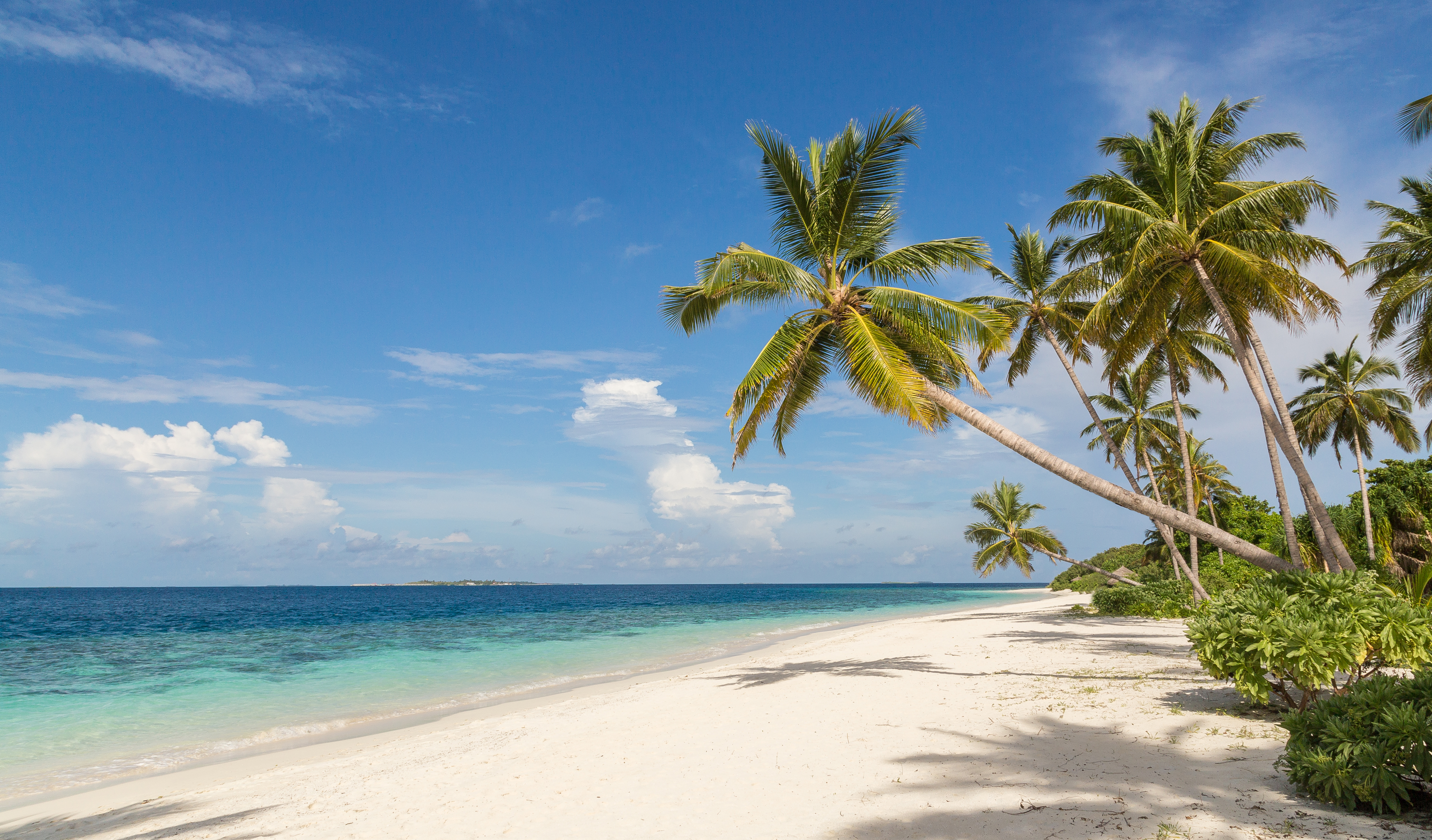
With almost ten kilometres of white sand and turquoise water without a single building in sight, Bahía de las Águilas is one of the last corners of untouched coast in the Caribbean and the great natural secret of the Dominican southwest. An untamed landscape where time seems to stand still, inviting the traveller to disconnect from the noise outside and connect with the purest essence of nature.
One of the most impressive coastal corners of the Caribbean, Bahía de las Águilas stretches across the southwestern tip of the Dominican Republic, in the province of Pedernales, very close to the border with Haiti and far from the noise and bustle of the All Inclusive resorts in the east of the country.
Famous for its more than eight kilometres of white sand, its limestone cliffs and waters of an almost unreal blue, Bahía de las Águilas in the Dominican Republic is synonymous with isolation and nature. Here you will not see hotels, beach bars, or rental umbrellas. You will only find the sea, mountains and silence.
Within the Jaragua National Park, this stretch of coastline is considered one of the best beaches in the entire Caribbean, precisely because it remains on the margins of mass tourism development and the intense pace of other beach areas.
With about eight kilometres in length, this beach is part of the Jaragua-Bahoruco-Enriquillo Biosphere Reserve and is located within the protected environment of the Jaragua National Park, one of the natural spaces of greatest ecological value in the country. Its limited access and its status as a protected area make each visit a much more authentic and unforgettable experience.
In this guide to Bahía de las Águilas I bring you everything you need to know about its main attractions, how to organise your visit and discover an authentic Caribbean paradise.
Culture
,regionOfInterest=(500,500))
,regionOfInterest=(500,500))
All-terrain writer specialising in tourism, fashion and trends. A curious soul, traveller, reader and sports enthusiast, keen to discover every corner of the world.
,regionOfInterest=(1456.5,898))
,regionOfInterest=(1456.5,898))
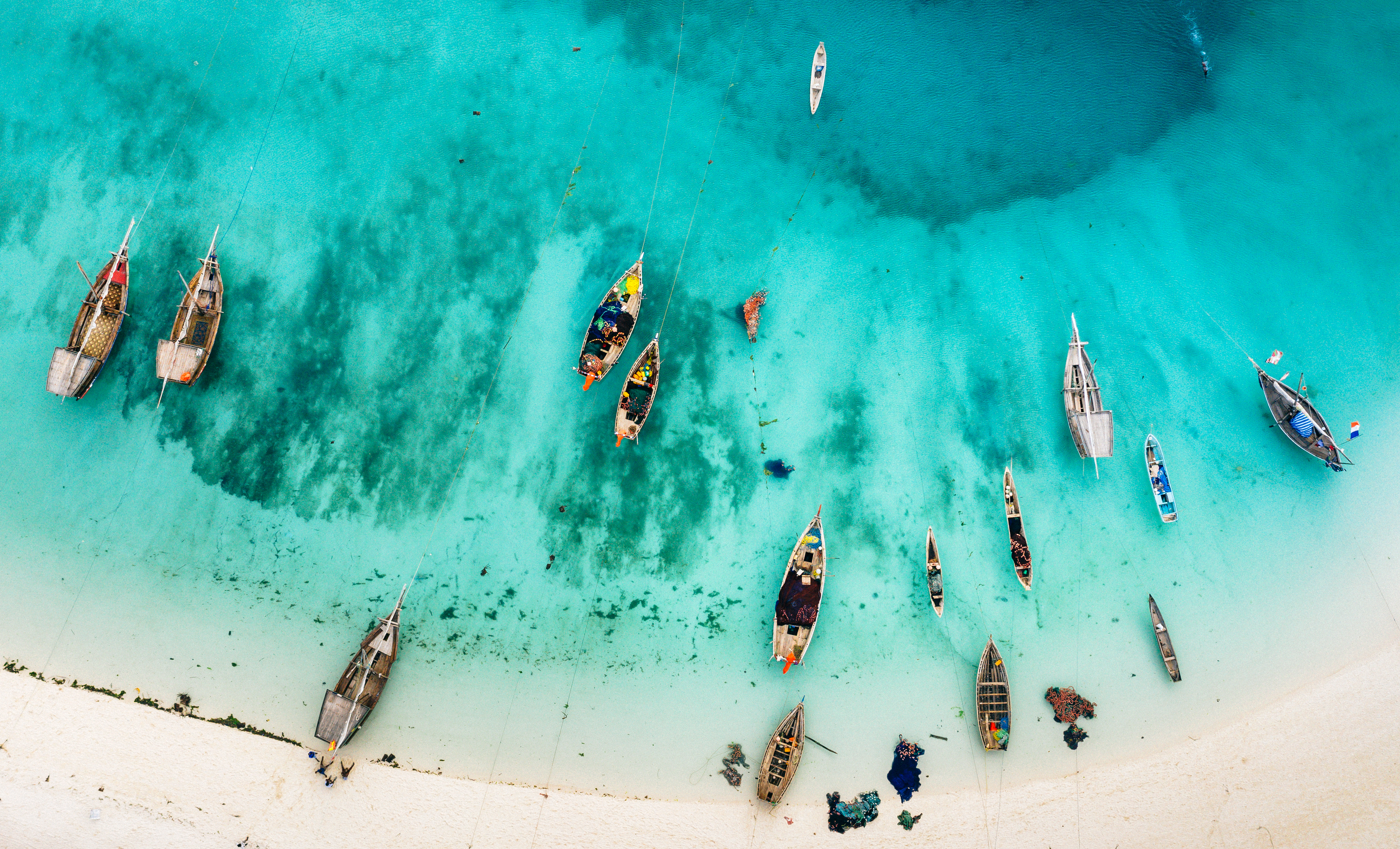,regionOfInterest=(2252.5,1366))
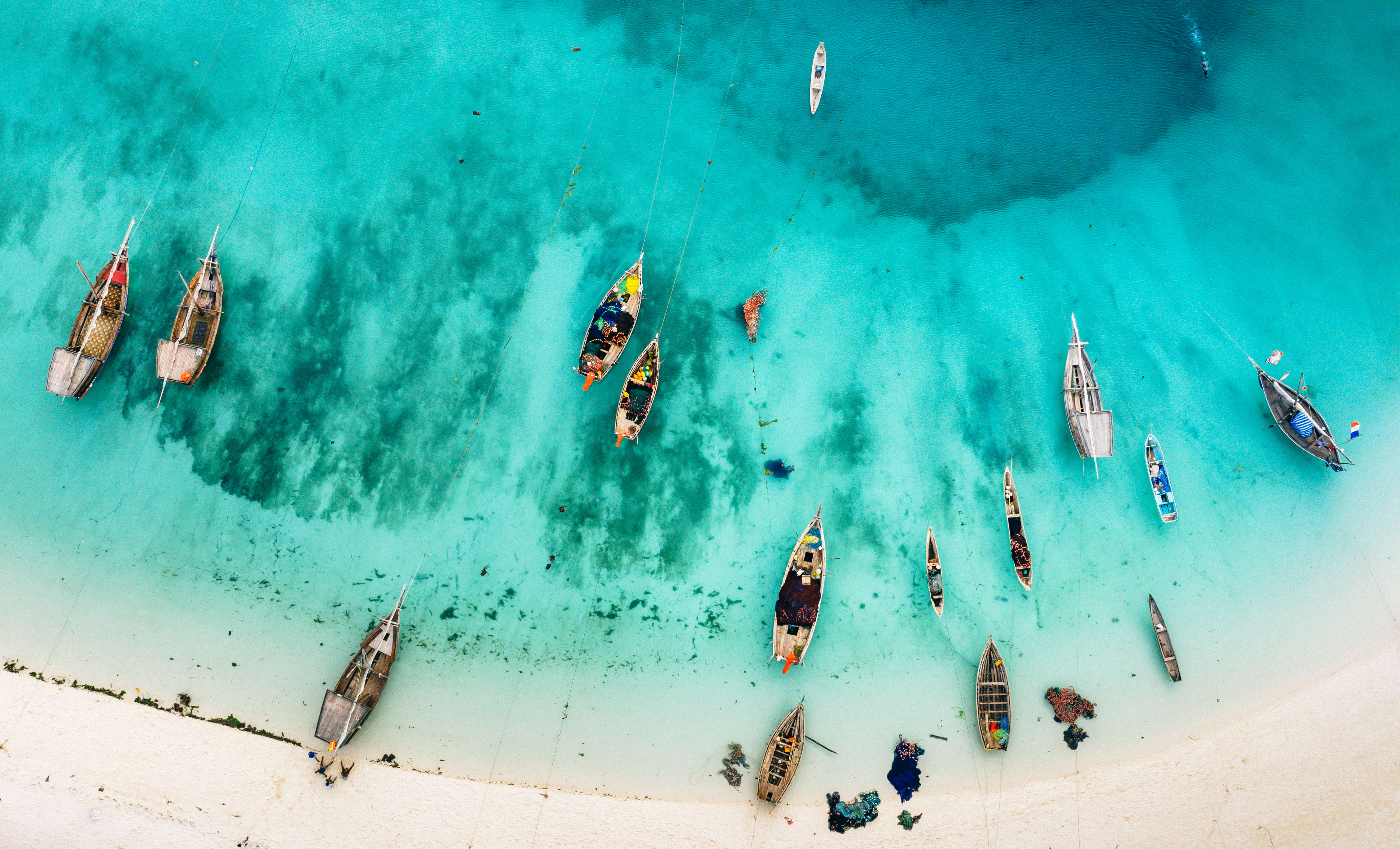,regionOfInterest=(2252.5,1366))
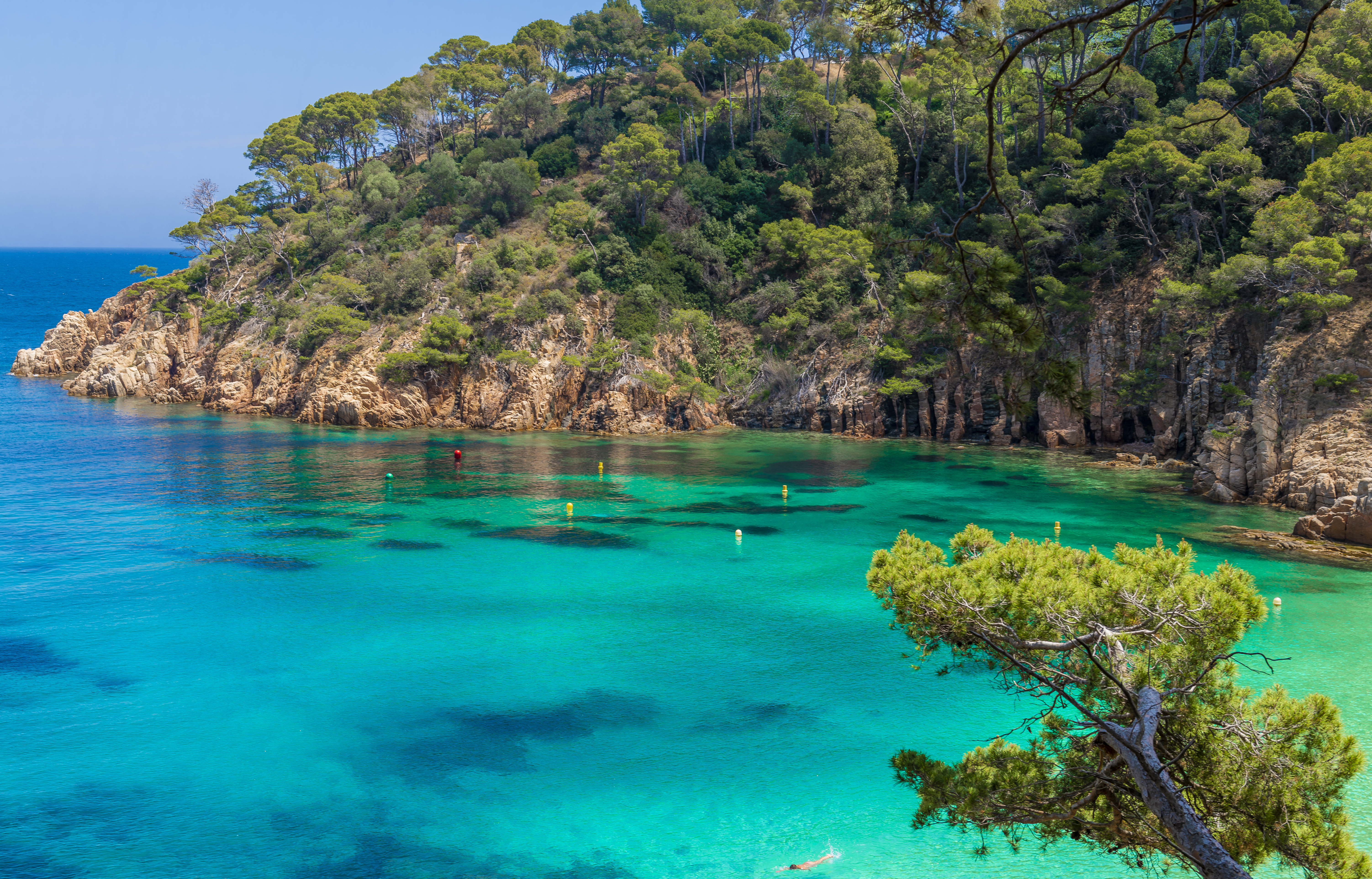,regionOfInterest=(3004,1924.5))
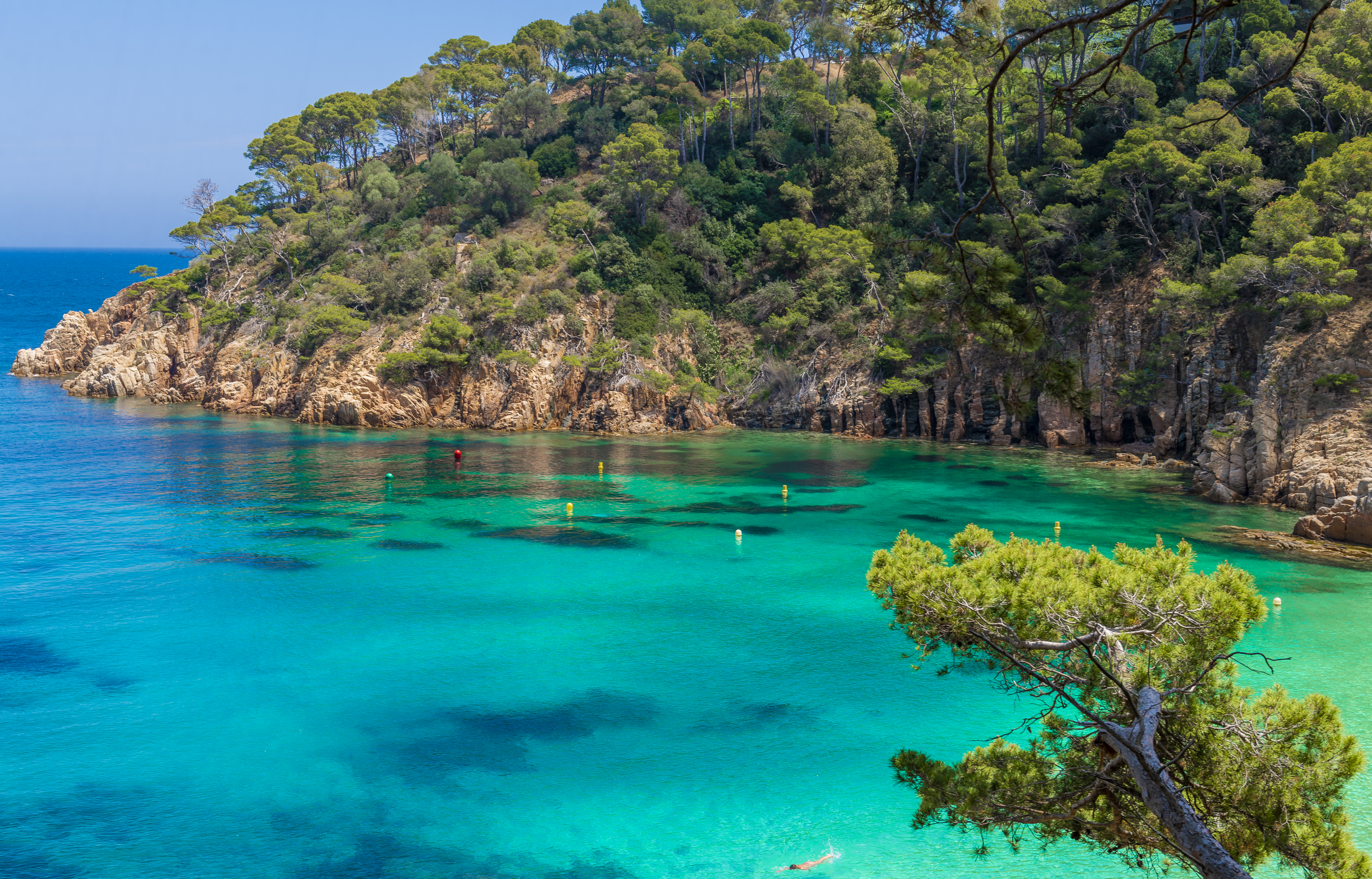,regionOfInterest=(3004,1924.5))
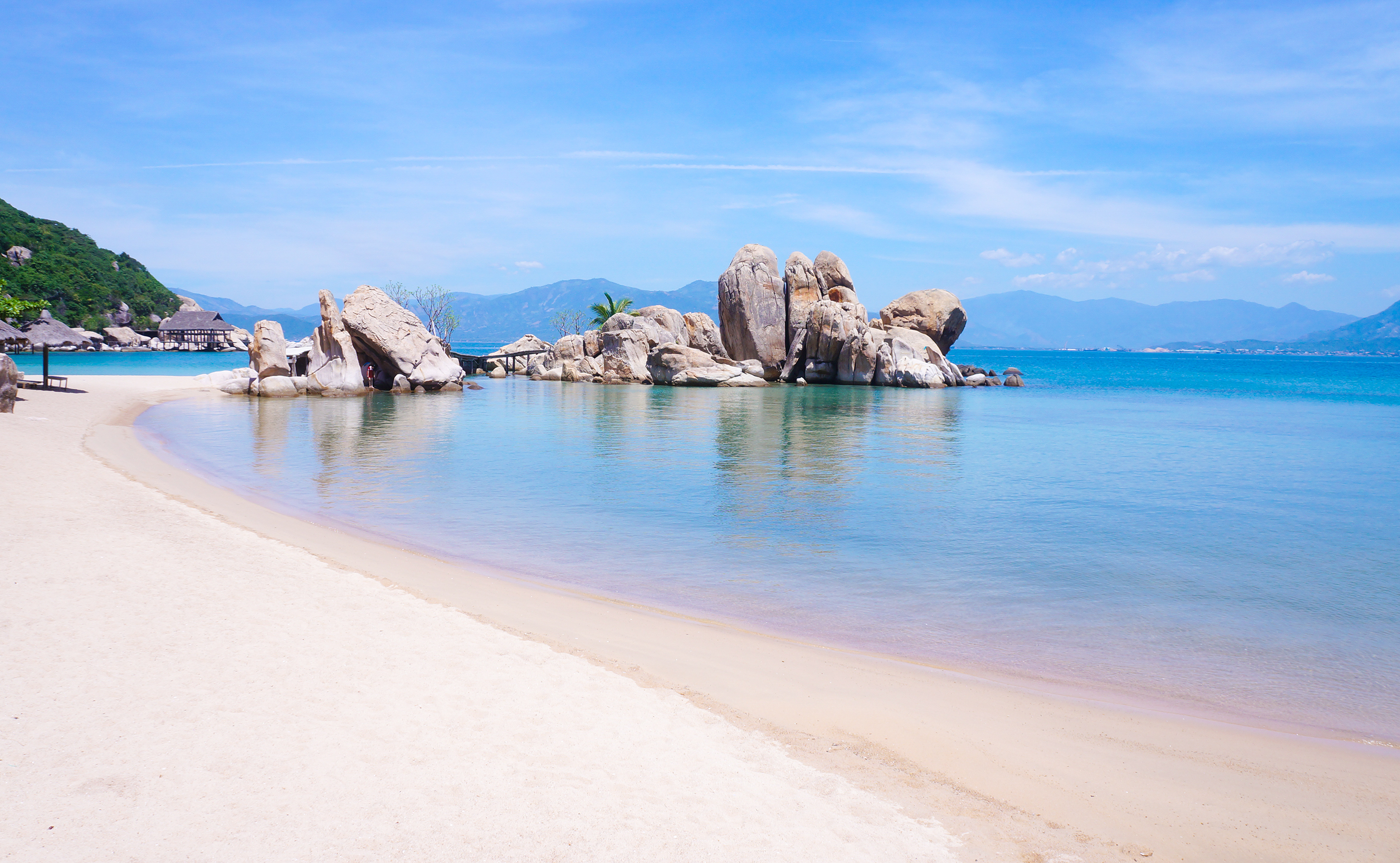
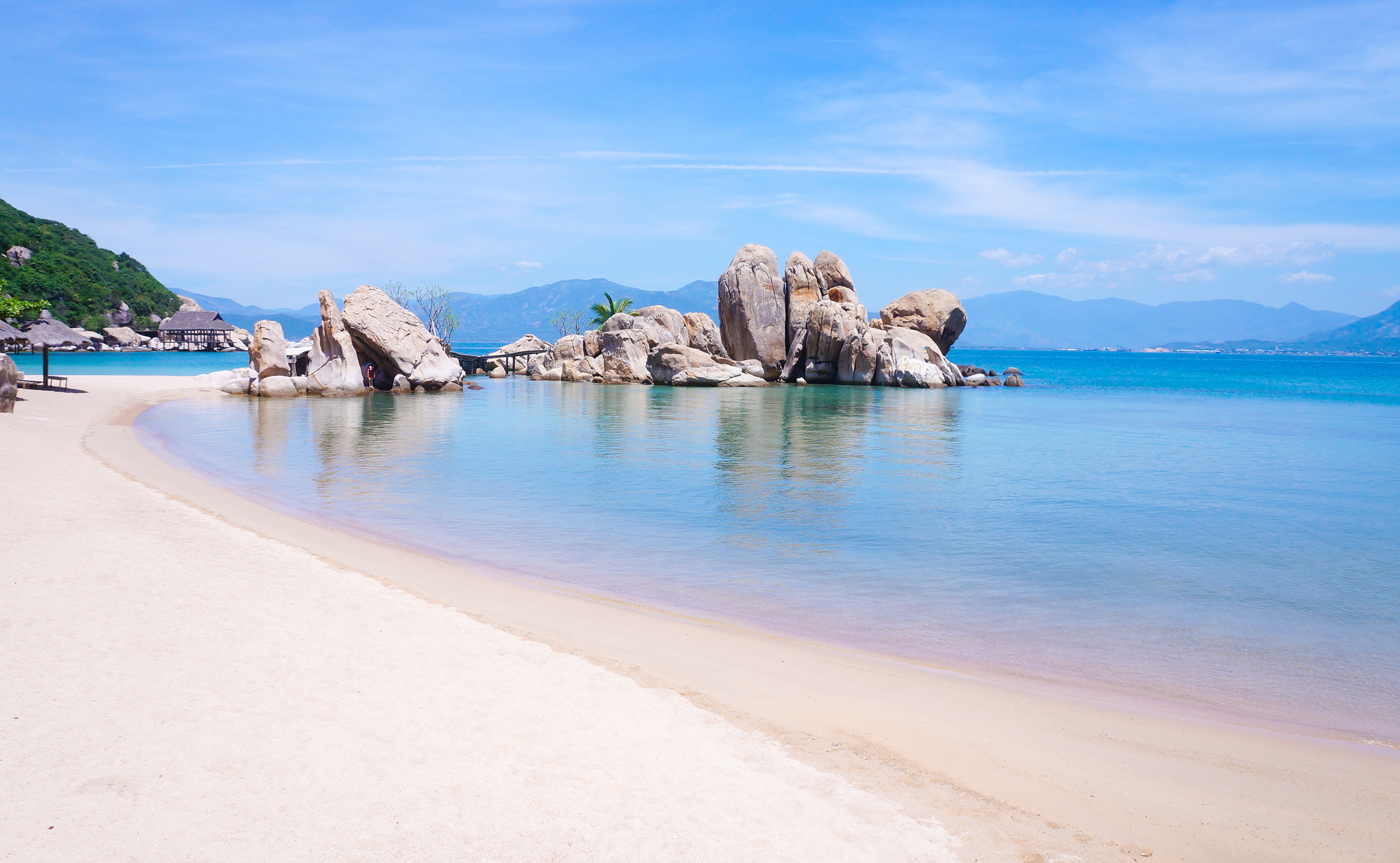
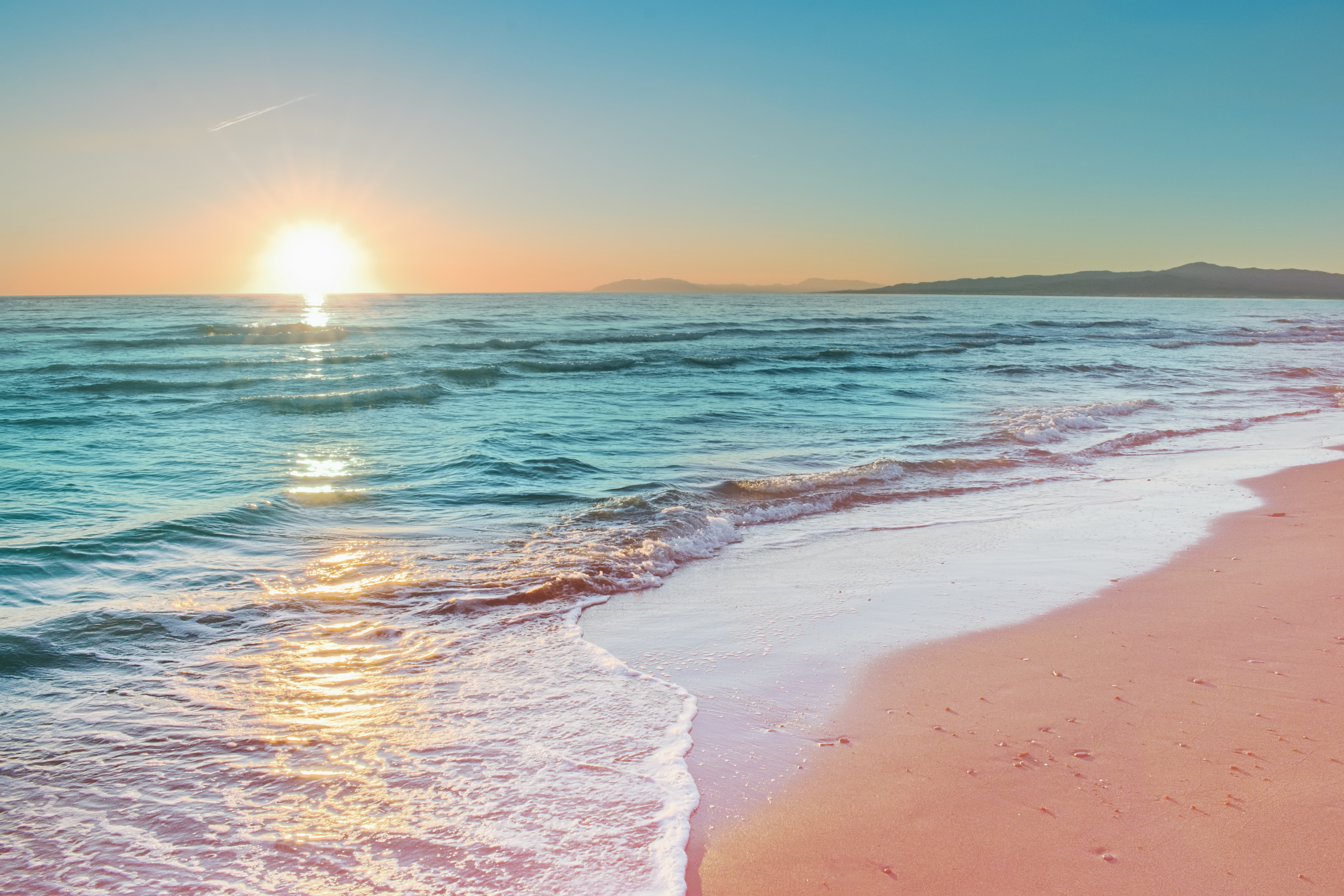
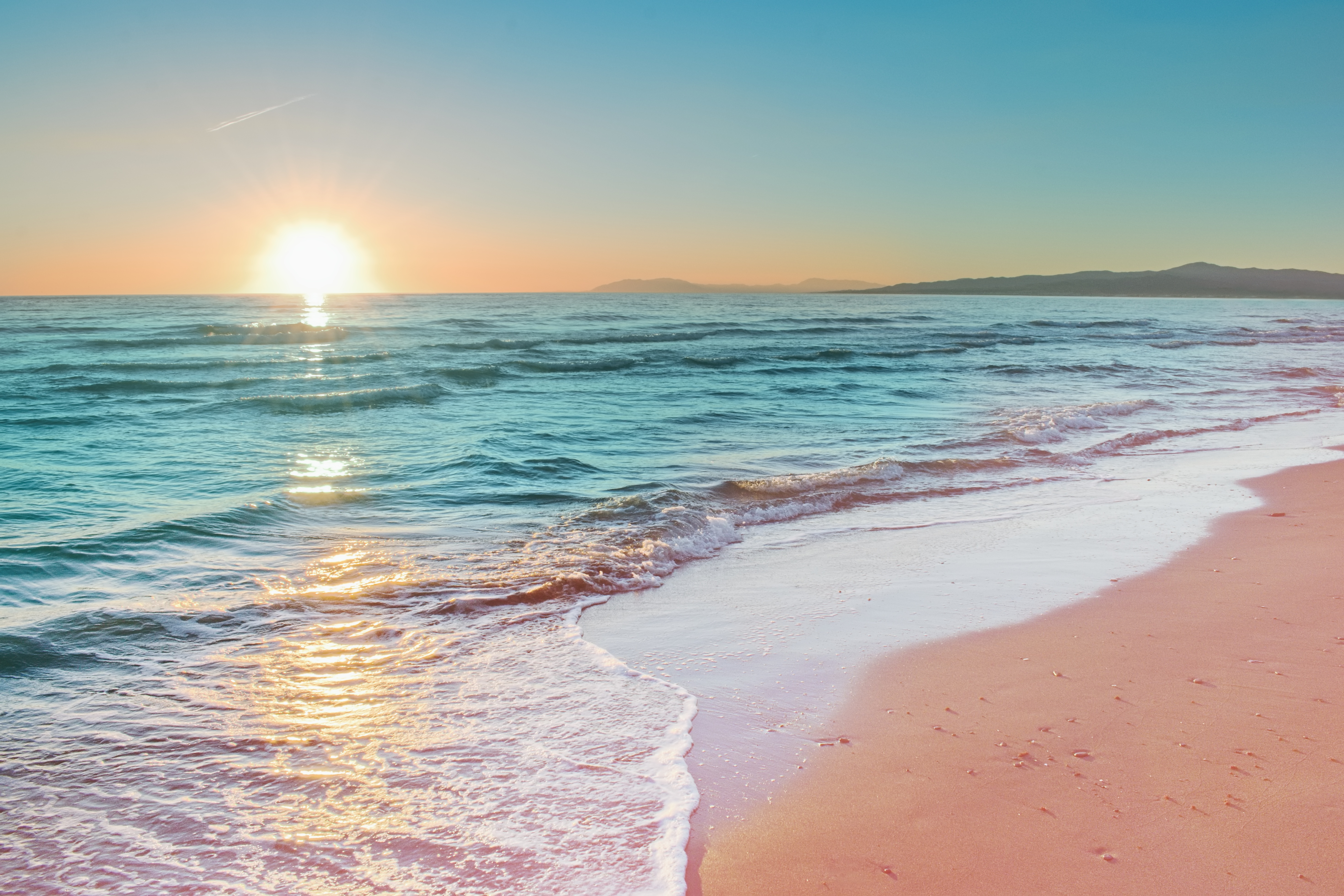
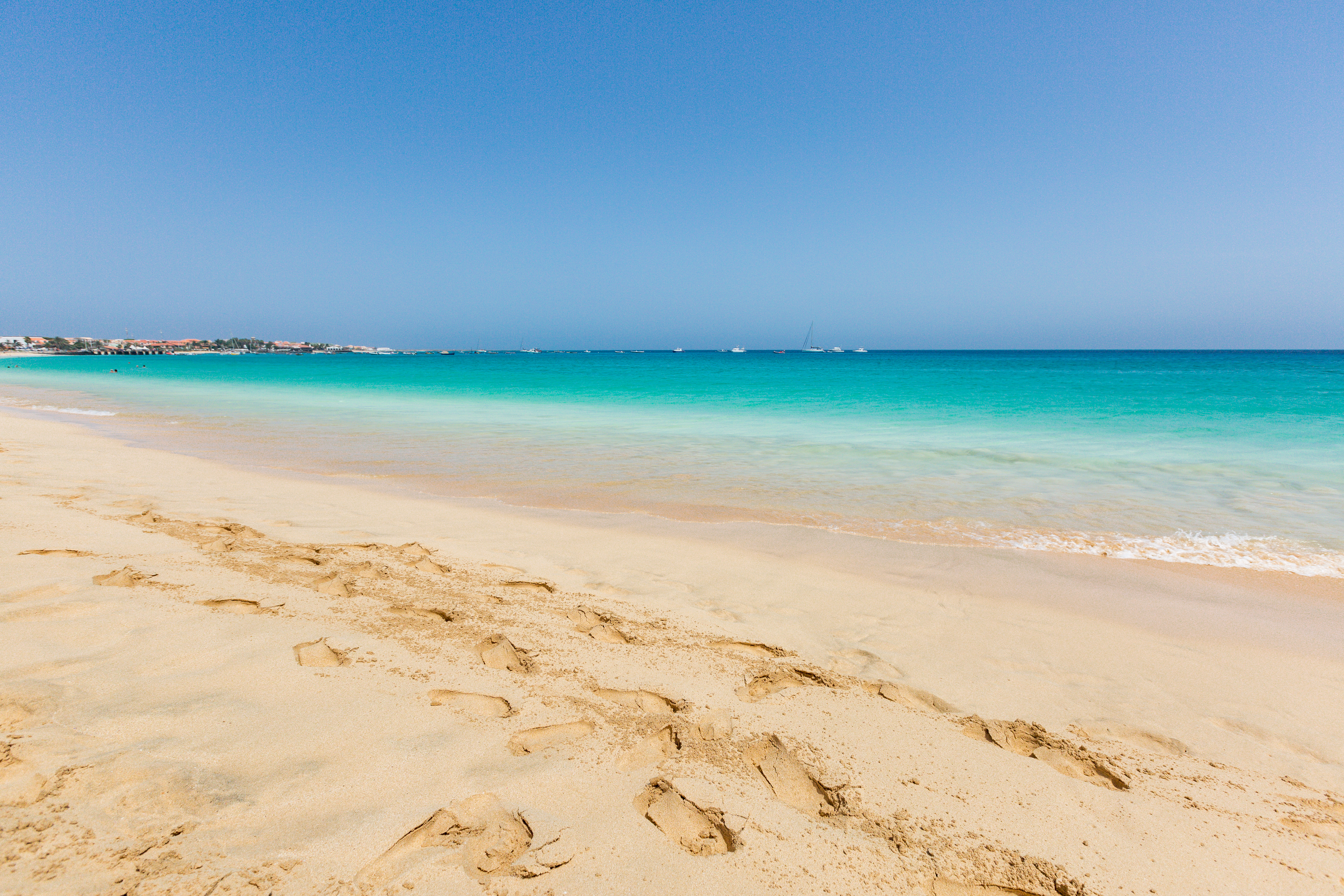
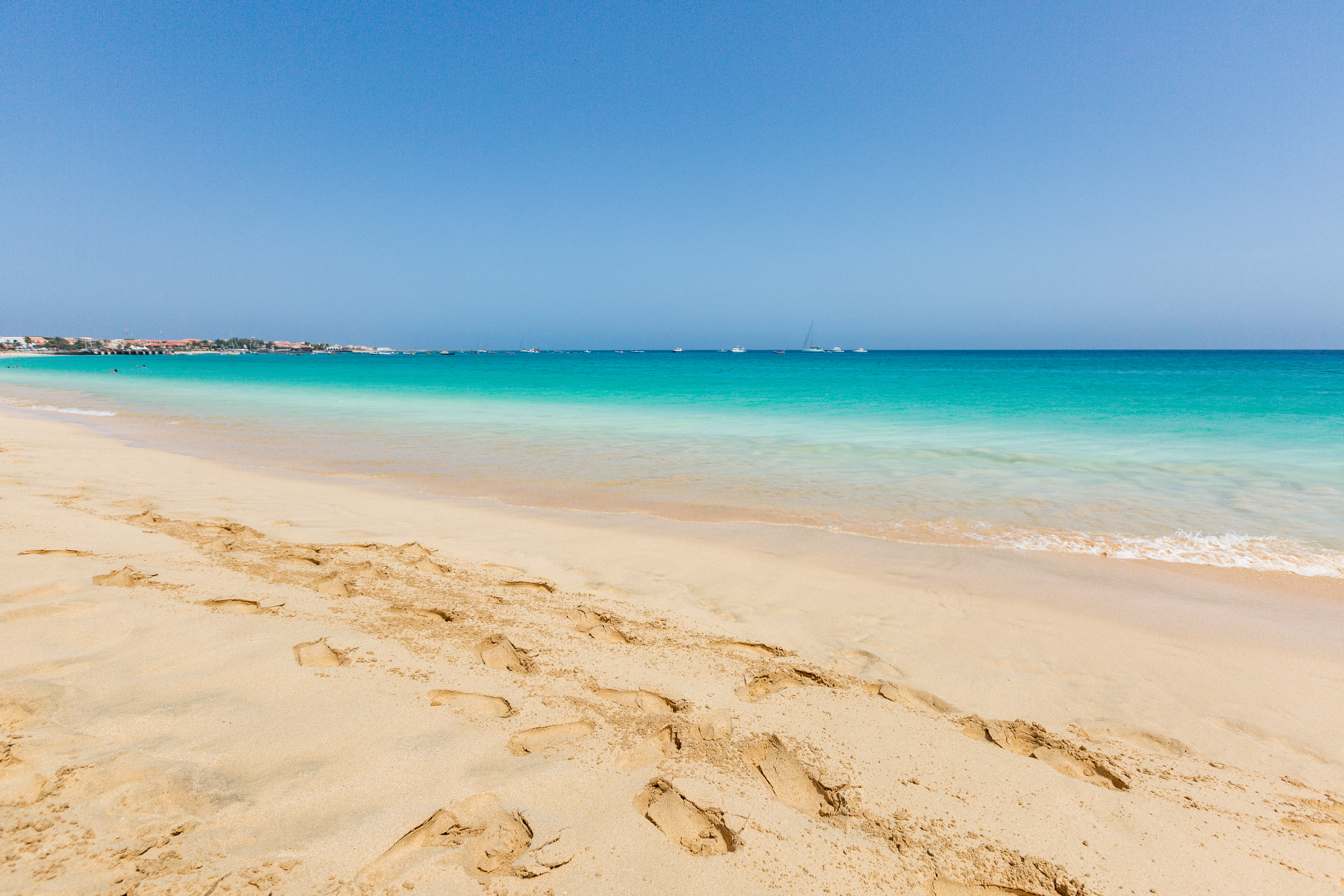
The hallmark of Bahía de las Águilas is that feeling of emptiness and absolute tranquillity. Believe it or not, here you will find kilometres of sand without a single umbrella, without a single hotel and without any noise beyond the sound of the waves. For this reason, it is a must-visit destination if you are looking for pure nature on your trip through the Caribbean.
Along the coast, stretches of fine sand alternate with rock formations and small cliffs that fall vertically into the sea. All this is integrated into an arid and semi-desert landscape of great uniqueness, which contrasts radically with the environment of beaches surrounded by palm trees characteristic of the Dominican east that is usually associated with the Caribbean.
It is a protected natural area without hotels, restaurants or other conventional tourist constructions, where there are camping areas and certain facilities linked to public use and the conservation of the park.
In the surroundings of the Jaragua National Park is also the Laguna de Oviedo, a brackish water wetland where flamingos and numerous species of birds and reptiles can be observed, within one of the most important protected ecosystem complexes in the Dominican southwest.
It should be noted that the environment is extremely sensitive, so it is important to respect the park staff's instructions at all times, not to take any shells or stones, and to avoid any disturbance to the habitat of the sea turtles, which use several stretches of this coast to nest.
Furthermore, although it is a fairly remote destination, the variety of activities in Bahía de las Águilas is very wide. Taking a boat trip from Cabo Rojo, snorkelling among reefs or enjoying the trails and natural spaces of the park are some of the plans you can include during your visit.
,regionOfInterest=(2939.5,1959.5))
,regionOfInterest=(2939.5,1959.5))
As it is a place that is somewhat remote and protected, I recommend you check the location of Bahía de las Águilas well to understand the different access points available and to be able to organise the visit with enough margin.
It is located on the southwest tip of the Dominican Republic, within the Jaragua National Park, in the province of Pedernales, very close to the border with Haiti.
Address:
Jaragua National Park, Pedernales Province, Dominican Republic.
How to get to Bahía de las Águilas:
If you are wondering how to get to Bahía de las Águilas, you can do so by road to the Cabo Rojo area, in the province of Pedernales. From there, you can continue to the beach in an off-road vehicle along unpaved paths or arrive by boat from the port of Cabo Rojo.
You can also book a tour of Bahía de las Águilas from Pedernales or from other points in the Dominican southwest, a practical option if you prefer to have the excursion organised.
Parking at Bahía de las Águilas:
There is no parking next to the beach, as vehicle access is restricted within the park. Cars must remain at the park ranger checkpoint or at the Cabo Rojo port itself. From there, access is via unpaved paths, so it is most common to arrive on foot, in an authorised off-road vehicle or continue the excursion by boat from Cabo Rojo.
Map of Bahía de las Águilas:
Opinions on Bahía de las Águilas usually highlight the feeling of nature and isolation that this stretch of coast conveys, far from mass tourism. The absence of hotels, restaurants and other tourist constructions is precisely one of the aspects that most differentiates this beach from other Caribbean destinations.
As less favourable points, some travellers mention the difficulty of access, the lack of shade in several sections and of basic services, although this is due, precisely, to the fact that it is a protected natural space and not a conventional tourist beach.
Although visiting Bahía de las Águilas is not especially complicated if you have everything well organised, as it is a remote and protected area, I leave you these recommendations that will come in handy before starting the route:
,regionOfInterest=(2000,1333.5))
,regionOfInterest=(2000,1333.5))
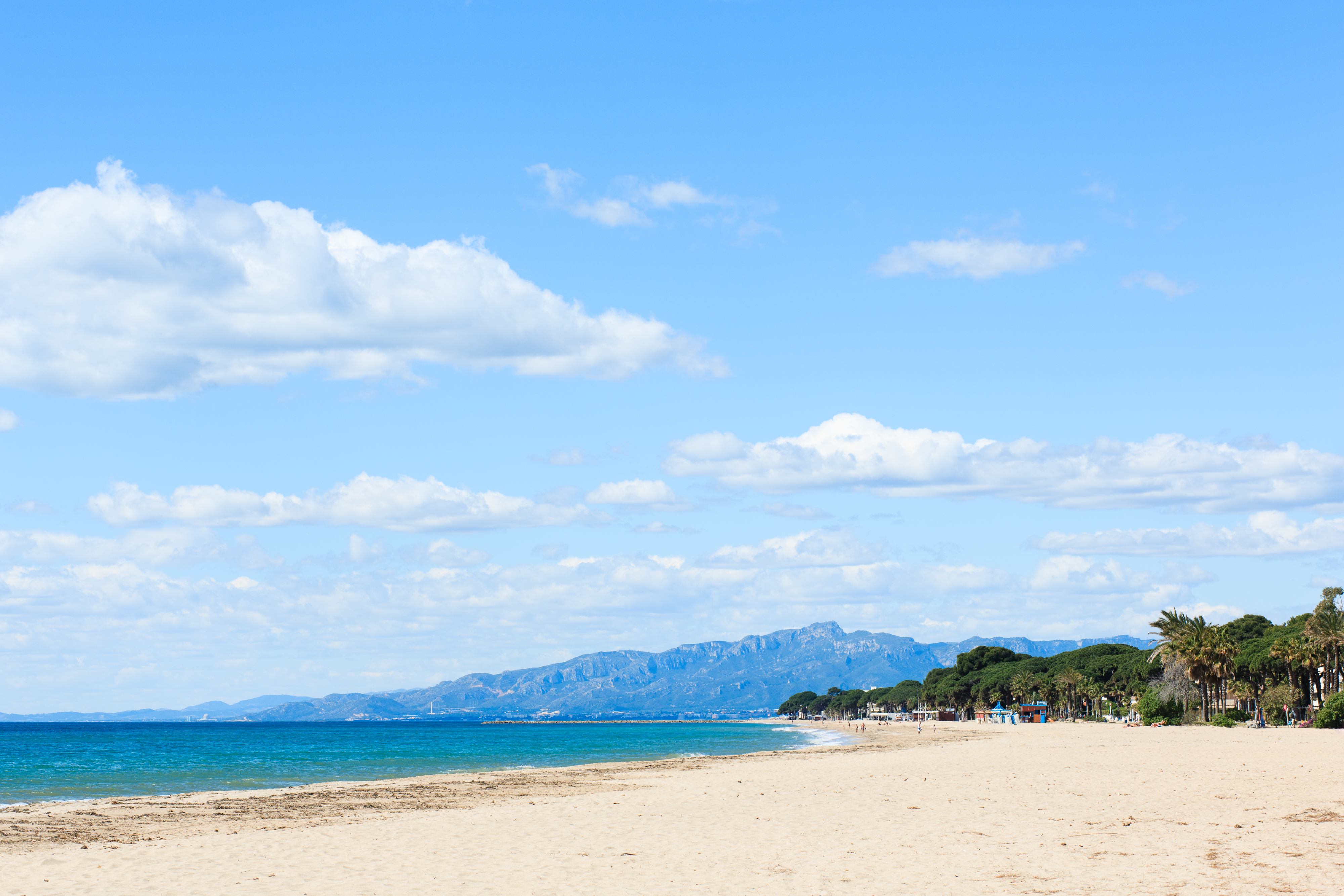
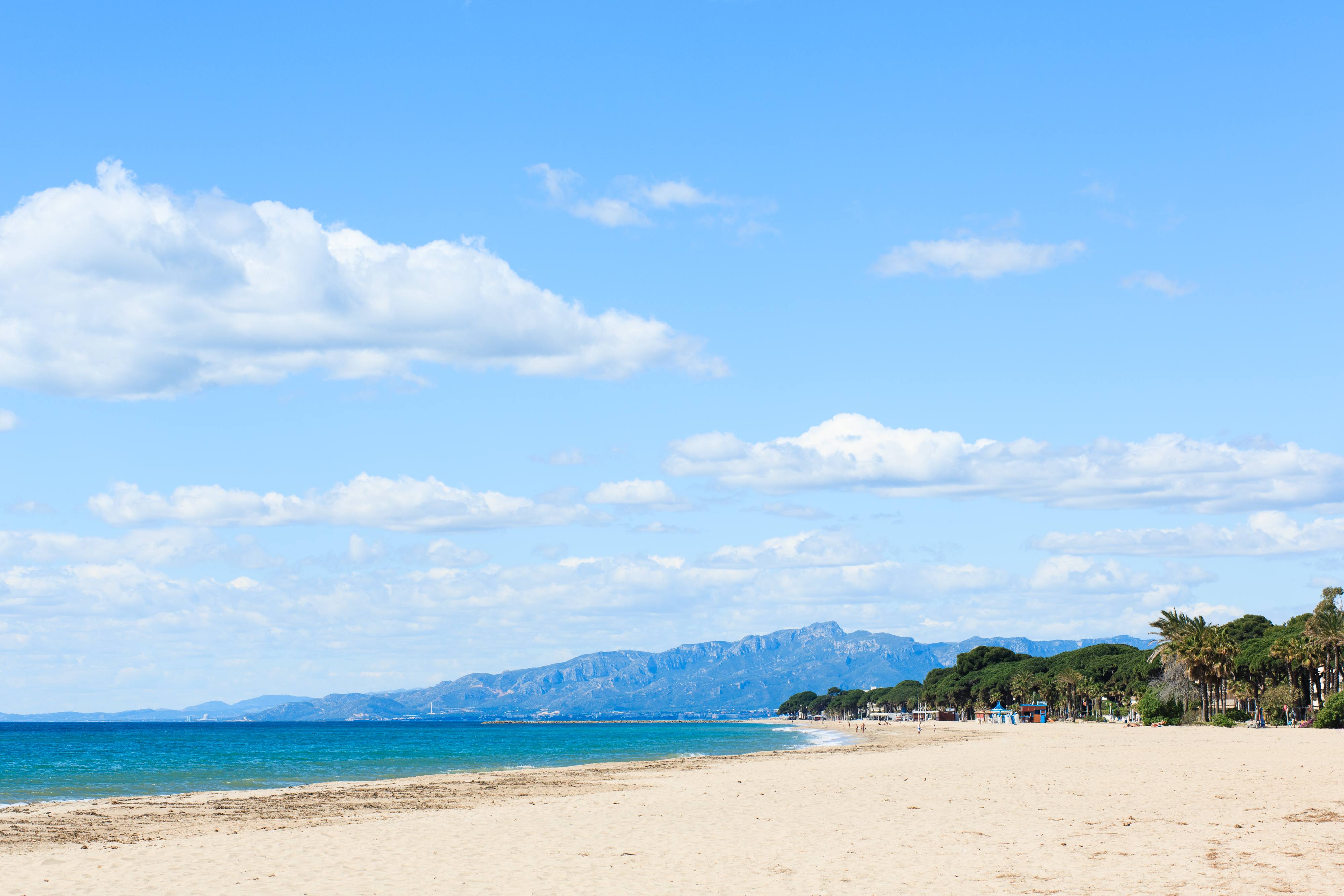
In my experience, Bahía de las Águilas is worth dedicating at least one day to, but in its surroundings there are other nearby places that are worth including in the route.
Just before reaching the bay is Cabo Rojo, a small fishing port surrounded by reddish cliffs that give the place its name. In addition to being the usual jetty to the bay, its natural viewpoints offer some of the best panoramic views of the entire southwest coast of the country.
Very close to the entrance to the park is the Laguna de Oviedo, a huge marine wetland recognised for its colonies of pink flamingos and its population of endemic iguanas.
In the Sierra de Bahoruco National Park is the Hoyo de Pelempito, a huge geological depression surrounded by forest and mountains that surprises with its contrast to the coastal landscape of the bay. Its viewpoints offer a completely different perspective of the landscape of the deep Dominican south.
Nearby is Pedernales, the capital of the province and one of the main reference points for organising excursions to the bay. It retains a quiet atmosphere, far from the usual tourist circuit, with local life very linked to the coast and fishing.
Opposite the coast, within the Jaragua National Park itself, is Isla Beata, an uninhabited territory that can only be accessed by boat and which is used as an occasional base by local fishermen.
,regionOfInterest=(2846,1897.5))
,regionOfInterest=(2846,1897.5))
,regionOfInterest=(2944,1656))
,regionOfInterest=(2944,1656))
,regionOfInterest=(632,423))
,regionOfInterest=(632,423))
,regionOfInterest=(1264,842))
,regionOfInterest=(1264,842))
,regionOfInterest=(2565.5,1505.5))
,regionOfInterest=(2565.5,1505.5))
,regionOfInterest=(2100,1400))
,regionOfInterest=(2100,1400))