,regionOfInterest=(2900.5,1949.5))
,regionOfInterest=(2900.5,1949.5))
Chiang Mai Gate Night Market 2026: Complete Visitor Guide
,regionOfInterest=(688,384))
,regionOfInterest=(688,384))
Culture
,regionOfInterest=(1376,768))
,regionOfInterest=(1376,768))
,regionOfInterest=(500,500))
,regionOfInterest=(500,500))
All-terrain writer specialising in tourism, fashion and trends. A curious soul, traveller, reader and sports enthusiast, keen to discover every corner of the world.
You can genuinely land in Chiang Mai with no plan beyond a hotel address and still have a full first day figured out by lunchtime.
Between a walkable Old City, a coffee shop on every corner, and a transport system built for figuring things out as you go, this is genuinely one of the easiest cities in Southeast Asia to travel through alone, whether that trip lasts four days or four months, and this Chiang Mai solo travel guide works through exactly why.
Culture
,regionOfInterest=(1376,768))
,regionOfInterest=(1376,768))
,regionOfInterest=(1376,768))
,regionOfInterest=(1376,768))
,regionOfInterest=(1064,768))
,regionOfInterest=(1064,768))
,regionOfInterest=(1140,758.5))
,regionOfInterest=(1140,758.5))
,regionOfInterest=(1264,842))
,regionOfInterest=(1264,842))
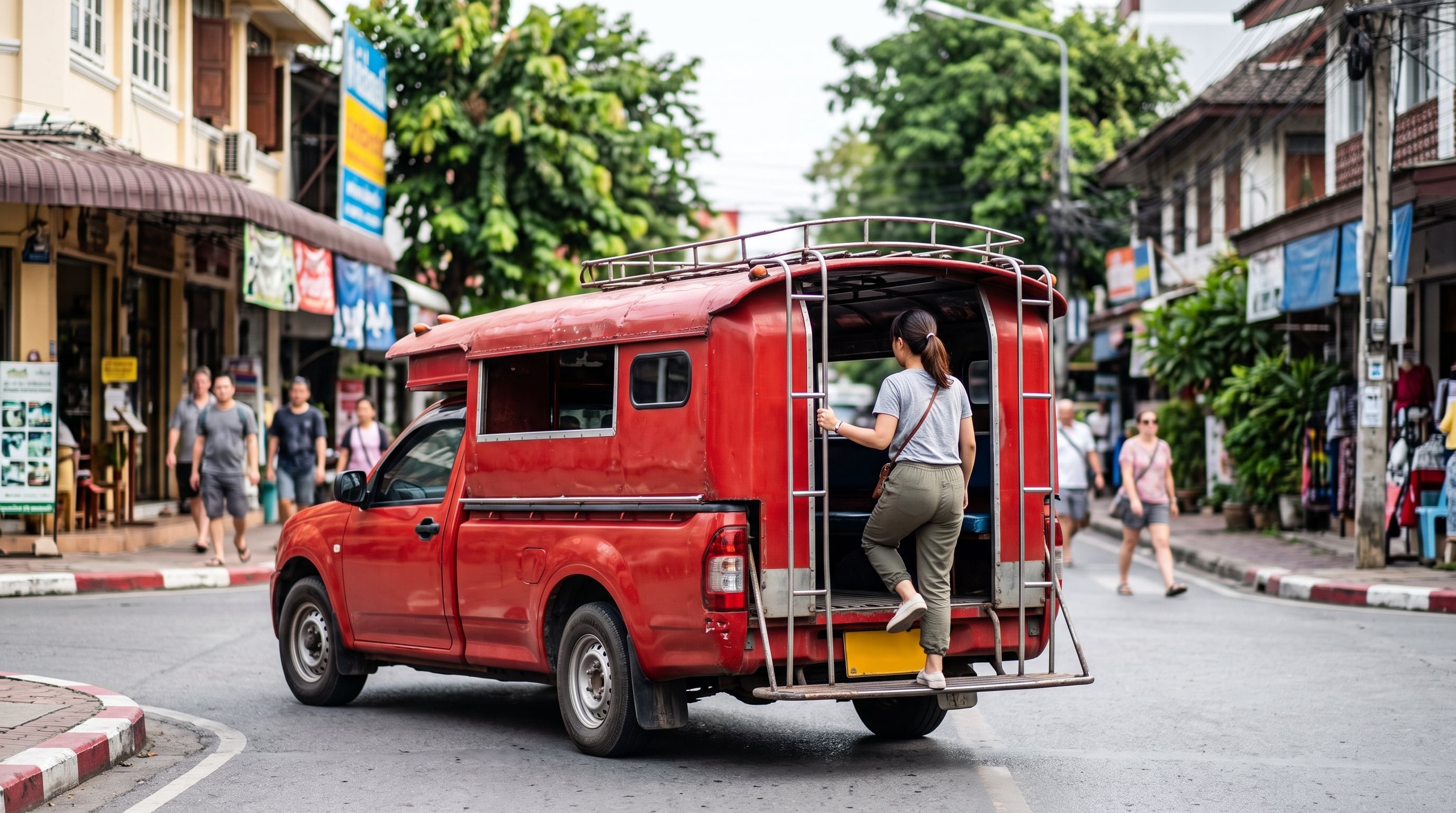
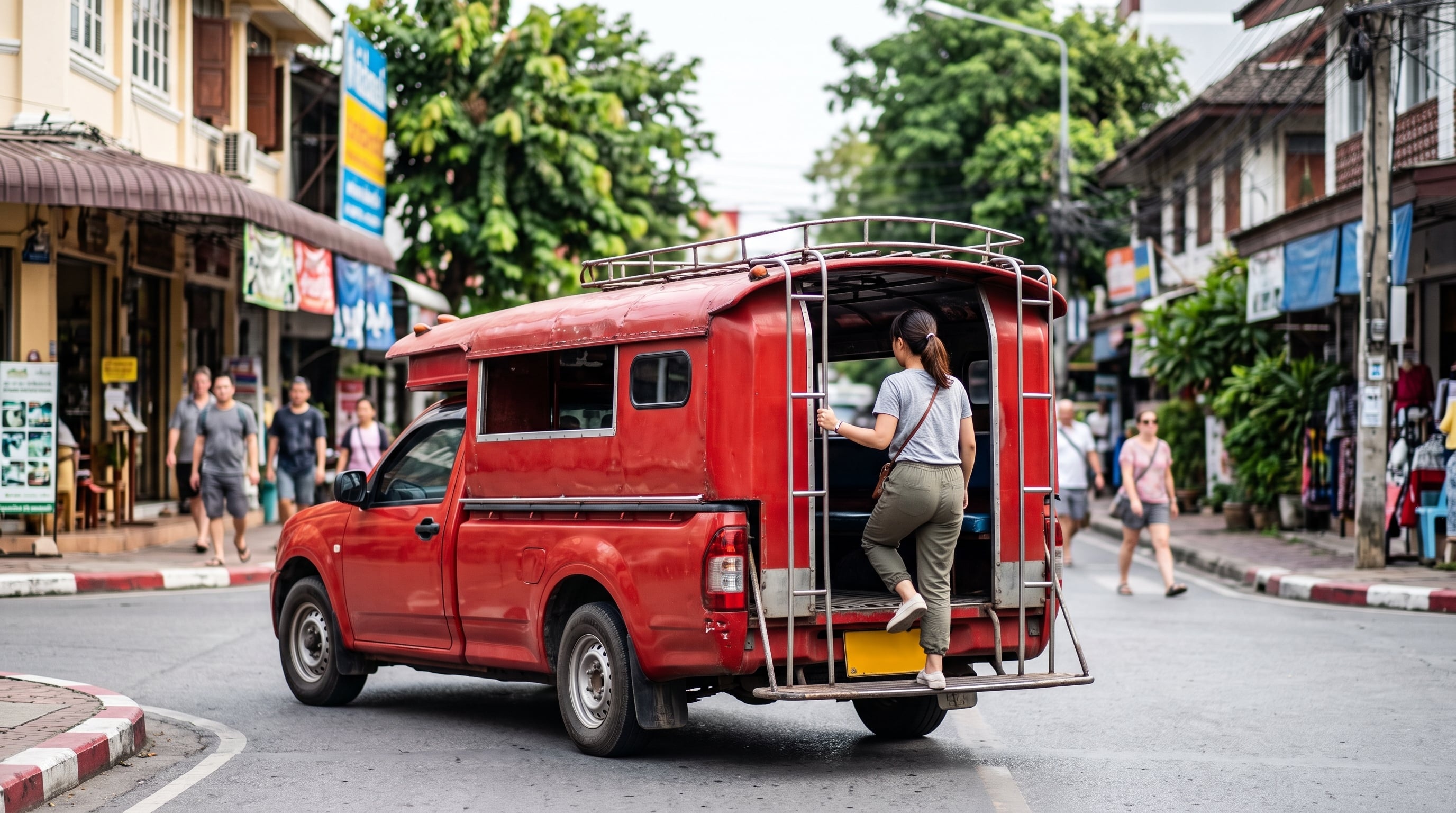
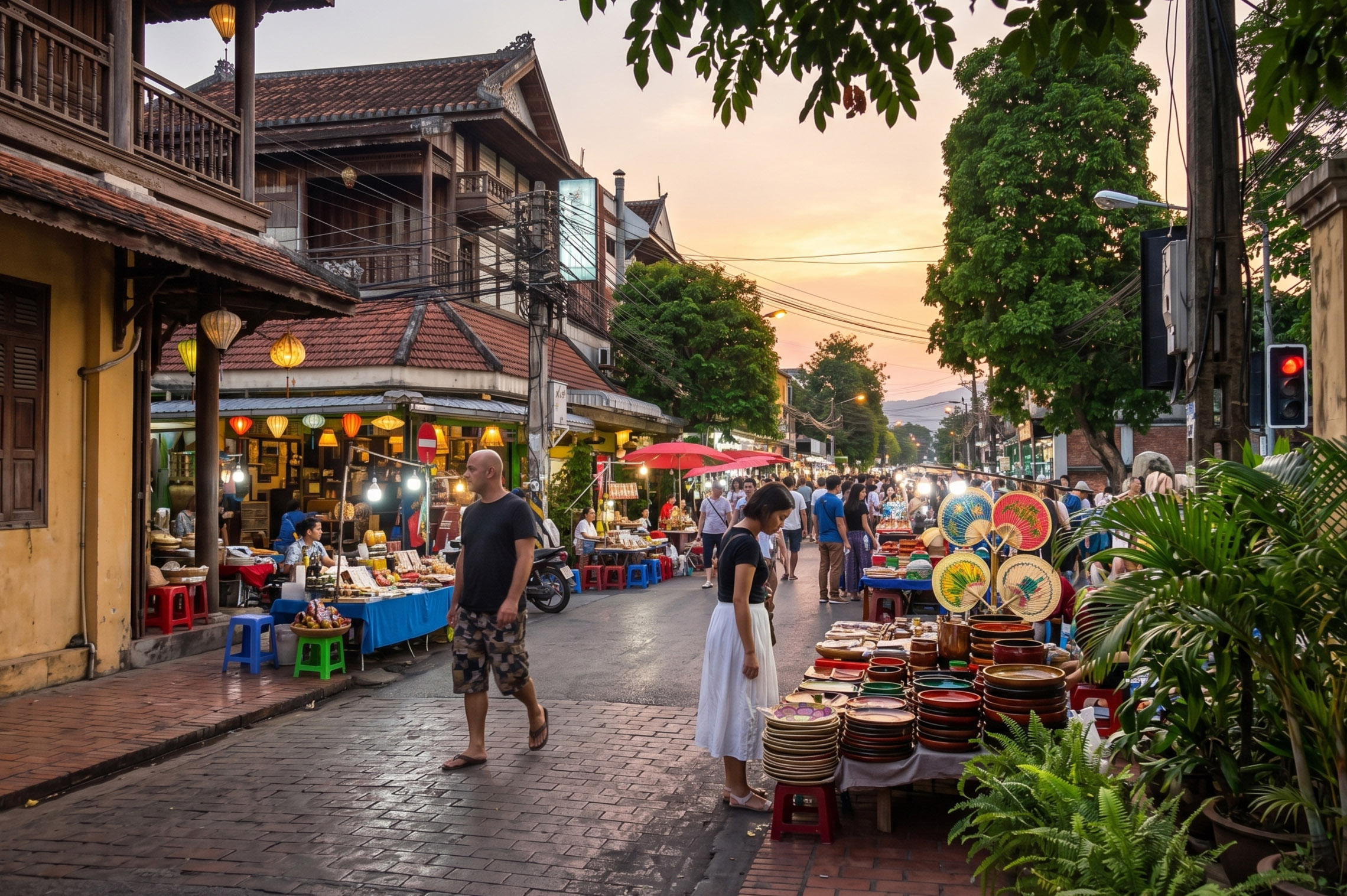
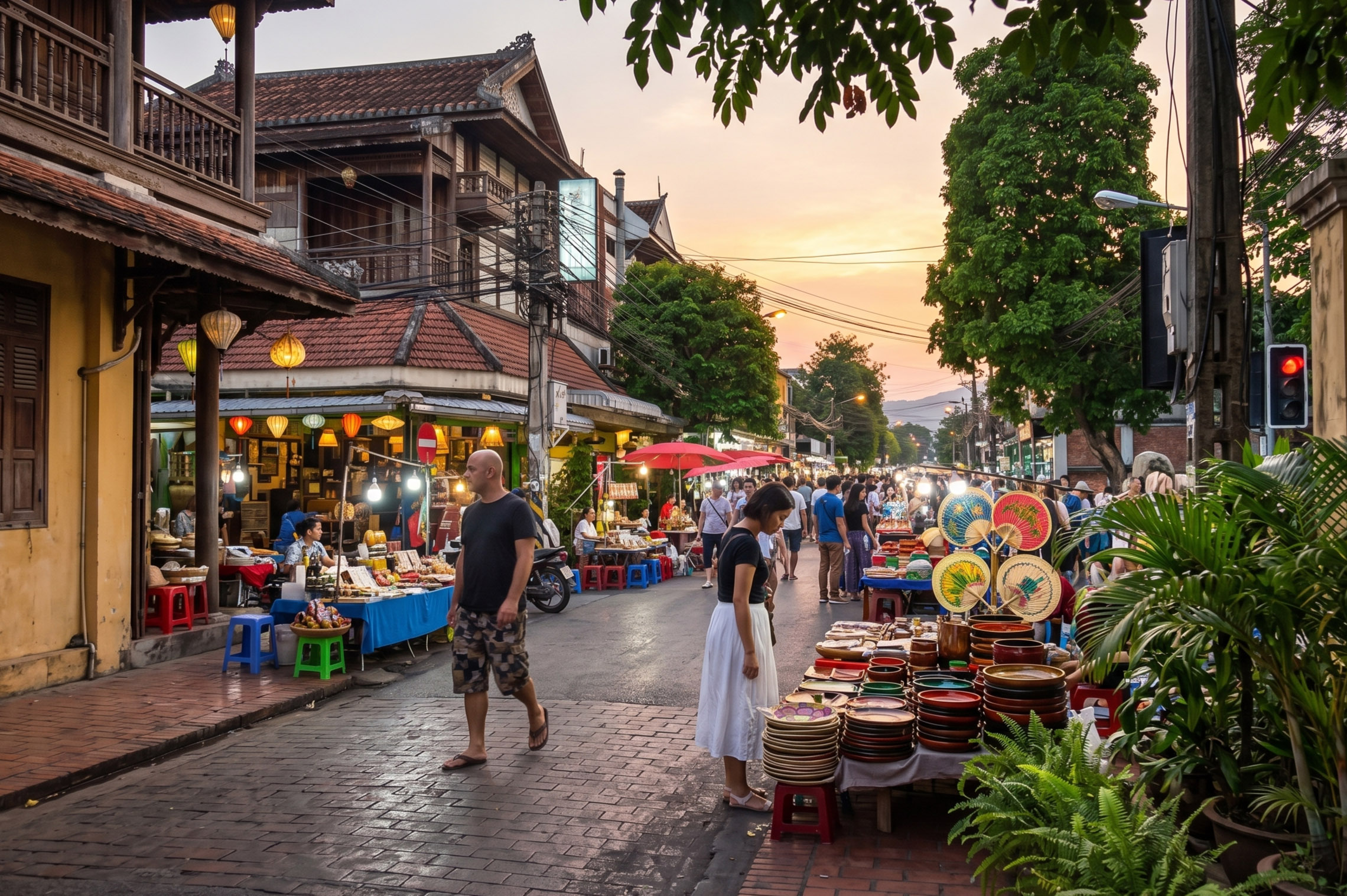
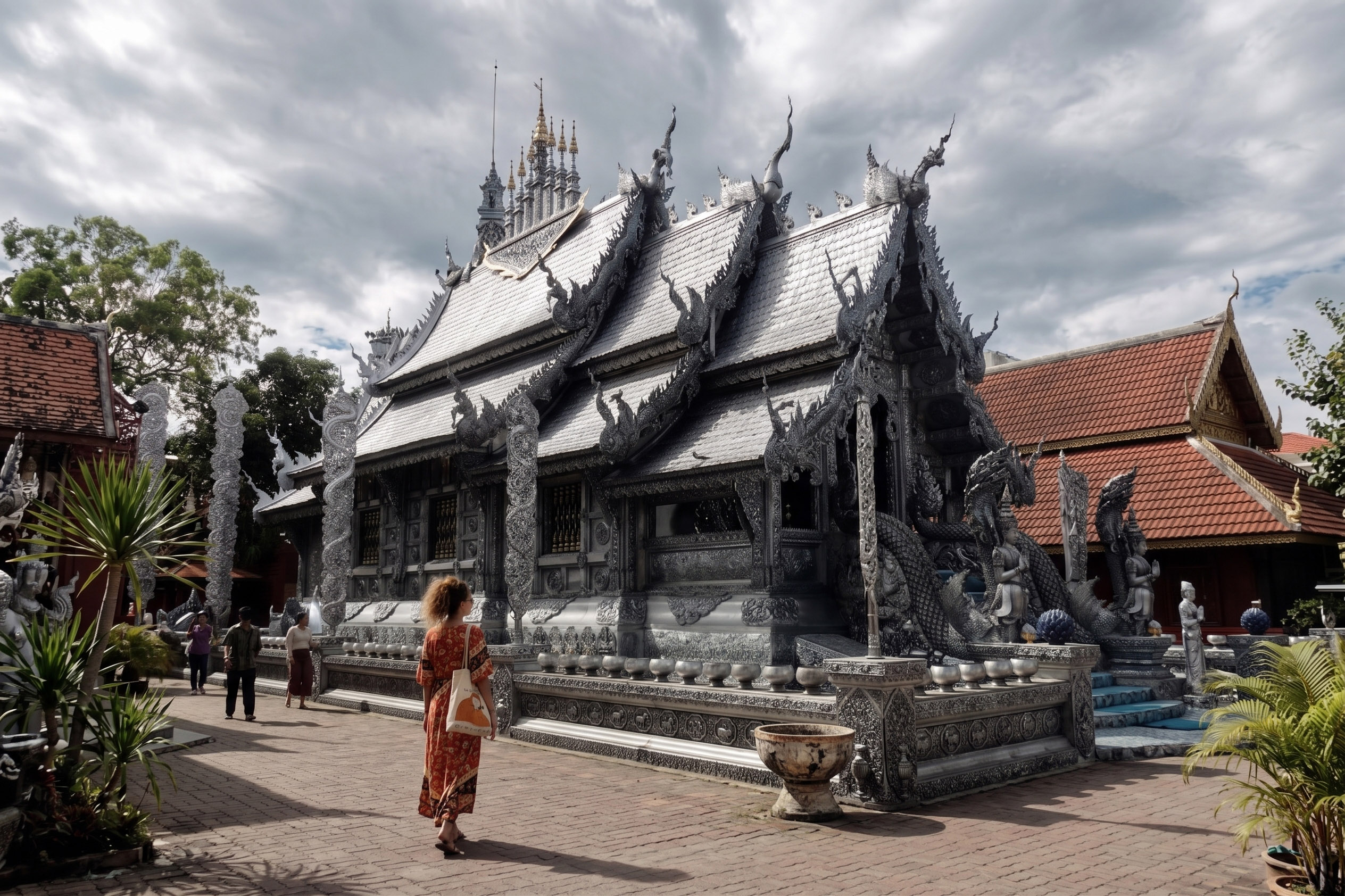
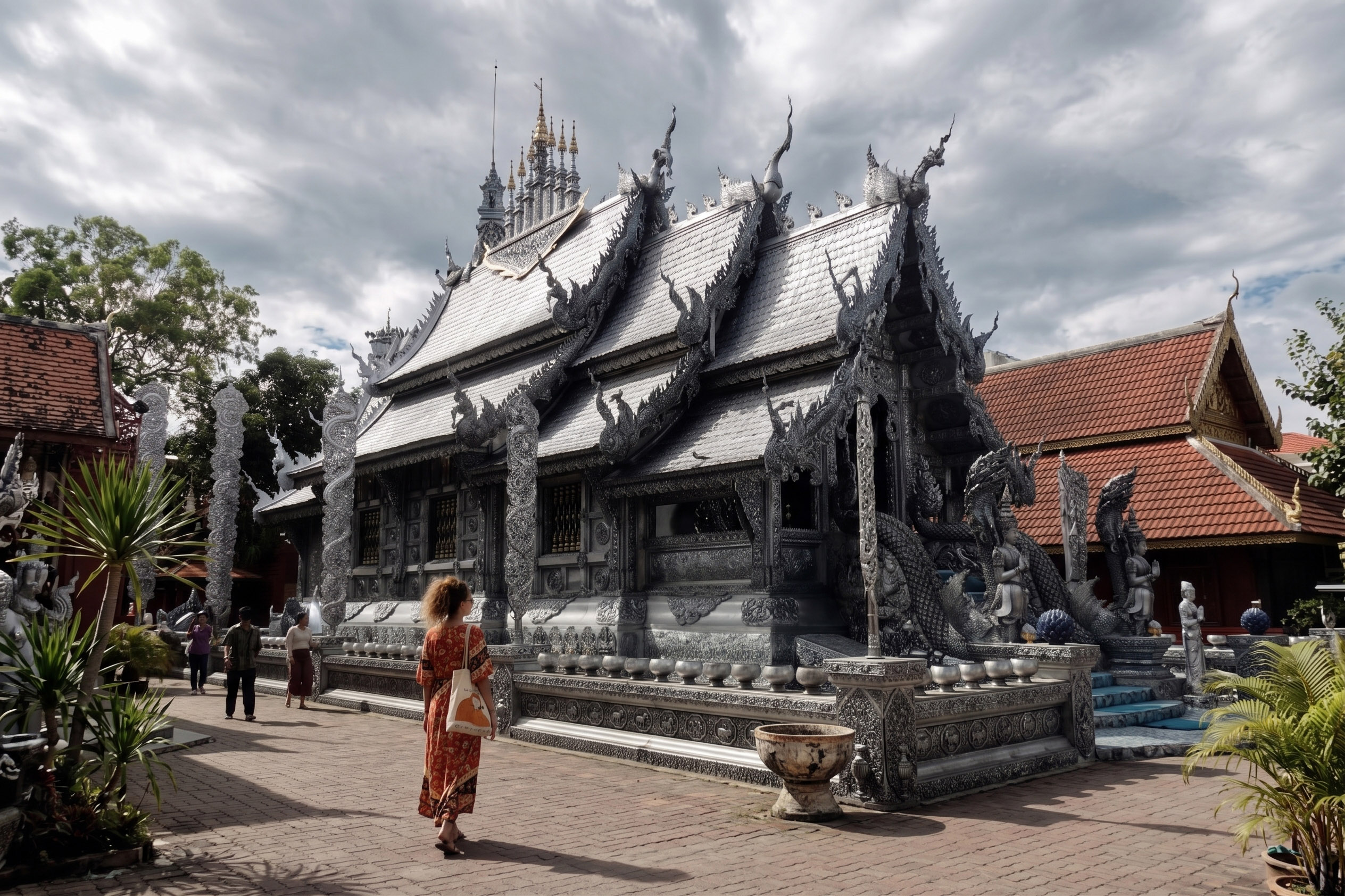
Chiang Mai's Old City fits inside a compact square moat you can walk end to end in under an hour, so a solo traveler rarely needs to plan a complicated route between sights the way a sprawling city like Bangkok often demands. English signage is common, and songthaews and Grab both make getting around simple without a shared language.
Most of the practical advice in any Chiang Mai solo travel guide comes down to the same point: the city was already built for people showing up alone, so very little needs to be arranged in advance.
None of this requires much research before landing either, a loose plan for the first day is usually enough, since the compact layout and the sheer number of other solo travelers already moving through the same neighbourhoods make it easy to figure out the rest once actually walking around.
The pace also suits a solo traveler better than a group trip usually allows. There is no group consensus to negotiate over which temple to visit or when to stop for lunch, a solo itinerary in Chiang Mai can genuinely change hour to hour based on the weather, the mood, or a market that turns out to be more interesting than planned.
That flexibility is arguably the single biggest advantage a Chiang Mai solo travel guide can point to over a packaged tour of the same city.
Read more: Ultimate Chiang Mai Travel Guide in 2026 for your perfect trip
Chiang Mai is consistently rated among the safer cities in Southeast Asia for solo travelers, including solo women, and violent crime against tourists is genuinely rare. Numbeo's 2026 Safety Index ranks Chiang Mai first in South-Eastern Asia, with a safety score of 77.9.
The realistic risks here are financial rather than physical, and nearly all of them are easy to sidestep once a traveler knows what to look out for, which is really the core purpose of the safety section in any honest Chiang Mai solo travel guide.
,regionOfInterest=(1376,768))
,regionOfInterest=(1376,768))
Solo women travel through Chiang Mai every day without incident, and the city's cafe culture, well-lit central areas, and app-based transport all work in a solo female traveler's favor. Grab is the easiest way to move around after dark since the driver, route, and fare are all logged before the ride even starts, a small extra layer of accountability that a flagged-down tuk-tuk does not offer.
None of these habits cost anything and none of them change how the trip actually feels day to day.
Staying at a well-reviewed hotel with a 24-hour front desk also removes a surprising amount of low-level worry from a solo trip, since a genuine problem, a lost passport, a late flight change, a question about where to go, always has someone to ask rather than working it out alone from a guesthouse with no reception desk at all.
None of this is specific to Chiang Mai either, it is the same baseline awareness that makes solo travel work well anywhere, this city simply gives a traveler fewer real reasons to actually need it in the first place.
A quick read of a current travel advisory before departure is still worth the ten minutes it takes, more as a general habit than because Chiang Mai itself tends to throw up surprises, and most solo travelers who do this once before the trip never think about it again once they actually arrive.
The handful of scams that do turn up in Chiang Mai are well documented and easy to plan around, none of them require unusual caution, just the same everyday awareness that serves a traveler well in any city.
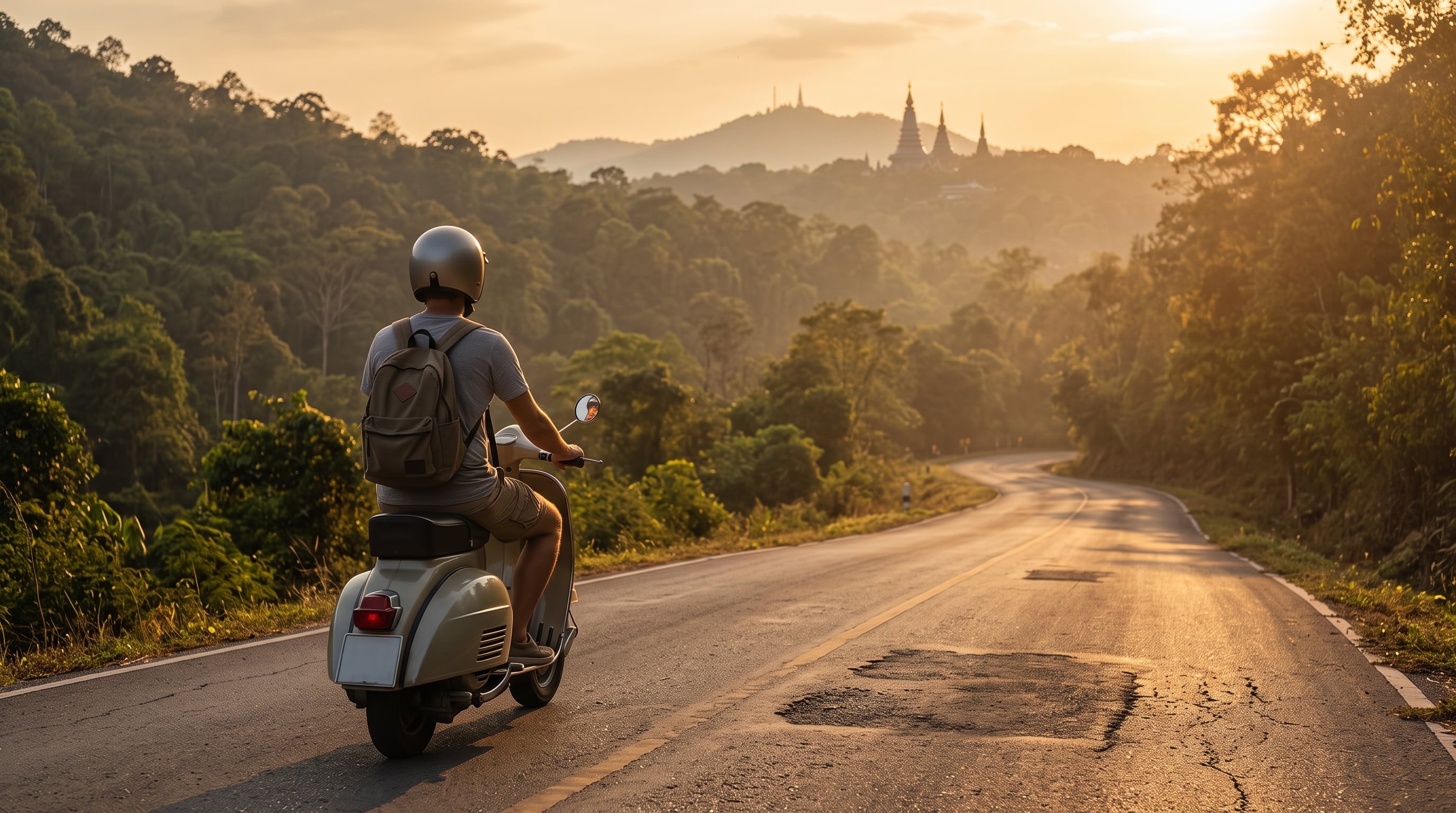
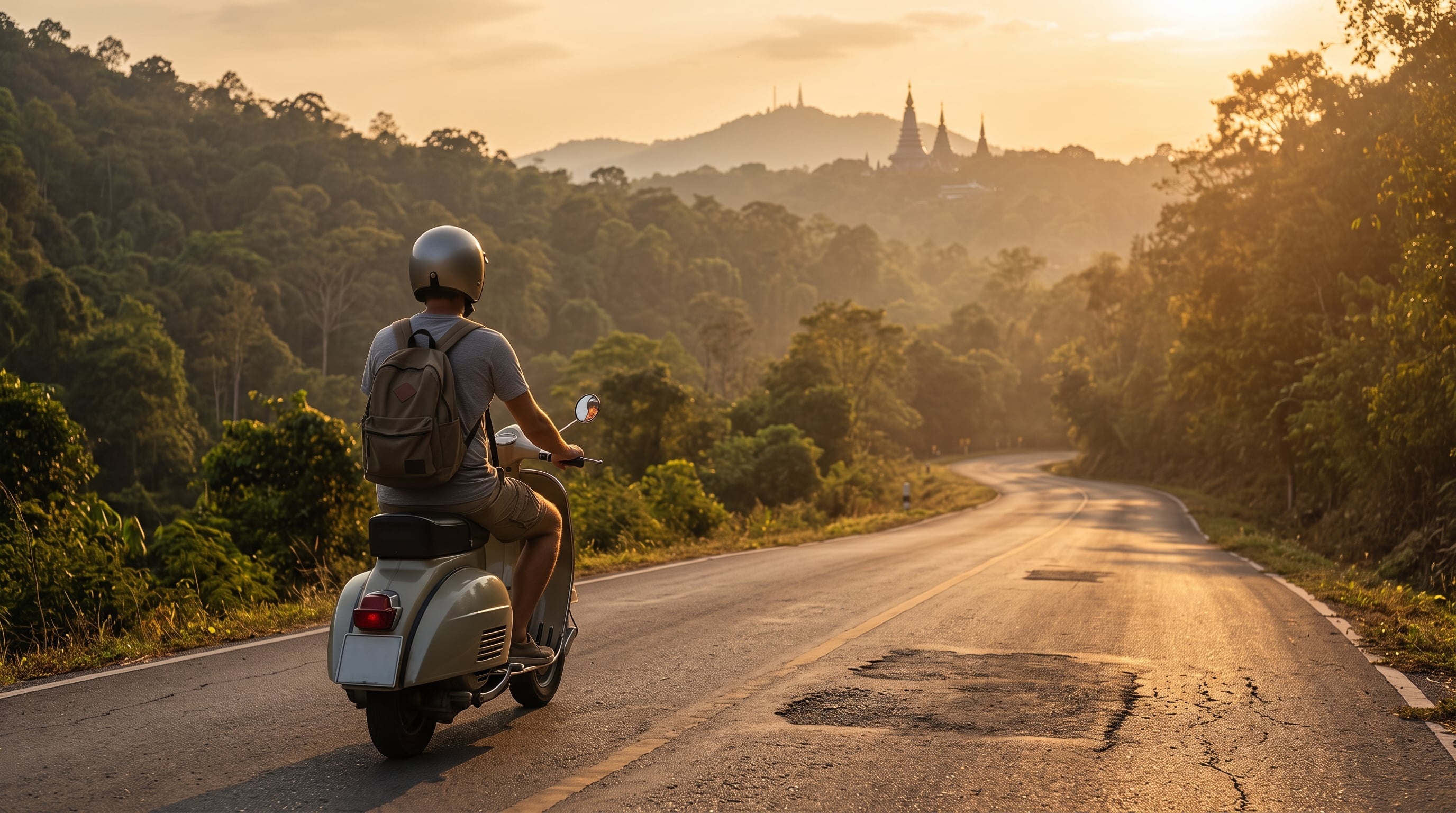
Chiang Mai's streets carry a lot of motorbike traffic, so a pedestrian crossing a road benefits from the same care used in any busy Asian city, and a first-time rider should treat the Old City's narrow one-way lanes as practice before attempting a mountain route.
The other seasonal factor worth planning around is the dry burning season, roughly March into Mayand peaking in April, when agricultural burning across the region thickens the air enough that IQAir has ranked Chiang Mai among the world's most polluted major cities at points during the season.
It is a genuinely useful reason to time a visit for the cool season between November and February instead, when the air is at its clearest and the temperature is at its most comfortable, and Chiang Mai's many air-conditioned cafes and coworking spaces make even a burning-season visit perfectly workable for anyone who plans indoor time around the smokier afternoons.
None of this should discourage a trip outside those months either, simply factor it into the plan the same way a traveler would check the forecast anywhere else.
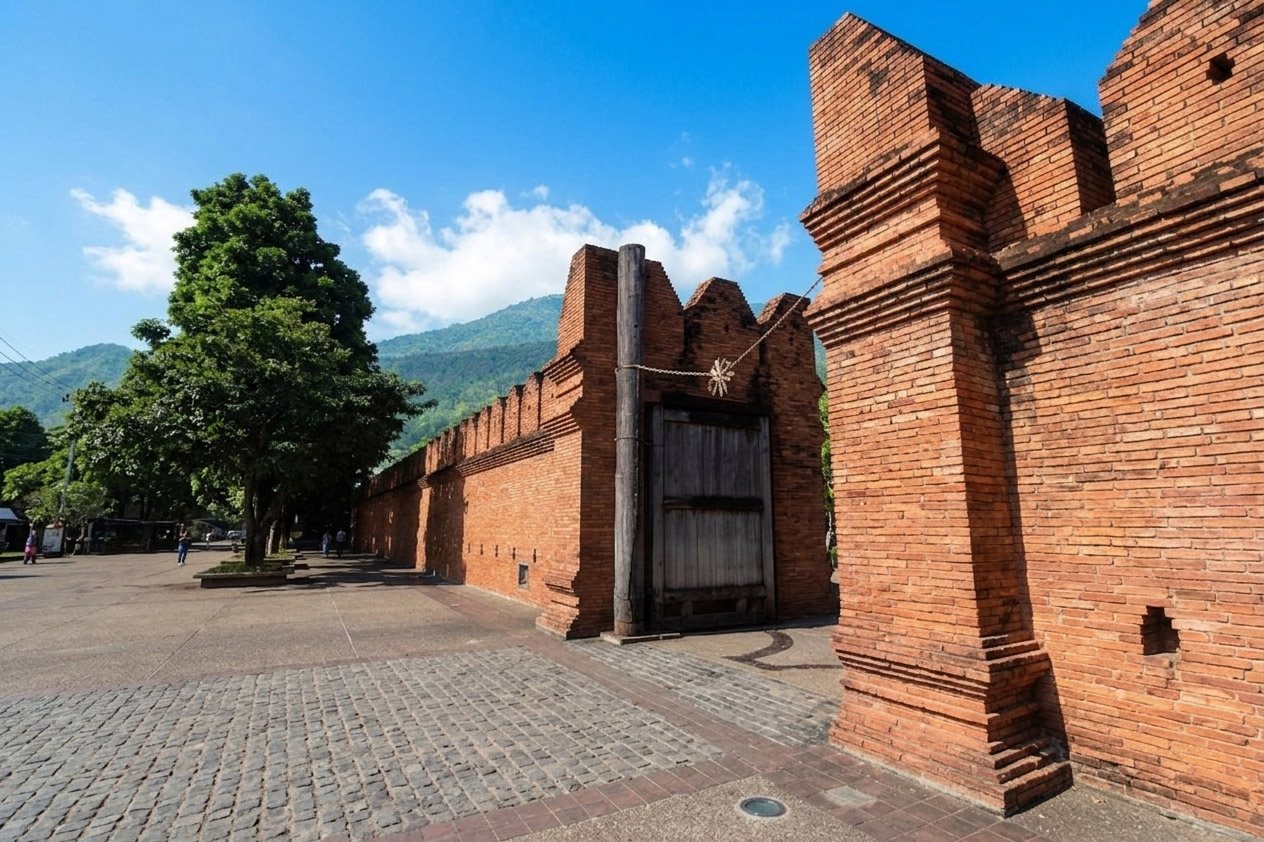
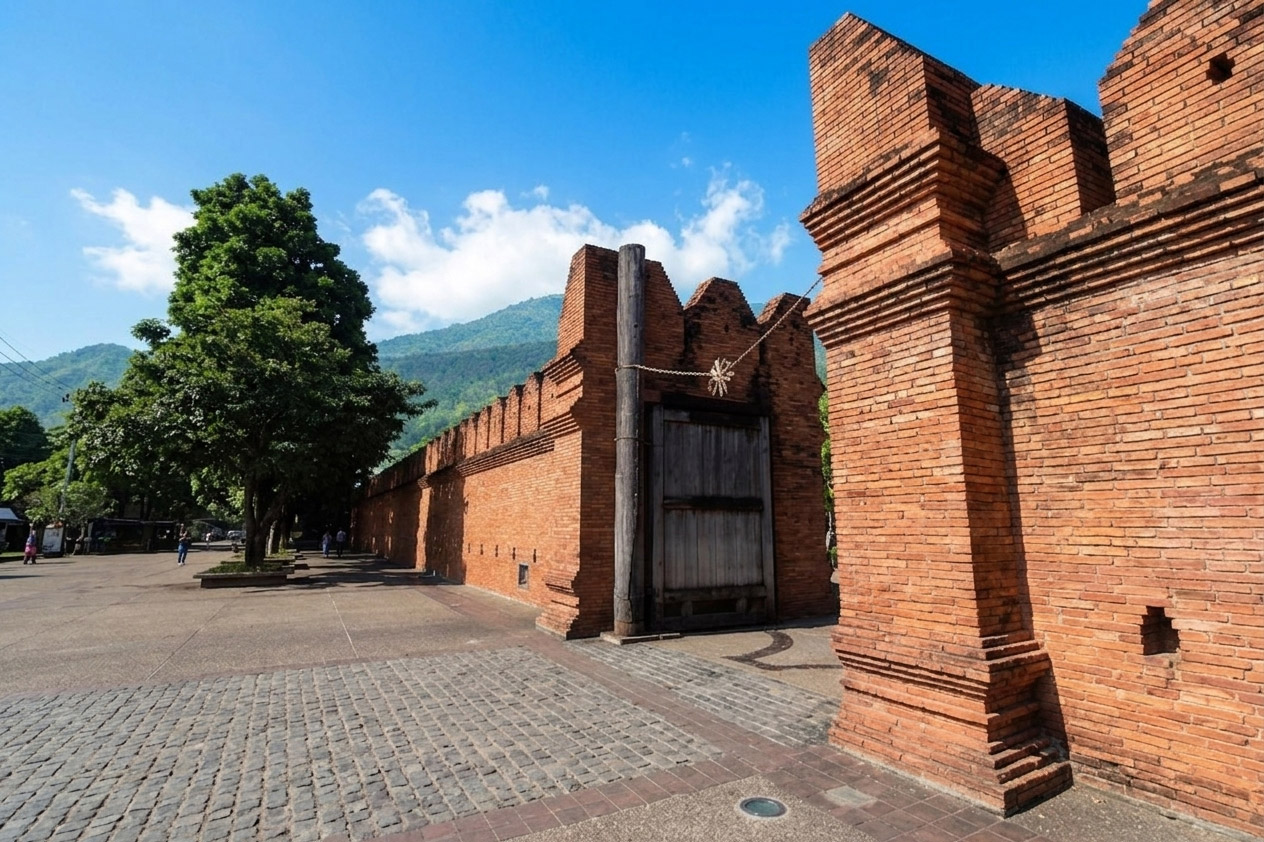
Three areas come up again and again in any Chiang Mai solo travel guide, and each suits a slightly different kind of trip. Here is how they compare.
,regionOfInterest=(632,421))
,regionOfInterest=(632,421))
Staying inside the moat puts a solo traveler within walking distance of most major temples and the Sunday Walking Street, the easiest base for anyone whose trip is built around temple-hopping and history rather than nightlife or a work routine.
Guesthouses here tend to be small and personal, often run by a family who knows the neighbourhood well enough to point a solo guest toward whatever is genuinely worth the walk that particular week. It is also the busiest of the three areas after dark, useful for a solo traveler who wants light foot traffic and easy company nearby rather than a quiet residential street once the evening sets in.
,regionOfInterest=(1078,808))
,regionOfInterest=(1078,808))
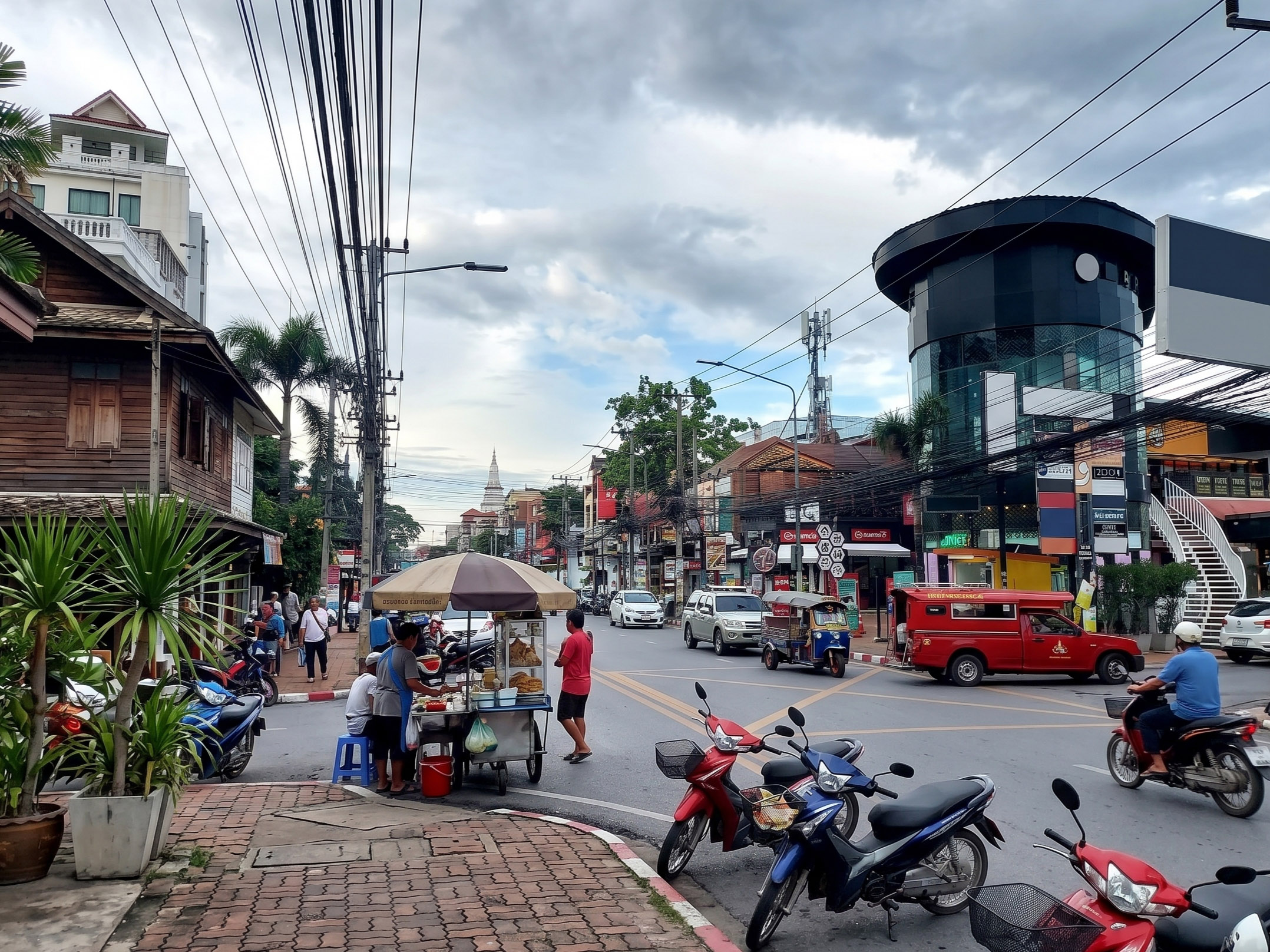
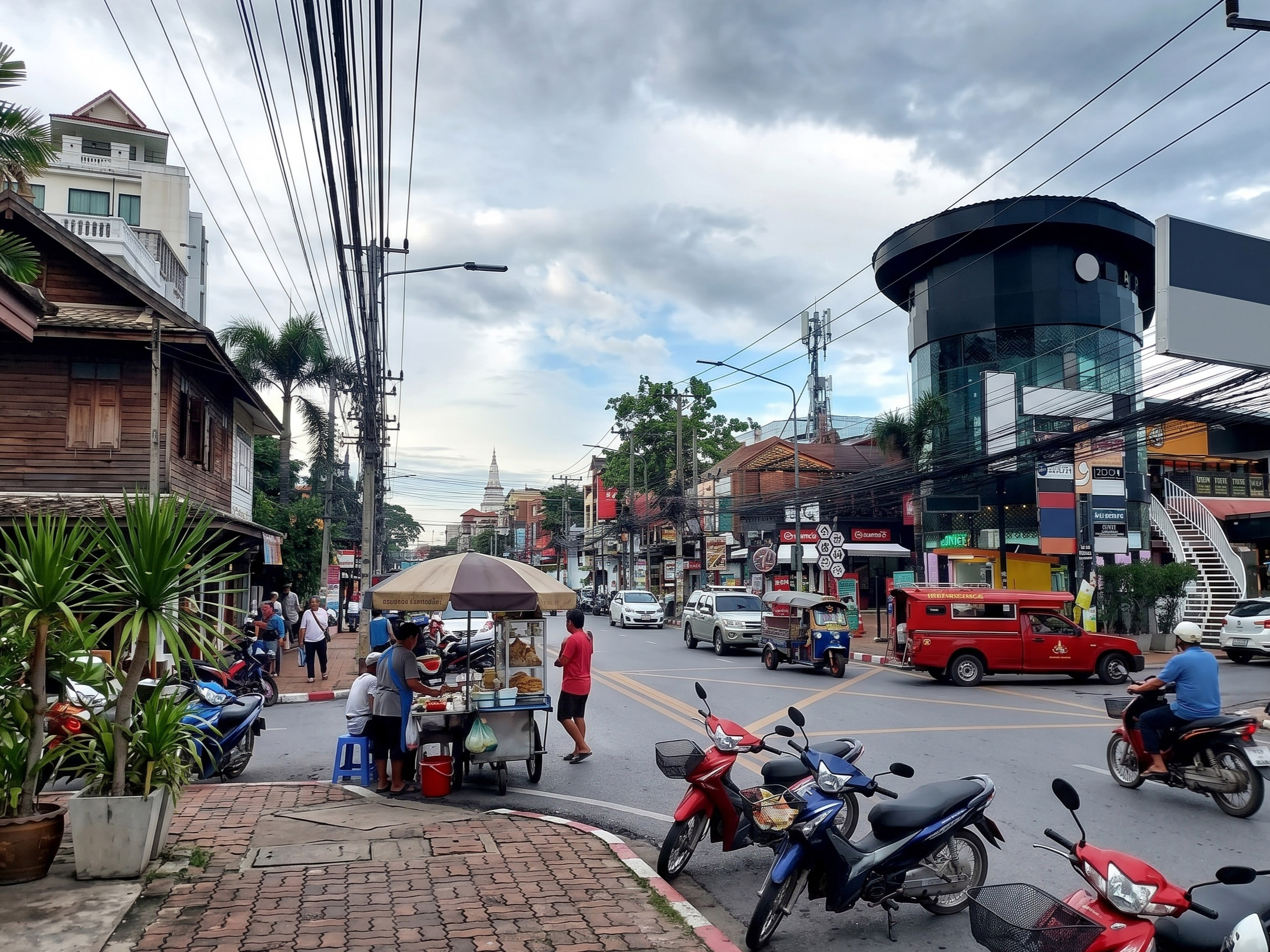
Nimman is Chiang Mai's cafe and coworking hub, dense with third-wave coffee shops, boutique stores, and a younger, more work-focused crowd, a natural fit for a digital nomad settling in for a longer stay rather than a short sightseeing trip.
It trades some of the Old City's historic atmosphere for a genuinely easy place to sit down, open a laptop, and get a full working day done between excursions, with plenty of solo diners and remote workers around at any given table to make eating alone feel entirely unremarkable.
,regionOfInterest=(1376,768))
,regionOfInterest=(1376,768))
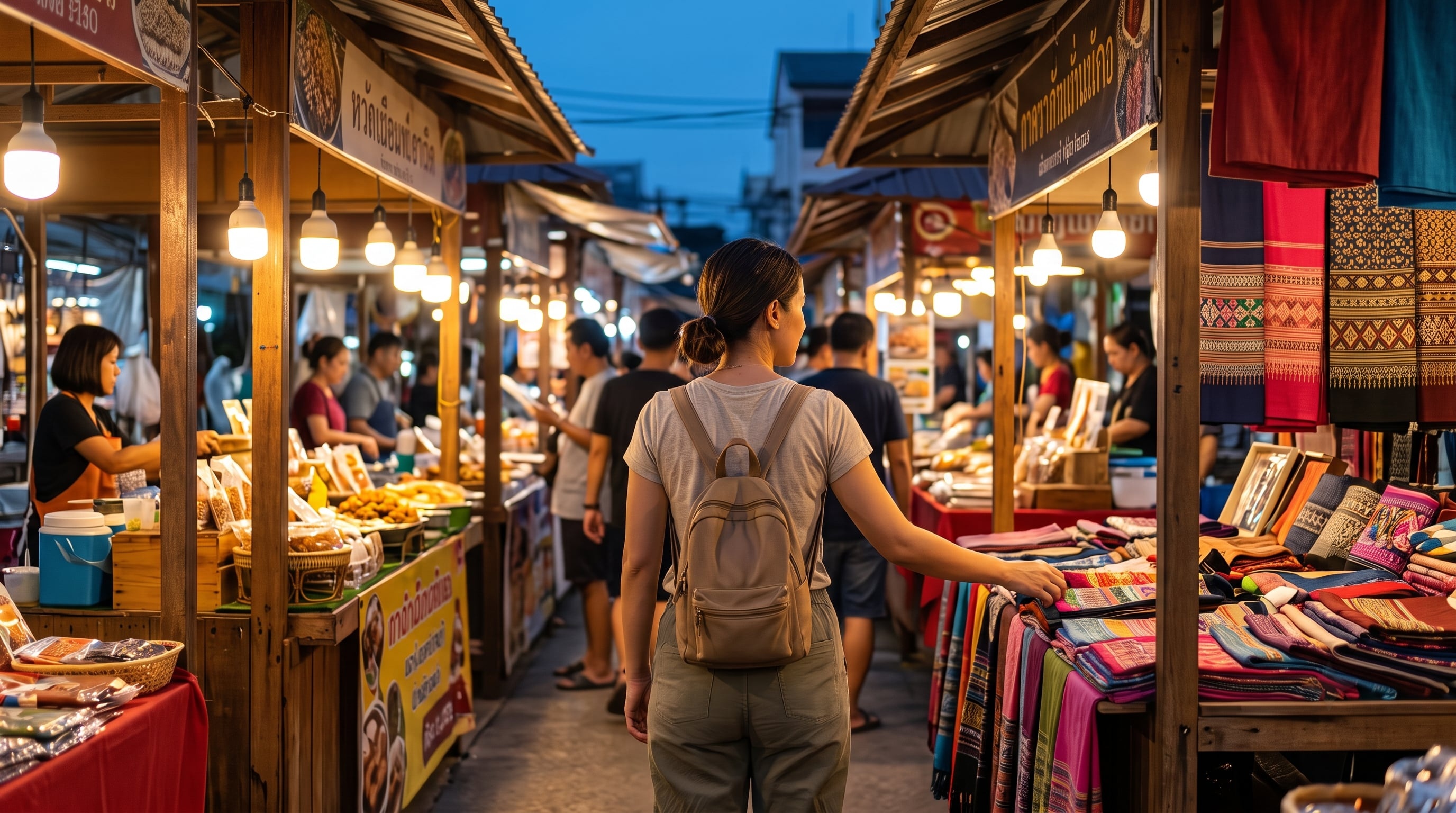
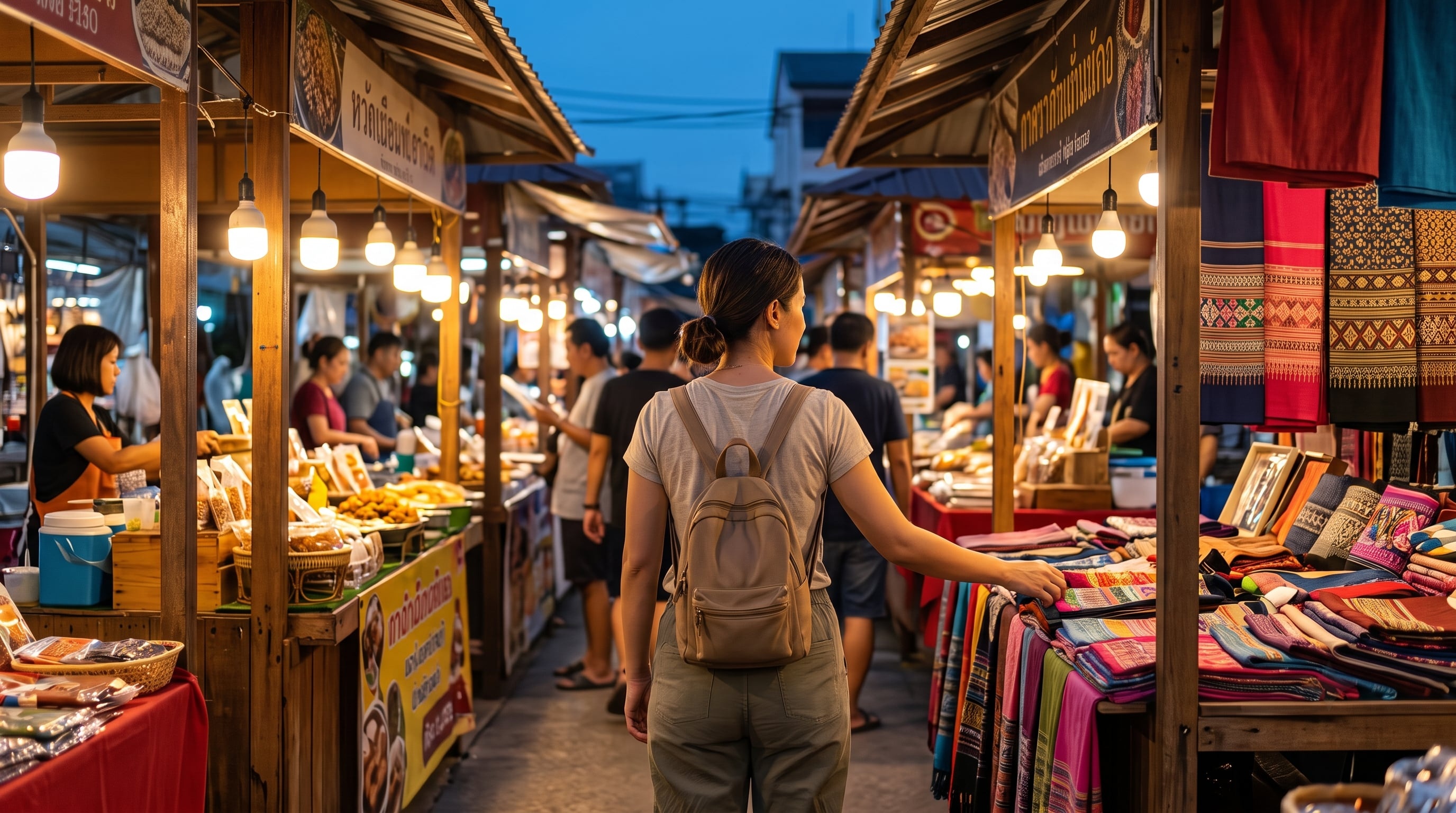
The Night Bazaar area sits between the other two, walkable to the Old City and a short ride from Nimman, with the added benefit of the market itself running every evening right on the doorstep.
It suits a solo traveler who wants a central, well-connected base without committing fully to either the temple-focused Old City or the cafe-focused Nimman scene, close enough to both that neither ever feels like a special trip requiring any extra planning or a long ride to reach.
|
Area |
Distance from Old City |
Best For |
|
The Old City |
City center (0 km) |
Temple-hopping, walking everywhere, history-focused trips |
|
Nimman |
About 2 km northwest, 5 to 10 minutes by songthaew |
Cafes, coworking, longer stays, a nomad-friendly scene |
|
Night Bazaar |
About 1.5 km east, 5 to 10 minutes by songthaew |
A central, well-connected base with evening shopping on site |
None of the three areas is more than a short songthaew ride from either of the other two, so a solo traveler who picks the Night Bazaar for its central position is never really cut off from the Old City's temples or Nimman's cafe scene, both stay easily reachable for an afternoon detour.
Most travelers researching a Chiang Mai solo travel guide before booking anything end up choosing based on trip length as much as personality, a short trip favours the Old City or the Night Bazaar for their walkability, while a longer stay tends to pull people toward Nimman once the working routine starts to matter more than sightseeing distance.
Switching bases partway through a longer trip is also a genuinely realistic option worth considering, a few nights in the Old City to cover the temples first, then a move to Nimman once the sightseeing slows down and the days start revolving more around cafes and a laptop than a fixed itinerary.
Solo travelers get from A to B in Chiang Mai without much planning ahead, and mixing transport modes rather than settling on just one for the whole trip tends to work best. Here is how the main options compare.
|
Mode |
Typical Cost |
Best For |
|
Songthaew |
30 to 40 THB per ride |
Default short hops around the city |
|
Grab |
90 to 150 THB per ride |
Late nights, airport runs, luggage in tow |
|
Scooter rental |
100 to 250 THB per day |
Day trips to Doi Suthep and the mountains |
|
Walking |
Free |
Anyone based inside or near the Old City |
A first-time rider should have some riding experience before tackling the mountain roads solo, and a bicycle covers the compact Old City nicely for a traveler who prefers to explore at their own pace on two pedals rather than two wheels with an engine.
Most of the transport advice worth repeating in a Chiang Mai solo travel guide comes down to exactly this, use the cheapest option that still feels comfortable for that specific trip rather than defaulting to the same one every time.
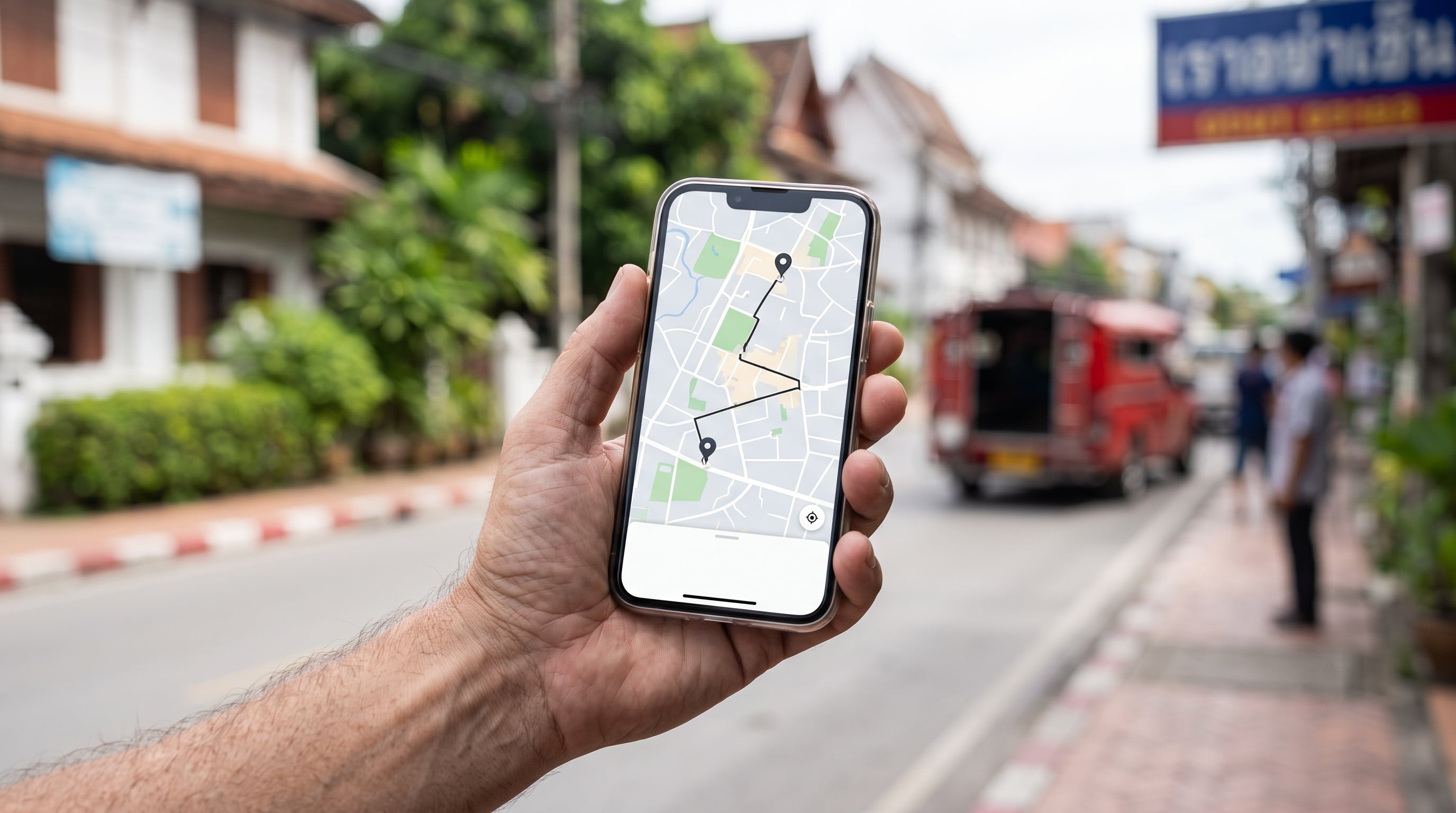
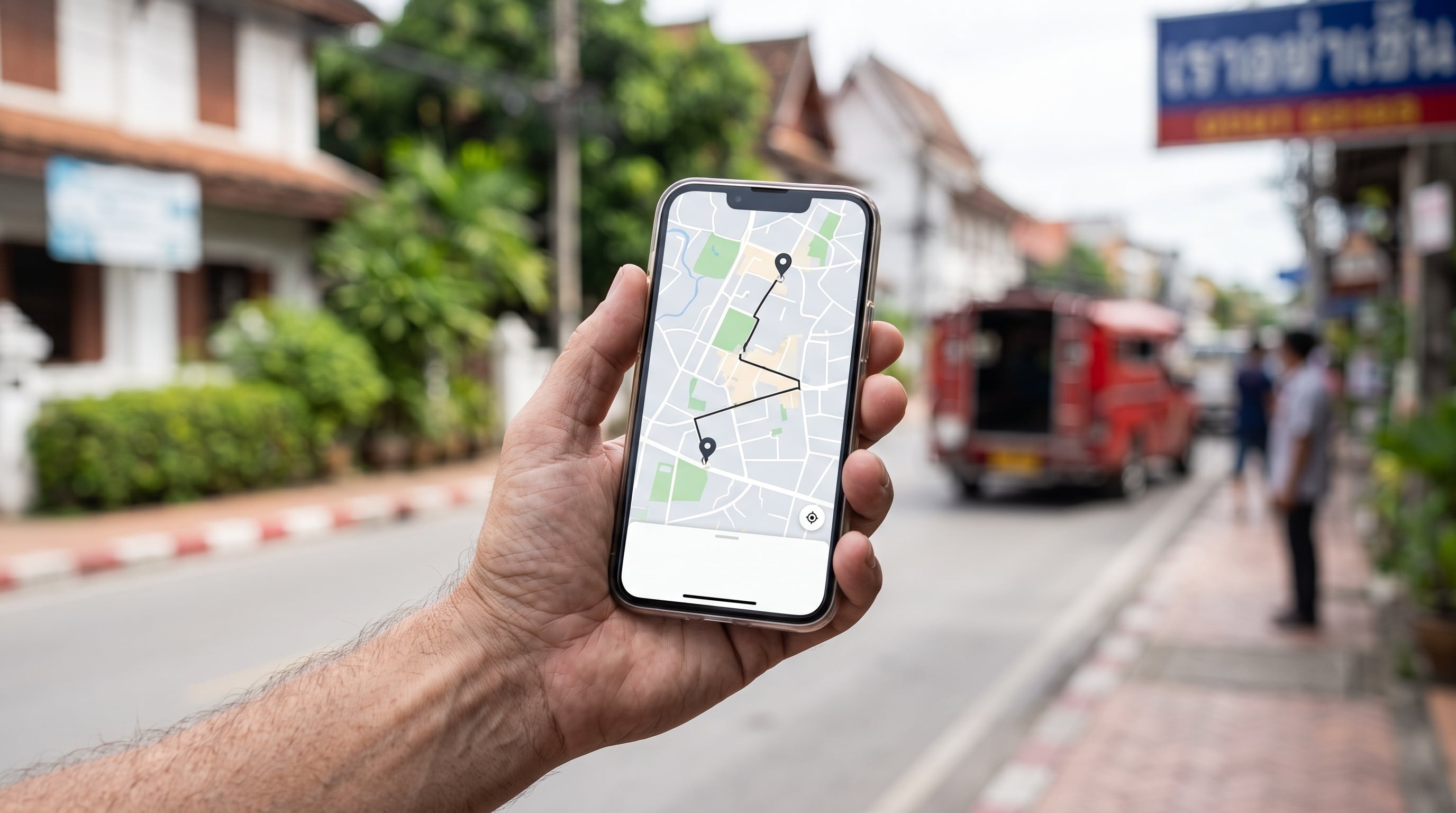
Downloading the Grab app and setting up a local mobile SIM or eSIM before the first ride out of the airport also saves a surprising amount of friction on day one, when figuring out payment and navigation for the first time is the last thing a tired solo traveler wants to deal with.
Read more: How to Get to Chiang Mai: Ultimate Guide to Flights & Transfers
,regionOfInterest=(1376,768))
,regionOfInterest=(1376,768))
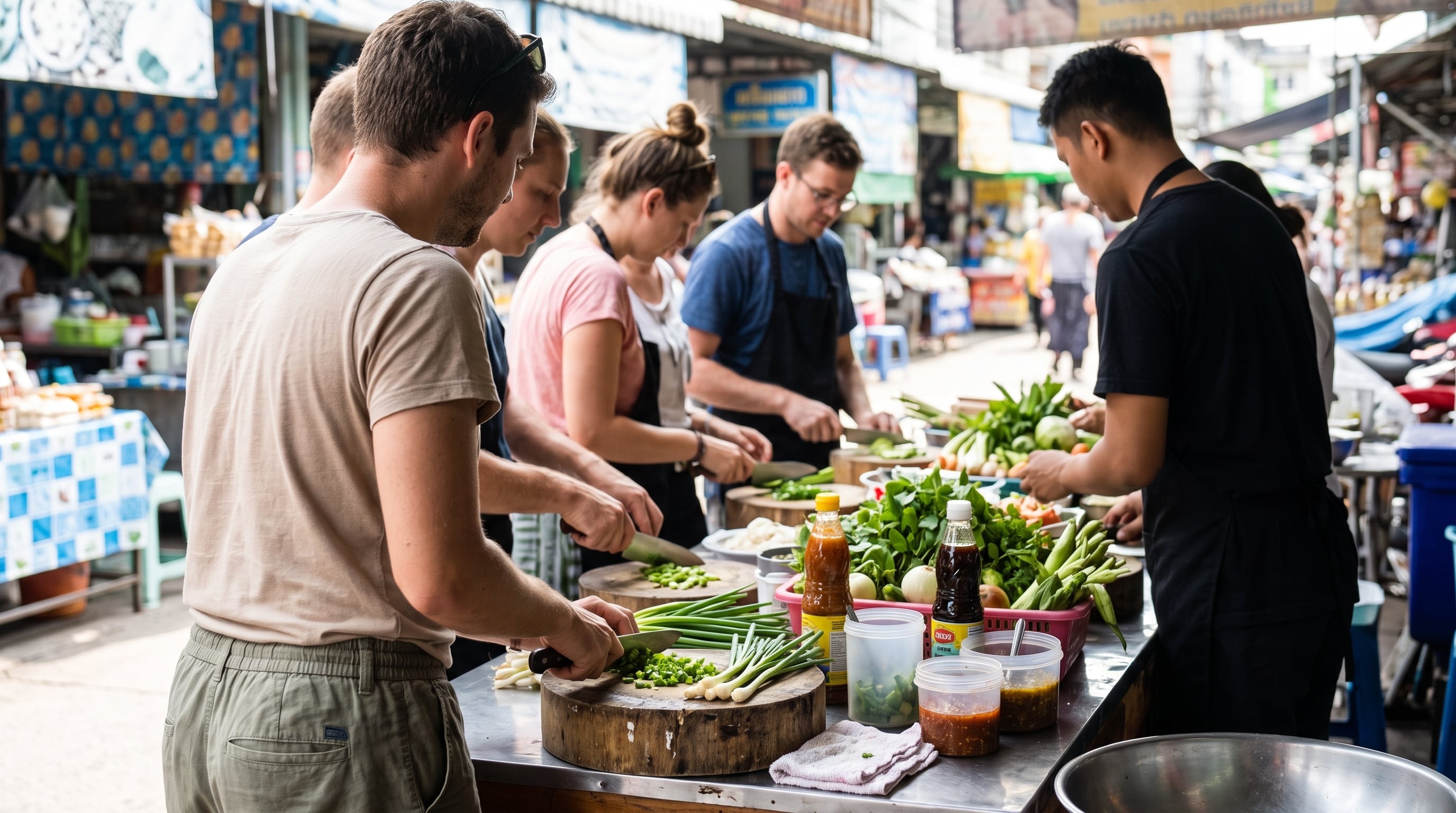
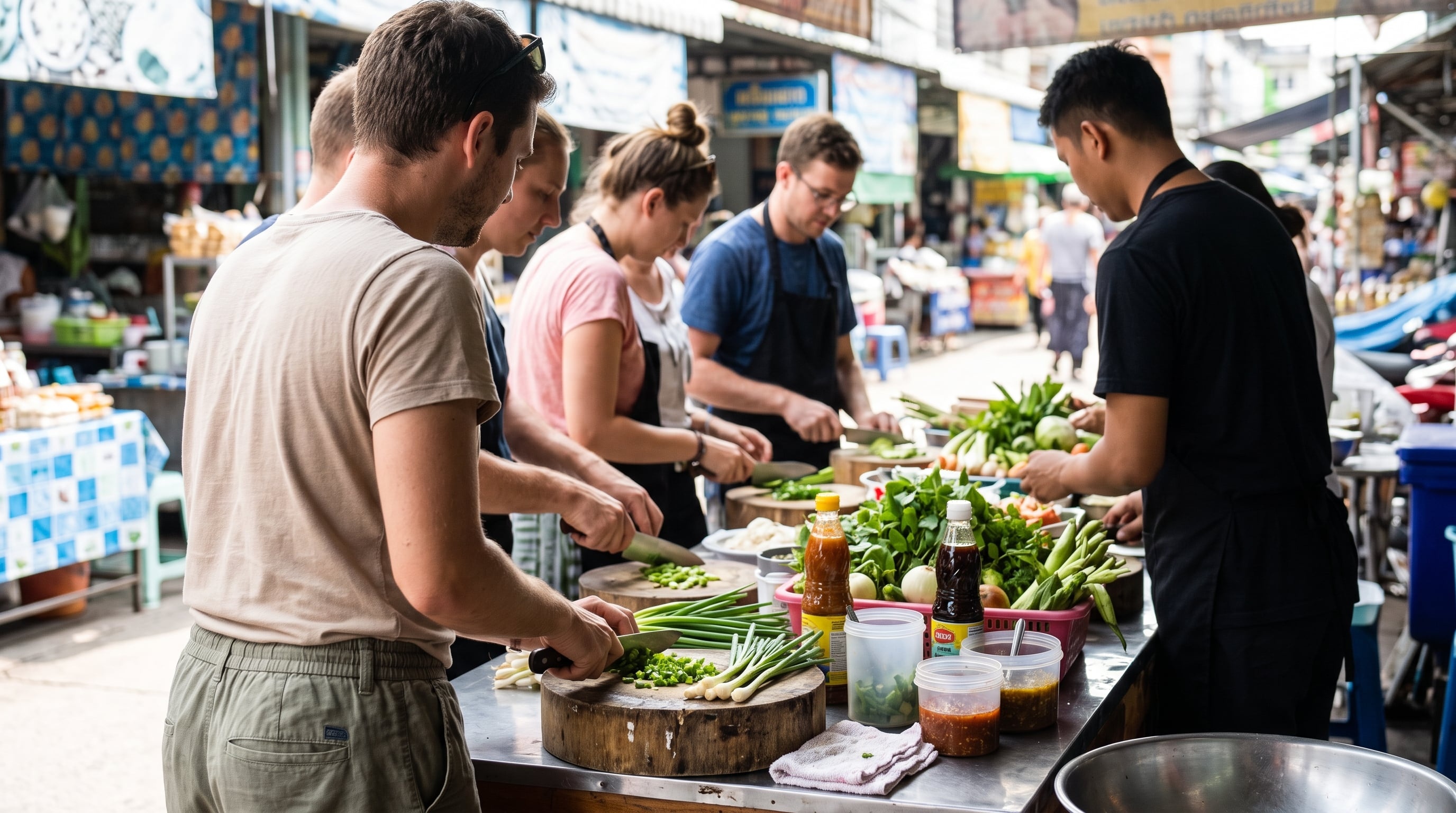
A half-day Thai cooking class is one of the easiest ways to turn a solo afternoon into a social one, most schools run small group classes that welcome single bookings without an awkward supplement, and the shared task of cooking naturally breaks the ice with whoever else signed up that day.
A sunrise or late-afternoon visit to Wat Phra That Doi Suthep works equally well solo, quiet enough outside peak hours to actually take in the view over the city rather than navigating a crowd.
A guided day trip, whether a cooking class, a temple tour, or an elephant sanctuary visit, is also one of the more reliable ways to meet other travelers without forcing it, since a shared activity gives everyone something to talk about that a hostel common room alone does not always provide.
Booking a couple of these across a longer stay, spaced a day or two apart, tends to work better than stacking them back to back, since the rest between them is when a solo trip actually starts to feel like a genuine break rather than a checklist to work through.
Sunday Walking Street is a genuinely easy solo evening out too, a slow wander through stalls and street food with no itinerary required, and an ethical elephant sanctuary day trip is worth booking solo rather than skipping, since most operators run mixed small groups anyway, so a solo traveler ends up alongside a handful of others for the day regardless.
The point of most of the activities a good Chiang Mai solo travel guide recommends is not to fill every hour, it is to leave room for the city to surprise a traveler who is not rushing between fixed stops.
Spacing a few of these across a longer stay rather than cramming them into the first two days also means there is still something new left to look forward to by the fourth or fifth day, when the initial rush of arrival has worn off and a slower, more local rhythm starts to take over.
A solo trip goes more smoothly with a base that is genuinely central, genuinely comfortable being alone in, and staffed around the clock rather than just cheap. Here is what actually matters for a solo stay, beyond just an address on a map.
Read more: Chiang Mai Map 2026: Top Tourist Attractions & Hotels
,regionOfInterest=(1771.5,1181.5))
,regionOfInterest=(1771.5,1181.5))
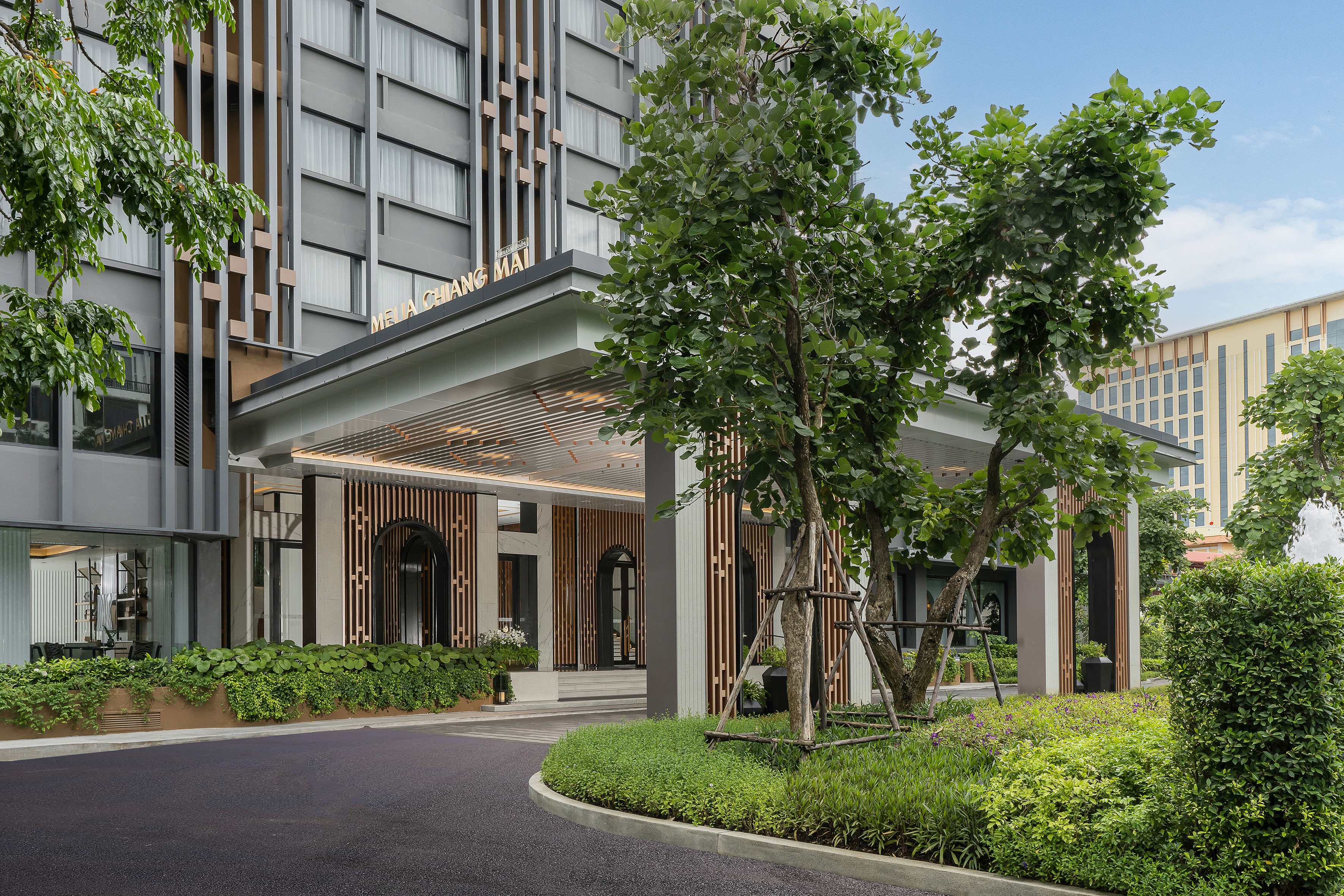
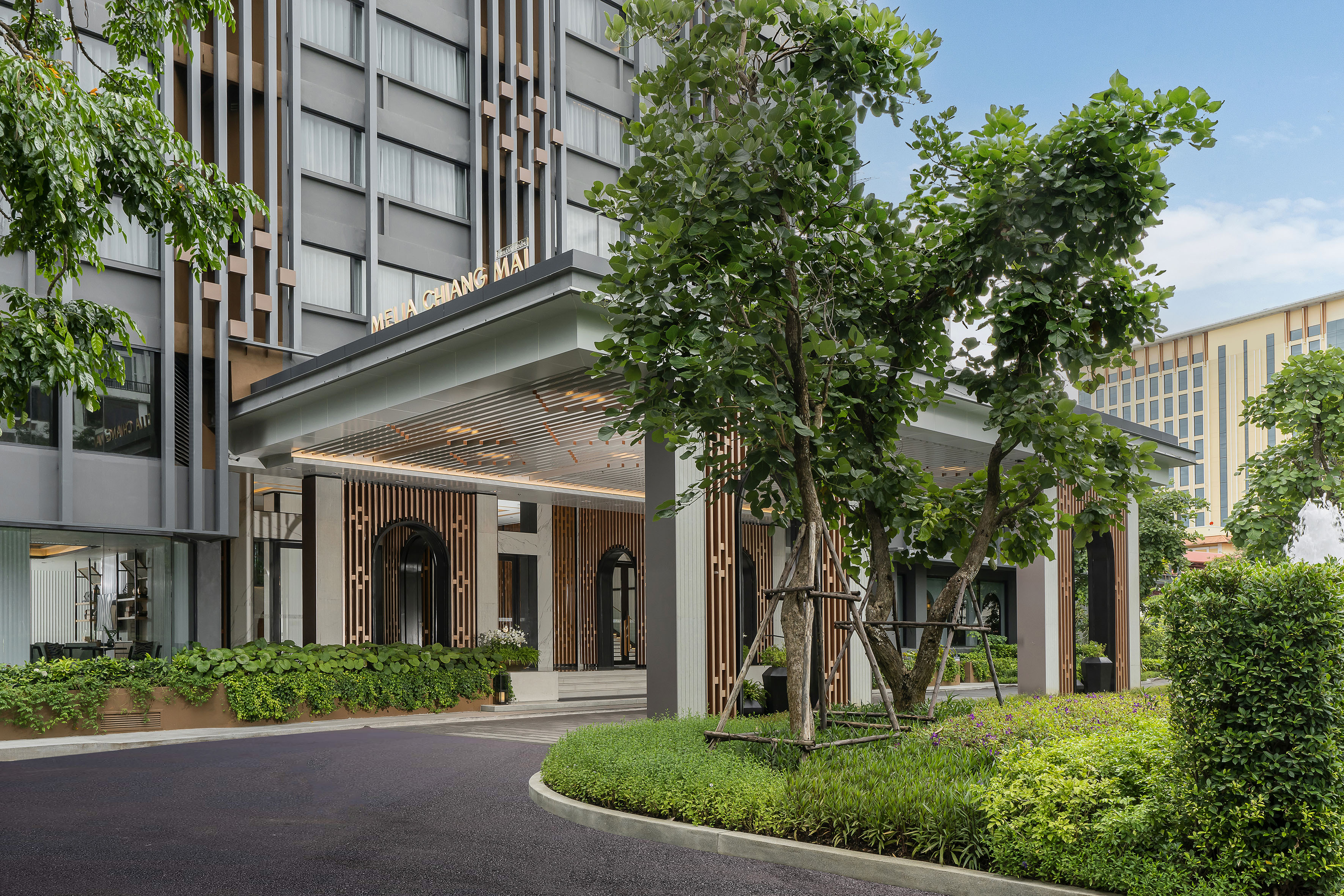
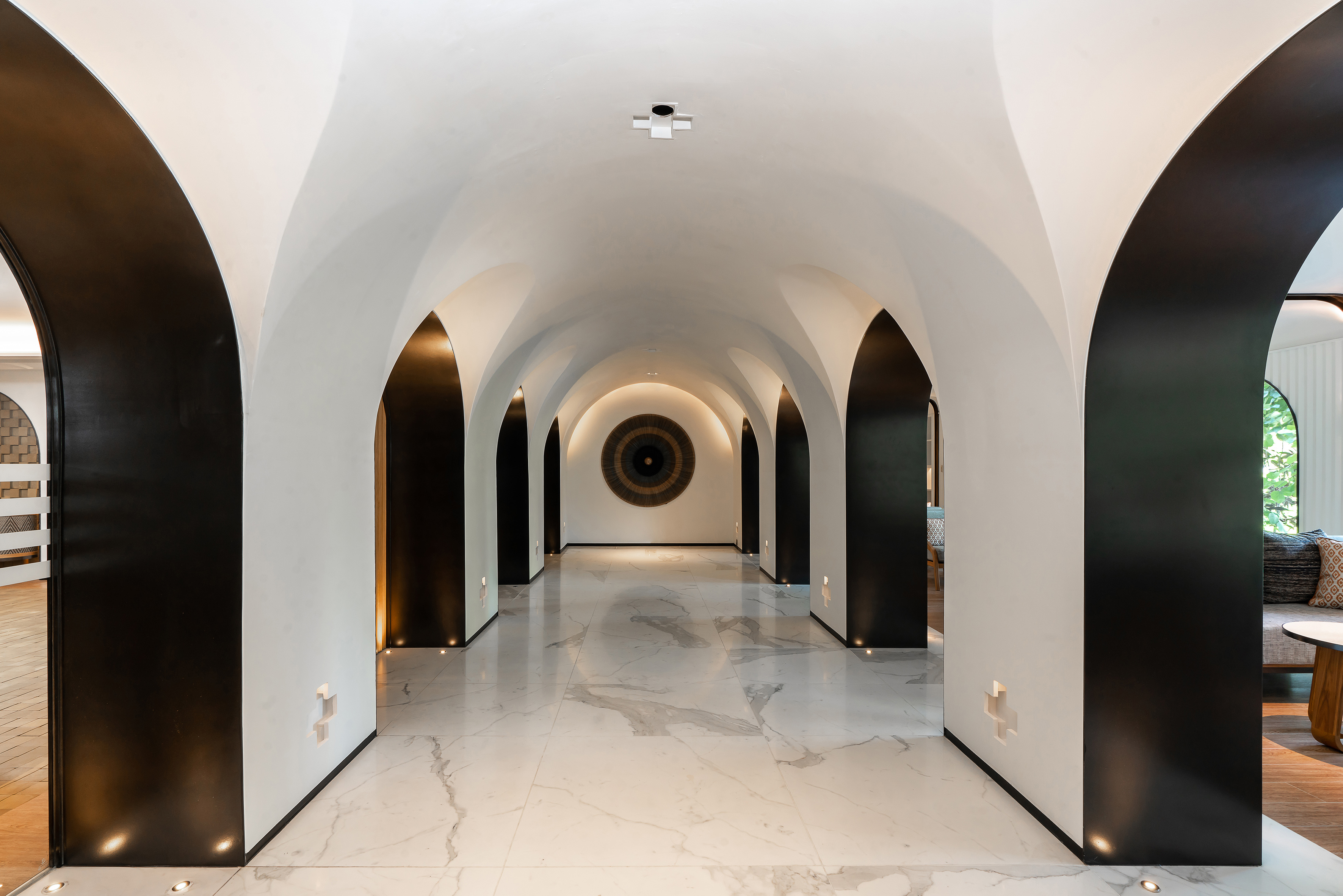
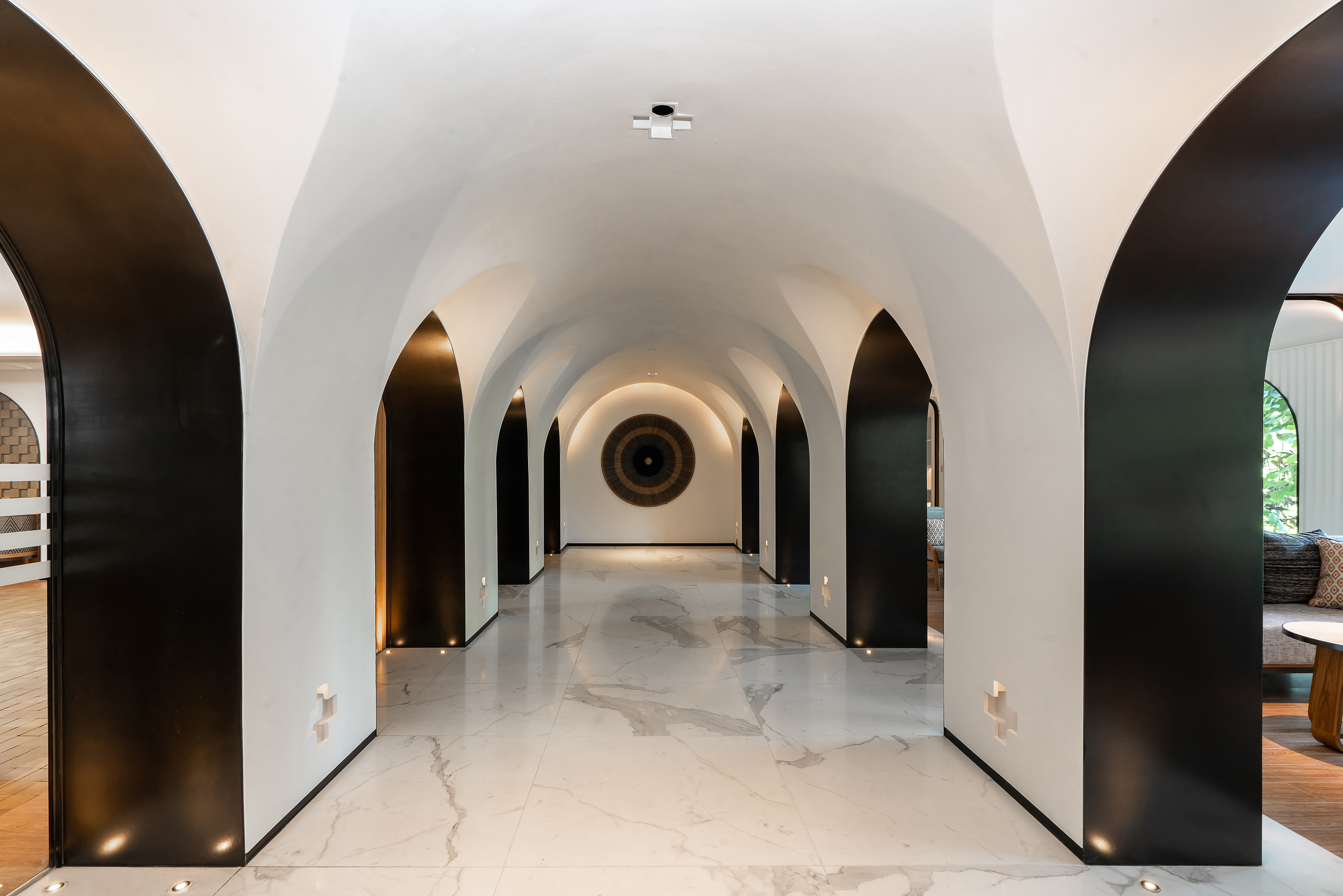
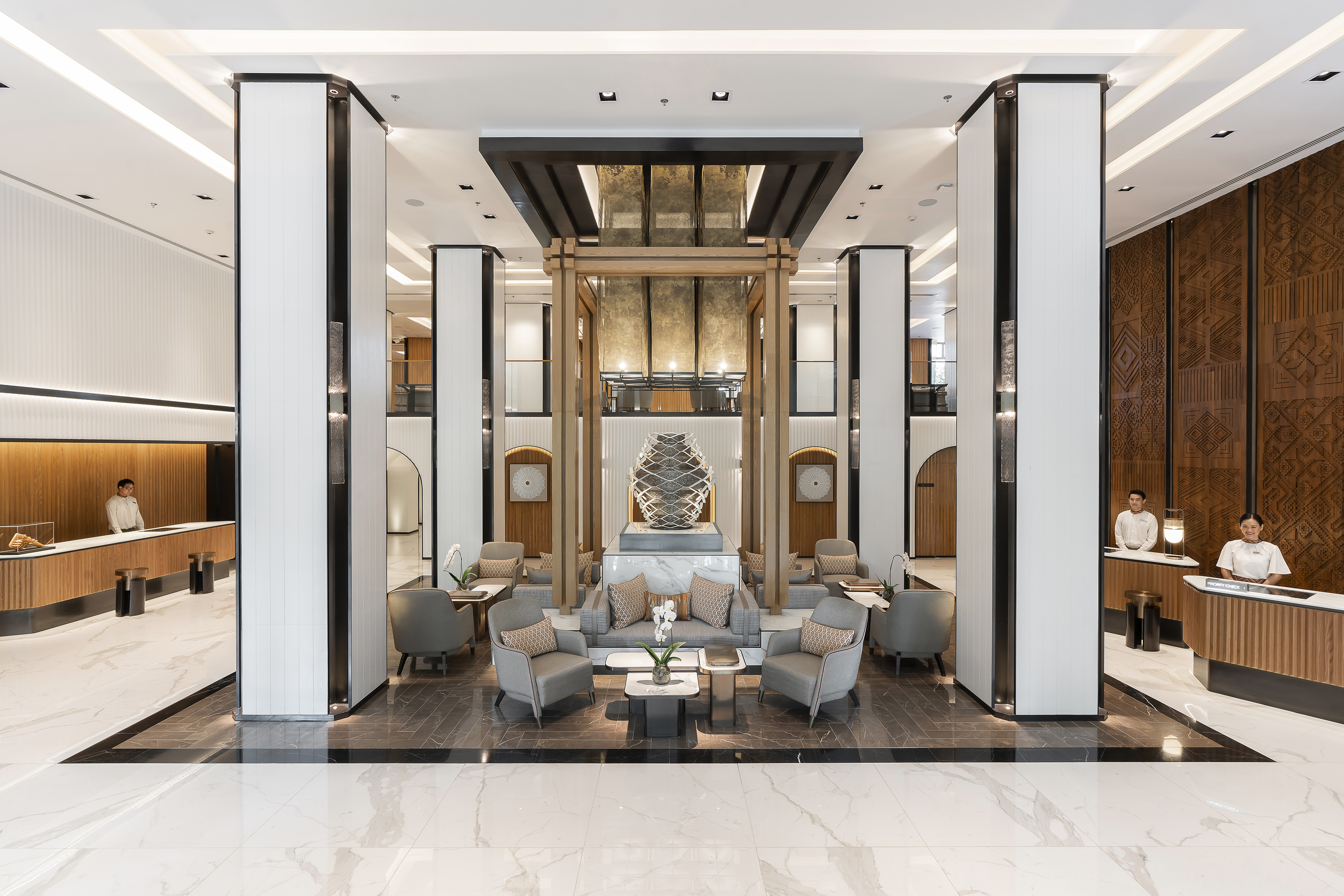
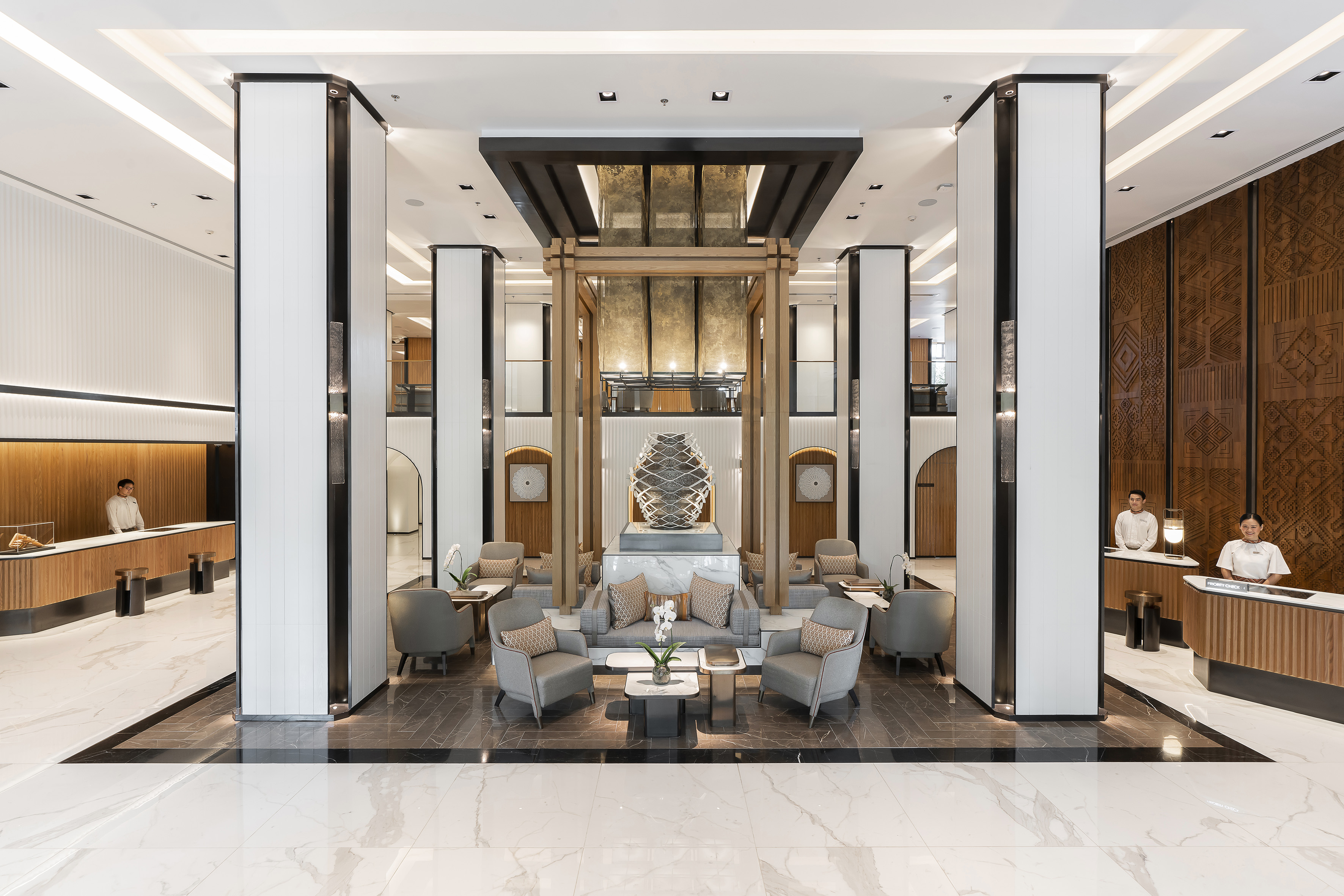
Walking into a hotel alone is a different experience than walking in with company, so the small things end up mattering more than they would for a group. Meliá Chiang Mai opened in 2022 on Charoen Prathet Road, walking distance to the Night Bazaar and about 1.5 kilometres from the Old City, young enough that its rooms and public spaces still feel genuinely fresh rather than worn down by years of guest traffic.
It was also independently recognised as the first five-star hotel to open in Chiang Mai since the onset of the global pandemic, a detail worth knowing for a solo traveler who wants a genuinely established, fully-staffed property rather than a newer opening still working out its own service kinks.
The hotel also holds the TripAdvisor Travellers' Choice award and an Ecostars® sustainability certification, two independently verified markers worth checking before booking somewhere sight unseen, since a solo trip already carries enough unknowns without adding an unreviewed hotel to the list.
Being alone in a new city also means every small convenience matters more than it would with a travel partner to share the load, no one else to wait in line at check-in, fetch forgotten items, or negotiate a taxi fare.
,regionOfInterest=(1771.5,1182))
,regionOfInterest=(1771.5,1182))
The Meliá Room at 30 square metres is sized right for a solo stay, a genuine hotel room with a city view, daily housekeeping, and full amenities rather than a shared dorm bed, without paying for space that a solo trip does not need. West-facing units catch the Doi Suthep sunset, a small daily reward for a traveler with nobody else to share the view with.
A 24-hour front desk and in-room dining also matter more when traveling alone than most people expect, useful for a late arrival, an early flight, or simply not wanting to head back out after dark just to find dinner.
The in-room safe is worth using more deliberately solo than with a travel partner, since there is no second person to watch a bag while stepping out, and the room's individually controlled air conditioning means a solo guest never has to negotiate a shared temperature preference either.
A solo traveler treating the trip as something special rather than just a base to sleep in might look instead at The Level Suite, 62 square metres with access to The Level lounge, where a private check-in and dedicated concierge matter more alone than they would with a travel partner to lean on for the same small logistics.
,regionOfInterest=(2150,1433.5))
,regionOfInterest=(2150,1433.5))
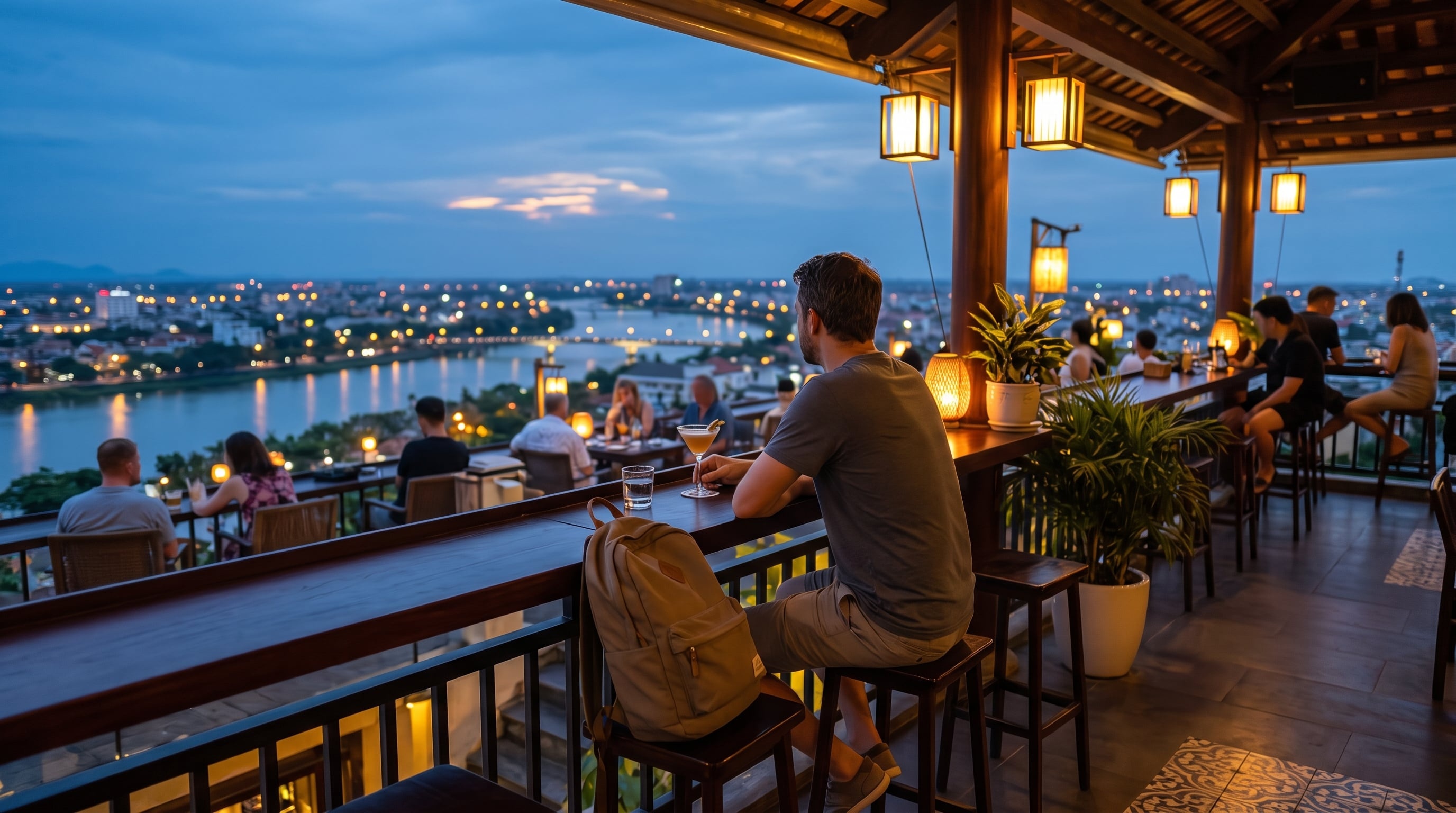
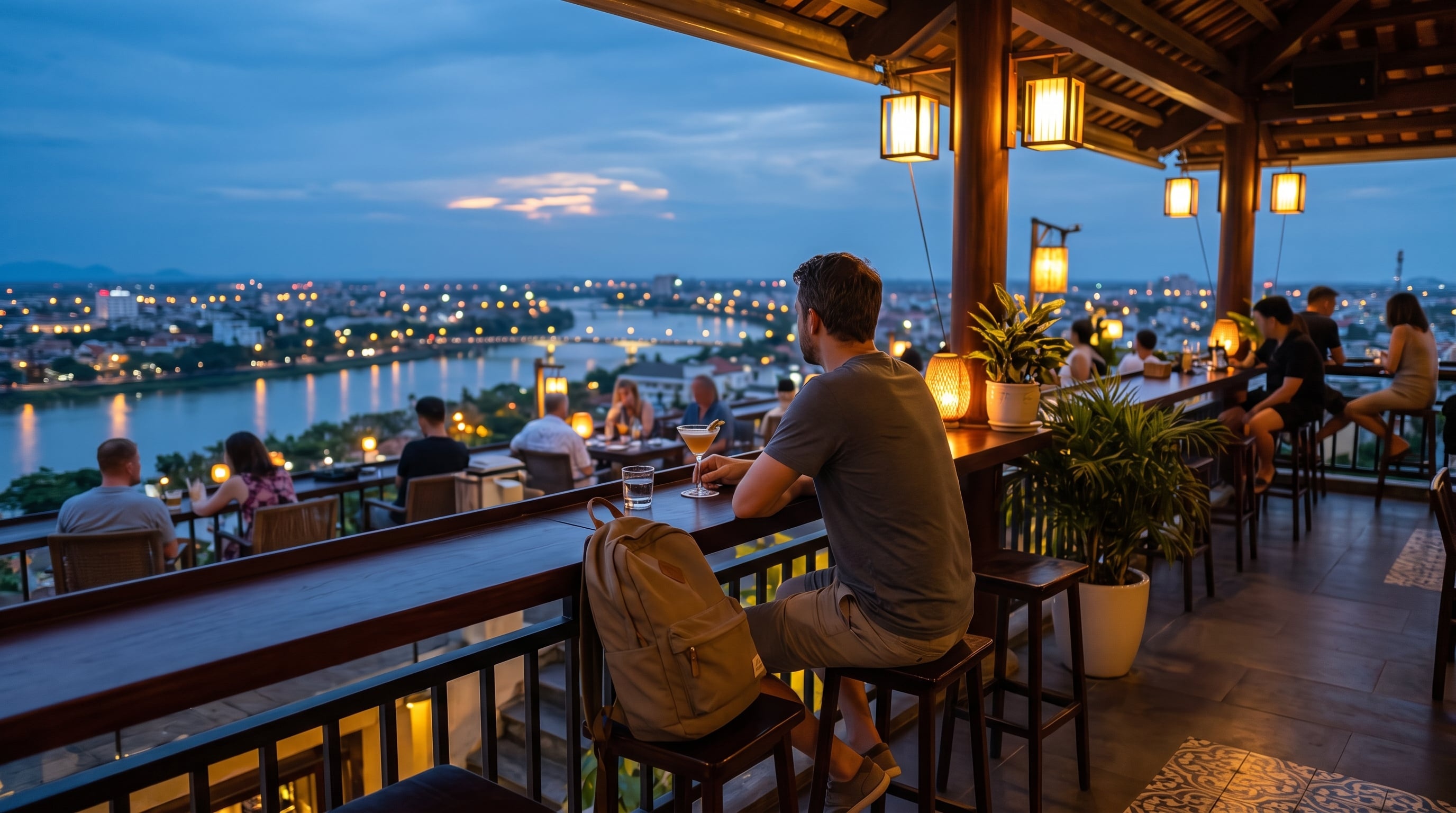
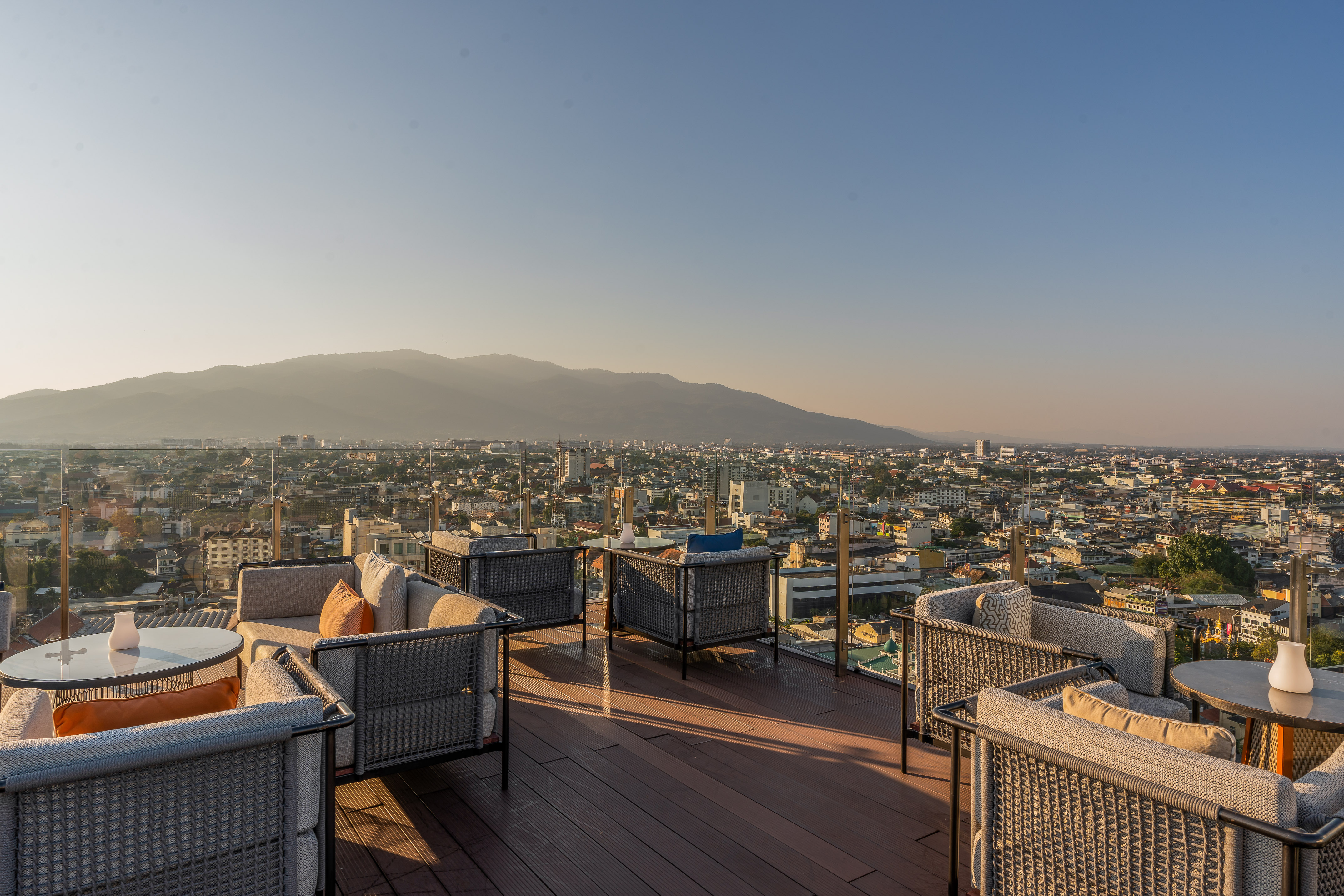
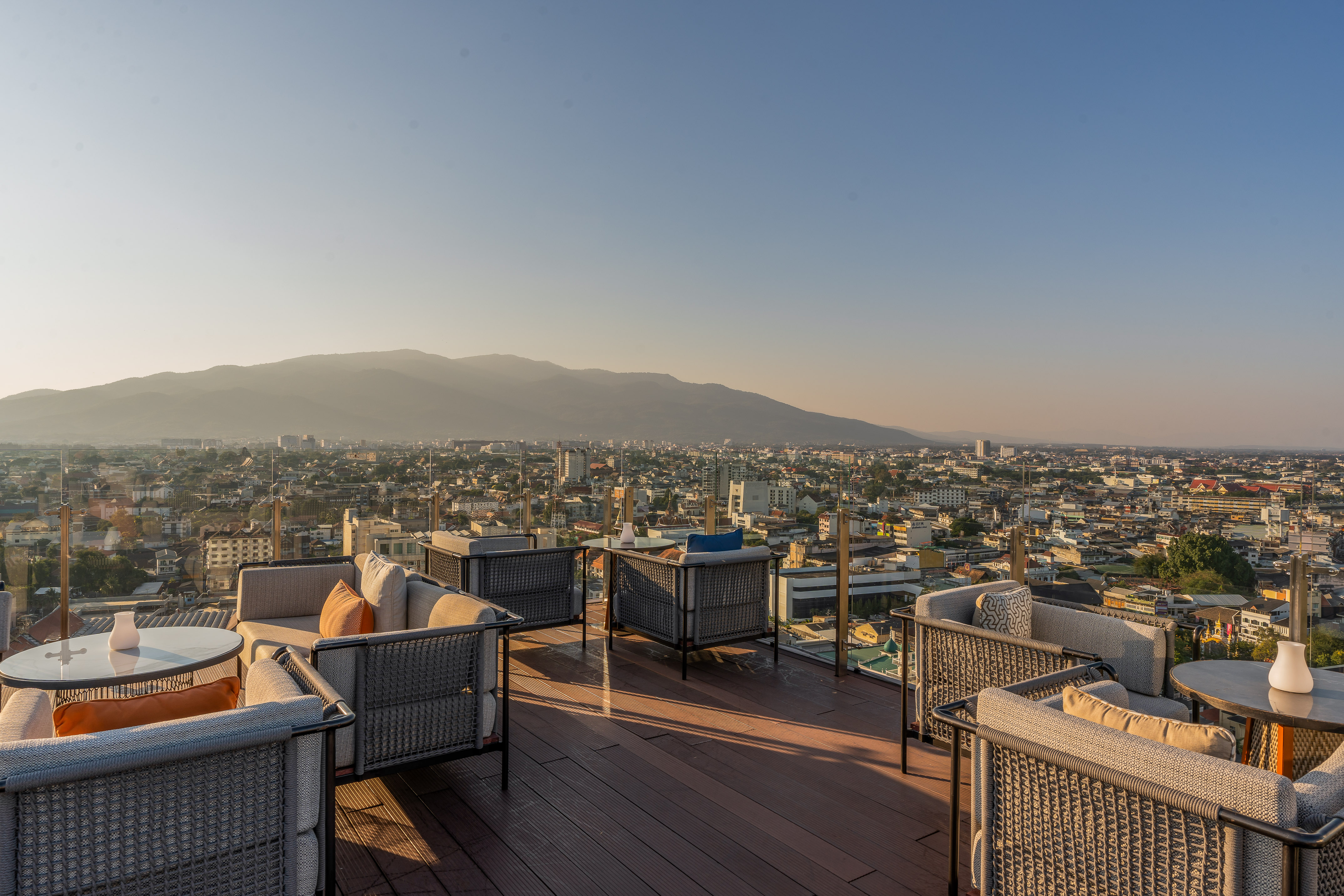
MAI The Sky Bar on the 22nd floor doubles as a built-in social space for a solo evening, a rooftop with a regular crowd, live acoustic sets on weekend evenings, and a bar counter that makes striking up a conversation with a neighbouring guest easy rather than awkward, a genuinely different experience from eating alone at a table for one.
The bar's own namesake cocktail, Mai The Sky (Tito's vodka, lychee liqueur, Galliano, lychee and lemon juice, topped with a cava air foam), is a natural conversation-starter order at the counter, distinctive enough that a neighbouring guest asking what it is happens more often than not.
A lighter tapas order works well solo too: Patatas Bravas or the Fried Calamari (roughly 300 to 350 THB) are sized for grazing at the counter rather than committing to a full sit-down meal, easy to order without needing a second opinion on the menu.
The two connected zones and the skyline view over the Ping River and Doi Suthep also make it a comfortable spot to simply sit with a drink and watch the evening unfold without needing company at all, entry is free for hotel guests and non-guests alike, so there is no cover charge riding on whether the evening turns social or stays quiet.
,regionOfInterest=(1771.5,1182.5))
,regionOfInterest=(1771.5,1182.5))
Solo travelers who want to actually unwind rather than keep sightseeing can book a treatment at YHI Spa, seven private treatment rooms with an underwater theme, well suited to a solo booking since every treatment room is private by design rather than a shared relaxation lounge.
The signature 90-minute treatment opens with Tok Sen, a traditional Northern Thai wooden-hammer technique, before moving into a Spanish-style massage, a genuinely restorative afternoon between busier days of temple-hopping or cooking classes around the city. Booking it mid-trip rather than on the last day tends to work best, since it resets energy for the days still ahead rather than only closing out the trip.
Booking directly through melia.com can also unlock a 250 THB discount on a spa treatment, confirmed at the time of writing, worth asking about at reception before the treatment is booked rather than after, since the discount is easy to miss if it is not raised proactively.
,regionOfInterest=(1771.5,1181.5))
,regionOfInterest=(1771.5,1181.5))
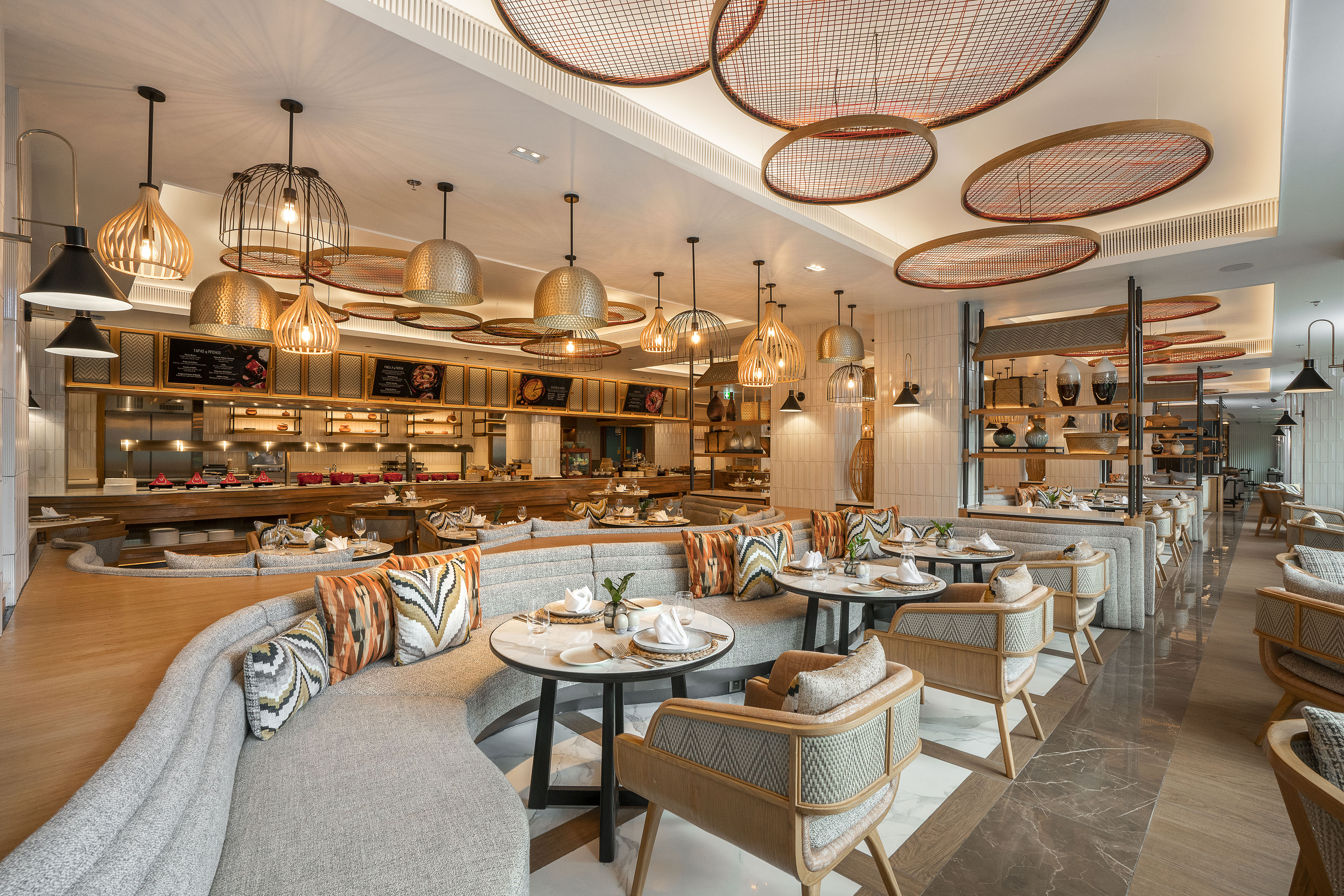
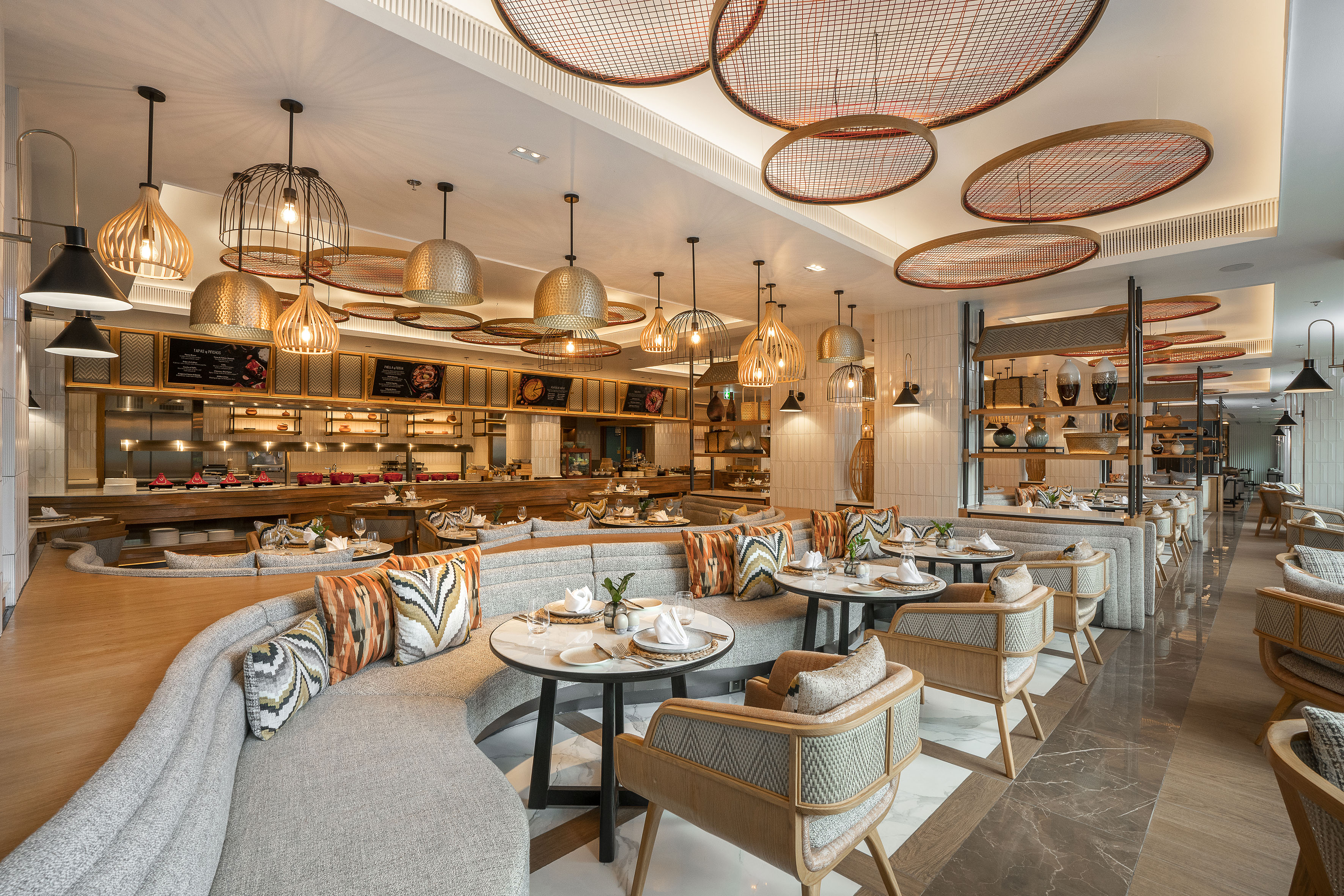
Breakfast at Laan Na Kitchen on the first floor is also worth factoring into a solo traveler's morning routine, an all-day dining room with a buffet spread that removes the need to hunt down a cafe first thing, freeing up the early part of the day for whatever the plan turns out to be once the coffee actually kicks in properly.
For anyone extending a Chiang Mai stay into a longer working trip, the hotel's central location also means a coworking cafe in Nimman or the Old City is never more than a short songthaew ride away, so a solo traveler based here is not choosing between a comfortable hotel and easy access to the city's nomad scene, both are within easy reach of the same room.
Free high-speed wifi in every room covers a shorter work session without even leaving the building at all, useful for a video call home or simply catching up on trip planning before heading back out.
,regionOfInterest=(1771.5,1181.5))
,regionOfInterest=(1771.5,1181.5))
Booking directly through melia.com rather than a third-party site also matters more for a solo traveler than a couple splitting a room rate, since a free MeliáRewards membership earns points on a single-occupancy stay just as it would on a double, and member rates are usually the most competitive option available without needing to compare five separate booking sites first before deciding.
The front desk is also a genuinely useful resource for a solo traveler beyond checking in, staff are used to fielding questions about which market runs which night, whether a specific temple is worth the trip that day, or how to arrange a driver for something not already covered by a scooter or a Grab ride.
That kind of on-the-ground local knowledge matters more without a travel partner to cross-check a plan against, and it costs nothing extra to ask, the desk is already staffed around the clock either way.
,regionOfInterest=(1376,768))
,regionOfInterest=(1376,768))
Yes, Chiang Mai is consistently rated among the safer cities in Southeast Asia for solo female travelers. Violent crime against tourists is rare, and the realistic risks are financial scams that are easy to avoid once a traveler knows the common patterns, like agreeing on a fare before getting into a tuk-tuk or using Grab for late-night rides.
Most guides covering solo female safety in the region single out Chiang Mai specifically as one of the more relaxed cities to start with.
It depends entirely on the trip. The Old City suits temple-focused sightseeing, Nimman suits a longer working stay with cafes and coworking on every block, and the Night Bazaar area offers a central, well-connected base between the two with evening shopping right outside the door, the option most Chiang Mai solo travel guide recommendations point to for a first-time visitor who has not settled on one specific focus yet.
Three to four days covers the Old City temples, a market evening, and one day trip into the mountains, while five days or more leaves room to add an ethical elephant sanctuary visit, a cooking class, and genuine downtime without feeling rushed.
Yes, Chiang Mai is one of the world's most established digital nomad hubs, with reliable wifi in cafes and coworking spaces across the city, a low cost of living relative to the quality on offer, and a large, long-running community of remote workers that makes settling in for a longer stay straightforward.
Nimman is the usual base for a longer working trip, though a solo nomad who values a comfortable room and a central location just as much as cafe density often does better splitting time between a Nimman workday and a more central hotel base for everything else in the evening.
,regionOfInterest=(1476.5,981.5))
,regionOfInterest=(1476.5,981.5))
,regionOfInterest=(1312.5,1750))
,regionOfInterest=(1312.5,1750))
,regionOfInterest=(2240,3360))
,regionOfInterest=(2240,3360))
,regionOfInterest=(3120,1755))
,regionOfInterest=(3120,1755))
,regionOfInterest=(886,588.5))
,regionOfInterest=(886,588.5))