,regionOfInterest=(2900.5,1949.5))
,regionOfInterest=(2900.5,1949.5))
Chiang Mai Gate Night Market 2026: Complete Visitor Guide
,regionOfInterest=(688,384))
,regionOfInterest=(688,384))
Culture
,regionOfInterest=(1376,768))
,regionOfInterest=(1376,768))
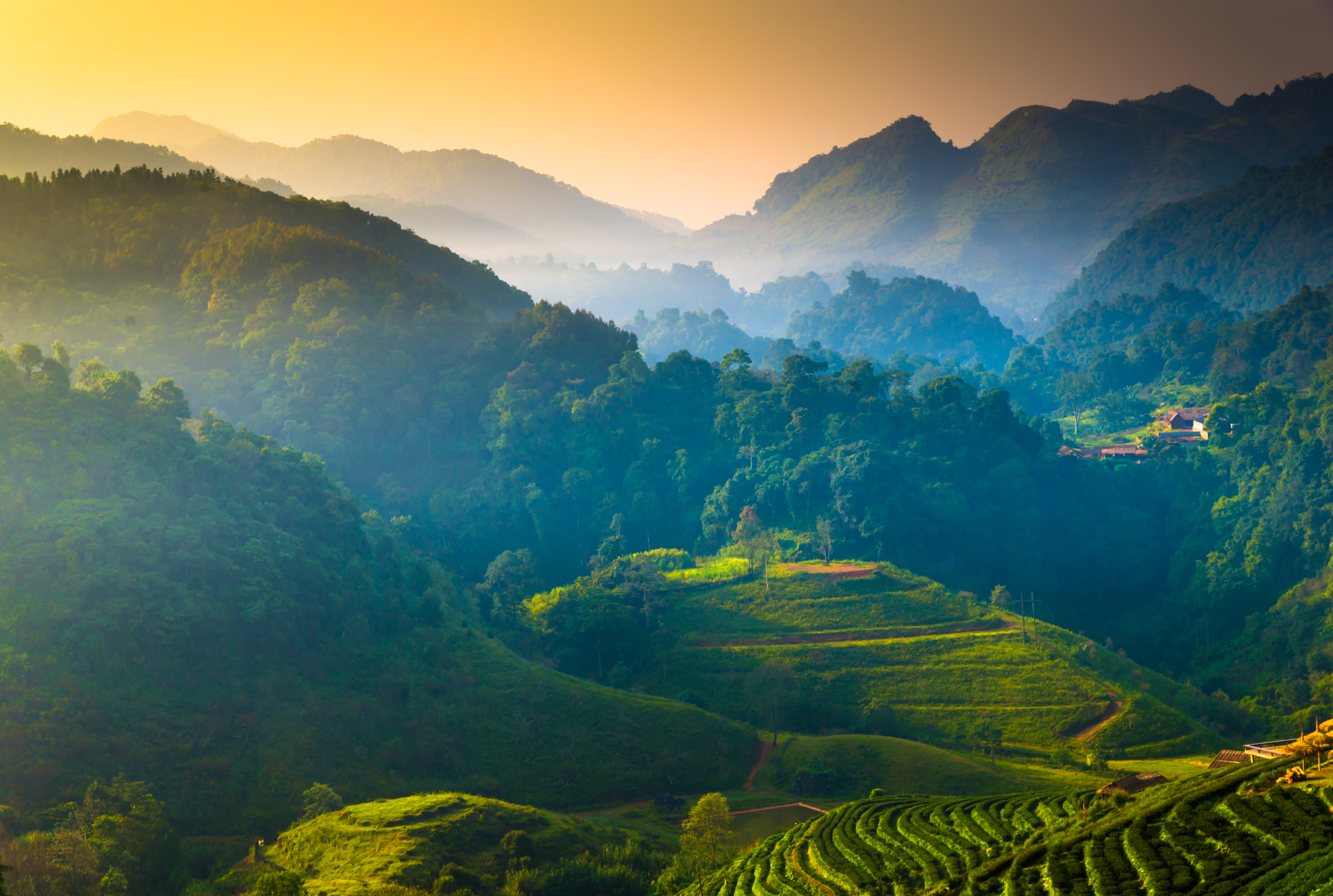
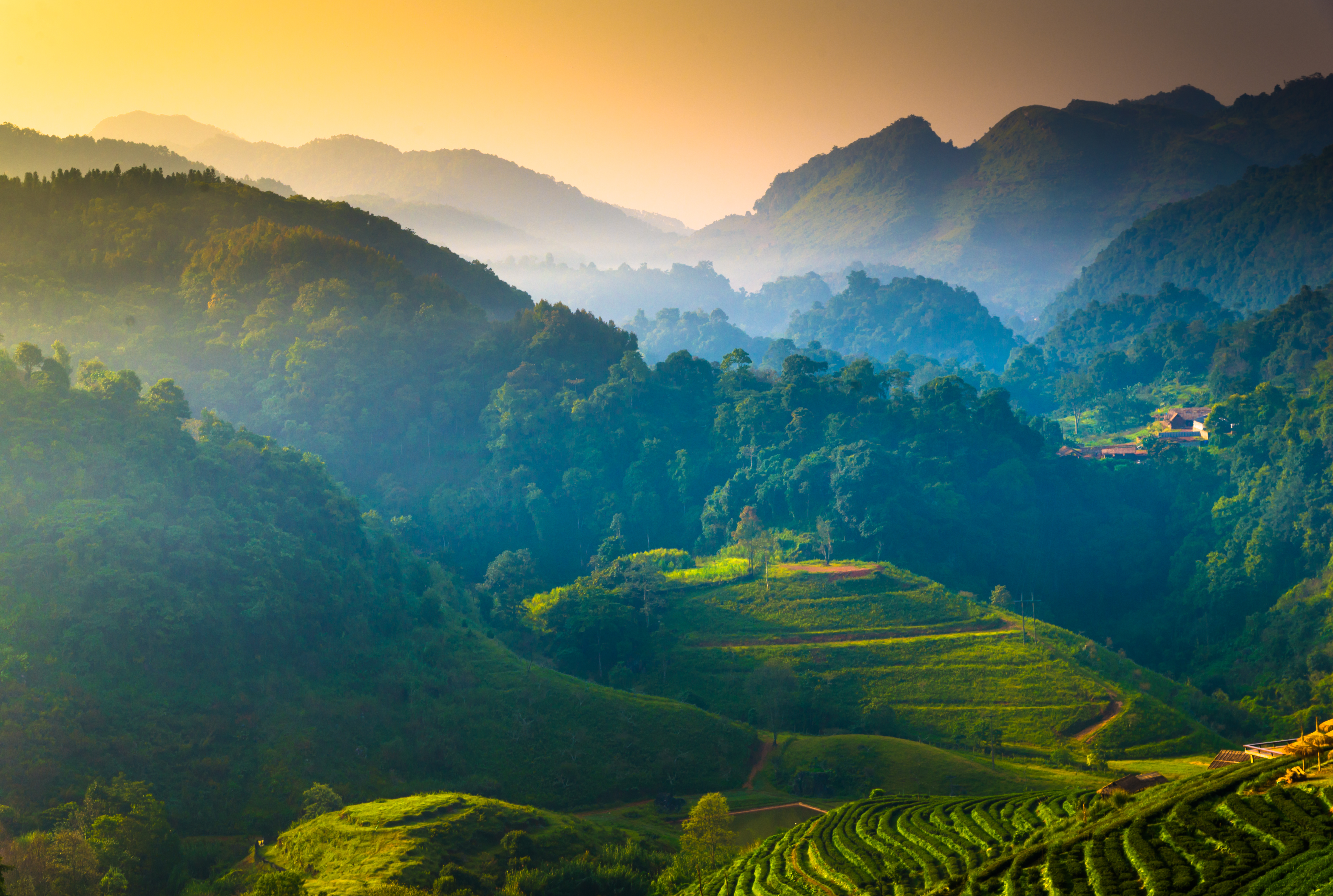
Chiang Mai rewards the traveller who plans well and wanders freely. This is the city where 700-year-old temples share a postcode with specialty coffee roasters, and where a misty mountain sunrise can bookend a night-market feast.
This Chiang Mai travel guide brings together timing, transport, and where to sleep, so the rest of your trip falls into place.
,regionOfInterest=(512,482))
,regionOfInterest=(512,482))
Digital marketing specialist with a passion for travel, writing, and discovering what makes every destination unique.
Culture
,regionOfInterest=(1376,768))
,regionOfInterest=(1376,768))
,regionOfInterest=(3000,2000))
,regionOfInterest=(3000,2000))
,regionOfInterest=(3873,2727.5))
,regionOfInterest=(3873,2727.5))
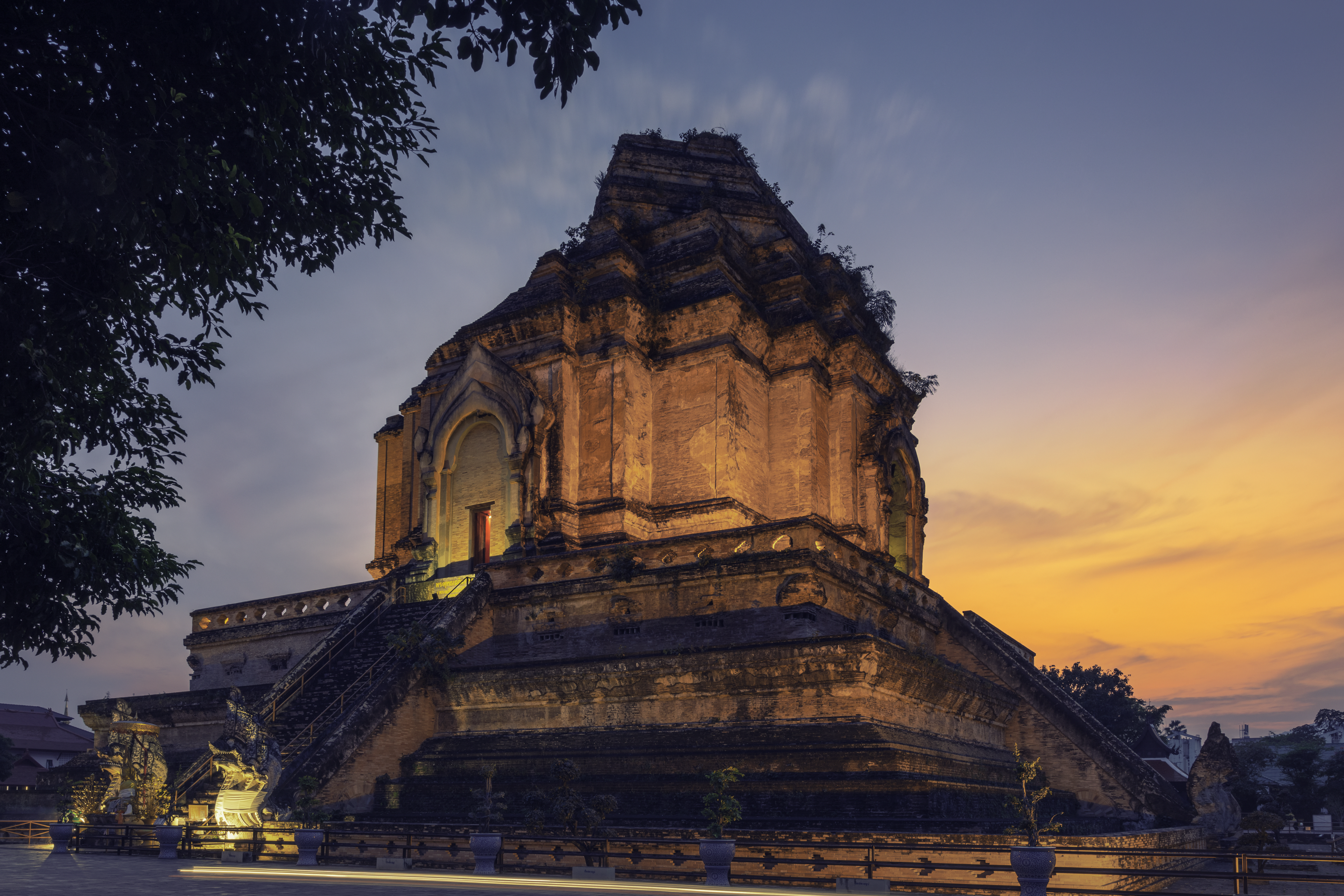,regionOfInterest=(3000,2000))
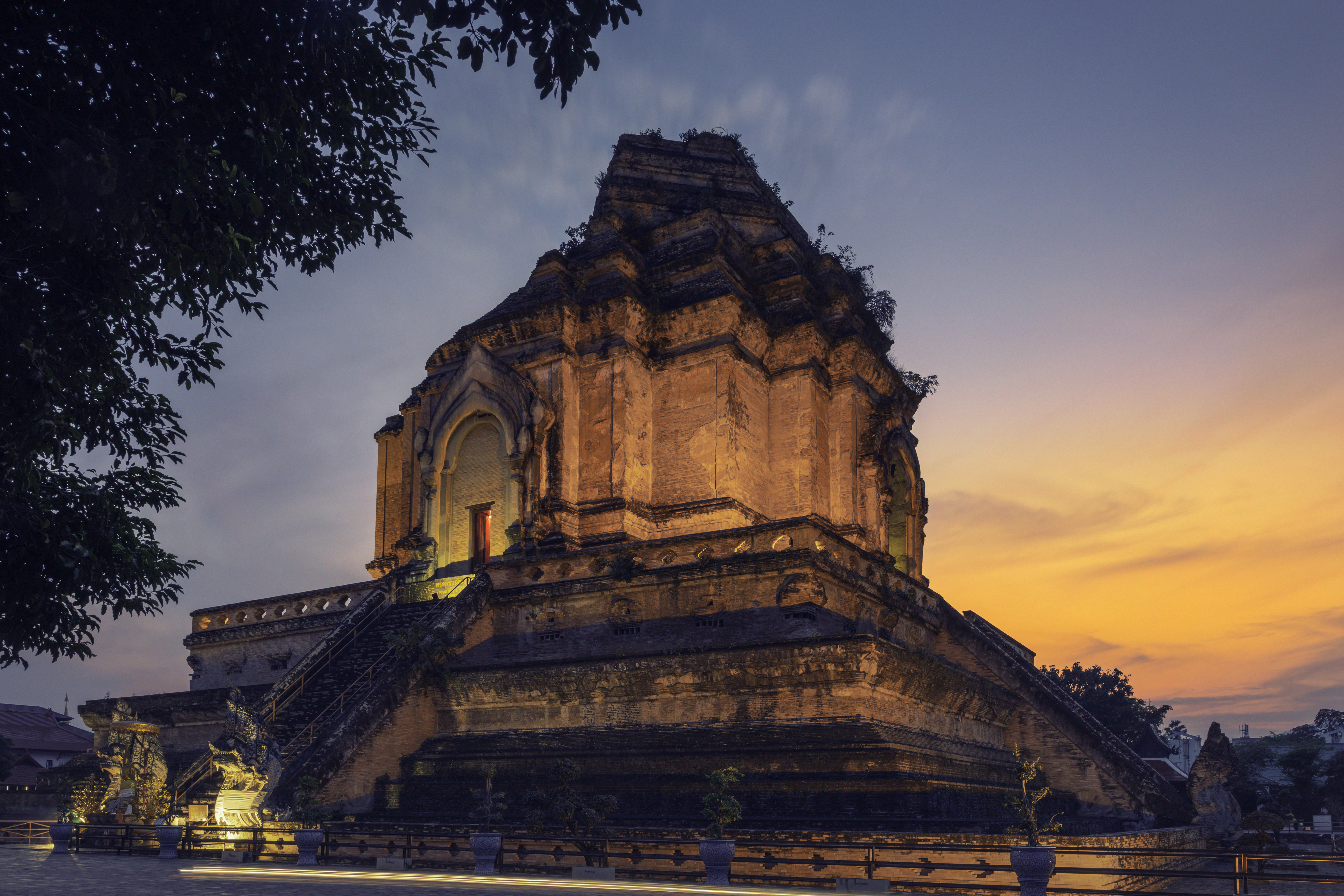,regionOfInterest=(3000,2000))
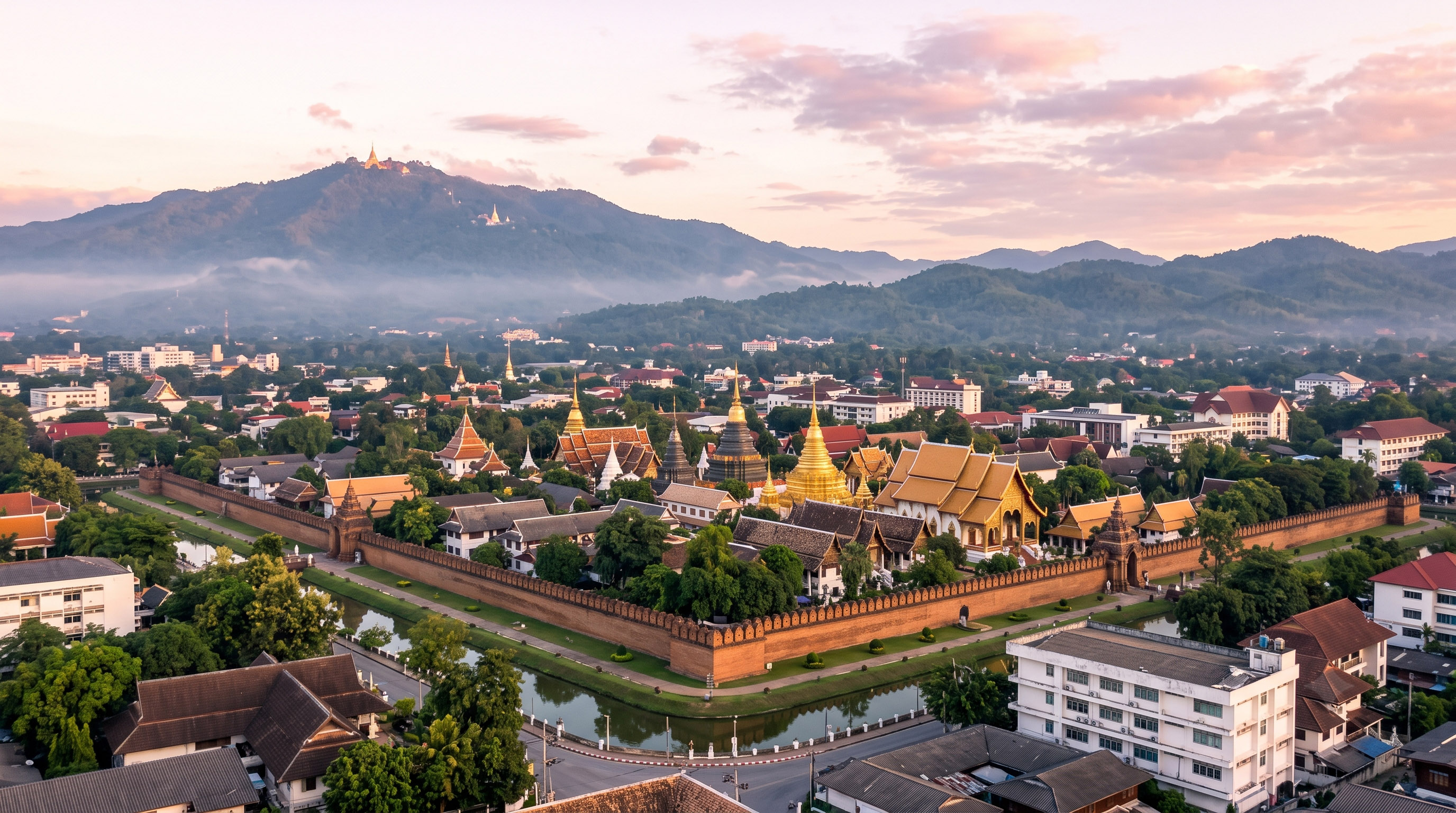
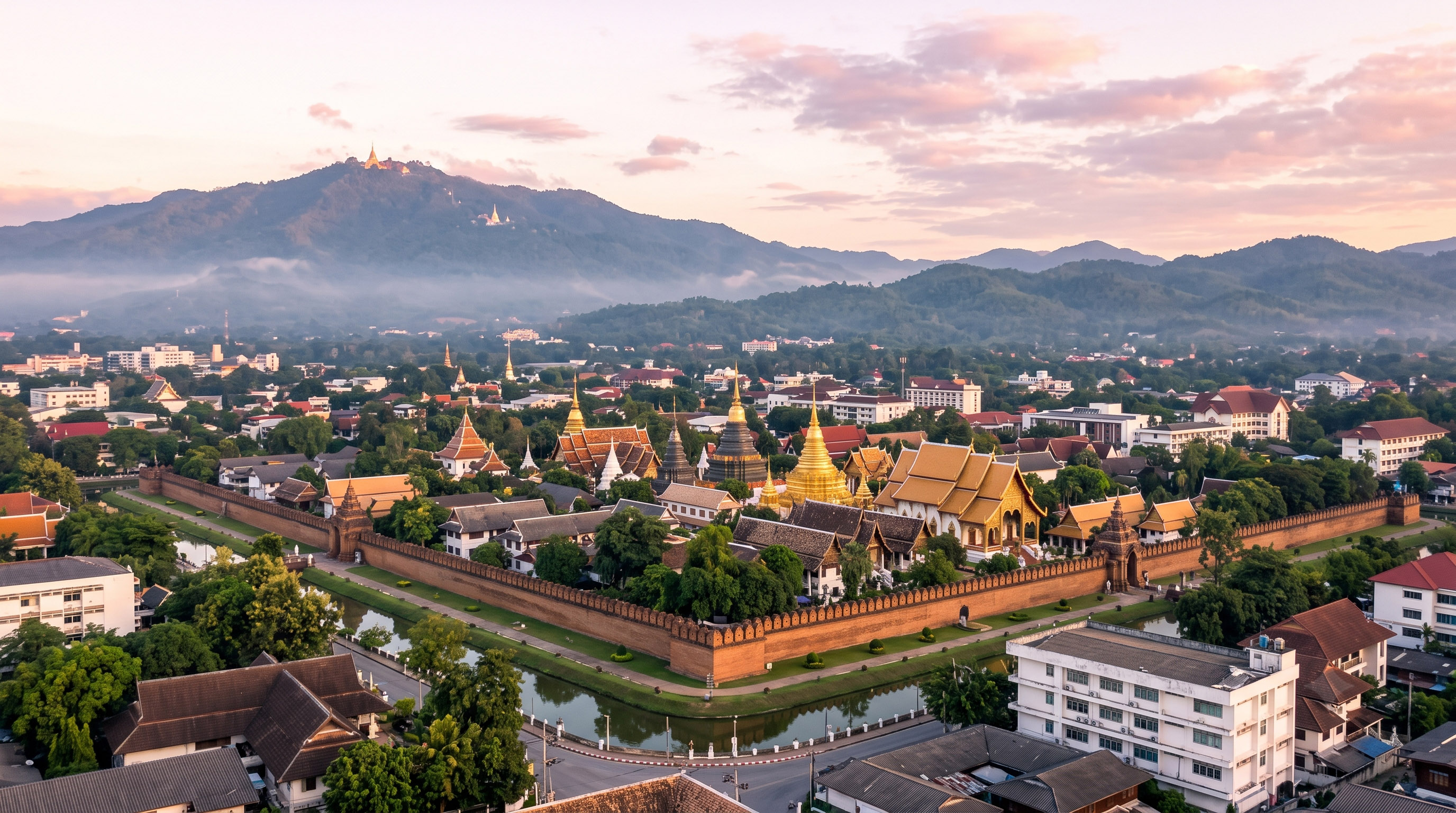
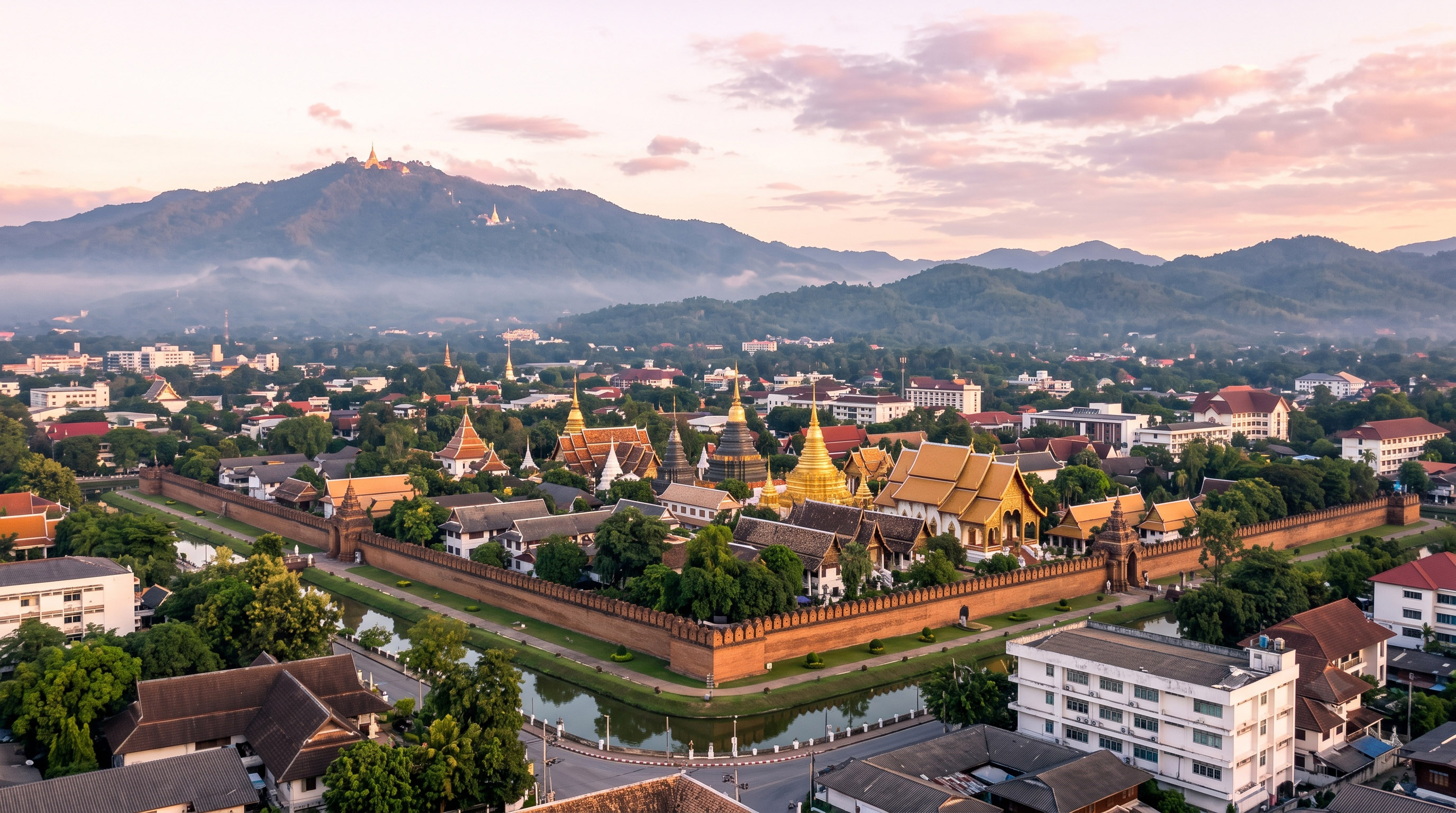
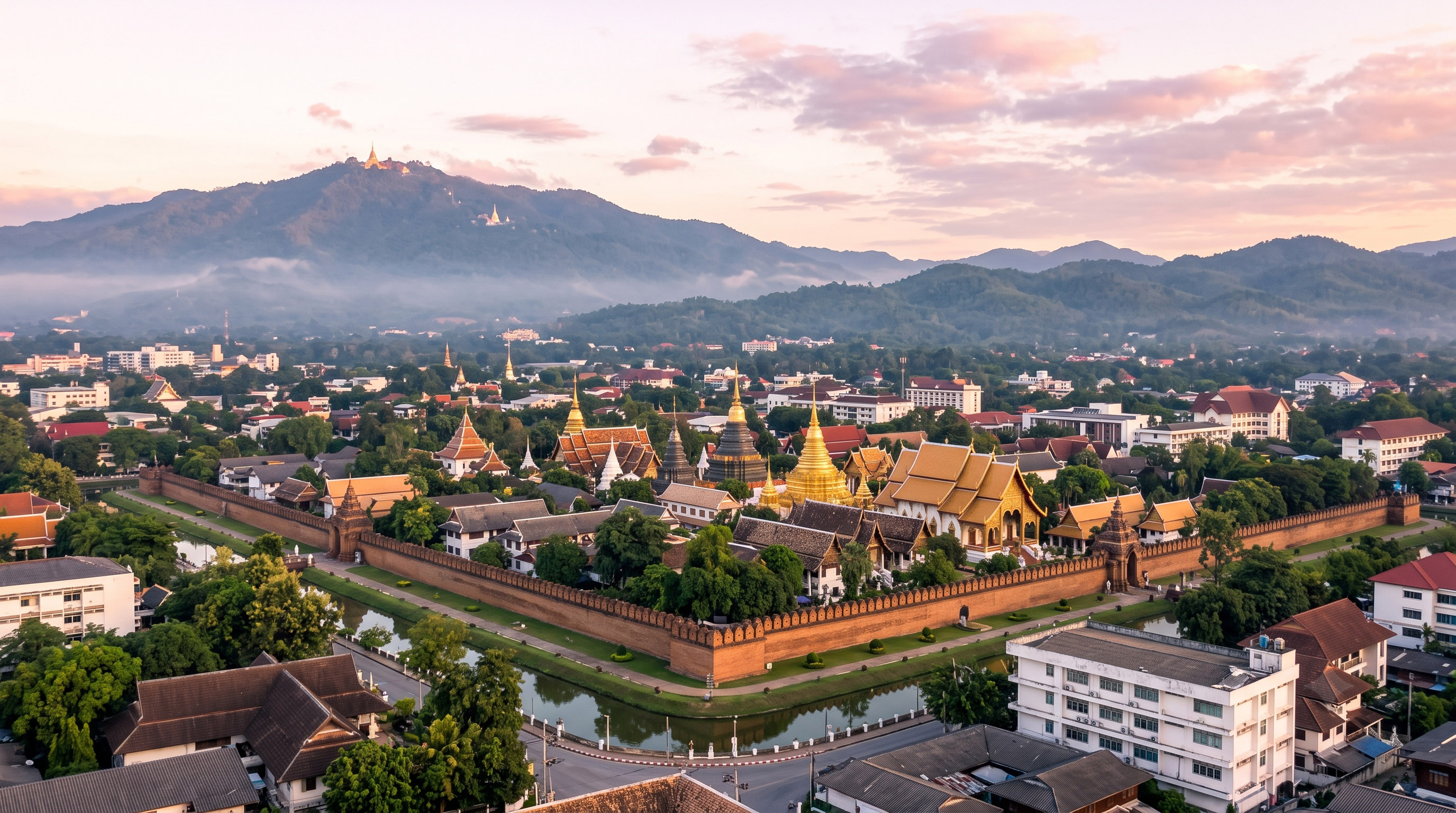
Founded in 1296 as the capital of the Lanna Kingdom, Chiang Mai is the cultural heart of northern Thailand and the country's second-best-known destination after Bangkok. Any good Chiang Mai travel guide starts here, because understanding the city's character makes everything else easier to plan. Travellers affectionately call it the Rose of the North, and the nickname fits.
This is a slower, greener, cooler counterpoint to the capital, ringed by forested mountains and threaded by the gentle River Ping. The city also has a reputation for keeping people longer than they planned, with three-day visits routinely stretching into a week.
The appeal is the variety packed into a compact, walkable core. Within the square moat of the Old City you will find roughly three dozen Buddhist temples, while a short ride east brings you to the Ping River and the buzzing Night Bazaar, and Nimmanhaemin to the northwest offers cafes, galleries, and boutiques.
For travellers weighing the trip, the value is hard to beat. Chiang Mai delivers world-class culture, nature, and cuisine at a fraction of the cost of comparable destinations in Europe or North America, while still offering genuine five-star comfort for those who want it.
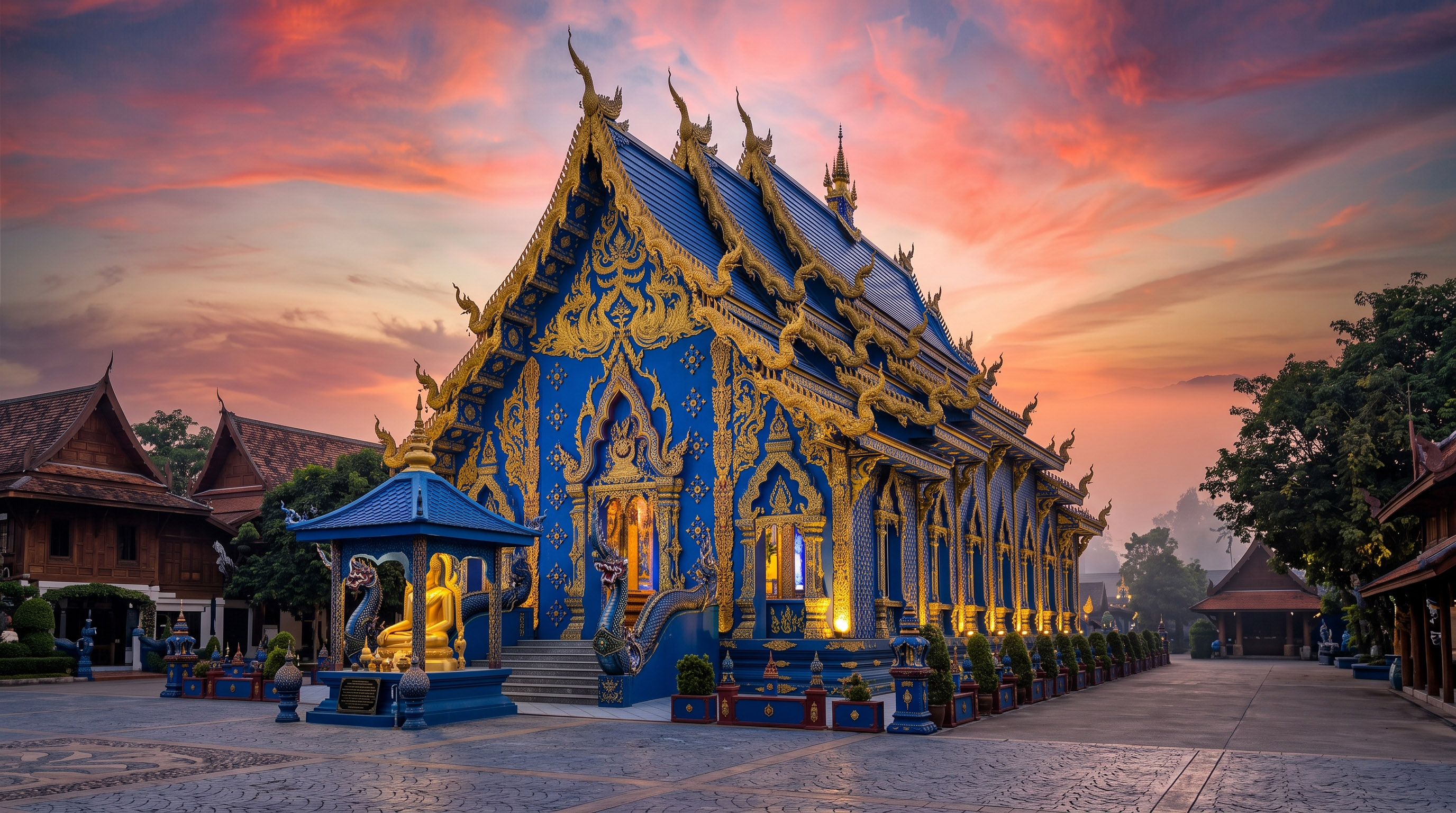,regionOfInterest=(1376,768))
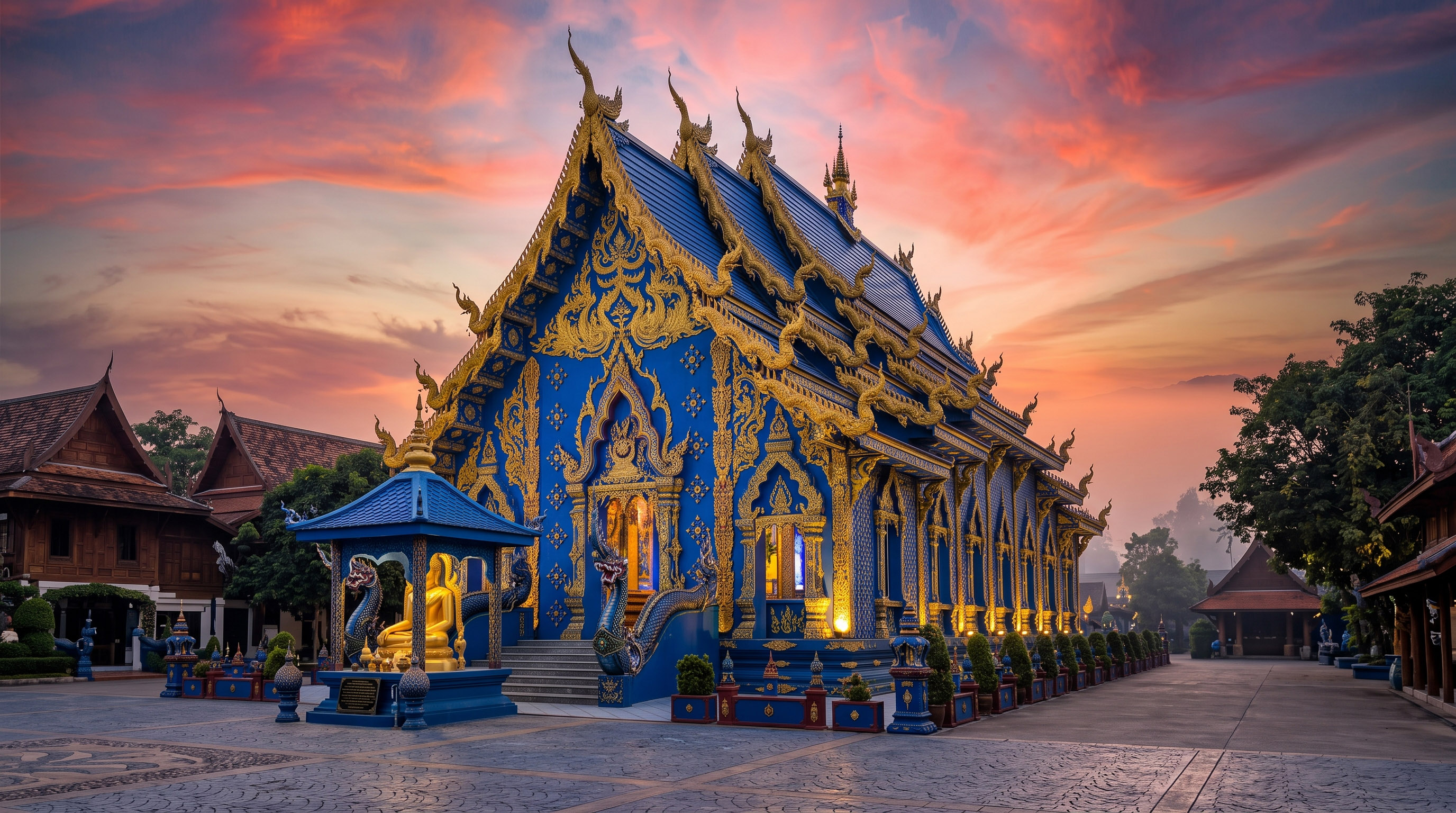,regionOfInterest=(1376,768))
Timing shapes your trip more than almost any other decision, and Chiang Mai runs on three distinct seasons. Let us break down each window so you can match your dates to the weather you want.
| Season | Months | What to expect |
| Cold season | Nov to Feb | Best weather, 15-30°C, clear skies, peak crowds |
| Hot season | Mar to May | Often above 35°C, overlaps early burning season |
| Green season | Jun to Oct | Lush scenery, short downpours, fewer crowds, lower prices |
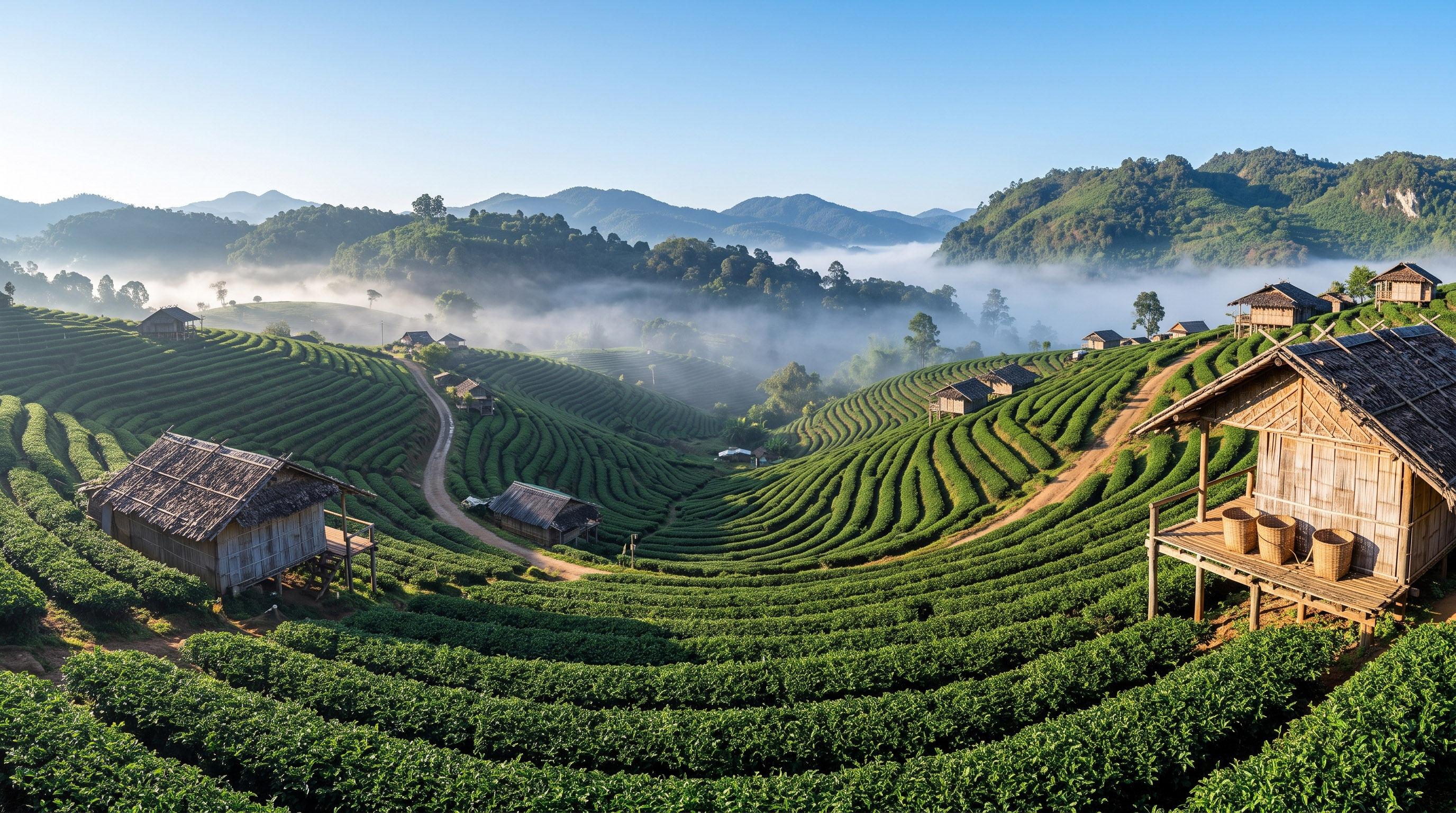,regionOfInterest=(1376,768))
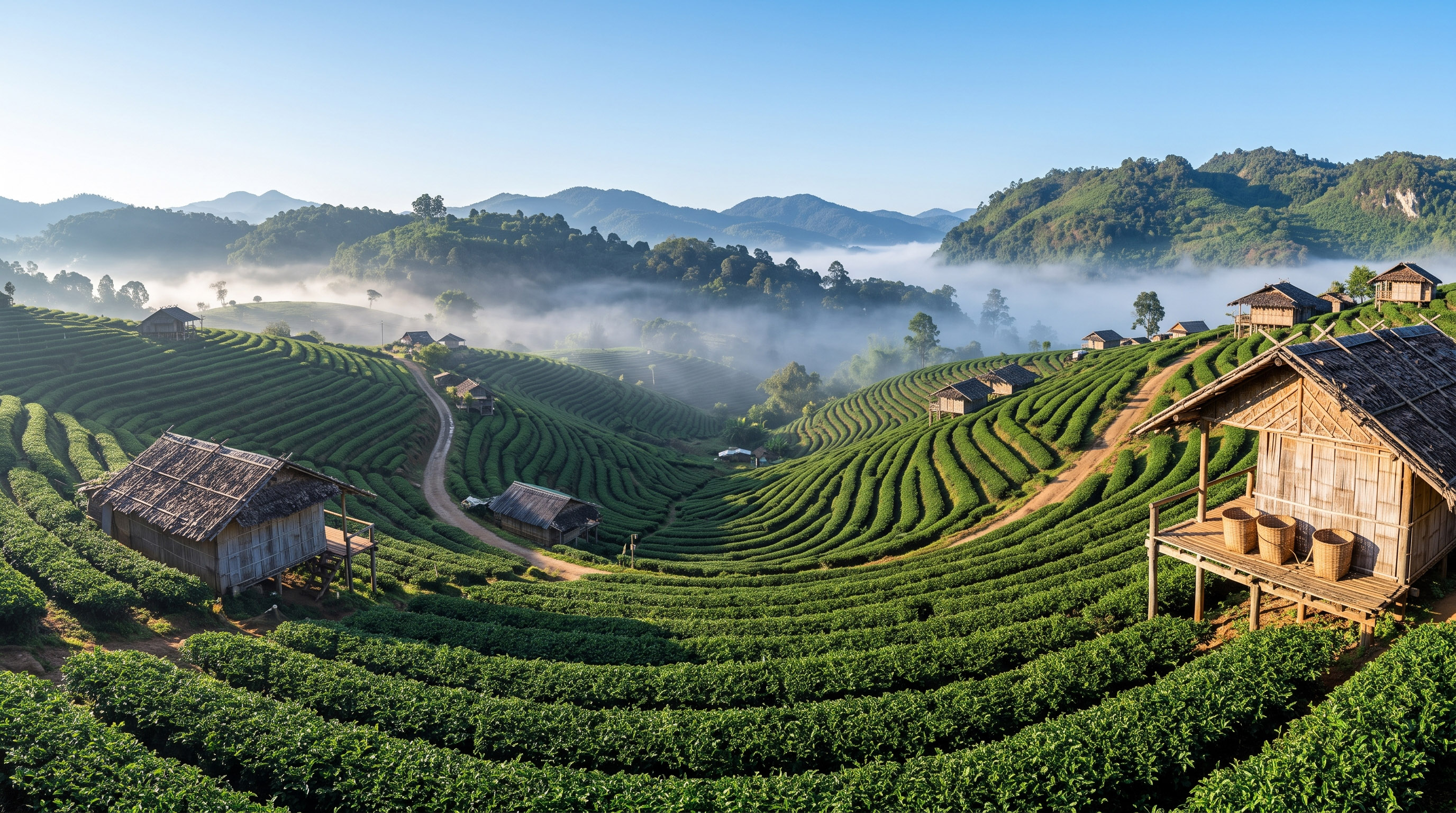,regionOfInterest=(1376,768))
The cool season from November to February brings daytime temperatures of roughly 15 to 30°C, low humidity, and clear skies. If you follow one piece of advice from this Chiang Mai travel guide, make it this: the cool season is the clear favourite for first-time visitors, and 2026 has trended slightly cooler with fewer heavy-haze days.
Because it is peak season, the best-located stays fill up fast. Book accommodation well in advance if you travel during these months.
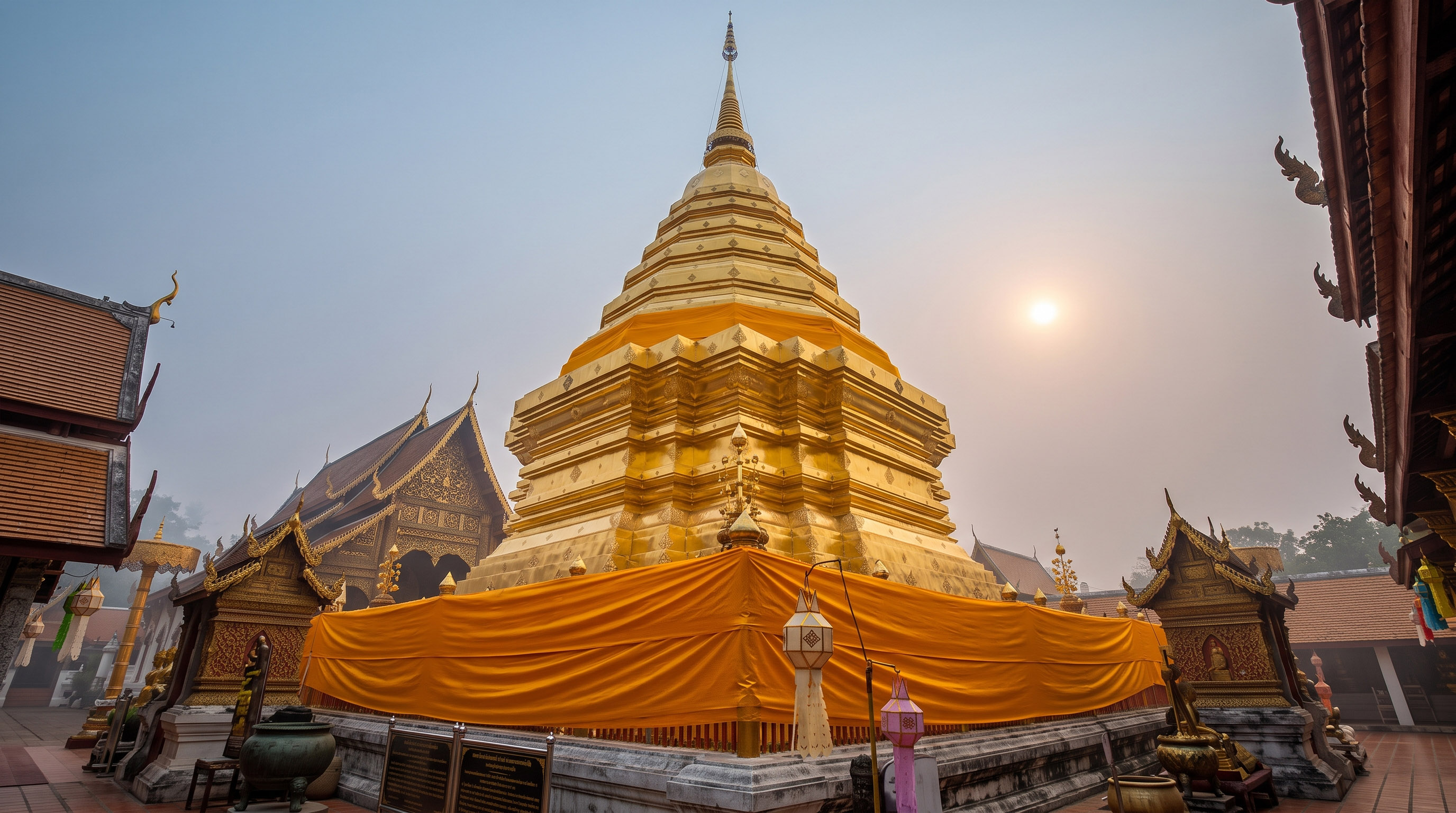,regionOfInterest=(1376,768))
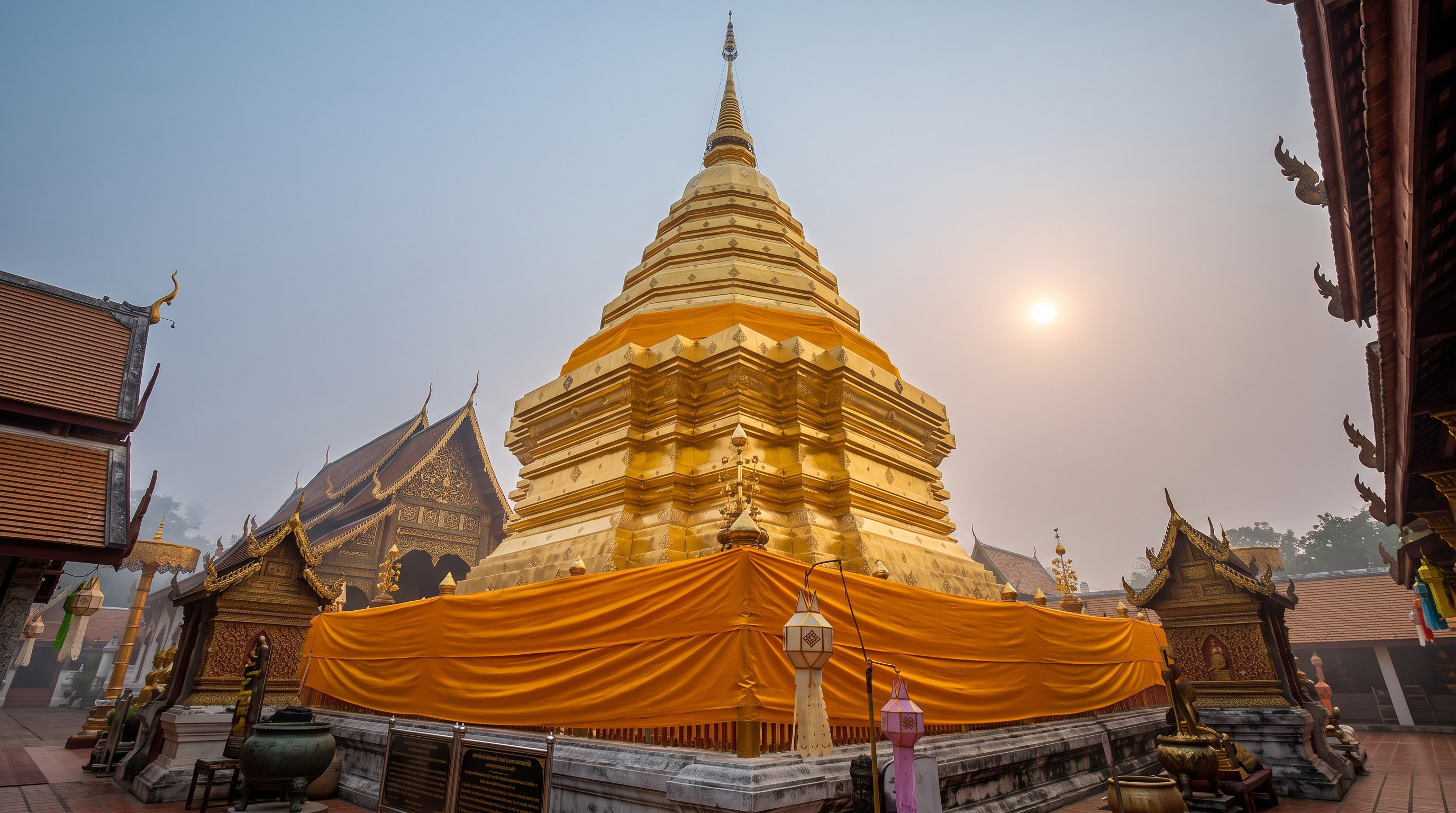,regionOfInterest=(1376,768))
The single most important date to plan around is the burning season, roughly mid-February to early April, when regional crop burning sends air quality plummeting. If you are sensitive to pollution or want clear mountain views, steer clear of this window.
Air quality readings in this period can reach unhealthy levels for days at a time, which obscures the very vistas that draw people to the north in the first place.
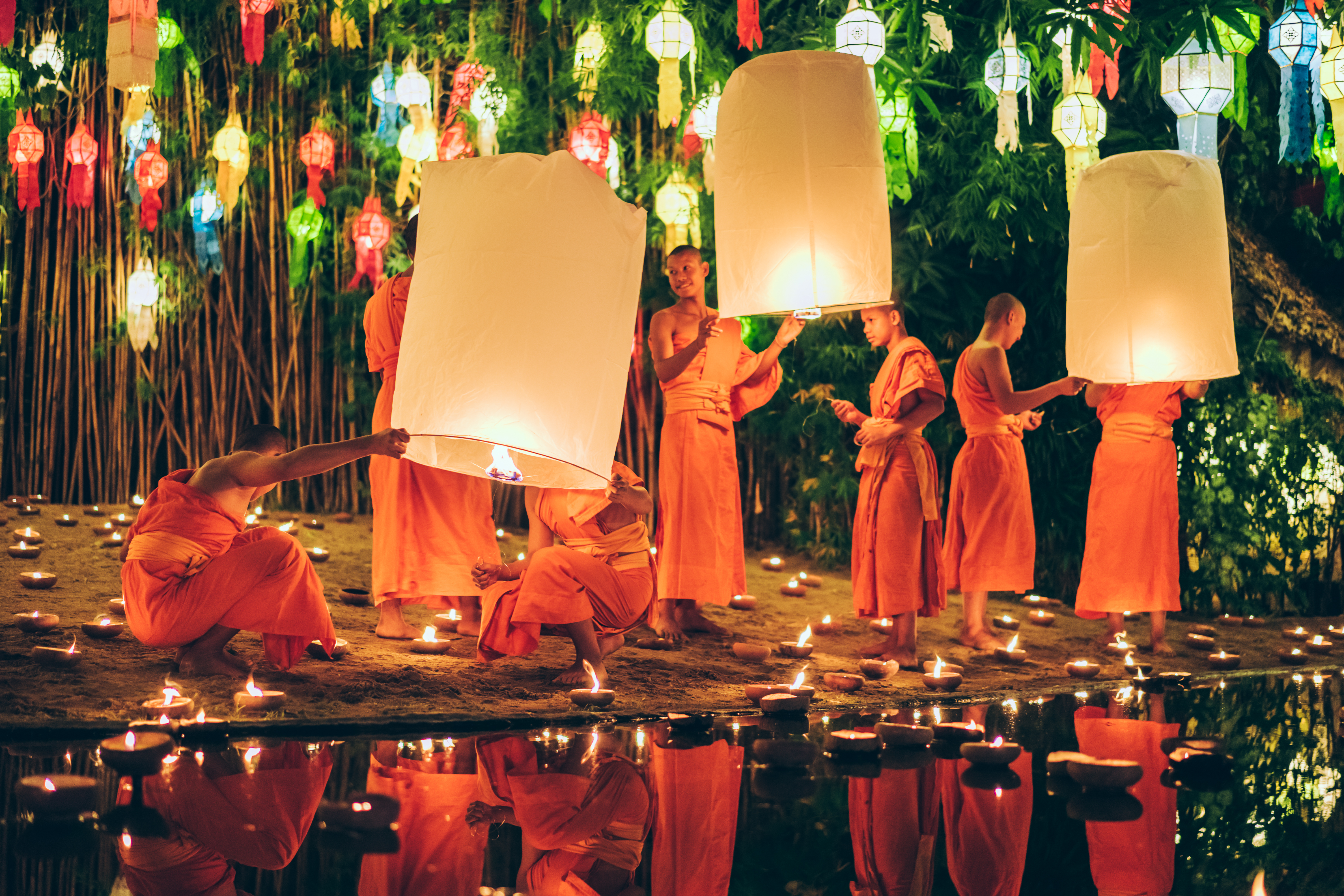
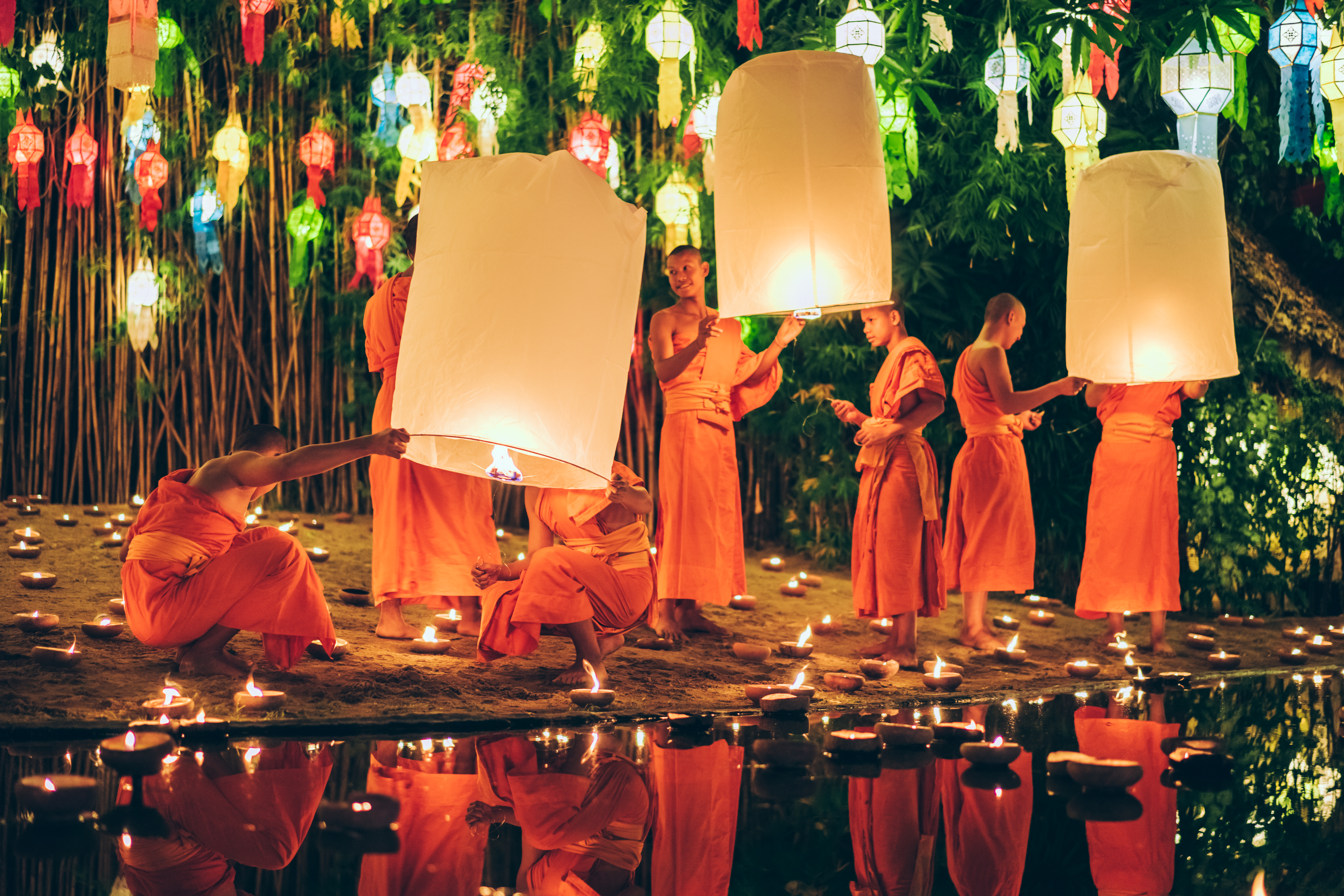
For a cultural spectacle, aim for Yi Peng and Loy Krathong, usually in November, when the night sky fills with floating lanterns and the rivers carry candlelit offerings. The experience is so iconic that Meliá Chiang Mai named its grand ballroom Yi Peng in tribute.
Songkran, the Thai New Year water festival in mid-April, turns the whole city into a joyful water fight, though it falls in the hotter, smokier weeks.
Entry rules are the area where outdated guides will trip you up, and 2026 brought real change. This part of our Chiang Mai travel guide covers the two essentials worth understanding before you fly.
,regionOfInterest=(1376,768))
,regionOfInterest=(1376,768))
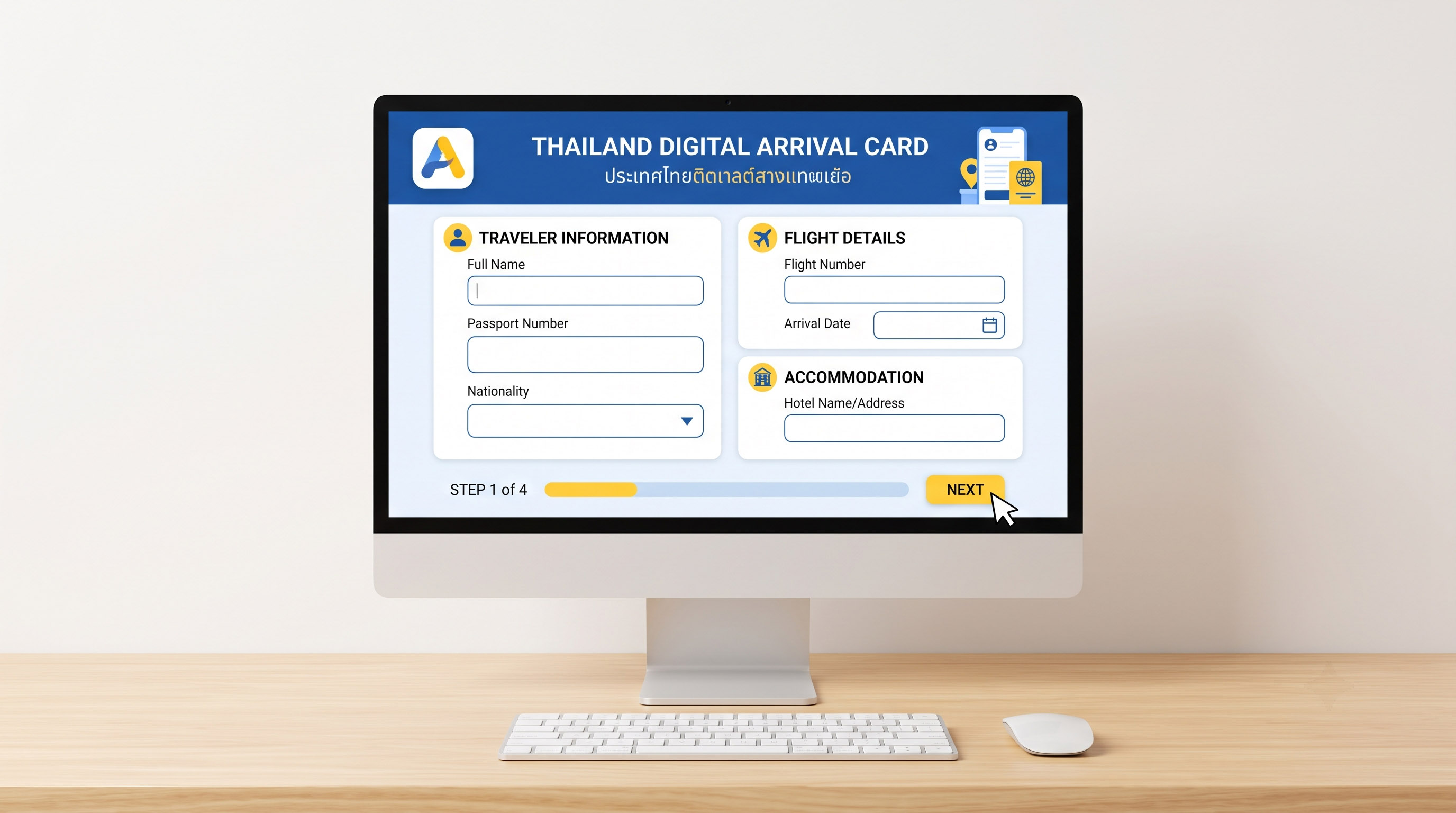
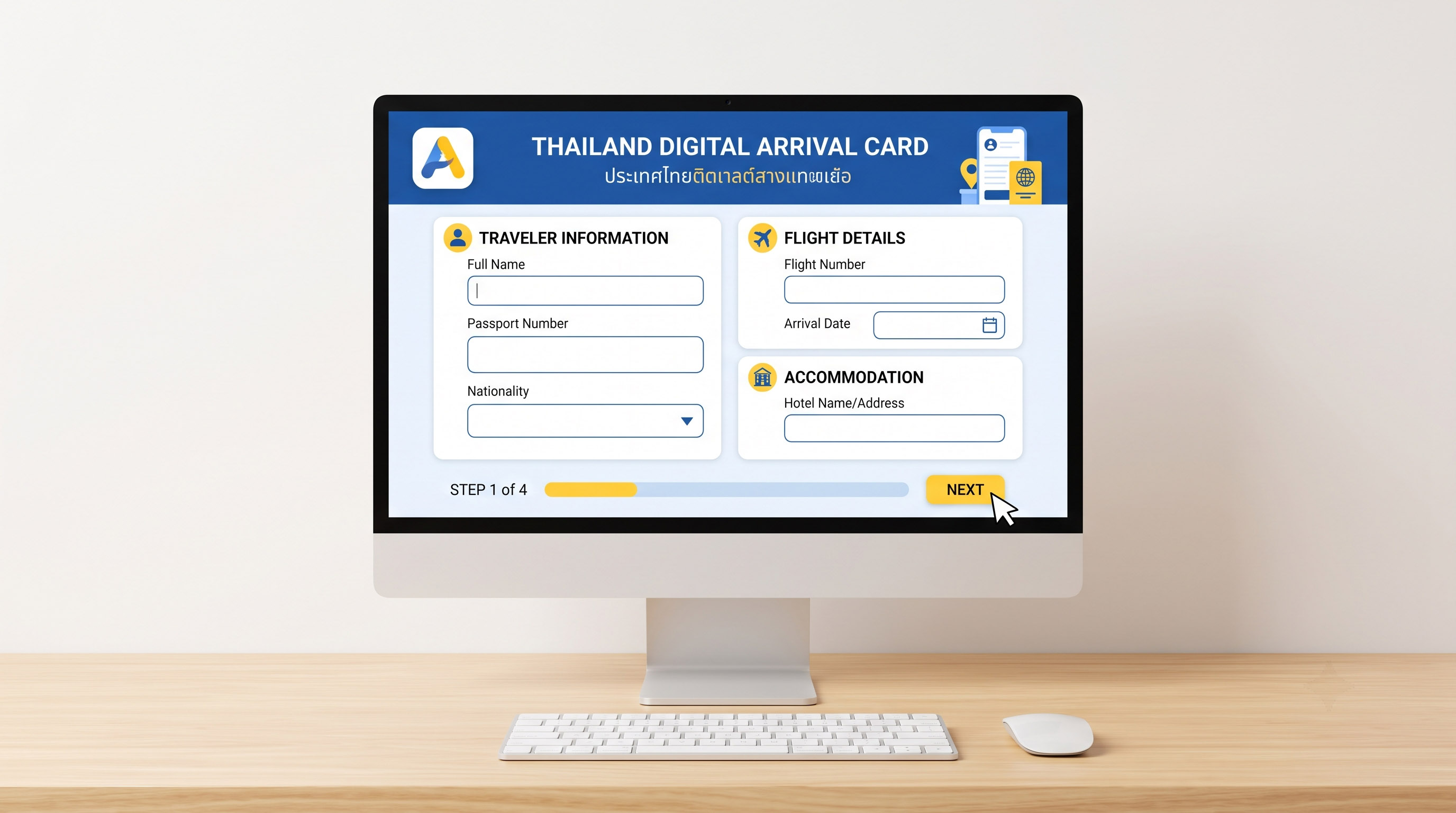
The Thailand Digital Arrival Card, known as the TDAC, is now required for virtually all foreign arrivals. It replaced the old paper form and must be completed online, free of charge, through the official government portal within 72 hours before arrival.
The form takes about 10 minutes, and you will receive a QR code to show at immigration, so save it offline. Be wary of third-party sites that charge a fee, because the official TDAC is always free.
,regionOfInterest=(1376,768))
,regionOfInterest=(1376,768))
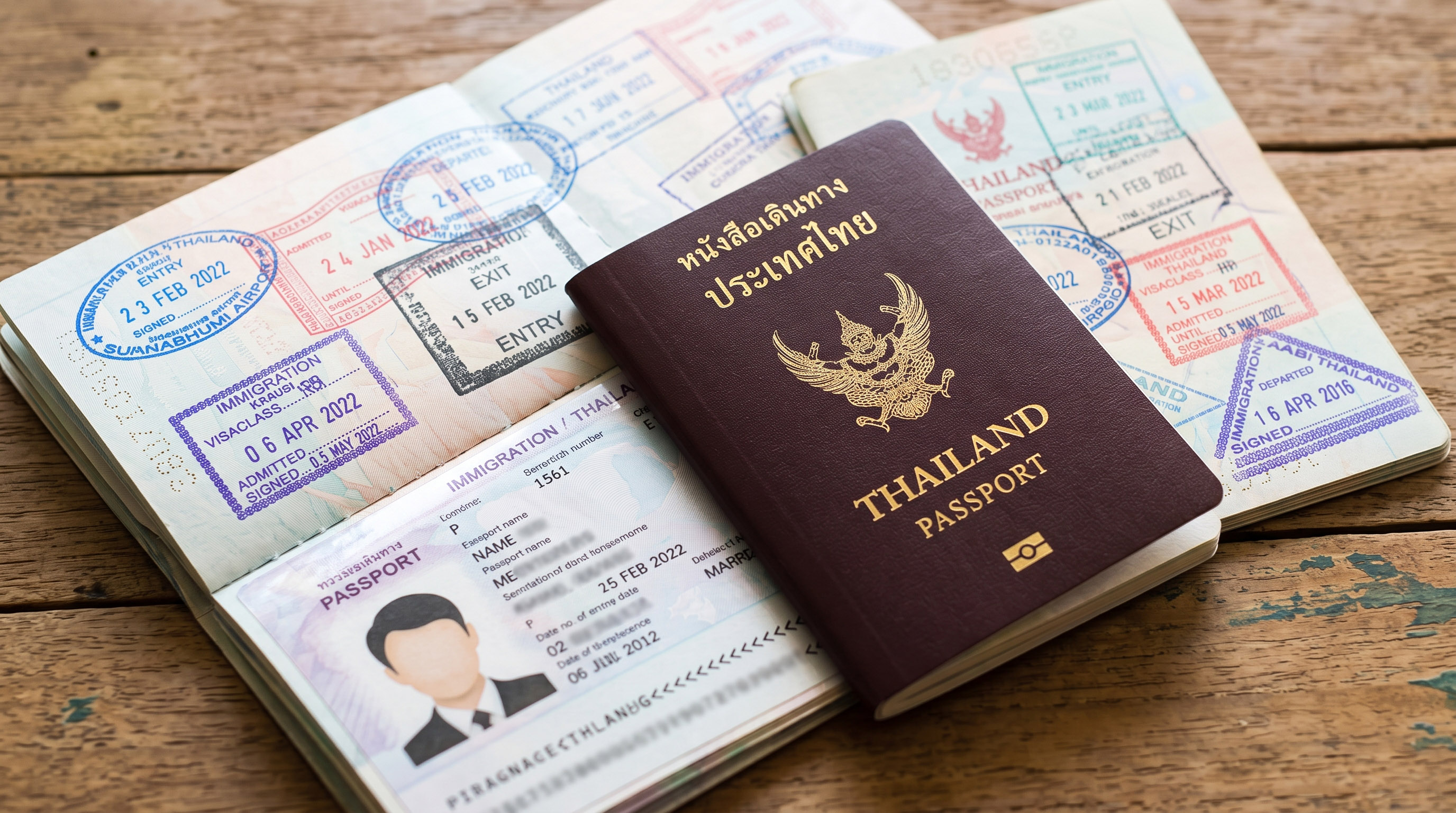
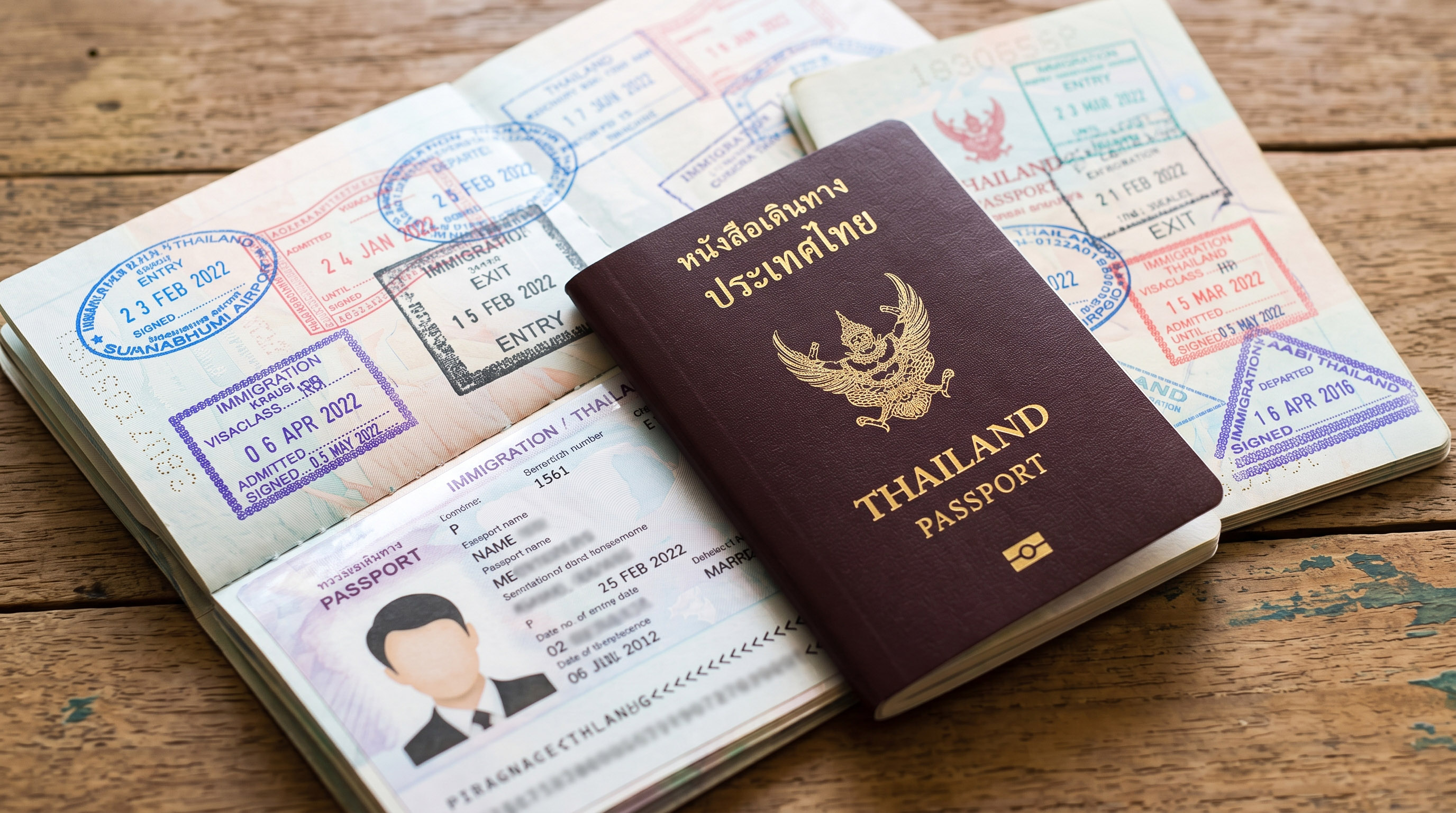
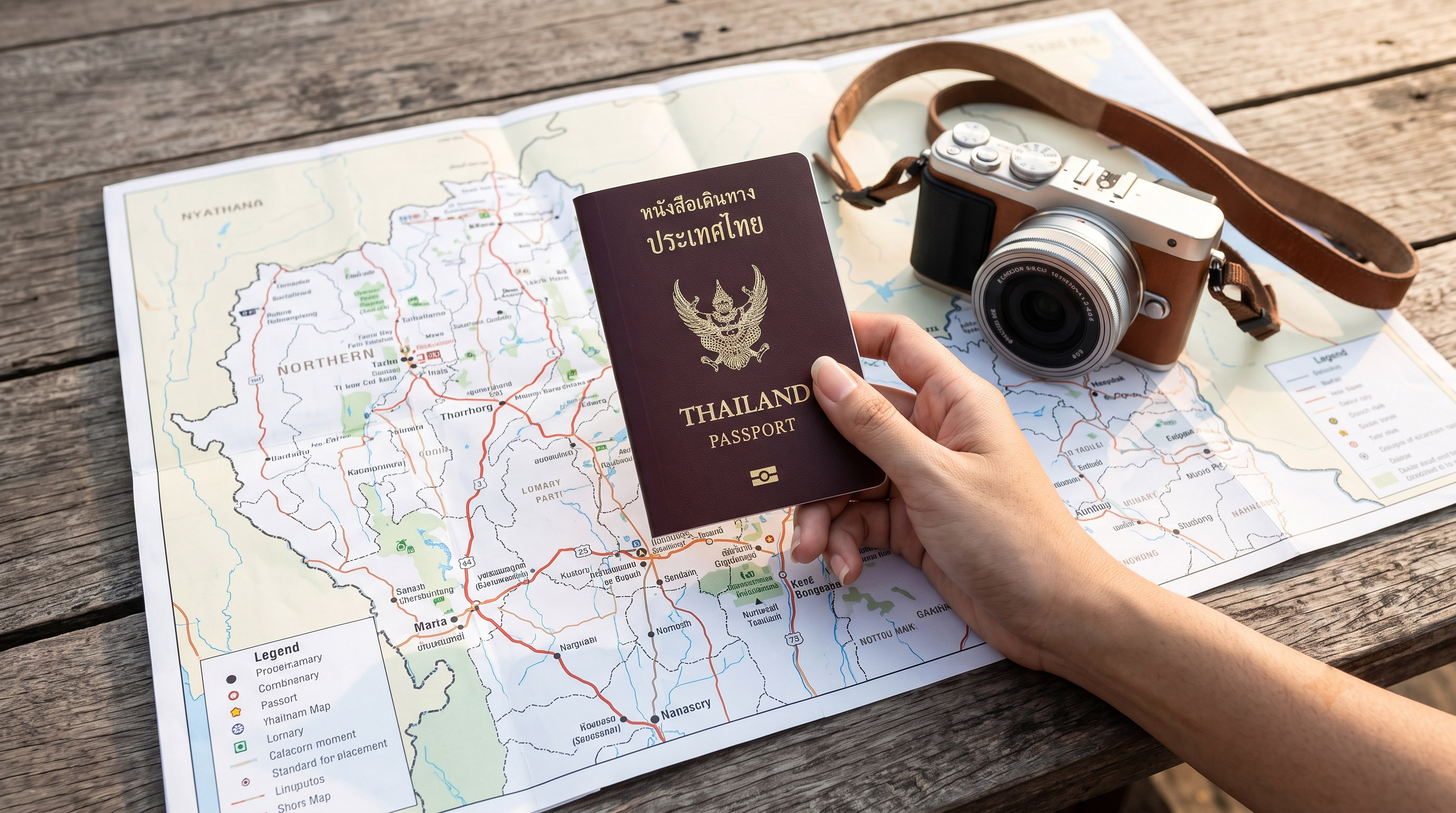
The visa-free situation is in transition. Thailand had offered a generous 60-day visa-exempt stay to many nationalities, but authorities approved a return to a 30-day exemption during 2026, with reporting pointing to an effective date around May 2026.
Because official and embassy pages were inconsistent at points during the year, do not treat any blog as the final word. Confirm your nationality's current allowance on your local Thai embassy website close to departure.
,regionOfInterest=(1376,768))
,regionOfInterest=(1376,768))
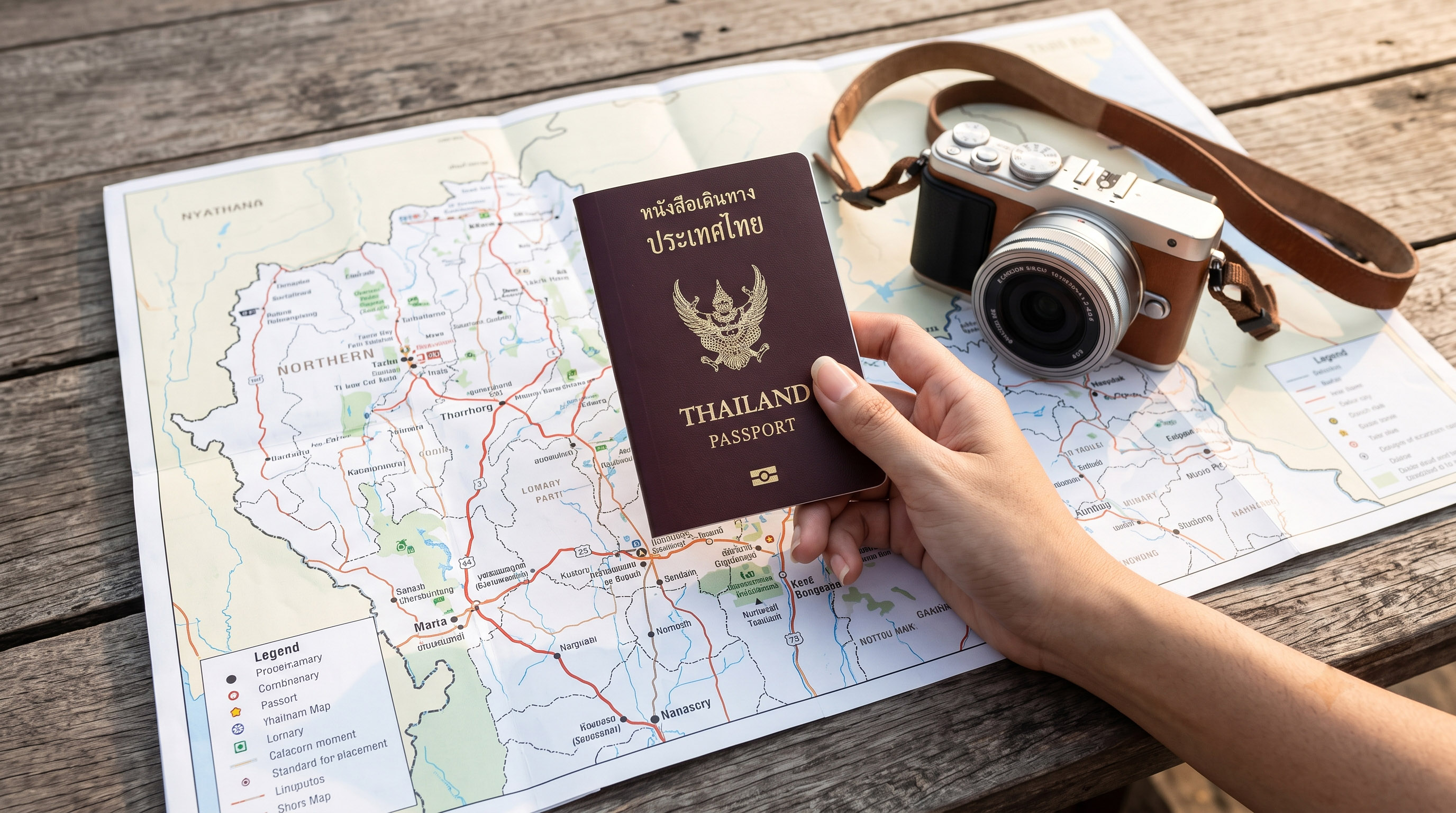
Immigration may ask for proof of funds, commonly cited as 20,000 THB per person or 40,000 THB per family (roughly 560 to 1,120 USD). Your passport should be valid for at least six months from your date of entry.
Having a printed accommodation booking and an onward ticket on hand makes the arrival process smoother, even though checks are not guaranteed.
Chiang Mai is refreshingly easy to reach and to navigate once you land. The arrival logistics and the day-to-day transport options are laid out in the sections that follow.
,regionOfInterest=(1376,768))
,regionOfInterest=(1376,768))
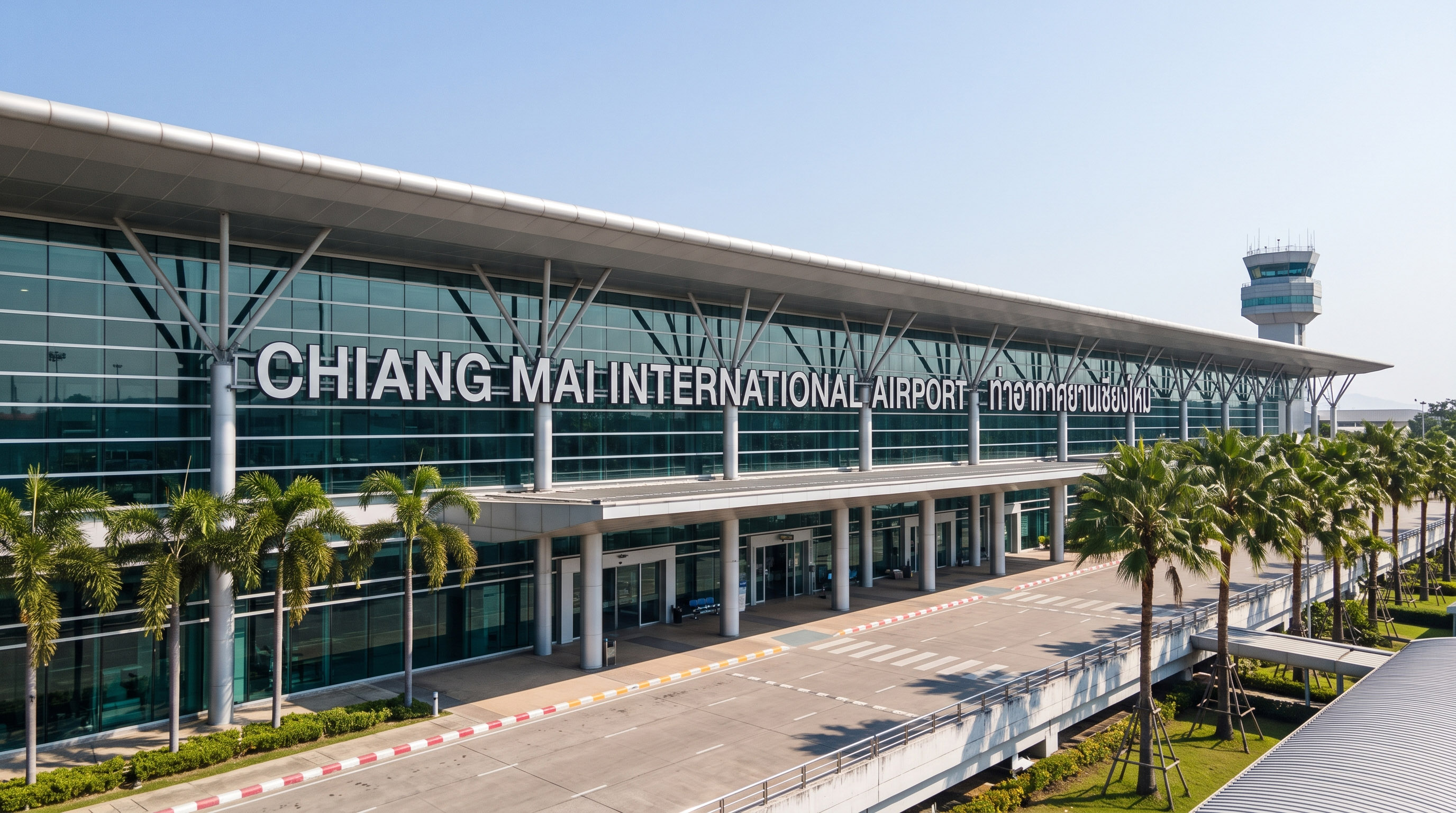
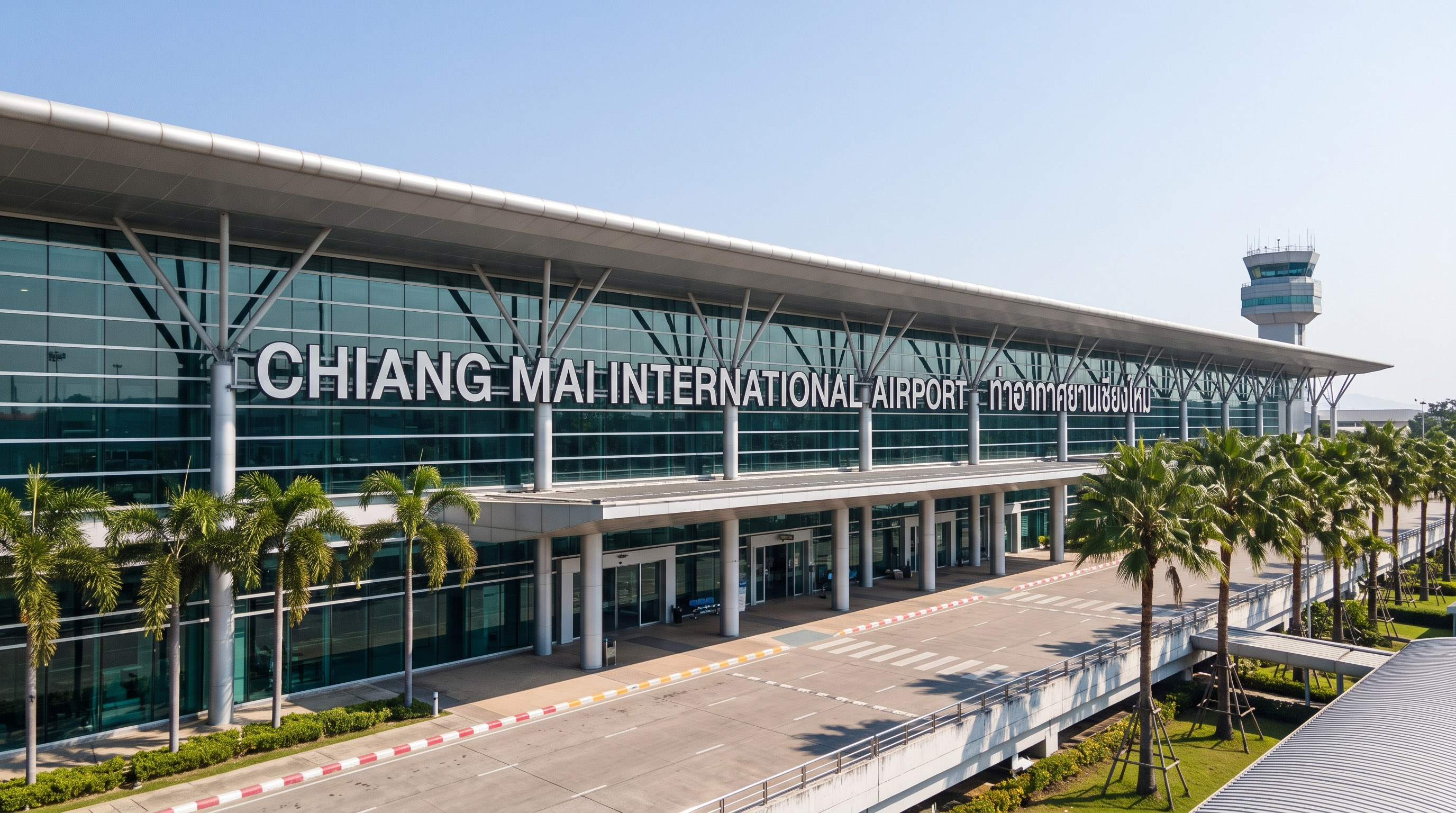
Chiang Mai International Airport (airport code CNX) sits just a few kilometres from the city centre and connects directly to major Asian hubs, with frequent flights from Bangkok, Singapore, Kuala Lumpur, and Taipei. Most regional flights run between two and four hours.
The short airport-to-city distance means you can be checked in and exploring within half an hour of landing. Meliá Chiang Mai sits only six kilometres from the airport, which keeps that first transfer painless after a long travel day.
,regionOfInterest=(1376,768))
,regionOfInterest=(1376,768))
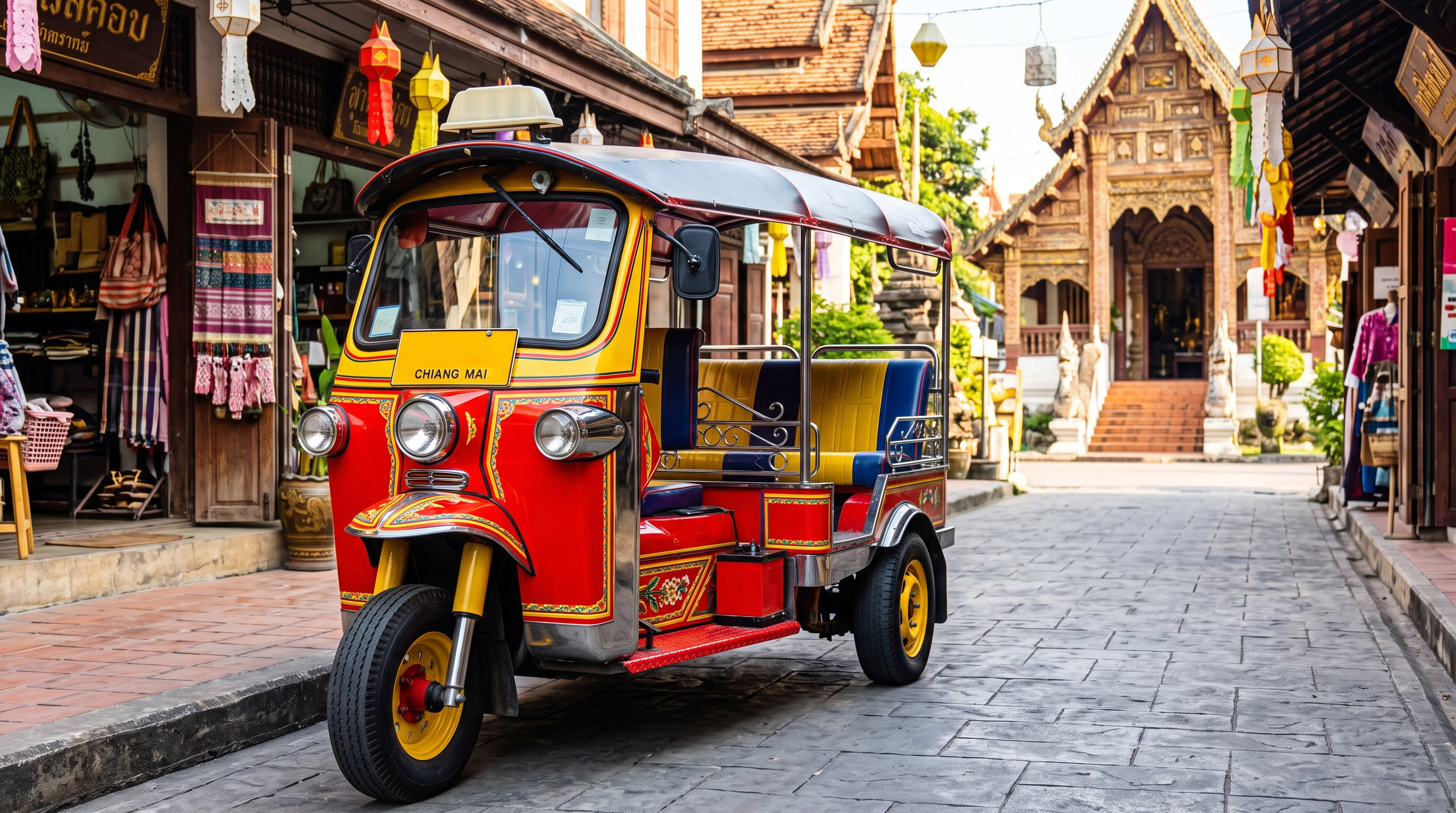
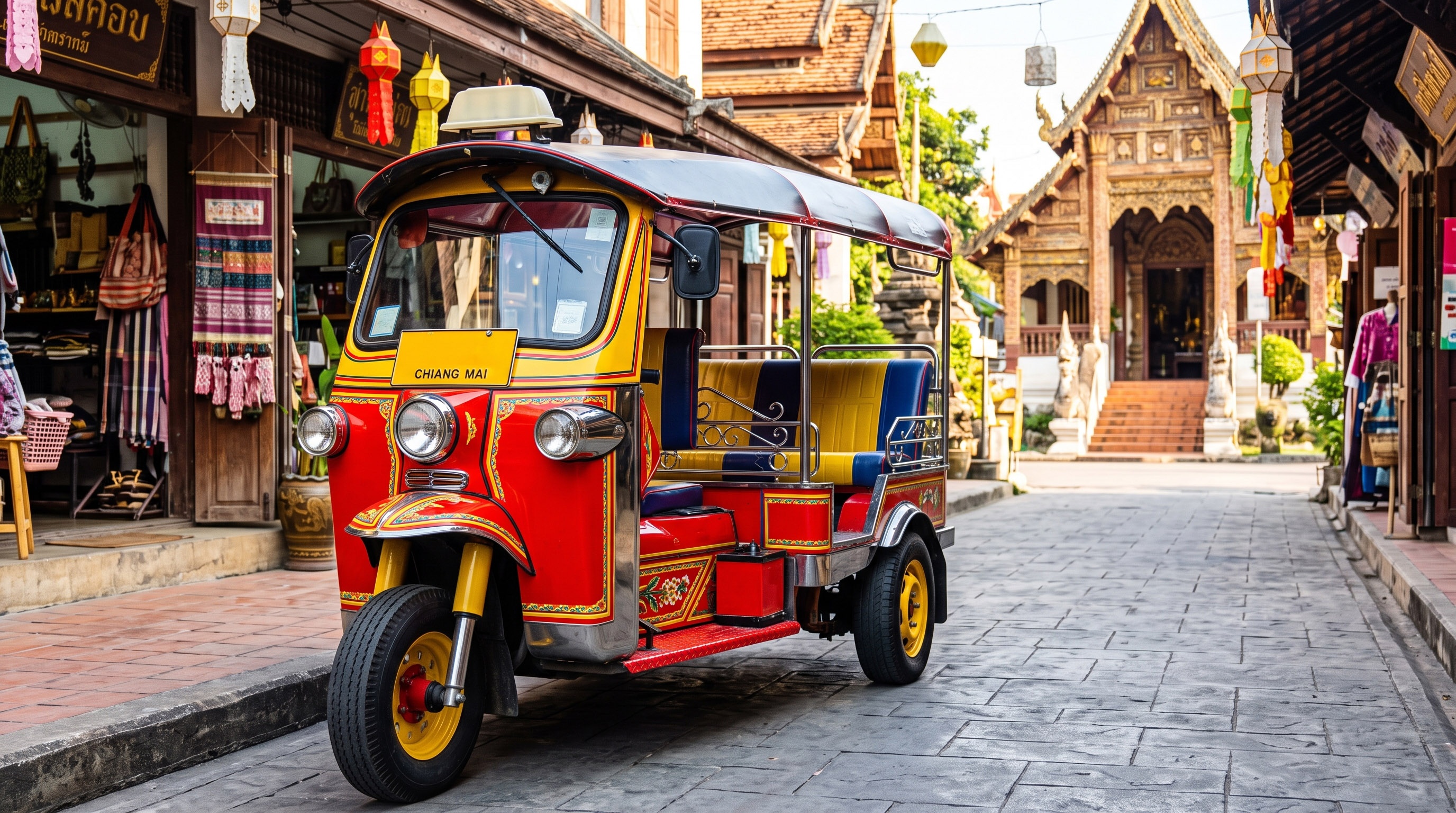
Getting around the city is part of the fun, and the main options are easy to mix and match:
Distances inside the central districts are short, but a base that bridges the major zones saves real time and money across a multi-day stay. It is a point this Chiang Mai travel guide returns to later, because where you stay shapes how smoothly each day flows.
Temples are the soul of Chiang Mai, and no Chiang Mai travel guide would be complete without them, though a focused approach beats trying to see them all. Start with the standouts described in the following sections.
Perched at around 1,073 metres on the mountain that shares its name, this revered temple is about a 30 to 45-minute drive from the Old City. You climb a dramatic 300-step Naga staircase, or take the funicular for 50 THB (roughly 1.40 USD), to reach a glittering golden chedi and a panoramic valley view.
Entry to the temple itself is free for Thai residents, so go early for clear air and thinner crowds. Foreign visitors pay a small admission fee, and there are additional costs if you choose to ride the cable car. If you continue into the surrounding national park for waterfalls or campsites, the park fee is 20 THB round trip or 10 THB one-way for foreigners. Taking the stairs is free.
,regionOfInterest=(1376,768))
,regionOfInterest=(1376,768))
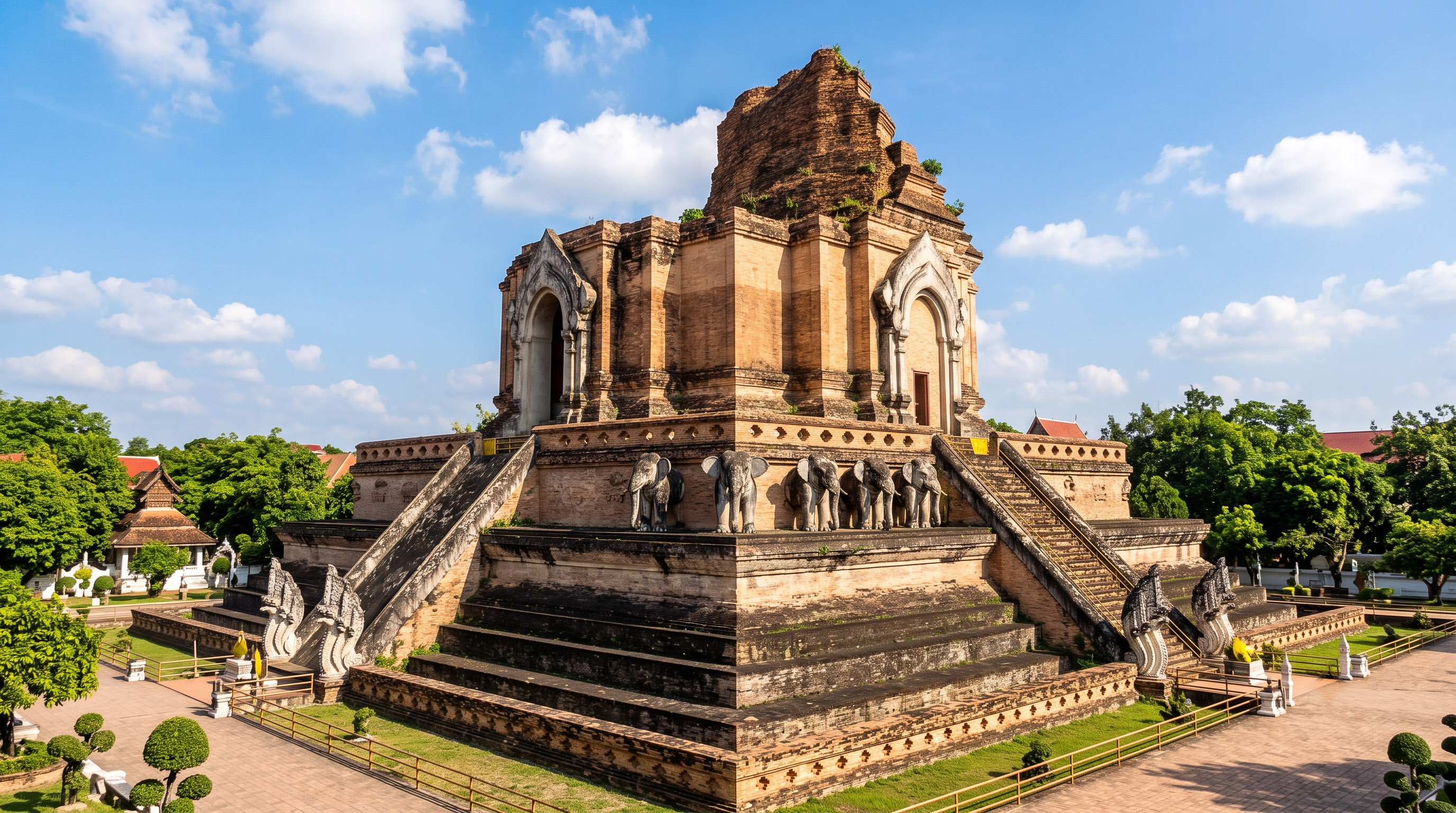
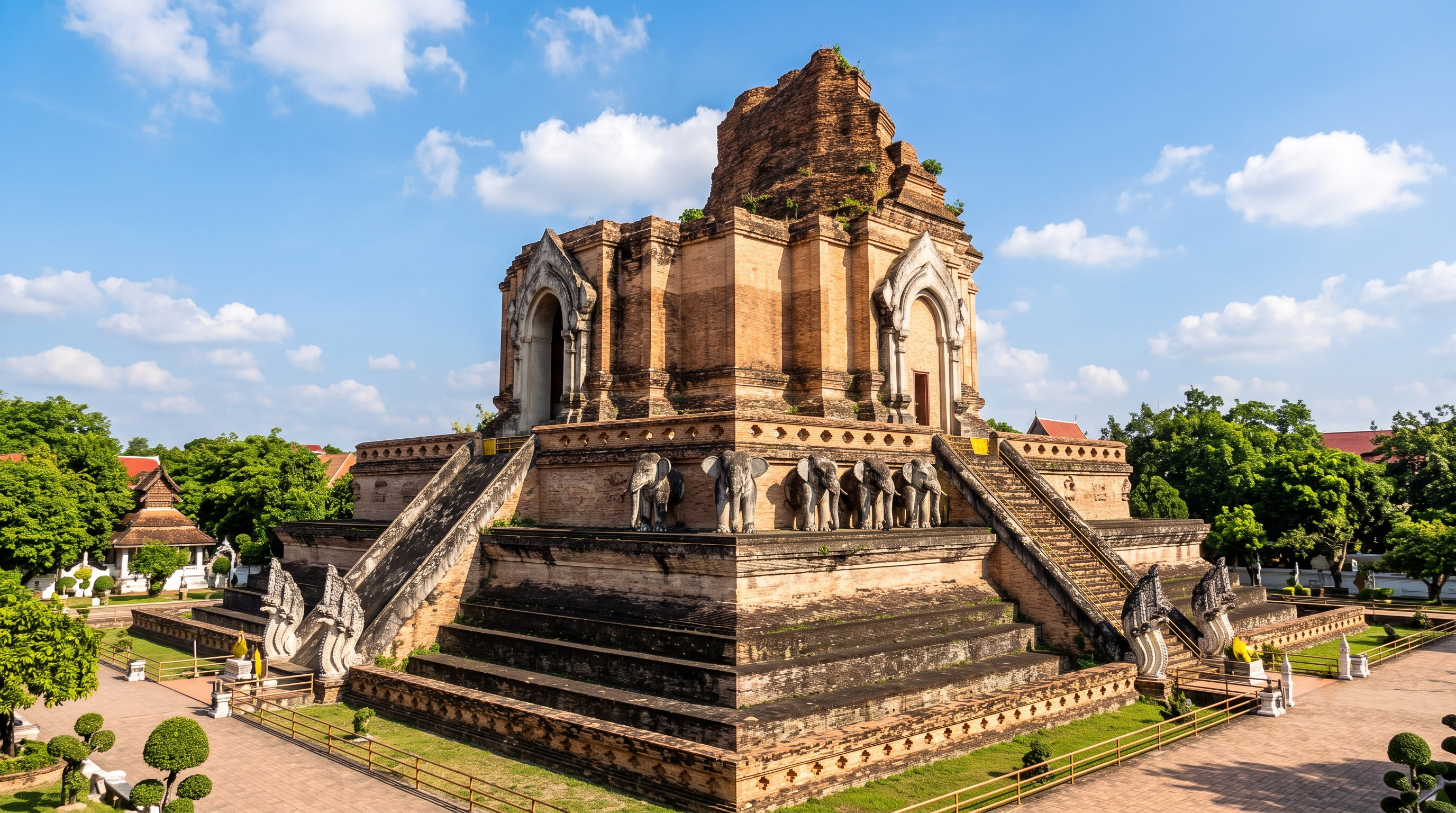
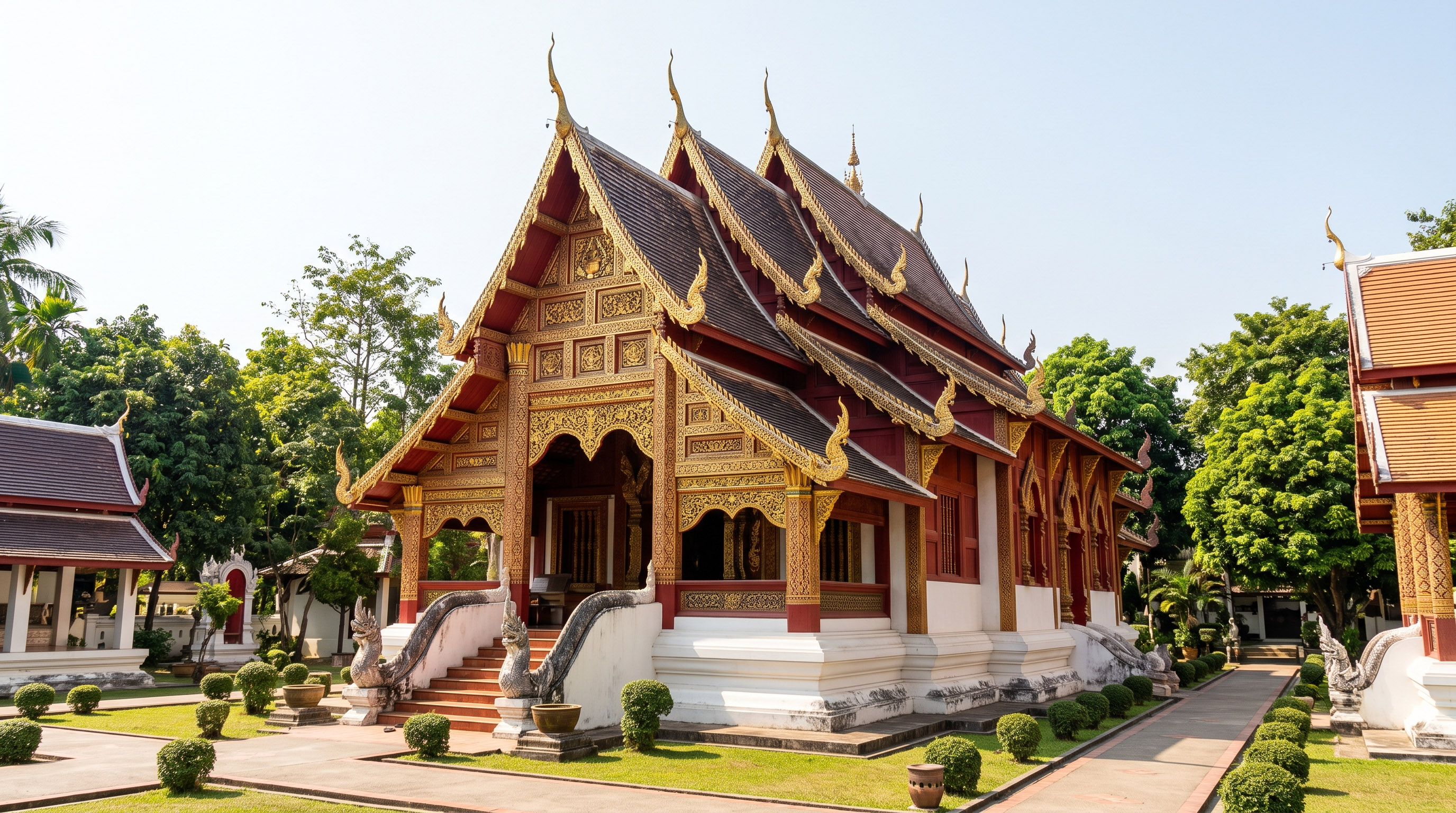
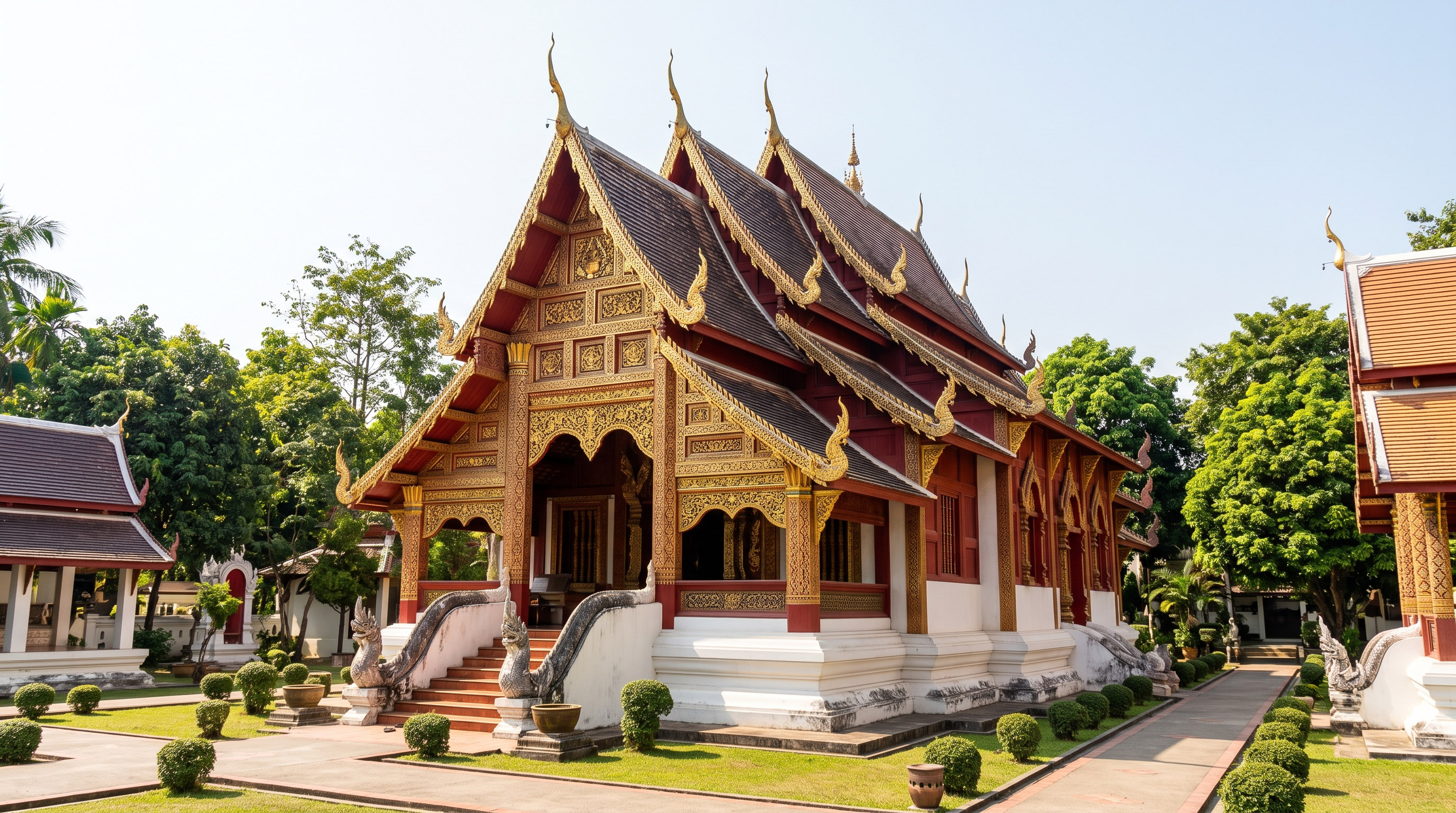
This temple centers on a massive, partially ruined 14th-century brick stupa that once housed the Emerald Buddha. Standing in its shadow gives you a powerful sense of ancient Lanna history, and the grounds feature beautiful elephant carvings and active monk chat programs.
,regionOfInterest=(1376,768))
,regionOfInterest=(1376,768))
As one of Chiang Mai's most revered temples, it houses the sacred Phra Singh Buddha image. The compound is a prime example of classic northern Thai architecture, featuring elegant swept roofs, intricate wood carvings, and a glittering golden chedi.
Temple Etiquette Basics: Dress modestly with shoulders and knees covered, remove your shoes before entering temple buildings, and keep a respectful quiet around worshippers. Slip-on shoes save you constant lacing and unlacing throughout the day.
Northern Thai cuisine is its own distinct world, and the food alone justifies the trip. No Chiang Mai travel guide is complete without it, so from signature dishes to night-market grazing, the highlights are served up next.
,regionOfInterest=(1348.5,1080))
,regionOfInterest=(1348.5,1080))
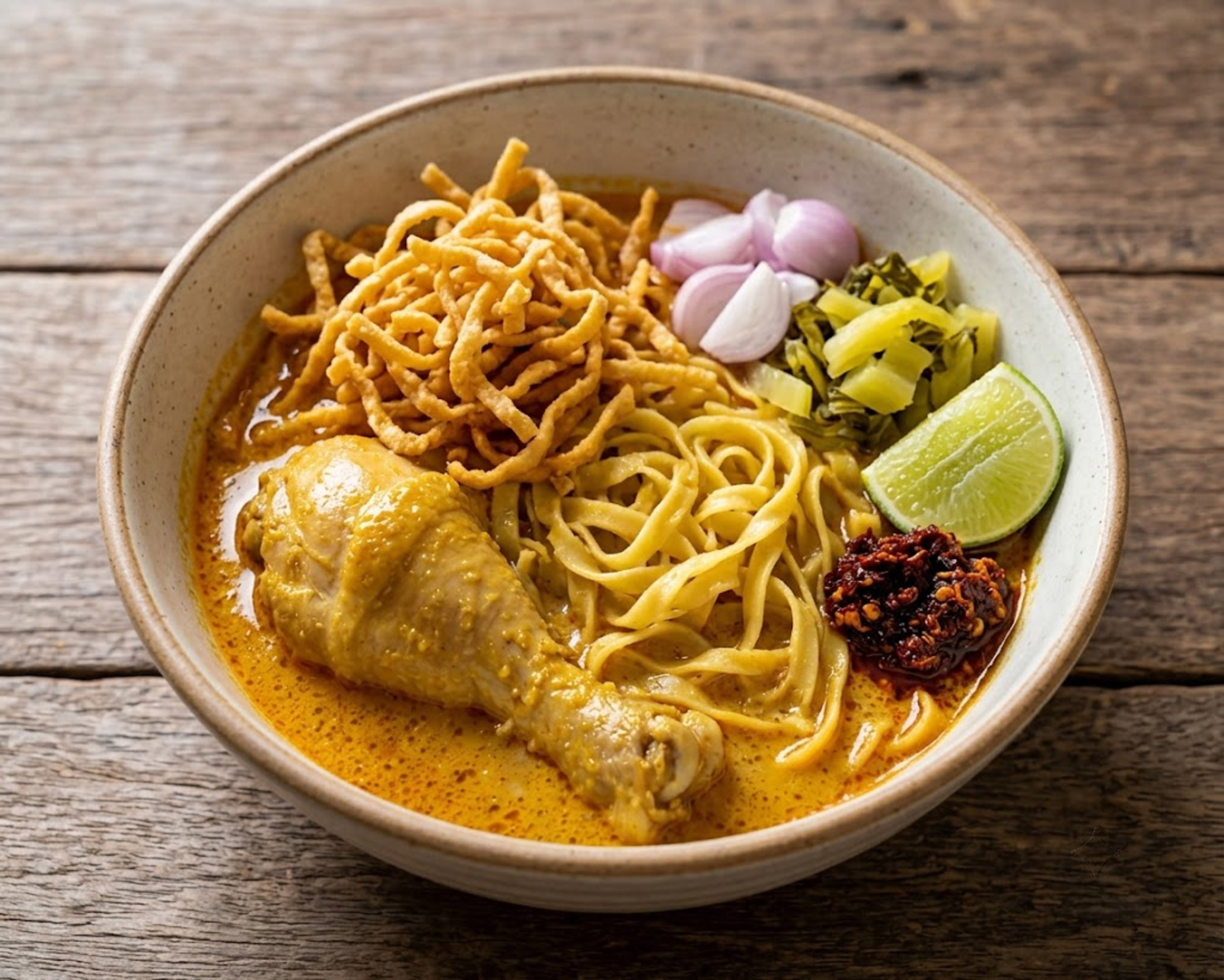
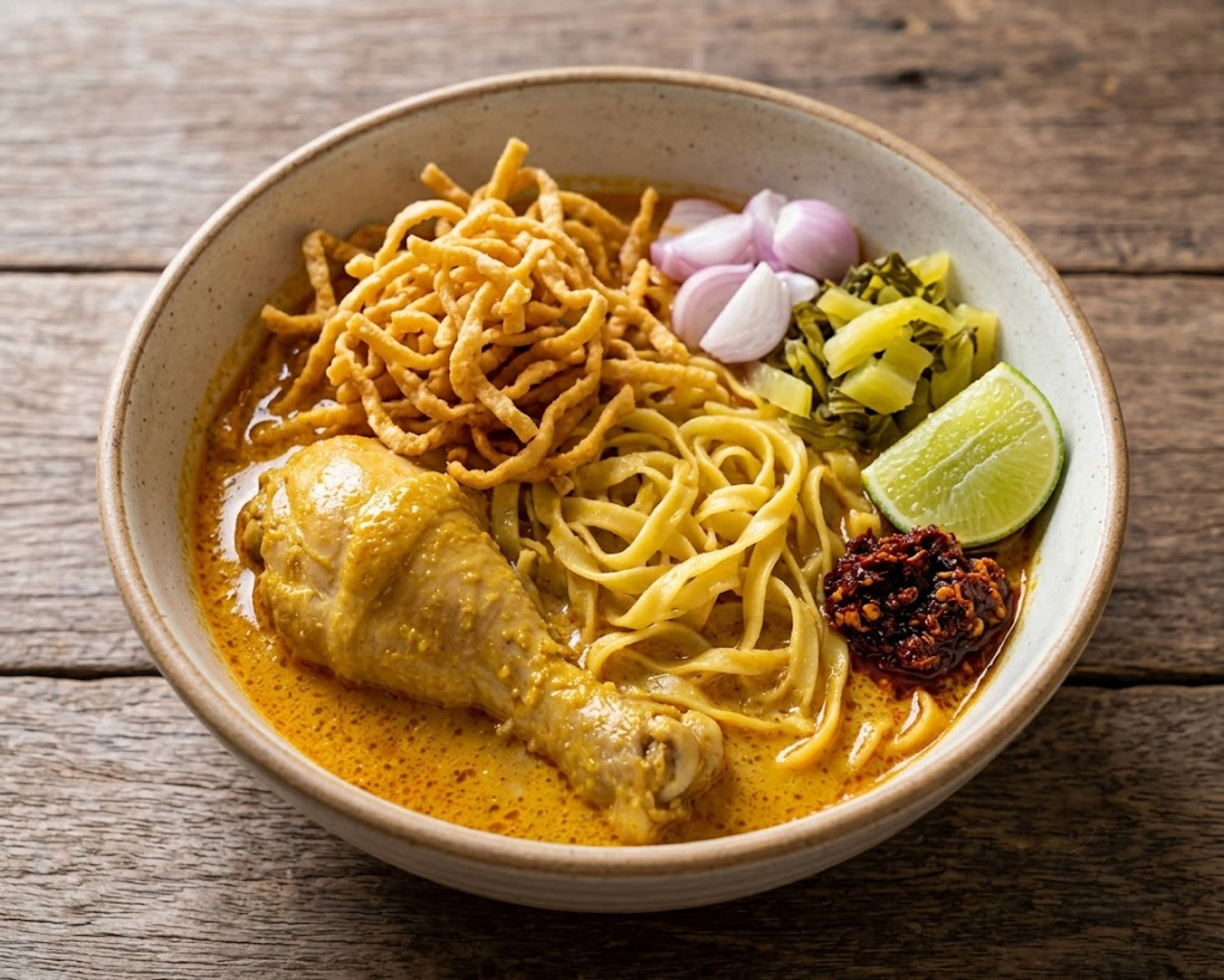
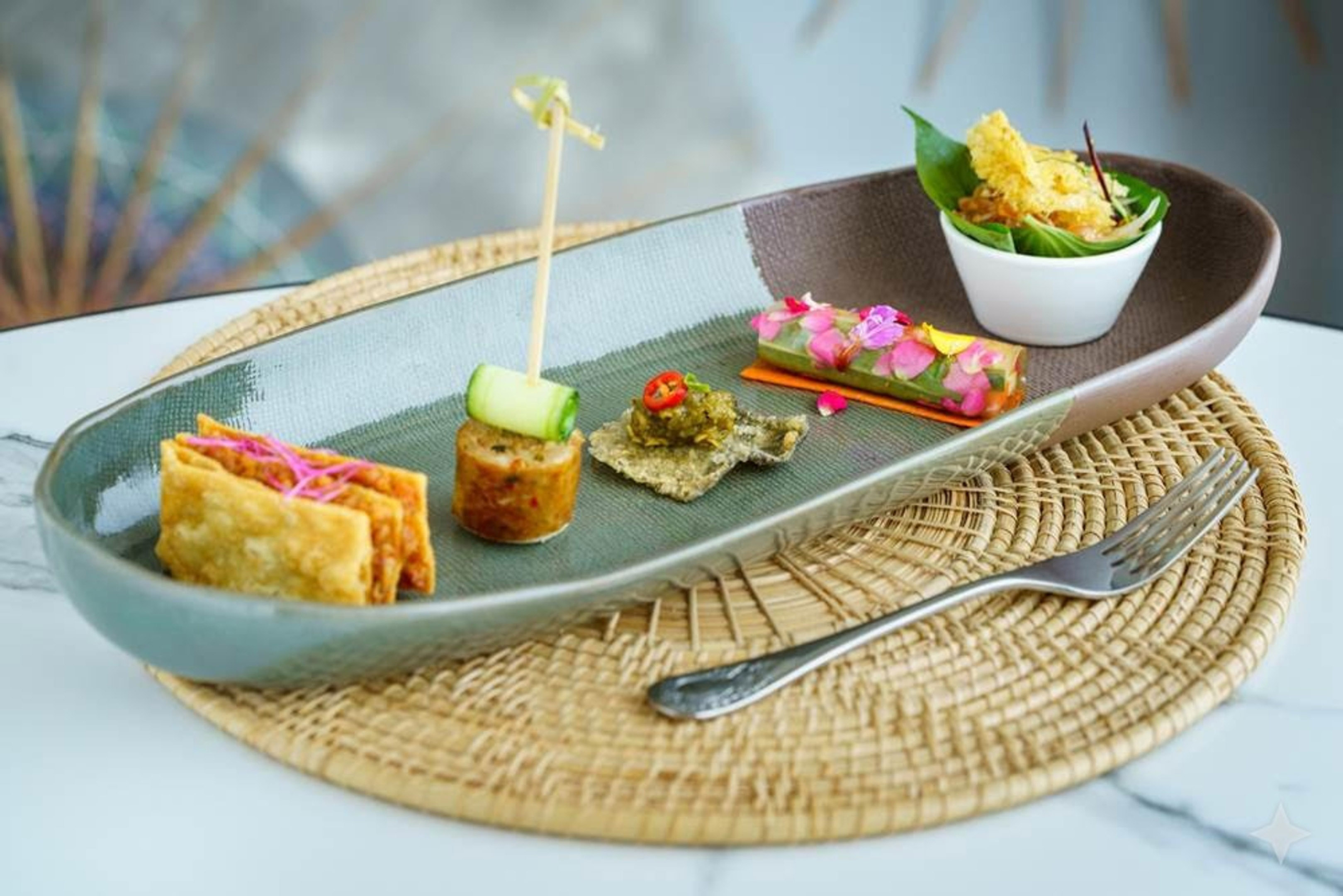
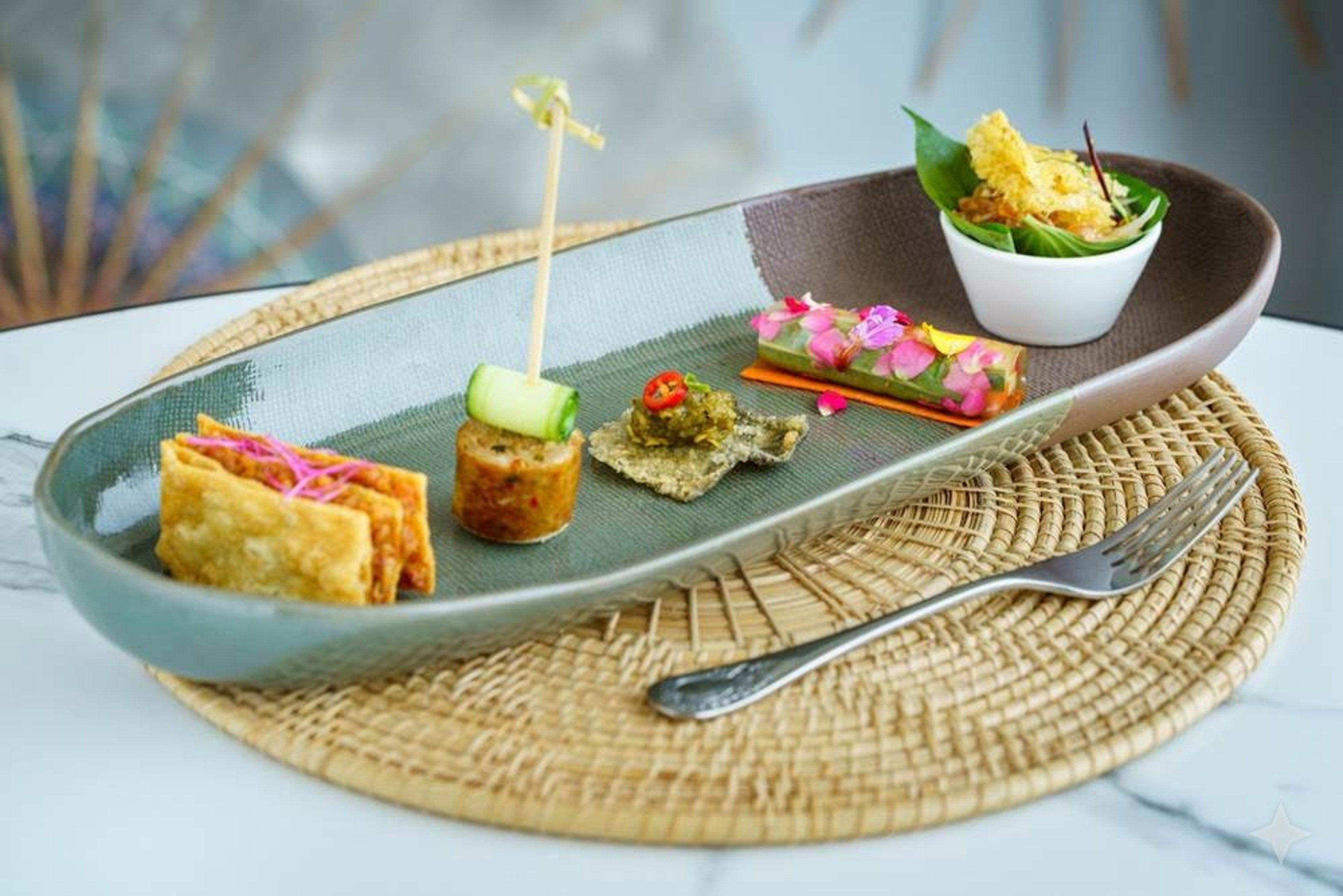
Seek out khao soi first, a rich coconut-curry noodle soup topped with crispy noodles, pickled mustard greens, shallots, and lime. A great bowl at a local shop costs only 50 to 74 THB (around 1.40 to 2 USD).
Beyond khao soi, look for sai ua, the herb-packed northern sausage, nam prik ong, a tomato and pork chili dip, and the communal khantoke meal that lets you sample many Lanna dishes at once.
The quality-to-price ratio is extraordinary, and the city has earned a clutch of Michelin Bib Gourmand nods for excellent food at modest prices. Here is the rough lay of the land:
,regionOfInterest=(1619,1080))
,regionOfInterest=(1619,1080))
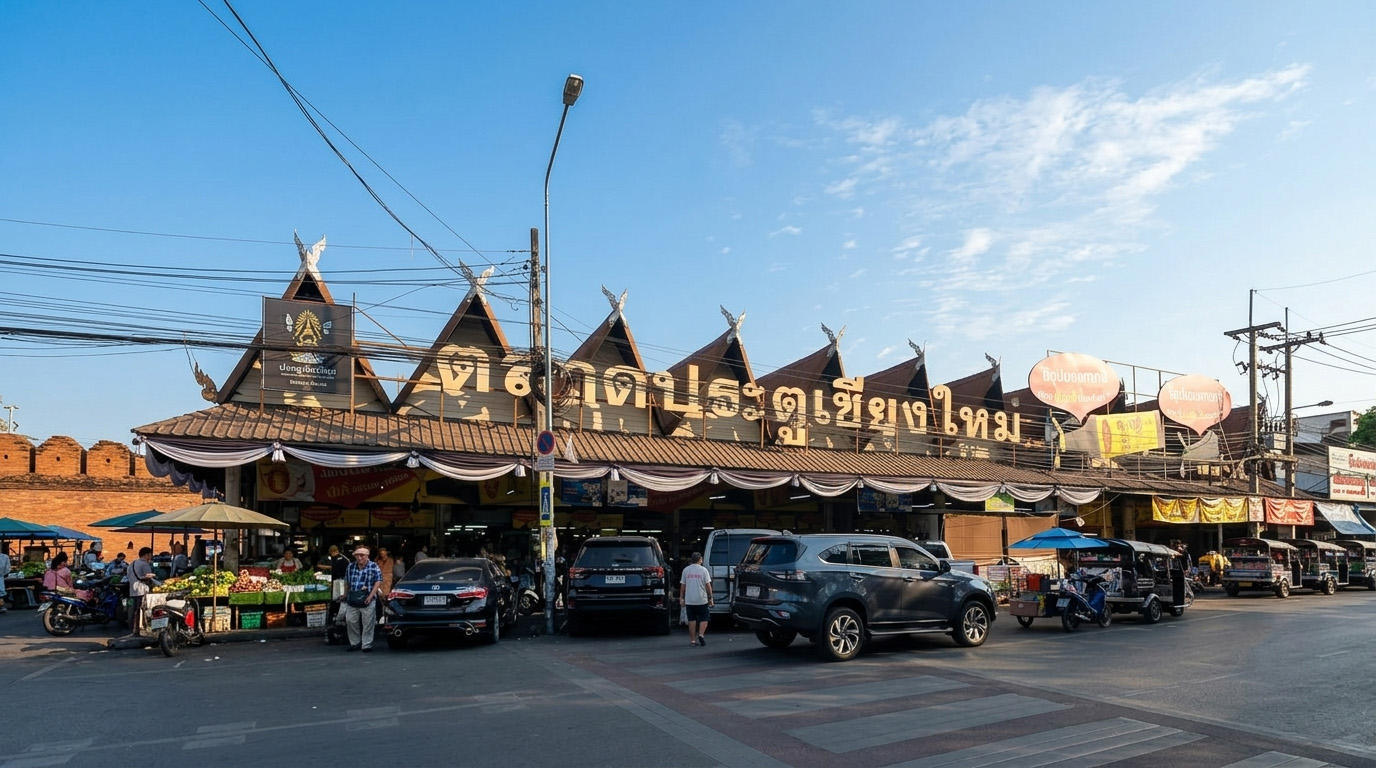
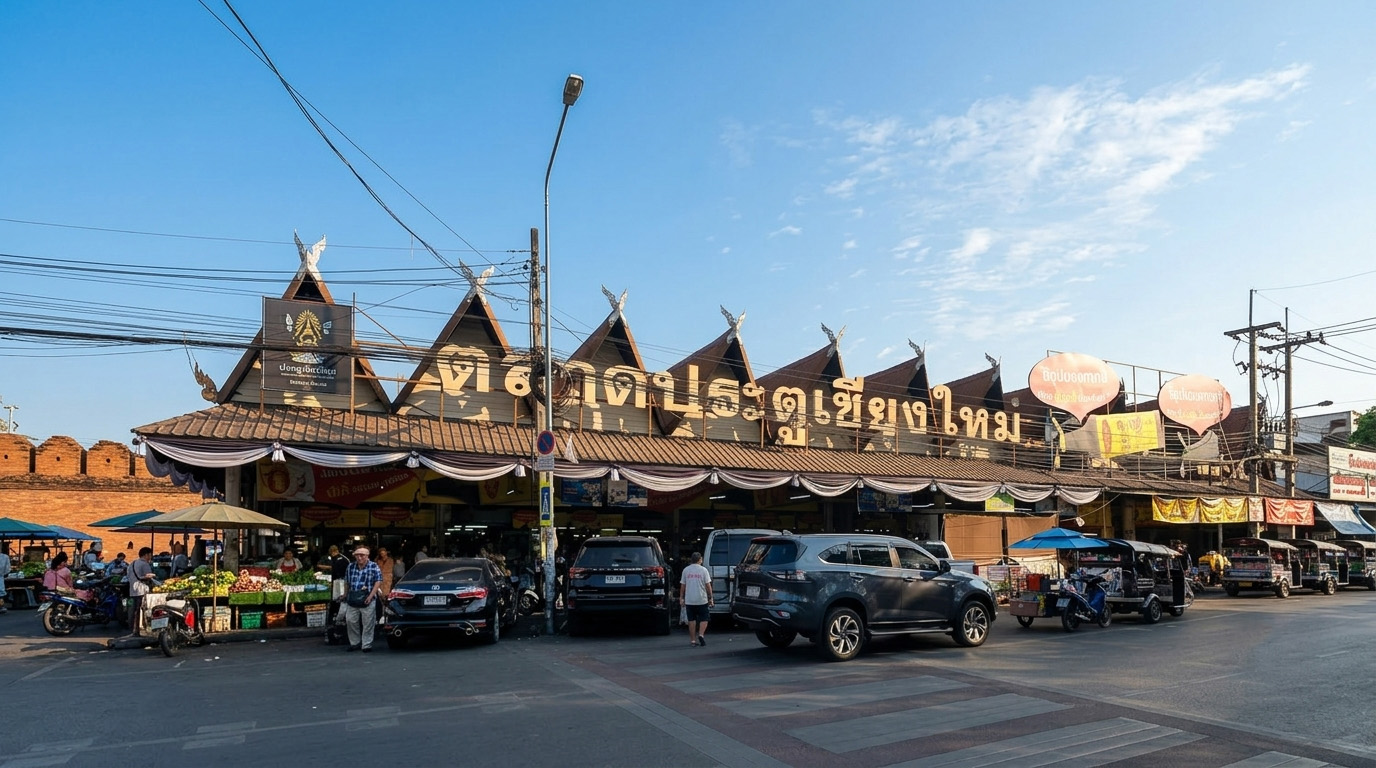
The night markets turn eating into a social event. The Chiang Mai Night Bazaar runs every evening along Chang Khlan Road, while the Sunday Walking Street in the Old City becomes a sprawling open-air feast and craft market.
For a refined take on the region's flavours, you need not leave your hotel. Meliá Chiang Mai's signature Mai Restaurant & Bar on the 21st floor prepares contemporary Lanna dishes a la minute from an open kitchen, pairing Northern Thai tradition with subtle Mediterranean technique.
Some of Chiang Mai's most memorable experiences lie just outside the city, and this Chiang Mai travel guide would be incomplete without them. Consider building at least one of the excursions outlined below into a longer stay.
,regionOfInterest=(1376,768))
,regionOfInterest=(1376,768))
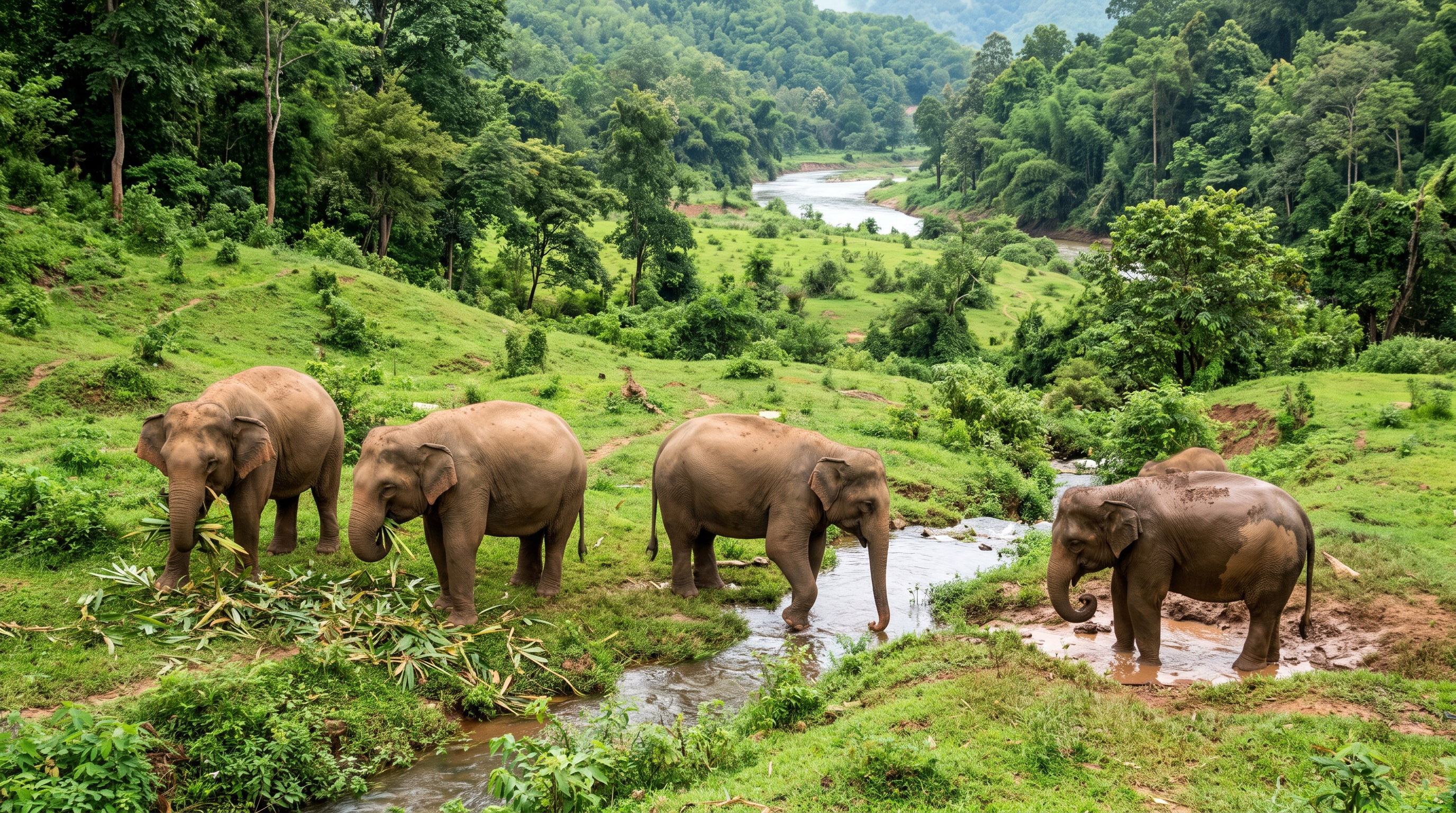
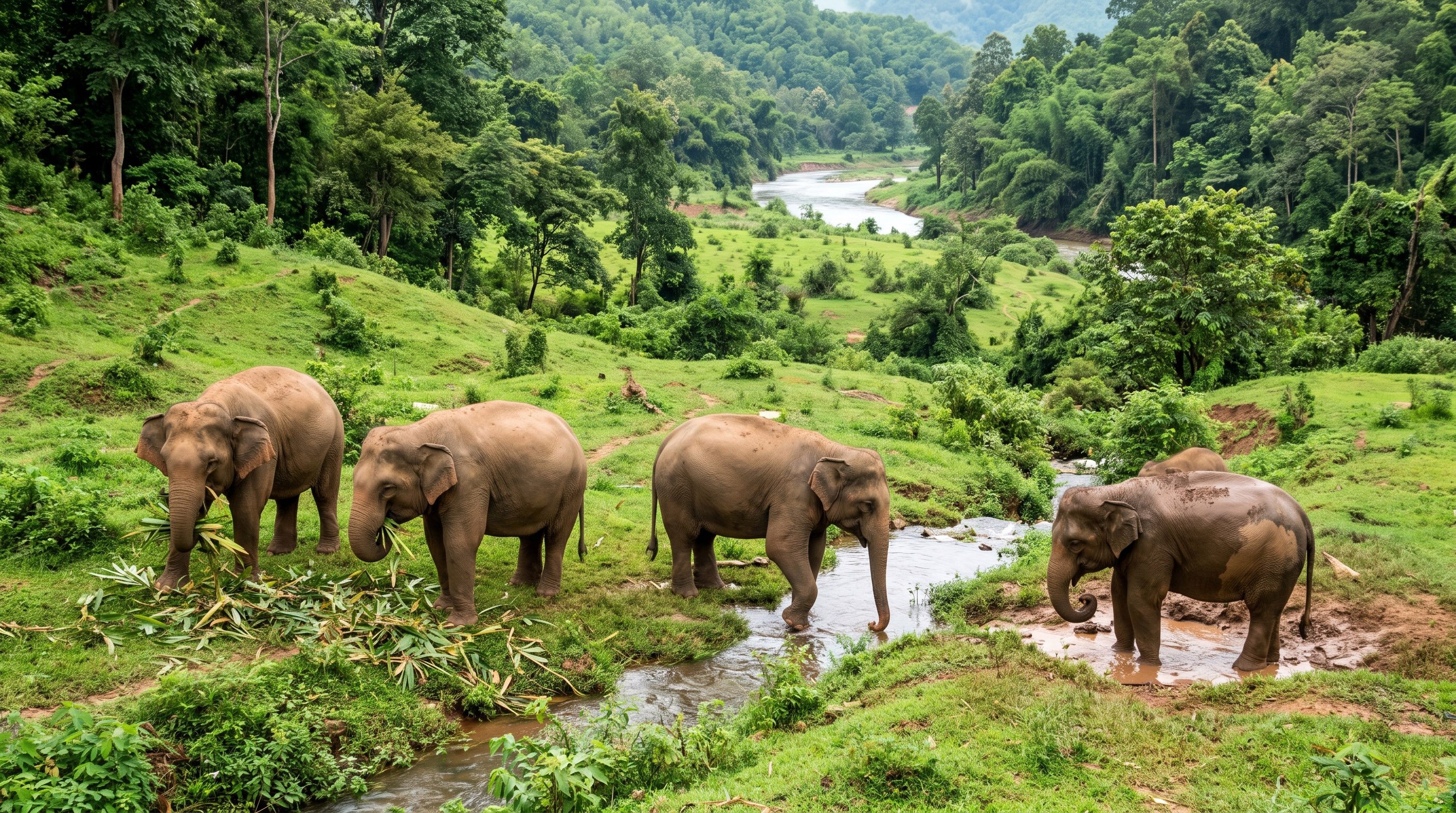
Reputable parks let you observe and walk among rescued elephants rather than ride them, with a strong focus on conservation and welfare. A full-day visit typically runs 2,000 to 3,500 THB (about 56 to 98 USD), and the best ones require advance booking.
Choose an operator with a genuine no-riding, welfare-first policy, as standards vary widely between camps.
,regionOfInterest=(1376,768))
,regionOfInterest=(1376,768))
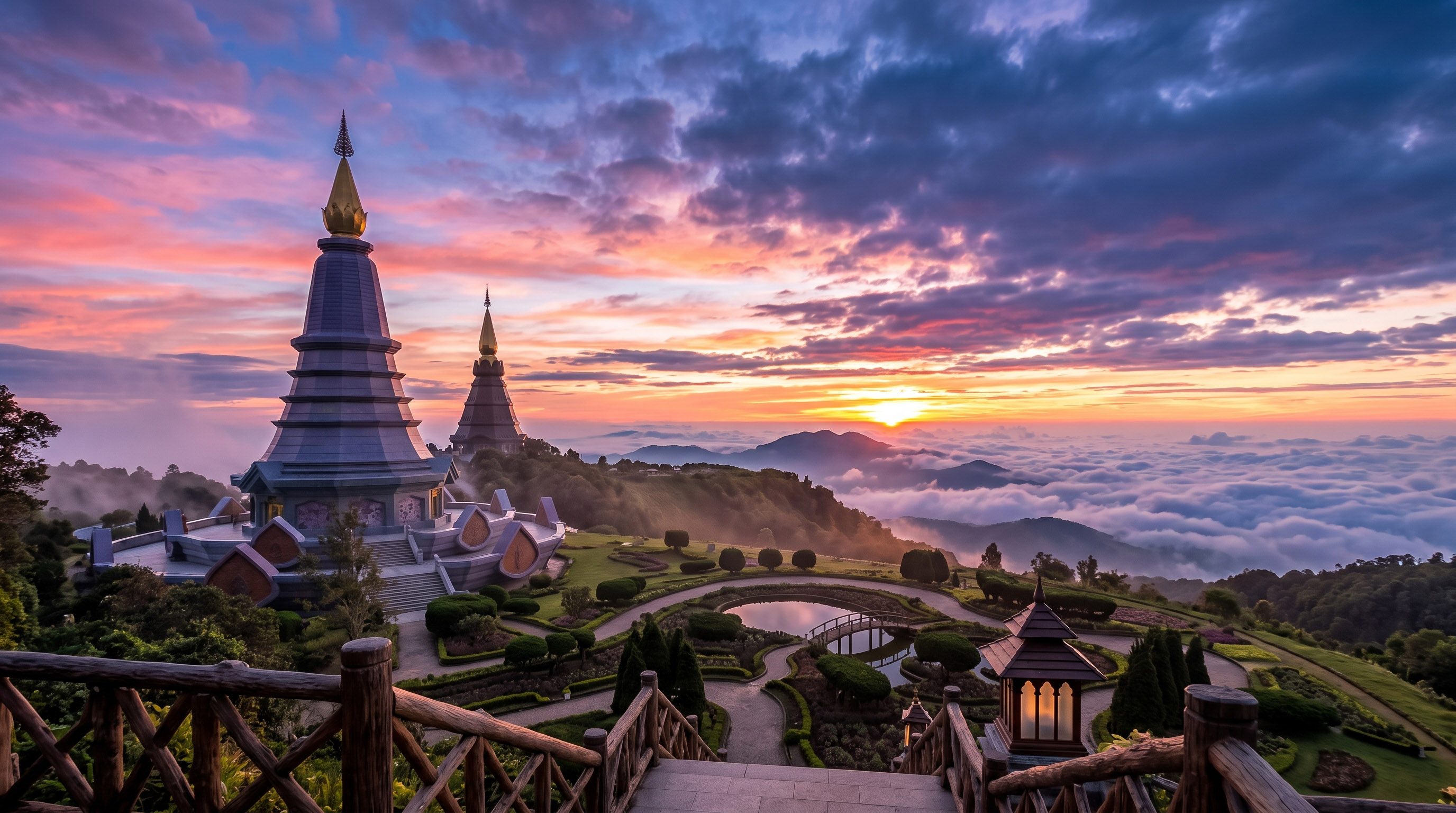
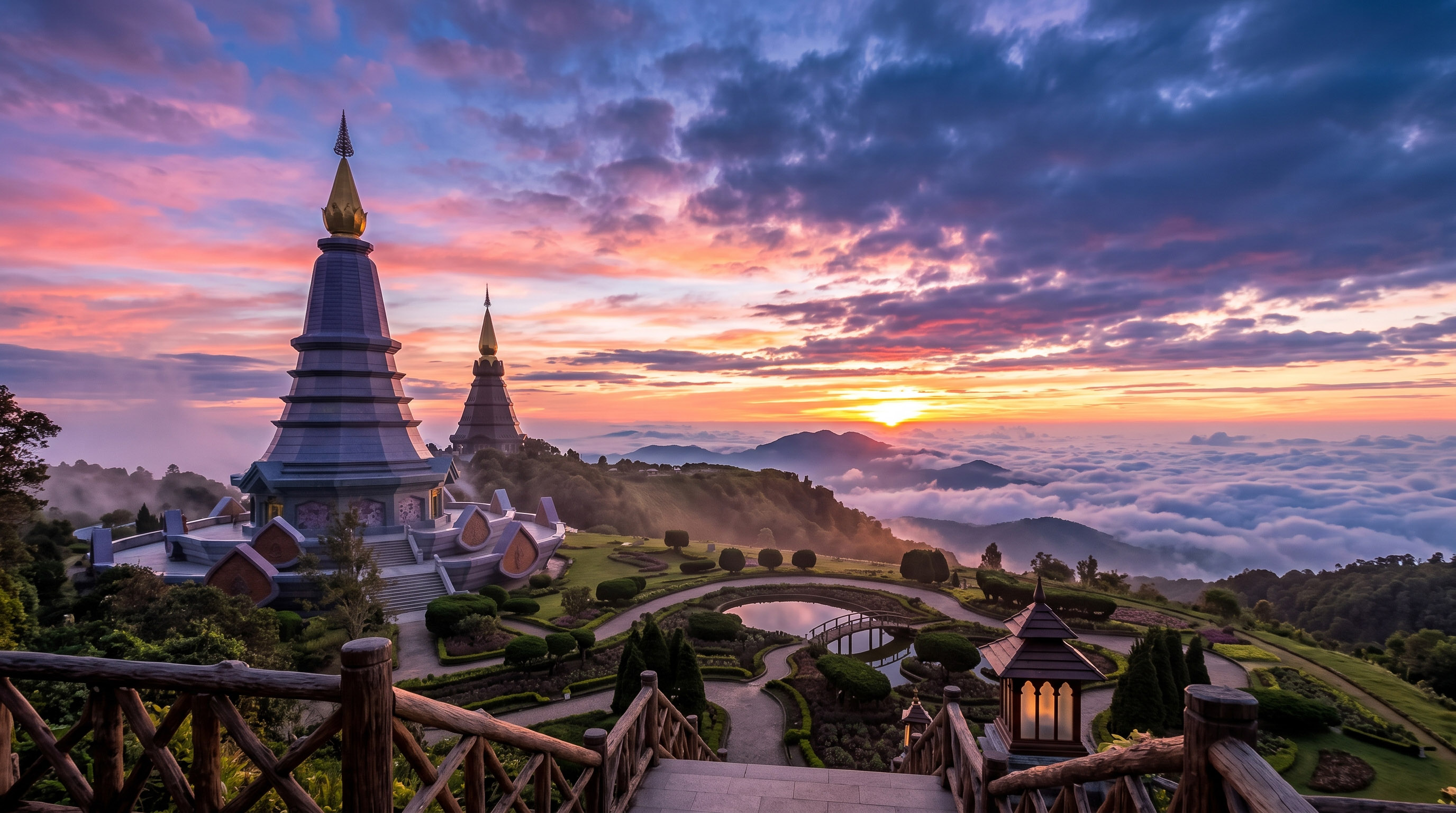
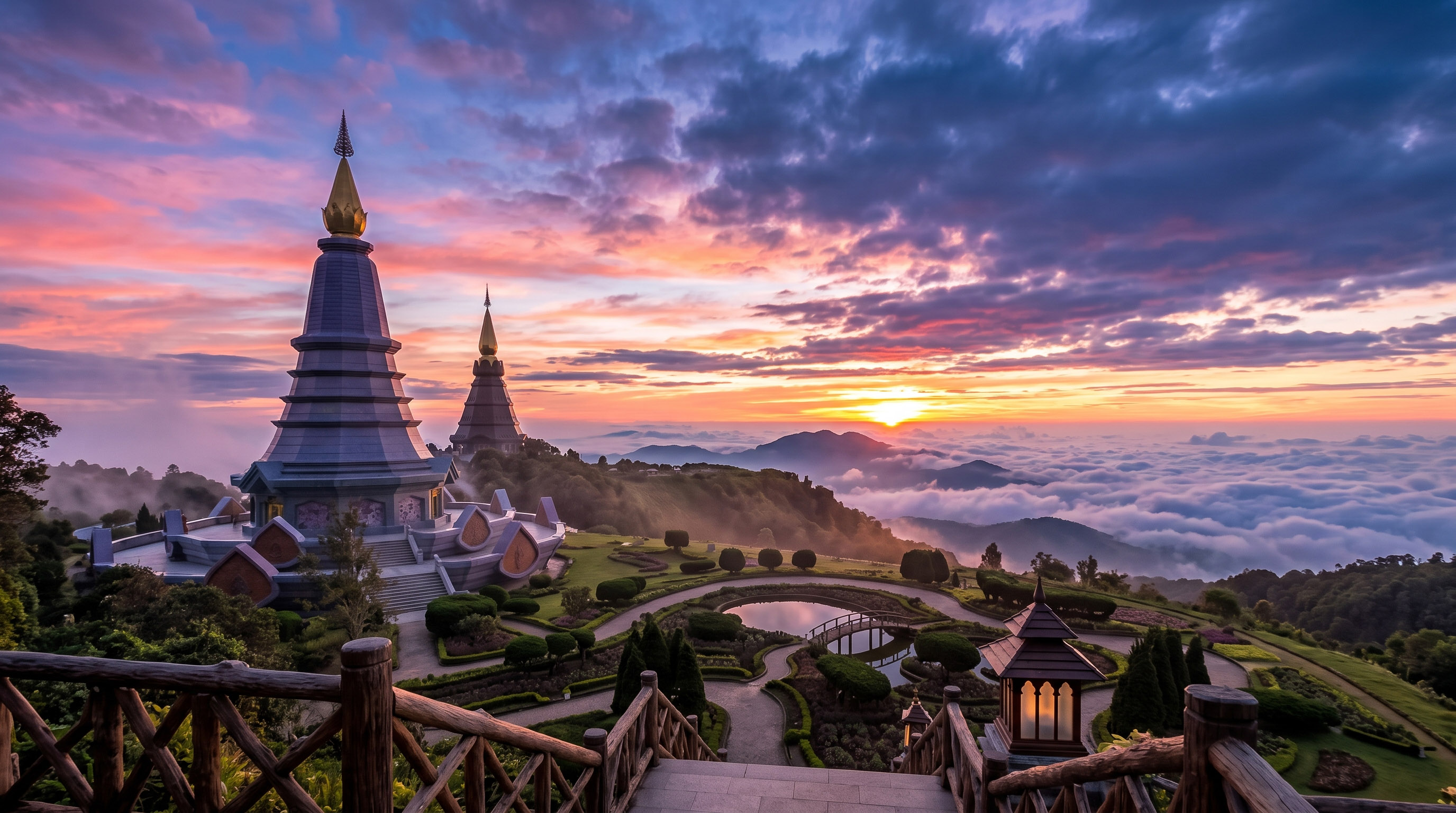
Doi Inthanon National Park contains Thailand's highest peak at 2,565 metres, along with waterfalls, the twin royal pagodas, and cool cloud-forest trails. It makes a refreshing full-day escape from the heat.
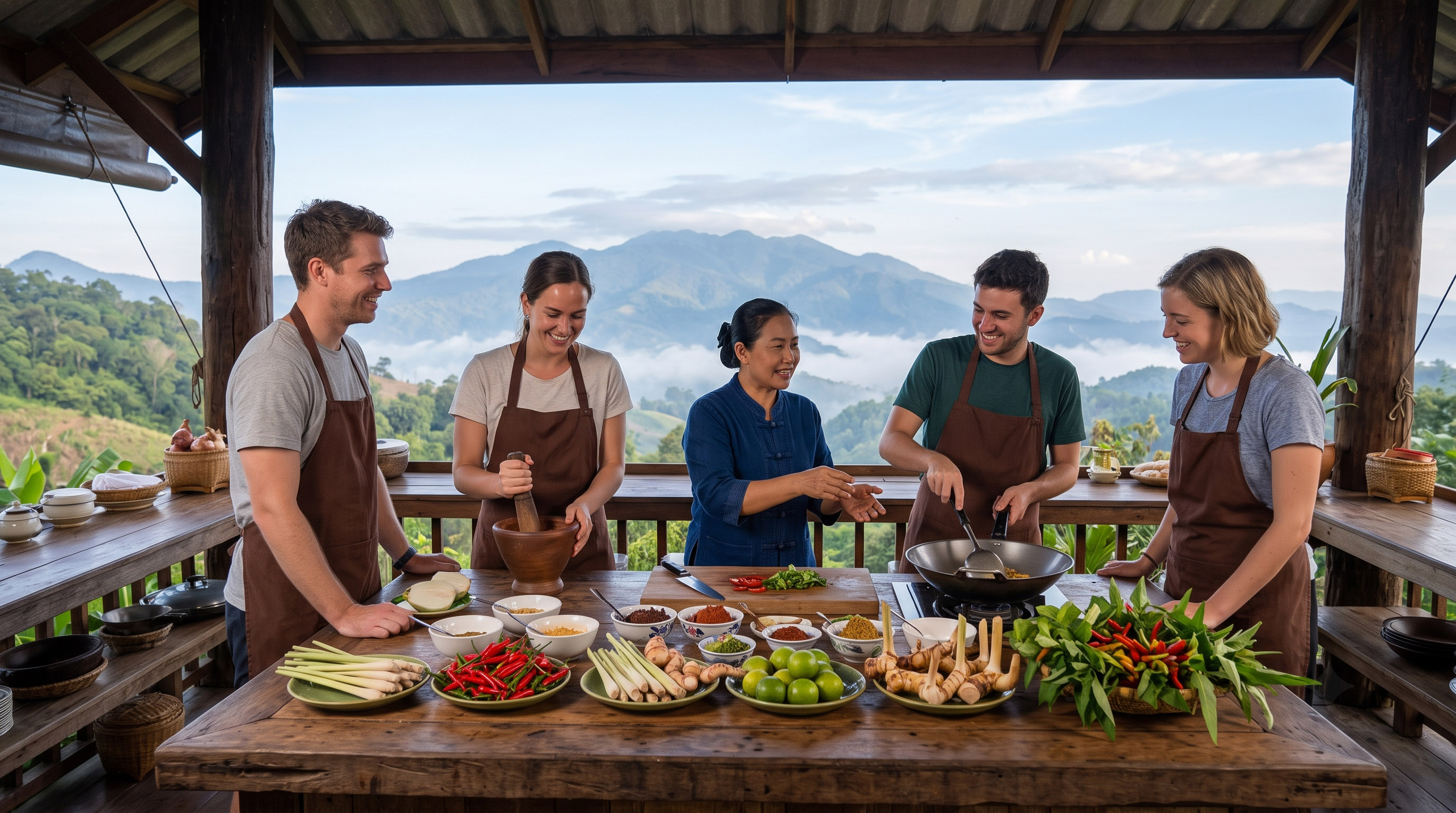
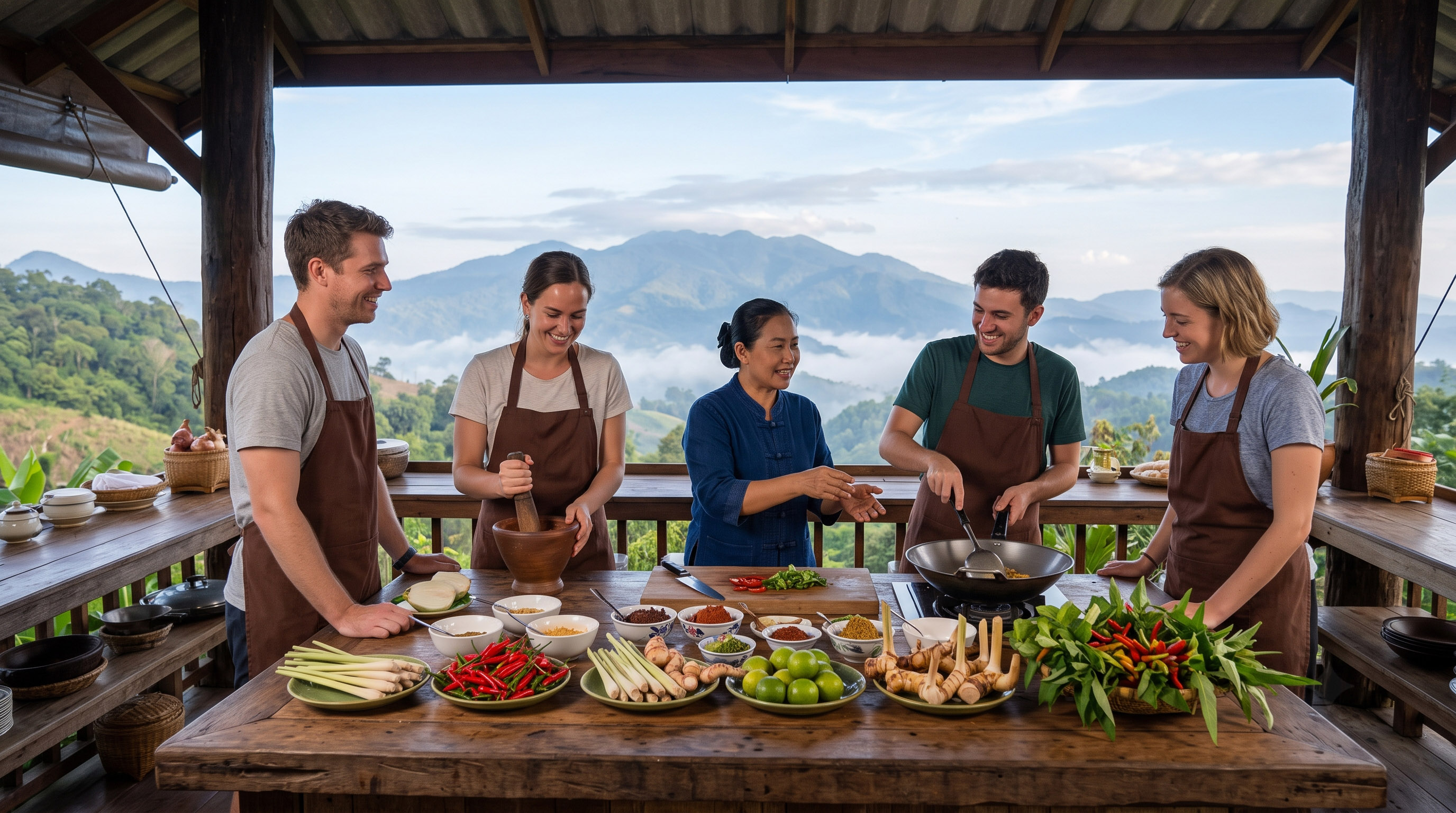
Cooking classes are another favourite, usually 1,500 to 2,500 THB (about 42 to 70 USD), and often begin with a guided market visit before you cook a full spread of Thai dishes to enjoy.
One of the joys of Chiang Mai is how far your money goes, with daily costs varying clearly by travel style. To help you plan, this Chiang Mai travel guide sets the three budget tiers side by side so you can plan realistically.
| Travel style | Per day (THB) | Per day (USD) | Typical choices |
| Budget | around ฿1,041 | around $33 | Hostels, street food, songthaews |
| Mid-range | around ฿3,765 | around $121 | Boutique hotels, restaurants, Grab |
| Luxury | ฿10,400 and up | $335 and up | Five-star stays, fine dining, transfers |
These figures cover accommodation, meals, local transport, and standard sightseeing. Bigger experiences such as elephant sanctuaries and cooking classes sit on top as extras.
,regionOfInterest=(1771.5,1181.5))
,regionOfInterest=(1771.5,1181.5))
Chiang Mai's best sights are spread across the Old City, the riverside, the mountains, and Nimman, so a central location saves you time every day. The ideal base sits between the historic core and the Ping River, keeping temples, markets, and dining all within easy reach.
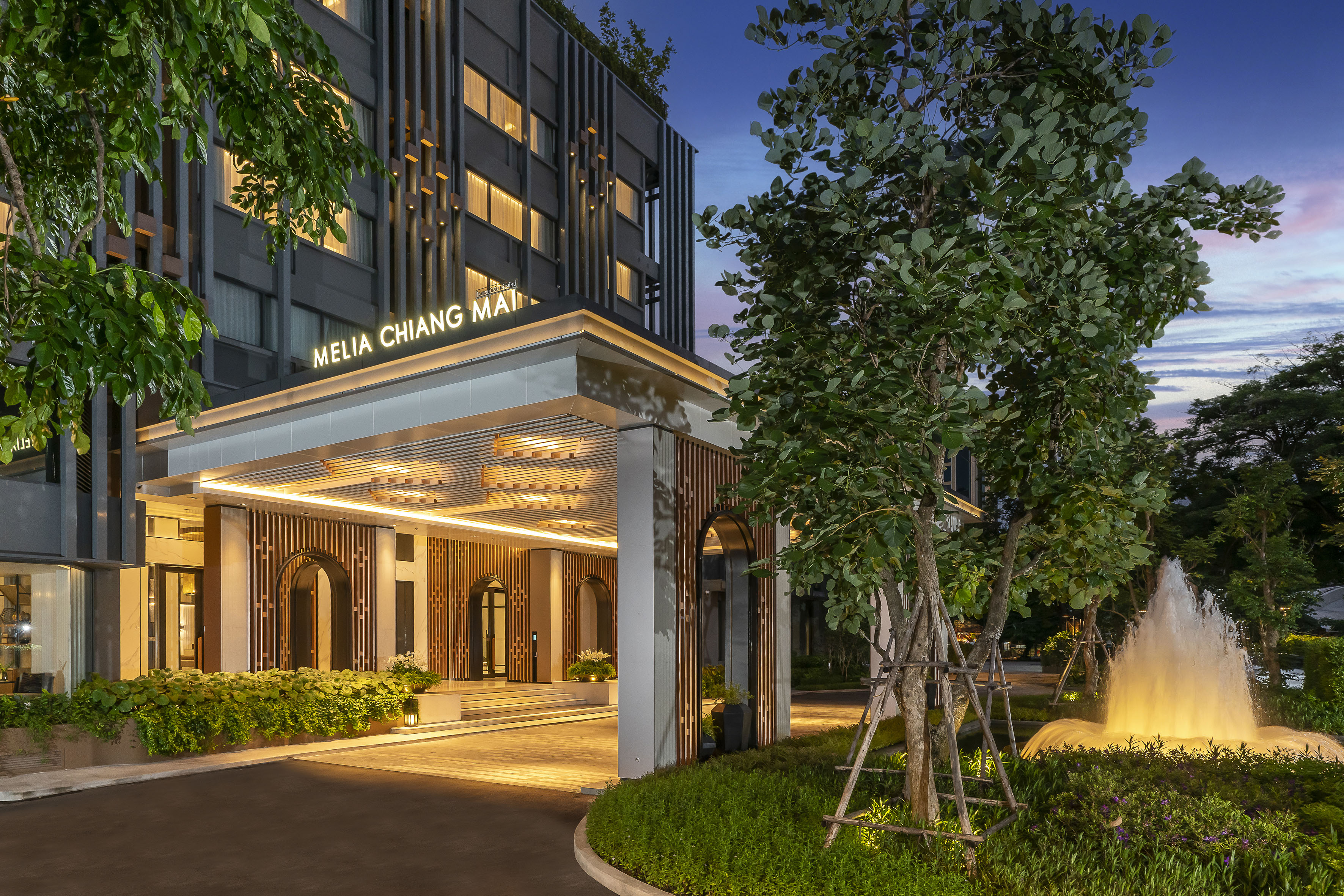
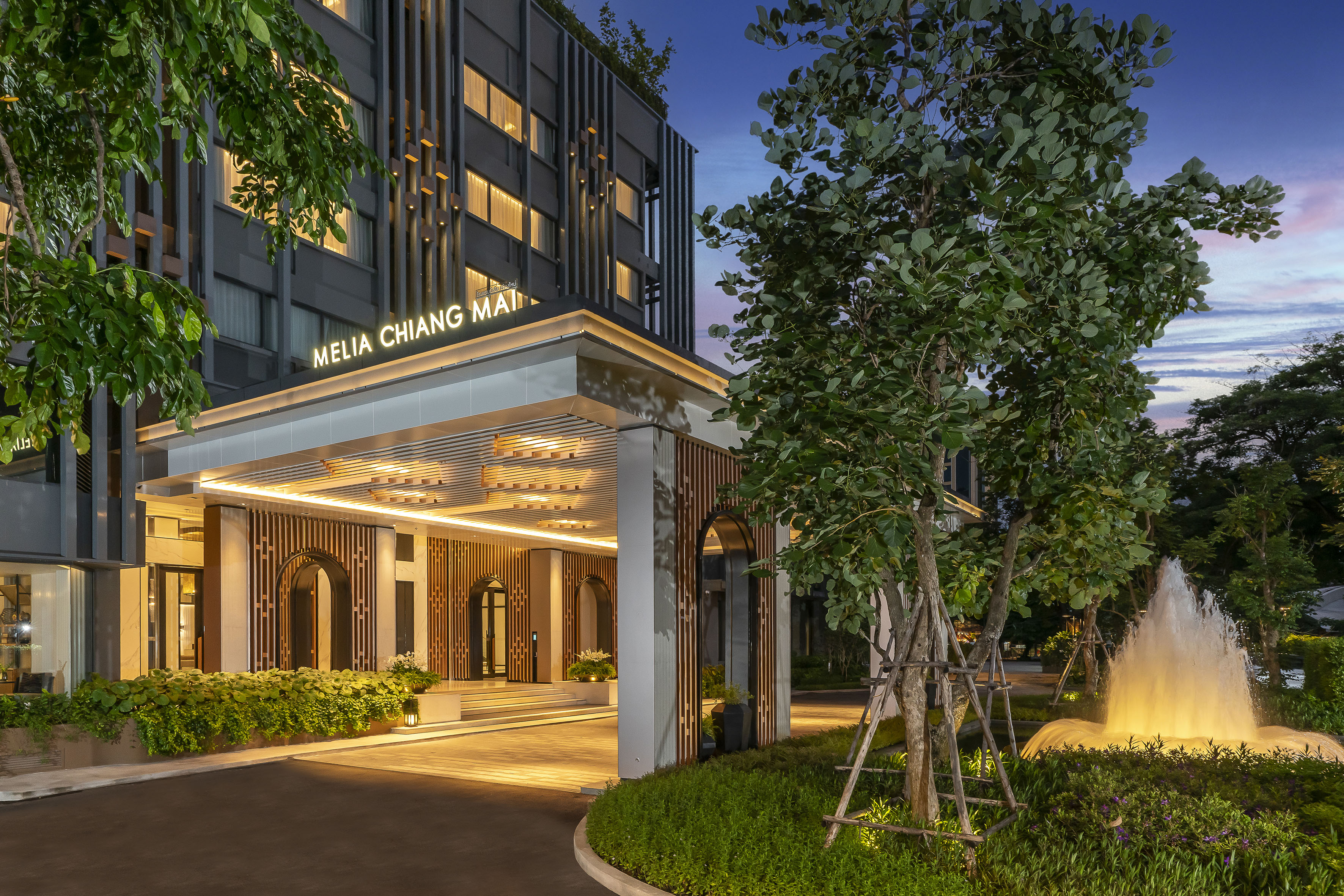
That is where Meliá Chiang Mai is conveniently located, on Charoenprathet Road in the Chang Khlan district. The Chiang Mai Night Bazaar is on the doorstep, Tha Phae Gate and the Old City temples are about 1.5 kilometres away, and the airport is just six kilometres out. Set between the energy of the Old City and the calm of the river, it makes an easy home base to return to each night.
Part of what makes the stay memorable is the welcome on return. Meliá is a Spanish company known for warm, human hospitality, and at Meliá Chiang Mai that Spanish welcome is thoughtfully paired with Northern Thai culture. Step into the lobby and you feel both at once: the friendliness of Mediterranean service and the quiet grace of Lanna heritage.
The lobby offers an authentic introduction to the culture waiting outside. Its centerpiece is a silver sculpture inspired by the tung sai moo, the decorative Lanna flags raised at temple festivals and during Songkran. The detail guests remember most are the curved doorways, modeled on the meditation tunnels of Wat Umong, the 700-year-old temple you can visit nearby.
After a day of exploring on foot, the rooms are designed as a tranquil retreat from the city's energy. The Meliá Room suits couples and solo travellers who want a bright, contemporary space to unwind, and it is thoughtfully oriented to the landscape. West-facing rooms look toward the sunset over the historic temple on Doi Suthep, while east-facing rooms wake to a gentle sunrise over the Ping River.
To make the stay itself part of the experience, The Level Suite is a memorable choice for couples or anyone marking a special trip. Set on a high floor with sweeping city views, this spacious suite pairs Lanna-inspired decor with a separate living area and access to The Level service.
That The Level experience is available with several room and suite categories and is built around personalised service rather than status. Guests enjoy a private check-in, a dedicated concierge, and access to The Level Lounge on the 21st floor, which serves a private breakfast, complimentary afternoon tea, and evening cocktails and canapés alongside panoramic city views. After a full day of temples and markets, that quiet space makes a restful way to close out the day.
Dining is where the Spanish and Lanna character comes most alive, and you need not leave the building to experience the flavours of the region.
The signature Mai Restaurant & Bar on the 21st floor prepares contemporary Northern Thai dishes a la minute from an open kitchen, while the all-day Laan Na Kitchen serves authentic Mediterranean cuisine that reflects the brand's Spanish roots. Together they offer a rare chance to experience two culinary worlds without stepping outside your home base.
The most memorable vantage point sits two floors above. MAI The Sky Bar, on the 22nd floor, is the highest rooftop bar in the city and the only high-rise venue with views over both the River Ping to the east and Doi Suthep to the west.
It is a wonderful way to orient yourself on your first evening, with the whole shape of your trip laid out below, and a relaxed place to settle in as the city lights begin to glow before dinner downstairs.
Taken together, the central location, the culturally inspired design, the comfortable rooms, and the rooftop views make Meliá Chiang Mai a thoughtful home base that helps a busy itinerary flow with ease. If you want your days in the Rose of the North to feel effortless, it is a welcoming place to begin planning and to book your stay.
You do not need a rigid schedule, but a loose structure helps you make the most of a compact, rich destination. Use this flexible skeleton and adjust to your pace:
For travellers who value comfort across a packed itinerary, the upper-floor rooms and exclusive The Level service at Meliá Chiang Mai add a private lounge and thoughtful touches that make the end of each active day genuinely restful.
,regionOfInterest=(354,236))
,regionOfInterest=(354,236))
A few final pointers will smooth out the small stuff before you go:
,regionOfInterest=(1376,768))
,regionOfInterest=(1376,768))
Chiang Mai is the rare destination that satisfies the temple-seeker, the food-lover, the adventurer, and the traveller who simply wants to slow down, often in a single afternoon. Use this Chiang Mai travel guide to plan around the weather, confirm your entry requirements close to departure, and choose a central base that connects the city's best zones.
When you are ready to anchor your trip, Meliá Chiang Mai puts the Old City, the Ping River, and the night markets within easy reach, then welcomes you back each evening with Spanish warmth and Lanna soul. Book your stay at Meliá Chiang Mai and turn a great itinerary into an effortless one.
,regionOfInterest=(1376,768))
Three to four days covers the headline temples, the food scene, and one major day trip. Many visitors happily extend to a week, since the relaxed pace and the volume of things to do make it easy to fill the extra time.
Yes. It pairs deep Lanna heritage and natural beauty with a creative cafe culture and excellent value, offering a cooler, slower alternative to Bangkok that suits first-timers and repeat visitors alike.
A central location that bridges the Old City and the Ping River, such as the Chang Khlan district near the Night Bazaar, keeps temples, dining, and the riverside all within easy reach and minimises daily travel time.
Many nationalities can enter Thailand visa-free, but the allowance shifted during 2026 from 60 days toward 30 days, so verify your specific case on your local Thai embassy site. All arrivals must also complete the free Thailand Digital Arrival Card within 72 hours before travel.
The cool season from November to February offers the best weather and clear skies. Avoid the burning season from mid-February to early April, when regional crop burning sharply reduces air quality.
,regionOfInterest=(1476.5,981.5))
,regionOfInterest=(1476.5,981.5))
,regionOfInterest=(1312.5,1750))
,regionOfInterest=(1312.5,1750))
,regionOfInterest=(2240,3360))
,regionOfInterest=(2240,3360))
,regionOfInterest=(3120,1755))
,regionOfInterest=(3120,1755))
,regionOfInterest=(886,588.5))
,regionOfInterest=(886,588.5))