,regionOfInterest=(2900.5,1949.5))
,regionOfInterest=(2900.5,1949.5))
Best corporate venues in Chiang Mai 2026: meeting and event spaces
,regionOfInterest=(2150,1433.5))
,regionOfInterest=(2150,1433.5))
Culture
,regionOfInterest=(1023,575.5))
,regionOfInterest=(1023,575.5))
,regionOfInterest=(512,482))
,regionOfInterest=(512,482))
Digital marketing specialist with a passion for travel, writing, and discovering what makes every destination unique.
You do not need a complicated multi-leg connection or a full day of travel to work out how to get to Chiang Mai. A direct flight from Bangkok covers the distance in under an hour and a half, and even the slower overland options run on a fixed, predictable schedule rather than a guessing game.
This guide compares every real way to get to Chiang Mai, flying, the overnight train, the long-distance bus, and driving yourself, with actual prices and journey times, plus what happens once you land or arrive and need to reach the city itself.
,regionOfInterest=(800,446.5))
,regionOfInterest=(800,446.5))
,regionOfInterest=(800,446.5))
,regionOfInterest=(800,446.5))
,regionOfInterest=(800,446.5))
,regionOfInterest=(800,446.5))
,regionOfInterest=(800,446.5))
,regionOfInterest=(800,446.5))
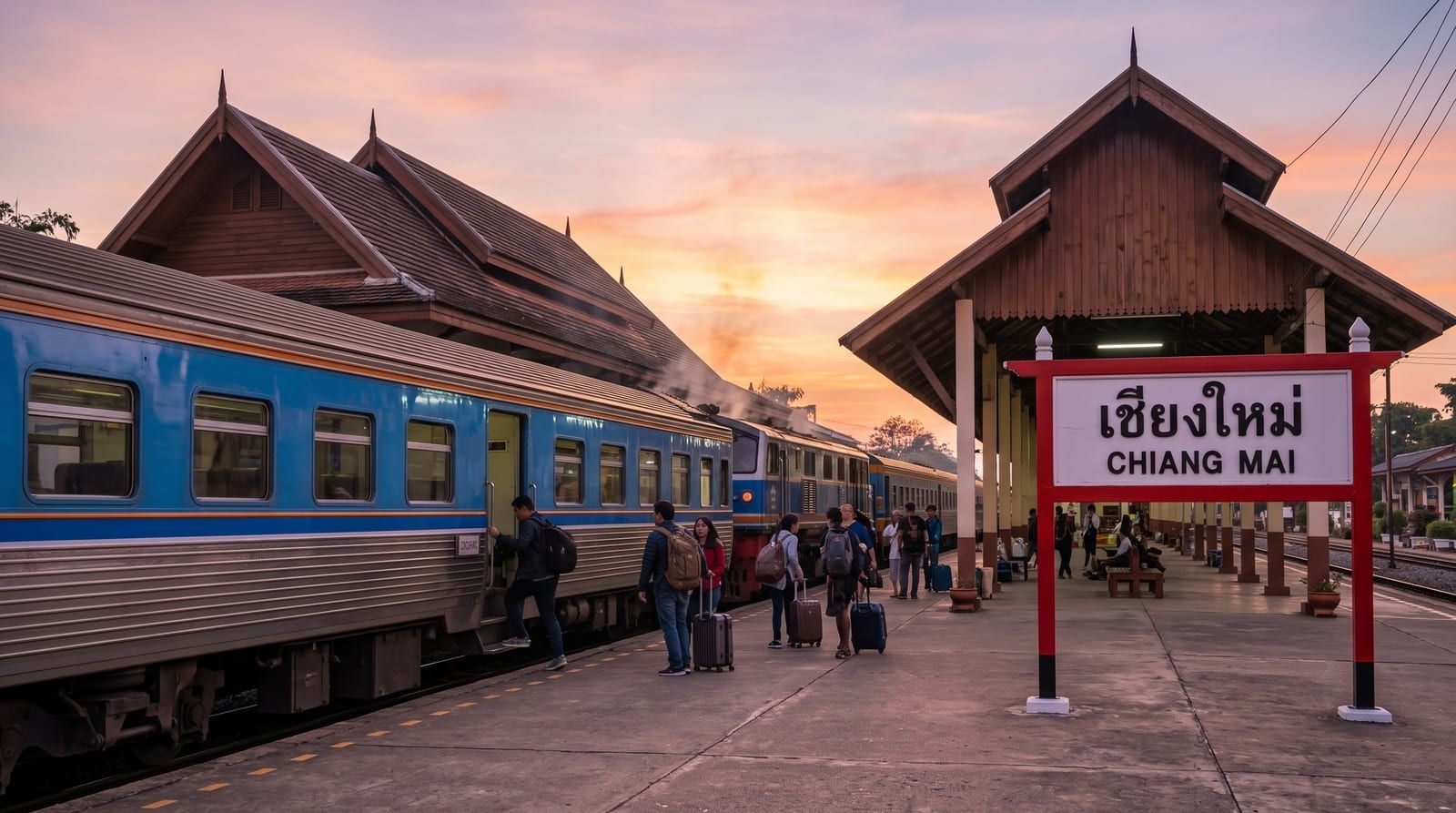
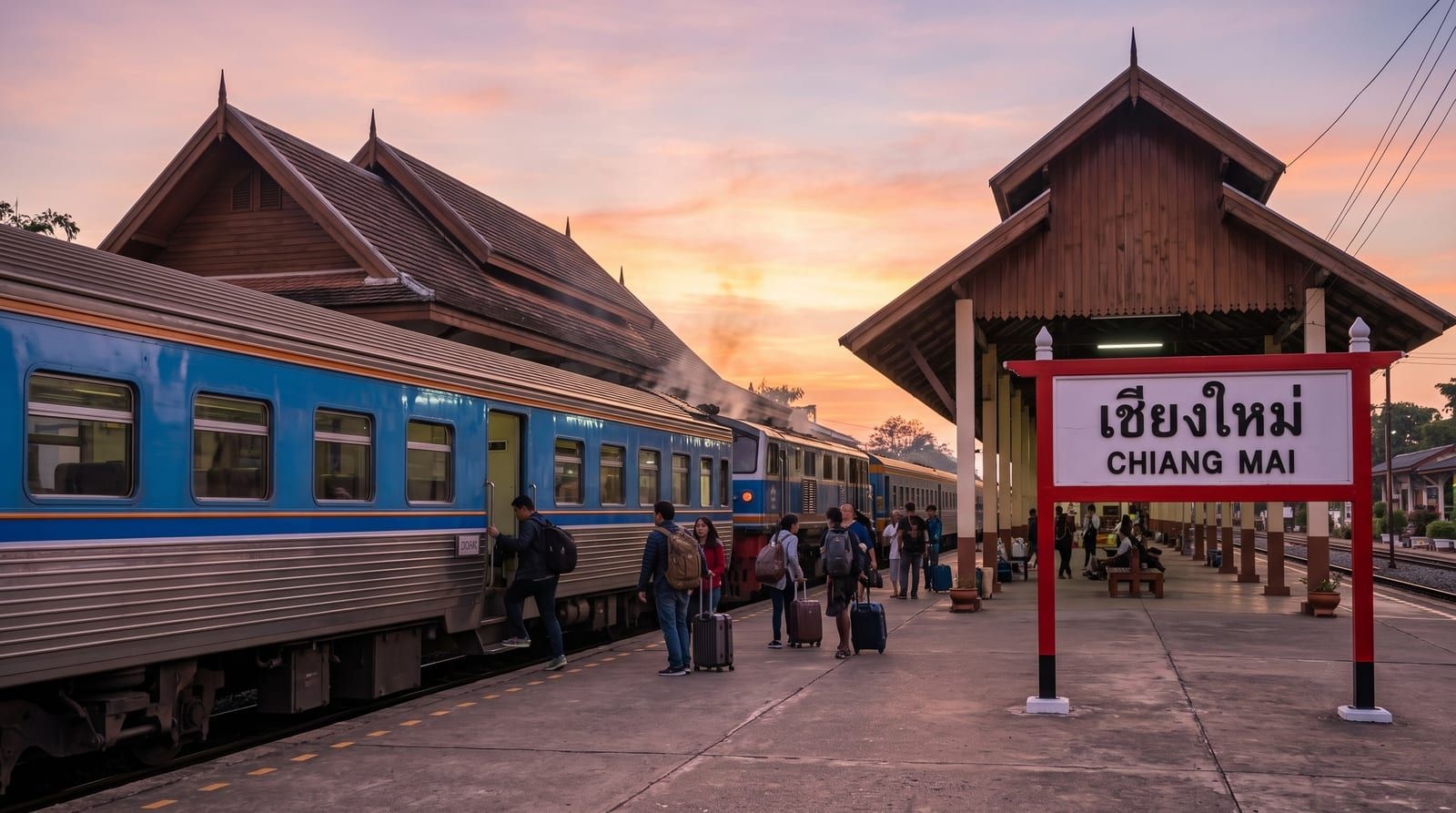
Flying is the fastest and, for most travellers already in Thailand or arriving internationally, the most practical way to get to Chiang Mai, landing directly at Chiang Mai International Airport (CNX) in the city itself rather than a satellite airport further out. The overnight train and long-distance bus both work well for travellers coming from Bangkok who want to fold a night's travel into the trip rather than losing a daylight hour to a domestic flight, and driving suits anyone planning to stop along the way rather than travelling in one straight run.
Which option makes sense mostly comes down to where a trip starts and how much of the journey itself is meant to be part of the experience. A traveller flying in from outside Thailand almost always connects through Bangkok first, while someone already touring the country overland has a genuine choice between the sleeper train, the bus, and a short domestic flight to finish the trip.
Budget, timing, and how many other Thai cities are already on the itinerary all shape the right answer to how to get to Chiang Mai for any specific trip. A traveller with a tight two or three-day window benefits most from flying, while someone with two or three weeks in the country and no fixed schedule can treat the journey north as a genuine part of the trip rather than a box to check off before the real travel begins.
,regionOfInterest=(1023,575.5))
,regionOfInterest=(1023,575.5))
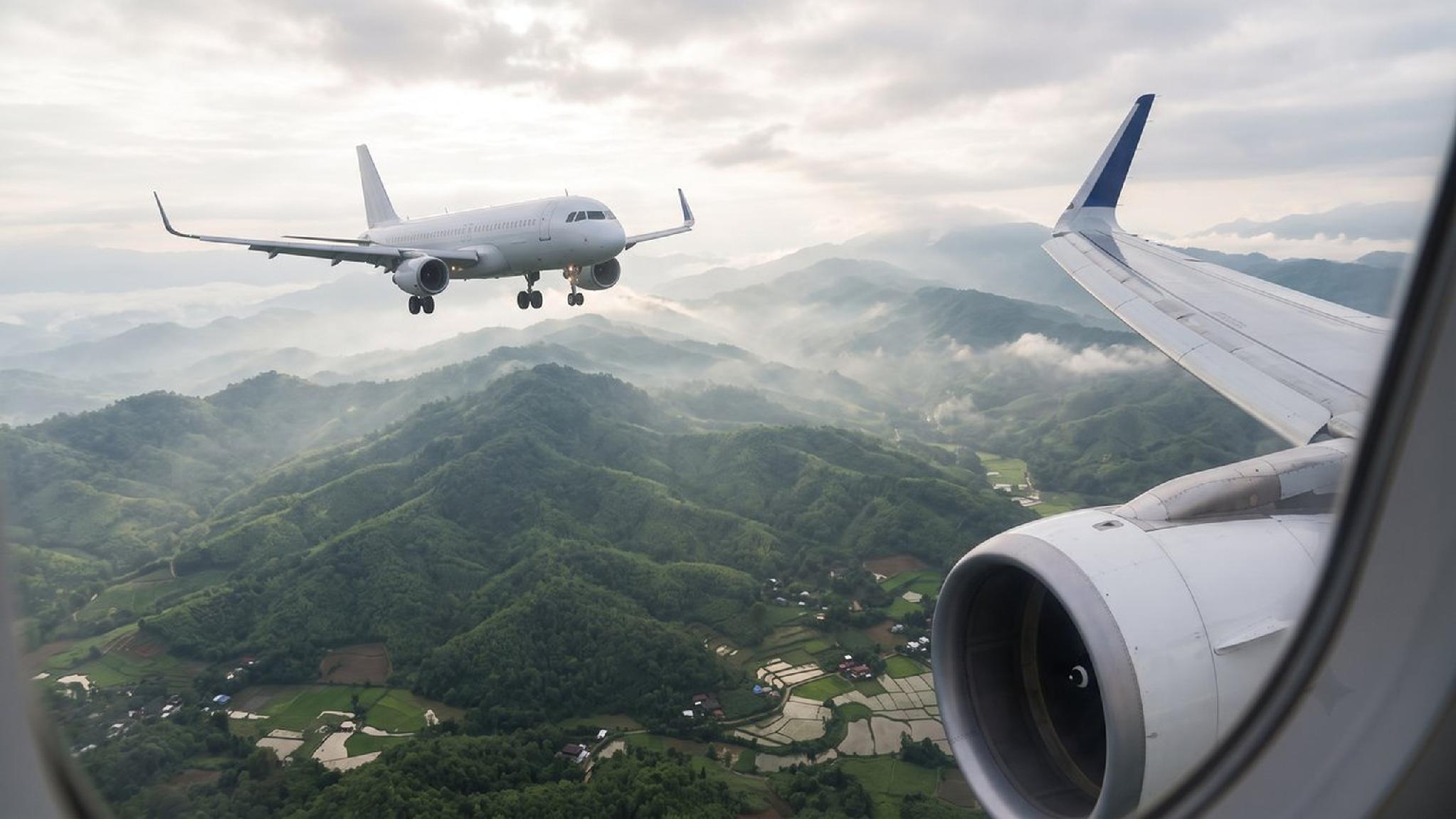
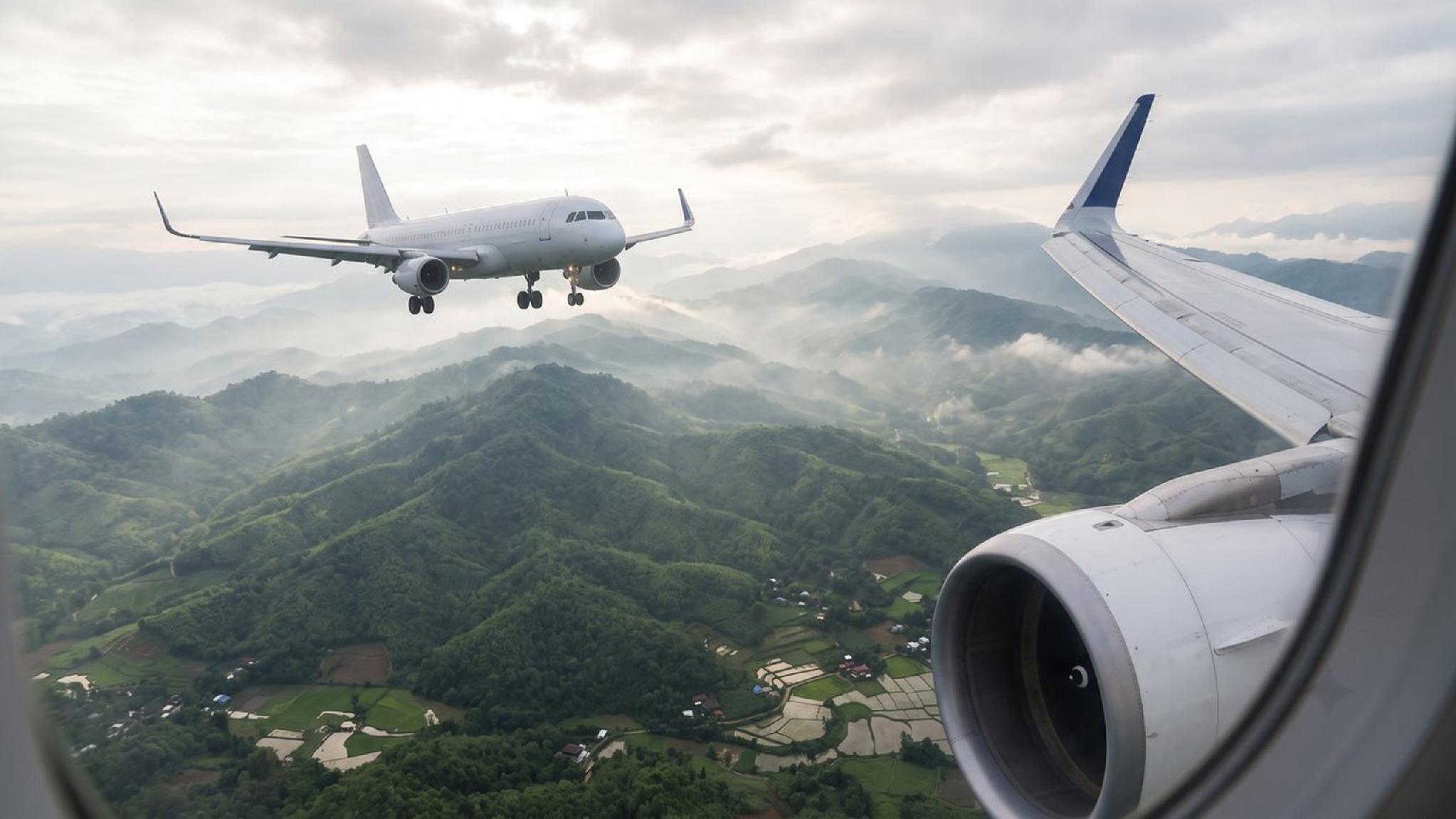
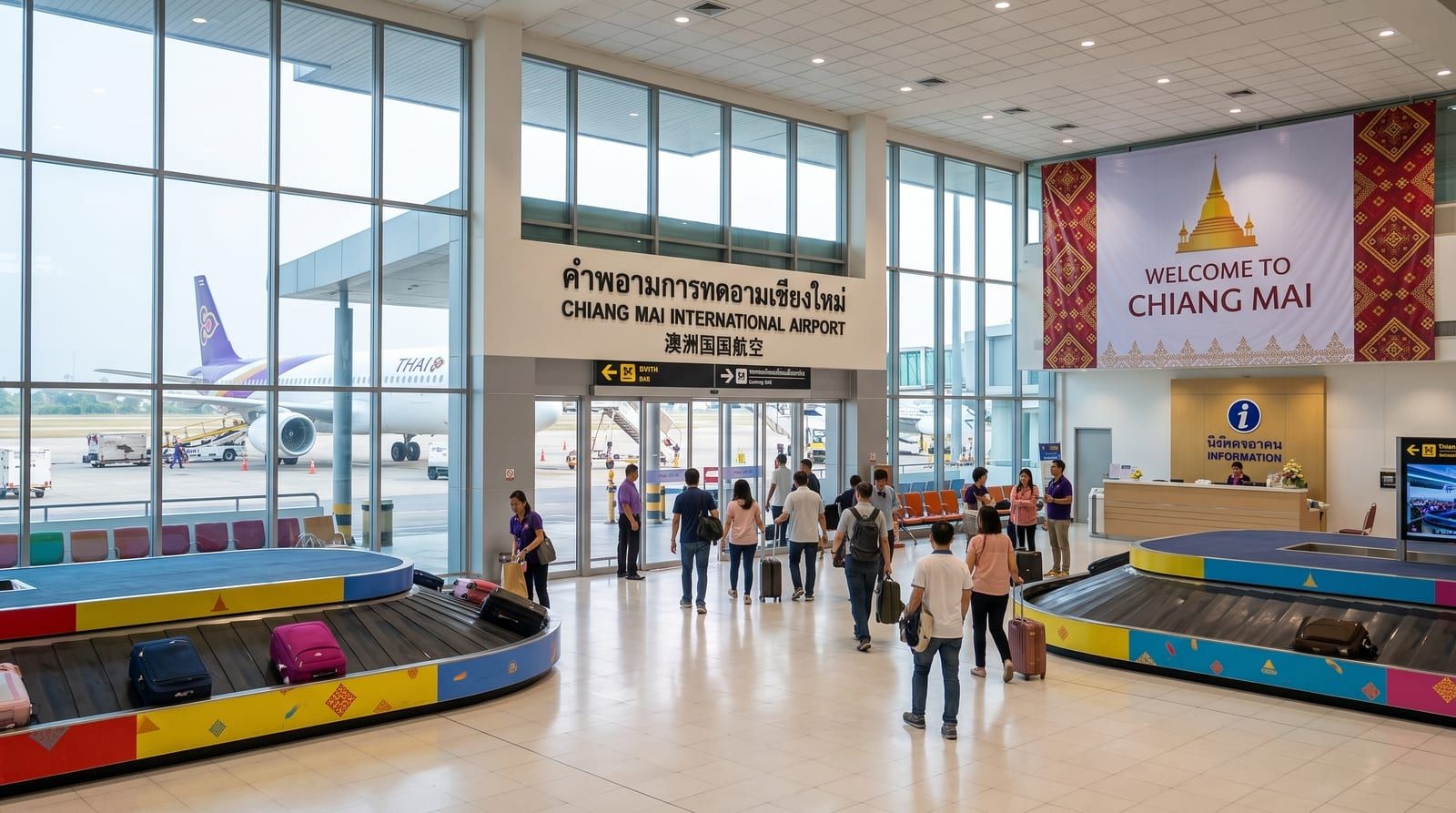
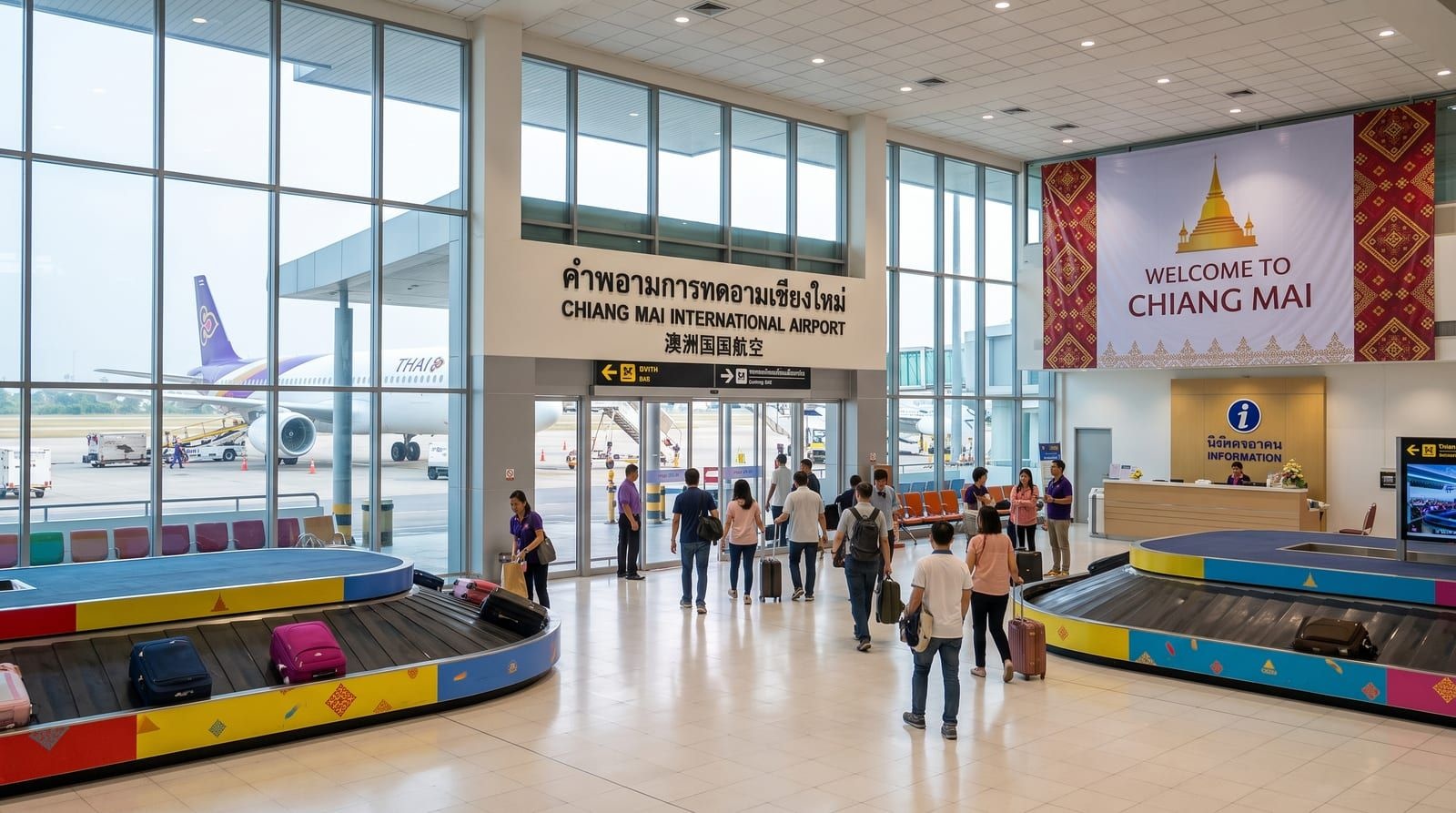
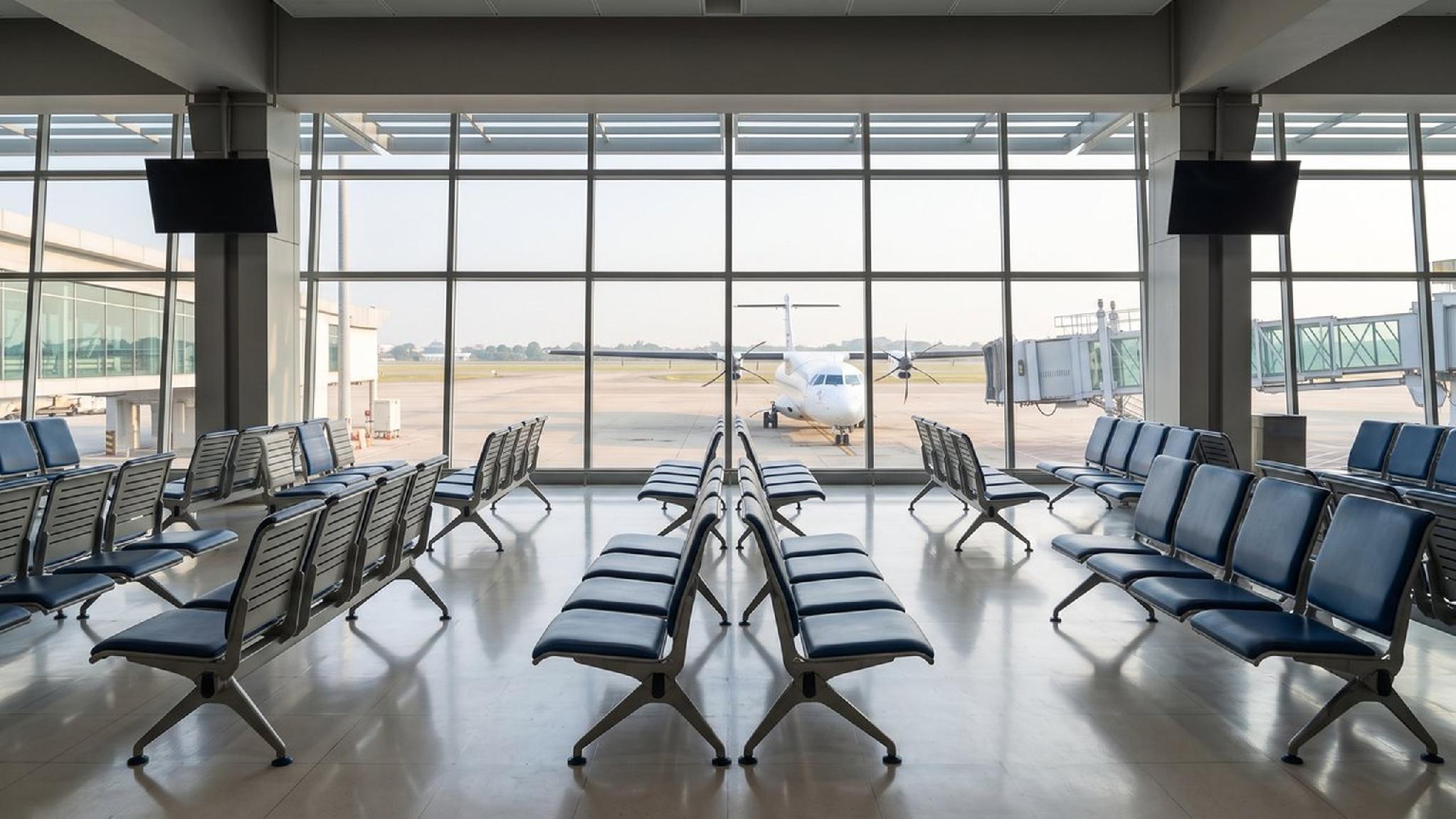
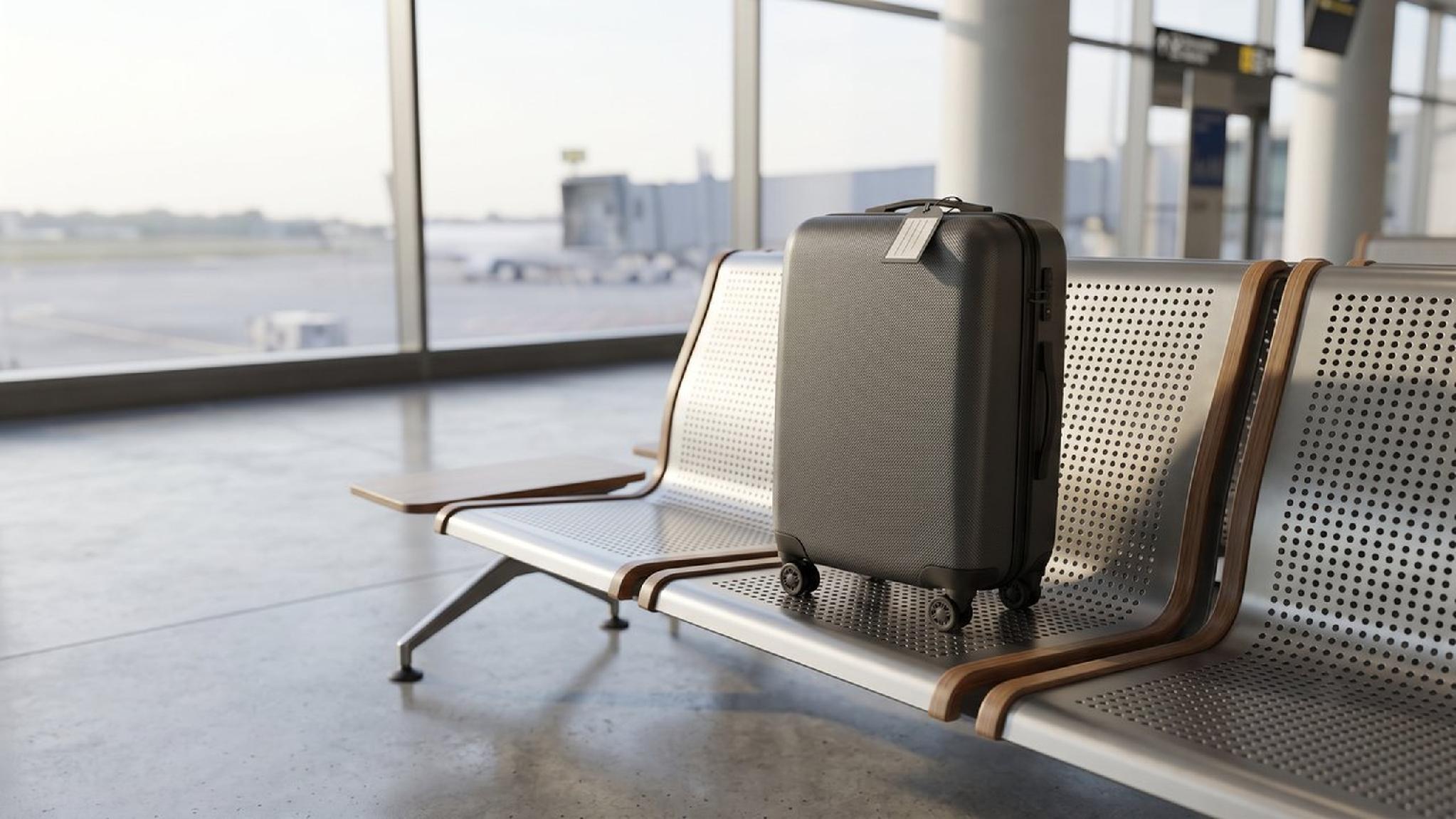
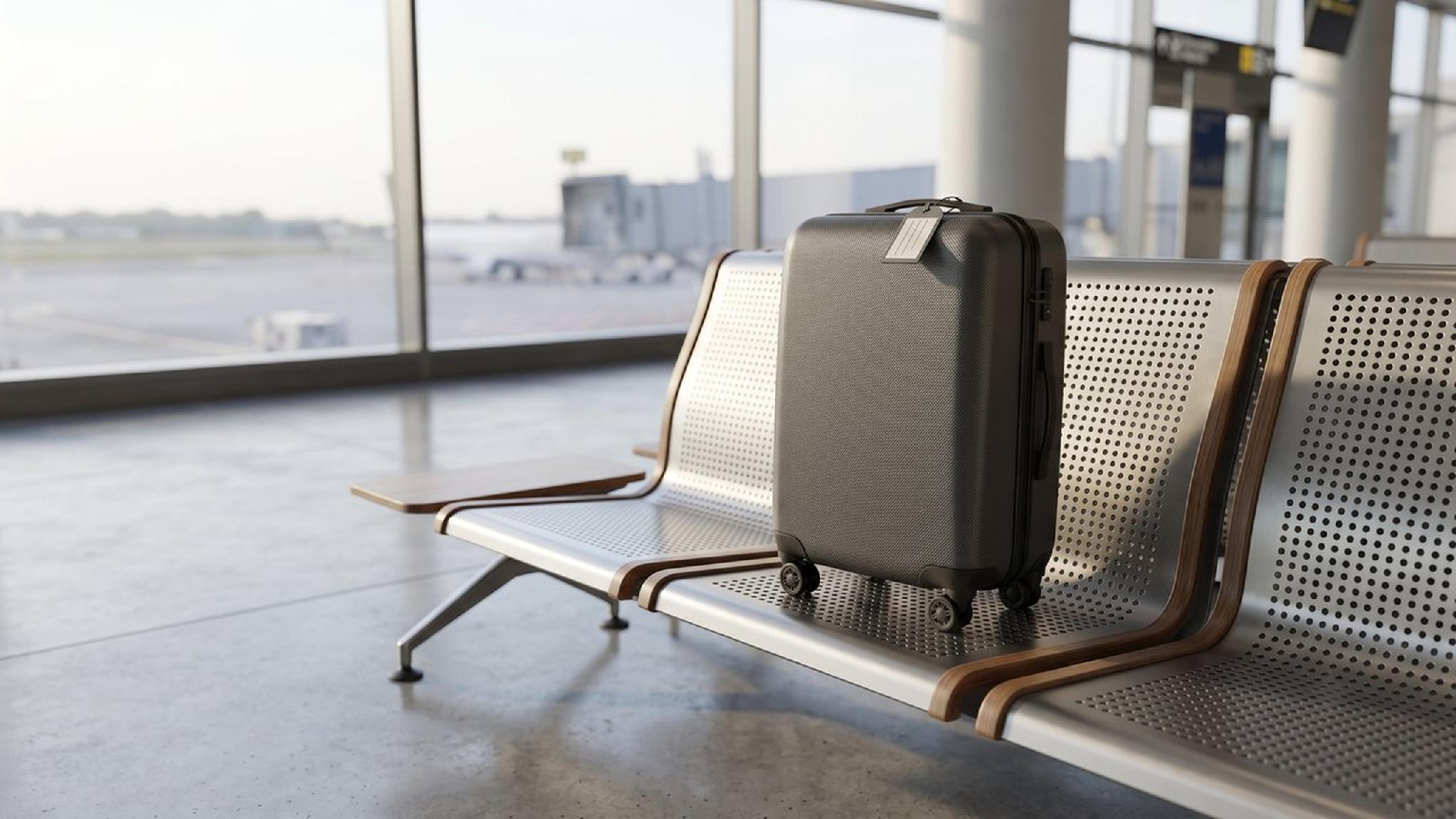
For most travellers, flying is simply the fastest answer to how to get to Chiang Mai. Chiang Mai International Airport (CNX) sits inside the city itself, unlike Bangkok's two larger airports, which cuts out a long transfer on arrival. Here is how the domestic and international routes actually break down, plus the fares, baggage, and booking details worth knowing before choosing a flight.
Direct domestic flights from Bangkok's Suvarnabhumi (BKK) and Don Mueang (DMK) airports run all day, roughly 70 minutes in the air, on Thai AirAsia, Thai Vietjet, Bangkok Airways, Thai Airways, Nok Air, and Thai Lion Air, with well over 150 weekly departures across both Bangkok airports combined.
Thai Vietjet runs the most frequent Suvarnabhumi route, close to 100 nonstop flights a week, with Thai AirAsia, Thai Airways and Bangkok Airways covering most of the remaining departures from the same airport. From Don Mueang specifically, Thai Lion Air, Nok Air, and Thai AirAsia split the schedule, so checking both Bangkok airports rather than assuming one serves the route better tends to turn up a better fare or a more convenient departure time.
,regionOfInterest=(1023,575.5))
,regionOfInterest=(1023,575.5))
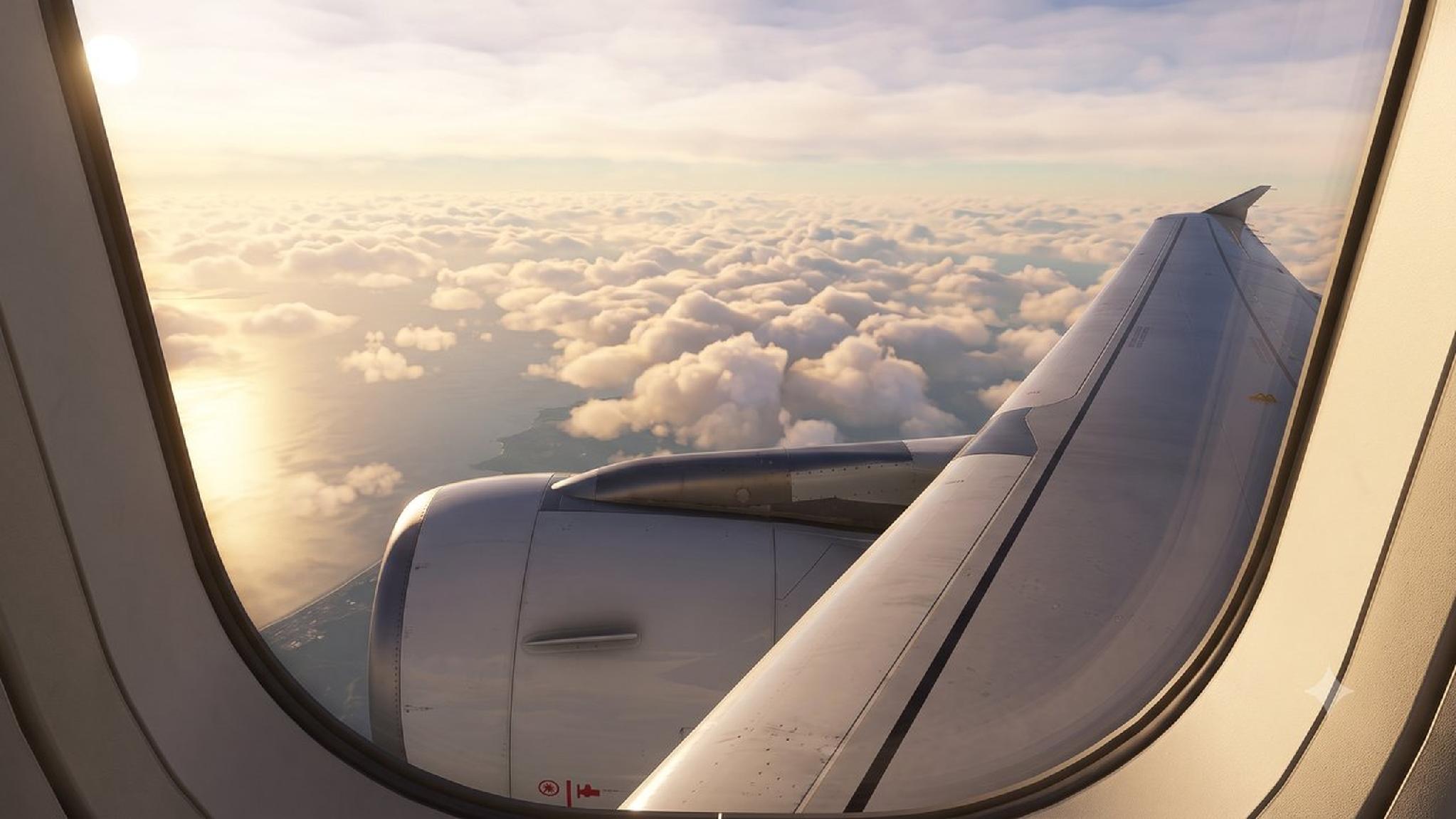
International travellers do not always need to route through Bangkok either. Scoot flies direct from Singapore in about three hours, AirAsia and Malaysia Airlines connect from Kuala Lumpur in under three hours, and several Chinese cities plus Seoul and Busan in South Korea also run direct routes, useful for anyone whose trip does not otherwise touch Bangkok at all.
,regionOfInterest=(1023,575.5))
,regionOfInterest=(1023,575.5))
Domestic one-way fares from Bangkok typically start well under 2,000 baht (roughly US$57) when booked a few weeks ahead, climbing considerably closer to departure, particularly around the November festival season and the Songkran holiday in April. Baggage allowances vary more between these airlines than the fare difference alone suggests: the full-service carriers, Thai Airways and Bangkok Airways, generally include checked baggage in the base fare, while the budget carriers charge separately for anything beyond a small cabin bag. Factoring in a checked bag before comparing fares often narrows the actual price gap between a full-service and a budget option considerably.
,regionOfInterest=(1023,575.5))
,regionOfInterest=(1023,575.5))
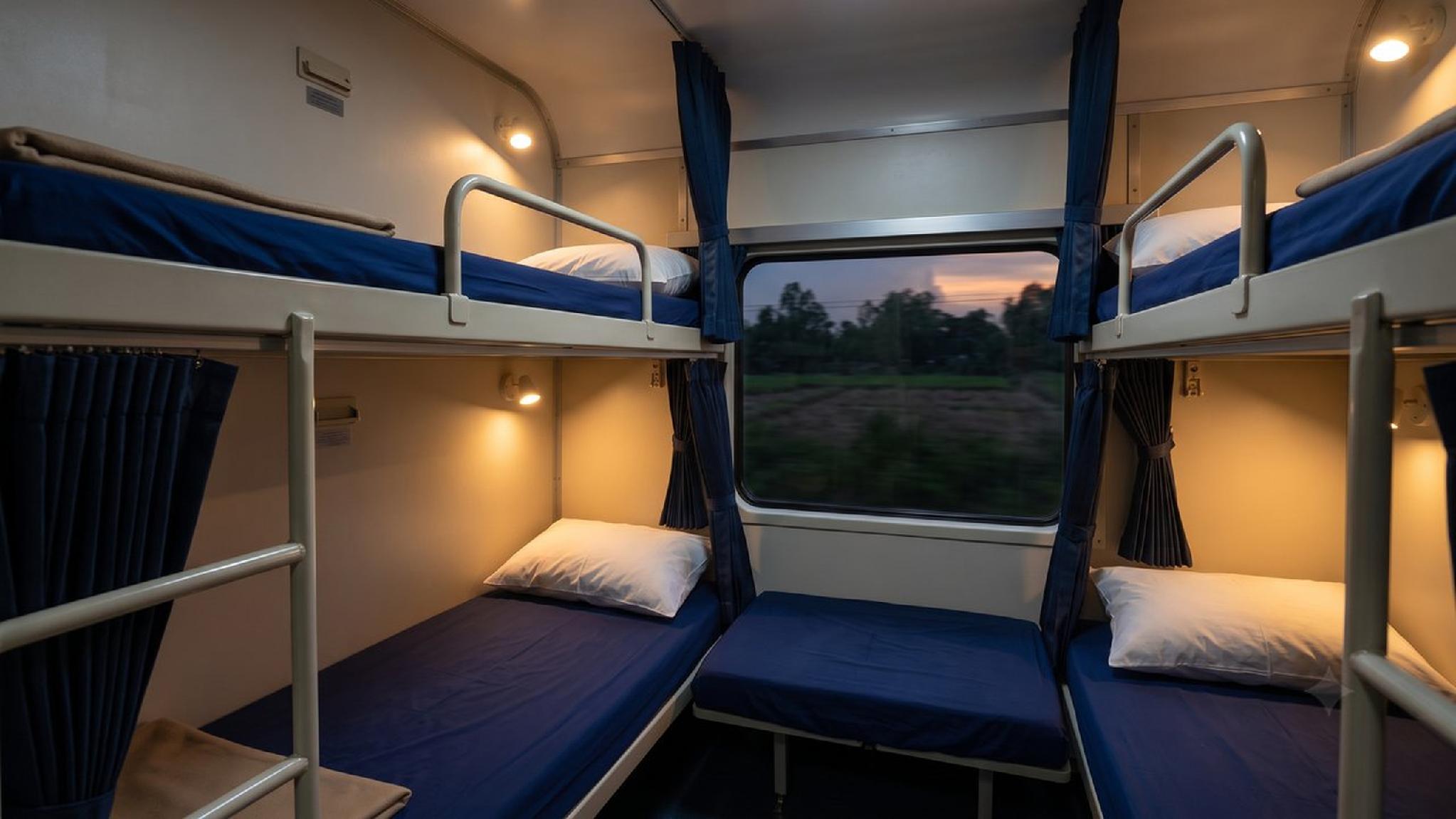
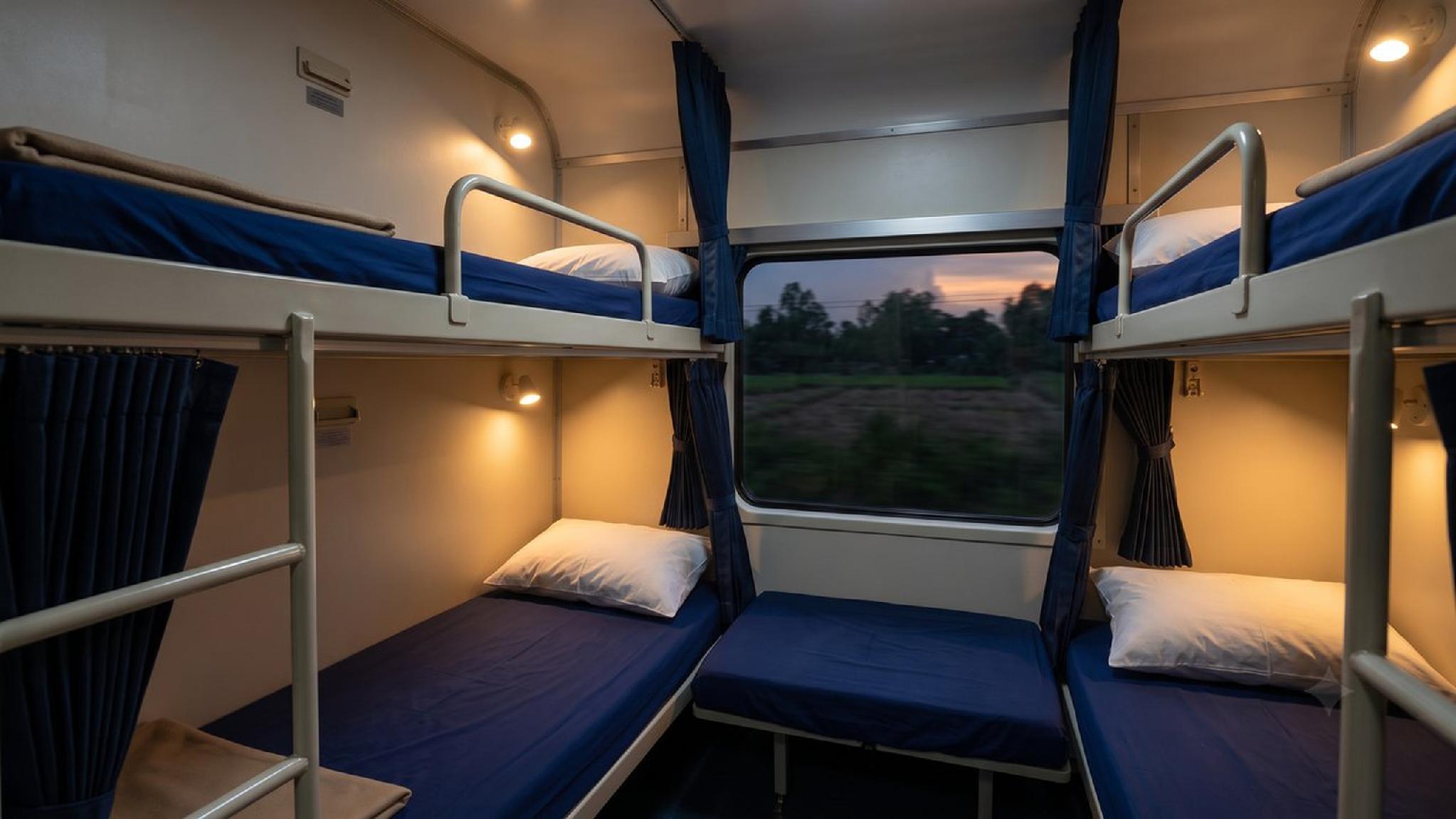
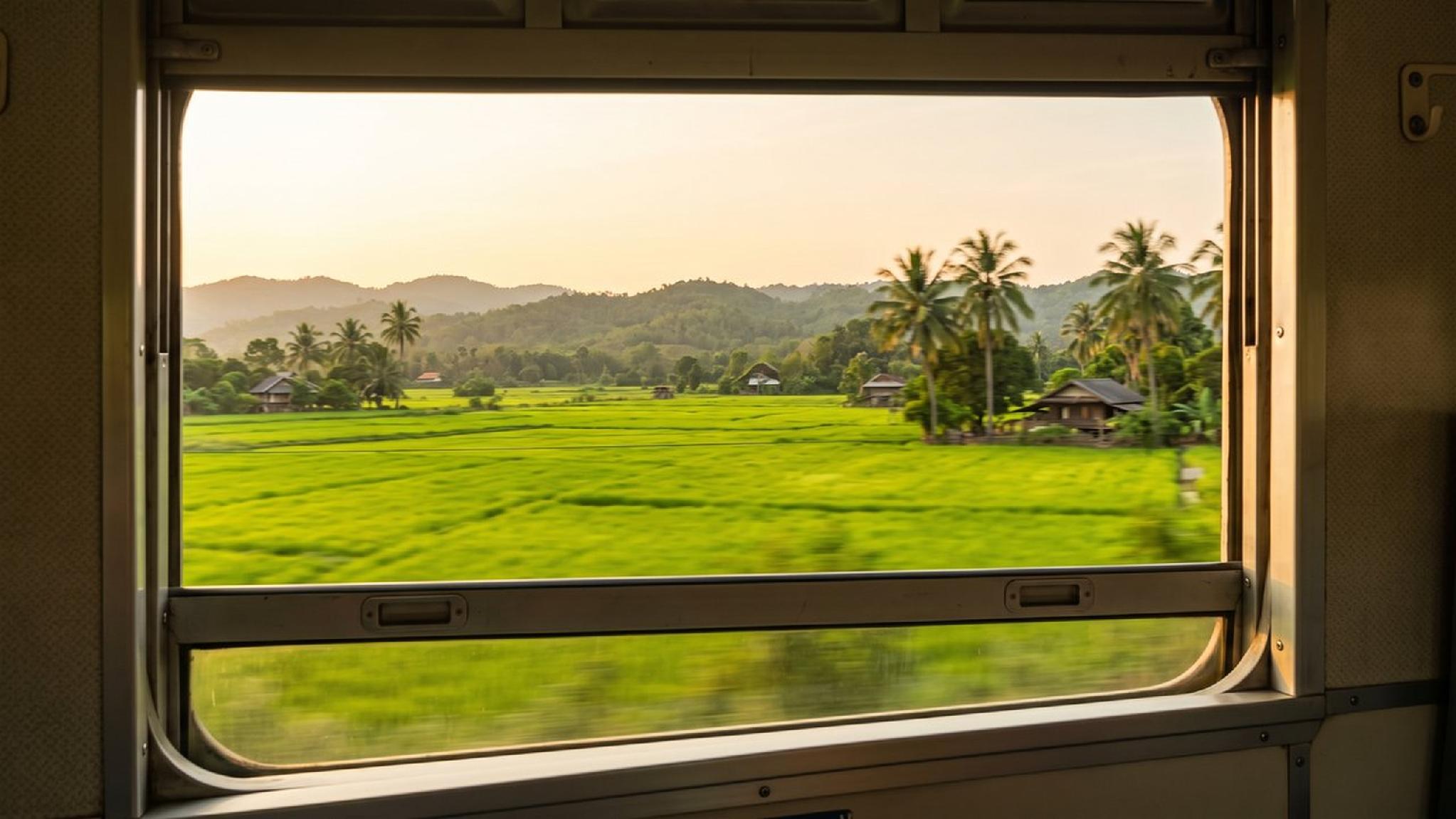
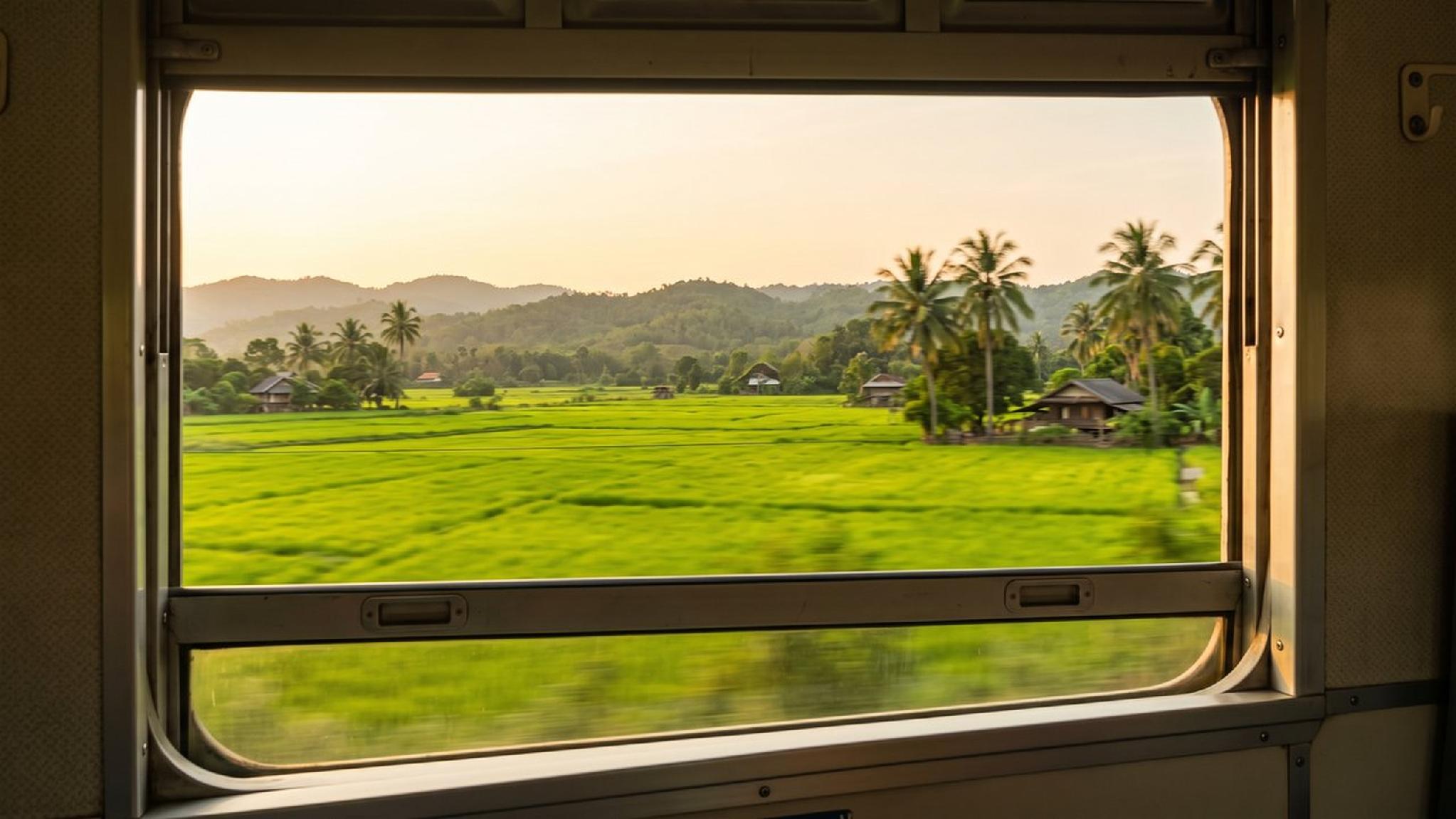
For anyone weighing how to get to Chiang Mai by rail, the overnight sleeper turns the trip itself into a night's sleep rather than a day lost to travel. Here is the schedule and pricing, followed by what the journey and any onward connection actually look like.
The overnight sleeper, Special Express Train No. 9, departs Bangkok's Krung Thep Aphiwat station at 6:40pm and arrives in Chiang Mai around 7:15am, a journey of roughly 12 hours and 35 minutes. Second-class sleeper berths run around 1,100 to 1,300 baht (roughly US$32 to US$37), and first-class private cabins introduced in 2016 run from about 1,450 baht for an upper berth up to 2,450 baht (roughly US$41 to US$70) to book a two-berth cabin alone.
Sleeper berths sell out several days ahead during peak season, so booking through the State Railway of Thailand's own site or a reputable agent as soon as travel dates are confirmed avoids being left with only day-seat options. A lower berth costs slightly more than an upper one and gives more headroom and an easier climb in and out during the night.
,regionOfInterest=(1023,575.5))
,regionOfInterest=(1023,575.5))
The route itself is part of the appeal for anyone weighing how to get to Chiang Mai by train rather than by air: the line climbs steadily north through Ayutthaya, Lopburi, and Phitsanulok before reaching the hills around Lampang, daylight scenery on the way down if travelling southbound, or a night's sleep through most of it heading north as scheduled. Dining service runs through the early evening on board, so a simple dinner is available without needing to bring food along for the whole journey.
Travellers connecting from further afield in Thailand, Chiang Rai or Sukhothai for instance, generally reach Chiang Mai by bus rather than rail, since the train network north of Chiang Mai itself is limited, making the city the practical northern terminus for rail travel in this direction.
,regionOfInterest=(1023,575.5))
,regionOfInterest=(1023,575.5))
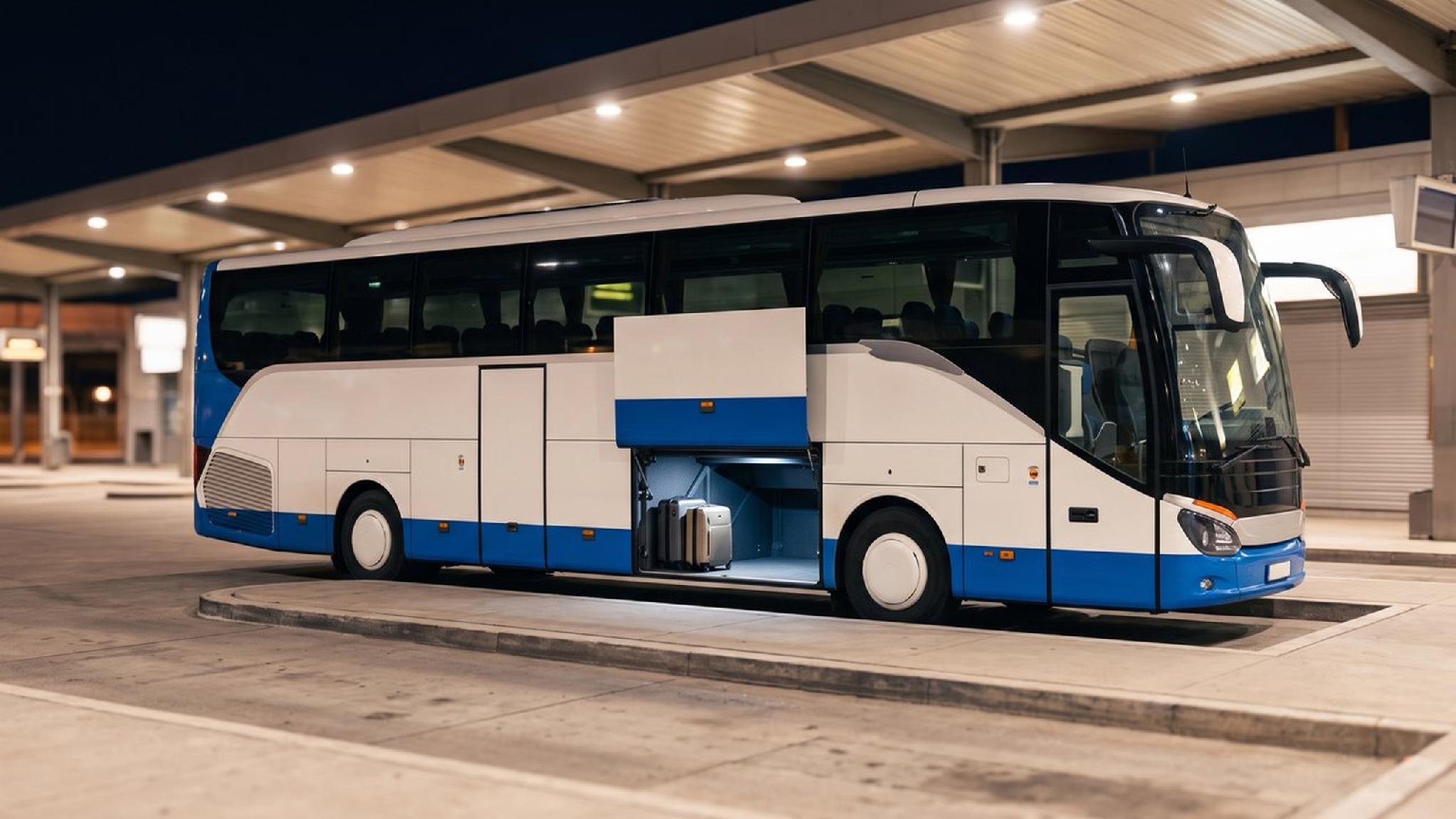
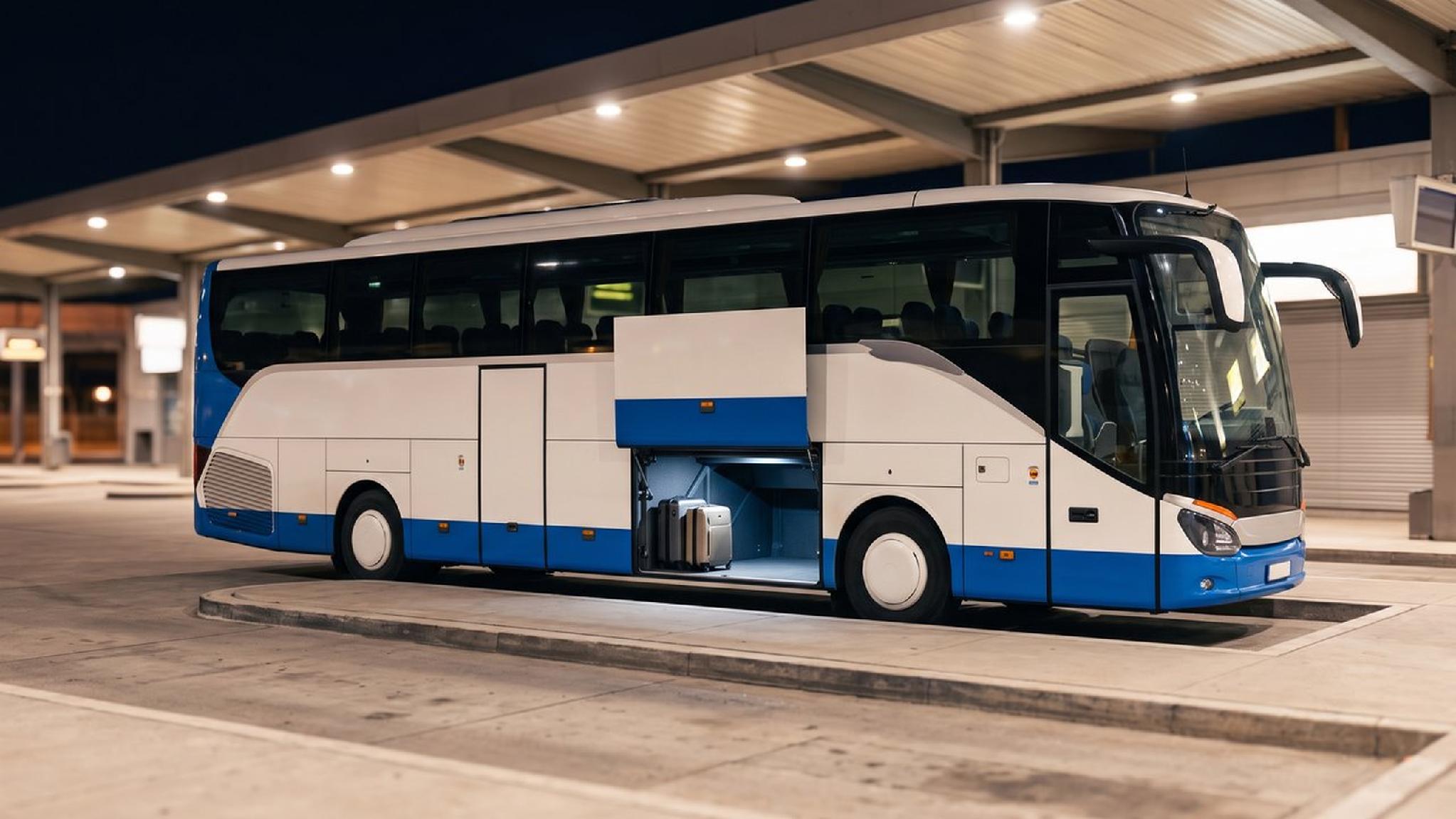
Bus and self-drive both work well for anyone comparing how to get to Chiang Mai on a budget or a slower-paced trip. Here is the coach schedule, the driving route, and where a regional minivan fits in.
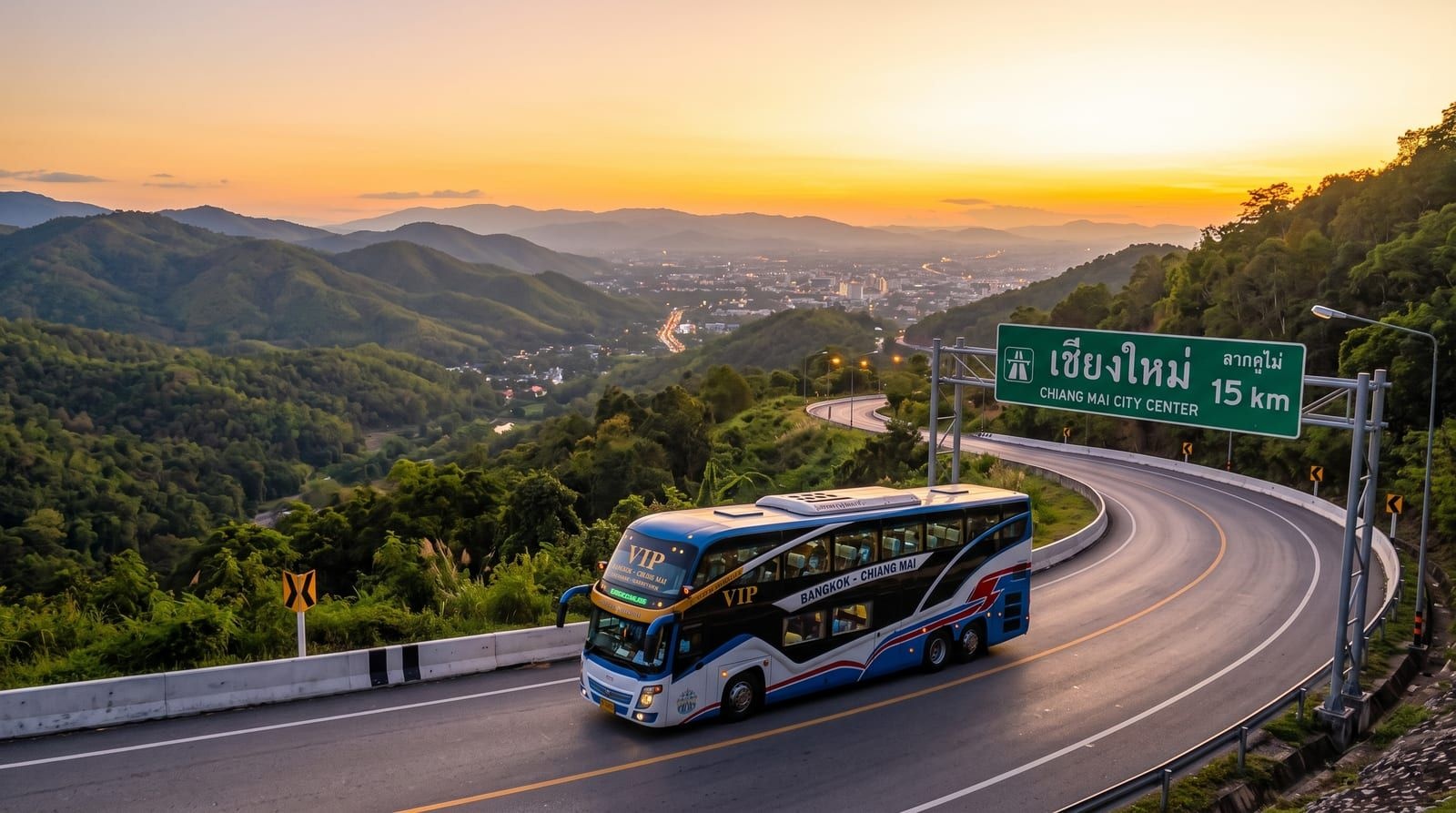
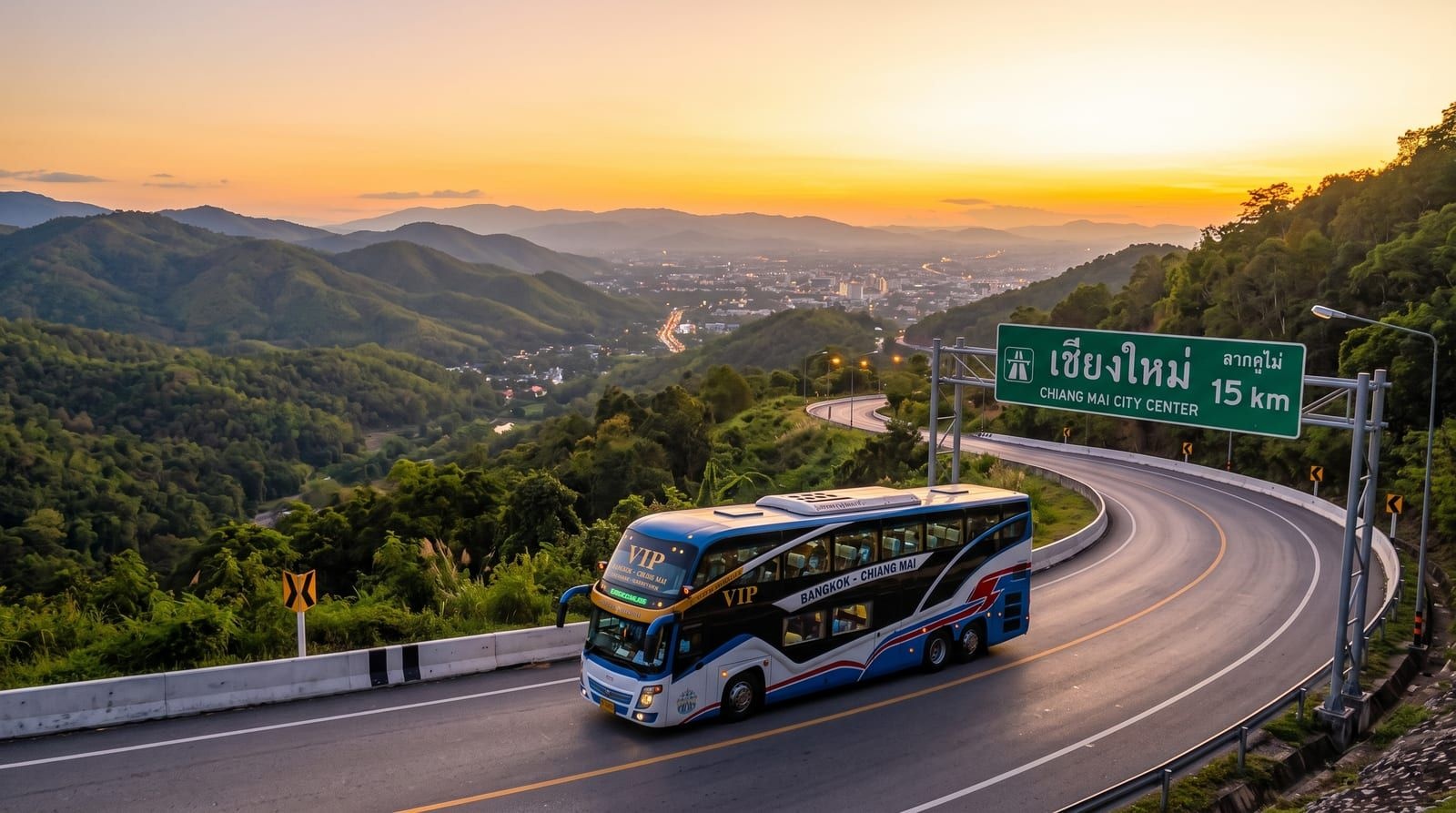
Nakhonchai Air runs frequent daily coaches from Bangkok's Mochit 2 (Northern) Bus Terminal, roughly 9 to 10 hours depending on traffic and stops, with fares starting around 550 to 600 baht (roughly US$16 to US$17) for standard seats and more for Gold Class or First Class cabins with wider, more reclined seating. Overnight departures suit the same purpose as the sleeper train, arriving in Chiang Mai around dawn after a night spent on the road instead of in a bed.
Anyone deciding how to get to Chiang Mai by bus specifically should book the seat a day or two ahead during busy periods rather than turning up at the terminal, since the most convenient overnight departures sell out first, leaving only less convenient daytime slots for a same-day purchase.
,regionOfInterest=(1023,575.5))
,regionOfInterest=(1023,575.5))
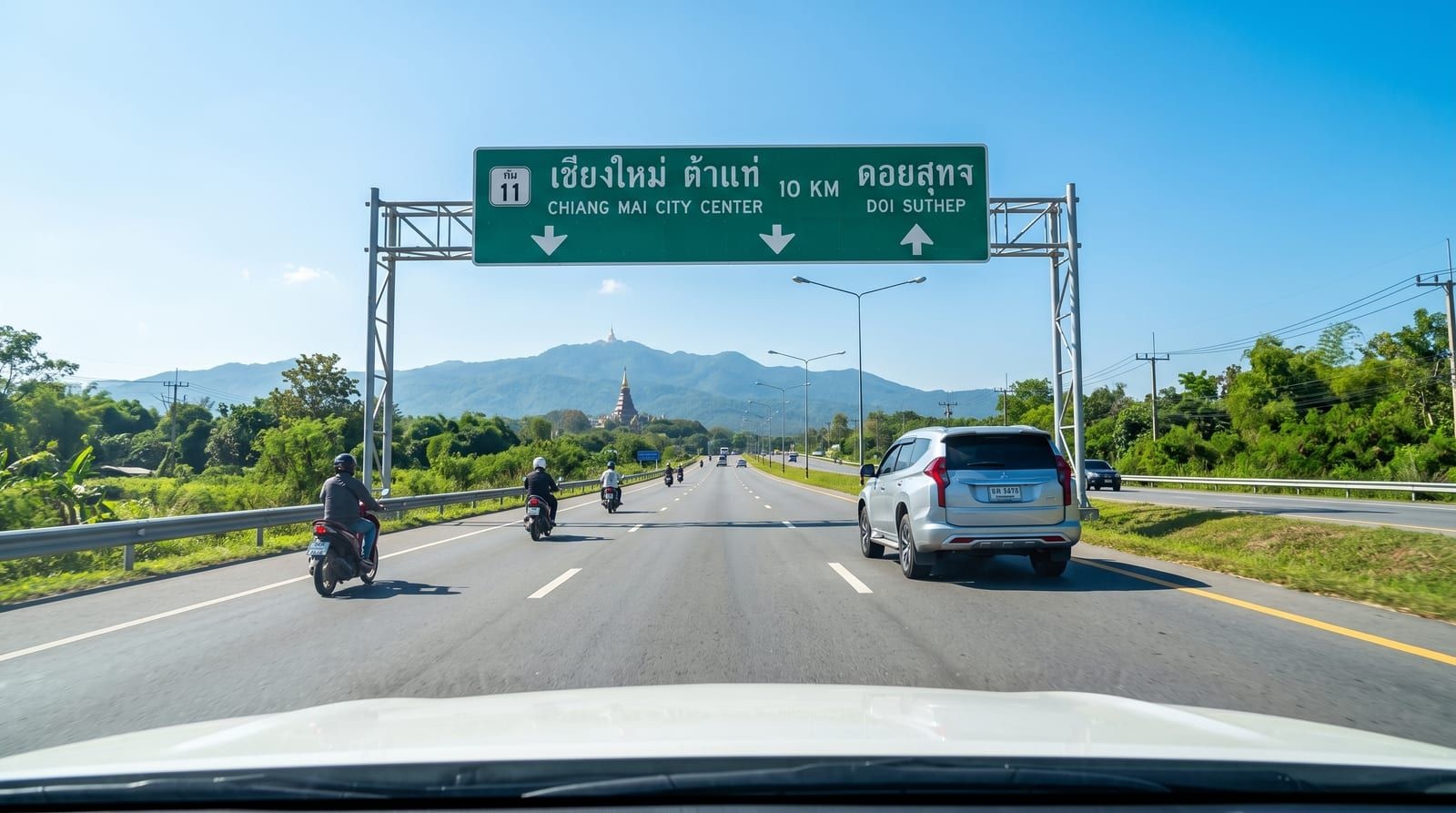
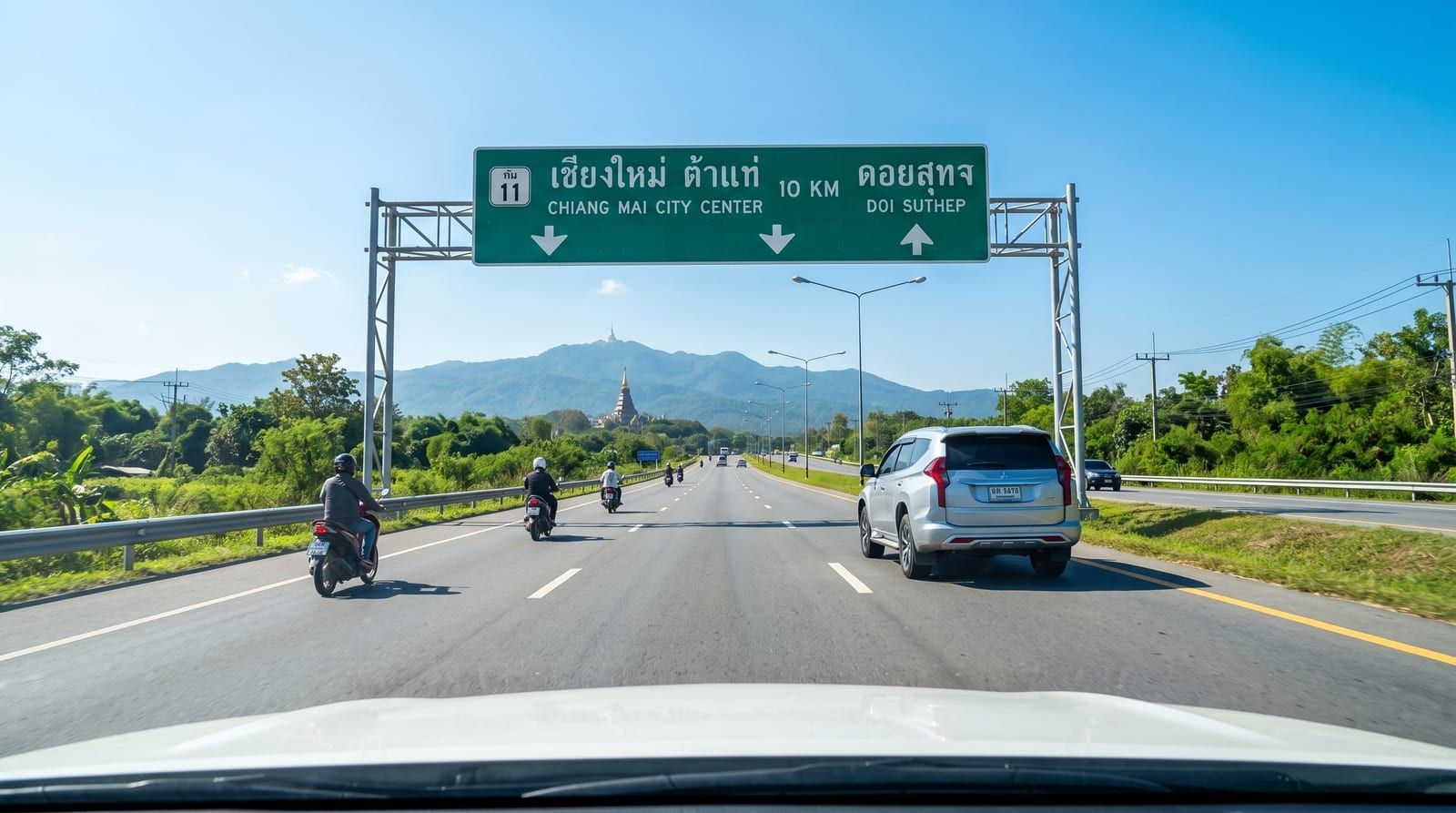
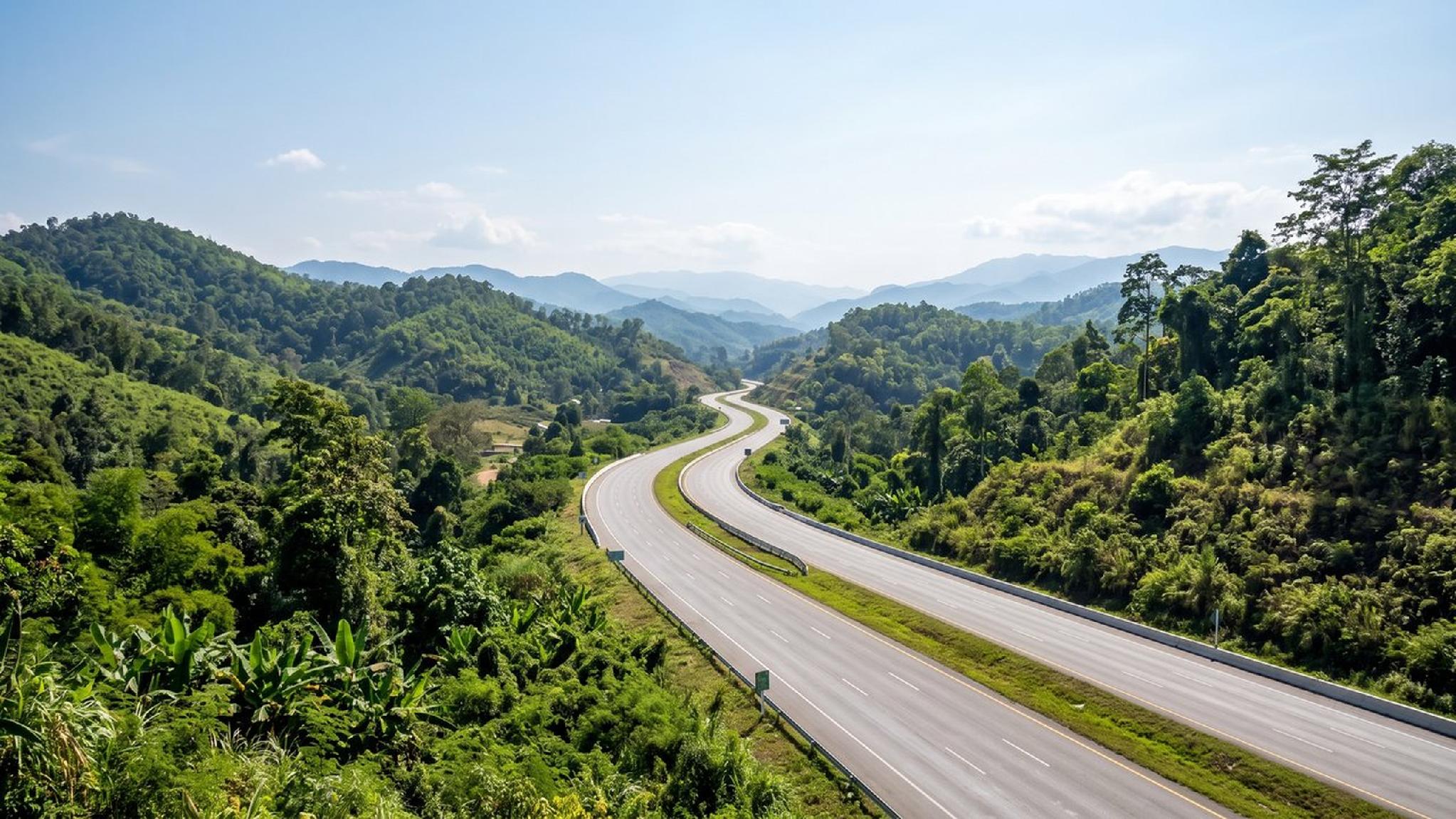
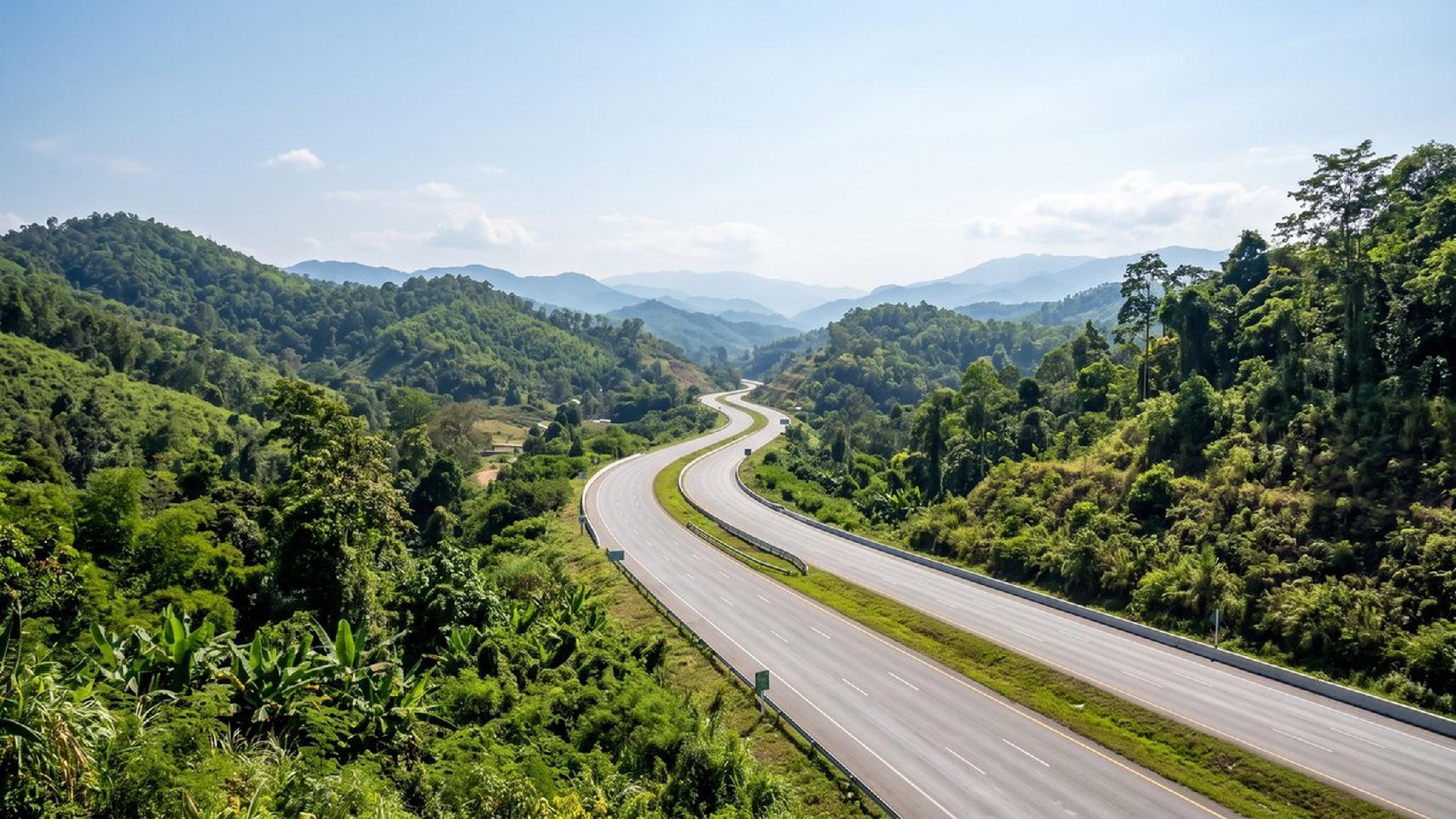
Driving the roughly 687 kilometres from Bangkok takes about 8 to 9 hours in normal traffic via Highway 1 through Nakhon Sawan and Lampang, Most travellers who drive themselves split the trip over two days rather than one long run, stopping in Sukhothai or Phitsanulok along the way to see the old capital's ruins rather than treating the drive as a pure transit day. Fuel and toll costs together generally run less than a single bus fare per person for a group of three or four sharing one rental car.
A self-drive rental only makes sense for a traveller planning to continue on from Chiang Mai to further destinations in the north, Chiang Rai, Pai, or Mae Hong Son, since a car adds little value once actually inside the city, where parking and traffic make ride-hailing apps the easier daily choice.
,regionOfInterest=(1023,575.5))
,regionOfInterest=(1023,575.5))
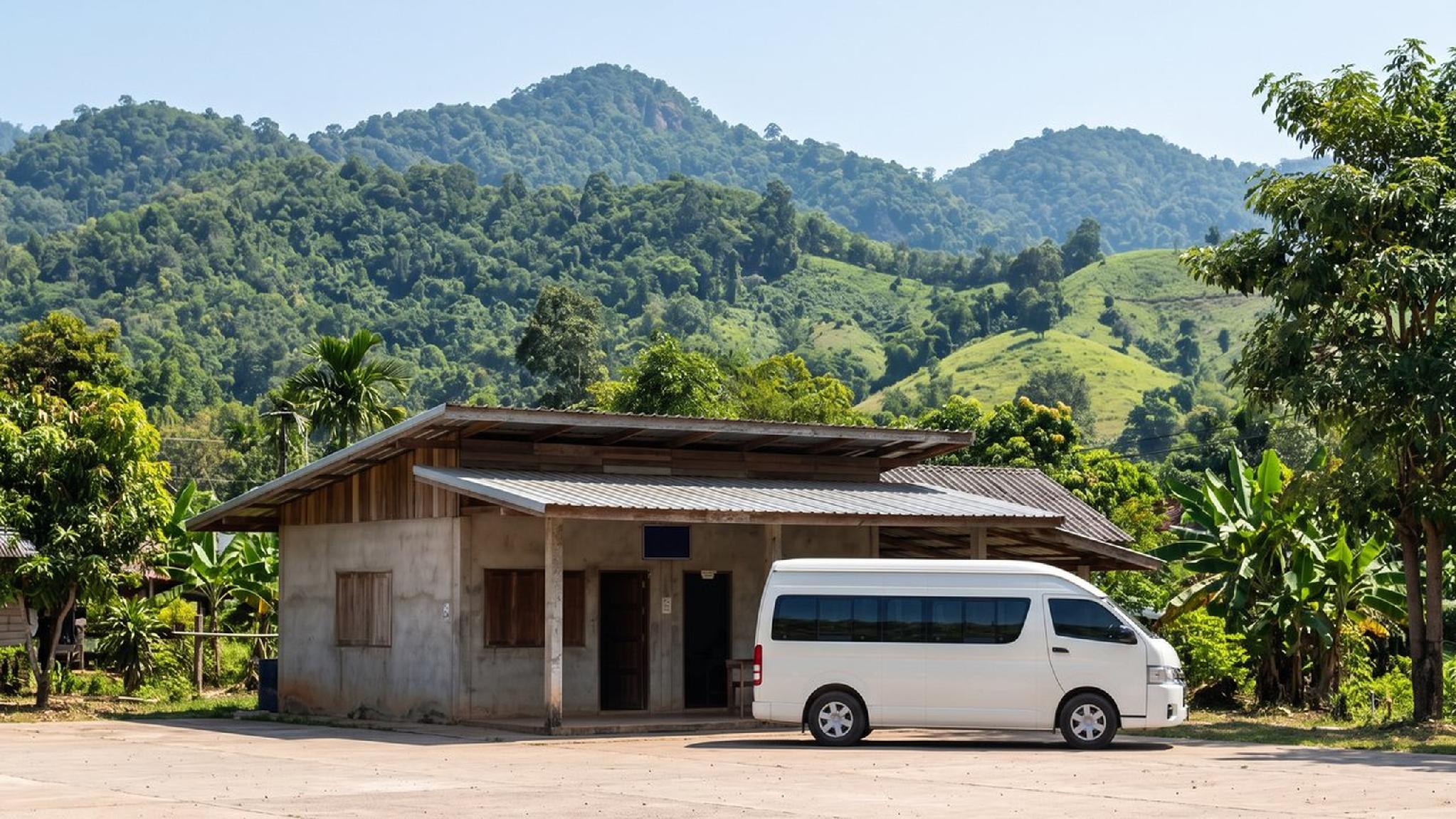
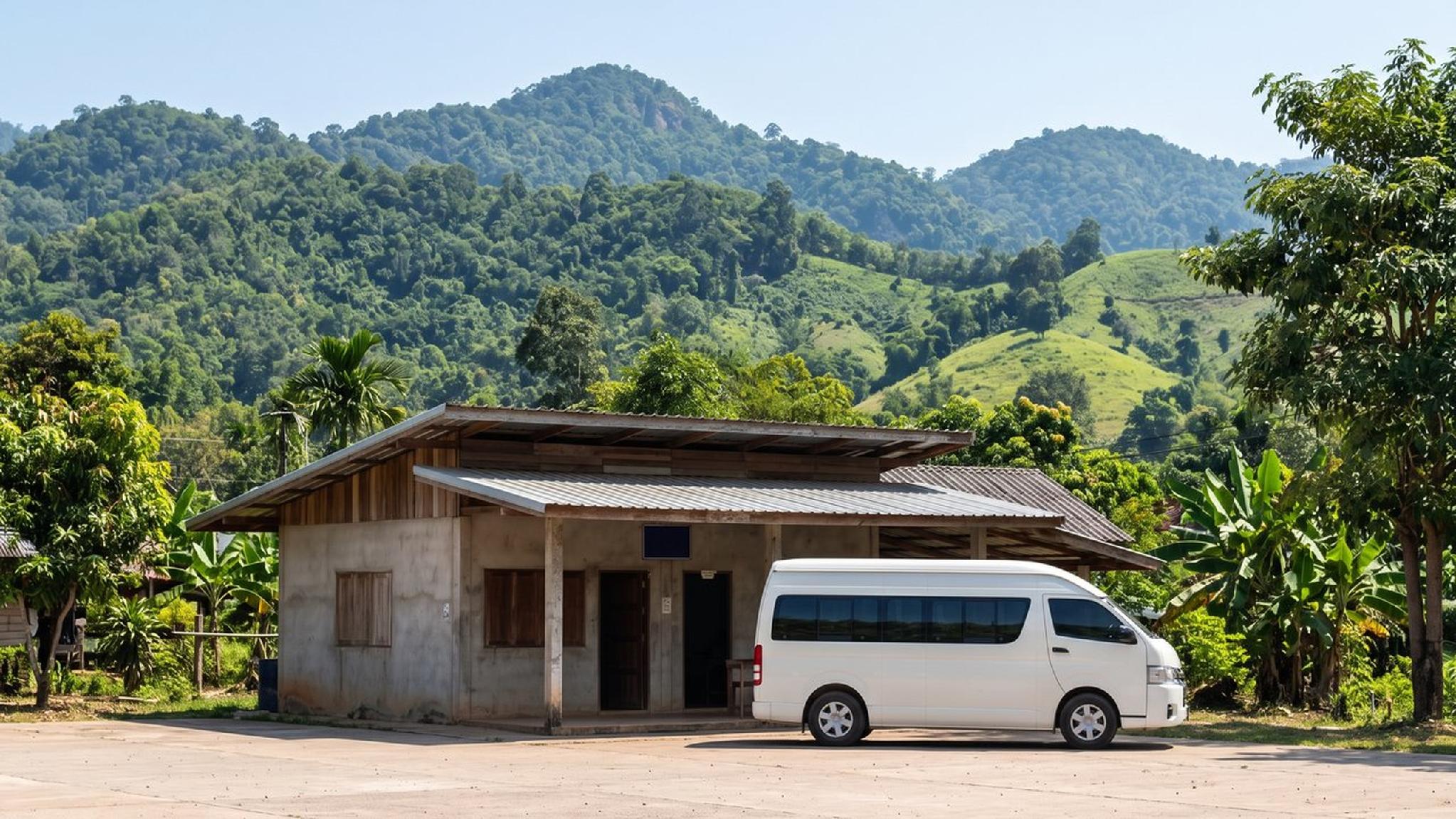
Minivan services also cover shorter regional routes, Sukhothai or Chiang Rai to Chiang Mai in particular, generally faster than a standard coach but with less luggage space and a noticeably bumpier ride on mountain sections, worth weighing against the extra hour or two a full-size bus takes on the same route.
,regionOfInterest=(1023,575.5))
,regionOfInterest=(1023,575.5))
Knowing how to get to Chiang Mai's city centre from the airport matters just as much as the flight or train itself, since a confusing arrivals hall at the end of a long travel day sours the first hour of any trip. Here is every option, from the airport taxi counter to arriving by train or bus instead.
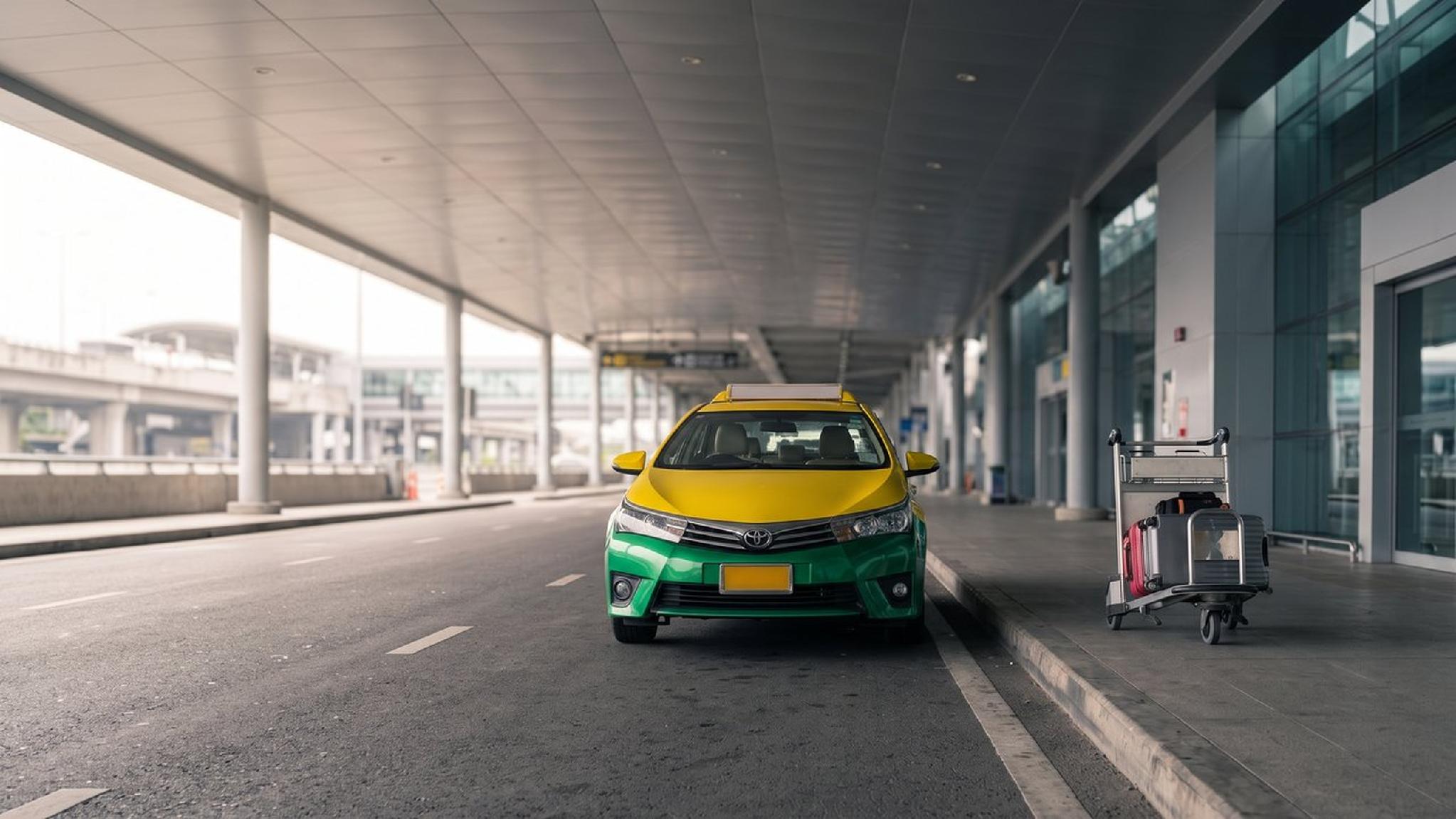
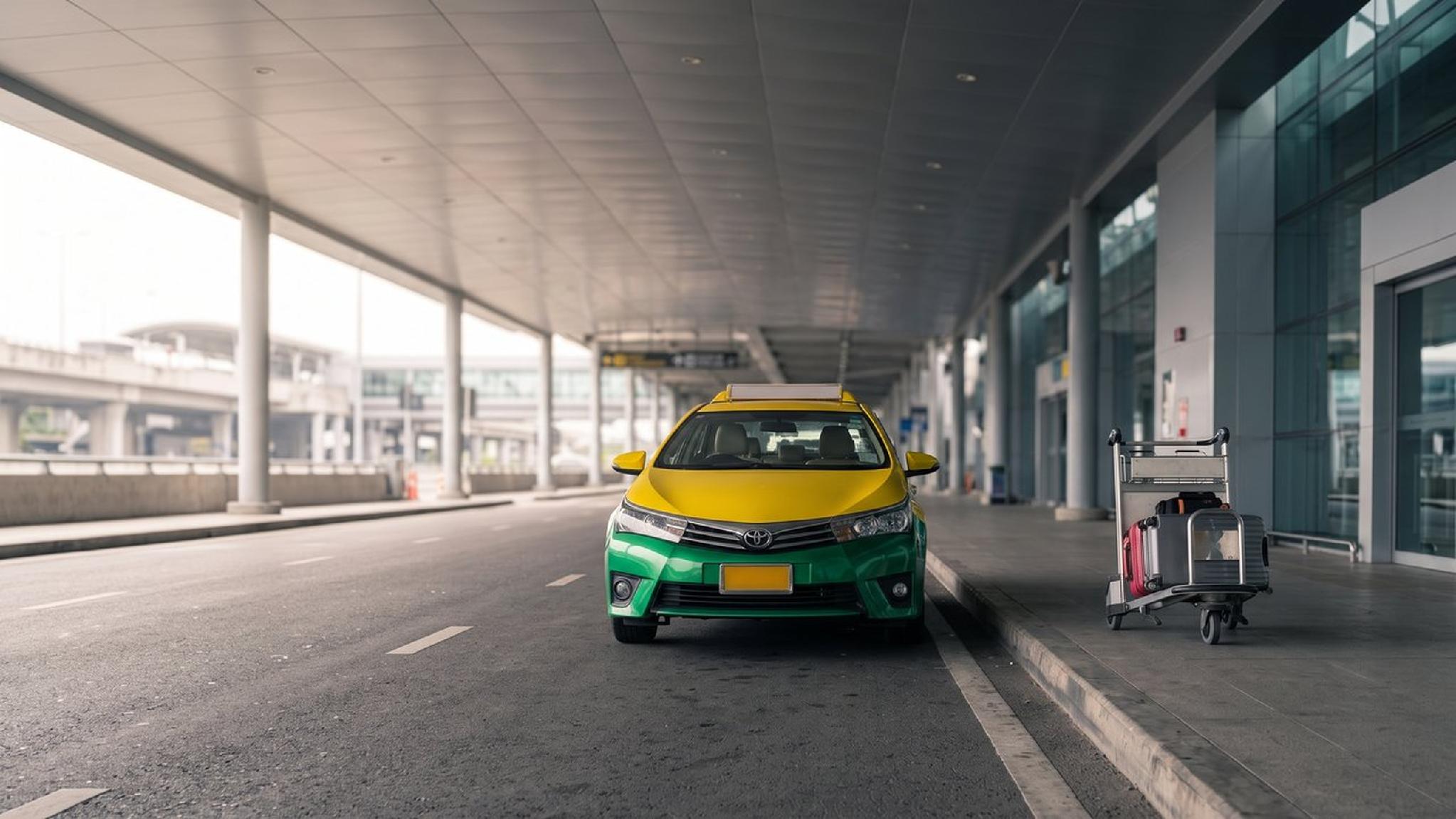
Chiang Mai International Airport sits only about 4 kilometres from the Old City and roughly the same distance from the Chang Khlan district, a 10 to 15 minute ride under normal traffic. The airport's official taxi counter, just outside the arrivals hall, charges a fixed fare of around 150 to 200 baht (roughly US$4.30 to US$5.70) to most points in the city, with no negotiation needed.
Grab and Bolt both operate from the airport too, typically landing in a similar 140 to 180 baht range, though an added airport pickup fee sometimes applies on top of the standard fare. Bolt tends to run 5 to 15 percent cheaper on average but with fewer available drivers than Grab at any given moment, worth knowing if a flight lands late at night.
,regionOfInterest=(1023,575.5))
,regionOfInterest=(1023,575.5))
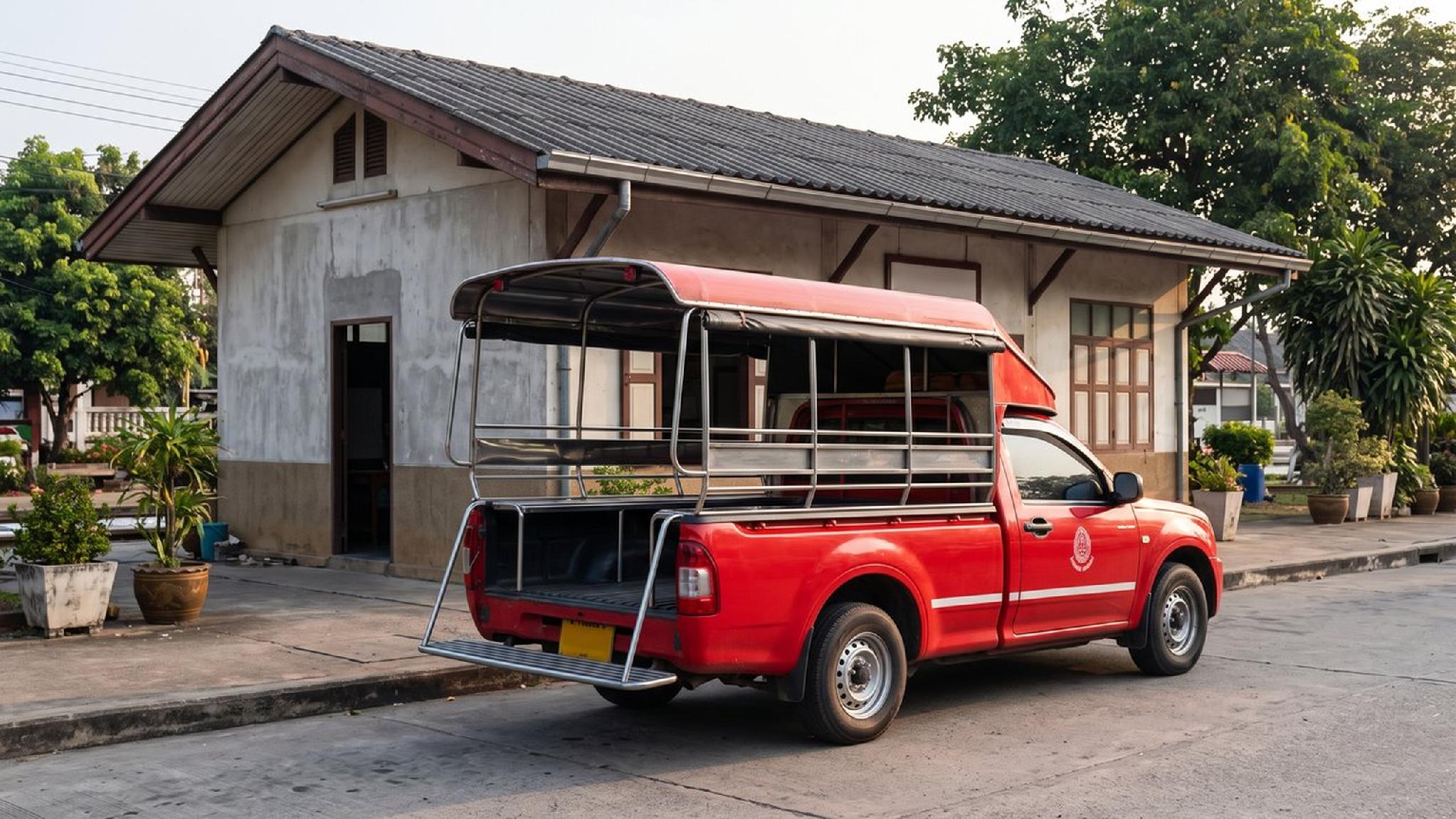
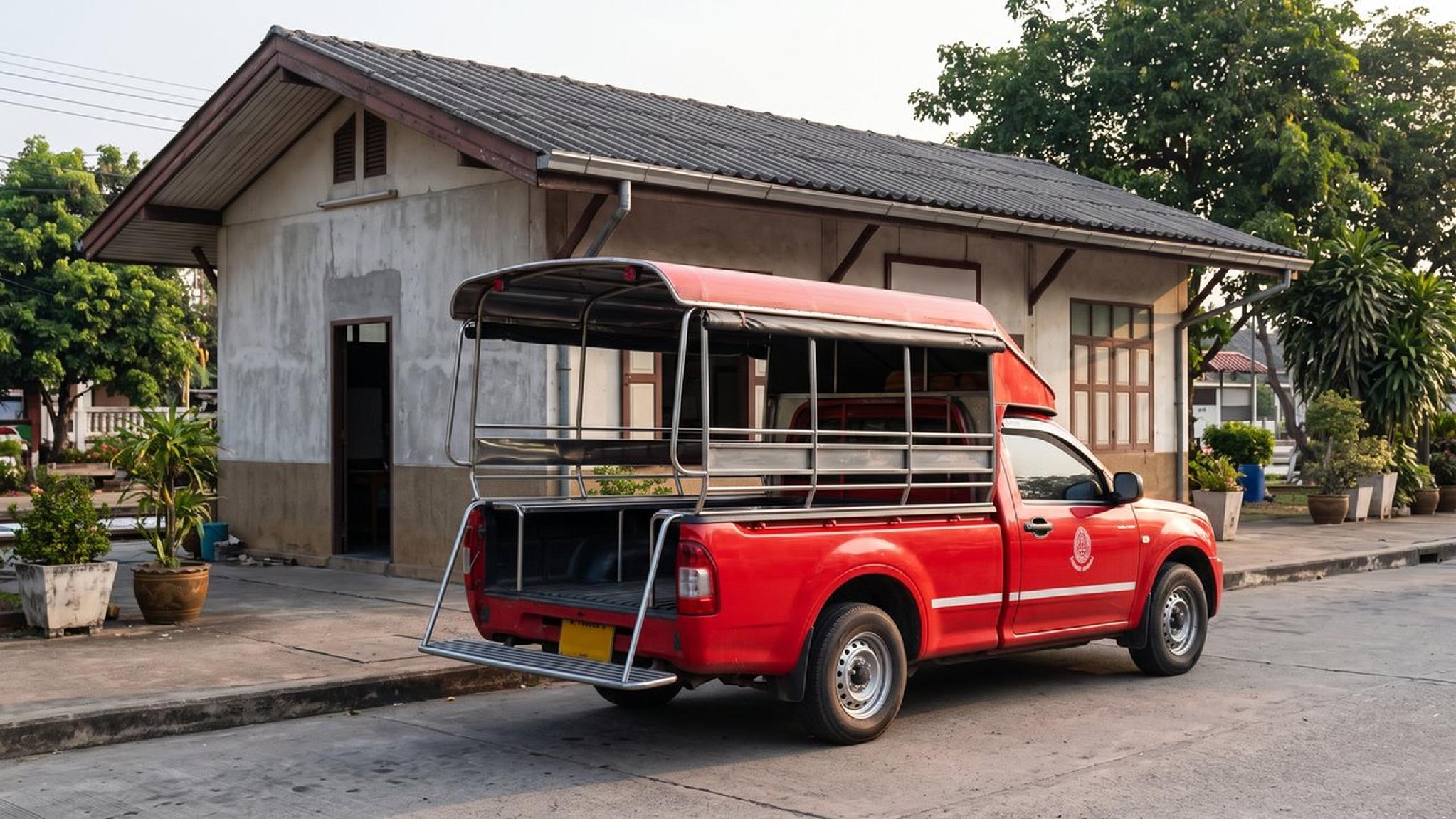
A public songthaew (shared red truck) also covers the airport route for a smaller fare than either taxi option, though it takes longer since it may stop for other passengers heading in a similar direction, better suited to a traveller without much luggage or a tight connection to make.
Arriving on the overnight train shifts this calculation slightly, since Chiang Mai's railway station sits a little further from the Chang Khlan district than the airport does, closer to 3 kilometres, but still well within a 10 to 15 minute ride by taxi or ride-hailing app. The bus terminals sit at a similar distance, so whichever mode actually gets used to arrive, the final leg into the city itself rarely adds more than a quarter of an hour.
,regionOfInterest=(1023,575.5))
,regionOfInterest=(1023,575.5))
Working out how to get to Chiang Mai in the first place is really only half the practical question, since most trips also need a plan for moving around once inside the city itself. The Old City is compact enough to explore mostly on foot once there, with most of its temples within a 20-minute walk of each other inside the moat. For anything further, Chang Khlan, Nimman, or the riverside, Grab and Bolt cover the distance quickly and at a fixed, upfront price, while a shared songthaew works for a shorter hop at a lower cost.
A rented scooter suits a confident, experienced rider well for day trips to nearby craft villages or temples outside the centre, though Chiang Mai's traffic and the mountain roads up to Doi Suthep are better left to a private driver or a tour for anyone unfamiliar with riding in Thailand.
An international driving permit is required to rent either a car or a scooter legally, and traffic police do check for one at checkpoints around the city more often than visitors expect, particularly around festival dates when enforcement steps up.
Renting through a licensed shop rather than an informal roadside stand also means proper insurance is actually in place if anything goes wrong, worth the small extra cost over a cheaper, uninsured rental found on a street corner.
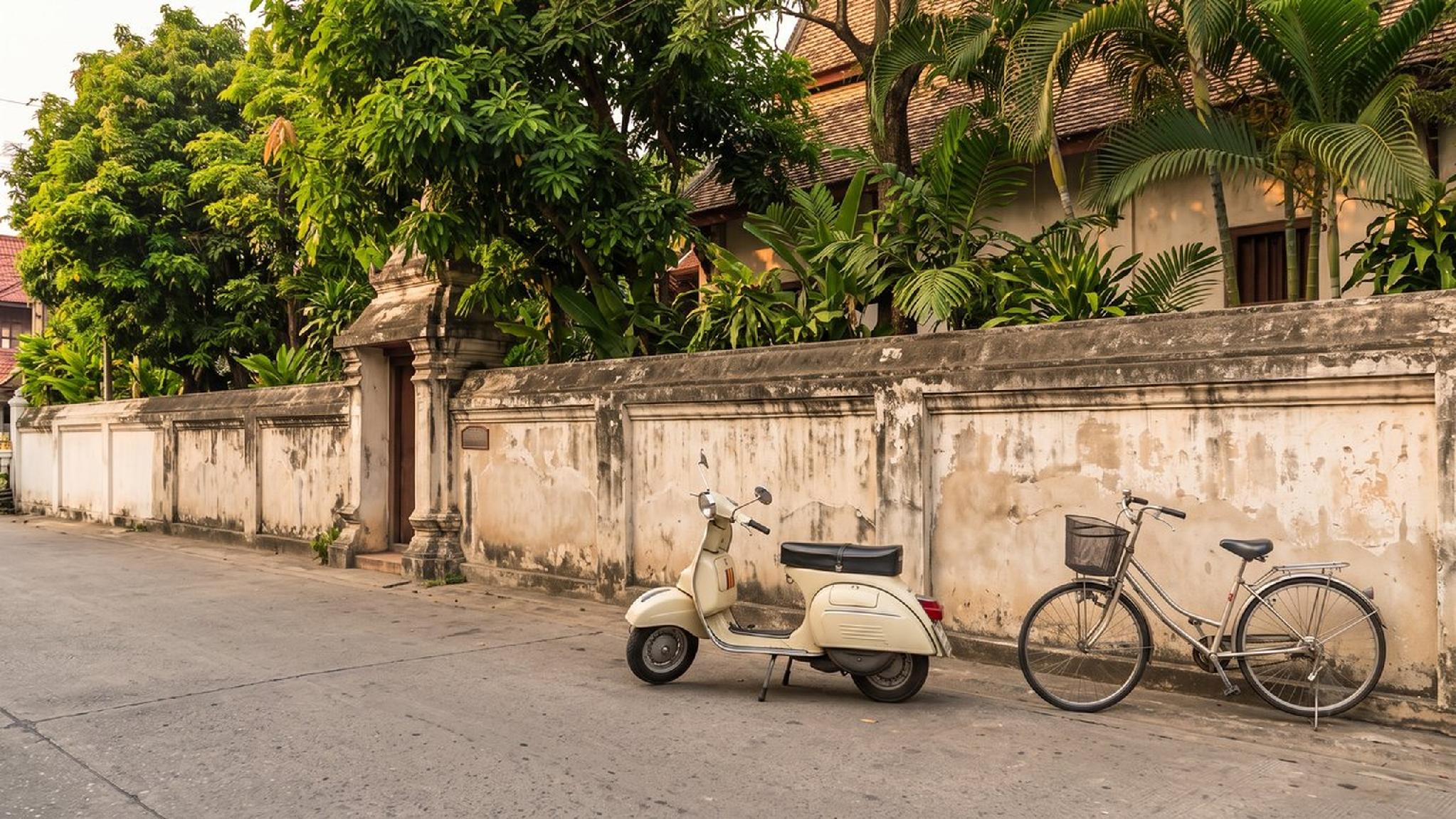,regionOfInterest=(1023,575.5))
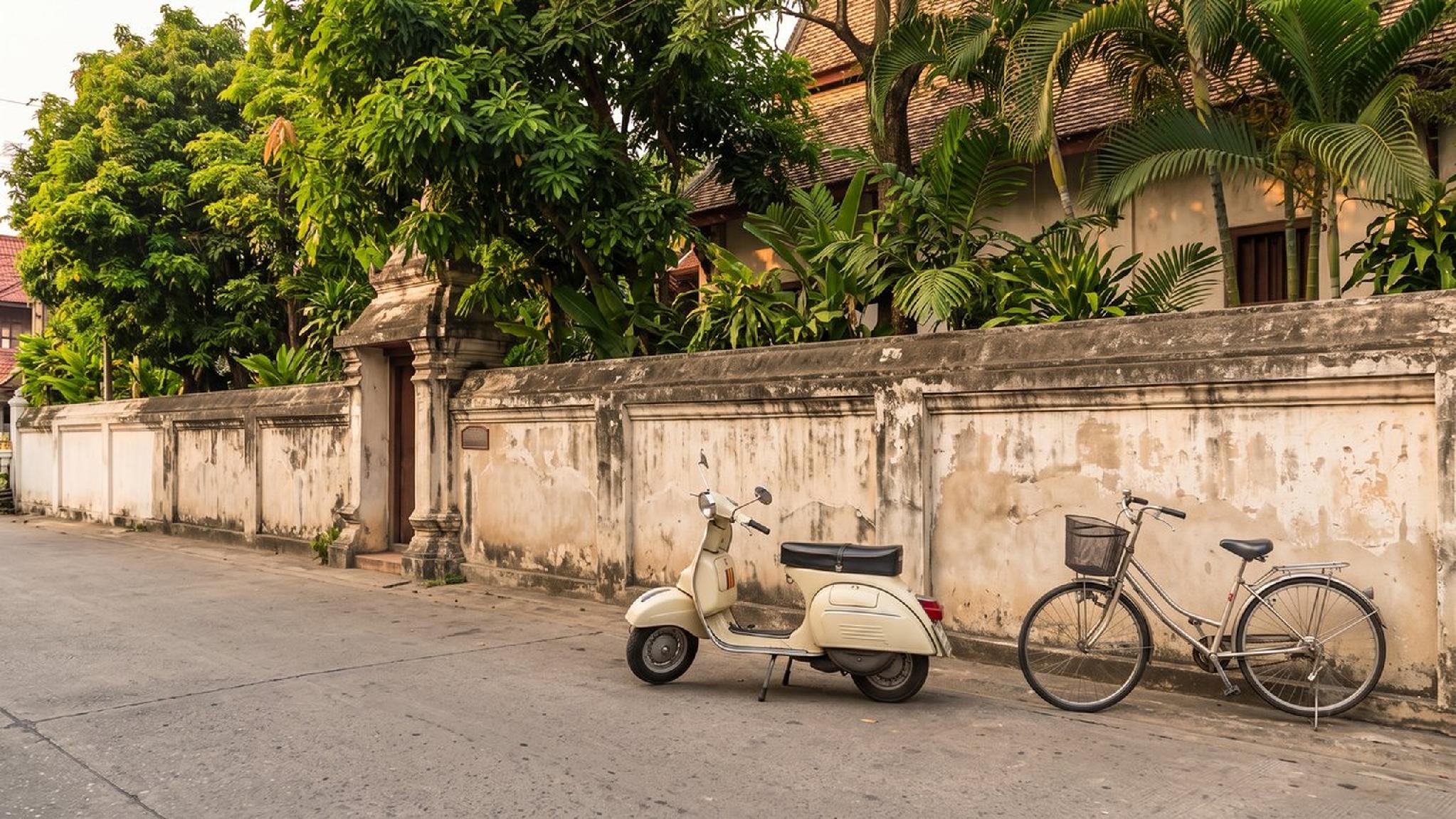,regionOfInterest=(1023,575.5))
Here is how the main ways to get to Chiang Mai actually compare, door to door from central Bangkok.
Method | Journey Time | Typical Cost | Best For |
Domestic flight (BKK/DMK to CNX) | About 1 hour 10 minutes in the air | From roughly 1,000 to 2,000 baht (US$28 to US$57) | Fastest option, short trips, limited time |
Overnight sleeper train | About 12 hours 35 minutes | 1,100 to 2,450 baht (US$32 to US$70) | Travellers who want the journey to double as a night's sleep |
Long-distance bus | 9 to 10 hours | 550 to 900 baht (US$16 to US$26) | Budget travel, overnight departures |
Self-drive or private car | 8 to 9 hours | Fuel and tolls, plus rental if applicable | Travellers stopping along the way or continuing north afterward |
For most travellers with a fixed number of days, flying wins purely on time saved, while the train and bus both suit anyone who would rather spend a night travelling than a full day, freeing up an extra daylight day in Chiang Mai itself. Factoring in the taxi ride to and from each city's own airport, station, or terminal narrows the total door-to-door time gap between flying and the overnight train more than the headline flight time alone suggests.
,regionOfInterest=(1023,575.5))
,regionOfInterest=(1023,575.5))
However a guest works out how to get to Chiang Mai, Meliá Chiang Mai can arrange a confirmed airport transfer ahead of arrival, a car waiting at the terminal rather than joining the taxi queue after a long flight or an overnight train. Booking the transfer in advance through the hotel means a name board at arrivals and a fixed schedule to work around, useful after a late flight or an early train pulling in at dawn, and it removes the one part of arrival day most likely to feel uncertain after hours of travel.
The hotel's own position, on Charoen Prathet Road about 6 kilometres from the airport and roughly 15 minutes by car, means the transfer itself is short regardless of which flight, train, or bus actually brought a guest into the city. Arriving by the overnight train specifically works well with an early check-in request, since Train No. 9 lands well before the standard afternoon check-in time and a tired traveller benefits from getting into a room as early as the hotel can manage.
Guests booked into The Level get private check-in on arrival, handled away from the main lobby desk, along with a dedicated concierge for the length of the stay, a genuinely comfortable and personalised way to start a trip rather than standing in line after several hours of travel.
The Level Lounge on the 21st floor is open for a first coffee or a light bite immediately after check-in, before a room is even ready if arriving earlier than the standard check-in time, a welcome option after an overnight flight or a night spent on a sleeper train.
Standard check-in through the main lobby is comfortable in its own right too, with 24-hour front desk service covering an arrival at any hour, a genuine advantage for anyone landing on a red-eye flight or an early-morning train rather than a convenient mid-afternoon slot. In-room dining runs around the clock as well, so a late arrival still means a proper meal is available rather than a search for something open nearby after check-in.
For a group arriving on different flights or trains across the same day, the front desk can coordinate multiple transfers around each traveller's actual arrival time rather than a single fixed pickup slot, useful for a family or a group of friends converging on Chiang Mai from separate starting points.
Confirming these details a few days ahead of arrival, rather than the morning of departure, gives the hotel enough notice to arrange a smooth handoff regardless of how each guest chose to make the trip.
Luggage matters more on this specific arrival than at a typical city hotel, since a guest coming off a 12-hour sleeper train or a long drive tends to be travelling heavier than one on a short domestic hop. The confirmed transfer car has room for full-size luggage rather than the tighter boot space of a standard taxi, one less thing to negotiate after already managing bags through a station or an airport terminal.
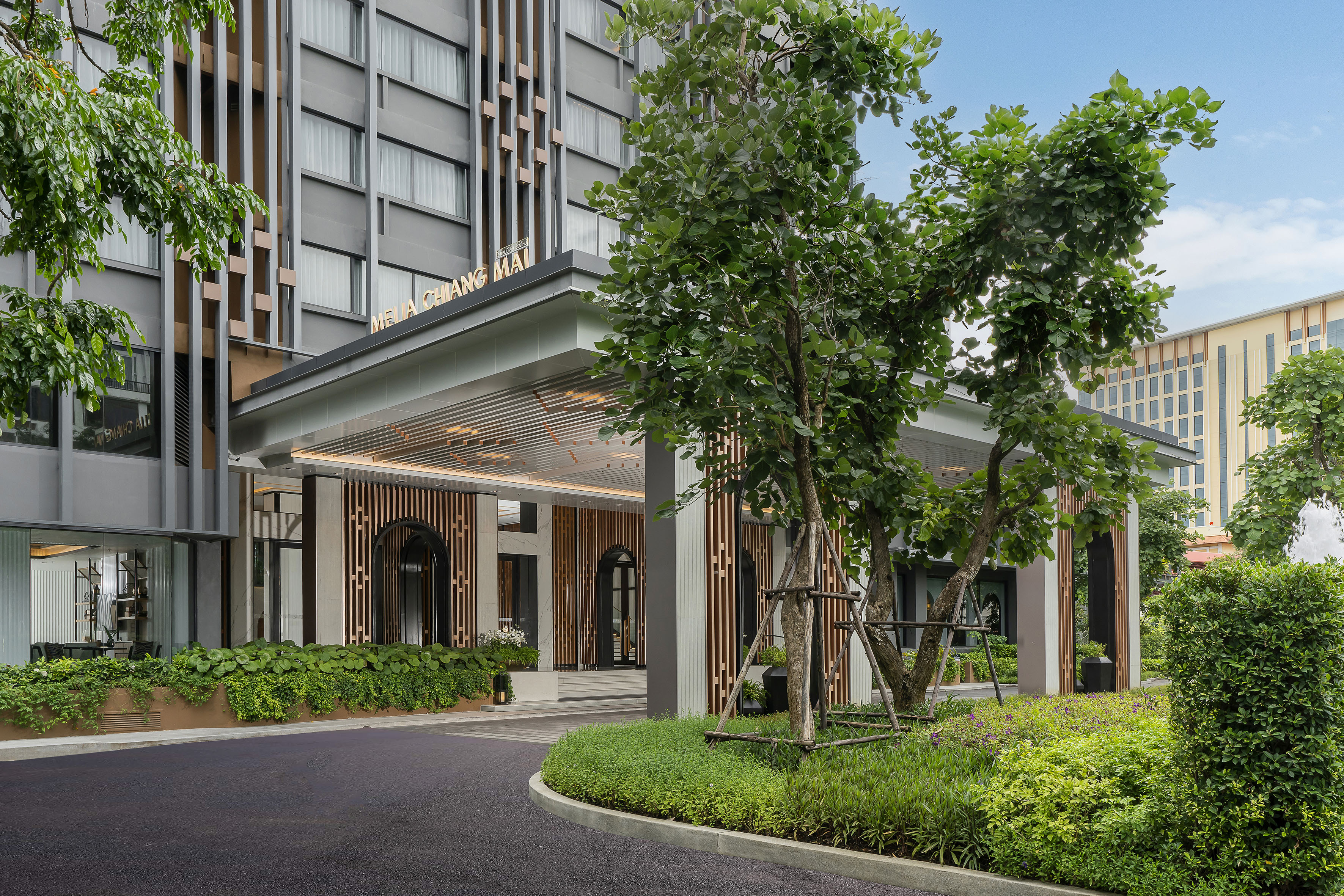,regionOfInterest=(1771.5,1181.5))
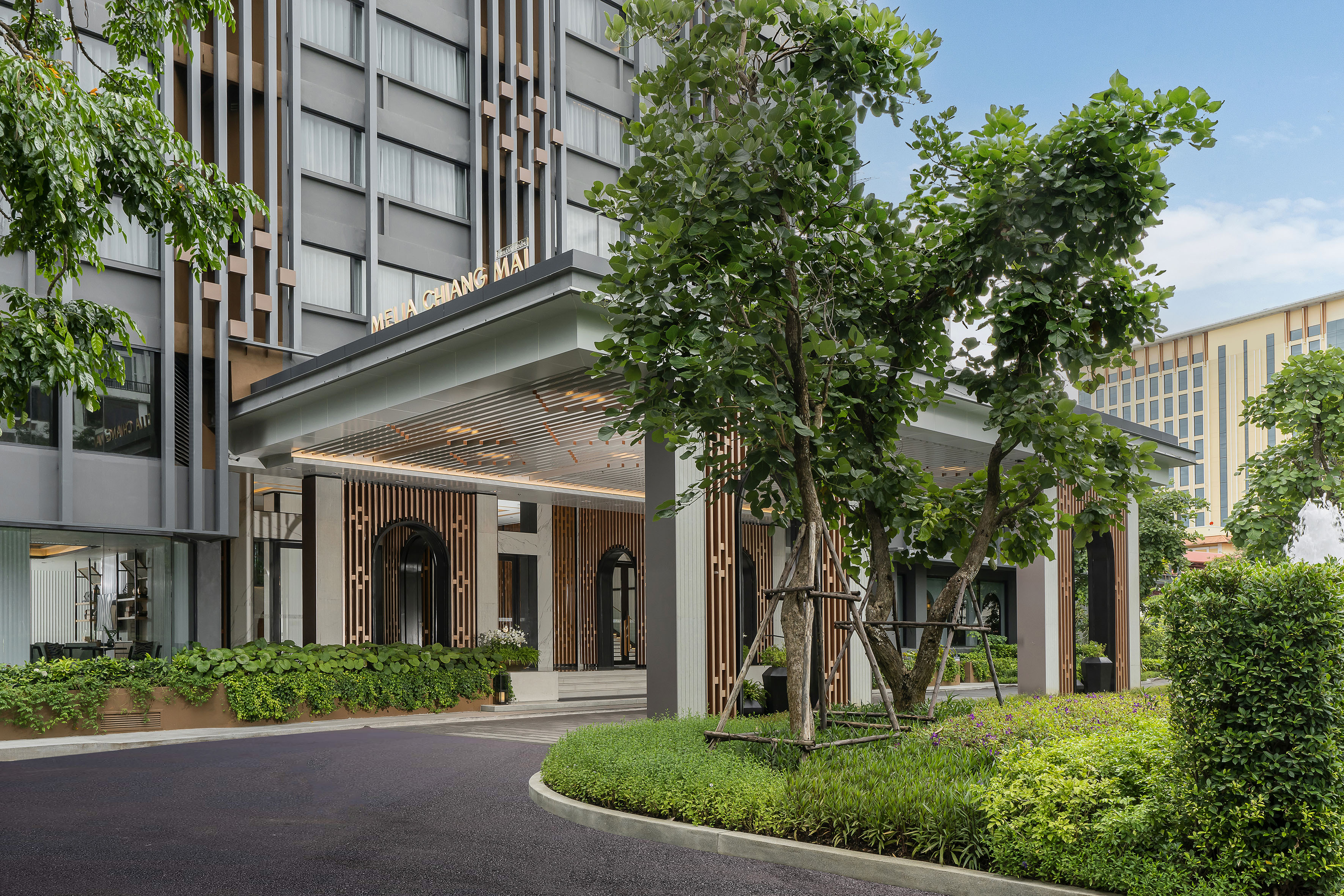,regionOfInterest=(1771.5,1181.5))
Flying remains the fastest way to get to Chiang Mai for most travellers, while the overnight train and long-distance bus both turn the journey itself into a night's travel rather than a lost day, a genuine option worth considering rather than a fallback.
Whichever option gets chosen, booking a confirmed airport or station transfer ahead of time, rather than arranging one after arrival, removes the one part of the trip most likely to feel stressful after a long flight or an overnight journey.
There is no single correct answer to how to get to Chiang Mai, only the option that best matches a specific trip's budget, timing, and appetite for making the journey itself part of the experience. Comparing the actual numbers above, rather than defaulting to whichever mode feels most familiar, tends to produce the better decision either way.
,regionOfInterest=(1023,575.5))
,regionOfInterest=(1023,575.5))
How do I get from Bangkok to Chiang Mai?
A direct flight takes about 1 hour 20 minutes and runs all day on several airlines from both Bangkok airports. The overnight sleeper train takes roughly 12 hours 35 minutes, and a long-distance bus takes 9 to 10 hours, both usually run as overnight departures. Driving yourself covers the same 687 kilometres in about 8 to 9 hours, longer if split across two days with a stop along the way.
How far is the airport from Chiang Mai city centre?
Chiang Mai International Airport sits about 4 kilometres from the Old City and a similar distance from the Chang Khlan district, a 10 to 15 minute taxi or ride-hailing trip under normal traffic.
Is it better to fly or take the train to Chiang Mai?
Flying is faster and often similarly priced to a first-class sleeper cabin, so it suits travellers short on time. The overnight train suits anyone who would rather travel through the night and treat the journey itself as part of the trip, arriving refreshed the next morning instead of losing a full day.
How much is a taxi from Chiang Mai airport?
The airport's official taxi counter charges a fixed fare of around 150 to 200 baht (roughly US$4.30 to US$5.70) to most points in the city, and Grab or Bolt typically cost a similar amount, sometimes with a small added airport pickup fee. Pre-arranging a hotel transfer removes any need to compare these options after a long flight, since a driver is already waiting with a name board at arrivals.
Do I need a visa to visit Chiang Mai?
Requirements depend entirely on nationality rather than which city inside Thailand is the destination, so the same visa or visa-exemption rules that apply to entering the country at Bangkok apply equally to arriving directly at Chiang Mai International Airport. Checking the current requirement for a specific passport well before booking any flight is worth doing regardless of how straightforward the rest of the trip to Chiang Mai turns out to be.
Culture
,regionOfInterest=(2713.5,1809))
,regionOfInterest=(2713.5,1809))
,regionOfInterest=(3096.5,2536))
,regionOfInterest=(3096.5,2536))
,regionOfInterest=(1771.5,1181.5))
,regionOfInterest=(1771.5,1181.5))
,regionOfInterest=(2144,1424))
,regionOfInterest=(2144,1424))
,regionOfInterest=(5340,2078))
,regionOfInterest=(5340,2078))