,regionOfInterest=(2900.5,1949.5))
,regionOfInterest=(2900.5,1949.5))
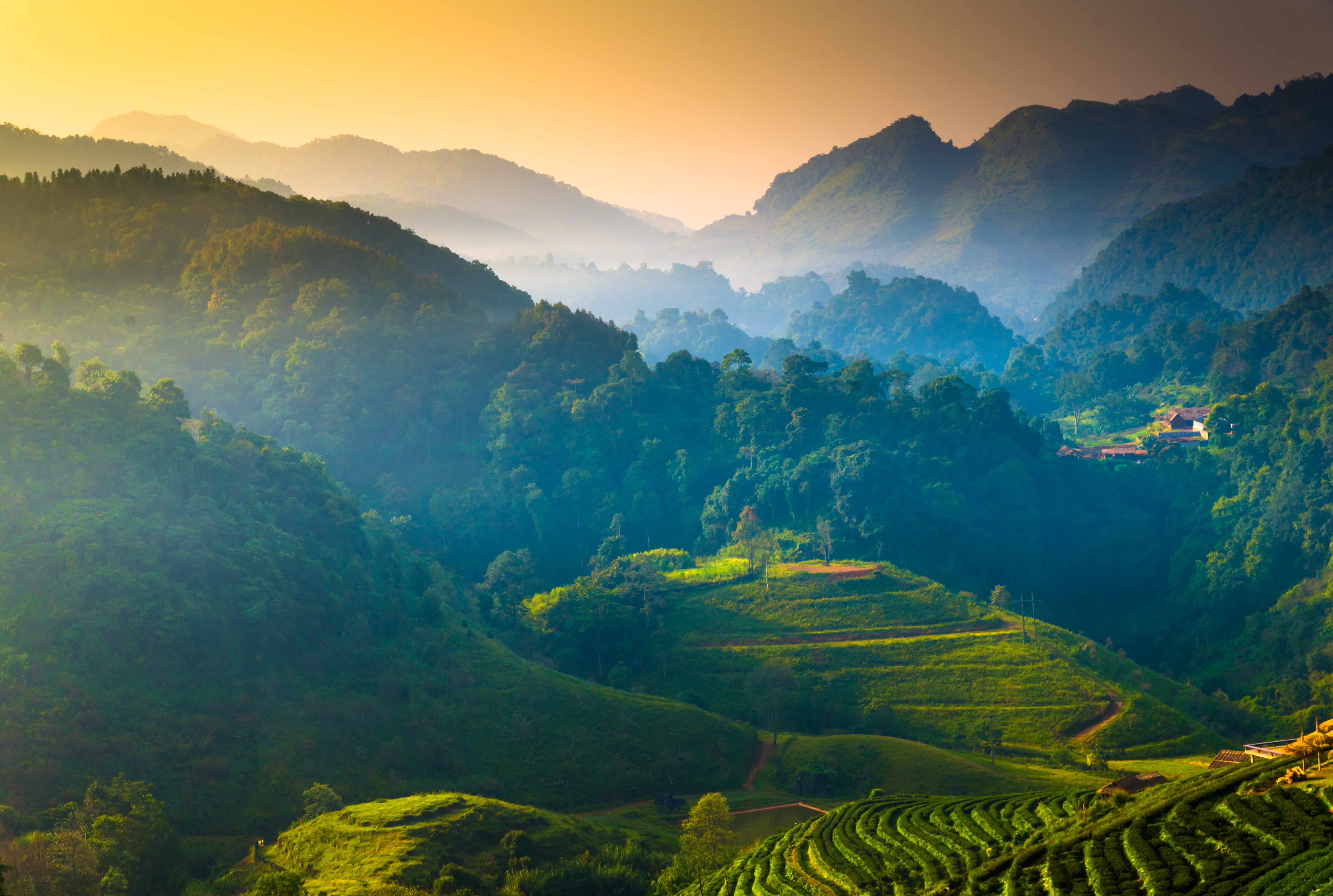
Chiang Mai solo travel guide 2026: tips, safety, and where to stay
,regionOfInterest=(1376,768))
,regionOfInterest=(1376,768))
Culture
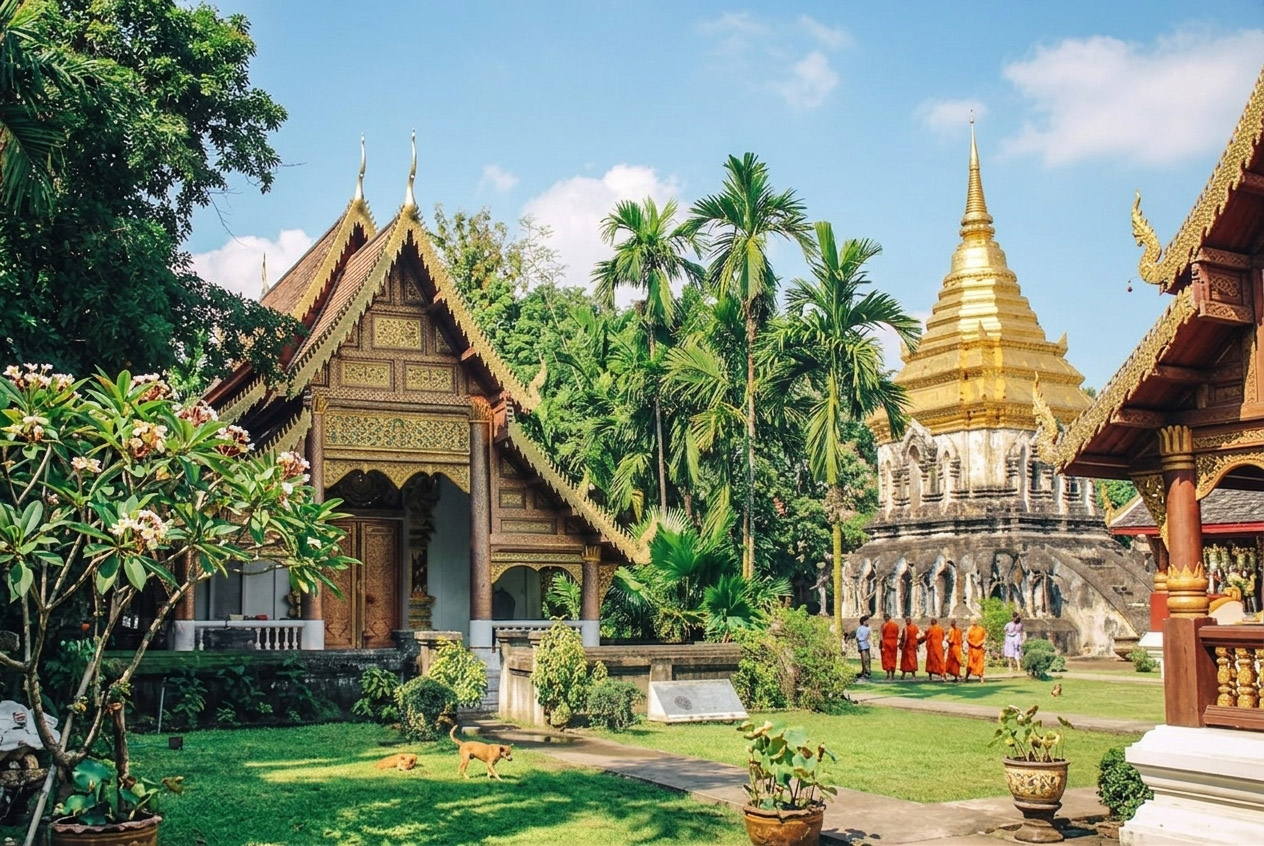,regionOfInterest=(632,423))
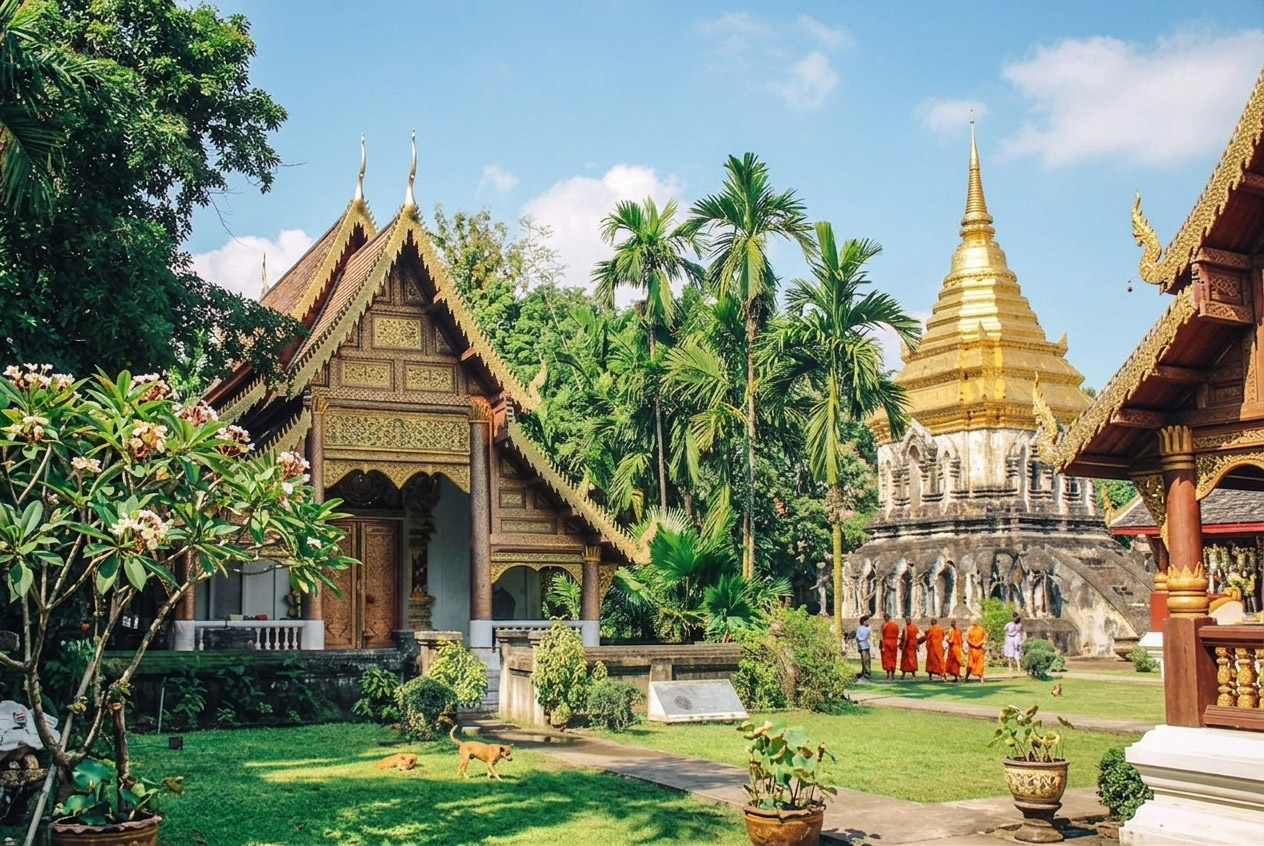,regionOfInterest=(632,423))
,regionOfInterest=(500,500))
,regionOfInterest=(500,500))
All-terrain writer specialising in tourism, fashion and trends. A curious soul, traveller, reader and sports enthusiast, keen to discover every corner of the world.
A dorm bed and a rooftop suite can sit on the same street in Chiang Mai, sometimes the same block, and the gap between them is exactly what makes a Chiang Mai travel budget so hard to pin down from a single number.
What follows breaks that gap into real, current figures by travel style, so the plan matches the trip rather than a generic average.
Culture
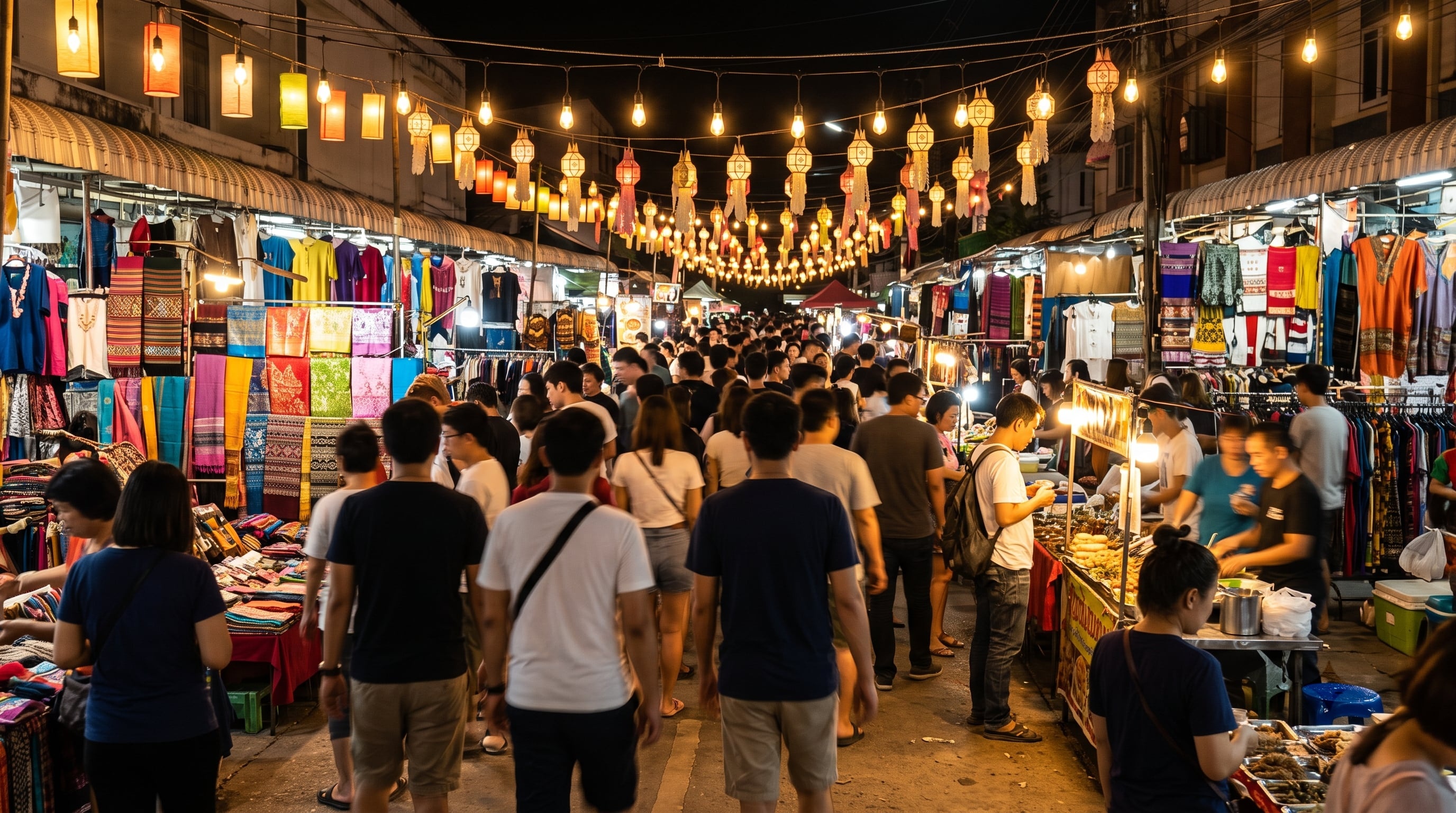,regionOfInterest=(1376,768))
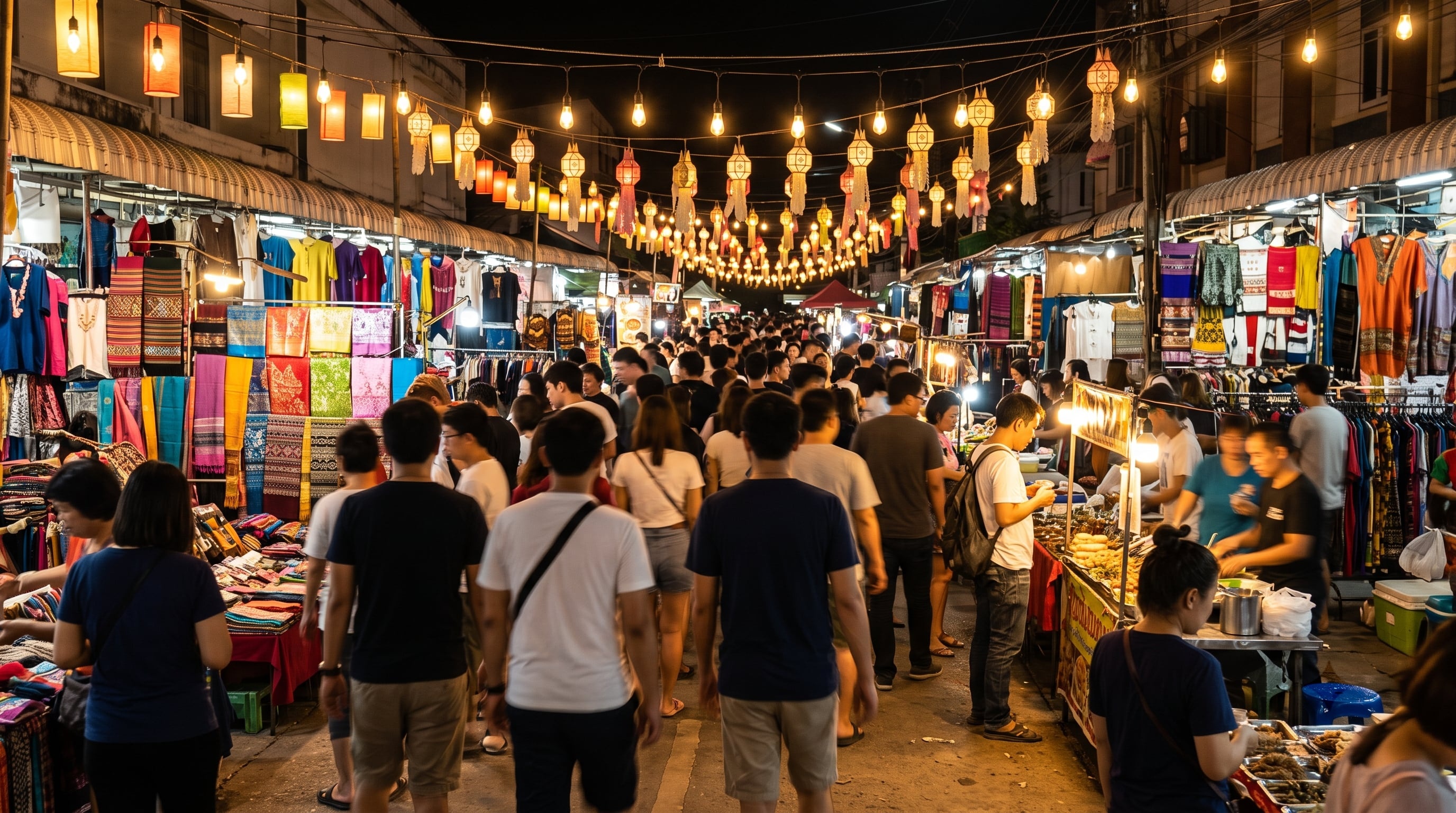,regionOfInterest=(1376,768))
,regionOfInterest=(1064,768))
,regionOfInterest=(1064,768))
,regionOfInterest=(688.5,384))
,regionOfInterest=(688.5,384))
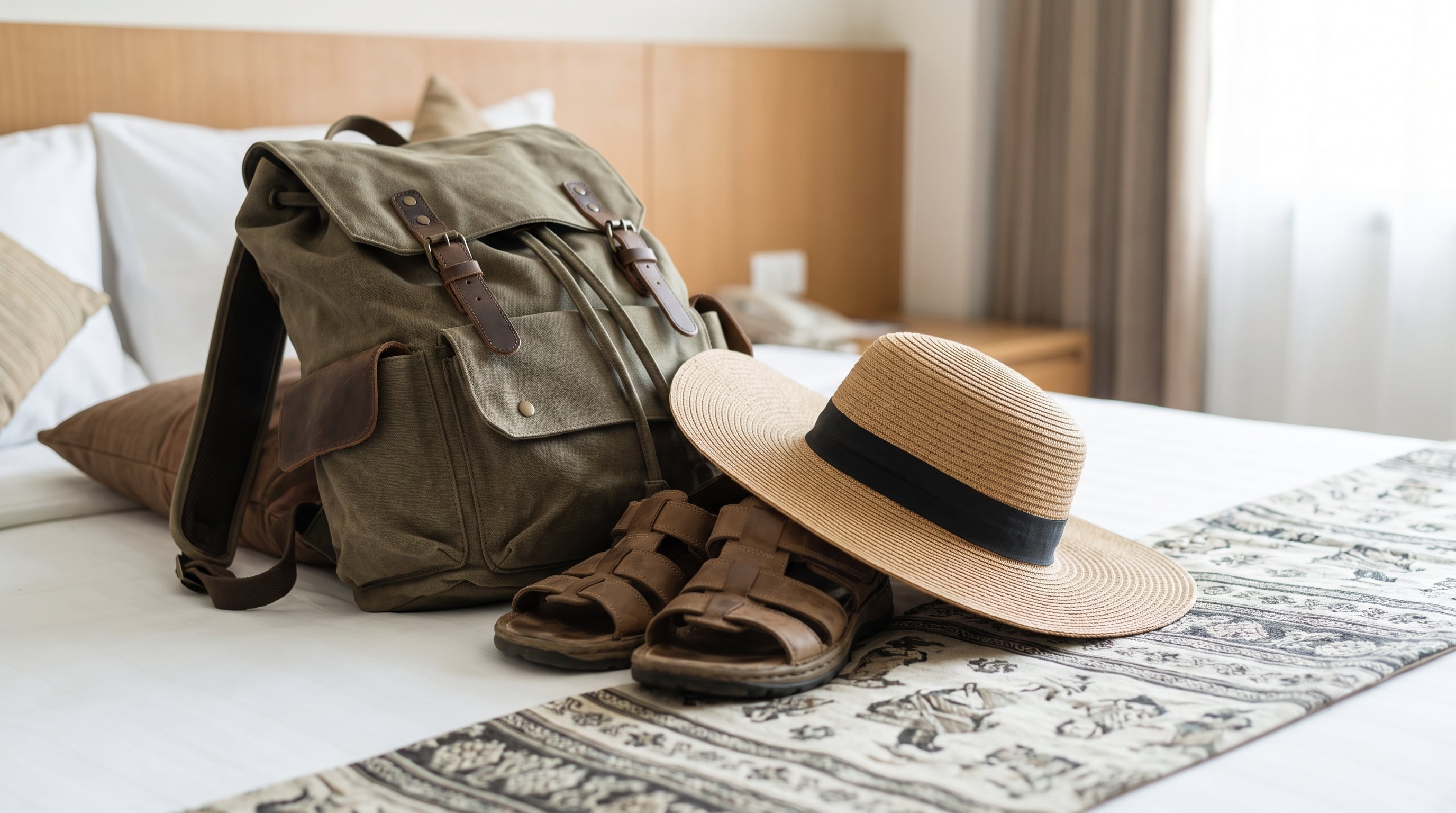,regionOfInterest=(1376,768))
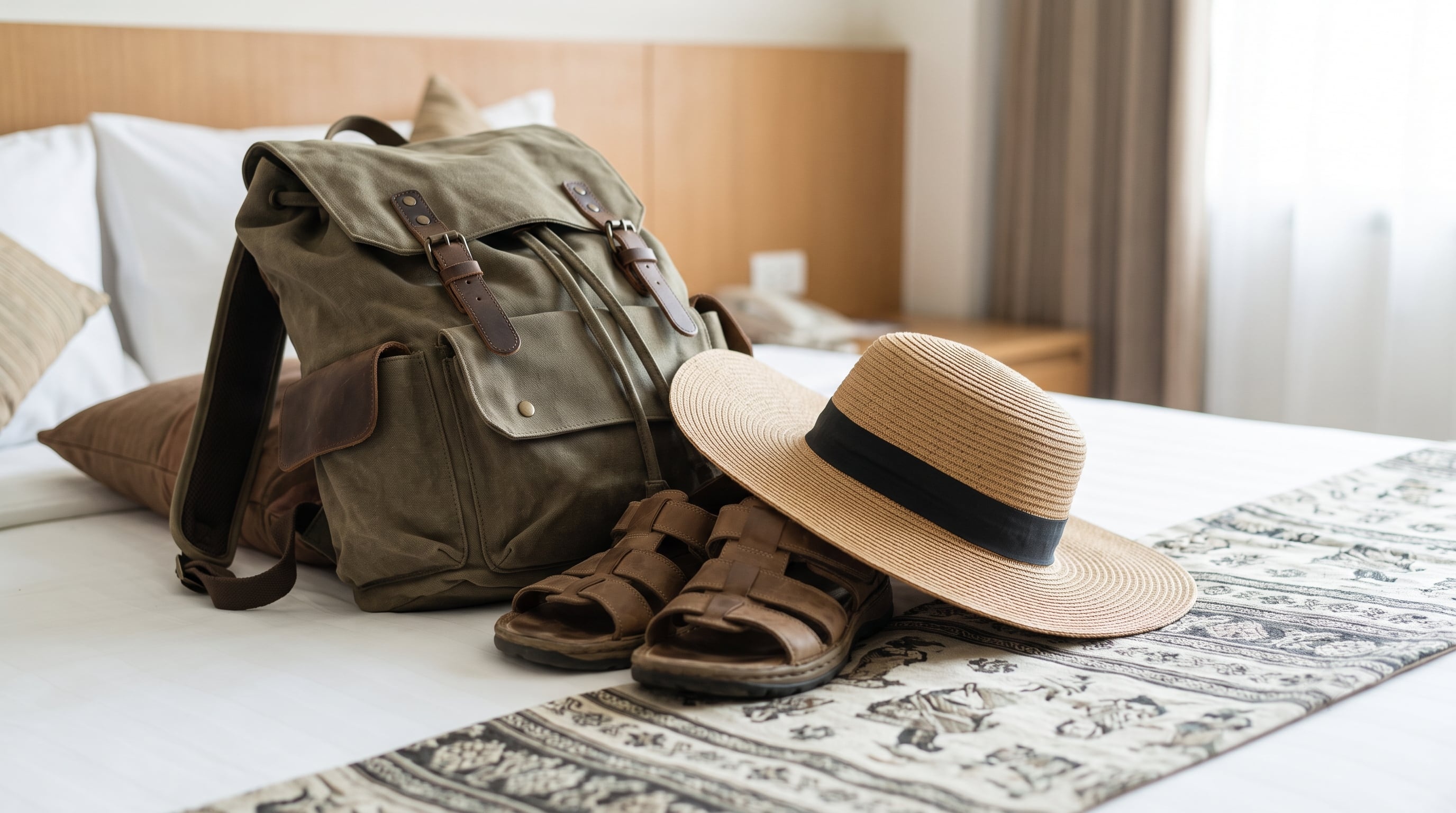,regionOfInterest=(1376,768))
Three travel styles cover most visitors, and the daily spread between them is wider here than in most Southeast Asian cities. A realistic Chiang Mai travel budget runs from about 700 baht a day (roughly US$20) at the frugal end to well over 5,500 baht a day (roughly US$160) for a fully comfortable trip, with a genuinely useful middle ground in between.
|
Travel Style |
Daily Budget |
|
Budget |
700 to 1,200 THB (about US$20 to US$35) |
|
Mid-range |
1,900 to 2,500 THB (about US$55 to US$70) |
|
Comfortable or premium |
5,500 THB and up (about US$160 and up) |
Chiang Mai earned its reputation as one of the region's better value cities for a reason, and that reputation still largely holds up against nearby comparisons.
A hotel room, a meal, or a Grab ride that costs a certain amount in Chiang Mai often costs noticeably more for the same standard in Bangkok's business districts or on a popular island like Phuket, a gap Numbeo's own cost of living index puts at roughly 39 percent higher overall in Bangkok for the same standard of living.
Chiang Mai's advantage mainly comes down to a larger supply of guesthouses and boutique hotels competing for the same traveler rather than a smaller pool of beachfront resorts setting the going rate.
None of the three tiers below are fixed categories either, plenty of real trips genuinely blend two of them, a budget-conscious traveler splurging on one nice dinner, or a comfortable trip that still leans on street food most days rather than restaurant meals throughout.
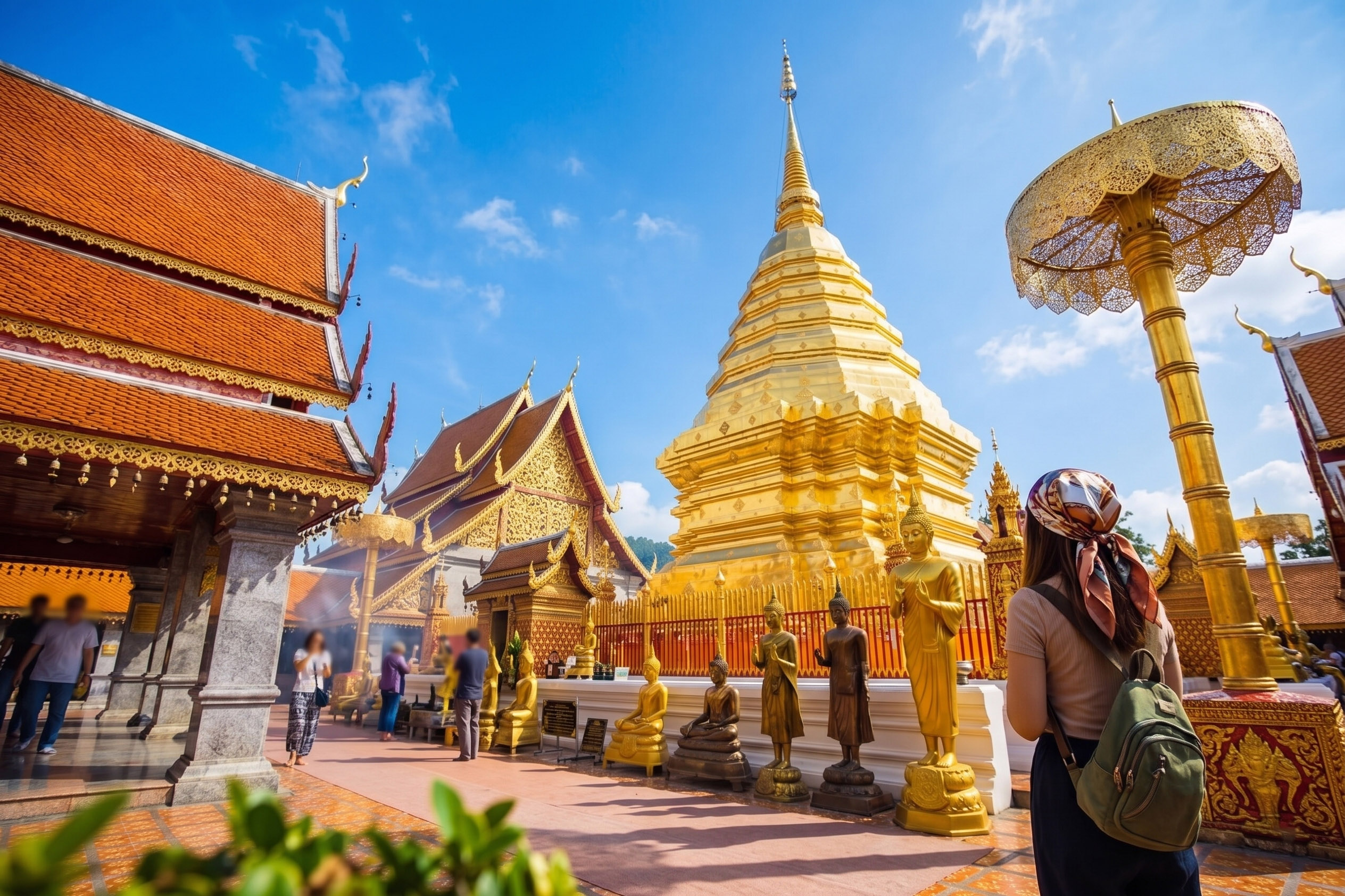,regionOfInterest=(1264,842))
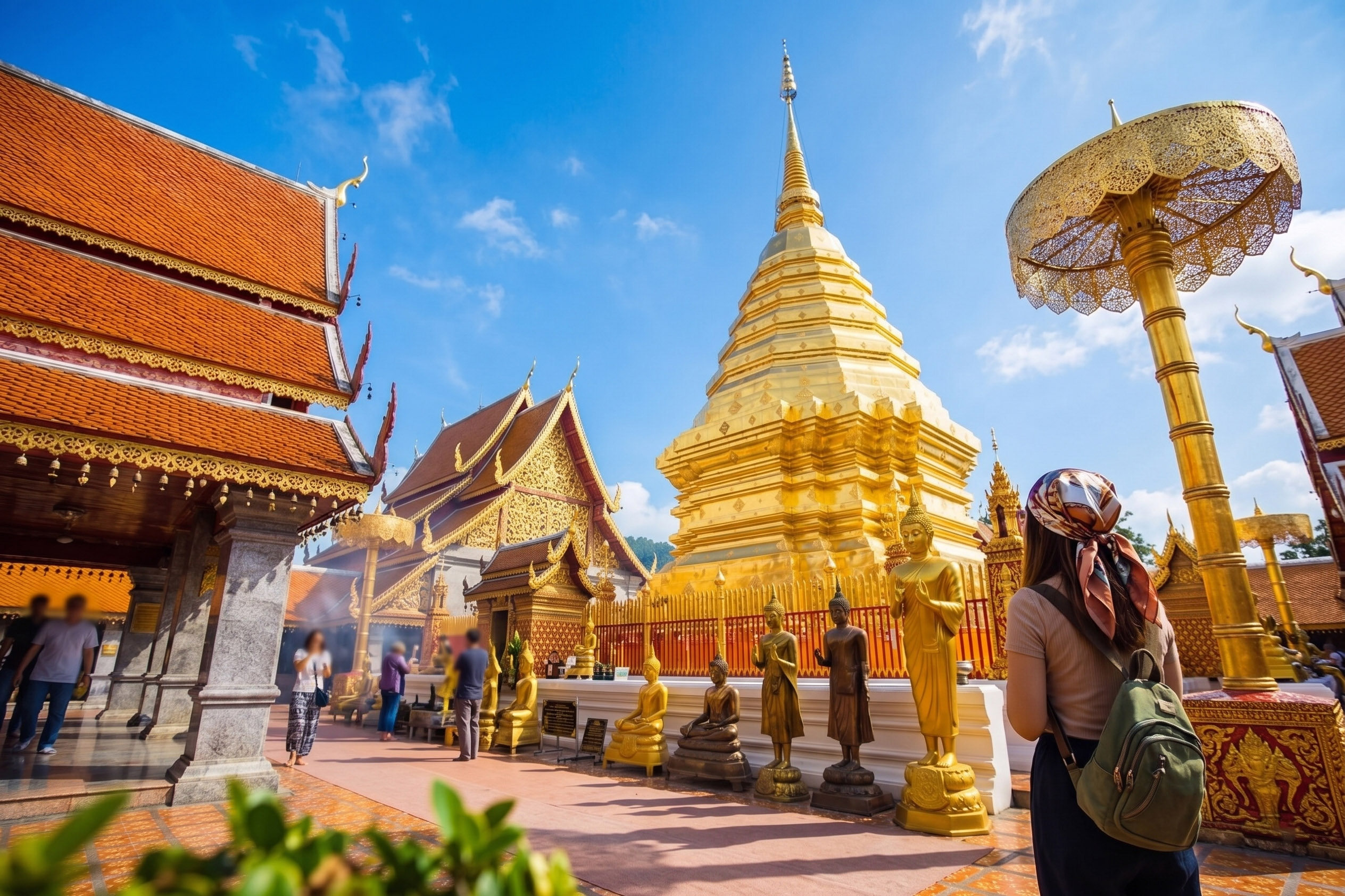,regionOfInterest=(1264,842))
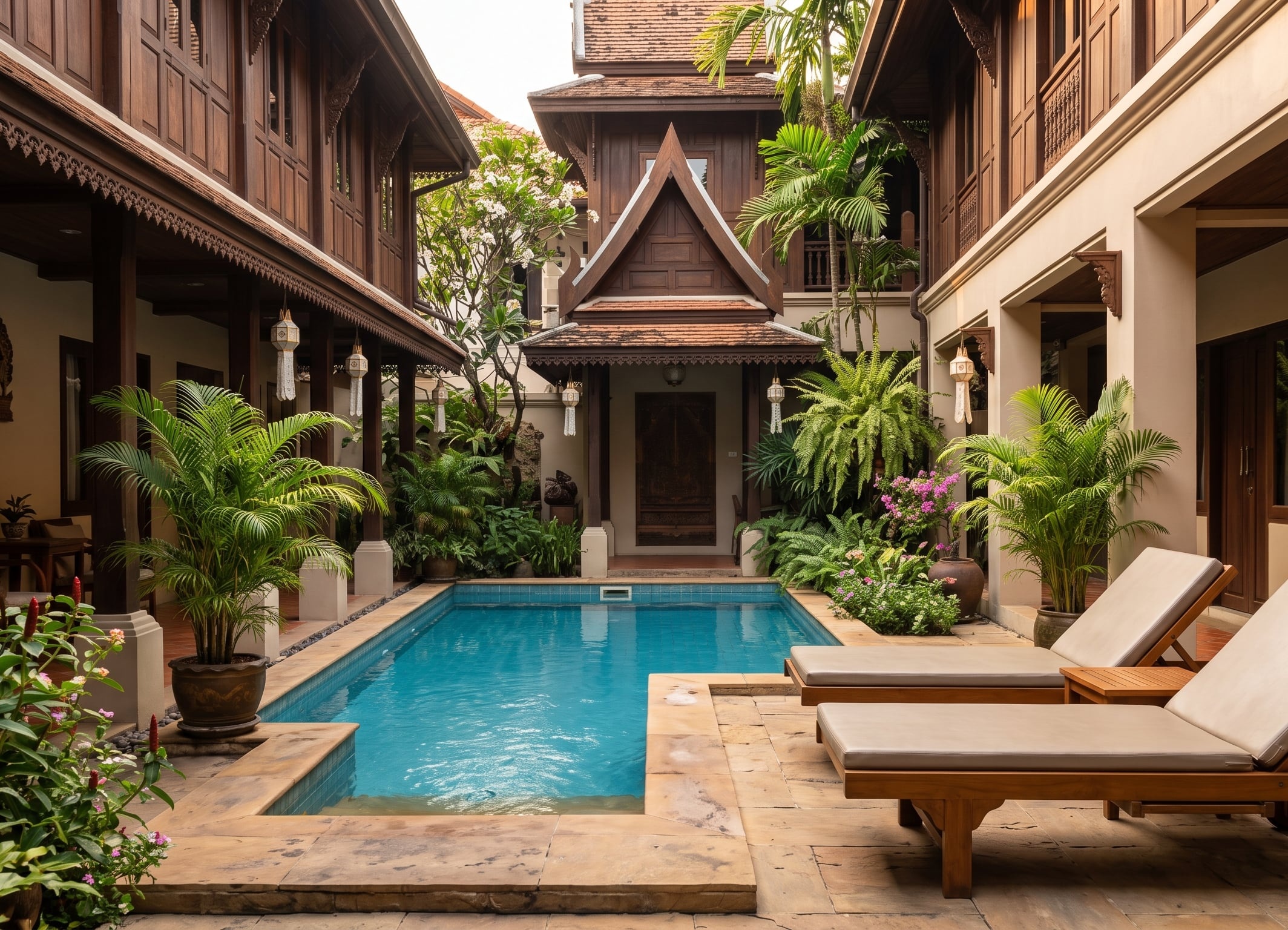
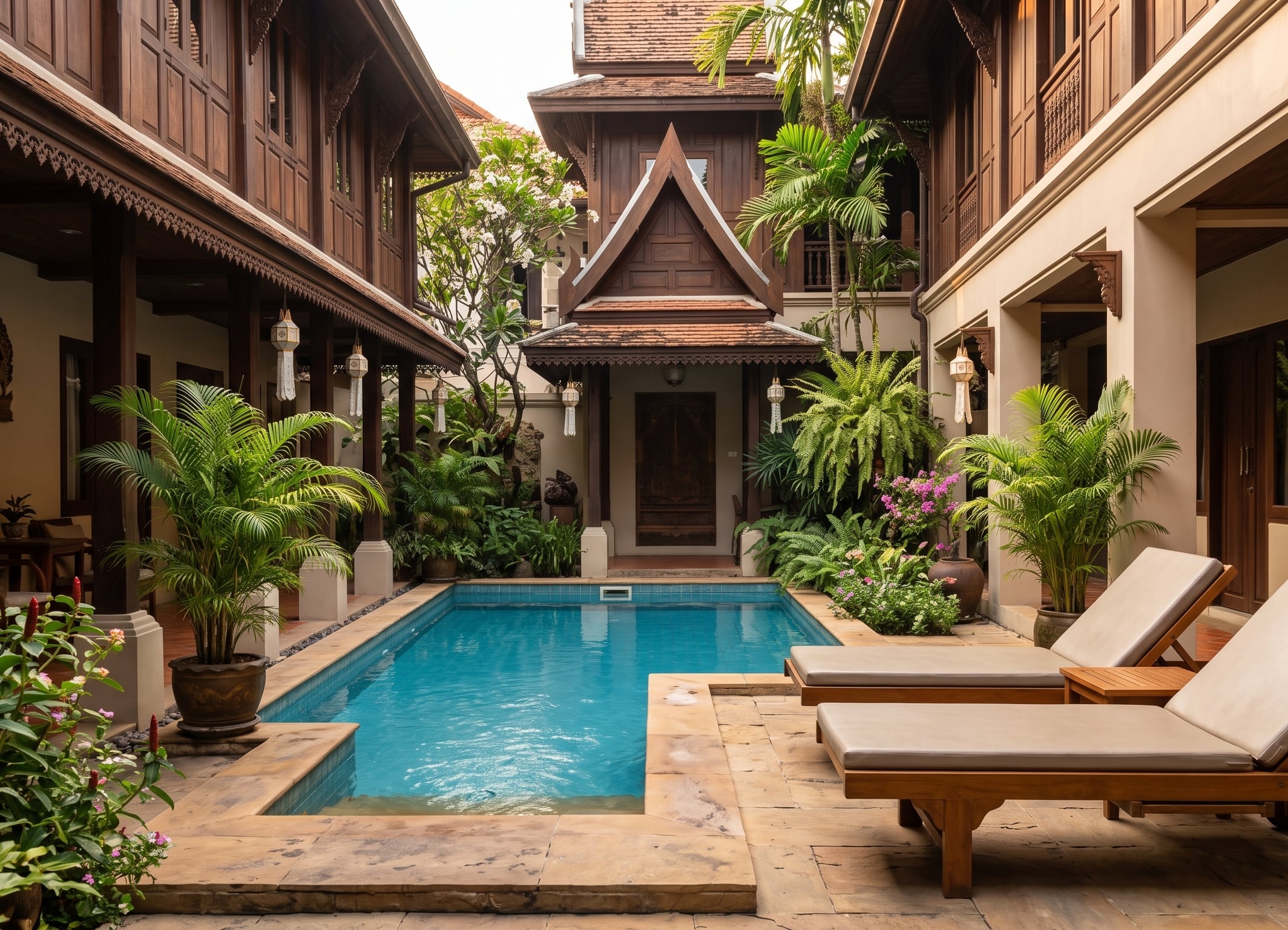
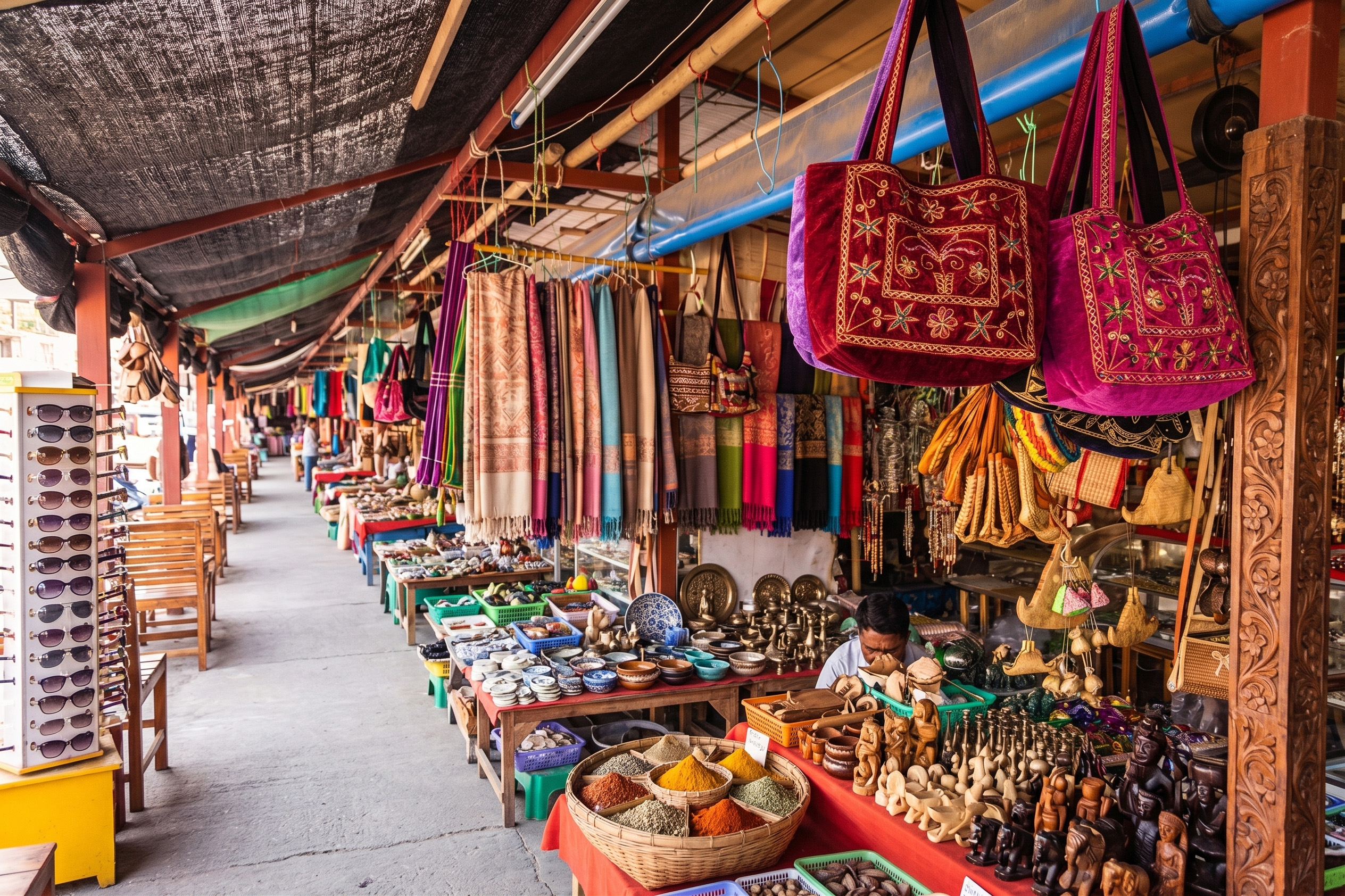
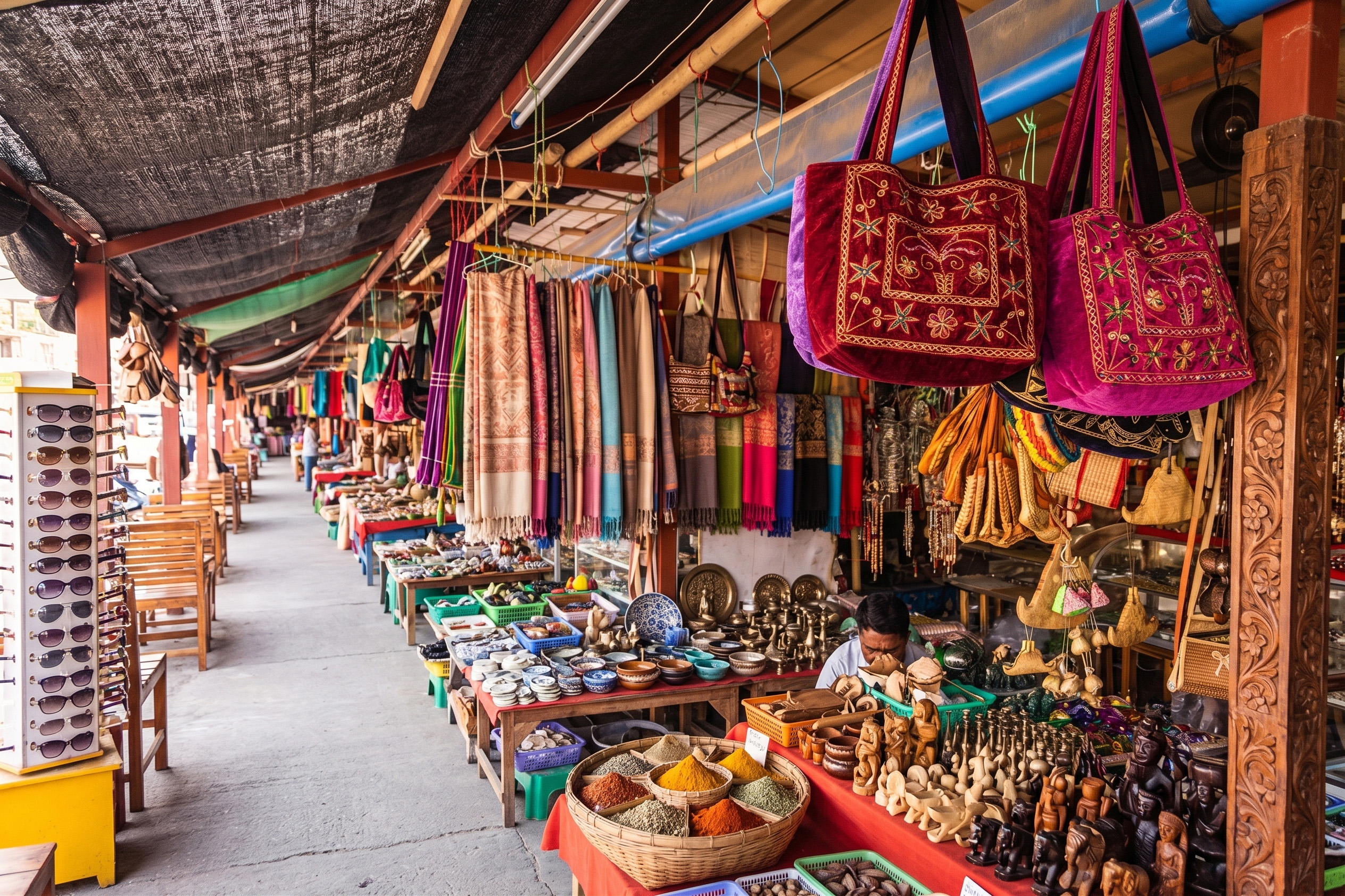
A frugal Chiang Mai travel budget lands around 700 to 1,200 baht a day, roughly US$20 to US$35. A dorm bed in the Old City runs 150 to 350 baht (about US$4 to US$10) a night, and a private room at a simple guesthouse adds up to around 400 to 850 baht (about US$12 to US$25).
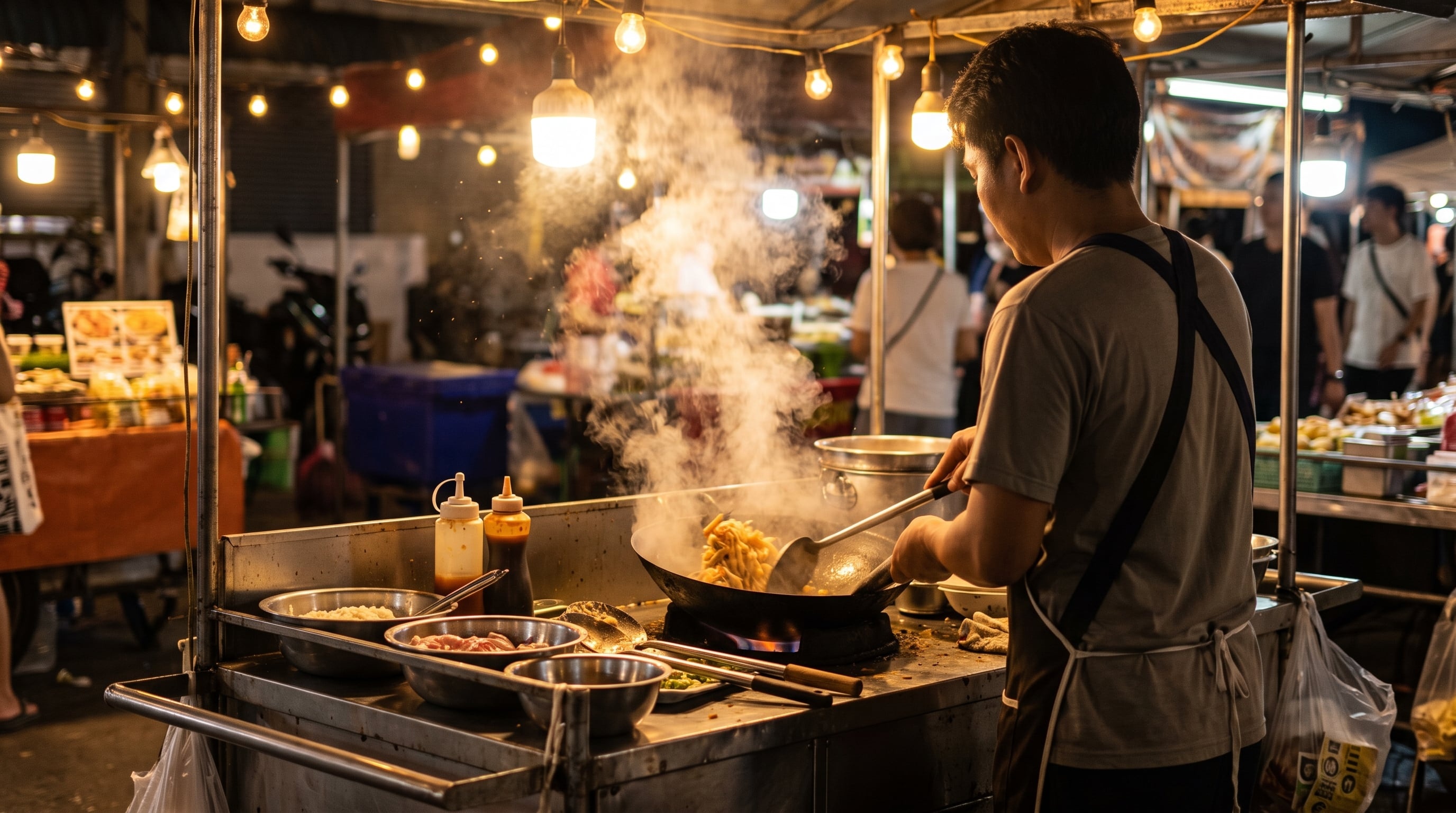
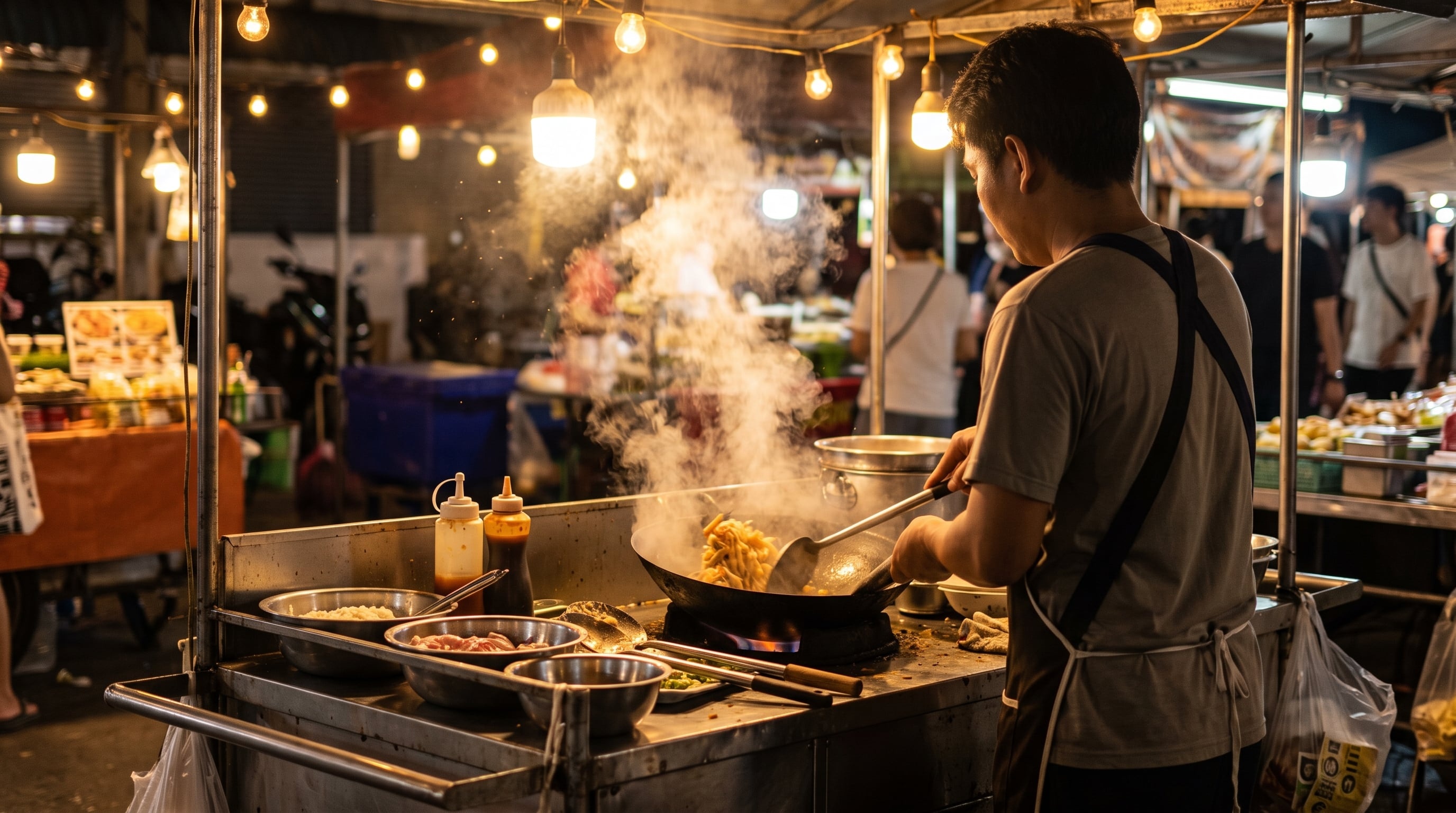
Street food carries the rest: a bowl of khao soi or a plate of pad thai from a cart runs 40 to 75 baht (about US$1 to US$2), and songthaews (the shared red trucks) cover most short trips for 30 to 40 baht (about US$1) a ride.
Free or low-cost activities, temple visits, the moat-side walk, a wander through Warorot Market, fill most of the day without adding much to the total.
Detailed Information:
,regionOfInterest=(1064,768))
,regionOfInterest=(1064,768))
A mid-range Chiang Mai travel budget sits closer to 1,900 to 2,500 baht a day, roughly US$55 to US$70.
That covers a boutique hotel or a well-reviewed guesthouse in the 1,400 to 2,800 baht range (about US$40 to US$80) a night, sit-down meals at local restaurants for 150 to 220 baht (about US$4 to US$6) a dish, and a Grab ride or two instead of relying on songthaews for every trip.
This tier is also where a paid activity or two starts fitting comfortably into the day, a half-day cooking class, an ethical elephant sanctuary visit, or a ticketed temple and museum combo, without derailing the rest of the budget.
Detailed Information:
,regionOfInterest=(1064,768))
,regionOfInterest=(1064,768))
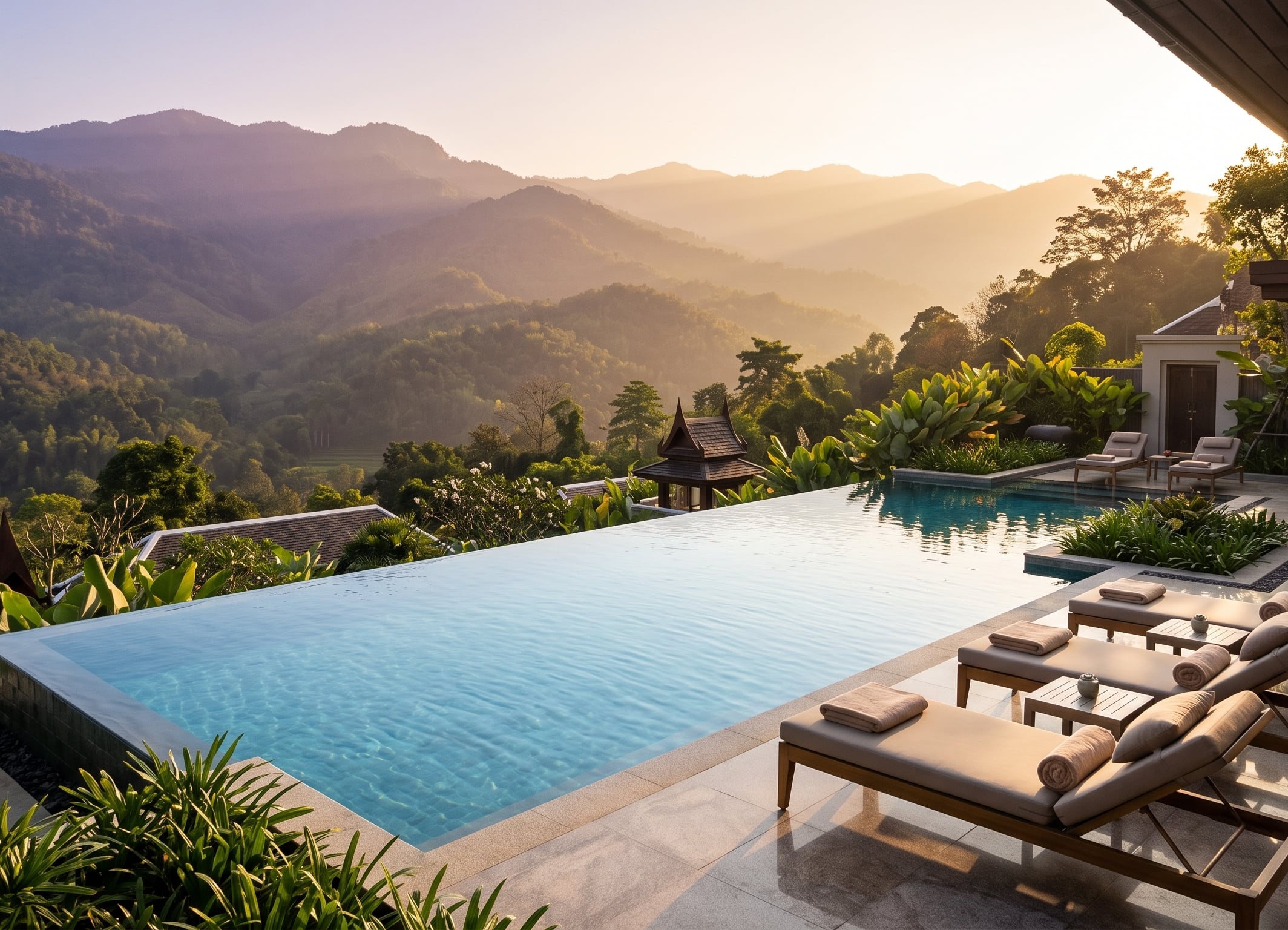
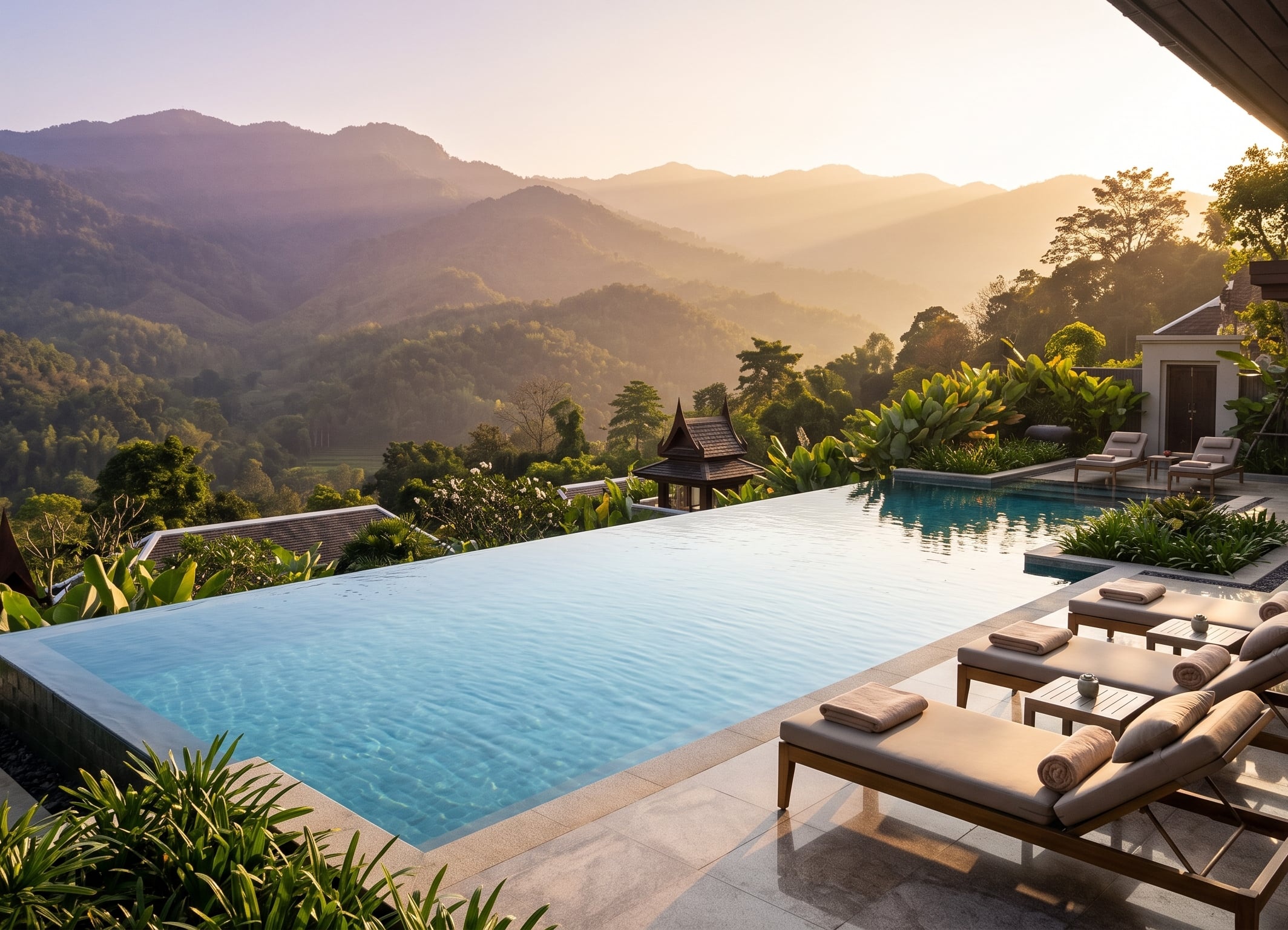
A comfortable, upscale Chiang Mai travel budget runs 5,500 baht a day and up, roughly US$160 or more. Rooms at a full-service hotel typically start around 4,000 to 7,000 baht (about US$115 to US$200) a night, and dining shifts toward proper restaurant and hotel venues rather than street stalls, with private transport or a driver on call for day trips into the mountains.
At this level the spending gap between destinations narrows. Chiang Mai keeps its value even at the top end, since a hotel that would cost double in Bangkok or on the islands often runs noticeably less here for the same standard of room and service.
Seasonal timing matters here too, booking a full-service hotel during the cool season months well in advance tends to lock in a noticeably better rate than a last-minute booking during the same busy stretch.
Detailed Information:
Multiplying a daily figure by trip length is the fastest way to turn any of the three tiers above into an actual number to plan around. A 3-day trip is enough for the Old City temples, one market night, and a single day trip into the mountains.
A 5-day trip adds real breathing room: an elephant sanctuary day, a second market or festival evening, and time to actually rest between activities rather than packing every hour.
These figures assume domestic or already-booked international flights are separate from the daily number, and that meals, transport, and at least one paid activity a day are already folded into the total rather than tracked apart from it.
A longer stay also quietly improves the per-day math at every tier, since a hotel deposit, an airport transfer, and a first day spent settling in are fixed costs that get spread across more nights rather than repeated on every short trip.
,regionOfInterest=(1771.5,1251))
,regionOfInterest=(1771.5,1251))
Accommodation is usually the single biggest swing factor in a Chiang Mai travel budget, more than food or transport combined. Here is how the main categories break down by price.
|
Accommodation Type |
Price per Night |
|
Dorm bed |
150 THB and up (about US$4 and up) |
|
Private guesthouse room, A/C |
500 to 900 THB (about US$14 to US$26) |
|
Boutique hotel |
1,400 to 2,800 THB (about US$40 to US$80) |
|
Full-service hotel |
4,000 THB and up (about US$115 and up) |
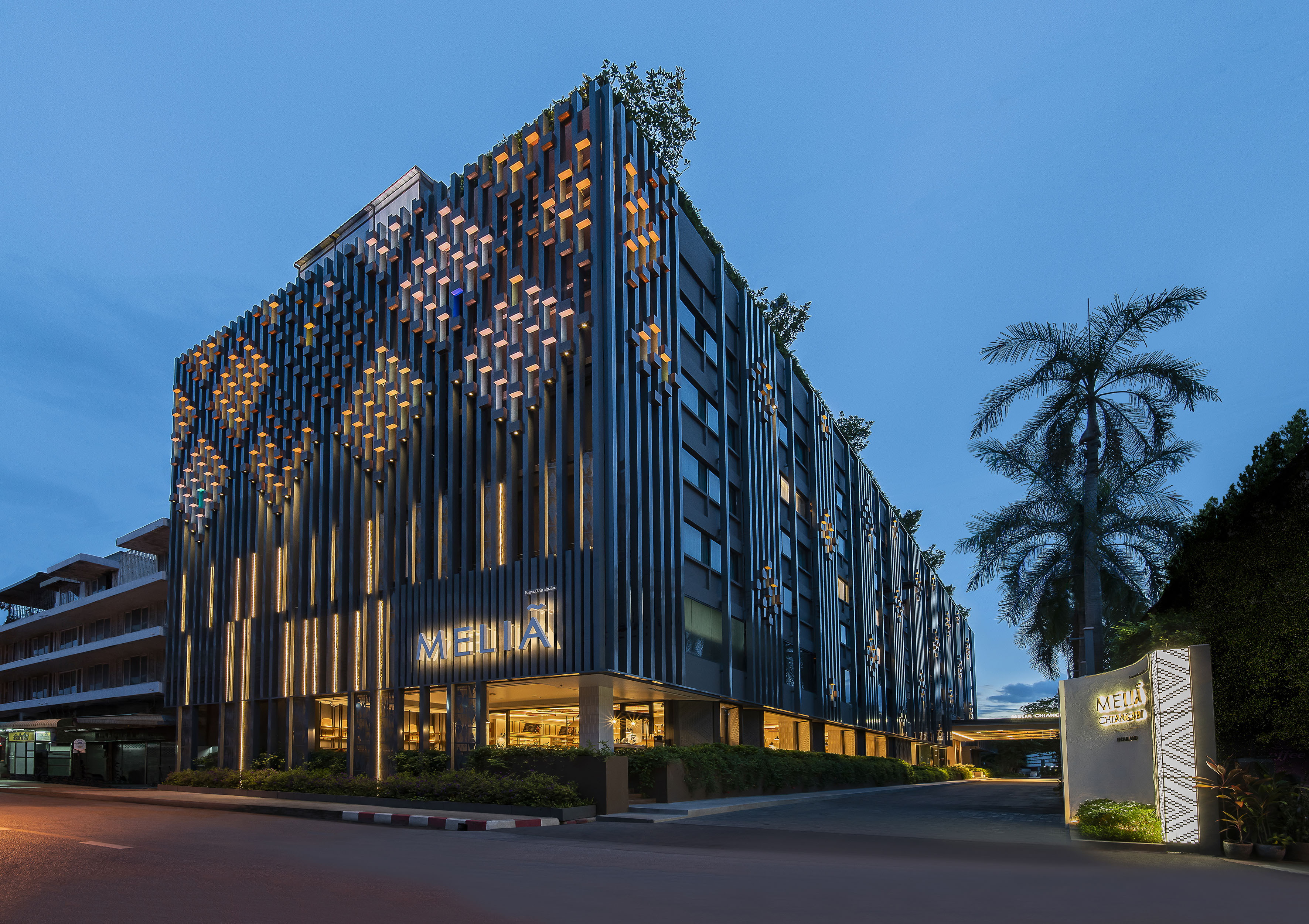
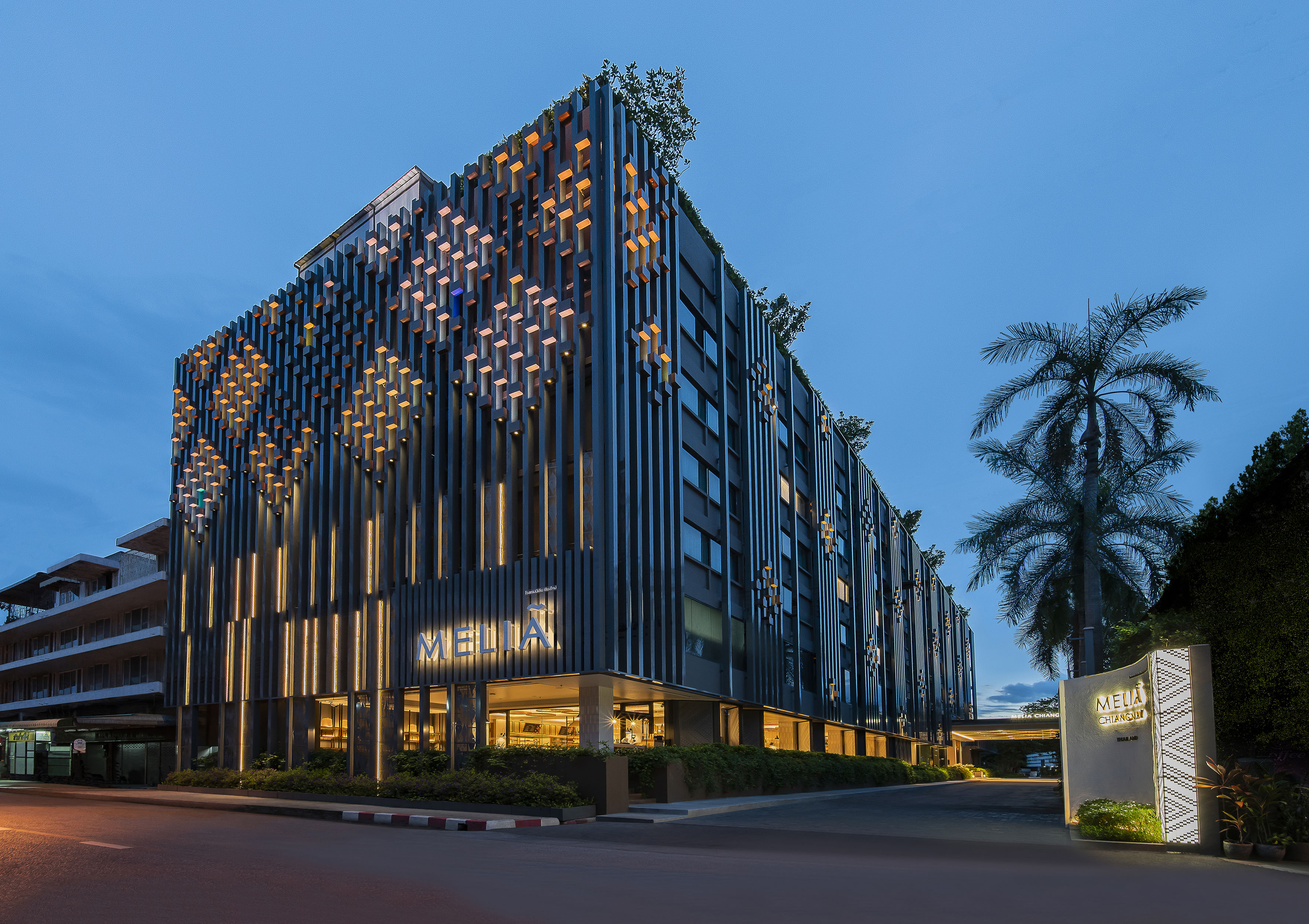
Meliá Chiang Mai sits in that upper tier with several distinct room categories rather than one flat rate, so a stay here can genuinely flex with the actual budget rather than forcing every guest into the exact same price point, more on that further down.
Prices at every tier also swing with the season. The cool season from November through February is Chiang Mai's busiest and most expensive stretch, when rooms across the city fill up and rates climb accordingly.
The rainy season from roughly June through October runs the opposite direction, with noticeably softer rates in exchange for the chance of an afternoon downpour, a fair trade for travelers who do not mind adjusting a day's plans around the weather.
Read more: Best Place to Stay in Chiang Mai: 2026 Luxury Guide
,regionOfInterest=(1376,768))
,regionOfInterest=(1376,768))
Street food anchors the low end of any Chiang Mai travel budget's food line. A plate of pad thai or khao soi from a cart runs 40 to 75 baht (about US$1 to US$2), and a full day of eating exclusively from stalls and night markets rarely tops 300 baht (about US$9).
|
Food Type |
Typical Price |
|
Street food meal |
40 to 75 THB (about US$1 to US$2) |
|
Sit-down local restaurant |
150 to 220 THB per dish (about US$4 to US$6) |
|
Cafe coffee and pastry |
100 to 180 THB (about US$3 to US$5) |
|
Hotel restaurant dinner |
170 to 980 THB per dish (about US$5 to US$28) |
Street food anchors the low end of any Chiang Mai travel budget's food line. A plate of pad thai or khao soi from a cart runs 40 to 75 baht (about US$1 to US$2), and a full day of eating exclusively from stalls and night markets rarely tops 300 baht (about US$9).
|
Food Type |
Typical Price |
|
Street food meal |
40 to 75 THB (about US$1 to US$2) |
|
Sit-down local restaurant |
150 to 220 THB per dish (about US$4 to US$6) |
|
Cafe coffee and pastry |
100 to 180 THB (about US$3 to US$5) |
|
Hotel restaurant dinner |
170 to 980 THB per dish (about US$5 to US$28) |
Restaurant prices are running roughly 5 to 8 percent higher across the board in 2026 than a couple of years ago as ingredient costs and import taxes have gradually crept up, worth factoring in when budgeting beyond the ranges shown above.
At the top end, a dinner at a hotel restaurant with a genuine view runs closer to what a plate at Mai Restaurant & Bar, Meliá Chiang Mai's own 21st floor signature restaurant, actually costs on its own a la carte menu.
That range covers everything from a single soup course to a full main course, so a proper dinner here can still land well within a mid-range daily budget if only one or two dishes are ordered rather than a full multi-course spread.
Getting around Chiang Mai rarely costs much no matter which option gets used, the real decision is convenience versus price. For the full breakdown of every option, see how to get to Chiang Mai — here, the focus is what each one actually costs day to day.
A traveler who sticks to the Old City and its immediate surroundings on foot and by songthaew can get by on a few hundred baht of transport a week, while anyone planning day trips into the mountains will spend more on either a rented bike or a driver, a cost worth folding into the tours and activities line rather than the daily transport line.
Here is how the three main options compare.
,regionOfInterest=(1257,832))
,regionOfInterest=(1257,832))
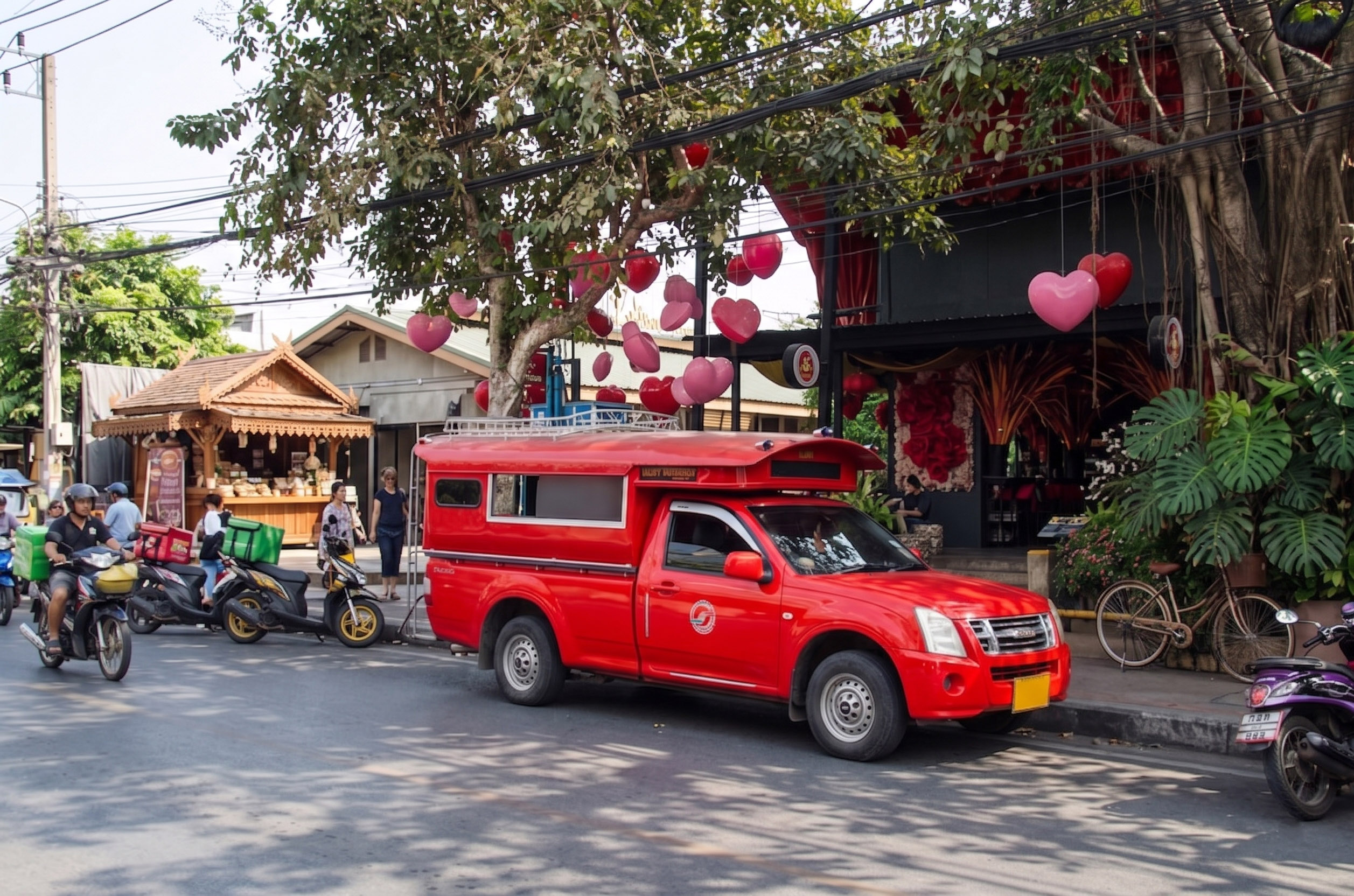
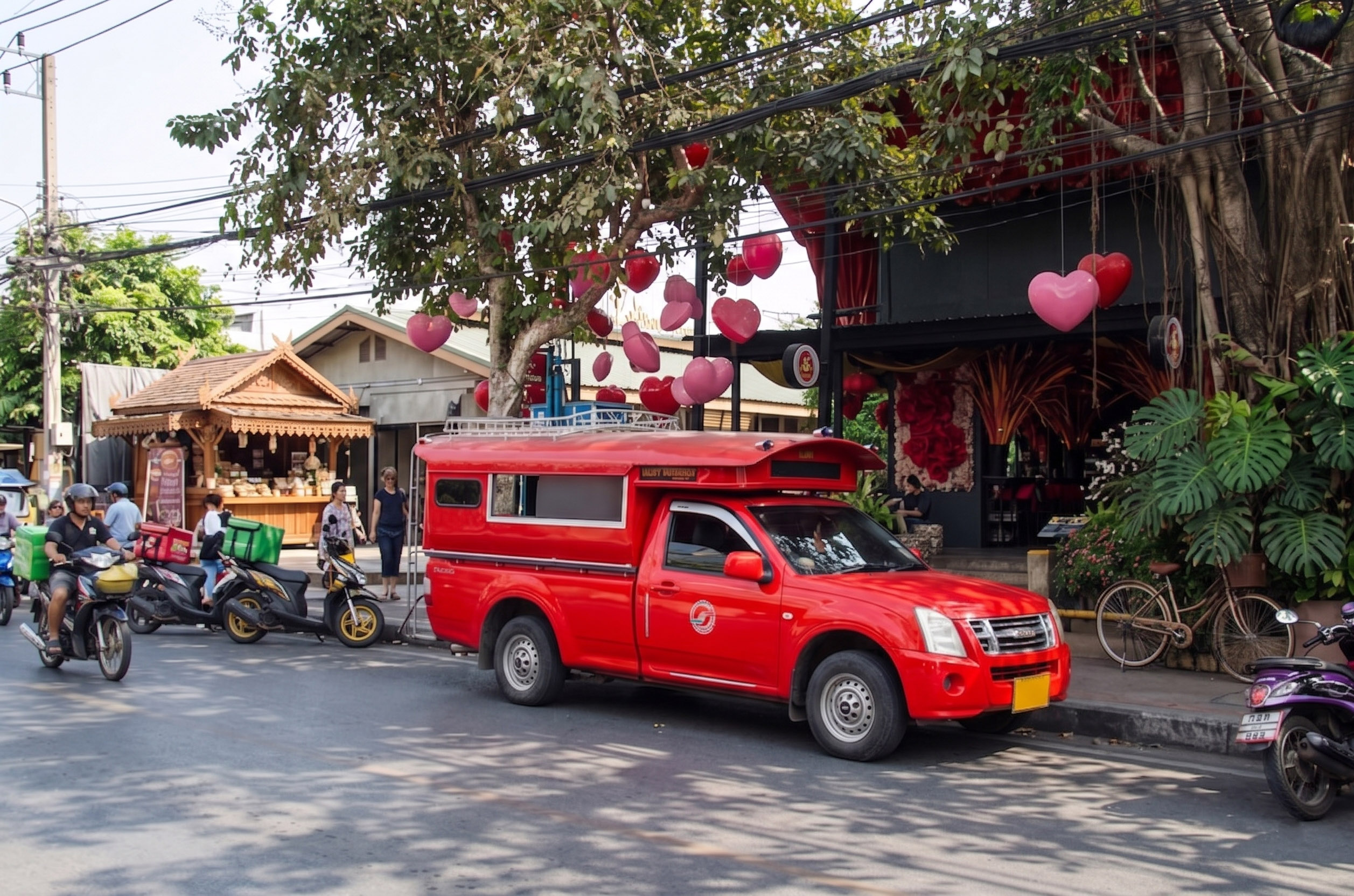
The shared red songthaew trucks are the default way most locals and budget travelers get around, flagged down on the street and shared with whoever else is already riding. A short ride within the city runs 30 to 40 baht (about US$1), though the fare should be confirmed with the driver before getting in since there is no meter.
,regionOfInterest=(1376,768))
,regionOfInterest=(1376,768))
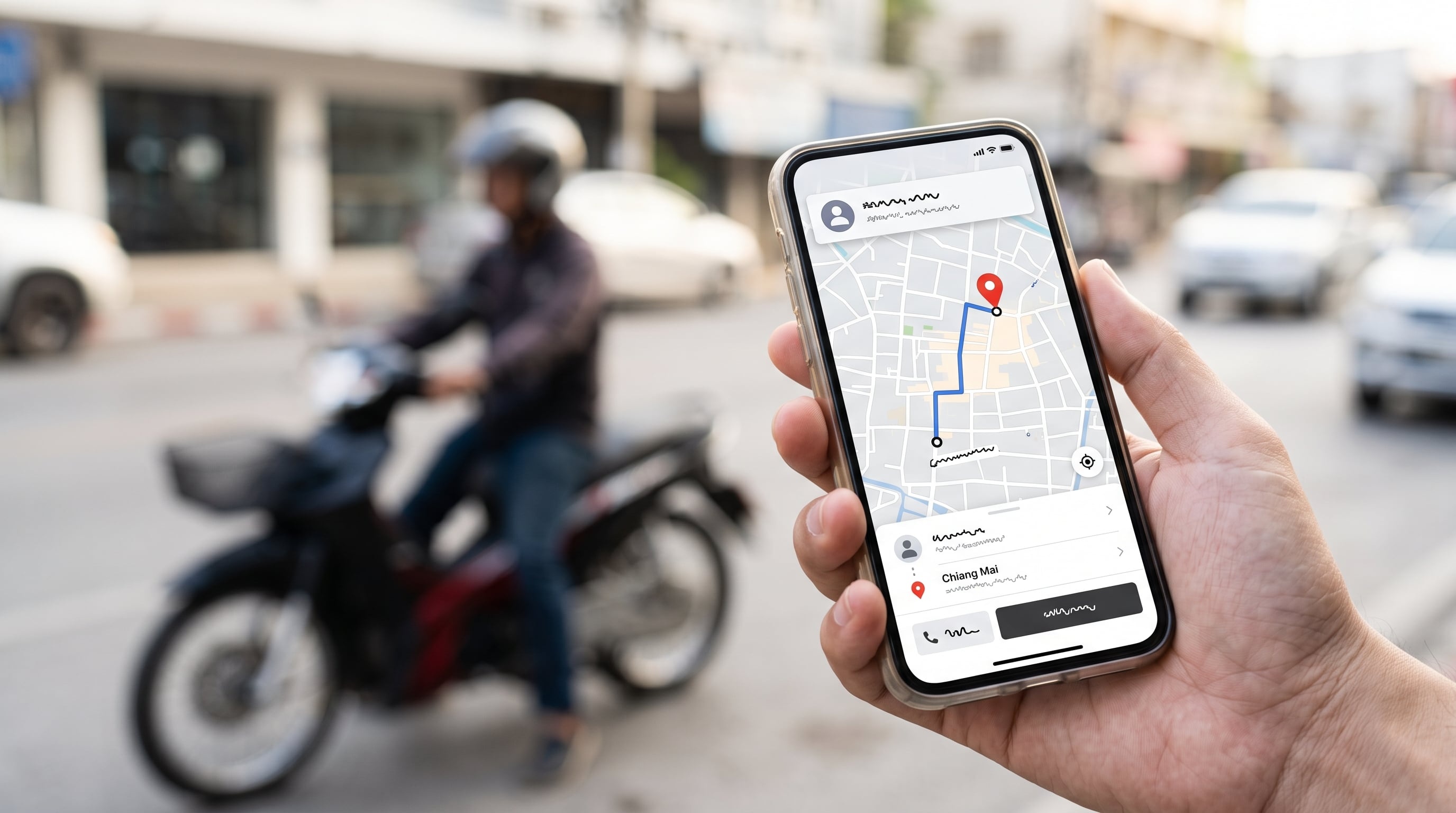
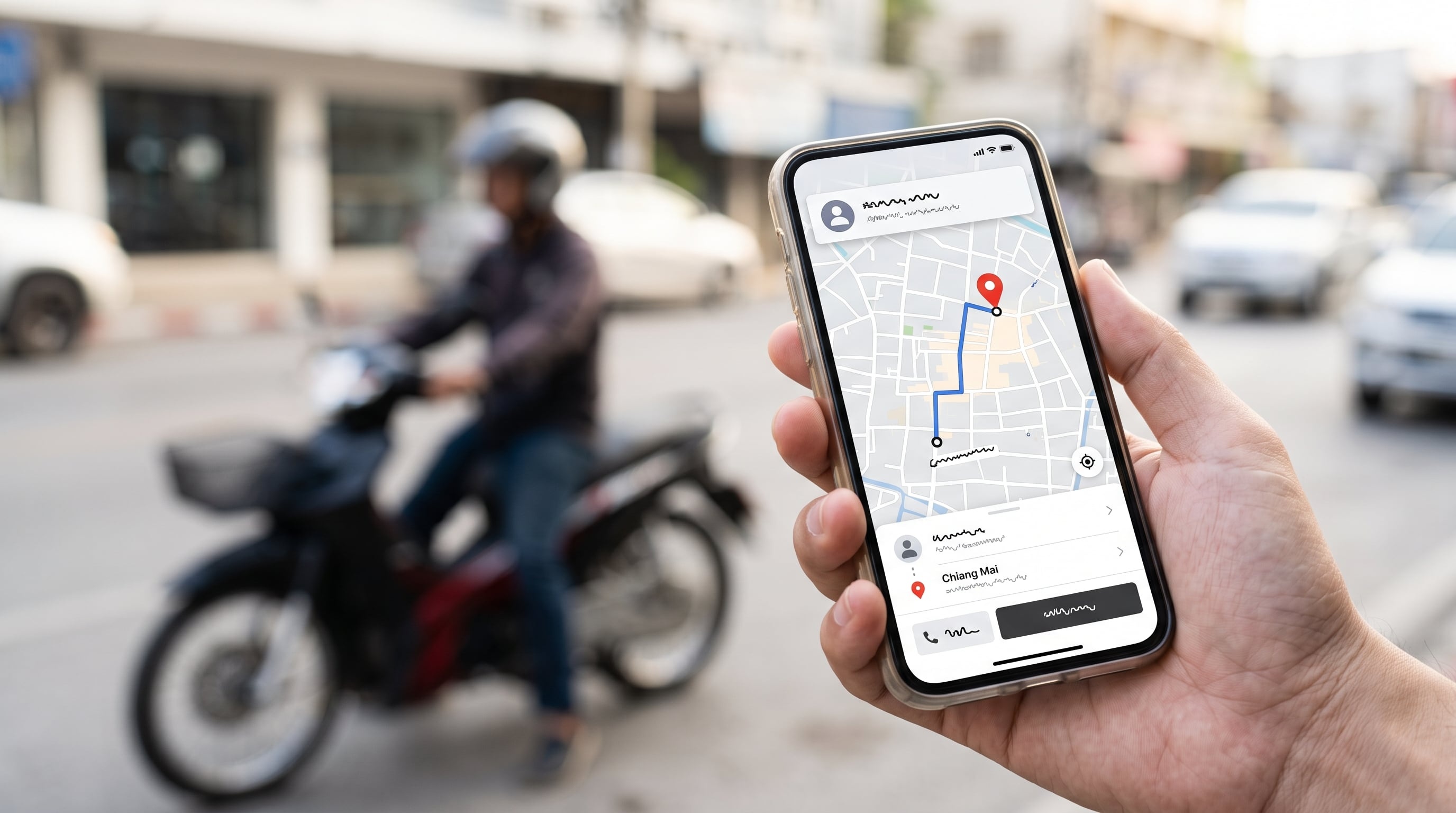
Grab is the easiest option for anyone who wants a fixed price shown up front rather than negotiating on the street. A typical ride within the city during the day runs 90 to 150 baht (about US$3 to US$4), rising somewhat during rain or peak traffic hours.
,regionOfInterest=(597.5,448))
,regionOfInterest=(597.5,448))
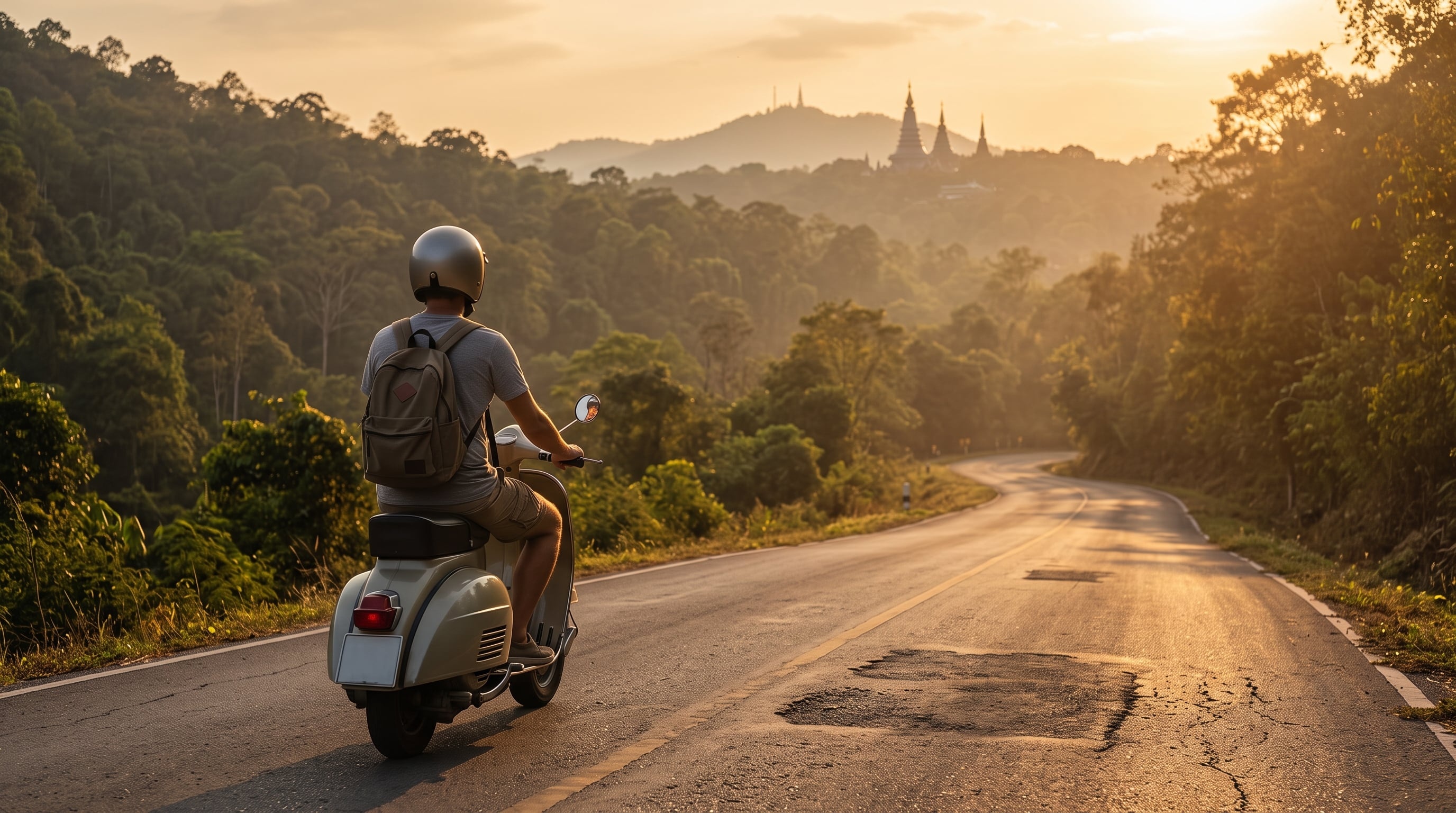
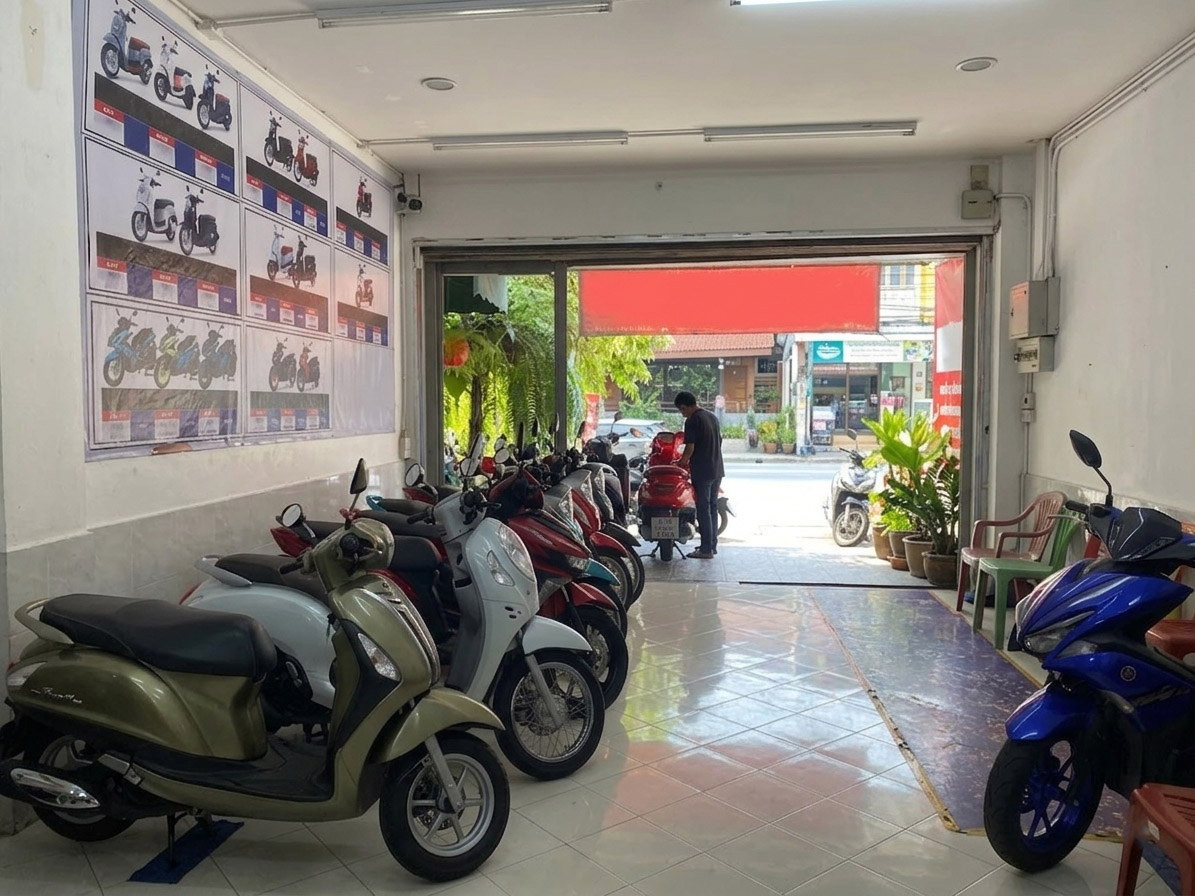
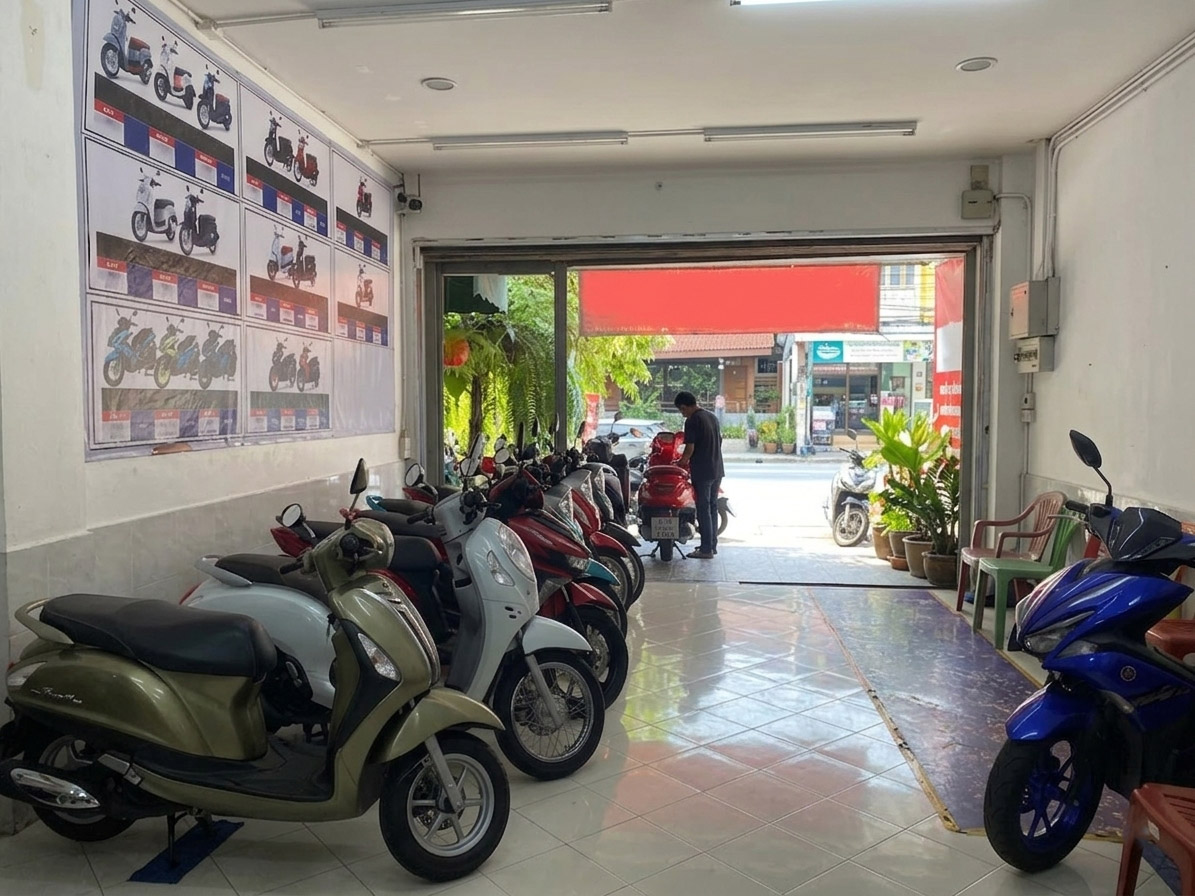
A standard automatic scooter rents for 100 to 250 baht (about US$3 to US$7) a day, while a larger 150cc bike suited to a mountain day trip runs 250 to 450 baht (about US$7 to US$13). A bicycle is the cheapest option of all for exploring the compact Old City itself, often available for well under 100 baht (about US$3) a day.
|
Mode |
Typical Cost |
Best For |
|
Songthaew |
30 to 40 THB per ride |
Short hops around the city on a tight budget |
|
Grab |
90 to 150 THB per ride |
A fixed price with no haggling, especially at night |
|
Scooter rental |
100 to 250 THB per day |
Day trips and flexible sightseeing outside the Old City |
|
150cc motorbike |
250 to 450 THB per day |
Mountain routes like Doi Suthep or Doi Inthanon |
,regionOfInterest=(1264,842))
,regionOfInterest=(1264,842))
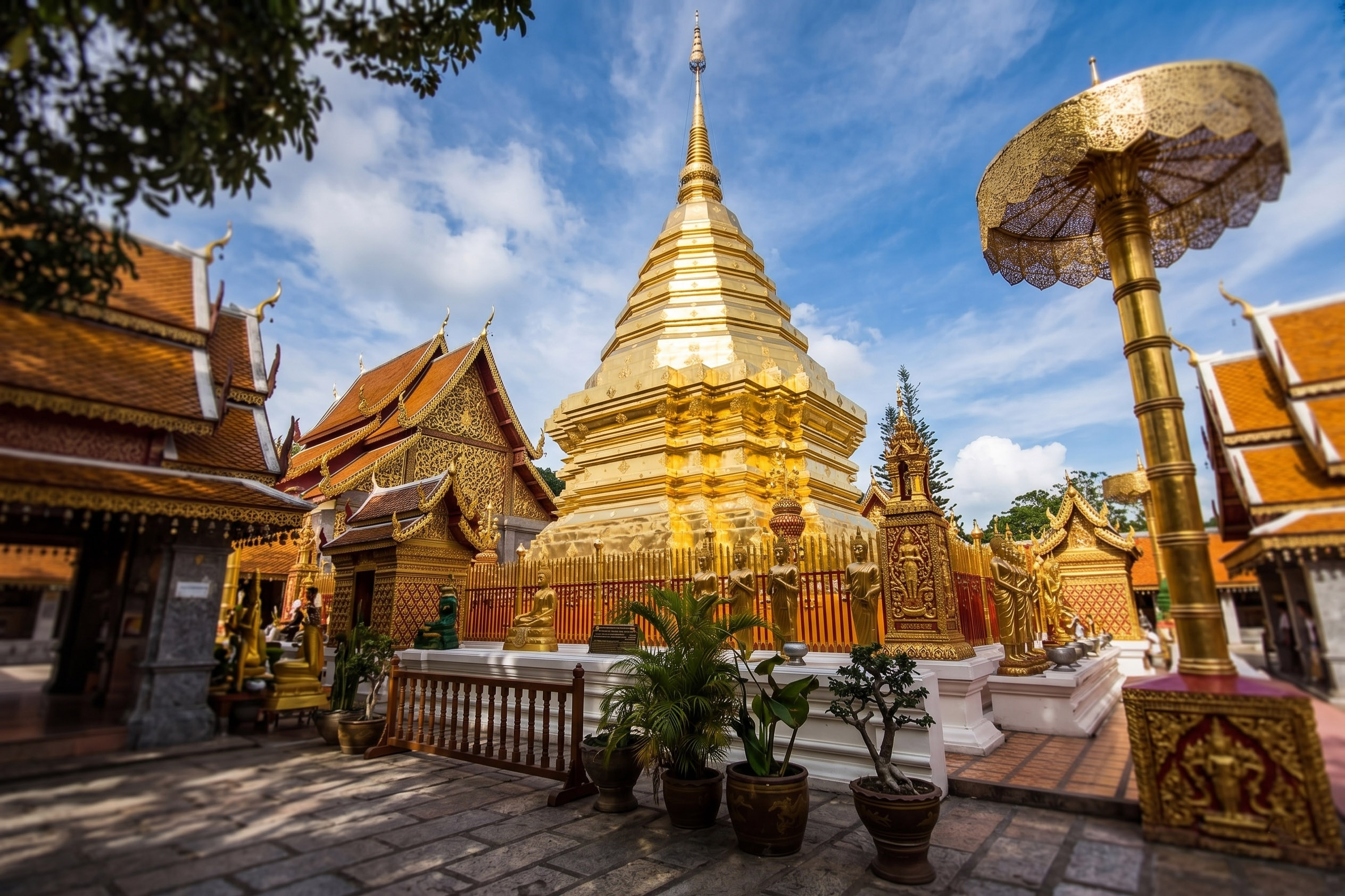
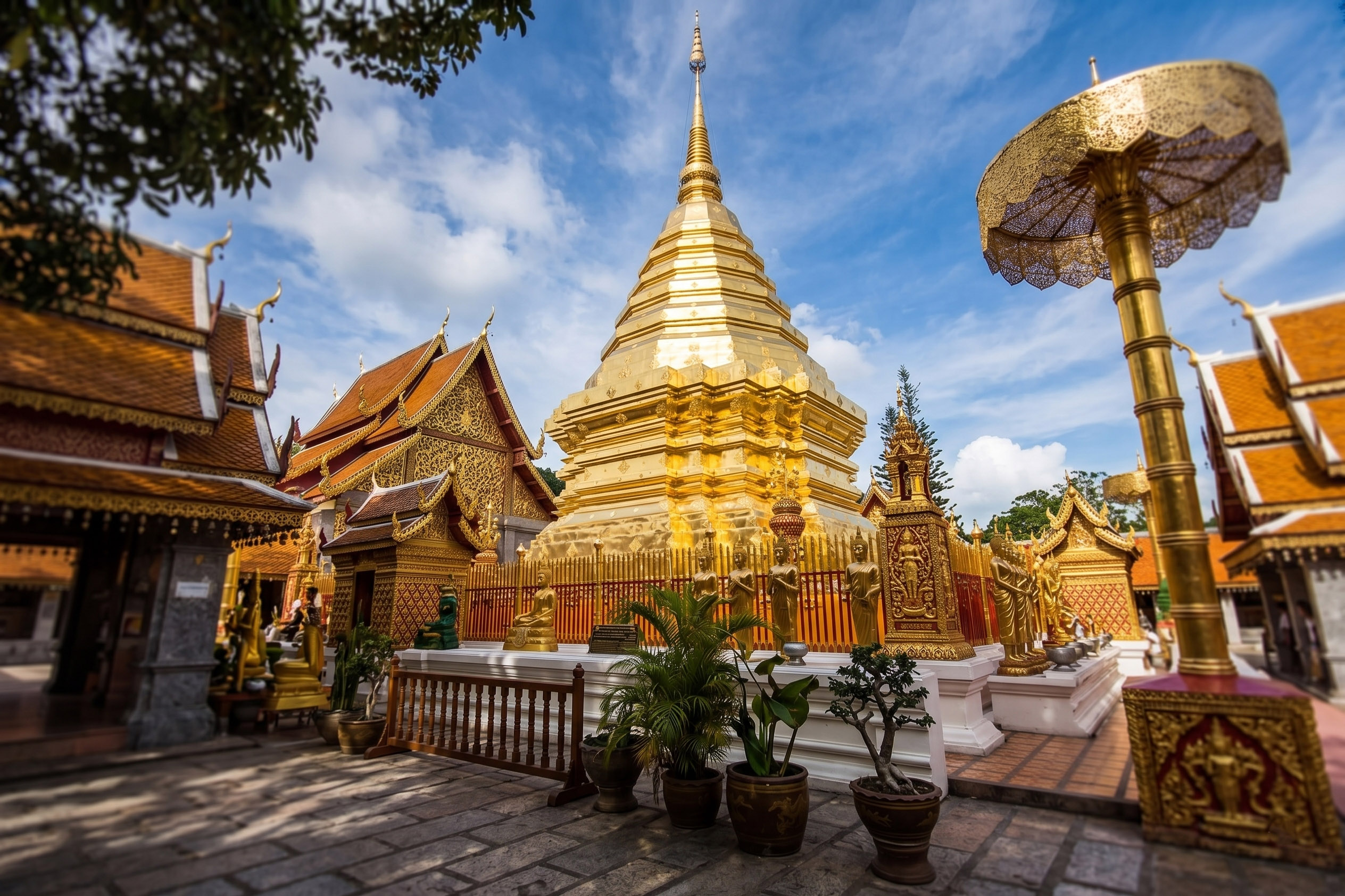
Entrance fees in Chiang Mai stay modest almost across the board, which is part of why a Chiang Mai travel budget can absorb several paid stops without much strain. The table below covers the fees a first-time visitor is most likely to run into.
|
Attraction or Activity |
Entrance Fee |
|
Wat Phra That Doi Suthep |
Free (temple access, following a 2025 change) |
|
Wat Chedi Luang |
40 THB (about US$1.15) |
|
Doi Inthanon National Park |
300 THB (about US$9) for foreign adults |
|
Bua Tong Sticky Waterfalls |
Free |
|
Chiang Mai National Museum |
30 THB (about US$0.85) |
|
Chiang Mai City Arts and Cultural Centre combo ticket |
180 THB (about US$5) for three museums, valid one week |
|
Elephant Nature Park (full day, ethical, no riding) |
About 3,500 THB (about US$100) |
|
Chiang Rai White Temple (day trip) |
200 THB (about US$6) for foreign visitors |
Please note that entrance fees and opening hours change without much notice in Thailand, sometimes tied to national park policy or a specific temple's own decision. Confirm the current fee directly before visiting rather than relying on any figure printed here, including this table.
Wat Phra That Doi Suthep's temple itself stays free to enter by the main road, though Chiang Mai Citylife reported that Doi Suthep-Pui National Park introduced separate paid access to its own trails and waterfalls, Huay Kaew Waterfall and the Pha Lat Nature Trail among them, starting October 2025, worth knowing before assuming the whole mountain area is free.
Guided experiences add more to the daily total than entrance fees alone but are usually worth budgeting for at least once.
A half-day Thai cooking class typically runs 750 to 1,200 baht (about US$22 to US$35) including a market visit and pickup from a city centre hotel, and a private guided temple tour with a driver for the day generally lands in a similar range, both genuinely good value against what the same kind of guided experience would cost in a lot of other countries.
A few line items rarely make it into a first-pass Chiang Mai travel budget, then show up as a surprise once the trip is already underway. None of them are large on their own, but stacked together over a short trip they can add up to a meaningful share of the total, worth planning for up front rather than discovering at the airport or the ATM.
,regionOfInterest=(1376,768))
,regionOfInterest=(1376,768))
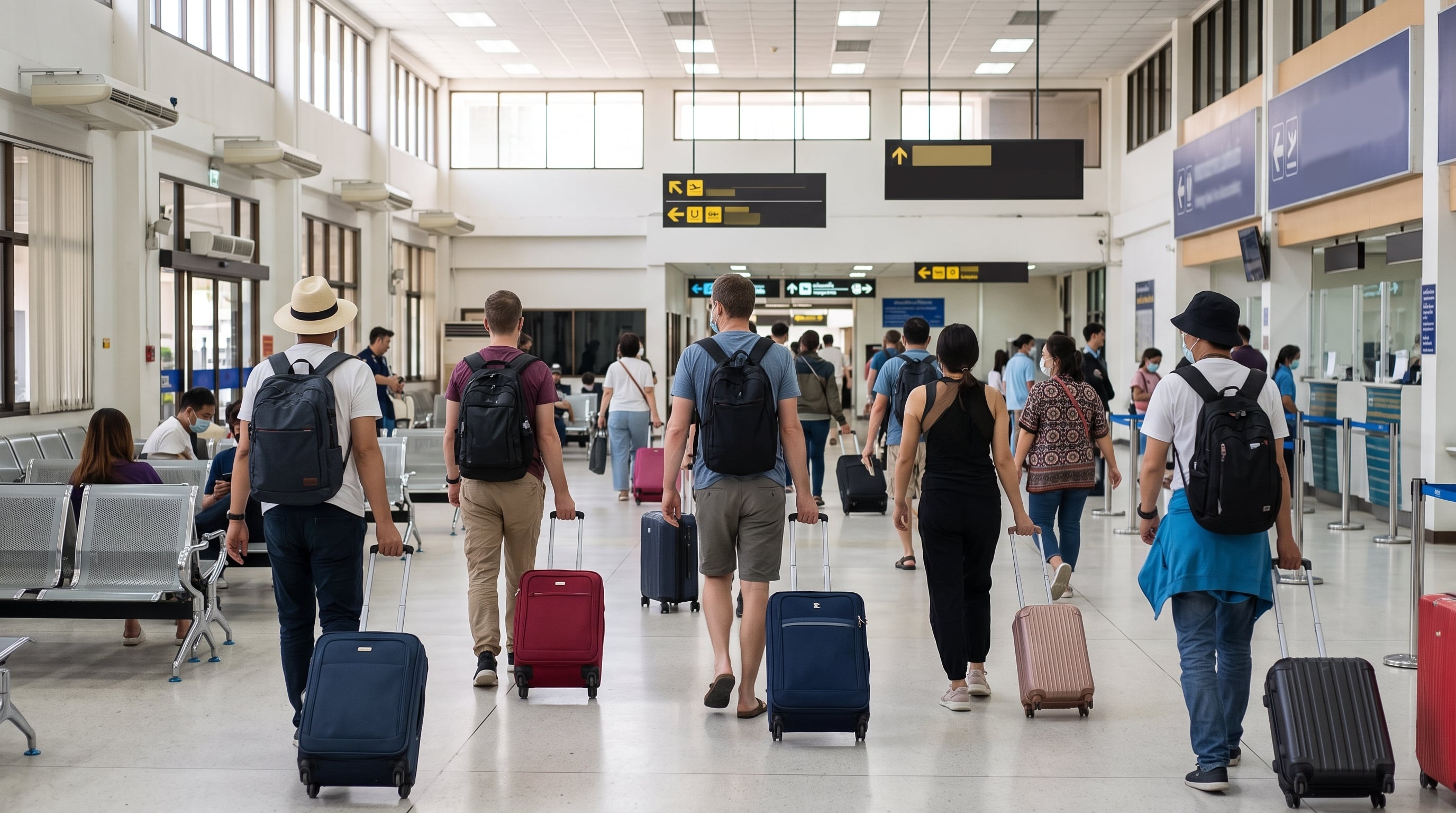
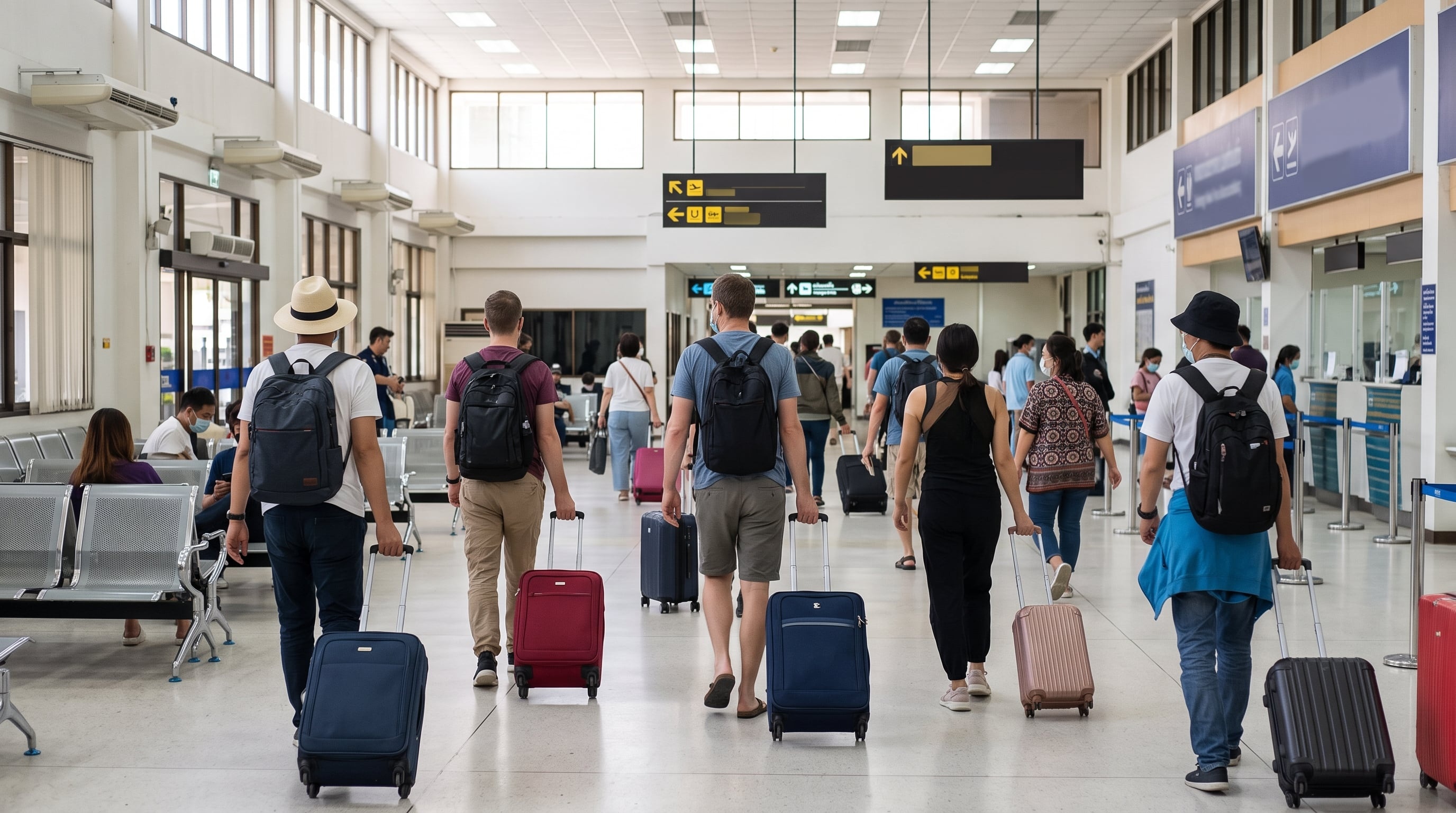
Thailand has proposed a tourist entry fee of 300 baht (about US$9), known locally as Kha Yeap Pan Din, for foreign travelers arriving by air, as Khaosod English has reported. The fee has been repeatedly delayed and is not currently in effect, with authorities still finalising the collection mechanism as of mid-2026. Of the proposed amount, 70 baht would fund basic medical and accident insurance from the moment of entry, with the remainder going toward tourism infrastructure and public safety systems.
Travelers should check the latest official guidance before departure rather than budgeting for the fee as a certainty, since implementation has already slipped several times. If and when it does take effect, airlines and border checkpoints are expected to handle the collection directly.
Thai ATMs commonly charge a foreign-card withdrawal fee that varies by bank and card network, 250 baht (about US$7) is common, while some ATMs charge as much as 350 baht (about US$10), on top of whatever fee a traveler's own home bank adds. Always check the fee shown on screen before confirming the withdrawal, and take out a larger amount less often, rather than several small withdrawals across a trip, to keep this cost from adding up unnecessarily.
Tipping is not deeply embedded in Thai culture the way it is in some countries, but it is becoming more common in tourist-facing settings. A hotel restaurant bill often already includes a service charge in the 10 percent range, while a street stall or local eatery generally does not expect a tip at all. Rounding up a bill or leaving small change for good service is appreciated without being required.
A massage or spa treatment sits somewhere in between, a modest tip of 50 to 100 baht (about US$1.50 to US$3) directly to the therapist is a common and welcome gesture even when a service charge already appears on the printed bill.
The upper end of a Chiang Mai travel budget does not have to mean paying for space or service a shorter trip does not actually need. Real value here comes down to which room tier is chosen, whether a loyalty programme and a current package are used, and how many amenities are already folded into the nightly rate rather than billed separately. Here is how each of those pieces actually affects the total cost of a stay.
,regionOfInterest=(1771.5,1181.5))
,regionOfInterest=(1771.5,1181.5))
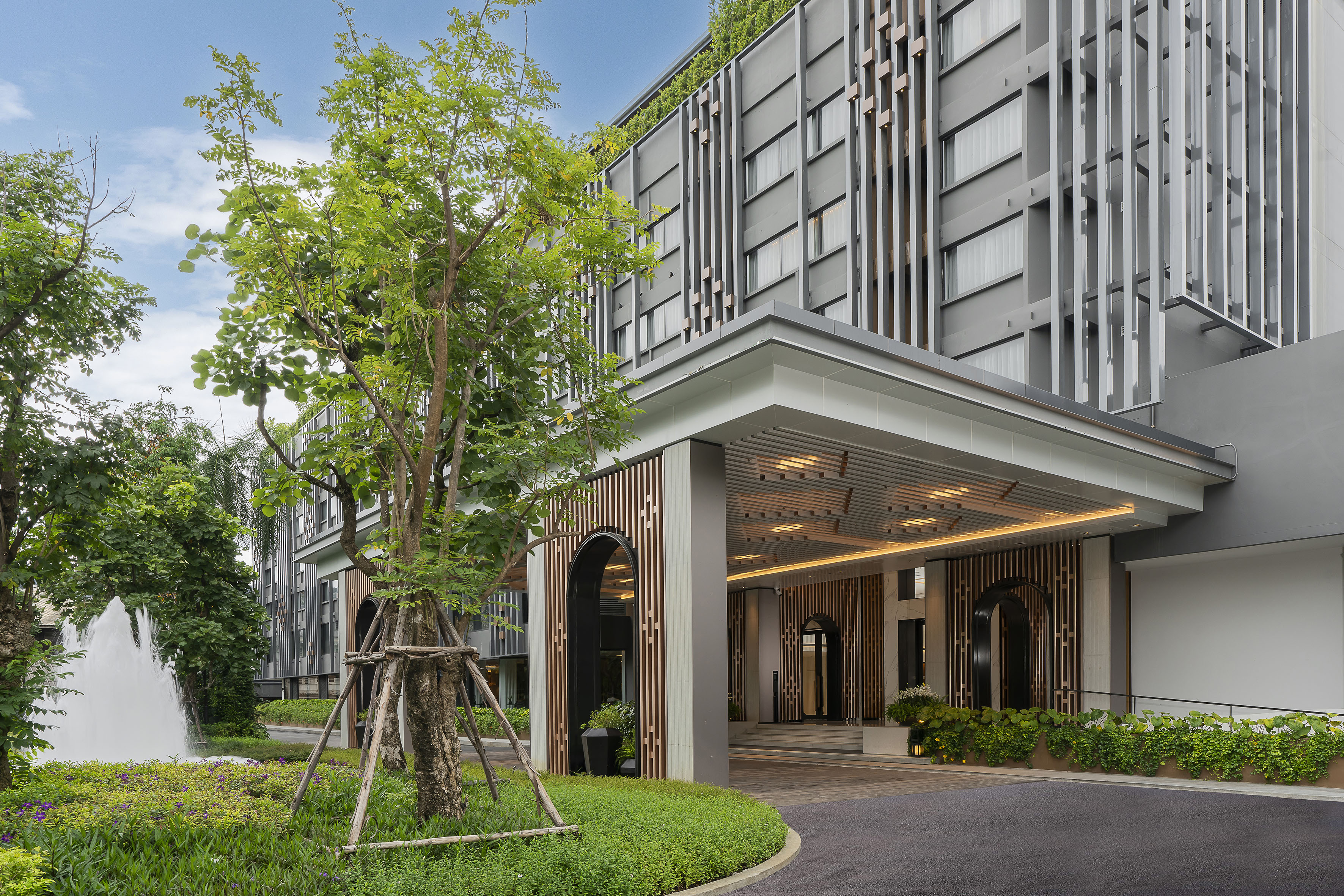
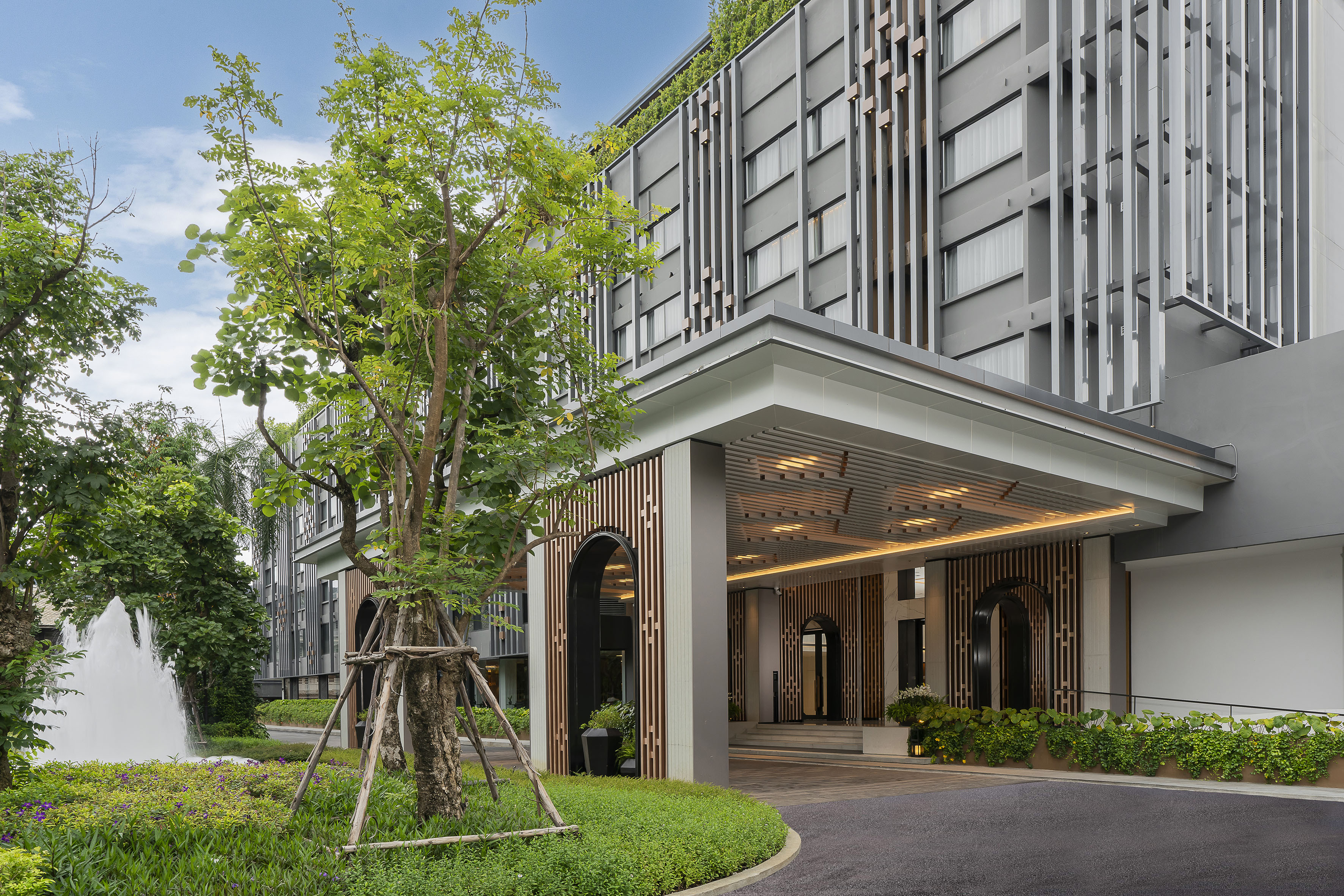
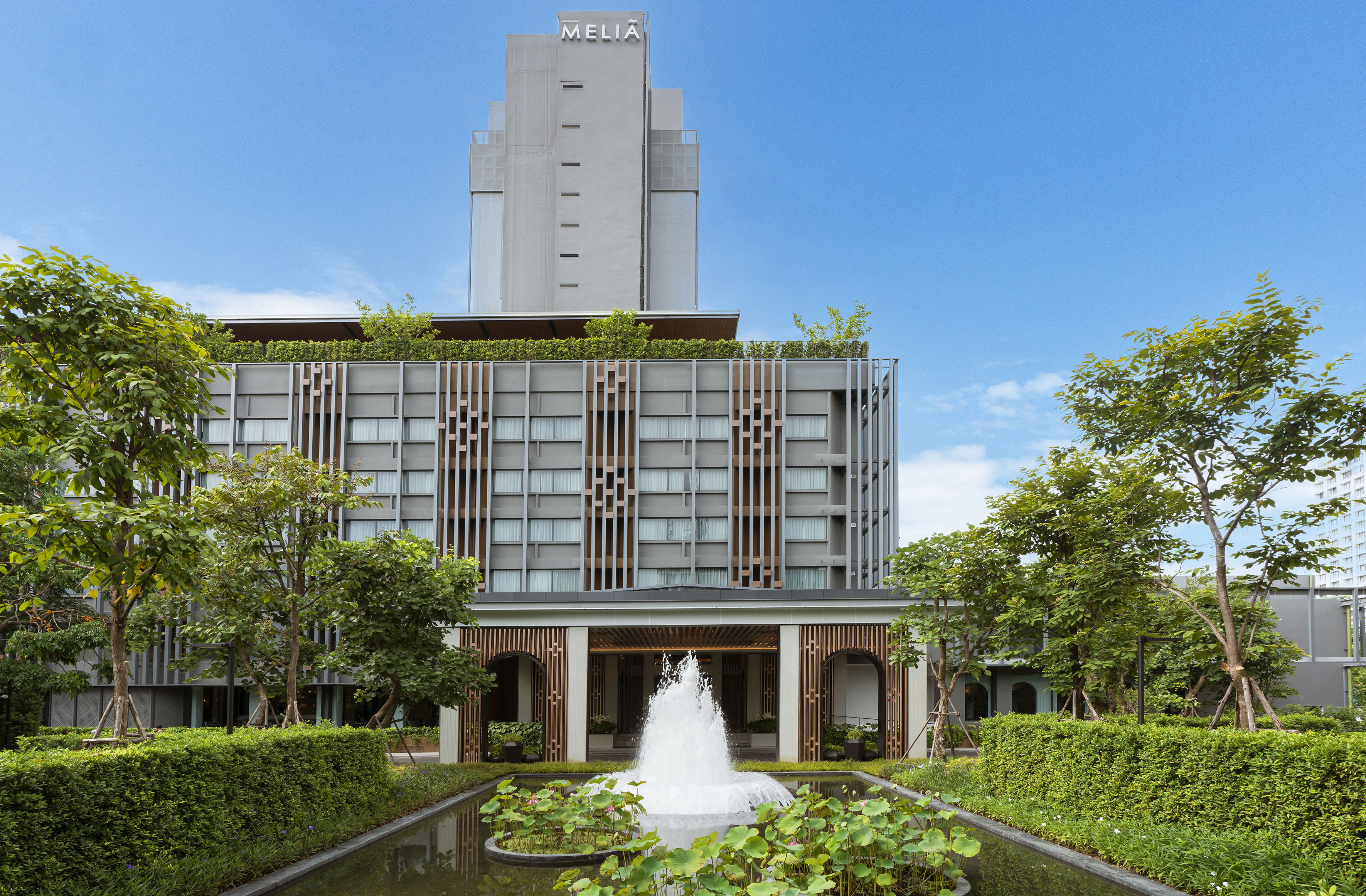
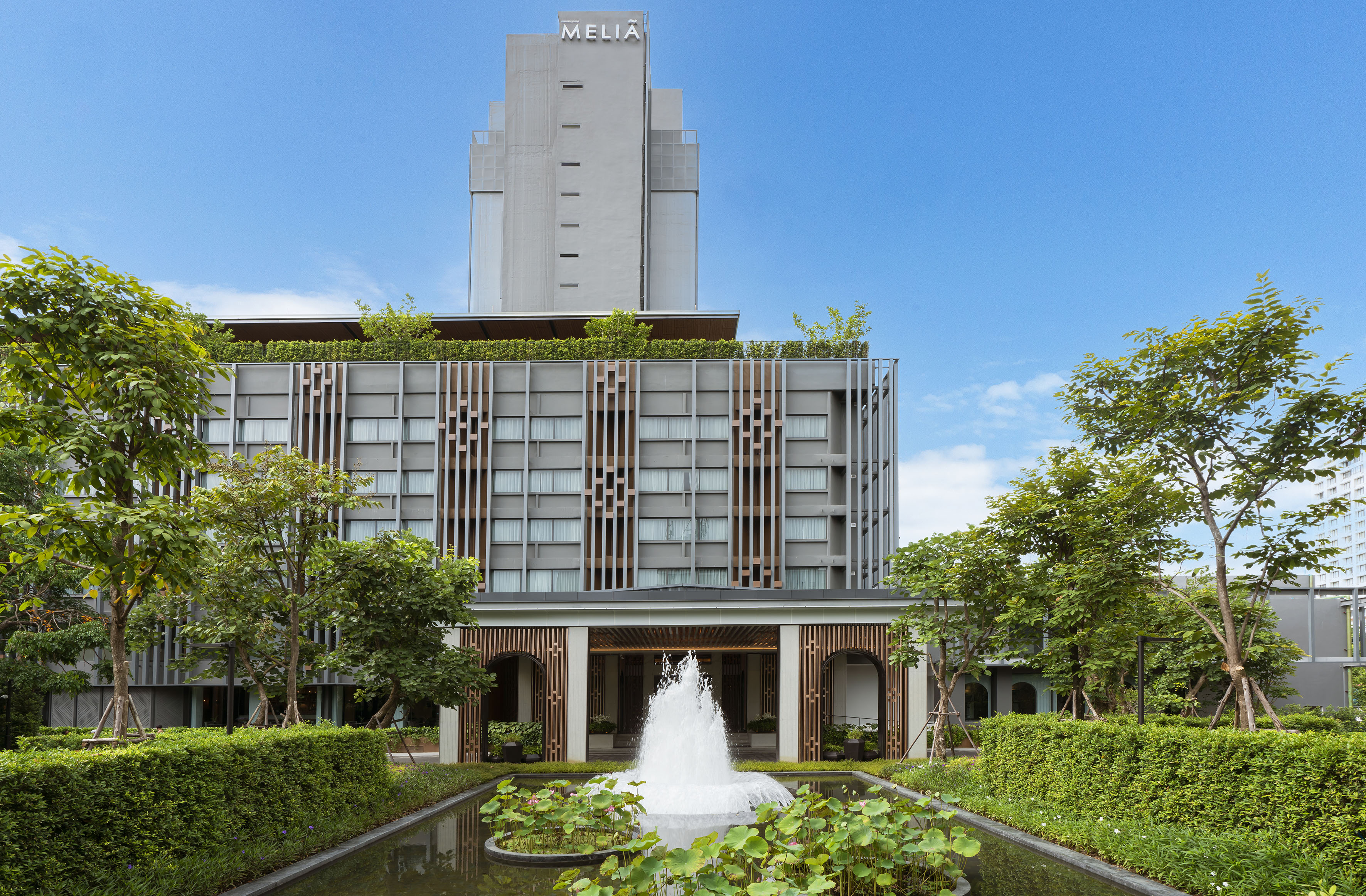
Meliá Chiang Mai sits on Charoen Prathet Road, right at the edge of the Night Bazaar, about 1.5 kilometres from Tha Phae Gate and the Old City, and roughly 6 kilometres from Chiang Mai International Airport. That central position is itself a budget line item most travelers overlook: a hotel further from the Night Bazaar or Old City means paying for a songthaew or Grab ride on every single outing, a cost that adds up fast over a multi-day trip and quietly erodes whatever was saved on a cheaper room further out.
Reviewers rate the stay 4.7 out of 5 across more than 1,850 visits, a figure worth weighing directly against the price gap to a cheaper guesthouse: paying more for a stay that consistently holds up against real guest feedback is a different calculation than paying more for an unknown.
The value case here is not about finding the cheapest room in the building. It is about understanding which tier, which package, and which included amenities actually make a given rate worth paying, covered section by section below.
,regionOfInterest=(1771.5,1181.5))
,regionOfInterest=(1771.5,1181.5))
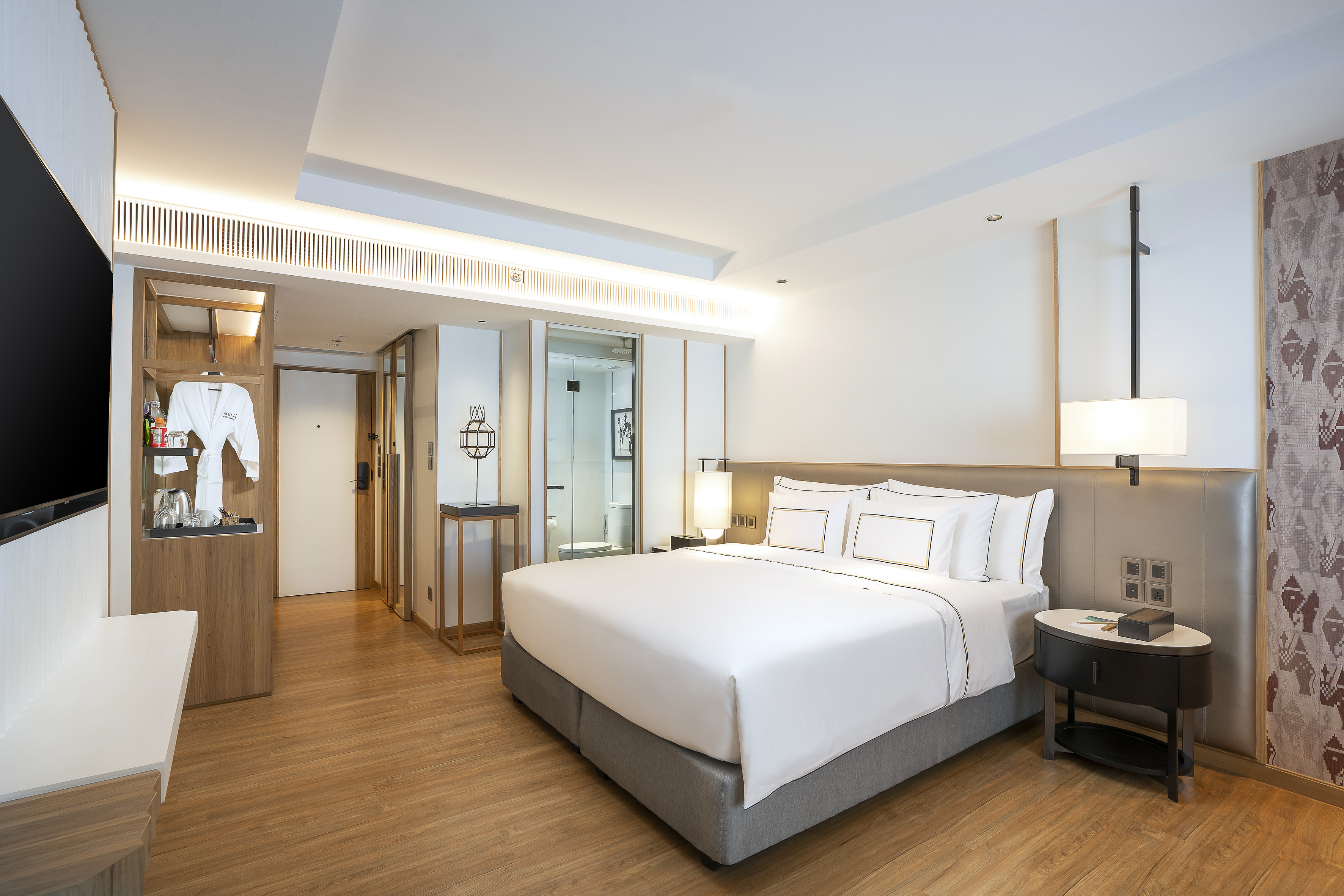
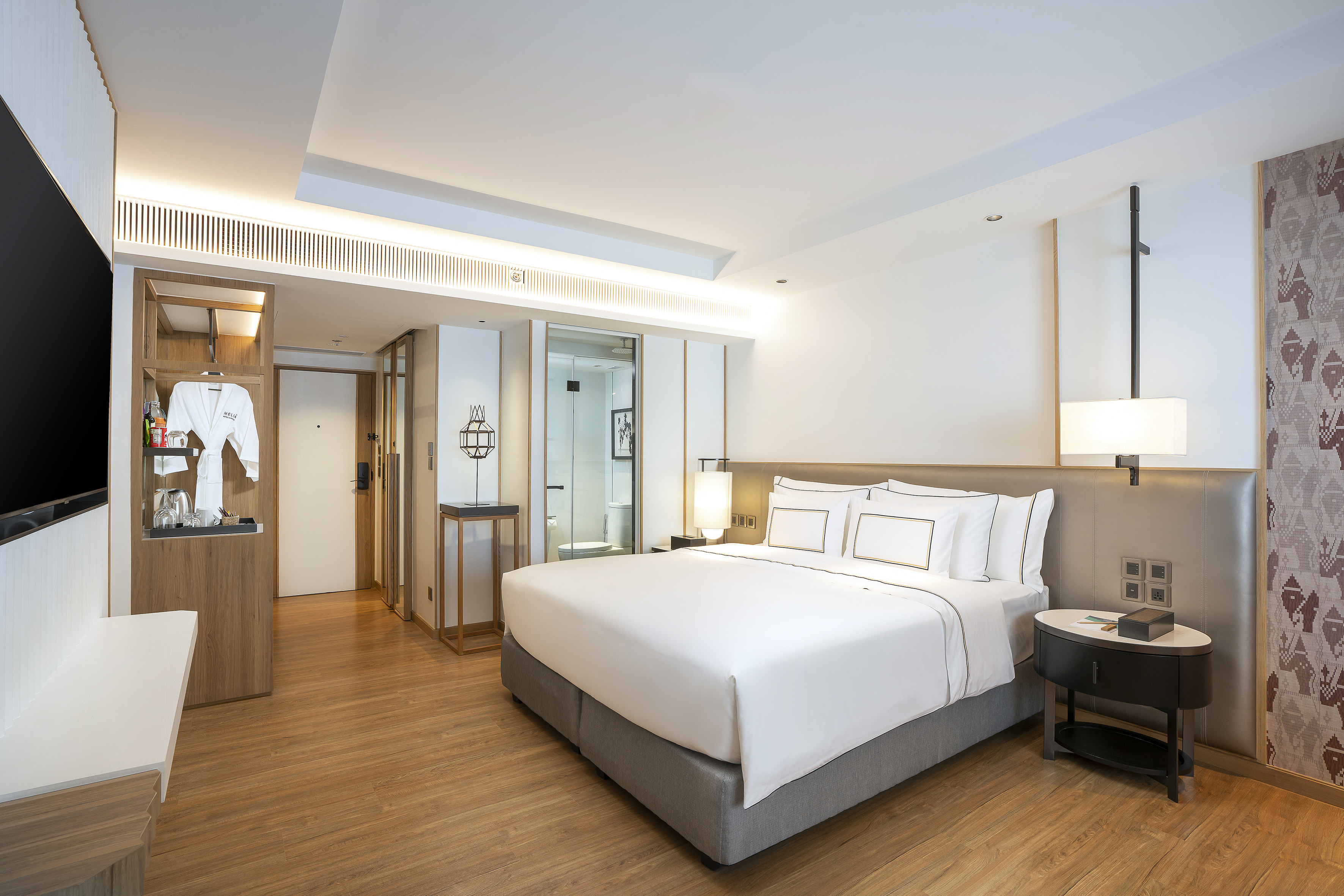
The entry-level Meliá Room covers 30 square metres with a city view, either a double bed or two singles, and suits a solo traveler or couple who wants a full-service stay, daily housekeeping, an on-site restaurant, a rooftop bar, without paying for space a short trip does not really need. West-facing units catch the Doi Suthep sunset, and east-facing ones pick up the Ping River sunrise, a small but genuine reason to ask for a side when booking.
The Deluxe Room adds a little more breathing room at 36 square metres with a patio view, a sensible middle step for a traveler who wants a slightly larger room without moving into a full suite category. It suits a couple who plans to spend real time in the room, not just sleep in it, working from a window-side sofa in the morning or unwinding there after a full day of temples and markets.
The Deluxe Room's bathroom also adds a rain shower, a small but genuine step up from the entry tier's standard fitting, worth knowing about for anyone deciding whether the price gap between the two rooms is worth paying.
Both entry tiers include an in-room safe, a flat-screen TV with Chromecast, and daily bottled water as standard, the same baseline comforts the suite categories get, so stepping down a tier for budget reasons does not mean giving up the basics.
,regionOfInterest=(1771.5,1181.5))
,regionOfInterest=(1771.5,1181.5))
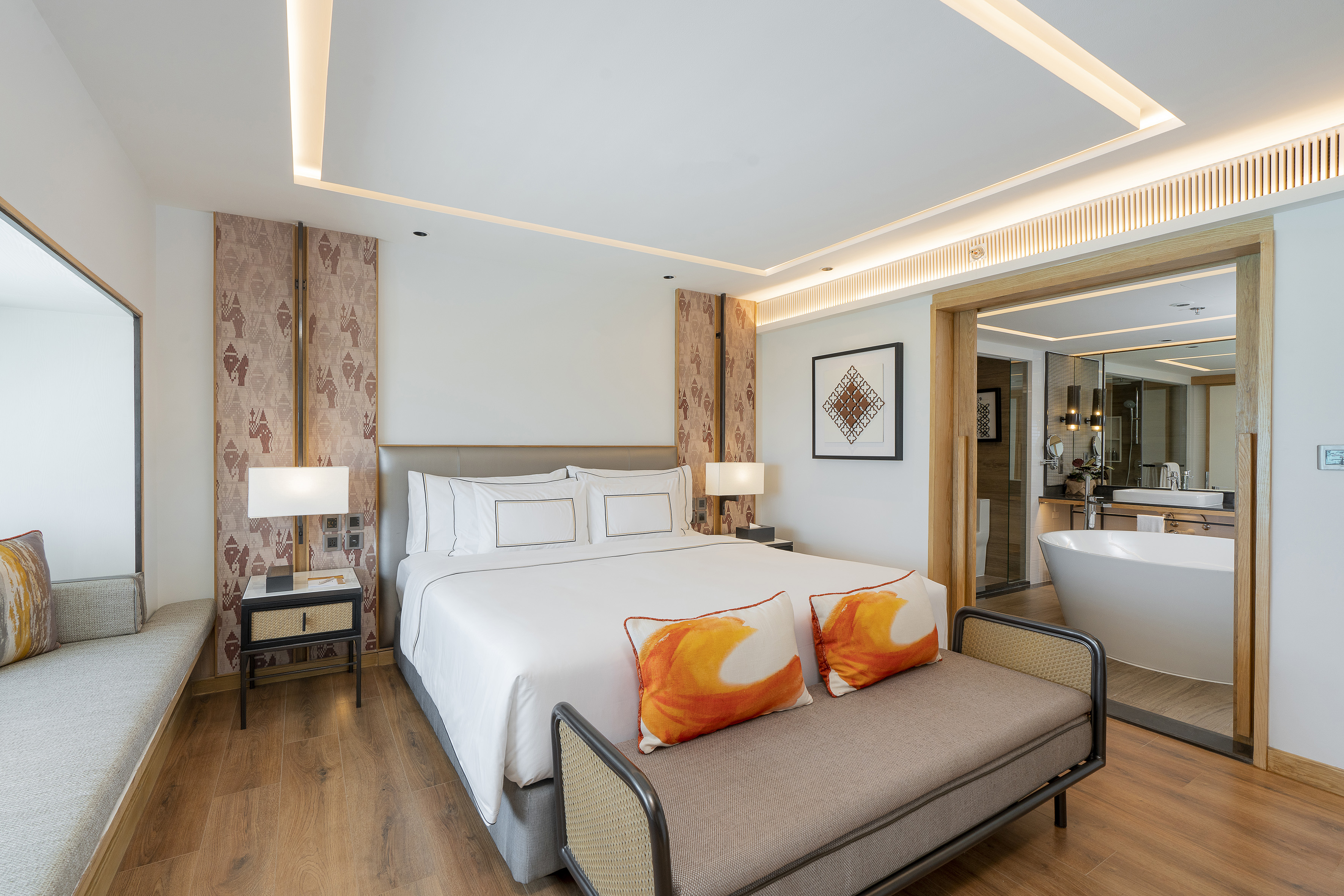
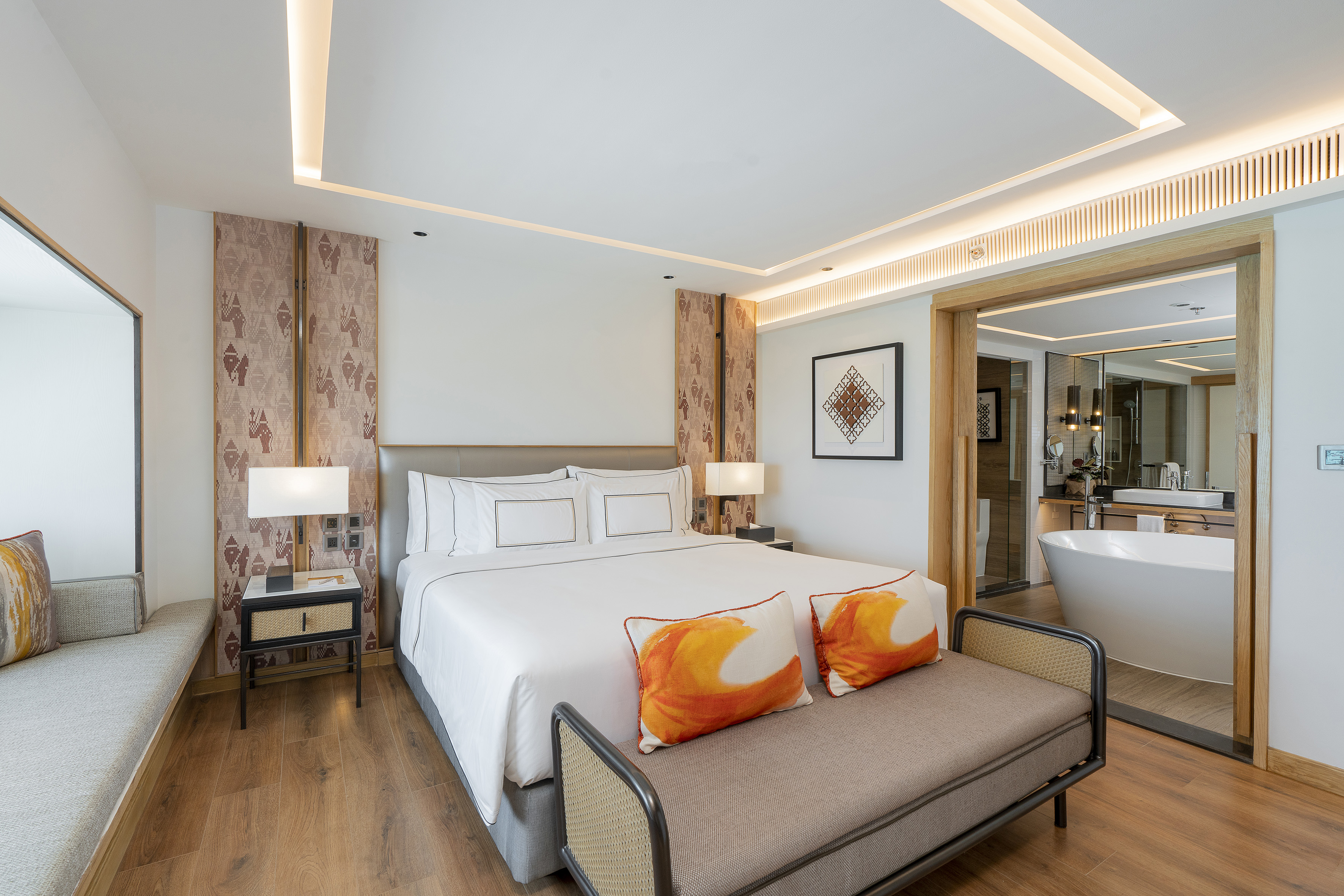
The Premium Room goes further at 44 square metres with a king or twin layout and teakwood bedside tables, spacious enough for two people travelling together who want genuine space to spread out rather than just a bigger bed. It also supports connecting rooms, a detail worth knowing for two couples or a small group who want their own doors but a shared wall between them.
For a longer or more indulgent stay, The Level Suite adds 62 square metres of refined Thai-inspired decor on the upper floors with access to The Level lounge, private check-in, and a dedicated concierge, suited to a traveler who wants genuine comfort and personalised service rather than exclusivity for its own sake.
The Level's own daily rhythm adds real value beyond the room itself: breakfast from 7:00 AM to 10:30 AM, afternoon tea from 2:30 PM to 4:00 PM, and cocktails with canapes from 5:30 PM to 7:30 PM, plus all-day snacks and soft drinks, a stretch of included food and drink a standard room rate does not carry.
The Level also comes with a 10 percent discount at YHI Spa, one complimentary ironing service per night, and late check-out to 2:00 PM subject to availability, small perks that add up over a multi-night stay without ever appearing as a separate line item.
,regionOfInterest=(1771.5,1181.5))
,regionOfInterest=(1771.5,1181.5))
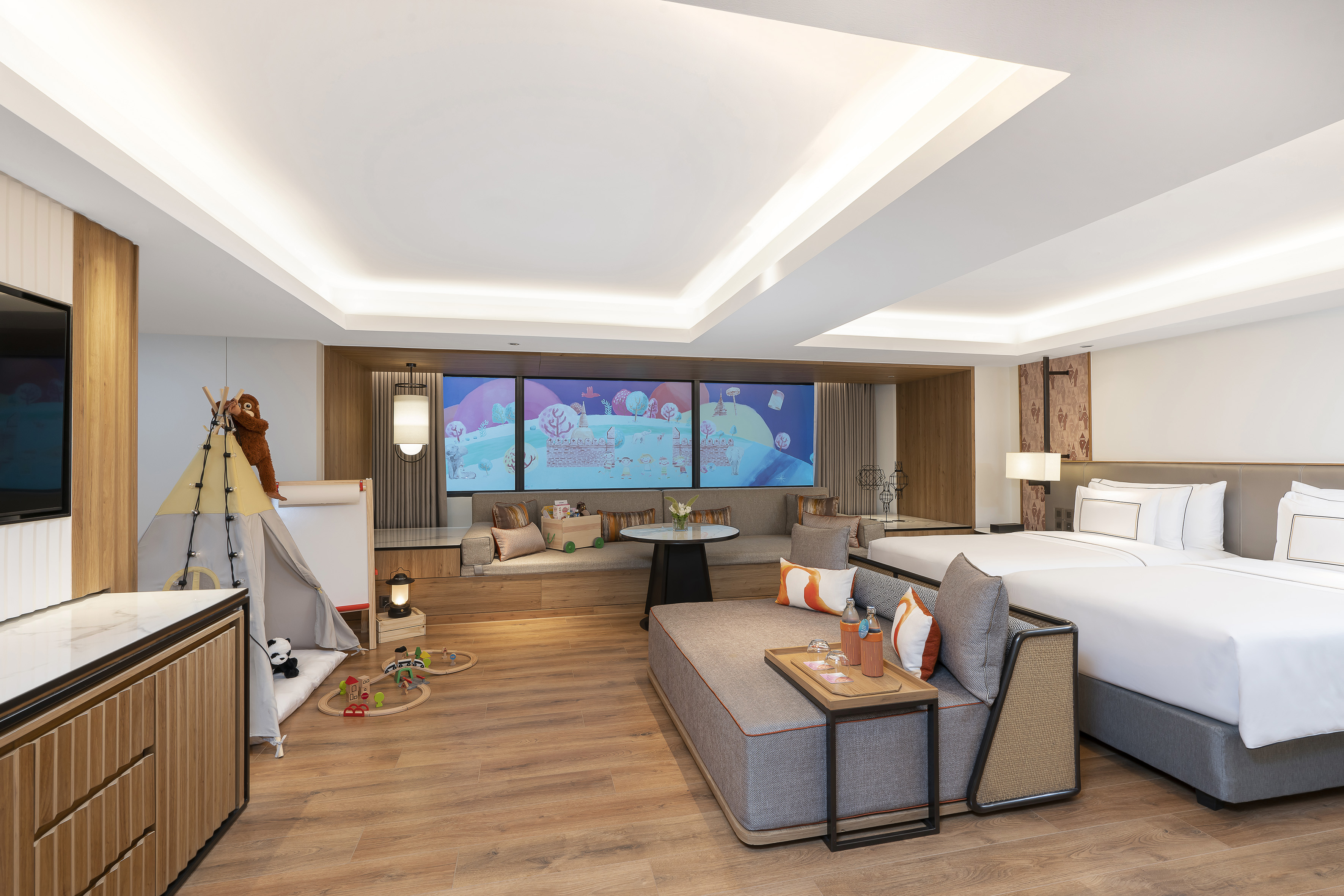
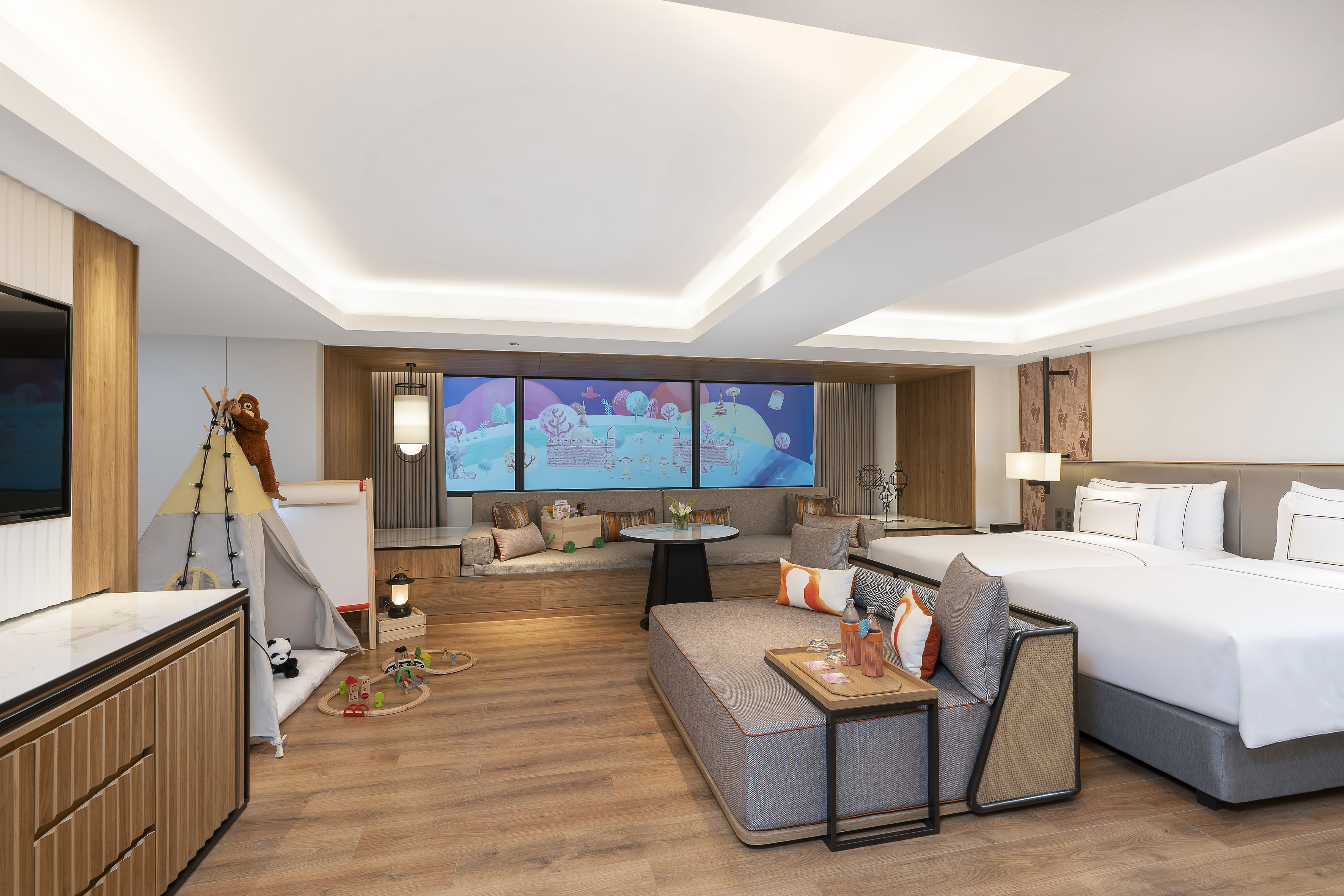
Traveling as a group changes the math. The Family Room, at 54 square metres with room for extra beds, a chaise lounge, and a small living space, often works out cheaper per person than booking two separate standard rooms, since the fixed costs of a stay, the room itself, breakfast logistics, a single check-in, get split across more people rather than duplicated.
It suits two adults travelling with one or two children specifically, since the room's own extras, a mini drawing board and toys among them, are built around a family staying together rather than a group of adults who would be just as well served by two Premium Rooms with a connecting door.
It is worth pricing out both options directly, one Family Room versus two standard rooms, before assuming separate rooms are the more affordable path, since the gap is often smaller than expected once a single breakfast charge and a single check-in are factored in.
,regionOfInterest=(1771.5,1181.5))
,regionOfInterest=(1771.5,1181.5))
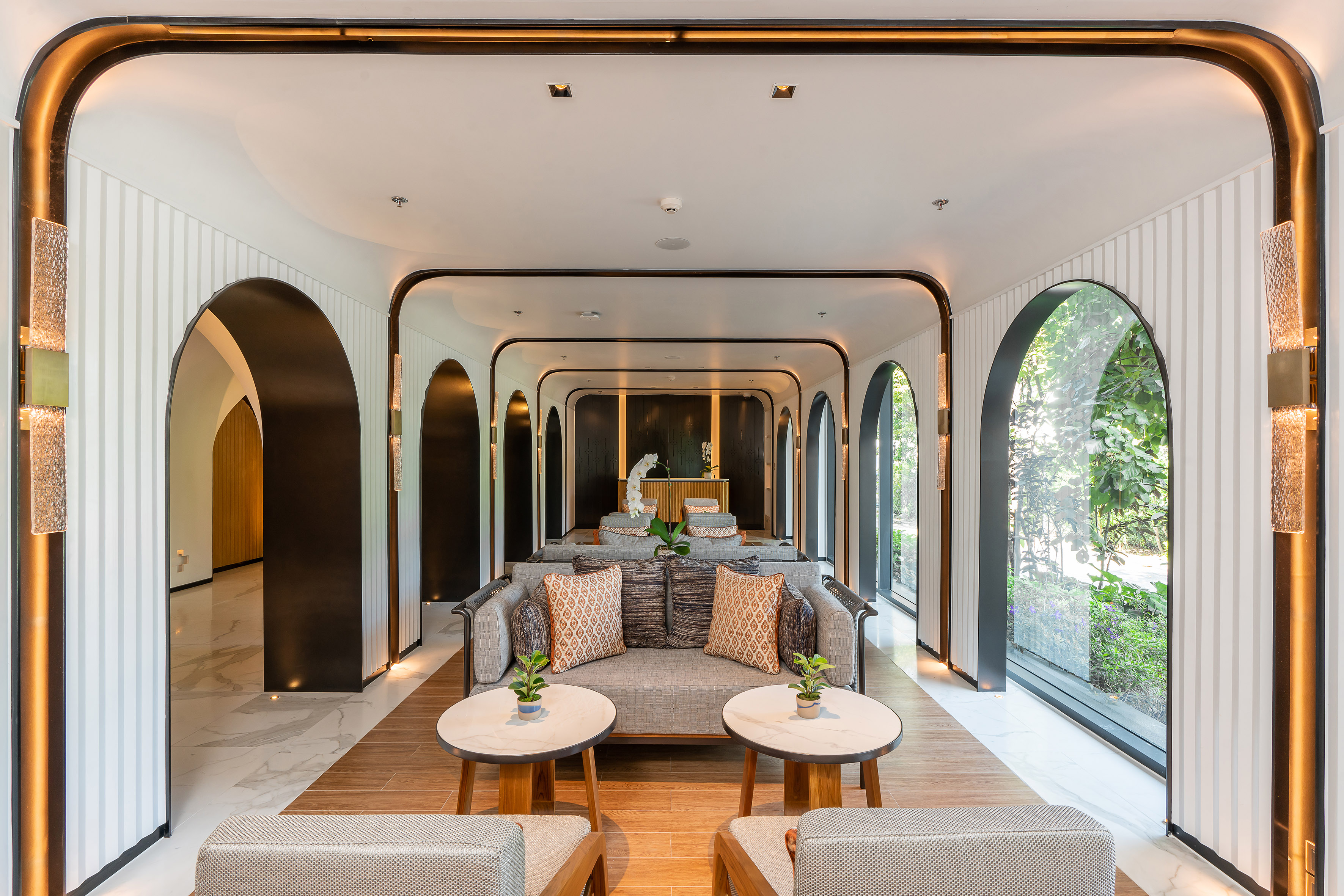
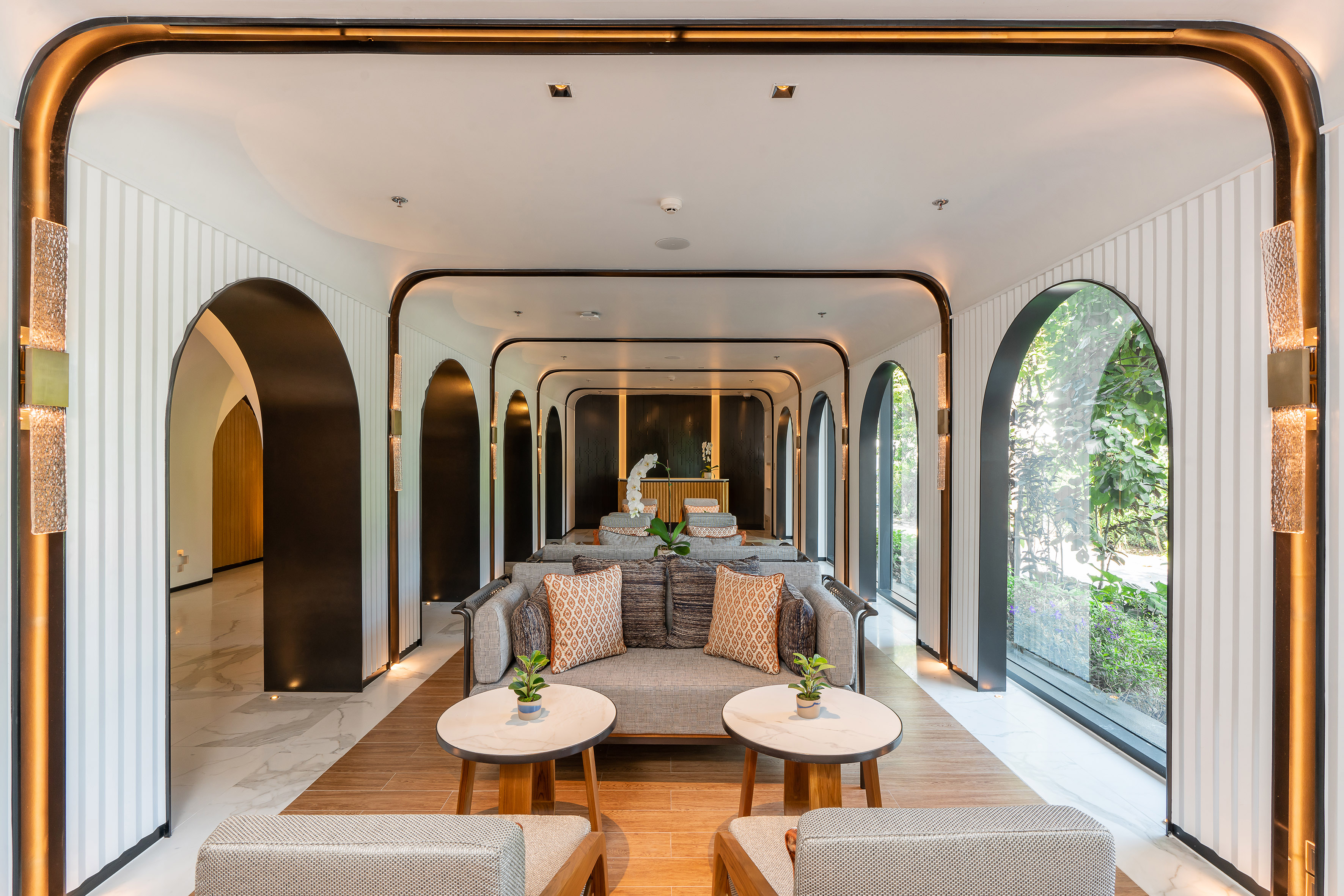
Beyond the standard room rate, the hotel runs current packages worth checking before booking a stay of any length. Stay More, Enjoy More rewards a longer stay with free transfers and hotel credit added to the booking, a package that directly lowers the effective per-night cost the longer a trip runs. Stay & Indulge is built around a shorter two-night stay instead, adding hotel credit that can be put toward dining or spa spend rather than sitting unused.
Booking directly through melia.com also unlocks two straightforward discounts confirmed at the time of writing: 250 THB off a massage at YHI Spa, and 250 THB off food and beverage at a selection of the hotel's own restaurants, both worth asking about at reception on arrival since they apply on top of whatever room rate was booked.
Package terms and the exact discount conditions shift periodically, so confirming current availability at booking rather than assuming last year's terms still apply is worth the extra step, particularly for a trip planned around a specific package's perks.
,regionOfInterest=(1771.5,1181.5))
,regionOfInterest=(1771.5,1181.5))
Booking directly through melia.com rather than a third-party site is where the value case gets stronger regardless of which room tier is chosen: joining MeliáRewards costs nothing, earns points on every stay toward a future night, and unlocks member-only rates and perks like complimentary Wi-Fi that a same-day walk-in or a third-party booking simply does not include.
The programme's value compounds for anyone planning more than one Thailand trip, since points earned on a Chiang Mai stay carry over to any other Meliá-family property booked later, not just a future stay at this specific hotel.
For anyone weighing a mid-range guesthouse against a full-service hotel, checking the direct member rate before assuming the gap is too wide is worth the two extra minutes it takes, since a member rate plus the amenities bundled into it, and any current package running at the time, can close the gap further than the sticker price alone suggests.
,regionOfInterest=(1771.5,1181.5))
,regionOfInterest=(1771.5,1181.5))
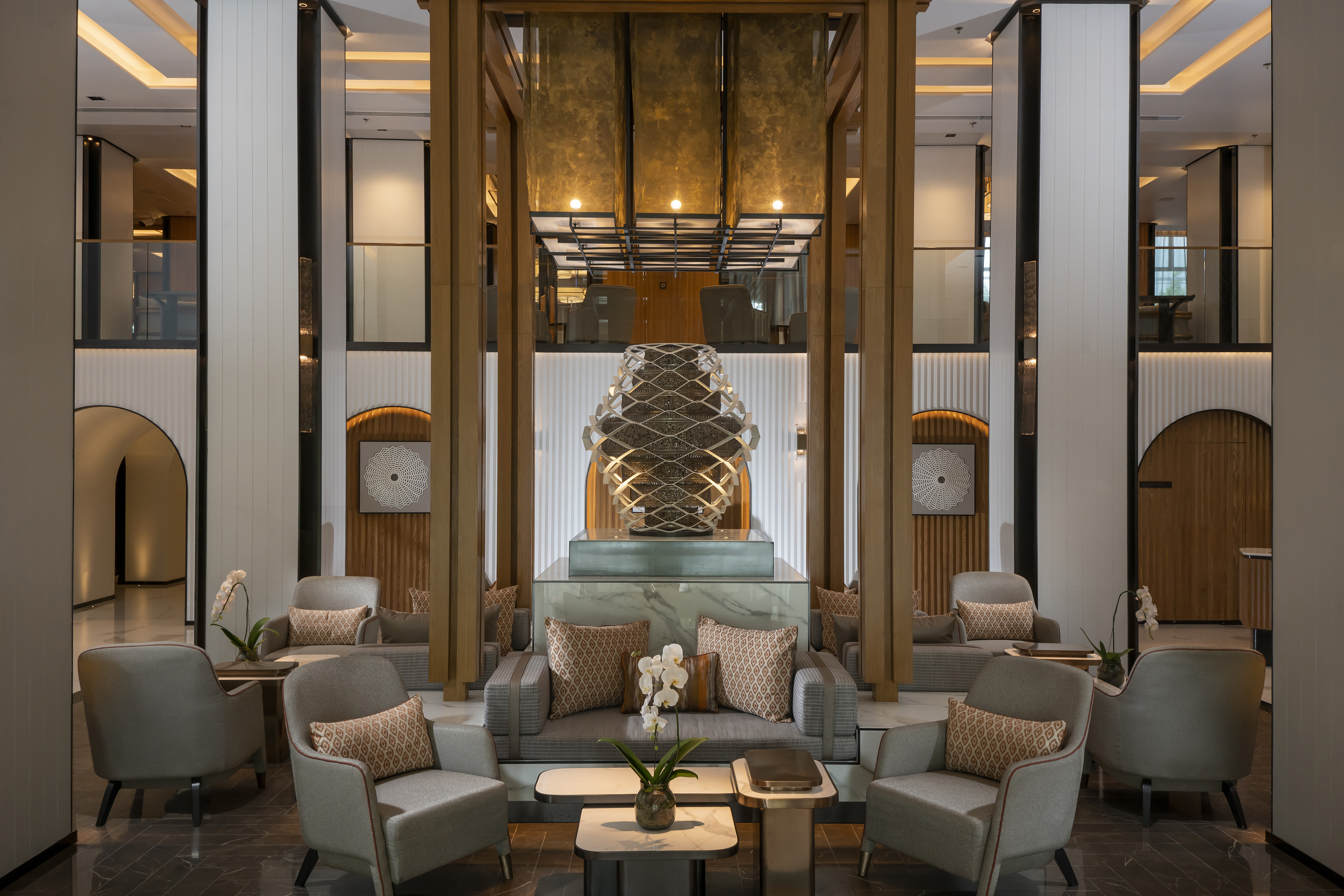
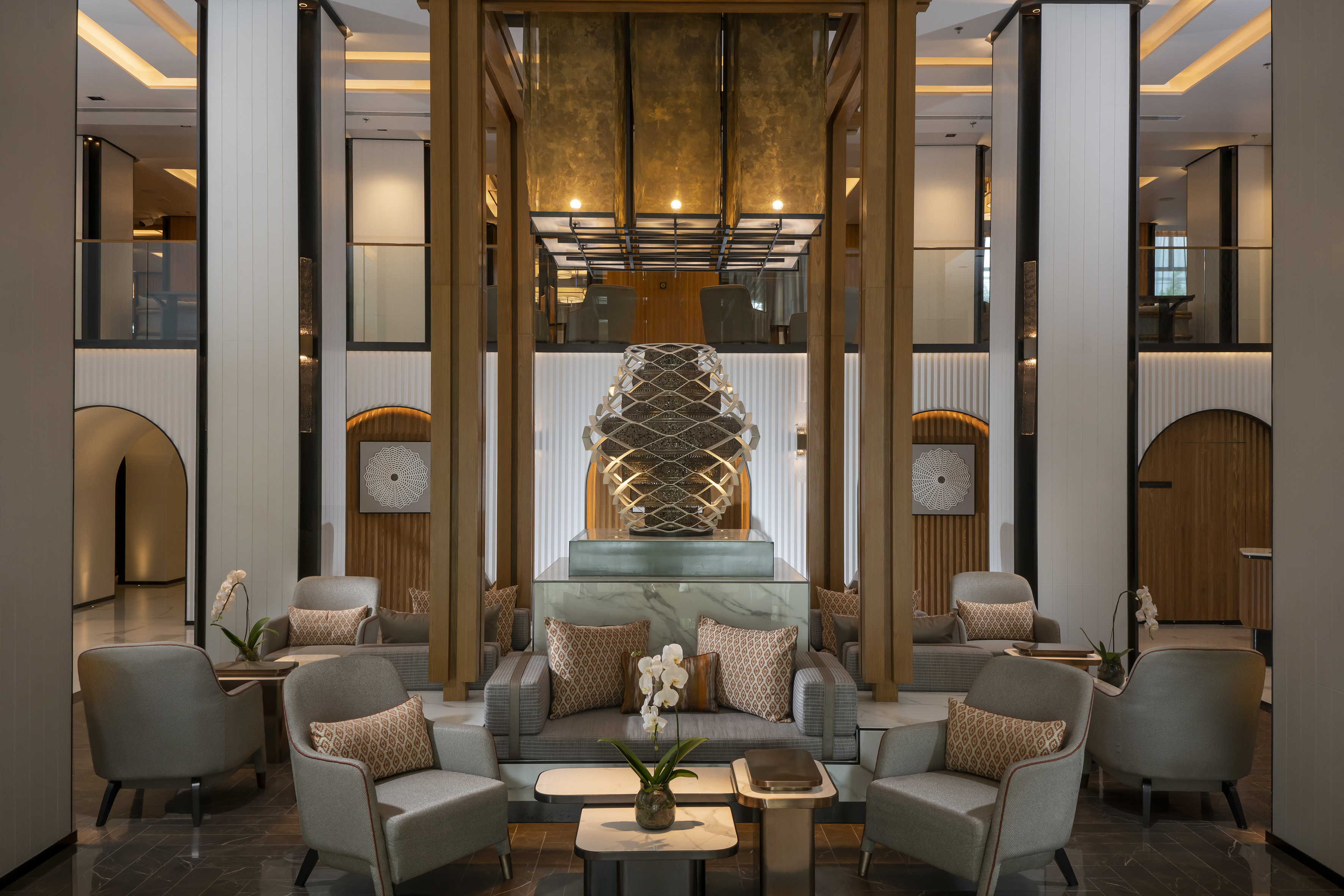
Every room category, not just the suites, already includes access to amenities that would otherwise be separate line items on a Chiang Mai travel budget. The outdoor Swimming Pool, framed by gardens, carries no extra charge for hotel guests, and neither does a stop at Tien Pool Bar for a drink poolside between sightseeing days.
MAI The Sky Bar on the 22nd floor charges no entry fee at all, hotel guest or not, so a rooftop evening with Ping River and Doi Suthep views does not need its own budget line the way a separate rooftop-bar outing elsewhere in the city would. Tapas run roughly 120 to 950 THB (about US$3 to US$30) a plate if ordering food, but simply going up for the view and a drink costs nothing beyond the drink itself.
Laan Na Kitchen's breakfast buffet, served daily from 6:00 AM to 10:30 AM, runs around 824 THB net per person (about US$25) when booked separately, but is already bundled into many room rates, worth confirming at booking since it changes the effective cost of the room noticeably either way. Its monthly TGIF Dinner Buffet, the last Friday of every month, adds live cooking stations, Japanese poke bowl, beef steak, and grilled river prawns, at one fixed per-person price rather than an a la carte tab that can climb unpredictably.
That breakfast is also worth more than its per-person price tag suggests, since it draws on the hotel's own 360-degree cuisine programme, locally-sourced, chemical-free, seasonal ingredients bought directly through partnerships with regional farmers, universities, and community producers. A traveler comparing a bundled buffet against a cheaper street-stall breakfast is not always comparing like for like.
Stacked together, a pool, a free-to-enter rooftop bar, and a buffet breakfast already priced into many rates mean the effective cost of a night at Meliá Chiang Mai often lands closer to a mid-range guesthouse plus all its extras purchased separately than the headline room rate alone suggests.
,regionOfInterest=(1771.5,1162.5))
,regionOfInterest=(1771.5,1162.5))
A Chiang Mai travel budget can run from about 700 baht a day for a bare-bones trip to well over 5,500 baht a day for a fully comfortable one, and most of that difference comes down to where the money goes on accommodation rather than food or local transport, both of which stay cheap at every tier.
For a trip that leans toward the comfortable end without losing sight of value, book a room directly at Meliá Chiang Mai and see how the different room categories line up with the actual budget in mind.
,regionOfInterest=(1376,768))
,regionOfInterest=(1376,768))
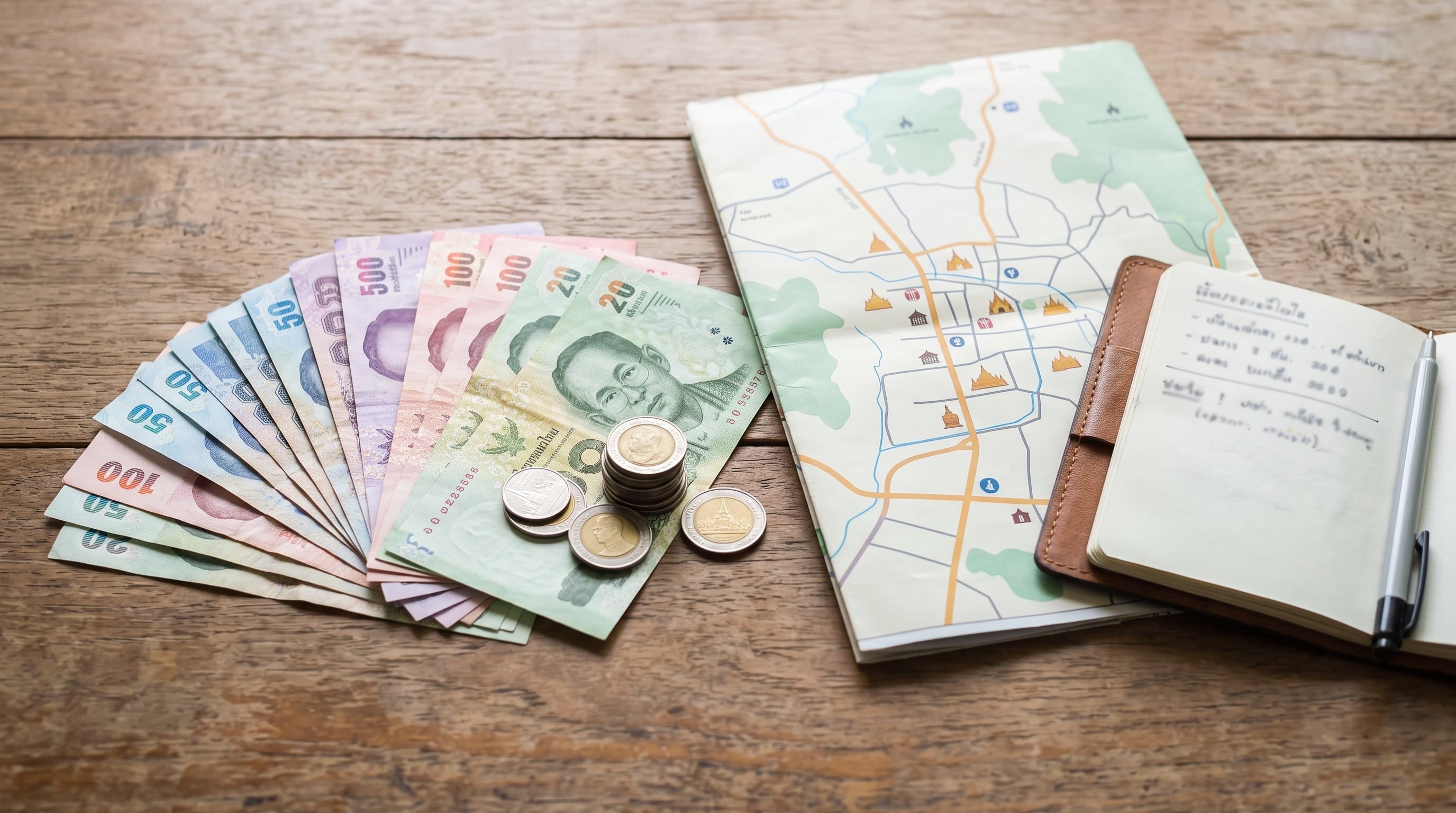
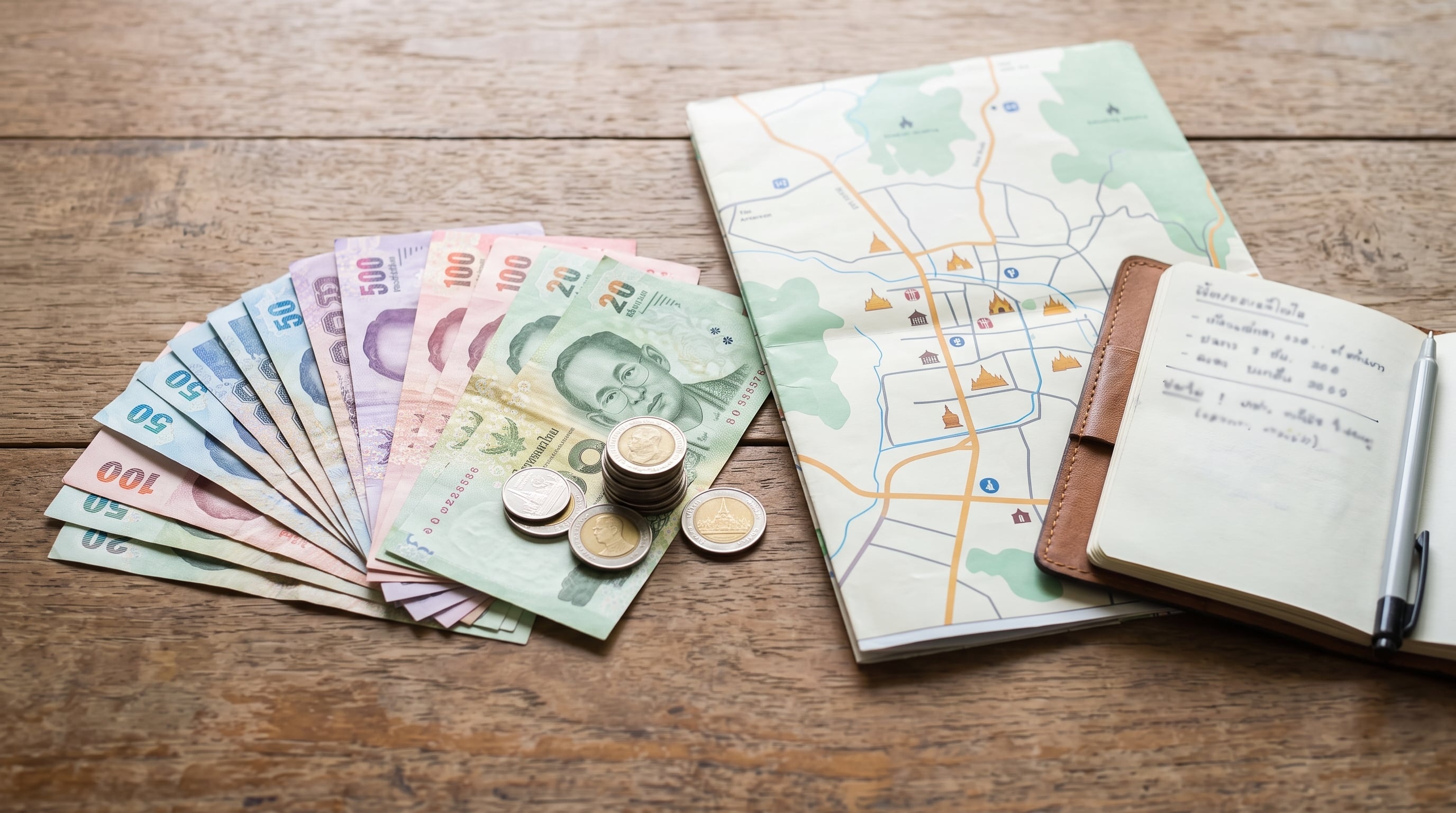
A frugal Chiang Mai travel budget runs about 700 to 1,200 baht a day (roughly US$20 to US$35), a mid-range trip lands around 1,900 to 2,500 baht a day (roughly US$55 to US$70), and a comfortable, upscale trip starts around 5,500 baht a day (roughly US$160) and climbs from there depending on the hotel category chosen.
Generally yes, particularly on accommodation. A hotel room that would cost noticeably more in Bangkok's business districts or on a popular island like Phuket or Koh Samui often runs less in Chiang Mai for a comparable standard of room, while street food and local transport prices stay broadly similar across all three.
Thailand has proposed a tourist entry fee of 300 baht (about US$9) for foreign travelers arriving by air, known locally as Kha Yeap Pan Din, but the fee has been repeatedly delayed and is not currently in effect. Travelers should check the latest official guidance before departure rather than budgeting for it as a certainty.
The rainy season, roughly June through October, tends to bring the lowest hotel rates since it falls outside the busy cool season crowds.
It is a genuine trade-off rather than a pure win, since afternoon downpours are common, but travelers who do not mind adjusting plans around the weather can often find noticeably better value on accommodation during these months. Checking a specific hotel's own rate calendar before booking is worth the extra step either way.
,regionOfInterest=(2944,1656))
,regionOfInterest=(2944,1656))
,regionOfInterest=(1264,842))
,regionOfInterest=(1264,842))
,regionOfInterest=(2565.5,1505.5))
,regionOfInterest=(2565.5,1505.5))
,regionOfInterest=(2100,1400))
,regionOfInterest=(2100,1400))
,regionOfInterest=(2262,1508))
,regionOfInterest=(2262,1508))