,regionOfInterest=(2732,1820))
,regionOfInterest=(2732,1820))
Chiang Mai solo travel guide 2026: tips, safety, and where to stay
,regionOfInterest=(1376,768))
,regionOfInterest=(1376,768))
Culture
,regionOfInterest=(2100,1400))
,regionOfInterest=(2100,1400))
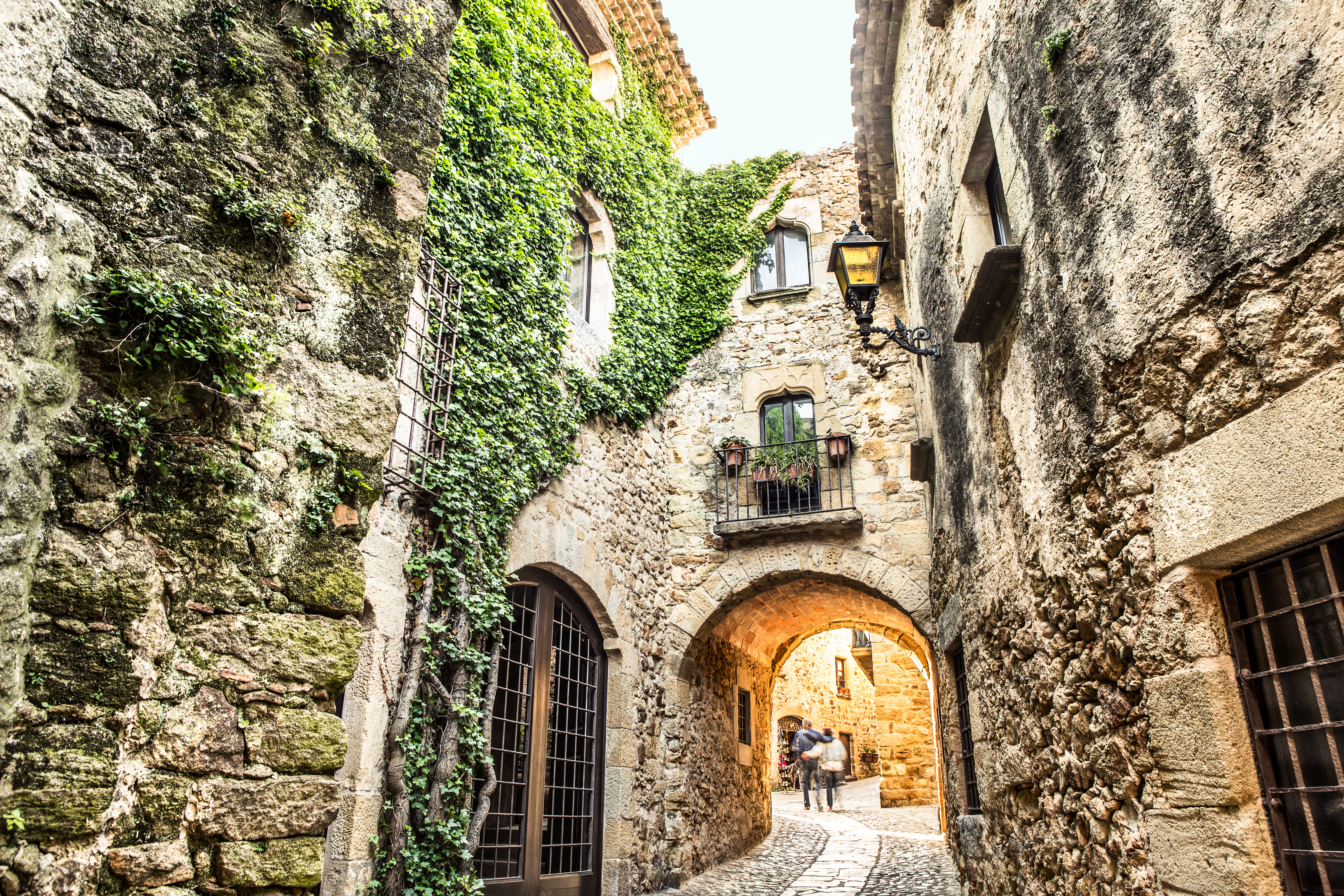
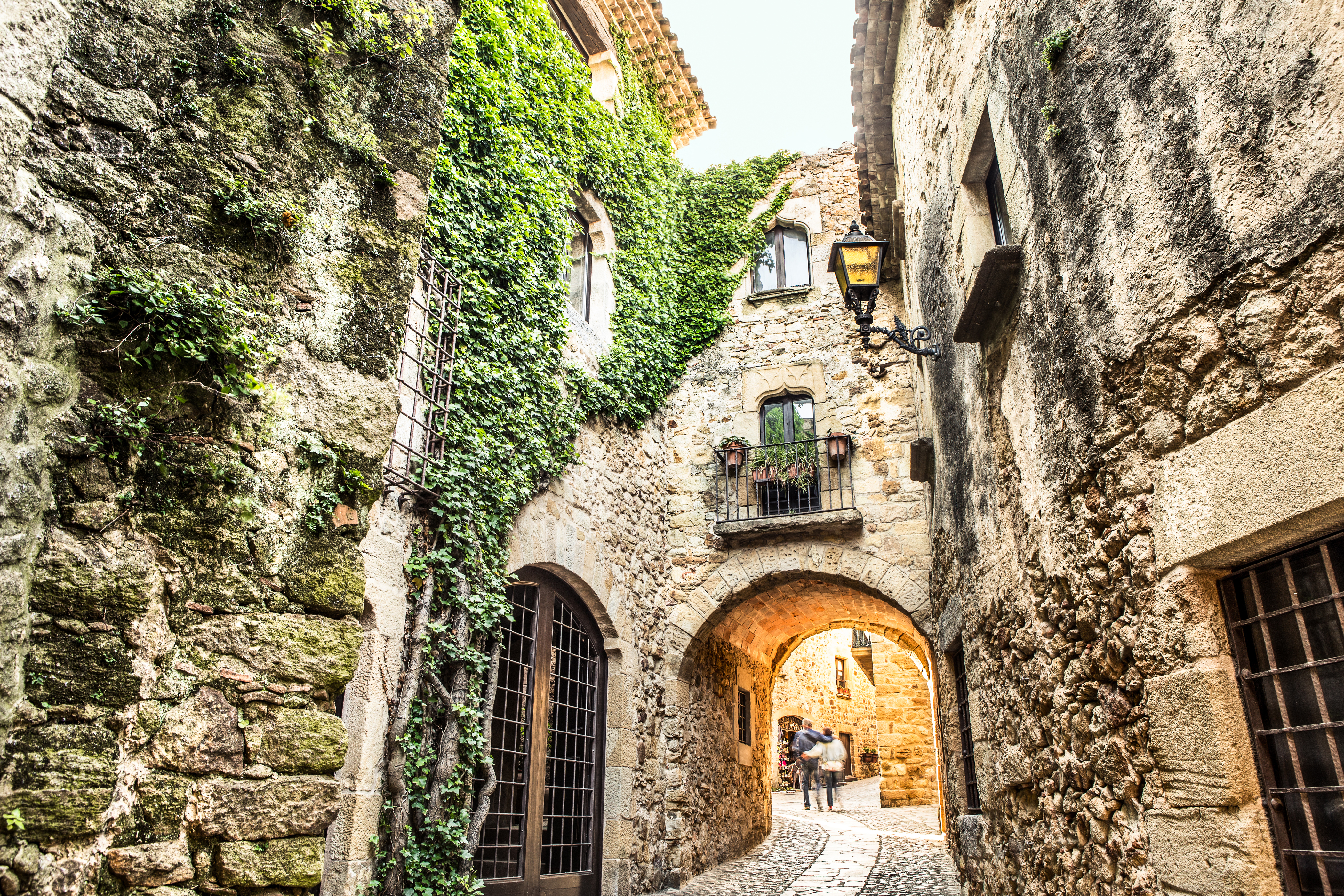
Imagine a village in southern Italy overlooking a tropical canyon in the heart of the Caribbean. That is Altos de Chavón, a stunning historical recreation of a 16th-century village built in the 70s that dazzles with its cobbled streets, ancient arches, and artists' workshops. All this less than an hour from the beaches of Punta Cana.
There are places in the Dominican Republic that capture your heart with their beaches and others that do so with their nature. This is the case with Altos de Chavón, a unique Mediterranean-inspired village that appears on a hill next to the Chavón River, in La Romana, which makes you feel like you are in a small European village from another era.
It is important to be clear that it is not a real ancient city, but a construction from the seventies designed to recreate a 16th-century Mediterranean village which, over time, has become an important cultural and artistic centre in the region.
Furthermore, although many travellers believe that Altos de Chavón is in Punta Cana, the reality is that this complex is a little over an hour's drive away, within the Casa de Campo resort. That said, it is a destination that is usually included in day trips organised by hotels in the eastern area, hence the confusion.
One of the most outstanding elements of this architectural and cultural project by businessman Charles Bluhdorn is the Altos de Chavón Amphitheatre, which has hosted some of the most important artists from all over the world.
If you decide to come here, take note, because in this Altos de Chavón guide I will tell you everything you need to organise your visit, how to get around the area, and what other highlights there are in the surroundings.
,regionOfInterest=(500,500))
,regionOfInterest=(500,500))
All-terrain writer specialising in tourism, fashion and trends. A curious soul, traveller, reader and sports enthusiast, keen to discover every corner of the world.
Culture
,regionOfInterest=(2033,1353))
,regionOfInterest=(2033,1353))
,regionOfInterest=(1024,1536))
,regionOfInterest=(1024,1536))
,regionOfInterest=(2040,1360))
,regionOfInterest=(2040,1360))
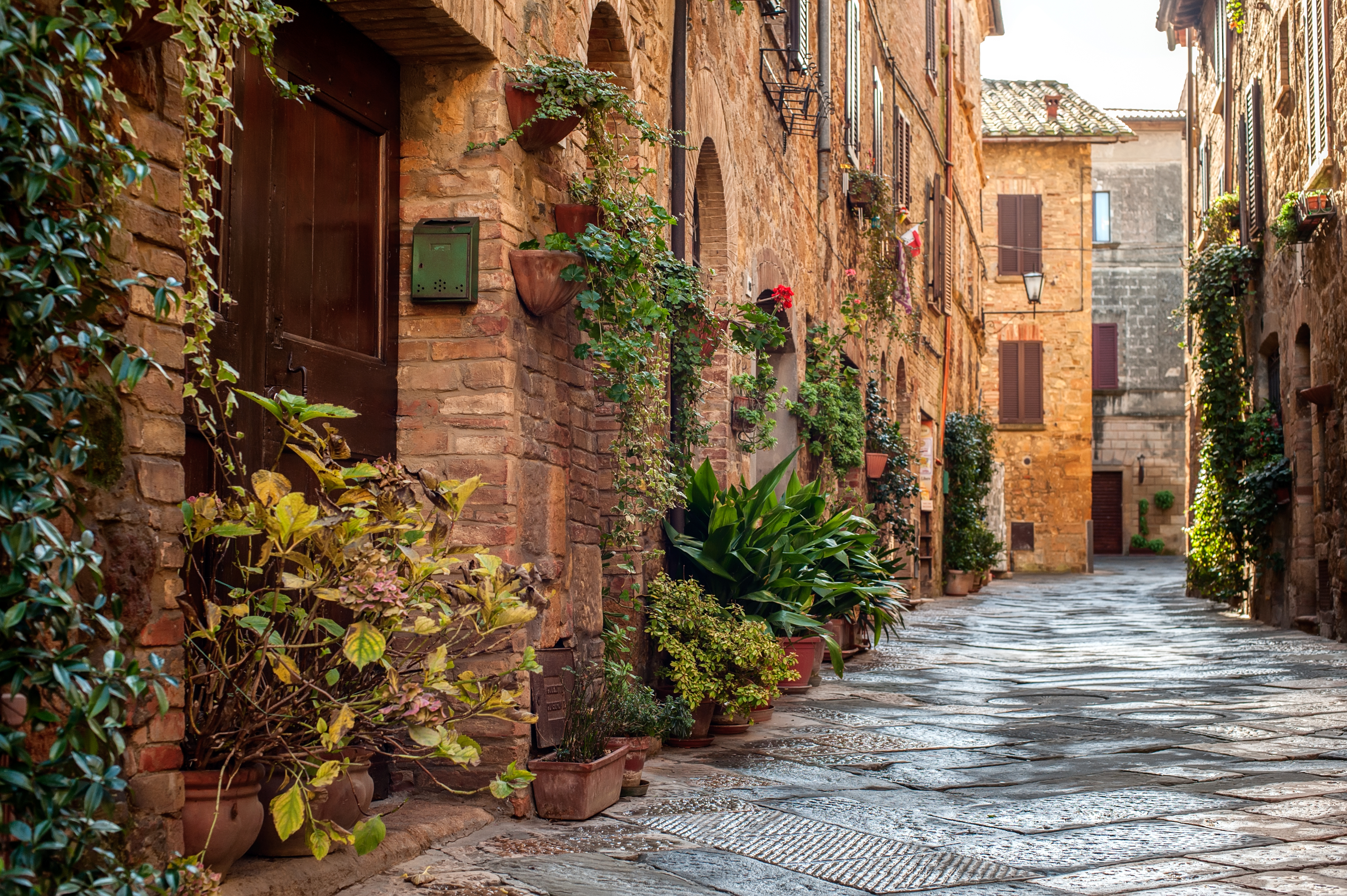
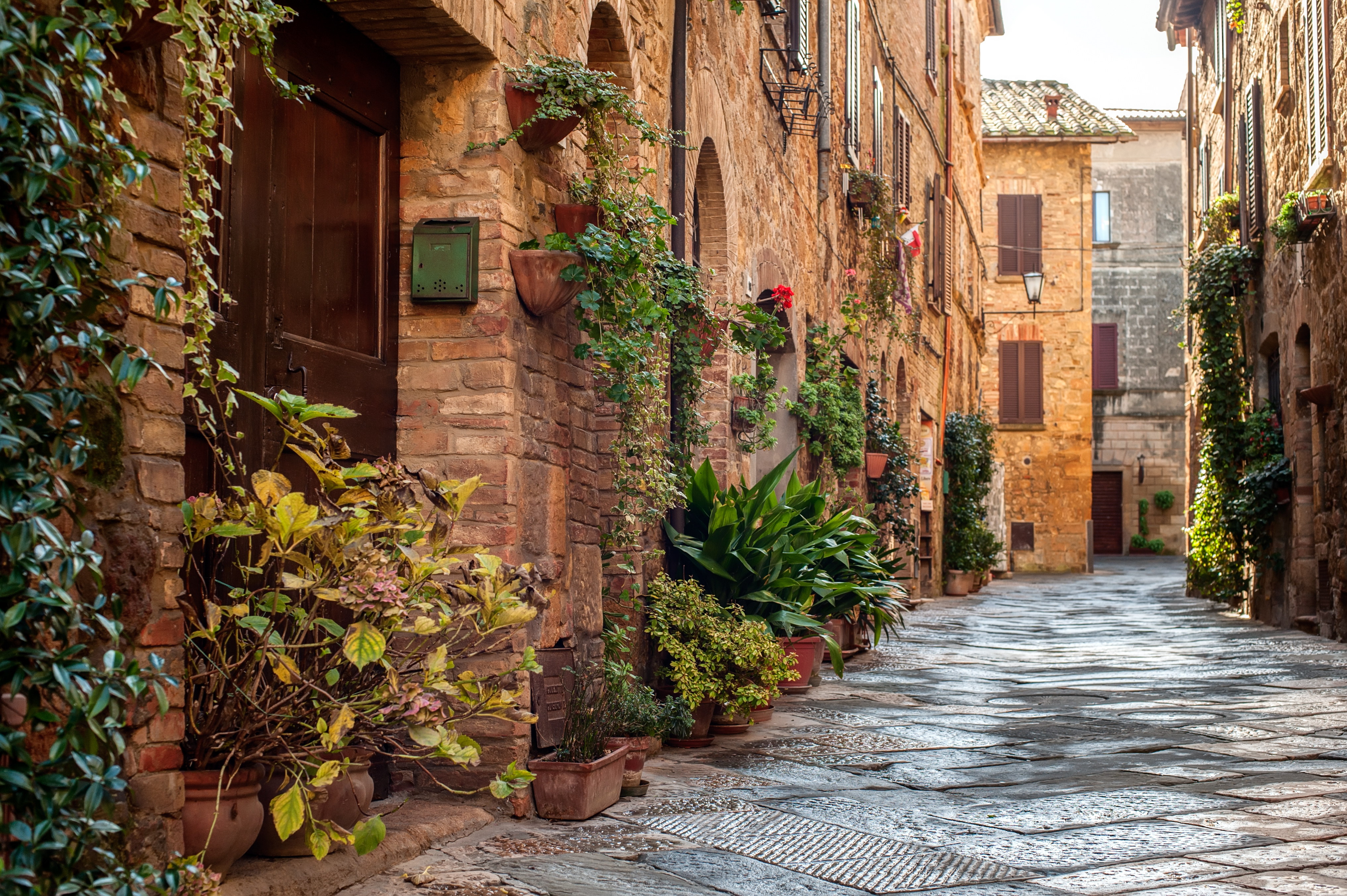
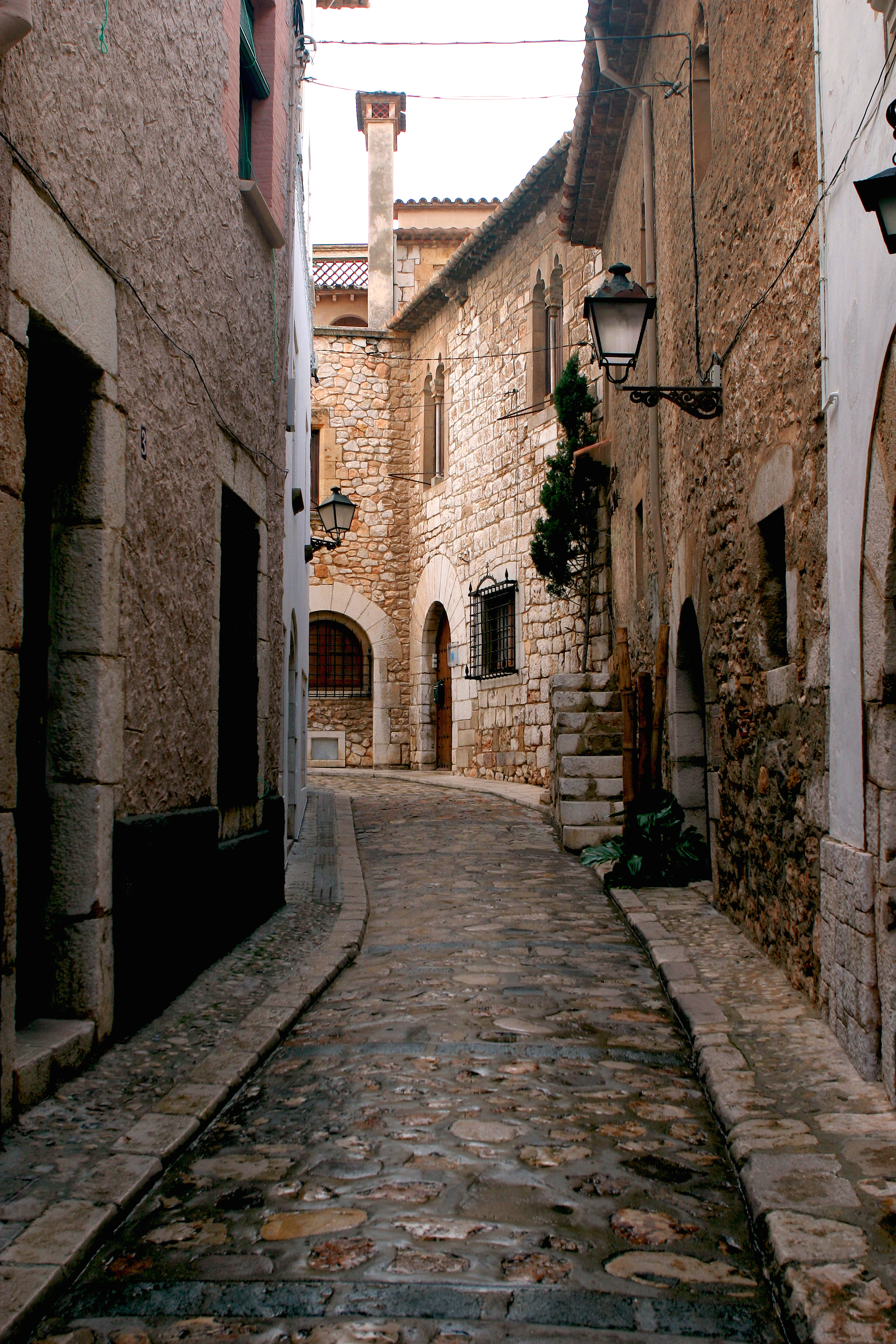
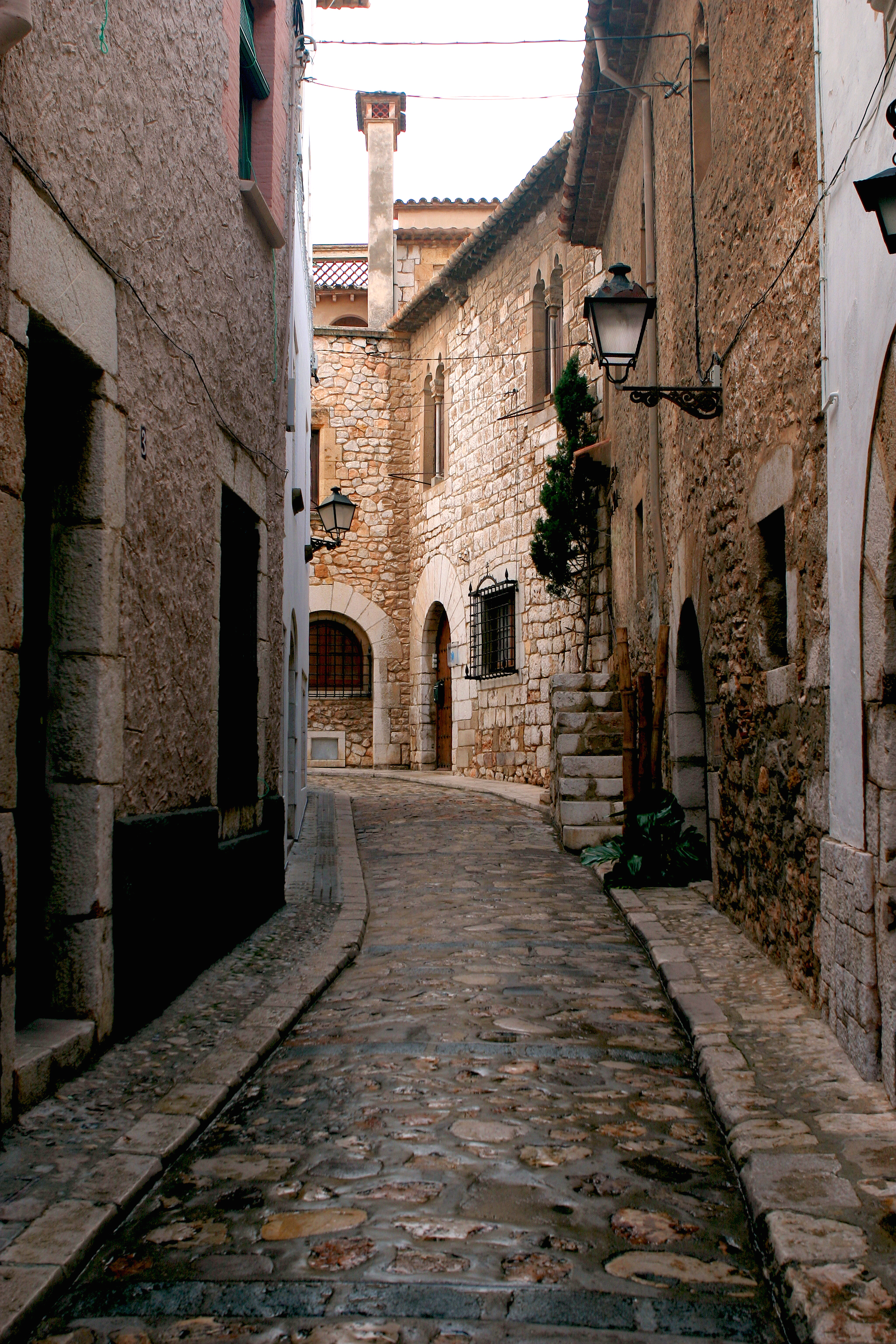
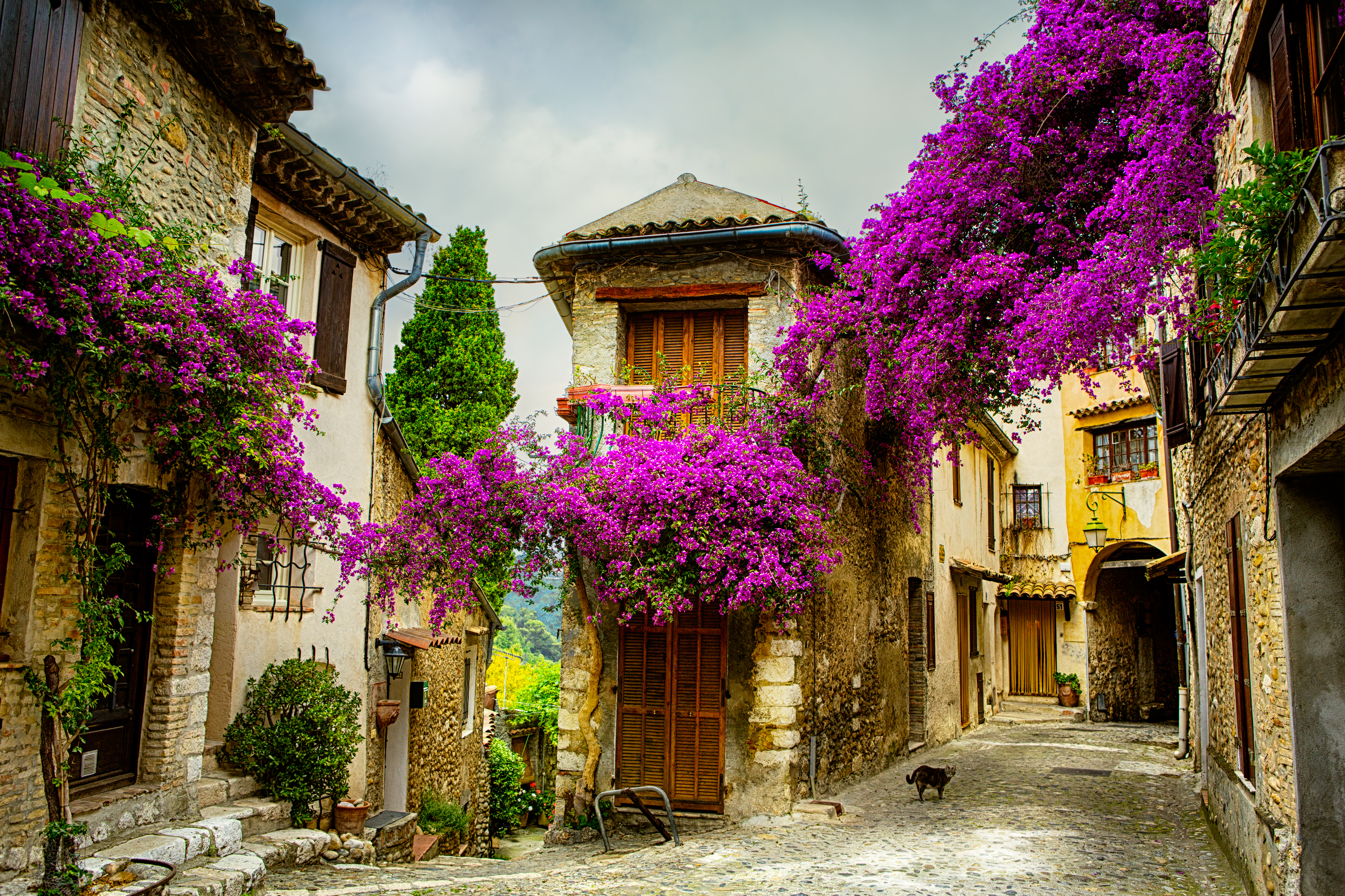
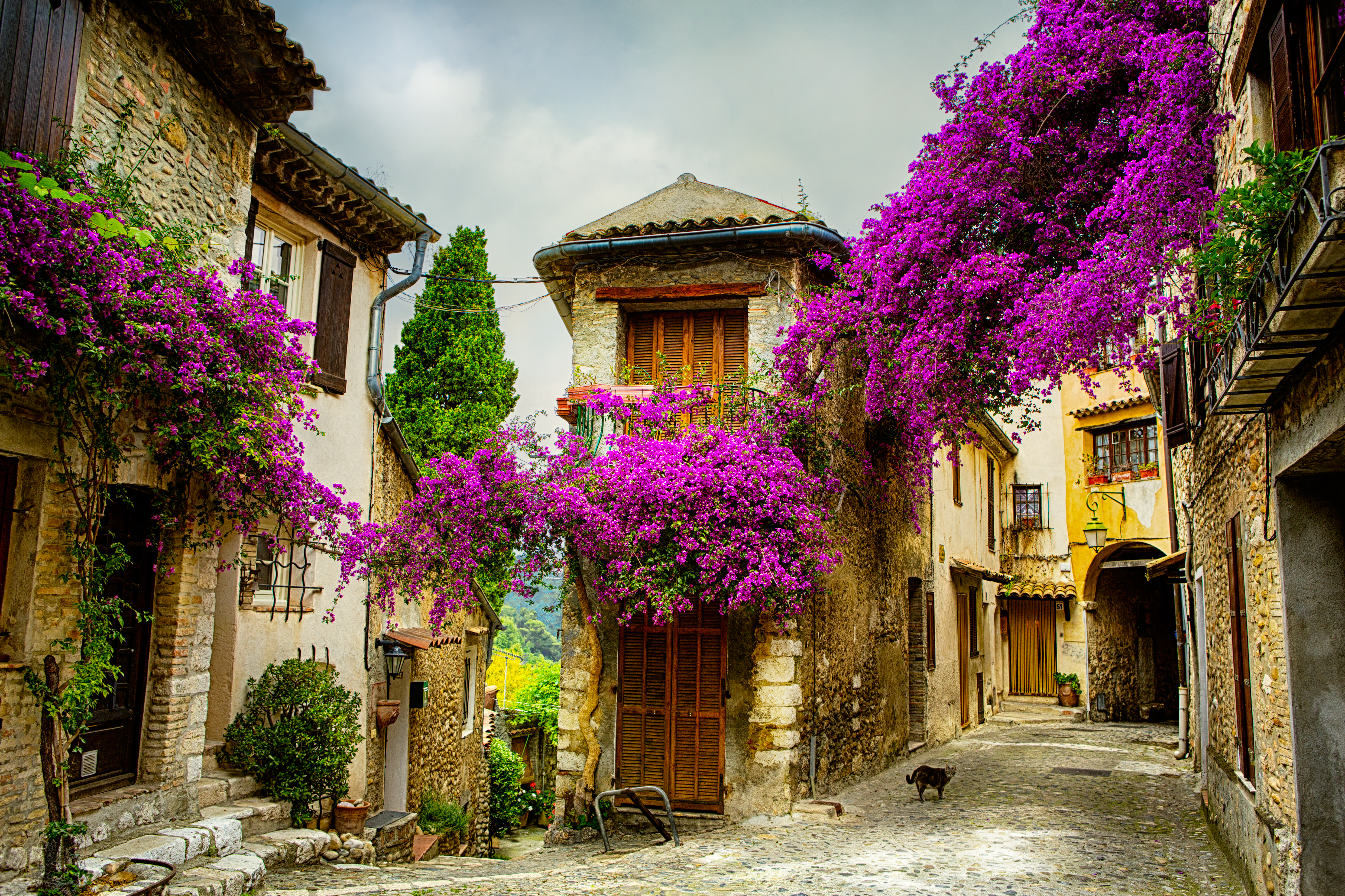
The first thing to say is that every detail of the Altos de Chavón architectural complex is carefully thought out, with coral stone, exposed brick, and wooden balconies that faithfully reproduce the style of a Mediterranean village from five centuries ago, although it was actually completed in 1982.
The heart of the village is the Plaza Rotonda, presided over by the Church of St. Stanislaus, a small stone temple which, despite its centuries-old appearance, was consecrated in 1979. For its inauguration, Pope John Paul II sent the ashes of St. Stanislaus and a hand-carved statue from Krakow. Around it are various pottery workshops, art galleries, and craft shops where local artists still work.
Not far away is the famous stone amphitheatre, inspired by ancient classical theatres, with a capacity for 5,000 people. Inaugurated in 1982 with the historic “Concert for the Americas”, headlined by Frank Sinatra, it has since hosted great international figures such as Elton John, Sting, Julio Iglesias, and Jennifer Lopez. Even if your visit does not coincide with a concert, it is worth coming to see this stage integrated into the landscape of Altos de Chavón.
As for what to see in Altos de Chavón, the landscape is the main protagonist. From the viewpoint next to the amphitheatre, you can contemplate the entire Chavón River canyon, with the tropical vegetation stretching towards the Caribbean Sea. For me, these views alone make the climb up to the village worth it.
And if you are wondering what to do in Altos de Chavón, I would tell you to walk through the complex from top to bottom without any rush. Among its many attractions, the Regional Archaeological Museum is an almost obligatory stop, as there you can see thousands of Taíno pieces that will help you understand what life was like on the island before the arrival of the Europeans.
And if you are wondering what to do in Altos de Chavón, I would tell you to walk through the complex from top to bottom without any rush. Among its many attractions, the Regional Archaeological Museum is an almost obligatory stop, as it houses a collection of more than 3,000 pre-Columbian pieces that allow you to better understand the history and culture of the island's original inhabitants before the arrival of the Europeans. Some of these pieces have even been part of international exhibitions in cities like New York, Paris, or Seville.
,regionOfInterest=(2482.5,1653.5))
,regionOfInterest=(2482.5,1653.5))
The first question that arises when organising your visit is how to enter Altos de Chavón and from where it is most convenient to organise your travel. Keep reading because I will tell you.
It is located within the Casa de Campo tourist complex, in La Romana, on the southeast coast of the Dominican Republic, a little over an hour's drive from Punta Cana and its main hotel areas.
Address:
Casa de Campo Resort, La Romana 22000, Dominican Republic.
How to get to Altos de Chavón:
If you plan to come on your own by rental car, the journey from Punta Cana usually takes about an hour and a quarter, depending on your starting point, along the Coral motorway. From Santo Domingo, the trip can be close to two hours. In both cases, you will have to drive to La Romana and then continue to the Casa de Campo complex.
If you are staying in the eastern area of the Dominican Republic, the most common option is to book an excursion from Punta Cana, which usually includes transport, a guide, and, in many cases, a stop at Saona Island or the Chavón River.
Also, it is important that you do not forget your documentation because at the entrance to Altos de Chavón you will be asked for your passport or ID, since, as it is a private property within the resort, access is controlled.
Altos de Chavón Map:
Altos de Chavón entrance fee:
Regarding the Altos de Chavón price, those staying at Casa de Campo can access it at no additional cost, but other visitors do have to pay an entrance fee that usually includes access to the village, the archaeological museum, and the main areas of the complex.
Here is a list of useful tips before visiting Altos de Chavón that will help you plan everything and enjoy your visit to the fullest:
,regionOfInterest=(1496,1996))
,regionOfInterest=(1496,1996))
Although you can spend as much time as you like depending on your plans, here are some attractions in the La Romana area in case you feel like visiting them before or after Altos de Chavón:
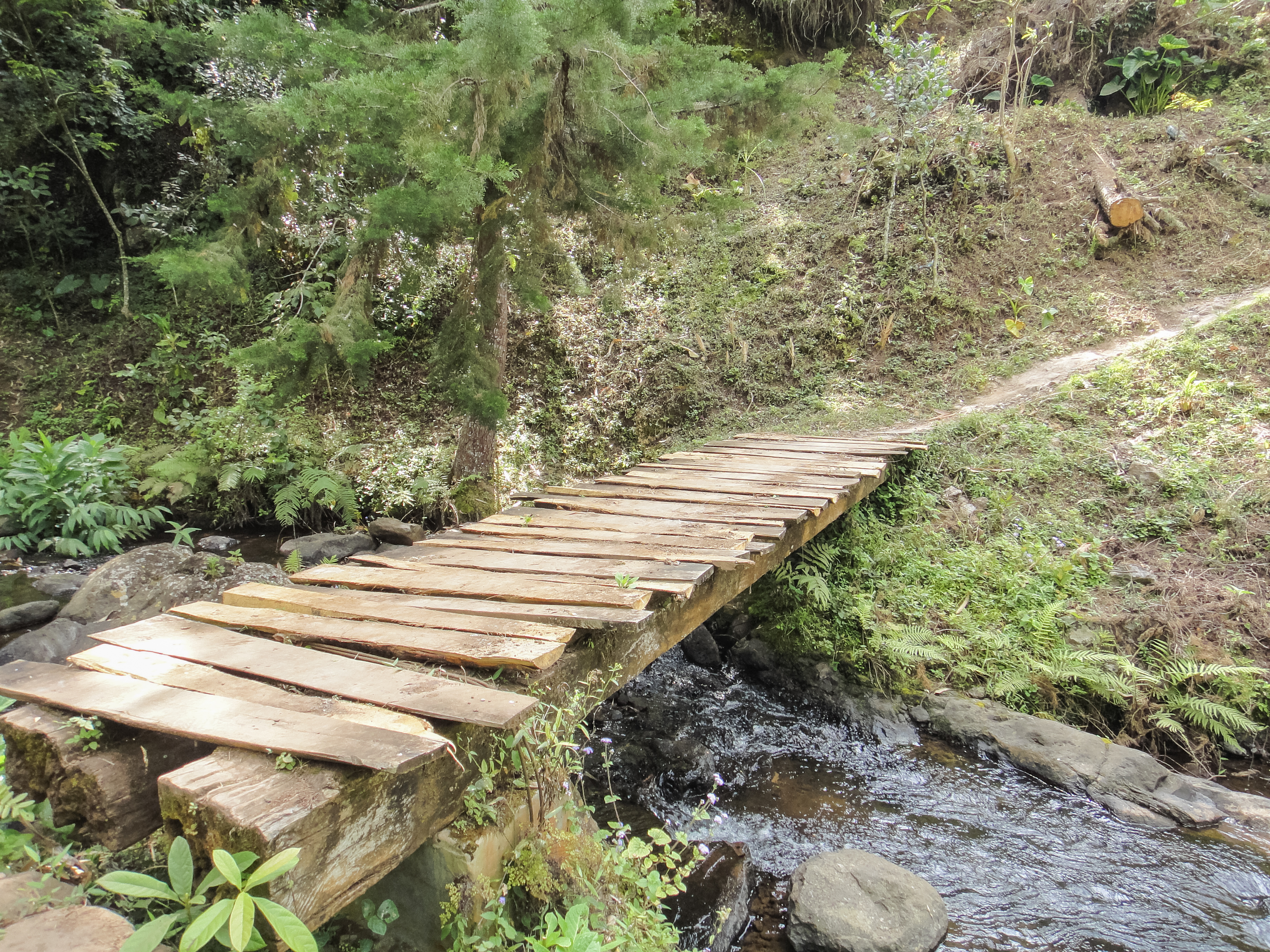
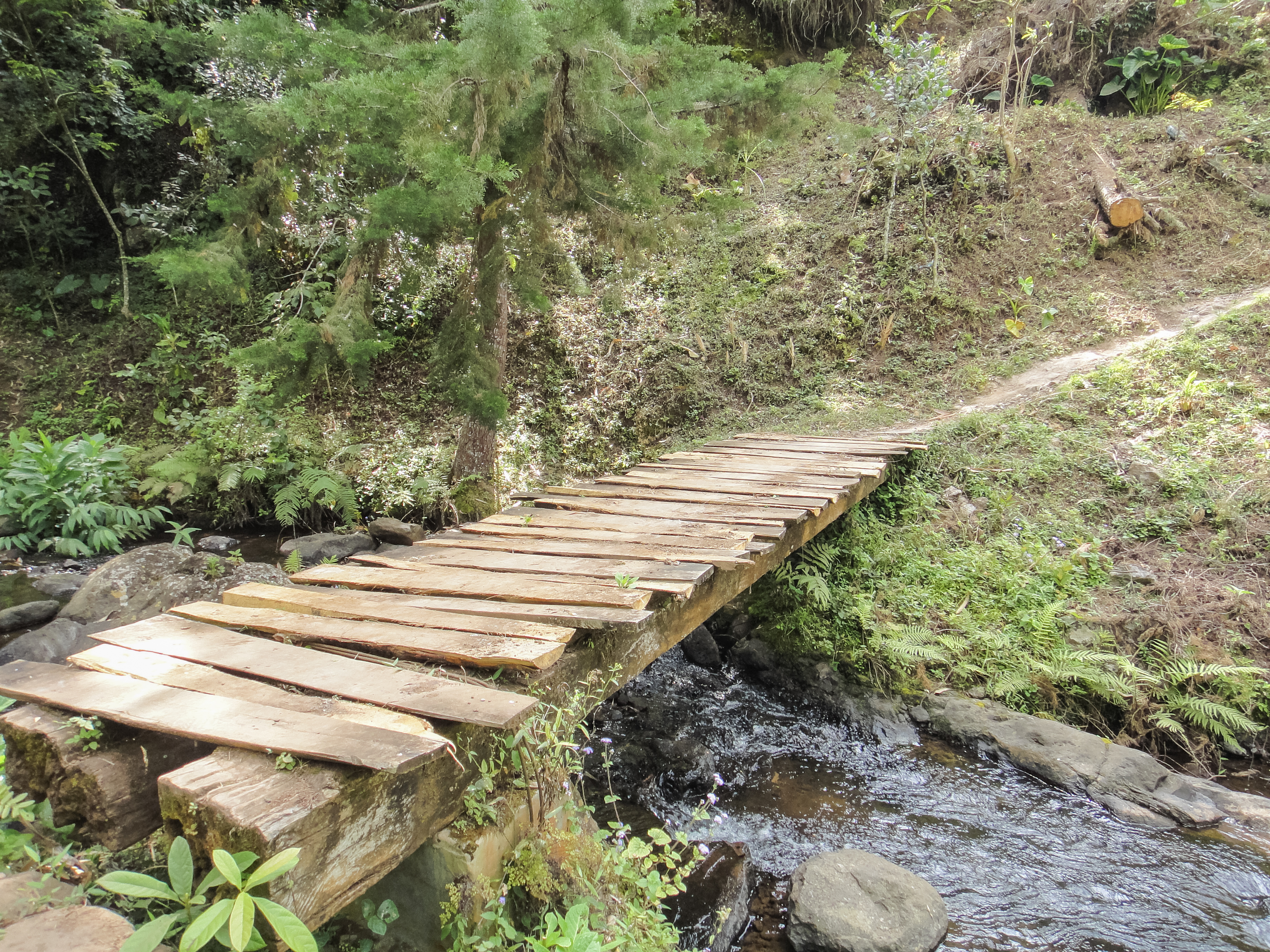
The Chavón River itself, which runs next to the village, crosses a landscape of tropical vegetation and rocky walls before flowing into the Caribbean Sea, creating one of the most characteristic natural settings of Altos de Chavón. From the village's viewpoints, you can contemplate the riverbed from above and better understand the privileged location of the village, built over the canyon. In addition, the river can be explored by boat through various excursions that allow you to enjoy the landscape from the water.
The village is part of the Casa de Campo complex, whose marina has a large number of restaurants, shops, and luxury boats in an atmosphere very different from the stone streets of Altos de Chavón.
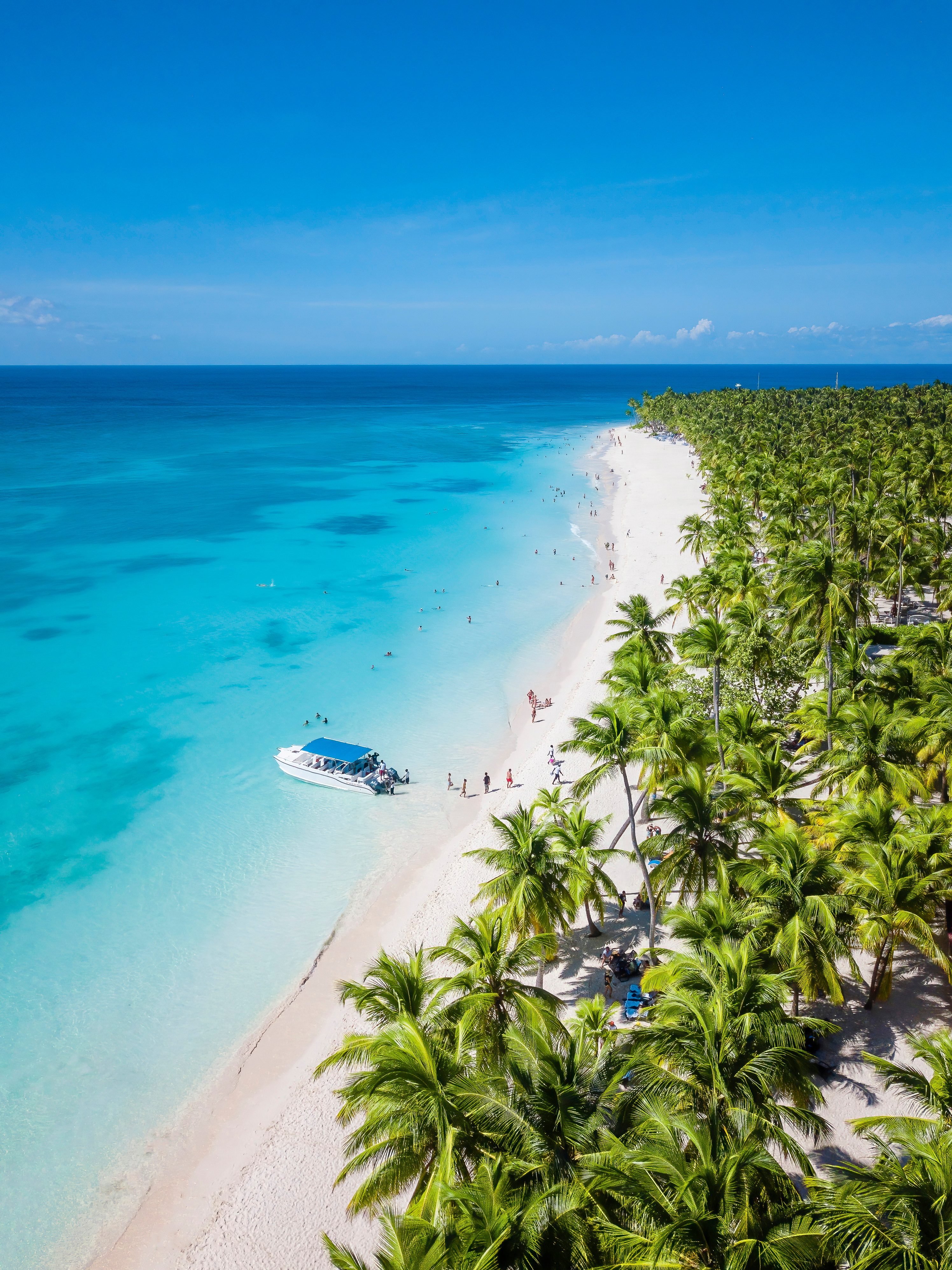
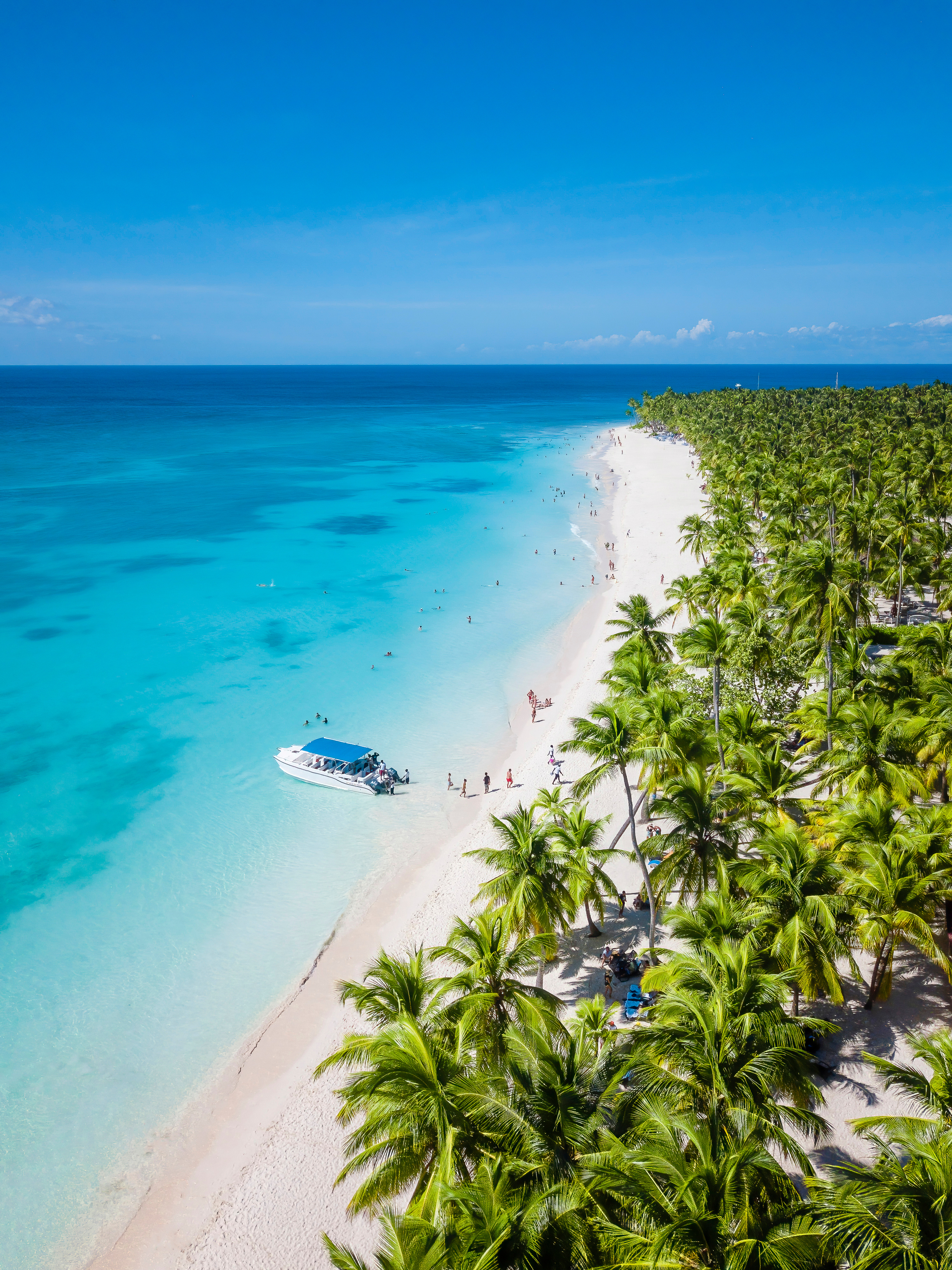
A short boat trip from the Bayahíbe area is Saona Island, a paradise of white sand beaches and shallow waters that is usually combined with Altos de Chavón in excursions organised from Punta Cana. This option allows you to see two of the great tourist attractions of the La Romana area in one day, although you can also visit both places separately if you prefer to spend more time on them.
Off the coast of La Romana appears the small Catalina Island, an enclave highly appreciated by divers and snorkel lovers thanks to its reef bottoms and calm waters, especially appropriate for enjoying water activities.
The centre of La Romana itself is worth a stroll, with its painted obelisk and its everyday Dominican city atmosphere, far removed from the carefully maintained decor of Altos de Chavón. You can take the opportunity to walk through the Central Park, approach the promenade, and discover some of the spaces that show local life beyond the large tourist complexes in the area. In this way, the visit allows you to see two very different sides of La Romana: the city and its cultural heritage, on one hand, and the Mediterranean recreation of Altos de Chavón, on the other.
,regionOfInterest=(1824,1368))
,regionOfInterest=(1824,1368))
,regionOfInterest=(2944,1656))
,regionOfInterest=(2944,1656))
,regionOfInterest=(632,423))
,regionOfInterest=(632,423))
,regionOfInterest=(1264,842))
,regionOfInterest=(1264,842))
,regionOfInterest=(2565.5,1505.5))
,regionOfInterest=(2565.5,1505.5))
,regionOfInterest=(2262,1508))
,regionOfInterest=(2262,1508))