,regionOfInterest=(2880,1920))
,regionOfInterest=(2880,1920))
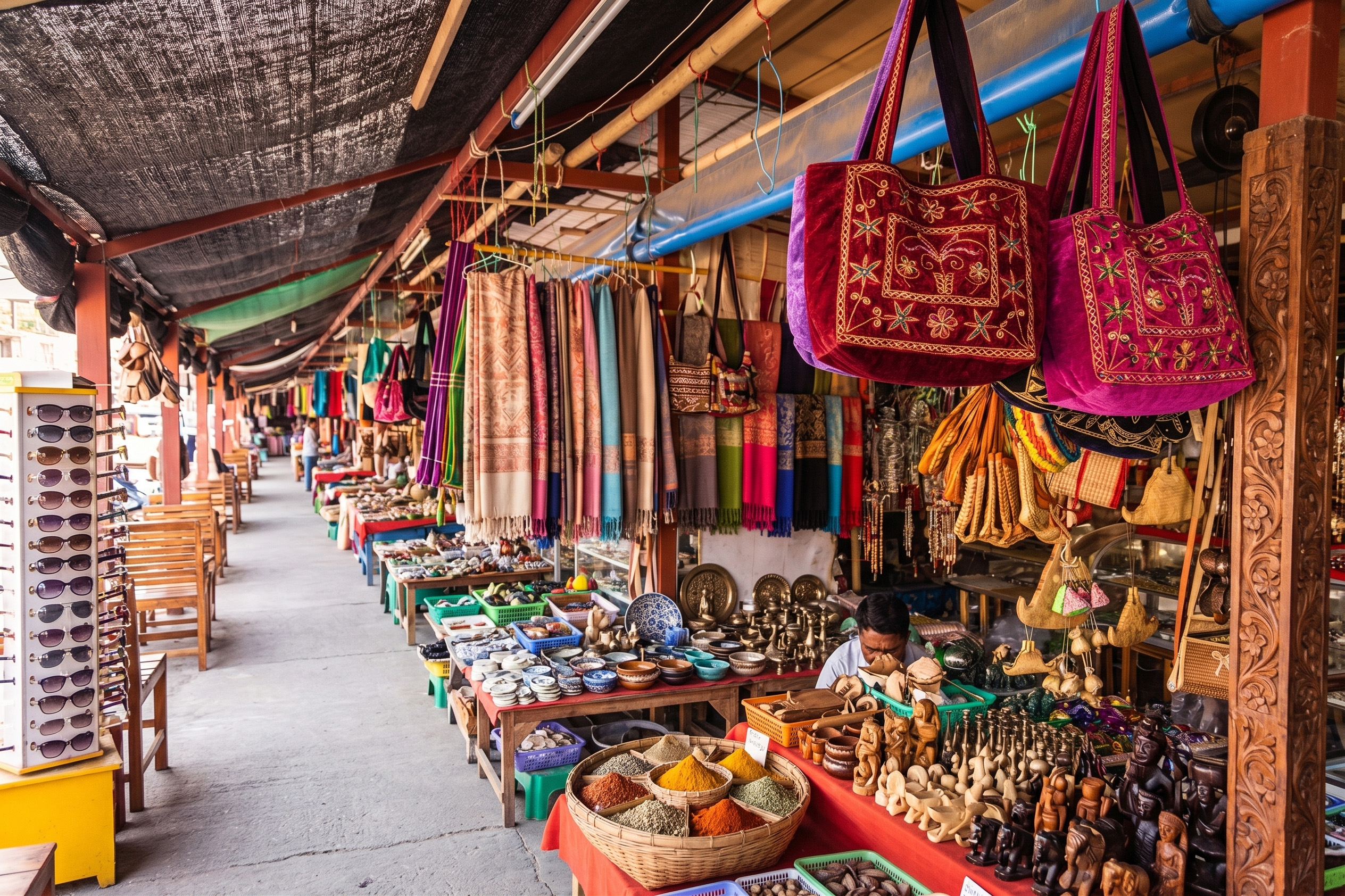
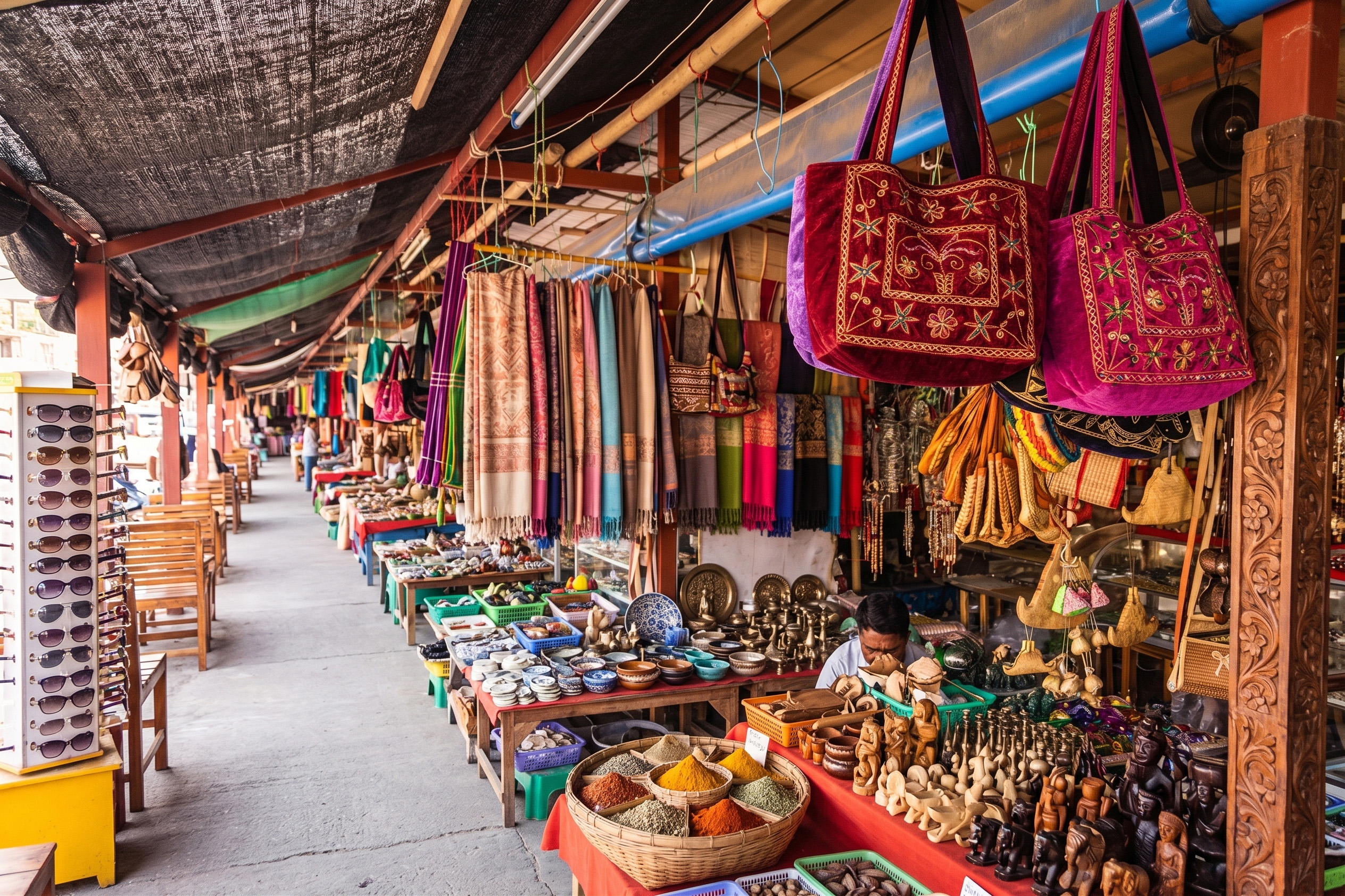
Best souvenirs to buy in Chiang Mai 2026: what to bring home
,regionOfInterest=(1264,842))
,regionOfInterest=(1264,842))
Culture
,regionOfInterest=(2944,1656))
,regionOfInterest=(2944,1656))
,regionOfInterest=(512,482))
,regionOfInterest=(512,482))
Digital marketing specialist with a passion for travel, writing, and discovering what makes every destination unique.
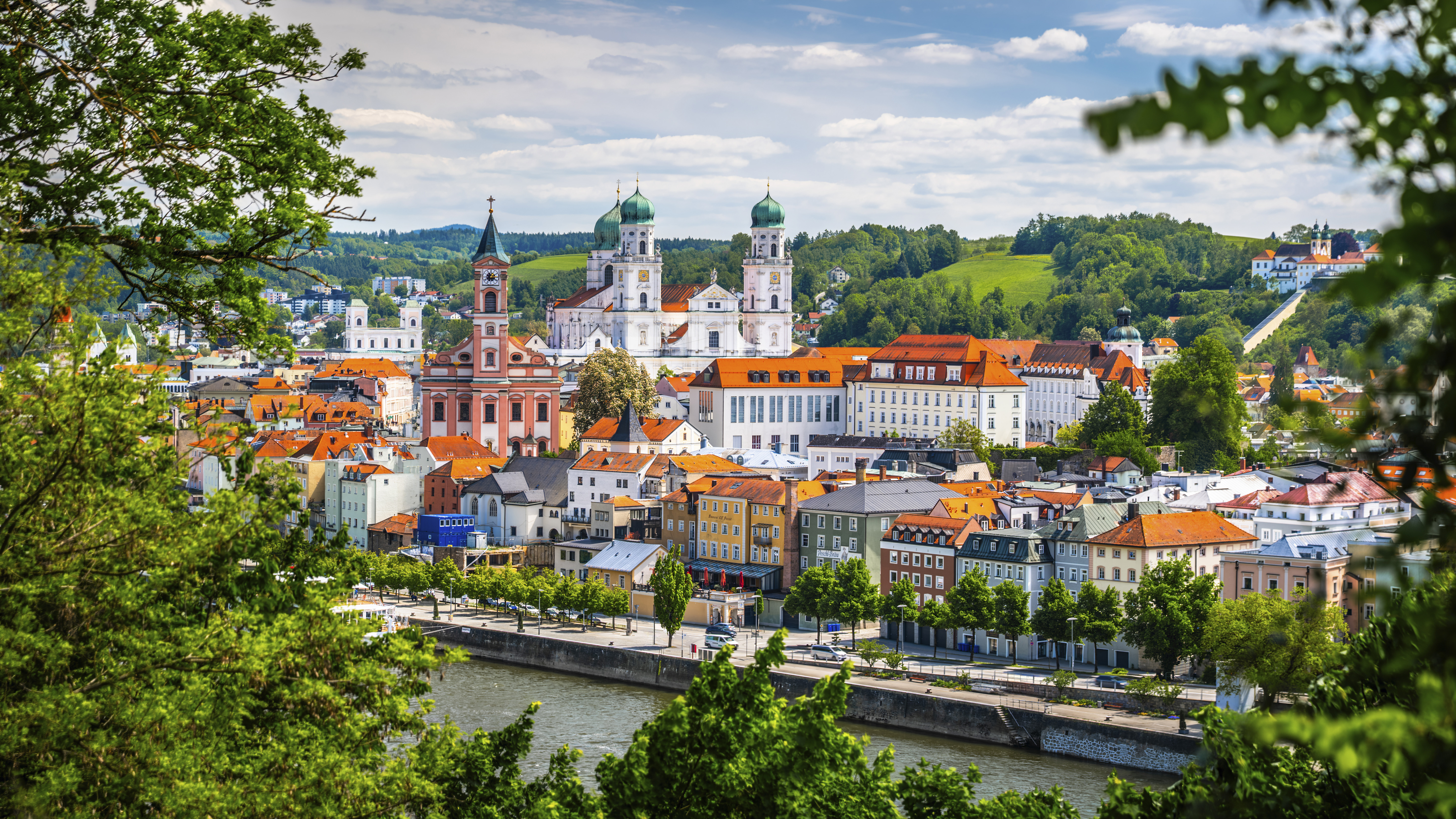
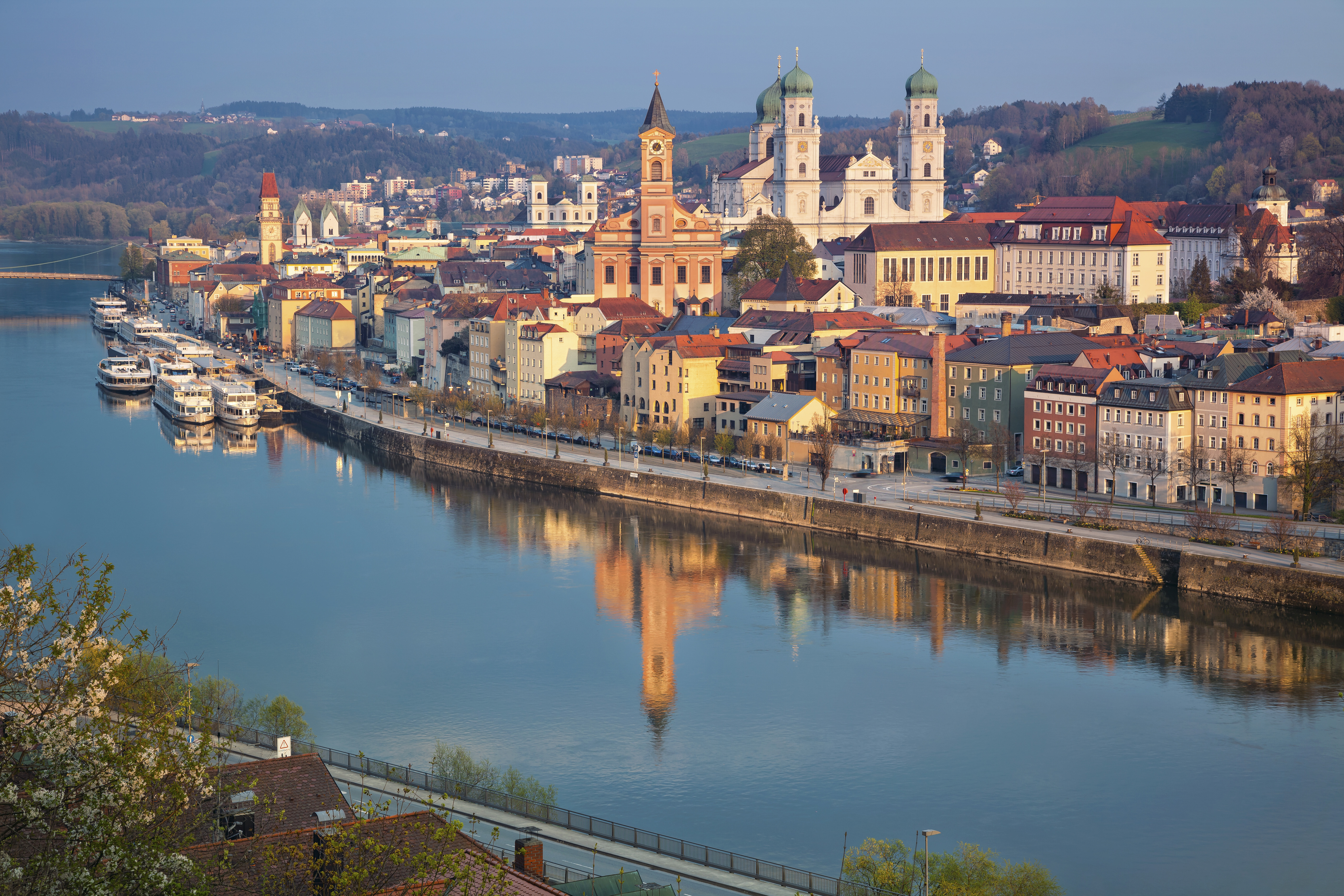
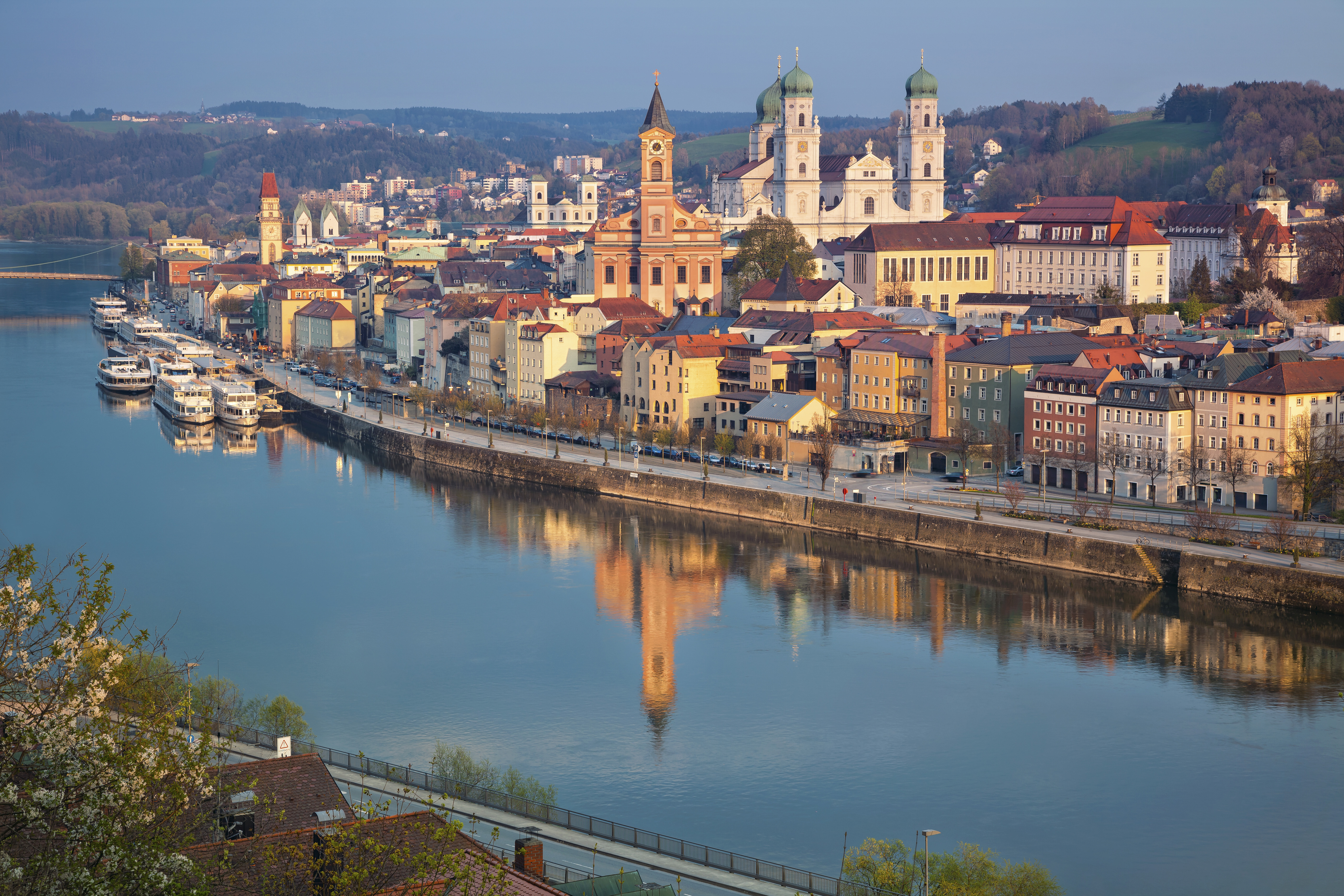
Considered one of the most iconic and picturesque cities in the state of Bavaria, Passau is located in south-east Germany, in the Lower Bavaria region, very close to the borders with Austria and the Czech Republic. Its privileged location and rich historical heritage make it one of the most interesting stops in the region.
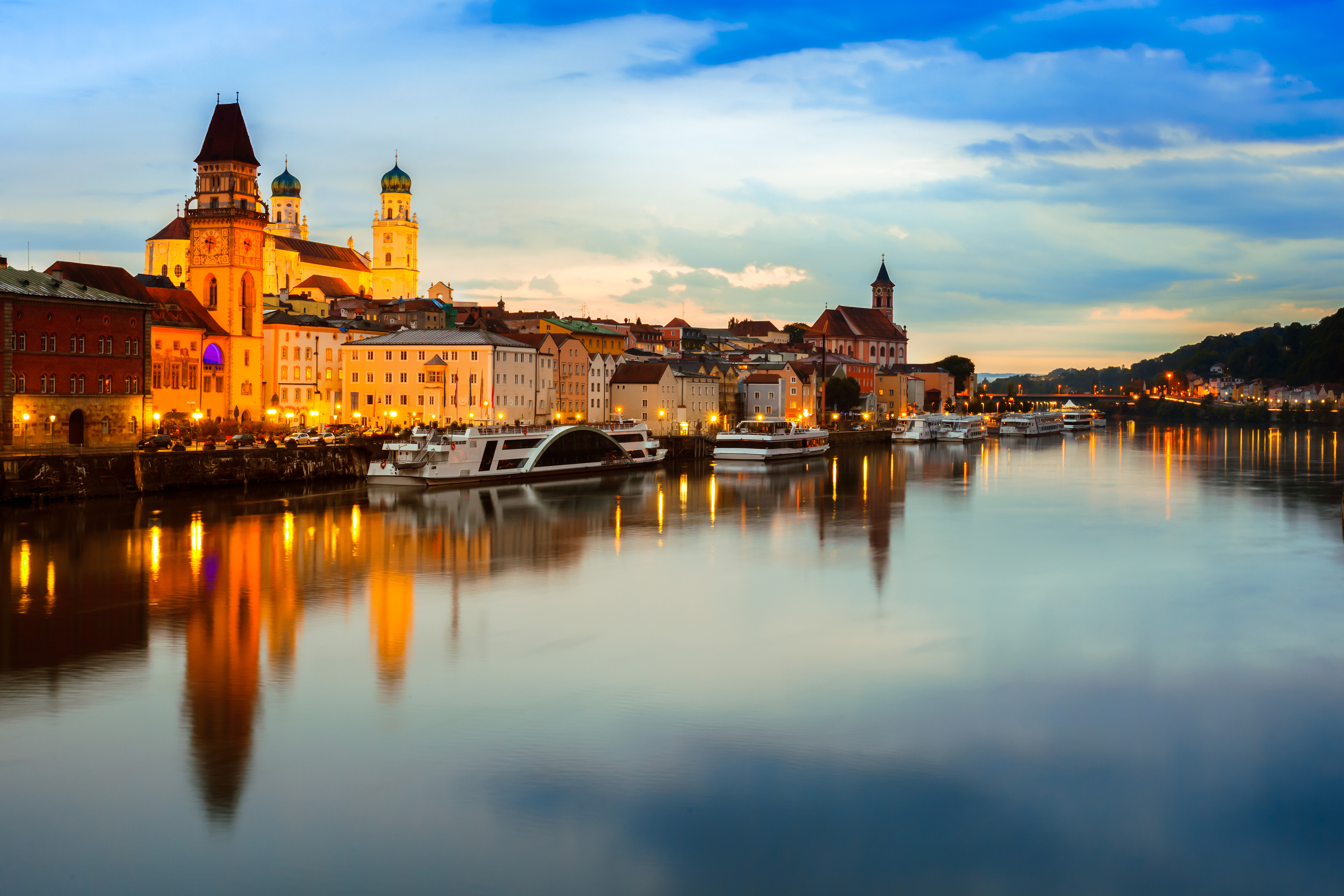
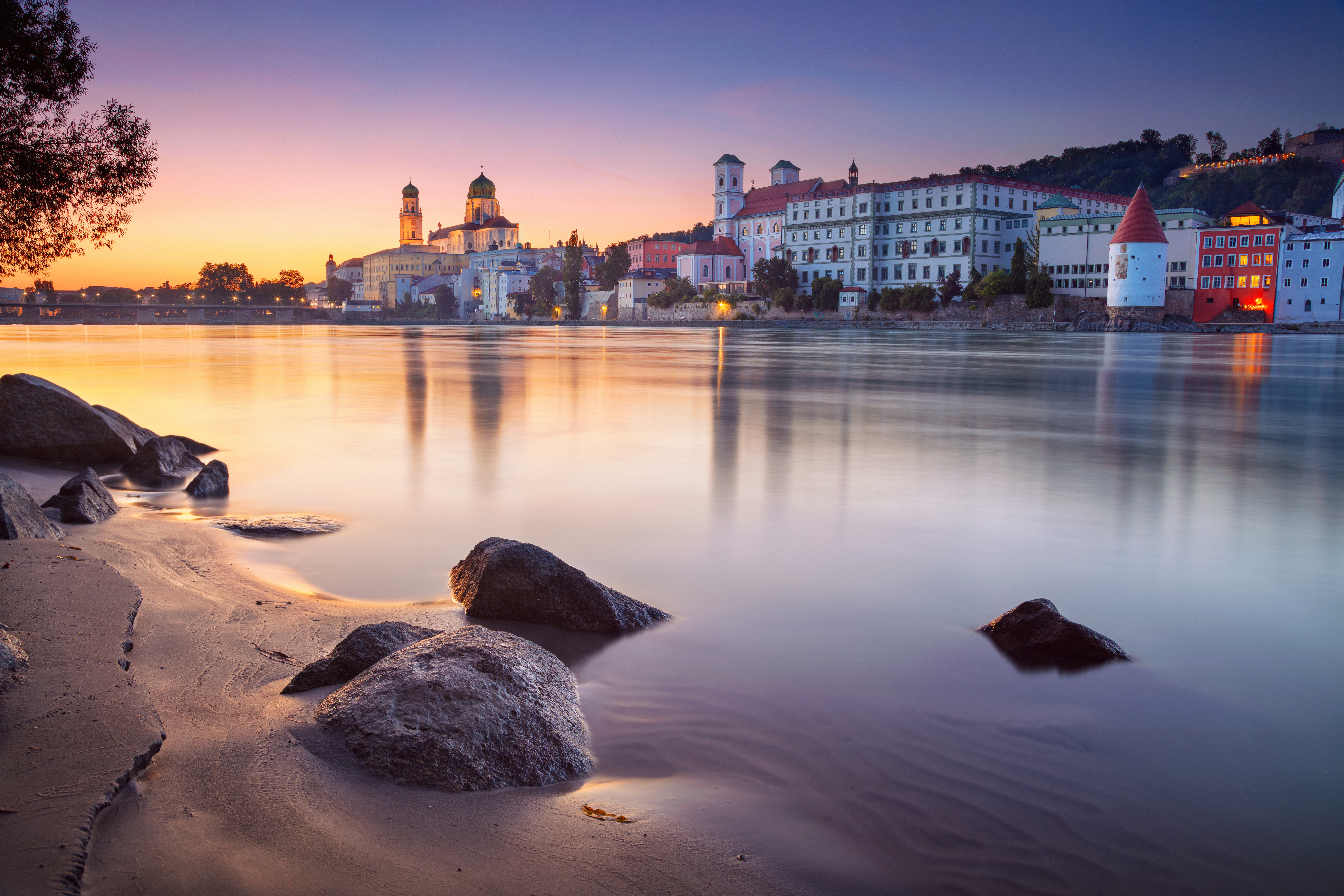
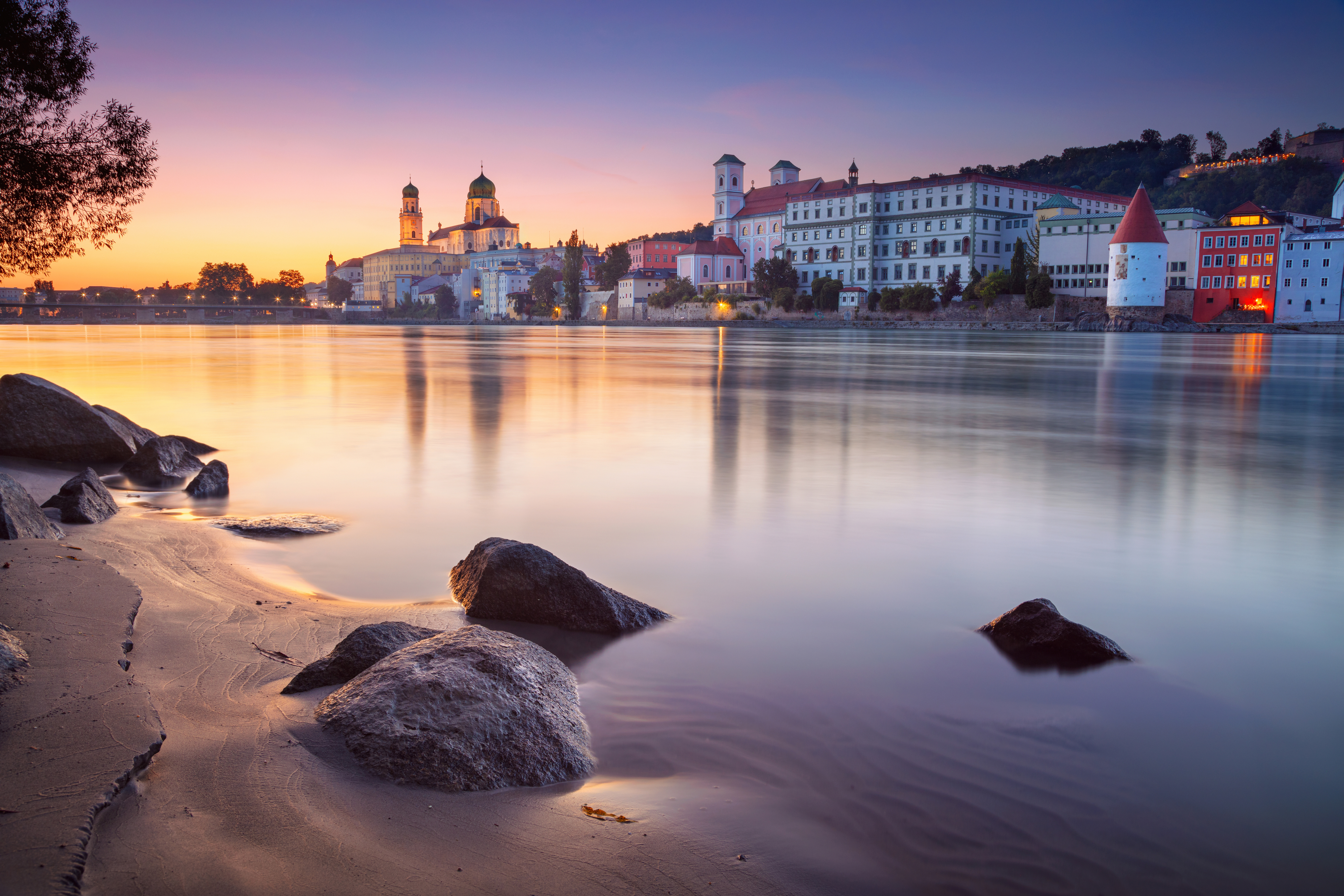
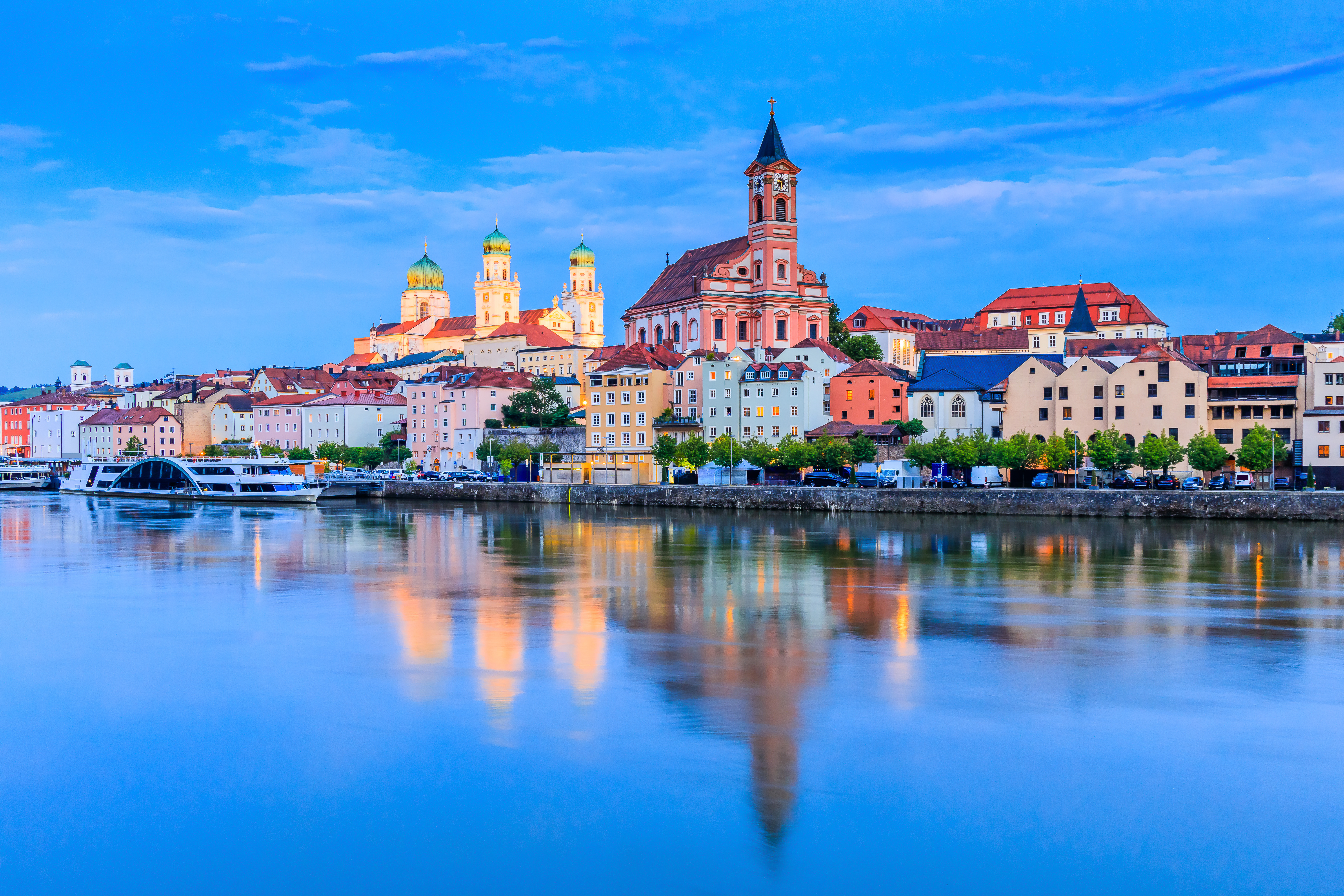
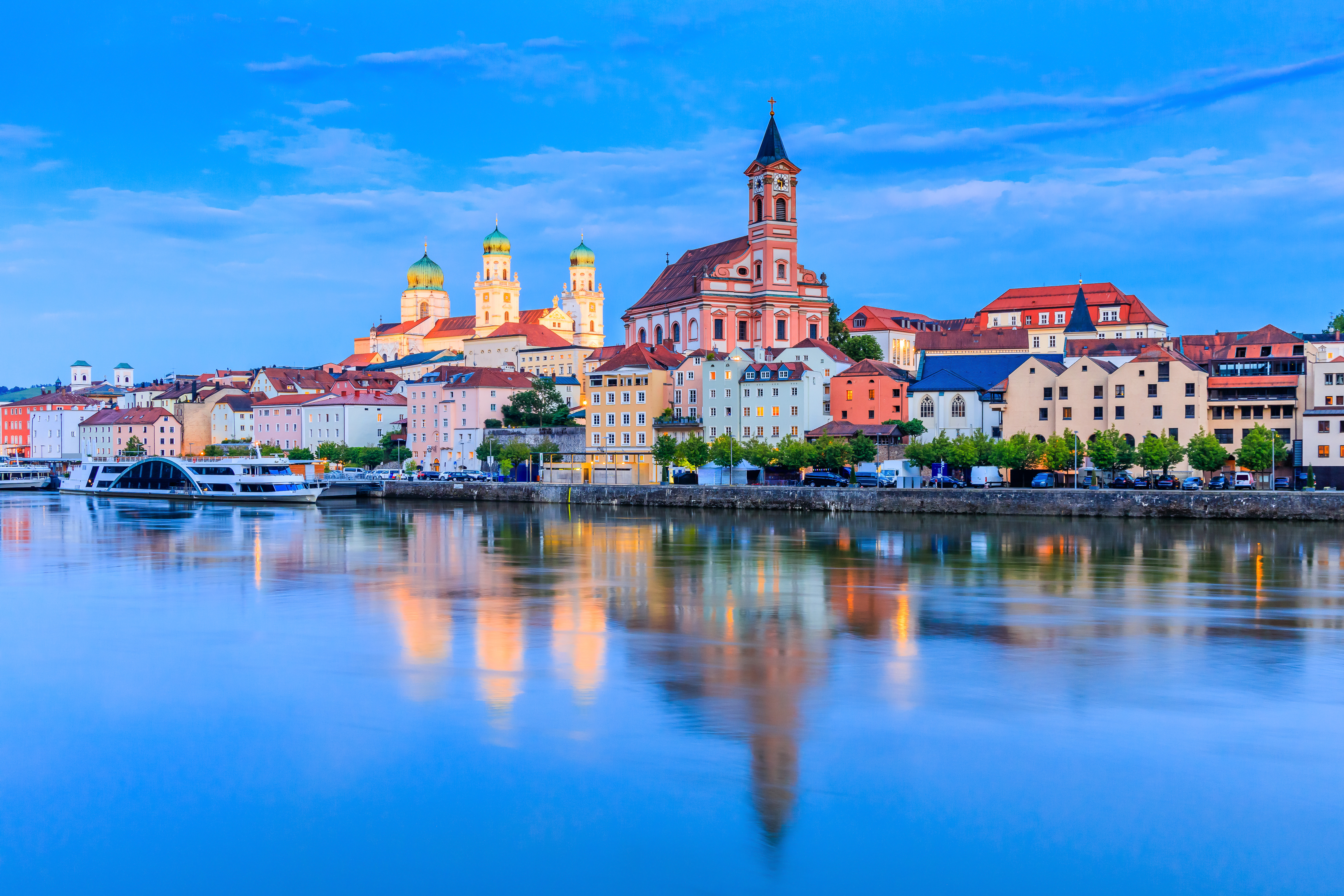
Known as the “City of Three Rivers” (Dreiflüssestadt), it is situated at the confluence of the Danube, Inn and Ilz rivers, a unique meeting of waters that has deeply marked its historical development and offers one of the most characteristic landscapes in Germany.
With a rich mercantile past as an episcopal and imperial seat, its old town stands out for its elegant Italian-inspired Baroque architecture, the result of the reconstruction carried out after the fires of the 17th century. Narrow streets, monumental churches, old residences and numerous viewpoints make up the charm of a city that invites you to explore it at your leisure.
Thanks to its compact size, the main places of interest can be comfortably visited on foot. This guide on what to see in Passau compiles the essential monuments, corners and viewpoints to discover one of the cities with the most personality in Bavaria.
Culture
,regionOfInterest=(2500,1667))
,regionOfInterest=(2500,1667))
,regionOfInterest=(2808,1872))
,regionOfInterest=(2808,1872))
,regionOfInterest=(4330,2886.5))
,regionOfInterest=(4330,2886.5))
Among the main things to do in Passau is, of course, to explore its historic centre at your leisure, since much of the charm of this Bavarian city resides in the way the stately architecture integrates with the river landscape that surrounds it.
Tourism in Passau revolves around the Altstadt, which concentrates Baroque buildings, small squares, cafes and some of the most important churches in the city, combining ecclesiastical history, Italian-style Baroque architecture, river navigation and outstanding regional gastronomy.
In addition, walks along the Danube offer a different perspective of the city, while boat excursions allow you to contemplate the architecture of its historic buildings from the river and better appreciate the unique relationship of Passau with its three watercourses.
When considering what to see in Passau, the ideal is to book, if possible, a full day or even a weekend. In this way, you can explore its main monuments at your own pace, sail along its rivers and enjoy a much quieter atmosphere than that of other larger and more touristy cities, such as Munich.
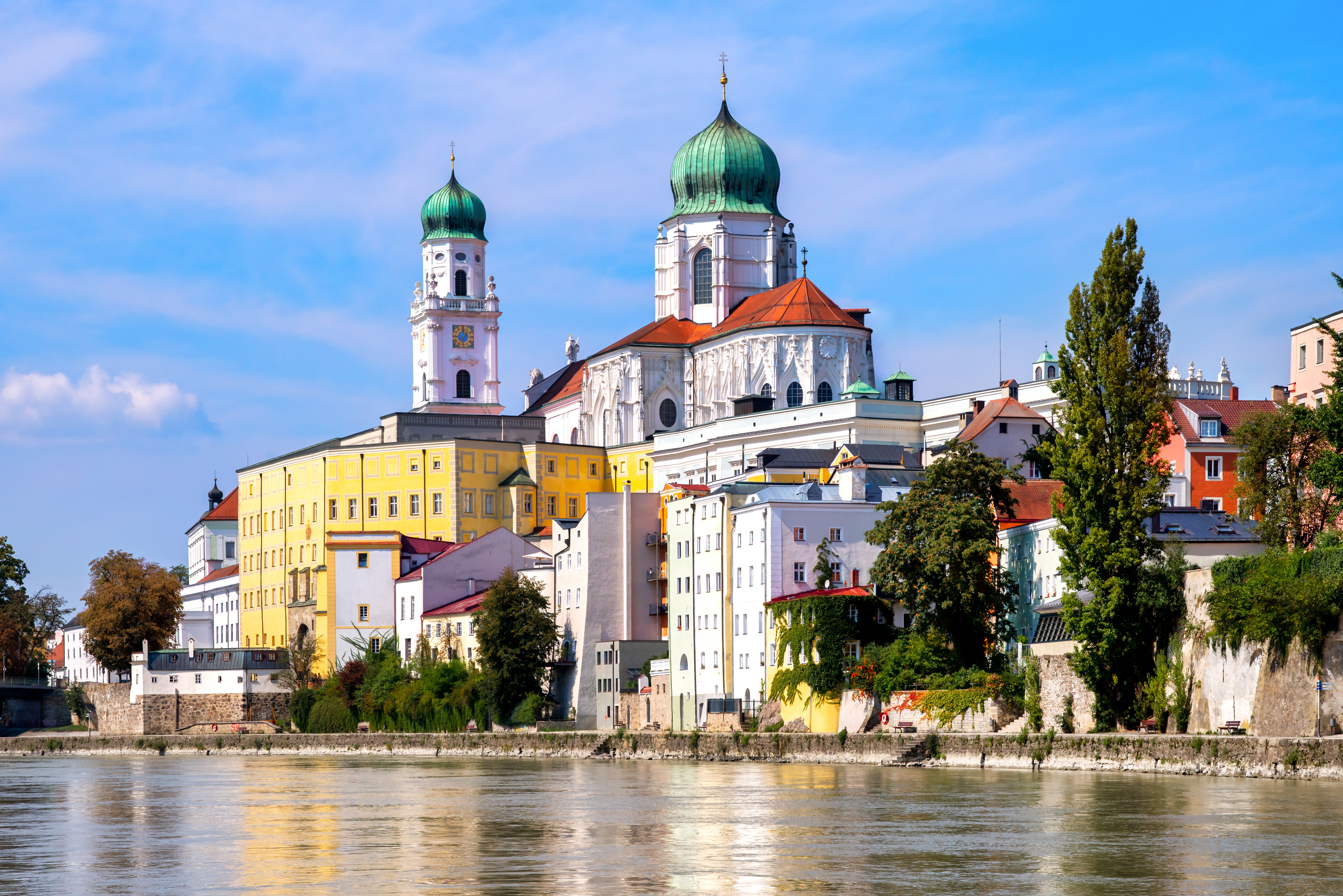
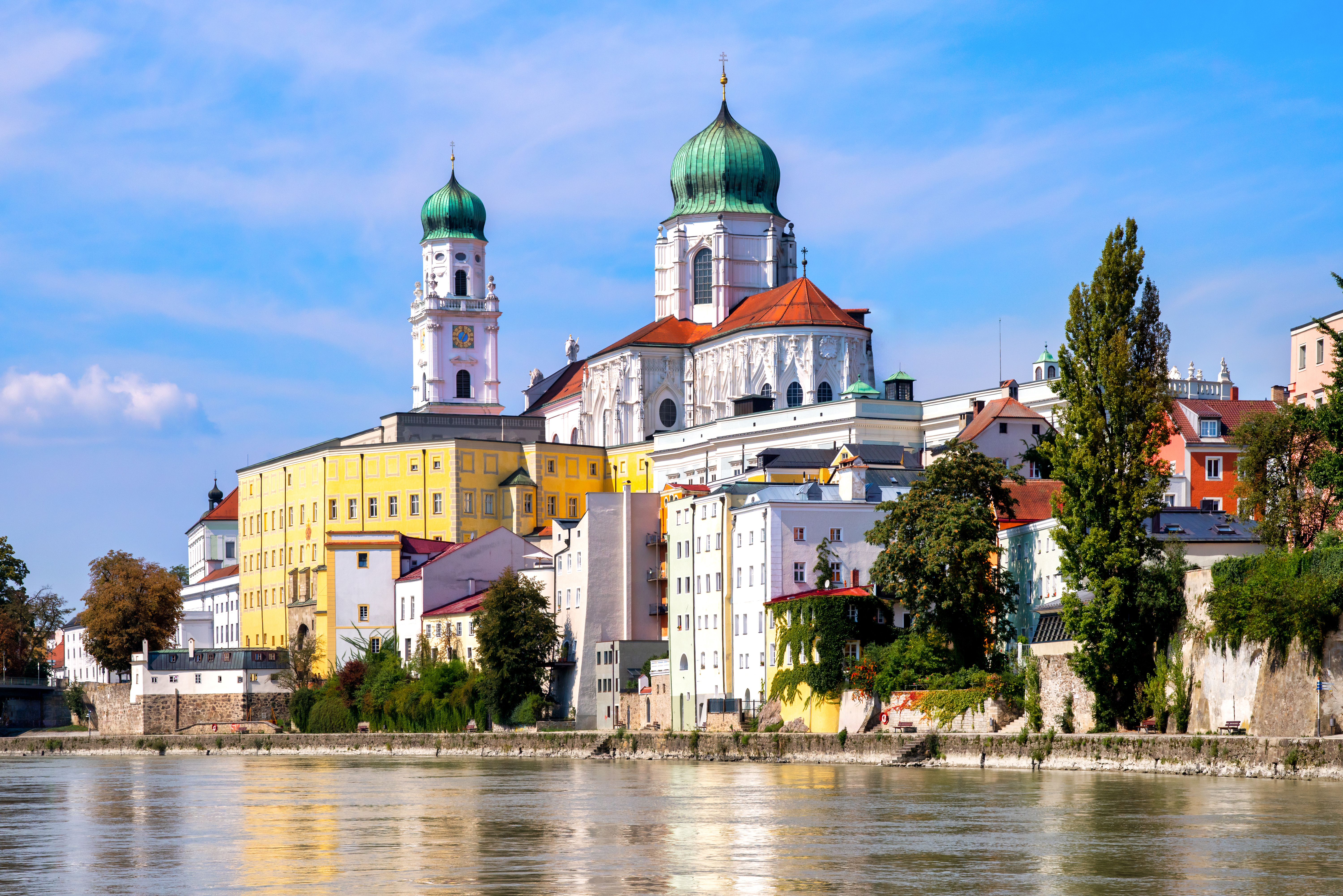
St. Stephen's Cathedral (St. Stephan Dom) is the great architectural symbol of Passau. Located in the highest part of the old town, it stands out for its spectacular Baroque façade and the two towers that dominate the square.
Considered one of the great works of Italian-influenced Baroque north of the Alps, it was rebuilt in the 17th century after a fire. Its interior impresses with its enormous dimensions, the frescoes that decorate the vaults and the ornamental richness of the Baroque and Rococo styles.
At the top of the Georgsberg hill, on the other side of the Danube river, is the Veste Oberhaus Fortress, one of the most important defensive structures in Passau and one of the best preserved in all of Europe.
Built from the 13th century by the prince-bishops of the city, it served for centuries as a stately residence and defensive bastion. It currently houses the Passau History Museum and one of the best viewpoints in the city, with spectacular views of the historic centre, the confluence of the three rivers and the landscape of hills that surrounds the region.
St. Paul's Church is located in the upper part of the historic centre and is another of the Baroque temples that reflect the importance of Passau's religious heritage. Its interior stands out for its decoration and frescoes, while the façade and the bell tower contribute a very characteristic image to the city's landscape. Its location also allows it to be easily integrated into any tour of the old town.
The historic centre of Passau (Altstadt) is one of the best places to discover the essence of the city. Its narrow streets, squares and brightly coloured buildings reflect the Baroque influence that characterises much of the city.
One of the most iconic areas is Ludwigstraße, one of the main shopping streets in the historic centre. Numerous routes start from here, connecting squares, churches and small streets until reaching the banks of the rivers.
On the other side of the Inn river is Innstadt, a neighbourhood with a different personality and a quieter atmosphere than the historic centre. In addition to preserving interesting historical buildings, it offers some of the best panoramic views of Passau and the confluence of the rivers that characterises the city.
Located in the heart of the old town, Höllgasse is one of the most prestigious and unique streets in Passau. Popularly known as the "Artists' Alley", it stands out for its narrow cobbled layout and the characteristic strip of painted cobblestones that runs along the ground. Along the street there are art galleries, artisan workshops and small creative studios that contribute to its marked artistic character.
,regionOfInterest=(3000,2002))
,regionOfInterest=(3000,2002))
At the easternmost tip of the peninsula is the Dreiflüsseeck, the exact point where the Danube (with dark green waters), the Inn (with a light greenish tone coming from the Alps) and the Ilz (with dark waters coming from the peat bogs) converge.
Its name literally means “Corner of the Three Rivers”, and it has become one of the most iconic places in the city. From this open space it is possible to observe how the waters of the three rivers advance together showing different shades before mixing into a single channel.
Considered one of the most beautiful Baroque squares in Germany, the Residenzplatz stands out for its marked Italian influence and the elegance of the historic buildings that surround it. Flanked by the imposing Episcopal Residence and several stately palaces, it is one of the most representative corners of the historic centre of Passau.
In the centre of the square stands the Wittelsbacherbrunnen, a monumental fountain dedicated to the Wittelsbach dynasty, which ruled Bavaria for centuries and left a deep mark on the region.
The Innpromenade is an idyllic promenade that borders the bank of the Inn river. Very popular with locals, students and tourists, this wide avenue has a large number of benches in the shade of large chestnut trees, children's playgrounds and wonderful views of the Innstadt neighbourhood and the old river walls that characterise the city.
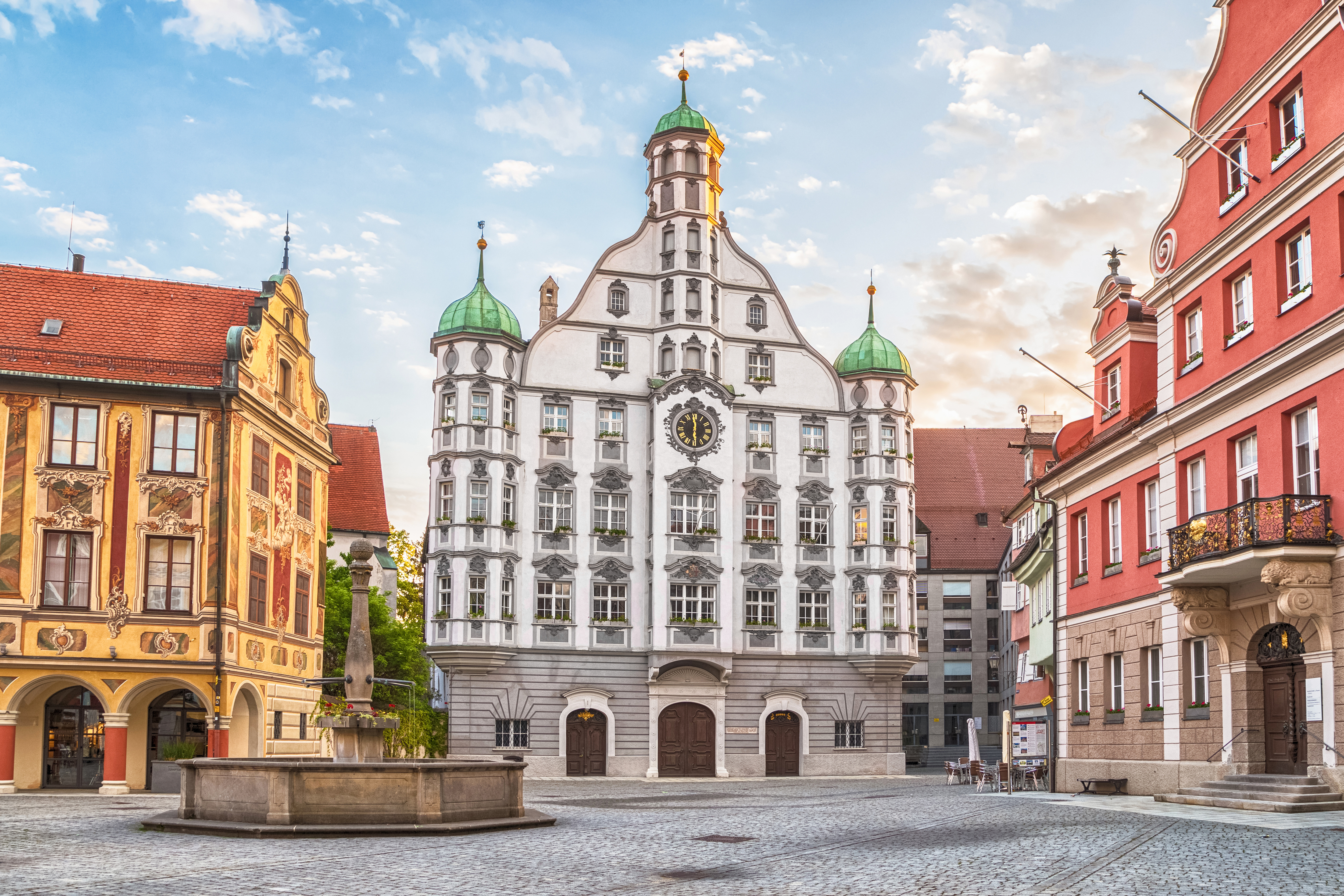
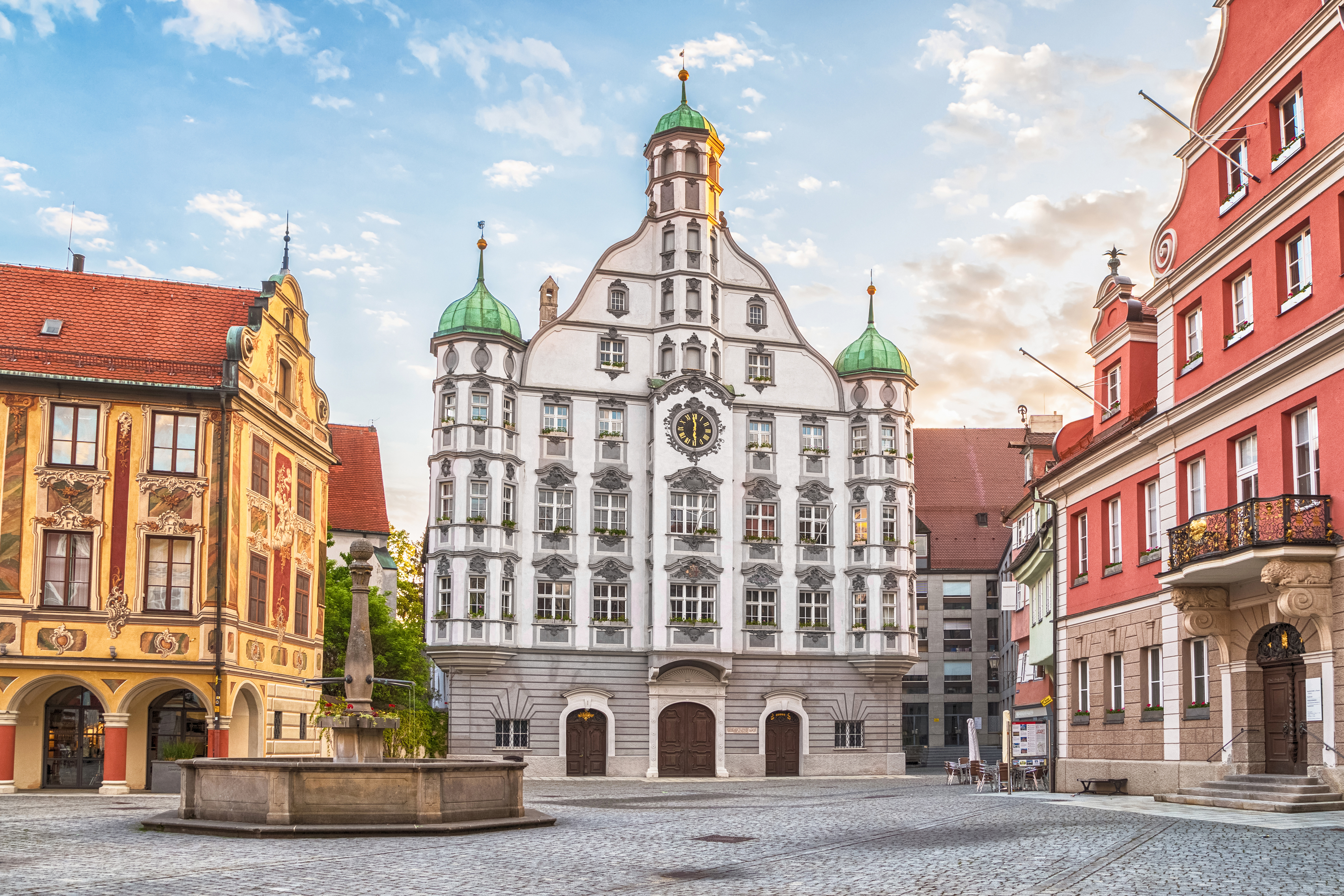
One of the most beautiful squares in the historic centre, Rathausplatz is presided over by the Town Hall and surrounded by historic buildings that reflect the traditional architecture of the city. Thanks to its location and attractive monumental complex, it is one of the most representative urban spaces in Passau.
The Altes Rathaus, or old Town Hall, occupies a privileged position on the banks of the Danube. This building, whose origins date back to the 14th century, stands out for the striking historical frescoes that decorate its main façade. Inside, spectacular Gothic-style rooms are preserved, including the Großer Rathaussaal, known for its ornamental stained glass windows that represent some of the most important episodes in local history.
Located at the foot of the hill, at the confluence between the Danube and the Ilz, the Veste Niederhaus fortress is part of the historic defensive system of Passau. Connected to the upper fortress by a fortified passage, its stone walls emerge directly from the river waters, creating one of the most unique and photogenic images of the city.
Inside the imposing Veste Oberhaus fortress, the Oberhausmuseum offers a journey through the history of Passau, river trade along the Danube and daily life during the Middle Ages. Its exhibitions allow visitors to understand the political, economic and social evolution of the city over the centuries.
Located in the historic Wilder Mann hotel, next to the Rathausplatz, the Passauer Glasmuseum houses the largest collection of Bohemian glass in the world. With more than 30,000 pieces ranging from the Baroque to Art Nouveau and Art Déco, this museum proposes a fascinating journey through the technical and artistic excellence of Central European glassmaking.
The Museum Moderner Kunst – Stiftung Wörlen is one of the main cultural spaces in Passau dedicated to modern and contemporary art. Its collection brings together works by different artists and movements, providing a more current perspective that complements the marked historical and religious character present in much of the city's heritage.
If you are looking for a different experience from the usual monumental visits among the main things to do in Passau, the city offers several proposals that allow you to discover its history, its rivers and some of its most unique corners:
,regionOfInterest=(3057.5,2038.5))
,regionOfInterest=(3057.5,2038.5))
The gastronomy of Passau combines the traditional flavours of Bavarian cuisine with marked influences from neighbouring Austria. Its historic taverns with wooden beams and its lively breweries at the foot of the Danube river invite you to enjoy hearty and tasty dishes.
Among the local specialities, the Passauer Tölpel, a sweet made with marzipan and chocolate; the Fischpflanzerl, a type of burger or meatball prepared with river fish; and the traditional Schweinebraten, a juicy roast pork usually served with beer sauce and the classic Knödel, popular dumplings made with potato or bread.
The gastronomic experience would not be complete without trying some of the regional beers served in traditional Bavarian breweries, where beer culture is an essential part of the local identity and accompanies many of the most iconic recipes in the city.
The traditional event par excellence of the city is the Passauer Dult, a centuries-old festival that is celebrated twice a year (the May edition or Maidult and the autumn one or Herbstdult). During these days, the city is filled with fairground attractions, live music and beer tents where attendees wear their traditional Bavarian costumes.
Likewise, during the month of December, the famous Christkindlmarkt is held in the Residenzplatz, a Christmas market with a very special atmosphere, surrounded by Baroque buildings and illuminated with thousands of festive lights, which brings together stalls of handicrafts, typical Bavarian gastronomic products and a varied cultural programme typical of the Christmas season.
Thanks to its pedestrianised historic centre, where its main attractions are concentrated, and the number of outdoor activities, travelling to Passau with children is very easy.
Little ones will love taking a boat trip along the three rivers or going up to the Veste Oberhaus fortress on the shuttle bus or walking along the tree-lined paths.
In addition, the Innpromenade riverbank has many landscaped children's play areas where children can run around, feed the ducks and enjoy the surroundings.
For those who have one day in Passau, there is enough time to discover its main monuments, explore the historic centre and enjoy some of the best views of the city. This itinerary allows you to combine heritage, gastronomy and river landscapes in a single day:
So that you can organise your tour without any problems, here is a tourist map of Passau with the exact location of the different points of interest that I have included in this guide.
One of the best ways to discover Passau is to explore it at your leisure. Although its size allows you to visit many of its main attractions in a single day, it is worth setting aside time to stroll along the rivers, admire the details of its Baroque architecture, enter some of its historic churches or simply enjoy the quiet atmosphere of its squares and avenues.
This itinerary through Passau allows you to get to know one of the most elegant and unique cities in Bavaria, characterised by the combination of Italian-influenced Baroque architecture, an important religious heritage and the spectacular presence of the Danube, Inn and Ilz rivers. The result is a destination with its own identity that offers a different experience from other better-known Bavarian cities.
,regionOfInterest=(2656,1494))
,regionOfInterest=(2656,1494))
,regionOfInterest=(1750,1575))
,regionOfInterest=(1750,1575))
,regionOfInterest=(2500,1667))
,regionOfInterest=(2500,1667))
,regionOfInterest=(1376,768))
,regionOfInterest=(1376,768))
,regionOfInterest=(632,423))
,regionOfInterest=(632,423))
,regionOfInterest=(1771.5,1251))
,regionOfInterest=(1771.5,1251))