,regionOfInterest=(2880,1920))
,regionOfInterest=(2880,1920))
Best souvenirs to buy in Chiang Mai 2026: what to bring home
,regionOfInterest=(1264,842))
,regionOfInterest=(1264,842))
Culture
,regionOfInterest=(2500,1667))
,regionOfInterest=(2500,1667))
,regionOfInterest=(512,482))
,regionOfInterest=(512,482))
Digital marketing specialist with a passion for travel, writing, and discovering what makes every destination unique.
Although it does not have the fame of Munich, Nuremberg or Rothenburg ob der Tauber, Memmingen preserves a historic centre of great heritage value, with historic houses of merchants and craftsmen, churches, fountains, medieval gates and towers, and different sections of its old wall.
Located in the Swabia region, in the west of the federal state of Bavaria and near the border with Baden-Württemberg, Memmingen has a historic centre that can be easily explored on foot. Among its streets and squares, the Stadtbach also stands out, the stream of water that crosses the Altstadt and is part of its urban landscape.
This guide brings together everything to see in Memmingen, from its main monuments and historic buildings to its squares, museums, green spaces and some of the traditions that are part of the identity of this former imperial city.
For a route through Bavaria, discovering what to visit in Memmingen allows you to get to know a city marked by its past as a free imperial city, its architectural heritage and a history closely linked to trade and urban life in Swabia.
Culture
,regionOfInterest=(2000,1333.5))
,regionOfInterest=(2000,1333.5))
,regionOfInterest=(3120,2080))
,regionOfInterest=(3120,2080))
,regionOfInterest=(2808,1872))
,regionOfInterest=(2808,1872))
When you are looking for what to do in Memmingen, a good way to get to know the city is to start with its historic centre and walk its streets. The centre concentrates many of its main attractions, so it is easy to link monuments, squares, churches and remains of the old fortifications in the same route.
Tourism in Memmingen combines historical heritage, architecture and Swabian gastronomy with a quiet atmosphere. The city preserves numerous historic buildings, streets and squares, as well as different sections of its old wall. It also occupies a prominent place in the history of rights and freedoms in Germany for its relationship with the Twelve Articles of 1525.
Among the main things to do in Memmingen are:
The main points of the historic centre can be covered in a few hours, while dedicating a full day allows you to visit museums and churches and get to know the city with greater peace of mind.
In the heart of the historic centre is St. Martinskirche, one of the main religious buildings in Memmingen and a prominent example of Gothic architecture in the city. Built in the 15th century, the St. Martin's Church stands out for its tower, almost 65 metres high, which is one of the most recognisable elements of the urban skyline and can be visited through guided tours.
Inside, the Chorgestühl, an elaborate carved wooden choir made between 1501 and 1507, is particularly noteworthy and is considered one of the most important works of this type in southern Germany. The climb to the tower allows you to contemplate the roofs of the old town and, with good visibility, the mountains of the Alps.
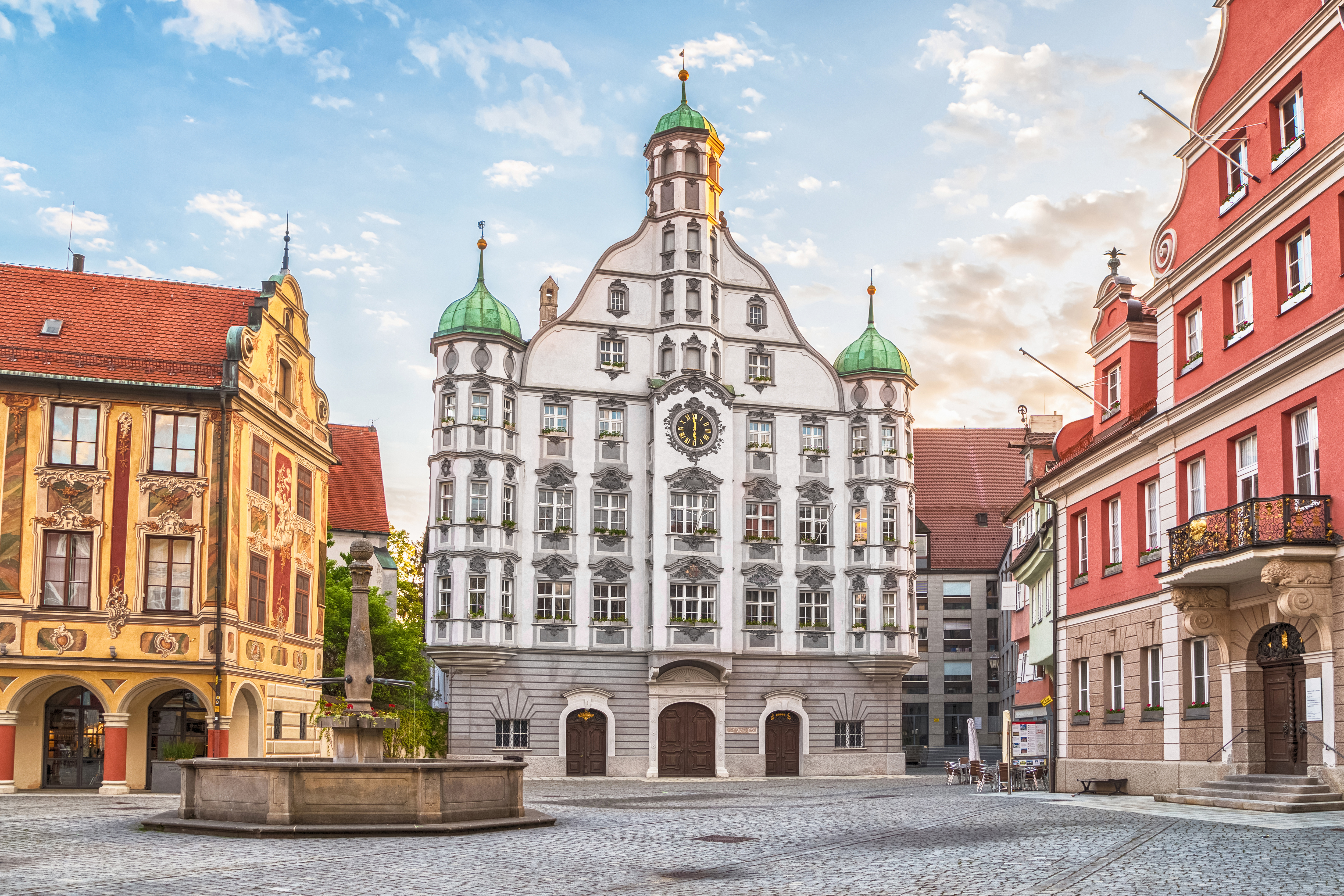
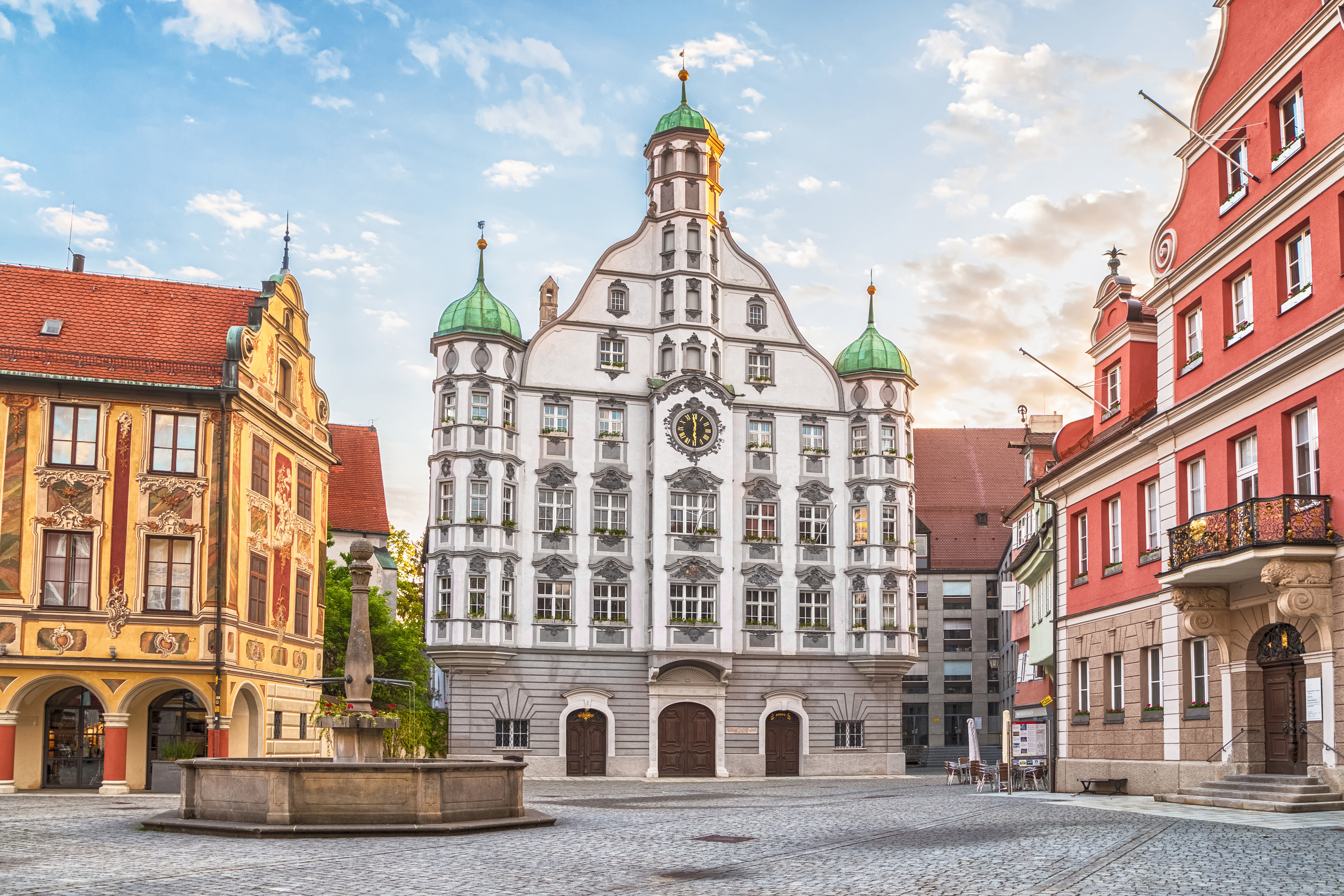
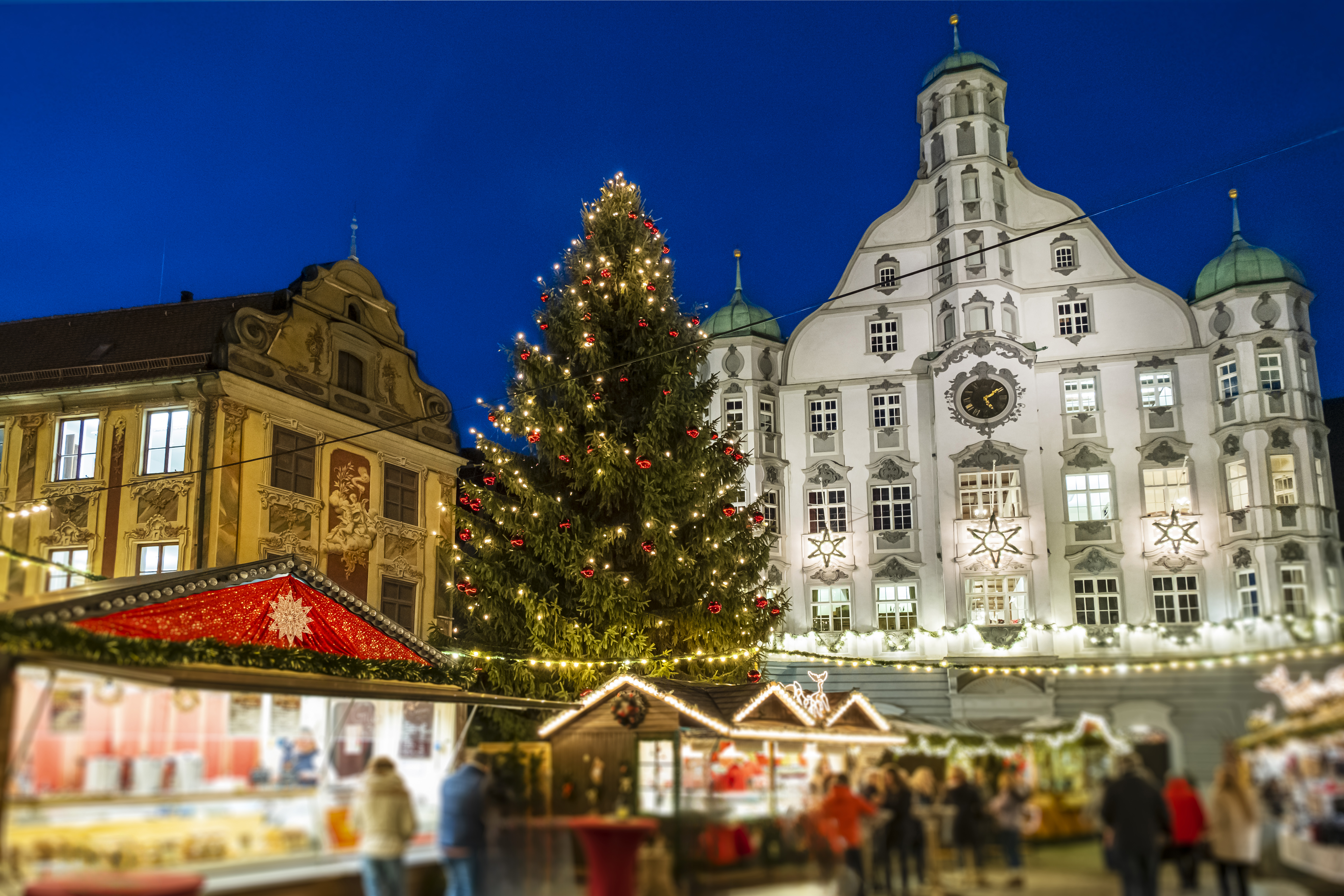
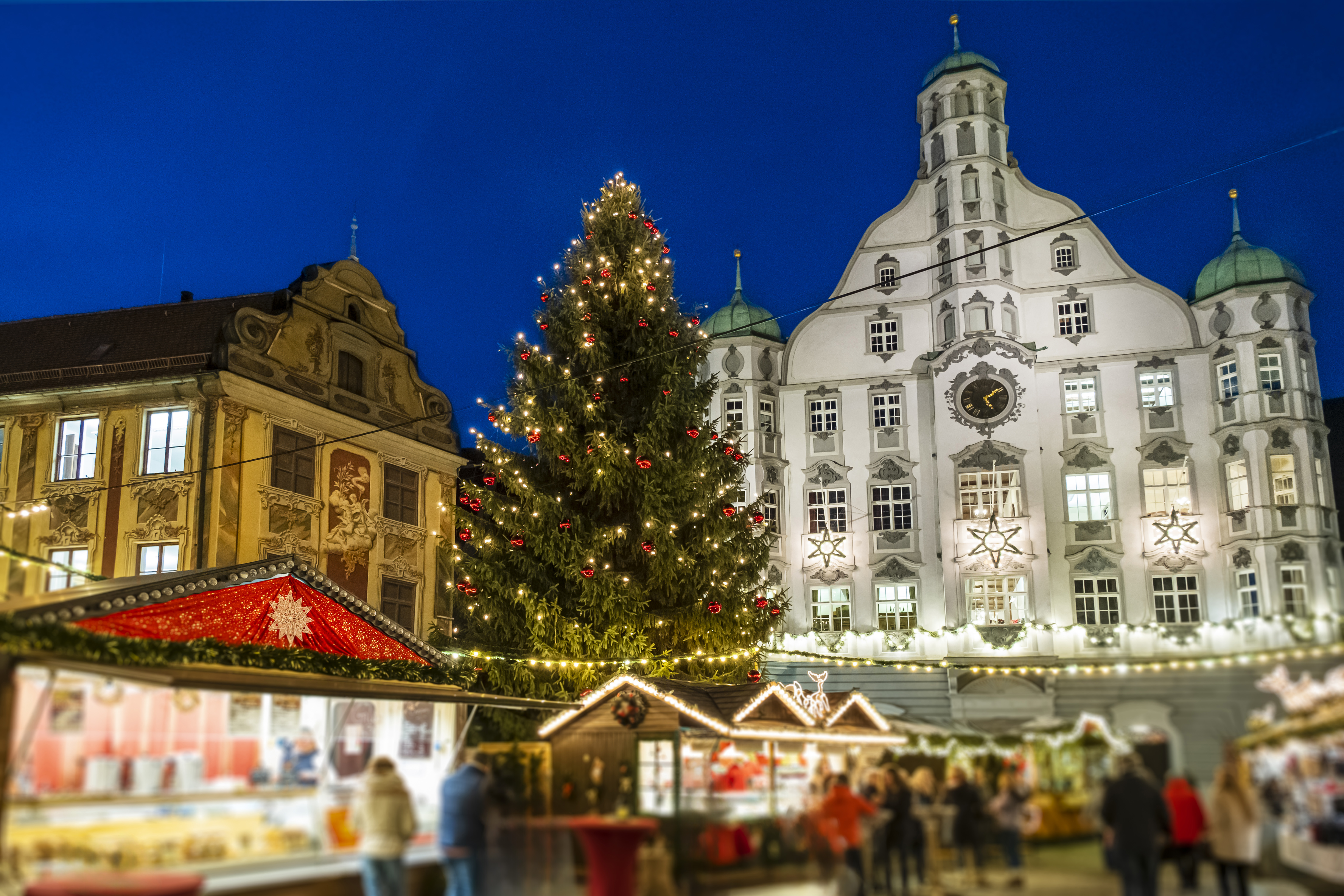
The Rathaus of Memmingen is located in the market square and is part of the most representative architectural complex in the city's historic centre. The current building was built in 1589, while its characteristic facade was renovated in 1764-1765 in Rococo style.
The facade stands out for its curved pediment, the decorative elements and the stucco details that were incorporated during that remodelling. Together with the Steuerhaus and other historic buildings in the square, the Town Hall makes up one of the most prominent urban spaces of the former imperial city.
The Kramerzunft, the former guild house of the merchants, occupies a prominent place in the history of Memmingen and in the memory of the events of 1525. In March of that year, representatives of different peasant groups from Upper Swabia met in this building and formed the so-called Christliche Vereinigung (Christian Union).
In this context, the Twelve Articles were disseminated, a document that collected the main demands of the peasants and which became one of the best-known texts of the German Peasants' War. Its relationship with the ideas of freedom, justice, participation and self-determination explains the role that Memmingen currently claims as a city of freedom rights.
The Kramerzunft allows you to get closer to this episode of German history and understand the importance that the events of 1525 maintain in the historical identity of Memmingen.
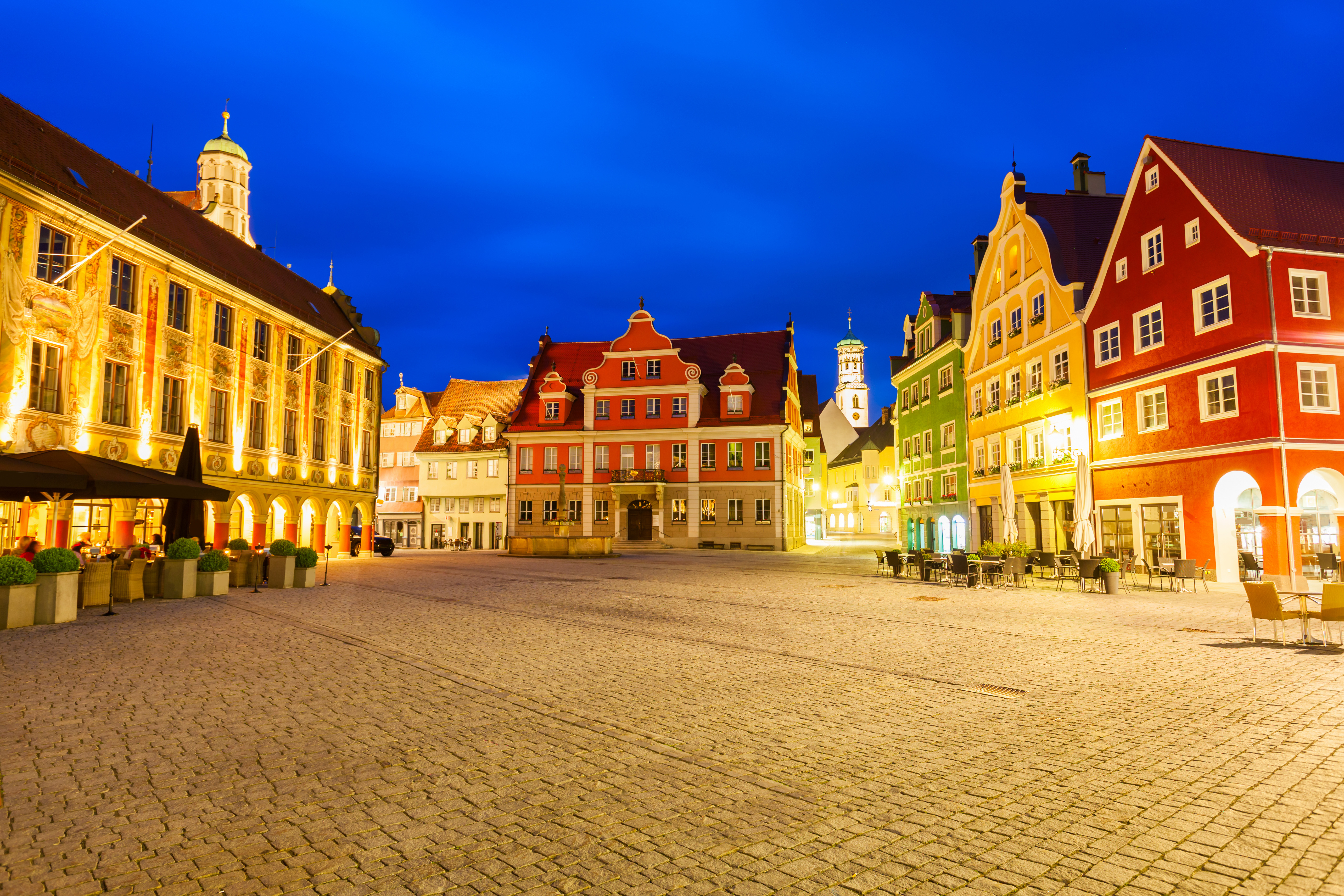
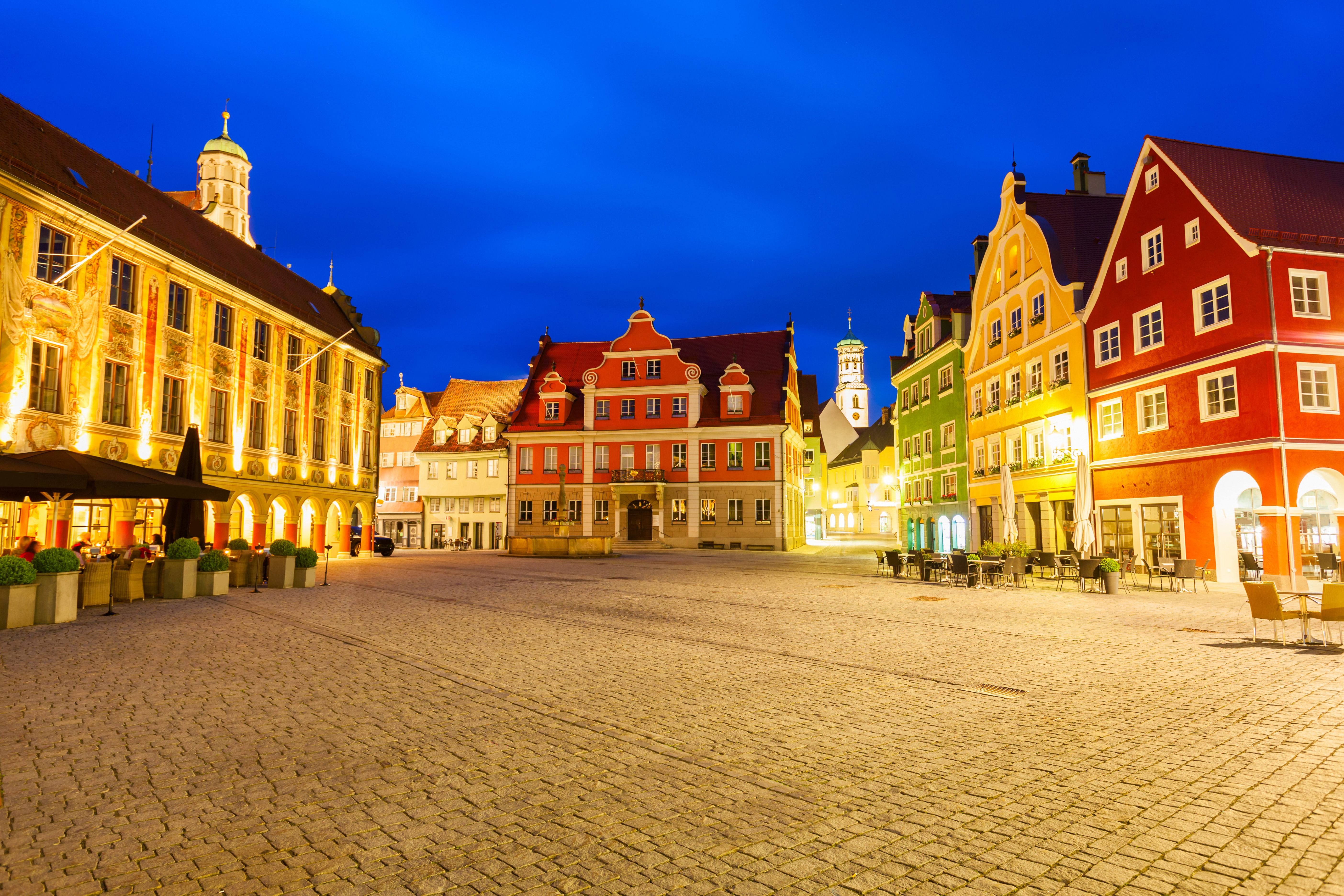
The historic centre of Memmingen concentrates much of the city's architectural heritage. Its streets bring together buildings from different eras, old guild houses, historic residences, churches, squares and remains of the old fortifications.
The tour of the Altstadt allows you to discover facades with different architectural styles and learn about some of the buildings linked to Memmingen's past as a free imperial city. Among its streets and squares are some of the city's main monuments and places of interest.
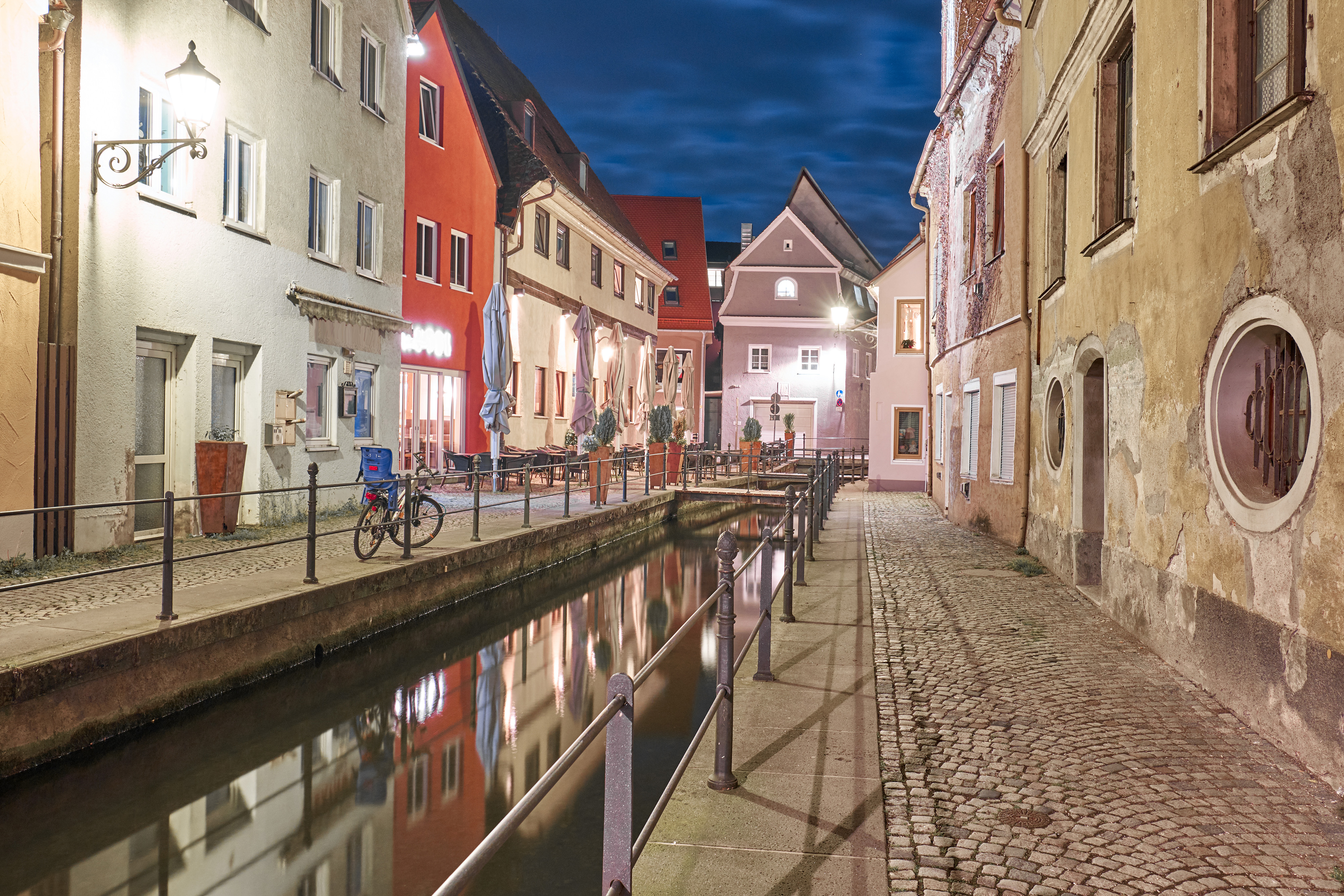
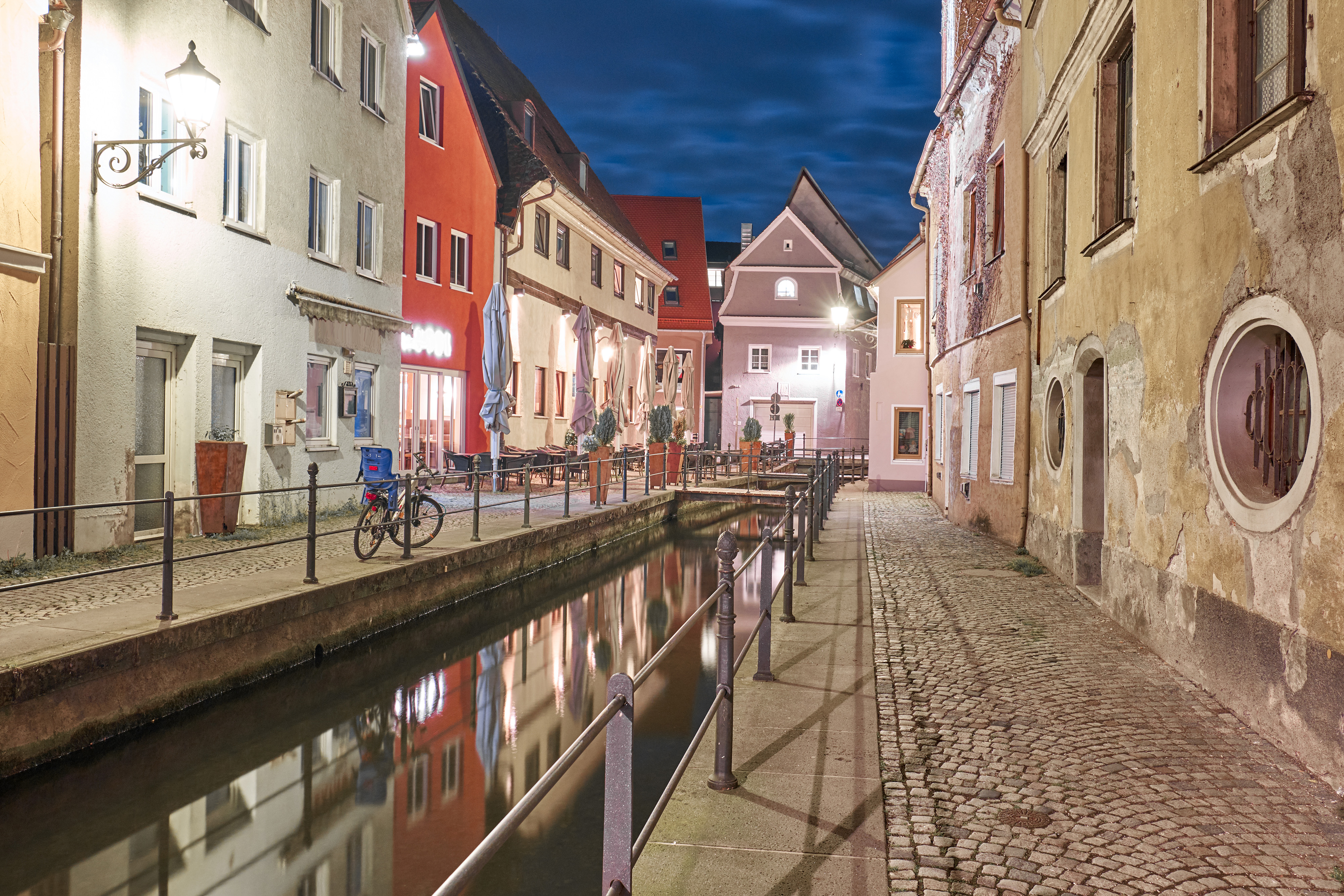
One of the most characteristic elements of the Memmingen urban landscape is the Stadtbach, the name given to the Memminger Ach as it passes through the Altstadt. The watercourse crosses the historic centre, visible in some sections and covered in others, and passes by such prominent spaces as the Schrannenplatz, the Weinmarkt and the Marktplatz.
Its bridges, walkways and open sections are part of the old town's landscape and allow you to discover a different facet of the city. In addition, the Stadtbach is closely linked to local history and traditions, especially the well-known Fischertag.
The Schrannenplatz is one of the prominent spaces in the southern part of the historic centre and constitutes one of the entrances to the pedestrian area of Memmingen. Its name refers to the old Schranne, a building used for the storage and trade of cereals that was once located in this place.
In the square is the Fischerbrunnen, installed in 1955 and designed by the sculptor Max Pöppel. The fountain features a figure of a fisherman from the Stadtbach and is linked to the tradition of the Fischertag, one of the most deep-rooted celebrations in Memmingen.
The Stadtpark Neue Welt is one of the main green and recreational areas of Memmingen. The park, located about a 15-minute walk from the Altstadt, occupies part of the former site of the 2000 Landesgartenschau and has landscaped areas, walking paths, a lake, children's play areas and a biergarten.
During the summer months, activities related to wakeboarding are also organised on the lake, in addition to different events and outdoor leisure proposals.
The Grimmelschanze is part of the green belt that accompanies some of the remains of the old fortifications of Memmingen. This space combines landscaped areas and elements of the city's old defence, integrating them into the current urban landscape.
Its location next to the historic centre allows you to incorporate the Grimmelschanze into a tour of the wall and other vestiges of the fortifications of the former imperial city.
The Memmingen wall is one of the main elements of the city's historical heritage and constitutes its greatest monument. The old fortification once had seven gates and 26 towers, although many of its structures disappeared over time.
Currently, different sections of the wall, towers, gates and defensive elements are preserved, which allow you to know the size that the fortification system of the former imperial city reached.
The Siebendächerhaus is one of the most characteristic buildings in Memmingen and one of the seven monuments that the city considers part of its main symbols. Its name, which literally means "house of the seven roofs", refers to its peculiar structure.
Built in 1601, the building was used by the tanners' guild as a space for drying skins and leather. Its unique design, with different roof levels and side openings, favoured the ventilation of the spaces intended for drying. The building suffered serious damage during a bombing in 1945, but its timber-framed structure was preserved and later rebuilt.
The Westertor is one of the old access gates to Memmingen and one of the most recognisable elements of its fortifications. The medieval gate was destroyed during the siege of the city in 1647, in the context of the Thirty Years' War, and was subsequently rebuilt.
Its current appearance dates back to 1660 and allows you to appreciate how the old gates and towers were part of the defensive system of the imperial city. The Westertor is currently preserved integrated into the historic wall complex.
The Lindauer Tor is another of the historic gates that are preserved in Memmingen. Its first documentary reference dates back to 1371 and it was part of the fortifications that protected the city.
On the outside of the gate you can still see a cannonball from 1647, related to the clashes that took place during the Thirty Years' War. Next to the access, a small house formerly intended for the gatekeeper, built in 1742, is also preserved.
The Kreuzherrnsaal occupies the former space of the church of St. Peter and St. Paul, belonging to the complex of the convent and hospital of the Holy Spirit. Its current appearance is the result of the Baroque transformation carried out at the beginning of the 18th century.
The decoration, executed from 1709, combines stucco by Matthias Stiller, a representative of the Wessobrunn school, with frescoes by the local painter Johann Friedrich Sichelbein. The result is one of the most prominent Baroque interiors in Memmingen and is part of the Upper Swabian Baroque Route.
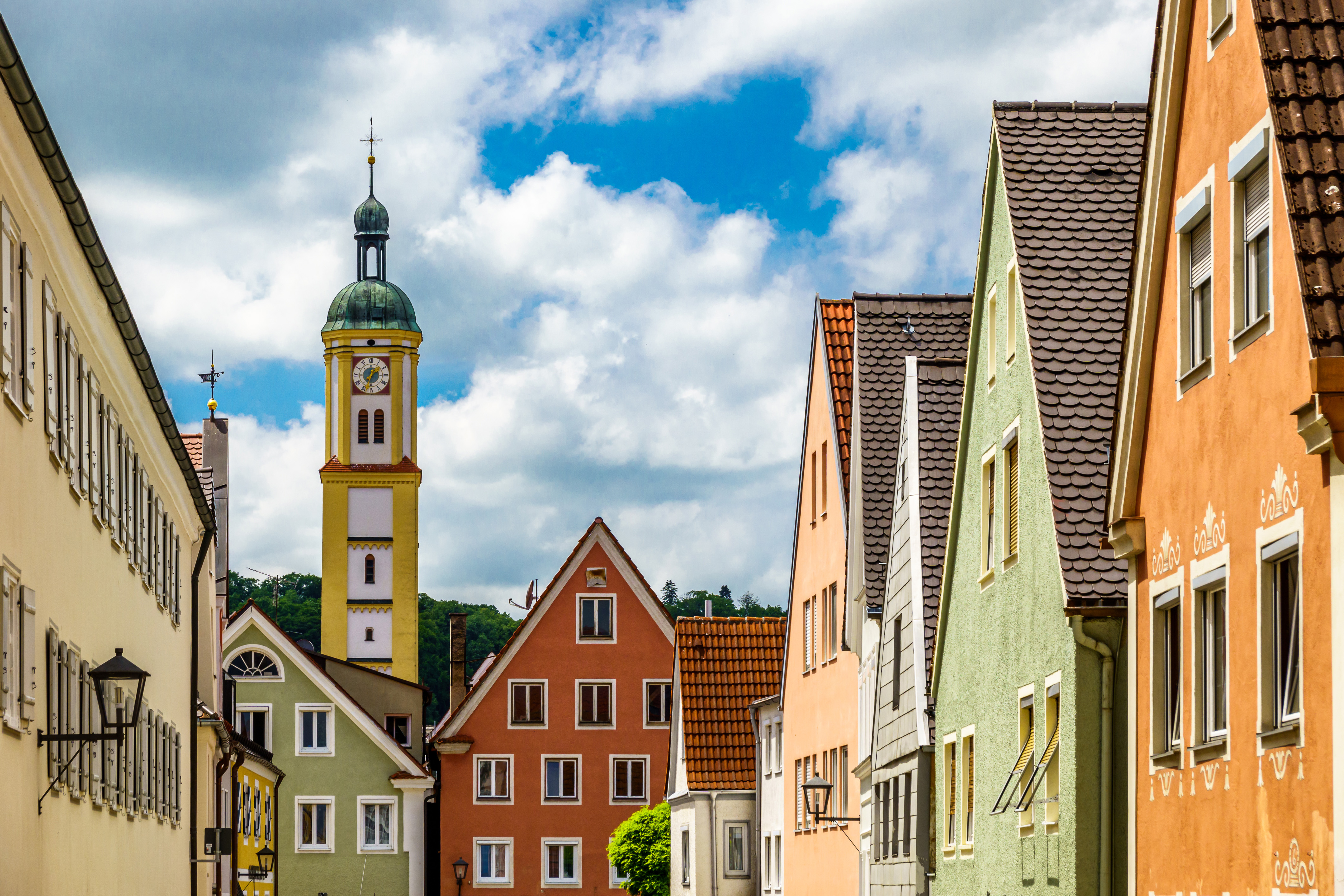,regionOfInterest=(2121,1414))
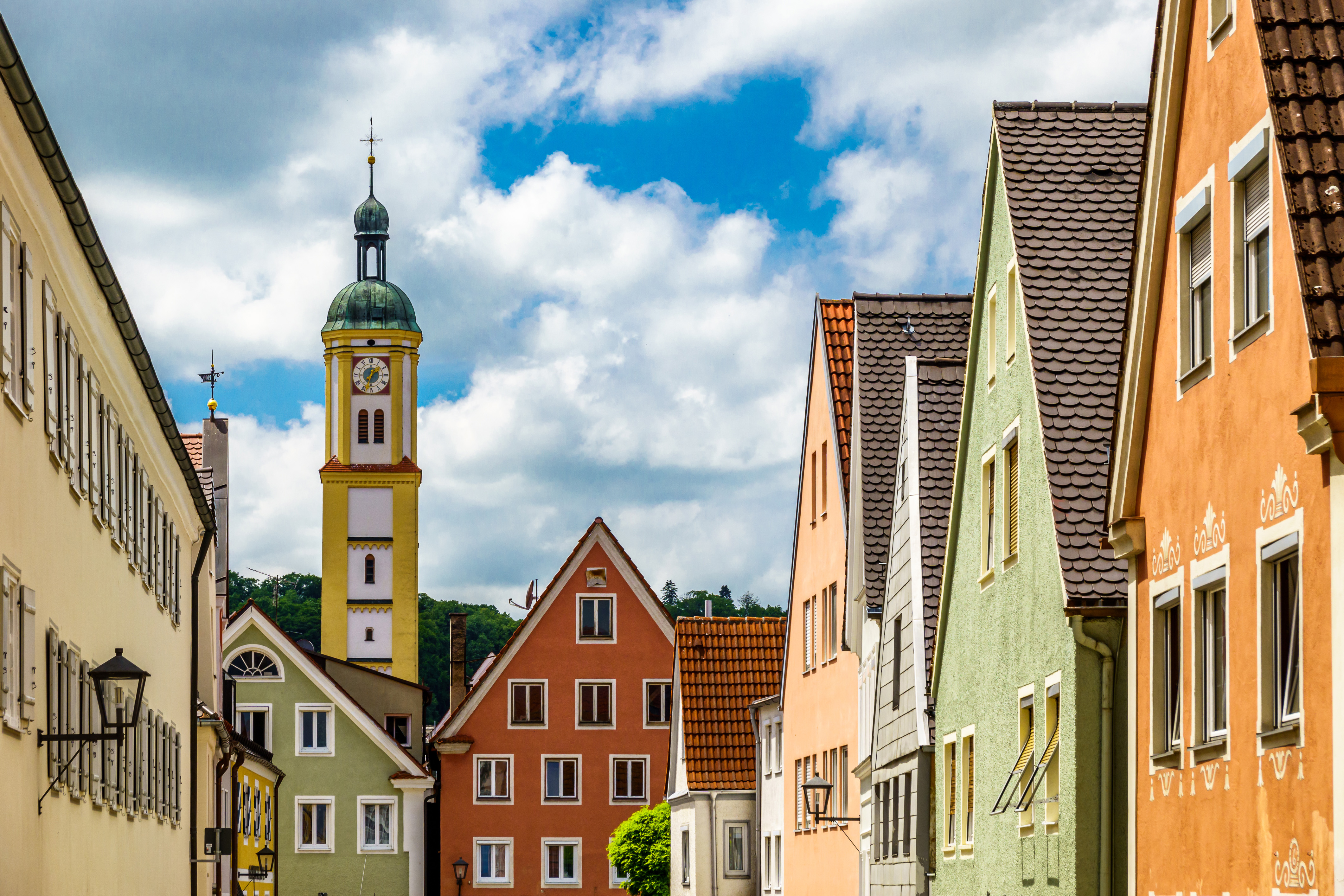,regionOfInterest=(2121,1414))
Located in the Hermansbau, one of the most prominent historic buildings in the centre, the Stadtmuseum Memmingen allows you to learn about the history of the city and its evolution over the centuries. Its exhibitions cover different aspects of urban life, from Memmingen's past as a free imperial city to the daily life of its inhabitants.
The museum also addresses relevant events in local history and preserves a wide collection of objects, documents and pieces related to the evolution of the city.
The Antoniter- und Kramermuseum occupies part of the former Antoniterkloster, a historic complex related to the presence of the Order of the Antonines in Memmingen since the 13th century. The museum allows you to learn about the history of this order and its charitable work, especially the treatment of patients affected by the so-called "St. Anthony's fire".
The exhibition also addresses the history of merchants and trade in the city, with pieces related to the old merchants' guild. The architectural complex also preserves different historic spaces that allow you to get closer to the religious and economic life of medieval Memmingen.
Located next to the train station, the MEWO Kunsthalle occupies the former main post office building, built at the beginning of the 20th century. The space hosts temporary exhibitions dedicated mainly to modern and contemporary art, as well as photography.
Its programme brings together proposals from artists of different eras and backgrounds and makes this old historic building one of the main art spaces in Memmingen. Admission to the exhibitions is free.
In addition to its main monuments and museums, Memmingen offers some different proposals to discover the city and approach its history from another perspective:
The gastronomy of Memmingen is closely linked to the culinary tradition of Swabia and southern Germany. In the historic centre, there are numerous Gasthäuser, restaurants and establishments where it is possible to find traditional dishes from the region alongside contemporary cuisine proposals.
Among the most representative specialities of Swabian cuisine are Kässpätzle, a preparation of small pieces of dough accompanied by melted cheese and fried onion; Maultaschen, a type of pasta stuffed in the traditional Swabian style; and the Schwäbischer Zwiebelrostbraten, a beef steak served with onion. Other German cuisine dishes are also common, such as pork knuckle, in addition to pretzels and different varieties of beer.
The gastronomic offer of the centre of Memmingen combines traditional establishments with restaurants of more modern cuisine, so it allows you to get to know both some characteristic Swabian recipes and other common specialities of southern Germany.
The Fischertag (Fisherman's Day) is one of the most important traditions in Memmingen and is celebrated every year in July. During the festival, thousands of participants take part in fishing in the Stadtbach, a tradition documented since the 16th century. The fishermen enter the watercourse with their nets to catch trout and, at the end, the Fischerkoenig (Fisher King) is proclaimed.
Every four years, Memmingen also hosts the Wallenstein-Festspiele, a great historical reenactment festival that remembers the stay of the imperial general Albrecht von Wallenstein in the city in 1630, during the Thirty Years' War. For several days, the streets and squares of the historic centre are transformed with camps, parades, performances and participants dressed in 17th-century clothing.
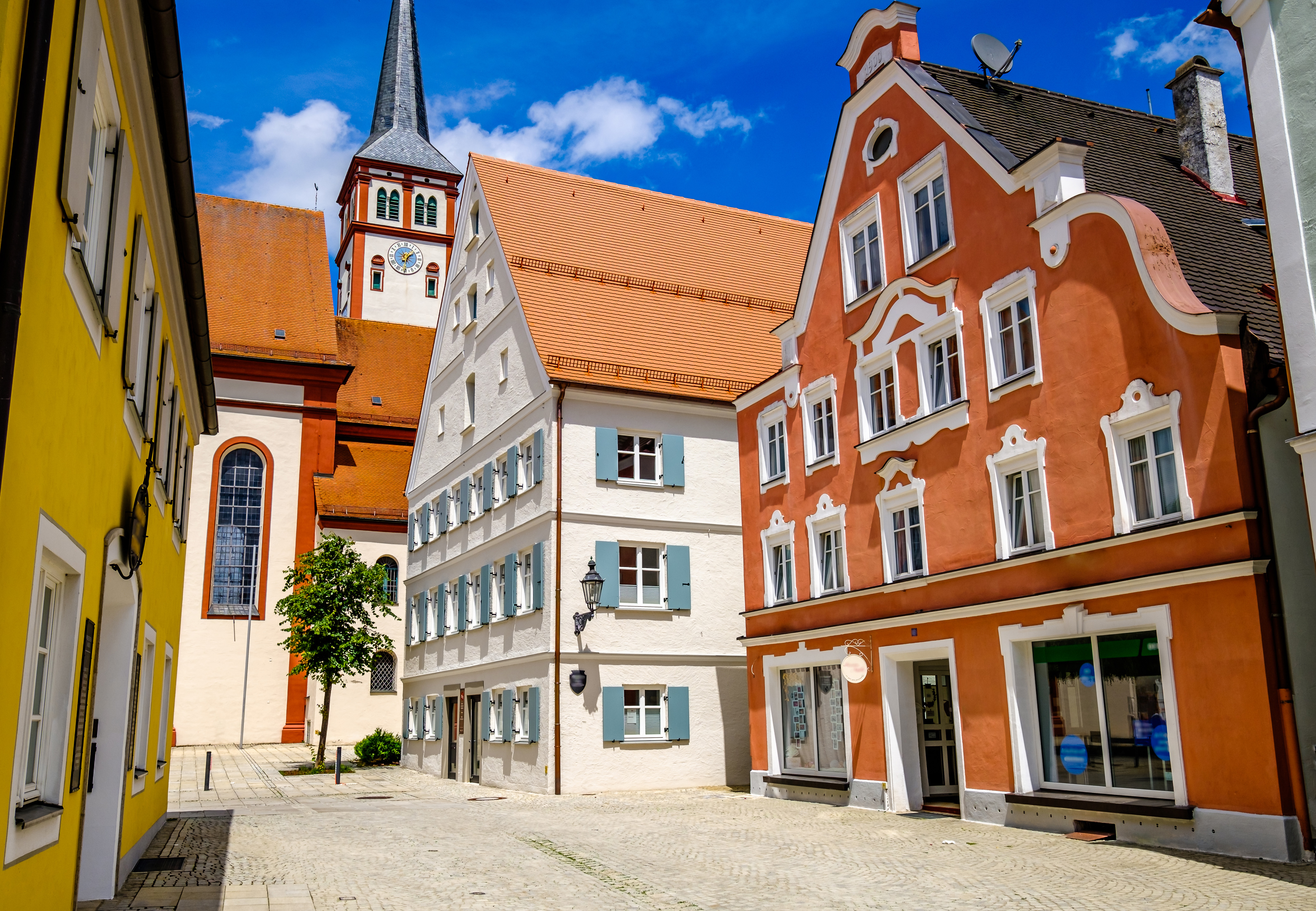,regionOfInterest=(2081.5,1440.5))
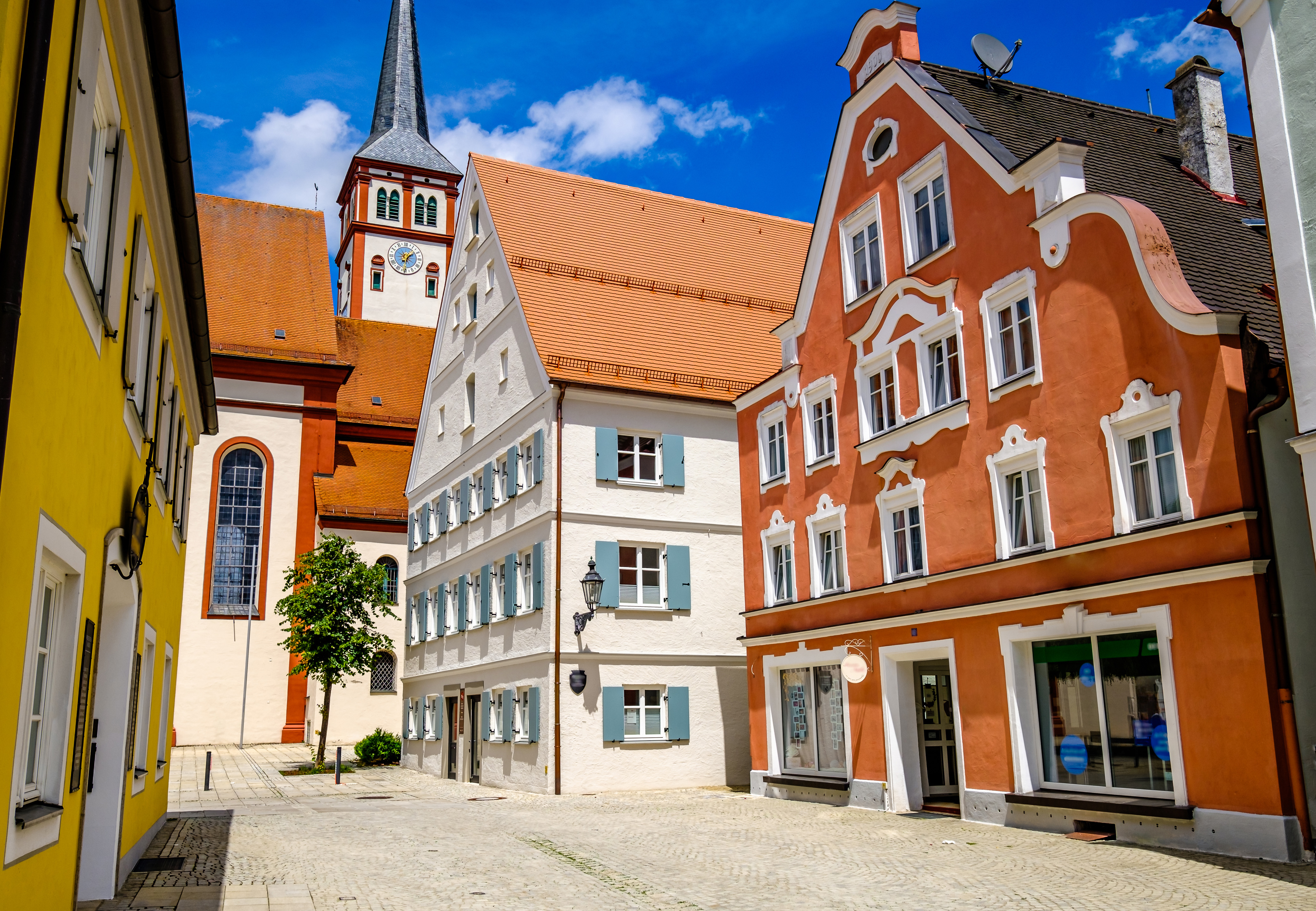,regionOfInterest=(2081.5,1440.5))
Memmingen is convenient for exploring as a family, as many of its main attractions are concentrated in the historic centre and its surroundings. The route allows you to combine monuments, green spaces and pedestrian areas without needing to travel long distances.
The Stadtbach crosses different areas of the centre and adds a particularly striking element for the little ones, with bridges and stretches of water that are part of the urban landscape. It is also possible to discover the old city fortifications through its preserved gates, towers and sections of the wall.
Among the most recognisable elements is the Kemptener Tor, one of the old access gates to Memmingen. To complete the tour, the Stadtpark Neue Welt offers large green areas, a lake, children's play areas and recreational zones, making it a suitable option for taking a break during a family visit.
A day in Memmingen allows you to explore many of the main places of interest in the historic centre, combining heritage, history and local gastronomy:
This map of Memmingen shows the location of the main places of interest included in this guide, from the monuments and historic buildings to the squares and other prominent corners of the city.
As a final recommendation for a route through Memmingen, it is best not to consider the city only as a quick stop between Munich and other destinations in Bavaria. Although it is small, it is worth spending a few hours there calmly to discover its main attractions and enjoy its atmosphere.
Memmingen does not need great monuments to surprise. Its charm lies precisely in the old town, in its quiet streets, in the water that flows through the city and in the feeling of exploring an ancient imperial city that still retains much of its personality.
A walk without a fixed destination allows you to discover unexpected corners and appreciate with calm that special character that makes Memmingen one of the best-kept secrets of Bavarian Swabia.
,regionOfInterest=(1638.5,1092.5))
,regionOfInterest=(1638.5,1092.5))
,regionOfInterest=(2944,1656))
,regionOfInterest=(2944,1656))
,regionOfInterest=(1750,1575))
,regionOfInterest=(1750,1575))
,regionOfInterest=(1376,768))
,regionOfInterest=(1376,768))
,regionOfInterest=(632,423))
,regionOfInterest=(632,423))
,regionOfInterest=(1771.5,1251))
,regionOfInterest=(1771.5,1251))