,regionOfInterest=(2900.5,1949.5))
,regionOfInterest=(2900.5,1949.5))
Chiang Mai solo travel guide 2026: tips, safety, and where to stay
,regionOfInterest=(1376,768))
,regionOfInterest=(1376,768))
Culture
,regionOfInterest=(1264,842))
,regionOfInterest=(1264,842))
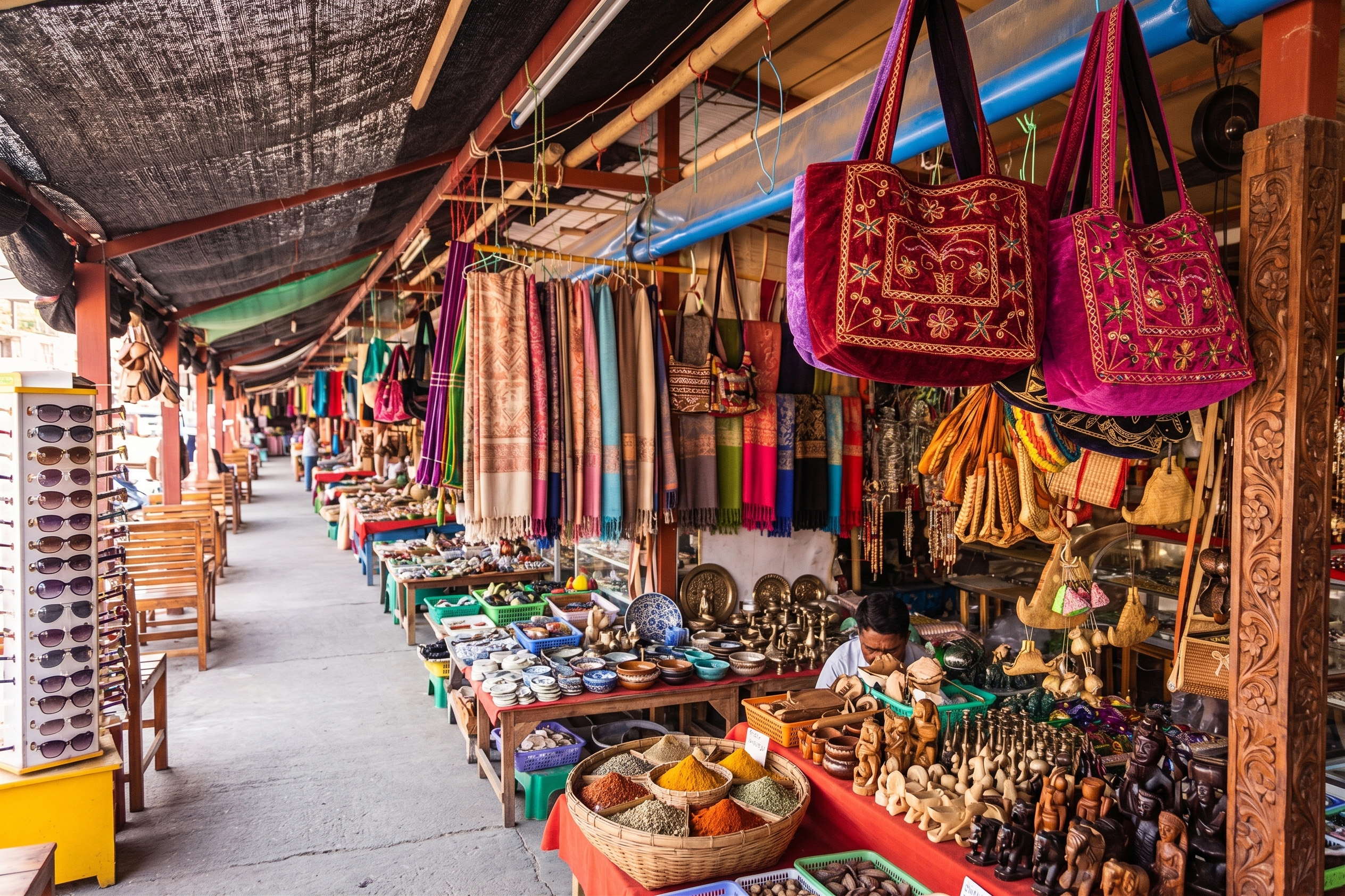
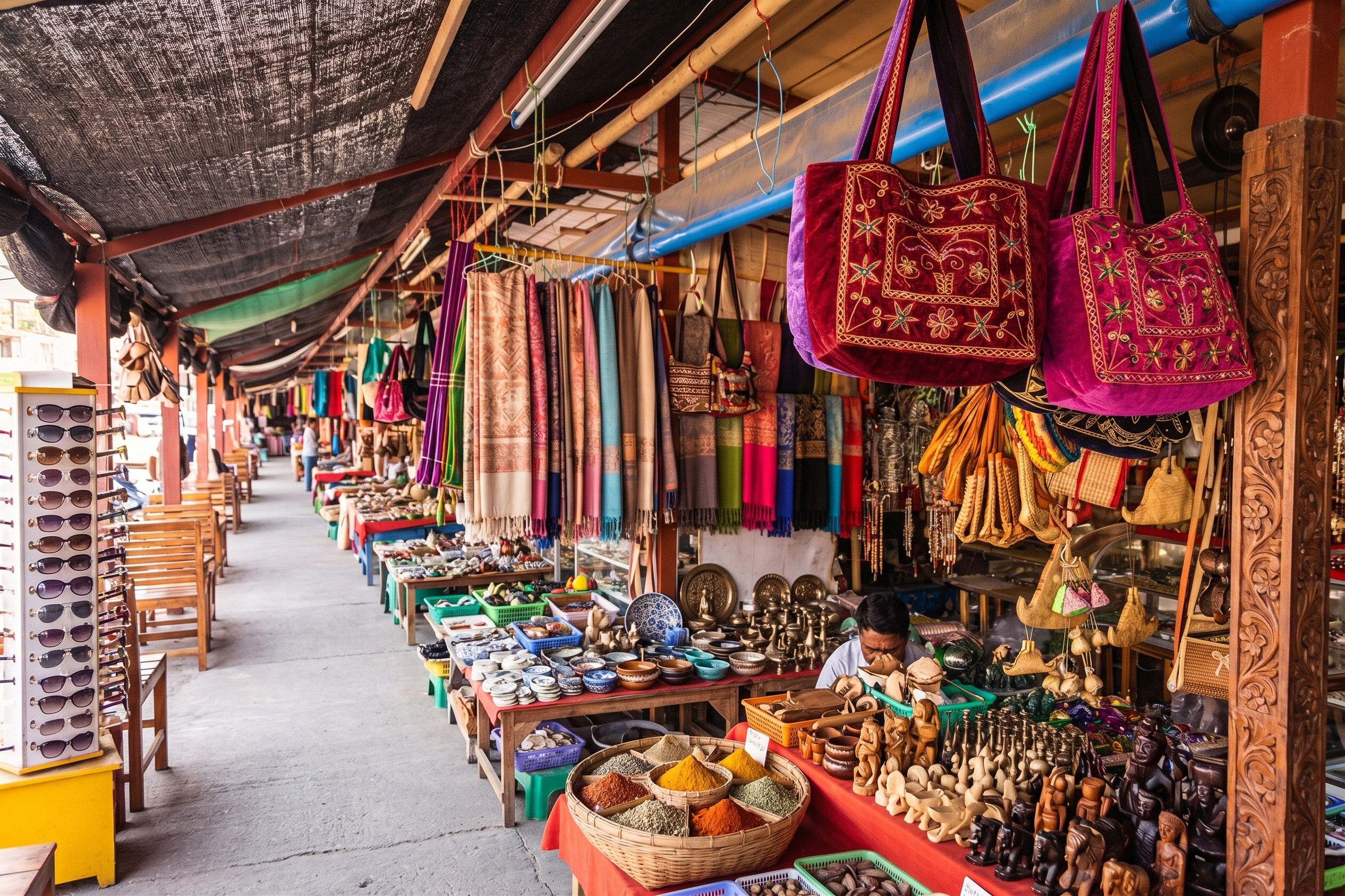
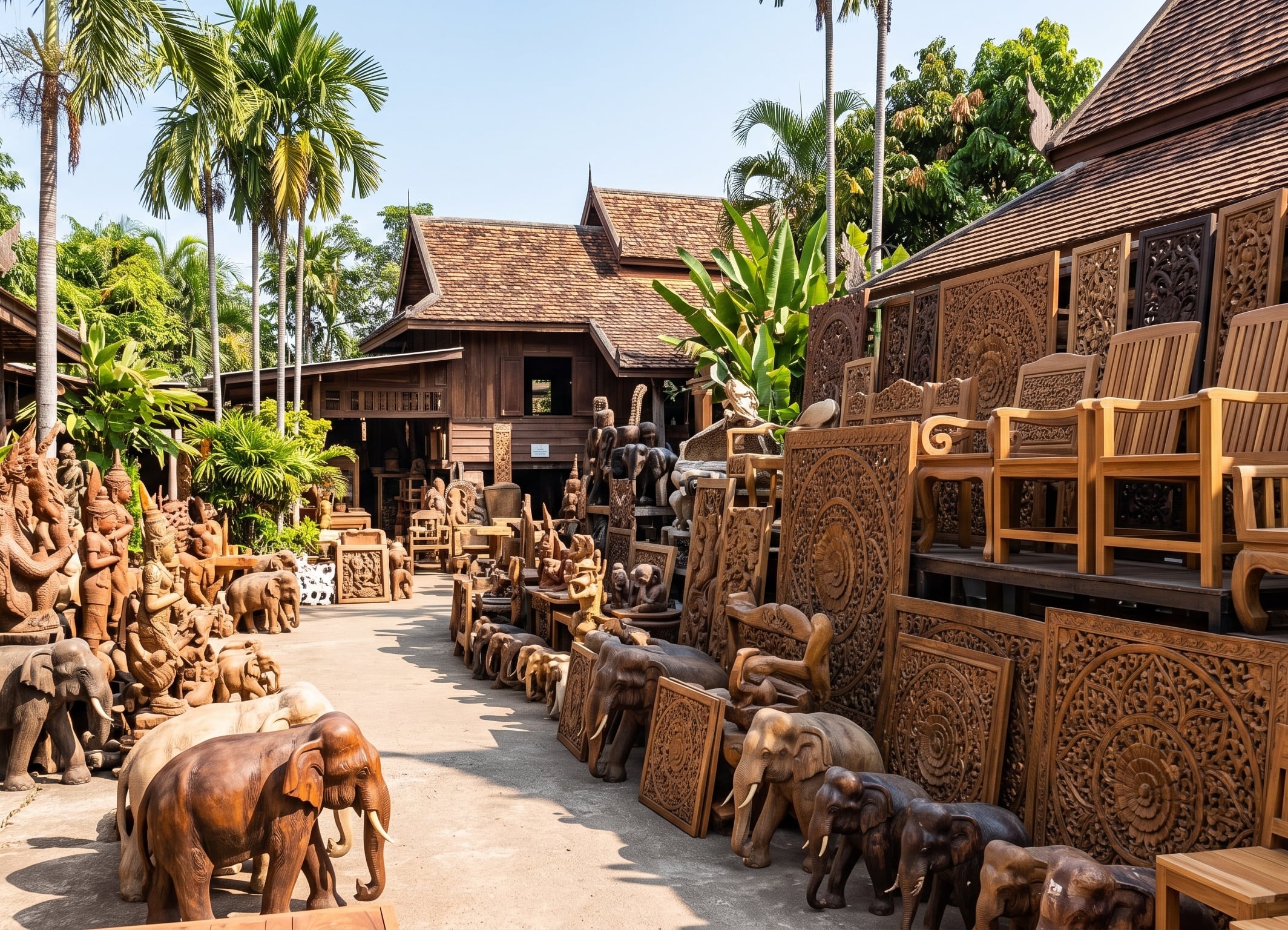
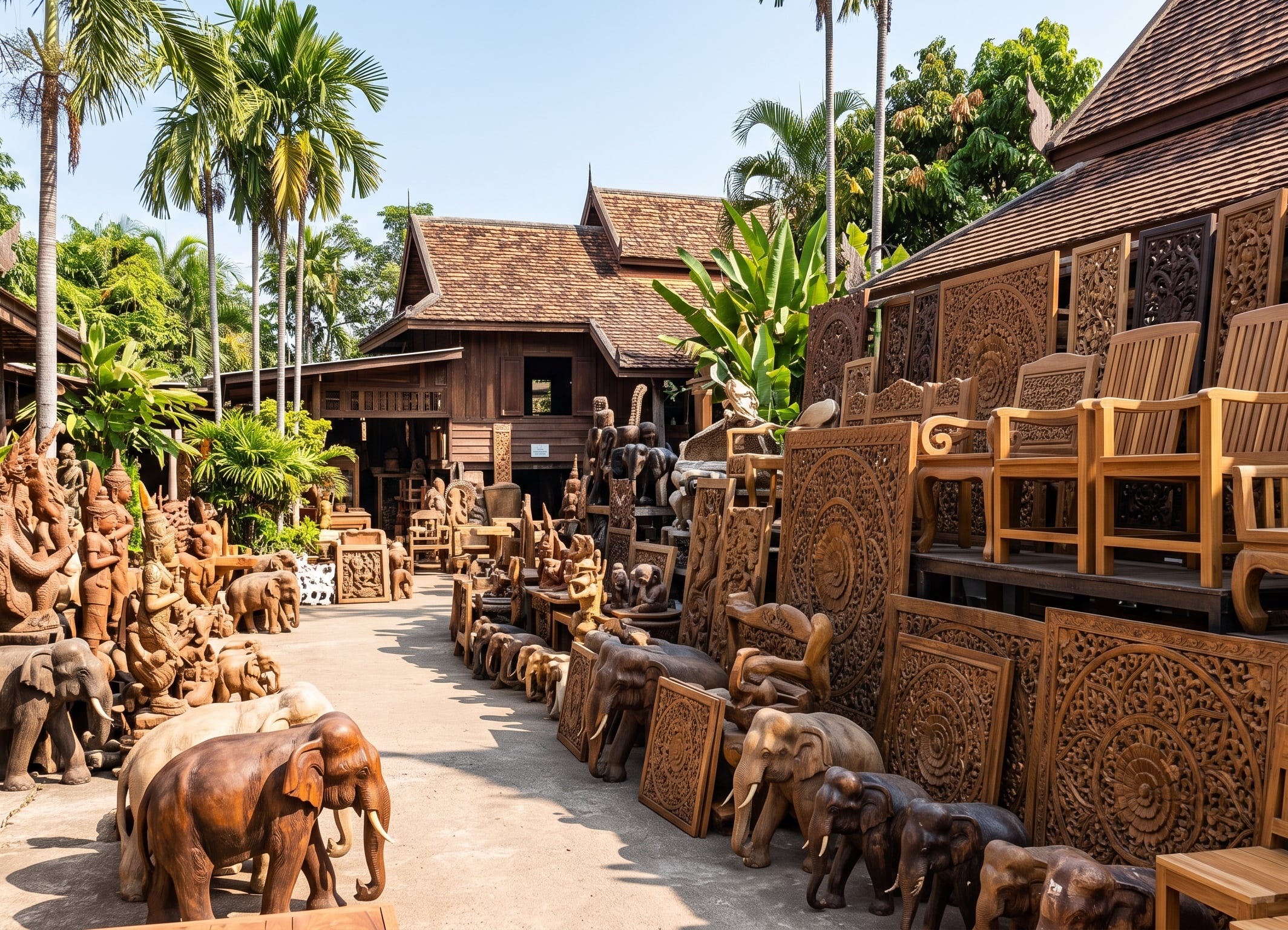
Six centuries of Lanna craft tradition are still being worked by hand within a short drive of the Old City: silversmiths in Wualai, umbrella painters in Bo Sang, and woodcarvers in Ban Tawai.
This is exactly why the best souvenirs to buy in Chiang Mai tend to actually mean something rather than sitting in a drawer once the trip is over. They are authentic pieces with their own identity that transform a simple decorative item into the perfect reflection of your experience in Thailand.
Culture
,regionOfInterest=(500,500))
,regionOfInterest=(500,500))
All-terrain writer specialising in tourism, fashion and trends. A curious soul, traveller, reader and sports enthusiast, keen to discover every corner of the world.
,regionOfInterest=(1376,768))
,regionOfInterest=(1376,768))
,regionOfInterest=(1064,768))
,regionOfInterest=(1064,768))
,regionOfInterest=(1064,768))
,regionOfInterest=(1064,768))
,regionOfInterest=(1064,768))
,regionOfInterest=(1064,768))
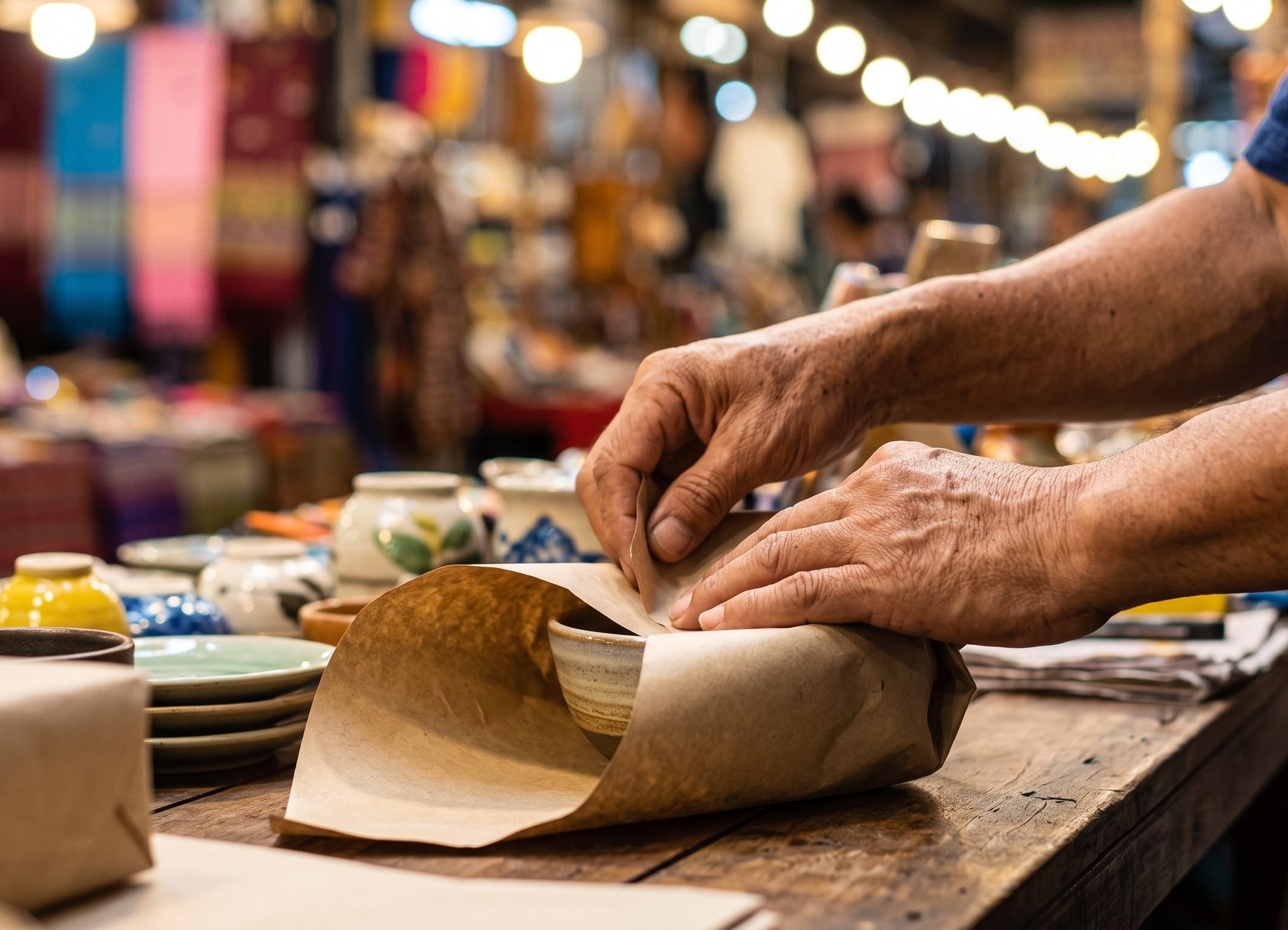
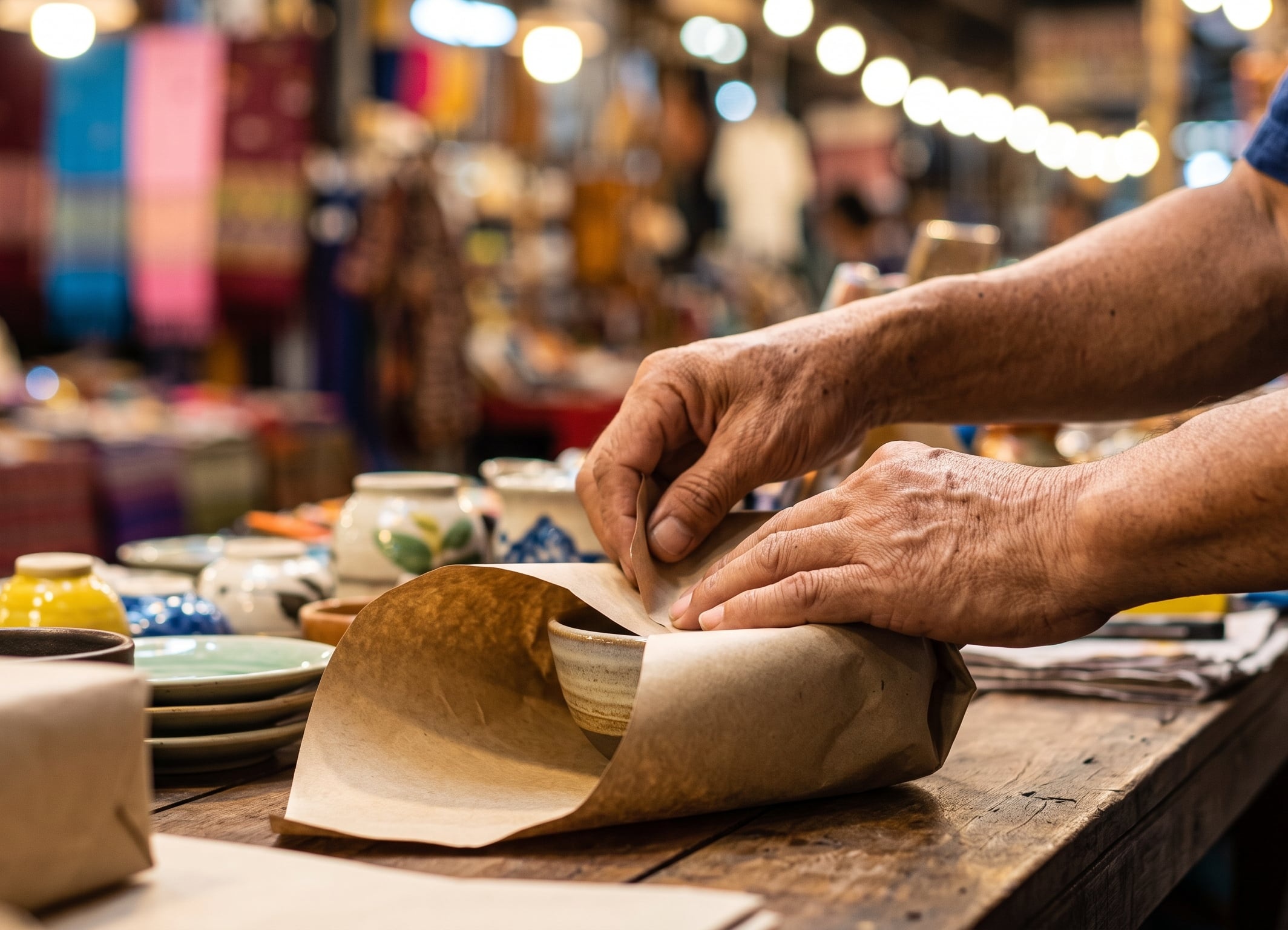
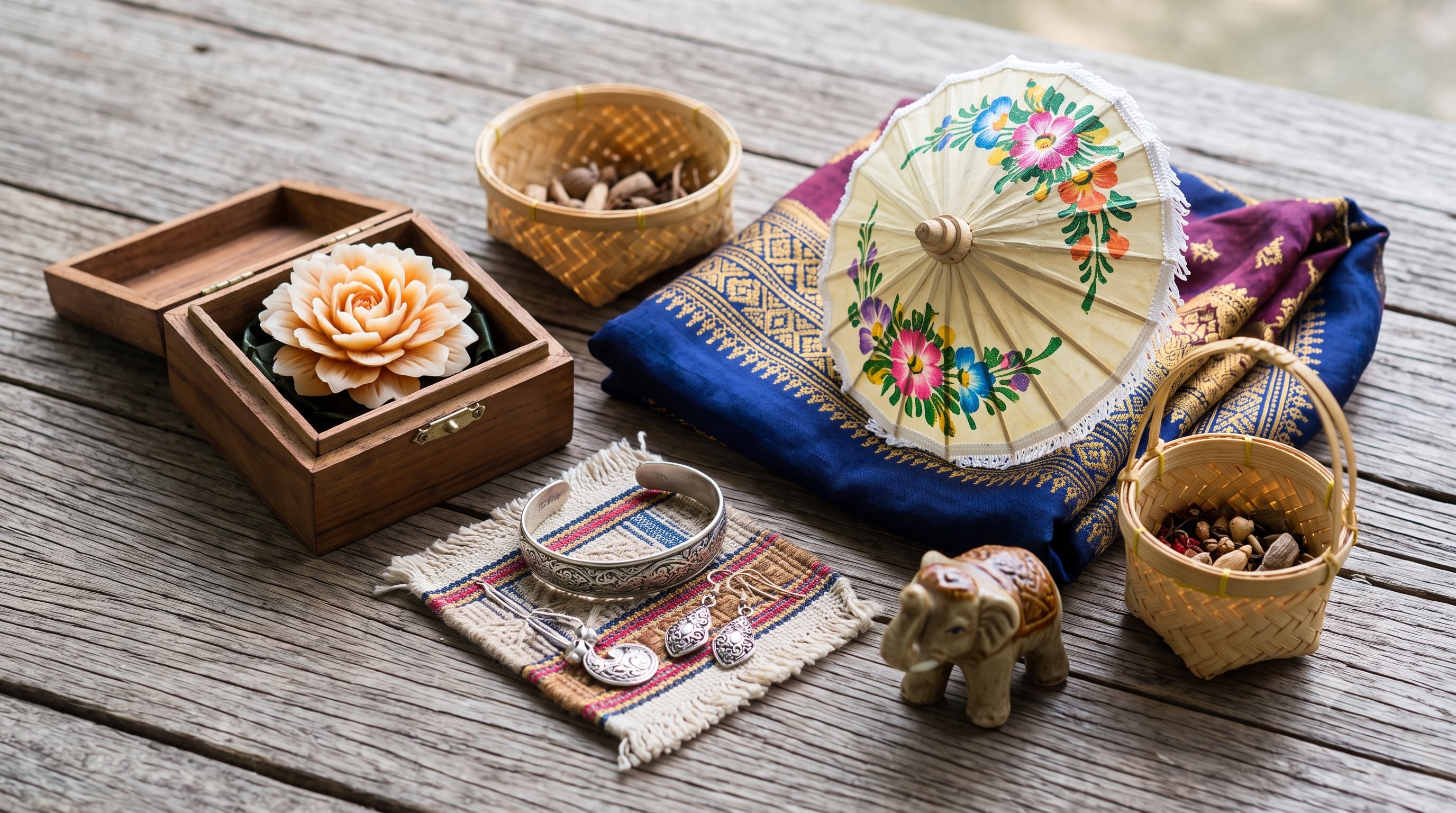
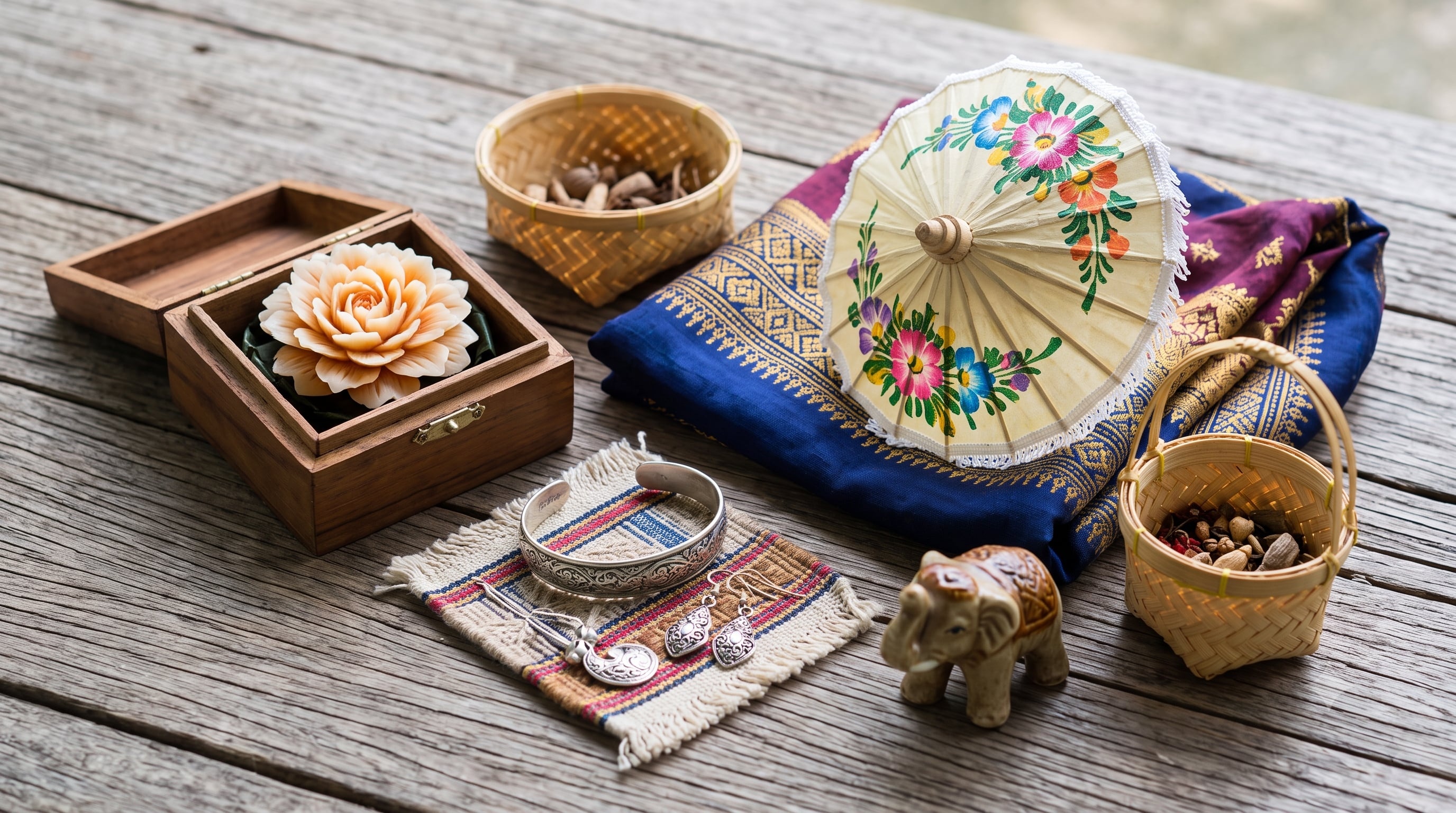
Seven items come up again and again on any honest list of the best souvenirs to buy in Chiang Mai, each tied to a specific craft tradition rather than a generic gift-shop shelf. Here is each one, with a real reference price.
Prices below are reference ranges gathered from real market and shop research rather than a single fixed figure, since two stalls selling the same item can genuinely differ by a wide margin depending on quality, size, and how much bargaining actually happens. Treat them as a fair benchmark for judging whether an asking price is reasonable, not a guaranteed rate every vendor in the city will match exactly.
,regionOfInterest=(1376,768))
,regionOfInterest=(1376,768))
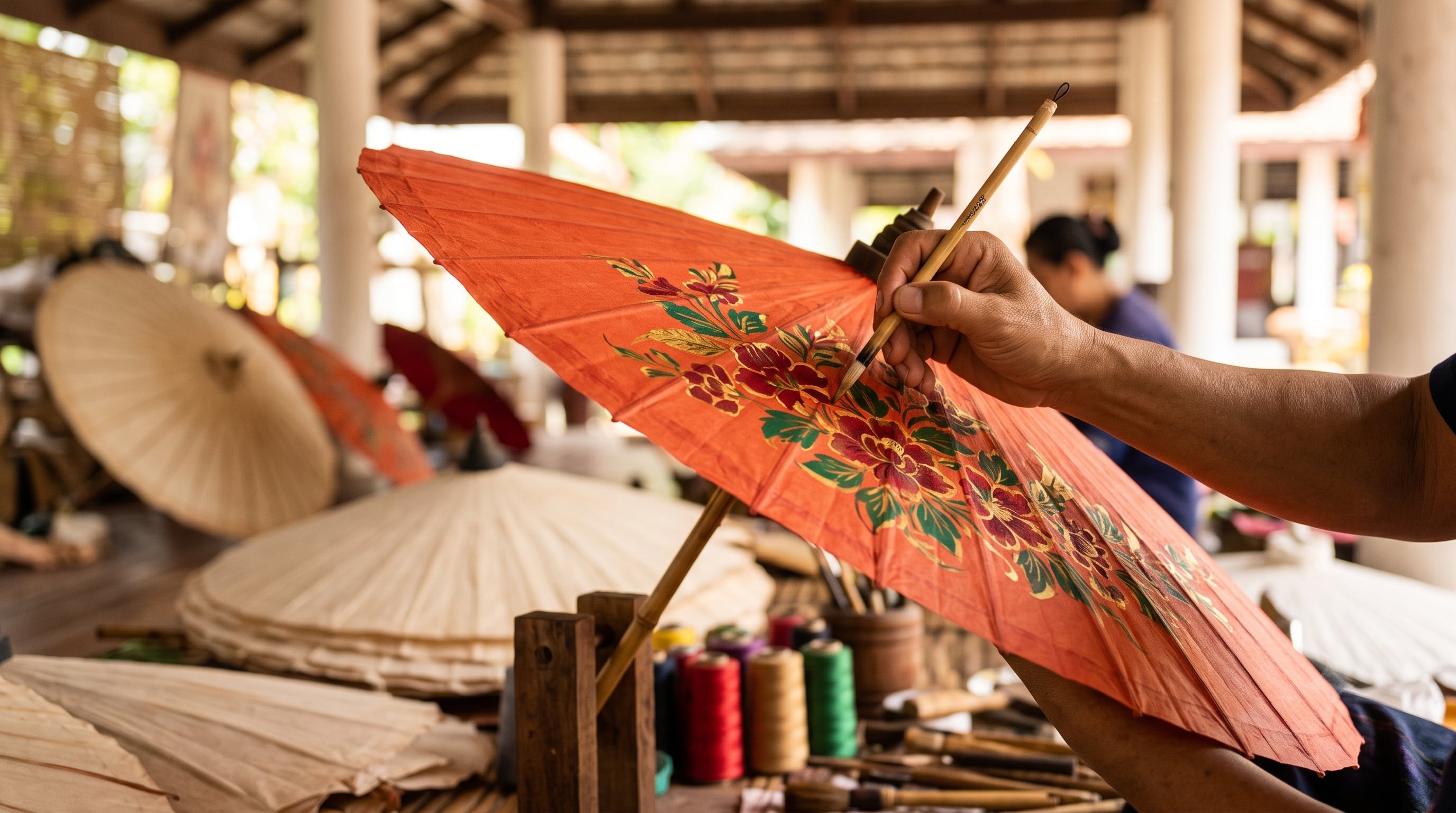
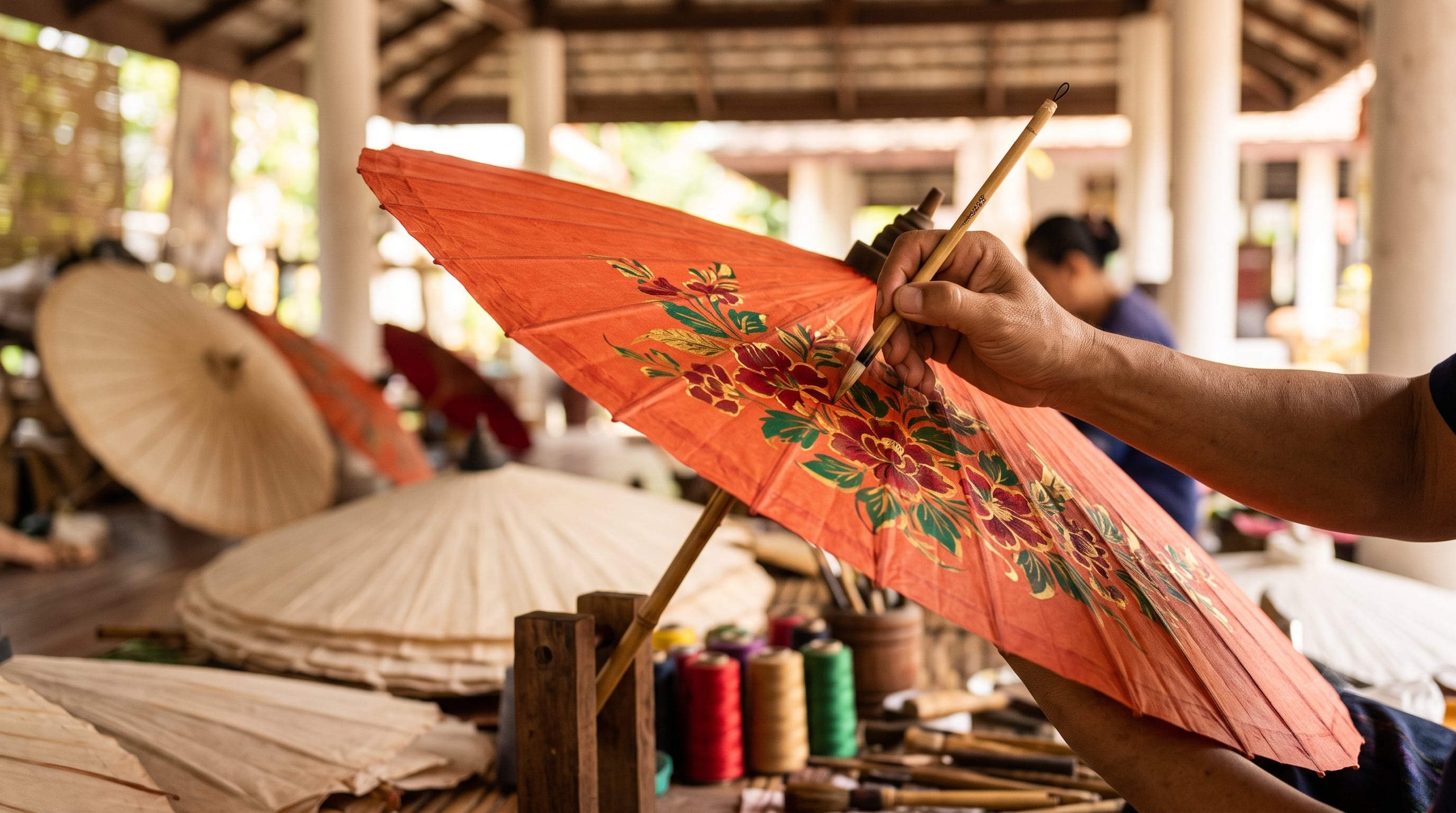
Bo Sang's saa-paper umbrellas are hand-painted with floral and Lanna motifs over a bamboo frame, a tradition the village has kept alive since the Chakri dynasty. A small decorative umbrella runs about 200 to 500 baht (roughly US$6 to US$14), while a larger, more elaborately painted piece suited to actual outdoor use can run 900 to 1,500 baht (roughly US$26 to US$43).
Watching an artisan actually paint one is part of the appeal, most workshops in Bo Sang village keep their painting stations open to visitors, so a souvenir bought there comes with the memory of seeing the exact brushwork technique that went into it.
Umbrellas that fold flat travel well in a suitcase, which is part of why this stays near the top of most lists ranking the best souvenirs to buy in Chiang Mai, genuinely practical rather than purely decorative.
Detailed Information:
,regionOfInterest=(1376,768))
,regionOfInterest=(1376,768))
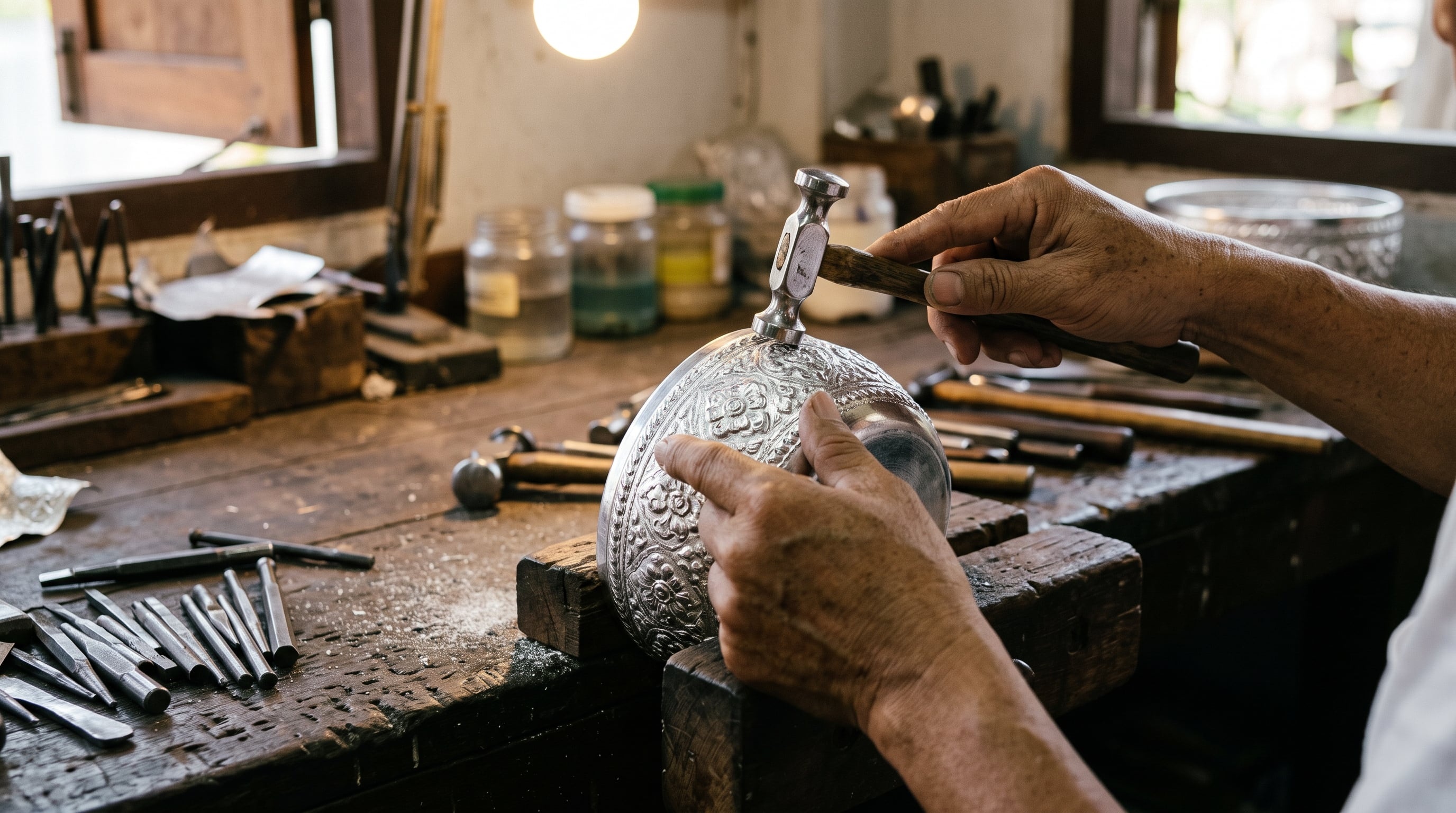
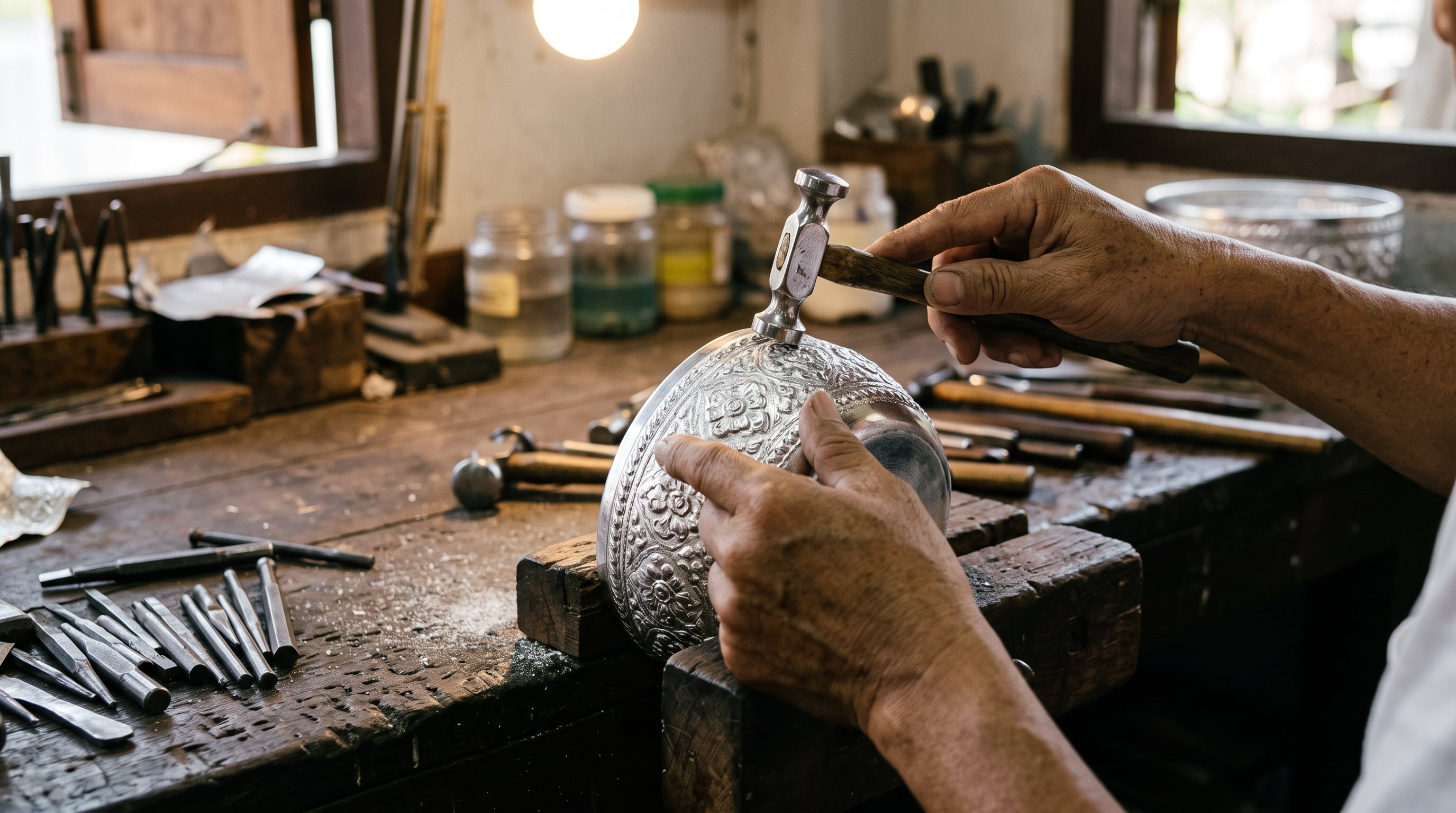
The Wualai district has worked silver since the Lanna kingdom, and the craft still shows in hand-repousse bowls, bracelets, and jewellery sold along the road and its Saturday walking street.
A simple silver bracelet or pendant starts around 800 baht (roughly US$23), while a larger hand-worked bowl or an elaborate jewellery set can run 5,000 to 15,000 baht (roughly US$145 to US$430) depending on the silver content and the detail of the work.
Repousse work, hammering a design into the metal from the reverse side rather than engraving it from the front, is the technique that gives Wualai silver its distinctive raised, sculptural detail, often depicting elephants, floral patterns, or scenes from Lanna folklore.
Asking a stallholder whether a piece is genuinely hand-hammered rather than machine-stamped is a fair question here, and most Wualai artisans are happy to explain the difference, part of what makes this craft one of the best souvenirs to buy in Chiang Mai for anyone who wants a real conversation piece rather than a generic trinket.
Detailed Information:
,regionOfInterest=(1376,768))
,regionOfInterest=(1376,768))
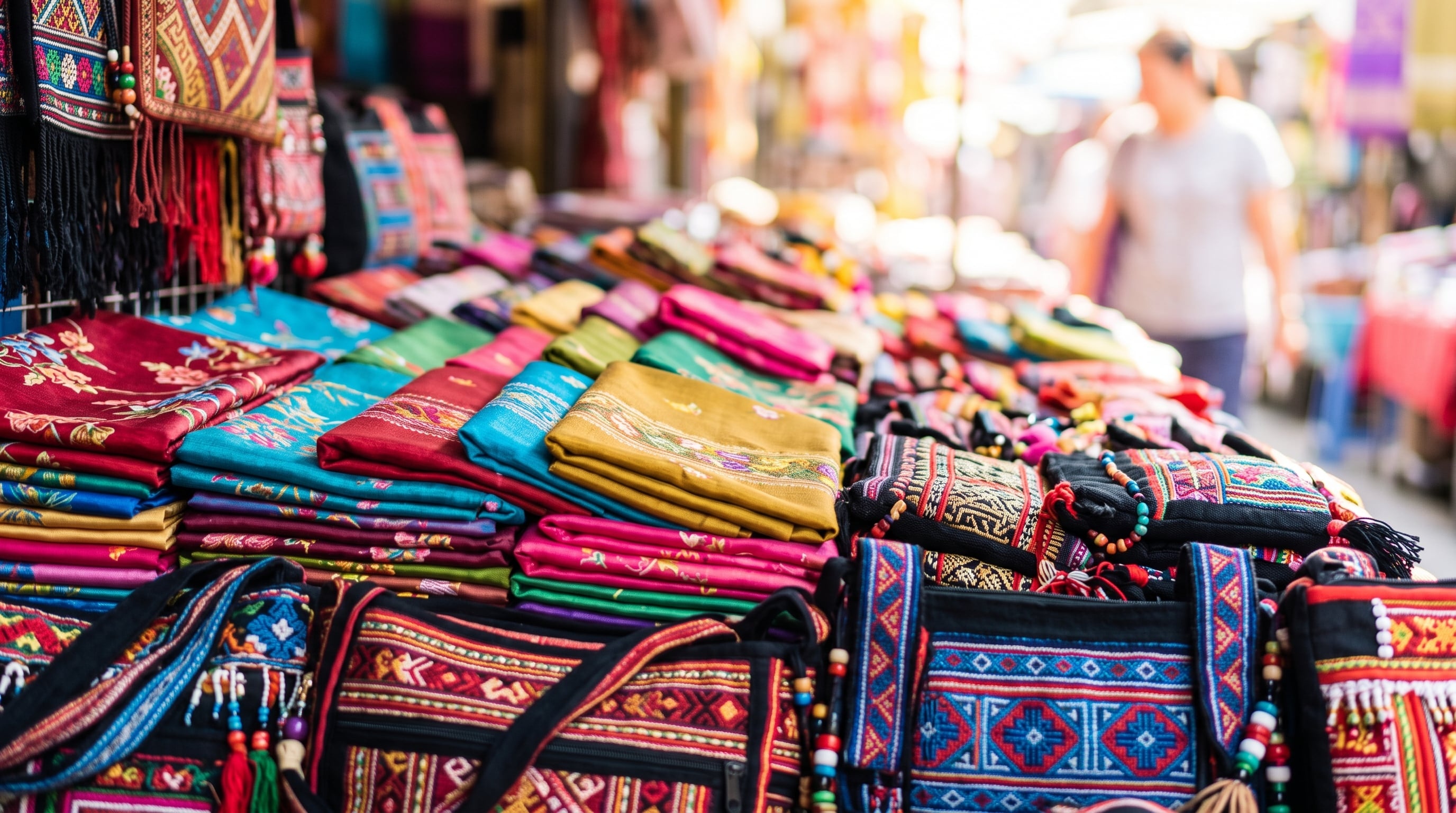
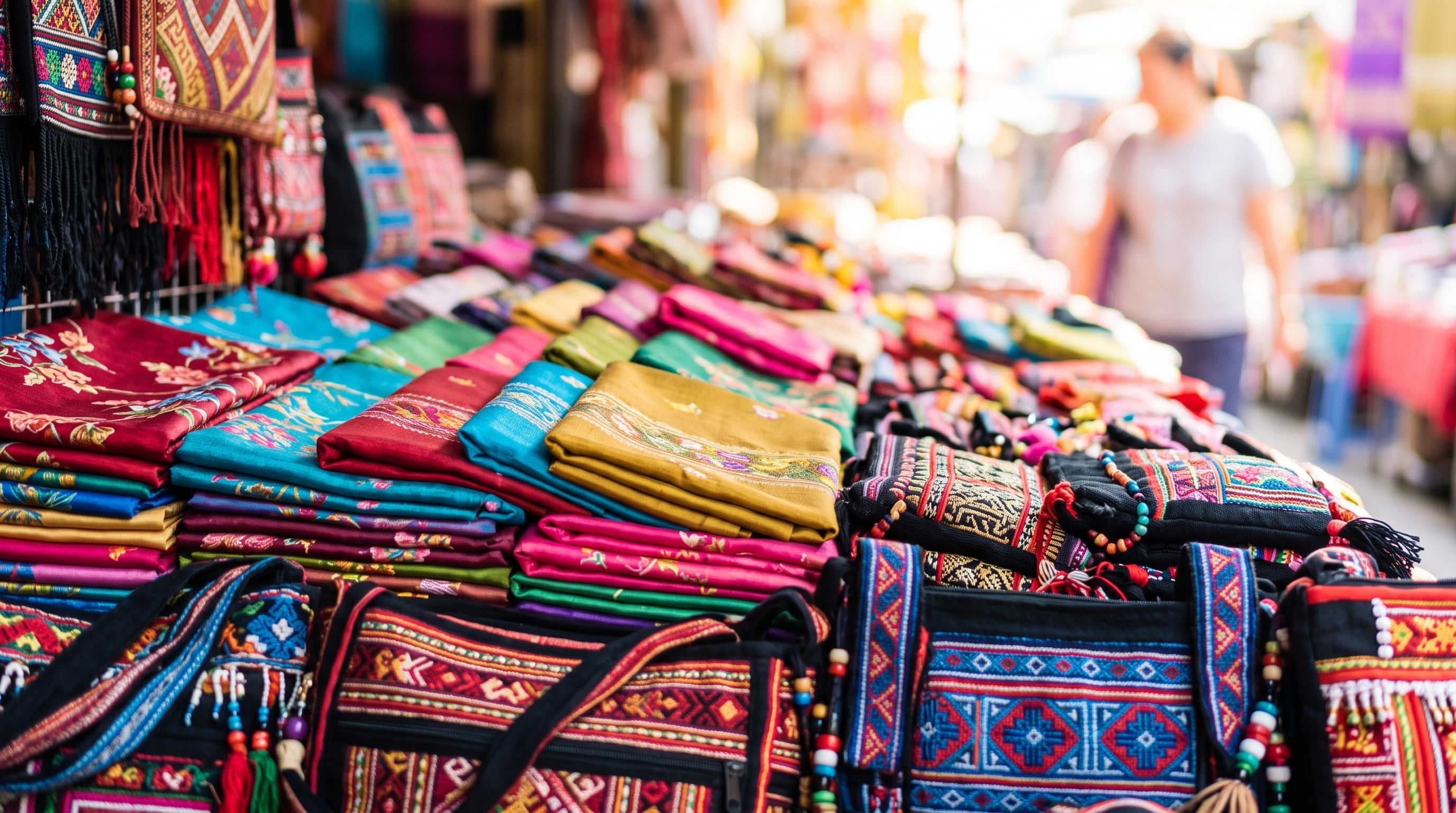
A woven silk scarf typically runs 1,500 to 4,000 baht (roughly US$43 to US$115) depending on the weight and pattern complexity, genuinely one of the best souvenirs to buy in Chiang Mai for anyone who wants something wearable rather than decorative.
Hill-tribe textile bags and pouches, often stitched from repurposed traditional clothing, run considerably less, typically 250 to 500 baht (roughly US$7 to US$14) for a smaller woven or embroidered piece.
Each hill-tribe community, Karen, Hmong, Akha, and others across the northern hills, has its own distinct weaving pattern and colour palette, so two bags that look superficially similar can actually represent two entirely different traditions.
Fair-trade cooperatives around the city work directly with these communities and are worth seeking out specifically, since they put a larger share of the sale price back into the hands of the weavers themselves rather than a middleman.
Detailed Information:
,regionOfInterest=(1376,768))
,regionOfInterest=(1376,768))
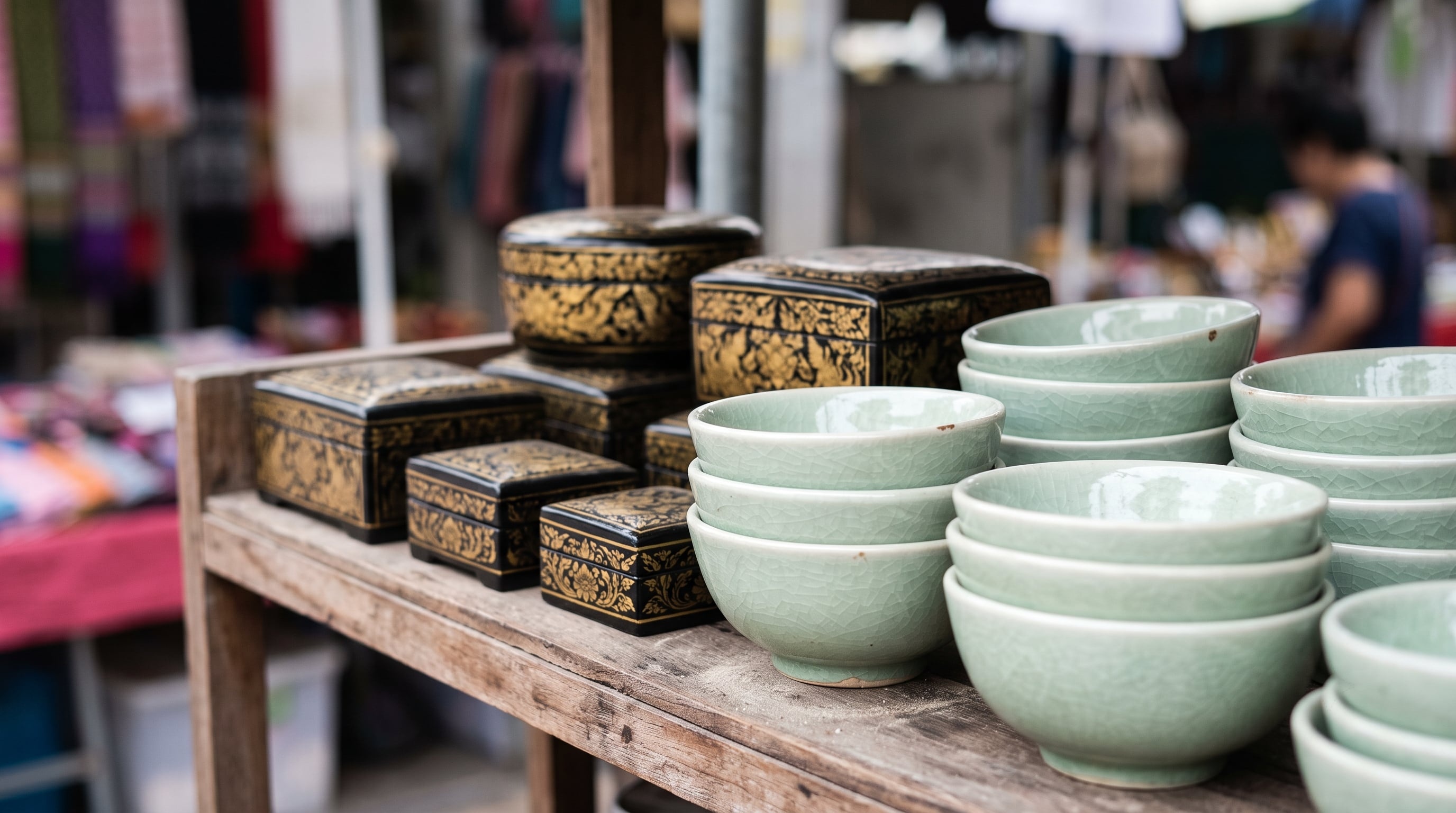
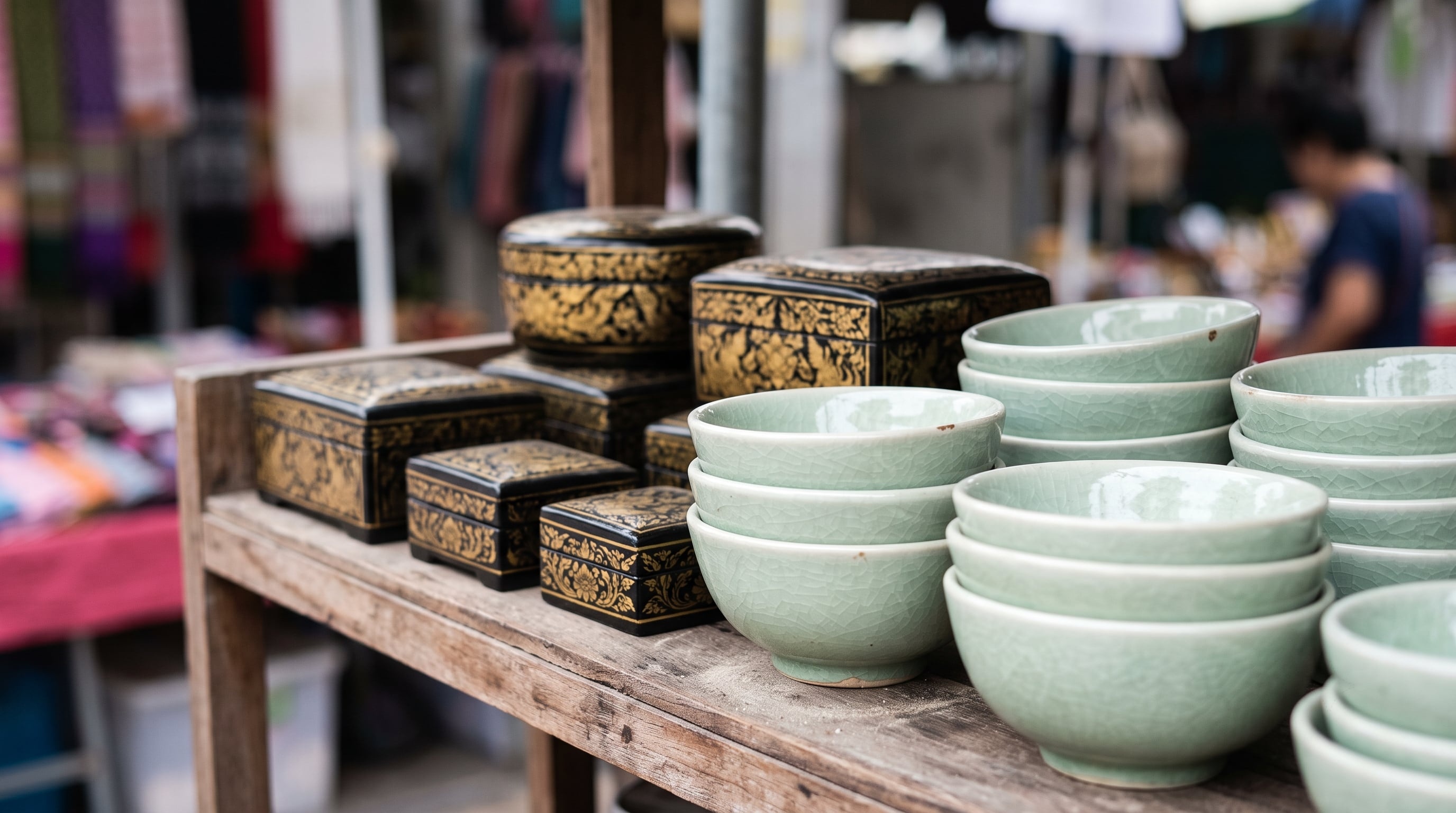
Celadon's distinctive pale green glaze, developed centuries ago and still fired in kilns around the city, shows up in bowls and plates running 300 to 1,200 baht (roughly US$9 to US$35) depending on size.
Lacquerware, wood or bamboo built up in layers of natural resin and often finished with gold leaf detailing, sits in a similar range for a small box or tray, climbing higher for a larger or more intricately decorated piece.
The pale crackle finish that defines celadon comes from a specific glaze recipe reacting as it cools in the kiln, a technique passed down through generations of Chiang Mai potters rather than a modern glazing shortcut, which is part of why a genuine piece feels different in the hand than a mass-produced imitation.
Lacquerware follows its own patient process, each layer of resin needs time to cure before the next goes on, so a finished piece represents days of work rather than a single afternoon, worth keeping in mind when comparing a market price against what a similar item costs back home.
Detailed Information:
,regionOfInterest=(1376,768))
,regionOfInterest=(1376,768))
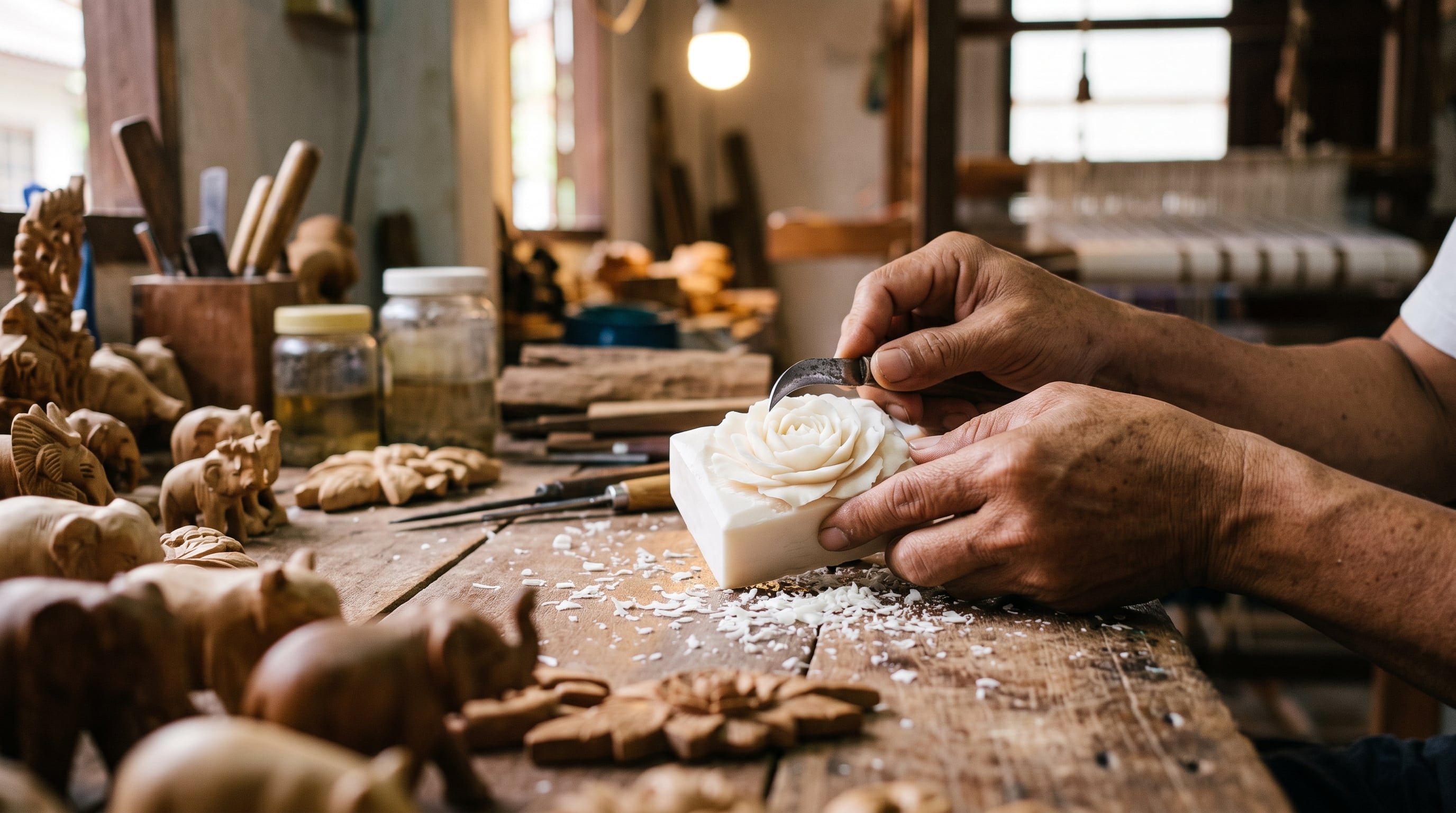
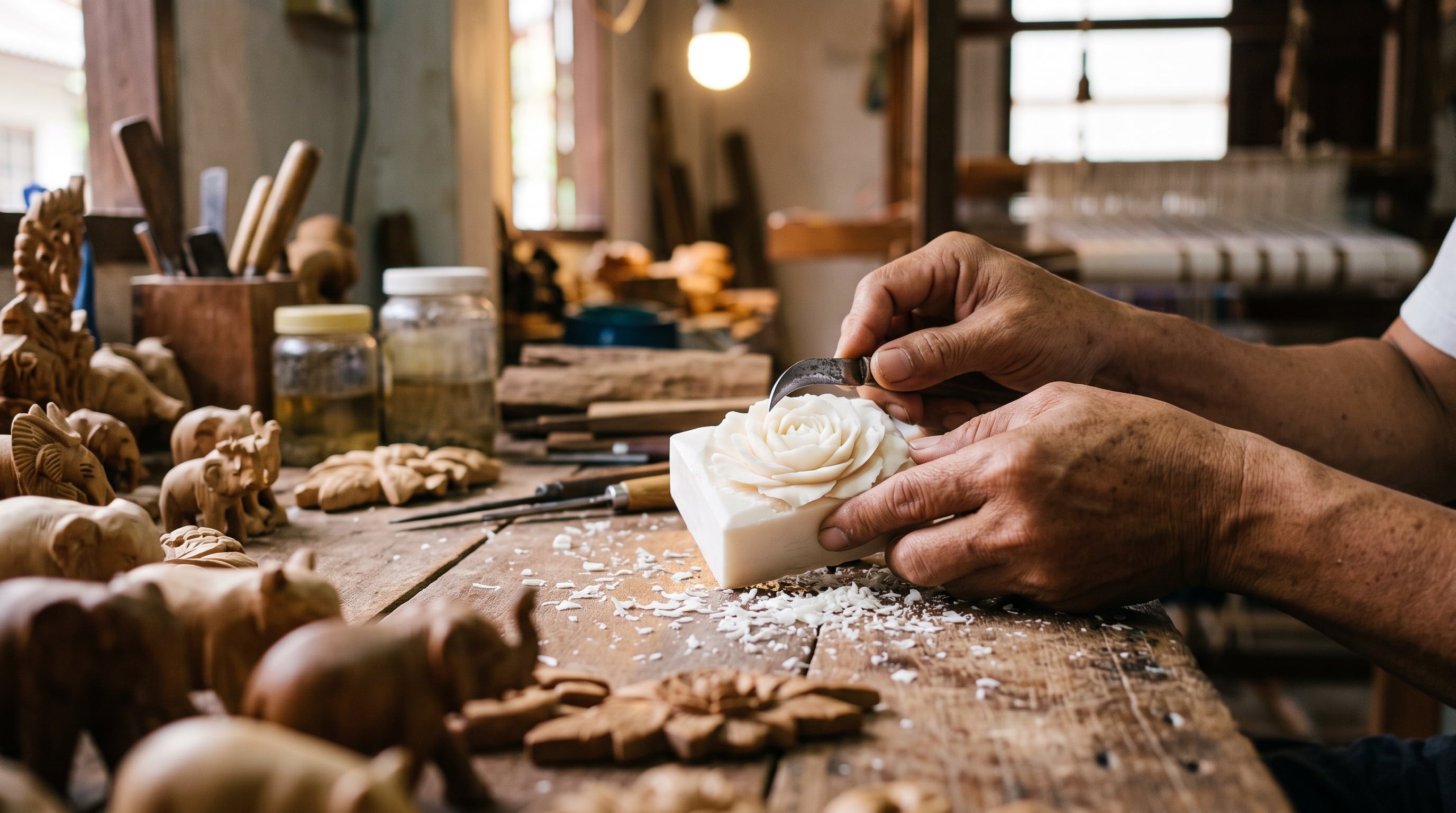
A single hand-carved soap flower, painstakingly cut into a floral shape over roughly an hour of work, runs about 100 to 200 baht (roughly US$3 to US$6), with a small gift-boxed set closer to 180 to 360 baht (roughly US$5 to US$10).
Wood carving is the other Chiang Mai craft worth seeking out, best found at Ban Tawai village outside the city, where a small carved ornament starts around 200 to 500 baht (roughly US$6 to US$14) and a larger teak piece runs into the thousands depending on the size and detail.
Many soap-carving shops let visitors watch the process up close, a single flower cut freehand from a block of scented soap using nothing more than a small curved knife, genuinely impressive to see done in real time.
Ban Tawai itself is worth the short trip out of the city for anyone seriously shopping for wood carving specifically, an entire village built around the craft with a far larger selection than any single market stall could hold, including teak furniture for anyone shipping something home rather than carrying it in a suitcase.
Detailed Information:
,regionOfInterest=(1376,768))
,regionOfInterest=(1376,768))
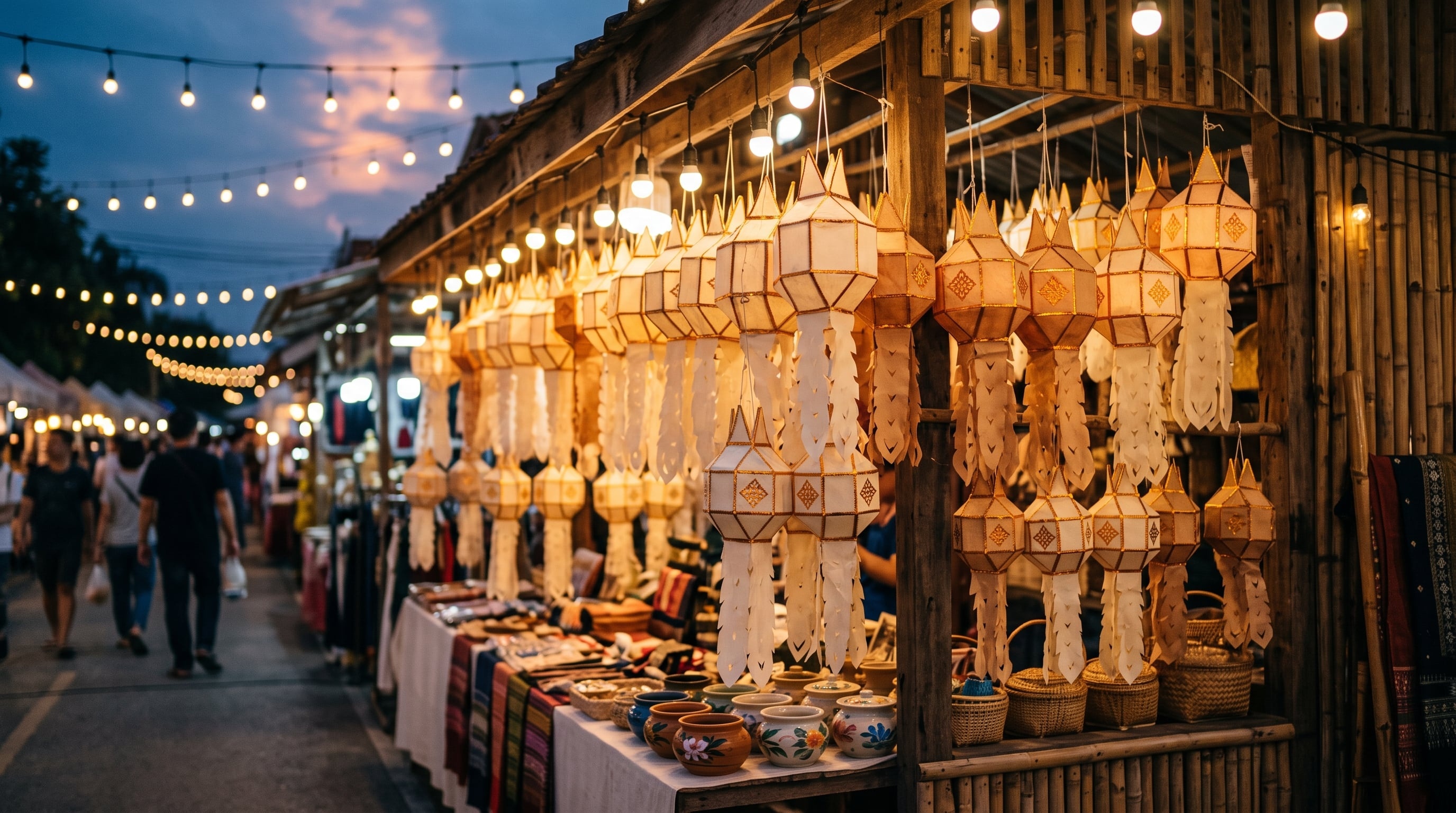
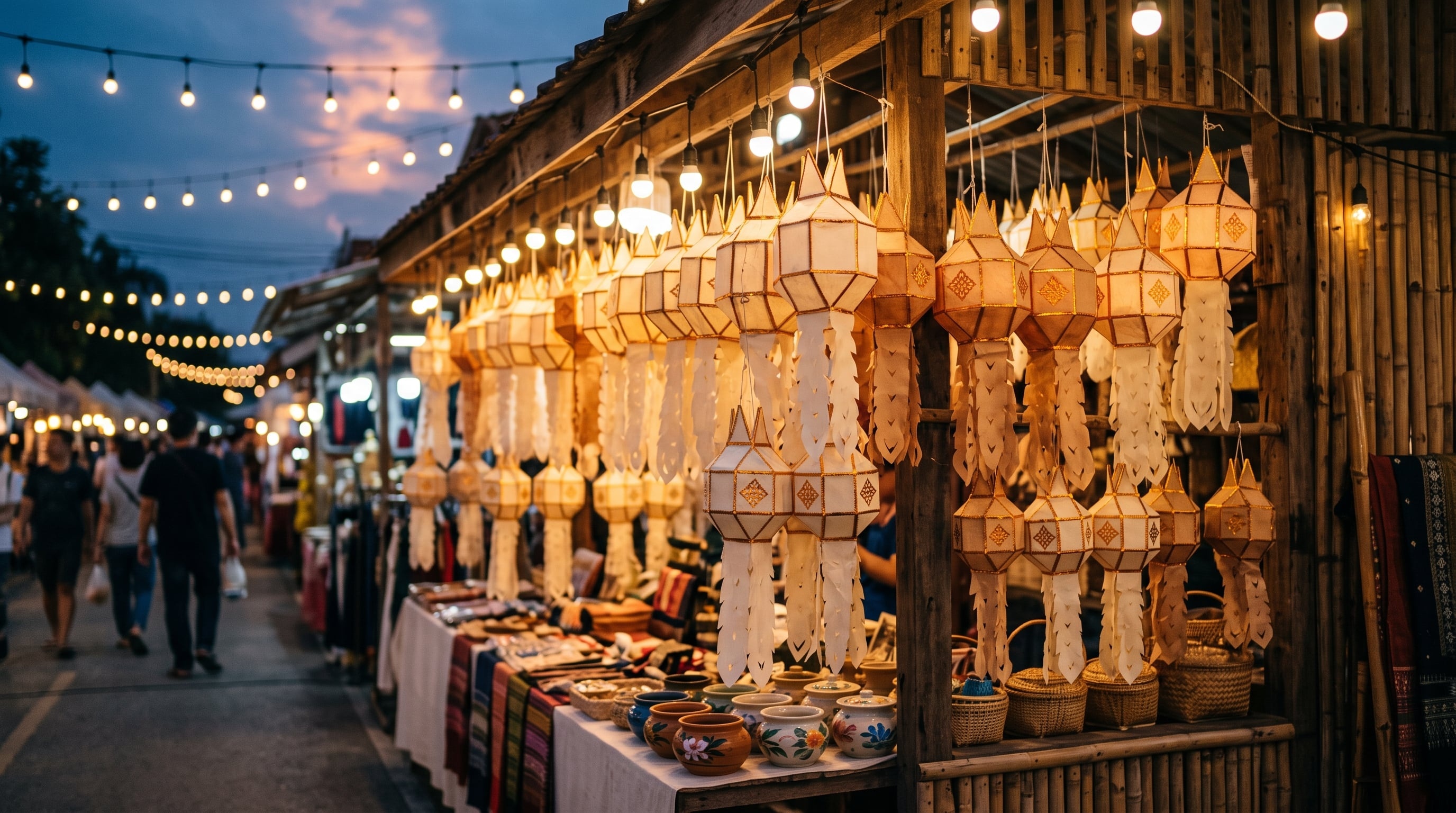
A paper sky lantern, the same style released during Yi Peng each November, runs about 35 to 50 baht (roughly US$1 to US$1.50) at a market stall , although prices may be higher during festival periods, an easy, packable souvenir Simple paper lanterns can sometimes be found at souvenir and handicraft stalls outside the festival season. Smaller handicraft decor pieces, painted wooden ornaments, woven wall hangings, embroidered coasters, generally stay under 300 baht (roughly US$9) each.
A lantern bought outside the actual Yi Peng festival window makes a genuinely good decorative souvenir on its own, unlit and simply displayed, rather than something that only has meaning released into the sky over the Ping River in November.
For anyone visiting during the festival itself, a market-bought lantern also works out considerably cheaper than a ticketed festival package that includes the release experience, worth knowing for a traveler weighing the two options against each other. Lanterns should only be released at designated events or permitted locations, while outside the festival, an unlit lantern makes a charming and easy-to-carry decorative souvenir to take home
Detailed Information:
,regionOfInterest=(1376,768))
,regionOfInterest=(1376,768))
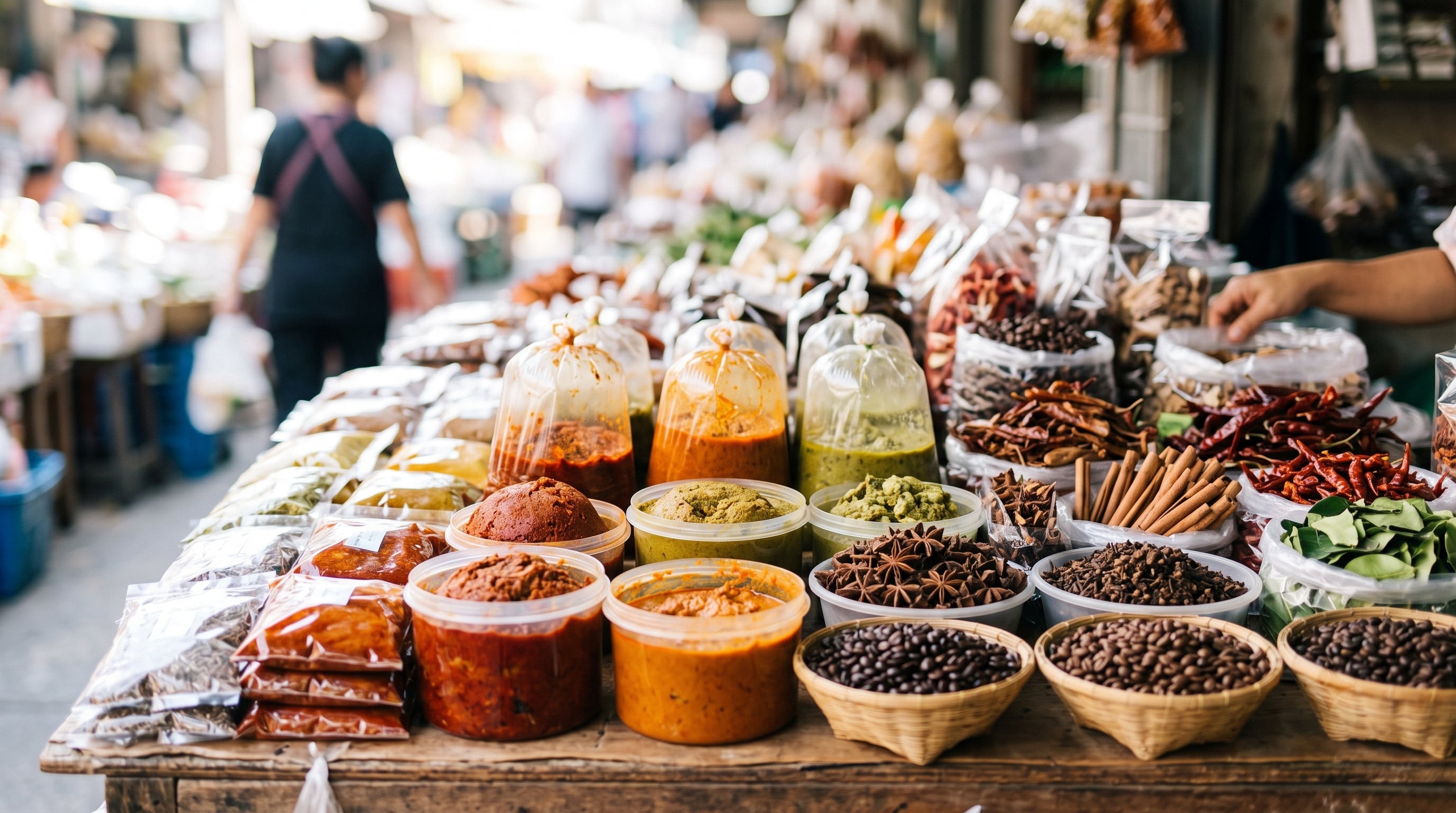
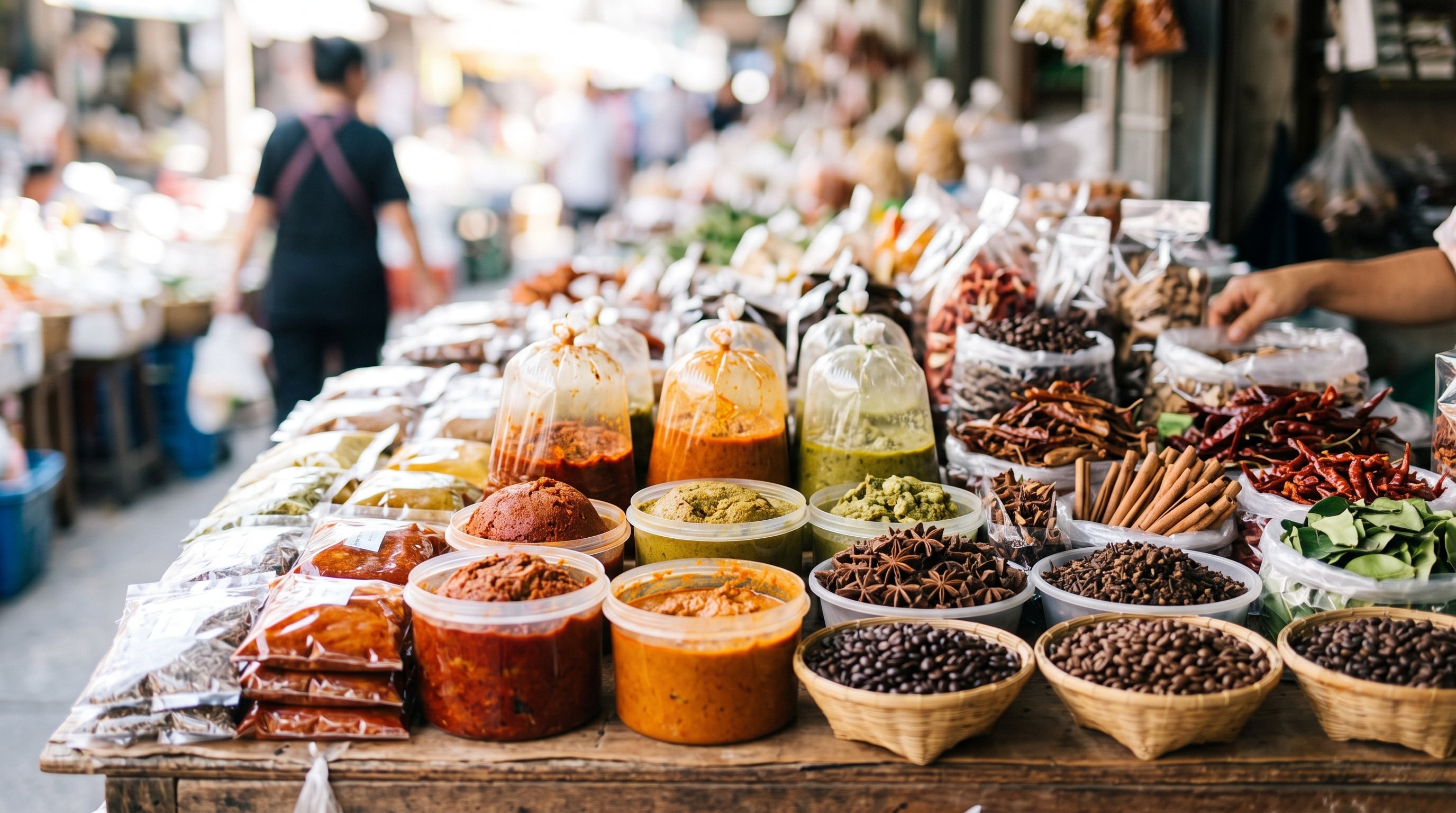
Packaged khao soi curry paste and dried Northern Thai spice mixes are genuinely easy to bring home, typically 40 to 100 baht (roughly US$1 to US$3) per pack, and a mixed curry paste set at a market stall can run as little as 25 baht (roughly US$0.70).
Dried fruit, vacuum-packed Northern Thai sausage, and local coffee beans round out the edible category, all widely available at Warorot Market's dry goods stalls and easy to pack flat in a suitcase.
A packet of khao soi paste is arguably the most useful item on this whole list, since it turns into an actual meal back home rather than sitting on a shelf, a genuine way to recreate a Chiang Mai dinner months after the trip ends.
Checking the ingredient list before flying home is worth doing too, some countries restrict bringing in certain dried meats or fresh produce, so a vacuum-sealed spice paste or roasted coffee bean bag travels with far less hassle than a fresh food item would.
Detailed Information:
Here is the full list at a glance, worth bookmarking before heading out for an evening of shopping.
|
Souvenir |
Reference Price |
|
Handmade Paper Umbrellas |
200 to 1,500 THB |
|
Wualai Silver |
800 to 15,000 THB |
|
Thai Silk and Hill-Tribe Textiles |
250 to 4,000 THB |
|
Lacquerware and Celadon Ceramics |
300 to 1,200 THB |
|
Carved Soap and Wood Carvings |
100 THB up (soap), 200 THB up (wood carving) |
|
Sky Lanterns and Handicraft Decor |
35 to 50 THB (lanterns), under 300 THB (decor) |
|
Edible Souvenirs |
25 to 100 THB per pack |
Read more: What to eat in Chiang Mai: 15 local dishes you must try in 2026
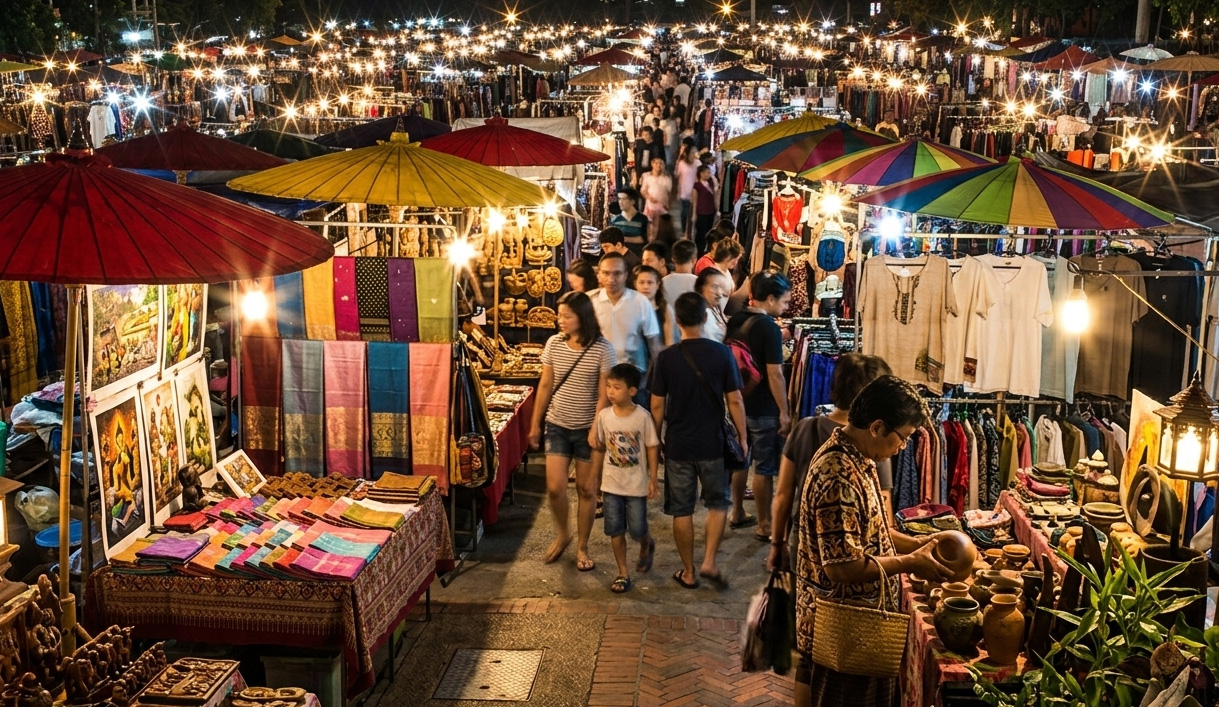
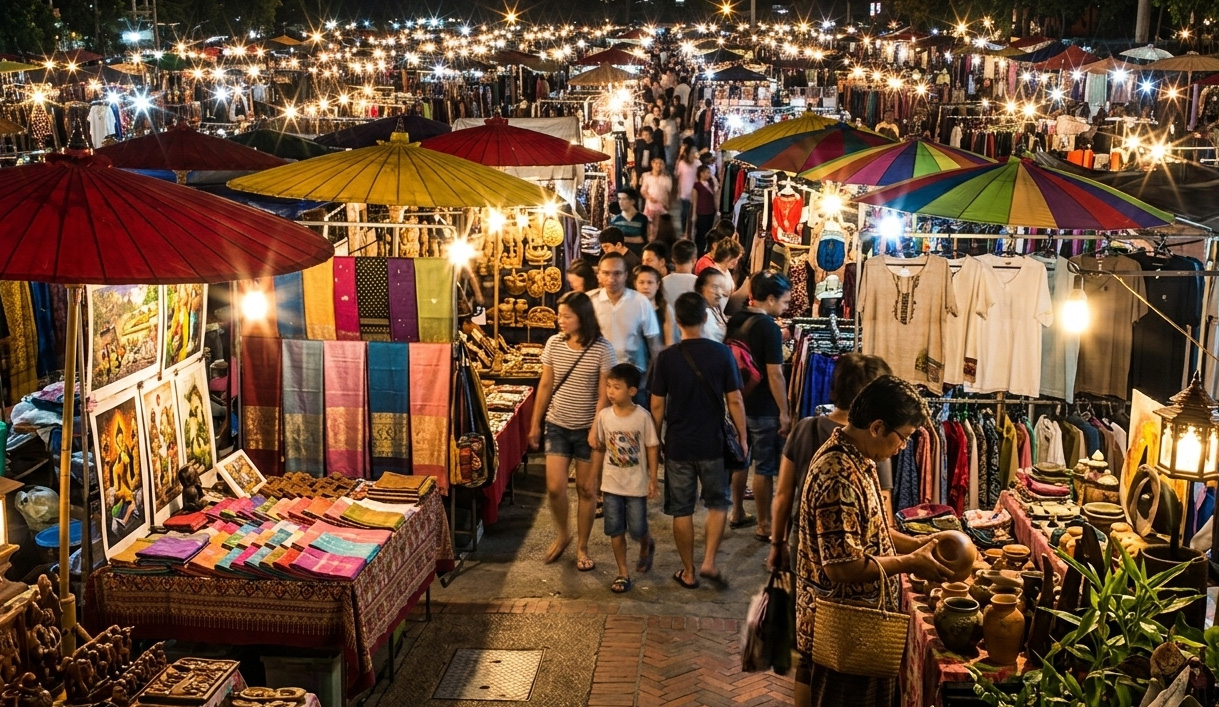
Three markets cover most of what the list above actually needs, each with its own particular strength. Here is where to go for what.
,regionOfInterest=(609.5,353.5))
,regionOfInterest=(609.5,353.5))
Running most evenings along Chang Khlan Road, the Chiang Mai Night Bazaar is the most convenient single stop for a broad mix of the items above, umbrellas, silk, lacquerware, and handicraft decor all turn up across its stalls and surrounding shophouses, with the added convenience of running late into the evening rather than closing early.
The bazaar also spreads across several adjoining buildings and side streets rather than one single strip, so it rewards a slower browse over an hour or two rather than a quick pass through.
Quality and price both vary noticeably stall to stall for the same item, so comparing two or three vendors before committing to a purchase, especially for anything in the higher price bracket like Wualai silver, is worth the extra few minutes it takes.
Evenings toward the end of the week, Friday and Saturday especially, tend to draw the largest crowds and the widest possible spread of stalls, worth planning around for anyone who wants the fullest possible selection to actually browse through.
,regionOfInterest=(1179.5,736))
,regionOfInterest=(1179.5,736))
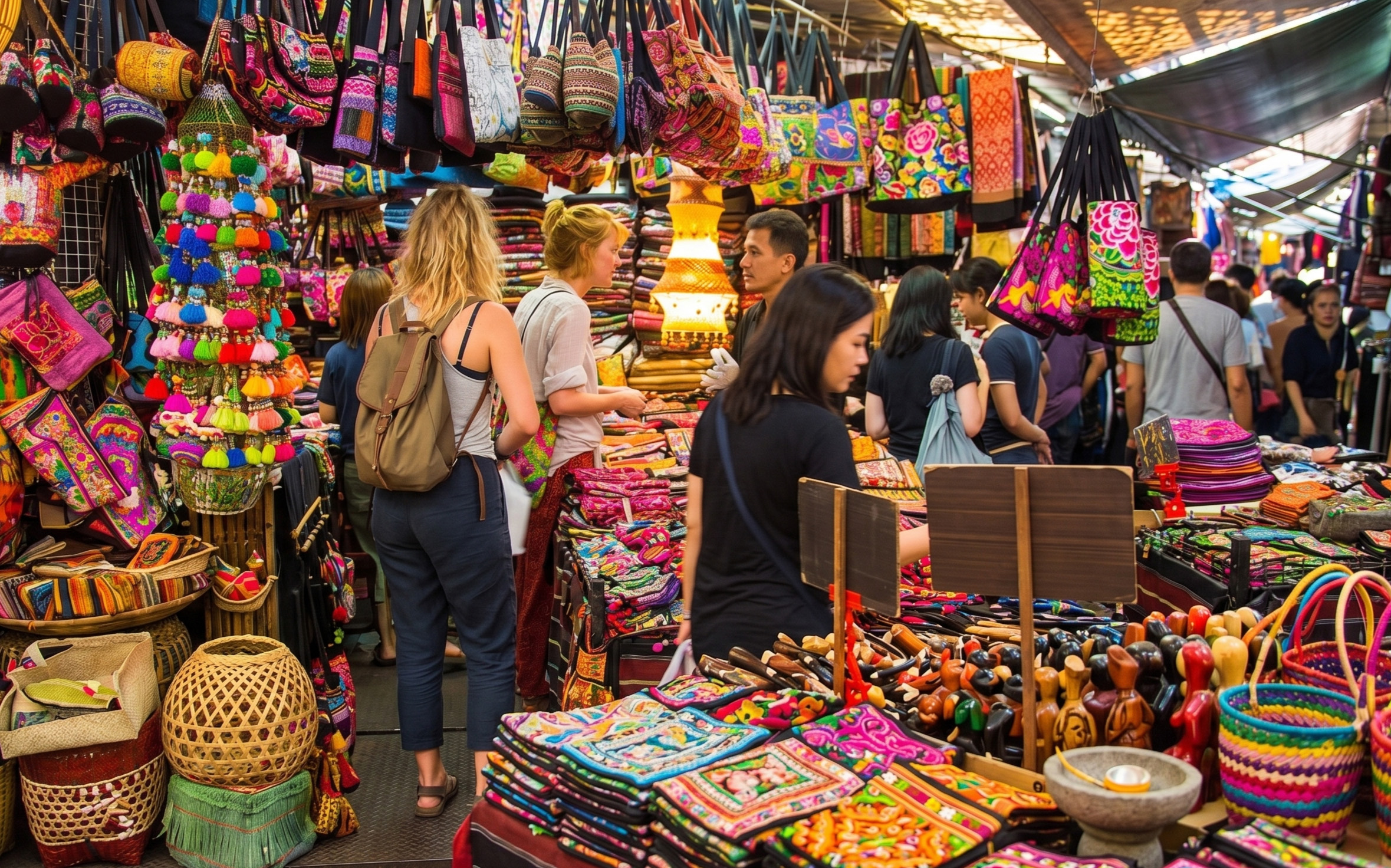
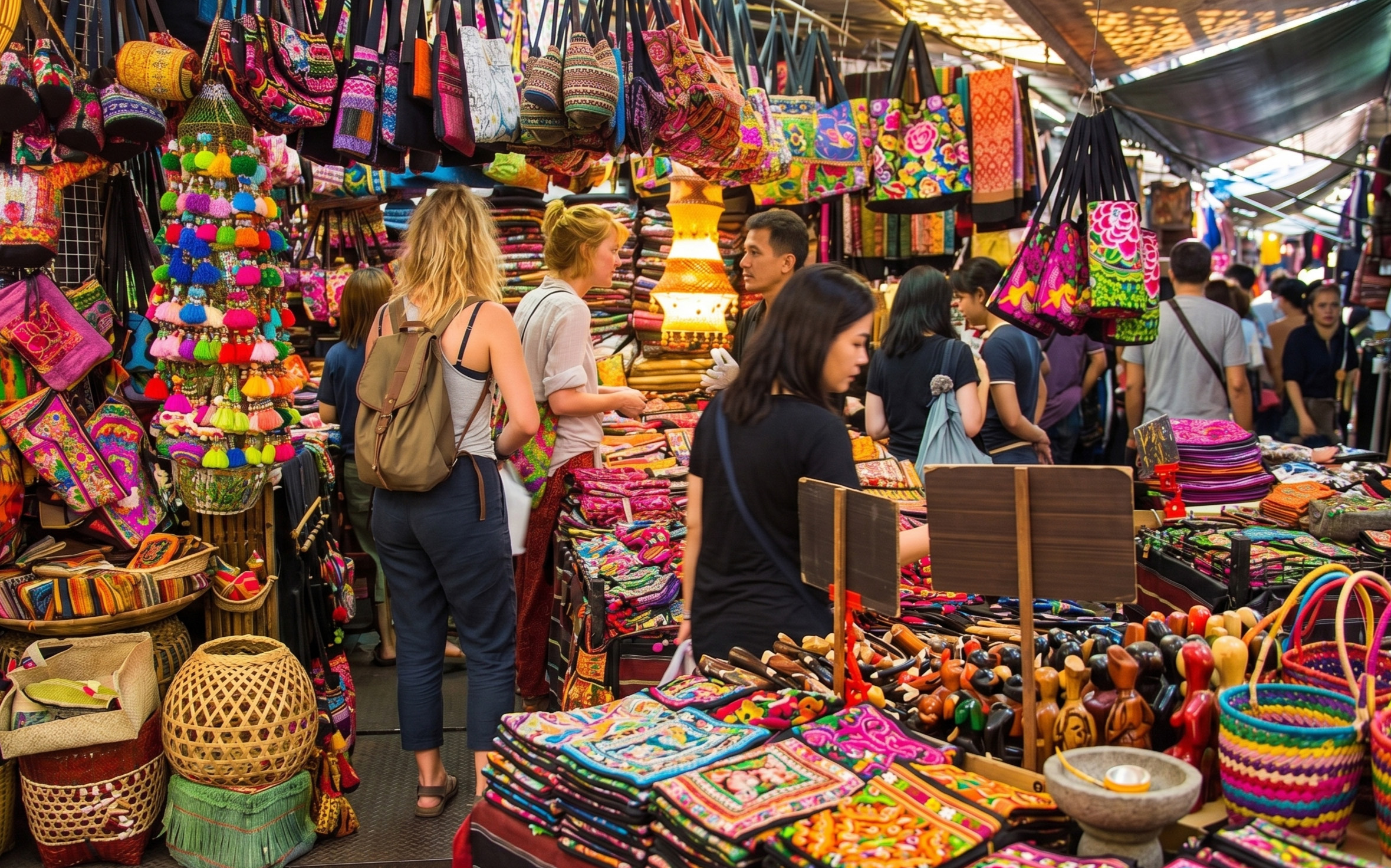
Sunday Walking Street through the Old City and Saturday's Wualai silver market both lean toward genuinely handmade, artisan-made goods rather than imported gift-shop stock, the Saturday market specifically for silver given its location in the Wualaisilversmithing district itself.
Both markets close the street to traffic for the evening and fill temple courtyards along the route with additional stalls and food vendors, so a shopping trip here doubles as a genuine street festival rather than a purely transactional errand.
Arriving close to the opening hour, generally around 4pm, beats the thickest crowds that build up later in the evening, giving first pick of the better-quality handmade stock before it sells through.
,regionOfInterest=(1064,768))
,regionOfInterest=(1064,768))
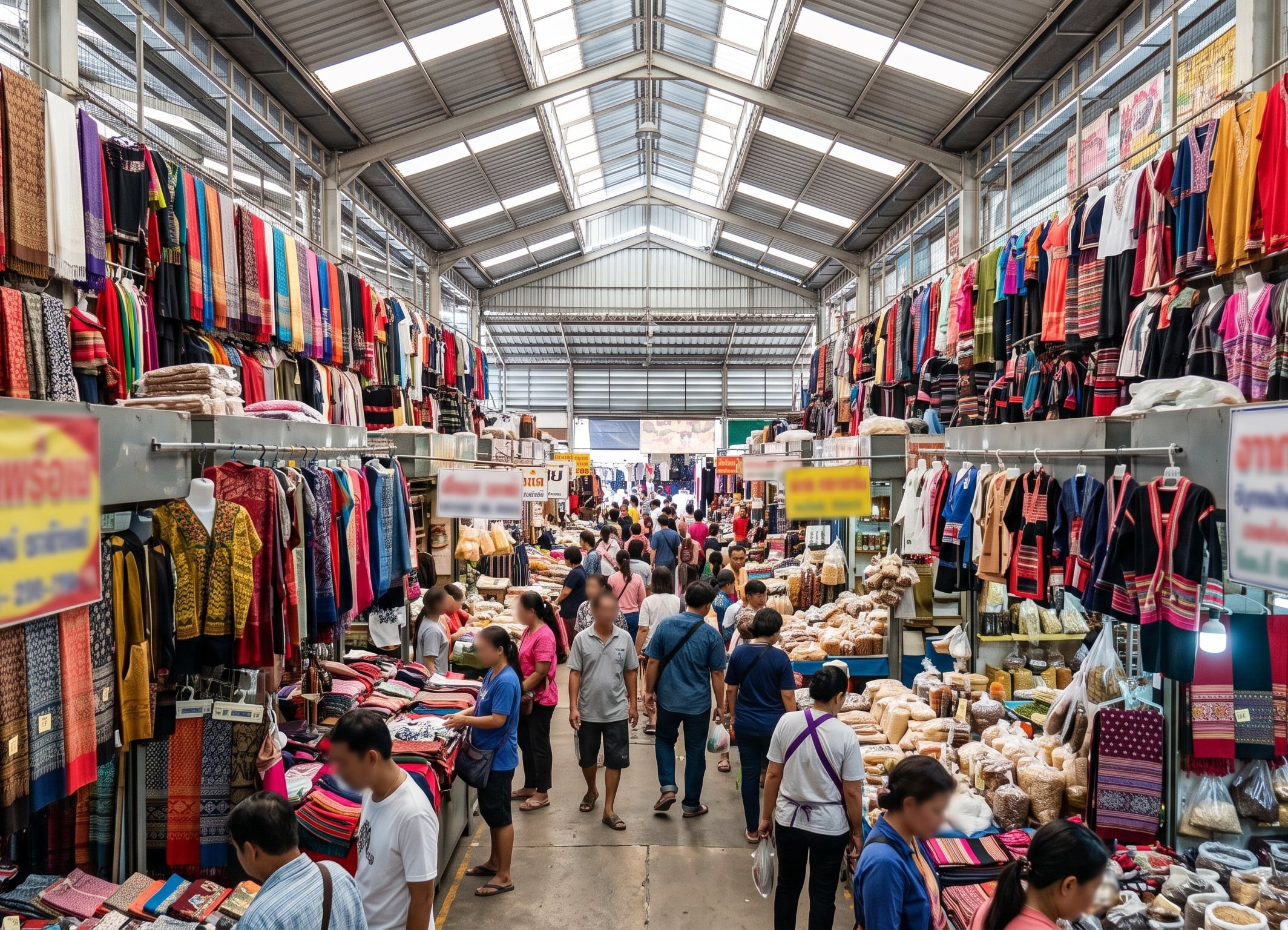
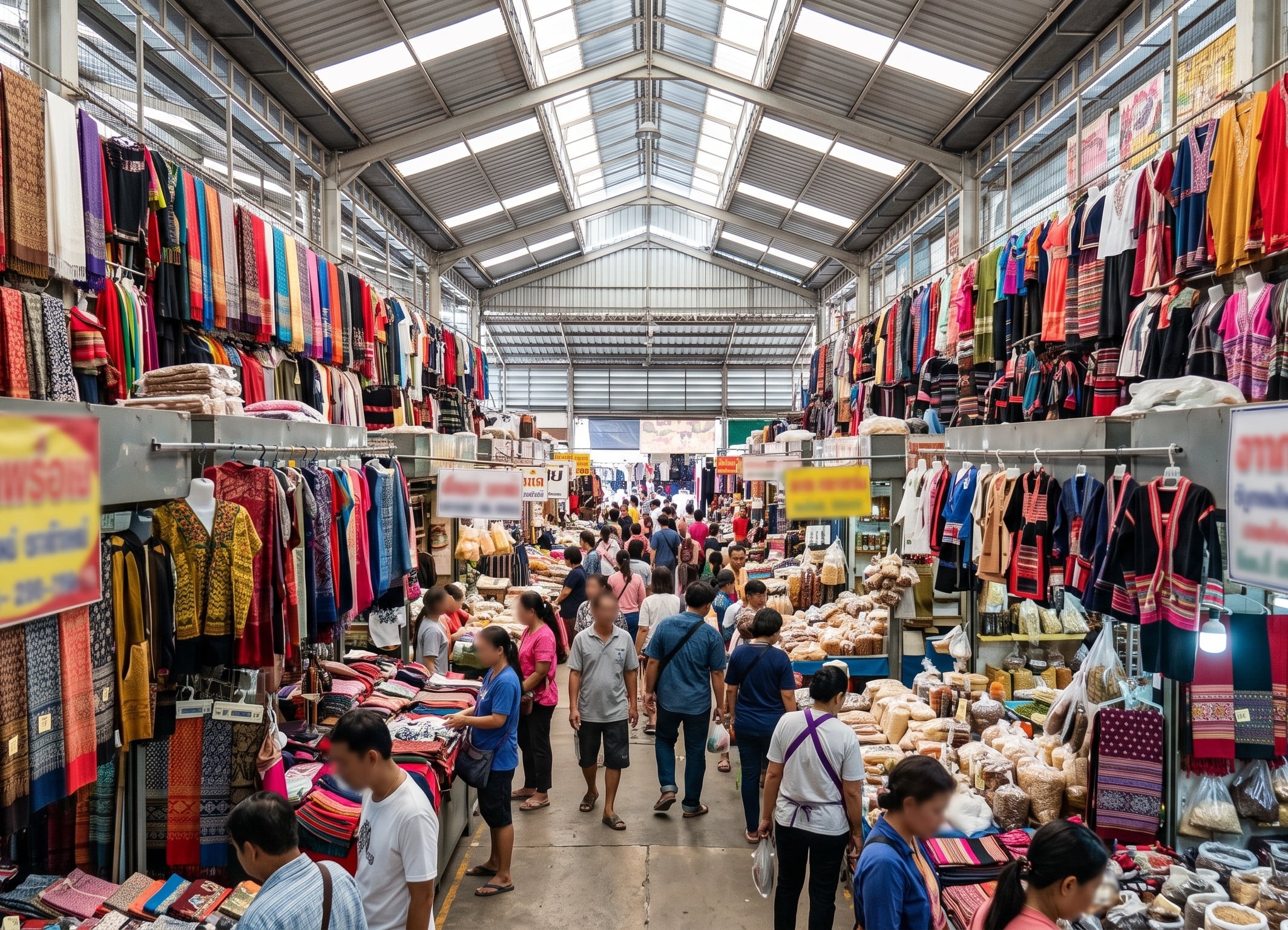
Chiang Mai's oldest and largest covered market runs by day for fabric, dried goods, and kitchenware, the single best stop on this list for the edible souvenirs and spice packs, plus a genuinely local shopping experience away from the more tourist-facing bazaar stalls.
Prices here tend to run noticeably lower than the evening bazaars, since Warorot serves Chiang Mai's own residents doing their regular shopping as much as it serves visitors, and the dried goods stalls in particular are used to selling in the small packaged quantities that suit a traveler rather than only the bulk amounts a local household might buy.
It is also one of the few markets on this list that runs a genuine morning trade rather than starting only in the late afternoon, useful for anyone who wants to shop before the day's sightseeing rather than after it.
Bargaining here still genuinely applies but tends to move noticeably faster than at the evening bazaars, since regular local shoppers rarely linger over a negotiation, worth keeping pace with rather than treating each small purchase as its own lengthy back and forth.
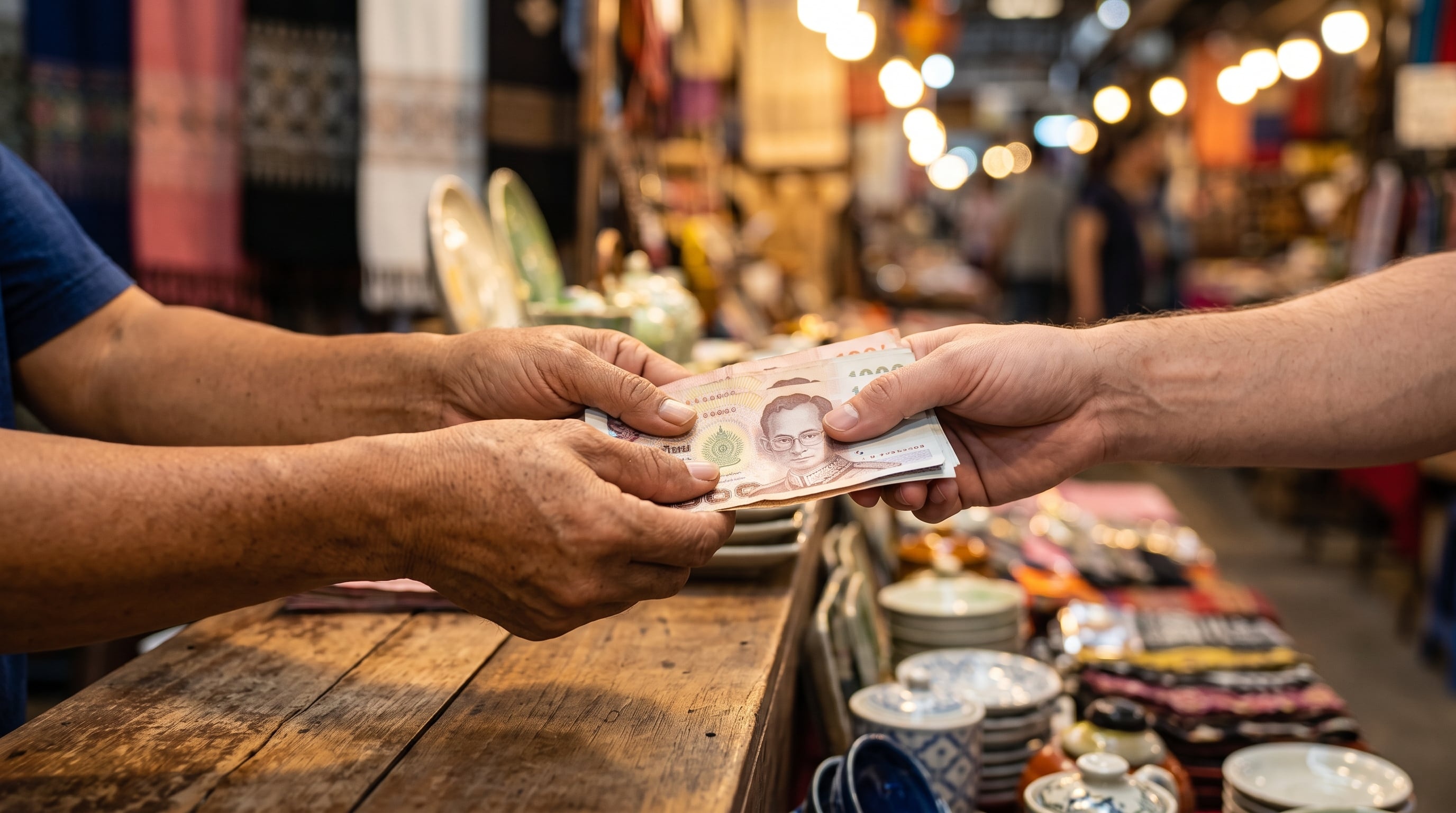
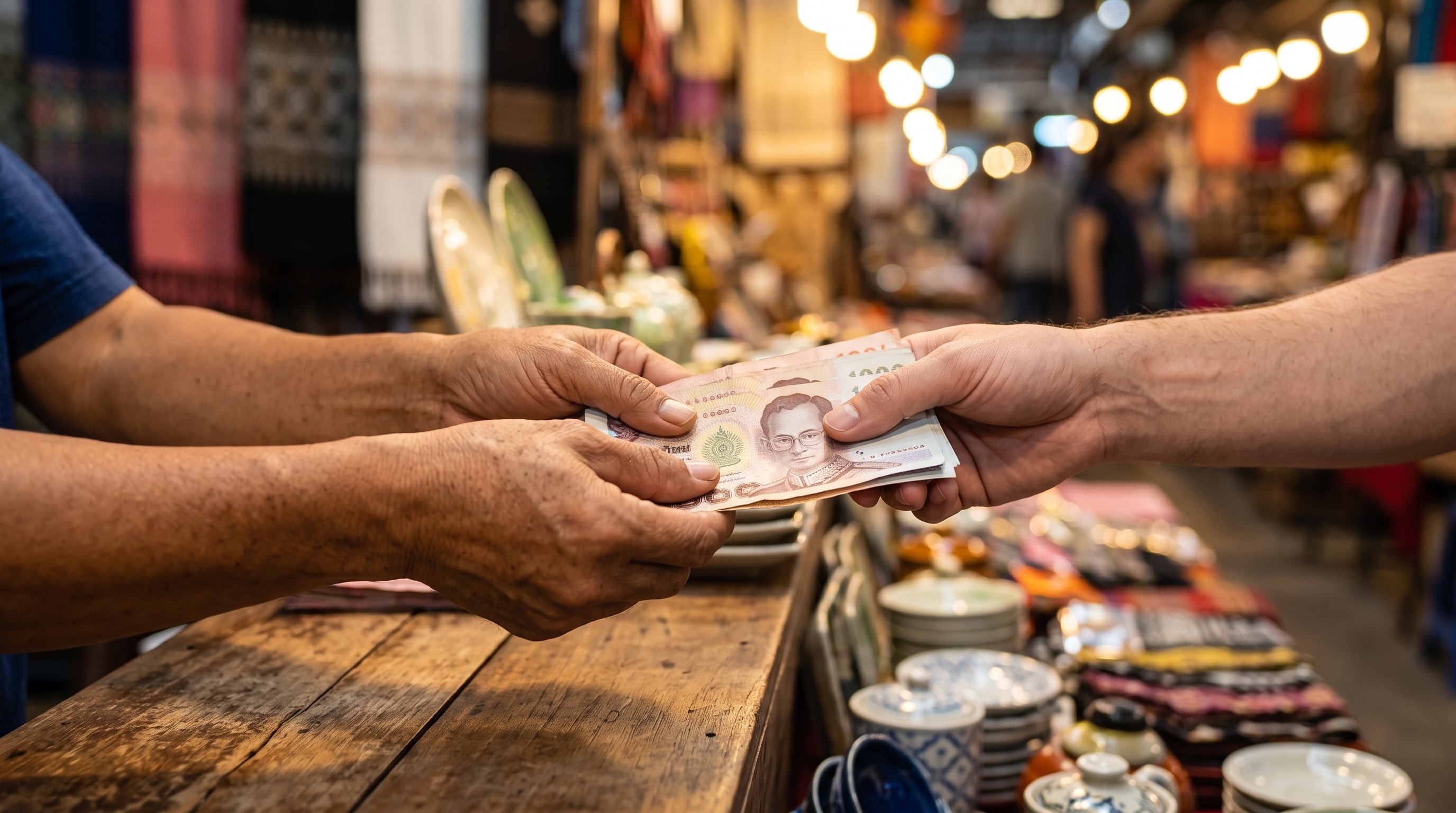
Bargaining is expected at Chiang Mai's markets, though it works best as a friendly back and forth rather than an aggressive negotiation. A polite opening counter around 70 to 80 percent of the first quoted price is a reasonable start for most handicrafts, working up from there until both sides land somewhere comfortable, usually within a couple of rounds rather than a long standoff.
It is worth genuinely remembering that even the lower end of a negotiated price still represents a fair wage for the maker in most cases, this is not a contest to win outright, it is a shared expectation both sides understand going in from the start.
Fixed-price shops, cooperative stores, and the Thai Tribal Crafts fair-trade outlets are the exception, prices there are usually already set fairly and bargaining is not expected at all, worth checking a stall's signage before assuming every price is negotiable.
Anyone genuinely unsure whether a price is fair elsewhere can compare it against the reference ranges above for the best souvenirs to buy in Chiang Mai, a useful benchmark even when the specific item or stall varies from what is listed here.
A souvenir-heavy trip goes more smoothly with a base that sits close enough to the shopping itself that an evening of browsing does not require arranging transport there and back. Here is what that kind of base actually adds to a trip built around the best souvenirs to buy in Chiang Mai.
,regionOfInterest=(1771.5,1251))
,regionOfInterest=(1771.5,1251))
Three of the city's best-known shopping circuits, the Night Bazaar, Wualai's Saturday Walking Street, and the Sunday Walking Street, all sit within an easy reach of Meliá Chiang Mai on Charoen Prathet Road, none of them requiring a taxi booked in advance.
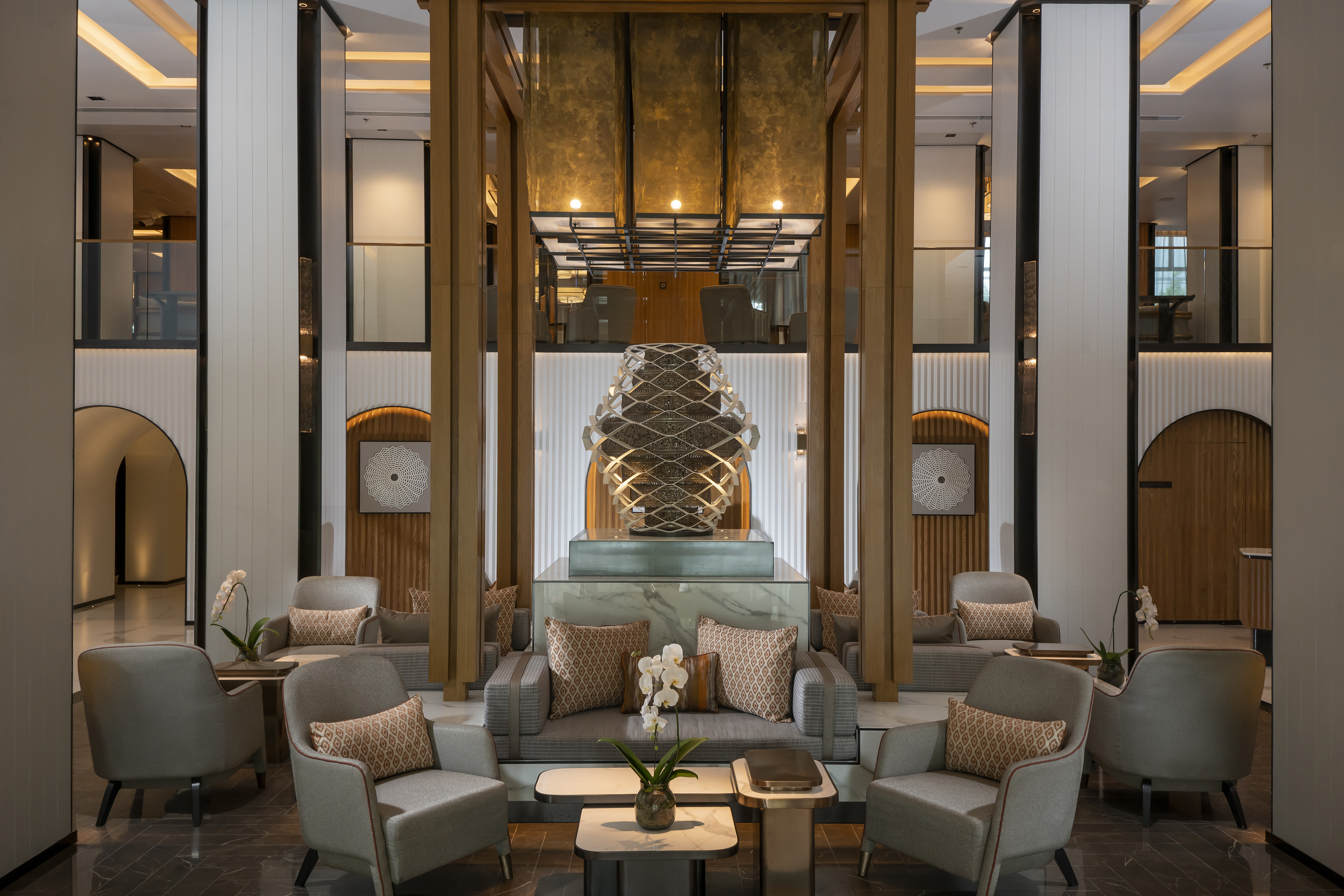
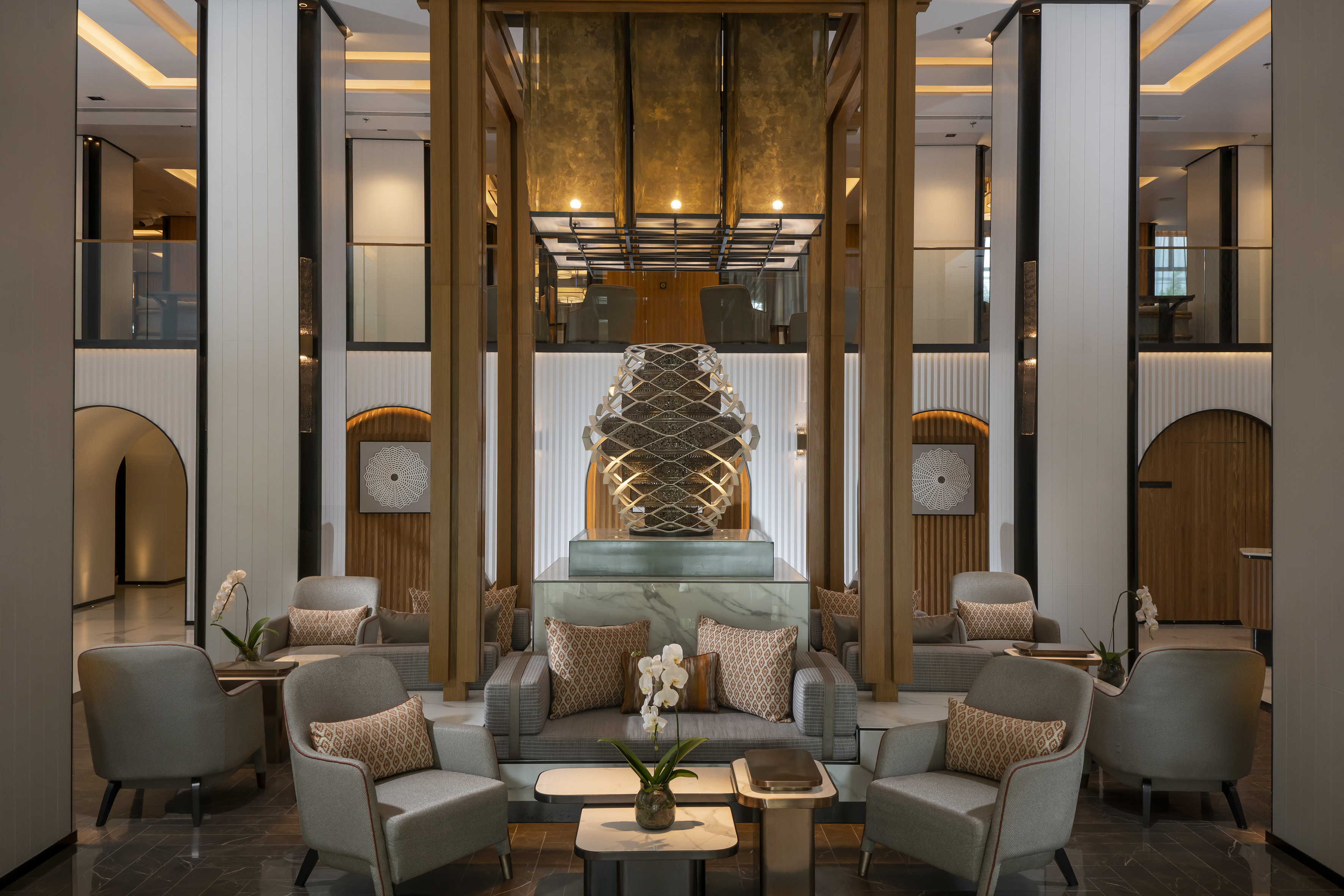
The hotel's own lobby holds a stop worth browsing before heading out anywhere else: THE GALLERY, a social enterprise space selling handcrafted products made by local artisans and community enterprises, the same kind of traditional Northern Thai craft skills the city's markets are known for, without needing to leave the building first.
That proximity is not just about the Night Bazaar itself. The hotel's own front desk is well placed to help time a visit to whichever market runs that particular evening, since a shopping trip built around several different markets on different nights benefits far more from a central base than one built around a single fixed itinerary.
,regionOfInterest=(2150,1434))
,regionOfInterest=(2150,1434))
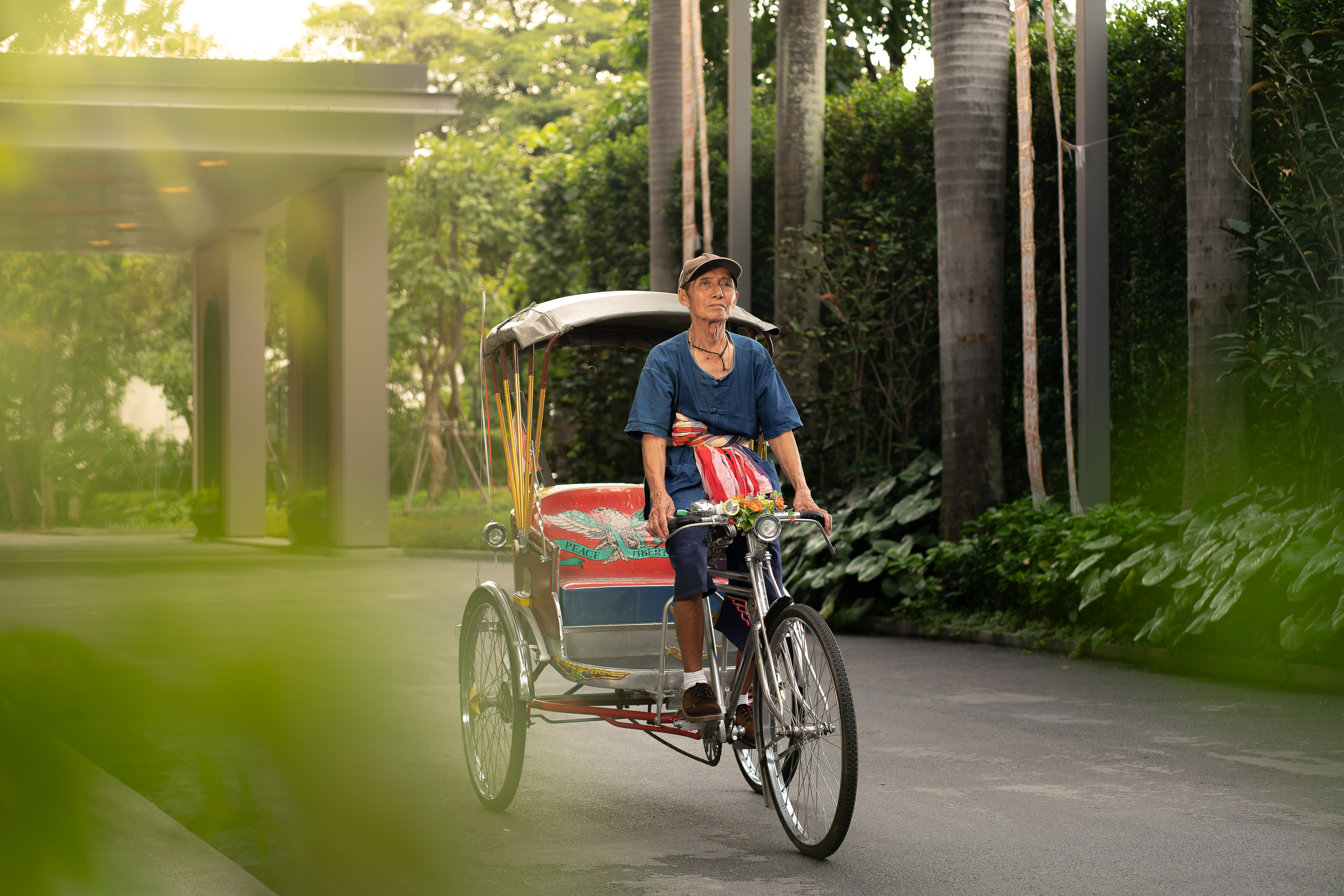
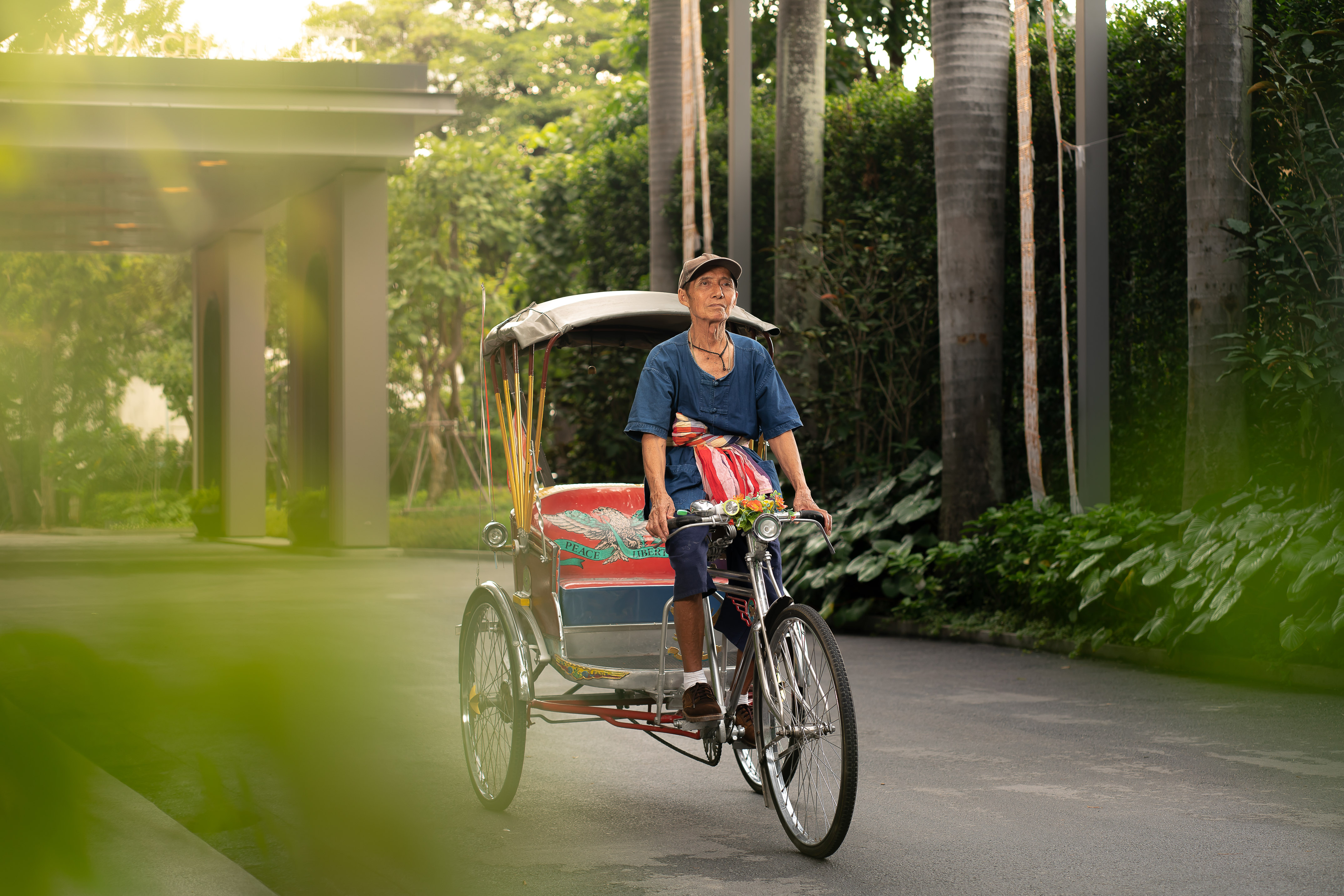
That proximity matters more than it might sound. A guest can head down after dinner, work through a couple of hours of umbrella stalls and silk shops, and be back in the room within a short walk rather than budgeting for a songthaew ride each way, which makes an impulse evening of browsing a genuinely easy add-on to any day rather than a separate outing that needs its own planning.
Even a guest with no shopping plans at all still benefits from the location, since the Night Bazaar's food stalls and the general evening buzz of the neighbourhood are visible and audible right from the property, giving a genuine sense of the city's energy without needing to venture far.
,regionOfInterest=(2150,1433.5))
,regionOfInterest=(2150,1433.5))
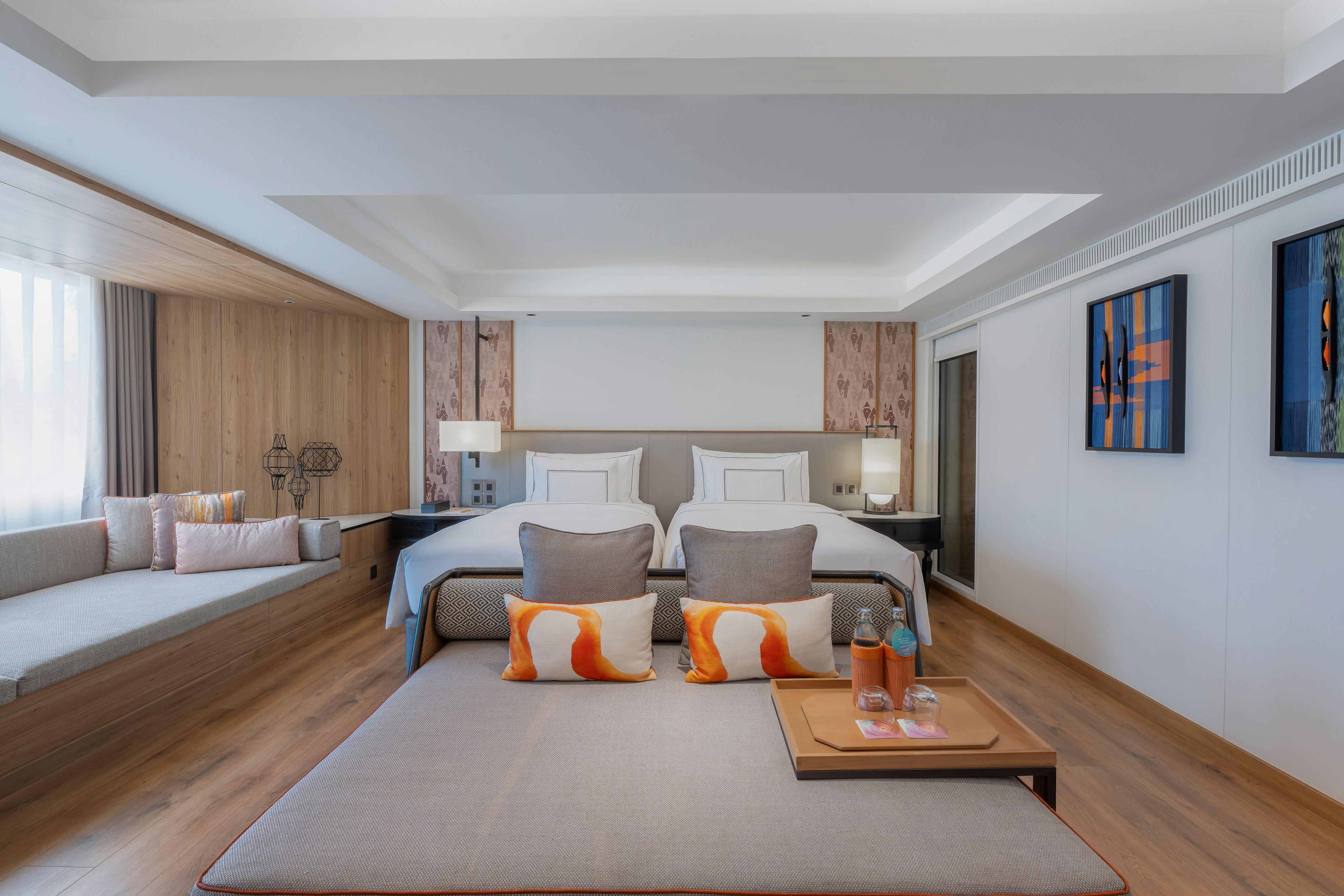
Bringing home something like Wualai silver rather than checking it in a suitcase starts with a room that has somewhere secure to put it. Both the Meliá Room and Deluxe Room come with an in-room safe and a Chromecast-equipped TV as standard, and both also list connecting rooms as an option, worth asking about for two people shopping separately who still want to compare finds at the end of the day.
A shopping-heavy trip is also exactly when the Premium Room's 44 square metres earns its keep for two travelers, teakwood bedside tables and enough clear floor space for a half-unpacked suitcase mid-trip, without needing to step up to a full suite category just to fit the extra bags.
For a longer trip built around several separate shopping days, The Level Suite adds 62 square metres and access to The Level lounge, where a private check-in and a dedicated concierge become genuinely useful once a purchase turns out to need arranging its own shipping home.
,regionOfInterest=(1771.5,1181.5))
,regionOfInterest=(1771.5,1181.5))
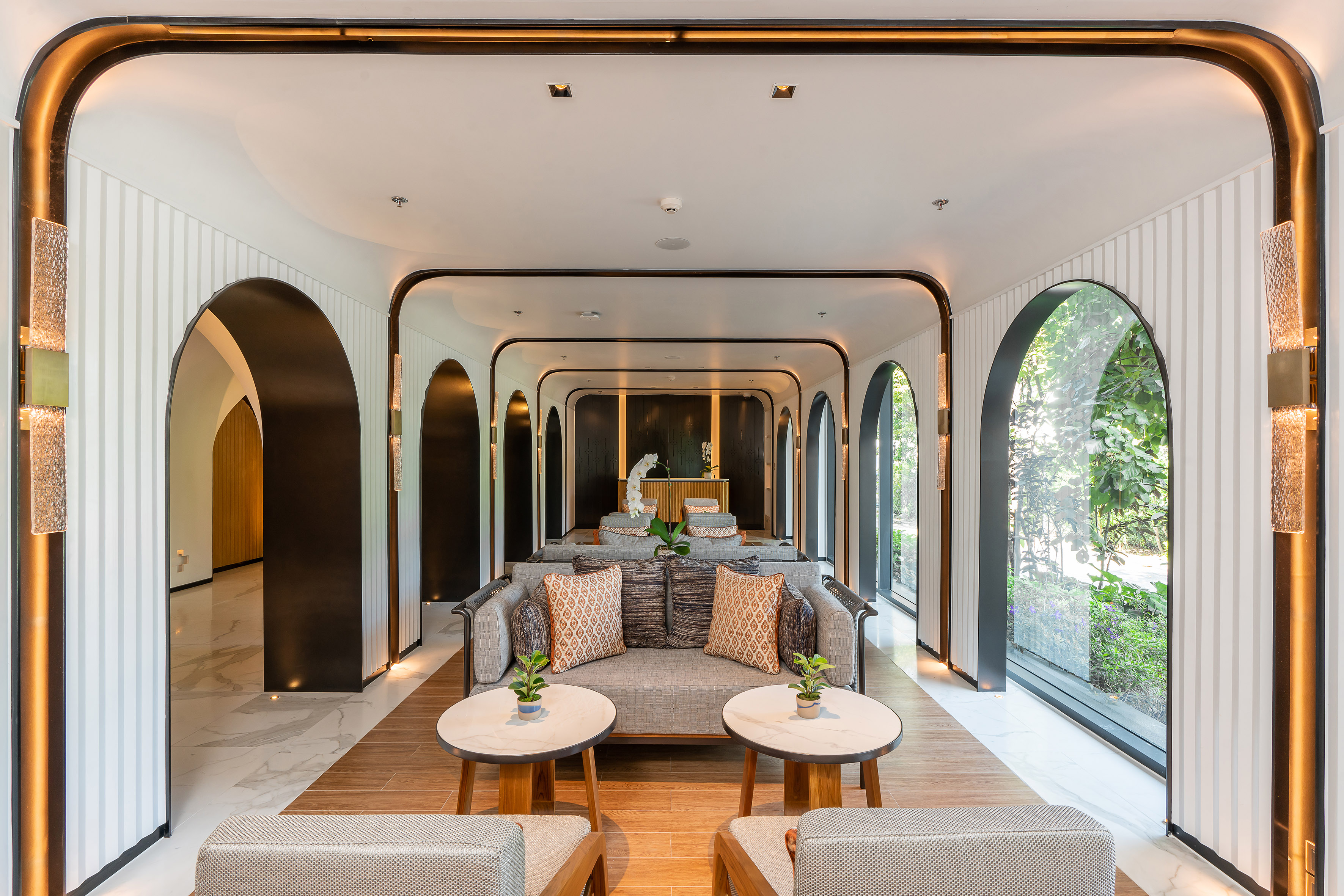
The hotel's own front desk is also a genuinely useful resource before a shopping evening, staff can point toward which stalls run fixed prices versus which expect bargaining, and confirm what the Sunday or Saturday walking street schedule actually looks like that particular week, since a market that only runs on certain days is easy to miss without checking first.
Staff can also arrange a private car for a longer trip out to Ban Tawai village specifically for wood carving, useful for anyone who wants to shop the source directly rather than relying on whatever selection happens to be in the city that particular week.
,regionOfInterest=(1771.5,1181.5))
,regionOfInterest=(1771.5,1181.5))
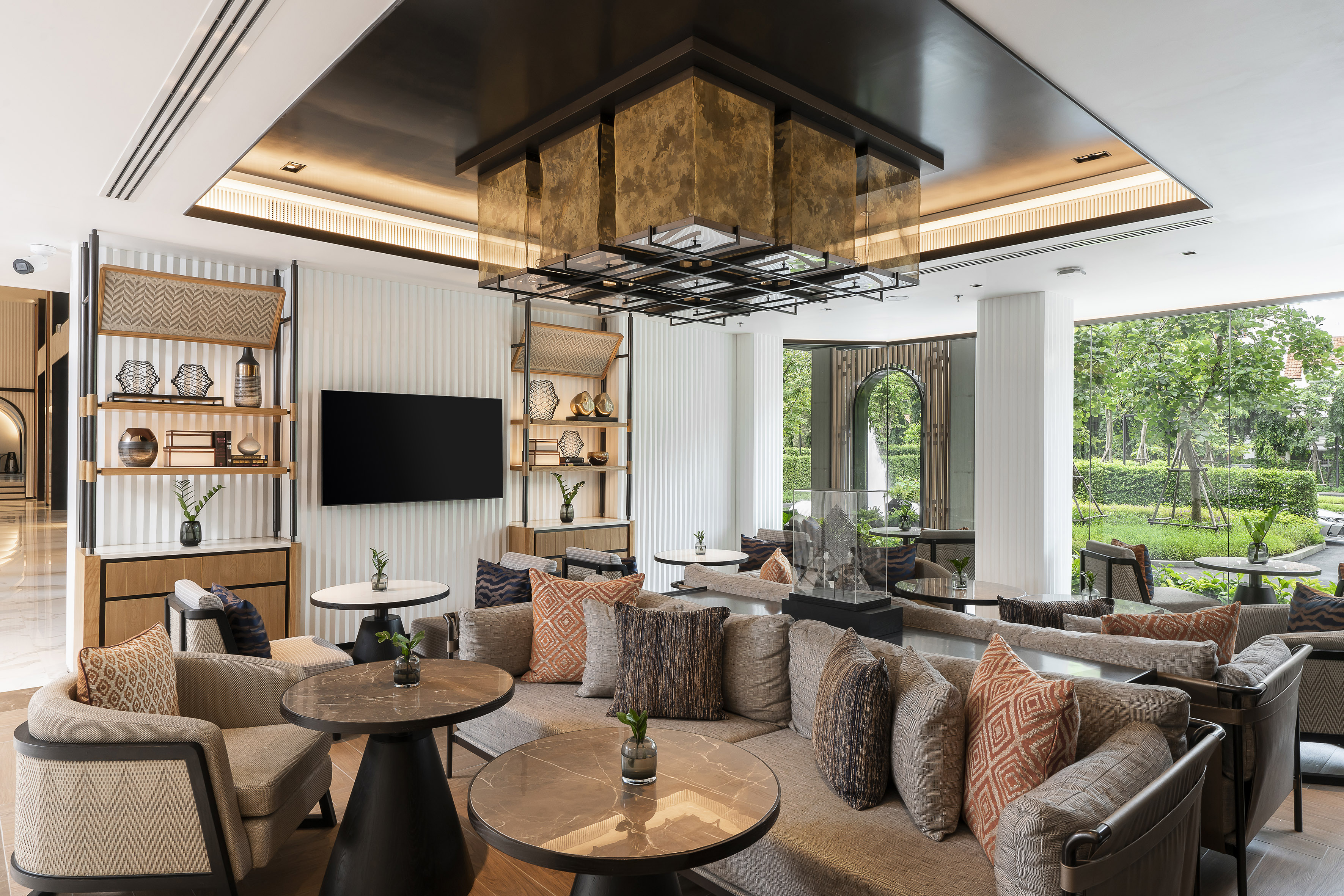
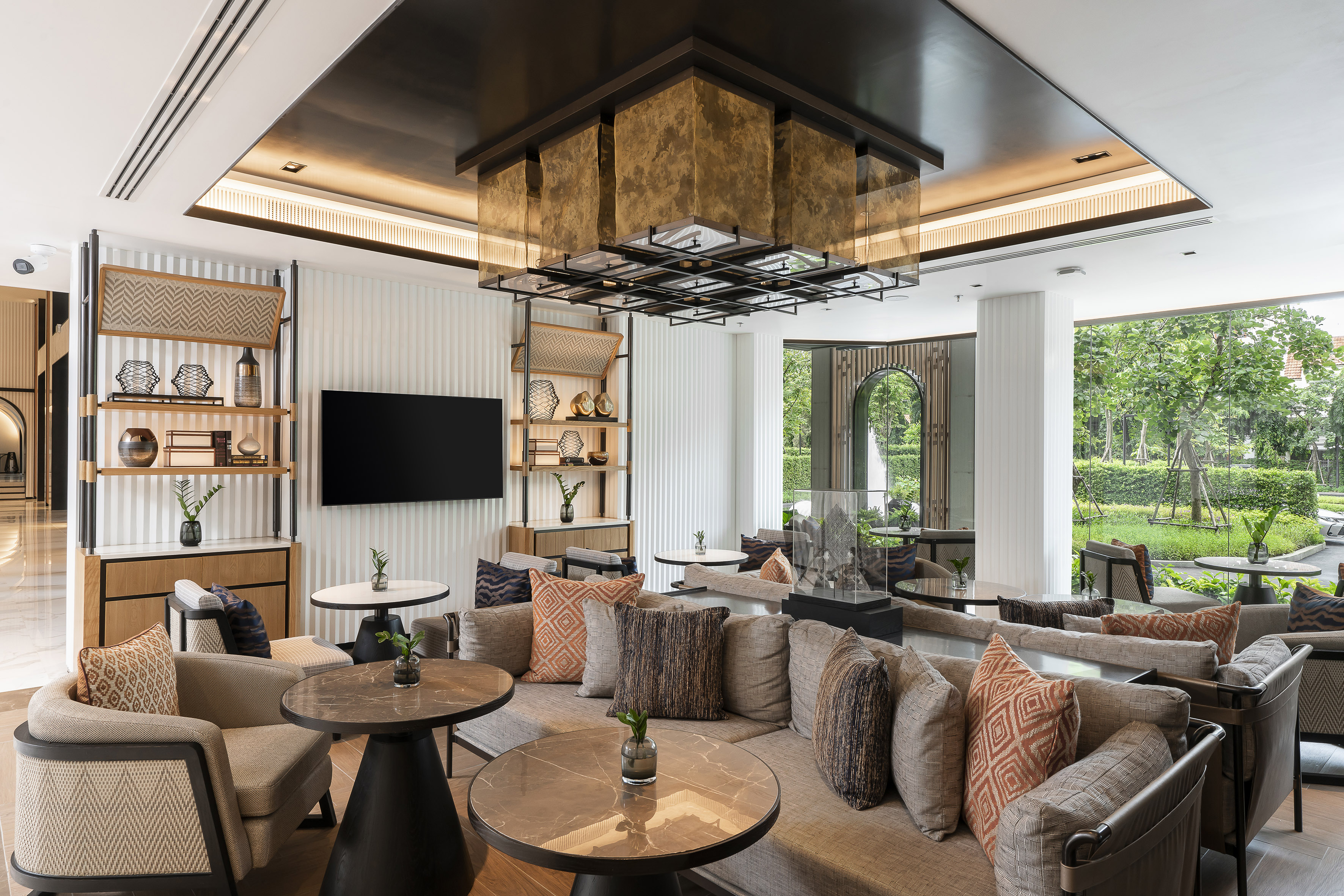
Not every bargaining session ends with the energy for a rooftop bar. Ruen Kaew Lounge, just off the lobby, keeps things simpler: an all-day menu running 10:00 AM to 10:00 PM with casual bites like crispy fried calamari and smoked pimentón aioli, a quick stop between dropping off purchases and heading back out for a proper dinner elsewhere.
Its Basque Burnt Cheesecake closes things on something sweet without needing to leave the ground floor at all, useful on a night when carrying bags up to the 22nd floor sounds like one errand too many.
,regionOfInterest=(1771.5,1181.5))
,regionOfInterest=(1771.5,1181.5))
Booking directly through melia.com also means joining MeliáRewards costs nothing and earns points toward a future stay, worth doing before a trip built specifically around checking off a shopping list of the best souvenirs to buy in Chiang Mai, since the savings on the room rate free up a little more of the budget for the market stalls themselves.
For a trip built specifically around checking off the best souvenirs to buy in Chiang Mai, though, few hotels in the city put a guest closer to the actual shopping itself.
,regionOfInterest=(1771.5,1181.5))
,regionOfInterest=(1771.5,1181.5))
Between hand-painted umbrellas, Wualai silver, and a packet of real khao soi paste to cook with at home, the best souvenirs to buy in Chiang Mai reward a little research over grabbing whatever sits closest to the market entrance.
Book a stay at Meliá Chiang Mai, steps from the Night Bazaar itself, and turn an evening of shopping into the easiest part of the trip rather than a logistics exercise.
,regionOfInterest=(1376,768))
,regionOfInterest=(1376,768))
Chiang Mai is best known for handmade crafts tied to specific local traditions: Bo Sang's painted paper umbrellas, Wualai silverwork, Thai silk, and celadon ceramics all trace back to distinct craft villages and neighbourhoods around the city rather than a single generic souvenir category, which is exactly why any real ranking of the best souvenirs to buy in Chiang Mai leans so heavily on craft heritage over generic gift-shop stock.
The Chiang Mai Night Bazaar covers the broadest mix in one convenient evening stop, Sunday Walking Street and the Saturday Wualai silver market lean more toward genuinely handmade goods, and Warorot Market is the best choice specifically for edible souvenirs and dried spice packs.
Yes, at most market stalls, though it works best as a friendly negotiation rather than an aggressive one. A polite opening counter around 70 to 80 percent of the first quoted price is a reasonable starting point. Fixed-price shops and fair-trade cooperative stores are the exception, and bargaining is not expected there.
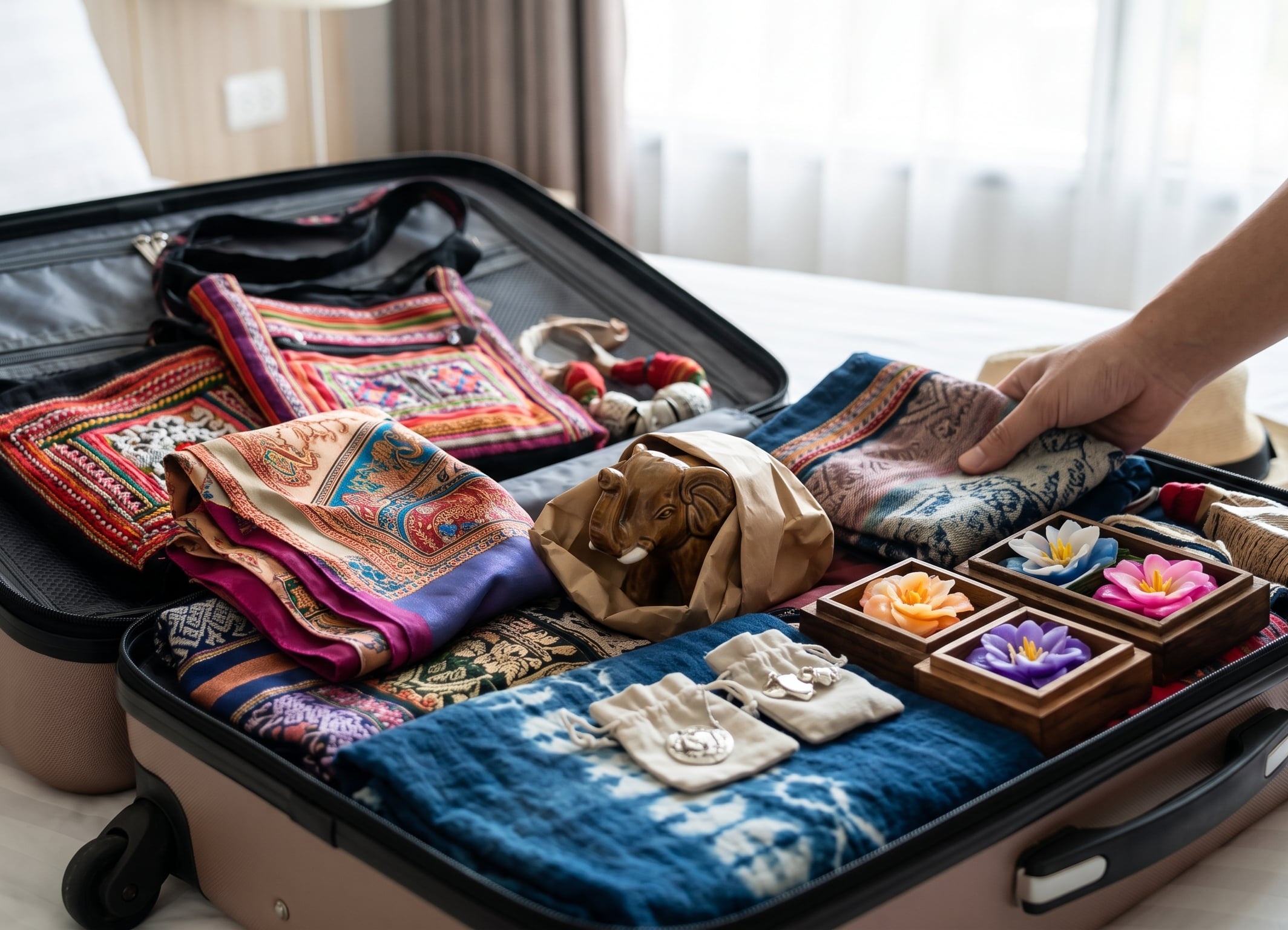
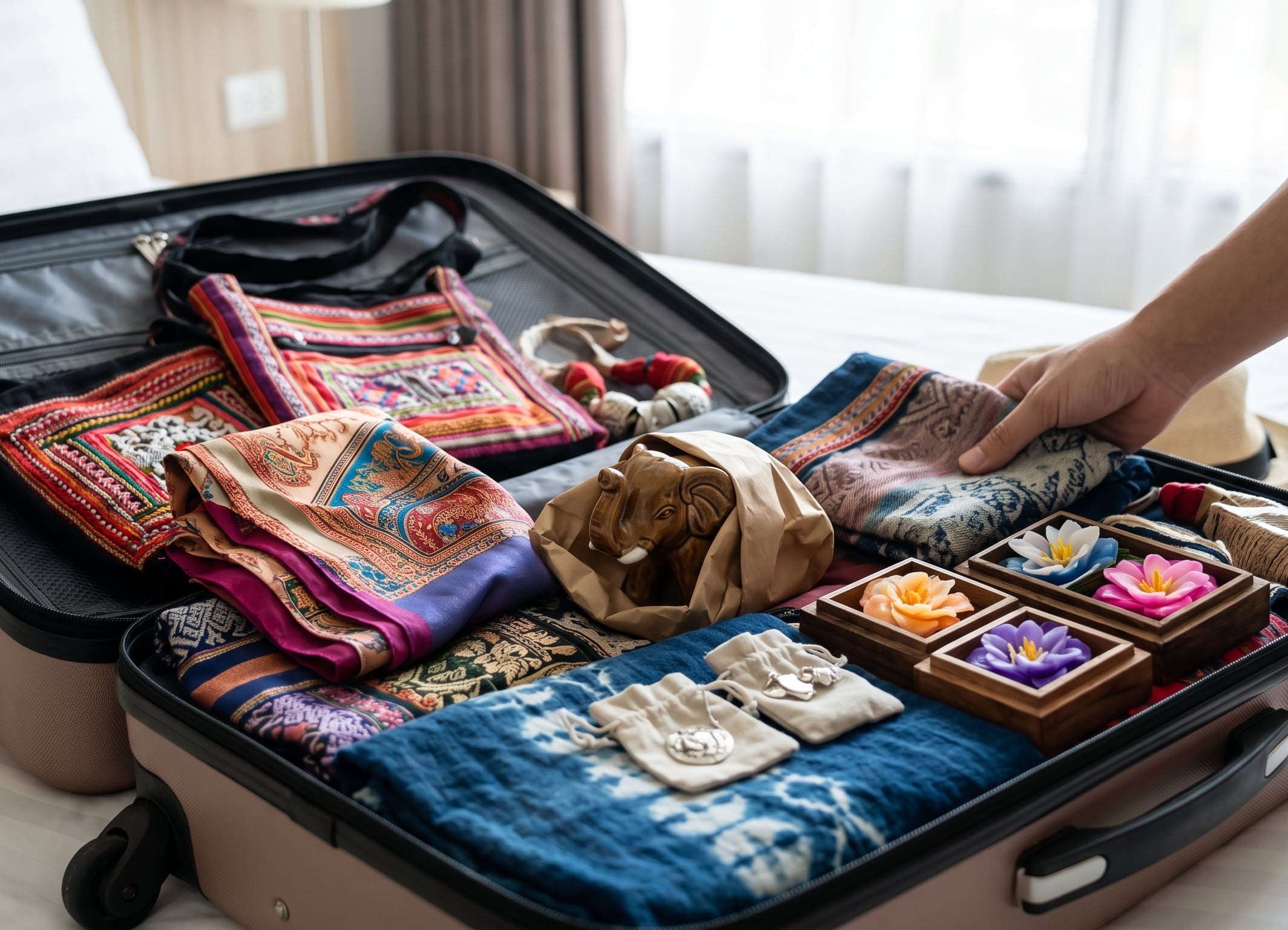
Sky lanterns, carved soap, packaged curry paste, and dried spice mixes all pack flat and light, making them easy to fit into a suitcase without adding much weight. Ceramics and larger wood carvings need more careful packing or a checked bag with padding, worth factoring in before buying anything fragile late in a trip.
Textiles and silk scarves also travel well rolled rather than folded, a small trick that keeps creasing to a minimum on the flight home, worth doing regardless of which specific pieces from this list end up packed in the suitcase for the trip home.
,regionOfInterest=(2944,1656))
,regionOfInterest=(2944,1656))
,regionOfInterest=(632,423))
,regionOfInterest=(632,423))
,regionOfInterest=(2565.5,1505.5))
,regionOfInterest=(2565.5,1505.5))
,regionOfInterest=(2100,1400))
,regionOfInterest=(2100,1400))
,regionOfInterest=(2262,1508))
,regionOfInterest=(2262,1508))