,regionOfInterest=(2900.5,1949.5))
,regionOfInterest=(2900.5,1949.5))
Anusarn Market Chiang Mai 2026: What to Buy and Eat
,regionOfInterest=(688,372))
,regionOfInterest=(688,372))
Culture
,regionOfInterest=(1624,1080))
,regionOfInterest=(1624,1080))
Culinary experiences
So you have landed in Thailand's mountain capital, the temples are glowing and your stomach is rumbling. The only real question left is what to eat in Chiang Mai first.
This guide walks you through 15 dishes that define the city, from smoky street-side sausage to a bowl of curry noodles worth crossing town for, with honest tips on where to find each one.
,regionOfInterest=(512,482))
,regionOfInterest=(512,482))
Digital marketing specialist with a passion for travel, writing, and discovering what makes every destination unique.
,regionOfInterest=(1920,1048))
,regionOfInterest=(1920,1048))
,regionOfInterest=(1348.5,1080))
,regionOfInterest=(1348.5,1080))
,regionOfInterest=(1080,1080))
,regionOfInterest=(1080,1080))
,regionOfInterest=(1624,1080))
,regionOfInterest=(1624,1080))
Chiang Mai sits at the heart of the old Lanna kingdom, and its cooking is its own world, distinct from the dishes most travellers know from Bangkok or the beaches. The two sections that follow set the scene, first with the flavours that shape the region, then with the kinds of places where you will actually eat.
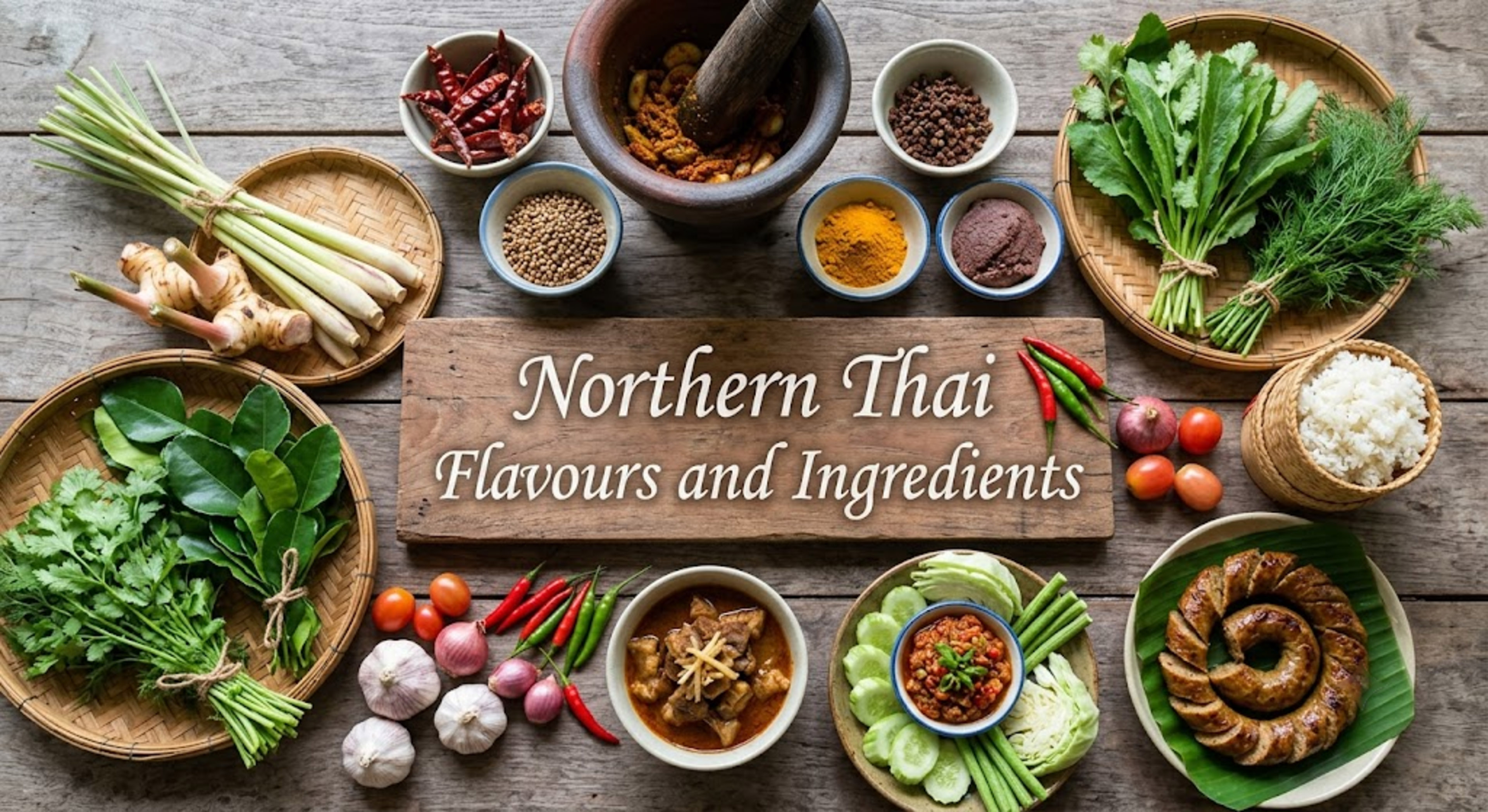
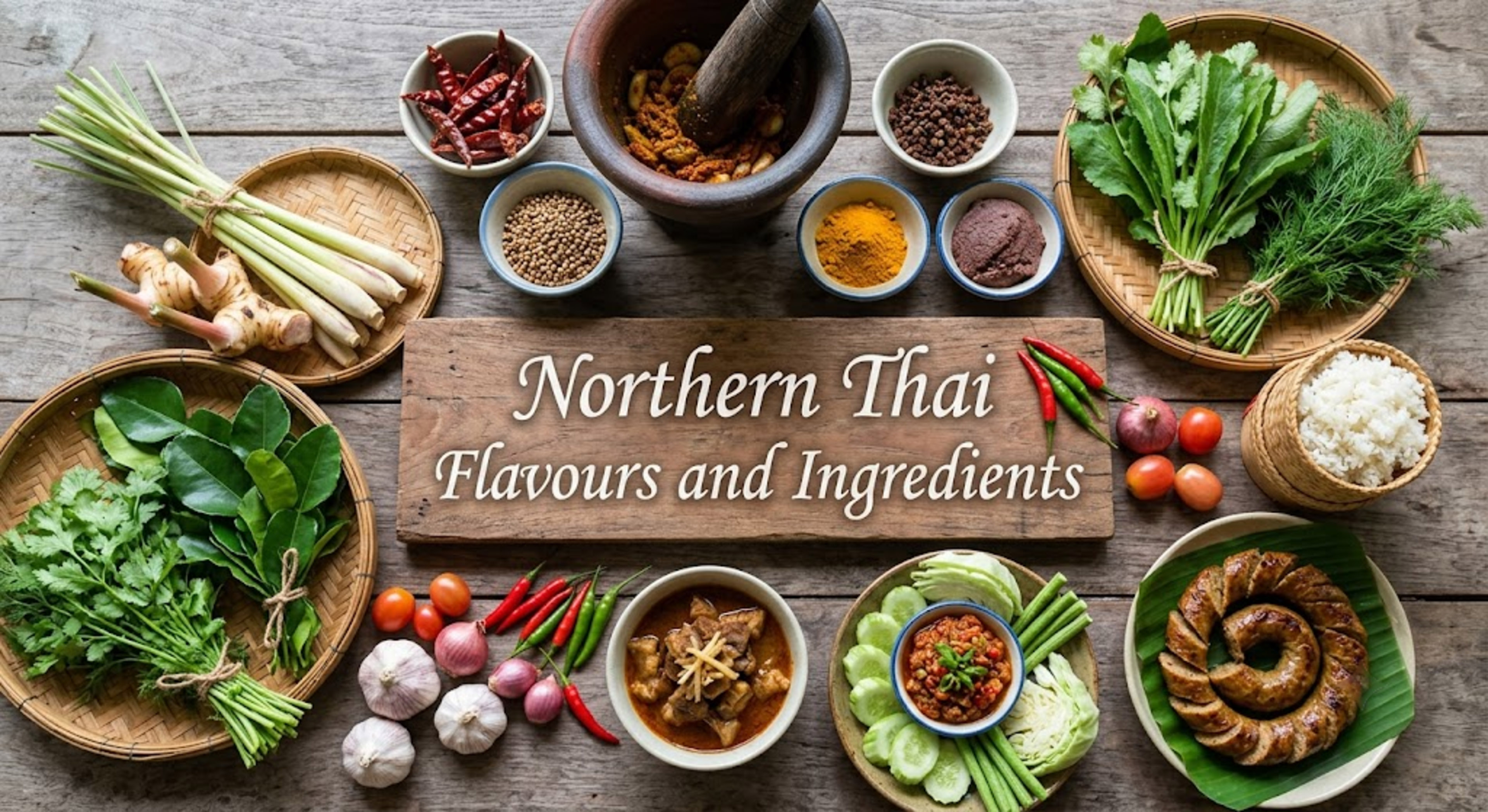
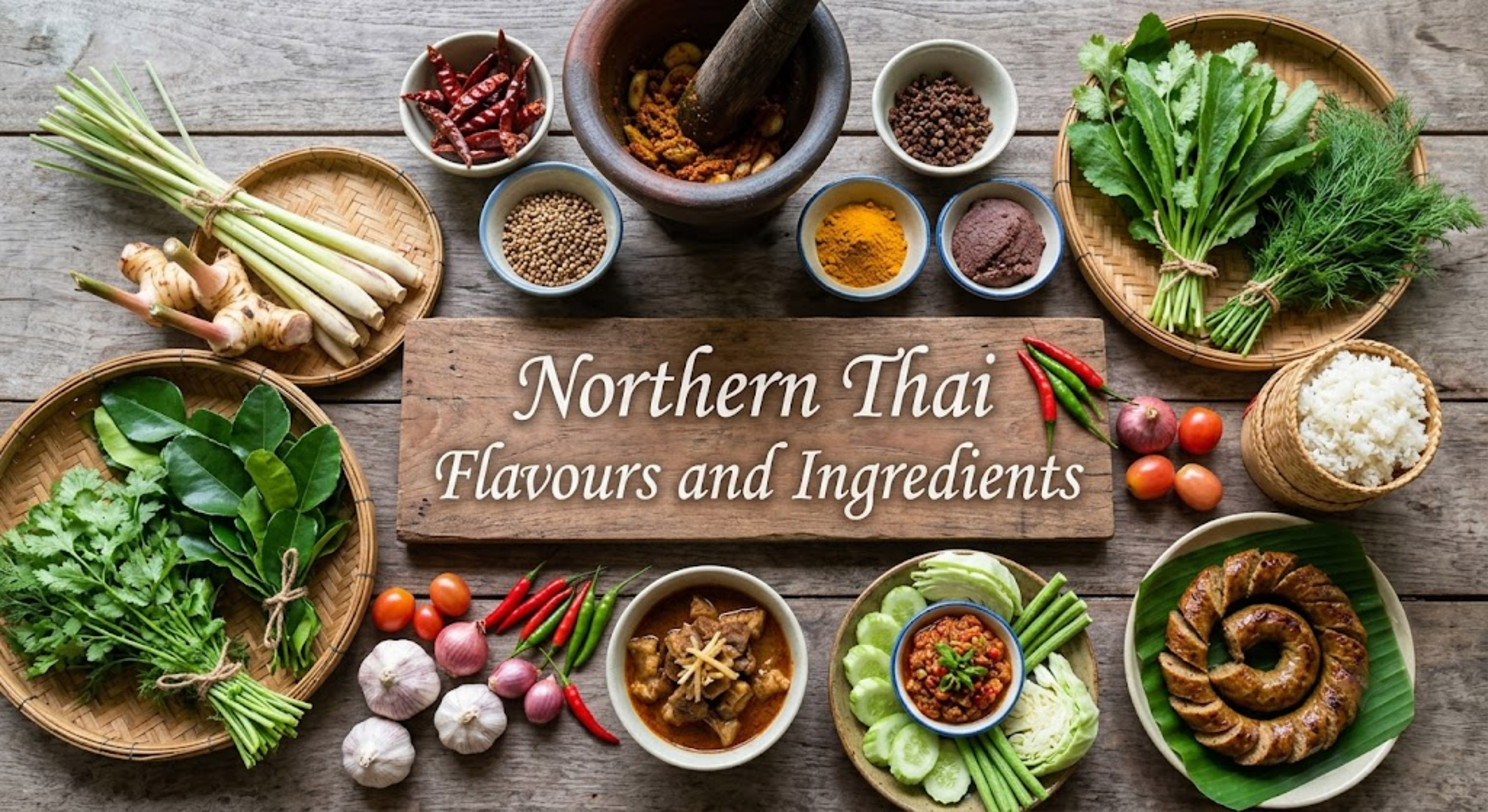
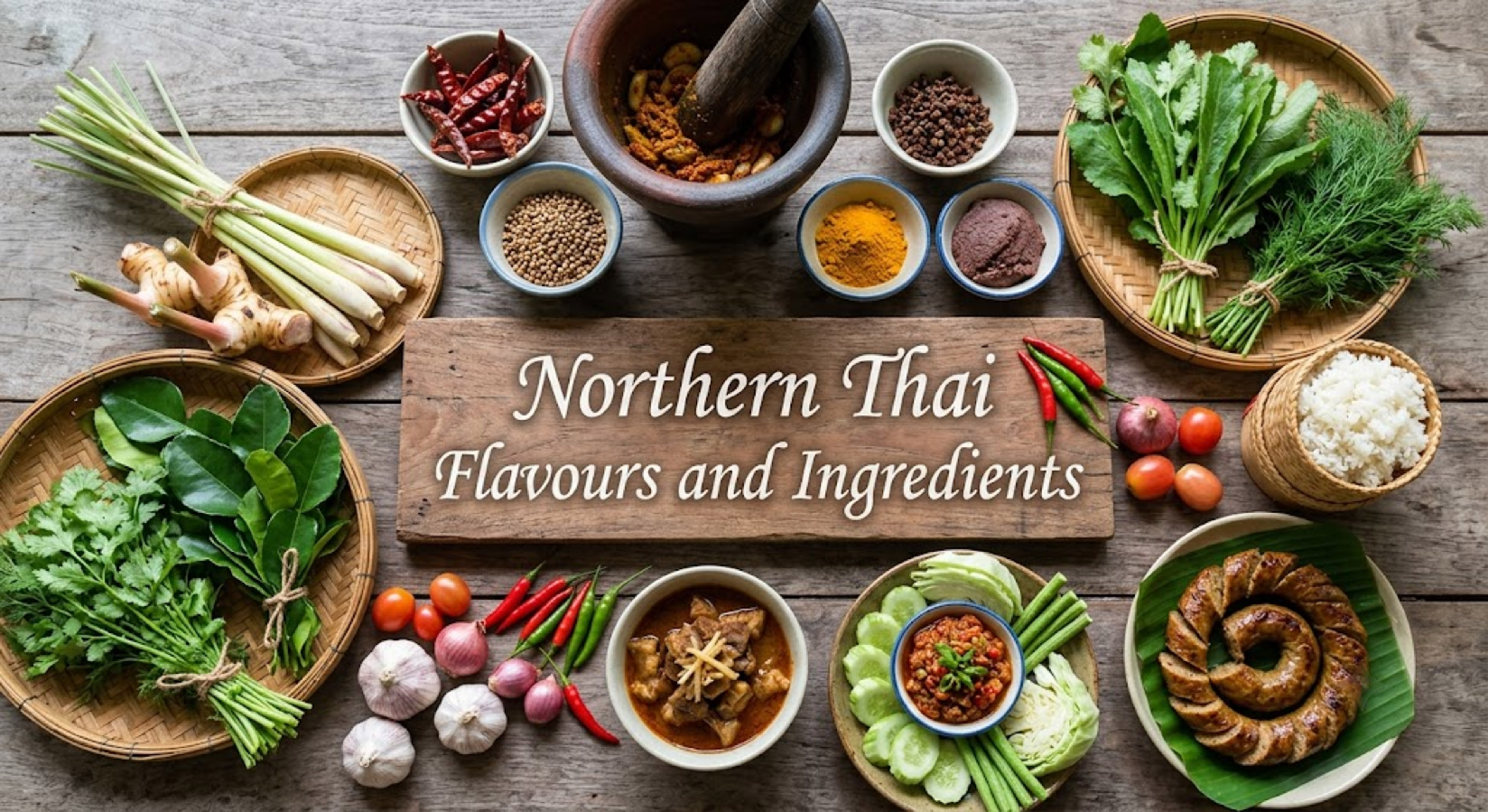
Knowing what to eat in Chiang Mai starts with understanding how Northern food differs from the rest of the country. The flavours here lean herbal, smoky and gently sour rather than sweet, built on lemongrass, galangal, kaffir lime, turmeric and fresh chillies pounded into fragrant pastes.
Coconut milk is far less common than in the south, so many curries are thinner and earthier. Pork, freshwater fish and vegetables do most of the heavy lifting, and sticky rice, rolled into a ball by hand, takes the place of steamed jasmine rice at countless meals. The region's long border with Myanmar and its historic Yunnanese traders also left a clear mark, which is why dishes like khao soi and gaeng hang le taste unlike anything in central Thailand.
,regionOfInterest=(1920,1048))
,regionOfInterest=(1920,1048))
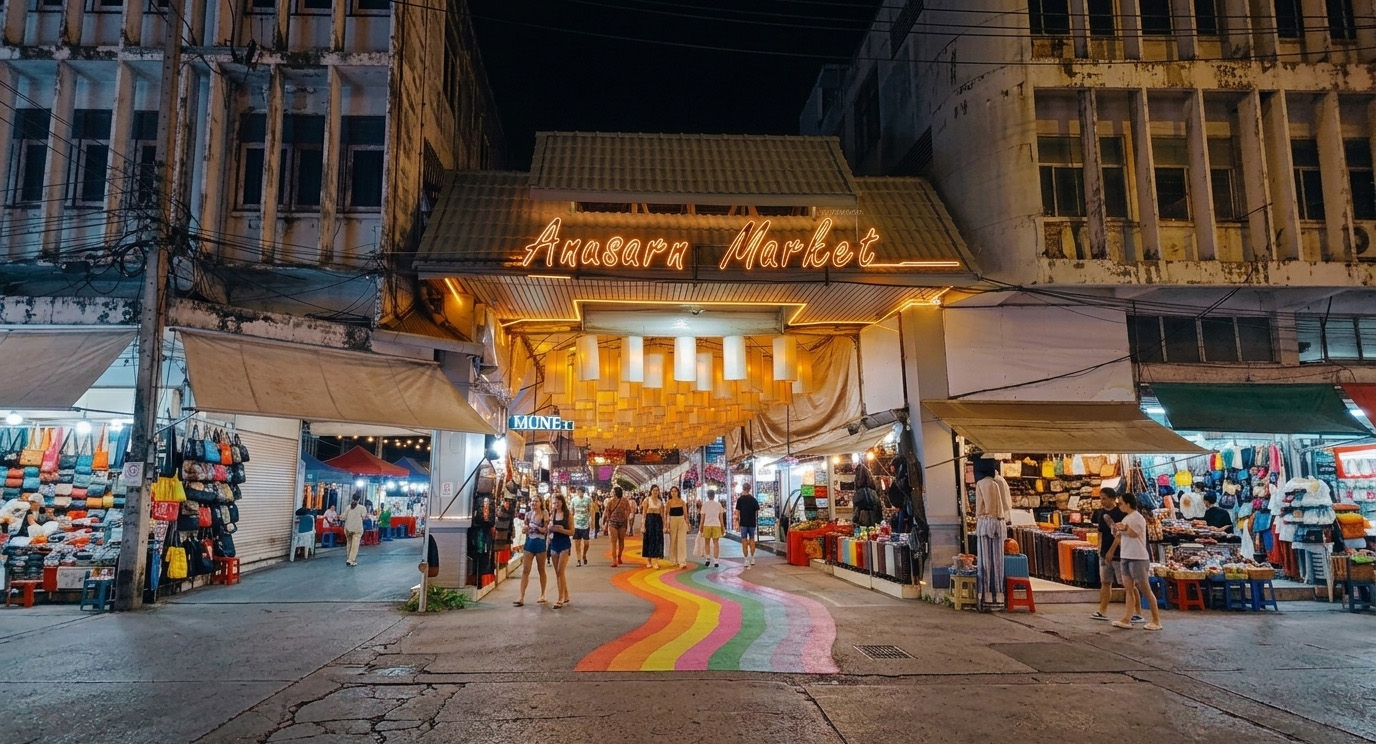
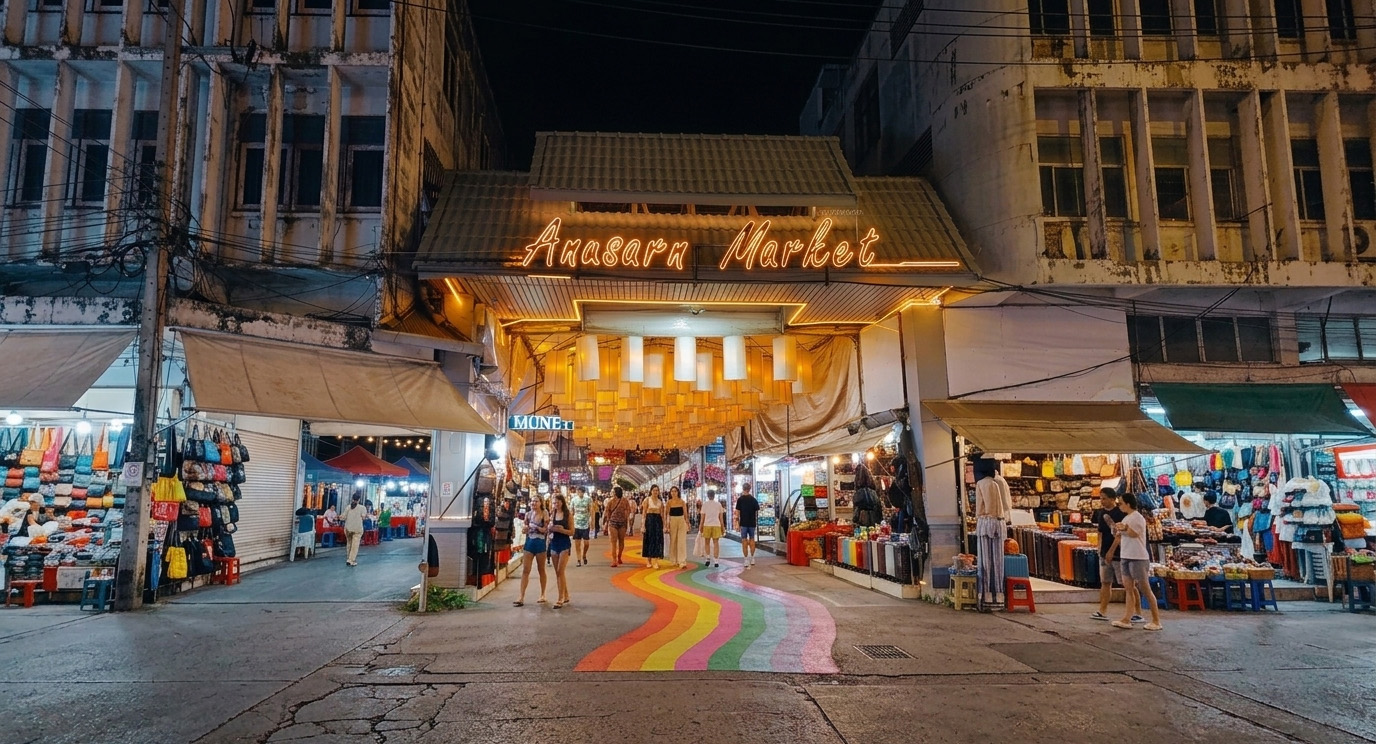
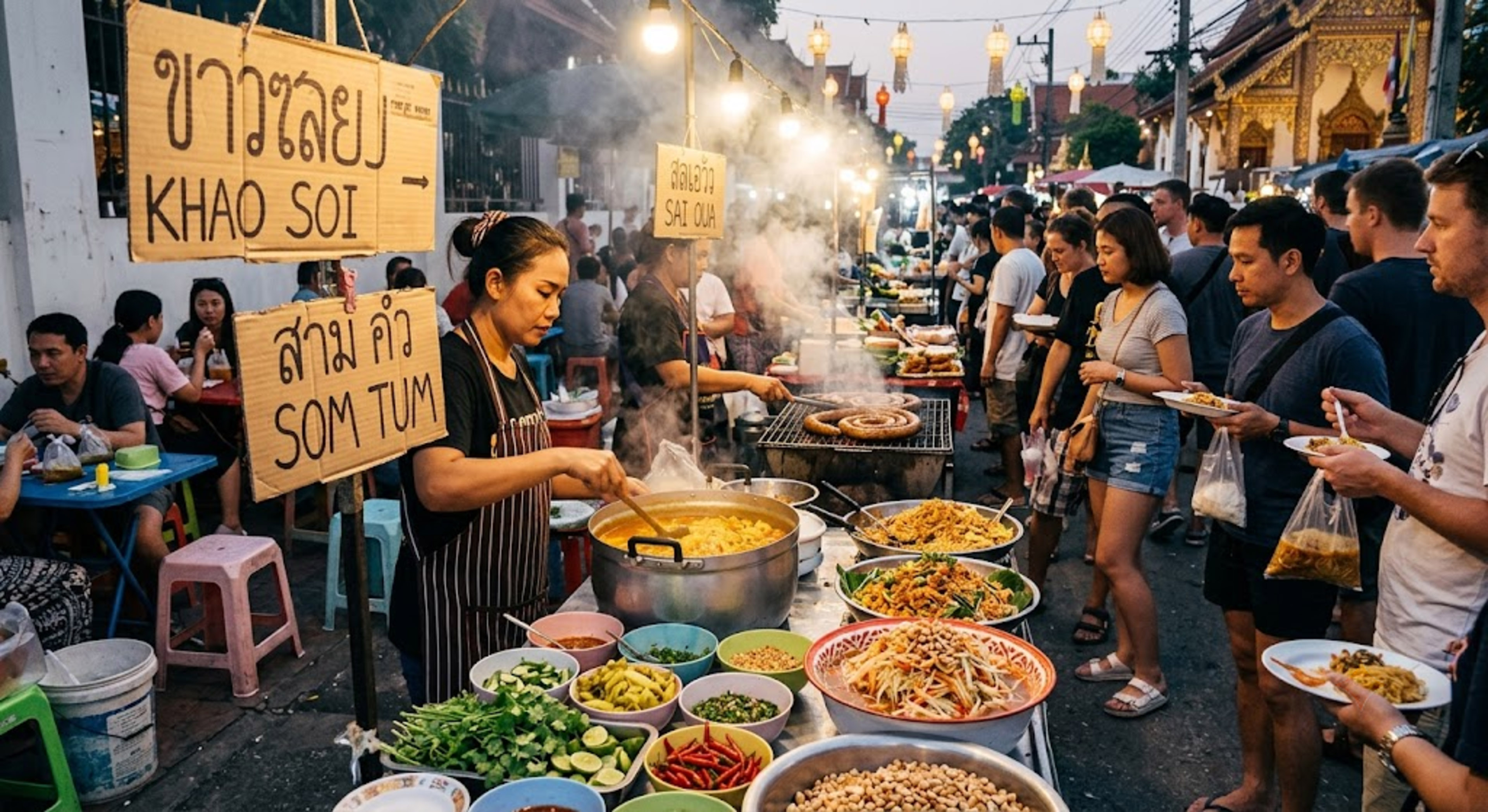
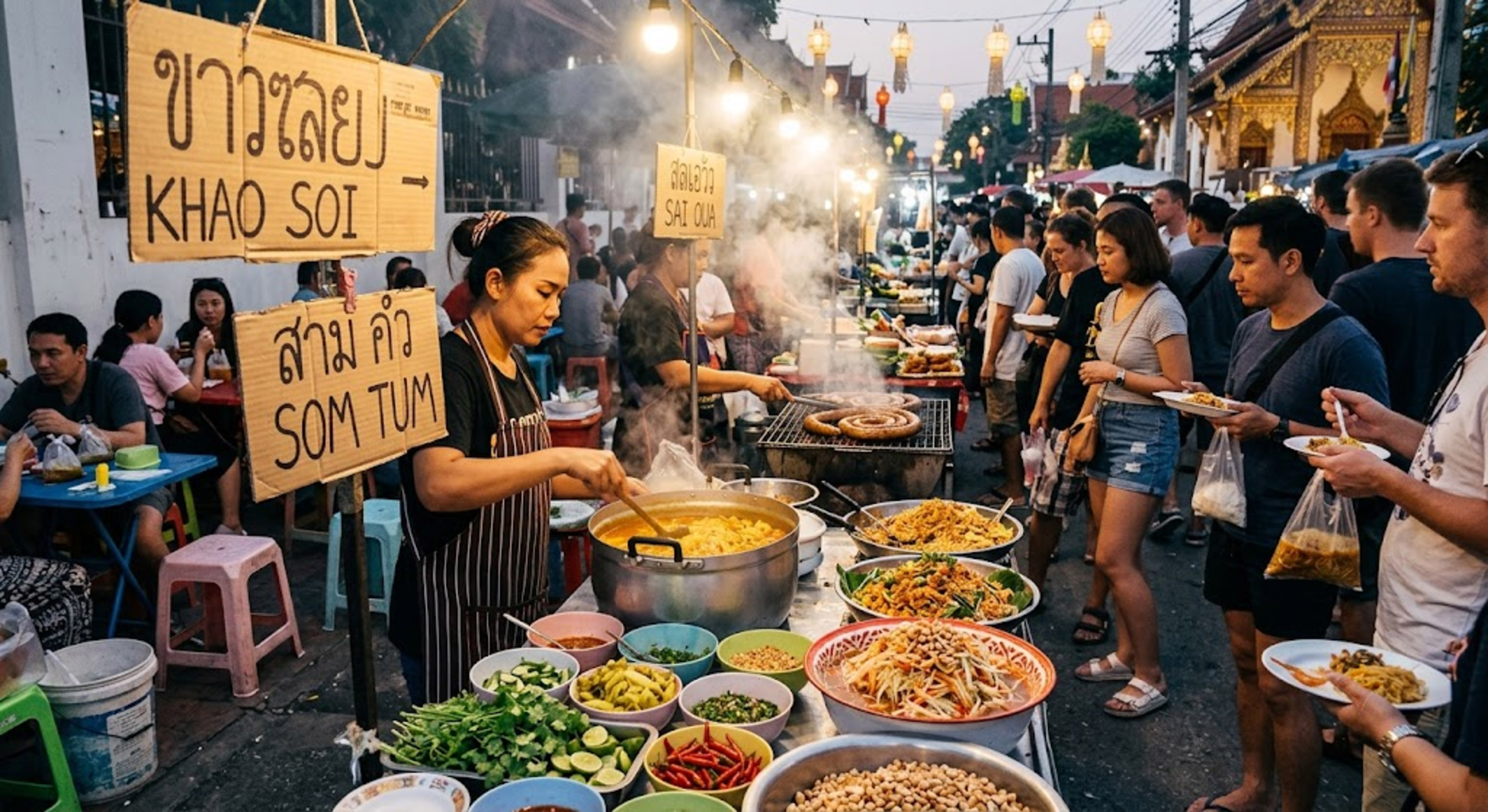
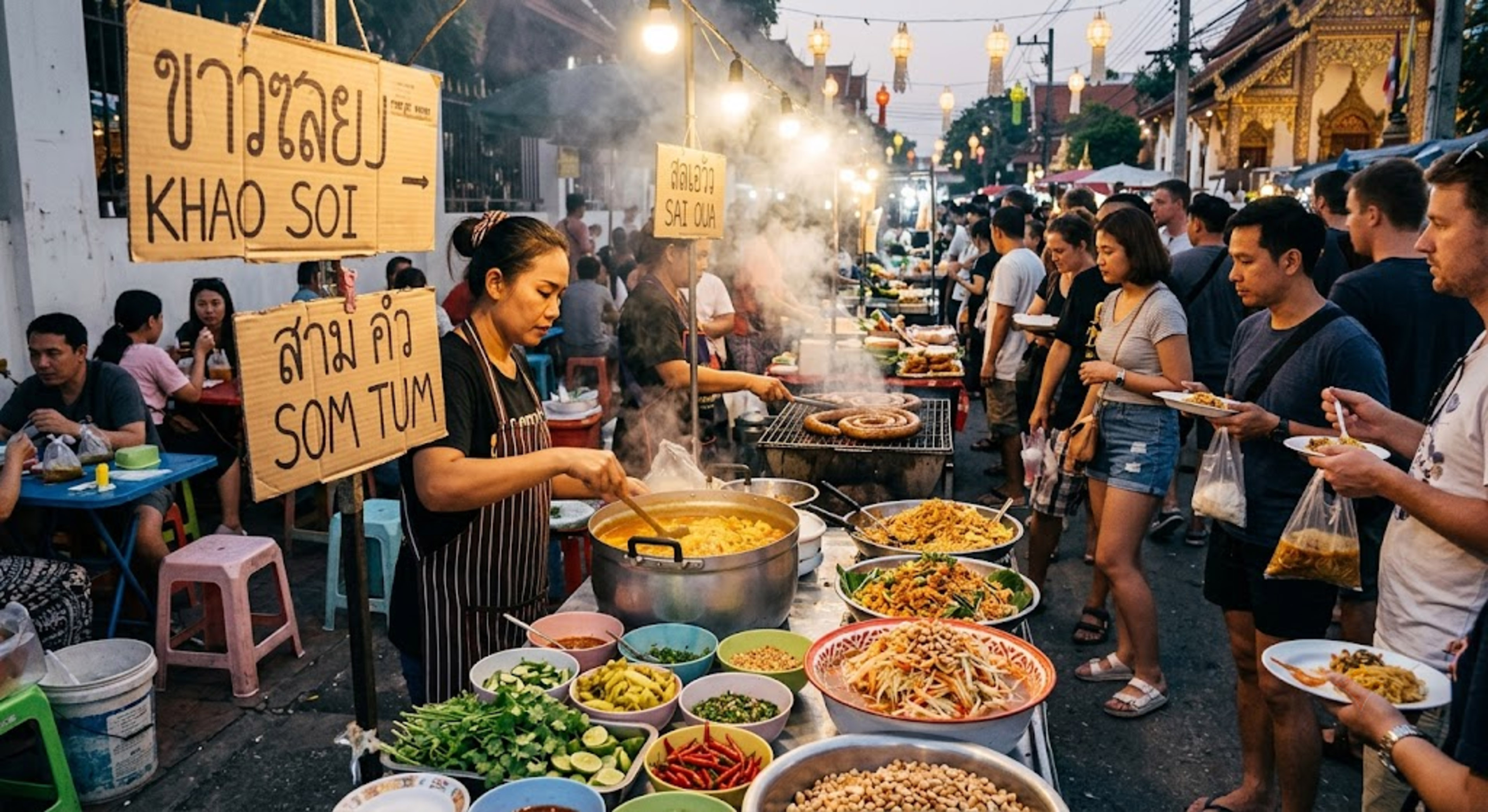
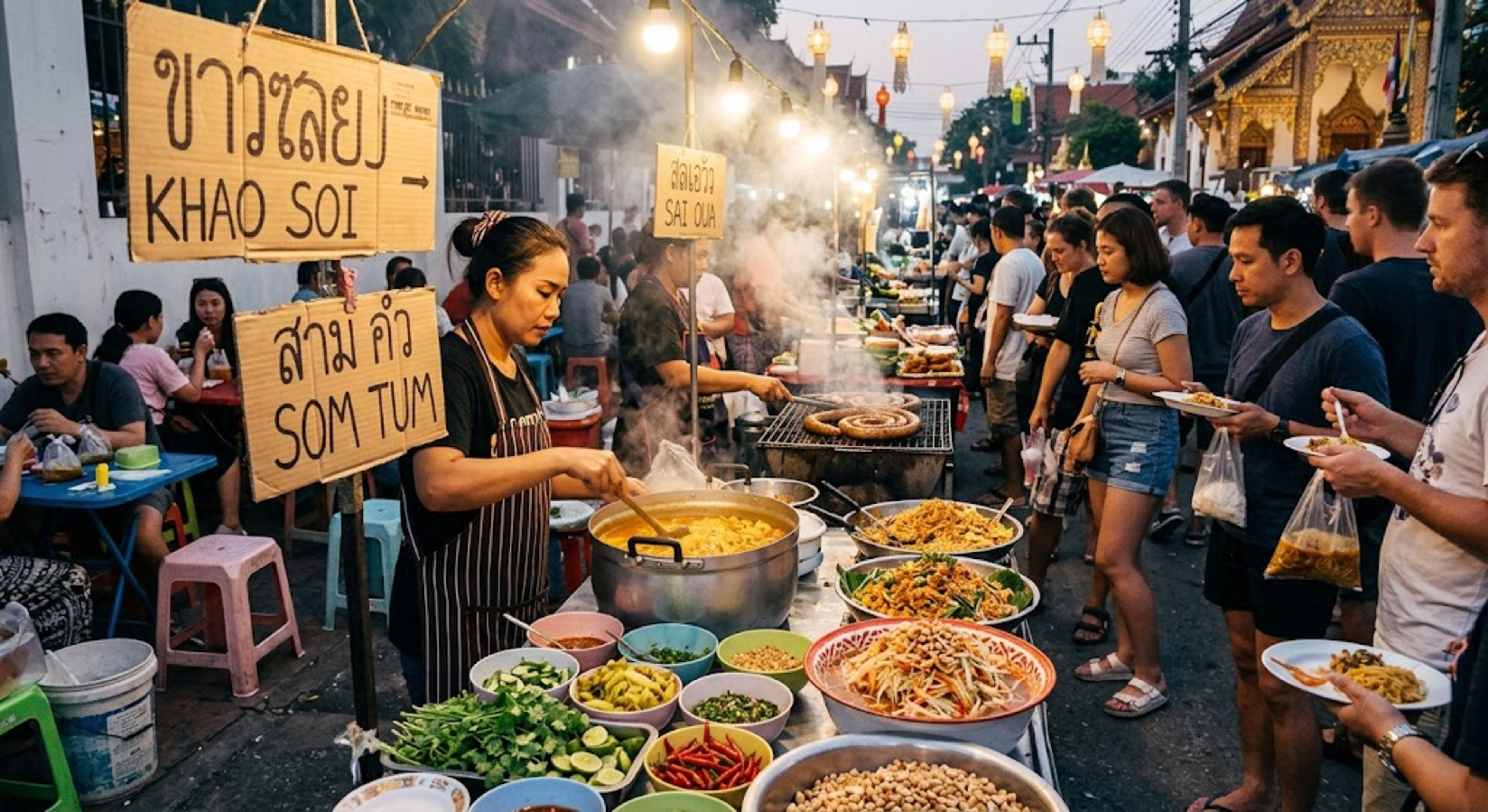
Where you choose to sit shapes both your budget and what to eat in Chiang Mai on any given night. Night markets such as Chang Phuak Gate and the lanes around Warorot Market are where locals queue for grilled sausage, chilli dips and sticky-rice sweets, usually for a handful of baht.
For the same Lanna flavours in a calmer, sit-down setting, the Ping River hotels have stepped up. At Mai Restaurant & Bar inside Meliá Chiang Mai, the kitchen reworks Northern classics with a light Mediterranean touch, while the all-day Laan Na Kitchen and the rooftop MAI The Sky Bar serve more relaxed versions of the same dishes. We will introduce those venues properly after the list, because several of the foods below appear on their menus too.
,regionOfInterest=(1920,1048))
,regionOfInterest=(1920,1048))
Below are the foods we send every first-time visitor to find, ranked roughly by how essential they are. Our shortlist of what to eat in Chiang Mai begins with the one dish nobody should skip and works outward into the curries, dips, noodles and sweets that fill out a proper Northern table.
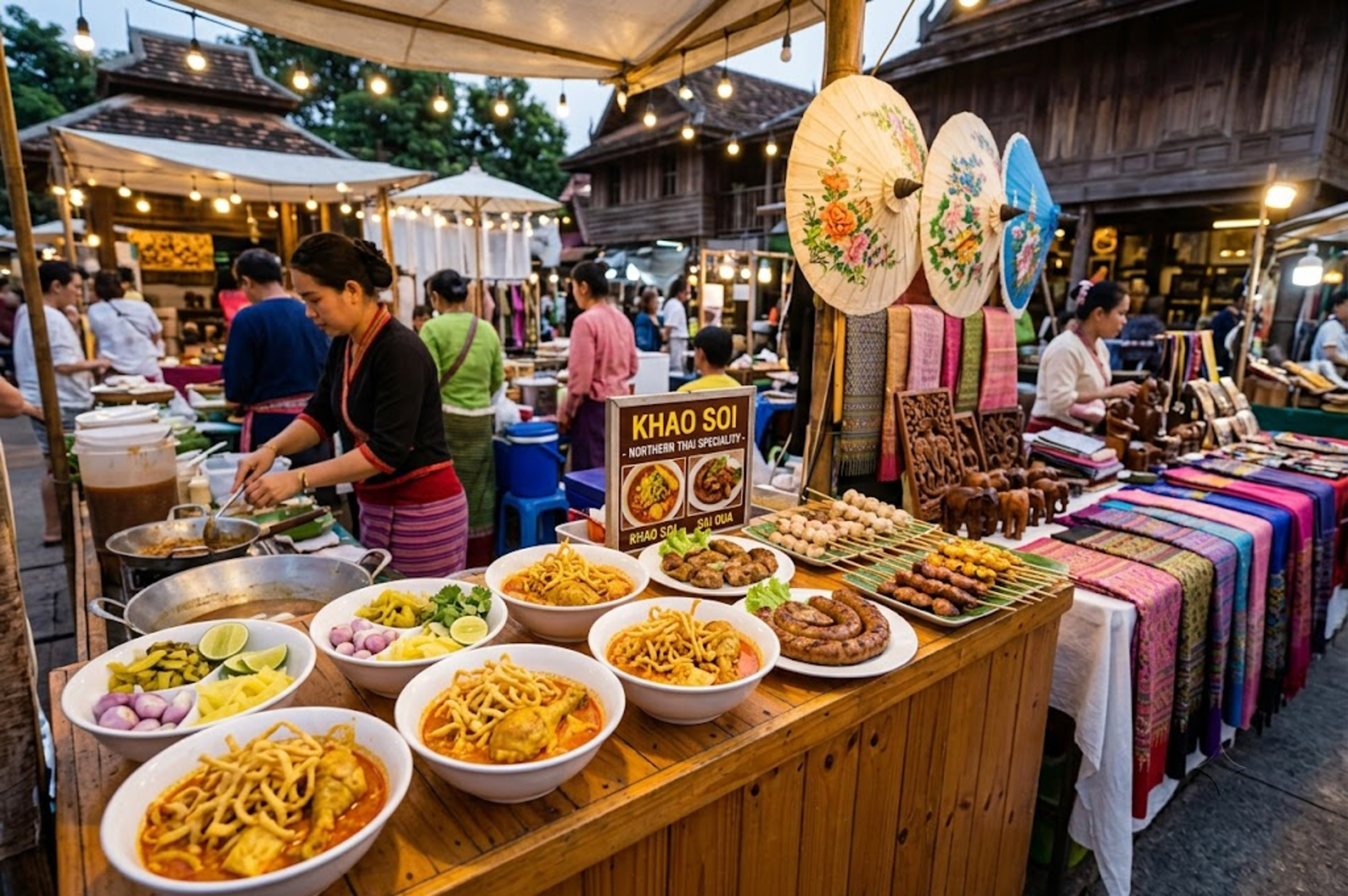
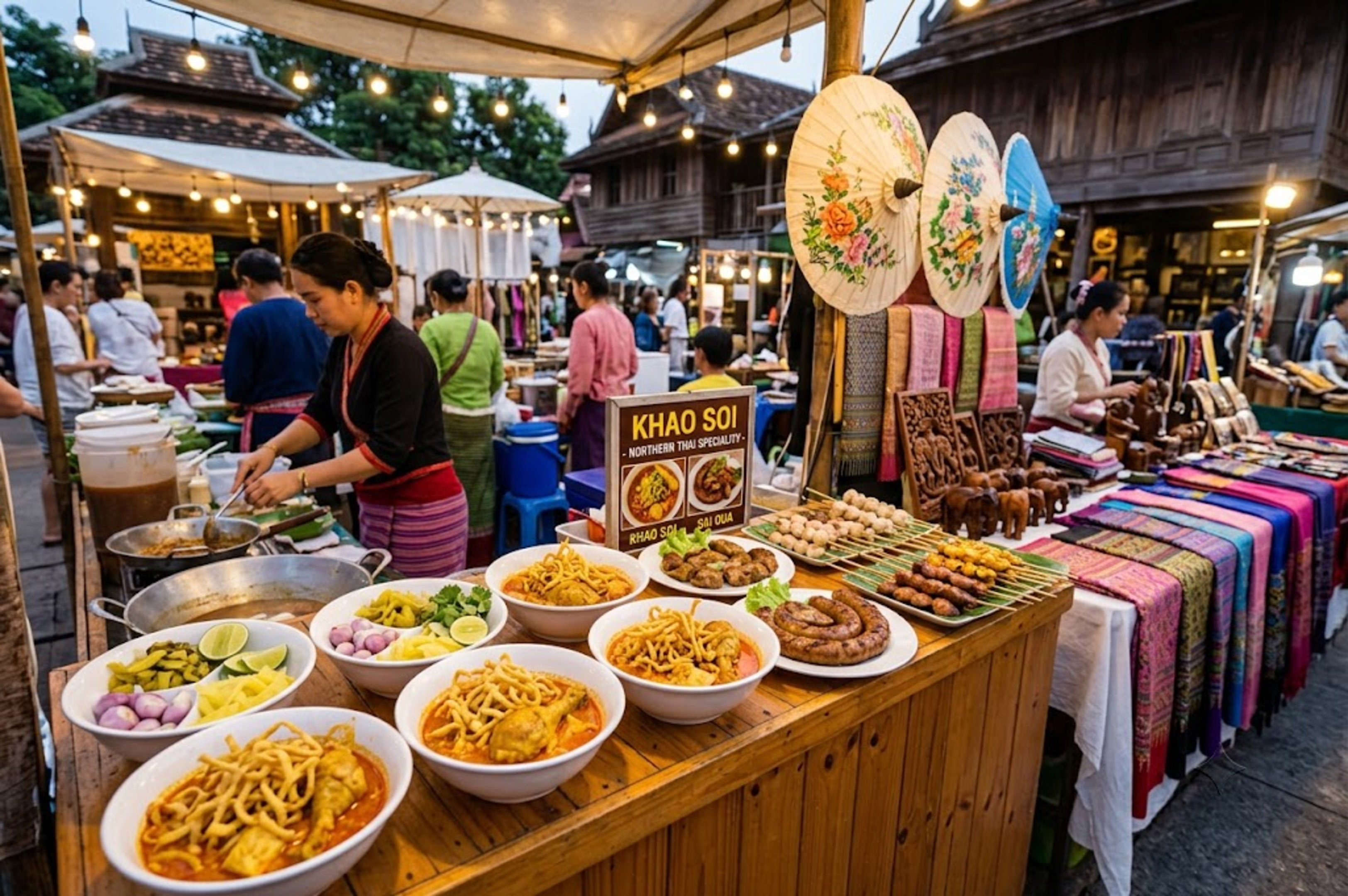
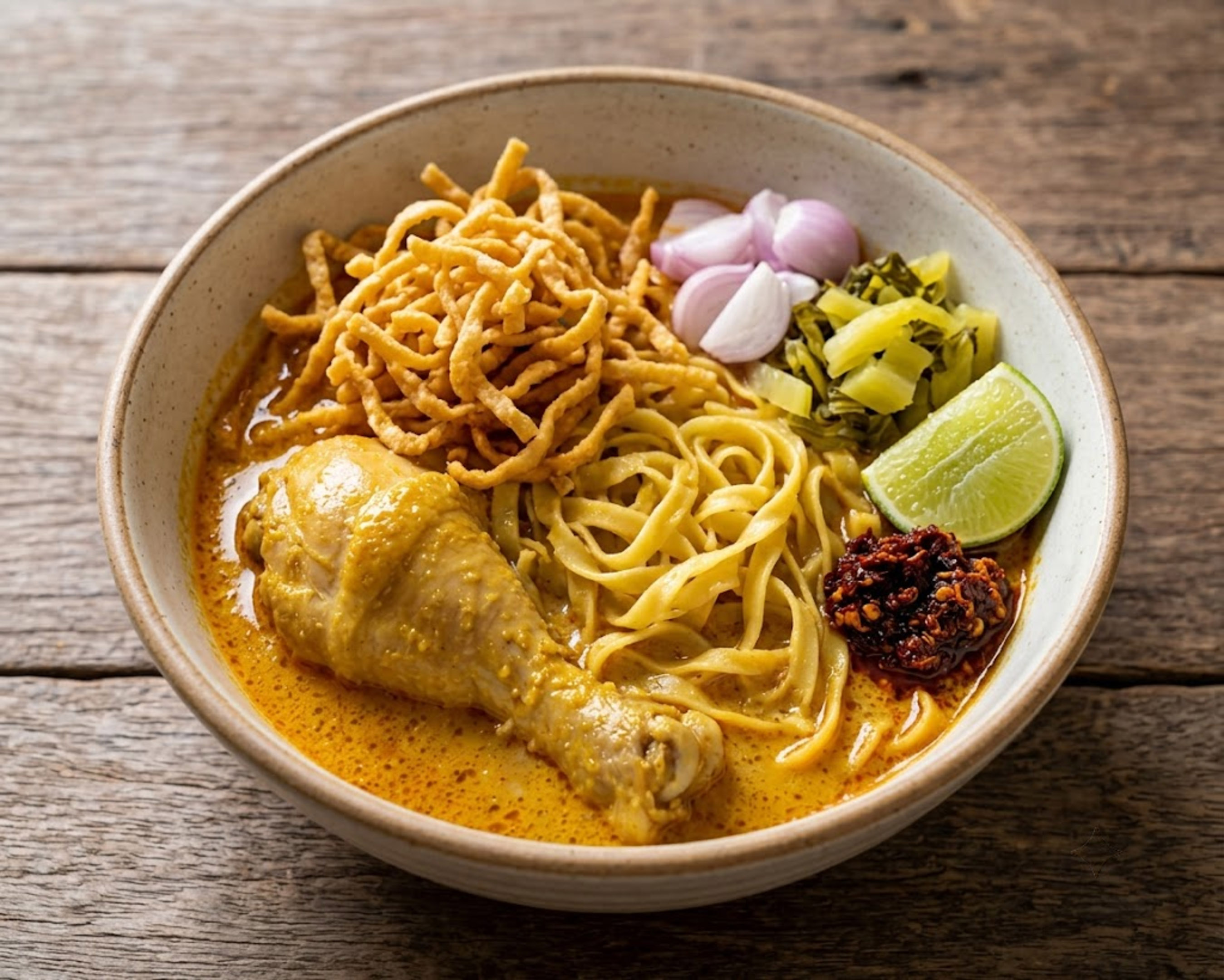
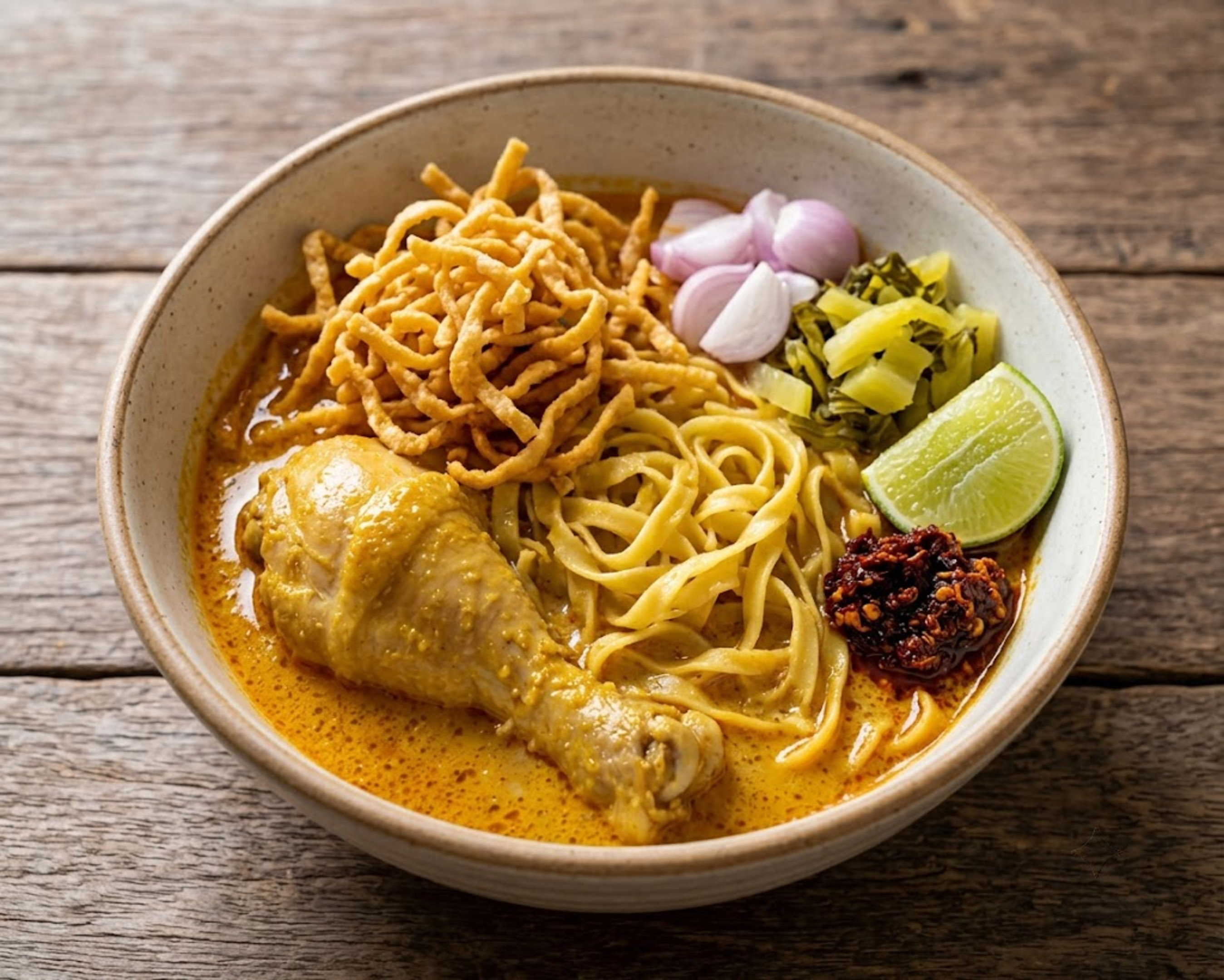
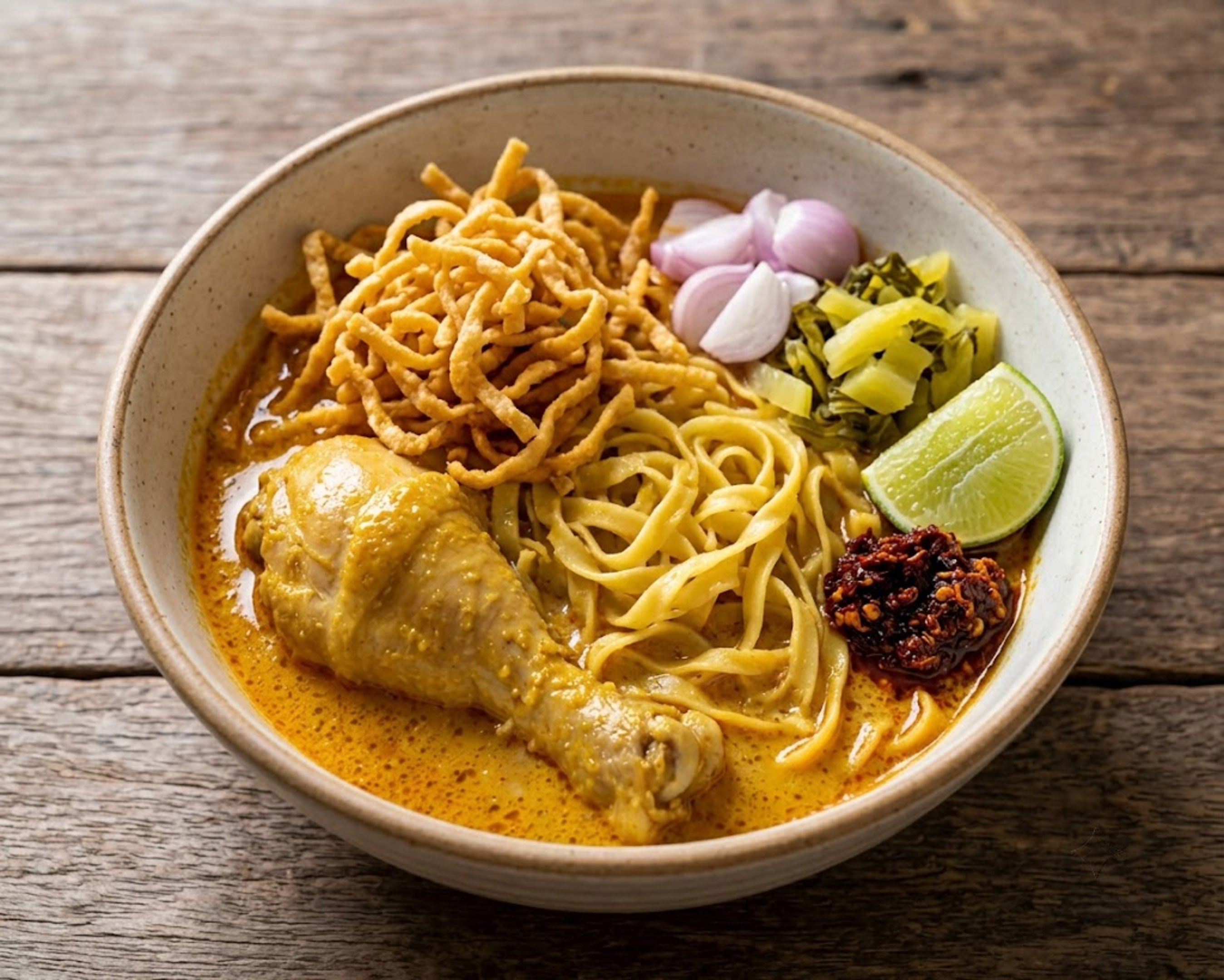
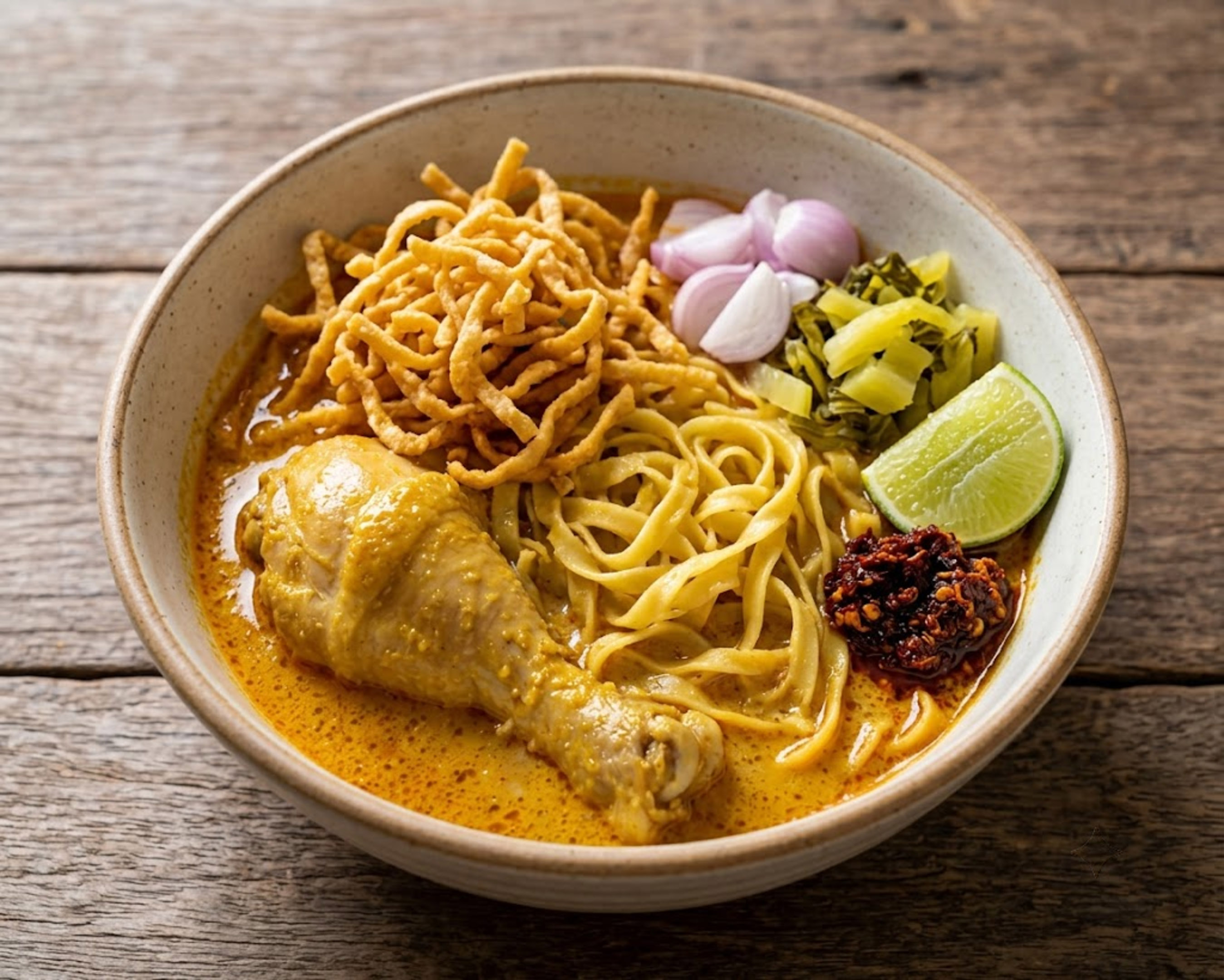
If you try only one thing on any list of what to eat in Chiang Mai, make it khao soi. This is the city's signature bowl: soft egg noodles in a rich, mildly spicy coconut curry broth, crowned with a tangle of crispy fried noodles and served with chicken or beef on the bone.
Pickled mustard greens, shallots and a squeeze of lime cut through the richness, and a spoonful of roasted chilli paste lets you dial up the heat. Its creamy, Burmese and Yunnanese-influenced character makes it the perfect introduction to Northern cooking. Expect to pay around THB 50 to 70 (about USD 1.40 to 2) at a street shop.
You can find a good bowl almost anywhere, but these spots are worth seeking out.
,regionOfInterest=(1348.5,1080))
,regionOfInterest=(1348.5,1080))
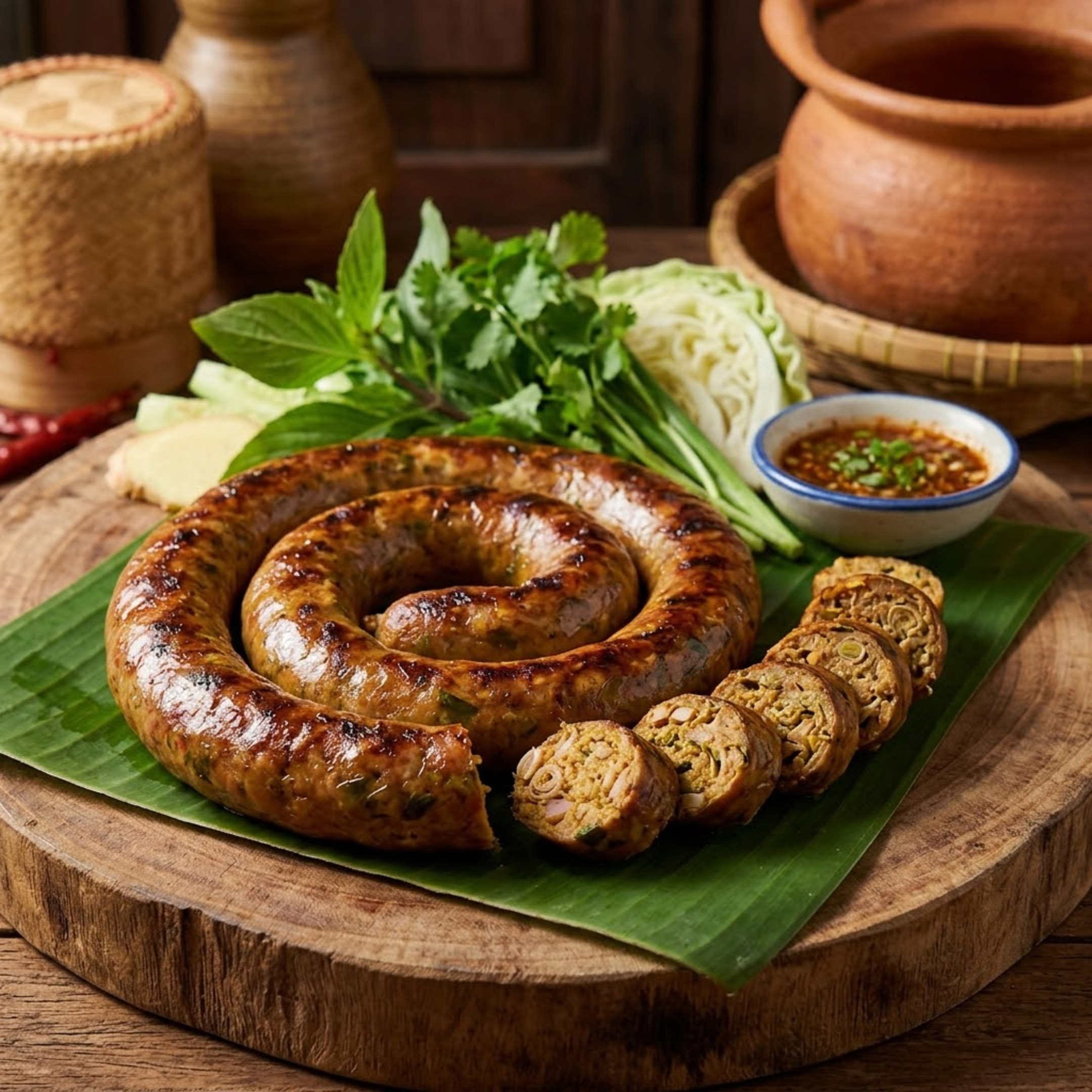
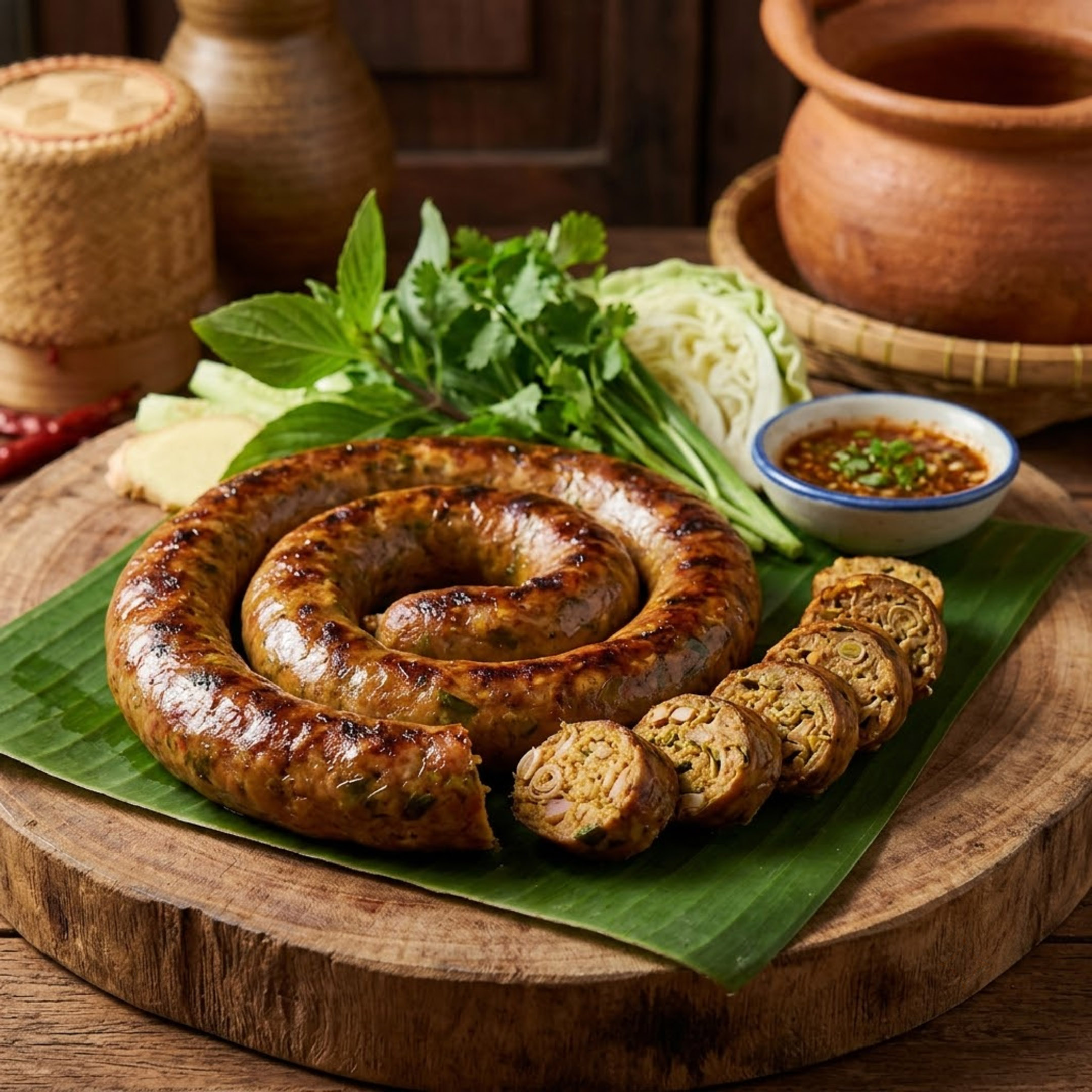
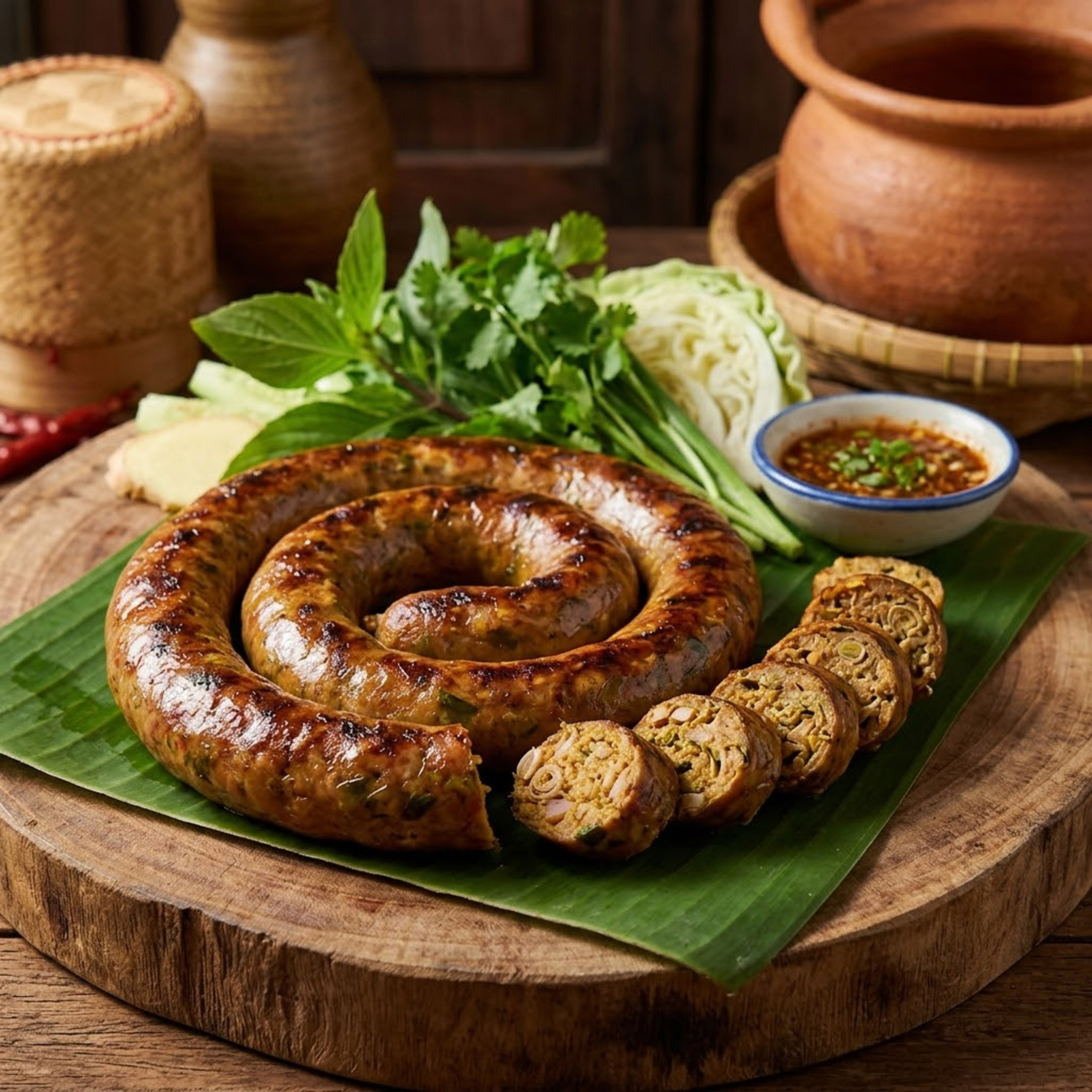
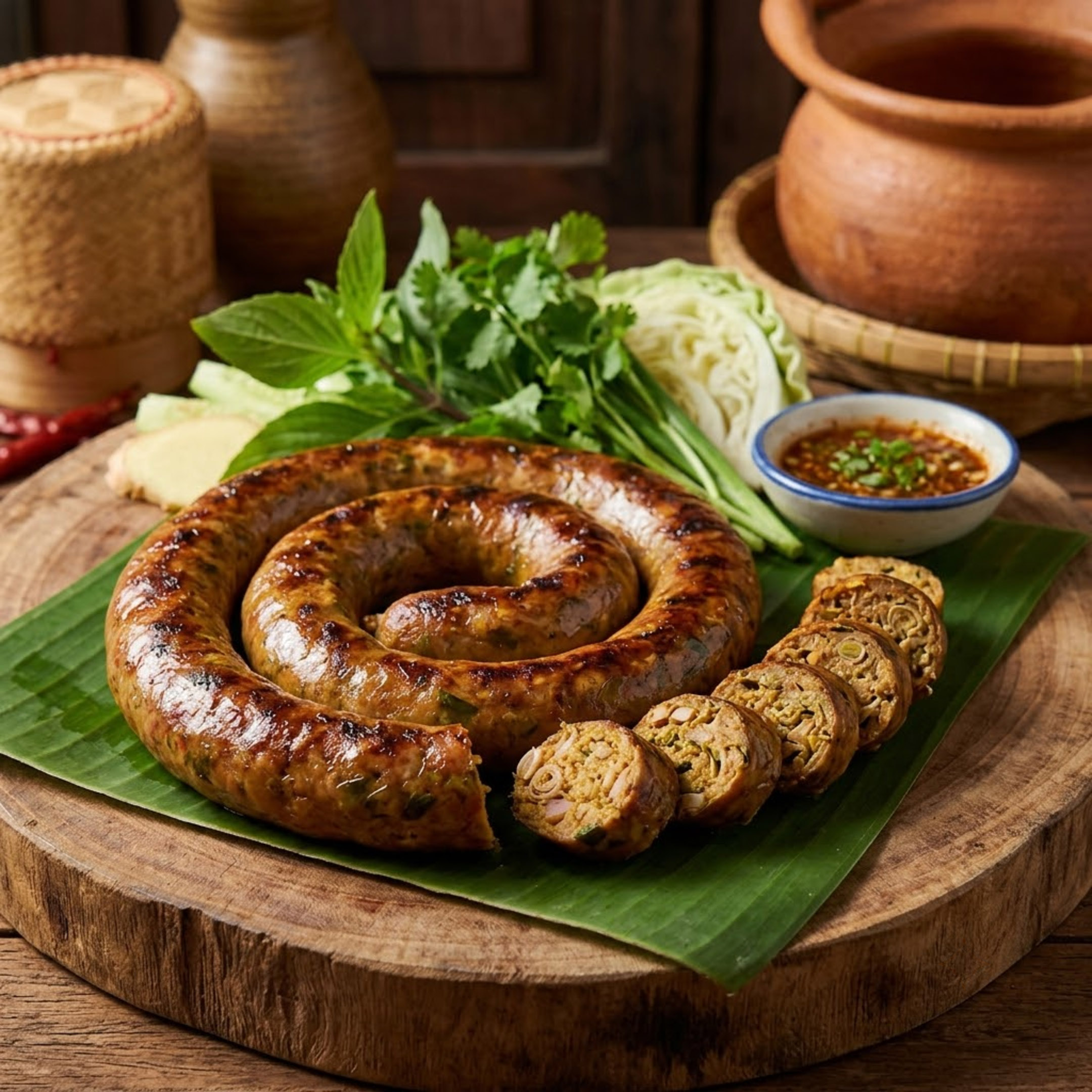
Sai ua is the smell that pulls you toward every Chiang Mai market: a coiled grilled pork sausage packed with lemongrass, kaffir lime leaf, galangal, shallot, garlic and dried chilli. Charcoal grilling gives it a smoky edge and a satisfying snap.
Locals eat it as a snack or alongside sticky rice and a chilli dip, and vacuum-packed coils are a popular edible souvenir. A few hundred grams costs only THB 40 to 80 (about USD 1.10 to 2.25).
These are reliable places to taste it fresh off the grill.
,regionOfInterest=(1080,1080))
,regionOfInterest=(1080,1080))
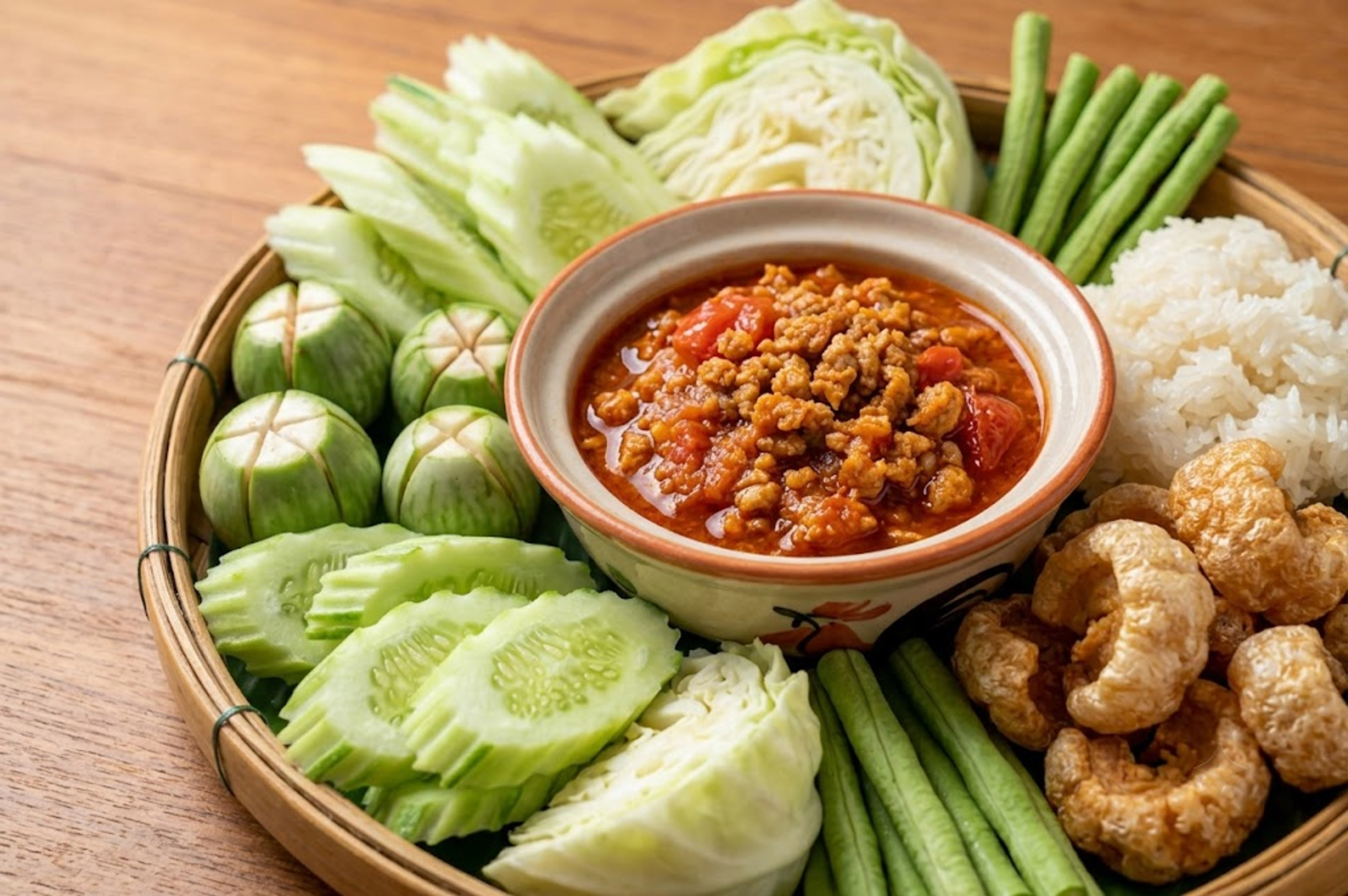
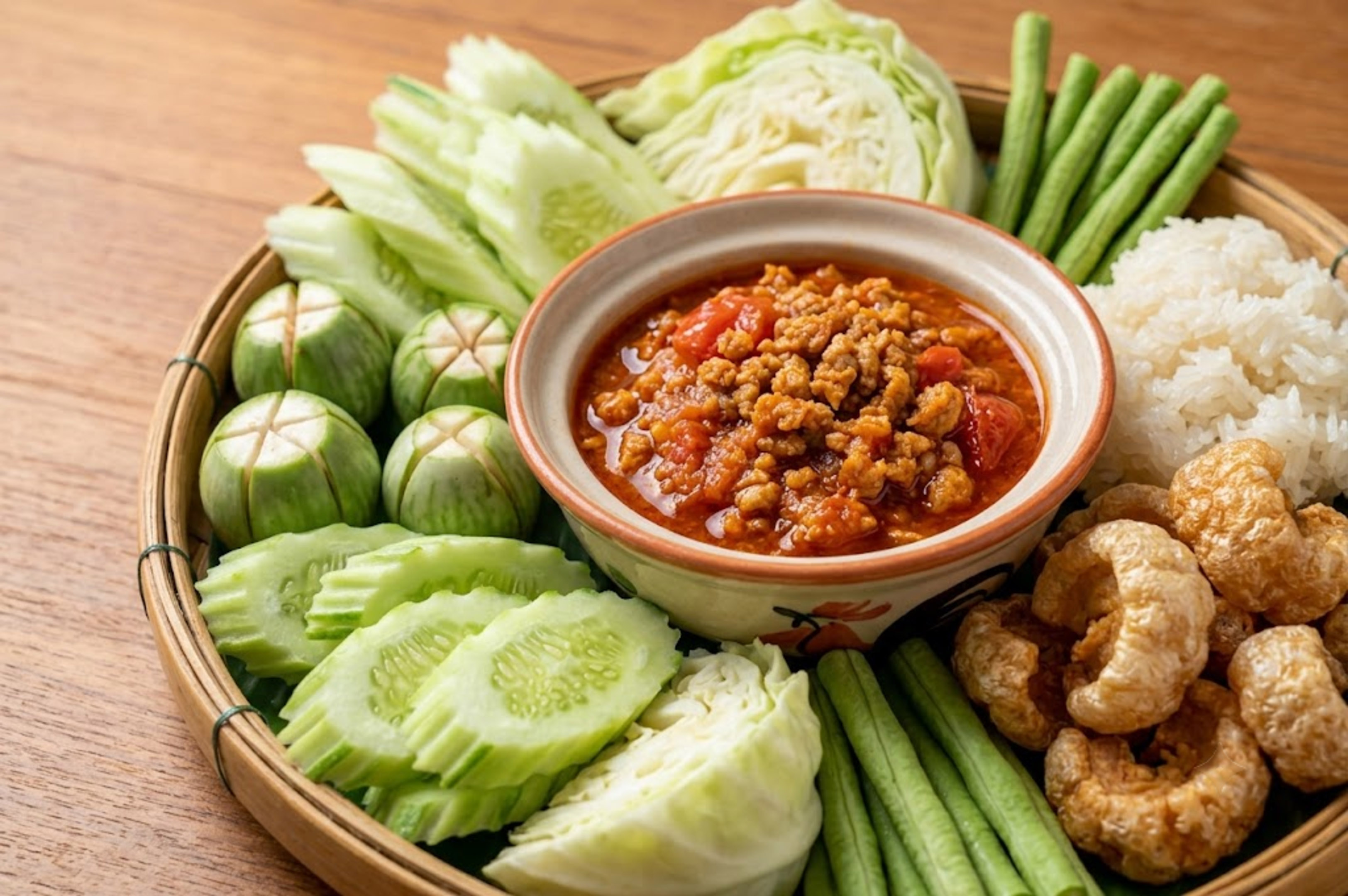
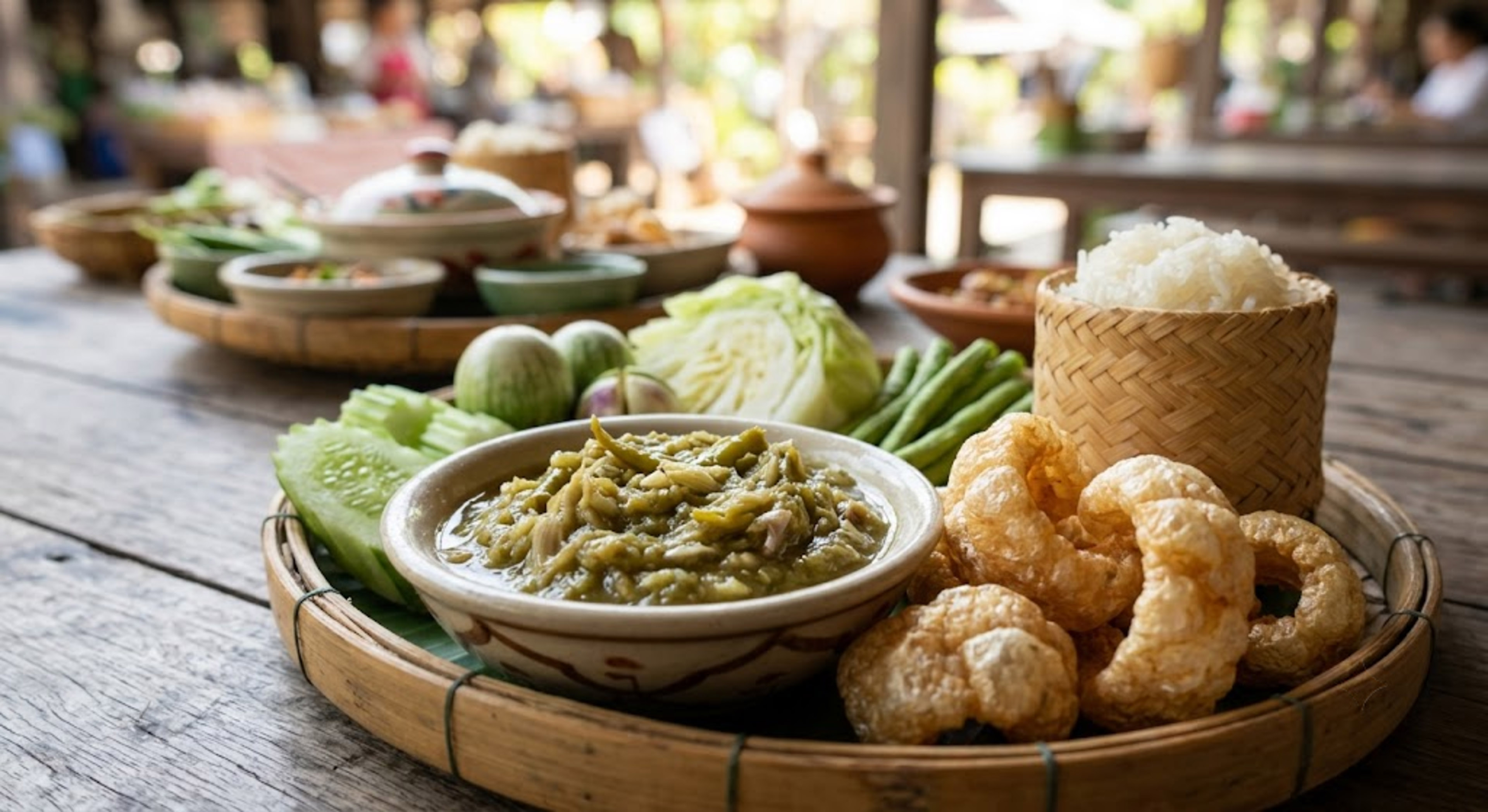
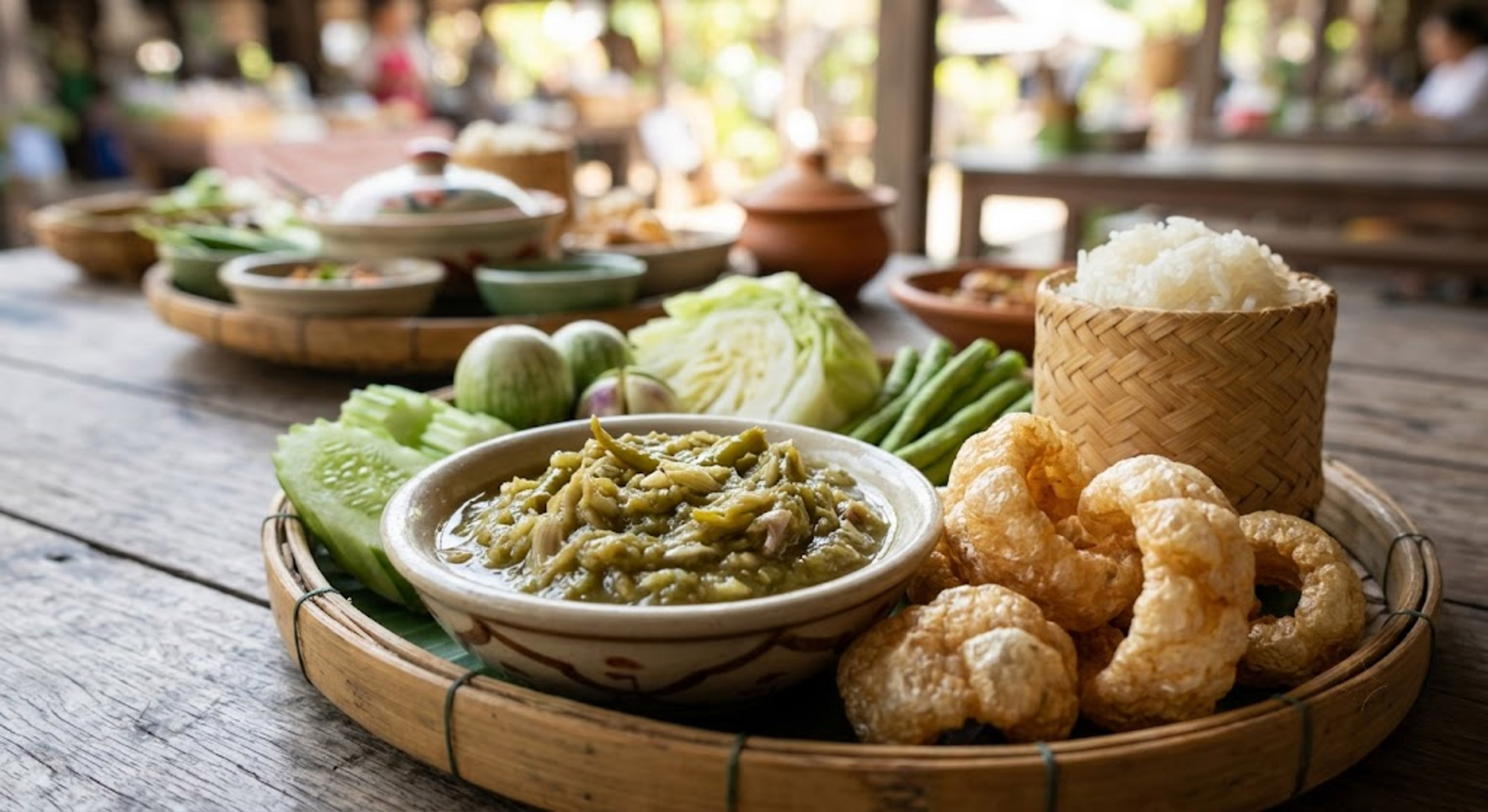
Nam prik ong is the dip travellers describe as a Northern Thai Bolognese: minced pork and tomato simmered with dried chilli, shallot, garlic and shrimp paste into a thick, mild, savoury relish. It arrives with a basket of raw and blanched vegetables, crispy pork crackling and a ball of sticky rice for scooping.
It is gentle on the palate, which makes it a great first chilli dip for cautious eaters. A shared portion runs about THB 60 to 100 (about USD 1.70 to 2.80).
Sit-down Lanna restaurants do this better than street carts, so try these.
,regionOfInterest=(1624,1080))
,regionOfInterest=(1624,1080))
Where nam prik ong is mild, nam prik noom brings the smoke and the kick. Young green chillies, shallots and garlic are charred and pounded into a loose, roasted dip that tastes of the grill.
It pairs beautifully with sticky rice, steamed vegetables, crispy pork crackling and grilled meats, and you will often see it served right beside nam prik ong as a spicy counterpart. Portions are small and cheap, usually THB 40 to 80 (about USD 1.10 to 2.25).
For an authentic version, head to a traditional Northern kitchen such as these.
,regionOfInterest=(1920,1048))
,regionOfInterest=(1920,1048))
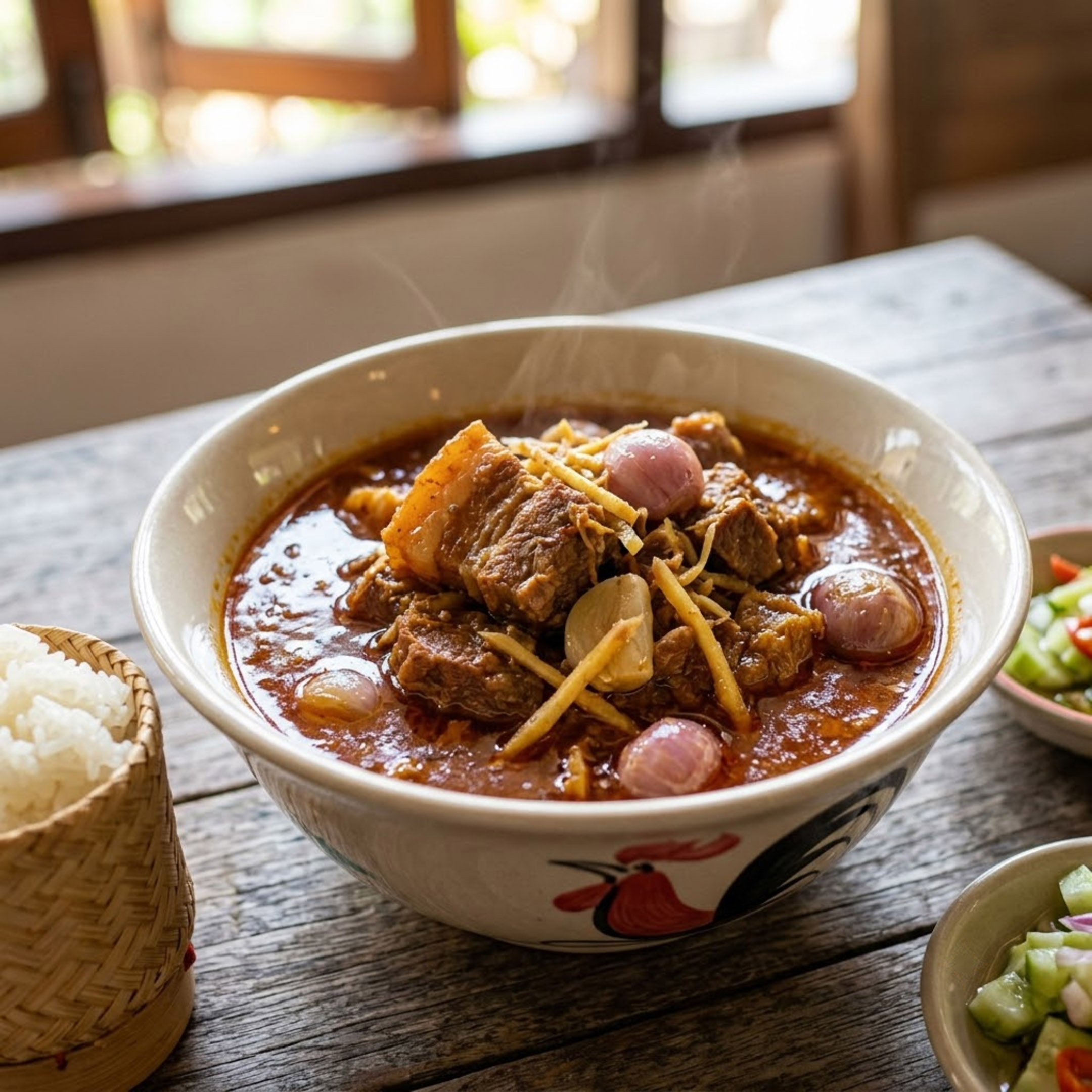
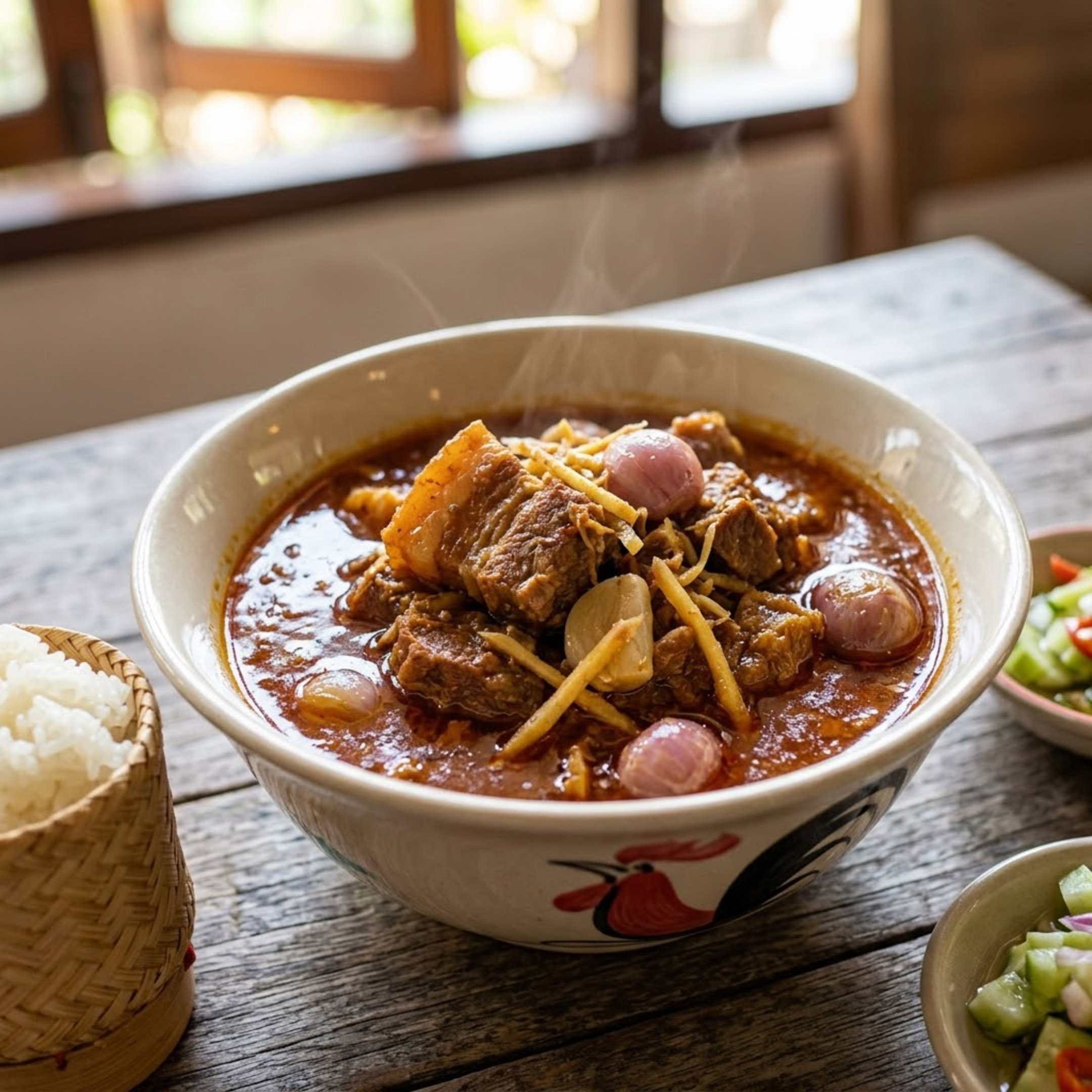
Gaeng hang le is the dish that shows off Chiang Mai's Burmese heritage. Fatty pork belly and ribs are slow-cooked with ginger, garlic, tamarind, pickled garlic and a warm masala-style spice mix until the meat turns meltingly tender.
Because it uses no coconut milk, the curry is rich and tangy rather than creamy, with a sweet and sour depth that builds over a long simmer. It is traditionally served at festivals and special occasions. A plate costs roughly THB 80 to 150 (about USD 2.25 to 4.20).
These places are known for a well-balanced pot.
,regionOfInterest=(1080,1080))
,regionOfInterest=(1080,1080))
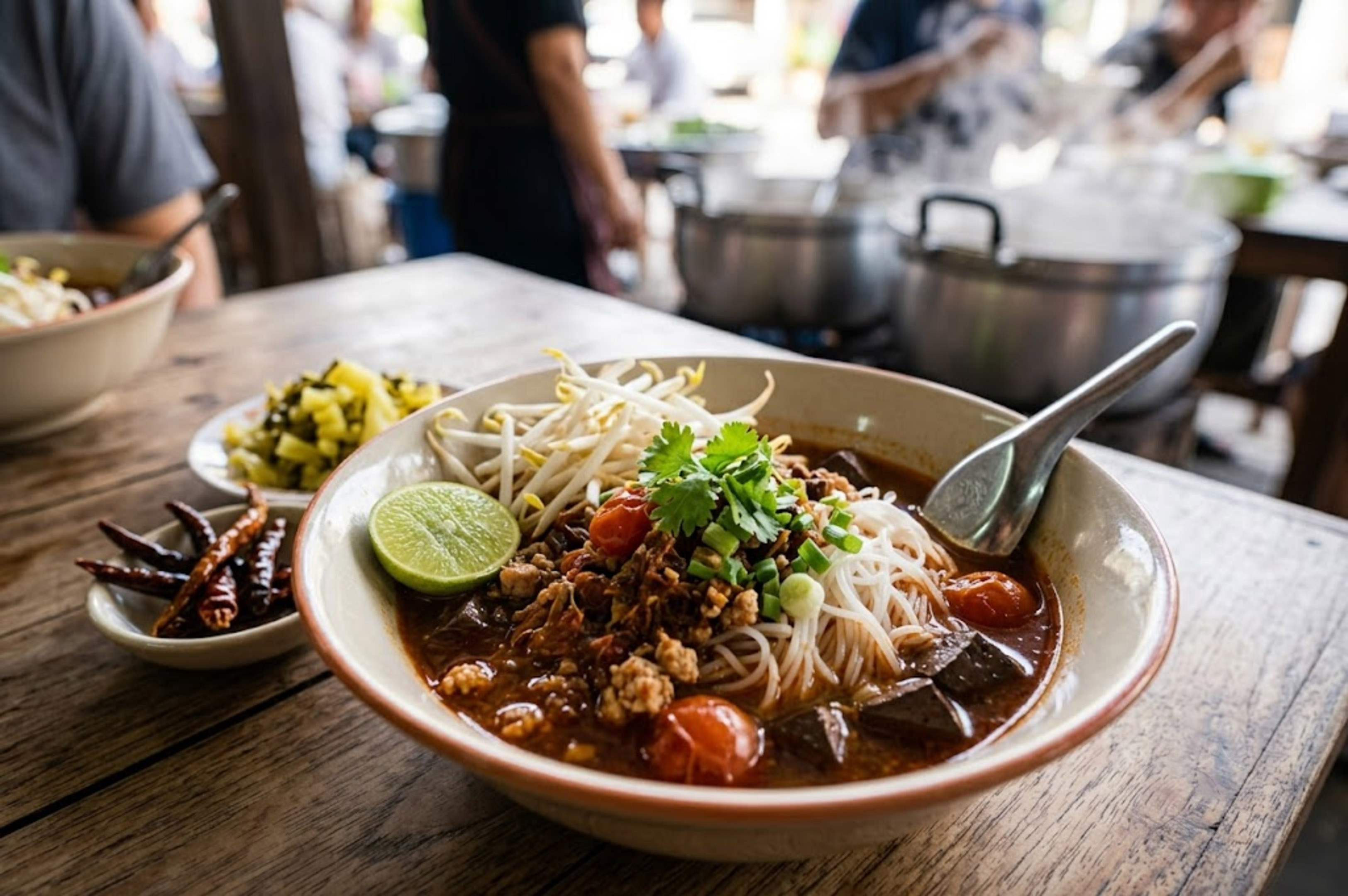
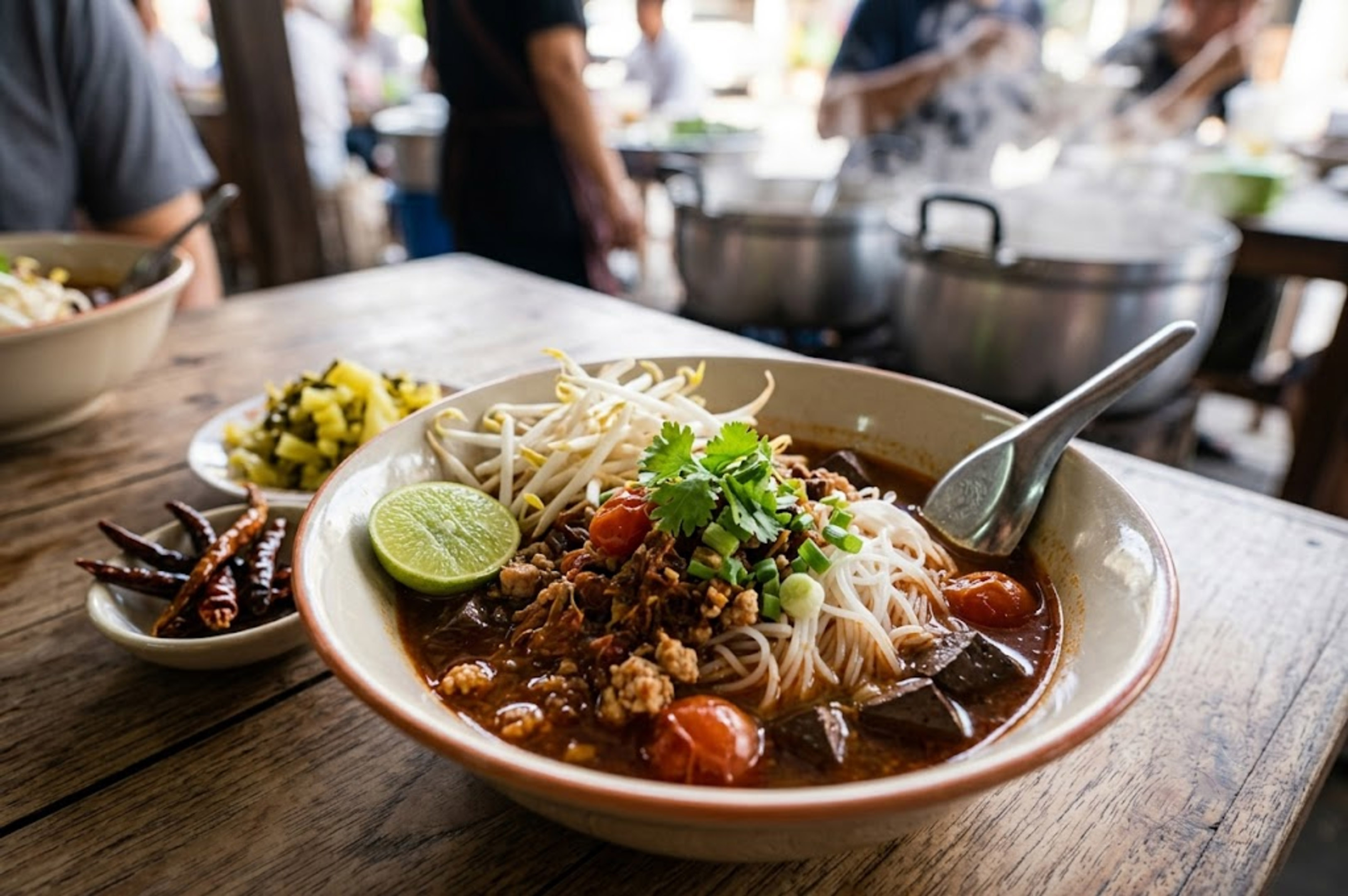
Introduced by the Tai Yai (Shan) people, khanom jeen nam ngiao is a soupy bowl of soft rice noodles in a pork and tomato broth, given its distinctive red hue by chilli paste and cubes of pork blood. Dried kapok flowers add a subtle sourness that sets it apart from any noodle soup further south.
It comes with bean sprouts, pickled greens and crispy pork rind on the side, and it usually costs only THB 40 to 60 (about USD 1.10 to 1.70). It is comforting, tangy and deeply local.
Look for it at noodle specialists like these.
,regionOfInterest=(1624,1080))
,regionOfInterest=(1624,1080))
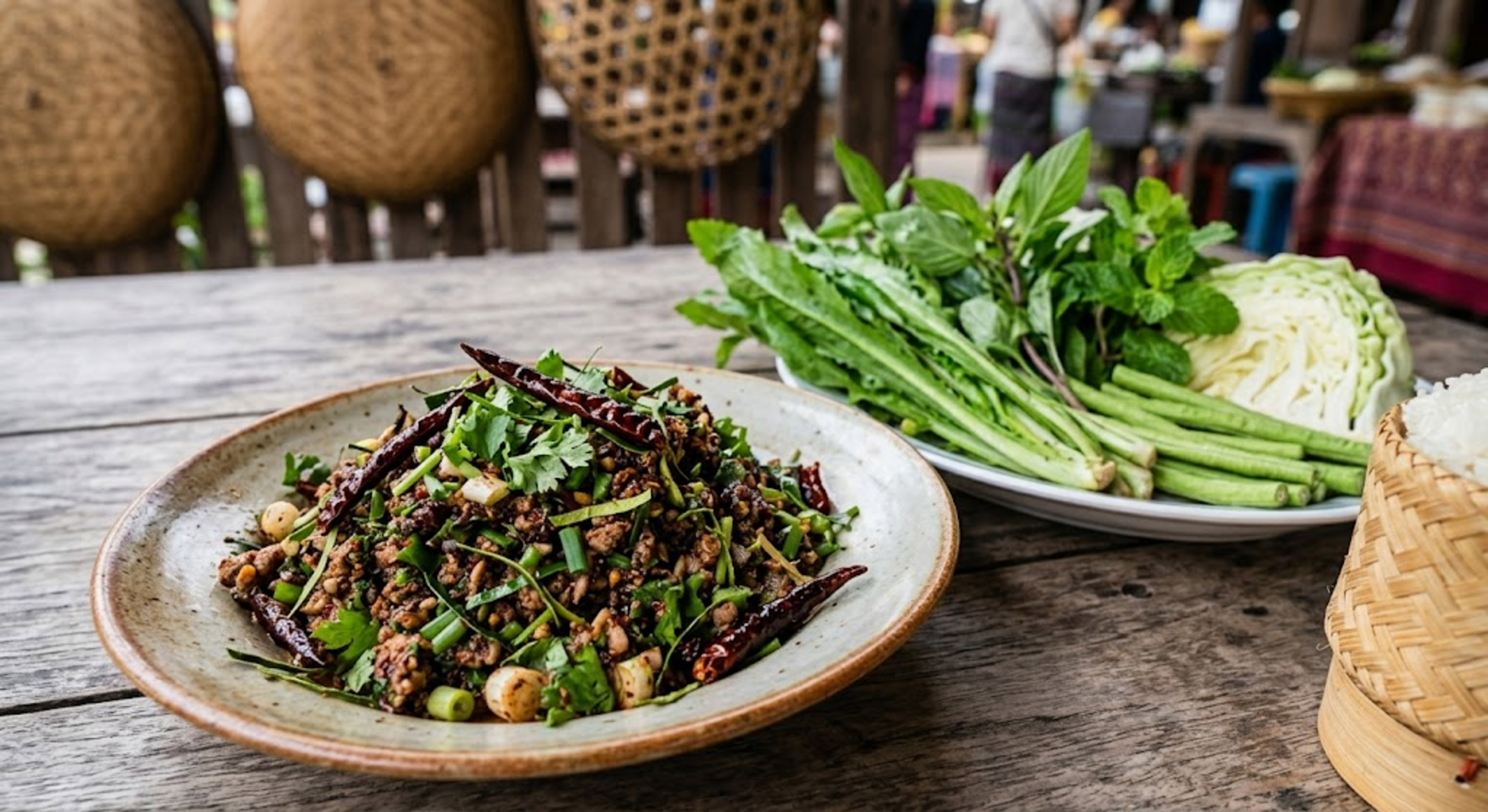
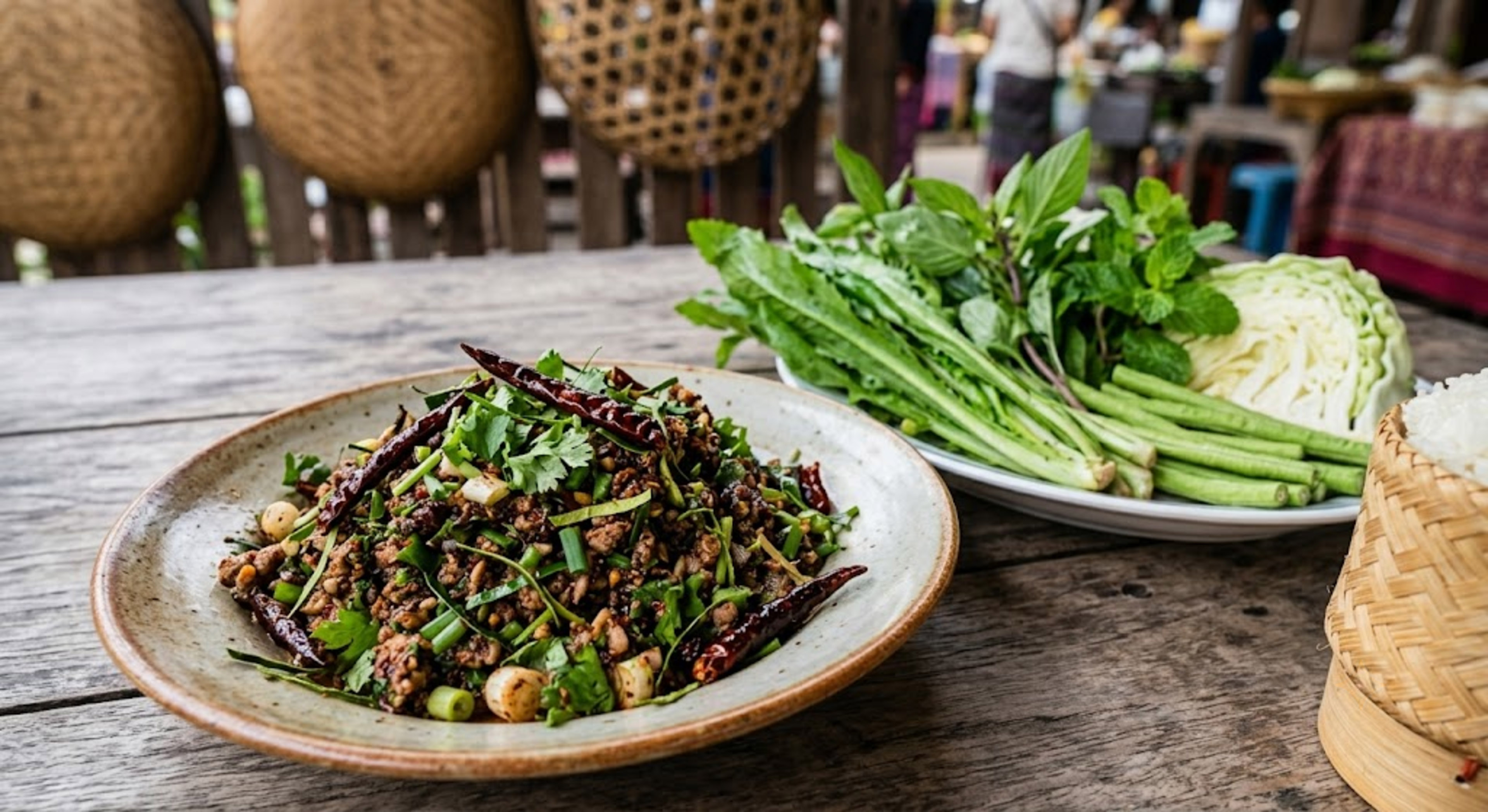
Laab mueang is the Northern take on Thailand's famous minced-meat salad, and it is a world away from the lime-soaked Isan version. Here the pork or beef is seasoned with a complex dry spice blend and local herbs, with no lime or fish sauce, giving it a darker, earthier, almost bitter-savoury character.
Adventurous eaters can seek out the raw (dip) style, while the cooked (khua) version is friendlier for first-timers. A plate is usually THB 60 to 120 (about USD 1.70 to 3.40).
Order it at a dedicated Northern restaurant such as these.
,regionOfInterest=(1920,1048))
,regionOfInterest=(1920,1048))
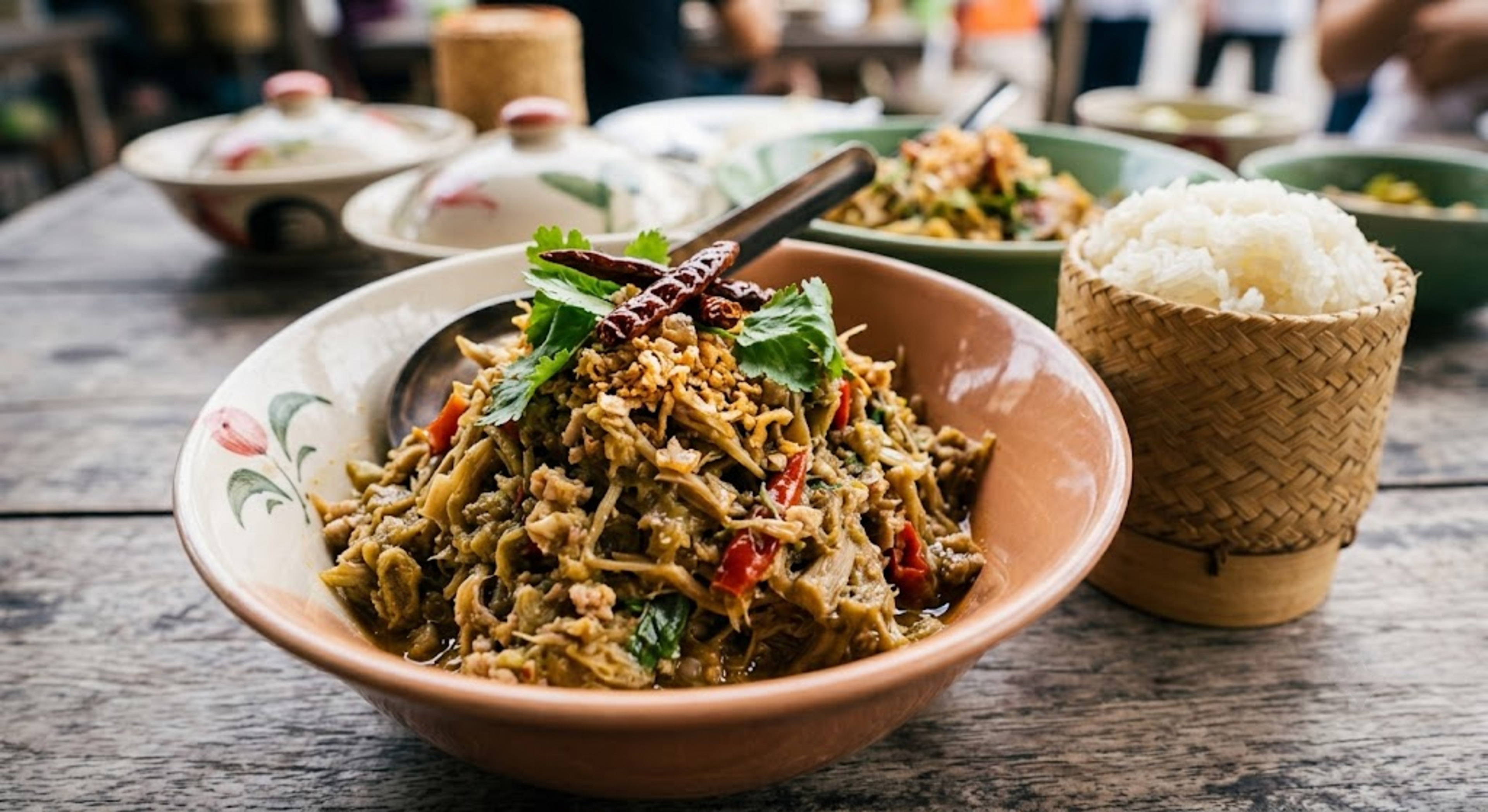
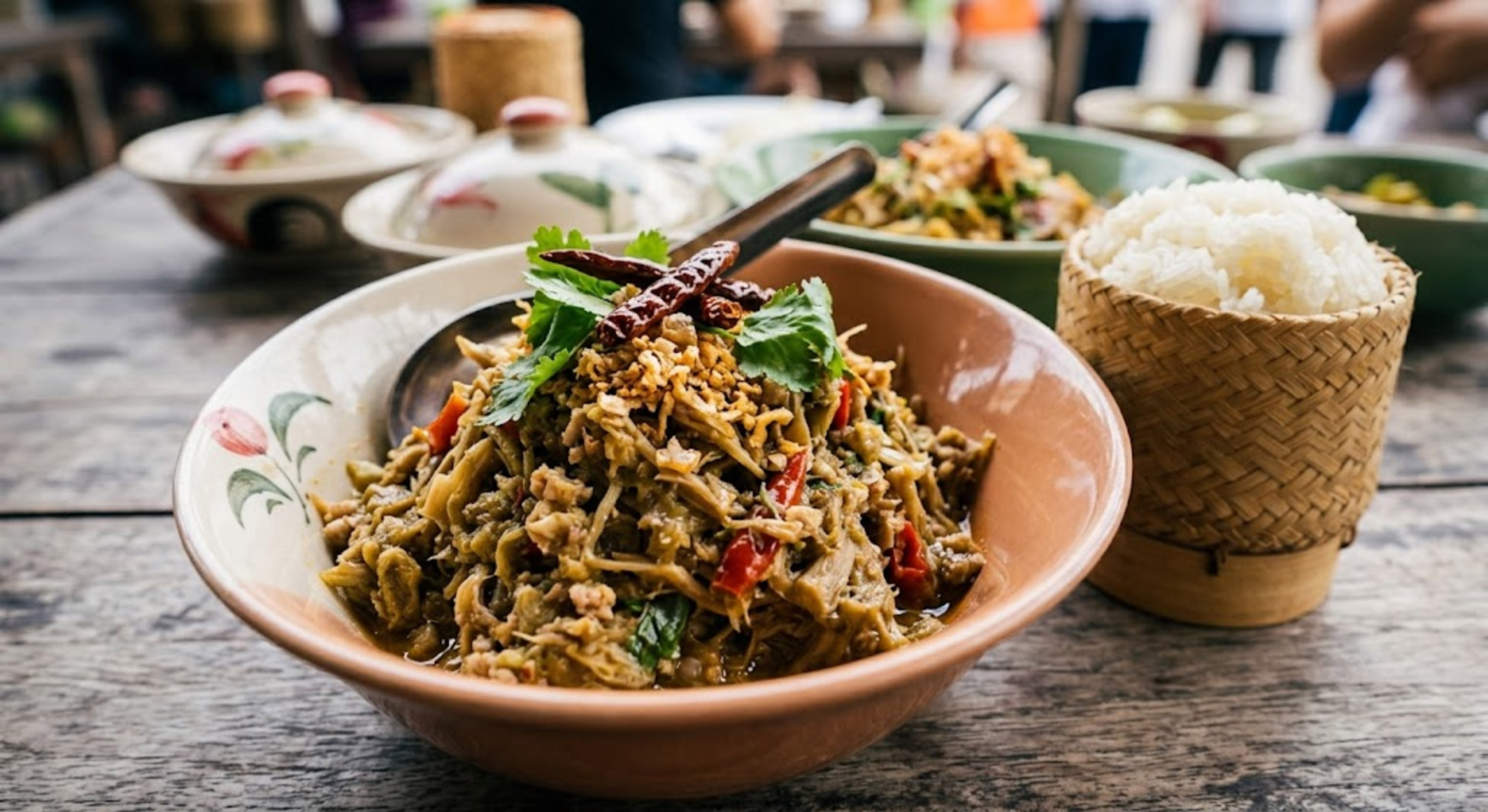
Tam khanun is a humble but beloved dish of young jackfruit, boiled until soft then stir-fried with tomato, pork, garlic and a Northern chilli paste. The jackfruit takes on a tender, almost meaty texture and soaks up every bit of the herbal seasoning.
Because jackfruit (khanun) carries auspicious associations in Thai culture, the dish often appears at celebrations. It is inexpensive, usually THB 50 to 90 (about USD 1.40 to 2.50), and rarely found outside the North.
Family-run Lanna kitchens are your best bet.
,regionOfInterest=(1920,1048))
,regionOfInterest=(1920,1048))
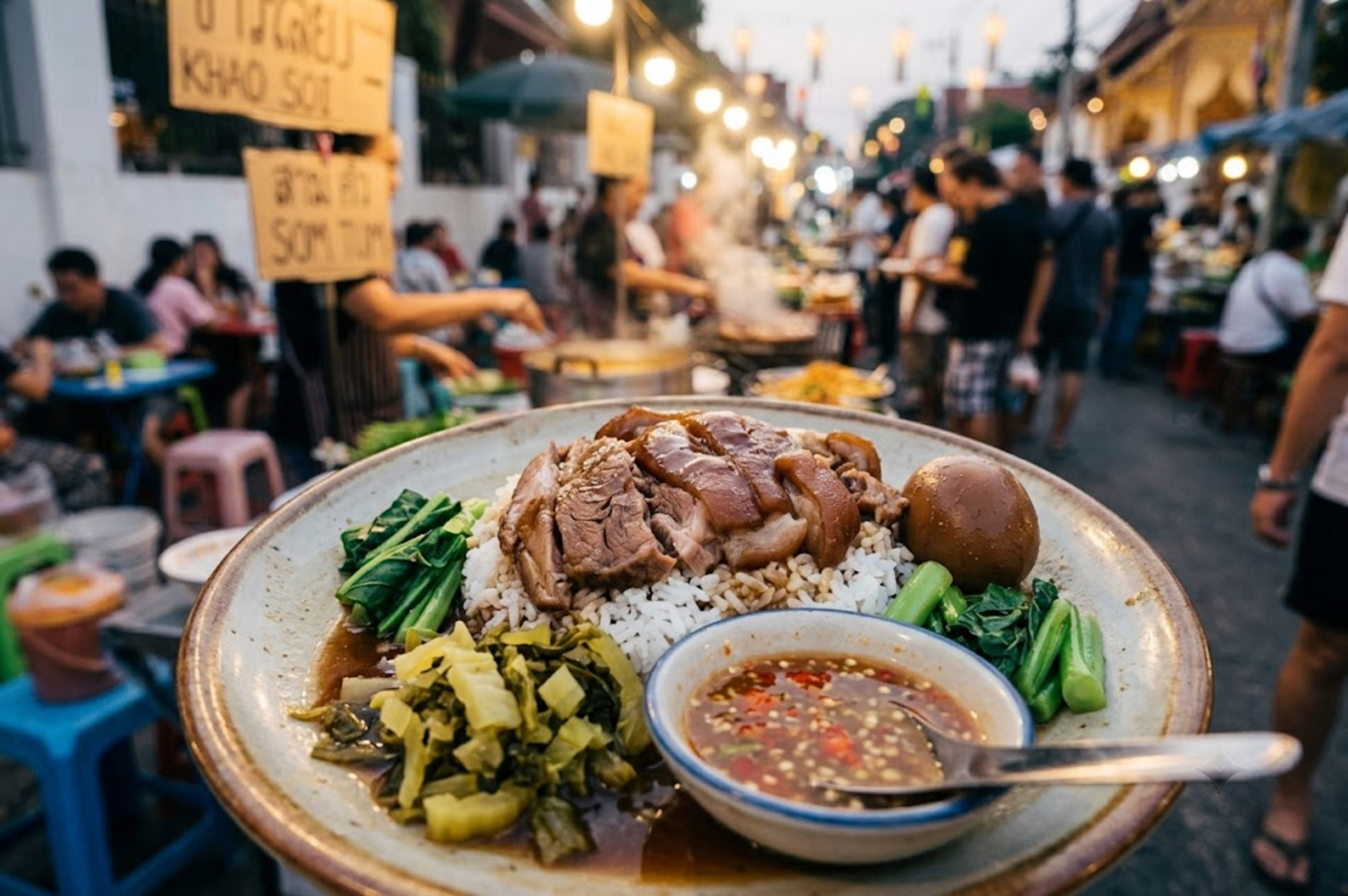
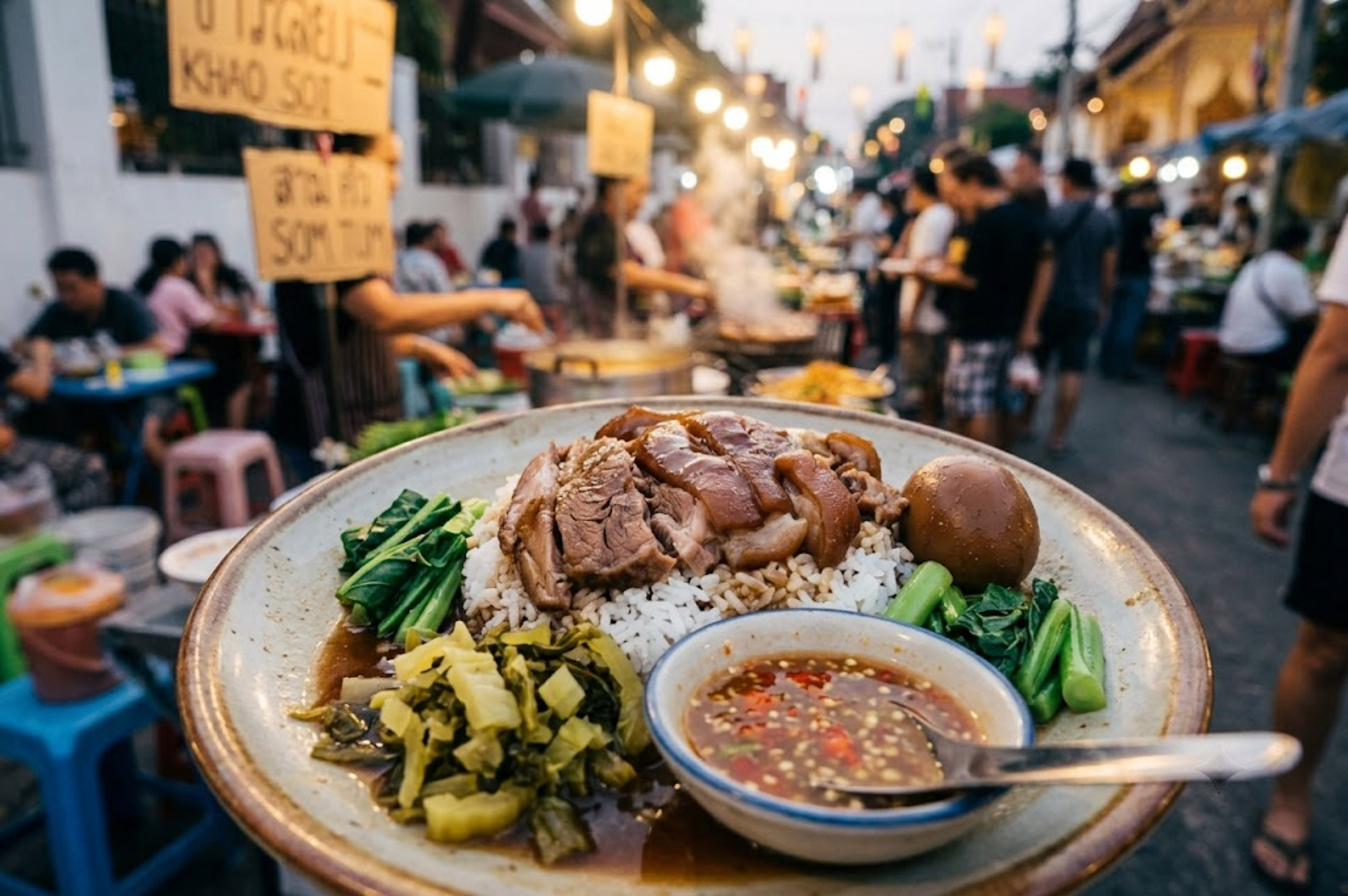
Khao kha moo is pure comfort: pork leg slow-braised in soy sauce, sugar and warm spices until it falls apart, then ladled over rice with a soft-boiled egg, pickled mustard greens and a sharp garlic-chilli sauce. The Chinese influence on Northern food is clear in every spoonful.
The most famous version comes from the so-called Cowboy Hat Lady at Chang Phuak Gate, immortalised by Anthony Bourdain, where a generous plate costs around THB 50 (about USD 1.40).
Join the evening queue at these stalls.
,regionOfInterest=(1624,1080))
,regionOfInterest=(1624,1080))
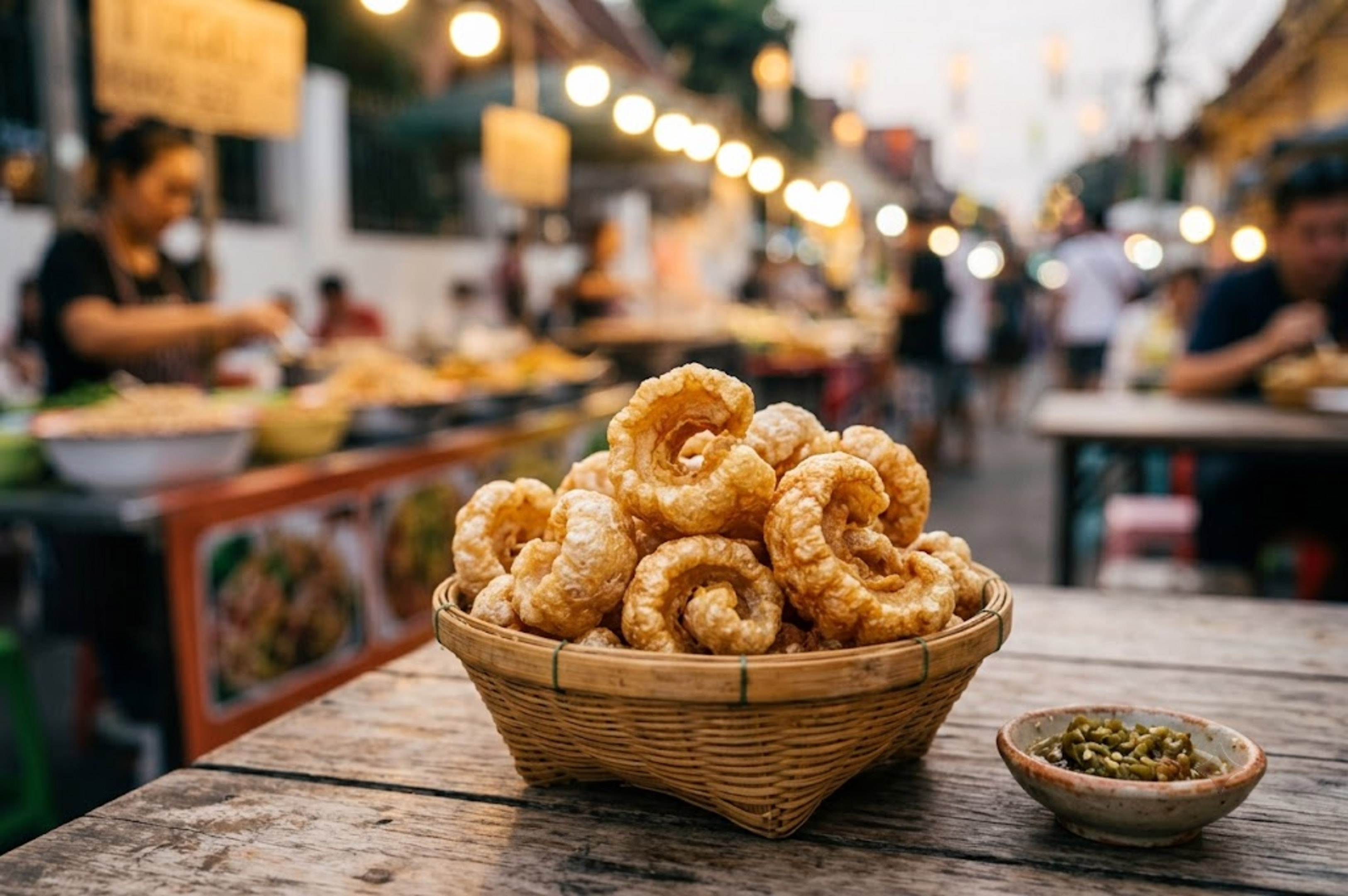
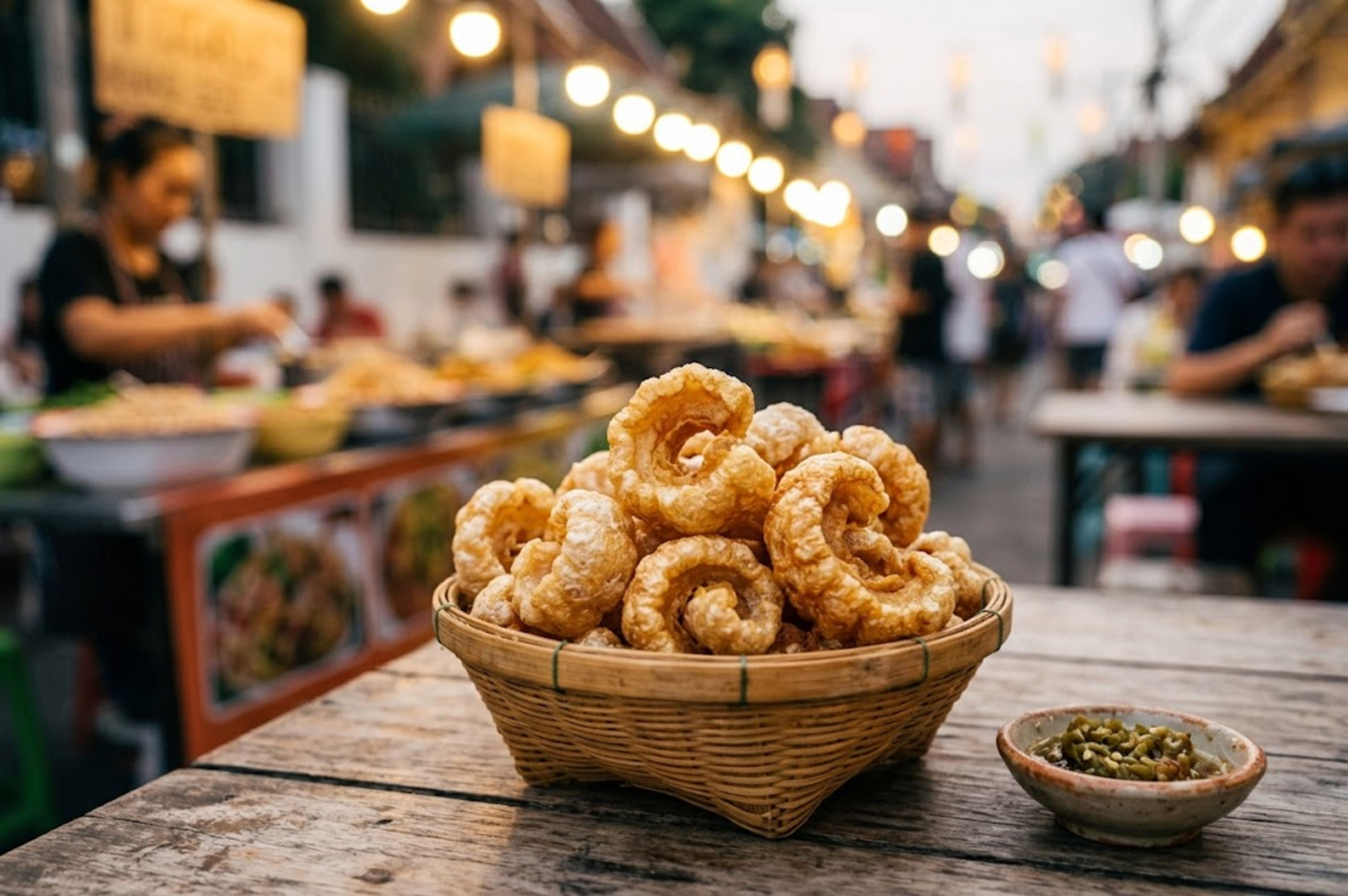
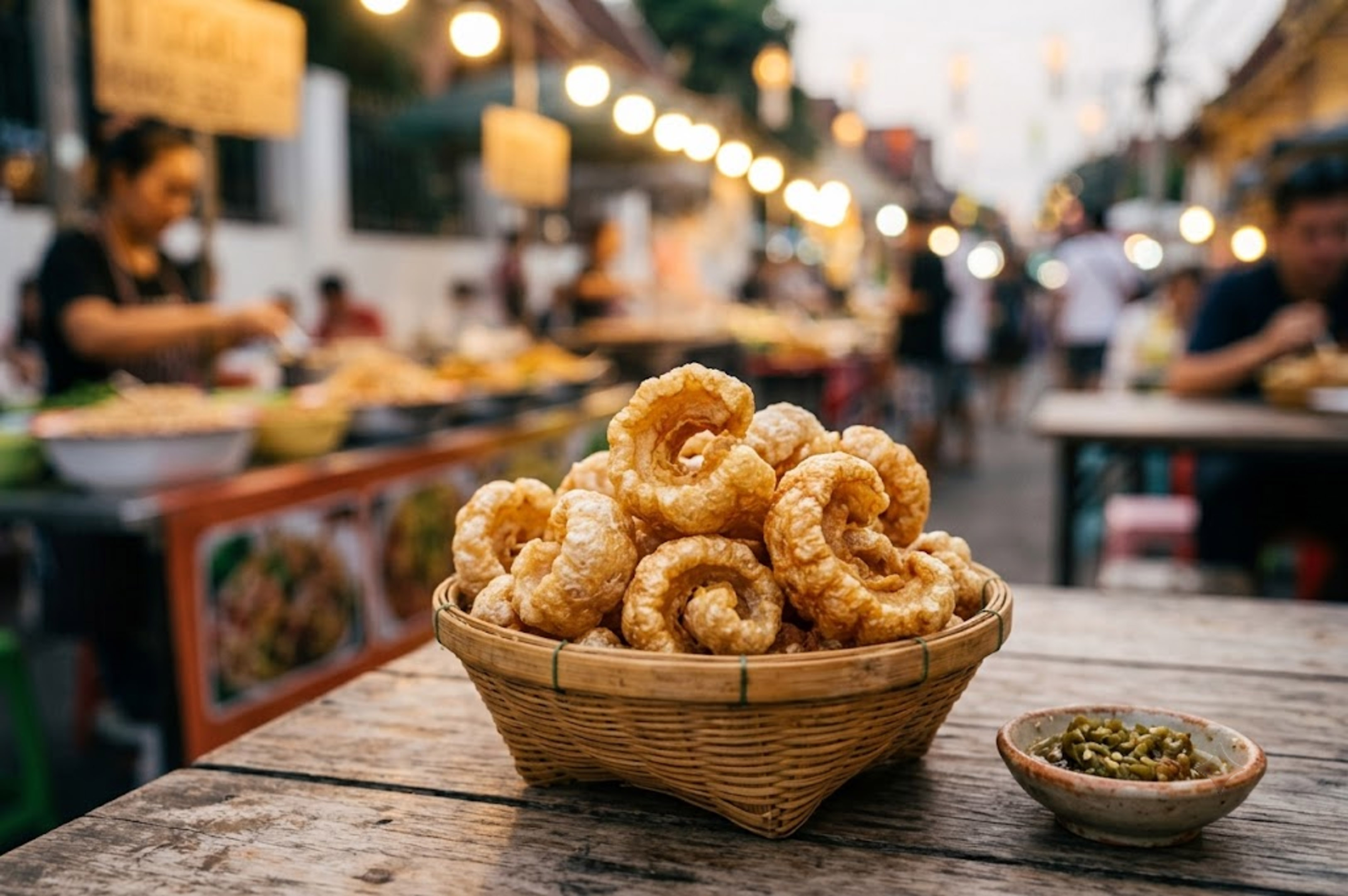
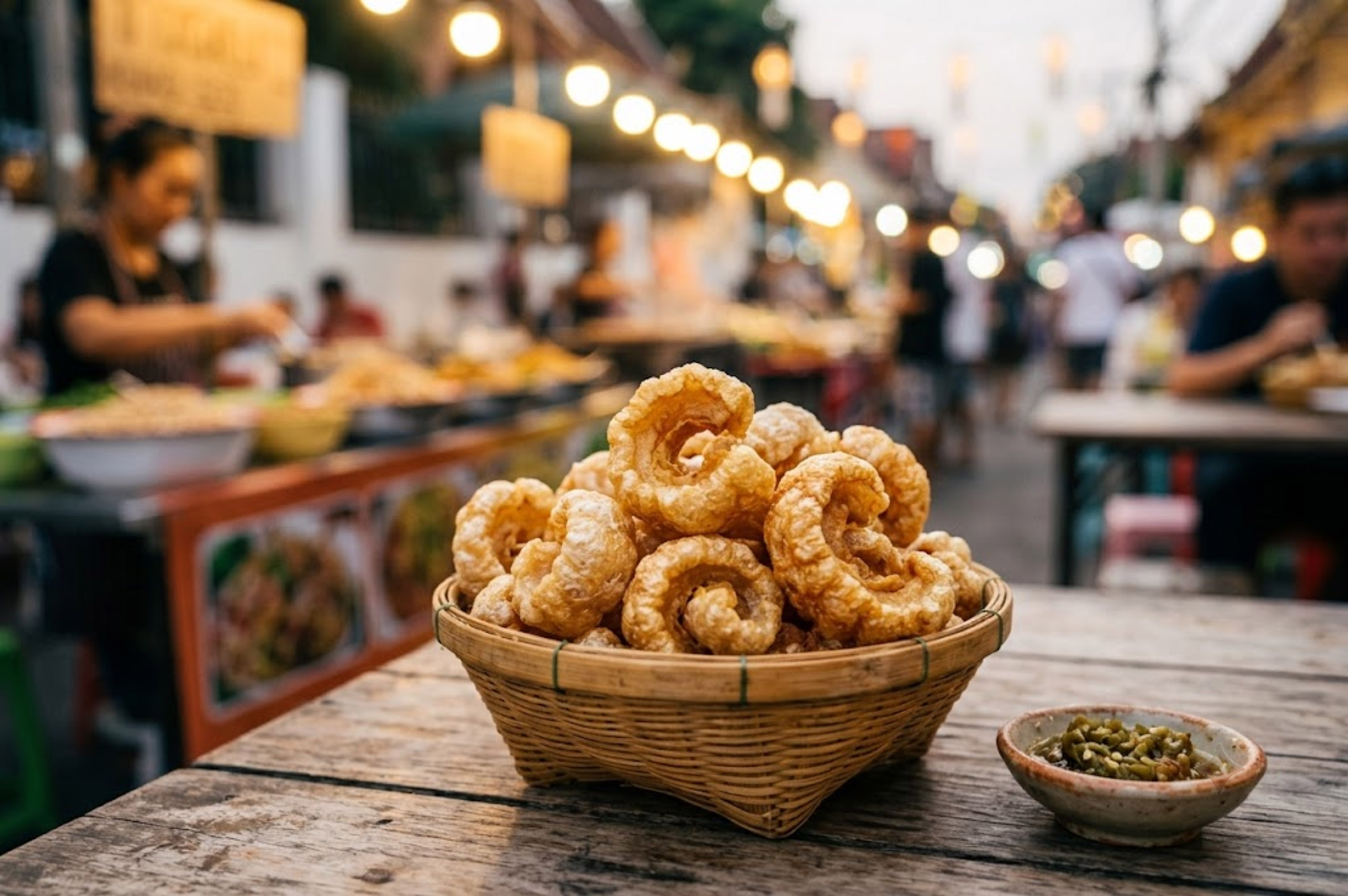
No Northern meal feels complete without kaeb moo, the crispy pork crackling that locals nibble between bites of chilli dip. It comes two ways, as airy puffed rind or as thin strips with a little fat still attached, both salty and impossibly moreish.
It is more of a companion than a main event, perfect for scooping nam prik noom or nam prik ong, and bags of it sell for a few baht at any market. Vacuum-packed versions travel well as gifts.
Pick some up at these spots.
,regionOfInterest=(1624,1080))
,regionOfInterest=(1624,1080))
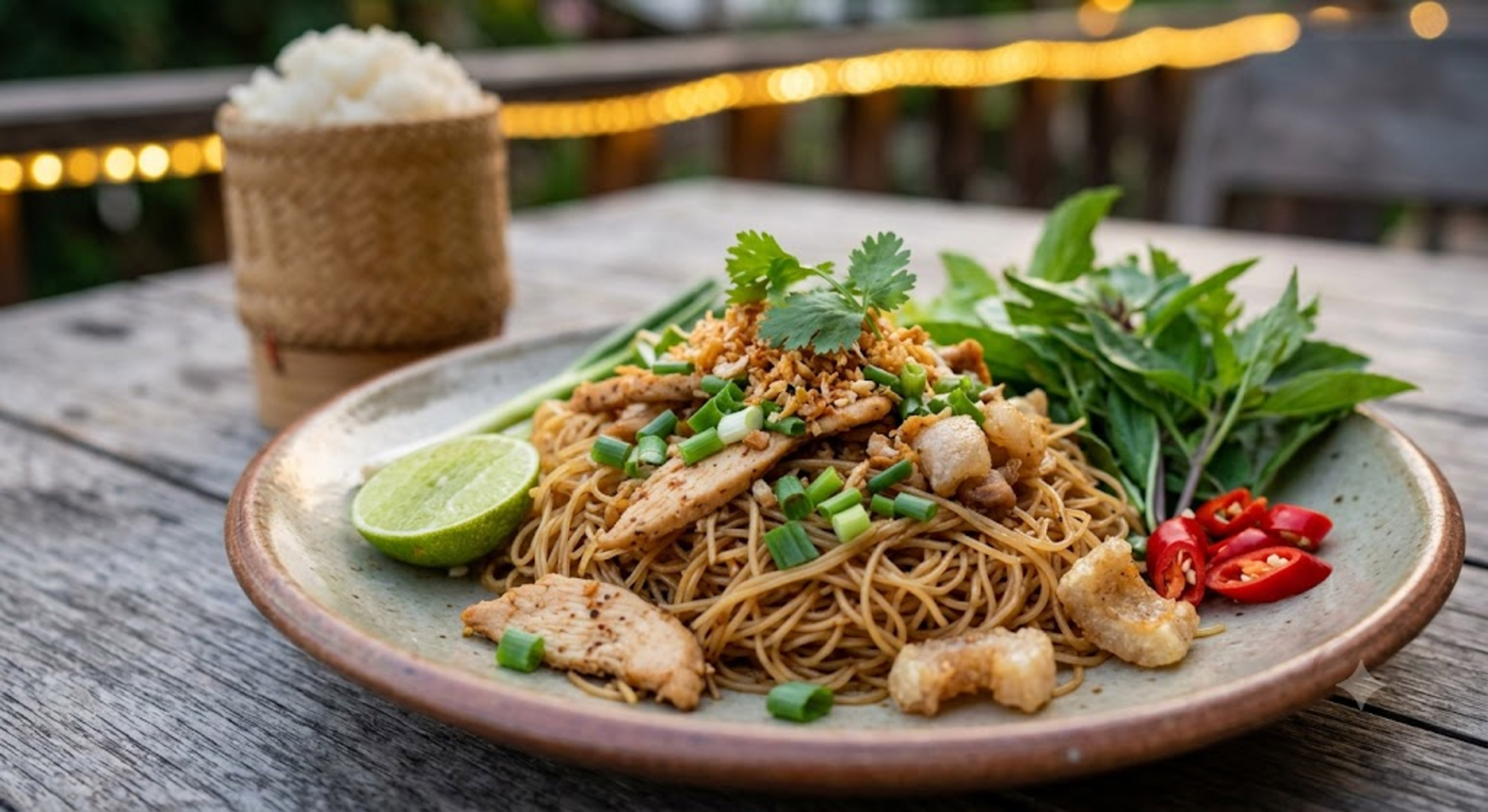
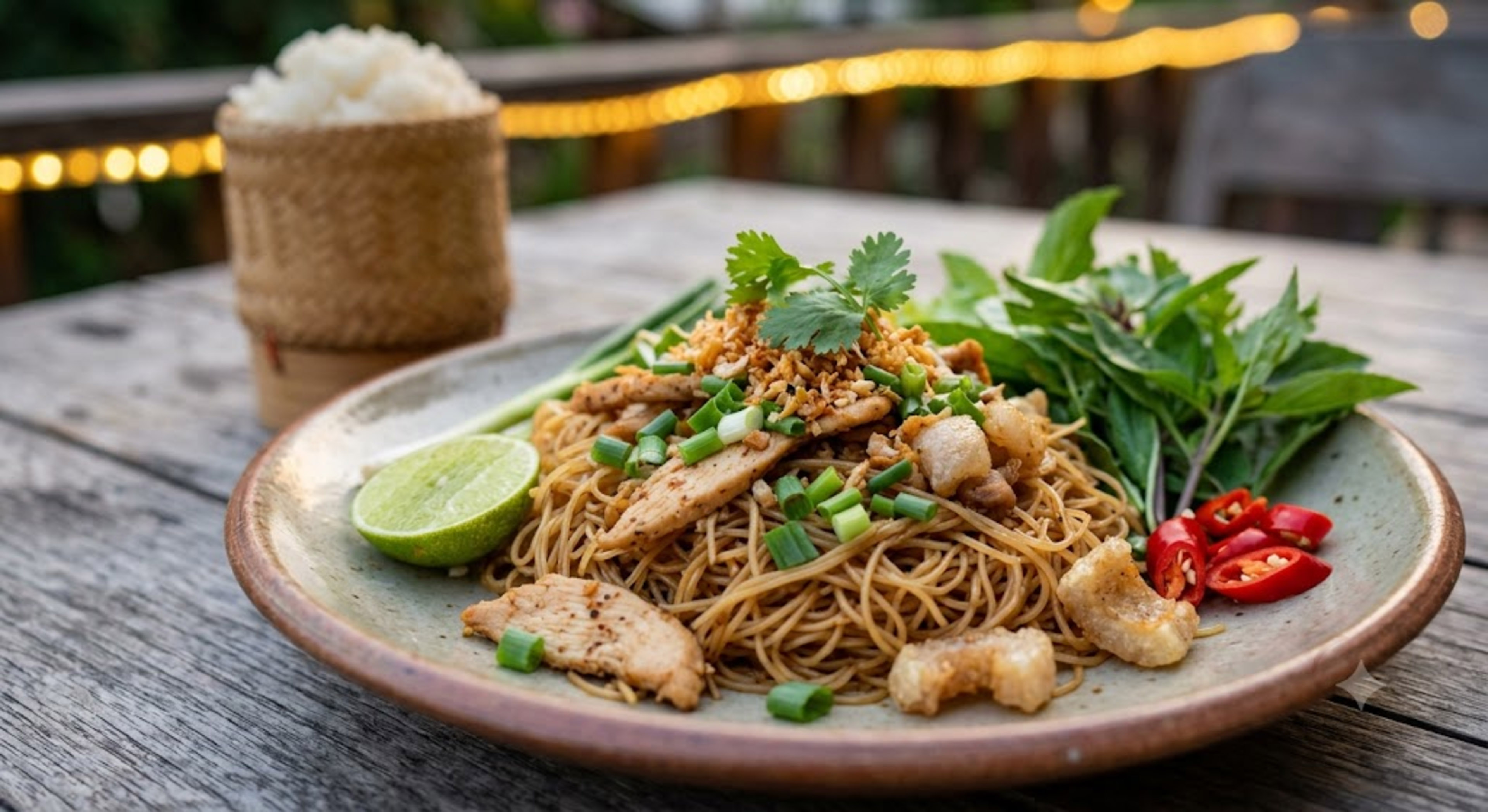
Khua mee is one of Chiang Mai's quieter classics, a plate of thin rice noodles stir-fried with dark soy, egg and pork until lightly caramelised and smoky. It is simple, home-style cooking that you will rarely see on a tourist menu, which is exactly why it is worth ordering.
The flavour is gentle and savoury, a nice break from the chilli-forward dishes, and it pairs well with a fresh herb salad on the side. Most plates cost THB 50 to 90 (about USD 1.40 to 2.50).
Seek it out at traditional kitchens such as these.
,regionOfInterest=(1920,1048))
,regionOfInterest=(1920,1048))
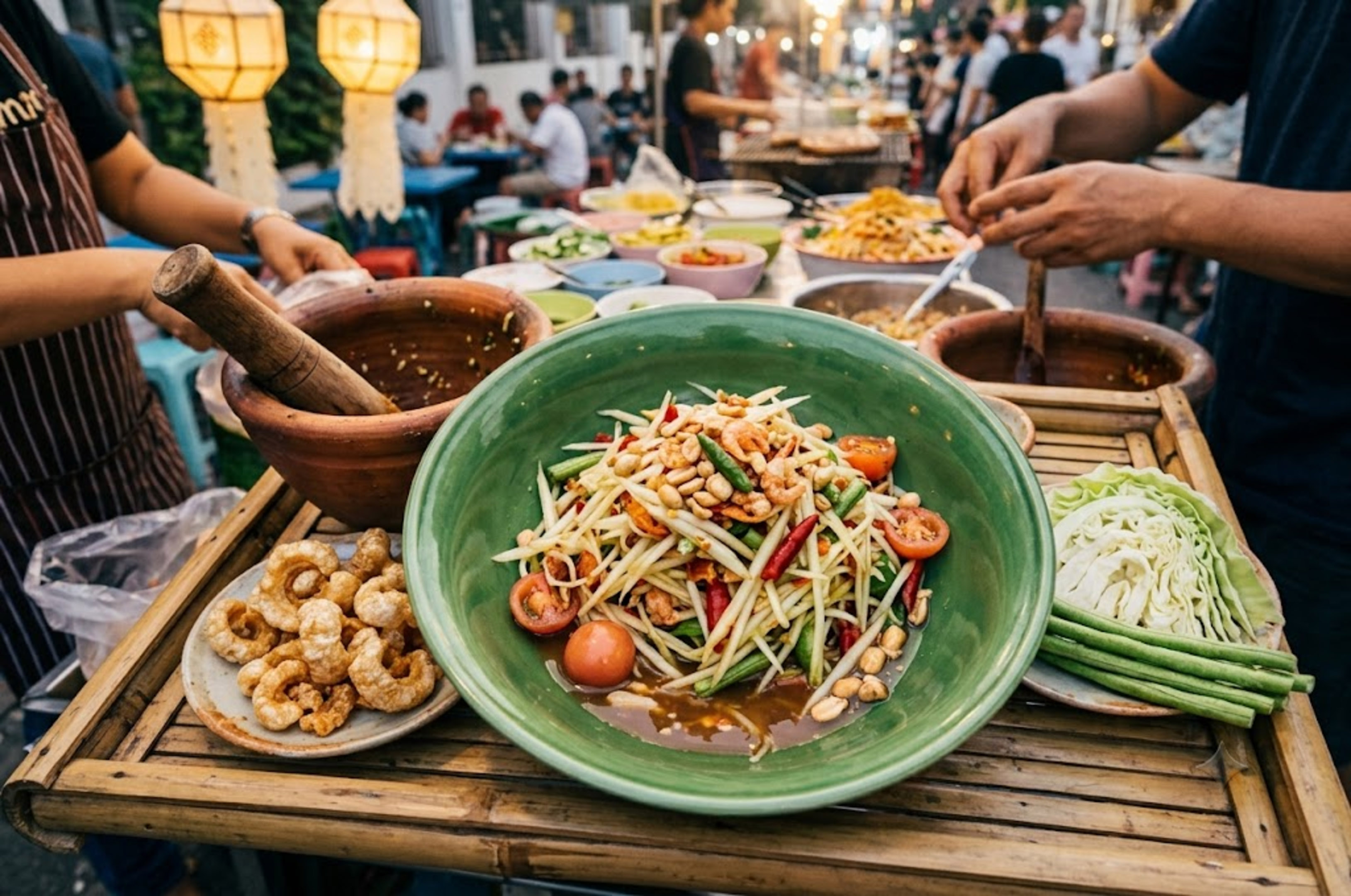
Green papaya salad is eaten all over Thailand, but it earns its place on any guide to what to eat in Chiang Mai as the fresh, crunchy foil to the region's rich curries and grilled meats. Shredded unripe papaya is pounded in a mortar with garlic, chilli, long beans, tomato, lime and fish sauce.
You can ask for it mild or fiery, with peanuts and dried shrimp or in a saltier fermented-crab style. A plate is cheap, around THB 50 to 80 (about USD 1.40 to 2.25).
Find a vibrant version at these tables.
,regionOfInterest=(1628.5,1080))
,regionOfInterest=(1628.5,1080))
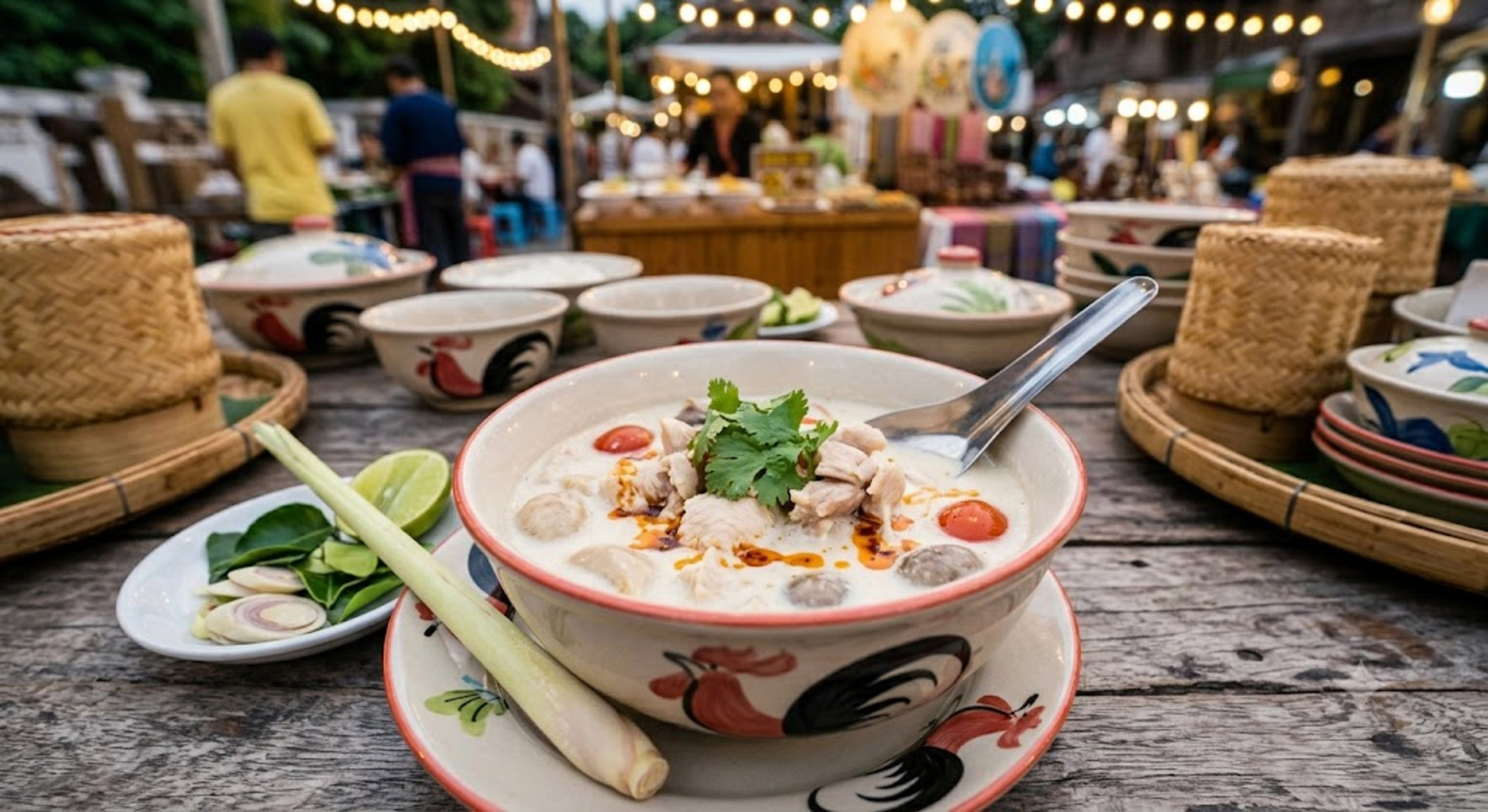
Tom kha gai is the soup that wins over almost everyone: tender chicken simmered in a silky coconut broth perfumed with galangal, lemongrass, kaffir lime and a whisper of chilli. It is creamy, fragrant and only mildly spicy, balancing sour, salty and sweet in every spoonful.
While it is enjoyed countrywide, it makes a soothing partner to spicier Northern plates and is a safe, crowd-pleasing order for families. A bowl costs roughly THB 80 to 200 (about USD 2.25 to 5.60) depending on the venue.
Enjoy a comforting bowl at these spots.
,regionOfInterest=(1920,1048))
,regionOfInterest=(1920,1048))
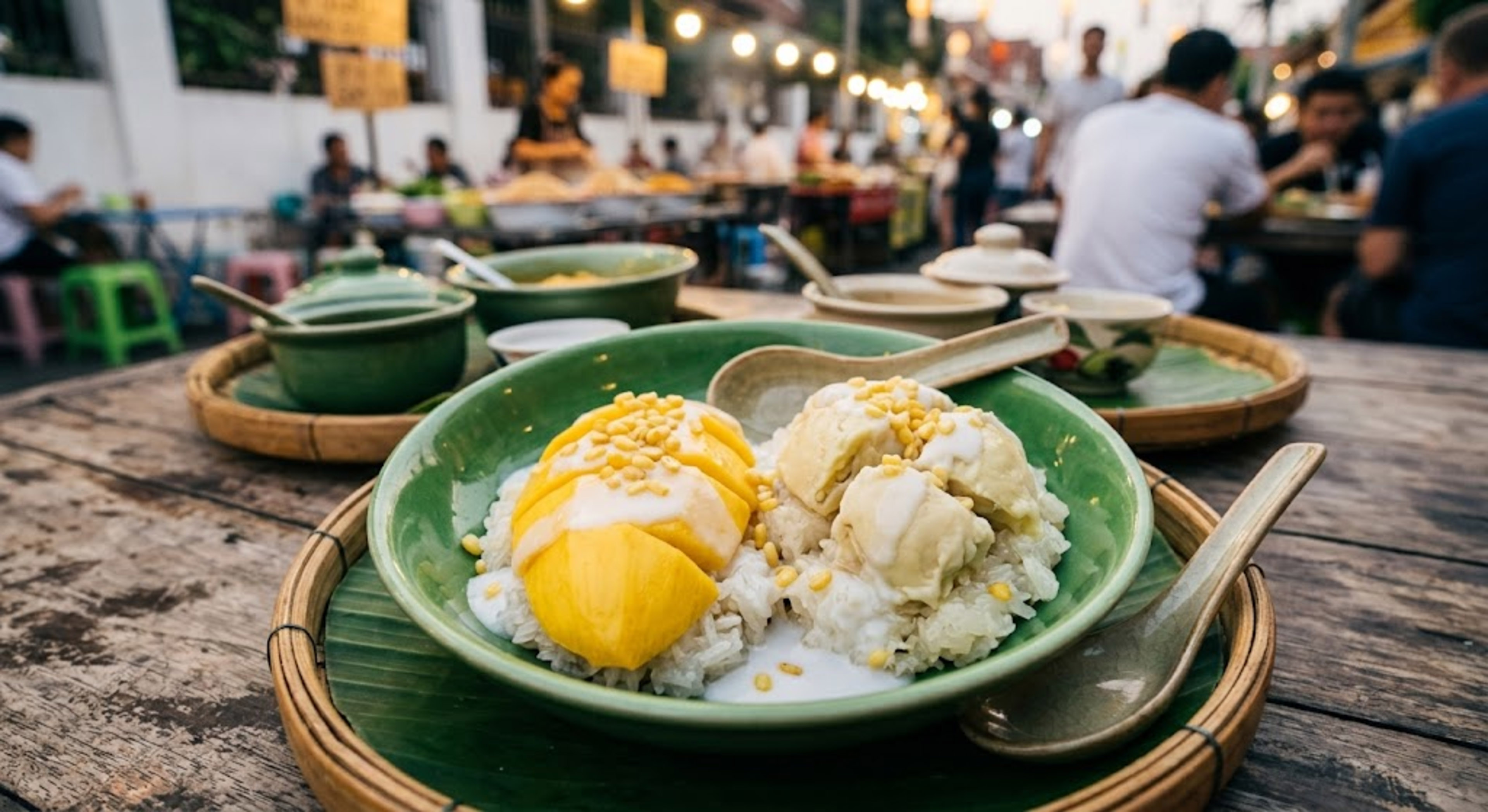
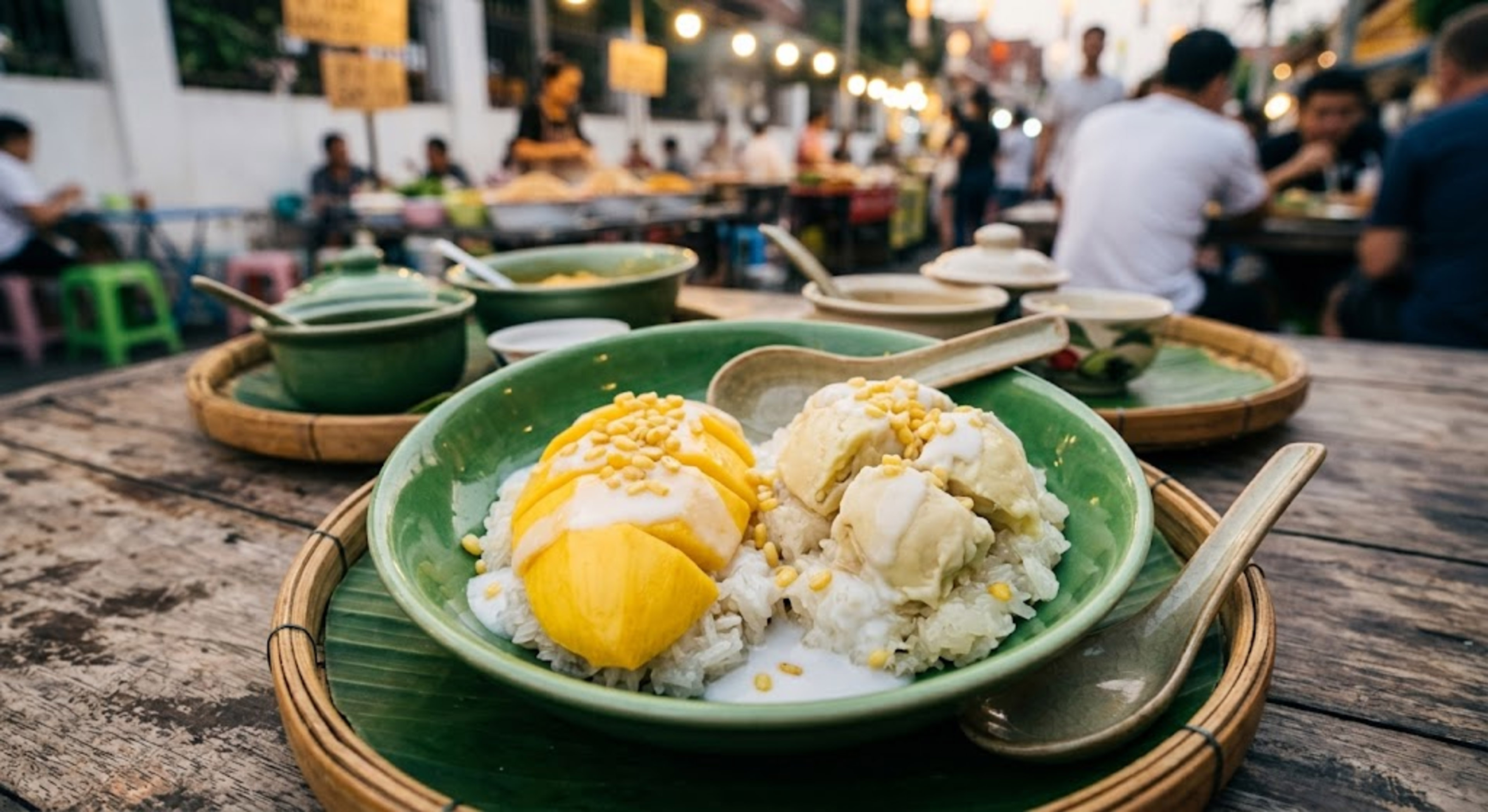
Sweet sticky rice is the dessert that ends most Chiang Mai meals. The world-famous version is mango sticky rice, warm glutinous rice folded with sweetened coconut milk, served beside ripe, honey-sweet mango and a final drizzle of salted coconut cream.
Mango is at its best from March to June, but the sticky-rice family runs deeper than that, including a richer durian version for the adventurous. A portion runs about THB 60 to 120 (about USD 1.70 to 3.40). For a refined take, the hotel restaurant below plates durian sticky rice alongside a Kanom Thai dessert set.
Satisfy your sweet tooth at these places.
,regionOfInterest=(1920,1048))
,regionOfInterest=(1920,1048))
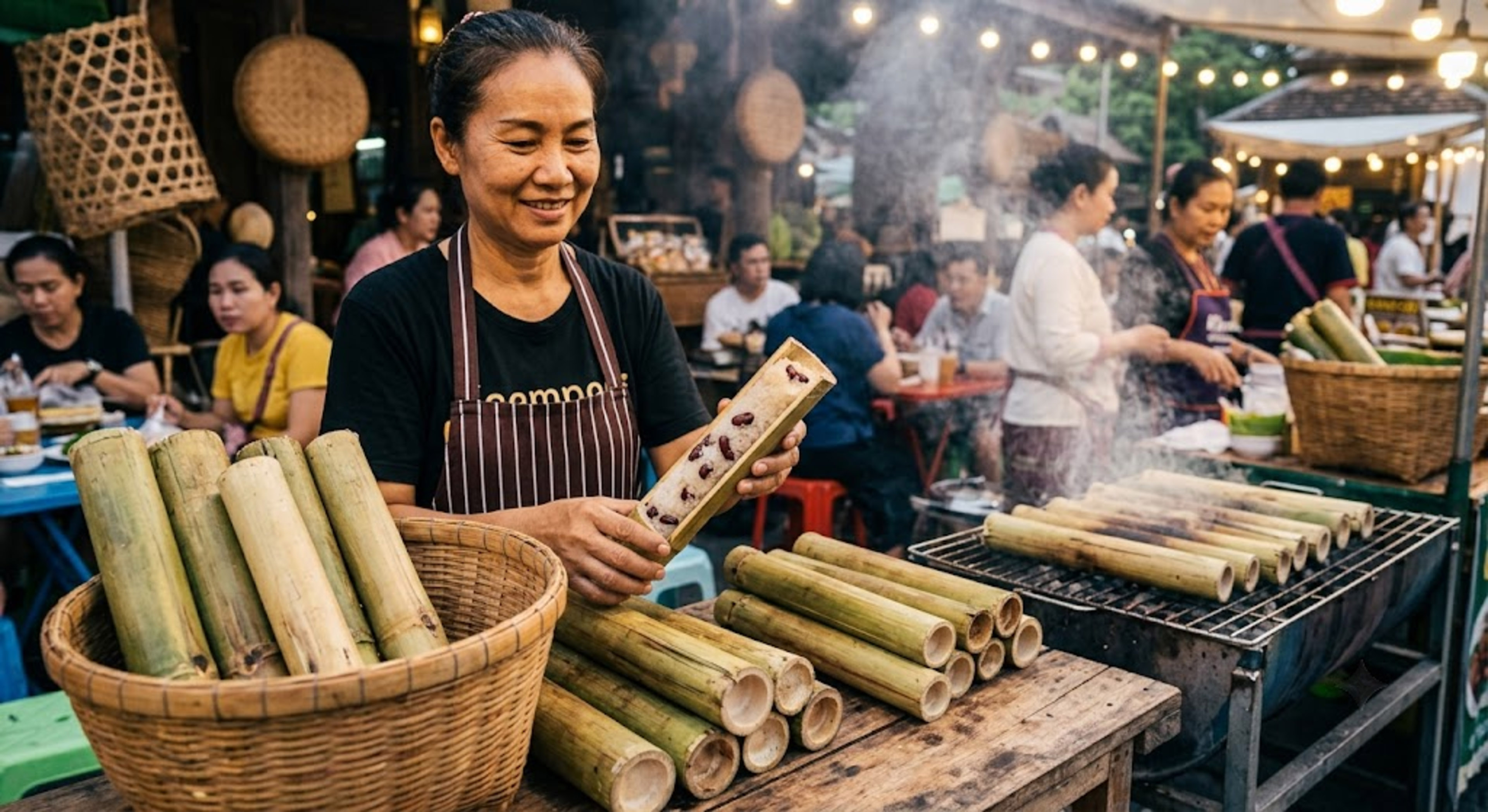
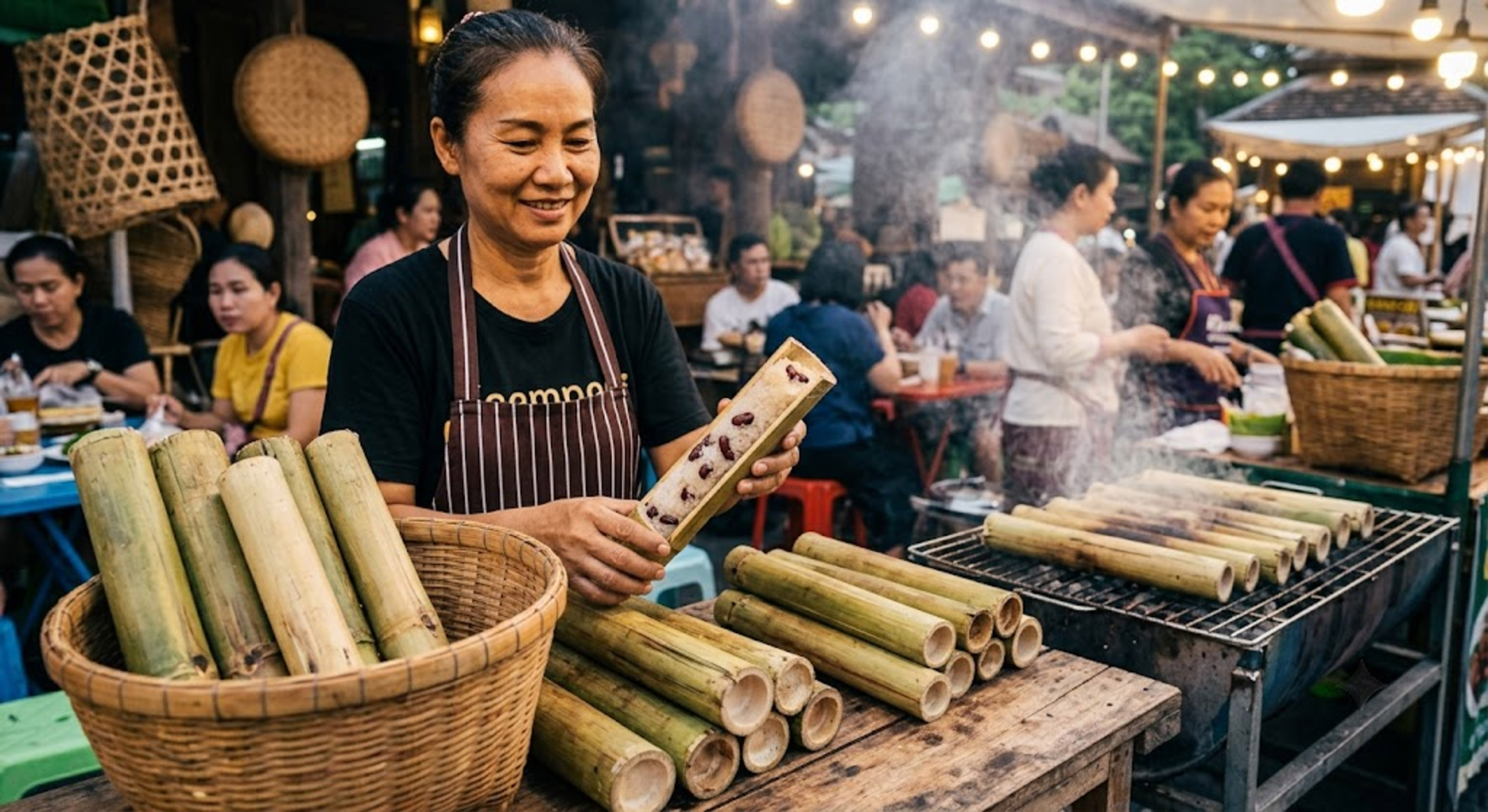
Round off your eating with khao lam, sticky rice and coconut milk (sometimes with black beans) packed into a bamboo tube and roasted slowly over coals. The bamboo perfumes the rice with a faint smokiness, and you peel the charred casing back like a banana to eat it.
It is a wonderfully low-cost street sweet, usually THB 20 to 40 (about USD 0.55 to 1.10) per tube, and a great snack for temple-hopping or long market wanders. Look for vendors with stacks of blackened bamboo by the roadside.
Grab a tube from these vendors.
,regionOfInterest=(1920,1048))
,regionOfInterest=(1920,1048))
Deciding what to eat in Chiang Mai is half the pleasure of visiting, and this city rewards the curious. Start with a bowl of khao soi, work through the smoky sausage, the tangy curries and the chilli dips, and leave room for a tube of khao lam or a plate of mango sticky rice to finish.
When you want those same flavours in a relaxed, refined setting, the three venues at Meliá Chiang Mai put much of this guide within one address above the river. Book a room and you can spend your mornings exploring the markets and your evenings discovering Northern cuisine without ever leaving home base.
,regionOfInterest=(1771.5,1181.5))
,regionOfInterest=(1771.5,1181.5))
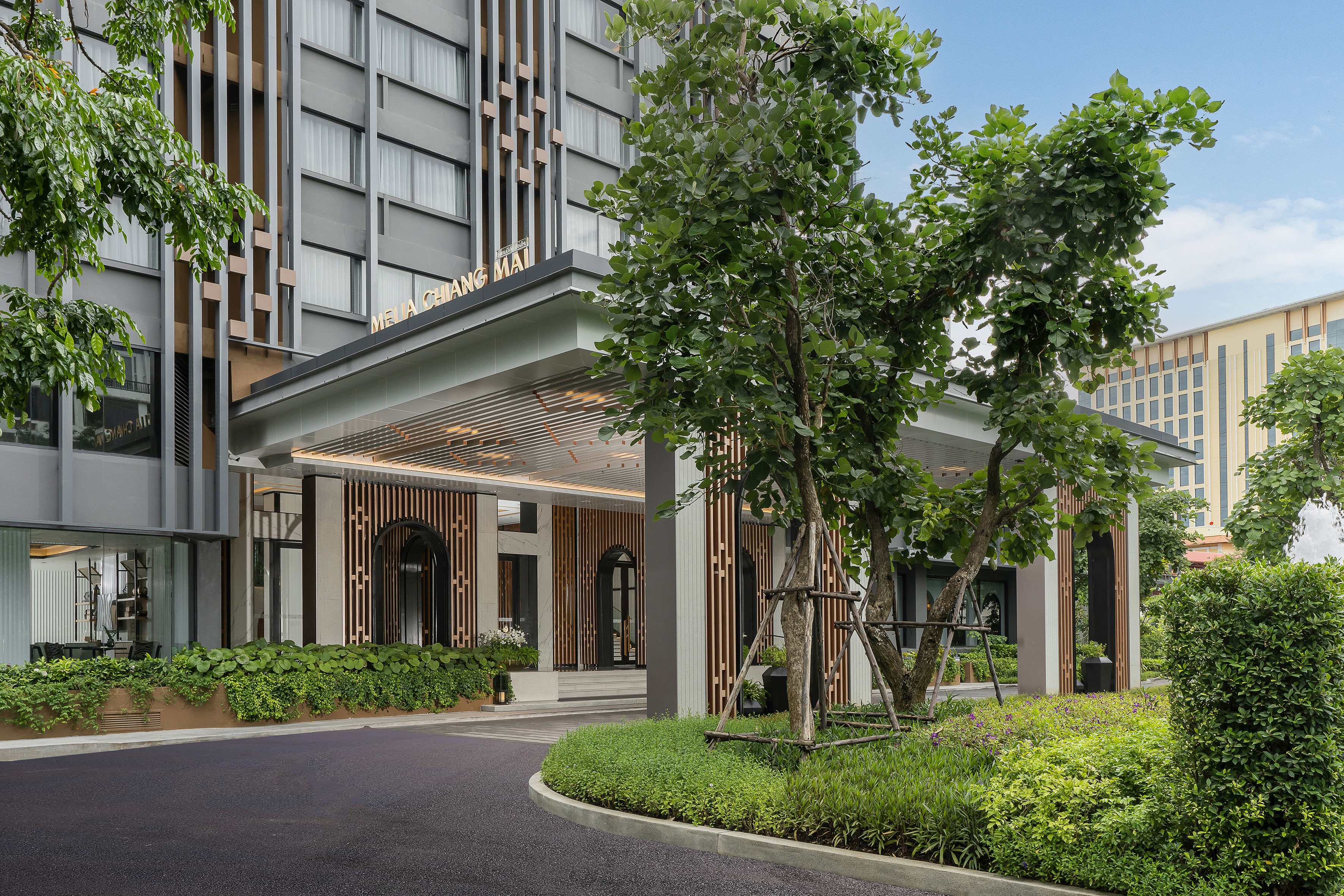
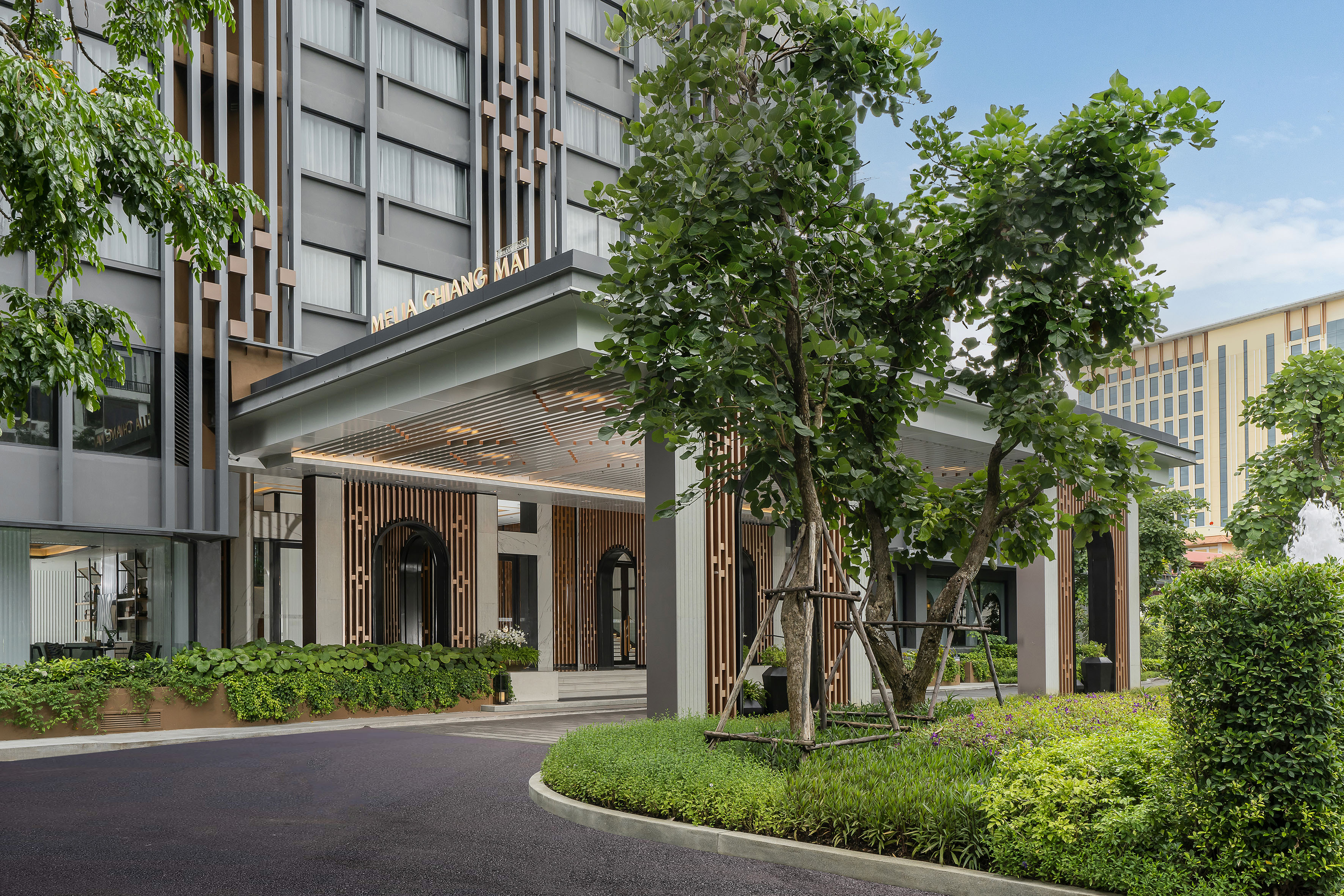
Many of these dishes taste their best from a street stool, yet you do not have to choose between authentic flavour and comfort. Conveniently located in the heart of the city on the banks of the Ping River, Meliá Chiang Mai is a contemporary five-star sanctuary that pairs the warmth of Northern Thai hospitality with the relaxed Spanish spirit of the Meliá family.
,regionOfInterest=(1771.5,1181.5))
,regionOfInterest=(1771.5,1181.5))
From the dazzling lobby to the rooftop on the 22nd floor, you are welcomed by local staff whose service feels personal rather than polished, with majestic views over the River Ping and the famous Night Bazaar just beyond the door.
The hotel brings much of what to eat in Chiang Mai together within a single address, across three thoughtfully designed venues that each suit a different moment of the day.
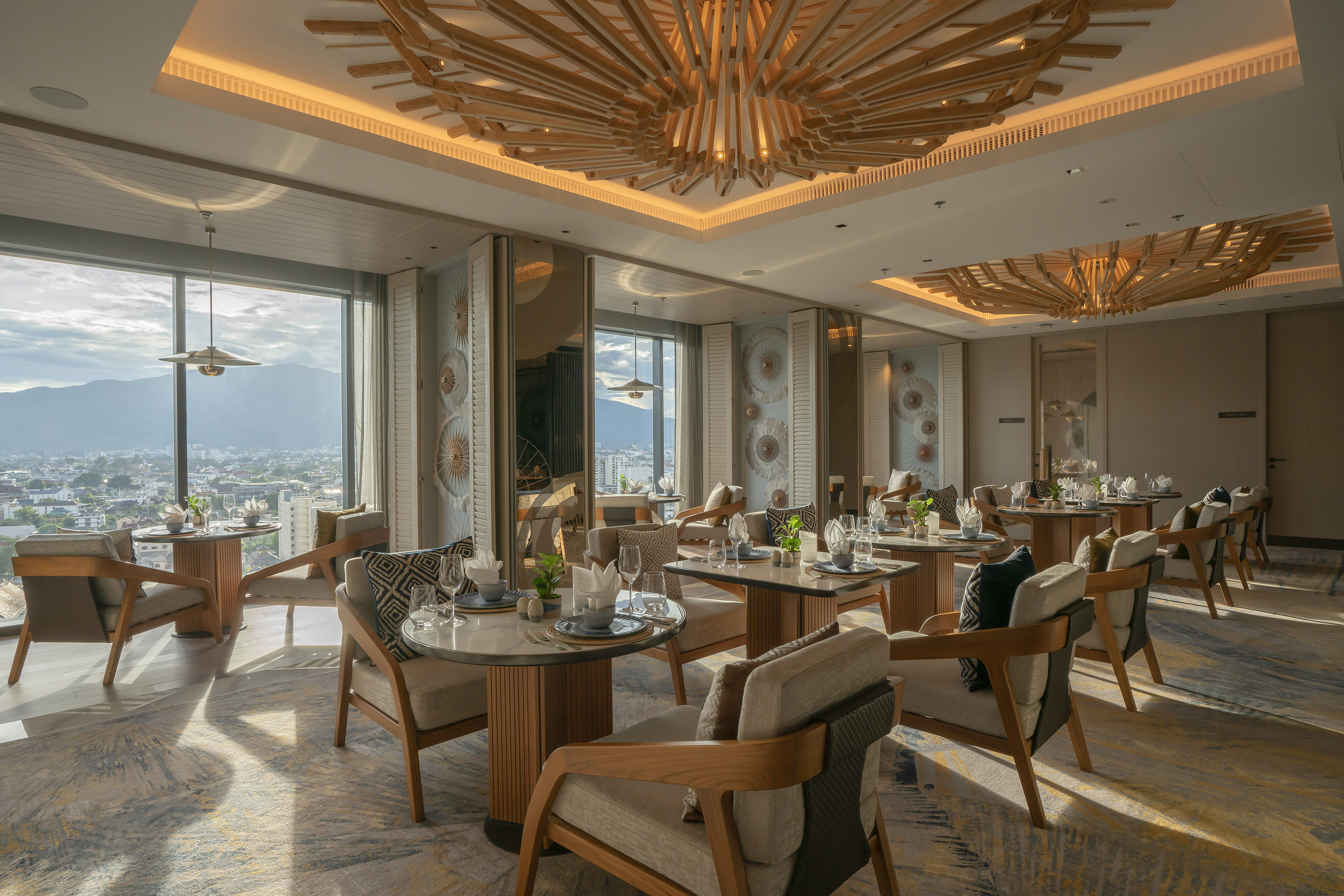
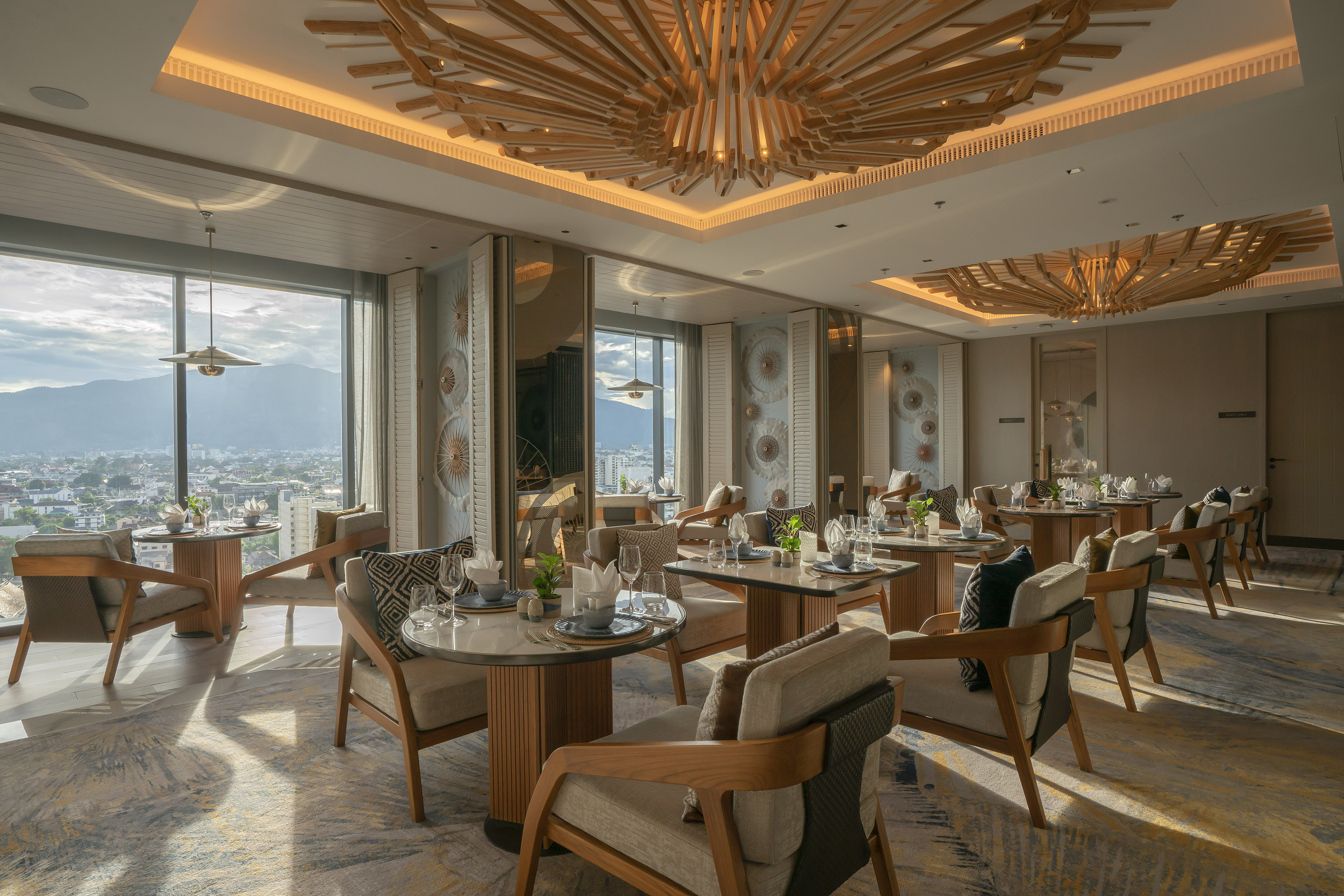
The signature dining venue is Mai Restaurant & Bar, located on the 21st floor with stunning skyline views, where chefs prepare each dish à la minute from an open kitchen. The à la carte menu is built around contemporary Lanna cuisine, reworking the classics from this guide with a considered, ingredient-led touch.
,regionOfInterest=(1771.5,1181.5))
,regionOfInterest=(1771.5,1181.5))
You will recognise house-made sai oua in the Mai's Samplers platter, nam prik ong on a crisp San Pa Tong rice cracker, a slow-simmered gaeng hang le pork rib, a khua mee wrapped in lotus leaf, and a refined khao soi salad with tai lue tofu. It is an intimate, unhurried space that makes a genuinely good introduction to Northern flavours.
,regionOfInterest=(1000,667))
,regionOfInterest=(1000,667))
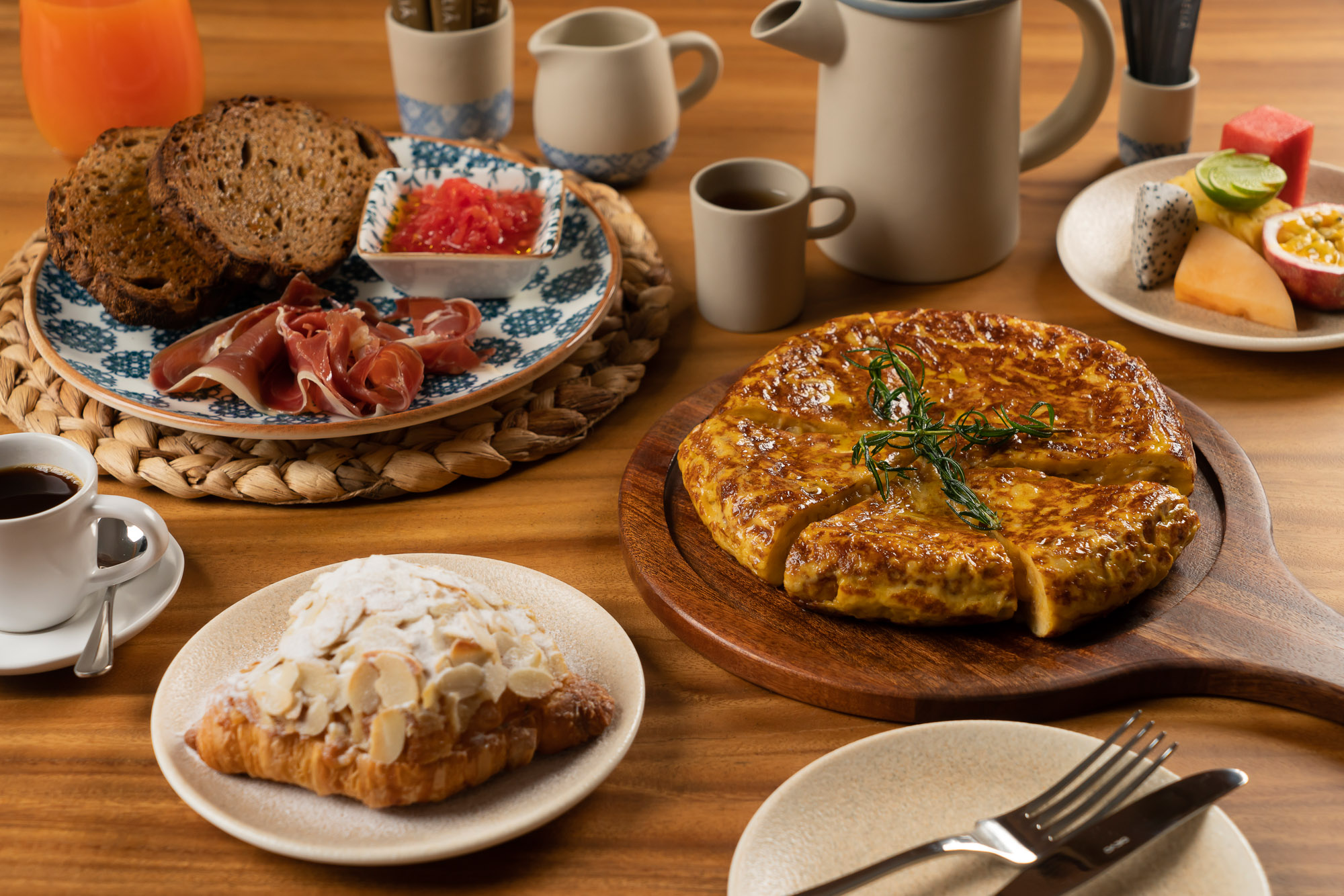
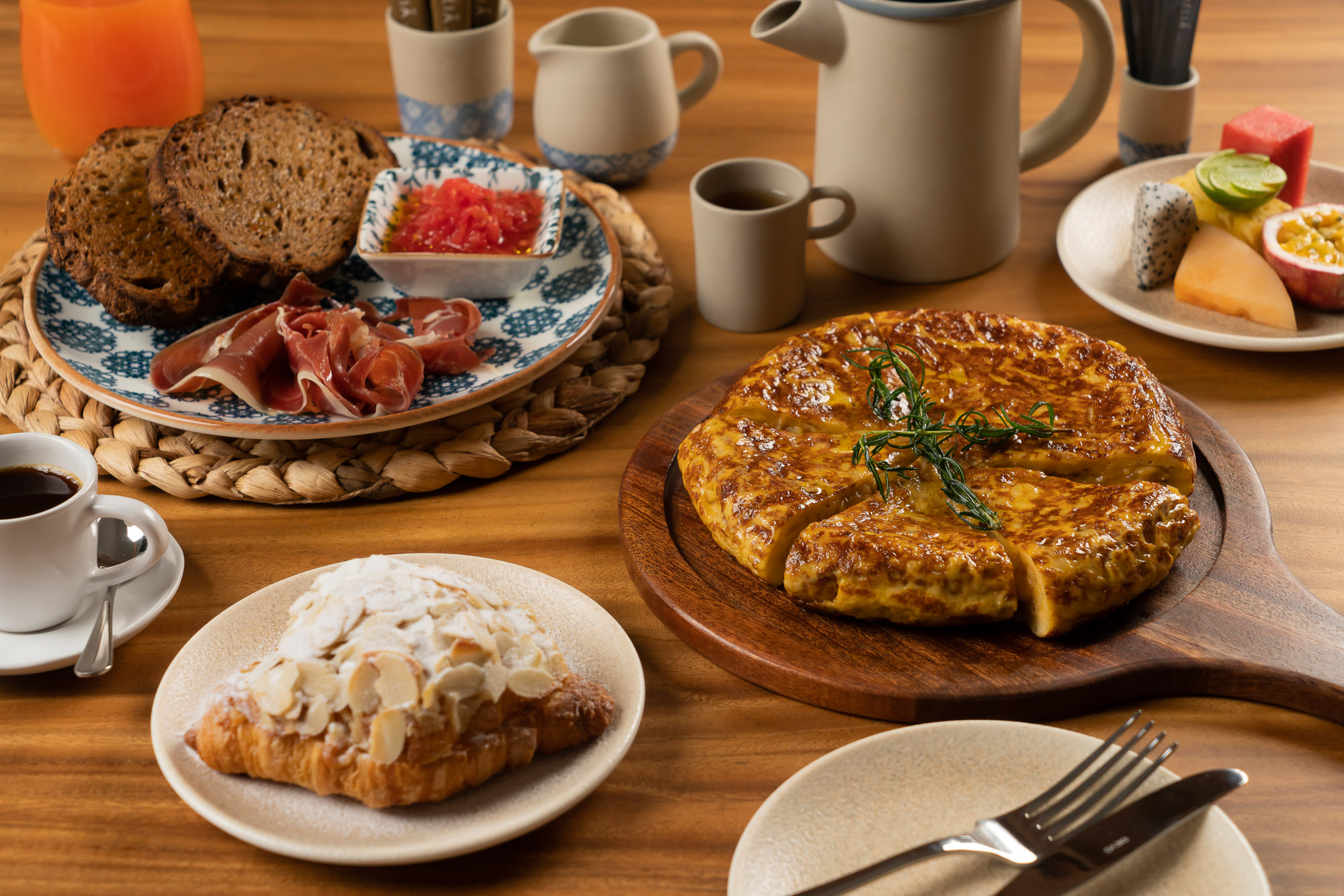
For everyday favourites, the all-day Laan Na Kitchen is where Mediterranean dishes inspired by Meliá's Spanish roots meet Thai staples such as a fresh som tum or an honest khao soi gai, served from an early breakfast through to dinner.
,regionOfInterest=(1771.5,1181.5))
,regionOfInterest=(1771.5,1181.5))
Its show-cooking breakfast spread, with Spanish, international and local choices, is a comfortable and welcoming start to your first morning in the city.
,regionOfInterest=(1824,2736))
,regionOfInterest=(1824,2736))
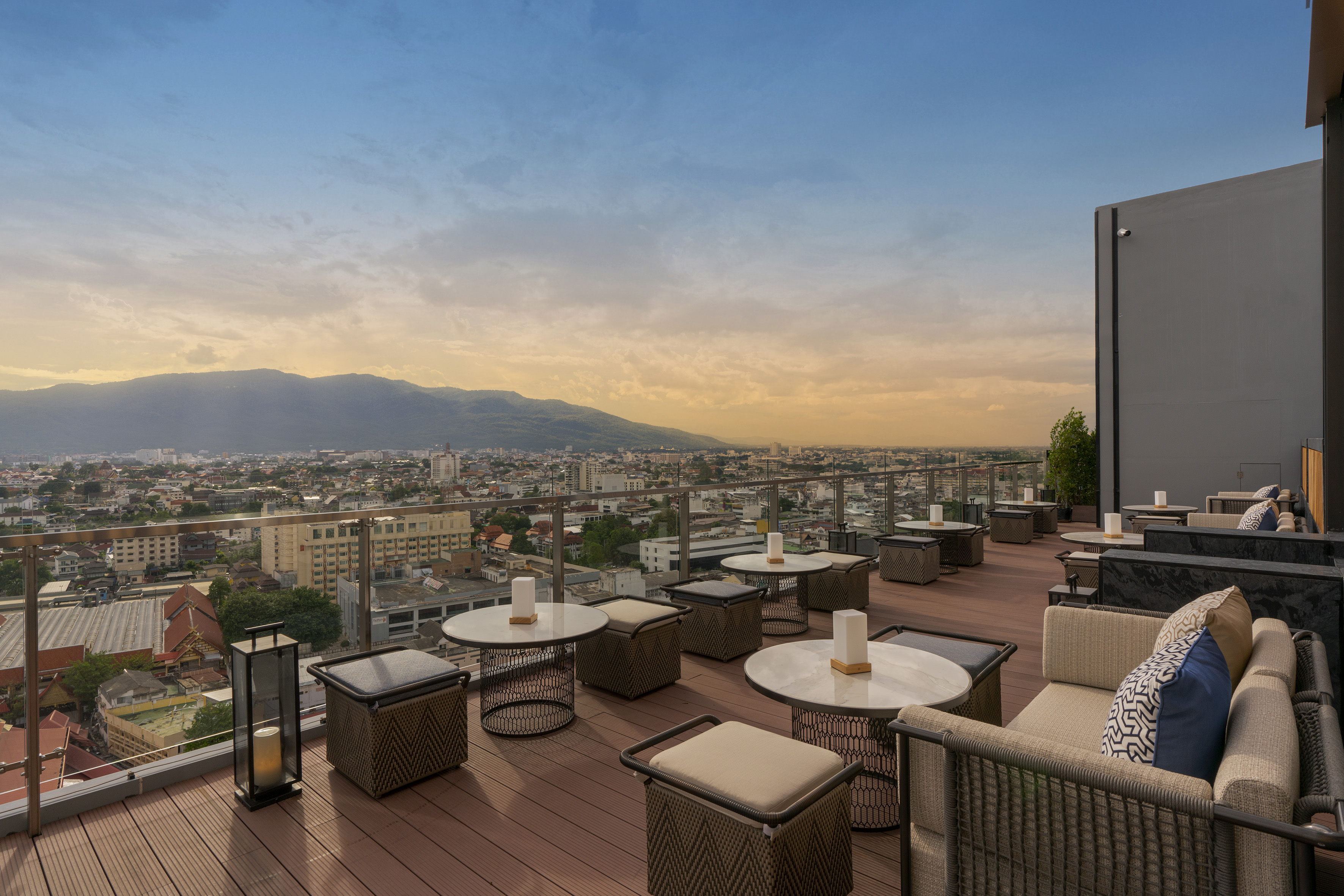
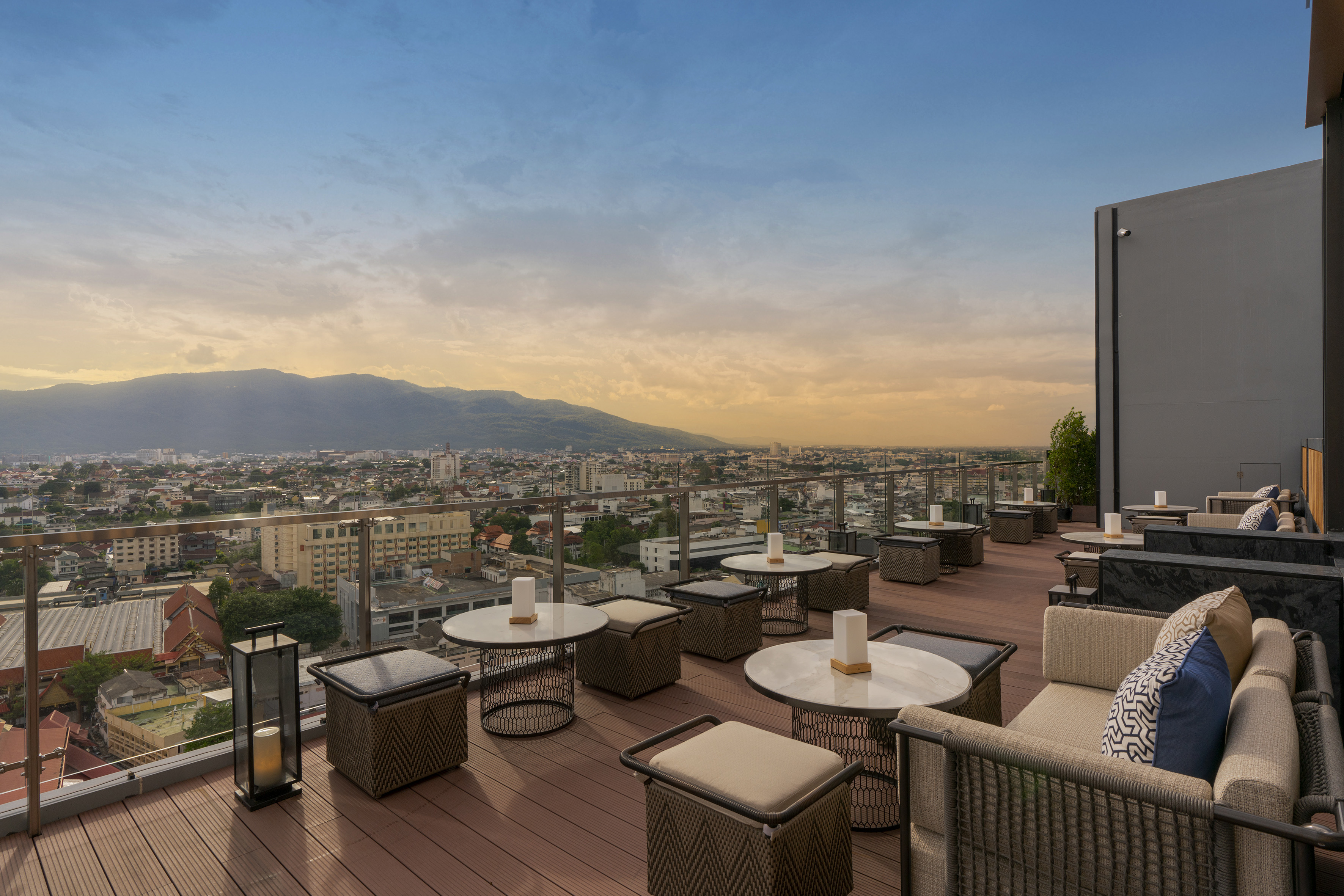
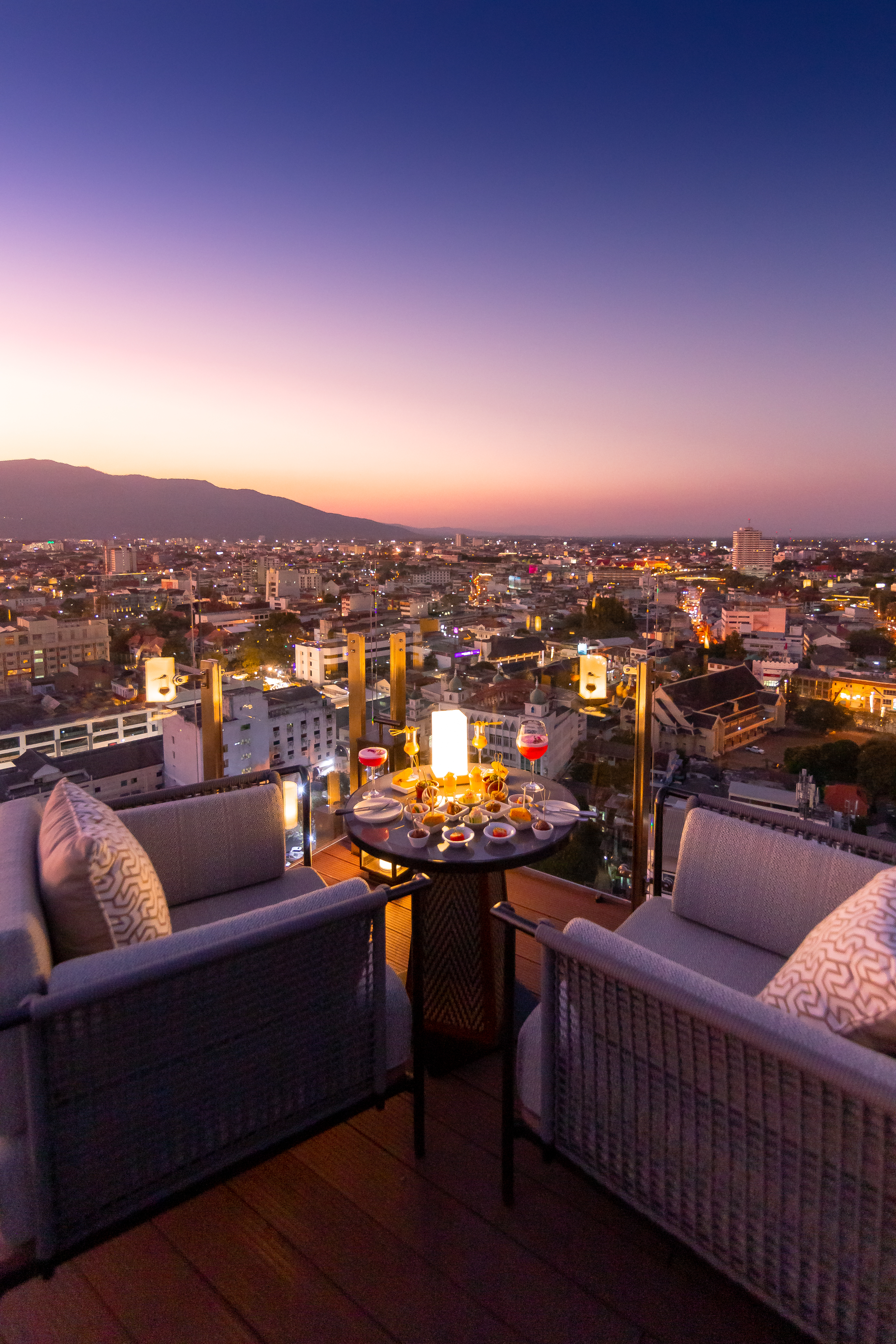
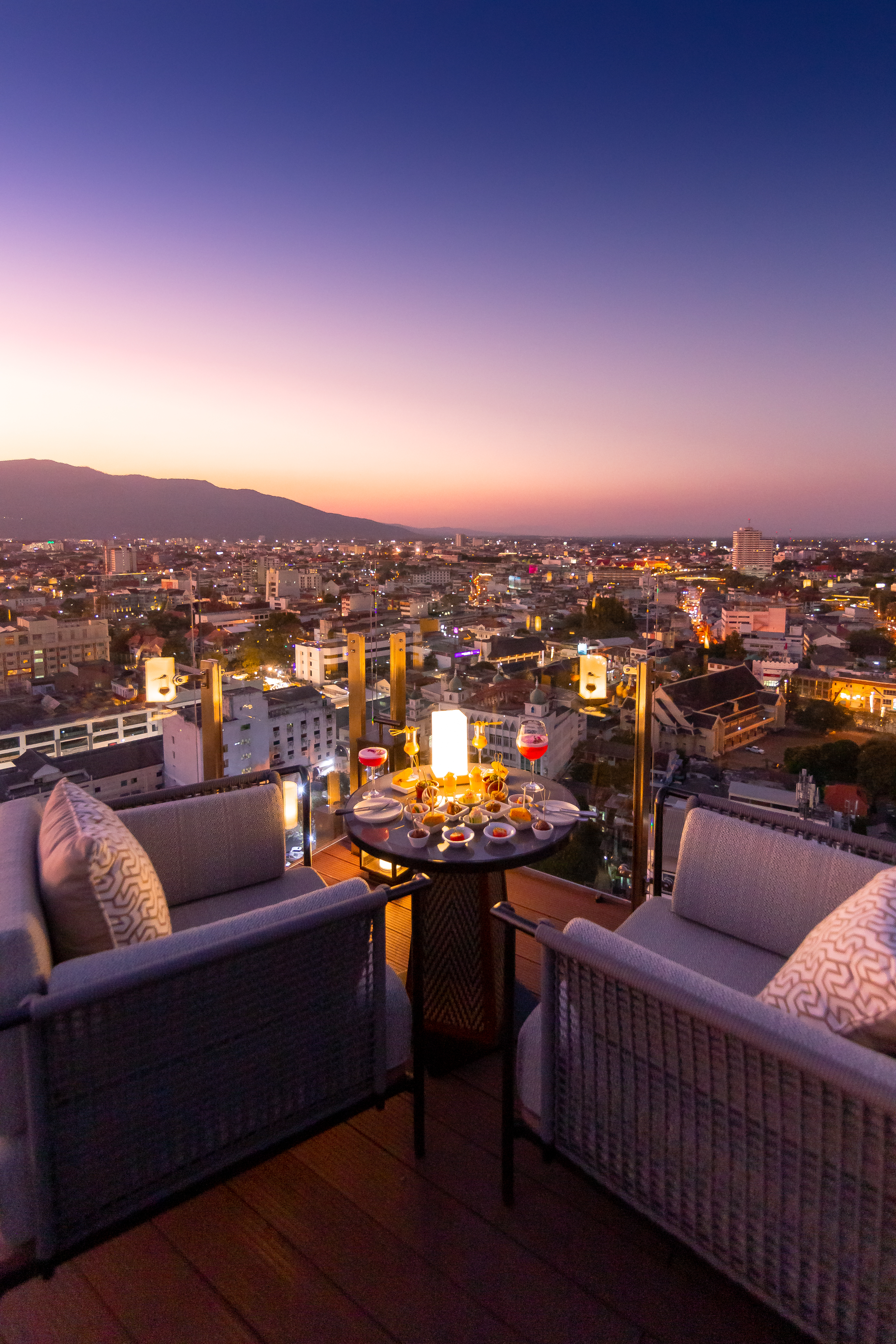
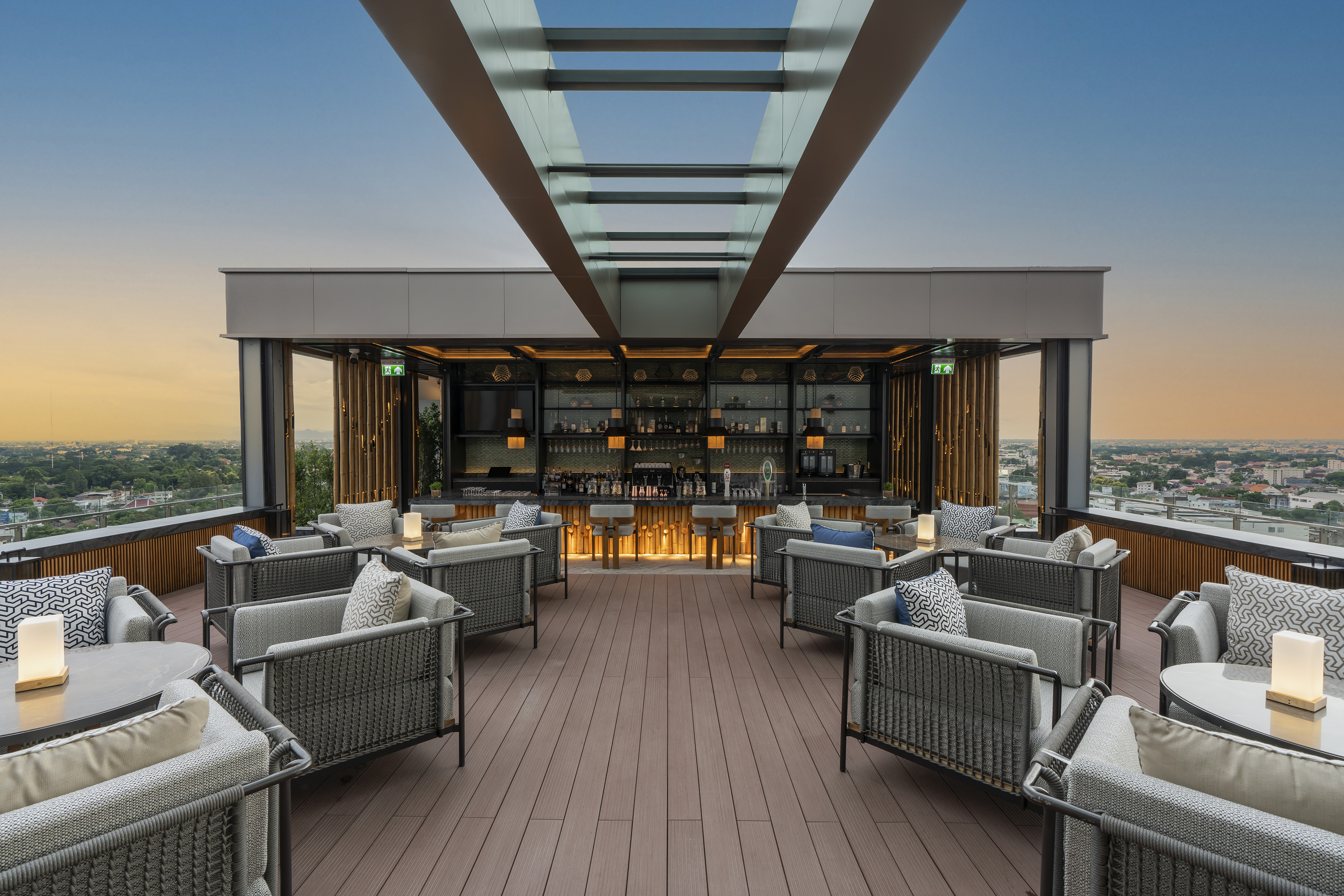
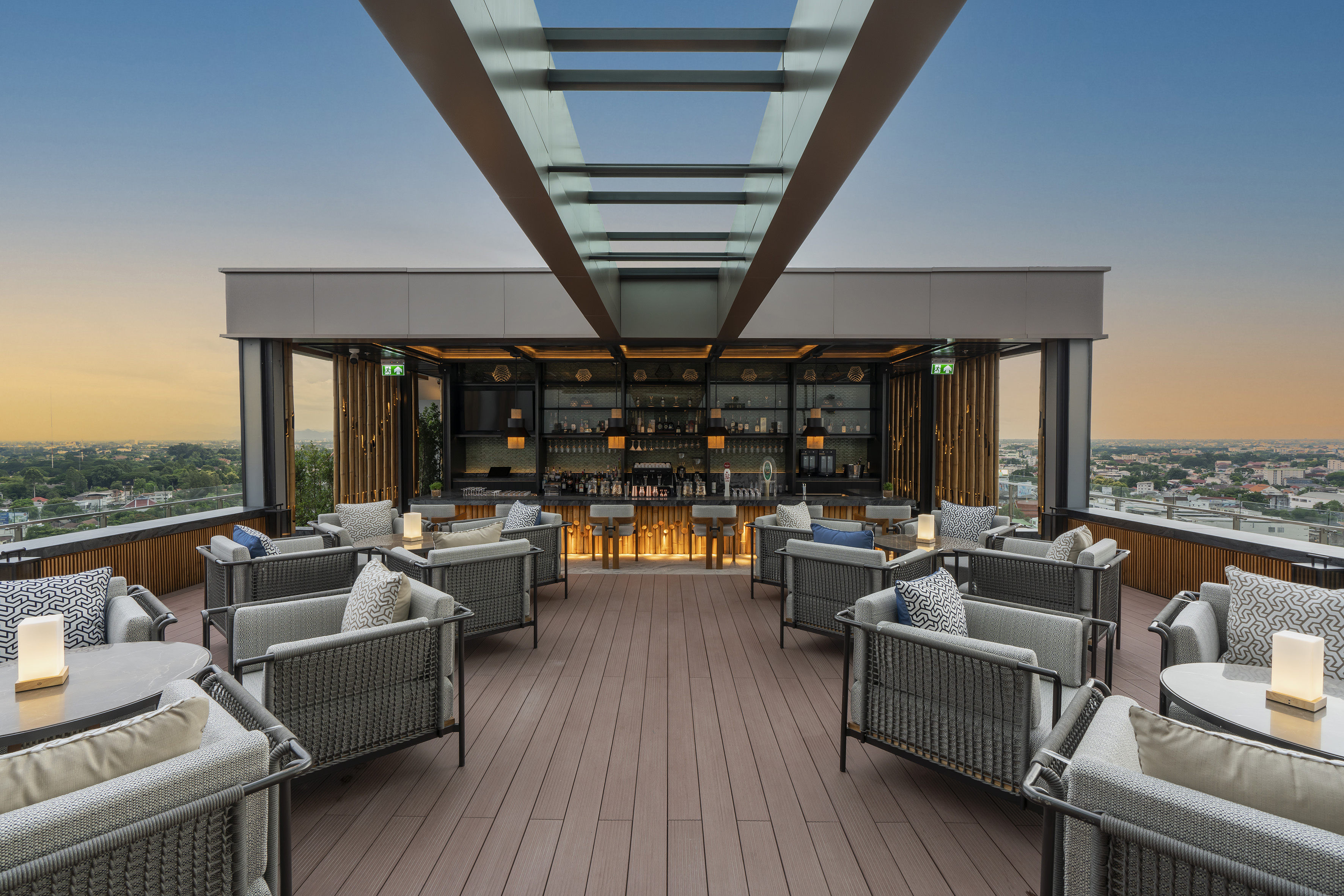
At sunset, take the lift to MAI The Sky Bar on the 22nd floor, the highest rooftop bar in Chiang Mai and the only high-rise venue commanding views over both the River Ping and Doi Suthep.
,regionOfInterest=(1771.5,1181.5))
,regionOfInterest=(1771.5,1181.5))
The kitchen gives Northern flavours a playful, shareable spin, from crisp khao soi croquettes to a khao soi cocktail, alongside authentic Spanish tapas and pinchos. With snacks from around THB 120 (about USD 3.40) and a glass bridge linking two bars, it is a memorable place to end a day of eating.
,regionOfInterest=(1771.5,1181.5))
,regionOfInterest=(1771.5,1181.5))
If you would like to stay where you dine, The Level Premium Room is a thoughtful choice for travellers who plan their days around food.
Spanning 44 square metres, this beautifully appointed space functions like a boutique suite, combining a cosy sleeping area with a separate living space to unwind between culinary outings.
,regionOfInterest=(1771.5,1181.5))
,regionOfInterest=(1771.5,1181.5))
Guests can enjoy either a plush king-size bed or two single beds, lovely garden views, and premium touches like a tea and coffee service, fluffy bathrobes, slippers, and upgraded bathroom amenities designed for an incredible city stay.
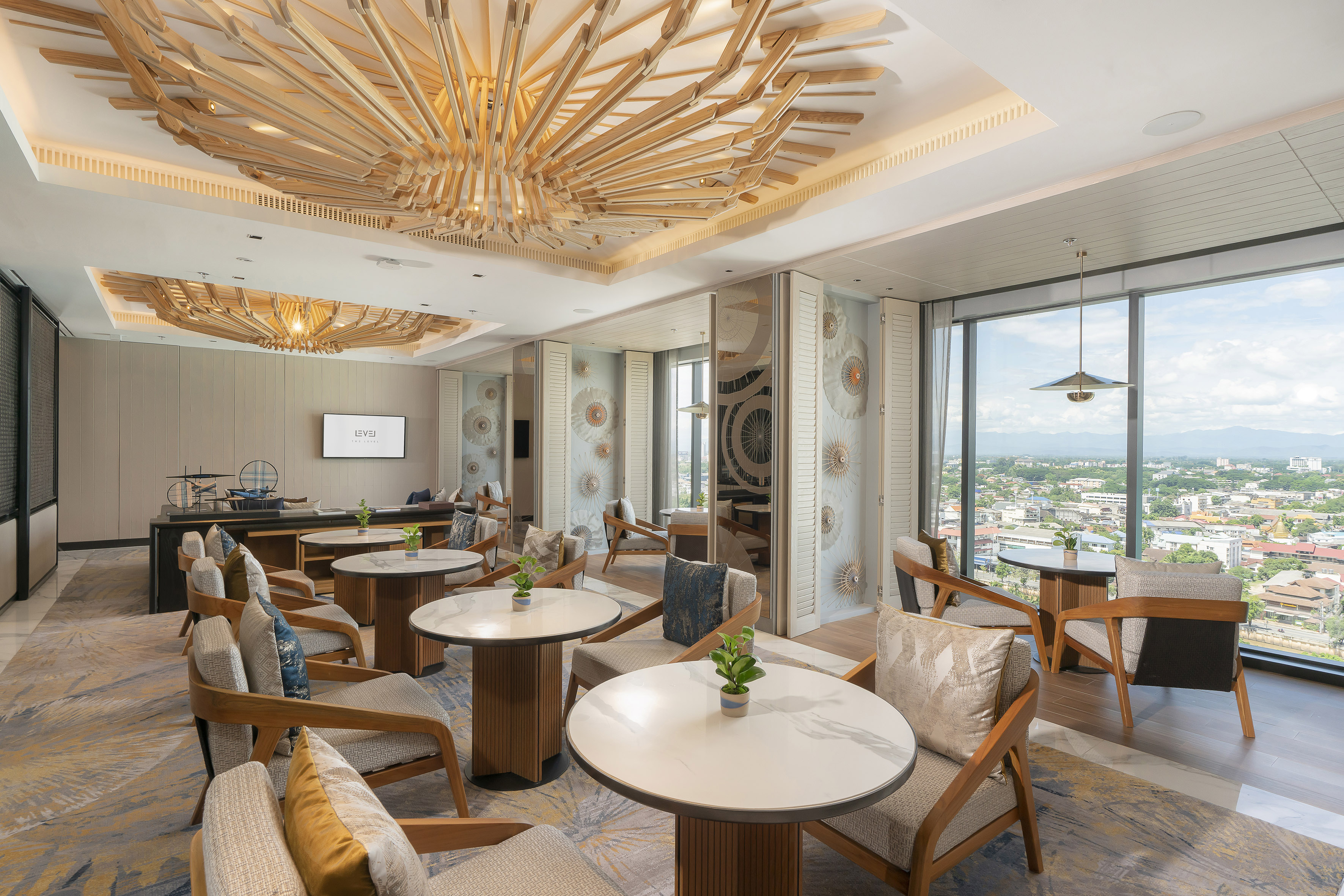
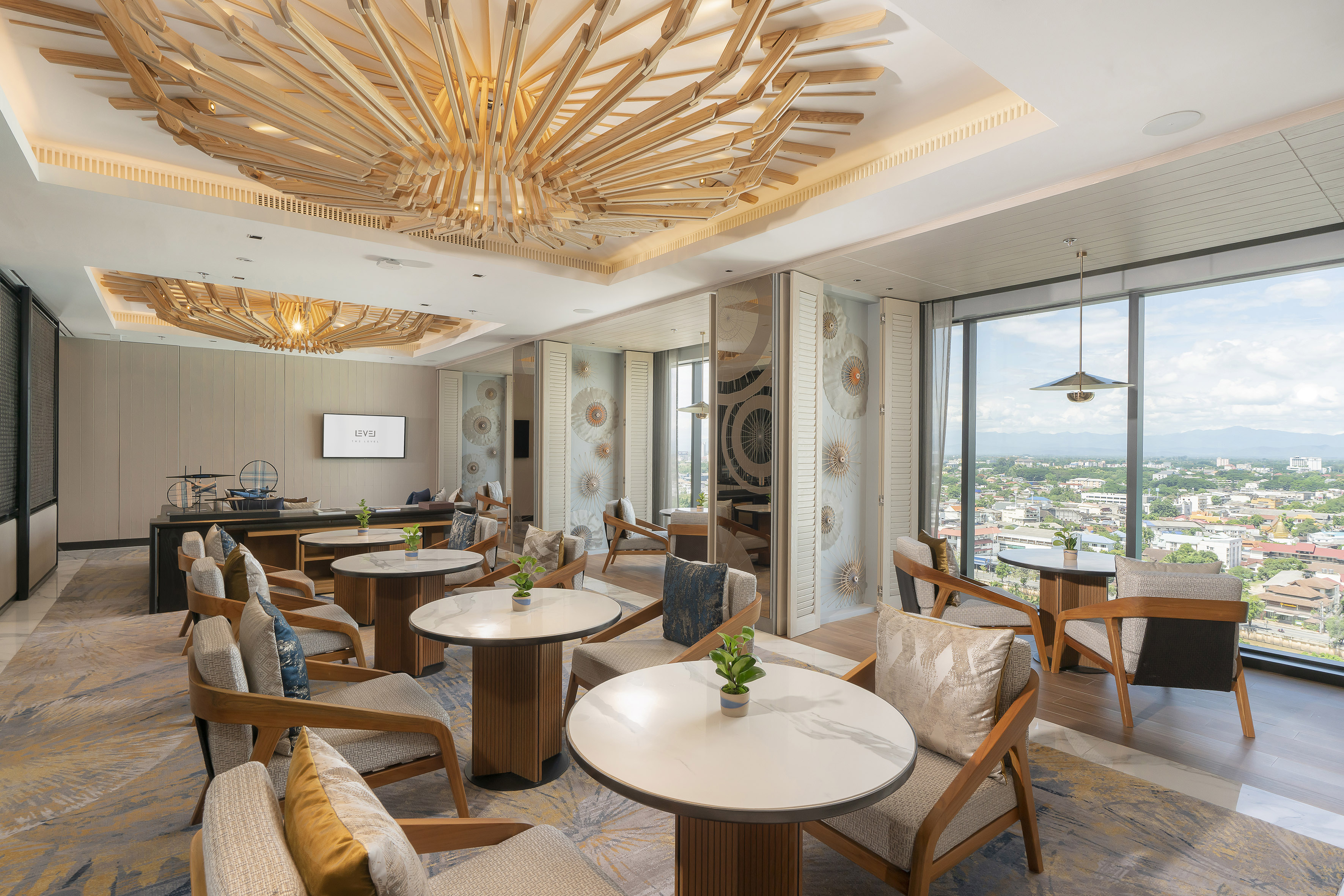
Beyond the room itself, guests enjoy The Level, an added layer of personalised service that includes private check-in and check-out, a dedicated concierge, and unlimited access to the 21st-floor lounge. Here, a relaxed breakfast, afternoon tea, and evening canapés leave you free to focus on your next meal rather than the logistics of getting there.
,regionOfInterest=(1920,1048))
,regionOfInterest=(1920,1048))
Chiang Mai is famous for Northern Thai (Lanna) cuisine, which is more herbal, smoky and less sweet than food from Bangkok or the south. Its best-known dishes include khao soi, sai ua sausage, nam prik ong and nam prik noom chilli dips, and the Burmese-influenced curry gaeng hang le.
Khao soi is the most famous dish and tops almost every list of what to eat in Chiang Mai. It is a curry noodle soup of soft and crispy egg noodles in a coconut curry broth, served with chicken or beef, pickled greens, shallots and lime.
Some dishes are fiery, especially nam prik noom and certain salads, but plenty are mild. Khao soi, tom kha gai and nam prik ong are gentle on the palate, and you can almost always ask for a dish mai phet (not spicy), though in the North that can still carry a light kick.
Northern food uses far less coconut milk and sugar, leans on herbs like galangal and lemongrass, and favours sticky rice over steamed rice. It also shows strong Burmese and Yunnanese influences, giving you dishes such as gaeng hang le and khao soi that you simply will not find in the same form further south.
Chiang Mai is one of Thailand's most vegetarian-friendly cities. Many Northern dishes such as tam khanun and the chilli dips can be made meat-free, dedicated vegetarian cafes cluster around the Old City and Nimman, and sit-down restaurants like Laan Na Kitchen at Meliá Chiang Mai offer vegetable and vegan options on request.
,regionOfInterest=(1771.5,1181.5))
,regionOfInterest=(1771.5,1181.5))
,regionOfInterest=(2852,1899.5))
,regionOfInterest=(2852,1899.5))
,regionOfInterest=(3067,2036))
,regionOfInterest=(3067,2036))
,regionOfInterest=(3008,2008))
,regionOfInterest=(3008,2008))
,regionOfInterest=(3680,2456))
,regionOfInterest=(3680,2456))