,regionOfInterest=(2732,1820))
,regionOfInterest=(2732,1820))
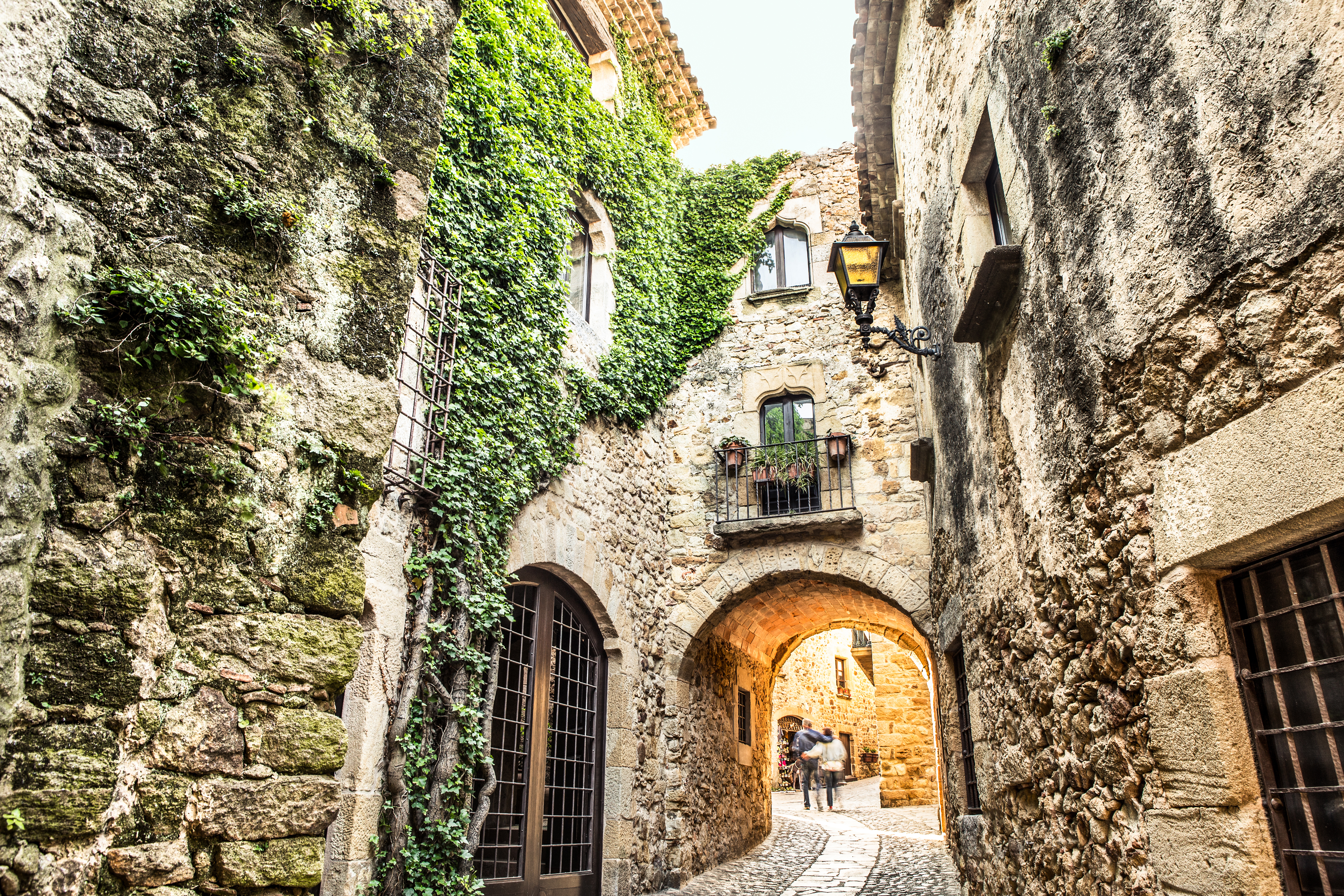
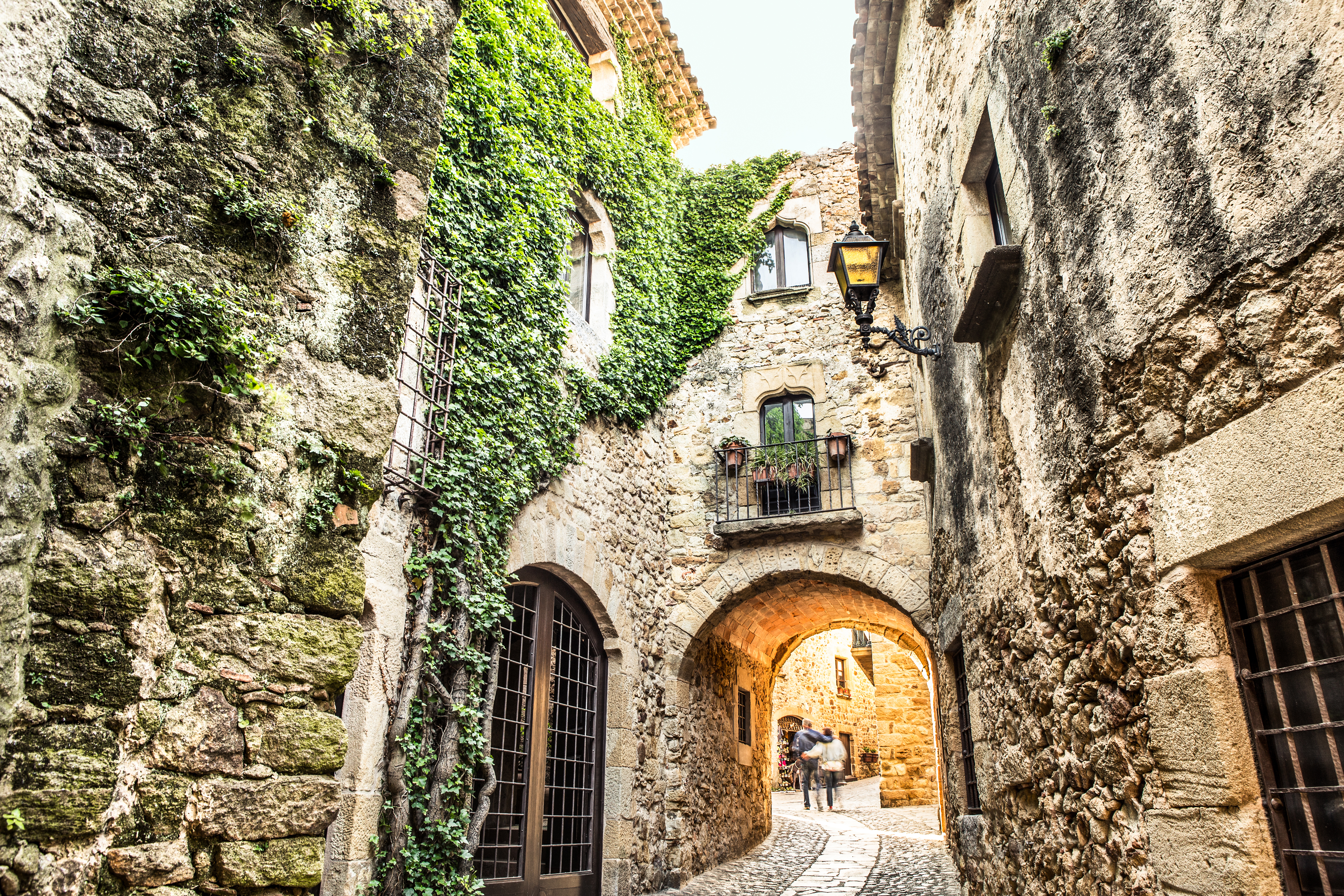
Altos de Chavón: a village with a Mediterranean feel in the heart of the Dominican Caribbean
,regionOfInterest=(2100,1400))
,regionOfInterest=(2100,1400))
Culture
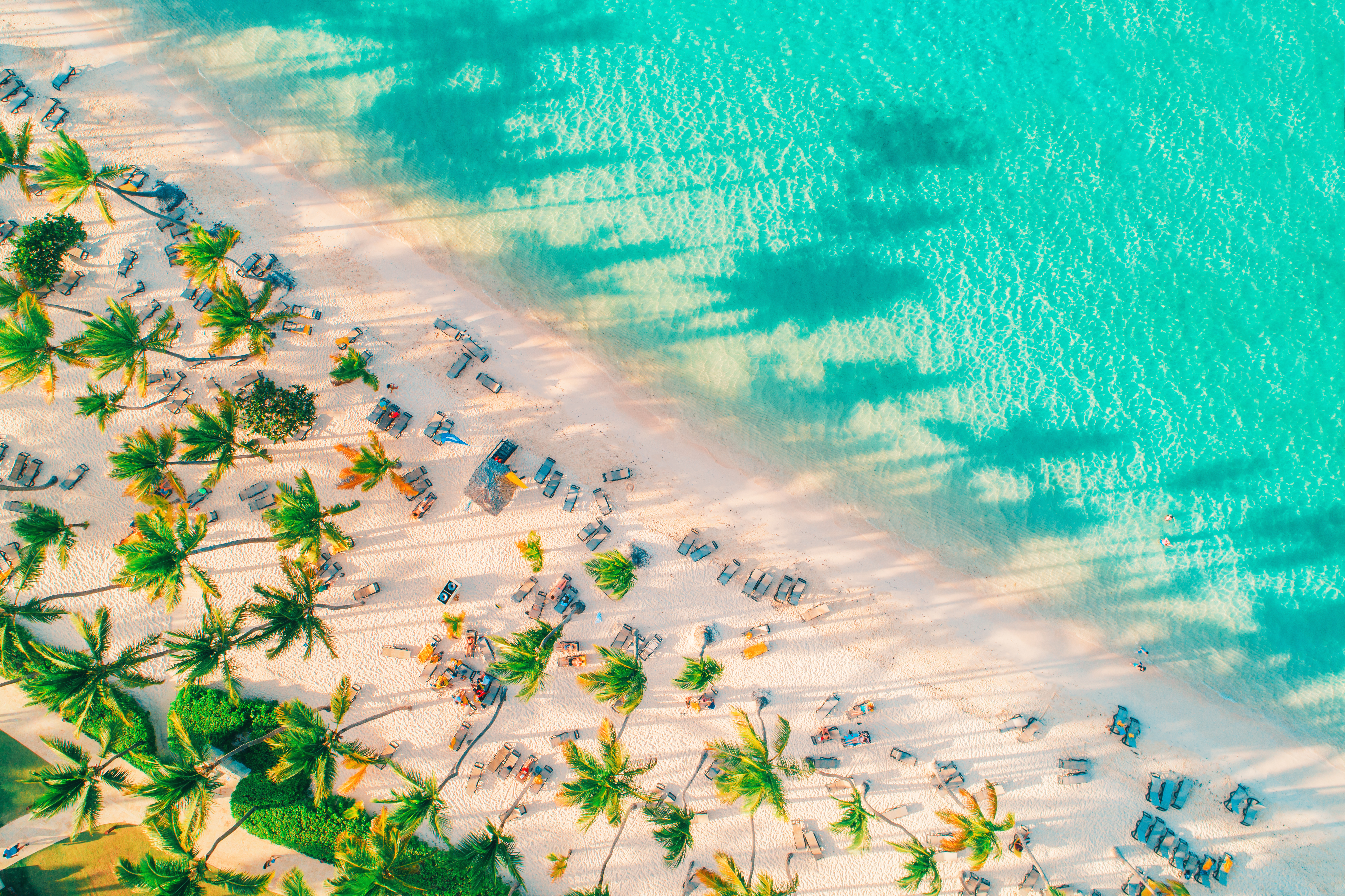,regionOfInterest=(2732,1820))
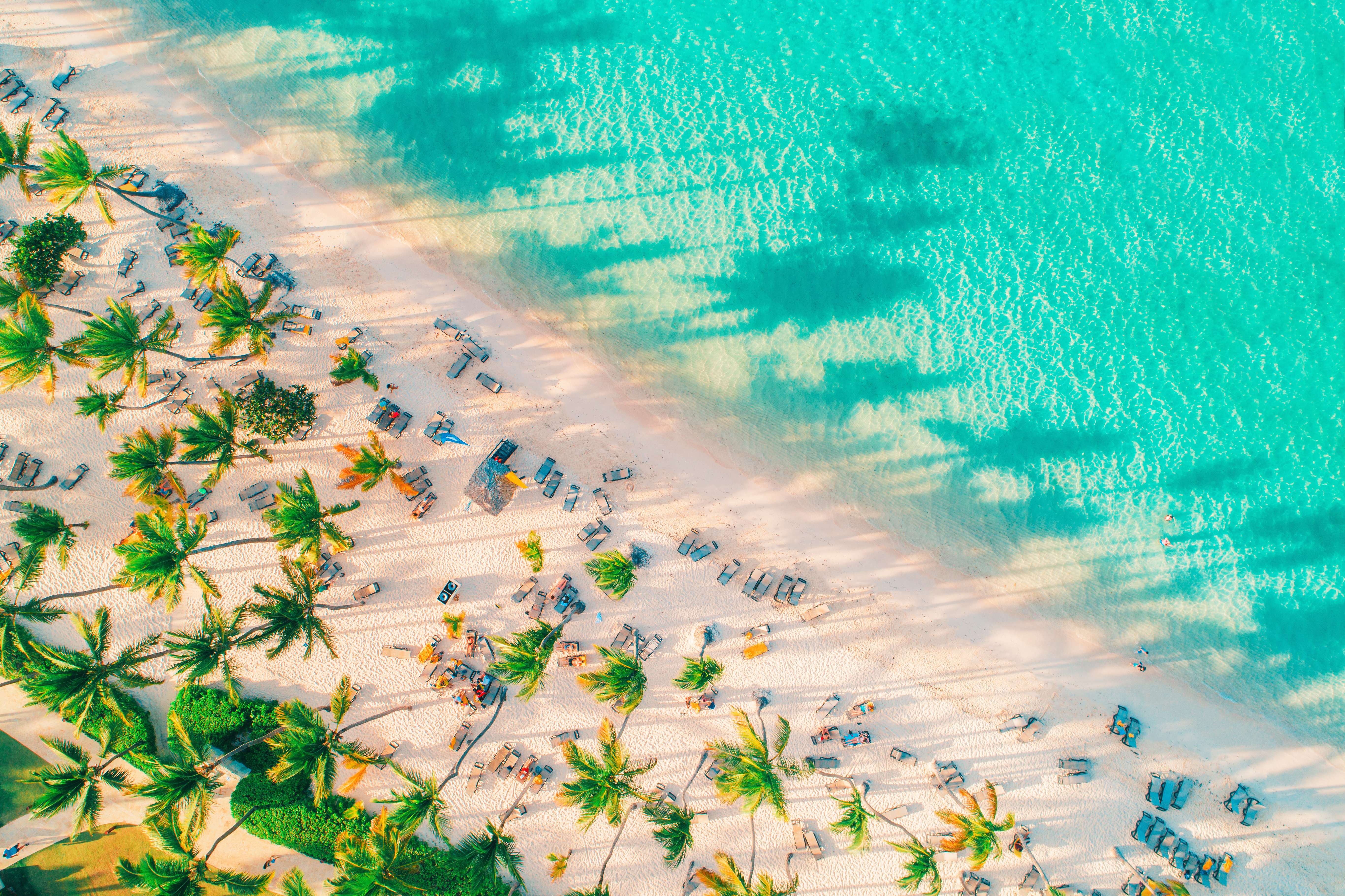,regionOfInterest=(2732,1820))
,regionOfInterest=(500,500))
,regionOfInterest=(500,500))
All-terrain writer specialising in tourism, fashion and trends. A curious soul, traveller, reader and sports enthusiast, keen to discover every corner of the world.
Culture
Some destinations are defined solely by their beaches, others by their atmosphere, and some by their blend of history and nature. La Romana has a little of everything, although what makes it truly special is the way it combines its sugar-producing past, its architecture inspired by the Italian Renaissance, and some of the most spectacular natural landscapes in the Dominican Republic.
Born on the banks of the Chavón River as a small settlement and trading port, La Romana was closely linked from its origins to the sugar industry and over time has become one of the great tourist attractions in the southeast of the Dominican Republic.
One of the curiosities of La Romana is precisely its name, which refers to the old "romana" or scale that was used at the port to weigh the goods entering and leaving the area.
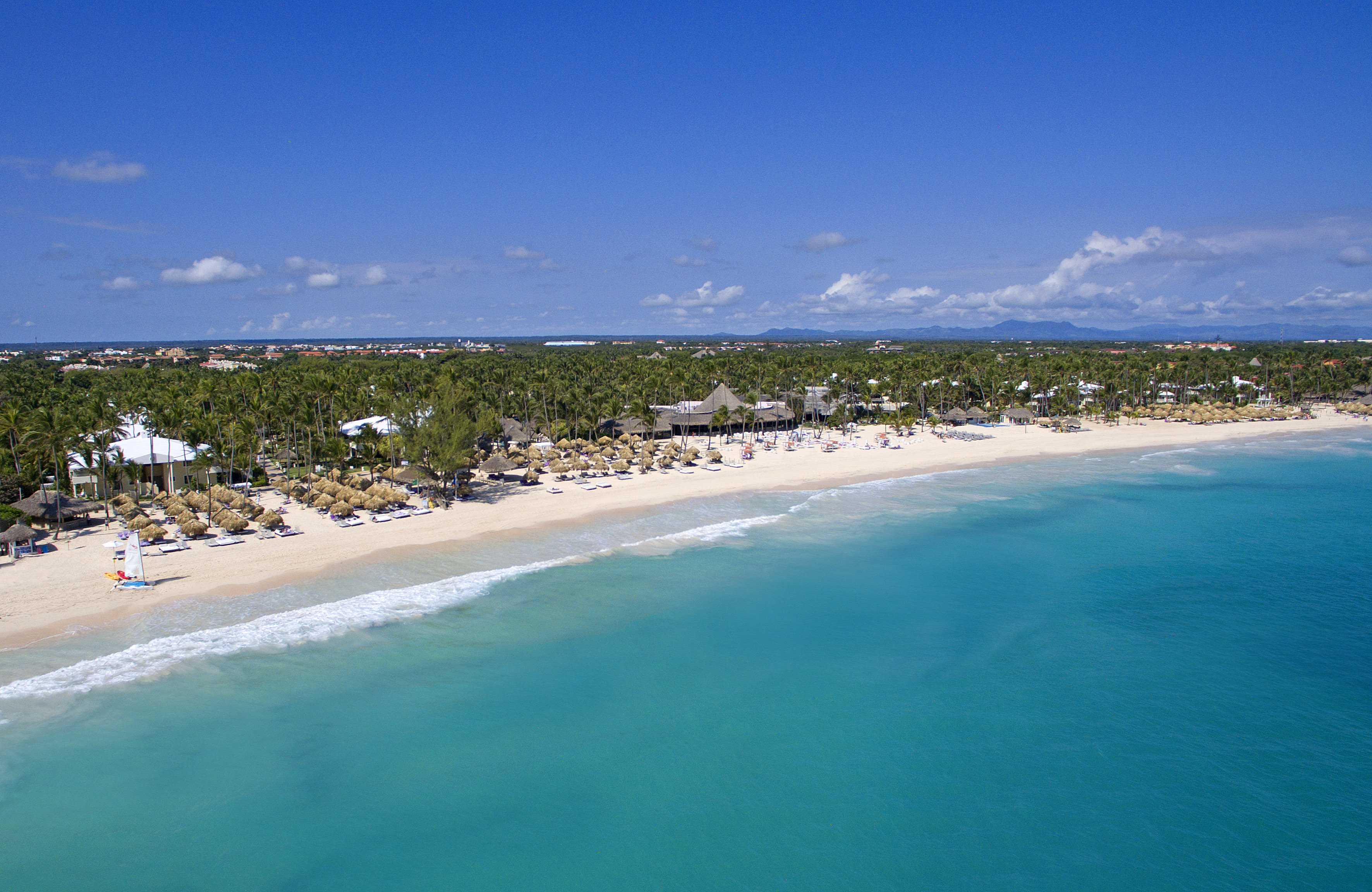
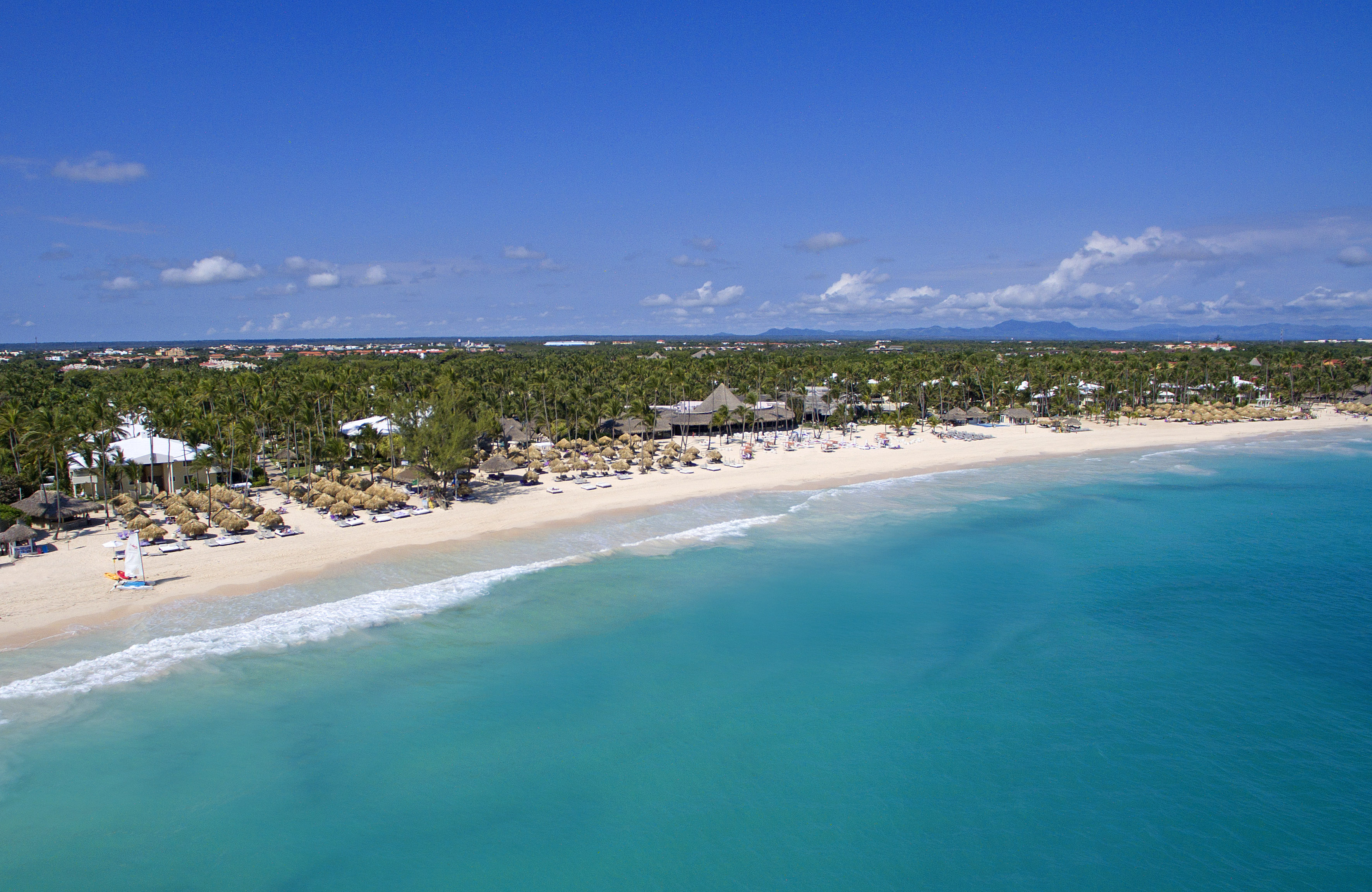
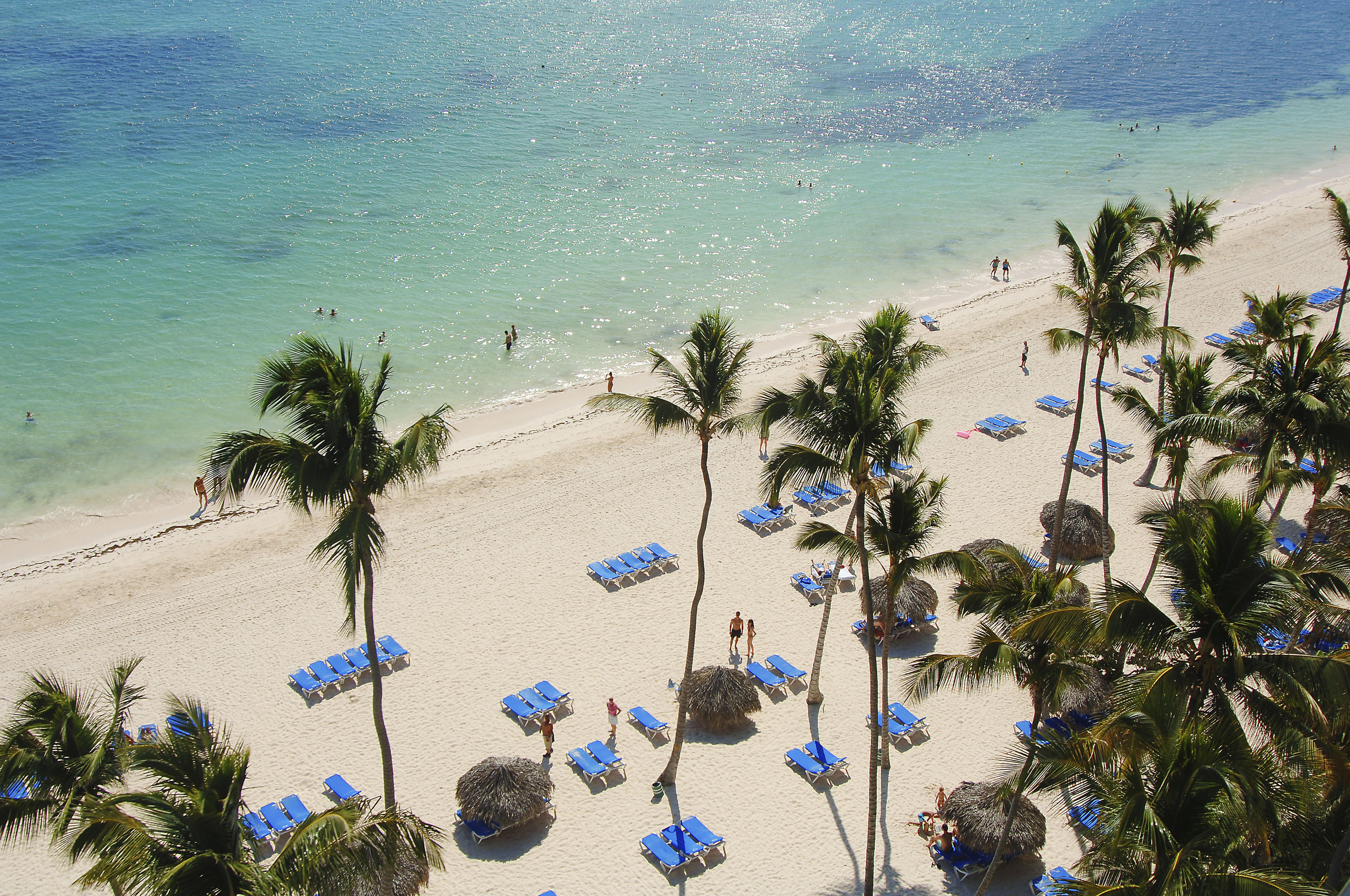
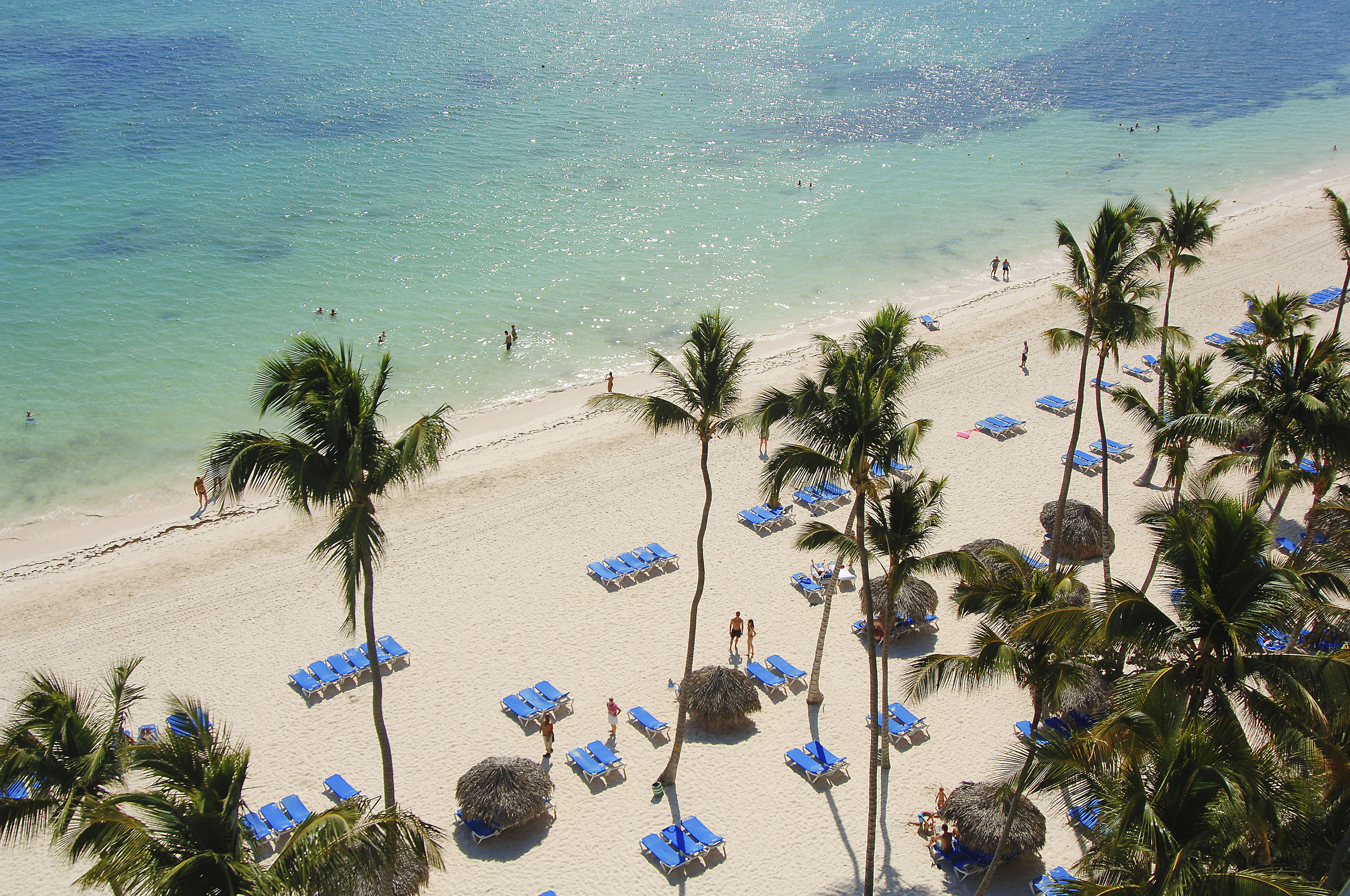
Surrounded by sugar cane plantations, rivers, cays, and some of the best marinas in the country, this small city is one of those highly recommended stops on your trip through the Dominican southeast. Far from being a simple place to pass through on the way to Punta Cana, here the focus is shared between its heritage, its nature, and a coastal life that combines luxury and tradition in equal parts.
If you are planning your trip and have arrived here to find out what to see in La Romana, take note because I am going to tell you what you will find in this city in the Dominican southeast, where you can enjoy an interesting combination of heritage, nature, and a gastronomy marked by seafood and local tradition.
,regionOfInterest=(1771.5,1152))
,regionOfInterest=(1771.5,1152))
,regionOfInterest=(1476.5,980.5))
,regionOfInterest=(1476.5,980.5))
,regionOfInterest=(1476.5,1105.5))
,regionOfInterest=(1476.5,1105.5))
Although you can easily explore its urban centre in a morning, for me, La Romana should be enjoyed calmly, dedicating at least one day to being able to discover its different corners without having to worry about the clock.
Tourism in La Romana revolves largely around its industrial past and the footprint left by the sugar boom, which is still present in some buildings in the centre, as well as in the subsequent development of complexes such as Casa de Campo, which completely transformed the city's international image.
These are some things to do in La Romana that you should not miss:
In addition, La Romana is a highly appreciated destination among lovers of golf, sailing, and luxury nautical tourism, thanks to the marina and the courses designed by Pete Dye within Casa de Campo, very different from the atmosphere that is breathed in the city centre.
,regionOfInterest=(2500,1660.5))
,regionOfInterest=(2500,1660.5))
The Church of San Estanislao is, along with Altos de Chavón, one of the main tourist symbols of La Romana. In fact, this small stone temple is located in the central square of the iconic Mediterranean village, which I will talk about later.
Consecrated in 1979, the church received the ashes of Saint Stanislaus from Pope John Paul II and a hand-carved statue from Krakow on the occasion of its inauguration. Its sober stone façade and its location, with views of the Chavón River canyon, have made it one of the main icons of Altos de Chavón and a place highly chosen to celebrate weddings and religious ceremonies.
The foundational centre of La Romana retains much of the layout and scale of its origins as a sugar town, with narrow streets that lead to Central Park, presided over by the Municipal Palace and surrounded by shops, cafes, and local fruit stalls.
Although it is not a historical monument as such, the Casa de Campo Marina has earned a place among the city's main points of interest. It is famous for its pedestrian streets, decorated with colourful façades and Mediterranean-style balconies, where you will find a select collection of restaurants, shops, and luxury boats facing the Caribbean Sea.
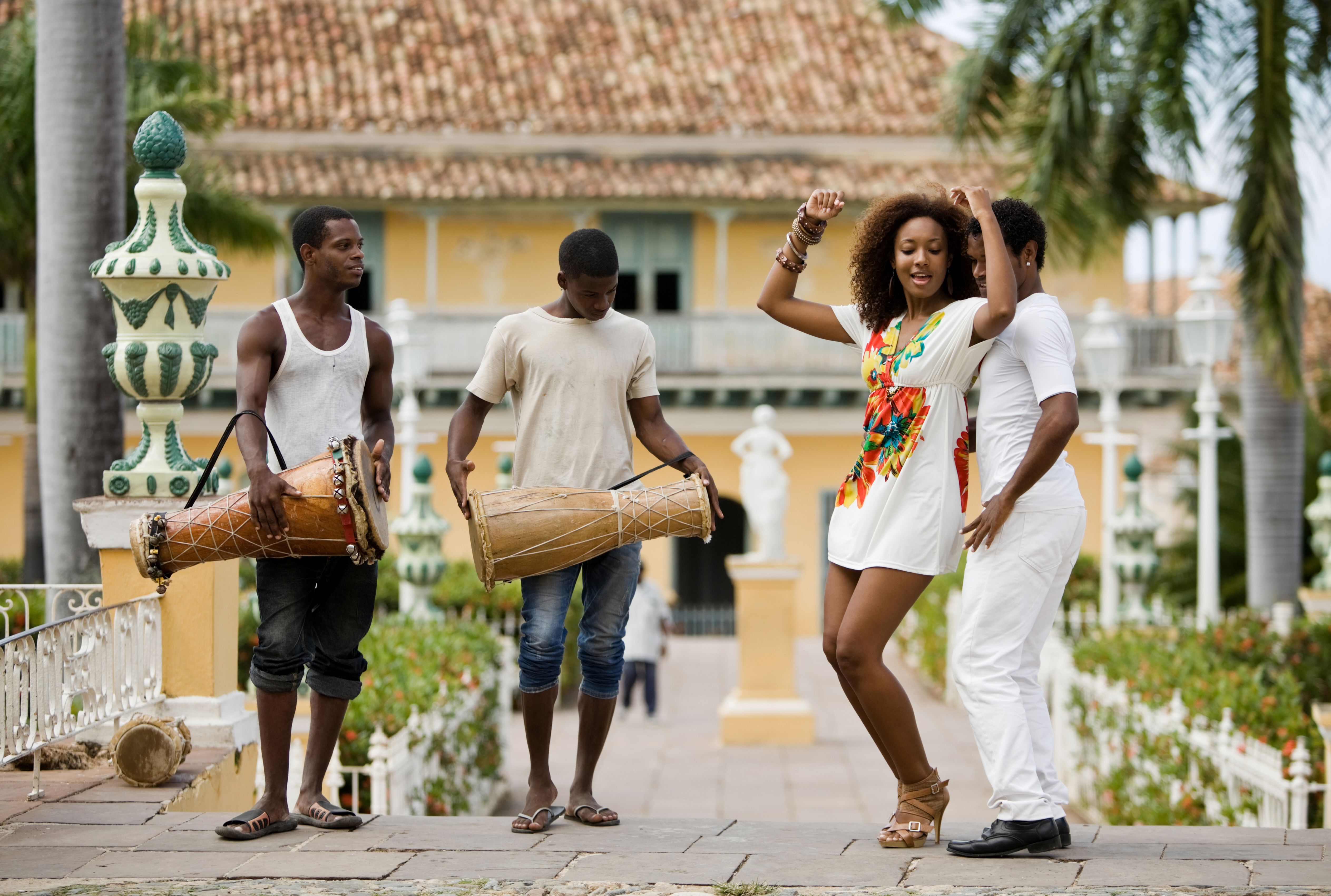,regionOfInterest=(2526,1701))
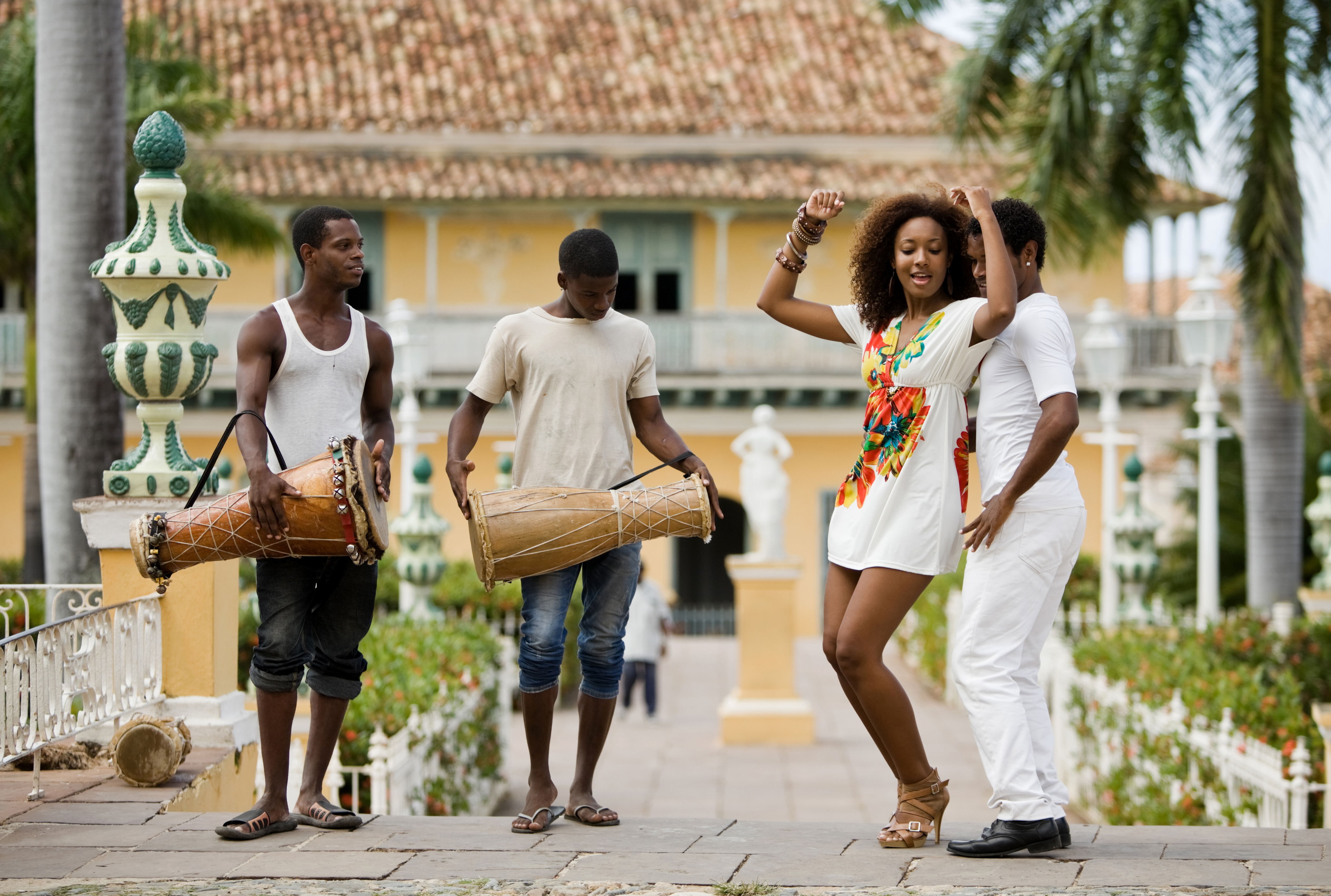,regionOfInterest=(2526,1701))
Walking along the La Romana promenade is the best way to feel the pulse of the city at sunset, when families and neighbours go out for a stroll by the sea and the street food stalls begin to fill with people.
Designed by the Dominican architect José Antonio Caro and the Italian designer Roberto Coppa in the late 70s, Altos de Chavón is a recreation of a 16th-century Mediterranean village, built entirely of stone and worked in detail by local artisans.
Within the cobbled streets of this small town are some of the most charming corners in the entire region: artisan workshops, squares with fountains, and small viewpoints that overlook the Chavón River canyon.
The streets surrounding Central Park retain much of the city's traditional atmosphere, with family businesses, grocery stores, and terraces that invite you to stop for a drink while you enjoy the relaxed pace of local life.
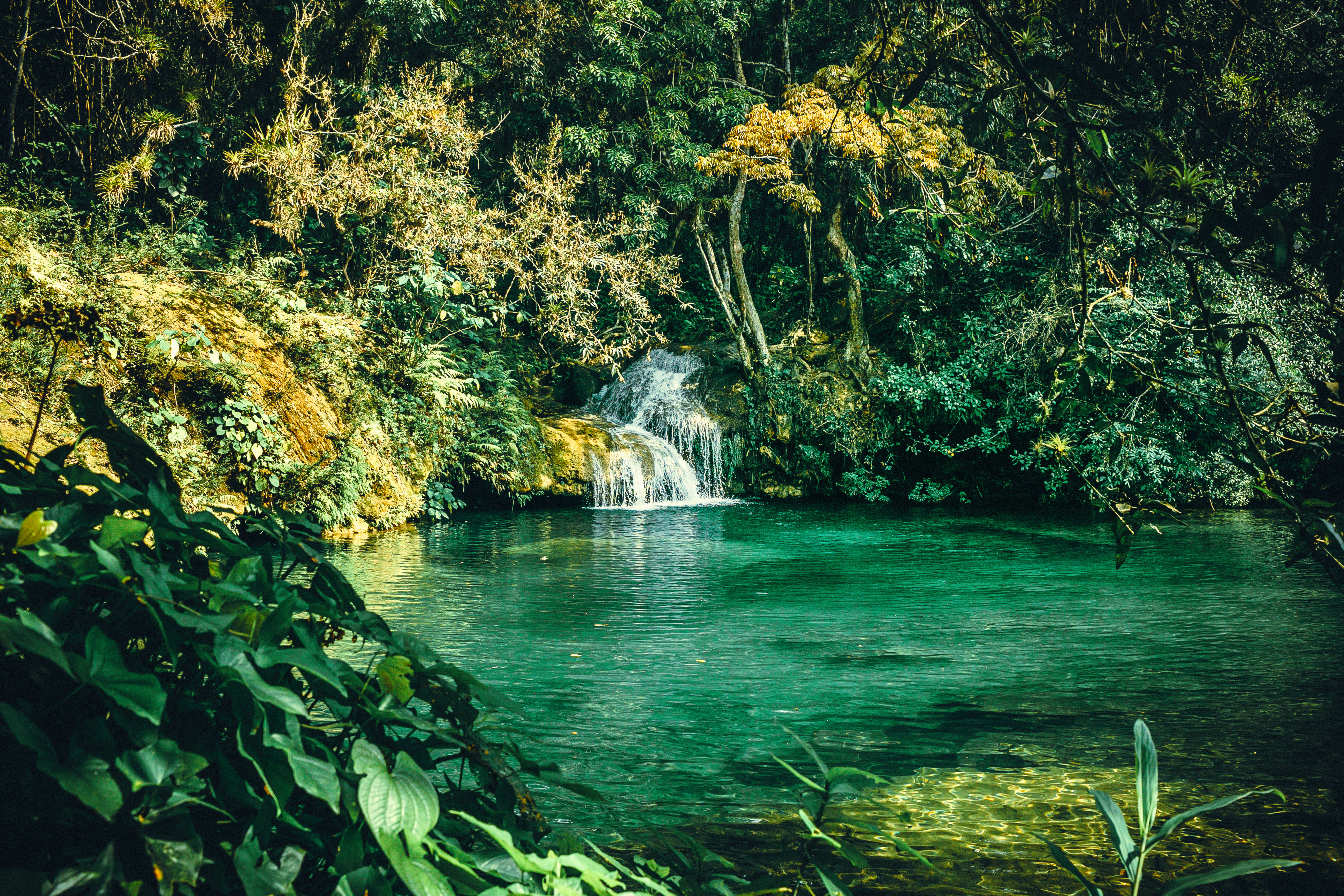
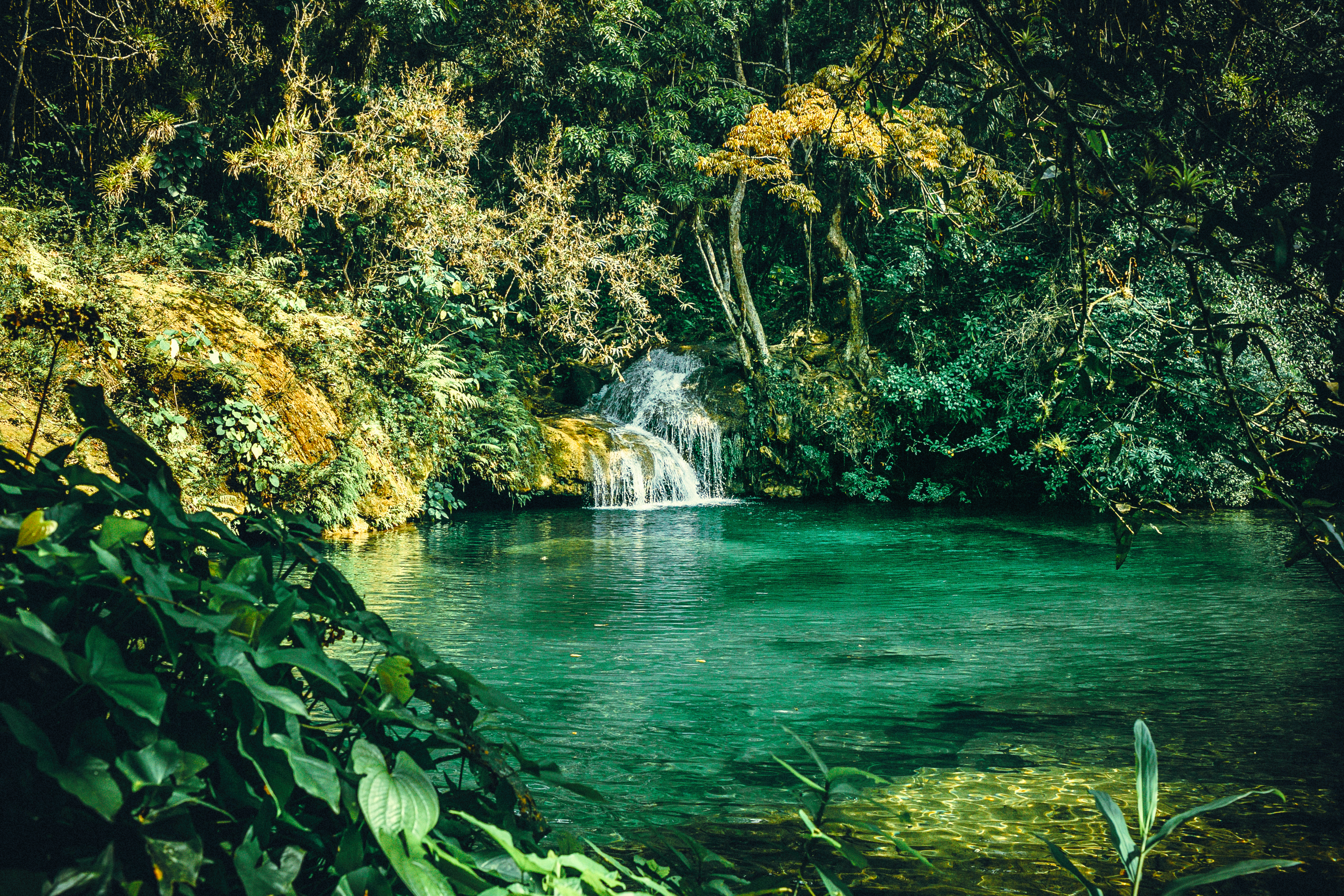
One of the great natural protagonists of the area, the Chavón River, with its rock walls covered in jungle, has served as a setting for several international film productions. My advice is that, if you have time, you should travel along it by boat from one of the points near Altos de Chavón.
In the surroundings of Bayahíbe and the Dominican southeast coast lies the Cotubanamá National Park, one of the most important natural spaces in the region, with tropical forests, mangroves, and caves with Taíno rock art.
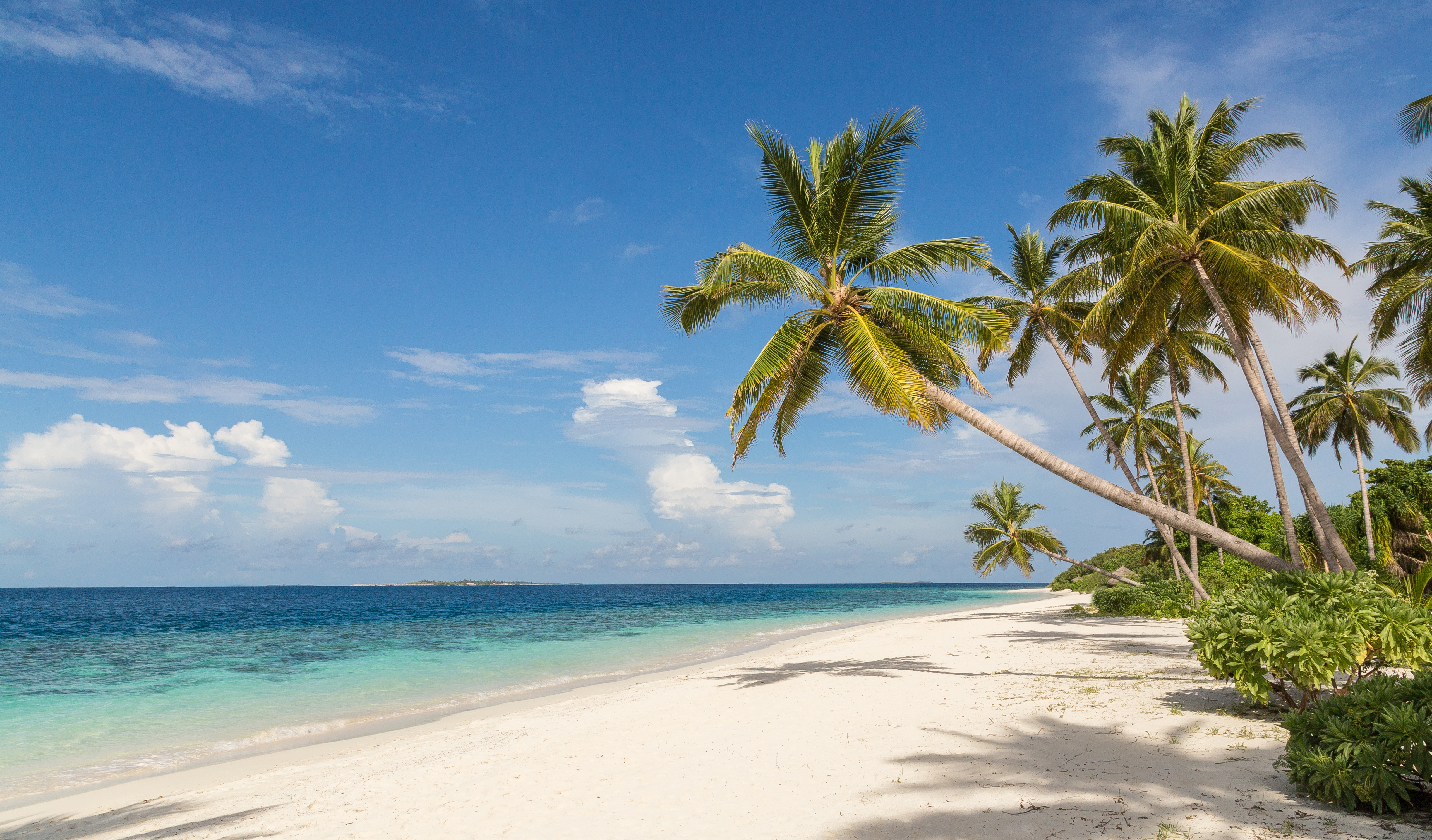
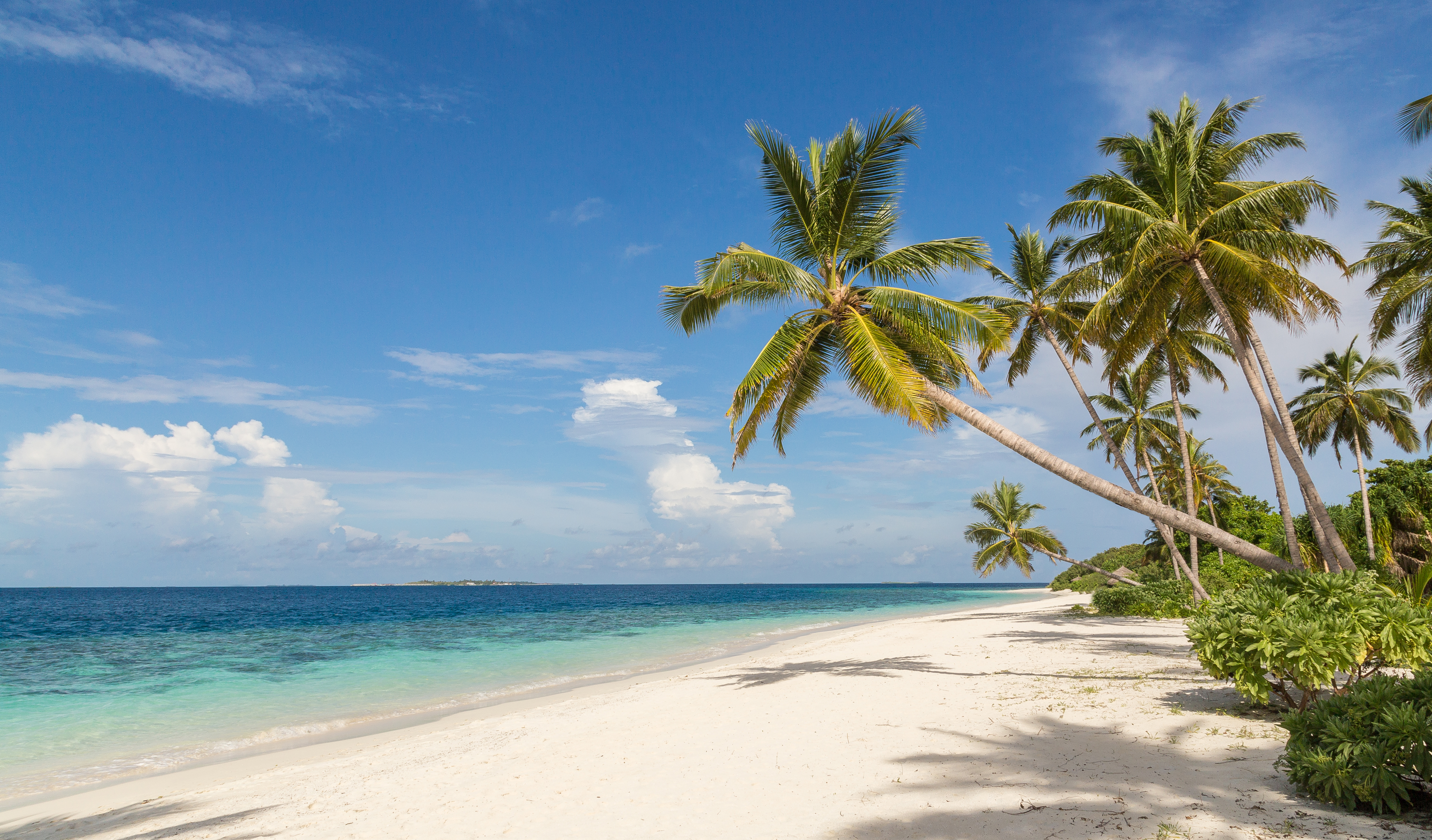
Opposite the La Romana coast appears Catalina Island, a small uninhabited island highly appreciated by divers and snorkelling lovers thanks to its reef bottoms and calm waters, which allow you to enjoy different water activities.
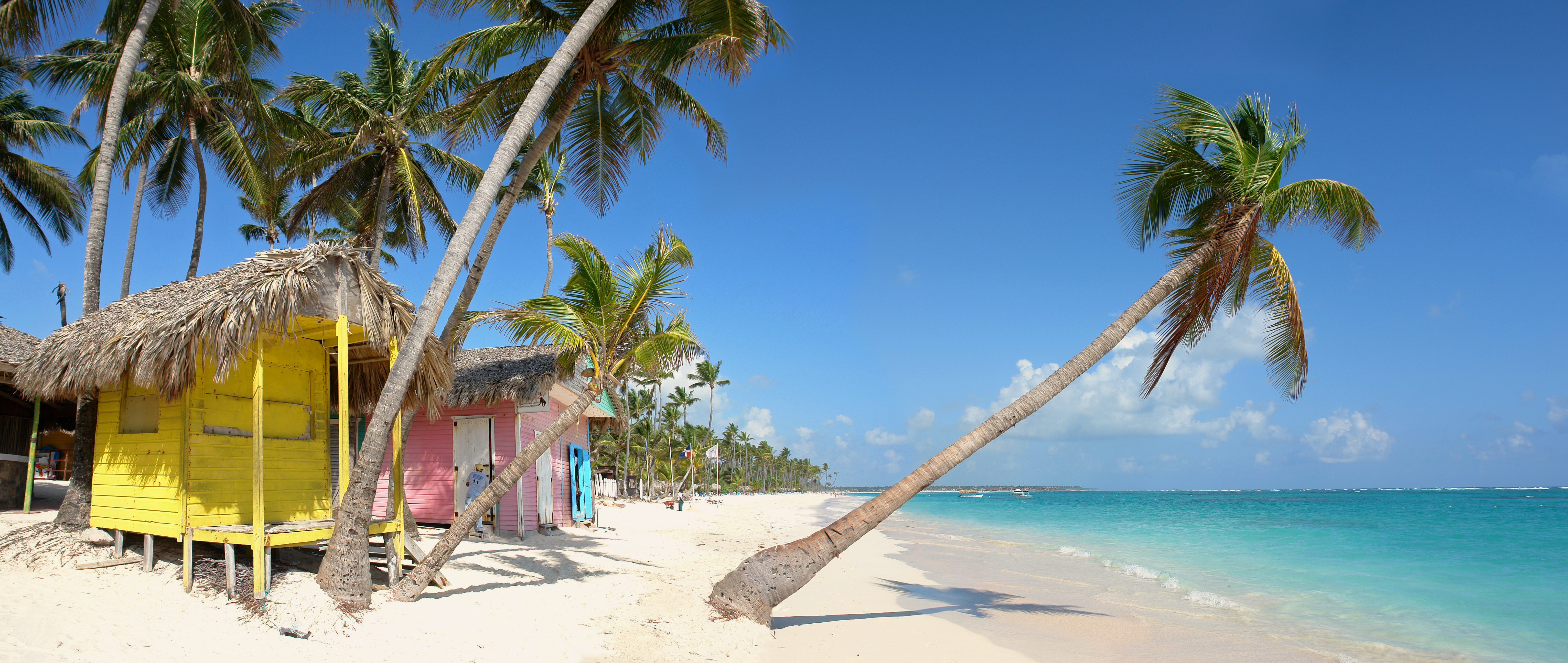
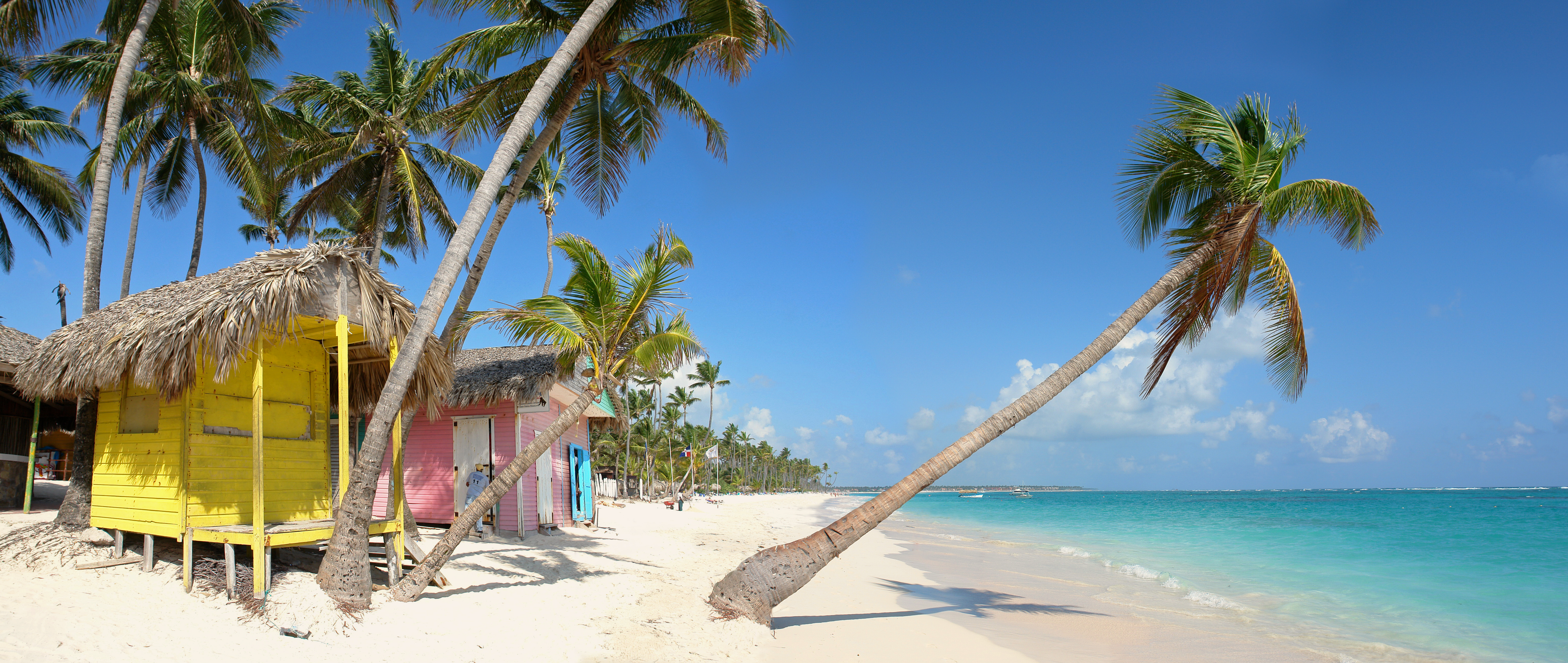
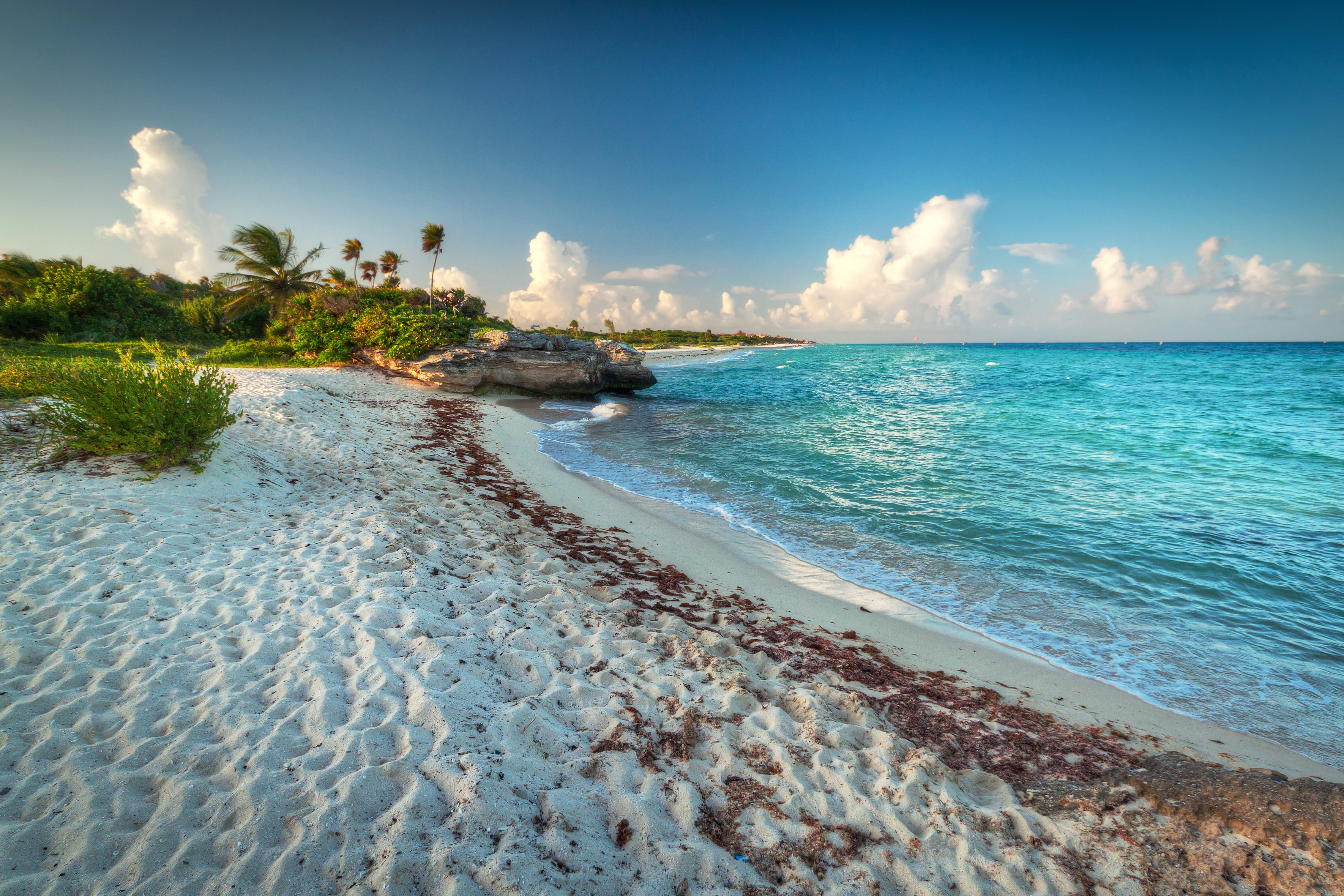
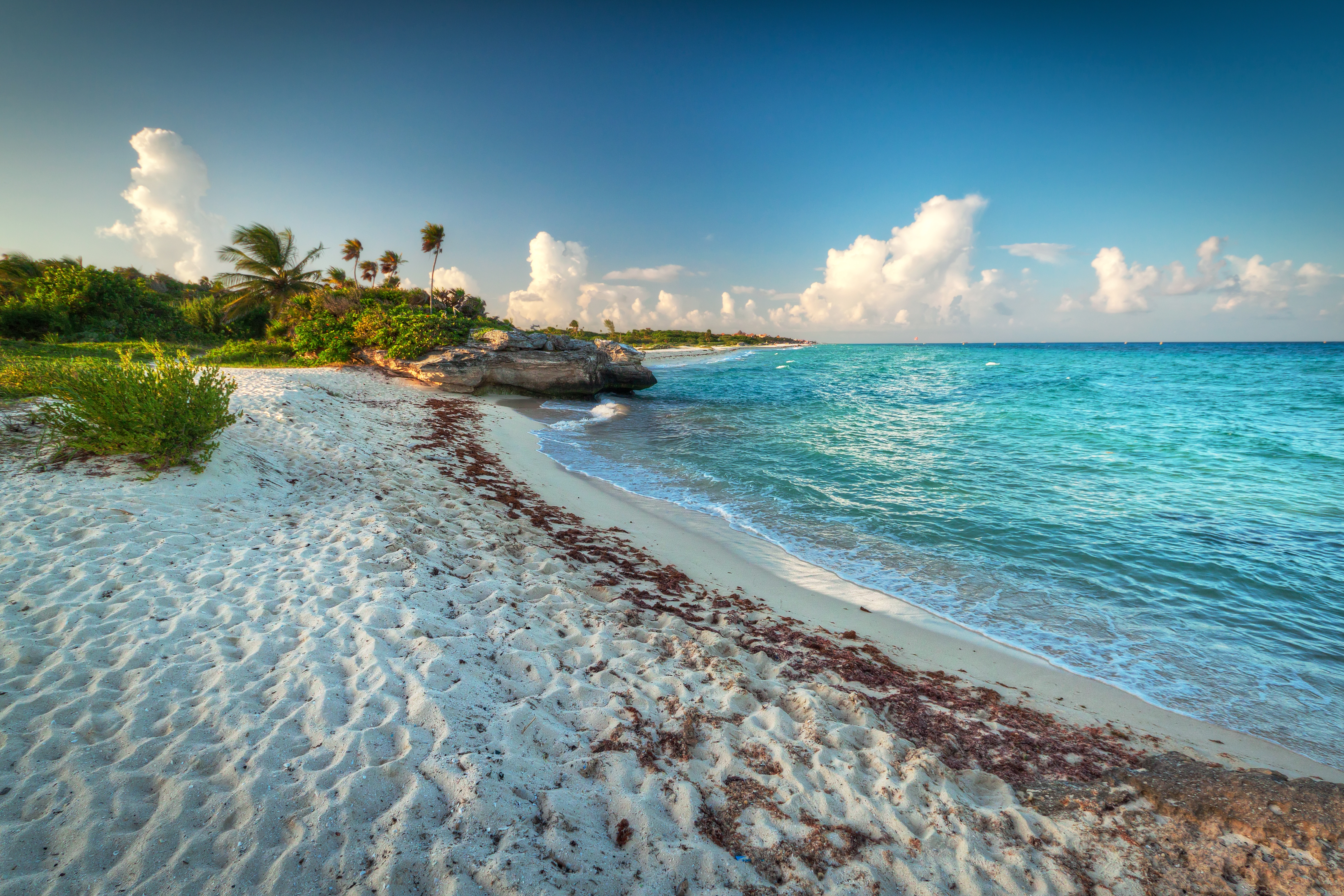
A little over twenty minutes from the centre is Bayahíbe, an old fishing village that, despite having become the most common gateway to Saona Island, has managed to preserve its quiet and traditional atmosphere, where colourful boats and its beach with calm waters stand out.
To the west, on the way to Santo Domingo, appears San Pedro de Macorís, a city with a historic centre with marked colonial architecture and an intense baseball tradition, the birthplace of numerous Dominican players who have triumphed in the major US leagues.
In the opposite direction, to the east, is Higüey, known above all for the Basilica of Our Lady of Altagracia, one of the most important pilgrimage temples in the whole country.
If you continue towards the eastern end you will reach Boca de Yuma, a small town open to the sea that stands out for its rock cliffs, its seafood gastronomy, and access to the Berna Cave.
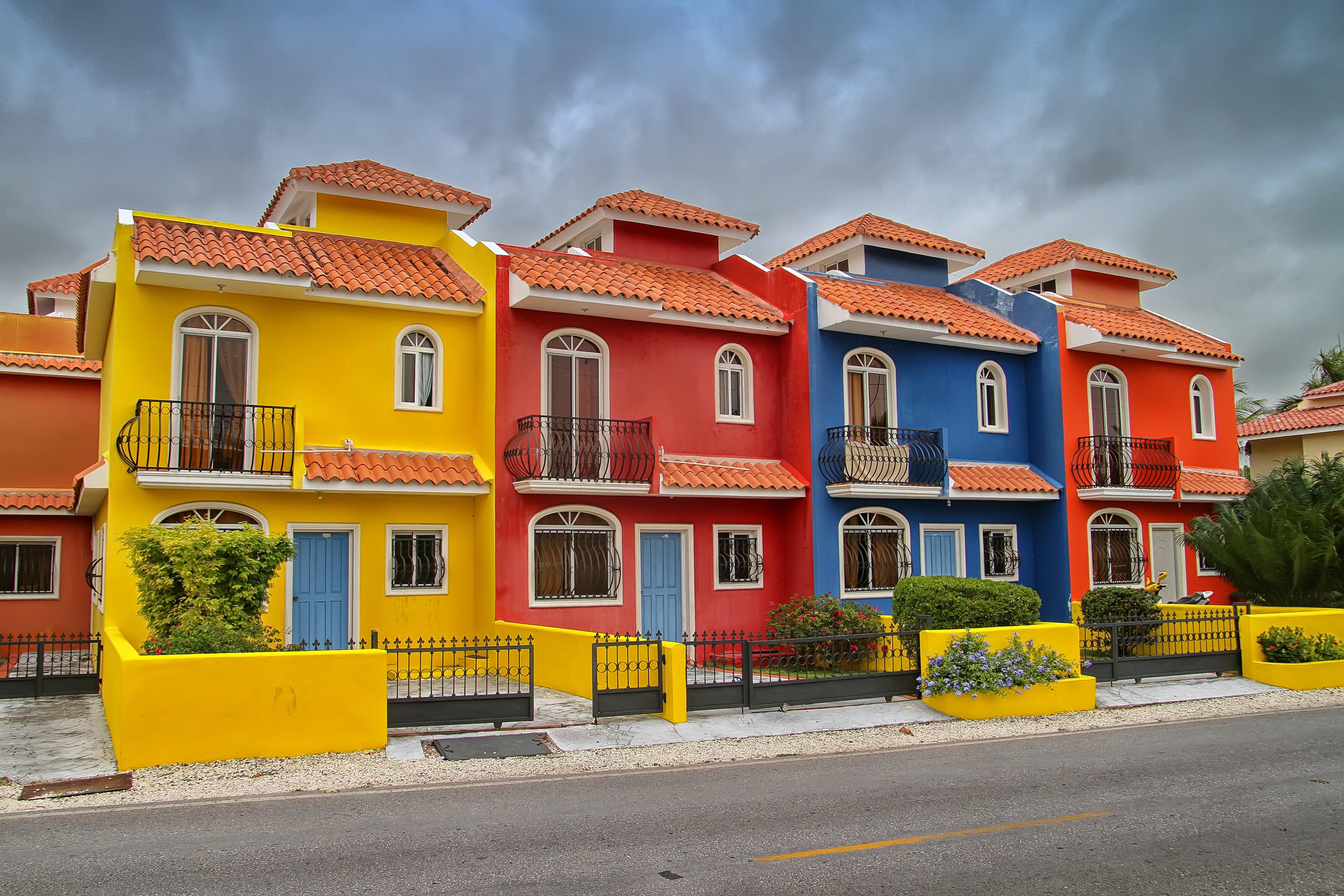,regionOfInterest=(2592,1728))
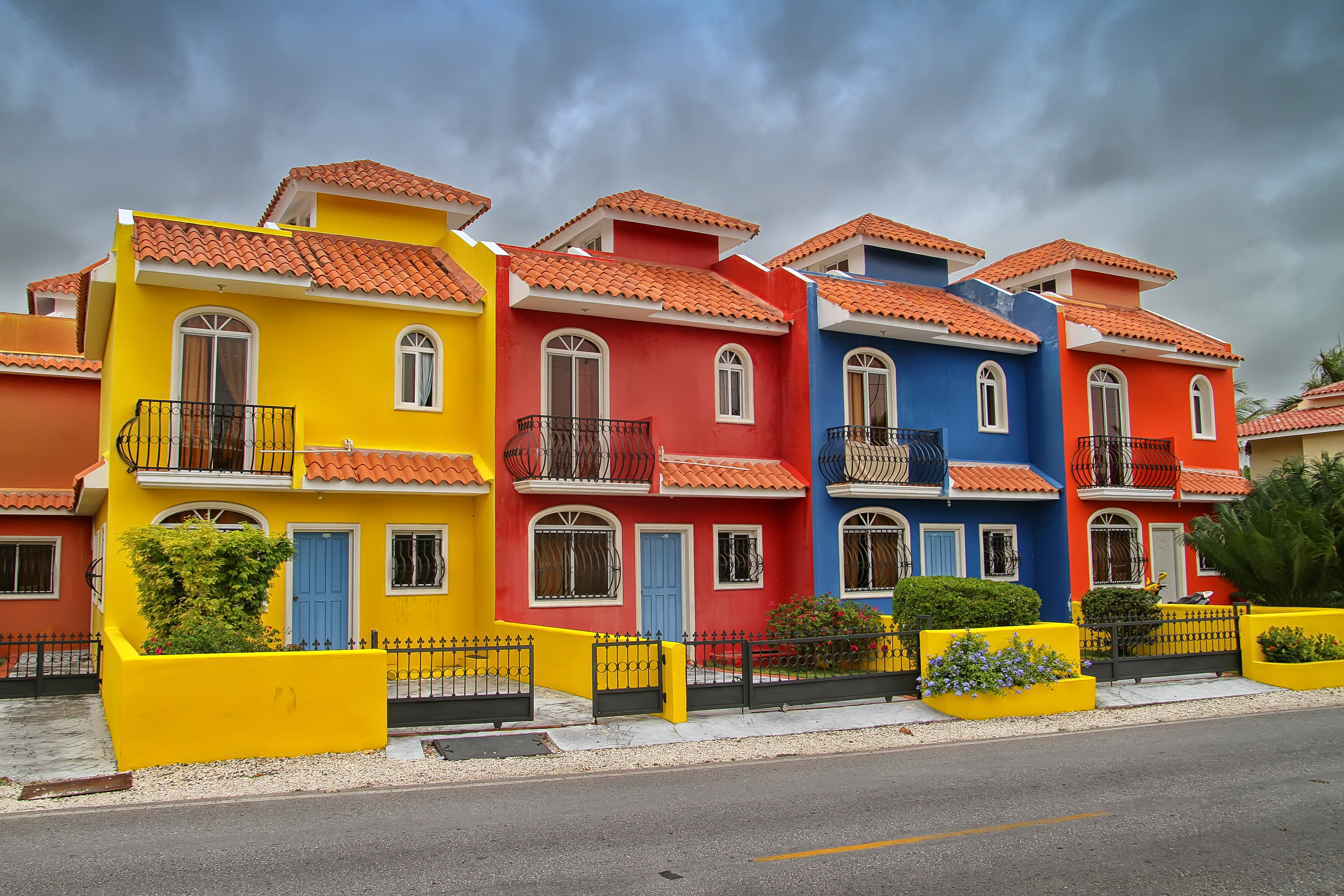,regionOfInterest=(2592,1728))
In Altos de Chavón, the Regional Archaeological Museum will allow you to understand what life was like in this region before the arrival of the Europeans. Its exhibition with more than three thousand Taíno and pre-Hispanic pieces, some thousands of years old, takes you on a journey through the history of the ancient inhabitants of the area.
In the same cultural complex, the Art Gallery has a carefully curated selection of contemporary Dominican and international art that is well worth a visit. The complex also houses the Altos de Chavón School of Design, affiliated with the prestigious Parsons School of Design in New York.
In my experience, one of the most recommended things to do in La Romana is to combine a boat trip along the Chavón River with a stop at the beaches of Bayahíbe, taking advantage of the fact that both points are just a few minutes apart.
In addition, one of the most interesting places to visit in La Romana is the Tabacalera de García cigar factory, one of the largest handmade cigar facilities in the world. If you want to see it from the inside, there are guided tours that must be booked in advance.
,regionOfInterest=(4101.5,2310))
,regionOfInterest=(4101.5,2310))
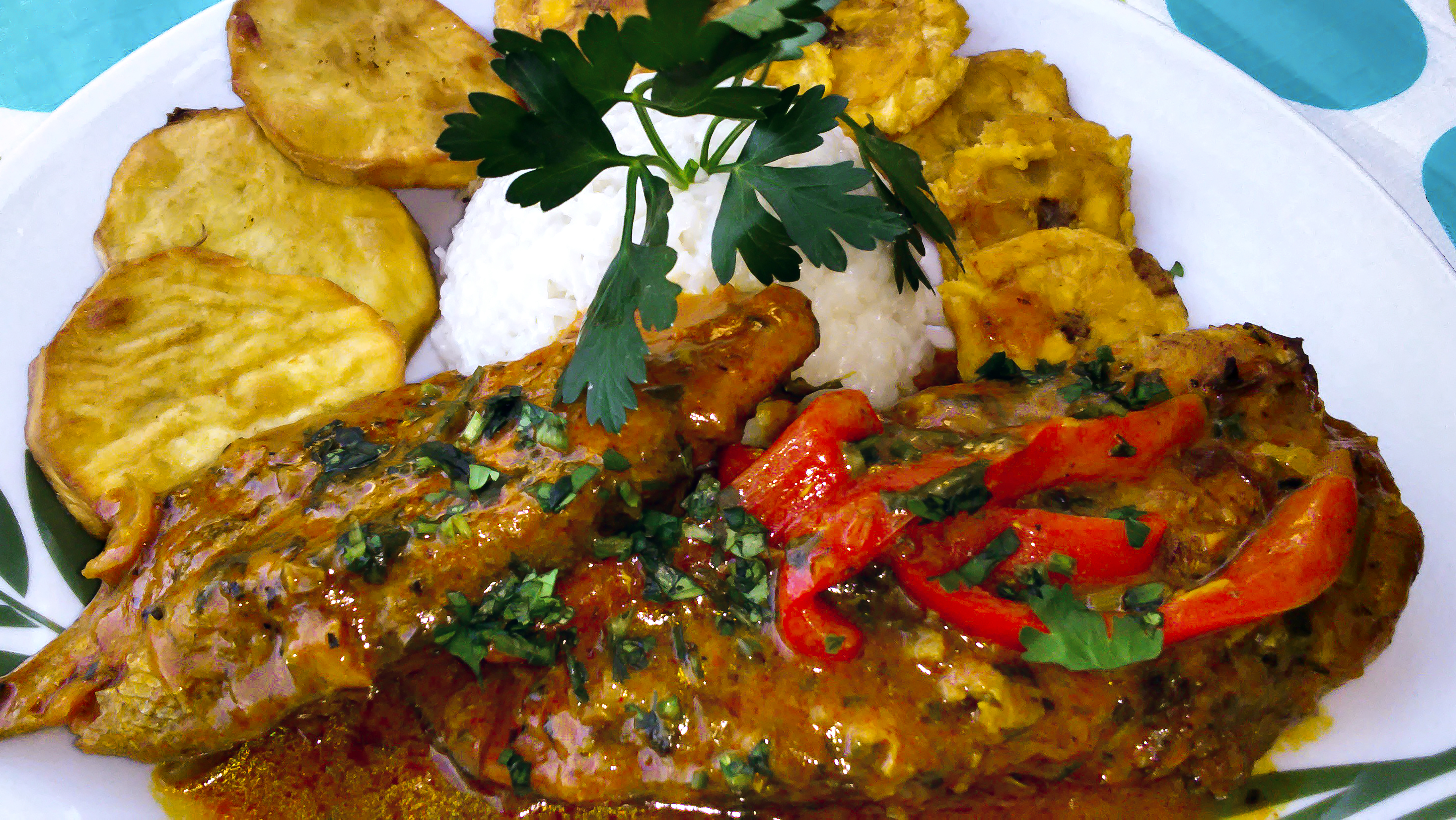
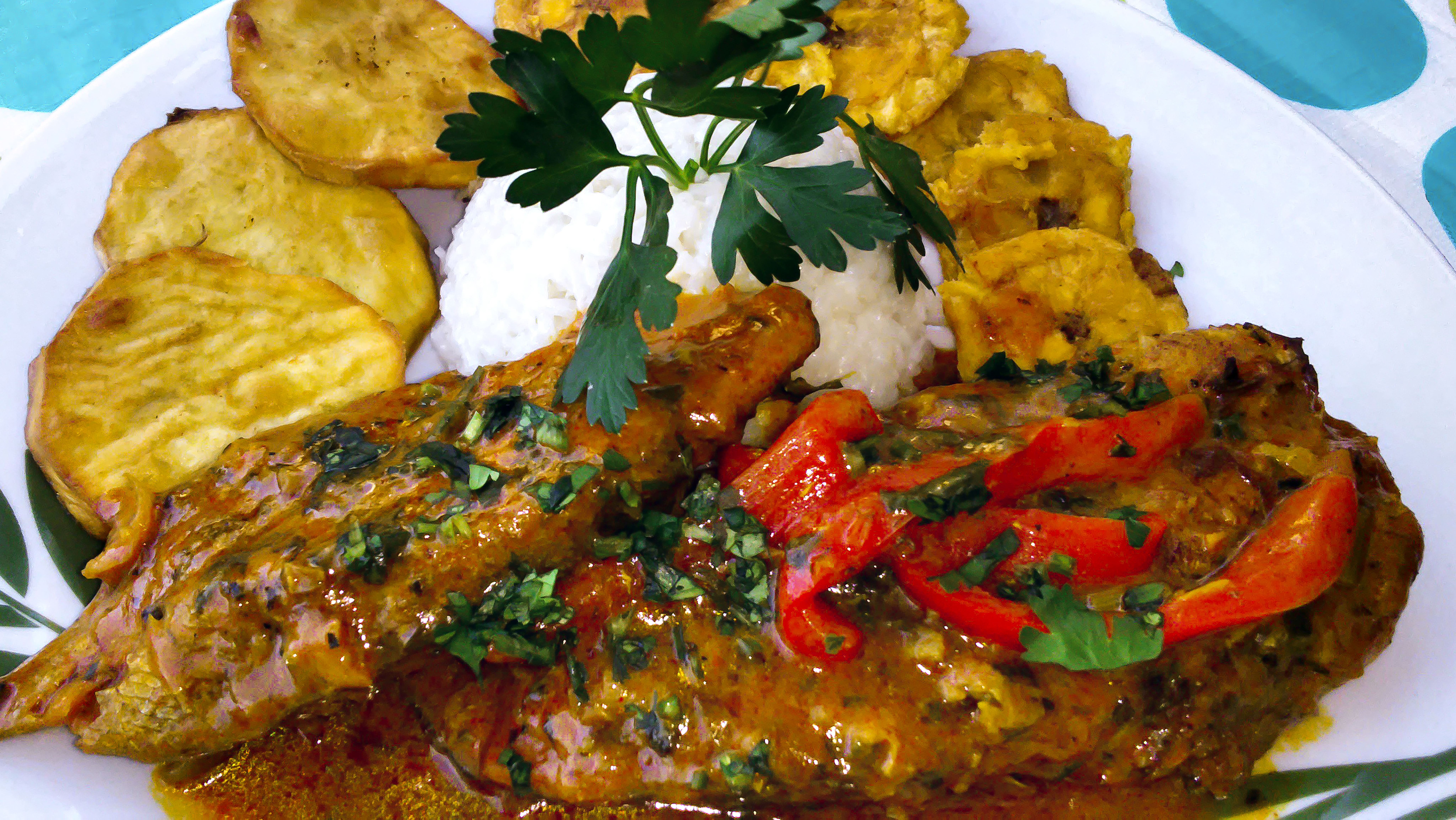
The gastronomy of La Romana is a faithful reflection of its dual status as a coastal city and an old sugar enclave, combining fresh fish and seafood with traditional Dominican recipes based on rice, beans, and local vegetables.
These are some of the star dishes of the area:
And if you are a fan of sweets, Dominican rum and desserts made with coconut and cane sugar, such as milk curd sweet or Dominican sponge cake, are a real delight.
Among the city's main celebrations is the La Romana Carnival, which is held every February with parades of troupes, music, and traditional costumes through the main streets of the centre.
I also want to highlight the great passion for baseball, with the Toros del Este as the local team, whose matches have become a regular plan for the city's inhabitants.
,regionOfInterest=(1443.5,939.5))
,regionOfInterest=(1443.5,939.5))
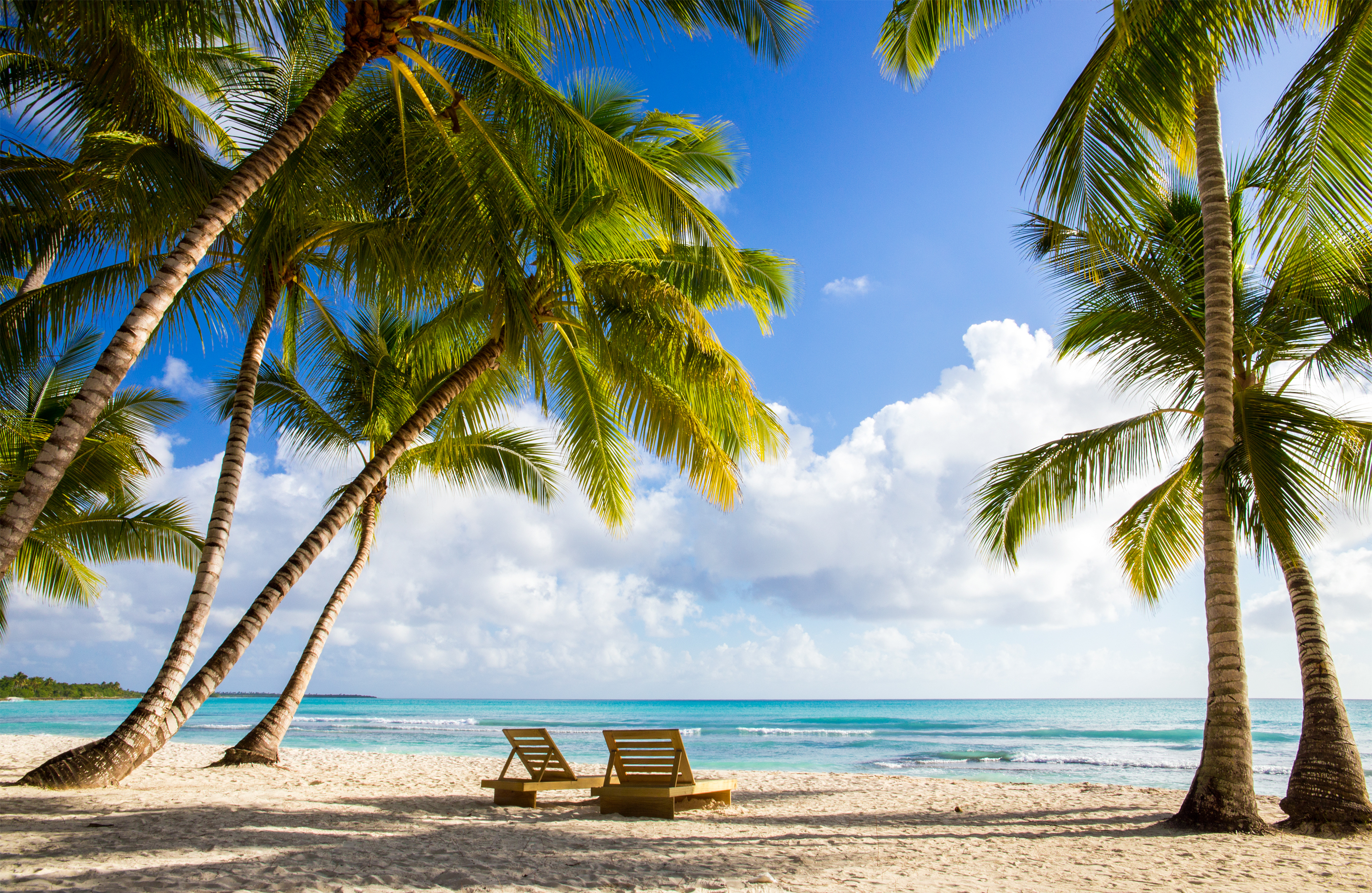
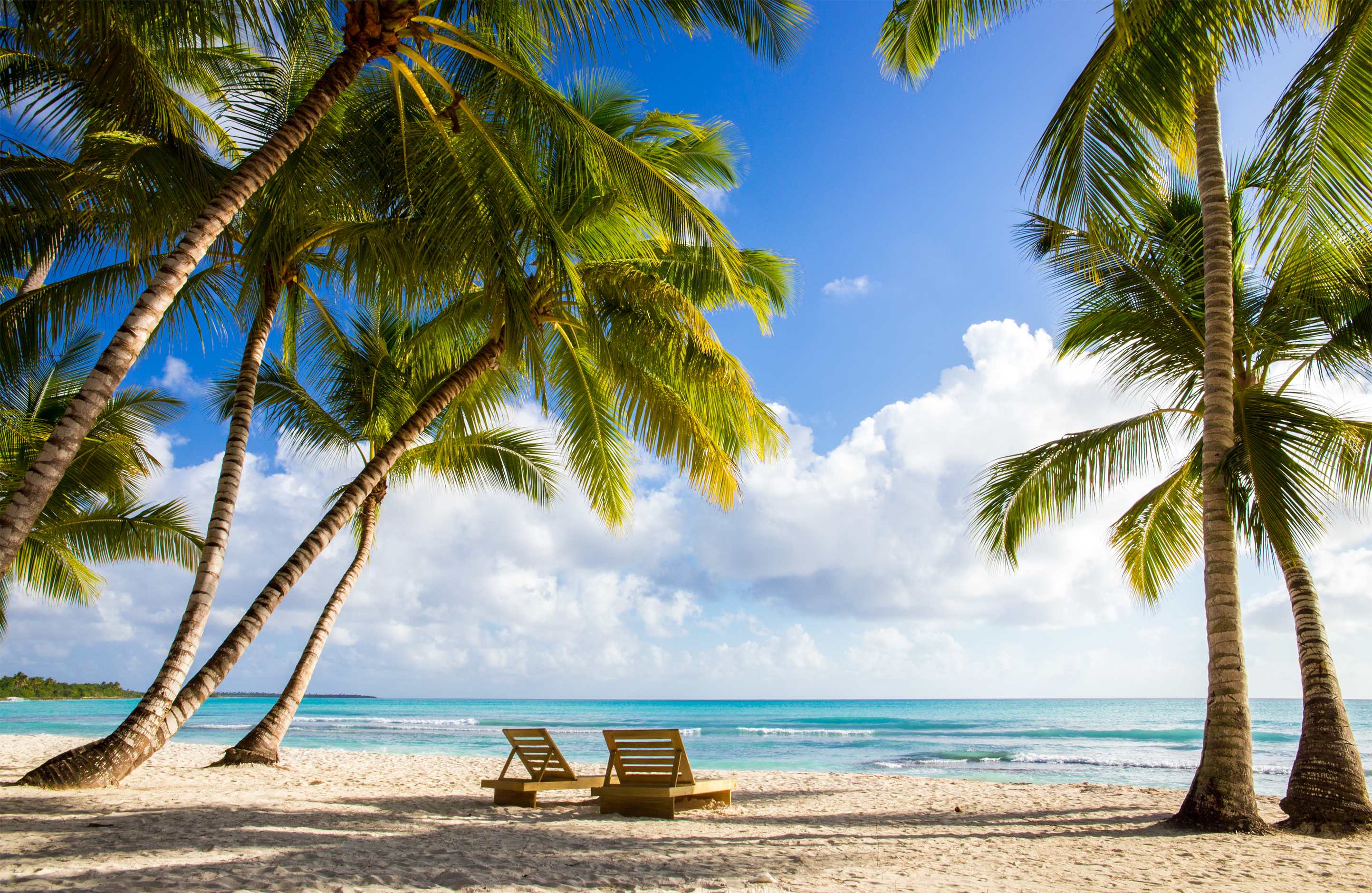
La Romana is a very convenient destination for family travel, especially due to the combination of calm beaches, activities, and an easily accessible historic centre.
The little ones will be able to enjoy exploring the streets of Altos de Chavón, going up to the viewpoint over the Chavón River, or visiting the Archaeological Museum to discover how the island's ancient inhabitants lived.
I think 24 hours are enough to get to know its main attractions and, so that you can make the most of your time, I have prepared the one-day itinerary for La Romana that I would do today:
So that you can easily organise your visit, consult this tourist map of La Romana, where you will find the main points of interest, monuments, and places worth visiting during your stay.
Much more than a quick stop on the way to Punta Cana, La Romana is a destination that deserves its own space in your itinerary through the Dominican Republic, dedicating enough time to explore its historic centre, delve into Altos de Chavón, and complete your visit with some of the nearby beaches or excursions.
A destination that combines history, nature, and coastal life in equal parts, here you will find a proposal very different from the rest of the country. And the best thing is not just what you visit, but the feeling of exploring a city that has managed to reinvent itself without losing its identity.
,regionOfInterest=(3063,1296))
,regionOfInterest=(3063,1296))
,regionOfInterest=(2262,1508))
,regionOfInterest=(2262,1508))
,regionOfInterest=(2565.5,1505.5))
,regionOfInterest=(2565.5,1505.5))
,regionOfInterest=(1927.5,1285))
,regionOfInterest=(1927.5,1285))
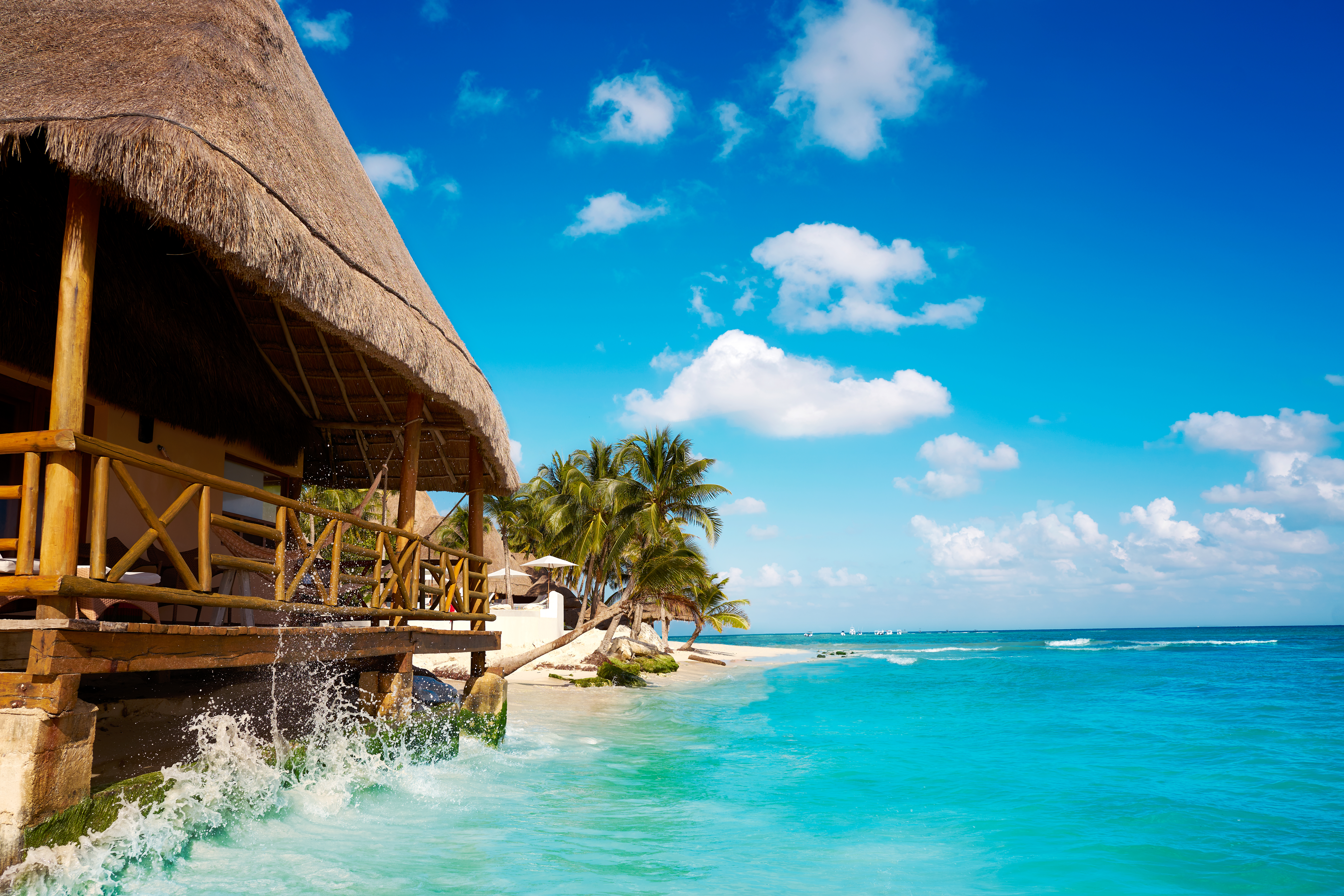,regionOfInterest=(3976,2652))
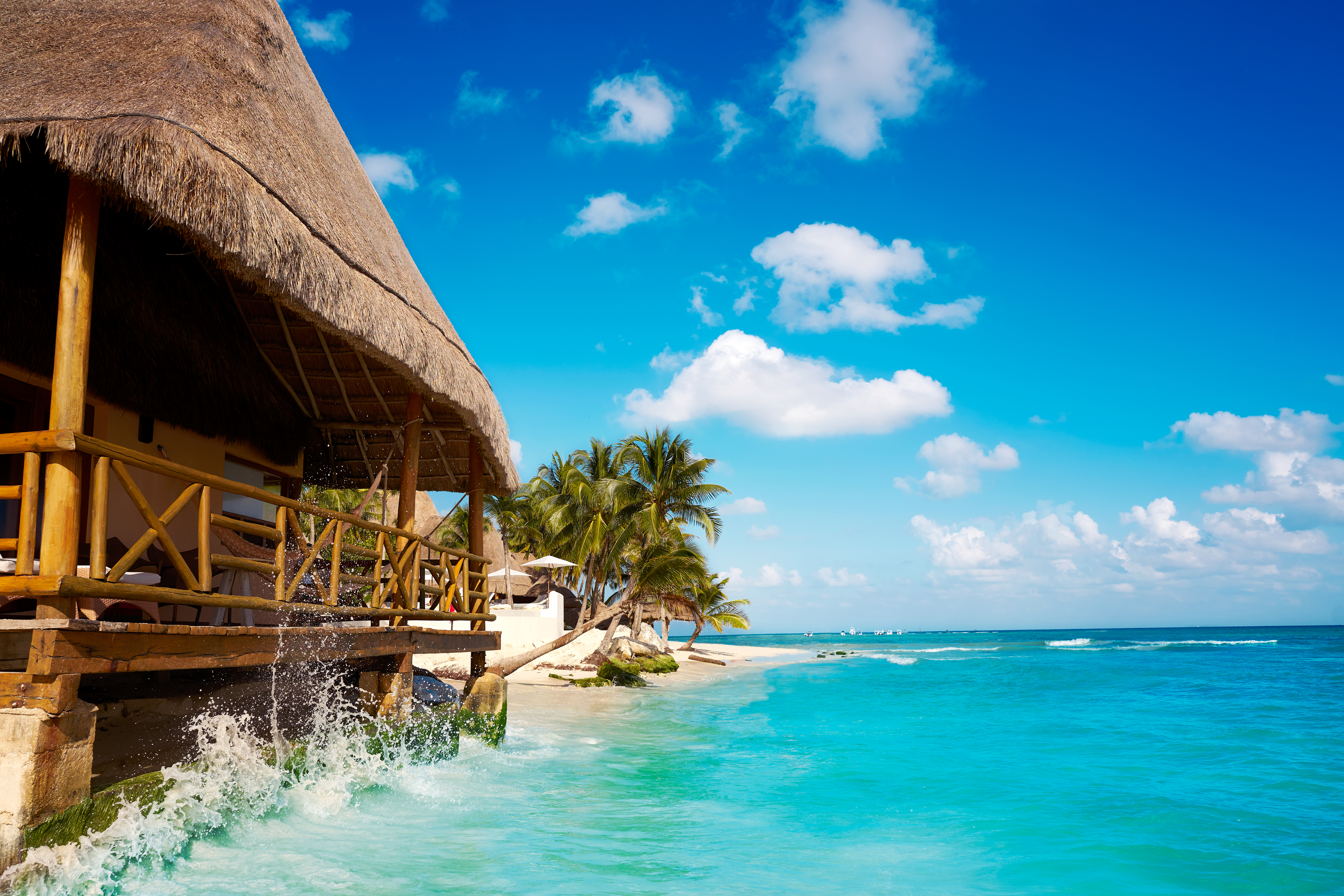,regionOfInterest=(3976,2652))
,regionOfInterest=(3976,2652))
,regionOfInterest=(3976,2652))