,regionOfInterest=(2732,1820))
,regionOfInterest=(2732,1820))
The best coves in Mallorca
,regionOfInterest=(707.5,1059.5))
,regionOfInterest=(707.5,1059.5))
Culture
,regionOfInterest=(1525,997))
,regionOfInterest=(1525,997))
,regionOfInterest=(500,500))
,regionOfInterest=(500,500))
All-terrain writer specialising in tourism, fashion and trends. A curious soul, traveller, reader and sports enthusiast, keen to discover every corner of the world.
Culture
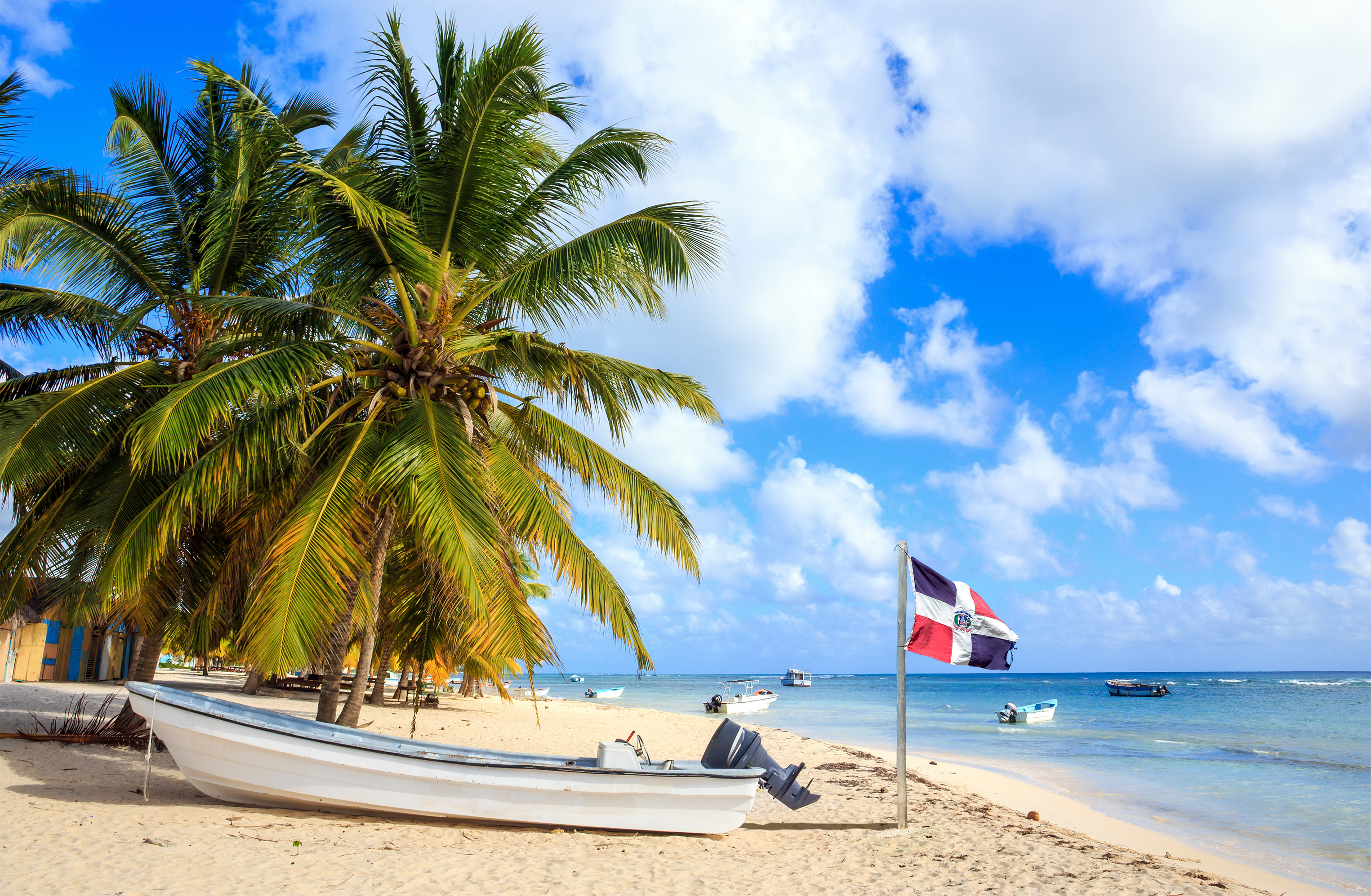
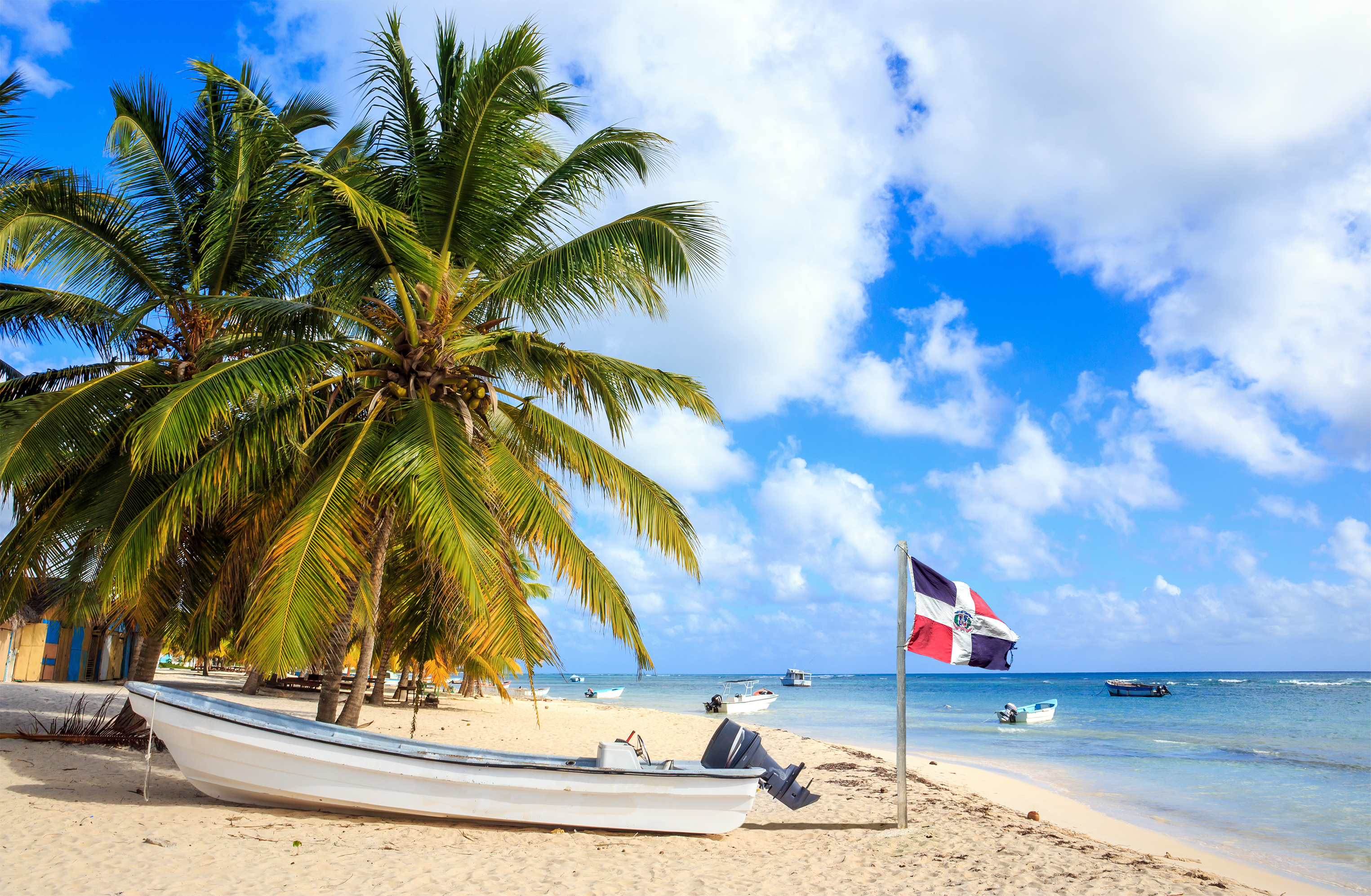
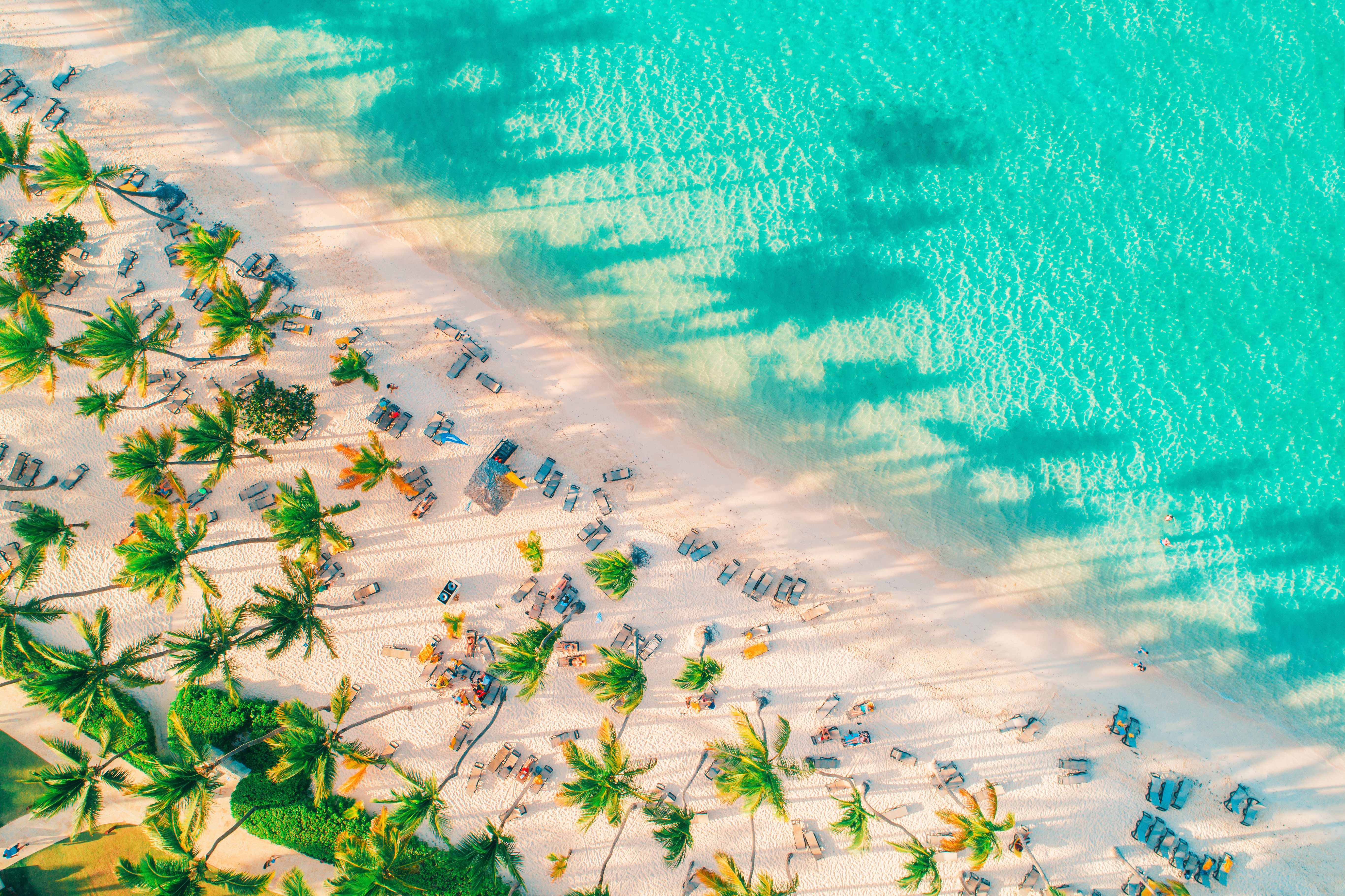
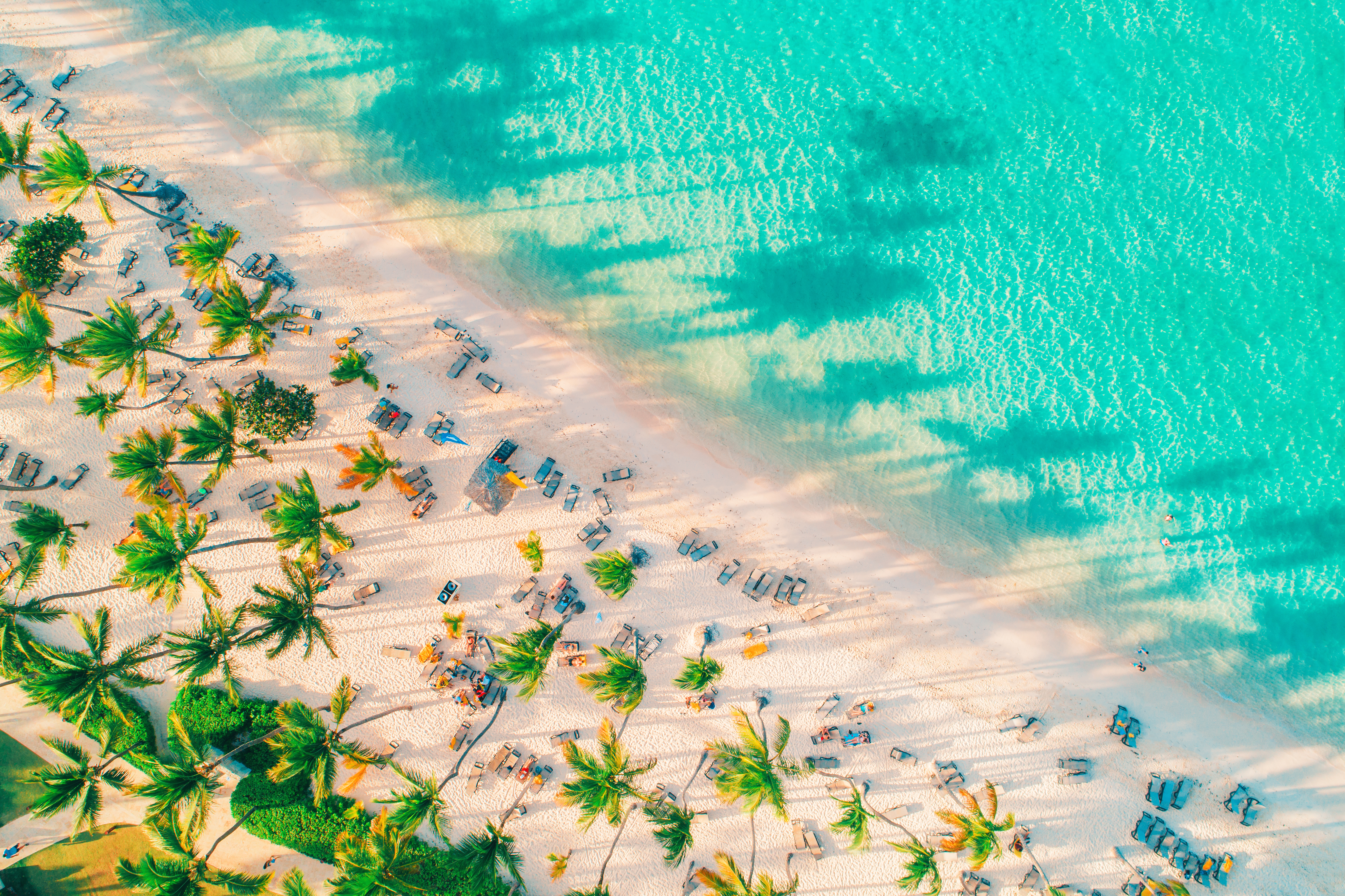
To talk about Isla Saona is to talk about one of the most spectacular and famous places in the Dominican Republic and, probably, one of the most iconic images of the entire Caribbean.
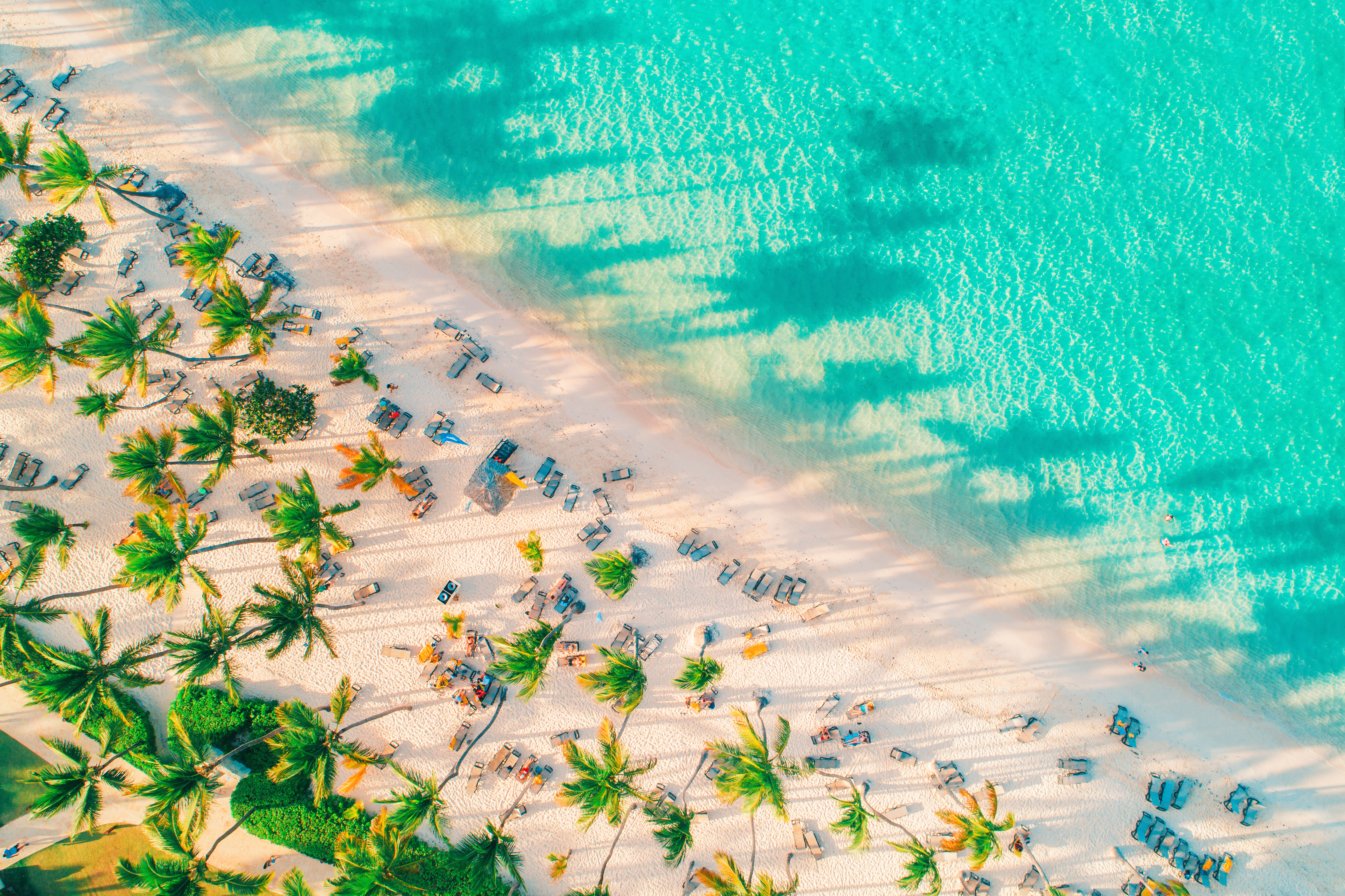
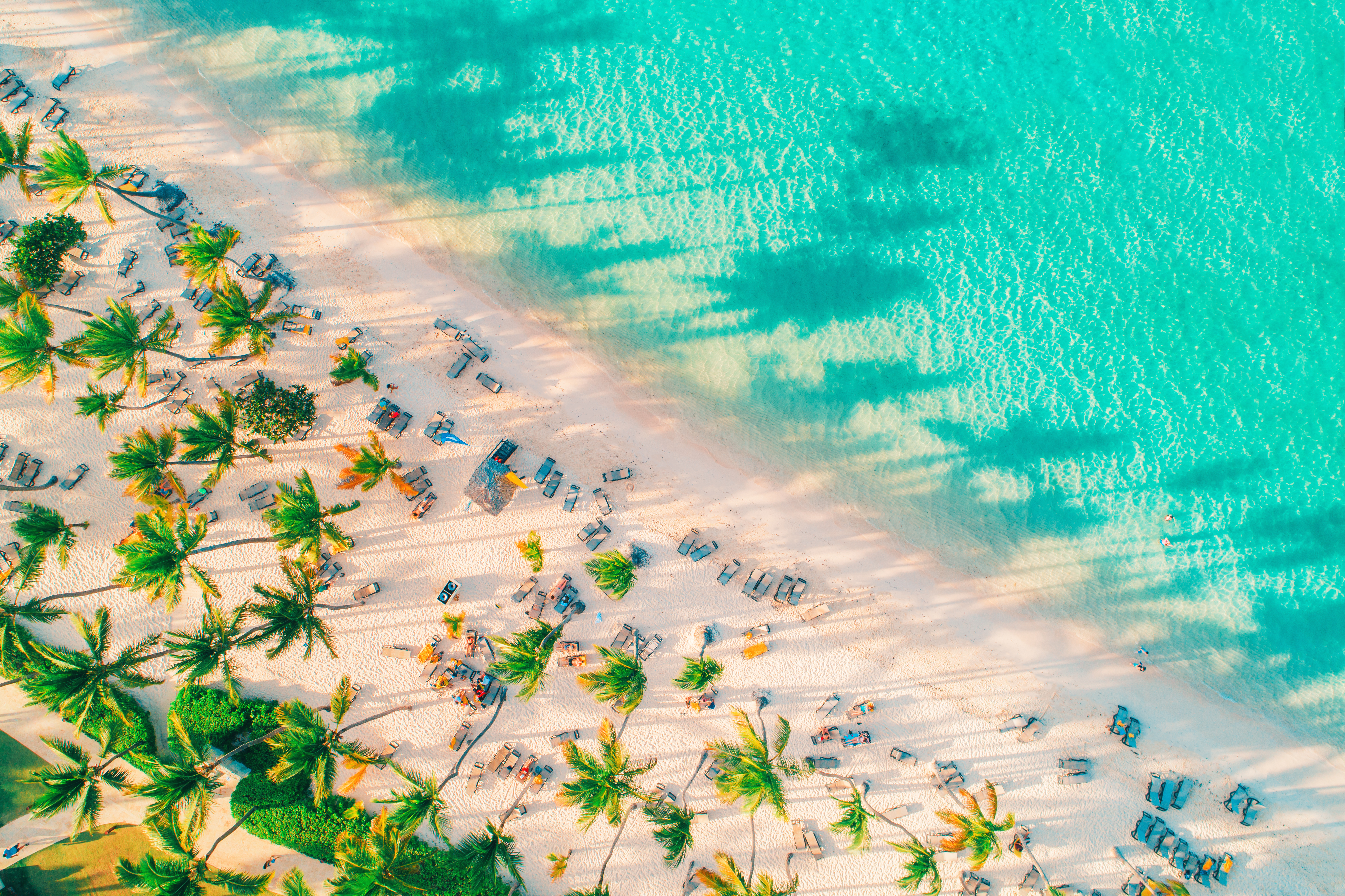
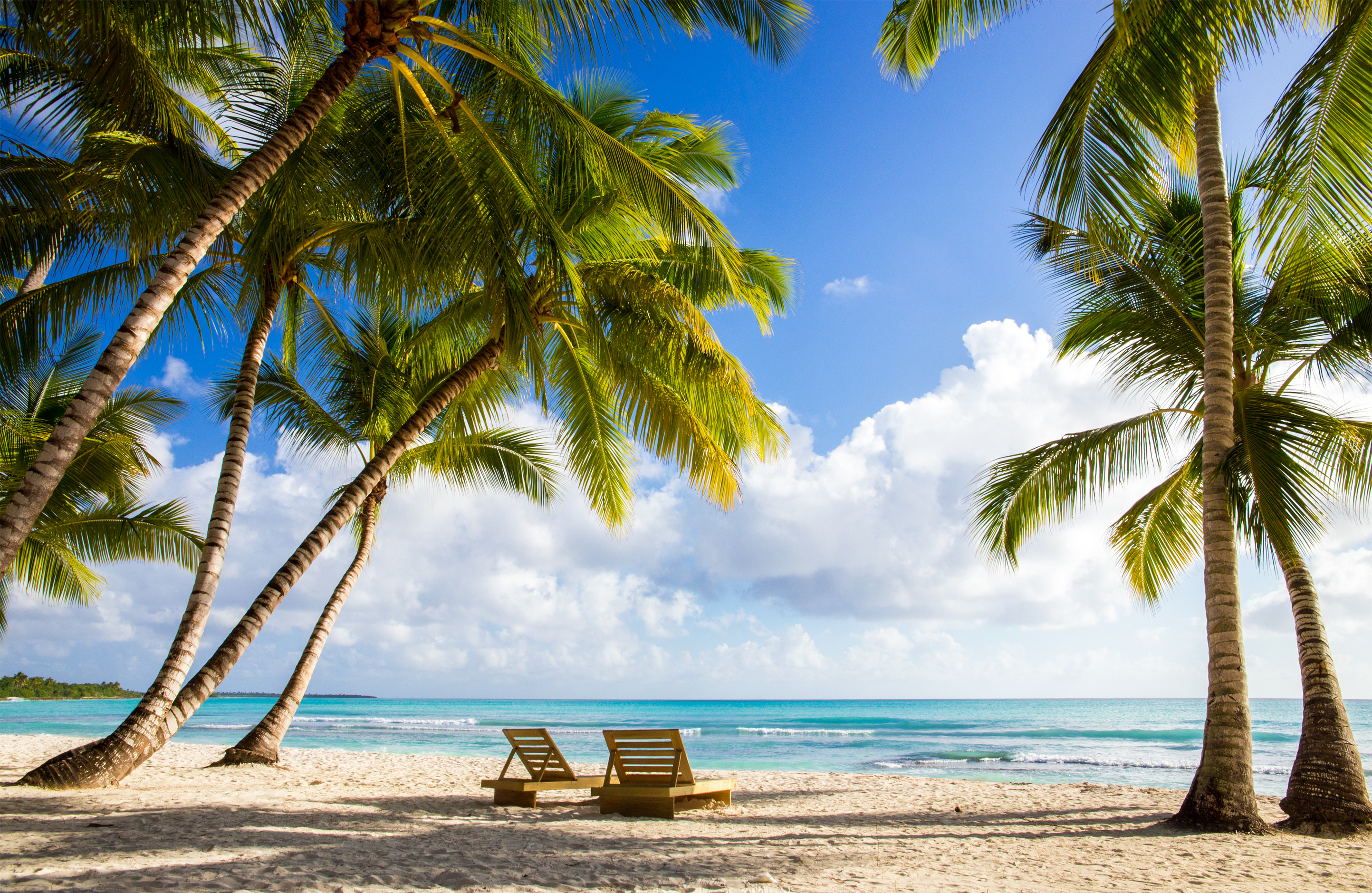
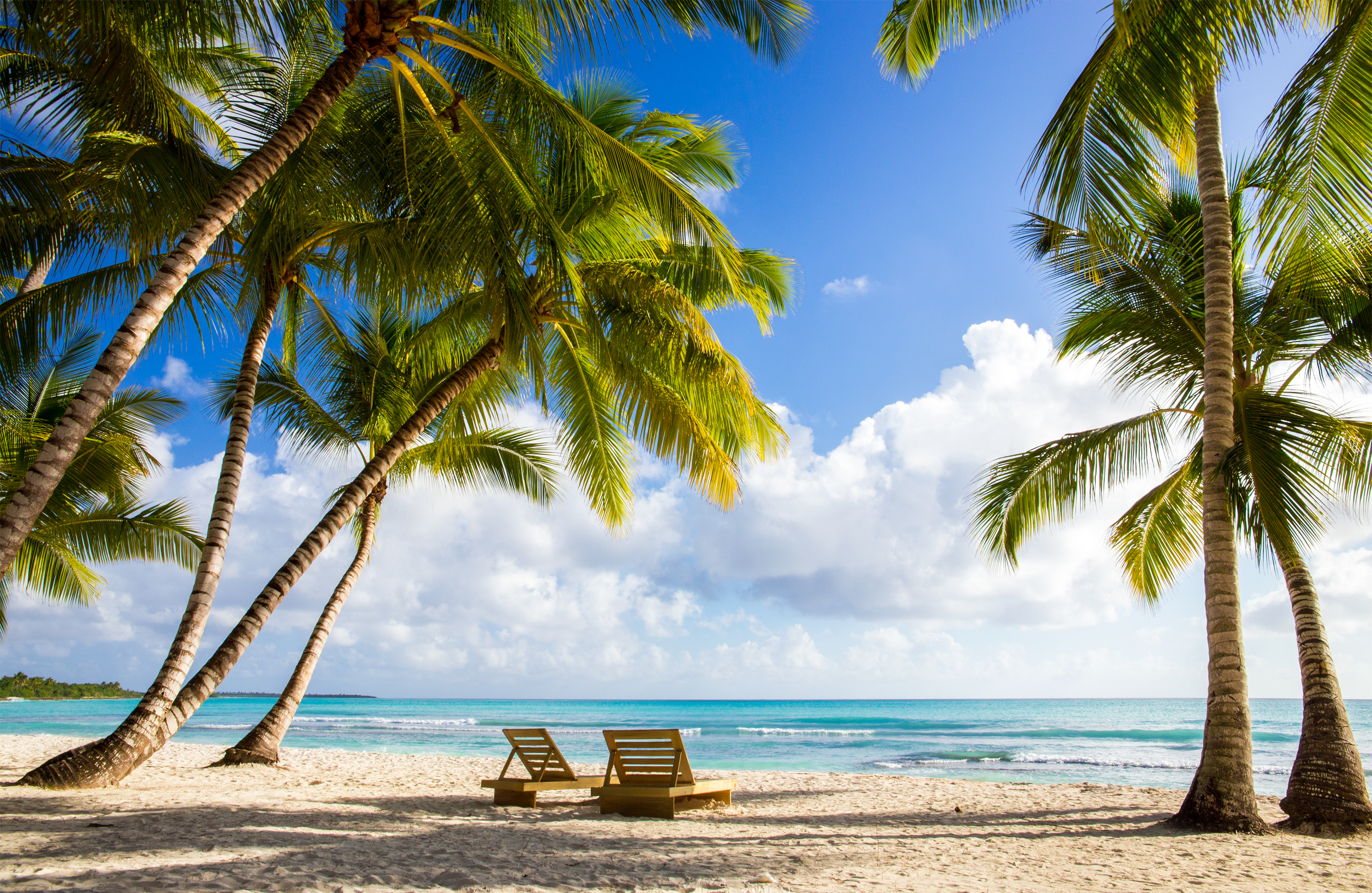
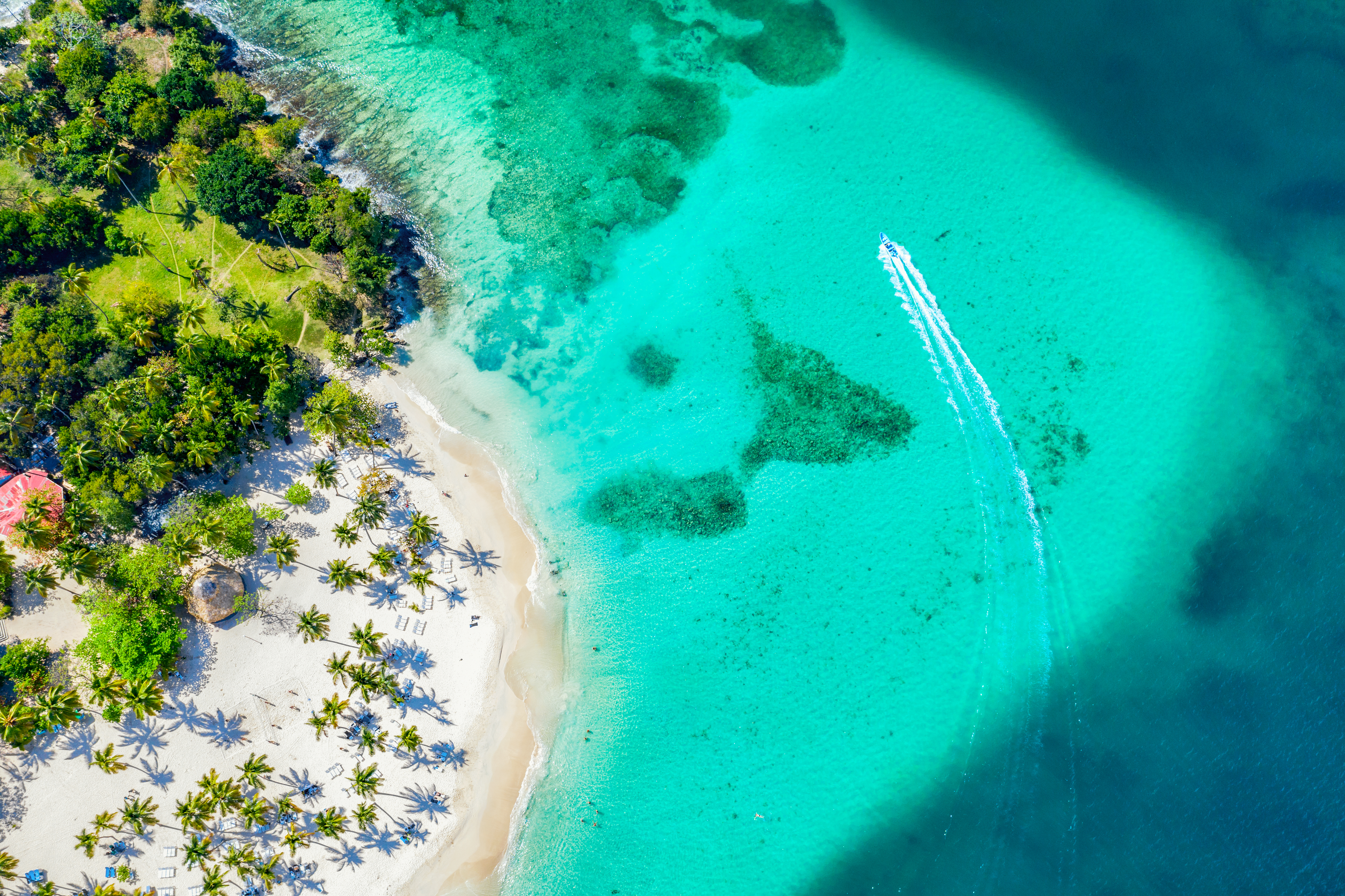
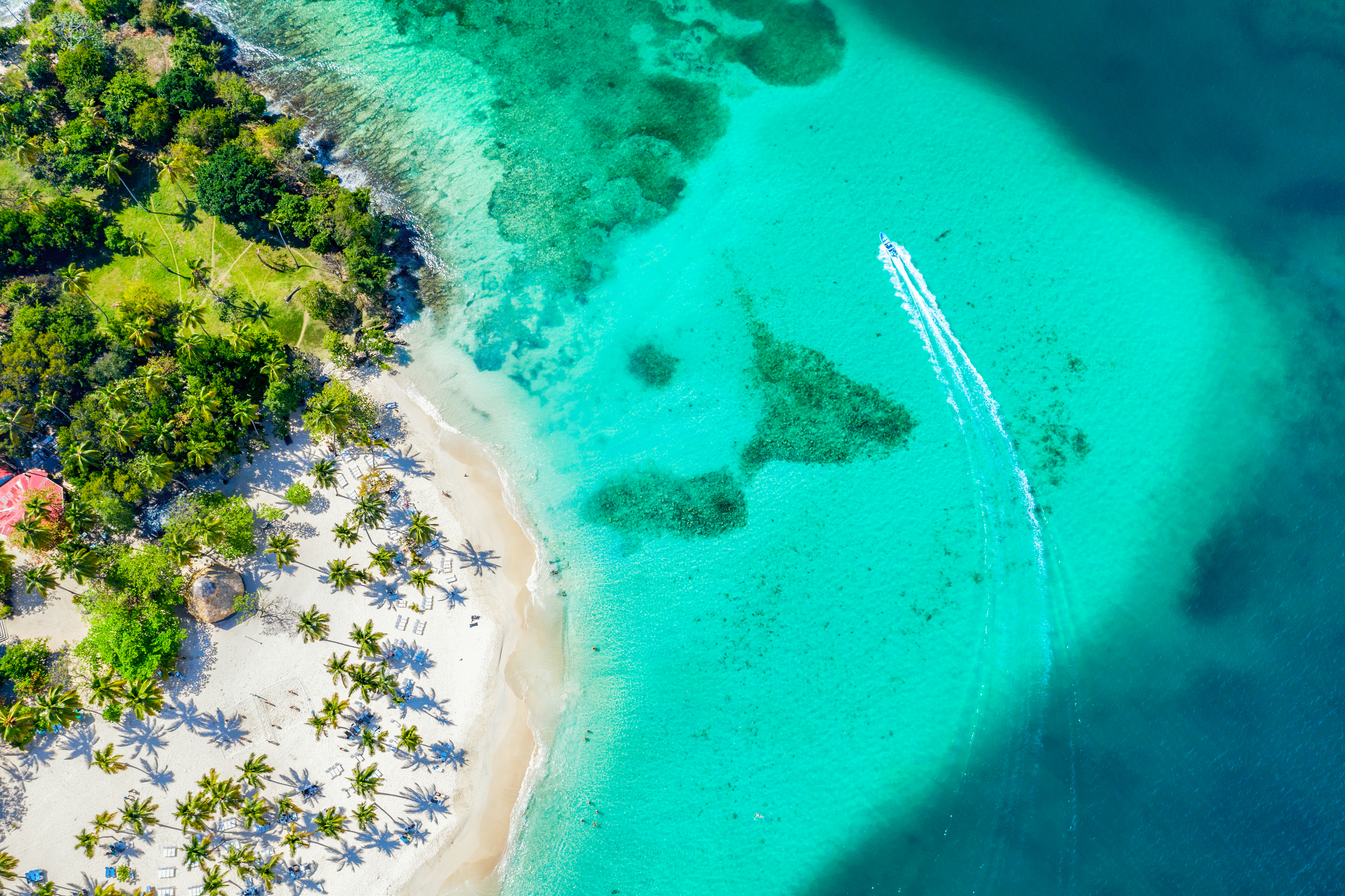
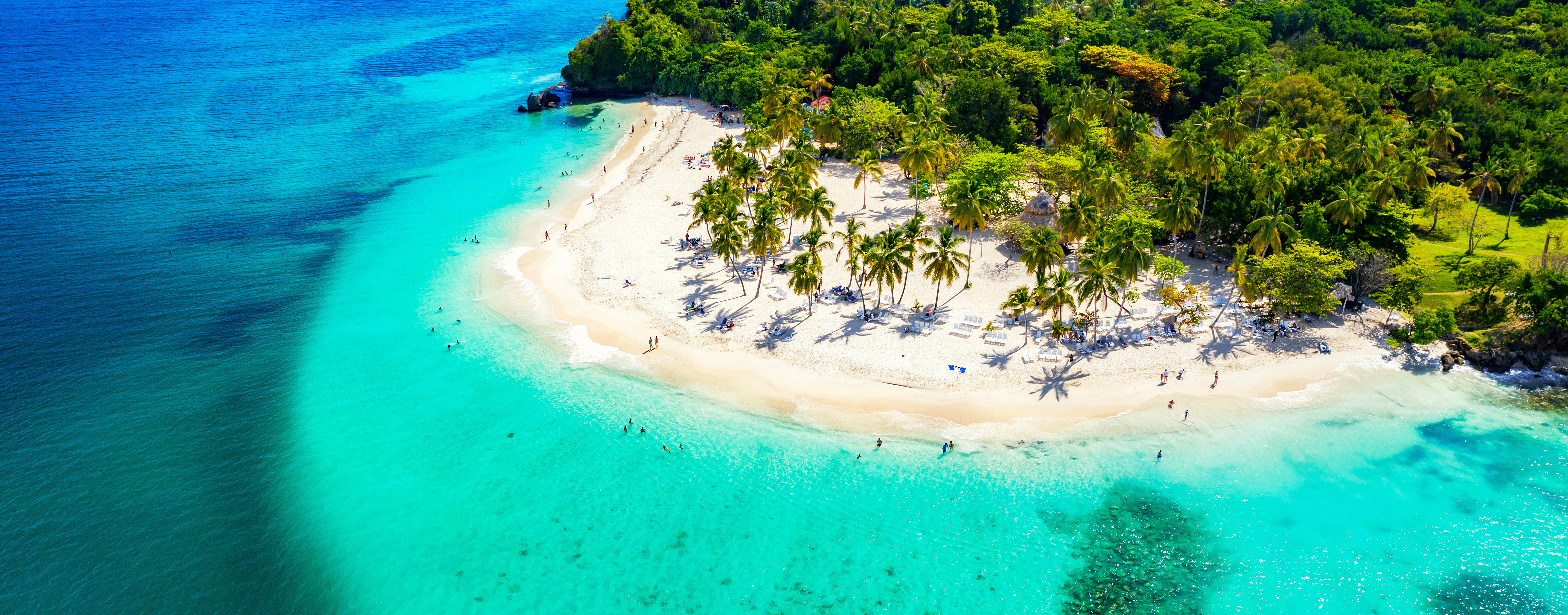
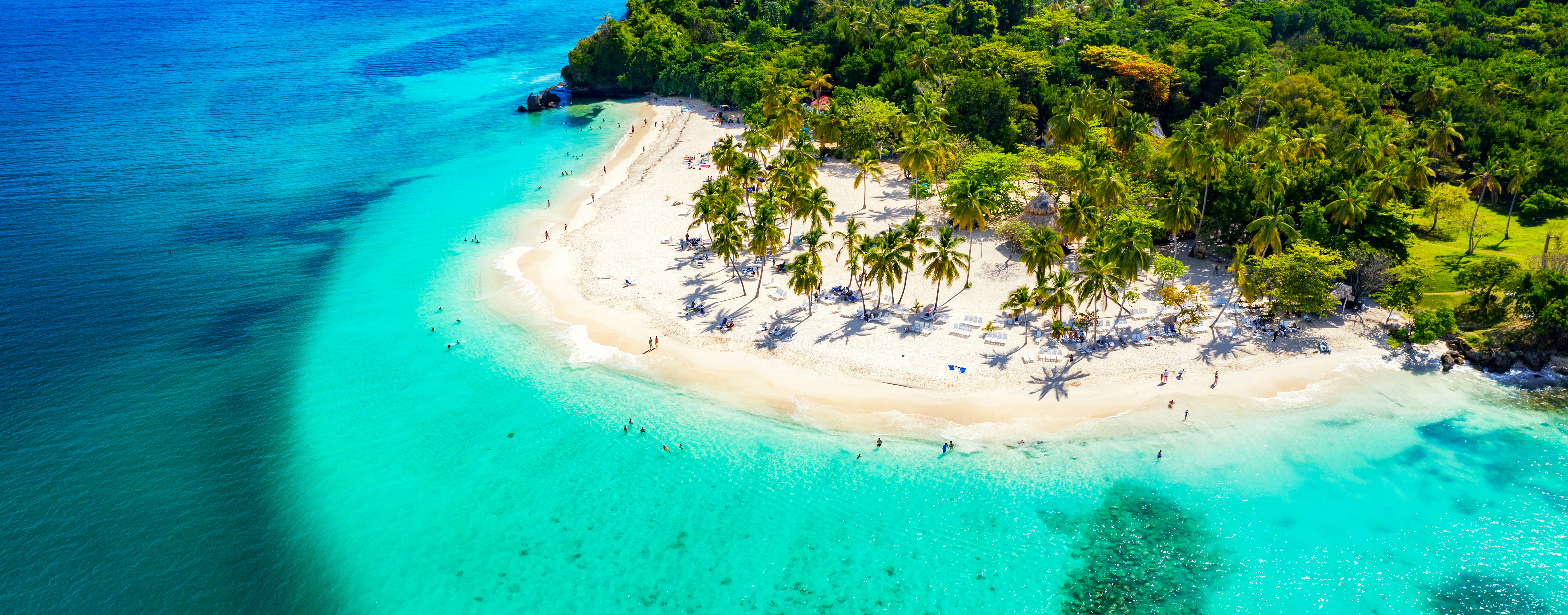
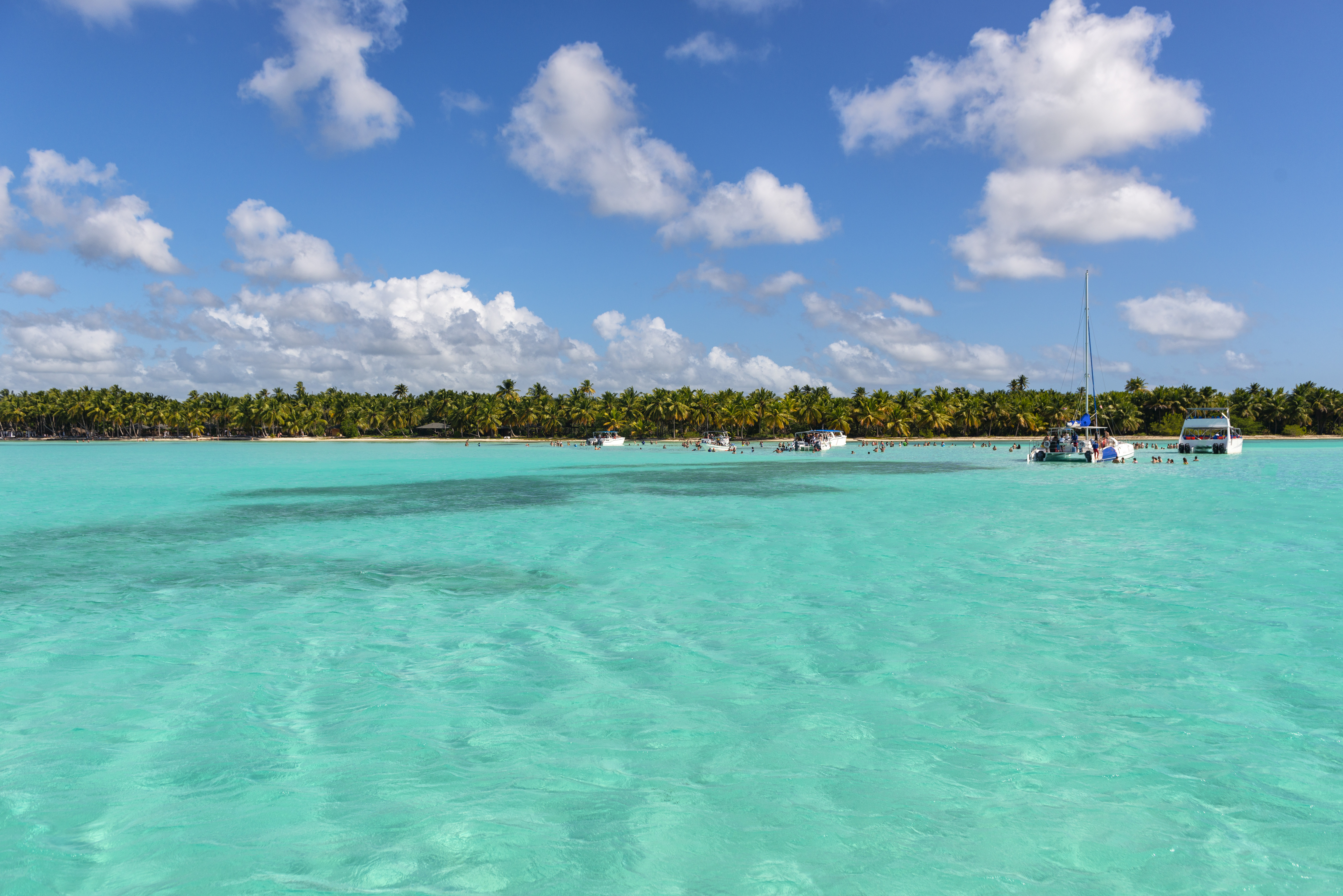
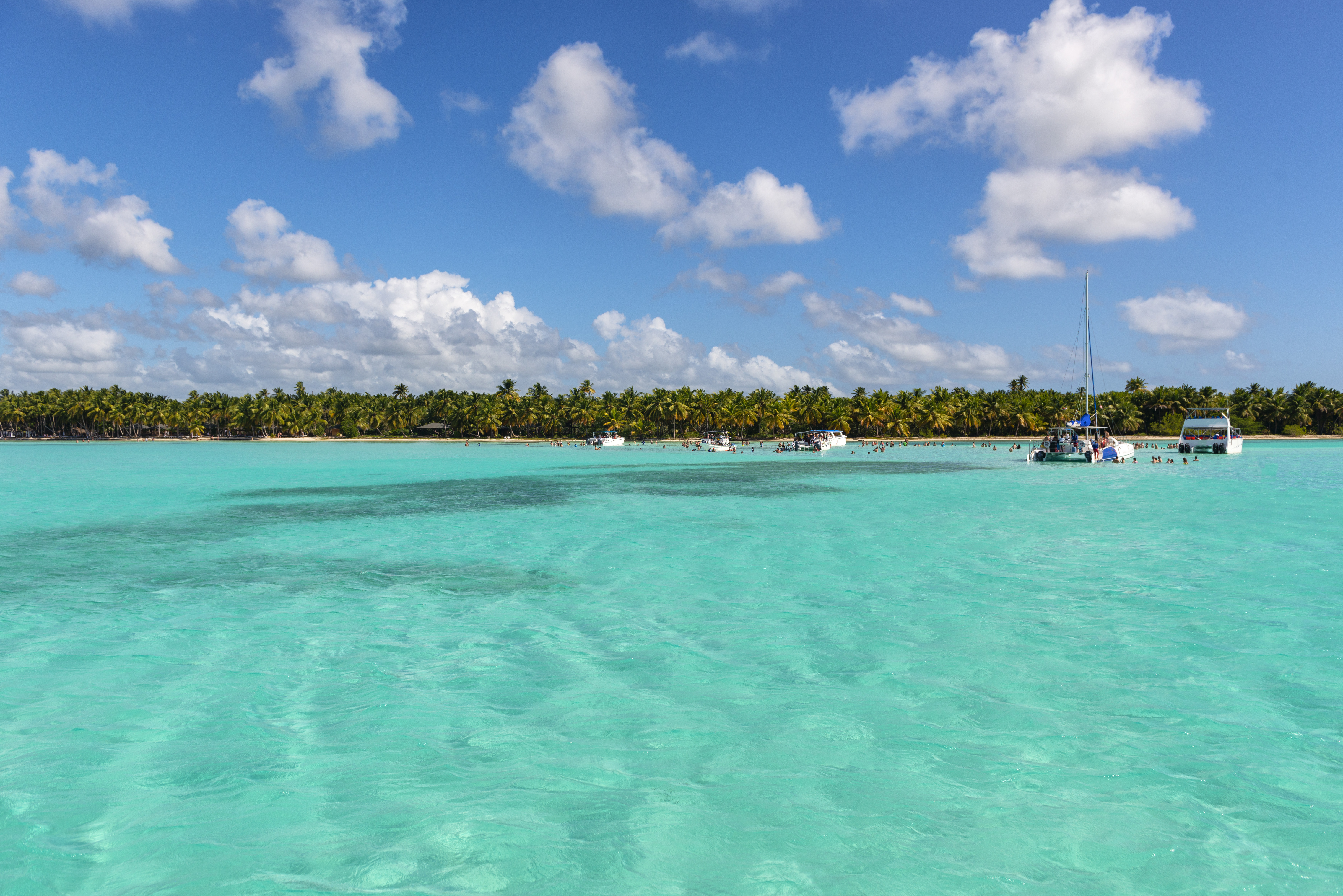
Located off the country's southeast coast, within the Cotubanamá National Park, this paradisiacal Caribbean island emerges from the waters like an idyll of kilometres of white sand as fine as sugar. With an endless forest of leaning coconut palms that brush the surf and a turquoise sea of almost unreal transparency, it attracts thousands of travellers from all over the world every year.
Although many people visit it on day trips from Bayahíbe or Punta Cana, the reality is that Isla Saona is much more than a simple getaway. Its natural wealth, its biodiversity and its ecological importance make it, for me, one of the most fascinating and surprising destinations in the Caribbean.
If you are looking for what to see on Isla Saona or want to organise your visit in the best possible way, in this guide I bring you the main attractions and experiences that make this Dominican corner considered an authentic tropical paradise.
,regionOfInterest=(1443.5,939.5))
,regionOfInterest=(1443.5,939.5))
,regionOfInterest=(2732,1820))
,regionOfInterest=(2732,1820))
,regionOfInterest=(2732,1820))
,regionOfInterest=(2732,1820))
When you ask yourself what to do on Isla Saona, surely the first thing that comes to mind are its endless white sand beaches lined with coconut palms. It is completely normal, as they are spectacular; however, the island offers much more than idyllic tropical landscapes.
Here there are no large hotel complexes, conventional roads or urban traffic. Most activities on Isla Saona are closely related to nature, being one of the best places to go snorkelling, sail on a catamaran, discover mangroves, observe tropical birds or simply enjoy some of the most crystalline waters in the Caribbean.
One of the great advantages of this destination is that it preserves a large part of its protected natural environment. For this reason, many of the things to do on Isla Saona focus on enjoying the beauty of the landscape and direct contact with nature.
,regionOfInterest=(2732,1071))
,regionOfInterest=(2732,1071))
One of the main sites to visit on Isla Saona and one of the most iconic places is Mano Juan, the only permanent inhabited centre on the entire island. It is a small and beautiful fishing village that preserves a quiet and authentic atmosphere, very different from that of the large tourist destinations in the Caribbean.
Located in the very heart of Mano Juan, the Sea Turtle Sanctuary is a conservation centre that works to protect species such as the hawksbill, green and leatherback turtles, which use the beaches of Isla Saona to spawn. Visiting this community space will give you the opportunity to learn about local conservation efforts, understand the life cycles of these endangered species and, if it coincides with the hatching season, contemplate the hatchlings before they are released safely into the ocean.
Hidden among the lushness of the island's dry tropical forest, the Cotubanamá Cave is an impressive geological formation with monumental historical and spiritual significance.
The limestone cavern served as the final refuge for the brave Taíno chief Cotubanamá in the early 16th century, who attempted to escape the bloody persecutions of the Spanish conquistadors in this island corner.
This beach is usually one of the first arrival points for many excursions. Playa Catuano stands out for its crystalline waters and a natural environment that allows you to enjoy the most authentic essence of Isla Saona. The tranquillity and beauty of the place make it one of the most attractive areas of the island.
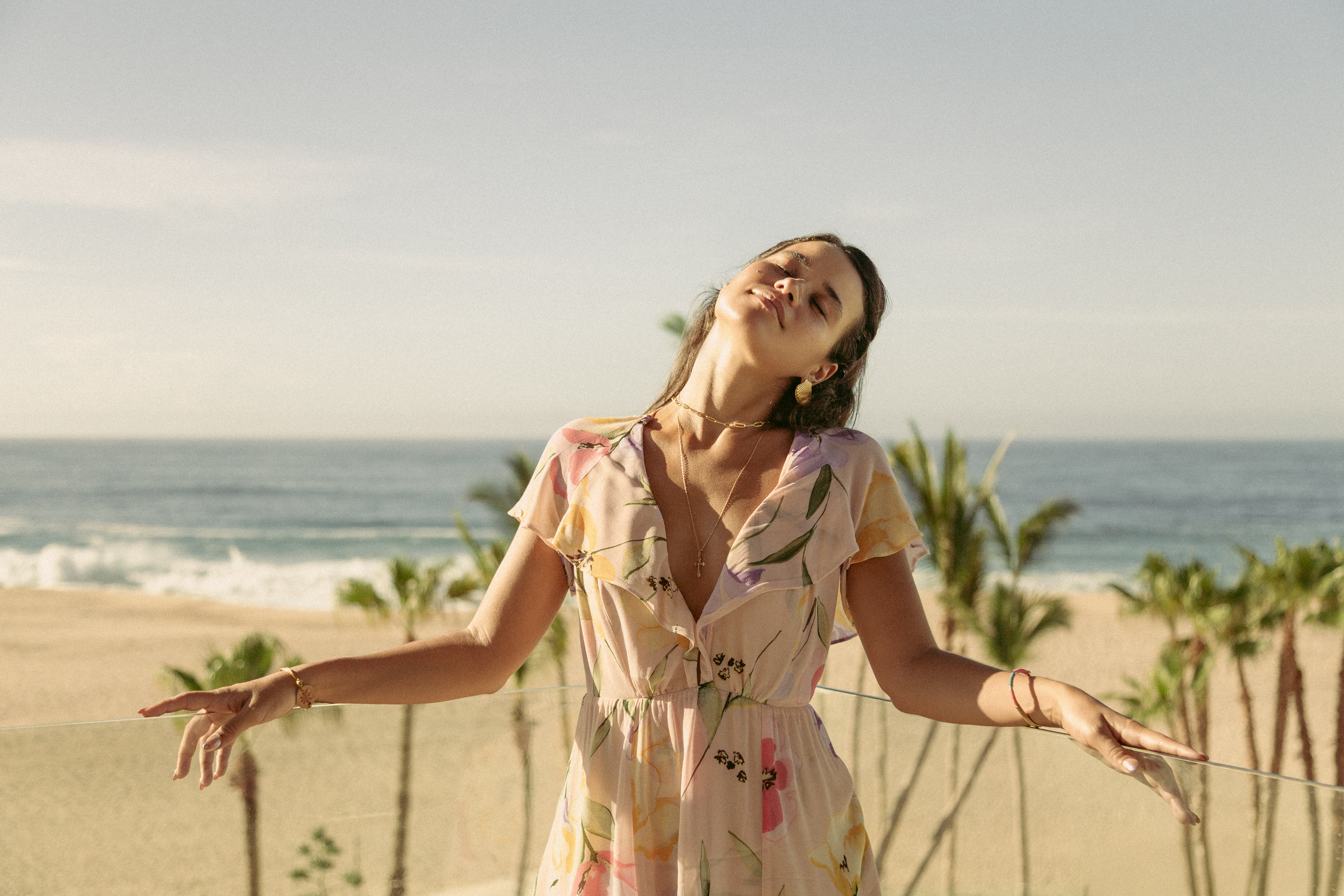
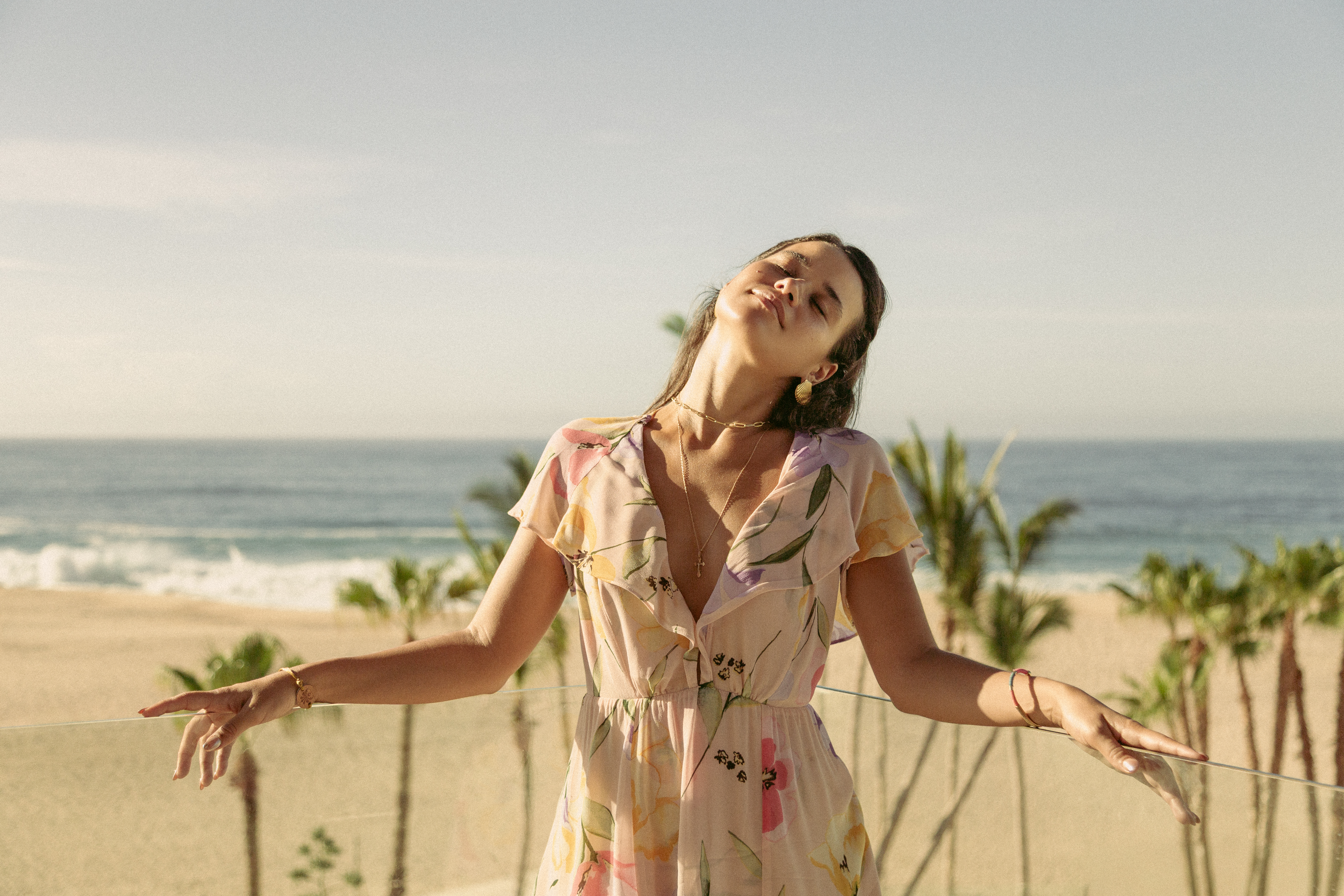
Considered by many travellers as one of the most famous and perfect beaches in the entire archipelago, Playa Abanico represents the quintessence of the Caribbean coastal postcard. Its white sands of incredible fineness are flanked by an infinite row of coconut palms whimsically leaning towards the sea.
It is one of the best things to see on Isla Saona, which offers large areas equipped with ecological wooden sun loungers and rustic dining areas perfectly integrated into the coastal forest environment.
Located off the southeast coast of the Dominican Republic, in the vicinity of Isla Saona, Playa Palmilla stands out for its crystalline, calm and shallow waters. This natural spot, surrounded by a spectacular tropical landscape, is one of the most popular stops on excursions to Saona, where visitors can relax, swim and enjoy the beauty of the surroundings in a paradisiacal environment.
Located at the most remote, isolated and eastern end of the island, Canto de la Playa is one of Saona's best-kept secrets. As it is not one of the most touristy places due to its distance, it offers a sense of isolation and tranquillity that is difficult to find.
,regionOfInterest=(2722.5,1815))
,regionOfInterest=(2722.5,1815))
Although it is located in the middle of the Caribbean Sea, very close to the coast, the Saona Natural Pool is a huge sandbank considered the most spectacular and visited open-air space in the region.
It is an immense natural pool of crystalline waters so calm that they barely reach the waist, despite being hundreds of metres from the coastline. Floating in this paradisiacal spot, with the white sand seabed perfectly visible, is an essential sensory experience on any trip.
The Isla Saona mangroves play a fundamental role in the local ecosystem, serving as a refuge for countless species of fish, birds and crustaceans. Composed mainly of red and black mangrove, travelling through them by boat will allow you to enter a simply fascinating aquatic garden.
The entire Isla Saona is part of the Cotubanamá National Park, an important protected area that is one of the most valuable in the Dominican Republic. The park is home to coral reefs, dry tropical forests, mangroves and extraordinary marine and terrestrial biodiversity.
Hidden in the island's geographical interior, very close to the town of Mano Juan, Laguna Flamenco constitutes a protected wetland of incalculable beauty. Surrounded by dense hydrophilic tropical vegetation, the lagoon is famous for being the seasonal feeding and resting point for elegant colonies of pink flamingos and other migratory birds endemic to the Caribbean.
Most of the excursions to Isla Saona depart from Bayahíbe, a charming coastal town that is worth a visit in its own right. Its beaches, its quiet atmosphere and its proximity to the Cotubanamá National Park make it a perfect complement to your trip.
Located relatively close to Saona, Isla Catalina stands out for its impressive coral reefs and excellent conditions for diving. It is one of the quintessential excursions in the region.
Located in the turquoise waters adjacent to the Catuano Channel, which separates the island from the mainland coast, Cayo Ratón is a small sandy islet covered with low vegetation that offers a unique wild charm. As it does not have any type of infrastructure, visiting it allows you to silently contemplate the colonies of seabirds that inhabit its shores and go snorkelling on the virgin reefs in its surroundings.
,regionOfInterest=(1677.5,2516))
,regionOfInterest=(1677.5,2516))
If you want to go beyond the paradisiacal beaches and discover the essence of Isla Saona, these experiences will allow you to connect with its extraordinary nature and the lives of its inhabitants:
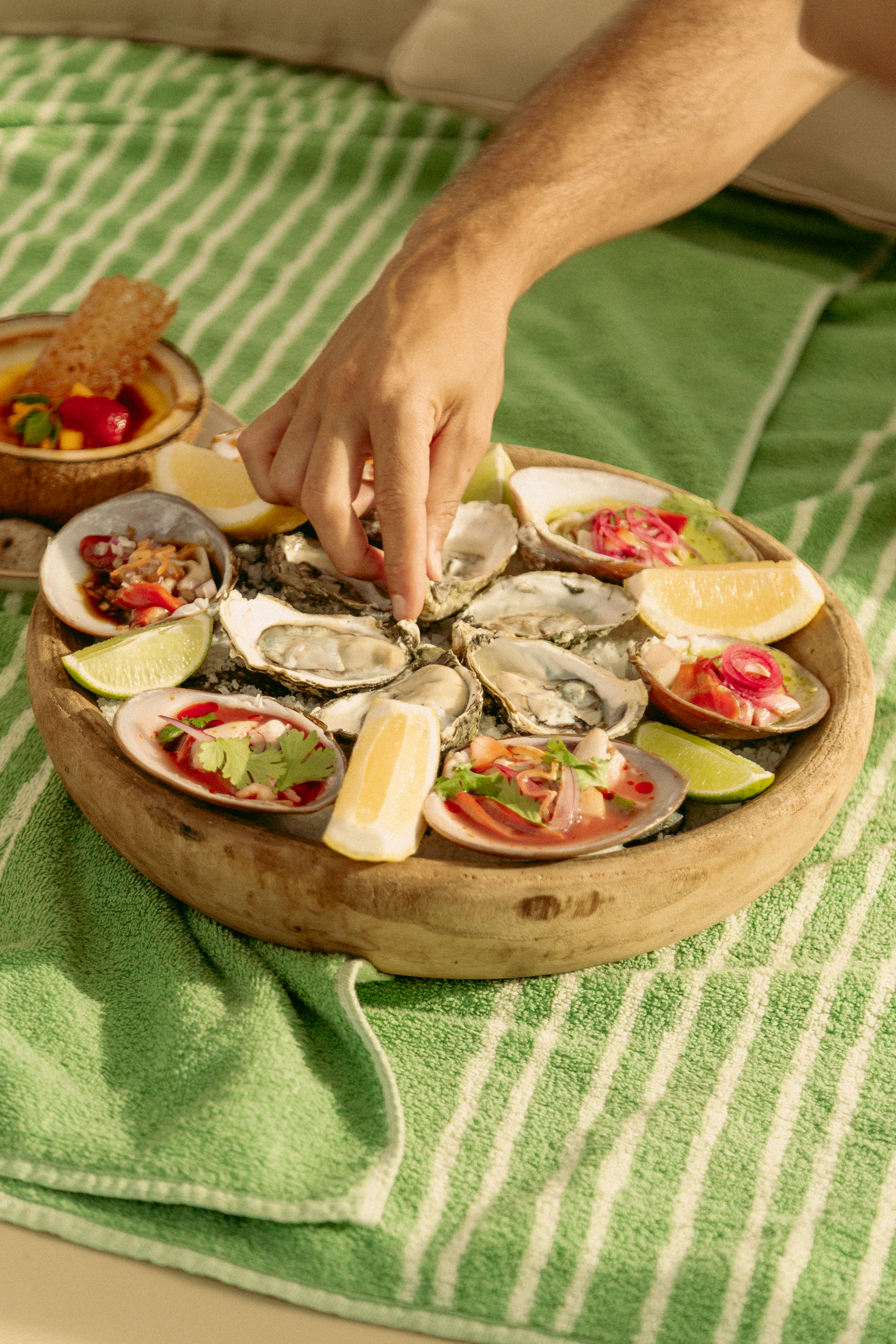
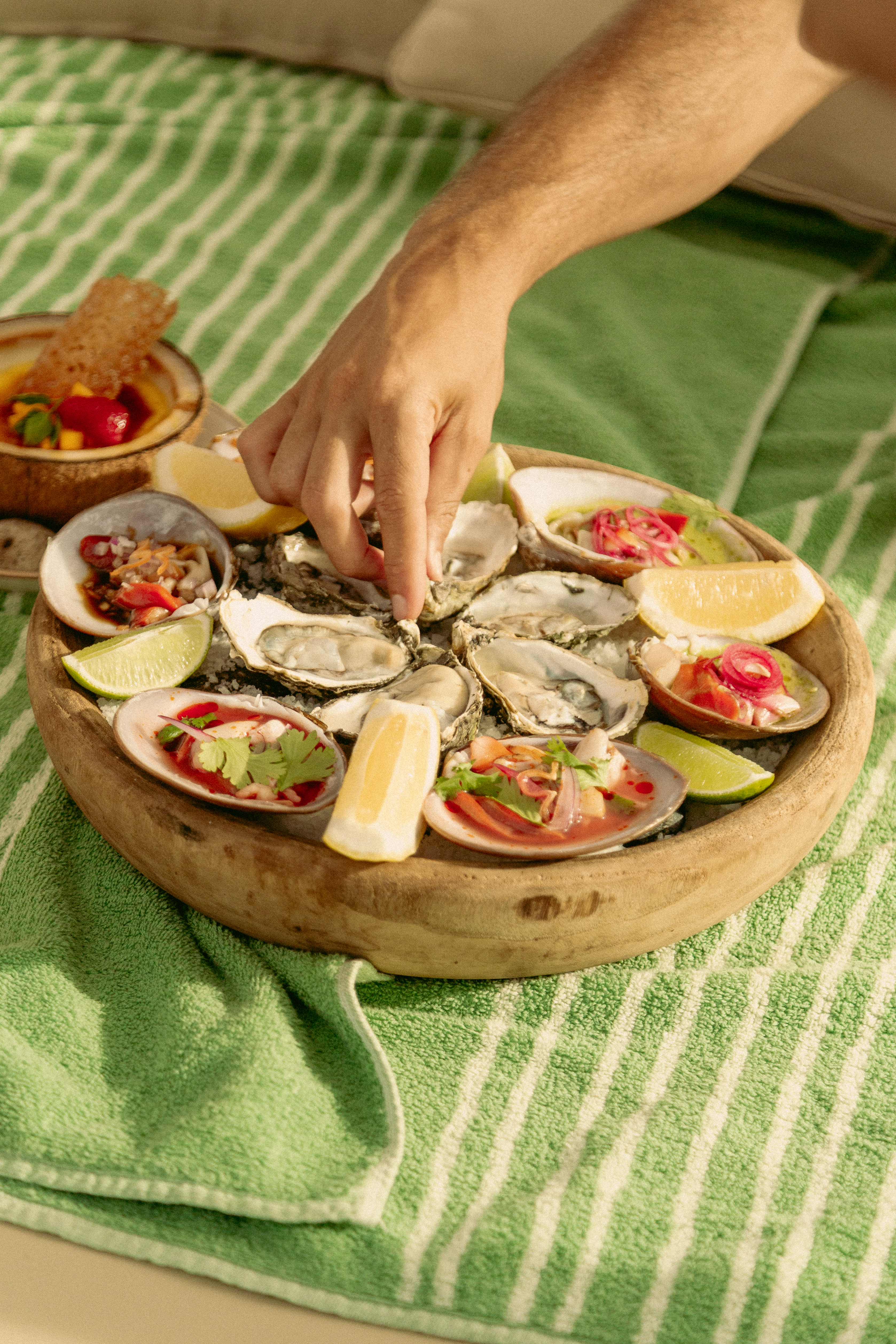
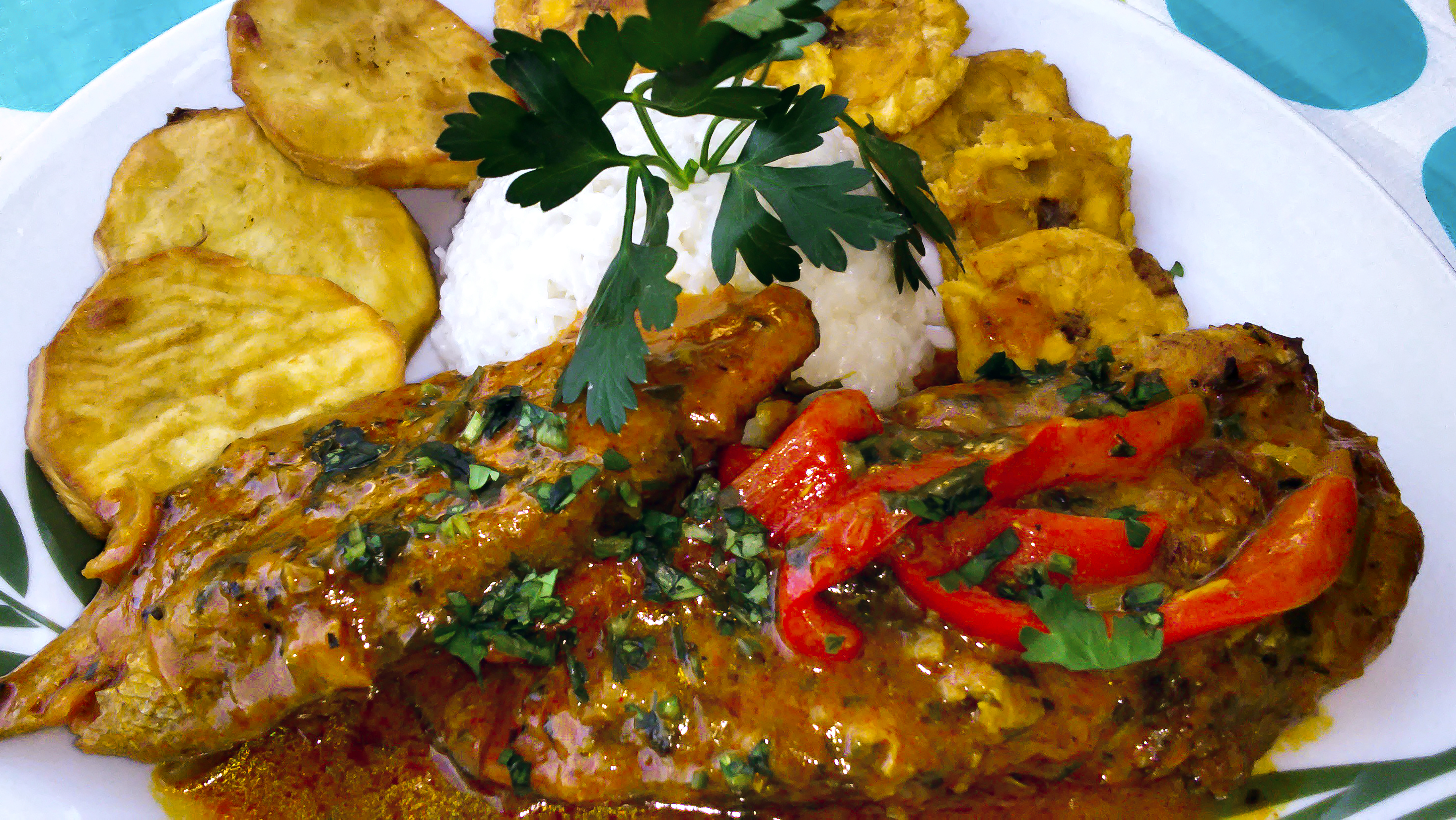
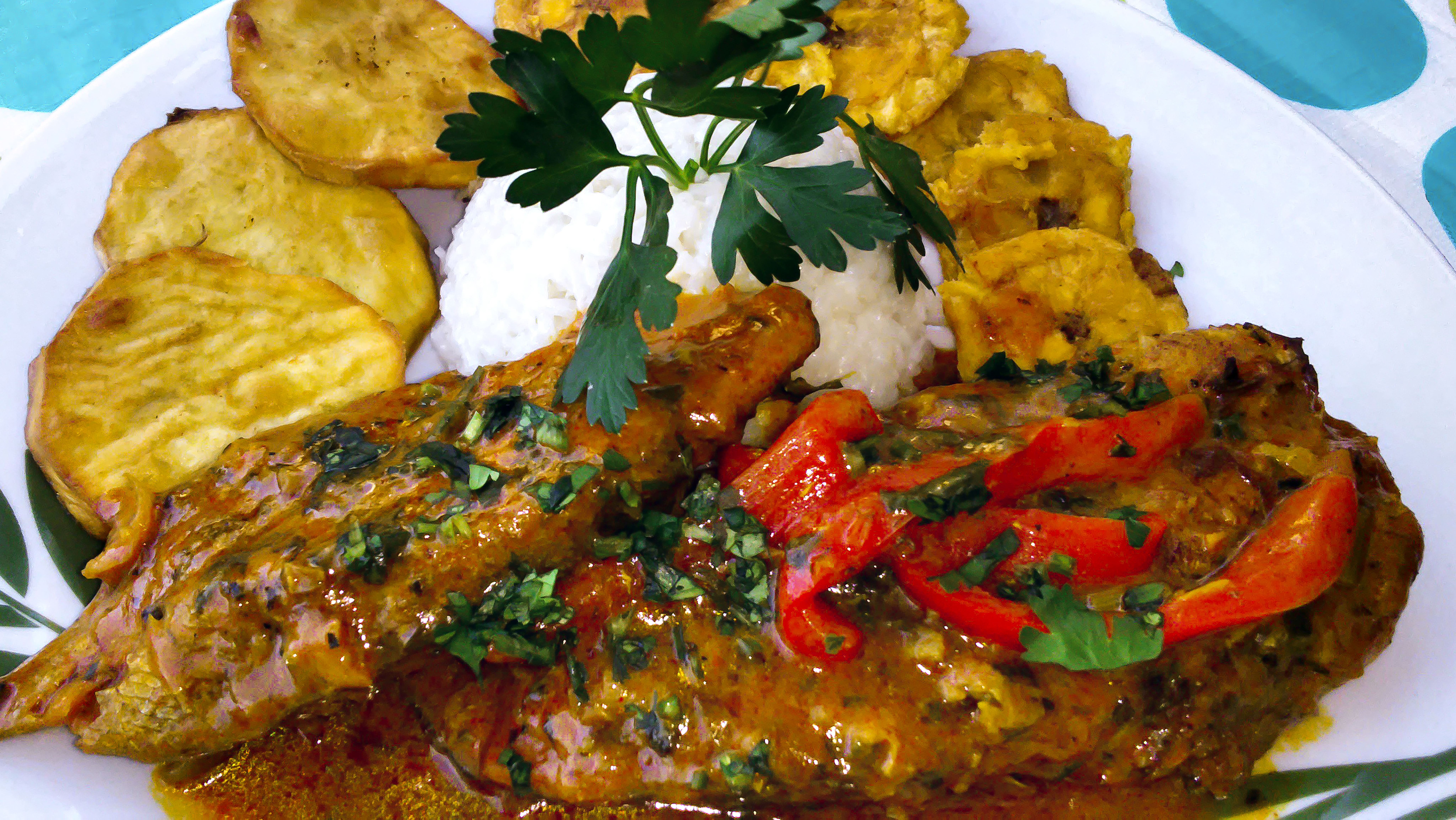
The gastronomy of Isla Saona is deeply influenced by fresh seafood and the Dominican Creole heritage. Eating on the beach under the shade of the coconut palms is a delight for the senses. These are the essential flavours you must try:
,regionOfInterest=(4101.5,2310))
,regionOfInterest=(4101.5,2310))
Although Isla Saona has a small population, the town of Mano Juan keeps many Dominican traditions alive. Its most important celebration is the San Juan Bautista Festival, which is celebrated every June with processions, music, dancing and community gatherings. During the rest of the year, life goes on to the rhythm of artisanal fishing, games of dominoes under the palm trees and gatherings at sunset by the sea.
The hospitality of its inhabitants and their close relationship with nature offer an authentic sample of local culture. In addition, visitors can get to know the community's customs up close and participate in environmental conservation initiatives. This quiet and traditional atmosphere makes Mano Juan one of the most charming corners of the island.
Travelling with children to Isla Saona is a safe and fascinating experience, as the little ones can enjoy nature in a controlled environment without strong surf. Among the best family plans are relaxing swims in the shallow waters of the Natural Pool, catamaran excursions with music and entertainment, or the educational aspect of visiting the Mano Juan community centre to learn about caring for the environment.
Although most people usually take a day trip, if you are lucky enough to have more time, here is a two-day itinerary on Isla Saona that will allow you to make the most of it:
📍 So that you can easily locate each beach, the sanctuary and the natural spaces mentioned in this guide, we have prepared a map with the points of interest. You can consult it and always have it on hand during your trip through the Dominican Republic.
,regionOfInterest=(3616,2413.5))
,regionOfInterest=(3616,2413.5))
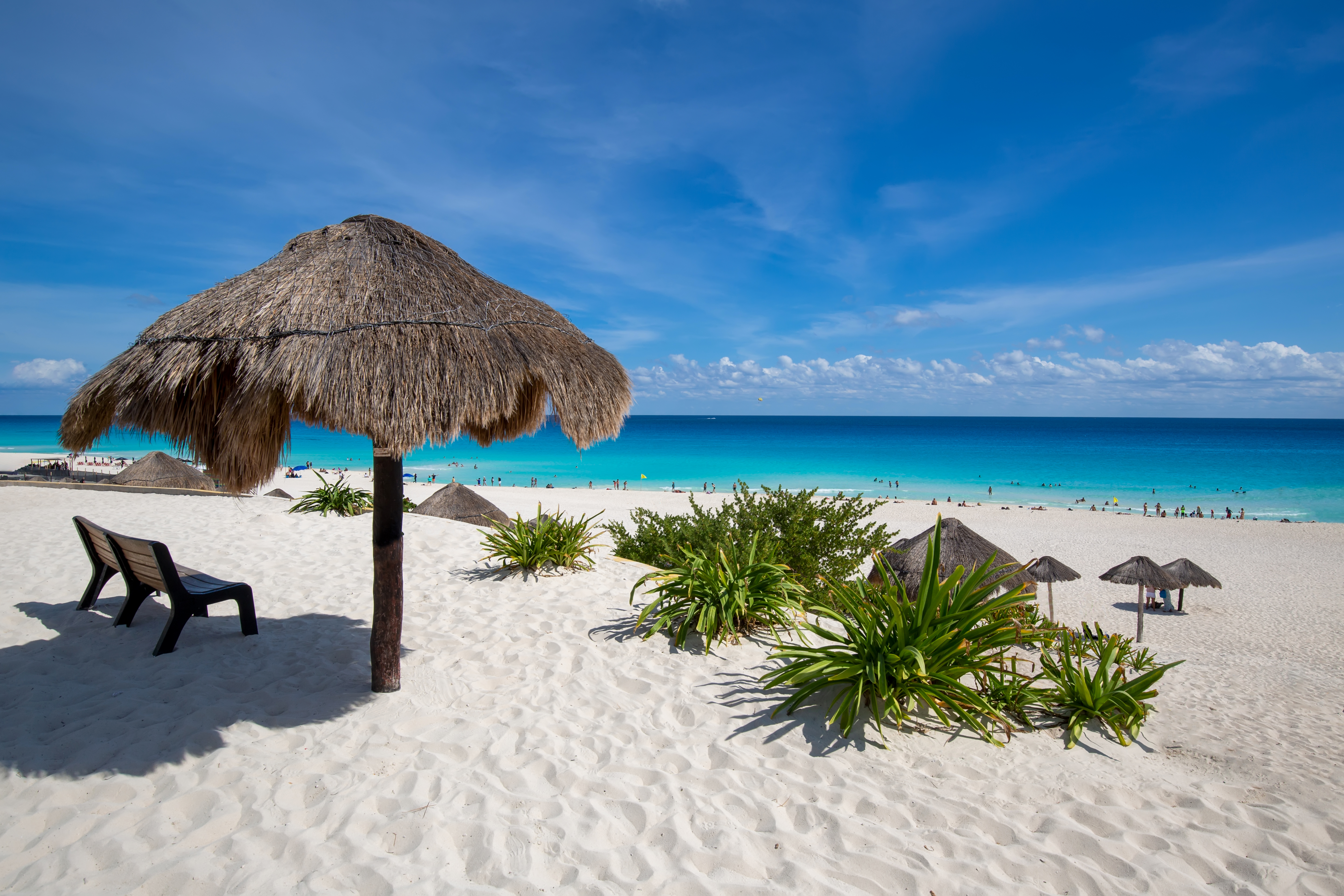,regionOfInterest=(2880,1920))
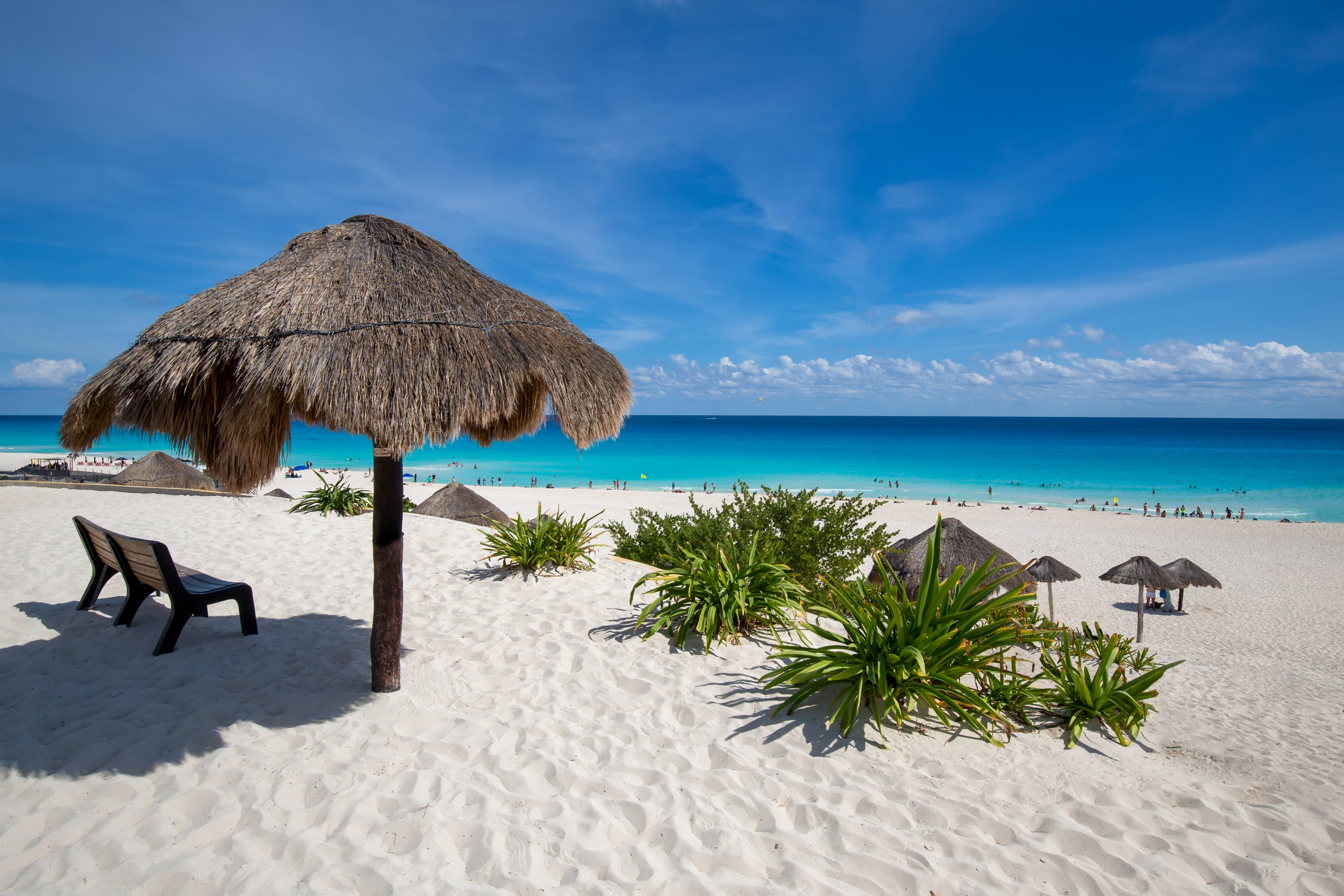,regionOfInterest=(2880,1920))
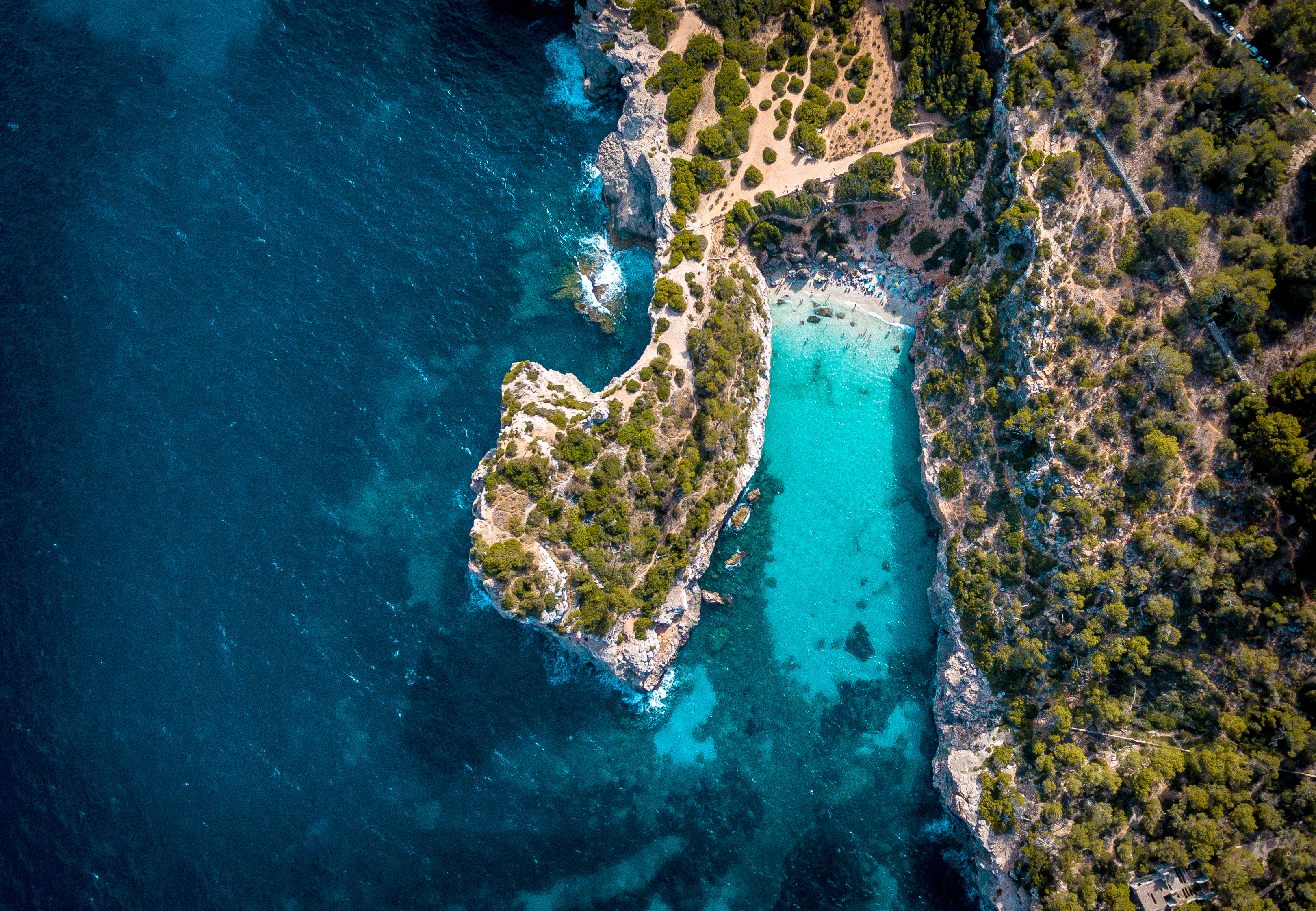,regionOfInterest=(1619.5,1121))
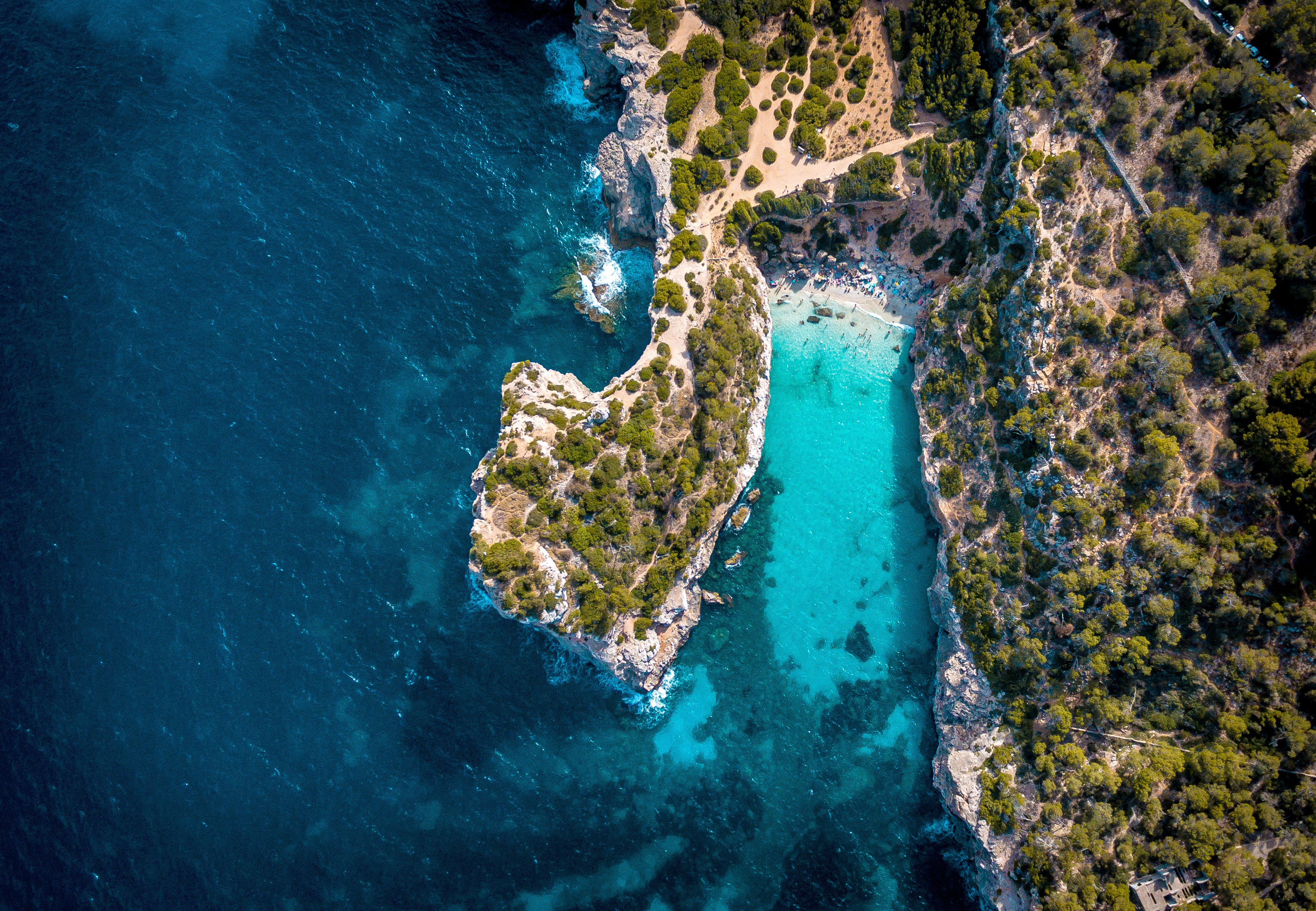,regionOfInterest=(1619.5,1121))
,regionOfInterest=(1476.5,634.5))
,regionOfInterest=(1476.5,634.5))
,regionOfInterest=(2273,1523))
,regionOfInterest=(2273,1523))
,regionOfInterest=(1564,1200))
,regionOfInterest=(1564,1200))