,regionOfInterest=(2732,1820))
,regionOfInterest=(2732,1820))
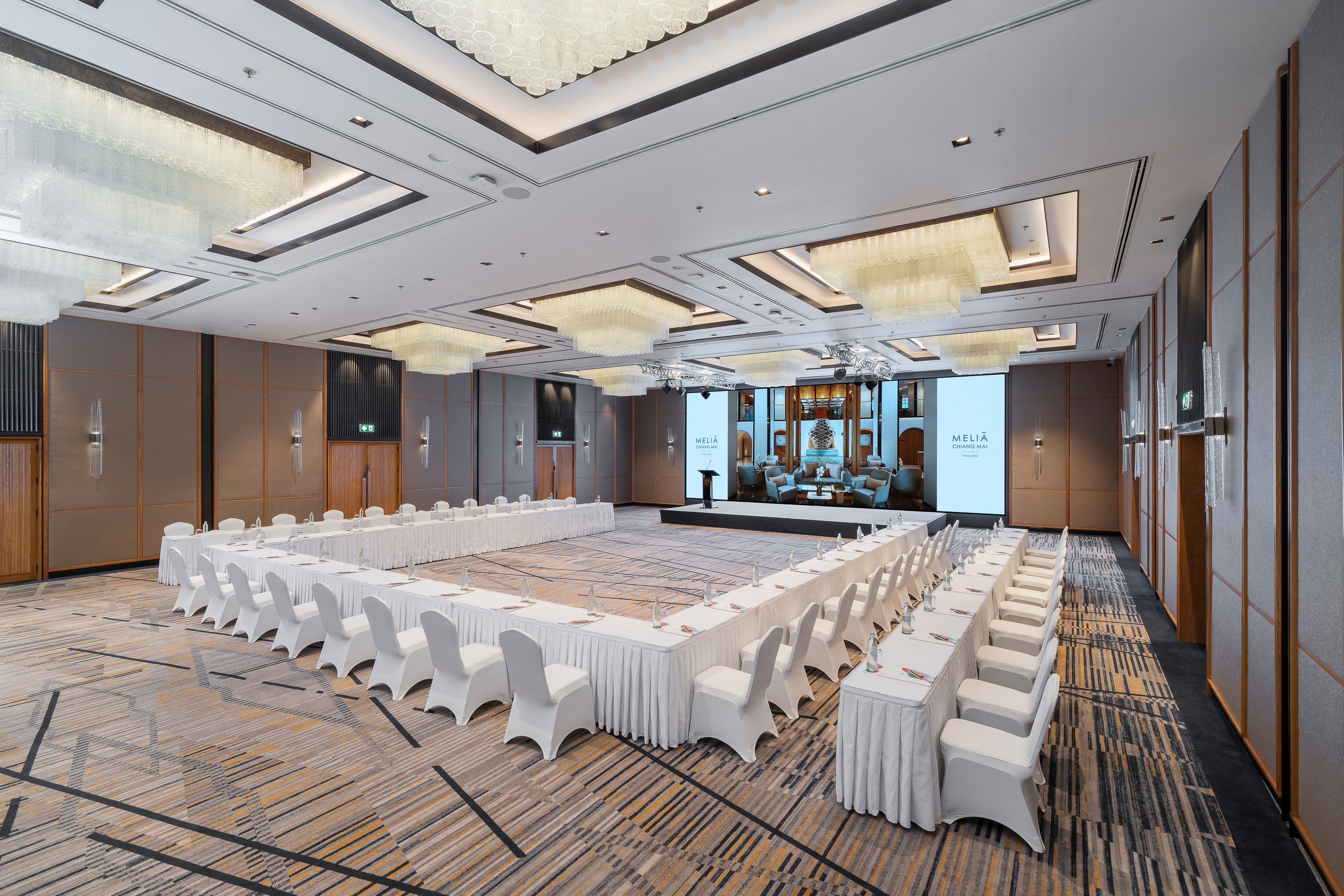
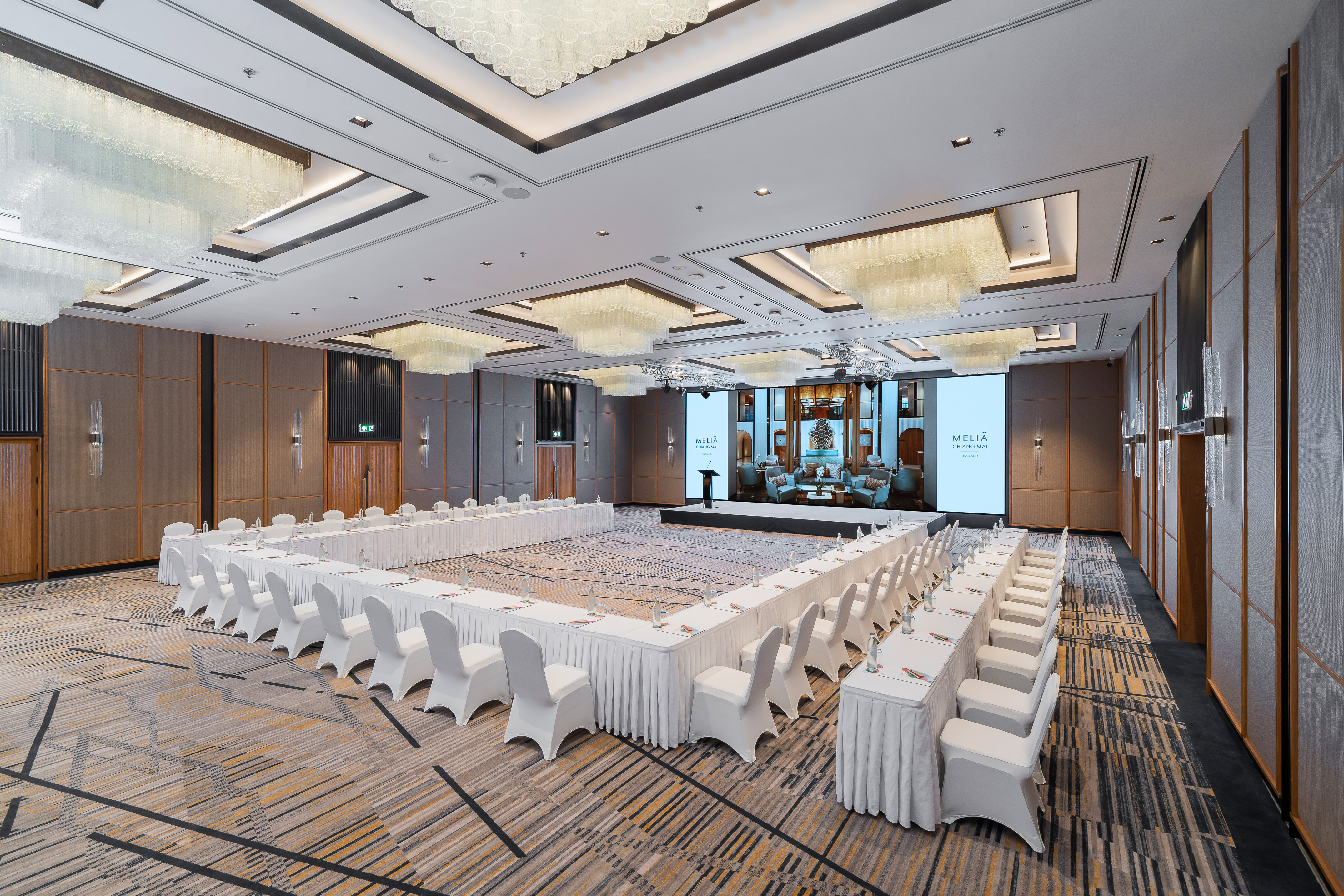
Best corporate venues in Chiang Mai 2026: meeting and event spaces
,regionOfInterest=(2150,1433.5))
,regionOfInterest=(2150,1433.5))
Culture
,regionOfInterest=(2304,1728))
,regionOfInterest=(2304,1728))
Culture
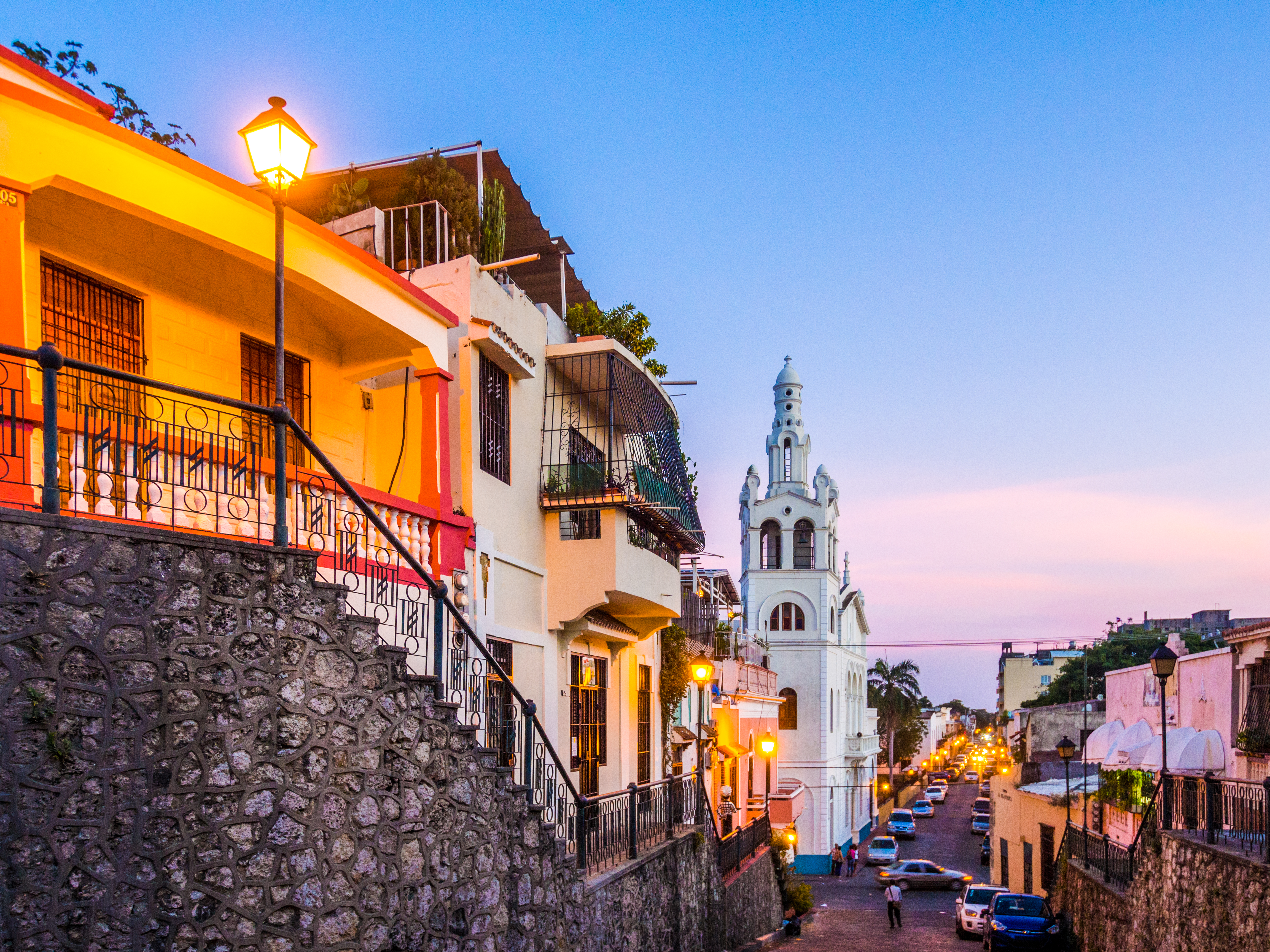
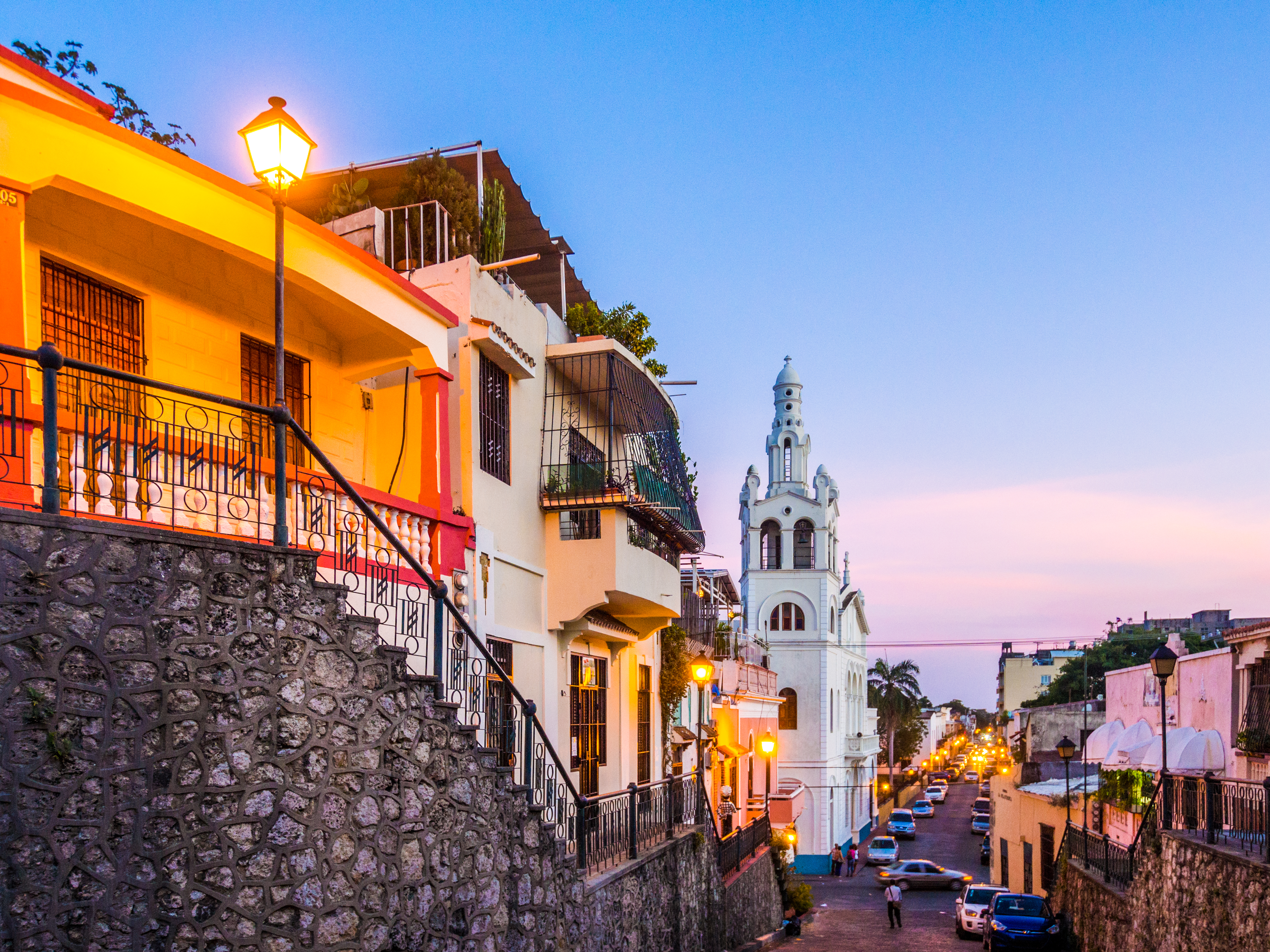
In the city of Santo Domingo, history and modernity coexist in a surprising way. The capital of the Dominican Republic, bathed by the waters of the Caribbean Sea and divided by the Ozama River, is the first urban settlement in the New World, which is why it is considered the oldest European colonial city in the Americas. Its streets preserve centuries of colonial legacy while the modern neighbourhoods, shopping centres and avenues show a dynamic and constantly evolving metropolis.
If you are organising your itinerary and wondering what to see in Santo Domingo, I can tell you that the city offers much more than historical monuments. Here you will find excellent gastronomy, a vibrant cultural life, huge urban parks, museums, seafront promenades and a wide variety of experiences for all tastes and ages.
In this Santo Domingo tourist guide, I have included the main attractions of the Dominican capital to help you organise your visit and enjoy it with all five senses.
,regionOfInterest=(512,482))
,regionOfInterest=(512,482))
Digital marketing specialist with a passion for travel, writing, and discovering what makes every destination unique.
,regionOfInterest=(3360,2240))
,regionOfInterest=(3360,2240))
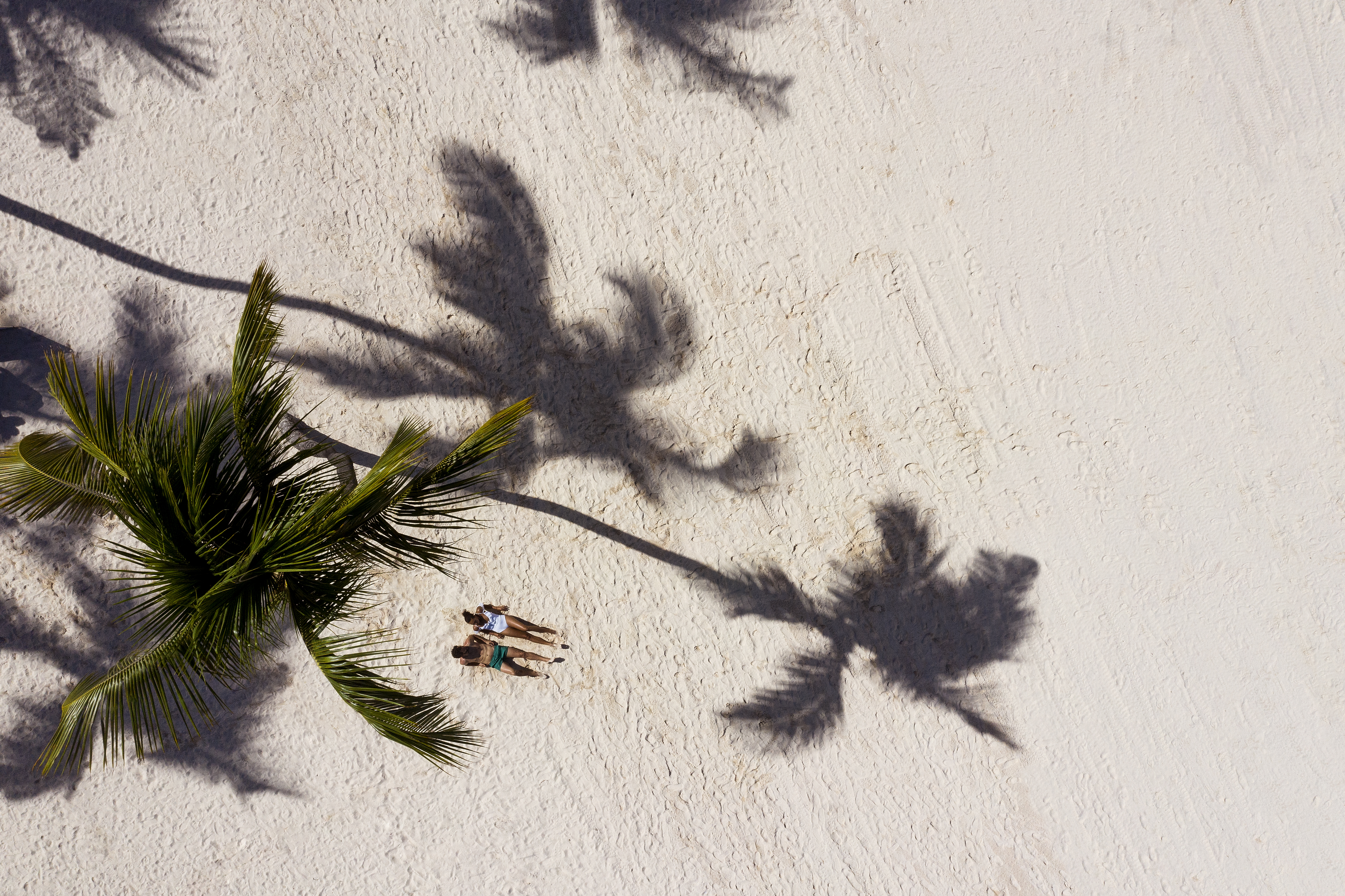,regionOfInterest=(2732,1820))
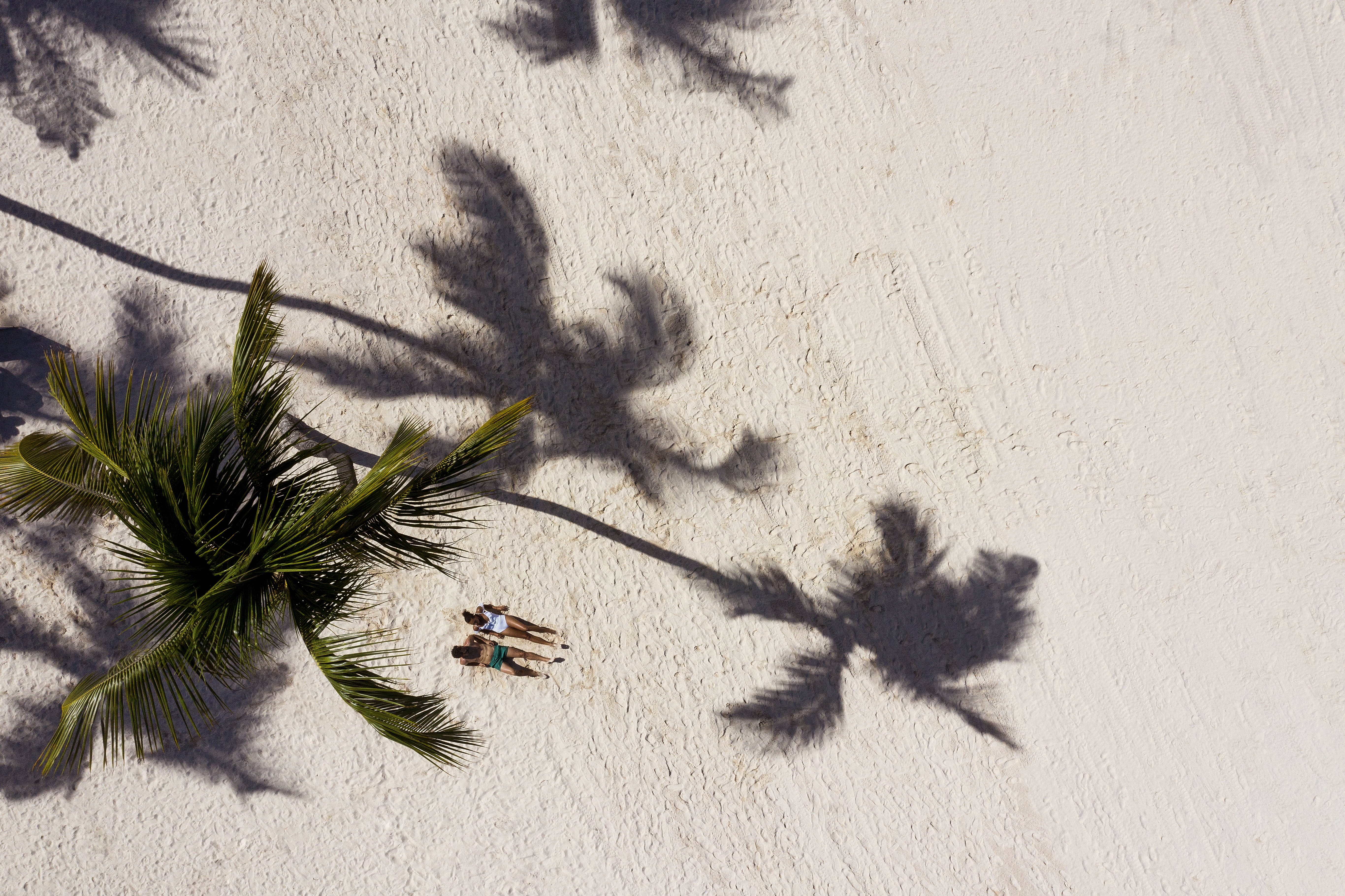,regionOfInterest=(2732,1820))
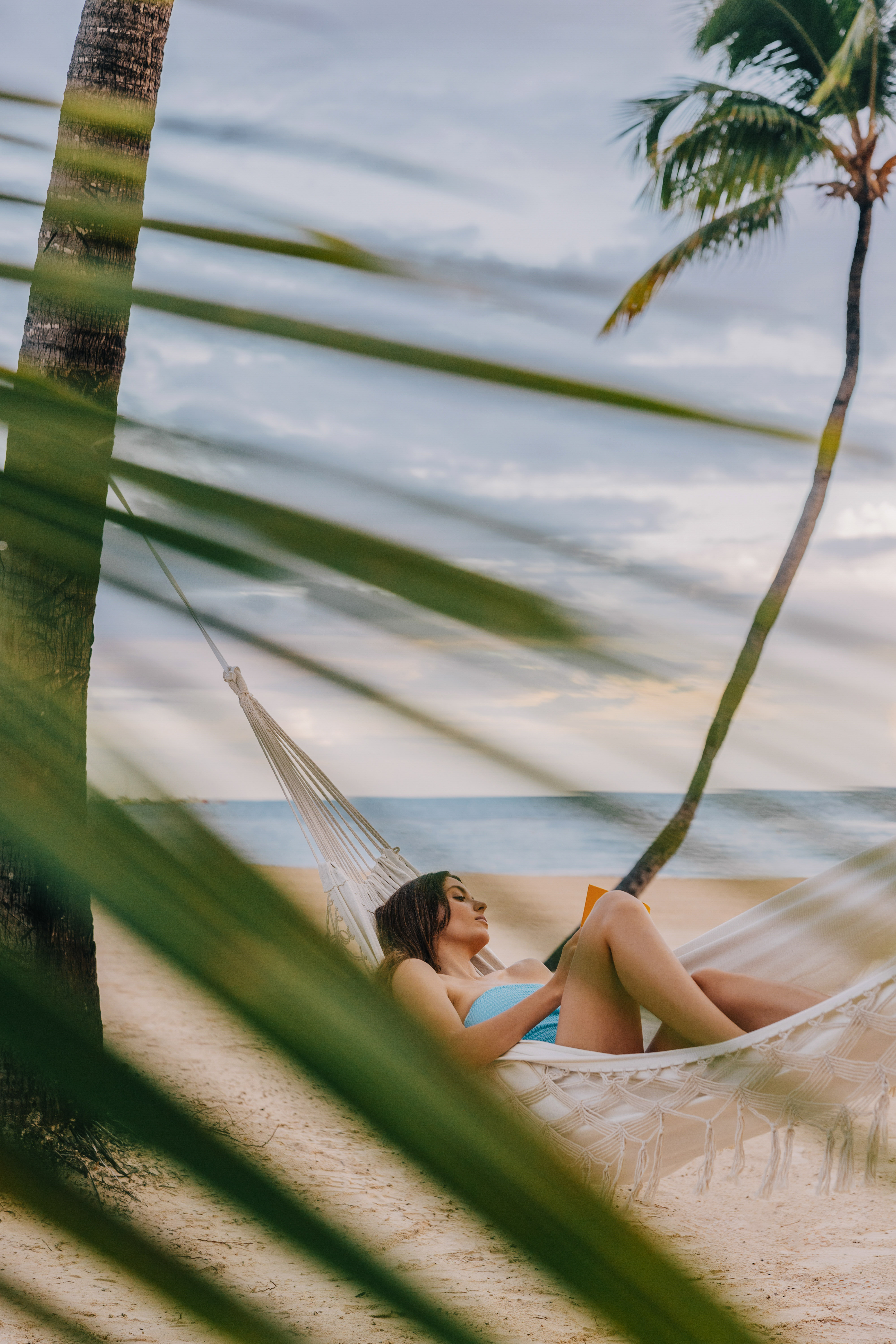,regionOfInterest=(2000,3000))
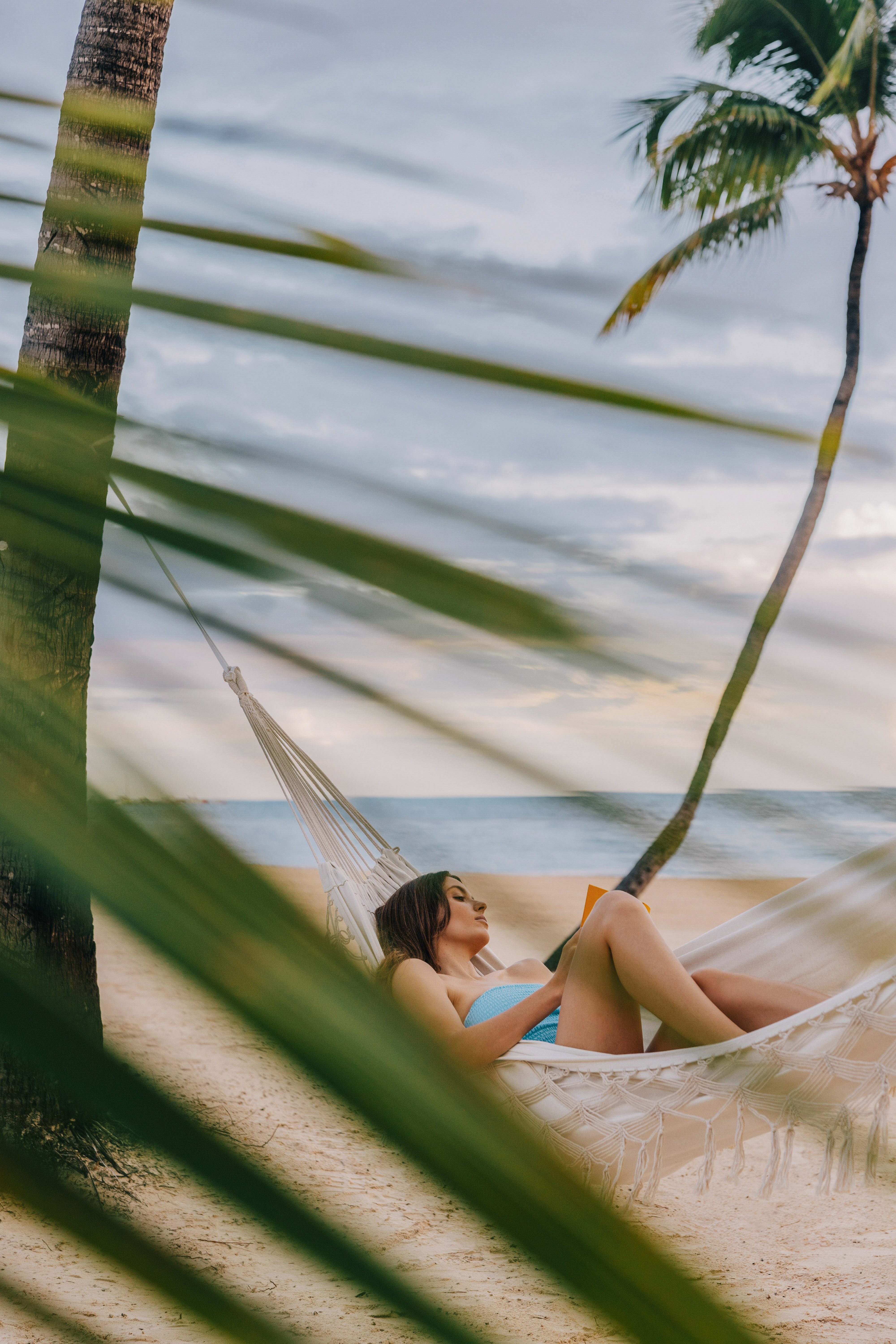,regionOfInterest=(2000,3000))
When people ask me what to do in Santo Domingo, I always say that the ideal is to combine history, culture and leisure. Although many people are unaware of it, the city has one of the best-preserved colonial areas in the Americas, where every street tells a story related to the first years of the European arrival on the continent.
Beyond the historical monuments, there are a multitude of activities in Santo Domingo that allow you to get to know the lifestyle of the locals. From walking along the Malecón at sunset, to tasting Dominican gastronomy or discovering its museums and cultural spaces.
As in any other tourist destination, but even more so here, the best way to enjoy the city is to walk without haste through its historic neighbourhoods, alternating cultural visits with moments of rest facing the Caribbean Sea.
,regionOfInterest=(2197.5,1648))
,regionOfInterest=(2197.5,1648))
In the heart of the Colonial City, the Alcázar de Colón is one of the most important historical buildings in the entire American continent. Built in the 16th century as the residence of Diego Colón (son of Admiral Christopher Columbus) and his wife María de Toledo, it allows you to learn how the colonial elite lived during the first years of the Spanish presence in America.
Presiding over the Plaza de la Hispanidad, the building functioned as the nerve centre of the Spanish court in the New World and, today, it is a museum with an exclusive and valuable collection of furniture, tapestries and art objects that recreate the lifestyle of the viceregal nobility of the time.
Considered the first church built in the New World, the Cathedral of Santa María la Menor is one of the great symbols of Santo Domingo. Its mix of architectural styles and its historical importance make it one of the main places to visit in Santo Domingo without a doubt.
Built at the beginning of the 16th century to defend the city from possible invasions, the Ozama Fortress is the oldest European military structure in the Americas. Its imposing Tower of Homage stands strategically over the mouth of the Ozama River to defend the city from constant attacks by pirates and privateers.
Climbing its coral stone steps will allow you to enjoy one of the best views of the capital, as well as understand the defensive character of the city.
The National Pantheon is a majestic neoclassical building that serves as the final resting place for the country's most illustrious national heroes and intellectuals. Located in what was originally an 18th-century Jesuit church, its interior atmosphere invites silence. In its centre stands out a spectacular bronze lamp donated by the Spanish dictator Francisco Franco and an impressive mural that decorates the ceiling.
The Monastery of San Francisco was one of the first Franciscan convents built on the American continent. Over the centuries, the structure has firmly resisted the onslaught of earthquakes, pirate looting and military battles.
,regionOfInterest=(2732,1820))
,regionOfInterest=(2732,1820))
Declared a World Heritage Site by UNESCO, the Colonial City is the main historical treasure of Santo Domingo and an essential destination. The old town of the capital displays a beautiful labyrinth of cobbled streets, wrought iron street lamps and centuries-old facades that will make you fall in love at first sight.
Developed at the beginning of the 20th century as one of the first residential extensions of the city outside the colonial walls, Gazcue stands out for its stately and tree-lined layout. Walking along its quiet avenues allows you to discover a unique architecture that fuses neoclassical style chalets with striking Art Deco design villas.
It is a neighbourhood with a markedly intellectual and bohemian atmosphere, home to various cultural institutions, universities and small independent theatres that show a completely different perspective of Santo Domingo.
Considered the financial district of the capital, Piantini represents the most modern and cosmopolitan face of Santo Domingo. Its avenues are home to some of the best fine dining restaurants, luxury hotels, shopping centres and business buildings in the country. It is an excellent area to enjoy gastronomy and nightlife.
On the borders of the old northern wall, the historic neighbourhood of Santa Bárbara has undergone a huge transformation in recent years thanks to urban art. What was once a traditional sector of stonemasons and sailors is today an authentic open-air museum.
Its residential facades and old walls display impressive large-scale murals painted by local and international artists, offering a tour full of colour, social criticism and creativity.
,regionOfInterest=(2542.5,1695))
,regionOfInterest=(2542.5,1695))
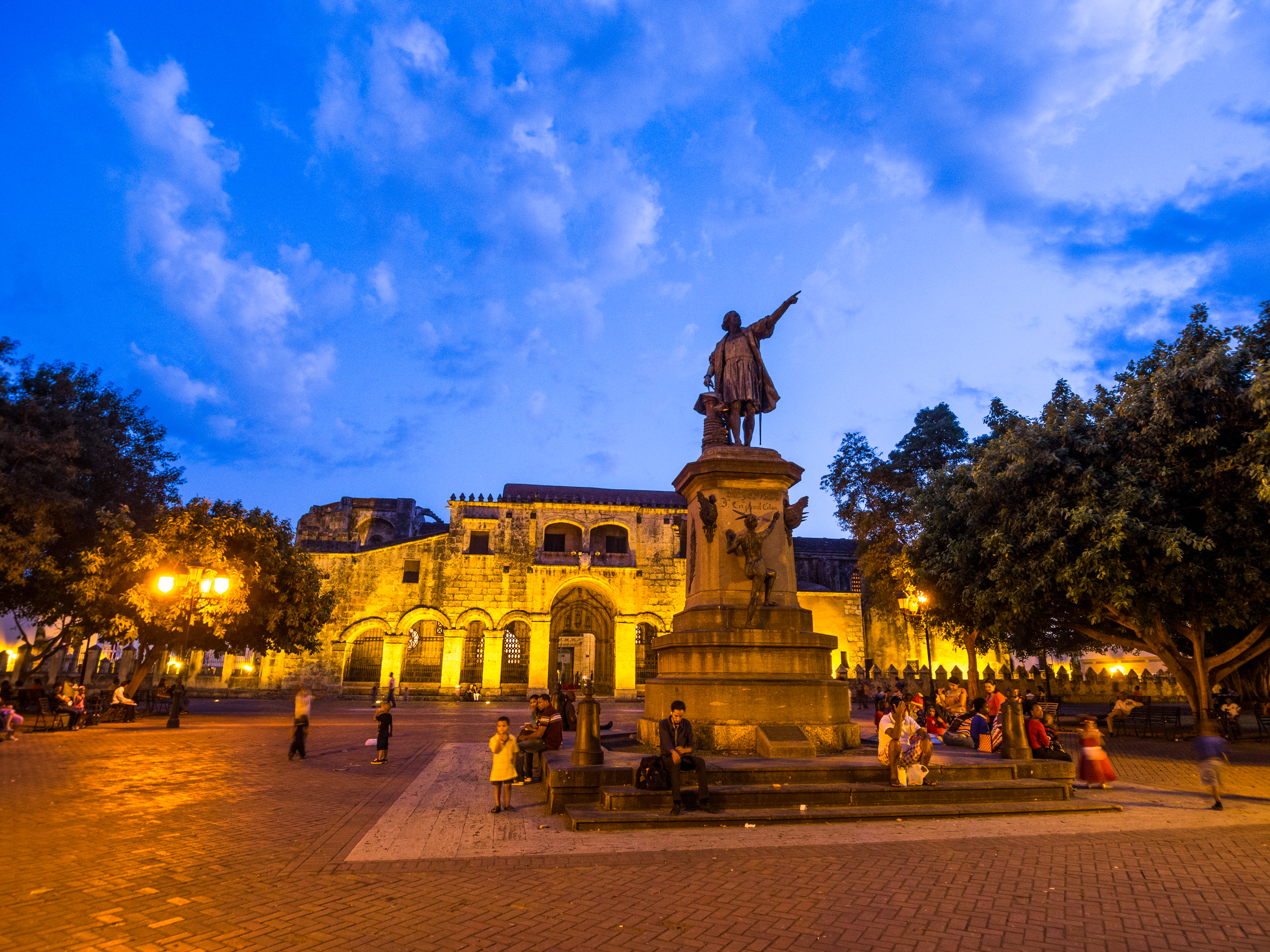
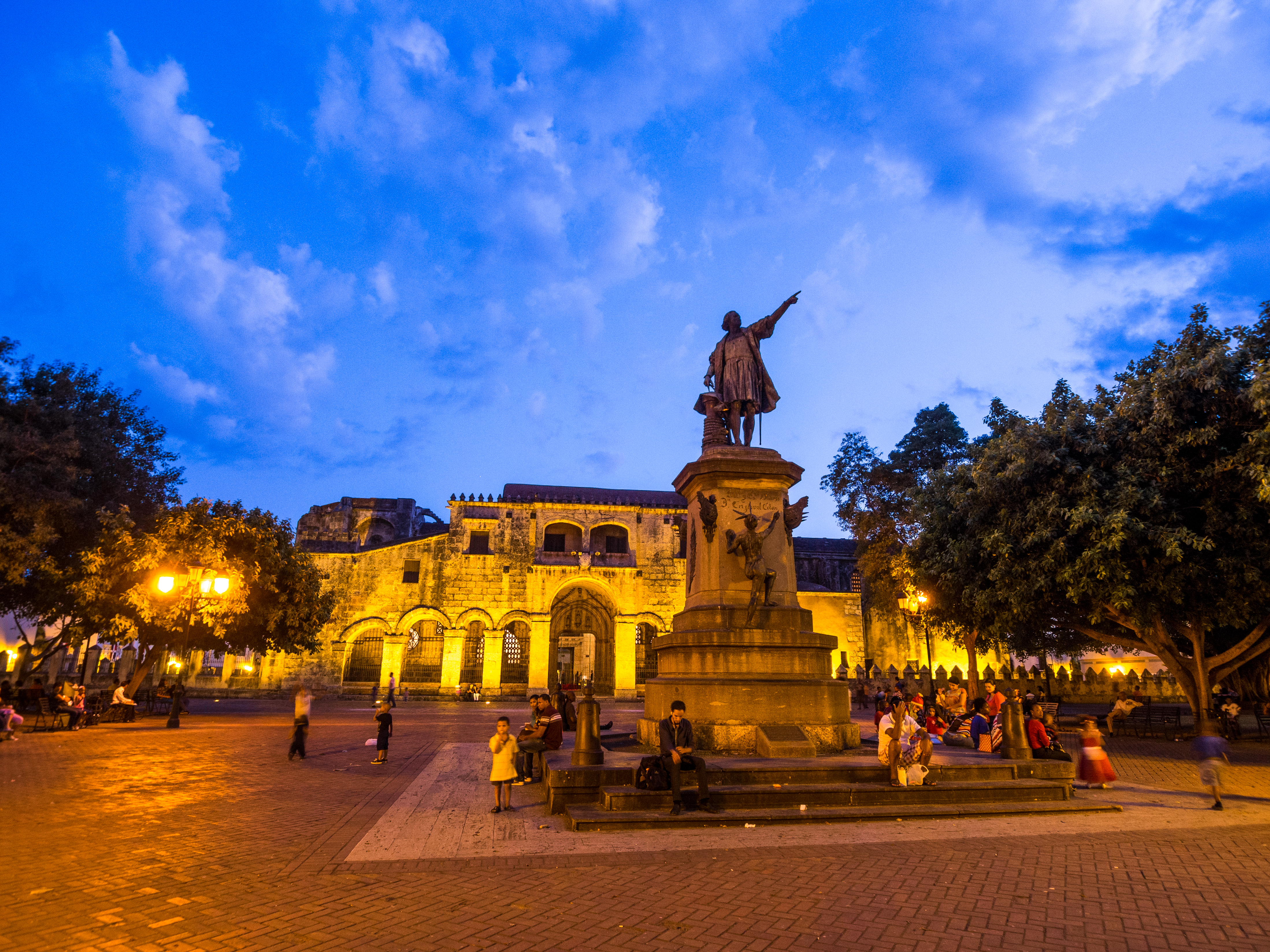
Located in the heart of the Colonial City, Columbus Park is one of the most iconic public spaces in Santo Domingo. This lively square full of trees and surrounded by historical buildings, cafés and restaurants, is imposingly presided over by a bronze statue of Christopher Columbus.
Few experiences are as rewarding as walking along the Santo Domingo Malecón while contemplating the spectacular views of the Caribbean Sea. This long seafront promenade is one of the main meeting points in the city which, especially at sunset, fills with people who come out to walk, play sports or simply contemplate the horizon.
With an extension that exceeds six kilometres in length parallel to the coast, the Mirador Sur Park is the green lung of the capital. It is perfect for walking, running or relaxing away from the noise of the centre, thanks to its wide pedestrian avenues flanked by lush tropical vegetation, cycle paths and areas dedicated to outdoor exercise.
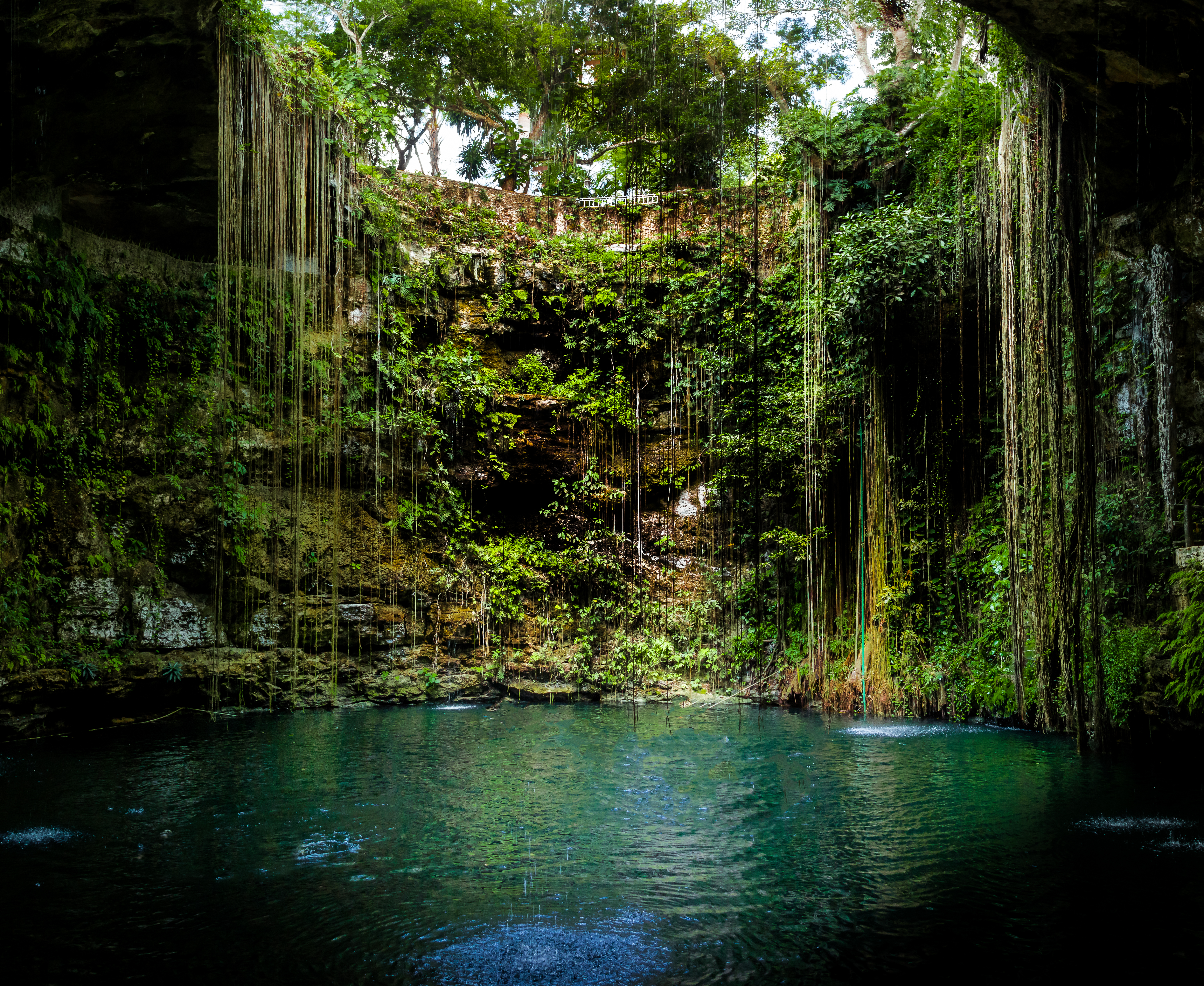
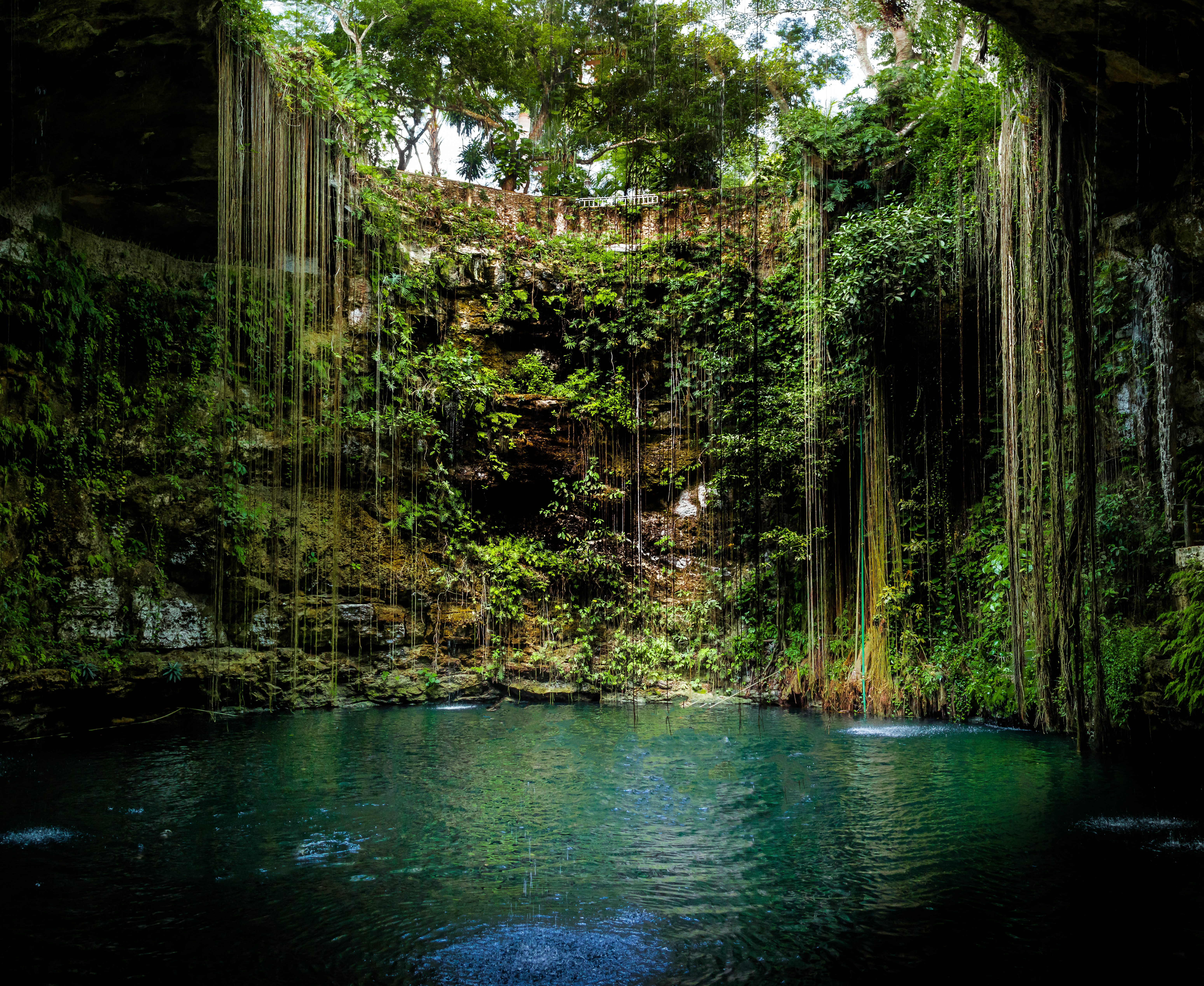
A few minutes from the city centre is The Three Eyes, an impressive underground national park that guards one of the city's greatest natural jewels. This gigantic limestone cavern, whose roof collapsed centuries ago, revealed four beautiful lagoons of crystal-clear fresh water with dazzling blue tones.
A system of stairways carved into the rock allows you to descend to the first three ponds, while to access the fourth it is necessary to do so on board a small wooden boat.
,regionOfInterest=(2080,3120))
,regionOfInterest=(2080,3120))
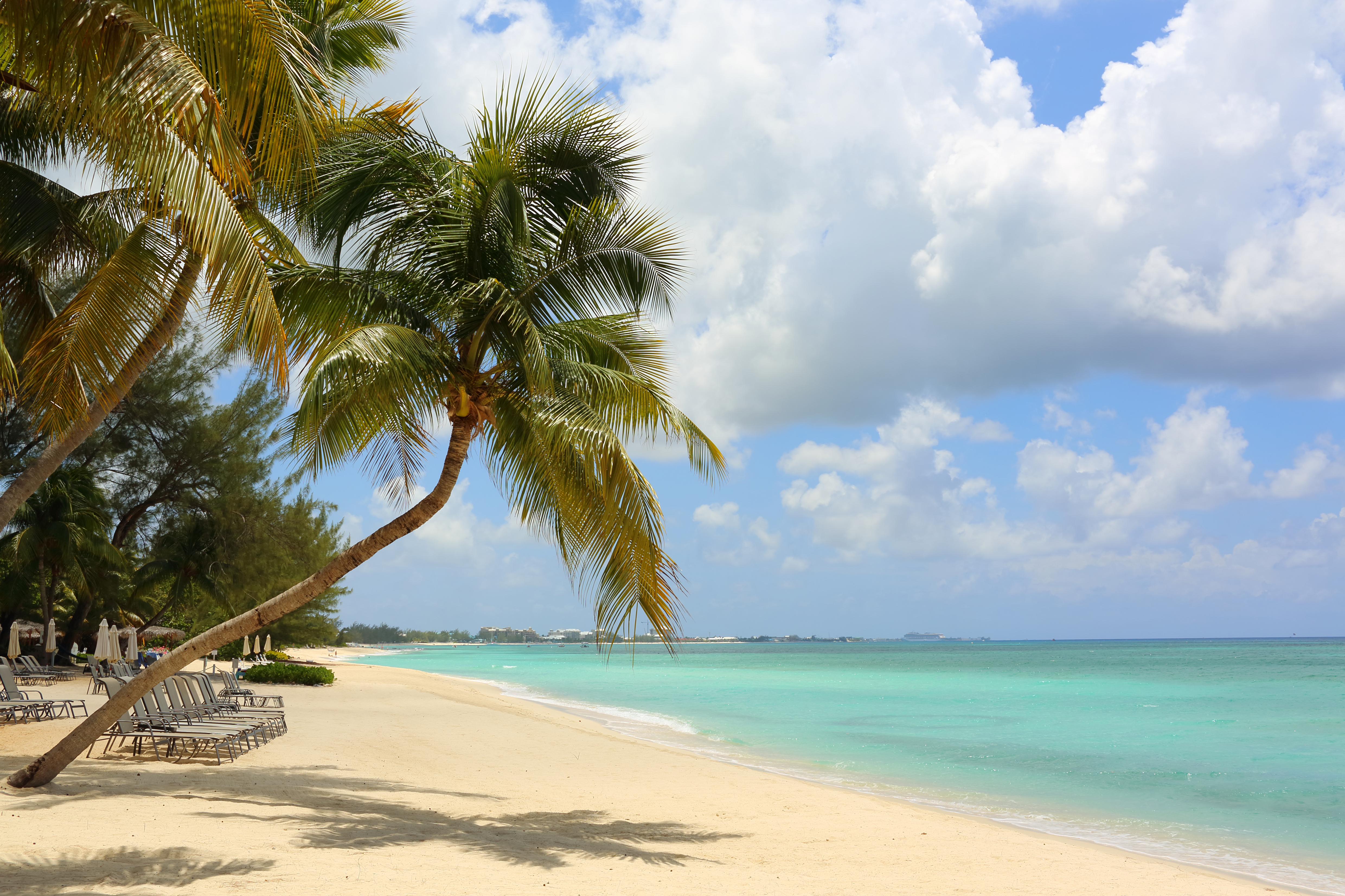
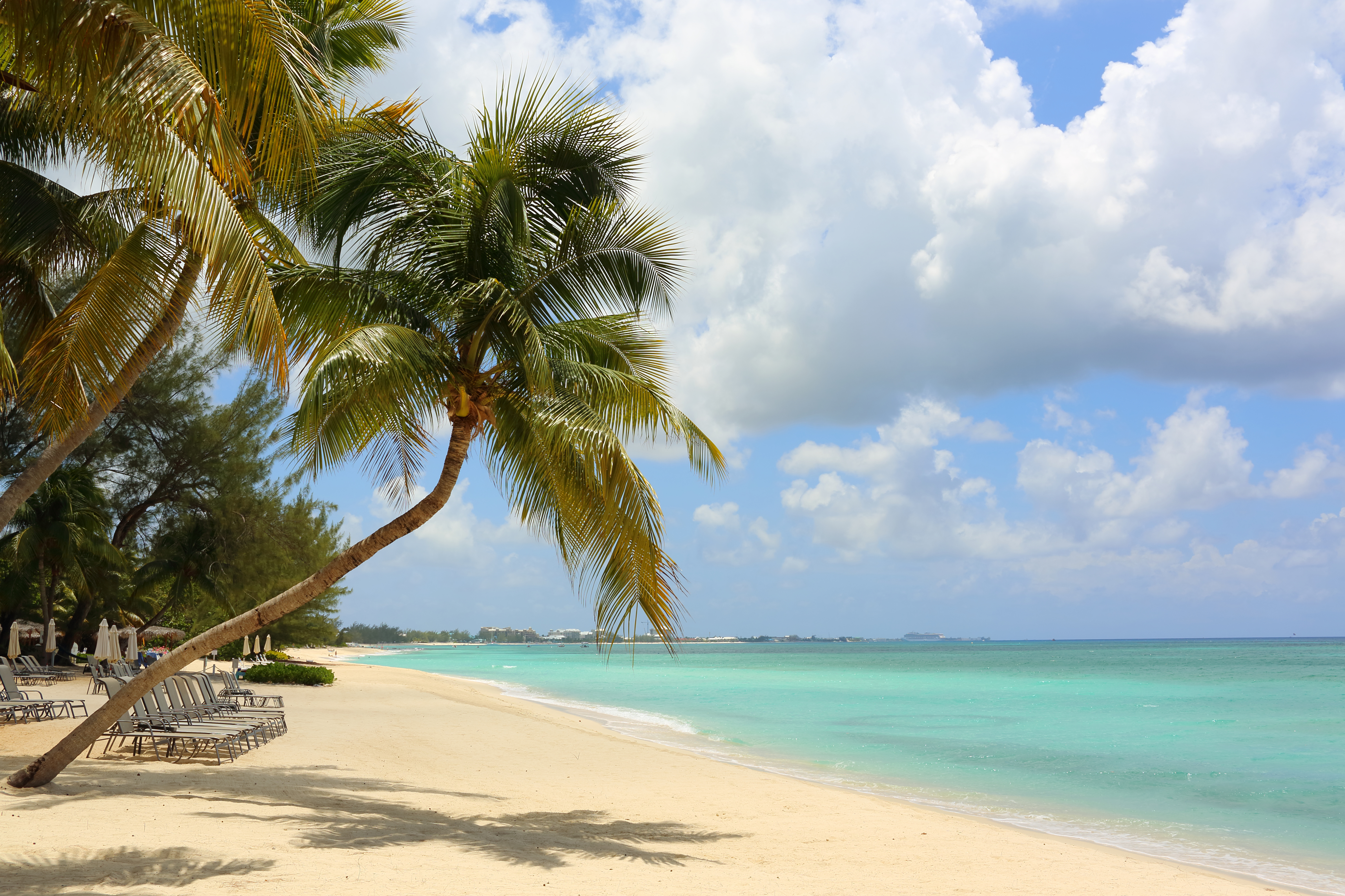
Less than an hour from the capital is Boca Chica, one of the most popular beaches for locals. Its main attraction lies in an extensive bay of calm, crystal-clear waters naturally protected by a large coral reef, which makes the area a gigantic natural swimming pool with hardly any waves.
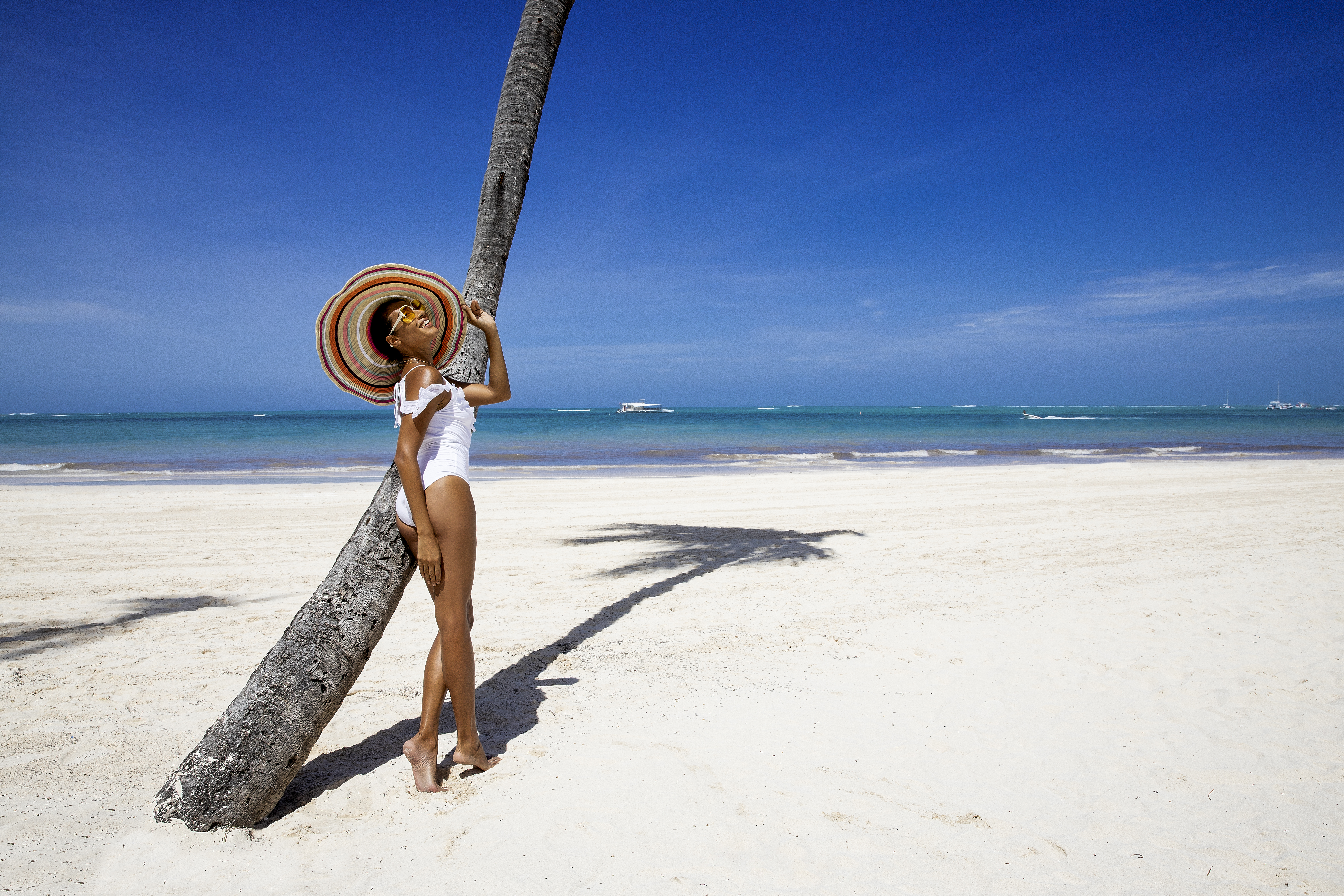
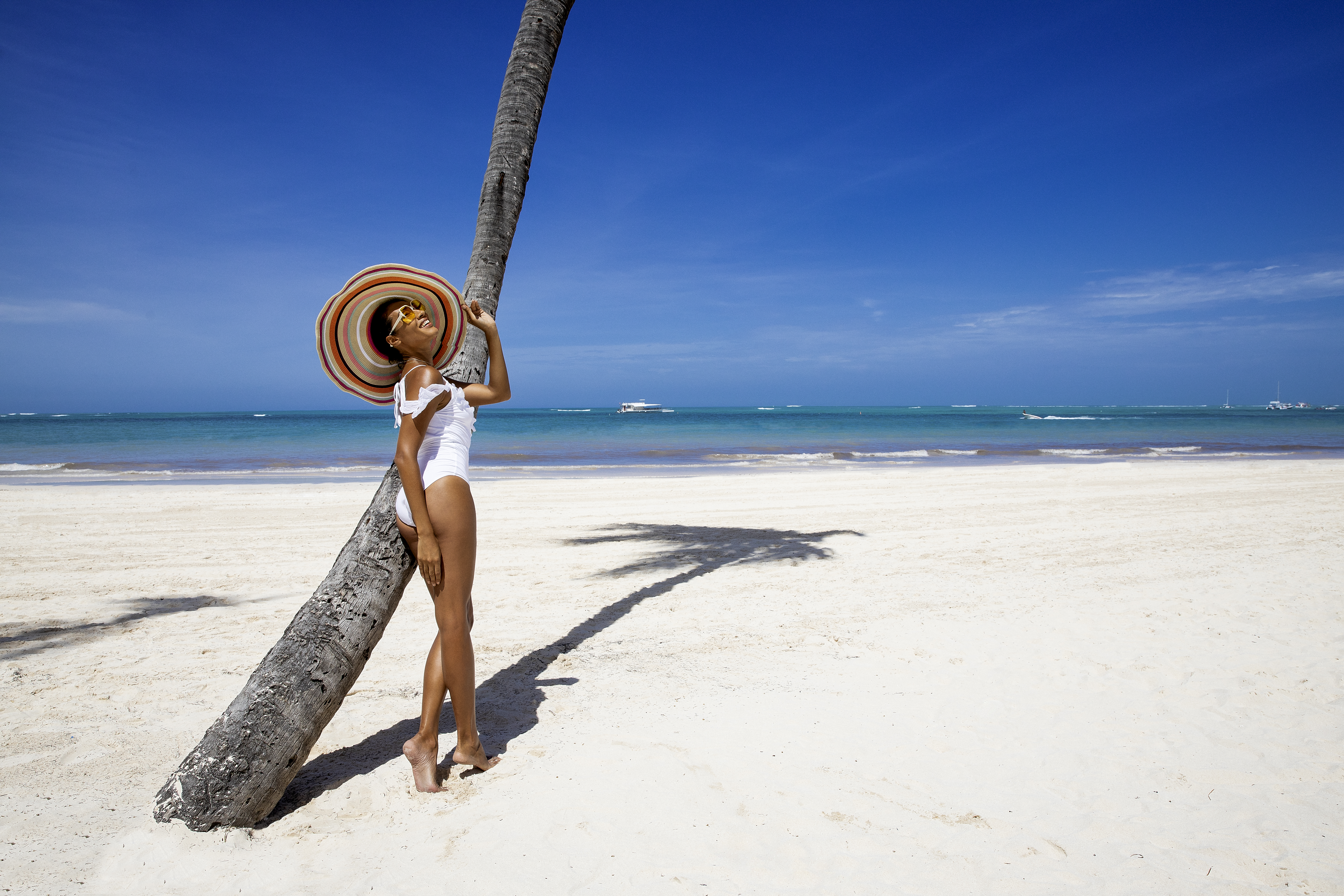
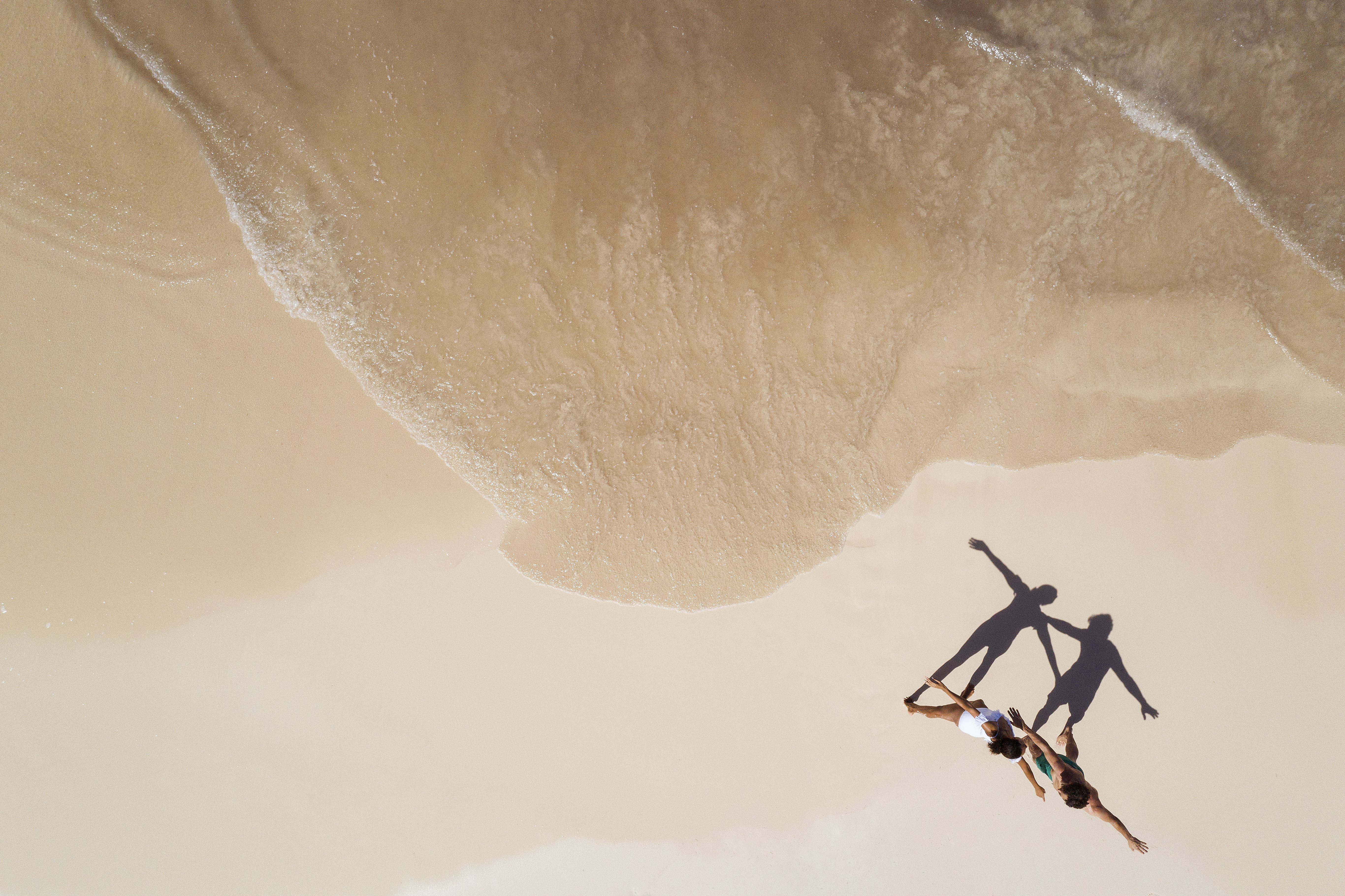
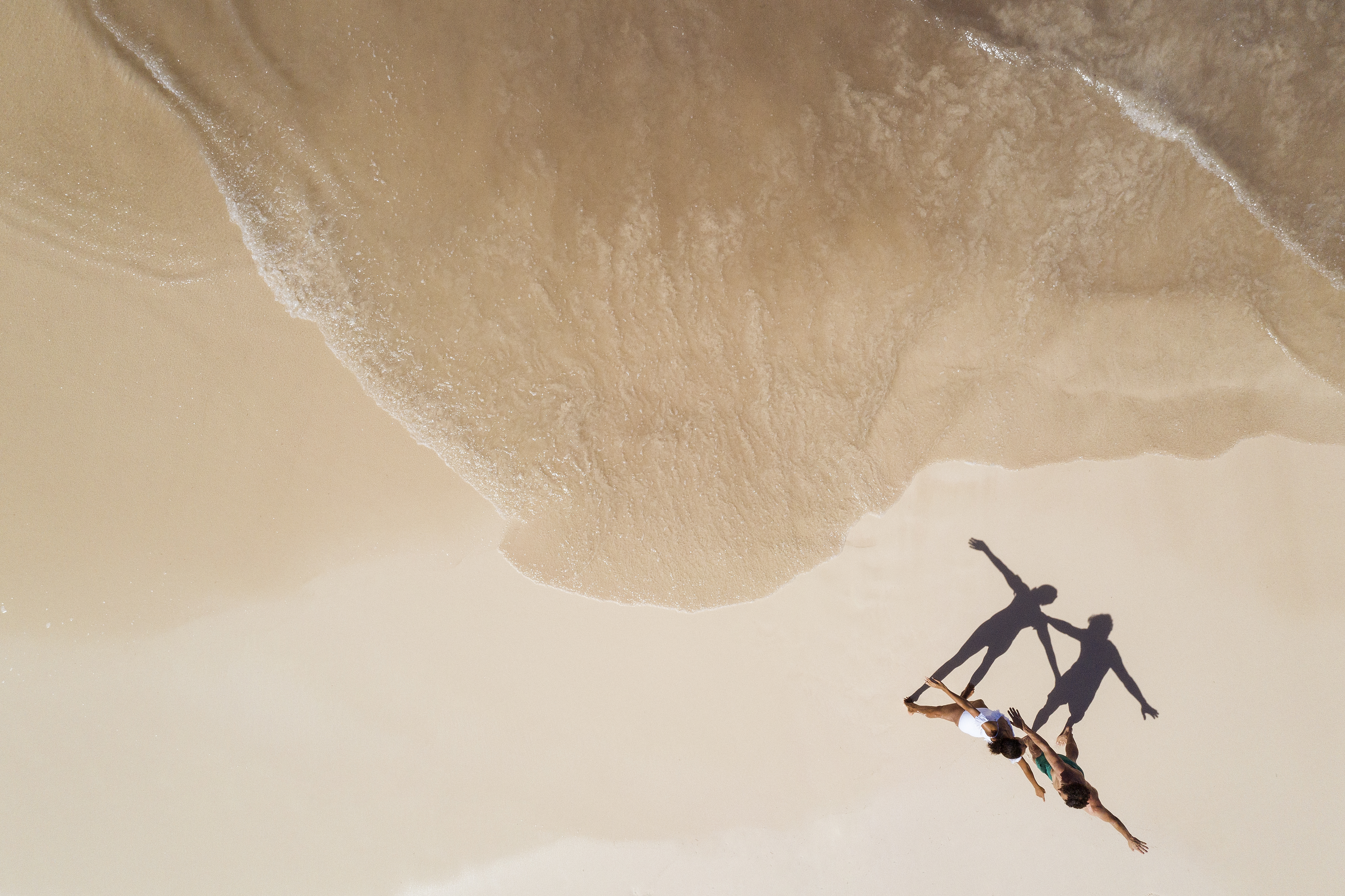
Juan Dolio is a coastal destination that stands out for its extensive sandy beaches, its attractive gastronomic offer by the sea and a more relaxed atmosphere than that of the capital. It is the ideal alternative if you are looking to combine the urban pulse with beach relaxation on the same trip.
Approximately an hour's drive to the east, San Pedro de Macorís is a historic municipality that experienced an authentic golden age at the end of the 19th century thanks to the boom in the sugar industry.
With a large collection of Victorian and neoclassical buildings of great architectural value, San Pedro de Macorís is world-famous for being one of the greatest cradles of Major League Baseball players and for its colourful Guloyas dances, declared a World Heritage Site.
,regionOfInterest=(2080,3120))
,regionOfInterest=(2080,3120))
Located in an imposing 16th-century Renaissance palace that served as the headquarters of the Royal Court and the official residence of the Spanish governors, the Museo de las Casas Reales allows you to discover the political and administrative organisation of the colonial era.
An ideal visit to learn about the country's cultural evolution. Located in the Plaza de la Cultura, the Museo del Hombre Dominicano has one of the most important archaeological and ethnographic collections in the Dominican Republic, which provides an overview from the Taíno civilisations to the present day.
This museum is temporarily closed for renovation of its main rooms.
,regionOfInterest=(3360,2240))
,regionOfInterest=(3360,2240))
If you are looking for different experiences during your stay in the city, here is a list of things to do in Santo Domingo that break with the conventional:
,regionOfInterest=(1821.5,2732))
,regionOfInterest=(1821.5,2732))
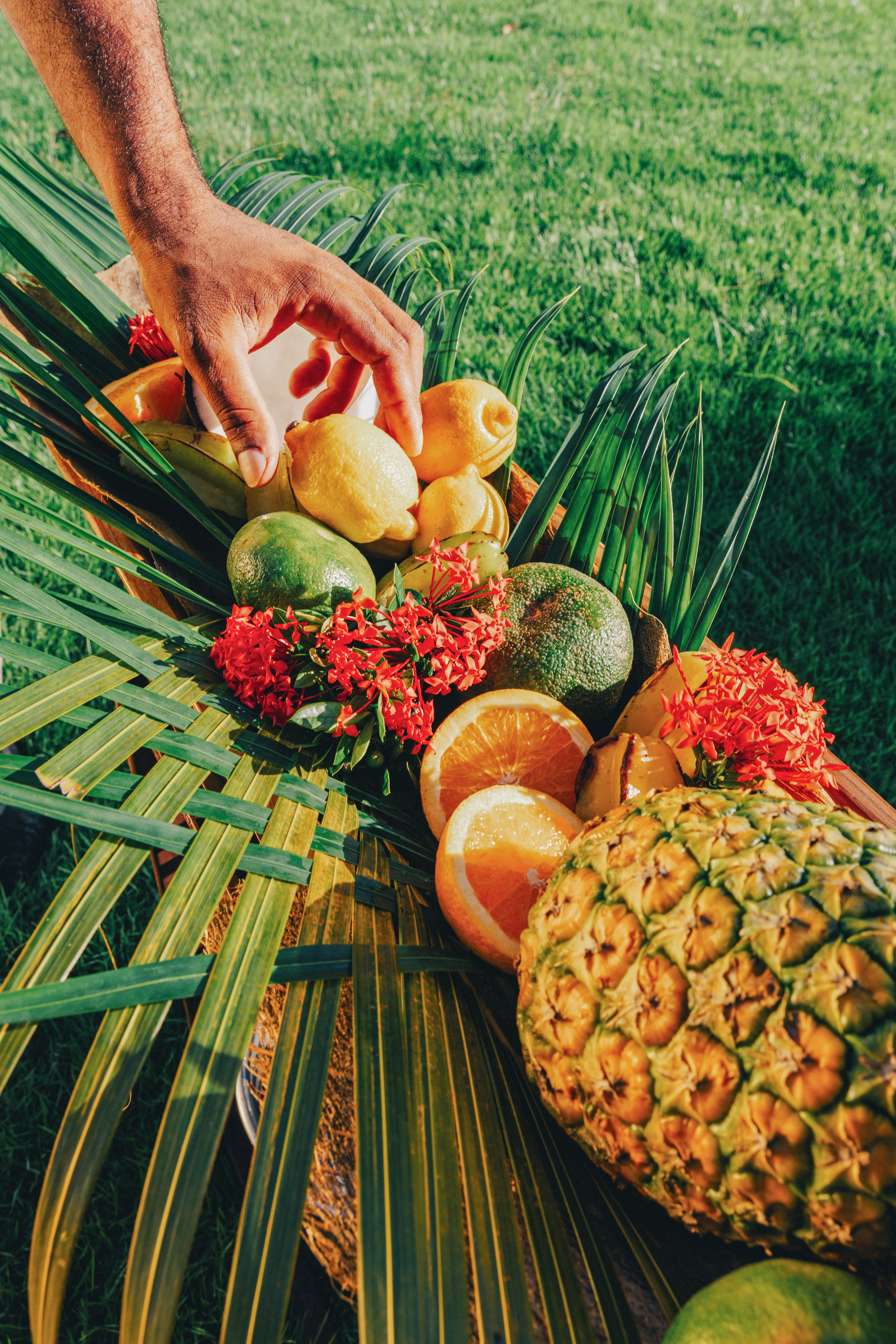
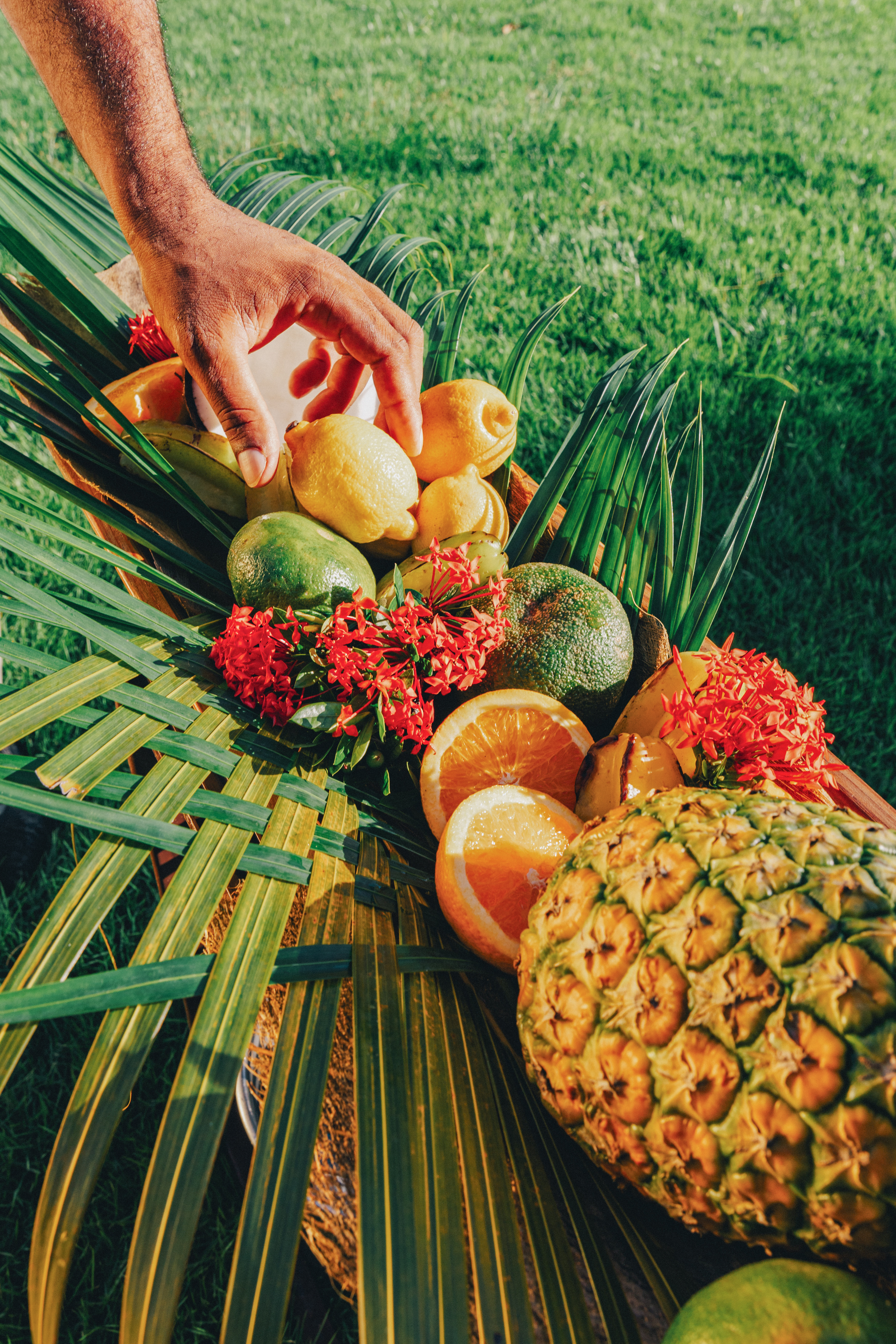
The gastronomic offer of Santo Domingo stands out for its intensity of flavours, knowing how to reinterpret the Creole tradition in a contemporary key. Here are some of the dishes you will see most in the capital's restaurants:
,regionOfInterest=(4184,2792))
,regionOfInterest=(4184,2792))
In addition to its monuments, there are curiosities about Santo Domingo related to its celebrations and customs that, if you have the opportunity, you will be glad to know:
,regionOfInterest=(3000,2000))
,regionOfInterest=(3000,2000))
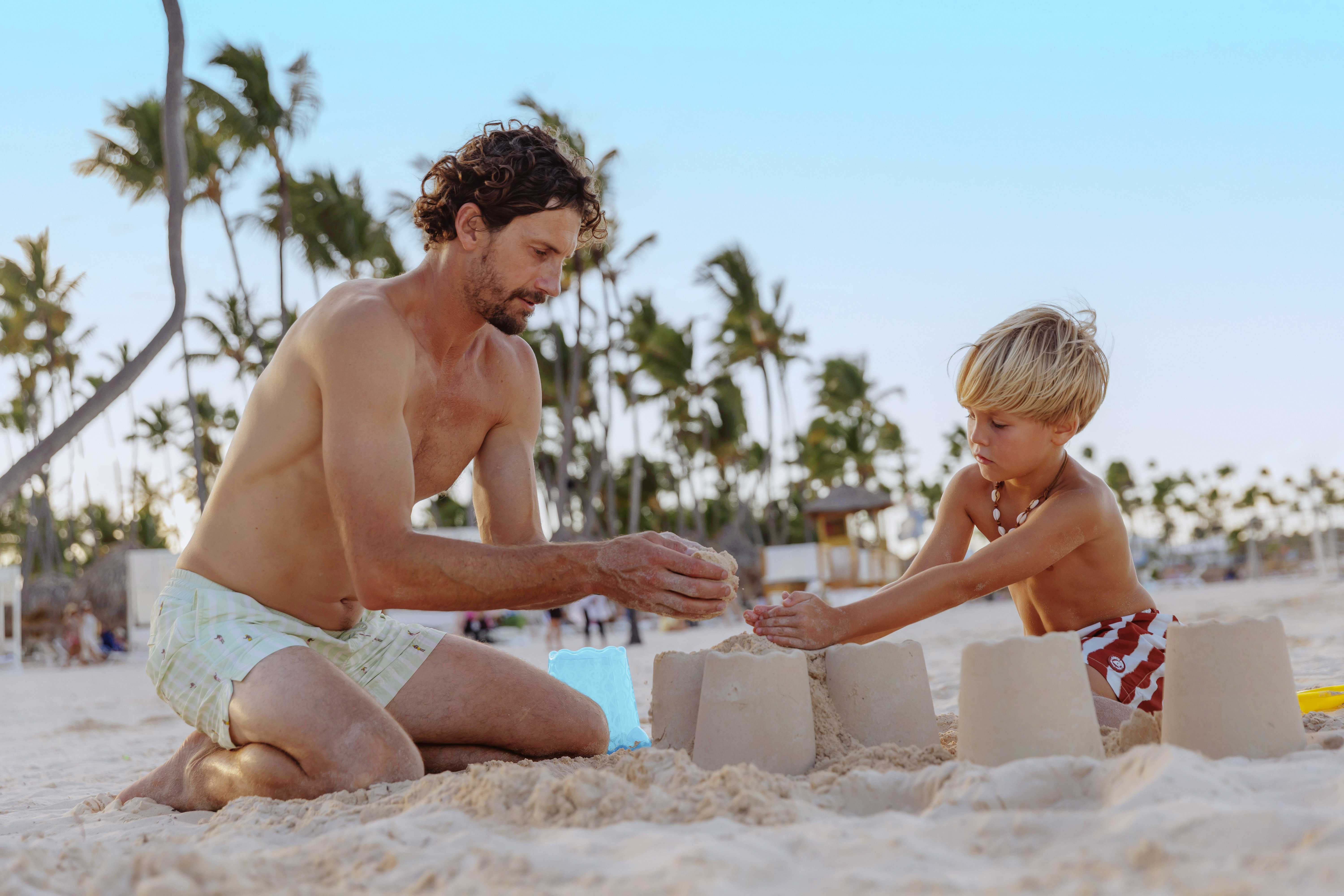
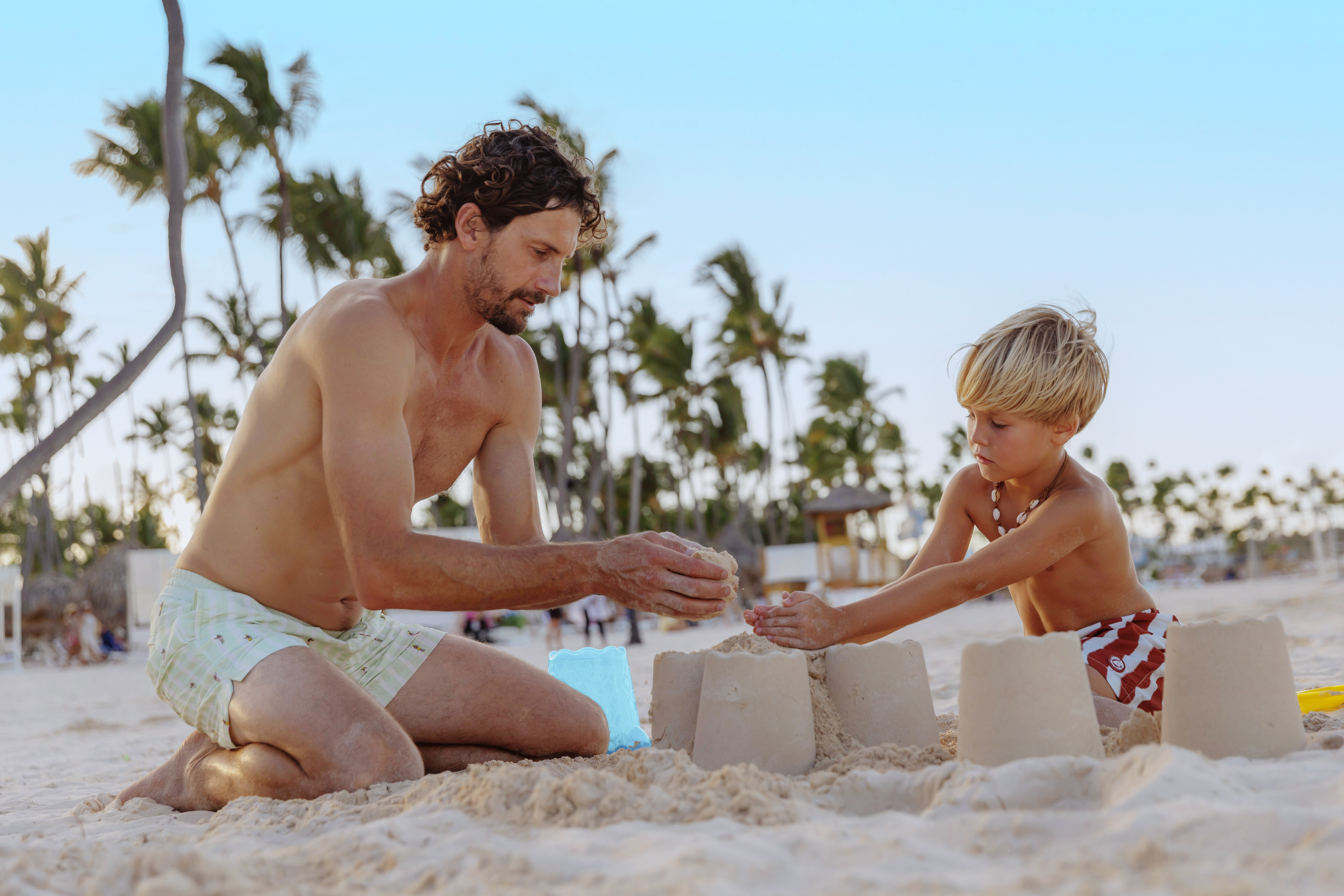
Travelling as a family to the Dominican capital is a totally rewarding experience thanks to its huge range of recreational spaces for the little ones:
,regionOfInterest=(2732,1071))
,regionOfInterest=(2732,1071))
If you only have two days to get to know the capital, this itinerary through Santo Domingo can help you organise your visit in 48 hours:
,regionOfInterest=(2526,1701))
,regionOfInterest=(2526,1701))
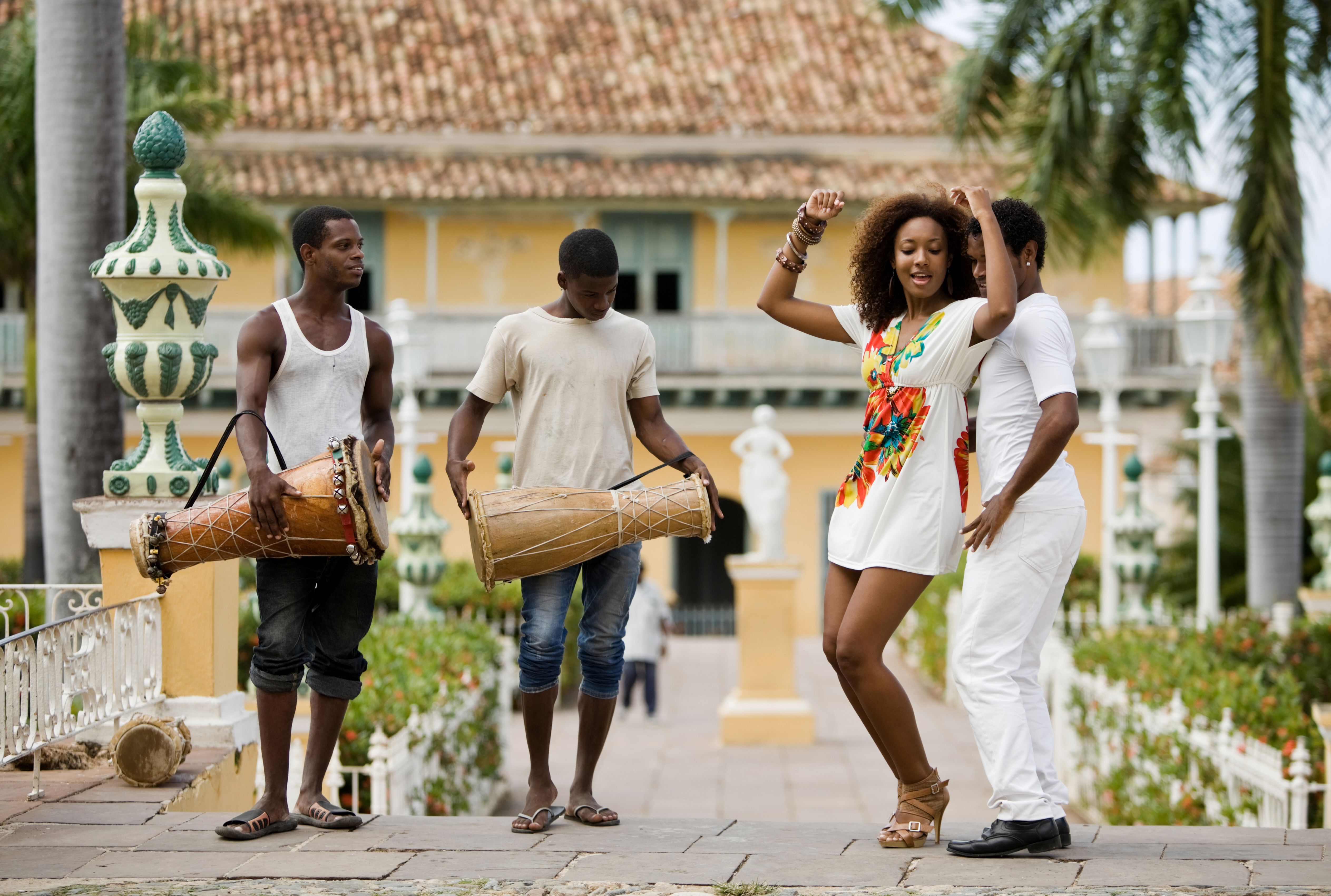
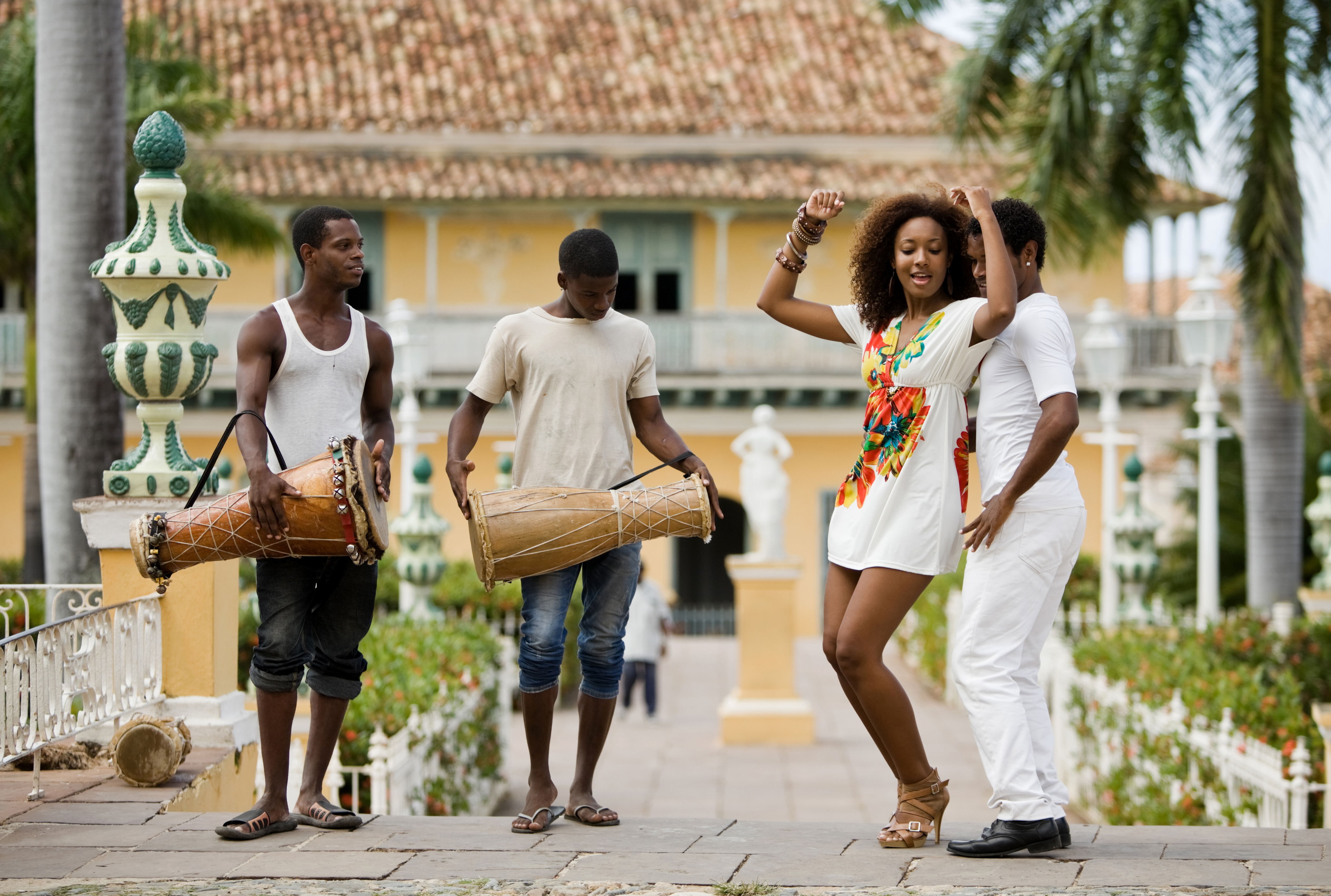
Among all the things to see in Santo Domingo, if I had to recommend something, it would be to spend time in the Colonial City, which is the true historical heart of the capital. Mind you, you should also save some time to explore the modern neighbourhoods, walk along the Malecón and discover the local gastronomy.
The city offers a unique combination of historical heritage, Caribbean culture and urban life that few American capitals can match. And precisely that mixture of tradition and modernity is what makes Santo Domingo surprise you from the very first moment.
,regionOfInterest=(2480,1653))
,regionOfInterest=(2480,1653))
,regionOfInterest=(2713.5,1809))
,regionOfInterest=(2713.5,1809))
,regionOfInterest=(3096.5,2536))
,regionOfInterest=(3096.5,2536))
,regionOfInterest=(1771.5,1181.5))
,regionOfInterest=(1771.5,1181.5))
,regionOfInterest=(2144,1424))
,regionOfInterest=(2144,1424))
,regionOfInterest=(5340,2078))
,regionOfInterest=(5340,2078))