,regionOfInterest=(2900.5,1949.5))
,regionOfInterest=(2900.5,1949.5))
Best corporate venues in Chiang Mai 2026: meeting and event spaces
,regionOfInterest=(2150,1433.5))
,regionOfInterest=(2150,1433.5))
Culture
,regionOfInterest=(1023,575.5))
,regionOfInterest=(1023,575.5))
Culture
,regionOfInterest=(512,482))
,regionOfInterest=(512,482))
Digital marketing specialist with a passion for travel, writing, and discovering what makes every destination unique.
Which of Chiang Mai's several hundred temples actually deserve a spot on a short trip, and which ones are fine to skip if time is tight? With more than 300 wats inside and around the Old City alone, that question genuinely matters more than it first sounds for anyone planning a trip around real history rather than a random walk.
This guide narrows Chiang Mai temples down to the 12 genuinely worth building a morning or two around, with real history, entry fees (please note that all prices and operating hours are subject to change), dress code, and a suggested route that covers the most ground without doubling back across the city more than once.
,regionOfInterest=(800,446.5))
,regionOfInterest=(800,446.5))
,regionOfInterest=(800,446.5))
,regionOfInterest=(800,446.5))
,regionOfInterest=(800,446.5))
,regionOfInterest=(800,446.5))
,regionOfInterest=(800,446.5))
,regionOfInterest=(800,446.5))
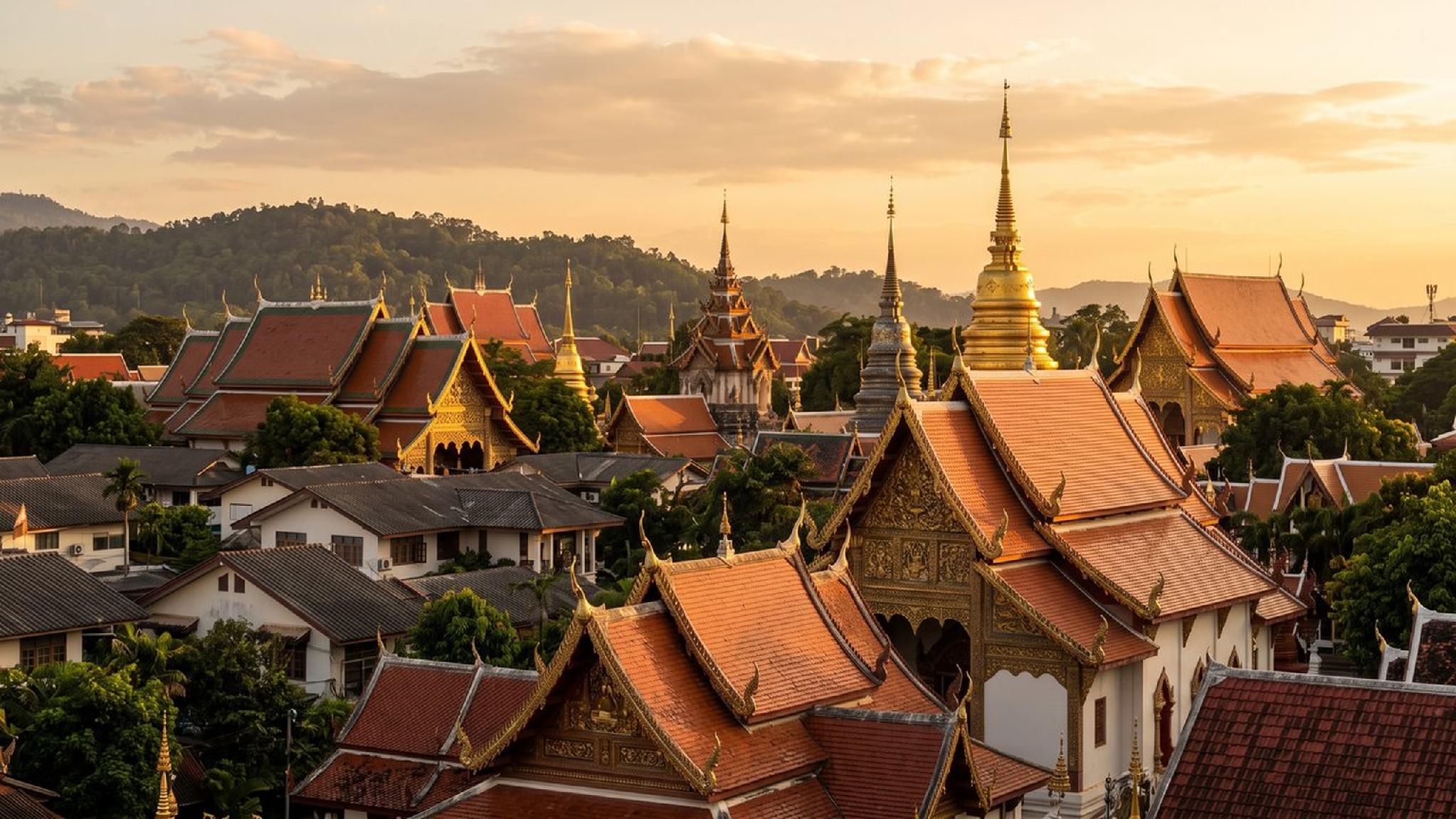
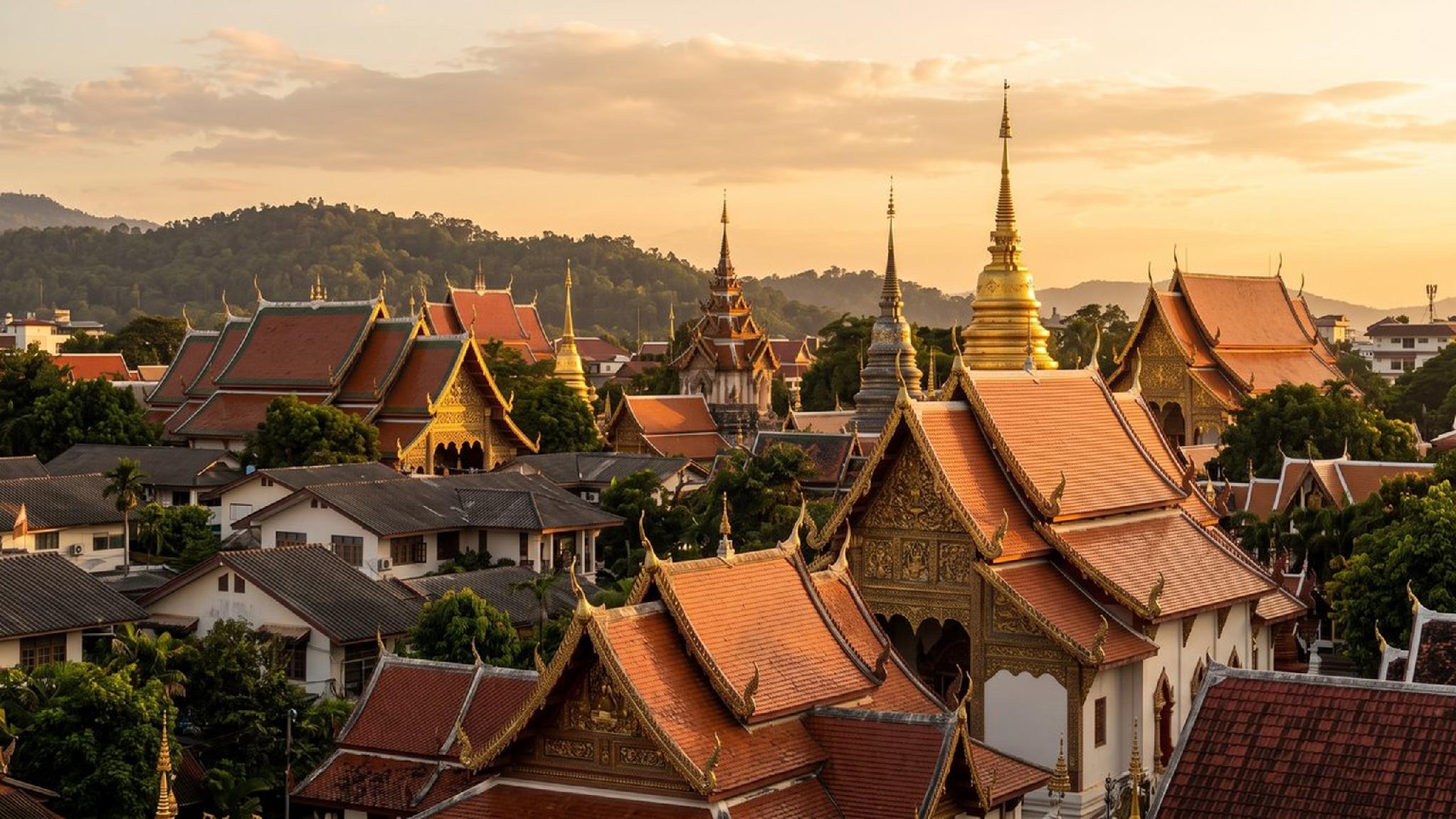
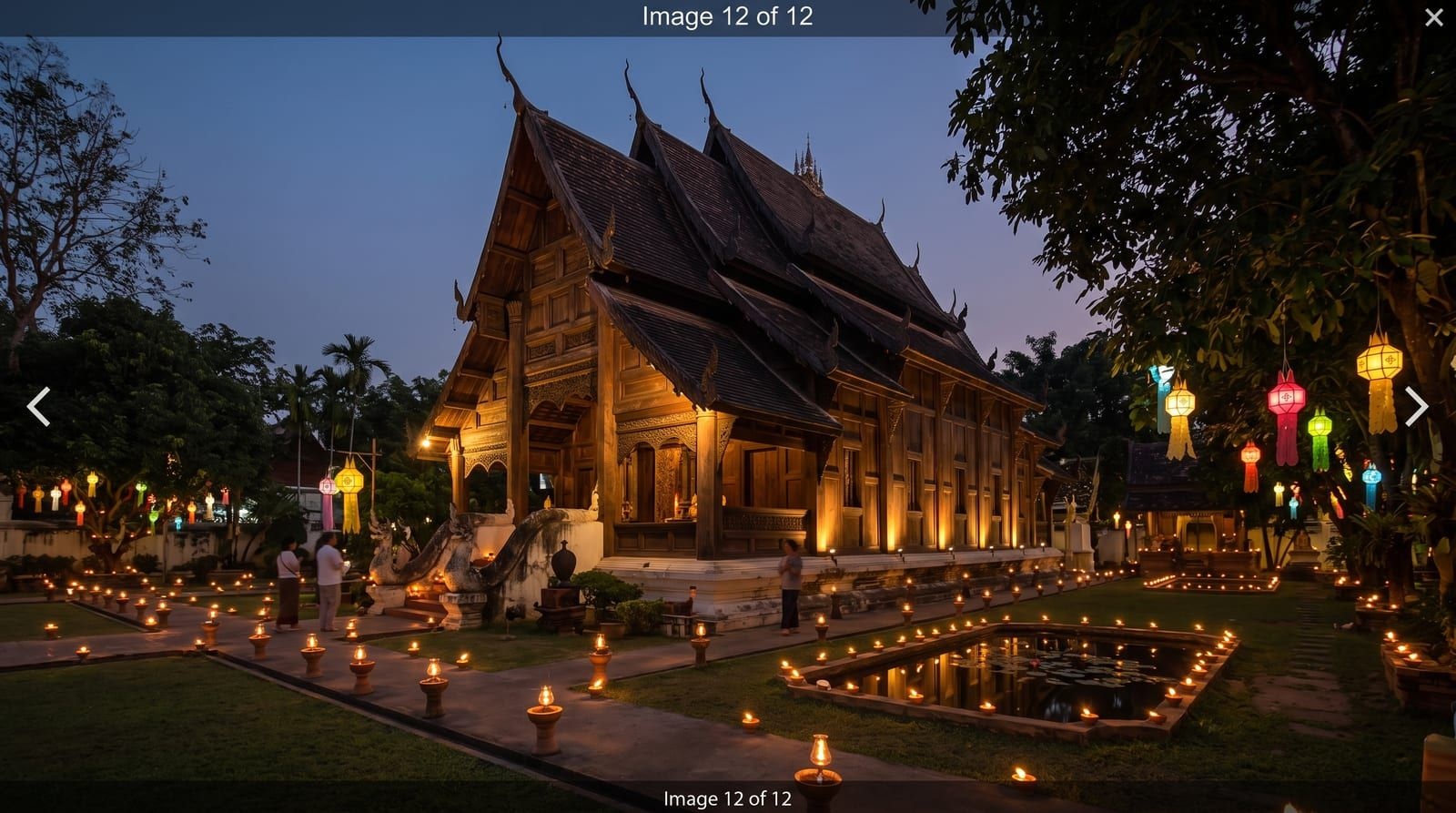
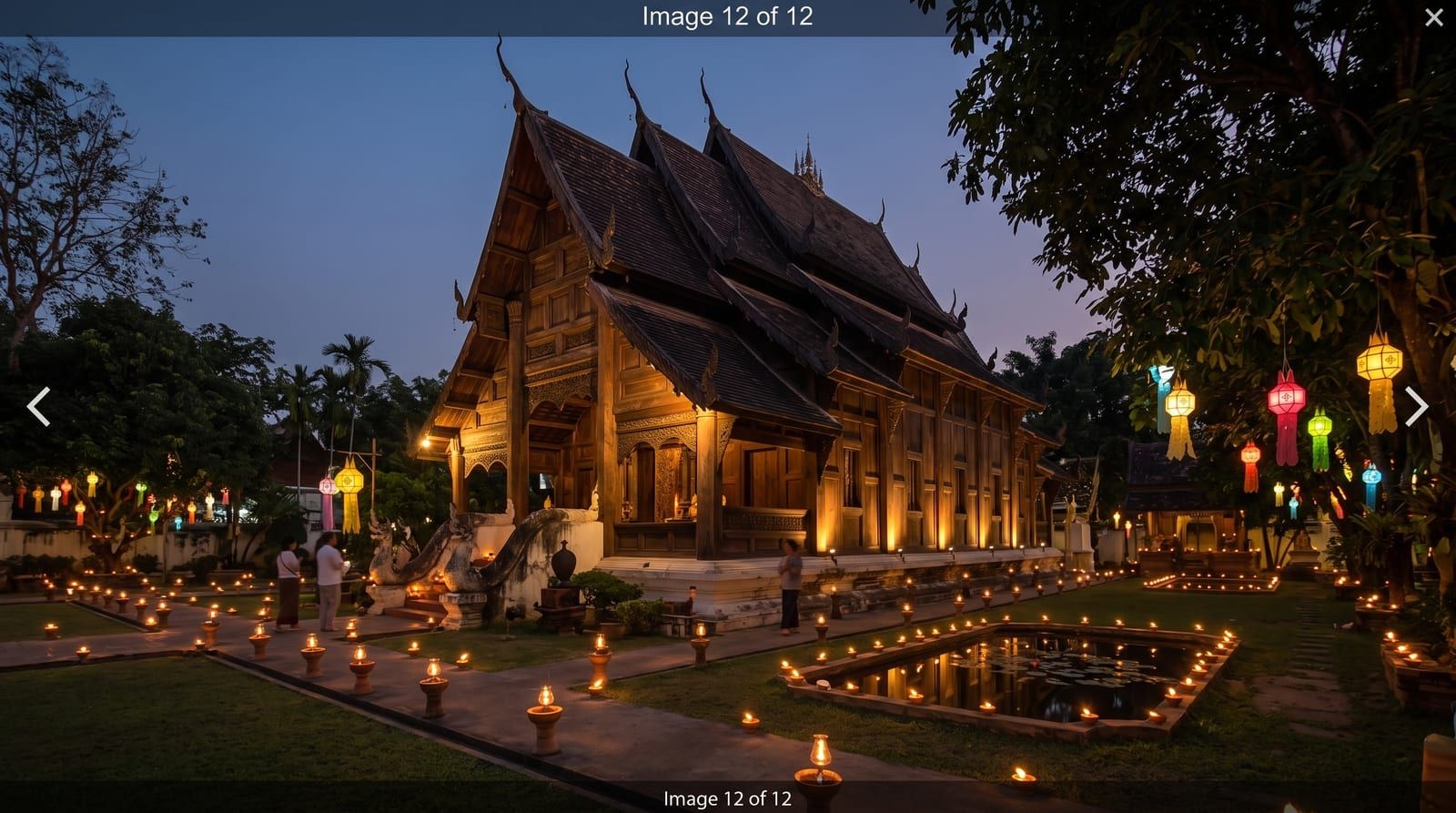
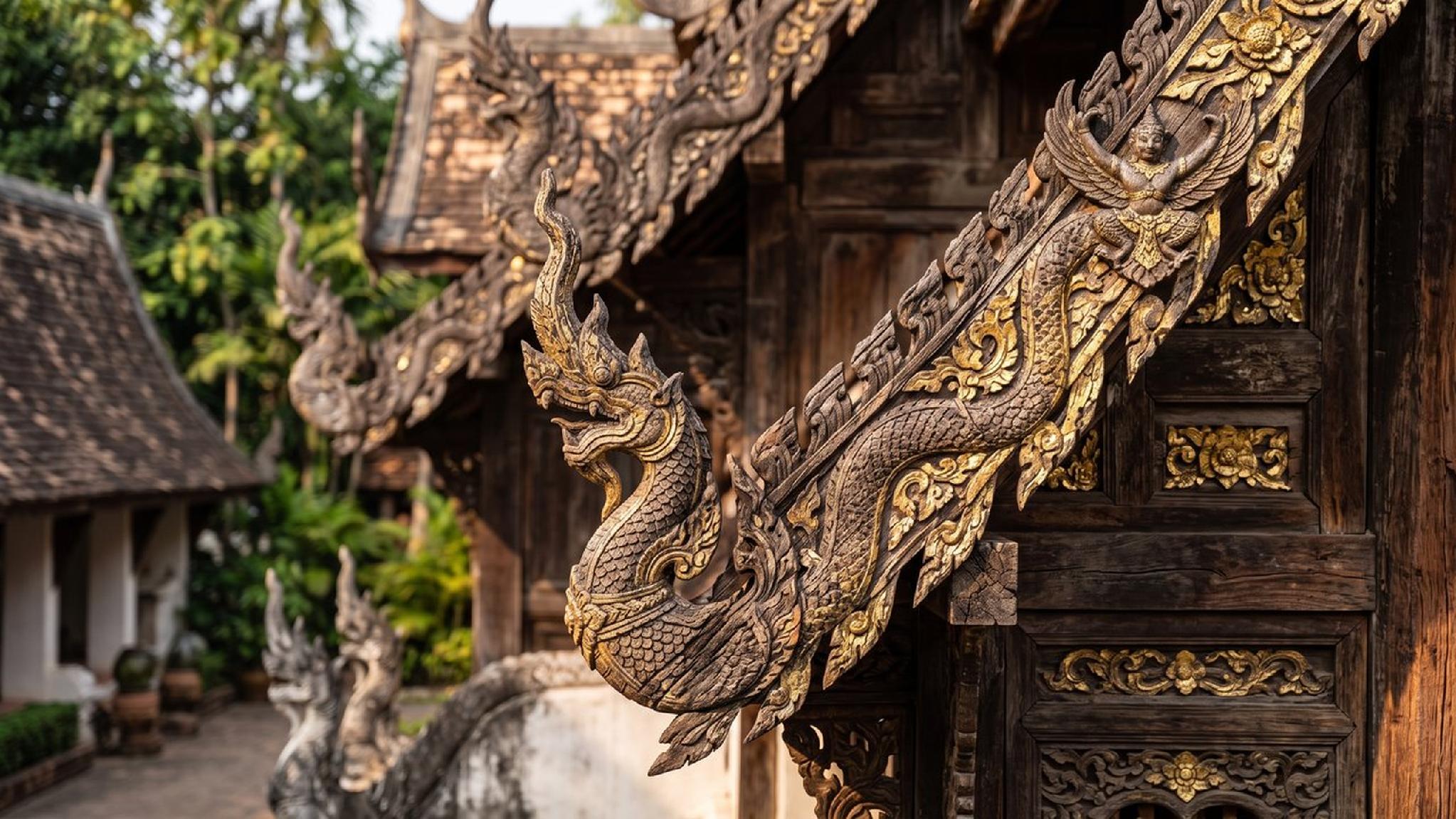
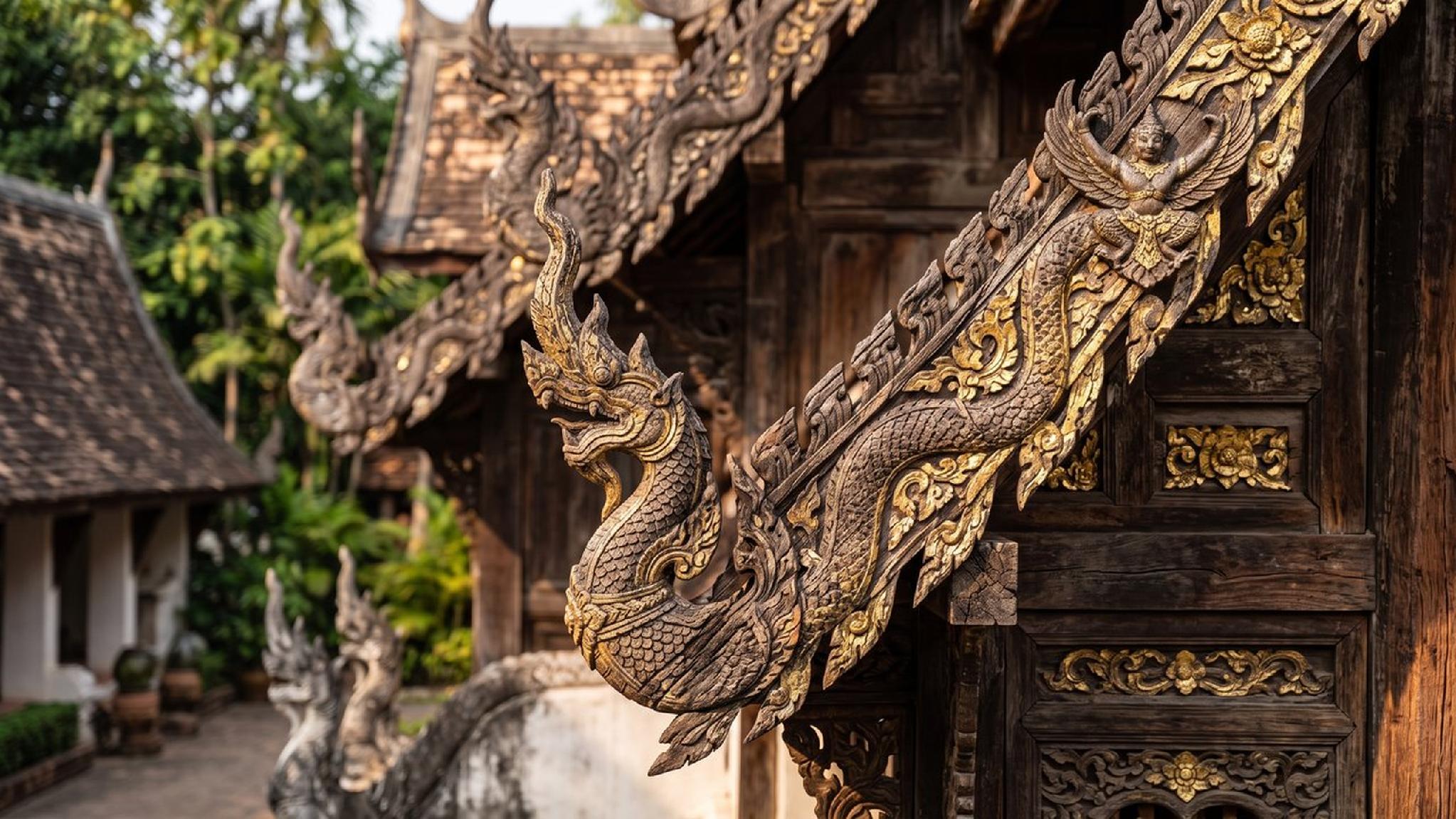
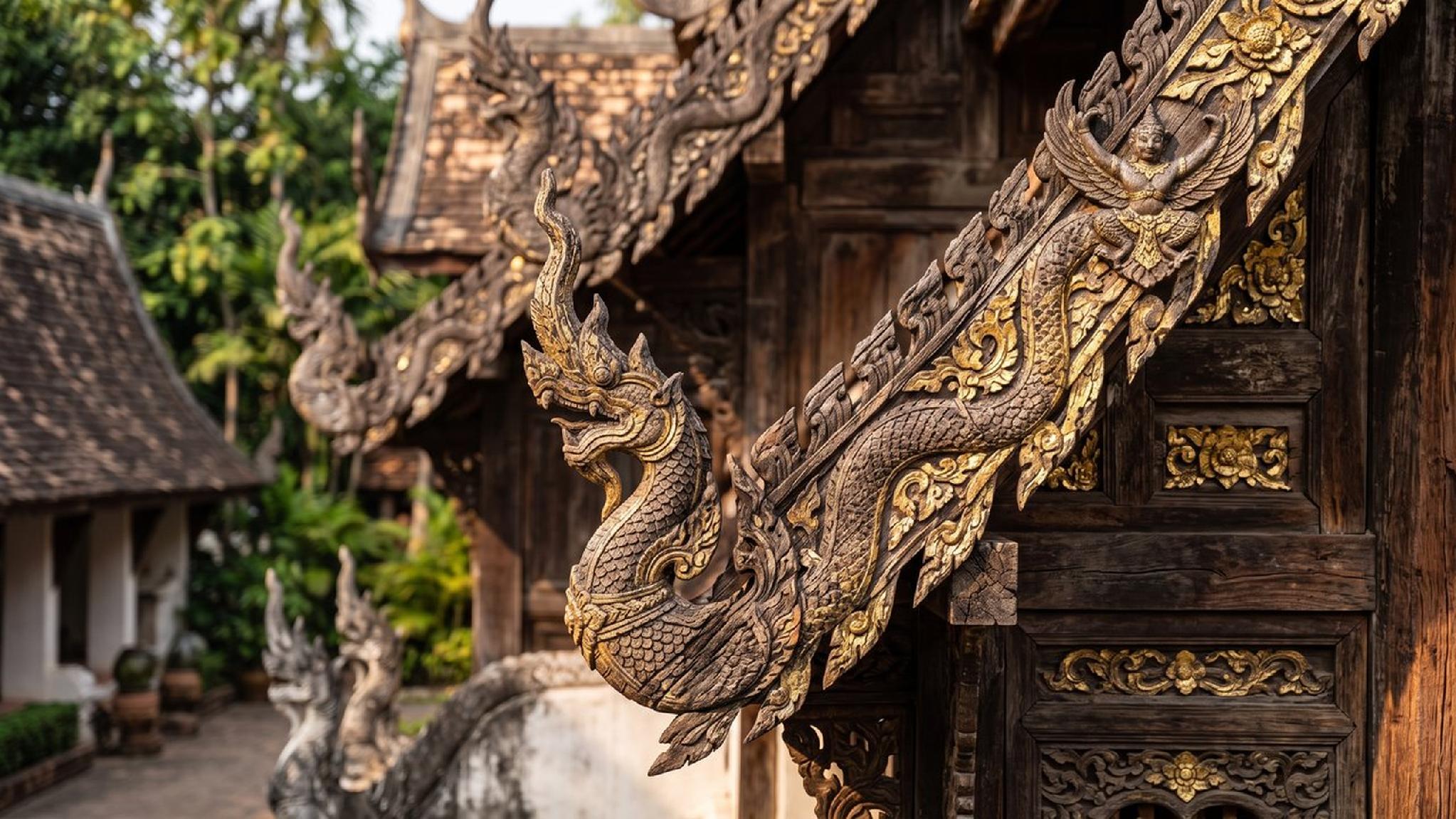
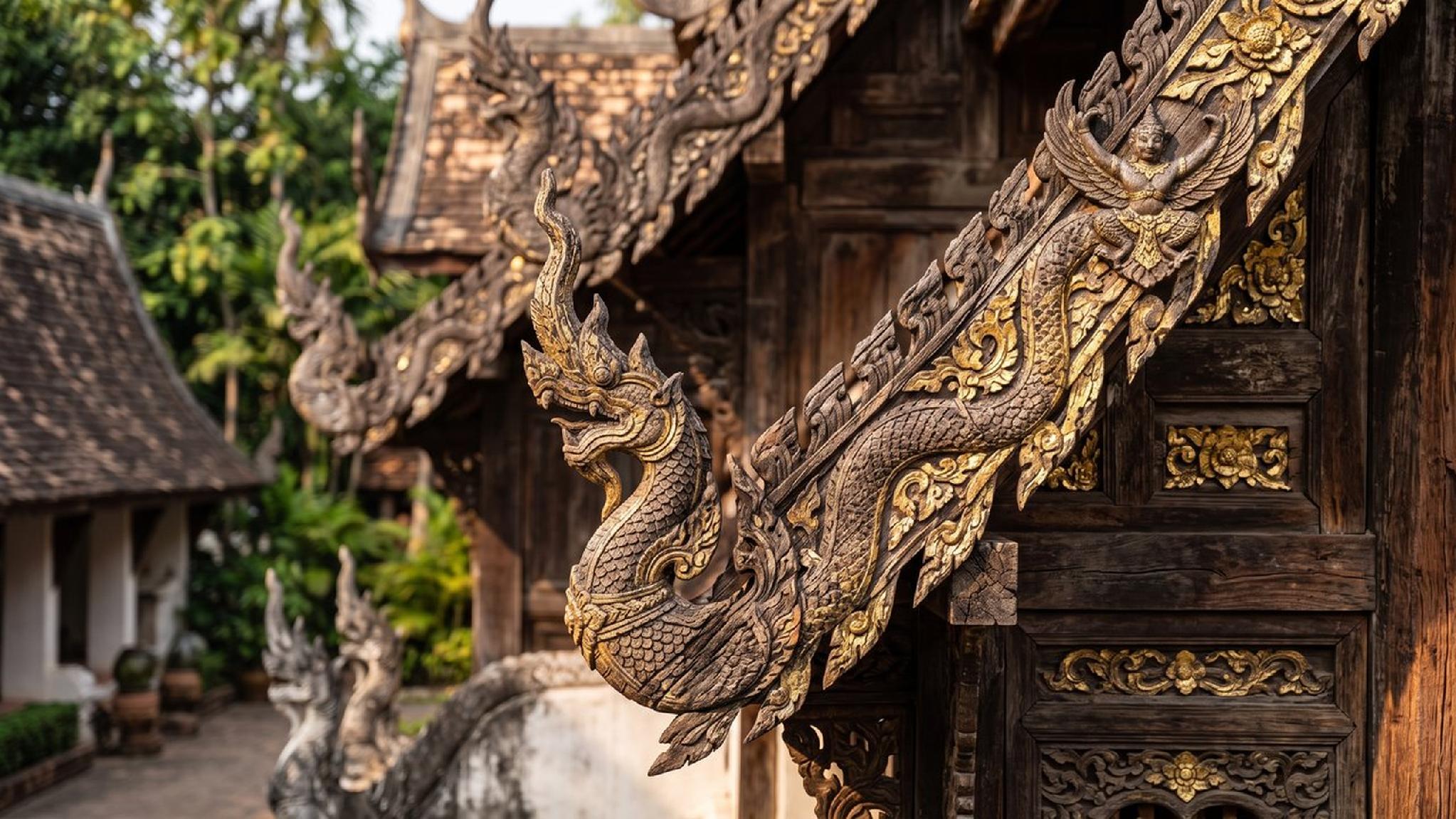
Chiang Mai was founded in 1296 by King Mangrai as the capital of the Lanna kingdom, and its temples trace that history in fairly literal terms: several of the oldest were built within Mangrai's own lifetime, and later rulers kept adding chedis, viharns, and relic halls for the next six centuries. Lanna Buddhism itself blends older Sri Lankan-influenced Theravada practice with local Tai Yuan custom, which is part of why Chiang Mai temples look distinct from those in Bangkok or further south, in roofline, in chedi shape, and in the carved wooden detail that shows up on almost every old viharn in the city.
That heritage is now under formal international review. Chiang Mai's historic core and Doi Suthep were placed on Thailand's UNESCO World Heritage Tentative List in 2015 under the name Monuments, Sites and Cultural Landscape of Chiang Mai, Capital of Lanna, and the Thai government approved moving the full nomination forward in January 2026.
An ICOMOS inspection is expected around the middle of the year, with a decision on full World Heritage status to follow, which makes 2026 a genuinely significant year to be visiting these temples rather than just a convenient one.
The proposed heritage area covers two linked pieces: the historic old city out to its walls and moat, including the Mae Kha canal, and the sacred mountain of Doi Suthep within a wider buffer zone across the Doi Suthep-Pui National Park. Several of the Chiang Mai temples on this list, Wat Chiang Man, Wat Chedi Luang, Wat Phra Singh, Wat Suan Dok, Wat Chet Yot, Wat Umong, and Wat Phra That Doi Suthep among them, are named directly in the nomination documents as the sites that justify the listing in the first place.
,regionOfInterest=(1023,575.5))
,regionOfInterest=(1023,575.5))
These 12 cover the city's most important history, architecture, and living religious practice, running roughly from the most famous to the more quietly rewarding. Nearly every one of these Chiang Mai temples is still an active place of worship rather than a museum piece, so monks, chanting, and ongoing ceremonies are a normal part of a visit rather than a rare bonus. A full write-up of each follows, with a quick reference summary at the end of the list.
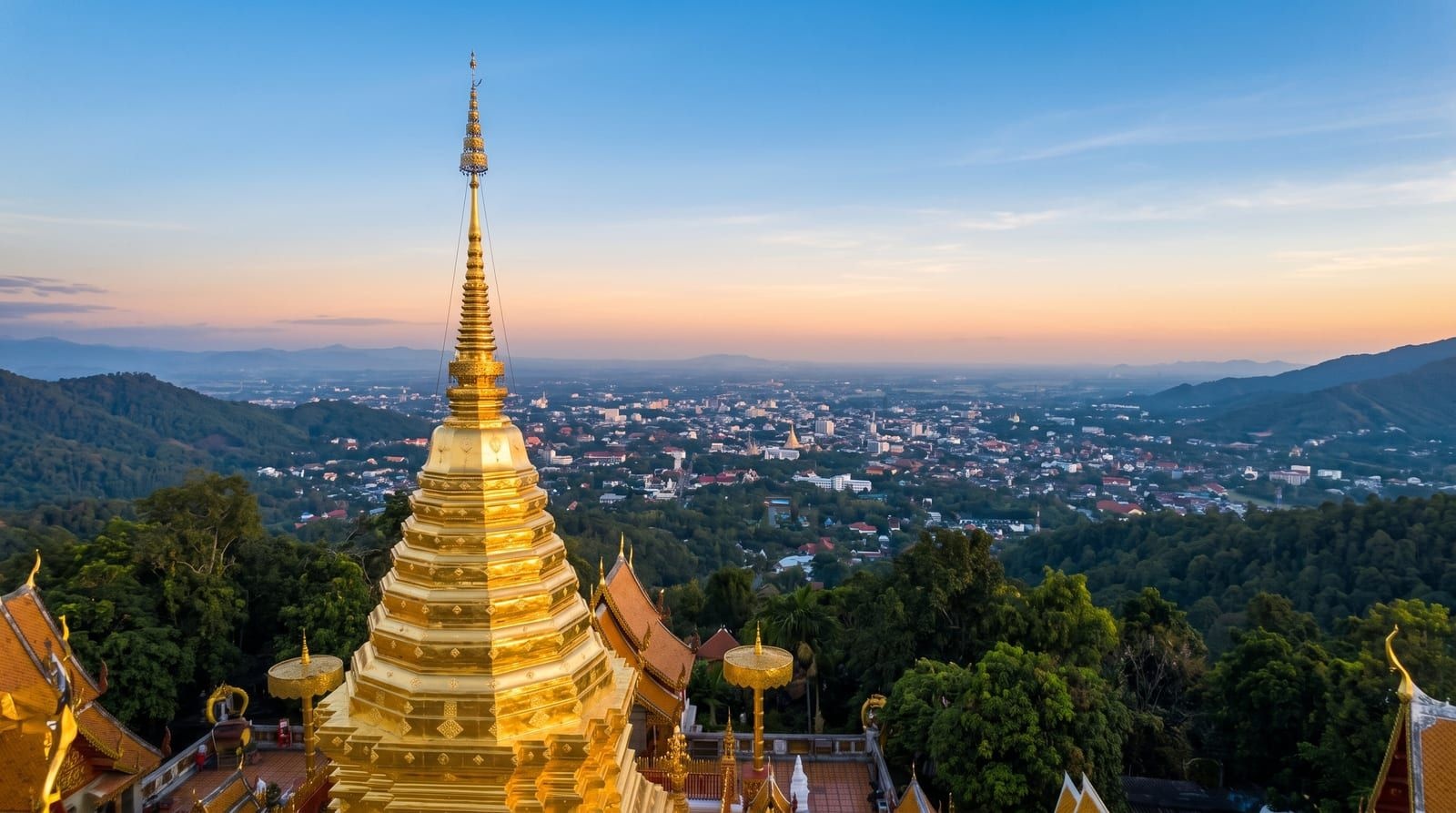
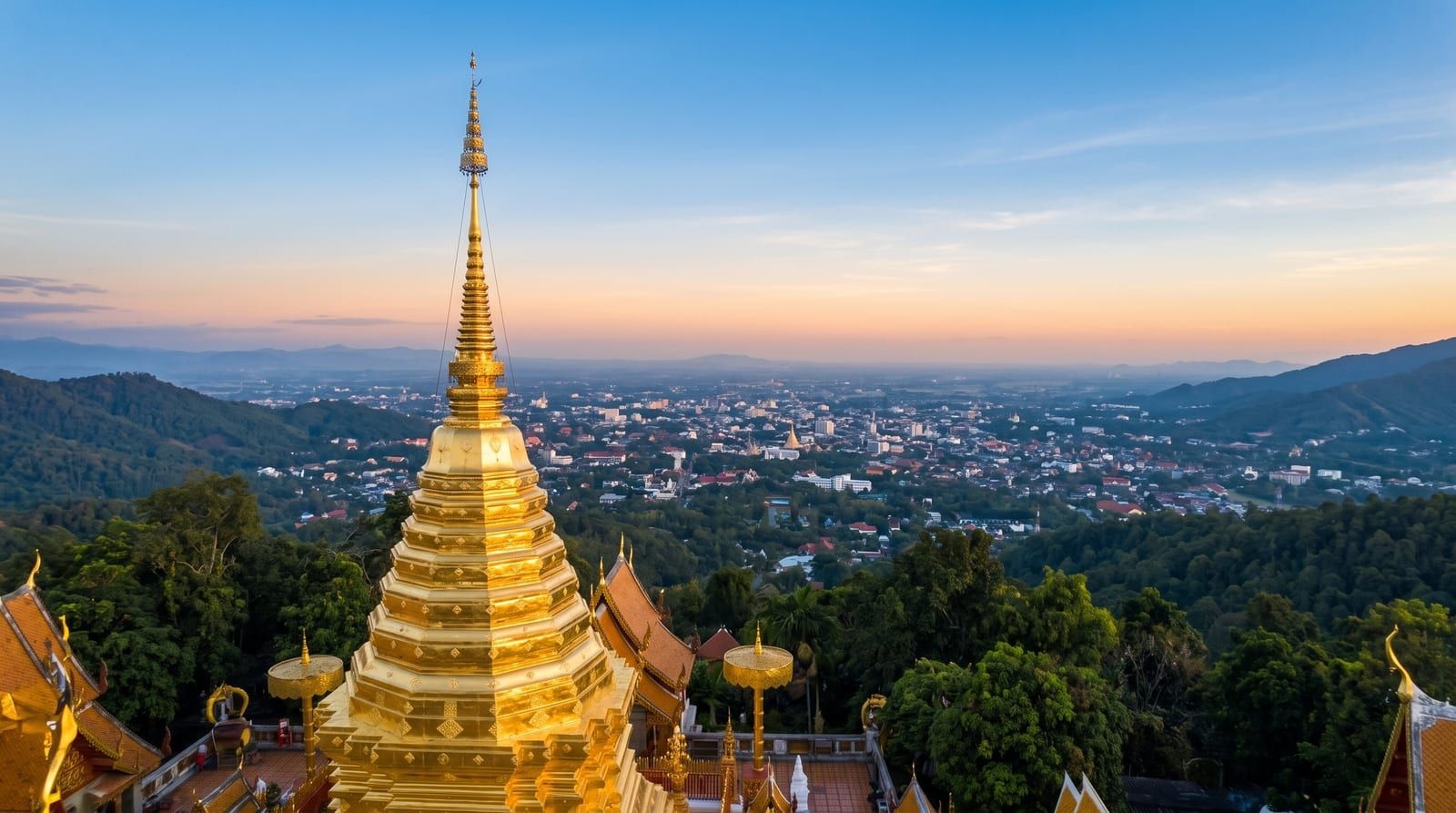
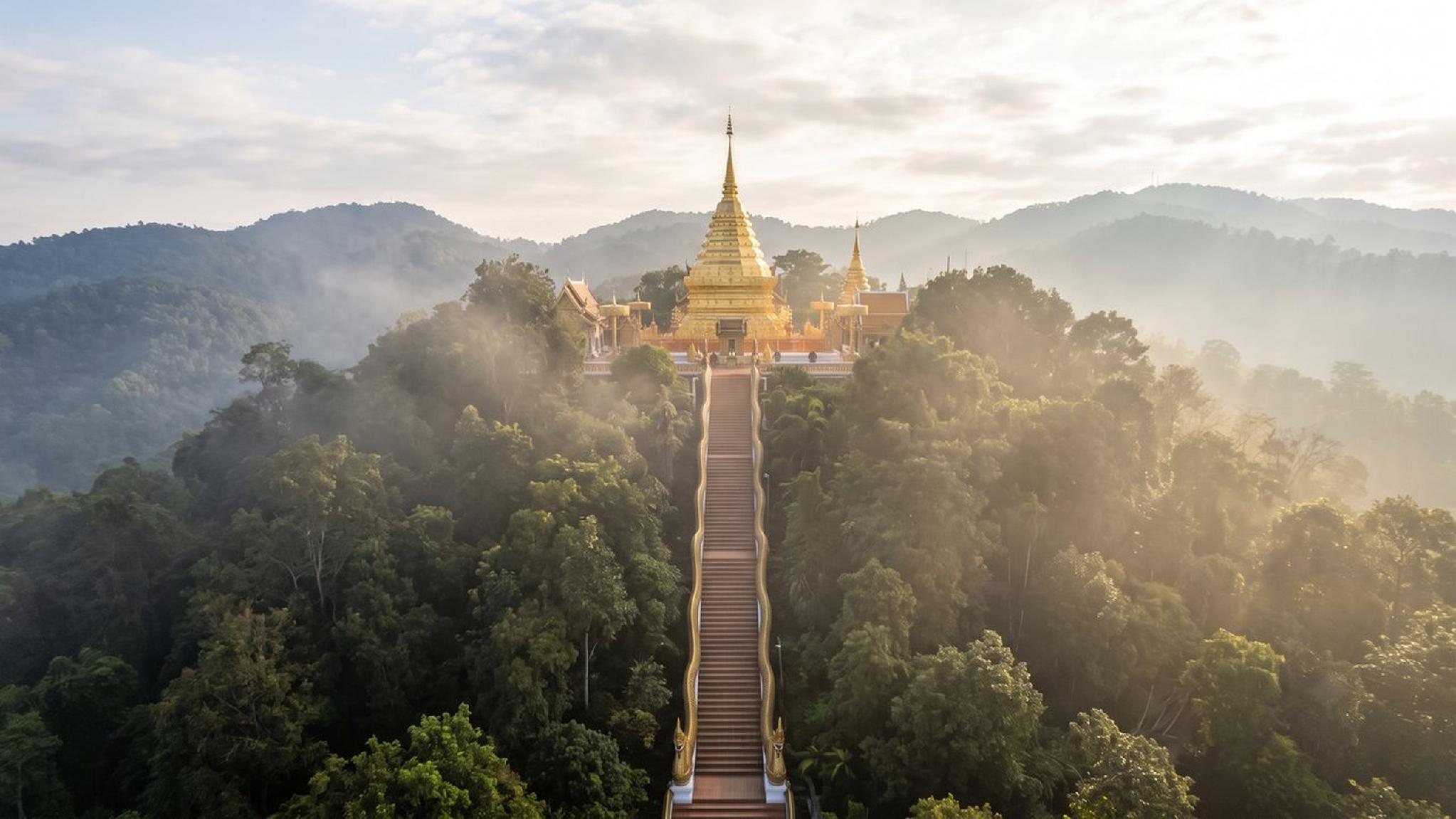
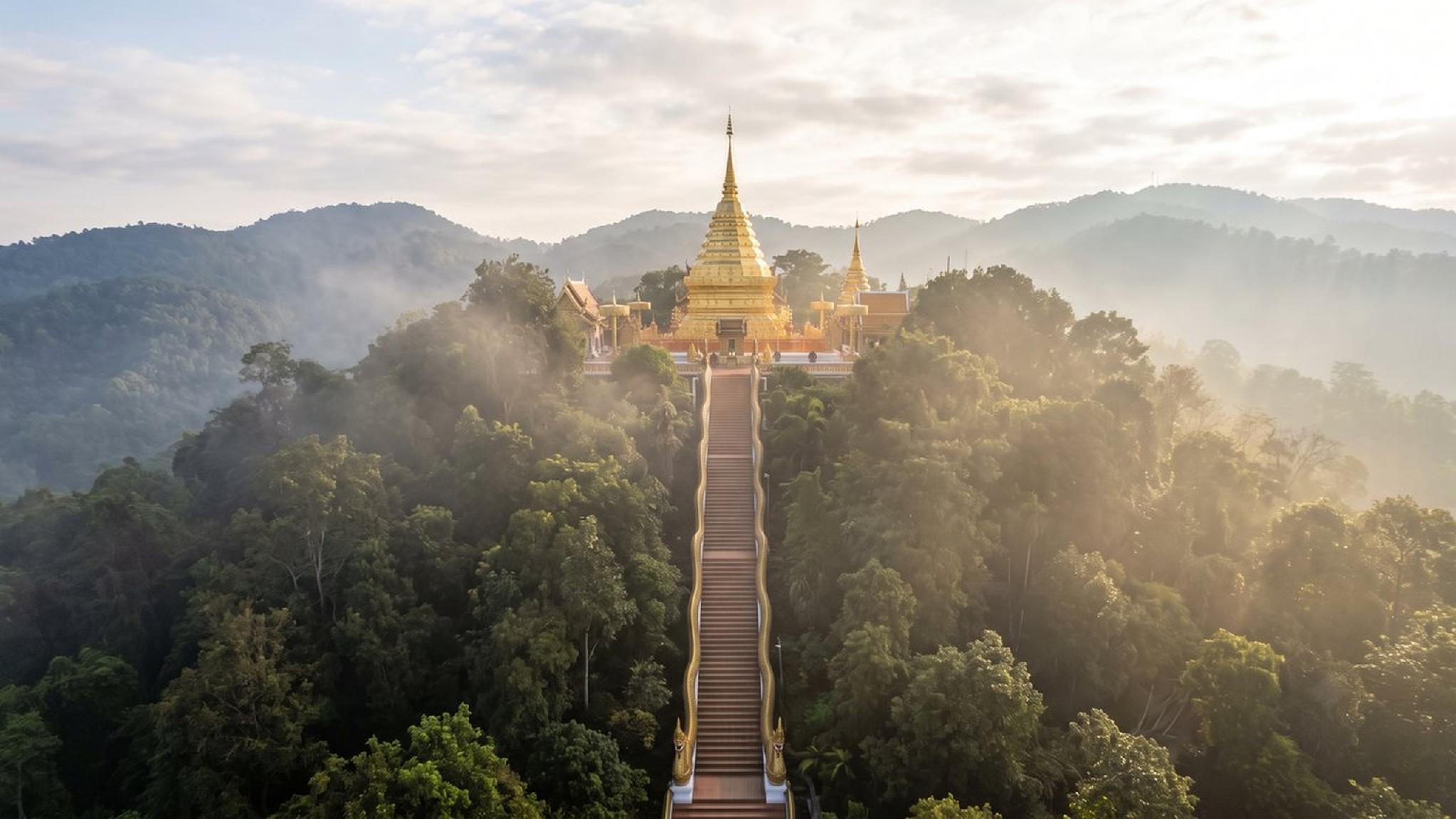
Founded in 1383 by King Keu Naone, this is the temple most people picture when they think of Chiang Mai temples, reached by a 306-step Naga Staircase flanked by serpent balustrades or a funicular railway for anyone skipping the climb. Temple legend holds that a relic-carrying white elephant chose this exact spot on the mountain before it died, and the terrace behind the golden chedi still gives the best unbroken view of the city below.
The temple and the mountain it sits on form one half of the UNESCO nomination covered above, with the surrounding Doi Suthep-Pui National Park making up the proposed buffer zone, one more reason this particular entry anchors almost every serious list of Chiang Mai temples rather than just the tourist-friendly ones.
Detailed Information:
Disclaimer: All temple and park fees change frequently; please check locally for current rates.
,regionOfInterest=(1023,575.5))
,regionOfInterest=(1023,575.5))
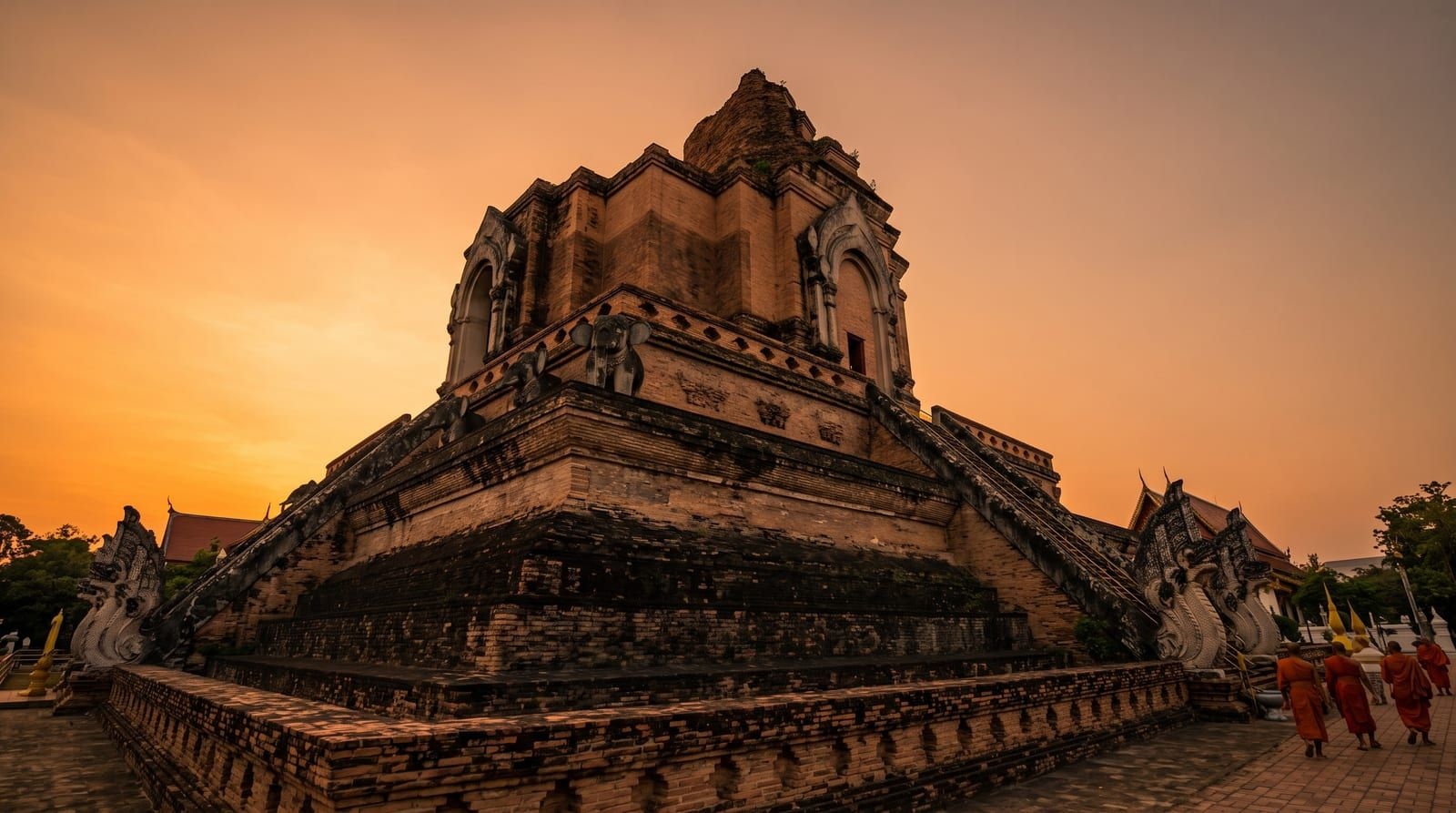
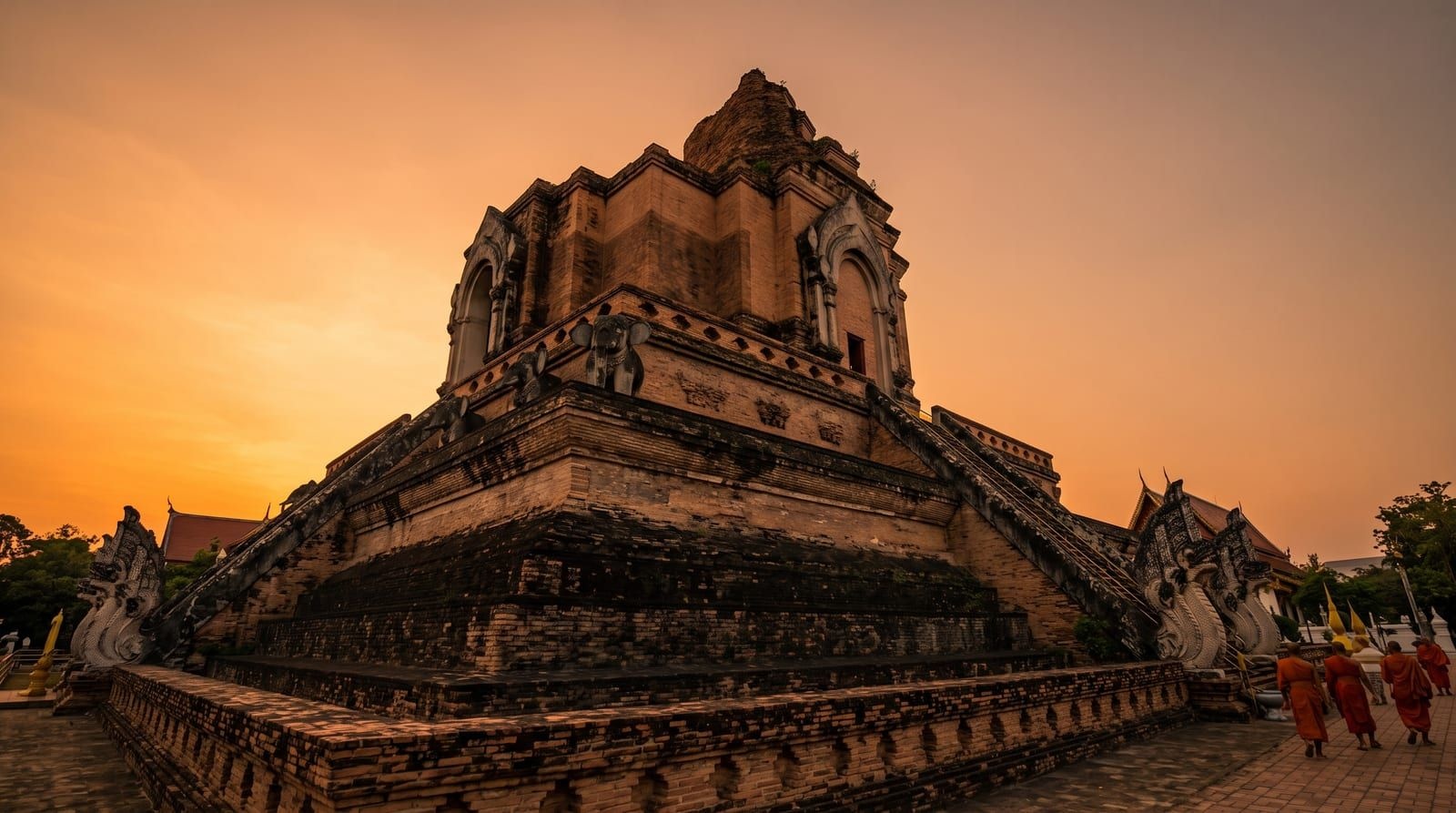
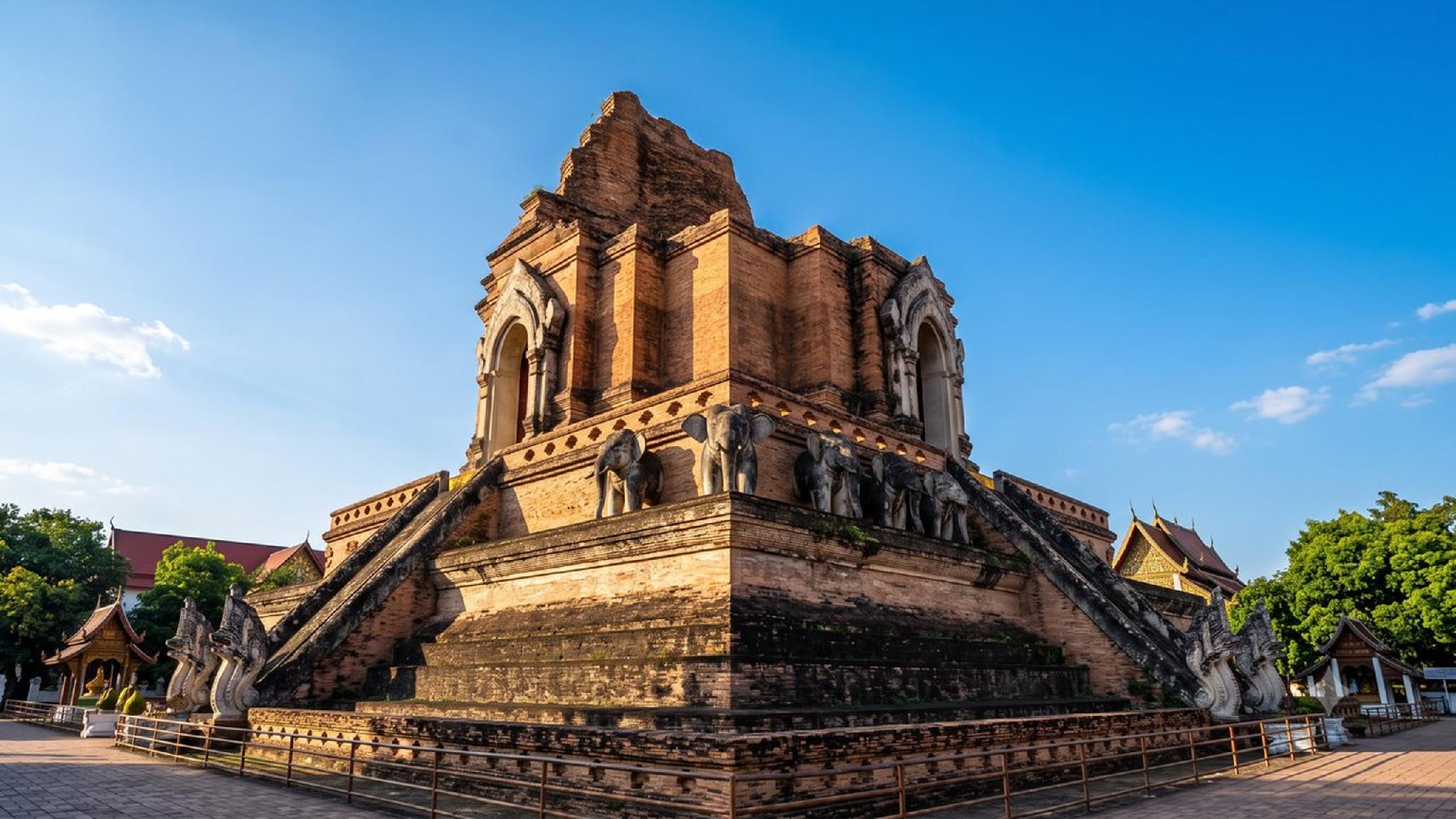
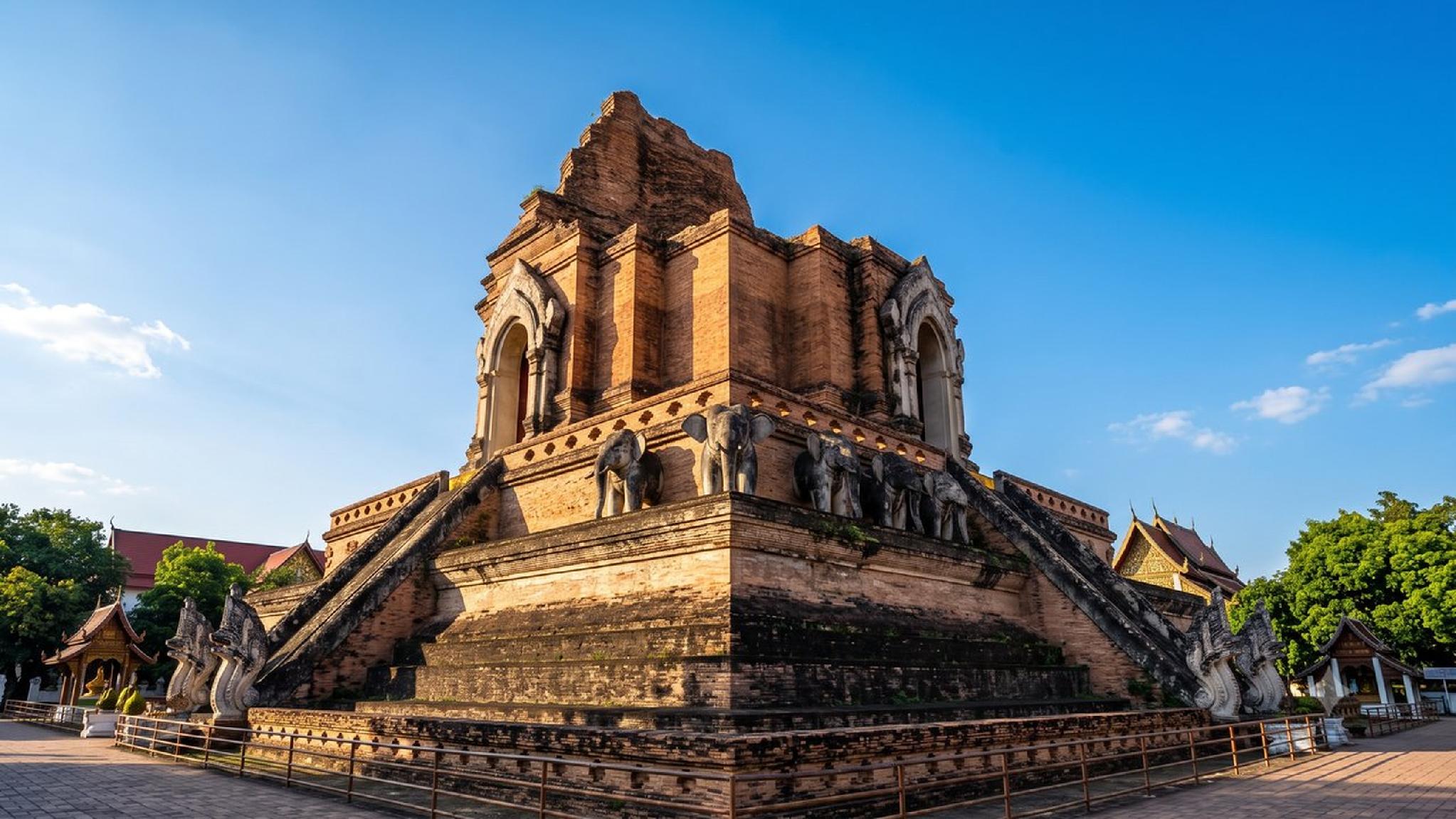
Construction began in the 14th century and finished in 1475 under King Tilokarat, at which point the chedi stood over 80 metres tall, the largest structure in the kingdom, before a 1545 earthquake sheared off its upper third. The Emerald Buddha, now Thailand's most revered image, rested here for nearly a century, and the grounds also hold Sao Inthakin, Chiang Mai's sacred city pillar.
The truncated chedi standing today has never been fully rebuilt, a deliberate choice that leaves the earthquake damage visible rather than restoring it to an imagined original state, which gives a genuine sense of scale and age that a fully reconstructed version would not.
Detailed Information:
,regionOfInterest=(1023,575.5))
,regionOfInterest=(1023,575.5))
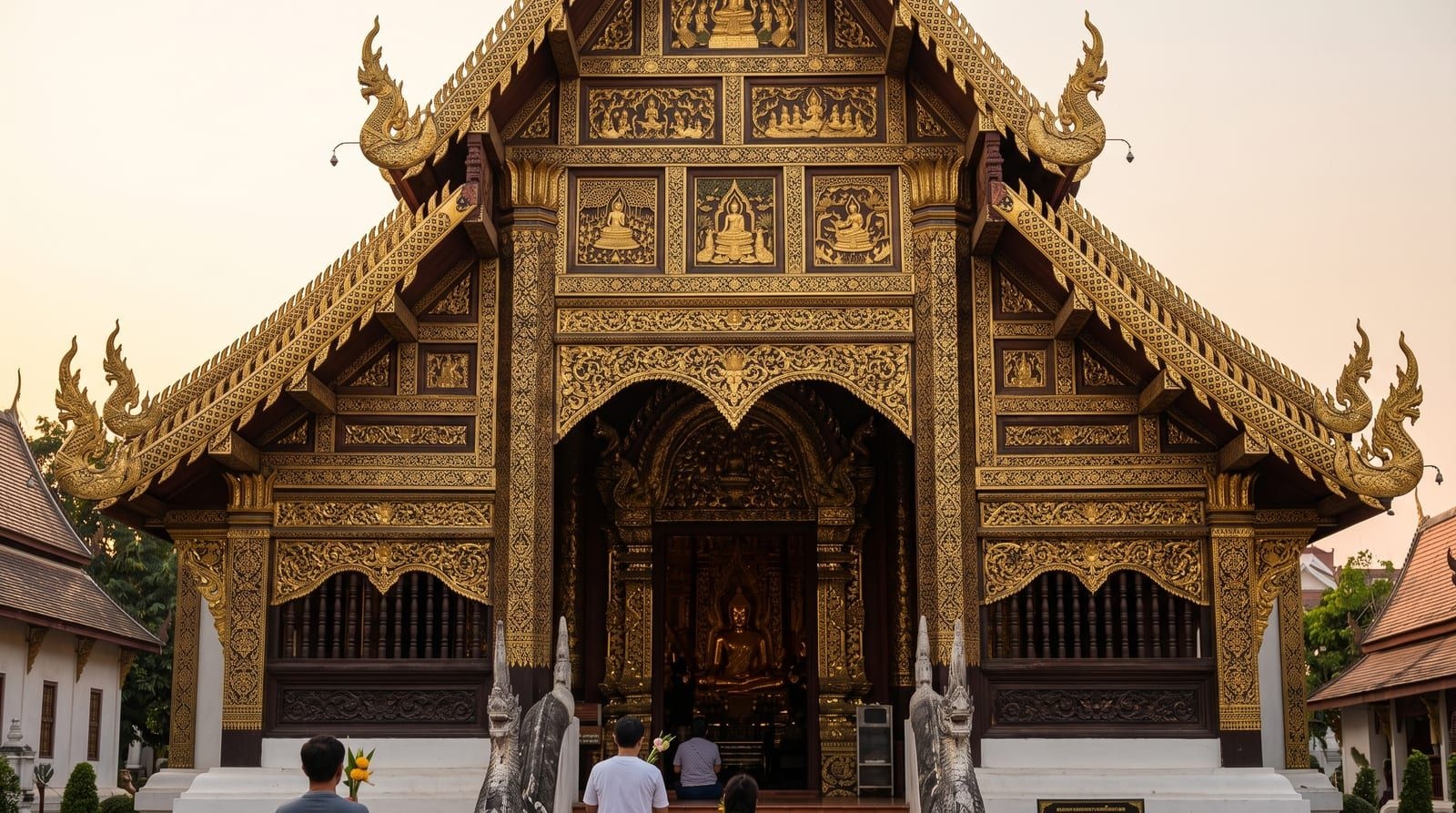
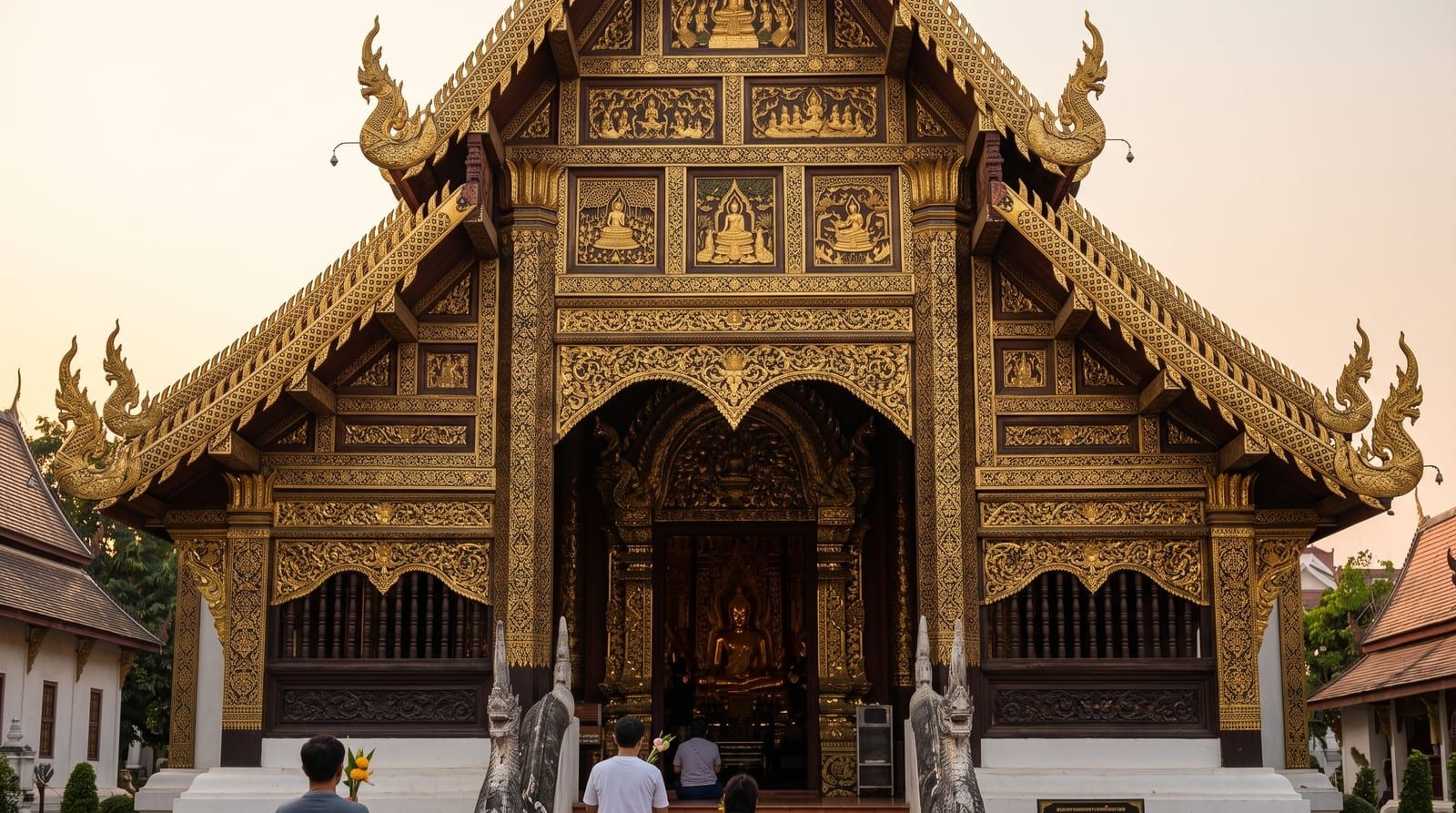
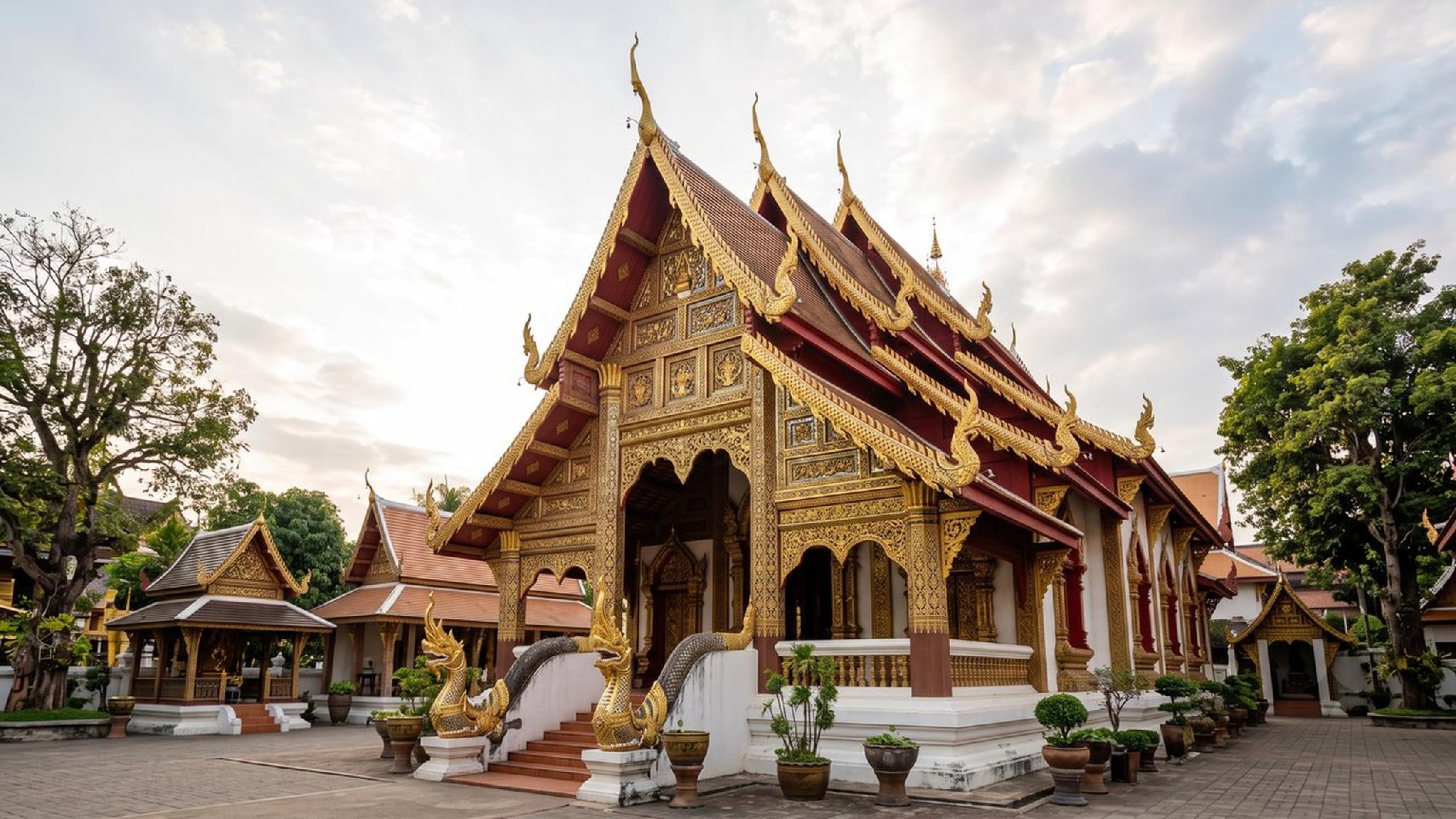
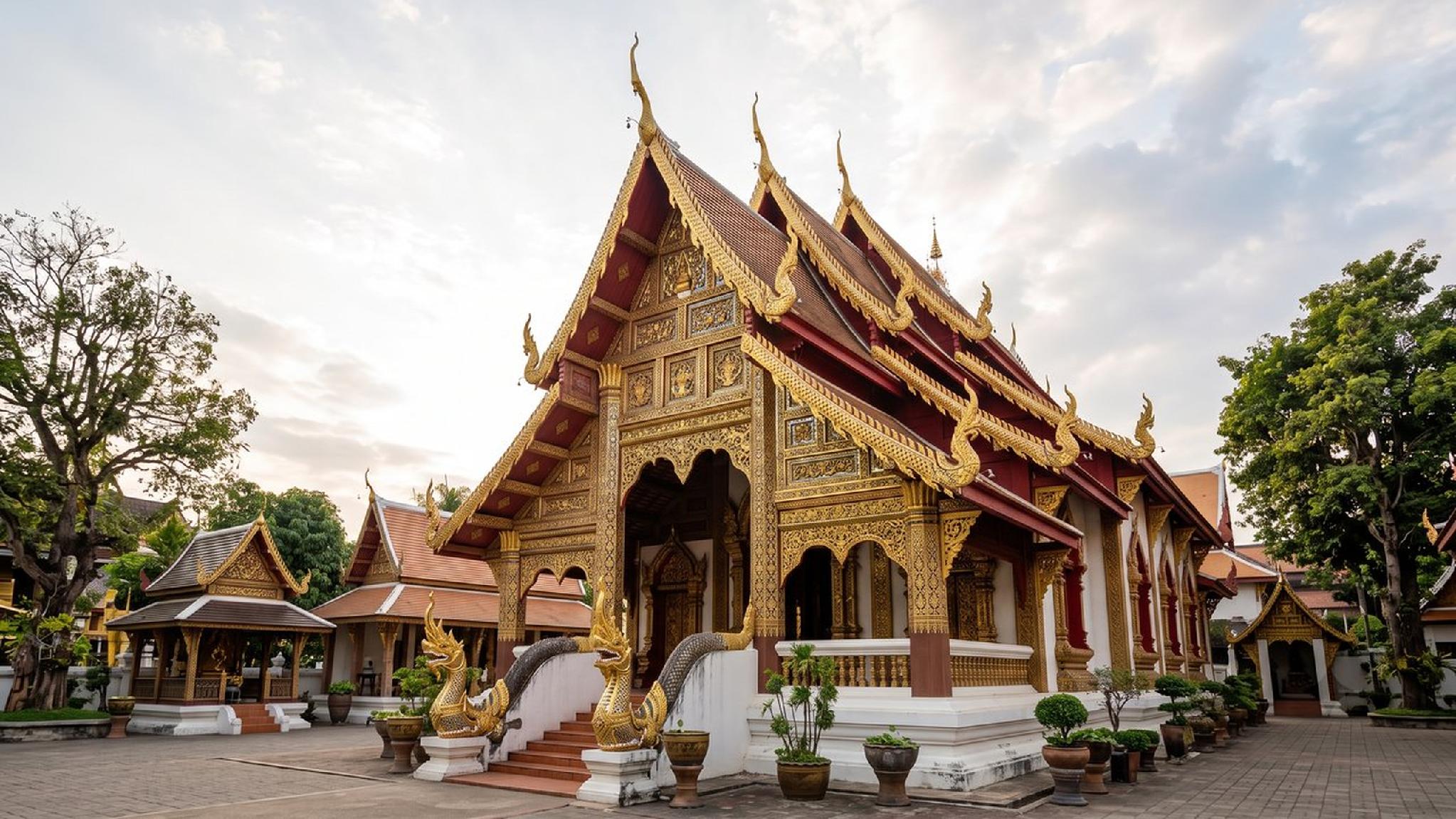
Construction began in 1345 under King Phayu to house his father's ashes, and the Lai Kham viharn from the same century is considered one of the finest surviving examples of classic Lanna architecture anywhere. The Phra Buddha Sihing image inside leaves the building only once a year, carried through the city every April 13th as part of the Songkran festival.
Detailed Information:
,regionOfInterest=(1023,575.5))
,regionOfInterest=(1023,575.5))
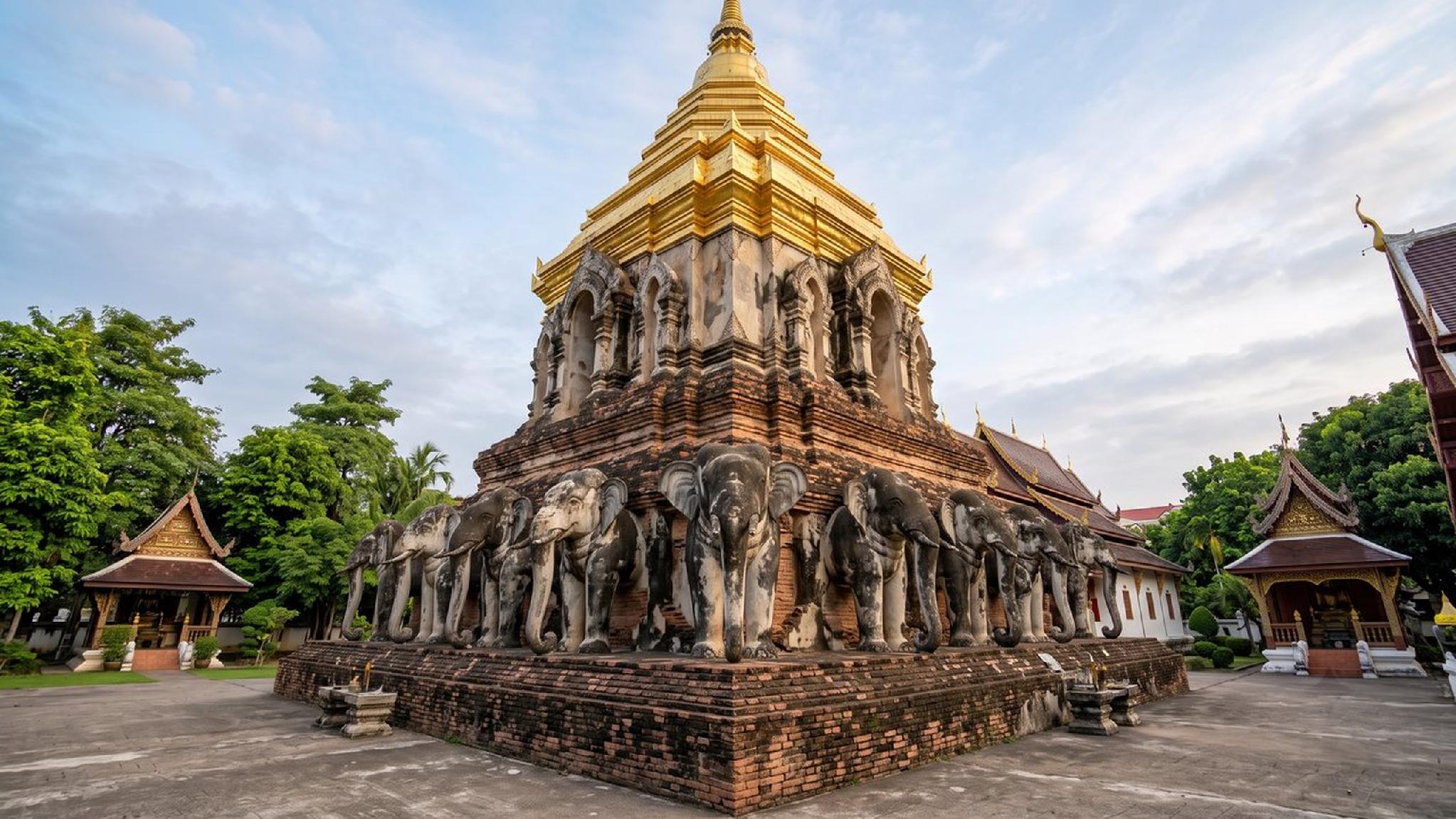
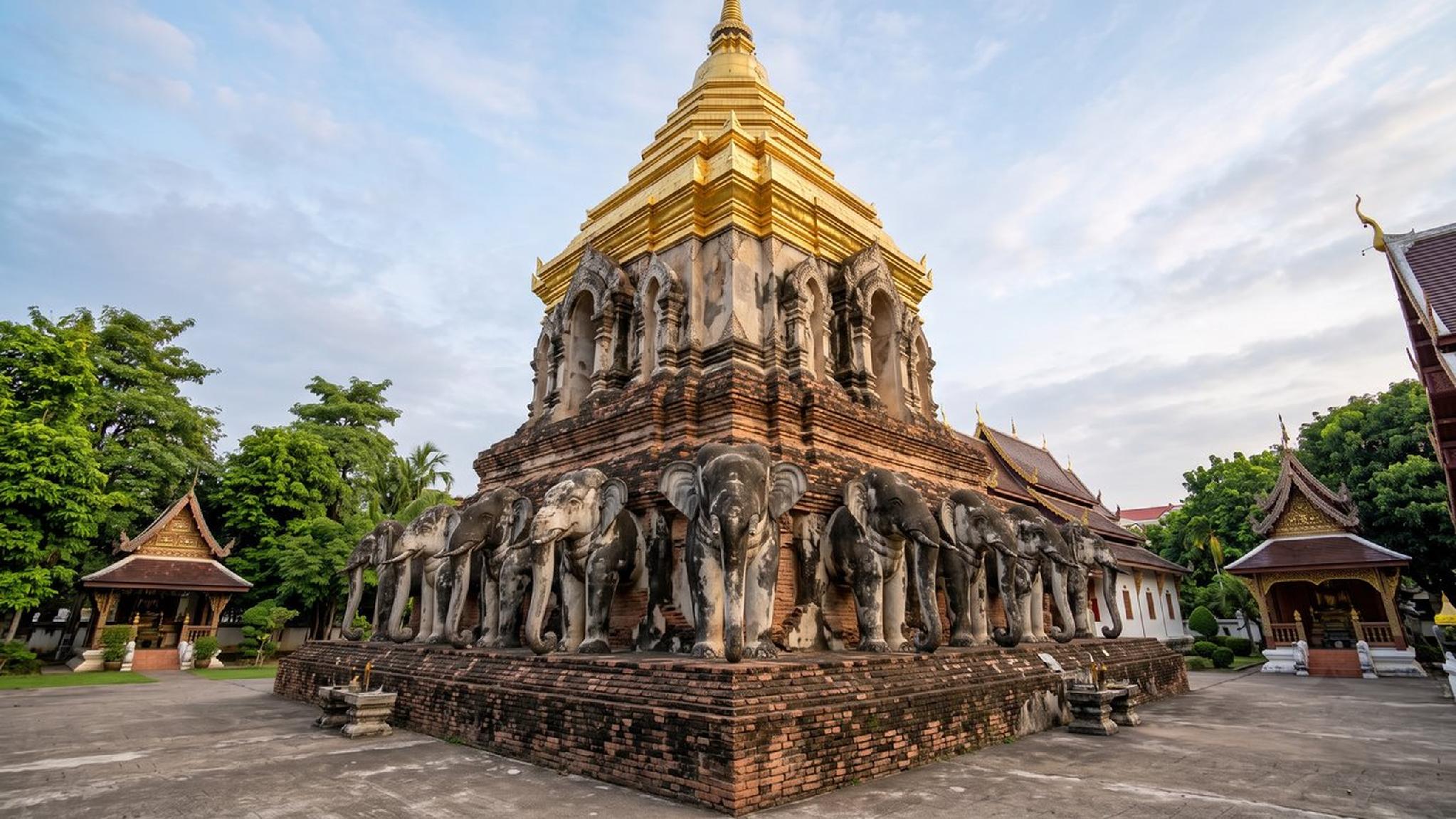
Founded in 1296 or 1297, this is the oldest of Chiang Mai's temples and King Mangrai's own first foundation in his new capital. The Chedi Chang Lom, or Elephant Chedi, is ringed at its base by 15 life-sized stucco elephants emerging from the brickwork, and the temple also holds the Phra Sila Buddha, a Sri Lankan image reputedly more than a thousand years old, alongside a standing Buddha inscribed with the date 1465, the oldest dated Lanna statue known.
The chedi's design mixes Lanna and Sinhalese influence rather than following a single tradition, a reminder that Lanna Buddhism itself grew out of contact with Sri Lanka and Sukhothai long before it became the distinct local style visible across the rest of this list.
Detailed Information:
,regionOfInterest=(1023,575.5))
,regionOfInterest=(1023,575.5))
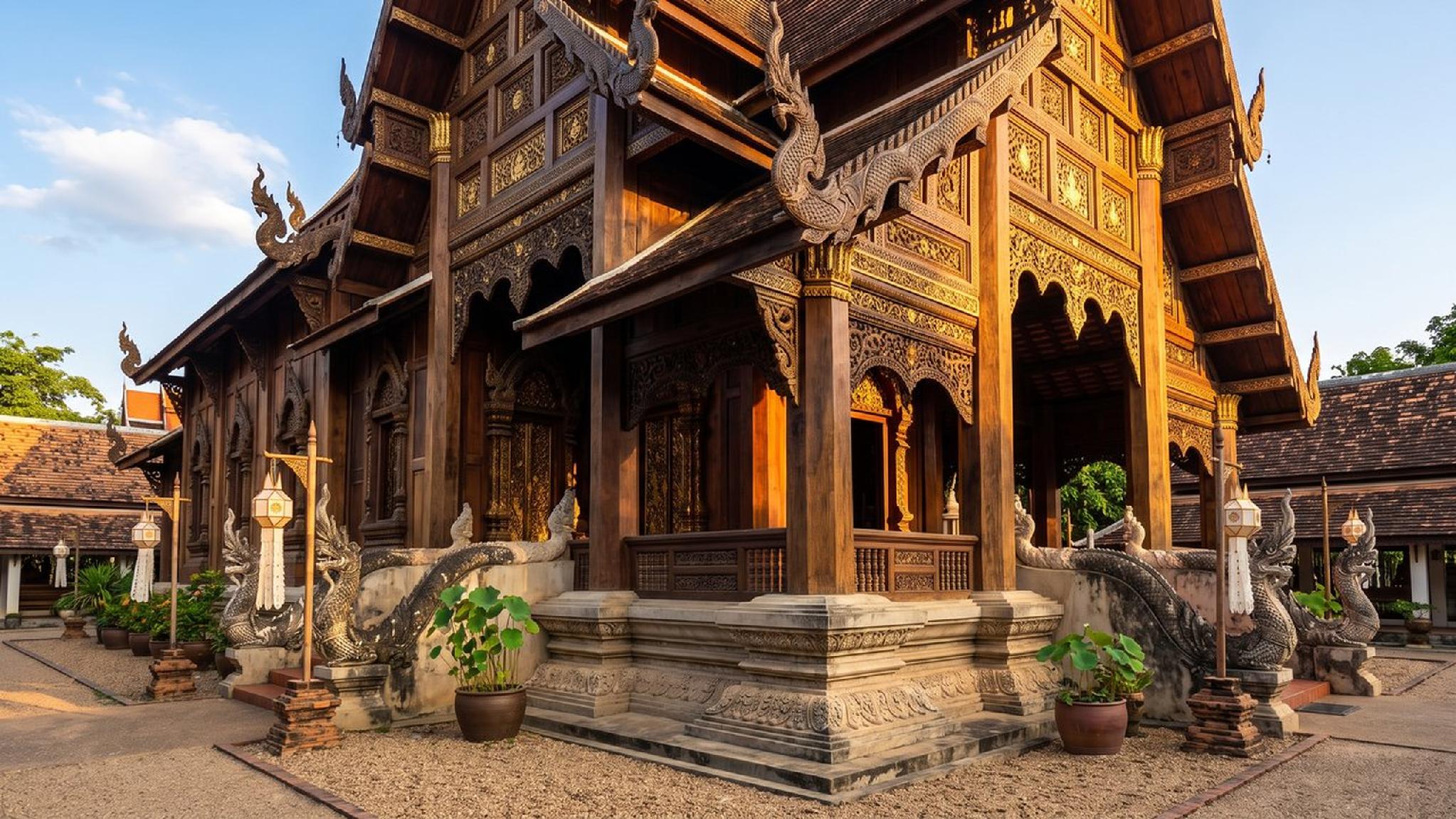
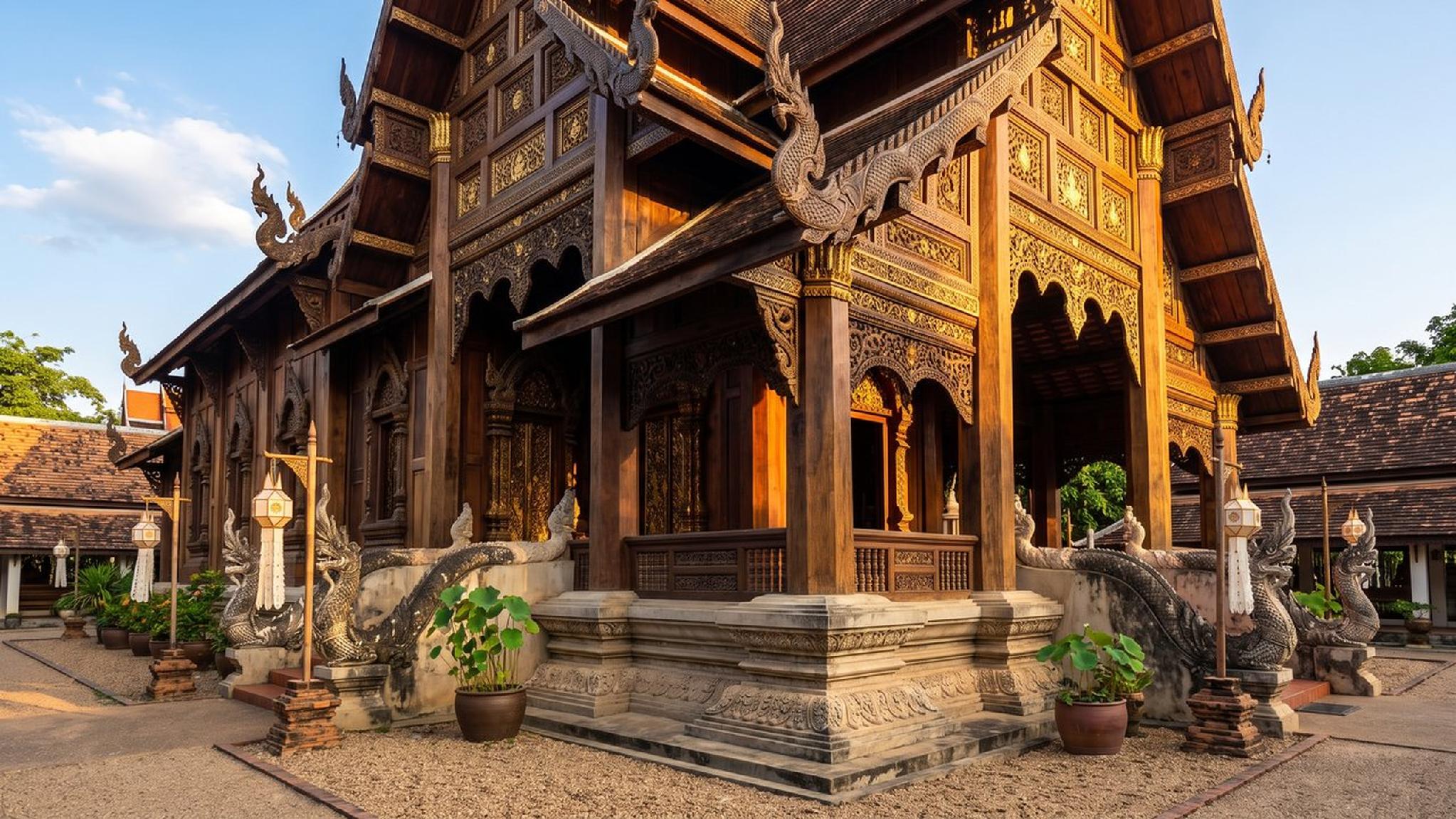
Its name means temple of a thousand furnaces, a reference to the kilns once used here to cast Buddha images. The all-teak assembly hall was originally a royal residence, or ho kham, for the fifth ruler of Chiang Mai in the 1840s and 50s, moved to its current spot beside Wat Chedi Luang in 1876. Twenty-eight teak pillars hold up the structure, and a carved peacock, a symbol of northern nobility, sits above the main door.
Detailed Information:
,regionOfInterest=(1023,575.5))
,regionOfInterest=(1023,575.5))
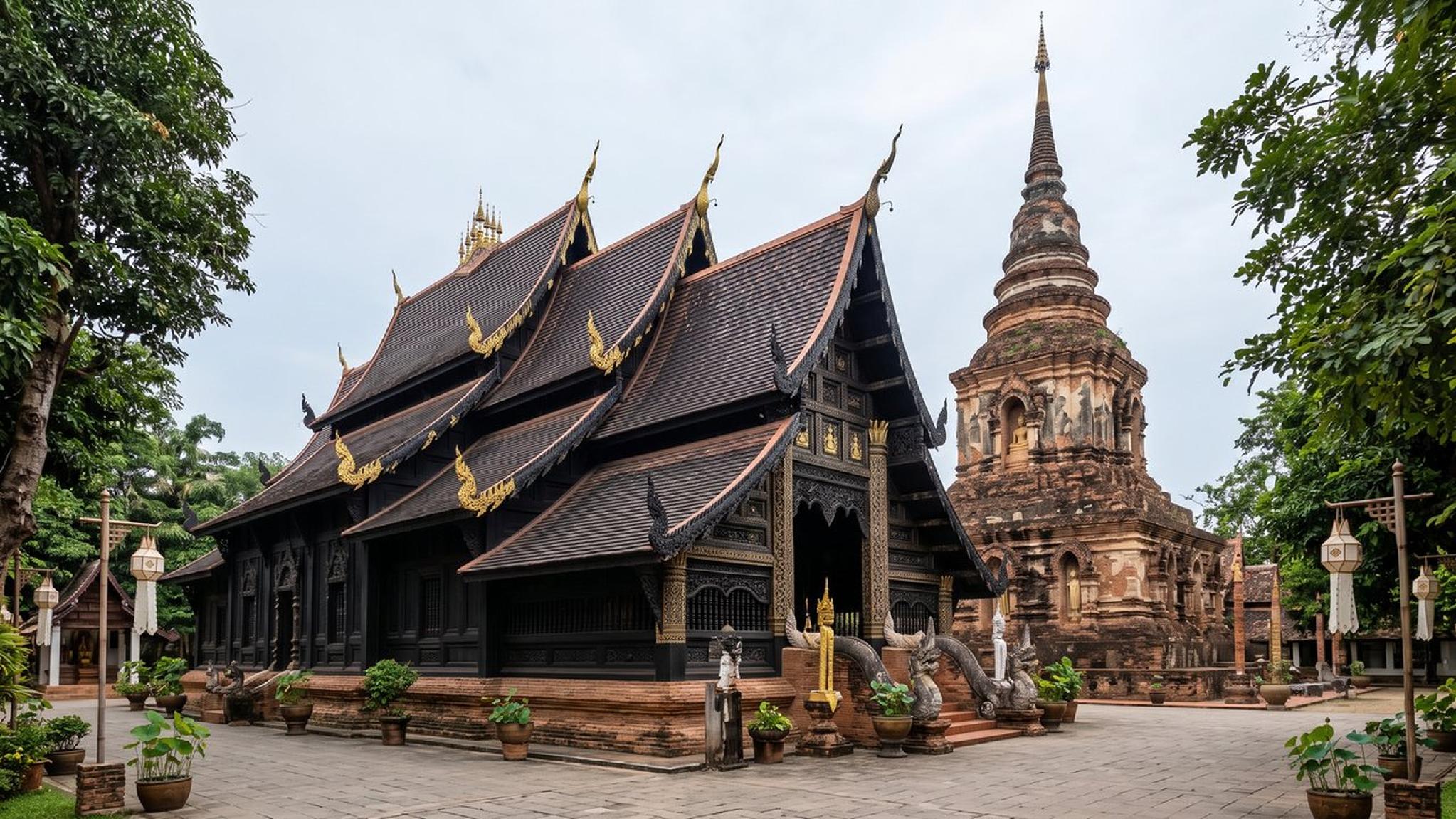
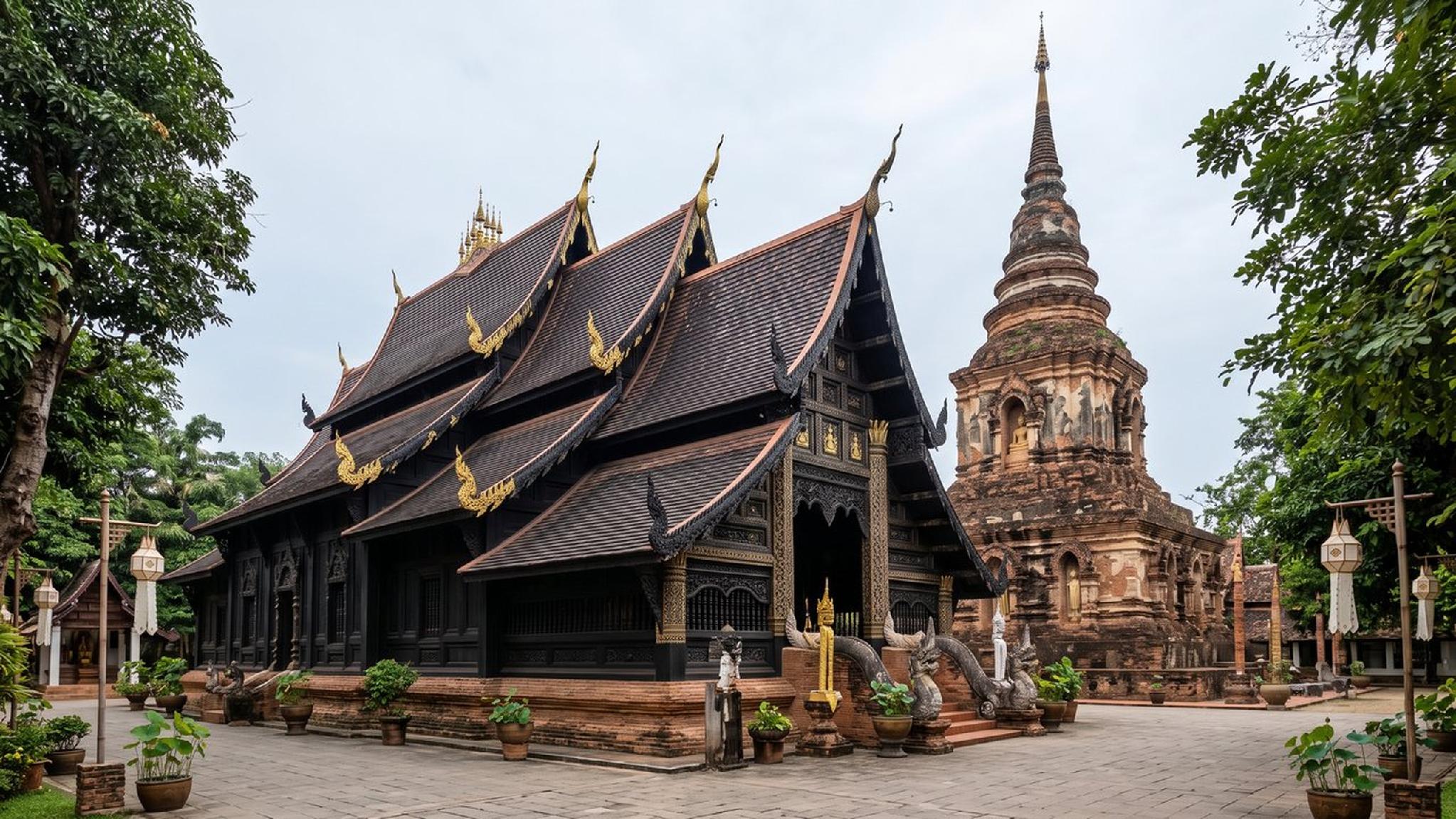
Already established by the 14th century, this royal temple was maintained across generations of the Mangrai Dynasty and takes its current form largely from the 1520s, when King Ket built the tall chedi to hold the ashes of his royal predecessors. The black-lacquered teak viharn, added in 1545, sits under a steeply pitched, multi-tiered Lanna roofline that sweeps almost to the ground.
Detailed Information:
,regionOfInterest=(1023,575.5))
,regionOfInterest=(1023,575.5))
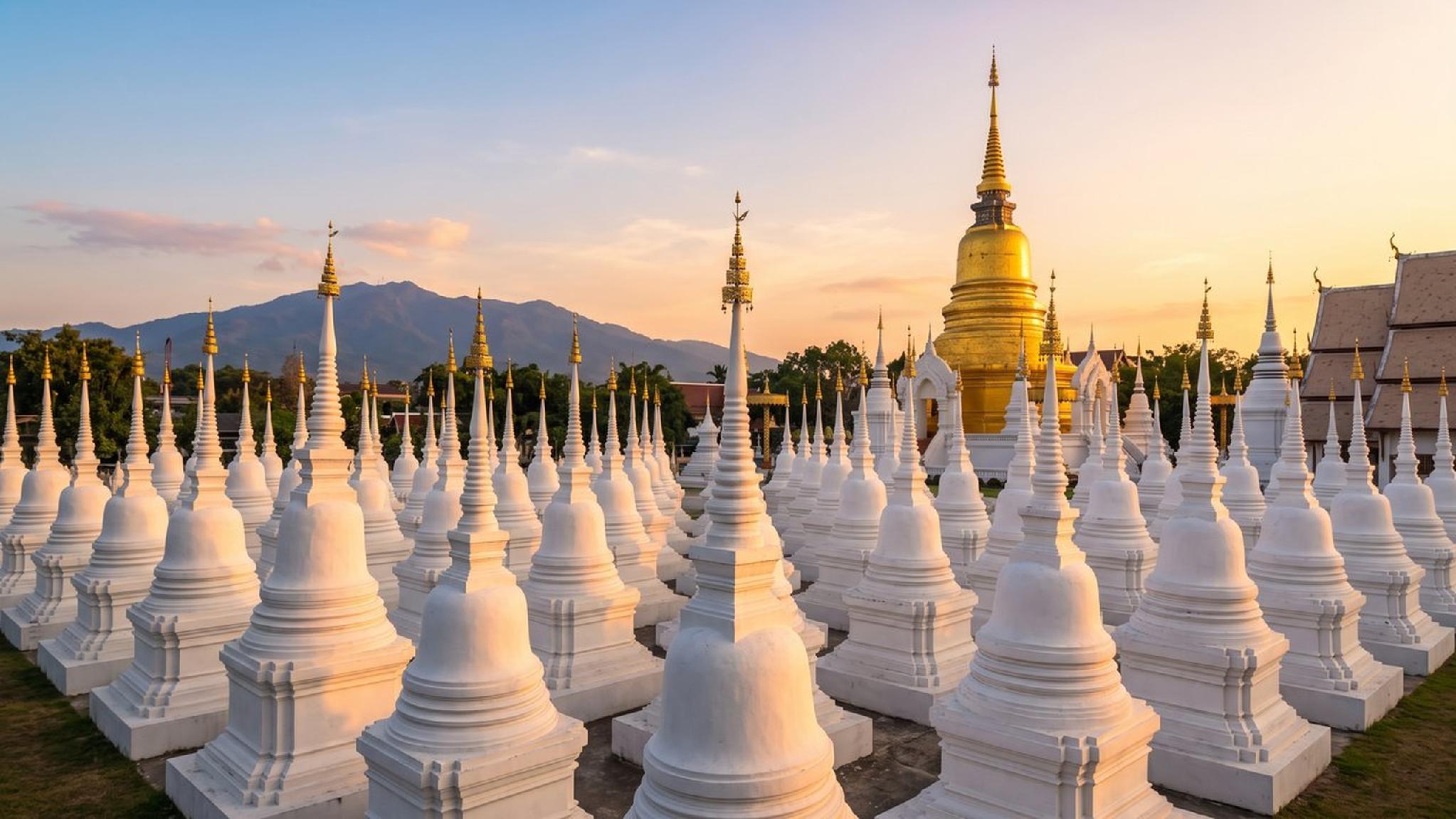
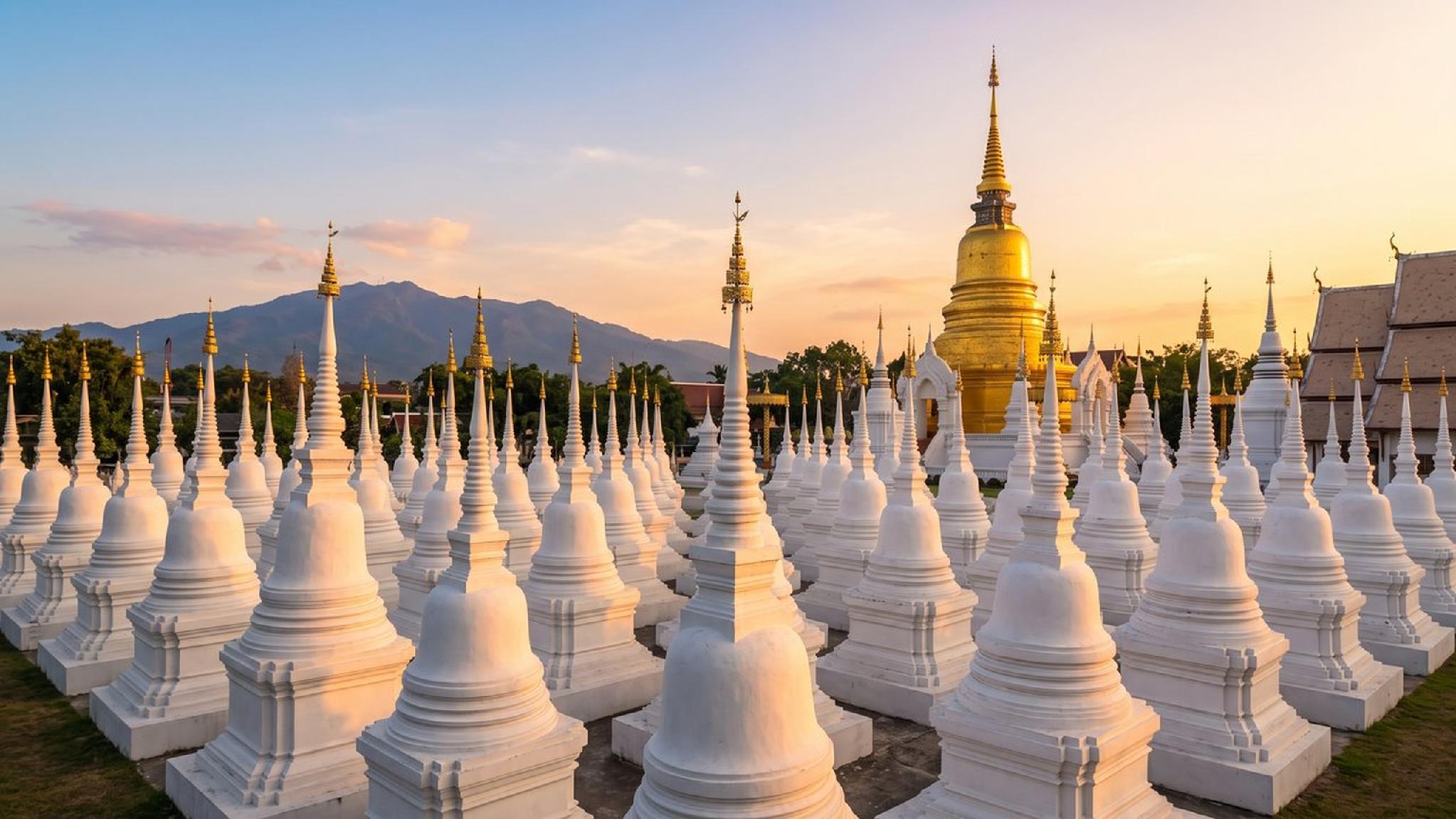
Built in the 14th century on what was once the Lanna royal family's flower garden, the temple's name literally means flower garden temple. A relic carried from Sukhothai is said to have split in two on arrival, with one half enshrined at Doi Suthep and the larger half enshrined here. The White Chedis to the north of the main chedi are royal mausoleums holding the ashes of Chiang Mai's rulers, arranged at Princess Dararatsmi's request in 1909.
Detailed Information:
,regionOfInterest=(1023,575.5))
,regionOfInterest=(1023,575.5))
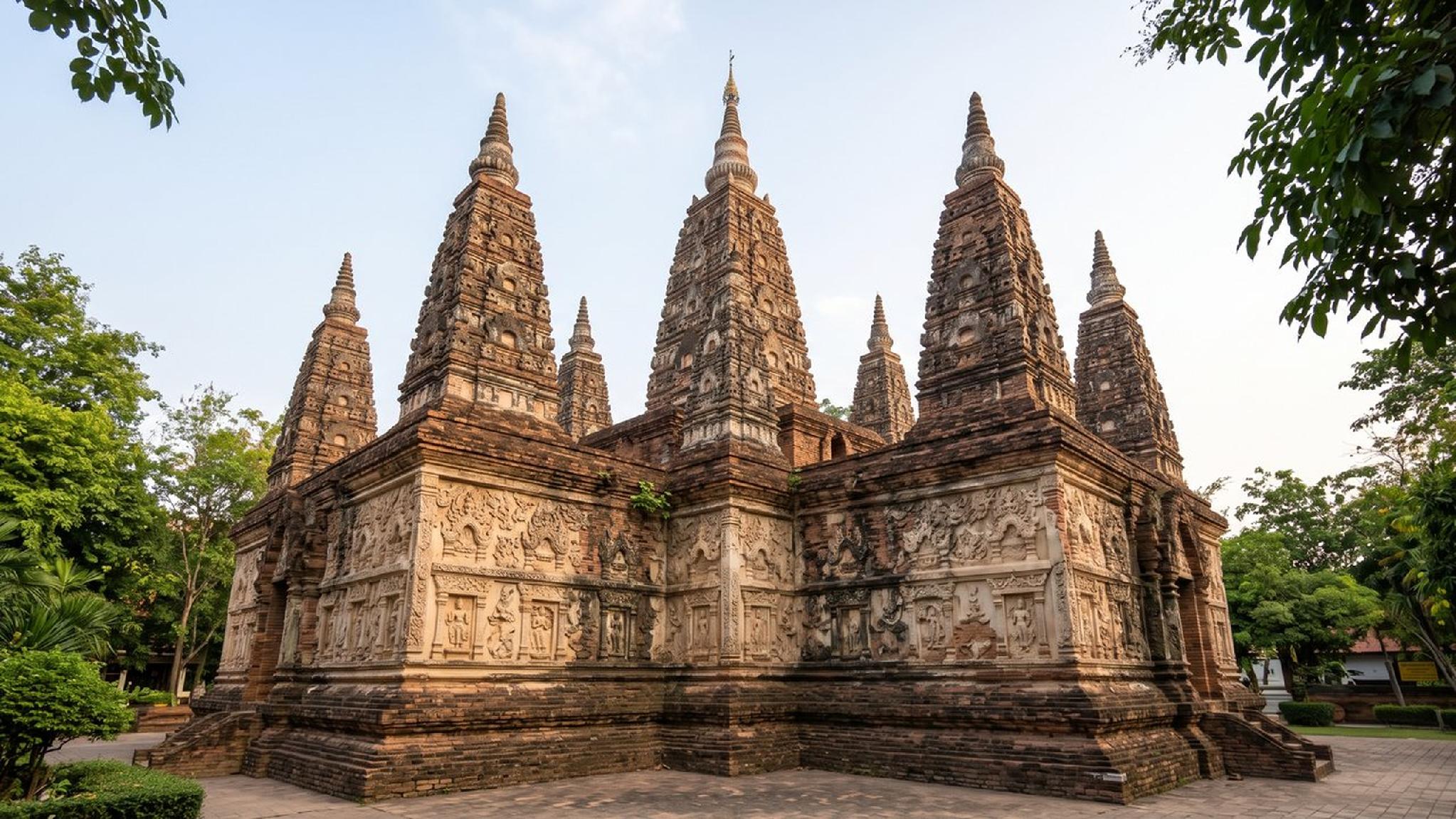
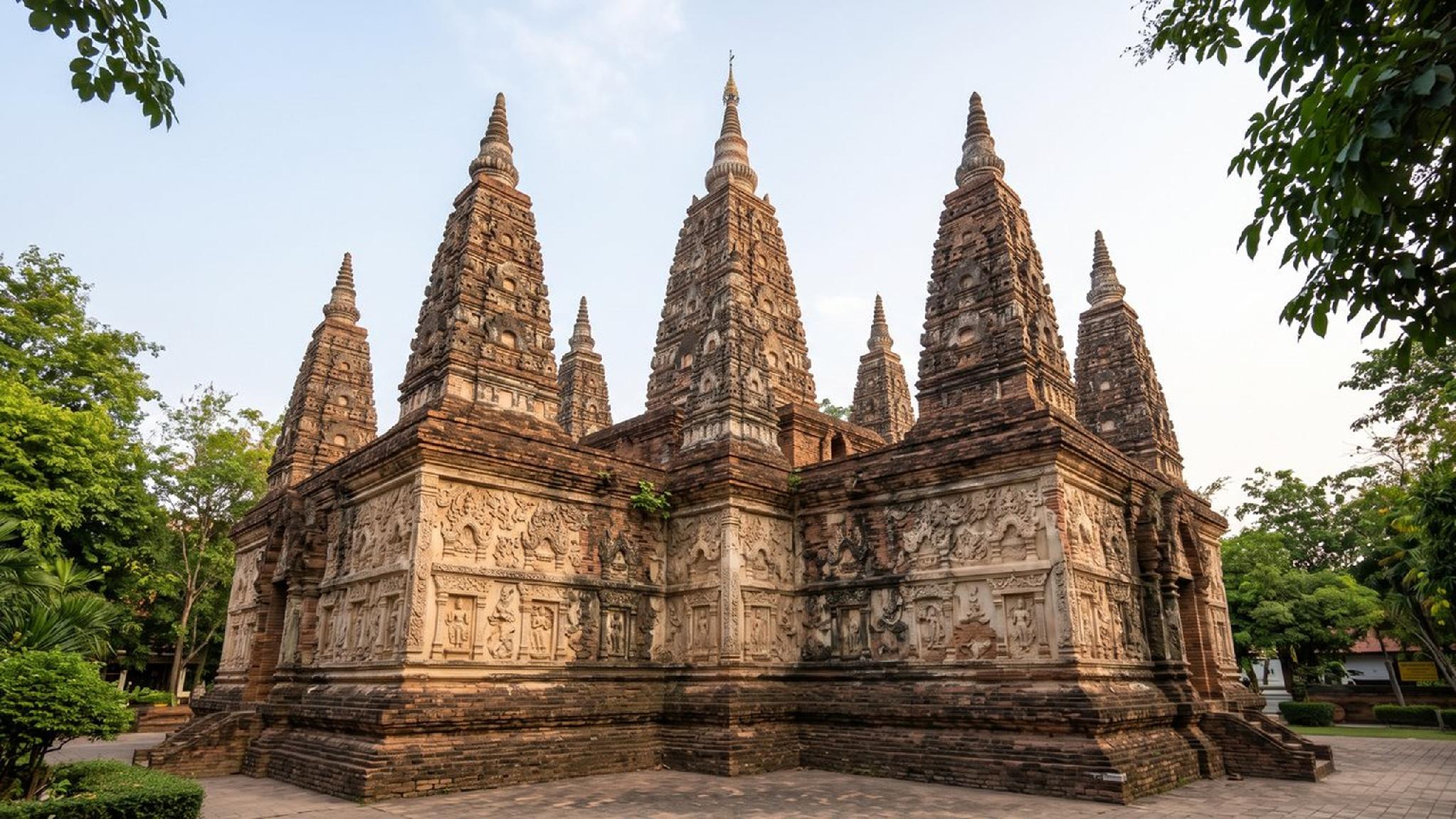
King Tilokarat commissioned this temple in 1455 after sending monks to study the Mahabodhi Temple in Bodh Gaya, India, the site of the Buddha's enlightenment, by way of a copy already built in Bagan, Burma. The seven spires that give the temple its name, chet yot, are said to represent the seven weeks the Buddha spent meditating after enlightenment, and the temple hosted the Eighth World Buddhist Council in 1477 to renew the Buddhist scriptures.
Detailed Information:
,regionOfInterest=(1023,575.5))
,regionOfInterest=(1023,575.5))
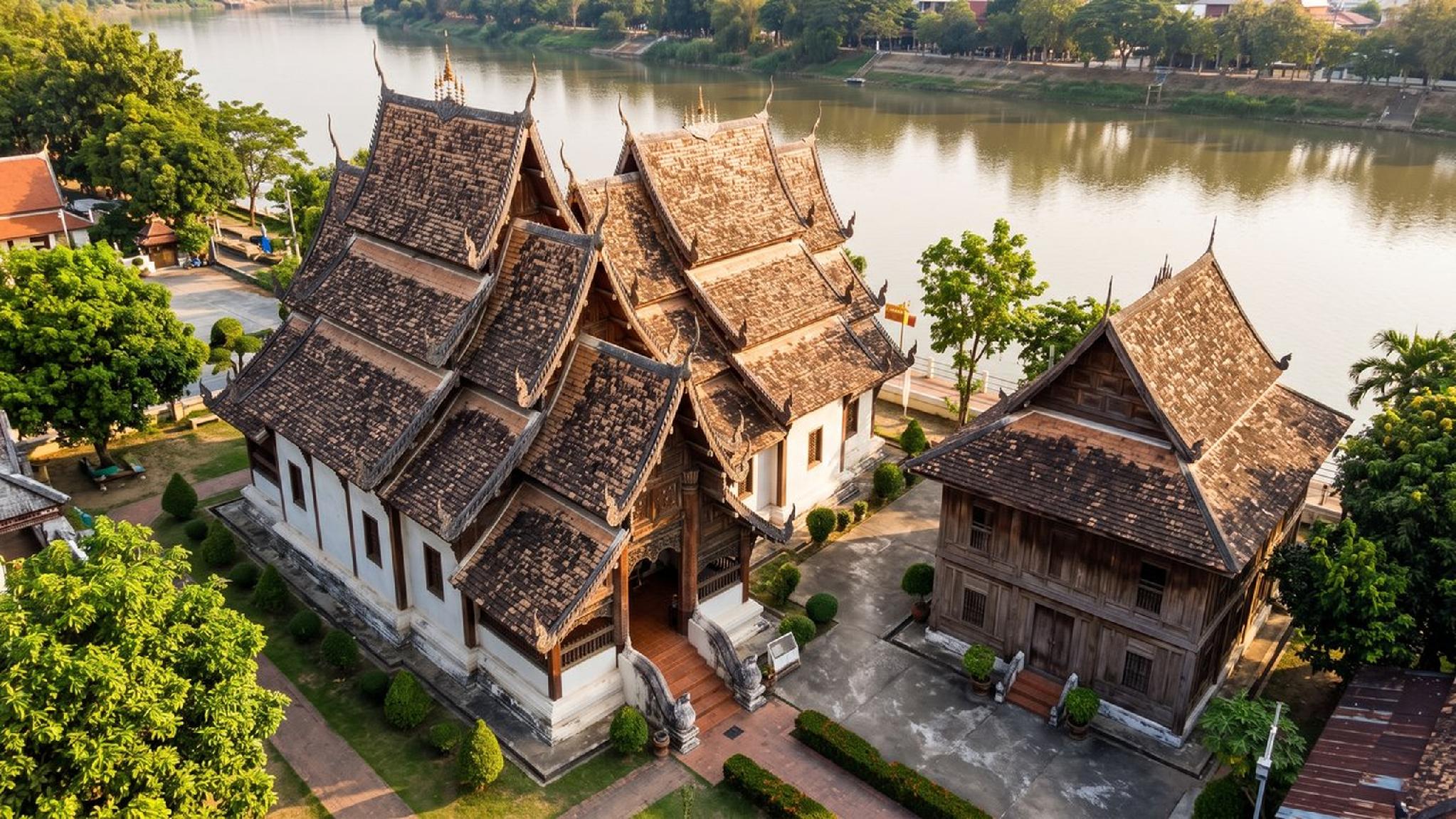
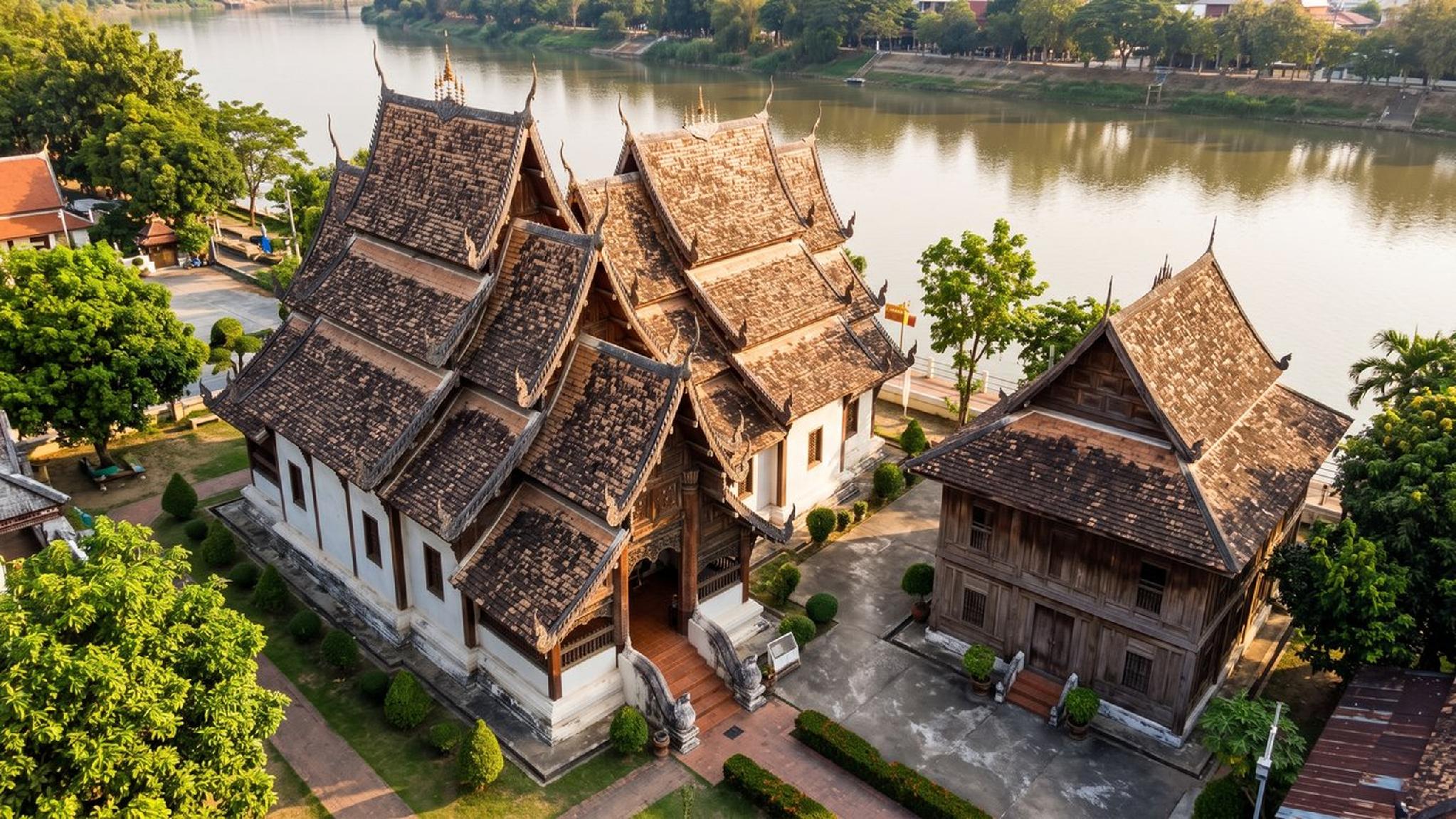
Built in 1428 under King Sam Fang Kaen in what was once Chiang Mai's Chinese merchant quarter, the temple's original chedi was destroyed in the same 1545 earthquake that damaged Wat Chedi Luang; the five-tiered viharn seen today dates to the 19th century Rattanakosin era instead. A community museum in the courtyard, started in 1999, holds donated artifacts from Lanna and Thai classical instruments to old cameras and typewriters that trace the neighbourhood's more recent history.
Detailed Information:
,regionOfInterest=(1023,575.5))
,regionOfInterest=(1023,575.5))
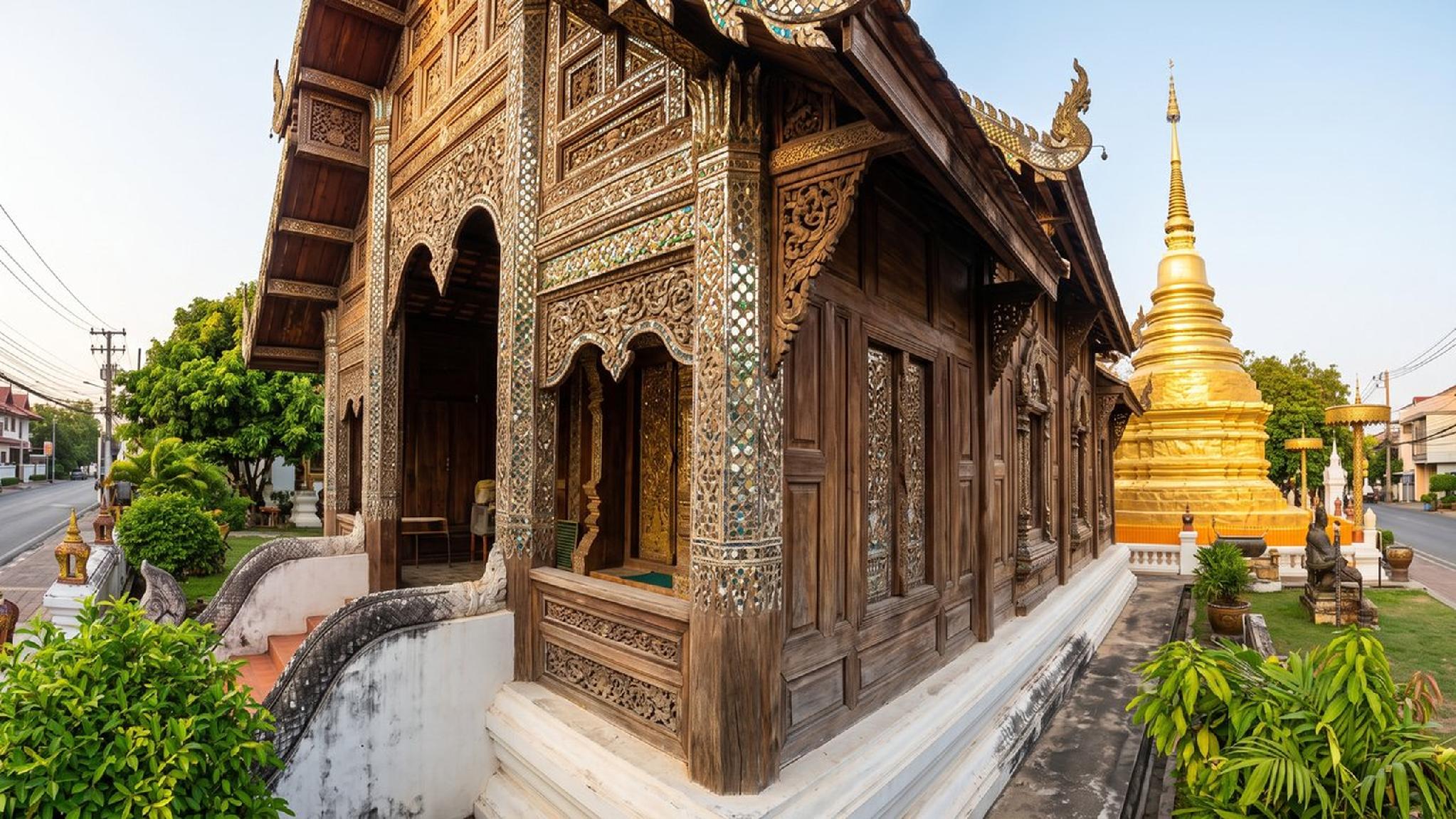
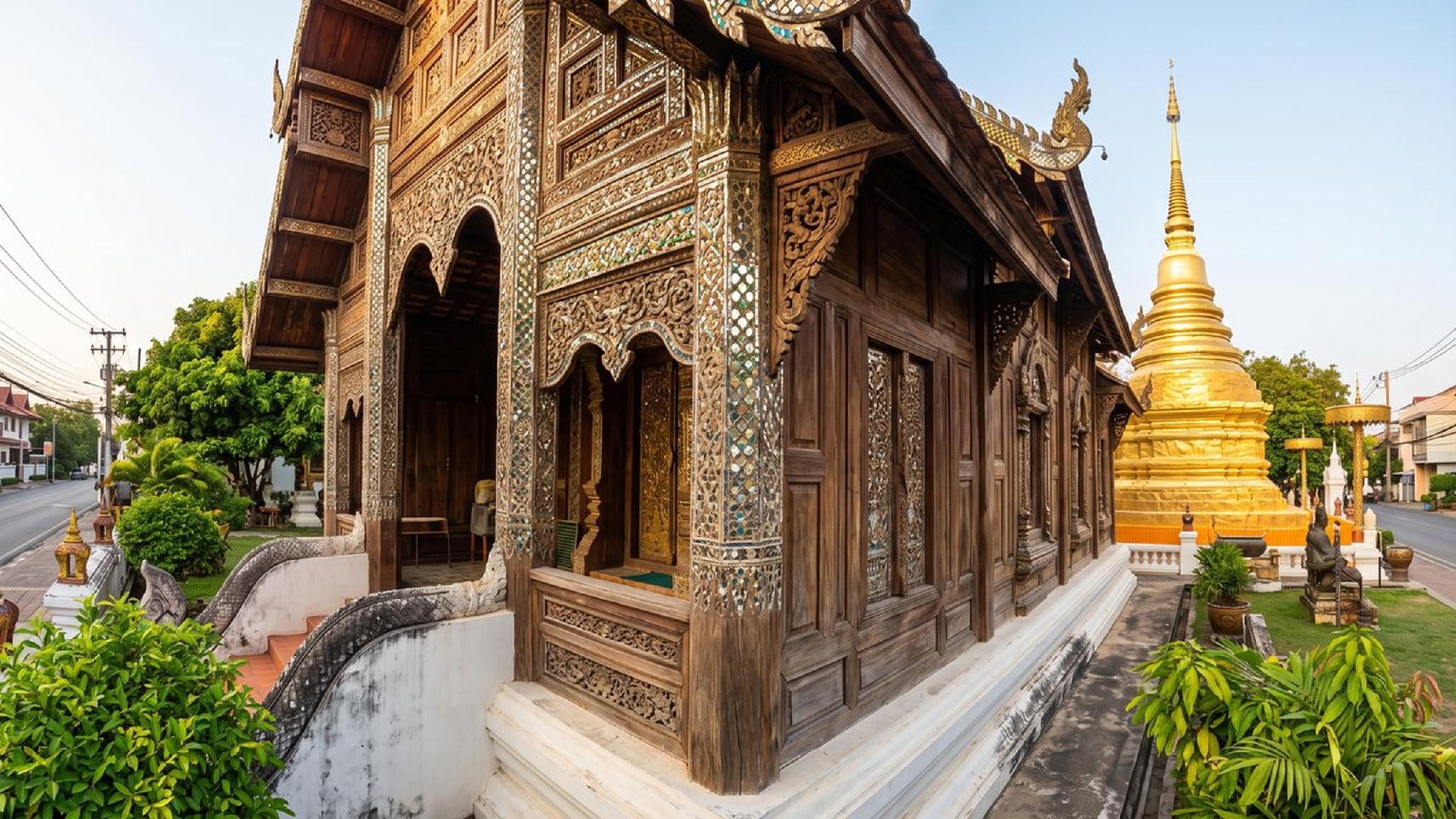
Founded in 1497, this temple on Tha Phae Road was where King Kawila performed a ceremonial circumambulation of the city after retaking Chiang Mai from two centuries of Burmese rule. Its Burmese-style chedi was rebuilt in 1958, and the 1819 teak ordination hall, finished in glass mosaic inlay, houses Phra Buddha Narit, generally considered the largest teak wood Buddha image in Thailand.
Detailed Information:
,regionOfInterest=(1023,575.5))
,regionOfInterest=(1023,575.5))
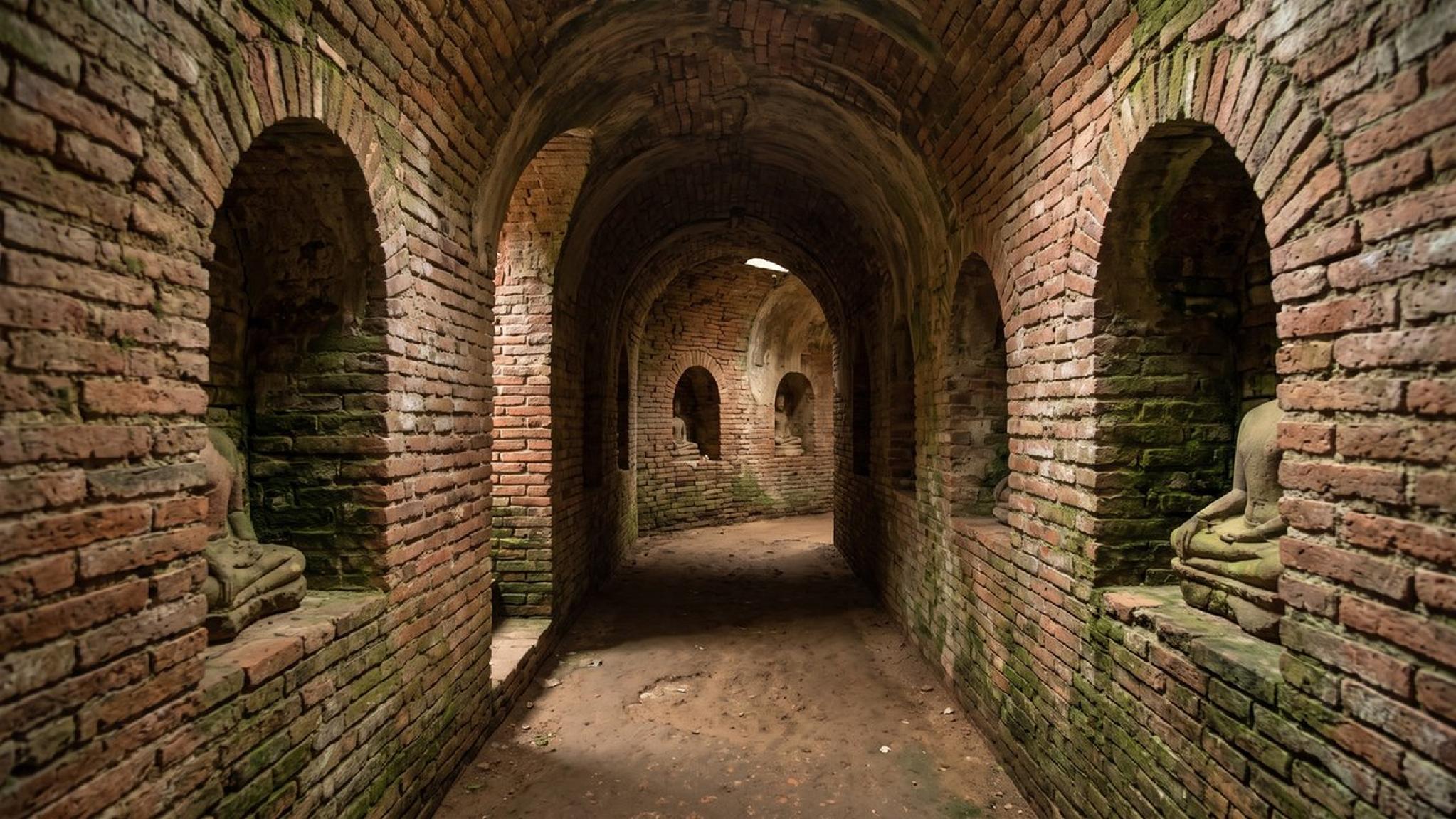
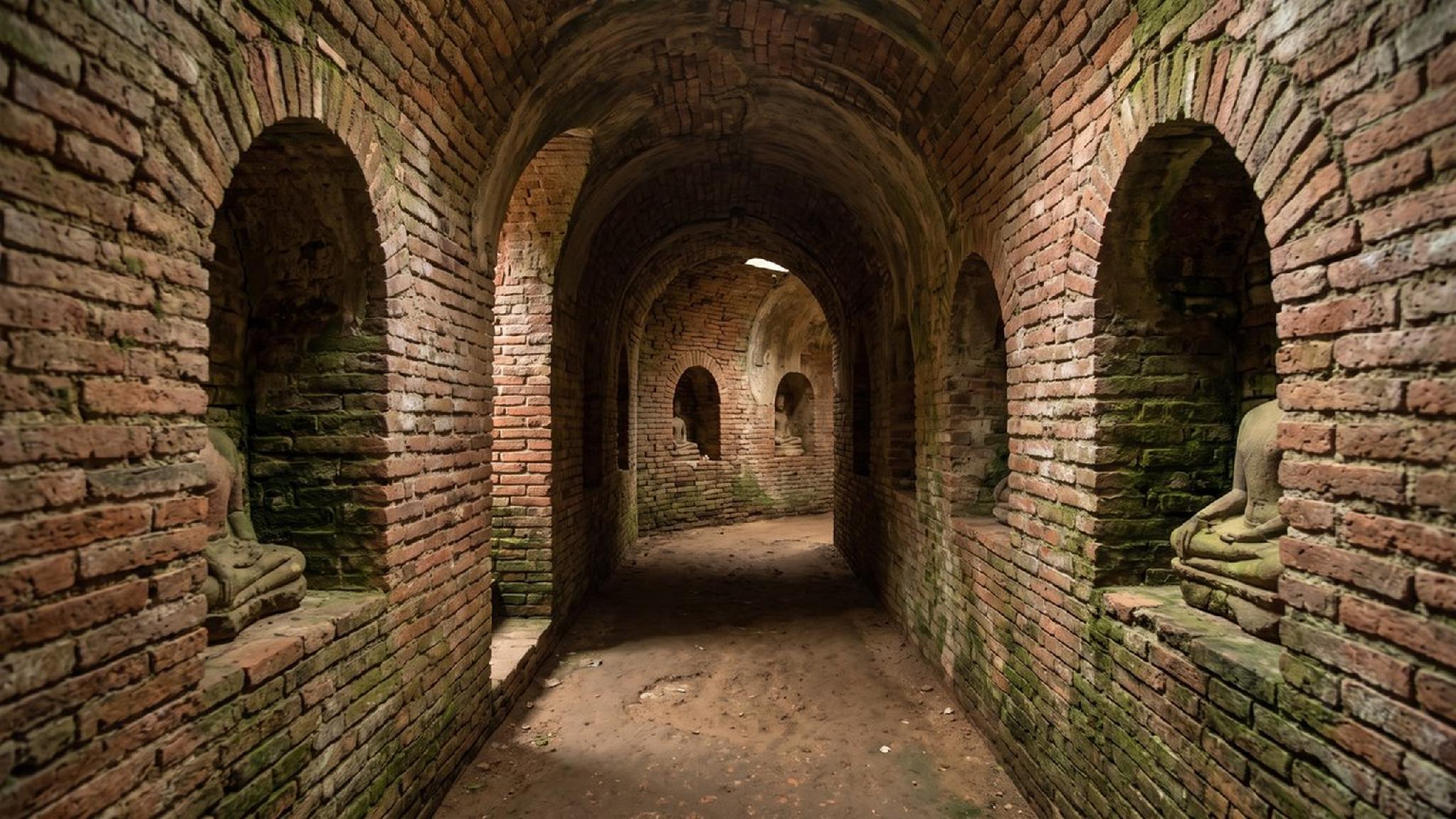
Commissioned around 1297 by King Mangrai, according to temple legend so a meditating monk could find quiet the growing city no longer offered him, Wat Umong is built around brick tunnels dug into a forested mound rather than a single grand viharn. Murals line the tunnel walls, and the mossy, tree-wrapped stupa above has functioned as a working meditation centre since a 1948 restoration.
Detailed Information:
,regionOfInterest=(1023,575.5))
,regionOfInterest=(1023,575.5))
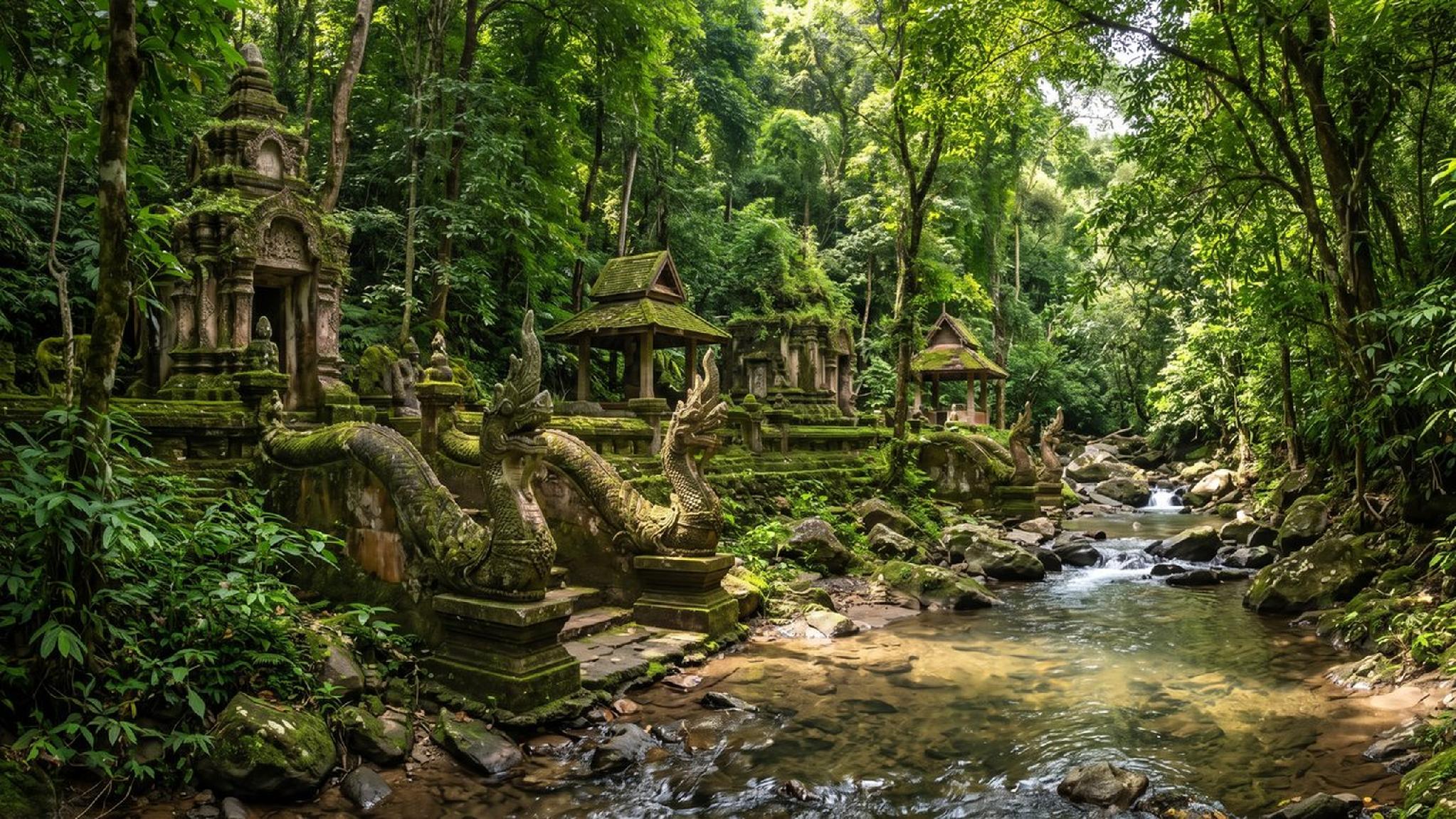
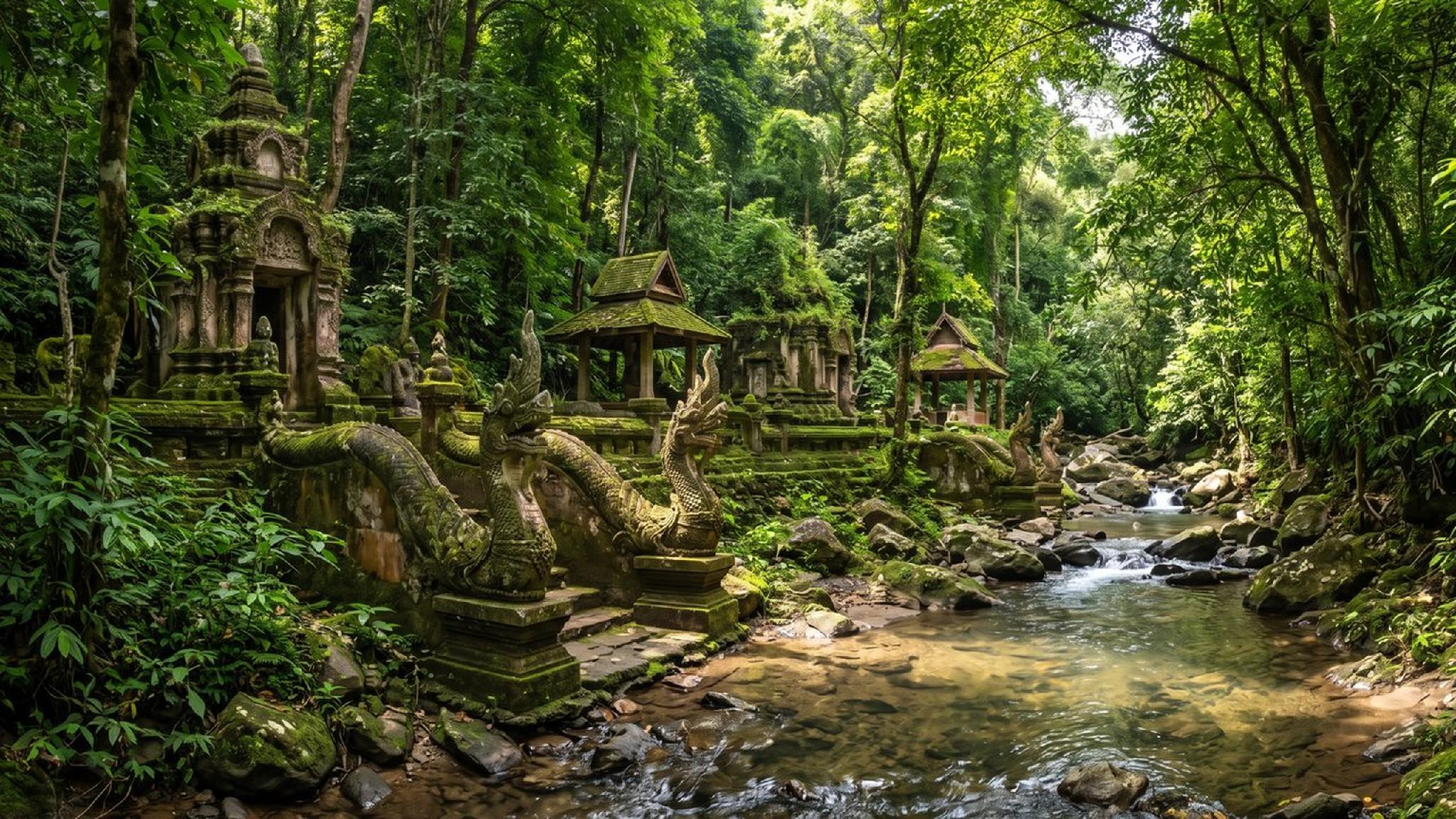
Tucked into the forest partway up Doi Suthep, this small monastery sits on the Monk's Trail, the old walking route monks once used between the city and the mountaintop temple above. Stone naga carvings and a small waterfall give it a quieter, more atmospheric feel than any other entry on this list, and reaching it on foot takes a genuine uphill walk rather than a quick stop off a road.
Detailed Information:
With all 12 covered in full, here is a quick summary table to use as a reference while planning a route.
Temple | Area | Known For |
Wat Phra That Doi Suthep | Doi Suthep mountain | The city's most sacred temple and skyline view |
Wat Chedi Luang | Old City | The massive 15th century ruined chedi |
Wat Phra Singh | Old City | Classic Lanna architecture and the Phra Buddha Sihing |
Wat Chiang Man | Old City | Chiang Mai's oldest temple, founded 1296-97 |
Wat Phan Tao | Old City | An all-teak former royal hall |
Wat Lok Moli | Old City edge | A royal Mengrai Dynasty chedi and teak viharn |
Wat Suan Dok | Just west of the Old City | White royal mausoleum chedis |
Wat Chet Yot | North of the Old City | Seven spires modelled on Bodh Gaya |
Wat Ket Karam | Ping River, Wat Ket district | A riverside temple and community museum |
Wat Buppharam | Tha Phae Road | Thailand's largest teak Buddha image |
Wat Umong | Western foothills | Forest tunnels and a meditation centre |
Wat Pha Lat | Doi Suthep foothills | A hidden monastery on the Monk's Trail |
,regionOfInterest=(1023,575.5))
,regionOfInterest=(1023,575.5))
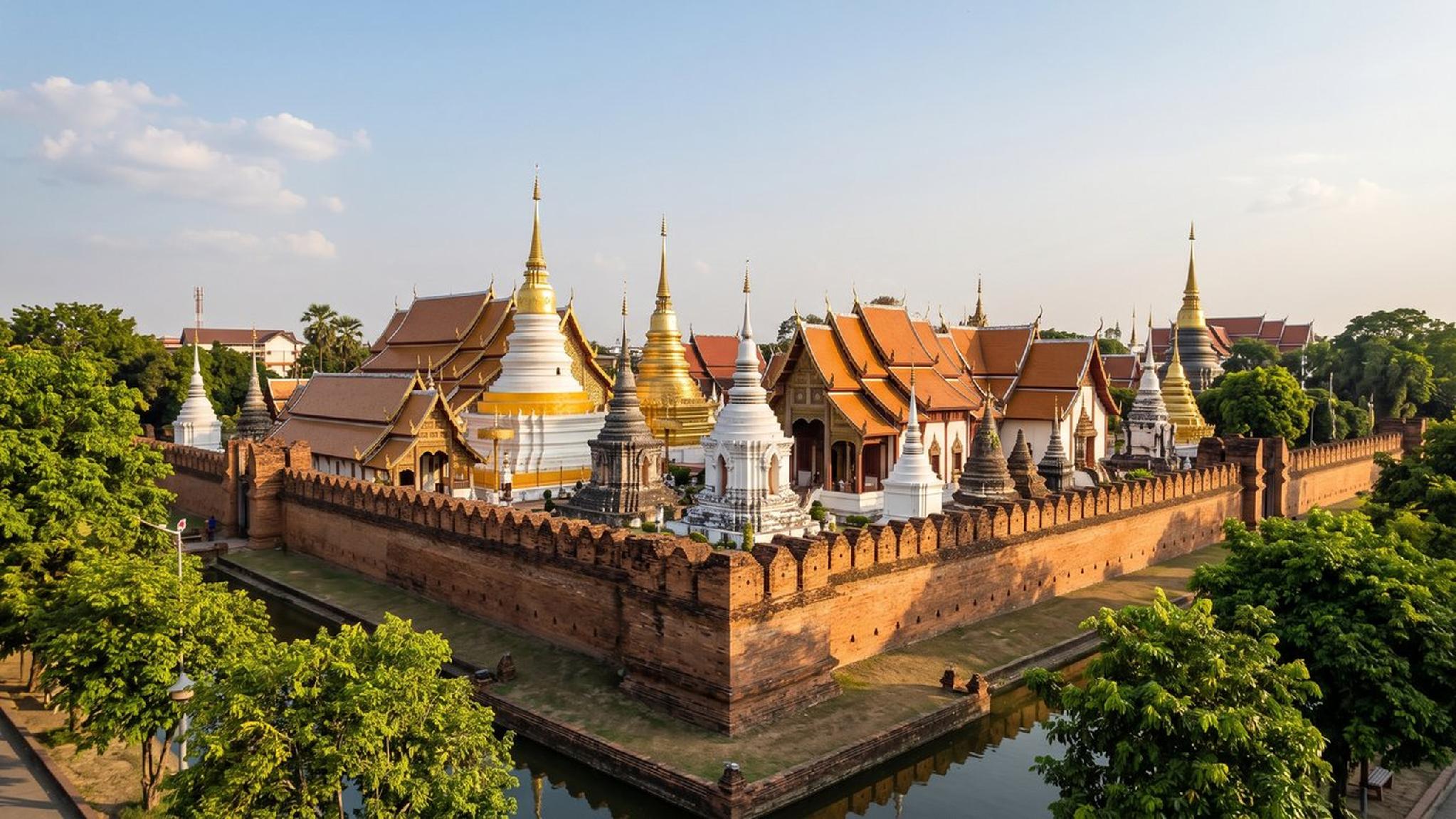
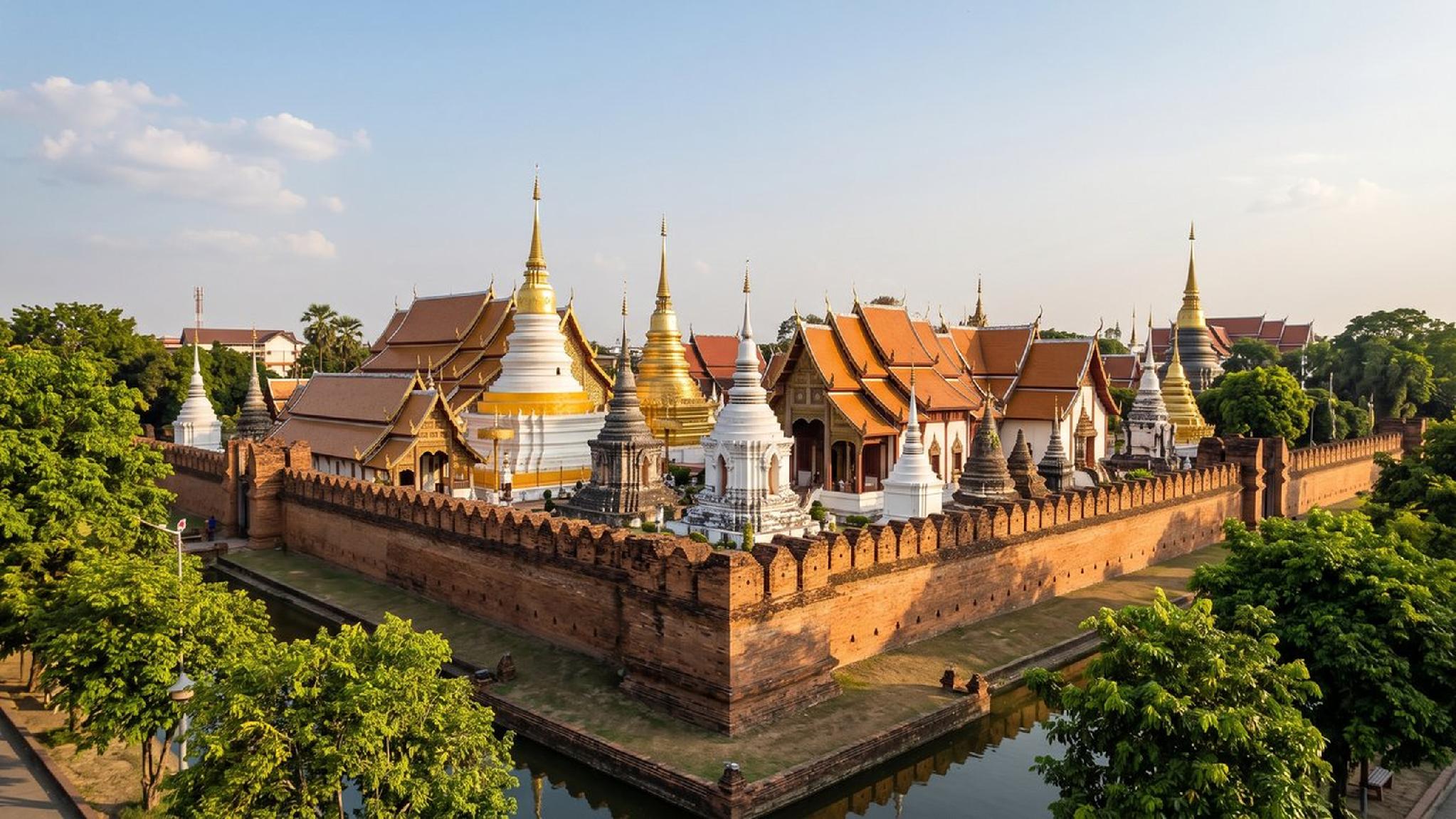
Five of the 12, Wat Chedi Luang, Wat Phra Singh, Wat Chiang Man, Wat Phan Tao, and Wat Lok Moli, sit inside or right at the edge of the moat, close enough together to cover on foot in a single morning without needing transport between any of them. This cluster alone covers the bulk of Chiang Mai's most important Lanna-era architecture and history, from the city's founding temple to its tallest surviving chedi.
Wat Suan Dok, Wat Chet Yot, Wat Ket Karam, and Wat Buppharam sit just outside that same moat, each only a short ride rather than a long trip, and are covered in full above rather than repeated here.
,regionOfInterest=(1023,575.5))
,regionOfInterest=(1023,575.5))
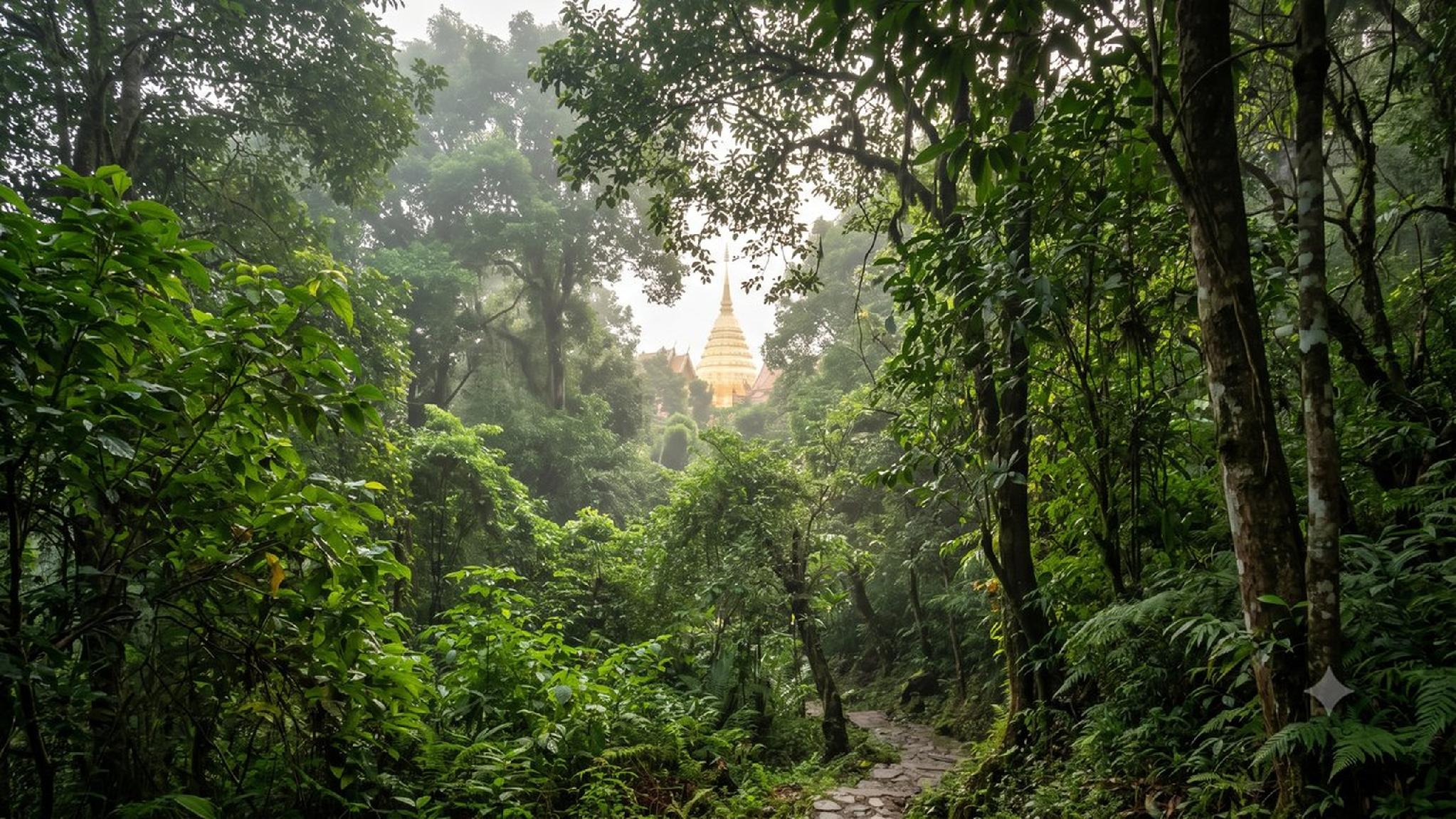
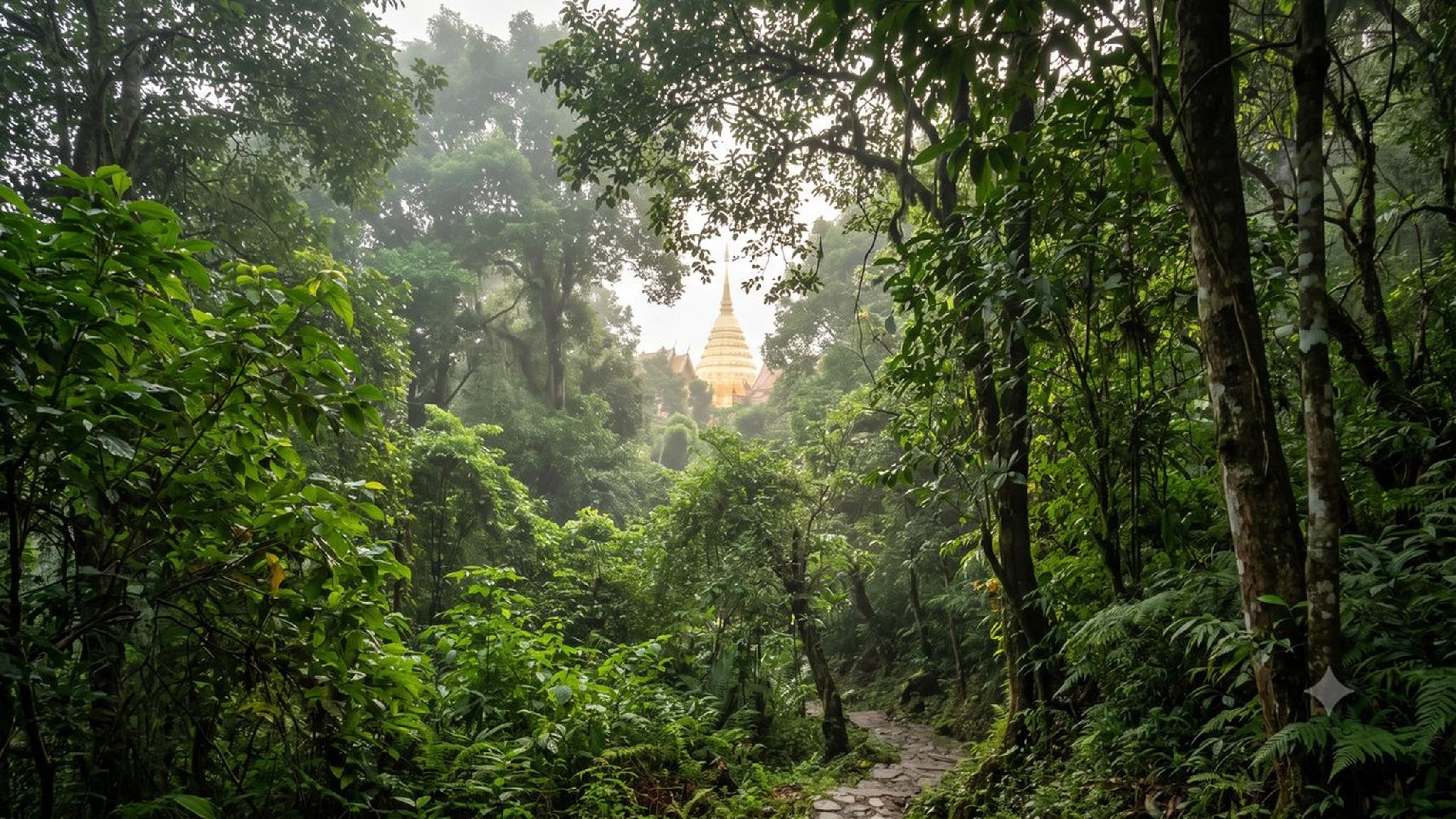
Wat Phra That Doi Suthep, Wat Umong, and Wat Pha Lat make up the mountain and forest side of this list, each offering a genuinely different pace from the Old City cluster: cooler air, more greenery, and in Wat Pha Lat's case, an actual uphill walk to get there.
Doi Suthep suits a half-day trip with a driver or songthaew, while Umong and Pha Lat both sit close enough to the city to fold into a single active morning, ideally started before the midday heat sets in properly.
,regionOfInterest=(1023,575.5))
,regionOfInterest=(1023,575.5))
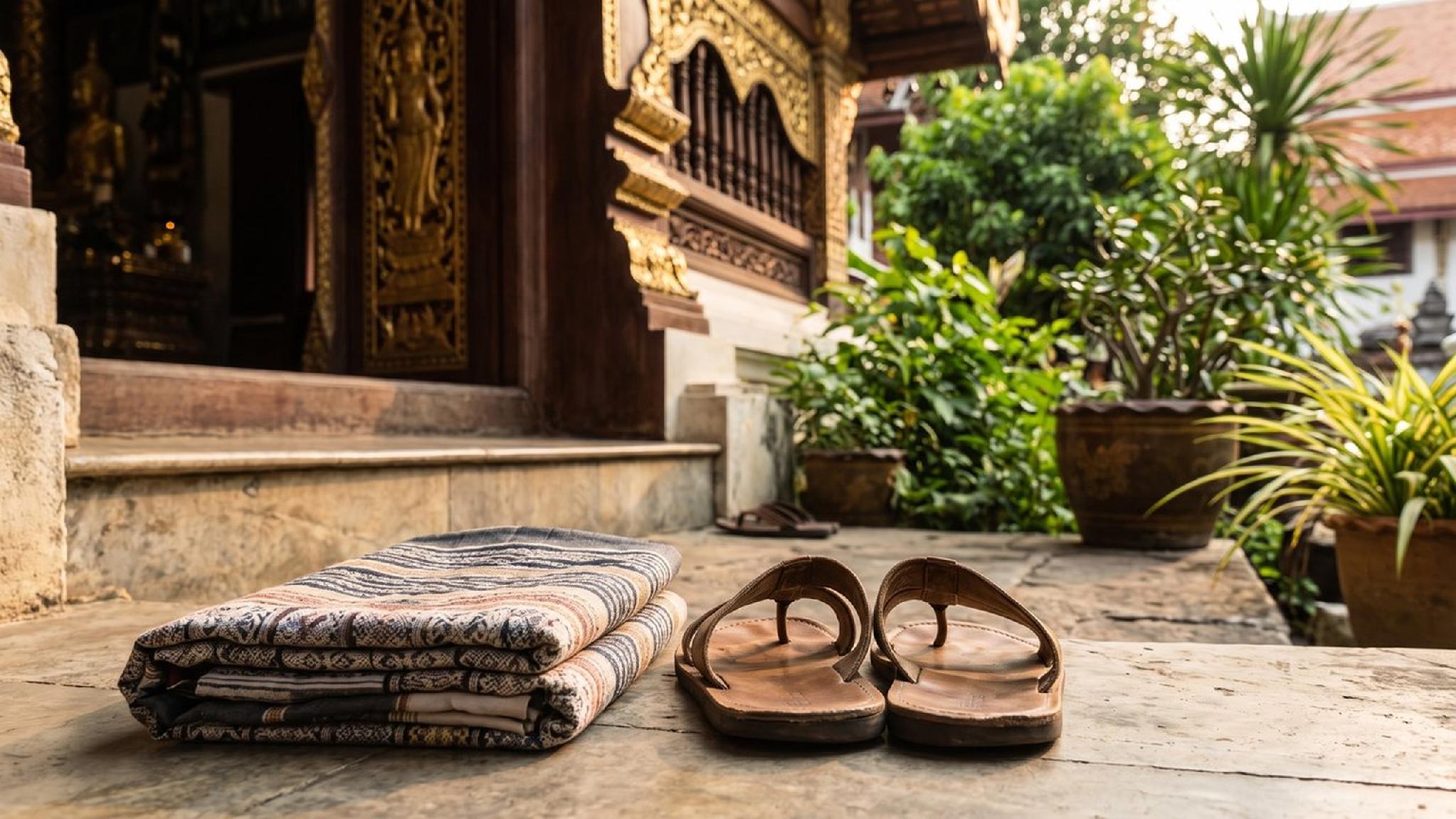
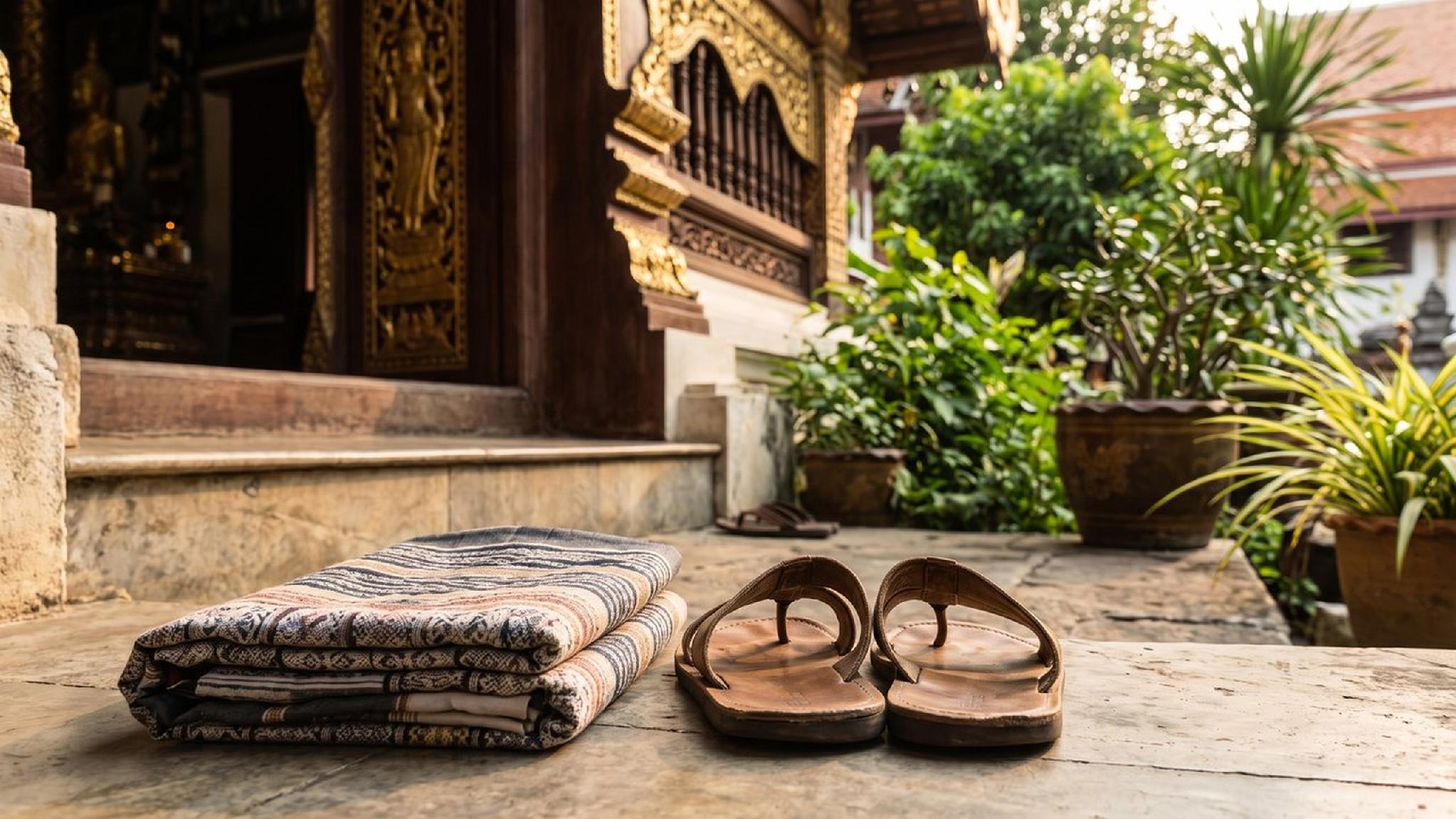
The same basic rules apply at every one of these Chiang Mai temples, religious sites rather than photo backdrops, and a few habits go a long way toward being a respectful guest rather than an obviously careless one.
,regionOfInterest=(1023,575.5))
,regionOfInterest=(1023,575.5))
Most of the Old City temples on this list charge nothing at all or a purely optional donation, with Wat Chedi Luang and Wat Phra Singh among the few that charge a modest entrance fee, generally 20 to 40 baht (about US$0.60 to US$1.15). For Wat Phra That Doi Suthep, foreigners pay a 30 to 50 baht temple fee; additionally, a 2025 policy change introduced a 100 baht National Park fee for using the mountain's trails and waterfalls, though this specific park fee is waived if you drive directly to the temple via the main road. (Please double-check all current fees before your trip, as pricing and policies are subject to change.)
Cash is the default at every ticket window on this list, and small notes make the transaction faster than handing over a large bill and waiting for change, particularly at the smaller donation-based temples where nobody is stationed specifically to break a note.
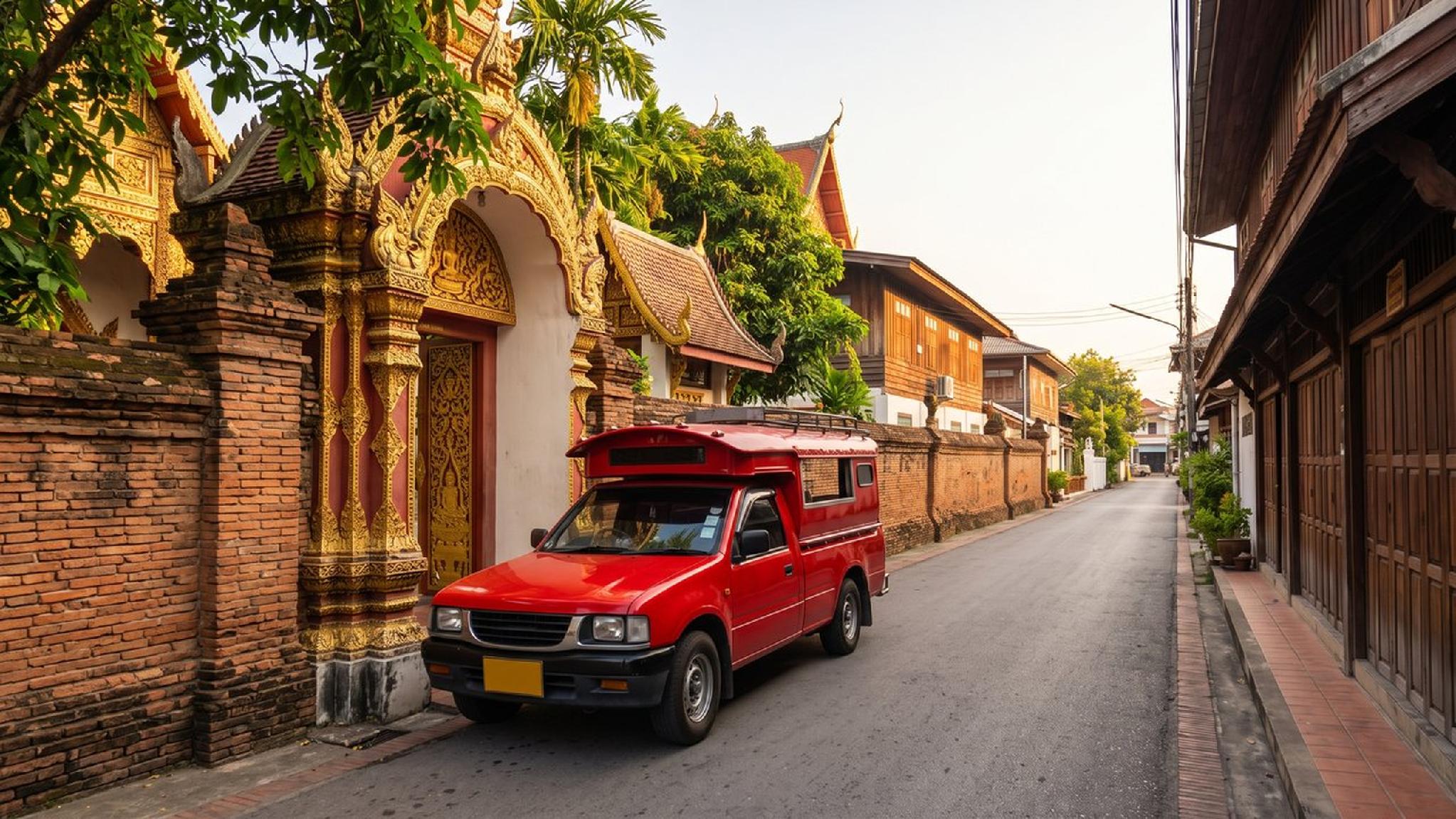
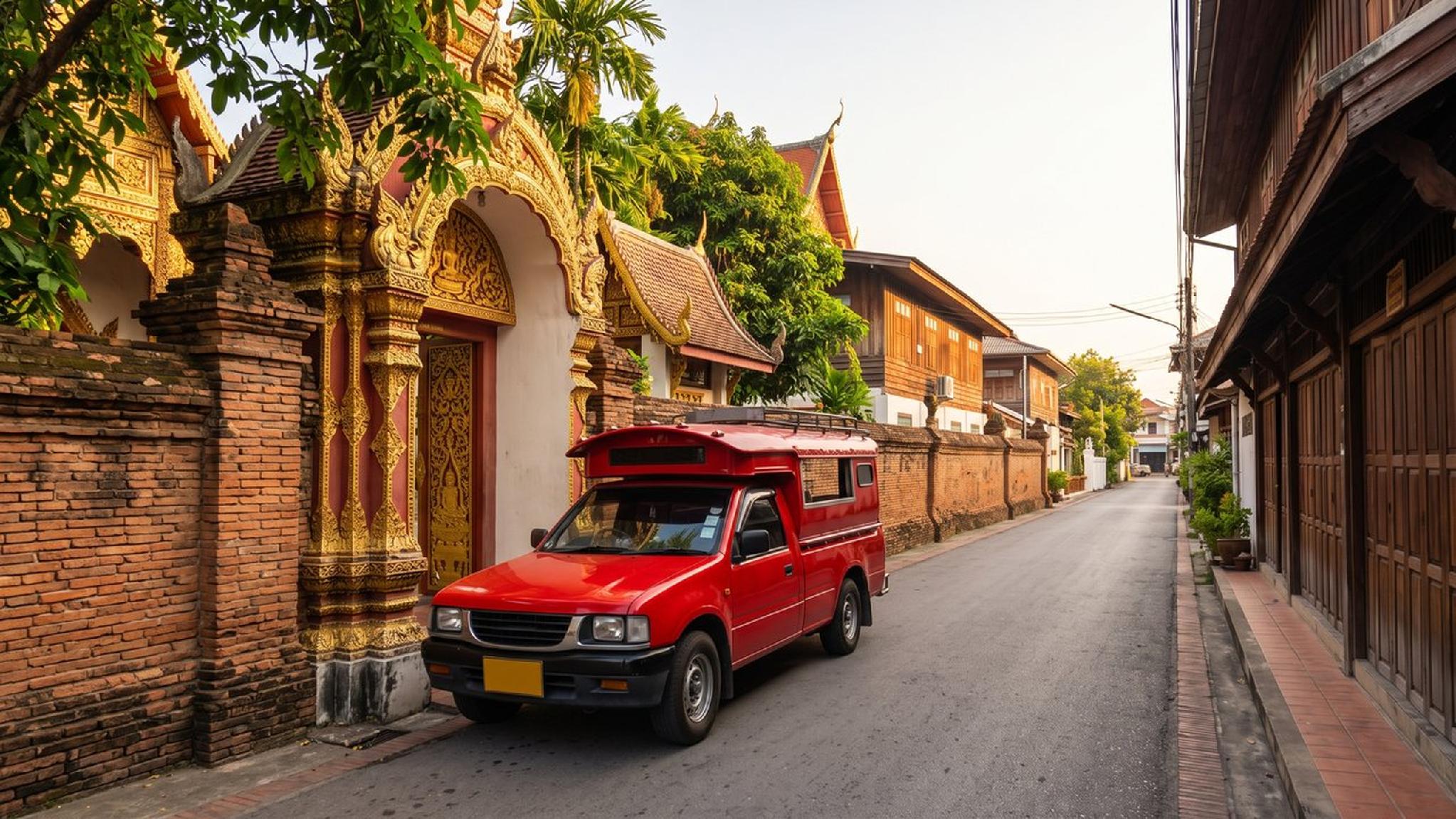
Old City temples are close enough together to walk between on a cool morning, and a songthaew or ride-hailing app covers the short hop out to Wat Suan Dok, Wat Chet Yot, or Wat Ket Karam for a modest fare. Doi Suthep and Wat Pha Lat both need a longer trip, either a hired driver, a songthaew heading up the mountain road, or, for Pha Lat specifically, the Monk's Trail on foot from the base.
Early morning beats midday at almost every one of these stops, both for the light and for the heat: temperatures climb fast once the sun is properly up, and standing in a courtyard without any shade at noon wears people down faster than the actual walking itself does. Starting the Old City cluster by 8am and saving the mountain temples for a cooler early start on a second day tends to make both mornings noticeably more comfortable than trying to cram everything into a single overheated afternoon.
,regionOfInterest=(1023,575.5))
,regionOfInterest=(1023,575.5))
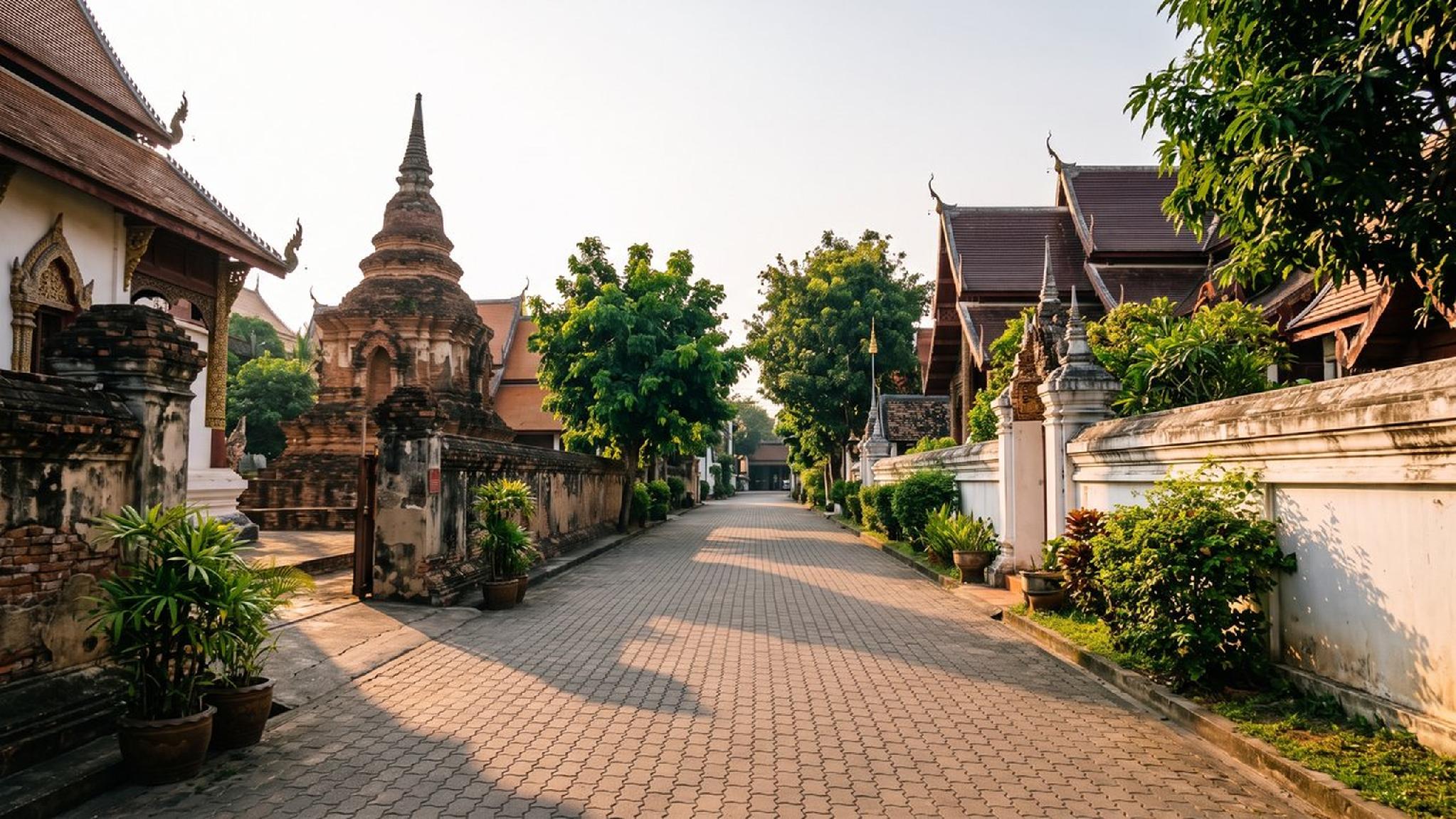
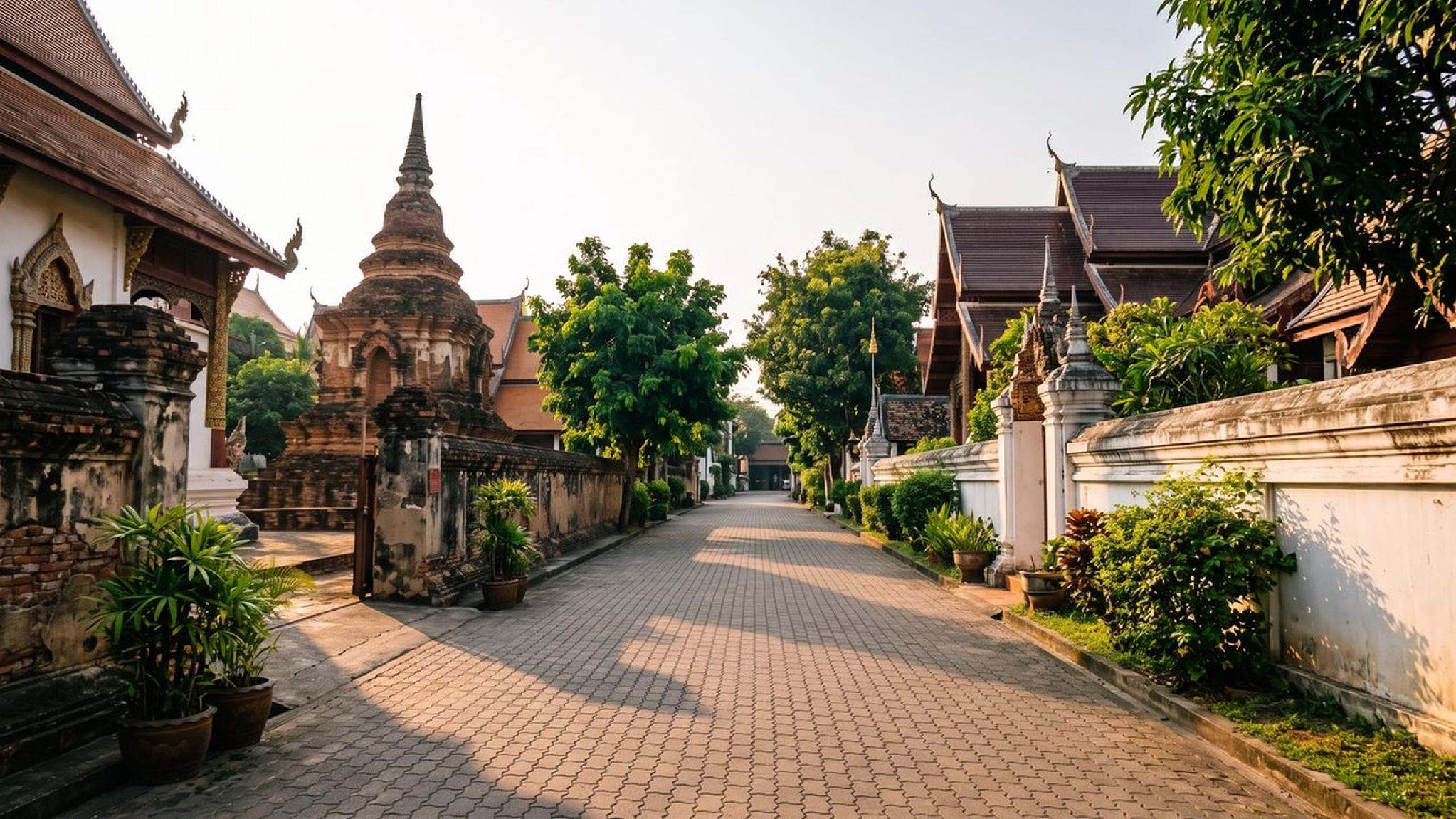
A single day covers the Old City cluster comfortably: start early at Wat Chedi Luang before the heat builds, walk to neighbouring Wat Phan Tao, continue to Wat Phra Singh, then finish at Wat Chiang Man, all within about a 20-minute walk of each other. Wat Lok Moli fits in on the way back toward Chang Phuak Gate for anyone with energy left.
A second day suits the temples further out: Doi Suthep in the cooler early morning, followed by Wat Umong or Wat Pha Lat on the way back down if time and energy allow, then Wat Suan Dok on the return into the city. Wat Chet Yot, Wat Ket Karam, and Wat Buppharam each work well as a single add-on to whichever day already has a free hour, rather than needing a dedicated trip of their own.
Anyone with only a single day free should skip straight to the Old City cluster and Doi Suthep rather than trying to touch all 12; a rushed version of every temple on this list tends to leave less of an impression than a properly unhurried version of half of them.
,regionOfInterest=(1023,575.5))
,regionOfInterest=(1023,575.5))
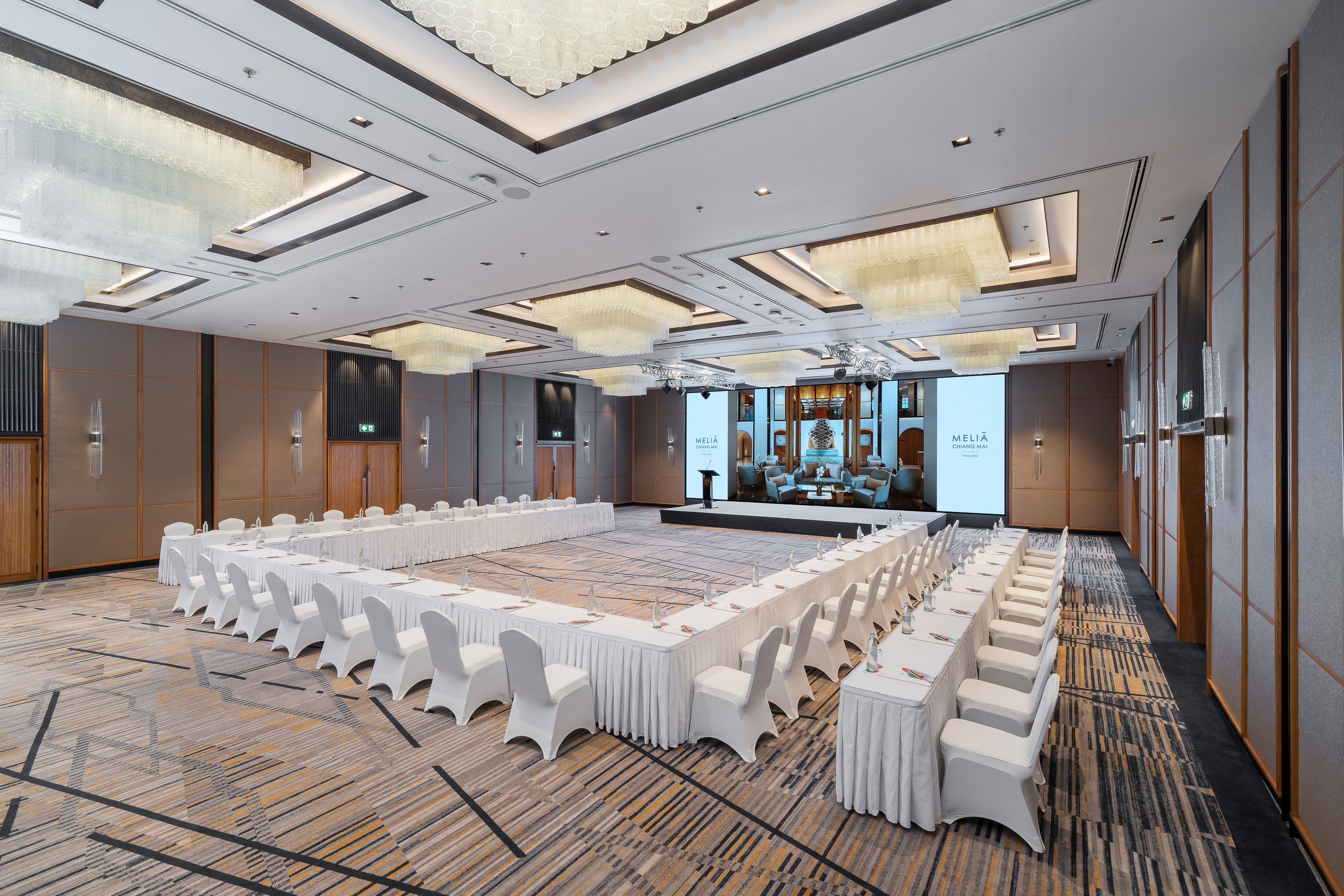
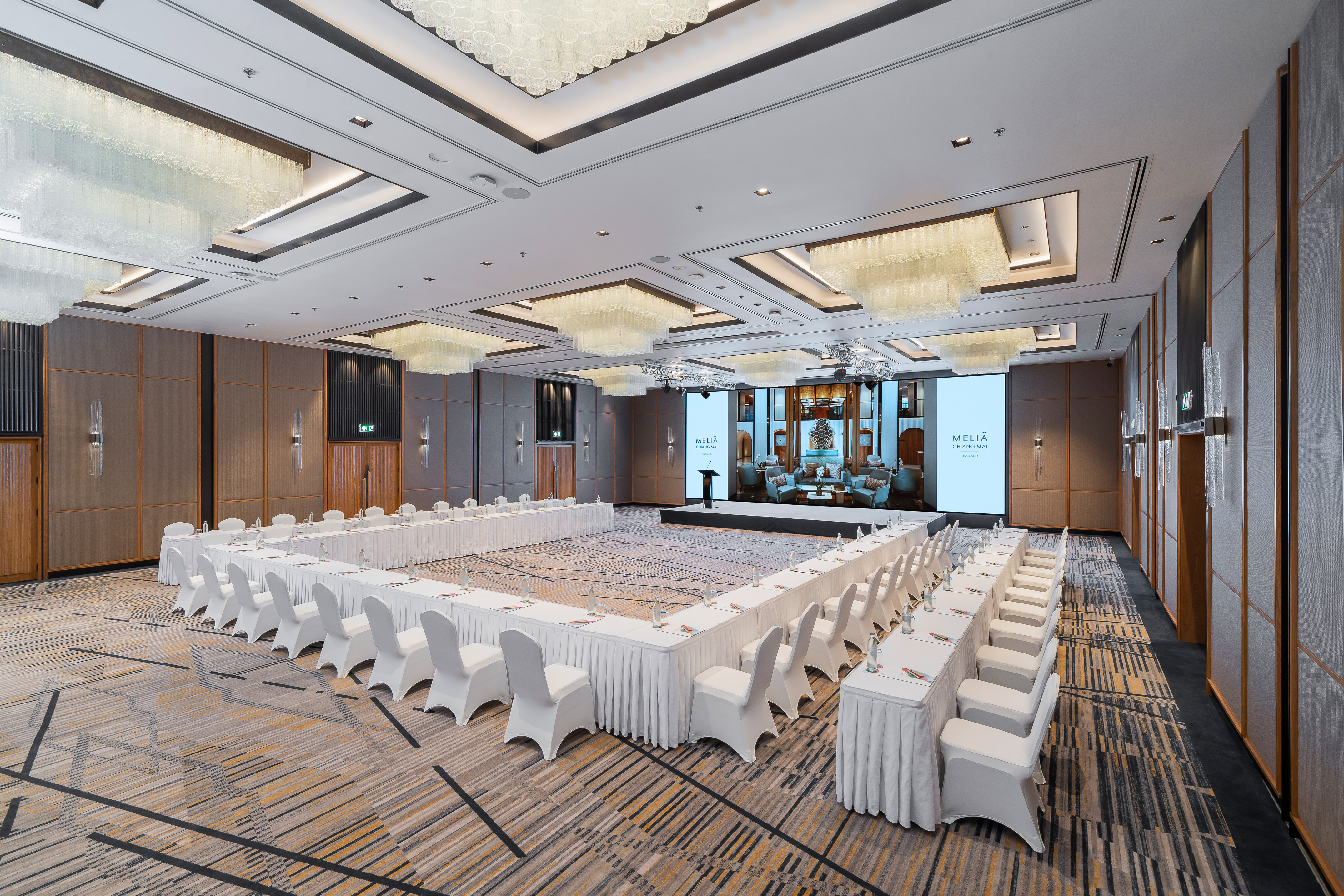
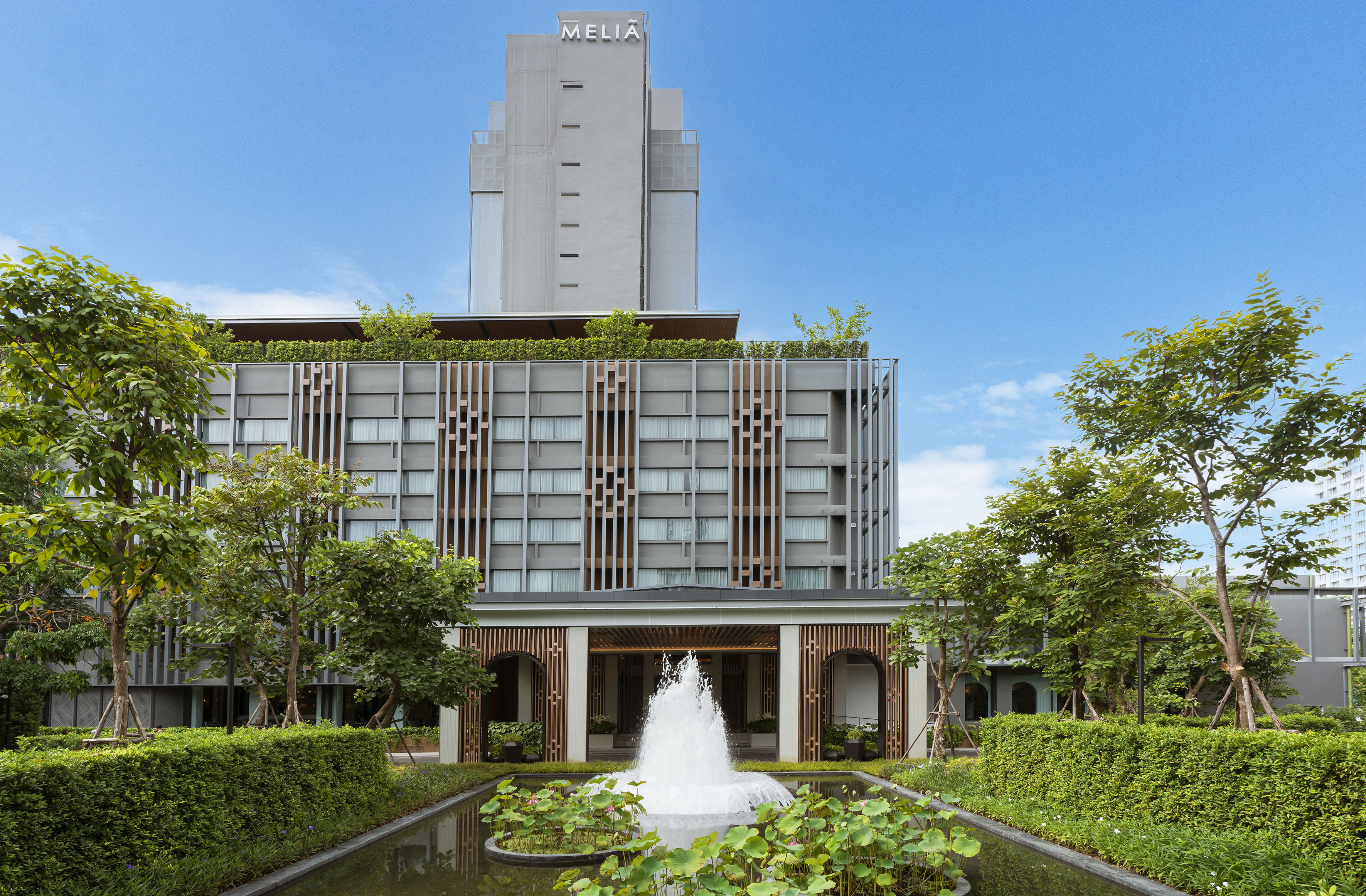
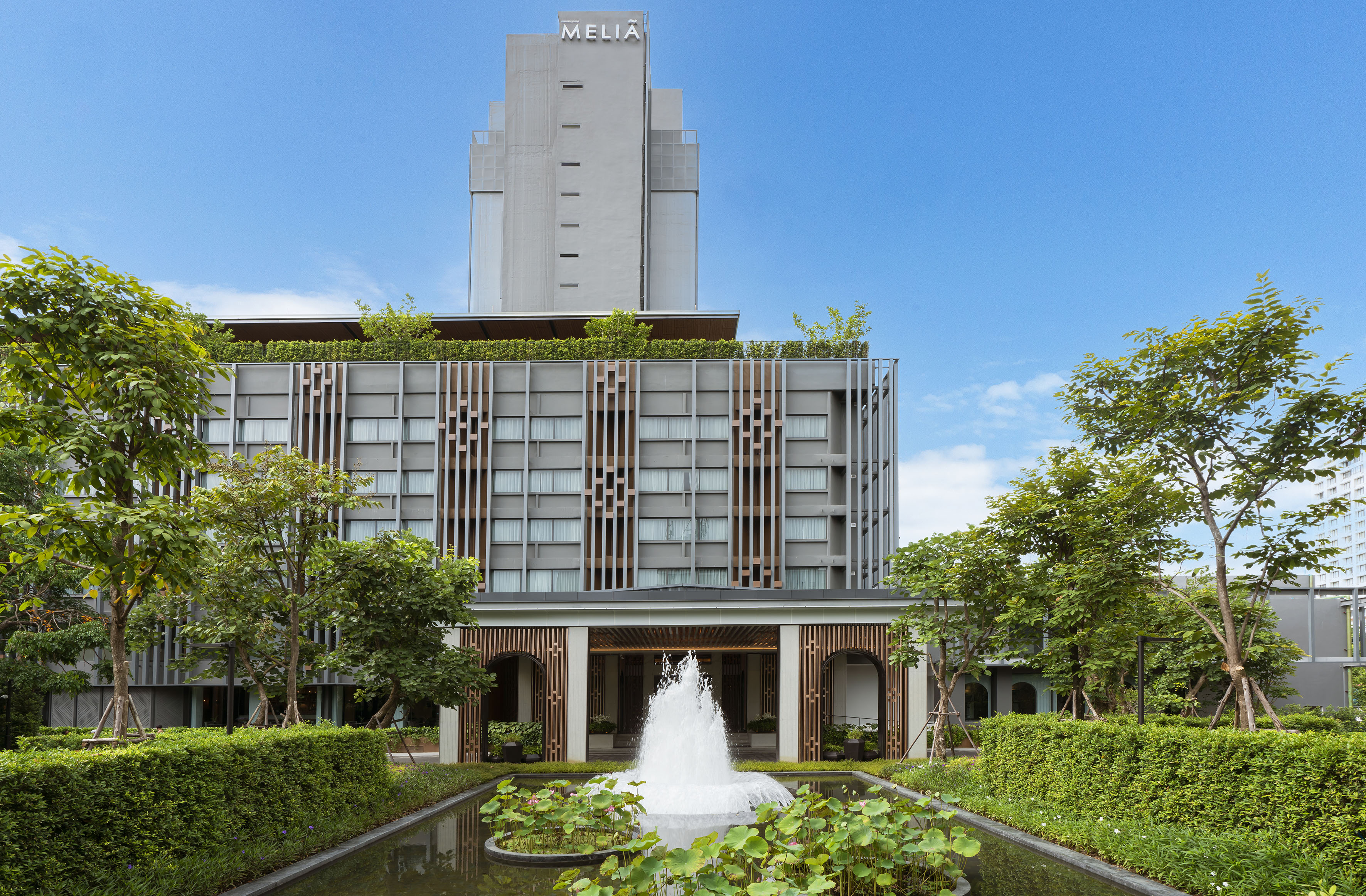
Two full days of temple-hopping covers a lot of ground on foot, in the heat, and often in modest clothing that is not built for real comfort in a Chiang Mai afternoon, which makes where to recover in between just as relevant as which Chiang Mai temples make the final list. Meliá Chiang Mai sits about 1.5 kilometres from the Old City moat, close enough that the temple cluster covered above is a short ride away rather than a long one.
Reliable Wi-Fi and individually controlled air conditioning matter more on a temple-heavy itinerary than they might elsewhere, both because route-planning happens on the move between temples and because stepping from a 35 degree afternoon into a properly cooled room is a genuine relief rather than a minor comfort.
The Deluxe Room, at 36 square metres with a choice of king or twin beds, suits exactly this kind of day: out exploring for most of it, back only to recharge before the next temple or an evening at the Night Bazaar.
YHI Spa rounds out a temple-hopping day better than most other options on the property. A Traditional Thai massage or a foot treatment works out tired legs from a day of walking and climbing staircases, Wat Phra That Doi Suthep's 306 steps included, and the spa's own Herbal Blended Steam room helps with the general fatigue that a full day in the heat leaves behind, whether or not any one specific muscle is sore.
For anyone wondering whether the hotel concierge can arrange transport out to the temples further from the centre, most can help book a driver or a half-day songthaew route on request, though it is worth asking directly what is currently available on the day rather than assuming a specific fixed private tour package already exists.
None of this replaces the temples themselves, which is the whole point of the trip in the first place, but a base that turns the recovery half of each day into an afterthought rather than a logistics problem tends to make the temple-hopping half noticeably more enjoyable overall.
,regionOfInterest=(1771.5,1162.5))
,regionOfInterest=(1771.5,1162.5))
Twelve temples, six centuries of Lanna history, and a UNESCO decision on the horizon make this a genuinely rewarding year to be working through Chiang Mai temples rather than just picking the two or three every guidebook already mentions and calling it done.
Start with the Old City cluster if time is short, add Doi Suthep and Wat Umong if there is a second day to spare, and treat dress code and quiet respect as the actual price of admission rather than a formality, and the list above holds up whether this is a first visit or a third one built around temples missed the first two times around.
,regionOfInterest=(1023,575.5))
,regionOfInterest=(1023,575.5))
What is the most famous temple in Chiang Mai?
Wat Phra That Doi Suthep, perched on the mountain overlooking the city, is the single most recognisable of the Chiang Mai temples, though Wat Chedi Luang and Wat Phra Singh in the Old City are close behind for both history and visitor numbers.
What should I wear to a temple in Chiang Mai?
Cover shoulders and knees at every temple, remove shoes before entering any building with a Buddha image, and bring a light scarf or sarong as a backup in case a specific temple is strict about coverage that a t-shirt and shorts do not provide.
Are Chiang Mai temples free to enter?
Most are free or donation-based, including Wat Chiang Man, Wat Phan Tao, and Wat Lok Moli. Wat Chedi Luang, Wat Phra Singh, and Wat Phra That Doi Suthep charge a modest foreigner entrance fee, generally 20 to 50 baht (about US$0.60 to US$1.50). (Disclaimer: All entry fees are subject to change, so it is best to verify locally upon arrival.)
How many temples can you see in one day?
The Old City cluster, Wat Chedi Luang, Wat Phra Singh, Wat Chiang Man, and Wat Phan Tao, comfortably fits into a single morning on foot, with Wat Lok Moli as a realistic fifth stop; temples further out like Doi Suthep are better treated as their own half day.
,regionOfInterest=(2713.5,1809))
,regionOfInterest=(2713.5,1809))
,regionOfInterest=(3096.5,2536))
,regionOfInterest=(3096.5,2536))
,regionOfInterest=(1771.5,1181.5))
,regionOfInterest=(1771.5,1181.5))
,regionOfInterest=(2144,1424))
,regionOfInterest=(2144,1424))
,regionOfInterest=(5340,2078))
,regionOfInterest=(5340,2078))