,regionOfInterest=(2900.5,1949.5))
,regionOfInterest=(2900.5,1949.5))
Best corporate venues in Chiang Mai 2026: meeting and event spaces
,regionOfInterest=(2150,1433.5))
,regionOfInterest=(2150,1433.5))
Culture
,regionOfInterest=(1023,575.5))
,regionOfInterest=(1023,575.5))
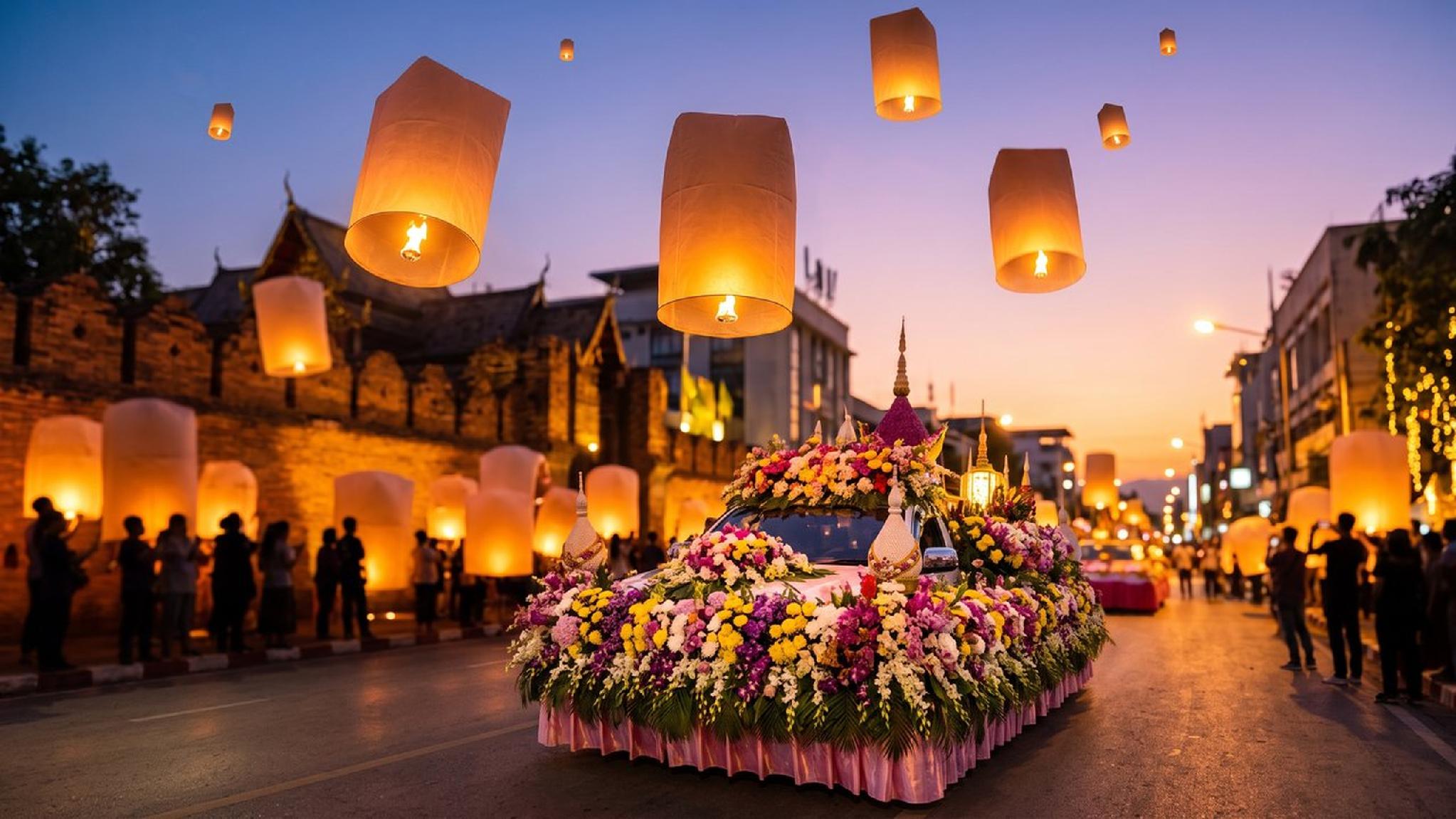
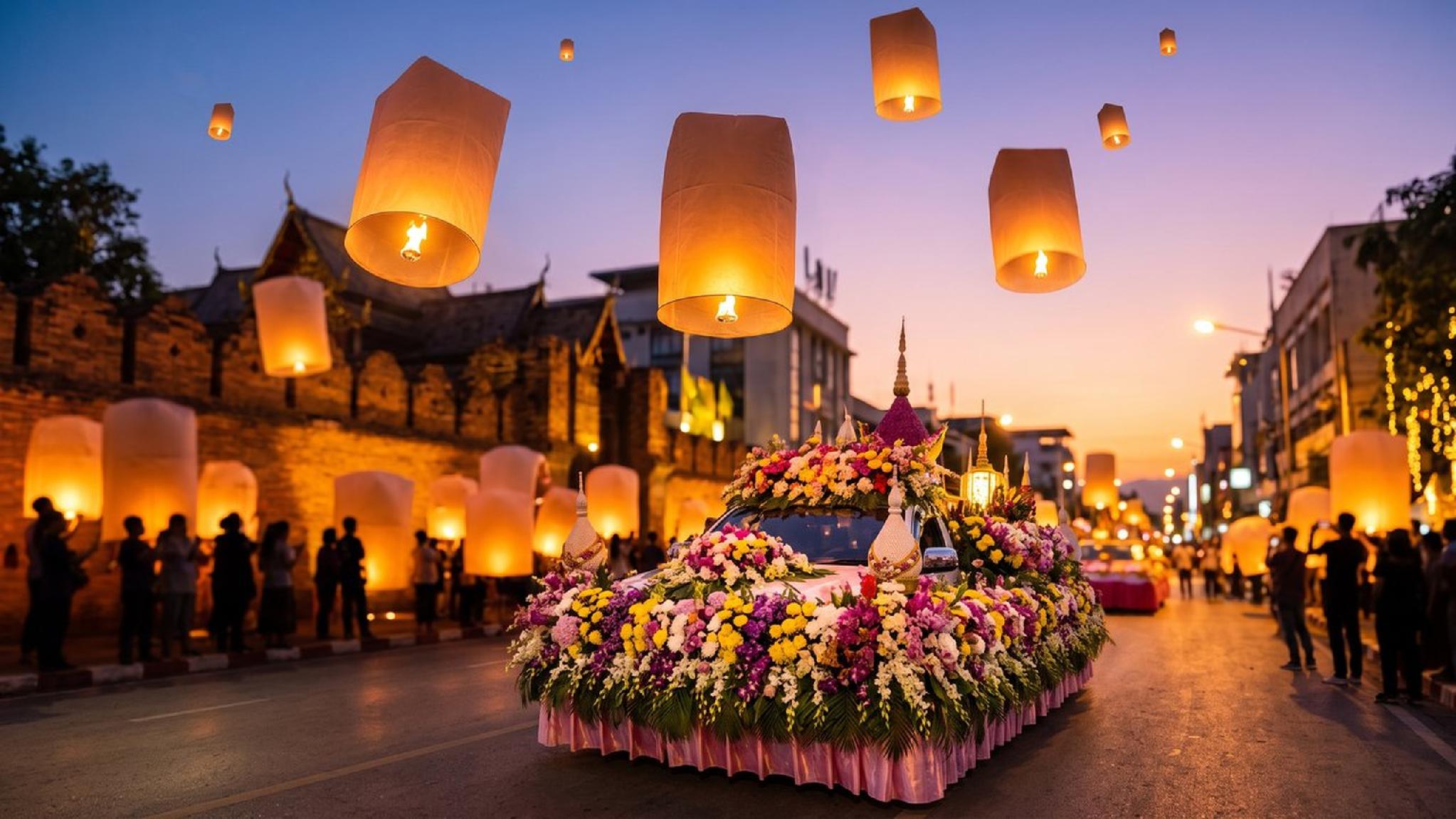
Chiang Mai holds a major festival in nearly every month of the year, not just the lantern release most travellers already know about. A flower parade opens the calendar in February, a ten-day new year takes over the city in April, and a handful of quieter Buddhist observances and one uniquely local ceremony fill in the months between.
This guide lays out the full 2027 calendar for festivals in Chiang Mai, what each date actually involves, and how to plan a visit around whichever one fits the kind of trip a traveller wants.
,regionOfInterest=(500,500))
,regionOfInterest=(500,500))
All-terrain writer specialising in tourism, fashion and trends. A curious soul, traveller, reader and sports enthusiast, keen to discover every corner of the world.
Culture
,regionOfInterest=(800,446.5))
,regionOfInterest=(800,446.5))
,regionOfInterest=(800,446.5))
,regionOfInterest=(800,446.5))
,regionOfInterest=(800,446.5))
,regionOfInterest=(800,446.5))
,regionOfInterest=(800,446.5))
,regionOfInterest=(800,446.5))
,regionOfInterest=(640,357))
,regionOfInterest=(640,357))
Some of these dates are fixed on the solar calendar and repeat every year on the same days, while the lantern festivals and most of the Buddhist observances follow the lunar calendar and shift annually, so the table below marks which is which alongside the specific 2026 dates.
| FESTIVAL | MONTH | 2027 DATES | CALENDAR |
| Chiang Mai Flower Festival | February | 5 to 7 February | Solar (fixed) |
| Songkran (Pee Mai Muang) | April | 13 to 15 April (citywide events run 6 to 17 April) | Solar (fixed) |
| Inthakin City Pillar Festival | May | early May, dates to be confirmed | Lunar (shifts yearly) |
| Visakha Bucha | May | 20 May | Lunar (shifts yearly) |
| Khao Phansa (Start of Buddhist Lent) | July | 19 July | Lunar (shifts yearly) |
| Ok Phansa (End of Buddhist Lent) | October | 15 October | Lunar (shifts yearly) |
| Yi Peng and Loy Krathong | November | 13 to 15 November | Lunar (shifts yearly) |
| Chiang Mai Design Week | December | early December, dates to be confirmed | Solar (fixed) |
Solar dates are set by the Gregorian calendar and organiser announcements, so they land on roughly the same days most years. Lunar dates follow the Thai lunar calendar and genuinely move from one year to the next, which is why the dates above for Inthakin, Visakha Bucha, Khao Phansa, Ok Phansa, Yi Peng, and Loy Krathong are worth reconfirming before locking in travel plans for any year other than.
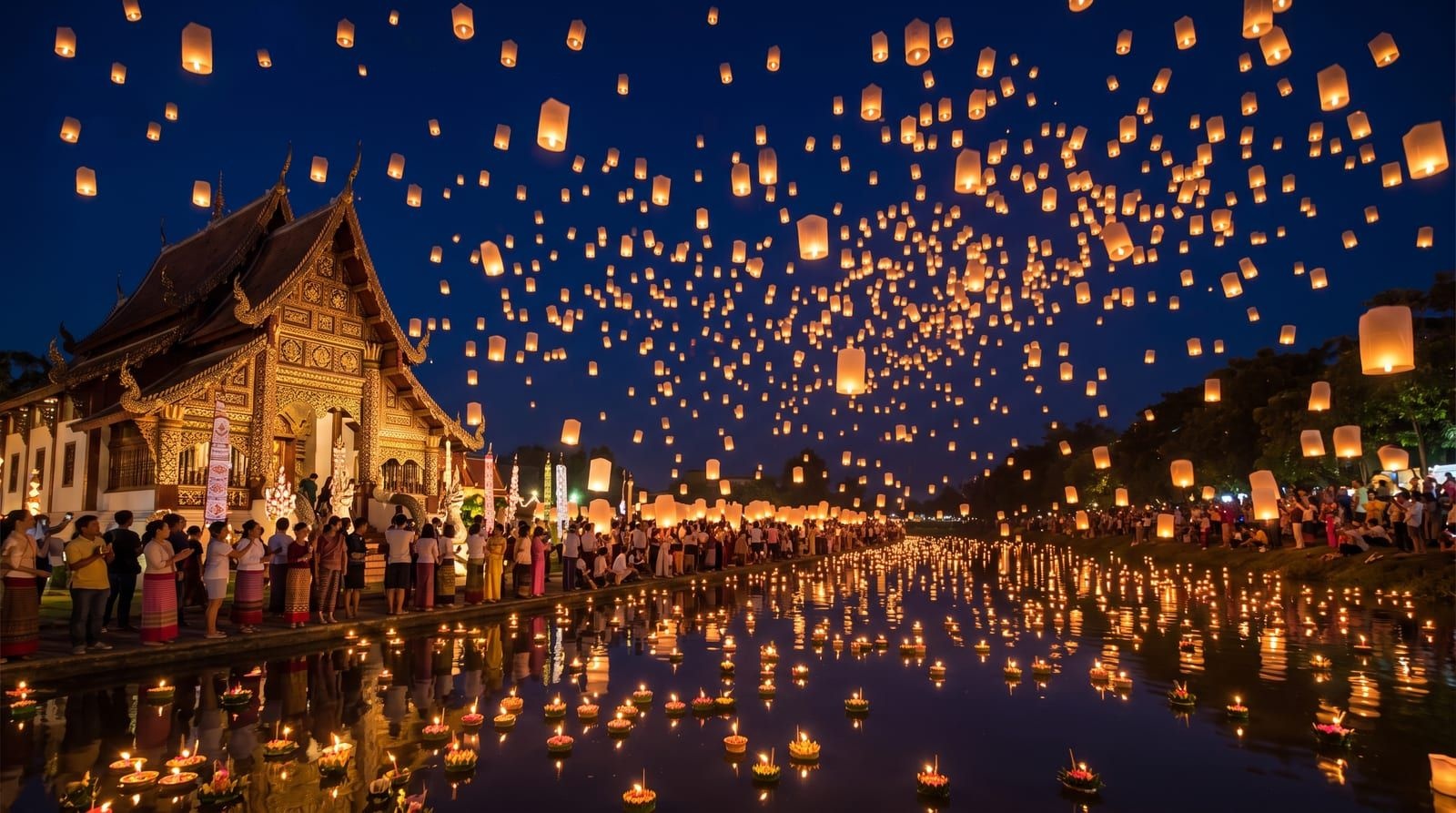
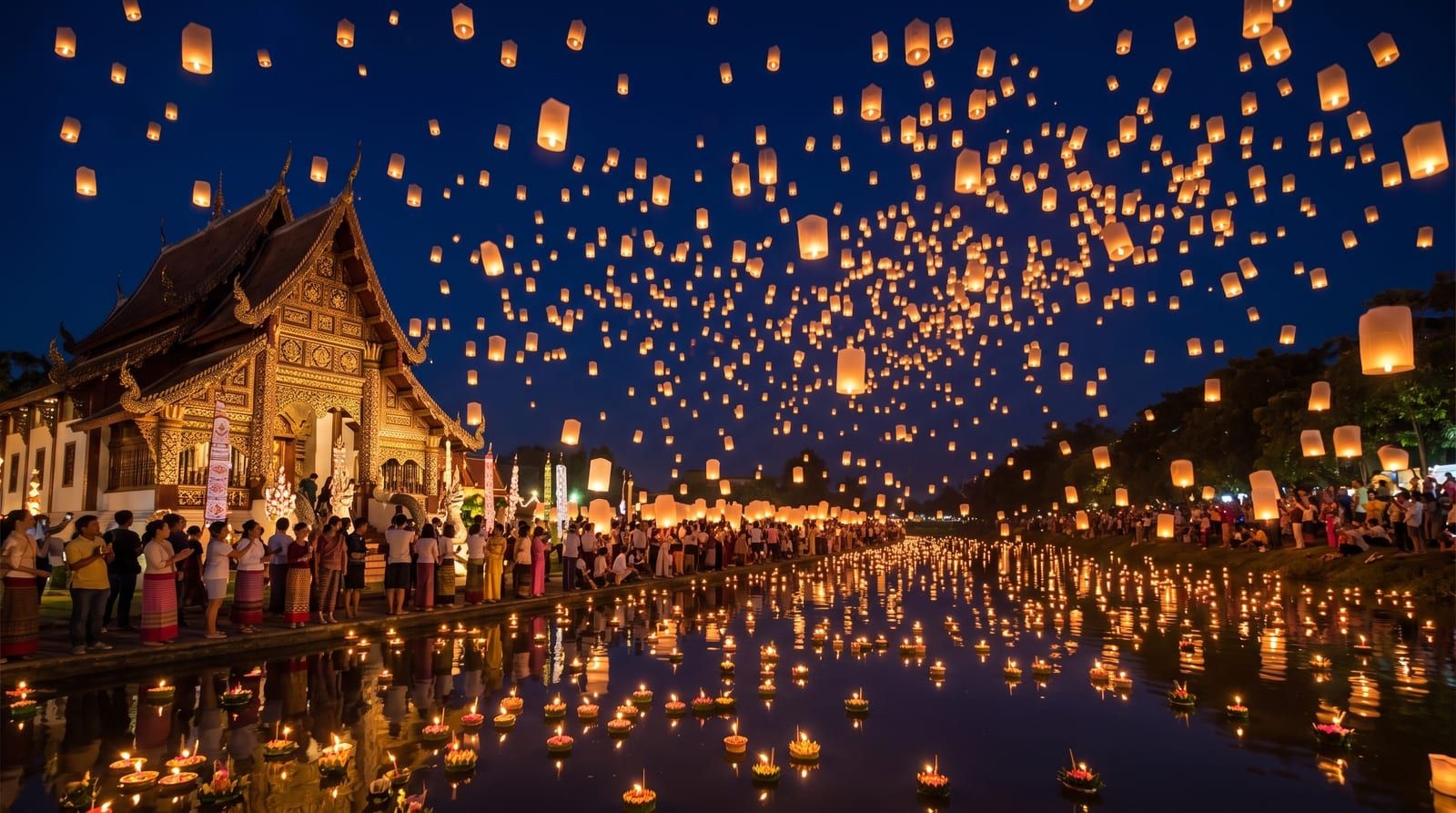
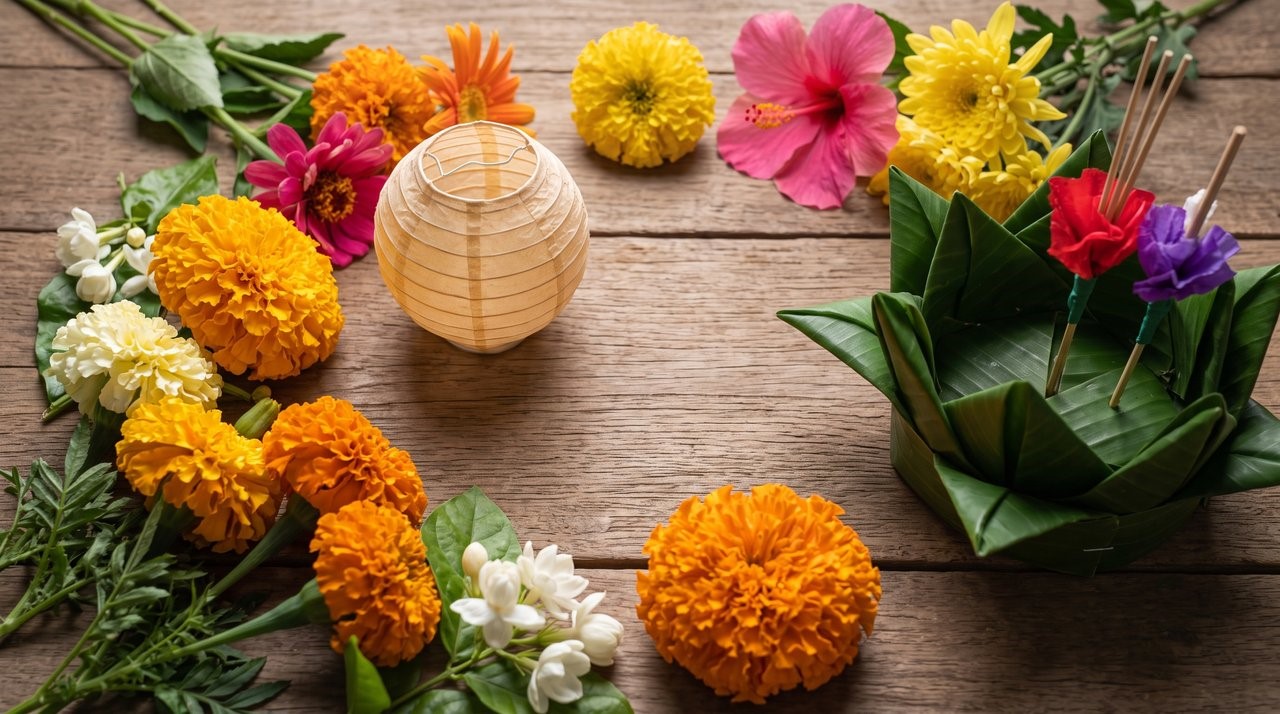
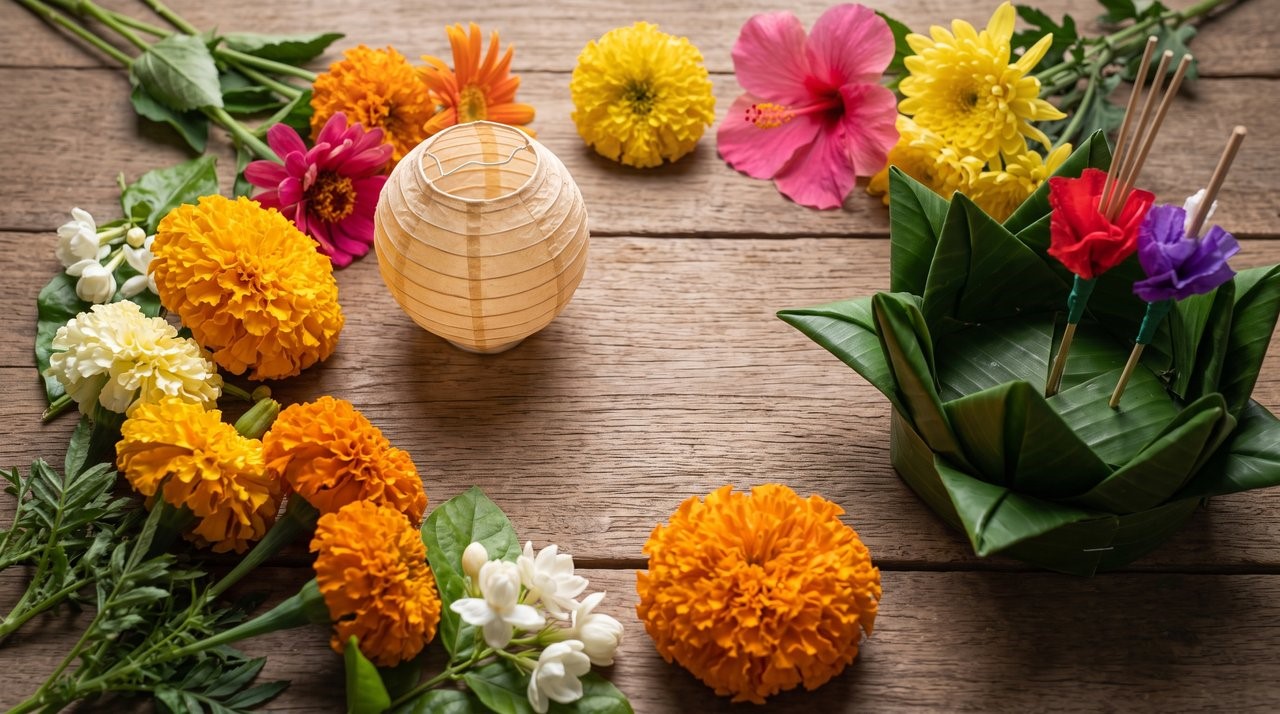
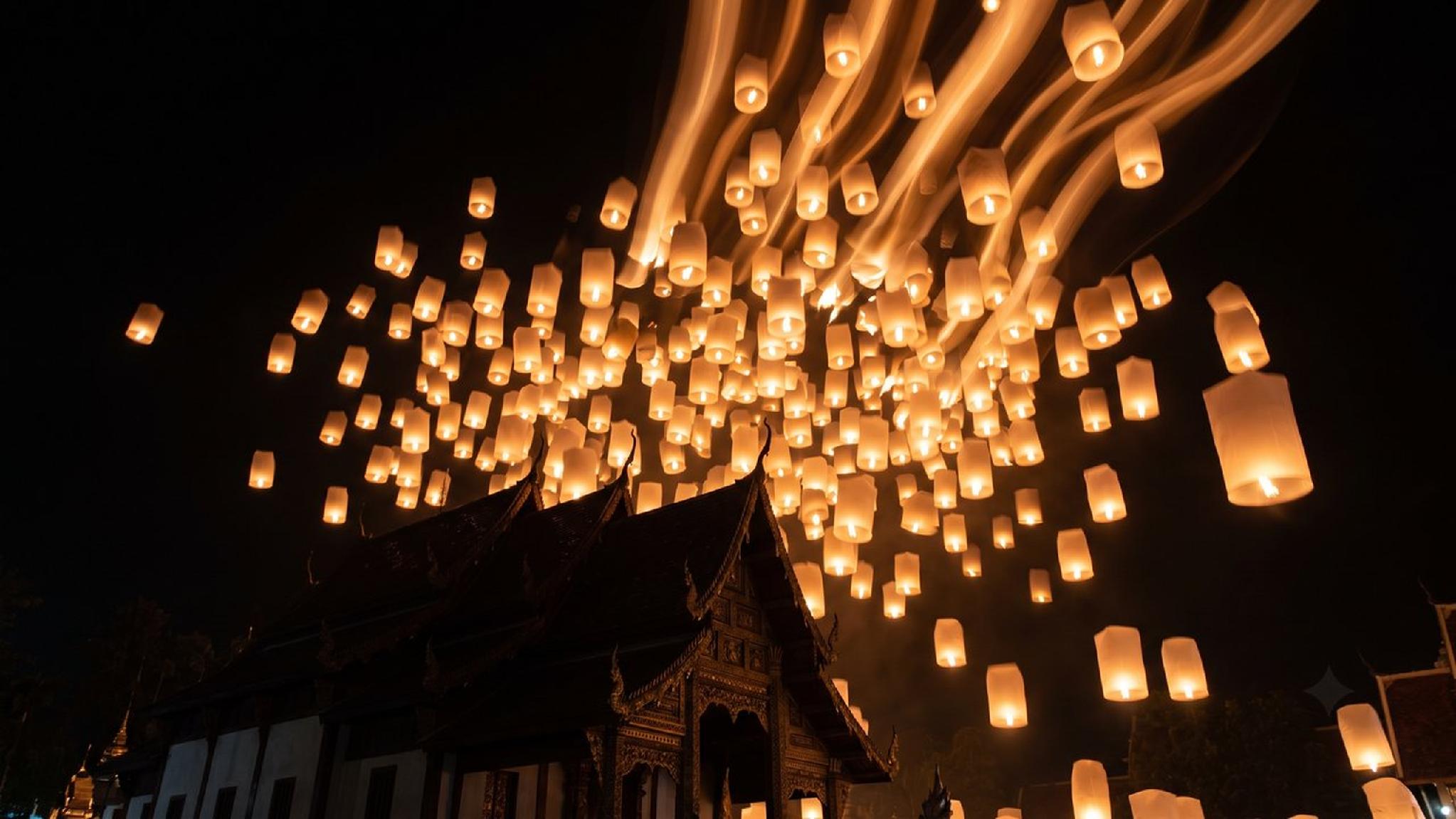
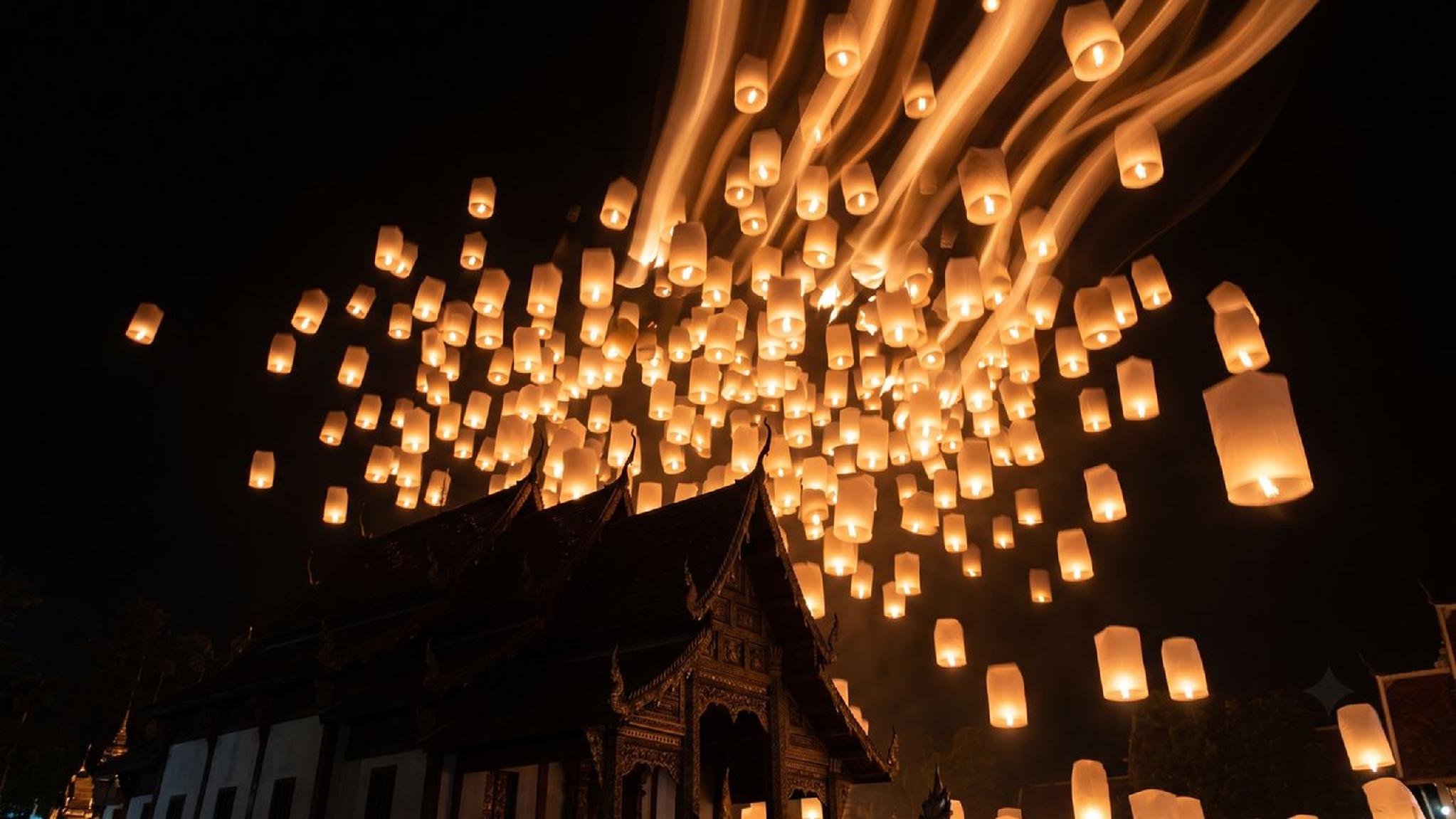
These two festivals fall on the same November weekend and are often mistaken for one event, though they mark different things. Here is what each one involves, in overview, with the full detail split across dedicated guides to Yi Peng and Loy Krathong elsewhere in this batch.
,regionOfInterest=(1023,575.5))
,regionOfInterest=(1023,575.5))
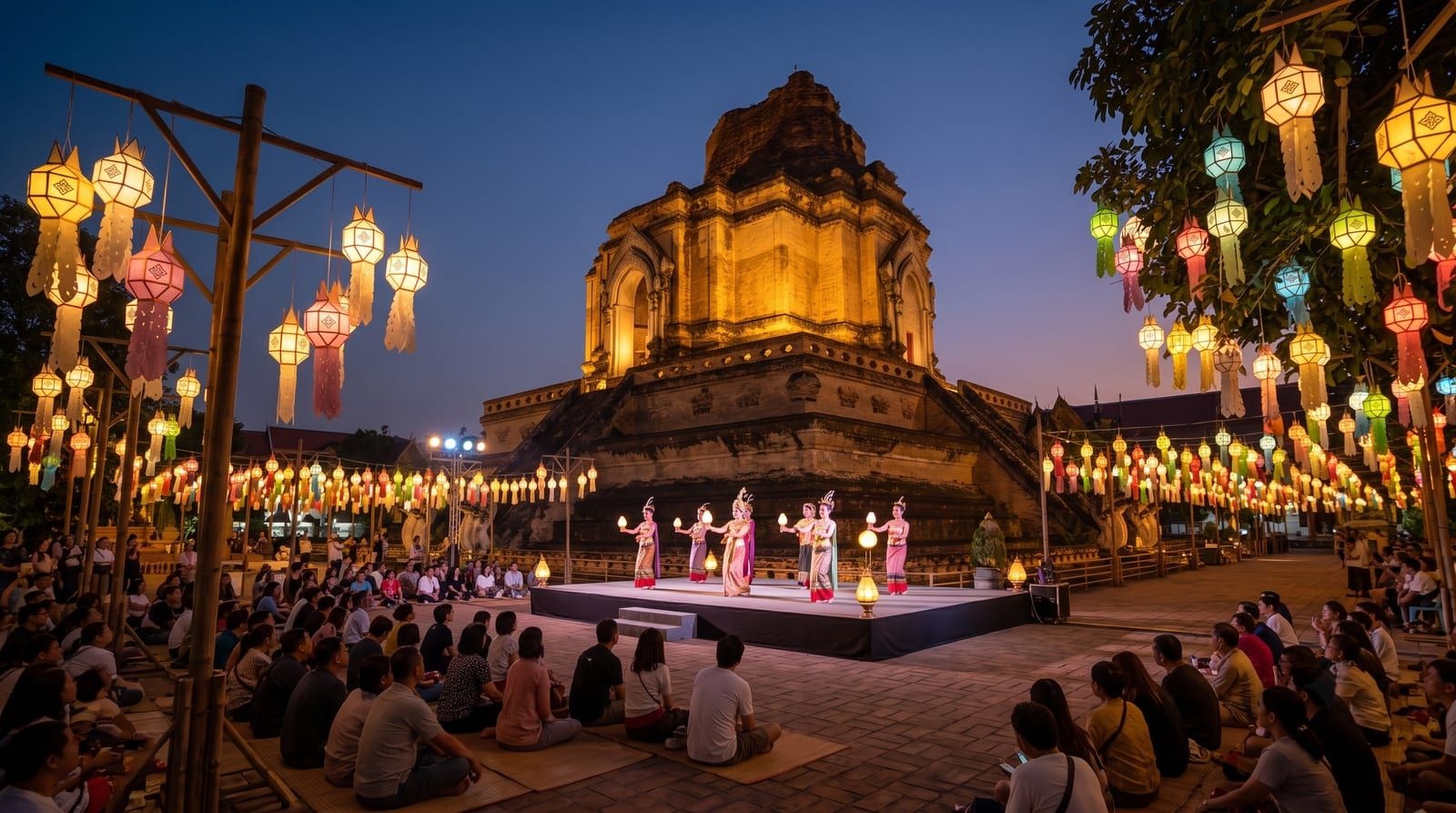
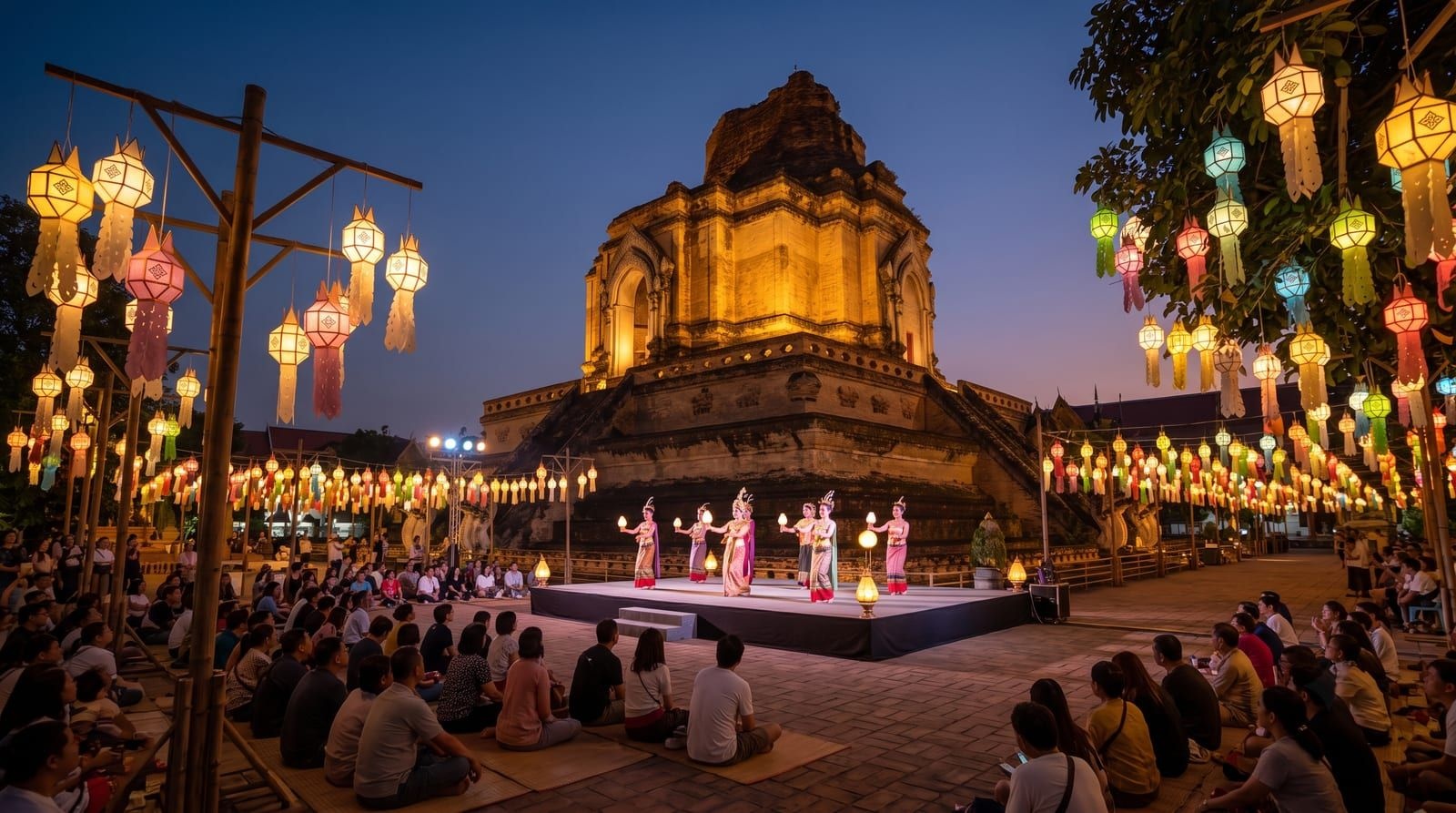
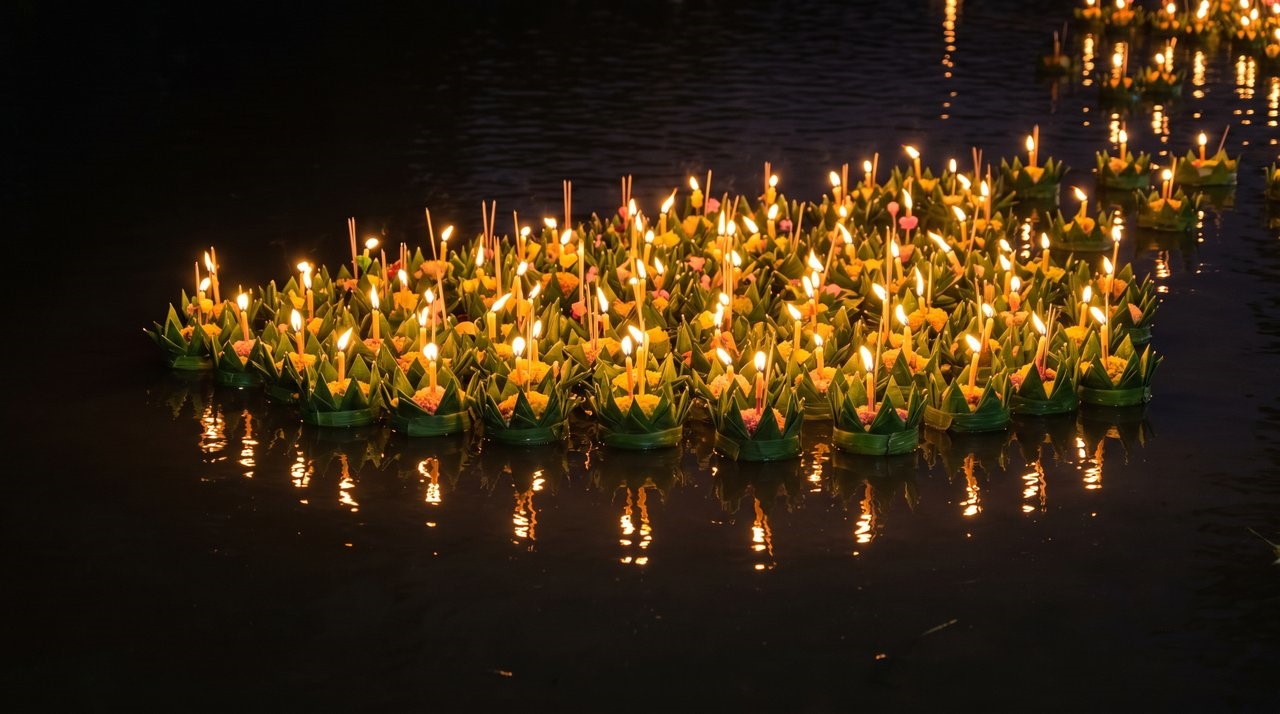
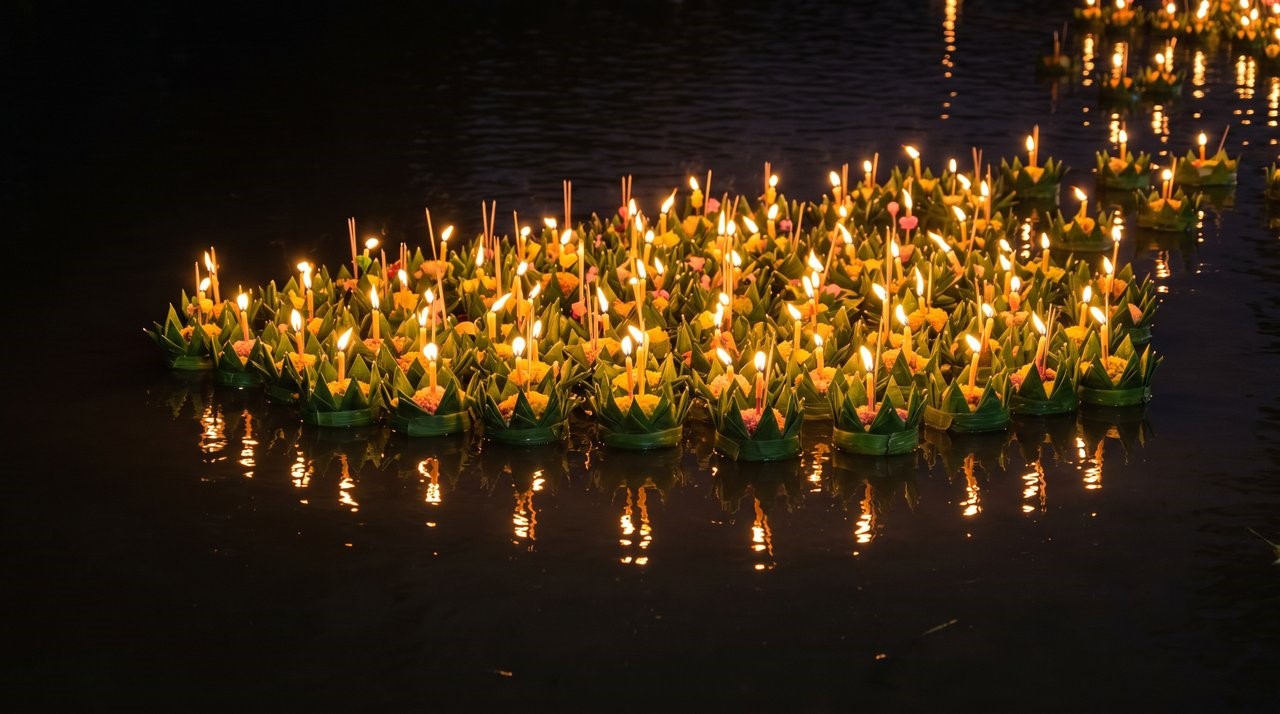
In 2027, the official celebration window runs 13 to 15 November, with the mass lantern releases concentrated around the 13th and 14th. The most photographed release happens at a purpose-built cultural centre out in Mae On district, with ticket tiers running from a standard seat up through premium packages that bundle a return transfer, a buffet dinner, and a Lanna dance performance alongside the lantern release itself, priced anywhere from roughly 4,600 to 15,500 baht (about US$140 to US$460) depending on the tier.
It draws more than 25,000 people a night and ranks as Thailand's largest organised sky lantern event, though it is only one of several release points around the city.
,regionOfInterest=(640,357))
,regionOfInterest=(640,357))
Loy Krathong runs the same 13 to 15 November window but needs no ticket at all: free public viewing and krathong-floating happen along the Ping River and around the Old City moat, details worth planning around well before the date since this is the single busiest week on the festivals in Chiang Mai calendar for hotel bookings.
Anyone weighing a ticketed lantern release against the free riverside version should know both exist side by side during the same week, and neither one is the wrong choice for a first visit to see the sky fill with light.
,regionOfInterest=(1023,575.5))
,regionOfInterest=(1023,575.5))
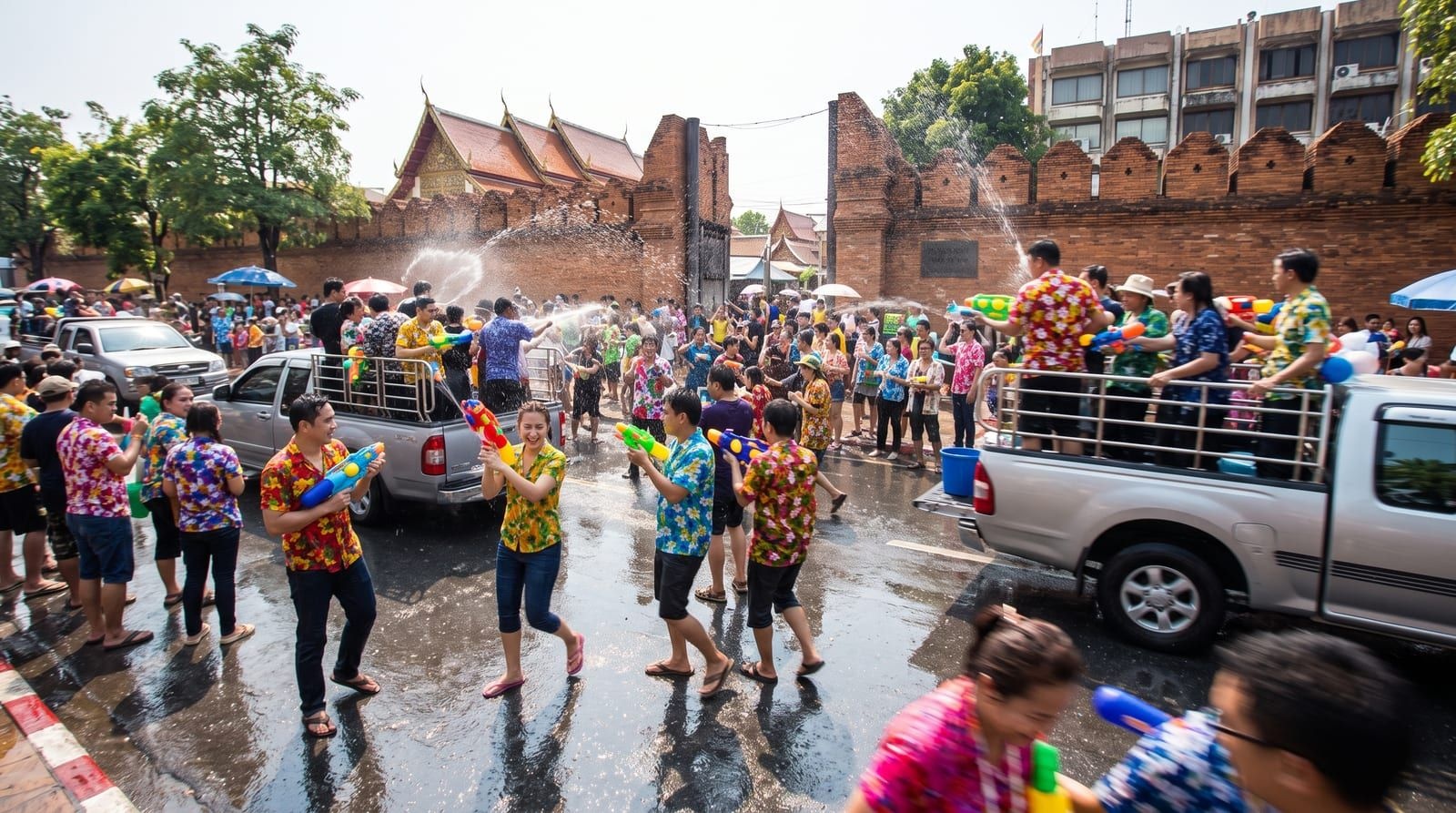
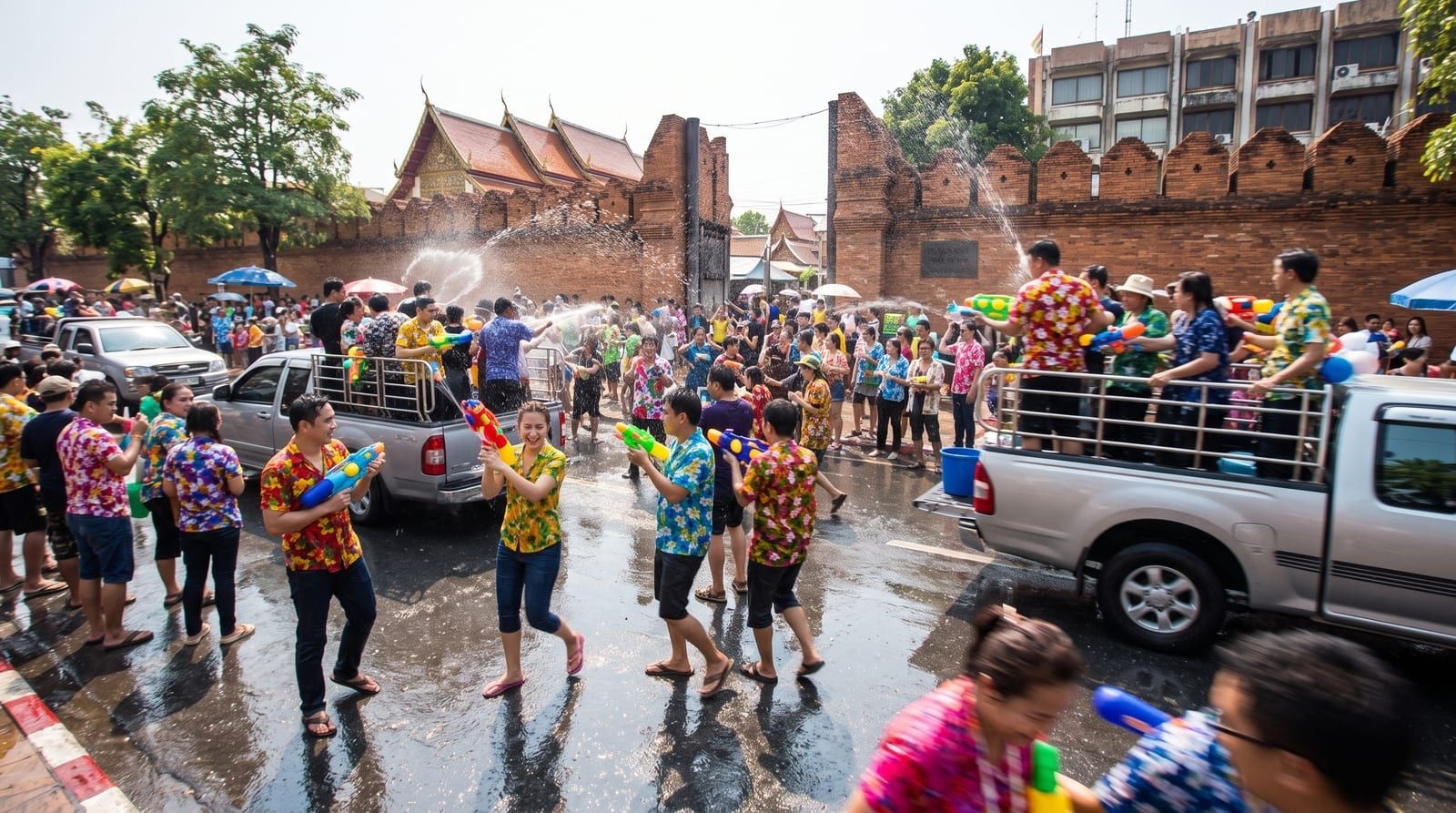
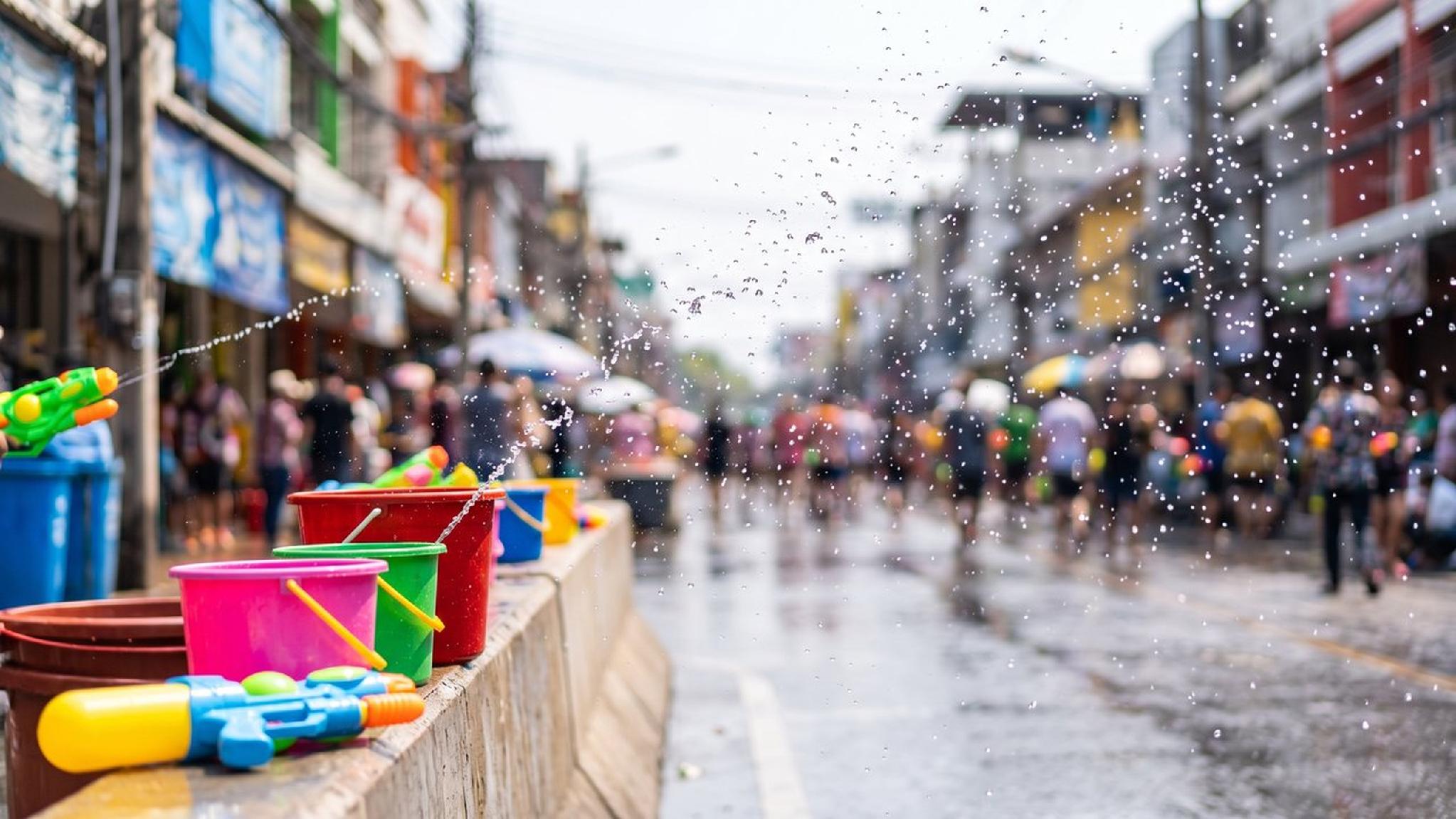
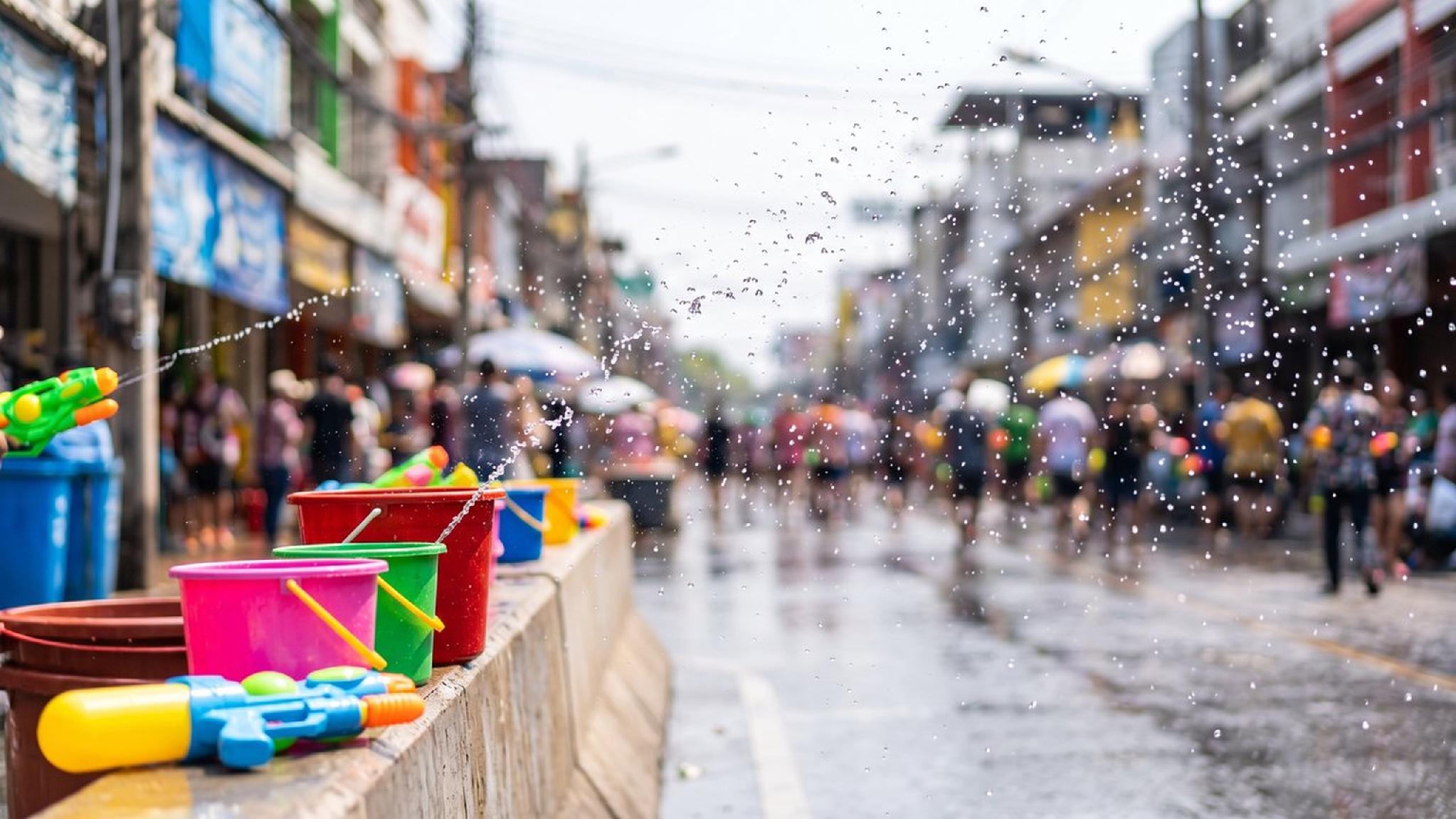
Chiang Mai calls its own version of Thai New Year Pee Mai Muang, the Lanna name for the celebration, and treats it as a longer, more rooted event than the three-day Songkran most of the country keeps. The 2027 Chiang Mai Municipality programme runs across early-to-mid April, with the core public holiday falling on 13 to 15 April, and the water fights concentrate around Tha Phae Gate and Chang Puek Gate on the Old City moat.
Underneath the water fights sits a set of Lanna merit-making traditions that a first-time visitor easily misses. Families build small sand stupas in temple courtyards as an offering, and the Rod Nam Dam Hua ceremony, gently pouring scented water over the hands of elders and grandparents to ask for their blessing, remains a genuine act of respect rather than a photo opportunity. Buddha images are also paraded through several neighbourhoods so residents can pour water over them for good fortune in the year ahead.
A visitor who only knows Songkran as a citywide water fight is missing half of what makes this one of the more meaningful festivals in Chiang Mai. Waterproof pouches for phones and cash are close to mandatory anywhere near the moat during the main days, since almost no one, local or visitor, stays dry.
The heaviest water fighting concentrates along the moat itself and the roads just inside Tha Phae Gate, where trucks loaded with barrels circle for hours and the crowd barely thins between mid-morning and sunset. Side streets a block or two back from the moat see noticeably less action, useful to know for a traveller who wants to dip in and out of the festivities rather than stay soaked for the entire day.
Two very different cultural dates round out the calendar beyond the religious observances and the big November lantern week, one built around flowers and Lanna tradition, the other around contemporary design. Here are both, and what each one actually involves.
,regionOfInterest=(1023,575.5))
,regionOfInterest=(1023,575.5))
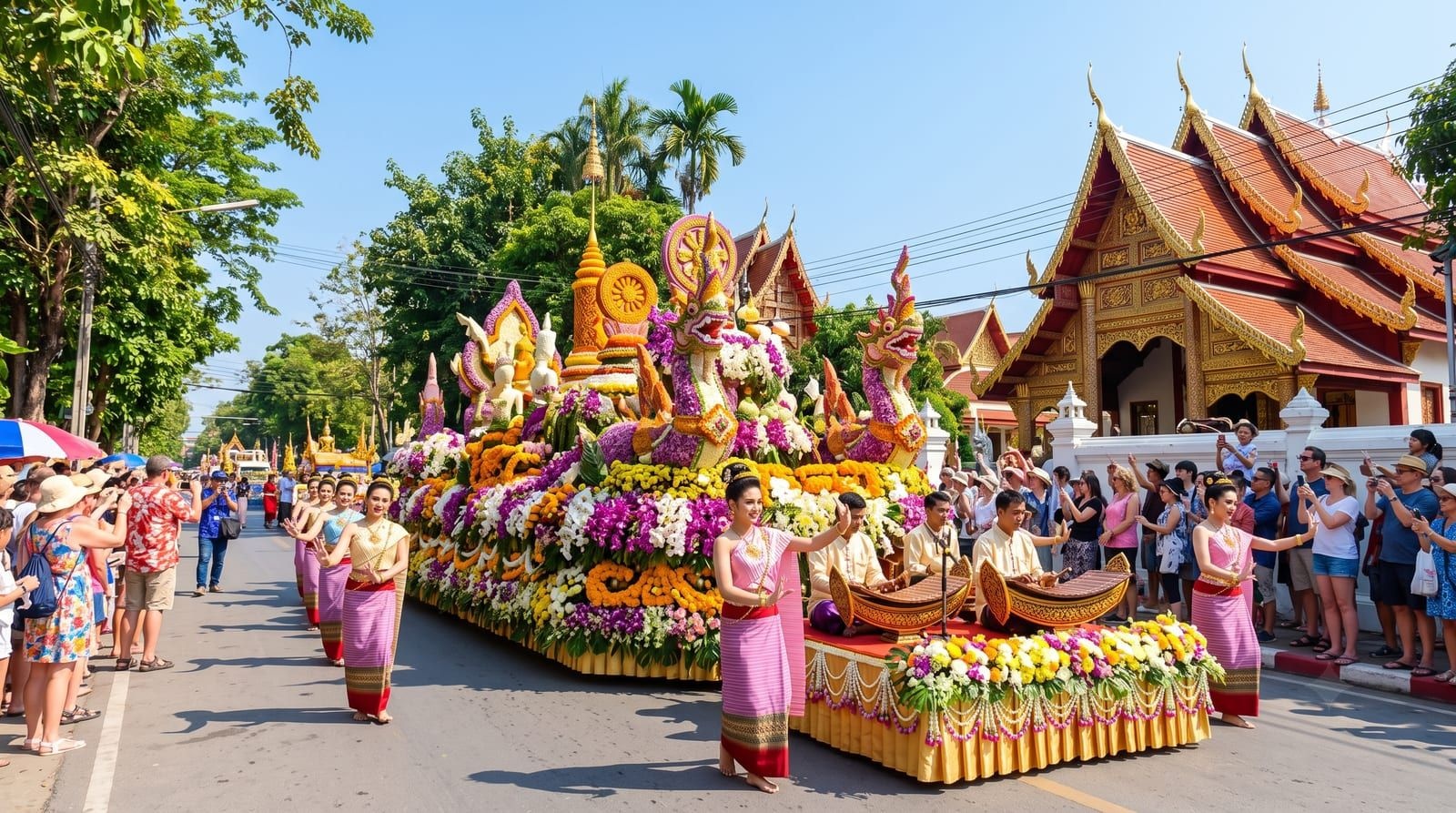
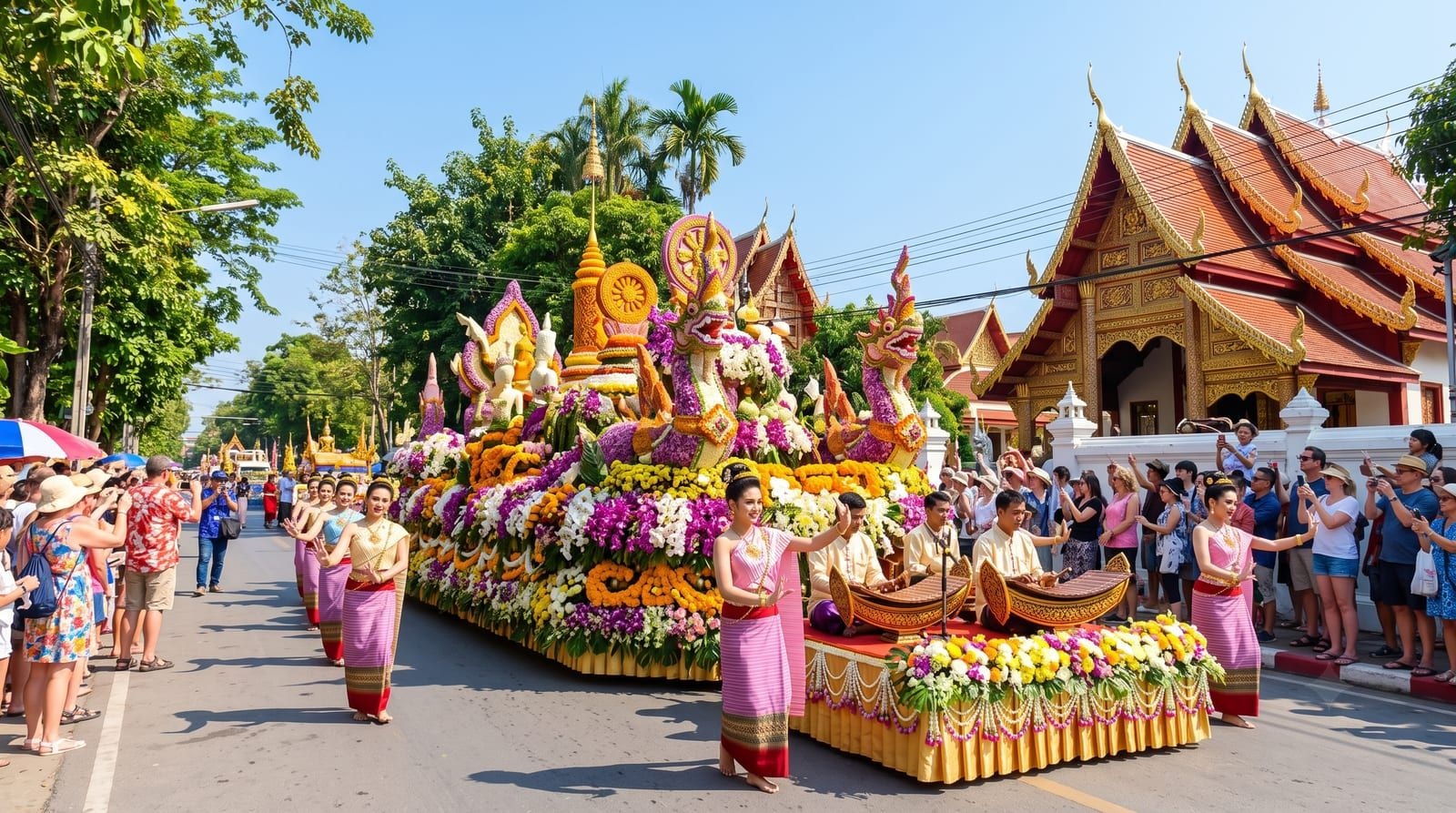
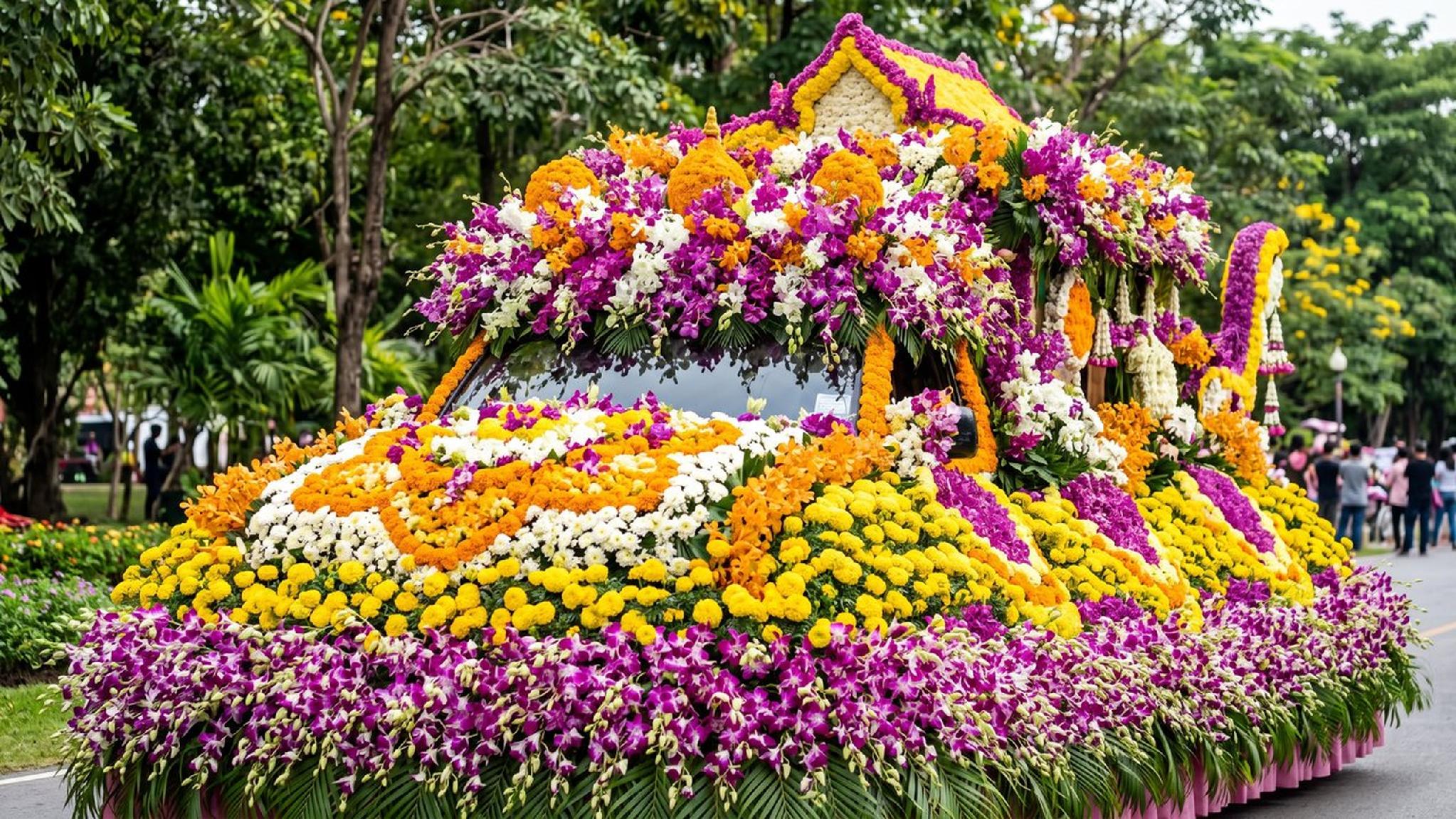
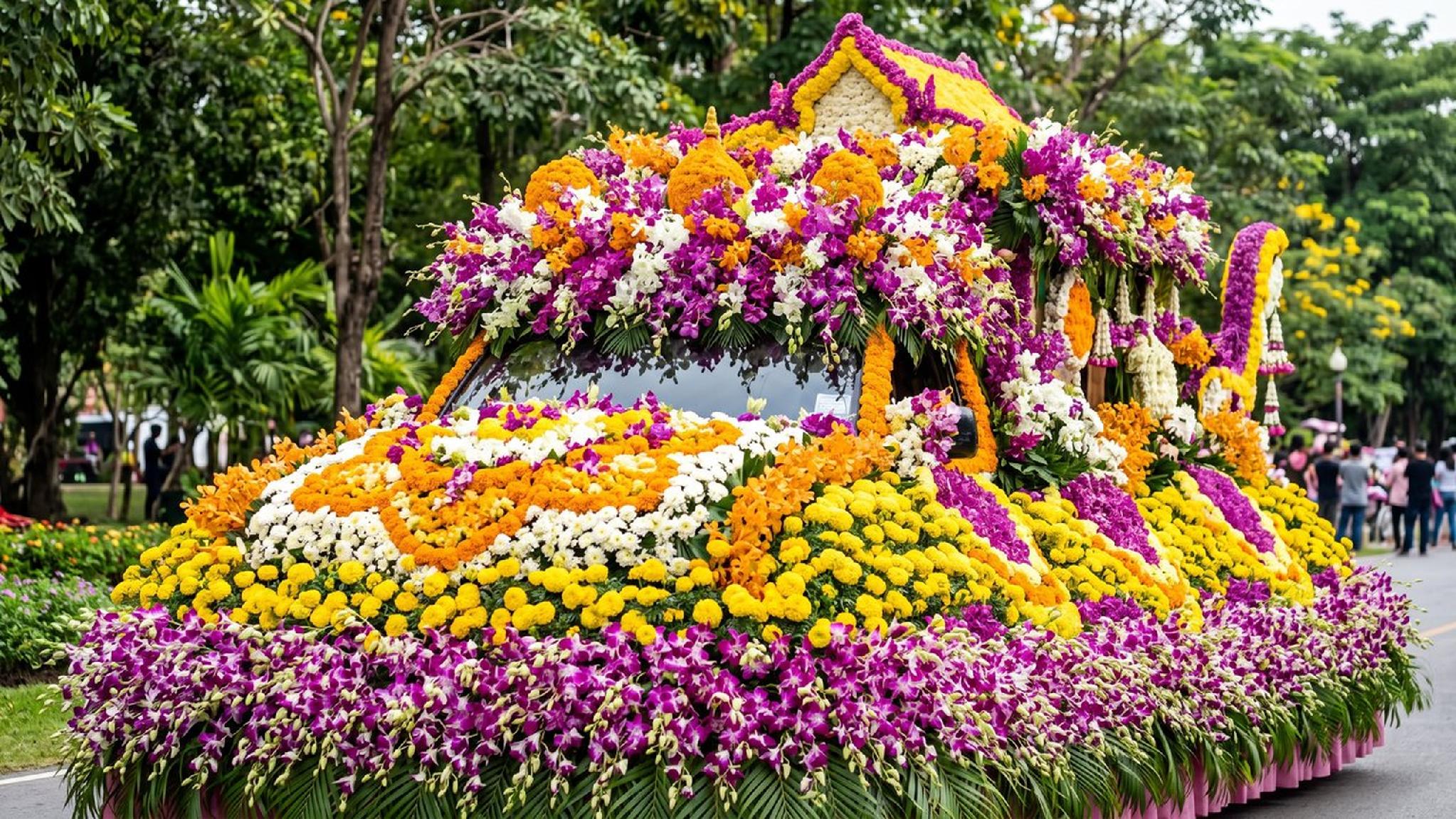
The Chiang Mai Flower Festival runs 5 to 7 February 2027 at Nong Buak Haad Park, on the southwest corner of the Old City moat, and marks the start of the cool season's flowering with orchids, chrysanthemums, tulips, and dahlias built into elaborate parade floats. The Grand Parade steps off at 8am on Saturday the 6th from Nawarat Bridge, moves through Tha Phae Gate, and finishes at the park, with around 25 flower-covered floats making the route.
The park itself stays open from 9am to midnight across all three days, with a flower-arrangement exhibition and the Miss Flower Blooming Beauty Contest on opening night and a Thai Lanna cultural performance the following evening. Admission is free throughout, which makes it one of the more accessible festivals in Chiang Mai for a family with a loose schedule and no advance tickets to arrange.
The 2027 edition marks the Flower Festival's 50th year, a run that began as a modest local flower show decades before Chiang Mai had much of an international tourism industry to speak of. That kind of steady growth from a neighbourhood celebration into an internationally recognised date is not unusual among festivals in Chiang Mai, several of which trace back to purely local customs long before any of them appeared on a travel itinerary.
Detailed Information:
,regionOfInterest=(1023,575.5))
,regionOfInterest=(1023,575.5))
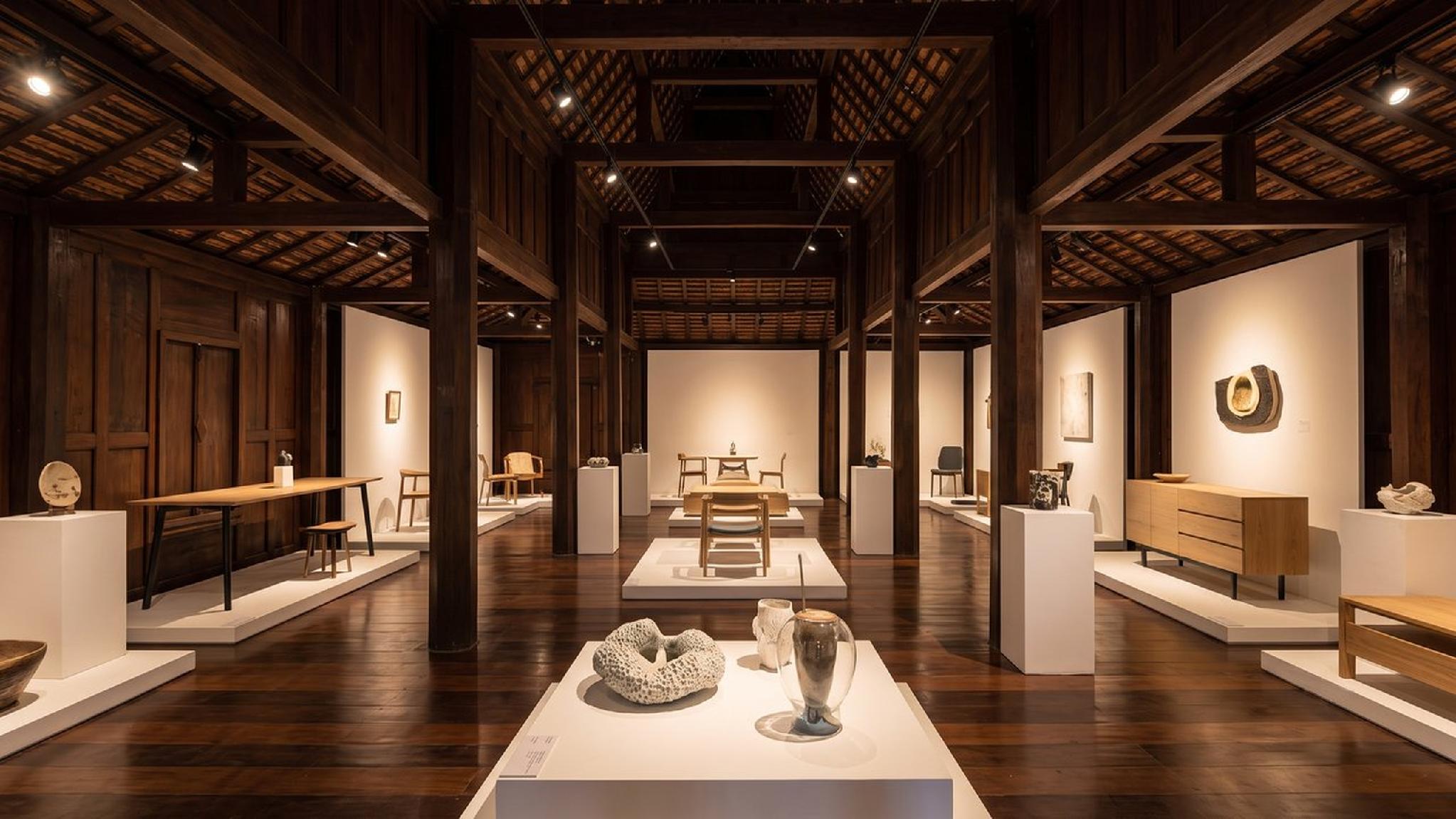
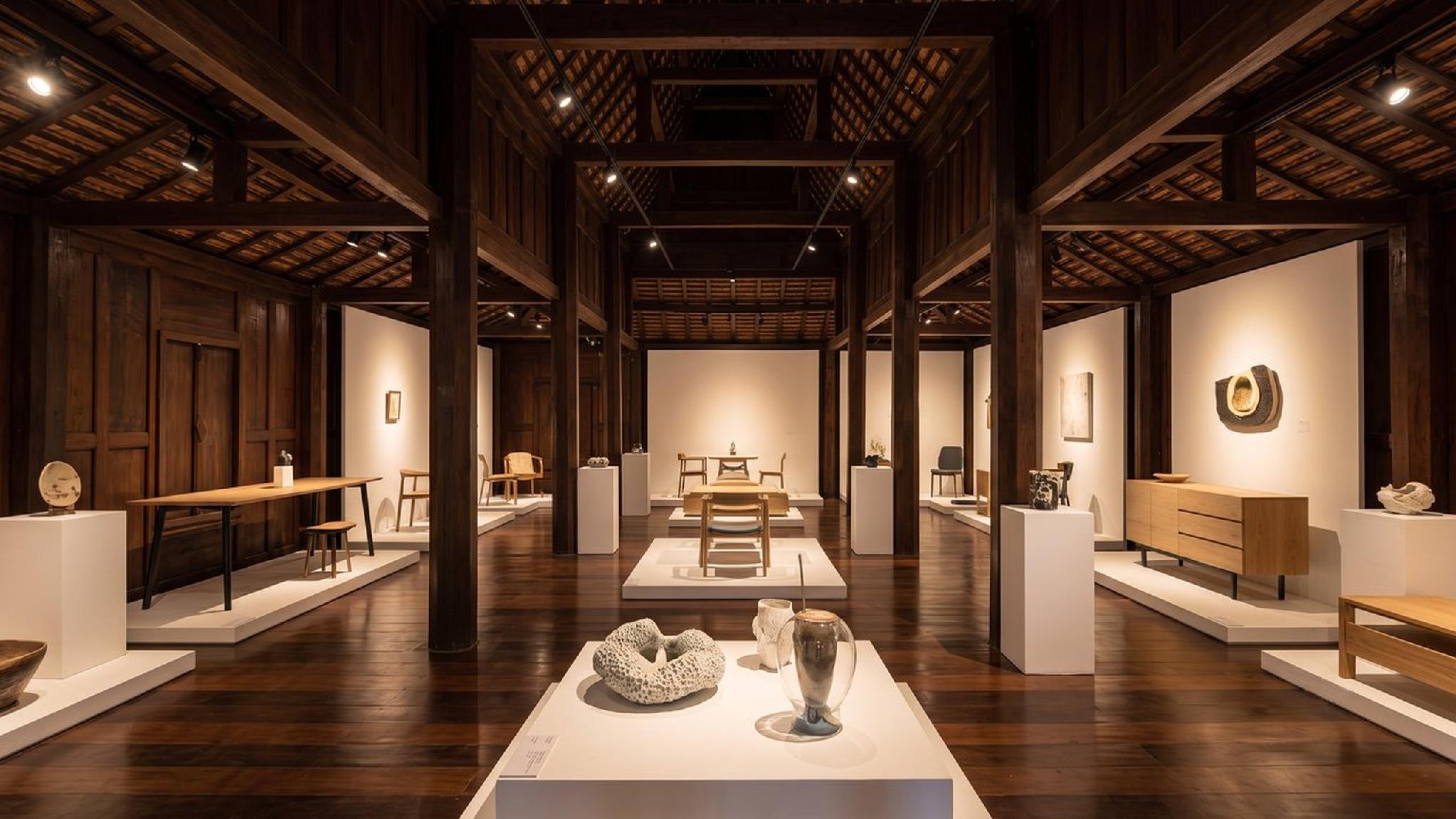
For a more contemporary counterpart, Chiang Mai Design Week in early December 2027 (dates to be confirmed) across several precincts in the Old City, centred on TCDC Chiang Mai and the Tha Phae Gate to Chang Moi stretch, showcasing Northern Thai craftsmanship alongside product design, architecture, and creative studios rather than the older Lanna traditions the rest of this calendar covers.
It rounds out the year with something closer to a design fair than a religious observance, a useful pairing for a December trip that also wants to catch cooler weather.
Detailed Information:
Beyond the big-name dates already covered, a handful of quieter religious and distinctly local observances round out the rest of the year. Below are the three worth knowing about, even without the crowds or the hotel price surge that comes with Songkran or the lantern week.
,regionOfInterest=(1023,575.5))
,regionOfInterest=(1023,575.5))
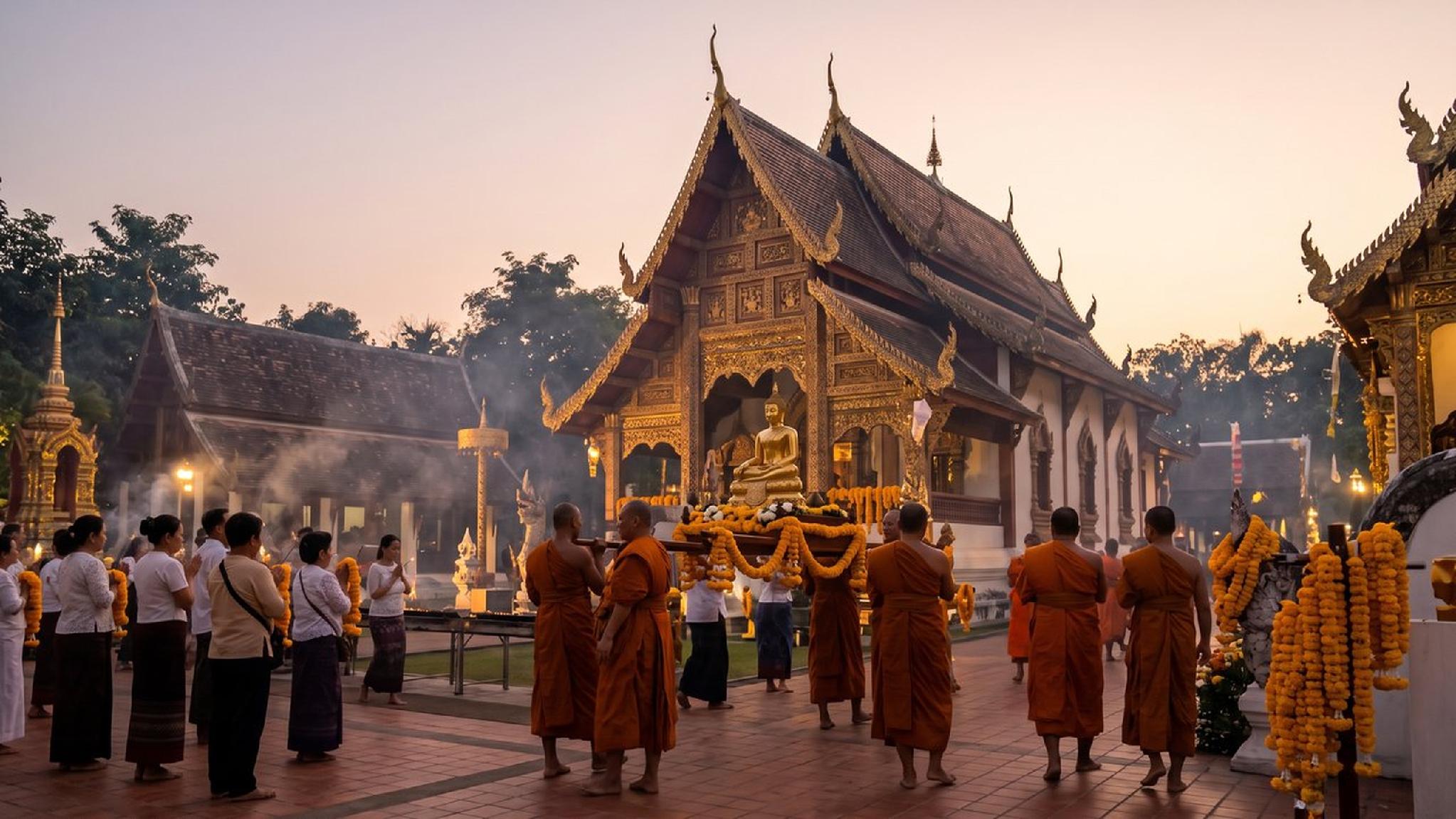
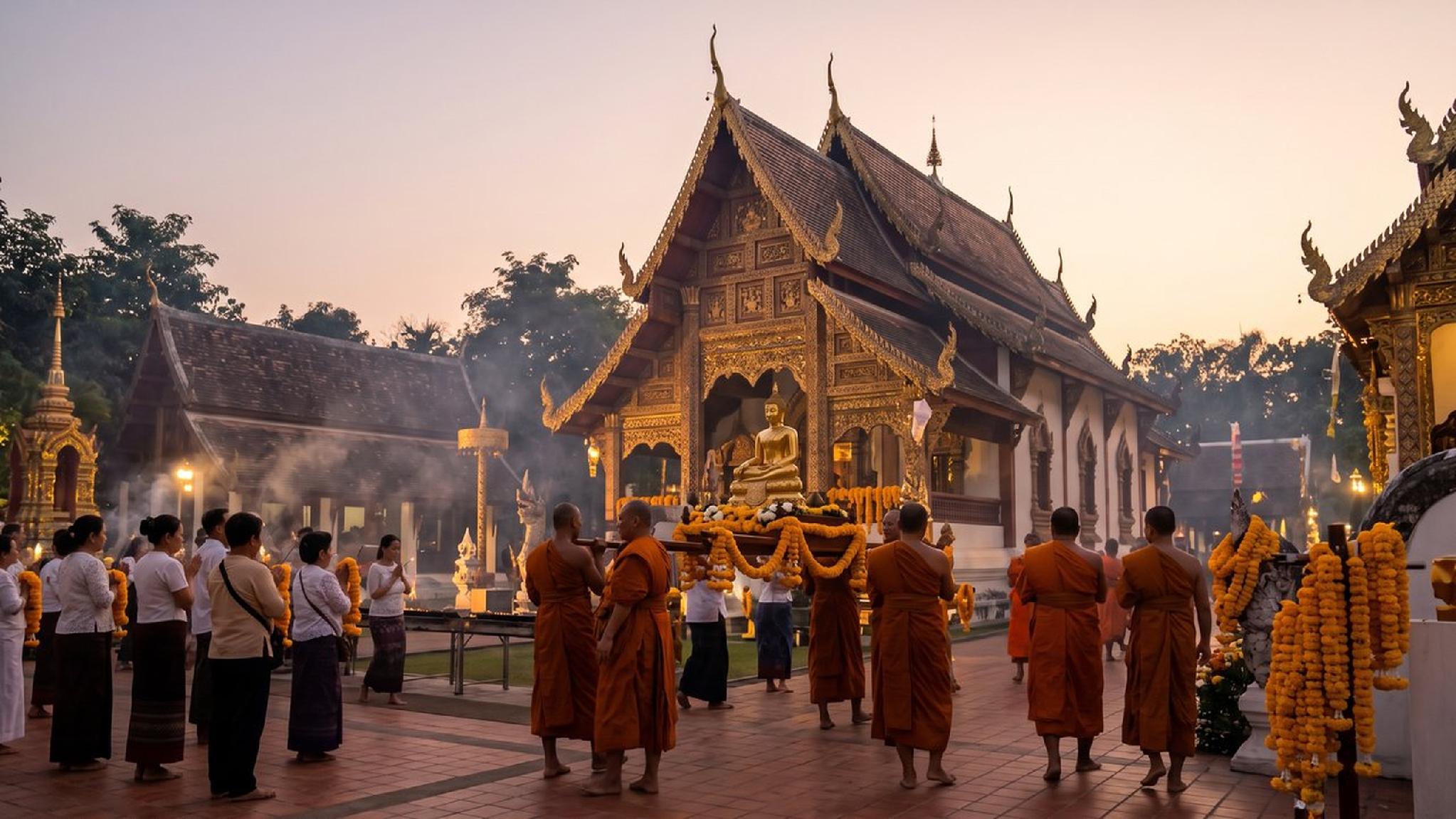
In early May 2027 (dates to be confirmed), this is arguably the most distinctly local date on this list, since it exists nowhere else in Thailand in quite the same form.
Centred on Wat Chedi Luang and open daily from 6am to midnight, it honours Sao Inthakin, the city pillar first raised by King Mangrai when he founded Chiang Mai in 1296. The festival opens on the 13th with a procession carrying the Phra Chao Saen Ha Buddha image from Wat Chang Taem to Wat Chedi Luang, followed by a bathing ritual and an afternoon procession into the Old City.
Detailed Information:
,regionOfInterest=(1023,575.5))
,regionOfInterest=(1023,575.5))
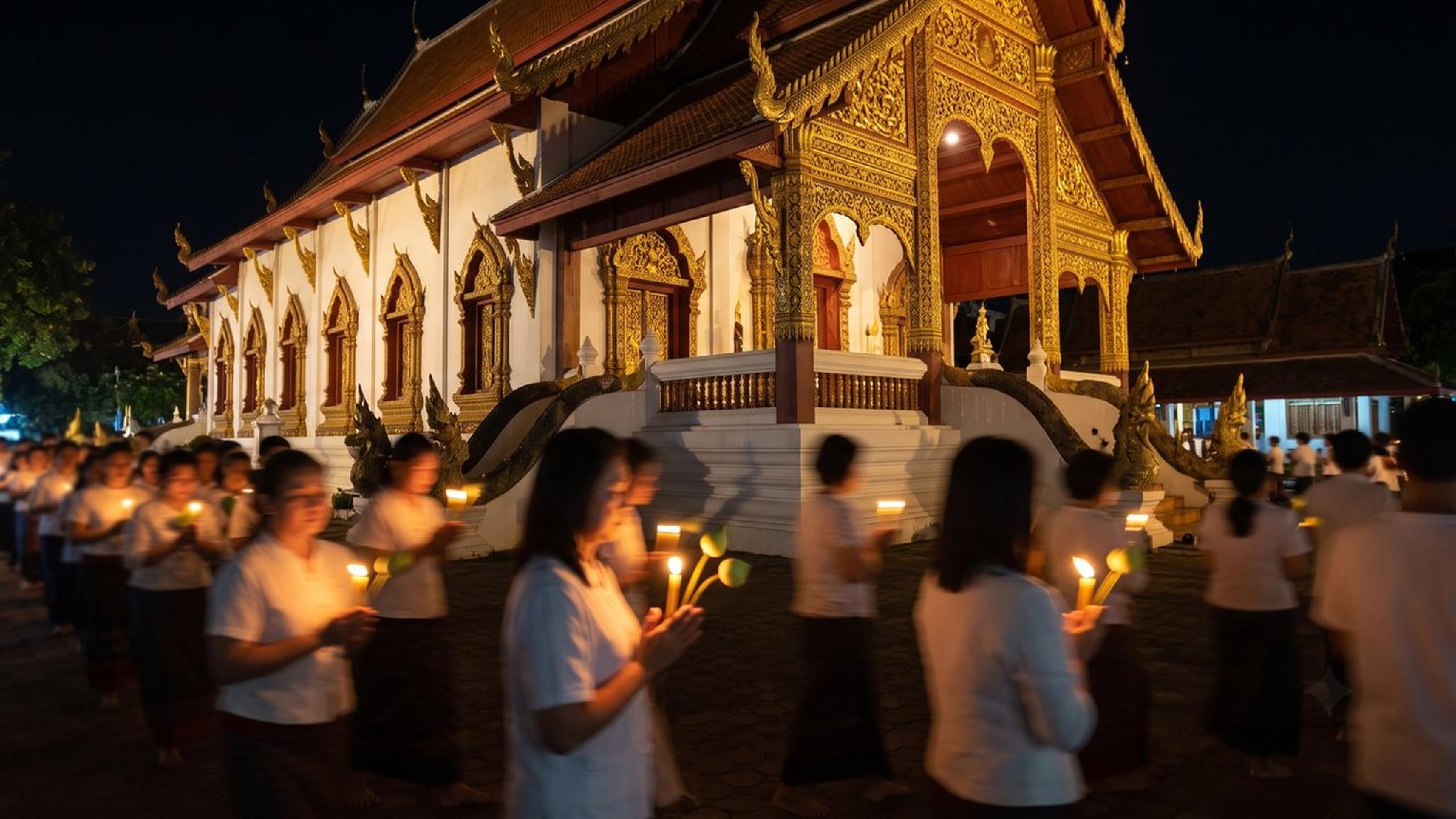
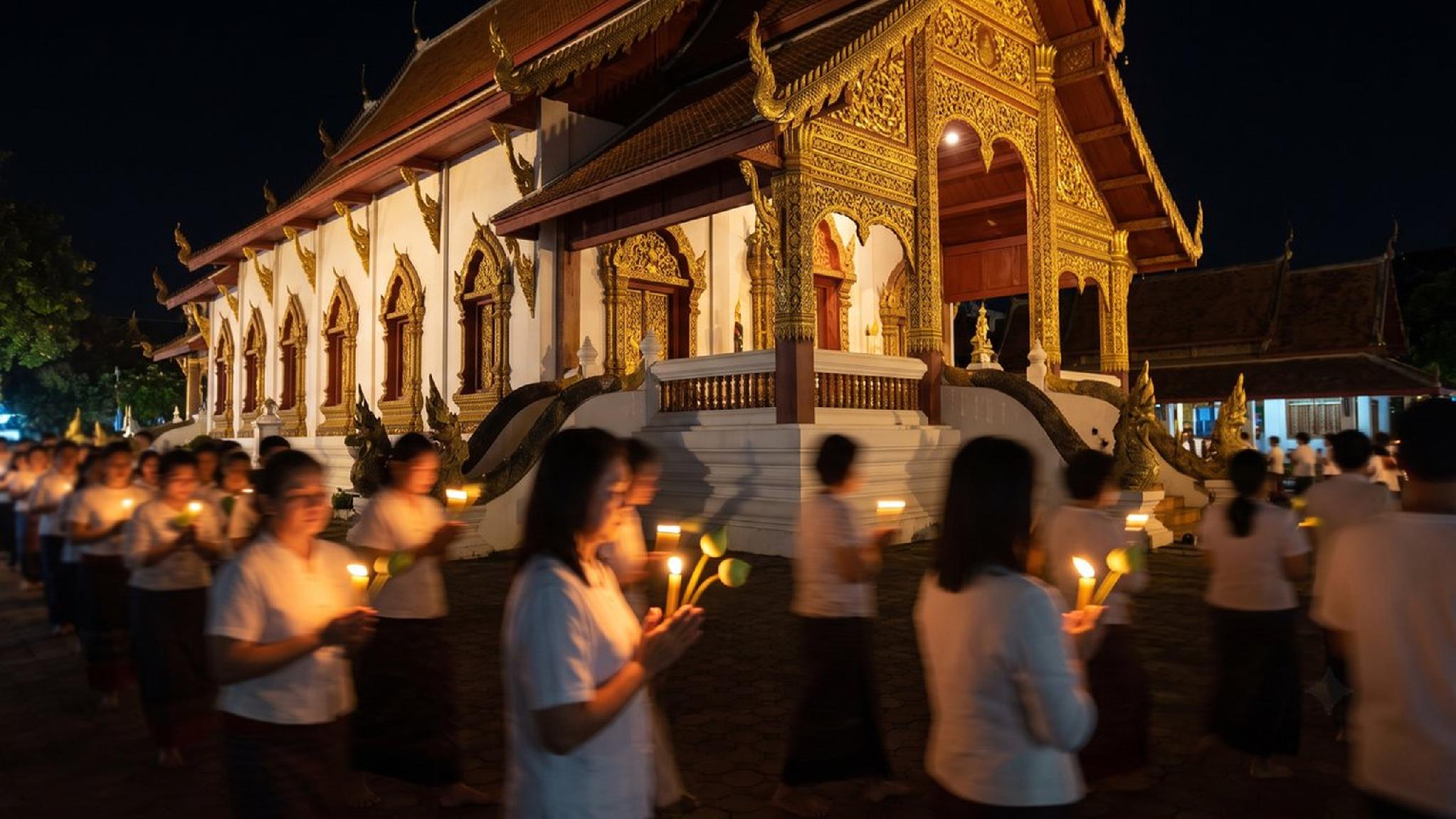
Falling on 20 May 2027, Visakha Bucha marks the Buddha's birth, enlightenment, and passing all on the same day, the most important date on the Buddhist calendar.
In the evening, devotees take part in Wian Tian, walking three times clockwise around a temple's main chapel while carrying lit candles, incense, and flowers. Wat Phra That Doi Suthep holds one of the city's largest versions of this procession, circling the temple's Bhote chapel by candlelight with lotus buds in hand.
Detailed Information:
,regionOfInterest=(1023,575.5))
,regionOfInterest=(1023,575.5))
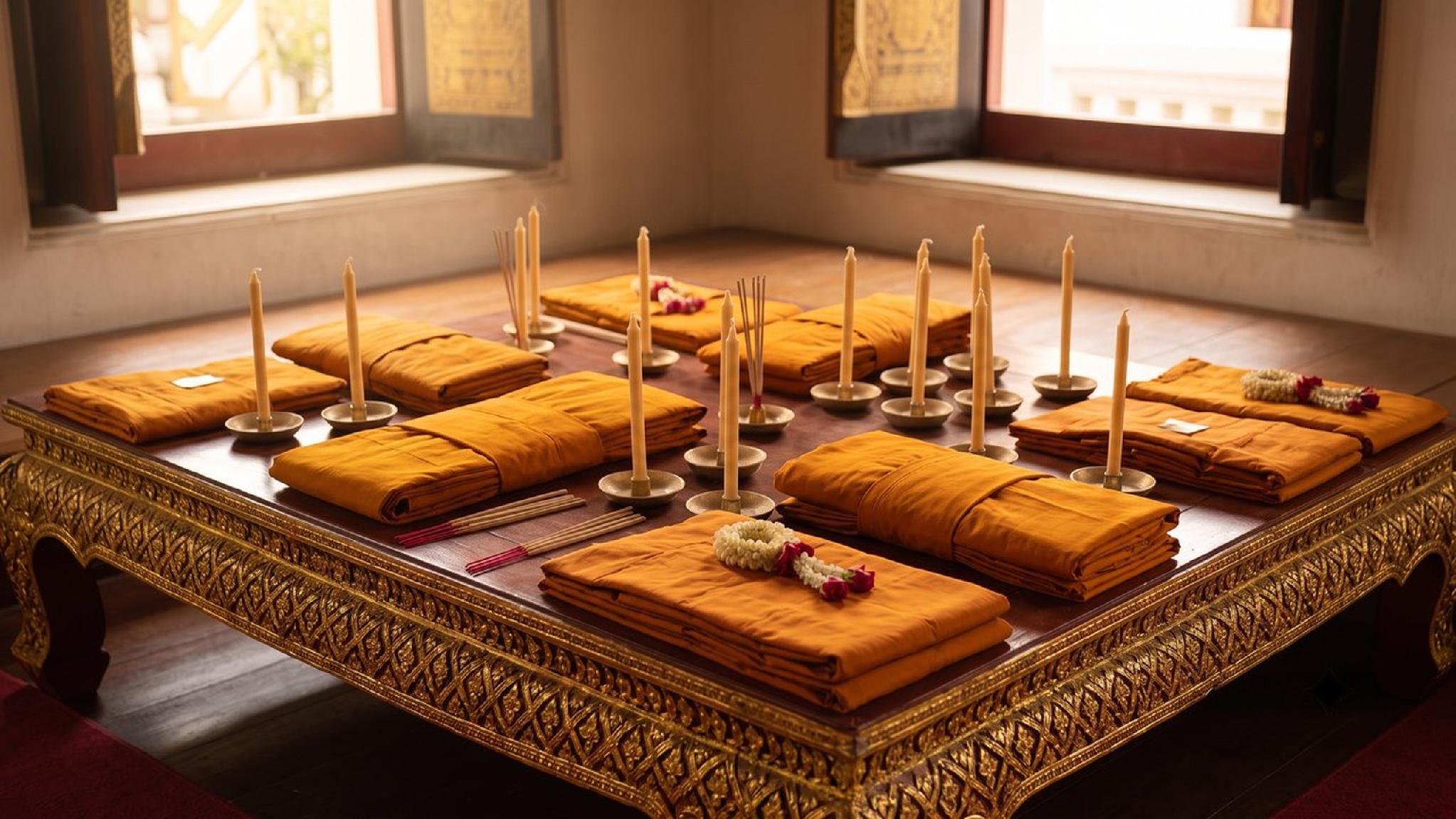
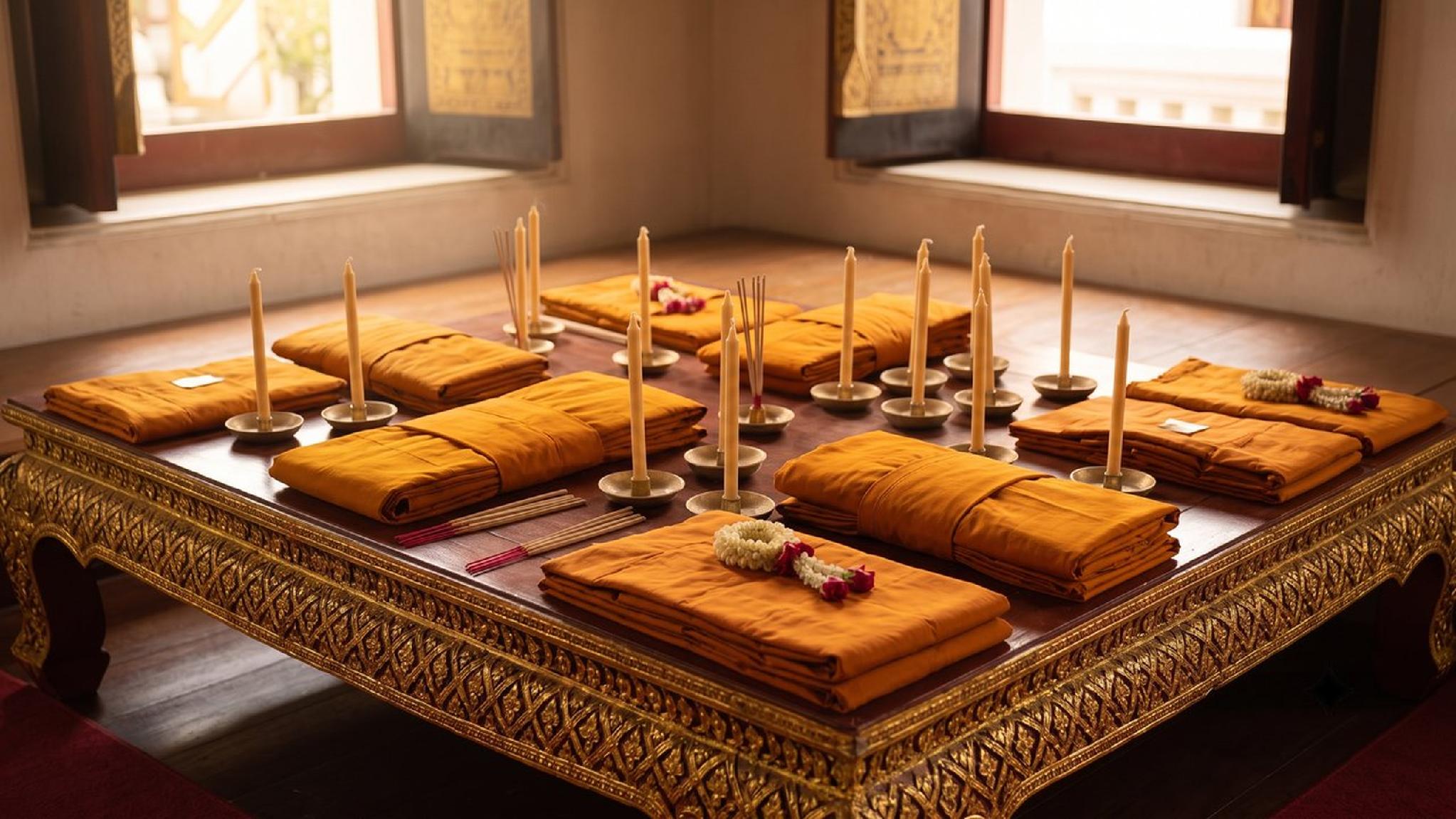
Khao Phansa, on 19 July 2027, marks the start of the three-month Buddhist Lent, when monks traditionally remain within their home temple rather than travelling. Temples across the city hold candle and robe offerings the evening before, a quieter, less touristed date than the others on this list but a genuine window into everyday Buddhist practice for anyone visiting that week.
Ok Phansa, falling on 15 October 2027, closes out the same three-month Lent that Khao Phansa opens. Temples mark the day with almsgiving and sermons, and the candle procession returns in the evening, the same three clockwise turns around the main shrine used at Visakha Bucha earlier in the year, carrying candles, incense, and lotus buds.
It is one of the quieter dates on this calendar, worth knowing about mainly because it bookends Khao Phansa rather than standing alone as a destination in itself.
,regionOfInterest=(1023,575.5))
,regionOfInterest=(1023,575.5))
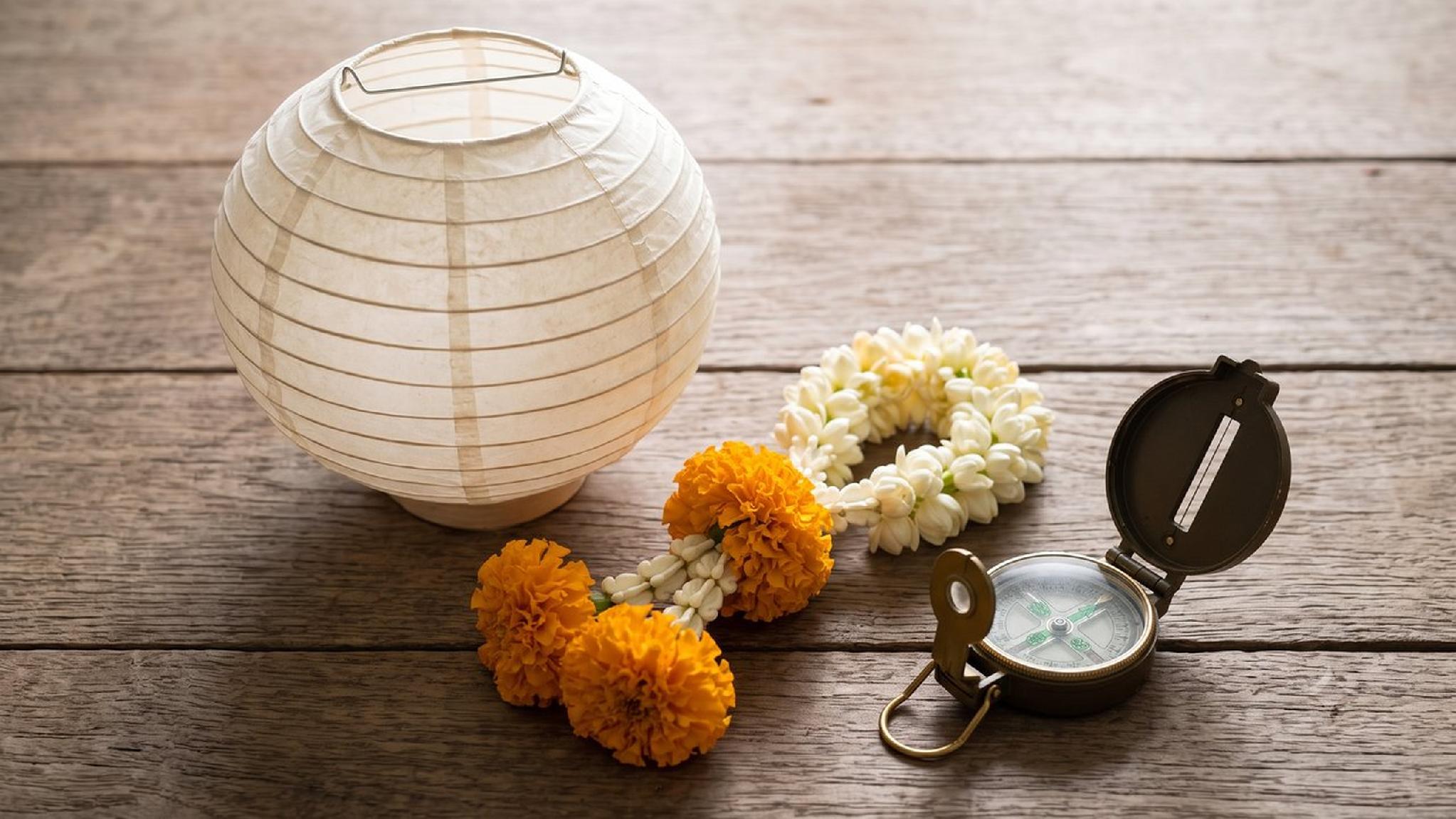
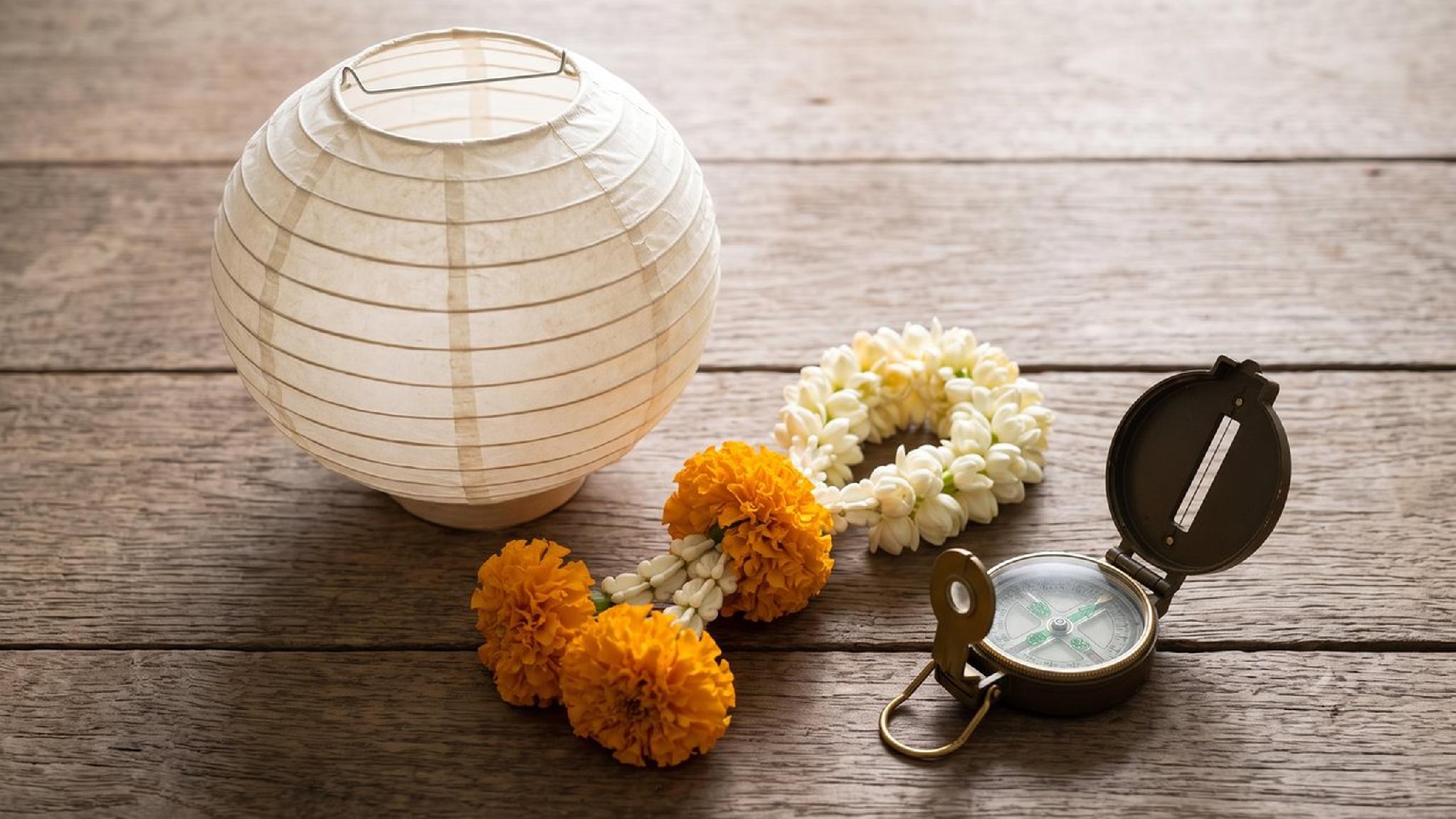
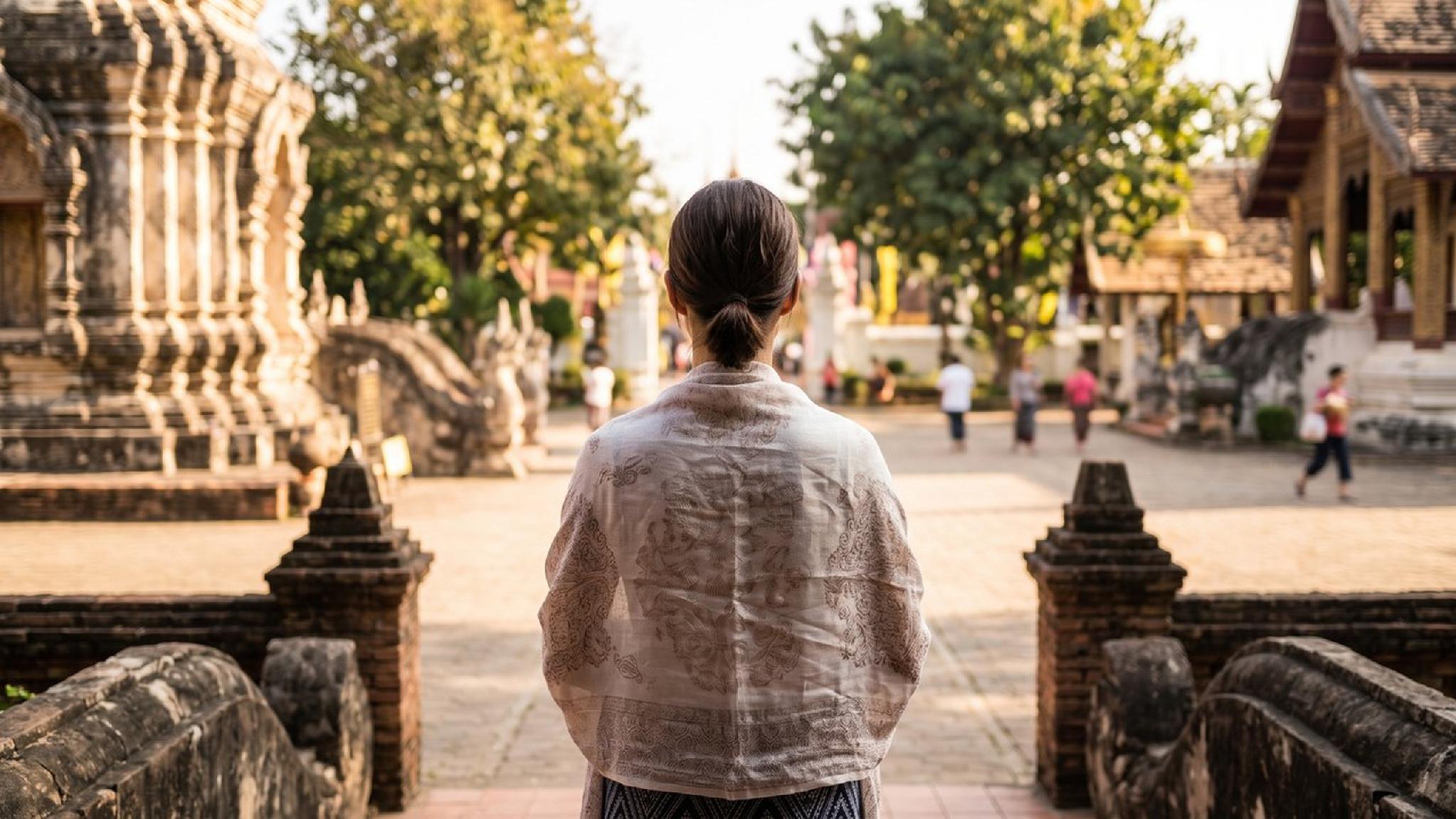
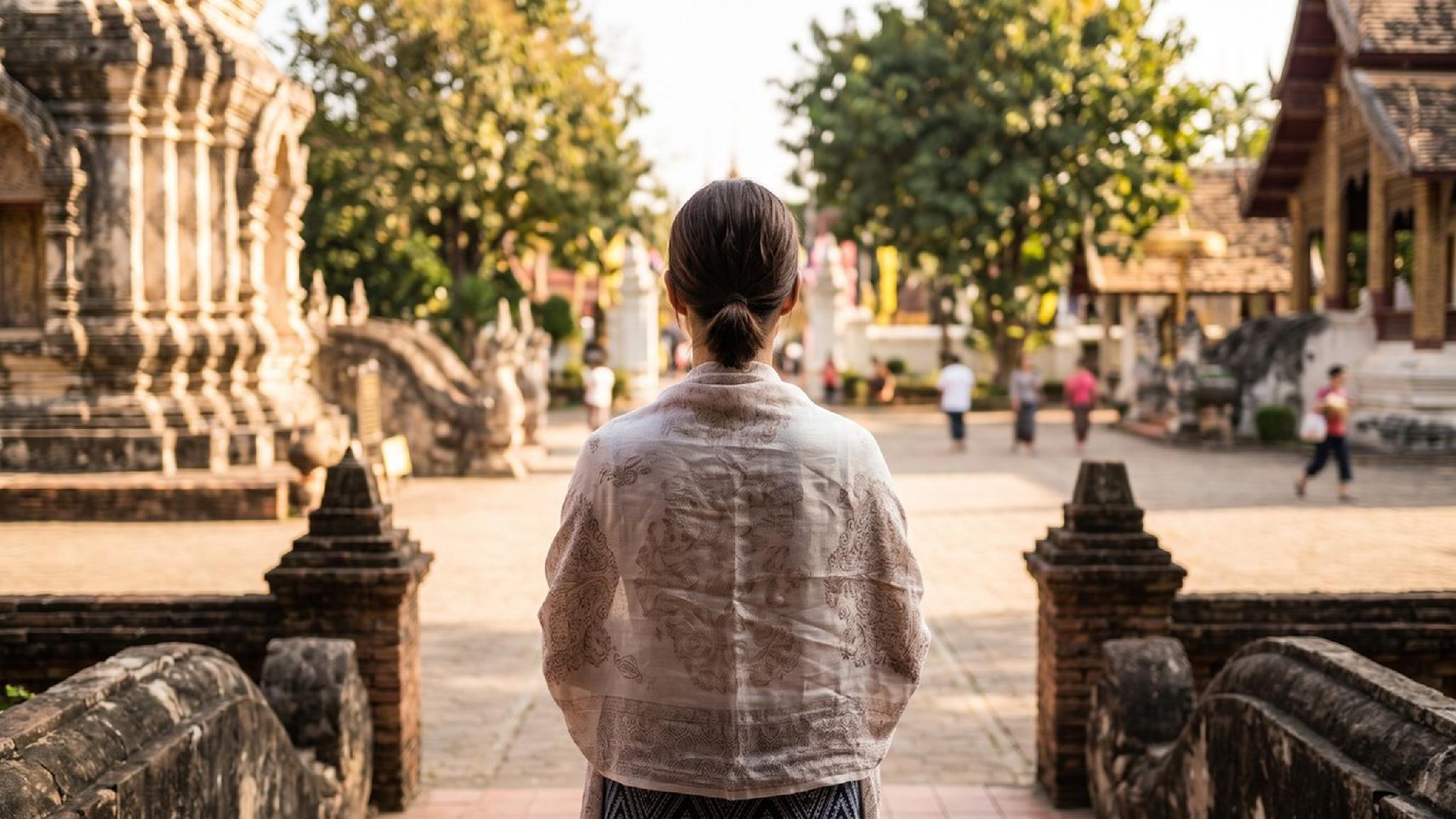
When planning a trip to Chiang Mai, timing and preparation are everything. The city’s biggest celebrations—Yi Peng, Loy Krathong (November), and Songkran (April)—see a massive surge in demand, meaning flights and hotels should be booked three to four months in advance to avoid soaring prices.
Conversely, quieter events like the Flower Festival, Inthakin, or Visakha Bucha offer a more relaxed pace and can safely be booked just a few weeks out.
To ensure your trip matches your travel style and needs, keep these essential festival factors in mind:
,regionOfInterest=(1023,575.5))
,regionOfInterest=(1023,575.5))
Basic temple etiquette applies at every religious date on this calendar: cover shoulders and knees, remove shoes before entering any building housing a Buddha image, never touch a monk if you are a woman, and avoid pointing your feet toward a Buddha image or a monk while seated.
Processions like Inthakin's and Visakha Bucha's Wian Tian call for quiet, respectful observation rather than pushing in for a closer photo, and lowering your head slightly while passing seated monks is a small gesture of respect that locals notice and appreciate.
Photography etiquette matters more at some of these events than others. A respectful distance and a quiet shutter suit the Inthakin and Visakha Bucha processions, while the Flower Festival parade and Songkran actively welcome cameras and phones from the crowd lining the route.
Drones are restricted or banned outright around temple grounds and during the lantern releases in November, both for safety and out of respect for a ceremony rather than a photo backdrop.
,regionOfInterest=(1771.5,1162.5))
,regionOfInterest=(1771.5,1162.5))
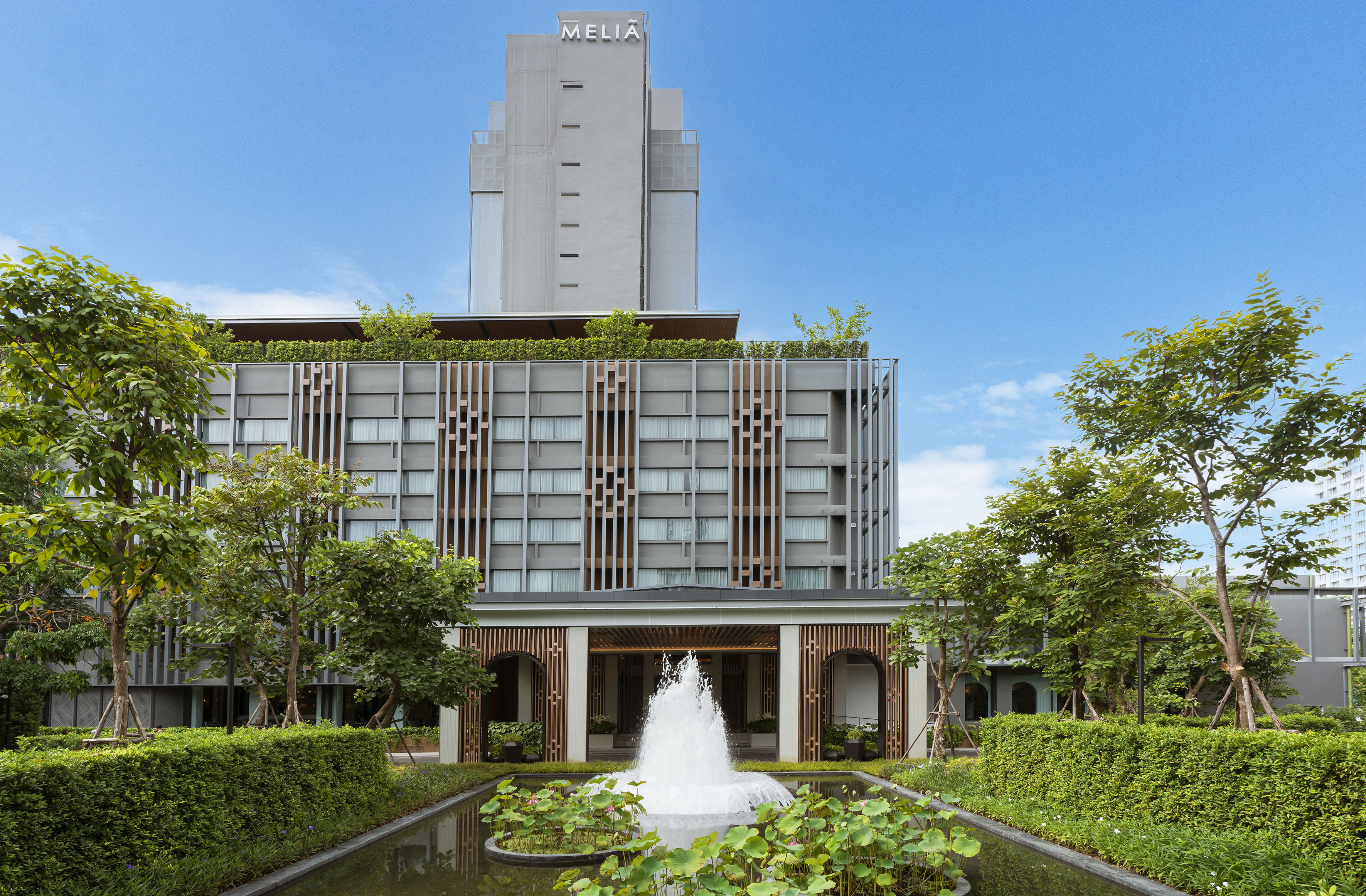
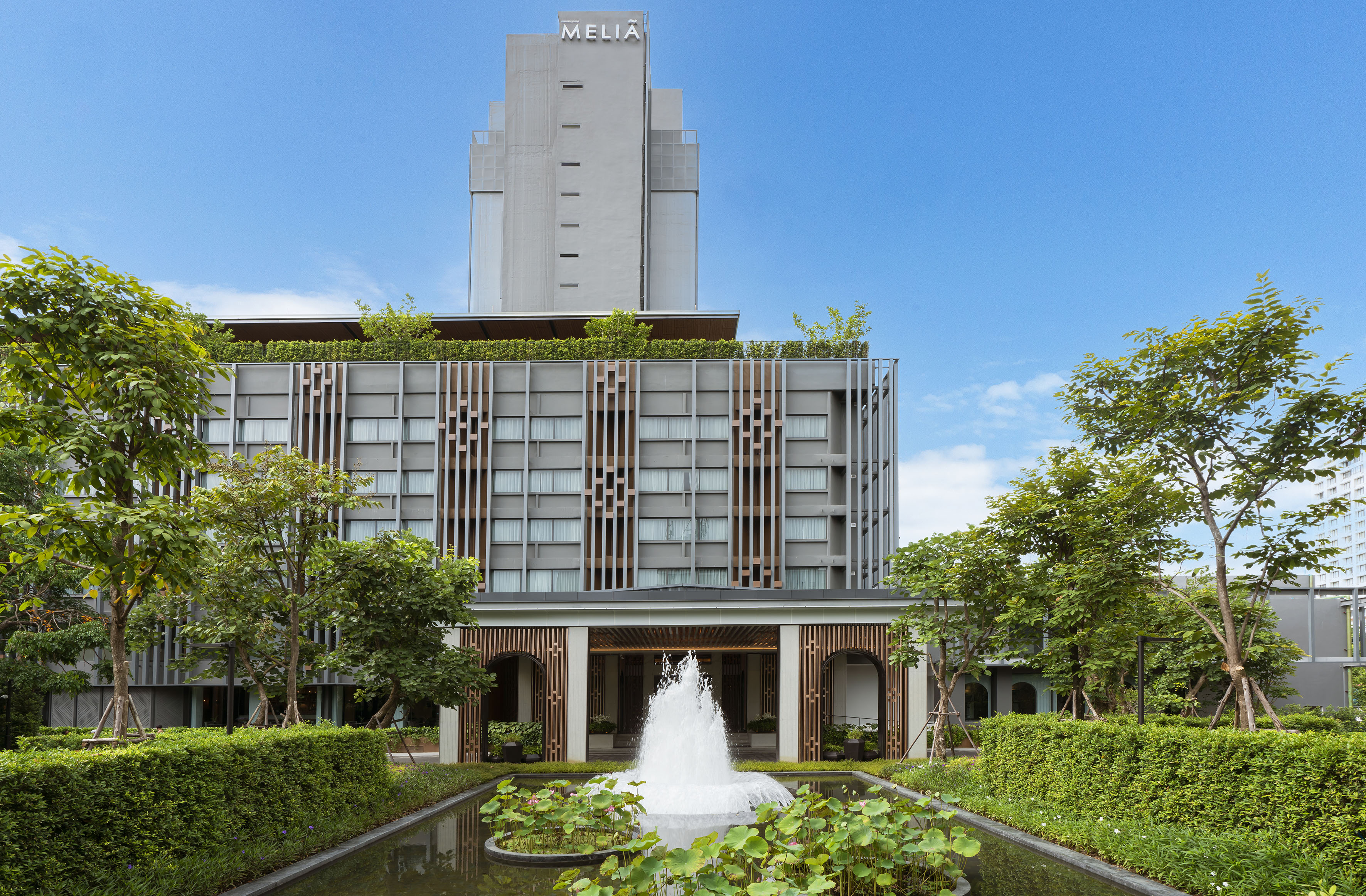
Festival weeks change how the city moves. Roads around Tha Phae Gate close for Songkran, the Old City moat draws heavy foot traffic during the Flower Festival parade, and hotel demand across Chang Khlan and the riverside spikes hard for Yi Peng and Loy Krathong, so where a stay is based during any of these dates matters more than it does on an ordinary week.
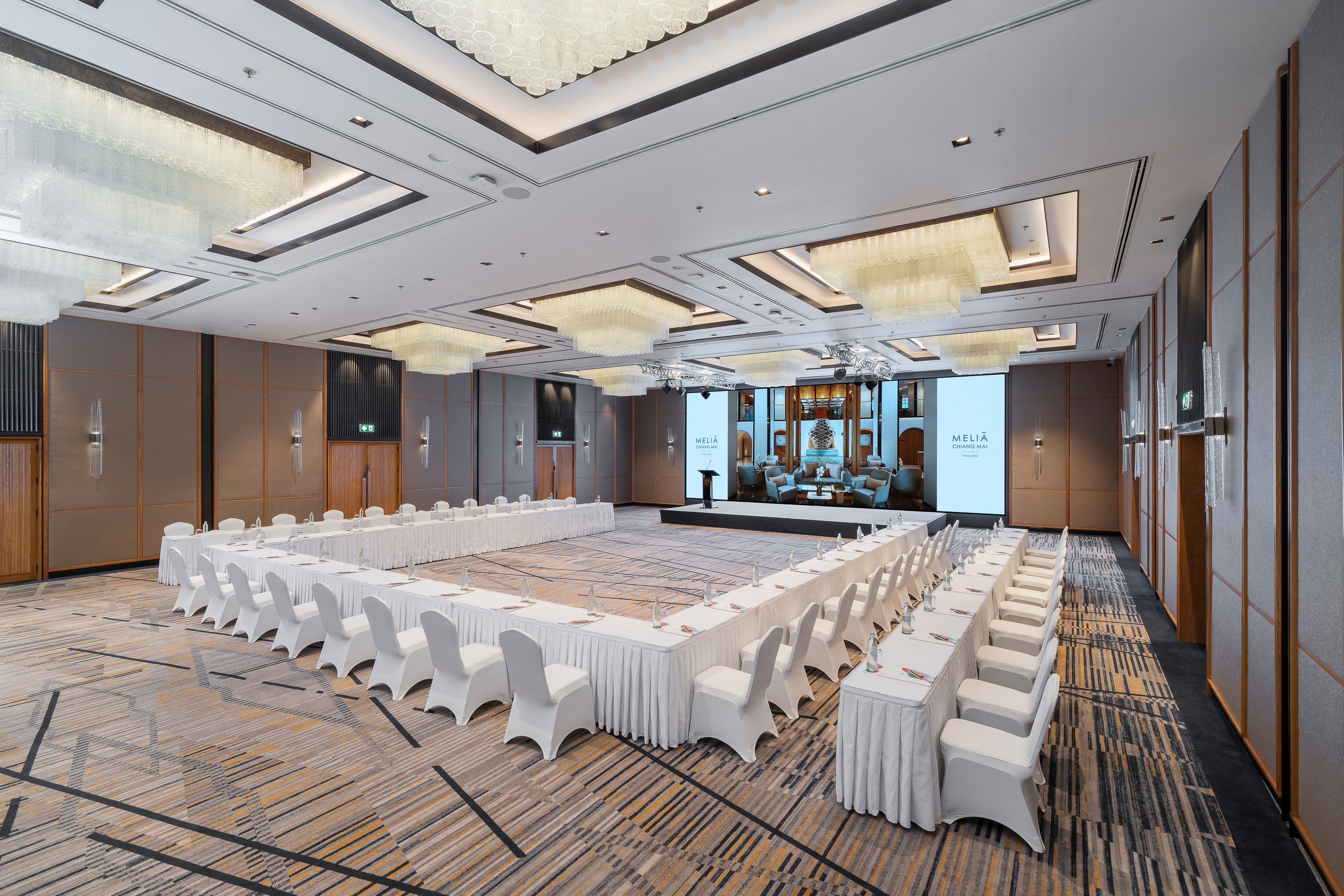
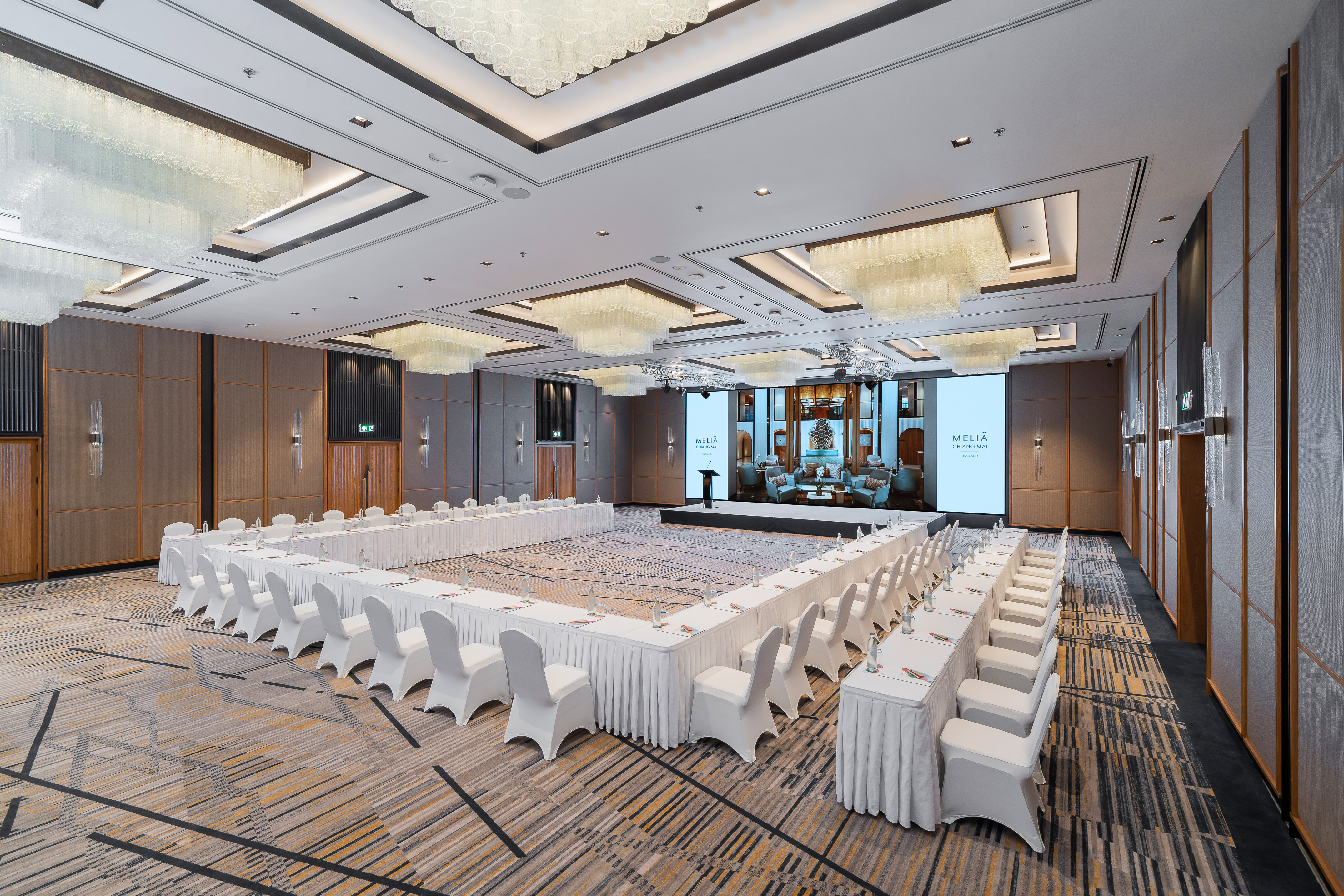
Meliá Chiang Mai sits on Charoen Prathet Road between the Old City and the Ping River, close enough to reach either the temple ceremonies or the riverside krathong-floating spots without needing a long ride through festival traffic.
That central position holds up across very different festival moods: a short walk to the Old City moat for the Flower Festival's parade route and Songkran's water fights, and an easy stretch down to the Ping River for Loy Krathong, without the property sitting directly inside the most congested stretch of any single event. For festivals in Chiang Mai that draw crowds by the hundreds of thousands, a base just outside the densest part of the action tends to make for a far calmer stay than one in the middle of it.
A comfortable room to dry off in after a Songkran soaking, or simply somewhere quiet to retreat to once a lantern release or a parade wraps up for the night, matters more during festival season than it does the rest of the year. Coming back to the same reliable base after each event, rather than working the logistics from scratch every evening, tends to be the difference between a festival trip that feels exciting and one that feels exhausting.
Families timing a trip around the gentler Flower Festival often lean toward the Family Room, 54 square metres with its own chaise lounge, a mini drawing board, and toys already set out for younger guests, suited to a pace built around a park and a parade rather than a full day of sightseeing. The same room works just as well for Songkran, when a family needs somewhere to towel off and regroup between water fights rather than cut the day short.
YHI Spa fits naturally into a festival-heavy schedule too. A treatment after a day spent walking the Flower Festival's parade route, or after hours standing along the Ping River for Loy Krathong, turns a physically demanding festival day into something that does not carry over, stiff and sunburnt, into the next morning.
Two treatments in particular suit a festival trip. Well Recovery, a 90-minute pairing of a body scrub with a detox massage, is built for exactly the soreness a long day on foot leaves behind, while Well Restore combines a traditional Thai massage with a hot oil scalp massage, a fitting reset after standing in the sun through an afternoon parade or a crowded riverside evening.
For anyone who spent a Songkran afternoon getting sunburnt along with soaked, the Ageless Facial Treatment, built around water lily, liquorice, and cactus extract, is a more targeted fix than a standard facial offers, and a genuinely useful way to close out whichever festival brought the trip together in the first place.
For an evening view of the lanterns without joining the riverside crowds, MAI The Sky Bar on the 22nd floor offers a quieter vantage point above the festival, along with Spanish tapas and cocktails for anyone who would rather watch the sky fill with light from a seat than from a packed embankment.
None of this changes the fact that festival season is still, first and foremost, about the festival rather than the hotel. A base that keeps the commute short simply frees up more of the day for whichever of these festivals in Chiang Mai brought a traveller to the city in the first place, whether that means one extra hour in front of the parade route or a dry room minutes after the last bucket of water lands rather than an hour later.
,regionOfInterest=(1771.5,1181.5))
,regionOfInterest=(1771.5,1181.5))
Lanterns in November get most of the attention, and fairly so, but a flower parade in February, ten days of water and merit-making in April, and a city pillar ceremony found nowhere else in the country all belong on the same shortlist. Picking a date on this calendar says more about the kind of trip a traveller wants than any single festival could on its own.
Whichever week ends up on the itinerary, booking well ahead of time, packing for the specific date, and choosing a base that stays easy to reach once the crowds arrive turns any of these festivals in Chiang Mai from a logistical challenge into the actual highlight of the whole trip.
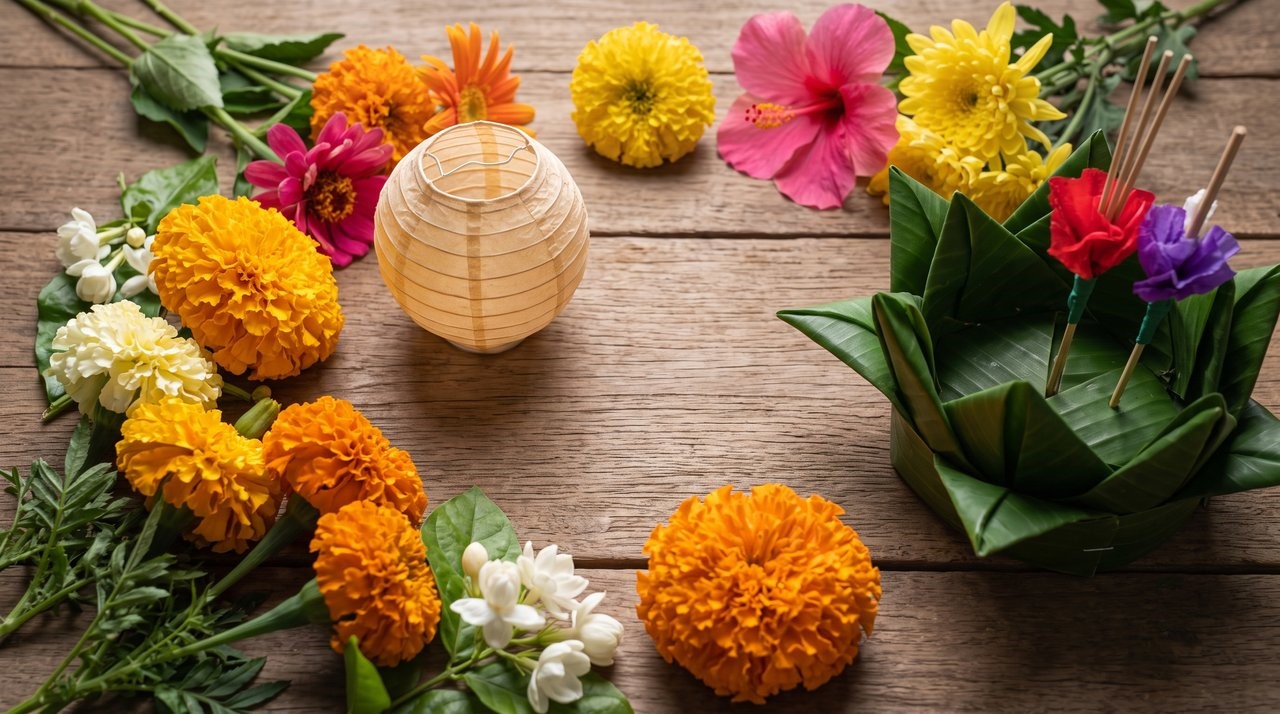,regionOfInterest=(640,357))
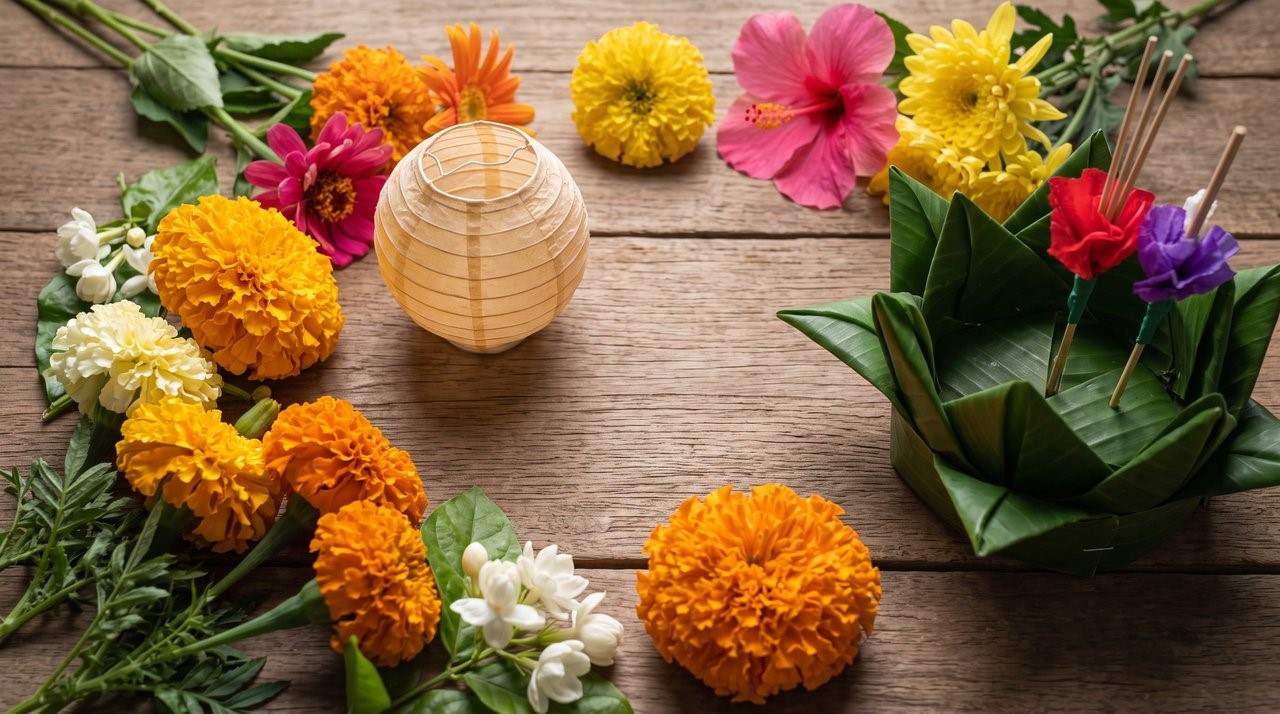,regionOfInterest=(640,357))
The main dates are the Chiang Mai Flower Festival in February, Songkran (Pee Mai Muang) in April, the Inthakin City Pillar Festival and Visakha Bucha in May, Khao Phansa in July, Yi Peng and Loy Krathong in November, and Chiang Mai Design Week in December, giving festivals in Chiang Mai a presence in nearly every month of the year.
Yi Peng, the sky lantern festival, and Loy Krathong, the krathong-floating festival, both fall within the official 13 to 15 November 2026 window, with the main lantern releases and river ceremonies concentrated on the 13th and 14th.
Yi Peng and Loy Krathong draw the largest number of visitors and the tightest hotel availability of any date on the calendar, though Songkran brings a comparable surge of both local and international crowds each April.
Yes, and Chiang Mai's version, known locally as Pee Mai Muang, runs longer than the three-day Songkran celebrated elsewhere in Thailand, with in 2027 spanning early-to-mid April around a core public holiday of 13 to 15 April.
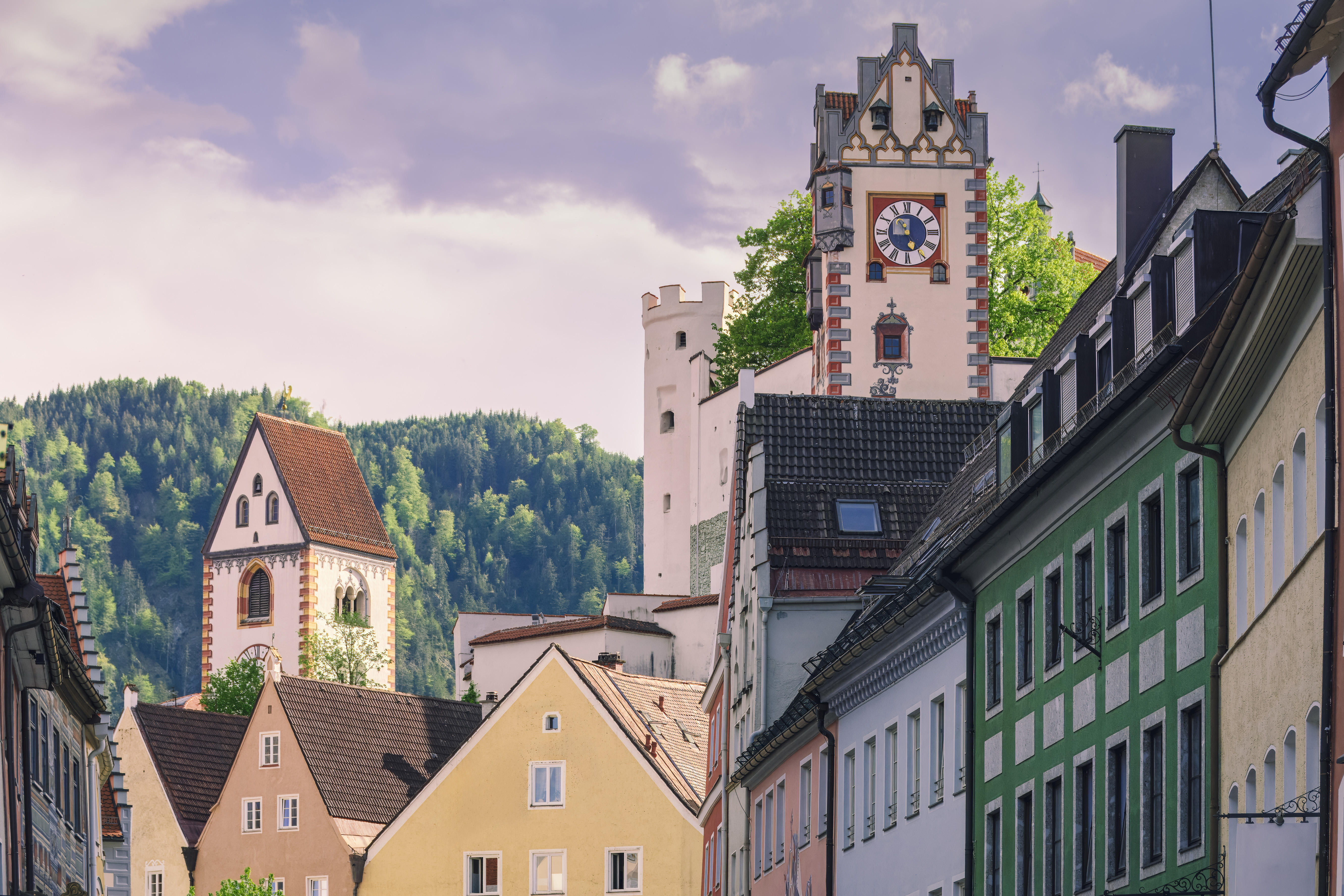,regionOfInterest=(2713.5,1809))
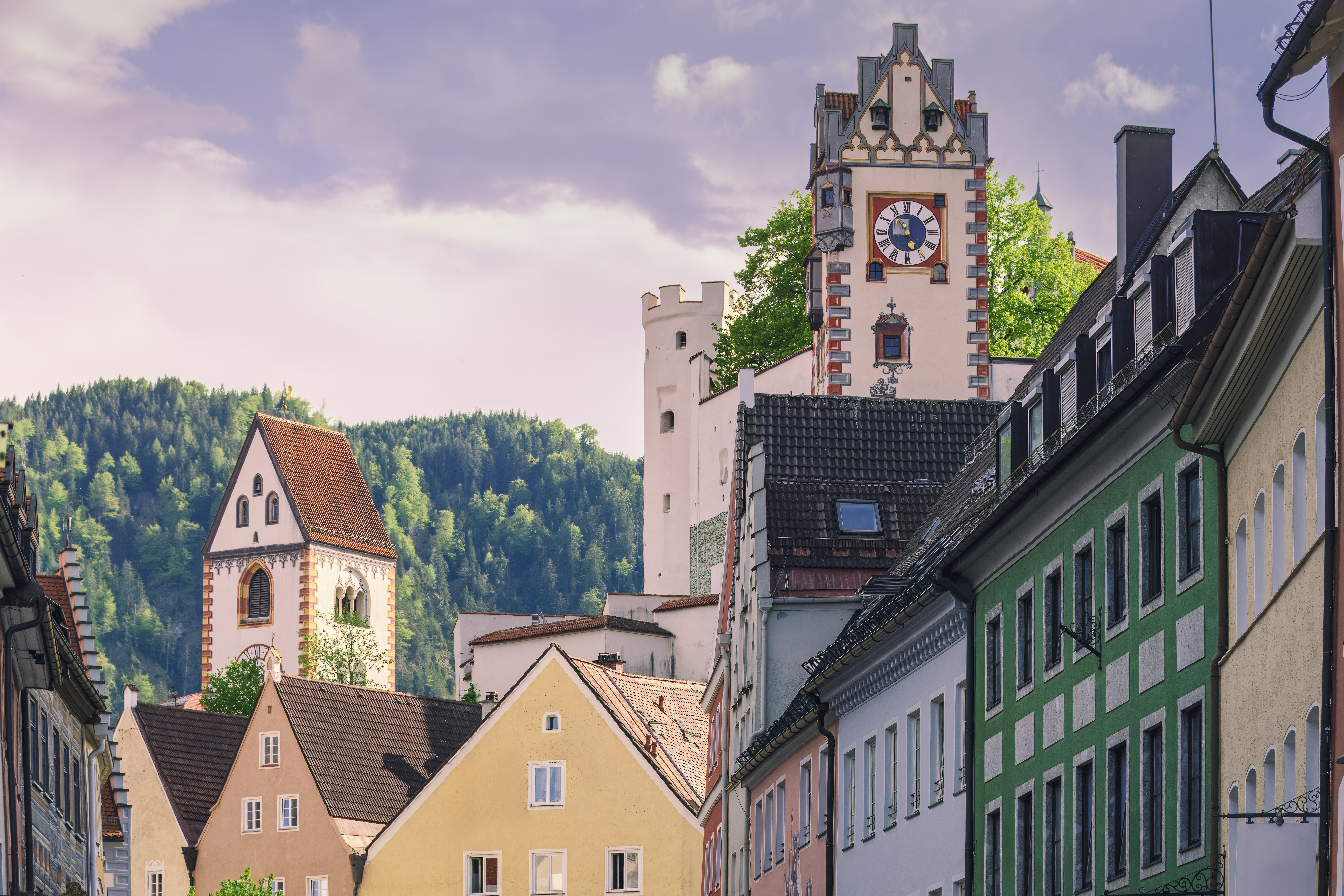,regionOfInterest=(2713.5,1809))
,regionOfInterest=(3096.5,2536))
,regionOfInterest=(3096.5,2536))
,regionOfInterest=(1771.5,1181.5))
,regionOfInterest=(1771.5,1181.5))
,regionOfInterest=(2144,1424))
,regionOfInterest=(2144,1424))
,regionOfInterest=(5340,2078))
,regionOfInterest=(5340,2078))