,regionOfInterest=(2900.5,1949.5))
,regionOfInterest=(2900.5,1949.5))
The best coves in Mallorca
,regionOfInterest=(707.5,1059.5))
,regionOfInterest=(707.5,1059.5))
Culture
,regionOfInterest=(1023,575.5))
,regionOfInterest=(1023,575.5))
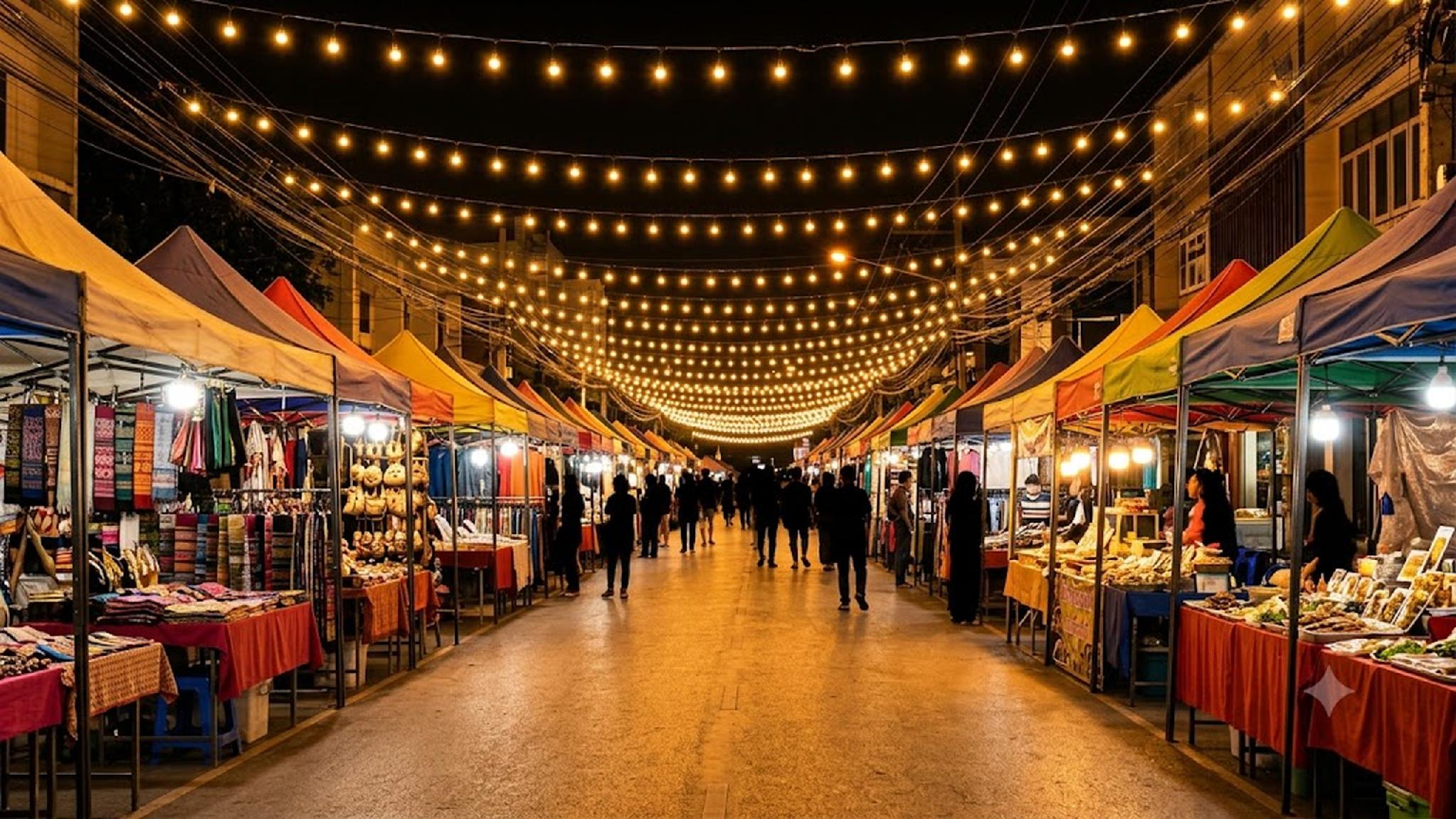
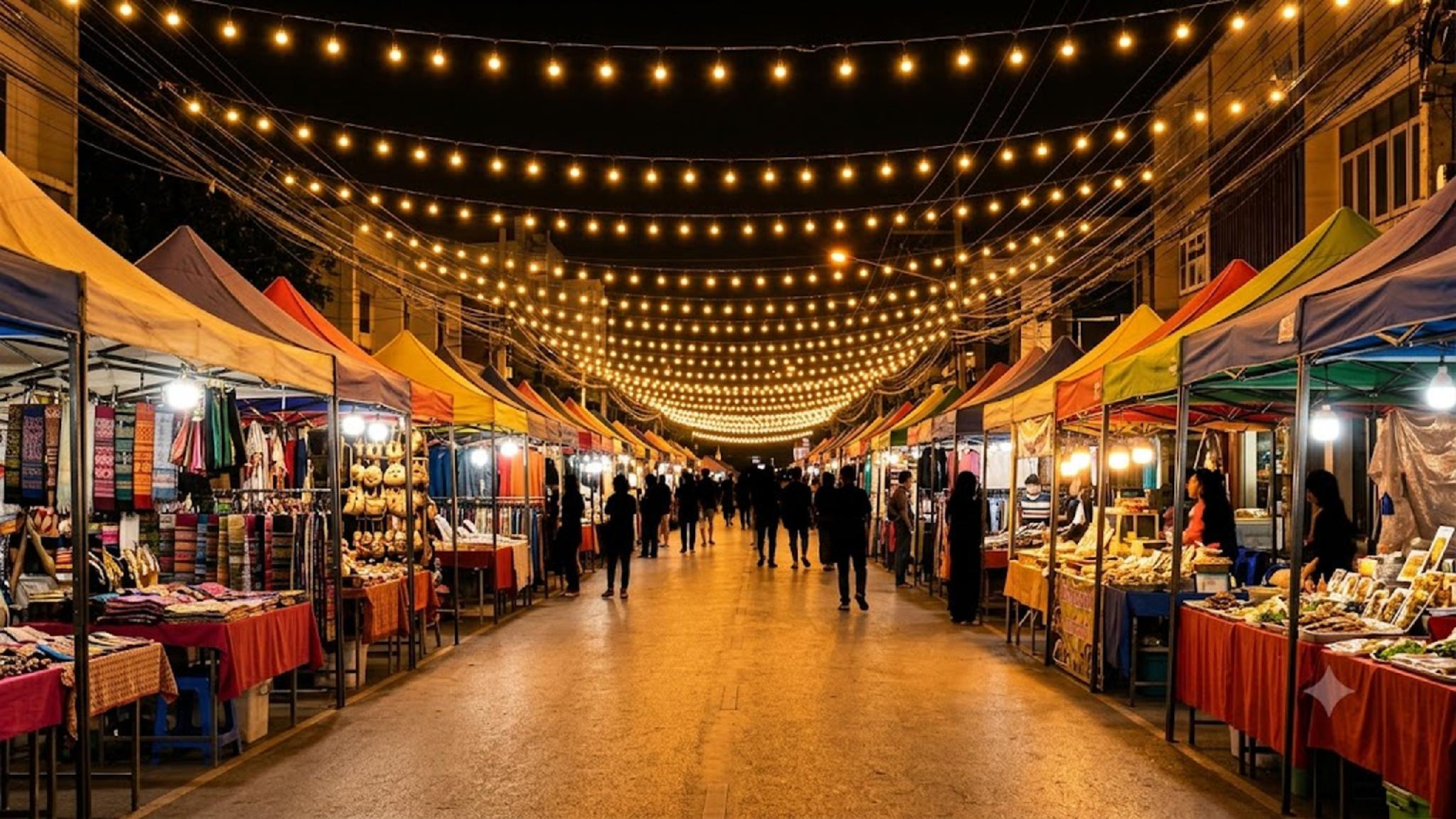
Which night should you set aside for shopping in Chiang Mai? The honest answer depends on what you are after, because a different market takes over the streets on almost every night of the week, and each one has its own personality.
From a Sunday-only walking street built for handmade crafts to a nightly bazaar that traces its roots to an old caravan trade route, Chiang Mai night markets rotate through enough variety to fill a full week rather than a single evening. This guide breaks down the eight worth building a trip around, what each is known for, and how to time a visit around the right day.
Culture
,regionOfInterest=(500,500))
,regionOfInterest=(500,500))
All-terrain writer specialising in tourism, fashion and trends. A curious soul, traveller, reader and sports enthusiast, keen to discover every corner of the world.
,regionOfInterest=(800,446.5))
,regionOfInterest=(800,446.5))
,regionOfInterest=(800,446.5))
,regionOfInterest=(800,446.5))
,regionOfInterest=(800,446.5))
,regionOfInterest=(800,446.5))
,regionOfInterest=(800,446.5))
,regionOfInterest=(800,446.5))
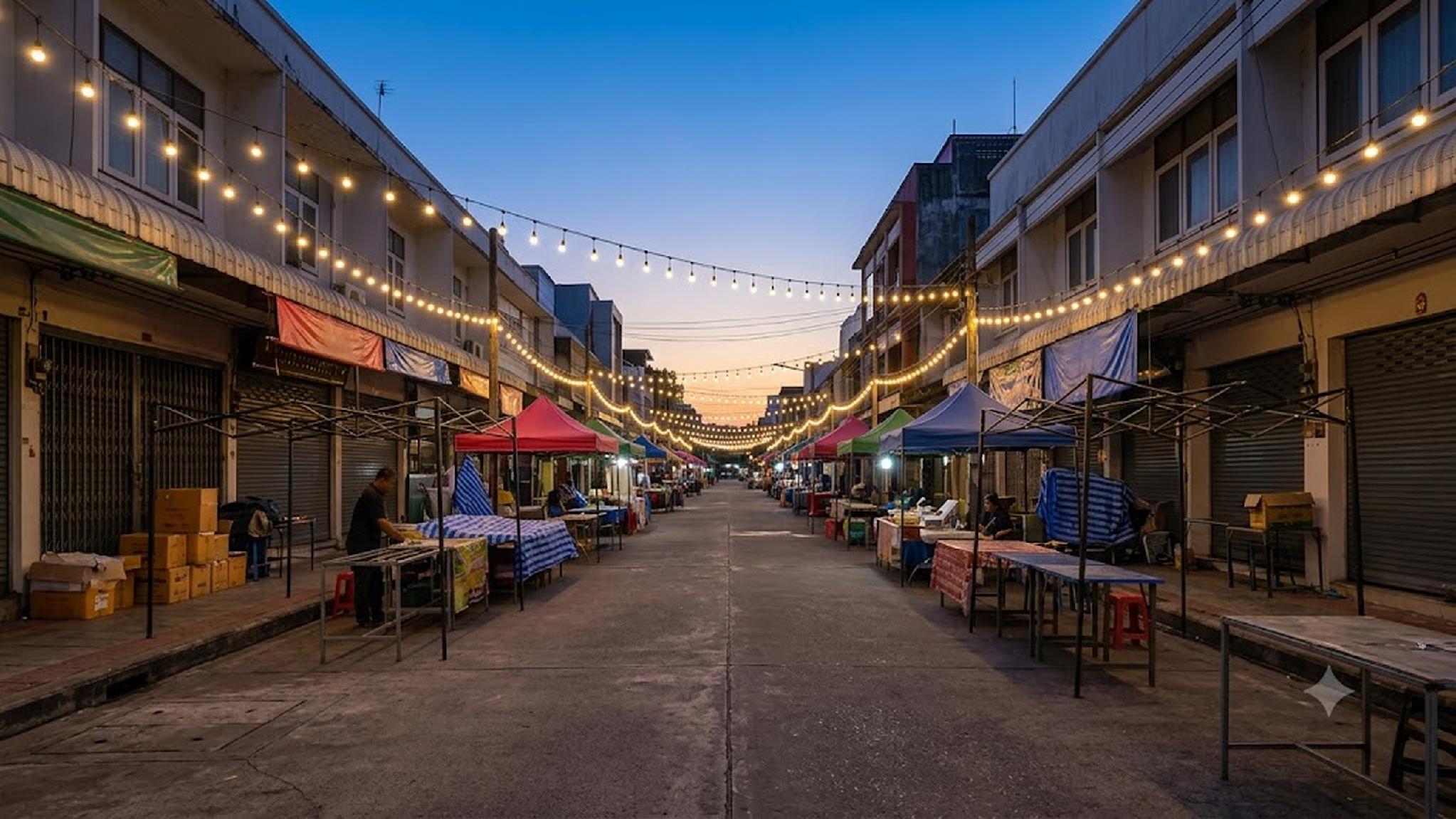,regionOfInterest=(1023,575.5))
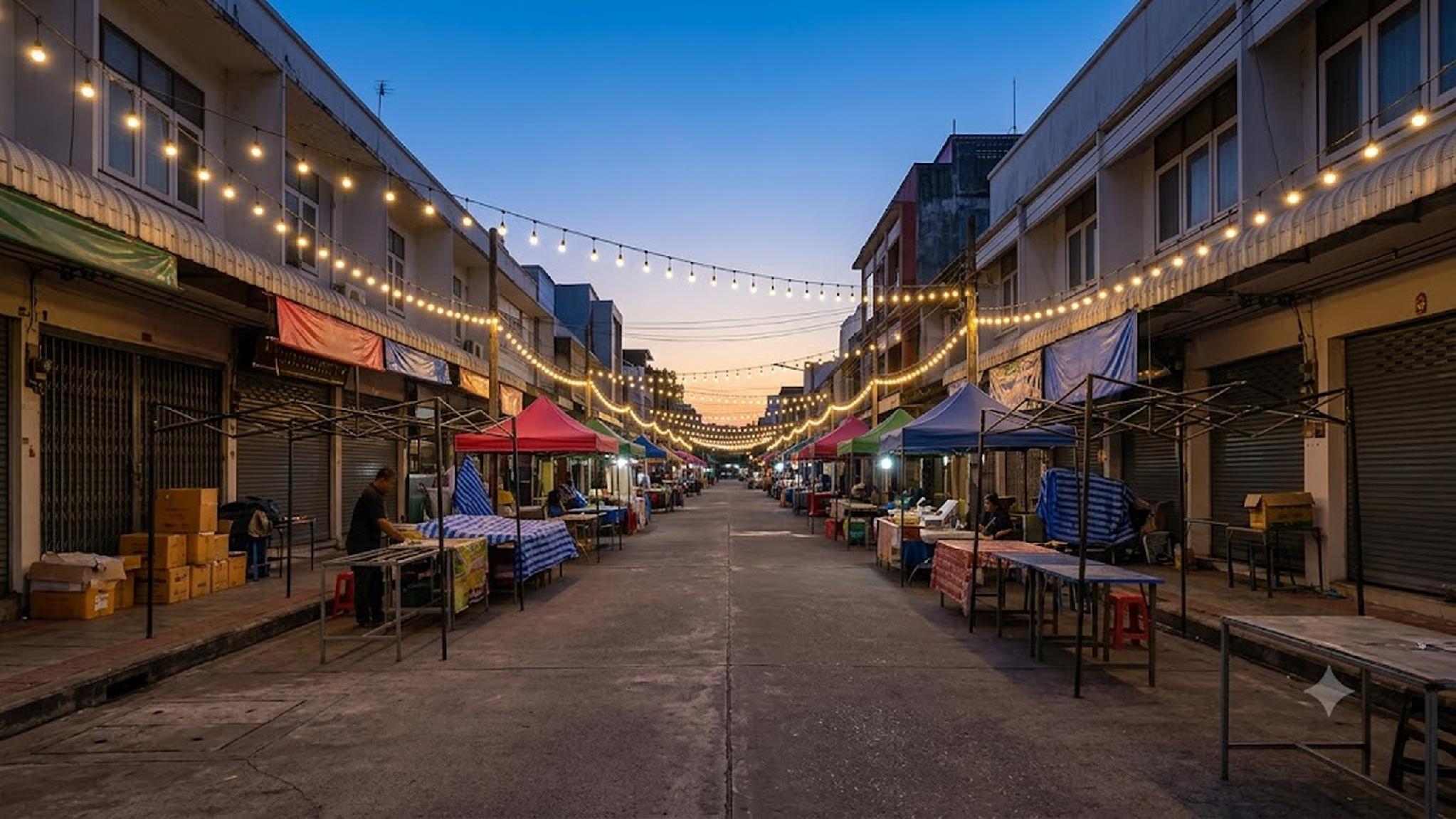,regionOfInterest=(1023,575.5))
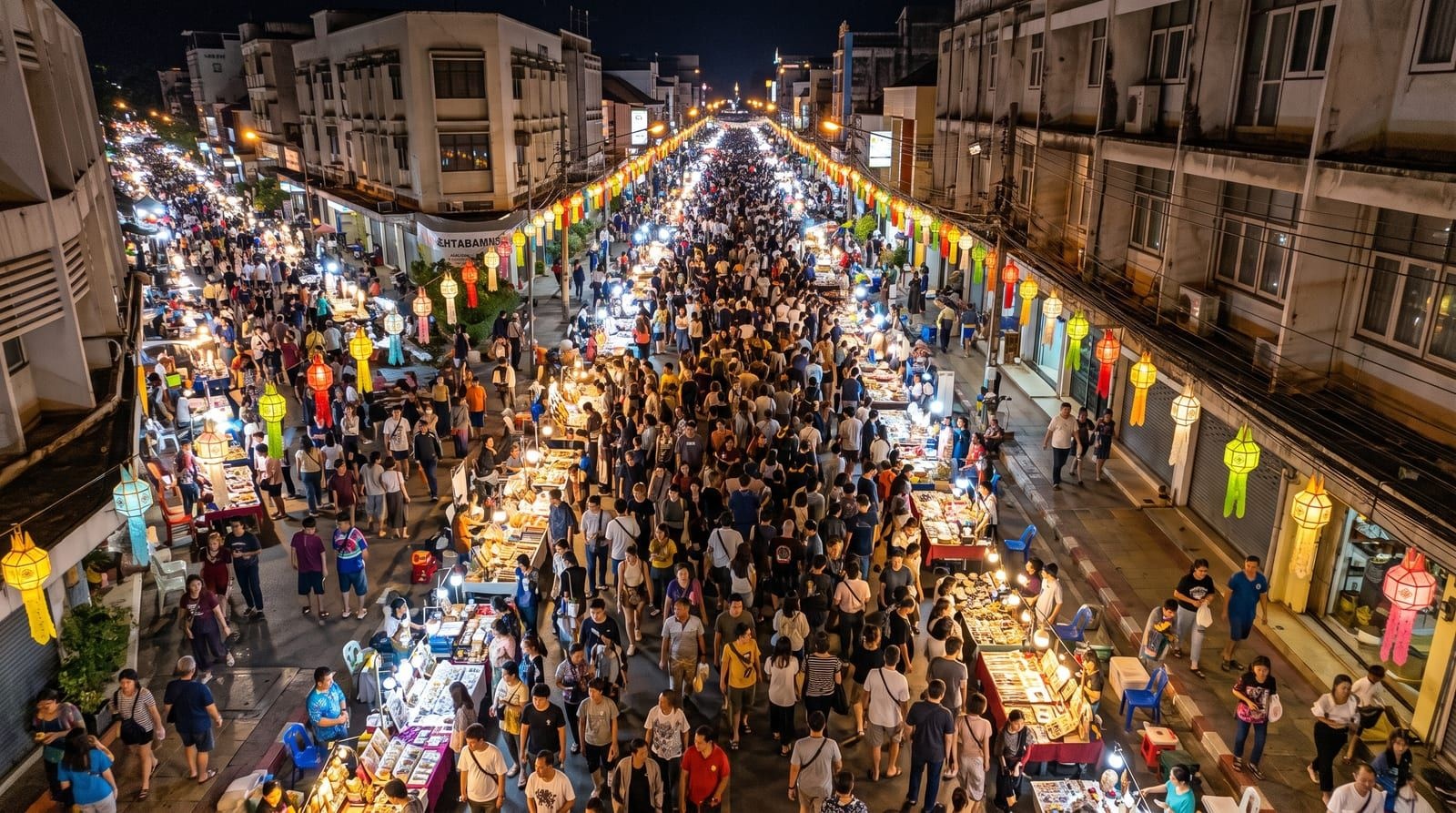
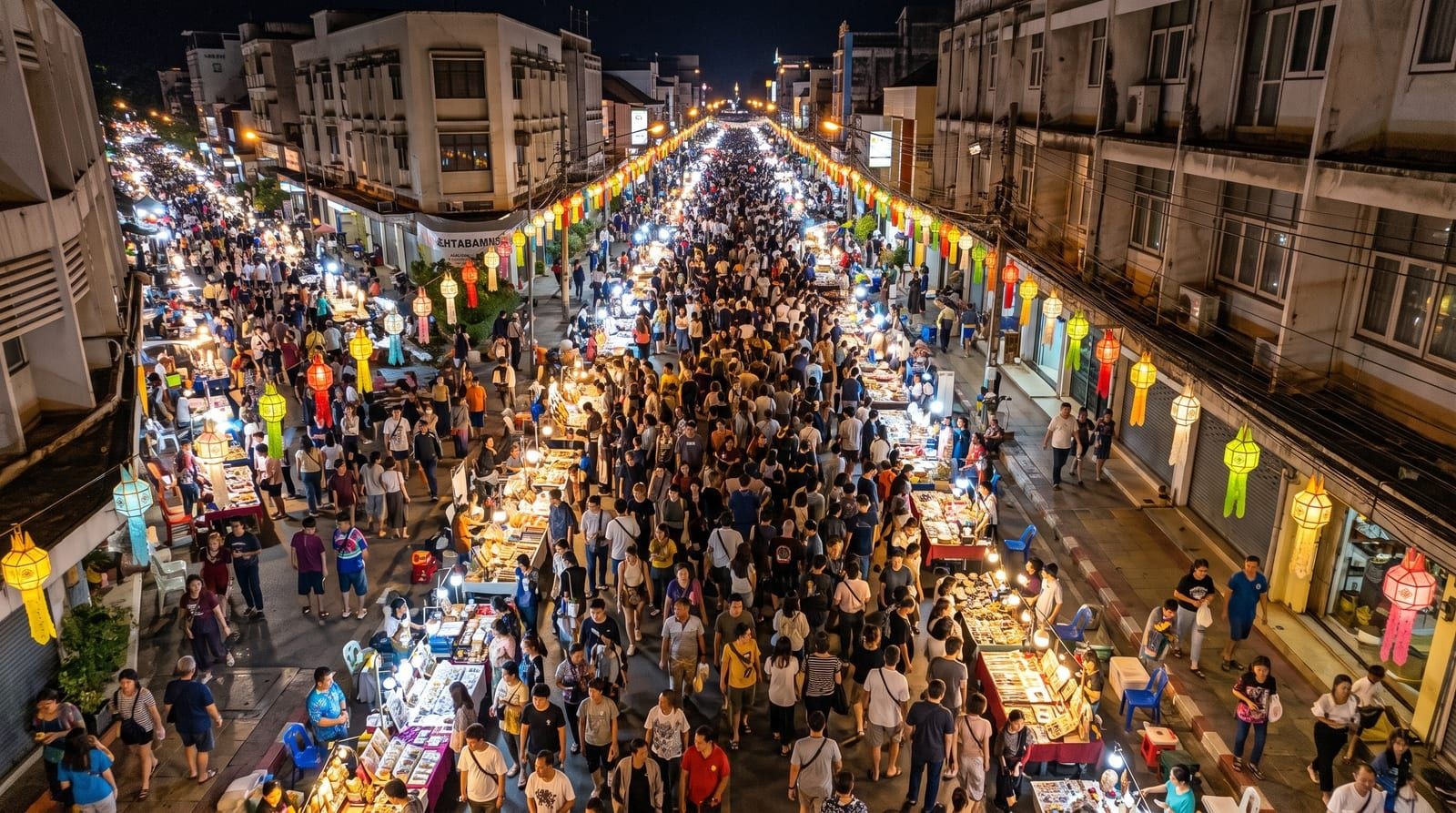
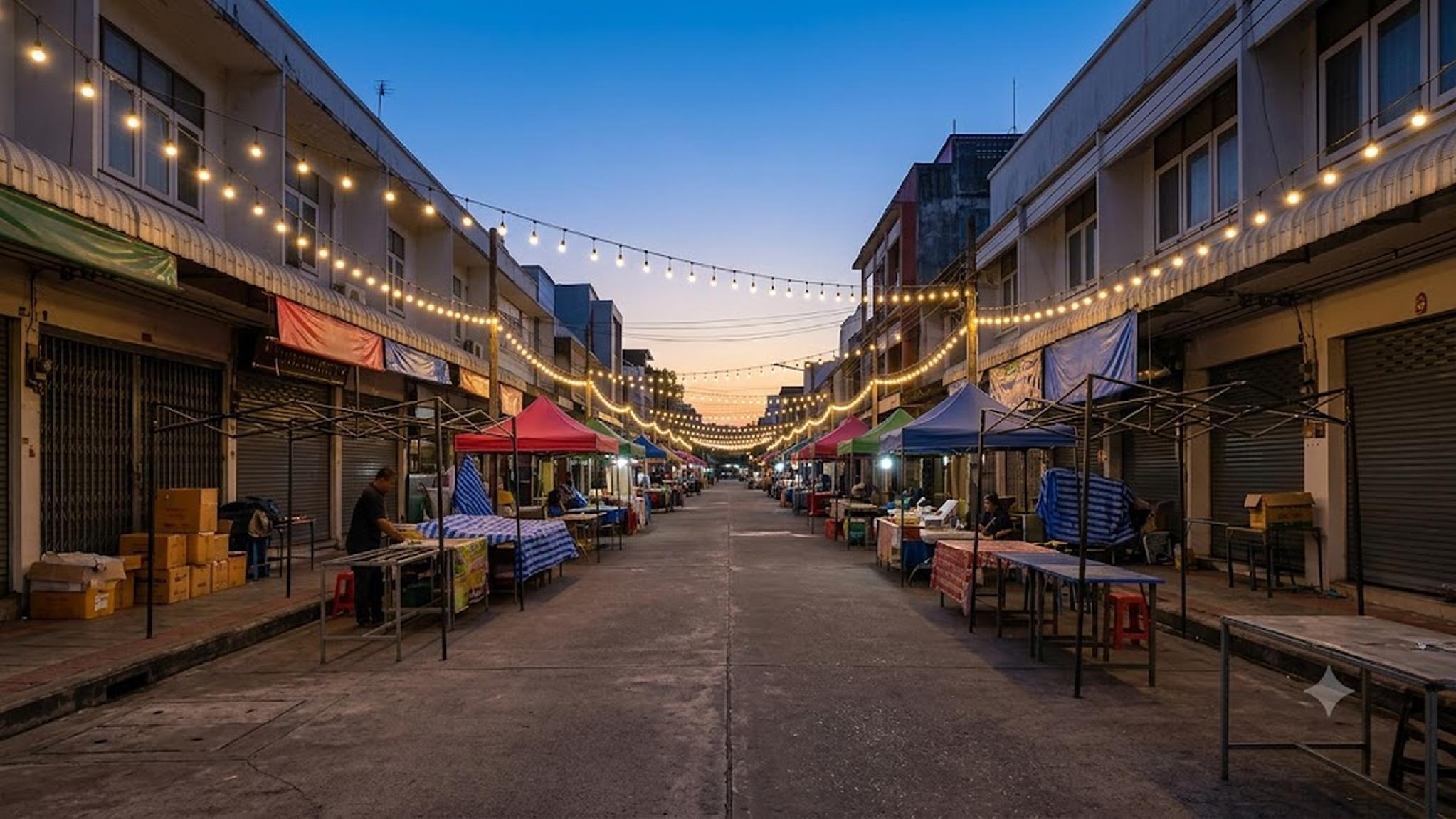
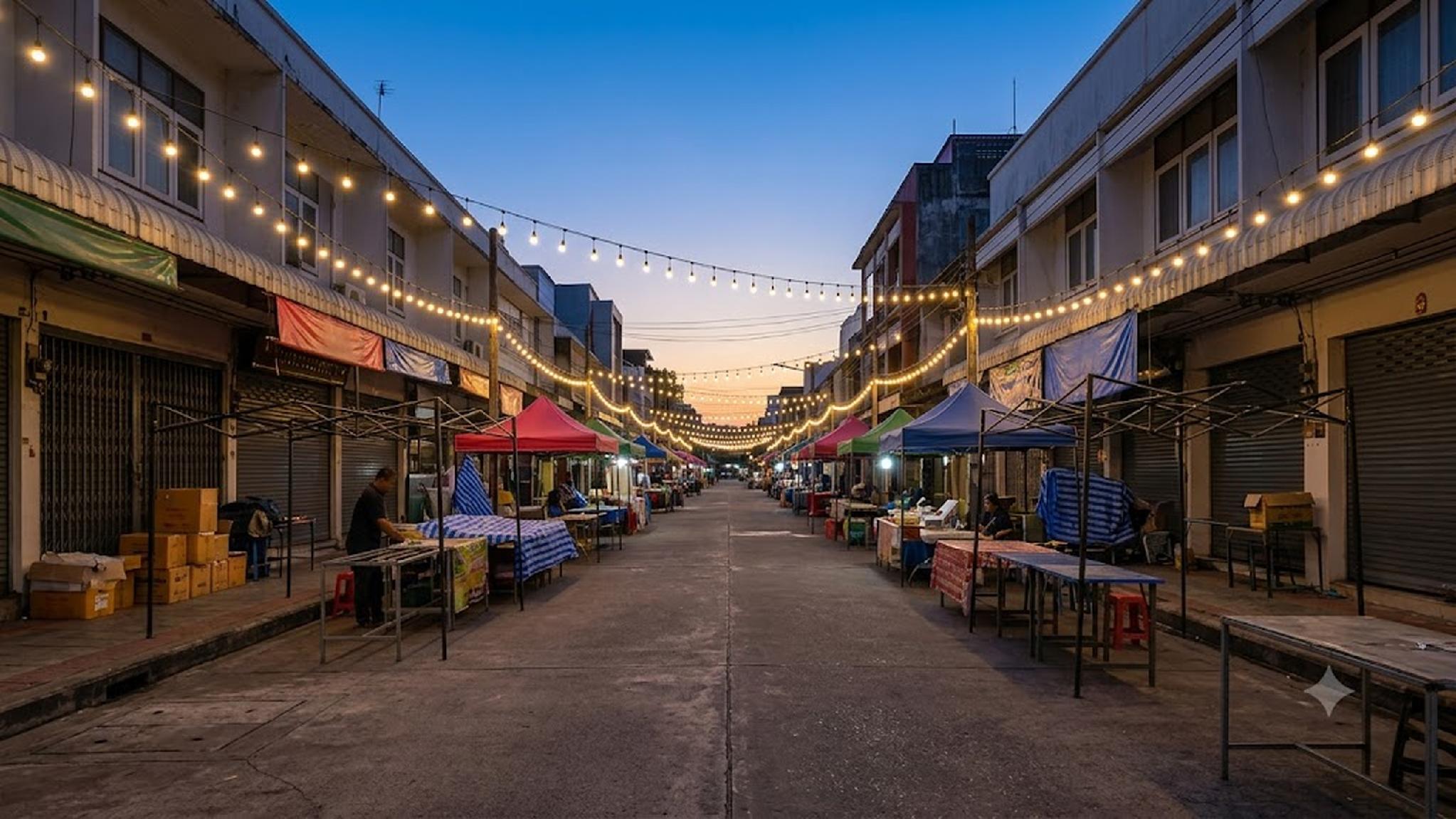
Evening shopping is not an afterthought here, it is woven into the rhythm of the week. Certain roads close to traffic only on their designated night, turning a normal street into a pedestrian market for a few hours before reopening to cars the next morning, a system that has shaped how locals and travelers plan their evenings around Chiang Mai night markets rather than around one fixed venue.
The tradition runs deeper than tourism. Chang Khlan Road, home to the busiest cluster today, sat along an old trade route linking Yunnan, Burma, and Laos, where caravans once stopped to trade silk, tea, and handicrafts long before the first tour bus arrived. That history is part of why the area still feels like a trading post after dark rather than a shopping mall with a curfew.
Timing also matters more than first-time visitors expect. Some of the best Chiang Mai night markets only exist one night a week, so a traveler who only has a Tuesday evening free in the city will see a completely different lineup than one arriving on a Saturday or Sunday.
Temperatures also play a part. Daytime heat in Chiang Mai regularly climbs past 32 degrees Celsius for much of the year, so the city genuinely comes alive once the sun drops and the evening air cools enough for a long walk. Extended families, groups of students, and travelers all end up on the same stretch of road at the same hour, which is part of why the markets feel social rather than purely transactional.
Here is where to start, running roughly from the most iconic to the most local, with the day of the week each one calls its own.
,regionOfInterest=(1023,575.5))
,regionOfInterest=(1023,575.5))
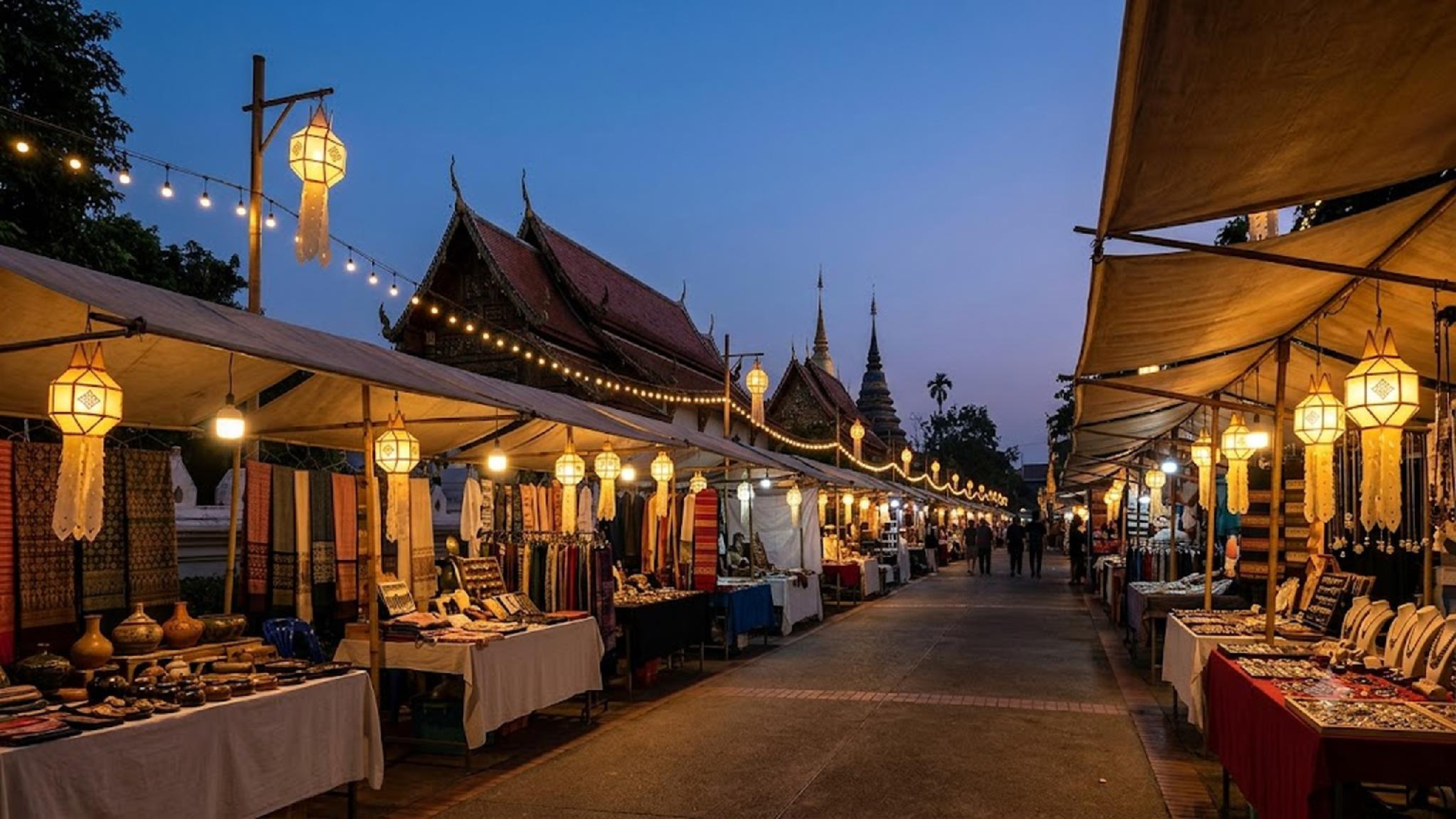
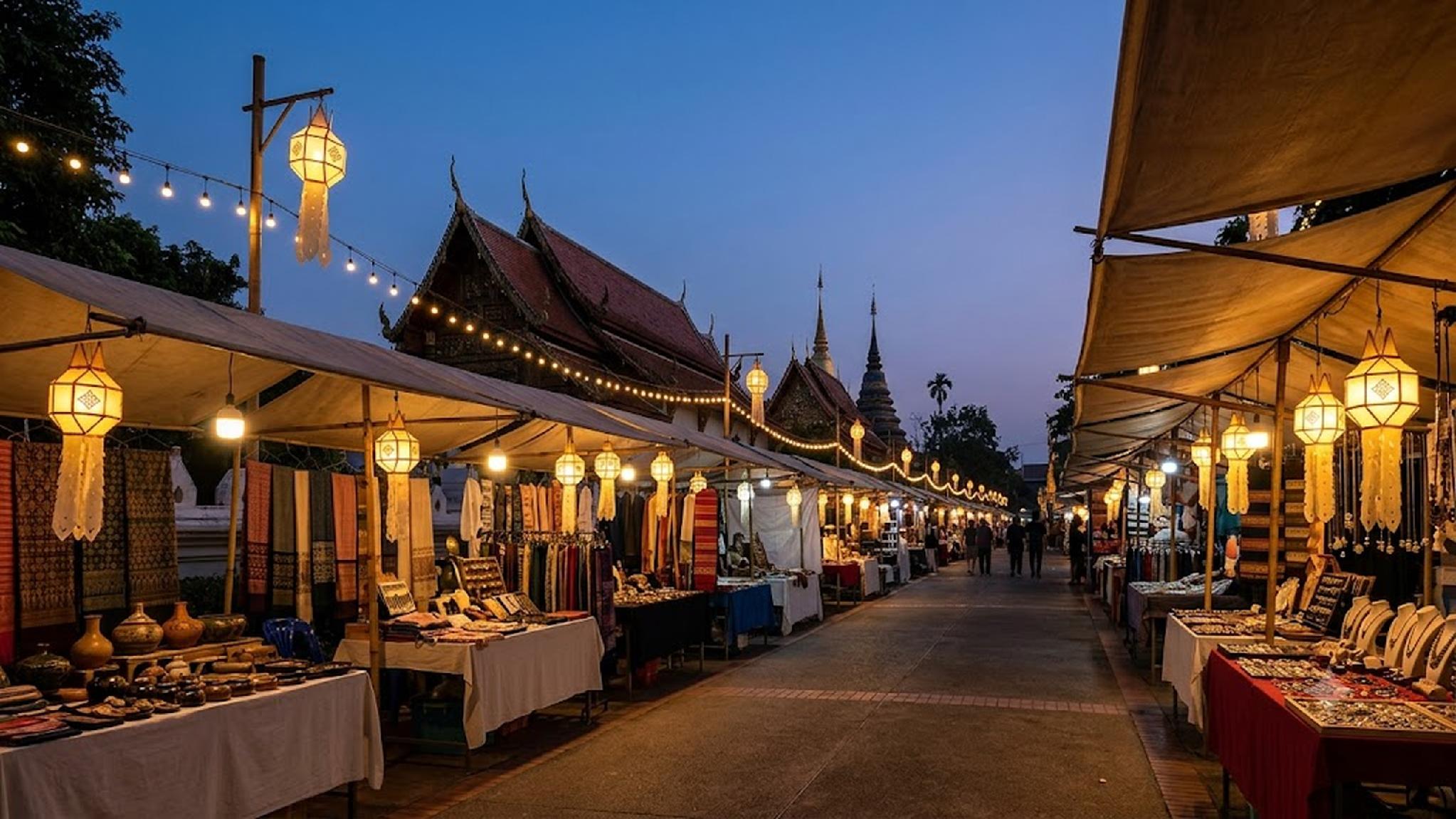
Every Sunday from about 4pm to 11pm, Ratchadamnoen Road closes to traffic from Tha Phae Gate through the heart of the Old City toward Wat Phra Singh, and vendor tables take over both sides of the street for close to a kilometre. It is widely considered the best of the Chiang Mai night markets for genuinely handmade work rather than mass-produced souvenirs.
Hand-painted watercolours, block-printed textiles, and small-batch leather goods sit alongside performers and food carts set up in the side streets and temple courtyards along the route. The quality bar here runs noticeably higher than the more commercial stalls elsewhere in the city, which is why many shoppers save their souvenir budget specifically for a Sunday evening.
Wat Phra Singh and several smaller temples along the route open their courtyards to food vendors and seating for the evening, so the walk doubles as a look at some of the Old City's most photographed architecture lit up after dark. Arriving right at 4pm avoids the thickest crowds, which build steadily as the evening goes on and peak somewhere around 8pm.
,regionOfInterest=(1023,575.5))
,regionOfInterest=(1023,575.5))
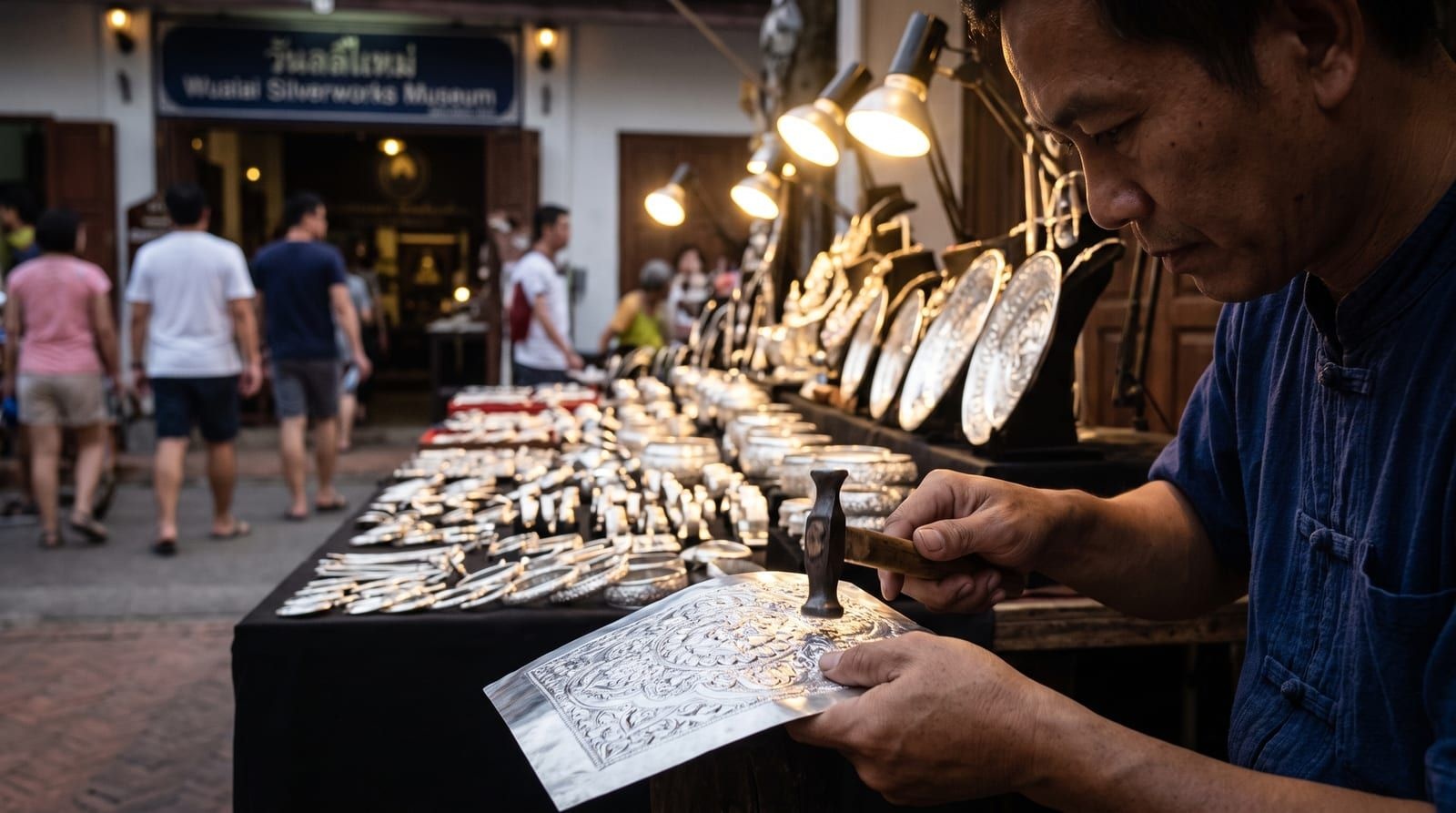
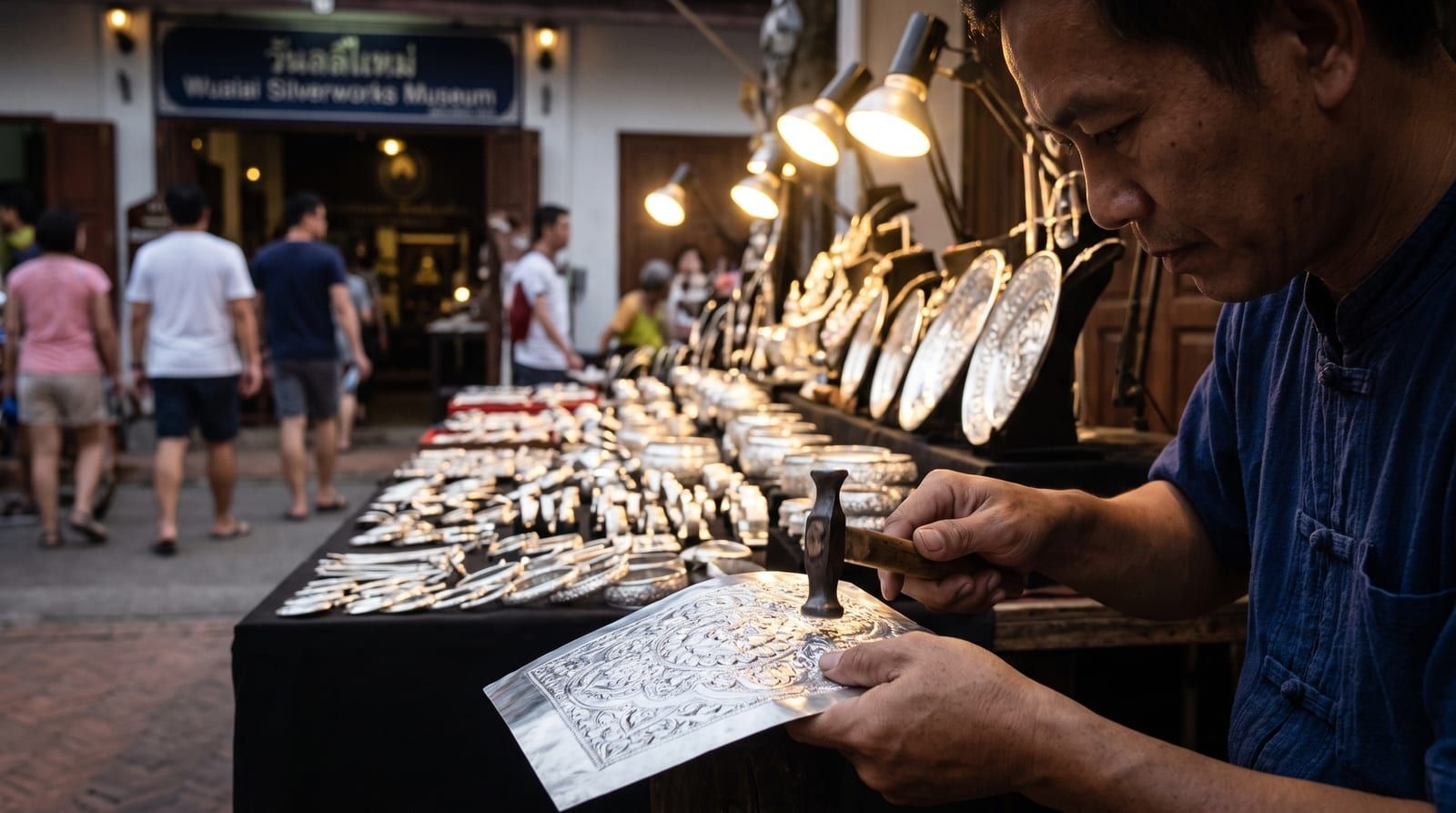
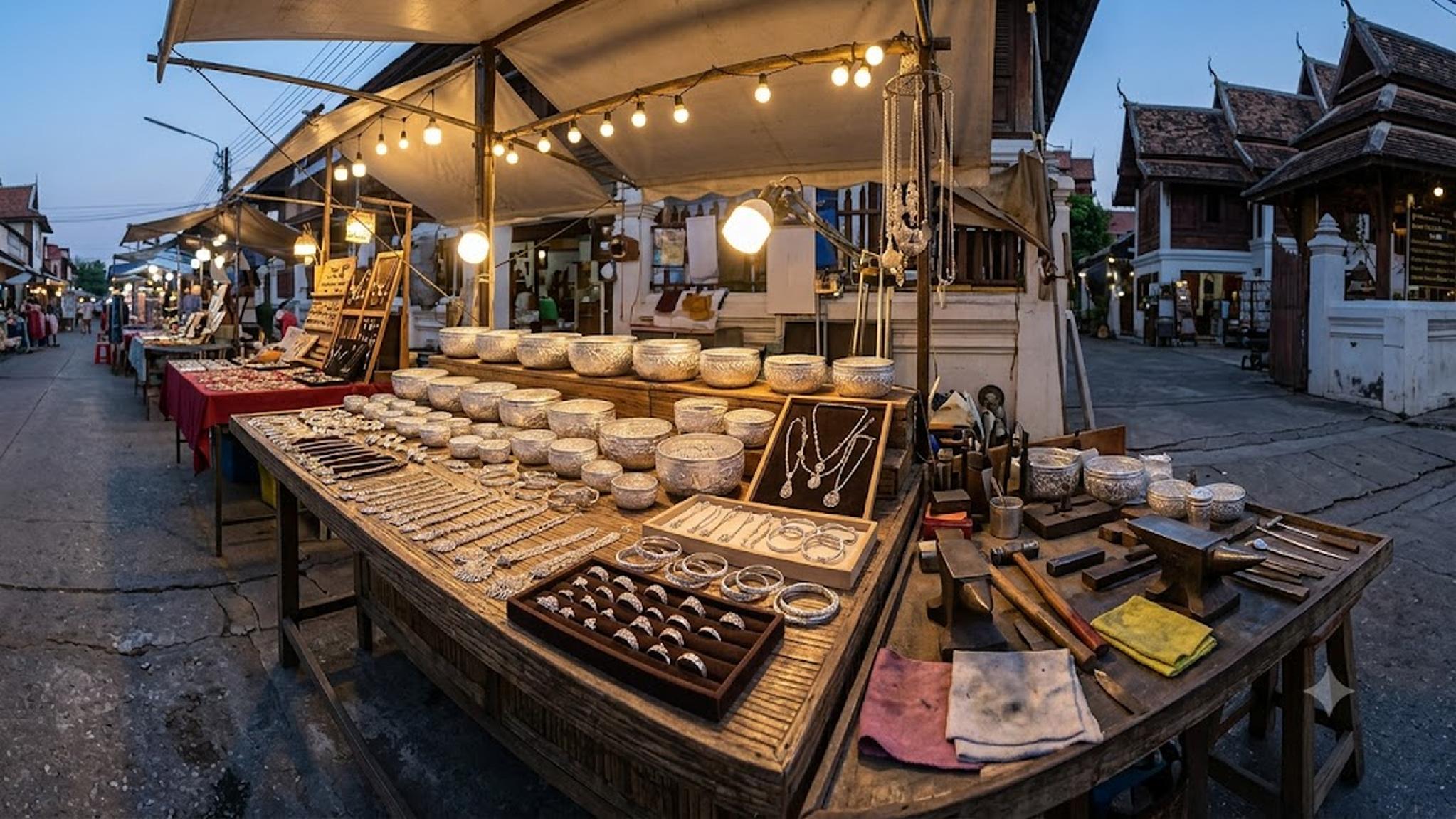
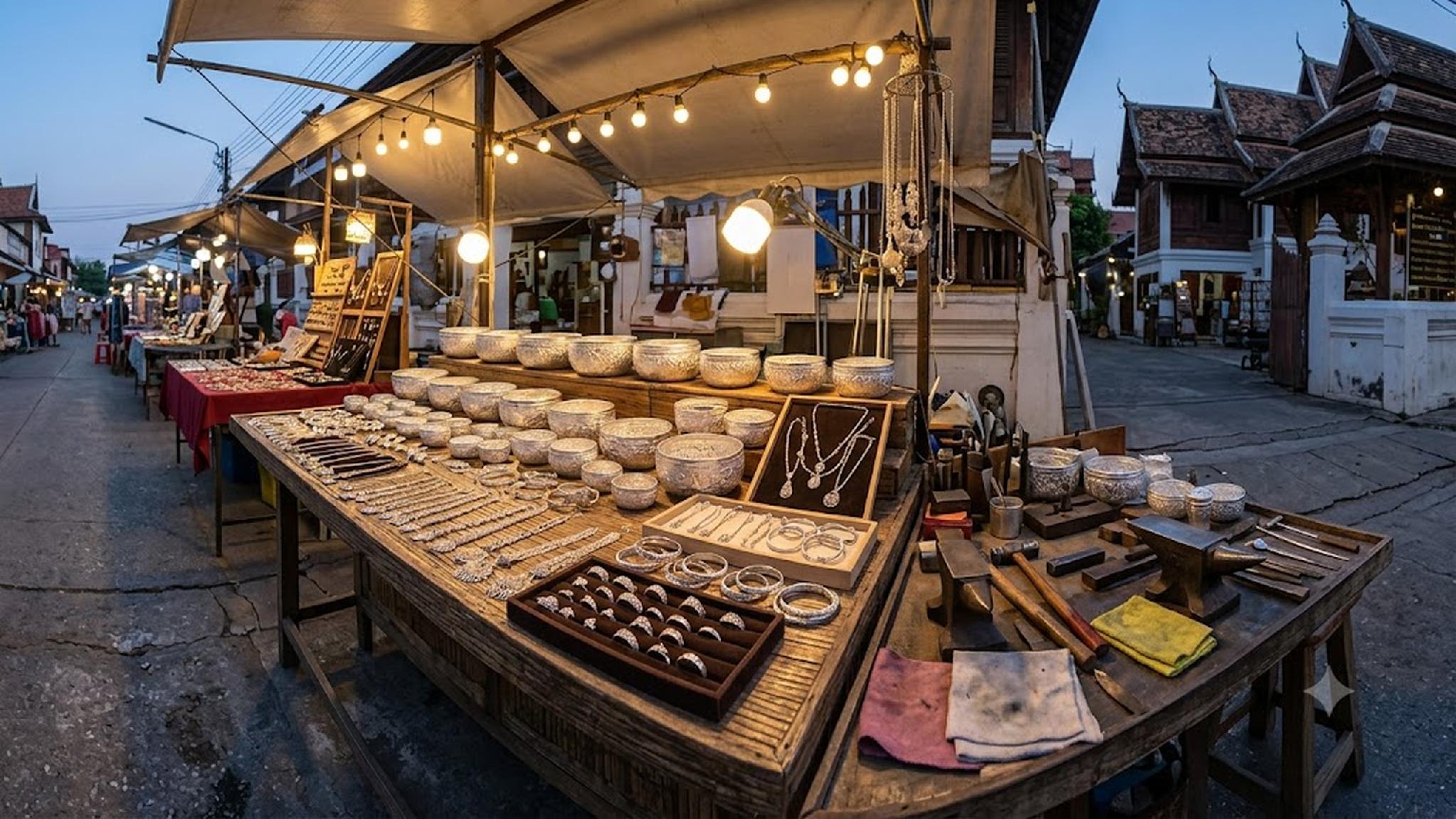
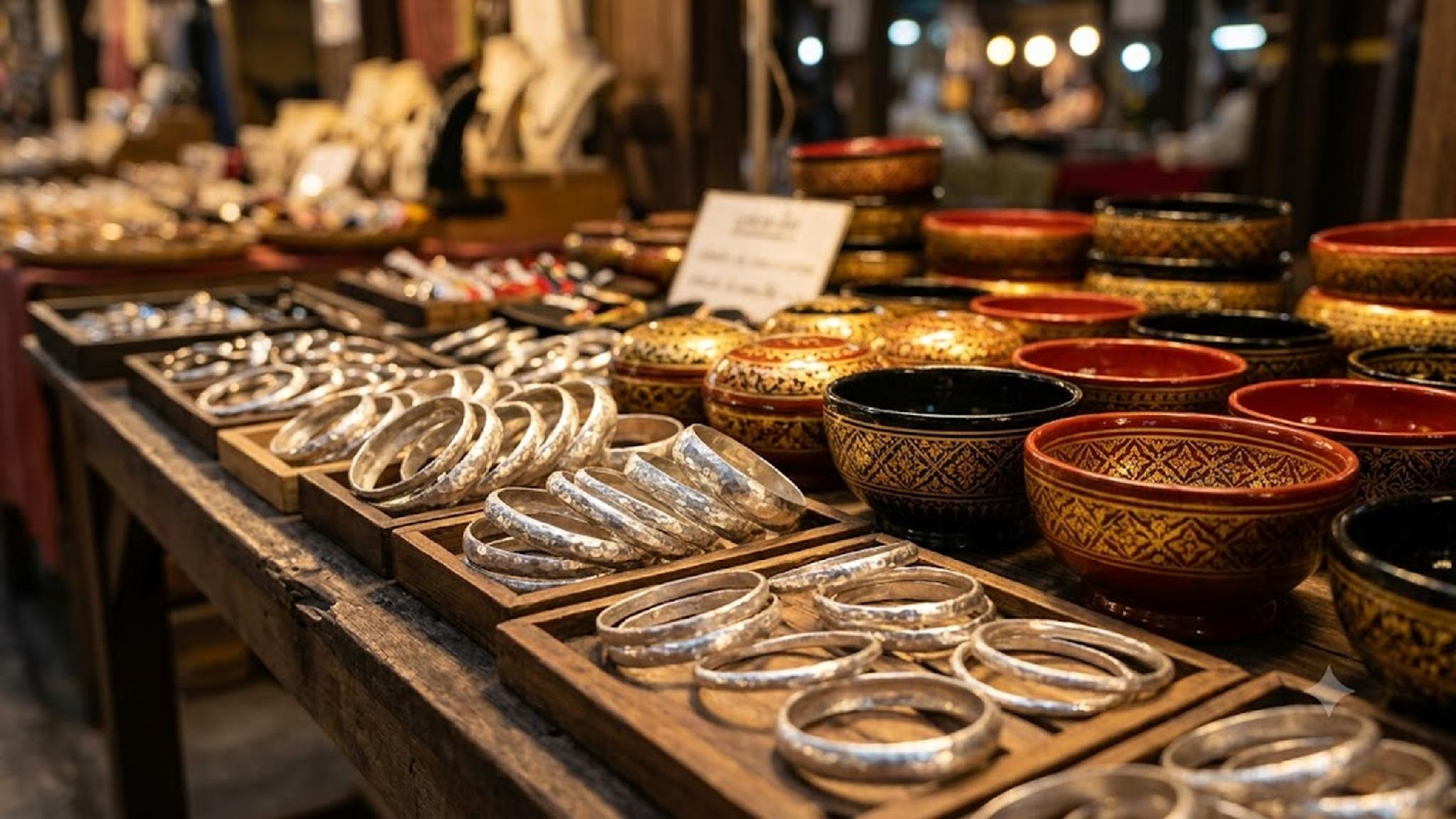
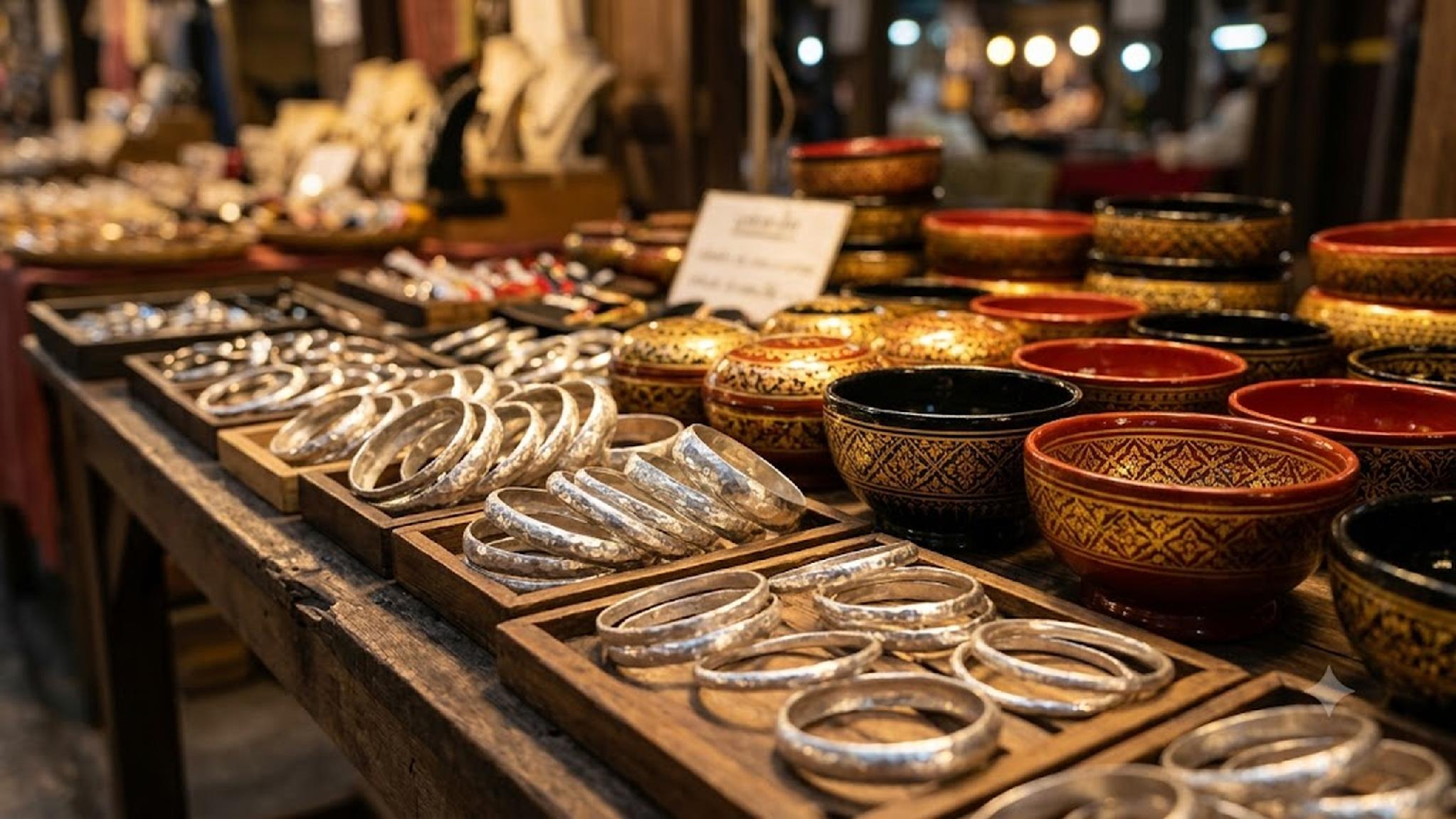
Wua Lai Road has been Chiang Mai's silversmith district since the Lanna era, and every Saturday from about 4pm to 10pm the road closes to traffic so the workshops lining it can sell directly to the evening crowd. Hand-hammered silver bowls, bangles, and earrings, several still made using techniques passed down through the same families for generations, are the reason to come.
It runs shorter and smaller than its Sunday counterpart, which keeps it feeling more like a neighbourhood event than a tourist circuit, a genuine contrast worth building an evening around if the Sunday version already ran long.
,regionOfInterest=(1023,575.5))
,regionOfInterest=(1023,575.5))
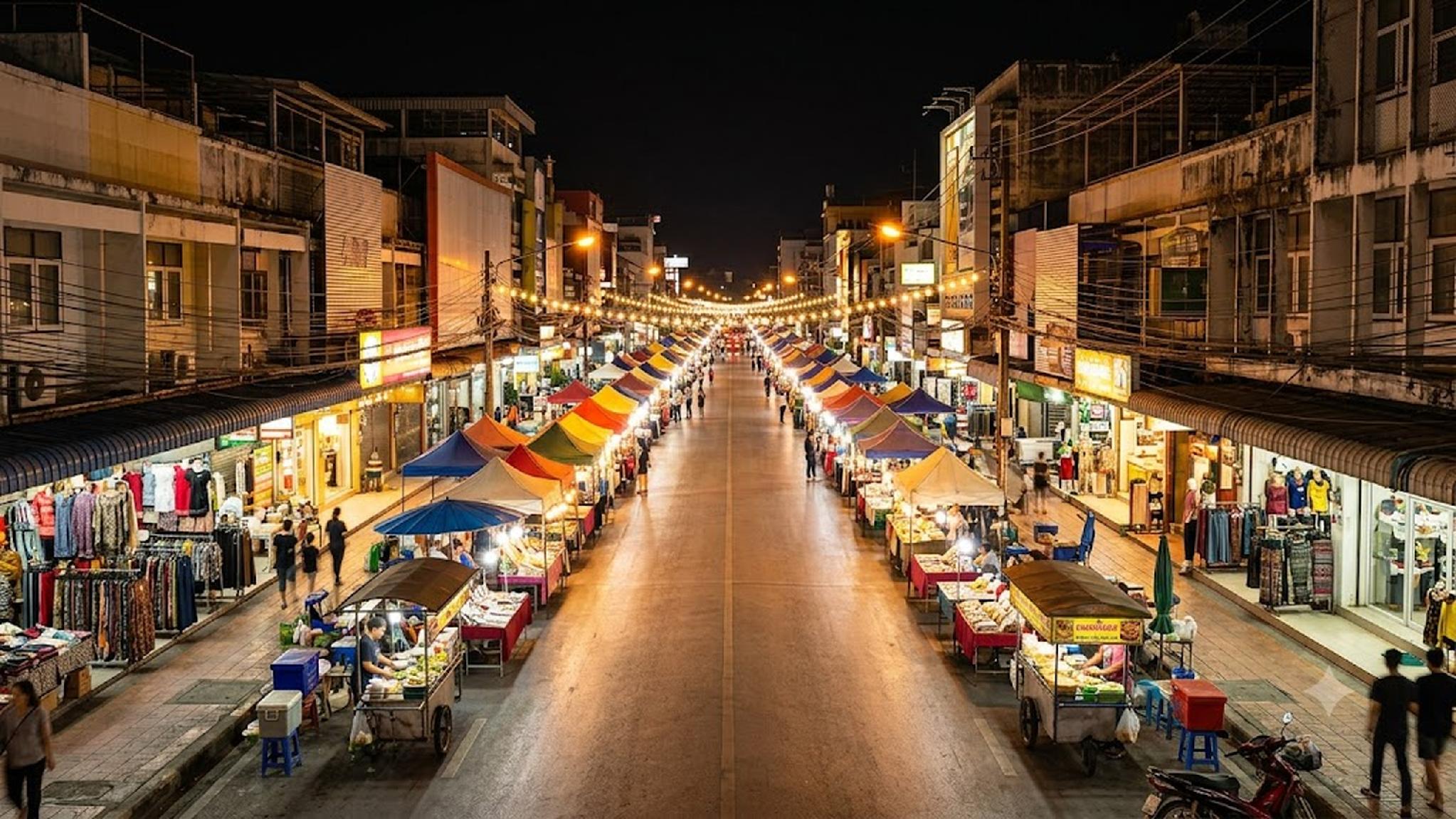
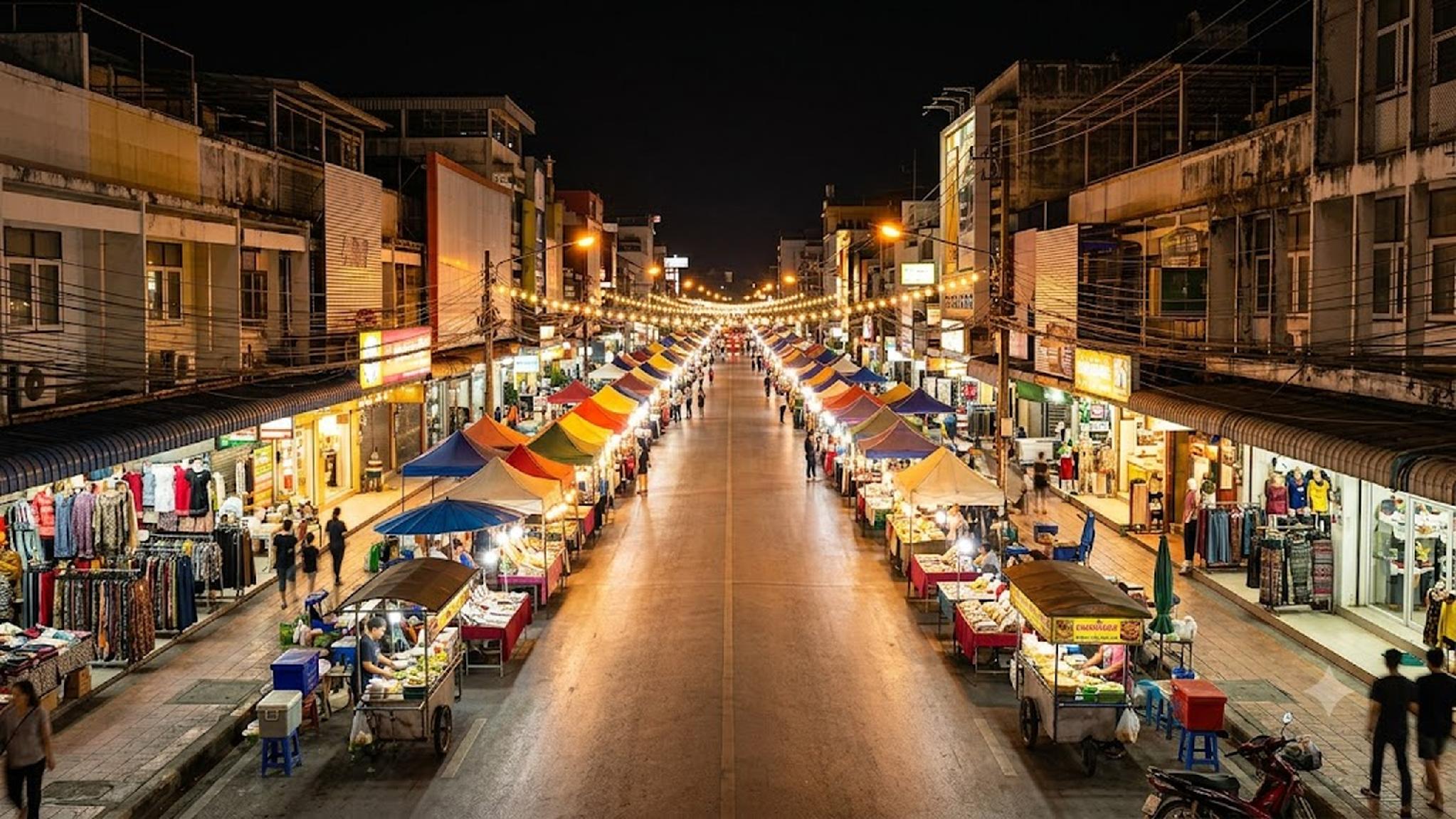
Unlike the two walking streets, the Chiang Mai Night Bazaar runs every night of the week, roughly 6pm to 11pm with vendors along the busiest stretches often carrying on toward midnight. Stalls line Chang Khlan Road for close to a kilometre between Tha Phae and Sridonchai roads, the same stretch where vendors first began selling to tourists staying at a hotel here back in 1977.
It is the largest and most reliably open of the Chiang Mai night markets, which makes it the natural anchor for a multi-night shopping trip: whatever night a traveler has free, this one is running. It also connects directly into three more markets covered next, all within a few minutes' walk of each other.
The main strip splits into a dedicated Night Bazaar building filled mostly with antiques and handicraft stores, a row of shops across the road known for clothing and home decor, and a food centre tucked just behind them. Between the fixed buildings and the street stalls out front, it is easy to spend a full evening here without ever needing to walk to a second market.
,regionOfInterest=(1023,575.5))
,regionOfInterest=(1023,575.5))
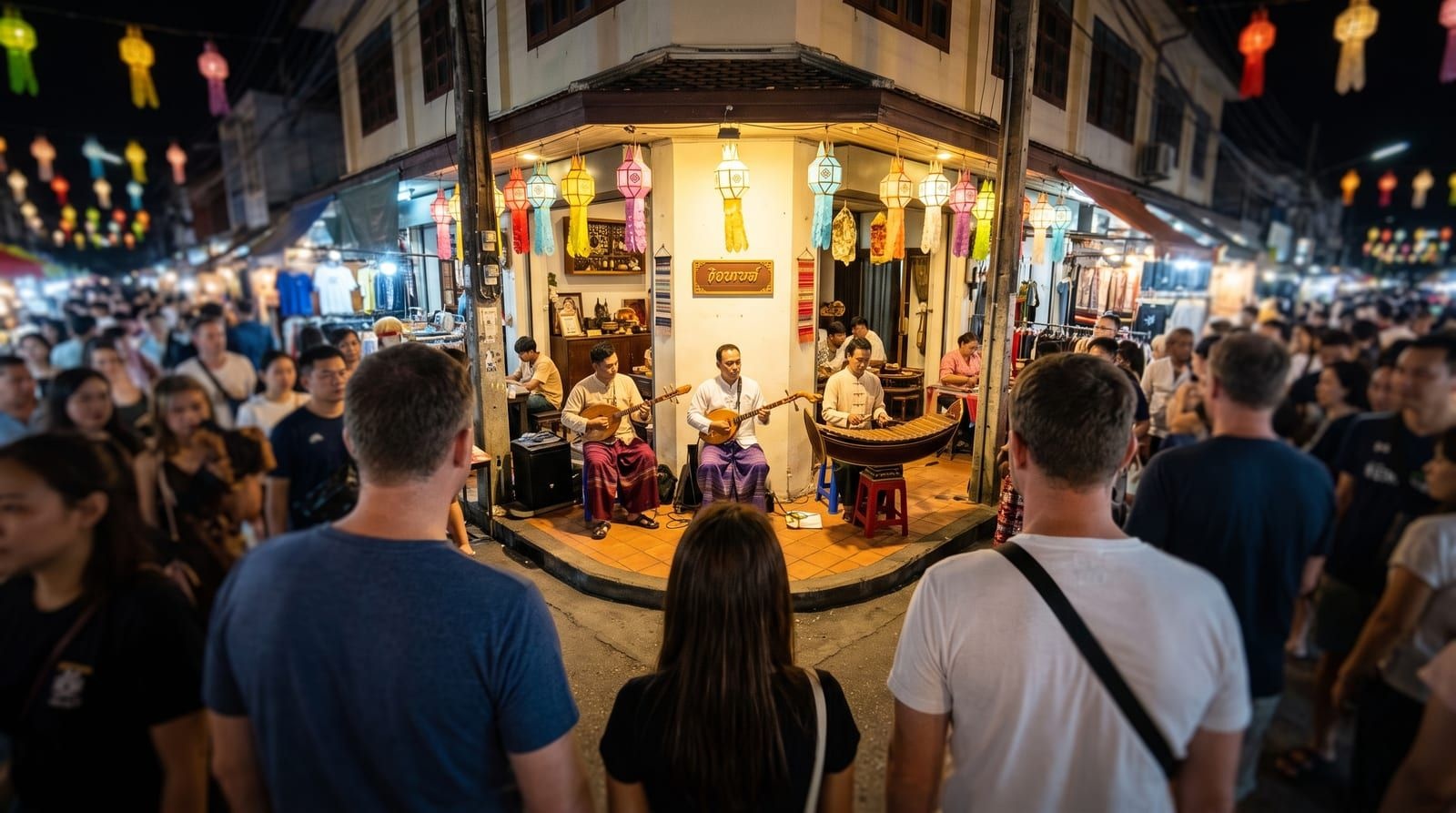
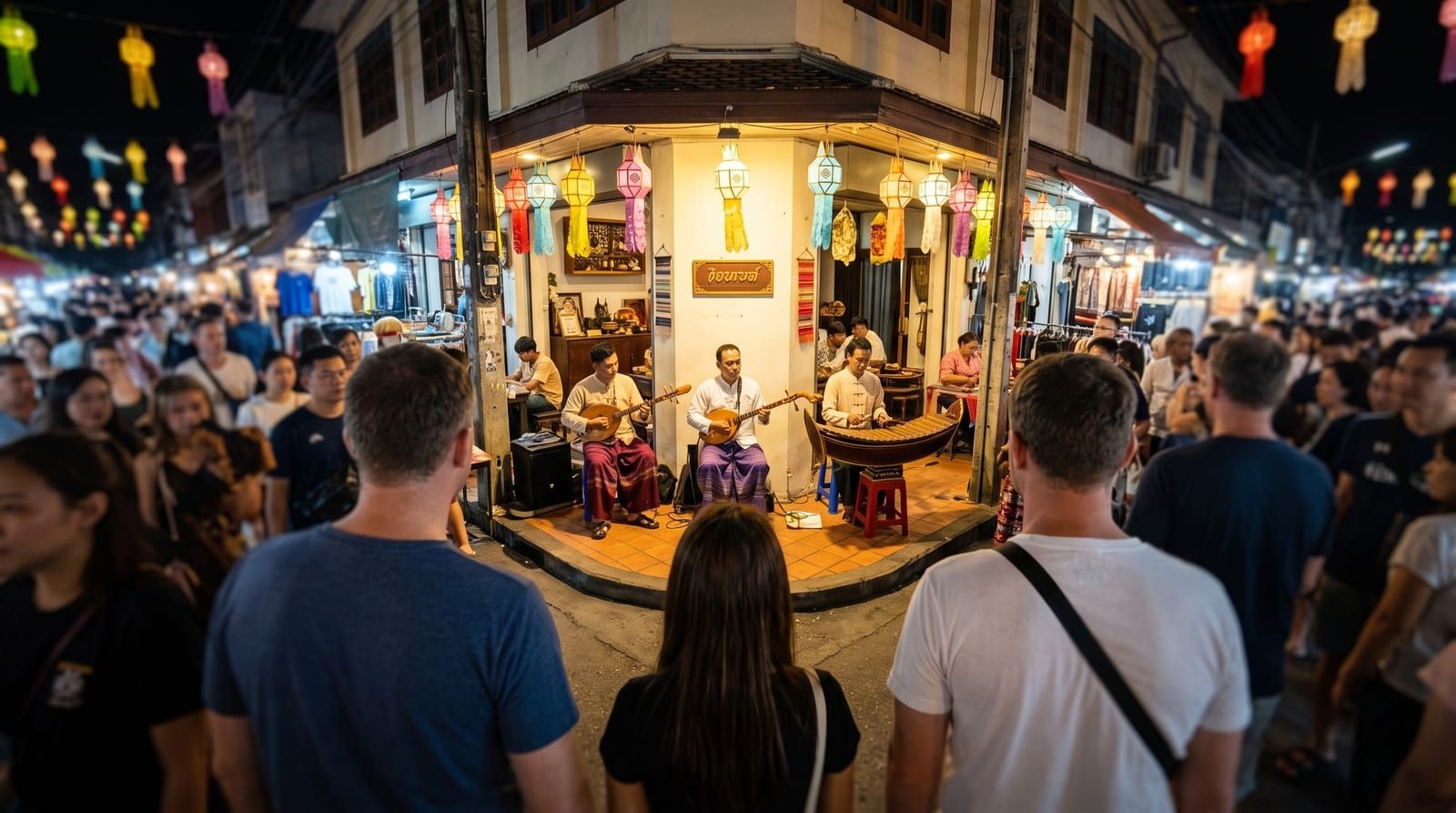
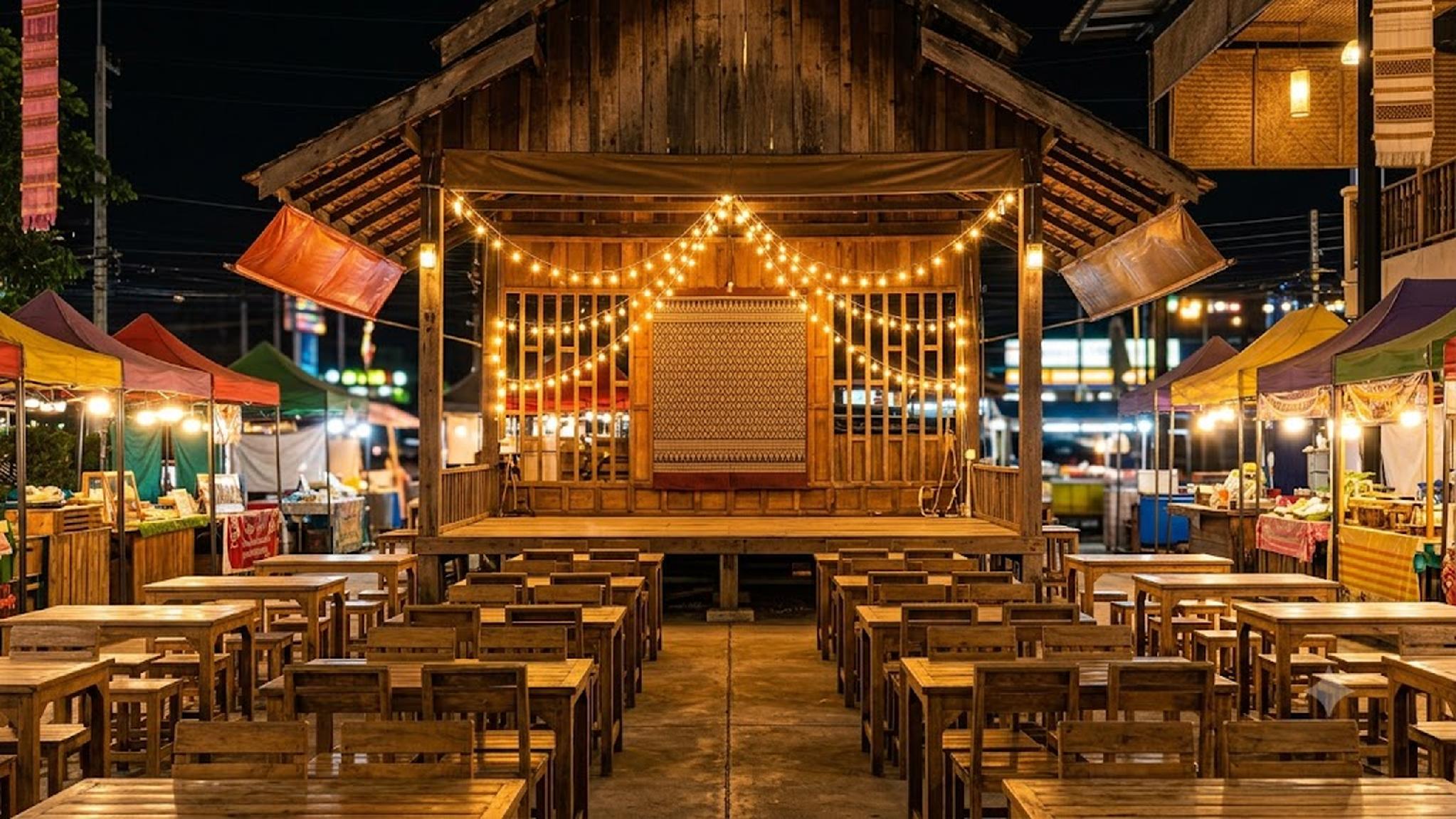
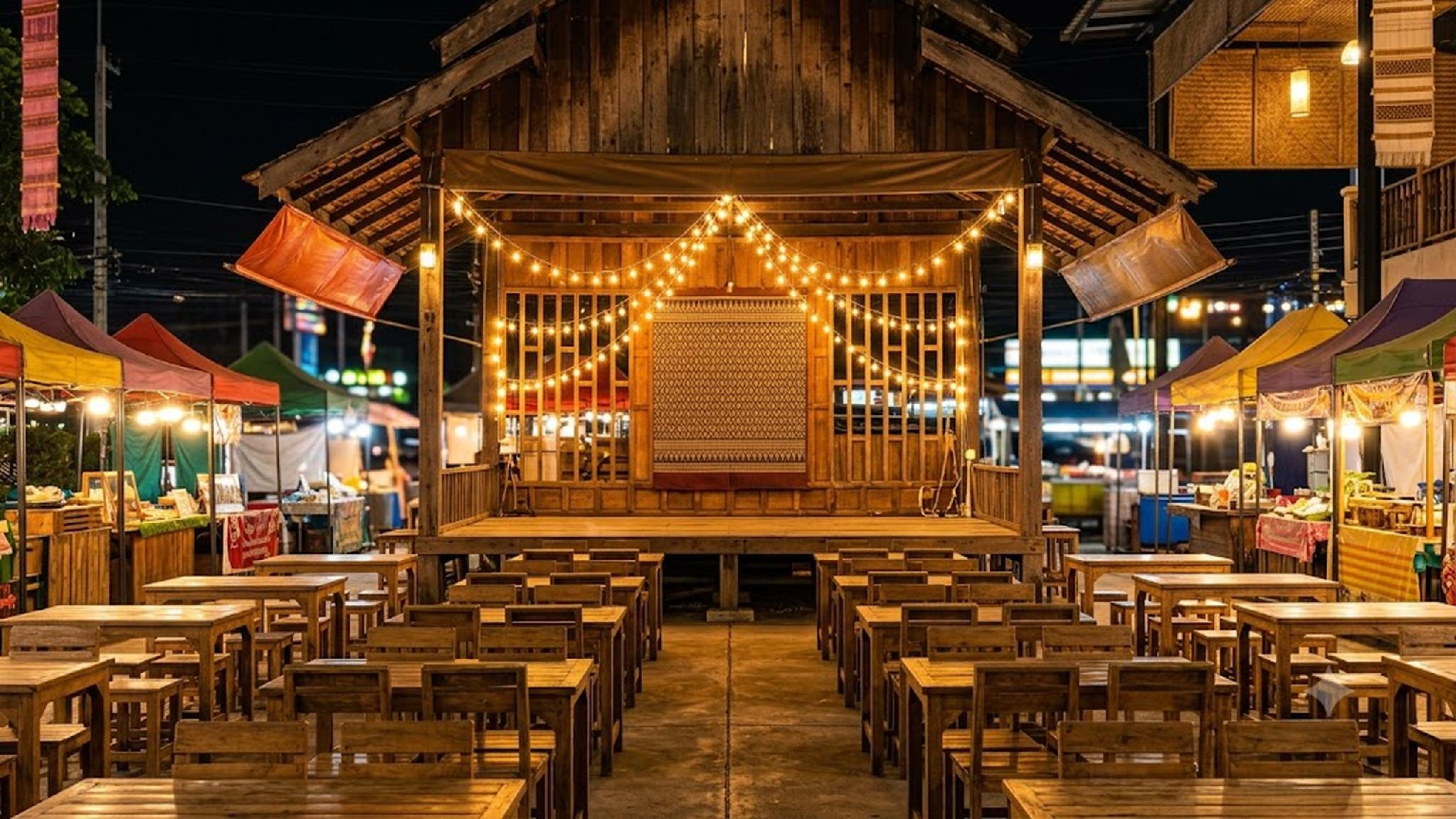
Built in the late 1980s as the district expanded, Kalare Night Bazaar centres on an open-air food court with a stage at one end, where live music and cultural performances run most evenings alongside rows of clothing and souvenir stalls. The food side uses a coupon system, buy a card at the entrance, then spend it at whichever stalls look good, which suits a group that cannot agree on one cuisine.
It runs nightly from around 5pm to midnight and works well as a dinner stop before or after browsing the main Night Bazaar strip just outside its doors.
,regionOfInterest=(1023,575.5))
,regionOfInterest=(1023,575.5))
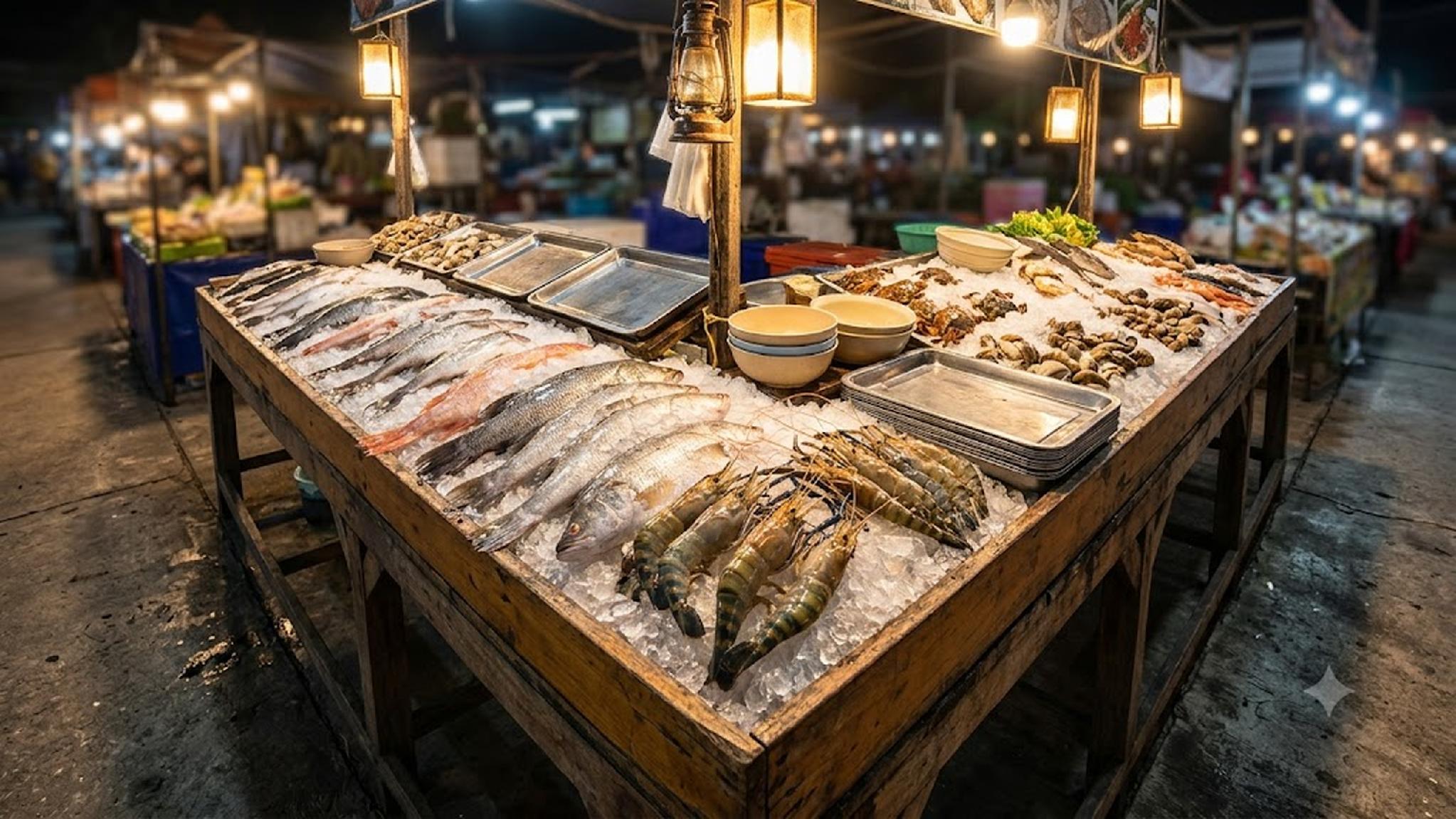
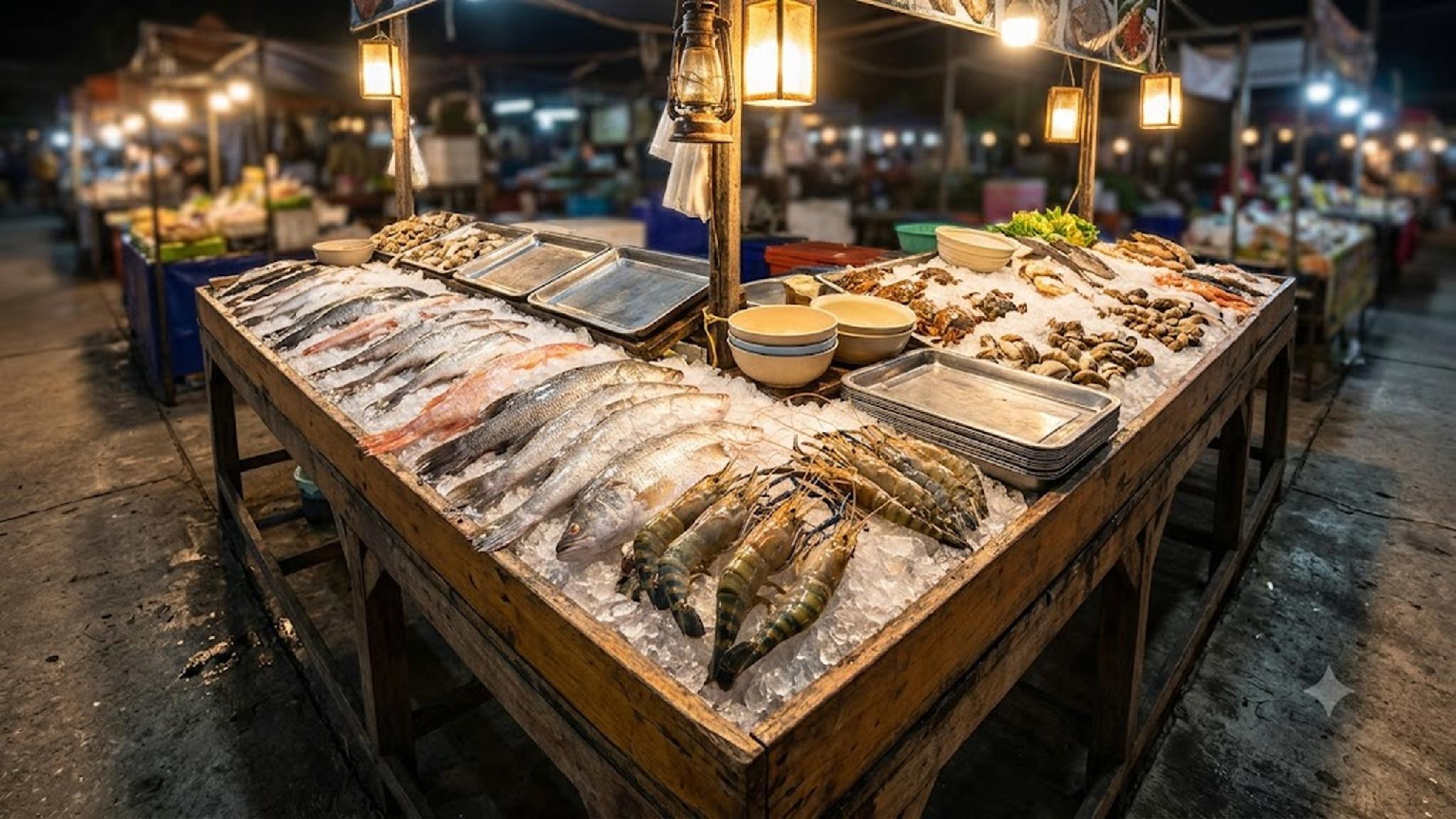
Anusarn trades the Night Bazaar's dense stalls for a more open layout of tables selling knitted goods, carved soap, and other cottage-industry crafts, with a noticeably wider range of food than its neighbours, from cheap food-court plates to sit-down seafood restaurants. A Muay Thai boxing ring and a cabaret show, with performances typically around 8:30pm and 10pm, add a bit of evening entertainment beyond shopping and dinner.
It keeps roughly the same nightly hours as the rest of the precinct, open from early evening to around midnight, and sits close enough to Kalare and the main Night Bazaar strip to fold into the same walk.
,regionOfInterest=(1023,575.5))
,regionOfInterest=(1023,575.5))
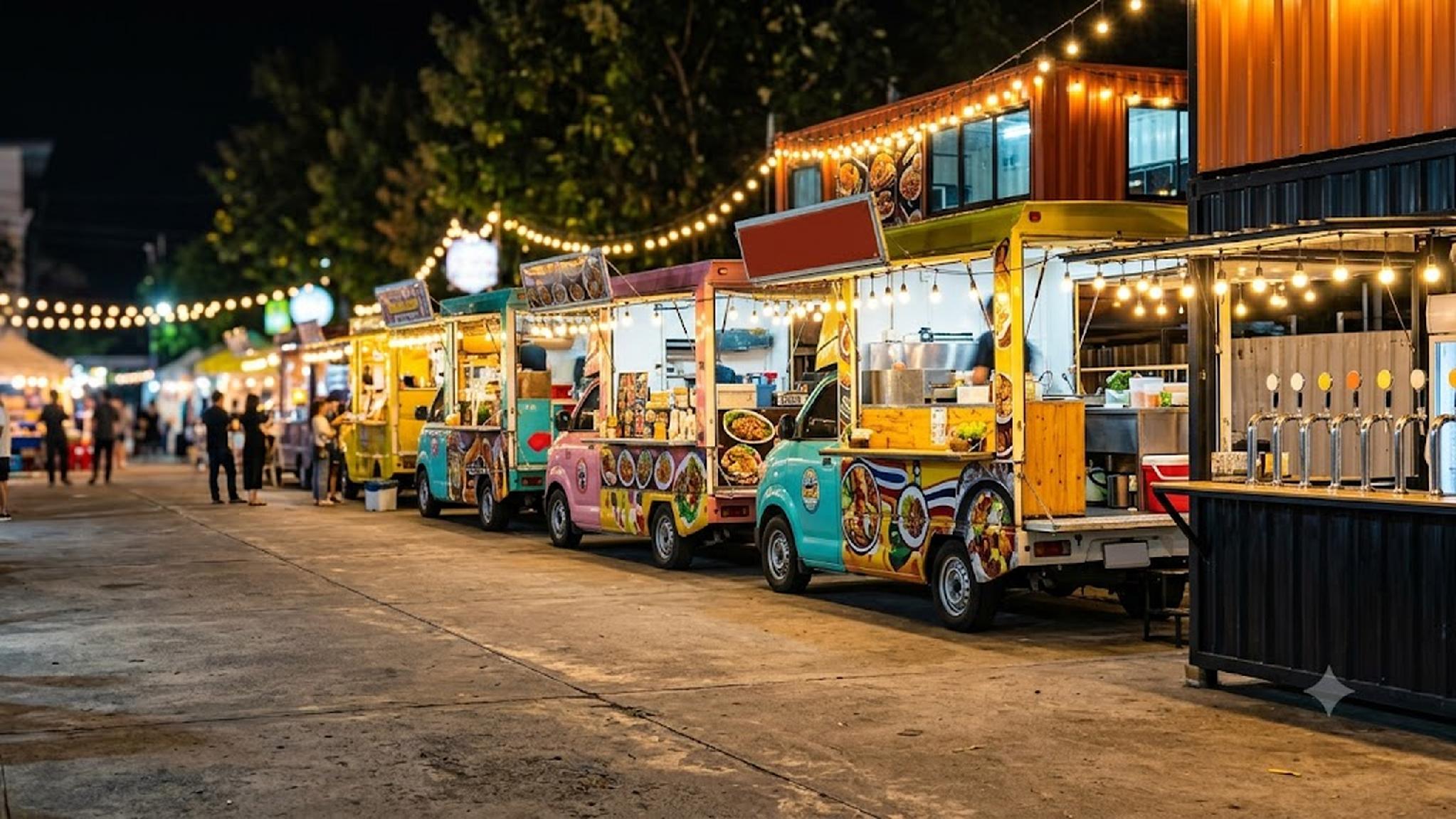
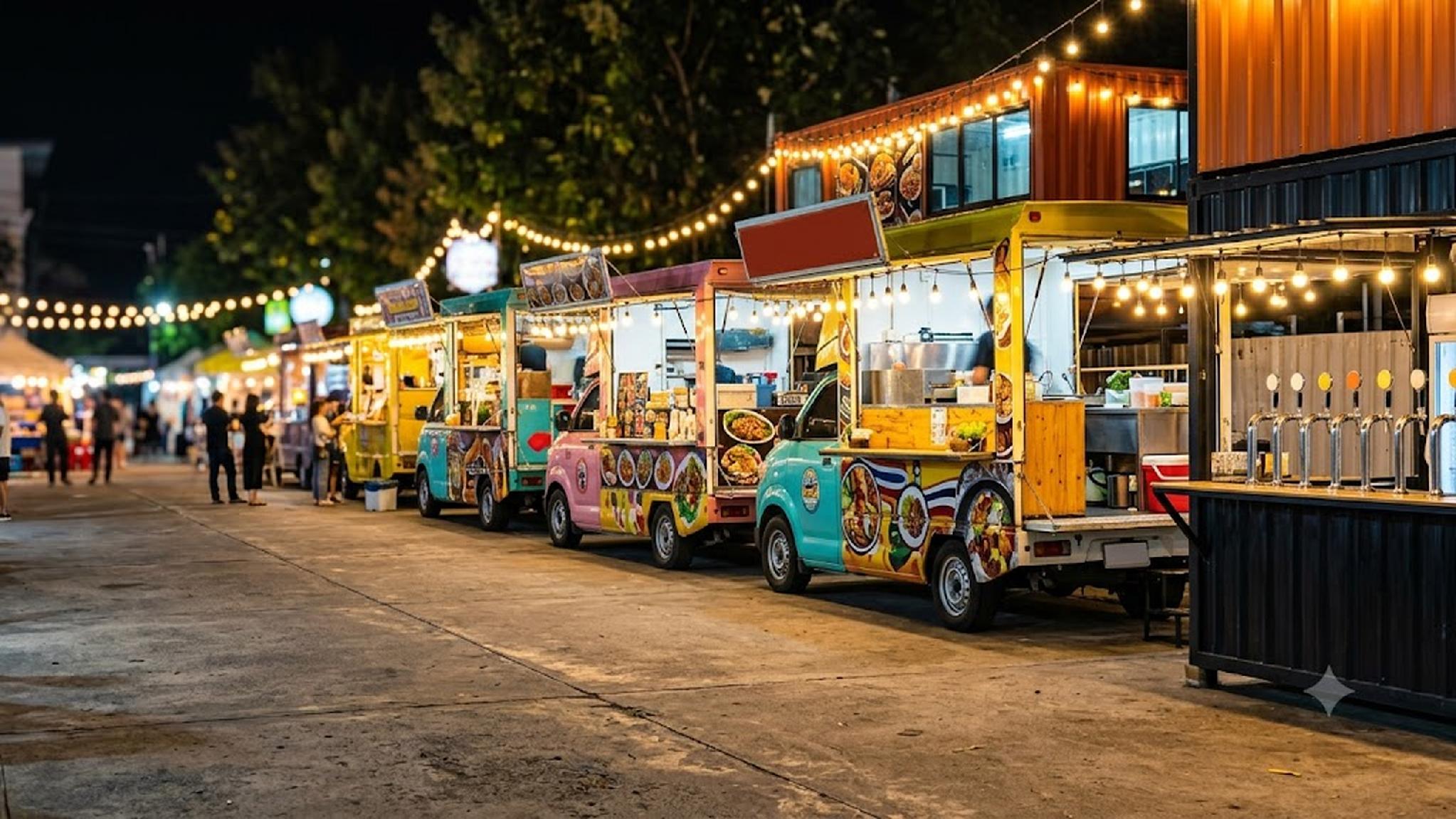
The newest addition to the Chang Khlan cluster leans international rather than local: more than thirty food trucks and shipping-container kitchens serve everything from Thai standards to Japanese, Western, and vegan plates, backed by a handful of craft beer and cocktail bars rather than the usual soft drink stands. It runs Tuesday through Sunday, closed Monday, from roughly 5pm to 11pm or midnight (exact closing times vary depending on the season and specific vendors).
Live music plays most Wednesdays with DJ sets taking over Friday and Saturday nights, giving it a younger, later-night energy than the craft-focused markets earlier on this list. A small kids' zone and a no-foam, no-plastic policy also set it apart from the older markets nearby.
A full meal with a drink here typically runs about 200 to 300 baht (roughly US$6 to US$8.50) per person, a touch higher than the street-stall prices elsewhere on this list, which reflects the container-bar setup and the international menu rather than a markup for tourists specifically.
,regionOfInterest=(1023,575.5))
,regionOfInterest=(1023,575.5))
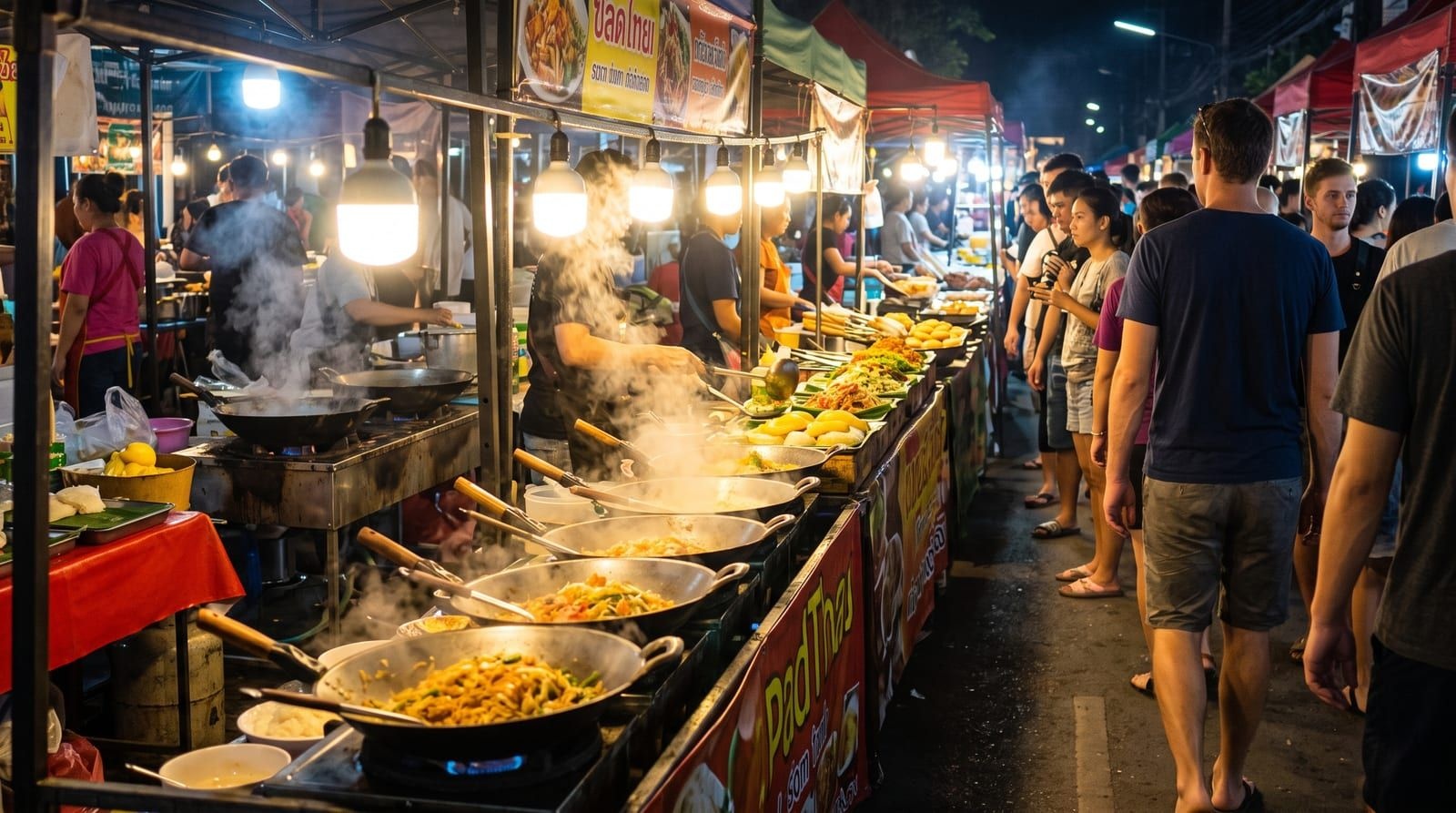
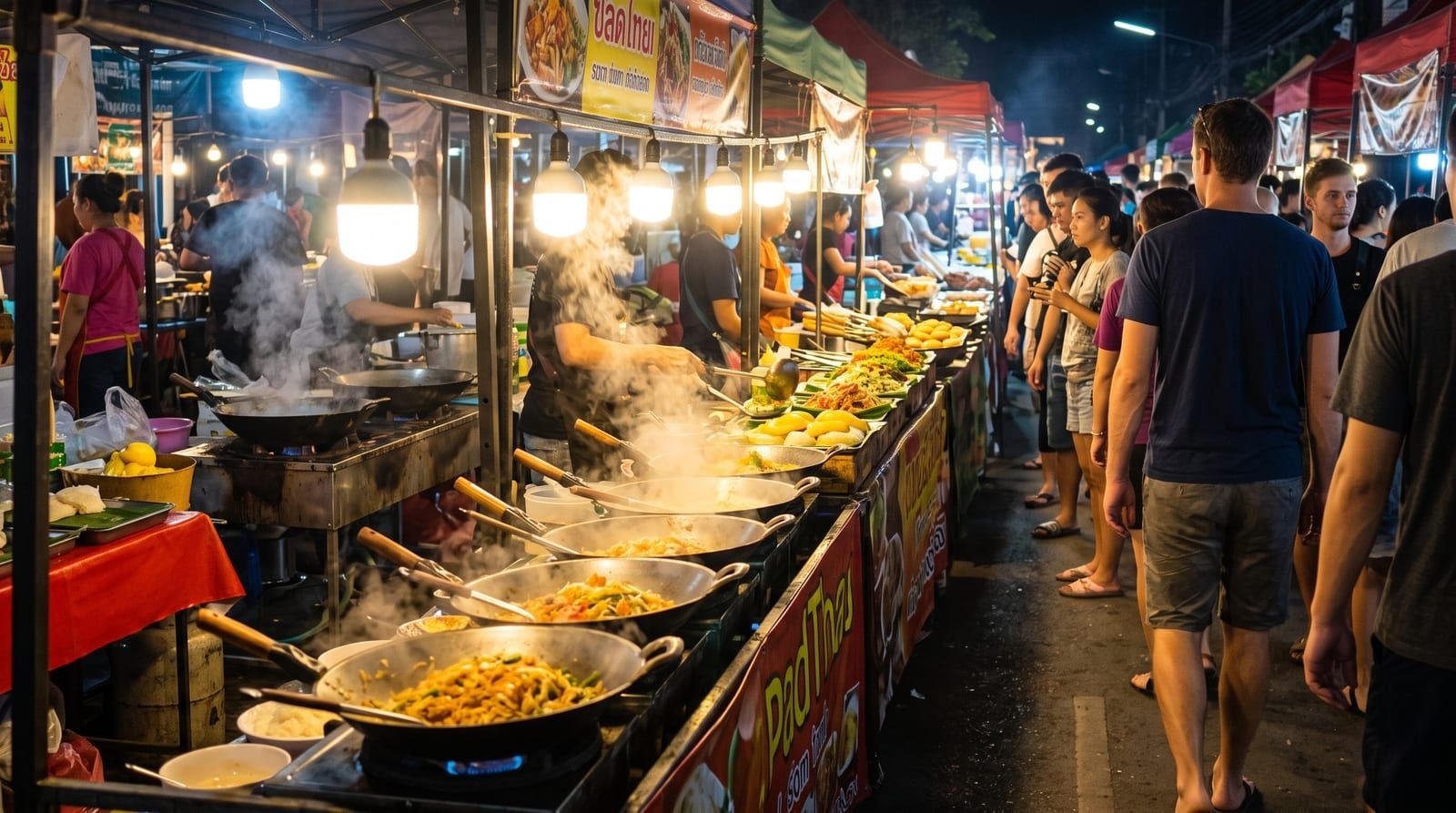
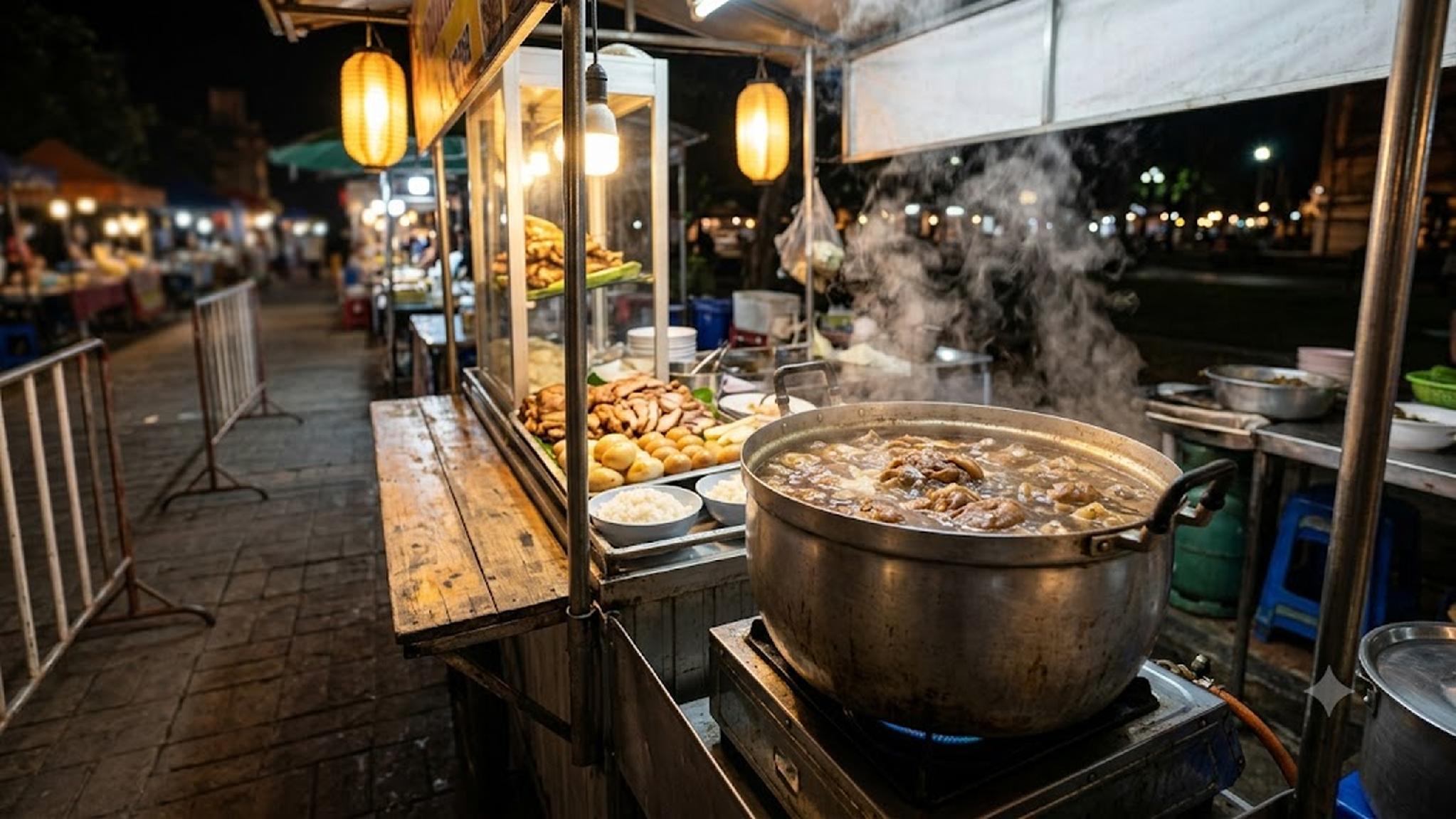
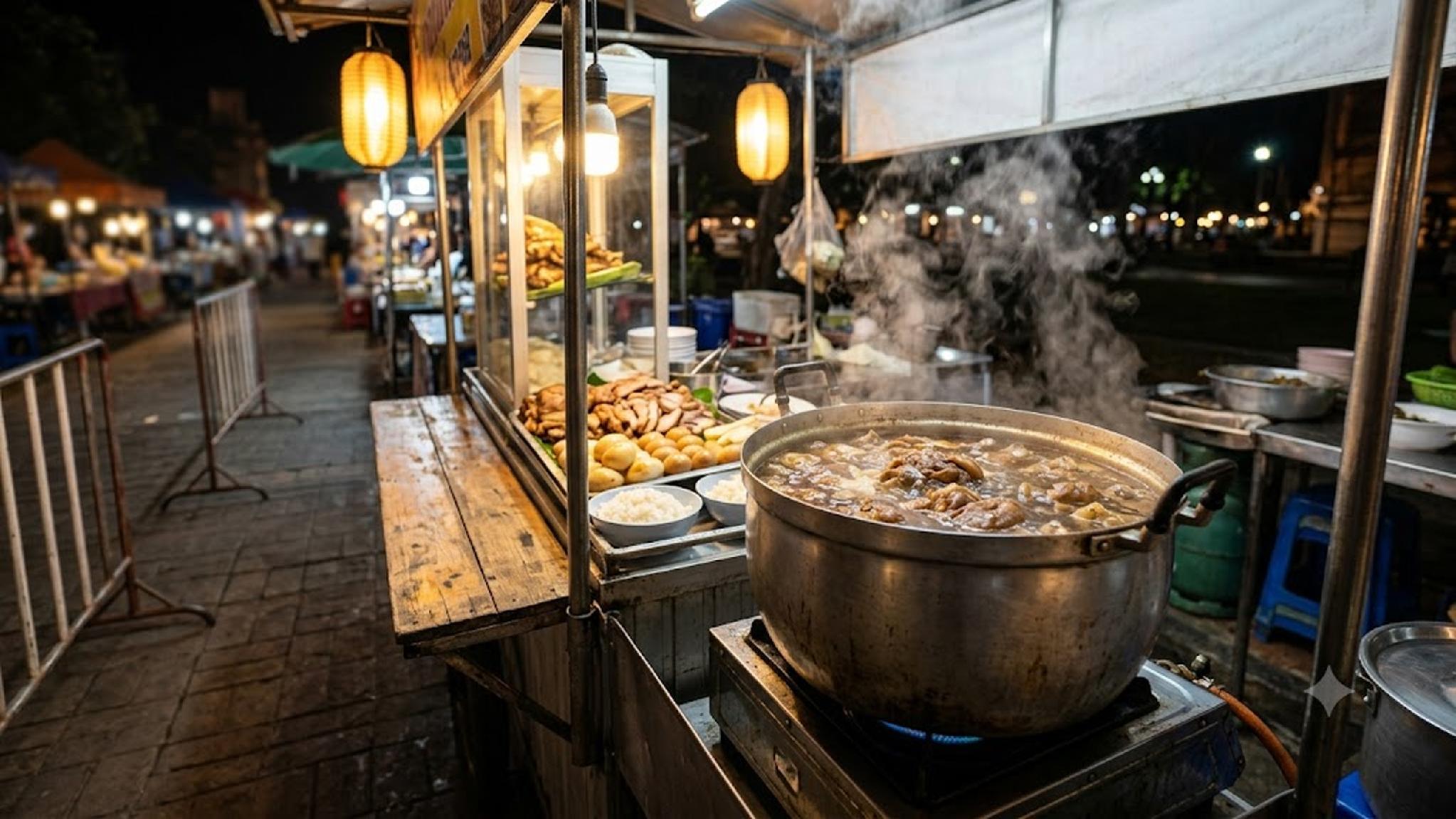
Just outside the Old City's south gate on Bumrung Buri Road, this market runs nightly from about 6pm to midnight and skews heavily local, with far fewer souvenir stalls than the markets around Chang Khlan Road. Its main draw is food rather than shopping, and one stall in particular, Cowboy Lady's Kitchen, draws a queue most evenings between 6pm and 8pm for its khao kha moo, slow-braised pork leg over rice with a boiled egg and pickled greens, for around 50 to 60 baht (about US$1.50 to US$1.70).
For a traveler who has already covered the bigger Chiang Mai night markets and wants a night that reads more like a local's Tuesday than a tourist itinerary, this is the one to add.
,regionOfInterest=(1023,575.5))
,regionOfInterest=(1023,575.5))
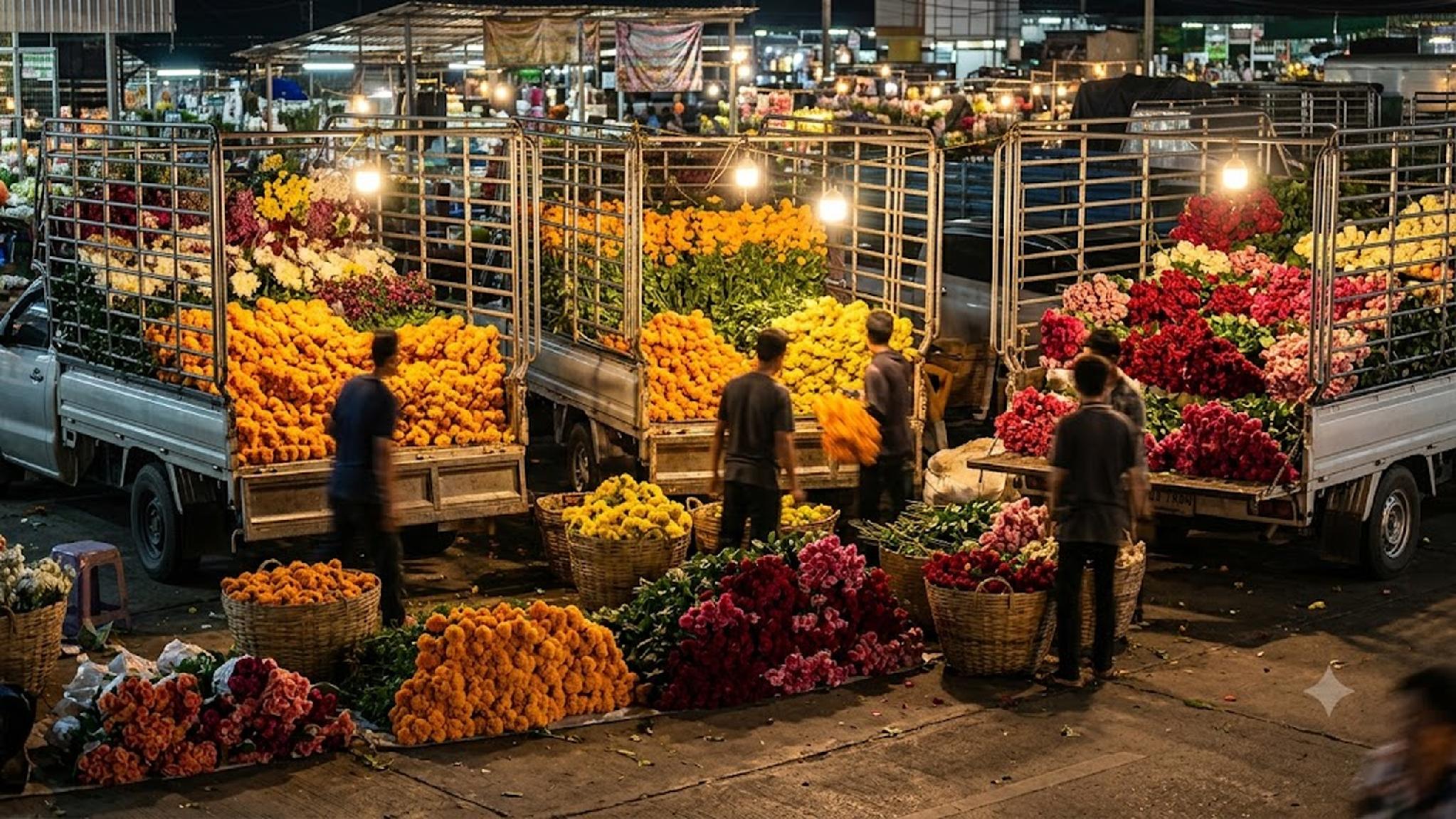
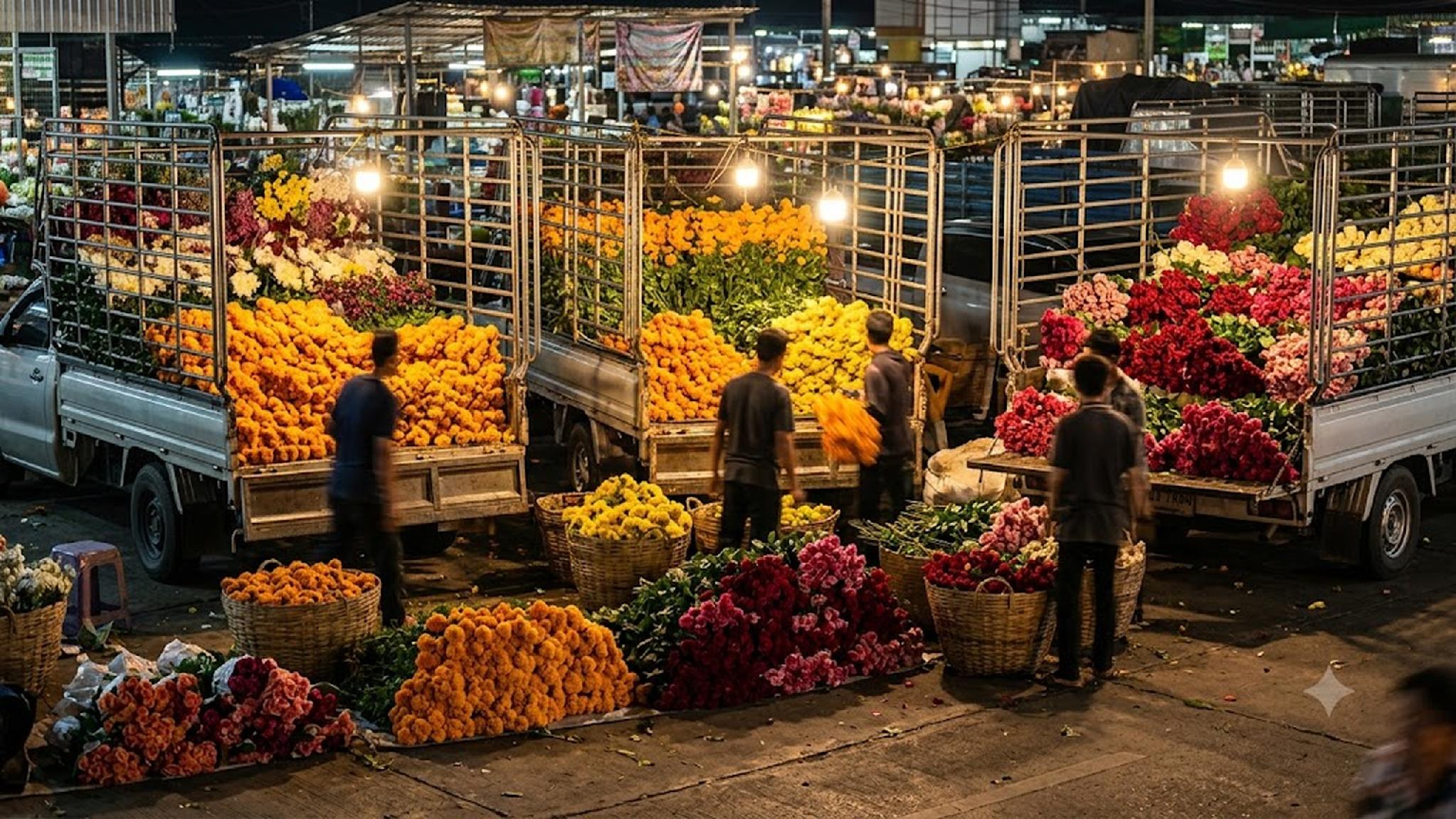
Warorot Market is technically a daytime institution, Chiang Mai's oldest and largest indoor market for fabric, dried goods, and kitchenware, but its neighbour, Ton Lamyai flower market, runs 24 hours, and the hours after dark are when it earns a place on this list. From around 10pm, truckloads of fresh flowers and produce arrive straight from farms outside the city, and the loading and sorting that follows makes for one of the most purely local scenes in Chiang Mai after sundown.
There are no souvenir stalls built for tourists here, which is exactly the point: it is the rare entry among Chiang Mai night markets that exists purely for the city itself, set along the Ping River on Wichayanon Road, a short ride from the Old City.
,regionOfInterest=(1023,575.5))
,regionOfInterest=(1023,575.5))
Because timing decides which of these markets are even open on a given night, here is the full week mapped out at a glance.
| MARKET | BEST DAY(S) | HOURS | LOCATION |
| Sunday Walking Street | Sunday only | 4pm to 11pm | Ratchadamnoen Road, Old City |
| Saturday Walking Street | Saturday only | 4pm to 10pm | Wua Lai Road |
| Chiang Mai Night Bazaar | Nightly | 6pm to 11pm (later on weekends) | Chang Khlan Road |
| Kalare Night Bazaar | Nightly | 5pm to midnight | Chang Khlan Road |
| Anusarn Night Market | Nightly | 5pm to 11pm | Chang Khlan Road |
| PhaPloen Market | Monday to Saturday | 5pm to 11pm | Chang Khlan Road |
| Chiang Mai Gate Night Market | Nightly | 6pm to midnight | Bumrung Buri Road |
| Ton Lamyai and Warorot (evening) | Nightly | Busiest after 10pm | Wichayanon Road, by the Ping River |
Certain goods cluster by market and by craft rather than showing up at random. Here is what to look for and roughly where.
,regionOfInterest=(1023,575.5))
,regionOfInterest=(1023,575.5))
Silver is the standout from Wua Lai, hand-hammered bowls, cuffs, and earrings priced from around 300 to 500 baht (about US$9 to US$14) for smaller pieces, climbing well past that for larger or more detailed work. Lacquerware, bowls and boxes built up in layers of resin and often finished with gold leaf or mother-of-pearl inlay, runs from about 150 baht for a small piece to 3,000 baht (roughly US$4 to US$85) for something more elaborate.
,regionOfInterest=(1023,575.5))
,regionOfInterest=(1023,575.5))
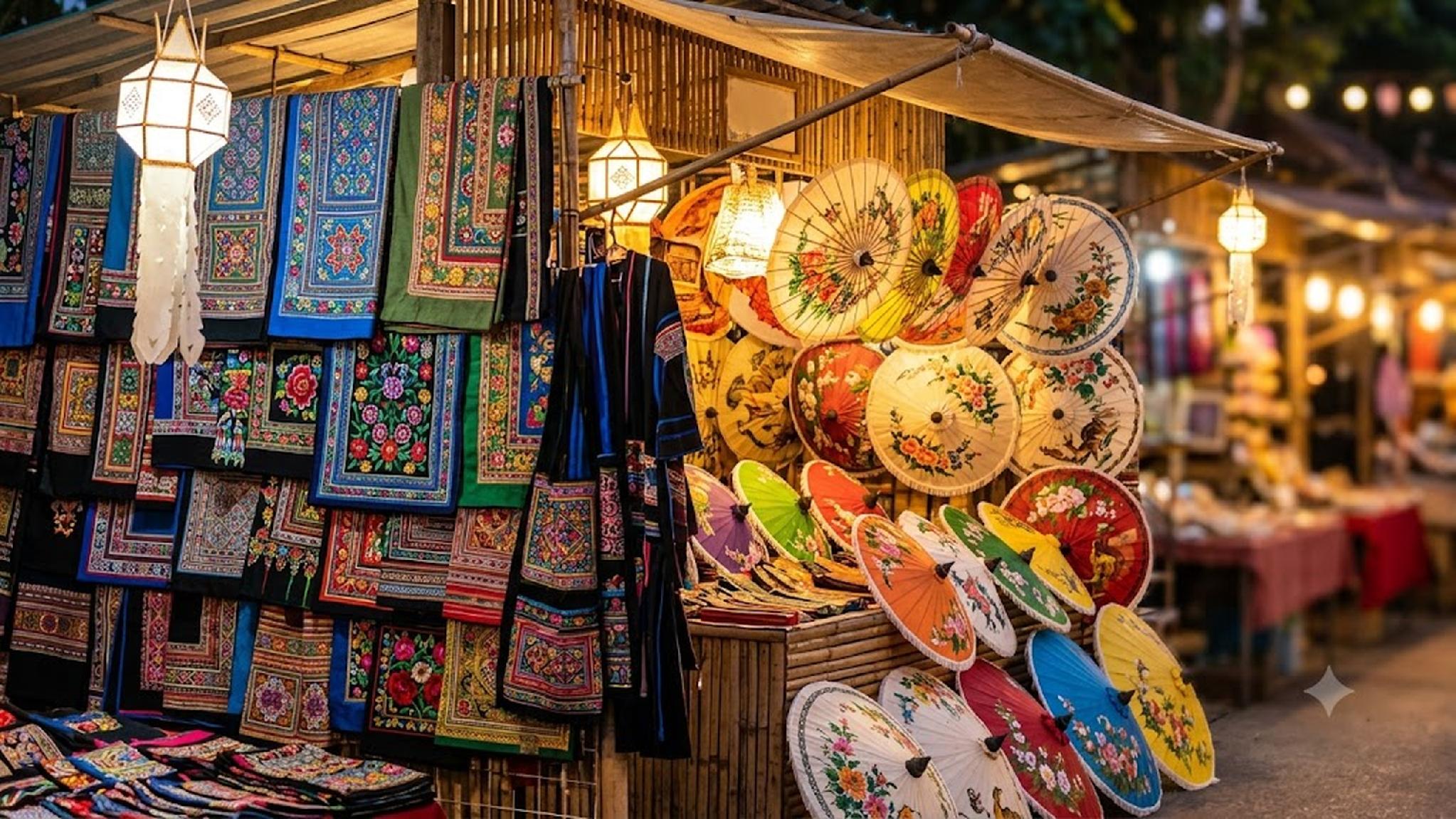
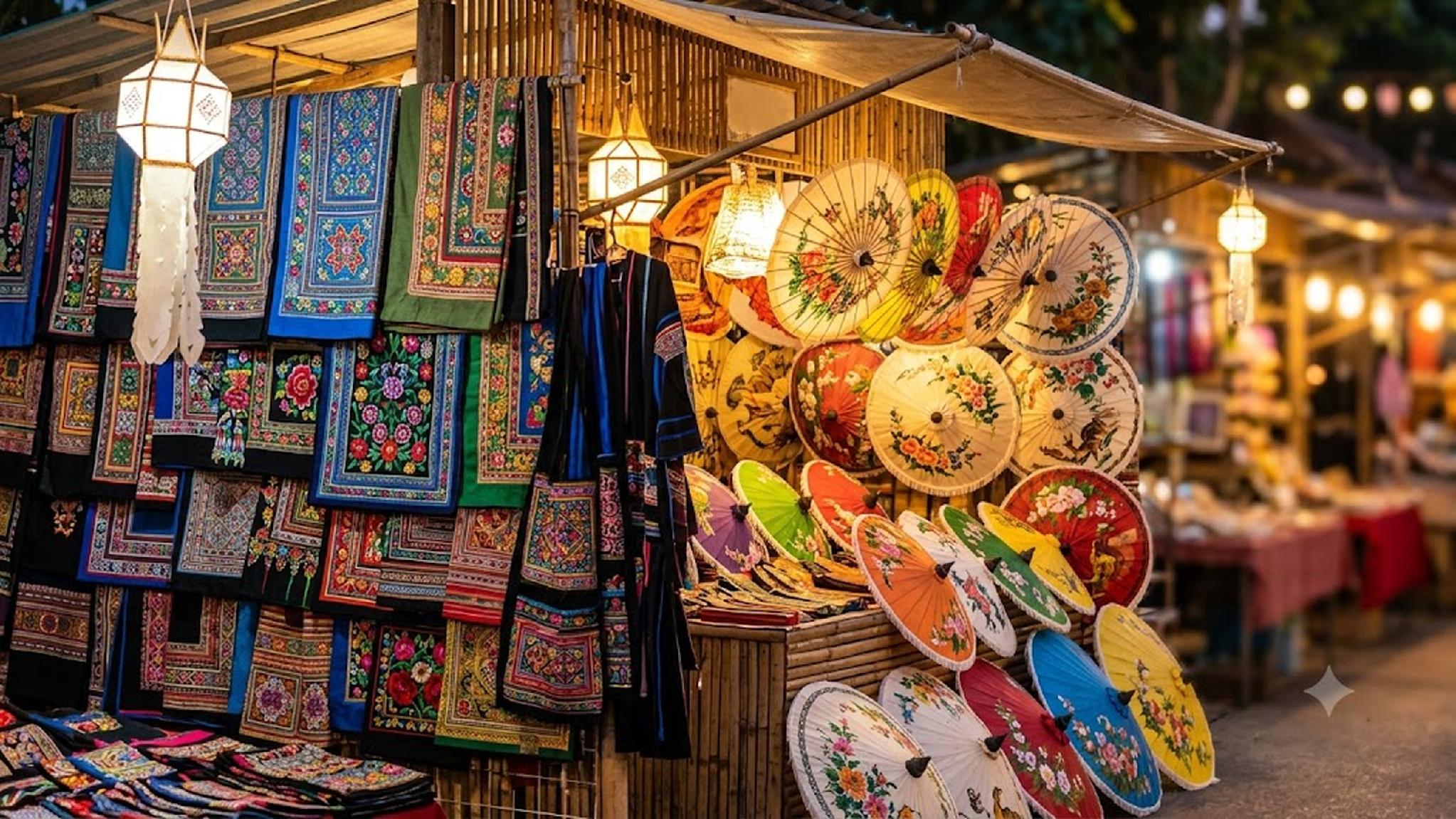
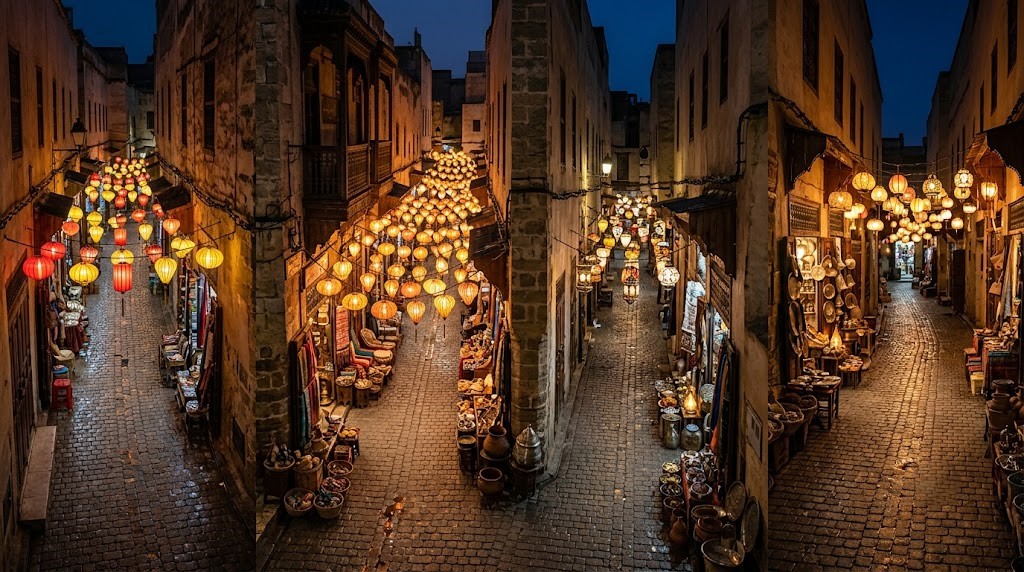
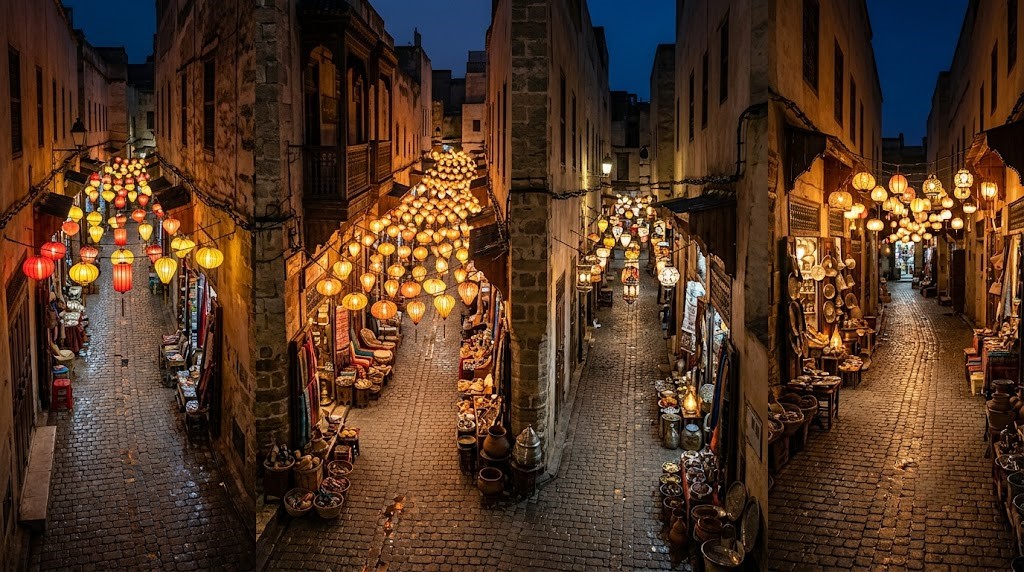
Hill-tribe textiles and embroidery, heavy cotton and hemp weaves in geometric patterns from Hmong, Karen, and Akha artisans, show up across most of the markets on this list, though quality and price vary a great deal between a mass-produced version and a genuinely hand-stitched piece. Hand-painted umbrellas from Bo Sang village, just outside the city, are another recognisable local craft worth looking for by name rather than settling for a generic parasol.
,regionOfInterest=(512,286))
,regionOfInterest=(512,286))
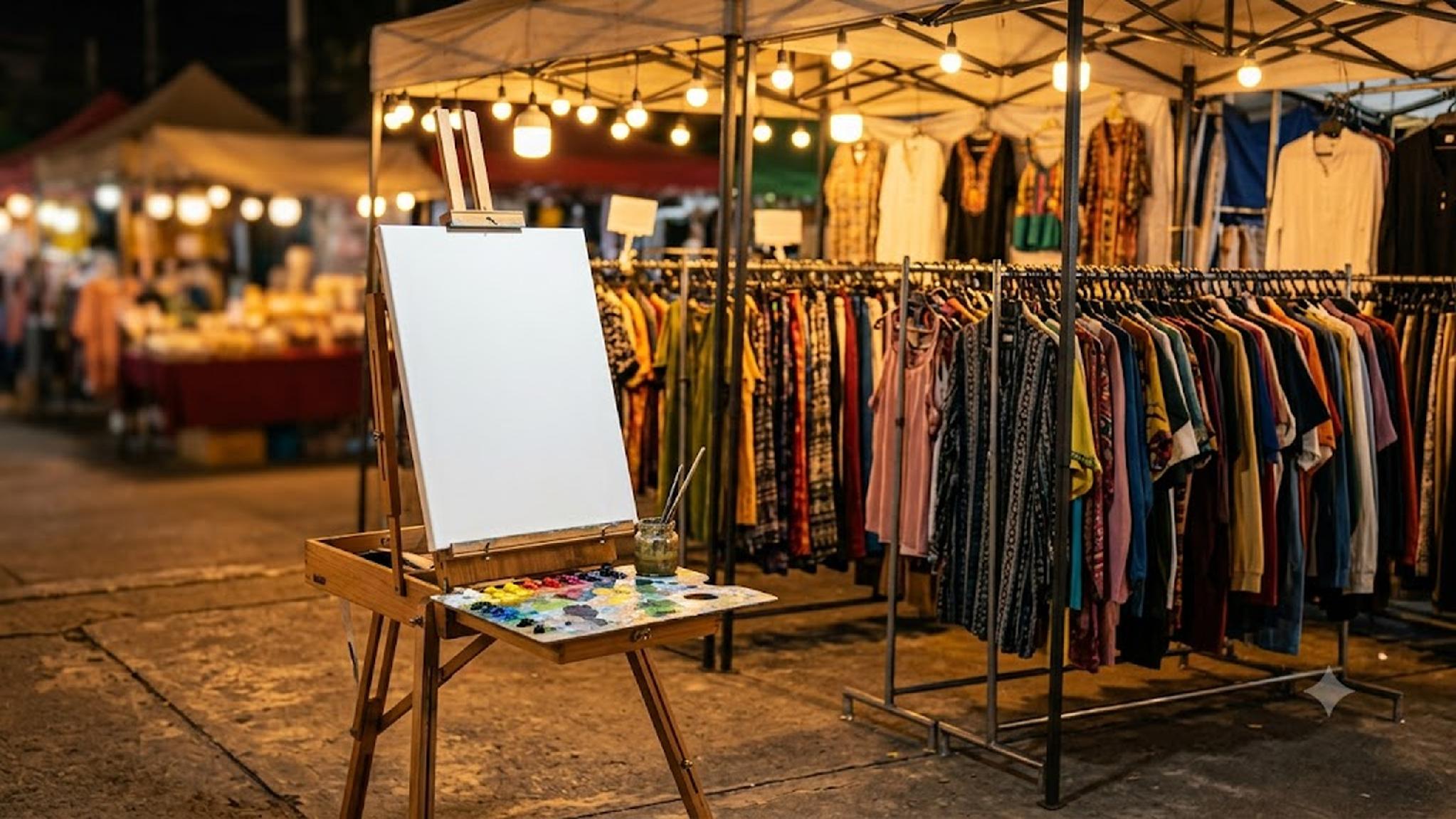
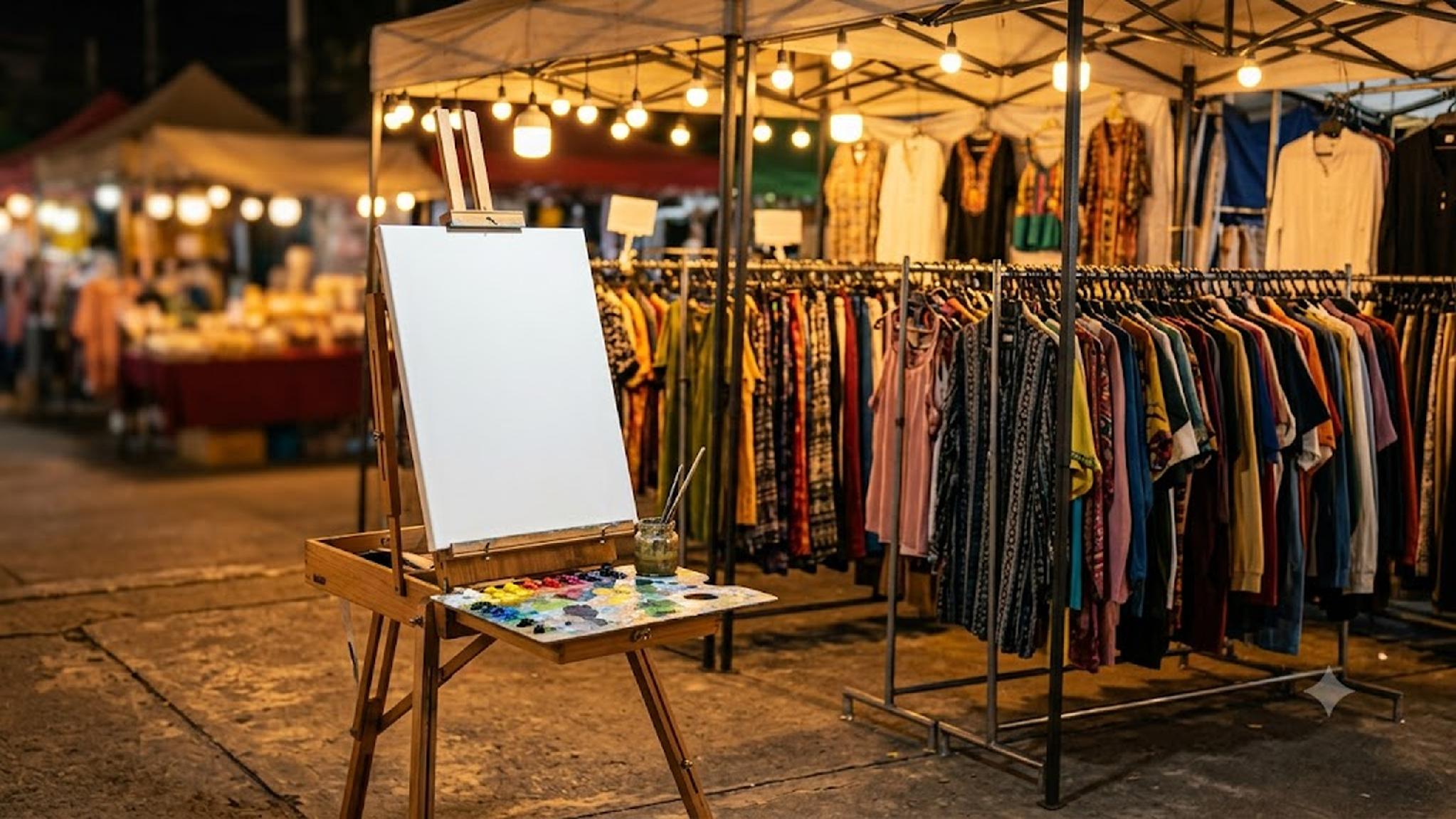
Clothing ranges from cheap printed t-shirts to tailored linen pieces made to order within a day or two, and several stalls at the main Night Bazaar still offer portrait painting and caricature sketches for visitors happy to sit still for twenty minutes. None of it requires planning ahead, simply walking the length of whichever Chiang Mai night markets are open that night turns up most of these categories within the first half hour.
Antiques and reproduction Buddhist art, small carved wooden pieces, brass bowls, and framed textiles, cluster inside the covered Night Bazaar building rather than the open-air stalls outside, so a shopper looking for something more considered than a souvenir magnet is better off browsing indoors first. Prices there tend to be fixed or only lightly negotiable compared with the street stalls, since many of these shops also ship internationally and price accordingly.
A handful of dishes turn up again and again across nearly every stall cluster on this list. Here are the ones worth seeking out.
,regionOfInterest=(512,288))
,regionOfInterest=(512,288))
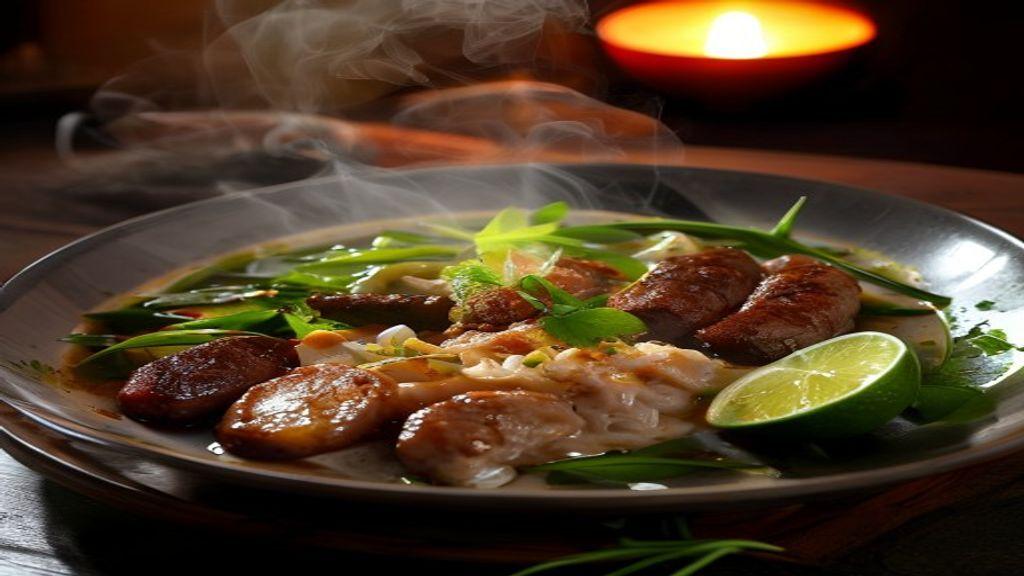
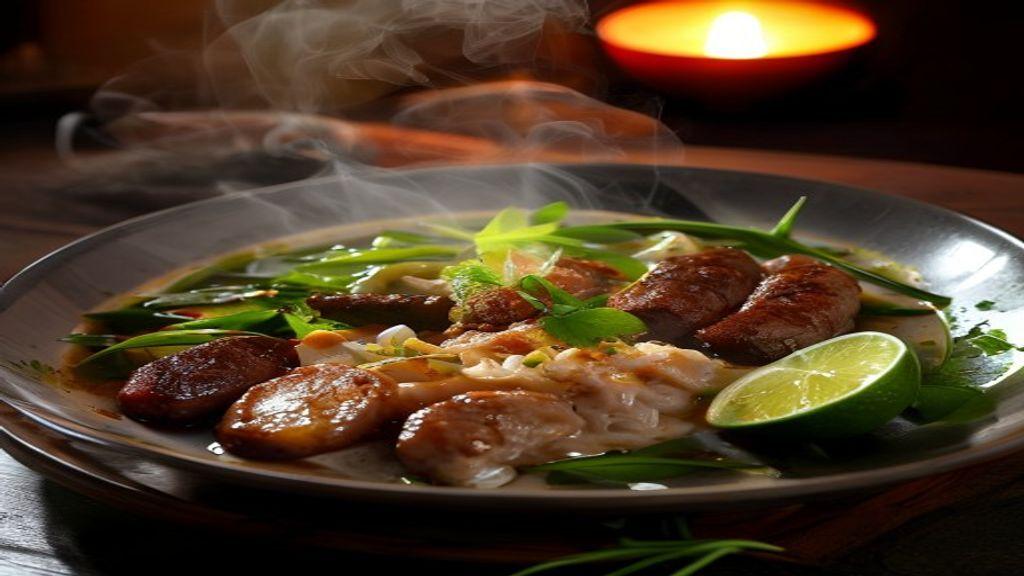
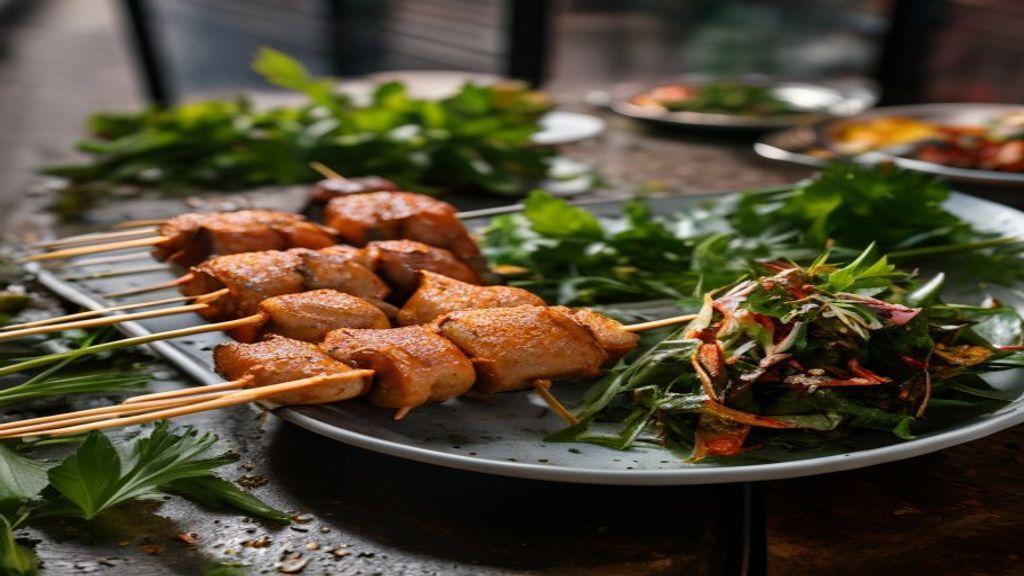
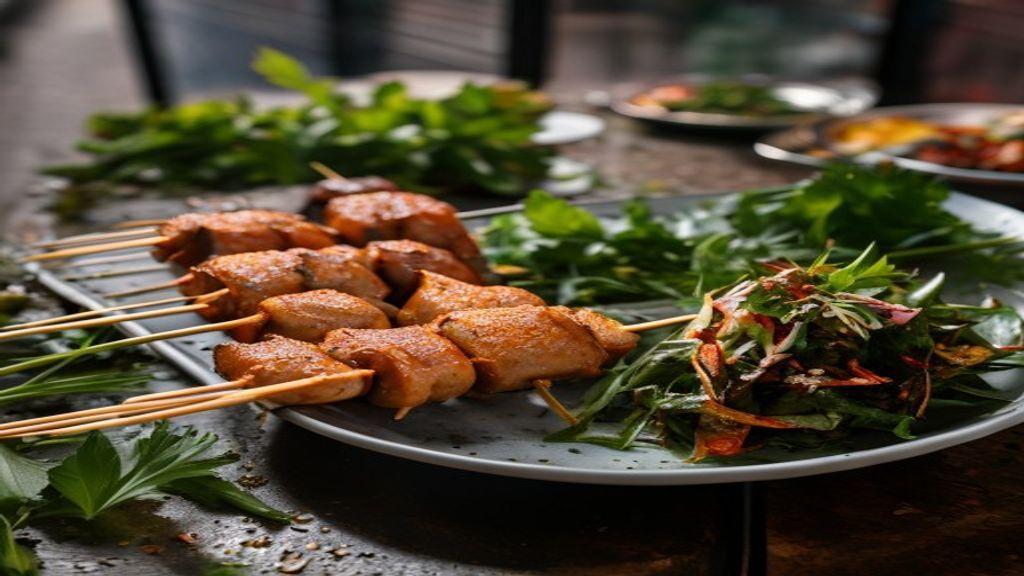
Khao Soi, a curried coconut broth of egg noodles topped with crispy fried noodles and a choice of chicken or beef, is the dish most associated with the city and shows up in some form at nearly every market on this list. Sai Oua, a coarsely ground pork sausage seasoned with lemongrass, kaffir lime leaf, galangal, and dried chilli, is the other essential, usually sold grilled and sliced by the piece.
,regionOfInterest=(512,288))
,regionOfInterest=(512,288))
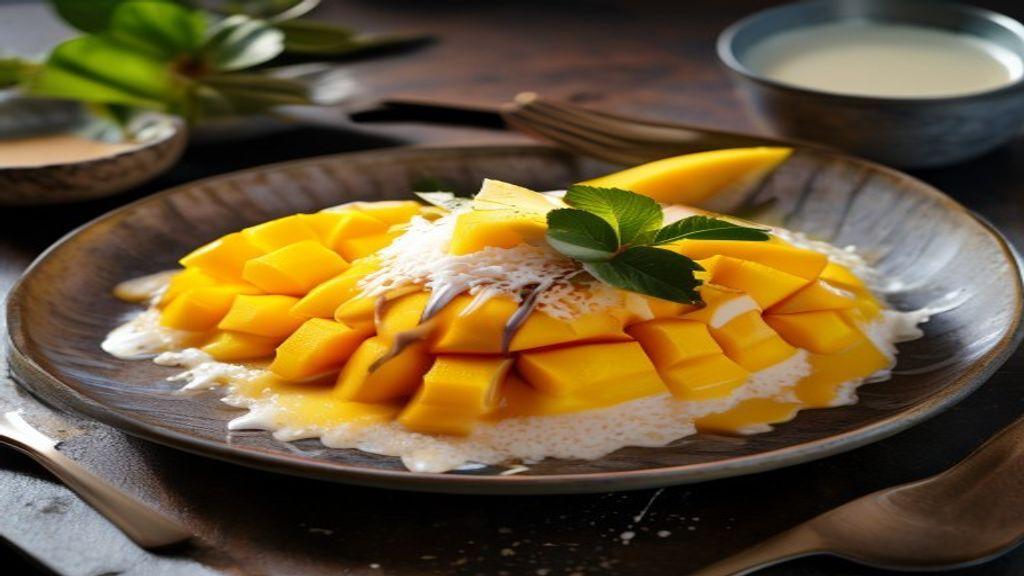
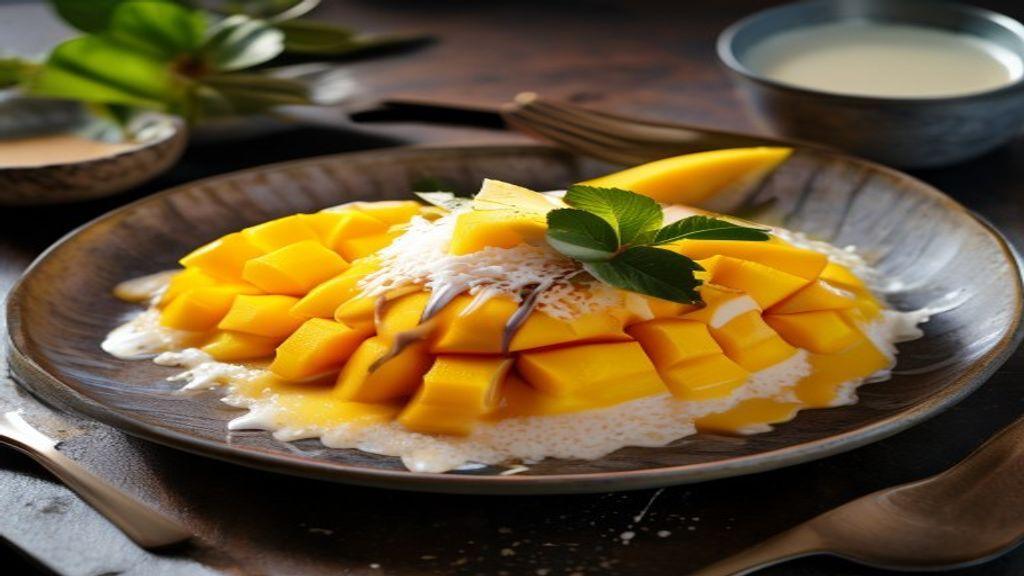
Mango sticky rice, ripe mango over warm sticky rice with coconut milk drizzled on top, works as dessert at any of them, though it is best from around May to July when the mangoes hit peak season. Grilled skewers run from about 20 to 40 baht (roughly US$0.60 to US$1.10), full bowl dishes from 40 to 80 baht (about US$1.10 to US$2.30), and fresh fruit shakes from 30 to 50 baht (around US$0.85 to US$1.40), so a full evening of grazing rarely runs past a few hundred baht per person.
Cowboy Lady's Kitchen at the Chiang Mai Gate market and the seafood tables at Anusarn are worth seeking out by name rather than settling for the first stall in view, but honestly, wandering any of the busier Chiang Mai night markets on a hungry stomach turns up something worth stopping for within a few stalls
,regionOfInterest=(512,288))
,regionOfInterest=(512,288))
Grilled satay skewers, som tam (green papaya salad pounded to order with chilli, lime, and fish sauce), and roti stalls finishing crepes with condensed milk and banana round out the wider street food lineup, and coconut ice cream served in the shell is a cooling way to close out a hot evening. Vegetarian and vegan options have become easier to find in recent years too, particularly at the newer markets, with tofu and mushroom versions of the same classic stir-fries sitting right next to the meat-based originals.
,regionOfInterest=(512,288))
,regionOfInterest=(512,288))
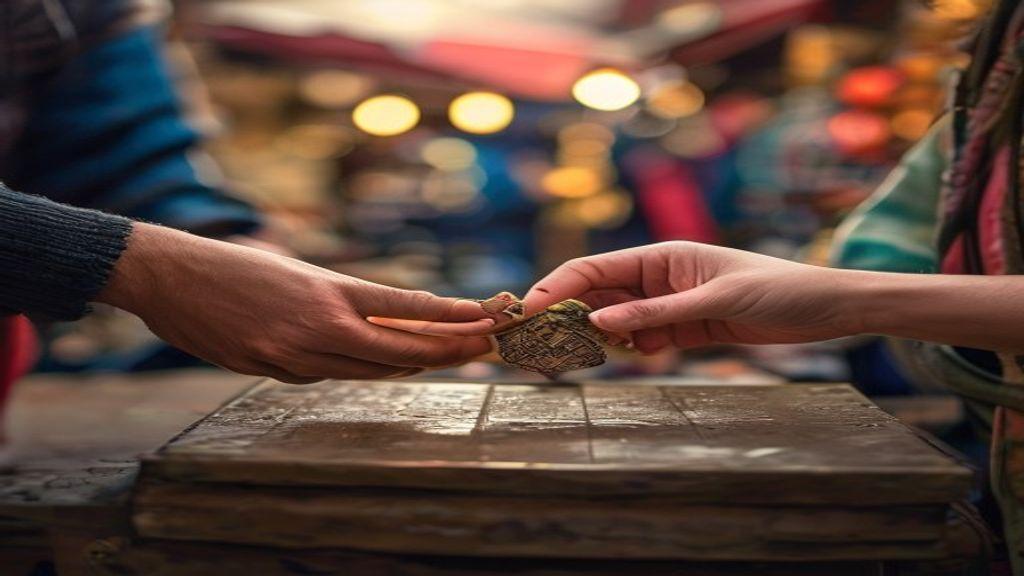
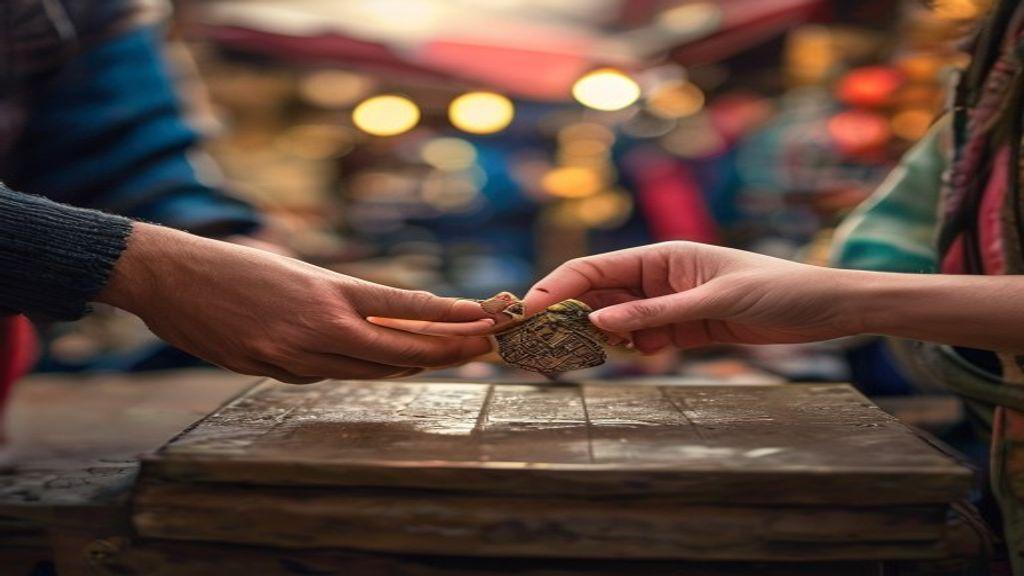
Bargaining is expected almost everywhere across Chiang Mai night markets, with the exception of the fixed-price shops inside Kalare and most sit-down restaurants. Street stall prices typically start marked up 50 to 100 percent above what a vendor will actually accept, so opening a counter-offer at around half to 60 percent of the asking price is a reasonable place to start rather than an insult.
A vendor who shows real interest in landing a sale will usually settle somewhere in the middle, often 20 to 40 percent below the original asking price. Staying friendly matters more than staying firm. Smiling, taking a moment to genuinely look over the item, and complimenting the craftsmanship before naming a number tends to land a better price than an aggressive opening offer.
Cash is still the default currency of choice at nearly every stall, with cards accepted only at the larger fixed-price shops, so carrying enough small notes saves the back and forth of a vendor needing change. If a price will not move, walking away calmly is often the last negotiating step rather than the end of the conversation, plenty of vendors will call out a lower number rather than lose the sale entirely.
,regionOfInterest=(512,288))
,regionOfInterest=(512,288))
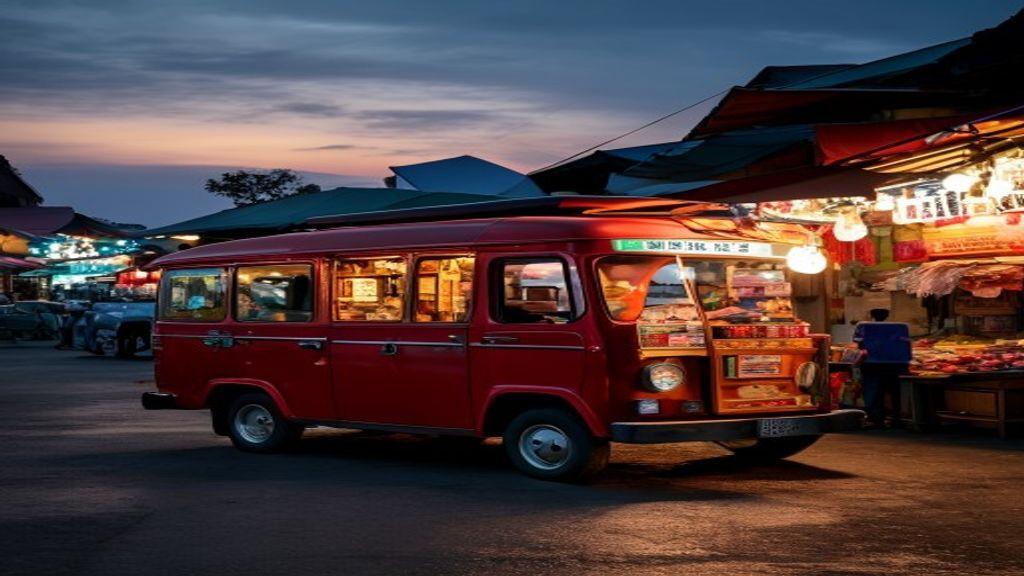
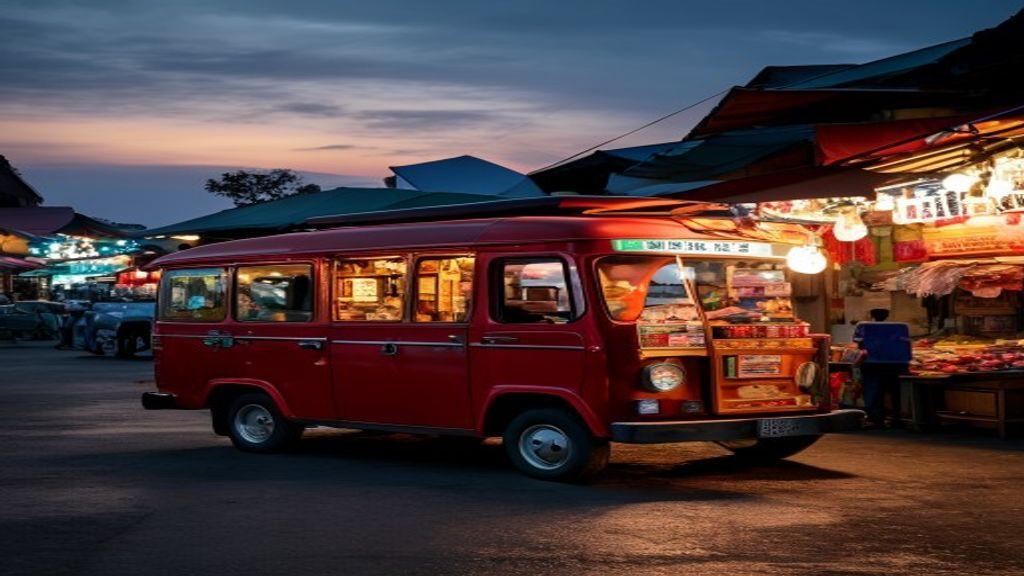
Most of the markets on this list cluster around two areas: the Old City for the weekend walking streets, and the Chang Khlan district along Chang Khlan and Bumrung Buri roads for everything that runs nightly. A songthaew (shared red truck taxi) or a ride-hailing app covers either area for a modest fare from most parts of the city, and both districts are compact enough to walkbetween markets once there.
Chiang Mai International Airport sits about 6 kilometres away, roughly a 15-minute drive from the Chang Khlan district depending on traffic, which makes an evening market run an easy add-on straight after landing or right before a late flight out. The Old City's moat and temples sit about 1.5 kilometres from the same district, close enough for an evening that starts with a walking street and ends with a nightcap back near Chang Khlan Road.
Staying inside the Chang Khlan district removes most of the planning altogether. Meliá Chiang Mai sits on Charoen Prathet Road at the edge of the Night Bazaar precinct, close enough that Kalare, Anusarn, and PhaPloen Market are all a short walk from the lobby, with the Old City's weekend walking streets a quick ride away when Saturday or Sunday comes around. For a trip built around Chiang Mai night markets, that puts nearly every one of them within easy reach of the same room for the whole stay.
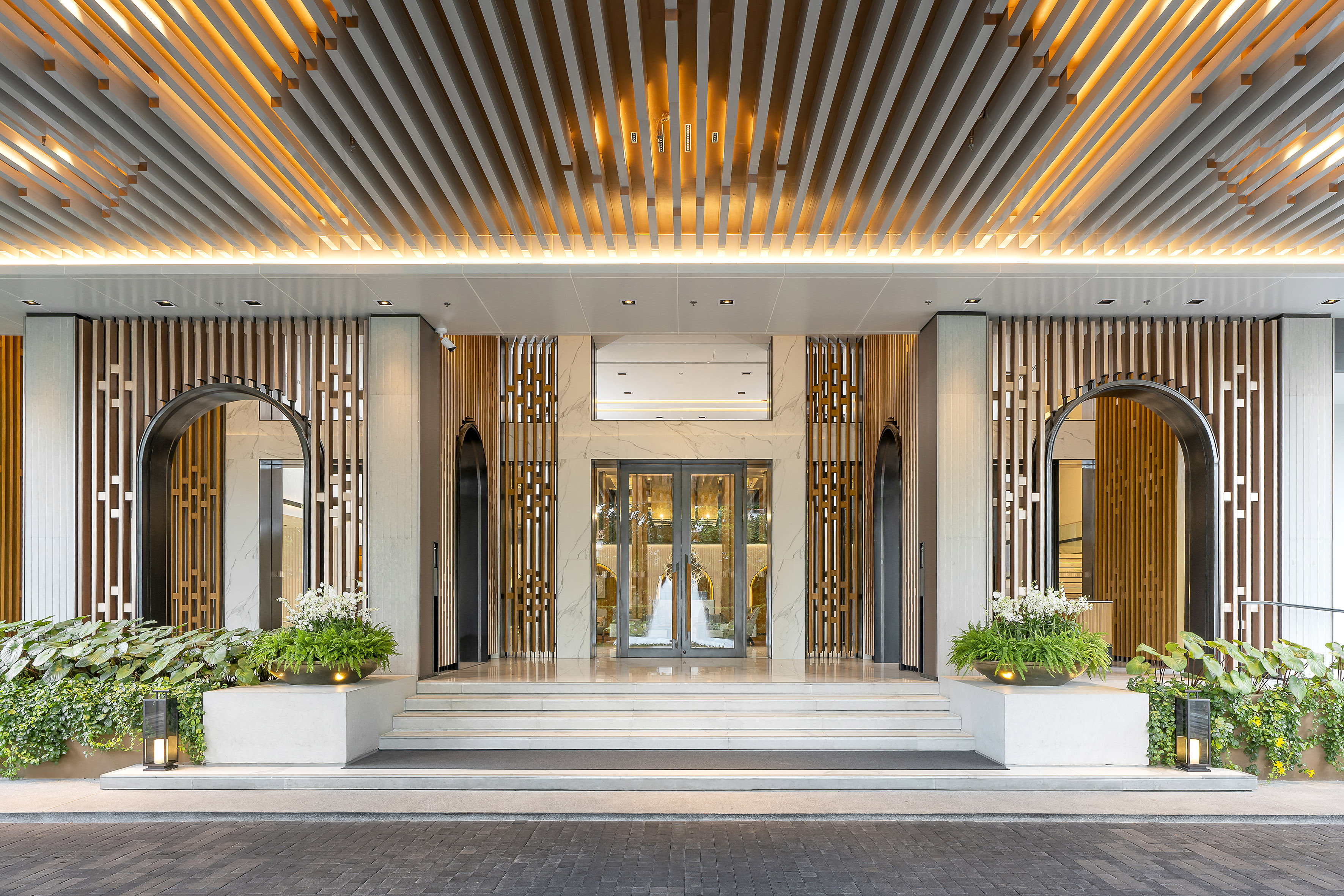,regionOfInterest=(1771.5,1181.5))
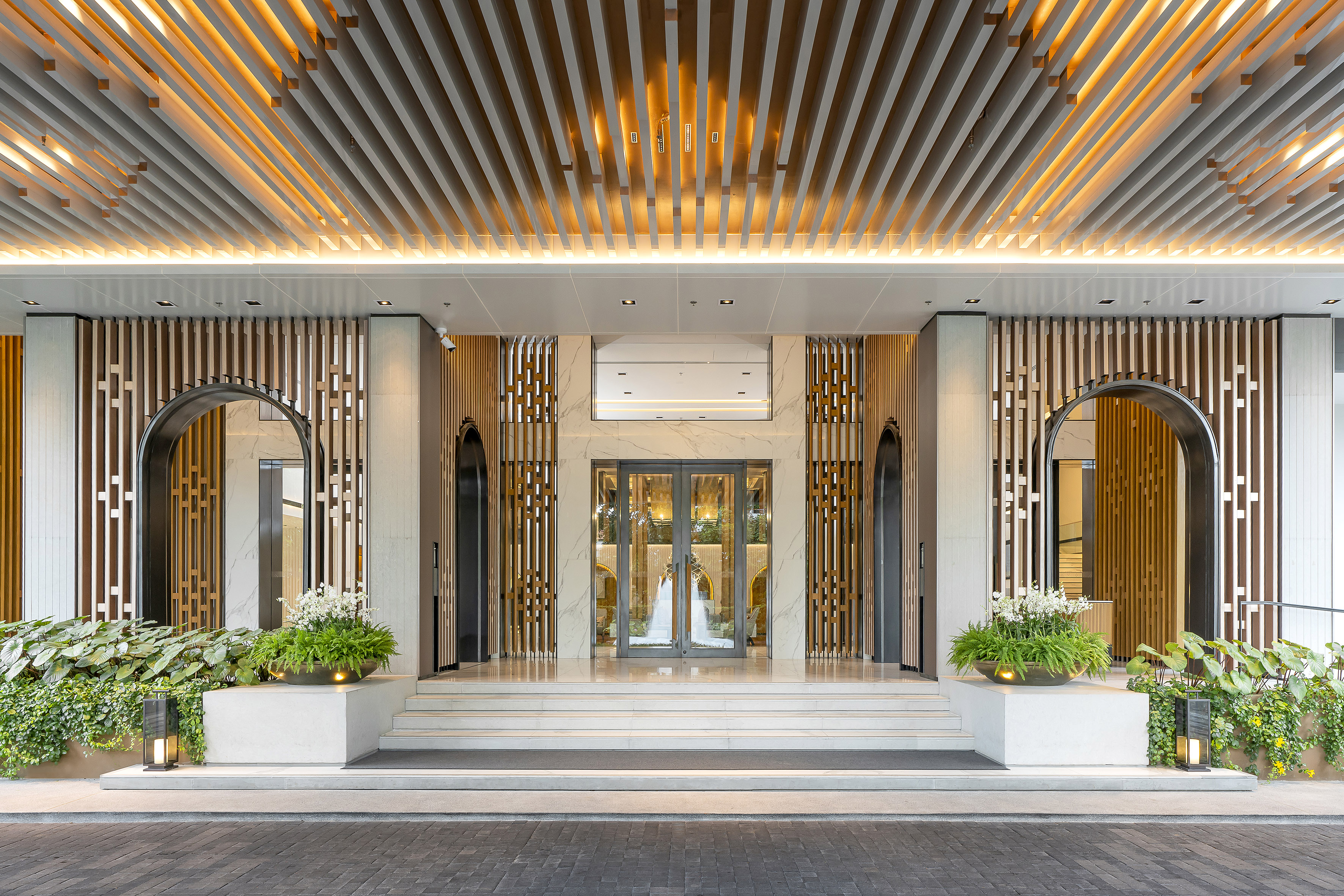,regionOfInterest=(1771.5,1181.5))
A crawl that runs from a Sunday walking street to a nightly food truck lineup on the other side of town works better without much thought going into where to sleep in between. Meliá Chiang Mai sits right on Charoen Prathet Road, close enough to Kalare, Anusarn, and PHAPLOEN MARKET to get back on foot in a few minutes, with the weekend walking streets just a short ride away once the stalls start packing up for the night.
The Deluxe Room, at 36 square metres with a choice of king or twin beds, suits a trip built around being out most of the evening rather than lounging by day: individually controlled air conditioning to cool down fast after a warm walk through the stalls, an in-room safe for the day's silver or lacquerware, and a stocked mini-bar for whoever gets back first.
For anyone rolling back well past midnight once the nightly markets around Chang Khlan Road wind down, 24-hour in-room dining covers a late meal without needing to find something still open outside, a genuine convenience on a trip where dinner sometimes happens standing up at a food stall rather than sitting down at a set hour.
Guests on The Level also get one complimentary ironing service a night, useful for anything picked up at Wua Lai or the walking streets that needs a press before the flight home, along with late check-out to 2pm, subject to availability, for a slower final morning after a late one.
Ruen Kaew Lounge, just off the lobby, works well as a bookend to a market night rather than a full sit-down meal: a coffee or a fresh juice before heading out in the late afternoon, or a coffee-based cocktail and a small plate on the way back in, no reservation or change of clothes required. It runs a quieter, more informal pace than a full dinner service, which suits a night built around grazing at market food stalls rather than one proper sit-down meal.
Chiang Mai's heat and a few hours spent walking dusty market stretches tend to catch up with clothes faster than expected, and Meliá's laundry service turns a dusty t-shirt or a stained one from a street food stop back around within a day, useful on a trip with more than one market night still ahead.
None of it requires much planning either way. With the Chang Khlan district a short walk from the door and the weekend walking streets a quick ride away, the only real decision left on most evenings is which night market gets the visit.
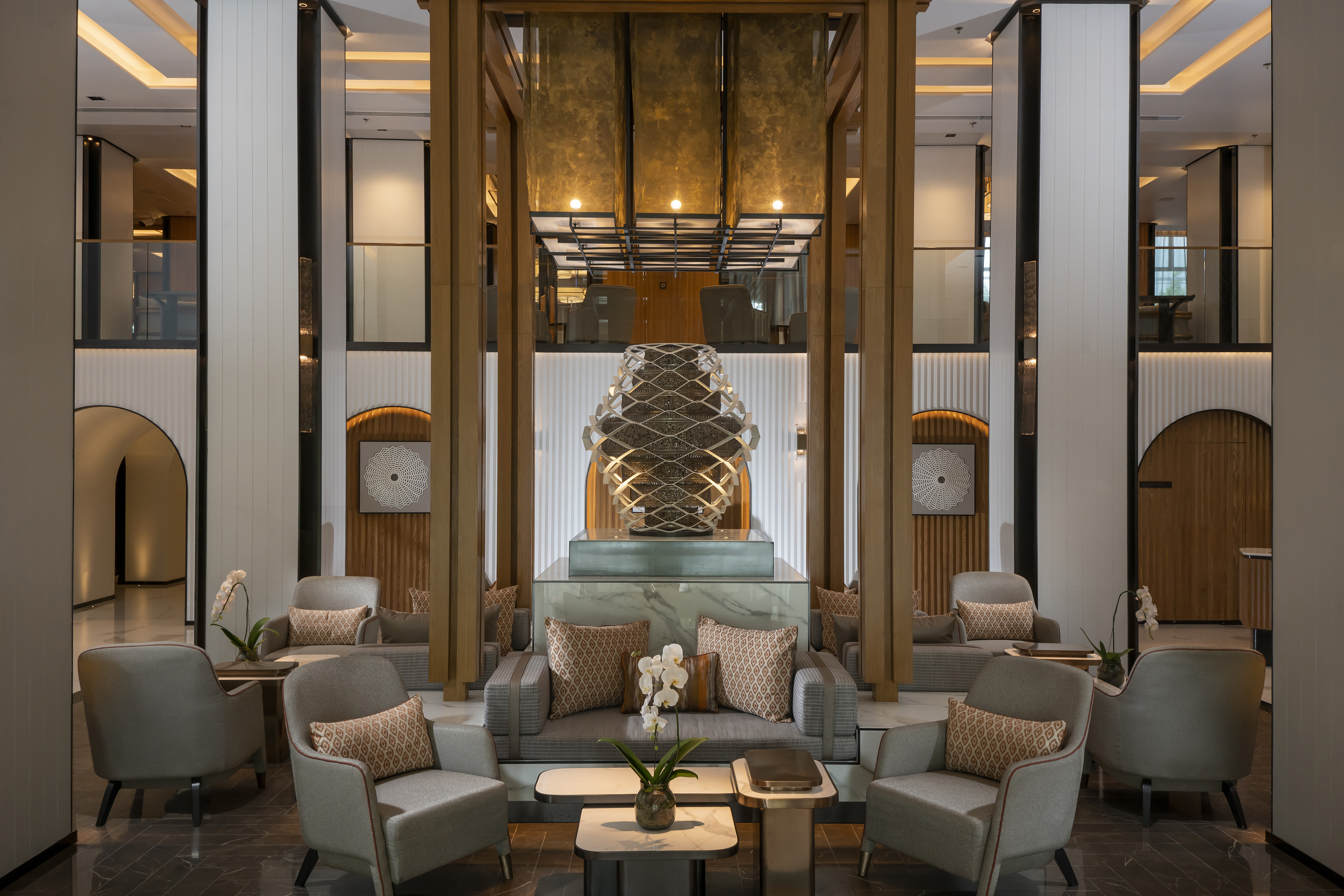,regionOfInterest=(1771.5,1181.5))
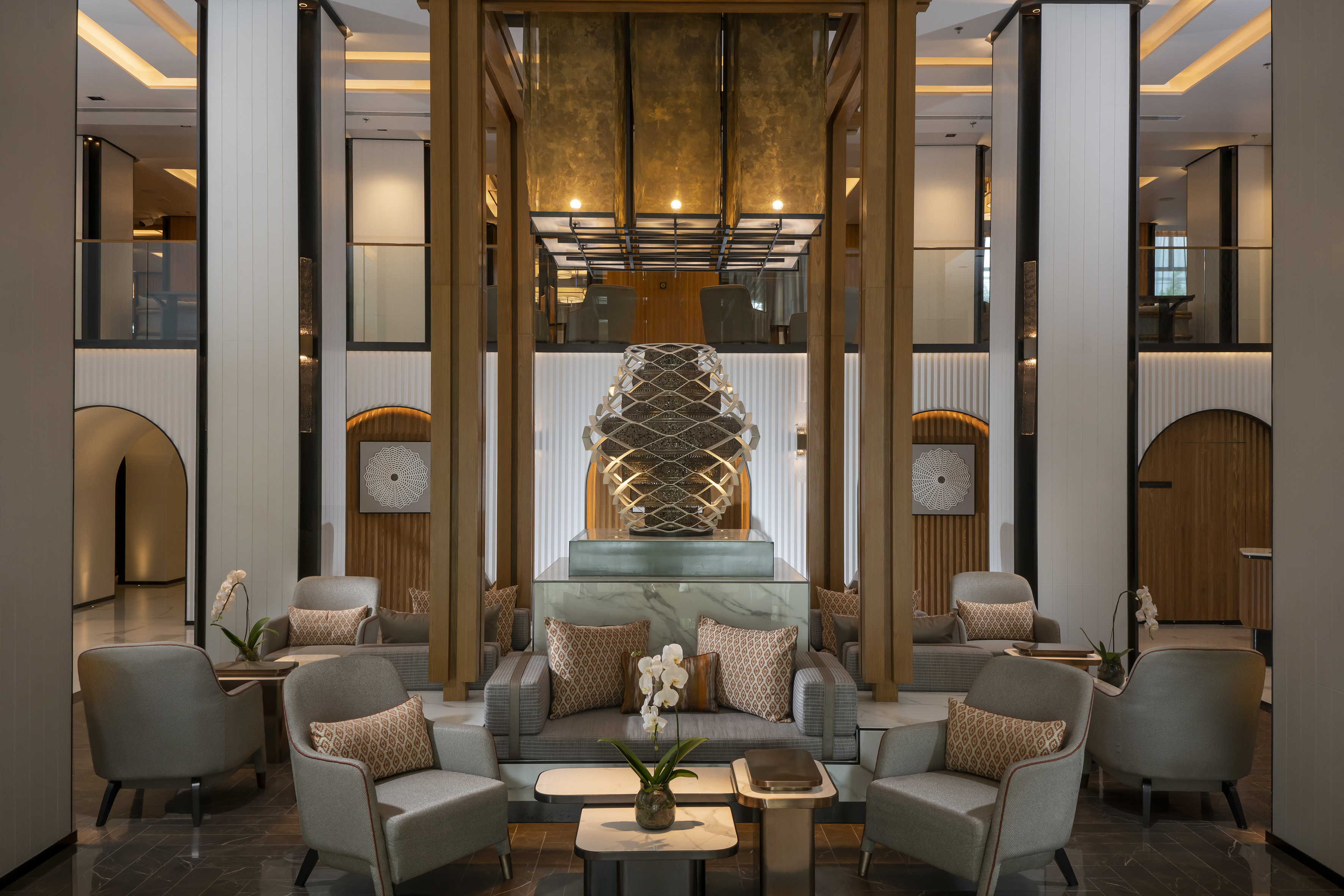,regionOfInterest=(1771.5,1181.5))
Eight markets, eight different reasons to go, and between them, close to every night of the week is covered. Whether it is Sunday's artisan crafts, Saturday's silver, or the nightly pull of Chang Khlan Road, the best approach to Chiang Mai night markets is simply picking a night and going in with an appetite and a little cash.
Base a stay near the Night Bazaar precinct and most of this list turns into a short walk rather than a taxi ride, leaving more evenings free to come back for the stalls, the food, or the silver that got away the first time around.
,regionOfInterest=(1023,575.5))
,regionOfInterest=(1023,575.5))
It depends on what a traveler is shopping for. Sunday Walking Street has the strongest reputation for genuinely handmade crafts, Saturday Walking Street is unmatched for silver, and the Chiang Mai Night Bazaar precinct, covering the main strip, Kalare, and Anusarn, is the most reliable option since it runs every night of the week rather than just one.
Sunday Walking Street runs along Ratchadamnoen Road every Sunday from about 4pm to 11pm, and Saturday Walking Street takes over Wua Lai Road every Saturday from about 4pm to 10pm. Both close to traffic for the evening and reopen to cars the next morning.
Yes, bargaining is normal and expected at street stalls, though the fixed-price shops inside Kalare and most sit-down restaurants are the exception. Starting a counter-offer around half to 60 percent of the asking price and settling somewhere in the middle is the standard approach.
Hours vary by market. The nightly options around Chang Khlan Road generally run from around 5pm or 6pm to somewhere between 11pm and midnight, while the weekend walking streets keep shorter hours, Saturday closing around 10pm and Sunday around 11pm.
,regionOfInterest=(2880,1920))
,regionOfInterest=(2880,1920))
,regionOfInterest=(1619.5,1121))
,regionOfInterest=(1619.5,1121))
,regionOfInterest=(1476.5,634.5))
,regionOfInterest=(1476.5,634.5))
,regionOfInterest=(2273,1523))
,regionOfInterest=(2273,1523))
,regionOfInterest=(1564,1200))
,regionOfInterest=(1564,1200))