,regionOfInterest=(3306.5,2180.5))
,regionOfInterest=(3306.5,2180.5))
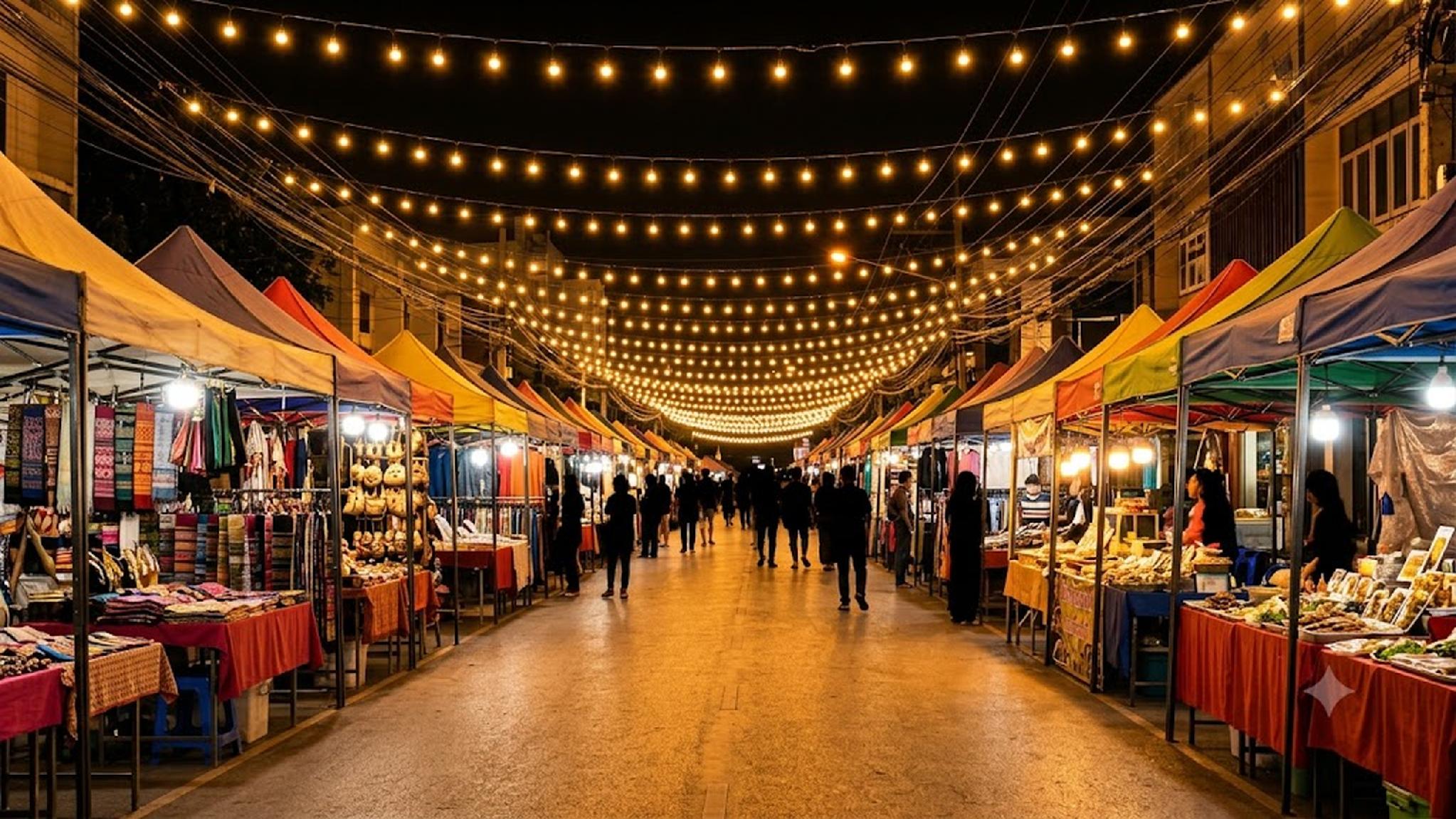
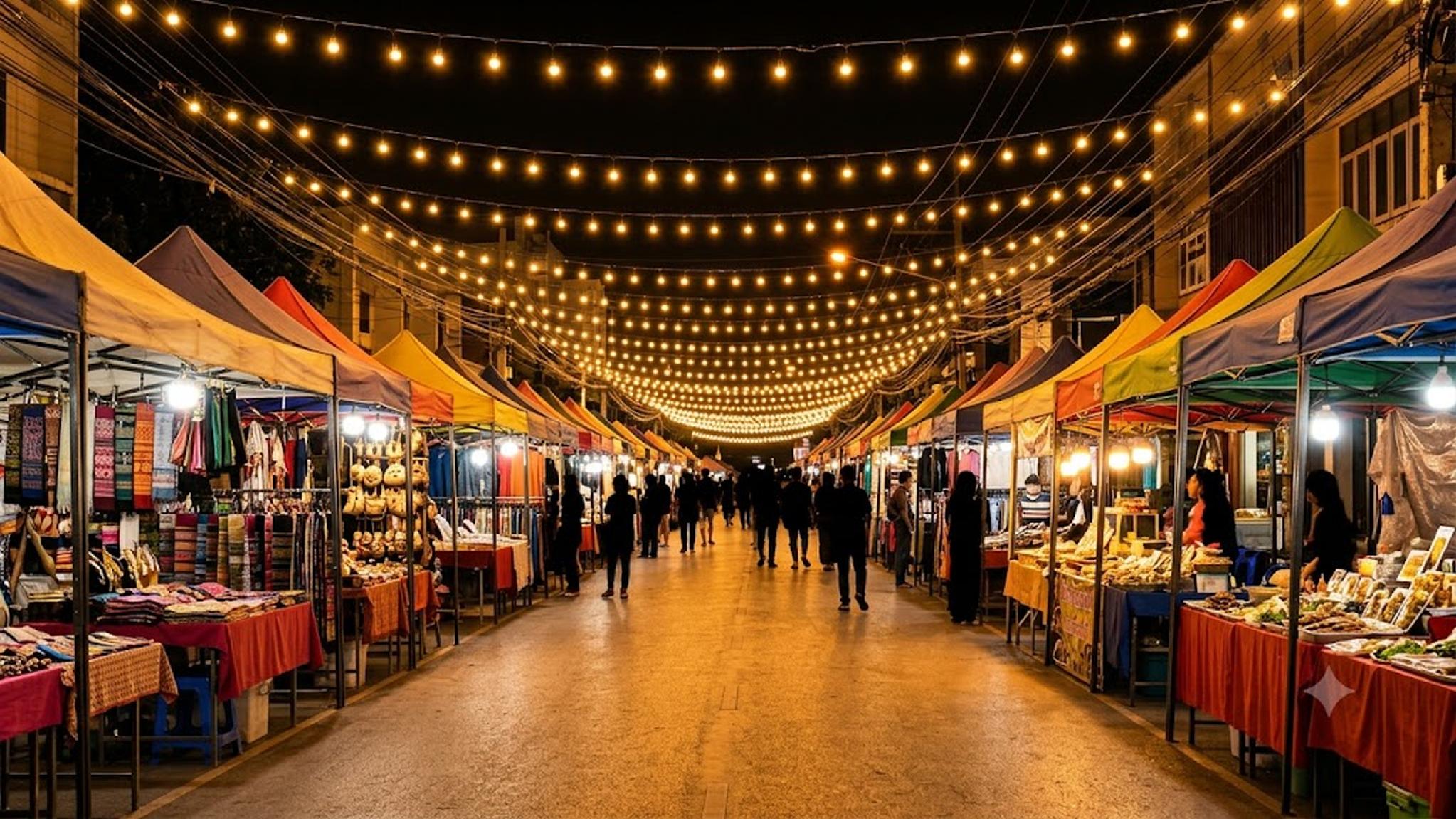
8 Best Chiang Mai Night Markets: 2026 Local Shopping Guide
,regionOfInterest=(1023,575.5))
,regionOfInterest=(1023,575.5))
Culture
,regionOfInterest=(1750,1750))
,regionOfInterest=(1750,1750))
,regionOfInterest=(500,500))
,regionOfInterest=(500,500))
All-terrain writer specialising in tourism, fashion and trends. A curious soul, traveller, reader and sports enthusiast, keen to discover every corner of the world.
Holidays
Montmartre is one of those places that retains its own personality within the great city of Paris. Located on a hill to the north of the French capital, this iconic neighbourhood has for decades been a refuge for artists, writers and bohemians who found the inspiration they were looking for here.
Today, strolling through its streets remains one of the most authentic experiences the French capital has to offer, as it allows you to discover a different, more bohemian side of the city.
It is, without a doubt, a must-have on your list of things to do in Paris
This guide brings together everything to see in Montmartre: charming cobbled streets and slopes, squares full of painters, old windmills and unique corners that evoke the Belle Époque.
On this tour, you can discover the main places to visit in Montmartre, a neighbourhood that, although it has changed over time, has managed to preserve its most authentic essence. Here, the rhythm is set by street accordions, open-air artists and the sound of brushes on blank canvases.
,regionOfInterest=(2973,1982))
,regionOfInterest=(2973,1982))
,regionOfInterest=(365,500))
,regionOfInterest=(365,500))
,regionOfInterest=(2013.5,1510.5))
,regionOfInterest=(2013.5,1510.5))
,regionOfInterest=(1316.5,2100))
,regionOfInterest=(1316.5,2100))
When someone asks me what to do in Montmartre, I always recommend forgetting about the clock, leaving the rush behind and wandering its streets without a fixed destination. Much of the magic of the neighbourhood lies precisely in the small details that appear around every corner.
Tourism in Montmartre combines art, history, gastronomy and some of the best views of Paris. It is a perfect place to walk around and enjoy a more tranquil experience than in other areas of the city centre.
These are some of the things to do in Montmartre that I always repeat when I walk around here:
If you are organising your route and want to know what to see in Montmartre, set aside at least half a day to explore the neighbourhood at a leisurely pace, although for me, the ideal would be to dedicate a full day to it.
,regionOfInterest=(1512,2016))
,regionOfInterest=(1512,2016))
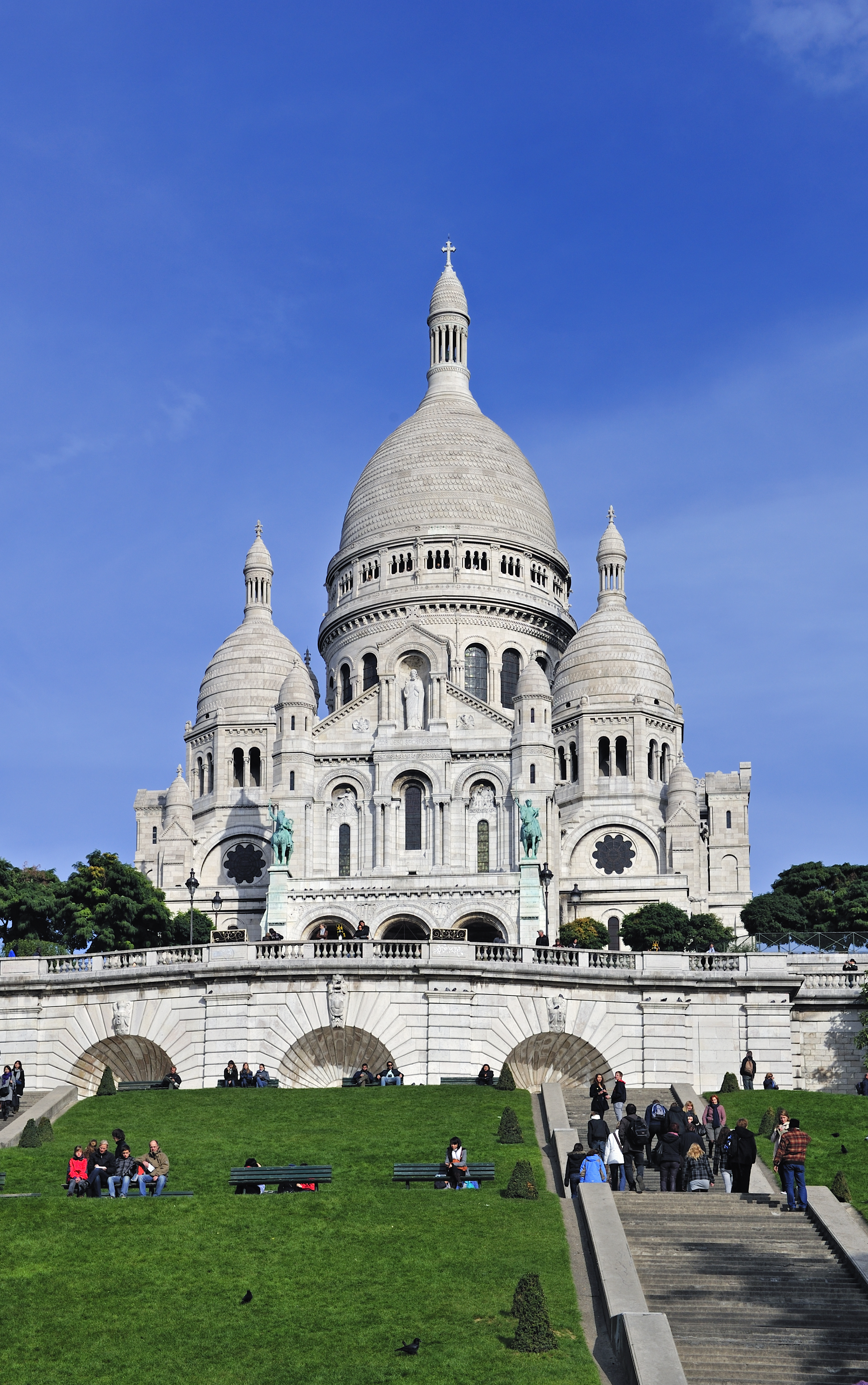
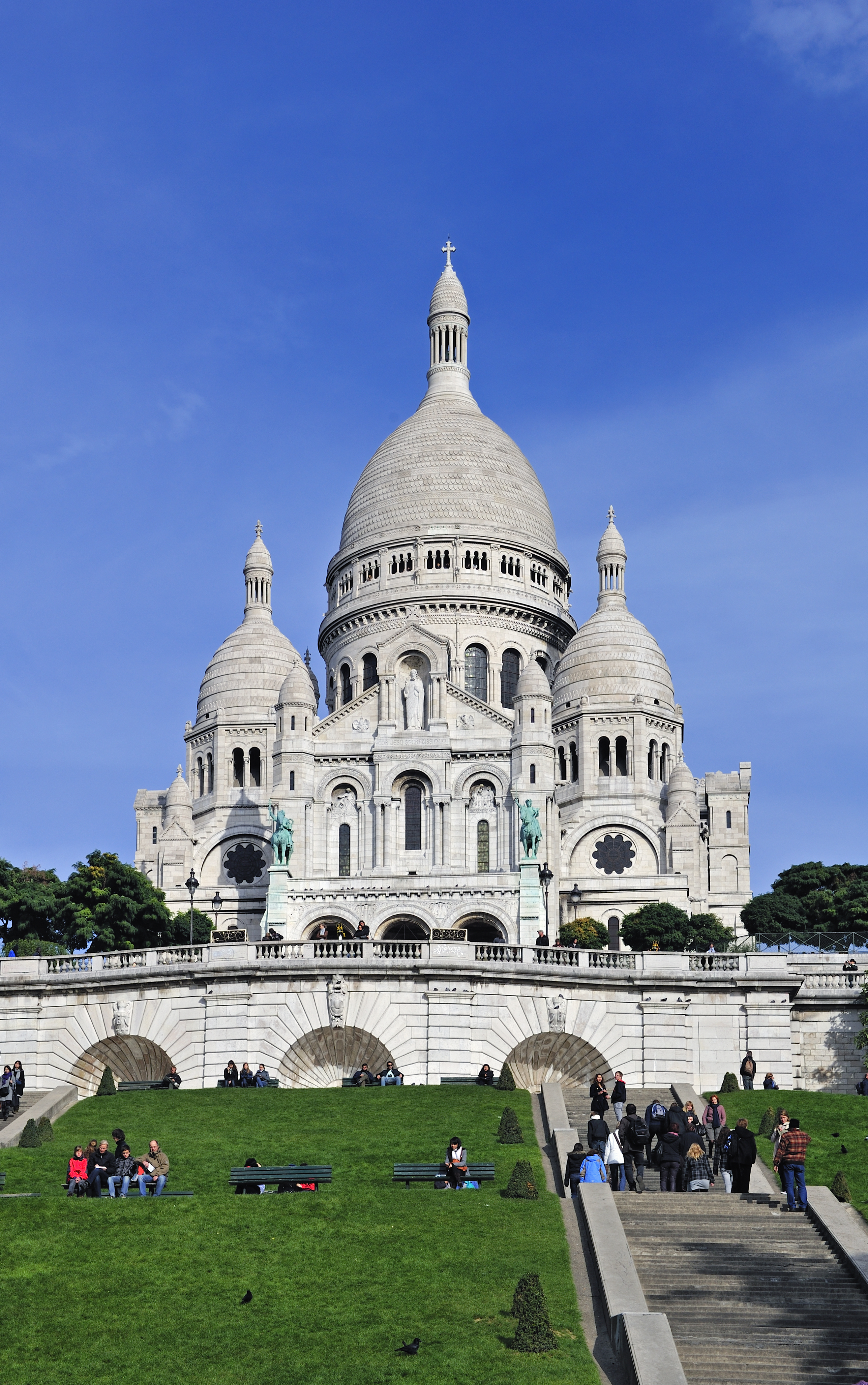
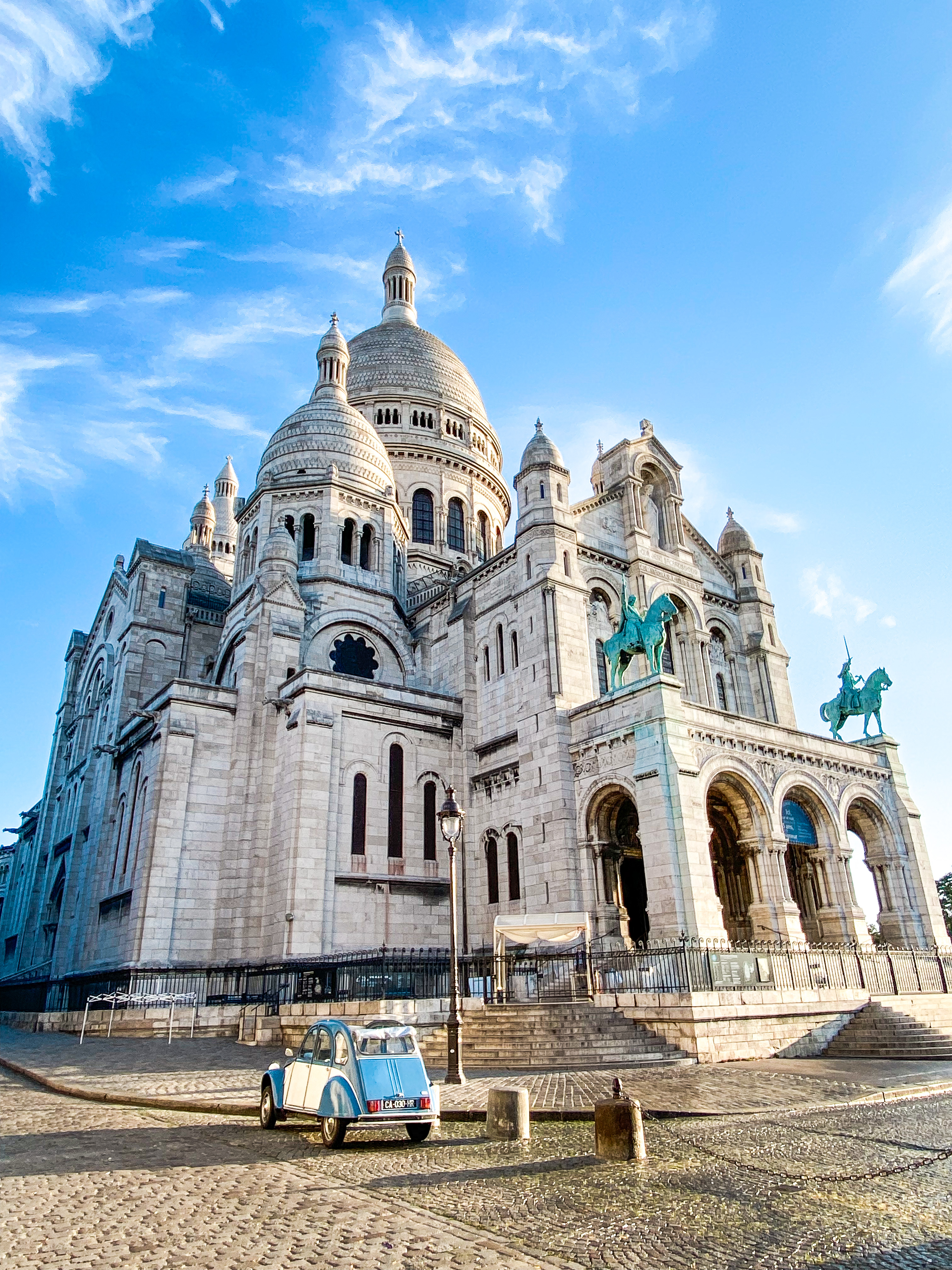
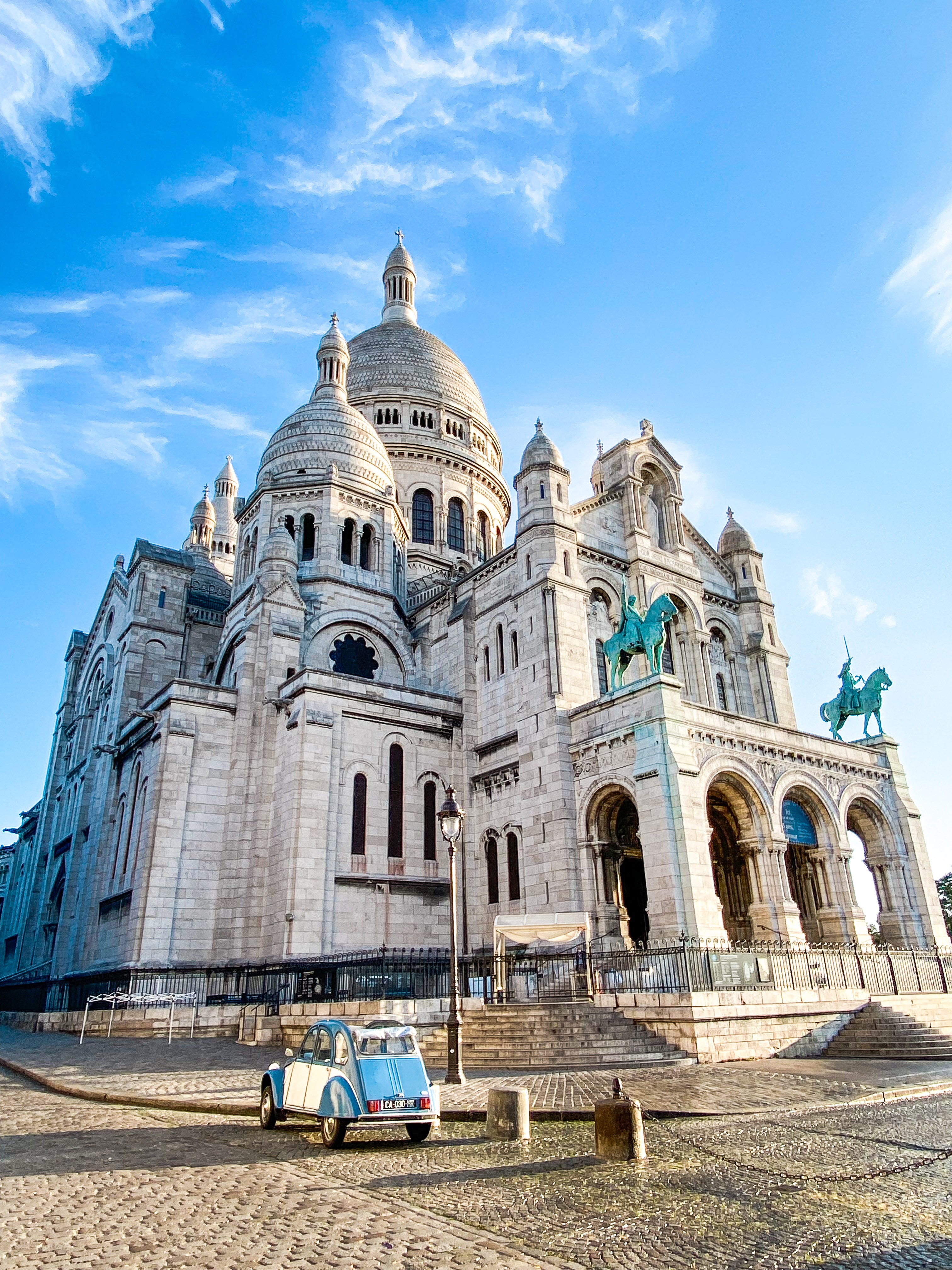
Presiding over the top of the hill stands the imposing Basilica of the Sacré-Cœur, one of the great symbols of Montmartre and all of Paris. This impressive white church dominates the skyline and offers one of the best panoramic views of the city.
Its construction began at the end of the 19th century and it stands out for its Romanesque-Byzantine style architecture. In addition to admiring it from the outside, it is recommended to go inside to contemplate its great interior mosaic and climb to the dome, from where you get one of the best views of Paris.
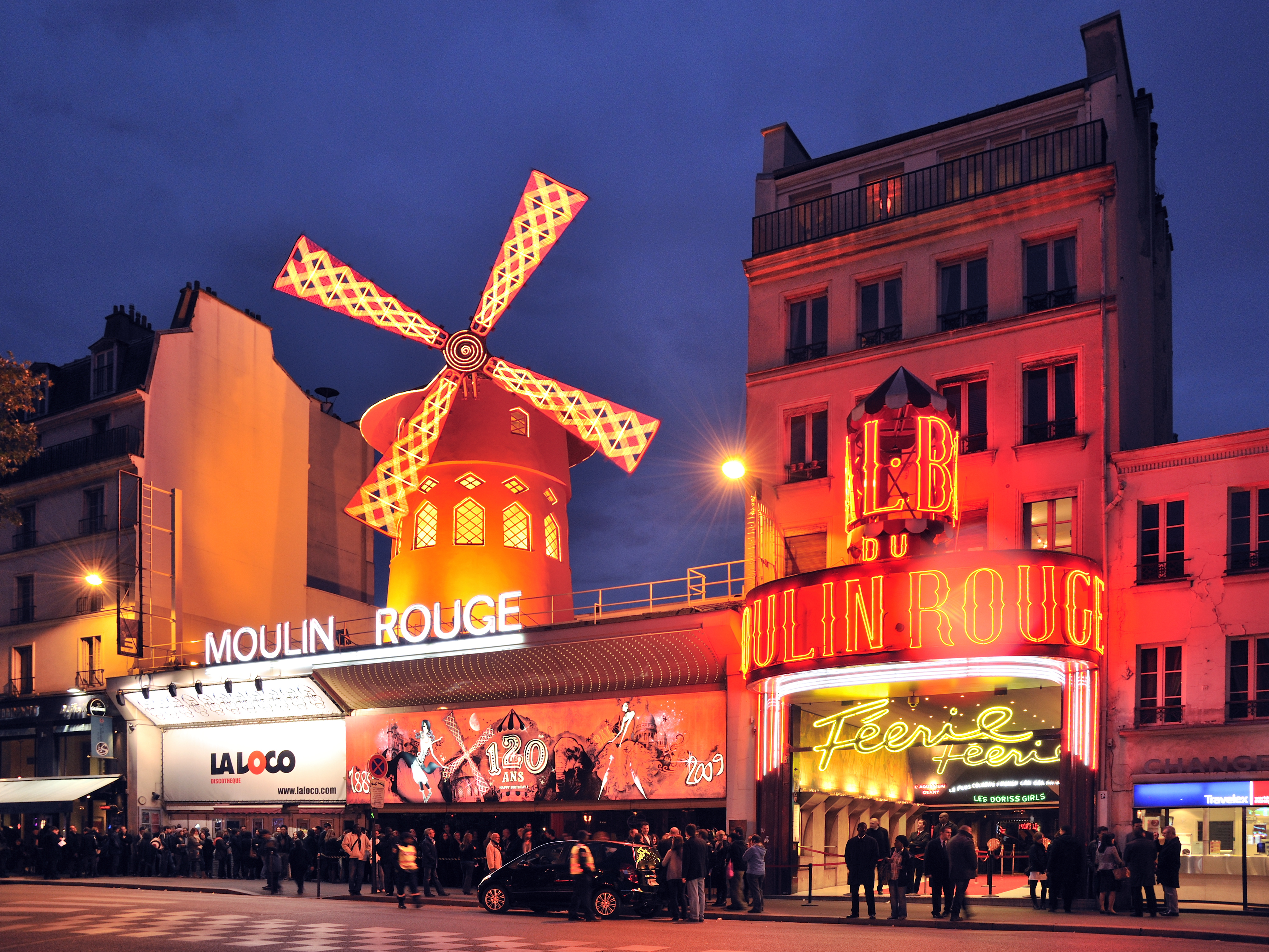
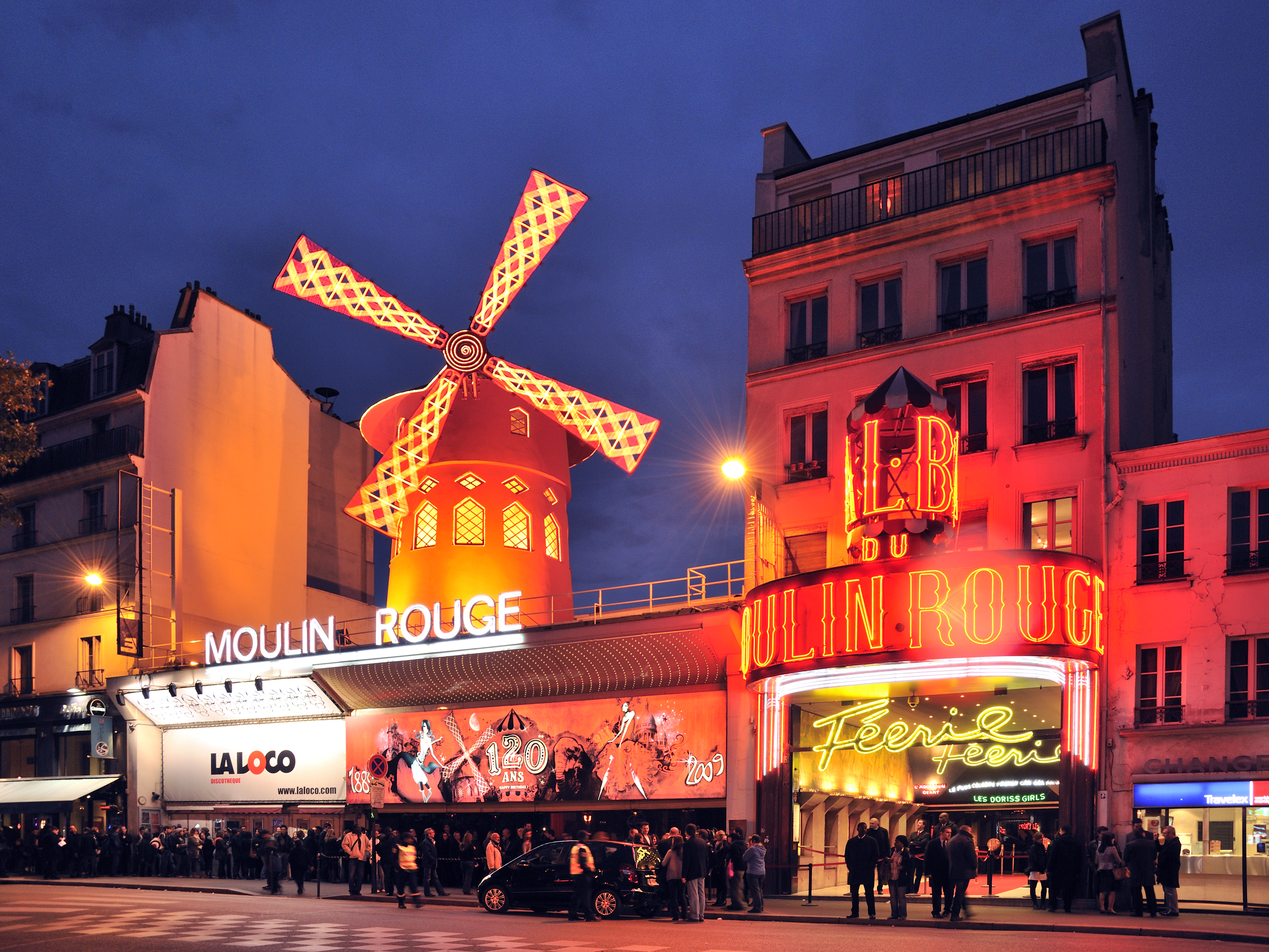
At the foot of the Montmartre hill, in the lively and dynamic district of Pigalle, you will find the mythical Moulin Rouge, one of the places that best represents the spirit of Parisian nightlife and which, to this day, continues to shine with its own light. This iconic cabaret, recognised by its characteristic red windmill, opened its doors in 1889 and quickly became one of the city's main entertainment centres.
Although the environment surrounding it has changed today, it remains one of the most photographed icons in Paris and an essential reference on any route through Montmartre.
The Place du Tertre is the most famous square in Montmartre and one of its main tourist spots. Surrounded by cafés and restaurants, it has become the artistic heart of the neighbourhood. Here, painters and caricaturists work in the open air, keeping alive a tradition that dates back to the time when artists such as Picasso, Modigliani or Utrillo frequented this area.
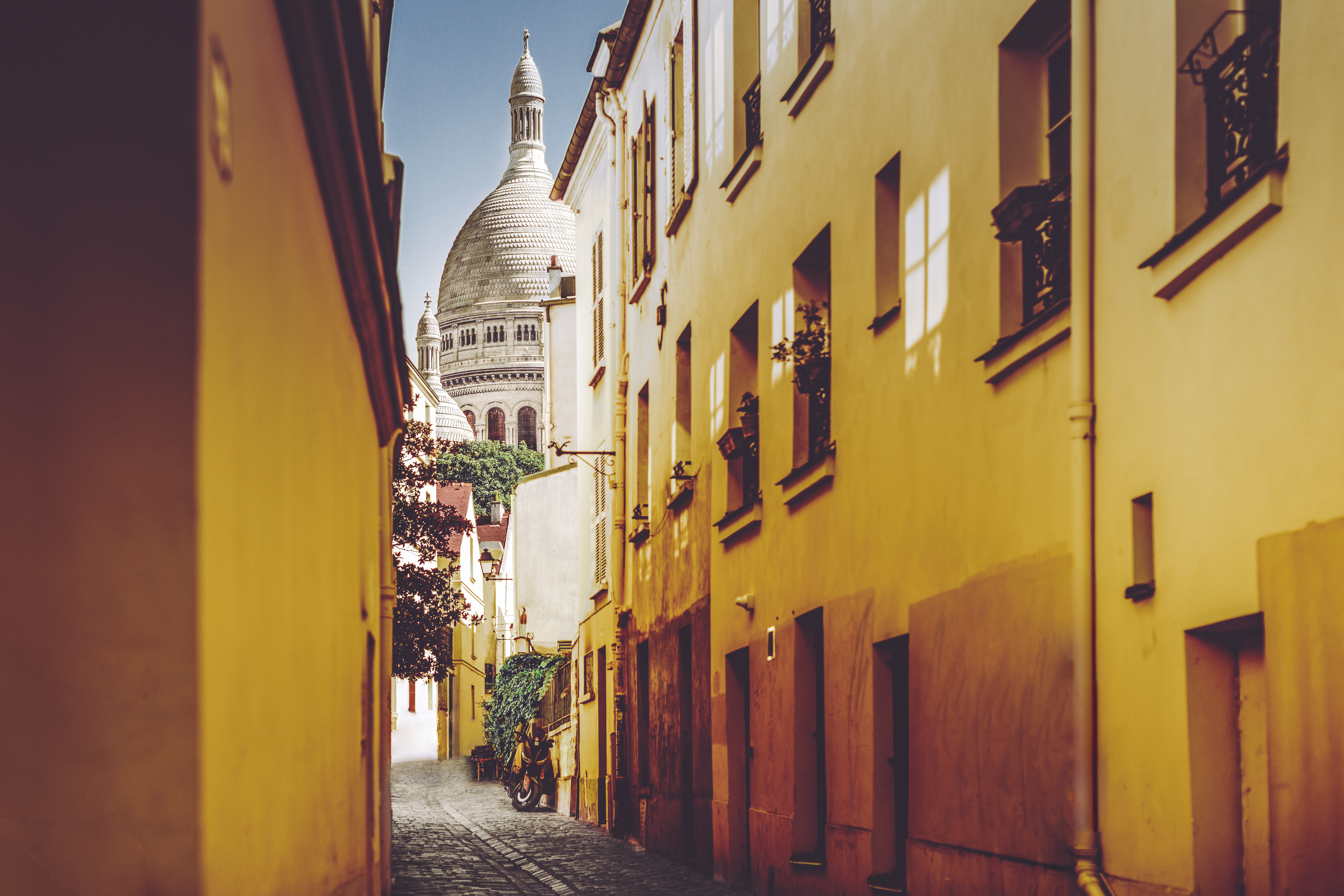
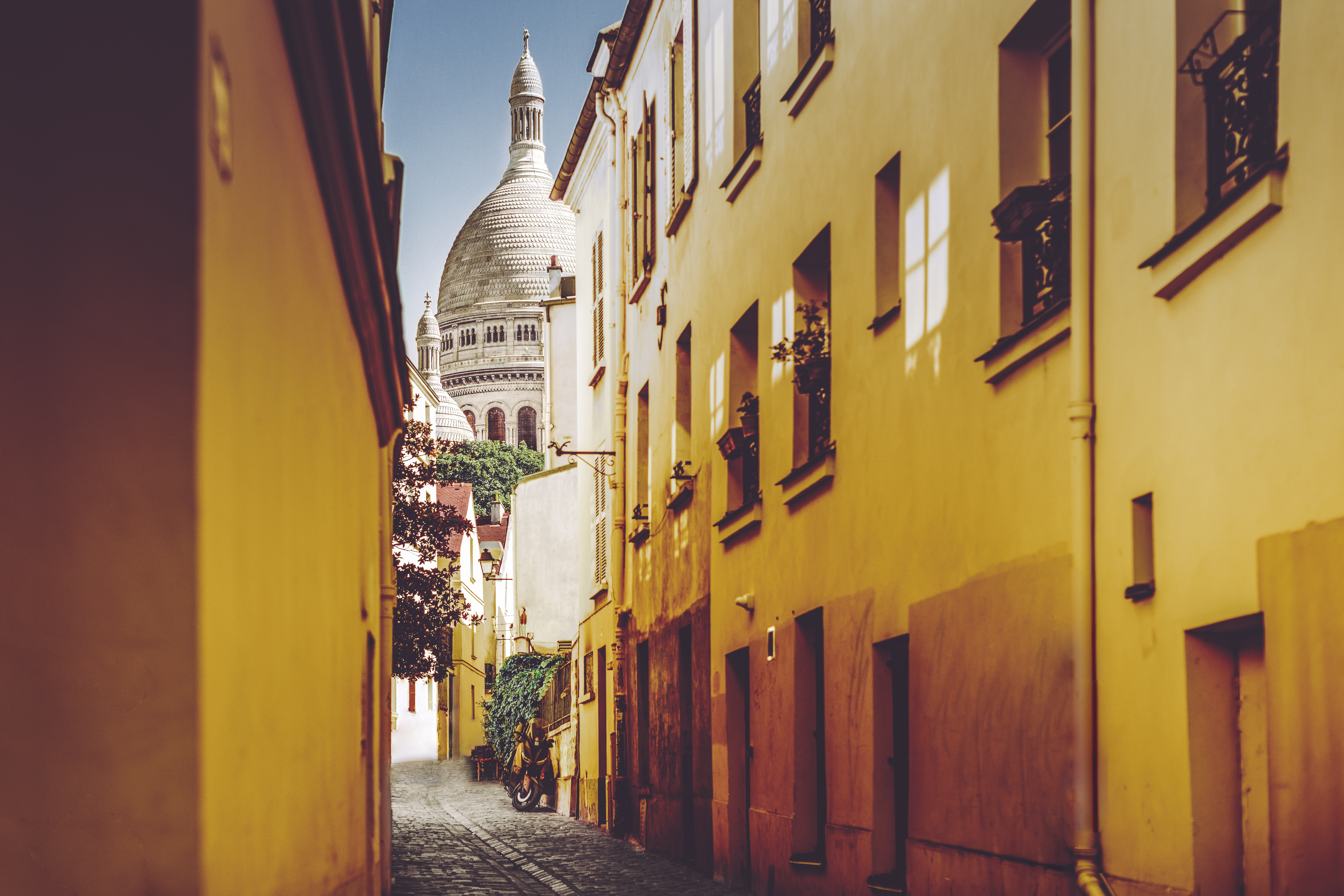
Considered by many to be the prettiest street in Paris, the Rue de l'Abreuvoir preserves the charm of the old village that was Montmartre before it was integrated into the capital.
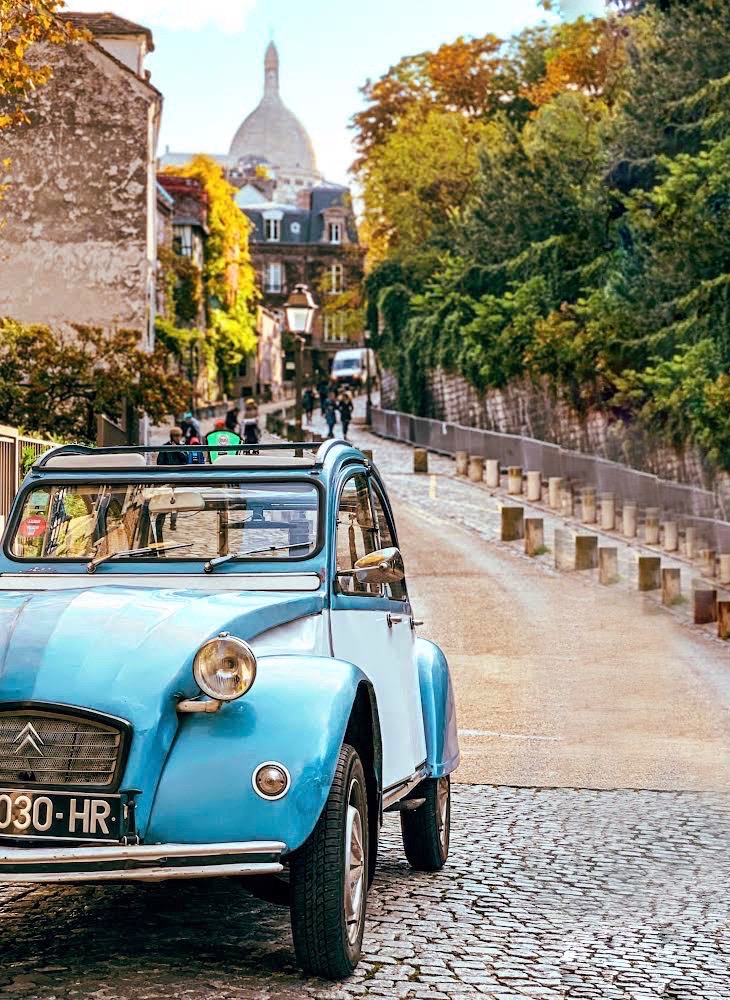
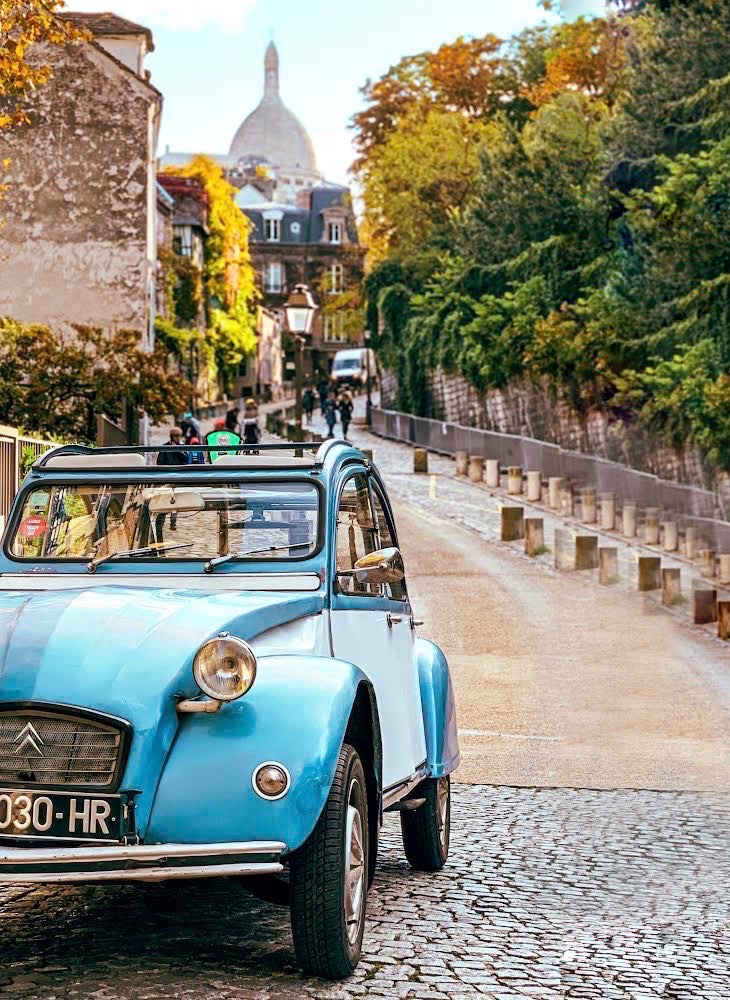
Flanked by historic buildings with walls covered in vegetation that change colour according to the season of the year, walking along it is like entering an idyllic postcard away from the traffic and noise of the city, where the silence is only broken by the passing of a nostalgic neighbour.
One of the most important points in the neighbourhood, Rue Lepic is a lively street that has endless traditional shops, cafés and old buildings closely linked to the artistic history of the area. Strolling along it is key to understanding why Montmartre has fascinated artists from all over the world for generations.
The gardens surrounding the basilica are known as the Jardins du Sacré-Cœur and constitute one of the busiest green spaces in Montmartre. From here, you get some of the best panoramic views of Paris, so it is common to see tourists and Parisians themselves enjoying its surroundings.
Located just in front of the Sacré-Cœur, the Square Louise Michel is a stepped park that connects the lower part of the hill with the basilica. It is a network of paths between fountains, centuries-old trees and garden areas that invite you to take a break on your tour. Ascending its ramps allows you to discover different perspectives of the temple, while enjoying a particularly well-kept, harmonious and serene natural environment.
One of my favourite places in the neighbourhood is the Place Marcel Aymé, a small square known for housing a curious sculpture inspired by the story Le Passe-Muraille (The Passer-Through-Walls). The work pays tribute to Dutilleul, one of the most unique characters in French literature. Although it often goes unnoticed by many tourists, it is one of those charming corners that is worth discovering.
,regionOfInterest=(3608.5,2408.5))
,regionOfInterest=(3608.5,2408.5))
Among the most photographed buildings in the area, La Maison Rose stands out. This historic establishment opened its doors at the beginning of the 20th century, run by Laure Germaine and her husband, the Catalan painter Ramon Pichot, a close friend of Pablo Picasso and Salvador Dalí. Inspired by the colourful houses from her travels around Spain, Germaine decided to paint the facade in its striking powdery pink shade and turn the place into an eatery for the artistic community. The corner was later immortalised by the painter Maurice Utrillo in his famous canvases of Montmartre, which consolidated its international fame. Today, it operates as a restaurant committed to seasonal gastronomy and continues to attract travellers looking to capture the bohemian soul of Paris.
Another of the neighbourhood's most iconic restaurants is La Crémaillère 1900. Located in the heart of the Place du Tertre, this establishment immediately transports you to the golden age of the Belle Époque. Its interior stands out for its impressive Art Nouveau style decoration, full of period paintings inspired by the can-can and the bohemian atmosphere of the 19th century.
In addition to its historic dining room, the restaurant's great hidden treasure is its idyllic private interior garden, a landscaped and cobbled corner surrounded by chestnut trees that allows you to disconnect from the tourist hustle and bustle of the square. It is the perfect place on your itinerary to savour classic dishes of French gastronomy in an environment that seems to have stood still in time.
Few people expect to find a vineyard in the heart of Paris. However, Le Clos Montmartre keeps a centuries-old tradition alive and offers a unique postcard within the city. Every year, the famous Montmartre Grape Harvest Festival (Fête des Vendanges) is held here, one of the most important traditional events in the neighbourhood.
Among the cultural spaces linked to the artistic history of the neighbourhood, the Musée de la Vie Romantique stands out. Located at the foot of the Montmartre hill, this beautiful space occupies the former Italian-style house of the painter Ary Scheffer, built in 1830. For decades, this corner became the epicentre for the brightest minds of the Nouvelle Athènes, hosting gatherings of geniuses such as George Sand, Frédéric Chopin, Charles Dickens or Franz Liszt.
In addition to its rooms dedicated to the art and literature of Romanticism, the great charm of the museum is its tea room hidden in the rose garden, a haven of peace perfect for having a drink away from the Parisian hustle and bustle.
Located in the oldest house on the hill, the Musée de Montmartre offers a fascinating journey through the historical evolution of the neighbourhood. This former residence served as a home and studio for painters of the stature of Auguste Renoir, Suzanne Valadon and Maurice Utrillo.
Inside, you can immerse yourself in the atmosphere of the old cabarets of the Belle Époque, contemplate original posters by Toulouse-Lautrec and stroll through the Renoir Gardens, the beautiful reconstructed grounds that the Impressionist master painted in several of his masterpieces.
Very close to the busy painters' square, Dalí Paris is hidden away, a subterranean gallery dedicated exclusively to the genius of Surrealism, Salvador Dalí. This museum space houses a unique collection of three-dimensional sculptures and engravings by the Catalan artist, adding a dose of genius and artistic madness to your tour of the neighbourhood.
If you are looking for different experiences beyond the more traditional and predictable routes, here is a list of things to see in Montmartre from a different perspective:
Route of the forgotten workshops: Spend an hour locating the commemorative plaques on the facades where the great geniuses of art resided. An essential stop is number 54 Rue Lepic, the apartment building where the Dutch painter Vincent van Gogh lived with his brother Theo between 1886 and 1888, a key stage in which his colour palette changed forever under the light of Paris.
The secret vineyard (Le Clos Montmartre): Go and contemplate the vines on the northern slope of the hill. Although the current vineyard was replanted in the 1930s to protect the land from real estate speculation, it pays tribute to the neighbourhood's wine-growing past, which dates back to the Roman era and the nuns of the old Abbey of Montmartre. It is a photogenic corner full of history that very few tourists stop to observe calmly.
Search for the Bateau-Lavoir: Find the location of the mythical building that served as a residence and studio for Picasso and Modigliani, considered the true laboratory where Cubism was born and Les Demoiselles d'Avignon was painted.
Night walk under the streetlights: Walk along the side staircases of the hill at nightfall, when the tour groups have left and the neighbourhood recovers its mysterious and romantic atmosphere of a classic film.
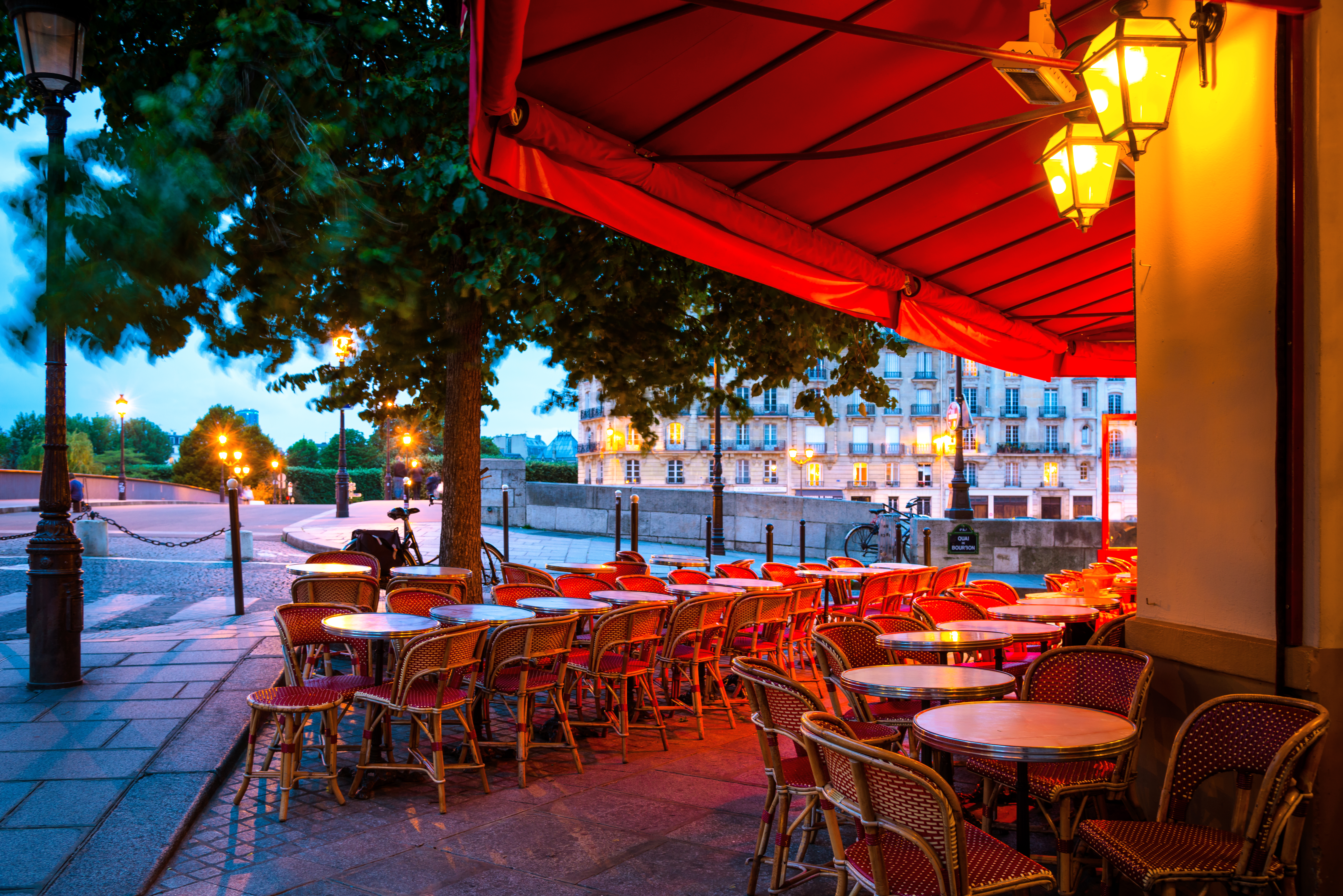
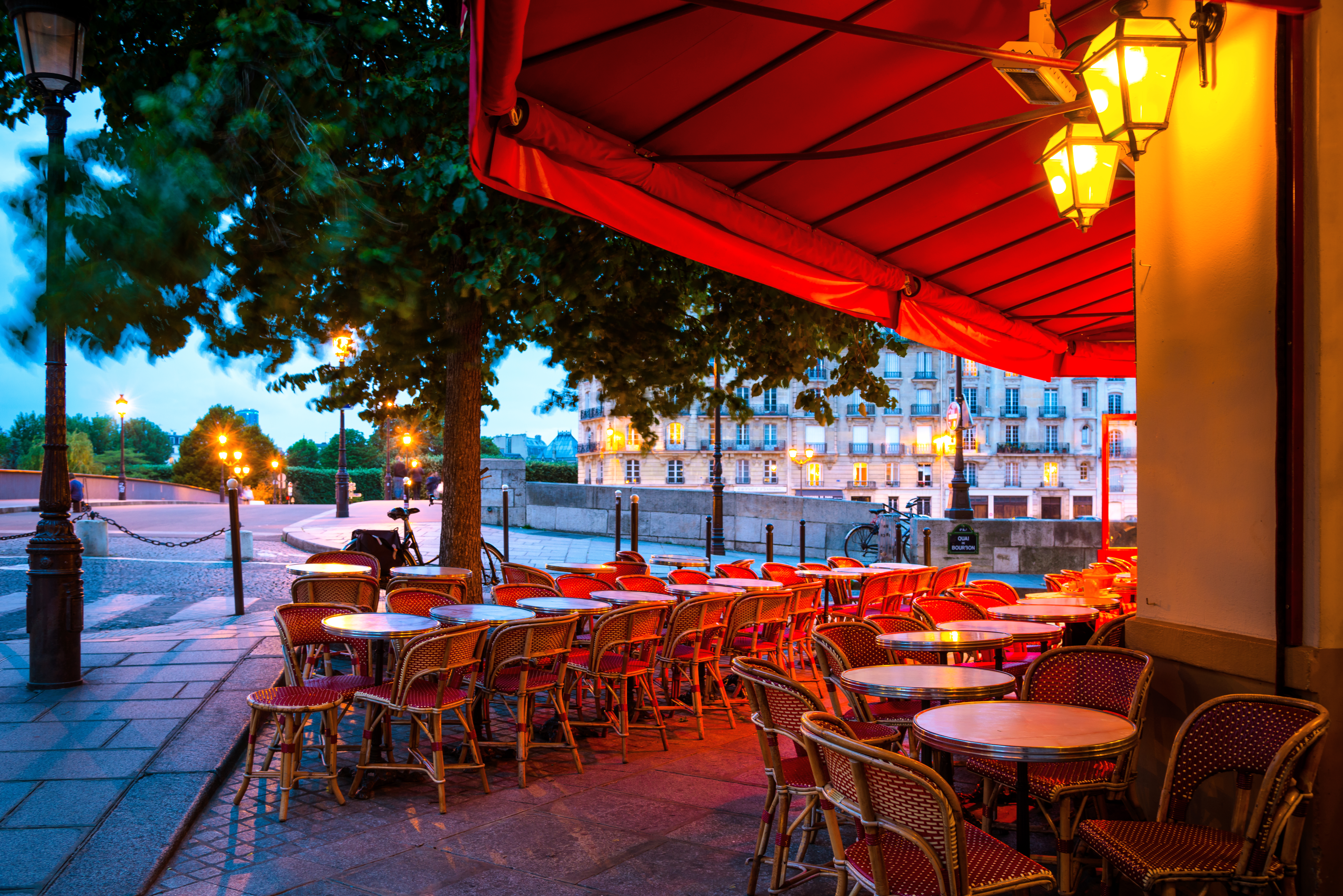
The gastronomic offer of Montmartre is as varied as its history. Here, French bistros with checked tablecloths coexist with cafés that are authentic visual icons.
In the upper part of the hill, the picturesque facades of the old bistros catch the eye of every traveller. Beyond the more photogenic and crowded venues on the main axes, the true culinary essence of the neighbourhood is hidden in the small streets of the northern slope.
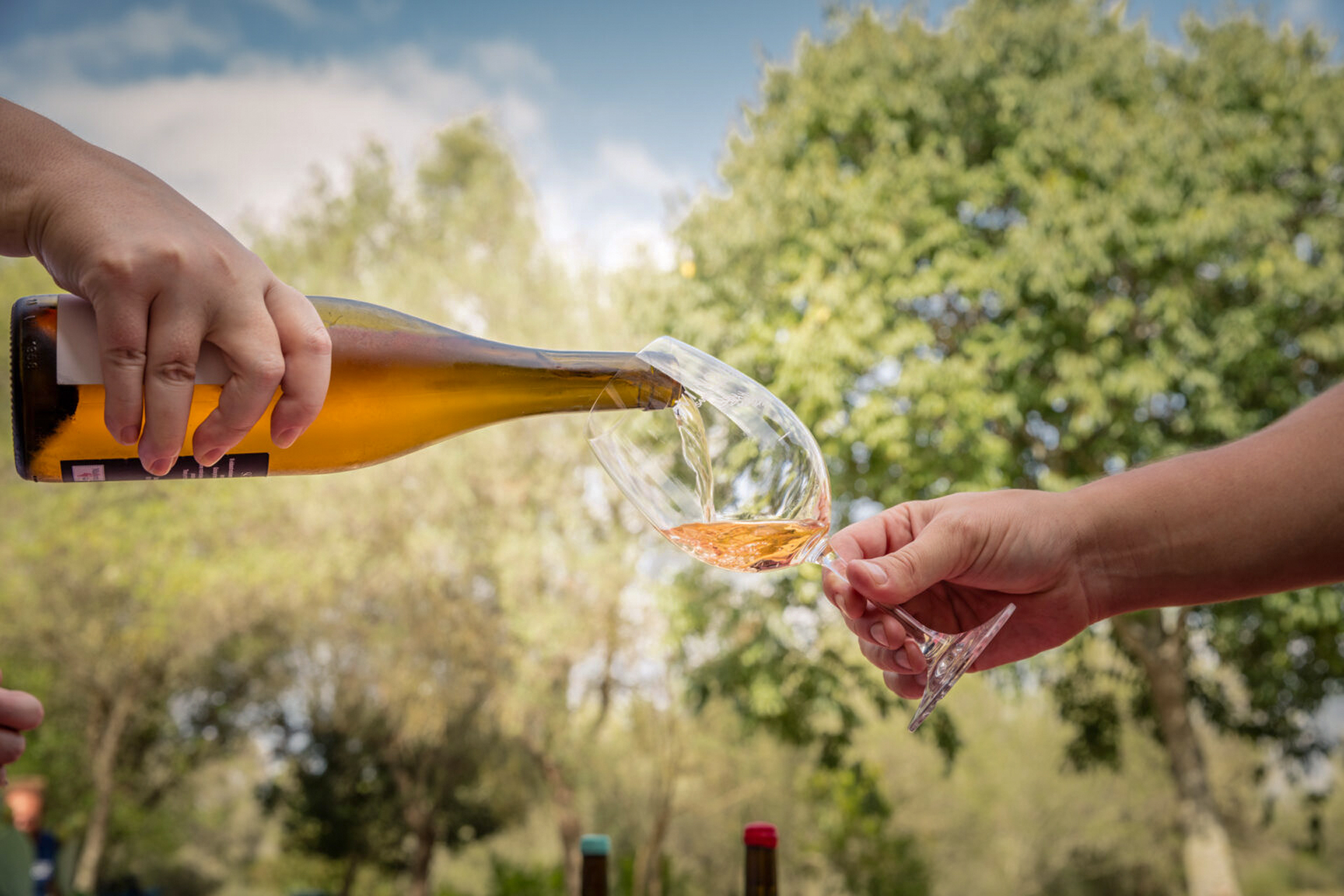
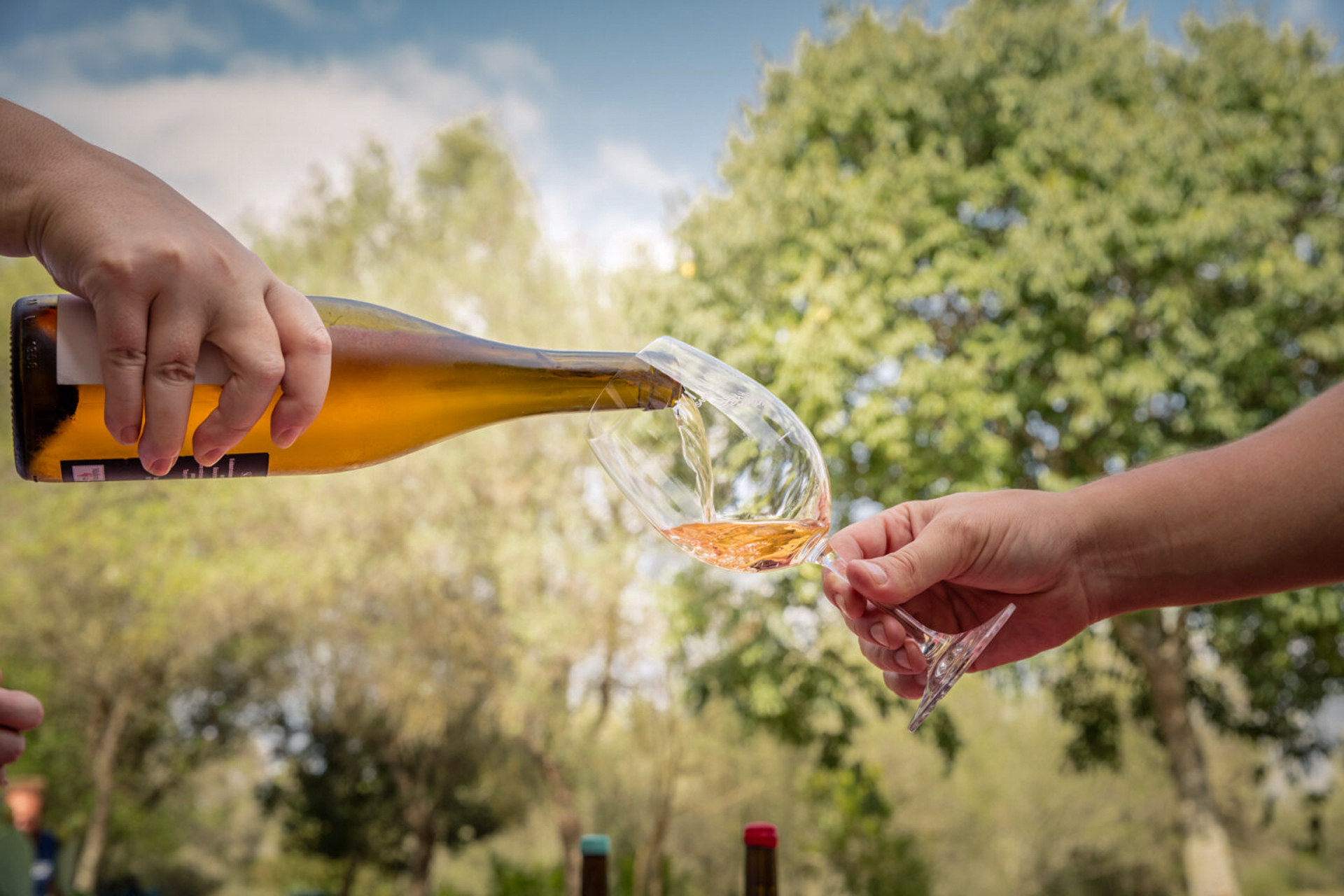
I suggest you venture into these less travelled alleys to discover small family businesses that refuse to lose their identity. It is the perfect place to savour authentic French gastronomy, ordering a traditional onion soup (soupe à l'oignon), a tender duck confit, the classic Croque-Monsieur sandwich or the iconic Boeuf Bourguignon stew, all accompanied by a board of artisanal cheeses and a good glass of local wine.
,regionOfInterest=(960,640))
,regionOfInterest=(960,640))
The annual event par excellence of the district is the Fête des Vendanges (the Grape Harvest Festival). During the second week of October, the entire hill celebrates the grape harvest from its historic vineyards.
The streets are filled with traditional parades, folk music, fireworks and gastronomic stalls from all regions of France offering wine tastings and artisanal products.
Although the number of stairs can be daunting at first, travelling to Montmartre with children is a fantastic experience if it is well organised. One of the activities the little ones enjoy most is going up to the basilica on board the Montmartre Funicular, a short and exciting journey that will save you from climbing the more than 200 steps with the pushchair or the fatigue of the slopes.
In addition to watching the caricaturists work live in the Place du Tertre, the finishing touch to the walk is taking them on the beautiful carousel in the Square Louise Michel (in the Place Saint-Pierre). This retro-style, Italian-inspired merry-go-round is famous for appearing in the film Amélie and is the ideal corner for taking an unforgettable family photo.
Here is a proposal for a day in Montmartre so you can organise yourself and make the most of every minute in the neighbourhood:
Morning: Climb up to the Basilica of the Sacré-Cœur, explore the corners of the Place du Tertre and photograph the most iconic streets.
Midday: Have lunch in a traditional bistro away from the most crowded areas.
Afternoon: Visit the Musée de Montmartre to learn about its bohemian history, look for the Van Gogh plaque on the Rue Lepic and stroll along the picturesque Rue de l'Abreuvoir.
Night: End the day contemplating the lights of the Moulin Rouge in Pigalle or enjoying the nightlife in the local terraces.
📍 So that you don't miss anything during your route, here is a map with the points of interest in Montmartre, with the exact location of all the monuments, museums, photogenic streets and corners that we have mentioned in this guide. You can save it to consult it whenever you need.
As a final tip for your route through Montmartre, I suggest you put your phone away from time to time. This hill is not conquered in a rush or by ticking points off a map against the clock. The neighbourhood is breathed in slowly, braving its steep staircases and allowing chance itself to guide your steps. Allow yourself the luxury of losing your way, turn any corner and let the bohemian magic of Paris reveal its best-kept secret.
,regionOfInterest=(1771.5,1181.5))
,regionOfInterest=(1771.5,1181.5))
,regionOfInterest=(1023,575.5))
,regionOfInterest=(1023,575.5))
,regionOfInterest=(1023,575.5))
,regionOfInterest=(1023,575.5))
,regionOfInterest=(1023,575.5))
,regionOfInterest=(1023,575.5))
,regionOfInterest=(1023,575.5))
,regionOfInterest=(1023,575.5))
,regionOfInterest=(2150,1433.5))
,regionOfInterest=(2150,1433.5))