,regionOfInterest=(3306.5,2180.5))
,regionOfInterest=(3306.5,2180.5))
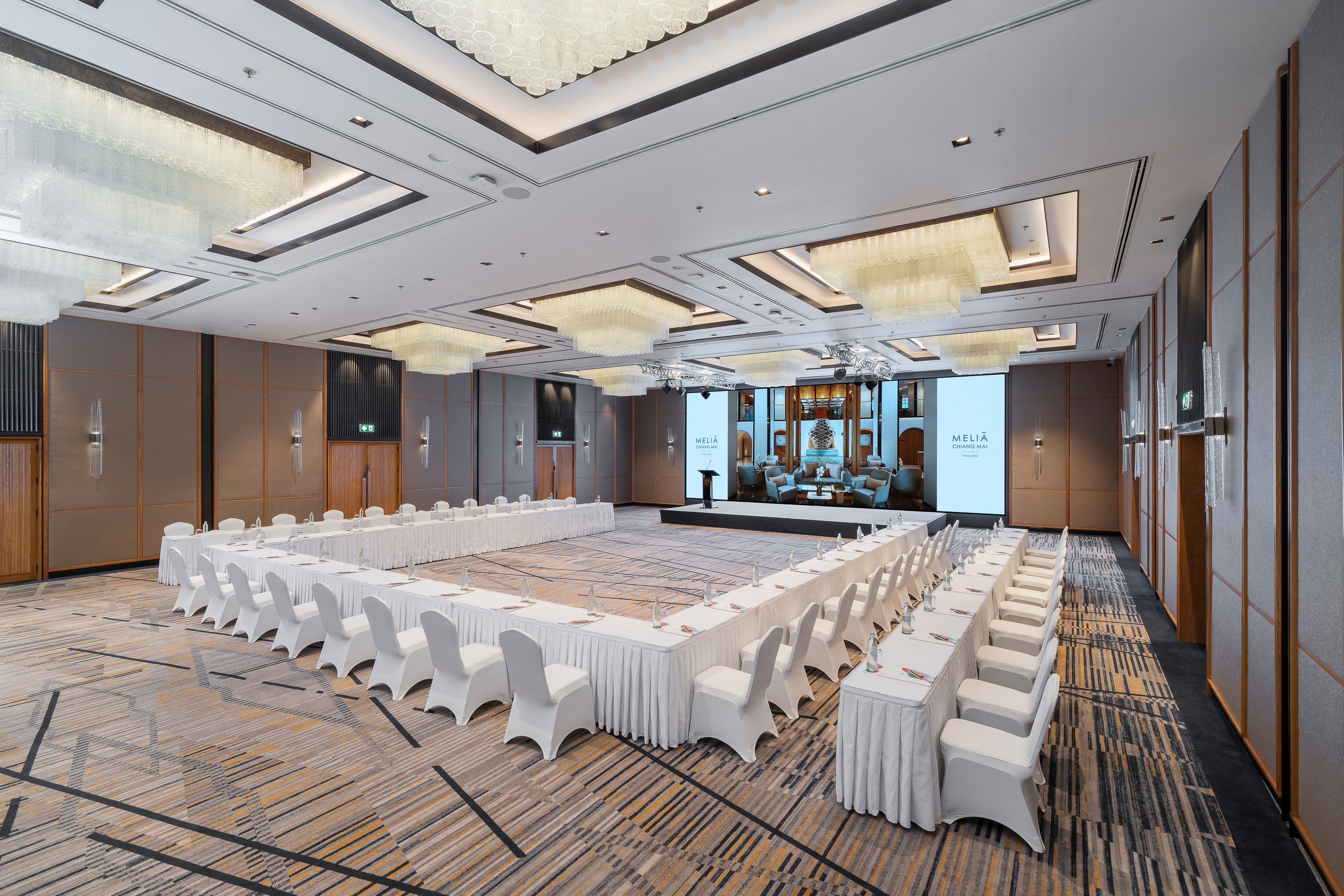
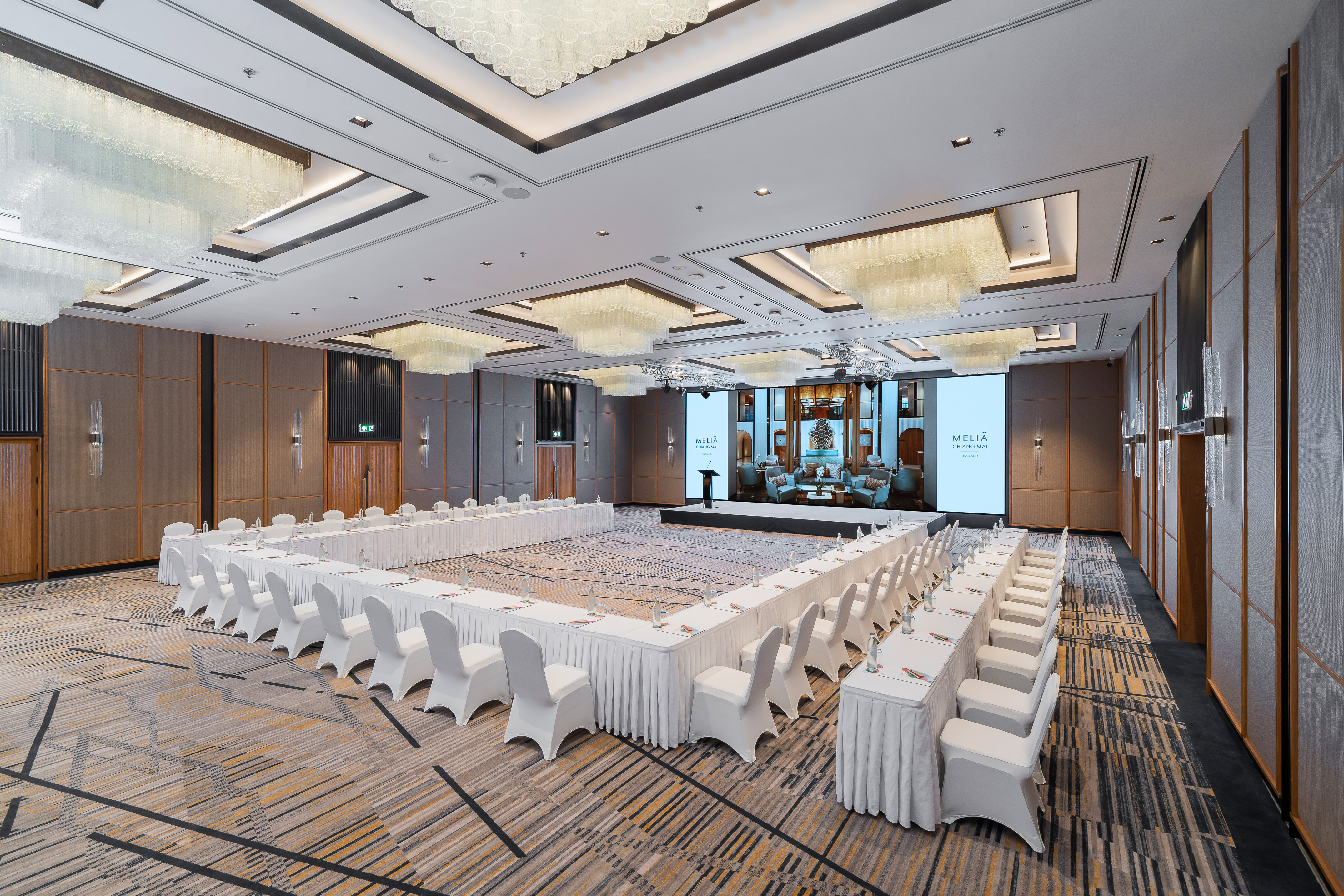
Best corporate venues in Chiang Mai 2026: meeting and event spaces
,regionOfInterest=(2150,1433.5))
,regionOfInterest=(2150,1433.5))
Culture
,regionOfInterest=(2061,1436.5))
,regionOfInterest=(2061,1436.5))
Holidays
,regionOfInterest=(500,500))
,regionOfInterest=(500,500))
All-terrain writer specialising in tourism, fashion and trends. A curious soul, traveller, reader and sports enthusiast, keen to discover every corner of the world.
A visit to Versailles is one of the essential excursions for your itinerary of things to do in Paris, as it is capable of evoking, almost immediately, the luxury, absolutism, and sophistication of the French monarchy, given that it was the former residence of the kings of France.
Located in the Île-de-France region, about 20 kilometres southwest of Paris, this historic city is world-renowned for housing the Palace of Versailles, one of the most spectacular royal residences ever built. However, although this royal complex is the main tourist attraction, when looking for what to see in Versailles, the reality is that the town offers historic attractions and charming neighbourhoods that go far beyond its luxurious halls and monumental gardens.
Every year, millions of travellers visit the Palace of Versailles to discover the legacy of the French monarchy, explore its extensive parks, and visit the most iconic places linked to the court of Louis XIV, the Sun King.
As it is a perfect day trip from the capital, if you want to know what to do in Versailles, in this guide I detail the main monuments, museums, and iconic corners of the most opulent setting in French history.
,regionOfInterest=(1932,1288))
,regionOfInterest=(1932,1288))
,regionOfInterest=(2808,1872))
,regionOfInterest=(2808,1872))
,regionOfInterest=(2736,1824))
,regionOfInterest=(2736,1824))
It is true that the city is closely linked to its immense royal palace, but it is important to know that it offers many other attractions that are worth visiting. In fact, tourism in Versailles will not take you a couple of hours, as it is a destination that requires a leisurely visit that allows you to contemplate all the details and let yourself be carried away by the vastness of its landscapes.
These are some of the plans I recommend to capture the true essence of Versailles:
If you are preparing a route through Versailles, keep reading and discover which places cannot be missing from your itinerary.
The majestic Palace of Versailles is, without a doubt, the great protagonist of any visit to the city. Considered one of the masterpieces of French Baroque architecture, what began as a modest hunting lodge for King Louis XIII was transformed by the Sun King into one of the most iconic palaces on the planet, acting as the official residence of the monarchy from the end of the 17th century until the French Revolution.
Its enormous architectural complexity, its interior decorations, and the artistic wealth it houses make it one of the most visited monuments in the world.
Among the most outstanding spaces in the building are the famous Hall of Mirrors, the Grand Apartments of the King and Queen, the Royal Chapel, and the sumptuous official halls, decorated with works of art of incalculable historical value.
Within the palace complex, the Royal Chapel, located in the north wing of the palace, represents one of the best examples of religious architecture of the French Baroque period. This masterpiece was carried out by Jules Hardouin-Mansart (French architect of the 17th century, one of the main representatives of the Baroque style in France). It stands out for its impressive ceiling painted by Antoine Coypel (prominent French Baroque painter and decorator, known for his dynamic compositions and his style influenced by Italian painting) and its polychrome marble floor, a reflection of religious absolutism, elegance, and the power of the monarchy of Louis XIV.
In the historic Saint-Louis neighbourhood, the Cathedral of Saint Louis of Versailles is an impressive 18th-century church and a jewel of late Baroque and Neoclassical architecture. With its imposing dome and austere stone façade, the temple houses a famous historic Clicquot organ and an outstanding collection of paintings from the 18th and 19th centuries.
Located in front of the palace, the Place d'Armes is a huge esplanade that stands out as one of the most representative spaces in the city. From here you will enjoy some of the best views of the main façade of the Palace of Versailles, being the usual starting point for most tourists.
Seeking a refuge where he could escape the strict court etiquette and live out his secret loves, King Louis XIV ordered the construction of the Grand Trianon. This palace stands out for its refined Italian-style architecture, clad in beautiful pink Languedoc marble.
The Queen's Hamlet (Hameau de la Reine) seems taken from a country fable. Designed by the architect Richard Mique for Marie Antoinette, this idealised replica of a Norman village features picturesque timber-framed houses, a water mill, a farm, and the famous Malbrouck tower, which simulates a lighthouse by the lake.
The Gardens of Versailles are a true work of art. Designed by André Le Nôtre, they occupy hundreds of hectares and represent one of the best examples of classic French landscaping.
Conceived as a monumental plant museum, their fountains, sculptures, ponds, and perfectly geometric flowerbeds reflect the ideal of order and control over nature that characterised the reign of Louis XIV.
Within the gardens of Versailles, I want to highlight the Grand Canal, an impressive cross-shaped sheet of water that stretches for more than a kilometre and a half. Historically, it was used by the court to organise Venetian gondola rides and mock naval battles.
Strategically located on the main terrace, just below the palace, the Latona Fountain is one of the great sculptural representations of the entire complex. Its different marble levels narrate the mythological legend of the goddess Latona protecting her children Apollo and Diana.
,regionOfInterest=(2808,1872))
,regionOfInterest=(2808,1872))
The Notre-Dame neighbourhood is the oldest in Versailles, located north of the main avenues. It stands out for housing the spectacular covered market of the Marché Notre-Dame, a gastronomic paradise where the best producers in the region gather on weekends.
The Saint-Louis neighbourhood was designed to house the court workers, and today, it preserves multiple streets, period houses, hidden courtyards, and the famous Carrés Saint-Louis, allowing you to understand what the city was like during its heyday.
A few minutes from the palace is the King's Kitchen Garden, an immense 17th-century vegetable garden designed to supply exotic fruits and vegetables to the table of Louis XIV, and which is still in operation today.
A few minutes' walk from the palace, in the Saint-Louis neighbourhood, is the King's Kitchen Garden (Potager du Roi). This immense 17th-century space was designed by Jean-Baptiste de La Quintinie to supply exotic fruits and vegetables to the table of Louis XIV. Today, it continues to operate as the headquarters of the National School of Landscape Architecture and can be visited.
Located in the north wing of the palace, the Gallery of the History of France consists of eleven fully renovated rooms that trace the history of the building from its origin as a hunting lodge to the modern era. Recently reopened with a digital and interactive focus, the space combines touch screens and multimedia projections with a rich chronological collection of royal portraits, ancient plans, and historical models. This exhibition brings together more than a hundred traditional works of art, making it the perfect stop to visually understand the political context of each era and the evolution of the court before entering the Grand Apartments.
Hidden in the Saint-Louis neighbourhood, the Tennis Court Room (Salle du Jeu de Paume) is a landmark of French democracy. It was the stage where, on 20 June 1789, the deputies of the Third Estate took the famous Tennis Court Oath, committing themselves not to disband until a Constitution was drafted, which accelerated the start of the French Revolution.
If you are looking for different plans in Versailles that go beyond visiting the palace, here are some ideas to complete your day in the city:
Great Musical Waters Show: Plan your visit from April to October to see the Gardens of Versailles at their peak. On selected dates, the historic fountains come to life to the rhythm of Baroque composers such as Lully, Rameau, or Charpentier.
Lunch in the city centre: Enjoy a fantastic gastronomic stop by booking a table at the Le Sept Restaurant, a cosy bistro and wine bar located in the lively Montreuil neighbourhood. It stands out for its traditional French cuisine made with fresh seasonal products, an authentic atmosphere among old stones, and a spectacular selection of wines
Explore the Marie Antoinette Estate by bike: Rent a bike next to the Grand Canal and ride along the more secluded paths of the park to approach the Trianons in a fun and effortless way.
Night walk through the Orangerie: Admire the impressive geometric design of the Orangerie (a monumental greenhouse designed by Hardouin-Mansart to protect more than 1,500 royal citrus trees and exotic plants from the winter cold; in summer, these trees are displayed in its majestic outdoor garden, creating one of the most iconic decorative landscapes in Versailles) and its flowerbeds from the viewpoint of the Hundred Steps staircase (Escalier des Cent Marches) during sunset, just before the park closes.
The culinary proposal of Versailles combines the elegance of haute cuisine with the authenticity of food markets.
In the surroundings of the historic Notre-Dame Market Square (Place du Marché Notre-Dame), traditional cheese shops and bakeries are perfect for buying local artisan cheeses and freshly baked bread. You can purchase these products and improvise a picnic on the banks of the Grand Canal of Versailles.
On the other hand, in the historic neighbourhoods of the city you will find traditional bistros where you can try classic recipes of French cuisine, such as beef steak with pepper sauce, snails with garlic butter, or apple Tarte Tatin.
,regionOfInterest=(3000,2000))
,regionOfInterest=(3000,2000))
The most popular cultural event of the season takes place during the summer nights with the famous Grandes Eaux Nocturnes (The Night Fountains Show). The Baroque gardens are illuminated with artistic light effects, coloured lasers, and royal torches while the fountains dance to the rhythm of the music.
The evening culminates with a spectacular display of fireworks in front of the Grand Canal of Versailles, emulating the majestic parties that the Sun King organised in the 17th century to delight the court and foreign ambassadors.
Versailles is a destination that can be perfectly visited as a family. One of the activities that children enjoy most is touring the immense park aboard the small open-top Tourist Train of Versailles (Petit Train), which comfortably connects the main palace with the Trianon Palaces.
In addition, children will love interacting with the animals that live on the farm in the picturesque Queen's Hamlet (Hameau de la Reine). Another ideal option is to go to the Petite Venise to rent a boat on the Grand Canal and sail as a family surrounded by nature
Here is an itinerary in which I tell you what to see in Versailles in one day so you can organise yourself and not miss anything:
Morning: Start early by visiting the interior of the Palace of Versailles and the famous Hall of Mirrors (it is recommended to book the first time slot).
Midday: Walk through the Gardens of Versailles to admire its fountains and head towards the city centre for lunch.
Afternoon: Return to the complex to discover the Trianon Palaces and the picturesque Queen's Hamlet (remember that this space opens its doors from 12:00 pm).
Night: Explore the Montreuil neighbourhood and enjoy excellent market cuisine by dining at the Le Sept Restaurant.
📍 To easily organise your route, on this map with points of interest in Versailles you will find the location of what we have detailed in this guide.
,regionOfInterest=(1750,876))
,regionOfInterest=(1750,876))
,regionOfInterest=(2713.5,1809))
,regionOfInterest=(2713.5,1809))
,regionOfInterest=(3096.5,2536))
,regionOfInterest=(3096.5,2536))
,regionOfInterest=(1771.5,1181.5))
,regionOfInterest=(1771.5,1181.5))
,regionOfInterest=(2144,1424))
,regionOfInterest=(2144,1424))
,regionOfInterest=(5340,2078))
,regionOfInterest=(5340,2078))