,regionOfInterest=(3306.5,2180.5))
,regionOfInterest=(3306.5,2180.5))
The best coves in Mallorca
,regionOfInterest=(707.5,1059.5))
,regionOfInterest=(707.5,1059.5))
Culture
,regionOfInterest=(2145,1464.5))
,regionOfInterest=(2145,1464.5))
Holidays
,regionOfInterest=(500,500))
,regionOfInterest=(500,500))
All-terrain writer specialising in tourism, fashion and trends. A curious soul, traveller, reader and sports enthusiast, keen to discover every corner of the world.
There are areas that preserve the echo of history's brightest minds, and one of them is Montparnasse, a neighbourhood on the Left Bank of the Seine that is, indisputably, one of Europe's greatest cultural epicentres. Although it often takes a backseat to other better-known spots in the French capital, this historic district has played a fundamental role in the city's cultural life.
For much of the 20th century, the Montparnasse neighbourhood was a meeting place for writers, painters, sculptors, and intellectuals from all over the world, making it one of the great centres of European bohemia.
Today, Montparnasse maintains much of that artistic legacy while offering a perfect combination of history, gastronomy, culture, and local life. Its famous crêperies, its iconic literary cafés, and its numerous cultural spaces make it an essential destination to see in Paris to discover a more authentic facet of the city.
If you are looking for what to see in Montparnasse, in this guide you will find the main points of interest, monuments, museums, and experiences that should not be missed on your walk through this iconic Parisian corner.
,regionOfInterest=(1181,1771.5))
,regionOfInterest=(1181,1771.5))
,regionOfInterest=(3008,2000))
,regionOfInterest=(3008,2000))
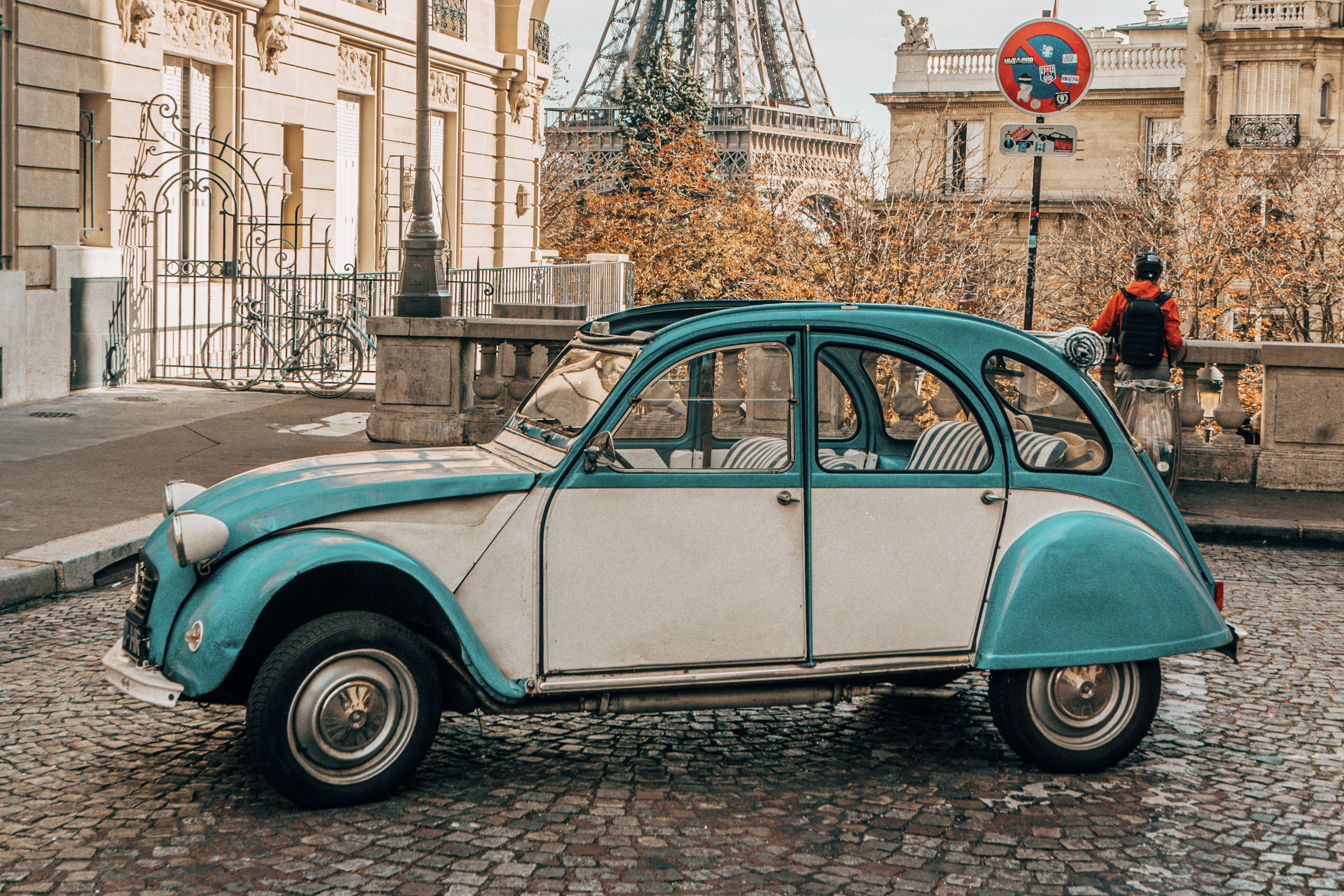,regionOfInterest=(1910.5,1273.5))
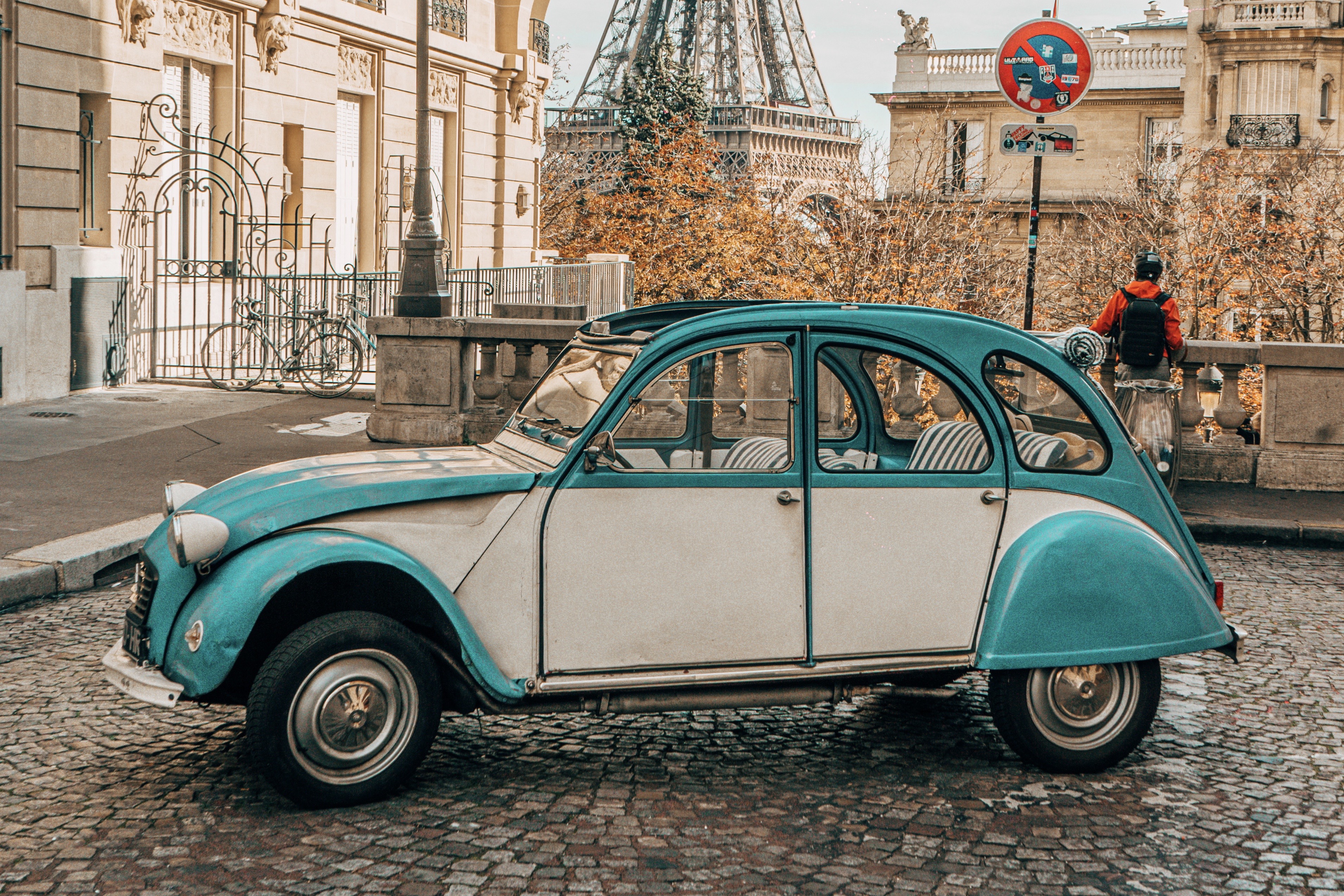,regionOfInterest=(1910.5,1273.5))
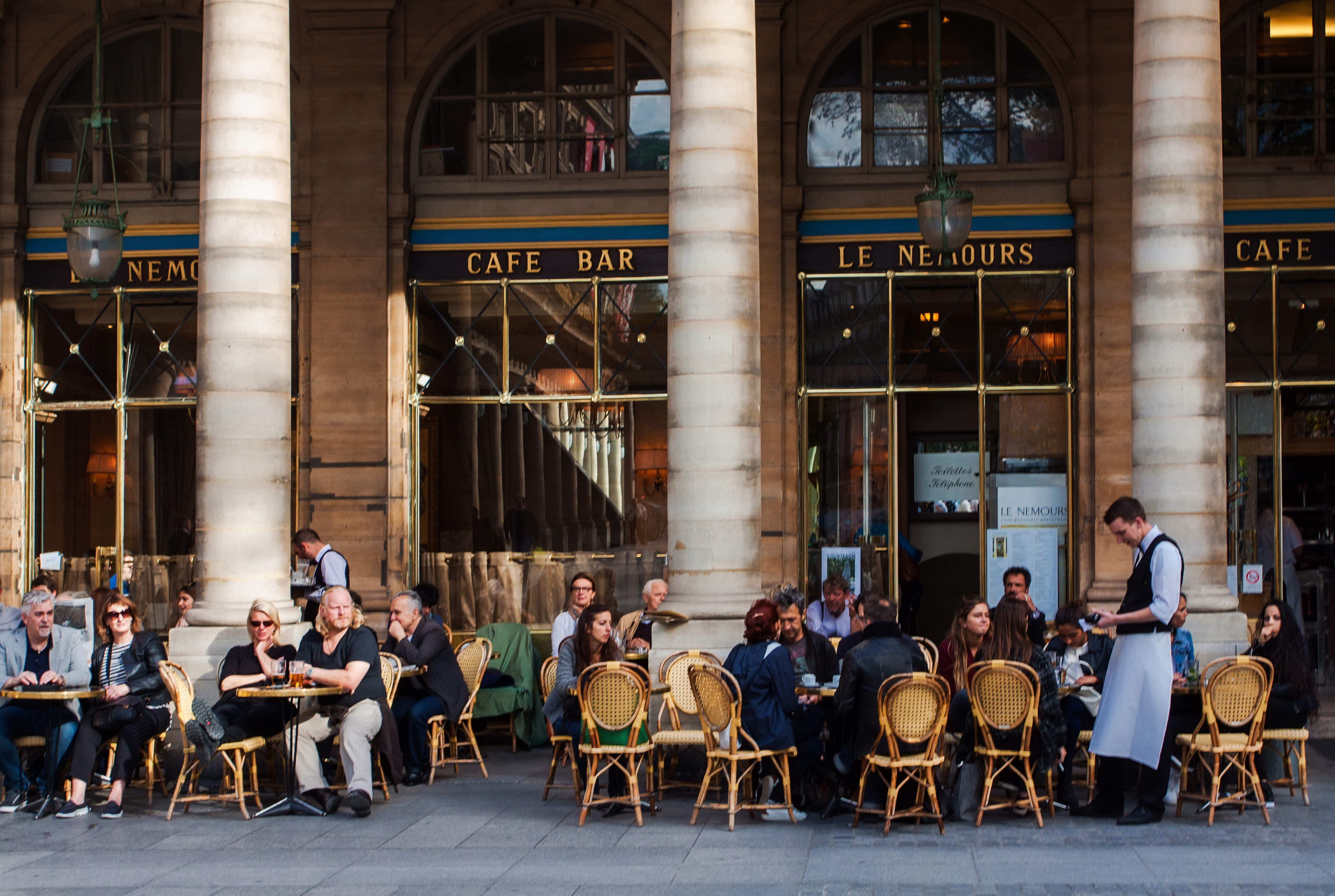,regionOfInterest=(2310,1551))
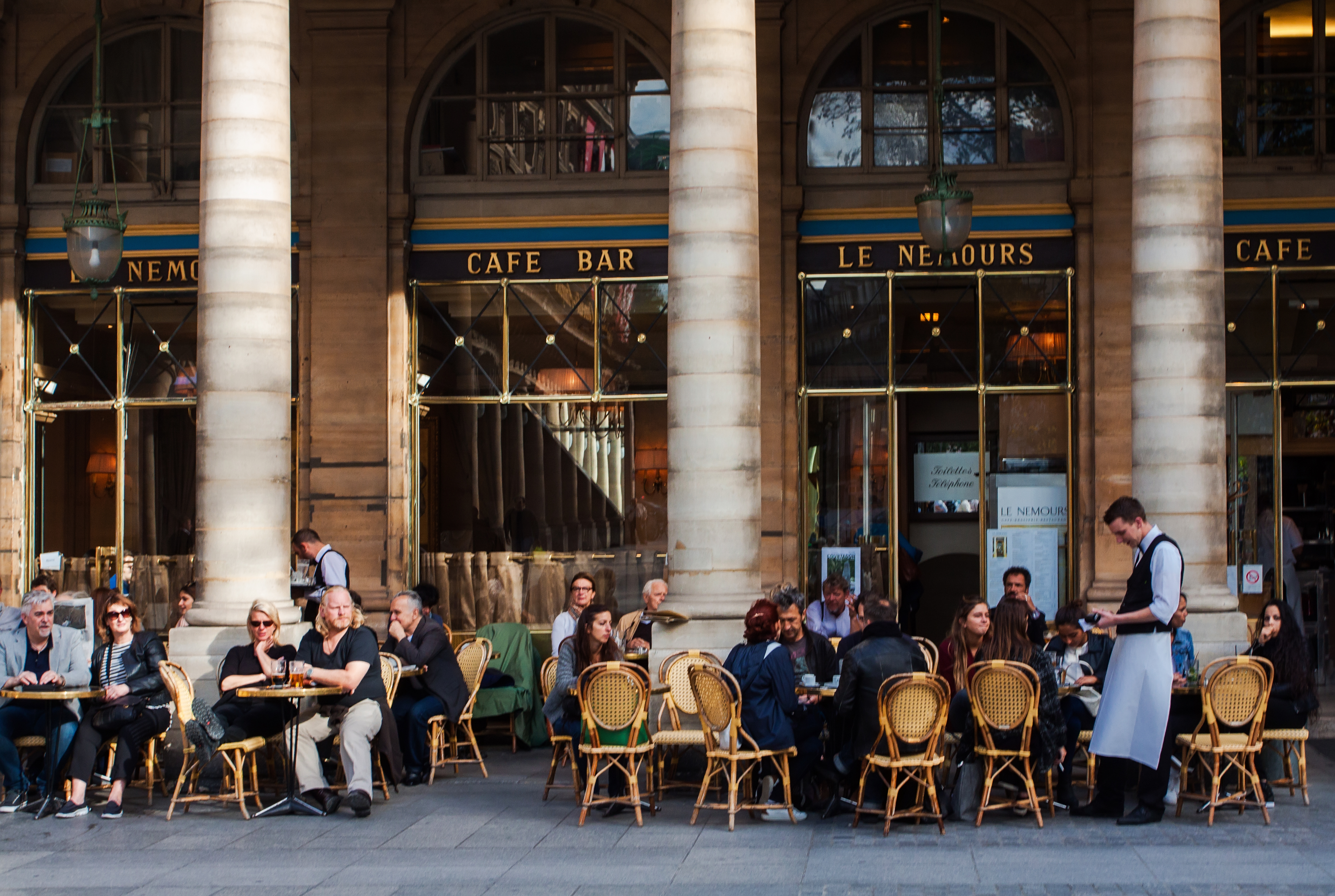,regionOfInterest=(2310,1551))
,regionOfInterest=(3313.5,2209))
,regionOfInterest=(3313.5,2209))
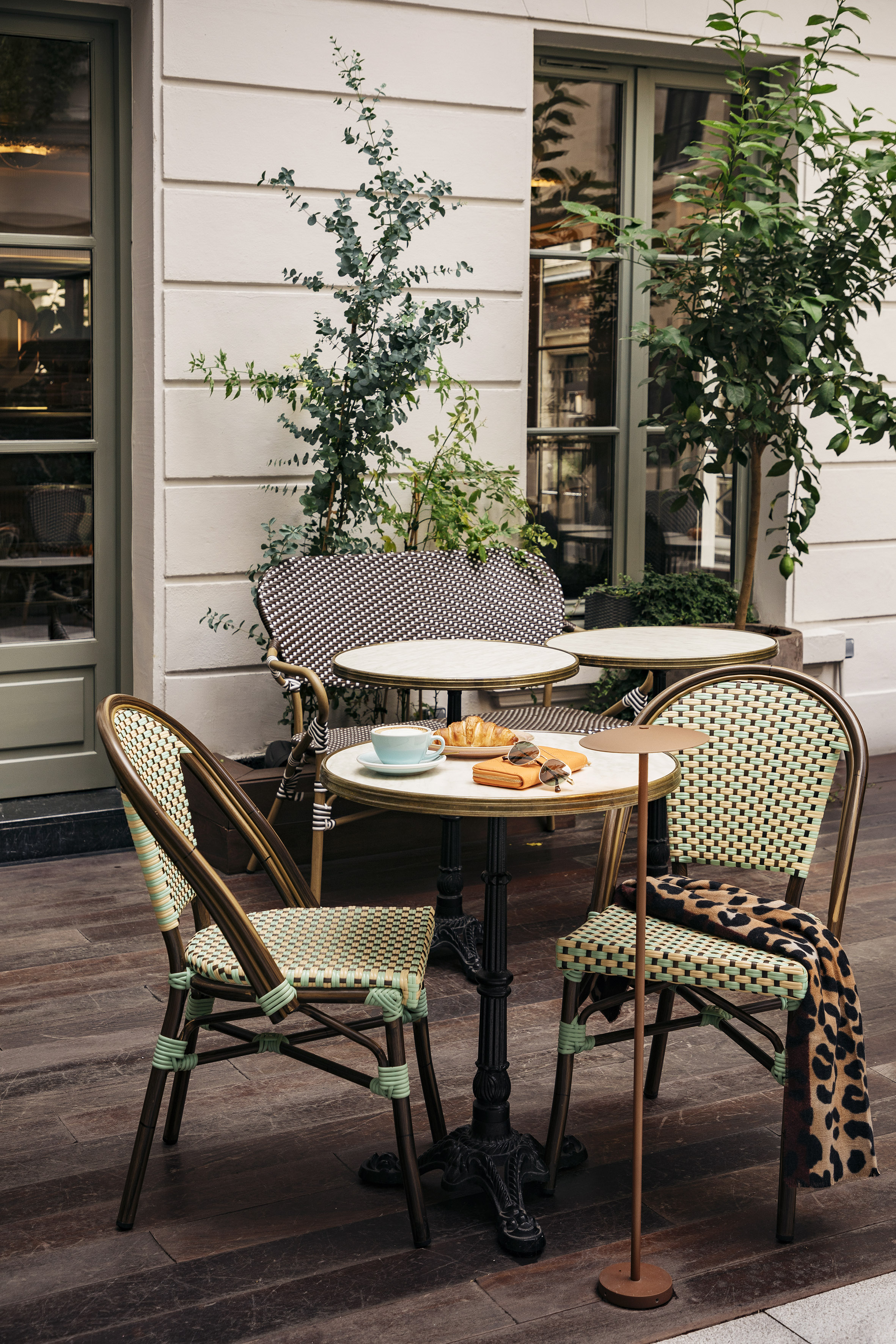
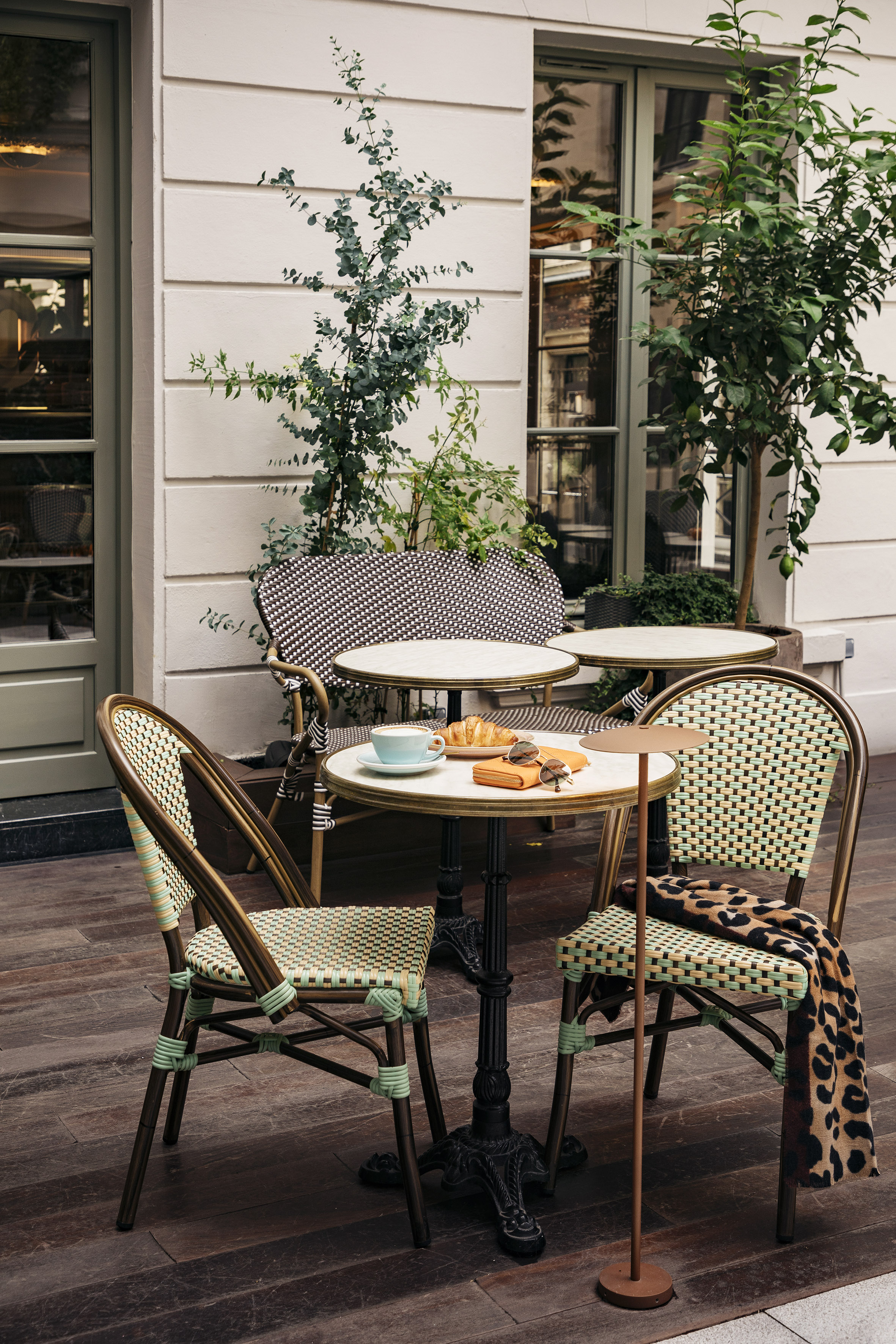
One of the great reasons to visit Montparnasse is that it is a neighbourhood that can be enjoyed at different paces. Some travellers arrive attracted by its artistic history, while others do so for its gastronomic offering or for the magnificent views it offers over Paris. When people ask me what is the first thing to do in Montparnasse, my answer is always the same: find a terrace, order a coffee and stop to watch the coming and going of people. Tourism in Montparnasse moves away from the clichés of the most crowded postcards of the capital to offer a much more authentic and close-up look. Here you will not find large royal palaces, but you will find the workshops where modern art was created and the cafés where the philosophies that changed the world were discussed. These are some of the plans to do in Montparnasse that I want to recommend to you: Sube a uno de los mejores miradores de París. Walk aimlessly through its boulevards. Discover the cafés frequented by artists and intellectuals. Visit museums and cultural spaces. Try an authentic French crepe. Enjoy a theatre performance or a film in its independent cinemas. If you have extra time during your stay in Paris and are looking for a place that allows you to escape the noise of the centre and the most touristy places, Montparnasse is perfect for disconnecting and discovering a lesser-known part of the city.
The Tour Montparnasse is the most recognisable building in the neighbourhood and one of the most famous skyscrapers in Paris. At over 200 metres high, it offers one of the most spectacular panoramic views of the entire city.
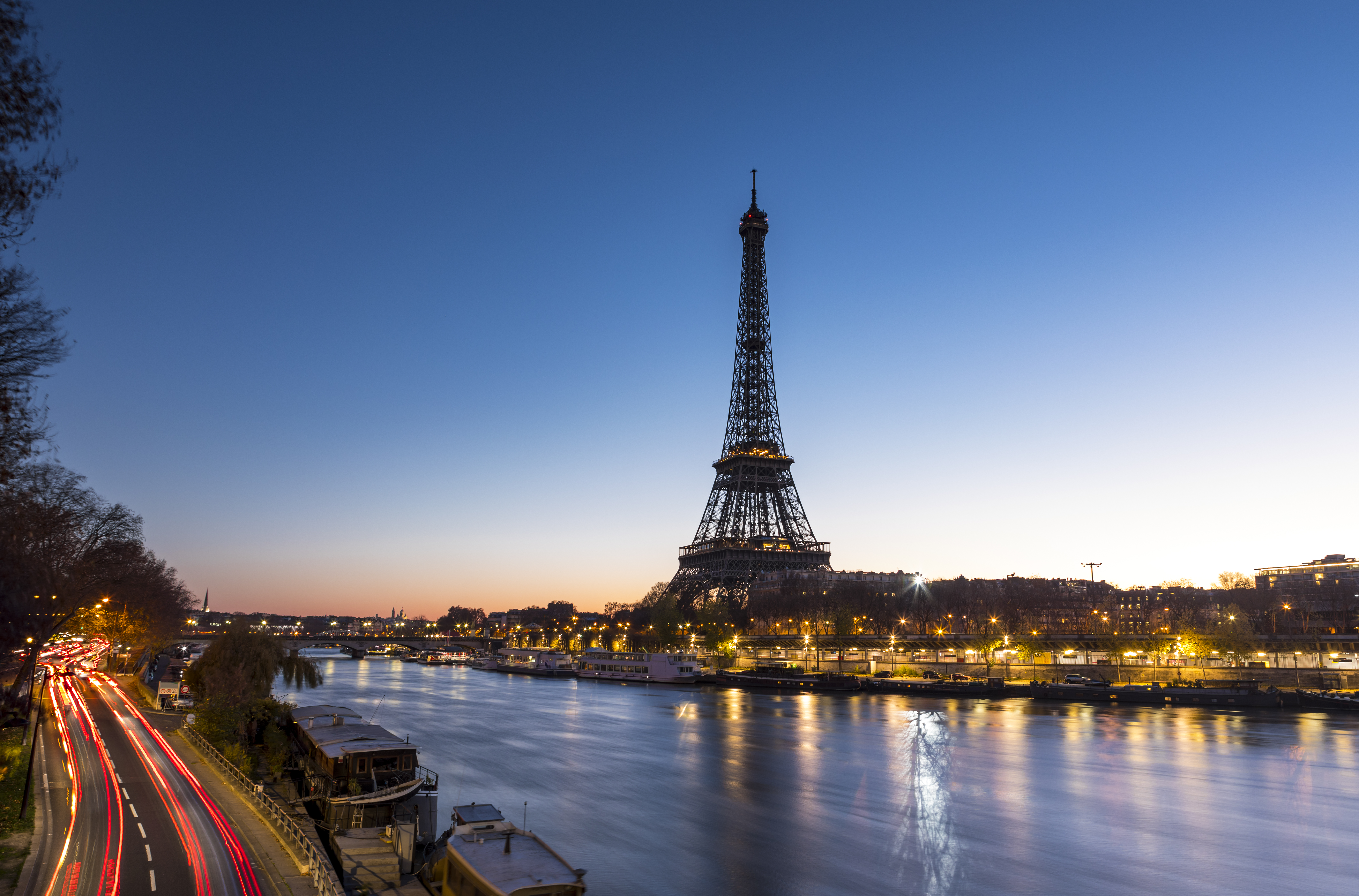
Many consider that the views from its observatory are even better than those of other more famous Parisian viewpoints, as from here you can perfectly contemplate the silhouette of the Eiffel Tower.
In addition to being one of the main railway stations in France, the Gare Montparnasse has been part of the neighbourhood's history for over a century. Currently, it connects Paris with numerous cities in the west of France, being one of the great transport hubs of the capital.
One of the main places to visit in Montparnasse is the Boulevard du Montparnasse, a wide avenue that constitutes the historic heart of the neighbourhood. It was the world epicentre of the artistic avant-garde during the 20th century. The place where painters, writers, and exiles from all over the world met to share ideas.
Today it remains a lively area, full of cinemas, shops, and terraces that are usually full at any time of the day. In fact, here you will find some of the most famous cafés in Paris, many of which were frequented by figures such as Ernest Hemingway, Pablo Picasso, or Jean-Paul Sartre.
Known historically as the street of joy due to its numerous theatres and performance halls, the Rue de la Gaîté is one of the liveliest streets in the district. It is the perfect place if you are looking for different plans, as it retains that bohemian, festive, and slightly rebellious air that characterised Parisian nights a century ago.
Located above the tracks of the Montparnasse station, the park Jardin Atlantique is one of the most original green spaces in Paris and a true stroke of genius in urban architecture.
It is a suspended garden, surrounded by trees, sports facilities, and fountains, which stands out as a secret oasis that many tourists pass by. An ideal place if you really want to disconnect.
Although it is technically located in the vicinity of the neighbourhood, the Jardin du Luxembourg is a highly recommended visit for exploring this area of the city. Its fountains, sculptures, and extensive gardens make it one of the most beautiful and special parks in the entire French capital.
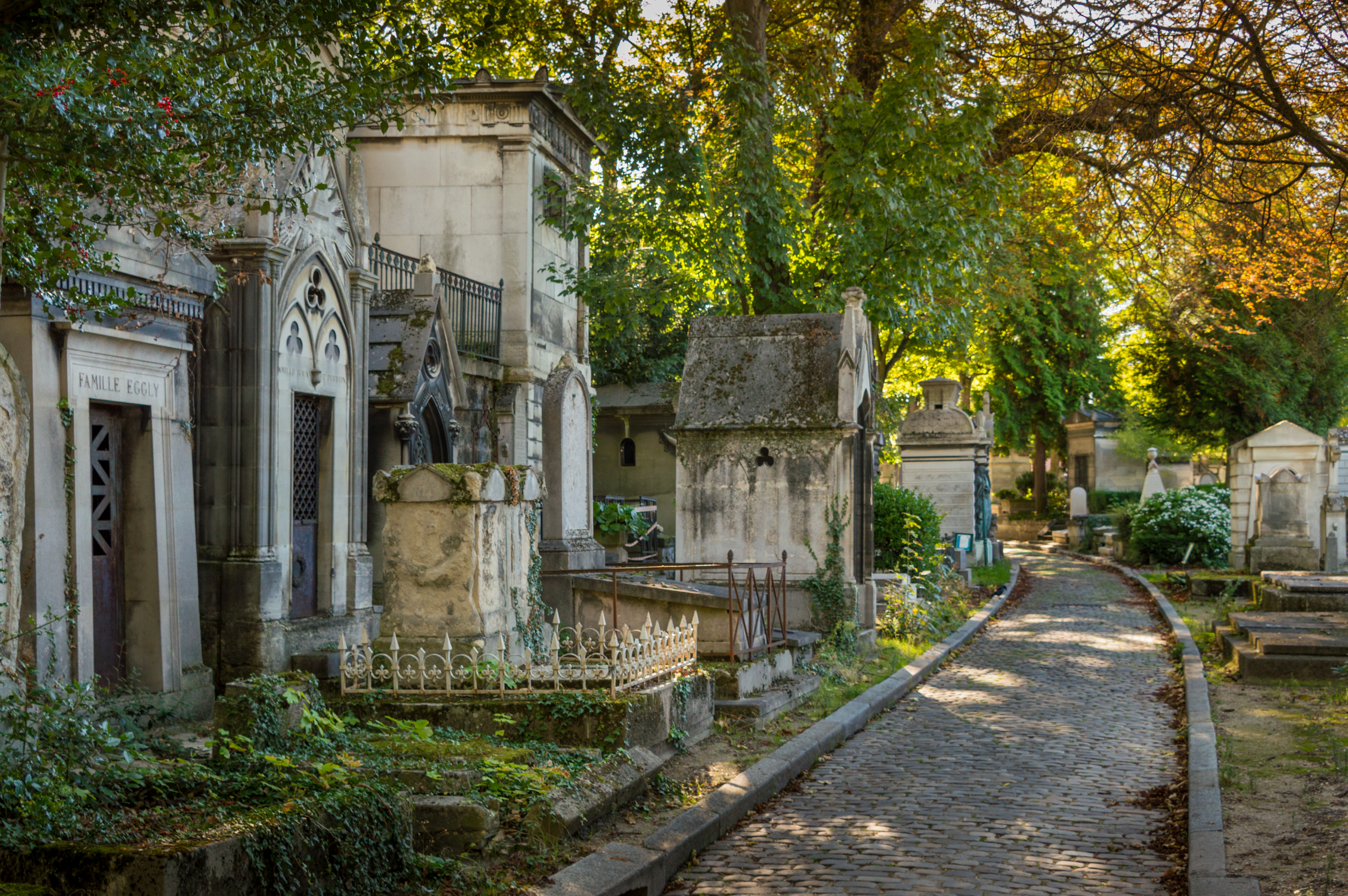
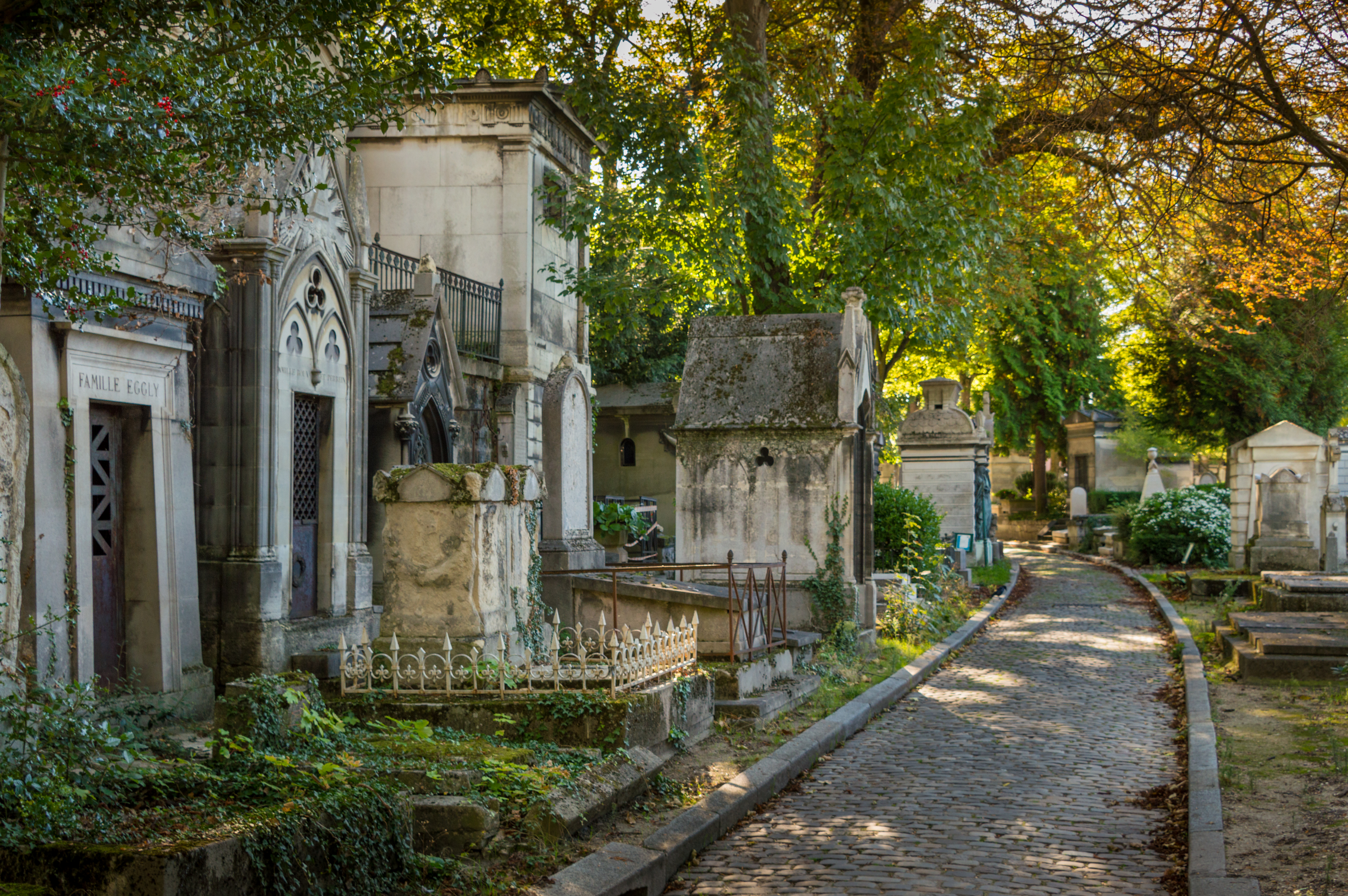
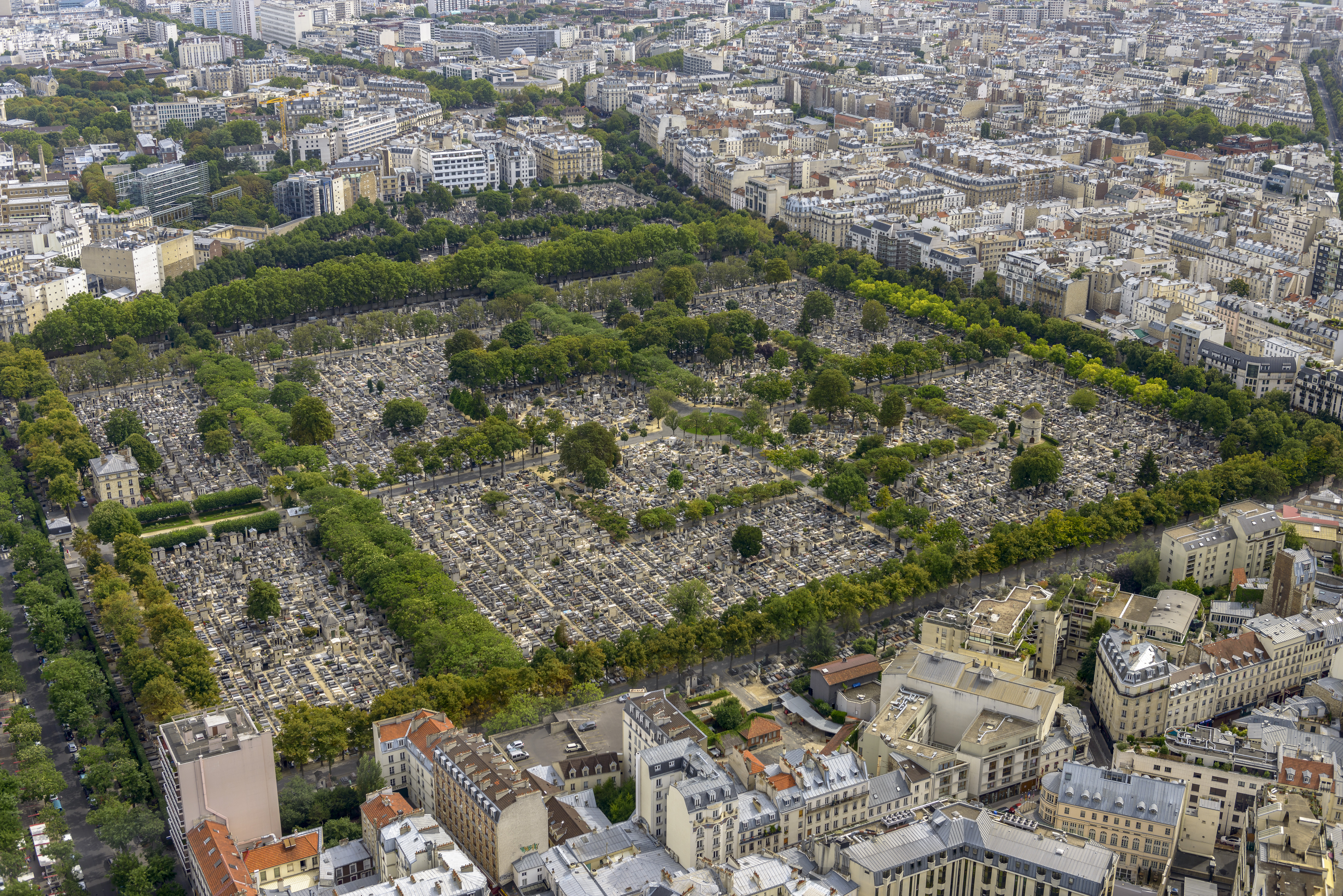
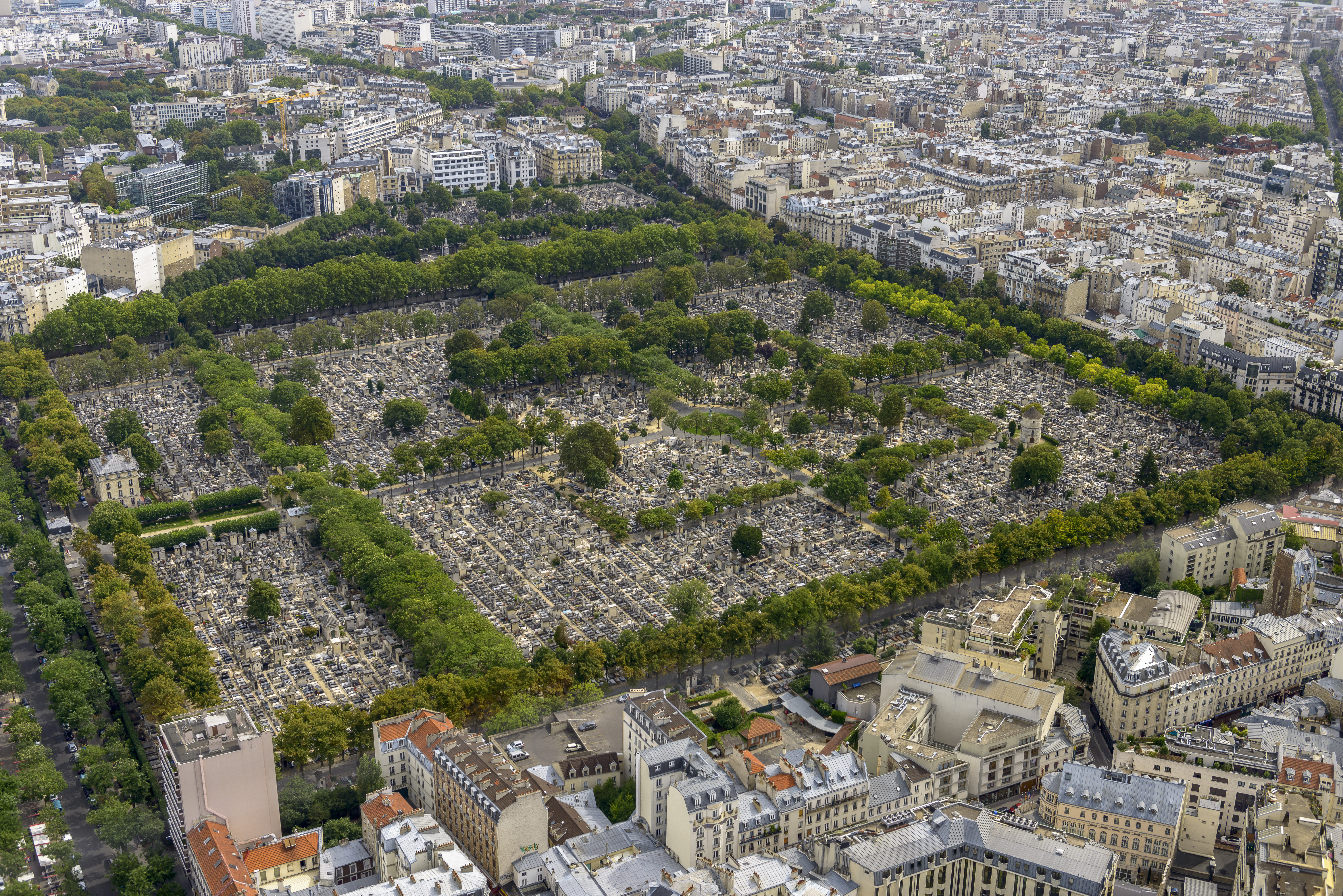
Far from being a gloomy place, the Montparnasse Cemetery is a beautiful space full of trees and a true open-air sculpture museum. Walking along its quiet paths is truly comforting, as key figures of universal culture such as Jean-Paul Sartre, Simone de Beauvoir, Charles Baudelaire, or Julio Cortázar rest here. It is a place of literary pilgrimage.
The famous brasserie La Coupole, opened in 1927, stands out for its spectacular Art Déco style hall, whose columns were decorated by artists of the time. It was the favourite meeting point for figures of the stature of Jean-Paul Sartre, Simone de Beauvoir, and Alberto Giacometti.
Historically known as the "café of the Anglo-Americans", Le Dôme Café was the first great cultural energiser of the boulevard. During the twenties, it became the refuge for the community of exiled writers of the "Lost Generation", led by Ernest Hemingway and F. Scott Fitzgerald.
This iconic café stands out for its unmistakable red façade and classic awnings. Le Rotonde consolidated itself as the nerve centre of the artistic avant-garde, being the place where Pablo Picasso, Amedeo Modigliani, and Diego Rivera spent long hours debating the direction of modern art.
,regionOfInterest=(3680,2456))
,regionOfInterest=(3680,2456))
For those passionate about the latest creative trends, the Fondation Cartier pour l'Art Contemporain is an essential stop in the district. Its spectacular glass and steel building, designed by the prestigious architect Jean Nouvel, hosts temporary exhibitions by international artists, photographers, and avant-garde designers, all surrounded by a well-kept wild garden.
Dedicated to the famous sculptor Antoine Bourdelle, a disciple of Auguste Rodin, this museum occupies the original studio where the artist lived and worked from 1885. The collection stands out for its impressive monumental bronze and marble sculptures, displayed both in the interior rooms and in its quiet exterior gardens. Walking through its rooms, which retain the furniture and atmosphere of the era, offers a unique perspective of the artistic scene of late 19th-century Paris.
If you are looking for different experiences during your trip, here is a series of proposals on what to see in Montparnasse that can help you discover a lesser-known side of the neighbourhood:
Historic café route: Stop by legendary venues such as La Coupole, Le Dôme, or La Rotonde, where geniuses like Picasso, Hemingway, or Modigliani spent hours writing and painting.
Explore artists' passages: Look for the discreet Rue de la Grande Chaumière, a street that housed famous art academies where creators from all over the world studied and which retains a very special bohemian magnetism.
Visit the Paris Observatory: Admire the exterior of this 17th-century scientific institution, which marked the Paris meridian before the international Greenwich one was adopted.
Urban art hunt in the theatres: Walk through the alleys near the station at dusk to see how the marquees of the small independent theatres light up, recreating a magical atmosphere.
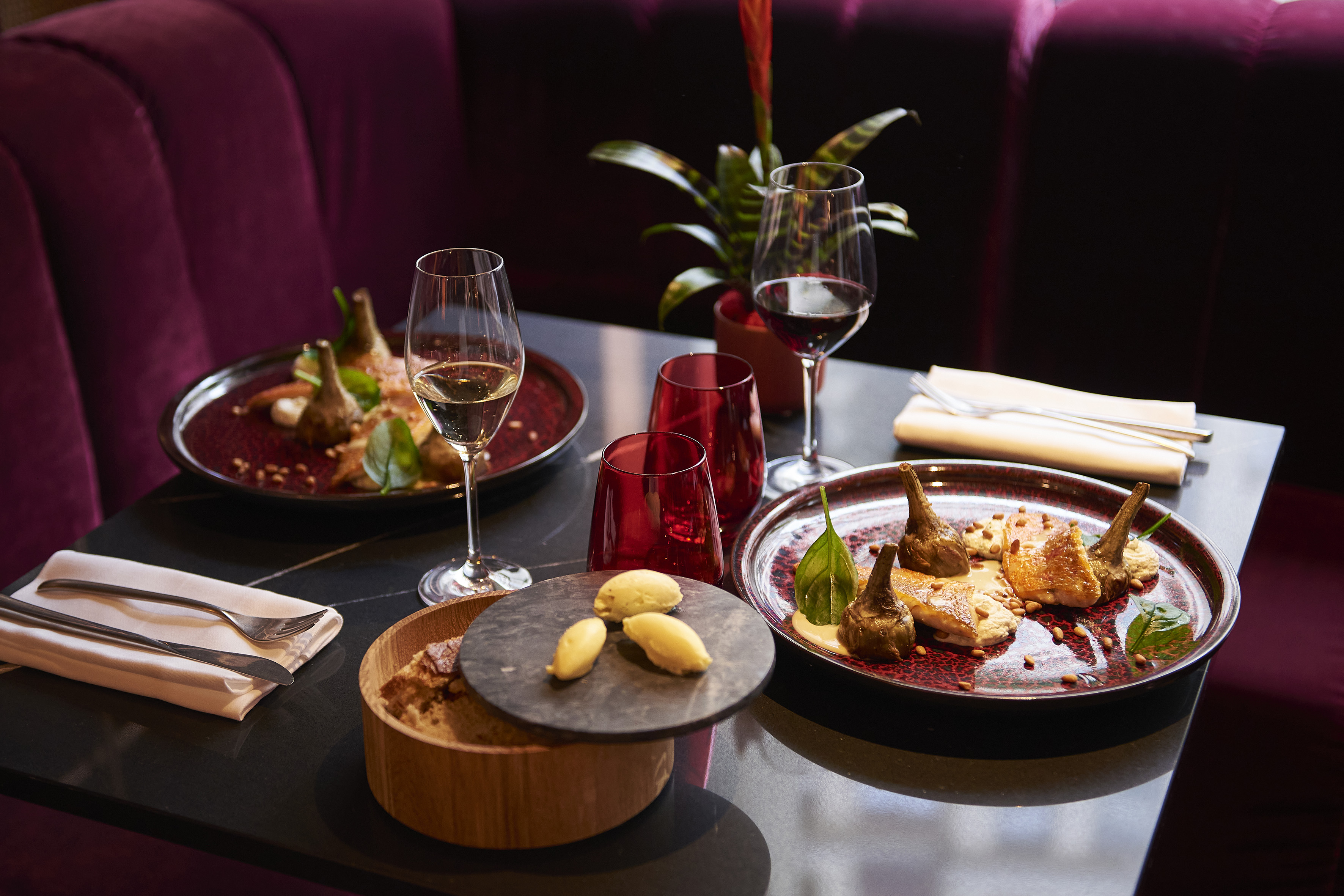
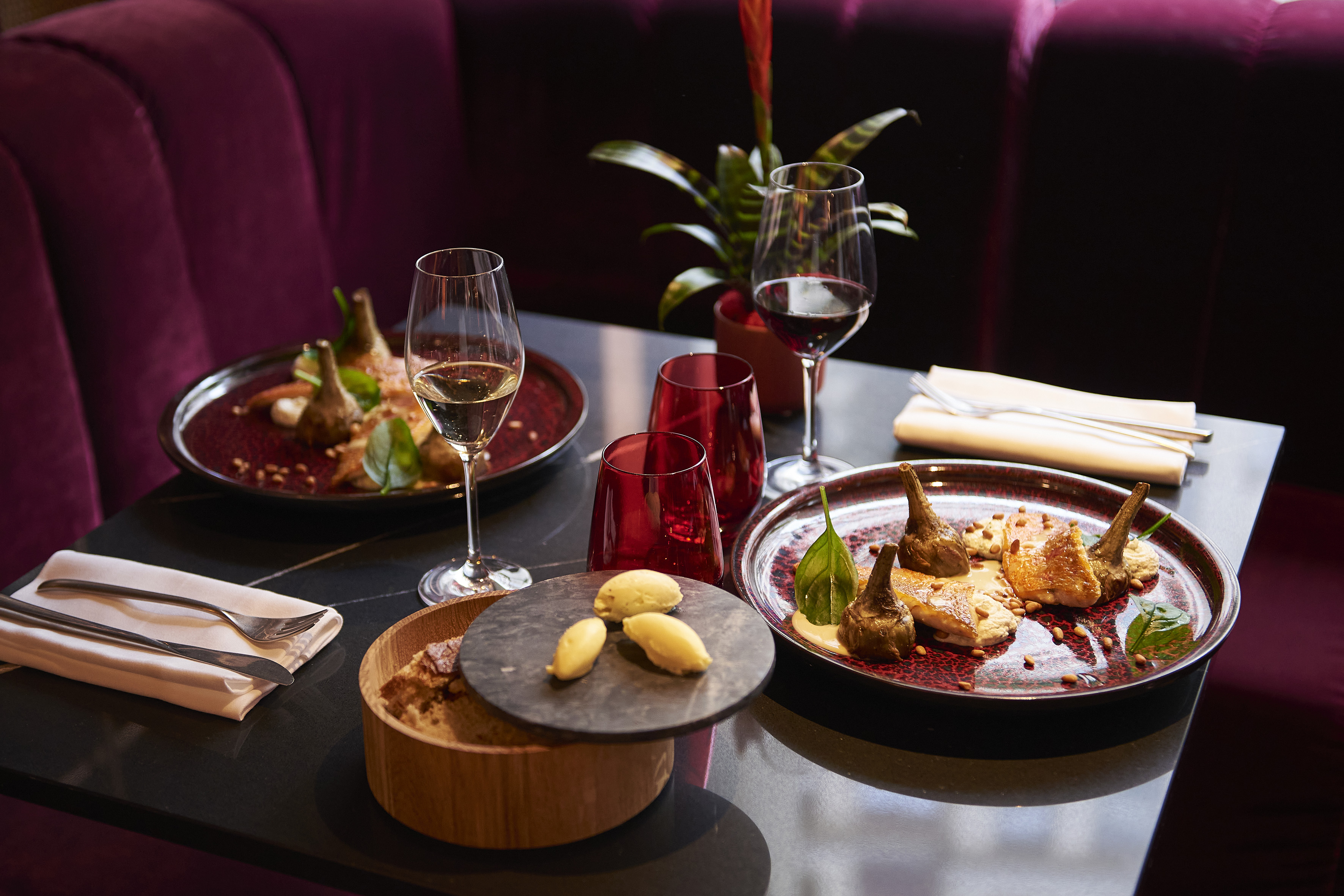
The culinary identity of Montparnasse is one of the richest and most particular in the French capital. On one hand, the neighbourhood is known for its offer of Breton cuisine. Eating in one of the traditional crêperies on the Rue du Montparnasse is a mandatory experience, where it is possible to savour the famous galette complète made of buckwheat filled with ham, cheese, and egg, in addition to a careful variety of sweet crêpes.
To live the experience in the traditional way, it is recommended to accompany these dishes with a cup of artisanal Breton cider. This marked Atlantic influence is due to the fact that the nearby train station was historically the gateway for migrants from Brittany, who imported their culinary customs to this corner of Paris.
On the other hand, the restaurants on the main boulevard offer an immersion in classic French haute cuisine. Its impressive Art Déco style halls, decorated with painted columns and large mirrors, serve excellent seafood, steaks with pepper sauce, and traditional desserts in an environment that will make you feel as if you had travelled back in time to the twenties.
,regionOfInterest=(1771.5,1181))
,regionOfInterest=(1771.5,1181))
The most deep-rooted cultural event in Montparnasse is the celebration of the Nuit des Musées (Night of the Museums) or the European Heritage Days during the autumn.
During these days, the area's museums, historic artists' studios that are usually closed to the public, and cultural foundations open their doors for free at night, organising concerts, outdoor poetry readings, and candlelight guided tours that revive the bohemian spirit of the last century.
Although it is usually associated primarily with art and culture, Montparnasse also offers interesting proposals for families. The green spaces of the Jardin Atlantique or the Jardin du Luxembourg allow for pleasant outdoor walks, children's play areas, and traditional puppet theatres that ensure the entertainment of the little ones.
In addition, the ascent to the Tour Montparnasse is usually especially attractive for children thanks to the impressive panoramic views over Paris.
Although it is a neighbourhood that can be savoured on foot in an afternoon, my proposal for a day in Montparnasse will allow you to organise yourself however you prefer:
Morning: Walk along the Boulevard du Montparnasse and discover its iconic historic cafés.
Midday: Have lunch in one of the traditional crêperies in the district.
Afternoon: Visit the collections of the Musée Bourdelle or the exhibitions of the Fondation Cartier.
Sunset: Admire the sunset walking along the historic avenues or from the commercial terraces in the area.
Night: Enjoy a performance in the historic theatres of the Rue de la Gaîté.
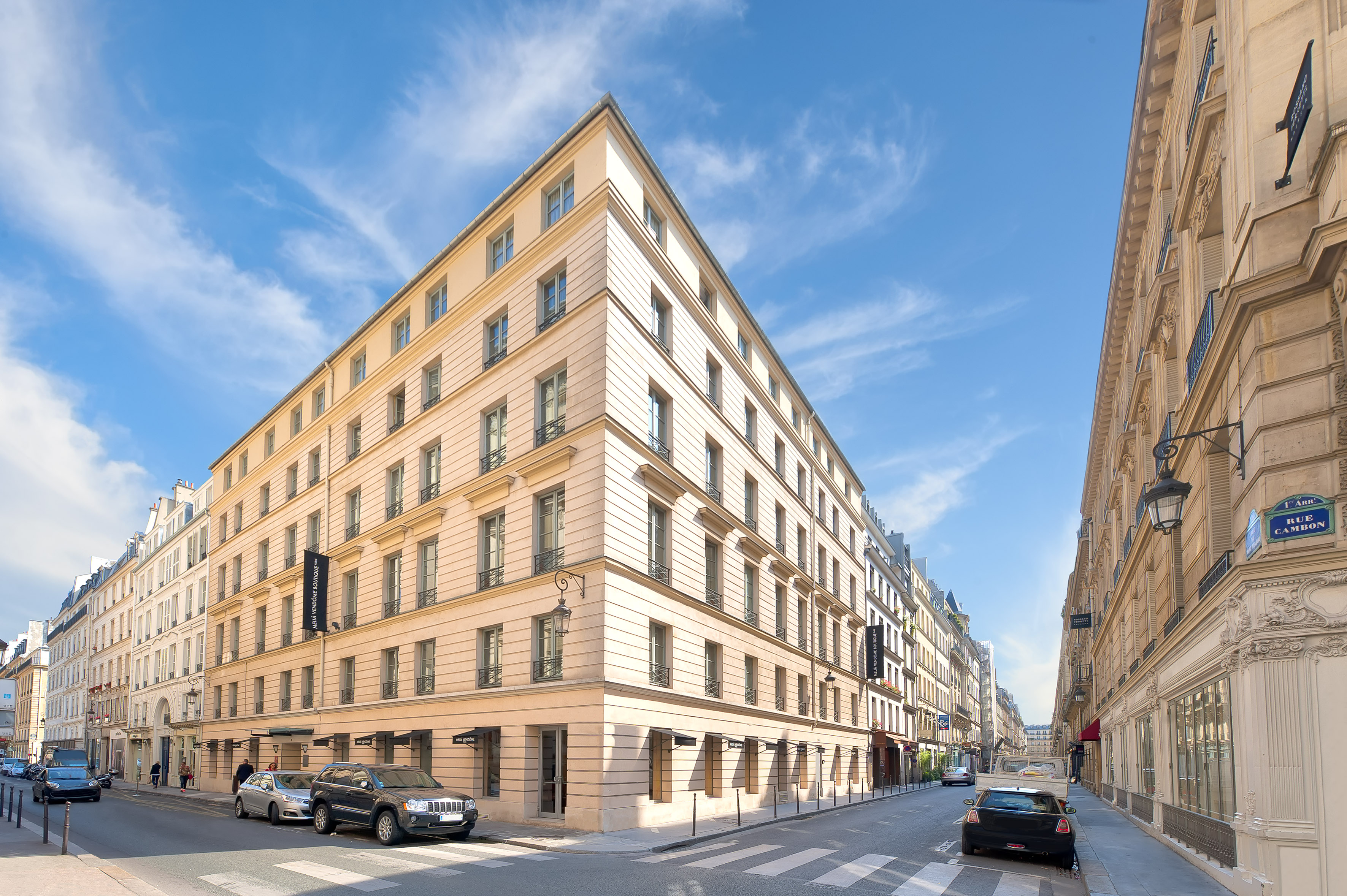
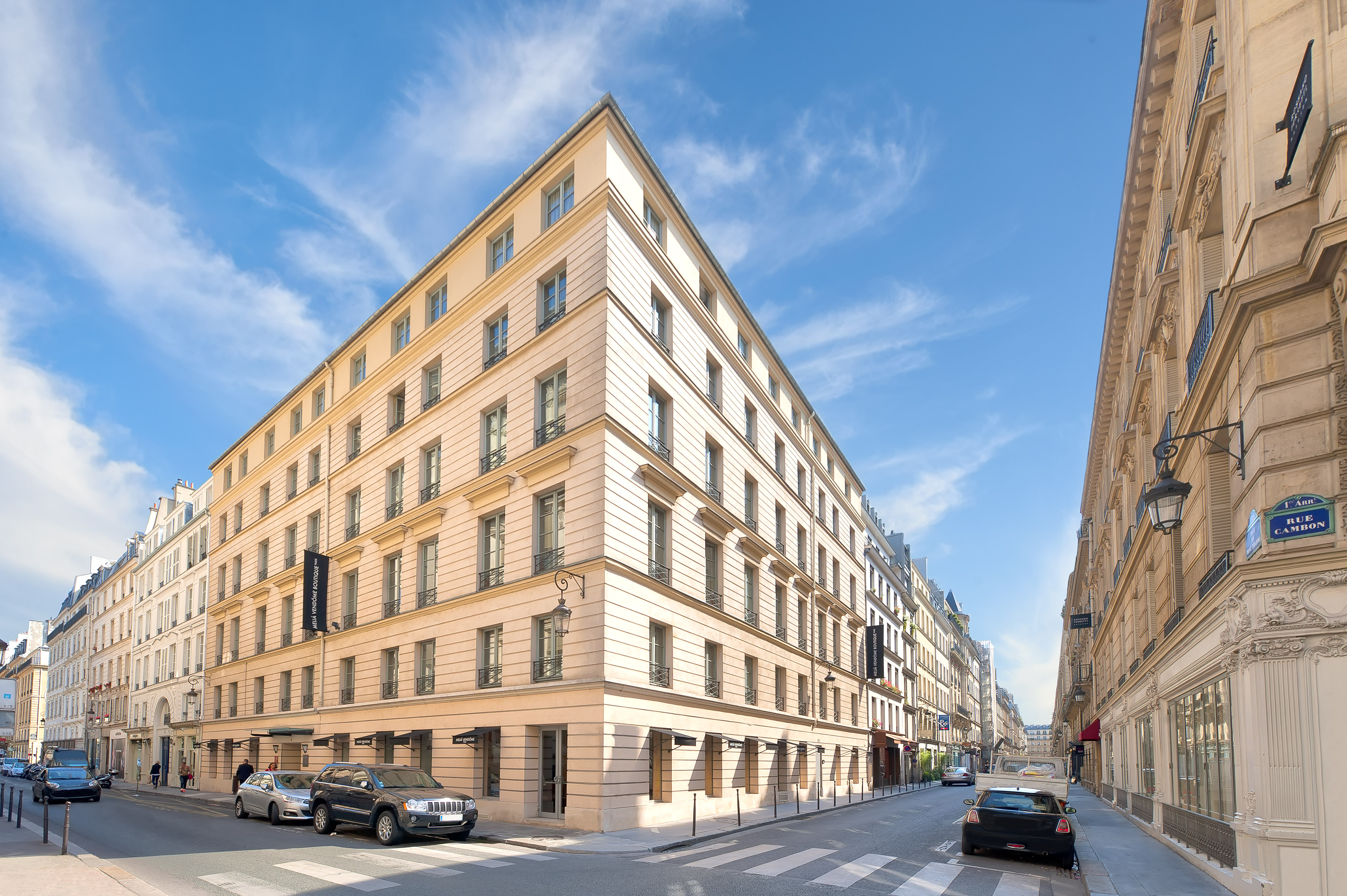
With the aim of facilitating your tour of the district, here is a map with the points of interest in Montparnasse at your disposal. It details the exact location of the monuments, museums, and establishments analysed in the guide, which will allow you to orient yourself comfortably during your stay in the city.
,regionOfInterest=(1771.5,1179))
,regionOfInterest=(1771.5,1179))
,regionOfInterest=(2880,1920))
,regionOfInterest=(2880,1920))
,regionOfInterest=(1619.5,1121))
,regionOfInterest=(1619.5,1121))
,regionOfInterest=(1476.5,634.5))
,regionOfInterest=(1476.5,634.5))
,regionOfInterest=(2273,1523))
,regionOfInterest=(2273,1523))
,regionOfInterest=(1564,1200))
,regionOfInterest=(1564,1200))