,regionOfInterest=(3306.5,2180.5))
,regionOfInterest=(3306.5,2180.5))
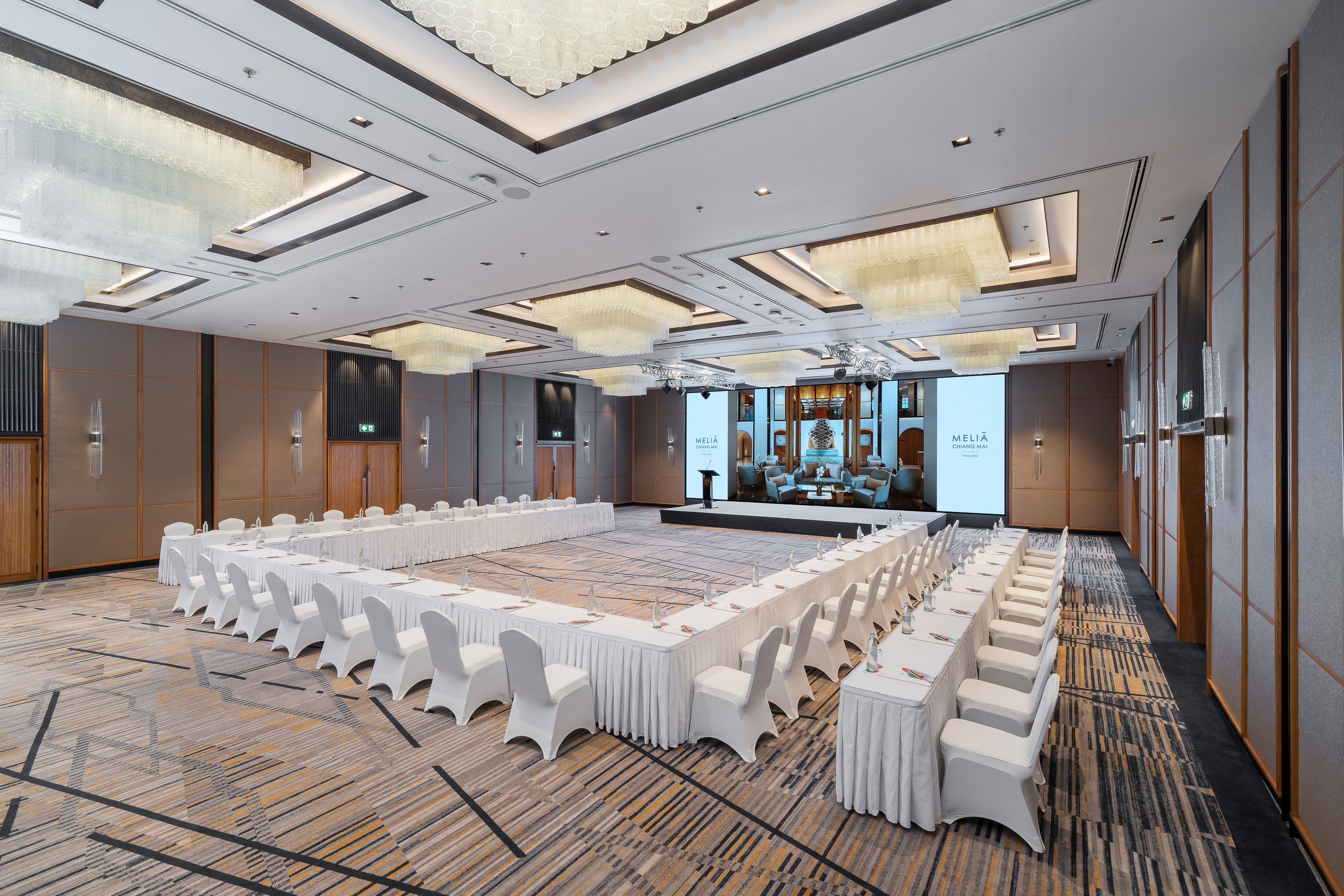
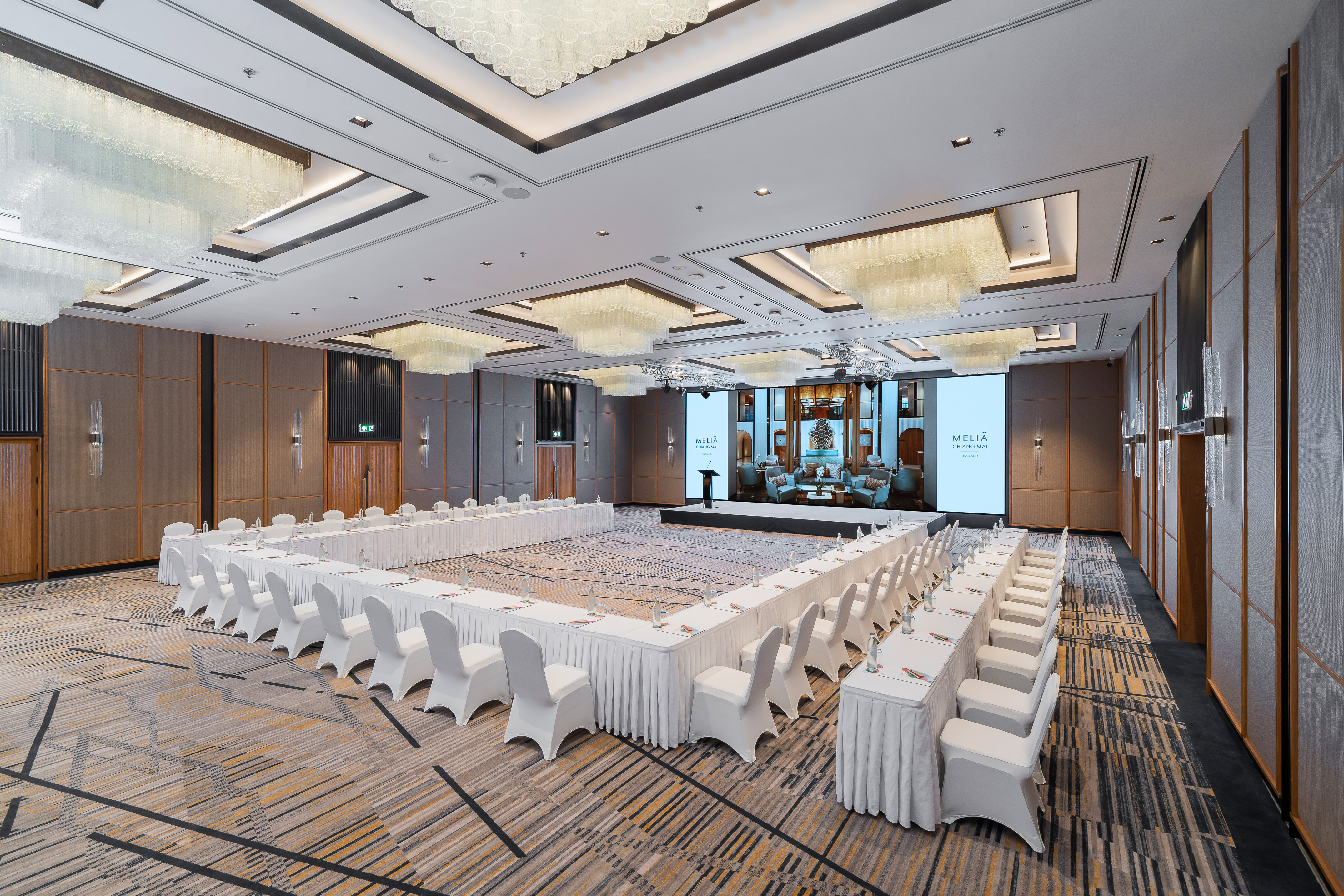
Best corporate venues in Chiang Mai 2026: meeting and event spaces
,regionOfInterest=(2150,1433.5))
,regionOfInterest=(2150,1433.5))
Culture
,regionOfInterest=(2939,1864))
,regionOfInterest=(2939,1864))
,regionOfInterest=(500,500))
,regionOfInterest=(500,500))
All-terrain writer specialising in tourism, fashion and trends. A curious soul, traveller, reader and sports enthusiast, keen to discover every corner of the world.
Located in the very heart of the city, between the 3rd and 4th arrondissements, the historic district of Le Marais combines heritage, culture, gastronomy, and a vibrant urban life like few other places in Paris. If you are making a list of places to see in Paris, it is an essential stop.
Unlike other areas of the French capital transformed by the major urban reforms of the 19th century, Le Marais has managed to preserve much of its medieval layout and elegant historic mansions, allowing you to immerse yourself in the past while wandering its streets.
17th-century mansions converted into renowned museums, hidden courtyards, independent boutiques, and an atmosphere that celebrates multiculturalism define the essence of the famous Le Marais district of Paris, one of the most dynamic and visited in the city.
To ensure you don't miss anything, this guide on what to see in Le Marais brings together the main monuments, cultural spaces, and charming corners that make this district an essential stop during any trip to Paris.
Holidays
,regionOfInterest=(3360,2240))
,regionOfInterest=(3360,2240))
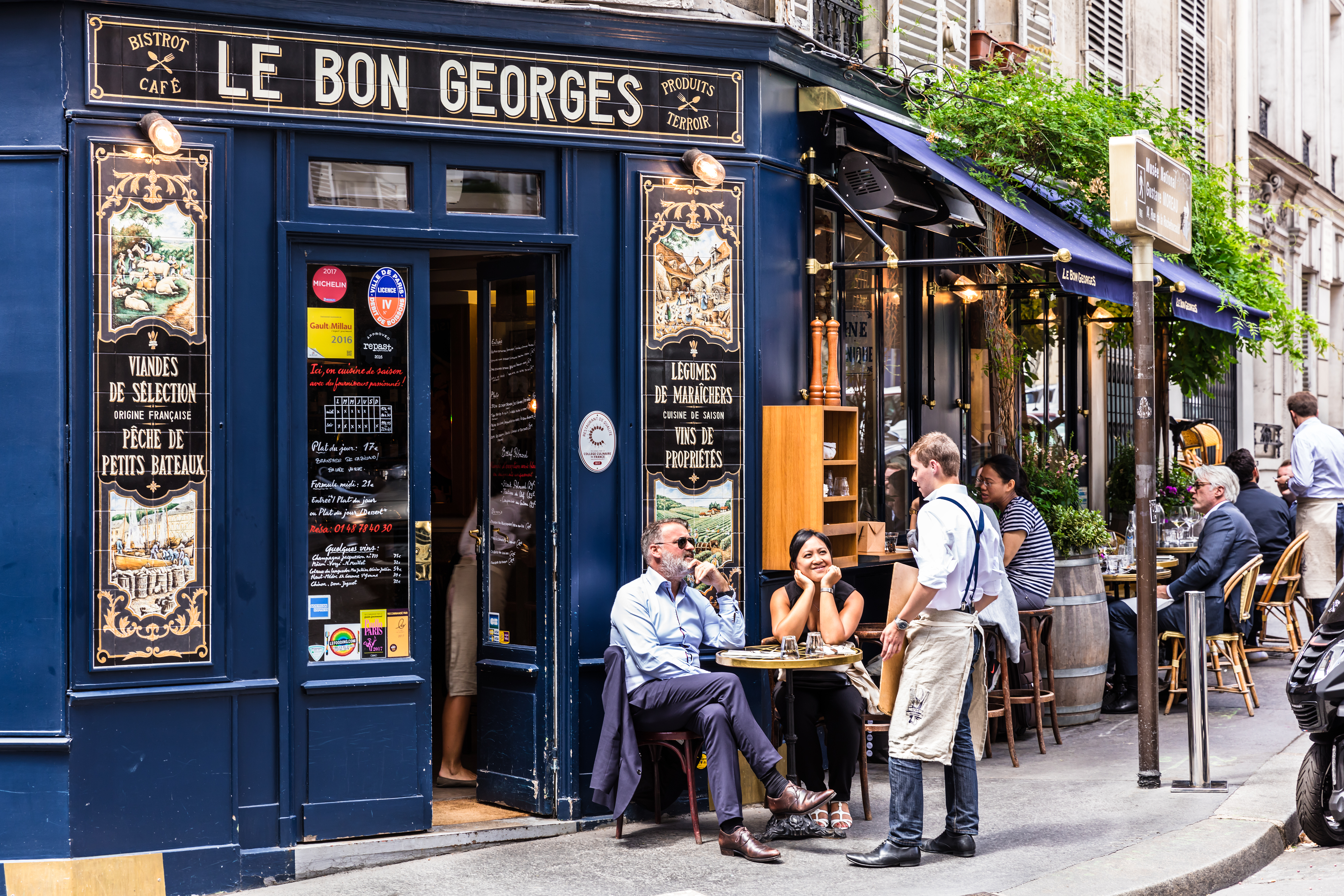,regionOfInterest=(1936,1290.5))
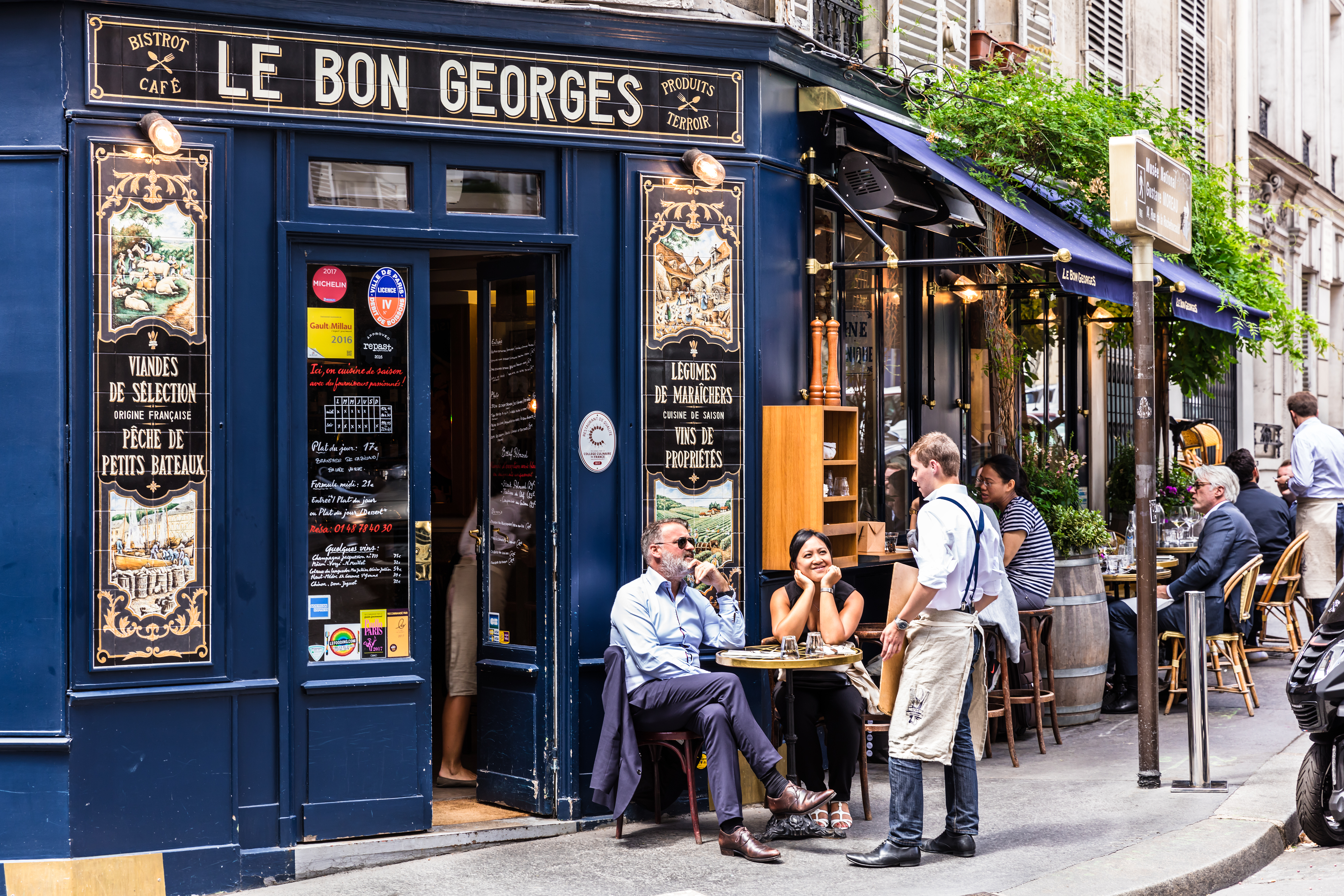,regionOfInterest=(1936,1290.5))
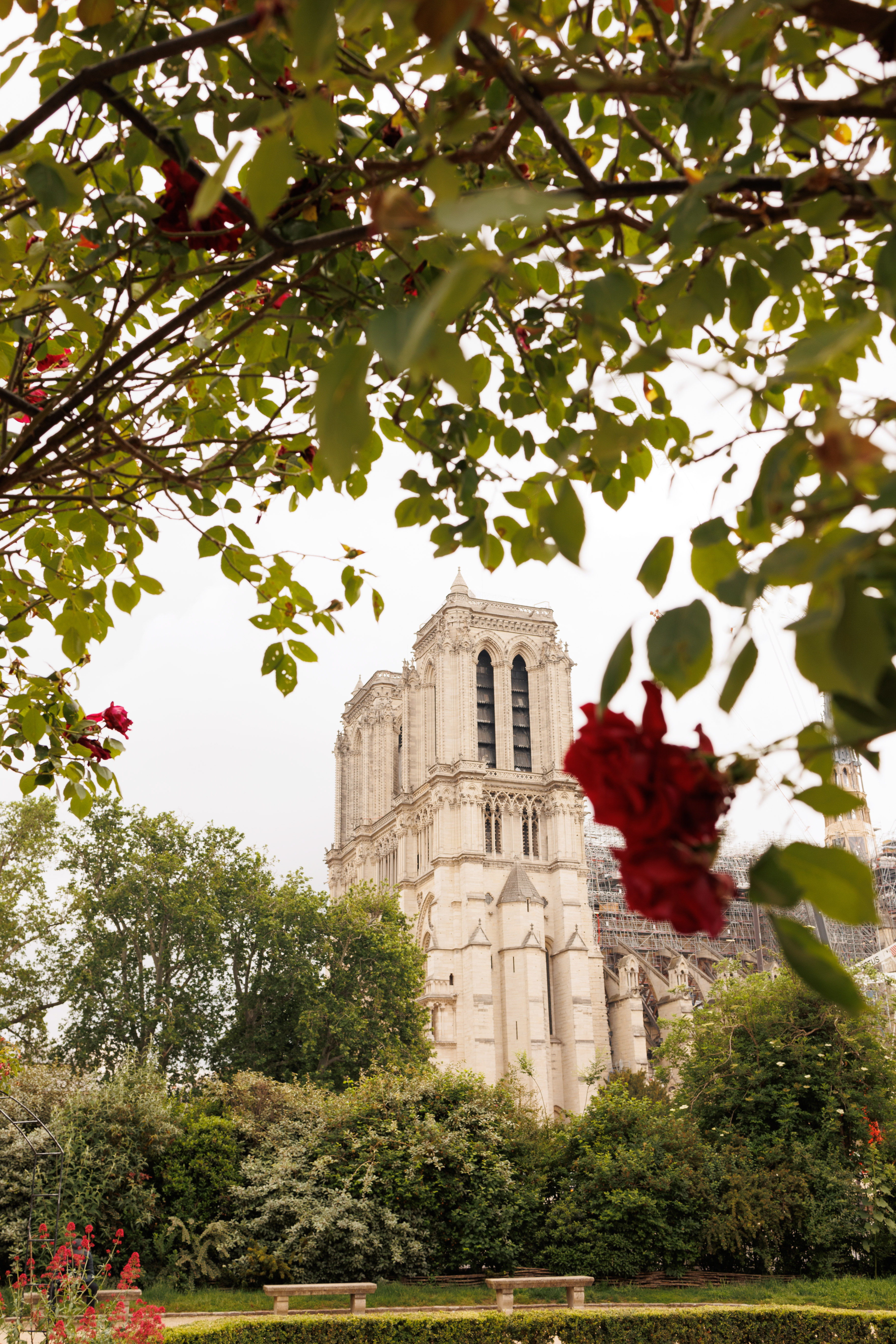,regionOfInterest=(1824,2736))
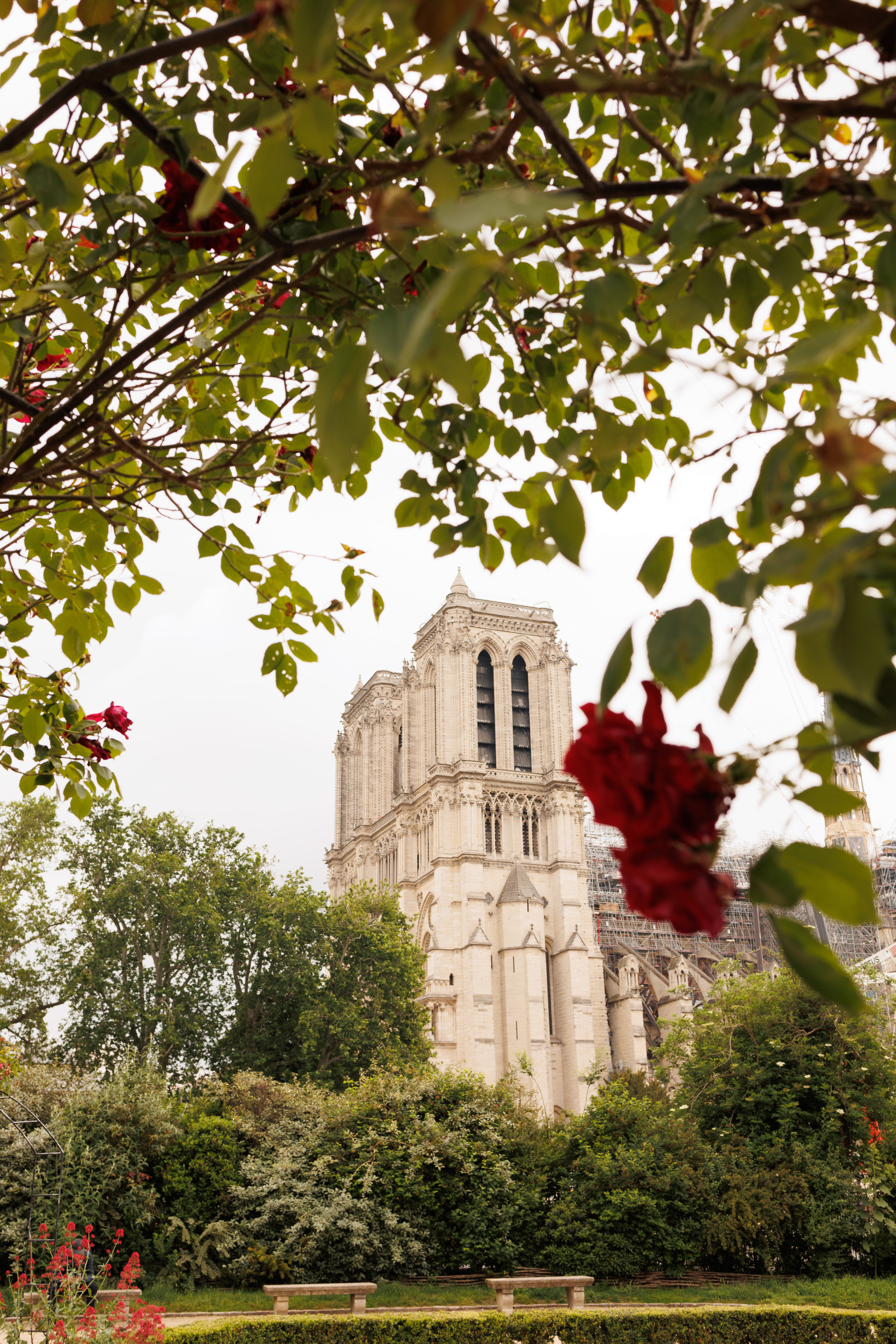,regionOfInterest=(1824,2736))
,regionOfInterest=(1424,2128))
,regionOfInterest=(1424,2128))
If any traveller were to ask us for advice on what to do in Le Marais, the first thing I would say is that, to get to know the true essence of this unique neighbourhood, it is advisable to walk through its avenues calmly and with attention to detail. Its streets house everything from historic buildings and world-class museums to traditional markets and exclusive gastronomic proposals for all types of travellers.
These are some of the things to do in Le Marais that I most often recommend:
Tourism in Le Marais allows you to combine culture, history, and leisure in a single visit, which explains why it is one of the favourite areas for both tourists and Parisians.
Considered a benchmark model of European residential architecture, the Place des Vosges is a masterpiece of 17th-century urban planning, inaugurated in 1612 by Henry IV. Its perfect quadrangular layout, framed by thirty-six symmetrical pavilions of red brick, limestone, and slate roofs, creates extraordinary visual harmony. Today, exclusive art galleries and period cafes are located under its elegant arcades with arched galleries. Likewise, at number 6 of the square is the former residence of the famous writer Victor Hugo, currently converted into a museum.
In the vicinity of the Place des Vosges is the Hôtel de Sully, a sumptuous hôtel particulier or residential mansion that embodies the maximum splendour of the late Renaissance and early Baroque style of the 17th century. Designed by the architect Jean Androuet du Cerceau, the building stands out for the meticulous reliefs sculpted on its facade, which represent natural elements and the seasons of the year. Its courtyard of honour and its rear garden offer a haven of architectural tranquillity and serve as a direct pedestrian access to the iconic adjacent square.
,regionOfInterest=(3500,2333.5))
,regionOfInterest=(3500,2333.5))
The Rue des Rosiers stands out as one of the most distinctive thoroughfares in Le Marais. Historically established as the epicentre of the famous Jewish quarter of Paris (traditionally known as Pletzl), the street preserves traditional Eastern European bakeries, specialist bookshops, and renowned gastronomic establishments. Walking along this cobbled pedestrian street allows you to appreciate the coexistence of the community's historical roots with the contemporary commercial trends of the French capital.
The Rue Vieille du Temple is a historic street that crosses a good part of the district, offering an excellent combination of old buildings, art galleries, design shops, and charming cafes.
If your trip includes fashion shopping, Rue des Francs-Bourgeois is considered one of the most important commercial streets in the area, concentrating multiple boutiques, bookshops, and specialist establishments that attract both Parisians and tourists.
Hidden in the southern part, this idyllic French-style garden is an oasis of peace flanked by the medieval towers of the Hôtel de Sens, one of the few 15th-century palaces remaining in the city.
The Square Georges Cain is a small garden that often goes unnoticed by tourists, but acts as an open-air archaeological museum. Sheltered from traffic by high walls, the garden guards sculpted architectural remains, romantic columns, and ancient statues from long-lost Parisian monuments.
The Marché des Enfants Rouges is one of the most authentic places in the neighbourhood. It is the oldest covered market in Paris and a true meeting point for Parisians, where you will find stalls with international cuisine, fresh produce, and gastronomic specialties from different parts of the world.
Located just to the east, the Bastille area is world-famous for its connection to the French Revolution. Today, presided over by the spectacular and hyper-modern Opéra de la Bastille, it is an ideal neighbourhood if you are looking for international cuisine restaurants and a vibrant nightlife in its surrounding streets.
With its network of interconnected interior courtyards, contemporary art galleries, and select antique shops, the Village Saint-Paul constitutes one of the most picturesque and exclusive enclaves in the district. It is an ideal corner for collectors looking to discover a historical facet sheltered from the main traffic.
The Picasso Museum stands as one of the main artistic references in Le Marais. Located in the Hôtel Salé, a sumptuous 17th-century mansion that stands out for its imposing Baroque grand staircase, the museum houses the world's most complete collection of works by the Malaga-born master, covering all his creative stages through paintings, sculptures, and engravings.
Dedicated entirely to the history of Paris, this museum occupies two imposing Renaissance mansions: the Hôtel Carnavalet and the Hôtel Le Peletier de Saint-Fargeau. The extensive collections of the Carnavalet Museum allow you to chronologically trace the evolution of the French capital from prehistoric and Roman settlements to the present day, exhibiting objects from the French Revolution, large-scale models, and restored period rooms with unique heritage value.
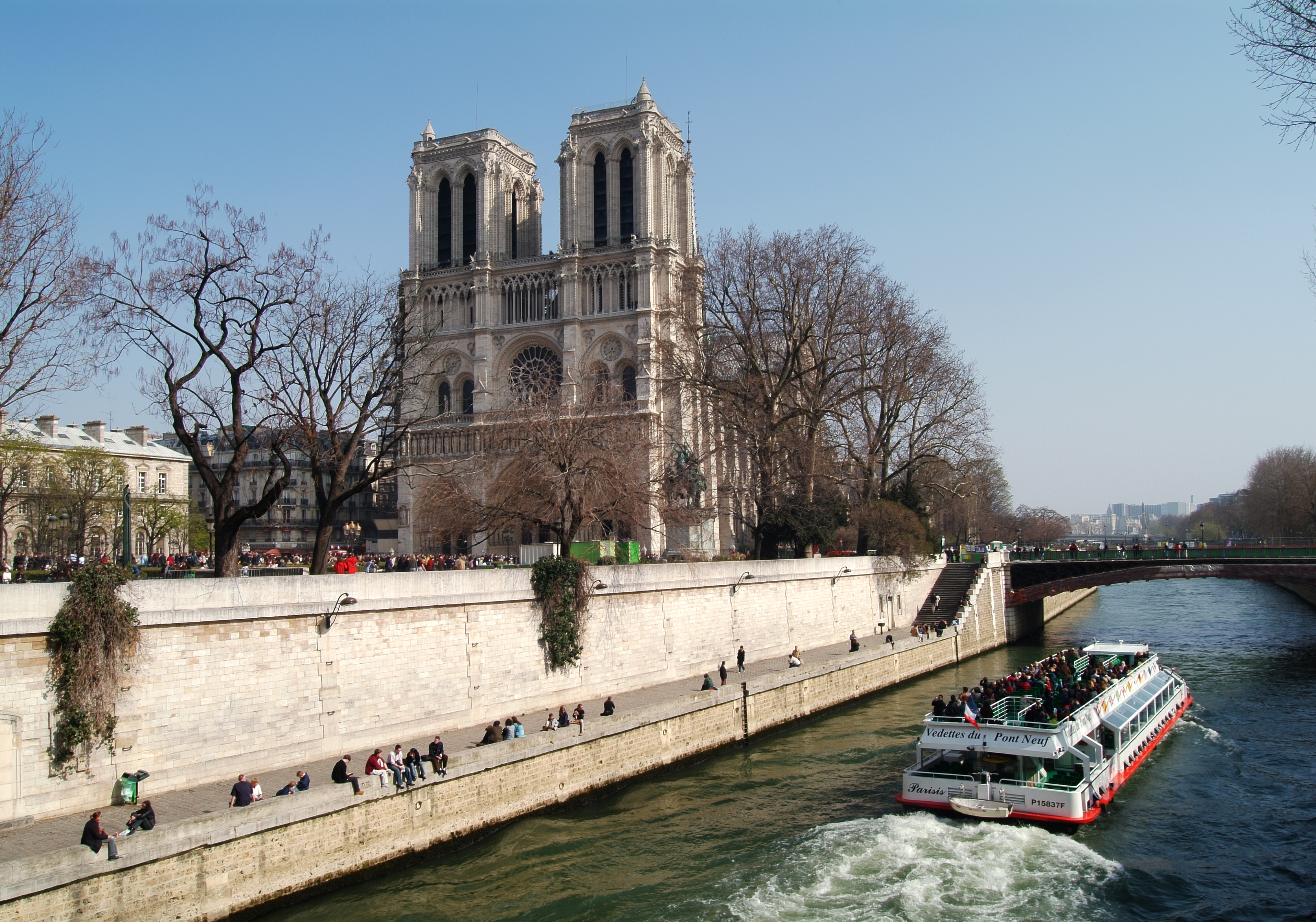,regionOfInterest=(2032,1424))
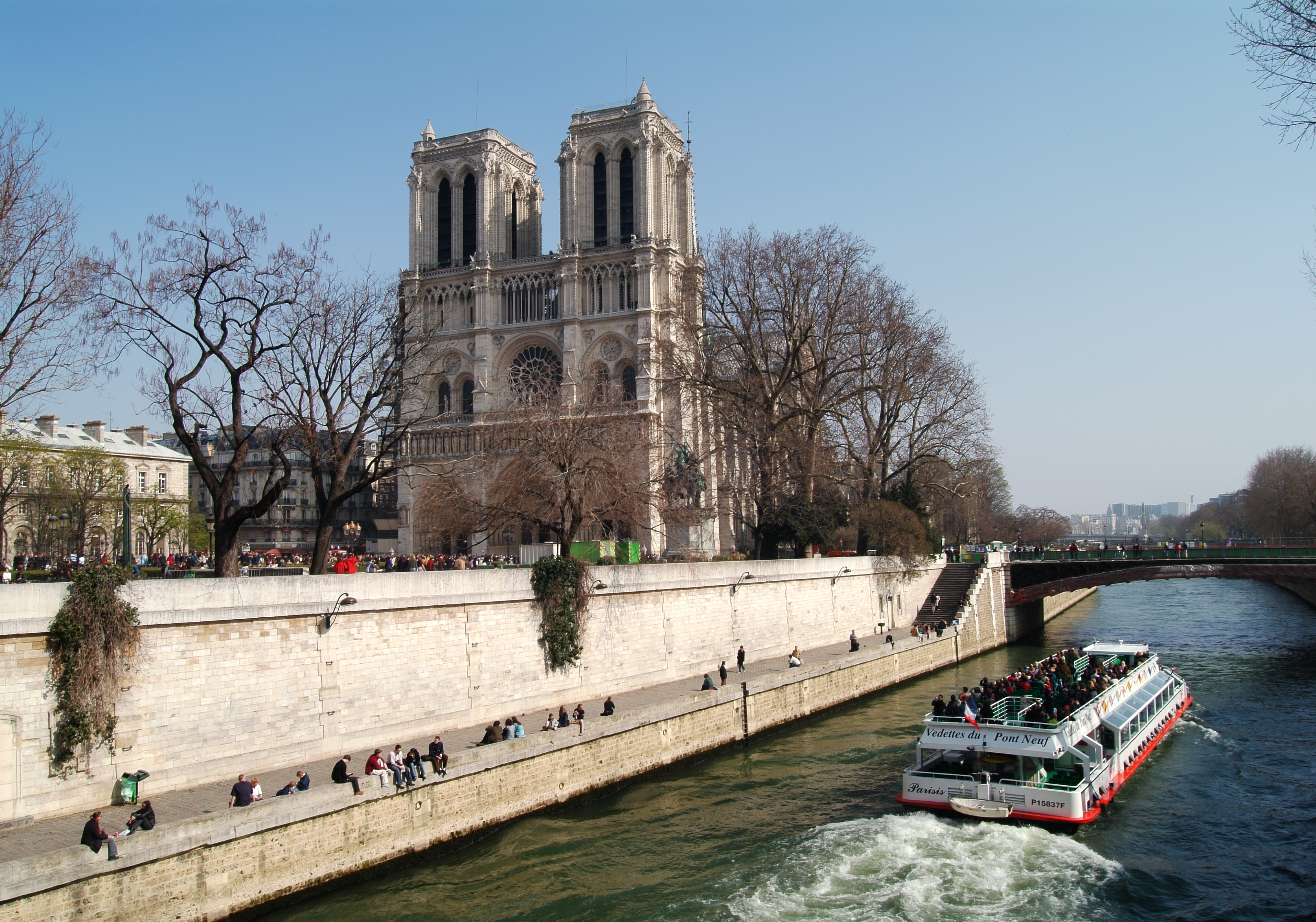,regionOfInterest=(2032,1424))
If you are looking for different experiences during your visit to Le Marais, here are some suggestions to inspire you:
Explore the Marché des Enfants Rouges: Step into the historic Marché des Enfants Rouges, the oldest covered market in Paris, founded at the beginning of the 17th century. It is the culinary corner par excellence of the district, a gastronomic space where everyone goes to eat and where you can taste everything from traditional French dishes to Moroccan, Japanese, or Afro-Caribbean specialties cooked to order in its lively stalls.
Italian dinner with history: Book a dinner at the Carboni's Italian restaurant, a benchmark in the district that stands out both for its carefully curated gastronomic proposal based on artisanal pasta and seasonal products, and for its sophisticated and clandestine atmosphere.
Falafel trail: Join the fun local tradition of queuing on the Rue des Rosiers to savour an iconic falafel sandwich with vegetables and spiced sauces while you walk through the neighbourhood.
Visit the Victor Hugo House: Enter the old apartment located in one of the corners of the Place des Vosges where the famous writer wrote part of his masterpieces, discovering his more intimate side as a decorator and draughtsman.
The gastronomic offer of Le Marais is one of the most diverse and innovative in the French capital. The epicentre of this offer is concentrated in the Marché des Enfants Rouges, the oldest covered market in Paris, founded in 1615. In its lively stalls, you can enjoy a unique gastronomic format where French market dishes coexist with international specialties of Moroccan, Japanese, or Afro-Caribbean cuisine prepared to order.
Likewise, for those looking for a sophisticated experience, the district houses benchmark proposals such as the Carboni's restaurant, famous for its refined proposal of seasonal artisanal pasta and its exclusive atmosphere inspired by classic avant-garde venues.
The most crowded social event in Le Marais takes place every year at the end of June with the celebration of the LGBTQI+ Pride March (Marche des Fiertés). During this weekend, the streets are transformed into a huge open-air party that celebrates diversity, tolerance, and freedom in a totally inclusive environment.
The Le Marais district has various options if you are travelling as a family, such as the protected gardens of the Place des Vosges, which are an ideal place for little ones to play in complete safety.
They also tend to really enjoy the adapted rooms of the Carnavalet Museum thanks to its collections of antique toys, signs from century-old shops, and historical models of the city.
Here is an idea for spending a day in Le Marais and not missing anything:
Morning: Start the tour in the iconic Place des Vosges and visit the historic rooms of the Maison de Victor Hugo.
Midday: Enjoy an informal lunch at the traditional stalls of the Marché des Enfants Rouges or book at one of the select cuisine restaurants in the area.
Afternoon: Dedicate the central hours of the day to exploring the contemporary art collections of the Musée Picasso and the rich local history of the Musée Carnavalet.
End of the day: Conclude the day by strolling through the Rue des Rosiers and discovering the vibrant activity of the historic avenues of the neighbourhood.
📍 With the aim of optimising your day and making it easier to find your way around during your tour, this map with the district's points of interest is presented below. It contains the geolocated monuments, renowned museums, and establishments detailed in the guide, allowing you to organise your visit with total convenience.
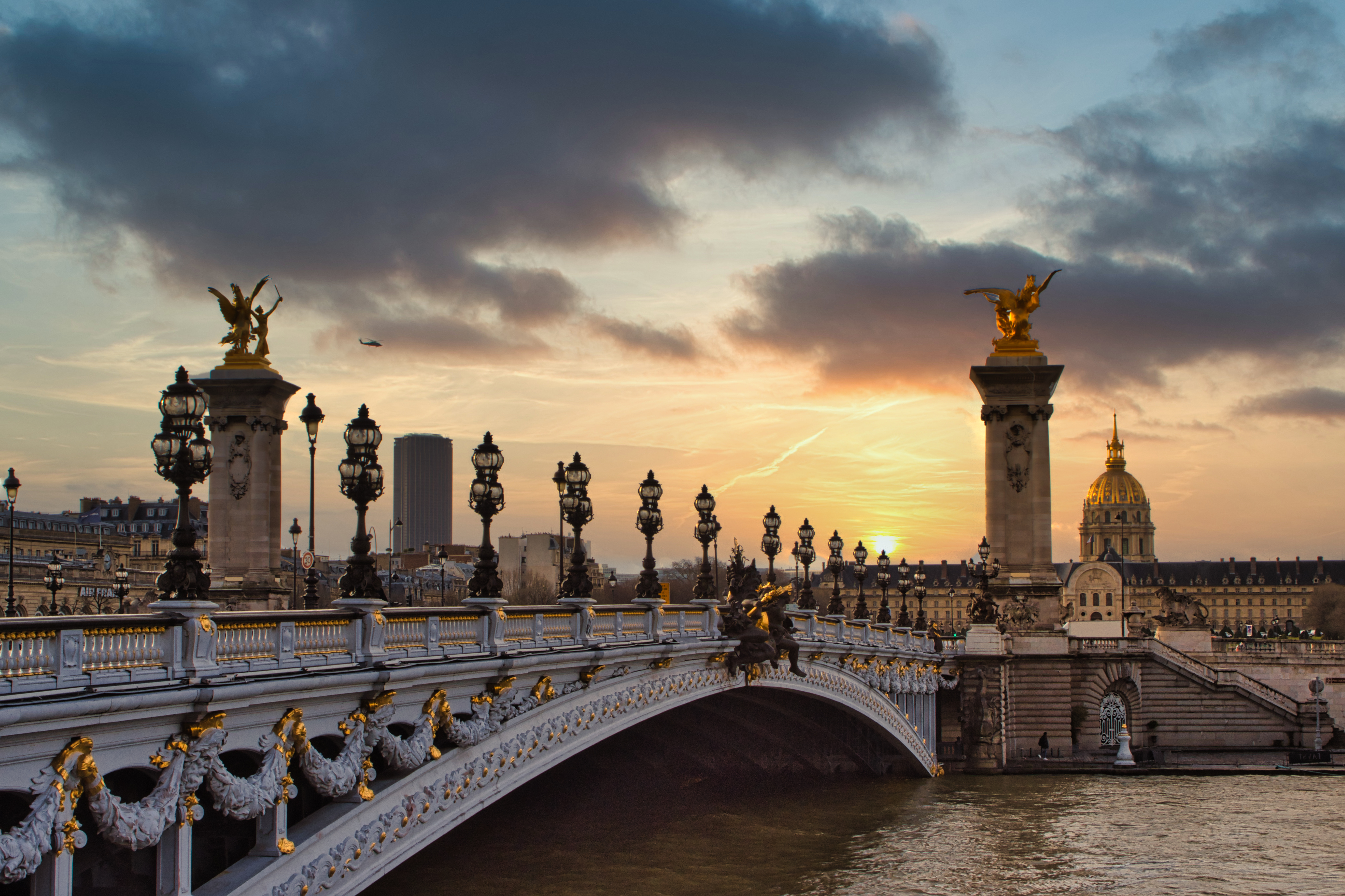,regionOfInterest=(3408,2271))
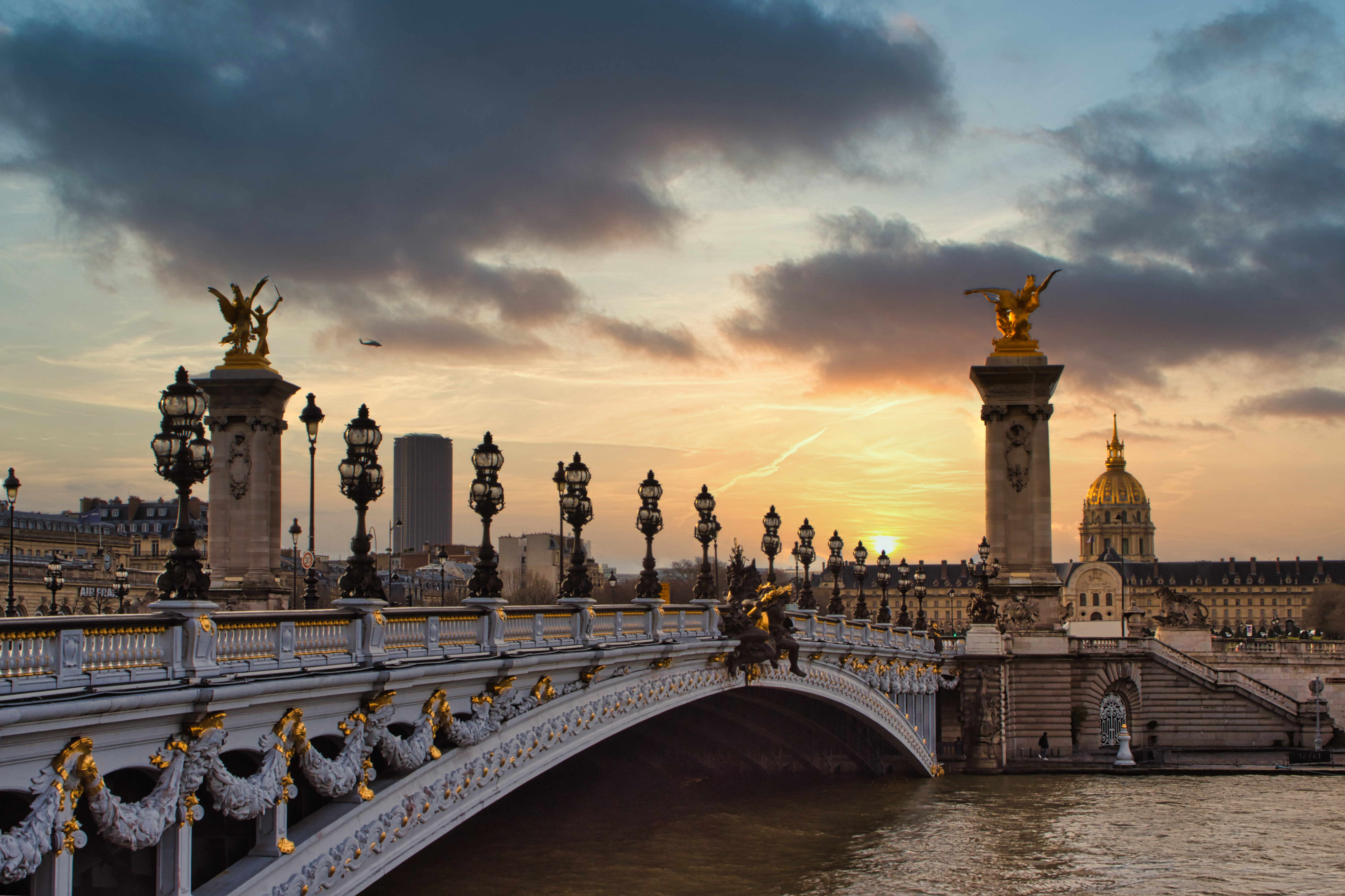,regionOfInterest=(3408,2271))
,regionOfInterest=(2713.5,1809))
,regionOfInterest=(2713.5,1809))
,regionOfInterest=(3096.5,2536))
,regionOfInterest=(3096.5,2536))
,regionOfInterest=(1771.5,1181.5))
,regionOfInterest=(1771.5,1181.5))
,regionOfInterest=(2144,1424))
,regionOfInterest=(2144,1424))
,regionOfInterest=(5340,2078))
,regionOfInterest=(5340,2078))