,regionOfInterest=(2649.5,1765))
,regionOfInterest=(2649.5,1765))
Best golf courses in Estepona
,regionOfInterest=(3120,1755))
,regionOfInterest=(3120,1755))
Culture
,regionOfInterest=(2394,1596))
,regionOfInterest=(2394,1596))
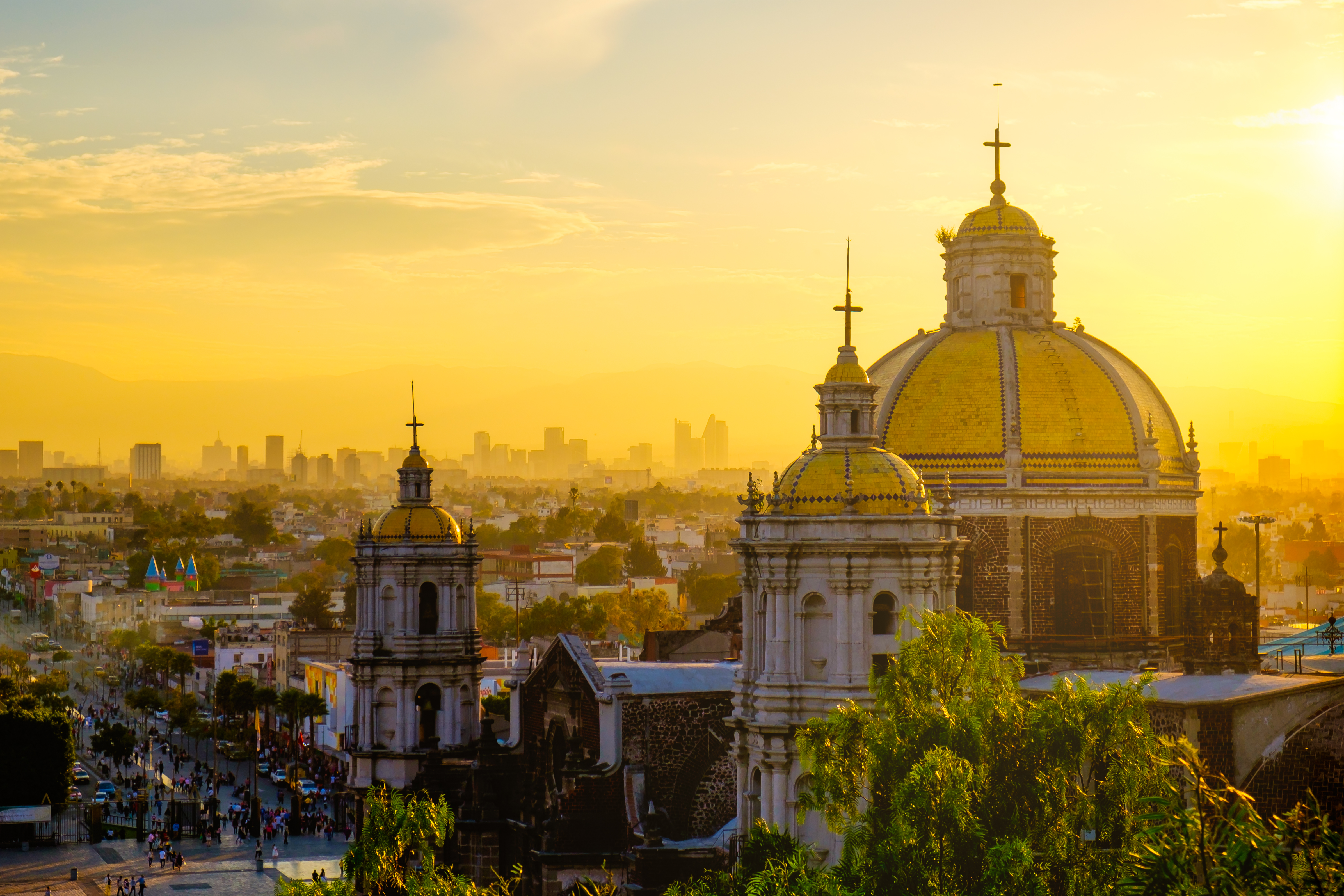
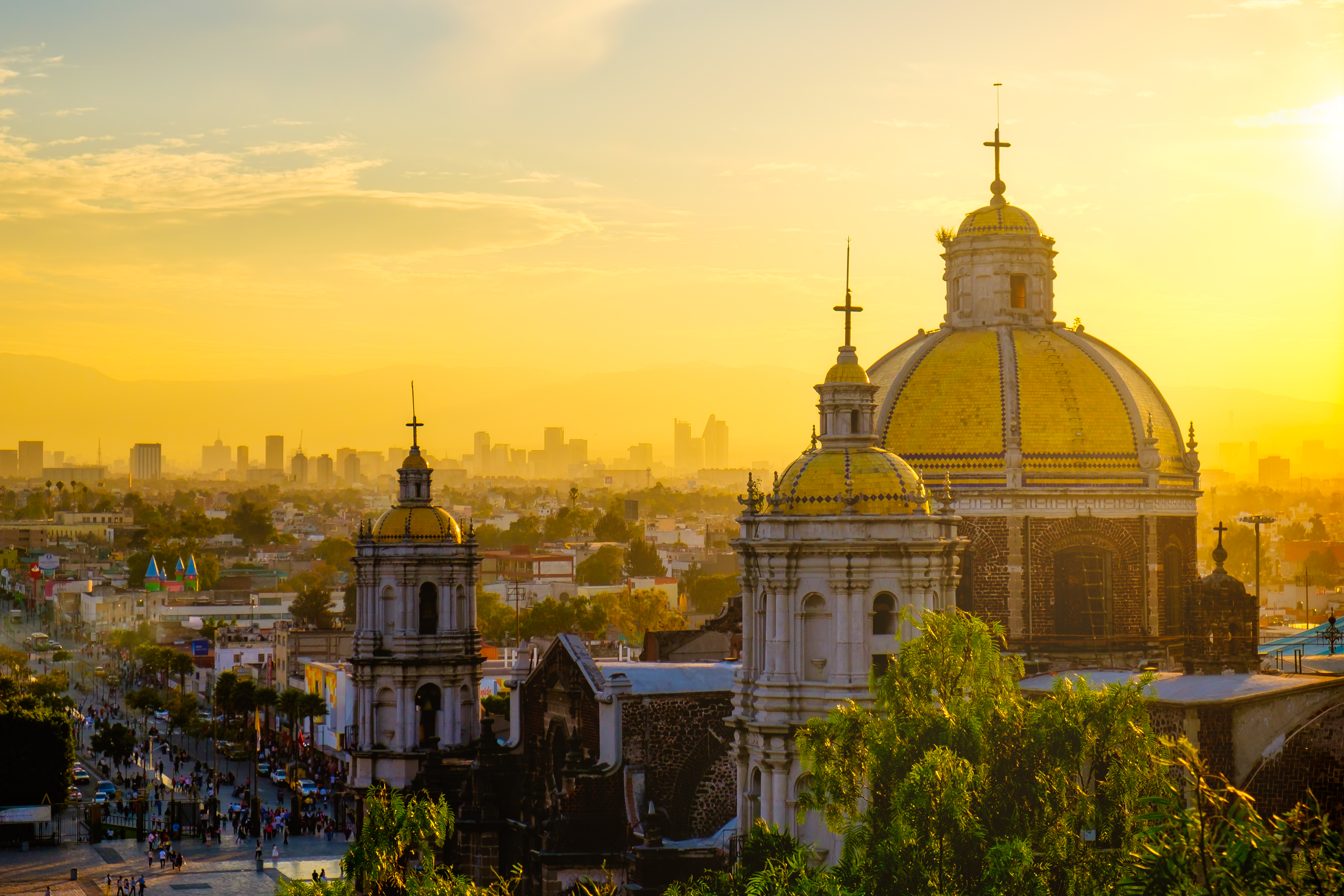
There are destinations you visit and places that stay in your soul forever; Mexico undoubtedly belongs to this second group. Considered one of the most fascinating and diverse countries in the world, it is a colossal and vibrant territory where the mysticism of pre-Hispanic civilizations, the splendour of colonial architecture, and the exuberance of untamed nature coexist in magical harmony.
From ancient Mayan cities to paradisiacal beaches bathed by turquoise waters, through great cities, colonial towns, or jungles guarding millenary pyramids, if you are planning your trip through Aztec lands and would like to know what to see in Mexico, the reality is that there are endless options for all tastes. So many, in fact, that it is practically impossible to see everything in a single trip, which means you will always have an excuse to return.
To help you with your planning, I have prepared a Mexico travel guide that brings together some of the country's most iconic and important destinations, with the aim of offering you the most complete and balanced vision of the country possible.
,regionOfInterest=(500,500))
,regionOfInterest=(500,500))
All-terrain writer specialising in tourism, fashion and trends. A curious soul, traveller, reader and sports enthusiast, keen to discover every corner of the world.
,regionOfInterest=(2829,1886))
,regionOfInterest=(2829,1886))
,regionOfInterest=(2262,1508))
,regionOfInterest=(2262,1508))
,regionOfInterest=(2538,1573))
,regionOfInterest=(2538,1573))
,regionOfInterest=(1500,1947))
,regionOfInterest=(1500,1947))
Before planning what to do in Mexico, it is fundamental to understand that this destination requires travelling with an open mind and awakened senses, as it is a constant invitation to explore, taste, and be surprised at every corner.
You can tour ancient pre-Hispanic cities, relax on some of the best beaches in the Caribbean, discover hidden cenotes, visit colonial cities declared World Heritage Sites, watch the sunset over a Mayan pyramid, or enjoy one of the most renowned gastronomies in the world.
The best option for designing a balanced Mexico itinerary is to combine culture, nature, and beaches, embracing the warm rhythm set by its inhabitants. Let yourself be carried away by local hospitality, walk through traditional markets to taste the authentic spicy touch of its cuisine, or enjoy live mariachi music.
With so many places to see and things to do, here is a list of the main places to visit in Mexico that should not be missing from your route.
,regionOfInterest=(2684,1793))
,regionOfInterest=(2684,1793))
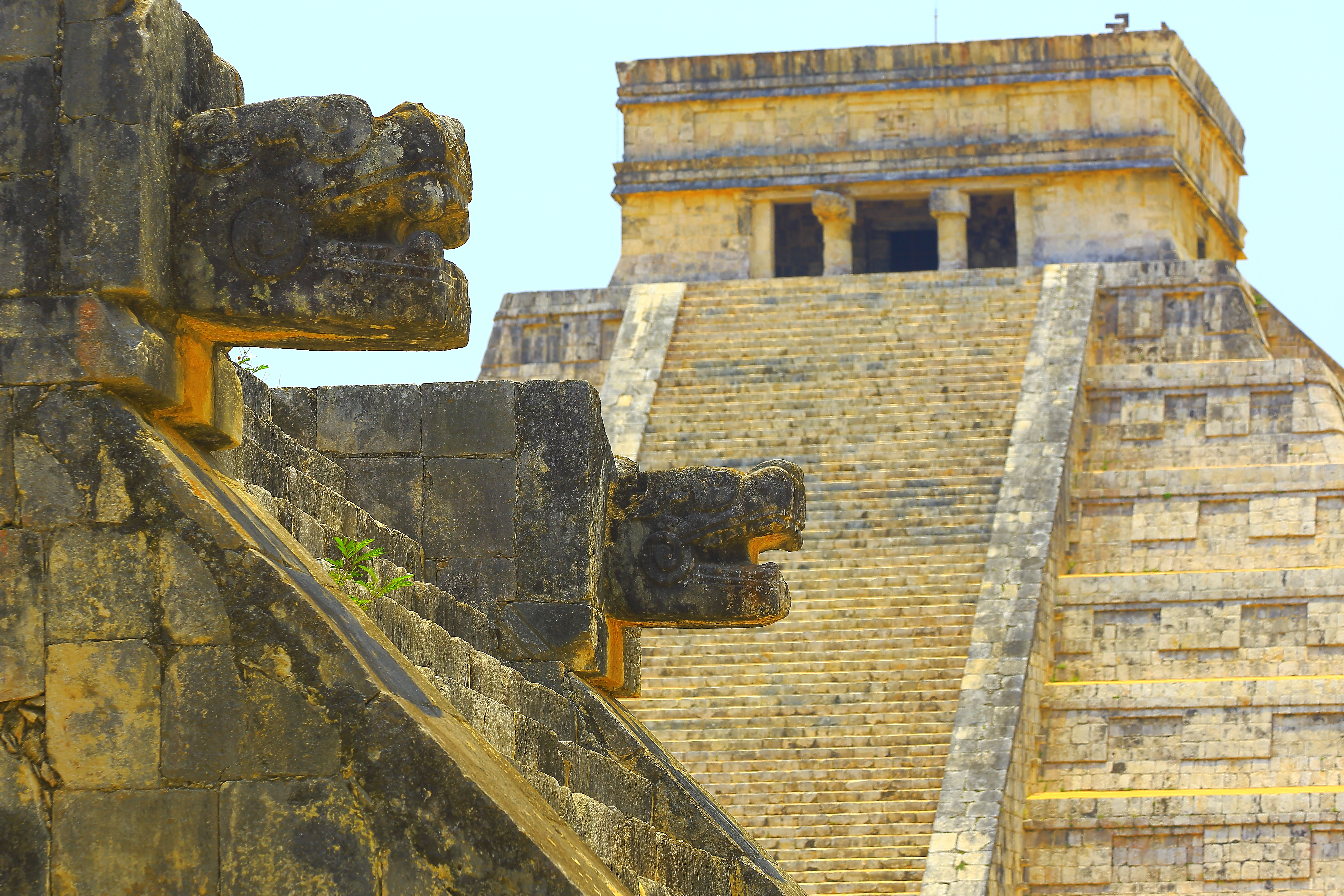
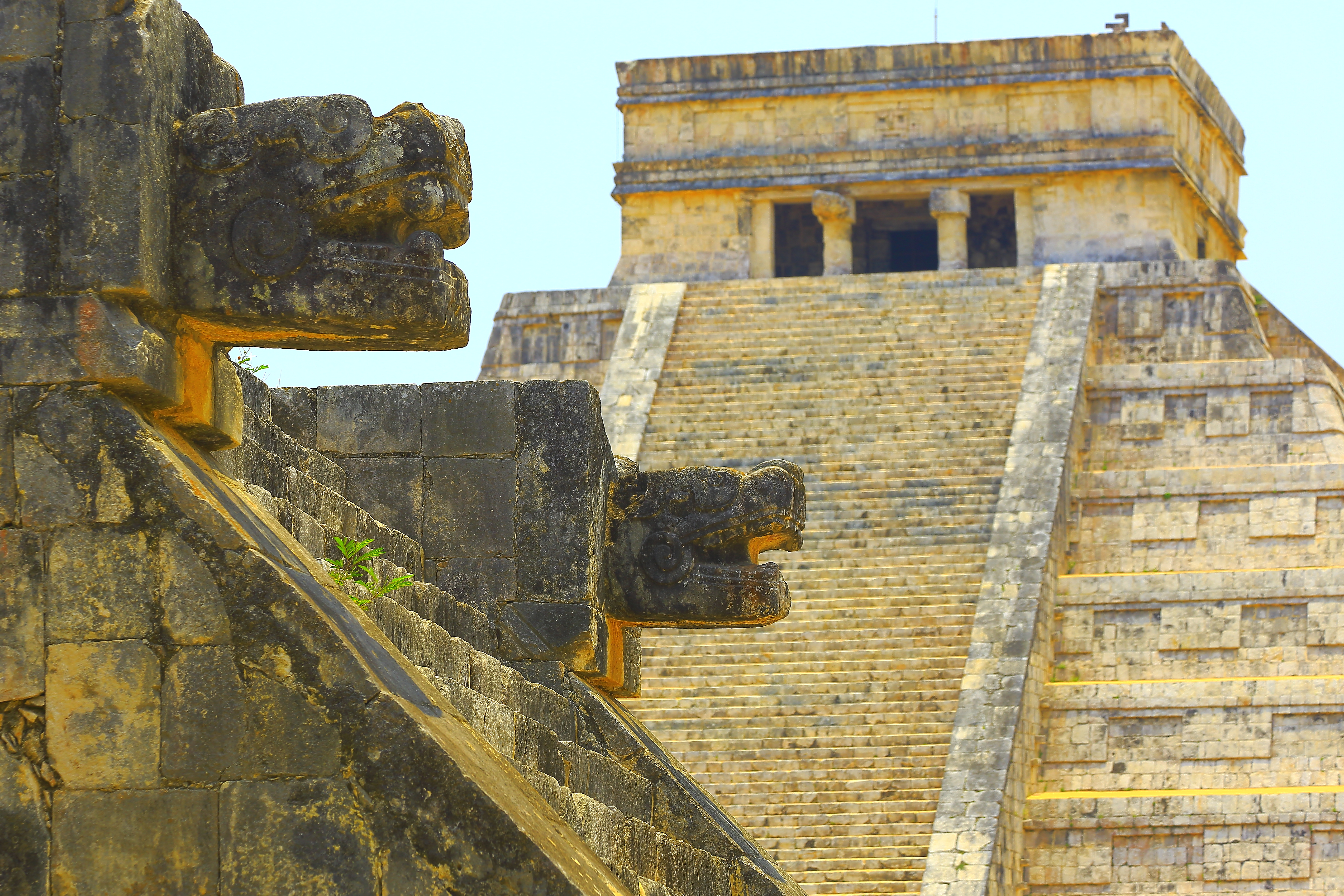
Considered one of the New Seven Wonders of the World, Chichén Itzá is one of the main sites to visit in Mexico. Located in the heart of the Yucatán Peninsula, this ancient Mayan city is home to some of the most iconic monuments in the world such as the Pyramid of Kukulcán, the Temple of the Warriors, or the Great Ball Court.
Its historical and archaeological importance makes it an essential visit on any trip to Mexico. Furthermore, during the equinoxes, the play of light and shadow magically projects the descent of the feathered serpent down the stone steps.
Surrounded by the tropical jungle of Quintana Roo, Cobá was one of the most important Mayan cities, which unfolds as a huge network of stone causeways (sacbés) and ancient ruins.
Its main attraction is the Nohoch Mul pyramid, an imposing 42-metre-high structure considered the tallest on the Yucatán Peninsula. Surrounded by the lush jungle of the Riviera Maya, this important archaeological site offers a quieter and more authentic experience than other more crowded Mayan enclaves.
In addition to admiring temples, stelae, and ancient ceremonial constructions, visitors can walk along paths surrounded by nature and enjoy panoramic views of the jungle from the top of the pyramid.
Located in the historic centre of Mexico City, next to the Metropolitan Cathedral and the Zócalo, the Templo Mayor is one of the most important archaeological sites in the country. This sacred precinct was the main religious and ceremonial centre of Tenochtitlán, the ancient pre-Hispanic capital, and a key point in the political, economic, and spiritual organisation of its civilisation.
Its ruins allow you to learn up close about the greatness of this culture and the way it structured its life around religion and power.
The visit is completed with the Templo Mayor Museum, where sculptures, offerings, and objects found in the excavations are exhibited, which helps to better understand the history and symbolism of this unique place.
Presiding over the historic centre of the country's capital, the Palacio de Bellas Artes is the maximum exponent of Mexican culture and art. Its architecture extraordinarily combines the Neoclassical and Art Nouveau styles, while its interior is an Art Deco jewel that guards iconic murals by artists of the stature of Diego Rivera, David Alfaro Siqueiros, and José Clemente Orozco.
,regionOfInterest=(1476.5,742))
,regionOfInterest=(1476.5,742))
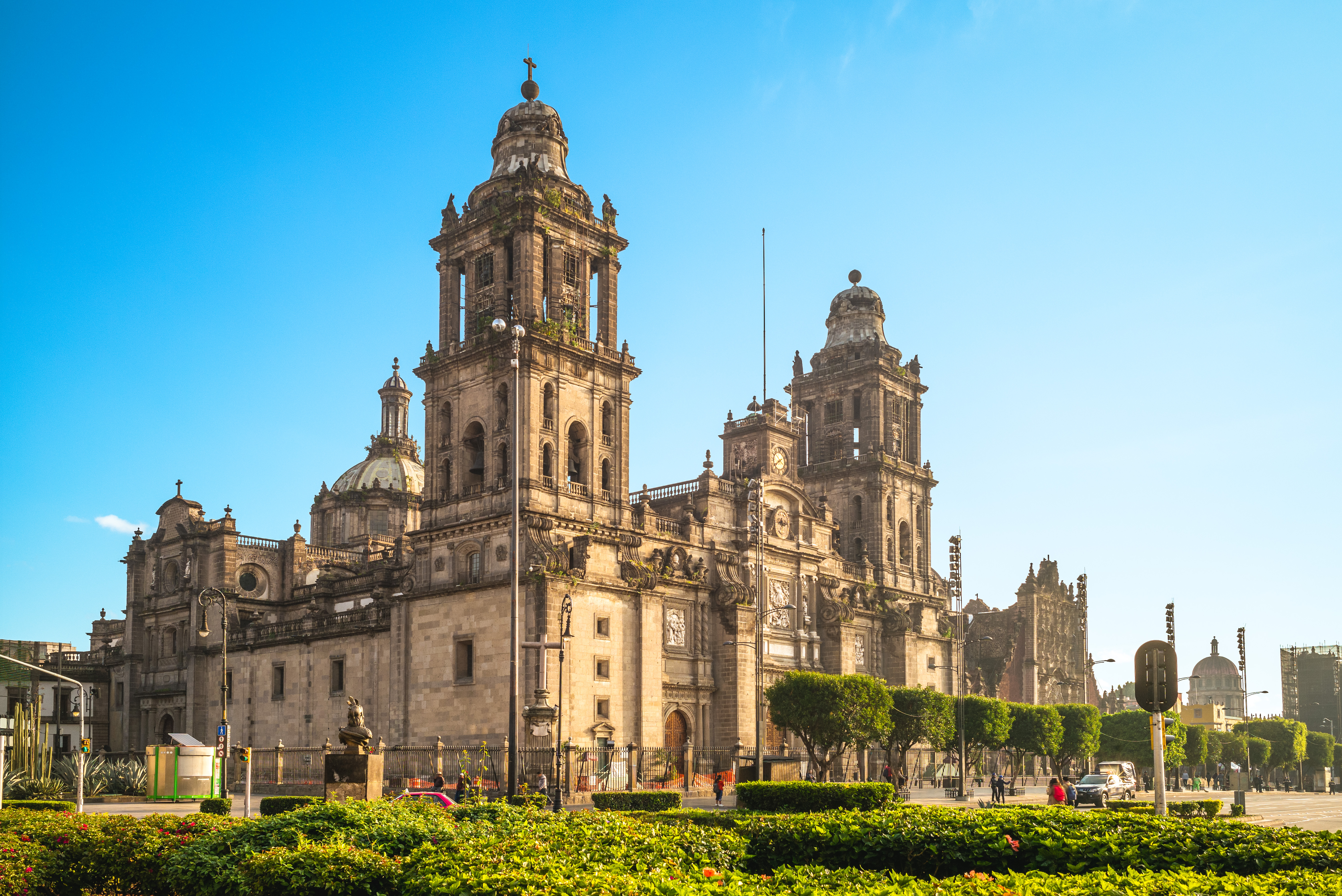
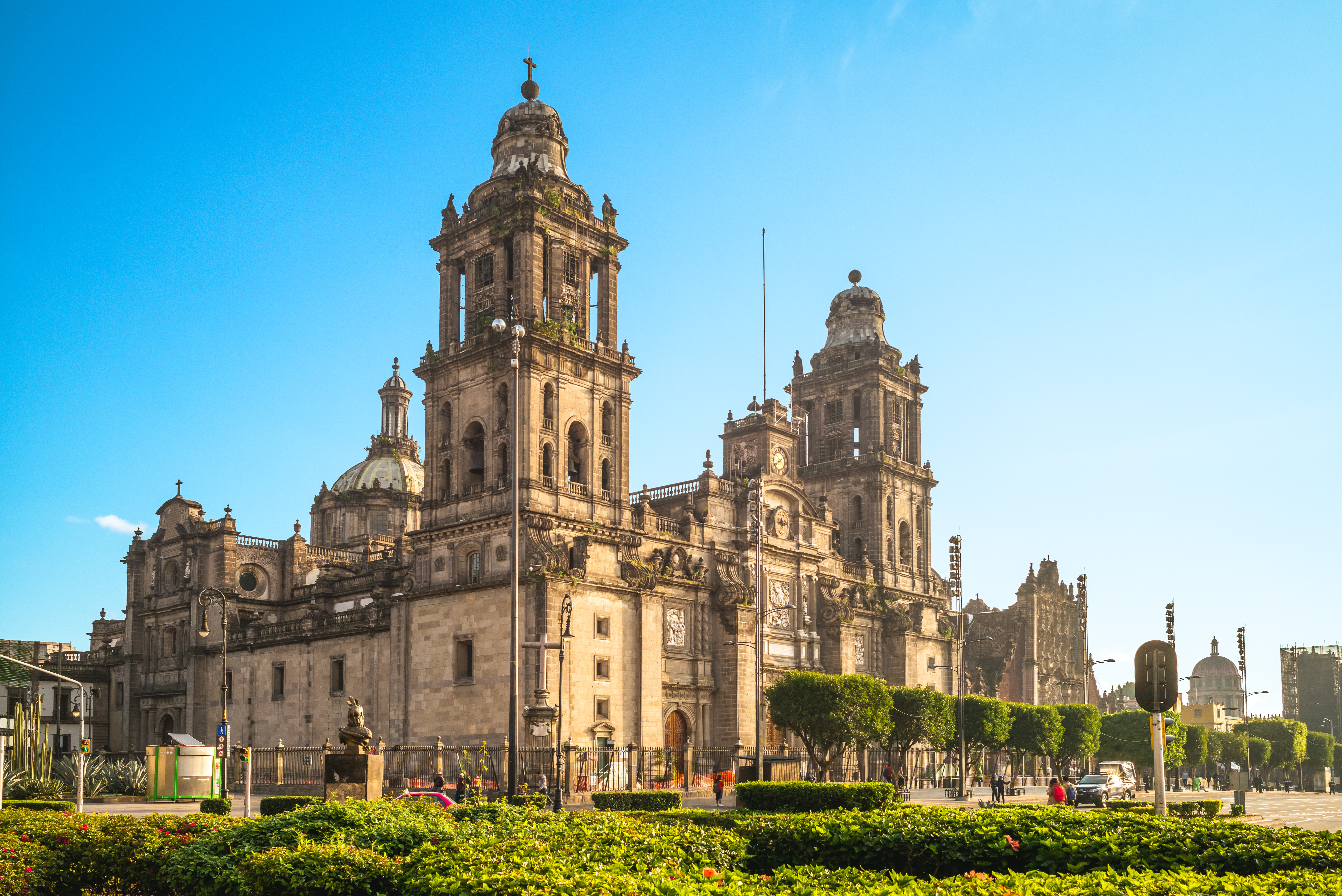
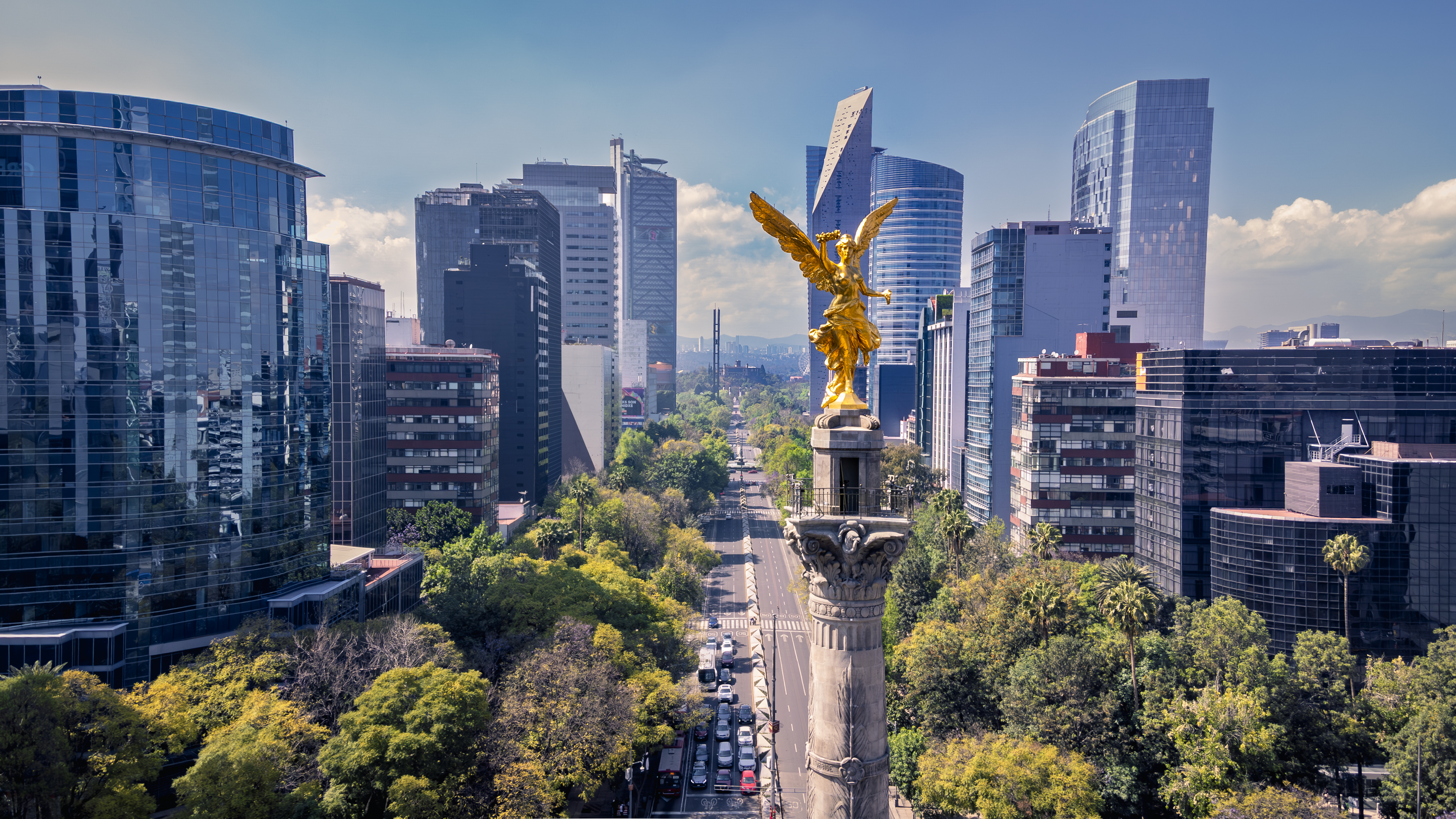
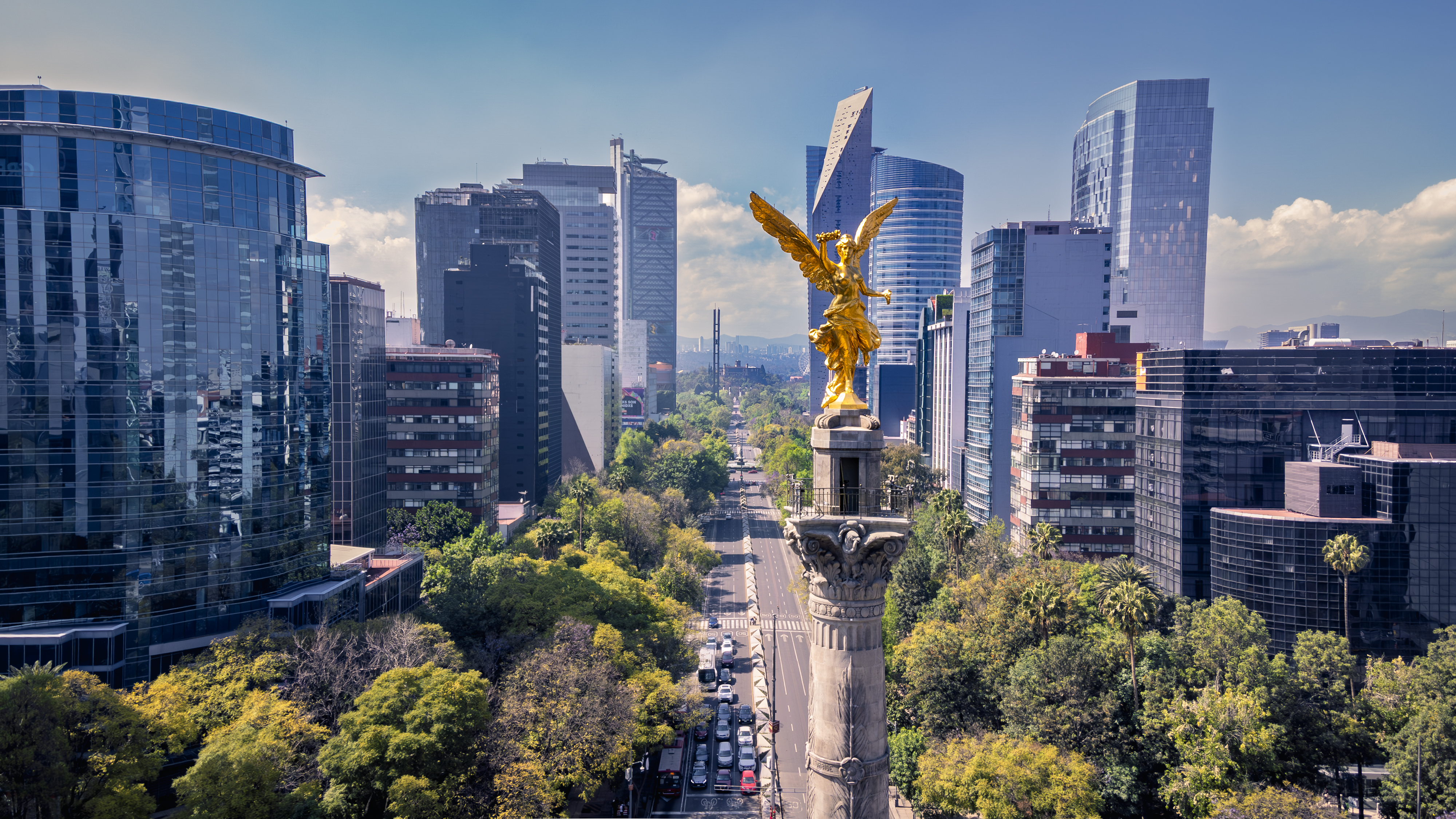
With a unique combination of history, culture, gastronomy, and modernity, Mexico City is one of the country's great attractions and one of the most dynamic metropolises in Latin America. Its cultural richness, intense urban life, and huge range of experiences make it an essential destination for those who wish to know the contemporary and traditional essence of Mexico.
Among the main places to see in the Mexican capital are the Zócalo, the National Palace, Chapultepec Park, and the National Museum of Anthropology. I personally prefer the Historic Centre of Mexico City, a spectacular network of cobbled streets, baroque churches, and colonial palaces built directly over the ruins of ancient Tenochtitlan.
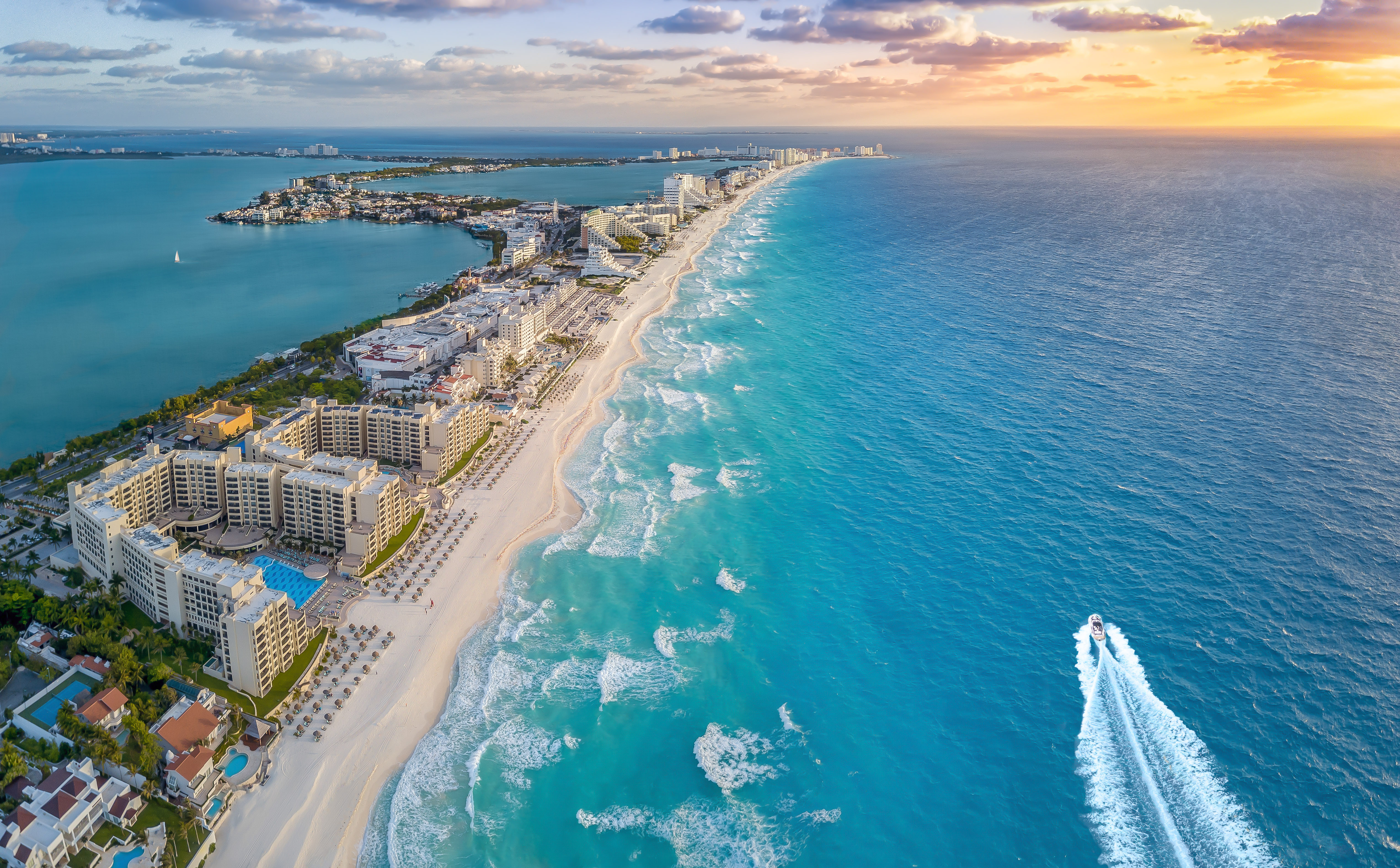
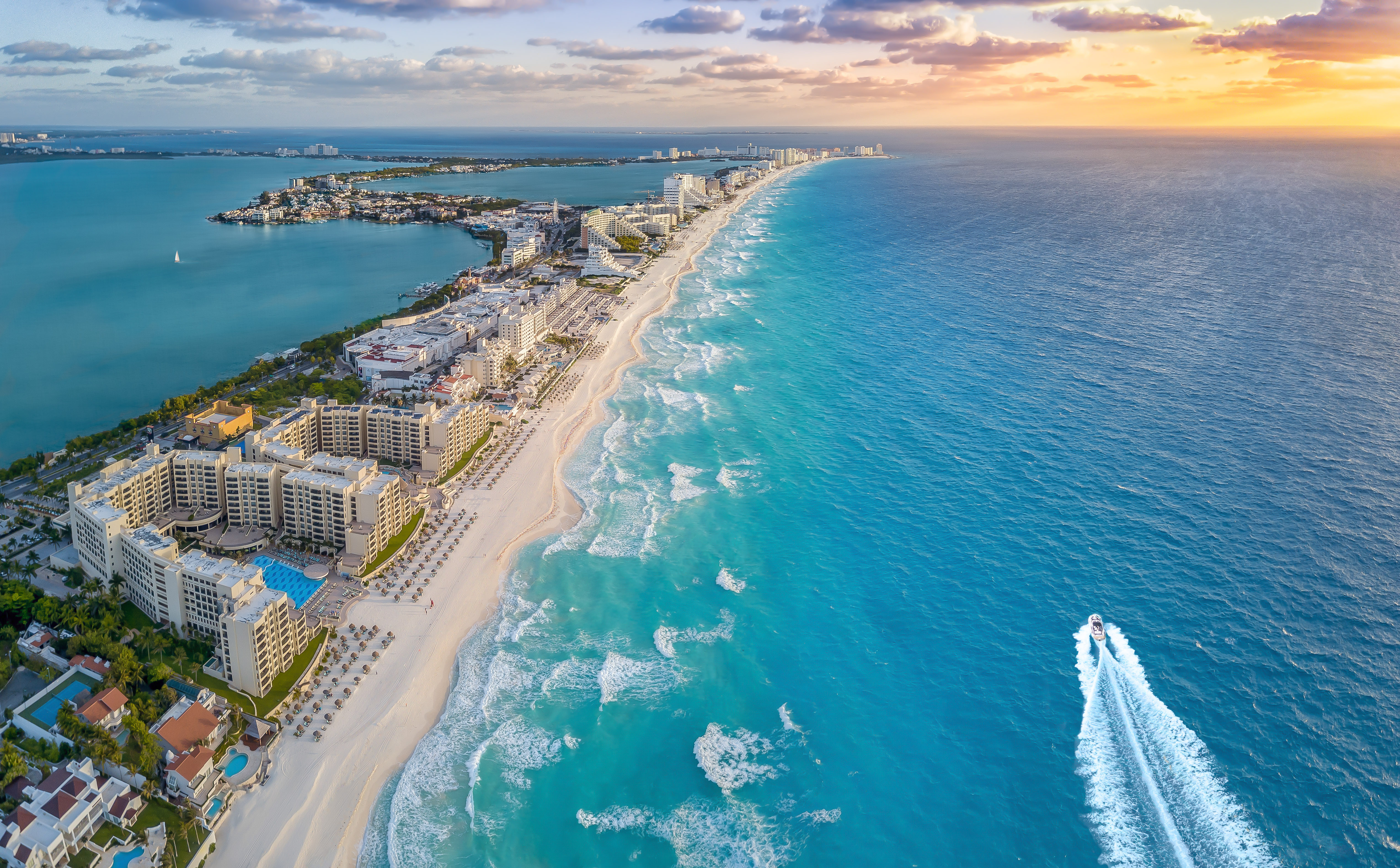
When talking about places to visit in Mexico, Cancún always appears at the top of the list. Its white sand beaches, turquoise waters, and wide range of leisure activities have made it one of the reference destinations in the Caribbean, offering one of the most modern, touristy, and lively faces of the country. The city is organised between the urban centre and the well-known hotel zone, situated on a long strip of sand surrounded by the Caribbean Sea and the Nichupté Lagoon.
The most famous area is the Cancún hotel zone, which stretches for more than 20 kilometres and features holiday complexes, luxury resorts, shopping centres, and internationally renowned nightlife. In addition to its beaches, Cancún is a strategic point for excursions to other places of interest in the region, such as Isla Mujeres, the cenotes in the interior of the peninsula, or nearby Mayan archaeological sites.
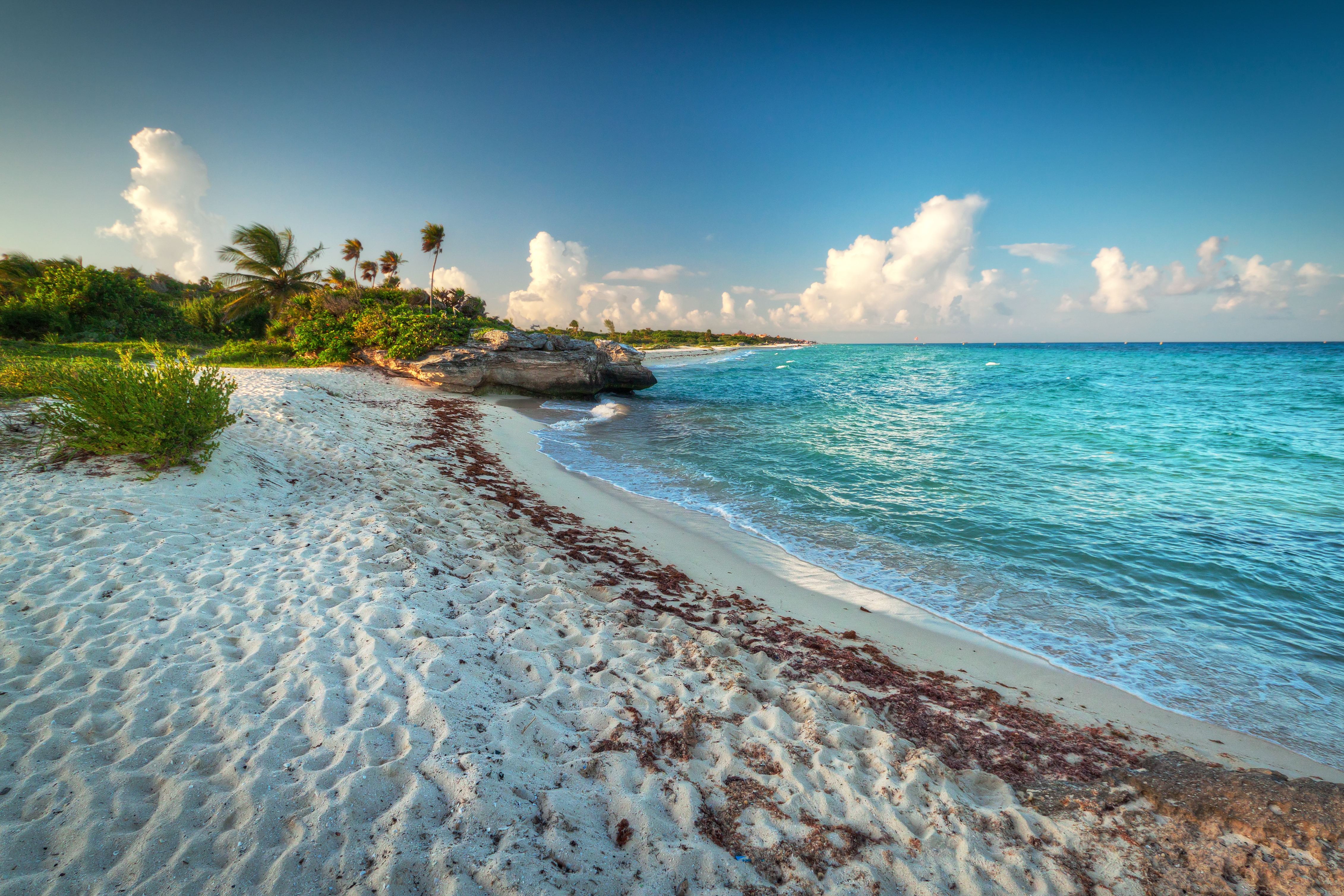
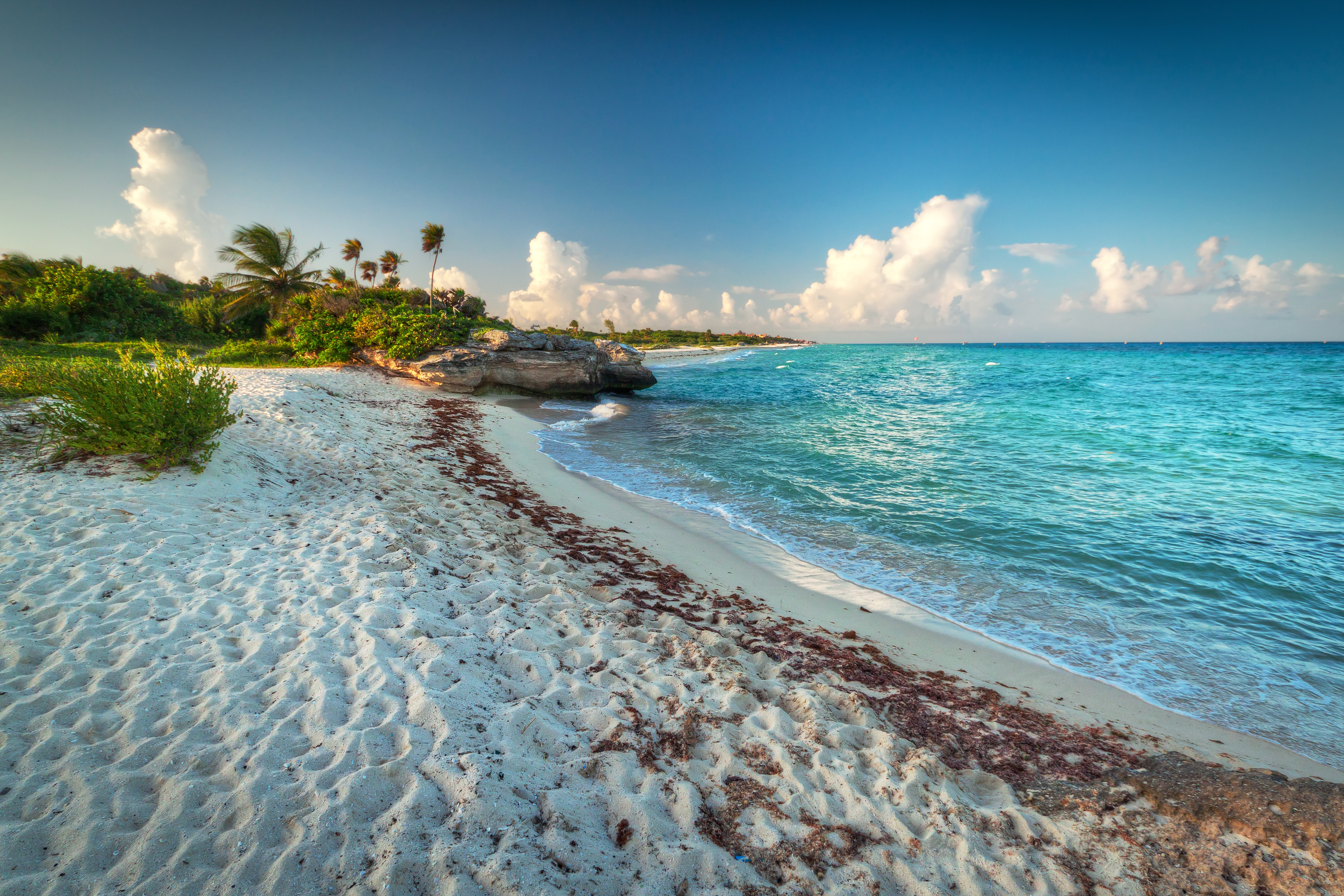
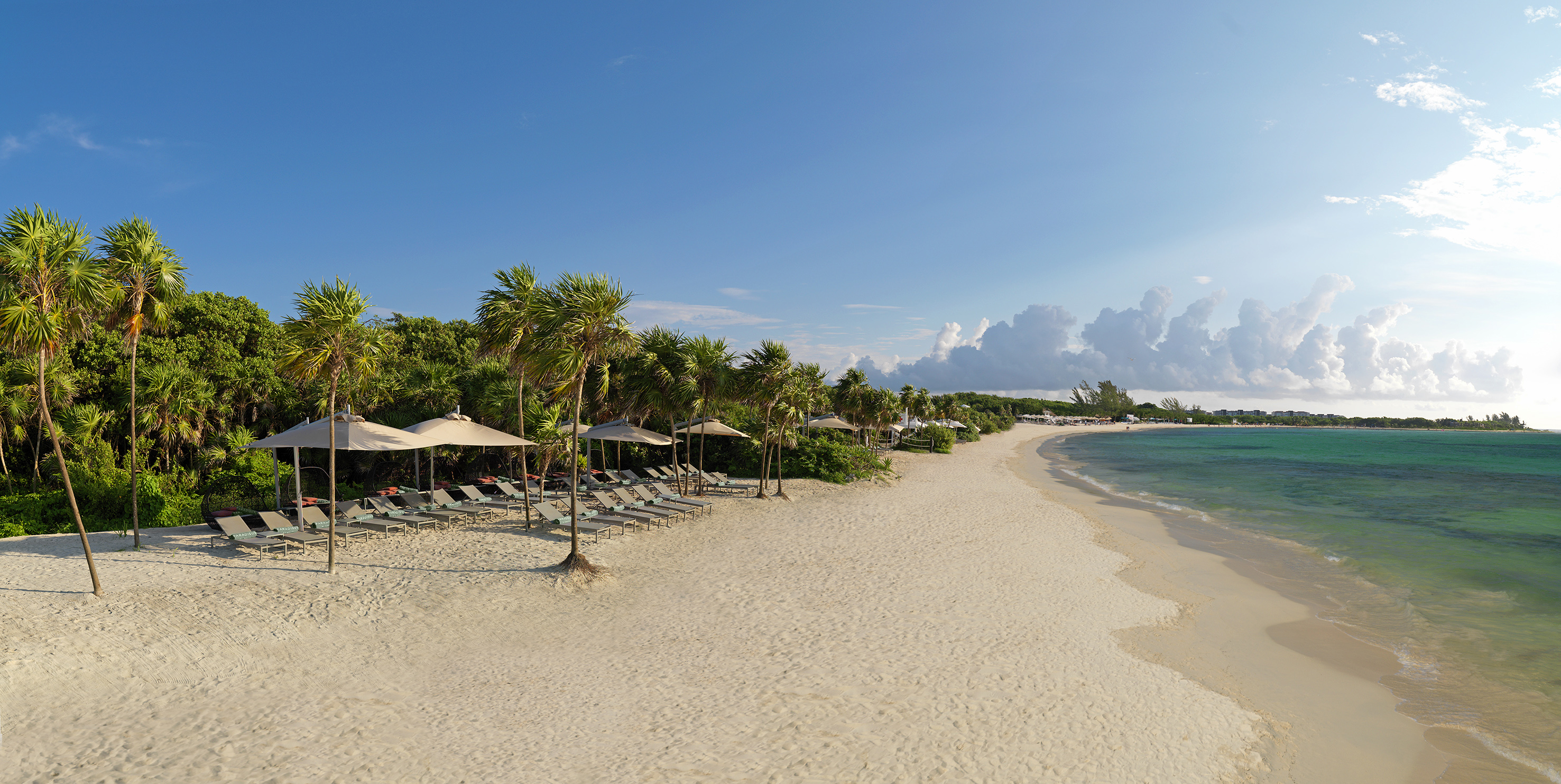
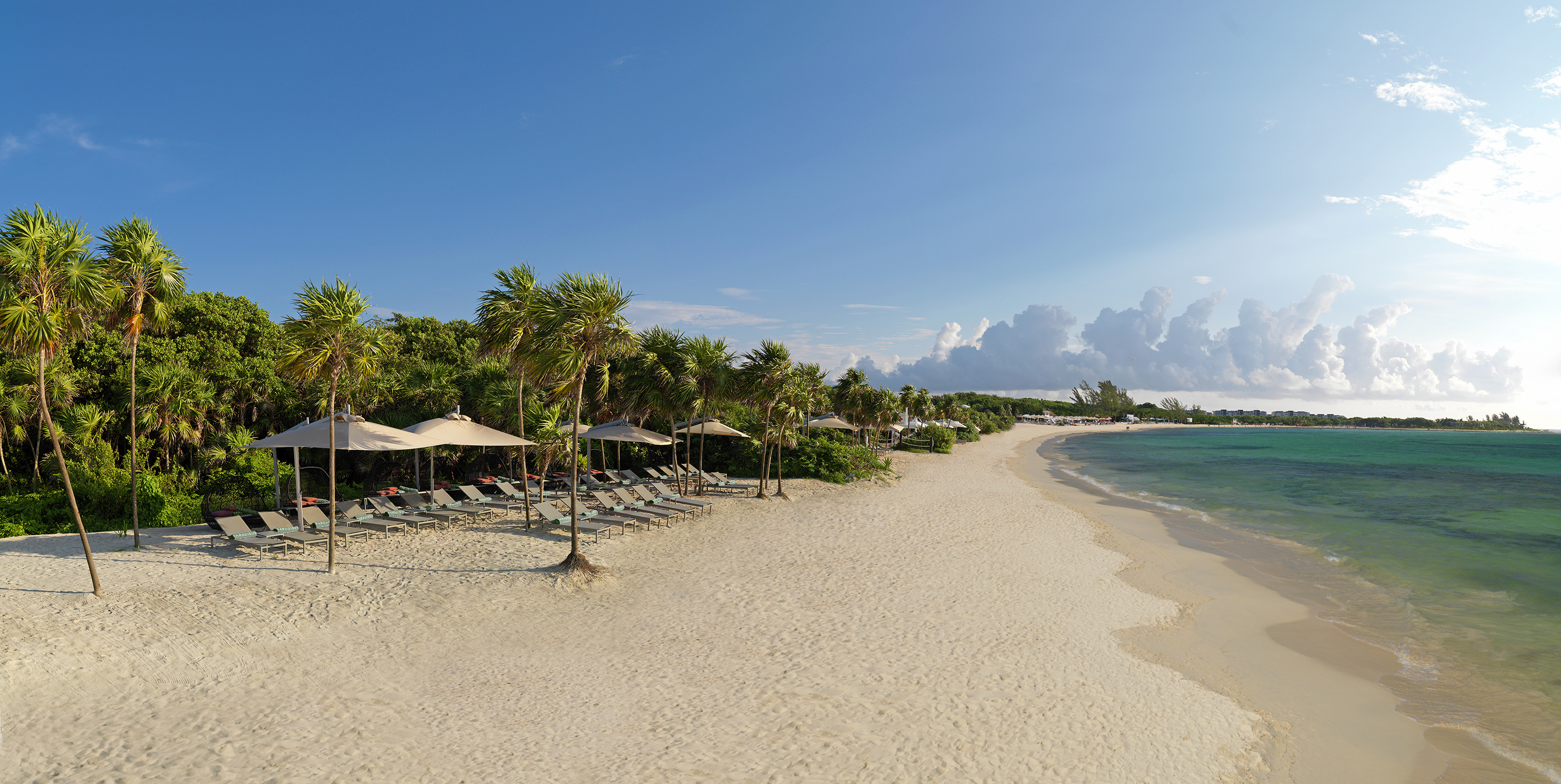
The Riviera Maya brings together some of the most spectacular landscapes in Mexico. This Caribbean coastal strip combines white sand beaches, crystal-clear cenotes, natural parks, and some of the most important Mayan archaeological remains in the country. Destinations such as Playa del Carmen, Tulum, and Akumal attract travellers from all over the world every year for their leisure, nature, and cultural heritage offerings.
The area is part of the ancient territory of the Mayan civilisation, so it is home to important archaeological sites such as Tulum, a walled city located facing the Caribbean Sea, or Cobá, where pyramids hidden in the jungle can be climbed to obtain panoramic views.
These sites preserve temples, causeways, and ceremonial structures that reflect the historical importance of this culture. Furthermore, the region has extensive tourist infrastructure that facilitates access to its main attractions and easily connects its different points of interest.
It is also an area highly valued for its natural reserves and marine biodiversity, especially in protected coral reef areas. For me, it is one of the most complete destinations if you want to combine rest, adventure, and culture in a single trip.
Few images represent the Mexican Caribbean better than the ruins of Tulum, situated on a cliff facing the sea, with direct views of the turquoise waters of the Caribbean. This ancient walled city was one of the main ports of the Mayan civilisation between the 13th and 16th centuries, which explains its strategic location next to the coast.
The archaeological site stands out for its well-preserved structures, among which El Castillo stands out, the most iconic building, which probably functioned as a reference point for coastal navigation and as a ceremonial temple. Other important buildings can also be visited, such as the Temple of the Frescoes or the Temple of the Descending God, which reflect the religious and commercial importance of the settlement. In addition to its historical value, Tulum has become one of the most popular destinations in the Riviera Maya for its combination of archaeological heritage and natural environment.
Located off the coast of Playa del Carmen, Cozumel is a world-famous island thanks to its spectacular coral reefs, integrated into the Great Mayan Reef. Its crystal-clear waters offer perfect visibility and extraordinary conditions for diving and snorkelling, allowing you to explore underwater walls full of biodiversity and protected ecosystems that are among the most valuable in the Caribbean Sea.
At the northern tip of the Yucatán Peninsula, Holbox is a paradisiacal island that has become the destination par excellence for those looking for a quieter atmosphere and total disconnection. Here you will not see cars or roads, but rather white sand streets, golf carts, and bicycles.
Its kilometre-long beaches with shallow, calm waters are famous for housing spectacular sandbanks and being the temporary home of pink flamingos and the majestic whale shark.
A few kilometres away by ferry from Cancún is Isla Mujeres, a small destination in the Mexican Caribbean known for its turquoise water beaches and a quieter atmosphere compared to the mainland. The island combines fishing tradition with strong tourist activity, which gives it a relaxed and accessible character.
Its main attraction is Playa Norte, a stretch of shallow water often considered one of the best beaches in the world for its beauty and swimming conditions. In addition, the island is a good point for snorkelling and diving, especially in nearby reefs and in the Underwater Museum of Art (MUSA), one of its most unique attractions.
Also known as a "Magical Town", Valladolid is a colonial city located in the interior of the Yucatán Peninsula and one of the best starting points to explore the main attractions of the region. It stands out for its well-preserved colonial architecture, quiet streets, and pastel-coloured facades.
The city has places of interest such as the convent of San Bernardino de Siena and urban cenotes such as the Zací Cenote, located a short distance from the centre. Its strategic location, between Cancún and Chichén Itzá, makes it a regular stop on tourist routes through Yucatán.
Furthermore, it preserves a local atmosphere that contrasts with the large destinations on the coast, offering a more authentic vision of life on the peninsula.
Located on the Pacific coast, in the state of Jalisco, Puerto Vallarta is one of the most complete destinations in western Mexico, where beach, mountain, and urban life are combined in the same environment. Located in the Banderas Bay, it offers a characteristic landscape where the sea meets the Sierra Madre Occidental, generating a very particular natural environment.
The historic centre and the boardwalk (malecón) concentrate much of the city's activity, with cobbled streets, traditional architecture, and a wide range of restaurants, galleries, and shops facing the ocean. In addition to its urban atmosphere, it is a regular point for boat trips around the bay, where it is possible to spot whales in season or access more isolated beaches such as those in the southern area. Its combination of beach and city destination makes it one of the most versatile options in the Mexican Pacific.
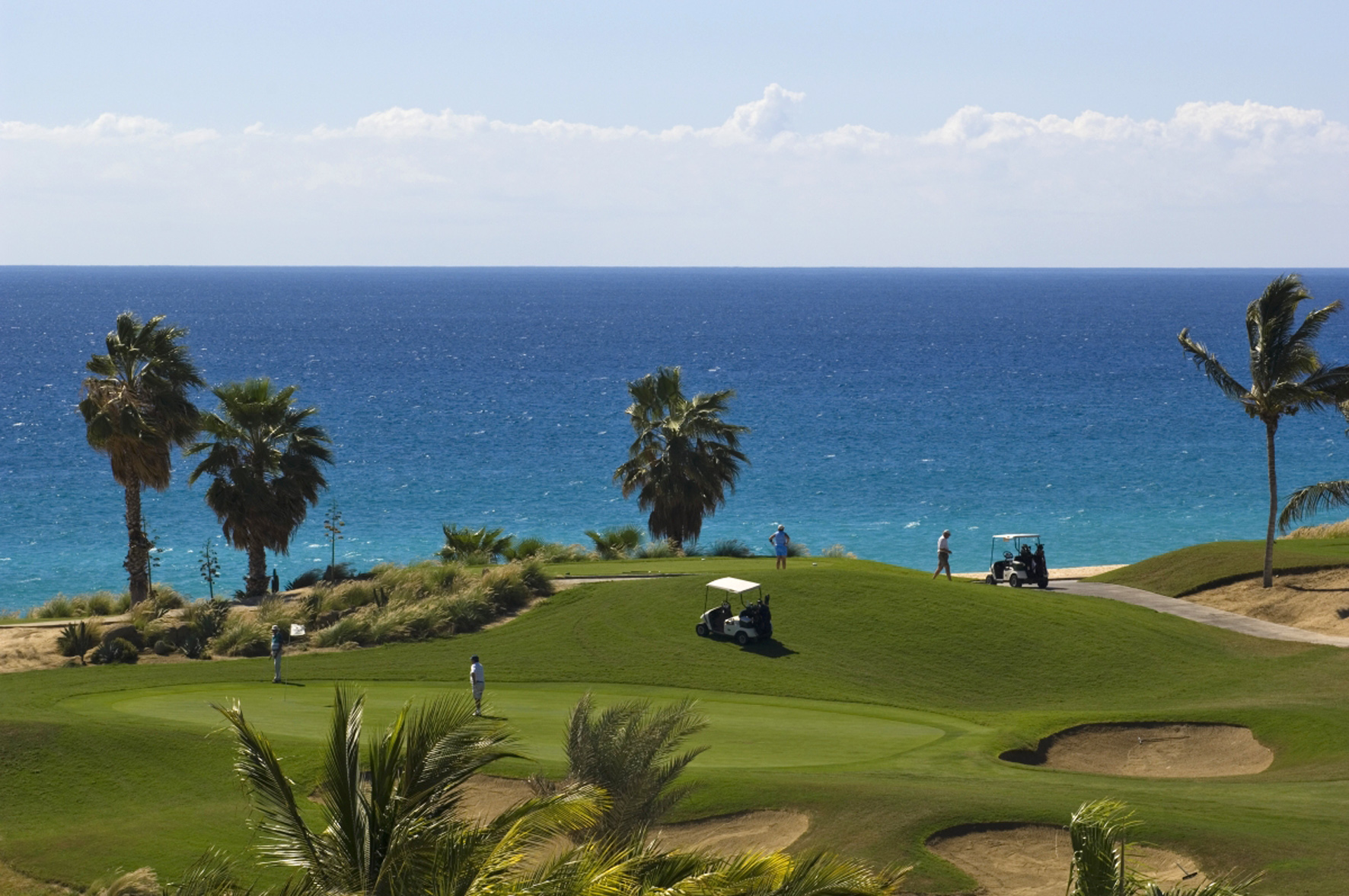
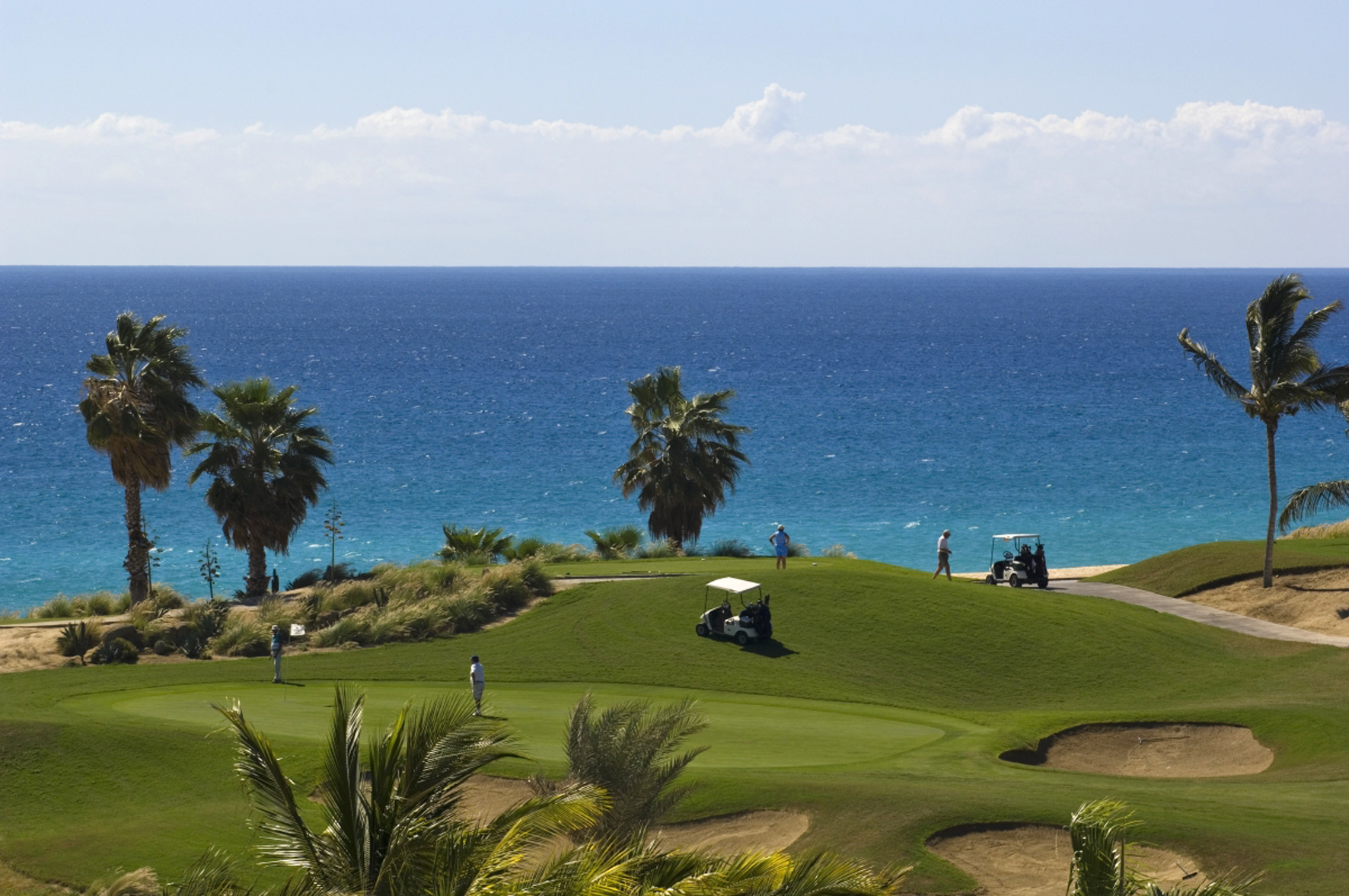
Located at the southern tip of the Baja California Peninsula, Los Cabos is a destination that joins the centres of Cabo San Lucas and San José del Cabo, separated by a tourist corridor of resorts and golf courses. Its main attraction is the combination of desert and sea, with arid landscapes that flow directly into the Pacific Ocean and the Sea of Cortez.
Cabo San Lucas concentrates most of the tourist activity, with its famous natural stone Arch, beaches like El Médano, and an intense nightlife. For its part, San José del Cabo maintains a quieter and more traditional atmosphere, with a colonial-style historic centre and a growing art scene. Los Cabos is also one of the best places in the country for observing marine fauna, especially whales in season, which reinforces its natural appeal during a large part of the year.
,regionOfInterest=(4184,2792))
,regionOfInterest=(4184,2792))
Between Playa del Carmen and Tulum, the Akumal Bay is a protected natural space of incredible beauty. Its name in the Mayan language means "Place of Turtles", and it lives up to its calm waters, naturally protected by a nearby reef. It is especially famous for the possibility of swimming alongside sea turtles.
Located in the Riviera Maya, Parque Xcaret is one of the most famous and important theme parks in Mexico. It is an eco-archaeological park that combines nature, culture, shows, and water activities in a privileged environment.
The Sian Ka'an Biosphere Reserve is a protected space declared a UNESCO World Heritage Site that extends along the coast of Quintana Roo. It is home to a great variety of ecosystems, such as mangroves, jungles, coastal dunes, lagoons, and coral reefs, which makes it one of the enclaves with the greatest biodiversity in Mexico.
Inside, numerous species of fauna inhabit the area, including birds, sea turtles, and dolphins, in addition to remains of ancient Mayan settlements.
Access is limited in many areas to preserve its natural state, although organised excursions can be made by boat or in all-terrain vehicles. Its ecological and landscape value makes it one of the most important natural spaces in the Riviera Maya.
Situated in the heart of the Riviera Maya, Playa del Carmen is one of the most important coastal cities in the Mexican Caribbean and a key point within any trip through the region. Formerly a small fishing village, today it is a consolidated tourist destination that combines white sand beaches with a wide range of leisure, dining, and nightlife.
Its main axis is the famous Quinta Avenida (Fifth Avenue), a long pedestrian street parallel to the sea where shops, restaurants, bars, and businesses that reflect its cosmopolitan atmosphere are concentrated. From its urban beaches, it is also possible to take ferries to the island of Cozumel. Furthermore, its strategic location makes it an ideal base for visiting cenotes, natural parks like Xcaret, or the Mayan ruins of Tulum and Cobá.
Playa del Carmen stands out for its balance between a beach destination, a connection point, and a centre for activities, which makes it one of the most complete and visited cities in the Riviera Maya.
,regionOfInterest=(1392,924))
,regionOfInterest=(1392,924))
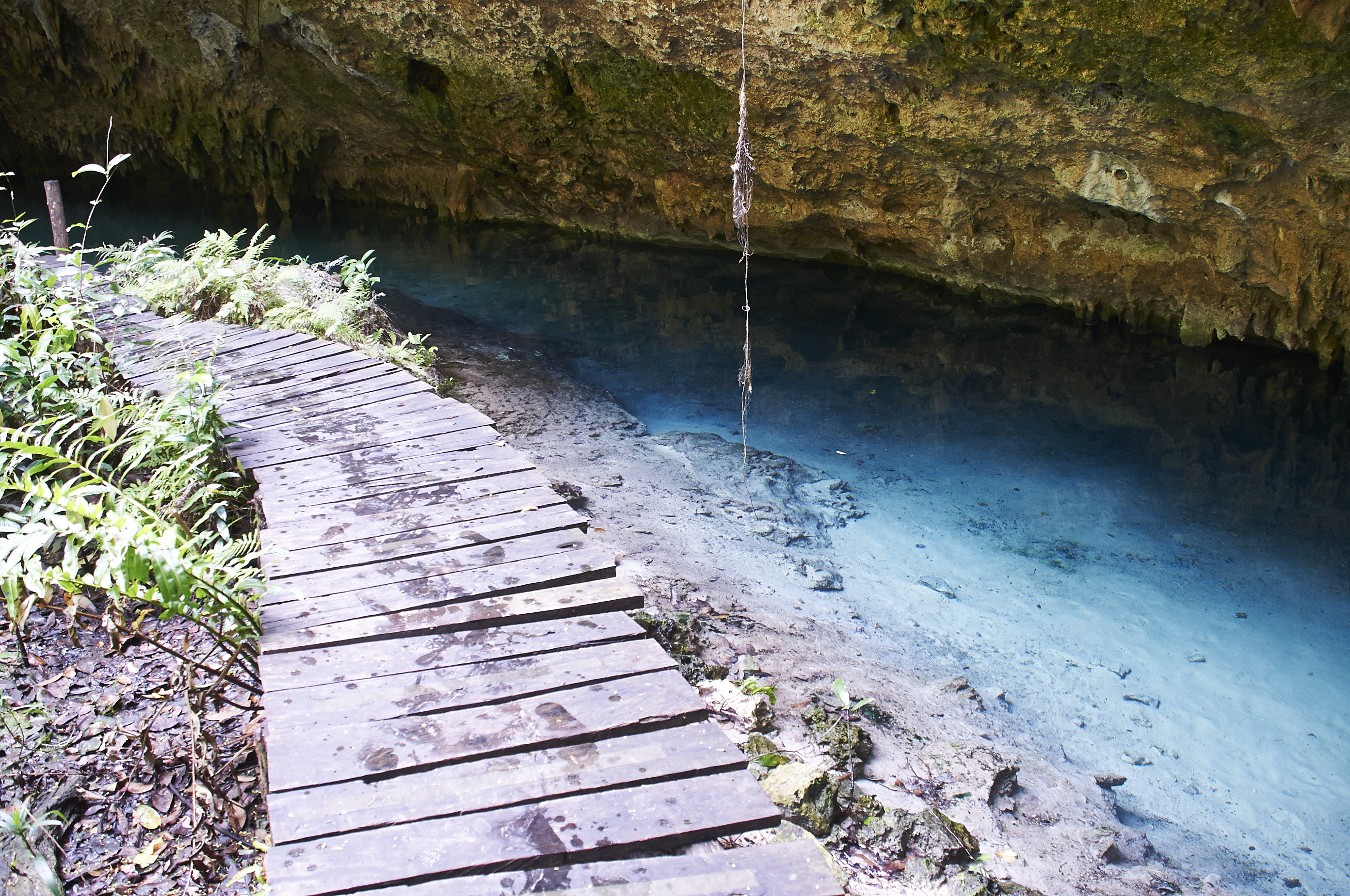
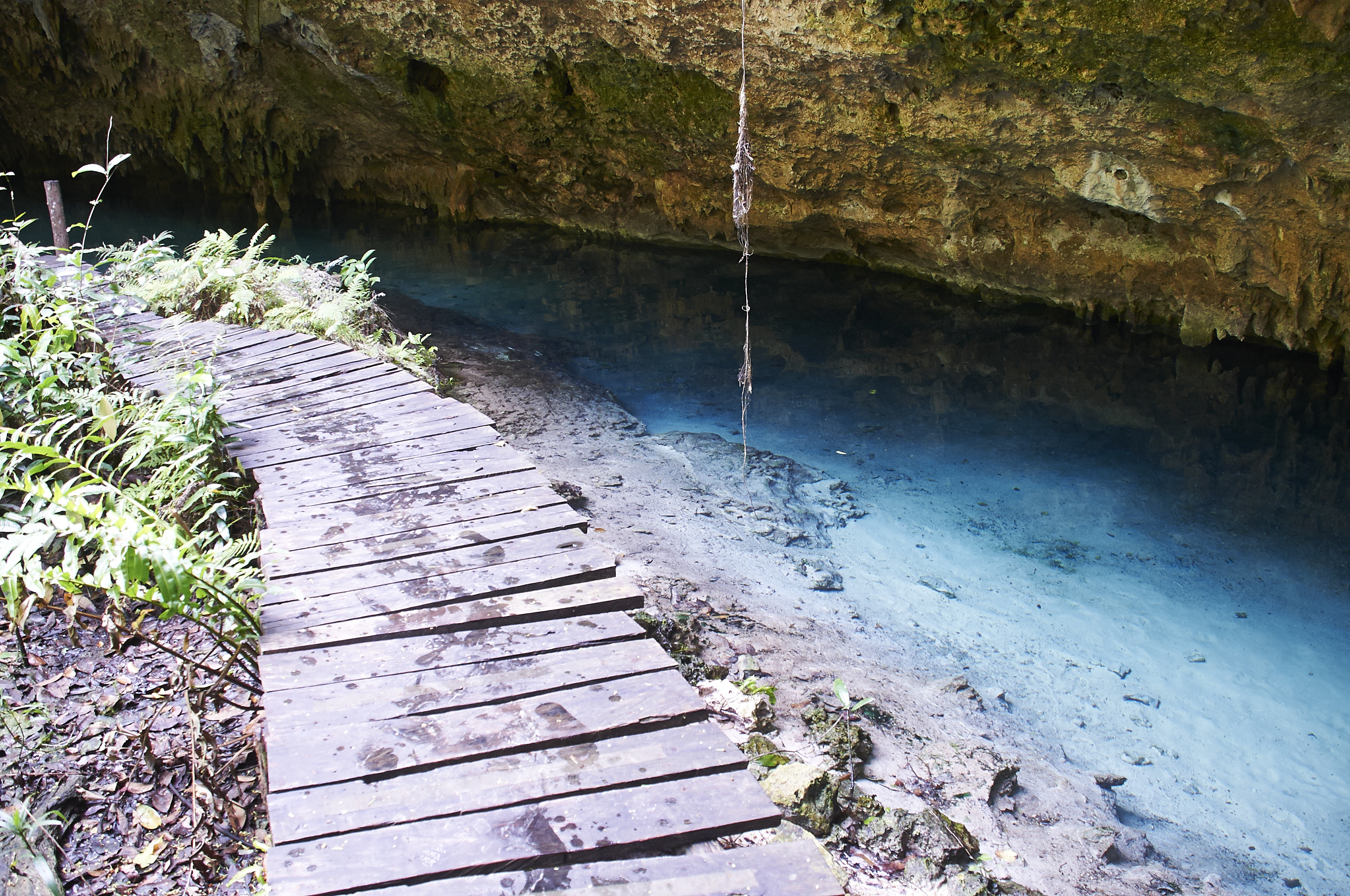
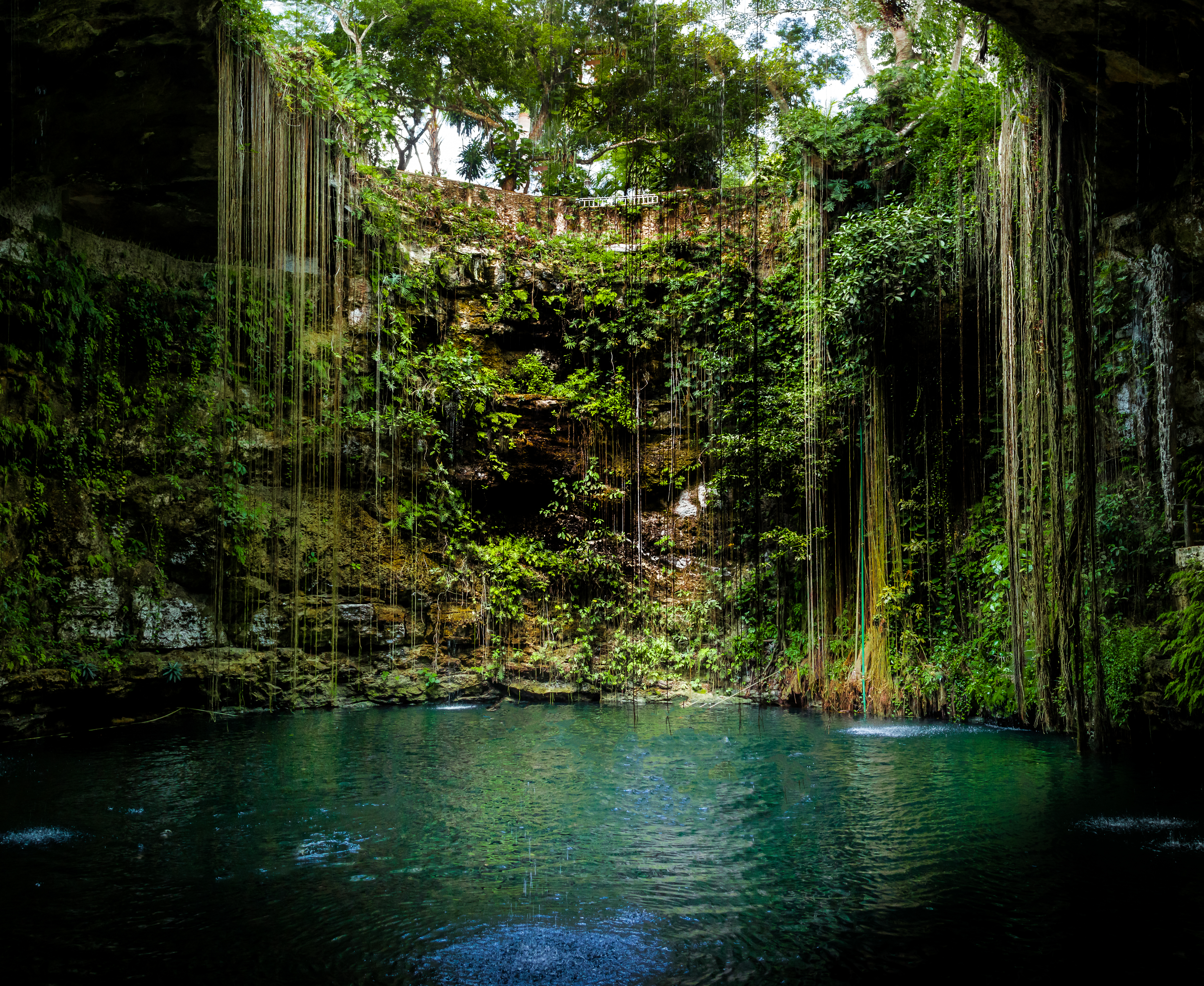
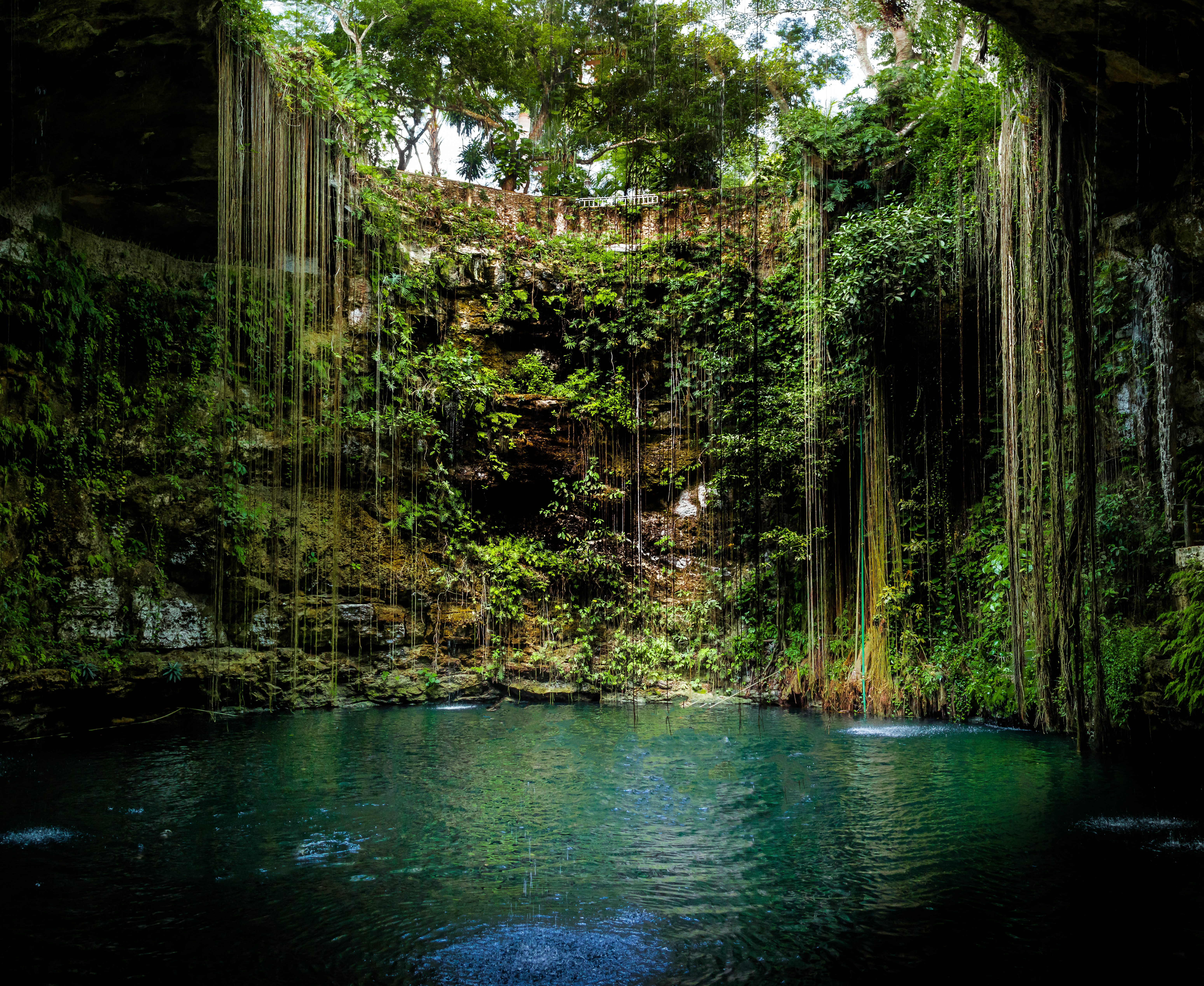
Considered one of the best-known cenotes in Mexico, Ik Kil stands out for its perfectly circular shape and its walls covered in vegetation that descend to a great depth. It is an open cenote with a depth of approximately 40 metres, accessed by a staircase carved into the rock. Its deep blue waters and easy access make it a regular visit on routes to Chichén Itzá, located a very short distance away. Furthermore, it has complete tourist facilities, which makes it one of the cenotes best prepared for visitors.
The Dos Ojos cenote is part of one of the most extensive underground cave systems in the Riviera Maya, with kilometres of galleries connected under the jungle. Its name refers to the two main cenotes joined by a submerged passage. It is especially known for its exceptional visibility, which makes it one of the best places in the region for snorkelling and cave diving. Unlike other more open cenotes, here the main attraction is the underwater world and the stalactite formations.
Suytun is a semi-closed cenote located inside a limestone cave, famous for the circular stone platform located in the centre of the cavity. The light that enters through the upper opening creates a very defined beam that illuminates the water, making it one of the most photogenic cenotes in Yucatán. It is a smaller and more controlled cenote, with limited access by turns, which helps to conserve its environment and avoids overcrowding. Its main attraction is visual, so it is usually visited both for tourism and for photography.
Located very close to Playa del Carmen, the Cenote Azul is an open-air natural environment surrounded by jungle, whose transparent and shallow waters make it one of the best options in the Riviera Maya for families. Its natural formation, divided into several connected pools, allows both children and adults to swim safely, relax in the sun, or snorkel among small freshwater fish.
Located in the vicinity of Valladolid, Chichikan is an open cenote with crystal-clear waters surrounded by tropical vegetation. Its vertical limestone walls descend to a large pool with bluish tones, illuminated by the natural light that enters from the surface. The site is part of a tourist complex prepared for the visit, with facilities that facilitate access and swimming. In addition to enjoying the cenote, visitors can learn about different aspects of Mayan culture through exhibitions, recreations of traditional spaces, and gastronomic demonstrations. Its combination of nature, cultural heritage, and services makes it one of the most complete options in the area.
,regionOfInterest=(3096.5,2536))
,regionOfInterest=(3096.5,2536))
Located in Chapultepec Park, in Mexico City, the National Museum of Anthropology is the most important museum in the country dedicated to pre-Hispanic cultures. Its collection gathers pieces from civilizations such as the Aztec, Mayan, Olmec, and Teotihuacan, offering a complete vision of Mexico's ancient history.
Among its most outstanding pieces is the Sun Stone, known as the Aztec Calendar, a large basalt monolith representing the worldview and ritual calendar of the Mexica people. The museum is organized into thematic rooms that allow you to explore the evolution of these cultures in a very educational way.
The Frida Kahlo Museum, known as the Casa Azul (Blue House), is located in the Coyoacán neighbourhood of Mexico City and is one of the most visited cultural spaces in the country. It was the house where the Mexican artist Frida Kahlo was born and lived for most of her life, and it preserves both personal items and part of her work and studios.
Through its rooms, furniture, and gardens, the museum allows you to get closer to her daily life, her relationship with Diego Rivera, and the artistic context of 20th-century Mexico. It is a key place to understand the figure of one of the most influential artists in the country's history.
To make the most of a trip to Mexico, there is a series of experiences that stand out for their natural, cultural, and unique value in the country. These activities allow you to discover both its archaeological wealth and its most representative landscapes and biodiversity:
,regionOfInterest=(3976,2652))
,regionOfInterest=(3976,2652))
Declared Intangible Cultural Heritage of Humanity by UNESCO since 2010, Mexican cuisine is a festive explosion of flavours, colours, and ancestral wisdom. In fact, many travellers decide to visit Mexico motivated exclusively by its culinary offering, in which three iconic dishes stand out above all:
In addition to these dishes, Mexican gastronomy offers a great variety of traditional recipes that are part of its culinary identity. Tamales stand out, made with corn dough filled with meat, sauces, or sweet versions, wrapped in corn or banana leaves and steamed, very present in celebrations and in the daily cuisine of the whole country. Another fundamental dish is mole poblano, a thick sauce originating from Puebla that combines dried chillies, spices, nuts, and, occasionally, chocolate, creating a complex and intense flavour. Pozole is also very representative, a traditional soup based on cacahuazintle corn (large-grain white corn) with pork or chicken, served with fresh accompaniments such as lettuce, radish, onion, and chilli to taste, especially popular at parties and gatherings.
In the sweet section, the tres leches cake is one of the most consumed desserts, made with a sponge cake soaked in a mixture of three types of milk that gives it a very soft and moist texture. The alegría de amaranto, the sweet with the greatest pre-Hispanic heritage in Mexico, is made with toasted amaranth seeds and piloncillo honey, decorated with raisins and pumpkin seeds. And cocadas, very typical in coastal areas, combine grated coconut with sugar and sometimes milk, resulting in an aromatic and juicy sweet.
To accompany meals, aguas frescas stand out, such as jamaica, horchata, or tamarindo, very popular throughout Mexico, along with tequila, one of the most iconic drinks in the country, made from blue agave and associated with both tradition and popular culture.
,regionOfInterest=(1992.5,1328.5))
,regionOfInterest=(1992.5,1328.5))
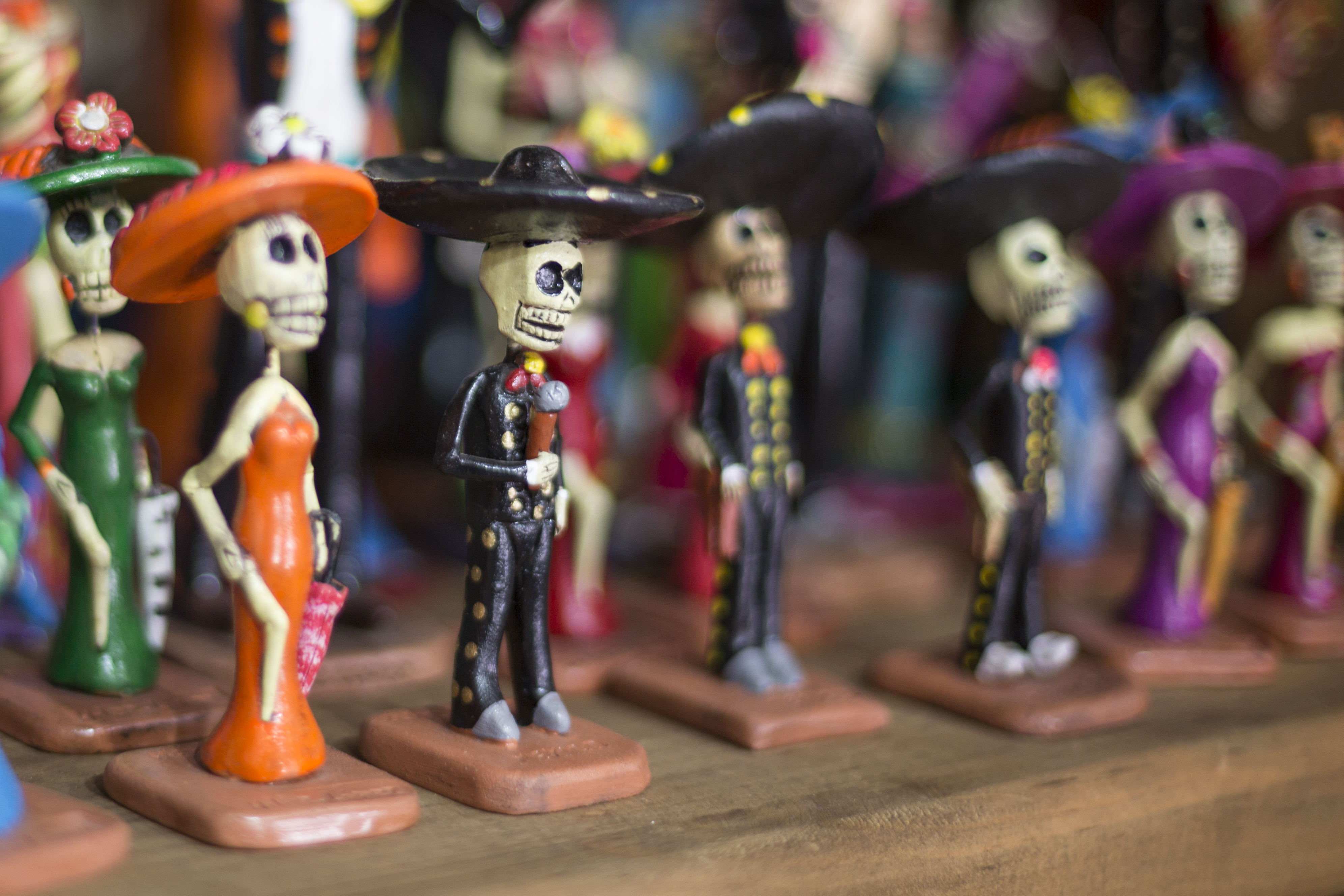
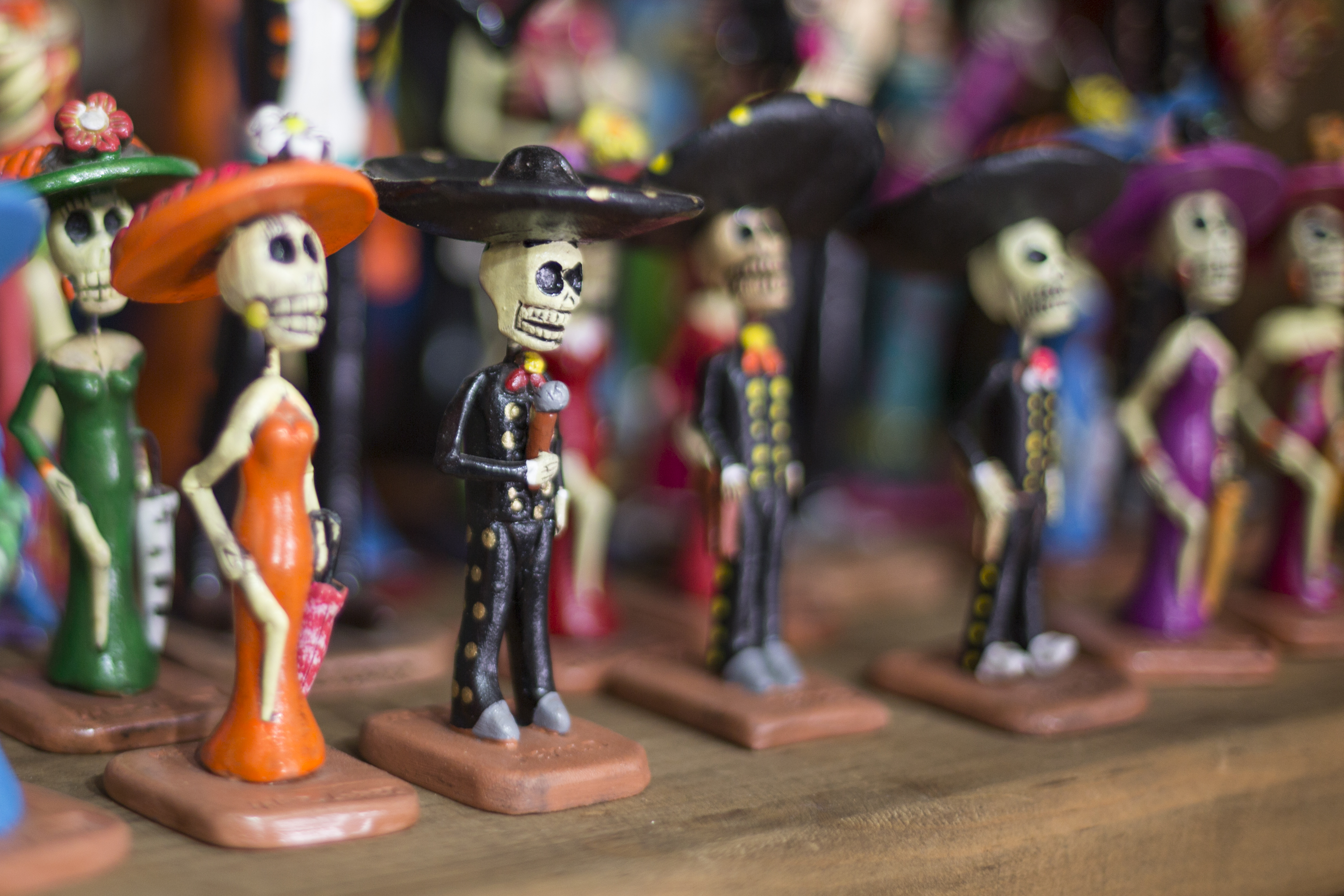
These are some of the main popular festivals in Mexico that will make you delve fully into the deep identity roots and folklore of the country:
Celebrated annually on the 1st and 2nd of November, this impressive tradition pays a joyful tribute to the memory of ancestors. Homes and cemeteries throughout the country are filled with colourful altars decorated with cempasúchil flowers, sugar skulls, pan de muerto (bread of the dead), and copal incense, turning nostalgia into a colourful community party.
Every 15th of September at night, public squares in all the country's municipalities, led by the Zócalo in Mexico City, gather to commemorate the beginning of the struggle for independence, erupting in a unanimous shout of "¡Viva México!" accompanied by spectacular fireworks and popular fairs.
📍 To make organising your route easier, we have designed a very complete map. Save and consult this map with points of interest to quickly locate each cenote, beach, and archaeological monument during your tour of the country.
,regionOfInterest=(2000,1125))
,regionOfInterest=(2000,1125))
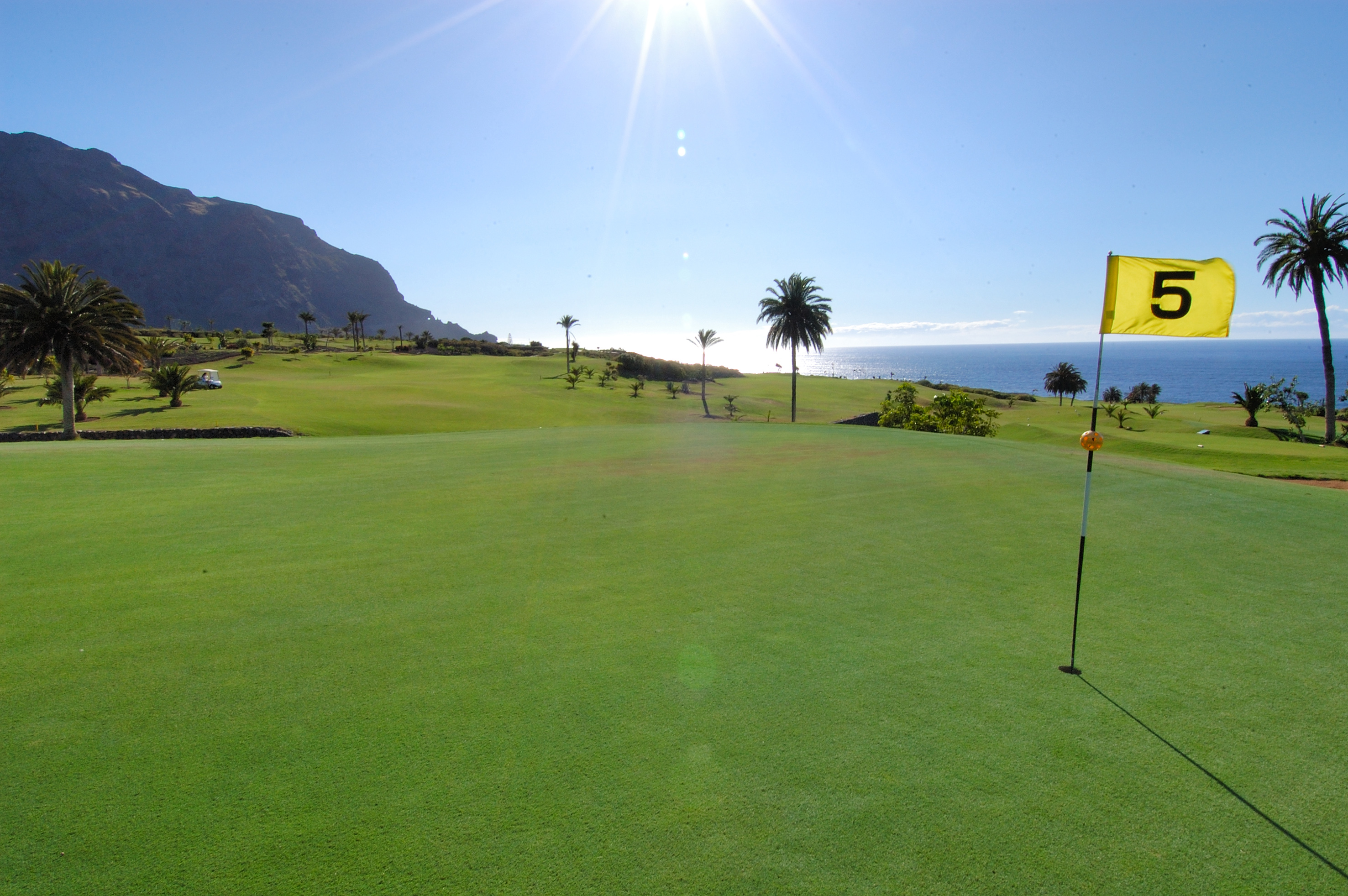,regionOfInterest=(1476.5,981.5))
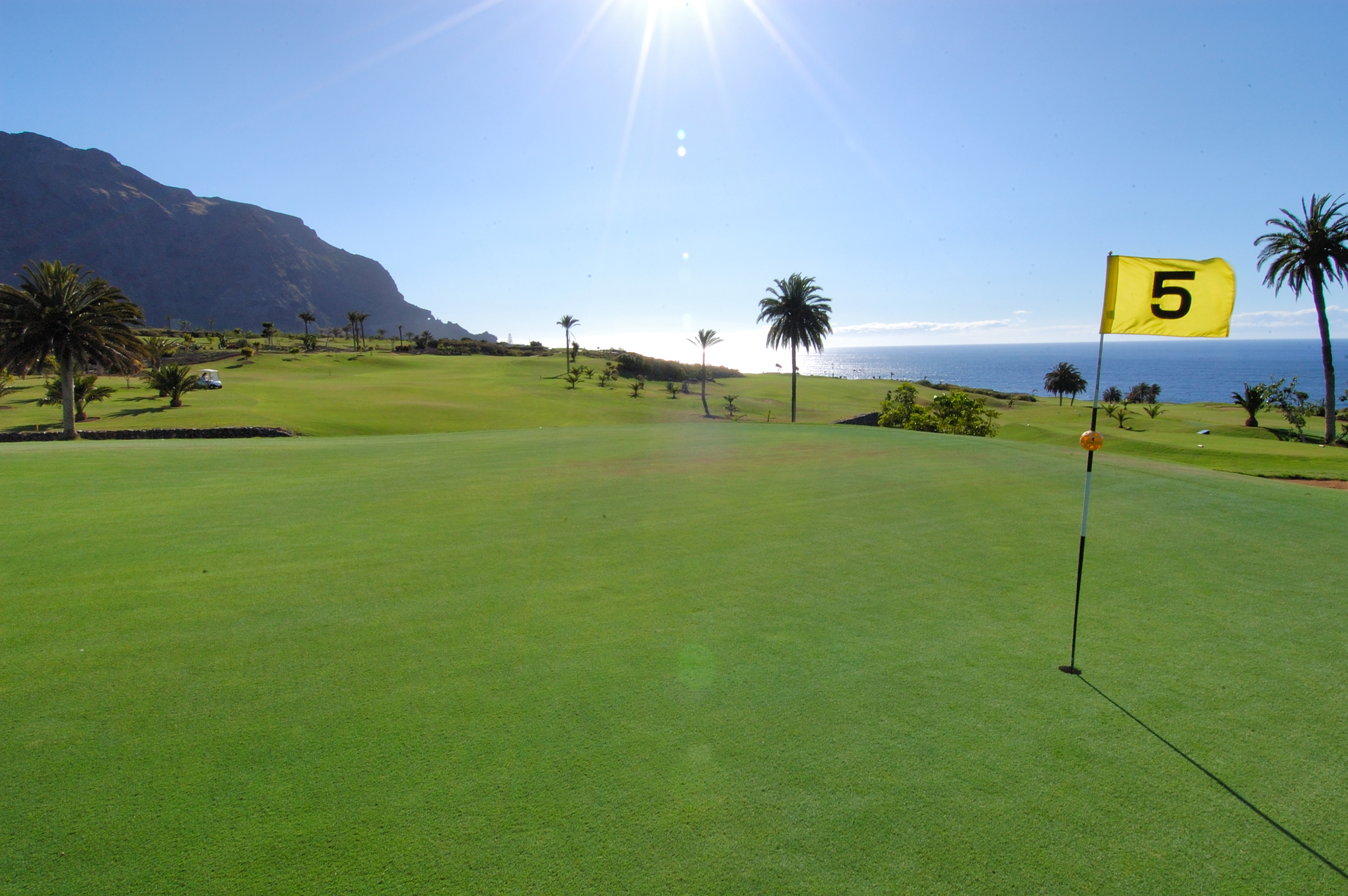,regionOfInterest=(1476.5,981.5))
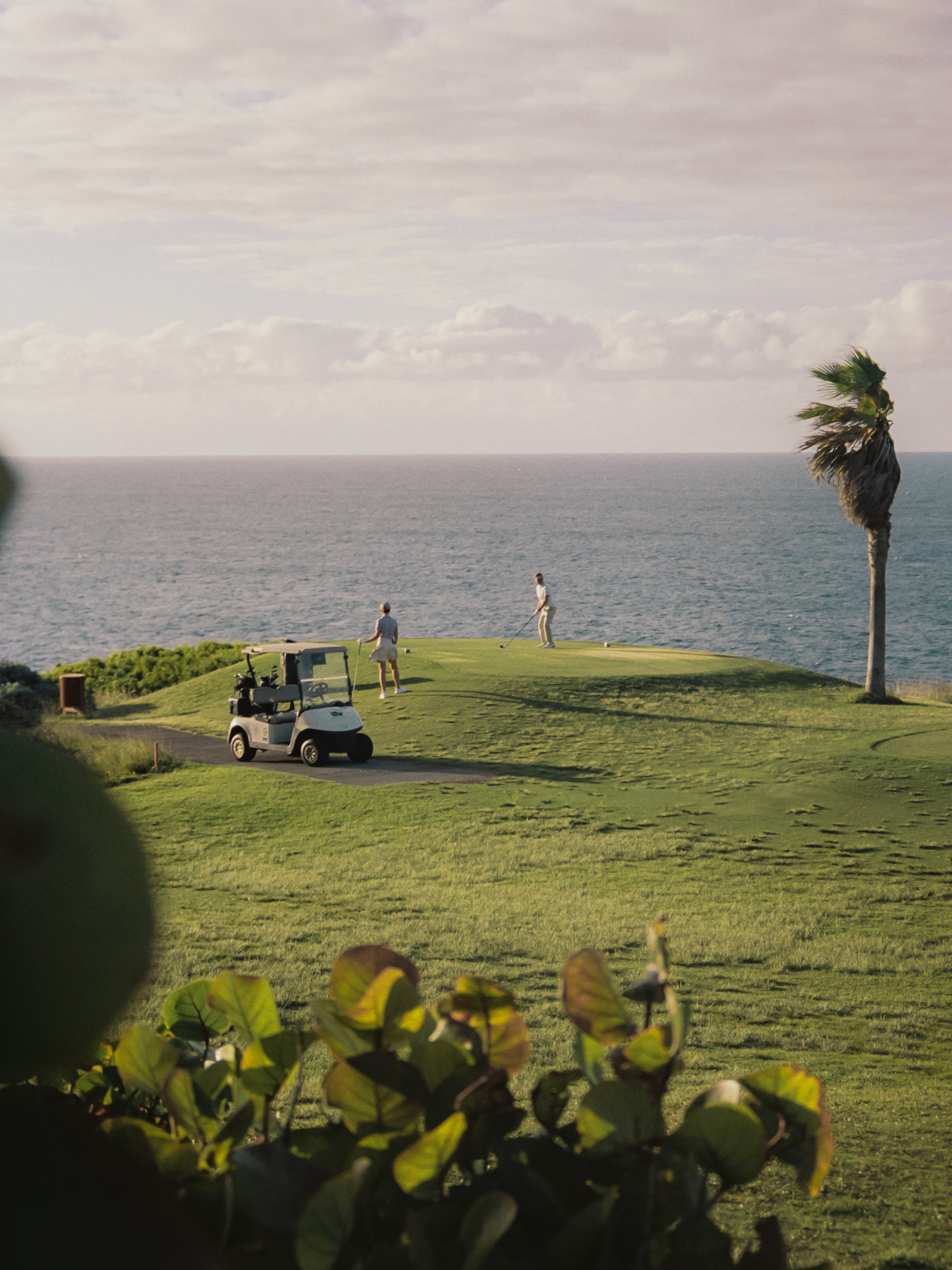,regionOfInterest=(1312.5,1750))
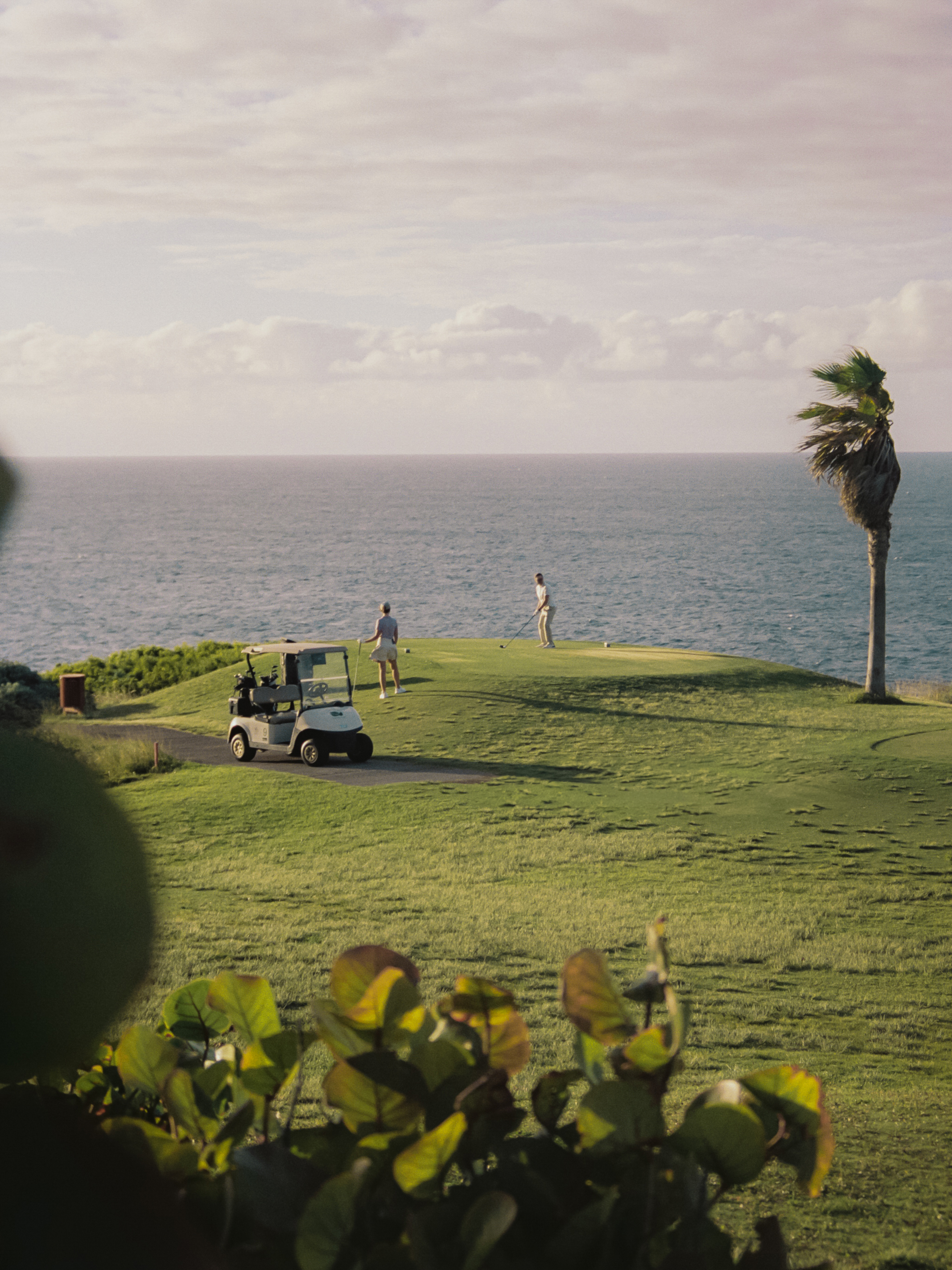,regionOfInterest=(1312.5,1750))
,regionOfInterest=(2000,3000))
,regionOfInterest=(2000,3000))
,regionOfInterest=(2240,3360))
,regionOfInterest=(2240,3360))
,regionOfInterest=(886,588.5))
,regionOfInterest=(886,588.5))