,regionOfInterest=(1059.5,707))
,regionOfInterest=(1059.5,707))
Chiang Mai Travel Budget 2026: How Much Does a Trip Really Cost?
,regionOfInterest=(632,423))
,regionOfInterest=(632,423))
Culture
,regionOfInterest=(1353,1223.5))
,regionOfInterest=(1353,1223.5))
Culture
,regionOfInterest=(512,482))
,regionOfInterest=(512,482))
Digital marketing specialist with a passion for travel, writing, and discovering what makes every destination unique.
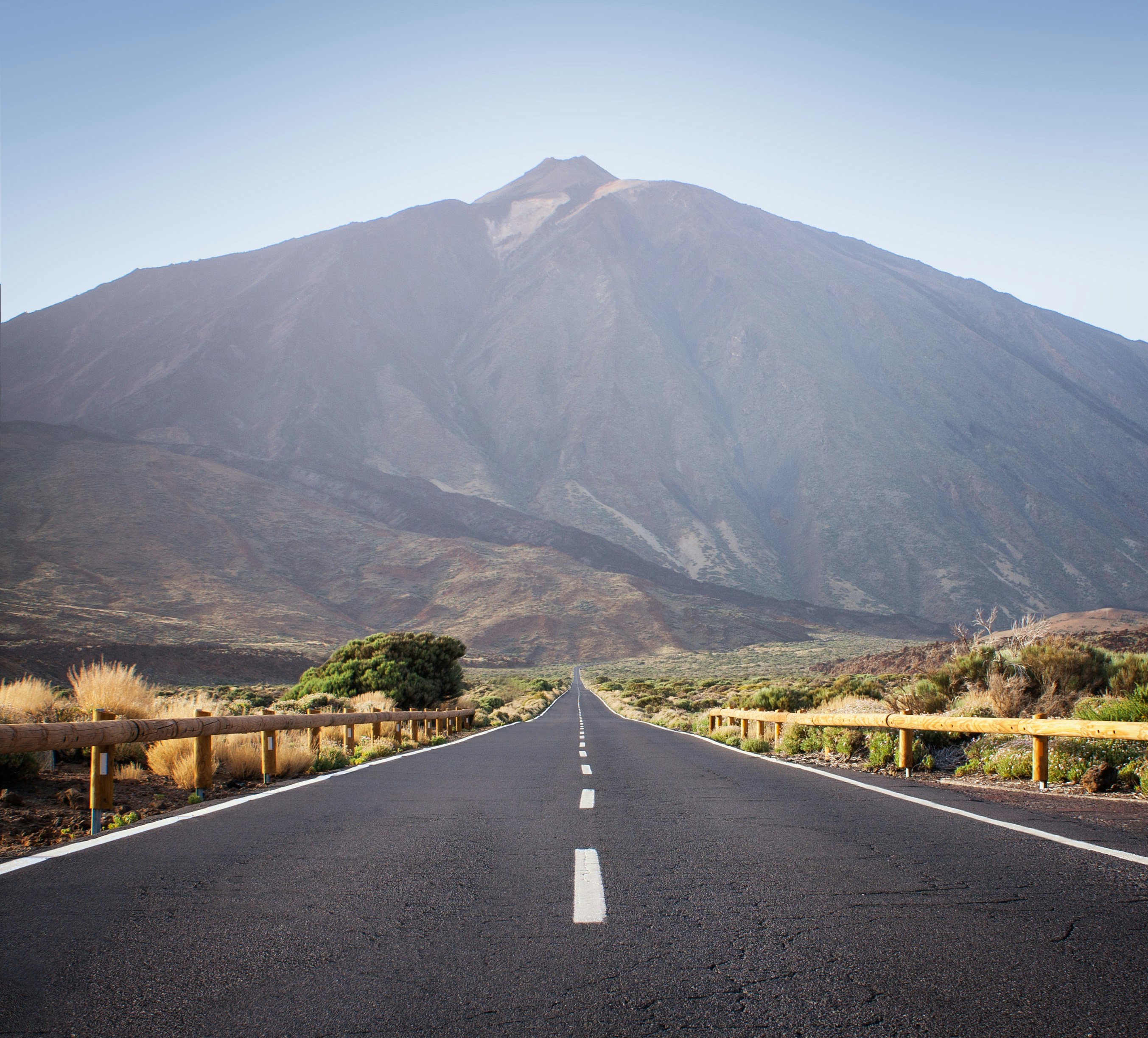
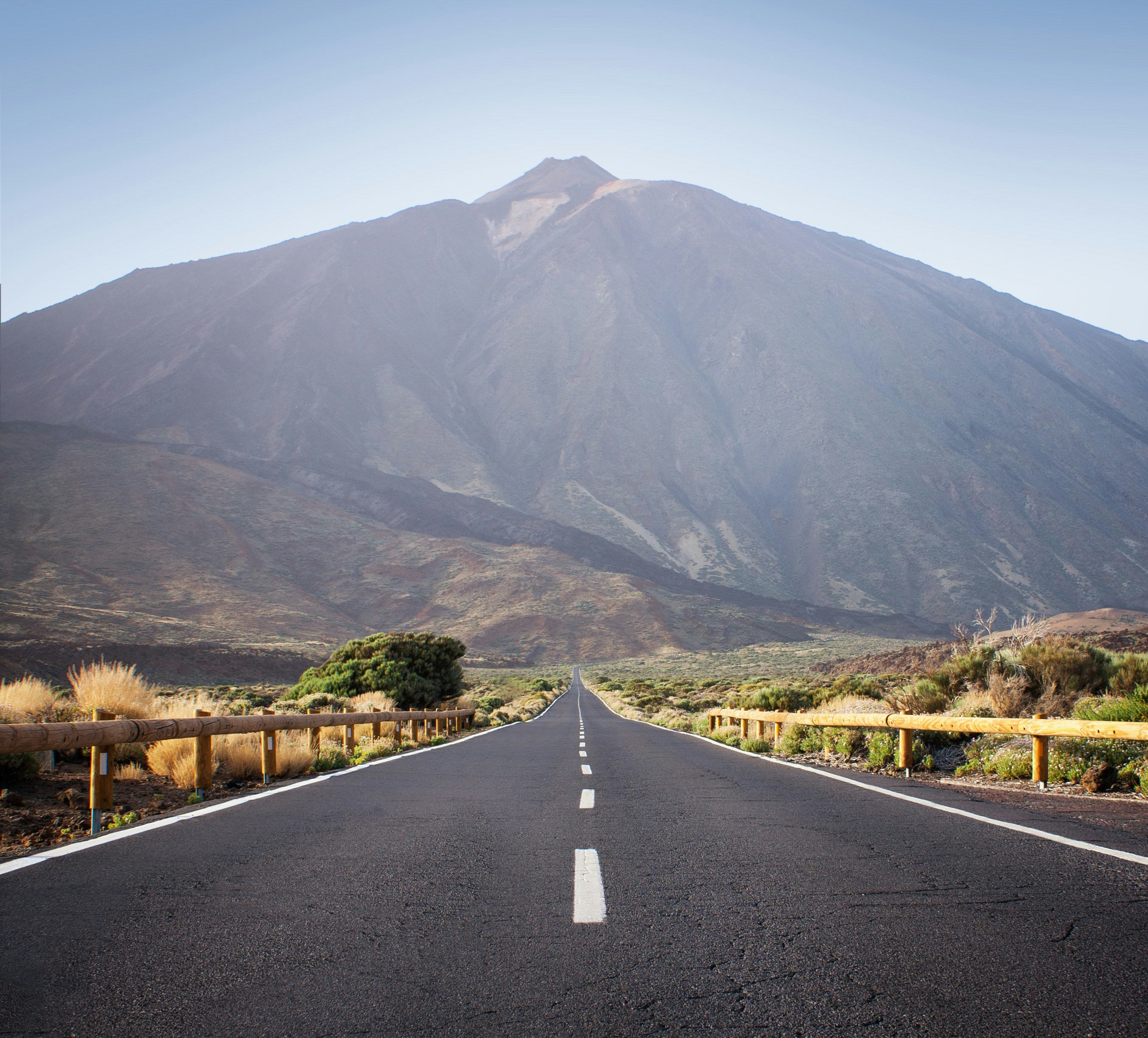
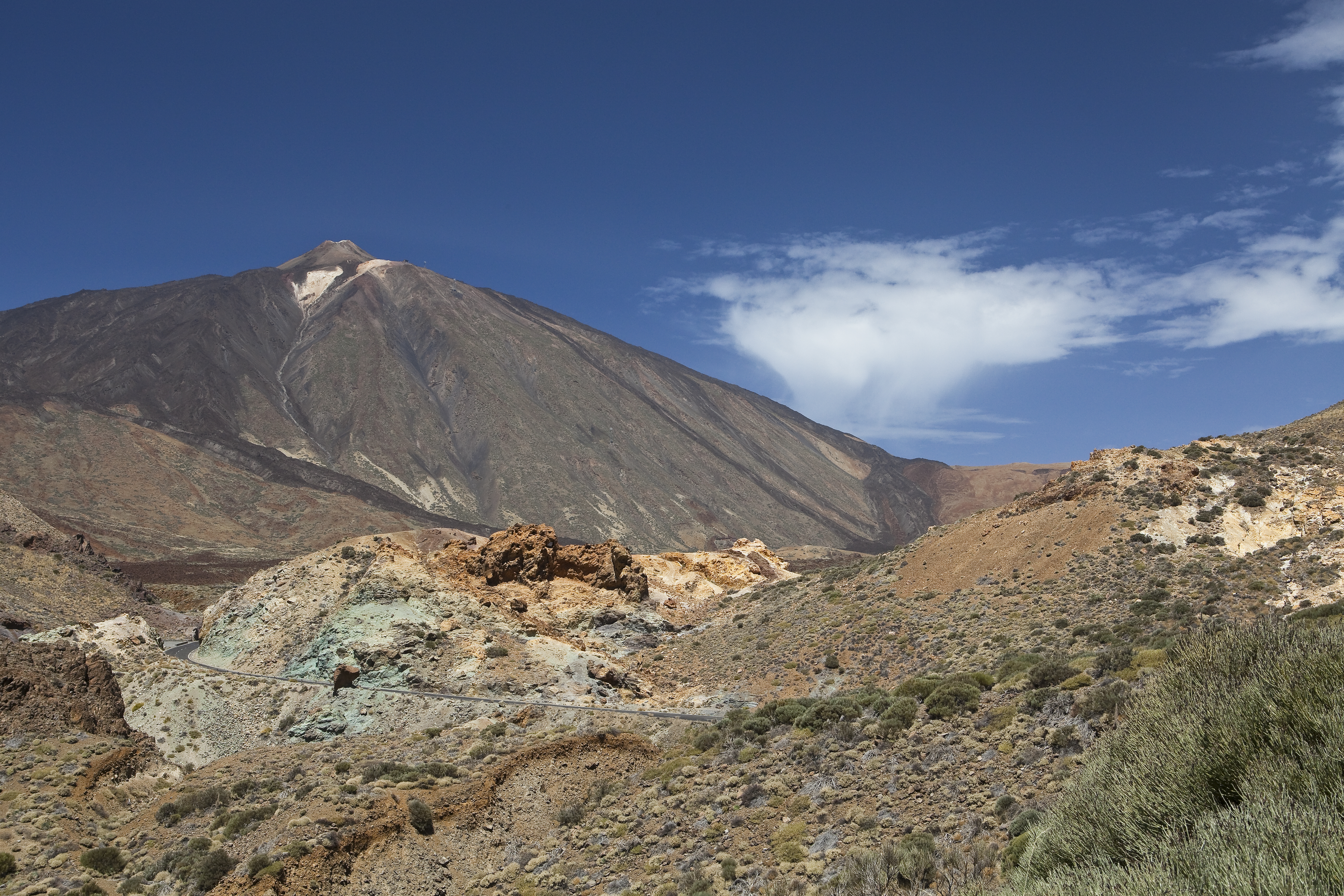
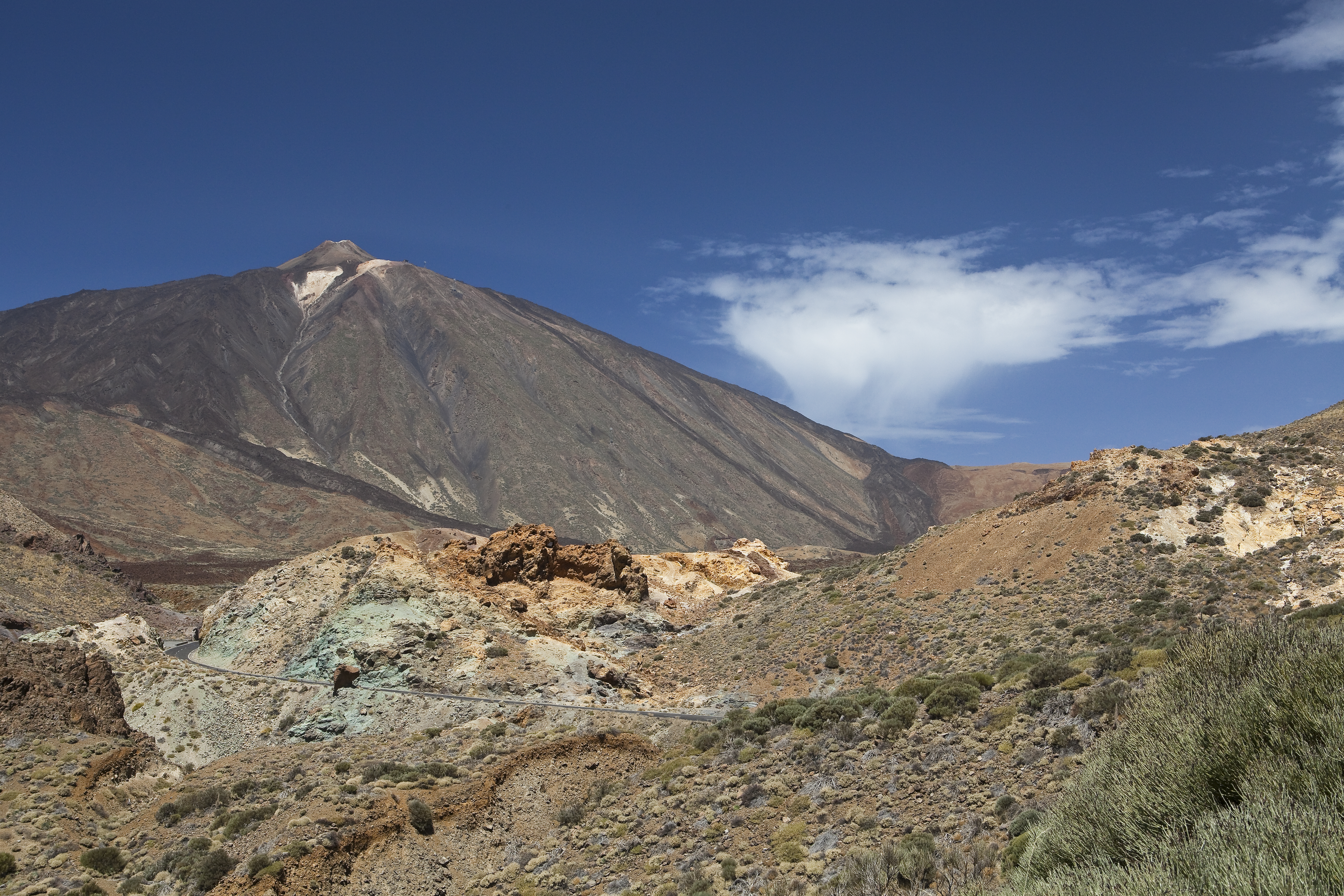
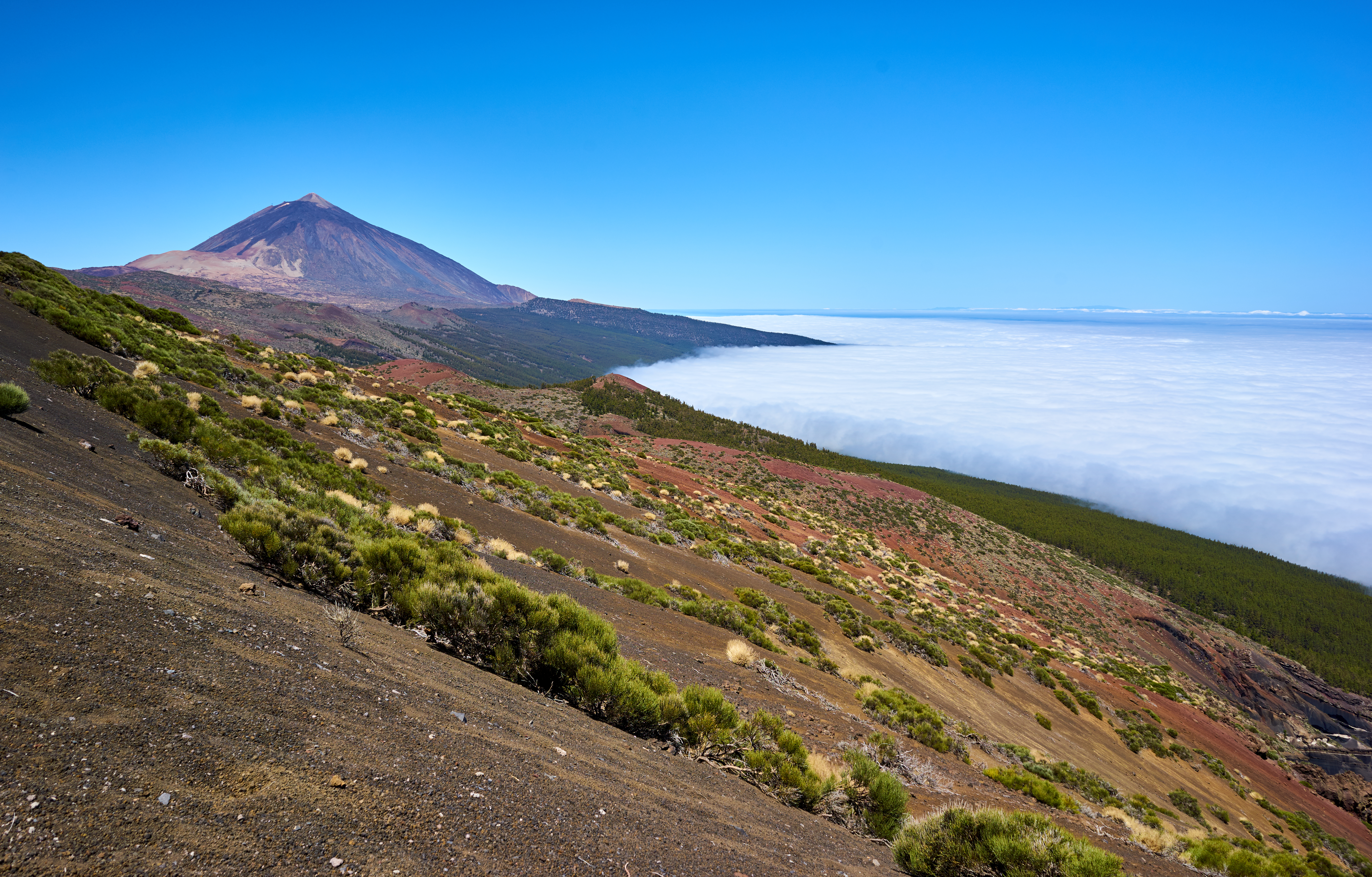
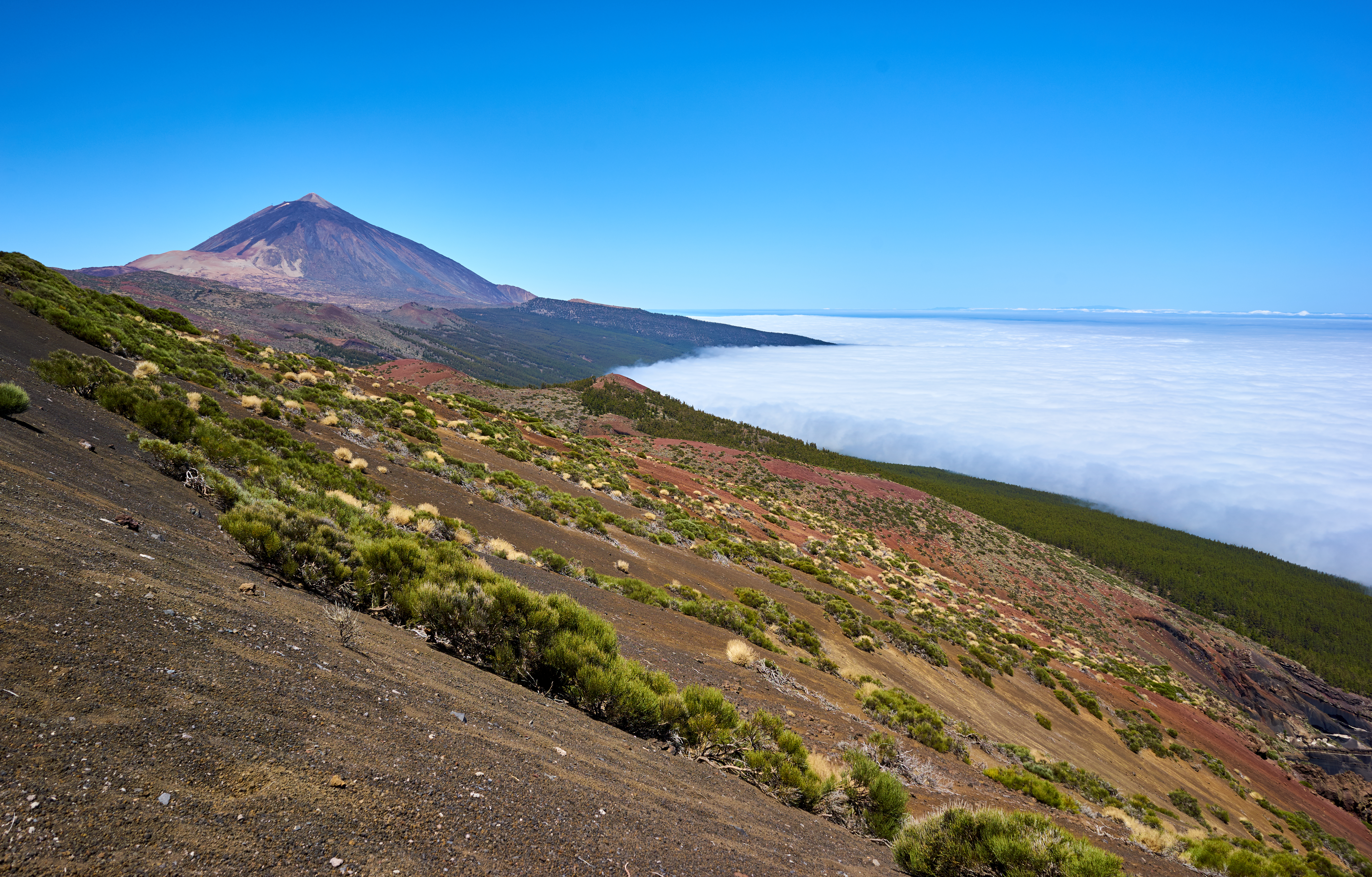
Mount Teide is the highest peak in Spain (3,715 m) and the heart of the Teide National Park, declared a UNESCO World Heritage Site in 2007. It can be visited by car, public bus (TITSA), organized excursion, or by combining the journey to the base with the cable car, which ascends to 3,555 m in about 8 minutes. To step on the summit, a free permit is required, which must be requested weeks in advance.
This guide brings together the main access points from all tourist areas of Tenerife, how the cable car works, how to obtain the peak permit, what to see inside the park, and when it is best to go according to the time of year. If you are looking for an overview of the island before planning your day, check out our guide on what to see and do in Tenerife; and if you are interested in hiking trails within the park and its surroundings, complement this page with the hiking and routes in Tenerife guide.
,regionOfInterest=(2808,1872))
,regionOfInterest=(2808,1872))
,regionOfInterest=(2016,1512))
,regionOfInterest=(2016,1512))
,regionOfInterest=(1024,682.5))
,regionOfInterest=(1024,682.5))
There are four main ways to visit Mount Teide: by rental car (the most flexible), by public TITSA bus (lines 342 and 348), with an organized excursion (without driving in the mountains), or by taking the cable car once inside the park. Each option has pros and cons depending on your accommodation area and available time.
| How to get there | Average time | Approximate cost | Recommended for |
| Rental car | 45 min – 1 h 30 min depending on area | Fuel only (no tolls in Tenerife) | Families, flexible itinerary, sunrise / stars |
| TITSA bus (lines 342 / 348) | 1 h 45 min – 2 h 15 min | Single ticket | Travelers without a car, tight budgets |
| Organized excursion | 6 – 9 h round trip | 50–90 € per person | First visit, without driving in the mountains |
| Cable car (inside the park) | 8 min journey | Adult ticket ≈ 40 € round trip | Reaching near the peak without walking |
Cable car, TITSA, and excursion prices and schedules vary by season. Always confirm on the official websites before planning your visit.
The car is the most common way to visit the park: it allows you to stop at viewpoints, arrive at sunrise, and combine the visit with some of the best towns in Tenerife such as La Orotava, Vilaflor, or Santiago del Teide. There are four paved roads that access the park from different points of the island and join in its interior, which allows the visit to be done in a circuit.
The four roads join inside the park, which allows the visit to be done in a circuit (enter by one and exit by another).
,regionOfInterest=(4096,2732))
,regionOfInterest=(4096,2732))
If you do not want to drive, there are two public TITSA lines that take you directly to the park from the coast: line 348 from Puerto de la Cruz and line 342 from Costa Adeje and Los Cristianos. They depart once a day in each direction and take about two hours. Both arrive at the base of the cable car and the Parador Nacional.
The bus makes several stops inside the park, including the base of the cable car and the Parador Nacional. The return trip leaves in the mid-afternoon, leaving about 3-4 hours to visit the area.
Confirm exact schedules and fares at titsa.com before you go: in high season or due to roadworks, they may change.
The Teide cable car is the fastest way to get close to the summit: it connects the base station La Rambleta (2,356 m) with upper La Rambleta (3,555 m) in about 8 minutes of travel, covering 1,200 m of elevation. It is the most used infrastructure in the park and usually sells out in high season, so it is advisable to book online in advance.
Once up, from upper La Rambleta three short and signposted trails start which are, probably, some of the best viewpoints in Tenerife:
The cable car closes due to strong wind (usually with gusts exceeding 60 km/h) or ice. It is common in autumn-winter. If your visit depends on it, check the real-time status on the official page before leaving the hotel.
To experience the nocturnal magic of the park in an exclusive way, the The sky is the limit experience offered by the Gran Meliá Palacio de Isora hotel stands out. This activity includes a Starlight certified guide, private transport, and astronomical observation with long-range telescopes in the National Park itself, allowing you to enjoy a celestial sunset in total comfort.
,regionOfInterest=(2016,1512))
,regionOfInterest=(2016,1512))
Reaching the highest point of Mount Teide (3,715 m) requires a nominal and mandatory permit. The pass limits daily access to the final section (Telesforo Bravo trail, no. 10, from upper La Rambleta to the summit) to protect the crater and control the flow of visitors. Spots are limited and are managed through the official Tenerife ON website, where reservations are released every Monday at 7:00 am (local time) with a maximum of 56 days in advance.
There is a very popular option to reach the top at daybreak, although it also requires processing an authorization. The Tenerife ON platform issues specific passes for the sunrise slot (from 6:00 am to 9:00 am). It is strictly forbidden to access the final section of trail no. 10 before 9:00 am without this nominal digital document.
Many mountaineers combine this early morning permit by spending the night at the Altavista Refuge (3,260 m), whose spots are managed under prior reservation through the official Cabildo channels after its sustainable modernization reform. It is a demanding alternative, designed exclusively for people in excellent physical shape, strict technical warm clothing, and experience in high mountains. The night walk from the refuge to the crater takes approximately 1 h 30 min through rocky and steep terrain.
| Option | Elevation gain | Time | Difficulty | Permit required |
| Cable car + trail no. 10 | 160 m (3,555 → 3,715) | 30-45 min final section only | Medium | Yes, in advance |
| Altavista Refuge + crater | Total, from Montaña Blanca: 1,360 m | 5-6 h one way (part at night) | High | Yes, sunrise permit + refuge reservation |
| Cable car to viewpoints only | 0 m (short trails only) | 1-2 h total | Low | No |
,regionOfInterest=(3214,2054.5))
,regionOfInterest=(3214,2054.5))
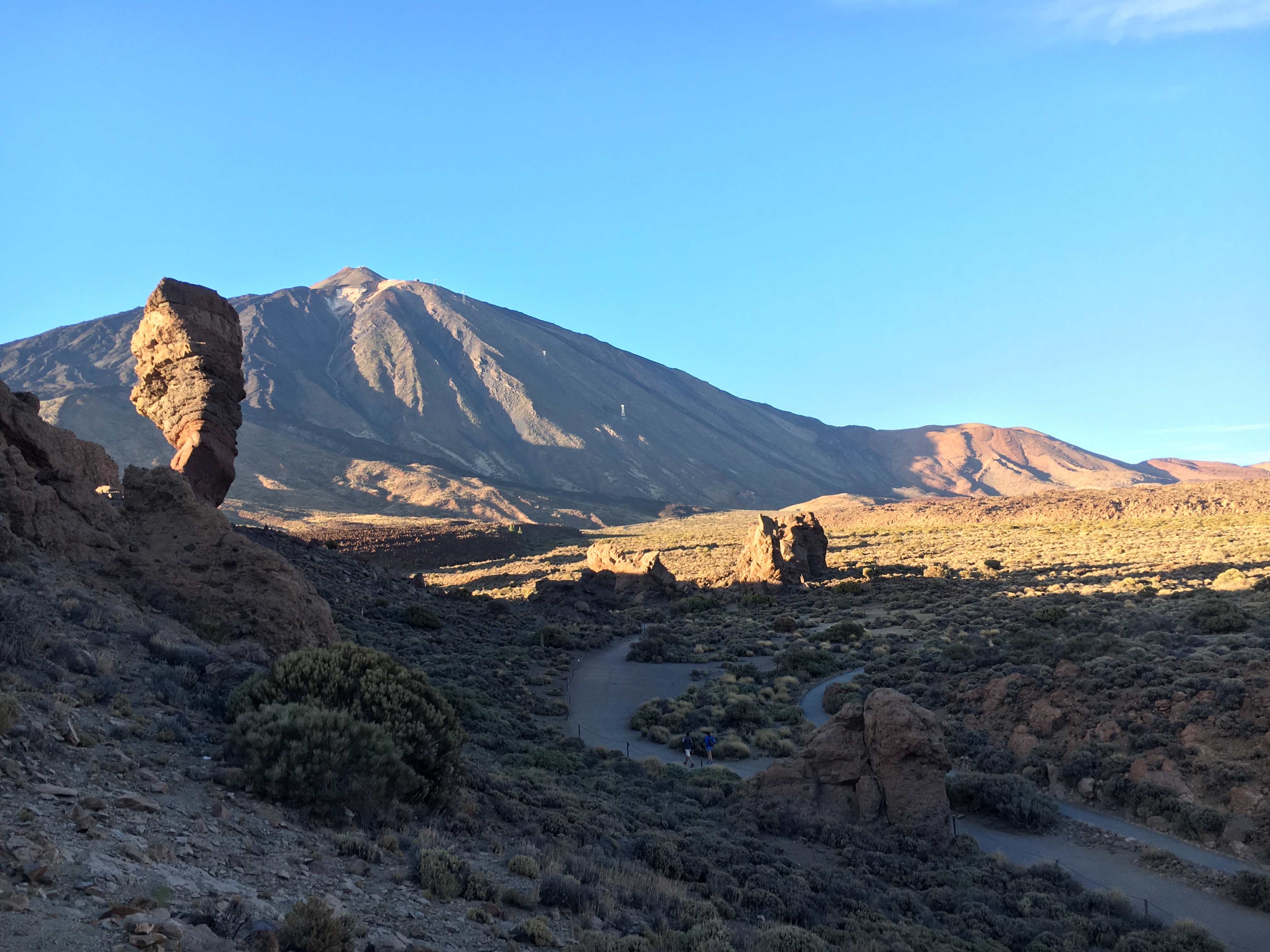
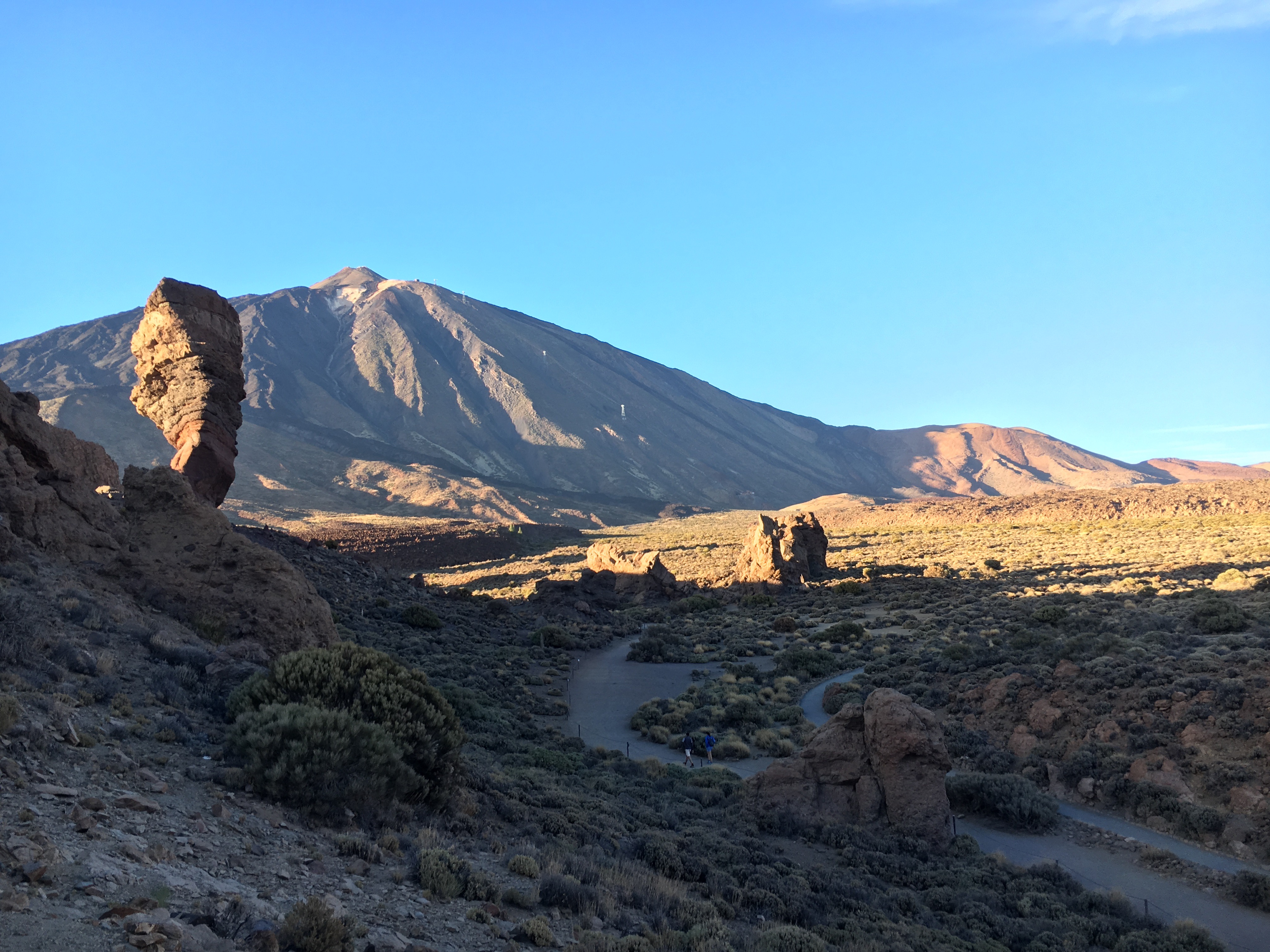
The park has 18,990 hectares and it is worth dedicating at least half a day to it, even if you do not climb to the peak. The essential points — Roques de García, Minas de San José, and the Teide Observatory — are connected by the TF-21 and are accessible without walking more than 30 minutes from their respective car parks.
The Roques de García viewpoint, opposite the Parador Nacional, is the most photographed postcard of the park. A circular trail of about 3.5 km (signposted as route no. 3) surrounds formations such as the Roque Cinchado, the iconic rock from the old 1,000 peseta banknote, and offers open views of the Las Cañadas caldera with Mount Teide in the background. Low difficulty, it takes 1 h 30 min - 2 h.
A short stop next to the TF-21. It is a landscape of light sand and stone that is almost lunar, used in film shoots for its Martian appearance. It has a parking area and allows for a short walk (10-15 min) through the volcanic dunes. Ideal for photos at the end of the day with grazing light.
The Teide Observatory, managed by the Instituto de Astrofísica de Canarias, is located at 2,390 m and can be visited with prior reservation on guided tours of 2-3 h through the authorized Volcano Teide website. The science conducted in the domes is explained, you visit a solar telescope, and it is one of the most unique experiences in the park. Reservation is mandatory and spots sell out fast.
The Teide National Park is recognized as a Starlight Tourist Destination for the quality of its sky: low light pollution and altitude make it one of the best places in Europe for astronomical observation.
,regionOfInterest=(4096,2732))
,regionOfInterest=(4096,2732))
The island is small but mountain roads extend travel times. Puerto de la Cruz is the area with the most direct access (TF-21 North, 1 h), while from the southern area (Costa Adeje, Los Cristianos) the route is around 65-70 km and 1 h 15 min-1 h 20 min. This table summarizes real distances from the main accommodation areas of Tenerife:
| Departure area | Distance | Estimated time by car | Recommended road |
| Puerto de la Cruz | 47 km | 1 h | TF-21 North |
| La Orotava | 37 km | 50 min | TF-21 North |
| Santa Cruz / La Laguna | 63 km | 1 h 10 min | TF-24 |
| Costa Adeje / Playa de las Américas | 64 km | 1 h 15 min | TF-38 or TF-21 South |
| Los Cristianos | 67 km | 1 h 20 min | TF-21 South |
| Los Gigantes / Puerto Santiago | 46 km | 1 h 10 min | TF-38 |
The area with most direct access to Mount Teide. The TF-21 North climbs through La Orotava and crosses the Aguamansa pine forest before entering the park through El Portillo. It is also the only departure point for the 348 TITSA line, so it is the best base for those who do not rent a car. If you have time on your return, our what to see and do in Puerto de la Cruz guide includes the essential stops in the town centre.
If you are staying at the Sol Puerto de la Cruz or the Meliá Costa Atlantis, you have the bus a few minutes from the hotel and the park less than an hour away by car.
The most used route is the TF-38 via Chío and Santiago del Teide (1 h 15 min), which enters the park via Boca de Tauce. The alternative via Vilaflor (TF-21 South) has more curves, but allows you to stop in the village and at the Vilaflor Lunar Landscape. The 342 TITSA line covers this route for those who do not rent a car. To extend your visit to the south of the island, you can rely on the what to see in the south of Tenerife guide.
From the Gran Meliá Palacio de Isora or the Meliá Jardines del Teide you have natural access to both routes and can do the visit in a circuit: go up one road and return by another.
The recommended route is the TF-21 South via Vilaflor (1 h 20 min), which offers a more gentle gradual ascent by car than the TF-38. If you are staying at the Sol Arona Tenerife or the Sol Tenerife, the 342 TITSA bus stops near the city centre. To combine mountains and coast, the Los Cristianos beach itself and the Los Cristianos markets and flea markets are the natural plan for the afternoon.
The TF-24 through the La Esperanza pine forest is the most beautiful route from the capital, with several viewpoints along the way (Ortuño Viewpoint or Chipeque Viewpoint). 1 h 10 min. From the INNSiDE Santa Cruz it is a good full-day plan that you can end with a tour of the historic centre following the what to see in Santa Cruz de Tenerife guide.
The TF-38 via Santiago del Teide is the most direct (1 h 10 min). From the Hacienda del Conde, in Buenavista del Norte, the journey extends to 1 h 25 min but compensates with landscapes of cliffs and pine forests, in fact, you can end the day by visiting the Los Gigantes cliffs, one of the most spectacular coastal landscapes on the island.
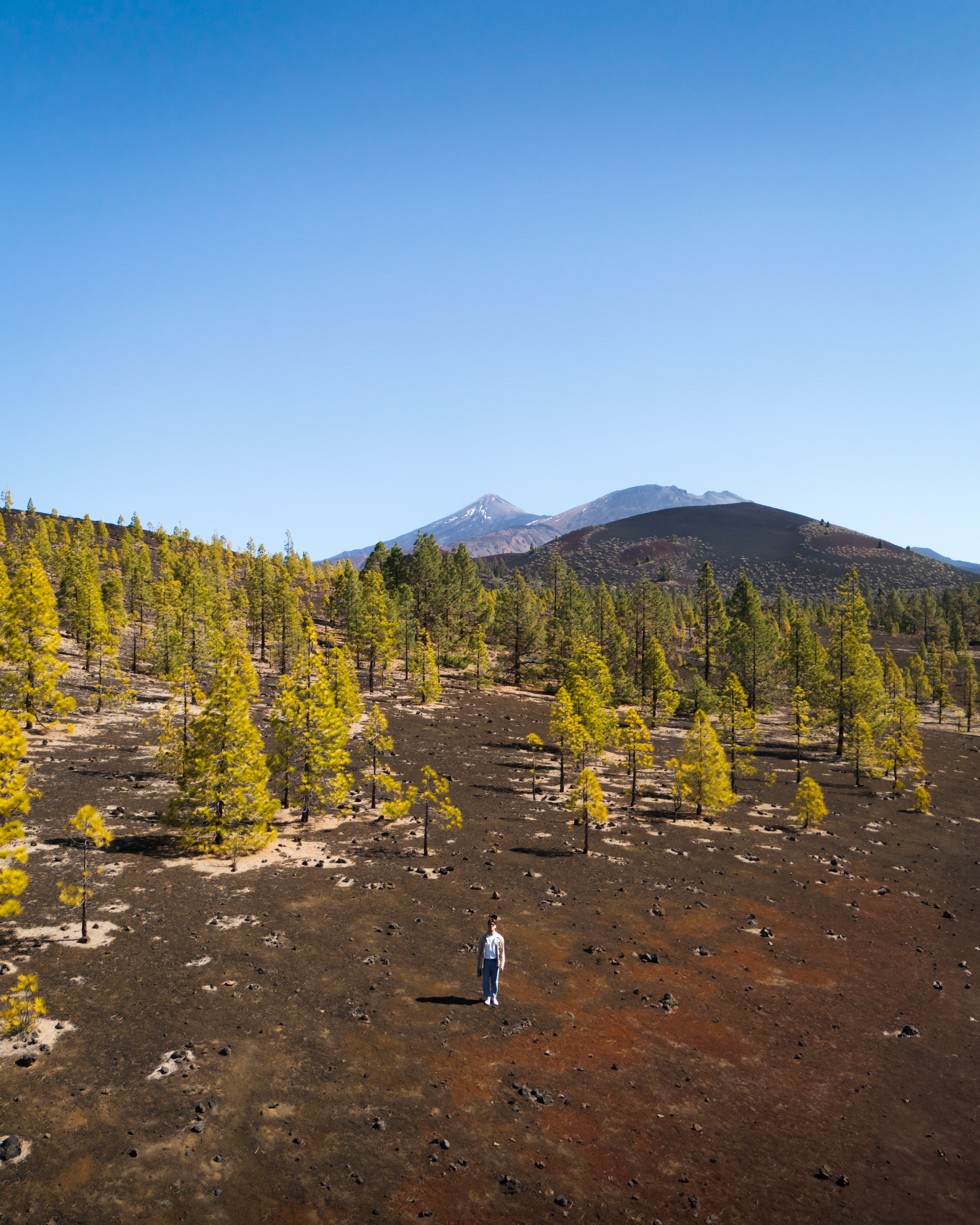,regionOfInterest=(2888.5,3610.5))
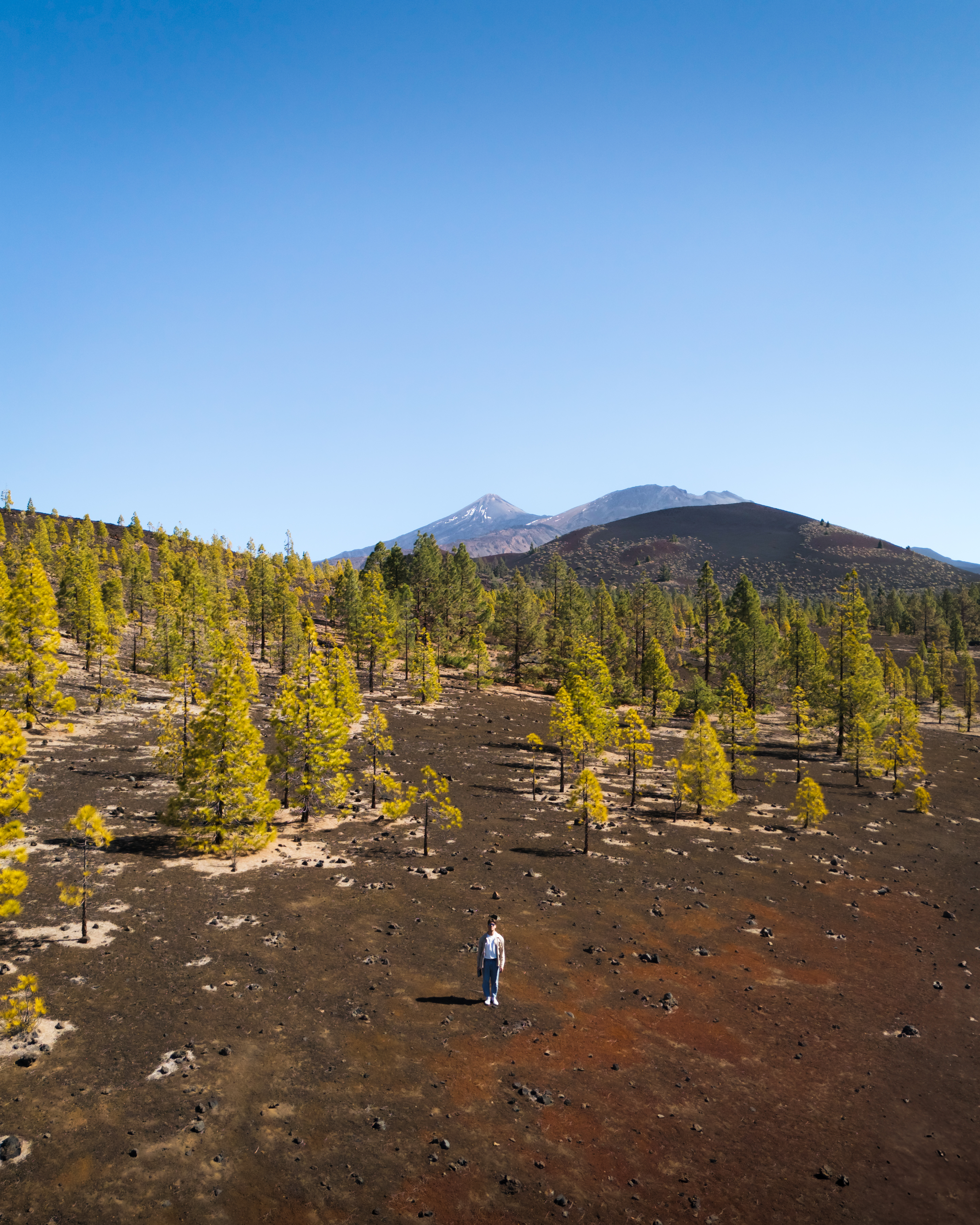,regionOfInterest=(2888.5,3610.5))
The park is open 365 days a year, but the experience changes a lot depending on the season. Spring (March-May) offers the best combination of stable weather and the flowering of the red tajinaste. Summer concentrates the highest capacity and forces you to book the cable car months in advance; winter offers a snowy landscape but with the risk of closures due to wind or ice.
Between May and June, the red tajinaste, an endemic plant of Mount Teide that only blooms from 1,800 m of altitude, dyes the park with red spikes of up to 3 m. It is one of the most photographed moments of the year. If your visit falls on those dates, prioritize the Las Cañadas area and the surroundings of the Parador.
The combination of altitude (2,000-3,715 m), direct sun, and temperature changes makes Mount Teide a place where it is advisable to go well prepared. At this height, solar radiation is much more intense than on the coast and the temperature can drop rapidly if it clouds over or gets dark. Here is a list of essentials that must accompany you on your visit:
,regionOfInterest=(4096,2732))
,regionOfInterest=(4096,2732))
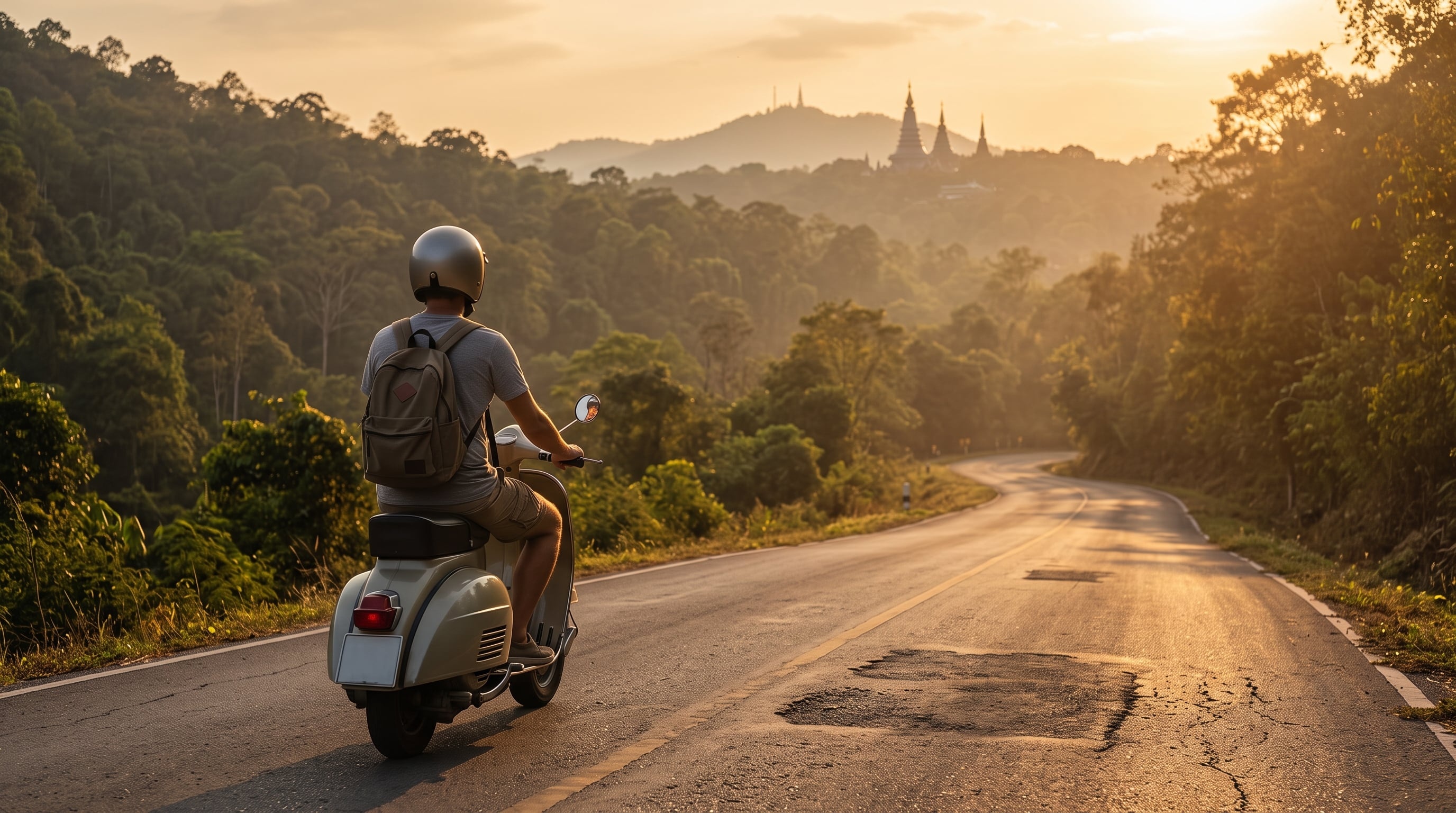,regionOfInterest=(1376,768))
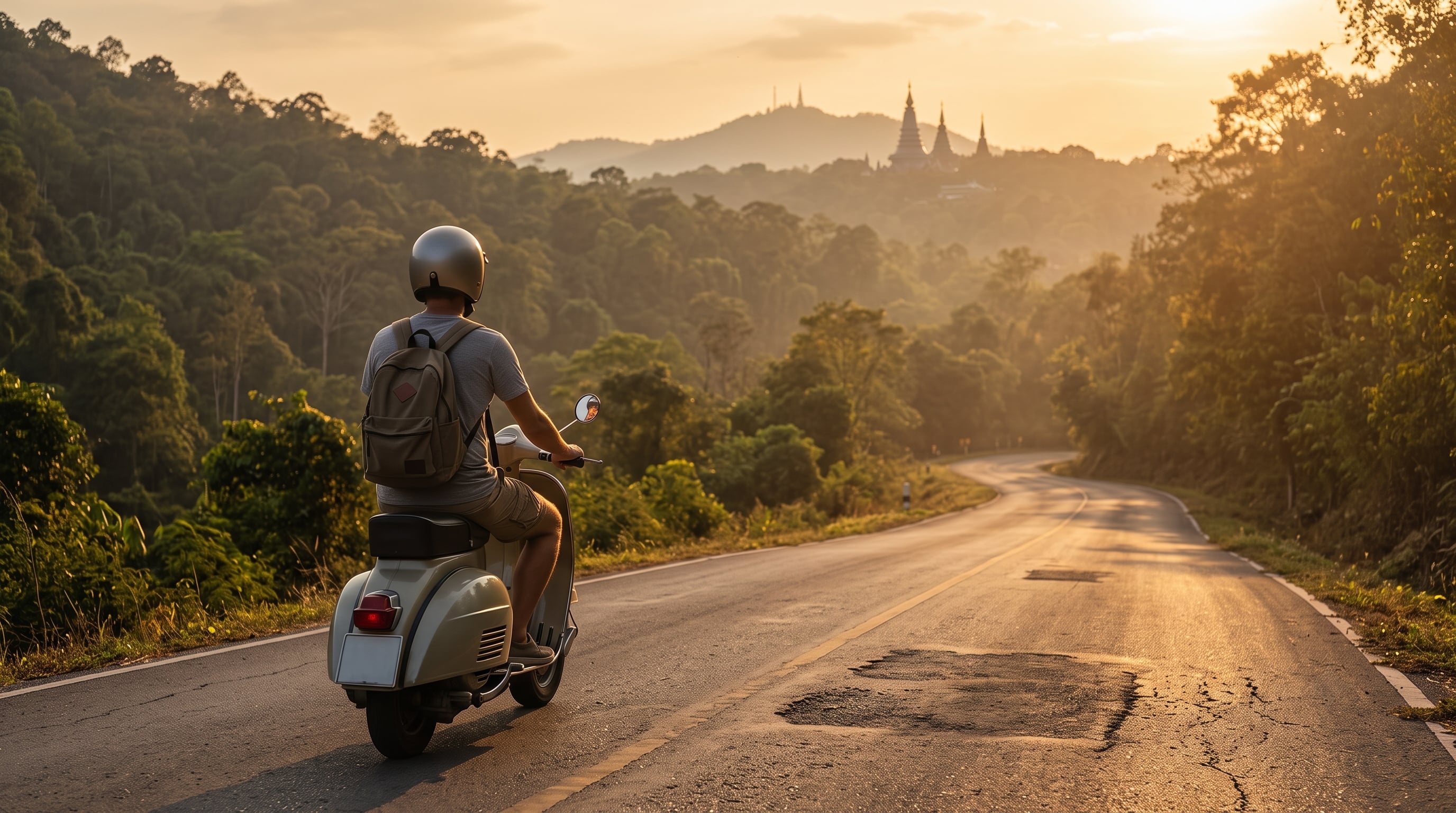,regionOfInterest=(1376,768))
,regionOfInterest=(1264,842))
,regionOfInterest=(1264,842))
,regionOfInterest=(2100,1400))
,regionOfInterest=(2100,1400))
,regionOfInterest=(2262,1508))
,regionOfInterest=(2262,1508))
,regionOfInterest=(2565.5,1505.5))
,regionOfInterest=(2565.5,1505.5))