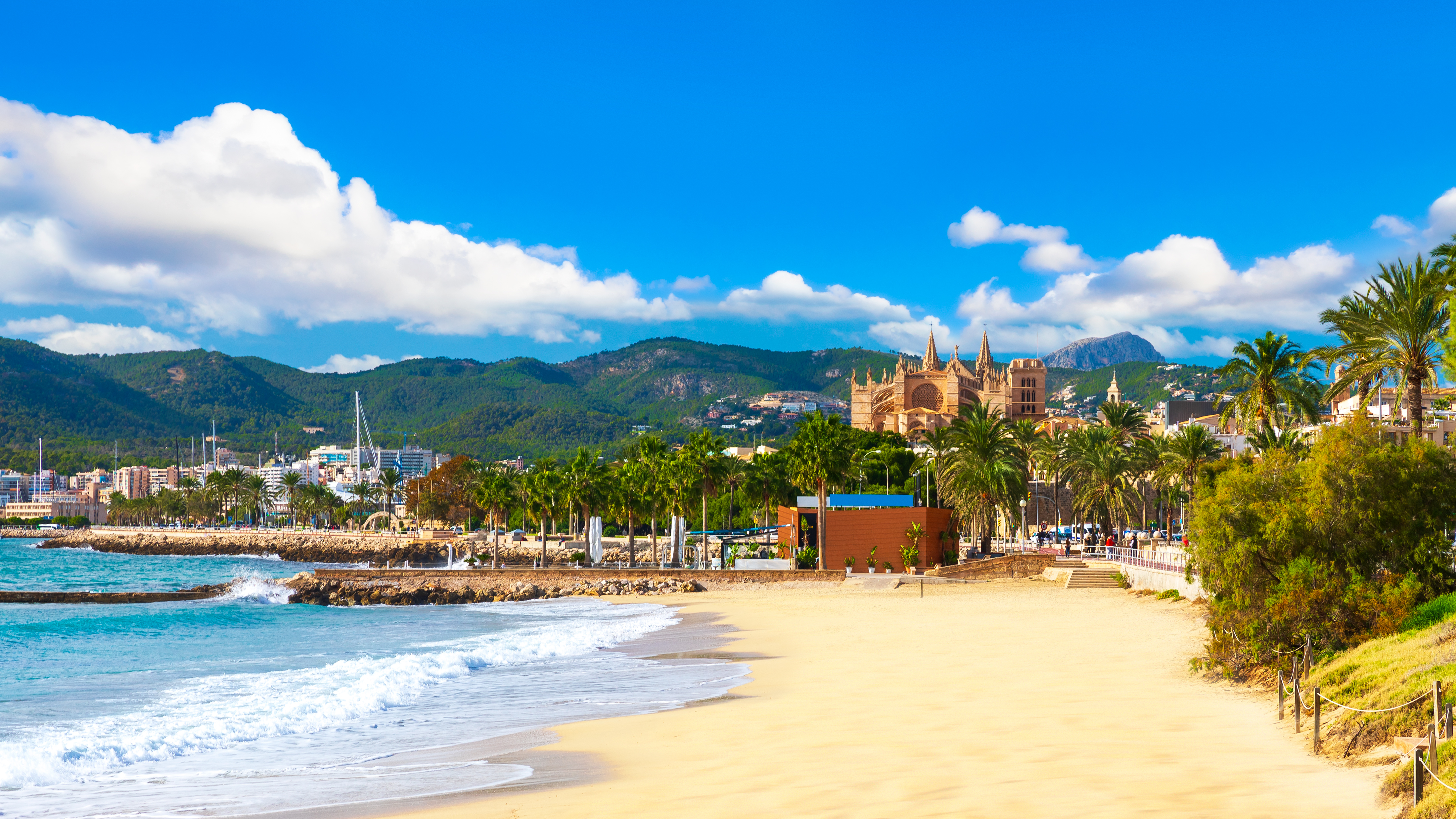
,regionOfInterest=(2200,1237.5))
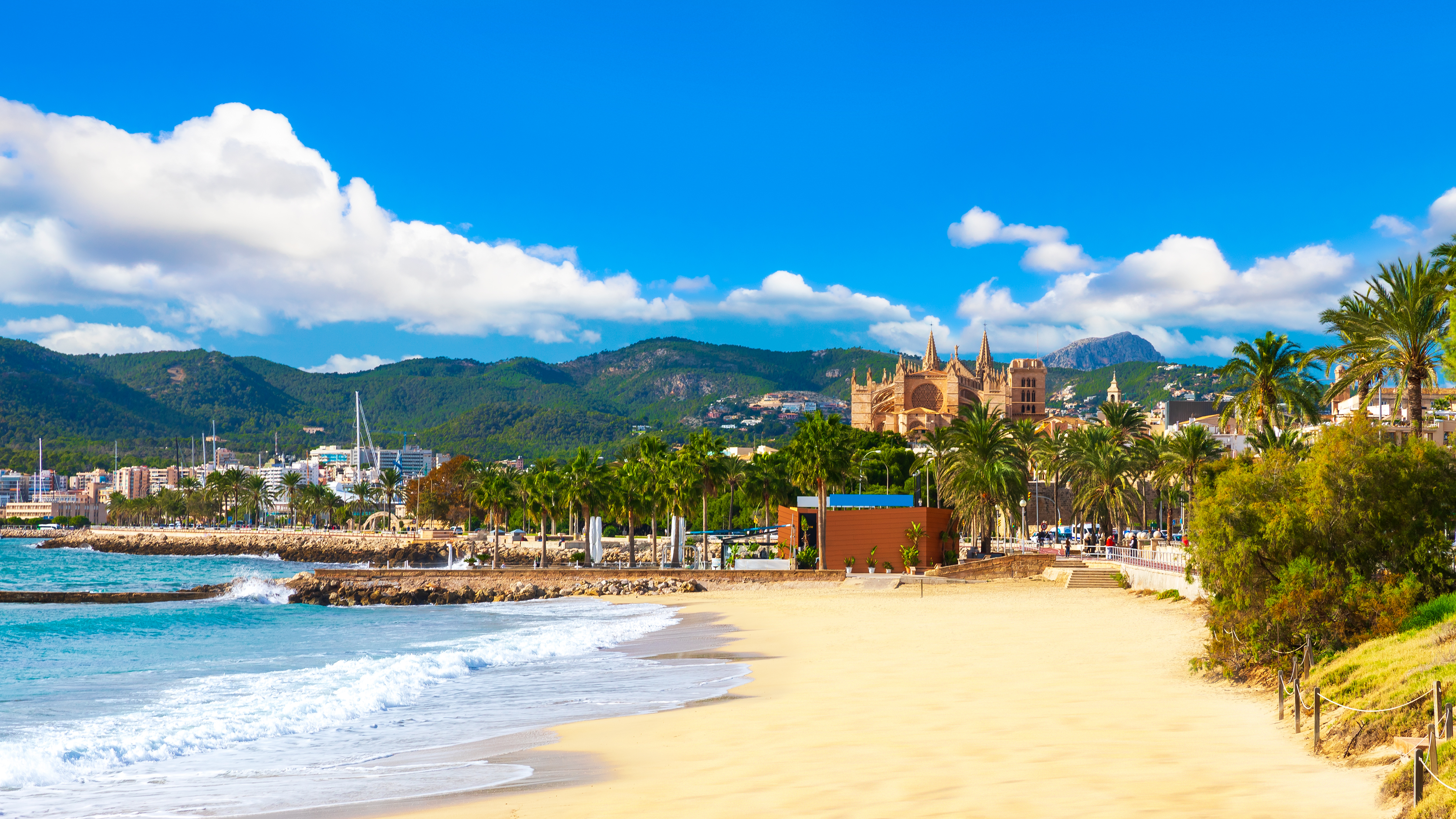,regionOfInterest=(2200,1237.5))
Best beaches in Mexico
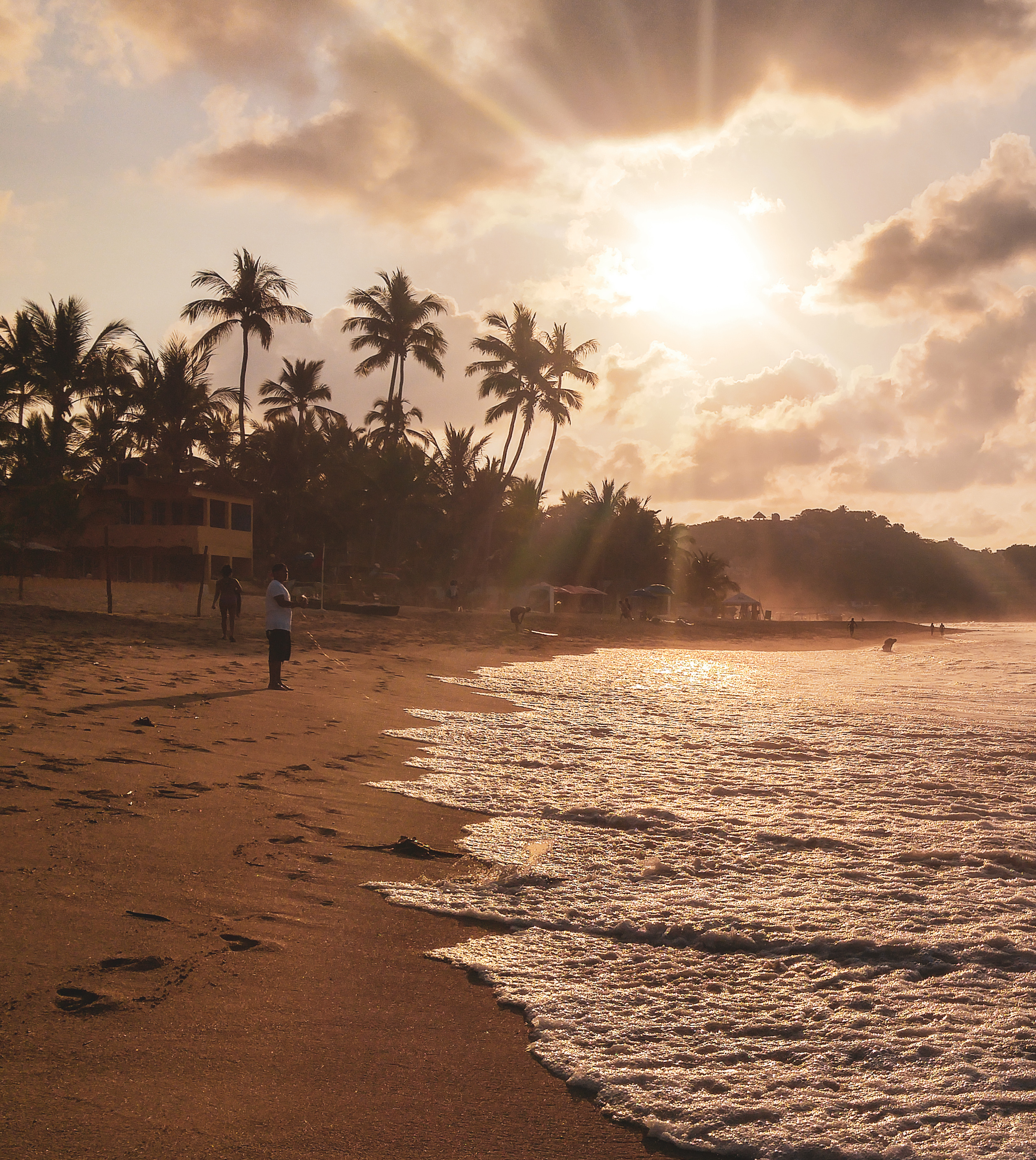,regionOfInterest=(1258,1408))
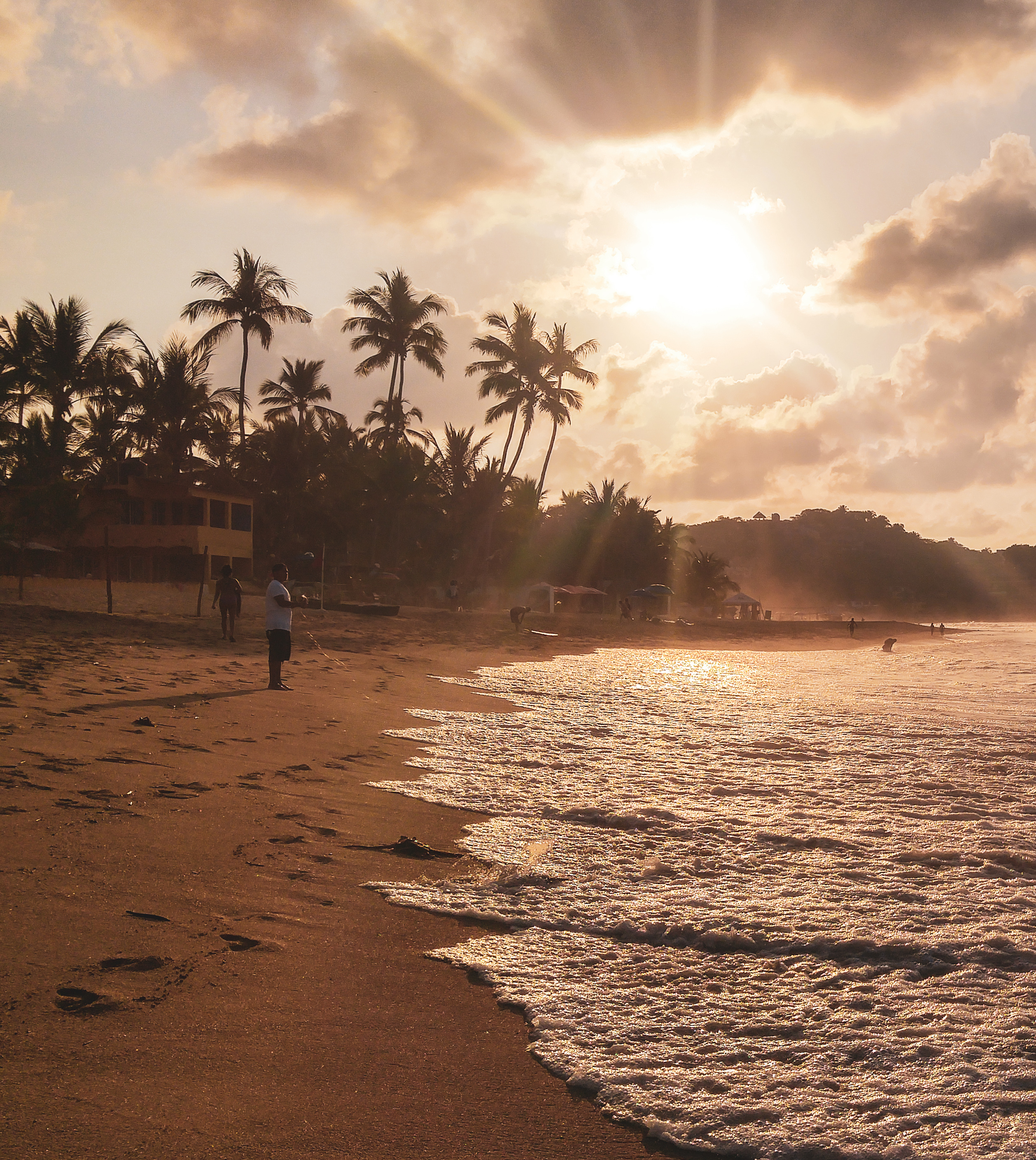,regionOfInterest=(1258,1408))
Holidays
,regionOfInterest=(1564,1200))
,regionOfInterest=(1564,1200))
,regionOfInterest=(512,482))
,regionOfInterest=(512,482))
Digital marketing specialist with a passion for travel, writing, and discovering what makes every destination unique.
Culture
Talking about the towns of Mallorca means discovering a side of the island very different from its beaches and coves. Nestled among mountains, valleys, and small coastal towns are municipalities that preserve centuries of history, traditional architecture, and a pace of life that maintains much of the Mallorcan essence.
Within any tour of what to see in Mallorca, these towns allow you to discover a more authentic side of the island. This selection brings together some of the most interesting towns to see in Mallorca due to their heritage, natural surroundings, and the personality they retain.
Among these beautiful towns in Mallorca, there are very different options, from mountain towns in the heart of the Serra de Tramuntana to small coastal villages with a long maritime tradition. The choice will depend on the type of route and the time available to explore the island.
,regionOfInterest=(1800,1193.5))
,regionOfInterest=(1800,1193.5))
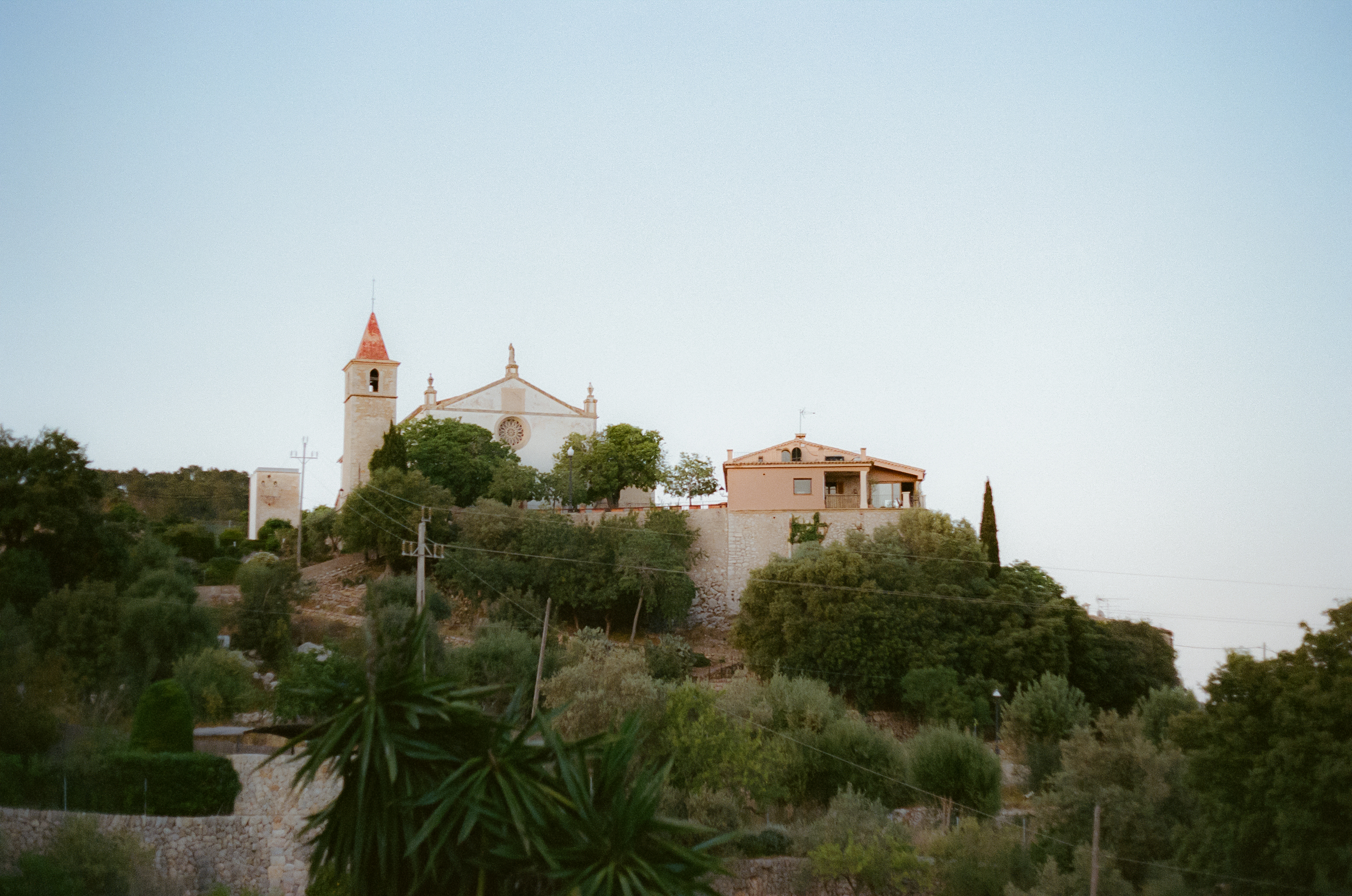,regionOfInterest=(1800,1193.5))
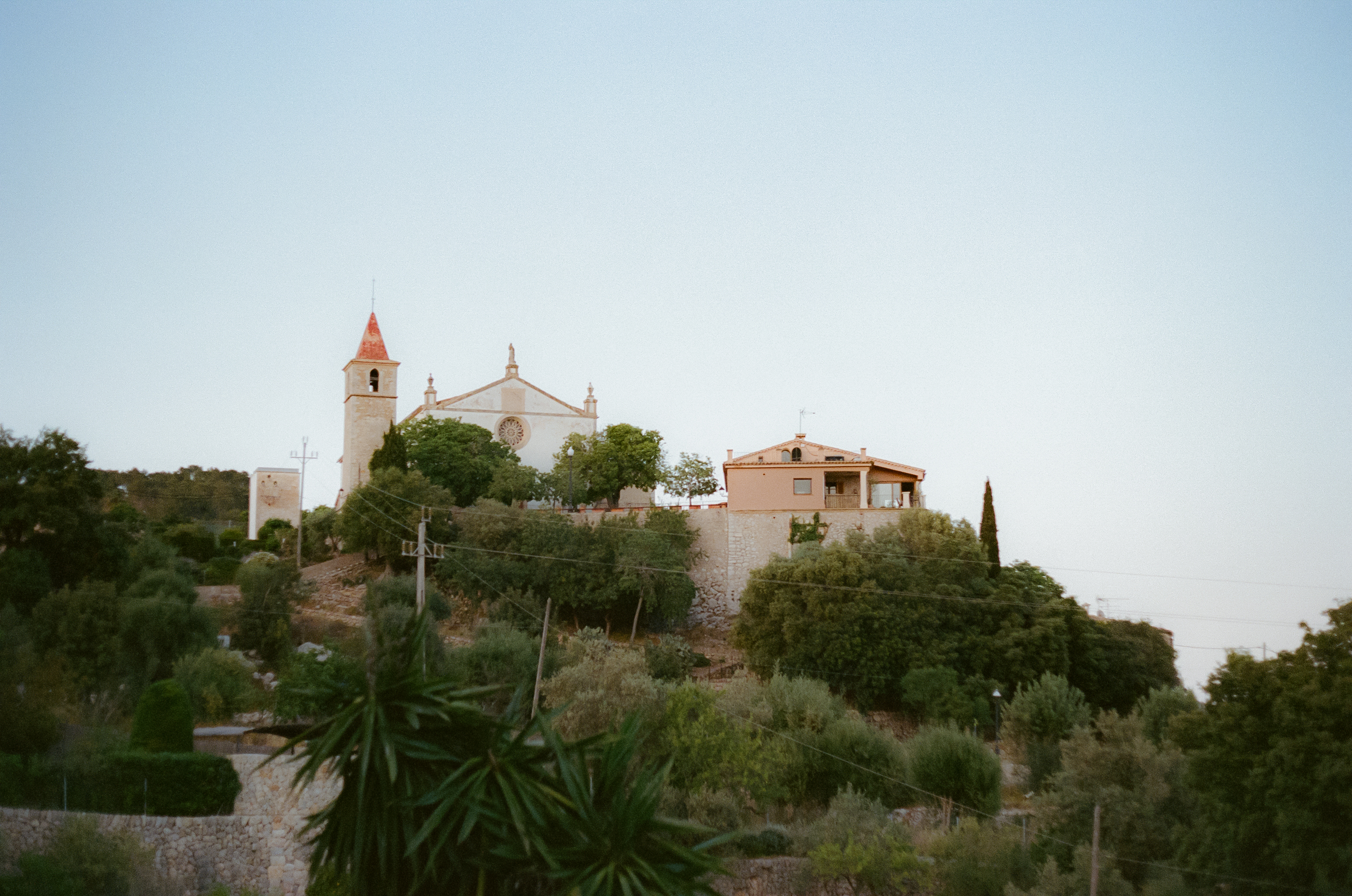,regionOfInterest=(1800,1193.5))
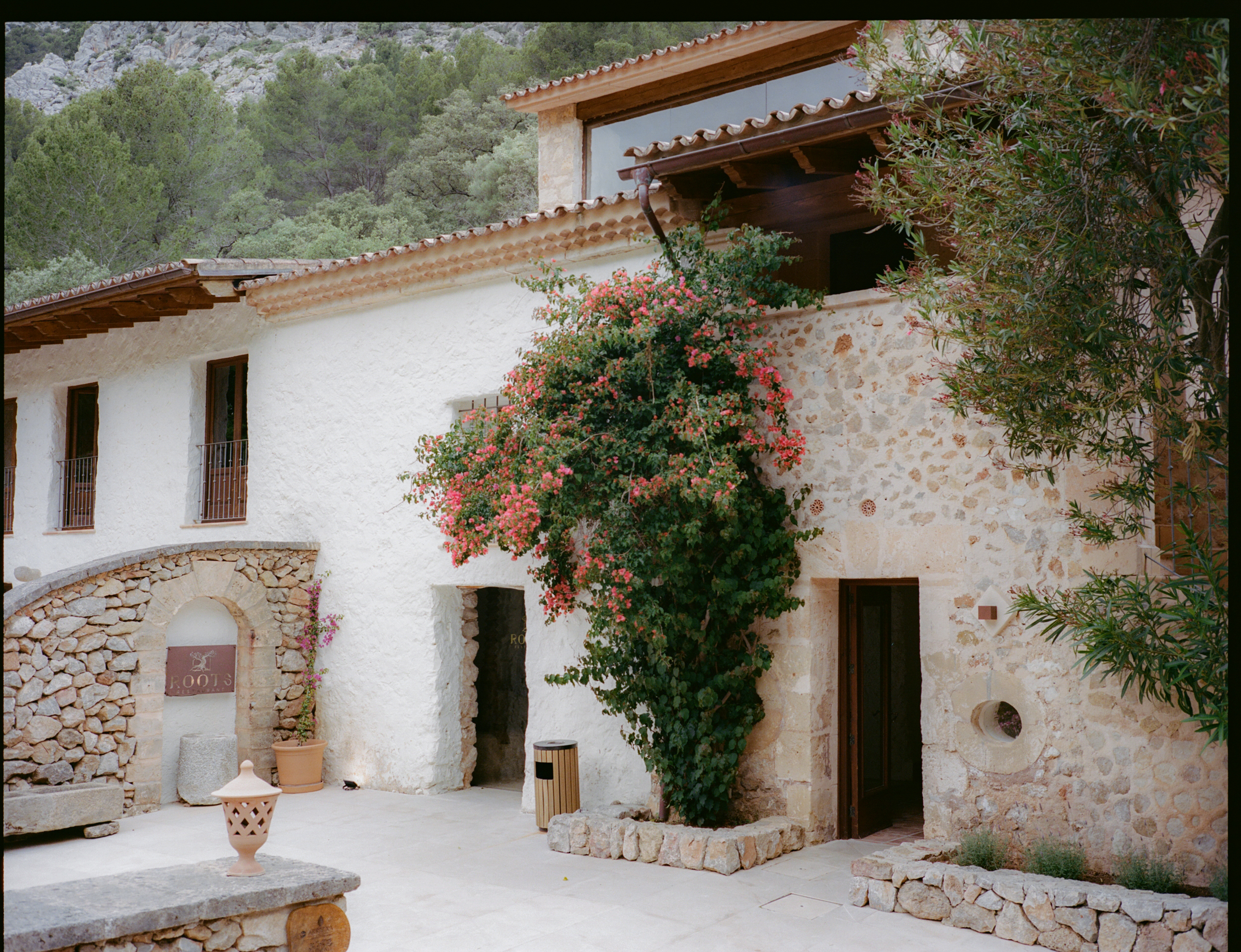,regionOfInterest=(1564,1200))
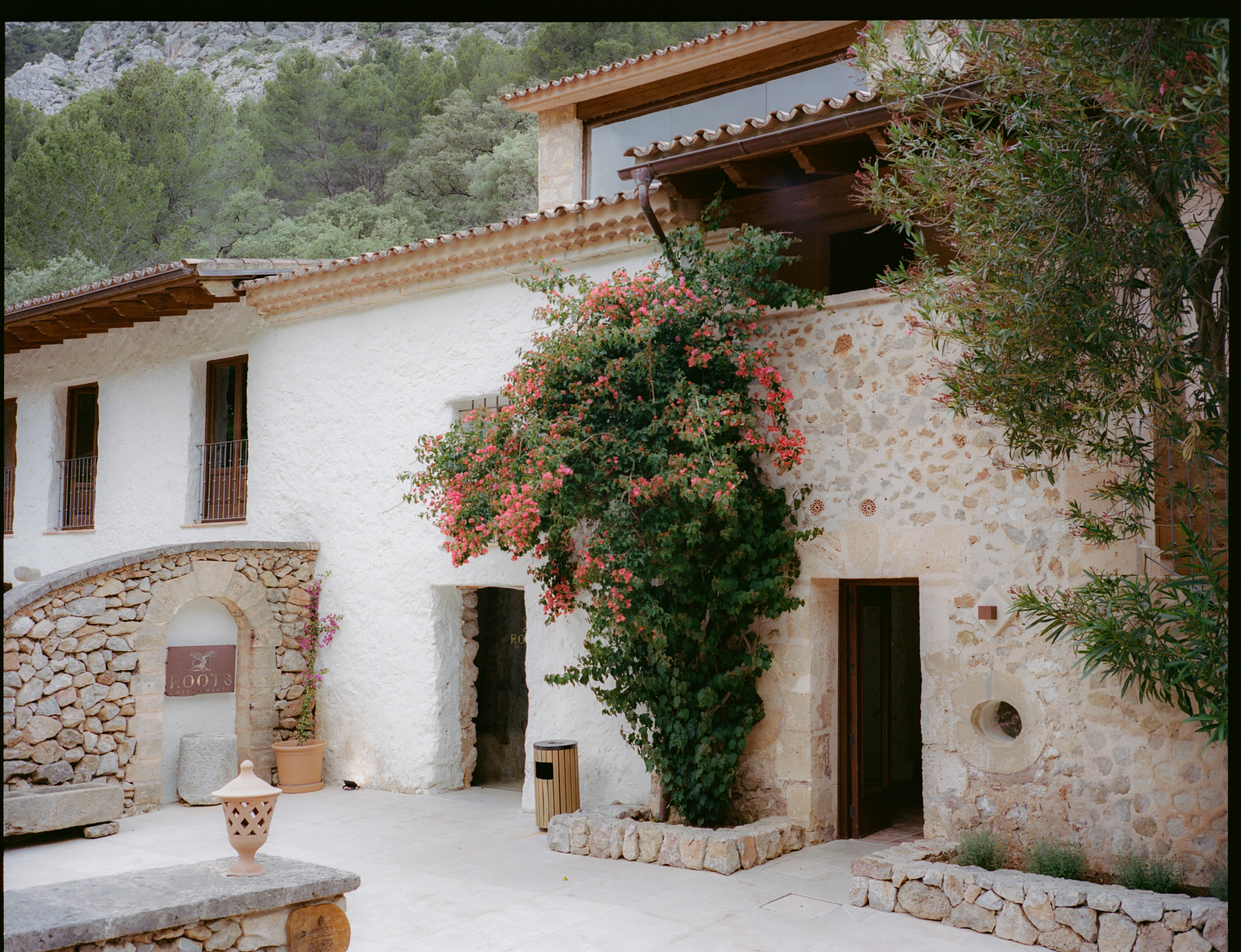,regionOfInterest=(1564,1200))
|
Name |
Area |
Ideal for |
Highlights |
|
Valldemossa |
Tramuntana, northwest |
History and heritage |
Stone centre and mountain setting |
|
Deià |
Tramuntana, northwest |
Art and landscape |
Stepped town facing the sea |
|
Fornalutx |
Tramuntana, northwest |
Mallorcan tradition |
Dry stone and citrus orchards |
|
Sóller |
Tramuntana, northwest |
Nature and atmosphere |
Valley of orange trees and historic train |
|
Banyalbufar |
Tramuntana, west |
Coastal landscapes |
Terraces above the sea |
|
Pollença |
North |
Culture and heritage |
Calvari and historic centre |
|
Alcúdia |
North |
History |
Walls and medieval legacy |
|
Artà |
Northeast |
Heritage and views |
Sanctuary and panoramic views over the municipality |
|
Binissalem |
Interior |
Wine tourism |
Wineries and stately architecture |
|
Santanyí |
Southeast |
Local atmosphere |
Golden stone and traditional market |
The selection has been made taking into account the heritage value, the surroundings, and the scenic appeal of each municipality.
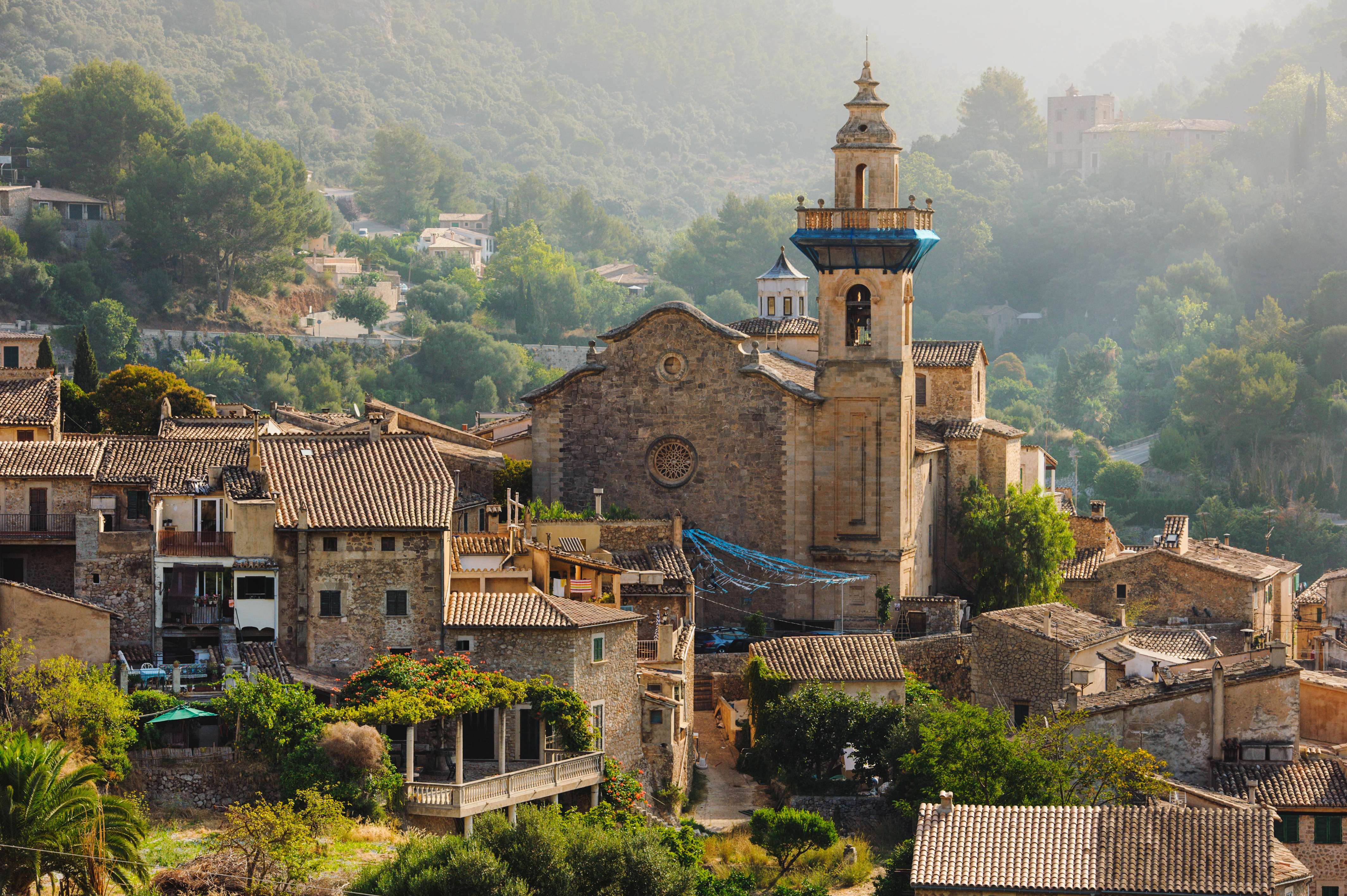
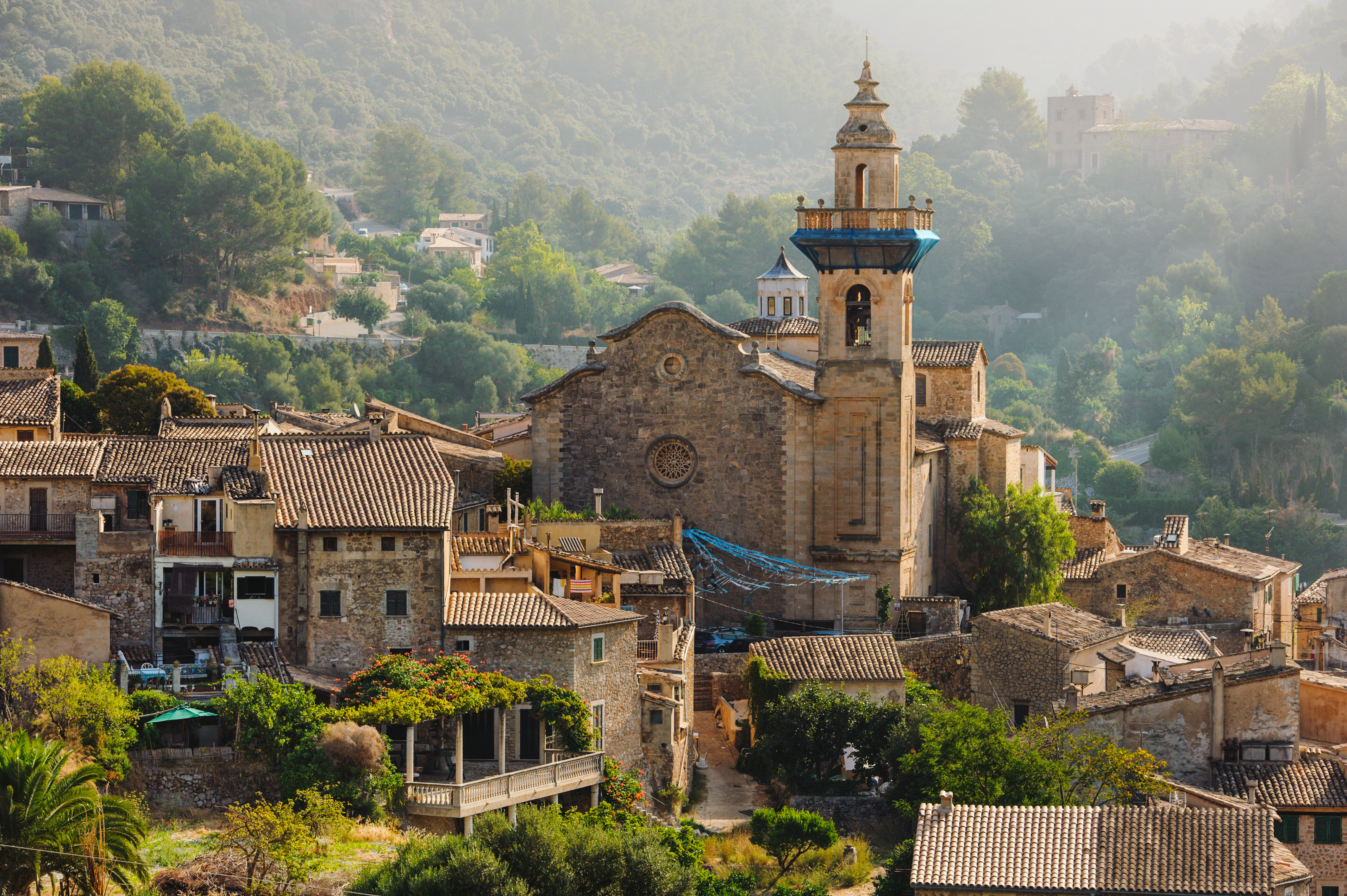
Situated in the heart of the Serra de Tramuntana, Valldemossa is one of the most beautiful towns in Mallorca and one of the most iconic destinations on the island. Its fame is linked to the Cartuja de Valldemossa and the stay of Frédéric Chopin and George Sand during the winter of 1838-1839, although much of its charm lies in the excellent state of preservation of its streets and traditional buildings.
The cobbled streets, stone facades, and flower pots that adorn balconies and windows create a very characteristic image of this mountain town. Added to this is a privileged natural setting, surrounded by some of the most representative landscapes of the Tramuntana.
The Cartuja de Valldemossa is one of the most important historical and cultural monuments in Mallorca.
Its historic centre retains remarkable authenticity and maintains much of the traditional Mallorcan architecture. The cultural heritage associated with Chopin and George Sand, together with the spectacular mountain setting, reinforce the appeal of one of the most visited charming towns in Mallorca.
,regionOfInterest=(2128,1416))
,regionOfInterest=(2128,1416))
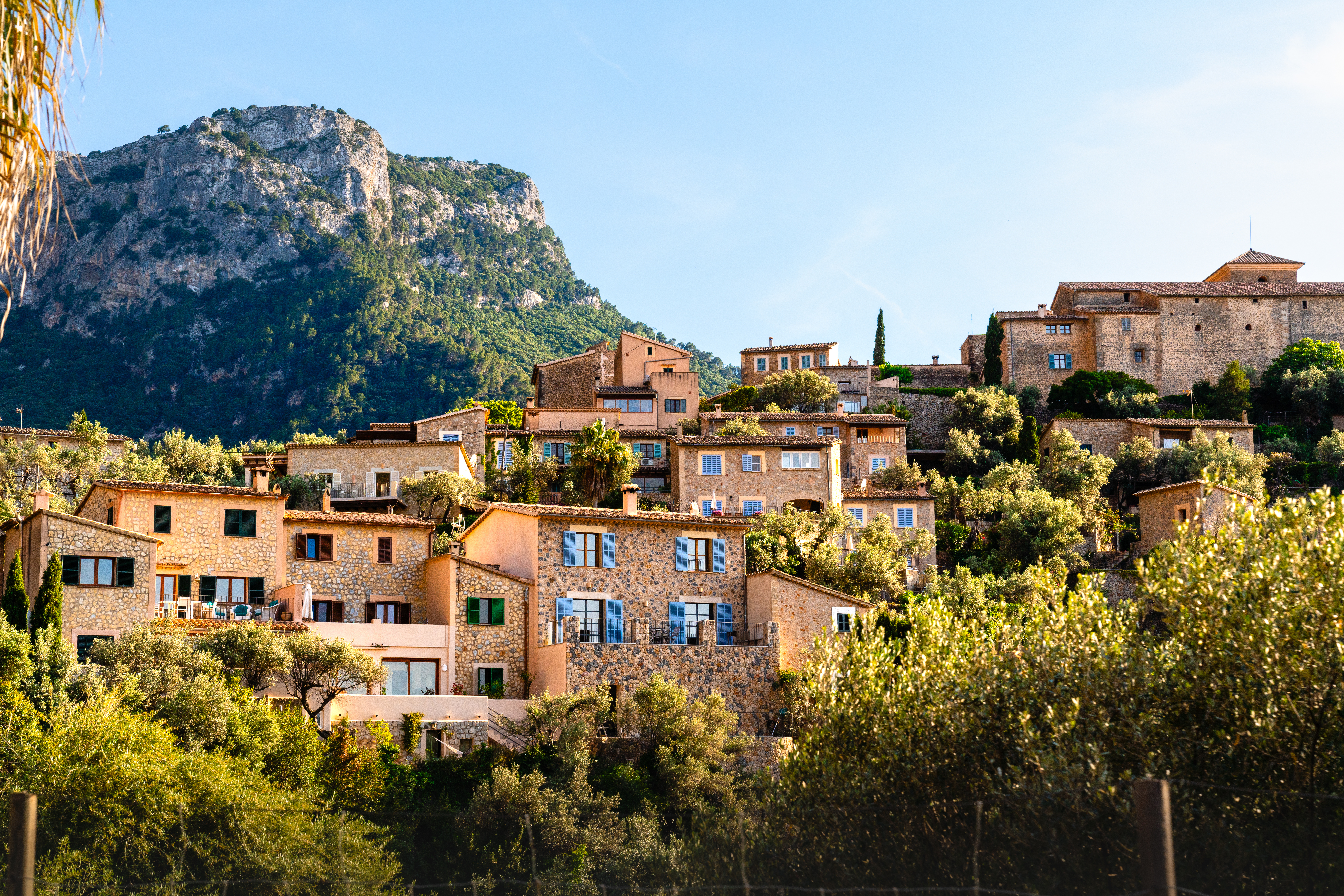
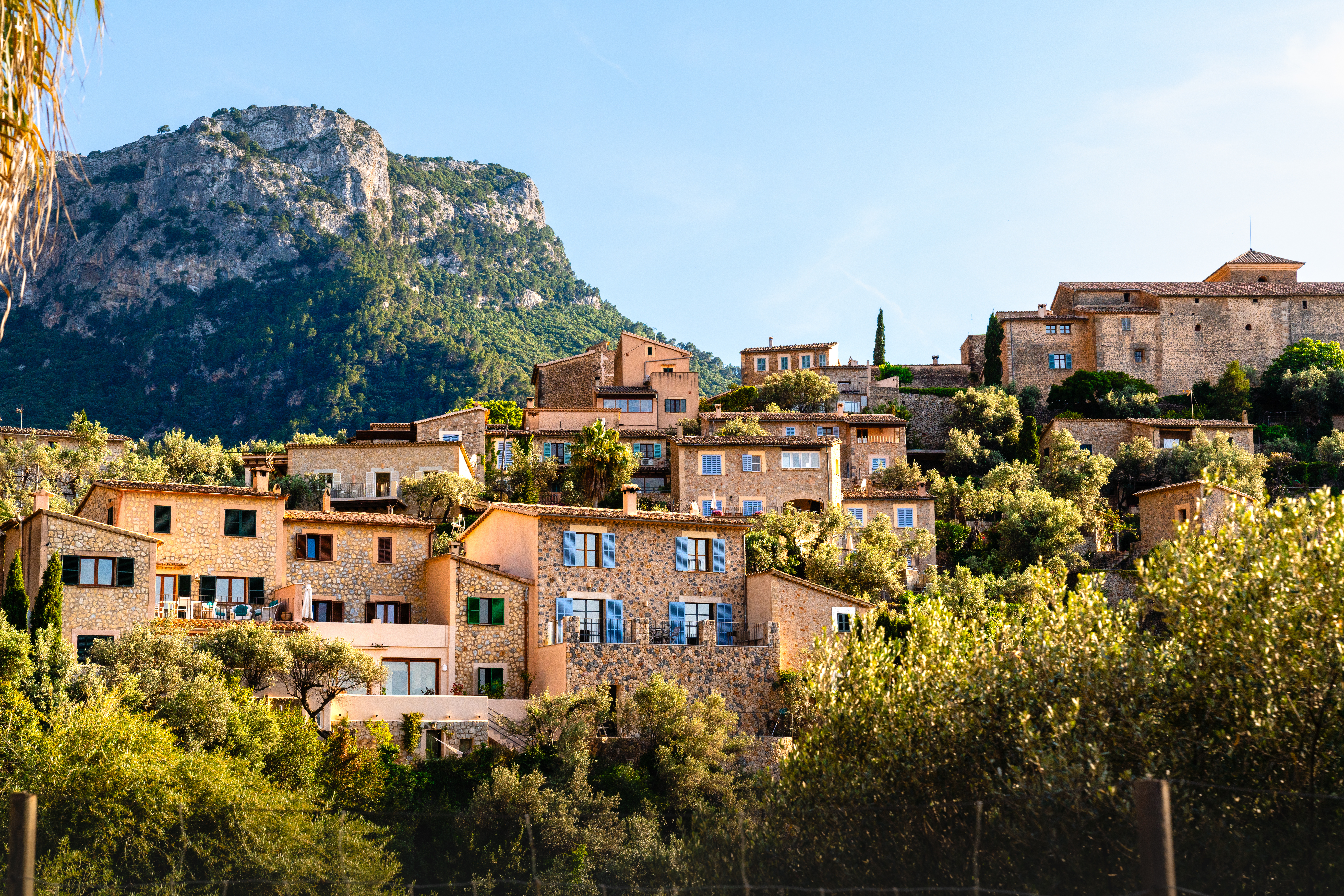
Situated between the mountains of the Serra de Tramuntana and the Mediterranean, Deià is one of the towns with the most personality in Mallorca. Its privileged location, perched on a hillside and surrounded by dry stone terraces, has attracted artists, writers, and creators from all over the world for decades. Among its most illustrious residents was the writer Robert Graves, whose presence deeply marked the recent history of the town.
The narrow cobbled streets, stone houses, and sea views are part of a scene that is hard to find in other corners of the island. Very close to the town centre is Cala Deià, a small cove surrounded by cliffs that completes the scenic appeal of the municipality.
The small cemetery located next to the church offers one of the most well-known panoramic views of Deià, with open views of the valley and the sea.
The combination of traditional architecture, mountain landscape, and proximity to the Mediterranean makes Deià one of the most unique towns in Mallorca. Its deep-rooted cultural tradition and the artistic atmosphere that can still be felt in its streets help to reinforce its unique character.
,regionOfInterest=(3976,2652))
,regionOfInterest=(3976,2652))
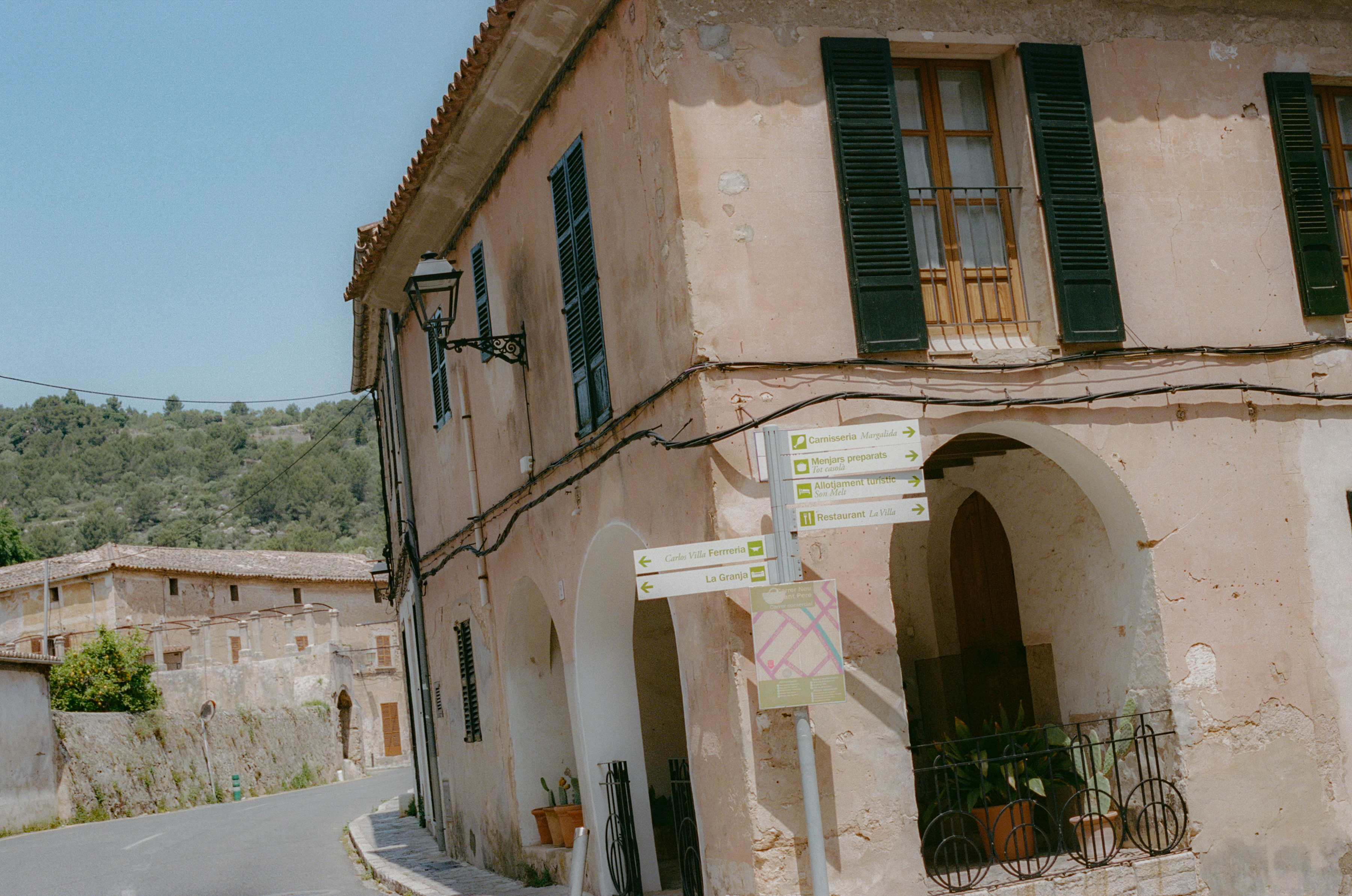
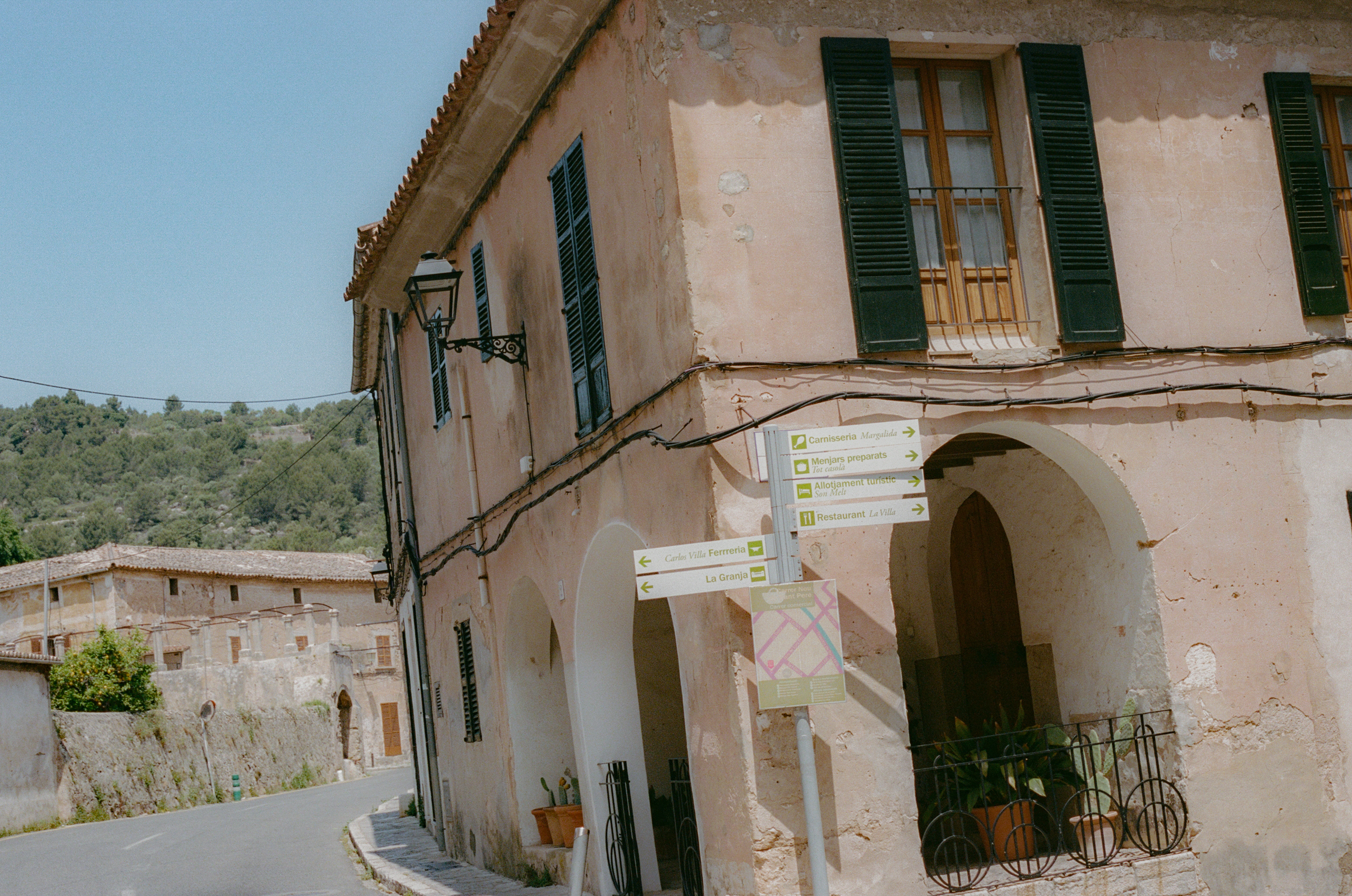
Situated in the heart of the Serra de Tramuntana, Fornalutx is considered one of the most beautiful towns in Mallorca and often appears among the most attractive towns in Spain due to the excellent preservation of its traditional architecture. Its cobbled streets, stone houses with green shutters, and numerous staircases create a very characteristic image of inland Mallorca.
The municipality is surrounded by cultivated terraces, citrus orchards, and mountains that form part of some of the most representative landscapes of the Tramuntana. Its small size and the careful preservation of the urban complex make it one of the most charming places on the island.
The proximity to Sóller makes it easy to combine a visit to both municipalities on the same day.
The harmony of its traditional architecture and the integration of the town into the landscape of the Serra de Tramuntana make Fornalutx one of the best examples of the most authentic Mallorca. The quiet atmosphere and the excellent state of preservation of its streets reinforce the appeal of this historic town.
,regionOfInterest=(1800,1193.5))
,regionOfInterest=(1800,1193.5))
Surrounded by the mountains of the Serra de Tramuntana and extensive citrus orchards, Sóller is one of the most interesting towns to see in Mallorca due to its architectural heritage and its privileged natural setting. Its main square concentrates some of the most iconic buildings in the municipality, including the iglesia de Sant Bartomeu and the edificio del Banco de Sóller, two outstanding examples of Mallorcan modernism.
The historic railway connection with Palma and the famous tram that links the town centre with the Puerto de Sóller are part of the local identity and contribute to reinforcing its appeal. The route between the town and the port crosses some of the most characteristic landscapes of the valley.
The historic wooden train that connects Palma and Sóller remains one of the most popular experiences for discovering this part of the island.
The combination of modernist heritage, railway tradition, and natural landscape makes Sóller one of the most complete municipalities in Mallorca. The valley setting, surrounded by mountains and citrus crops, also provides a unique personality within the island.
,regionOfInterest=(1508.5,1005.5))
,regionOfInterest=(1508.5,1005.5))
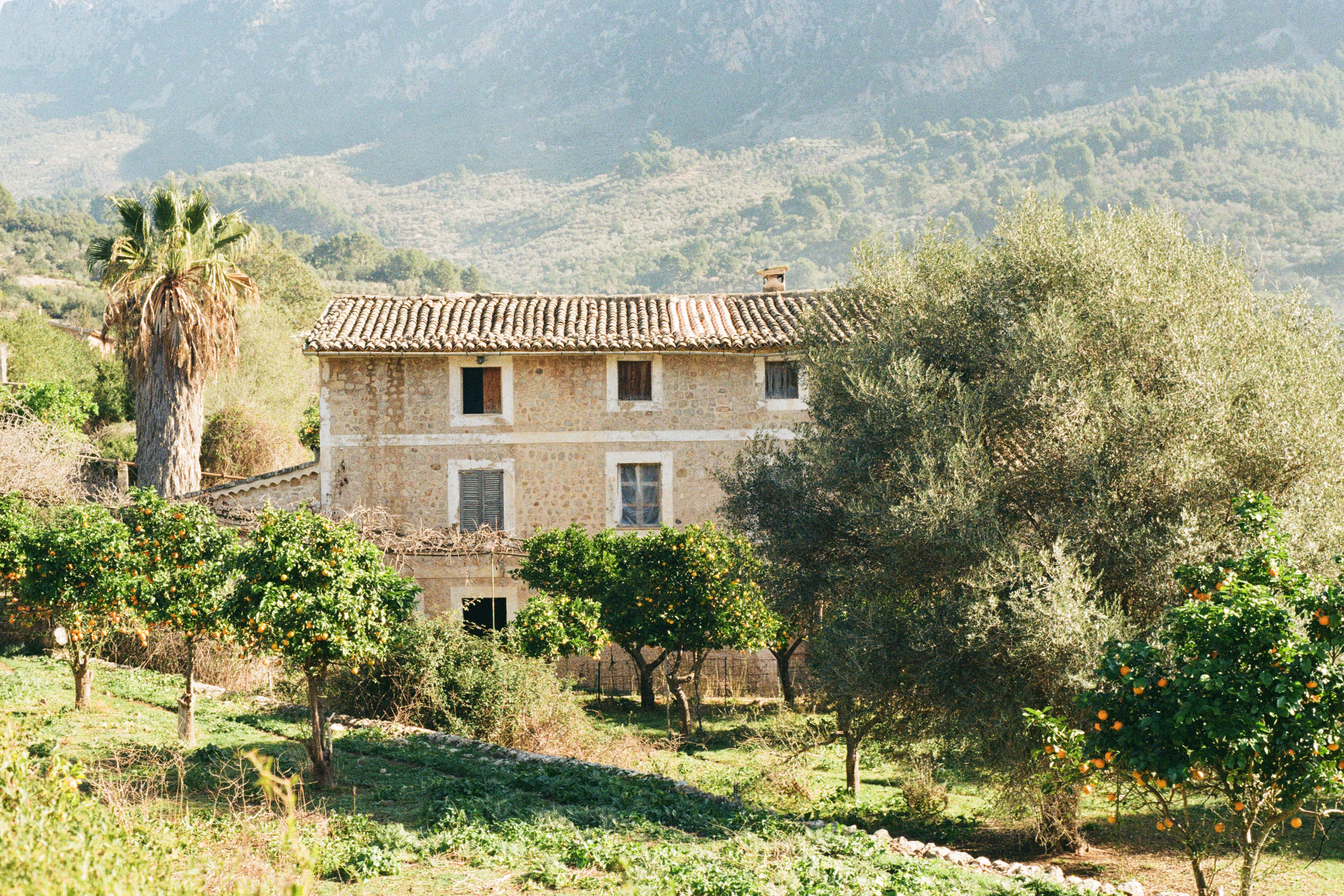
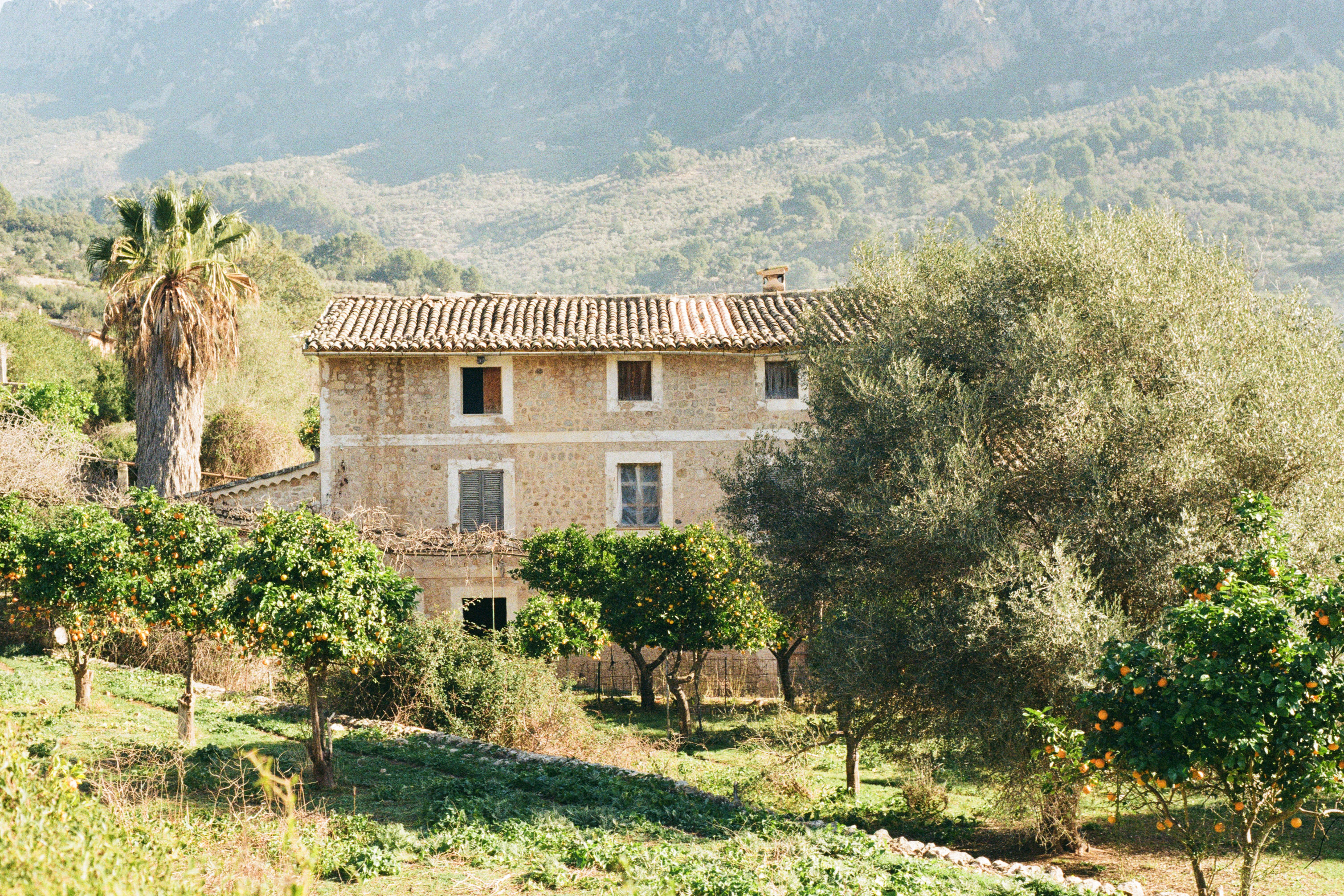
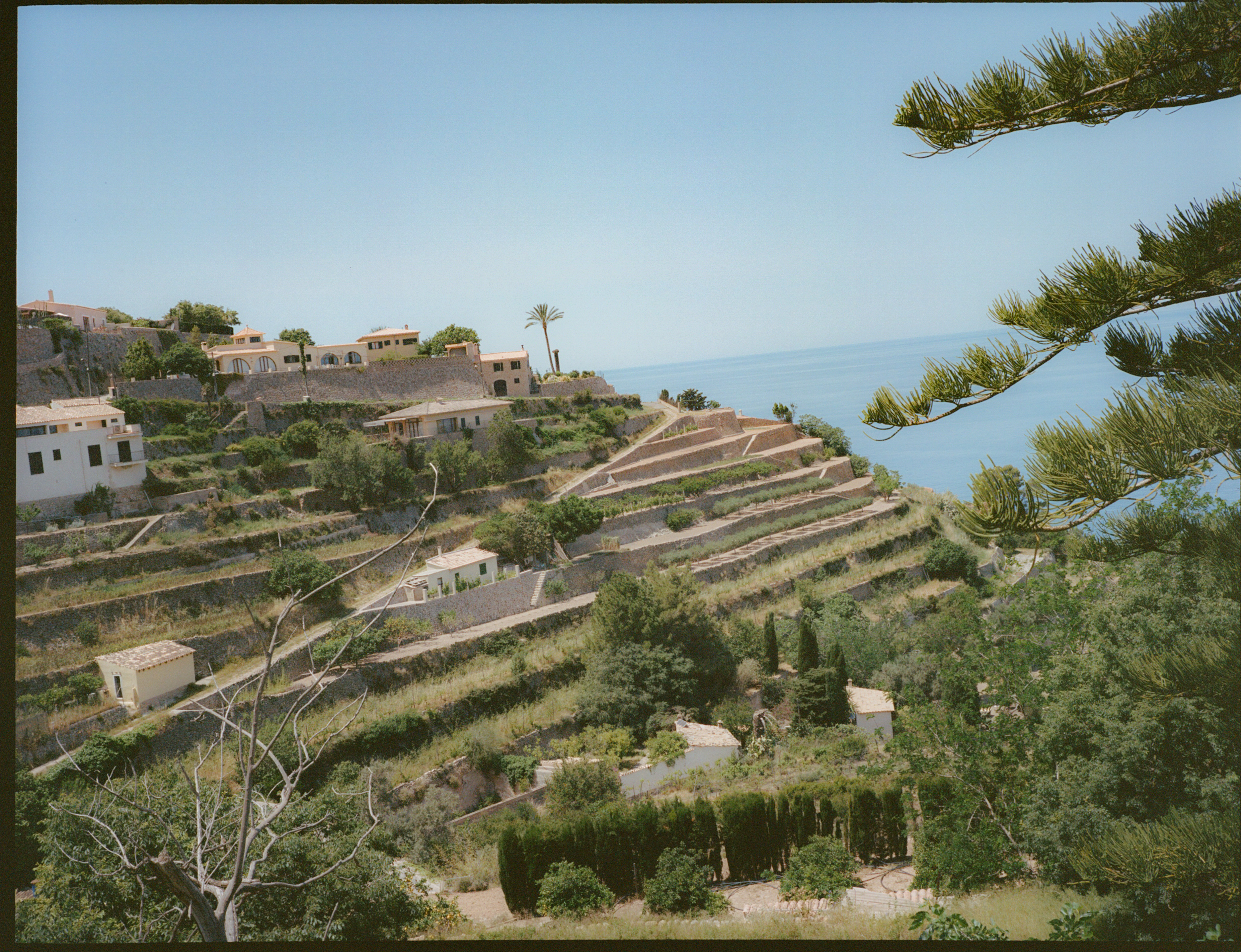
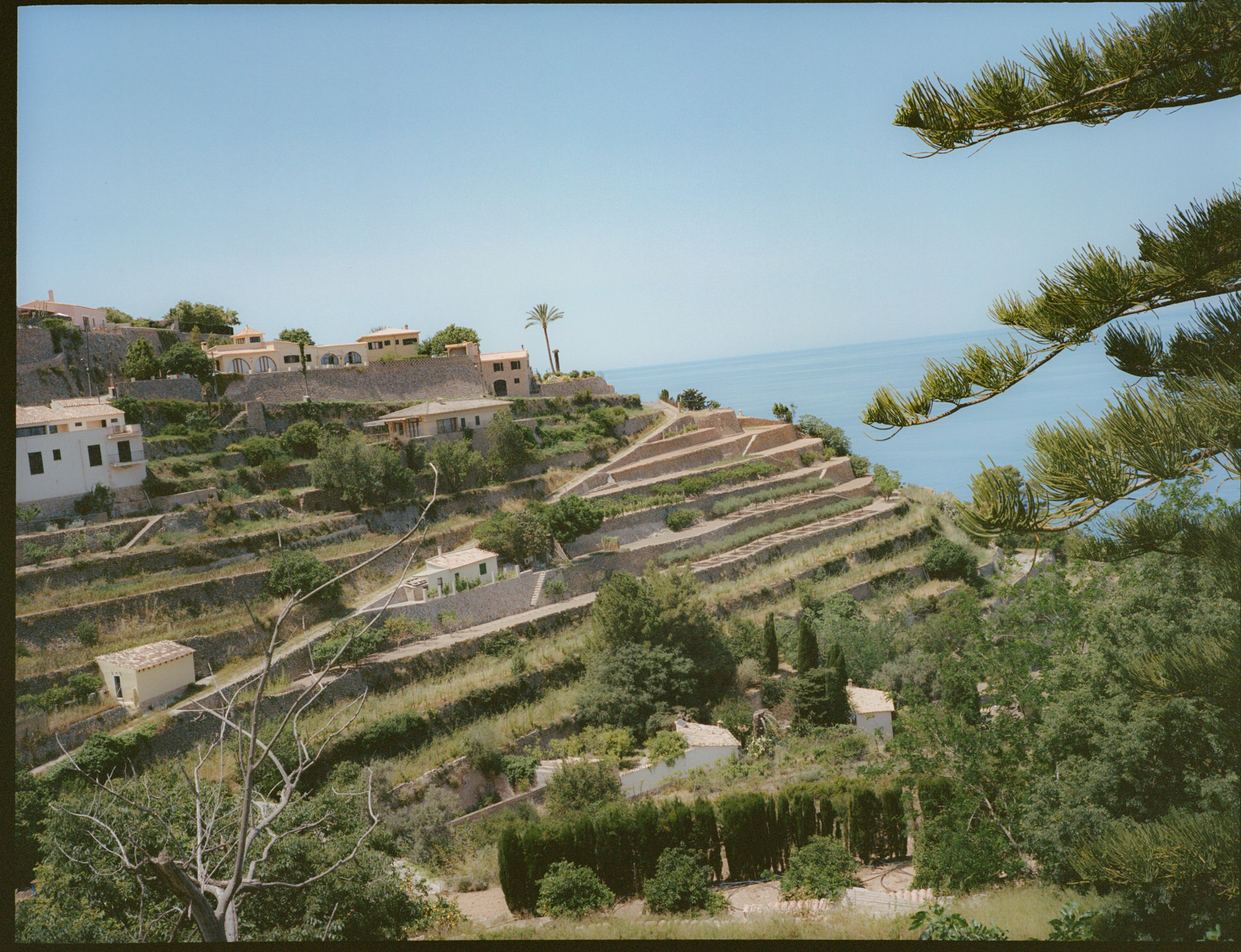
Overlooking the western coast of the Serra de Tramuntana, Banyalbufar is one of the most unique towns in Mallorca due to the close relationship it maintains with the sea and the surrounding agricultural landscape. The municipality extends over an impressive succession of dry stone terraces built over centuries to take advantage of the mountain slopes and facilitate cultivation. The stepped streets and numerous viewpoints allow you to enjoy constant views of the Mediterranean, while the surroundings retain a quiet atmosphere that is very different from other areas of the island.
The Ma-10 road, which runs through this part of the Tramuntana, also connects some of the most spectacular landscapes in Mallorca.
The proximity of towns like Estellencs makes Banyalbufar a regular stop on routes along the western coast of the Serra de Tramuntana.
The characteristic dry stone terraces that descend towards the sea form one of the most recognisable cultural landscapes in Mallorca. Added to this are the views of the Mediterranean and the marked traditional character that the municipality still retains.
,regionOfInterest=(1564,1200))
,regionOfInterest=(1564,1200))
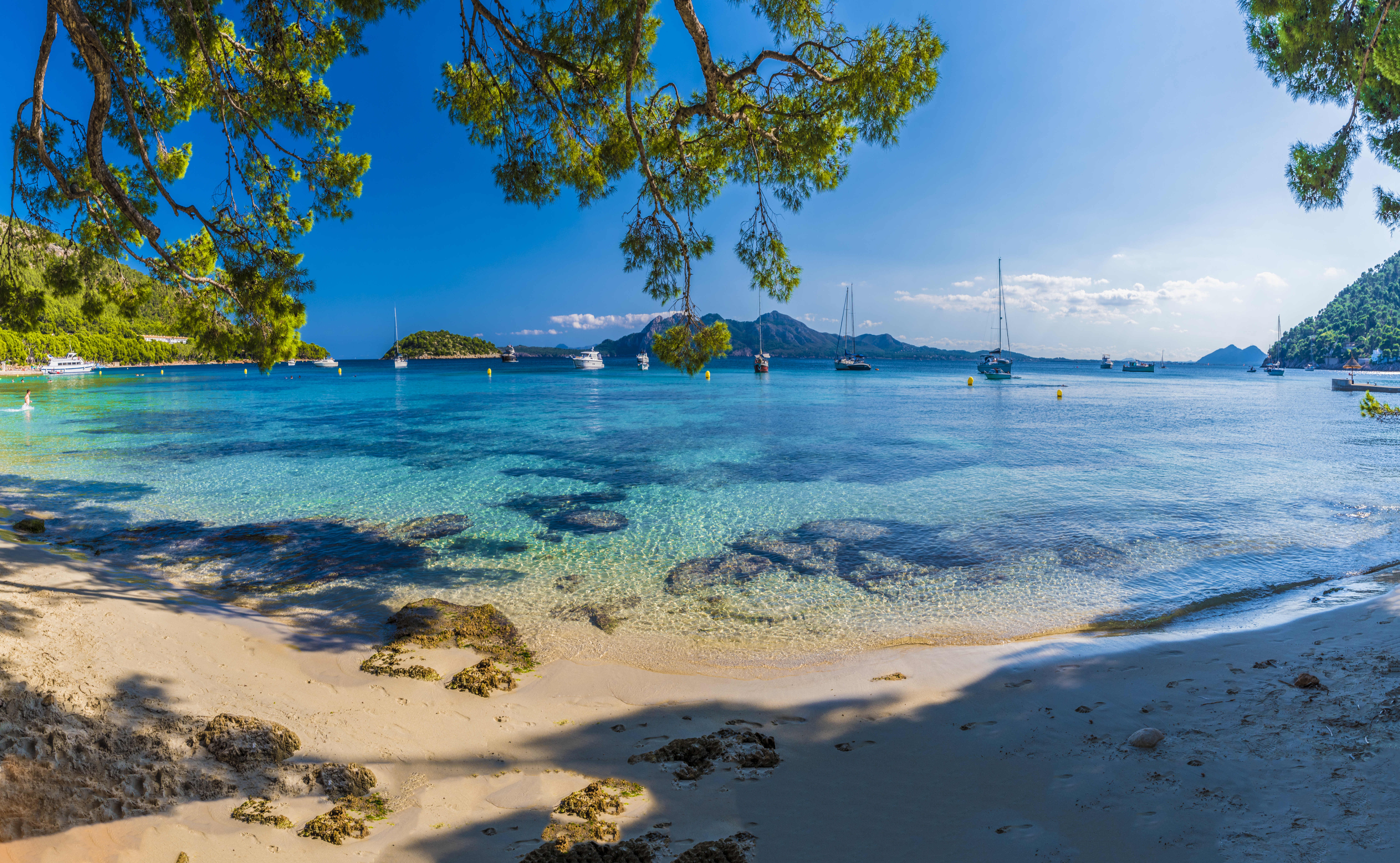
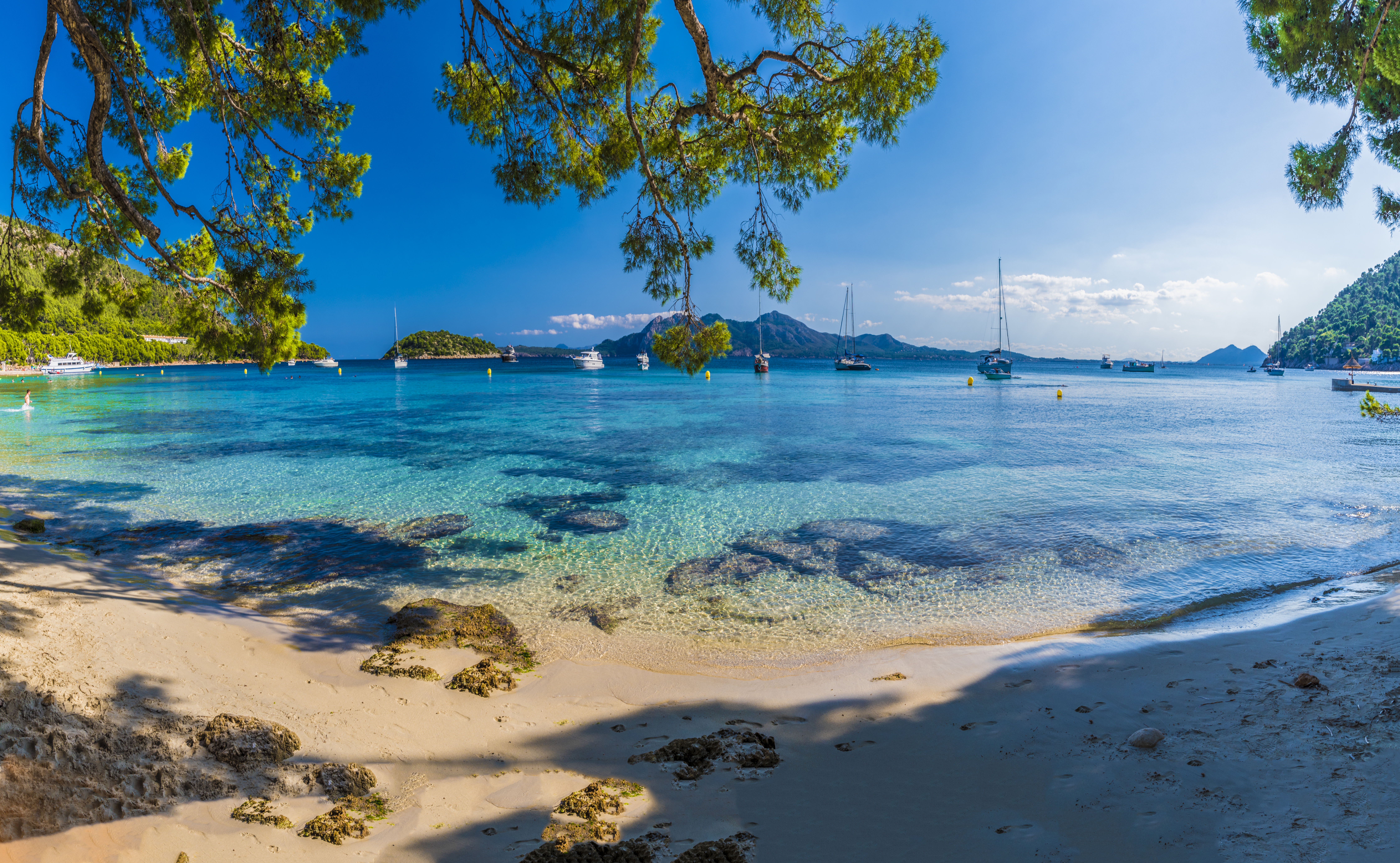
With a historic centre that combines stately homes, churches, and an intense cultural life throughout the year, Pollença occupies a prominent place among the most charming towns in Mallorca. Its Sunday market, held in the main square, is one of the busiest and most popular on the island.
One of the great symbols of the municipality is the Calvari, a staircase of 365 steps flanked by cypress trees that leads to a small chapel with views of the valley and the mountain environment surrounding the town.
The proximity of Puerto de Pollença and the Formentor peninsula makes it easy to complete the visit with some of the most well-known landscapes in the north of Mallorca.
Historical heritage, local atmosphere, and nature are combined in a municipality that remains active throughout the year and has some of the most representative corners of northern Mallorca.
,regionOfInterest=(4504,2775))
,regionOfInterest=(4504,2775))
Surrounded by one of the best-preserved medieval walls in Mallorca, the historic centre of Alcúdia brings together centuries of history in a relatively compact space. Its cobbled streets, quiet squares, and traditional buildings make the municipality one of the most interesting historic ensembles on the island. A short distance from the centre are the remains of the ancient ciudad romana de Pol·lèntia, one of the most important archaeological sites in the Balearic Islands.
This combination of Roman and medieval heritage provides a unique personality to the town and differentiates it from other towns in the north of Mallorca.
The traditional markets held on Tuesdays and Sundays fill the streets of the historic centre with activity and are part of the daily life of the municipality.
The excellent preservation of its walled enclosure and the presence of important archaeological remains allow you to explore different stages of the history of Mallorca in a single visit. All this just a few kilometres from the beaches and landscapes of the Bay of Alcúdia.
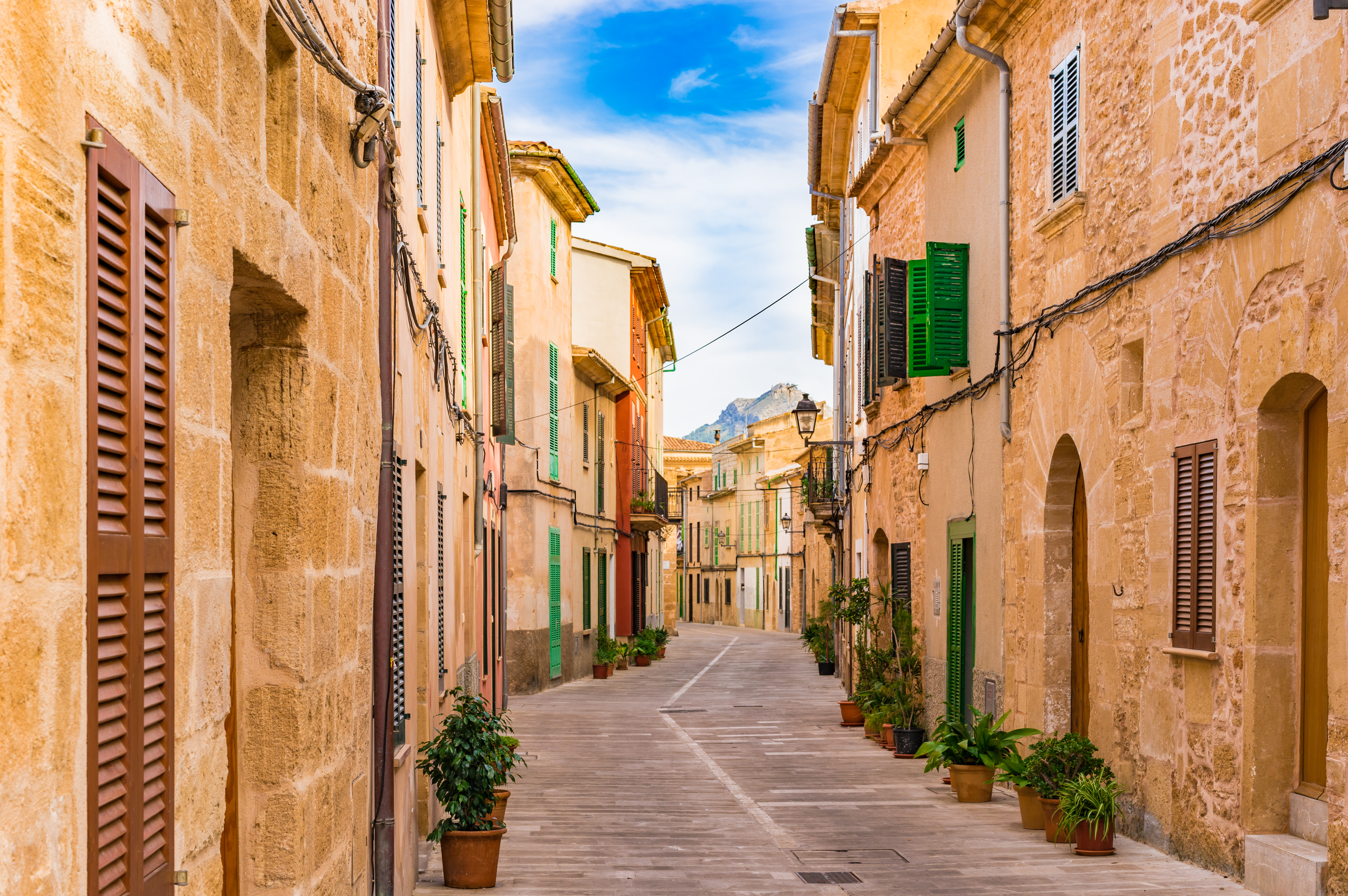,regionOfInterest=(2850,1895))
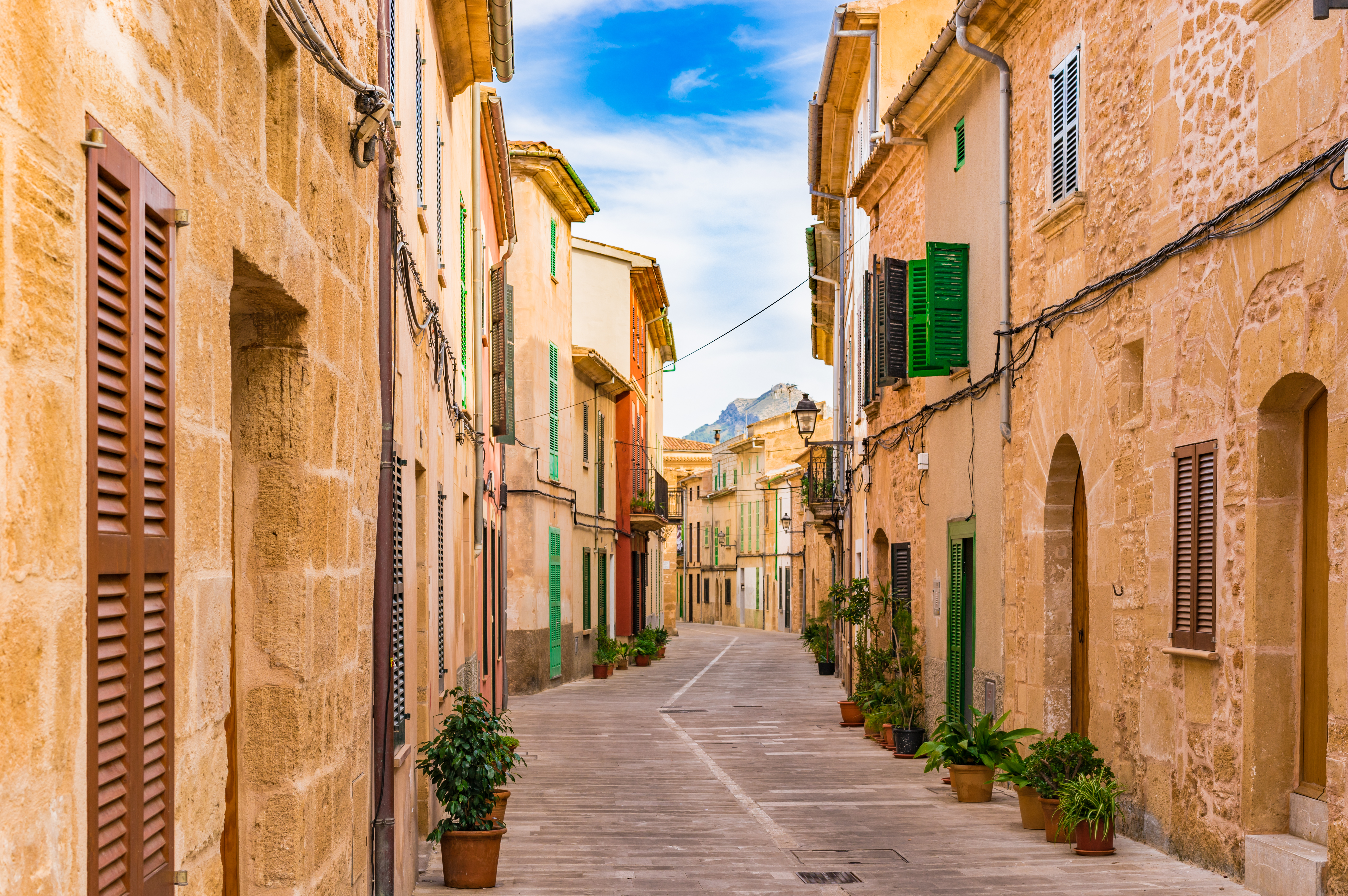,regionOfInterest=(2850,1895))
In the northeast of the island, Artà stands out for an unmistakable silhouette dominated by the santuario de Sant Salvador, located on a hill that presides over the municipality. Both the sanctuary and the old walls that surround it constitute one of the most recognisable monumental ensembles in this part of Mallorca.
The historic centre, with narrow streets and stone houses, also preserves one of the best-known markets in the region, with stalls selling local products every Tuesday and Saturday. A short distance away are also the cuevas de Artà, one of the main natural attractions in the northeast of the island.
The proximity of coastal towns like Canyamel makes it easy to combine heritage, nature, and coastline in a single visit.
The views from the santuario de Sant Salvador offer a wide panoramic view over the northeast of Mallorca and are one of the great attractions of the municipality. Added to this are a well-preserved historic centre and intense commercial and cultural activity linked to its traditional market.
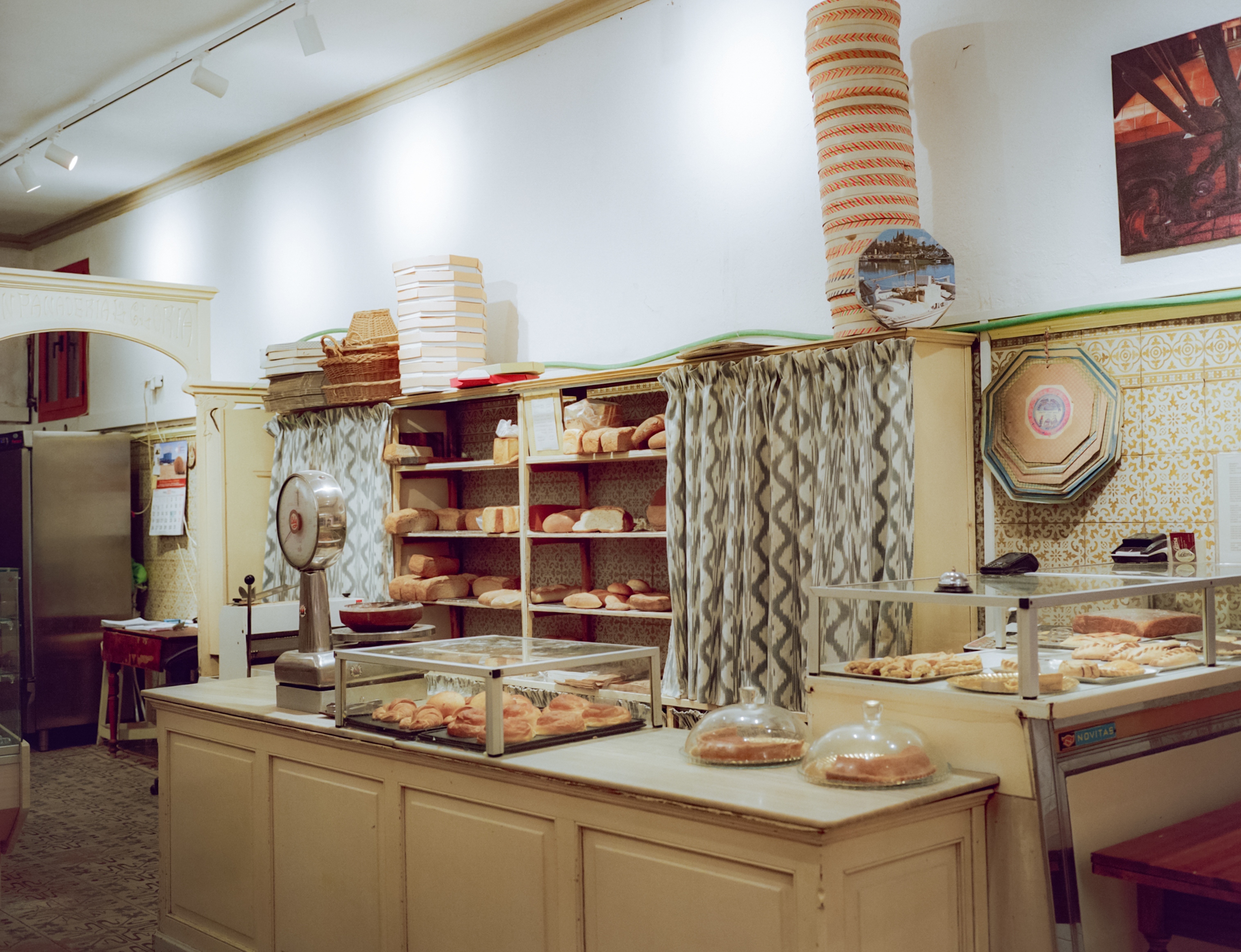,regionOfInterest=(1516,1163))
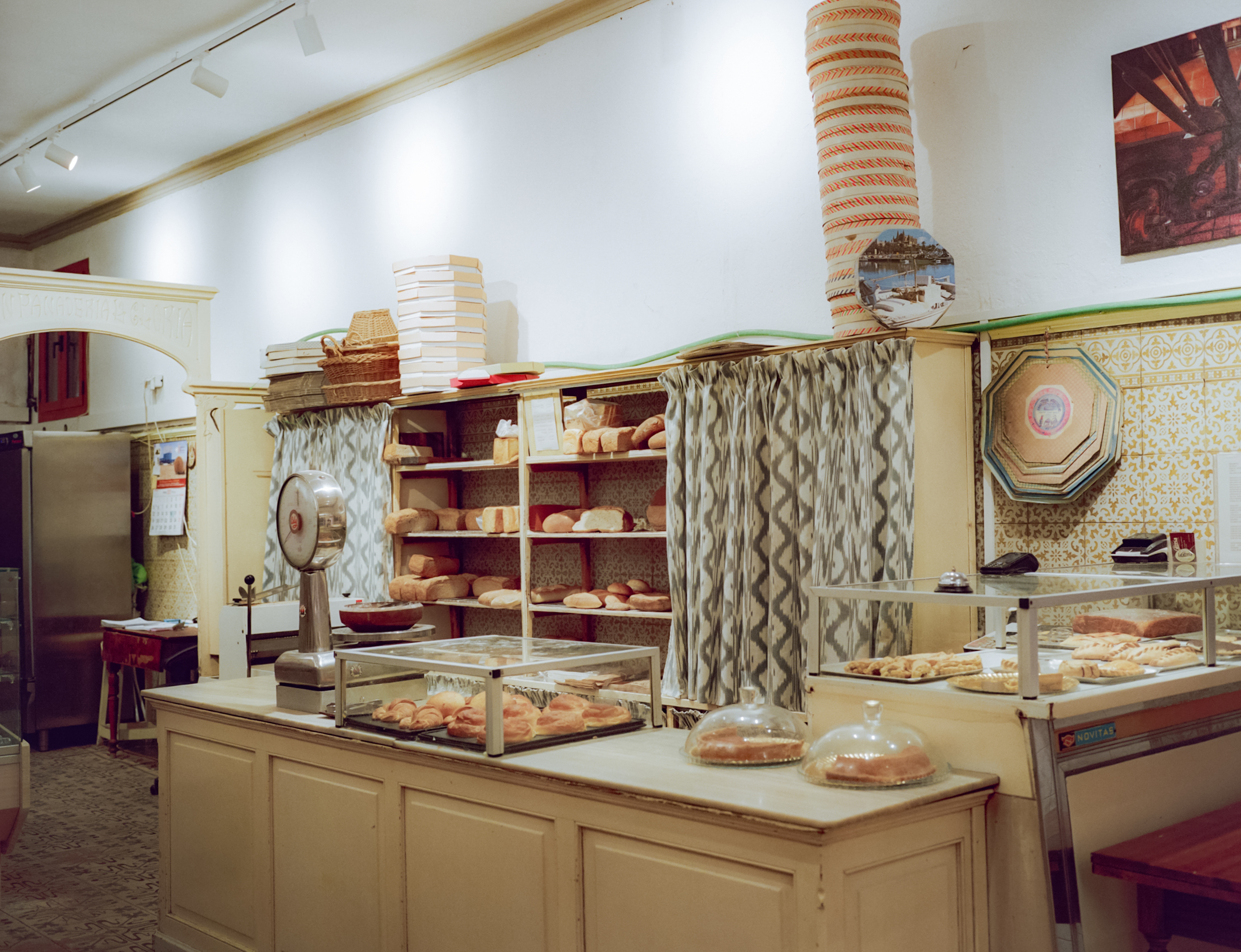,regionOfInterest=(1516,1163))
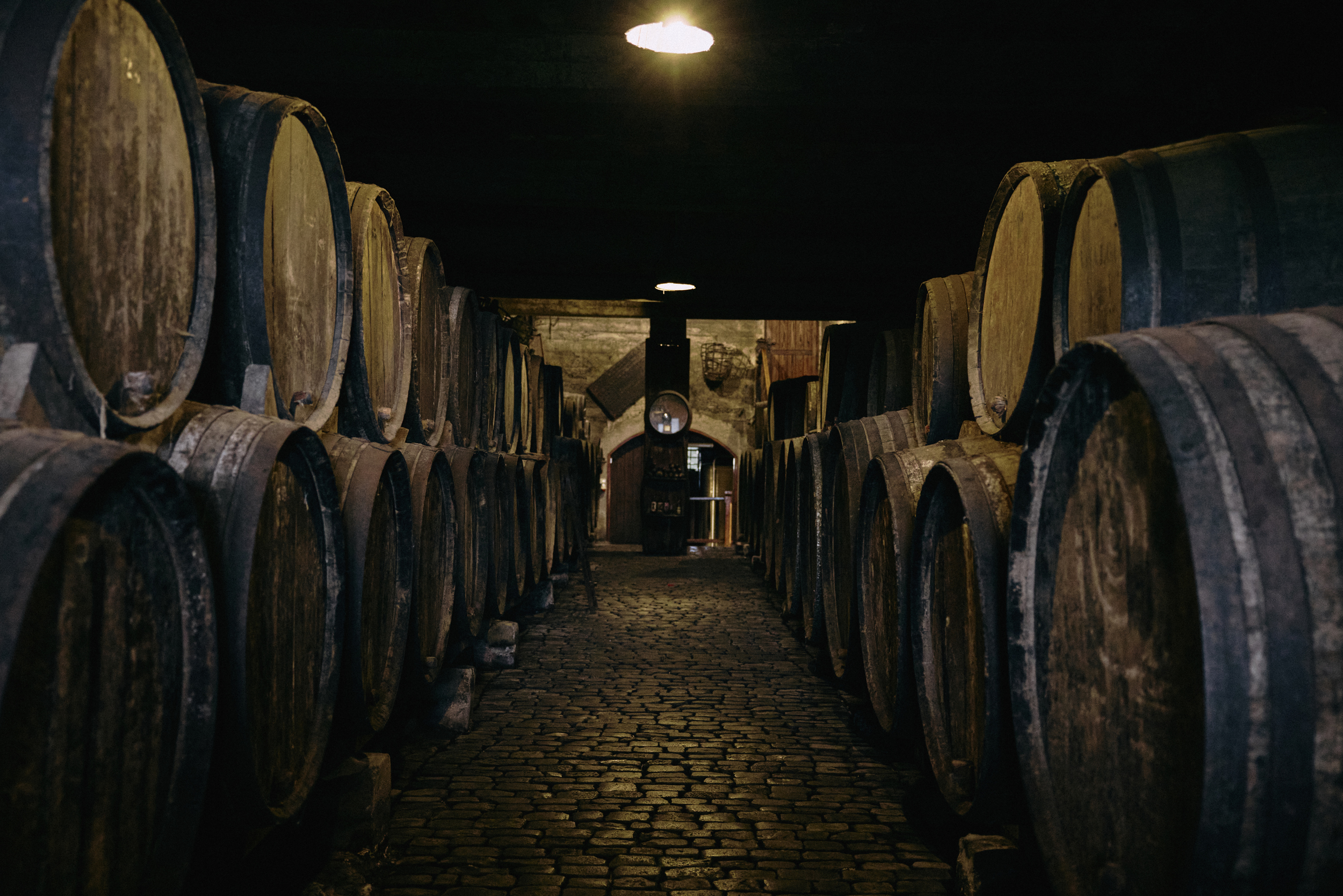
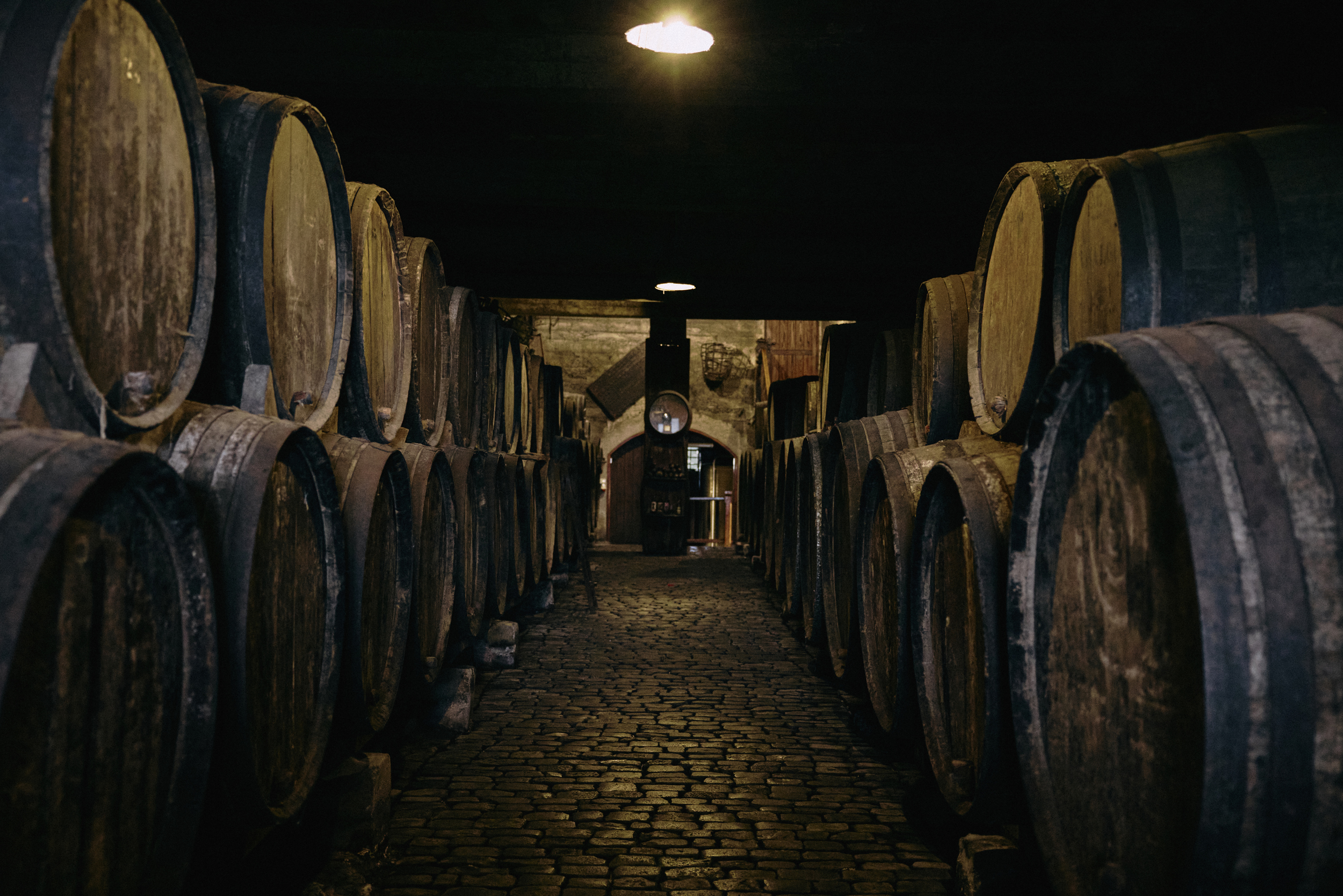
In the heart of the Raiguer region, Binissalem is one of the municipalities most linked to the wine tradition of Mallorca. Its streets, squares, and historic buildings reflect the prosperity that for centuries was linked to vine cultivation and wine production, an activity that continues to be part of the local identity.
The town retains numerous stately homes built with the characteristic golden stone of the area, as well as a prominent selection of wineries that have made Binissalem a reference for wine tourism on the island. The well-known Fiesta des Vermar, held every September, is one of the most representative expressions of this tradition.
The neighbouring municipalities of Consell and Santa Maria del Camí share much of the winemaking tradition that characterises this area of the Mallorcan interior.
The combination of architectural heritage, wine culture, and traditional atmosphere makes Binissalem one of the most interesting towns in the interior of Mallorca. Its close relationship with viticulture provides a unique personality that differentiates it from other towns on the island.
,regionOfInterest=(1250,834))
,regionOfInterest=(1250,834))
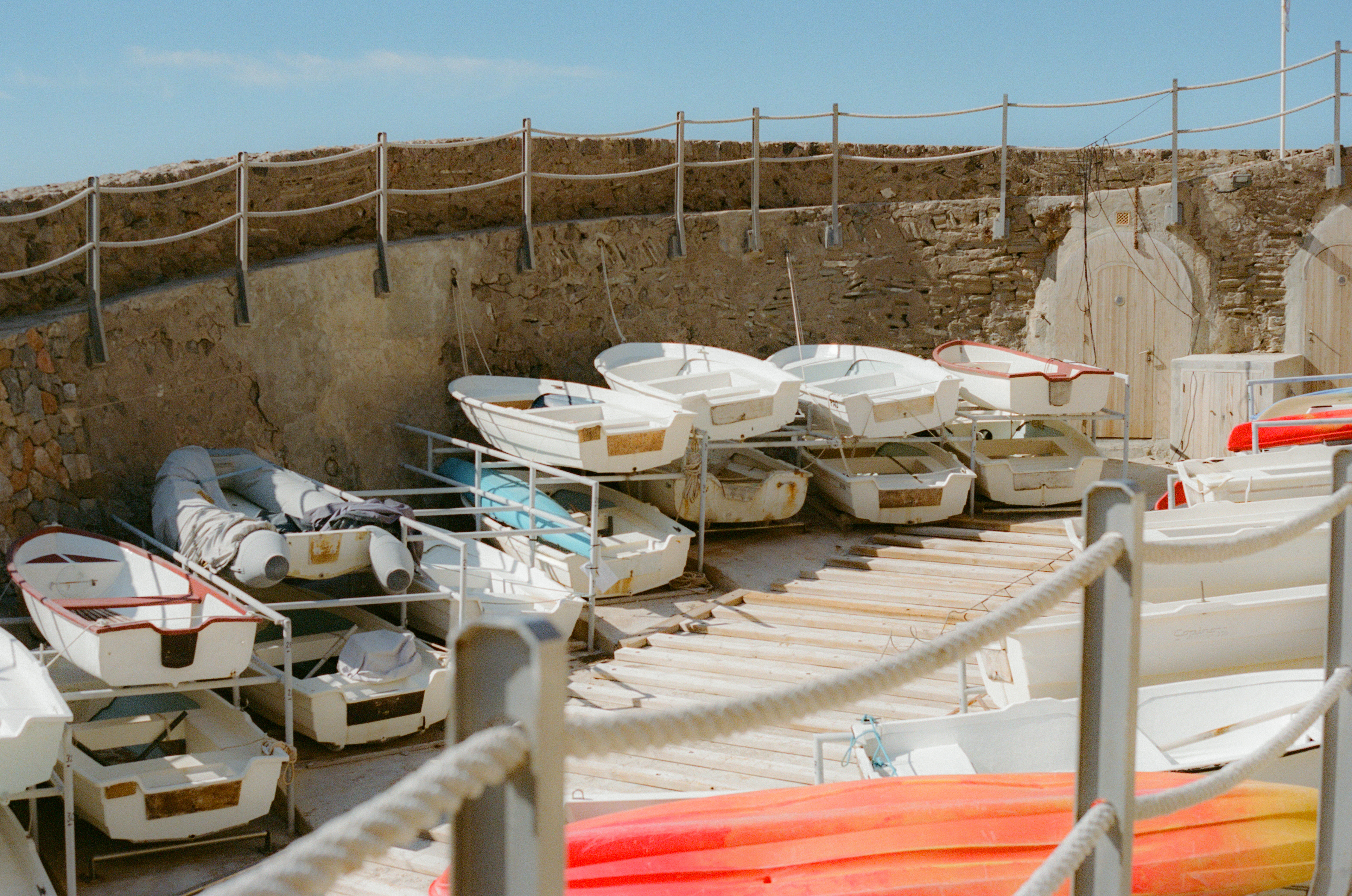
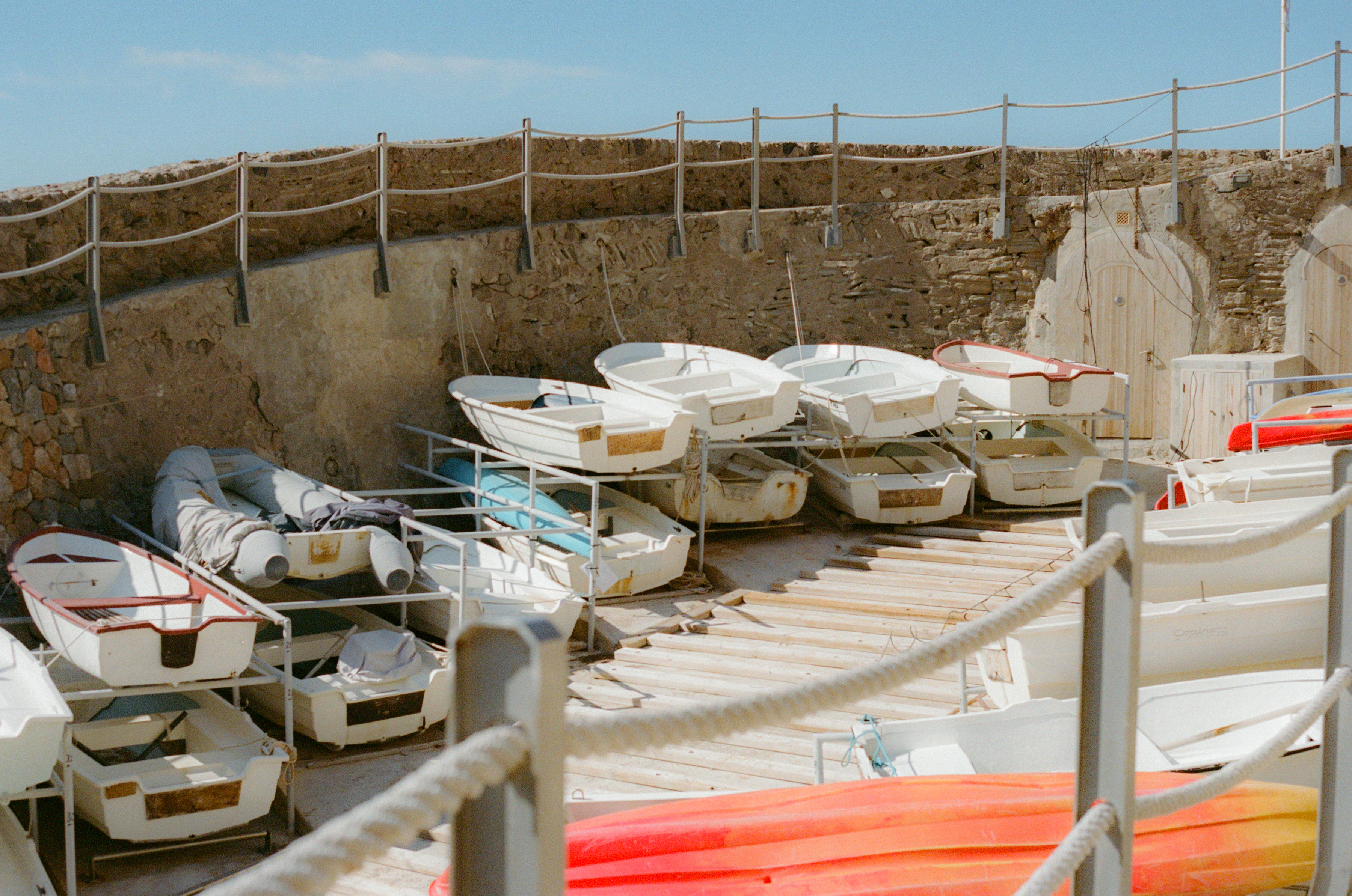
In the southeast corner of Mallorca, Santanyí is one of the towns with the most personality on the island. The characteristic golden stone used in many of its historic buildings has marked the architectural identity of the municipality and gives it an easily recognisable image within the Mallorcan landscape.
The old town retains a quiet atmosphere and a notable concentration of traditional buildings, although on market days the streets become very lively thanks to the stalls selling handicrafts, gastronomy, and local products. Its privileged location also makes it an excellent gateway to some of the best-known coves on the southeast coast.
The weekly market in Santanyí, held on Wednesdays and Saturdays, is one of the most popular and busiest in the south of Mallorca.
The architecture built with the characteristic stone of Santanyí provides a unique personality to the municipality and distinguishes it from other towns on the island. Added to this is the proximity of some of the most iconic coves on the Mallorcan coast, which further reinforce its appeal.
Among all the towns on the island, Valldemossa stands out for combining some of the most representative elements of Mallorca. Its excellent state of preservation, the setting of the Serra de Tramuntana, and its historical and cultural relevance make it one of the most complete visits on the island.
Some of its main attractions:
Fornalutx represents an excellent alternative thanks to its traditional architecture, its small size, and its privileged location in the heart of the Serra de Tramuntana. All this makes it one of the most picturesque and best-preserved towns in Mallorca.
,regionOfInterest=(1800,1193.5))
,regionOfInterest=(1800,1193.5))
,regionOfInterest=(2150,1471))
,regionOfInterest=(2150,1471))
,regionOfInterest=(2808,1872))
,regionOfInterest=(2808,1872))
,regionOfInterest=(1619.5,1121))
,regionOfInterest=(1619.5,1121))
,regionOfInterest=(707.5,1059.5))
,regionOfInterest=(707.5,1059.5))
,regionOfInterest=(2273,1523))
,regionOfInterest=(2273,1523))