Best souvenirs to buy in Chiang Mai 2026: what to bring home
,regionOfInterest=(1264,842))
,regionOfInterest=(1264,842))
Culture
,regionOfInterest=(2458.5,1504))
,regionOfInterest=(2458.5,1504))
,regionOfInterest=(1771.5,997))
,regionOfInterest=(1771.5,997))
Holidays
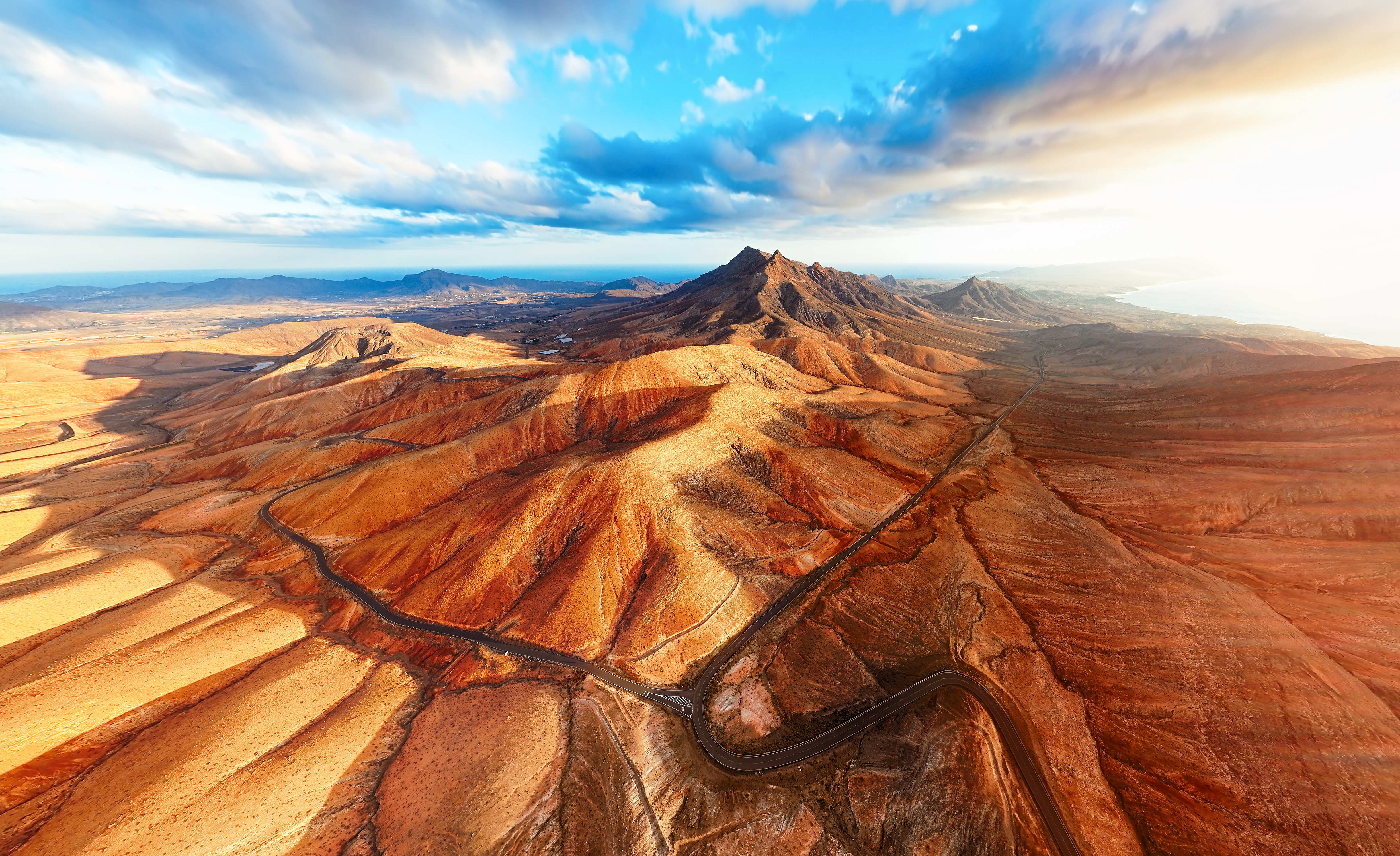
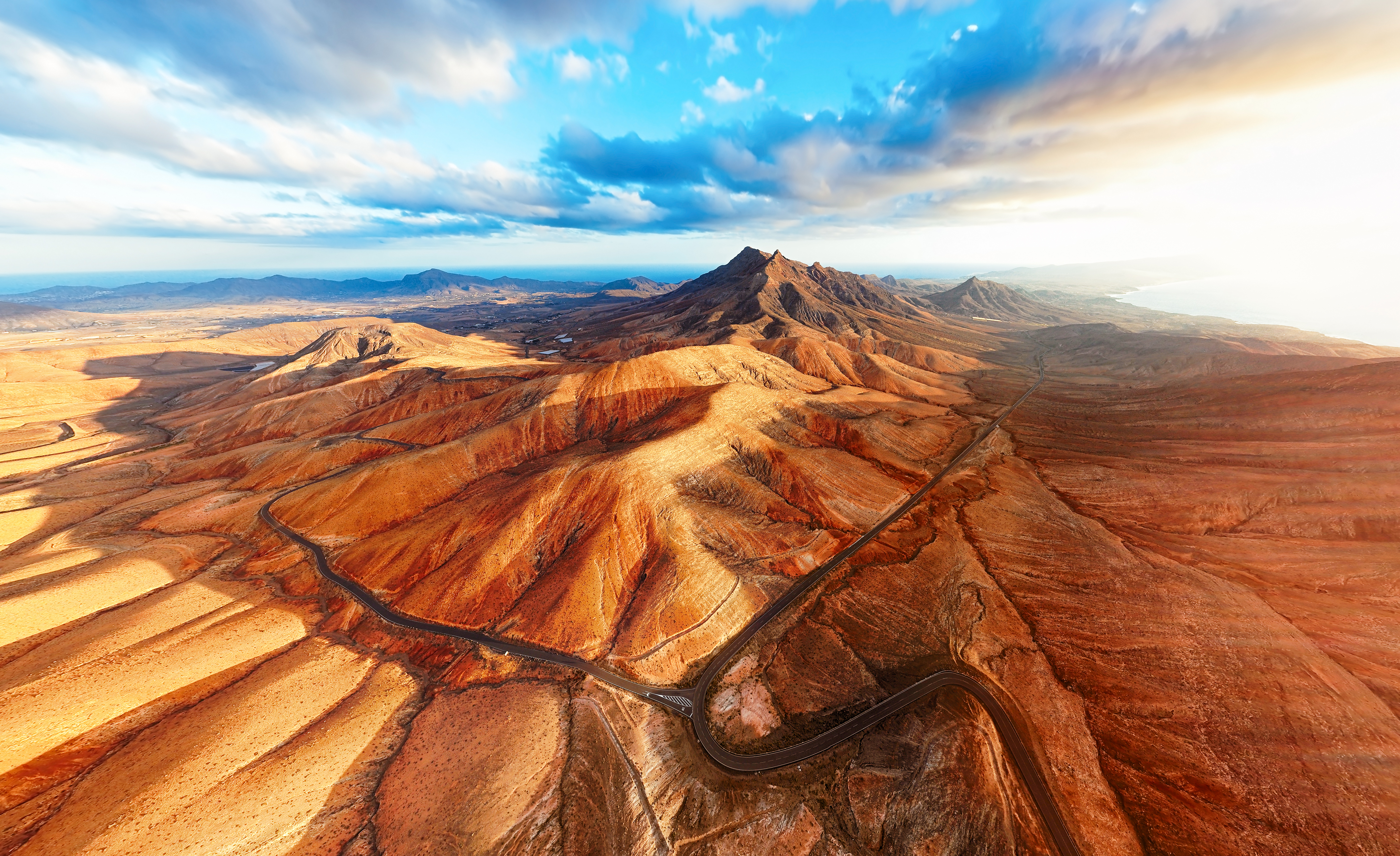
In my opinion, 3 days in Fuerteventura is more than enough time to enjoy what is considered the jewel of the Canary Islands archipelago, where you will experience an absolute contrast of desert landscapes, endless dunes, and completely pristine beaches.
However, to make the most of every minute, you need an itinerary with the most essential places to visit in Fuerteventura, organised keeping in mind that you will only be on the island for 72 hours.
Declared a Biosphere Reserve, Fuerteventura stands out for its extraordinary natural wealth, where volcanoes, turquoise water beaches, and towns with a distinct historical charm coexist. In this guide, I tell you what to see in Fuerteventura in 3 days so that you can make the most of your trip.
If you want to discover Fuerteventura in three days, I have prepared a route that groups the main points of interest from north to south, reducing unnecessary travel as much as possible so that you can focus only on what is really important
,regionOfInterest=(500,500))
,regionOfInterest=(500,500))
All-terrain writer specialising in tourism, fashion and trends. A curious soul, traveller, reader and sports enthusiast, keen to discover every corner of the world.
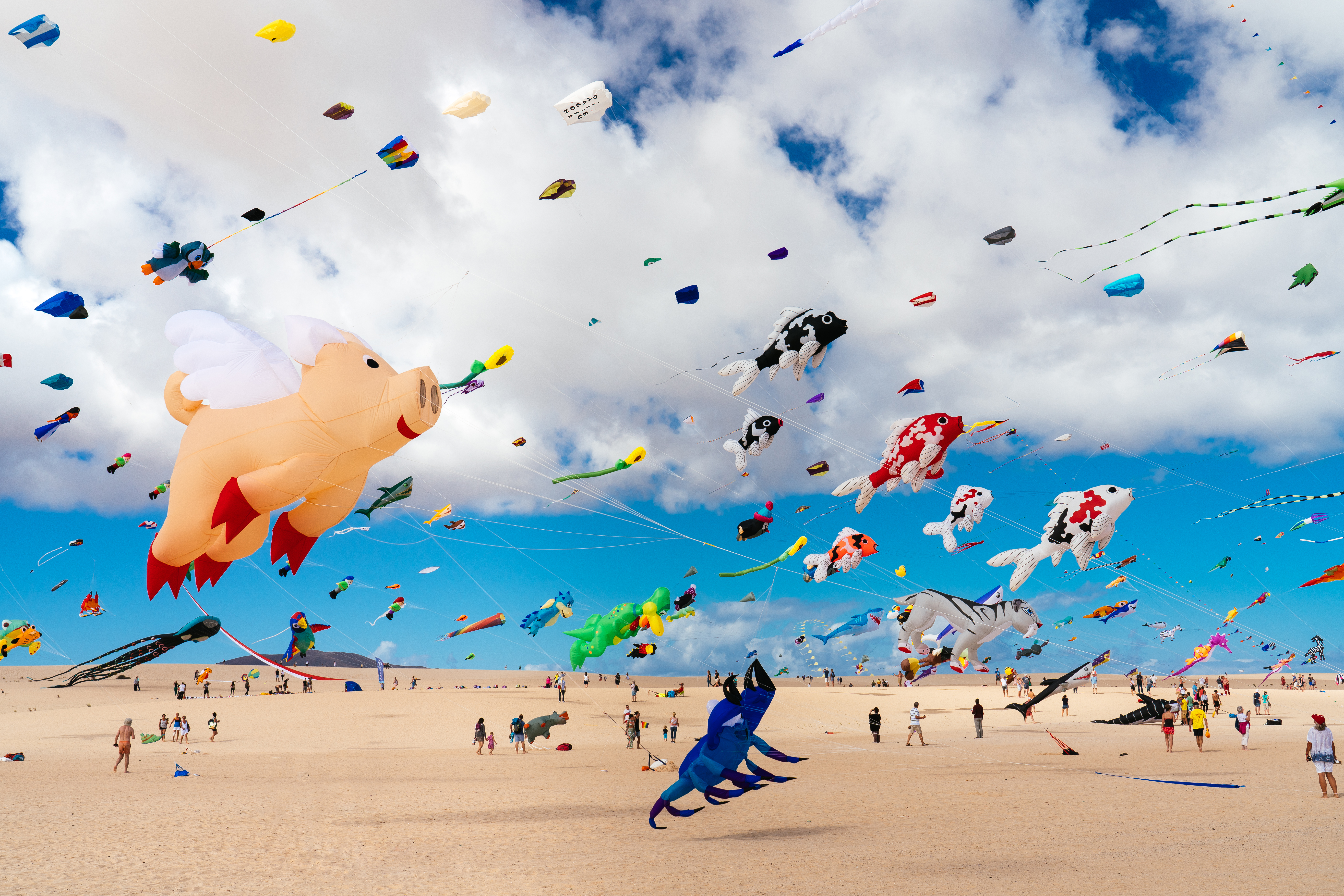,regionOfInterest=(3976,2652))
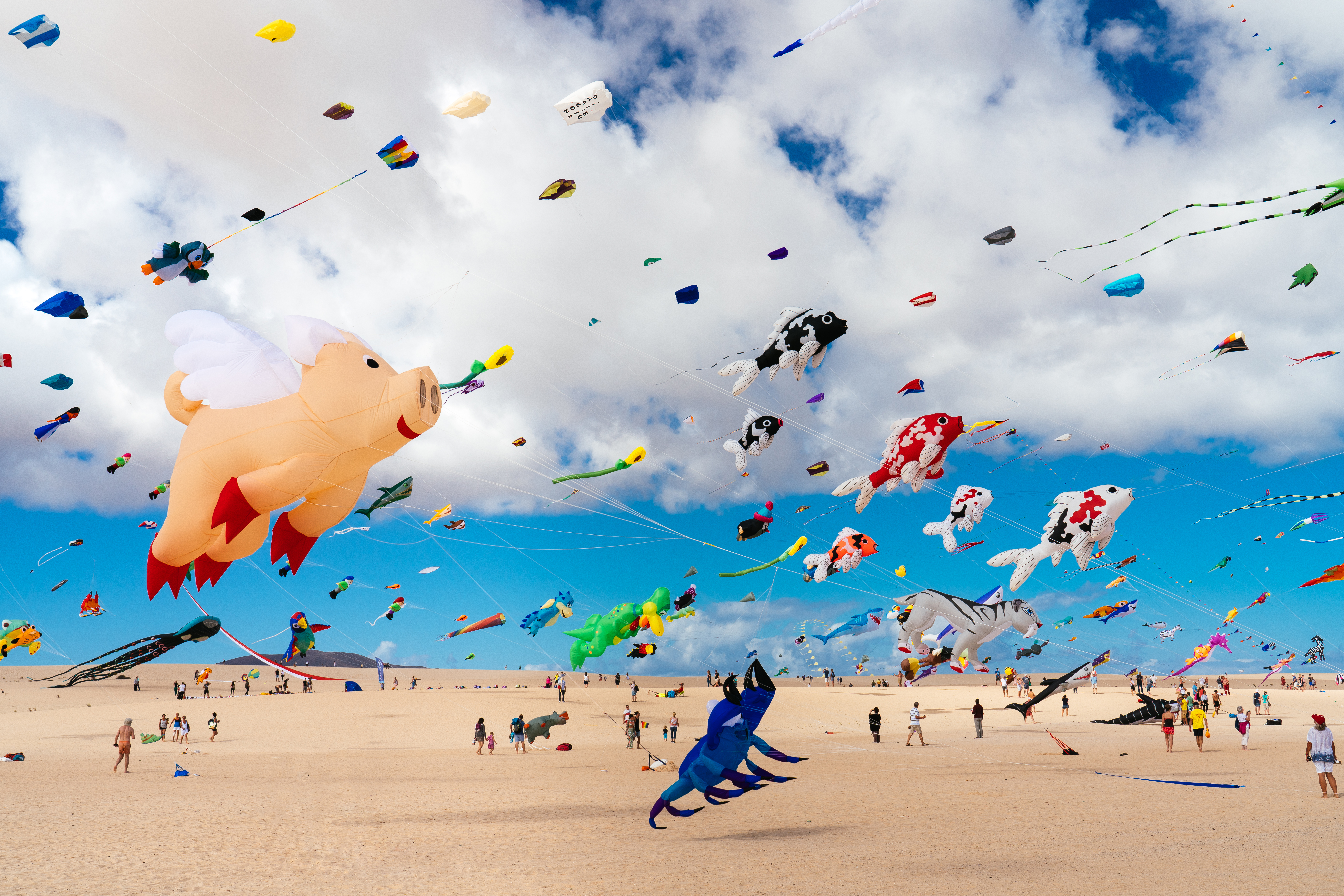,regionOfInterest=(3976,2652))
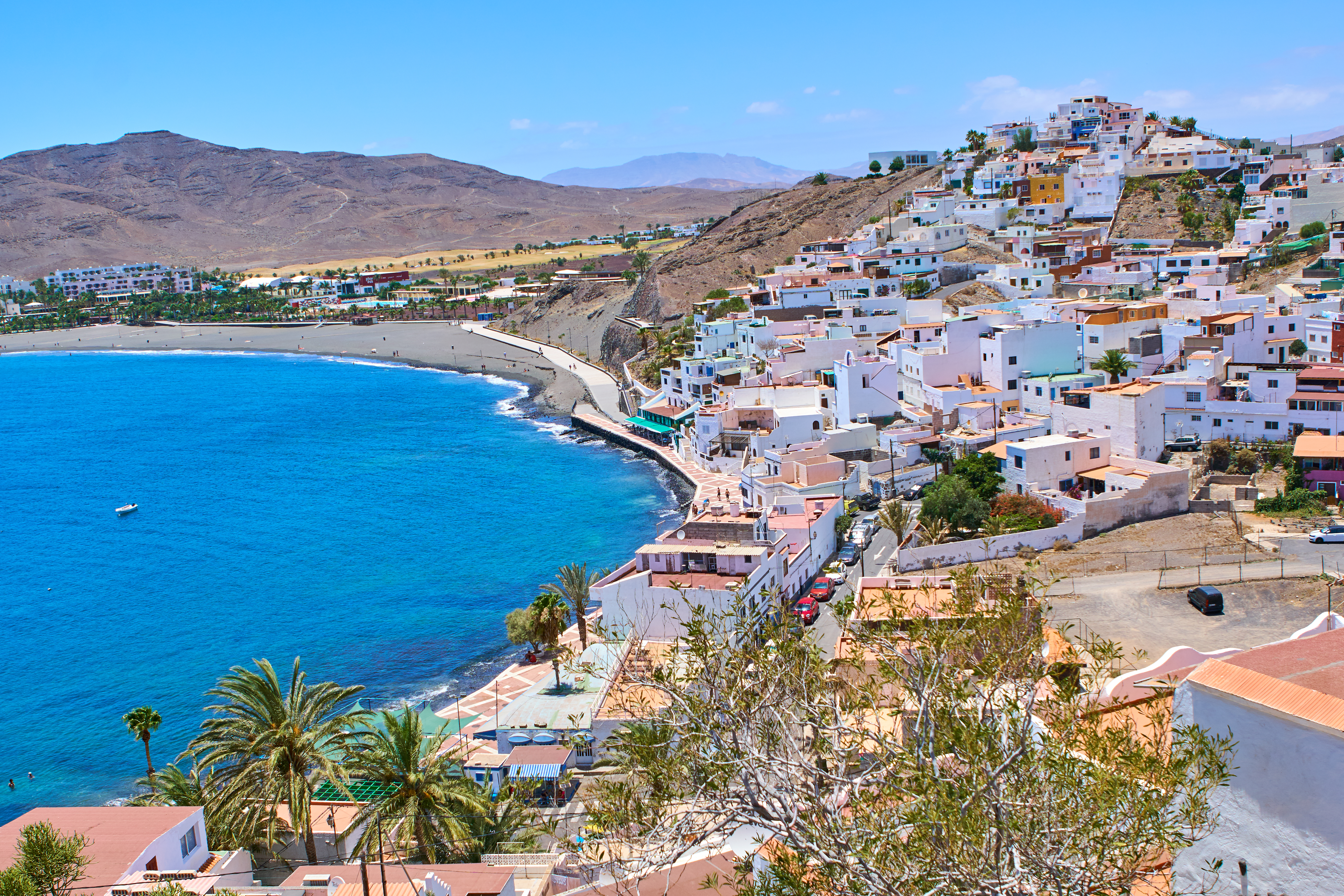,regionOfInterest=(2897,1931))
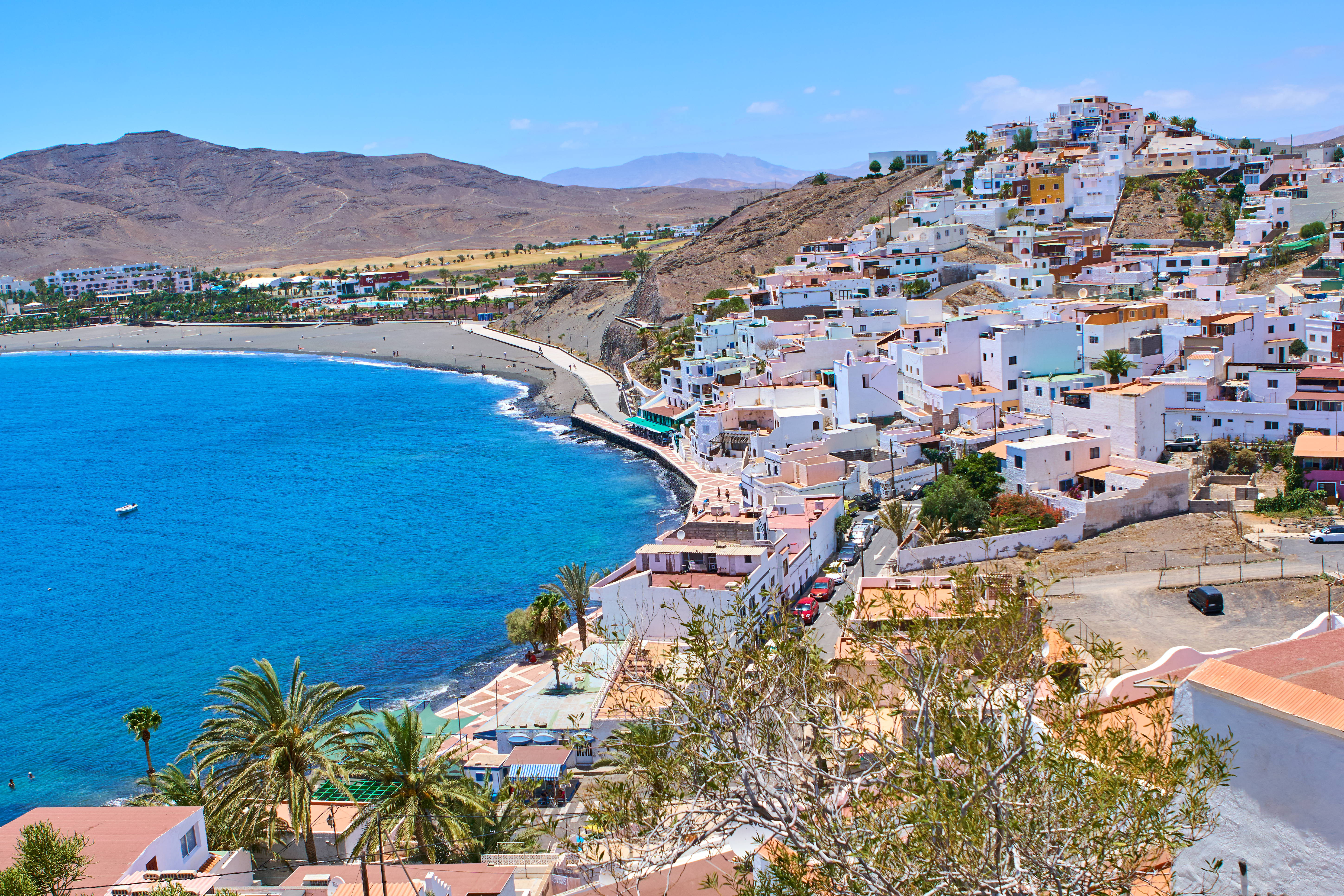,regionOfInterest=(2897,1931))
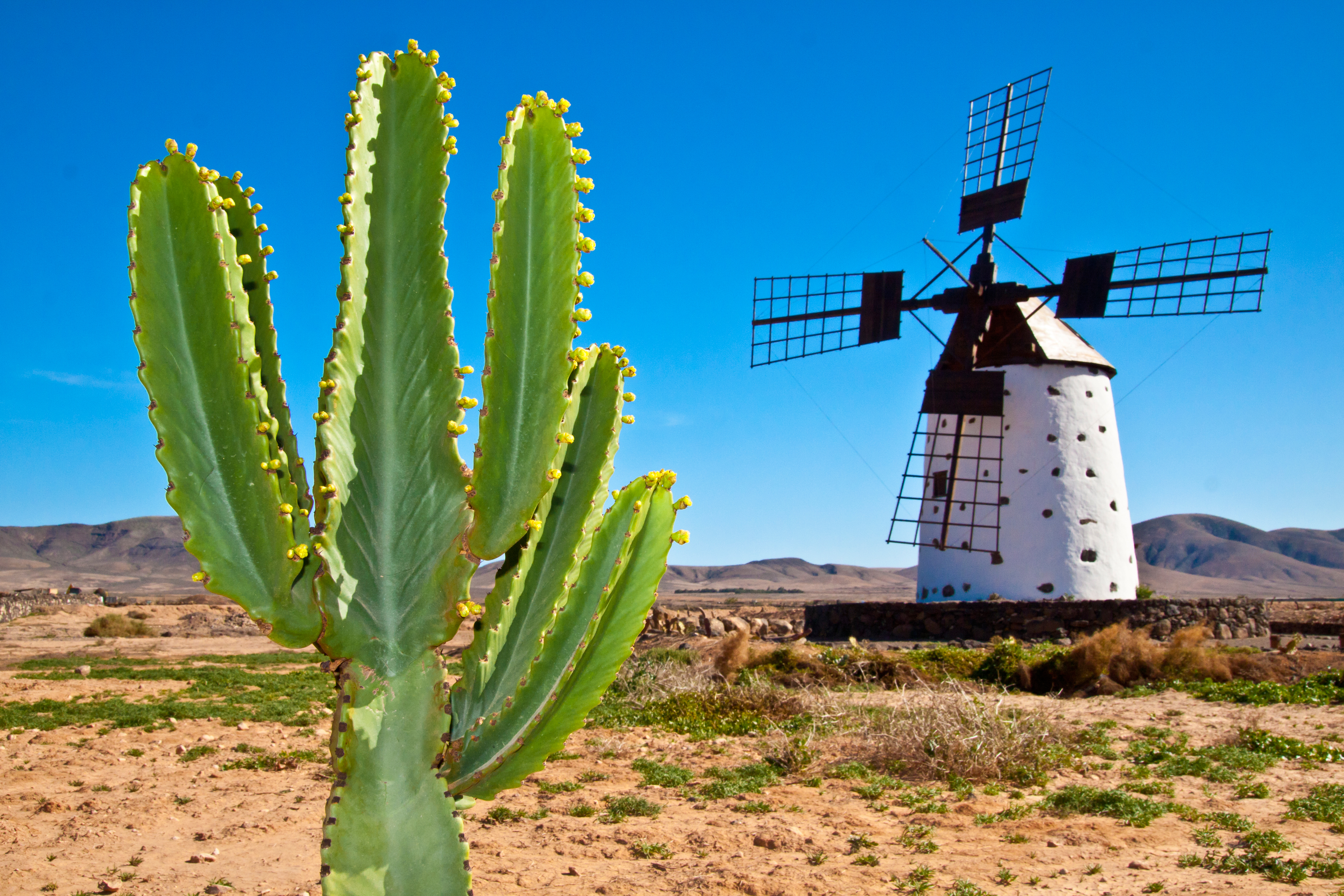,regionOfInterest=(2376,1584))
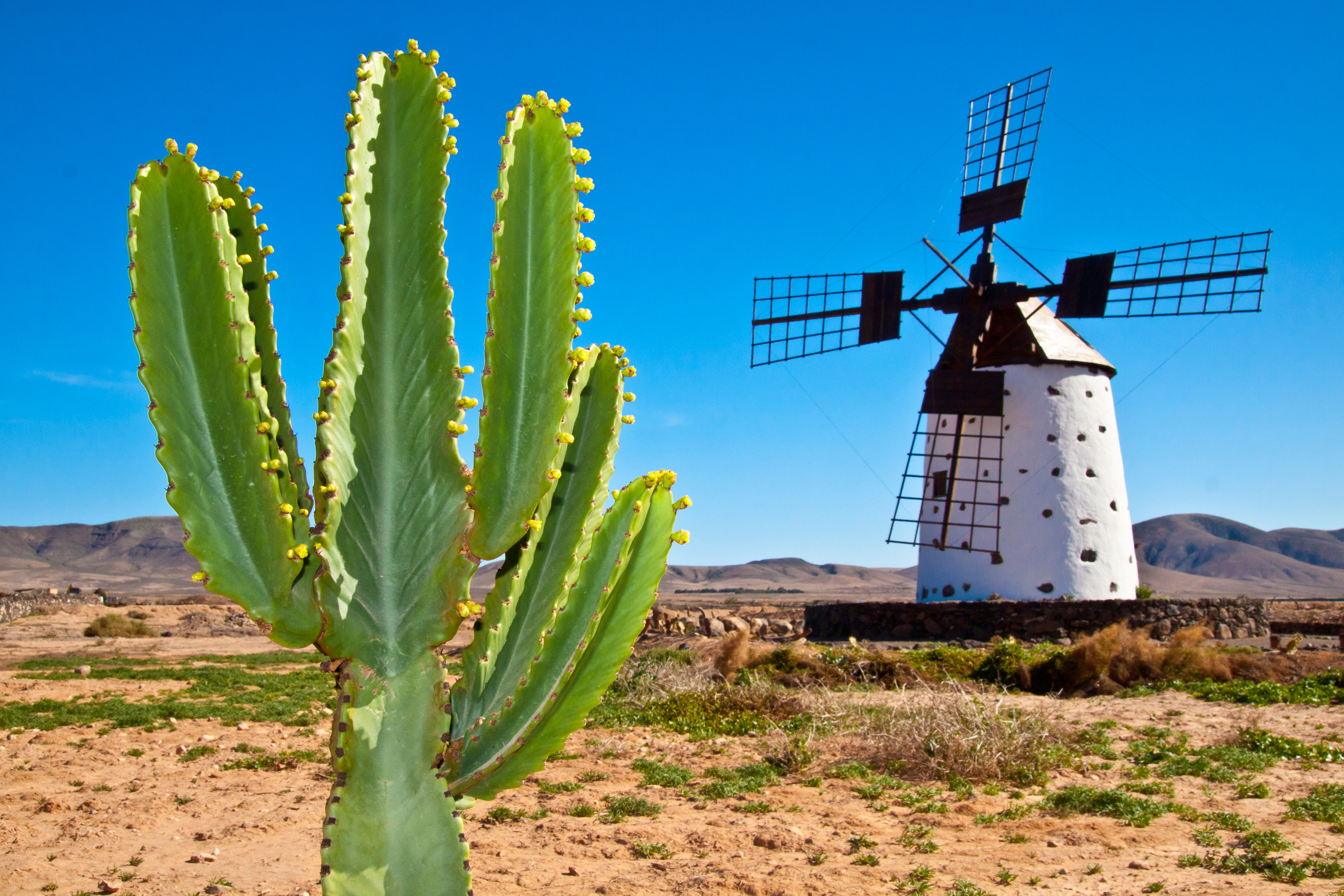,regionOfInterest=(2376,1584))
| DAY | ROUTE FOCUS | MAIN AREAS |
|---|---|---|
| Day 1 | Endless dunes, fishing villages, and pristine islands | Corralejo, El Cotillo, and Isla de Lobos |
| Day 2 | The heart of the island: volcanoes, viewpoints, and history | Betancuria, Ajuy, and Mirador de Guise y Ayose |
| Day 3 | Dream beaches and wild horizons of the south | Jandía Peninsula, Cofete, and Sotavento |
To begin this Fuerteventura in 3 days itinerary, I recommend focusing on the northern tip of the island, an area characterised by spectacular contrasts of fine sand, dark rock cliffs, and natural lagoons.
Parque Natural de las Dunas de Corralejo
The Parque Natural de las Dunas de Corralejo is a white sand desert next to the ocean that stretches for several kilometres, offering a landscape of endless undulations that end in waters of a spectacular turquoise colour.
This Parque Natural is one of the first essential stops on any Fuerteventura in 3 days route. I am convinced that walking barefoot on its sand and contemplating the contrast between the dunes and the ocean will be one of the most memorable experiences of the trip. My advice is to get lost among the dunes first thing in the morning to enjoy absolute peace and unparalleled views.
From the dunes car park, you can reach the port of Corralejo in just 8 minutes by car to embark towards your next stop.
Boat trip to Isla de Lobos
Very close to the north coast, Isla de Lobos is a completely pristine and protected volcanic islet. To get there, you can take a water taxi from the port of Corralejo. For me, it is one of the best activities in this Fuerteventura in 3 days tourist guide.
A natural space of just a few square kilometres, here you can bathe in the calm and transparent waters of the La Concha beach or walk around the Puertito de Lobos. It is one of the best places to connect with the wildest side of the Canary Islands and go snorkelling surrounded by marine biodiversity.
When returning by boat to the port of Corralejo, take the FV-109 road west to reach the western side in 20 minutes by car.
El Cotillo and Playa de la Concha
One of the most charming towns that cannot be missed when touring Fuerteventura in 3 days, El Cotillo has a distinct fishing character, with houses painted white and blue and narrow streets that look directly out to the ocean.
A few minutes from its town centre is the Playa de la Concha, a beautiful beach sheltered by a natural horseshoe-shaped reef that stops the Atlantic swell, creating a natural pool of crystal-clear water that is ideal for relaxing and sunbathing without having to worry about currents.
To head towards the most spectacular cliffs in the area, you only need to drive about 10 minutes south along accessible dirt tracks.
Los Charcos and El Tostón
Continuing along the northern coast of El Cotillo, you will reach the area of the El Tostón lighthouse, an iconic red and white striped construction that watches over the maritime passage between islands.
In its vicinity are Los Charcos, a series of small white sand coves formed by natural black lava dykes into which the water enters gently. A landscape of spectacular contrasts that shows the volcanic origin of Fuerteventura in all its splendour.
From this coastal area, you can return to the centre of Fuerteventura by road in about 35 minutes by car.
Sunset and dinner at the El Cotillo pier
For me, the best plan to end this first day is to have dinner at one of the restaurants on the old pier of El Cotillo, where you can watch one of the most famous and colourful sunsets in the Canary Islands while tasting typical dishes such as papas arrugadas with mojo sauce and fresh fish.
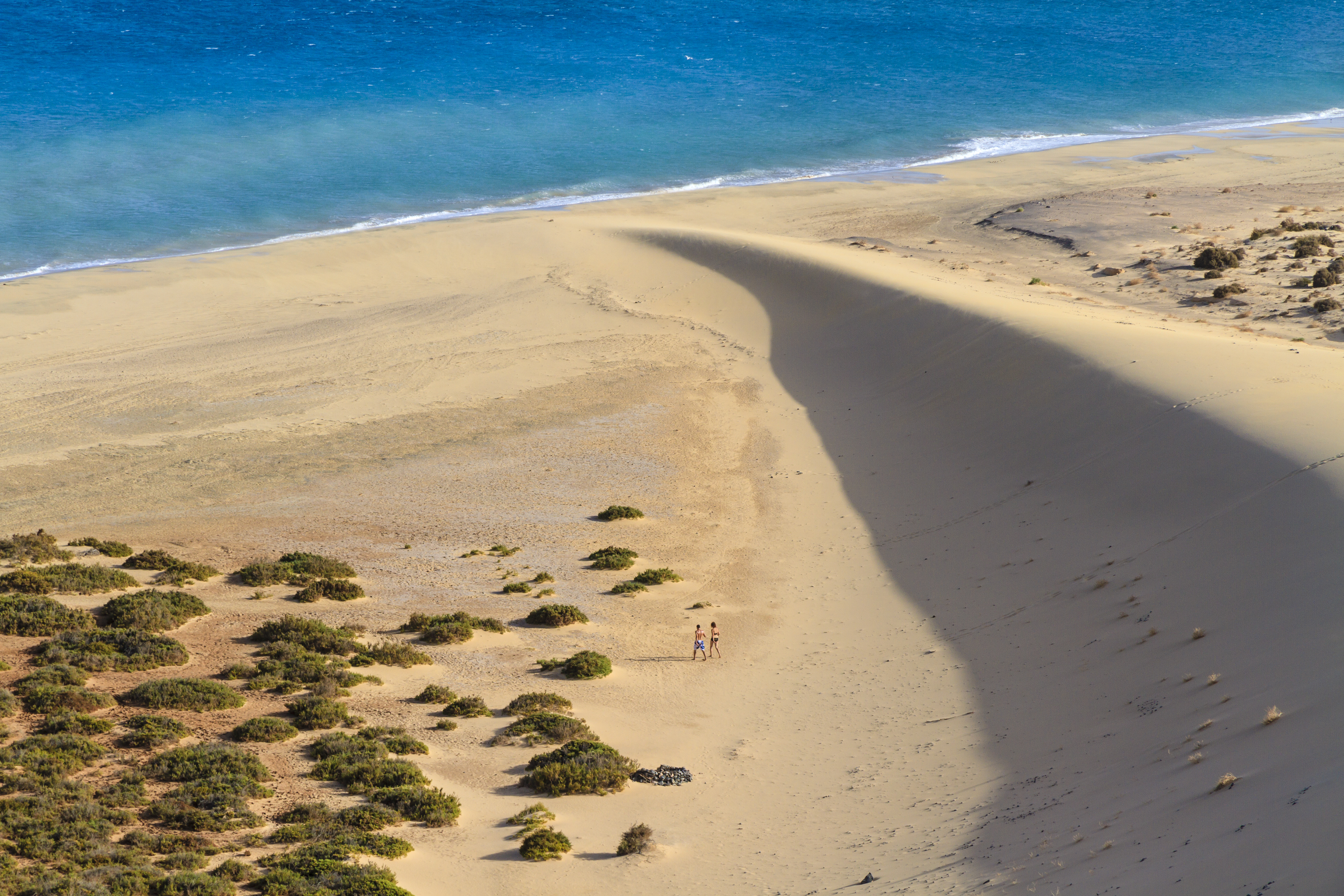,regionOfInterest=(2400,1600))
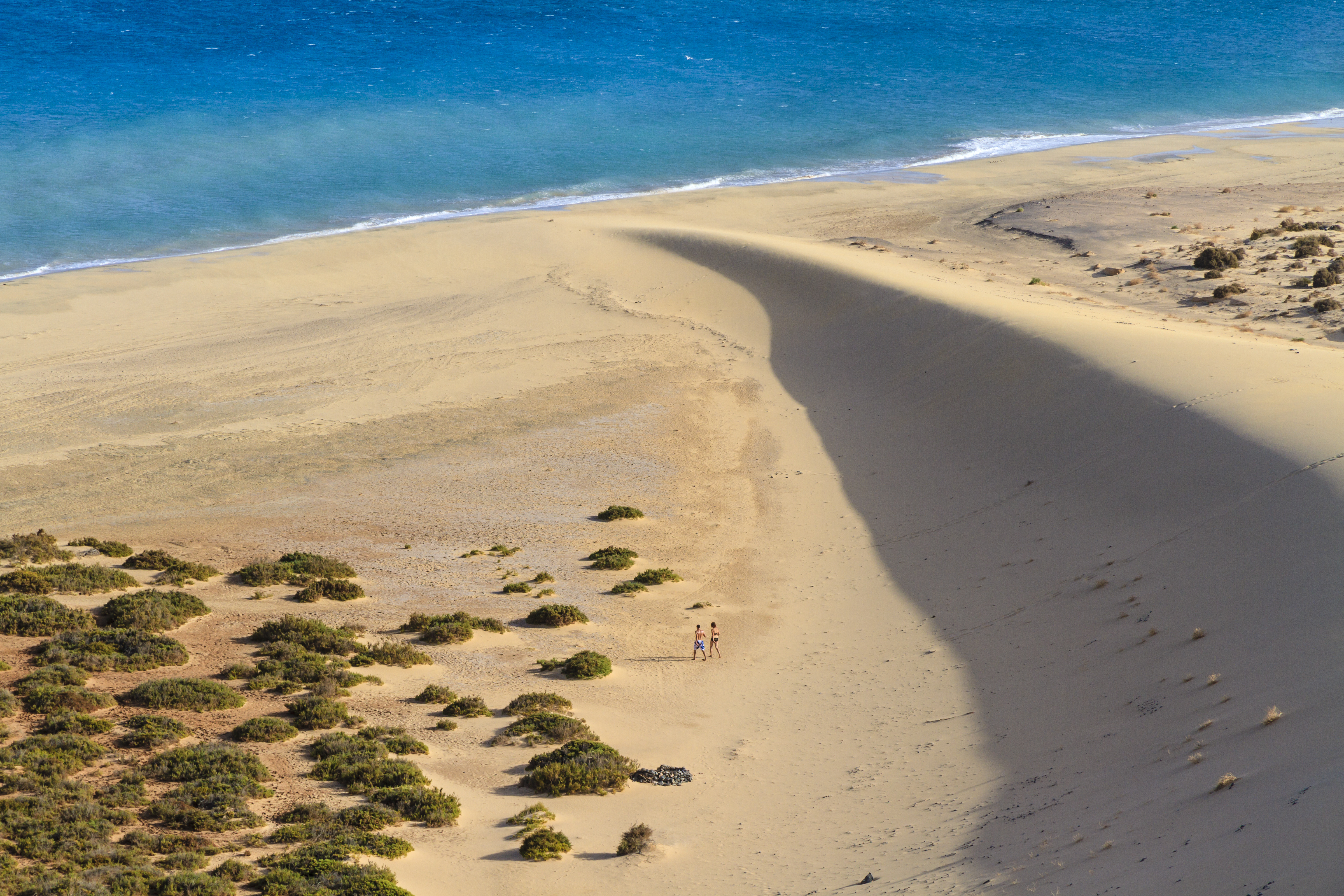,regionOfInterest=(2400,1600))
The second day of this itinerary takes you to the interior of the island.
A day designed to discover the ancient volcanic massifs, get to know the first capital of Fuerteventura, and contemplate the power of the cliffs on the west coast.
Betancuria
Located at the bottom of a valley sheltered from the winds, the beautiful and historic town of Betancuria is one of the greatest attractions of Fuerteventura.
It was the first capital of both Fuerteventura and the Canary Islands. It was founded in 1404 by the Norman conqueror Jean de Béthencourt, becoming the first stable European settlement in the entire archipelago and housing the first government and religious bodies. This dual capital status was a direct consequence of the order of the conquest. In the 15th century, the archipelago lacked political unity, so Betancuria acted as the epicentre from which the colonisers administered both the local territory of Fuerteventura and the new lands that were being annexed in the rest of the islands, naturally becoming the only government and ecclesiastical seat with jurisdiction over the entire Canary Islands.
It stands out for its excellent state of conservation, its cobbled streets full of flowers, and its beautiful Church of Santa María, famous for combining Gothic and Mudéjar details.
Walking through Betancuria will allow you to discover the quietest and most traditional side of the islanders, leaving aside the usual winds of the coast.
Leaving Betancuria via the winding FV-30 road towards the north, you will reach the next panoramic viewpoint in just 10 minutes by car.
Mirador de Guise y Ayose
At the top of the mountain pass stands the Mirador de Guise y Ayose, a spectacular viewpoint presided over by two huge bronze statues almost 4 metres high that represent the ancient aboriginal kings of the island (Guise and Ayose) who ruled the island before the Castilian conquest.
The views from here are simply spectacular, covering an immense perspective of the desert plains of the north and the volcanic formations of the interior moulded by erosion over millions of years.
To continue the route towards the west coast, descend again via the FV-30 on a beautiful drive of about 20 minutes.
Cuevas de Ajuy and Playa Negra
On the west coast are the famous Cuevas de Ajuy, a natural monument of incalculable geological value, as they are formed by the oldest rocks in the entire Canary archipelago, predating even the formation of the island itself. The path runs along the edge of the fossilised stone cliff and will take you into the interior of sea caves where the sea roars with force.
Right at the beginning of the path, you can step on the spectacular Playa de Ajuy, a stretch of black volcanic sand that contrasts with the white foam of the ocean. Prepare your camera because you won't be able to avoid taking a photo.
To leave the west coast and return to the eastern flatlands, drive along the FV-605 for about 15 minutes.
Mirador de Sicasumbre
To end the afternoon, I encourage you to go up to the Sicasumbre astronomical viewpoint, a space specially designed for lovers of contemplating the firmament and one of the best places to visit in Fuerteventura in three days.
Located at an altitude of about 300 metres, it offers explanatory panels of the constellations and a mountainous landscape that looks like it was taken from the planet Mars, silhouetted against the infinite blue sky.
The road connection to the residential areas in the south of the island is direct in about 25 minutes by car.
Dinner and walk through Gran Tarajal
In the municipality of Tuineje, Gran Tarajal is a coastal town in the east that retains a local atmosphere away from the tourist masses. Walking along its promenade, contemplating the large murals that decorate the facades, and sitting down to have dinner in its restaurants serving Canarian cuisine will allow you to enjoy a very authentic plan.
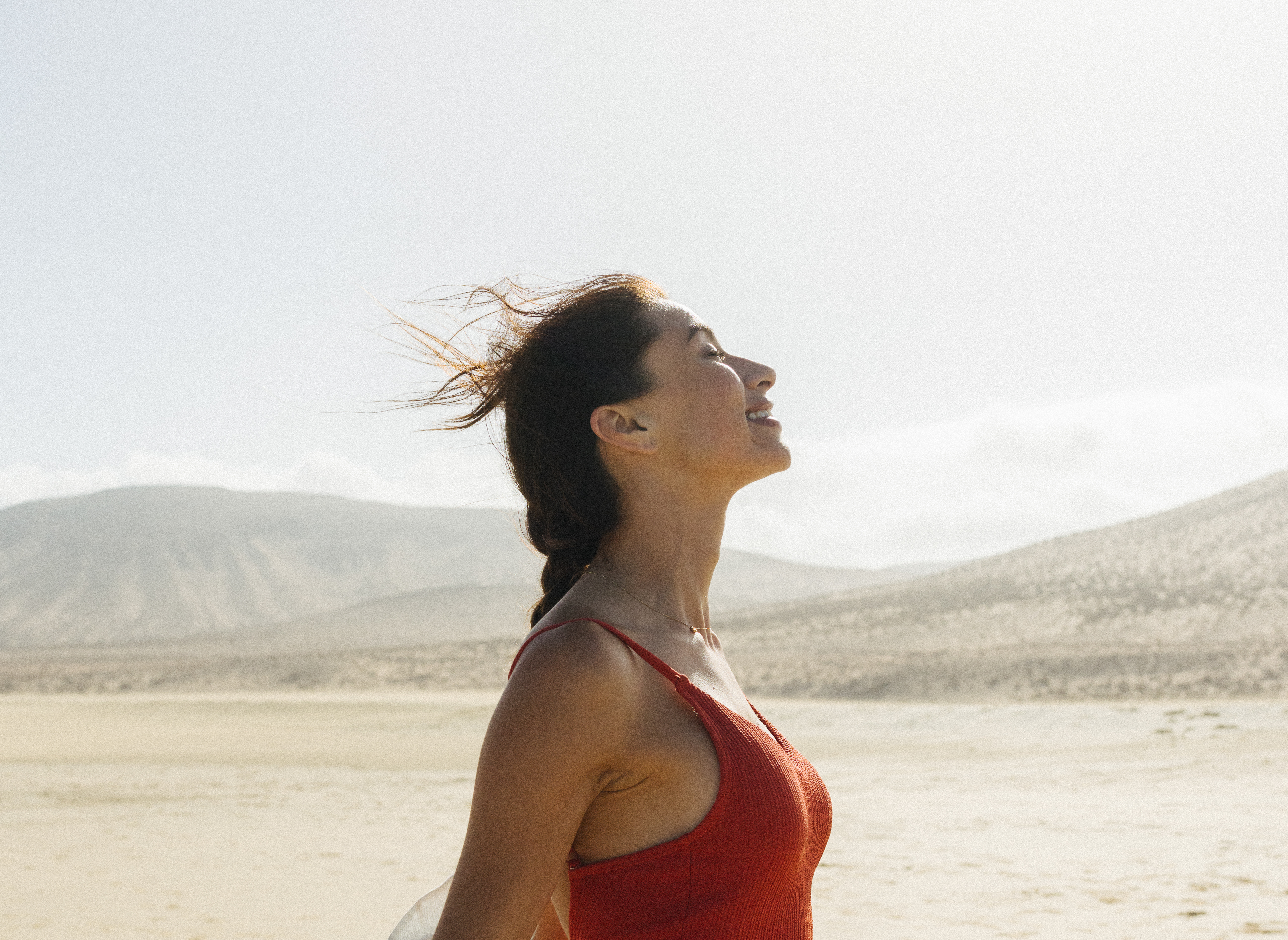,regionOfInterest=(2556,1864.5))
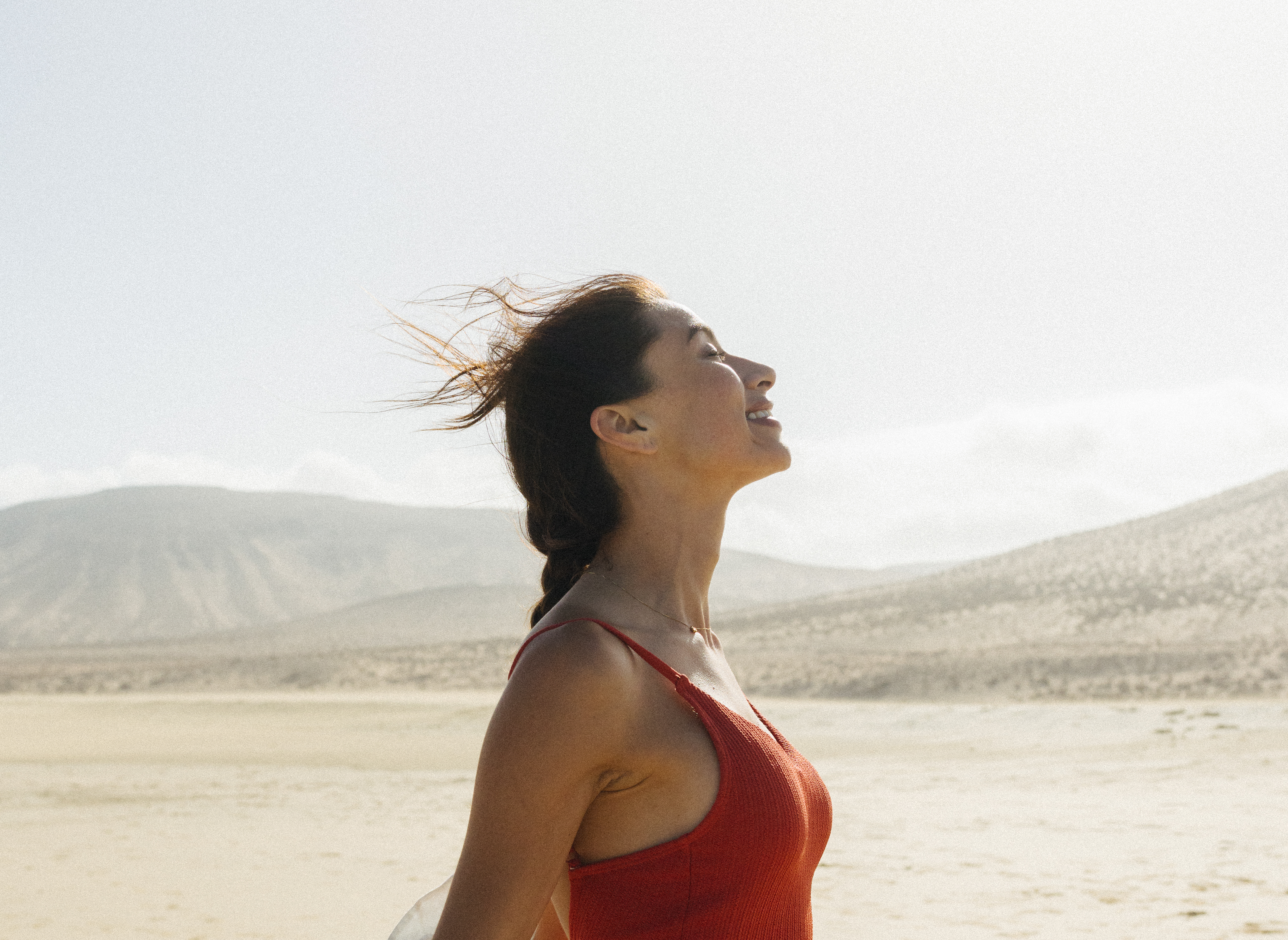,regionOfInterest=(2556,1864.5))
The last stage of this three-day tour in Fuerteventura takes you to the Jandía Peninsula, on the southern tip of the island. A day to enjoy the most natural sandy areas, endless lagoons, and cinematic landscapes.
Playa de Sotavento
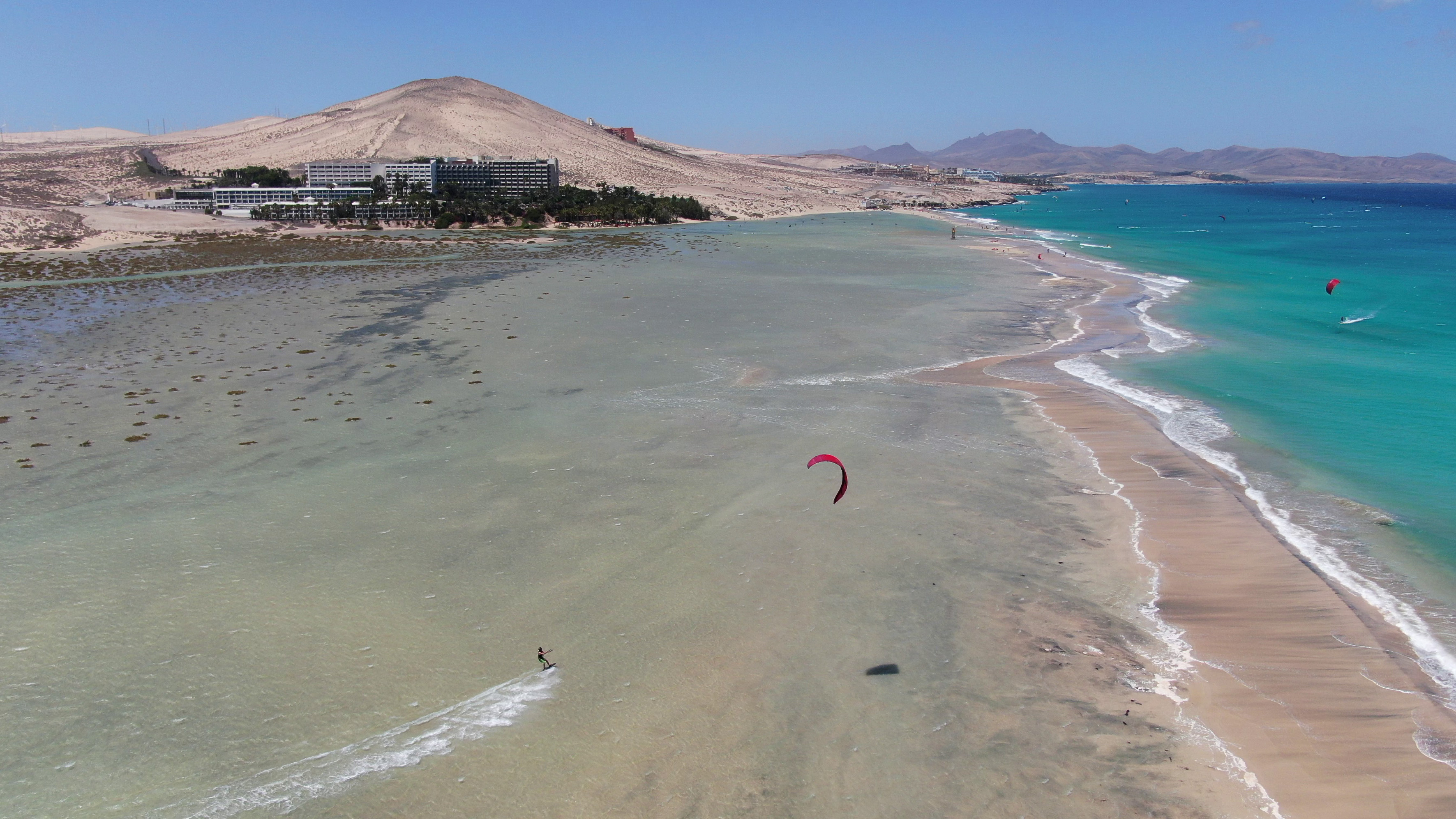
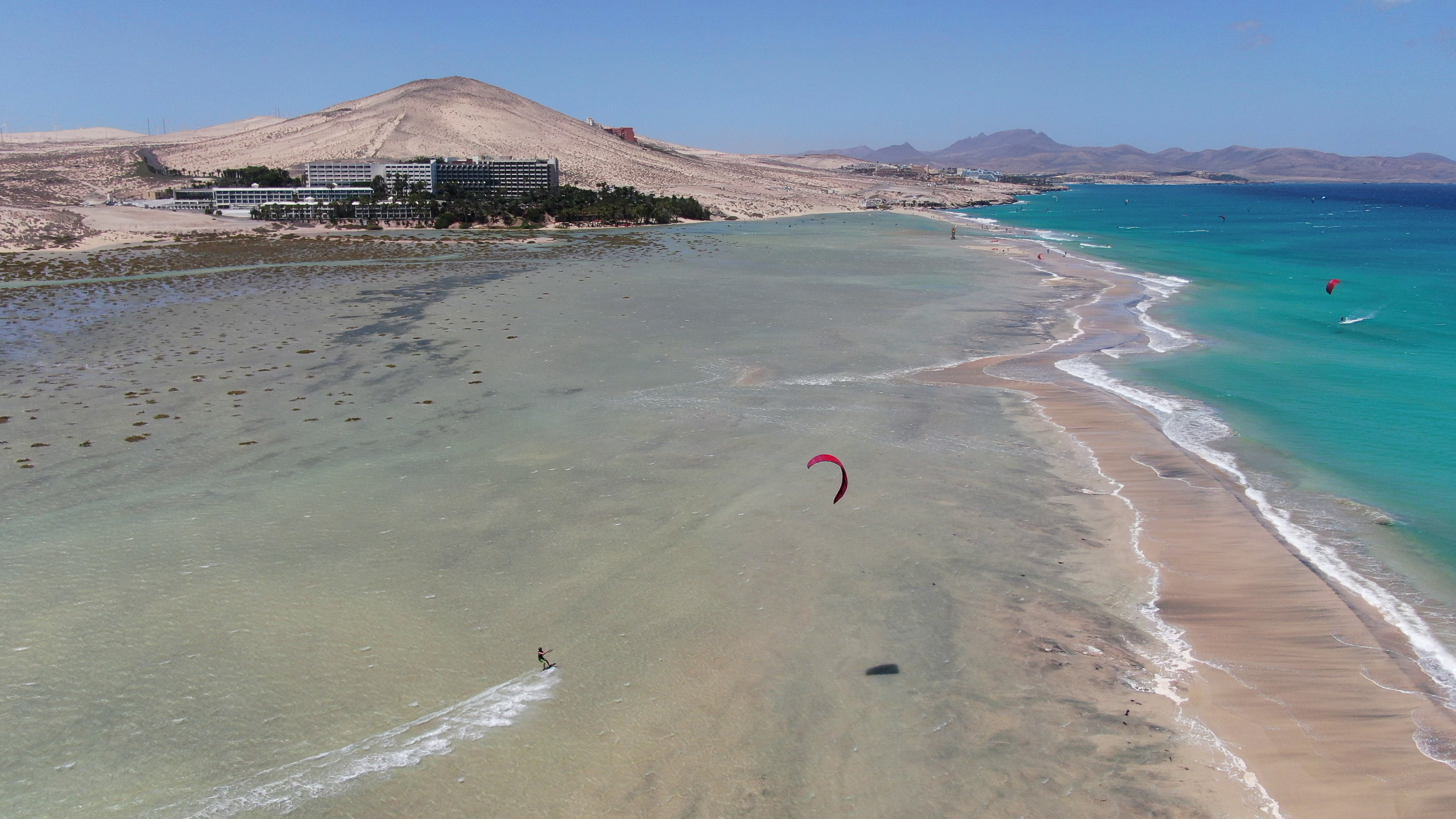
One of the places in Fuerteventura with the greatest international reputation, Playa de Sotavento is an immense stretch of sand famous for the formation of a huge natural lagoon of calm, shallow water that is created between the shore and an outer sandbar with the rising tide.
It is the perfect place to walk with the water up to your ankles or to try sports such as windsurfing or kitesurfing. An image of turquoise tones worthy of the Caribbean that you will always remember.
To enter the most authentic side of the Jandía peninsula, take the Cofete dirt track from Morro Jable on a slow but spectacular drive of about 45 minutes.
Playa de Cofete
With more than 12 kilometres in length, Cofete is flanked by the mountains of the Jandía massif, which are frequently crowned by low clouds.
Walking along this infinite beach listening to the sound of the Atlantic waves will give you an unparalleled feeling of freedom and communion with nature.
Here I also recommend you approach the Villa Winter, a construction surrounded by numerous legends related to the Second World War, although they have never been historically proven.
Make the same journey back along the dirt track towards the southern tip of the peninsula in about 40 minutes by car.
Morro Jable and Jandía Lighthouse
The town of Morro Jable exceptionally combines an old and picturesque fishing centre with a modern commercial avenue full of services. Walking along the Playa del Matorral, presided over by the historic lighthouse that marks the entrance to the beach, the Morro Jable Lighthouse, will be an infallible plan to disconnect and relax in an environment of paradisiacal waters.
To make your last stop of the afternoon, drive just 15 minutes towards the town's maritime port.
Mirador de la Colina de Morro Jable
Finish by going up to the Mirador de la Colina, in the old town of Morro Jable, located at the top of the hill that crowns the fishing village. From here you will get incredible views of the entire length of the Matorral beach and the vastness of the ocean.
You can return on foot by going down its stone steps in just 5 minutes.
Farewell dinner in Morro Jable town
Say goodbye to this guide on what to visit in Fuerteventura in 3 days by having dinner on one of the terraces on the maritime avenue of the old town of Morro Jable. Savouring typical dishes of Canarian gastronomy such as roast goat, Majorero cheese with designation of origin, or a good fish of the day while listening to the waves will be the icing on the cake for your trip.
To follow this Fuerteventura in 3 days itinerary in the most comfortable way, here are three maps organised by day. Each one includes the stops on the route so you can plan your travel and make better use of your time during the trip.
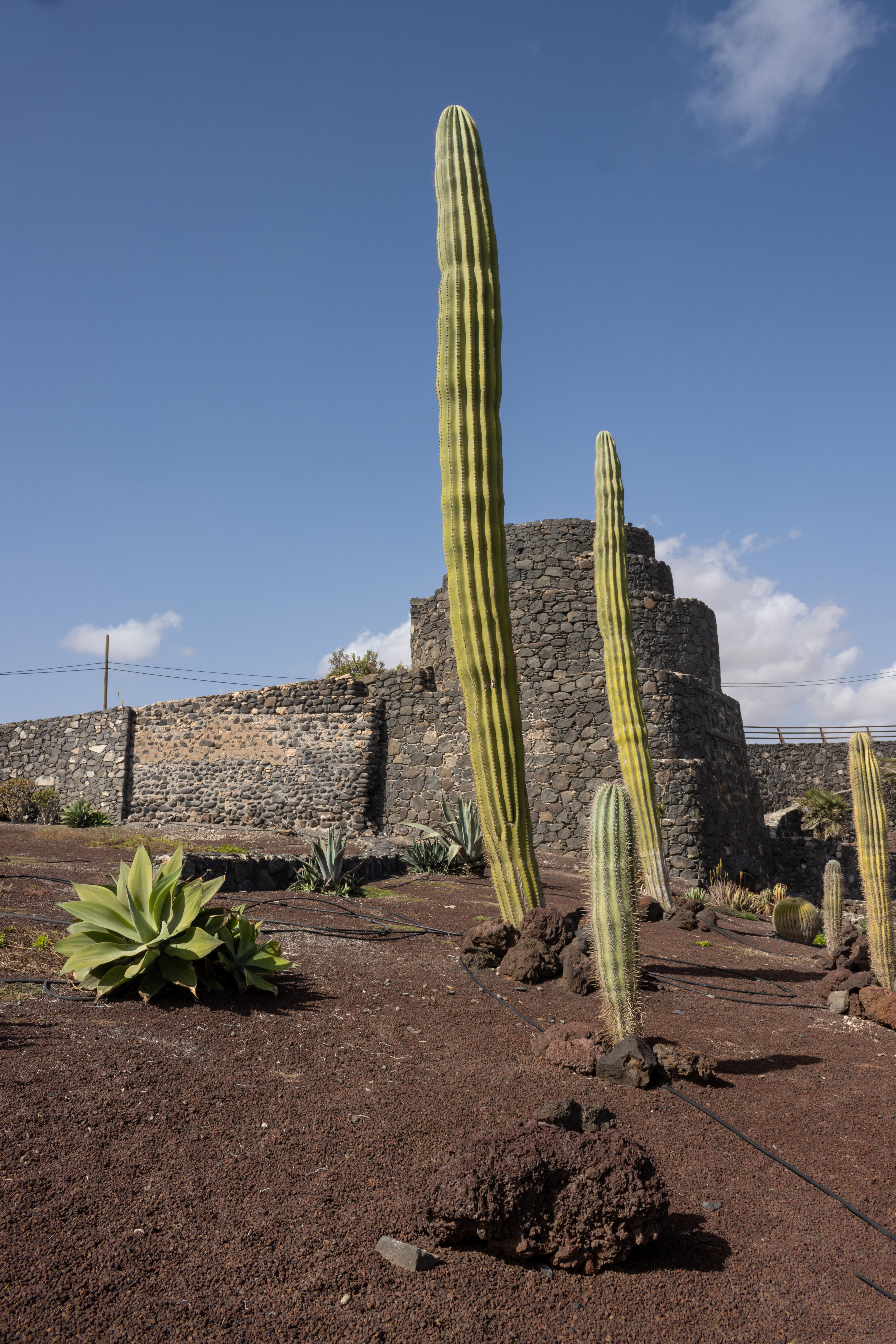,regionOfInterest=(2320,3480))
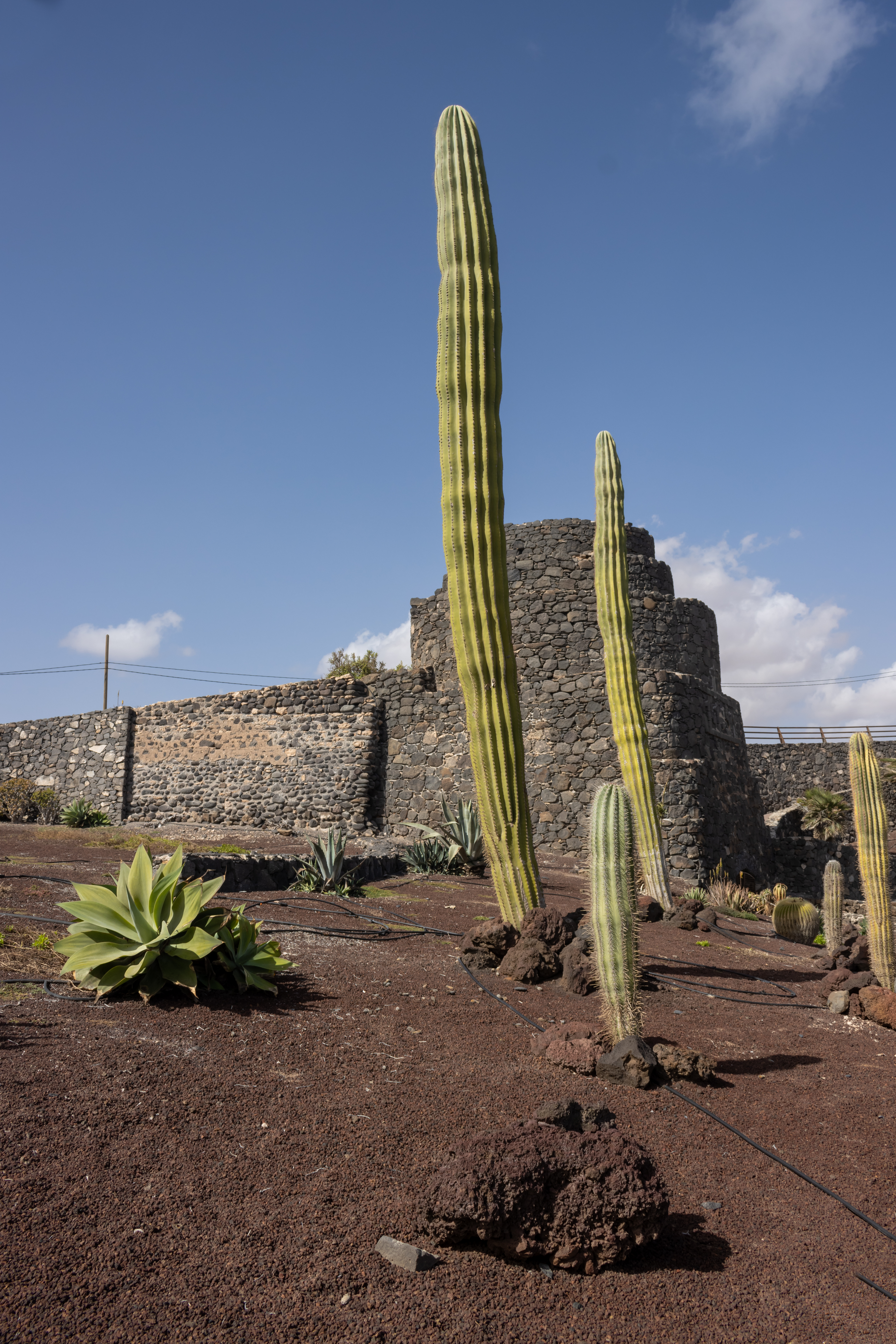,regionOfInterest=(2320,3480))
In my opinion, three days in Fuerteventura is the perfect amount of time to fall completely in love with the island and let yourself be seduced by its winds and light without ending up exhausted.
If you follow this itinerary, you will travel through some of the island's most representative landscapes: from the volcanoes and historic Betancuria to the vastness of Cofete, passing through the dunes of Corralejo and the island of Lobos.
You will leave Fuerteventura having seen its main attractions and also with a clear mind thanks to the infinite calm of its beaches. A small but incredibly beautiful destination that will always leave you wanting to return.
,regionOfInterest=(2400,1600))
,regionOfInterest=(2400,1600))
,regionOfInterest=(2500,1667))
,regionOfInterest=(2500,1667))
,regionOfInterest=(1376,768))
,regionOfInterest=(1376,768))
,regionOfInterest=(632,423))
,regionOfInterest=(632,423))
,regionOfInterest=(2944,1656))
,regionOfInterest=(2944,1656))
,regionOfInterest=(1750,1575))
,regionOfInterest=(1750,1575))