Best souvenirs to buy in Chiang Mai 2026: what to bring home
,regionOfInterest=(1264,842))
,regionOfInterest=(1264,842))
Culture
,regionOfInterest=(2897,1931))
,regionOfInterest=(2897,1931))
,regionOfInterest=(1771.5,997))
,regionOfInterest=(1771.5,997))
Holidays
,regionOfInterest=(500,500))
,regionOfInterest=(500,500))
All-terrain writer specialising in tourism, fashion and trends. A curious soul, traveller, reader and sports enthusiast, keen to discover every corner of the world.
In this guide I am going to tell you what to see in Fuerteventura, a destination that invites you to slow down from the very first moment. And I can tell you that you will appreciate and enjoy it much more if you explore it without rushing.
One of the most special places in the Canary Islands archipelago, its endless beaches, volcanic landscapes, small white villages and the power of the ocean make the island an essential destination for any lover of nature and disconnection. Here every corner has its own personality and an incomparable authenticity.
I have prepared this Fuerteventura tourist guide so that you don't just stay on its beaches. In it you will find monuments, natural spaces, charming villages and different experiences that will help you connect with the true majorera essence and enjoy the island to the fullest.
,regionOfInterest=(2150,1434))
,regionOfInterest=(2150,1434))
,regionOfInterest=(2150,1209.5))
,regionOfInterest=(2150,1209.5))
,regionOfInterest=(2458.5,1504))
,regionOfInterest=(2458.5,1504))
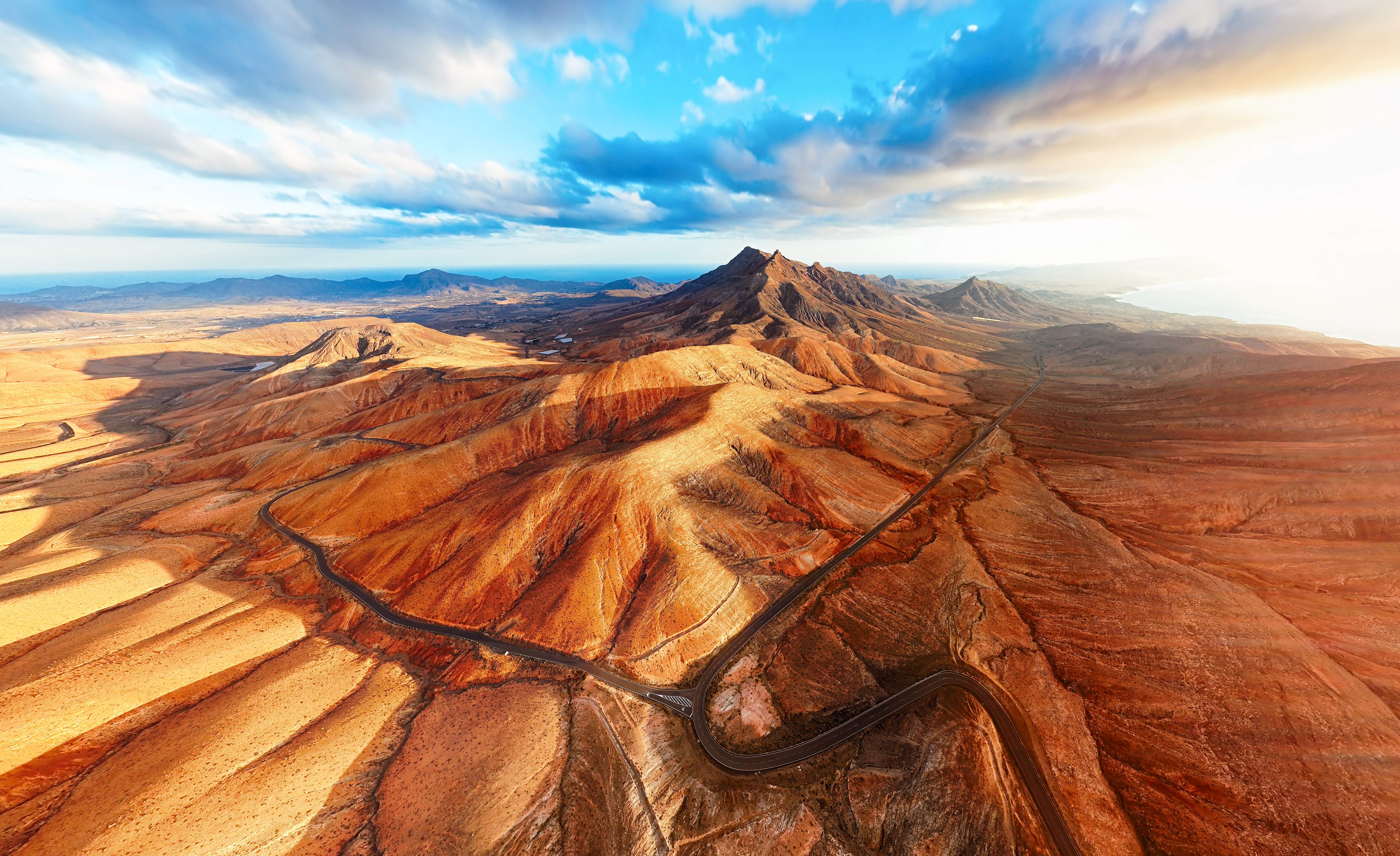
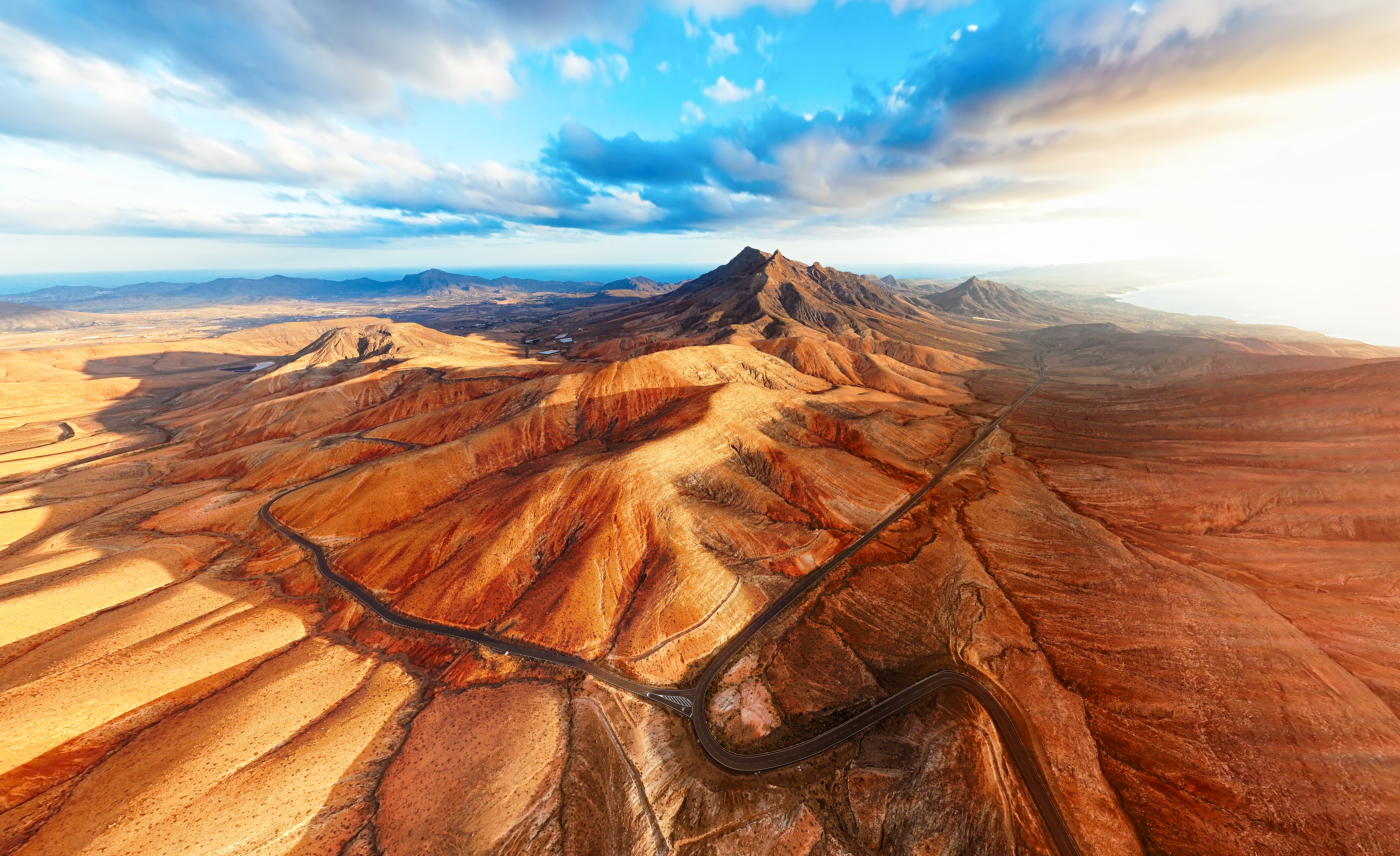
There are so many things to do in Fuerteventura that, for me, the key is to explore the island by car. The distances are relatively short and there is an excellent network of roads that lead to incredible landscapes, passing from huge dunes to volcanic mountains, traditional villages or practically unspoilt beaches in a few minutes.
Most travellers choose to start by visiting the Corralejo Natural Park, an impressive desert of fine, golden sand that ends directly on the shore of the Atlantic, offering one of the most spectacular landscapes in the Canary Islands. Let yourself be carried away by the road that crosses this area while you contemplate the silhouette of the islet of Lobos on the horizon, another of the great attractions of the north of Fuerteventura.
And when you ask yourself what to do in Fuerteventura, you will quickly find that the island offers much more than beaches and sun. This destination invites you to tour charming villages like Betancuria, discover old windmills, walk along volcanic trails or contemplate impressive cliffs like those of Ajuy, among many other things.
Whether you are travelling as a couple, with family or with friends, and regardless of whether you are going to stay for two days or a week, the list of plans to do in Fuerteventura is almost endless and adapts to all types of travellers. There will always be a new corner, a different beach or an experience with which to continue discovering the island.
The Iglesia de Santa María de Betancuria is one of the most essential monuments to visit in Fuerteventura. Located in the heart of Betancuria, a small village that was the first capital of Fuerteventura and the Canary Islands simultaneously, this historic temple shows much of the island's history, being one of its most representative religious buildings.
Its simple colonial architecture, perfectly integrated into the surroundings, is a testament to the first European settlements and the pirate attacks suffered by the archipelago. In addition, the quiet atmosphere that surrounds the square makes it a 100% recommended stop during any tour of the interior of Fuerteventura.
The Faro de La Entallada is one of the most spectacular and emblematic architectural jewels to see on the island of Fuerteventura. Built on an impressive cliff more than 180 metres high, it offers simply incredible panoramic views of the Atlantic Ocean.
In addition, it is located in one of the points of the Canary archipelago closest to the African continent and offers a spectacular Neo-Mudéjar style viewpoint from where you can enjoy impressive views over the Cuchillos de Vigán Natural Monument.
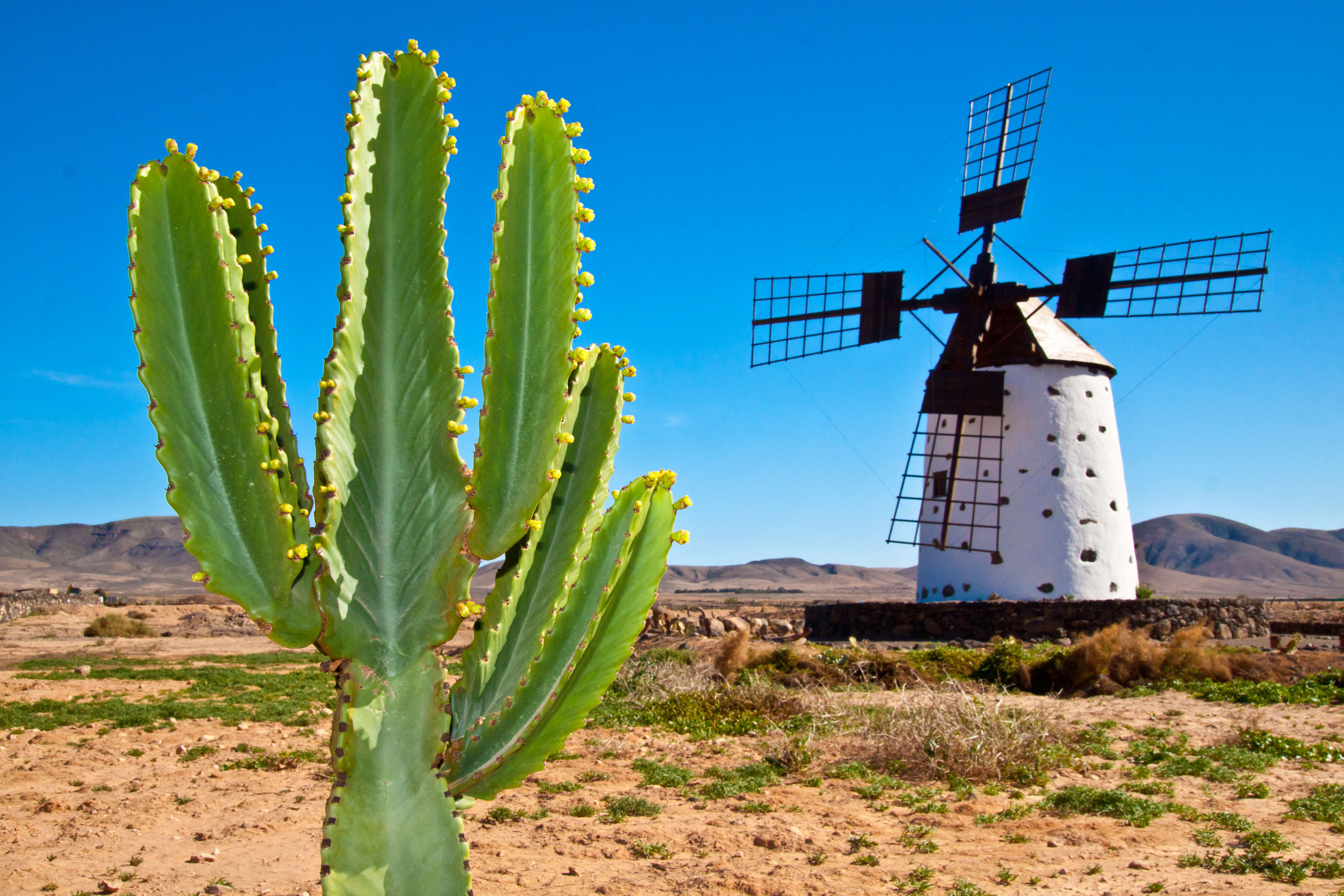
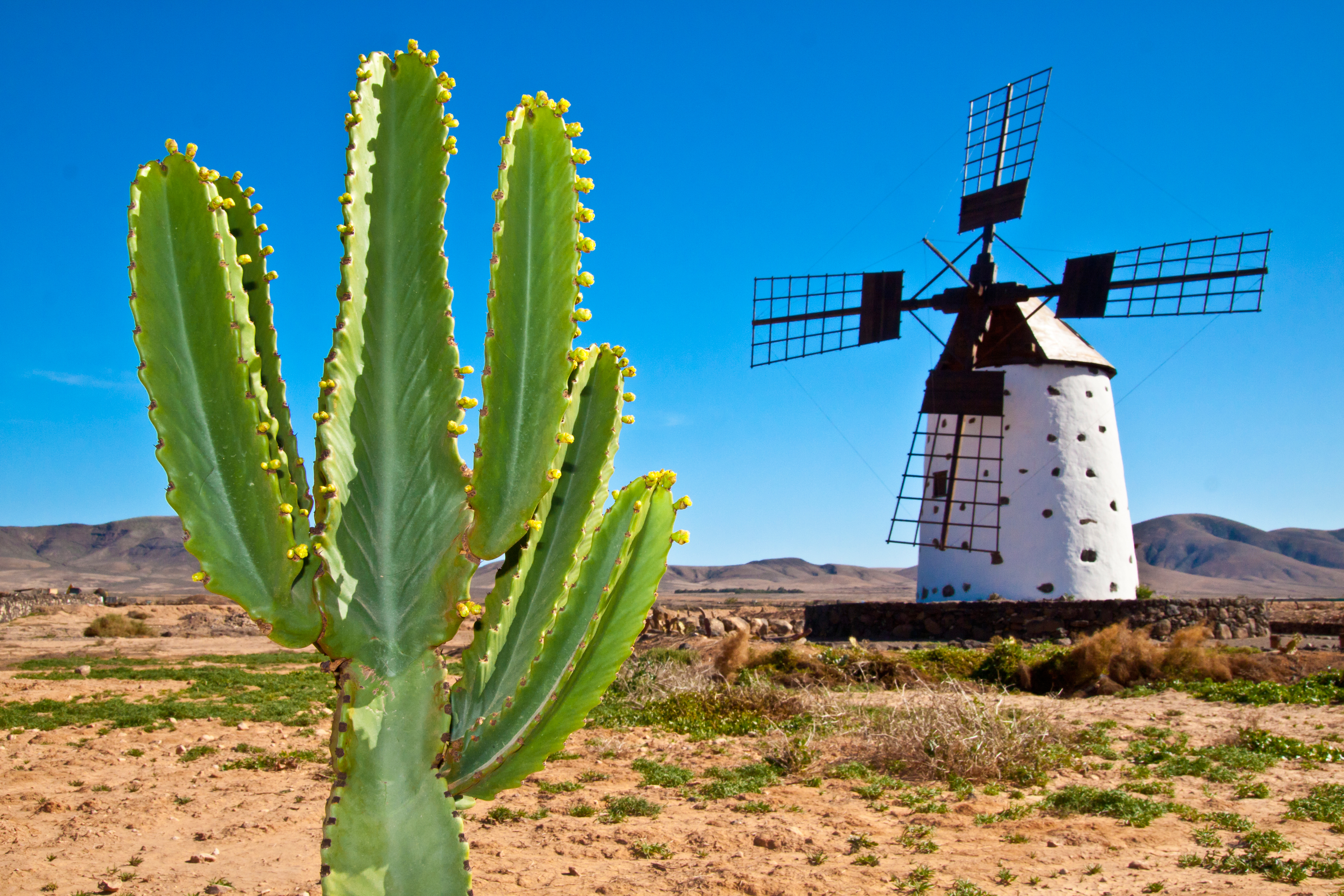
The old windmills of Villaverde and Tefía are a perfect visit if you want to learn a little more about the history of the island, as for centuries they were essential for grinding grain and producing the traditional Canarian gofio, one of the most characteristic foods of the archipelago.
Today they are part of the ethnographic heritage of Fuerteventura and constitute an excellent example of the importance that cereal cultivation had in the traditional economy of the island.
,regionOfInterest=(2376,1584))
,regionOfInterest=(2376,1584))
When talking about the villages to see in Fuerteventura, you have to start with Betancuria.
Considered the original town of the archipelago, Betancuria held administrative leadership at both an island and regional level after its creation in 1404 by Jean de Béthencourt. Its simultaneous role as capital of Fuerteventura and the Canary Islands is explained by the fragmentary structure of the 15th century; as there was no centralised government on the islands, this initial settlement absorbed ecclesiastical and governmental powers, centralising the management of the new colonial territories under the same jurisdiction.
Its narrow cobbled white streets, whitewashed houses with wooden balconies, gardens full of flowers and the mountainous surroundings create an image very different from the best-known image of Fuerteventura. I encourage you to walk through its historic centre, visit the Church of Santa María or sit on a terrace with views of the valley.
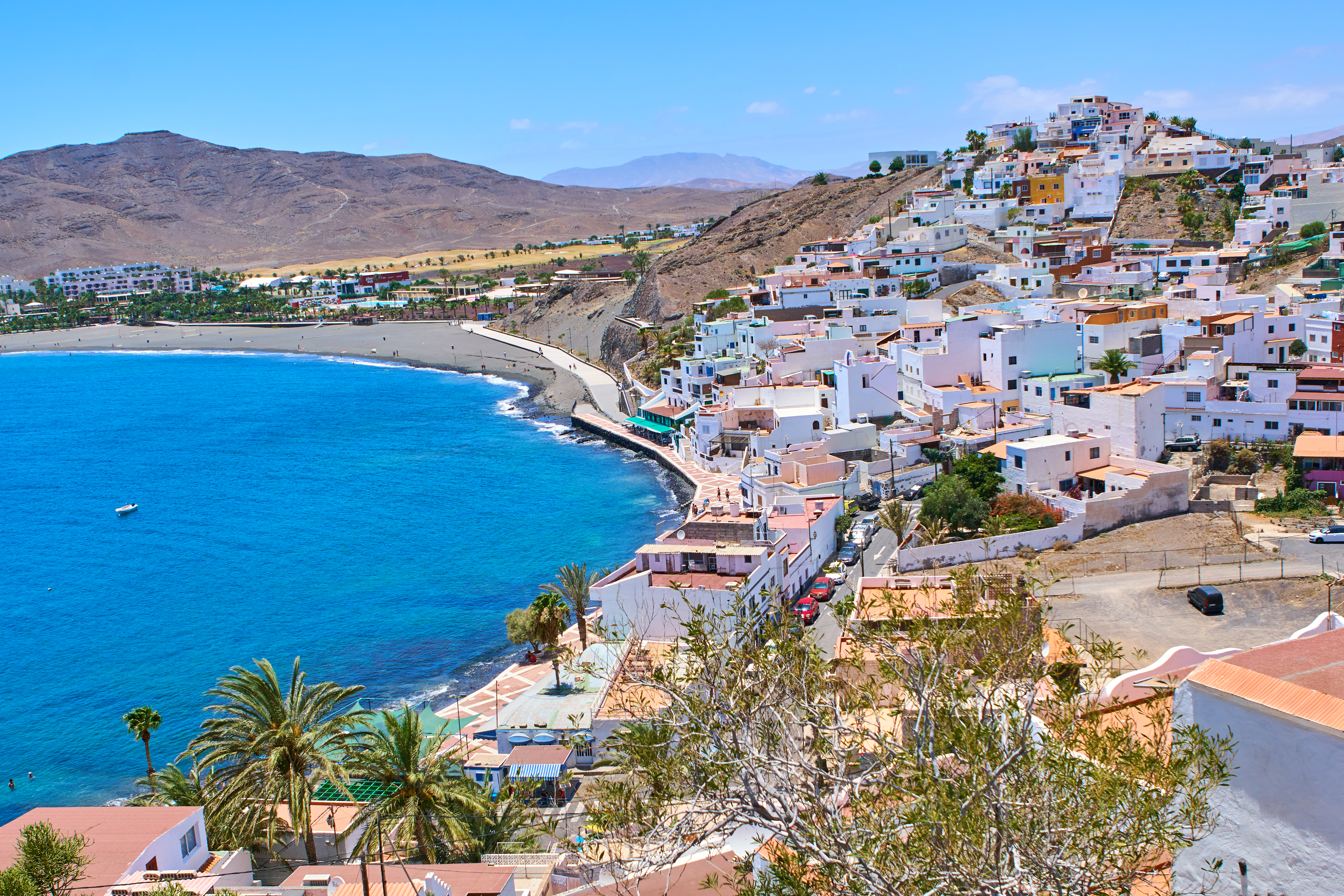
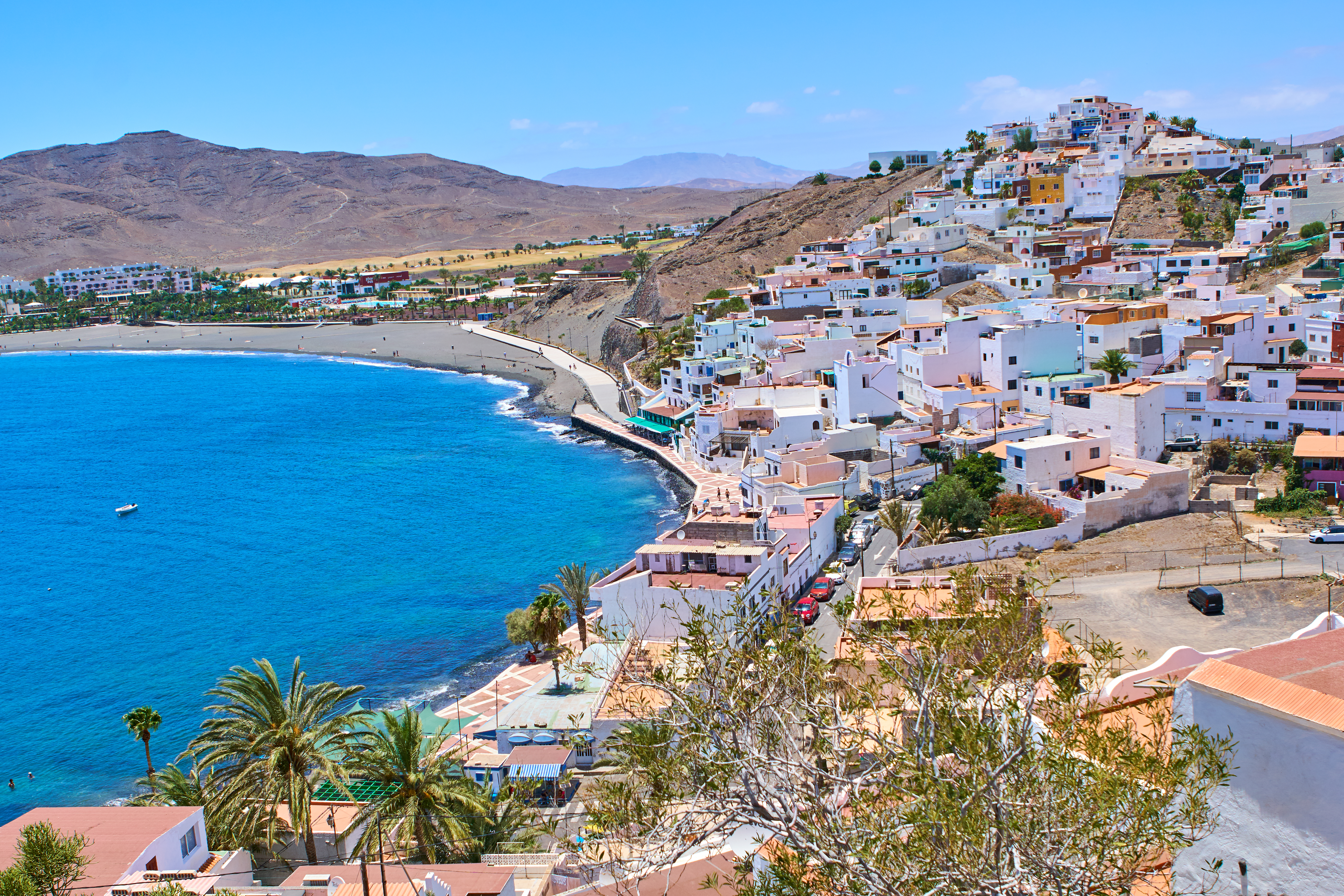
On the north-west coast is El Cotillo, an old fishing village that has managed to perfectly preserve its maritime essence, offering an unparalleled quiet atmosphere for those looking to get away from the busiest areas.
The most characteristic features of El Cotillo are its small streets, the port and the restaurants specialising in fresh fish. In addition, from here you can access some of the most famous beaches on the island directly, especially the white sand lagoons with crystal-clear water that extend to the north.
Another of the most outstanding places to visit in Fuerteventura is La Oliva, one of the municipalities with the greatest historical heritage on the island, where the Casa de los Coroneles is located, one of the most important civil buildings in the archipelago.
With multiple traditional buildings that reflect the agricultural and livestock history of Fuerteventura, its location also makes it an excellent starting point for touring the north of the island, visiting Corralejo or getting close to the Dunes Natural Park.
Located at the southern tip of the island, Morro Jable is an old maritime settlement that has been transformed into one of the main tourist centres of Fuerteventura. Its pedestrian streets full of shops, its restaurants by the sea and its long promenade make it a perfect place to spend the afternoon or enjoy the atmosphere at sunset.
Considered one of the most spectacular beaches in all the Canary Islands, Cofete impresses at first sight with its more than twelve kilometres of golden sand and a practically unspoilt environment.
Located in the Jandía Natural Park, it is surrounded by mountains and a landscape that conveys a unique feeling of isolation. I recommend walking along the shore to feel the absolute solitude and enjoy the immensity of the landscape. Mind you, if you are going to swim, you must be careful due to the strong waves.
Located next to the spectacular dune field of Corralejo, the Grandes Playas de Corralejo stand out for their fine sand and crystal-clear, shallow waters, making them one of the best options for travelling with small children thanks to their spaciousness and tranquillity.
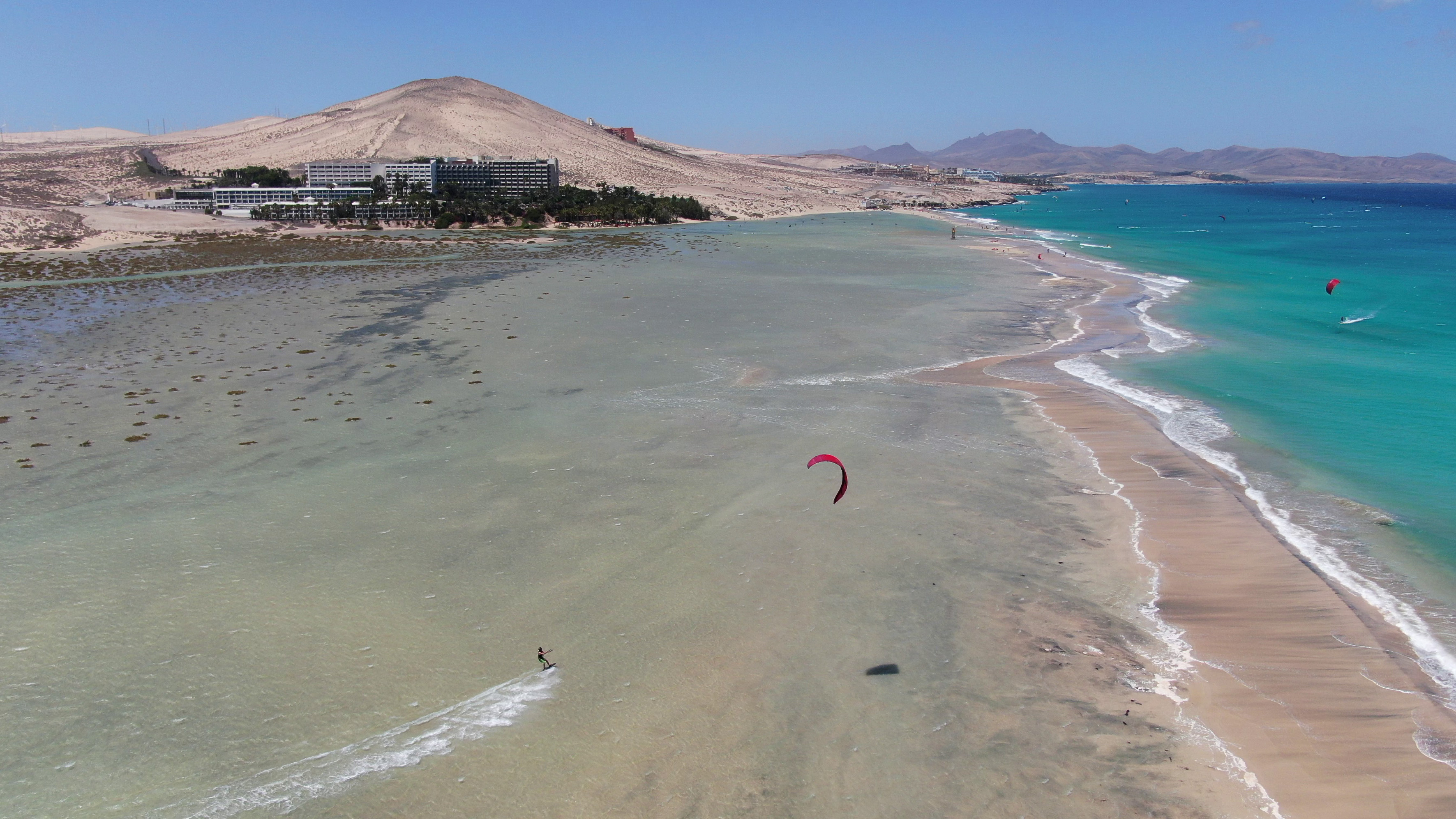
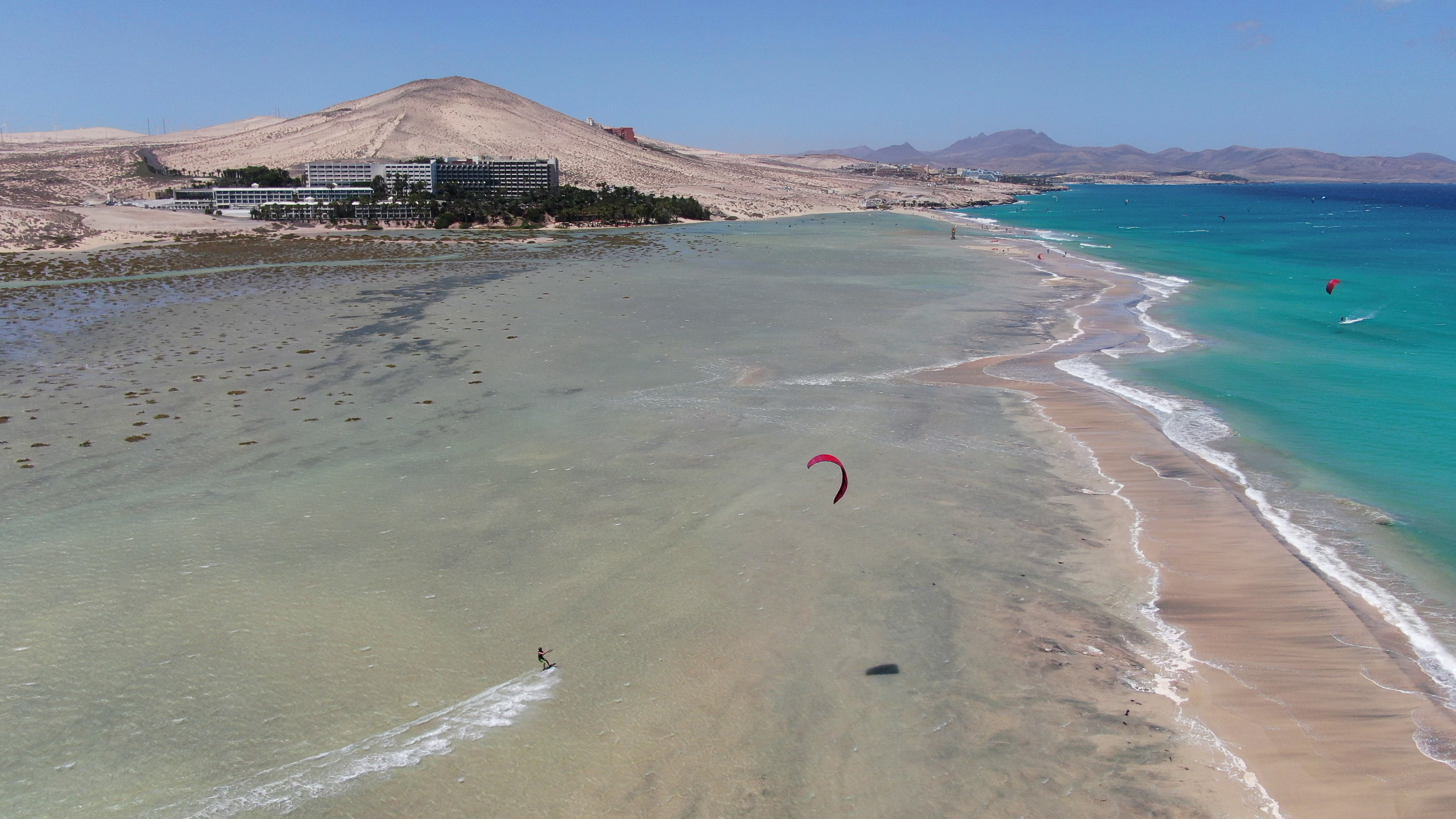
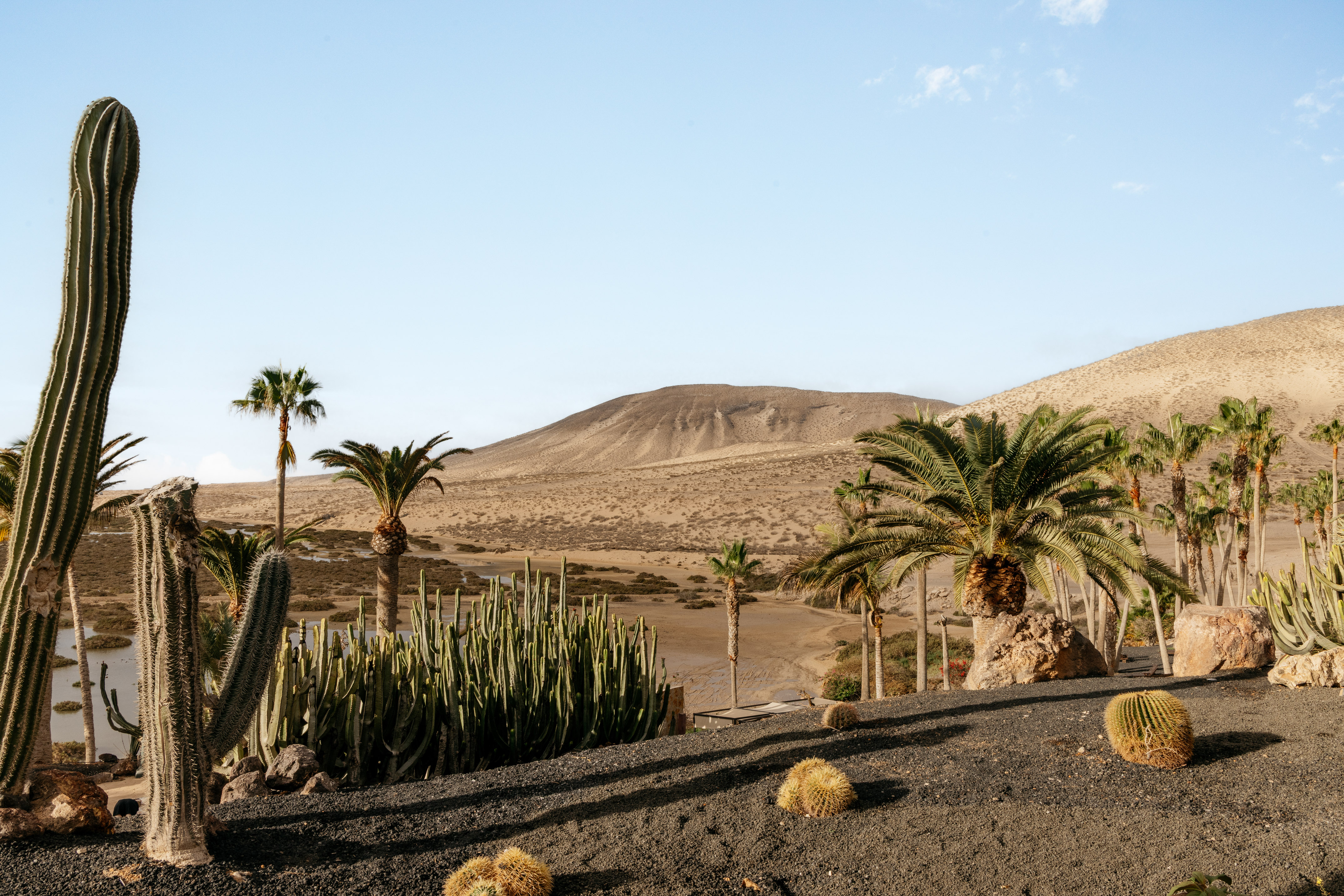
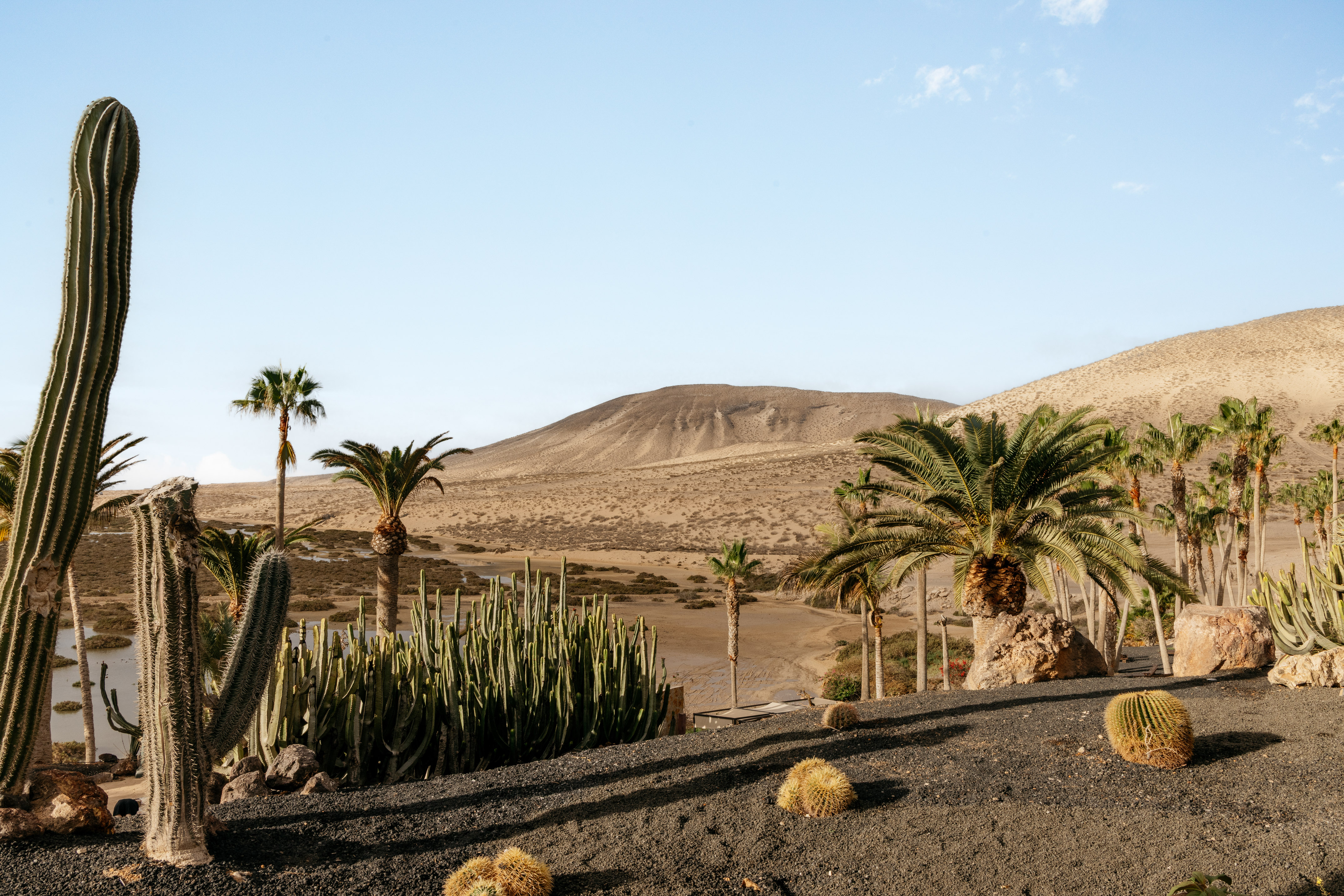
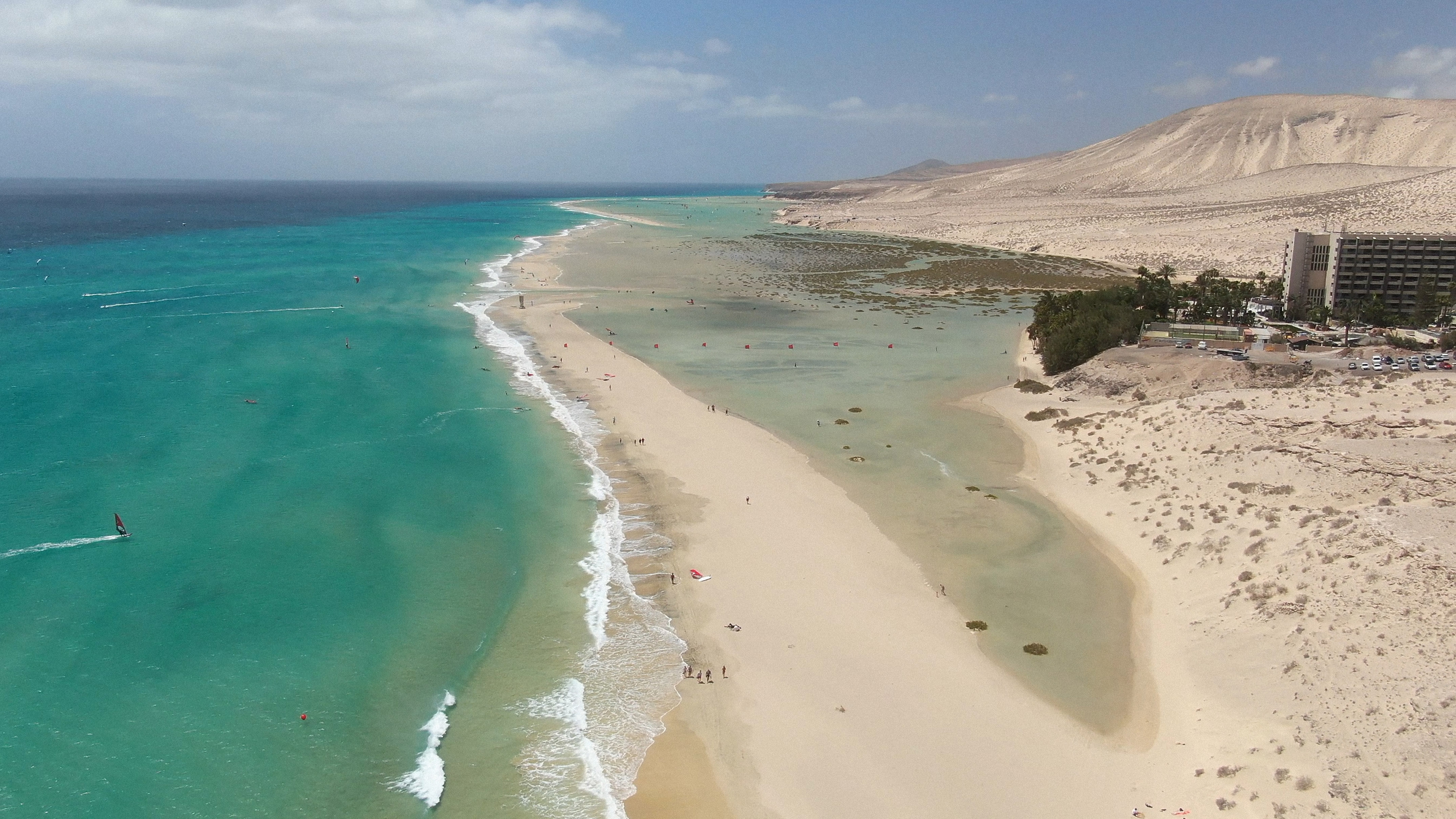
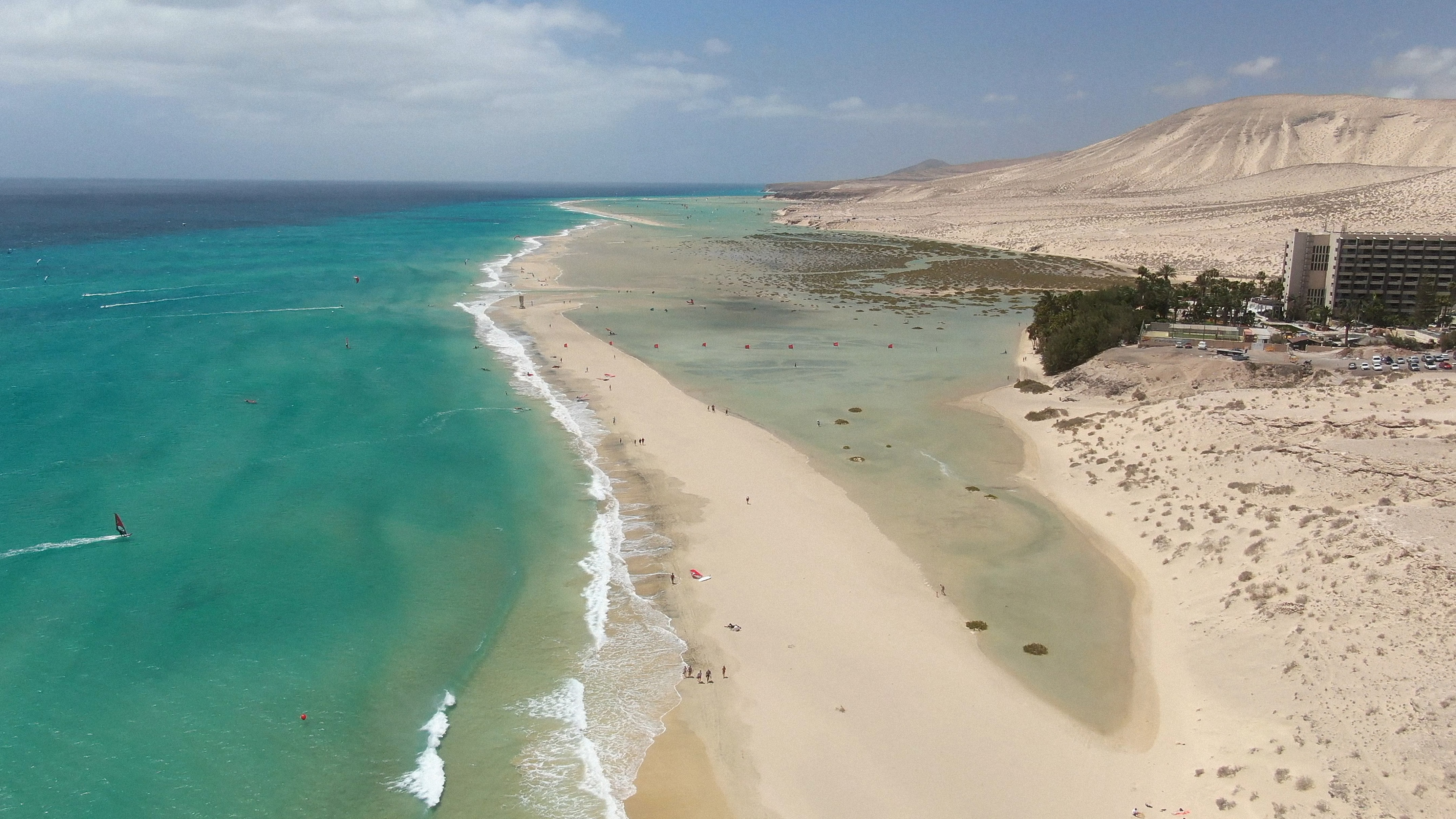
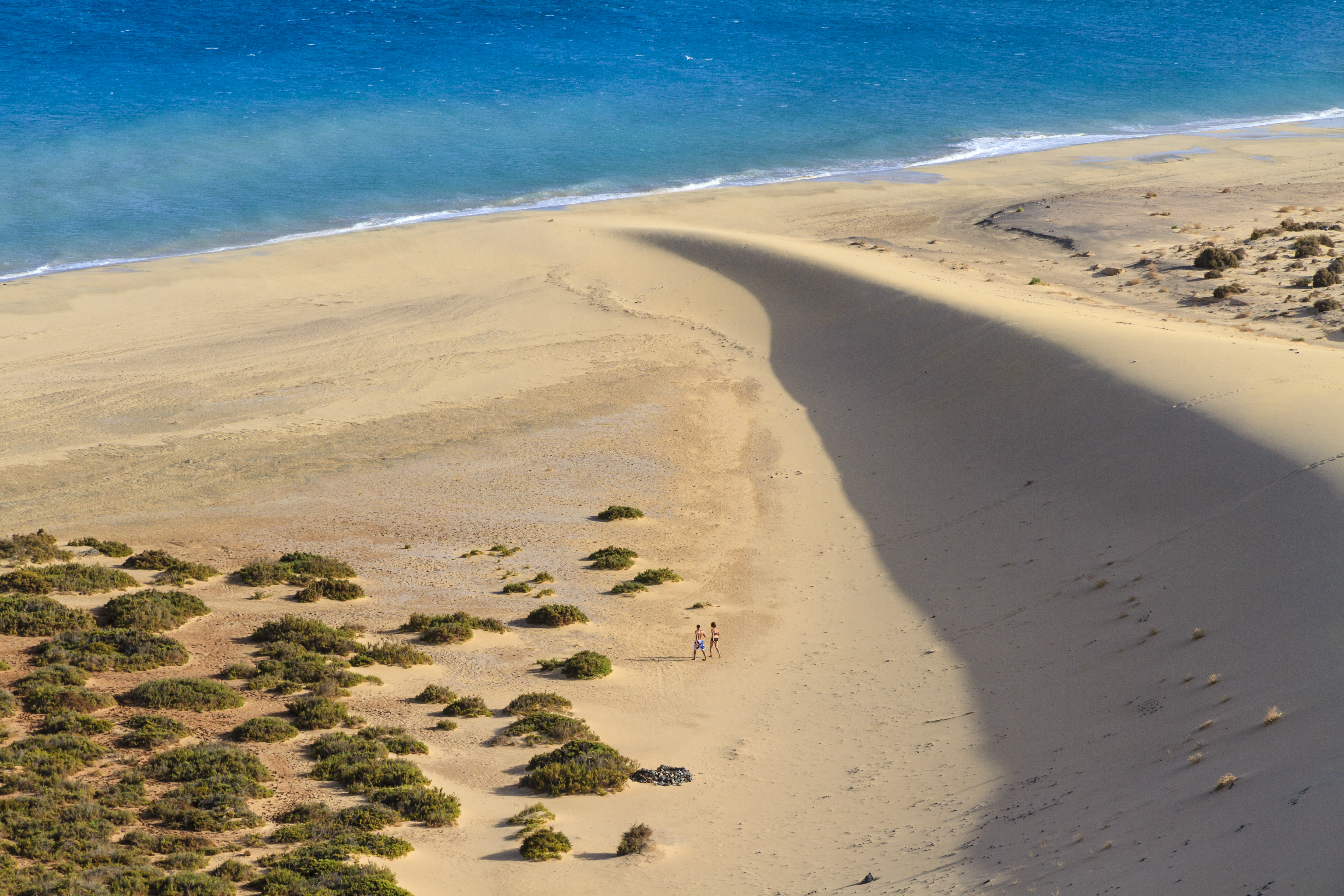
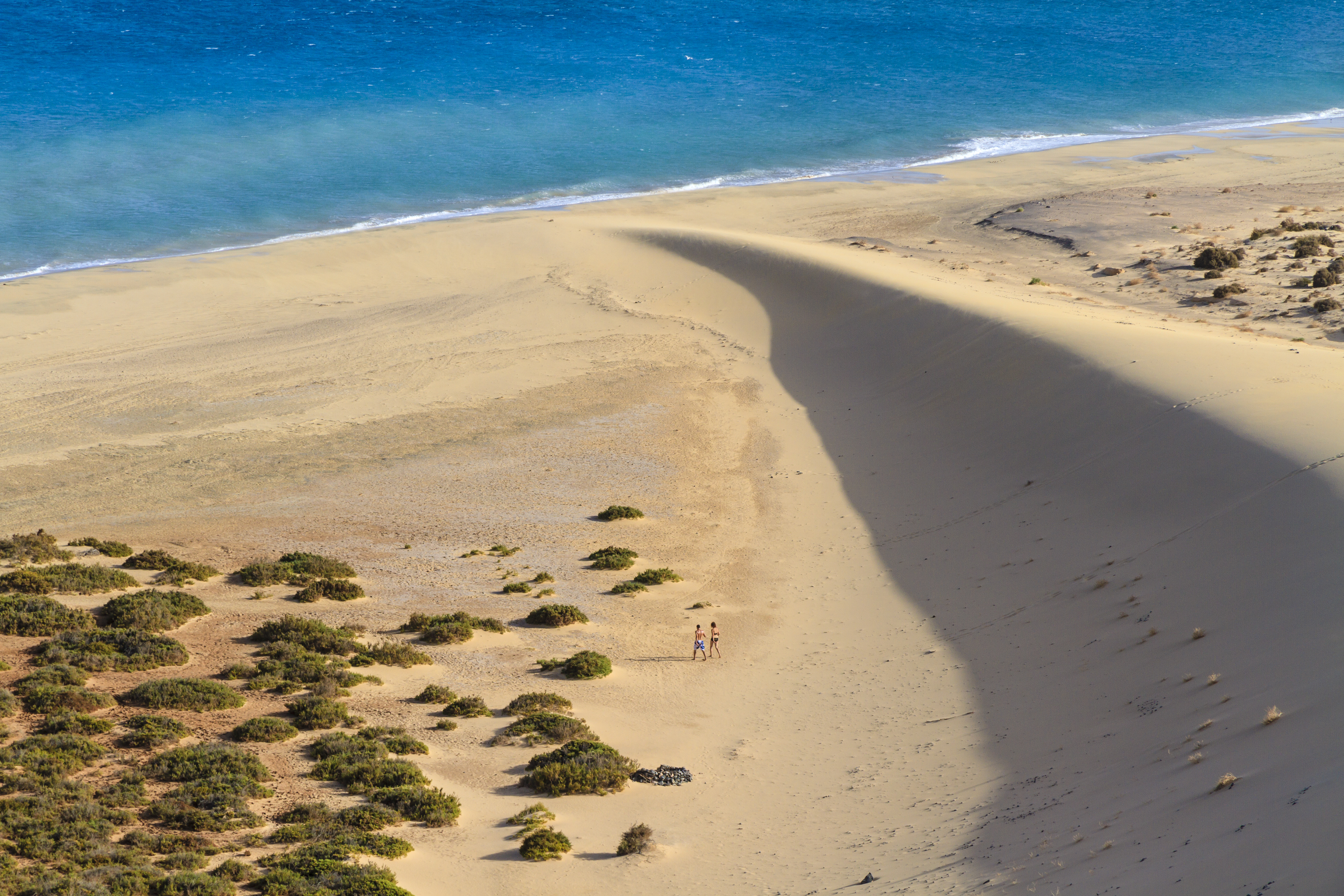
Famous for its changing tides, Playa de Sotavento is one of the great icons of tourism in Fuerteventura. Its huge expanse of sand and the lagoons that form with the tide create a landscape completely different from the rest of the beaches on the island.
Very close to El Cotillo is Playa de La Concha, another of the best options if you prioritise calm waters. Protected by a natural reef, it forms a large pool of turquoise water ideal for swimming, snorkelling or enjoying a day with the family.
If you have the opportunity, stay to watch its spectacular sunsets, which make it one of the most special corners of the north-west of the island.
The Parque Natural de las Dunas de Corralejo is, probably, the most representative place for tourism in Fuerteventura. It is a huge protected area in the north of the island that houses the largest dune field in the Canary Islands, creating a unique landscape that contrasts with the intense blue of the Atlantic.
It is one of the best places to walk by the sea, practise sports such as kitesurfing or windsurfing or simply relax on some of the most spectacular beaches in the archipelago.
On the western coast is Ajuy, a small fishing village that is famous for its impressive natural caves and its volcanic cliffs. The path that leads you to the caves runs along a part of the coast with enormous geological value, allowing you to contemplate some of the oldest rock formations in the Canary Islands.
At the end of the walk, if you have time, I recommend making a stop at the village's black sand beach and finishing by enjoying some delicious fresh fish in one of its restaurants facing the sea.
Located in the centre of the island, the Mirador de Morro Velosa offers one of the best panoramic views of Fuerteventura. Designed by César Manrique, it allows you to contemplate a good part of the majorero landscape, made up of volcanoes, ravines, white villages and large plains that show the unique character of the island.
Built during the 17th century, the Casa de los Coroneles is one of the most important historic buildings in Fuerteventura. It was the residence of the colonels who held military command of the island during the Modern Age. Today it offers temporary exhibitions and cultural activities that allow you to get to know the history of the island better.
The Ecomuseo La Alcogida is a highly recommended visit to learn about what life was like on the island before the development of tourism. It is an open-air museum that replicates a small traditional majorero village, allowing you to understand first-hand how the ancient inhabitants of the territory lived, worked and cultivated the land.
In the heart of Puerto del Rosario is the Casa Museo de Unamuno, where the famous writer Miguel de Unamuno lived during his exile on the island in 1924. This space preserves much of the original furniture, allowing you to learn about the relationship and affection that the intellectual developed for this land.
Here are a series of activities to do in Fuerteventura that, if it were my first time visiting the island, I would not hesitate to do. If you miss any, you will have an excuse to return:
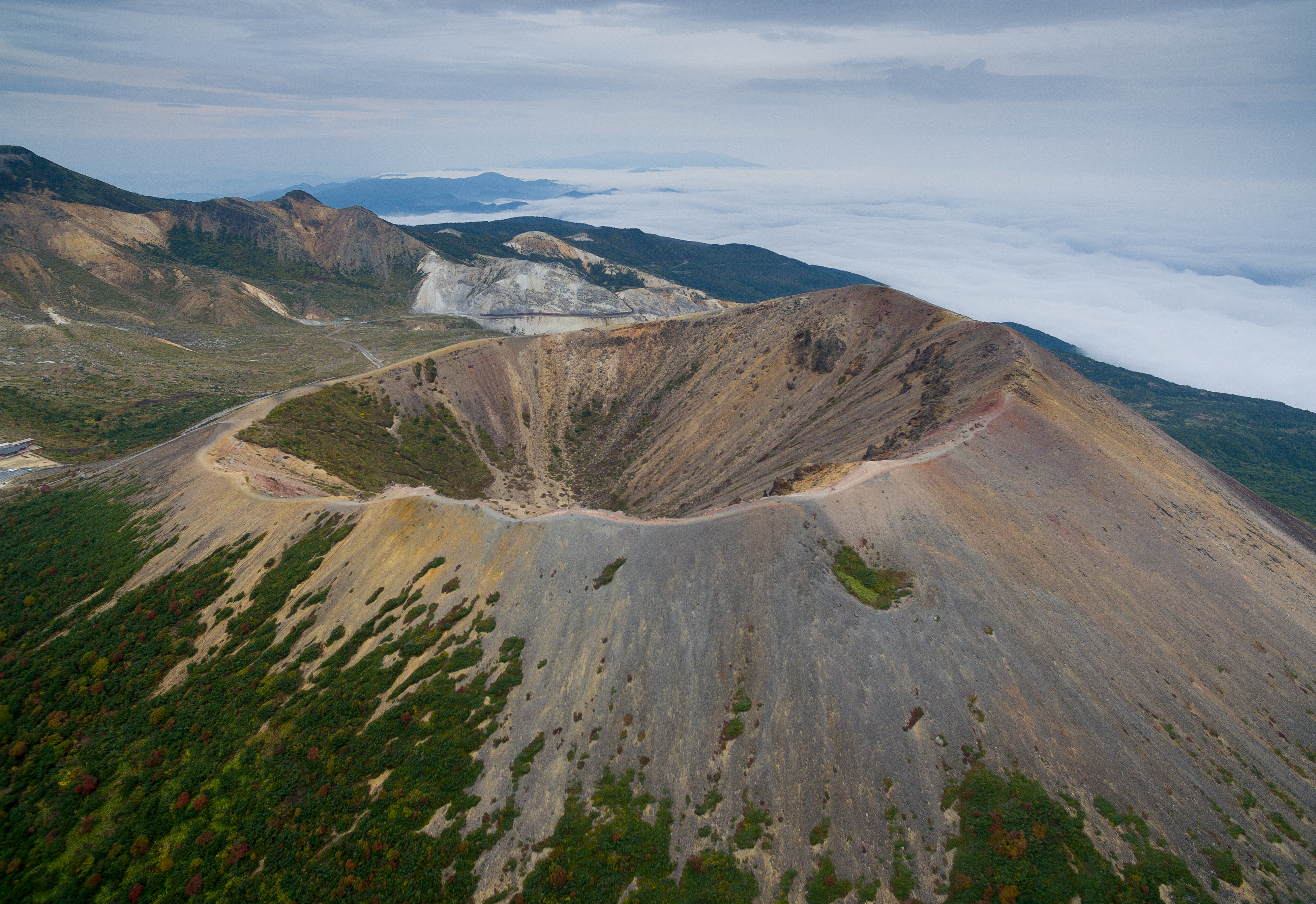
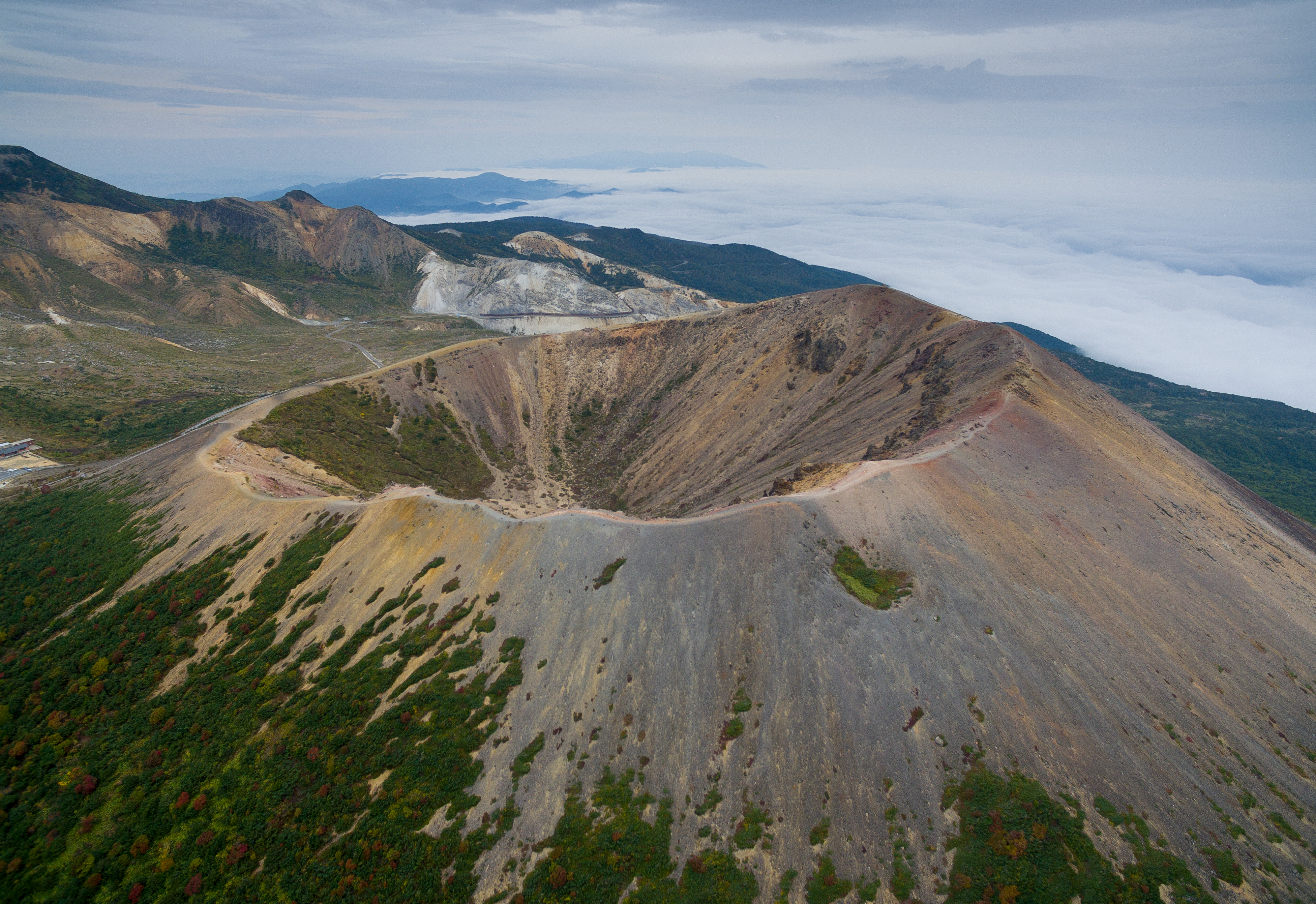
Majorera gastronomy is an essential part of any trip to the island. Its cuisine, simple but full of flavour, is based on high-quality local products and traditional recipes that have been passed down from generation to generation.
Among the specialities that you cannot miss, I would choose the majorero cheese, which is the first in Spain made from goat's milk to obtain a Protected Designation of Origin. If you are a cheese lover, its intense flavour will leave you speechless.
You also have to try the traditional gofio, the papas arrugadas with mojo, the Canarian sancocho, goat meat or the fresh fish that arrives every day at the small fishing ports.
,regionOfInterest=(1996,1371))
,regionOfInterest=(1996,1371))
The most important celebration on the island is the pilgrimage in honour of the Virgin of the Peña, patron saint of Fuerteventura, which is held every year in mid-September in the Vega de Río Palma. During these days, people from all corners of the island walk through the ravines dressed in traditional costumes, which is now a deeply rooted tradition.
Also noteworthy are the carnivals of Puerto del Rosario, Corralejo or Morro Jable, where colour, music and parades fill the streets for several days.
If you are planning to travel with your family, you will find many things to do in Fuerteventura with children, as the island combines quiet beaches, natural spaces and activities suitable for all ages.
In addition, Fuerteventura is a very comfortable destination to travel around by road, as the distances between the main points of interest are relatively short, which makes organising a family trip much easier.
If you are planning a short two-day getaway and don't know how to organise yourself, here is a weekend itinerary for Fuerteventura that you can follow to make the most of your stay:
This itinerary brings together some of the main places to visit in Fuerteventura, although the island offers many more attractions that are well worth extending your stay for a few days to discover it at your leisure.
📍 To help you better organise your route, here is a map with all the places mentioned in this guide. This way you will be able to easily locate each point of interest and plan your route according to the days you are going to spend on the island.
The best way to enjoy Fuerteventura is to explore it without rushing, leaving your watch aside and putting your mobile phone on silent. Although most people who arrive on the island are attracted by its beaches, as I have just told you, you only have to travel a few kilometres from the coast to discover volcanic landscapes, villages full of history and viewpoints from which to contemplate a completely different island.
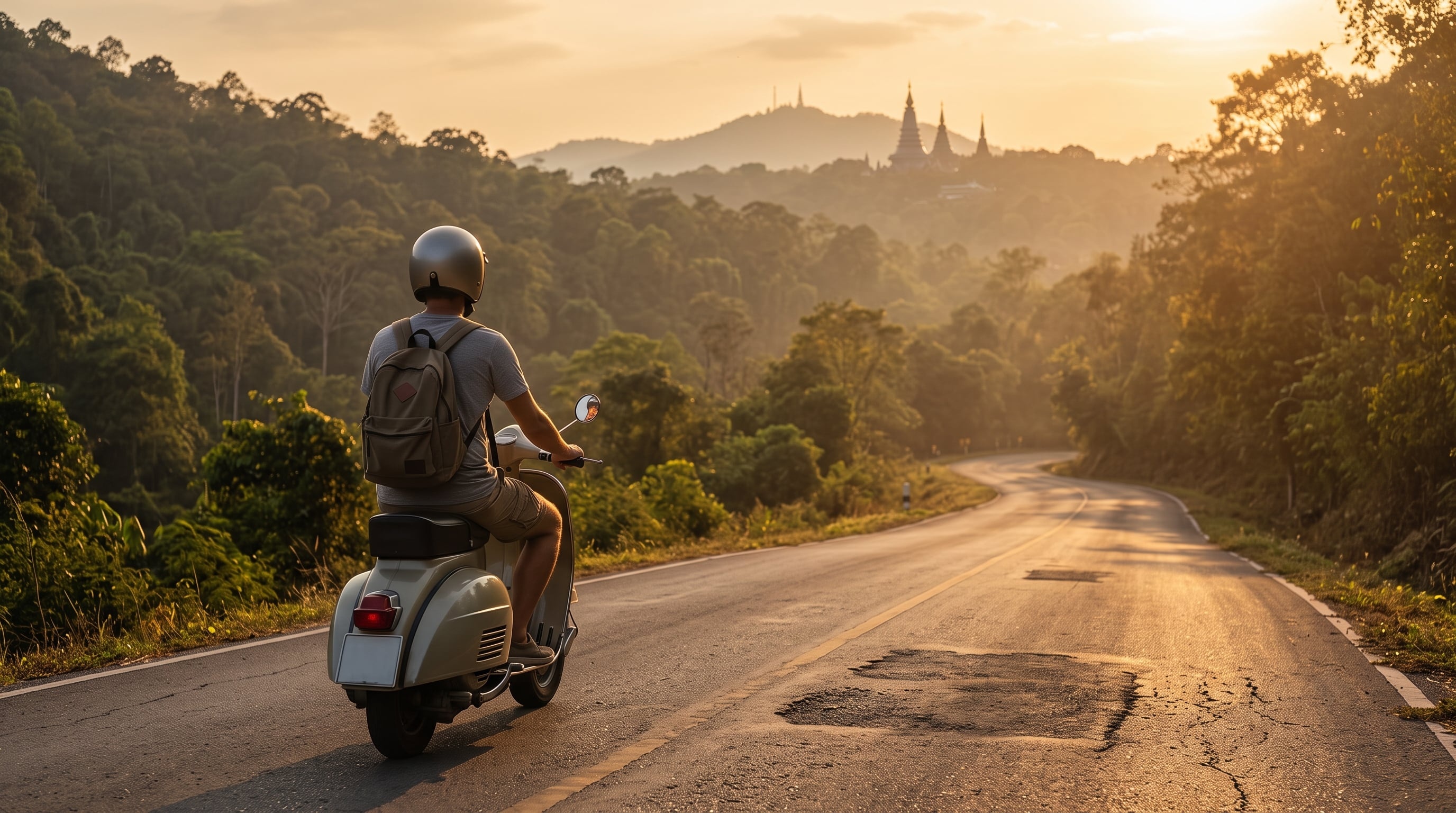
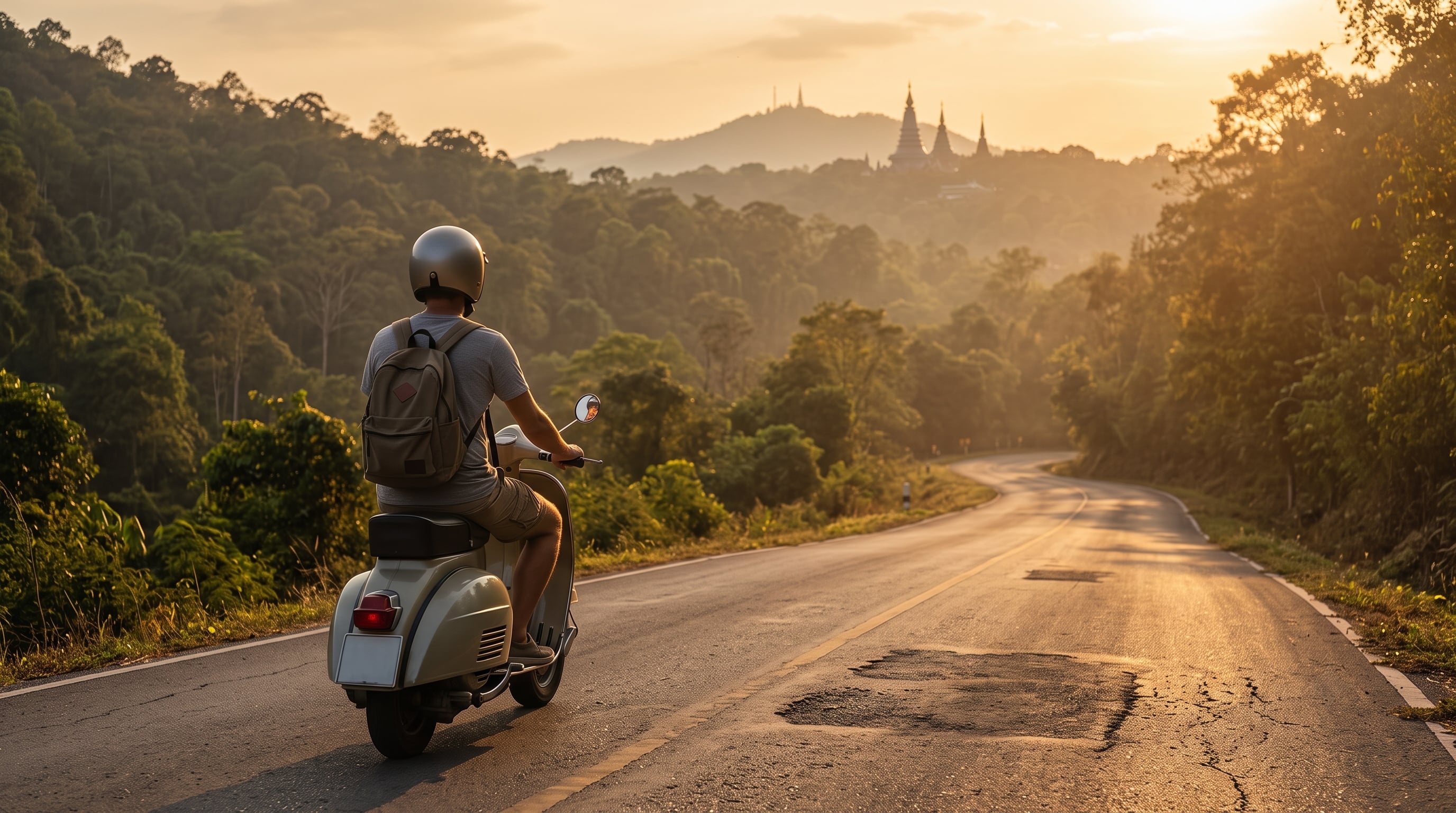
My advice is that, whenever possible, you rent a car, as this way you will be able to access many of the most spectacular corners of the island and organise your trip with total freedom, saving time on travel.
,regionOfInterest=(2400,1600))
,regionOfInterest=(2400,1600))
,regionOfInterest=(2500,1667))
,regionOfInterest=(2500,1667))
,regionOfInterest=(1376,768))
,regionOfInterest=(1376,768))
,regionOfInterest=(632,423))
,regionOfInterest=(632,423))
,regionOfInterest=(2944,1656))
,regionOfInterest=(2944,1656))
,regionOfInterest=(1750,1575))
,regionOfInterest=(1750,1575))