,regionOfInterest=(1059.5,707))
,regionOfInterest=(1059.5,707))
Chiang Mai Travel Budget 2026: How Much Does a Trip Really Cost?
,regionOfInterest=(632,423))
,regionOfInterest=(632,423))
Culture
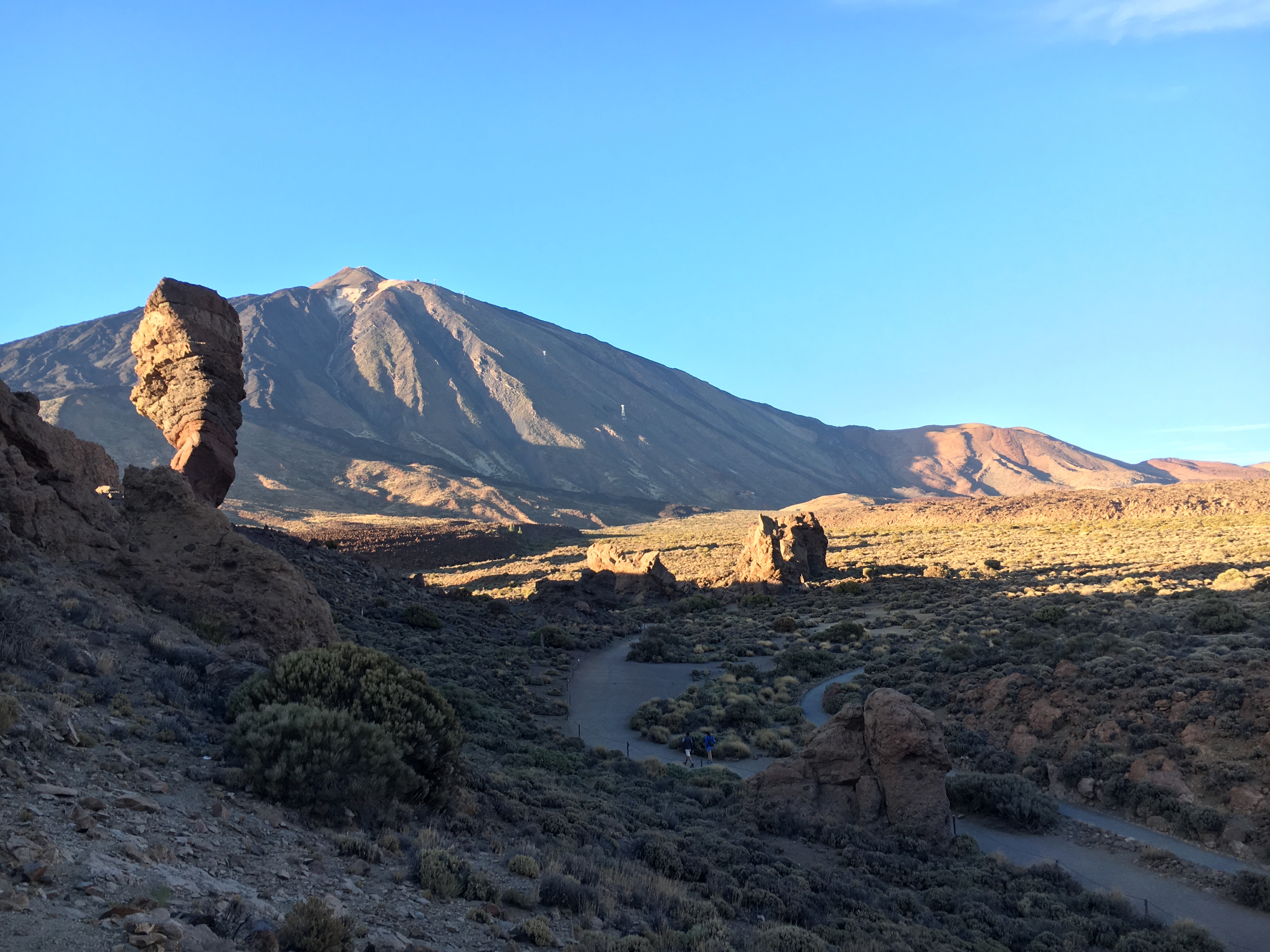,regionOfInterest=(2016,1512))
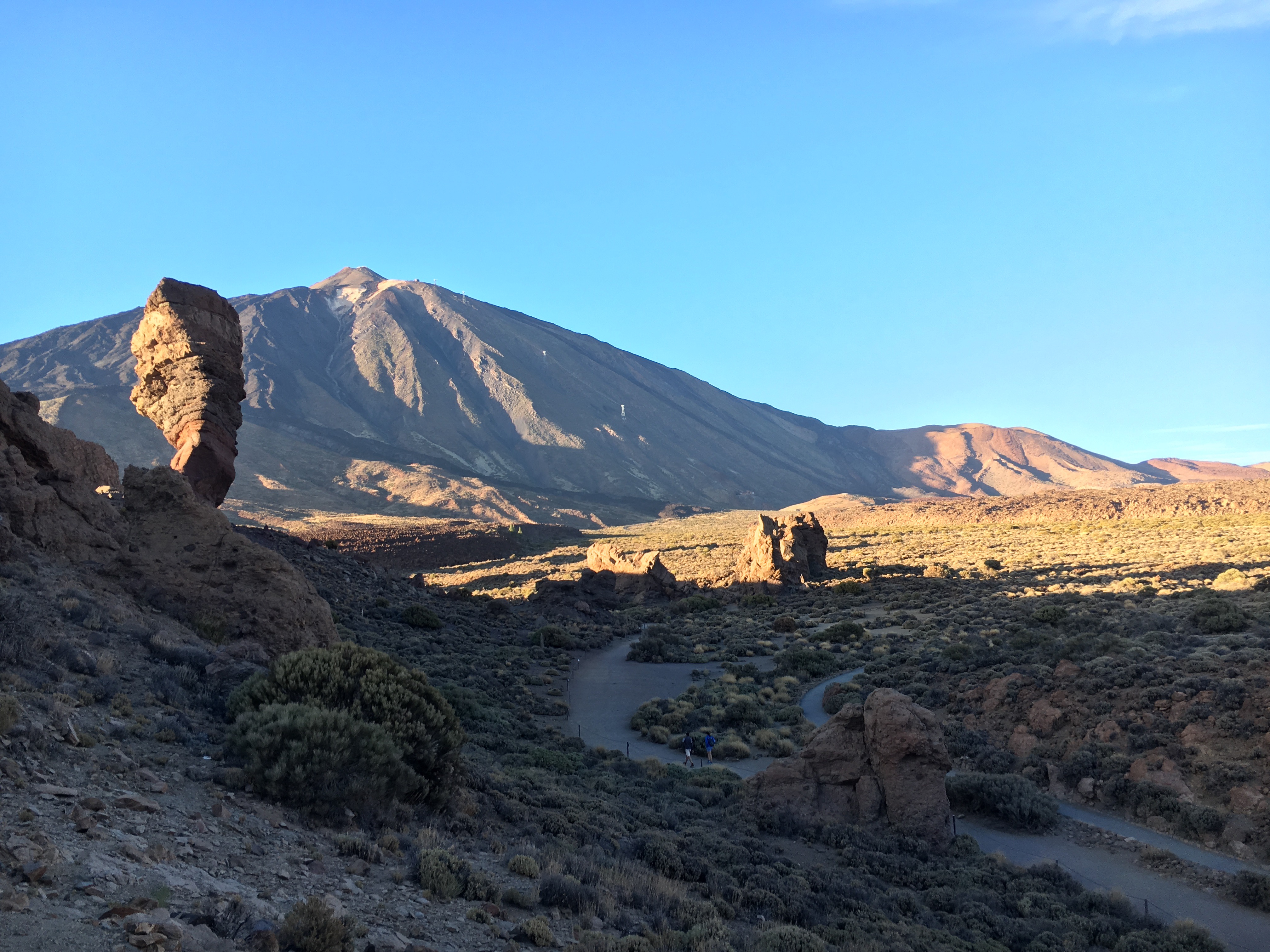,regionOfInterest=(2016,1512))
Culture
,regionOfInterest=(500,500))
,regionOfInterest=(500,500))
All-terrain writer specialising in tourism, fashion and trends. A curious soul, traveller, reader and sports enthusiast, keen to discover every corner of the world.
The Canary Islands are much more than just black sand beaches, cliffs, or good weather, and the Cueva del Viento is a perfect example, as one of the most surprising places on the entire island. Unlike a traditional cavern formed by water, its structure is that of a monumental volcanic tube sculpted by rivers of lava.
It is hidden beneath the surface in the north of the island. It is the largest volcanic tube in the European Union and one of the largest in the entire world. An underground labyrinth of passages that invites you to become a true speleologist for a few hours and discover how lava sculpted the bowels of the earth thousands of years ago.
A completely different experience to any other tourist activity in Tenerife, venturing into the Cueva del Viento takes you to explore a world of absolute silence where fresh air flows continuously through the cracks in the rock and where geology is shown in its maximum splendour.
The Cueva del Viento is located in the Icod de los Vinos area and currently has 18.5 kilometres mapped. If nature and geology pique your interest, or if you are simply looking for an enjoyable and different activity, it is a highly recommended experience on the island.
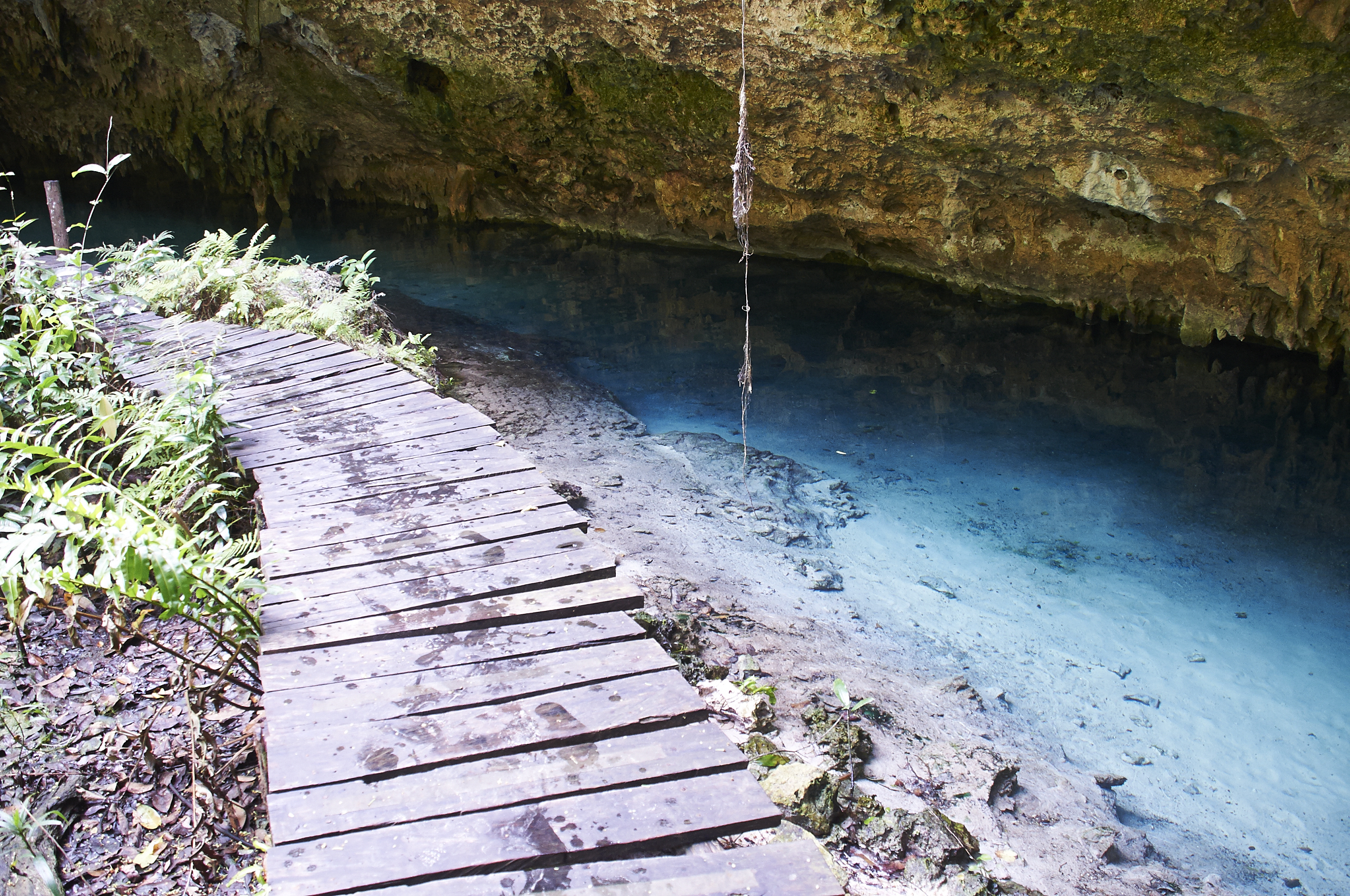,regionOfInterest=(1392,924))
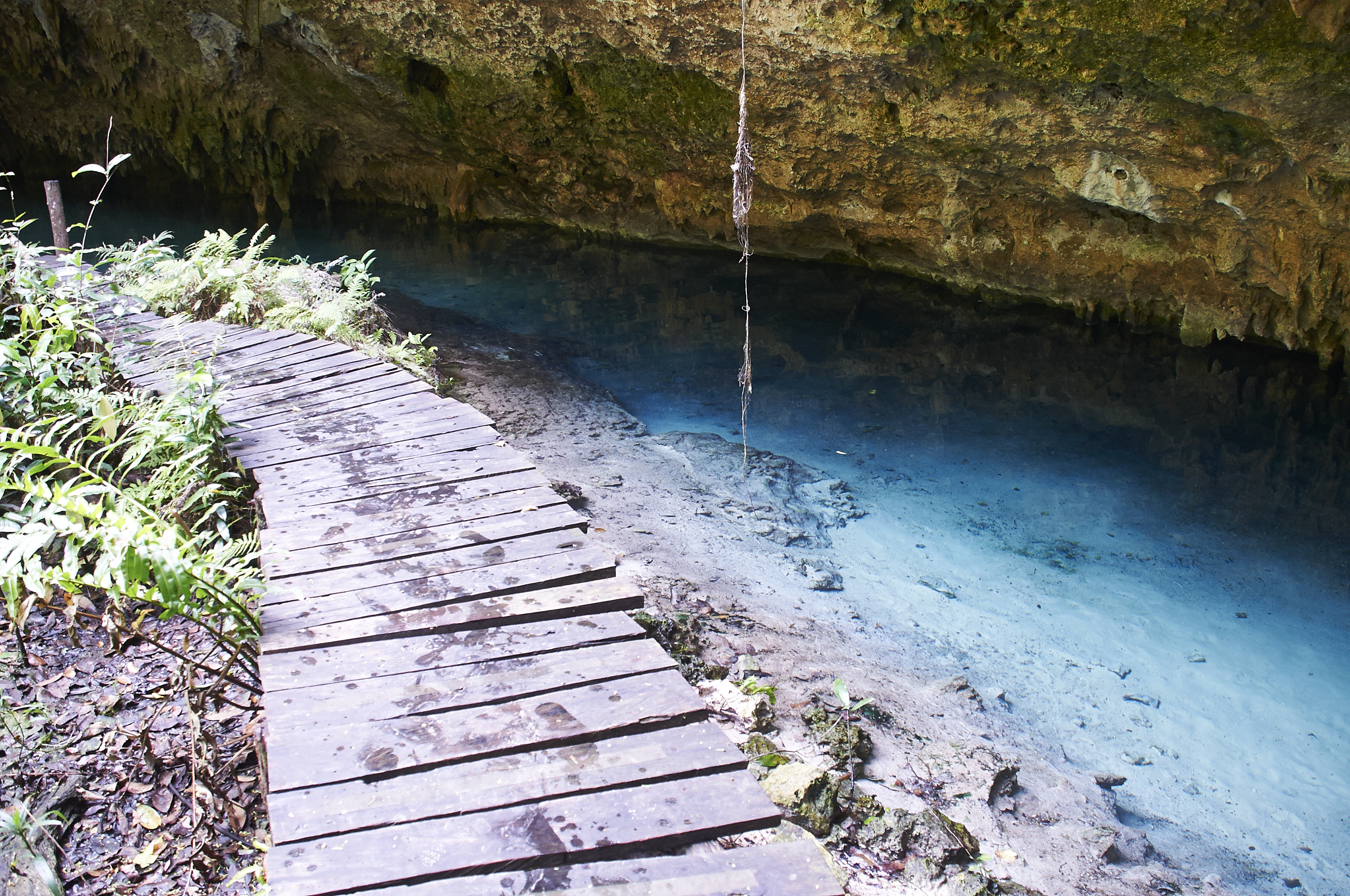,regionOfInterest=(1392,924))
,regionOfInterest=(2711.5,2100))
,regionOfInterest=(2711.5,2100))
,regionOfInterest=(849,566))
,regionOfInterest=(849,566))
To understand the scientific importance of this place, one must first review the characteristics of the Cueva del Viento. This immense volcanic tube was formed about 27,000 years ago due to basaltic lavas from the first eruption phase of the Pico Viejo volcano, located next to Mount Teide.
While the outer layer of the lava flow cooled upon contact with the air, the interior continued to flow like a liquid river until it emptied completely, leaving an underground cavity of three overlapping levels that adds up to more than 18 kilometres of extension to explore.
These are some aspects that make the excursion to the Cueva del Viento so special:
Incredible lava formations: On the walls and ceilings of the tube, you will be able to observe lava stalactites, petrified lava waterfalls, lateral terraces, and lakes of solid lava that seem to have frozen in time just a few days ago.
Unique underground fauna: The depths of the cave house a surprising biodiversity with a total of 190 known living species, of which 15 are strict troglobites (blind and depigmented animals that can only live in absolute darkness) that are completely new to science.
Fossil remains of the past: These galleries have functioned as a natural deposit over time, perfectly preserving bone remains of prehistoric fauna extinct in the archipelago, such as the giant Tenerife lizard or the giant Canary Island rat.
Authentic speleology: As there is no electric lighting inside, the sense of adventure is total. The light from your headlamp will gradually show you the rough textures and changing colours of the black and reddish basalt.
Given its characteristics, the only way to visit the Cueva del Viento in Tenerife is through a guided tour with prior reservation.
Before preparing your equipment and starting this underground adventure, it is worth knowing exactly where the Cueva del Viento is and how to get there, so you can plan the journey calmly and calculate the travel time from your accommodation.
The Cueva del Viento is located in the north of Tenerife, in the midlands of Icod de los Vinos, in a beautiful rural setting surrounded by orchards, vineyards, and pine forests that grow on the slopes of Mount Teide.
📍 Camino los Piquetes, 51, 38438 Icod de los Vinos, Santa Cruz de Tenerife.
Given its location, access to the Cueva del Viento requires a little attention, as the roads have steep slopes and narrow curves typical of the Canary Island geography.
The most comfortable and fastest option to get to the Cueva del Viento is by car. You must take the TF-5 road towards Icod de los Vinos and then follow the specific signs for the "Cueva del Viento", going up well-signposted secondary mountain tracks. The journey from Santa Cruz de Tenerife takes between an hour and an hour and a half depending on traffic.
You can also go by bus to Icod de los Vinos, and once there, take the urban line 360 which takes you directly to the vicinity of the visitor centre.
The area has free parking next to the visitor centre, but as it is a mountain environment, the space is somewhat limited. My advice is to try to arrive about fifteen minutes before your reservation time, so you have enough time to park, register at the ticket office, and prepare for the route.
📍 To plan the route in detail and avoid setbacks, it is recommended to consult the Map of the Cueva del Viento directly before setting off.
The visitor centre is open every day of the week with uninterrupted hours from 09:00am to 16:00pm. Guided tour departures are distributed according to availability and vary depending on the language selected (Spanish, English, German, or French), requiring, of course, absolute punctuality.
The official rates for the Cueva del Viento are, for non-residents, 25€ for adults and 8.50€ for children (between 5 and 12 years old). For their part, Canary Island residents have a special reduced price of 15€ for adults and 5€ for children within that same age range.
Tickets must be purchased online through their official website in advance, as the daily quota of people is very strict for conservation reasons.
The entire activity lasts about 2 and a half hours. This includes an introductory audiovisual talk at the visitor centre, a journey from the park to the mountain, a short walk on foot, and a guided tour of about 45 minutes inside the volcanic tube.
Before booking the excursion, I encourage you to look for reviews about the Cueva del Viento so you can assess whether the visit will be worth it for you or not. As you will see, most visitors value the excellent cultural level of the visit, highlighting the treatment of the speleologist guides, who know how to transmit their passion for volcanology in an enjoyable and educational way.
The few negative reviews usually come from people who did not buy their tickets online in time and found that there were no places available upon arriving at the visitor centre.
,regionOfInterest=(1968,1312))
,regionOfInterest=(1968,1312))
To enjoy your immersion in the Cueva del Viento to the fullest, it is fundamental to pay attention to the mandatory physical equipment required by the centre's organisation.
It is strictly forbidden to enter the volcanic tube with sandals, flip-flops, high-heeled shoes, or any open footwear, as it is an essential requirement to wear mountain boots or sports shoes with good grip. In addition, long trousers will prevent scrapes or small scratches when passing close to the cave walls.
Another key factor to take into account is the change in temperature you will experience between the exterior and the interior of the cave. Keep in mind that the visitor centre is located at a considerable altitude and that in the depths of the tube the thermometer drops to 12 or 14 degrees, so carrying a jacket or a thin jumper in your backpack will not be a bad idea.
Finally, the activity is not permitted for children under 5 years old, and it is not recommended for people who suffer from severe claustrophobia, major heart problems, or reduced mobility in their legs.
Once you finish the activity, if you are still wanting more, the municipality of Icod de los Vinos and its surroundings offer you fantastic plans to complete a perfect day in Tenerife North:
In the heart of the historic centre of Icod is the Drago Milenario, an iconic tree that is considered the oldest and largest dragon tree specimen preserved in the whole world.
Icod de los Vinos is famous for the excellent quality of its wines. Near the dragon tree, you will find several wineries and traditional museums dedicated to Malvasía wine, where you can take a guided tasting and try the artisan cheeses from this area of the island.
If the day is nice and you are looking for a moment of relaxation, do not hesitate to go down to San Marcos Beach. It is a welcoming black sand beach sheltered in a beautiful natural bay, ideal for eating delicious fresh fish on one of its small terraces facing the sea.
,regionOfInterest=(1944,1296))
,regionOfInterest=(1944,1296))
,regionOfInterest=(1376,768))
,regionOfInterest=(1376,768))
,regionOfInterest=(2944,1656))
,regionOfInterest=(2944,1656))
,regionOfInterest=(2500,1667))
,regionOfInterest=(2500,1667))
,regionOfInterest=(1750,1575))
,regionOfInterest=(1750,1575))
,regionOfInterest=(1264,842))
,regionOfInterest=(1264,842))