,regionOfInterest=(1059.5,707))
,regionOfInterest=(1059.5,707))
Best souvenirs to buy in Chiang Mai 2026: what to bring home
,regionOfInterest=(1264,842))
,regionOfInterest=(1264,842))
Culture
,regionOfInterest=(1024,682.5))
,regionOfInterest=(1024,682.5))
,regionOfInterest=(500,500))
,regionOfInterest=(500,500))
All-terrain writer specialising in tourism, fashion and trends. A curious soul, traveller, reader and sports enthusiast, keen to discover every corner of the world.
Adventure
Teide National Park is a place that embodies the power of nature, prehistoric beauty and the geological essence of the Canary Islands. Located in the geographical centre of the island, the park is much more than just the most famous volcano and the most visited national park in Spain
It is a landscape completely different from any other. Here, the beaches, villages and tropical atmosphere disappear to make way for huge expanses of volcanic rock, dark-coloured mountains and roads surrounded by solidified lava.
Declared a UNESCO World Heritage Site, Teide National Park stands out as one of the most impressive geological spectacles in the archipelago. Its extraordinary landscape offers an absolute immersion in volcanic nature, where the relief and colours contrast with the rest of the island environment.
The options for what to do in Teide National Park are very diverse and range from hiking trails and panoramic viewpoints to first-class astronomical observation. An environment where the different landscapes, the feeling of immensity and the silence offer a memorable experience. It is, without a doubt, one of those things to do in Tenerife that you should not miss.
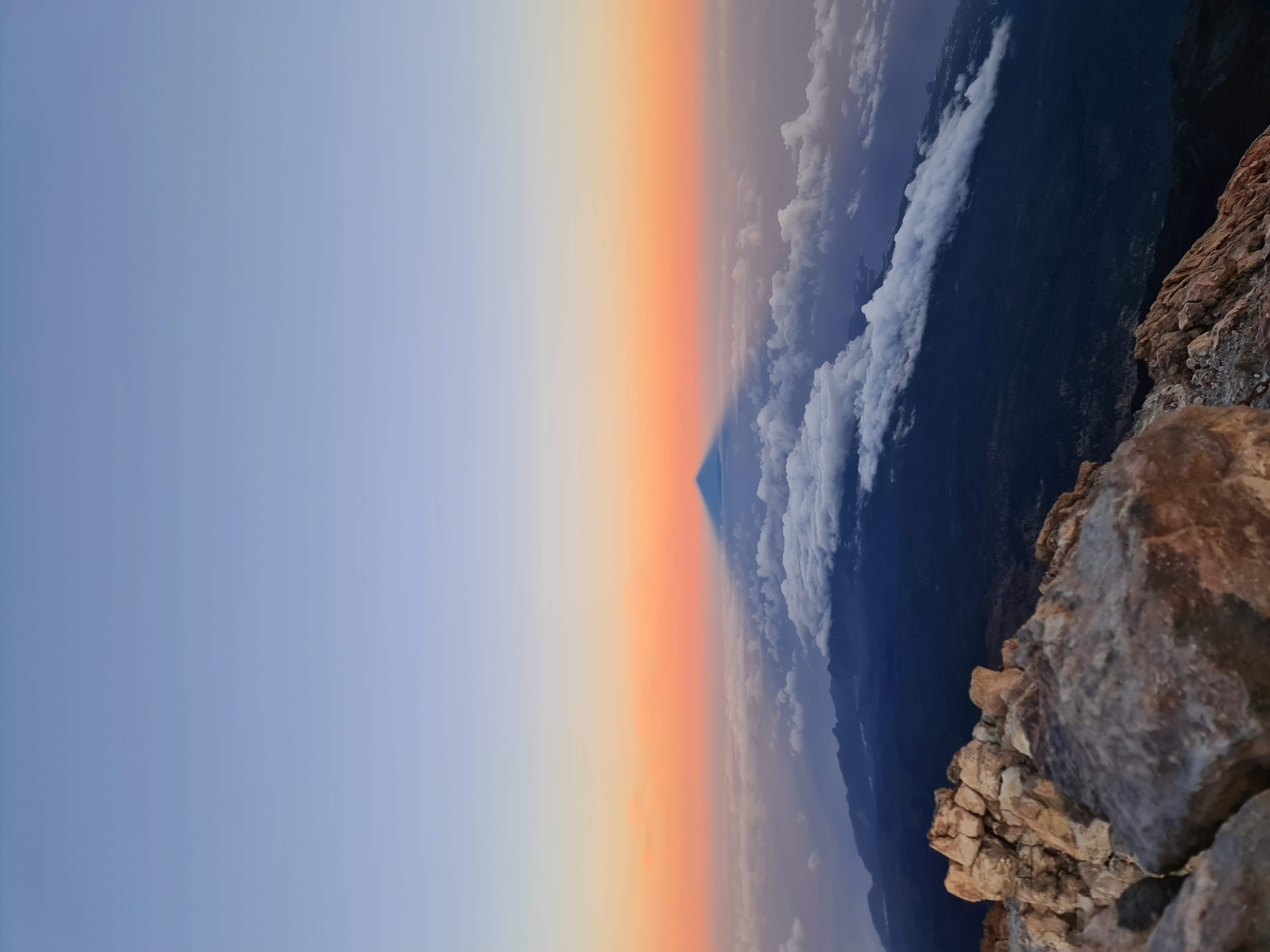,regionOfInterest=(1500,2000))
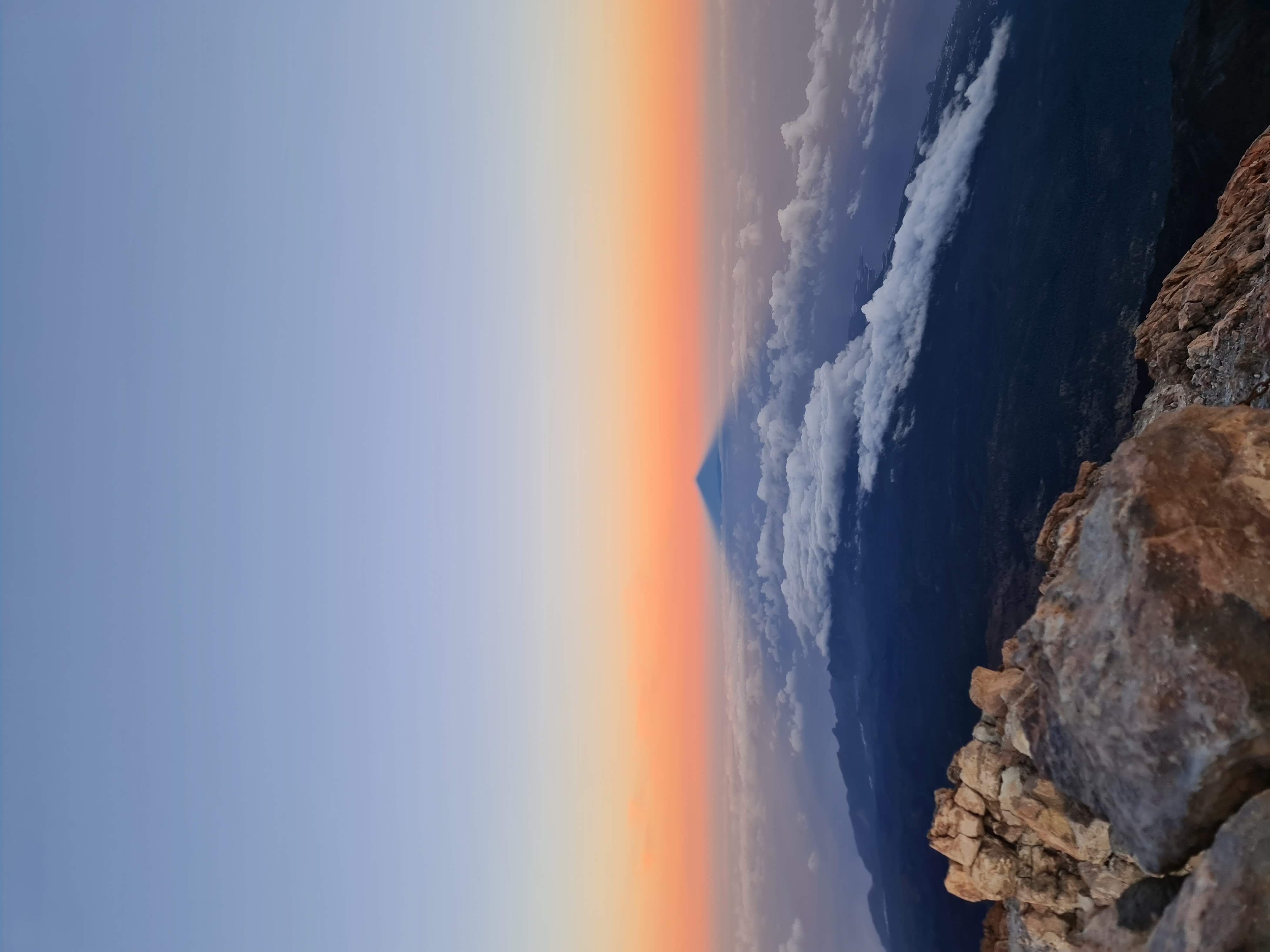,regionOfInterest=(1500,2000))
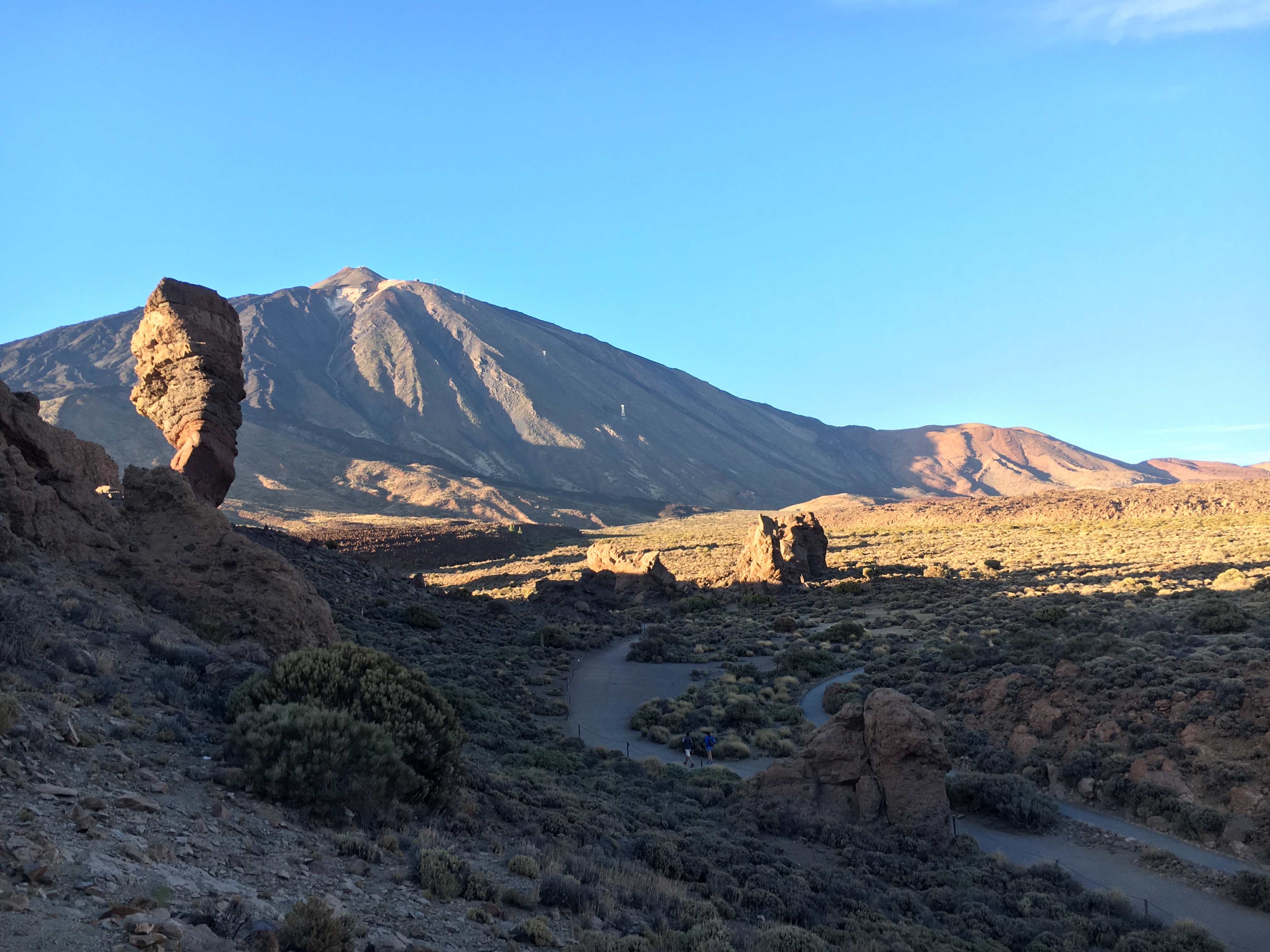,regionOfInterest=(2016,1512))
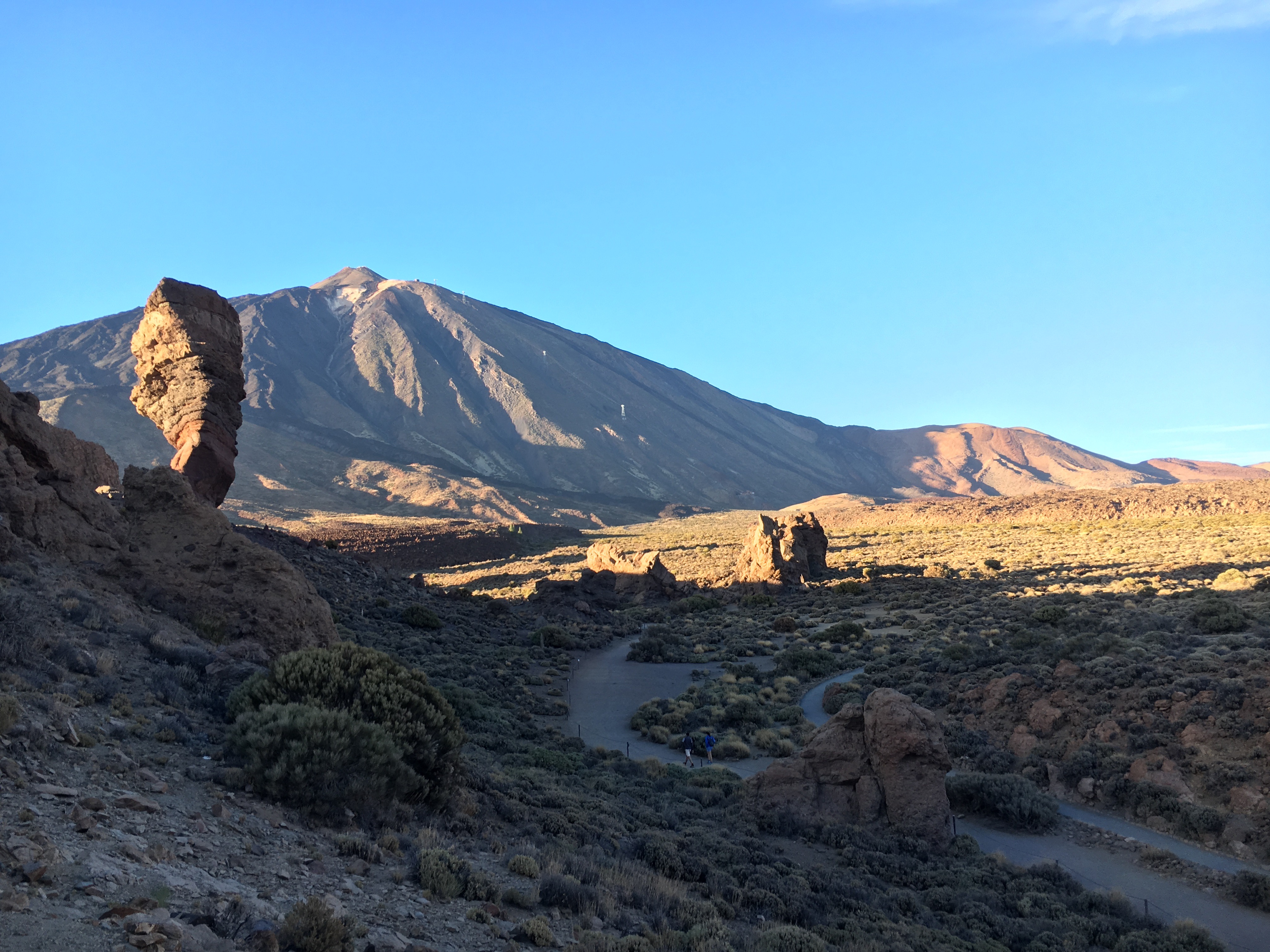,regionOfInterest=(2016,1512))
,regionOfInterest=(3214,2054.5))
,regionOfInterest=(3214,2054.5))
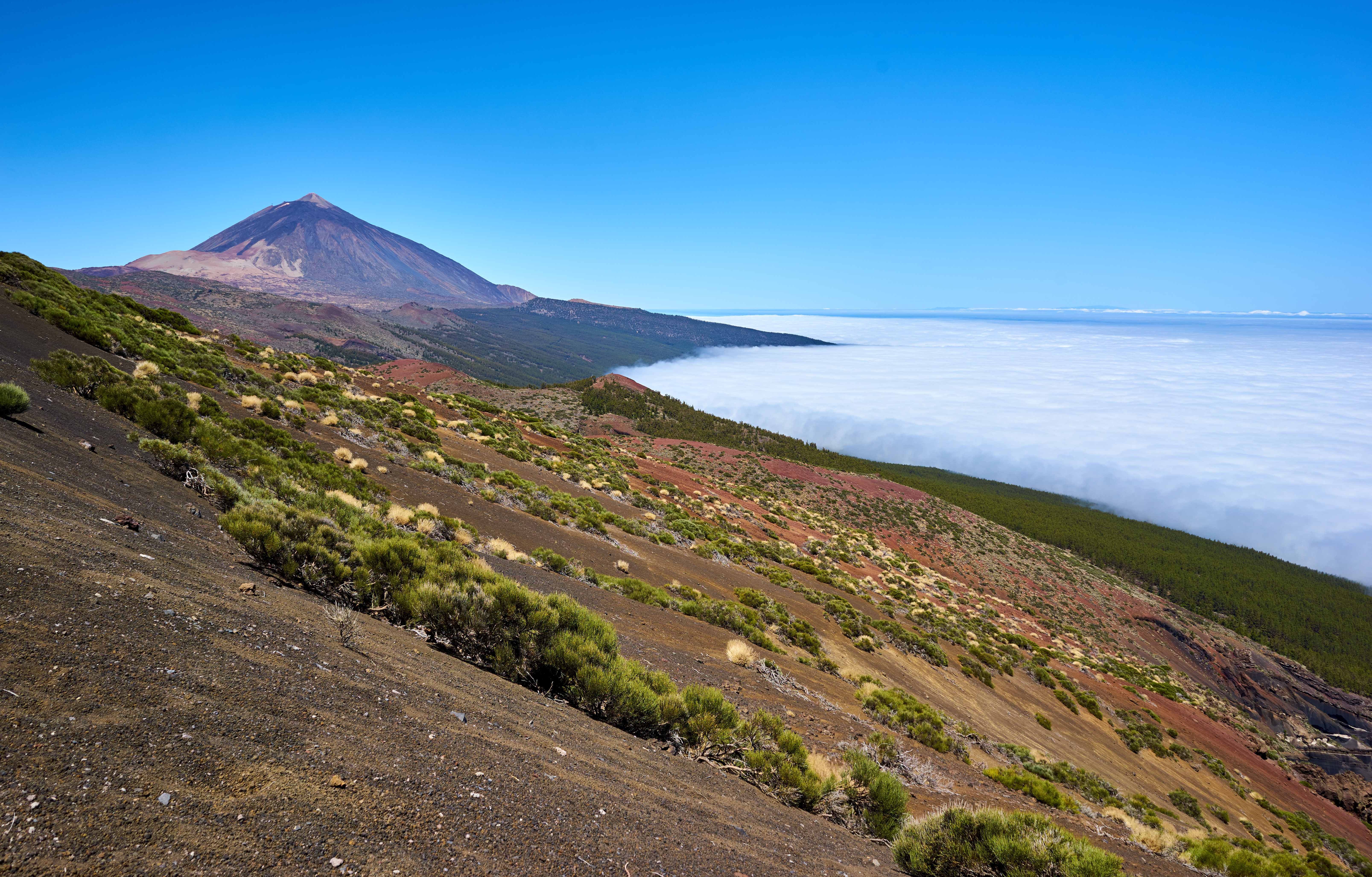
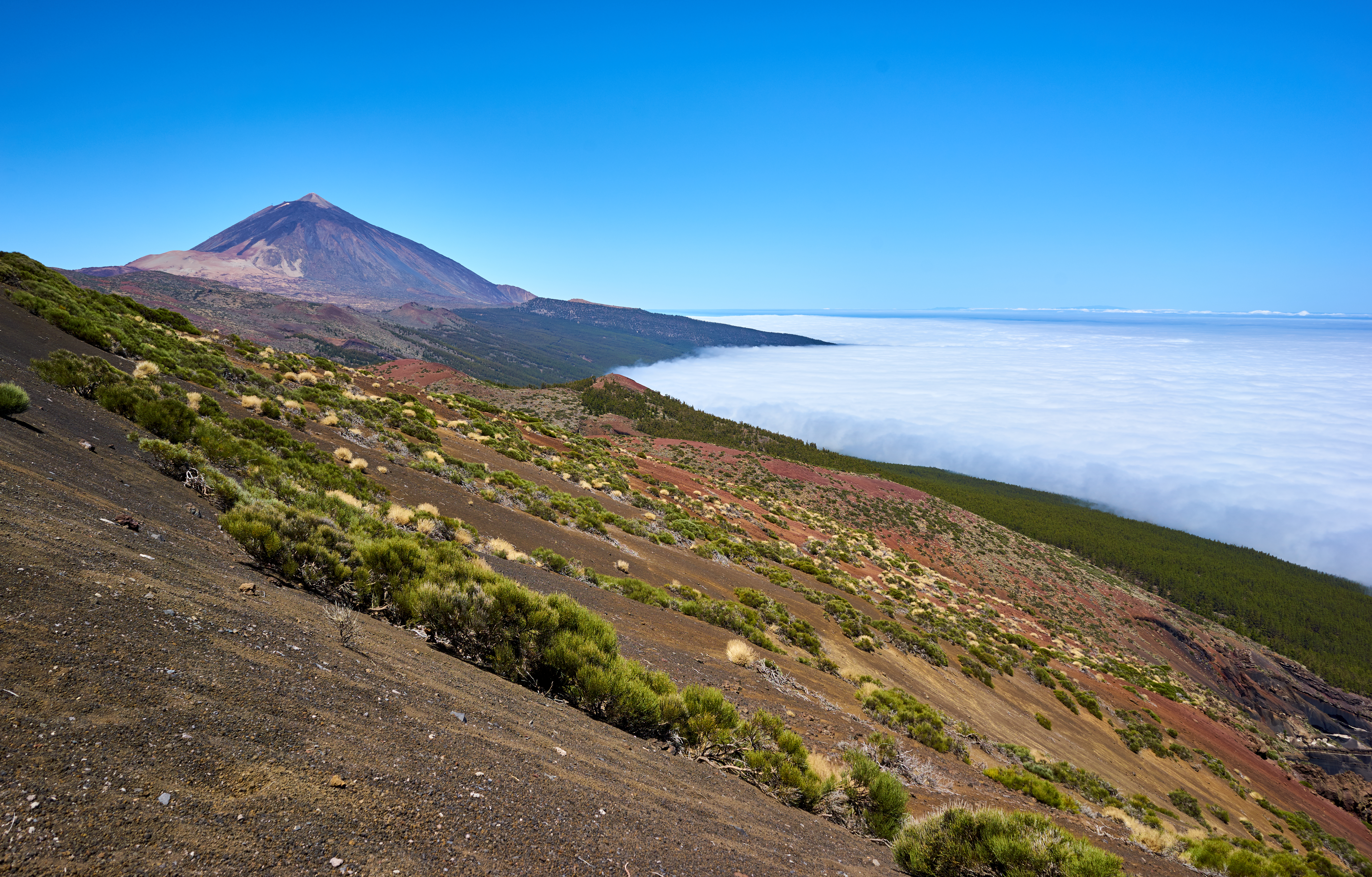
This protected area is one of the most spectacular examples of a stratovolcano and caldera on the planet. With an area of 18,990 hectares, it sits on the Cañadas del Teide, a gigantic sunken amphitheatre about 16 kilometres in diameter created after the collapse of large volcanic structures.
In the centre of this impressive depression rises the Teide itself, a stratovolcano that reaches 3,715 metres above sea level, becoming the highest peak in Spain.
The combination of its altitude, the purity of its clean and dry atmosphere, and its spectacular variety of lava formations (such as spires, ropy lava flows and underground caves) make it a unique natural laboratory for geologists, astronomers and scientists from all over the planet.
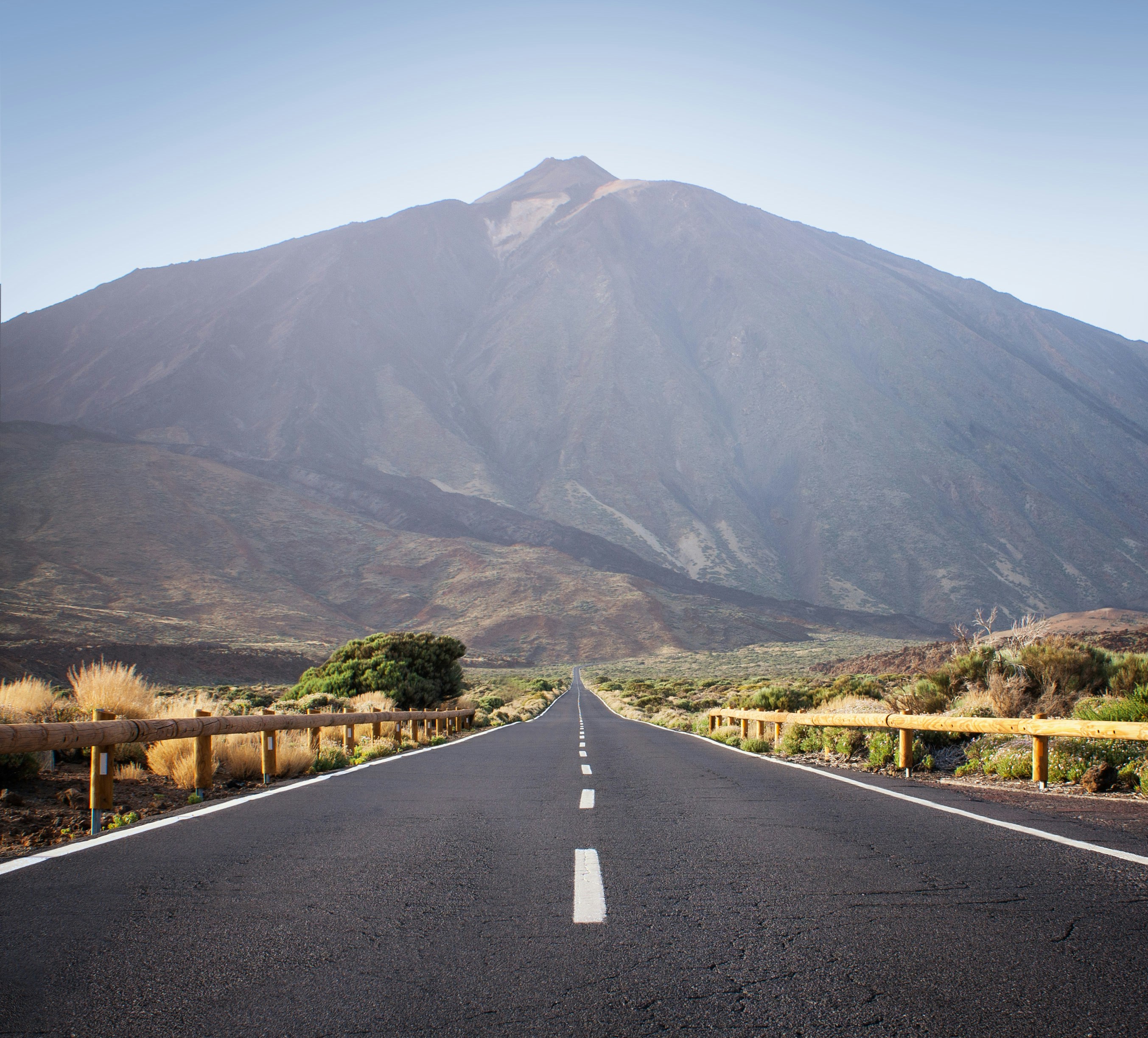
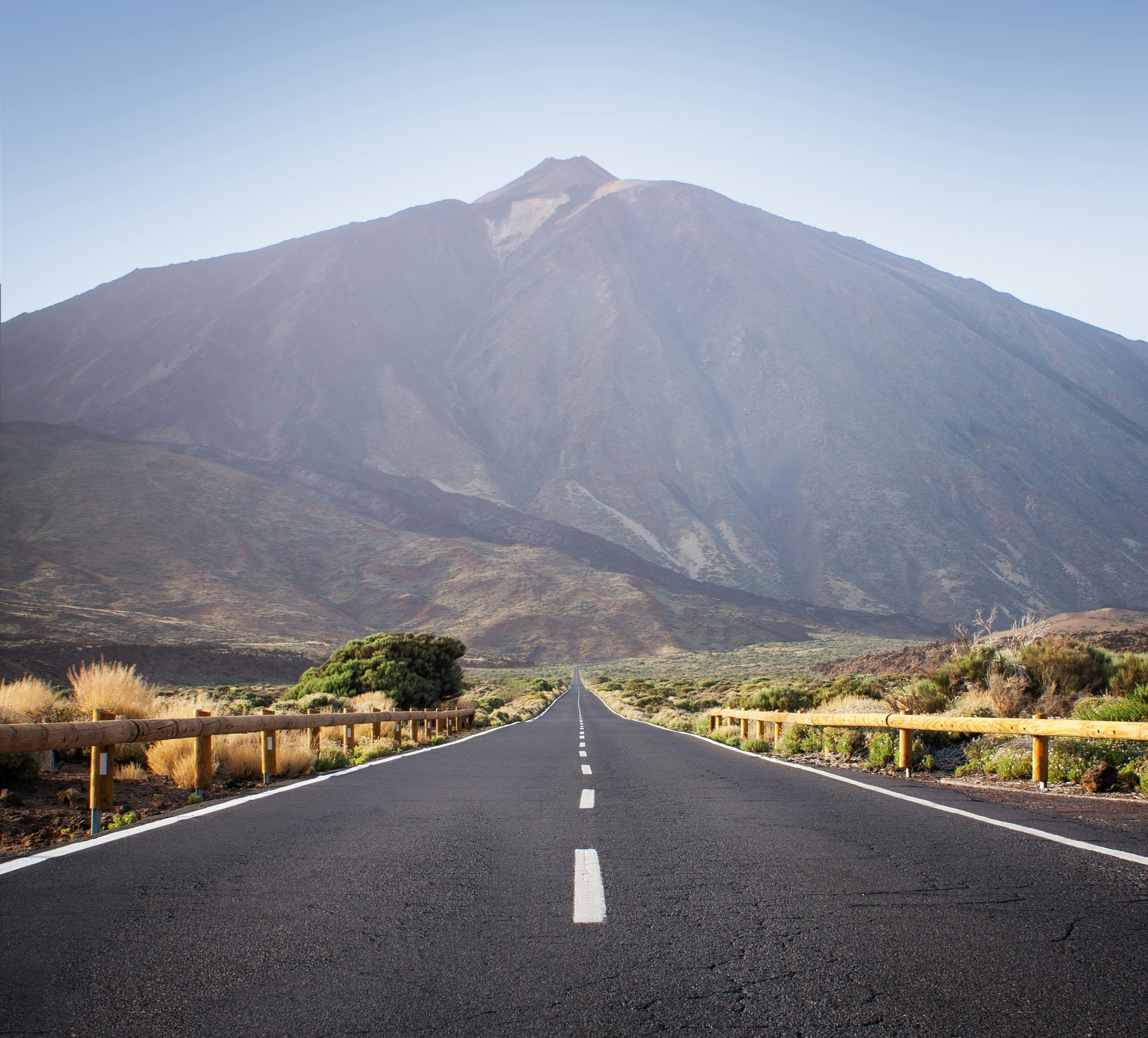
When looking at the map of Teide National Park, you will see that it occupies a huge area in the centre of the island, offering different access routes via a network of roads that is one of the most beautiful in the Canary Islands.
The park occupies the central and highest area of the island of Tenerife, bordering almost all of the island's major regions and extending above 2,000 metres in altitude, surrounded by the great green mantle of Canary Island pine known as the Corona Forestal.
📍 Carretera TF-21, Km 46.5, 38300 La Orotava, Santa Cruz de Tenerife.
There are a total of four perfectly paved and signposted access points to Teide National Park, so the most comfortable way to get there is usually by car. You can drive up from the north via La Orotava (TF-21), from the south via Vilaflor (TF-21), from the metropolitan area via the spectacular dorsal road of La Esperanza (TF-24) or from the west via Chío (TF-38).
The park has different free parking areas spread out by viewpoints, trails and tourist spots. There is no single main car park because the space is huge and visits are usually made by travelling through different areas.
The largest car parks are at the Parador de Turismo (next to the Roques de García) and at the base station of the cable car. Even so, as they are very touristy areas, they tend to fill up quickly, with peak hours being between 10am and 2pm.
It would be advisable to organise your visit to Teide National Park to arrive early in the morning or later in the afternoon, so you can be sure of finding parking and also be able to enjoy the viewpoints with much more peace and quiet.
📍 To locate the main points of interest, it is advisable to consult the Map of Teide National Park before starting your journey and setting off to explore.
,regionOfInterest=(1353,1223.5))
,regionOfInterest=(1353,1223.5))
Access to the natural area remains open 24 hours a day, all year round. The official visitor centres, such as El Portillo or Cañada Blanca, are open daily from 9am to 4:15pm (except 25 December and 1 January).
General entry to the site, its viewpoints and the vast majority of its official trails is completely free. The only associated cost is if you decide to go up in the cable car or if you book guided tours at night.
To step on the volcano's crater you need a mandatory permit that you can process for free on the official National Parks website. This pass regulates access to the Telesforo Bravo trail (which connects the upper cable car station with the summit), and because daily capacity is very limited for conservation reasons, it is essential to book it several months in advance.
Most of the reviews of Teide National Park shared by users on the internet describe this place as "essential", "breathtaking" and as "a landscape from another planet".
As for the less favourable reviews, they focus on the occasional traffic jams at the main viewpoints during the middle of the day or the unexpected closures of the cable car due to strong winds.
Before exploring Teide National Park, there are some important recommendations to keep in mind:
Warm clothing in any season: As you are over 2,000 metres above sea level, temperatures are noticeably cool all year round, even in the summer months. It is advisable to bring some light warm clothing, including a sweatshirt and/or a windbreaker, so you can protect yourself from draughts in the high-altitude areas.
Sun protection and sunglasses: Due to the altitude, ultraviolet radiation is very intense at the summits. It is advisable to use high-factor sunscreen before starting any route, wear sunglasses and protect your head with a cap or hat.
Water and food: The distances within the protected area are considerable and the points of sale for basic products are very limited. It is advisable to enter the area with enough water and food to maintain hydration and energy throughout the day.
Fill up your tank: There are no petrol stations within the boundaries of the national park. Therefore, it is essential to fill up your fuel tank in the access municipalities such as La Orotava, Vilaflor or Santiago del Teide before starting the ascent to the summit.
Absolute respect for the protected environment: Conservation of the environment: As this is an extremely fragile high-mountain ecosystem, it is mandatory to walk exclusively along the signposted paths and respect the ash fields. Likewise, the regulations prohibit the collection of volcanic stones, sulphur or any natural element as a souvenir in order to preserve the geological heritage intact.
Do you have any questions about what to do in Teide National Park? The natural environment of Las Cañadas offers a range of points of interest and essential photo stops to understand the geological evolution of the island. If you need any ideas, these are the most outstanding enclaves:
Located in front of the Parador, they are a set of volcanic chimneys sculpted by millions of years of erosion. Among them stands out the Roque Cinchado, popularly nicknamed "the stone tree", whose unstable silhouette defies the law of gravity in front of the Teide cone, making it the most famous postcard of the island.
The Llano de Ucanca is an immense sedimentary plain with an ochre colour and a totally desert-like appearance that constitutes one of the most breathtaking areas of the park. Walking surrounded by imposing stone walls will immediately transport you to a western or science fiction film set.
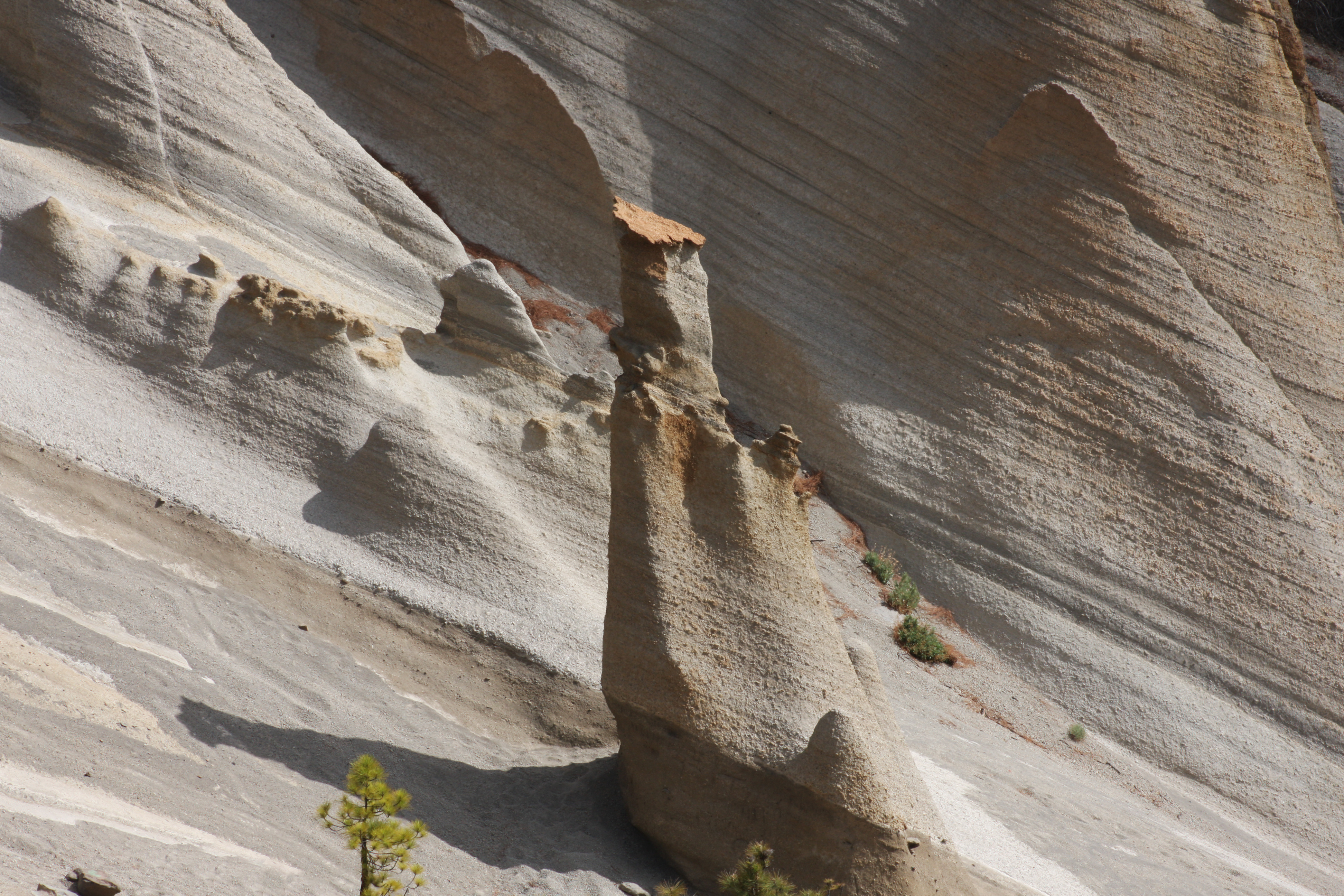
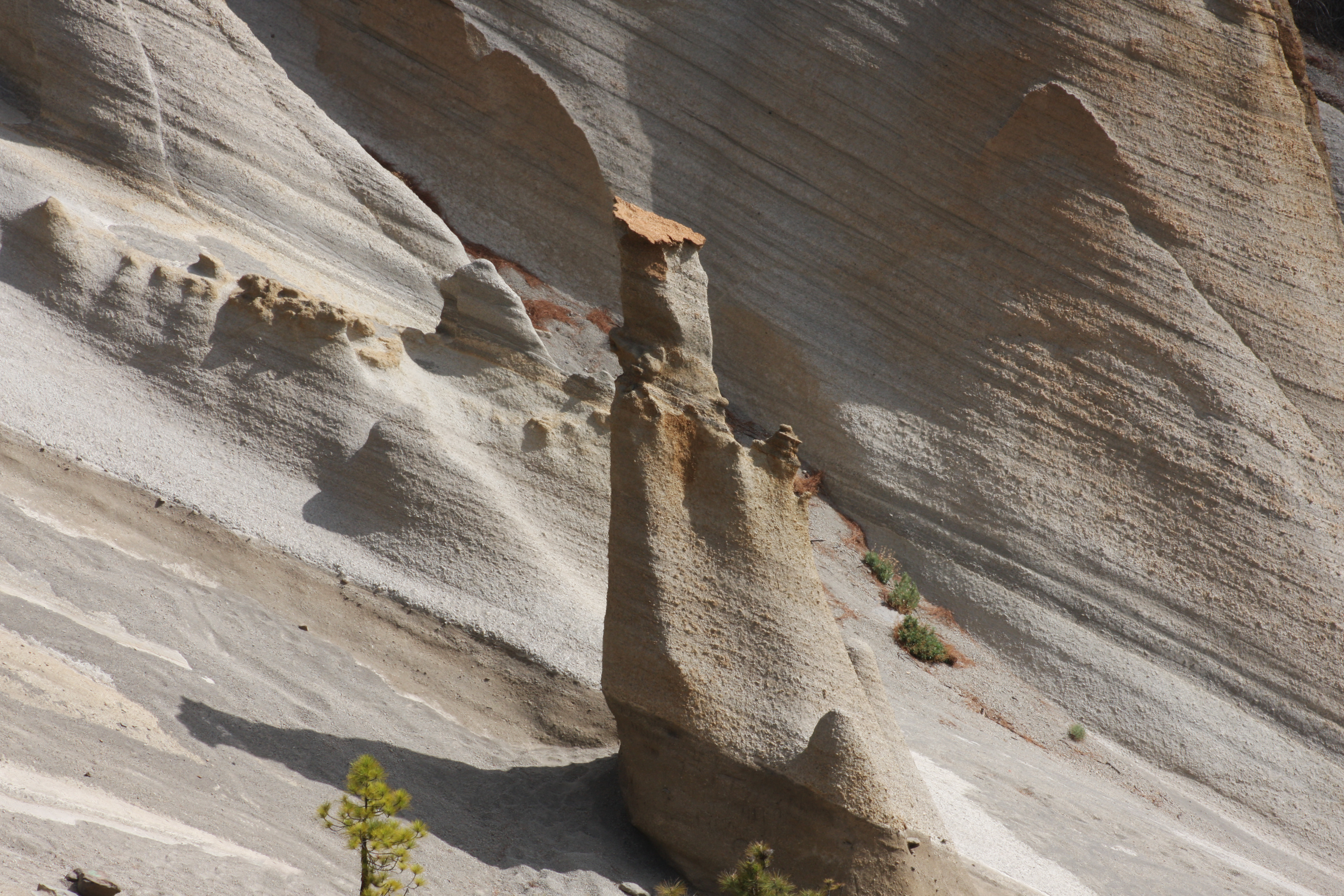
This is a striking rocky wall whose stones have very characteristic bluish-green shades. This curious visual phenomenon is due to the hydrothermal alteration of volcanic minerals that came into contact with underground gases and vapours at very high temperatures thousands of years ago.
,regionOfInterest=(1944,1296))
,regionOfInterest=(1944,1296))
,regionOfInterest=(2500,1667))
,regionOfInterest=(2500,1667))
,regionOfInterest=(1376,768))
,regionOfInterest=(1376,768))
,regionOfInterest=(632,423))
,regionOfInterest=(632,423))
,regionOfInterest=(2944,1656))
,regionOfInterest=(2944,1656))
,regionOfInterest=(1750,1575))
,regionOfInterest=(1750,1575))