,regionOfInterest=(3306.5,2180.5))
,regionOfInterest=(3306.5,2180.5))
Best Christmas markets in Andorra
,regionOfInterest=(3008,2008))
,regionOfInterest=(3008,2008))
Culture
,regionOfInterest=(2752.5,1835.5))
,regionOfInterest=(2752.5,1835.5))
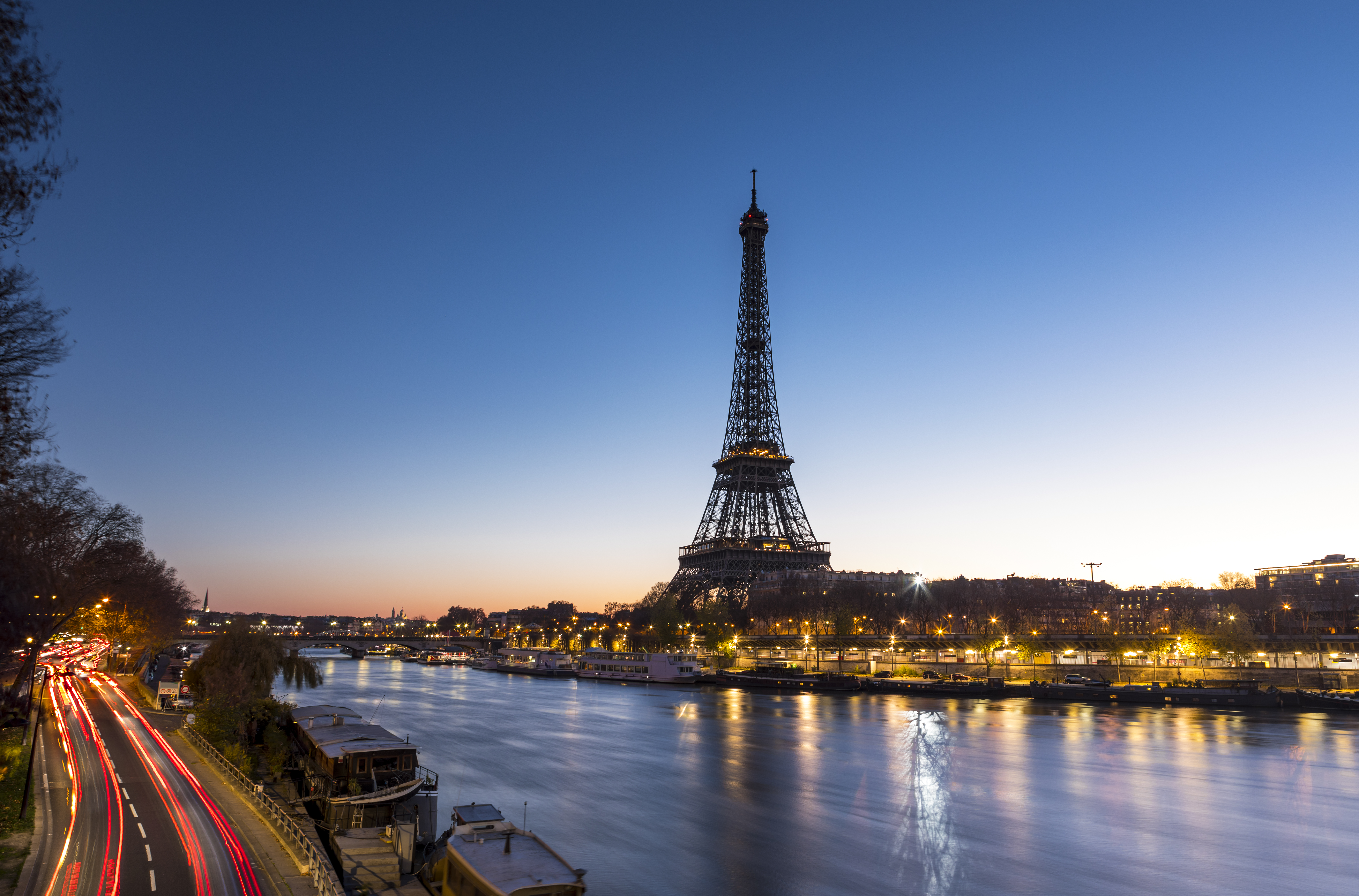
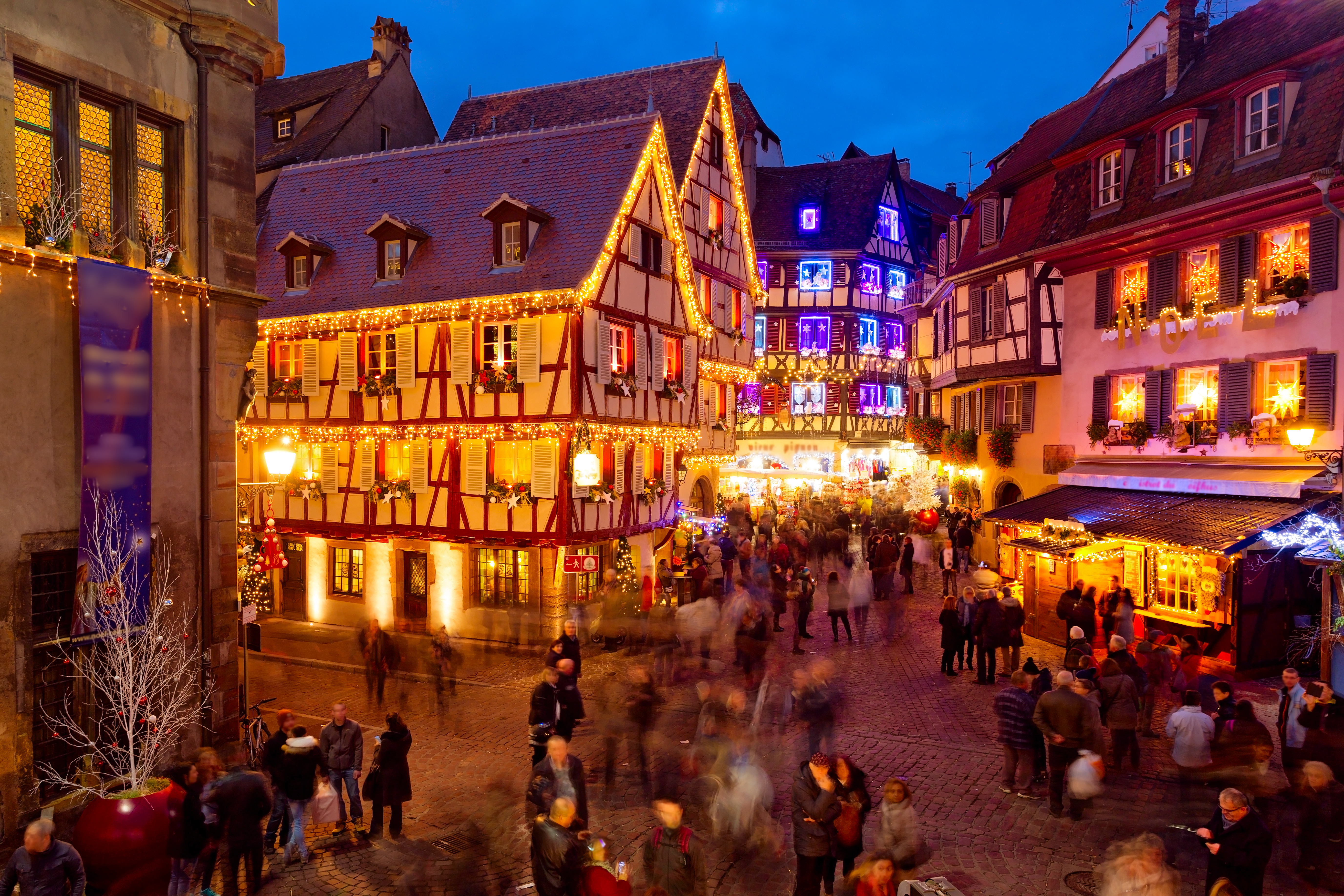
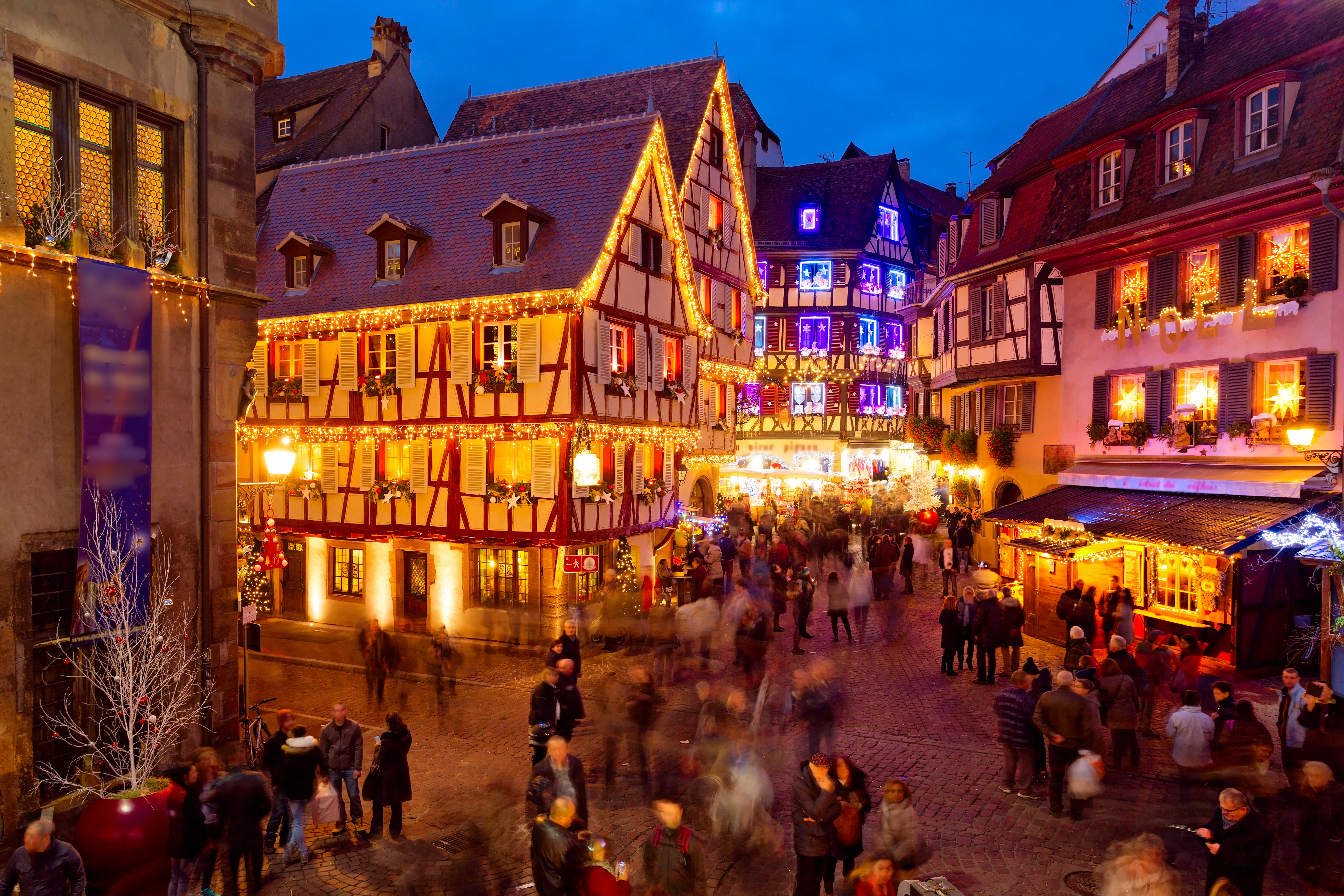
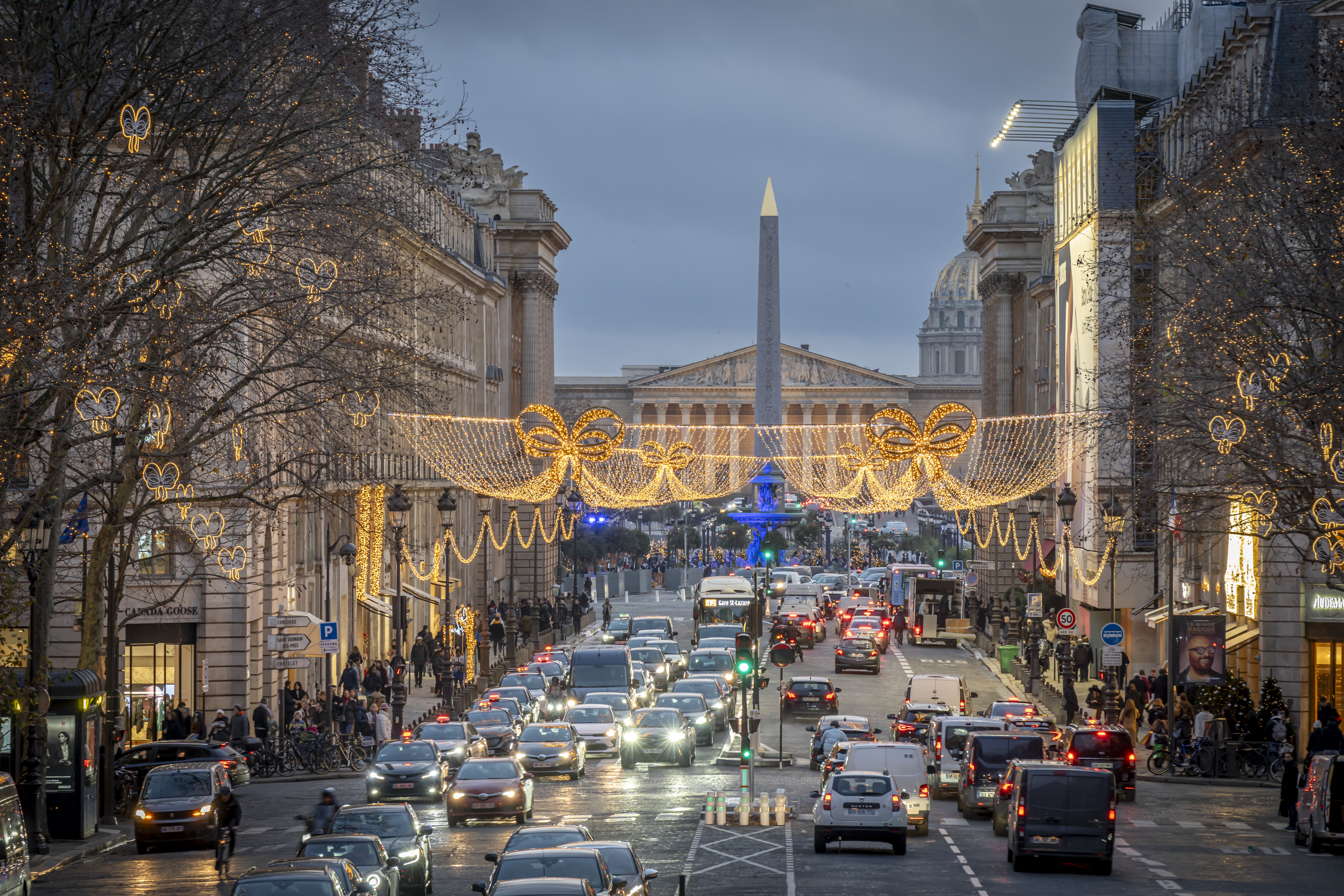
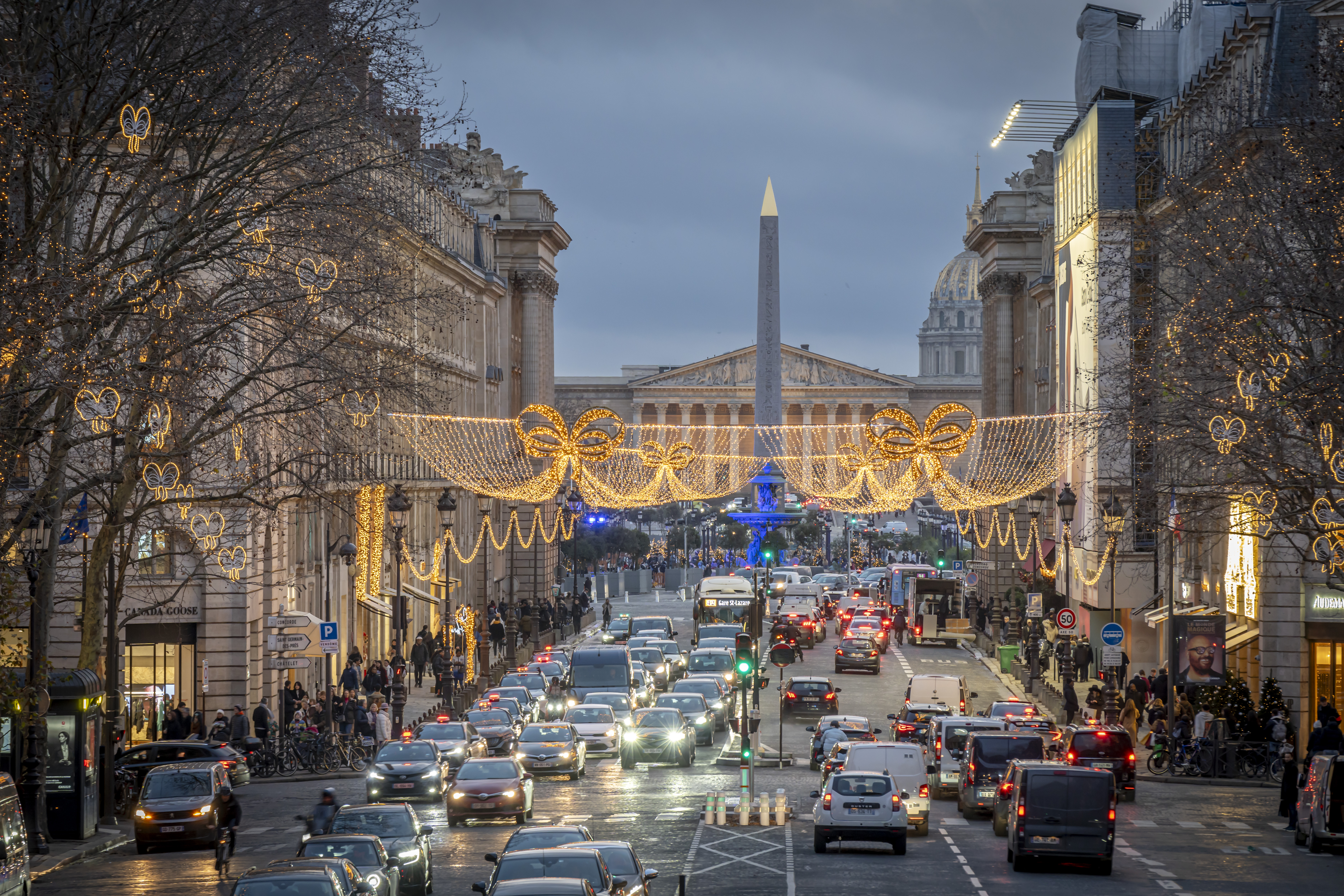
France experiences Christmas in very different ways depending on the region. In Alsace, markets occupy medieval squares between timber-framed houses; in the north, cities like Lille combine chalets and gastronomy with Flemish architecture; and in Paris, markets with very different profiles appear next to some of its best-known monuments.
This tradition is particularly deeply rooted in the east of the country, where its proximity to Germany has left its mark on Advent celebrations. Strasbourg, Colmar and the small Alsatian villages preserve some of the most characteristic markets, with crafts, decorations, regional products and recipes that return every winter. In other parts of France, the custom has evolved towards urban markets that mix local traditions with contemporary offerings.
This diversity makes Christmas markets in France a great way to get to know the country during the winter months. Beyond buying decorations or gifts, they allow you to get closer to the gastronomy and customs of each region, from pain d’épices, bredeles and mulled wine from Alsace to the cheeses, chocolates and specialities that arrive at Parisian markets from different parts of the country. In 2026, some destinations have already published their calendars, while others are still finalising their Christmas programmes.
,regionOfInterest=(500,500))
,regionOfInterest=(500,500))
All-terrain writer specialising in tourism, fashion and trends. A curious soul, traveller, reader and sports enthusiast, keen to discover every corner of the world.
Culture
,regionOfInterest=(3504,2336))
,regionOfInterest=(3504,2336))
,regionOfInterest=(3905,2519.5))
,regionOfInterest=(3905,2519.5))
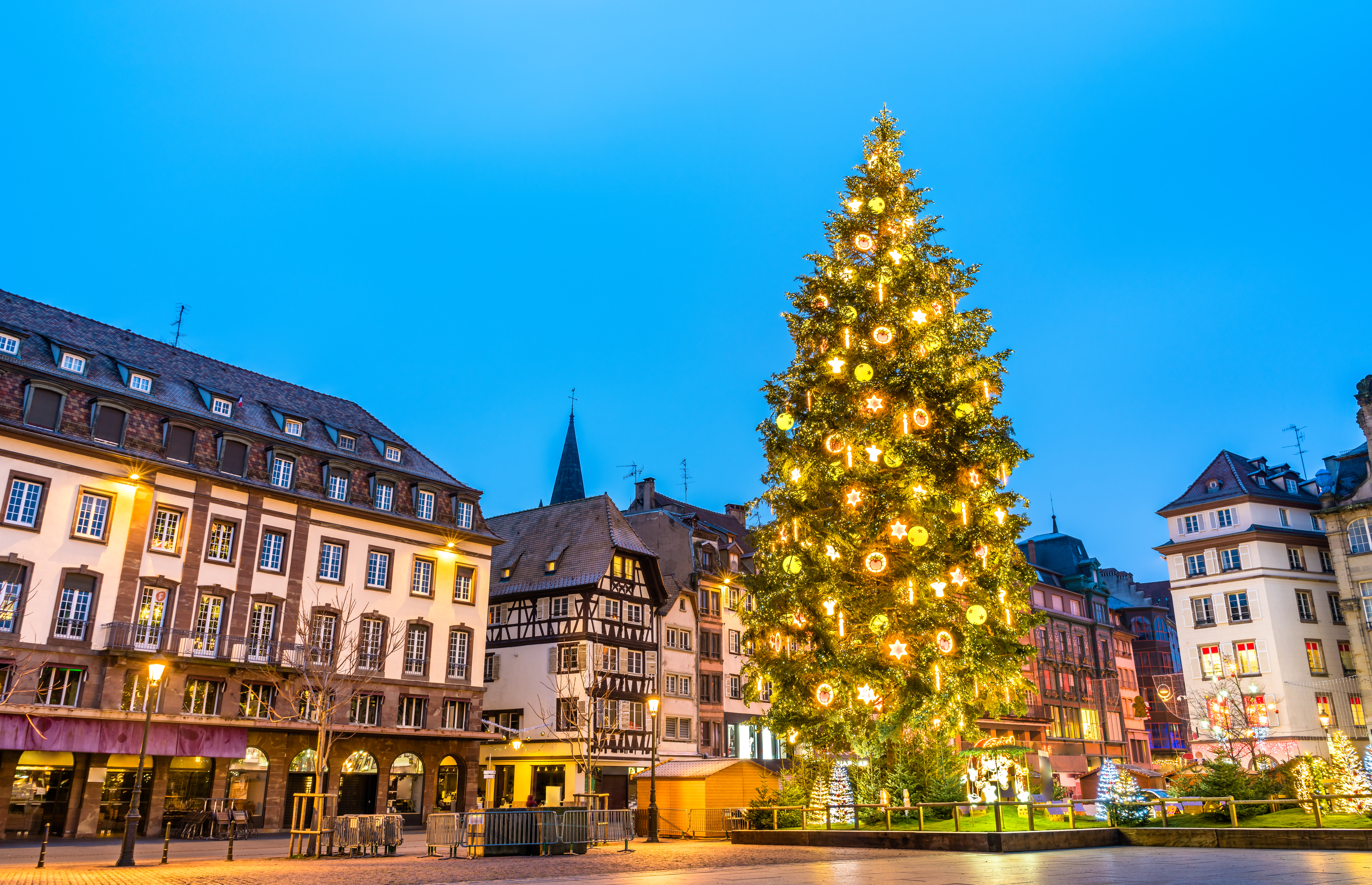
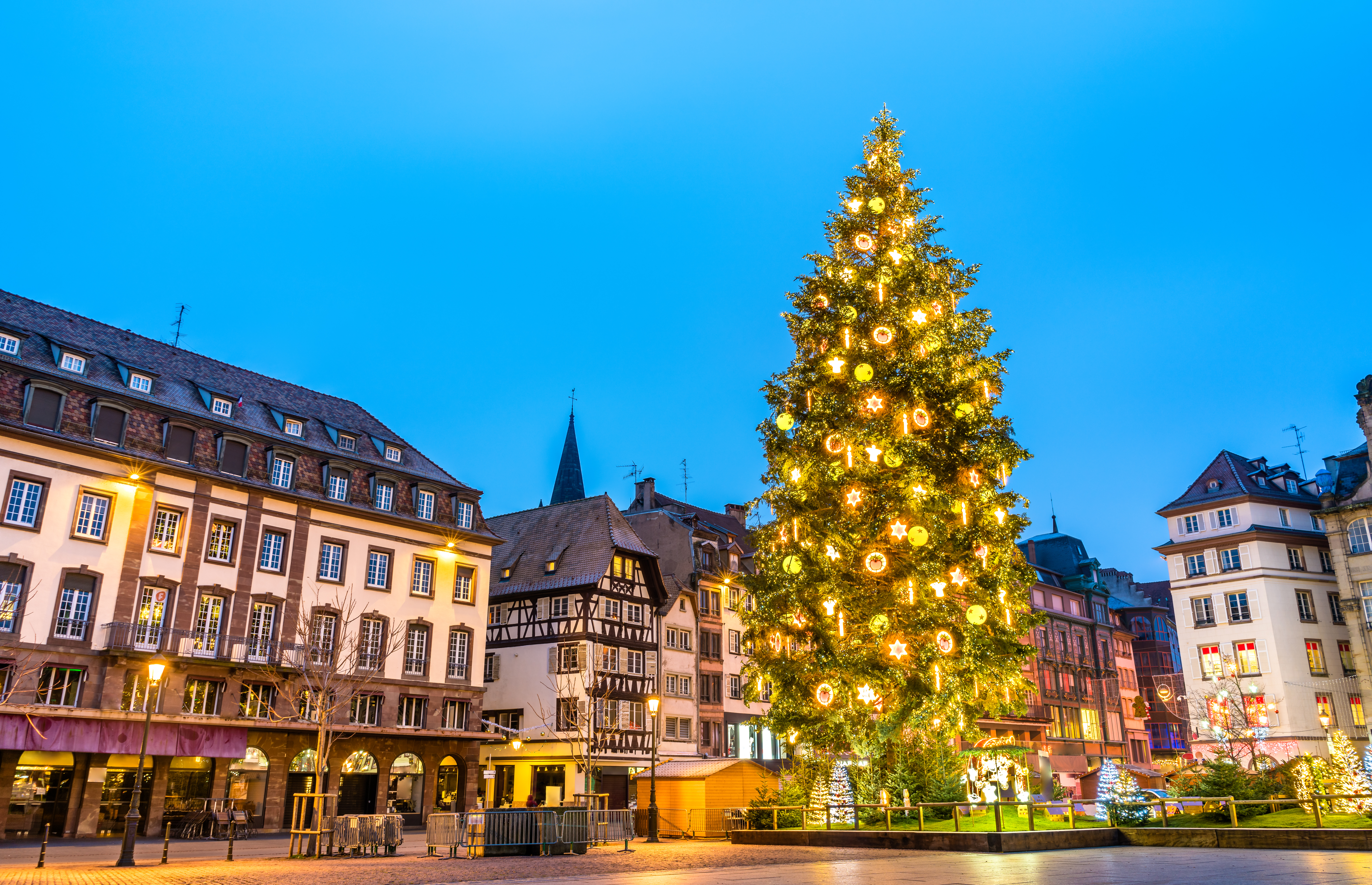
Christmas in France combines traditions shared throughout the country with customs that change significantly from one region to another. **Advent** marks the beginning of the celebrations and is especially visible in Alsace, where the markets, Advent wreaths, and the decoration of towns and cities are part of a deeply rooted tradition. Another important date is **6 December, Saint Nicholas Day**, which retains a special prominence in regions of eastern and northern France, including Alsace and Lorraine. Gastronomy is also something to highlight during these weeks. In Alsace, **bredeles** are traditional, small Christmas biscuits prepared in different shapes and flavours, and *pain d’épices*, made with honey and spices. In other areas, chocolates, chestnuts, regional sweets, and dishes reserved for family gatherings appear. After Christmas comes another widespread tradition: the **galette des Rois**, which is shared around Epiphany and hides a small *fève* (a figurine, originally a dried broad bean) inside. These regional differences help to understand why the **Christmas markets in France** do not follow a single model. In Strasbourg, Colmar, and other Alsatian municipalities, they are deeply linked to Advent and local craftsmanship; Lille incorporates the traditions of the north of the country; and Paris brings together markets with products and specialties from different French regions. Visiting them allows you to discover not only how Christmas is celebrated in France, but also the particular identity of each territory.
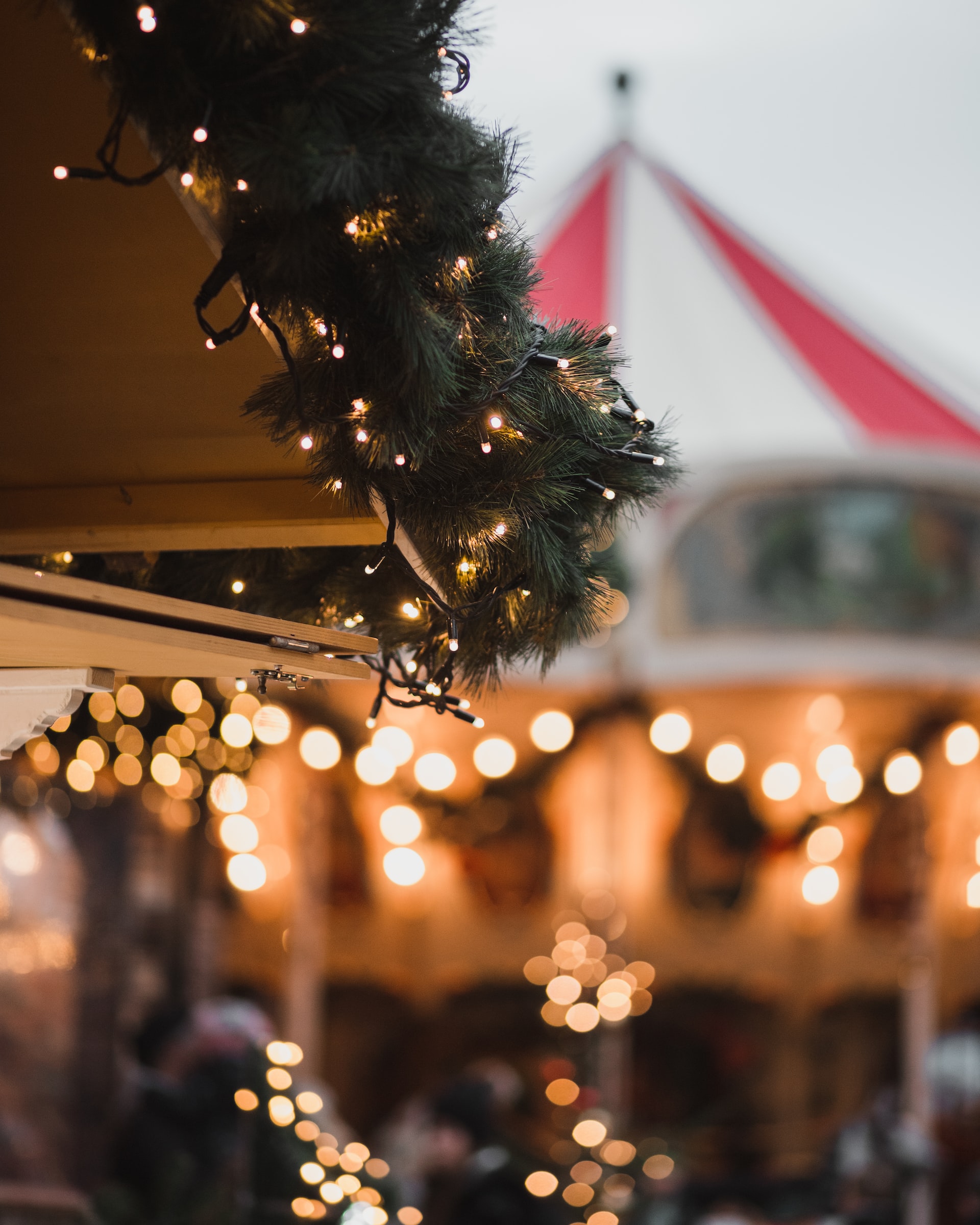
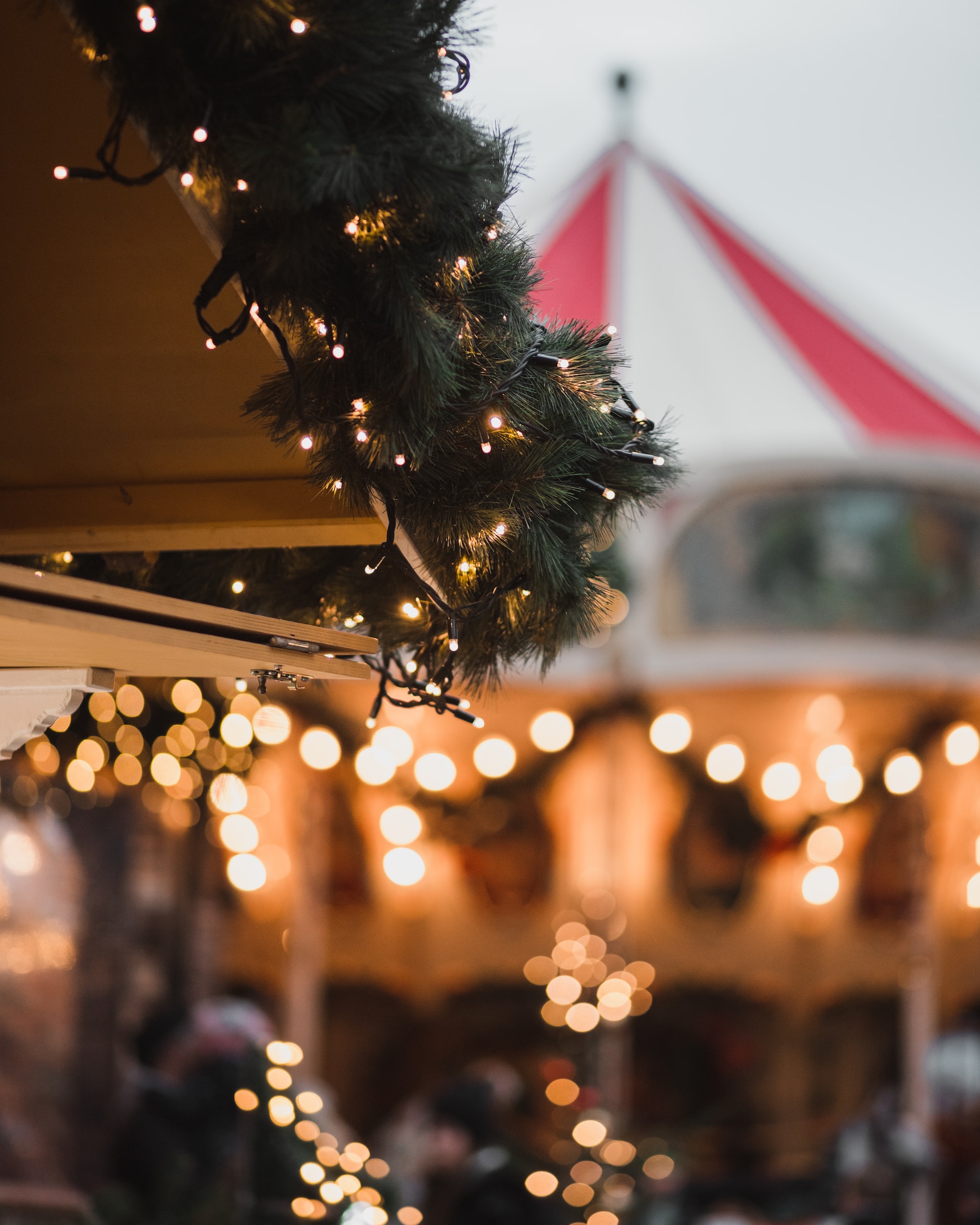
The first Christmas markets in France usually start to appear during the second half of November, although there is no common date for the whole country. The season is usually concentrated between the end of November and the end of December, with some openings taking place a few days earlier. In 2026, Lille is among the large cities that start their season earlier, with the opening of its Village de Noël on 18 November. Mulhouse inaugurates its main market in the Place de la Réunion on 20 November, while in Colmar the main markets in the historic centre begin on 23 November. In Strasbourg, one of the great benchmarks of the French Christmas, the 2026 edition is in preparation. The city will once again distribute its markets throughout different parts of the historic centre, although its final calendar is still pending official confirmation.
,regionOfInterest=(960,1200))
,regionOfInterest=(960,1200))
For this selection, historical relevance, the number and variety of stalls, the urban setting, the presence of crafts and regional products and the tourist interest of the market itself have been taken into account. Alsace concentrates several of the most unique offerings, but Lille and Paris allow you to discover different models of French Christmas markets.
| Market | Editorial rating | Location | Ideal for |
|---|---|---|---|
| Strasbourg Capitale de Noël | ★★★★★ | Historic centre of Strasbourg | Tradition and history |
| Colmar Christmas markets | ★★★★★ | Historic centre of Colmar | Visit several markets on foot |
| Mulhouse Christmas market | ★★★★☆ | Place de la Réunion | Alsatian crafts and tradition |
| Lille Village de Noël | ★★★★☆ | Place Rihour | Urban atmosphere and gastronomy |
| Notre-Dame Christmas market | ★★★★☆ | Square René Viviani, Paris | French crafts and monumental setting |
| Kaysersberg Christmas market | ★★★★☆ | Historic centre of Kaysersberg | Crafts and village atmosphere |
Strasbourg occupies a fundamental place in French Christmas history. Before the appearance of the current Christkindelsmärik, the Cathedral square hosted a St. Nicholas market with sellers of candles, gingerbread, sweets and different trades. That commercial tradition evolved until Christmas became one of the city's great events. Currently, it is not just a single market. Eight markets are distributed throughout the historic centre, with spaces around the Cathedral, Place Broglie, Petite France, Place Kléber and other points in the Grande Île. There are crafts, Alsatian gastronomy, small producers and solidarity offerings, which allows you to visit them on foot as part of the same itinerary. Its tourist importance is considerable: the 2025 edition received 3.05 million visitors, according to the Strasbourg City Council. 🗓️ Dates: pending confirmation for 2026. 📍 Location: historic centre of Strasbourg, especially Place Broglie, Place Kléber and the area around the Cathedral.
Colmar approaches Christmas as a tour of different squares in the historic centre. Instead of concentrating all activity in a single venue, its markets are spread between spaces such as Place des Dominicains, Place de l'Ancienne Douane, Place Jeanne d'Arc and Petite Venise, each with a different profile. Place des Dominicains brings together around 60 stalls, while the l'Ancienne Douane market has about 50 small houses around the Schwendi fountain. For those looking for gastronomy, Place Jeanne d'Arc is especially oriented towards Alsatian products such as foie gras, cured meats, wines, spirits, bredeles and pain d’épices. Added to these is a Marché Gourmand with different gastronomic offerings and a longer calendar than the traditional markets.
🗓️ Dates: 23 November-29 December 2026 for the main markets; Marché Gourmand until 3 January 2027.
📍 Location: different squares in the historic centre of Colmar.
The Marché de Noël de Mulhouse has a peculiarity that is difficult to find in other French markets: its Étoffe de Noël. Each year a specific fabric is created that is used to decorate the facades and pedestrian streets of the centre, a tradition related to the city's important history in the textile industry. Around 90 chalets occupy the market and offer ceramics, jewellery, decorations, honey and other gastronomic and craft offerings. The food has a marked Alsatian character, with mulled wine, tarte flambée, choucroute and other regional recipes. Its main stage is the Place de la Réunion, in the heart of the historic centre. For those looking for a market that is less monumental than Strasbourg but very linked to the local identity, Mulhouse offers a particularly unique proposal.
🗓️ Dates: 20-24 and 26-27 December 2026.
📍 Location: Place de la Réunion, Mulhouse.
In the north of France, Lille offers a different Christmas landscape to that of Alsace. Its Village de Noël is installed in Place Rihour, in the centre, a few steps from the Grand-Place and its characteristic Flemish-influenced facades. Gastronomy occupies an important part of the route: among the chalets appear waffles, pain d’épices, seasonal sweets and mulled wine. The market also integrates with the commercial activity of the centre and with the large Ferris wheel installed in the nearby Grand-Place, although the latter is an independent attraction and not the market itself. Its calendar is particularly extensive in 2026: it starts earlier than many of the large French markets and continues for several days after Christmas.
🗓️ Dates: 18 November-30 December 2026; closed on 25 December.
📍 Location: Place Rihour, Lille.
Paris does not have a single market that represents the whole of the city's Christmas. During these weeks, different proposals appear in various neighbourhoods and tourist spaces. Among those planned for the end of 2026 is the Notre-Dame Christmas market, located in Square René Viviani, in front of the cathedral. Its interest lies especially in the combination of location and product. Official tourist information highlights the presence of French crafts, local creators and regional gastronomy, so it fits better with the concept of a traditional Christmas market than other Parisian proposals focused mainly on attractions. Its size is more contained than that of the large Alsatian markets, but the proximity of Notre-Dame and the Seine makes it easy to incorporate into a tour of the historic centre of Paris.
🗓️ Dates: pending confirmation for 2026.
📍 Location: Square René Viviani, in front of Notre-Dame de Paris.
Kaysersberg shows another scale of the Alsatian Christmas. Its craft market is held in a small historic centre surrounded by vineyards and maintains a format focused especially on local artisans and producers. Unlike the large urban markets that operate every day, the Kaysersberg craft market opens during the four weekends of Advent. In addition to this, there is a farmers' market where producers sell pain d’épices, honey, cheeses, syrups, jams, organic products and gastronomic baskets. Its size allows you to visit it calmly and combine shopping with a walk through the streets of the village, making it especially interesting for those who want to discover how Christmas is celebrated outside the large French cities.
🗓️ Dates: 27-29 November, 4-6, 11-13 and 18-20 December 2026.
📍 Location: historic centre of Kaysersberg Vignoble, Alsace.
The end of the French markets depends a lot on the destination. Some maintain the Advent tradition and end before or immediately after Christmas, while others extend part of their offer until the last days of December or the beginning of January. In Lille, the Village de Noël will remain open until 30 December 2026, although it will close on the 25th. In Mulhouse, the main market operates until 24 December and reopens on 26 and 27 December. The main markets in Colmar run until 29 December, while its Marché Gourmand continues until 3 January 2027, an interesting alternative for those travelling after Christmas. In Alsatian villages, the dates are even more variable. The craft market in Kaysersberg, for example, is held during the four weekends leading up to Christmas, following a calendar much more linked to the traditional Advent period.
,regionOfInterest=(3306,2204))
,regionOfInterest=(3306,2204))
The choice of accommodation will depend especially on the city and the market you want to visit. Paris concentrates several Meliá options in central and well-connected areas, which makes it easy to combine Christmas markets with other places of interest in the capital. Maison Colbert stands out especially for the Notre-Dame market, while Meliá Paris Vendôme, Meliá Paris Champs Elysées and Hotel Paris Opera offer other locations from which to move around the centre.
| Hotel | Nearby market | Distance/transport | Approximate time | Advantage |
|---|---|---|---|---|
| Maison Colbert, member of Meliá Collection | Notre-Dame Christmas market | On foot | Variable depending on access | Location in the Notre-Dame area |
| Meliá Paris Vendôme | Paris city centre markets | On foot and metro | Variable depending on market | Next to Place Vendôme and well located for exploring the centre |
| Meliá Paris Champs Elysées | Markets and Christmas areas of western and central Paris | Metro and on foot | Variable depending on market | Location near the Champs-Élysées area |
| Hotel Paris Opera Affiliated by Meliá | Paris city centre markets | Metro and on foot | Variable depending on market | Good base for moving around the commercial and central areas |
| Meliá Paris La Défense | Paris and La Défense markets | Metro/public transport | Variable depending on market | Connection with different areas of the capital |
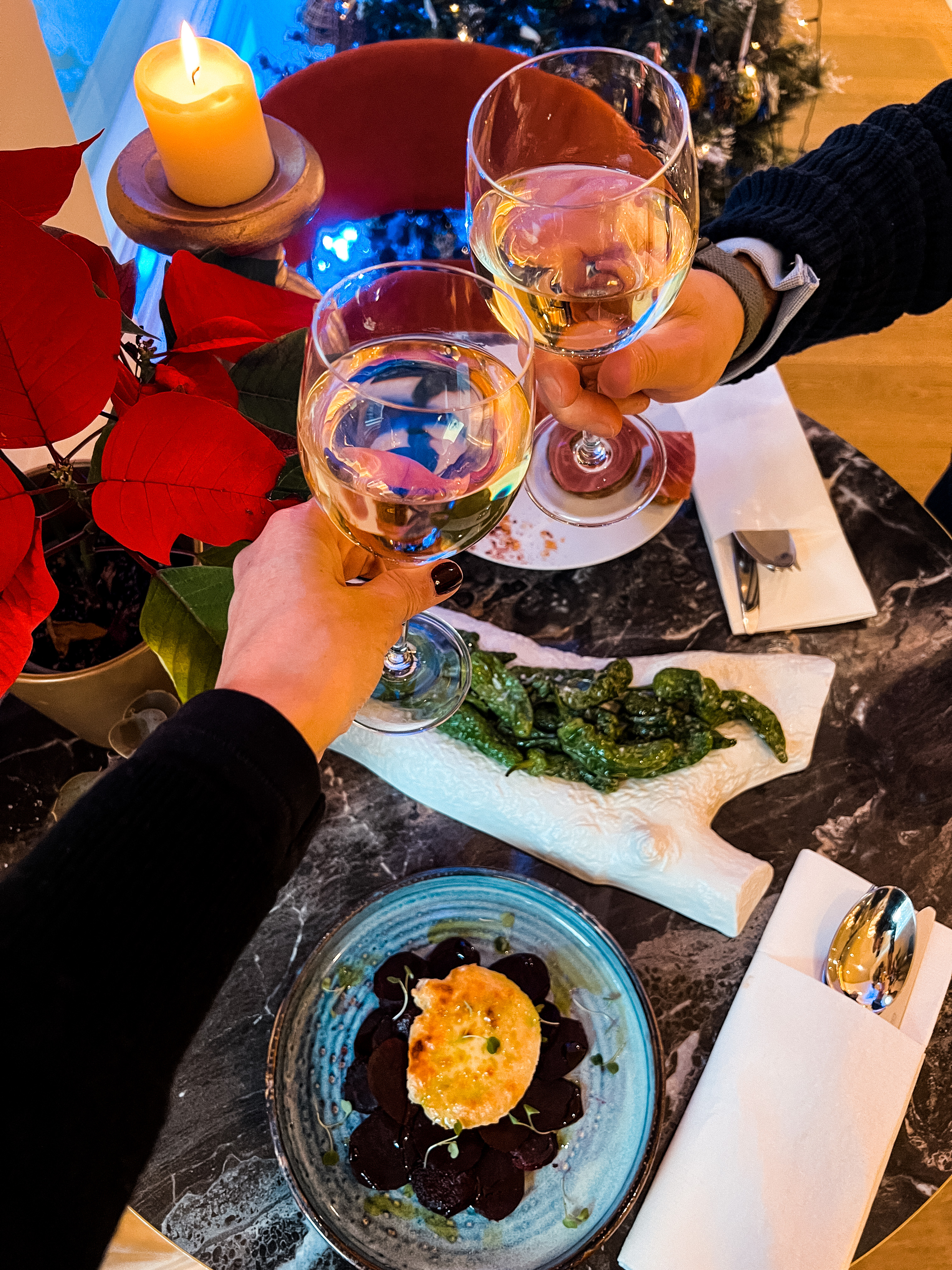
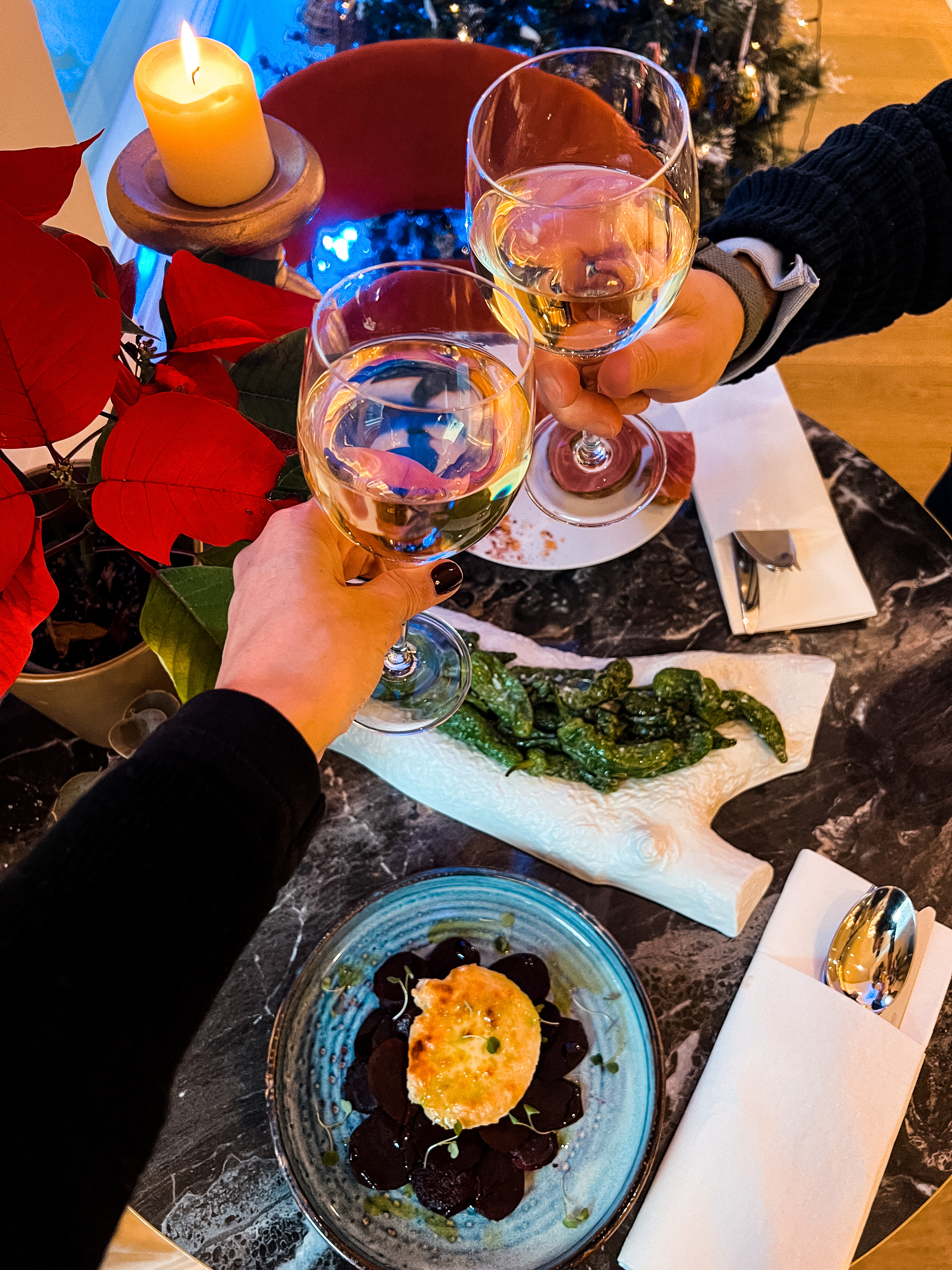
Visiting French Christmas markets allows you to see to what extent the same tradition changes from one region to another. In Strasbourg, Colmar or Kaysersberg, Advent retains a strong Alsatian identity; Mulhouse adds its textile heritage; Lille moves Christmas to the urban landscape of northern France; and Paris combines small markets with some of the country's most recognisable monumental settings. What appears on the table also changes. In Alsace, pain d’épices, bredeles, mulled wine and regional specialities abound. In other cities, cheeses, charcuterie, chocolates, crêpes and products from different French regions are added. And when the festivities approach Epiphany, the galette des Rois arrives, usually made with puff pastry and almond cream. Inside, a small fève (a figurine, originally a dried bean) is hidden and whoever finds it is crowned king or queen.
,regionOfInterest=(1512,2016))
,regionOfInterest=(1512,2016))
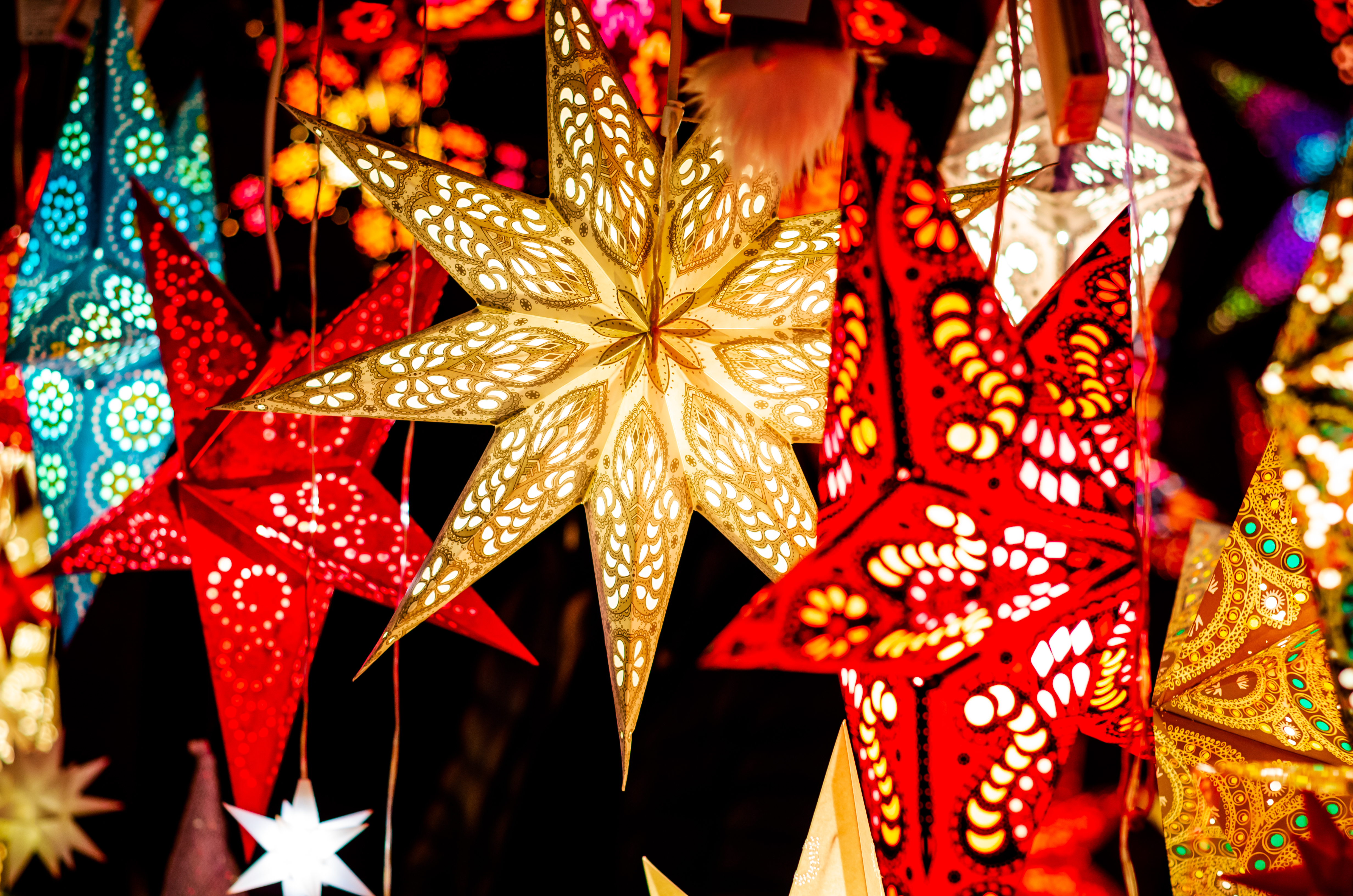
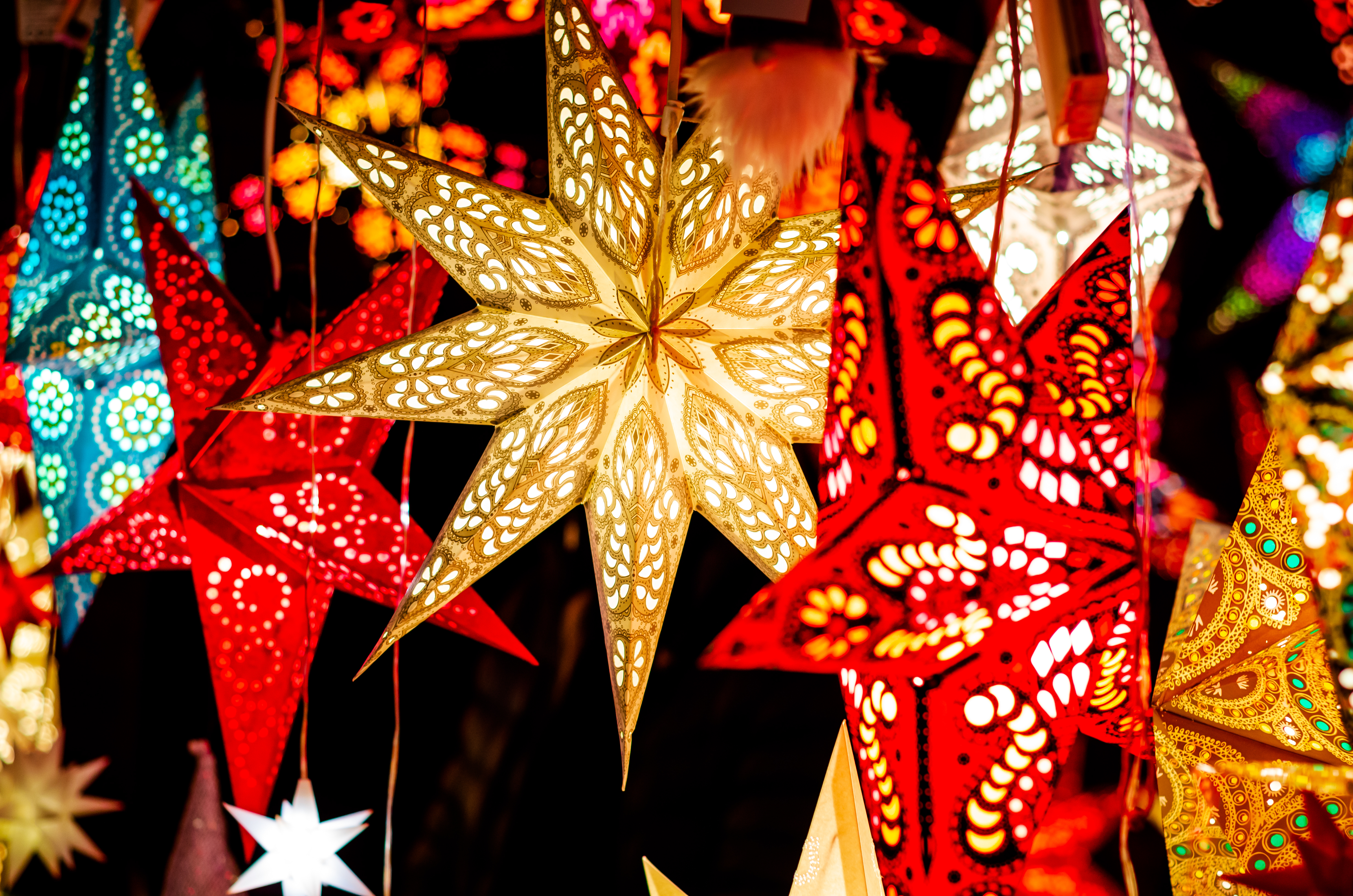
Christmas markets in France show that Christmas can be felt in many ways within the same country. It is in the squares of Strasbourg illuminated during Advent, in the small streets of Colmar, in the textile tradition of Mulhouse, in the chalets of Lille and in the stalls that appear every December next to some of the monuments of Paris. But it is also in the small details: a cup of mulled wine in your hands, the aroma of pain d’épices, a freshly bought box of bredeles or the bakery windows preparing for the galette des Rois. Perhaps that is why visiting these markets is so special: for a few weeks, they allow you to discover a closer France, made of local traditions, gatherings around the table and cities that once again celebrate customs passed down from generation to generation.
,regionOfInterest=(2464,1632))
,regionOfInterest=(2464,1632))
,regionOfInterest=(3680,2456))
,regionOfInterest=(3680,2456))
,regionOfInterest=(2857.5,1856.5))
,regionOfInterest=(2857.5,1856.5))
,regionOfInterest=(1944,1296))
,regionOfInterest=(1944,1296))
,regionOfInterest=(2500,1454))
,regionOfInterest=(2500,1454))
,regionOfInterest=(2720.5,1813.5))
,regionOfInterest=(2720.5,1813.5))