,regionOfInterest=(1728,1152))
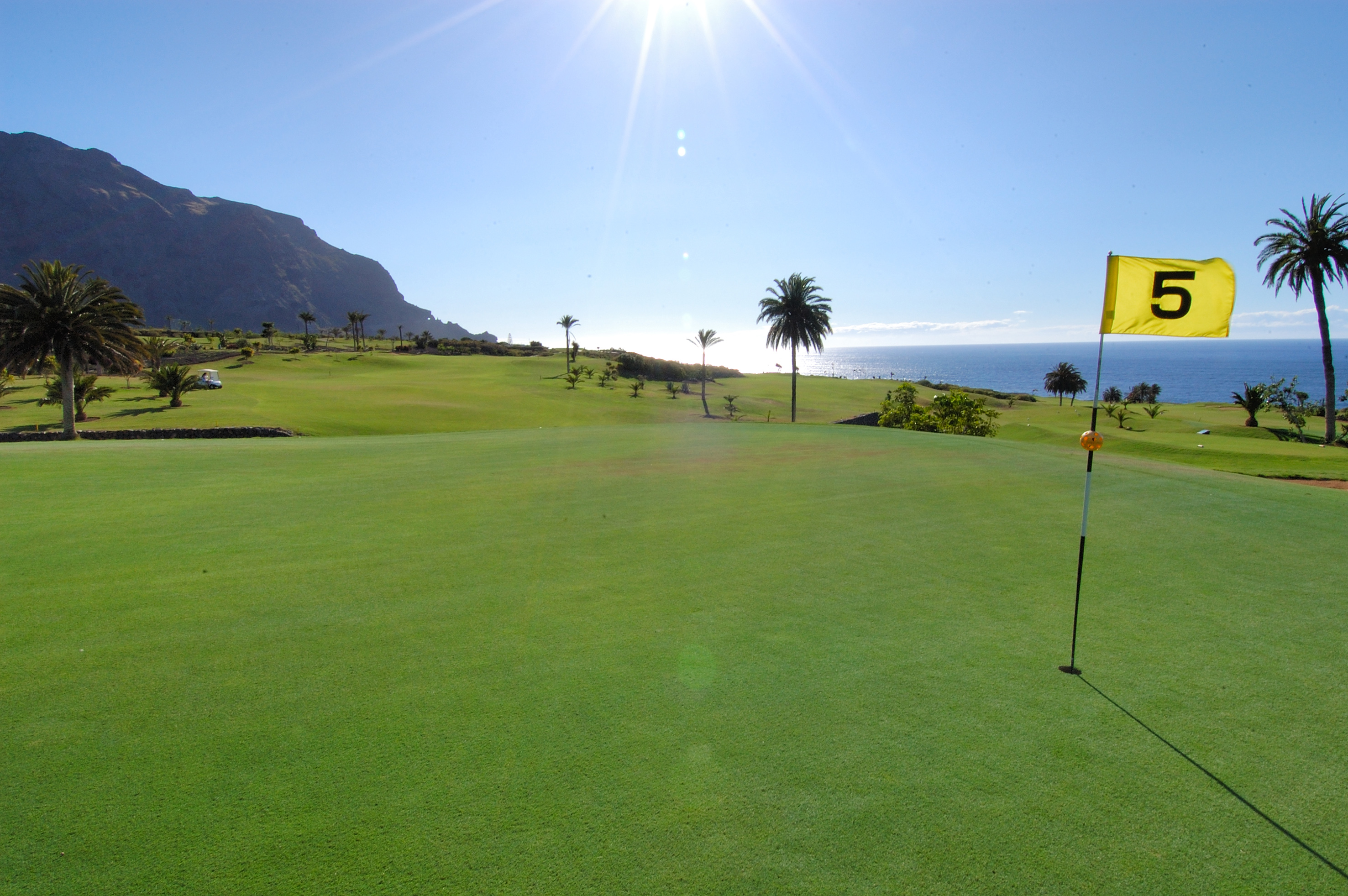
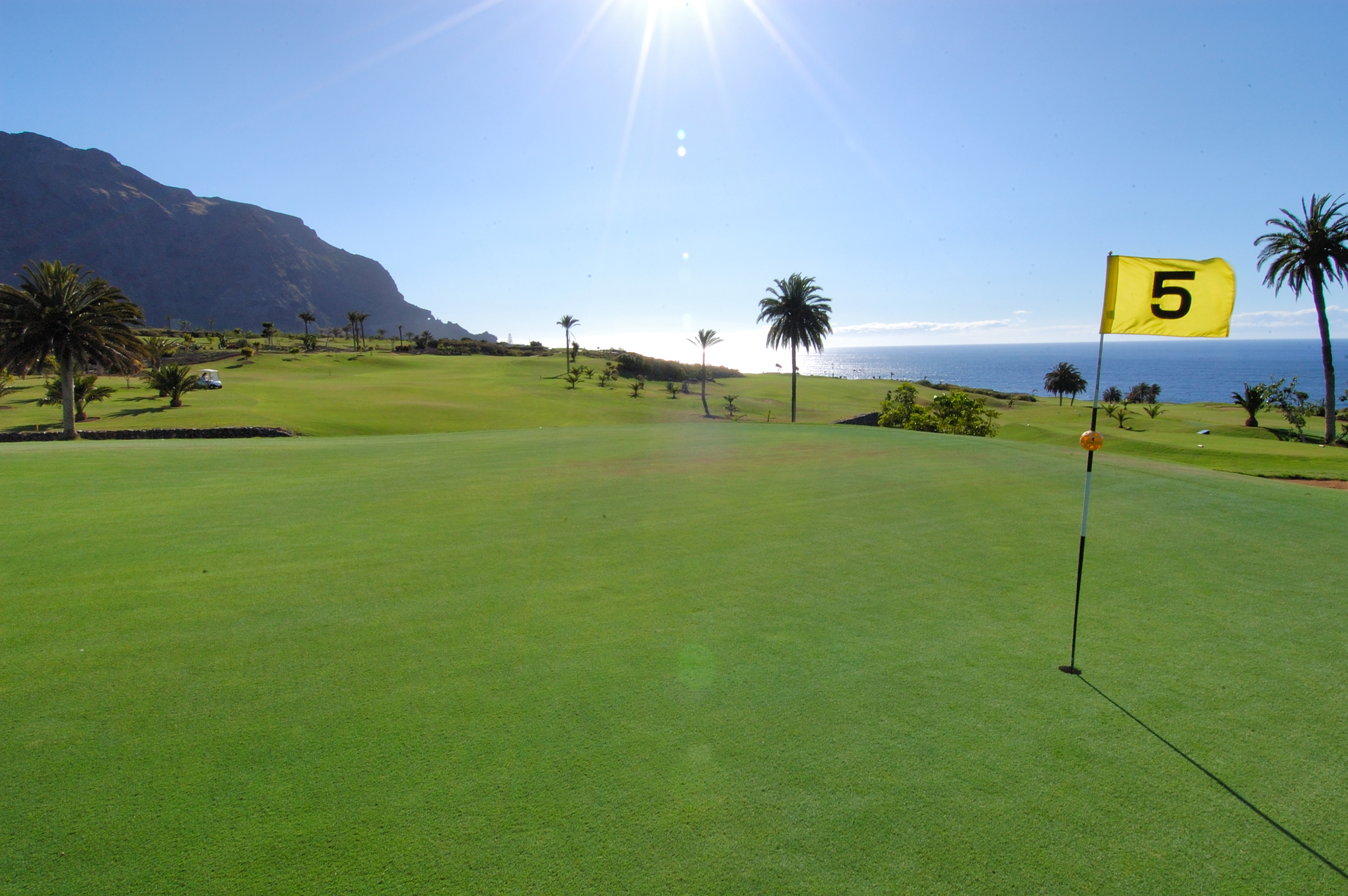
Best golf courses in Estepona
,regionOfInterest=(3120,1755))
,regionOfInterest=(3120,1755))
Culture
,regionOfInterest=(1500,1947))
,regionOfInterest=(1500,1947))
Culture
Wild, ancestral and paradisiacal. This is how Tulum is defined, a unique destination on the Caribbean coast of Quintana Roo, on the Yucatán Peninsula, established as one of the most famous destinations in Mexico and one of the most attractive gems in the entire Riviera Maya.
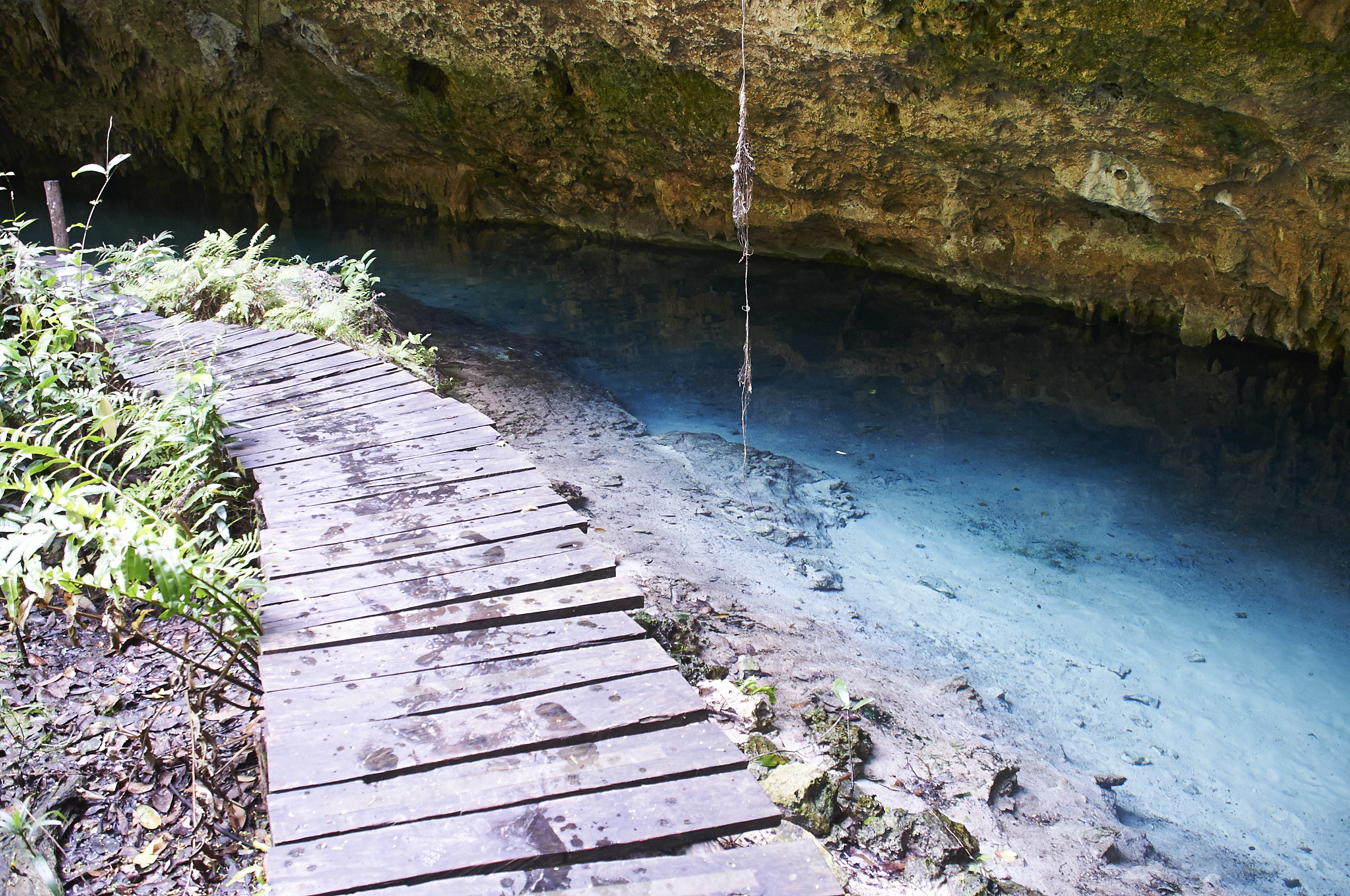
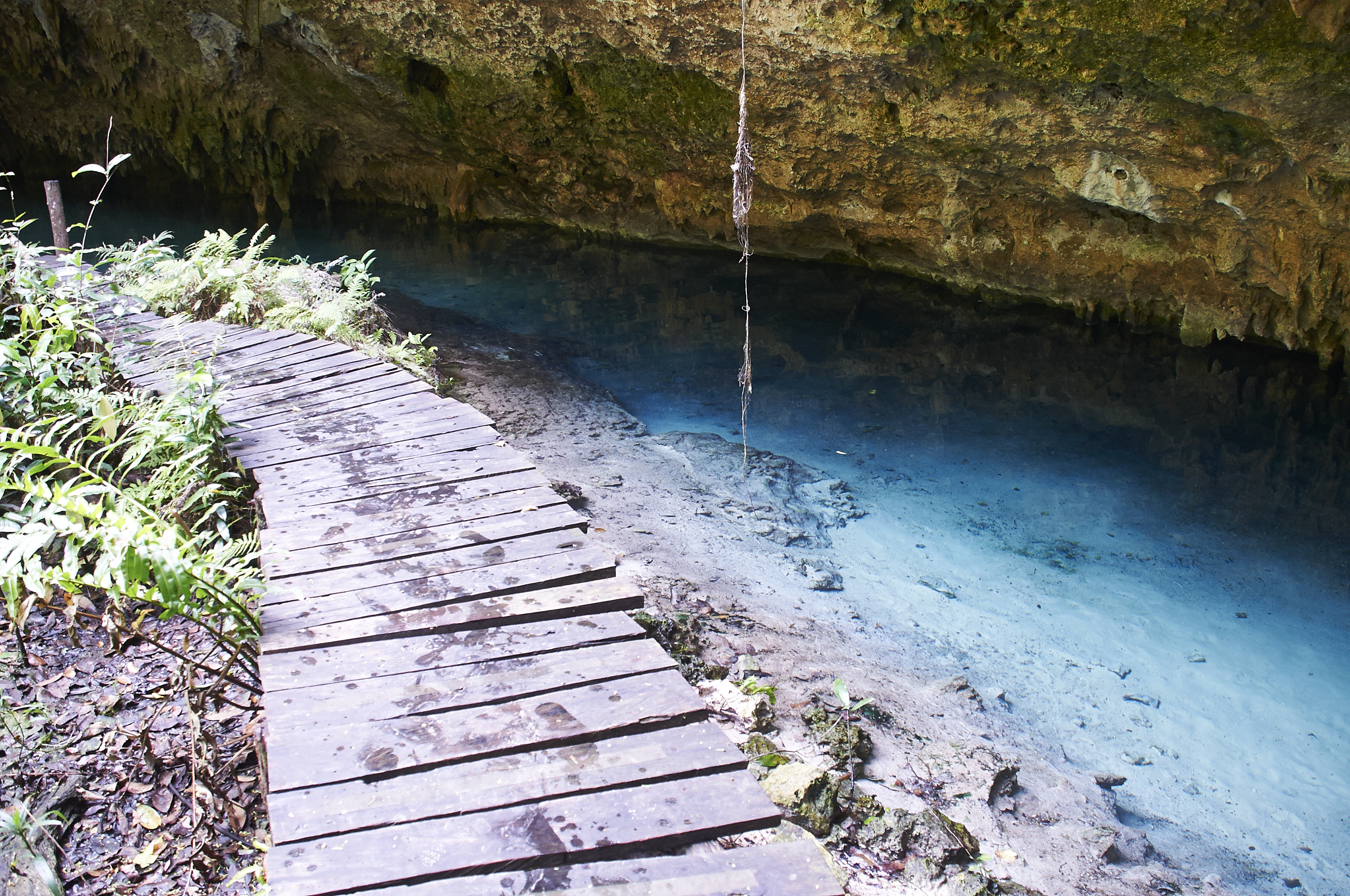
Tulum transcends the traditional concept of a holiday to become a true lifestyle. This corner combines dream beaches, impressive Mayan ruins, crystal-clear cenotes and an atmosphere that attracts thousands of travellers from all over the world every year.
What really sets Tulum in Mexico apart from other tourist destinations is its ability to offer diverse experiences in a compact setting. Here, the ancestral mysticism of the Mayan civilisation merges with an irresistible eco-chic vibe.
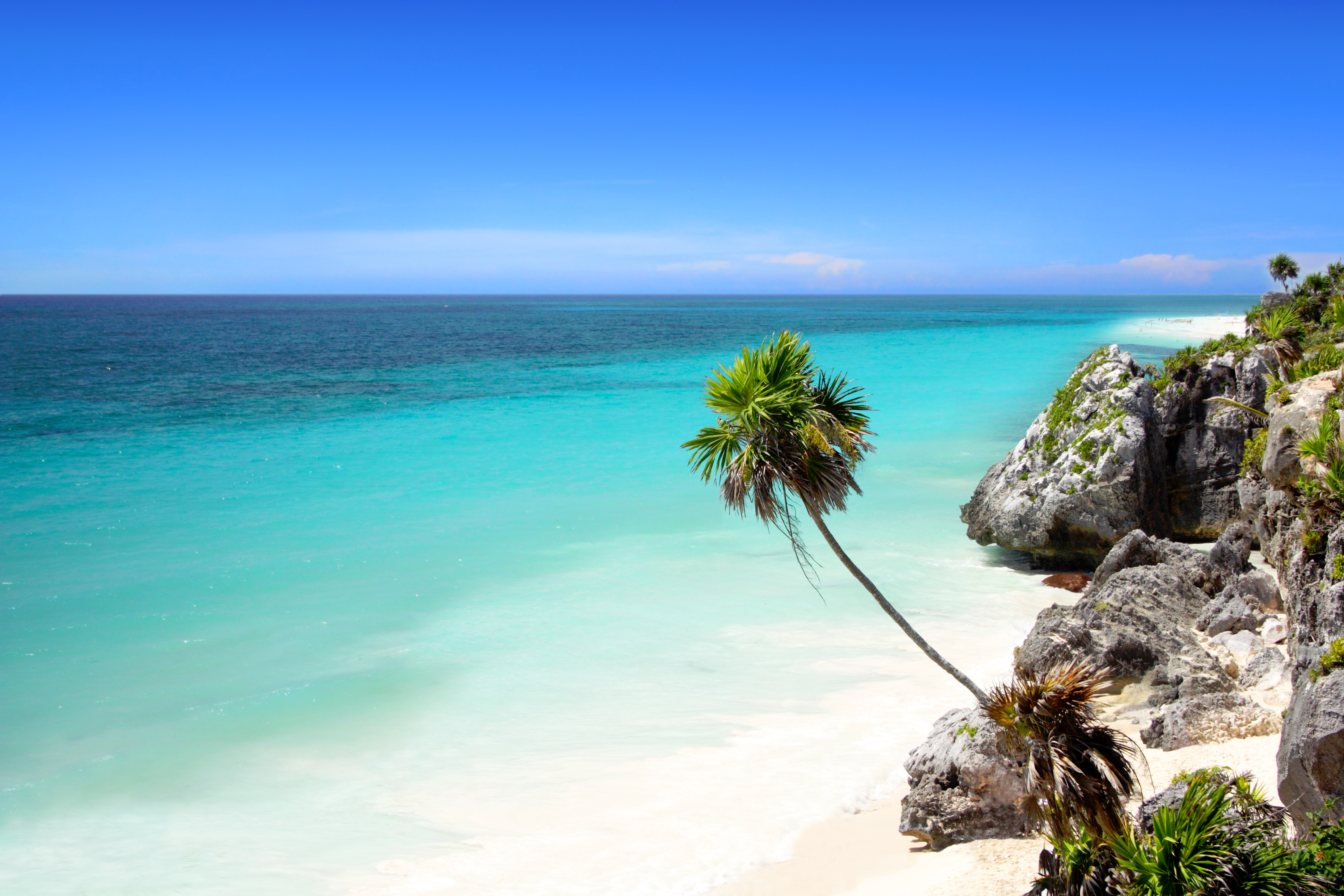
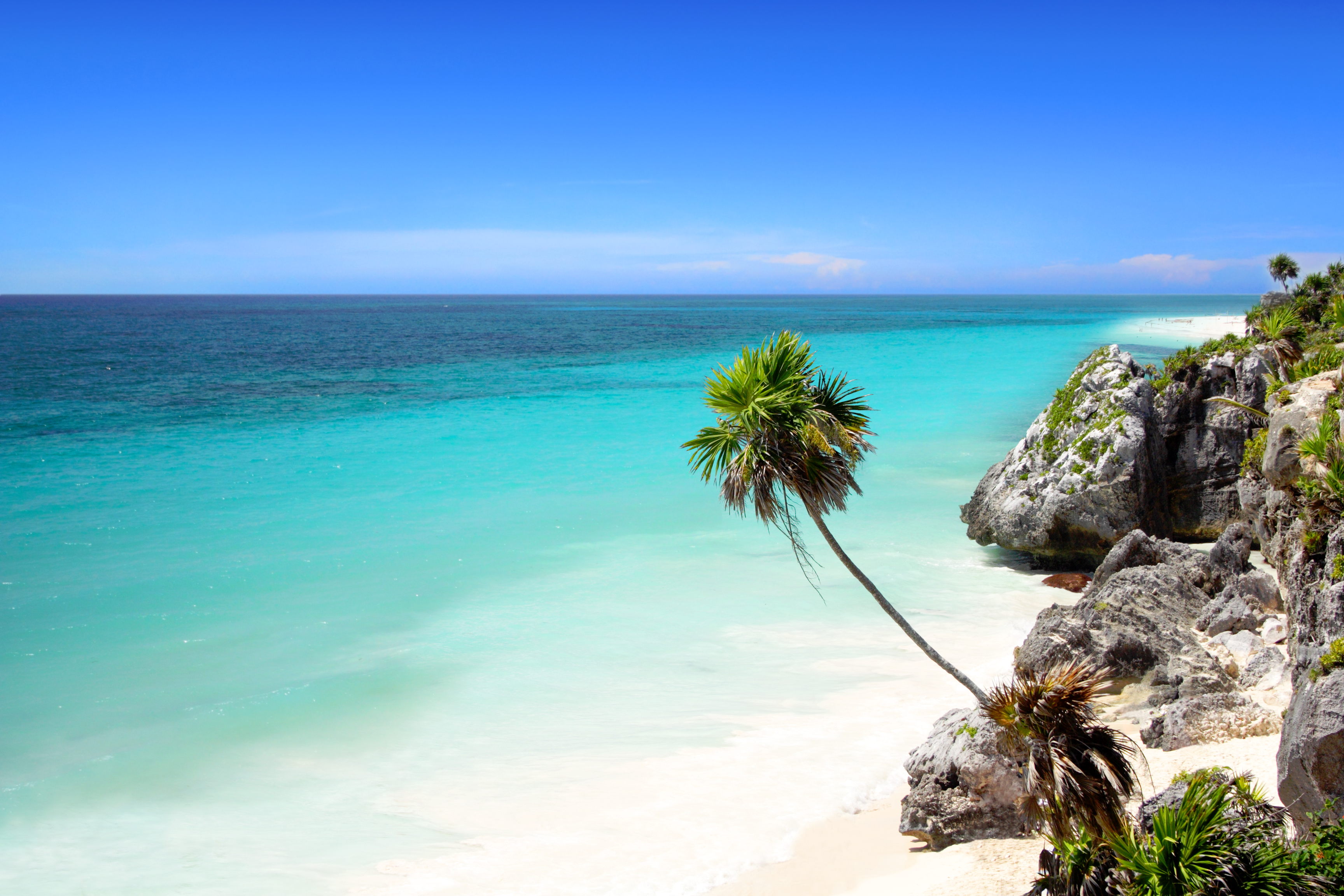
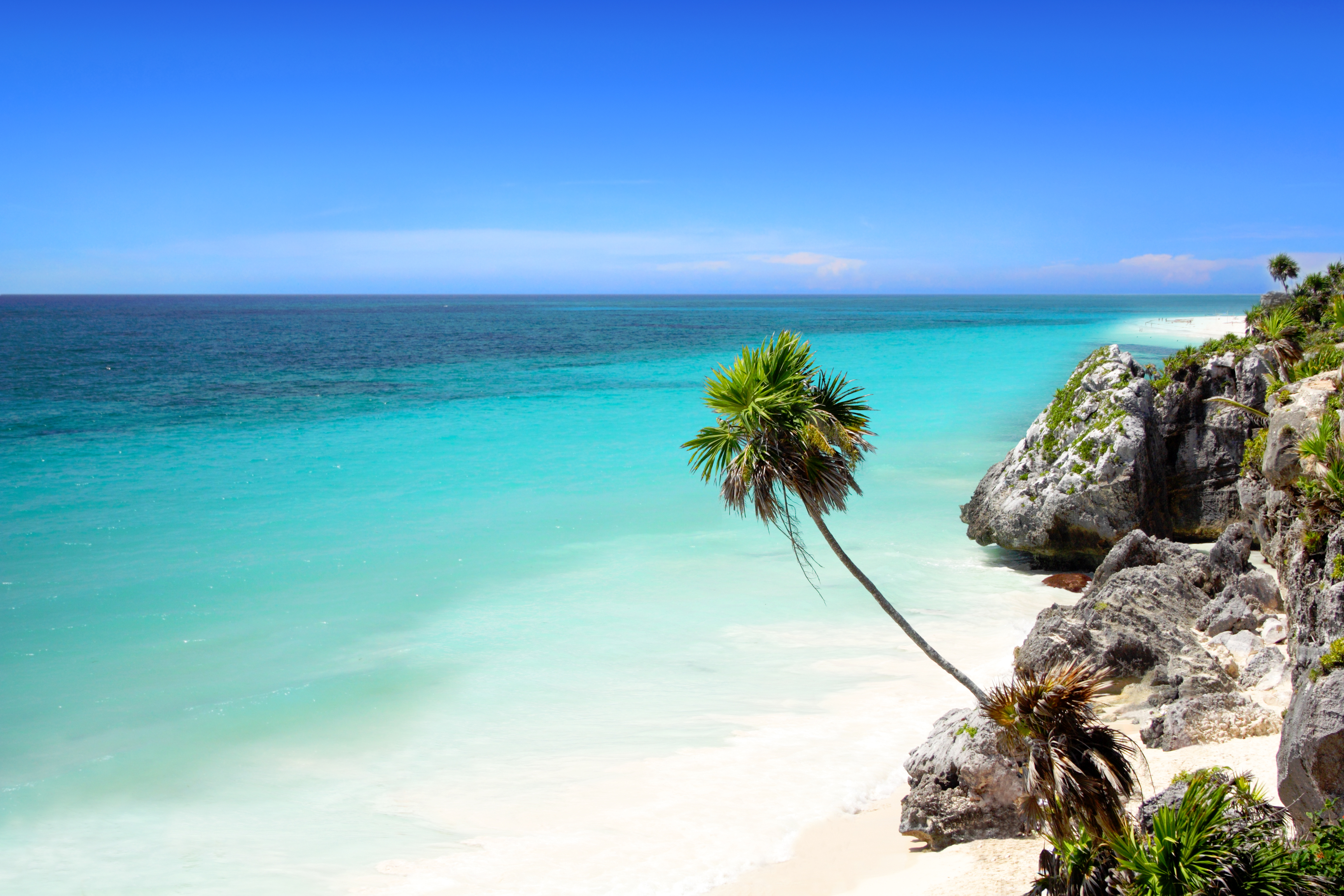
Its fine white sand beaches, leaning palm trees and turquoise waters are just the calling card of an environment where the jungle guards geological and archaeological treasures that are unique in the world.
If you are planning your trip and want to know what to see in Tulum, you are in the right place. In this guide, you will find the main places of interest and essential experiences to discover one of the most fascinating corners of the Mexican Caribbean.
,regionOfInterest=(512,482))
,regionOfInterest=(512,482))
Digital marketing specialist with a passion for travel, writing, and discovering what makes every destination unique.
,regionOfInterest=(1728,1152))
,regionOfInterest=(1728,1152))
,regionOfInterest=(1392,924))
,regionOfInterest=(1392,924))
,regionOfInterest=(1280,960))
,regionOfInterest=(1280,960))
If you ask me what to do in Tulum, the answer includes nature, culture and beach. As you will quickly see, the secret is to let yourself be carried away by a much calmer pace that is deeply connected to the natural environment.
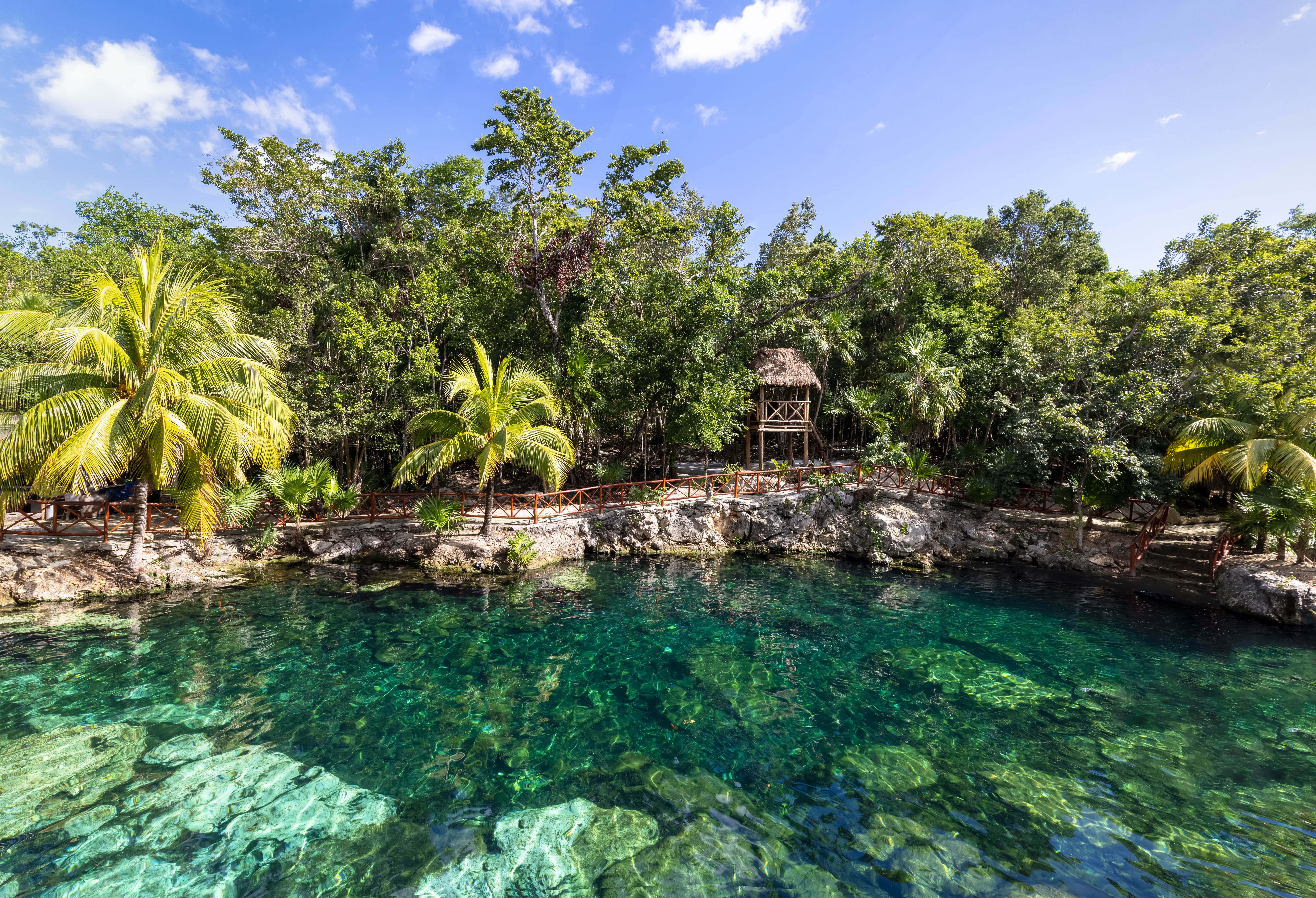
The activities in Tulum allow you to discover ancient Mayan cities, and swim in some of the most spectacular cenotes in Mexico. You can also explore nature reserves, snorkel on coral reefs or enjoy the local gastronomy in a privileged environment.
In addition, thanks to its excellent location, Tulum is also a perfect starting point if you want to go on excursions around the Riviera Maya and discover some of the most important destinations in the Mexican Caribbean.
,regionOfInterest=(4001.5,2732))
,regionOfInterest=(4001.5,2732))
The ancient past of the Mayan civilization remains very present in this corner of the Caribbean. Beyond its tropical beauty, the historical value of the region lies in its architecture and the archaeological remains that defy the passage of time, turning any tour into a fascinating journey to the roots of this ancestral culture.
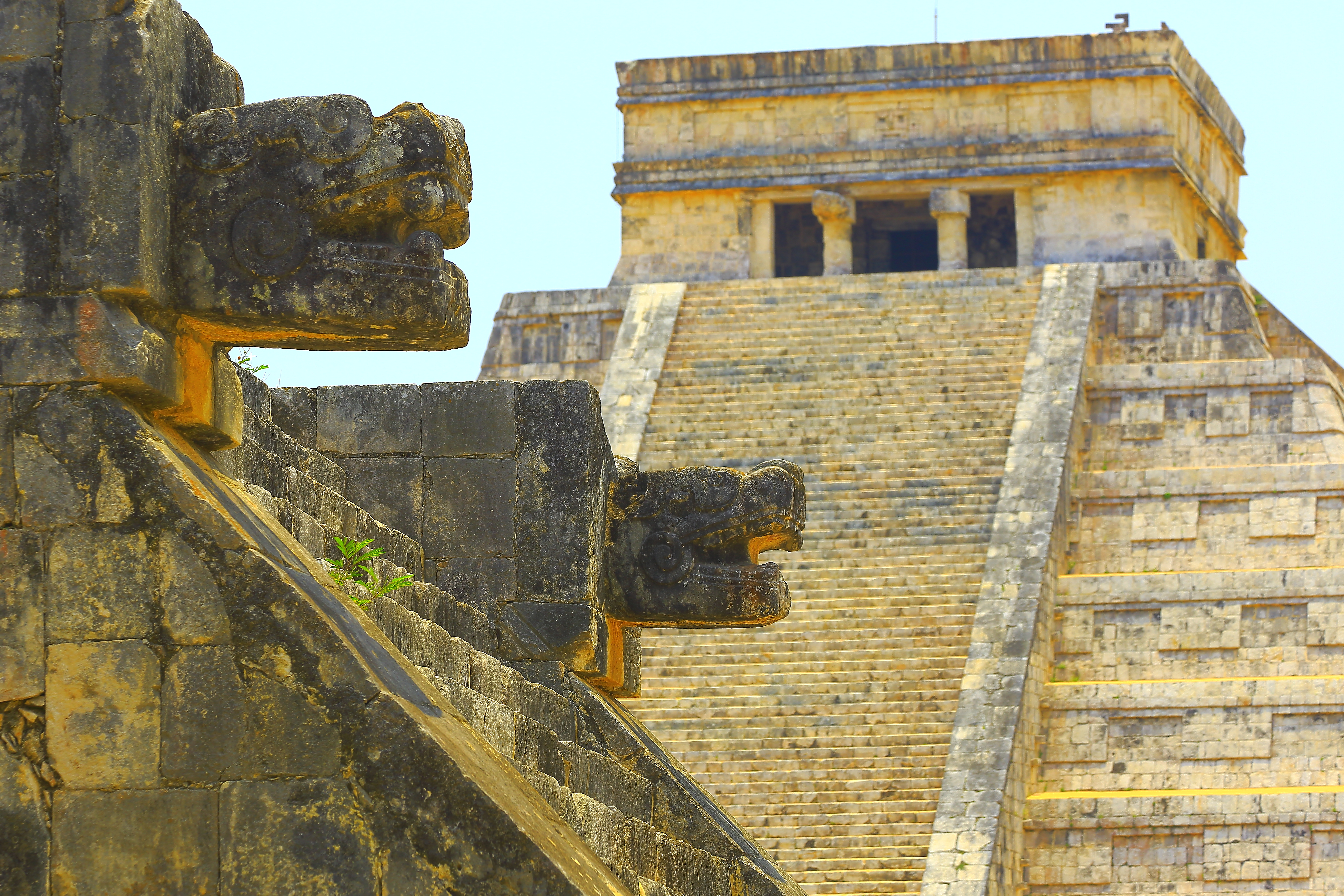
Among all the sites to visit, none is as iconic as the Tulum Archaeological Site, the great monument of the region and a must-see. This ancient Mayan city was one of the main commercial ports and today has become one of the most visited archaeological sites in Mexico.
Its location, on a cliff overlooking the Caribbean, makes it one of the most photographed places in the entire country. Among its most famous structures are El Castillo, the Temple of the Frescoes, and the Temple of the Descending God.
Within the archaeological complex is the Casa de las Columnas, a residential and palatial structure that was part of the administrative and ceremonial area of the ancient city. Its architecture allows us to understand the strategic importance that Tulum had during the Mayan period.
Located inside the archaeological site, the Temple of the Frescoes is one of the most valuable artistic and architectural gems of the Mayan world. This imposing structure was used as an astronomical observatory and religious sanctuary.
Its interior walls still guard valuable vestiges of mural paintings in blue and black tones. These frescoes represent pre-Hispanic deities, intertwined snakes, and agricultural offerings linked to fertility.
,regionOfInterest=(2649.5,1765))
,regionOfInterest=(2649.5,1765))
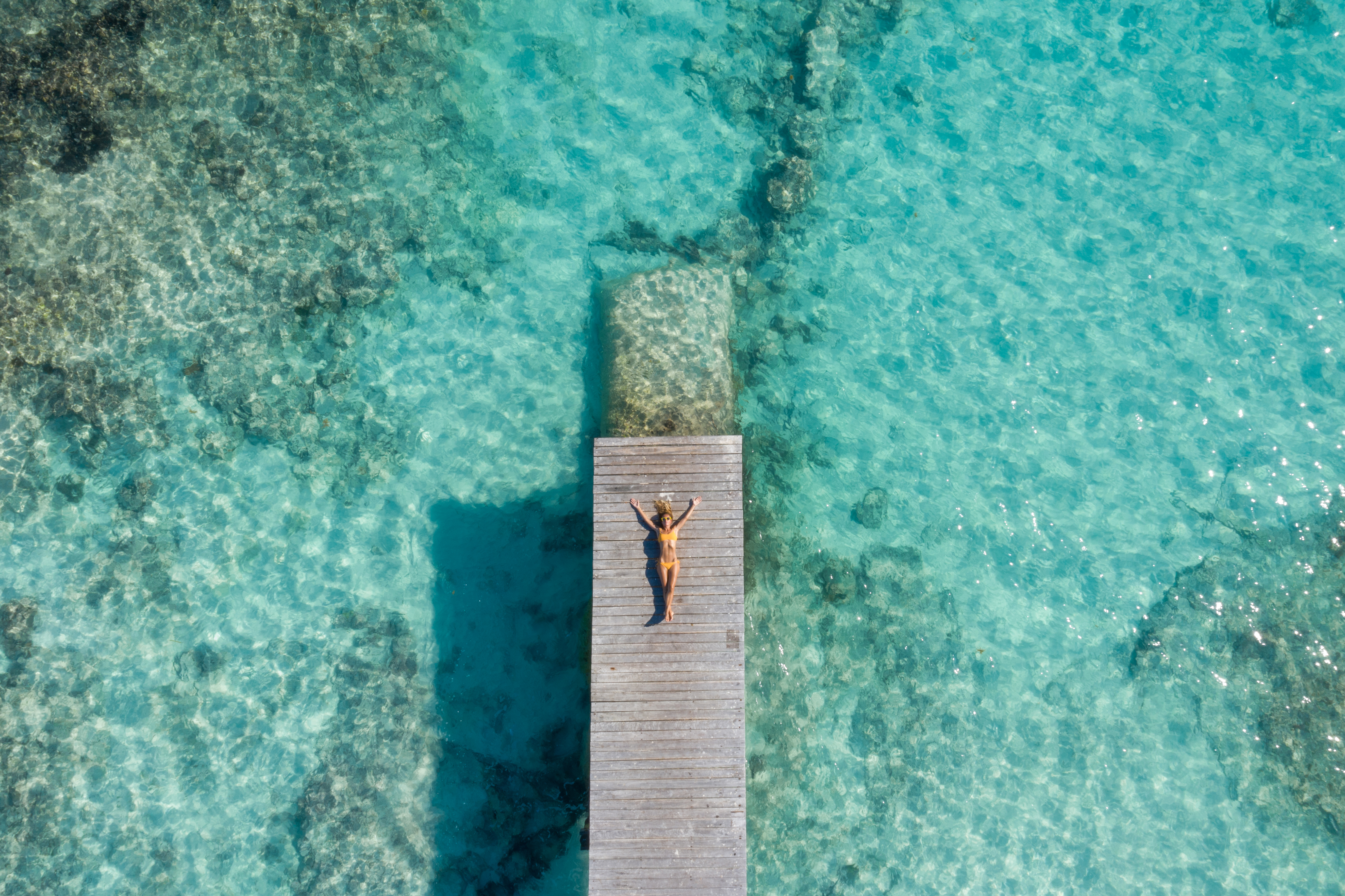
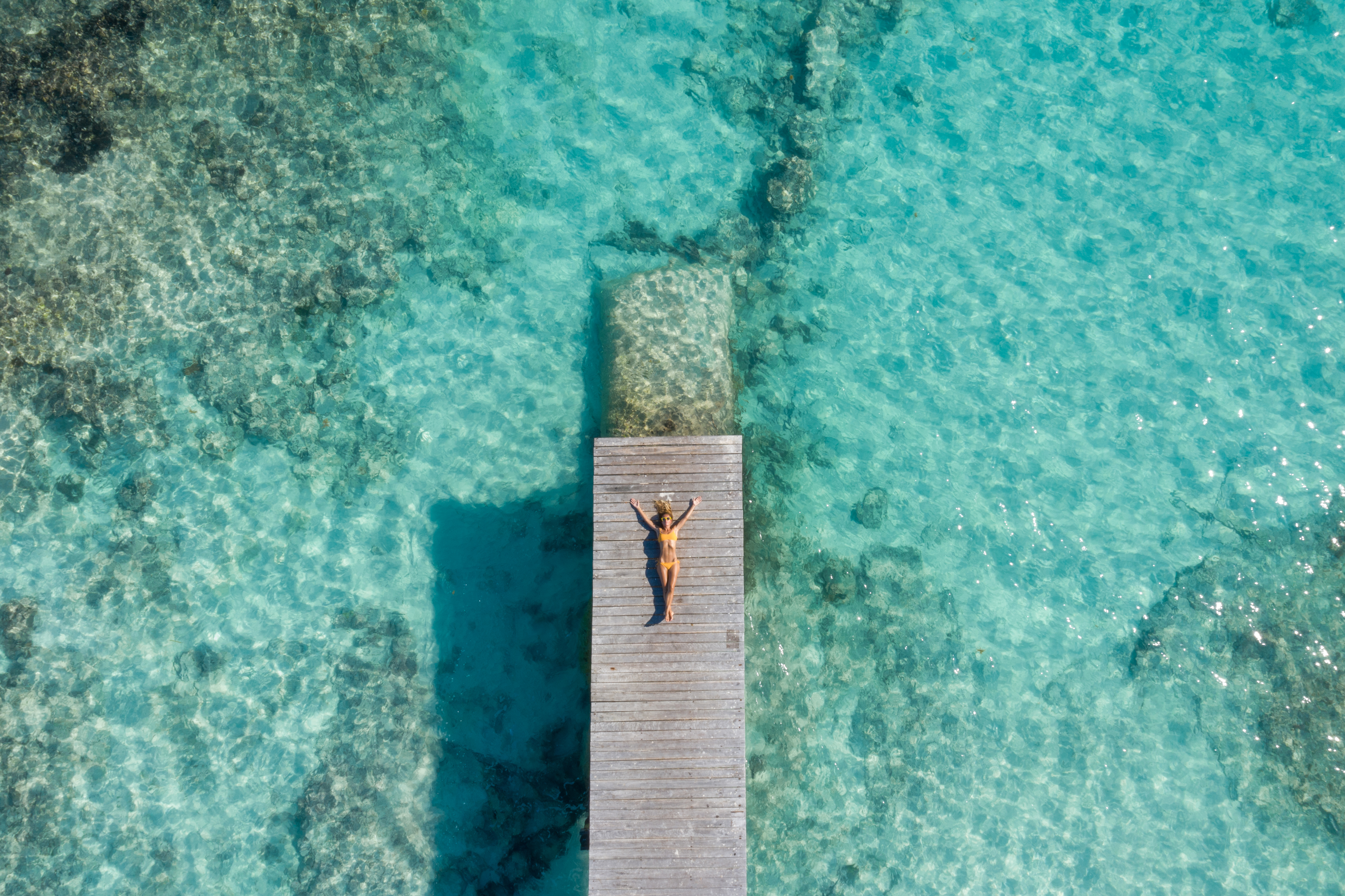
Along several kilometres, some of the most exclusive and photogenic beaches in the region follow one another. Many of them retain a natural aesthetic that has contributed enormously to the international popularity of Tulum.
The name Playa Paraíso is no coincidence. It is considered one of the most beautiful beaches in the entire Riviera Maya thanks to its white sand, turquoise waters and natural environment. It is one of the main places to visit in Tulum and a totally mandatory stop.
Located at the foot of the archaeological zone, Playa Ruinas offers one of the most spectacular scenes in the Mexican Caribbean. The combination of the blue of the sea, the sand and the historical heritage makes this place one of the main attractions in the region.
Playa Pescadores stands out for its quieter atmosphere compared to the more touristy and crowded areas. It is the ideal starting point for many boat excursions and snorkelling tours. In addition, it is usually an excellent area to observe sea turtles at certain times of the year.
,regionOfInterest=(2829,1886))
,regionOfInterest=(2829,1886))
Tulum is a true natural sanctuary where Caribbean biodiversity is preserved in its purest state. Beyond its idyllic coast, the region is home to protected ecosystems of incalculable value, where the jungle and local fauna create a fascinating natural refuge.
Declared a UNESCO World Heritage Site, the Sian Ka'an Biosphere Reserve is a vast protected natural area that stands out as the most pristine and impressive open-air space in Tulum.
Located right at the end of the coastal hotel zone, its name in the Mayan language means "Gateway to Heaven". It is a perfect title for its more than 500,000 hectares of protected ecosystems, where tropical jungles, mangroves, coral reefs, and coastal lagoons coexist.
In addition to housing the famous archaeological site, the Tulum National Park is a protected space that preserves important coastal and marine ecosystems. Its landscape richness and biodiversity make it one of the main attractions of the region.
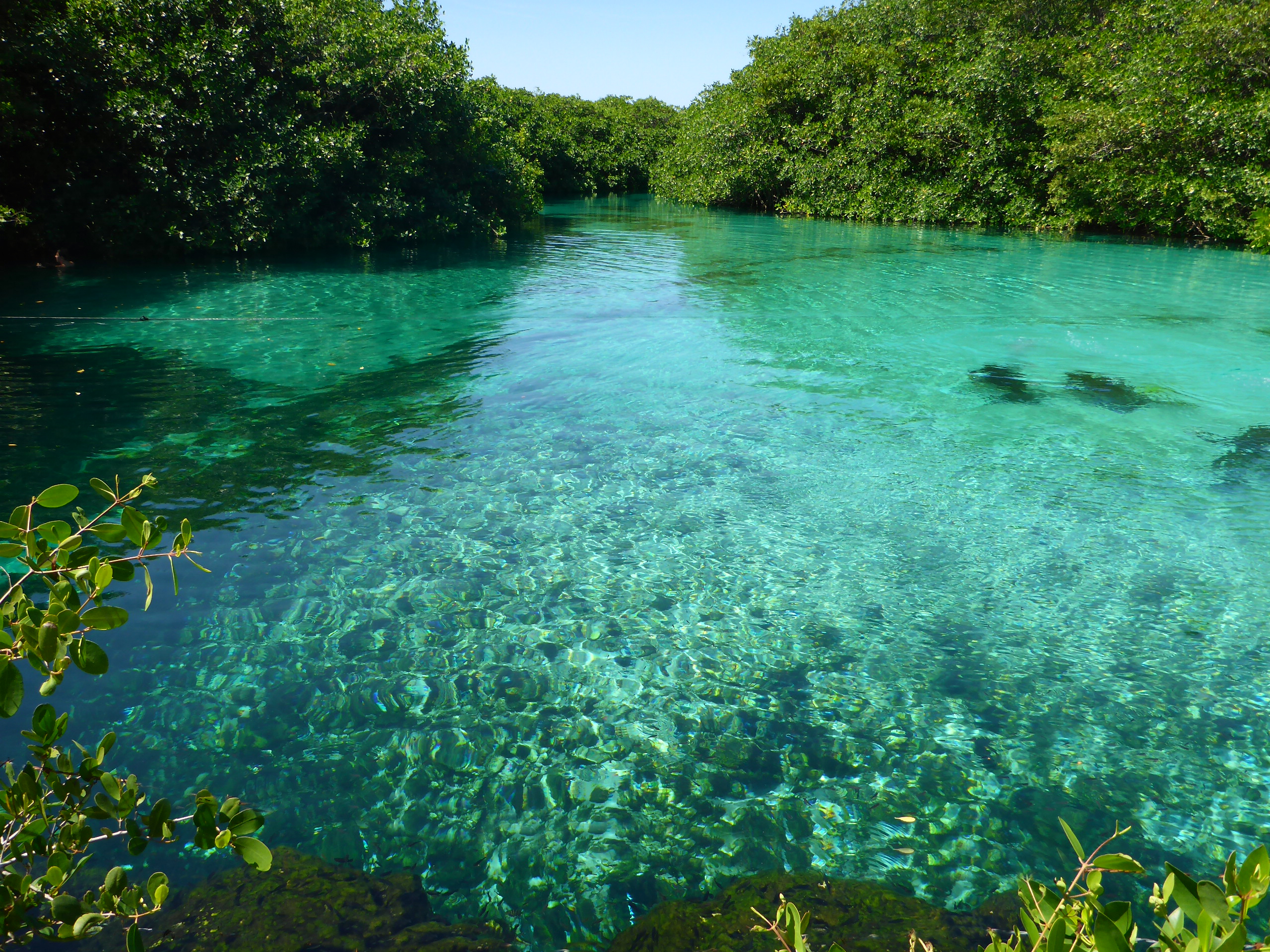
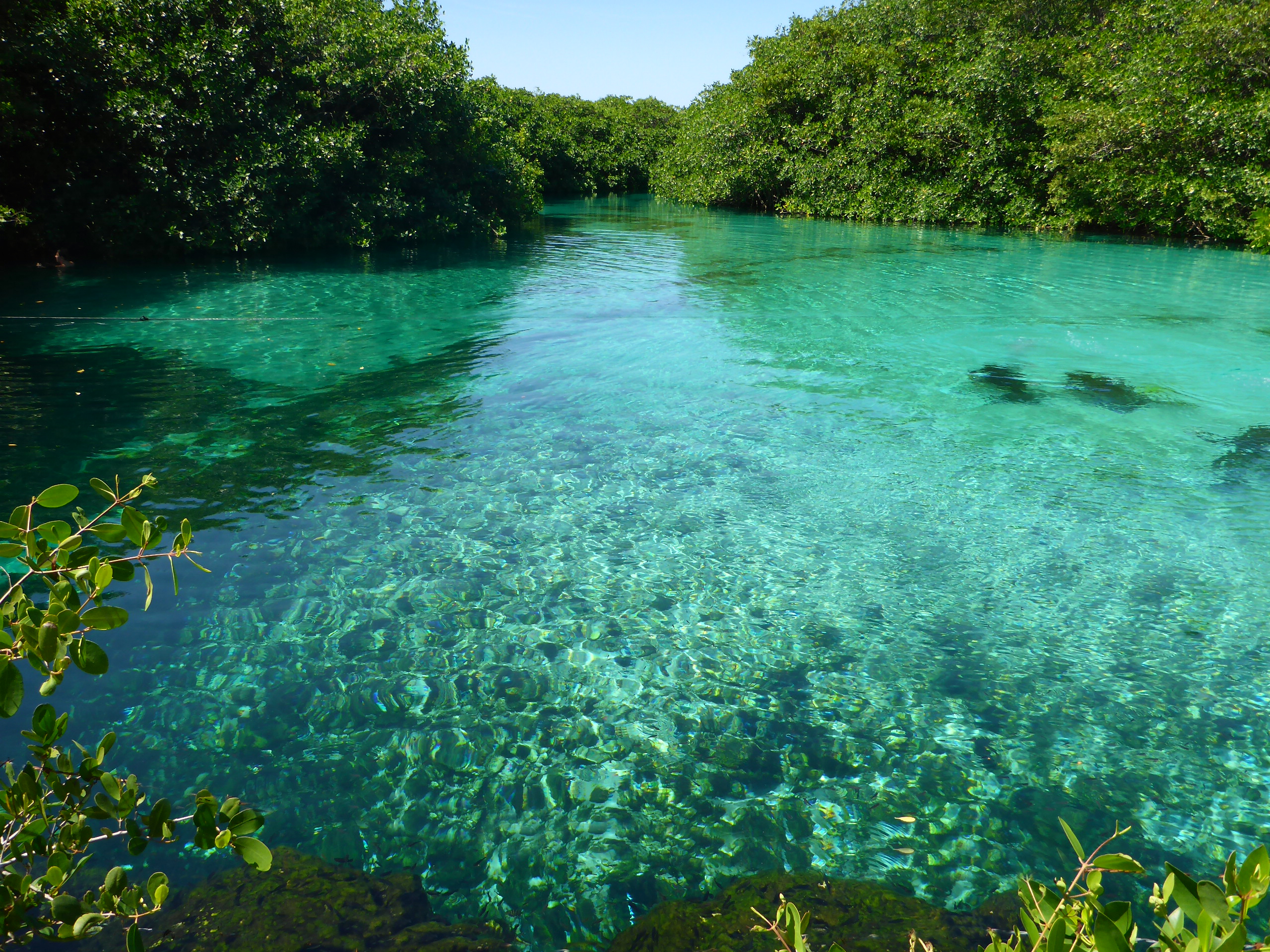
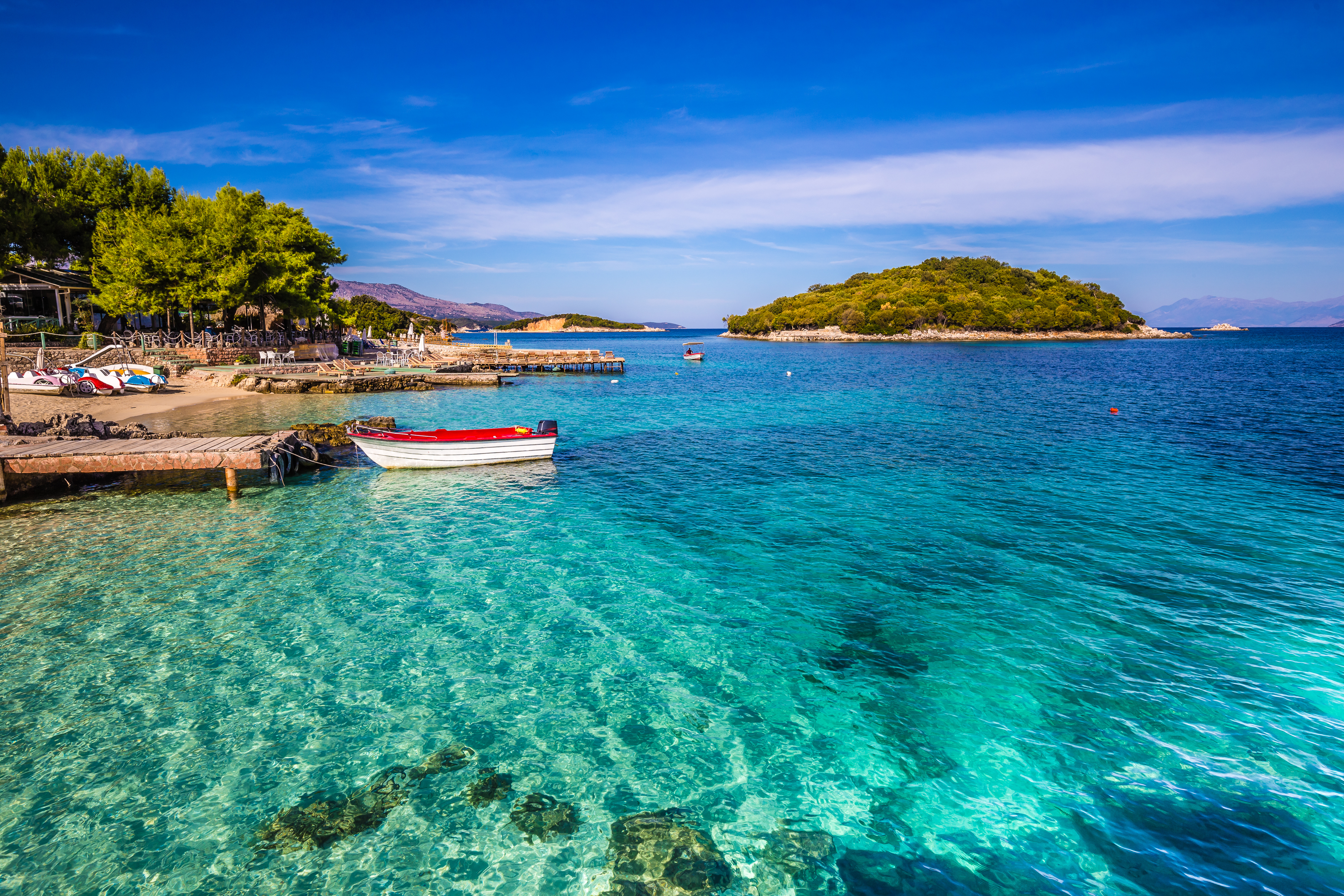
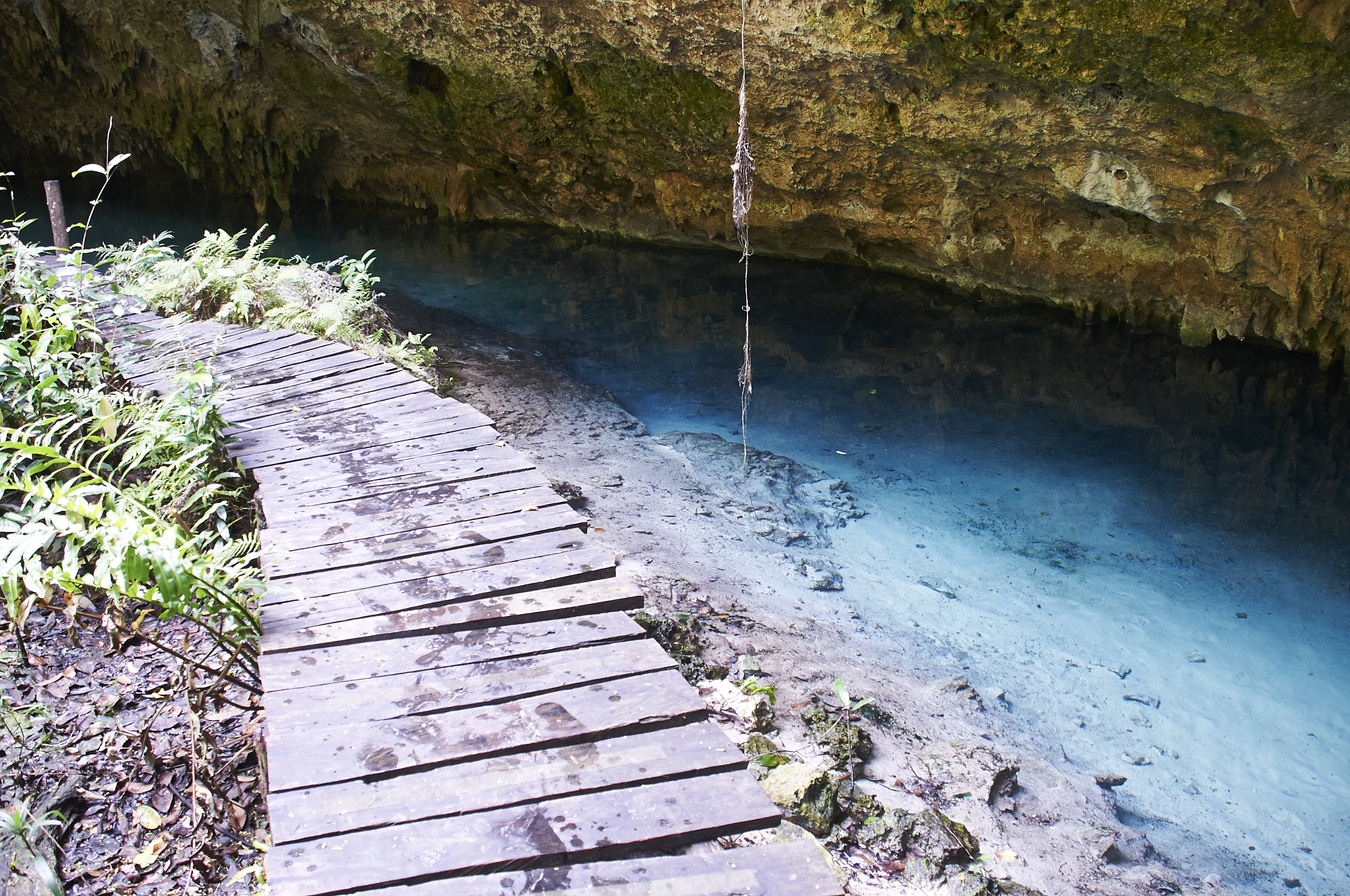
A few kilometres from Tulum lies the Kaan Luum lagoon, an impressive body of turquoise water of great natural beauty. Its famous central cenote, over 80 metres deep, creates a spectacular contrast of colours that attracts numerous visitors.
For safety reasons, access to the central cenote is strictly prohibited for swimmers, but you can swim safely in the shallow waters of the lagoon.
,regionOfInterest=(2000,1333.5))
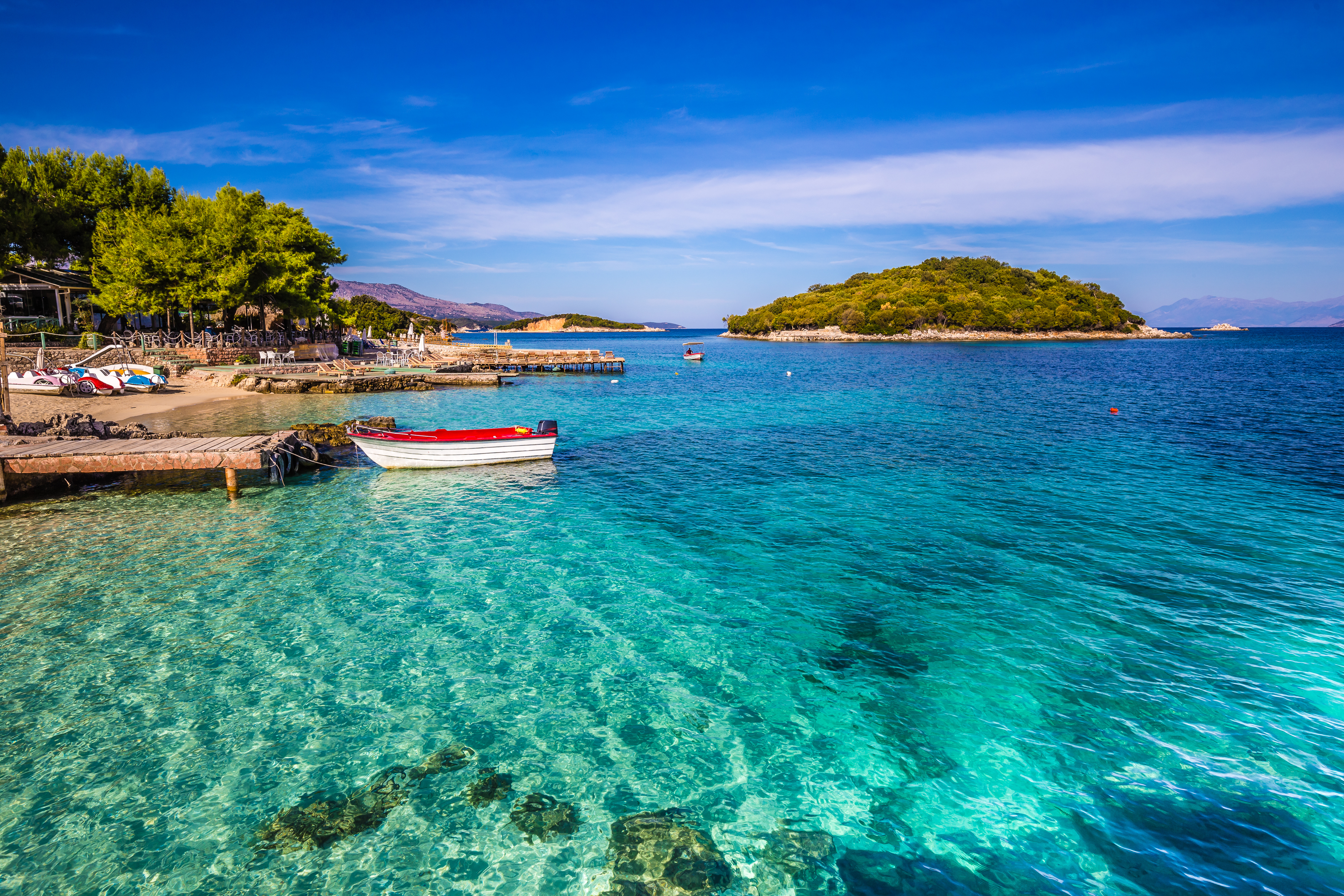,regionOfInterest=(2000,1333.5))
The magic of this region goes much further than its coastal zone. A few kilometres from the tourist epicentre you will find a wide range of cultural jewels, quiet beaches and neighbourhoods with their own personality that complement the trip to perfection.
If you are looking for what to see near Tulum, Cobá is one of the most recommended excursions. This ancient Mayan city is surrounded by a dense jungle and houses some of the most important constructions of the Yucatán Peninsula.
This corner is known worldwide for offering the possibility of swimming next to sea turtles in the wild. Its calm and transparent waters make the experience one of the most memorable and recommended in the Riviera Maya.
To connect with the true heartbeat and authenticity of the region, it is essential to go into the town centre. Organised along the main avenue, it offers an atmosphere full of life, colour and Mexican flavour.
Its streets have bohemian-style cafes where organic specialty coffee is roasted, local art galleries, handicraft souvenir shops and a very varied street food offer that includes traditional taquerias and stalls selling Creole snacks at popular prices.
Strategically located halfway between the town and the coast, the Aldea Zama neighbourhood is the epicentre of the sustainable urban growth of Tulum. Designed to respect the centenary trees of the surrounding jungle, it is one of the best places to walk and enjoy a quiet afternoon.
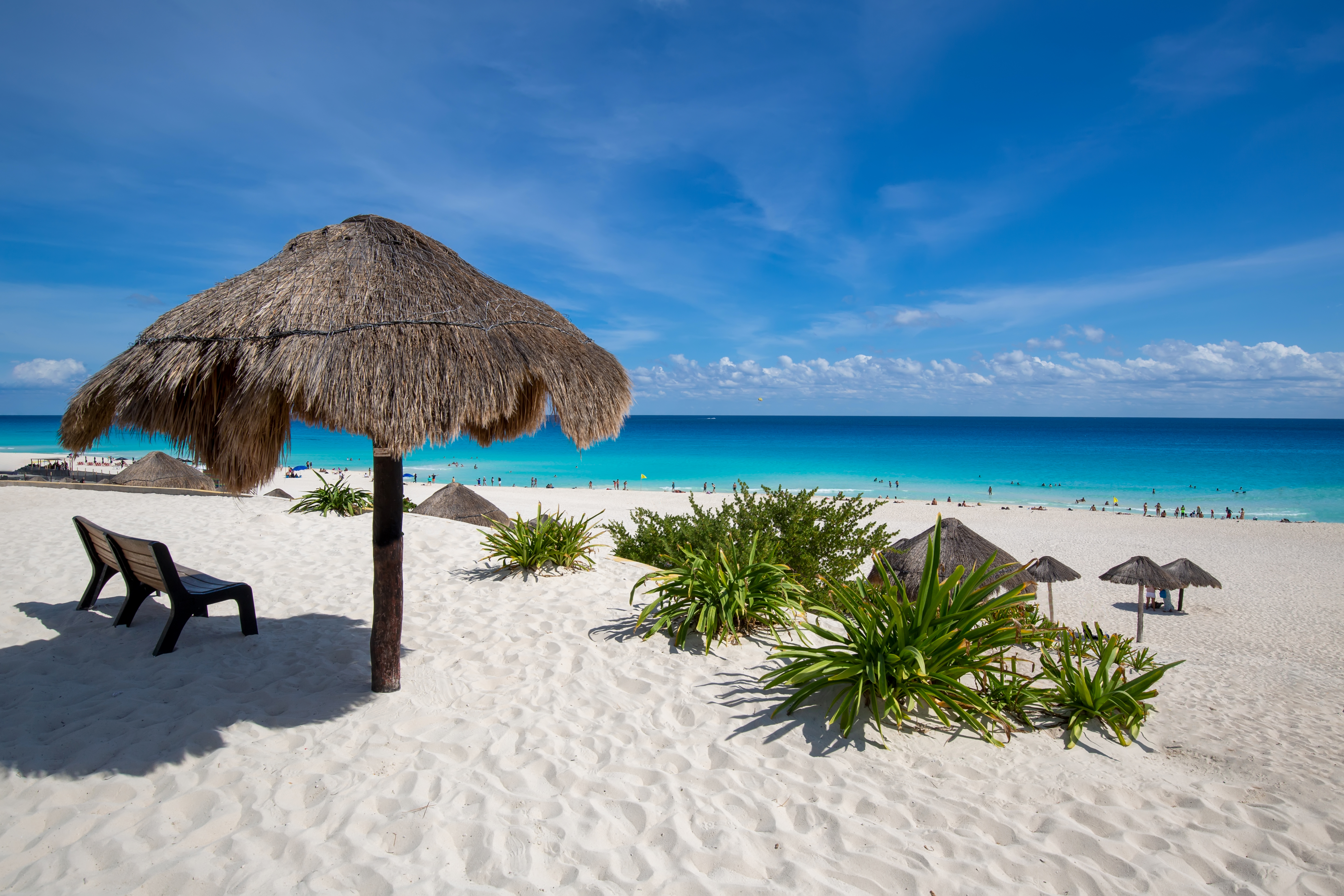,regionOfInterest=(2880,1920))
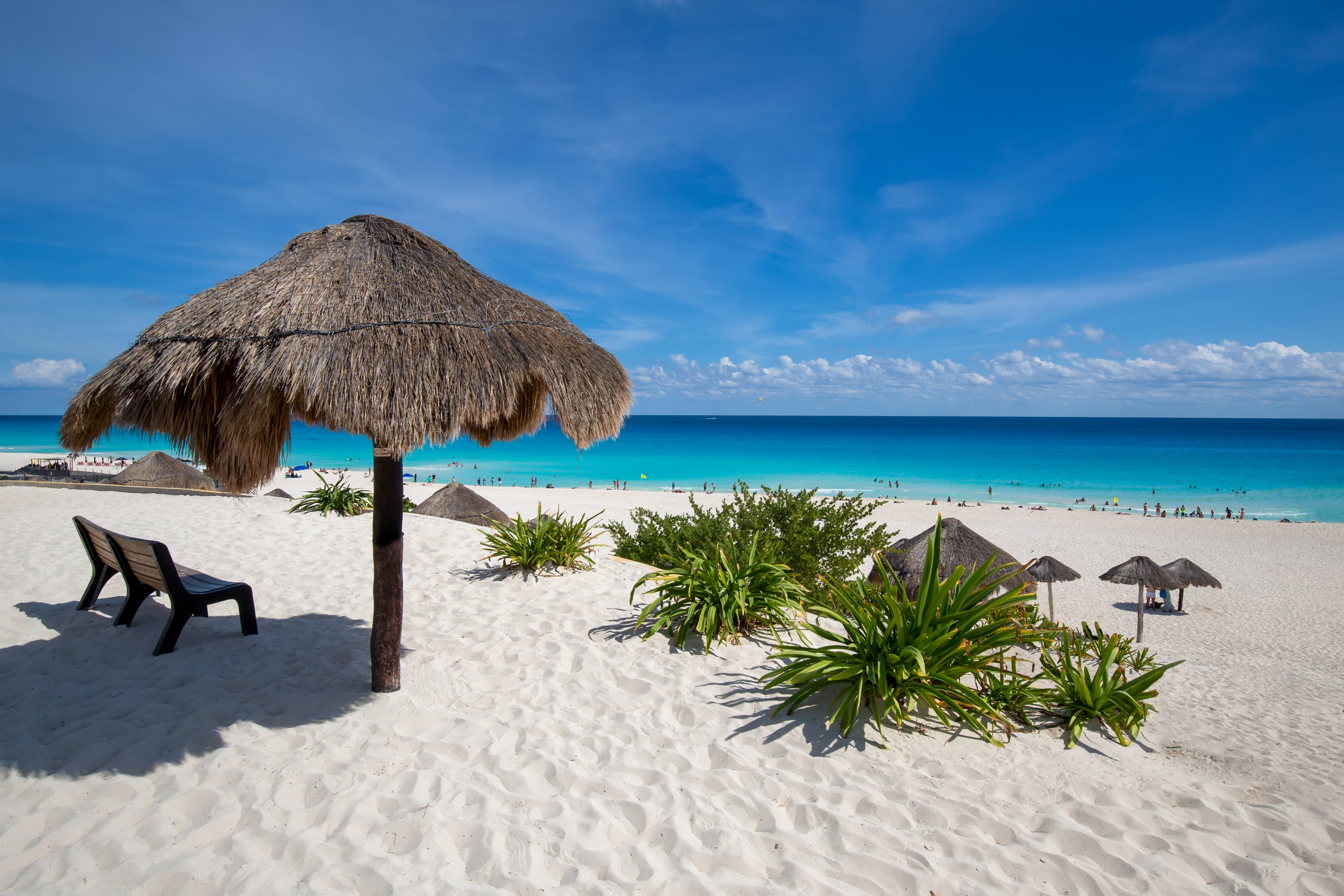,regionOfInterest=(2880,1920))
Beyond nature, the cultural offering of the region is growing strongly. Today, the destination combines interactive historical centres with modern artistic spaces integrated into the urban landscape and the jungle.
Located within the new Jaguar Park and next to the archaeological zone, the Museo Regional de la Costa Oriental offers an interactive journey through the Mayan history and culture of the region. It is an essential space for those looking to contextualise their visit to the ruins and learn about ancient Mayan trade.
In the vicinity of the coastal sector, the Museo SFER IK is an arts centre from the AZULIK foundation that stands out as one of the most important cultural works in contemporary Mexico. Its organic shapes made of cement, wood and vine invite you to take off your shoes to explore it.
Escaping from traditional itineraries is easy in this destination, which hides corners and activities capable of surprising you. These unique experiences will allow you to connect with the local identity from a much more authentic and memorable perspective:
,regionOfInterest=(3976,2652))
,regionOfInterest=(3976,2652))
The gastronomic offer of Tulum combines traditional Mexican cuisine with high-quality international proposals. As in the rest of Mexico, the Cochinita Pibil is one of its star dishes. However, there are many other local delicacies that you must try, such as fish in tikin xic style or shrimp ceviche with mango.
One of the main curiosities of Tulum that you probably didn't know is that it was one of the few Mayan cities that was still inhabited and fully active when the Spanish conquistadors first sighted the Caribbean coasts in 1518.
As for its celebrations, beyond the Day of the Dead, the Fiesta de la Cruz Parlante stands out. This deep religious celebration of the local Mayan community takes place every year during the month of March in the traditional sanctuaries of the town. The celebration commemorates the traditions that emerged during the Caste War of the 19th century through sacred mayapax music and traditional dances.
,regionOfInterest=(3723,2483))
,regionOfInterest=(3723,2483))
A trip with children to Tulum is an educational nature adventure. In the heart of the Mexican Caribbean, this destination stands out for its excellent offer for families. Among the available activities, the little ones can go snorkelling in quiet coves, explore suspension bridges in tourist parks like Selva Maya or simply play in the sand at Playa Paraíso.
If you are only going to be there for 48 hours, this two-day itinerary in Tulum can help you organise your visit and make the most of every minute:
,regionOfInterest=(1392,924))
,regionOfInterest=(1476.5,981.5))
,regionOfInterest=(1476.5,981.5))
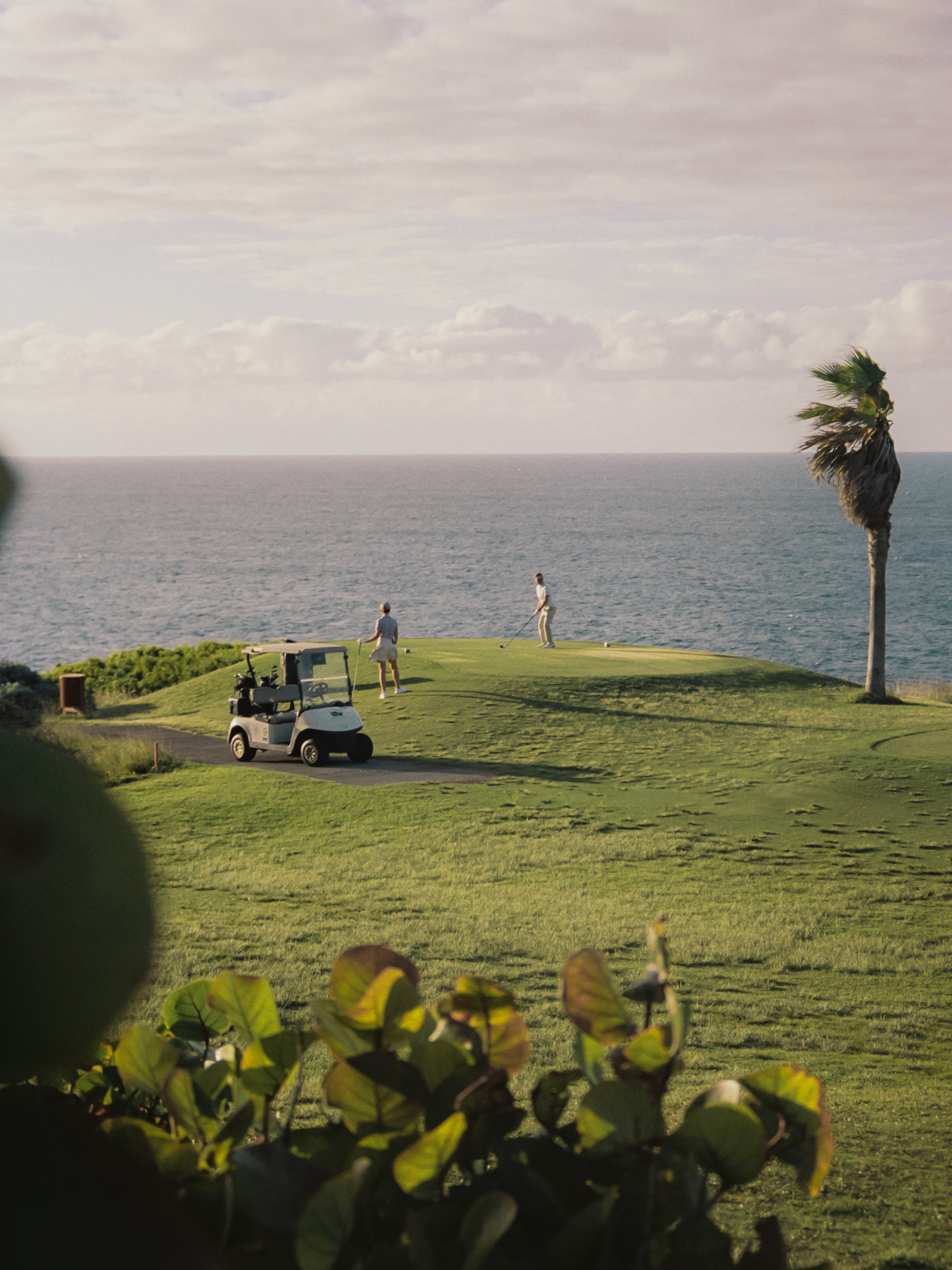,regionOfInterest=(1312.5,1750))
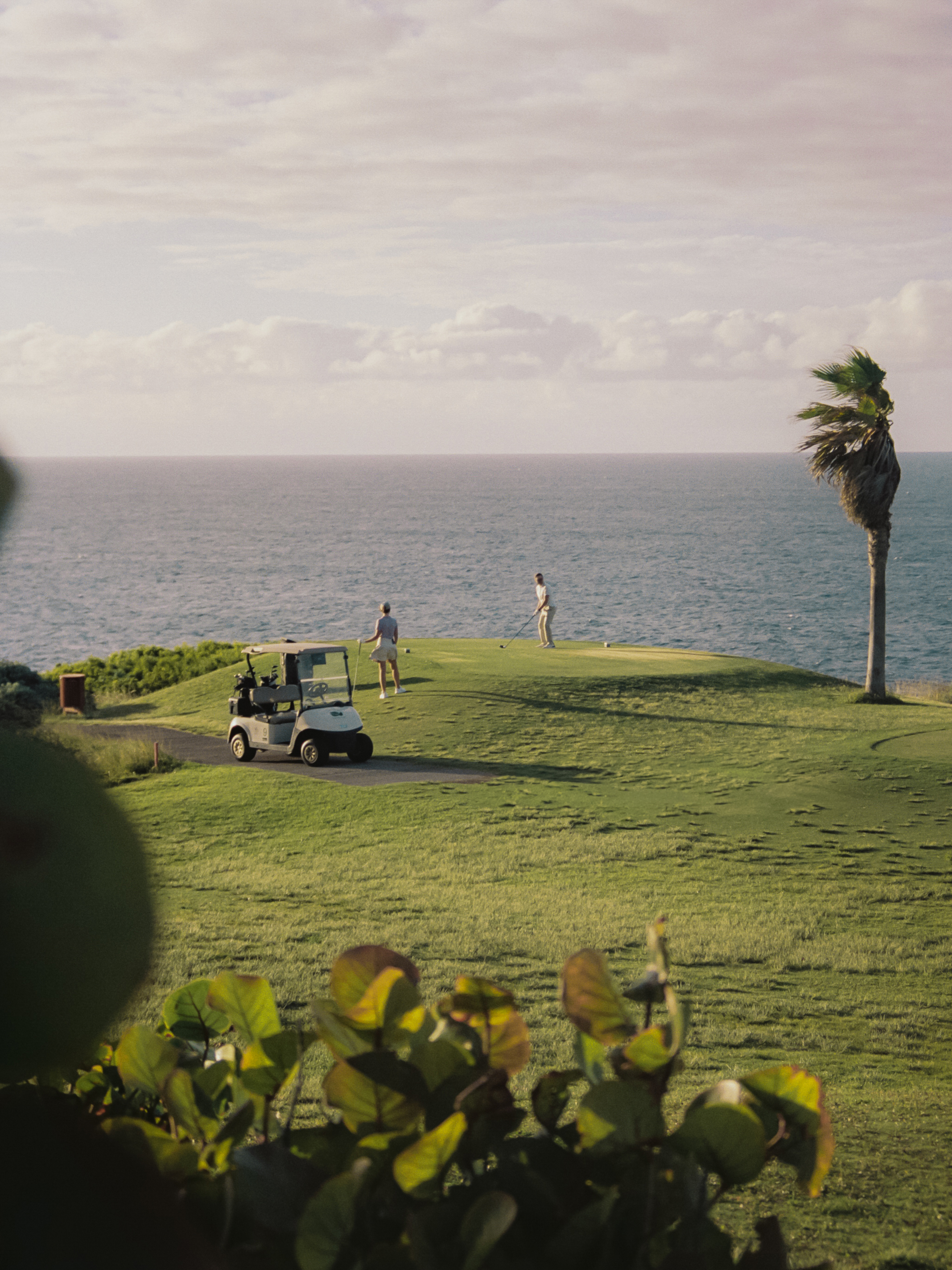,regionOfInterest=(1312.5,1750))
,regionOfInterest=(2000,3000))
,regionOfInterest=(2000,3000))
,regionOfInterest=(2240,3360))
,regionOfInterest=(2240,3360))
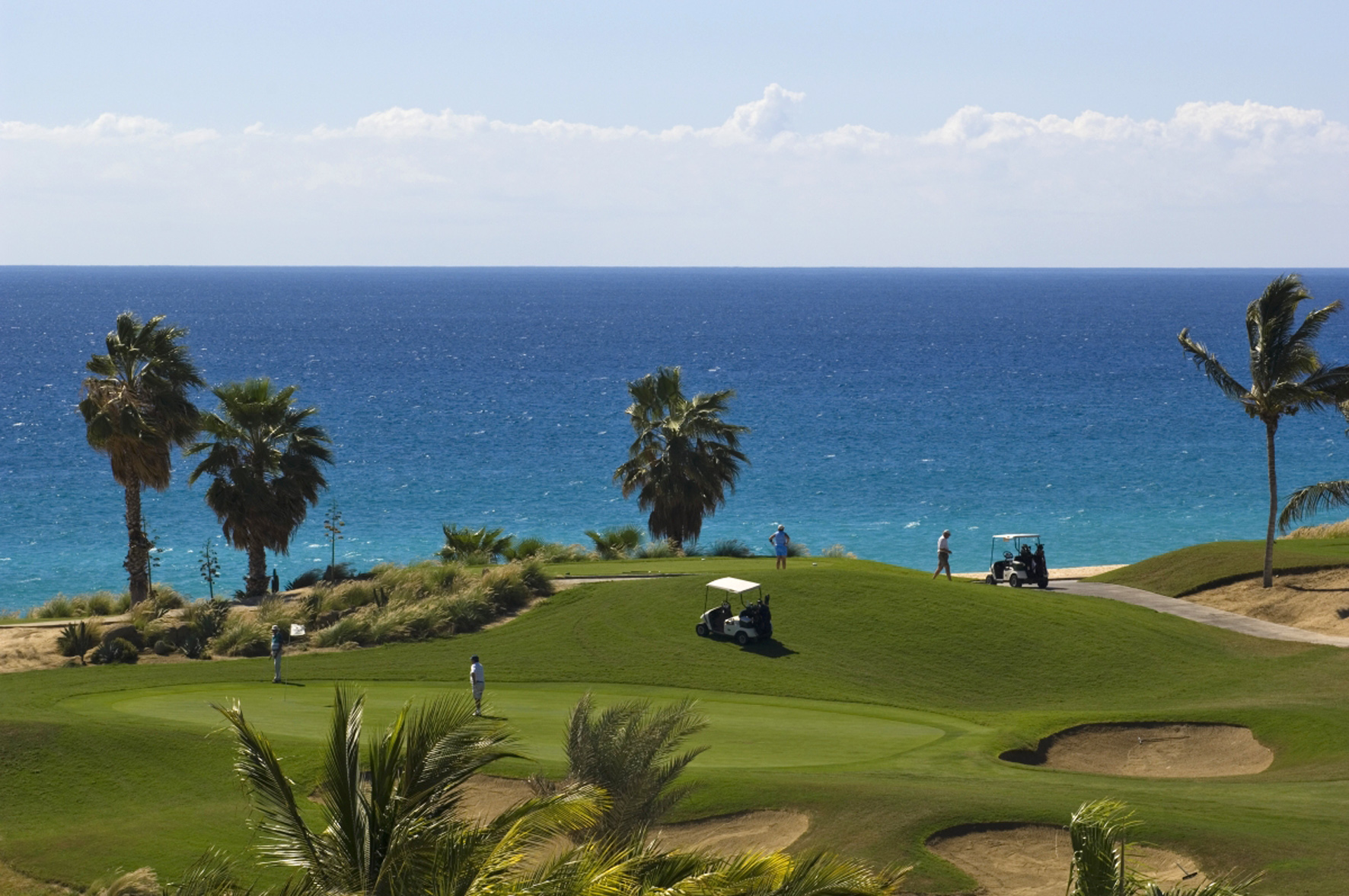,regionOfInterest=(886,588.5))
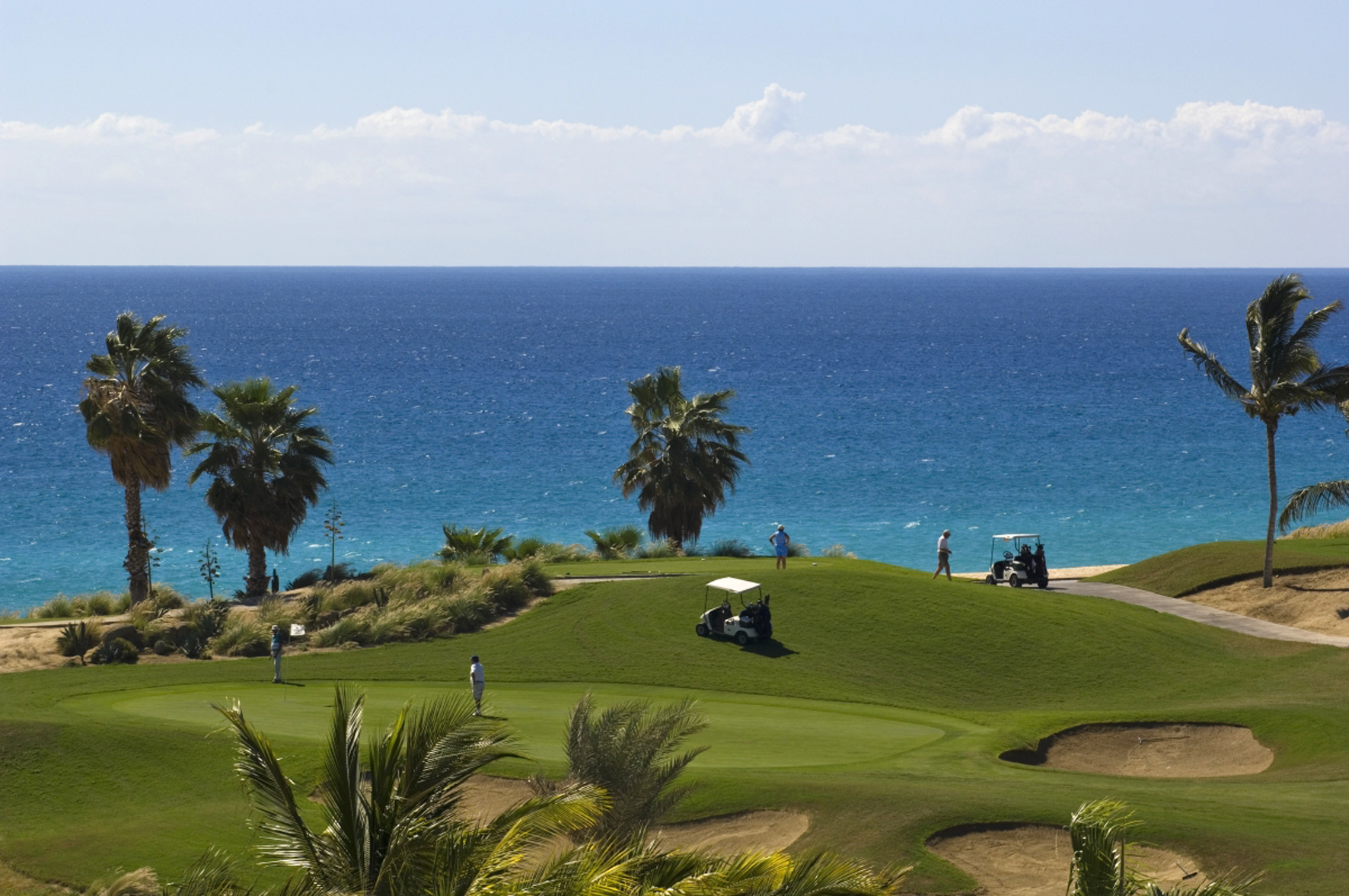,regionOfInterest=(886,588.5))