,regionOfInterest=(1059.5,707))
,regionOfInterest=(1059.5,707))
Best Riverfront Hotels in Chiang Mai 2026: Stay Near the Ping River
,regionOfInterest=(1771.5,1181.5))
,regionOfInterest=(1771.5,1181.5))
Culture
,regionOfInterest=(2769.5,1855.5))
,regionOfInterest=(2769.5,1855.5))
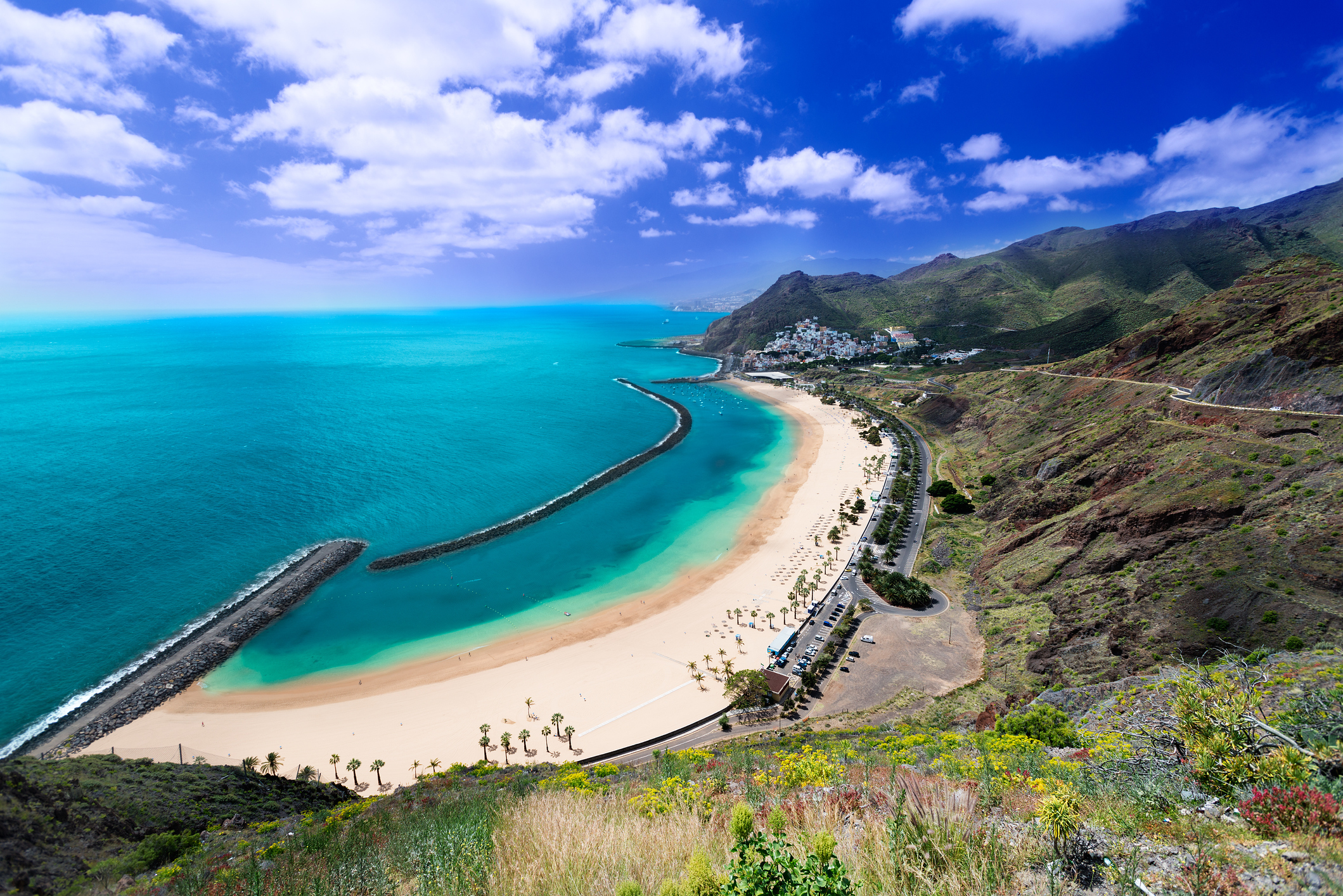
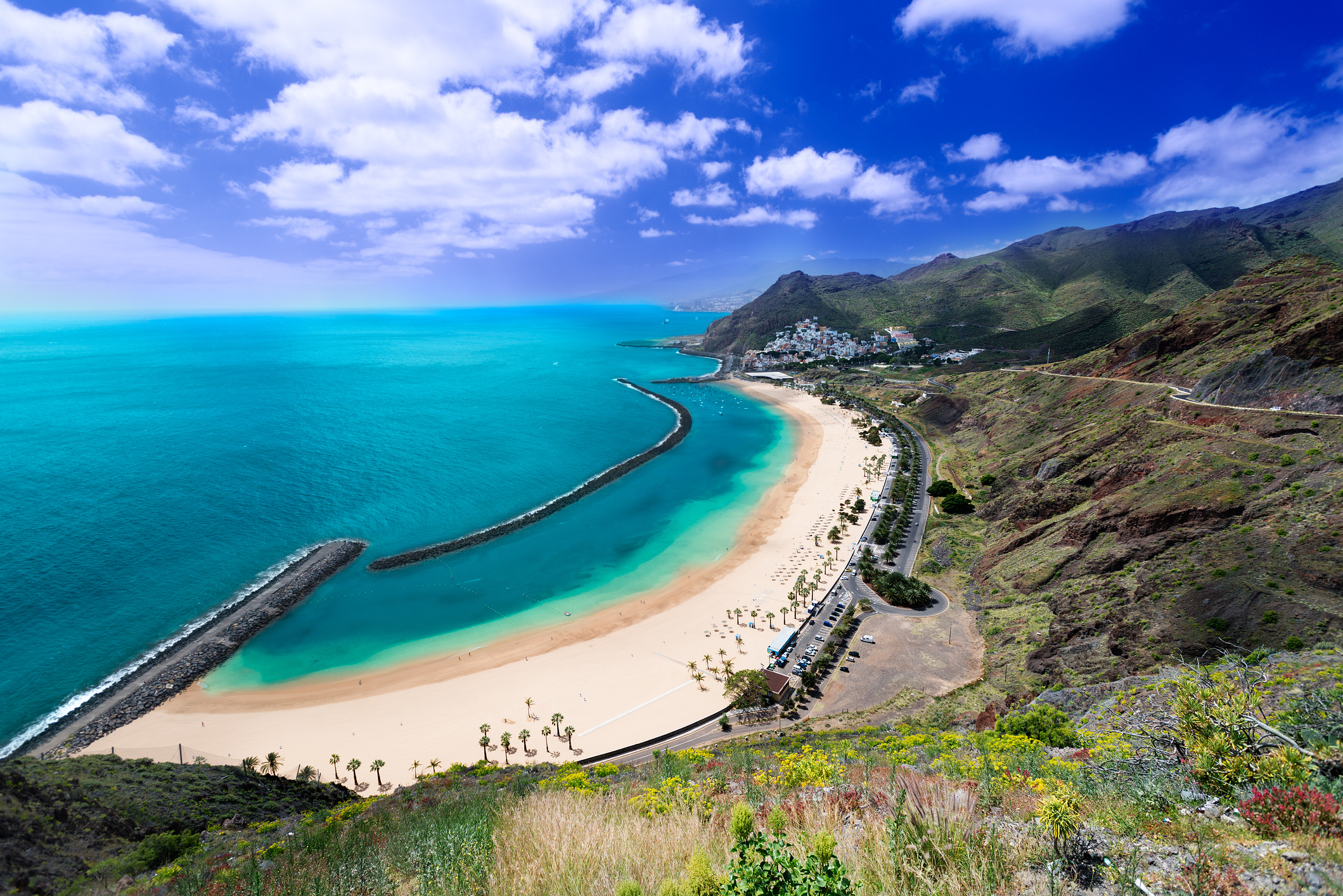
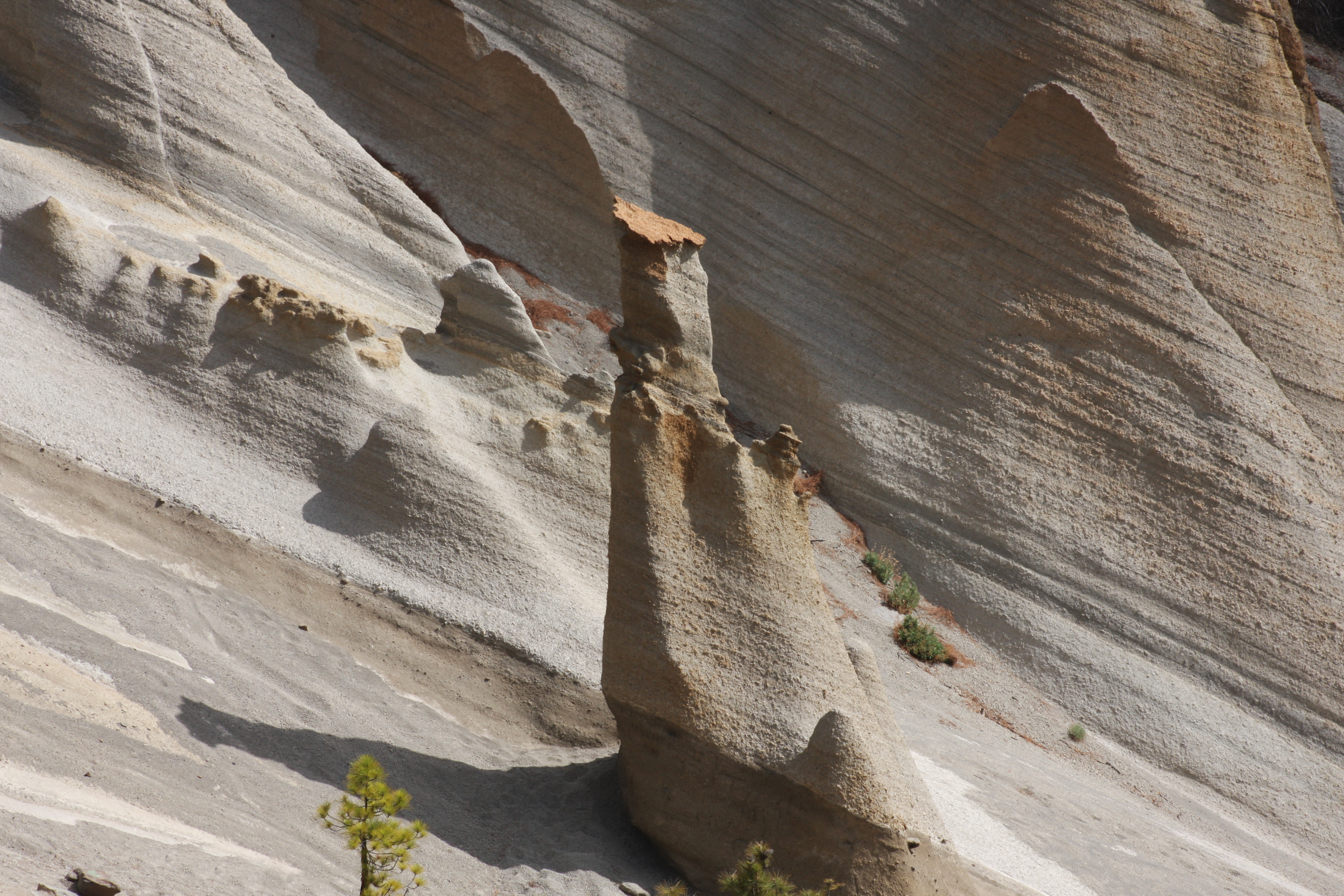
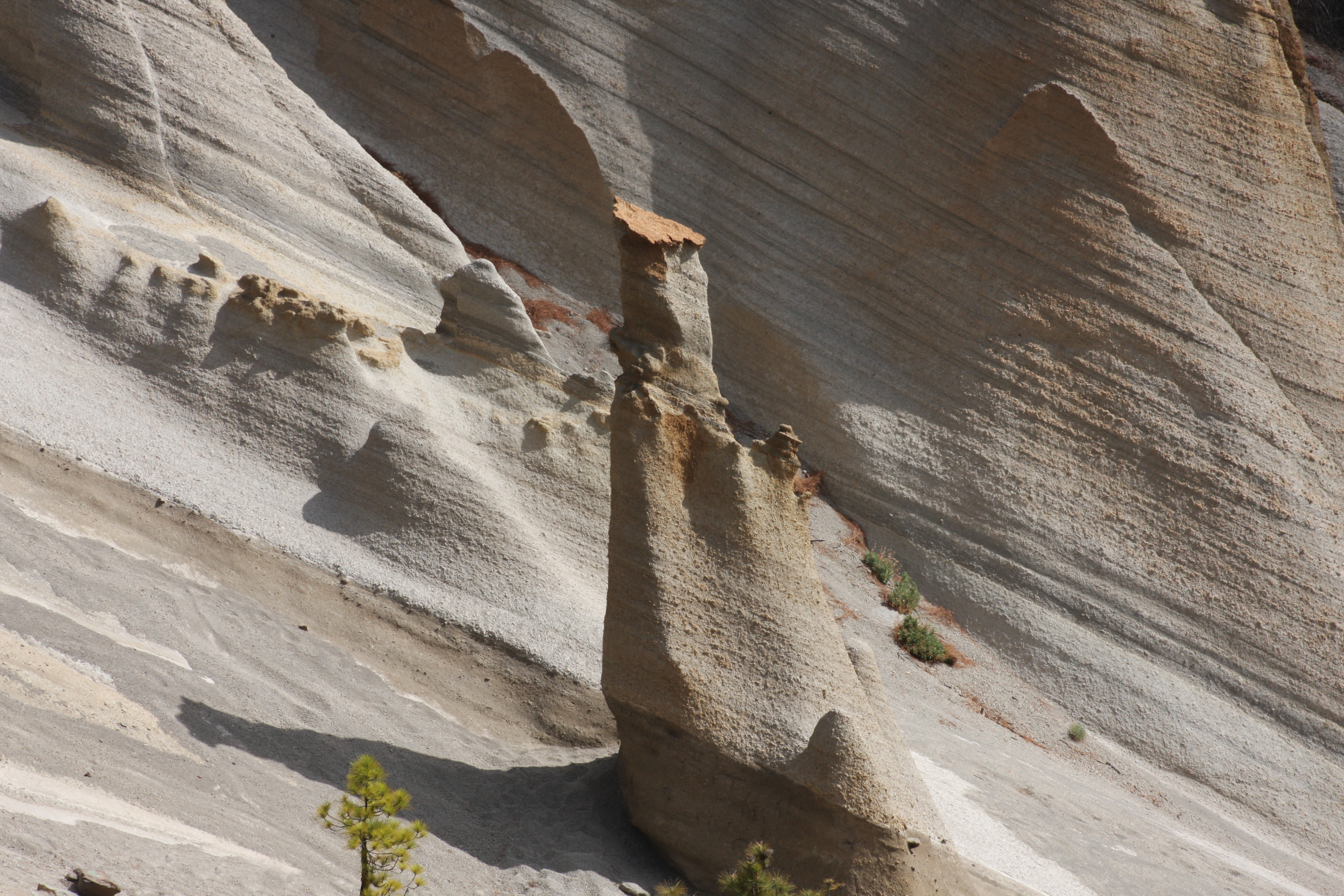
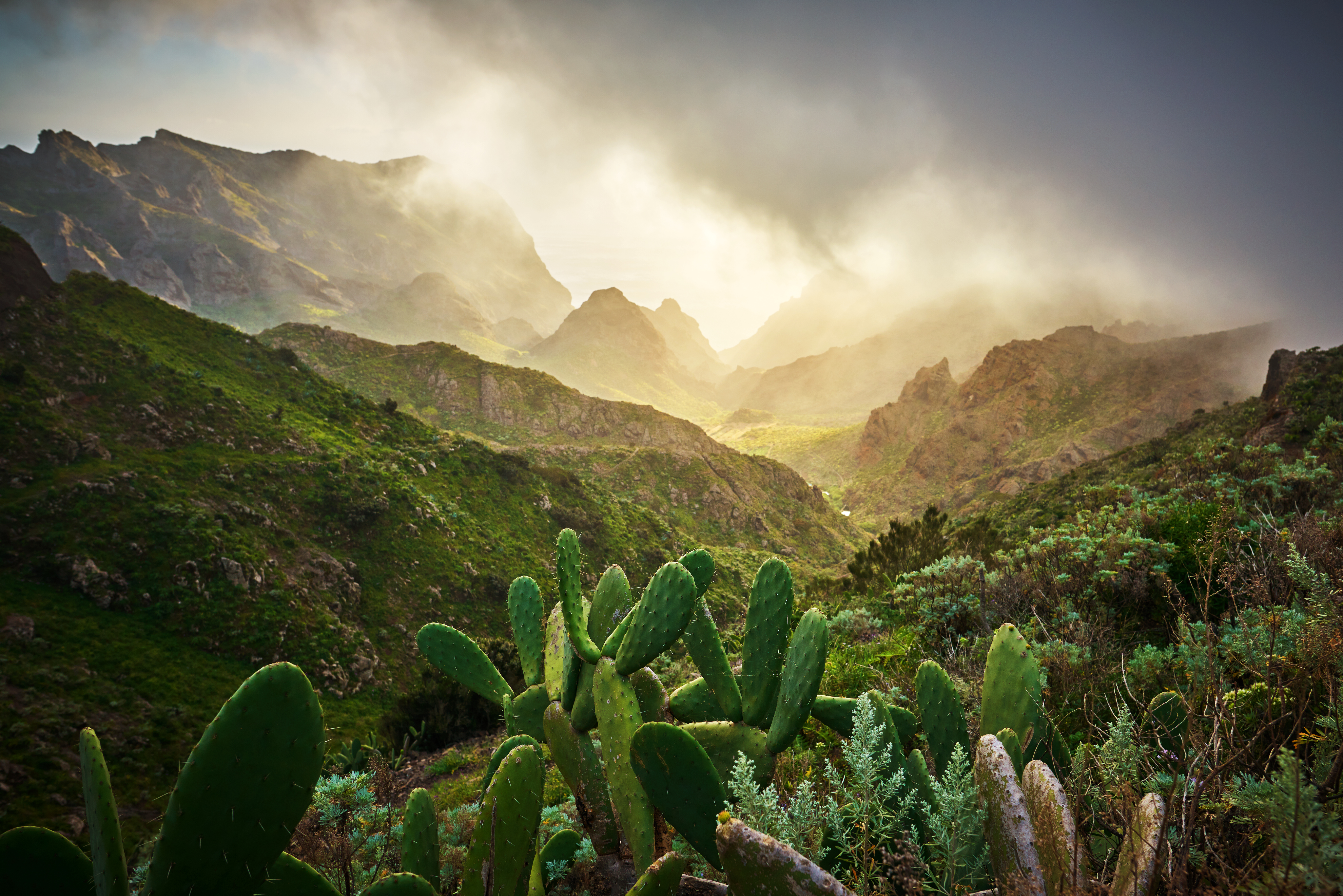
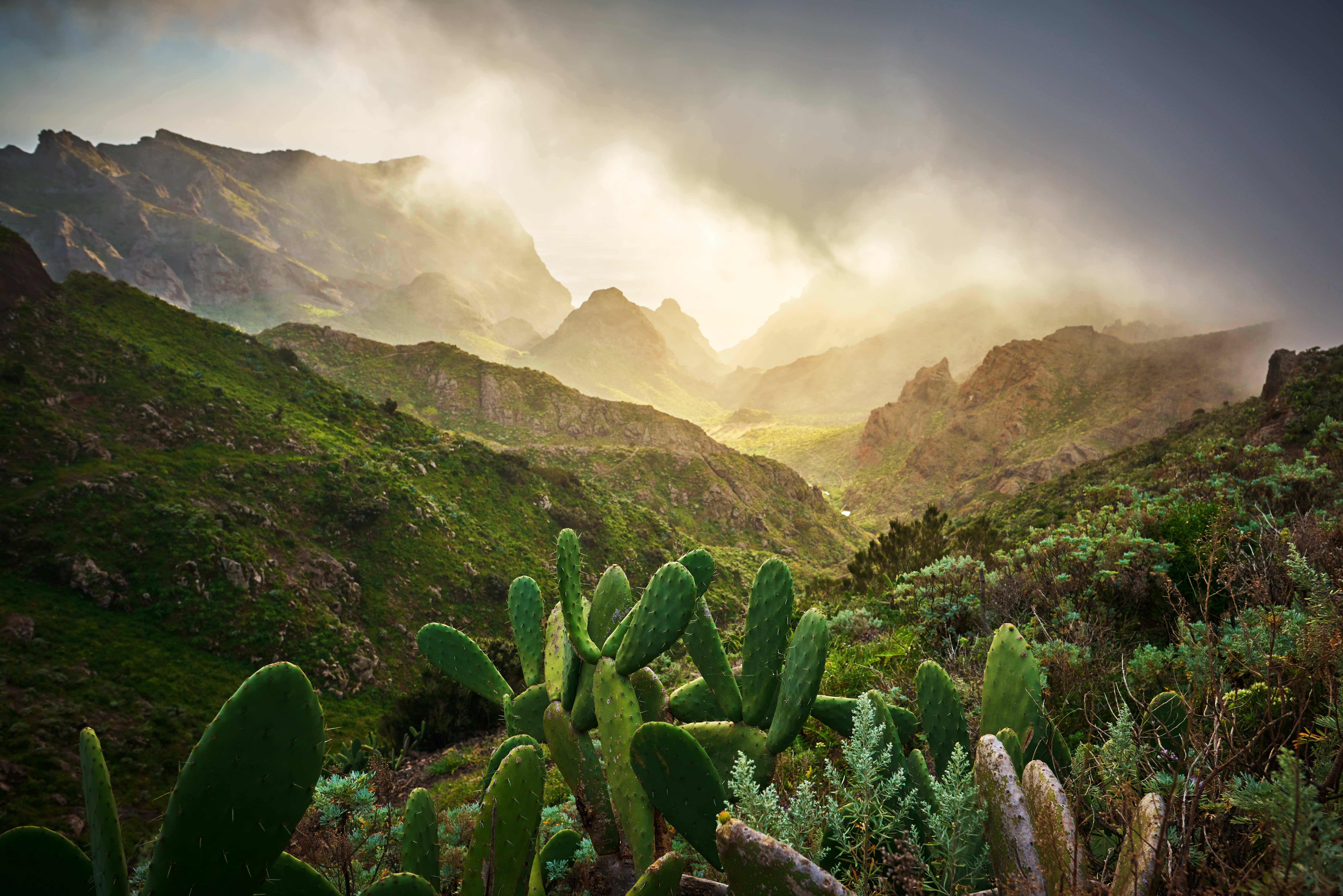
The north of Tenerife boasts some of the island's most representative landscapes and municipalities. Forests, historic towns, volcanic coastlines and viewpoints create a very different route to the south, helping to complete your trip.
Among the things to do in Tenerife, this area deserves its own stop. In this guide, you'll find several places to plan your trip through the north of the island, whether you have one day or plan to stay longer.
,regionOfInterest=(627,627))
,regionOfInterest=(627,627))
Specialising in digital marketing and delving into the world of content creation for the tourism and hotel industry.
,regionOfInterest=(1944,1296))
,regionOfInterest=(1944,1296))
,regionOfInterest=(3392,2264))
,regionOfInterest=(3392,2264))
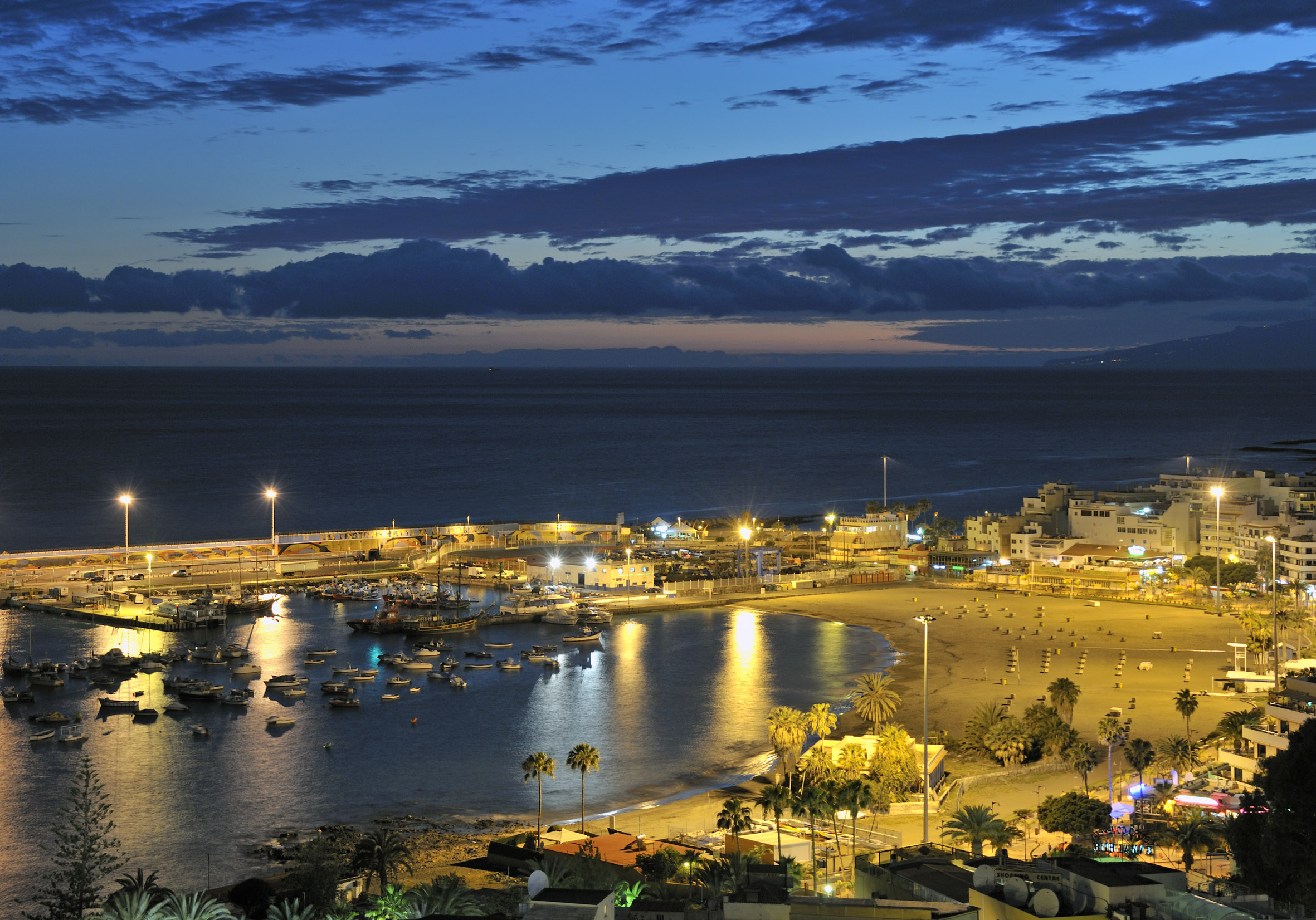,regionOfInterest=(1181,826))
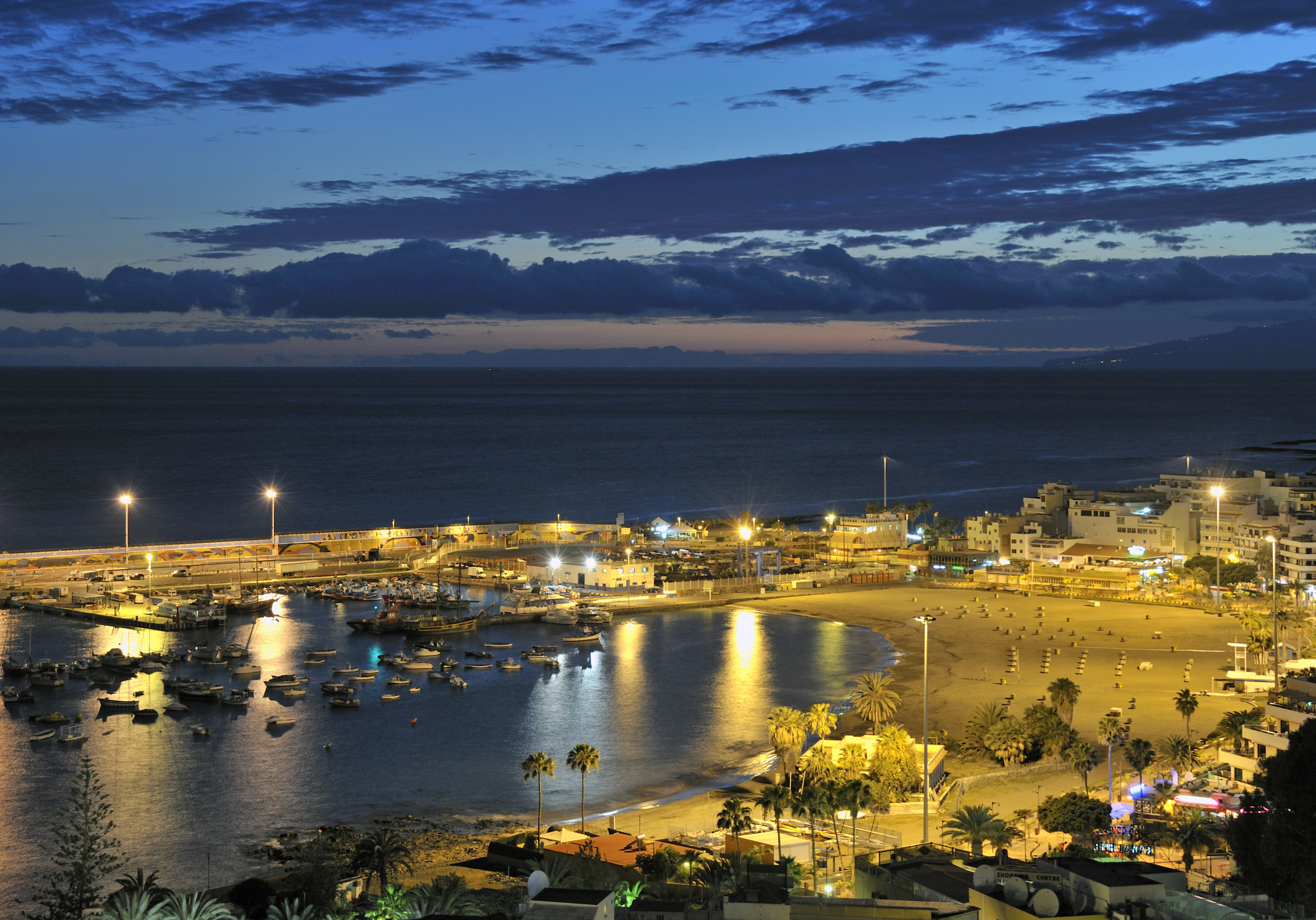,regionOfInterest=(1181,826))
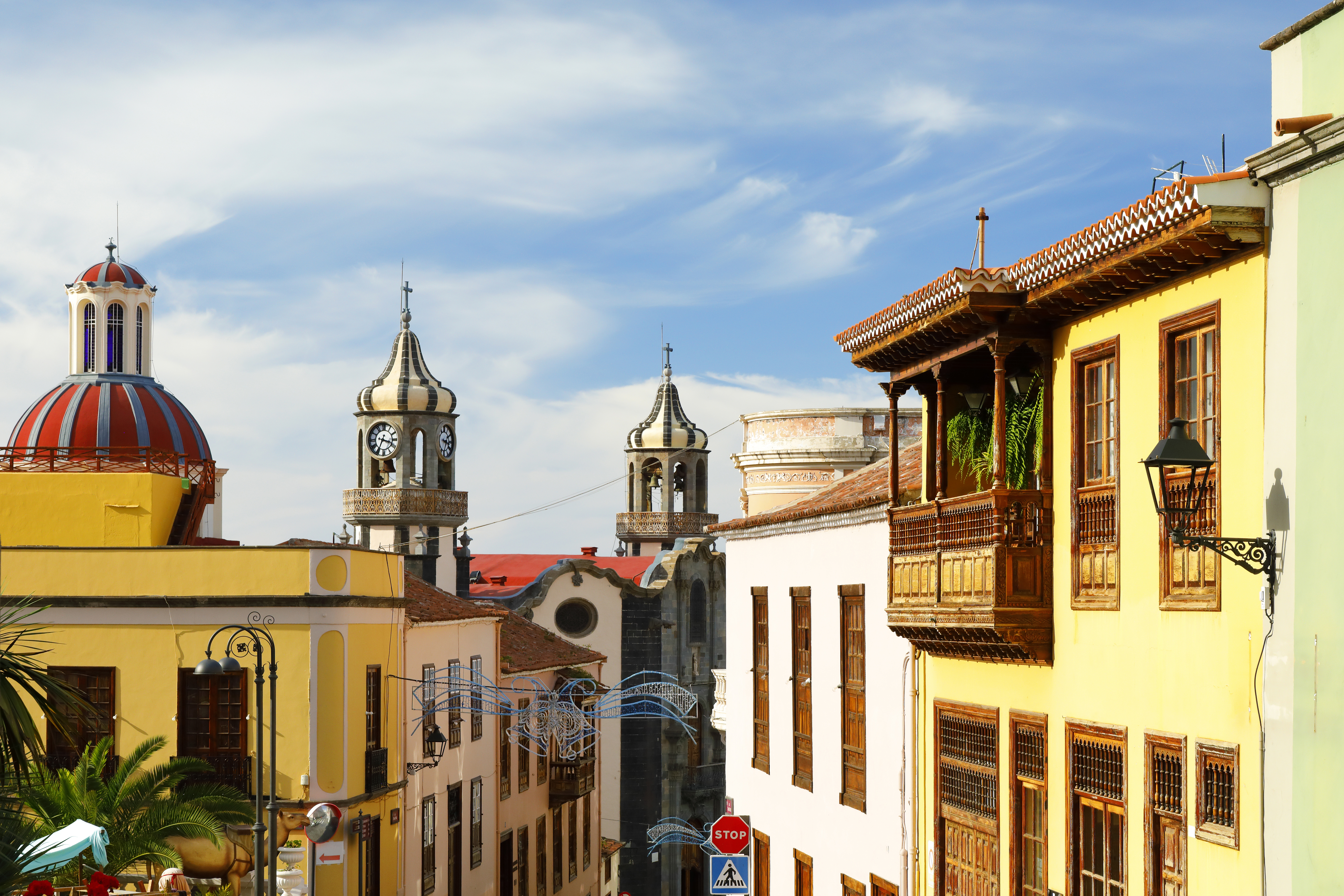,regionOfInterest=(3180,2120))
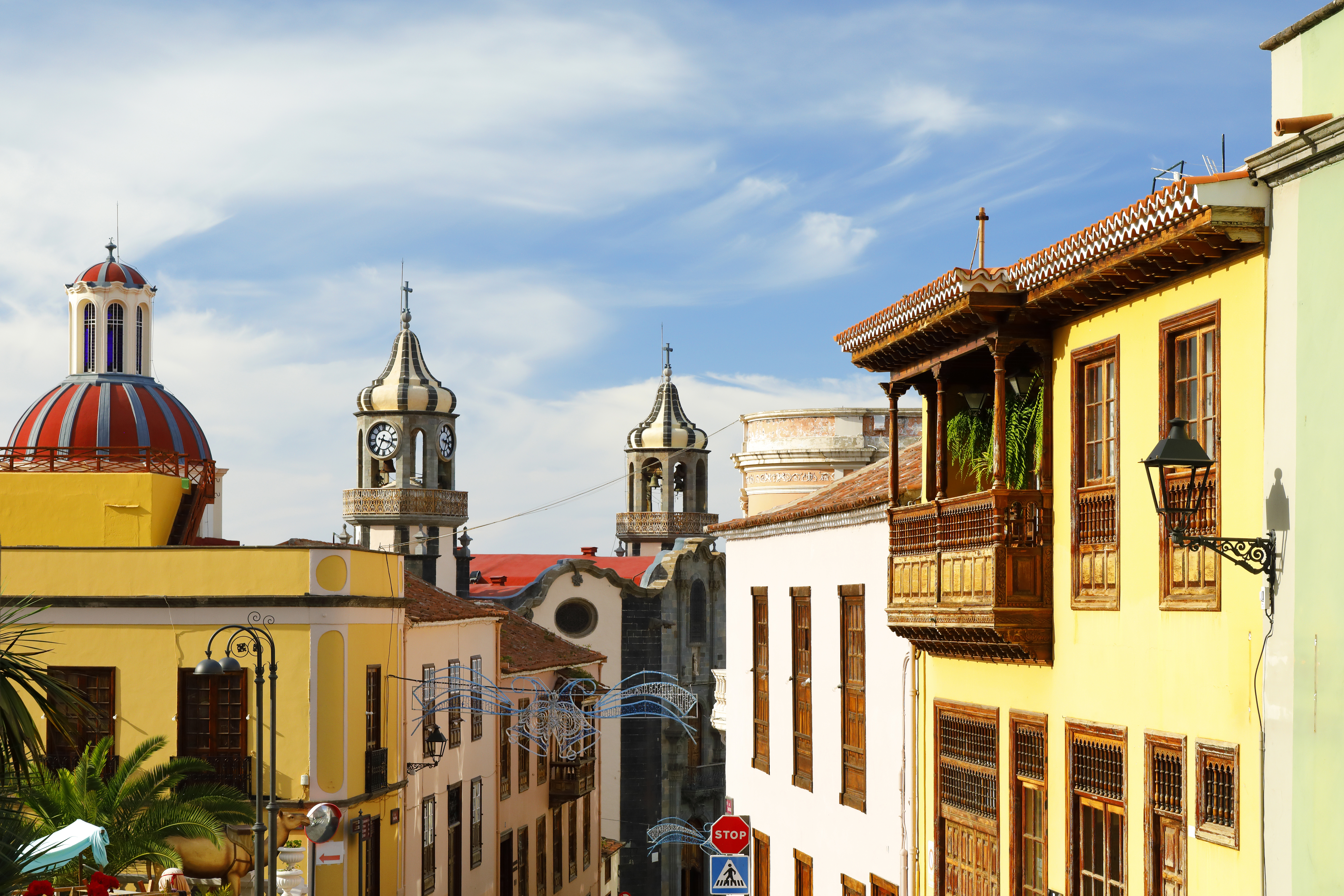,regionOfInterest=(3180,2120))
One of the first things you'll wonder when planning your itinerary is what to do in Northern Tenerife. Here, the trip is experienced differently; you need to change your mindset. It's not just about visiting places or lying on a sun lounger, but about letting yourself be captivated by volcanic landscapes, forests, and historic towns, leaving haste behind.
Tourism in Northern Tenerife is closely linked to nature, culture, and tradition. All of this is complemented by a unique microclimate thanks to the trade winds, offering landscapes that seem straight out of a film.
Among the things to do in Northern Tenerife, prioritise hiking, landscape photography, and, of course, the 'guachinche' route. This area is home to the Anaga Rural Park, located in the northeast of the island, declared a Biosphere Reserve by UNESCO.
As there are so many places to visit in Northern Tenerife, it's best to divide your route by municipalities, which should include San Cristóbal de La Laguna, Garachico, or Puerto de la Cruz.
Declared a UNESCO World Heritage Site, San Cristóbal de La Laguna is one of the jewels of tourism in Northern Tenerife, with a historic quarter that makes it one of the most welcoming towns in the world.
With its colonial layout, stately homes, and characteristic university atmosphere, stroll through its pedestrian streets, such as Calle de La Carrera, where colourful facades and patios full of vegetation are the main protagonists.
In the heart of the Orotava Valley lies what many consider the most beautiful town in the Canary Islands, notable for its noble architecture. You must visit the Casa de los Balcones (House of Balconies), a 17th-century gem with impressive wood carvings.
The Gardens of the Marquisate of the Quinta Roja are also recommended, offering some of the best views of Teide.
The town of Icod de los Vinos is world-renowned for the Millennial Dragon Tree, which will be discussed later, but it has much more to offer. Its squares, such as Plaza de La Pila, are surrounded by old palaces and wineries where you can sample some of Tenerife's best wines.
The town of Garachico is a work of art in itself. After the lava from the Trevejo volcano destroyed its commercial port, which was the most important in Tenerife at the time, this municipality was reborn with beautiful volcanic stone architecture. Visit the Castle of San Miguel and the Convent of San Francisco, which transport you to the era of pirates and great navigators.
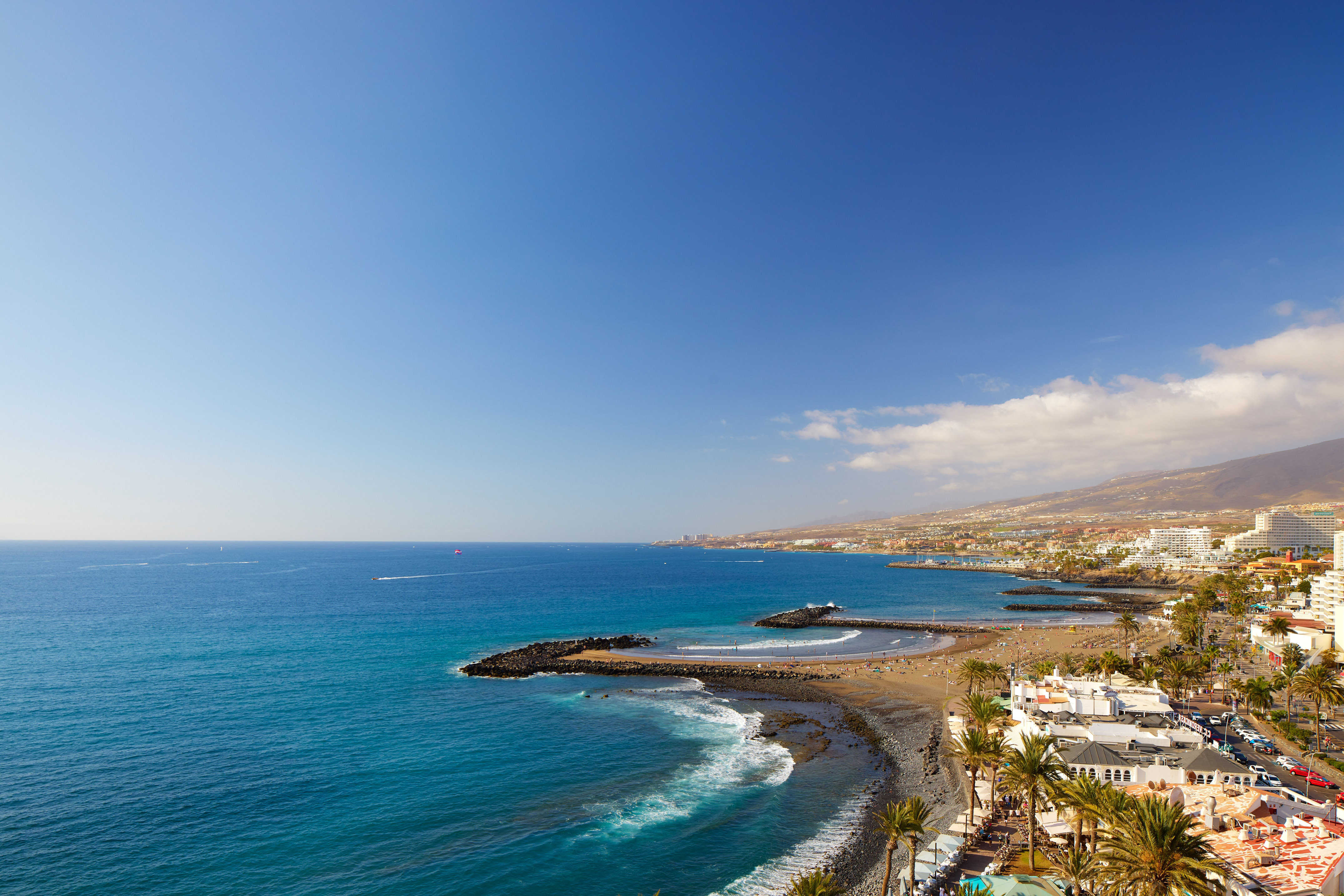,regionOfInterest=(2150,1434))
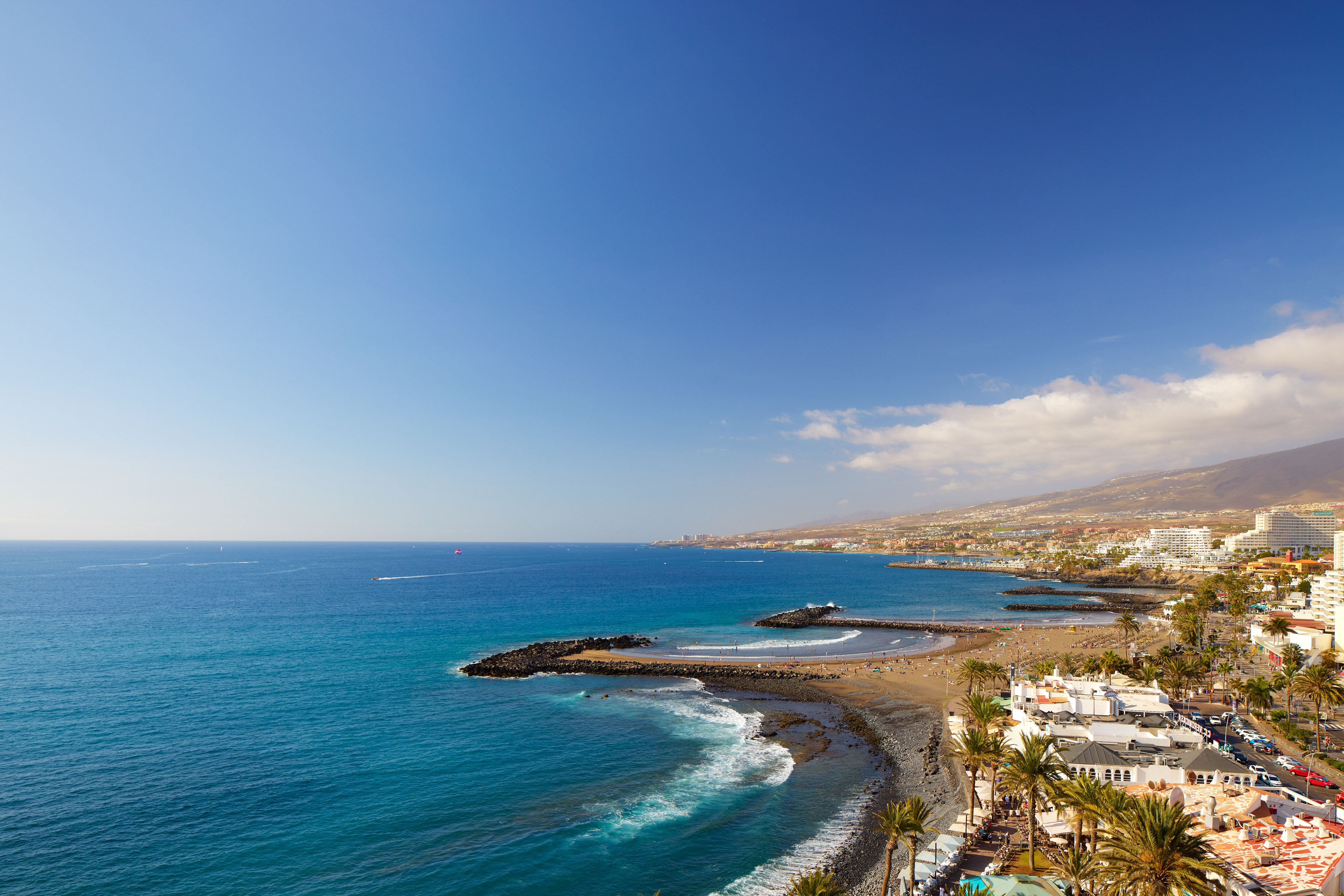,regionOfInterest=(2150,1434))
As you walk through the historic quarter, the Cathedral of La Laguna will appear before you with its imposing neoclassical facade. It is one of the island's main attractions due to its architectural value. Take time to admire its reinforced concrete dome, one of the first of its kind in Spain.
This cathedral is the religious heart of the Diocese of Tenerife and a must-see if you are a lover of sacred art.
The Millennial Dragon Tree is a botanical symbol of the Canary Islands, with over eight hundred years of history. Seeing its twisted branches reaching towards the sky is one of the attractions of Northern Tenerife that connects you with the pre-Hispanic era of the Guanches. Furthermore, it is surrounded by a botanical park where you will find all sorts of native Canarian flora.
Located on the east coast of the island, the Basilica of Our Lady of Candelaria is a mandatory stop on your route through Northern Tenerife. Facing the sea, and flanked by bronze statues of the Guanche Menceys, inside you will find the Virgen de la Candelaria, the patron saint of the Canary Islands, making it a place of pilgrimage for the people of Tenerife.
Strolling through the old town of La Laguna is like travelling back to the 15th century. Declared a UNESCO World Heritage Site, it is the first non-walled colonial city, which served as a model for many cities in Latin America.
It's worth walking down Calle San Agustín and stopping to admire the pine wood balconies and the Canarian patios full of ferns.
The San Telmo neighbourhood is a former fishing district in Puerto de la Cruz, whose maritime essence remains alive in the Hermitage of San Telmo. Walking through its narrow streets while feeling the sea spray is one of the best activities in Northern Tenerife.
Here, the modernity of tourism merges with the tradition of fishing boats that still rest on San Telmo Beach.
The centre of Garachico is a gem of traditional Canarian architecture. Walking through the Plaza de la Libertad, you'll feel the tranquility and elegance of a place that managed to rebuild itself after the eruption of the Trevejo volcano in 1706.
Plaza del Charco is the heart of social life in Puerto de la Cruz. Surrounded by bars and terraces, it's an ideal place to relax and have a drink.
If you want to connect with nature, Anaga Rural Park is one of the essential stops in the northeast of Tenerife, home to the largest concentration of laurel forest in all of Europe.
Walk the Path of the Senses, a trail with wooden walkway sections that immerses you in a humid, lush forest that feels like a fairy tale.
Located in Puerto de la Cruz, it is a green lung where you can see exotic species from all over the world.
Take advantage of your visit to this botanical garden and include a visit to the enormous Lord Howe Fig tree in your plans for Northern Tenerife.
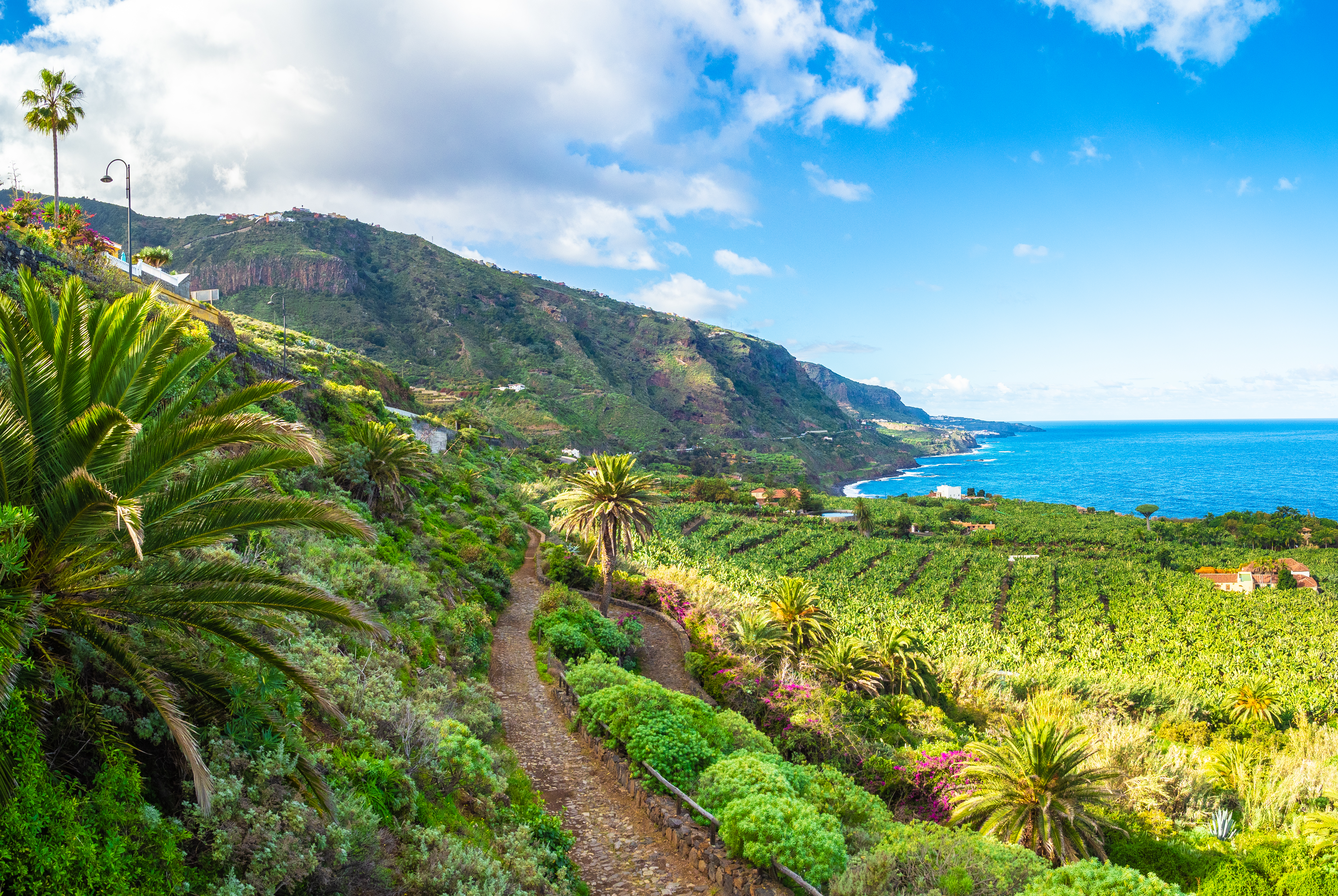
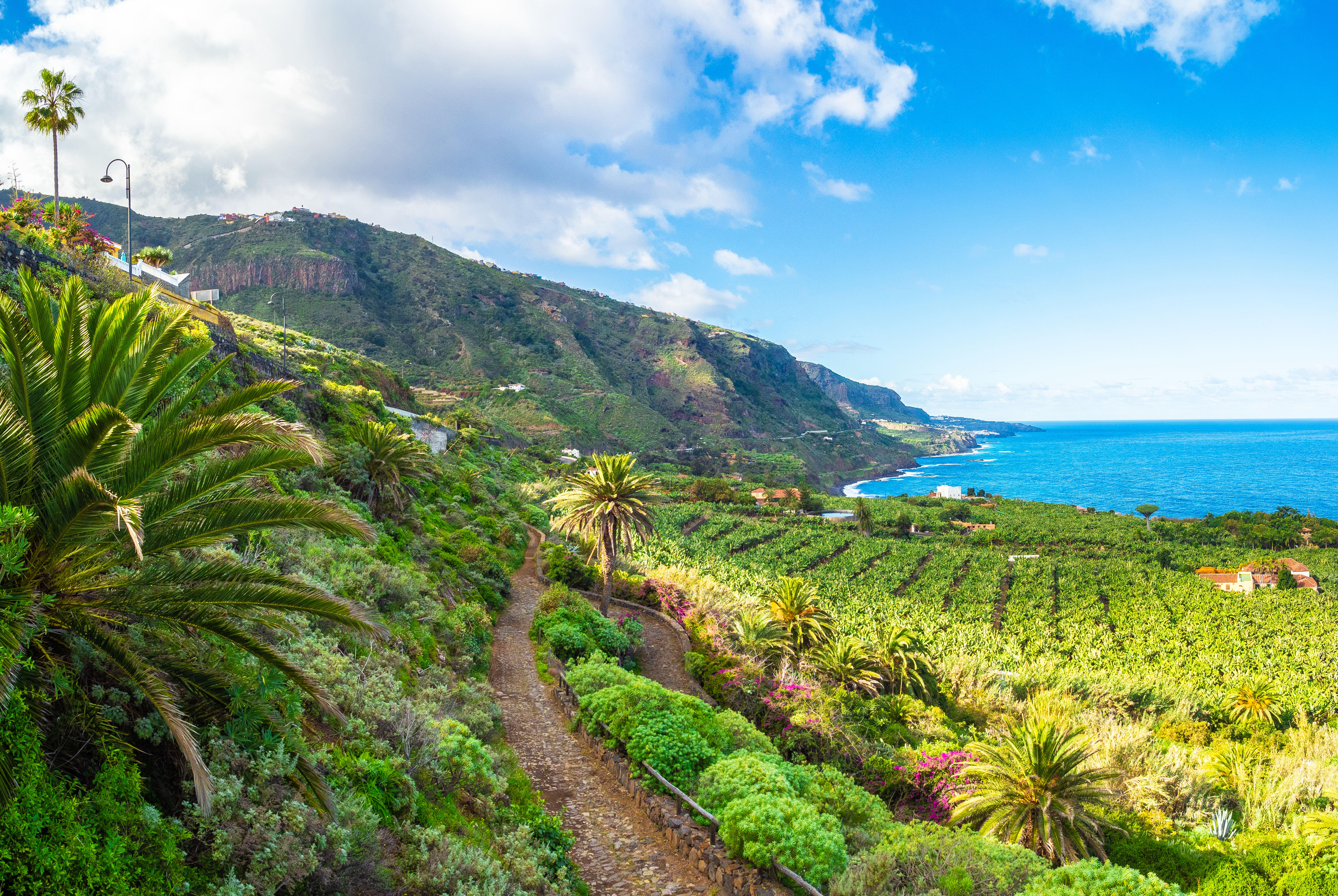
The Humboldt Viewpoint offers one of the best views of the Orotava Valley. Here you'll see a carpet of banana plantations descending to the sea, with Teide watching from above. It's the perfect image to understand the volcanic geography of the area.
In Santa Cruz de Tenerife, the MUNA is a fundamental museum for understanding who the Guanches were and delving into the anthropology of the islands before the conquest of the Canary Islands. The most striking are the perfectly preserved aboriginal mummies.
📍Check opening hours and prices
Housed in a building with avant-garde architecture designed by Herzog & de Meuron, TEA is the island's centre for contemporary culture. It holds one of Tenerife's most outstanding libraries and hosts constant exhibitions of modern art.
There are many activities in Northern Tenerife that will surprise you and allow you to break away from the traditional; from hiking routes to gastronomic experiences or visits to local wineries.
Visit the Cueva del Viento in Icod de los Vinos, one of the longest volcanic tubes in the world. Walking underground on the island is one of the most intense tourist experiences you can have.
Another great plan is to swim in the Natural Pools of El Caletón in Garachico, or in Charco de la Laja in San Juan de la Rambla, pools formed by lava as it met the ocean.
,regionOfInterest=(3976,2652))
,regionOfInterest=(3976,2652))
Gastronomy is an essential part of tourism in Northern Tenerife, where eating is a ritual. Visit a guachinche, the name for traditional eateries serving their own wine and homemade cuisine.
These are some of the dishes you must try:
For dessert, nothing beats a quesillo or a bienmesabe, accompanied by a good wine with the Tacoronte-Acentejo Designation of Origin. After eating, you'll realise how the gastronomy of Northern Tenerife has that flavour of home and fertile land.
The romerías are the soul of the villages in the north of Tenerife, among which the romería of San Benito Abad in La Laguna and San Isidro Labrador in La Orotava stand out. You'll see people dressed in traditional 'traje de mago' attire, ox-drawn carts, and hear music from timples and guitars.
Another of the most famous events are the Corpus Christi Flower Carpets of La Orotava in La Orotava during Corpus Christi. The streets are filled with carpets made from colourful petals and volcanic earth from Teide National Park.
If you're travelling with family, Loro Parque in Puerto de la Cruz is a must-visit. Located in Puerto de la Cruz, this zoo is a world reference for its parrot collection and its orca and dolphin shows. Another option is to visit the Museum of Science and the Cosmos in La Laguna, where children can experiment and learn about the universe in an interactive, educational, and above all, fun way.
Here you'll find several routes for Northern Tenerife by day to help you plan your itinerary based on your available time:
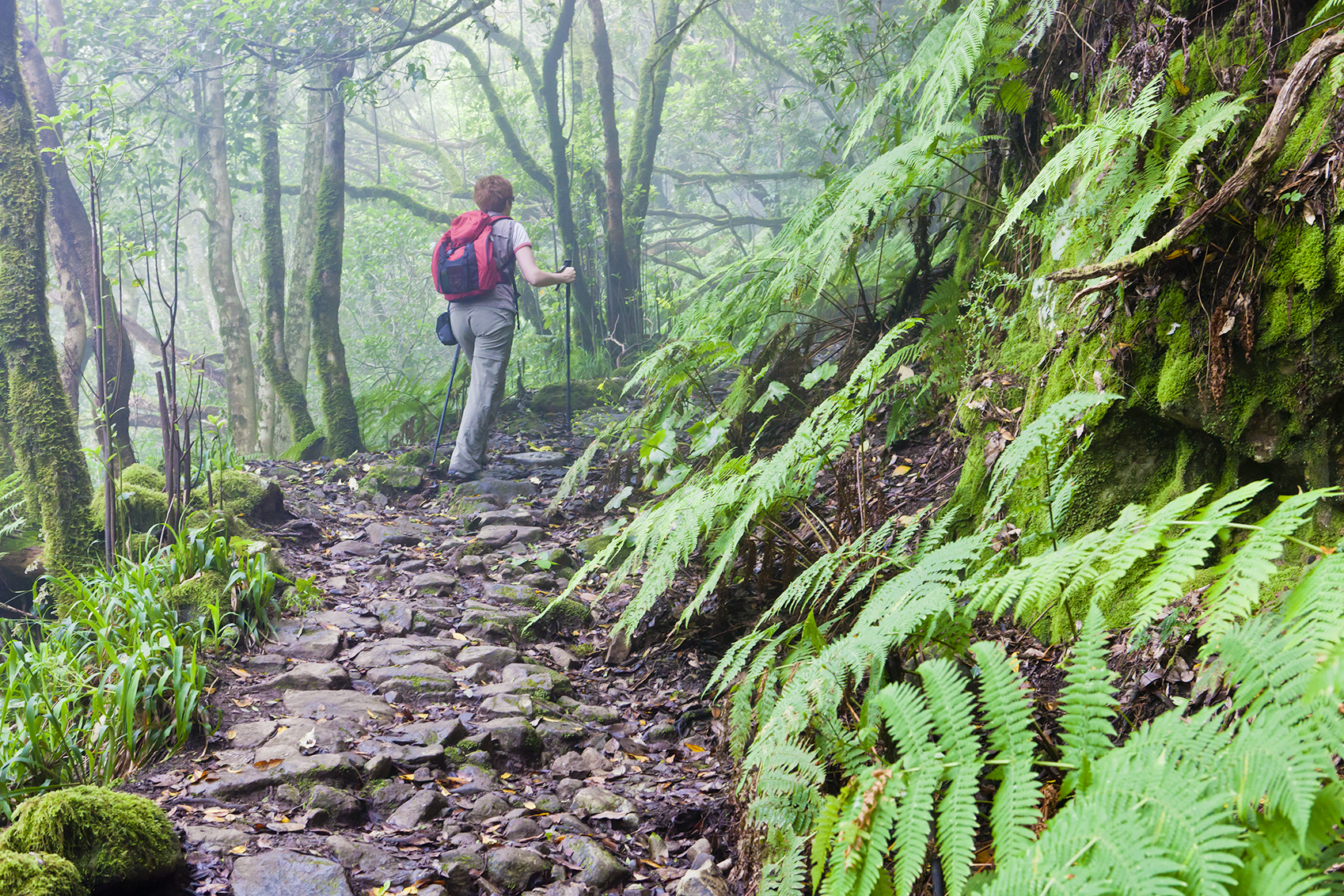,regionOfInterest=(849,566))
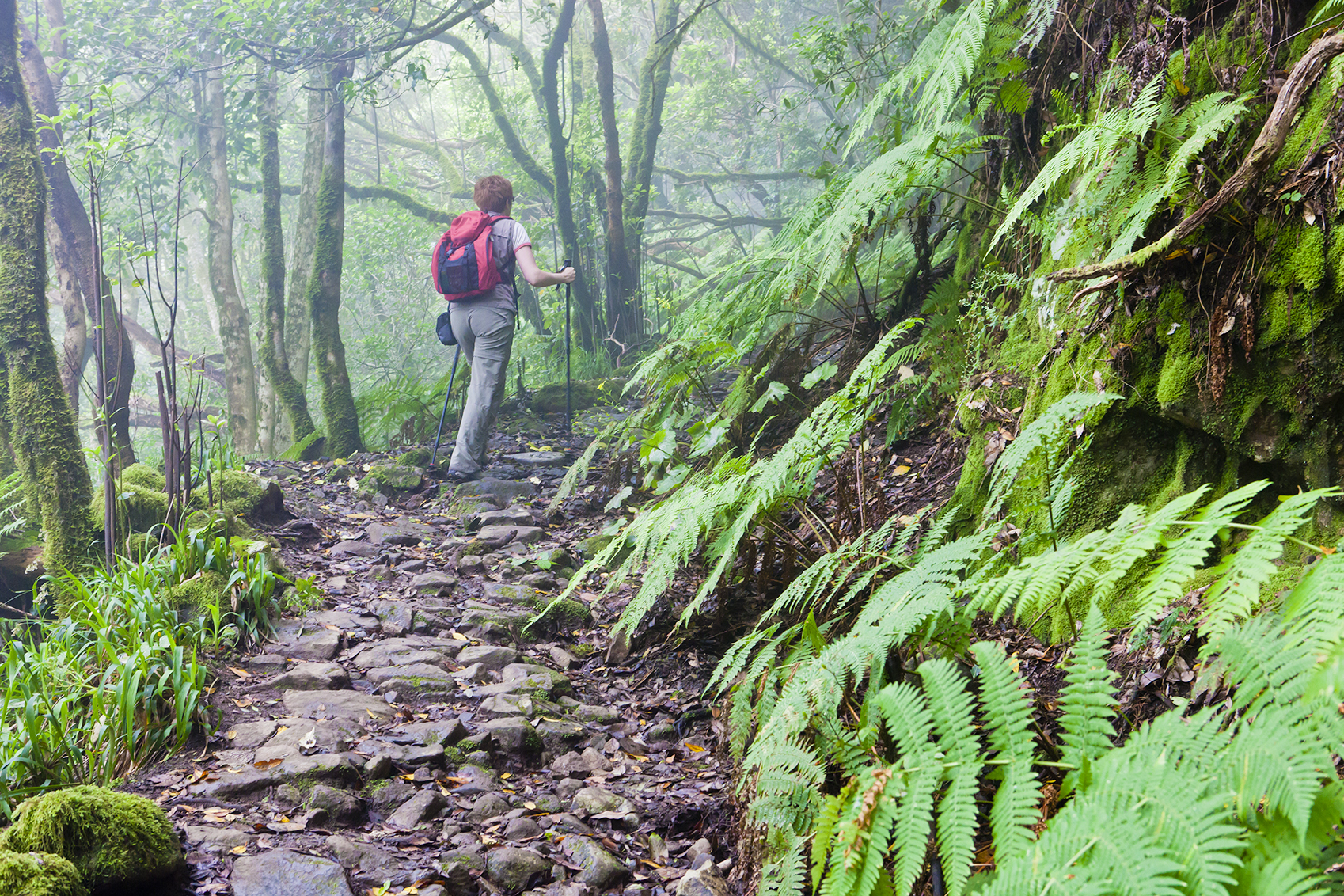,regionOfInterest=(849,566))
Don't limit yourself to the most famous tourist spots; dare to step into a small village tavern, order a café barraquito and listen to the locals. The north has that relaxed pace and hospitality that will make you feel at home from the first minute.
Other guides to enjoy your trip to Tenerife:
Culture
,regionOfInterest=(2852,1899.5))
,regionOfInterest=(2852,1899.5))
,regionOfInterest=(3067,2036))
,regionOfInterest=(3067,2036))
,regionOfInterest=(3008,2008))
,regionOfInterest=(3008,2008))
,regionOfInterest=(3680,2456))
,regionOfInterest=(3680,2456))
,regionOfInterest=(1944,1296))
,regionOfInterest=(1944,1296))